Cruise passengers used to accept spotty internet as part of the deal. That tolerance has largely disappeared. Today, a slow connection at sea can shape whether someone books with the same line again, and cruise operators are responding with some of the most significant infrastructure investments in years.
The shift isn’t cosmetic. It reflects how deeply connectivity now intersects with satisfaction, spending, and loyalty programs across the industry.
Cruise Lines Race To Upgrade Satellite Internet
Most major cruise brands have moved away from older geostationary satellite systems in favor of Starlink’s low-Earth-orbit network, which delivers faster speeds and lower latency. Carnival, Costa, Holland America, P&O, and MSC have all made this switch in recent years, according to Ookla’s 2025 connectivity analysis.
The upgrade cycle hasn’t finished, though. That same research found roughly 12.6% of onboard Wi-Fi access points still operate on the older Wi-Fi 4 standard, showing there’s meaningful ground left to cover before every ship offers land-comparable performance. Royal Caribbean has pushed furthest on hardware, with newer vessels running high-capacity Starlink backbones designed to support everything from video calls to real-time gaming.
Why Connectivity Now Outranks Dining In Surveys
Passenger priorities have quietly reordered. Reliable internet now sits alongside dining and cabin comfort as a factor guests weigh when deciding whether to sail with a brand again. Onboard entertainment options have expanded well beyond streaming and messaging apps, too. Passengers browse various digital entertainment options, from crosswords to card games. As for the latter, some play Uno and Keno, while others turn to poker or blackjack. Offshore websites with diverse game selections, like the bitcoin casino sites listed here, are among the most popular pastime alternatives, reflecting how thoroughly digital leisure has integrated into the modern cruise experience.
This matters because connectivity is no longer treated as a bonus feature bolted onto the cruise product. It’s increasingly viewed as part of the core offering, comparable to a balcony cabin or an included beverage package. Guests who hit reliable, fast connections tend to report higher overall satisfaction, and that sentiment carries directly into repeat booking behavior.
How Passengers Use Bandwidth Differently At Sea
The way people use onboard Wi-Fi has changed shape entirely. A November 2025 survey of more than 12,500 Carnival cruisers found that 72% now purchase a Wi-Fi plan, leaving just 28% sailing without any internet access at all, based on Carnival passenger survey data reported that year. Among buyers, 24% said social media was their primary reason for purchasing, 23% wanted to stay in touch with people back home, and 12% needed access for work or email.
That breakdown tells a bigger story. Cruising is no longer a full digital disconnect for most travelers — it’s an extension of daily online habits, just with an ocean view. Pricing has adjusted accordingly, with daily plans on some lines now running $20 to $25, yet demand hasn’t softened. People are willing to pay for dependable access, which has turned onboard internet into a durable revenue stream rather than a minor add-on.
What Improved Wi-Fi Means For 2026 Bookings
Looking ahead, connectivity quality is shaping up to be one of the clearer differentiators between cruise lines competing for repeat customers. Industry analysis suggests reliable internet consistently ranks among the top factors influencing satisfaction scores and rebooking decisions, according to maritime connectivity research focused on passenger experience at sea. Leisure travelers want smooth streaming and instant photo sharing, while remote workers need stable connections for video calls and cloud-based tools.
For travelers planning a 2026 cruise, checking a line’s current Wi-Fi infrastructure may be just as useful as comparing itineraries or cabin categories. The lines that keep investing in bandwidth and network quality are the ones most likely to see guests return, book again, and recommend the experience to others.
On the morning of Monday, July 13, 2026, the Regal Princess was sailing off the coast of Cancún when a crew member went overboard. The ship had left Fort Lauderdale two days earlier on a seven-night run to Mexico, Belize, and Honduras. A passenger later described the captain announcing the emergency to the ship around 6 a.m., with hourly updates that followed. By about 1 p.m., the crew member had been declared dead. The ship skipped a scheduled port stop, another vessel joined the search, and the Regal Princess returned to Port Everglades on schedule.
Princess Cruises has not released the crew member’s name. The company said it was coordinating with maritime police and still investigating why the crew member went overboard. As of now, the cause is unknown. It could have been an accident, a fall from a work area, a medical event, or something else entirely.
For now, the cause remains an open question, and speculation helps no one. What is certain is that a crew member’s death at sea sets a very different legal machine in motion than a passenger’s would. The questions that follow are specific and unforgiving. Who bears responsibility when a worker dies on the job aboard a foreign-flagged ship? What is the family owed, and which court will even hear the claim? Maritime law answers all three, and its answers rarely match what families expect.
Why a crew member’s wrongful death is different than a passenger’s wrongful death
What Happens Under Maritime Law When a Crew Member Dies at Sea
If you get hurt or a loved one dies as a paying passenger, your claim runs through the cruise ticket contract and general maritime law. Those contracts are strict. They usually require written notice within six months and a lawsuit within one year, and they force the case into a specific court, almost always federal court in the Southern District of Florida.
Crew members live under different rules. A qualifying crew member is a seaman, and seamen are protected by the Jones Act, a federal law written to protect the people who work on vessels. To qualify, a worker generally has to spend at least 30 percent of their work time contributing to the operation of a vessel in navigation. Nearly all cruise ship crew meet that standard, from engine room staff to dining and entertainment workers.
The distinction matters because the Jones Act gives a seaman’s family rights that a passenger never has, and it comes with a longer window to act. A Jones Act claim generally must be filed within three years of the injury or death, not the one year passengers face.
The three legal theories that decide a crew death case
When a seaman dies, a family’s recovery usually turns on three overlapping theories.
The first is Jones Act negligence. The employer owes every crew member a reasonably safe place to work. If unsafe conditions, inadequate training, poor safety procedures, or a slow emergency response contributed to the death, that can support a negligence claim. The standard of proof for causation under the Jones Act is famously low, which is one reason these claims carry weight.
The second is unseaworthiness. This one is separate from negligence and, in some ways, stronger. A vessel and its equipment must be reasonably fit for their intended use. If a piece of equipment was defective, if a safety system did not work, or if the crew assigned to a task was inadequate, the vessel can be found unseaworthy. Unseaworthiness comes close to strict liability, meaning the owner can be held responsible even without proof of a specific careless act.
The third is the wrongful death and survival remedy. Maintenance and cure, the daily-living and medical benefits an injured seaman receives while recovering, do not apply once a crew member has died. Instead, the family pursues damages for the death itself and, in survival claims, for the conscious pain and suffering the crew member endured before dying.
Overboard deaths keep exposing the same weakness that sits at the center of the unseaworthiness question. On a cruise ship, the problem is rarely the rescue skill once the alarm sounds. The problem is time. On big ships, it can take hours before anyone realizes a person is gone, and every minute lowers the odds of a live recovery. Industry data covering roughly a decade of overboard incidents found that only about a quarter of people who went overboard were rescued alive.
Technology to close that gap exists. Automated man overboard detection systems use thermal cameras and radar to spot a fall in real time and alert the crew within seconds. The Cruise Vessel Security and Safety Act of 2010 told cruise lines to integrate this kind of detection technology “to the extent available.” The catch is in those last four words. The Coast Guard never finished the rule that would define and enforce the requirement, and by industry estimates, effective automated detection sits on well under 2 percent of cruise ships. Most lines rely on cameras that only help after someone already knows to look.
That excuse is getting harder to make. In April 2026, an AI-based system called ZOE became the first man overboard detection technology to earn full ISO certification for use on a passenger ship. It watches the entire perimeter of the vessel at once, using computer vision to recognize a person falling in real time and alert the crew within seconds. Infrared cameras let it work in the dark, when most overboard incidents happen and when someone in the water is almost impossible to see by eye. Its software was trained on a maritime dataset of more than 9.5 million labeled objects, so it can tell a falling human from a bird, a wave, or debris blowing past the hull.
The certification carries weight because it did not come from the manufacturer. Lloyd’s Register, an independent classification body, tested ZOE against ISO 21195, the global performance standard the cruise industry and the U.S. Coast Guard helped write. The trial ran 90 straight days aboard the Ambition, a ship operated by Ambassador Cruise Line, through winter weather and heavy seas. ZOE caught simulated falls 97% of the time, above the standard’s 95 percent minimum, and triggered fewer than one false alarm a day. It also became the first certified system that detects children as well as adults, a gap that turned deadly in the 2025 Disney Dream case, where a five-year-old slipped through an open deck opening and her small body never tripped the ship’s sensors.
None of this proves anything about what happened aboard the Regal Princess; however, it does change the legal backdrop. For years, cruise lines pointed to the phrase “to the extent available” to explain why automated detection was not installed. A certified, proven system that stays permanently mounted on a cruise ship now exists. When a line decides not to install technology that could shorten a rescue response from hours to seconds, that decision becomes fair game in the unseaworthiness and negligence analysis a court or arbitrator applies.
What families rarely know until it is too late
There are two practical realities that catch grieving families off guard.
The first is arbitration. Most crew contracts require disputes to be resolved through private arbitration rather than in court, often under foreign law and far from home. These clauses are enforceable, and they change the entire strategy of a case. They do not, however, take away a seaman’s substantive rights. Skilled maritime counsel litigate these matters through arbitration all the time.
The second is that many cruise crew come from economically disadvantaged countries and depend on these jobs to support their families. They fear retaliation, they do not know U.S. maritime law, and they assume they would need a lawyer in some distant country. In reality, U.S. maritime law and Florida federal courts reach a large share of these cases, and the three-year Jones Act deadline gives families more time than the one year passengers get. Time still matters, though, because evidence disappears and memories fade.
The bottom line
A crew member’s death at sea is not a simple accident with a simple answer. It runs on maritime law that most people never study until tragedy forces them to, and the details- seaman status, unseaworthiness, arbitration, and filing deadlines- are the details that decide the outcome. Families facing this are always better off talking with a maritime attorney early, while the facts can still be preserved.
At Cruise Injury Law, we have represented cruise crewmembers for over three decades. That work covers far more than wrongful death. We have also fought for crew members hurt on the job, including medical malpractice against a cruise doctor who administered a drug so carelessly that it cost the crewmember’s arm. That case ended in a $3.3 million arbitration award. You can see more of our cruise case results here.
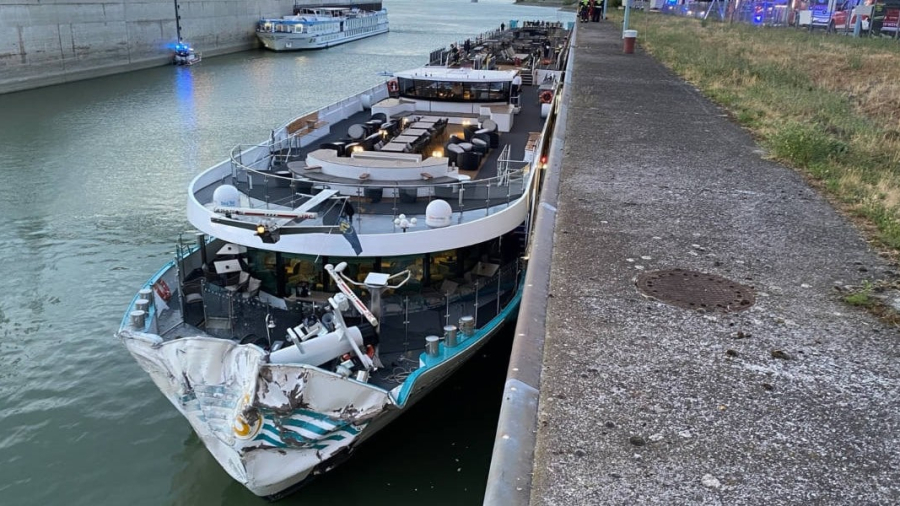
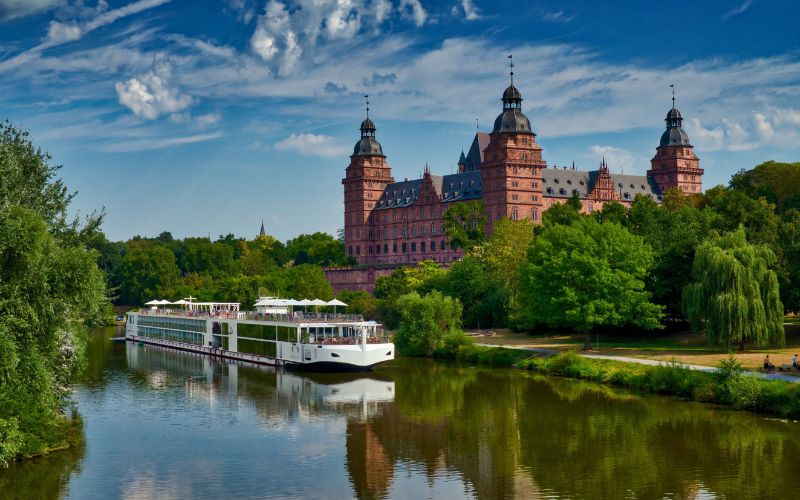
A river cruise on the Danube was dramatically interrupted in the early hours of Friday, 24th July 2026, after the river cruise ship Anna Katharina crashed into a quay wall and the Freudenau lock gate near Vienna, Austria.
Photo Credit: City of Vienna | Fire Department
The collision happened at around 4 a.m., with the 180-guest vessel reportedly striking the structure at full speed. Austrian media outlet Kronen Zeitung reported that the ship’s bow suffered extensive damage, while 14 passengers sustained minor injuries.
Emergency services confirmed that six guests were taken to hospital suffering from back, chest and neck pain. All were treated and discharged within a few hours. No serious injuries have been reported.
Images from the scene show the force of the impact severely crushed the front of the vessel, with the bow heavily deformed and an instrumentation structure at the front collapsing during the collision.
The Vienna Fire Department responded quickly, inspecting the ship to ensure nobody had fallen overboard and to assess whether the hull had been breached. Initial inspections found no one in the water, and although the vessel sustained major damage to its bow, the hull remained intact.
Anna Katharina is owned by German cruise line Phoenix Reisen and operated by Scylla AG. The 135-metre vessel accommodates up to 180 guests along with approximately 40 crew members.
According to the ship’s deck plans, the damaged bow area includes the Panorama Terrace and Lounge, a public space that was unlikely to have been occupied at the time of the accident. The galley is located towards the front of the lower decks, although it has not been confirmed whether that area also suffered damage.
Investigation Underway Into Cause Of Collision
Authorities are now investigating what led to the crash.
The vessel’s master, identified only as a 49-year-old Polish national, is expected to be questioned as investigators examine whether all operational procedures were followed and whether a technical failure may have contributed to the accident.
Photo Credit: City of Vienna | Fire Department
While mechanical issues remain one possible explanation, officials have not indicated what, if any, malfunction may have occurred. Determining the precise cause could take several weeks.
The incident has drawn comparisons with the March 2024 collision involving the container ship Dali and Baltimore’s Francis Scott Key Bridge. In that case, a catastrophic loss of power caused the vessel to drift into one of the bridge’s support structures, resulting in its collapse. At this stage, however, there is no evidence that Anna Katharina experienced a similar failure.
Following the accident, the damaged vessel was secured alongside the riverbank. Remaining passengers were transferred to another ship so they could continue their holiday.
Upcoming Cruises Could Be Affected
Anna Katharina departed Passau, Germany, on Sunday, 19th July for a seven-night roundtrip cruise through Germany, Austria, Hungary and Slovakia.
Photo: Tobias Steinmaurer/APA/dpa
Before the accident, the vessel had been due to call at Weissenkirchen in der Wachau, Austria, on Friday afternoon, around 90 kilometres west of Vienna.
Given the extent of the damage to the ship’s bow, upcoming sailings are likely to face disruption while repairs and inspections are carried out. Guests booked on future departures are advised to remain in contact with Phoenix Reisen or their travel agent for updates as revised plans are confirmed.
Neither Phoenix Reisen nor Scylla AG had issued a public statement about the incident at the time of writing.
Related Posts
If you found this interesting, please share!
A couple’s planned five-day cruise holiday turned into an unexpected trip to the maternity ward when a woman discovered she was 33 weeks pregnant just hours before boarding her ship…
Viking River Cruises has extended an extraordinary compensation package to passengers booked on an oversold Romantic Danube sailing. This offer includes a complete cruise fare refund plus a complimentary replacement…
Holland America Line has issued an urgent appeal to guests booked on a summer 2026 Alaska sailing, offering substantial compensation to passengers willing to voluntarily change their plans after the…
A Louisiana woman has been left facing medical bills exceeding $53,500 after suffering a severe injury during a rope swing shore excursion on her inaugural Carnival Cruise sailing. The incident,…
Viking has announced the names of its next two ocean-going vessels, revealing that the 998-passenger Viking Leda and Viking Vega will join the company’s expanding fleet in late 2028 and mid-2029 respectively.
Both ships are currently under construction at Italy’s Fincantieri shipyard and will continue the cruise line’s signature small-ship design philosophy.
The addition of Viking Leda and Viking Vega marks a significant milestone for the cruise operator, bringing its total number of ocean ships built at Fincantieri to 18 vessels.
This announcement comes as part of Viking’s ambitious expansion programme, which has positioned the company as one of the fastest-growing cruise lines in the premium and luxury segments since launching its ocean product in 2015.
Viking’s growth strategy differs markedly from mainstream cruise operators, focusing exclusively on ships that carry fewer than 1,000 passengers.
This deliberate approach has resonated strongly with discerning travellers seeking destination-focused itineraries without the crowds associated with larger resort-style vessels.
The 47,000-tonne vessels will feature design elements similar to the Viking Star, the company’s inaugural ocean ship that revolutionised the brand’s transition from river cruising to ocean voyaging.
This consistency in design has become a hallmark of Viking’s fleet strategy, allowing the company to maintain quality standards whilst achieving economies of scale in construction and operation.
Viking Leda Debuts With Mediterranean Winter Programme
Viking Leda is scheduled to enter service in December 2028, launching with a winter deployment in the Mediterranean region.
The ship will offer a varied selection of itineraries ranging from eight to 16 days, providing passengers with flexibility in choosing voyage lengths that suit their schedules.
According to published deployment schedules, the vessel will homeport from several strategic locations including Greece, Italy and Spain.
This multi-port approach reflects Viking’s commitment to providing convenient embarkation options for international guests whilst optimising itinerary planning.
The cruises will explore destinations across the Aegean Sea, the broader Mediterranean basin and Atlantic coastal ports.
Highlights include visits to the Greek Islands, renowned for their ancient history and stunning island landscapes, the glamorous French Riviera with its sophisticated resort towns, and Morocco’s exotic North African ports that blend European and Arabic influences.
Viking Vega Sets Sail In Summer 2029
Viking Vega will make its debut in June 2029, timing its maiden season to coincide with peak Mediterranean cruising weather.
The ship will welcome its first guests in Southern Europe before embarking on a diverse inaugural season that spans multiple regions.
After completing its initial Mediterranean programme, Viking Vega is scheduled to reposition to the British Isles in mid-July 2029.
This repositioning reflects Viking’s operational strategy of following seasonal demand patterns, moving ships to northern European waters during the warmer summer months when daylight hours are extended and weather conditions are most favourable.
The vessel’s inaugural season will feature departures from major cruise ports including Civitavecchia (Rome’s gateway port), Barcelona in Spain, Bergen on Norway’s fjord-lined coast, and various United Kingdom ports.
This geographic diversity allows the ship to serve multiple source markets whilst offering passengers access to contrasting cultural experiences from Mediterranean warmth to Nordic grandeur.
Continuing A Proven Design Philosophy
Both new vessels will replicate the design template established by Viking Star nearly a decade ago, a decision that underscores the success of the original concept.
The Viking Star broke new ground when it launched in 2015, introducing Scandinavian-inspired interiors, all-veranda staterooms, and an unusual emphasis on indoor-outdoor spaces that blurred traditional boundaries between ship and sea.
The 47,000-tonne size represents an optimal balance for Viking’s target demographic.
Large enough to offer comprehensive amenities including multiple dining venues, a theatre, spa, and pool areas, yet small enough to access ports that mega-ships cannot visit and maintain an intimate atmosphere throughout the vessel.
Viking’s decision to maintain design consistency across its ocean fleet has proven commercially astute.
Repeat passengers know exactly what to expect when booking any Viking ocean ship, whilst operational efficiencies are maximised through standardised crew training, spare parts inventory, and maintenance procedures.
Five Ships Arriving Before Leda And Vega
Before Viking Leda and Viking Vega join the fleet, the company will welcome three additional sister ships between 2026 and 2028.
Viking Libra, Viking Astrea and Viking Lyra are all currently under construction and will incrementally expand the line’s capacity.
This staggered delivery schedule reflects careful planning by Viking’s management team.
Rather than overwhelming the organisation with simultaneous deliveries, the spaced timeline allows for proper crew recruitment and training, gradual marketing of new inventory, and systematic quality control as each vessel enters service.
The measured approach also provides financial predictability, spreading capital expenditure across multiple years whilst generating incremental revenue as each new ship begins operations.
For passengers, the regular addition of new tonnage means more departure dates and itineraries become available without waiting years between ship launches.
Groundbreaking Hydrogen Technology On Horizon
Among the vessels arriving before Leda and Vega, two will feature revolutionary propulsion technology that positions Viking at the forefront of maritime environmental innovation.
Viking Astrea and Viking Lyra, scheduled for delivery in 2027 and 2028 respectively, will be the cruise industry’s first hydrogen-powered ships.
These vessels will utilise containerised fuel technology that enables zero-emission operations, a significant advancement in reducing the environmental footprint of ocean cruising.
The hydrogen fuel cells generate electricity through a chemical reaction between hydrogen and oxygen, producing only water vapour as a byproduct rather than the greenhouse gases associated with traditional marine engines.
The successful implementation of this technology could prove transformative for the entire cruise industry.
As environmental regulations tighten globally and passengers increasingly prioritise sustainability in their travel choices, Viking’s investment in hydrogen propulsion may establish new standards that competitors will need to match.
Expedition Fleet Growth Continues Simultaneously
Beyond its ocean-going vessels, Viking’s orderbook includes two additional expedition ships scheduled for delivery in 2030 and 2031.
These purpose-built vessels will join the existing Viking Octantis and Viking Polaris, which specialise in polar and remote-region itineraries.
The expedition segment represents a natural extension of Viking’s destination-focused philosophy, allowing the company to offer guests access to Antarctica, the Arctic, and other wilderness areas that require specially ice-strengthened hulls and advanced navigation equipment.
These ships typically carry fewer than 400 passengers and feature scientific laboratories, observation decks, and expedition equipment including zodiacs and kayaks.
By simultaneously expanding both its ocean and expedition fleets, Viking is positioning itself to serve the full spectrum of destination-focused cruisers.
Guests can experience Mediterranean culture aboard traditional ocean ships, then book polar expeditions aboard specialised vessels, all within the same brand family with consistent service standards and loyalty programme benefits.
Comprehensive Orderbook Extends Through 2031
Viking’s total orderbook now comprises nine additional vessels beyond its current operating fleet, with deliveries scheduled through 2031.
This represents one of the most ambitious expansion programmes in the premium cruise sector and demonstrates confidence in sustained demand for the company’s product.
The financial commitment required for such an orderbook is substantial, with modern cruise ships typically costing between £300 million and £400 million each depending on size and specifications.
Viking’s ability to secure financing for this construction programme reflects strong backing from ownership and lenders’ confidence in the business model.
For the cruise industry broadly, Viking’s expansion contributes to overall capacity growth in the premium and luxury segments, which have historically grown more slowly than the contemporary and mass-market tiers.
This shift reflects changing consumer preferences, with increasing numbers of passengers willing to pay premium prices for smaller ships, included amenities, and culturally immersive itineraries rather than resort-style mega-ships focused on onboard entertainment.
The arrival of Viking Leda in December 2028 and Viking Vega in June 2029 will further cement Viking’s position as a major player in ocean cruising, less than 15 years after the company ventured beyond its river cruise roots.
For passengers, these additions mean greater choice in departure dates and itineraries, whilst the cruise industry watches closely as Viking continues to demonstrate that significant growth is achievable in the premium small-ship segment.
TODAY’S BEST CRUISE DEALS!
Don’t miss these offers…
Related Posts
If you found this interesting, please share!
A German couple has launched legal action against AIDA Cruises seeking a substantial refund after discovering the nudist area aboard AIDAdiva had been dramatically reduced during their 128-day world cruise….
A river cruise on the Danube was dramatically interrupted in the early hours of Friday, 24th July 2026, after the river cruise ship Anna Katharina crashed into a quay wall…
A couple’s planned five-day cruise holiday turned into an unexpected trip to the maternity ward when a woman discovered she was 33 weeks pregnant just hours before boarding her ship…
Viking River Cruises has extended an extraordinary compensation package to passengers booked on an oversold Romantic Danube sailing. This offer includes a complete cruise fare refund plus a complimentary replacement…
A German couple has launched legal action against AIDA Cruises seeking a substantial refund after discovering the nudist area aboard AIDAdiva had been dramatically reduced during their 128-day world cruise.
The passengers, who paid approximately €70,000 for the voyage, are demanding a 22% refund following the ship’s refurbishment that transformed the dedicated space into an exclusive suite-guest amenity.
Sabine Hartmann and Michael B. booked AIDAdiva’s world cruise in February 2024, relying on published deck plans that showed an extensive nudist area on Deck 14.
When the voyage departed from Hamburg on 10th November 2025, however, the couple discovered the space had been completely transformed.
The ship underwent a comprehensive refurbishment between 3rd February and 22nd March 2025.
The renovations included redesigned seating in the main show lounge, stateroom reconfigurations, new dining venues, and updates to both the wellness complex and children’s club.
New Sky Deck Replaces Public Nudist Area With Suite-Only Space
The former nudist area has been converted into what AIDA Cruises describes as the Sky Deck, an “exclusive outdoor area for guests of our suites, offering wonderful panoramic views”.
The new space features two whirlpools, cabanas, sun loungers and lounge chairs reserved solely for suite passengers.
This transformation represents a significant shift in the ship’s amenities structure.
What was once a public space accessible to all 2,050 guests aboard AIDAdiva has become a private enclave for premium accommodation holders only.
The change eliminates not only the extensive nudist area but also restricts access to what were previously public facilities.
According to the cruise line’s descriptions, the Sky Deck does not permit nudity, fundamentally altering the nature of the space.
Remaining Nudist Area Deemed Inadequate By Passengers
Whilst AIDAdiva still maintains a nudist area following the refurbishment, it has been relocated and significantly reduced in size and amenities.
The couple pursuing legal action claims the replacement space fails to provide an adequate alternative.
“The previously spacious nudist area has been completely eliminated. The newly created nudist cubicle isn’t suitable for a genuine nudist experience,” Michael B. stated.
The passengers also assert that the new location lacks complete privacy, which they consider essential for such facilities.
During the voyage, B. contacted AIDA Cruises requesting that all passengers be granted access to the new Sky Deck area.
The cruise line denied this request, maintaining that the space would remain exclusive to suite guests.
€70,000 World Cruise Featured Unchanged Itinerary
The couple’s world cruise voyage represented a substantial financial commitment at approximately €70,000, equivalent to roughly $79,600 in US currency.
The 128-day journey departed Hamburg on 10th November 2025 and followed an ambitious itinerary spanning four continents.
The voyage included calls at 53 ports across 28 countries before returning to Germany in May.
Notably, there were no substantive changes to the ship’s itinerary itself – the dispute centres entirely on onboard facilities rather than destinations or port visits.
AIDAdiva, part of the AIDA Cruises fleet operated by Carnival Corporation, accommodates approximately 2,050 passengers.
The ship has traditionally catered to German-speaking markets and features amenities specifically tailored to European preferences, including clothing-optional areas that are more common on European vessels than their North American counterparts.
False Advertising Claims Hinge On Marketing Materials
The legal basis for the couple’s claim for a 22% refund may ultimately depend on how prominently the nudist area featured in AIDA’s marketing and advertising materials.
At the time of booking, published deck plans clearly showed the larger nudist space with no indication of planned removal.
If the nudist area was not specifically highlighted or advertised as a key feature on the cruise line’s website or promotional materials, courts may determine it was not a significant aspect of the vacation experience.
In such cases, cruise lines typically retain discretion to modify public spaces during refurbishments.
However, if AIDA Cruises specifically promoted or advertised the nudist area as a distinctive feature when the couple made their booking, the situation could constitute false advertising.
Passengers might be entitled to compensation when facilities explicitly marketed to them are subsequently removed or substantially altered before their sailing.
The timing of the refurbishment – occurring between the booking date in February 2024 and the departure in November 2025 – raises questions about passenger notification.
Whether AIDA Cruises adequately informed booked guests about the extent of changes during this nine-month window may prove relevant to the legal proceedings.
Similar Disputes Emerge Across Cruise Industry
The German couple’s lawsuit reflects broader tensions within the cruise industry regarding advertised amenities and passenger expectations.
Similar frustrations have emerged on other cruise lines when heavily promoted features prove unavailable or substantially modified.
Royal Caribbean’s Icon-class ships have faced comparable passenger dissatisfaction over extended waterslide closures.
Both Icon of the Seas and Star of the Seas are marketed as featuring the largest waterparks at sea, making these facilities central to the ships’ appeal and pricing premium.
When waterslides remain closed for months, passengers who specifically selected these vessels for their aquatic attractions feel justifiably disappointed.
The situation mirrors the German couple’s complaint – passengers paying premium prices for advertised features that prove unavailable during their sailing.
The distinction between actionable false advertising and routine ship modifications often depends on how prominently features are marketed.
Carnival Cruise Line has systematically removed libraries from numerous ships during dry dock renovations over recent years without facing similar legal challenges.
Industry Practice Allows Discretion For Ship Modifications
Cruise lines traditionally maintain considerable discretion to modify vessels between booking and sailing dates.
Standard cruise contracts typically include provisions allowing changes to ship facilities, dining venues, entertainment offerings and other amenities.
These contractual protections exist because cruise ships require constant maintenance and evolution.
Consumer preferences shift, facilities age and require replacement, and cruise lines must balance competing demands for limited public space aboard vessels.
Experienced cruisers recognise that ships undergo regular transformations.
Dining menus evolve seasonally, entertainment programmes rotate, and public venues are periodically redesigned during dry dock periods.
Most such changes generate minimal passenger complaint because they don’t affect heavily advertised signature features.
The challenge emerges when modifications affect facilities that passengers specifically considered when selecting a particular ship or itinerary.
World cruises attract passengers seeking extended voyages with specific onboard experiences, making ship facilities particularly important given the extended duration at sea.
At 128 days, AIDAdiva’s world cruise represents a substantial commitment where passengers spend over four months aboard the vessel.
The onboard environment and available facilities assume heightened importance compared to shorter sailings where port experiences predominate.
Legal Outcome May Establish European Precedent
AIDA Cruises has not publicly commented on the lawsuit, which remains before German courts.
The outcome could establish important precedent regarding cruise line obligations when modifying ships between booking and departure dates.
German consumer protection laws generally favour passengers in disputes with service providers.
If the court determines the nudist area was sufficiently prominent in marketing materials or reasonable passenger expectations, AIDA might face liability for the modification.
A ruling favouring the passengers could require cruise lines operating in European markets to provide more detailed advance notification of ship modifications.
It might also establish thresholds for when facility changes become material enough to justify refunds or compensation.
Conversely, a decision favouring AIDA would reinforce cruise lines’ discretion to modify vessels despite prior bookings.
Such an outcome would emphasise the importance of standard contract terms permitting operational changes.
The 22% refund sought by the couple represents a substantial portion of their €70,000 fare, totalling approximately €15,400.
Whether courts view this percentage as proportionate to the loss of the nudist area will likely depend on expert testimony regarding the facility’s importance to the overall cruise experience.
European nudist facilities aboard cruise ships cater to a specific market segment that values clothing-optional spaces for relaxation.
The complete elimination of a spacious public nudist area in favour of a suite-only clothed space represents a fundamental change in the ship’s character for passengers who prioritised this amenity.
Broader Implications For Cruise Transparency
The lawsuit highlights increasing passenger expectations for transparency regarding ship modifications.
As cruise fares rise and passengers make substantial advance bookings, clarity about vessel facilities assumes greater importance.
Social media and cruise forums enable rapid information sharing about ship changes, creating heightened awareness when advertised features prove unavailable.
Cruise lines face reputational risks when passengers feel misled about onboard experiences, regardless of legal liability.
The case may prompt cruise lines to enhance communication protocols when significant ship modifications occur between booking and sailing.
Proactive passenger notification about facility changes could prevent disputes and allow travellers to modify bookings if alterations substantially affect their plans.
For the broader cruise industry, the lawsuit serves as a reminder that passenger expectations must align with delivered experiences.
Whilst operational flexibility remains necessary, transparency about material changes protects both cruise lines and passengers from disappointment and potential legal action.
TODAY’S BEST CRUISE DEALS!
Don’t miss these offers…
Related Posts
If you found this interesting, please share!
A river cruise on the Danube was dramatically interrupted in the early hours of Friday, 24th July 2026, after the river cruise ship Anna Katharina crashed into a quay wall…
A couple’s planned five-day cruise holiday turned into an unexpected trip to the maternity ward when a woman discovered she was 33 weeks pregnant just hours before boarding her ship…
Viking River Cruises has extended an extraordinary compensation package to passengers booked on an oversold Romantic Danube sailing. This offer includes a complete cruise fare refund plus a complimentary replacement…
Holland America Line has issued an urgent appeal to guests booked on a summer 2026 Alaska sailing, offering substantial compensation to passengers willing to voluntarily change their plans after the…
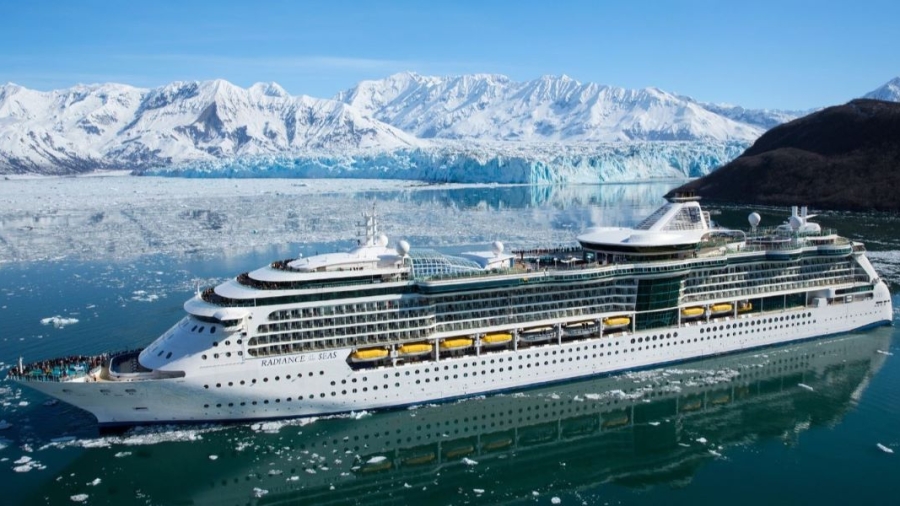
A couple’s planned five-day cruise holiday turned into an unexpected trip to the maternity ward when a woman discovered she was 33 weeks pregnant just hours before boarding her ship in Tampa. Lauren Siwinski and her fiancé Gary “David” Glenn arrived in Florida ready to sail on Royal Caribbean’s Radiance of the Seas, only to leave with a newborn baby instead of cruise memories.
Lauren Siwinski and Gary Glenn had followed all the right advice for their cruise departure. They arrived in Tampa a full day before their scheduled sailing on Radiance of the Seas, giving themselves plenty of time to rest and prepare for their five-day voyage at sea.
The couple anticipated a relaxing evening before heading to the port the following morning. Instead, sudden abdominal pain sent Lauren to an urgent care clinic late that night, where a doctor delivered news that would completely upend their travel plans – and their lives.
From Cruise Passengers To Parents In Twelve Hours
The medical examination revealed something extraordinary. Lauren wasn’t simply experiencing stomach cramps; she was 33 weeks pregnant and already in active labour with contractions underway.
According to local news outlet WTSP, the doctor’s words were simple but life-changing: “You guys are pregnant.” An ultrasound confirmed the advanced stage of the pregnancy, leaving the couple stunned and scrambling to shift from cruise mode to parent mode in a matter of hours.
Just twelve hours after walking into that Tampa clinic on 12th July, the couple welcomed their son Sebastian into the world on 13th July. Their cruise cabin was replaced with a hospital room, and their maritime adventure transformed into an entirely different kind of journey.
Complete Absence Of Pregnancy Symptoms Baffles Expectant Mother
Lauren’s experience represents a rare but documented phenomenon known as a cryptic pregnancy, where women show few or no typical pregnancy symptoms. Speaking about her experience, Lauren admitted the complete lack of warning signs left her utterly unprepared for motherhood.
“I had no symptoms at all. Nothing whatsoever. I had no idea there was a human inside of me,” she explained. Even when physical sensations did occur, she misinterpreted them entirely.
“I felt some flutters. But I didn’t think anything of it. I thought it was just my stomach settling from something I ate. Didn’t think it was a human,” Lauren continued, highlighting just how easily the signs of pregnancy can be overlooked or attributed to other causes.
Fiancé Unknowingly Had Partner Working Out At Gym During Pregnancy
Gary Glenn was equally astonished by the revelation, particularly given Lauren’s active lifestyle leading up to their trip. The couple had maintained their regular fitness routine without any indication that Lauren was carrying a child.
Credit: CBS Boston
Gary reflected on their gym sessions with a mix of humour and disbelief at the situation. “I had her working out and stuff in the gym with me, and she’s sitting there pregnant. I had no idea. She’s like bouncing this bar off her chest. I’m surprised the baby didn’t shoot out right there, you know what I mean?” he remarked.
His comment underscores the extraordinary nature of cryptic pregnancies, where women can continue strenuous physical activity without realising they’re expecting. The couple’s engagement just two months earlier in May had marked what they thought would be their biggest life change of the year – until Sebastian’s surprise arrival rewrote their plans entirely.
Royal Caribbean’s Strict Pregnancy Policy Explained
Royal Caribbean maintains one of cruise industry’s most stringent pregnancy policies, prohibiting any passenger beyond 23 weeks of gestation from sailing. This restriction exists across all ships in the fleet and applies regardless of itinerary length or destination.
The cruise line’s official policy clearly states the medical limitations aboard its vessels: “There is no Obstetrician/Gynecologist available on the ship, and pregnancies, when unstable and poorly controlled, are potentially life-threatening.” This acknowledgement reflects the reality that cruise ships, despite carrying medical staff and facilities, are not equipped to handle obstetric emergencies or provide neonatal intensive care.
At 33 weeks pregnant, Lauren was a full ten weeks beyond Royal Caribbean’s cutoff point. Had she known about her condition and attempted to board, she would have been denied boarding at the terminal during the check-in process, as cruise lines verify pregnancy status for passengers who appear to be expecting.
The cruise industry’s pregnancy restrictions stem from genuine medical limitations rather than arbitrary rules. Onboard medical centres, whilst capable of handling many common health issues, lack the specialised equipment and expertise required for obstetric care and neonatal emergencies.
Cruise ship medical facilities typically staff general practitioners and nurses rather than specialists. They carry basic medical equipment but cannot provide the level of care needed for premature births, complicated deliveries, or newborn intensive care.
The absence of incubators, ventilators designed for infants, and specialist monitoring equipment makes any shipboard birth potentially dangerous for both mother and baby.
Recent incidents underscore these risks. Just weeks before Lauren’s discovery, another pregnant passenger required medical evacuation from a Carnival cruise ship due to pregnancy complications.
Such evacuations involve coordinating with coast guard services, potentially diverting the ship, and arranging helicopter or boat transfers – all whilst the expectant mother requires urgent care.
These evacuations can cost tens of thousands of dollars and may not be covered by standard travel insurance policies, particularly if a passenger knowingly violated the cruise line’s pregnancy policy. The financial and medical risks make the industry’s restrictions both prudent and necessary.
The timing of Lauren’s abdominal pains, whilst inconvenient for their holiday plans, may have prevented a dangerous situation at sea. Had Sebastian waited just one more day to make his presence known, Lauren would have cleared port security, boarded Radiance of the Seas, and potentially gone into labour hundreds of miles from shore.
Radiance of the Seas was scheduled for a five-day cruise, likely visiting Mexican ports along the Caribbean or Gulf Coast. A medical emergency whilst the ship was at sea or docked in a foreign port would have created significant complications for the family.
At-sea births, whilst occasionally celebrated in media reports, represent serious medical risks. Without obstetric specialists, proper equipment, or neonatal care facilities, both mother and baby face potential complications that could prove life-threatening.
Even in port, accessing appropriate medical care in a foreign country presents language barriers, insurance complications, and varying standards of medical facilities.
Sebastian’s early arrival on land, in a properly equipped American hospital, ensured both he and Lauren received appropriate care. What seemed like terrible timing for a cruise holiday proved to be perfect timing for a safe delivery.
Rhode Island Community Rallies With Baby Supplies And Support
Following Sebastian’s unexpected arrival, the couple found themselves facing parenthood without any of the typical preparations. Lauren, who works at a daycare facility in Rhode Island, received an outpouring of support from her professional community and loved ones.
Coworkers and family members quickly organised donations of essential baby supplies, clothing, nappies, and equipment to help the unprepared parents. This community response transformed what could have been an overwhelming situation into a manageable transition to parenthood.
The couple now faces a drive back to Rhode Island with their newborn son, introducing Sebastian to family and friends who had no idea he was on the way. Their May engagement will be followed by adjusting to life as parents far sooner than they ever imagined.
Radiance Of The Seas Sails Without Unexpected Parents
Radiance of the Seas, a Vision-class ship that entered service in 2001, departed Tampa as scheduled without Lauren and Gary aboard. The 90,090-tonne vessel accommodates 2,466 passengers and features the cruise line’s signature glass elevators, self-levelling pool tables, and outdoor Rock Climbing Wall.
The ship regularly operates Caribbean itineraries from Tampa, typically visiting destinations such as Cozumel, Costa Maya, and Grand Cayman. The couple’s cabin sailed empty whilst they adjusted to their new reality in a Tampa hospital, swapping ocean views for the first precious days with their surprise addition.
Whilst missing a cruise represents a financial loss and disappointment, the couple gained something far more valuable. Their story serves as a reminder that life’s most important moments rarely arrive on schedule, and sometimes the best adventures are the ones we never planned at all.
Want the best Royal Caribbean deal?
Get a free quote from Cruise Mummy’s trusted travel agent, with exclusive onboard credit and expert help at no extra cost.
Related Posts
If you found this interesting, please share!
Viking River Cruises has extended an extraordinary compensation package to passengers booked on an oversold Romantic Danube sailing. This offer includes a complete cruise fare refund plus a complimentary replacement…
Holland America Line has issued an urgent appeal to guests booked on a summer 2026 Alaska sailing, offering substantial compensation to passengers willing to voluntarily change their plans after the…
A Louisiana woman has been left facing medical bills exceeding $53,500 after suffering a severe injury during a rope swing shore excursion on her inaugural Carnival Cruise sailing. The incident,…
Barcelona city officials have voted to immediately impose the maximum legal tourist tax of €24 per day on cruise passengers making short port calls. This move abandons a planned gradual…
Viking River Cruises has extended an extraordinary compensation package to passengers booked on an oversold Romantic Danube sailing.
This offer includes a complete cruise fare refund plus a complimentary replacement voyage with upgrades – effectively giving guests two river cruises for the price of one.
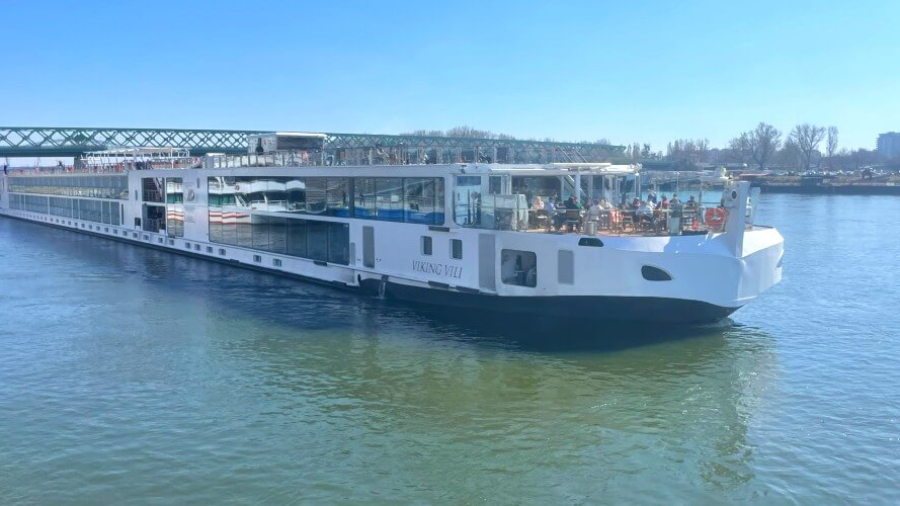
Guests scheduled to embark on the 190-passenger Viking Tor on 24th July 2026 received notification on 21st July that their eight-day Romantic Danube cruise had been oversold.
The sailing was set to depart from Regensburg, Germany, calling at Passau, Krems, and Vienna before concluding in Budapest, Hungary on 31st July.
The email communication from Viking River Cruises informed passengers of the overbooking situation.
It presented what industry observers are calling an exceptionally generous resolution.
Rather than simply denying boarding to excess passengers or offering modest compensation, the river cruise operator crafted a comprehensive package designed to turn an inconvenience into a windfall for affected guests.
Full Refund Plus Complimentary Replacement Cruise Offered
The compensation offer centres on two substantial benefits that effectively provide guests with two complete river cruises.
Passengers who agree to rebook their Romantic Danube journey to a later departure in 2026 or 2027 will receive a 100% refund of their original cruise fare whilst simultaneously receiving their replacement sailing at no additional cost.
“Your July 24 departure of Romantic Danube is currently oversold,” the email read.
“We would like to extend a special offer should you choose to sail on the same itinerary, departing later in 2026 or 2027, instead.”
This arrangement essentially means that guests who paid for their original cruise will receive their money back whilst still experiencing the identical itinerary on a different date without any financial outlay.
For passengers with flexible schedules, the proposition represents an unexpected opportunity to effectively double their value.
Veranda Suite Upgrade Sweetens Already Generous Deal
Beyond the dual-cruise benefit, Viking River Cruises added a stateroom upgrade to the compensation package that further enhances the value proposition.
Guests accepting the rebooking offer will be moved from their originally booked accommodation category to a Veranda Suite, the line’s premium stateroom offering measuring 275 square feet.
These suites represent a significant upgrade over standard staterooms and come with an array of exclusive perks.
Veranda Suite guests enjoy priority embarkation and stateroom access, allowing them to board the vessel and settle into their accommodation ahead of other passengers.
The package also includes complimentary Wi-Fi throughout the sailing and free laundry and shoe-shine service – amenities that typically carry additional charges or are reserved for premium accommodation categories.
The physical features of the Veranda Suites provide enhanced comfort and river-viewing opportunities.
Each suite includes a private veranda where guests can step outside to experience the Danube’s scenery and fresh air.
Inside, the accommodations feature a spacious sitting area separate from the sleeping quarters, providing room to relax between excursions.
French Balcony Adds Second Viewing Perspective
The Veranda Suites also incorporate a French balcony in the bedroom area.
This features floor-to-ceiling glass doors that open to provide unobstructed views and fresh air whilst maintaining a safety barrier.
This design element allows guests to enjoy the passing scenery from the comfort of their queen-size bed, creating an immersive river cruise experience without leaving their stateroom.
The combination of both a walk-out veranda and a French balcony provides two distinct vantage points for appreciating the Danube’s landscapes, historic towns, and riverside castles that define this popular European river cruise route.
For many river cruise enthusiasts, the opportunity to secure this enhanced accommodation represents substantial value in itself, making the overall compensation package even more compelling.
Complimentary Flight Rebooking Included For Air Passengers
Viking River Cruises extended the compensation package to include guests who purchased their flights through the company’s Viking Air programme.
These passengers are being offered complimentary flight rebooking to align with their newly scheduled cruise departure, removing any additional financial burden or logistical complexity from the date change.
This inclusion addresses what could otherwise be a significant obstacle for accepting the rebooking offer.
International flights represent a substantial portion of many guests’ total travel investment, and having to absorb the cost of changing flights could diminish the appeal of even a generous cruise compensation package.
By including complimentary flight changes, Viking has removed this potential barrier and made the offer accessible to virtually all affected passengers regardless of their booking method.
Industry Context Behind Overbooking Practices
Overbooking remains a standard practice across the travel industry, employed by cruise lines, airlines, and hotels alike to maximise revenue and operational efficiency.
Travel providers analyse historical booking patterns and cancellation rates to predict how many reservations will ultimately result in no-shows or last-minute cancellations.
By accepting slightly more bookings than available capacity, companies can counteract the revenue loss from these anticipated cancellations.
When the predictions prove accurate and cancellations occur as expected, the overbooking strategy successfully fills all available space.
The practice is particularly common during peak travel periods when demand exceeds supply and operators want to ensure maximum capacity utilisation.
However, the strategy carries inherent risk.
If fewer cancellations materialise than anticipated, travel providers face the uncomfortable situation of having sold more space than actually exists.
This forces companies to either deny boarding to confirmed passengers – a public relations nightmare that can result in regulatory penalties and lasting brand damage – or offer compensation packages attractive enough to persuade guests to voluntarily relinquish their spots.
Comparing Viking’s Offer To Industry Standards
The compensation package offered by Viking River Cruises stands out significantly when compared to typical industry practice.
Most overbooking resolutions involve modest onboard credit, slight stateroom upgrades, or future cruise discounts that still require substantial passenger payment.
Recent examples from the ocean cruise sector illustrate the difference in approach.
Royal Caribbean recently addressed an overbooking situation by offering affected guests a complimentary future sailing, but that offer came with a stateroom downgrade rather than an upgrade.
Whilst still providing value, the Royal Caribbean solution required passengers to accept lesser accommodation in exchange for the free cruise.
Viking’s approach of providing both a full refund and a free replacement cruise with upgraded accommodation represents a far more generous resolution.
Industry analysts suggest this reflects both Viking’s premium brand positioning and its commitment to maintaining customer satisfaction even when operational challenges arise.
River cruising attracts repeat customers who often book multiple voyages, making passenger goodwill particularly valuable in this segment.
Implications For Affected Passengers And Future Bookings
For guests on the affected 24th July 2026 sailing, the decision involves weighing schedule flexibility against substantial financial benefit.
Those with rigid vacation schedules or special occasions tied to the original dates may find the offer difficult to accept despite its value.
However, passengers with flexible timing stand to gain thousands of dollars in value by simply shifting their travel dates.
The Romantic Danube itinerary operates throughout the river cruise season, providing numerous alternative departure dates in both 2026 and 2027.
This gives affected passengers considerable flexibility in selecting a replacement sailing that fits their schedules whilst still capturing the full value of Viking’s compensation offer.
The situation also raises questions about Viking’s booking practices and capacity management.
Whilst overbooking is industry standard, the extent of this particular overselling situation – sufficient to prompt such an extraordinary compensation package – suggests either an unusual surge in last-minute non-cancellations or possible errors in the booking system.
Viking has not publicly commented on the underlying cause of the overbooking.
The generous resolution may set passenger expectations for future overbooking situations across the river cruise industry.
This potentially establishes a new benchmark for how premium cruise lines address capacity challenges.
Whether other operators will match Viking’s approach remains to be seen, but the extensive value provided in this instance demonstrates that some cruise lines are willing to absorb significant costs to maintain brand reputation and customer loyalty.
TODAY’S BEST CRUISE DEALS!
Don’t miss these offers…
Related Posts
If you found this interesting, please share!
Holland America Line has issued an urgent appeal to guests booked on a summer 2026 Alaska sailing, offering substantial compensation to passengers willing to voluntarily change their plans after the…
A Louisiana woman has been left facing medical bills exceeding $53,500 after suffering a severe injury during a rope swing shore excursion on her inaugural Carnival Cruise sailing. The incident,…
Barcelona city officials have voted to immediately impose the maximum legal tourist tax of €24 per day on cruise passengers making short port calls. This move abandons a planned gradual…
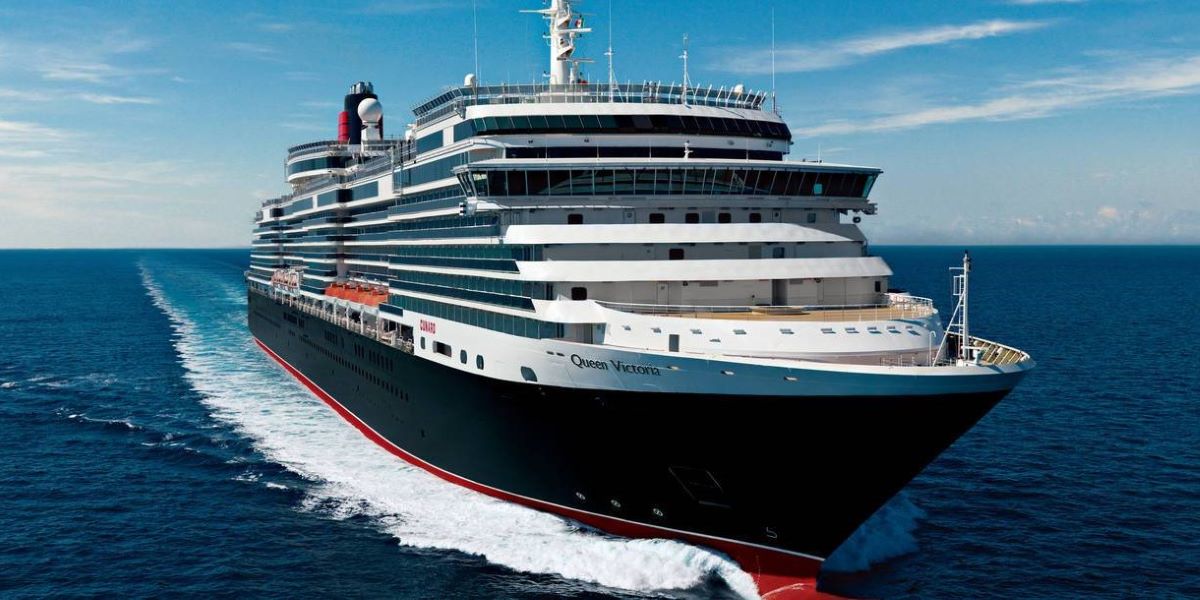
Cunard has announced an extensive transformation programme for Queen Victoria. The vessel is scheduled to emerge from drydock this autumn featuring refreshed signature spaces, enhanced suite accommodation and new wellness…
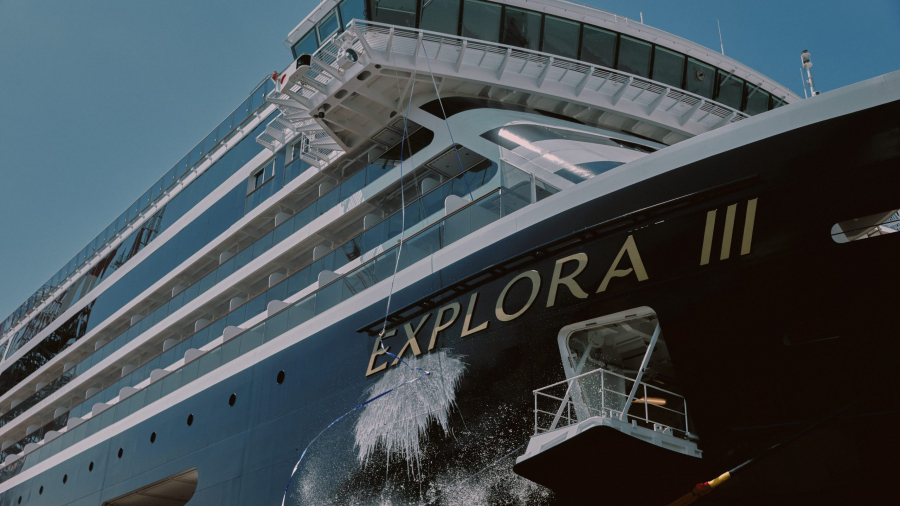
The delivery of EXPLORA III at Fincantieri’s Sestri Ponente shipyard in Genoa today marks another significant milestone in the growth of Explora Journeys, the ultra-elegant ocean travel brand of the MSC Group. EXPLORA III also represents the next phase of MSC Group’s investment of more than €3.5 billion in its fleet, with all six ships designed and built by Fincantieri in Italy—a long-standingpartnership that showcases the very best of Italian shipbuilding, craftsmanship and innovation.
Officers Parade at the naming ceremony of Explora III (Credit: Explora Journeys)
The official delivery of EXPLORA III was celebrated at the Fincantieri shipyard in Genoa with the traditional handover ceremony, attended by Pierfrancesco Vago, Executive Chairman of the Cruise Division of MSC Group; Anna Nash, President of Explora Journeys; Biagio Mazzotta, President of Fincantieri, Pierroberto Folgiero, Chief Executive Officer and Managing Director of Fincantieri; and Luigi Matarazzo, General Manager of Fincantieri’s Merchant Ships Division, together with Italian civic and government authorities including Silvia Salis, Mayor of Genoa, and Marco Bucci, President of the Liguria Region. Hosted by acclaimed Italian television presenter Lorella Cuccarini, the ceremony celebrated the continued expansion of Explora Journeys’ six-ship fleet.
The celebrations continued with a performance by Italian dance group, Urban Theory, before the traditional parade of EXPLORA III’s officers and the Fincantieri shipyard workforce, paying tribute to the craftsmanship behind the vessel. Joined on stage by Captain Serena Melani, Pierfrancesco Vago and Pierroberto Folgiero presided over the ceremonial change of flag, accompanied by the Italian and Maltese national anthems, marking the official transfer of the ship from builder to owner. Following the ship’s blessing, EXPLORA III’s Godmother, Maya Aponte, concluded the ceremony with the traditional ribbon-cutting and bottle-breaking, celebrating the newest addition to the Explora Journeys fleet.
“Today marks another proud milestone for Explora Journeys as we officially welcome EXPLORA III into our growing fleet. With every new ship, we have the opportunity to listen, learn and refine, building on what our guests value most while remaining true to the vision that defines our brand. EXPLORA III represents the next step in our journey as we continue to redefine ocean travel through thoughtful innovation, exceptional design and the intuitive hospitality that sits at the heart of the Explora Journeys experience. As a privately owned, family-led business with deep maritime heritage, we remain committed to investing for the long term, always with our guests at the centre of every decision.” said, Anna Nash, President of Explora Journeys.
The Next Evolution of Ocean Travel
Extended by 19.2 metres, EXPLORA III is the most spacious ship in the fleet, delivering an even greater sense of openness, privacy and comfort while welcoming a similar number of guests as her sister ships EXPLORA I and EXPLORA II. The ship introduces an enhanced culinary offering with three distinctive new concepts—The Cellar, The Chef’s Table and Shore Club on 11—further enriching Explora Journeys’ celebrated approach to epicurean excellence. She also features a second Owner’s Residence, designed by renowned architect and designer Patricia Urquiola, an expanded collection of Ocean Penthouses and Ocean Residences, reimagined Ocean Wellness facilities that bring spa and fitness together in one harmonious space, and Chopard’s first boutique onboard. Together, these thoughtful innovations reflect Explora Journeys’ dedication to continuously evolving the guest experience while setting a new benchmark for ultra-elegant ocean travel.
An Exclusive, Behind-the-Scenes Prelude
Following today’s delivery, EXPLORA III presents a one-time five-night Mediterranean Prelude Journey departing Genoa on July 24, 2026 and concluding in Civitavecchia (Rome) on July 29. Designed as an intimate, behind-the-scenes preview, this exclusive sailing traces the glittering coastlines of the French and Italian Rivieras, calling at Marseille, Saint-Tropez, Villefranche-sur-Mer and Livorno. Sailing alongside global sporting icon and brand ambassador Jannik Sinner on the first two days, this unique unveiling offers guests rare opportunities to meet the leadership, designers and officers who brought the ship to life, previewing the reimagined venues, suites and wellness spaces before the ship’s official Maiden Journey.
The Naming Ceremony, Maiden Journey and Inaugural Season
Following the Prelude Journey, EXPLORA III will sail to Barcelona for her official naming ceremony on August 1, 2026. On August 3, 2026, she will depart Barcelona on her seven-night Maiden Journey to Lisbon, launching an inaugural season spanning Northern Europe, Iceland, Greenland and North America. Tracing a continuous northern route with no repeated itineraries, this deployment has been designed for deeper destination immersion, with longer stays and more time to discover each destination at a relaxed pace. From the sheltered harbours of the Baltic capitals and the dramatic fjords of Norway to the remote landscapes of Iceland, the voyage culminates in a scenic transatlantic crossing via Greenland to the Canadian Maritimes and New England.
In 2027, EXPLORA III will continue her global journey with Explora Journeys’ debut Alaska season, inviting guests to discover one of the world’s most awe-inspiring natural environments through immersive journeys showcasing dramatic glaciers, pristine wilderness and extraordinary wildlife. The brand’s global expansion will continue in 2028 with the debut of EXPLORA V in Asia, introducing a new collection of journeys across one of the world’s most culturally rich and diverse regions.
Advanced Environmental Technology
As the first LNG-capable vessel in the Explora Journeys fleet, EXPLORA III takes the next step in the brand’s environmental strategy. It’s LNG fuel capability supports future use of renewable alternatives, including bio-LNG and synthetic LNG, as availability develops. The ship is also equipped with shore power capability, enabling her to connect to onshore electricity and switch off her engines while alongside in ports where infrastructure is available, helping to reduce direct emissions in port and improve local air quality.
With EXPLORA III now delivered, Explora Journeys reaches the halfway point in the development of its six-ship fleet, with three vessels now in service. Construction continues at Fincantieri on EXPLORA IV, EXPLORA V and EXPLORA VI, scheduled to join the fleet in 2027 and 2028. These next-generation vessels will continue to elevate the brand’s vision while introducing progressively enhanced environmental technologies, supporting MSC Group’s Cruise Division’s wider commitment to reduce the environmental impact of its marine operations and work towards net zero greenhouse gas emissions by 2050.
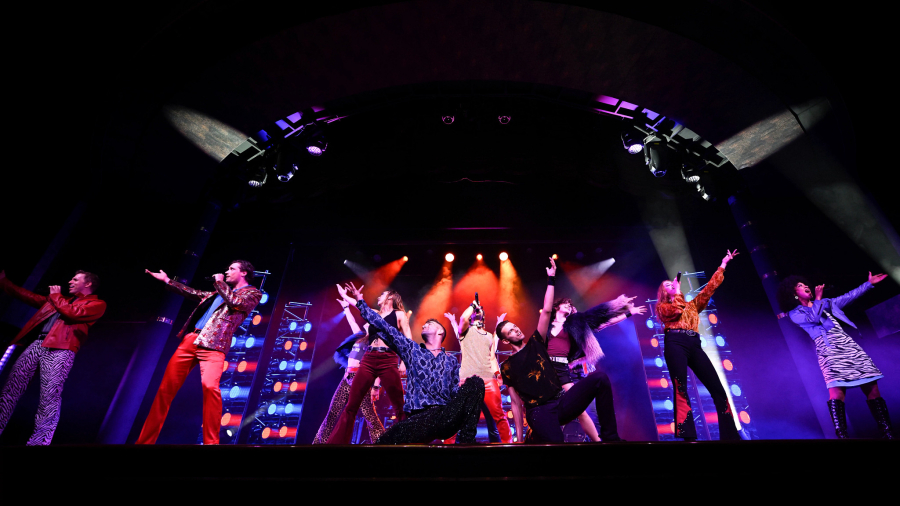
Four new shows are taking center stage on Holland America Line‘s Oosterdam, expanding the cruise line’s award-winning entertainment lineup with fresh productions and iconic collaborations. The four original shows were created exclusively for Holland America Line in partnership with RWS Global, the world leader in live moments across entertainment and sports.
The most anticipated debut is a new rock show created by RWS Global in collaboration with Rolling Stone: “Holland America Line and Rolling Stone Present, All Access: The Songs That Shaped Us.” Celebrating music from rock legends, the production follows the success of the Rolling Stone Lounge venue found on most Holland America Line ships.
Decadence (Credit: Holland America Line)
“We listened to what our guests wanted—more visually impressive productions with incredible music and memorable performances—and these four new shows deliver that,” said Joe Chantry, vice president of entertainment & enrichment for Holland America Line. “Working with our creative partners at RWS Global and Rolling Stone, we’ve developed an entertainment lineup that is bold, immersive and uniquely Holland America Line, giving guests even more reasons to make World Stage part of every evening on board.”
Following its successful launch on Koningsdam, the acclaimed “Fosse and Verdon, The Duet That Changed Broadway,” is now on Oosterdam. “Decadence” and “Disco Fever” complete the four new productions that are already playing on the ship’s World Stage.
“The new show with Rolling Stone leverages one of the world’s most iconic music brands to create an unforgettable live entertainment experience for Holland America Line’s guests,” said Craig Laurie, chief creative officer of RWS Global. “The extraordinary success of the Rolling Stone Lounge makes it clear that guests crave authentic, brand‑driven entertainment rooted in nostalgia. Building on a proven fan favorite, we’ve expanded the experience into a fully realized stage production featuring singers, dancers, and the band from Rolling Stone Lounge.”
“Rolling Stone has always celebrated the songs and artists that shape how people feel, connect and create memories, and this partnership with Holland America Line brings that spirit to audiences in a fresh, immersive way,” said Julian Holguin, chief executive officer of Rolling Stone. “We’re excited to build on the momentum of Rolling Stone Lounge with a new live experience that feels both unmistakably Rolling Stone and perfectly suited for guests looking to engage with music in a meaningful, memorable setting.”
Details about Oosterdam’s shows produced by Holland America Line and RWS Global:
“Holland America Line and Rolling Stone Present All Access: The Songs That Shaped Us”: The energetic show celebrates music from rock legends, including The Eagles, Janis Joplin, Van Halen and Fleetwood Mac. This adrenaline-fueled concert experience blends powerhouse live music with dynamic choreography in a celebration of rock’s most iconic hits.
“Decadence”: An electrifying fusion of music, movement, and spectacle—where Las Vegas pulse meets New York sophistication and old-world Hollywood glamour. Iconic songs ignite high-octane showstoppers amid dazzling visuals and precision showgirls.
“Disco Fever”: Guests step into a glittering, high-energy disco celebration. Featuring “Le Freak,” “It’s Raining Men” and “I Love the Nightlife.” Iconic hits return with modern flair—transforming the stage into a shimmering, feel-good dance party.
“Fosse and Verdon, the Duet That Changed Broadway”: Created in partnership with the Verdon Fosse Legacy®, the show is a dazzling sequence of iconic musical numbers inspired by Bob Fosse’s and Gwen Verdon’s original choreography, as well as never-before-seen archival audio and video content. The spectacle showcases the duo’s legendary contributions from Broadway classics to cinematic masterpieces, including “Damn Yankees,” “Sweet Charity,” “Cabaret,” “Chicago” and more. One critic called it “…hands down the best show I’ve ever seen on a ship.”
The four shows are already live on Oosterdam with bookings available this fall. Sample departures per person, double occupancy (with taxes and fees included in the fares) include:
Oosterdam is the first of six ships that will undergo a complete revitalization as part of Holland America Evolution, the most ambitious guest experience update in the company’s 153-year history. Oosterdam’s renovations debut in December 2027.
The poshest cruise lines right now are the small-ship, ultra-luxury brands: Silversea, Regent Seven Seas and Seabourn sit at the top, with Saga the poshest British line. At the other end, Carnival, Costa and Royal Caribbean are the least posh. If “posh” to you mostly means dressing up, Cunard is still the most formal cruise line at sea, even though its ships are big and its fares are mainstream.
“Posh” means different things to different people, so we haven’t just gone on reputation. Below we explain how we scored 20 cruise lines, give the full ranking in one table with each line’s dress code and vibe, and then explain the surprises. That includes why the most formal line isn’t automatically the poshest. If you want quality rankings based on guest reviews rather than poshness, see our separate guide to the best and worst luxury cruise lines ranked by real customer reviews.
How we ranked the poshest cruise lines
We scored each line from 0 to 5 on four things you can check, giving a maximum of 20 points:
Formality. How often there’s a formal or gala night, how strictly the evening dress code applies, and whether jackets, gowns or black tie are expected.
Exclusivity and space. Ship size, the number of guests on board and how much room each person gets. Lines that only have suites, and ships carrying fewer than 1,000 guests, score highest.
Service. The crew-to-guest ratio, plus touches like butlers, personalised service and staff who remember your name and your drink.
Inclusions and price. How much is in the fare (drinks, tips, Wi-Fi, excursions, flights) and the typical price per night, which decides who you’ll be sharing the bar with.
The scores are our judgement, based on each line’s published policies at the time of writing (November 2026). Dress codes change often: Regent, Silversea and Norwegian have all updated theirs since mid-2025. Always check your cruise line’s current rules before you pack.
Dress codes and service style are a big part of what makes a cruise line feel posh. Photo: Rene Terp on Pexels
Posh cruise lines ranked: the full table
Rank
Cruise line
Score /20
Evening dress code
Vibe
1
Silversea
19
Elegant Casual; Formal Optional nights on voyages of 8+ days
Discreet old-money polish; butler for every suite
2
Regent Seven Seas
18
Elegant Casual (refined denim allowed); Formal Optional on 16+ nights
Opulent and all-inclusive; chandeliers and art
3
Seabourn
18
Elegant casual; optional formal evenings on longer ocean voyages
Intimate yacht-club feel; caviar on the beach
4
Saga
16
Elegant casual (no denim or polo shirts); 1-2 formal nights
Very British, over-50s, country-house manners
5
Explora Journeys
15
Elevated resort casual; no formal nights
European design hotel at sea
6
Viking
13
Elegant casual; no formal nights
Quiet, cultured, adults only, Scandi calm
7
Cunard
12
Smart Attire nightly; Gala Evenings in black tie
Grand ocean-liner tradition; the most formal at sea
8
Oceania
12
Smart, “effortless sophistication”; no formal nights
Foodie country-club
9
Fred. Olsen
12
Smart casual most nights; optional formal nights
Traditional, friendly, small British ships
10
Celebrity
9
Smart Casual; 1-2 Evening Chic nights
Modern and stylish; “The Retreat” suites are a cut above
11
P&O Cruises
8
Evening Casual; Black Tie nights
Big British resort with dress-up nights
12
Princess
8
Smart Casual; formal night about once a week
Comfortable, classic, mid-market
13
Holland America
8
Smart casual; a couple of Dressy Nights
Gentle, music-led, older crowd
14
Virgin Voyages
8
“Just dress”; red-themed Scarlet Night
Adults-only, trendy, rule-free
15
Marella
8
Relaxed; Dress to Impress night replaces formal night
Easy-going, drinks and tips included
16
MSC
7
Informal; up to two gala nights a week
Lively, Mediterranean; Yacht Club is a posh enclave
17
Norwegian (NCL)
6
Freestyle casual; stricter rules in speciality restaurants
No-fuss, eat when you like
18
Royal Caribbean
5
Casual/Smart Casual; formal or “Wear Your Best” nights
Floating theme park
19
Carnival
4
Cruise casual; Elegant Nights
Party ships, “fun ships”
20
Costa
4
Relaxed; occasional gala-style evenings
Busy, family-friendly, Italian flavour
Where two lines have the same score, we’ve put first the one with fewer guests per ship.
The most upmarket cruise lines (ranks 1-5)
Silversea
Silversea has the most complete set of posh credentials: every guest has a suite, every suite has a butler, the ships are small, and almost everything is included. For voyages from 1 June 2026, Silversea simplified its rules to two codes after 6pm. Elegant Casual covers most nights, and refined denim is now acceptable. Formal Optional nights, when gowns and dinner jackets come out, apply only on voyages of eight days or more. Cruises of seven days or fewer are Elegant Casual every night.
Regent Seven Seas
Regent calls itself the most inclusive line. Fares cover unlimited shore excursions, speciality dining, drinks, tips and Wi-Fi, and many fares include flights. The ships are the most lavishly decorated in this ranking. It loses a point on formality: since 1 August 2025, Regent’s Elegant Casual code has allowed refined denim and dress trainers in restaurants, and Formal Optional nights are kept for voyages of 16 nights or more.
Seabourn
Seabourn’s ships are small and every suite faces the ocean, and the service is known for being very personal. Evenings on its ocean ships are elegant casual, with optional formal nights on longer itineraries. Its expedition ships are casual throughout. Our Silversea vs Seabourn comparison goes through the differences in detail.
Saga
Saga is the poshest British cruise line. Its two ocean ships carry fewer than 1,000 guests. Every cabin has a balcony, and the fare includes drinks, speciality dining, tips and a chauffeur to the port. It’s also one of the more formal lines left. Saga asks for elegant casual dress after 6pm, which rules out polo shirts, shorts and denim. Cruises of four to seven nights have one formal night, and cruises of eight to eleven nights have two. If you prefer not to dress up, you can eat in the more informal Grill.
Explora Journeys
Explora, MSC Group’s luxury brand, is posh in a modern way: big suites, excellent restaurants and a calm, design-led atmosphere. There are no formal nights and no dress hire. From 6pm, guests are asked to wear “elevated resort casual”.
Fine dining and smart dress are central to the poshest cruise lines. Photo: Jonathan Borba on Pexels
The most formal cruise line: why Cunard is only seventh
Cunard keeps dress codes more firmly than any other big-ship line. Every evening after 6pm is Smart Attire. On Gala Evenings, usually two or three on a two-week voyage, many guests wear dinner jackets, tuxedos, dark suits or kilts, with evening gowns or cocktail dresses. The dress code applies in the main restaurants and many public rooms, though the buffet stays relaxed. If “poshest cruise lines” to you means the most formal, Cunard is the clear winner.
So why only seventh? Cunard’s ships carry around 2,000 to 3,000 guests, most fares include very little, and a standard Britannia cabin costs mainstream prices. The poshness is in the ritual, not in exclusivity. That changes if you book the Grills. Princess Grill and Queens Grill suites have their own restaurants, lounges and deck space, and Queens Grill would reach our top five on its own. Our guide to Cunard Queens Grill vs Princess Grill explains what the extra money buys.
Viking, Oceania and Fred. Olsen
Viking is adults only and has no formal nights. Fares include wine and beer with meals, Wi-Fi and a shore excursion in most ports. Oceania is best known for its food. The dress code is smart but has no formal nights, so it suits people who want good restaurants without a dinner jacket. Fred. Olsen has small, traditional ships with a loyal British following. Most evenings are smart casual and formal nights are optional.
Mid-market lines that still dress up
The lines ranked 10 to 13 are mainstream on price and space, but they still offer chances to dress up:
Celebrity: Smart Casual most evenings, with one or two “Evening Chic” nights per cruise. Its suite area, The Retreat, has a private restaurant and lounge.
P&O Cruises: most evenings are Evening Casual, but P&O still holds Black Tie nights. Dark suits, dinner jackets and cocktail dresses are the norm on those nights. The number varies with cruise length.
Princess: roughly one formal night a week, with smart casual the rest of the time. See our P&O Cruises vs Princess Cruises comparison if you’re choosing between the two.
Holland America: smart casual most nights, plus a couple of “Dressy Nights”. On longer Grand Voyages, more formal wear is suggested.
The least posh cruise lines (and why that’s not a bad thing)
A low rank here isn’t criticism: these lines aim to be relaxed and good value.
Virgin Voyages is adults only and includes tips, Wi-Fi and all its restaurants. Its motto is “Dress up. Dress down. Just dress.” Scarlet Night is the only themed dress-up evening, and guests are asked to wear red.
Marella has replaced formal night with a more relaxed “Dress to Impress” night, and how dressy you go is up to you. Drinks and tips are included on many fares.
MSC holds up to two gala nights a week, but the main ship is busy and casual. The MSC Yacht Club suite area, with its own restaurant, pool and butlers, is far posher than the rest of the ship.
Norwegian (NCL) is built around “Freestyle” cruising with no set dining times. In early 2026 it tightened the rules in its speciality restaurants (Cagney’s, Le Bistro, Onda by Scarpetta, Palomar and the Haven Restaurant). Shorts and flip-flops are no longer allowed at dinner there, and tank tops, caps and ripped jeans are banned across its main and speciality dining rooms. NCL’s suite area, The Haven, is its upmarket option.
Royal Caribbean, Carnival and Costa are giant resort ships with water slides, shows and families. Most still have a dress-up night (formal or “Wear Your Best” on Royal Caribbean, Elegant Night on Carnival), but the overall feel is holiday casual.
How to get a posh cruise without paying ultra-luxury fares
On mainstream ships, poshness depends on where you sleep, not just which line you book. Several lines now run a “ship within a ship”, a private area for suite guests:
Cunard Queens Grill and Princess Grill: the classic option, with private dining and lounges.
MSC Yacht Club: butlers, a private pool and its own restaurant.
Celebrity The Retreat: a private restaurant, lounge and sundeck.
NCL The Haven: private courtyard, pool and restaurant on many ships.
These can work out cheaper than an entry-level suite on Silversea or Regent, especially once you add up what each fare includes. Compare the total cost, including drinks, tips and Wi-Fi, rather than just the headline fare. Also check how many formal nights your exact voyage has, because on Silversea, Regent and Saga that depends on cruise length. If you’re still deciding on the type of line, our beginner’s guide to picking a cruise line is a good place to start.
On our scoring, Silversea is the poshest cruise line, just ahead of Regent Seven Seas and Seabourn. All three have small ships with only suites, very high staff numbers and fares that include almost everything. Saga is the poshest British line.
What is the most formal cruise line?
Cunard. Every evening is Smart Attire and Gala Evenings are black tie, with many guests in dinner jackets and gowns. Saga, P&O Cruises (Black Tie nights) and Fred. Olsen also still hold formal evenings.
What are the top 5 luxury cruise lines?
For poshness, our top five are Silversea, Regent Seven Seas, Seabourn, Saga and Explora Journeys. Newer superyacht brands such as Four Seasons Yachts (95 suites, launched March 2026) and the Ritz-Carlton Yacht Collection also compete at the very top end.
Do luxury cruise lines still have formal nights?
Fewer do. Regent and Silversea now hold “Formal Optional” nights, and only on longer voyages. Explora, Viking and Oceania have no formal nights. Cunard, Saga and P&O are among the lines that still dress up.