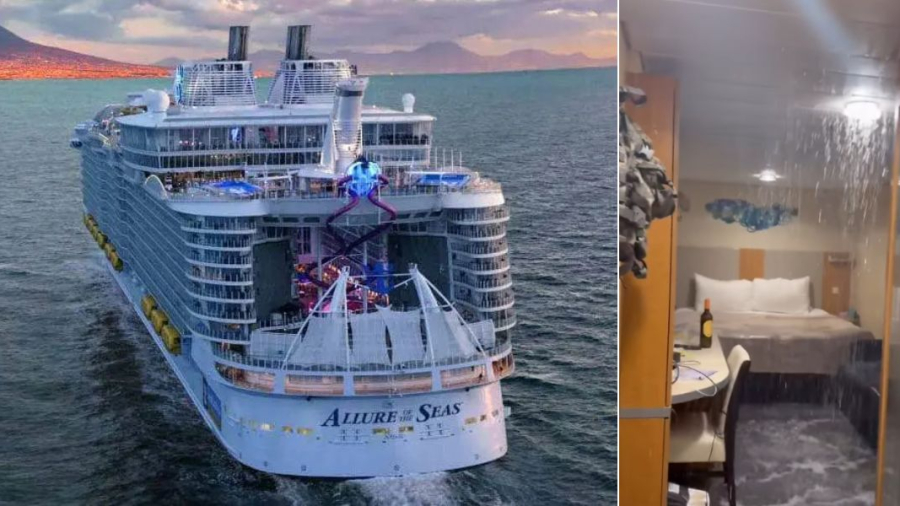
A substantial water leak has flooded part of Deck 12 aboard Royal Caribbean’s Allure of the Seas after water began pouring through the ceiling of an inside cabin.
Video of the incident was shared on Instagram by a passenger who said the affected stateroom was next to their own. The footage appears to show a heavy and continuous flow of water entering the cabin from above and spreading across the floor.
According to the passenger, the leak occurred on 28th July. They said water also reached the surrounding hallway and nearby cabins, although it is not yet clear how many staterooms were affected in total.
The passenger also claimed those impacted were offered 50% off a future cruise as an apology. Royal Caribbean has not publicly confirmed the compensation or provided details about the cause of the leak.
Guests Report Flooding In Nearby Cabins
The scale of the water flow shown in the video suggests the leak was not limited to a small drip or isolated patch of damp.
Water can be seen entering the cabin rapidly, while the person who shared the footage said the corridor and surrounding rooms were also flooded. It remains unclear whether any guests were moved to alternative accommodation or whether personal belongings were damaged.
Cruise ships carry engineering and maintenance teams who are available around the clock to respond to plumbing failures, equipment faults and other technical problems. Pipes and water systems run through large sections of passenger decks, meaning a failure above one cabin can sometimes affect several nearby areas.
No information has been released about whether the leak involved a burst pipe, a plumbing connection or another onboard system.
Questions were also raised in the comments beneath the Instagram video, with some viewers suggesting the footage may have come from an earlier incident aboard the same ship in December 2024.
However, the person who shared the video rejected those claims and said this was a separate event which had happened the previous day.
Allure Of The Seas Previously Hit By Corridor Leak
Allure of the Seas was involved in another widely shared water incident in December 2024, when footage showed water pouring from the ceiling of a passenger corridor and pooling outside several cabin doors.
The exact cause was not officially disclosed at the time, although the footage appeared consistent with a pipe or plumbing failure above the ceiling panels.
Guests later said the water flow was stopped, the area was cleaned and passengers in affected cabins were moved.
One passenger wrote: “update pipe stopped and leak being fixed and people moved right away to other rooms. RC does things right when nature rumbles.”
In a later update, the same guest said the situation had been dealt with that evening and praised Royal Caribbean’s response.
They added: “No loss or damage or anything like that to the people, so that’s really great about Royal Caribbean, they do take care of you right away.”
The December 2024 sailing continued without delay, with no reported impact on the ship’s wider itinerary.
There is currently no indication that the latest leak affected Allure of the Seas’ schedule or caused any broader operational disruption.
Want the best Royal Caribbean deal?
Get a free quote from Cruise Mummy’s trusted travel agent, with exclusive onboard credit and expert help at no extra cost.
Related Posts
If you found this interesting, please share!
A viral video showing a passenger using a dinner fork to scratch her foot aboard Carnival Sunrise has prompted Carnival Cruise Line to issue a public response, but conflicting accounts…
Spanish authorities have launched an investigation into an alleged poisoning incident involving two crew members aboard Disney Cruise Line’s Disney Dream after the vessel arrived in Vigo, Spain, on 24th…
Virgin Voyages has revealed its first-ever Scandinavia and Baltic season for summer 2028. This marks a significant expansion into northern European waters with Valiant Lady based in Amsterdam, a new…
MSC Group could become the latest major cruise company to enter Europe’s growing river cruise market, with a new report suggesting the company is evaluating a move through its luxury…
MSC Group could become the latest major cruise company to enter Europe’s growing river cruise market, with a new report suggesting the company is evaluating a move through its luxury brand, Explora Journeys.
The suggestion comes from Italian maritime publication Shipping Italy, which reports that MSC Group is assessing the possibility of launching European river cruises under the Explora Journeys brand. However, it is important to stress that the plans remain speculative at this stage, with MSC Group yet to make any official announcement or confirm that a project is moving forward.
According to the report, the proposal is still under evaluation. No ship orders have been announced, no launch timeline has been revealed and there are no confirmed details on the size or design of any potential vessels.
If the project progresses, Explora Journeys would expand beyond luxury ocean cruising and enter a market currently dominated by established river cruise operators including Viking, AmaWaterways, Uniworld and Scenic.
River Cruise Market Continues To Attract Major Cruise Lines
The reported discussions come as more ocean cruise companies look to expand into river cruising, attracted by continued demand for sailings along Europe’s most popular waterways.
One of the biggest recent developments came from Celebrity Cruises, which announced Celebrity River Cruises earlier this year. The new premium river cruise brand is scheduled to debut in 2027, with bookings expected to open in the coming months. Celebrity has already confirmed an initial order for 10 river ships, signalling a significant long-term investment in the sector.
If MSC Group ultimately decides to proceed with its own plans, it would represent another major cruise company diversifying beyond traditional ocean itineraries to offer guests a different style of holiday focused on inland waterways and historic city centres.
While the Shipping Italy report suggests any future deployment would focus on Europe’s best-known rivers, no specific itineraries or destinations have been identified.
Explora Journeys Continues Luxury Growth
The reported river cruise evaluation would fit with MSC Group’s broader investment in its luxury cruise business.
Explora Journeys has been steadily expanding its ocean-going fleet since launching in 2023. Explora III is due to enter service in 2026, with further luxury ships already planned through 2028 as the brand continues to grow its presence in the premium and luxury cruise market.
For now, though, any move into river cruising remains only a possibility. Until MSC Group or Explora Journeys officially confirms the project, the reported plans should be viewed as an early-stage suggestion rather than a confirmed expansion.
Planning an Explora Journeys cruise?
My preferred cruise specialist can help you find the best sailing for your budget and travel style.
Related Posts
If you found this interesting, please share!
Passengers who paid thousands of dollars to sail on what was promoted as the world’s first dog-friendly cruise say they have been left out of pocket after the voyage was…
TUI Cruises has begun trialling a paid reservation system for premium theatre seats aboard Mein Schiff 7, marking a potential shift in how cruise lines manage main show seating. For…
Carnival Cruise Line has cancelled nine sailings aboard the Carnival Jubilee between August and December 2027, citing revised operational plans. The affected voyages were scheduled to depart from Galveston, offering…
Viking has announced the names of its next two ocean-going vessels, revealing that the 998-passenger Viking Leda and Viking Vega will join the company’s expanding fleet in late 2028 and…
You don’t really think about medication when you’re booking a cruise.
You think about the ship, the cabin, the ports, whether you’ve packed enough for warm evenings on deck. Then, usually quite late in the day, it hits you – what about your tablets? Can you put them in a weekly pill organiser? Do they need to stay in the original box? And what if one of the countries on your itinerary has rules you know nothing about?
The good news is that taking medication on a cruise is usually very straightforward. Most people bring what they need, board without any fuss, and never get asked about it at all.
The catch is that a few small details can matter a lot if they go wrong.
It’s not normally the ship itself that causes problems. It’s everything around it – the flight, the airport, security, and the fact that you may be entering several different countries, all with their own rules.
So before you travel, there are really three things worth checking:
• how you’re packing your medication • what your cruise line allows on board • whether any of your ports have restrictions on what you’re carrying
Get those right, and the rest is usually pretty simple.
Don’t Worry – You Can Take (Most) Medications Onto A Cruise Ship
In general, yes, you can take medication on a cruise. That includes prescription drugs, over-the-counter treatments, and most medical supplies.
Cruise lines are used to this. They expect passengers to travel with medication, and they’re not trying to make life difficult. For most people, it’s a complete non-issue.
You can take most prescription and over-the-counter medication on a cruise without any issue.
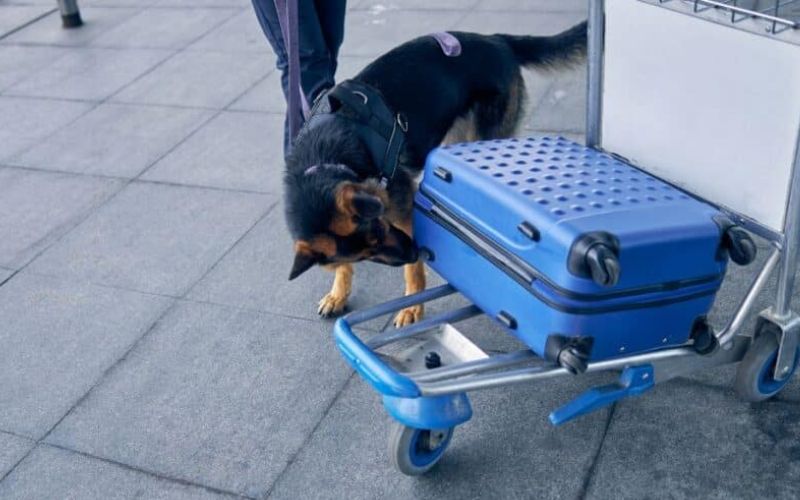
Keep medication in your hand luggage, not your checked suitcase.
Original packaging is the safest option, even if you normally use a pill organiser.
Bring enough for the full trip, plus extra in case of delays.
Check the rules for every country on your itinerary, not just the cruise line’s policy.
Carry a prescription copy or doctor’s letter for anything controlled, injectable, or likely to raise questions.
Don’t assume medical cannabis or cannabis-based products will be allowed, even with a prescription.
Where people come unstuck is when they assume that because something is fine on the ship, it must also be fine everywhere else involved in the trip. That’s not always true.
You may be flying before you cruise. You may be going through airport security. You may be visiting countries with much stricter rules than the UK. That’s why it’s worth thinking about the whole journey, not just embarkation day.
Most major cruise lines are broadly similar when it comes to medication. Prescription medicines are generally allowed, and you’re expected to bring enough for the full cruise, ideally with a little extra in case of delays.
The smaller differences tend to be around practical things such as whether medication should stay in its original packaging, whether you need to tell the cruise line about certain medical equipment, and whether they can provide refrigeration for medication that needs it.
Below is a simplified comparison of what you can usually expect from the bigger cruise lines:
Cruise Line
Medication In Original Packaging?
Is There A Fridge In Cabins For Storing Temperature Controlled Meds?
Ambassador Cruise Line
Yes
Yes on Ambience & Renaissance, only in limited cabins on Ambition. Use Guest Services.
Coolers that may not be cold enough – best to use Guest Services.
Where there isn’t a link to a cruise line’s policy, that simply means there isn’t a relevant section published on its website. I’ve checked directly with those cruise lines to confirm the details.
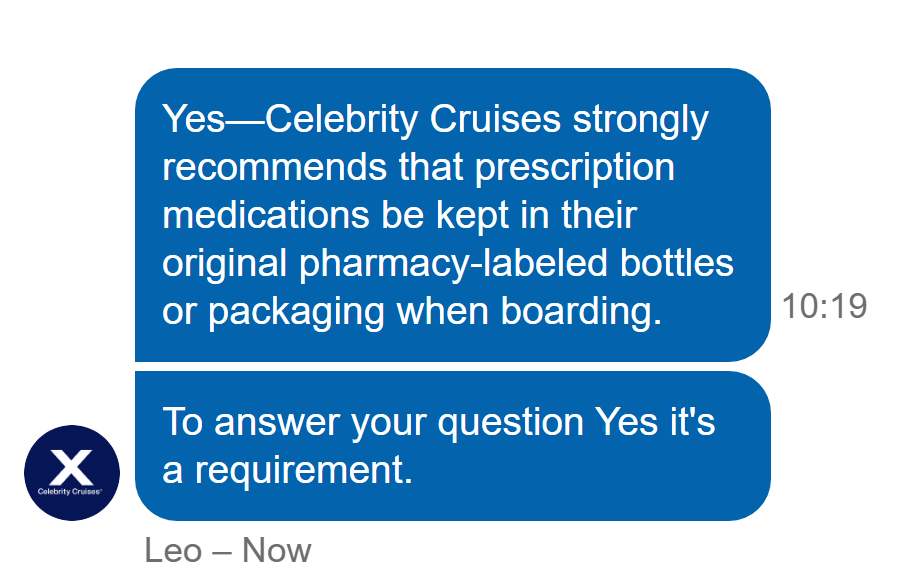
Celebrity Cruises’ wording is slightly inconsistent, as it describes original packaging as both “strongly recommended” and a “requirement”. Realistically, it’s safest to treat that as required.
Original Packaging Vs Pill Dispensers – What’s Actually Allowed?
This is the bit that confuses people most, because the official guidance and real-life experience don’t always sound like they match.
Most cruise lines say medication should be kept in its original packaging, with the pharmacy label visible. Sometimes that’s framed as a requirement, sometimes as strong advice, but the general message is the same.
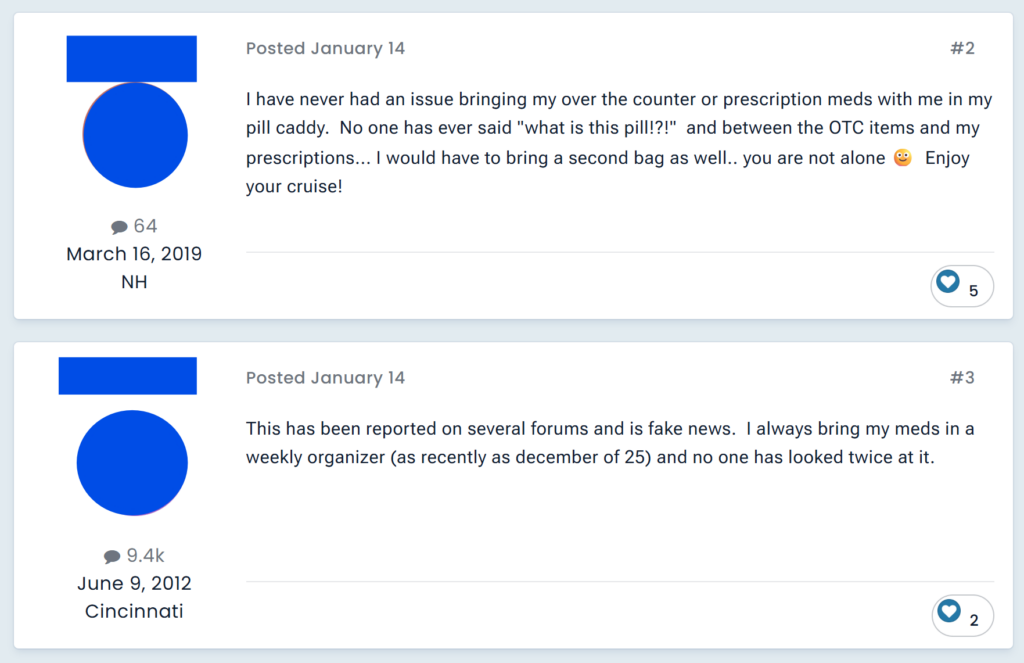
At the same time, plenty of regular cruisers will tell you they use pill organisers all the time and have never had a problem.
Honestly, both can be true.
In day-to-day reality, cruise staff rarely inspect medication closely. Most people aren’t stopped, questioned, or asked to explain what’s in their organiser. But that doesn’t mean the rule is meaningless. It just means you may not be checked.
The issue is what happens if you are.
Original packaging makes everything much easier. It shows exactly what the medication is, who it belongs to, and that it’s been legitimately prescribed or purchased. If you’re dealing with airport security, embarkation staff, or border officials in a stricter country, that clarity helps.
Loose tablets in a pill organiser are much harder to identify. Even when they’re completely legitimate, they can invite extra questions simply because they’re not obvious at a glance.
Honestly, the bigger risk usually isn’t the cruise line at all. It’s airport security or border control in one of your ports of call, where rules may be stricter and staff may be less relaxed about unlabelled medication.
So while pill organisers are undeniably convenient – and for some people essential – they’re best used as a backup to original packaging, not a replacement for it.
The most sensible approach is to take both. Travel with your medication in its original boxes or labelled containers, then use a pill organiser once you’re on board if that makes daily life easier.
That way, you’re covered if anyone asks questions, and you’re not relying on luck or vague reassurance from people online who “never had a problem”.
Because chances are, you won’t have a problem either. But it’s not something you want to be sorting out at the check-in desk while a queue forms behind you.
Medications That Are Restricted or Banned in Certain Countries
A medication that’s completely routine in your home country can be restricted – or even banned – somewhere on your itinerary. It doesn’t matter that it’s prescribed, labelled, and essential. Local laws still apply.
Some countries take a much stricter approach to controlled substances, and that includes medications many people take every day.
A few examples that regularly trip people up:
United Arab Emirates: anti-anxiety meds, sleeping tablets, and strong painkillers (including codeine) may need approval in advance.
Japan: certain ADHD medications and stimulants aren’t allowed at all, even with a prescription, except with special clearance.
Singapore: strict drug laws apply to some sedatives and sleeping pills – documentation is key.
Thailand: controlled medications like codeine can require a permit, especially in larger quantities.
Indonesia (including Bali): some prescription drugs, particularly stronger painkillers, are tightly restricted.
Even something as familiar as codeine can sit in a grey area depending on where you are and how much you’re carrying.
And it’s worth saying again – cruise line policies don’t override any of this. A medication can be perfectly fine on board and still be an issue when you step ashore.
Sometimes you won’t be asked about it at all. Other times, especially in stricter destinations, you might be stopped and questioned.
Checking official government or embassy guidance for each country might feel like overkill, but it’s the one thing that removes the guesswork.
Even with a valid prescription, cruise lines won’t allow cannabis or cannabis-derived products on board. That can include oils, edibles, and CBD products depending on how they’re classified.
That’s before you even factor in local laws, which in many countries are far stricter than people expect.
So you can end up in a situation where your medication is legal at home, banned by the cruise line, and illegal in one or more of your ports.
If this applies to you, it’s worth speaking to your doctor well in advance about alternatives that are actually suitable for travel.
This isn’t something that tends to get waved through quietly. Rules around cannabis are usually clear, and they’re enforced.
“Controlled drugs” sounds more intimidating than it needs to. It simply means certain medications are more tightly regulated because they carry a higher risk of misuse. Many of them are commonly prescribed and taken without any issues day to day.
The difference shows up when you travel.
There may be limits on how much you can carry, extra documentation required, or stricter checks at borders. In some cases, you may need permission before you travel.
If you’re unsure whether your medication falls into this category, it’s worth checking before your trip rather than trying to figure it out mid-journey.
Carrying A Doctor’s Letter Or Prescription Copy Can Be Helpful
Most people won’t be asked for proof of their medication. But if you are, having something to hand makes things much smoother.
A prescription copy is a good baseline. For anything more sensitive – controlled drugs, injectables, or larger quantities – a doctor’s letter is a sensible extra.
It should confirm:
your name and date of birth
the medication
the dosage
that it’s for personal use
Nothing complicated, just clear and official.
You’ll probably never need to show it. But if you do get asked, it can turn a potentially awkward situation into a quick formality.
Travelling With Medical Equipment (CPAP, Oxygen, Injectables, Dialysis)
Tablets are one thing. Equipment takes a bit more planning.
Cruise lines are generally well set up for this, but they do expect advance notice.
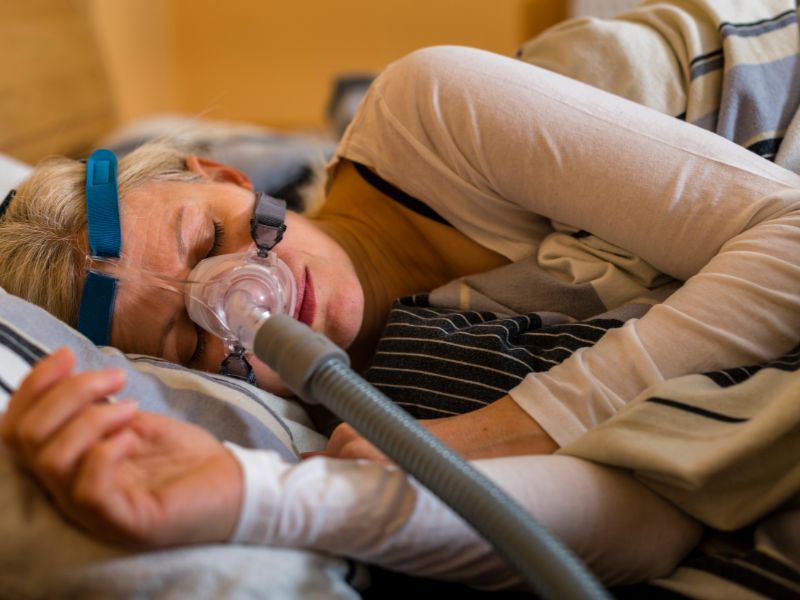
There are medical facilities on any cruise ship, but they’re designed to handle emergencies or unexpected treatments. If you need use of a CPAP machine, oxygen canisters, injectable meds or you’re on Peritoneal dialysis treatment, you need to bring your own equipment and make sure you’ve cleared it with the cruise line in advance.
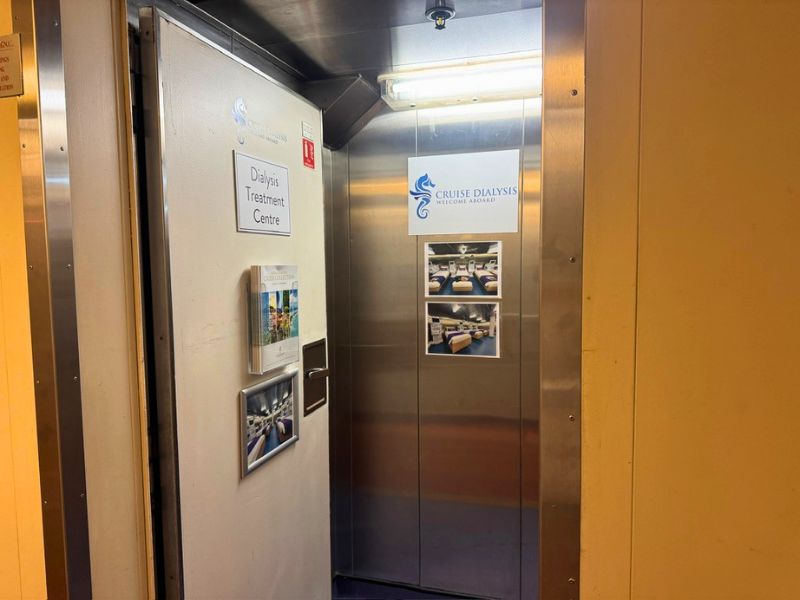
If you’re on haemodialysis, you may be able to book a specific cruise which has a dialysis treatment room onboard for you.
If you plan to bring any medical equipment, you should let the cruise line know in advance. There may be some nuanced rules on things like the size of oxygen canisters that you’ll need to consider.
Also for CPAP machines, consider distilled water requirements. Cruise lines may be able to provide it but some may charge. Again, ask in advance.
Travelling With Liquid Medication And Airport Security
A quick bit of reassurance for you – liquid medication isn’t treated the same as toiletries. You can carry more than 100ml in your hand luggage if it’s essential and for personal use.
Still, a bit of preparation helps.
Keep it in your hand luggage, not checked bags. If it’s a larger quantity, mention it at security rather than waiting to be asked. And make sure it’s clearly labelled so there’s no confusion about what it is.
Sometimes it’ll be screened separately. That’s routine, not a red flag.
If you’re unsure how it’ll be handled, just give yourself a bit of extra time at the airport. It removes the stress.
TODAY’S BEST CRUISE DEALS!
Don’t miss these offers…
Practicalities of Medication Onboard
Once you’re on the ship, things tend to settle down. At that point, it’s less about rules and more about making sure your medication stays effective and easy to manage.
Keeping Medication At The Right Temperature
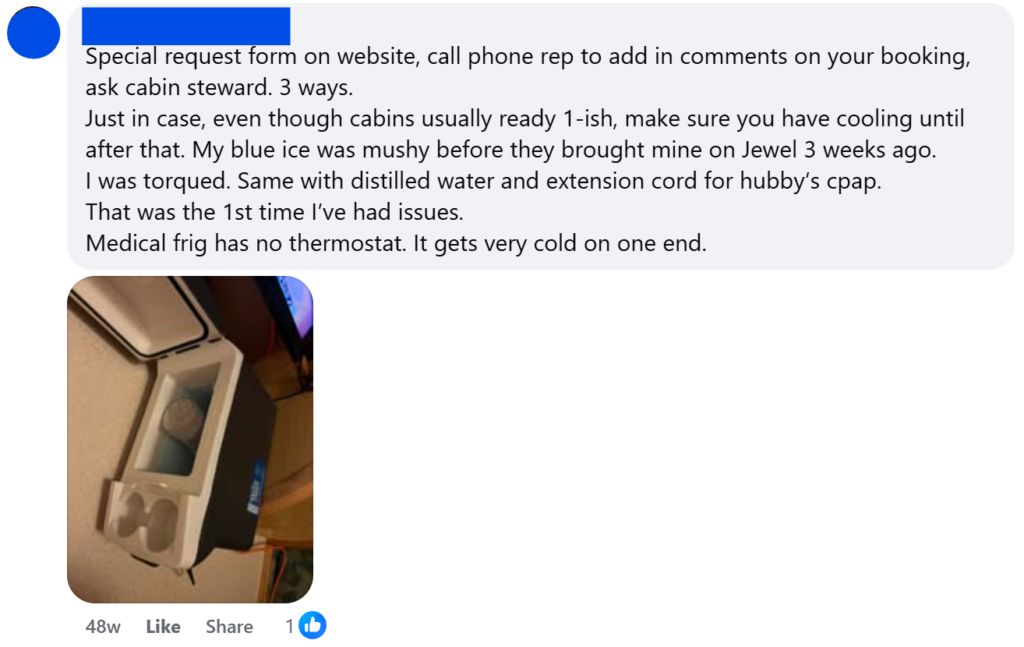
Cabin mini coolers aren’t always true fridges, and they’re not reliable for medication that needs strict temperature control.
If that applies to you, it’s worth requesting a medical fridge ahead of time or speaking to Guest Services as soon as you board.
Also think about embarkation day – there’s a good chance you won’t be getting access to your cabin until later in the afternoon or even early evening, so you might not have access to cooling equipment for a large part of your day.
Most people in this situation use ice packs or other coolers in their hand luggage, just to make sure their meds stay at the right temperature until they can get it stored properly onboard.
Where To Store Medication In Your Cabin
Some people overlook this, but it’s worth thinking about. Bathrooms seem convenient, but they’re usually too warm and humid – extractor fans on cruise ships aren’t always the best!
A drawer or shelf in the main cabin area is a better option – somewhere dry, relatively cool, and out of direct sunlight. Or you could always use the safe, if it’s not something you’re going to need emergency access to at any point, such as allergy medication.
Time Zones And When To Take Your Medication
Crossing time zones can throw off your usual routine more than you expect – it’s another of those little things that people just don’t consider!
For most medications, a slight shift isn’t a problem. But if timing matters, it’s worth planning ahead.
Gradual adjustments tend to work better than sudden changes, and if the timing is critical, your GP or pharmacist can give you specific guidance before you travel.
Sharps Disposal Onboard
You won’t be left to deal with this on your own.
Sharps containers are available on board, usually via Guest Services or the medical centre. When one fills up, it can be collected and replaced.
It’s worth sorting early so it’s not something you’re thinking about later in the trip.
What Happens If You Forget Or Lose Your Medication
Forgetting your medication, accidentally not bringing enough, or losing it – all sound like nightmare scenarios, but all are manageable. Don’t panic!
The ship’s medical centre is your first stop. They won’t have everything, but they can often help with basic medication or short-term solutions.
For more specific prescriptions, things depend on where you are. You may need to arrange a replacement in port, which can involve seeing a local doctor first.
This is where having documentation helps. A prescription copy, GP details, or even a photo of the medication can make the process quicker.
It’s also why bringing extra is so important. Replacing medication abroad isn’t always fast or straightforward.
The team onboard your ship can hopefully help direct you to a reputable pharmacy ashore, if needed, or give you information on who to contact port-side for official recommendations.
Unfortunately, in some ports, there will be some dodgy retailers offering cheap medication – don’t risk it.
Medication You Can Buy On A Cruise Ship
Think convenience, not pharmacy – that’s the sort of thing you’ll find on a cruise ship.
You’ll usually find basics on board, either in the shop or via the medical centre:
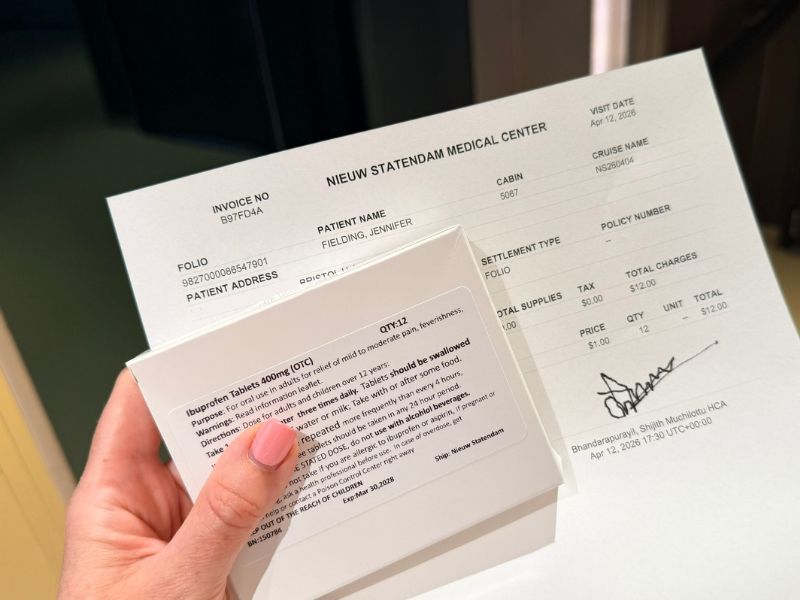
pain relief (paracetamol, ibuprofen)
seasickness remedies
cold and flu treatments
antihistamines
simple stomach medications
That’s enough for minor issues, but the range is limited. It’s also more expensive than buying it at home.
Anything more specific will usually mean seeing the ship’s doctor, which comes with a consultation fee.
Prices on board can be surprisingly high, even for simple items.
You’re paying for convenience, and there’s no real competition once you’re at sea.
Something inexpensive at home can easily cost several times more on a ship. It’s fine as a backup. It’s not something you want to rely on. So if you think you might need any of the above, buy before you sail!
Seasickness Medication – What To Bring Vs Buy Onboard
This is one of the few things worth planning for even if you’re not sure you’ll need it.
Most treatments work better if you take them before symptoms start, which is much easier if you already have them with you.
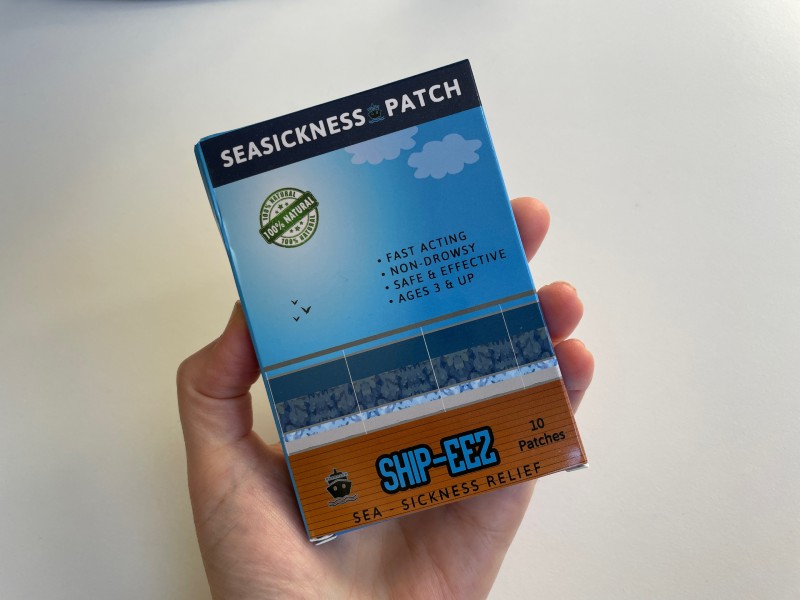
There’s no single best option. Tablets, patches, wristbands, and natural remedies all work for different people.
If you’ve found something that works for you, bring it. Onboard options are usually limited and more expensive. If you’ve never encountered seasickness before then I’d say it’s not an essential purchase before you cruise, but a cheap pack of tablets or patches could be worth buying if you’re at all concerned.
Supplements, Vitamins And Non-Prescription Medication
Vitamins, supplements, and over-the-counter medication can generally be packed without much thought.
Where people run into minor issues is with quantity or unclear labelling. Large amounts of unlabelled tablets can attract questions, particularly at airports or in stricter countries.
Herbal supplements can also fall into a grey area if ingredients aren’t clearly listed or widely recognised.
Keeping everything labelled and, where possible, in original packaging avoids most of that.
For small, personal quantities, problems are rare. It’s just about making things easy to explain if anyone does ask.
Final Checklist – Taking Medication On A Cruise
By now, it probably feels like a lot of detail for something that’s usually straightforward.
In reality, it comes down to a few key habits:
keep medication in your hand luggage
stick to original packaging where you can
bring copies of prescriptions or a doctor’s letter if needed
check rules for every country on your itinerary
avoid anything that may be banned, including cannabis-based products
arrange storage or equipment needs in advance
pack extra in case of delays
bring basic remedies so you’re not relying on onboard shops
Get those right and, for most people, the whole thing passes without a single issue.
My Recommendation
My recommendation for cruise insurance depends on where you live.
These are trusted price comparison sites that will quickly get you lots of quotes to match your exact needs.
A viral video showing a passenger using a dinner fork to scratch her foot aboard Carnival Sunrise has prompted Carnival Cruise Line to issue a public response, but conflicting accounts have left some questions unanswered.
The footage, which has amassed tens of millions of views across TikTok, sparked widespread concern after viewers watched the passenger repeatedly scrape at what appeared to be an irritated or infected foot while dining onboard.
The original video, shared by TikTok user lucky_charmedcourt, has been viewed more than 32 million times, with follow-up clips attracting millions more as the situation unfolded.
Many viewers were less focused on the act itself and more concerned about whether the fork could have been returned to circulation and used by other guests.
In later videos, the passenger who filmed the incident raised the issue with Carnival crew members and eventually spoke directly with the ship’s captain, documenting those conversations on social media.
Carnival Says Fork Was Removed
Following the video’s viral success, Carnival Cruise Line released a statement confirming it had addressed the situation with the guest involved.
“We can confirm that forks are intended for food, not foot care,” the cruise line said.
“Once we became aware of the situation, our team quickly addressed it with the guest and removed the utensil from service.”
Carnival also stressed that cleanliness remains a top priority.
“While the video may be generating laughs and gasps online, cleanliness and hygiene are no joke to us.”
The statement was widely shared on the cruise line’s social media channels and by Carnival Brand Ambassador John Heald, quickly attracting tens of thousands of reactions.
Carnival’s response appeared intended to reassure passengers that there was no ongoing hygiene risk. The line also noted that its ships operate under strict sanitation procedures, with dedicated public health officers monitoring food safety, water systems and cleanliness, while US-based vessels such as Carnival Sunrise are also subject to inspections under the CDC’s Vessel Sanitation Program.
Conflicting Accounts Leave Some Unanswered Questions
However, the story did not end with Carnival’s statement.
After the cruise line confirmed the fork had been removed from service, the original passenger who filmed the incident shared additional videos claiming she had been told something different during conversations onboard.
According to those recordings, she says the ship’s captain told her the fork had initially been sent through the dishwasher with other utensils rather than being immediately discarded.
That has led some social media users to question how Carnival was later able to identify and remove the specific fork mentioned in its public statement.
There is no evidence that Carnival’s statement is inaccurate, and the cruise line has not publicly explained the timeline between the utensil being cleaned and later being removed from service. As a result, the exact sequence of events remains unclear.
The passenger who documented the incident also revealed she was provided with disposable cutlery for the remainder of her cruise after raising her concerns, something she shared in subsequent TikTok updates.
While debate continues online over what happened to the fork, the incident has become one of the most talked-about cruise-related viral moments of the summer, with millions of viewers weighing in on everything from onboard hygiene to how cruise lines handle unexpected situations once they attract worldwide attention.
NEW DEALS JUST RELEASED!
See the latest Carnival cruise offers…
Related Posts
If you found this interesting, please share!
Spanish authorities have launched an investigation into an alleged poisoning incident involving two crew members aboard Disney Cruise Line’s Disney Dream after the vessel arrived in Vigo, Spain, on 24th…
Virgin Voyages has revealed its first-ever Scandinavia and Baltic season for summer 2028. This marks a significant expansion into northern European waters with Valiant Lady based in Amsterdam, a new…
MSC Group could become the latest major cruise company to enter Europe’s growing river cruise market, with a new report suggesting the company is evaluating a move through its luxury…
Passengers who paid thousands of dollars to sail on what was promoted as the world’s first dog-friendly cruise say they have been left out of pocket after the voyage was…
Cruise fares have a way of looking like a great deal – right up until you realise how much of the experience now sits in the small print.
What used to feel simple has slowly turned into a mix of packages, upgrades and “enhancements” that somehow always cost a bit extra. Not always of course! But sometimes.
Specialty dining was the obvious starting point, but it didn’t stop there. Quiet spaces, premium attractions and even parts of the entertainment have already slipped into paid territory.
So what might be next? Some of these feel pretty likely, some are already creeping in, and a couple might hit a nerve.
1. Room Service Could Become Almost Entirely Paid
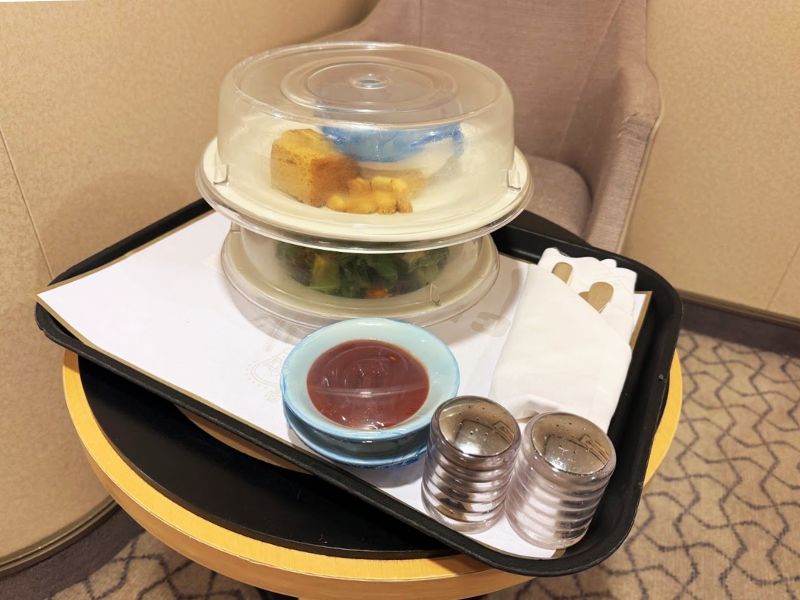
This one feels less like a prediction and more like something already in motion. Room service used to be one of those small touches that made your cabin feel like part of the holiday, not just somewhere to sleep.
Now it’s often limited, cut back or only free at certain times. Only a couple of cruise lines, like Disney, keep it completely free at all hours.
Breakfast might stick around longer because it’s such a classic part of cruising, but beyond that, it’s easy to see where things are heading.
Smaller menus, more delivery fees, and fewer genuinely “free” options unless you’re in a suite or sailing on a luxury line.
2. Main Dining Room Menus Could Get More Restrictions
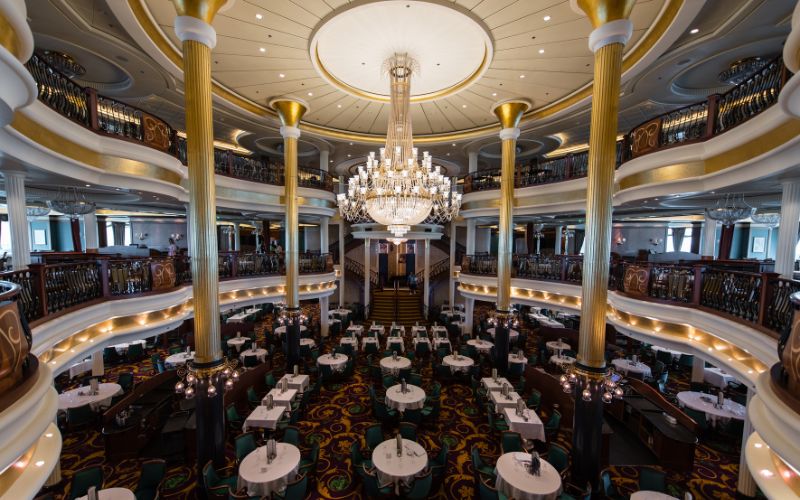
The main dining room isn’t going anywhere, but that doesn’t mean it’ll stay as generous as it once was.A subtle way to cut costs is to keep the venue free while quietly tightening what’s included.
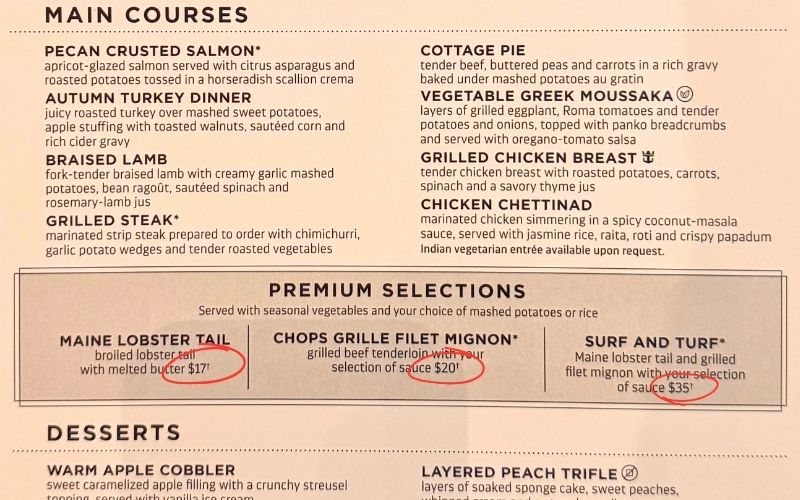
Extra charges for premium steaks and lobster are already common. Here’s the menu from the main dining room of my recent Royal Caribbean cruise so you can see how much the extra charges are…
A small but growing number of cruise lines now charge passengers who order multiple main courses in the main dining room.
Norwegian Cruise Line charges $5 for each additional main course after the first, while MSC Cruises applies a similar $5 fee on some US-based sailings.
Carnival Cruise Line is slightly more generous, including two main courses before charging $5 for the third and any further dishes.
Other cruise lines generally still allow guests to order a second standard main course at no extra cost, but for how long?
This feels like it’s only a matter of time. Keep the show free, then charge for a better version of the experience.
Reserved central seats, priority entry, front rows, maybe even small VIP sections – it’s an easy upsell. It might annoy people, but it also makes sense commercially, especially on ships where popular shows already mean queuing early.
Cruise lines know people don’t love uncertainty on holiday. If they can turn “Will we get a good seat?” into something you can pay to solve, there’s a good chance they will.
4. More Onboard Shows Could Become Paid Experiences
We’re already seeing the early version of this, usually bundled with drinks, dinner or a more intimate setting. That framing helps – it feels like an “experience” rather than just paying for a show.
For example, MSC Cruises charges extra for its Carousel Productions at Sea shows, which are held in the purpose-built Carousel Lounge. These elaborate, circus-style productions come with a signature cocktail.
Virgin Voyages now charges extra for immersive dinner shows such as Another Rose and It’s a Ship Show, while its other productions are generally included. And Norwegian Cruise Line has a new adults-only show that’s priced at a whopping $45 per person!
The big headline productions will probably stay included, at least on most ships. But smaller performances, late-night shows, cabaret-style acts or immersive events could increasingly come with a charge.
That’s usually how these things spread – quietly, then all at once.
5. Poolside Loungers In Prime Spots Could Be Reserved For A Price
Finding a good lounger is already competitive enough without turning it into a paid upgrade, but it’s not hard to imagine.
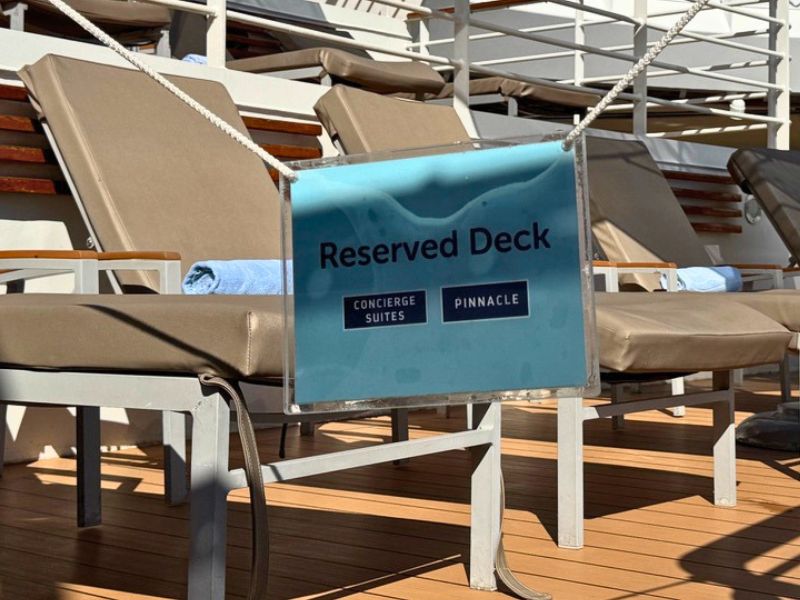
Cruise lines wouldn’t need to charge for every lounger. Just ring-fence the best ones – near the pool, with the best views, or in perfect sun or shade – and suddenly there’s a premium tier.
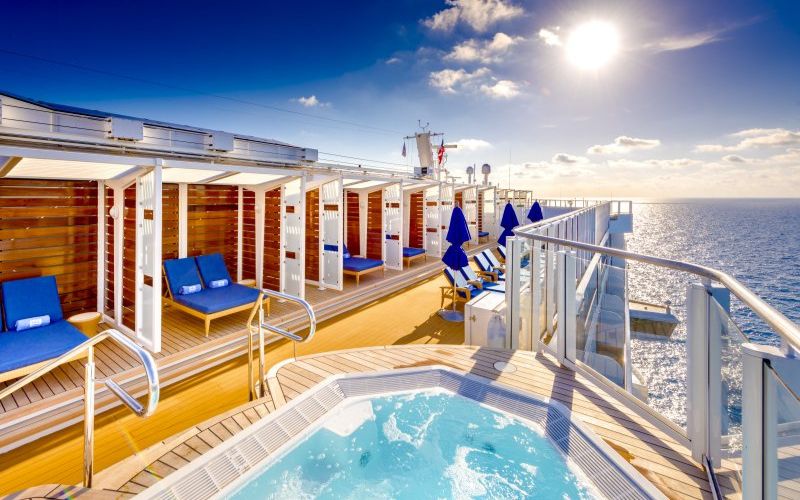
We’ve already seen versions of this with cabanas and exclusive deck areas. A lower-level reservation system doesn’t feel like a huge leap. It wouldn’t be popular, but it would probably sell.
6. Adults-Only Sun Decks Could Become Even More Common As Upsells
Quiet space is one of the easiest things to monetise at sea.
On big ships, especially during sea days, a bit of peace and quiet is in short supply. Cruise lines know that, which is why adults-only areas and premium sun decks have become such reliable money-makers.
The next step might not be creating new spaces, but putting more of them behind a paywall. Instead of being a shared perk, calm becomes something you upgrade into.
7. Kids’ Attractions Could Shift Further Towards Pay-To-Play
Family cruising is full of moments where convenience wins. Parents might not love paying extra, but if it keeps the kids entertained for an hour, plenty will do it.
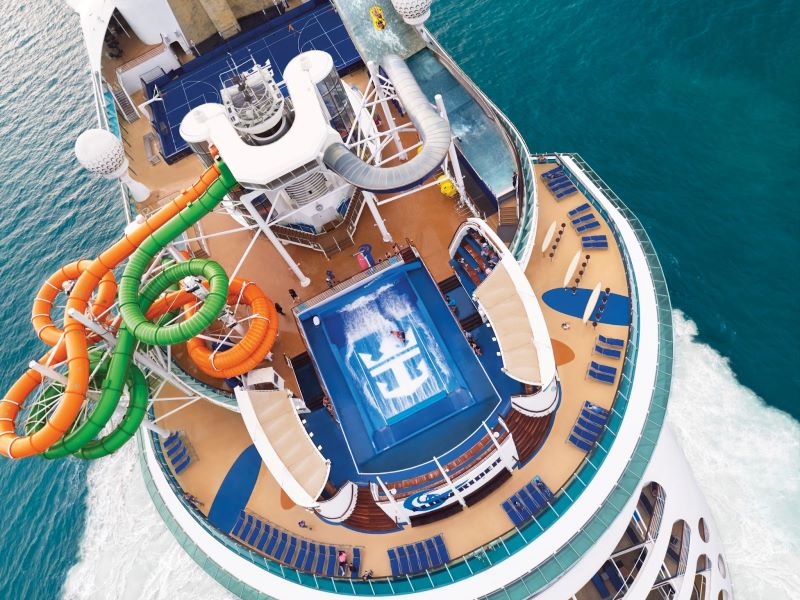
Some ships already charge for things like race tracks, arcades and interactive games, so the model’s there. It wouldn’t be surprising to see more attractions move in that direction.
Not everything, of course – family-friendly fun is still a core selling point. But more “premium” add-ons? That feels very likely.
TODAY’S BEST CRUISE DEALS!
Don’t miss these offers…
8. Faster Access Could Become A Product Of Its Own
Cruise lines have got very good at selling convenience.
Instead of charging for the thing itself, they charge for skipping the hassle around it. Priority embarkation, quicker disembarkation, express tender access, reserved time slots, skip-the-line passes – it’s all part of the same idea.
You see it everywhere now, from theme parks to airlines. People will often pay more to save time than to upgrade the experience itself. Once queues get long enough, the paid shortcut almost sells itself.
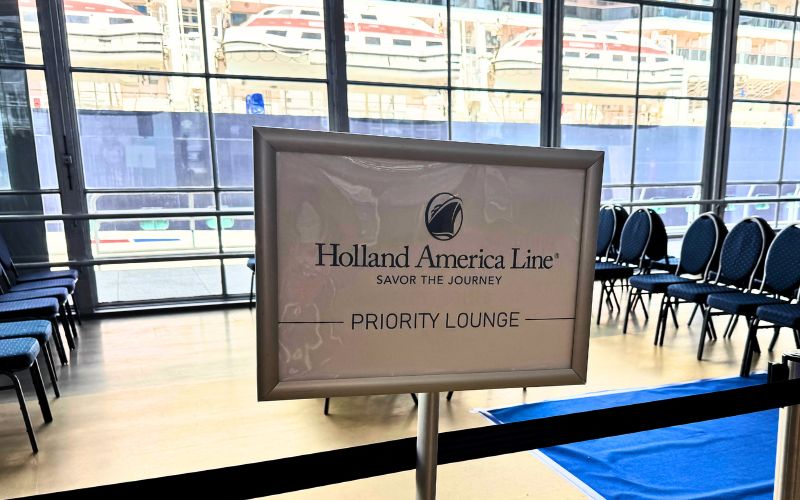
Some cruise lines do already offer something a little similar to this, such at The Key by Royal Caribbean.
9. Buffet Upgrades Could Start Appearing
The buffet will probably remain one of the last big “included” areas, but that doesn’t mean every part of it stays free.
Some cruise lines like P&O Cruises, already section off an area of the buffet and transform it into a paid-for dining venue with table service.
I wouldn’t be surprised if we start to see premium stations within the buffet. Things like made-to-order breakfast items, better cuts of meat, upgraded seafood, or more elaborate desserts.
That way, cruise lines can still say the buffet is included, while quietly adding places to spend money.
10. Basic Refreshments Could Be Pushed Into Packages
Drinks have always been a key revenue driver, but it’s not just about alcohol anymore.
Coffee culture and soft drinks matter just as much to a lot of people, especially younger cruisers. Iced coffees and branded café drinks can be just as appealing as a drinks package.
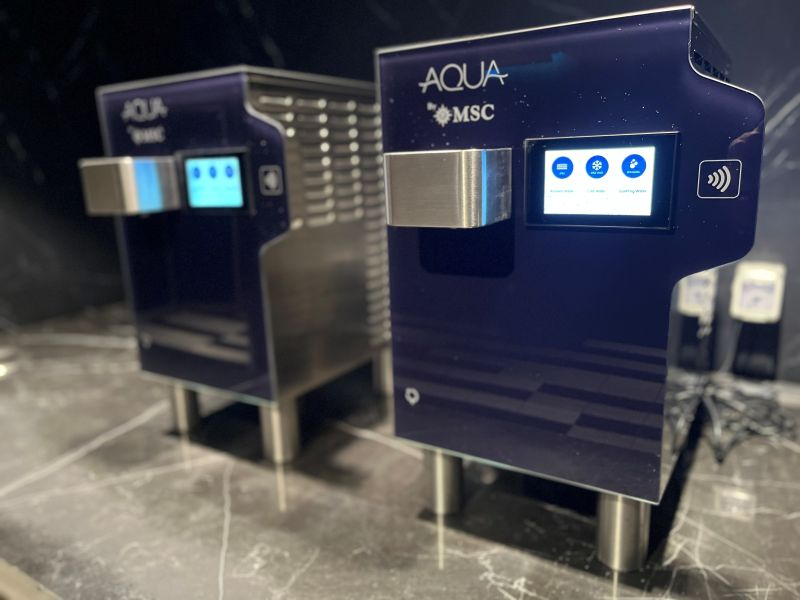
So while tap water will almost certainly stay free, the line between included and extra is shifting. Recently, MSC Cruises launched Aqua by MSC – which is essentially paid-for filtered water. The machine is right next to the regular water machine. I’m not sure if it tastes any different!
11. Housekeeping Could Become More Tiered
Cruises have held onto daily cabin service more than hotels have, but even that’s started to change.
Some lines have already moved away from twice-daily service. The next step could be framing certain extras as upgrades – whether that’s for sustainability reasons, efficiency, or both.
Daily cleaning will probably remain standard. But things like evening turn-down, extra towel refreshes or more flexible service might slowly shift into higher-tier perks.
12. In-Cabin Extras Could Quietly Disappear
Not every change gets announced. Some of the most noticeable ones are the little things that just… stop appearing.
Better toiletries, printed daily programmes, chocolates at turn-down, decent stationery, even small touches like hot water delivery – these are easy to remove because they don’t look dramatic on paper.
But regular cruisers notice. And once they’re gone, they often reappear later as “premium” perks in higher cabin categories.
13. Casual Dining Venues Could Move Behind A Partial Paywall
The bigger dining shift might not come from high-end restaurants. People already expect those to cost extra.
It’s the casual spots that feel more at risk – pizza counters, burger joints, noodle bars, pub-style food. Places that used to feel comfortably included.
A small charge here, an à la carte option there, or a venue rebranded as “elevated casual dining” – it doesn’t take much for this to build over time. And smaller charges are often the easiest ones to accept.
14. Gym And Wellness Access Could Be Split Into Basic And Premium
Most cruise ship gyms are still free, and that will probably stay the case in some form.
But wellness is big business now. So the likely move isn’t charging for the gym itself, but creating layers within it.
Basic access stays free, while classes, thermal suites, recovery areas, or quieter fitness spaces come at a cost. It’s not about removing access – it’s about making the better version of it something you pay for.
15. Even “Included” Food Could Get Worse To Push You Towards Upcharges
This is the one people talk about the most, and also the hardest to pin down.
Cruise lines don’t necessarily need to charge more if they can make the included options feel less appealing. Simpler menus, less variety, slightly lower quality – nothing drastic on its own, but noticeable over time.
Then specialty dining starts to feel less like a treat and more like the obvious choice. Whether that’s intentional or just a side effect of cost-cutting, the end result feels the same.
TODAY’S BEST CRUISE DEALS!
Don’t miss these offers…
Final Word
The bigger shift here isn’t that cruising suddenly becomes fully pay-as-you-go.
It’s that the gap between the basic experience and the better one keeps getting wider. There’ll still be food, entertainment, loungers and somewhere to grab a drink.
But the quieter space, the better meal, the easier seat, the shorter queue – those are increasingly treated as upgrades.
That’s really what’s changing. It’s not just about adding charges. It’s about turning more parts of the experience into tiers. And once that starts, it rarely goes the other way.
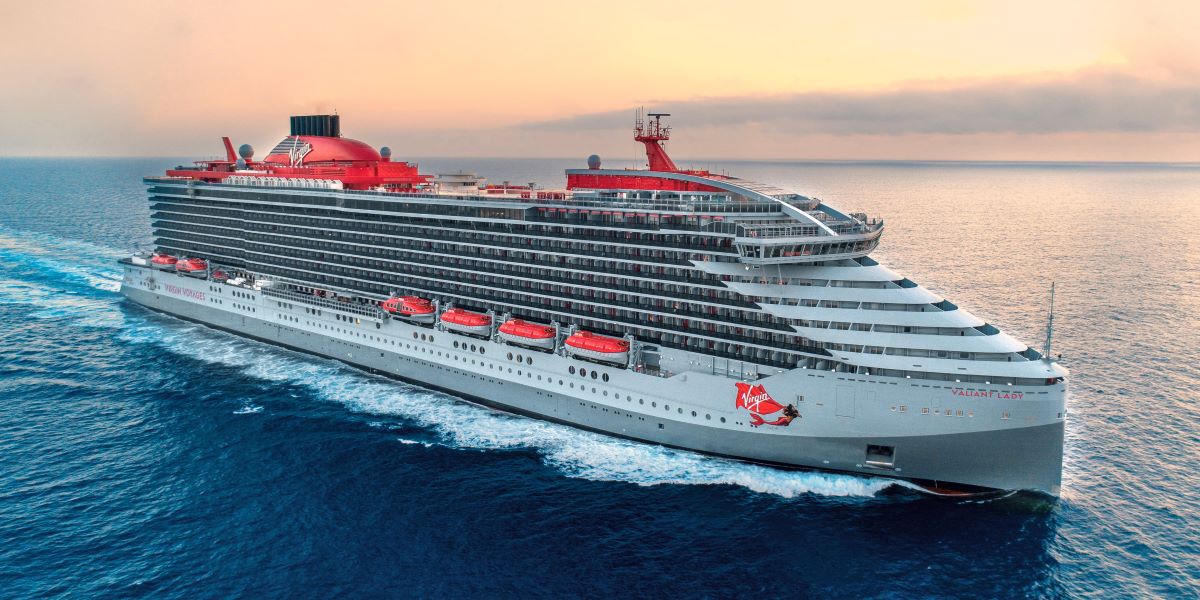
Virgin Voyages has revealed its first-ever Scandinavia and Baltic season for summer 2028. This marks a significant expansion into northern European waters with Valiant Lady based in Amsterdam, a new homeport for the adults-only cruise line.
The announcement represents a major geographical shift for Virgin Voyages. The cruise line has traditionally focused on Caribbean, Mediterranean, and more recently Alaskan itineraries.
The cruise line will deploy the 110,000 gross-ton Valiant Lady on six new sailings beginning in July 2028. This offers passengers access to some of Europe’s most sought-after summer destinations.
Amsterdam’s selection as a homeport marks another milestone in Virgin Voyages’ port expansion strategy. The Dutch capital’s accessibility and popularity as a European gateway makes it an ideal launching point for northern European cruising.
Four Core Itineraries Spanning Seven To Twelve Nights
The new season comprises four distinct itineraries designed to showcase the diversity of Scandinavia and the Baltic region. The inaugural sailing will be a twelve-night Scandinavia and Stockholm voyage departing 19th July 2028 and concluding 31st July 2028.
This comprehensive itinerary will call at Oslo, Copenhagen, Gdańsk, Stockholm, Berlin, and Aarhus. The routing provides passengers with a thorough exploration of both Nordic capitals and historic Baltic ports.
Following this extended voyage, Valiant Lady will embark on a seven-night Norwegian Fjords itinerary from 31st July to 7th August 2028. This sailing focuses on Norway’s dramatic western coastline, visiting Molde, Nordfjordeid, Flåm, and Bergen – ports celebrated for their stunning natural landscapes and access to Norway’s legendary fjords.
Hamburg And Arctic Circle Sailings Round Out The Programme
The third core itinerary offers a seven-night Scandinavia and Hamburg sailing from 7th August through 14th August 2028. This voyage will visit Oslo, Copenhagen, and Hamburg, providing a blend of Scandinavian culture and German heritage.
The season’s highlight arrives with an eleven-night Arctic Circle and Norwegian Fjords sailing departing Amsterdam on 14th August and concluding 25th August 2028. This ambitious voyage will venture to Tromsø, Honningsvåg, Trondheim, Åndalsnes, and Olden.
The Arctic Circle crossing represents a significant achievement for Virgin Voyages. Passengers on this sailing will experience the midnight sun phenomenon.
The cruise line plans a special midnight sun deck party to commemorate the Arctic Circle crossing. The northern latitude destination showcases Virgin Voyages’ confidence in offering unique experiences beyond traditional cruise markets.
Honningsvåg, gateway to the North Cape, represents one of the world’s northernmost cruise destinations.
Leadership Vision For Scandinavian Expansion
Nirmal Saverimuttu, Chief Executive Officer of Virgin Voyages, articulated the strategic thinking behind the northern European expansion. “Northern Europe felt like the right next step,” Saverimuttu stated.
“We’ve built these voyages around the kinds of experiences that make people fall in love with a destination,” he continued. This customer-focused approach aligns with Virgin Voyages’ broader strategy of creating memorable destination experiences rather than simply transporting passengers between ports.
The cruise line’s emphasis on experiential travel has resonated strongly with its target demographic. By focusing on immersive destination experiences and unique moments like the Arctic Circle crossing, Virgin Voyages continues to differentiate itself in an increasingly competitive cruise market.
Repositioning Voyages Connect Mediterranean To Amsterdam
Bookending the Scandinavian season are two ten-night repositioning cruises that connect Virgin Voyages’ existing Mediterranean operations with the new Amsterdam homeport. The first repositioning sailing departs Barcelona on 9th July 2028, heading north to Amsterdam.
This voyage will call at Casablanca, Lisbon, La Coruña, and Cherbourg, offering passengers a journey along Europe’s Atlantic coastline. The itinerary provides an attractive option for passengers seeking to experience both southern and northern European destinations.
The concluding repositioning cruise departs Amsterdam on 25th August 2028, following the completion of the Scandinavian season. This sailing reverses the route, calling at Cherbourg, La Coruña, and Lisbon before substituting Tangier for Casablanca as the final port of call.
These repositioning voyages serve dual purposes – they’re operationally necessary for moving the vessel between seasonal deployment regions whilst also offering passengers unique trans-European itineraries rarely available in the cruise market.
Fifteen New Ports Expand Virgin Voyages’ European Footprint
The new Scandinavian and Baltic season introduces an impressive array of first-time destinations for Virgin Voyages. Oslo, Copenhagen, Gdańsk, Stockholm, Berlin, Aarhus, Molde, Nordfjordeid, Flåm, Tromsø, Honningsvåg, Trondheim, Åndalsnes, Olden, and Cherbourg all represent brand new ports for the cruise line.
This expansion significantly broadens Virgin Voyages’ European presence beyond its established Mediterranean programme. The addition of these ports demonstrates the cruise line’s ambition to become a major player in European cruising rather than remaining focused solely on Caribbean and warm-weather destinations.
Several of these ports rank amongst Europe’s most scenic and culturally significant destinations. Flåm provides access to the spectacular Sognefjord and the famous Flåm Railway.
Stockholm offers passengers the opportunity to explore Sweden’s archipelago capital. Gdańsk’s inclusion adds historical depth to the itineraries, with the Polish port city’s rich maritime heritage and beautifully reconstructed old town.
Berlin’s presence on the itinerary, accessed via the port of Warnemünde, provides passengers access to one of Europe’s most dynamic capitals.
Valiant Lady Brings Fresh Facilities After Recent Renovation
Valiant Lady will operate these new itineraries fresh from a two-week dry dock renovation. The 110,000 gross-ton vessel accommodates up to 2,770 passengers and features Virgin Voyages’ distinctive design aesthetic and amenities.
The ship offers exclusively adult accommodations. This maintains Virgin Voyages’ positioning as an adults-only cruise experience.
This demographic focus allows the cruise line to tailor entertainment, dining, and activities specifically for passengers aged 18 and older. Virgin Voyages expects suites and balcony cabins to sell out quickly given the popularity of northern European summer sailings.
Bookings for these new cruises officially open on 14th August 2026. This provides passengers with nearly two years’ advance notice.
The advance booking window reflects industry trends towards earlier booking patterns, particularly for sought-after seasonal deployments. Passengers seeking premium accommodation categories would be well-advised to book promptly when reservations open.
Summer Season Pass Returns With Scandinavian Option
Virgin Voyages has expanded its popular Summer Season Pass programme to include the new Scandinavian itineraries. The pass, first introduced in 2024, allows passengers to experience all four core itineraries back-to-back for a single price.
The concept proved enormously popular for Virgin Voyages’ Mediterranean seasons. The pass sold out completely in previous years.
The success of the Mediterranean Summer Season Pass made its expansion to northern European itineraries a logical progression. For the 2026 season, Summer Season Pass pricing ranged from $26,000 to $38,000 depending on the booking window.
Pricing for the 2028 Scandinavian season has not yet been announced but will be revealed on 14th August 2026 when bookings open.
Summer Season Pass holders booking the northern itineraries will receive numerous additional benefits. These include a Central Sea Terrace cabin, priority boarding, upgraded WiFi connectivity, complimentary shore excursions, and a welcome package from Virgin Voyages.
Despite the substantial investment required, many passengers consider the pass excellent value. This is given the included amenities and the convenience of extended cruising without disembarkation.
The consecutive sailing format eliminates the need for flights between cruises and maximises time exploring destinations.
Continued Growth Trajectory For Virgin Voyages
The Scandinavian expansion continues Virgin Voyages’ impressive growth trajectory. Earlier this year, the cruise line reported its highest booking month in company history.
This demonstrates strong consumer demand for its distinctive brand of cruising. The debut of Brilliant Lady, the cruise line’s fourth ship, in 2025 further exemplified this growth.
The 110,000 gross-ton vessel expanded Virgin Voyages’ fleet capacity and enabled additional itinerary options. Brilliant Lady’s inaugural Alaska season, which commenced in May 2026, represented another significant first for the cruise line.
The successful deployment into Alaskan waters demonstrated Virgin Voyages’ ability to operate effectively in diverse geographical markets beyond its Caribbean origins.
The new Scandinavian and Baltic programme represents another bold expansion step. By establishing a presence in northern European summer markets, Virgin Voyages positions itself to compete with established cruise operators.
This is while offering its unique adults-only product to passengers seeking alternatives to traditional family-focused cruise experiences.
NEW DEALS JUST RELEASED!
Don’t miss the latest Virgin Voyages offers…
Related Posts
If you found this interesting, please share!
MSC Group could become the latest major cruise company to enter Europe’s growing river cruise market, with a new report suggesting the company is evaluating a move through its luxury…
Passengers who paid thousands of dollars to sail on what was promoted as the world’s first dog-friendly cruise say they have been left out of pocket after the voyage was…
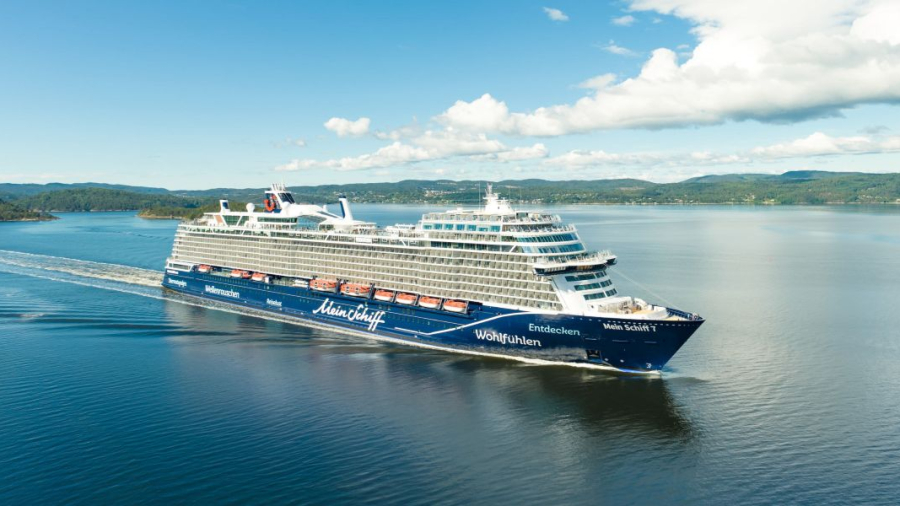
TUI Cruises has begun trialling a paid reservation system for premium theatre seats aboard Mein Schiff 7, marking a potential shift in how cruise lines manage main show seating. For…
Carnival Cruise Line has cancelled nine sailings aboard the Carnival Jubilee between August and December 2027, citing revised operational plans. The affected voyages were scheduled to depart from Galveston, offering…
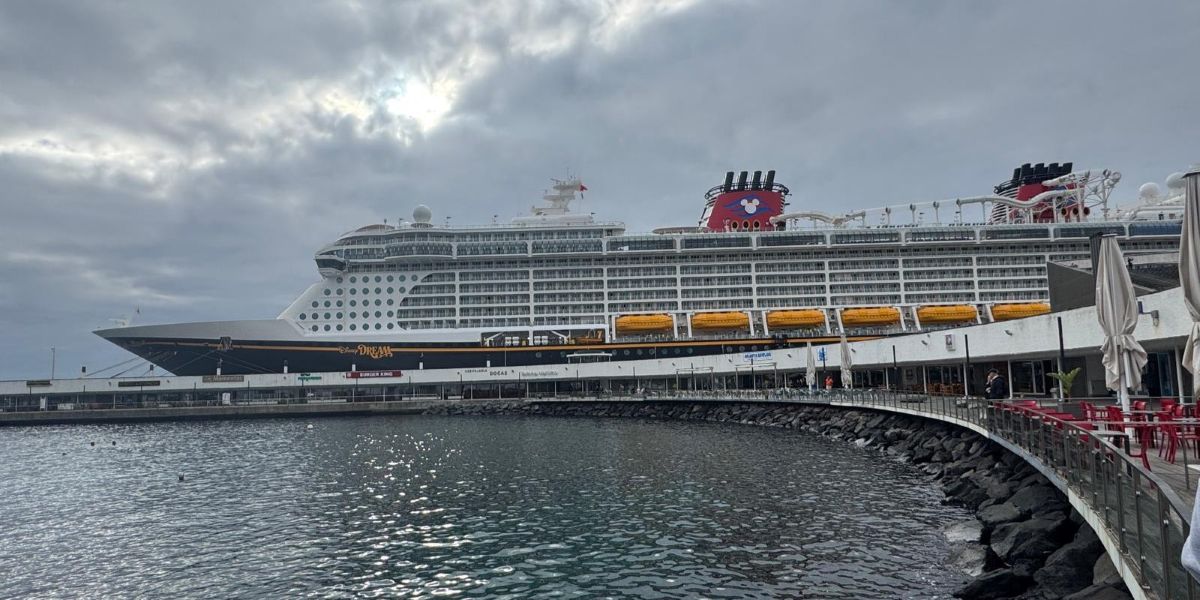
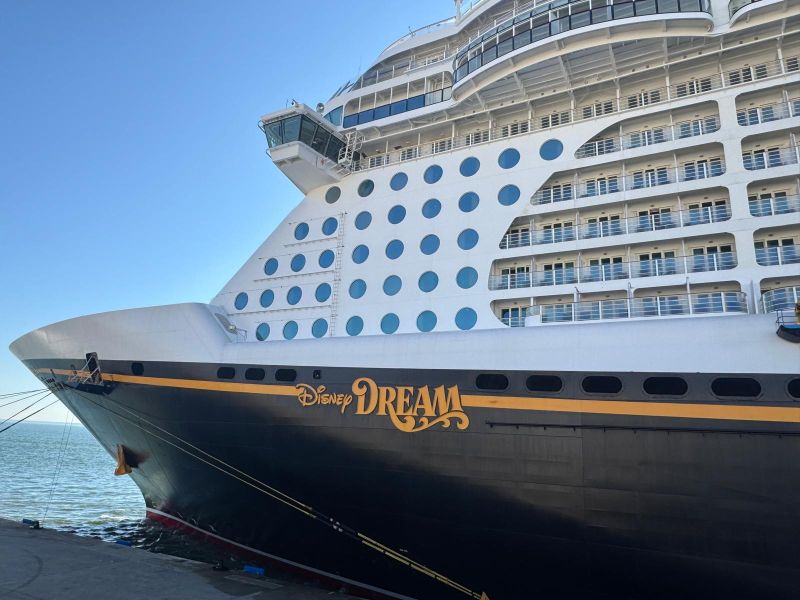
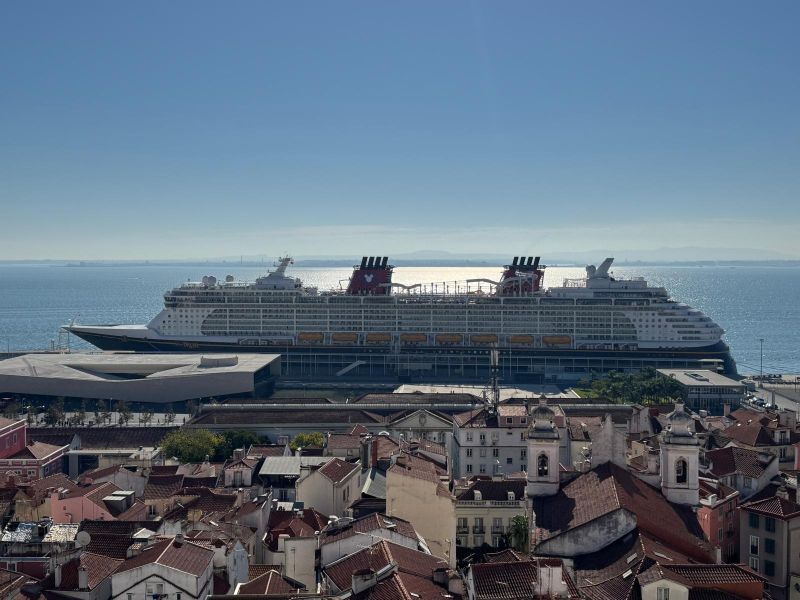
Spanish authorities have launched an investigation into an alleged poisoning incident involving two crew members aboard Disney Cruise Line’s Disney Dream after the vessel arrived in Vigo, Spain, on 24th July 2026.
The female crew member, an Argentinian national, was hospitalised following the suspected tampering of her water bottle by a fellow employee.
According to Spanish news outlet Faro de Vigo, the crew member first fell ill whilst the 129,690-gross tonne Disney Dream was docked in Vigo during a seven-night transatlantic sailing.
Initial medical treatment was provided in the ship’s medical facility, where she reportedly informed medical staff that she suspected her water bottle had been tampered with by another crew member.
The severity of her condition necessitated transfer to Fátima Hospital in Vigo for additional treatment and observation.
Following her discharge from the medical facility, she filed a formal complaint with Spain’s National Police, alleging that she had been deliberately poisoned and naming a specific fellow crew member as the suspected perpetrator.
The identities of both crew members involved in the alleged incident remain confidential at this time. Details regarding their specific roles and responsibilities aboard the Disney vessel have not been disclosed by authorities or the cruise line.
Spanish Civil Guard Boards Vessel For Evidence Collection
Spain’s Civil Guard boarded Disney Dream to conduct their investigation into the alleged poisoning shortly after the complaint was filed.
The law enforcement officers focused their initial efforts on securing and analysing the water bottle that the victim claimed had been contaminated.
The vessel was detained briefly whilst authorities collected evidence, but the investigation did not significantly disrupt the ship’s scheduled operations.
At present, it remains unclear whether the Civil Guard or the National Police will assume primary responsibility for leading the investigation going forward, as both agencies have been involved in the preliminary stages.
Laboratory analysis of the water bottle’s contents is currently underway to determine what substance, if any, was used in the alleged poisoning.
Early reports suggest that the contaminant may have been chlorine, though this has not been officially confirmed by toxicology testing.
Chlorine Access Common Aboard Cruise Ships
The substance believed to have been used in the alleged poisoning – chlorine – is readily available throughout the ship as part of routine sanitation and water treatment operations.
Cruise vessels, including Disney Dream, utilise chlorine to sanitise swimming pools, hot tubs, and the fresh water supply distributed throughout the ship.
In typical cruise ship operations, chlorine is used in carefully measured, diluted amounts that pose no health risk to passengers or crew.
The concentrations employed for pool maintenance and water purification are regulated by maritime health standards and are considered safe for normal exposure.
However, according to medical information from MedlinePlus, exposure to high concentrations of chlorine can be extremely dangerous.
When consumed or inhaled in significant quantities, chlorine reacts with moisture in the body to form highly corrosive hydrochloric acid and hypochlorous acid, which can cause severe internal burns and respiratory damage.
The availability of chlorine in various locations throughout the ship means that crew members with certain roles – particularly those involved in maintenance, housekeeping, and pool operations – would have legitimate access to the chemical substance.
This widespread access complicates the investigation, as determining how the alleged perpetrator obtained the substance may prove challenging for authorities.
Disney Cruise Line Maintains Zero-Tolerance Policy
Disney Cruise Line has not issued a public statement regarding the alleged poisoning incident as the investigation continues.
The company typically refrains from commenting on active law enforcement matters but has historically maintained a strict zero-tolerance policy regarding criminal activity or violence aboard its vessels.
The cruise line’s safety protocols and crew conduct policies are designed to protect both passengers and the 1,458 crew members who live and work aboard Disney Dream.
Any violations of these policies can result in immediate termination and potentially criminal prosecution, depending on the severity of the incident.
Disney Cruise Line employs comprehensive background checks for all crew members prior to employment and maintains security personnel aboard each vessel.
The company also works closely with law enforcement authorities in various jurisdictions when incidents occur, providing full cooperation with investigations.
The alleged poisoning represents a serious breach of the trust and safety that cruise lines work diligently to maintain.
For the crew members living in close quarters aboard Disney Dream, such incidents can create an atmosphere of uncertainty and concern, even when operations continue normally.
No Arrests Made As Investigation Continues
Despite the formal complaint filed by the alleged victim and the evidence collected by Spanish authorities, no arrests have been made in connection with the incident.
The investigation remains active, with authorities likely awaiting laboratory results from the water bottle analysis before proceeding with potential charges.
Spanish law enforcement agencies must establish not only that a harmful substance was present in the water bottle but also gather sufficient evidence linking the suspected crew member to the alleged tampering.
This process can be time-consuming, particularly when the incident occurs in the complex environment of a cruise ship with hundreds of potential witnesses and multiple access points.
The suspect crew member has reportedly been identified by the victim, but their current status – whether they remain aboard Disney Dream or have been removed from duty – has not been publicly disclosed.
Cruise lines typically have the authority to confine crew members to quarters or remove them from service pending investigation outcomes.
International maritime law can complicate such investigations, as cruise ships operate under the flag state of their registration whilst visiting ports in multiple countries.
Disney Dream is registered in the Bahamas, which adds another layer of jurisdictional complexity to the Spanish investigation.
Ship Operations Continue Without Disruption
Despite the serious nature of the alleged incident, operations aboard Disney Dream have continued as scheduled.
The vessel completed its seven-night one-way sailing from Barcelona, Spain, to Southampton, United Kingdom, disembarking passengers on time on 27th July 2026.
According to cruise tracking data, the investigation did not cause delays or itinerary changes to the transatlantic voyage.
Disney Cruise Line assured that there is no danger to current guests or other crew members aboard the 4,000-passenger vessel.
On the same day as disembarkation, 27th July, Disney Dream commenced her next scheduled voyage – a seven-night round-trip sailing from Southampton exploring the Norwegian Fjords.
This itinerary includes port calls at Rotterdam in the Netherlands, followed by visits to the Norwegian ports of Måløy, Ålesund, and Bergen.
The ship will continue to operate from her Southampton homeport throughout the summer season, offering various Northern European itineraries until 14th September 2026.
Following the conclusion of her European deployment, Disney Dream will reposition to Fort Lauderdale, Florida.
Disney Dream’s Deployment Schedule Remains Unchanged
Disney Dream’s autumn repositioning to Fort Lauderdale will mark her return to the Caribbean and Bahamas market, where she will homeport through mid-April 2027.
From the Florida port, the vessel will offer a variety of sailings to tropical destinations, including Disney’s private island paradise, Castaway Cay.
The 129,690-gross tonne ship was delivered to Disney Cruise Line in 2011 and remains one of the fleet’s most popular vessels.
Disney Dream features 1,250 staterooms and can accommodate approximately 4,000 guests at double occupancy, making her one of the larger ships in the Disney fleet.
The vessel is known for her innovative design features, including the AquaDuck water coaster, extensive children’s programming areas, and adult-exclusive spaces.
Disney Dream offers Broadway-style entertainment, multiple dining venues, and the signature Disney service that has made the cruise line a favourite among families.
Her deployment schedule for 2026-2027 represents a typical seasonal pattern for Disney Cruise Line, with European sailings during the summer months when demand for Northern European cruising peaks, followed by Caribbean and Bahamas itineraries during the autumn, winter, and spring seasons when North American guests seek warm-weather destinations.
Broader Implications For Crew Safety And Wellbeing
This alleged poisoning incident highlights the unique challenges of ensuring crew safety and wellbeing in the closed environment of a cruise ship.
With approximately 1,500 crew members living and working in close proximity aboard Disney Dream, interpersonal conflicts can occasionally escalate beyond typical workplace disputes.
Cruise lines invest heavily in crew welfare programmes, including conflict resolution services, mental health support, and clear reporting mechanisms for safety concerns.
However, incidents like the alleged poisoning underscore the importance of continuous vigilance and improvement in these areas.
The cruise industry has faced increased scrutiny regarding crew working and living conditions, particularly following the challenges presented during the global pandemic.
Modern cruise operations now place greater emphasis on crew wellbeing, recognising that happy, safe crew members provide better service to guests and contribute to a positive shipboard culture.
As this investigation unfolds, it may prompt Disney Cruise Line and other operators to review security protocols surrounding access to potentially dangerous substances aboard their vessels.
Enhanced monitoring and storage requirements for chemicals like chlorine could become standard practice across the industry.
Get Expert Help Planning Your Disney Cruise
Get your trip planned to perfection, at no extra cost
Related Posts
If you found this interesting, please share!
Virgin Voyages has revealed its first-ever Scandinavia and Baltic season for summer 2028. This marks a significant expansion into northern European waters with Valiant Lady based in Amsterdam, a new…
MSC Group could become the latest major cruise company to enter Europe’s growing river cruise market, with a new report suggesting the company is evaluating a move through its luxury…
Passengers who paid thousands of dollars to sail on what was promoted as the world’s first dog-friendly cruise say they have been left out of pocket after the voyage was…
TUI Cruises has begun trialling a paid reservation system for premium theatre seats aboard Mein Schiff 7, marking a potential shift in how cruise lines manage main show seating. For…
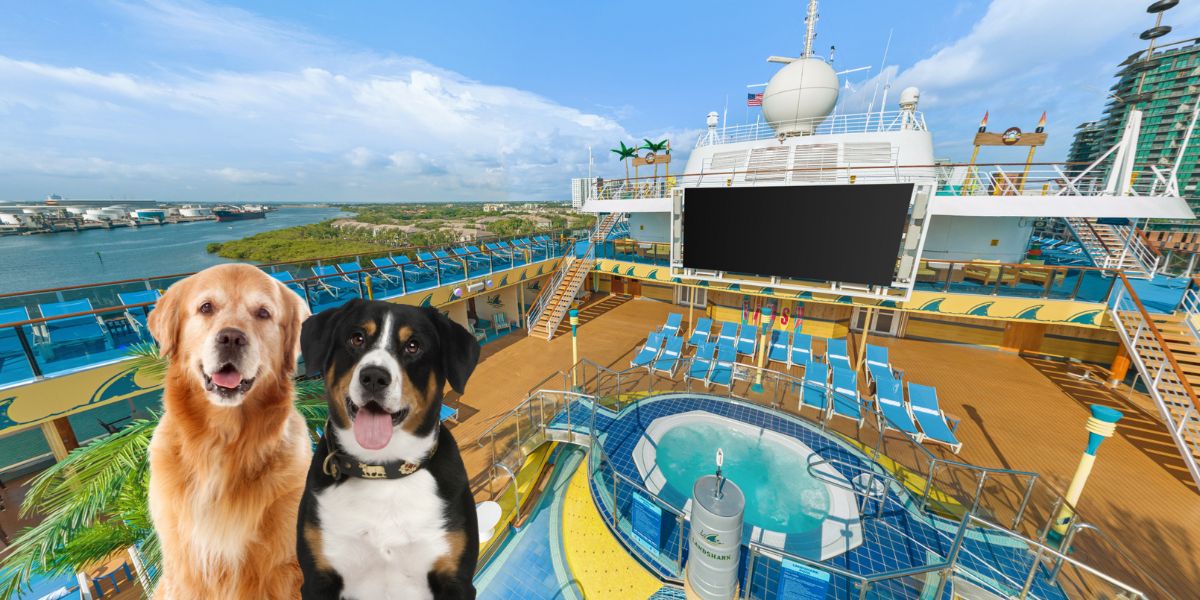
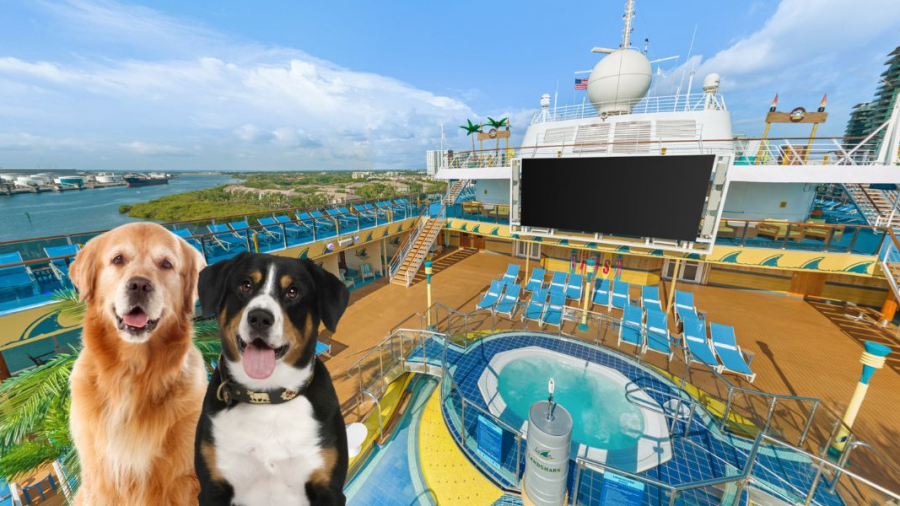
Passengers who paid thousands of dollars to sail on what was promoted as the world’s first dog-friendly cruise say they have been left out of pocket after the voyage was cancelled, with some claiming they have been unable to recover their money months later.
The six-night sailing, organised by Cruise Tails, was due to depart from Tampa aboard Margaritaville at Sea Islander, offering guests the chance to travel alongside their dogs while enjoying a range of pet-focused experiences. However, after attracting widespread media attention and generating significant interest, the cruise was first postponed and then cancelled altogether.
One passenger, Jerry Enget, told Tampa television station WFTS that he and his wife paid around $7,000 to book the cruise for themselves and their Pomeranian, Sprinkles.
“Why not she would have loved it,” Enget said.
The sailing had originally been scheduled for November 2025 and promised ports of call including Key West and Cozumel, Mexico. Prices reportedly ranged from around $1,700 per person to more than $6,000 depending on accommodation.
The concept attracted attention worldwide, with Cruise Tails promoting the voyage as the first dedicated cruise for dogs and their owners. Amenities were set to include pet butlers, puppy massages, grooming services, dog shows and dedicated pet relief stations.
Passengers Say Refunds Never Arrived
According to Enget, Cruise Tails initially informed booked guests that operational issues involving the ship and ports meant the departure would need to be delayed into early 2026.
While some passengers reportedly requested and received refunds following the postponement, Enget and his wife decided to keep their booking in place.
They later received notice that the sailing had been cancelled entirely, but claim they were informed refunds would not be issued.
“How can you not give us the money back that we spent on this cruise that never happened?” Enget said. “This was on them, so 100 percent they should have refunded our money.”
He added that repeated attempts to contact Cruise Tails by telephone and email have gone unanswered.
WFTS reported that Cruise Tails is registered in Wyoming and that the listed business address belongs to a law office. The broadcaster also attempted to contact Steve Matzke, who has been identified in previous publicity as the company’s founder, but was unable to reach him.
One of the travel partners involved in the project, Expedia Cruises of West Orlando franchise owner Dawn Von Graff, also did not respond to requests for comment, according to the report.
Margaritaville at Sea stressed that it was not responsible for bookings or guest payments because the voyage was operated as a private charter.
“This was an independently operated third-party charter. Margaritaville at Sea did not manage reservations, collect guest payments or oversee customer transactions for the sailing. As with charter cruises across the industry, questions regarding refunds or reservations should be directed to the charter operator (Cruise Tails), which is responsible for those matters.”
Cruise Tails’ published terms and conditions state that if the company cancels an agreement, guests would receive either a refund or future cruise credit, although other sections also give the company broad discretion over how cancellations may be handled for the proof-of-concept sailing.
Enget said he also attempted to recover the money through both his credit card provider and the travel insurance policy that Cruise Tails required passengers to purchase. According to him, both claims were unsuccessful.
“I can’t believe someone can just take $7000 from you,” he said.
Florida attorney Charles Gallagher told WFTS that affected customers may ultimately have little choice other than pursuing legal action for breach of contract if refunds are not forthcoming.
He also suggested travellers should exercise caution when booking first-of-their-kind travel experiences, recommending that prospective passengers wait to see whether an inaugural event is successfully completed before committing significant sums.
Cruise Website Still Promotes Future Dog Travel
Despite the cancellation, the Cruise Tails website remains online and continues to promote its wider vision of “normalizing pet dog travel”, alongside information for prospective passengers and potential investors. The site still describes the concept as the first dedicated pet dog cruise and outlines extensive protocols that had been planned for travelling with dogs onboard.
It remains unclear whether the company intends to revive the concept or whether affected passengers will receive refunds.
Get the best price on your cruise…
Related Posts
If you found this interesting, please share!
TUI Cruises has begun trialling a paid reservation system for premium theatre seats aboard Mein Schiff 7, marking a potential shift in how cruise lines manage main show seating. For…
Carnival Cruise Line has cancelled nine sailings aboard the Carnival Jubilee between August and December 2027, citing revised operational plans. The affected voyages were scheduled to depart from Galveston, offering…
Viking has announced the names of its next two ocean-going vessels, revealing that the 998-passenger Viking Leda and Viking Vega will join the company’s expanding fleet in late 2028 and…
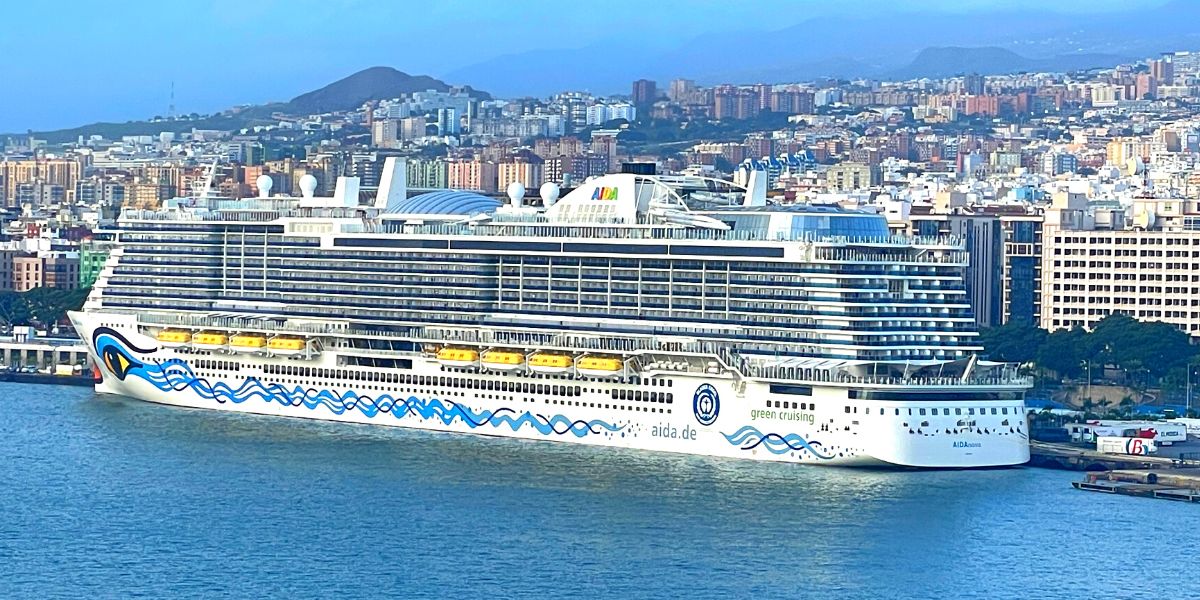
A German couple has launched legal action against AIDA Cruises seeking a substantial refund after discovering the nudist area aboard AIDAdiva had been dramatically reduced during their 128-day world cruise….
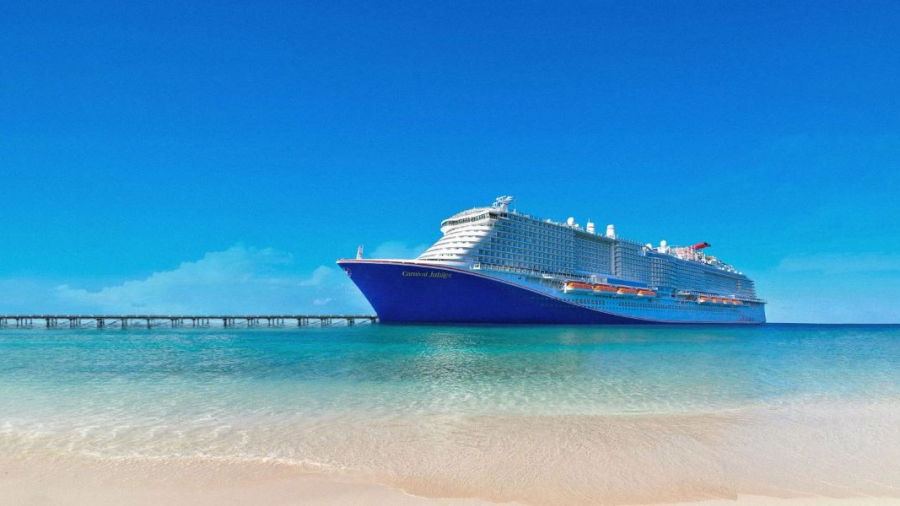
Carnival Cruise Line has cancelled nine sailings aboard the Carnival Jubilee between August and December 2027, citing revised operational plans. The affected voyages were scheduled to depart from Galveston, offering guests six- to eight-night itineraries to the Western Caribbean and Bahamas.
The cancelled sailings include departures on 15th August, 21st August, and 29th August 2027, followed by voyages scheduled for 12th September, 18th September, and 26th September 2027. Additional cancellations affect the 7th November 2027 sailing, along with departures on 5th December and 11th December 2027.
The changes impact passengers who had booked cruises during what would typically be a busy late-summer and autumn period for Carnival’s Galveston operations. The LNG-powered vessel has established itself as one of the flagship vessels sailing year-round from the Texas port since entering service.
Carnival has not provided specific details about what operational adjustments necessitated the cancellations, though such revisions in the cruise industry typically stem from fleet-wide scheduling optimisations, drydock requirements, or strategic deployment decisions. The cancellations come as cruise lines continue to refine their deployment strategies in response to evolving market demands and operational considerations.
Compensation Package Includes Rate Protection And Onboard Credits
In a statement sent to affected guests, Carnival Cruise Line acknowledged the disruption and outlined compensation options designed to minimise inconvenience. “We have revised operational plans for the Carnival Jubilee and, unfortunately, your cruise has been cancelled,” the company stated.
The cruise line is offering passengers the ability to rebook on alternative Carnival sailings whilst protecting their current cruise rate. This rate protection applies when guests select a comparable sailing in similar accommodations, ensuring they won’t face price increases despite the involuntary change to their plans.
Beyond rate protection, Carnival is providing affected passengers with a $50 per person onboard credit for new reservations, with a maximum of $100 per stateroom. This onboard credit can typically be used for beverages, specialty dining, shore excursions, spa treatments, and other onboard purchases during the rescheduled voyage.
The company’s rebooking team has been made available to assist guests who wish to explore alternative sailing options. This personalised assistance aims to help passengers find suitable replacement cruises that align with their original travel dates and preferences as closely as possible.
Full Refund Option Available For Affected Passengers
For guests who prefer not to rebook, Carnival is offering complete refunds covering all cruise fares and any pre-purchased items and services. This policy ensures passengers who had invested in drink packages, dining packages, shore excursions, or other add-ons will receive their money back in full.
The full refund option provides flexibility for travellers whose schedules may not accommodate alternative sailing dates or who may have made non-refundable arrangements based on their original booking. Such arrangements often include flights, hotels, and other travel components that can be difficult to modify.
“We sincerely apologise for this change and thank you for your understanding,” Carnival added in its statement to guests. The apology acknowledges the inconvenience cruise cancellations create for passengers, many of whom plan their holidays months or even years in advance.
Industry observers note that whilst cruise cancellations are relatively uncommon compared to the thousands of successful voyages completed annually, they do occur periodically as cruise lines adapt their operations. Carnival’s compensation package aligns with standard industry practices for schedule changes initiated by the cruise line rather than external factors.
Carnival Jubilee Represents Latest Generation Of Carnival Fleet
The Carnival Jubilee entered service as one of Carnival Cruise Line’s most advanced vessels, representing the Excel-class design that incorporates liquefied natural gas propulsion technology. The ship accommodates approximately 5,400 passengers in double occupancy, making it one of the largest vessels in Carnival’s fleet.
As the third Excel-class ship for Carnival, Jubilee joined sisters Mardi Gras and Carnival Celebration in offering enhanced environmental performance through LNG fuel. This technology significantly reduces emissions compared to traditional marine fuel, aligning with the cruise industry’s broader sustainability initiatives.
The vessel features Carnival’s latest amenities and entertainment concepts, including multiple dining venues, expansive deck spaces, and family-friendly attractions. Since its debut, the ship has been positioned as a cornerstone of Carnival’s Galveston operations, serving the robust Texas cruise market.
Galveston has emerged as one of North America’s most important cruise homeports, with Carnival maintaining a particularly strong presence. The port’s strategic location provides convenient access for passengers throughout Texas and surrounding states, reducing the need for lengthy flights to traditional cruise hubs like Miami or Fort Lauderdale.
Current Galveston Deployment Focuses On Western Caribbean
The Carnival Jubilee currently operates year-round from the Port of Galveston, offering seven-night cruises to the Western Caribbean. These itineraries have proven popular with the Texas market, providing accessible warm-weather getaways without requiring air travel for many passengers.
Current sailings feature visits to popular Mexican and Honduran destinations, including Costa Maya and Cozumel on Mexico’s Caribbean coast. The itineraries also call at Carnival’s Isla Tropicale facility in Roatán, Honduras, which offers beach experiences and water activities in a controlled environment.
These Western Caribbean programmes represent Carnival’s traditional strength in the region, with ports that have welcomed the cruise line’s vessels for decades. The combination of cultural experiences in Mexico and beach destinations in Honduras creates a balanced itinerary appealing to diverse passenger preferences.
The seven-night duration has become increasingly standard for Caribbean cruises from Galveston, allowing sufficient time to reach destinations whilst accommodating passengers’ holiday schedules. This length strikes a balance between shorter getaways and longer voyages that may require more extensive time commitments.
Enhanced Itinerary Options Beginning September 2025
Starting in September 2025, Carnival Jubilee’s deployment will expand to include more varied itineraries spanning six to eight nights. This enhanced programming will incorporate Bahamas destinations alongside the vessel’s existing Western Caribbean offerings, providing passengers with greater choice.
The updated schedule highlights visits to Carnival’s exclusive private destinations in the Bahamas, including the new Celebration Key facility and the established RelaxAway Half Moon Cay. These private islands have become increasingly central to Carnival’s Caribbean strategy, offering controlled beach experiences where the cruise line manages the entire guest experience.
Celebration Key represents Carnival’s newest and most ambitious private destination development, featuring extensive beach areas, dining venues, and recreational facilities. The facility’s opening marks a significant investment in exclusive destination experiences, complementing Half Moon Cay’s more intimate setting.
The addition of Bahamas itineraries from Galveston reflects broader industry trends towards varied deployment strategies that maximise appeal across different passenger segments. Whilst Western Caribbean itineraries remain popular, Bahamas programmes offer different experiences with shorter sailing distances and different cultural atmospheres.
Carnival’s emphasis on private destinations reflects an industry-wide recognition that exclusive beach experiences provide significant competitive advantages. These facilities allow cruise lines to control quality, manage capacity, and ensure consistently positive experiences that might be more challenging at traditional ports.
Half Moon Cay has served Carnival passengers for more than two decades, establishing itself as one of the Caribbean’s premier private island experiences. The destination offers pristine beaches, water sports, and shore excursion options in an environment designed specifically for cruise guests.
The development of Celebration Key represents the next evolution of this concept, with substantially larger capacity and more diverse amenities. The facility’s design incorporates lessons learned from decades of private destination operations, creating spaces that accommodate thousands of guests whilst maintaining an exclusive atmosphere.
For passengers affected by the Carnival Jubilee cancellations, the enhanced itinerary options beginning in September 2025 may provide attractive alternatives. Those whose cancelled sailings fell in late 2027 might consider the varied programming as potential replacement options, particularly if Bahamas destinations appeal more than exclusively Western Caribbean ports.
Industry Context For Operational Schedule Adjustments
Schedule adjustments of this nature, whilst disruptive for affected passengers, occur periodically throughout the cruise industry as lines optimise their global deployments. Factors influencing such decisions include seasonal demand patterns, drydock scheduling, ship positioning for new itineraries, and strategic market considerations.
Carnival operates one of the world’s largest cruise fleets, with vessels deployed across multiple continents and serving diverse markets. This scale requires sophisticated planning to maximise revenue whilst meeting maintenance requirements and responding to market conditions. Individual ship schedules sometimes change as part of these broader optimisation efforts.
The advance notice provided to affected passengers – more than two years before the cancelled sailings – offers substantial time to make alternative arrangements. This timeline distinguishes operational cancellations from weather-related disruptions or mechanical issues that might affect voyages with little warning.
Looking ahead, the Carnival Jubilee is expected to remain a fixture of Galveston’s cruise offerings, continuing to serve the Texas market with its combination of modern amenities and convenient homeport location. The vessel’s LNG propulsion and contemporary design position it well for long-term deployment in this strategically important market.
NEW DEALS JUST RELEASED!
See the latest Carnival cruise offers…
Related Posts
If you found this interesting, please share!
Viking has announced the names of its next two ocean-going vessels, revealing that the 998-passenger Viking Leda and Viking Vega will join the company’s expanding fleet in late 2028 and…
A German couple has launched legal action against AIDA Cruises seeking a substantial refund after discovering the nudist area aboard AIDAdiva had been dramatically reduced during their 128-day world cruise….
A river cruise on the Danube was dramatically interrupted in the early hours of Friday, 24th July 2026, after the river cruise ship Anna Katharina crashed into a quay wall…
A couple’s planned five-day cruise holiday turned into an unexpected trip to the maternity ward when a woman discovered she was 33 weeks pregnant just hours before boarding her ship…
TUI Cruises has begun trialling a paid reservation system for premium theatre seats aboard Mein Schiff 7, marking a potential shift in how cruise lines manage main show seating. For a fee of €14.50–15 per person (approximately $16.50–17 USD), guests can reserve front row seats or other unobstructed views for production shows, though standard seating remains complimentary.
The programme is currently exclusive to Mein Schiff 7, which accommodates 2,534 guests at double occupancy. The ship’s three-storey main theatre seats approximately 1,000 guests, meaning even with multiple showtimes, the venue cannot accommodate every passenger simultaneously.
According to German cruise publication Kreuzfahrt Terminal, the trial represents a test project rather than a fleetwide policy change. TUI Cruises has not issued an official announcement regarding the surcharge, and the option does not yet appear on the cruise line’s official website.
The limited rollout suggests the cruise line is evaluating passenger response and revenue potential before deciding whether to expand the programme to other vessels in the fleet.
Two Premium Seating Options Available To Guests
Passengers aboard Mein Schiff 7 can choose between two distinct reservation tiers. “Showtime Front Row” guarantees a central front row seat, providing the closest possible view of performances.
The second option, “Showtime Plus,” offers an unobstructed view from a location elsewhere in the theatre, though not in the front row.
Both reservation categories include a complimentary glass of champagne or cocktail as an added benefit. This beverage inclusion helps position the surcharge as a premium experience rather than simply a seat selection fee.
The pricing structure remains consistent regardless of which show passengers wish to attend, though this could change based on feedback from the trial period. Other cruise lines that charge for premium experiences often adjust pricing based on demand, time of day, or popularity of specific offerings.
Theatre Productions Remain Free For Standard Seating
It is important to note that production shows aboard Mein Schiff 7 continue to be complimentary for all guests. The surcharge applies exclusively to the reserved premium seats, with the majority of theatre seating still available at no additional cost on a first-come, first-served basis.
This approach maintains the traditional cruise model where entertainment is included in the fare whilst creating a new revenue stream from passengers willing to pay for guaranteed premium positioning. The strategy mirrors practices already common in land-based theatres and concert venues, where better seats command higher prices.
Guests who prefer not to pay can still attend any production show by arriving early enough to secure unreserved seating. The reservation system simply provides an alternative for those who value convenience and optimal sightlines enough to pay a premium.
Addressing The Persistent Problem Of Seat Saving
One significant motivation behind the new reservation system appears to be reducing seat saving, a behaviour cruise passengers consistently rank amongst the most frustrating aspects of shipboard life. Seat saving occurs when guests arrive early to claim multiple seats for their party using towels, programmes, or personal items, then leave the theatre until shortly before showtime.
This practice creates tension amongst passengers and can leave latecomers standing even when seats appear available. Theatre staff must navigate the awkward task of determining which saved seats represent genuine early arrivals versus excessive holds.
Mein Schiff 7
By offering a paid reservation option, TUI Cruises may discourage seat saving amongst those willing to pay for guaranteed premium placement. If passengers can secure their preferred seats through an official channel, the incentive to save seats informally diminishes.
Whether this will meaningfully reduce the behaviour remains to be seen, but addressing passenger frustrations whilst generating revenue presents an appealing dual benefit.
TUI Cruises Fleet And Passenger Demographics
TUI Cruises operates as a joint venture between TUI AG and Royal Caribbean Group, positioning itself in the German-speaking cruise market with a focus on contemporary, relaxed luxury. The cruise line’s fleet serves primarily German-speaking passengers, with announcements, entertainment, and dining all tailored to this demographic.
Mein Schiff 7, delivered in 2024, represents one of the newest vessels in the TUI Cruises fleet. The ship features the cruise line’s signature “Mein Schiff” design philosophy, which emphasises spacious public areas, diverse dining venues, and extensive wellness facilities alongside traditional cruise entertainment.
The choice to trial the paid seating programme aboard one of the fleet’s newest ships makes strategic sense. Mein Schiff 7’s passengers may be more receptive to premium offerings and willing to experiment with new services.
Additionally, newer ships often serve as testing grounds for innovations that may later spread throughout a fleet. The German cruise market has shown increasing sophistication in recent years, with passengers demonstrating willingness to pay for enhanced experiences.
This cultural context may make TUI Cruises’ passenger base particularly suitable for trialling premium seating options.
Comparison With Reservation Systems On Other Cruise Lines
Several major cruise lines already offer reservation systems for show seating, though these typically operate differently from TUI Cruises’ paid model. Royal Caribbean International and Norwegian Cruise Line both provide complimentary advance reservations for main theatre productions through their respective mobile applications and guest services desks.
However, these free reservation systems do not guarantee specific seats or sightlines. Instead, they ensure access to the theatre within a designated boarding window, typically 15–30 minutes before showtime.
Reserved guests receive priority entry over standby passengers but must still select from available seats upon arrival. Standby guests can queue before performances and are generally admitted 10–20 minutes prior to showtime if capacity remains.
In practice, standby passengers can usually secure seats for most performances, though popular shows and prime showtimes occasionally fill completely.
The key distinction in TUI Cruises’ approach is charging for genuinely premium positioning – front row or unobstructed views – rather than simply managing crowd flow. This represents a more significant philosophical shift toward monetising theatre experiences beyond the base cruise fare.
Broader Trend Toward Premium Area Charges
The potential expansion of paid theatre seating fits within a broader industry trend toward charging for premium spaces and experiences. Many cruise lines already monetise select areas that were once complimentary or have introduced new premium spaces with associated fees.
Norwegian Cruise Line’s Vibe Beach Club, an adults-only sunbathing area on many ships, requires either a daily fee or inclusion in higher-tier fare categories. Thermal suite access in spa areas commands daily or weekly charges across numerous cruise lines, including Carnival Corporation brands and Norwegian Cruise Line Holdings vessels.
Premium poolside cabanas have become standard revenue generators, with pricing ranging from $50 to several hundred dollars per day depending on cruise line, ship, and itinerary. These private spaces offer seating, shade, beverage service, and sometimes food delivery, transforming previously open deck space into bookable real estate.
Some cruise lines have introduced paid priority boarding, paid embarkation day lunch access, and charges for previously complimentary speciality coffee. The steady expansion of à la carte pricing allows cruise lines to advertise lower base fares whilst generating substantial revenue from onboard purchases and upgrades.
If TUI Cruises’ theatre seating trial proves successful financially and receives acceptable passenger feedback, other cruise lines may view it as validation for similar programmes. The precedent of paid premium positioning could extend beyond theatres to other entertainment venues, dining rooms with particularly desirable tables, or observation lounges with optimal viewing positions.
What Success Might Look Like For TUI Cruises
The cruise line will likely evaluate multiple metrics when determining whether to expand the paid seating programme. Revenue generation provides the most obvious measure – if a significant percentage of passengers purchase premium seats consistently, the financial case for expansion strengthens considerably.
Equally important will be passenger sentiment data. TUI Cruises will monitor feedback through post-cruise surveys, social media commentary, and direct guest communications.
If paying passengers express high satisfaction whilst non-paying guests do not report increased frustration, the programme may be deemed successful. Operational considerations also matter.
Does the reservation system create additional work for theatre staff, guest services, or other crew members? Can the technology integrate smoothly with existing booking systems? These practical questions influence whether a trial programme can scale fleetwide.
The cruise line may adjust pricing based on initial results. If premium seats sell out consistently well in advance, higher pricing could be tested. Conversely, if uptake remains modest, promotional pricing or bundling with other amenities might improve appeal.
Variable pricing by show popularity or time of performance represents another potential refinement. Different drink options, additional amenities such as reserved parking for mobility devices, or expansion to multiple seating tiers could emerge from passenger feedback.
The trial period provides valuable data to optimise any future rollout.
Future Implications For Cruise Theatre Entertainment
Should paid premium theatre seating become standard across cruise lines, the nature of shipboard entertainment experiences could shift meaningfully. Passengers might approach show planning more like shore excursions – budgeting for desired upgrades and booking well in advance for popular performances.
This could improve the experience for guests willing to pay by eliminating the need to queue or arrive extremely early. It might also reduce crowding and stress in theatre lobbies before showtime, creating a calmer embarkation process.
However, it could also create a two-tier system where the best views become exclusive to those paying supplements. Families on tight budgets or passengers who have already paid substantial cruise fares might resent additional charges for experiences traditionally included in the cruise price.
The success or failure of TUI Cruises’ trial will be watched closely throughout the industry. For now, the programme remains limited to Mein Schiff 7, with production shows continuing to be complimentary entertainment for all guests willing to accept unreserved seating.
Whether this represents the future of cruise theatre experiences or merely a short-lived experiment remains to be determined.
TODAY’S BEST CRUISE DEALS!
Don’t miss these offers…
Related Posts
If you found this interesting, please share!
Carnival Cruise Line has cancelled nine sailings aboard the Carnival Jubilee between August and December 2027, citing revised operational plans. The affected voyages were scheduled to depart from Galveston, offering…
Viking has announced the names of its next two ocean-going vessels, revealing that the 998-passenger Viking Leda and Viking Vega will join the company’s expanding fleet in late 2028 and…
A German couple has launched legal action against AIDA Cruises seeking a substantial refund after discovering the nudist area aboard AIDAdiva had been dramatically reduced during their 128-day world cruise….
A river cruise on the Danube was dramatically interrupted in the early hours of Friday, 24th July 2026, after the river cruise ship Anna Katharina crashed into a quay wall…