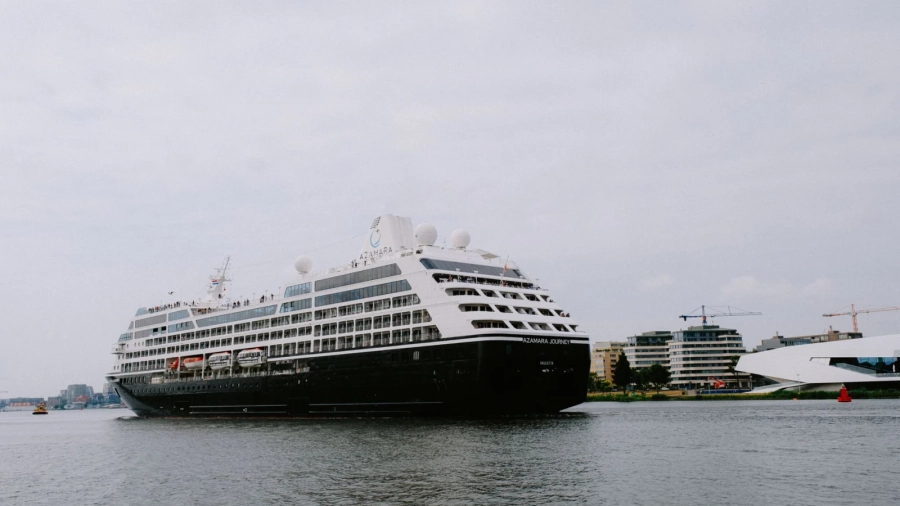
For most people, the best cabin location on a cruise ship is midship on a lower or middle deck, with other cabins directly above, below and on both sides. That spot moves least in rough seas, is close to the main elevators and is shielded from the noisiest public areas. The right choice still depends on you: aft cabins win for views and big balconies, forward cabins can be quieter and cheaper, and families or travellers with limited mobility have their own priorities.
This guide explains how motion, noise and views change around the ship, then gives a simple deck plan check you can run on any cabin before you book.
Best cabin location on a cruise ship: midship, forward or aft?
A ship moves in two main ways at sea. It pitches, with the bow and stern rising and falling, and it rolls from side to side. Pitching is felt most at the two ends of the ship, while rolling is felt more the higher up you are. The middle of the ship, low down, sits closest to the point it moves around, so it feels the least of both.
Midship cabins
Midship cabins are the safe all-round choice. Movement is gentlest, you are usually a short walk from the main stairs and elevators, and on large ships the pool deck, theater and dining rooms are rarely far away. The downside is price: midship cabins in most categories cost more because so many people want them.
Forward cabins
Cabins toward the bow are often a little cheaper and can be quiet, because there are fewer bars and lounges at the front of many ships. Some have large or angled windows with striking views as you sail into port. The trade-off is movement: in a swell the bow rises and falls more than anywhere else. Forward balconies can also be very windy at sea, which is why some ships have few or none at the very front.
Aft cabins
Aft cabins facing the back of the ship are a favourite with many regular cruisers. Their balconies are often deeper than standard ones, corner cabins may wrap around two sides, and watching the wake stretch out behind the ship is hard to beat. Expect more pitching than midship, a longer walk to the front of the ship and, on some ships, a faint vibration or engine hum near the stern.
Best deck on a cruise ship: low, middle or high?
The best deck on a cruise ship for most passengers is a middle cabin deck, a few decks below the pool area and well above the lowest passenger deck. It balances smooth motion, quick access to both the restaurants below and the pool decks above, and a decent view from a window or balcony.
- Low decks feel the least roll and are often the cheapest. They are farther from the pool decks, and the lowest forward cabins can pick up anchor and thruster noise.
- Middle decks are the all-rounder, as long as you check what sits above and below.
- High decks give the best views and quick access to the pools, but you will feel more sway, and the top cabin deck often sits right under the pool deck or buffet.
Best cabin on a cruise ship to avoid seasickness
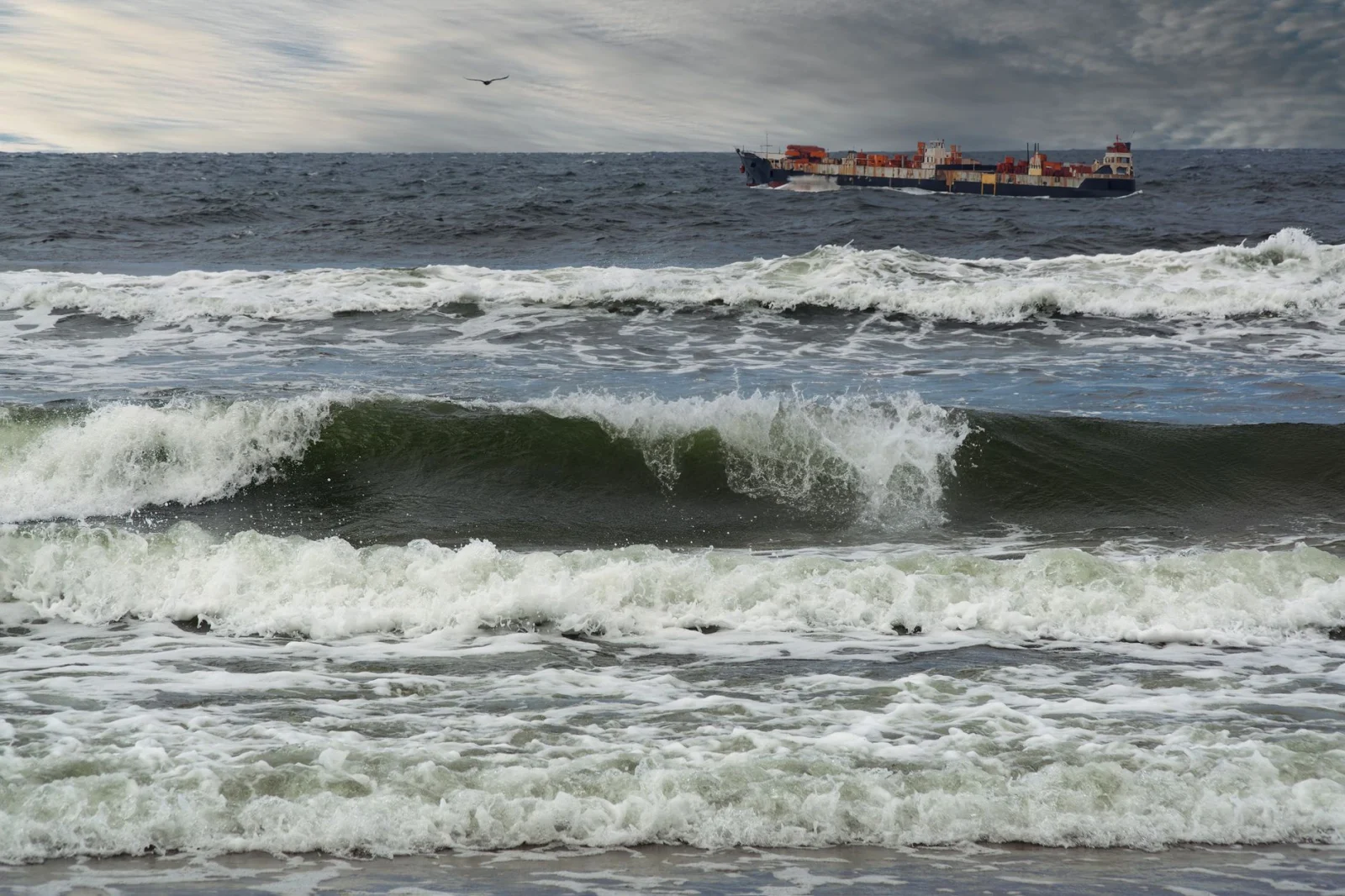
If you are prone to seasickness, book a midship cabin on a low deck. Being near the centre of the ship and closer to the waterline minimises both pitch and roll. A balcony or window cabin also helps, because being able to look at the horizon and get fresh air eases nausea for many people. An inside cabin with no view can feel worse when the ship is moving.
Modern ships use stabilisers to reduce roll, so most sailings are smooth. Even so, if you are booking a route known for rougher water, such as a transatlantic crossing or the North Sea, cabin location matters more.
Noise hotspots to avoid
The quietest cabin is one with other cabins directly above, below and on both sides. Most noise complaints come from what is next to, above or below your cabin, not from the cabin itself. Watch out for:
- Under the pool deck or buffet: sun loungers are dragged around early, and buffet carts and deliveries can start before dawn.
- Above or below the theater, nightclub or main lounge: bass from late shows and rehearsals can travel through decks.
- Beside elevators and stairwells: constant foot traffic, chatter and chimes.
- Near laundry rooms, crew doors and service areas: staff use these at all hours, and they are not always clearly marked on deck plans.
- Low and forward at the bow: when the ship drops anchor at a tender port, the anchor chain can be loud, often early in the morning.
- Low and aft: some ships transmit more engine or propulsion hum here.
View obstructions and connecting doors
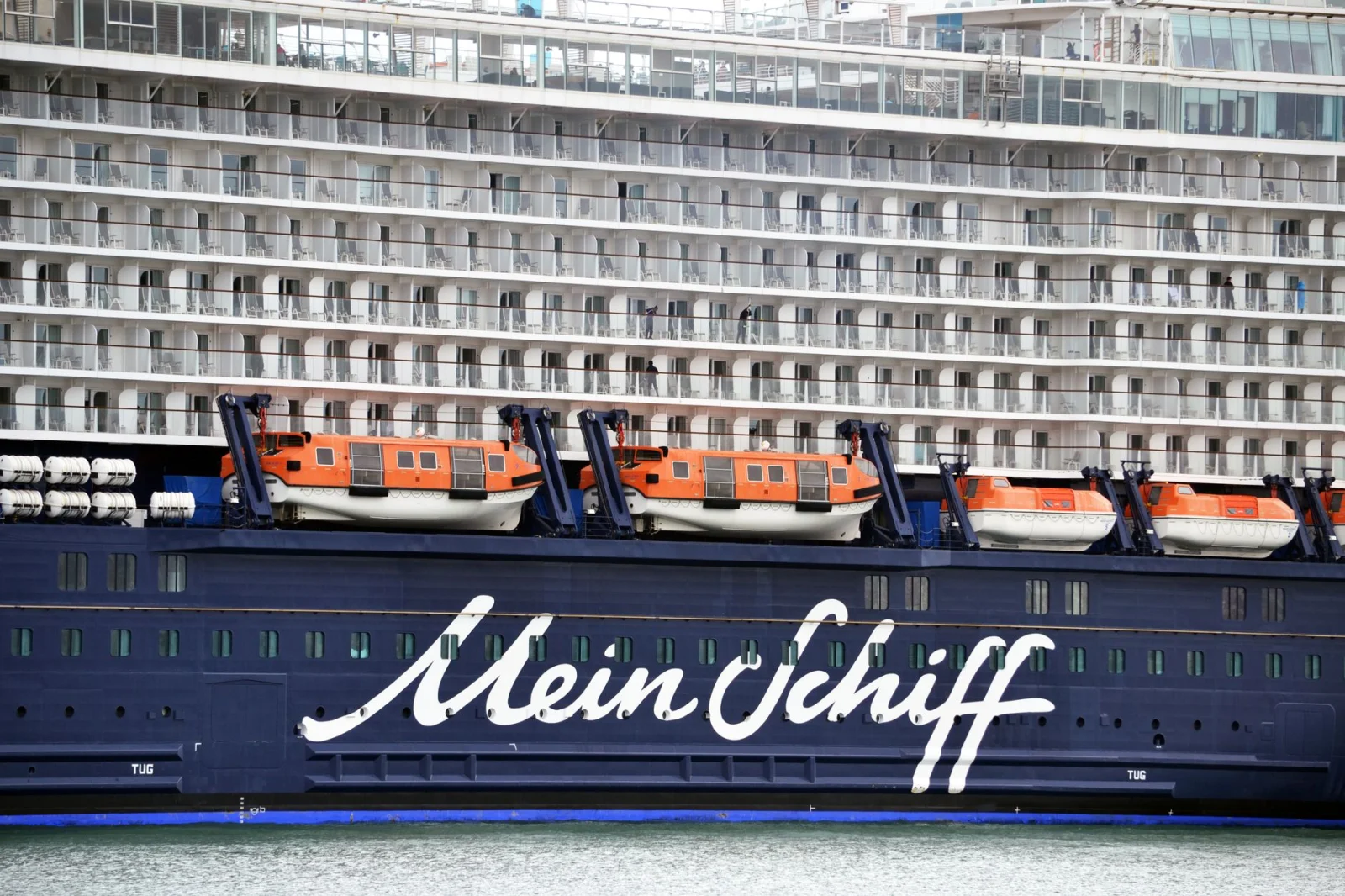
Many ships carry their lifeboats along the side of a lower deck, often near the promenade. Cabins on the deck where the lifeboats hang, or the one above, can have a partly or fully blocked view. Cruise lines usually sell these as obstructed or partially obstructed view cabins at a discount. The blockage varies from a small corner to nearly the whole window, so look for photos of the exact cabin before you book. If you are paying for a balcony mainly for the view, our guide to balcony vs inside cabins can help you decide whether the extra cost is worth it.
Connecting cabins have an internal door to the cabin next door. They are great for families and groups travelling together. For anyone else, that door is thinner than a normal wall, so you are more likely to hear your neighbours. Deck plans usually mark connecting cabins with a symbol, so avoid them if you are not using the connection.
Best location for a cruise cabin, by traveller type
| Location | Pros | Cons | Best for |
|---|---|---|---|
| Midship, low deck | Least motion, often good value | Further from pools and top decks | Seasickness-prone travellers |
| Midship, middle deck | Smooth ride, close to elevators and venues | Higher price, books up early | First-timers, mobility needs |
| High deck | Views, quick pool access | More sway, possible noise from above | Sun lovers, good sailors |
| Forward | Often quieter and cheaper, port-arrival views | Most pitching, windy balconies, anchor noise low down | Light sleepers who are not seasick |
| Aft-facing | Bigger balconies, wake views | More motion, long walks, possible vibration | Couples, balcony fans |
| Near elevators | Short walks | Corridor noise if right beside them | Mobility needs (a few doors away) |
Tips for families, light sleepers and travellers with limited mobility
Families
Look for connecting cabins or a cabin across the corridor from another, and stay midship or near a central elevator bank so tired children are never too far from bed. Being one or two decks below the pool and kids’ clubs saves time without putting you directly under the noise.
Light sleepers
Run the sandwich check below and aim for a cabin with cabins on every side. Forward cabins on a middle deck can be a quiet choice if motion does not bother you.
Limited mobility
Most large ships offer fully accessible cabins, and these are limited, so book early. If you do not need a fully adapted cabin, pick one midship a few doors from the main elevators. It shortens every walk and keeps you close to help in an emergency.
How to read a deck plan: the sandwich check
This takes five minutes and is the most useful thing you can do before booking any cabin.
- Find your cabin on the cruise line’s official deck plan for the exact ship, not a generic class plan.
- Look directly above. You want cabins, not the pool deck, buffet, gym or a jogging track.
- Look directly below. You want cabins, not the theater, a nightclub or a bar.
- Check both sides for laundry rooms, crew doors, service corridors and connecting door symbols.
- Count the doors to the elevators. Two to five doors away is a good balance of convenience and quiet.
- Check for lifeboats on lower decks if the view matters, and look for obstructed view notes in the cabin description.
Doing this check only works if you can choose your own cabin. With a guarantee fare, the cruise line picks for you, which is why we explain the reasons to avoid booking a guarantee cabin if location matters to you. For more small tricks, see our cruise cabin secrets most cruisers don’t know.
FAQs
What is the best cabin location on a cruise ship?
For most people it is midship on a lower or middle deck, with cabins above, below and on both sides. It gives the least motion, the shortest walks and the fewest noise problems.
Is forward or aft better on a cruise ship?
Aft is better for views and larger balconies, while forward can be quieter and cheaper. Both feel more motion than midship, with the bow usually the most lively in a swell.
Which deck is best for seasickness on a cruise ship?
A low deck in the middle of the ship. Being near the centre and close to the waterline reduces both pitching and rolling. A window or balcony to see the horizon also helps.
What is the best deck on a cruise ship?
A middle cabin deck usually works best. It is a few decks below the pools and buffet, so it avoids noise from above, while still being close to both the dining rooms and the top decks.
Which cruise cabins should I avoid?
Avoid cabins directly under the pool deck or buffet, above or below the theater or nightclub, right beside elevators or laundry rooms, low at the bow near the anchor, and unused connecting cabins if you are a light sleeper.