Piggy-Bank-and-Cruise-Ship.jpg

10 Creative Ways to Save for Your Next Cruise

Carving out moments for relaxation and adventure is more important than ever in today’s fast-paced world. Yet, for many, the dream of going on a cruise feels financially out of reach.

With how things are financially for many of us, saving up for that dream holiday can seem like a distant, if not impossible, goal. But what if I told you it doesn’t have to be?

A ceramic piggy bank with sunglasses sits on a sandy beach, with a single dollar bill inserted in its slot. In the background, a large cruise ship is visible on the ocean under a sunset sky with scattered clouds.

Having something to look forward to can make all the difference in these challenging times. That’s why I’ve put together a collection of creative ways to help you save for your next cruise without upending your entire financial life. Read on to find out more.

1. Monetise a Hobby

How about turning that hobby into a little side business? Whether you craft beautiful pieces, capture moments through photography, or bake treats, there’s something special you can do with it. 

Someone putting some coins into a jar. They also are holding a pen and have a calculator.

It’s not just about making some extra cash (which is great, of course) but also about doing something you love and adding to your cruise fund at the same time.

Starting out doesn’t have to be big or daunting. You could begin by selling to friends and family or through social media. Marketplaces online are also a fantastic place to showcase your work. 

The best part? You set your pace. There’s no pressure, just the joy of your hobby and the bonus of getting closer to your dream cruise.

2. Automate Savings with Apps

Have you ever wondered how nice it would be if saving money were as easy as spending it? Well, guess what – it can be! 

With the magic of technology, specifically savings apps, you can automate putting money aside for your dream cruise. These apps are like having a savvy financial assistant in your pocket, one that helps you save without even having to think about it.

Piles of coins, growing each time with a plant growing out the top, with a coin jar.

Some apps work by rounding up your purchases to the nearest dollar or pound and saving the difference. Imagine buying your groceries and knowing the small change from that transaction is being tucked away towards something exciting. 

Watching your cruise fund grow bit by bit, with minimal impact on your daily life, is smart and incredibly satisfying. It’s a perfect way to make saving for your cruise automatic and stress-free. So, why not let technology do the hard work for you?

3. Set Up a Monthly Direct Debit with Your Travel Agent

Imagine having a personal cruise fund that grows every month without you even having to think about it. Convenient, isn’t it? 

This is precisely the benefit of setting up a monthly direct debit with a travel agent when it comes to planning and saving for that dream cruise. For example, if you’re from the UK, Cruise 118 is the agent I’d recommend that offers direct debit payments. They often have fantastic deals that can make your dream cruise more affordable than you might think.

By deciding on an amount you’re comfortable with and setting it to automatically transfer from your bank account to your travel agent, you’re putting your cruise savings on autopilot. This ensures consistent progress towards your goal without the hassle of remembering to make manual transfers. It’s one less thing to worry about in your busy life, and the savings add up quickly.

Woman paying off her credit card on her laptop

This approach is brilliant because it seamlessly integrates your cruise aspirations into your monthly budget, making your dream holiday an integral part of your financial planning. Plus, it’s entirely flexible. Should your circumstances change, you can adjust the contribution amount, ensuring that saving for your cruise remains achievable and stress-free.

4. Dedicate Unexpected Income

Imagine this: you’ve just received a surprise bonus at work, a generous gift from a relative, or maybe even a small windfall from a tax refund. While it might be tempting to splurge on the spot, a savvy move could bring you closer to your dream cruise: dedicating this unexpected income to your cruise fund.

A woman being handed a cheque from her boss at work.

Think of these unexpected funds as little boosts. Whether it’s a significant amount or just a modest sum, every little helps. Redirecting these surprises into your cruise savings can make a big difference over time, turning what might have been an impulse buy into a cruise.

This approach doesn’t just apply to large windfalls. Smaller amounts, like a refund from a returned purchase, can contribute to your goal. It’s about adopting a mindset where you see these financial surprises as opportunities to get closer to lounging on the deck of a cruise ship.

5. Leverage Cashback and Reward Points

Here’s a little secret that can turn your everyday spending into a fund for your dream cruise: leveraging cashback offers and reward points. Yes, that’s right – the money you spend on groceries, fuel, and even those little treats can help you save for your holiday!

Someone holding a cashback credit card.

Most people use credit cards, loyalty programmes, or apps for their daily transactions without giving much thought to the rewards they offer. But with a bit of strategy, you can optimise these to boost your cruise savings significantly. It’s about making your money work double-time for you.

Start by checking out credit cards that offer cashback on purchases or points that can be converted into travel vouchers or even discounts on cruise packages. Similarly, many loyalty programmes with supermarkets, retailers, and even petrol stations offer points that can be incredibly valuable if used wisely.

The key is to use these cards and programmes for purchases you would make anyway and then funnel the rewards straight into your cruise fund. It’s essentially free money towards your holiday. Just be sure to pay off credit card balances in full each month to avoid interest charges, which could negate your savings.

6. Start a Savings Jar for Loose Change

Now, let’s go back to basics with a method as old as time but still golden: the savings jar. It might sound a bit old school, but keeping a jar for your loose change can be a surprisingly effective way to bolster your cruise fund. It’s the physical act of saving that makes it so satisfying you literally see your money pile up day by day.

Someone putting some coins into a jar. They also are holding a pen and have a calculator.

Start by finding a jar, any jar, a big old coffee jar, a mason jar, or even a decorative vase will do. Place it somewhere you’ll see it every day, like on your kitchen counter or by your front door. Every time you come home with loose change in your pockets, drop it into the jar. Make it a habit, a part of your daily routine.

You can even turn it into a fun family activity. Encourage everyone in the house to contribute their change. You might be surprised at how quickly it all adds up. Count it out and deposit it into your cruise savings account every so often.

7. Create a Dedicated Cruise Savings Account

Setting up an account specifically for your cruise fund separates your holiday savings from your everyday spending, making tracking your progress and staying motivated easier.

Opening a dedicated savings account is a straightforward step with a powerful psychological benefit. It shifts your mindset from vaguely saving for a holiday to actively building a fund for a specific dream cruise. Each deposit becomes a commitment to your goal, reinforcing your determination to make it happen.

Someone doing their online banking on their laptop.

When choosing an account, look for one with a competitive interest rate to boost your savings. Some banks even offer incentives for regular deposits or no withdrawals, perfect for a long-term savings goal like this.

The best part? You can usually set up automatic transfers from your main account, ensuring you’re consistently contributing to your cruise fund without having to think about it. Whether it’s the change from your savings jar, cashback rewards, or a portion of your paycheck, knowing it’s going straight to your cruise account makes saving feel less like a chore.

8. Smart Grocery Shopping

Grocery shopping is something we all do, but have you ever considered it a potential source of cruise savings? By adopting smart grocery shopping habits, you can significantly cut down on your monthly food bills and channel those savings directly into your cruise fund. It’s all about buying smart and wasting less.

Woman and a girl doing shopping in a supermarket.

First up, planning is your best friend. Before you head to the store, take stock of what you already have and plan your meals for the week. This simple step can prevent impulse buys and ensure you only purchase what you need. Plus, embracing meal planning can lead to healthier eating habits as a bonus.

Coupons and deals are next on your smart shopping list. Look for discounts on items you regularly buy, and don’t be afraid to switch brands to take advantage of a sale. Many stores also offer loyalty programs that can lead to big savings over time.

Also, don’t overlook the power of buying in bulk, especially for non-perishable items or products you use frequently. The initial cost may be higher, but the per-unit savings can be substantial. Just be mindful of storage space and expiration dates.

Another strategy? Adapt your meal planning to align with the week’s discounts. If, for example, tomatoes are less expensive than bell peppers, seize the chance to explore various tomato-based dishes. This tactic adds variety to your diet and ensures your budget remains in check.

Lastly, consider the reduced-to-clear sections for items close to their sell-by date that you can use quickly. It’s a great way to grab a bargain and prevent food waste.

9. Host a Garage Sale or Use Online Marketplaces

Let’s talk about turning clutter into cash and, ultimately, into cruise credits. Hosting a garage sale or selling items through online marketplaces is a fantastic way to declutter your life and boost your cruise fund. It’s like hitting two birds with one stone. You get a cleaner, more spacious home and a happier cruise savings account.

A garage sale in a garden, selling clothes and other items.

Start by reviewing your home and gathering items you no longer need or use. This can be anything from clothes you’ve outgrown to books you’ve read to gadgets gathering dust. The rule of thumb here is simple: if it hasn’t been used in the last year, it’s probably ready for a new home.

Next, decide on your selling strategy. A garage sale can be a fun, one-day event that turns your front garden into a marketplace. It’s a great way to meet neighbours and engage with your community, all while making some cash. 

Alternatively, online marketplaces like eBay and Facebook Marketplace offer a wider audience and the convenience of selling from your home. Each platform has pros and cons, so consider what might work best for you and your items.

When selling online, take clear, appealing photos of your items and write honest, detailed descriptions to attract buyers. Pricing items reasonably will help them sell faster, adding more quickly to your cruise fund. 

10. Cut Back on Non-Essential Subscriptions

In today’s digital age, it’s incredibly easy to accumulate a variety of subscriptions and memberships, streaming services, magazines, fitness apps, and more. While each one might seem like a small monthly expense on its own, they can add up to a significant chunk of your budget. Redirecting these funds to your cruise savings can be smart, and here’s how you can do it.

Woman and a man looking at their online shopping subscriptions on a laptop.

First, take an inventory of all your current subscriptions and memberships. You might even be surprised to find some you’ve forgotten about or no longer use. Once you have your list, evaluate each based on how much joy or value it brings. Ask yourself, “Do I really watch all these streaming services? Could I switch to a cheaper gym or workout at home?”

The goal here isn’t to strip away all your pleasures but to prioritise them. Perhaps you find that you mostly watch shows on one streaming service, meaning you could cancel the others. Maybe that magazine subscription is nice to have but not essential, especially if you rarely have time to read it.

Once you’ve decided which subscriptions to cut, take action and cancel them. It might feel a bit difficult at first, especially if it’s something you’ve had for a long time. But remember, every dollar saved is a dollar you can put towards your dream cruise, making this temporary sacrifice well worth it.

For the subscriptions you decide to keep, see if there are cheaper plans or family-sharing options that could reduce your monthly expenses. Many services offer various tiers or discounts for longer commitments, so it’s worth checking out.

By cutting back on non-essential subscriptions, you’re saving money and making a conscious decision about what’s truly important to you. And as your cruise fund grows, you’ll find that the experiences awaiting you are far more valuable than any subscription could ever be.

NEW DEALS JUST RELEASED!

Don’t miss these hot cruise offers…

Related posts:

If you enjoyed this article please share!
Cruise Mummy

Jenni Fielding is the founder of Cruise Mummy. She has worked in the cruise industry since 2015 and has taken over 30 cruises. Now, she helps over 1 million people per month to plan their perfect cruise holidays.


Read more about me

Source link

Cruise ship docked in a harbor, illustrating a guide to the best way to book a cruise

The Best Way to Book a Cruise: Direct, Agent, Online or by Phone

The best way to book a cruise for most people is to check the price and cabins on the cruise line’s own website, then get a quote from a reputable cruise-specialist travel agent or a large online cruise agency. Base fares are often identical everywhere, so the winner is whoever adds the most value through onboard credit, upgrades, service and financial protection. Experienced cruisers who know exactly what they want can book direct online in minutes.

This guide compares every way to book a cruise: online, by phone, in person, through an agent and through cashback sites. It also gives a step-by-step guide to booking a cruise online and explains how your money is protected in both the US and the UK.

Can you book a cruise online?

Yes. Every major cruise line, including Royal Caribbean, Carnival, Norwegian, MSC, Princess, Celebrity, Disney, P&O Cruises and Cunard, lets you search sailings, choose a specific cabin and pay a deposit online. Online travel agencies and cruise-specialist sites do the same across many lines at once. Booking online is quick and you can see the deck plans as you choose. The downside is that you are on your own if something is unclear, such as cabin noise, connecting rooms or flight timings.

The best way to book a cruise: every method compared

Booking method Best for Pros Cons
Direct with the cruise line, online Repeat cruisers who know the ship and cabin they want Live cabin selection, loyalty benefits applied automatically, easy to manage in the line’s app Few extra perks, only one line’s ships, no one on your side if there’s a dispute
Direct with the cruise line, by phone Complex requests, such as accessible or connecting cabins A human can hold cabins and explain fare rules, and some lines give you a named contact Sales staff only sell their own line, and wait times vary
Online travel agency (e.g. Expedia, CruiseDirect, Cruise.com, Costco Travel) Comparing many lines and dates quickly Side-by-side comparison, frequent extra onboard credit, rewards or gift cards Service is usually by call center, and changes can be slower
High-street or independent travel agent First-timers and people who want face-to-face help Personal advice, package building (flights, hotels, transfers), help when things go wrong Cruise knowledge varies, and some branches favor partner lines
Cruise specialist or home-based agent Most cruisers, especially for luxury, expedition and fly-cruise trips Deep product knowledge, group-rate space, added perks, price-drop monitoring Quality varies, so check credentials and reviews
Cashback site or quote-comparison service (e.g. CruiseCompete) Price-focused bookers who are happy to shop around Agents compete for your booking, or you get cashback on top Cashback can take months and is not guaranteed, and you deal with an agent you don’t know

Booking direct vs using a travel agent

This is the question most people are really asking. Cruise lines pay agents a commission, so using an agent rarely costs you more. Because many lines restrict public discounting, the base fare is often the same everywhere. That leaves extras, service and convenience as the real differences, and that is what decides the best way to book a cruise for you.

When booking direct makes sense

  • You are loyal to one line and want your past-guest benefits applied without fuss.
  • You have already picked the ship, sailing and cabin.
  • You want to manage everything yourself in the line’s app, including dining, excursions and drinks packages.
  • A direct-only promotion is running. Check the small print, because agents can often book the same deal.

When a travel agent is the better choice

  • It is your first cruise, or you are choosing between several lines.
  • You are booking a fly-cruise, a group trip or a multi-cabin family cruise.
  • You want extra onboard credit, prepaid gratuities or upgrades on top of the cruise line’s offer.
  • You want someone to track price drops and claim the difference before final payment.
  • You would like an advocate if your itinerary changes or a flight is cancelled.

Many booking “rules” you’ll hear, such as always booking at the last minute or never using an agent, are worth questioning. Our article on cruise booking tips and when to ignore them covers the common ones.

Person comparing holiday options on a laptop with a notebook and coffee
Comparing the same cabin on two or three sites takes minutes and can reveal extra perks. Photo: Leeloo The First on Pexels

How to book a cruise online: step by step

  1. Set your must-haves. Decide your dates, budget, departure port, cruise length and who is travelling. If you haven’t chosen a line yet, narrow it down to two or three before you start comparing prices.
  2. Search the cruise line’s site first. This shows you real cabin availability, the fare types (refundable or non-refundable deposit, with or without drinks packages) and the final payment date.
  3. Choose your cabin on the deck plan. Check what is above and below it. A cabin under the pool deck or a nightclub can be noisy. Midship, lower decks feel less motion.
  4. Get one or two competing quotes. Ask an agent or online agency to price the same ship, date, cabin category and fare type, then compare perks like for like.
  5. Read the fare rules. Look at the deposit amount, whether it is refundable, the final payment deadline, cancellation charges and name-change rules.
  6. Enter names exactly as on passports. Mismatches can cause problems with flights and at the port.
  7. Pay the deposit by credit card. This gives you extra protection (see below).
  8. Buy travel insurance straight away. Cover for cancellation starts when you buy the policy, not when you sail. See our cruise insurance buyer’s guide.
  9. Watch the price until final payment. Most lines will adjust your fare or give onboard credit if the price drops, though the rules vary by line and fare type.
  10. Complete online check-in. Lines typically open online check-in weeks before sailing. Upload documents and choose an arrival time.

Best sites to book a cruise

No single site always has the best price. Different sites suit different needs:

  • Cruise line websites are the most accurate source for cabin inventory and loyalty pricing.
  • Large US online agencies, such as CruiseDirect, Cruise.com, Cruises.com and Expedia, are good for broad comparison and frequent onboard credit promotions.
  • Warehouse and membership travel, such as Costco Travel, adds shop credit or gift cards that can be worth a significant amount on longer sailings.
  • Quote services, such as CruiseCompete, let several agents bid for the same sailing.
  • UK cruise specialists that are ABTA members (and ATOL-licensed for fly-cruises) are the UK equivalent and often add drinks packages or onboard spending money.

For many people, the best way to book a cruise is to combine these: research on the cruise line site, then book wherever the total value is highest. These are examples, not endorsements. Offers change weekly, so compare the total value: fare, taxes and fees, gratuities, onboard credit and any cashback.

What to look for in a cruise travel agent

  • Credentials: In the US, look for CLIA membership or certification and, where relevant, state seller-of-travel registration. In the UK, check ABTA membership and an ATOL number for any package that includes flights.
  • Cruise focus: Ask how many cruises they book each year and which lines they know best.
  • Transparency: They should spell out every perk in writing and say who provides it, the agency or the cruise line.
  • After-sales service: Ask whether they monitor price drops and who you contact if something goes wrong while you are away.
  • No pressure: A good agent will compare lines honestly rather than steer you towards one supplier.
Hand holding a credit card over a laptop keyboard while paying for a trip
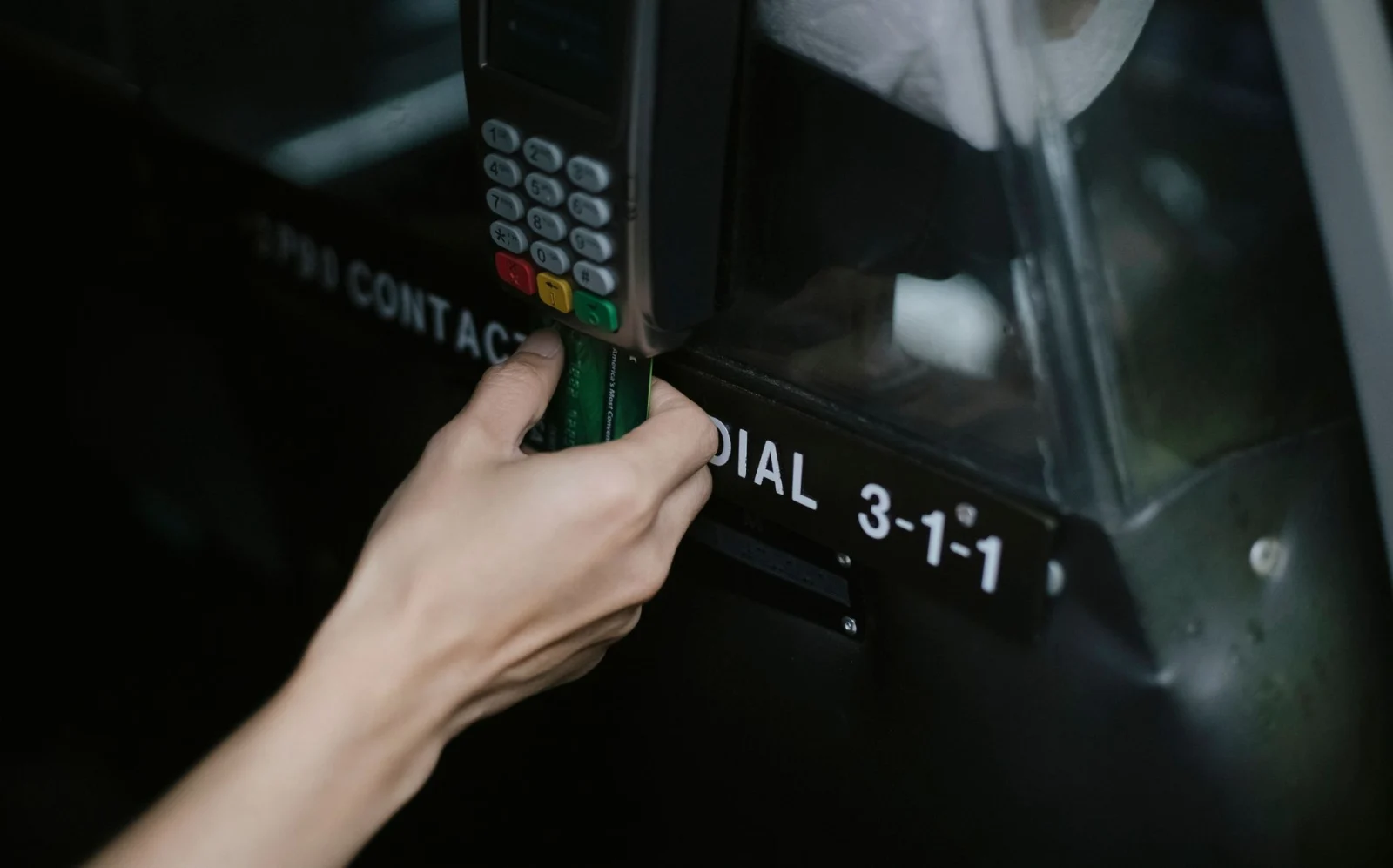
Paying by credit card adds an extra layer of protection to a cruise booking. Photo: Tim Samuel on Pexels

Cruise booking protection in the US and UK

Financial protection is often overlooked when people book a cruise, yet it matters when you pay a deposit a year or more before sailing.

If you book in the US

  • Pay by credit card. Under the Fair Credit Billing Act, you can dispute charges for services that are not delivered. That gives you a chargeback route if a seller fails.
  • Use an established seller. Choose CLIA-affiliated agencies or the cruise line itself, and be wary of prices far below what the cruise line shows.
  • Insure the trip. Travel insurance with supplier-default cover protects your prepaid costs. Many policies require you to buy it within a set time after your deposit.

If you book in the UK

  • ATOL covers most fly-cruise packages sold by UK companies. If the company fails, you get a refund or a flight home. Cruise-only bookings from UK ports fall outside ATOL.
  • ABTA membership provides financial protection for many cruise-only bookings, and ABTA members follow a code of conduct.
  • Section 75 of the Consumer Credit Act makes your card provider jointly liable for purchases between £100 and £30,000. This applies even if you only paid the deposit on the card. The protection can be weaker when you pay through some intermediaries, so ask before paying.
  • Booking flights and the cruise separately usually means no package protection if a flight is cancelled and you miss embarkation.

The cheapest way to book a cruise

  • Book 6 to 12 months ahead for the best mix of price and cabin choice. Lines often open sailings 12 to 18 months out.
  • Use wave season. From late December to March, lines often stack upgrades, drinks packages and reduced deposits.
  • Compare perks, not just fares. A slightly higher fare with prepaid gratuities and onboard credit can be the better deal.
  • Be flexible. Shoulder seasons, repositioning cruises and guarantee cabins are usually cheaper.
  • Stack savings carefully. Past-guest discounts, resident or military rates and agency perks can sometimes be combined.

For more ways to save, read our insider guide to getting cheap cruises.

If you are considering a discount agency, our roundup of Vacations To Go reviews covers how it works and what cruisers praise and complain about.

FAQs

Is it cheaper to book a cruise directly through the cruise line?

Not usually. Cruise fares are often the same whether you book direct or through an agent, because most cruise lines restrict discounting. Where they differ is in the extras: agents and online agencies often add onboard credit, prepaid gratuities or cashback, which can make them cheaper overall.

Is it better to book a cruise directly or through an agent?

Booking direct suits experienced cruisers who know which ship and cabin they want. A cruise-specialist agent is usually better for first-timers, fly-cruises, groups and anyone who wants help comparing lines or sorting out problems. Agents are generally paid by the cruise line, so their help rarely costs you extra.

What is the best website to book a cruise through?

There is no single best site. Use the cruise line’s own website to check cabin availability and the base fare. Then compare that price, including perks, against one or two large online agencies such as CruiseDirect, Cruise.com, Expedia or Costco Travel in the US, or ABTA-member cruise specialists in the UK.

What is the most cost-effective way to book a cruise?

Book 6 to 12 months ahead, or during wave season (January to March), when perks peak. Compare the total value rather than the headline fare, and pay by credit card. Keep watching the price until final payment, because most lines will adjust your fare or give onboard credit if it drops.

Can you book a cruise over the phone?

Yes. Every major cruise line and most agencies take phone bookings. Phoning is useful for complicated requests such as connecting cabins, accessible staterooms or group bookings, and you can ask for a named contact for any later changes.