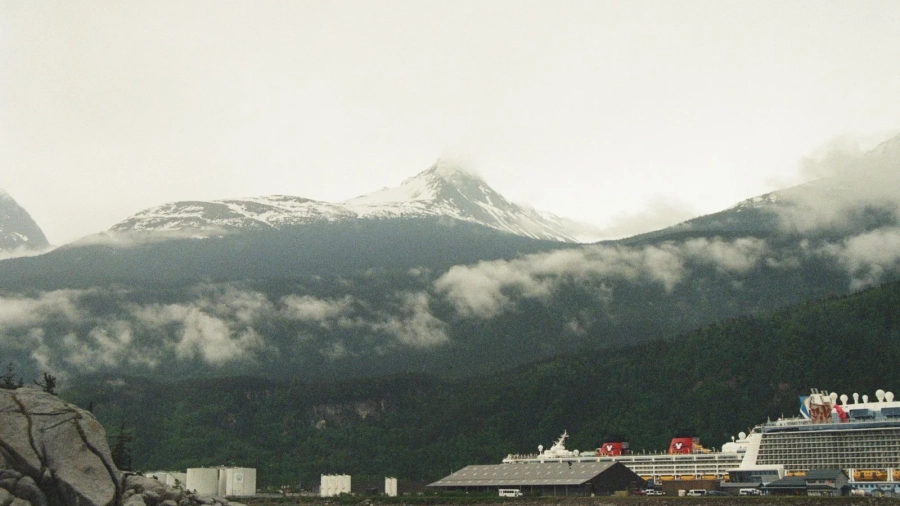
The main Alaska cruise ports are Juneau, Ketchikan, Skagway, Sitka and Icy Strait Point, with Haines on some sailings and Victoria, British Columbia, on most round trips from Seattle. Most 7-night Inside Passage cruises start in Seattle or Vancouver and visit three of these ports, plus a day of glacier viewing. One-way Gulf of Alaska cruises begin or end at Seward or Whittier, near Anchorage.
Free: get the printable Alaska Cruise Planner 2027: best month, best route and real fares →
Below you’ll find what each port is like, how far you’ll walk from the ship, the excursions worth booking, and what has changed for the 2026 and 2027 seasons. There’s also a quick comparison table and a port day planner sorted by what you want to see.
Alaska cruise ports at a glance
The table gives you the basics for the ports of call that show up most on mainstream itineraries. “Walkable” means you can reach the main sights on foot from where the big ships usually dock.
| Port | Best for | Walkable from the ship? | Signature excursion |
|---|---|---|---|
| Juneau | Glaciers, whales, flightseeing | Yes, downtown docks (Mendenhall needs transport) | Whale watching plus Mendenhall Glacier |
| Ketchikan | Native culture, totem poles, salmon | Yes downtown; shuttle from Ward Cove | Misty Fjords floatplane |
| Skagway | Gold Rush history, mountain scenery | Yes, a short walk into town | White Pass & Yukon Route railway |
| Sitka | Russian and Tlingit history, wildlife | No, shuttle from the main terminal | Sea otter and wildlife boat tour |
| Icy Strait Point | Whales, bears, a quieter day | Yes around the port; Hoonah is a longer walk | Point Adolphus whale watching |
| Haines | Eagles, bears, small-town feel | Yes | Chilkoot or Chilkat wildlife trips |
| Victoria, BC | Gardens, harbour, a city evening | Partly, about 2 km to the Inner Harbour | Butchart Gardens |
Inside Passage cruise ports, one by one
Juneau
Alaska’s capital can’t be reached by road, so most visitors arrive by sea, and cruise ships berth right on the edge of downtown. The Mount Roberts Tramway leaves from beside the docks and climbs to trails and viewpoints. Bars, shops and the Alaska State Museum are within walking distance. Mendenhall Glacier is about 12 miles away. Shuttle buses run there, or you can combine it with a whale-watching trip, which is the best-selling excursion here. Helicopter landings on the Juneau Icefield and dog-sledding camps on the ice are the big splurges. Book them early, and have a backup plan if low cloud grounds the flights.
Juneau is also the port where the rules have changed most. Under a voluntary agreement between the city and the cruise industry, from 2026 Juneau aims to cap arrivals at 16,000 passengers a day, falling to 12,000 on Saturdays, on top of an existing limit of five large ships a day. City figures reported after the 2026 season show it still welcomed about 1.73 million cruise passengers, slightly more than in 2025, because the cap spreads visitors across the week rather than cutting them. Some lines, including Royal Caribbean, have moved calls from Juneau to Ketchikan and Icy Strait Point, so check that Juneau really is on your itinerary.
Ketchikan
Ketchikan is often the first or last Alaska port on a round trip from Seattle or Vancouver. Downtown berths sit right next to Creek Street, the old boardwalk district built on pilings over a salmon stream. From late July you may see salmon heading upstream there. Totem Bight State Historical Park, Saxman Native Village and the Totem Heritage Center showcase the region’s Tlingit, Haida and Tsimshian traditions. The headline excursion is a floatplane flight over Misty Fjords National Monument. Some ships, Norwegian in particular, dock at Ward Cove instead. It’s a privately built facility a few miles north of town, linked by shuttle and city buses, so plan for the extra travel time. With Juneau capped, Ketchikan was expected to receive more cruise passengers than Juneau in 2026.
Skagway
Skagway is a restored Klondike Gold Rush town at the head of the Lynn Canal, with a population that grows several times over in summer. The docks are a short walk from Broadway, where the boardwalks, saloons and Klondike Gold Rush National Historical Park buildings are. Most people come for the White Pass & Yukon Route railway, a narrow-gauge line that climbs nearly 3,000 feet to the summit of White Pass in about an hour. Longer versions continue into Canada, so take your passport. Hikers can tackle the Lower Dewey Lake trail straight from town.
Sitka
Sitka was the capital of Russian America, and you can still see that in St. Michael’s Cathedral and the Russian Bishop’s House. Sitka National Historical Park has a coastal trail lined with totem poles. Most large ships use the Sitka Sound Cruise Terminal, roughly 5-6 miles north of town, and shuttle buses run into the centre. Smaller ships sometimes tender passengers ashore downtown instead. Boat tours on Sitka Sound regularly see sea otters and humpback whales. The Alaska Raptor Center and the Fortress of the Bear are popular half-day stops.
Icy Strait Point
Icy Strait Point is owned by Huna Totem Corporation, an Alaska Native corporation, and was built around a restored 1912 salmon cannery near the Tlingit village of Hoonah. It now has its own cruise docks, so most ships tie up rather than tender. Whale watching in the waters off Point Adolphus is among the most reliable in Southeast Alaska, and the ZipRider zipline is one of the longest anywhere. Because only one or two big ships call on most days, it feels much quieter than Juneau or Ketchikan. Royal Caribbean and others have added calls here as Juneau capacity has tightened.
Haines
Haines sits just across the water from Skagway and turns up on fewer big-ship itineraries, which is part of its appeal. The town is walkable from the dock. Excursions focus on the Chilkat Bald Eagle Preserve, bear viewing along the Chilkoot River (best from late summer when the salmon are running), and river float trips.

Scenic cruising: Glacier Bay, Hubbard Glacier and Tracy Arm
Most itineraries include at least one day spent cruising slowly past glaciers rather than docking anywhere. On these days a balcony really is worth having. Our guide to whether a balcony is worth it over an inside cabin covers the trade-offs.
- Glacier Bay National Park: Access is limited by National Park Service permits, so only certain ships (often Holland America, Princess and a few others) sail in. Park rangers come aboard to give commentary. Margerie Glacier is the usual centrepiece.
- Hubbard Glacier: Roughly 6 miles wide at its face. It sits in Disenchantment Bay near Yakutat and is mostly seen on Gulf of Alaska itineraries and some longer round trips.
- Tracy Arm and Endicott Arm: After a large landslide raised safety concerns in 2025, many lines dropped Tracy Arm for 2026. Holland America, Carnival and Royal Caribbean are among them. Ships go to neighbouring Endicott Arm and Dawes Glacier instead, and Virgin Voyages has made the same swap on 2027 sailings. If Tracy Arm matters to you, read the small print on your itinerary.
Inside Passage vs Gulf of Alaska itineraries
Inside Passage round trips from Seattle or Vancouver are the most popular choice. They usually last seven nights, with three Alaska ports and one scenic glacier day. Flights are simpler because you fly in and out of the same city, and the sheltered route means calmer water for most of the trip. Foreign-flagged ships leaving Seattle must stop at a foreign port under the US Passenger Vessel Services Act, which is why so many Seattle round trips call at Victoria, often for an evening visit.
Gulf of Alaska (one-way) cruises run between Vancouver and Seward or Whittier. They usually include Hubbard Glacier or College Fjord, and they pair easily with a land tour to Denali. Holland America’s new Alaska Heritage Tours are one example. The downsides are open-ocean days in the Gulf and open-jaw flights, which can cost more.
Alaska cruise homeports
- Seattle: The busiest Alaska homeport. The 2026 season was forecast at around 2.1 million passengers across two terminals. From 2027, homeported ships are required to plug into shore power at the dock.
- Vancouver: Canada Place handles Inside Passage round trips and the southern end of Gulf of Alaska cruises. It was forecasting a record of about 1.4 million passengers for 2026.
- Seward: On the Kenai Peninsula, about 125 miles from Anchorage by road. The Alaska Railroad links the two, with dedicated cruise trains on many sailings.
- Whittier: On Prince William Sound, reached from Anchorage through a single-lane tunnel shared by cars and trains. A fire in September 2026 destroyed the dock at Whittier’s new $80 million Glacier Getaway Terminal, which Huna Totem built with Norwegian Cruise Line Holdings and which opened in 2024. Huna Totem was still assessing the damage at the time of writing. If you’re booked on a 2027 Norwegian, Oceania or Regent sailing via Whittier, watch for updates.
Best Alaska cruise ports by interest: a port day planner
Most port guides rank the ports from best to worst. It’s more useful to match each port to what you want from the day, then book that excursion there rather than repeating the same type of tour three times.
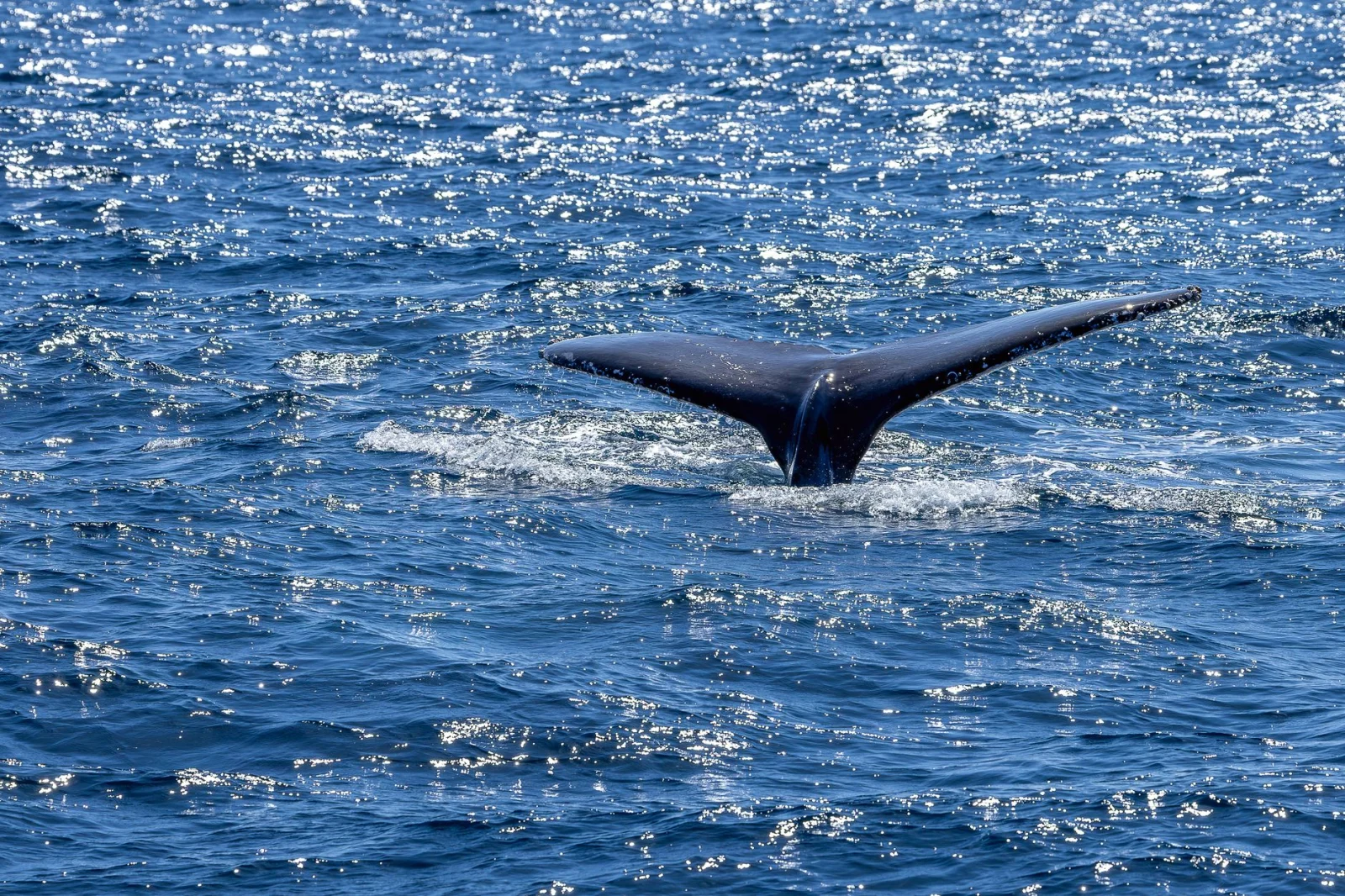
- Whales: Icy Strait Point (Point Adolphus) or Juneau (Auke Bay). Book a whale tour in one port, not both.
- Walking on or near a glacier: Juneau, for Mendenhall or a helicopter icefield landing. Skagway also offers glacier helicopter tours.
- Bears: Haines or Icy Strait Point, and from Ketchikan by floatplane to remote viewing sites, especially from late July when salmon run.
- History: Skagway for the Gold Rush, Sitka for Russian America and Tlingit heritage.
- Native art and totem poles: Ketchikan, which has the largest collection of standing totem poles of any of the ports.
- A do-it-yourself day: Skagway and Juneau are easiest to explore on foot. Sitka and Ward Cove calls need a shuttle first.
- A day with fewer crowds: Haines, Icy Strait Point or a Saturday in Juneau, when the lower 12,000 cap applies.
A practical tip: check whether your ship is in port in the morning or afternoon before booking flightseeing. Low cloud can cancel floatplane and helicopter trips, and a morning slot leaves time to rebook if that happens.
Best time to cruise Alaska
The season runs from late April to early or mid-October, and lines have stretched both ends in recent years. May is often the driest month and has the lowest fares, though some trails and attractions may still have snow. June and July have the longest days and the warmest weather, but also the most people. August brings salmon runs and good bear viewing, along with more rain. September is quieter and cheaper, with autumn colour and a chance of the northern lights late in the month, but it’s also wetter. Whales are around all season. If price matters most, look at May and September departures. Our roundup of when to book and the cruise deals worth watching for 2027 explains how early-booking and wave-season offers compare.
If you are planning an Alaska sailing on a Royal Caribbean ship, our guide to which Ovation of the Seas cabins to avoid explains which side and deck work best.
Before choosing a cabin, see whether port or starboard on an Alaska cruise gives you better views on your itinerary.
FAQs
Where do Alaska cruises stop?
Most Alaska cruises stop at three of Juneau, Ketchikan, Skagway, Sitka and Icy Strait Point, with Haines on some sailings. Seattle round trips also call at Victoria, BC. Gulf of Alaska cruises add Hubbard Glacier or College Fjord and start or end in Seward or Whittier.
What is the best port in Alaska for a cruise?
It depends on what you want to see. Juneau has the widest choice of glacier and whale excursions, Skagway is best for history and its scenic railway, Ketchikan for Native culture, and Icy Strait Point for whale watching away from the crowds.
What are the must-do stops on an Alaska cruise?
For a first-time visitor, a good mix is Juneau for glaciers and whales, Skagway for the White Pass railway, Ketchikan for totem poles and Misty Fjords, plus a scenic day at Glacier Bay or Hubbard Glacier.
Does Juneau limit cruise passengers?
Yes. From 2026, a voluntary agreement with the cruise industry aims to keep arrivals to 16,000 passengers a day, or 12,000 on Saturdays, with no more than five large ships a day. Some lines have moved calls to Ketchikan and Icy Strait Point as a result.
Which Alaska ports does Royal Caribbean visit?
Royal Caribbean’s Alaska sailings typically visit Juneau, Skagway, Ketchikan, Sitka and Icy Strait Point, with Victoria on Seattle round trips. It has reduced Juneau calls since 2026 and has been adding Icy Strait Point and Ketchikan. Check your specific sailing on the line’s website.