
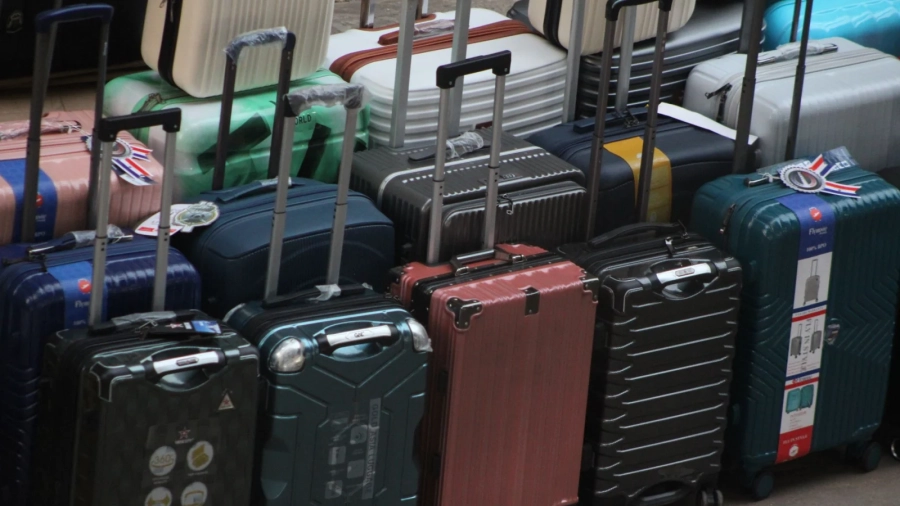
The best cruise carry on bag is one you can roll or carry comfortably through the terminal and up the gangway, that holds everything you need until your checked luggage reaches your cabin, and that fits your airline’s size limit if you’re flying to the port. For most cruisers, that means either a 22-inch carry-on spinner or a large tote/backpack paired with a smaller day bag for shore excursions.
Free: download our 2027 Luxury Cruise Calendar →
Below, we look at what a carry-on bag for a cruise actually has to do, compare the main bag types side by side, name a few well-known lines worth looking at, and finish with an embarkation-day packing checklist that keeps you within the cruise lines’ rules.
What a Cruise Carry-On Bag Has to Do
A cruise asks more of a carry-on than a typical flight does. Before you pick a bag, think about the four jobs it will do.
1. Get you through embarkation day
At most US ports you hand your big suitcases to porters at the terminal, and they’re delivered to your stateroom later in the day. Carnival’s own packing advice warns it “may take a few hours” for luggage to arrive, and Royal Caribbean notes that your stateroom may not be ready as soon as you board. Until then, everything you need goes where you go: documents, medication, swimwear, sunscreen and a change of clothes. That’s why your carry-on matters more on a cruise than on almost any other trip. (It’s also one of the classic embarkation day mistakes: packing your swimsuit or pills in the bag the porter takes.)
2. Meet airline limits if you fly to the port
Cruise lines are relaxed about carry-on size; airlines aren’t. American, Delta, United and JetBlue all use a 22 x 14 x 9-inch maximum for a carry-on, including wheels and handles, while Southwest allows a slightly larger 24 x 16 x 10 inches. Budget carriers such as Spirit and Frontier charge for a full-size carry-on on most fares. If you’re flying in, buy to the airline’s numbers, not the cruise line’s.
3. Store easily in a small cabin
Standard staterooms have limited closet space, so most cruisers slide empty suitcases under the bed. Travelpro’s cruise luggage guide makes the same point: compact bags that tuck under a bed or into a closet keep the cabin usable. A slim hardside carry-on or a soft bag that squashes flat usually stores more easily than a bulky expandable case.
4. Work for shore days (or pack a bag that does)
On port days you want something light, ideally water-resistant, that holds a towel, water bottle, sunscreen, your ship card and ID. A rolling suitcase is no help on a beach or a tender boat. Many cruisers solve this by using a backpack or tote as their embarkation bag, then using it again ashore.
Cruise Carry-On Bag Types Compared
There isn’t one “best” bag for everyone. This comparison shows how the main types handle the jobs above.
| Bag type | Best for | Pros on a cruise | Watch out for |
|---|---|---|---|
| Hardside carry-on spinner (about 21-22 in.) | Fly-cruise passengers, longer sailings | Protects electronics and bottles, rolls easily through terminals, stacks neatly under the bed | Rigid shell takes up space when empty; check the exterior size includes wheels |
| Softside rolling carry-on | People who overpack or bring formal wear | Exterior pockets for documents, often expandable, flexes into tight spaces | Expanded bags may exceed airline limits; fabric can stain on wet decks |
| Travel backpack (about 20-40 L) | Hands-free boarding, active shore days | Leaves hands free on gangways and stairs, doubles as an excursion bag | Heavy when full; can be awkward in crowded lines |
| Weekender or duffel | Drive-to-port cruisers, short sailings | Holds a lot, squashes flat under the bed, easy to stuff a beach towel into | All the weight is on one shoulder; less structure for fragile items |
| Large tote with trolley sleeve | Drive-to-port or as a second bag on top of a suitcase | Quick access to swimwear and sunscreen, slips over a suitcase handle | Often open-topped, so less secure in busy terminals and ports |
A popular setup is one wheeled carry-on plus one “personal item” (a backpack or tote). Royal Caribbean’s luggage policy allows a “reasonable amount” of personal property and simply requires that any carry-on fits through the terminal’s X-ray machines, so two bags per person is rarely a problem on the ship. The airline is usually the stricter limit.
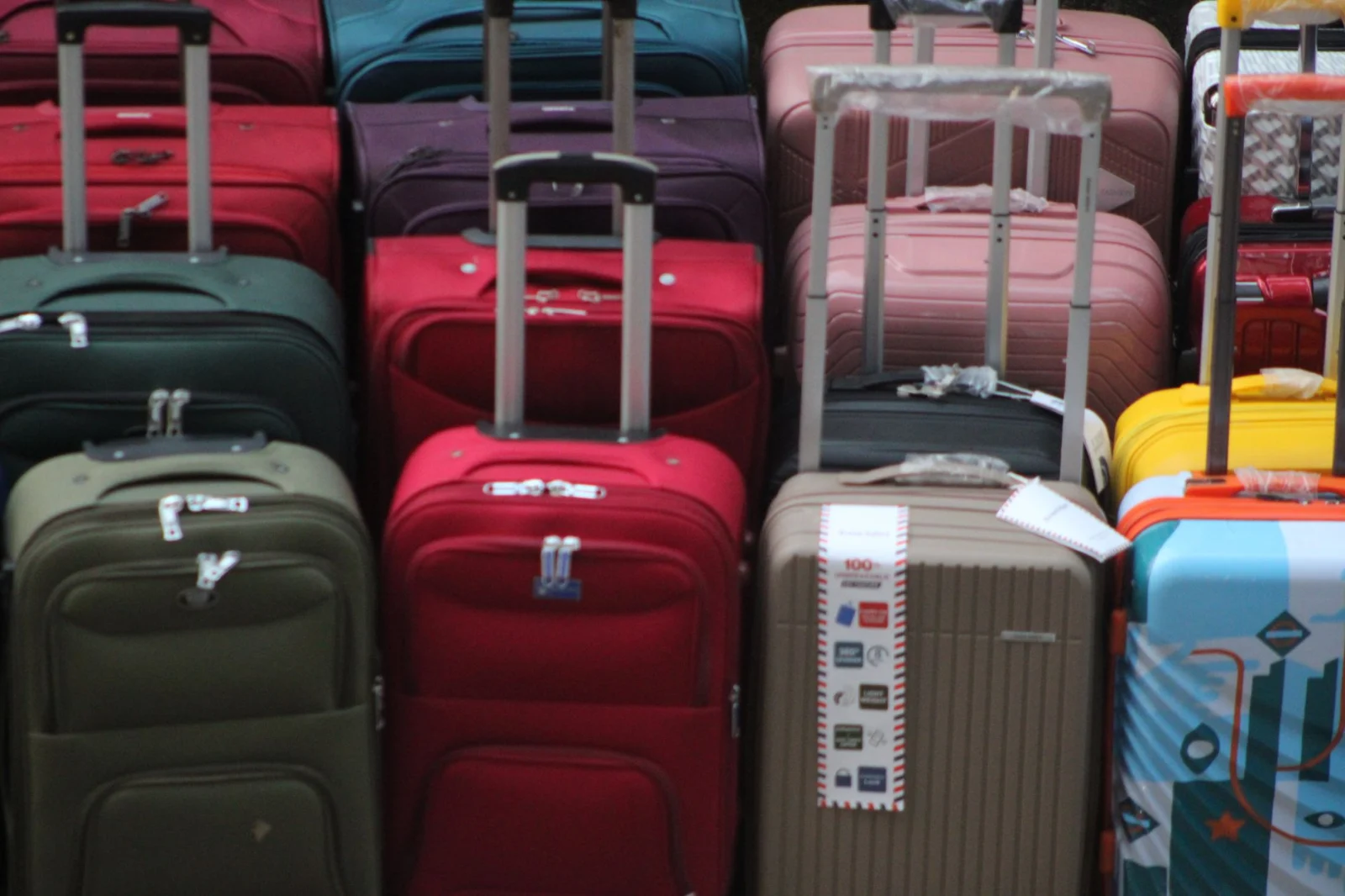
The Best Carry-On Bag for a Cruise: Brands Worth a Look
We haven’t tested these bags ourselves, so treat this as a shortlist of established, widely sold lines that suit cruise travel, not a ranked review. Prices change often and are approximate.
- Away The Carry-On (hardside spinner): Away lists it at 22 x 14.4 x 9.1 inches including wheels, with a polycarbonate shell, for around $275. Note the 14.4-inch width, which is a touch over the strict 14-inch figure some airlines use. Away also makes “The Bigger Carry-On” if you’re driving to port or flying an airline with a larger limit.
- Travelpro Platinum Elite (softside and hardside): Travelpro makes a 21-inch expandable carry-on spinner and a “Compact Carry-On” hardside version in its Platinum Elite range. The brand’s softside bags have plenty of outside pockets, handy for keeping documents and a phone charger in reach in the terminal.
- Samsonite Freeform (hardside spinner): a lightweight polypropylene spinner with a TSA-recognized lock. Check the numbers carefully: retailers list the “21-inch” Freeform at about 23 x 15 x 10 inches including wheels, which is larger than a 22 x 14 x 9-inch airline limit. That’s fine if you drive to the port, but not ideal if you fly a strict US airline.
- Delsey Paris (hardside spinners): Delsey sells several carry-on spinner lines, including the Chatelet and Cruise collections, with built-in TSA-accepted locks. Compare exterior dimensions across models, as they vary.
- Osprey Transporter Carry-On Boarding Bag (personal item): a structured bag designed to fit under an airline seat, which makes it a natural embarkation-day and shore bag alongside a wheeled case.
- BÉIS travel duffels and weekenders (soft bags): a common choice for drive-to-port cruisers who want a soft bag that packs flat under the bed.
Whichever brand you choose, the most useful number on the spec sheet is the exterior size including wheels and handles. Many bags sold as “21-inch” or “carry-on” measure more than 22 inches once the wheels are counted.
How to Choose a Carry-On Bag for a Cruise
Material: hardside or softside?
Hardside polycarbonate or polypropylene protects fragile items, sheds spray on a damp deck and stacks well. Softside nylon or polyester bags usually have outside pockets and can squeeze into a tight space. Travelpro notes that many cruisers pair a hardside checked bag with a softside carry-on to get both.
Wheels or no wheels?
Four-wheel spinners glide through terminals and along narrow ship corridors, and you can push them beside you rather than drag them behind. Two-wheel bags are sturdier on rough pavements and cobbled ports, and give you more packing space for the same exterior size. If you’ll walk any distance with the bag at a port, wheels earn their keep; if you’re dropped at the terminal door, a backpack or duffel works well.
Compartments that help on embarkation day
Look for a quick-access front pocket (for passport, boarding documents and phone), a separate wet/dry pocket for swimwear, and a trolley sleeve so a tote or backpack can ride on top of the wheeled bag.
Cruise carry-on bag size and weight
Cruise lines generally don’t set airline-style dimensions for carry-ons. Royal Caribbean’s rule is that carry-on luggage must fit through the X-ray screening machines, and it sets no weight limit per bag. Norwegian Cruise Line’s luggage FAQ points guests to their airline’s hand luggage rules. So the limit that matters is usually your airline’s, plus how much you’re happy to carry up a gangway.
Security features
If you lock your bags, use a TSA-approved lock, which Royal Caribbean specifically requires. A zip you can lock or a body-facing pocket is also useful in busy ports.
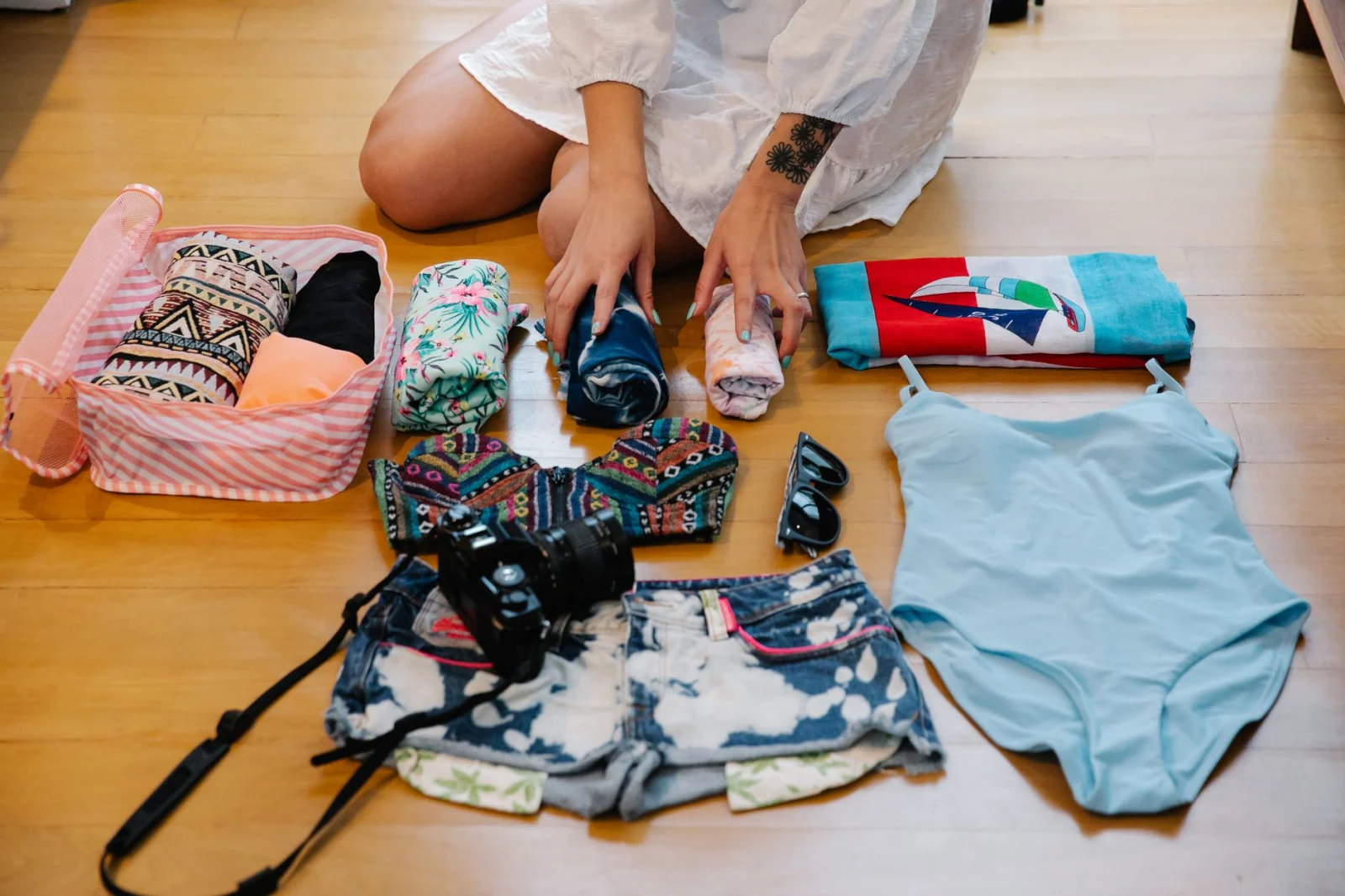
Embarkation Day Checklist: What to Keep in Your Cruise Carry-On
This is the list that makes your cruise carry on bag earn its place. Keep these with you rather than in the suitcases you hand to the porter:
- Travel documents: passport (or the ID and citizenship documents your sailing requires), boarding pass, any visas, and printed or downloaded travel insurance details. Royal Caribbean and Carnival both advise carrying boarding documents personally.
- Medication: all prescription medicines in their original labeled containers. Royal Caribbean recommends packing at least three days of extra medication in case the itinerary changes.
- Money and cards: the credit card linked to your onboard account, some cash for porter tips and ports, and your phone.
- Swimwear, sunscreen and sunglasses: so you can use the pool on day one.
- A change of clothes: plus something suitable for dinner if your bags arrive late.
- Chargers: phone charger and a power bank. Check your cruise line’s rules on lithium batteries and power strips before you pack.
- Valuables and fragile items: jewelry, cameras and laptops. Norwegian’s luggage FAQ lists jewelry, fragile items and valuables as things to keep in hand luggage.
- Small toiletries: a toothbrush, any contact lens supplies and a few basics.
- Allowed drinks: if your line lets you bring wine or soft drinks, they usually have to come in your carry-on on embarkation day (see below).
For the full trip, including everything that goes in your checked bags, use our ultimate cruise checklist.
Prohibited Items to Leave Out of Your Carry-On
Security at the cruise terminal screens carry-ons and checked bags, and some ordinary travel items aren’t allowed onboard. Rules vary by line, so check yours before packing. Examples from the cruise lines’ own policy pages:
- Clothing irons and garment steamers: prohibited on Royal Caribbean. Norwegian bans items with a heating element, naming clothing irons, though hair straighteners are allowed with care.
- Power strips and extension cords: Royal Caribbean prohibits extension cords, power strips and multi-plug outlets. Carnival’s first-timer packing advice suggests a non-surge power strip, so this is a good example of why you should check your own line’s rules rather than a general list.
- Alcohol beyond the allowance: Royal Caribbean’s current beverage policy allows each guest of drinking age one sealed 750 ml bottle of wine or champagne on embarkation day, and up to 12 standard (17 oz) cans, bottles or cartons of non-alcoholic drinks per stateroom, carried on. Extra alcohol is held and returned at the end of the cruise. Other lines set their own limits.
Security has the final say on anything not listed, so if in doubt, leave it at home or check with the cruise line.
Once You’re Onboard
When your cabin opens, unpack your carry-on first, put your passport in the safe, and plug in your chargers. Our guide to things to do as soon as you get to your cruise cabin covers the rest of that first hour. An empty carry-on spinner or backpack then slides under the bed until disembarkation morning, when you’ll use it again for the overnight items you keep back after your big bags go out.
Once your bag is sorted, our guide to cruise dress codes and outfits helps you decide what goes in it.
FAQs
What size carry-on bag can I take on a cruise?
Most cruise lines don’t set airline-style dimensions. Royal Caribbean only requires that carry-ons fit through the terminal X-ray machines. If you’re flying to the port, follow your airline’s limit, which is 22 x 14 x 9 inches including wheels on American, Delta, United and JetBlue.
How many carry-on bags can I bring on a cruise?
Cruise lines generally allow a reasonable amount of luggage rather than a fixed number of carry-ons, but they recommend limiting how many pieces you bring. One wheeled carry-on plus a backpack or tote per person works well and fits most airline allowances too.
What should I pack in my carry-on bag for a cruise?
Keep your passport and boarding documents, prescription medication in original containers, cards and cash, swimwear, sunscreen, a change of clothes, chargers and any valuables with you. Checked bags can take several hours to reach your cabin.
Is a backpack or a rolling suitcase better as a cruise carry-on?
A rolling carry-on is best if you’re flying and need to carry a lot. A backpack leaves your hands free on gangways and doubles as a shore-excursion bag. Many cruisers bring one of each.
Can I carry my own luggage onto a cruise ship?
Yes. Royal Caribbean, for example, lets guests either carry luggage on or check it at the terminal, provided bags fit through security screening. Just remember your stateroom may not be ready right away, so you’ll be carrying everything until it is.