
The worst months to cruise the Caribbean are late August through October, with September the riskiest. That’s the peak of the Atlantic hurricane season, when itinerary changes, missed ports and rough seas are most likely. June, July and November carry a smaller risk. Spring break and the Christmas holidays have great weather but the biggest crowds and highest fares.
Free: download our 2027 Luxury Cruise Calendar →
Knowing the worst months to cruise the Caribbean doesn’t mean you should rule out half the year. Most sailings in hurricane season go ahead with only minor changes, and fares are often at their lowest. Here’s what each month really looks like, which region to pick in each, and how to protect your trip.
Atlantic hurricane season: the key dates
According to the U.S. National Hurricane Center, the Atlantic hurricane season runs from June 1 to November 30. The climatological peak is September 10, and most activity falls between mid-August and mid-October. Over 1991–2020 an average season produced 14 named storms, 7 hurricanes and 3 major hurricanes.
Timing isn’t a guarantee either way. Hurricane Beryl became a record early Category 5 in July 2024 and hit Grenada’s islands. In late October 2025, Hurricane Melissa made a catastrophic landfall in Jamaica, and many lines skipped Jamaican ports for weeks afterwards. Peak season is the most likely time for disruption, not the only time.
Month-by-month: the best and worst time to cruise the Caribbean
| Month | Weather | Hurricane risk | Crowds | Prices |
|---|---|---|---|---|
| January | Dry, warm, low humidity | None | Busy at New Year, quieter after | High early, then moderate |
| February | Dry, sunny | None | Busy (Presidents’ Day, winter breaks) | High |
| March | Dry, warm | None | Very busy (spring break) | High |
| April | Dry, getting hotter | None | Busy around Easter, then easing | High to moderate |
| May | Hot, mostly dry | Very low | Quiet | Moderate, good deals |
| June | Hot, humid, more showers | Low | Families arrive | Moderate to high |
| July | Hot, humid, showers | Low to moderate | Busy (school holidays) | High |
| August | Very hot, humid, storms | Rising, high late in month | Busy early, quieter late | Moderate to low |
| September | Hot, wet | Highest | Quietest | Lowest |
| October | Warm, wet | High (secondary peak mid-month) | Quiet | Low |
| November | Drying out, pleasant | Low to moderate, falling | Quiet except Thanksgiving | Low to moderate |
| December | Dry, warm | None | Quiet early, packed at holidays | Low early, highest at Christmas |
The worst months to cruise the Caribbean, one by one
June: early season, low risk
Storms in June are usually weaker and form closer to the Gulf of Mexico or western Caribbean. It’s hot and humid with short afternoon showers. The main downside is that US school holidays begin, so prices and crowds go up.
July: hot, busy and slowly rising risk
Hurricane risk is still fairly low, but July has peak family crowds and summer prices. Heat in port can be tiring, with temperatures often around 90°F and high humidity. Book shore excursions early in the day.
August: when risk really climbs
The first half of August is often fine. The second half marks the start of the peak window, when storms forming off Africa can track across the eastern Caribbean. Fares start to fall after US schools return.
September: the riskiest month
September includes the season’s statistical peak. It’s the month most likely to bring swapped itineraries, an extra sea day or a shortened sailing. It’s also the quietest and cheapest time to cruise, and some lines move ships to Europe, Alaska or New England for part of it.
October: a second peak
Activity often bounces back around mid-October, and storms can form in the western Caribbean and Gulf. Melissa in 2025 was a reminder that late-October storms can be severe. By the end of the month, risk is clearly falling.
November: a good shoulder month
Hurricane season officially lasts until November 30, but late-season storms are uncommon. After the first week or two, November is one of the best-value times to cruise: weather is improving, ships are quieter, and fares are low outside Thanksgiving week.
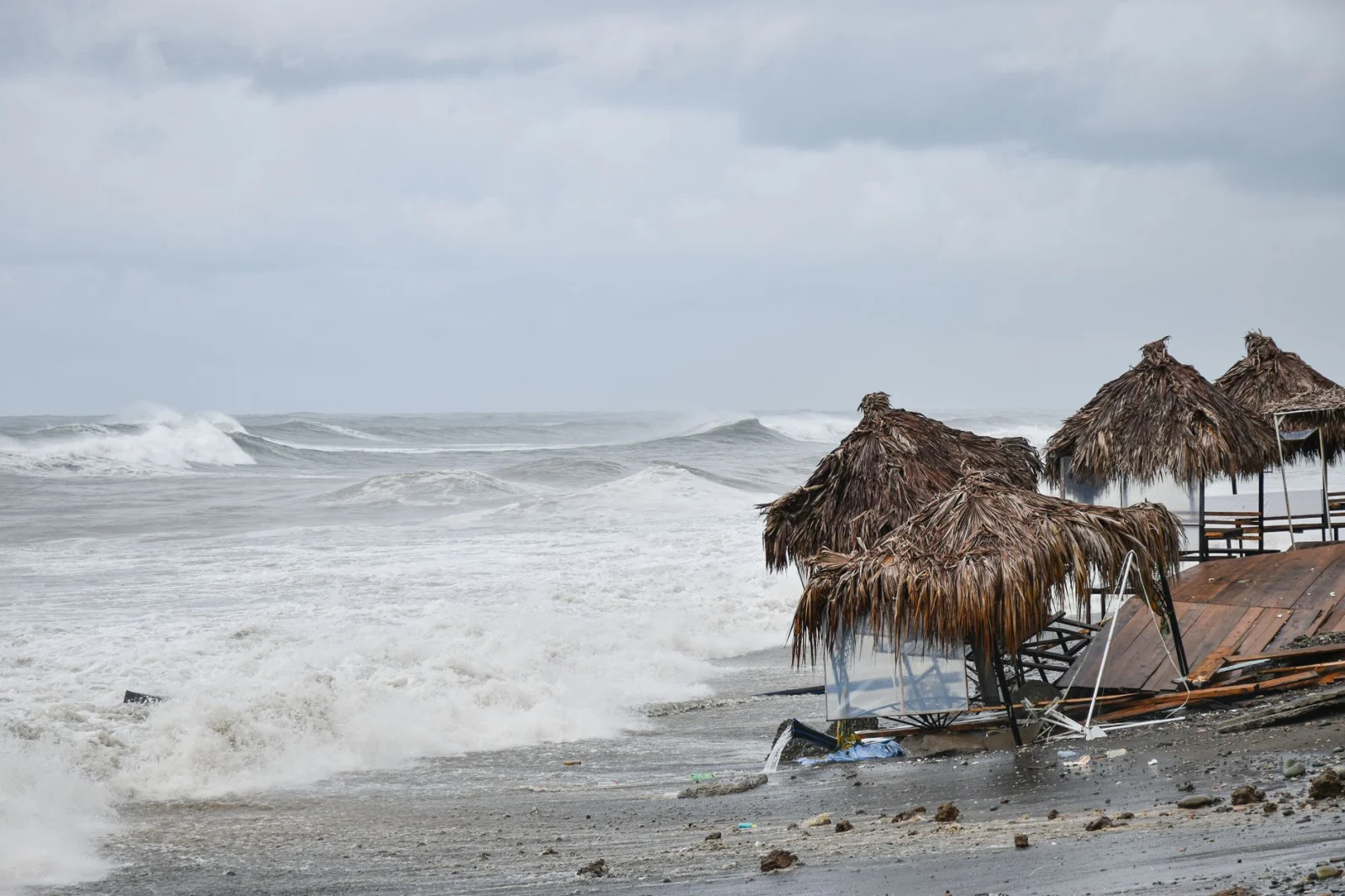
Hurricane season Caribbean cruise: what actually happens if a storm hits
Cruise ships are fast, and lines track storms closely with professional meteorologists. In practice, a hurricane usually means a change of plan rather than danger. The most common outcomes are:
- Port swaps: an Eastern Caribbean sailing may switch to Western Caribbean ports, or the reverse.
- Skipped ports or extra sea days to keep clear of the storm.
- Changed embarkation days: the ship leaves early, returns late, or a Florida homeport closes for a short time.
- Rougher seas on the edges of a system, even when the ship avoids the storm itself.
- Cancellation in rare cases.
What about refunds? Standard cruise ticket contracts (Carnival’s section 8(d) is a typical example) let lines change ports or routes for weather without compensation. You’ll normally get back the port-specific taxes and fees for any stop you miss. Some lines also give goodwill onboard credit, but that’s at their discretion. A full refund or future cruise credit normally applies only if the cruise line itself cancels the sailing. If you choose not to sail because a storm is forecast, the line’s normal cancellation penalties usually apply.
If you miss the ship because flights are cancelled, the cruise line won’t usually cover you. That is the job of travel insurance.
Travel insurance: buy early, before a storm has a name
Most policies treat a storm as a “foreseeable event” once it has been named, and won’t cover disruption from it if you buy the policy after that point. Buy cover as soon as you’ve paid your deposit, and check that it includes trip interruption, missed connections and hurricane or weather cancellation. Some policies also offer optional “cancel for any reason” cover. Our cruise insurance buyer’s guide explains what to look for. Flying in a day early also helps a great deal in hurricane season.
Which Caribbean region to choose each month
The Caribbean isn’t one weather zone. Choosing the right region for your dates can matter as much as choosing the month.
| When | Best region | Why |
|---|---|---|
| December–April | Anywhere, especially Eastern and Southern Caribbean | Dry season everywhere. Long Southern itineraries are at their best. |
| May–early June | Western Caribbean and Bahamas | Before the season gets going, with short, good-value Florida sailings. |
| July–early August | Southern Caribbean (ABC islands), Bahamas | The south sits below most storm tracks. The Bahamas have quick escape routes. |
| Mid-August–mid-October | Southern Caribbean, or Alaska and Europe instead | Aruba, Bonaire and Curaçao are rarely hit. Eastern routes face the most storms forming off Africa. |
| Late October–November | Eastern Caribbean, then anywhere after mid-November | Late-season storms tend to favor the western Caribbean and Gulf. |
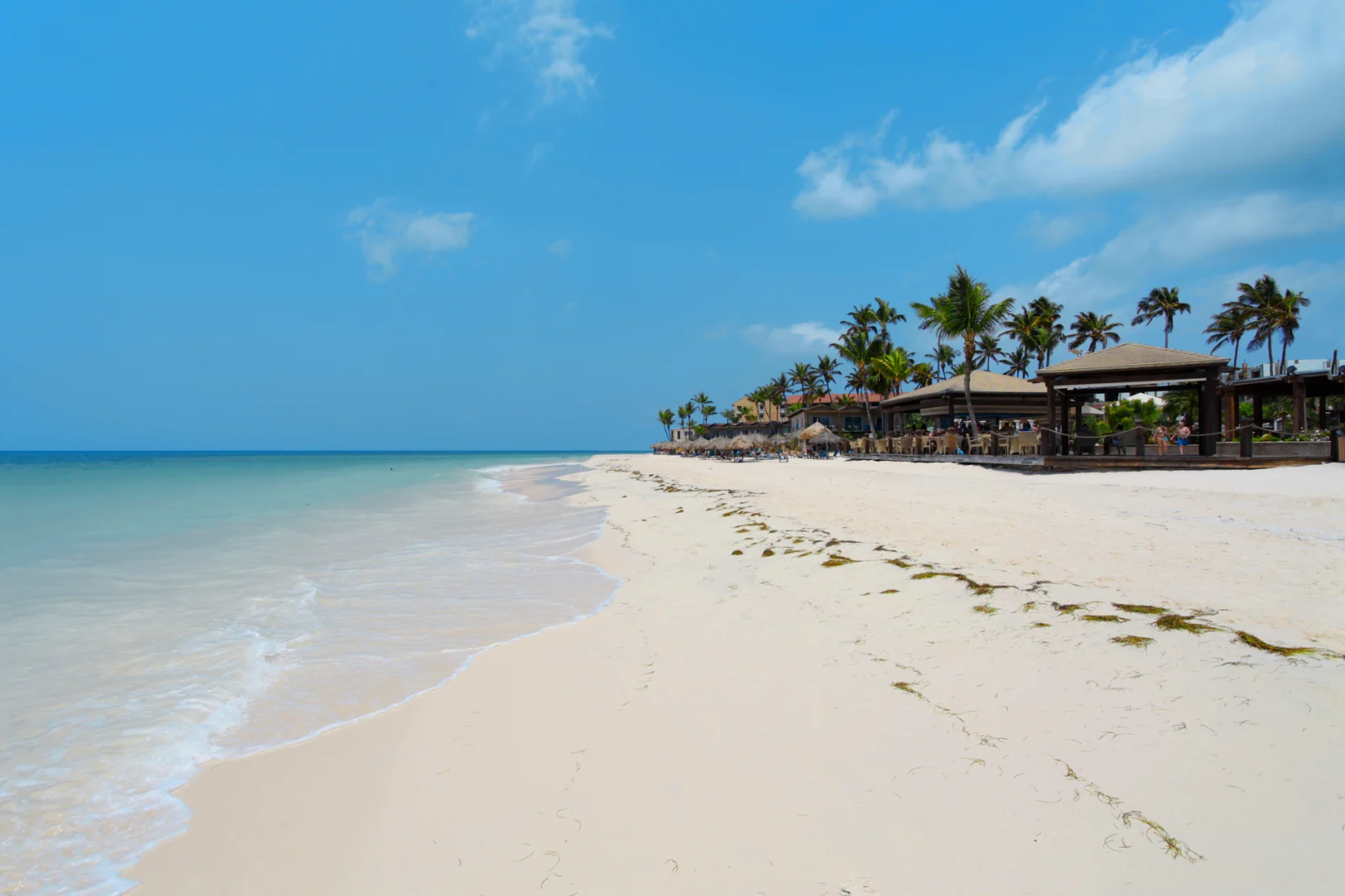
Aruba, Bonaire and Curaçao sit off the coast of Venezuela, south of the main hurricane belt. Direct hits are rare, although they can still see swells or storm bands. For port ideas, see our best Caribbean cruise ports.
Crowds: the other “worst” times
If crowds bother you more than weather, the worst times to cruise the Caribbean are different:
- Spring break (roughly early March to mid-April): lots of students and families, especially on short sailings from Florida.
- Christmas to New Year: the most expensive weeks of the year, with ships full.
- Thanksgiving and Presidents’ Day weeks, plus US summer holidays.
Big shared ports such as Nassau, Cozumel and St. Thomas can host several ships on the same day in peak season. If you’re flexible, the first two weeks of December, late January and May are some of the quietest good-weather windows.
Advantages of off-peak Caribbean cruising
- Lower fares: late August to early November usually has the year’s cheapest prices. Compare value lines in our breakdown of the cheapest 7-day cruises out of Florida.
- Quieter ships and ports, with easier access to pools, restaurants and shore excursions.
- Warm seas for snorkeling and swimming.
- Last-minute bargains for travelers who can drive to a homeport.
Who should avoid peak hurricane season
- First-time cruisers who’d be disappointed by a changed itinerary.
- Anyone cruising for a particular port, such as a wedding, a family visit or a bucket-list island.
- Travelers prone to seasickness.
- Passengers with tight flight connections or no flexibility on dates.
- Anyone who will spend the trip worrying about forecasts.
Tips for cruising the Caribbean in hurricane season
- Choose a Southern Caribbean or ABC itinerary in August–October.
- Fly in at least one day early and book flexible flights.
- Buy travel insurance at deposit, before any storm is named.
- Book shore excursions through the cruise line, so they’re refunded automatically if a port is skipped.
- Watch the National Hurricane Center’s outlooks for 5–7 days before sailing, and keep your cruise line’s app notifications turned on.
- Pack seasickness remedies and light rain gear.
FAQs
What is the worst month to cruise the Caribbean?
September. It contains the statistical peak of the Atlantic hurricane season (around September 10), and itinerary changes are most likely then. Late August and early October come close behind.
Is November a good time to cruise the Caribbean?
Usually, yes, especially after mid-November. Hurricane season officially runs to November 30, but storm activity drops sharply after October. Weather is improving, and fares stay reasonable outside Thanksgiving week.
When is the best time to cruise the Caribbean?
Mid-December to April has the most reliable weather: dry, sunny and less humid. For the best balance of weather and price, aim for late January to early March (avoiding Presidents’ Day week) or late April to May.
Will I get a refund if a hurricane changes my cruise?
Generally not for itinerary changes. Cruise contracts let lines swap or skip ports for weather. You’ll usually get back the port-specific taxes and fees for a missed stop. A full refund or credit normally applies only if the cruise line cancels the sailing.
Which part of the Caribbean is safest during hurricane season?
The southern Caribbean, especially Aruba, Bonaire and Curaçao, which sit south of the main hurricane track. They’re rarely hit directly, though no island is completely risk-free.