
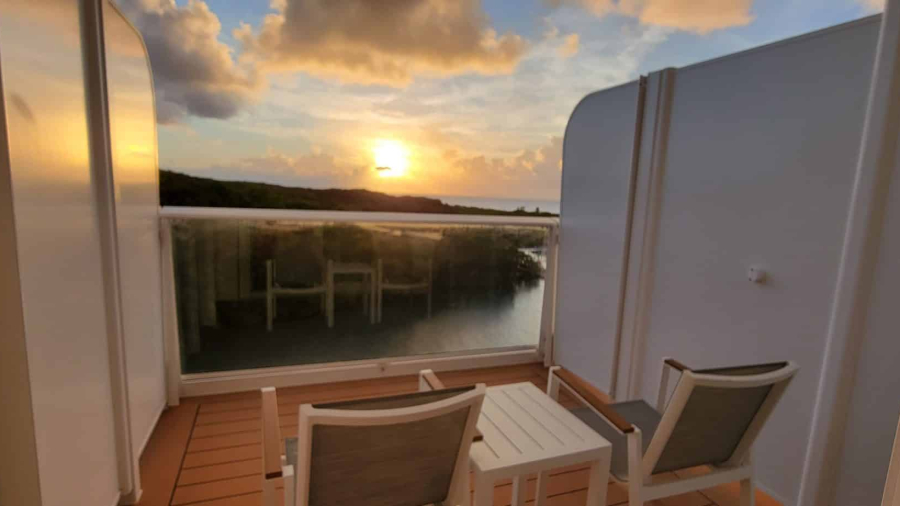
Many cruise passengers are now adding hotel stays before or after their sailing, giving them extra time in departure ports and Caribbean destinations. Major cruise hubs such as Miami and San Juan make it relatively easy to add a few days on land around a scheduled sailing. Arriving a day or two before embarkation can also reduce the risk of a flight delay that would cause a missed departure.
This approach gives cruisers more time to explore a destination beyond a single port call. An independent hotel or villa stay before or after the sailing also allows more freedom to set the pace and plan activities around personal interests. Flights, transfers, and accommodation still need to line up with embarkation times, but a little planning can make the transition between land and sea much smoother.
Multi-Island Caribbean Itineraries Are Becoming the Norm
Caribbean cruise routes can fit several port calls into standard seven- and ten-day sailings. Some Southern Caribbean itineraries departing from San Juan visit five destinations within a single week, with port combinations varying by sailing. Current routes can include stops such as St. Thomas, St. Maarten, Antigua, Dominica, and other islands across the region.
Cruise lines can fit these port-heavy schedules together by sailing between nearby islands overnight. When comparing options for Caribbean cruises this season, it helps to check how many port days are scheduled back-to-back. Several port calls in a row can make planning useful, especially when shore excursions start early or involve longer transfers.
Booking two back-to-back Caribbean itineraries can create a fourteen-day trip covering different parts of the region. Adding a land stay before or after the sailings also gives cruisers more time in the embarkation city without trying to fit everything around a cruise-day schedule.
The Ports Where Ships Spend the Most Time Ashore
Port stay duration varies significantly across Caribbean destinations based on itinerary, docking arrangements, and local port operations. San Juan can feature late-evening departures on some sailings, giving passengers extra time to explore Old San Juan after standard excursion hours. Cozumel also appears on itineraries with longer port calls, making full-day mainland excursions to destinations such as Tulum possible.
Other stops require tender boats to shuttle passengers between ship and shore, which can reduce the amount of usable time on land. Grand Cayman is one example, so cruisers should check arrival, departure, and last-tender times when comparing itineraries. Longer calls and occasional overnight stays can be particularly useful for anyone who wants more time ashore.
Extended port hours can change how much of a destination passengers can experience beyond daytime excursions. A ship staying for the evening leaves more time for dinner, independent exploring, or a later return to the gangway. Checking the day-by-day port schedule before booking can help cruisers find itineraries with the amount of shore time they want.
Pre- and Post-Cruise Stays Are Reshaping Trip Planning
Adding pre- or post-cruise land stays changes how travelers budget time and choose accommodations near key embarkation hubs. Cruisers flying into Princess Juliana International Airport in St. Maarten can add a few nights on the island before boarding their ship at Port St. Maarten in Philipsburg. This splits the trip between time onboard and independent exploration on land.
Location matters when selecting accommodations away from the main port area. Cruisers who prefer quieter beach access may look to French-side areas such as Grand Case or Orient Bay. Airport and cruise-terminal transfers are also worth checking when comparing St Martin villas, especially when planning the trip to Philipsburg on embarkation day.
A post-cruise stay can also take some pressure off disembarkation day. Passengers with later flights may be able to leave luggage at their hotel or rental, depending on the property, and spend more time on the island instead of heading straight to the airport.
Why Shoulder-Season Sailings Are Drawing Bigger Crowds
Caribbean shoulder-season sailings can appeal to cruisers looking beyond the traditional winter peak, but these dates shouldn’t automatically be treated as quiet. Pricing and availability vary depending on the ship, itinerary, and departure port, so comparing individual sailings is more useful than assuming these months will always cost less.
Port traffic can also vary by season and sailing date. Popular stops such as Charlotte Amalie in St. Thomas may host several ships on the same day, while other dates have lighter schedules. Cruisers who want more time ashore can check published port schedules when planning excursions, although arrival times and ship calls can change.
Weather is another factor in finding the best time to visit the Caribbean, particularly during autumn sailings. The Atlantic hurricane season runs from June 1 through November 30, with most activity historically occurring from mid-August through mid-October. Cruise lines may reroute ships when tropical systems threaten planned ports, so itinerary flexibility matters more at this time of year.
The Booking Mistakes That Cost Cruisers the Most Time
Flying into an embarkation port on the morning of departure is one of the riskiest logistical choices in cruise planning. Airline delays or baggage problems can leave passengers arriving after the ship’s final boarding time. Cruise lines set their own check-in and boarding deadlines, so cruisers should confirm the exact cutoff for their sailing and leave enough time for unexpected delays.
Miscalculating transit times between airports and cruise terminals can create another tight connection. Miami International Airport sits about nine miles from PortMiami, but traffic and airport processing times can vary considerably. Taxis, rideshares, public transport, and prearranged cruise-line transfers are all available, so the best option depends on arrival time and luggage.
Booking too much into a single port call can also create problems. Independent excursions may run late because of traffic or other delays, and passengers are responsible for returning before the ship’s all-aboard time. Leaving a comfortable buffer after an independent tour reduces the risk of a stressful rush back to the pier.
Is it time to extend your cruise?
Combining a Caribbean cruise with a few days on land can give cruisers more time in the destination while reducing pressure around tight flight connections. A pre-cruise or post-cruise stay also turns travel days into extra time for local restaurants, neighborhoods, beaches, or attractions beyond the port area.
Itinerary choices matter too, from selecting ports with longer stays to comparing shoulder-season sailings. Adding land time before or after the cruise can make the overall trip feel less rushed and give you more flexibility than relying on port calls