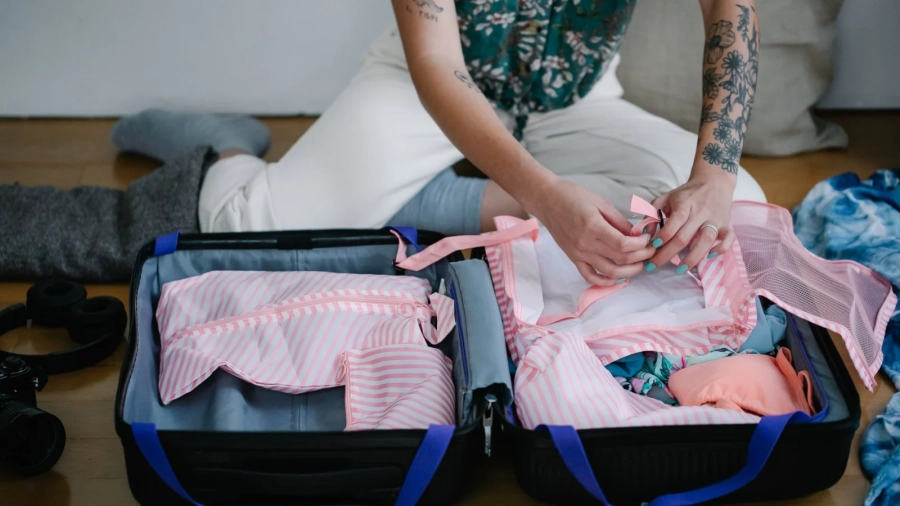
The best cruise packing tips come down to three things: keep everything you need for the first afternoon in your carry-on, leave banned items at home (power strips, irons and spirits are the usual culprits), and pack mix-and-match clothes around your itinerary and the ship’s dress code. Below are 40 practical tips grouped by stage, from choosing your luggage to organising a small cabin once you’re on board.
Free: download our 2027 Luxury Cruise Calendar →
The rules quoted here come from the cruise lines’ own published policies as of October 2026. Policies change, so check your line’s FAQ in the week before you sail.
Cruise Packing Tips for Luggage: Ship vs Flight Allowance
- Your airline is usually the real limit. Mainstream lines don’t publish a strict weight or piece limit. Royal Caribbean, for example, asks guests to bring a “reasonable amount” of luggage and to keep the number of pieces down. If you’re flying to the port, pack to your airline’s checked and cabin allowances, not the ship’s.
- Driving to the port? Still pack with restraint. Cabins are small and storage is limited. Two medium suitcases per couple is plenty for a week, and soft-sided bags are easier to slide under the bed.
- Use TSA-approved locks. Royal Caribbean states that luggage may only be locked with a TSA-approved lock, because port security may need to open your bag.
- Make your bags easy to spot. Hundreds of near-identical black cases come off the ship at once. Add a bright strap or tag, and consider an AirTag or similar tracker so you can see whether your bag has reached the ship.
- Print your luggage tags before you leave home. Most lines let you print tags from your online check-in. Attach them at home or at the hotel so a porter can take your bags at the terminal.
Embarkation Day Carry-On: What to Keep With You
Checked bags are handed to porters at the terminal and delivered to your cabin later. Royal Caribbean warns that they may not arrive until later in the afternoon. Pack your carry-on as if your suitcase won’t turn up until dinner.
- Passports and documents. Bring your passport (or the accepted ID for closed-loop US sailings), boarding pass, visas and travel insurance details. Never put these in checked luggage.
- All medications. Keep prescriptions in your carry-on in their original labelled containers, with enough to last a couple of extra days in case of delays.
- Swimwear and a change of clothes. The pools and buffet are open from boarding, and you’ll want something smart enough for dinner if your case arrives late.
- Phone, charger and power bank. You’ll use your phone for the cruise app, boarding pass and photos all day.
- Wine, if you’re bringing any. Lines that allow a bottle on board (see below) usually require it to be carried on at embarkation, not packed in checked luggage.
What Not to Pack for a Cruise: Banned Items
Every bag goes through an X-ray at the terminal, and prohibited items are confiscated. You may get them back at the end of the cruise, or they may be disposed of. These are the items that most often catch people out.
- Power strips, surge protectors and extension cords. Royal Caribbean bans “electrical extension cords, including power strips/surge protected strips and multi-plug outlets” as fire risks. Other major lines have similar rules. A USB charging hub without a surge protector is the usual workaround. Royal Caribbean says chargers must carry a recognised US or European safety mark.
- Clothing irons and travel steamers. Both are banned on Royal Caribbean, along with candles, coffee makers, hot plates, electric blankets and oil diffusers. Hair dryers, curling irons and flat irons are specifically allowed.
- Spirits and beer. Royal Caribbean and Carnival don’t let you bring hard liquor or beer on board. Both allow one 750ml bottle of wine or champagne per adult of legal drinking age, carried on at embarkation. A corkage fee may apply if you drink it in a restaurant or bar.
- Speakers on Carnival. Carnival’s safety page says Bluetooth, portable and wireless speakers will be held and returned at the end of the cruise. Bring headphones instead.
- CBD and cannabis products. Carnival’s list explicitly includes CBD items, even where they’re legal on land. Ships follow maritime and port-country law, not your home state’s.
- Drones. Lines generally don’t allow drones to be flown from the ship, and some won’t let them on board. Check before you pack one.
- Wagons on Carnival. Collapsible wagons are allowed through the terminal but must be folded at embarkation and disembarkation, and can’t be used on board.
| Item | Typical rule | Pack instead |
|---|---|---|
| Power strip / surge protector | Banned (Royal Caribbean and most major lines) | Non-surge USB hub with a safety mark |
| Clothes iron or steamer | Banned | Wrinkle-release spray or the ship’s pressing service |
| Hair dryer, straighteners | Allowed | Your own if you need it; most cabins have a basic dryer |
| Spirits and beer | Banned | One bottle of wine per adult, in your carry-on |
| Bluetooth speaker | Held until disembarkation on Carnival | Headphones |
| Magnetic hooks | Allowed, and recommended by Royal Caribbean | Not applicable |

Clothes and Dress Codes: Cruise Packing Hacks for Your Wardrobe
- Pack for the itinerary, not just “a cruise”. A Caribbean week needs swimwear, cover-ups and sandals. Alaska or the Norwegian fjords need waterproof layers, a warm hat and shoes with grip. A Mediterranean sailing needs outfits that cover shoulders and knees for church visits.
- Use a capsule formula. A common starting point for seven nights is five tops, four bottoms, three pairs of shoes, two evening outfits and one set of accessories. Choose one colour palette so everything mixes.
- Check how formal “formal night” really is. Dress codes have relaxed a lot. Cruise Critic reported in August 2026 that Celebrity and Princess have embraced more relaxed formal-night attire. Regent Seven Seas began allowing “refined denim” and dress sneakers at dinner from 1 August 2025. A dress or smart separates, and a jacket or open-collar shirt, now covers most mainstream formal nights. A tuxedo is optional unless you’re sailing a line like Cunard that still holds black-tie gala evenings.
- Bring layers for indoors. Theatres and restaurants are air-conditioned and can feel cold. A light cardigan or overshirt earns its space.
- Limit shoes to three pairs. Wear walking shoes on travel day, then pack sandals or water shoes and one pair of evening shoes.
- Plan around the laundry options. Many Carnival and Princess ships have self-service launderettes. Royal Caribbean has none and instead sells per-bag laundry deals. If you know you can wash halfway through, you can pack for half the trip.
Plugs, Chargers and Electronics
- Check which sockets your ship has. Ships built for the US market mostly have North American (110V) outlets, often alongside a European (220V) socket. UK-focused ships, such as those sailed by P&O Cruises and Marella, typically have UK three-pin sockets. Your line’s FAQ will tell you which type your ship uses.
- Cabins rarely have enough outlets. Older cabins may have only one or two sockets near the desk. A compliant USB hub, or a single adapter with several USB ports and no surge protection, solves this without breaking the rules.
- Bring a long charging cable. The only socket is often nowhere near the bed. A 2-3m cable lets you charge your phone overnight within reach.
Toiletries, Medications and Documents
- Decant toiletries if you’re flying. Airport liquid rules still apply to your cabin bag on the way to the port. Most cabins supply soap, shampoo and shower gel, so you may need less than you think.
- Pack a small first-aid and seasickness kit. Include motion-sickness tablets or bands, painkillers, antacids, plasters and after-sun. Onboard shops sell these, but at a premium.
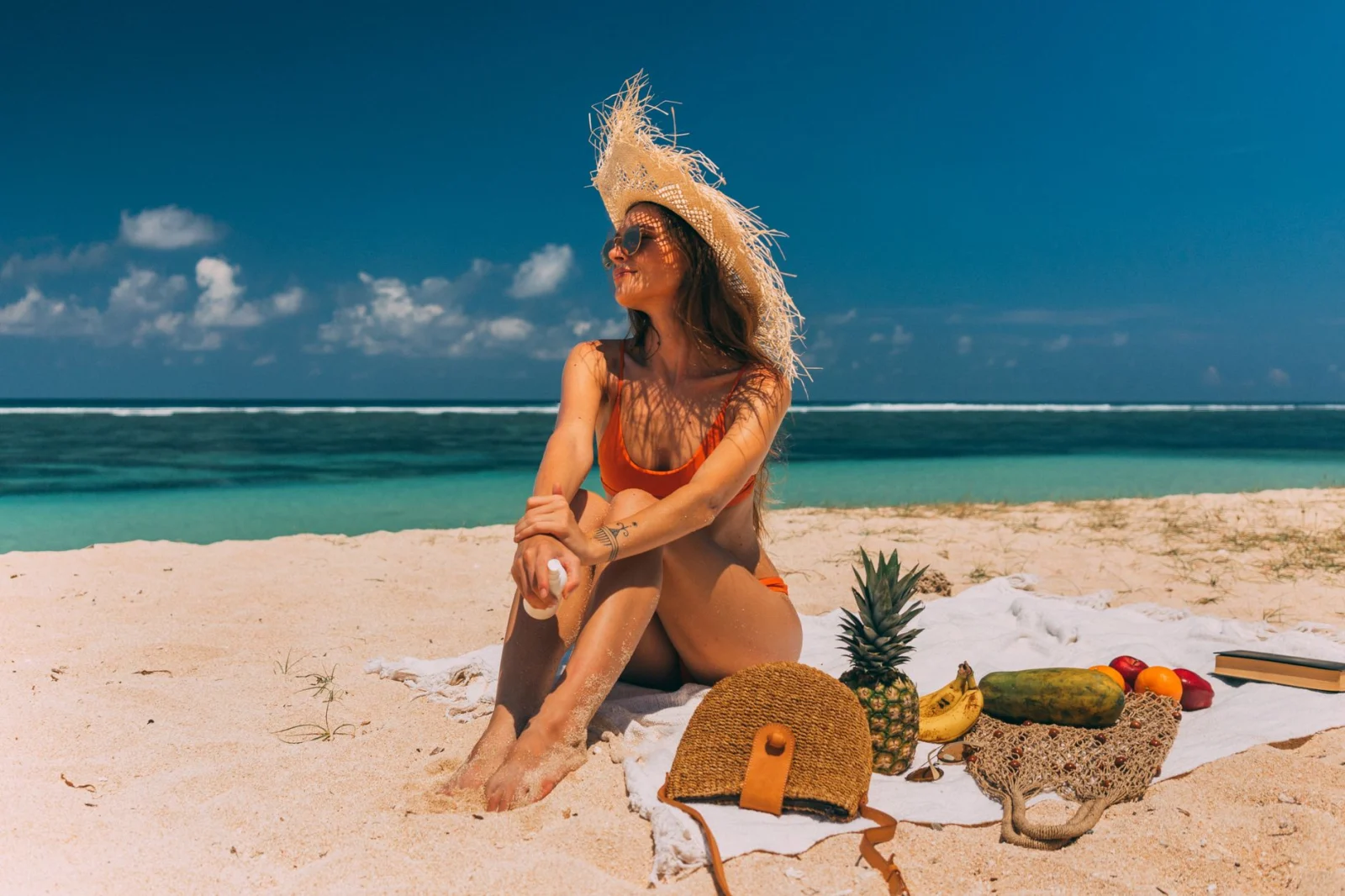
- Use reef-safe sunscreen where it’s required. Some destinations, including Hawaii and parts of the Caribbean, restrict sunscreens containing certain chemicals.
- Carry paper and digital copies of documents. Keep photocopies of your passport, insurance and prescriptions separate from the originals, and save photos of them to your phone.
- Bring a pen. Some arrival forms in port countries still have to be filled in on paper.
Your Day Bag for Port Days
- Use a light, zipped day bag. A cross-body bag or small backpack is safer in busy ports than an open tote. Pack your cruise card, photo ID, a little local cash and a card that doesn’t charge foreign transaction fees.
- Take a refillable water bottle and a dry bag. A dry bag protects your phone on tender boats and beach days. Many lines let you take water bottles ashore and refill them back on board.
- Note the all-aboard time and the port agent’s number. Both are in the daily programme or app. Take a photo of them in case your phone battery or signal fails.
Cabin Organisation Hacks
Inside and oceanview cabins are often around 150-180 sq ft, so storage makes a real difference. If you’re still deciding on a cabin, our guide to whether a balcony cabin is worth it over an inside cabin covers how much extra space you actually get.
- Packing cubes that double as drawers. Sort cubes by category (day, evening, swim, underwear) and put them straight on the shelves. Unpacking takes five minutes.
- Magnetic hooks. Most cabin walls and doors are metal. Royal Caribbean itself suggests heavy-duty magnetic hooks for hats, lanyards and bags.
- An over-the-door shoe organiser. Hang it on the bathroom or wardrobe door for sunscreen, chargers, toiletries and small items that would otherwise clutter the desk.
- A hanging toiletry bag. Cabin bathrooms have little counter space, and a bag that hooks over the door keeps everything visible.
- Extra hangers or a hanging organiser. Wardrobes often come with few hangers. Collapsible or cascading hangers make the space go further.
- Zip-lock or wet bags. Use them to keep damp swimwear away from dry clothes on the last day, when you have to pack before the pools close.
Packing for River Cruises, Families and the Last Night
River cruises have smaller cabins, less formal evenings and more walking tours, so pack lighter and focus on comfortable shoes and layers. Our Viking river cruise packing list covers what’s different. Travelling with little ones? See our baby and toddler cruise packing list for nappies, sleep gear and swim essentials.
One thing many packing guides leave out is the last night. On most big ships, checked bags must be outside your cabin by late evening, often around 10-11pm, for porters to collect. Before you sail, set aside a small “last night” bag in your carry-on with your disembarkation outfit, toothbrush, medications and documents, so nothing important ends up in the hold. If you haven’t booked yet, our guide to cruise deals and when to book can help you time it.
To keep everything else on track, use our printable cruise checklist, which runs from booking to disembarkation.
If you want to make the most of your sea days, take a look at our guide to the best books to read on a cruise, from mysteries at sea to books about your destination.
Planning to personalize your cabin? Pack flat magnetic signs in a folder and see our cruise door decoration ideas and rules before you go.
FAQs
What should you not pack for a cruise?
Leave power strips, surge protectors, extension cords, clothes irons, steamers, candles, spirits and beer at home. Most major lines ban them, and Royal Caribbean lists the electrical items and irons as fire hazards. Carnival also holds Bluetooth speakers until the end of the cruise and bans CBD products.
Can I bring my own alcohol on a cruise?
Usually only wine. Royal Caribbean and Carnival allow one 750ml bottle of wine or champagne per adult of legal drinking age, carried on at embarkation. Spirits and beer aren’t allowed, and a corkage fee may apply in restaurants.
Are magnetic hooks allowed on cruise ships?
Yes. Magnetic hooks aren’t on the major lines’ prohibited lists, and Royal Caribbean recommends them because most cabin walls are metal. They’re one of the most useful cruise packing hacks for small cabins.
How much luggage can you take on a cruise?
Mainstream lines don’t set a strict weight limit. They ask for a “reasonable amount”, and carry-on bags must fit through the terminal X-ray scanner. If you’re flying to the port, your airline’s allowance is the limit that matters.
What should be in my carry-on for embarkation day?
Your passport and cruise documents, all medications, swimwear, a change of clothes for dinner, your phone and charger, and any wine you’re bringing. Checked bags may not reach your cabin until the afternoon or early evening.