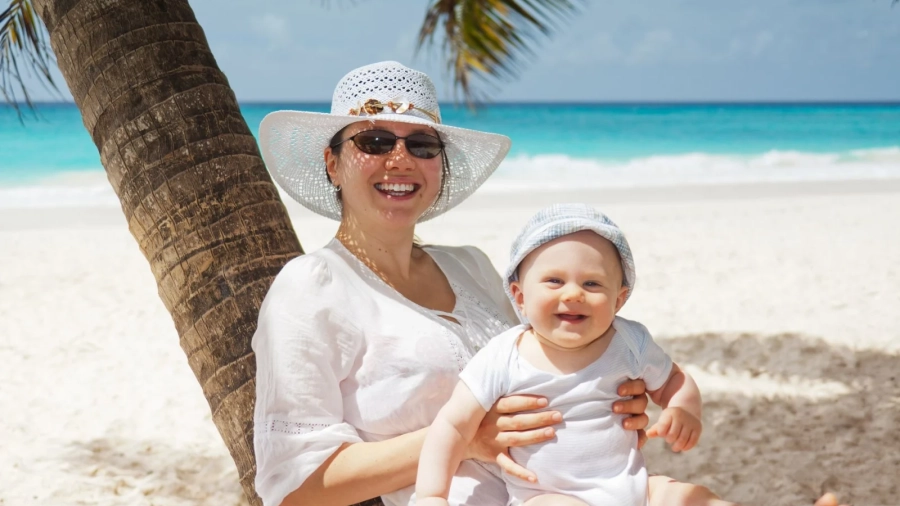
A good baby cruise packing list covers six things: travel documents, enough nappies and wipes for the whole trip, familiar food and milk, sleep kit for the cabin, sun protection, and a compact pushchair or carrier. Ships supply some baby basics, such as cots and high chairs, but rarely stock the brands and sizes you rely on, so pack the essentials and check what your cruise line provides before you go.
Free: download our 2027 Luxury Cruise Calendar →
The checklists below are grouped by category so you can tick items off as you pack. There is no separate download: simply print this page from your browser if you prefer a paper copy. The lists work for UK and US families alike, with notes where terms differ (nappies and diapers, pushchairs and strollers, cots and cribs).
Before You Pack: Age Rules and Documents
Check the minimum age before you book, because babies who are too young are refused boarding with no refund. Most big-ship lines set the limit at 6 months on the first day of the cruise, rising to 12 months on longer voyages with several sea days in a row.
| Cruise line | Standard minimum age | When 12 months applies |
|---|---|---|
| Royal Caribbean | 6 months | Transatlantic, transpacific, Hawaii, selected South American sailings and any cruise with 3+ consecutive sea days |
| Disney Cruise Line | 6 months | Transatlantic, Panama Canal and Hawaii itineraries |
| P&O Cruises | 6 months | Selected longer voyages, such as transatlantic crossings |
| Carnival | 6 months | Transatlantic, transpacific, Hawaii and South America |
| Celebrity Cruises | 6 months | Transatlantic, transpacific, Hawaii, Australia and selected South American sailings |
| Norwegian Cruise Line | 6 months | Cruises with 3+ consecutive sea days |
| Princess and Cunard | 6 months | Selected longer sailings |
| Oceania, Regent and other luxury lines | Often 12 months or older | Varies by line and ship |
Policies change, so confirm your line’s current rules at the time of booking.
Documents checklist
- Baby’s own passport (UK babies need one for any cruise leaving the UK; US families should check whether their sailing accepts a birth certificate)
- Birth certificate, especially if your child’s surname differs from yours
- Signed consent letter from the other parent if only one parent is travelling
- Booking confirmation and any onboard requests (cot, high chair, baby food) in writing
- Travel insurance documents that list the baby by name
- GHIC or EHIC card for UK families on European sailings
- Copies of any prescriptions and a short medical summary if your child has a health condition
Nappies, Wipes and Changing Checklist
This is the category that families most often under-pack. A young baby can easily go through 8 to 10 nappies a day, and onboard shops tend to carry only a small range of sizes at higher prices than you pay at home.
- Nappies for every day of the cruise, plus two or three days spare
- Wipes (more than you think: they clean faces, hands and sticky tables too)
- Nappy cream
- Nappy sacks or small bags for dirty nappies
- Portable changing mat
- Swim nappies, only if your ship has a baby splash area that allows them
- Hand sanitiser
- A small wet bag for damp clothes and swimwear
Swim nappy rules on cruise ships
Under public health rules, children in nappies or who are not fully toilet trained are generally not allowed in the main pools or hot tubs, even in swim nappies. Royal Caribbean, for example, limits them to Baby Splash areas found on selected ships such as Oasis of the Seas, Icon of the Seas and Wonder of the Seas. Disney ships have toddler splash zones too. If your ship has no baby splash area, a small inflatable paddling pool for the balcony or a shallow beach day in port can fill the gap. Our guide to the best Royal Caribbean ships for kids of each age shows which ships suit babies and toddlers.
Feeding Checklist for Babies and Toddlers
- Formula or milk in the brand your baby is used to, enough for the whole trip
- Bottles, teats and a compact bottle brush
- Steriliser bags or cold-water sterilising tablets
- Pouches or jars of baby food for the first days and port days
- Toddler snacks (oat bars, rice cakes, dried fruit)
- Sippy cup or beaker
- Silicone or wipe-clean bibs
- Baby spoons and a small travel bowl
- Insulated bag for milk or snacks on shore excursions
- Breast pump and storage bags if you express
Most buffets and main restaurants can mash or purée food on request, and high chairs are standard on all big family lines. Disney prepares puréed vegetables in its main dining rooms or through room service, provides bottle warmers and sterilisers, and lets you carry unopened, pre-packaged baby food and formula on board. Royal Caribbean also allows you to bring your own and has offered pre-ordered baby supplies delivered to your cabin. UK lines such as P&O Cruises and Cunard have traditionally offered jars of baby food, but check the current list before you rely on it. One tip that many lists miss: US-based ships rarely have kettles in cabins, so if you make up powdered formula with freshly boiled water, ask guest services how they can help or pack ready-to-feed cartons instead.
Sleep and Cabin Checklist
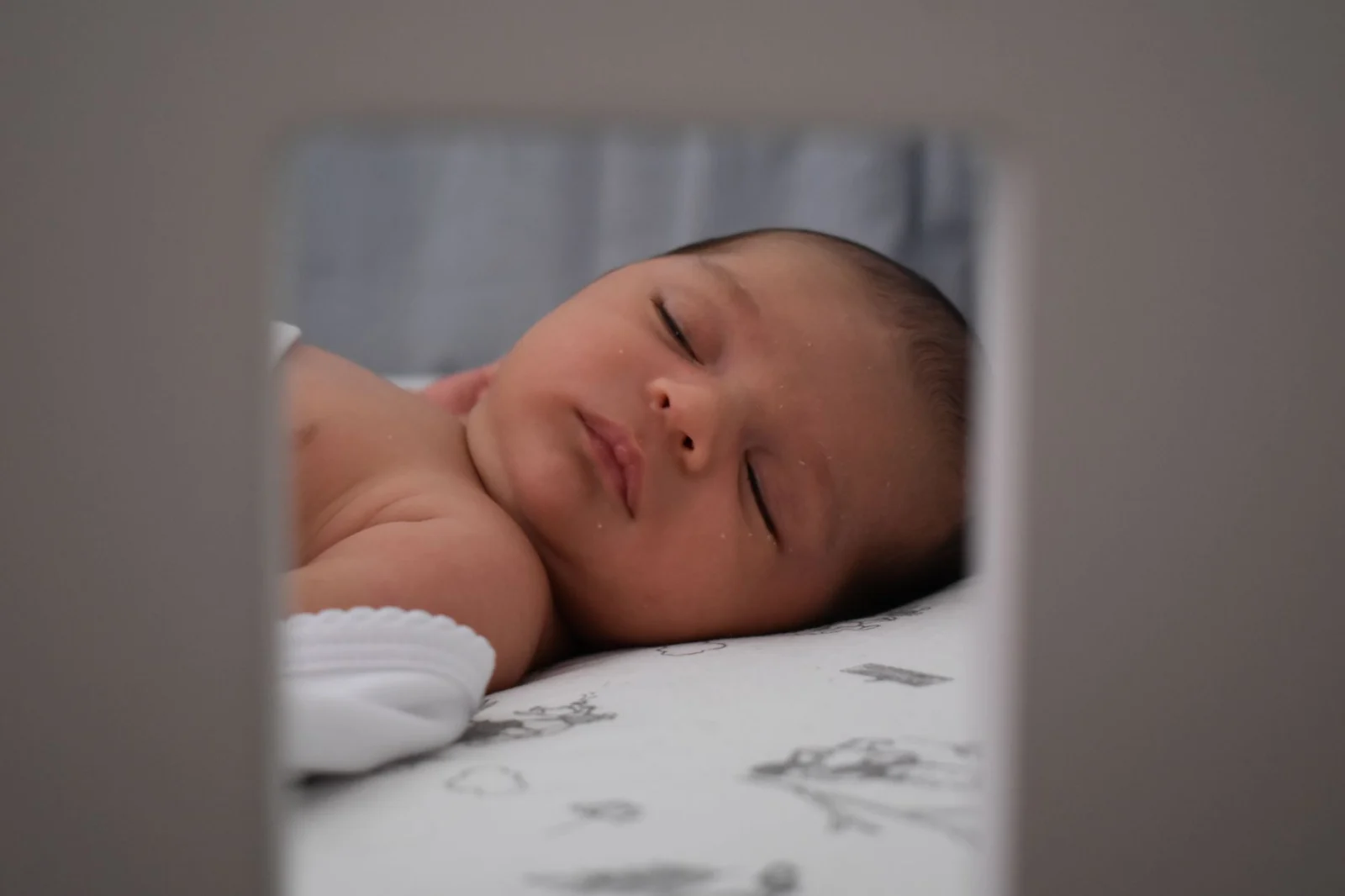
Cabins are compact, so a few small items make bedtime much easier. Request your cot when you book, then pack the bedding your baby is used to.
- Fitted cot sheets (ship cots often come with adult linen or none at all)
- Baby sleeping bag or sleep suit
- Portable blackout blinds or a pop-up sleep tent
- White noise machine or app
- Night light, since inside cabins are pitch dark
- Favourite comforter, dummy and a spare
- Baby monitor (check it works across the cabin and balcony)
- Magnetic hooks for hanging bags and hats on the metal walls
- Socket covers and a door stop or strap for wardrobe doors
- Small inflatable bath or bath seat, as many cabins only have a shower
Cabin choice matters too. An inside cabin is dark for daytime naps and cheaper, while a balcony gives parents somewhere to sit after an early bedtime. Our balcony vs inside cabin comparison weighs up both. If you book a balcony, keep chairs and tables well away from the railing and never leave a toddler out there alone.
Clothes and Sun Protection Checklist
- Two outfits per day for babies, plus a few spares for spills
- Pyjamas or sleepsuits for every night
- Long-sleeved UV swimsuit or rash vest
- Wide-brimmed sun hat with a chin strap (bring two)
- Baby-safe high-factor sunscreen (sun cream is generally not advised for babies under 6 months, so rely on shade and clothing)
- Light cardigan or fleece for air-conditioned venues and windy decks
- Water shoes or soft sandals for toddlers
- An outfit for formal or themed nights, if you want family photos
- Travel wash liquid, as some ships have self-service launderettes
Medicine and First Aid Checklist
The ship’s medical centre can treat babies, but consultations are charged and it may not stock children’s medicines in the brands or doses you know.
- Infant paracetamol and ibuprofen suitable for your baby’s age
- Digital thermometer
- Oral rehydration sachets
- Teething gel or granules
- Antihistamine suitable for children, if your GP or paediatrician recommends one
- Plasters, antiseptic cream and after-sun
- Saline drops and a nasal aspirator
- Any prescribed medicines in original packaging
Ask your doctor about seasickness before giving any remedy to a baby or toddler, as many adult treatments are unsuitable for young children.
Pushchair, Carrier and Toddler Kit
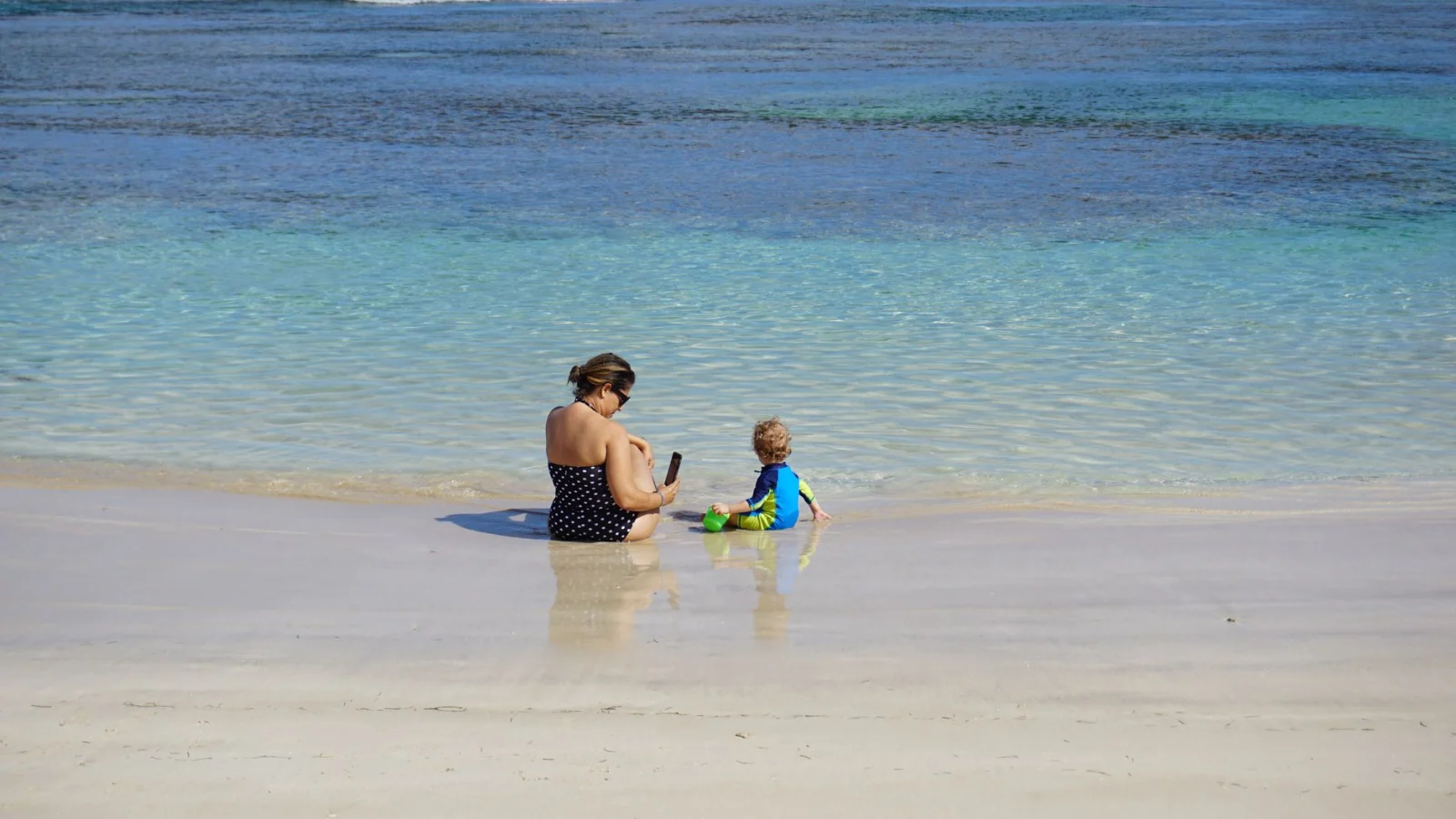
Choose a lightweight, compact pushchair (stroller) that folds small enough to store in your cabin, because corridors are narrow and lifts get busy. Some lines, including Disney, offer complimentary strollers on board, but availability is limited. A carrier is often quicker for embarkation day, tender boats and excursions with steps or cobbles.
- Compact folding pushchair with sunshade and rain cover
- Sling or soft carrier
- Clip-on fan for the pushchair
- Small toys, board books and a tablet with downloaded shows (onboard Wi-Fi can be slow and costly)
- Bucket and spade for beach days
- Reins or a wrist strap for busy ports
- Lanyard or ID wristband with your cabin number and mobile number
Embarkation Day Bag
Your main luggage may not reach the cabin until late afternoon, so keep a separate hand-luggage bag for the first few hours.
- Passports and boarding documents
- Nappies, wipes and a changing mat for at least six hours
- Milk, bottles, snacks and a change of clothes
- Medicines
- Swimwear and sun cream
- A comforter and dummy for the first nap
What Not to Pack
- A full-size travel system or heavy double buggy, unless you truly need it
- Your own travel cot, as the ship will provide one free
- Extension leads with surge protectors, which are banned on most ships
- Plug-in candle warmers, irons or anything with a heating element (bottle warmers are often fine, but check)
- Too many toys: kids’ clubs, play areas and the ship itself keep little ones busy
- Every outfit you own, if your ship has a launderette or a laundry service
Is Cruising With a Baby Worth It?
For many families, yes. You unpack once, food is included in the fare on most lines, and babies under two often sail at a reduced fare as a third or fourth guest, so it is worth comparing prices across lines. Our guide to cruise deals and when to book explains how to find the best value. Pack well using the lists above, confirm what your ship supplies, and you will spend more time enjoying the holiday and less time hunting for the right size of nappy in a port shop.
Still choosing a ship? Our guide to the best cruise ships for kids and families compares kids clubs and family facilities by age.
For the rest of your planning, our complete cruise checklist covers documents, check-in and embarkation day.
Parents may also want a roomy cruise carry-on bag for nappies, snacks and swimwear on embarkation day.
FAQs
How old does a baby have to be to go on a cruise?
Most major lines, including Royal Caribbean, Disney, P&O Cruises, Carnival, Celebrity and Princess, require babies to be at least 6 months old on the first day of the cruise. Transatlantic, Hawaii, transpacific and other long sea-day itineraries usually require 12 months, and some luxury lines set 12 months or older for every sailing.
Can babies in nappies go in cruise ship pools?
Usually not. Public health rules mean children in nappies or swim nappies, or who are not fully toilet trained, are kept out of the main pools and hot tubs. Some ships have dedicated baby splash areas where swim nappies are allowed, so check your ship before you pack the swimming kit.
Do cruise ships provide cots for babies?
Yes, nearly all mainstream lines supply a cot or travel cot free of charge if you request it in advance. Many do not supply fitted sheets or sleeping bags in baby sizes, so bring your own bedding.
Should I bring nappies on a cruise or buy them on board?
Bring them. Onboard shops on most lines carry a limited range of sizes at higher prices, and they can sell out. Pack enough for the whole trip plus a few days spare, or pre-order through the line if it offers a delivery service.
Do I need a passport for my baby on a cruise?
For UK families, yes: every baby needs their own passport for any cruise leaving the country. US families on some closed-loop sailings from US ports can use a birth certificate, but a passport is the safer choice in case you need to fly home from a foreign port.