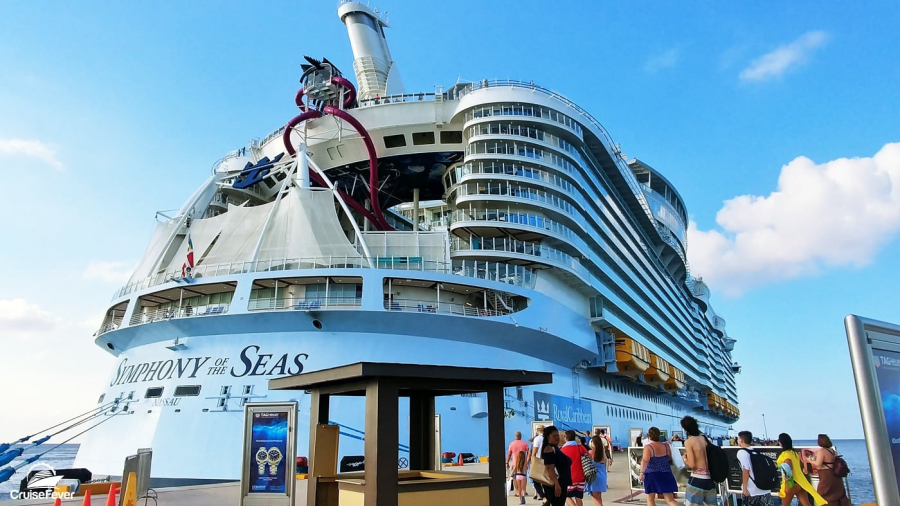
Royal Caribbean continues to alter cruise itineraries for their Oasis class ships due to an issue with a pier in San Juan, Puerto Rico.
Our free cruise newsletter offers the latest news and deals: Sign Up
Larger ships like Royal Caribbean’s Oasis class are unable to dock in San Juan at this time due to an ongoing technical issue with the pier.
Royal Caribbean first started making changes to itineraries earlier this month and the cruise line sent out notices to guests booked on tomorrow’s sailing on Symphony of the Seas.
The letter stated the following:
“We’ve recently been advised by the port authority in San Juan, Puerto Rico, that due to technical issues with the pier and work that must be done and cleared by the USCG for accepting a ship our size, we’ll have to adjust our itinerary for our sailing.
“As a result, we’ll skip our visits to San Juan, Puerto Rico and Philipsburg, St. Maarten.
“After exploring all options, and to provide you with the best experience, we’ll now enjoy visits to our private destination, Labadee, Haiti and to Falmouth, Jamaica, instead.”
The letter went on to say that Royal Caribbean is sorry for any inconveniences that this itinerary change may have caused.
Symphony of the Seas. Photo Credit: Cruise Fever
Symphony of the Seas’ December 1 new itinerary is as follows:
Sunday – Depart from Miami
Monday – Perfect Day at CocoCay
Tuesday – Sea Day
Wednesday – Labadee, Haiti
Thursday – Sea Day
Friday – Falmouth, Jamaica
Saturday – Sea Day
Sunday – Arrive in Miami
The original itinerary was Coco Cay, sea day, San Juan, St. Maarten, and then two sea days before arriving back in Miami.
Symphony of the Seas currently homeports in Miami, Florida sailing seven-night cruises to the Caribbean.
Cruise Fever will continue to monitor the pier situation in San Juan and will have all updates as more information comes in.
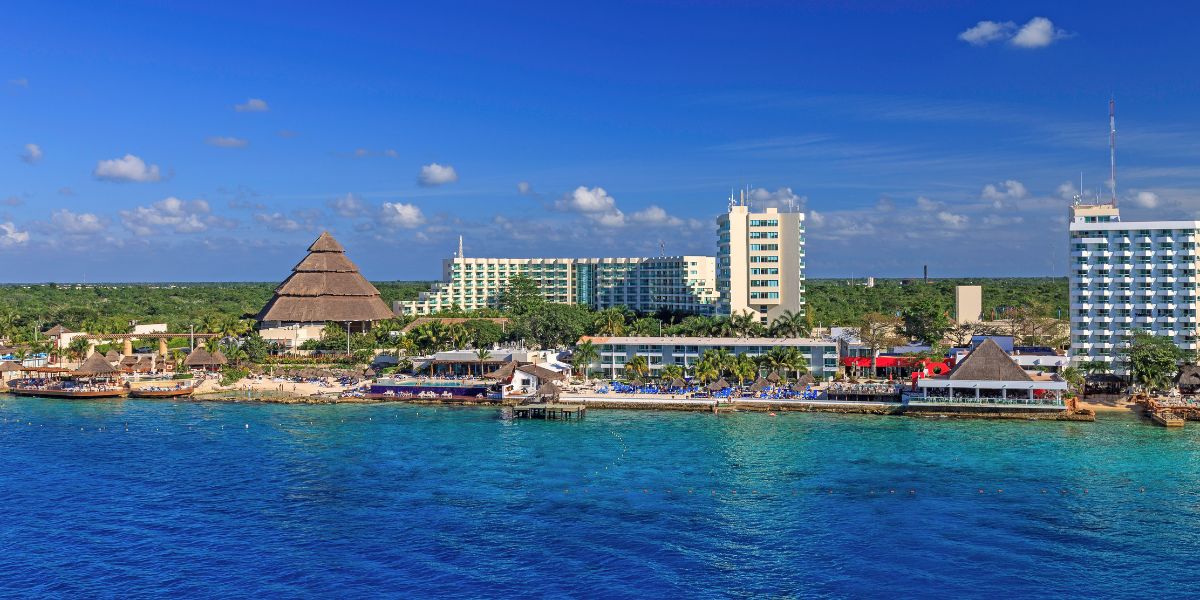
Mexico, one of the most popular cruise destinations in the world, may see a significant reduction in cruise traffic if a proposed $42 per person “immigration fee” for cruise passengers takes effect in 2026.
The Florida Caribbean Cruise Association (FCCA), representing 23 cruise lines, has formally requested Mexico’s president, Claudia Sheinbaum, to reconsider the tax.
The FCCA, acting on behalf of major cruise lines like Carnival Cruise Line, MSC Cruises, Royal Caribbean, and Norwegian Cruise Line, warns that the fee could lead to cruise lines altering itineraries, which would have severe economic repercussions for Mexican port cities.
The tax, officially called the “Non-Resident Fee,” would apply to all cruise passengers and significantly increase costs for travellers.
According to the FCCA’s letter, cruise lines are already considering changes to itineraries, which could reduce the more than 10 million passengers and 3,300 cruise ship arrivals expected in Mexico for 2025.
“Cruise lines are actively considering significantly altering itineraries, which would reduce the more than 10 million passengers and 3,300 cruise ship arrivals expected to visit Mexico in 2025,”
Letter from the Florida Caribbean Cruise Association
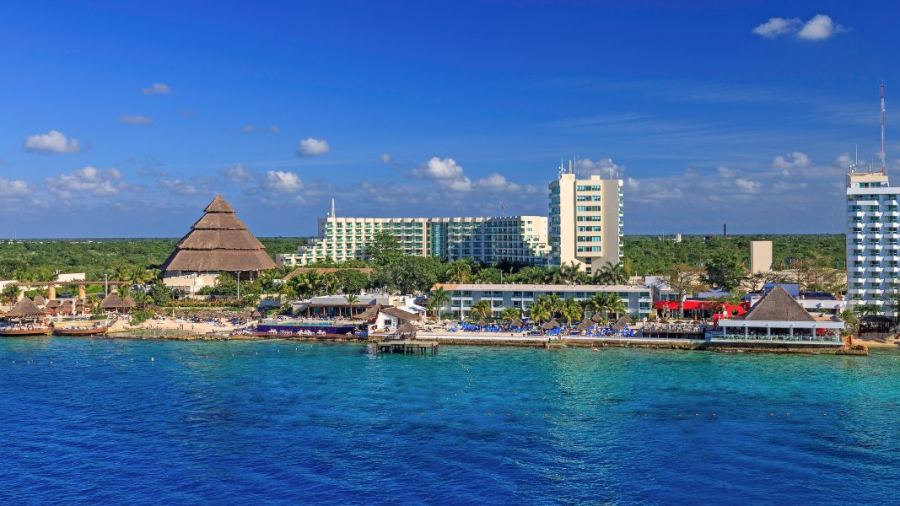
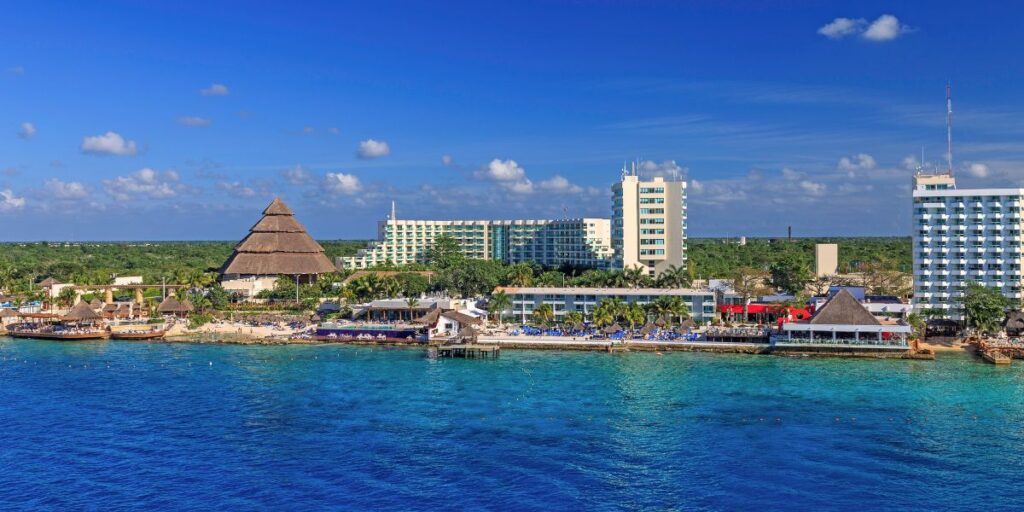
Mexican ports such as Cozumel, Costa Maya, Ensenada, and Cabo San Lucas are staples on itineraries ranging from short 3-night sailings to longer repositioning cruises.
Ships departing from U.S. homeports like Miami, Galveston, and Long Beach regularly include multiple stops in Mexico, potentially multiplying the impact of the tax on family budgets.
The FCCA’s letter also highlights the potential threat to ongoing cruise line investments in Mexico. These include major infrastructure projects, such as Royal Caribbean’s upcoming “Perfect Day Mexico” destination in Mahahual near Costa Maya, and other port developments designed to attract more cruise traffic.
“This proposed tax could also jeopardize the cruise industry’s investments in the country, including billions in planned developments and other projects,” the letter reads.
The $42 immigration fee is not Mexico’s first tax on tourists. Since 1999, non-resident visitors have been subject to a fee currently set at approximately $33 USD. However, cruise passengers have traditionally been exempt if their stay in Mexico is less than seven days.
The proposed tax would add to other charges cruise lines already pay, such as docking fees and taxes based on a ship’s capacity.
It is separate from a $5 per person state tax approved in Quintana Roo, home to Cozumel and Costa Maya, which goes into effect in 2025.
While $42 may not seem excessive for solo travellers, it can significantly impact families cruising together, particularly if the fee is applied at every Mexican port on an itinerary. For example, a family of four visiting three ports in Mexico would face an additional $504 in taxes on top of their cruise fare.
Tourism taxes often aim to fund infrastructure and improve attractions, but this proposed fee risks discouraging cruise travellers, who already contribute to local economies through excursions, dining, and shopping.
The FCCA is advocating for adjustments to the proposed fee, as cruise bookings for 2026 are already underway. Whether Mexico revises or rescinds the tax could determine how many ships and passengers continue to visit its ports in the future.
NEW DEALS JUST RELEASED!
Don’t miss these hot cruise offers…
Related posts
If you found this interesting, please share!
Jenni Fielding is the founder of Cruise Mummy. She has worked in the cruise industry since 2015 and has taken over 30 cruises. Now, she helps over 1 million people per month to plan their perfect cruise holidays.
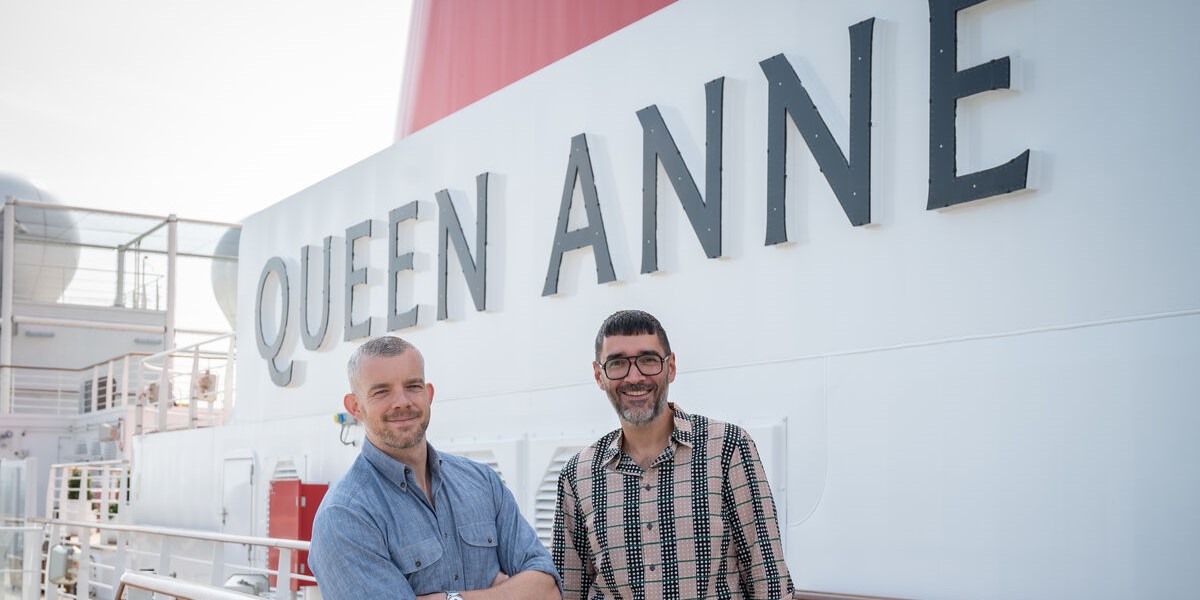
Cunard has teamed up with Talk Art podcasters Russell Tovey and Robert Diament to offer guests a new way to explore the Queen Anne’s vast art collection. The ship boasts the largest curated…
A highly anticipated voyage to Antarctica aboard Swan Hellenic’s Diana has turned into a public relations crisis after a propulsion issue forced the ship to cancel all port calls, leaving passengers frustrated…
New research has confirmed what Cunard passengers have long believed: a journey across the Atlantic on board the Queen Mary 2 is more than a luxurious getaway – it’s a…
A woman banned from joining residential ship Villa Vie Odyssey when it set sail on an “endless cruise” from Belfast in October is elated to finally be able to board…
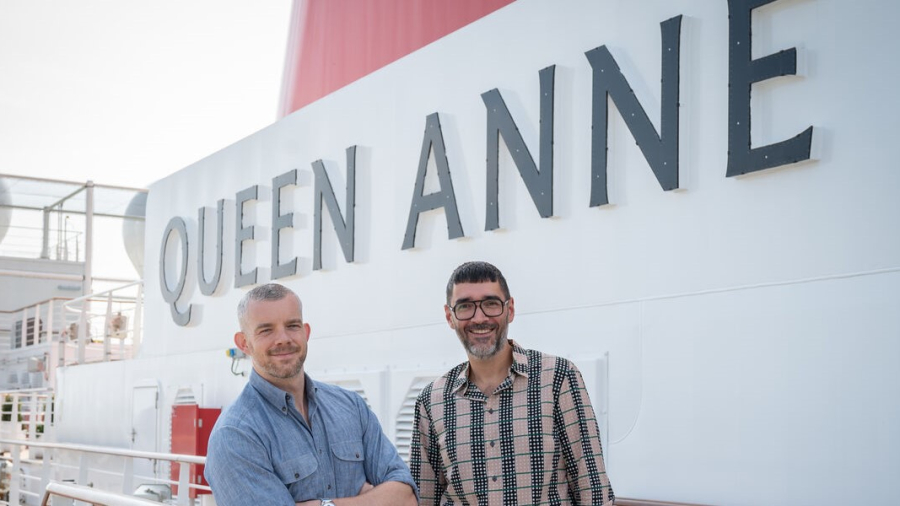
Cunard has teamed up with Talk Art podcasters Russell Tovey and Robert Diament to offer guests a new way to explore the Queen Anne’s vast art collection.
The ship boasts the largest curated art collection at sea, with over 4,300 contemporary works from more than 300 artists and designers.
As part of the collaboration, Tovey and Diament have created a self-guided audio tour showcasing over 40 pieces of art.
The tour, launched this month, is part of Queen Anne’s activities programme and aims to make contemporary art more accessible.
Katie McAlister, president of Cunard, expressed the company’s enthusiasm for the partnership.
“We’re passionate about making contemporary art more accessible. That’s why we’re delighted to partner with the remarkable Talk Art team to support emerging artists, reach new audiences, and continue offering our guests unique experiences,”
Katie McAlister
The audio tour features Tovey and Diament introducing individual works, uncovering their inspiration, and sharing insights from interviews with the artists. Tovey said the project celebrates Cunard’s dedication to contemporary art.
“We hope our guide will bring to life the themes and hidden stories that lie within each of the paintings, photographs, and sculptures,”.
Russell Tovey
The Queen Anne’s collection combines work by up-and-coming talents from leading institutions such as the Royal College of Art and Parsons The New School with that of established artists.
Robert Diament highlighted Cunard’s support of new talent, noting how the tour showcases works from renowned art schools like Central Saint Martins.
Among the standout pieces is a commissioned photographic work by Aaron Tilley, a London-based conceptual still-life photographer.
His Tales of Cunard piece features vintage Cunard artifacts, including crystal sculptures, jewellery, and a 1936 cardboard model of the Queen Mary. It will be displayed in the Princess Grill suites.
Cunard’s collaboration with Talk Art offers a fresh perspective on maritime art, providing guests with an engaging and innovative way to explore the ship’s rich artistic offerings.
NEW DEALS JUST RELEASED!
Don’t miss the latest Cunard offers…
Related posts
If you found this interesting, please share!
Jenni Fielding is the founder of Cruise Mummy. She has worked in the cruise industry since 2015 and has taken over 30 cruises. Now, she helps over 1 million people per month to plan their perfect cruise holidays.
Mexico, one of the most popular cruise destinations in the world, may see a significant reduction in cruise traffic if a proposed $42 per person “immigration fee” for cruise passengers…
A highly anticipated voyage to Antarctica aboard Swan Hellenic’s Diana has turned into a public relations crisis after a propulsion issue forced the ship to cancel all port calls, leaving passengers frustrated…
New research has confirmed what Cunard passengers have long believed: a journey across the Atlantic on board the Queen Mary 2 is more than a luxurious getaway – it’s a…
A woman banned from joining residential ship Villa Vie Odyssey when it set sail on an “endless cruise” from Belfast in October is elated to finally be able to board…
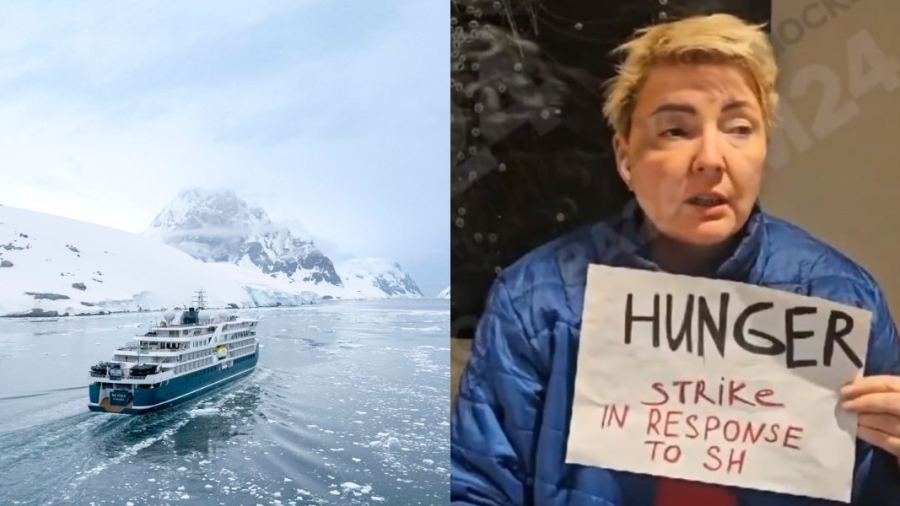
A highly anticipated voyage to Antarctica aboard Swan Hellenic’s Diana has turned into a public relations crisis after a propulsion issue forced the ship to cancel all port calls, leaving passengers frustrated and demanding full refunds, with a small number staging a hunger strike in protest.
The 192-guest Diana, built in 2023 with an ice-resistant hull for polar expeditions, departed Cape Town, South Africa, on 13th November 2024, for a 21-day voyage to Ushuaia, Argentina.
However, on 28th November, passengers took to social media to reveal that an engine failure had resulted in the cancellation of all planned stops in Antarctica, including iconic destinations such as Elephant Island, Deception Island, and Yankee Harbour.
It’s since been confirmed by a journalist onboard that it’s a problem with a propellor bearing rather than the engine itself.
Swan Hellenic offered affected guests a 50% refund or a 65% Future Cruise Credit, a gesture CEO Andrea Zito stated exceeded the legally required 30%.
“The 3.5 days lost on the Antarctic Peninsula leg of the sailing, understandably, was considered by most guests to be a highlight of the 21-day cruise. In terms of compensation, the technical difficulties occurred on day 14. As a result, guests were offered a 50% cash refund on the price of the cruise,”
Andrea Zito
Despite this, some passengers criticised the compensation as inadequate. One guest described the experience as “a scam” on social media and revealed that a hunger strike involving a small group of passengers had begun onboard.
Круизный лайнер SH Diana сломался по дороге в Антарктиду . Русские подняли бунт , и присоединившиеся к ним китайцы объявили голодовку . Компания предложила вернуть 50% суммы либо скидку в 65% на следующий круиз . Из 170 человек многие согласились , но русские требуют 100% . pic.twitter.com/yCD0xwzQta
Another passenger noted that most guests appeared calm and had accepted the compensation, though disappointment over missing Antarctica was widely shared.
Also sailing in @swanhellenic SH Diana and would concur with your comments. Passengers are understandably disappointed at not reaching Antarctica but are happy to know we are being safely taken to our final destination in great comfort @TravWritershttps://t.co/hfYhklhhIX
Swan Hellenic has called the hunger strike counterproductive but expressed its regret over the situation. The company assured passengers that their safety and comfort were priorities as the ship made its way to Ushuaia.
It remains unclear when Diana will reach Ushuaia or how long repairs will take to address the propulsion issue.
The disruption has raised concerns about upcoming voyages, including the Diana’s 10-day Antarctic Peninsula Odyssey scheduled to depart on 3rd December 2024, as well as two additional Antarctic sailings later in the month.
The Diana is the largest ship in Swan Hellenic’s fleet, featuring three restaurants and lounges, ocean-view and balcony cabins, and luxurious suites.
Delivered in March 2023, the 12,100-gross-ton vessel was designed specifically for polar expeditions but has now faced a significant setback in fulfilling its itineraries.
Swan Hellenic has acknowledged the frustration and disappointment of passengers missing the Antarctic portion of the cruise.
For many, the planned stops were the highlight of the voyage, and the unexpected change of itinerary has left a lasting impression. While the company continues to work toward a resolution, the incident underscores the challenges and risks of expedition cruising in remote regions.
NEW DEALS JUST RELEASED!
Don’t miss these hot cruise offers…
Related posts
If you found this interesting, please share!
Jenni Fielding is the founder of Cruise Mummy. She has worked in the cruise industry since 2015 and has taken over 30 cruises. Now, she helps over 1 million people per month to plan their perfect cruise holidays.
New research has confirmed what Cunard passengers have long believed: a journey across the Atlantic on board the Queen Mary 2 is more than a luxurious getaway – it’s a…
A woman banned from joining residential ship Villa Vie Odyssey when it set sail on an “endless cruise” from Belfast in October is elated to finally be able to board…
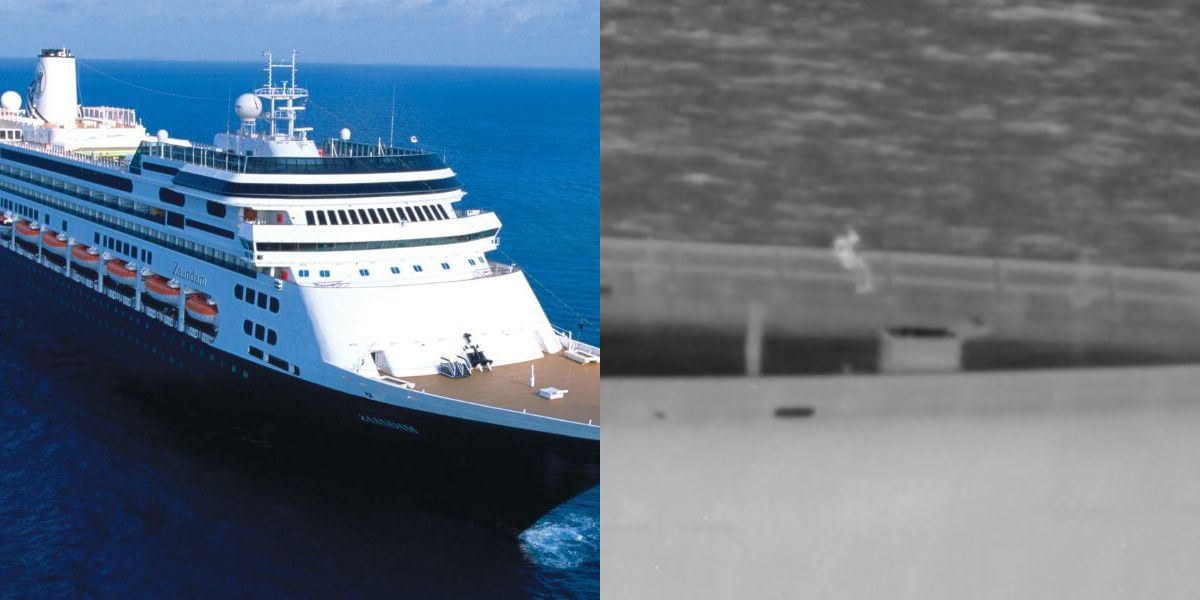
A medical emergency aboard Holland America Line’s Zaandam cut short a cruise vacation for one guest when the US Coast Guard evacuated him for urgent care on 26th November, 2024….
The 2024 Cruise Ship Report Card, released by Friends of the Earth, shows troubling results for the cruise industry’s environmental efforts. Five cruise lines owned by Carnival Corporation received failing…
Other times, someone might ask the cruise line for a specific food request due to their personal preferences.
Carnival Carnival Line’s Brand Ambassador, John Heald, posted on his Facebook page this week about a strange dining request he received for an upcoming cruise.
It was so strange, that even the lady who asked him about the request called it strange.
A wife asked Heald if the ship could supply her husband with tortilla shells with all his meals on their upcoming Carnival Jubilee sailing.
The request she sent to Heald can be read below:
“John this is a strange request but y’all can help me if anyone can. December 7th me and my husband _____ are going on the Jubilee ship. He eats all his meals wrapped in a tortilla like a burrito.
“It is the perfect eating system for him. Everything goes in a tortilla. Don’t matter what it is he has to put all his food in them. I know y’all have tortillas on the ship at the Mexican place. My request is that they are on his table at dinner time. He will need probably a dozen each night.
“_______ is a _______and a volunteer firefighter in Marathon. He loves his food and his cruises. Thank you for getting this done. Cabin ____.”
Heald responded with “Of course I will provide these for him. I was thinking how messy this would be but then again………..that sounds like loads of fun as well”.
He went on to say that it was the best question that he received all day.
His Facebook page is used to share information about Carnival Cruise Line, this includes everything from news to special menus to policy changes.
It is also a place where those with upcoming Carnival cruises can ask questions, leave ship reviews, post photos and other things related to Carnival.
A cruise line has announced two new cruises for 2025 that take small ship cruising to a new level. One of the cruises has no fixed itinerary to maximize wildlife viewing.
Our free cruise newsletter offers the latest news and deals: Sign Up
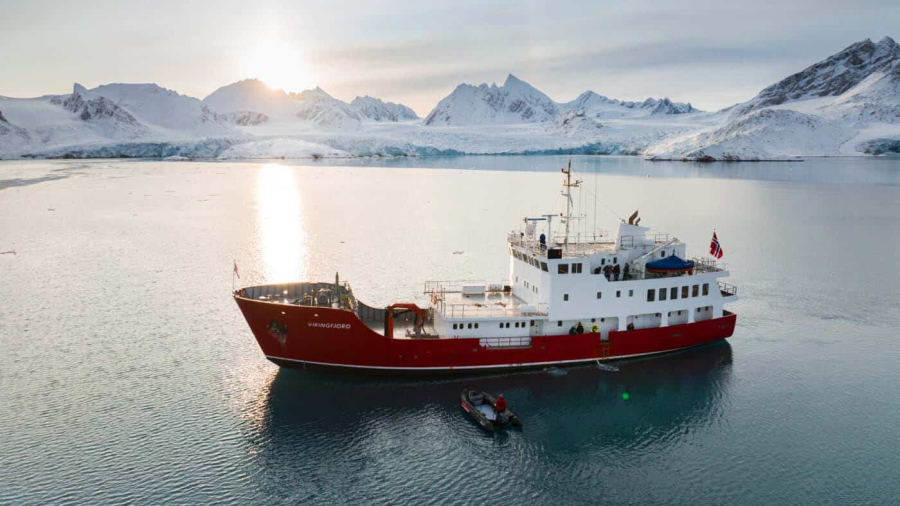
MV Vikingfjord, the newest ship from Secret Atlas. Photo: Secret Atlas
Secret Atlas has unveiled two new micro cruise expeditions that will set sail next year. Each cruise will have just 12 passengers on energy-efficient ships that have just eight cabins.
These cruises will give passengers adventure and exploration as they visit Northern Svalbard. They will witness incredible landscapes, rare wildlife encounters, and transformational experiences.
Guests ashore during an excursion with Secret Atlas – Photo: Secret Atlas
The first of these two cruises will a 15-day voyage during summer solstice that departs on June 13, 2025. Guests will have the opportunity to photograph Arctic hares, whales, migratory birds, and polar bears.
The cruise will depart from Longyearbyen and follow the weather and wildlife along that coast that connects Svalbard with the North Pole.
It will take place on Secret Atlas’ newest ship, MV Vikingfjord. It has en-suite cabins, an open-plan saloon with rear-facing windows, and on-deck hot tub and sauna.
MV Vikingfjord – Photo: Secret Atlas
Prices start at $24,542 per person based on double occupancy in a twin or double cabin.
The second micro cruise will visit Greenland National Park during a 14-day journey to the Scoresbysund fjord system, the largest in the world.
The cruise departs on August 27, 2025 and has no fixed itinerary.
During the sailing, guests will see cathedral-size icebergs, local wildlife including musk ox, Arctic foxes, Arctic hares, and polar bears as well as a unique visit to one of the most remote towns on the planet, Ittoqqortoormiit.
The cruise will take place on MV Freya, which has spacious en-suite cabins, a large dining saloon bar, and multiple viewing decks with first-class comforts.
MV Freya – Photo: Secret Atlas
Prices start at $19,514 per person based on double occupancy. This includes a return charter flight to Constable Point (Nerlerit Inaat) Airport Dinner and one night in Iceland hotel (on return).
Secret Atlas was launched five years ago and is run by Explorers for Explorers. Their trips to the Arctic are capped at 12 passengers and their journeys to Antarctic at just 48 guests.
New research has confirmed what Cunard passengers have long believed: a journey across the Atlantic on board the Queen Mary 2 is more than a luxurious getaway – it’s a powerful boost for mental and emotional wellbeing.
The study, commissioned by Cunard and conducted by the Human Understanding Agency, Walnut, has shown that just five days at sea can significantly improve cognitive abilities, memory, and problem-solving skills, while also reducing stress levels.
The pioneering neuroscience study explored the impact of Cunard’s iconic transatlantic crossing from Southampton to New York.
Biometric tools were used to monitor 40 guests from around the world, revealing remarkable changes in their cognitive and emotional states.
The findings highlighted notable improvements in several areas:
Memory: A 29% increase in short-term memory performance, evidenced by improved word recall.
Problem-solving: A staggering 125% improvement in complex logical and spatial reasoning tasks.
Attention: Participants showed a 14% rise in focus during visual tasks.
Relaxation: Guests reported feeling 158% more relaxed, with stress hormone levels dropping by 35%.
Dr Jack Lewis, a neuroscientist involved in the study, explained the connection between reduced stress and enhanced cognitive function.
“What stands out for me in this study is how neatly all the pieces fit together. The passengers’ time on the ship clearly reduced their stress levels, based on subjective and objective measures.
“The main stress hormone cortisol is well-known in the science research literature to interfere with various cognitive processes. So the boost in memory and logical reasoning capacity identified in this study is likely to be attributed to the stress-relieving impact of ocean travel. This, combined with the amazing array of stimulating activities onboard, allows the passengers’ brains to unlock their full potential,”
Dr Jack Lewis
Beyond the cognitive benefits, the study underscores Cunard’s thoughtful approach to passenger wellbeing.
Guests aboard the Queen Mary 2 enjoy a mix of enriching and rejuvenating experiences, from world-class dining and personalised wellness treatments to the Cunard Insights programme, which features expert-led lectures on diverse topics.
Combined with the ship’s serene ocean views and Cunard’s impeccable White Star Service, passengers are offered a holistic sanctuary for relaxation and renewal.
Katie McAlister, President of Cunard, reflected on the significance of these findings.
“This study reinforces what we have always believed: a Cunard voyage is so much more than a holiday. Our curated enrichment programmes, world-class dining, bespoke wellness experiences, and renowned White Star Service leave our guests feeling truly refreshed, inspired and reinvigorated,” she said.
For over 180 years, Cunard has been a pioneer in ocean travel, offering guests a unique way to escape the demands of everyday life.
This new research now adds scientific credibility to the idea that a journey with Cunard isn’t just a luxury – it’s a transformative experience for the mind, body, and soul.
Whether seeking a mental refresh or simply a serene getaway, Cunard’s transatlantic crossings offer an extraordinary way to unlock your full potential while sailing the high seas.
NEW DEALS JUST RELEASED!
Don’t miss the latest Cunard offers…
Related posts
If you found this interesting, please share!
Jenni Fielding is the founder of Cruise Mummy. She has worked in the cruise industry since 2015 and has taken over 30 cruises. Now, she helps over 1 million people per month to plan their perfect cruise holidays.
A woman banned from joining residential ship Villa Vie Odyssey when it set sail on an “endless cruise” from Belfast in October is elated to finally be able to board…
A medical emergency aboard Holland America Line’s Zaandam cut short a cruise vacation for one guest when the US Coast Guard evacuated him for urgent care on 26th November, 2024….
The 2024 Cruise Ship Report Card, released by Friends of the Earth, shows troubling results for the cruise industry’s environmental efforts. Five cruise lines owned by Carnival Corporation received failing…
Carnival’s Brand Ambassador John Heald has confirmed that upside-down pineapples are no longer permitted on Carnival ships as a door decoration, and would be removed if seen – but has…
A woman banned from joining residential ship Villa Vie Odyssey when it set sail on an “endless cruise” from Belfast in October is elated to finally be able to board next month.
Bonny Kelter, one of two would-be passengers whose contracts were terminated for making critical comments in a private WhatsApp group, has reached an agreement with Villa Vie Residences.
She will now join the ship in Panama City on December 17, just in time for the South America segment of its maiden three-and-a-half-year world cruise.
The initial sailing, originally planned for May, had been delayed by a series of repairs and inspections, leading to frustration among passengers who had already committed substantial sums for their new homes aboard the vessel.
Bonny, who paid over £75,000 for her cabin, was left stranded onshore when the ship finally departed in October, despite having already moved nine boxes and two suitcases onboard – including her medicines and jewellery.
“I am happy that Villa Vie Residences and I were able to resolve our issues,
“I am elated about joining the ship and beginning the fulfillment of my lifetime dream of traveling the world while living aboard a cruise ship.”
Bonny Kelter
The other woman banned over the WhatsApp messages, Jenny Phenix, remains in dispute with Villa Vie Residences, highlighting ongoing tensions among those affected by the delays.
The Odyssey represents a growing trend of residential cruise ships, where passengers purchase cabins to live aboard full-time as the vessel travels the globe.
For some, it offers a dream lifestyle of adventure and community, while for others, delays and disputes have cast a shadow over the experience.
Villa Vie Residences has not yet commented on the matter, but the controversy surrounding the bans raises questions about how companies handle customer dissatisfaction, particularly in the context of high-cost ventures like residential cruising.
With tickets often costing hundreds of thousands of pounds, maintaining positive relationships with residents is critical to the success of these floating communities.
The delayed start to the Odyssey’s journey was not the only issue to cause frustration.
Passengers had also voiced concerns about transparency around ship readiness and communication from the company.
For Bonny, though, her upcoming embarkation signals a fresh start after months of uncertainty.
The Odyssey is set to visit destinations across South America in its upcoming leg, including Colombia, Peru, and Chile, offering passengers a once-in-a-lifetime chance to explore the continent while living in the comfort of their floating homes.
As for Bonny, her much-anticipated reunion with her possessions – and her dream of endless travel – is now just weeks away.
NEW DEALS JUST RELEASED!
Don’t miss these hot cruise offers…
Related posts
If you found this interesting, please share!
Jenni Fielding is the founder of Cruise Mummy. She has worked in the cruise industry since 2015 and has taken over 30 cruises. Now, she helps over 1 million people per month to plan their perfect cruise holidays.
A medical emergency aboard Holland America Line’s Zaandam cut short a cruise vacation for one guest when the US Coast Guard evacuated him for urgent care on 26th November, 2024….
The 2024 Cruise Ship Report Card, released by Friends of the Earth, shows troubling results for the cruise industry’s environmental efforts. Five cruise lines owned by Carnival Corporation received failing…
Carnival’s Brand Ambassador John Heald has confirmed that upside-down pineapples are no longer permitted on Carnival ships as a door decoration, and would be removed if seen – but has…
Princess Cruises has unveiled a new global advertising campaign titled “Love Boat by Hannah,” starring Emmy-winning actress and musical theatre star Hannah Waddingham, best known for her role in Ted…
Ever wondered which cruise ports around the world are considered risky?
Cruising is a fantastic way to see the world, offering relaxation, adventure and the chance to experience diverse cultures. However, like any form of travel, it’s essential to be aware of potential risks at certain destinations.
Some cruise ports around the globe come with unique safety challenges, which travellers should know about in advance.
Although cruise lines do their best to minimise risks, being an informed traveller is the best way to ensure a safe and enjoyable journey.
So, I’ve taken a look at the ports that seasoned travellers consider to be the most dangerous. Not so you can avoid them, but so you can be aware and plan accordingly.
Understanding Cruise Port Safety
What makes a cruise port dangerous? Safety concerns at ports aren’t just about the logistics of docking. They often relate to external factors like local crime, political stability, environmental risks and the availability of emergency services.
Ports that are deemed risky may be located in areas with any of the following:
High crime rates, especially where tourists are targeted.
Political unrest and civil disturbances.
Natural disasters and environmental risks.
Insufficient local police or emergency services.
Cruise lines work closely with security experts to monitor conditions and adjust itineraries when necessary. But as Salvatore Grasso, a security expert, notes: “Don’t assume cruise lines will always avoid dangerous ports – profits are part of the equation too.”
With that in mind, here’s a closer look at some ports that are known for being less secure.
Top 8 Most Dangerous Cruise Ports
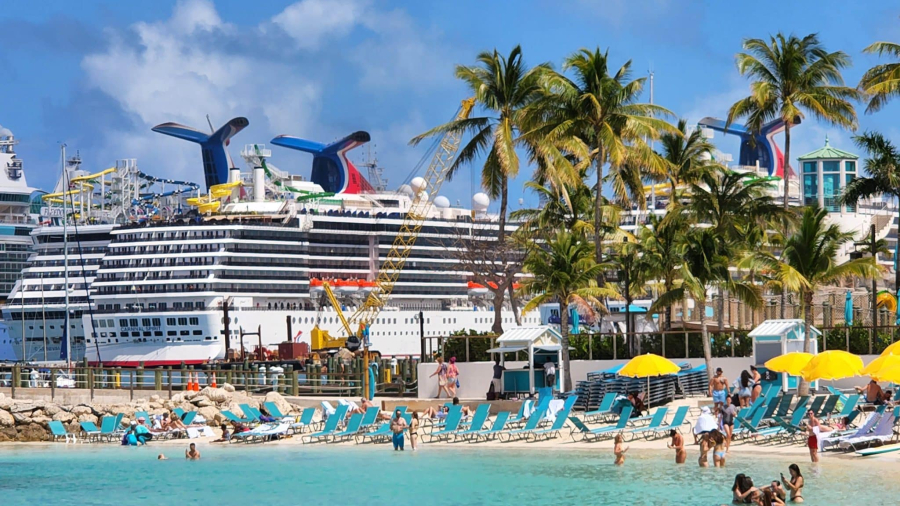
1. Nassau, Bahamas
Although it’s a favourite stop for many, Nassau does have a dark side. The US government has issued warnings about crime here, including nurders, armed robberies and assaults.
These incidents tend to happen outside the main tourist areas, so it’s important to stick to well-travelled paths.
The area around the port itself is pretty safe, as are the resorts that cruise lines will take you to. They aren’t perfect, so you should still keep your wits about you. It’s best to always leave your valuables in the safe in your stateroom, just to be sure.
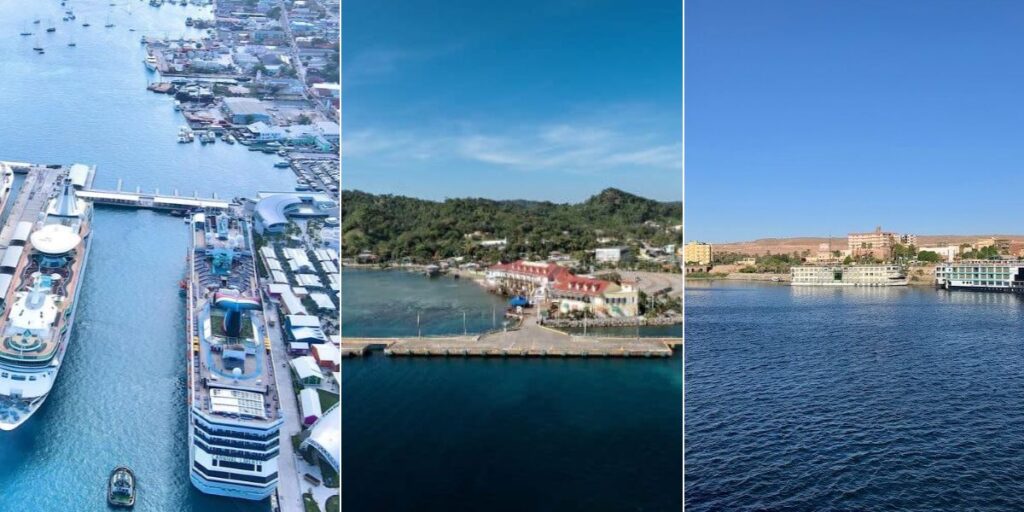
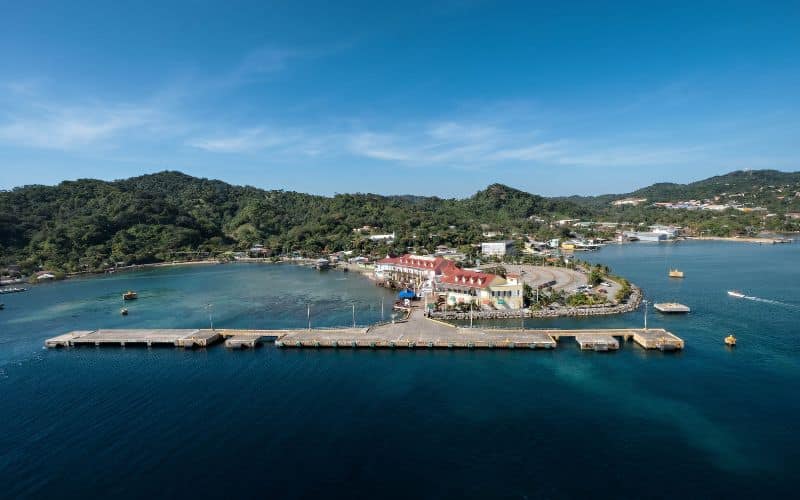
2. Roatán, Honduras
Roatán is famous for its coral reefs and beaches, but also has a more negative reputation with reports of robberies and assaults.
Local police are often under-resourced, which limits their effectiveness in protecting tourists. If you are the victim of crime, you shouldn’t expect any kind of speedy resolution!
Staying with fellow travellers and avoiding isolated spots, especially at night, can help reduce risks.
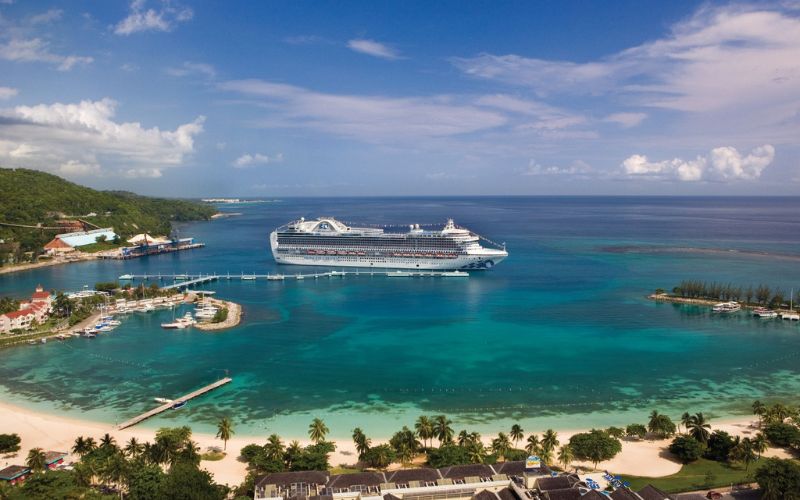
3. Falmouth and Ocho Rios, Jamaica
Jamaica is famous for its stunning scenery and vibrant culture, but some areas near the ports of Falmouth and Ocho Rios can feel less secure.
Visitors often report feeling uneasy when leaving the more protected areas of the port. The aggressive nature of some local vendors can make the experience uncomfortable.
If you’re feeling harassed, just say a stern ‘no’ and walk away, making sure you stick to a crowded area. Don’t be afraid to be louder if you need to be – drawing attention can help you to be left alone.
As with most of the ports on this list, using organised tours with the cruise ship is often your best bet.
Colon is frequently mentioned as one of Panama’s more dangerous cities, with crime rates that are higher than in other popular tourist areas. Some cruise lines have even cancelled tours due to safety concerns.
If you stop here on a cruise visit, it’s best to stick with organised tours and avoid venturing off on your own. If you do want to go exploring, do so in a group. Don’t venture too far away from the main tourist areas.
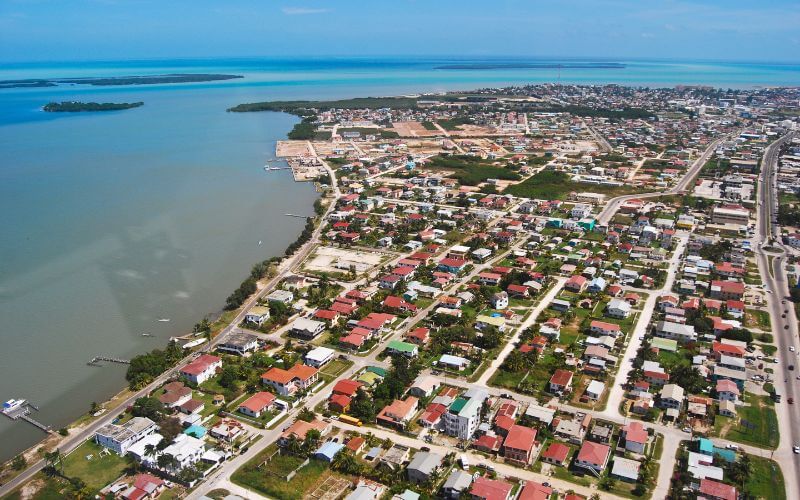
5. Belize City, Belize
Belize itself offers breathtaking scenery and exciting excursions, but Belize City can be a risky place to explore solo.
Tourists are often advised to stick to organised activities, as venturing out independently can lead to encounters with crime. These may include theft, scams and even violent attacks in rare cases.
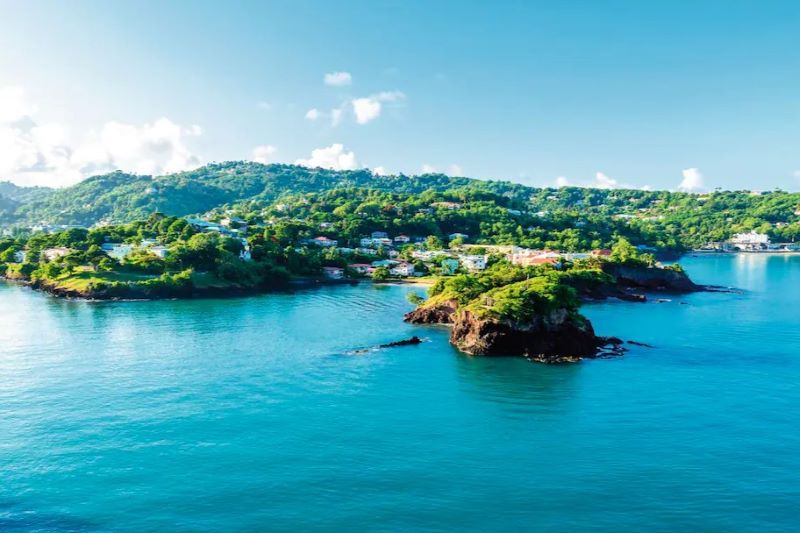
6. St. Lucia
Although it looks like a picture-postcard destination, St. Lucia has had a few notable safety incidents involving tourists.
In one extreme case, a group of 55 cruise passengers were robbed at gunpoint during an excursion. Although such events are rare, it’s worth taking precautions and staying aware of your surroundings. And it’s another reason to leave valuables on the ship when you explore a port.
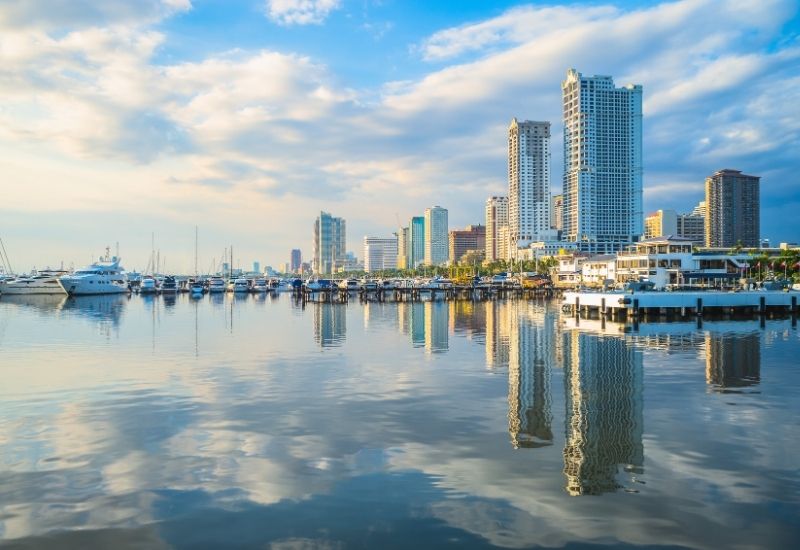
7. Manila, Philippines
Manila is a bustling, vibrant city but is also known for its high crime rate, including theft and assault.
It’s particularly noted for pickpocketing, especially around the port area, where local criminals love to target unsuspecting tourists.
If you plan to explore the city, it’s best to stay with a group, stick to organised tours and be cautious with personal belongings. Don’t wear any jewellery that attracts attention, or flash the cash while you’re shopping.
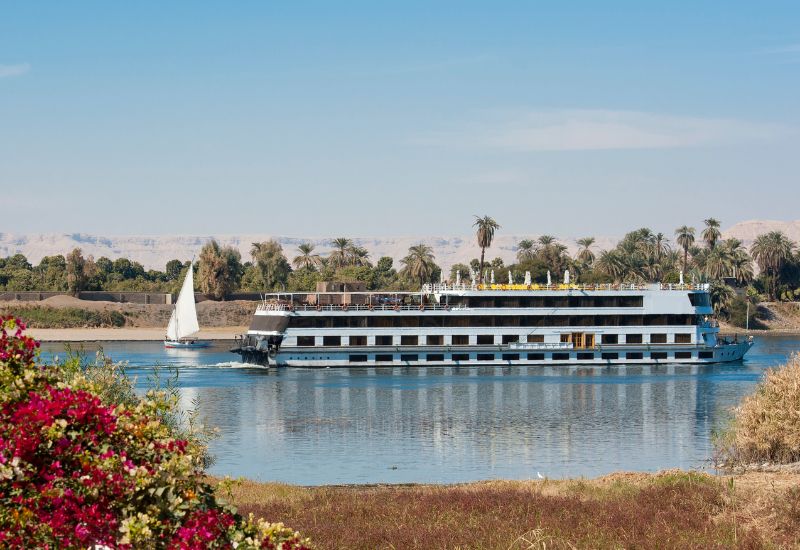
8. Egypt (various ports)
Egypt’s ports offer access to incredible historical sites, yet ongoing political unrest has created some security concerns for tourists.
Some Nile ports, particularly on river cruises, and other popular areas may have limited medical facilities, which can be an added risk.
When visiting Egypt, it’s recommended to join well-organised, cruise-led excursions to stay in secure zones.
Staying safe in high-risk ports
Just because a cruise port is considered to be more dangerous, that doesn’t mean you must stay onboard the ship when your cruise calls there.
None of the ports featured here are guaranteed to cause you problems. Cruise lines want to be profitable, but they won’t be if they keep taking guests to places that are iconsistently unsafe!
Still, here are a few essential tips to help keep you safe when visiting high-risk cruise ports:
Do your research: Before heading ashore, look into the port’s safety record and review any travel advisories. Do this for all ports you will visit, whether they are highlighted on this list or not.
Stick to tourist areas: It’s usually safer to stay within well-trafficked zones, and avoid venturing into more secluded areas. Most areas close to the actual ports are relatively friendly. If you need to travel farther inland to reach the main ‘attractions’, don’t wander off once you get there.
Book organised excursions: Tours offered through your cruise line are often the safest option, as they’re vetted for security and reliability. Third-party excursions are similar, but they come with other risks. You need to verify that the excursion provider is reputable, since you don’t want to risk missing the ship on your return!
Be aware of your belongings: Keep valuables like jewellery and electronics out of sight. Carry minimal cash. Split your money and important documents between different locations. Your stateroom will have a safe – don’t be afraid to use it!
Use official transport: Avoid unlicensed taxis or buses. Stick to transport recommended by the cruise line or reputable providers.
Trust your instincts: If something feels off, don’t hesitate to remove yourself from the situation.
The importance of travel insurance
When visiting high-risk destinations, having comprehensive travel insurance is essential. Standard insurance provided by your cruise line may not cover all contingencies. It’s worth considering an additional policy that includes:
Trip cancellations or interruptions due to safety concerns.
Medical evacuations in case of serious illness or injury.
Theft protection for your personal belongings.
Legal assistance if you encounter trouble with local authorities.
Make sure to review your policy carefully to ensure you’re covered for high-risk situations. If you don’t buy proper cruise insurance, then your policy might not be valid when you make a claim.
Cruise insurance covers you in a range of destinations. It may include other perks too, such as missed port cover for destinations that your cruise has to skip.
My Recommendation
My recommendation for cruise insurance depends on where you live.
These are trusted price comparison sites that will quickly get you lots of quotes to match your exact needs.
Misconceptions about cruise port safety
There are a few common myths about safety on cruises that should be debunked.
Myth: All cruise ports are safe because cruise lines wouldn’t stop there otherwise.
Reality: Cruise lines balance safety with profit. They may visit destinations with known risks if they are profitable enough. However, they’ll wash their hands of responsibility if something happens to you, especially if you ignored any advice they gave.
Myth: You’re always safe in tourist areas.
Reality: Tourist areas often have more security, but can still be targeted by criminals looking to exploit visitors who are unfamiliar with the area. It’s best to be vigilant, even when you think you’re in a safe space.
Myth: Crime only happens at night.
Reality: Criminals often target tourists during the day when they’re out and about exploring. Most cruise guests will only visit destinations during daytime hours, and crime does still happen!
Myth: Local police prioritise tourists.
Reality: In many risky destinations, law enforcement can be under-resourced and less focused on tourist-related crime. They can be more dismissive, especially of cruise guests who won’t be a ‘problem’ come 3pm or 4pm, when you have to board your ship again.
Cruise lines do have some obligations!
Cruise lines have a responsibility to provide passengers with a reasonable level of safety. This includes:
Warning passengers about known dangers in specific destinations.
Monitoring shore excursion providers to ensure they meet safety standards.
Maintaining security on board and in port areas.
However, it’s important to understand that cruise lines are not legally responsible for every incident that occurs, especially if you’re exploring independently.
So you can’t rely on a cruise line ‘making things right’ if you are a victim of a crime. That safety net does not exist.
If you are a victim while you’re ashore, you should still report it to the onboard security team. They’ll help you in whatever way they can.
But don’t expect them to be liable to replace any stolen goods, or pay for your medical treatment if you’re injured.
Private resorts – a shift in itinerary planning
As concerns over safety grow, cruise lines are increasingly investing in private islands and exclusive resorts, designed with traveller security in mind.
These private destinations provide a controlled environment, often staffed by personnel directly employed by the cruise line (although still hired locally, to support residents). This allows for a more secure and comfortable experience.
Private islands, like those operated by major cruise lines in the Bahamas and Caribbean, allow passengers to enjoy a day ashore without the potential safety issues associated with public ports.
Access is restricted to passengers and authorised personnel. Therefore, they are far less susceptible to the crime risks present in some high-traffic tourist areas.
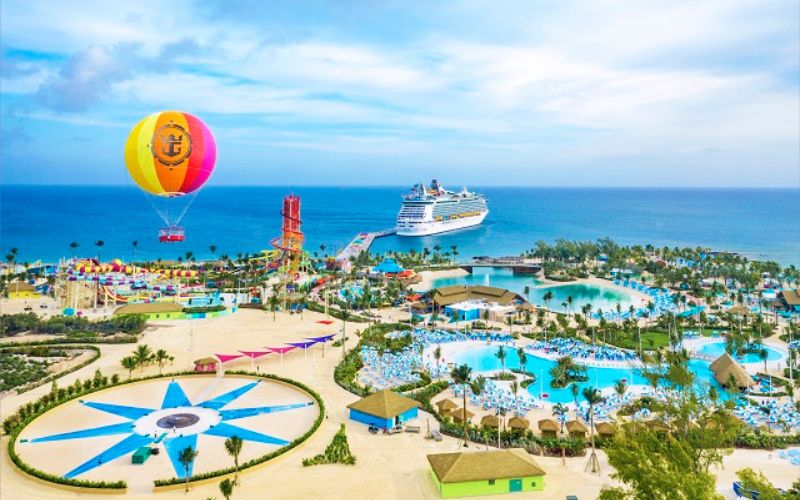
Perfect Day at CocoCay
Private islands and resorts also offer a range of amenities such as pristine beaches, dining options and unique excursions.
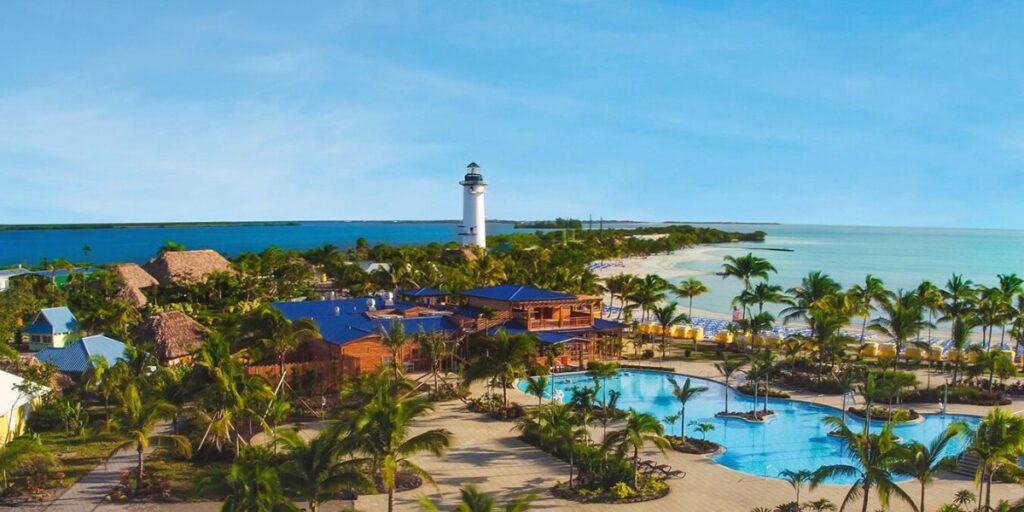
Examples include Royal Caribbean’s Perfect Day at CocoCay and Norwegian Cruise Line’s Harvest Caye. These provide an idyllic setting for swimming, dining and watersports.
Private resorts within popular cruise destinations are also growing in popularity. In some areas, cruise lines have partnered with local businesses to create exclusive beach clubs and adventure parks, which only their passengers can visit during port days.
Of course, they aren’t guaranteed to be safe. Royal Caribbean halted calls at Labadee, the private resort on Haiti, for several months due to unrest in the country. Those port visits have since resumed, but it shows that cruise lines still need to be careful even when a destination is considered ‘private’.
Final word
You know what the most dangerous ports are? The ones that cruise lines don’t visit, and likely never will.
So don’t panic if you’re on a cruise that visits one of the ports I’ve highlighted in this guide. These are the most dangerous ports among all those that cruise lines are comfortable visiting. They are NOT the most dangerous places in the world!
Use this information to plan your trip, and make sure you understand the safety guidelines for exploring the ports. Being informed and vigilant will help you to have a great time during your cruise.
NEW DEALS JUST RELEASED!
Don’t miss these hot cruise offers…
Related posts
If you found this interesting, please share!
Jenni Fielding is the founder of Cruise Mummy. She has worked in the cruise industry since 2015 and has taken over 30 cruises. Now, she helps over 1 million people per month to plan their perfect cruise holidays.
Planning a world cruise starts 18 months to two years ahead. That is when most lines open bookings, and the best cabins go first. Choose between a full voyage of roughly 100 to 180 nights or a shorter segment, then budget for the fare plus extras. Published 2028 fares start from around $15,000 per person on Cunard and run past $88,000 on all-inclusive luxury lines. Then sort out passports, visas, insurance, medication and a packing plan that covers several climates.
The 12 tips below take you through each step, with a cost table built from current published fares.
Planning a world cruise: start with the big decisions
1. Decide between a full world cruise and a segment
A full world cruise usually lasts three to four months, and some run for six months or more. Almost every line also sells segments: sections of the voyage of anything from about two weeks to a month or more, often starting or ending at a hub such as Fort Lauderdale, Los Angeles, Sydney, Singapore or Southampton. A segment is a good way to test whether you enjoy long stretches at sea before you commit to 120 nights. Some lines also let you combine two ships on one trip.
2. Choose the right line and ship for months on board
On a seven-night cruise you put up with a ship. On a world cruise, it is your home. Think about:
Size. Smaller ships (Viking, Oceania, Regent, Holland America’s Volendam) get into smaller ports and feel more social. Larger ships offer more variety on sea days.
Style. Cunard has formal evenings and a classic ocean-liner feel. Viking and Oceania are more relaxed and adults-focused. MSC and Princess offer lower fares with a more mainstream atmosphere.
What is included. On luxury lines the fare can cover flights, drinks, Wi-Fi, gratuities, laundry and excursions. On mainstream lines these may be extra or part of a package.
3. Check the itinerary for sea days and seasons
Count the sea days. Long ocean crossings can mean five to seven days in a row without a port. Check which hemisphere you will be in each month too. A January departure usually means summer in Australia and South America but winter in Europe at the end of the trip.
What does a world cruise cost?
The world cruise cost varies more than almost any other kind of cruise. Here are published starting fares for recent and upcoming voyages. They are lead-in prices per person, usually based on two sharing the cheapest cabin, so check current pricing with the line or your travel agent.
Line and ship
Voyage
Length
Starting fare per person
Roughly per night
Cunard, Queen Anne
2028 World Voyage from Southampton
111 nights
About $15,700
About $140
MSC, MSC Magnifica
2028 World Cruise from the Mediterranean
115 nights
About $19,700
About $170
Princess, Coral Princess
2028 World Cruise
115 days
About $29,400
About $255
Holland America, Volendam
2028 Grand World Voyage, Fort Lauderdale round trip
129 days
About $30,000
About $235
Oceania, Aurelia
2028 world cruise, Miami to New York
181 days
About $58,300
About $320
Viking, Viking Vesta
2027-28 World Cruise, Fort Lauderdale to London
142 days
From $65,999
About $465
Regent Seven Seas, Seven Seas Splendor
2028 World Cruise, Pacific loop
133 nights
From $88,499
About $665
Fares at the top end often include business-class flights, drinks, gratuities, Wi-Fi and laundry, so the gap shrinks once you add those costs to a cheaper fare. Viking’s world cruise fare, for example, includes business-class air from listed gateways, gratuities, a beverage package and one excursion per port. Regent’s 2028 fare includes excursions, drinks, Wi-Fi, gratuities and unlimited valet laundry.
For context, Royal Caribbean’s 274-night Ultimate World Cruise on Serenade of the Seas, which sailed from December 2023 to September 2024, launched with interior cabins listed at $60,999 per person. Royal Caribbean has not announced a follow-up voyage at the time of writing.
How much does a world cruise cost all in?
As a rough guide, a full world cruise costs from about $15,000 to $20,000 per person on the cheapest mainstream fares. Mid-range lines start at $30,000 to $60,000, and luxury voyages start at $65,000 to over $100,000. Balcony cabins and suites can cost two to five times the lead-in fare. Solo travellers usually pay a single supplement, although some lines offer reduced supplements on world cruises. Our complete solo cruise guide explains how to find them.
4. Book early, but watch for perks
Booking 12 to 18 months ahead is the usual advice. Lines often reward early bookers. For example, Holland America is offering early-booking benefits on its 2028 Grand World Voyage until 14 June 2027. Launch offers can include onboard credit, airfare, excursion credit or a reduced deposit. Ask whether the fare can be repriced if a better promotion appears before final payment. MSC opened bookings for its 2029 world cruise in October 2026. Read our story on MSC’s 119-night world cruise for 2029 for the details.
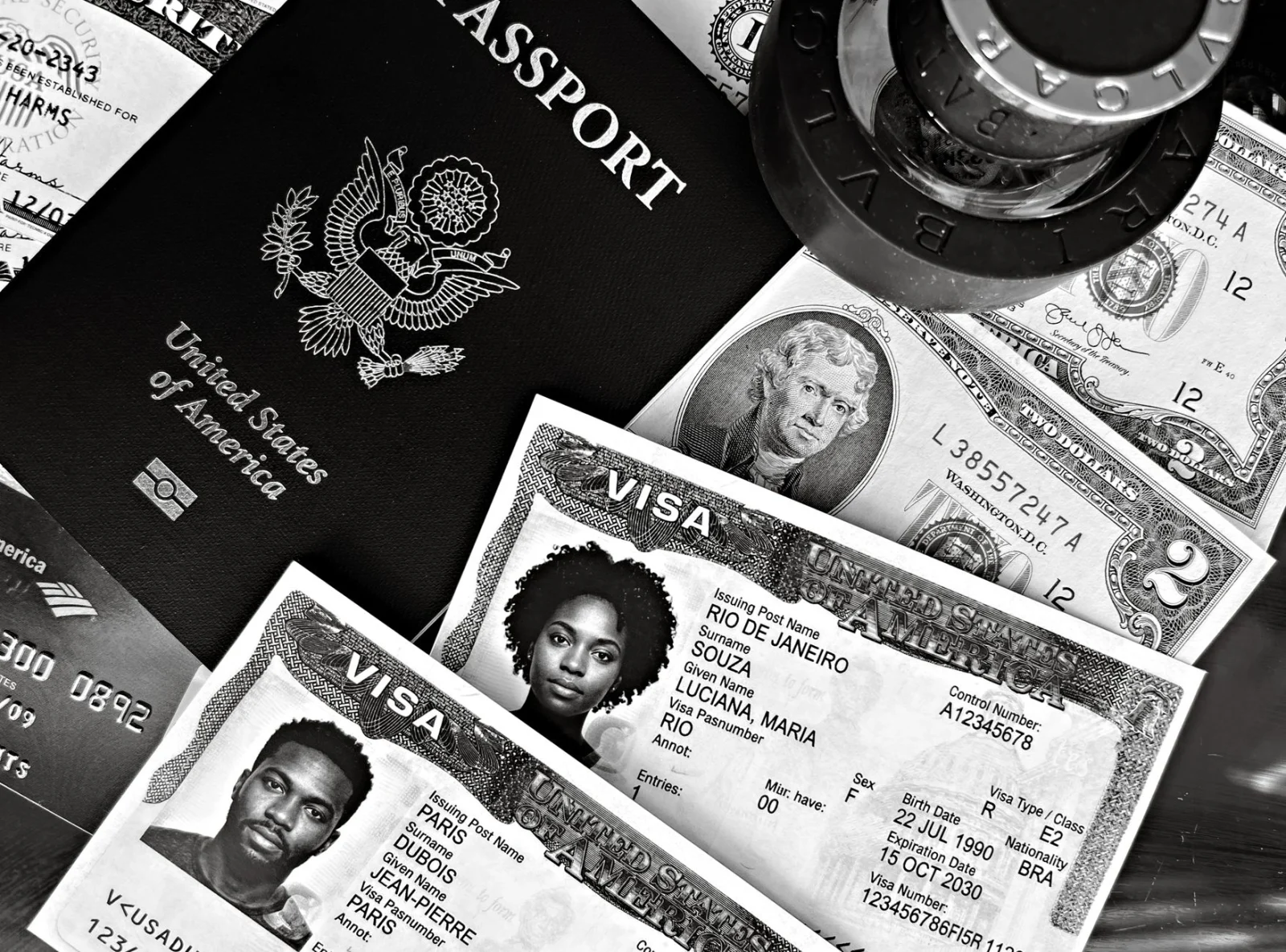
Check passport validity and visa rules early for every country on the route. Photo: DΛVΞ GΛRCIΛ on Pexels
Paperwork, health and insurance
5. Sort out passports and visas early
Your passport usually needs to be valid for at least six months after the cruise ends, with plenty of blank pages for stamps. A world cruise can call in 20 to 30 countries, and some require visas or electronic travel authorisations for US citizens. Examples include Australia’s ETA, and visas for countries such as India or China, depending on the route and the rules in force when you sail. Many lines run a visa service or offer help (Viking includes visa service, with restrictions, and Regent gives shipboard credit towards visa costs). Still, you are responsible for having the right documents. Check each country’s official government website, because the rules change.
6. Plan your health and medication supplies
See your doctor and dentist several months before sailing, and ask a travel clinic about vaccinations for the regions you will visit.
Take enough prescription medication for the whole voyage plus a buffer of a few weeks. Pharmacies abroad may not stock your brand, and the ship’s medical centre has limited supplies.
Your insurer or doctor may be able to arrange an advance supply. Carry medicines in their original packaging with a copy of each prescription and a letter from your doctor.
Remember that onboard medical care is charged at private rates.
7. Buy insurance that matches the trip
Standard annual travel policies often cap trip length at 30 to 90 days. You need a policy that covers the full voyage, every region you visit, medical evacuation and the full non-refundable cost if you cancel. Declare any pre-existing conditions. Buy it when you pay your deposit, so cancellation cover starts straight away.
8. Organise life at home
Set up mail forwarding or ask a friend to check your post, put bills on autopay and tell your bank and card providers about your travel. Leave copies of your passport, itinerary and the ship’s contact details with someone you trust, and make sure your will and powers of attorney are up to date.
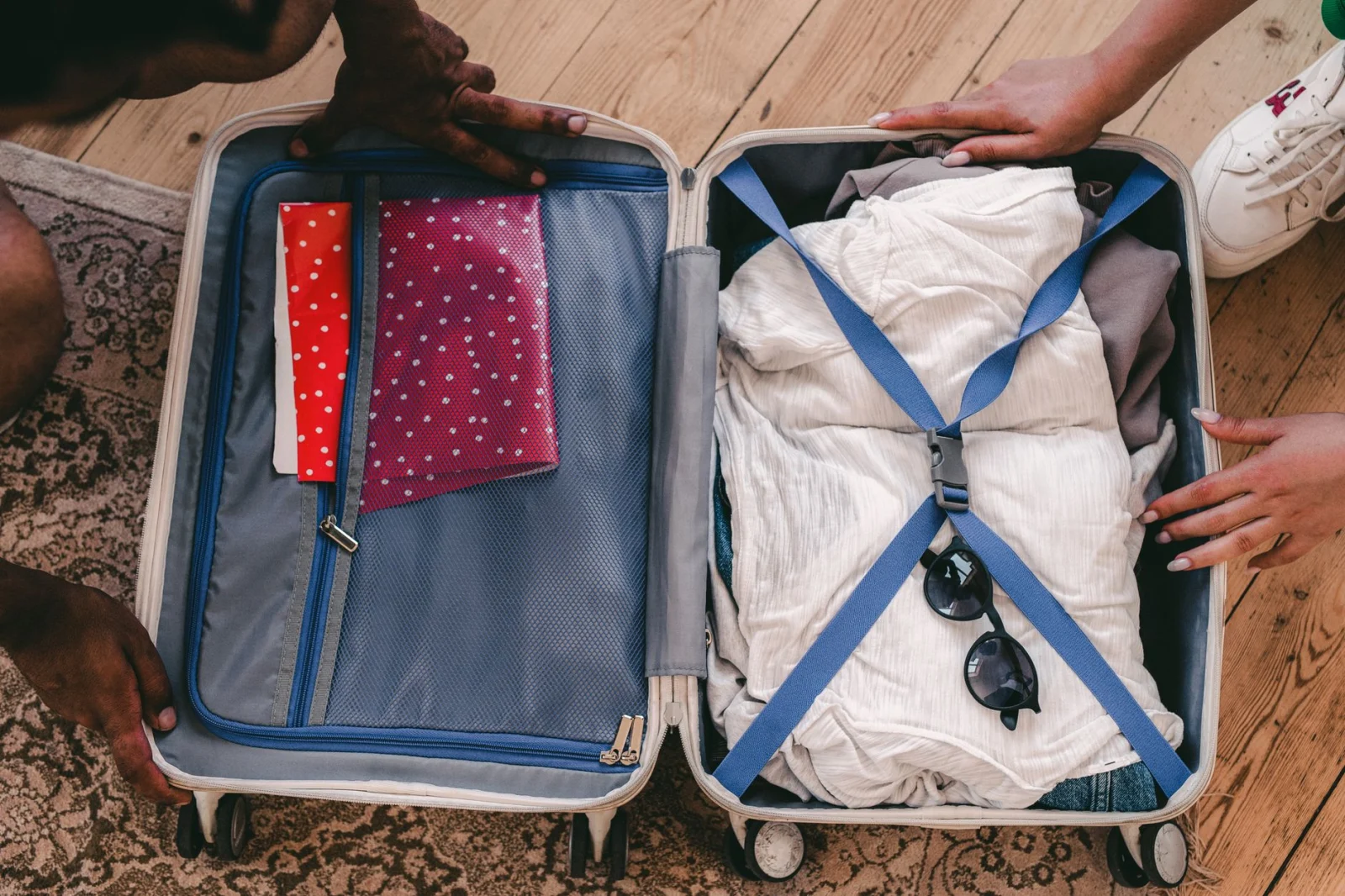
Packing for a world cruise means planning for several climates and formal nights. Photo: SHVETS production on Pexels
World cruise packing list and life on board
9. Pack for several climates, not for four months
Packing for a world cruise is about layers and laundry, not quantity. A good world cruise packing list includes:
Lightweight clothes for tropical heat, plus a fleece, a waterproof jacket and warm layers for cooler ports and windy decks.
Outfits for formal or dressy evenings. Cunard world voyages have several gala nights, while lines such as Viking are much more casual.
Comfortable walking shoes, sandals and one pair of smart shoes.
Modest clothing to cover shoulders and knees at religious sites.
A small first aid kit, sunscreen, insect repellent and travel adaptors.
A daypack, refillable water bottle and copies of documents.
Some lines, Viking among them, offer luggage shipping to the ship on world cruises, which makes packing much easier. Before you pack, check the list of items most commonly confiscated at cruise ports so that irons, extension cords and similar things don’t get taken off you at the terminal.
10. Make a laundry plan
Laundry matters more than wardrobe size. Find out whether your line has free self-service launderettes, includes laundry in the fare (Regent’s 2028 world cruise includes unlimited valet laundry), sells laundry packages, or offers discounts. MSC, for example, is giving 30% off laundry on its 2029 world cruise. If you plan for a weekly wash, two weeks of clothes is usually enough.
11. Budget for extras and staying connected
Even on a well-priced fare, extras add up over four months. Budget for:
Shore excursions. Ship tours can cost $100 to $300 or more each, and overland trips cost much more.
Drinks, gratuities and Wi-Fi if they are not included. Daily gratuities alone add up to well over $1,000 per person on a 120-night voyage.
Visas, flights, hotels before and after the cruise, and travel insurance.
Phone and data. Ship Wi-Fi can be slow in remote waters. An eSIM or roaming plan helps in port.
12. Plan ahead to avoid cabin fever
Months at sea suit most people who choose a world cruise, but the novelty can wear off. Build a routine: classes, lectures, the gym, a book club or a project such as learning a language. Mix ship tours with independent days ashore, plan a few special experiences to look forward to, and don’t be afraid to skip a port and enjoy a quiet ship. If you are unsure, start with a 30 to 40 night segment.
World cruise tips: final checklist
Pick full voyage or segment and shortlist two or three lines.
Compare fares per night and what is included, not just the headline price.
Book 12 to 24 months ahead and take out insurance with the deposit.
Check passport validity and every visa requirement.
Arrange medication, health checks and home admin.
Pack layers, plan laundry and leave room for souvenirs.
On a voyage this long, our guide on how to avoid cruise weight gain is worth reading for practical ways to enjoy the food and stay active.
FAQs
What is the average cost of a world cruise?
Published starting fares for 2028 world cruises range from about $15,700 per person on Cunard and $19,700 on MSC to around $30,000 on Princess and Holland America. Luxury lines such as Viking and Regent cost $66,000 to $88,000 and up. Balconies and suites cost much more.
How much would a 4 month world cruise cost?
A four-month world cruise of around 110 to 130 nights costs from about $15,000 to $30,000 per person in an inside or ocean-view cabin on mainstream lines. Luxury all-inclusive fares start at around $65,000 to $90,000. Add extras such as excursions, visas and insurance.
How far in advance should you book a world cruise?
Most world cruises open for booking about 18 months to two years ahead. Booking 12 to 18 months in advance gives you the best choice of cabins and early-booking perks.
Can you do just part of a world cruise?
Yes. Most lines sell segments of their world cruises, often two to six weeks long, starting and ending in major ports. It is a good way to try long-voyage cruising before booking the full trip.
What should I pack for a world cruise?
Pack layers for hot and cool climates, outfits for formal nights, comfortable walking shoes, modest clothing for religious sites, enough prescription medication for the whole trip, and about two weeks of clothes if you plan to do laundry weekly.