
The Alamo church facade in downtown San Antonio, one of the top things to do in the historic district

Things to Do in Downtown San Antonio: A 2026 Guide to the Historic District

The best things to do in downtown San Antonio are all within a compact, walkable historic core: the Alamo, the River Walk, La Villita, Historic Market Square and the King William district are close together, with the UNESCO-listed Spanish missions and the Pearl a short ride away. Two full days covers the highlights comfortably, and the city makes an easy pre- or post-cruise add-on for sailings from Galveston.

Below is a practical plan for 2026 and 2027: what to see, what has changed at the Alamo, how to get around, where to stay, and how to fit San Antonio around a Texas cruise.

Things to do in downtown San Antonio at a glance

Attraction Cost Time to allow Good to know
The Alamo Free entry; paid tours optional 1.5–2 hours Free timed ticket needed for the Church
River Walk and GO RIO boat ride Walking free; boat ride paid 2–3 hours Narrated cruise lasts about 35 minutes
La Villita Free 45 minutes Right on the river, a short walk from the Alamo
Historic Market Square Free 1–2 hours Good for lunch and souvenirs
King William Historic District Free to stroll 1–2 hours Walk south along the river from downtown
San Antonio Missions Free Half a day Four missions, visitor center at Mission San José
The Pearl Free 2–3 hours Weekend farmers market, restaurants, river shuttle stop

The Alamo in 2026: tickets, hours and what is changing

Entry to the Alamo is free, but you need a free timed-entry ticket to go inside the Church, the building most people picture. Reserve it in advance on the official Alamo website, because slots can run out in spring break, summer and holiday weeks. The site is open daily from 9 a.m. to 5:30 p.m. (last entry 30 minutes before closing) and closed on Christmas Day.

Beyond the Church, look for the Long Barrack and the Ralston Family Collections Center, which opened in 2023 and holds a large collection of Texas Revolution artifacts. Optional extras include guided tours, a battlefield walk and audio tours in several languages; these carry a charge, so check current prices on the Alamo website.

The Alamo is in the middle of a multi-year redevelopment. The new Alamo Museum and Visitor Center is scheduled to open in spring 2028, so expect some construction around Alamo Plaza during 2026 and 2027. It does not stop you visiting, but it can change walking routes and entrances, so check the official site the week you go.

Tips for visiting the Alamo

  • Go at opening time for the quietest Church visit and cooler temperatures.
  • The Church is a shrine: hats off and voices down inside.
  • Pair it with the River Walk, which is only a couple of minutes’ walk away.
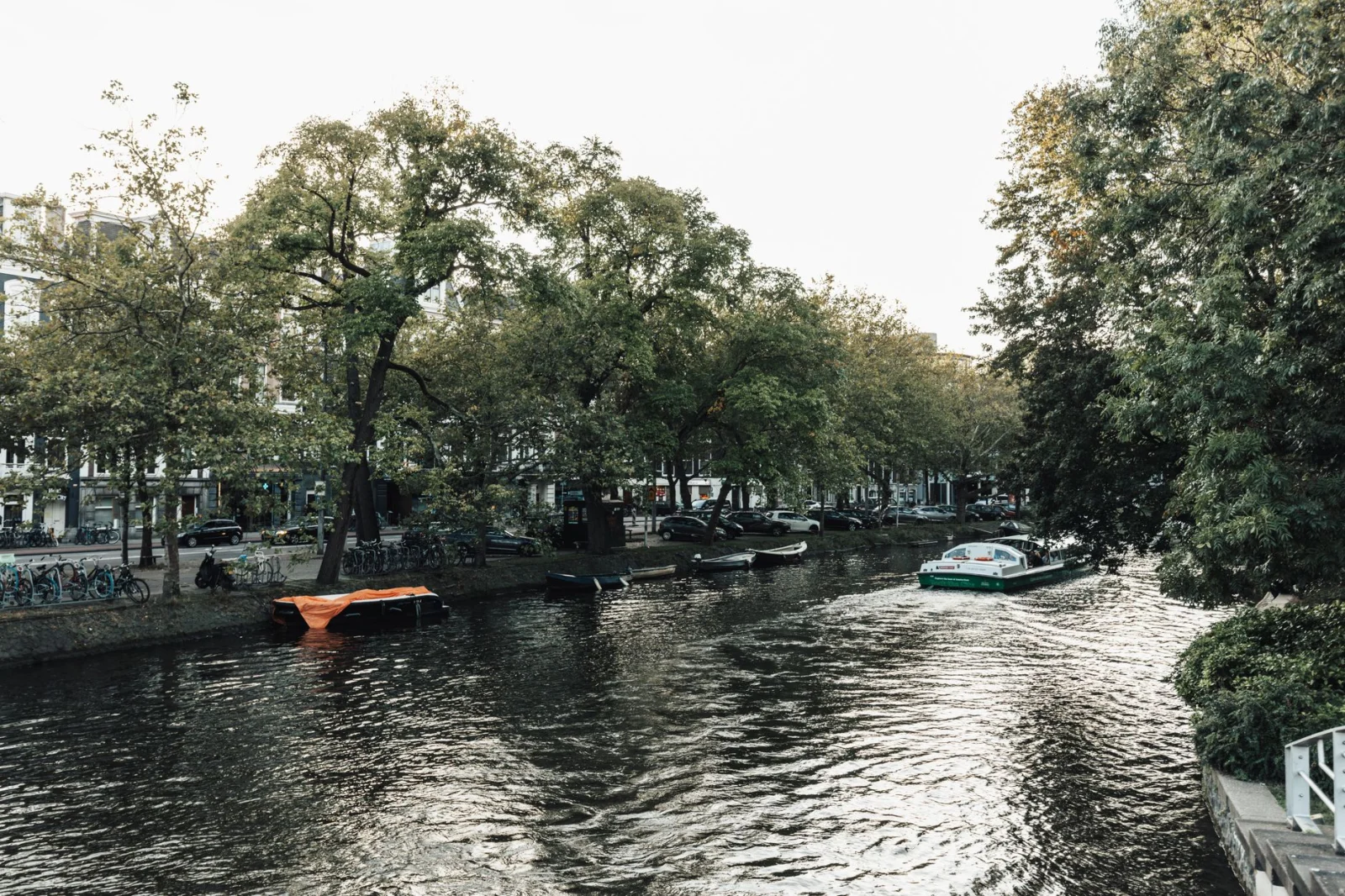
Tour boat passing riverside restaurants and cypress trees on the San Antonio River Walk
A narrated boat ride is an easy first look at the River Walk. Photo: Matheus Bertelli on Pexels

San Antonio River Walk things to do

The River Walk is a 15-mile path system along the San Antonio River, but most visitors focus on the busy downtown loop lined with restaurants and hotels, one level below street level. Walking it is free and it is pleasant at any time of day, though evenings are the most atmospheric.

  • Take a narrated boat ride. GO RIO’s narrated cruise lasts about 35 minutes and is the easiest way to get your bearings on day one. Buy tickets on the GO RIO website or at riverside ticket booths.
  • Use the river shuttle. GO RIO also runs hop-on shuttles between downtown and the Museum Reach, which leads north to the Pearl. A multi-day pass is better value if you will use it more than once.
  • Walk the Museum Reach. North of downtown the river is quieter, with public art, the San Antonio Museum of Art and a lock and dam that the boats pass through.
  • Eat away from the busiest bend. Riverside restaurants nearest the Alamo are convenient but can be pricey; a few blocks further along, or up at street level, you often get better value.

La Villita and Historic Market Square

La Villita Historic Arts Village

La Villita is one of the city’s earliest neighborhoods, a small cluster of restored stone and adobe buildings beside the river that now house art studios, galleries and craft shops. It takes under an hour to wander and sits between the Alamo and the southern stretch of the River Walk, so it slots easily into a morning walk.

Historic Market Square

Historic Market Square, on the western edge of downtown, is a lively plaza of Mexican-style shops, food stalls and restaurants. It is a good place for lunch, folk art, embroidered clothing and the colorful papel picado banners you see across the city. Weekends often bring live music and festivals. Nearby, the Spanish Governor’s Palace and San Fernando Cathedral are worth a short detour; the cathedral’s evening light projection show runs on select nights, so check the schedule before you plan around it.

The San Antonio Missions: a UNESCO World Heritage Site

The Alamo and four other Spanish colonial missions together form the San Antonio Missions UNESCO World Heritage Site, the only one in Texas. The four southern missions, Concepción, San José, San Juan and Espada, make up San Antonio Missions National Historical Park and are free to enter, with free parking at each one.

  • Start at Mission San José. It has the park visitor center and is the most complete of the four.
  • Hours: the park is open 9 a.m. to 5 p.m. daily, closed Thanksgiving, Christmas Day and New Year’s Day.
  • Getting there: the missions are strung along about 6.5 miles of road from Concepción to Espada, roughly a 15-minute drive end to end. VIA bus route 42 serves Concepción and San José only.
  • By bike: the Mission Reach trail runs along the river from downtown, and bike-share docks sit at each mission. There is little shade, so carry water in warm months.

Full details are on the National Park Service site. If you only have time for one, Mission San José gives the best sense of how these communities worked.

Historic stone mission church with a bell tower, like the Spanish colonial missions near downtown San Antonio
San Antonio's Spanish colonial missions sit just south of downtown along the river. Photo: DJ Williams on Pexels

King William Historic District and the Pearl

King William

Just south of downtown, the King William Historic District is a leafy neighborhood of grand 19th-century homes built largely by German merchants. It is free to stroll, and you can reach it on foot along the river. A few of the houses open as museums, and the area has good cafés for a slower breakfast than you will find on the River Walk.

The Pearl

The Pearl, a former brewery complex on the northern end of the Museum Reach, is now a dining and shopping district with a popular weekend farmers market (Saturdays, plus a smaller Sunday market; check current hours on the Pearl’s site). Ride the river shuttle up, eat, browse, then walk back along the river. It is also home to the Culinary Institute of America’s San Antonio campus and a cluster of well-regarded restaurants.

Where to stay in the San Antonio historic district

  • Alamo Plaza and River Walk: best for first-timers. You can walk to the Alamo, La Villita and the river in minutes. The Menger Hotel, opened in 1859 beside the Alamo, is a well-known historic option.
  • The Pearl: quieter and more upscale, with restaurants on the doorstep and the river shuttle into downtown. Hotel Emma, in the old brewhouse, is the best-known choice.
  • King William: bed-and-breakfasts in historic homes, a short walk from downtown.

Prices jump for big events such as Fiesta in April and on major convention weekends, so check event calendars before you lock in dates.

Getting around downtown San Antonio

  • On foot: the core sights are close together, and the River Walk lets you avoid traffic. Summer heat regularly reaches the mid-90s°F, so plan outdoor sightseeing for mornings and evenings.
  • River shuttle: the easiest link between downtown and the Pearl.
  • VIA buses: useful for the missions (route 42) and longer hops; day passes are available.
  • Bike share: San Antonio BCycle offers day passes, with docks from Brackenridge Park down to the missions.
  • From the airport: San Antonio International (SAT) is a short drive north of downtown by rideshare or taxi.

You do not need a car for downtown, the River Walk and the Pearl. A car helps if you want to see all four missions in one go or are driving on to Galveston for a cruise.

Combining San Antonio with a cruise from Galveston

Galveston is the closest major cruise port to San Antonio, and a couple of nights here make a strong pre- or post-cruise stay. Plan around these realities:

  • The drive: it is roughly 240 miles from downtown San Antonio to the Port of Galveston, east on I-10 through Houston and then south on I-45. Allow around 4 to 4.5 hours, more if you hit Houston rush hour.
  • Do not drive in on sailing morning. A crash or Houston traffic can easily cost you an hour. Drive to Galveston the day before embarkation, or at least leave San Antonio very early. Our guide to embarkation day mistakes to avoid explains why a buffer day is worth it.
  • Flights: if you are flying, compare an open-jaw ticket into San Antonio (SAT) and home from Houston. Houston Hobby is about 45 minutes from the port and Bush Intercontinental around an hour, traffic permitting. Our tips on when to book flights for cheaper fares apply here too.
  • Parking: if you drive your own car, on-site port parking runs to roughly $200 to $275 for a 7-night cruise, with off-site lots offering shuttles.
  • Post-cruise: ships return early in the morning, so you can be in San Antonio by mid-afternoon, check in near the river and still have the evening on the River Walk.

Several lines homeport ships in Galveston, including MSC Seascape. If that is your ship, read our guide to MSC Seascape cabins to avoid before you book.

Practical tips for your San Antonio visit

  1. Book the Alamo Church ticket first. It is free, but timed slots fill up.
  2. Visit in spring or fall. March to May and October to November usually bring the most comfortable weather; December brings River Walk holiday lights.
  3. Do the boat ride early in your trip to get your bearings, then explore on foot.
  4. Save the missions for a cooler morning and bring water and sun protection.
  5. Check event calendars. Fiesta, holiday weekends and big conventions push up hotel prices and crowd the river.

FAQs

Can you walk from the Alamo to the River Walk?

Yes. The River Walk is only a couple of minutes’ walk from the Alamo, with stairways down to the river from the streets nearby.

Is the Alamo free to visit?

Yes, entry is free, but you need a free timed-entry ticket for the Church, booked on the official Alamo website. Guided and audio tours cost extra.

How many days do you need in downtown San Antonio?

Two days covers the Alamo, River Walk, La Villita, Market Square and King William. Add a half day for the missions and a few hours for the Pearl.

How far is San Antonio from the Galveston cruise port?

About 240 miles via I-10 and I-45, usually 4 to 4.5 hours by car depending on Houston traffic. Drive over the day before your cruise.

What else can you do in San Antonio beyond downtown?

Visit the four Spanish missions in the national historical park, spend an afternoon at the Pearl, or explore Brackenridge Park and the museums along the river’s Museum Reach.
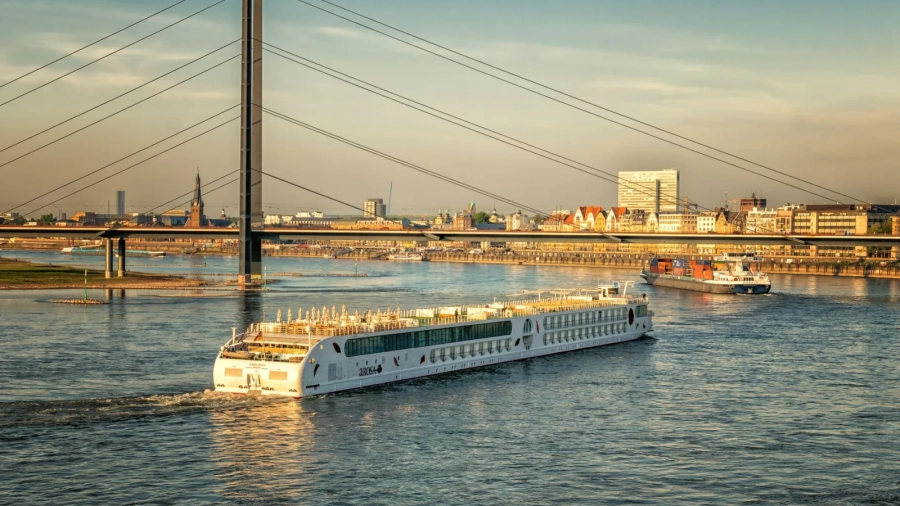
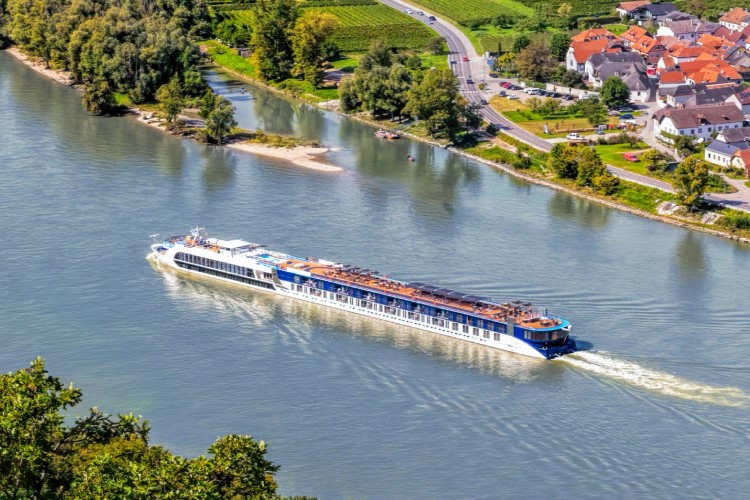
River cruise ship moored on a European river beside a historic town, the setting of an AmaWaterways vs Viking trip

AmaWaterways vs Viking River Cruises: Which Is Better for You?

AmaWaterways vs Viking comes down to style more than quality. Viking suits adults-only travelers who want a consistent, calm, culture-focused trip on a very large fleet of near-identical Longships. AmaWaterways suits active and food-focused travelers, families and solo cruisers, thanks to its twin-balcony cabins, free bikes, a wellness host and an included Chef’s Table dinner.

Both are premium lines with similar inclusions and broadly similar prices. Below we compare ships, cabins, routes, dining, what’s included, age rules, solo options, prices and loyalty perks so you can decide which line fits your trip.

AmaWaterways vs Viking at a glance

Feature AmaWaterways Viking
River fleet size Around 30 ships, many with different layouts Well over 80 river ships, most of them identical Longships
Typical Europe ship About 150-170 guests; AmaMagna carries 196 on a double-width hull Longship: 190 guests in 95 staterooms
Signature cabin Twin balcony (French balcony plus step-out balcony) French balcony or full veranda
Extra dining The Chef’s Table tasting menu, included Aquavit Terrace, casual outdoor dining at the bow
Drinks Wine, beer and soft drinks with lunch and dinner; Sip & Sail hour Wine, beer and soft drinks with lunch and dinner
Excursions Included excursion in most ports, often with gentle, regular and active options One included guided excursion per port
Bikes and fitness Free bikes on European ships, wellness host No onboard bikes or wellness host
Wi-Fi Included Included (connection speeds vary)
Age policy Families welcome; family sailings and triple cabins on some ships Adults only, 18+
Solo cabins Single cabins on several ships No dedicated solo cabins on Longships
Gratuities Not included Not included

Ships and fleet: Viking Longships vs AmaWaterways’ varied fleet

Viking runs the biggest river fleet in the world. Most of its European ships are Longships: 135 meters long, 190 guests, 95 staterooms and the same Scandinavian-style interiors from ship to ship. Viking keeps adding more. Viking Rota, the newest, was delivered in October 2026. Viking says it expects 18 more river ships by 2028. The upside of all this sameness is predictability. If you liked one Longship, you’ll find your way around the next one on day one.

Viking also sails beyond Europe with purpose-built ships. These include the 386-guest Viking Mississippi in the US and a growing fleet on the Nile. Viking recently added a tenth Nile river ship (Viking’s tenth Nile ship, Viking Sekhmet). It also has ships on the Mekong, and India’s Brahmaputra is planned for 2027.

AmaWaterways has a smaller fleet of around 30 ships, and they vary more from one to the next. Most of its European ships carry roughly 150-170 guests. That means a slightly lower guest count than a Longship and, in many categories, slightly bigger cabins. The standout is AmaMagna, a double-width ship on the Danube. It carries only 196 guests but has several dining venues and much more space per person. Ama keeps building too. AmaSofia joined on the Rhine and Danube in May 2026, and AmaKaia began sailing on the Mekong in August 2026.

Cabins compared

On most Ama ships the hallmark is the twin balcony. Each of these cabins has a French balcony (floor-to-ceiling sliding doors with a railing) next to a small step-out balcony where you can sit outside. Viking Longships mix French balcony cabins with true veranda cabins and suites. Its two-room Explorer Suites, at around 445 sq ft, are some of the best accommodation on any European river ship.

  • Families or groups of three: Several Ama ships, including AmaViola, AmaStella, AmaLea, AmaKristina and AmaMora, have cabins for three or four. Some also have connecting cabins.
  • Proper suites: Viking’s veranda suites and Explorer Suites are easy to book across a huge number of departures.
  • Riverview cabins: Both lines have lower-deck cabins with fixed windows at the cheapest fares. They’re fine if you’ll mostly be ashore.

Destinations: where each line sails

In Europe both lines cover the Rhine, Main, Danube, Moselle, Rhône, Seine, Douro, Elbe and Garonne/Dordogne (Bordeaux). Both also sail the Nile and the Mekong. The differences are at the edges:

  • Only with AmaWaterways: the Chobe River in Botswana, as part of African safari packages, and Colombia’s Magdalena River.
  • Only with Viking: the Mississippi River in the US and the planned Brahmaputra sailings in India.

Because Viking has so many ships, it usually offers more departure dates on popular routes such as the Rhine and Danube. That helps if your dates are fixed. If you’re still choosing a river, our guide on how to choose the best river cruise in Europe compares the main routes.

Plated tasting-menu course and glass of white wine on a restaurant table by a window
Dining is where AmaWaterways and Viking differ most onboard. Photo: Mai In May on Pexels

Dining: Chef’s Table vs Aquavit Terrace

Both lines serve a breakfast and lunch buffet with made-to-order options, plus a served dinner with regional dishes. Many travelers notice the biggest difference in the extra dining venue.

AmaWaterways has The Chef’s Table, a separate small restaurant with a multi-course tasting menu and paired wines. It’s included, and most guests can book it once per cruise. Ama also has a strong reputation for dietary needs, especially gluten-free dining, and AmaMagna has several restaurants. Viking has the Aquavit Terrace, an indoor-outdoor area at the bow. You can eat a lighter, casual meal there while watching the river. Viking has no separate specialty restaurant on its Longships.

For drinks, both lines include house wine, beer and soft drinks with lunch and dinner. Ama adds a daily “Sip & Sail” happy hour before dinner. Viking sells an optional all-day drinks package. See our guide to the Viking Silver Spirits package to check whether it’s worth it for you.

What’s included on each line

The two lines include similar things, so compare the extras rather than the basics. Both include all meals, Wi-Fi, wine and beer with meals, and a guided excursion in most ports.

AmaWaterways inclusions

  • Included excursions, often in several versions (gentle walk, regular, active hike or bike tour)
  • Free bikes and helmets on European ships, plus guided bike tours
  • A wellness host running onboard fitness classes, stretching and guided walks
  • The Chef’s Table dinner and the Sip & Sail happy hour

Viking inclusions

  • One guided excursion per port, plus paid “Privileged Access” and specialty tours
  • Talks, cultural events and port talks on board
  • Specialty coffee, tea and bottled water around the clock
  • Frequent air offers, depending on the promotion running when you book

Neither line includes crew tips. Ama suggests around €100 per person for a seven-night cruise, though this can change. Viking suggests about €20 or $20 per person per night in Europe. Over a week, that gap can be worth more than $40 per person, so include it when you compare fares.

Two touring bicycles parked on a riverside path beside a European town
Free bikes are one of the clearest AmaWaterways extras. Photo: Vitali Adutskevich on Pexels

Viking vs AmaWaterways for families, solo travelers and active cruisers

Age policy

Viking is adults-only. Every guest must be 18 or older on the day they board. AmaWaterways accepts children and runs family-focused departures, including sailings through its Adventures by Disney partnership. That makes Ama one of the easier premium river lines for multigenerational trips. If you want a quiet adult atmosphere, Viking’s policy works in its favor.

Solo travelers

Several Ama ships have single cabins, and Ama sometimes runs reduced single supplements on selected dates. Viking Longships have no dedicated solo cabins. Viking does sometimes offer reduced or waived single supplements as a promotion, so check current offers.

Active travelers

Ama is the more active choice. Bikes, hikes, kayak outings on some routes and an onboard wellness host give you options well beyond walking tours. Viking’s excursions are mostly guided walking tours at a gentle pace, with optional paid tours that are more active.

Price per night and the true cost

Both lines are priced as premium, and their headline fares change a lot with season and promotions. At the time of writing, Viking’s 8-day Rhine Getaway is listed from around $2,000 per person for some early-spring 2027 dates. Many other dates start nearer $2,500. That works out to roughly $285-$360 per person per night for a riverview cabin, before tips. Ama’s seven-night European fares start in a similar range on promotion, and balcony cabins and peak summer or Christmas markets dates often run well above that. Ama often advertises discounts or free cabin upgrades instead of lower lead-in fares.

Here’s a fair way to compare quotes that many reviews skip: line up the same cabin type (French balcony vs twin balcony), the same month, and the full cost including tips, flights and any pre- or post-cruise hotel nights. Viking’s air offers can close the gap on a fare that looks higher. Ama’s bikes, Chef’s Table and loyalty discounts can do the same in the other direction. Promotions on both lines change often, so get quotes for the exact dates you want.

Loyalty perks

AmaWaterways’ loyalty program has Blue, Silver and Gold tiers, starting from your second cruise. Depending on your tier, benefits include a per-person discount on the fare, a category upgrade, airport transfers and a welcome amenity. Viking past guests join the Viking Explorer Society, which mainly offers occasional repeat-guest offers and early booking access rather than fixed tier perks; the details change, so check before booking. If you’ll sail many times on one line, it’s worth comparing the current terms on each line’s website.

Which is the best river cruise line for you?

Choose AmaWaterways if…

  • You want bike tours, hikes and a wellness host as part of the fare
  • Food matters a lot to you and you’d enjoy an included tasting-menu dinner
  • You’re traveling with children or grandchildren, or you want a solo cabin
  • You’d like routes Viking doesn’t offer, such as the Chobe in Africa or Colombia’s Magdalena River

Choose Viking if…

  • You want an adults-only ship with a calm, enrichment-focused feel
  • You need lots of departure dates on the Rhine, Danube or Nile
  • You’d like a true suite, such as an Explorer Suite, or an American river trip on the Mississippi
  • You like knowing exactly what the ship will be like before you board

Neither line is the best river cruise line for everyone. If neither one feels right, other premium lines such as Emerald, Avalon and Scenic are worth comparing too.

Neither Viking nor every AmaWaterways sailing suits children, so see our guide to family river cruises in Europe if you are traveling with kids.

FAQs

Is AmaWaterways better than Viking?

Neither is better for everyone. AmaWaterways tends to suit active travelers, food lovers, families and solo cruisers. Viking suits adults who want a consistent, quieter trip with lots of departure dates.

Can children sail on Viking river cruises?

No. Viking is adults-only, and every guest must be 18 or older on the day they board. AmaWaterways welcomes children and runs family-friendly departures.

Does Viking have a specialty restaurant like Ama’s Chef’s Table?

Not on its Longships. Viking has one main restaurant plus the Aquavit Terrace for casual meals. AmaWaterways includes a Chef’s Table tasting menu dinner.

Are drinks included on AmaWaterways and Viking?

Both include house wine, beer and soft drinks with lunch and dinner. Viking sells an optional all-day drinks package. Ama adds a daily happy hour before dinner.

Which is cheaper, Viking or AmaWaterways?

Their prices are broadly similar. Viking’s lead-in fares are often a little lower and sometimes come with air offers, while Ama includes more extras. Compare the same cabin type and dates, including tips.

Row of travel suitcases ready for luggage storage in Fort Lauderdale before a cruise

Luggage Storage in Fort Lauderdale for Cruise Passengers: Port Everglades Options

Looking for luggage storage in Fort Lauderdale before or after a cruise? The short answer: Port Everglades itself will not hold your bags, so your realistic choices are the public baggage storage desks at Fort Lauderdale-Hollywood International Airport (FLL), app-based storage spots such as Bounce and LuggageHero, the Water Taxi’s bag drop on SE 17th Street, or a hotel bell desk. Which one is best depends mostly on what time your flight leaves and what you want to do with the hours in between.

This guide walks through each option, what it typically costs, and a simple scenario table so you can pick the right one in a minute.

Can you store luggage at Port Everglades?

No. Port Everglades states in its cruise FAQs that, due to security regulations, luggage cannot be left or stored at the port. Cruise terminals are secured areas that switch from disembarking one sailing to embarking the next within a few hours, so there is no left-luggage room and porters will not keep bags for you. Holland America’s port page says the same thing: there is no luggage storage at the pier.

That means every Fort Lauderdale luggage storage option involves a short ride away from the terminal. The good news is that distances are small: FLL is only about two to three miles from the cruise terminals, and the busy SE 17th Street corridor sits right outside the port’s Northport entrance. For terminal layouts, parking and drop-off details, see our Port Everglades cruise port guide.

Your luggage storage options in Fort Lauderdale

1. Luggage storage at Fort Lauderdale airport (FLL)

Broward County’s airport website lists public baggage storage at select locations and times in Terminals 1, 2 and 3. At the time of writing, these desks were listed as pre-security, broadly open from 8:30am until 5:30pm or 6:30pm depending on the day:

  • Terminal 1: second floor, near the Concourse B exit
  • Terminal 2: lower (arrivals) level near baggage claim
  • Terminal 3: baggage claim level, next to the JetBlue baggage service office

The airport does not publish storage prices online, so call the number listed on its site (954-359-5505) to confirm current rates and hours before you rely on it. The same desks offer bag wrapping, listed at $15 per bag.

Best for: travelers flying out of FLL who want to drop bags and go explore, then collect them on the way to check-in. Watch out for: the desks close in the early evening. If your flight is at 9pm and you planned to collect bags at 7pm, this will not work.

2. App-based luggage storage (Bounce, LuggageHero and similar)

Booking apps partner with local shops, hotels and convenience stores that hold bags behind the counter. In Fort Lauderdale, listed locations include spots in Harbordale (close to SE 17th Street and the port), Central Beach, Las Olas, the Brightline station and the Tri-Rail station that serves the airport.

  • Bounce listed Fort Lauderdale storage at roughly $4 per bag per day at the time of writing, with up to $10,000 of coverage per booking and free cancellation before check-in.
  • LuggageHero listed hourly rates from about $1.50 or a daily rate around $6 per bag, plus a small per-bag service fee, also with up to $10,000 coverage on bookings paid through the platform.

Prices move with demand and location, so check the app on the day. Most partner shops keep normal retail hours, often around 9am to 8pm, and a few are open later.

Best for: the cheapest option for one or two bags, and the most flexible on timing. Watch out for: limited space at small shops on busy turnaround days, and the need to match the shop’s closing time to your plans.

3. Fort Lauderdale Water Taxi luggage storage

The Water Taxi runs a staffed bag drop at its 17th Street office (1366 SE 17th Street), very close to the port. At the time of writing it listed $10 per bag, with drop-off from 8am to 7pm and a $15 per bag late fee for anything left after 7pm. Bags are not allowed on the boats themselves, which is exactly why the service exists.

Best for: disembarkation day when you want to ride the Water Taxi along the Intracoastal and New River, visit Las Olas or the beach, then head to the airport. It pairs nicely with a few hours of sightseeing.

4. Hotel bell desks

If you are staying the night before or after your cruise, almost every hotel near the port will hold bags for guests before check-in and after check-out at no charge, though tipping the bell staff is customary. Hotels are not obliged to store bags for non-guests; some will, especially if you are eating or drinking there, but do not count on it. Ask when you book.

5. Skip storage entirely: cruise line and airline services

Some cruise lines sell disembarkation-day packages, such as a city or Everglades tour that ends at the airport with your luggage carried on the coach. These are bookable through the shore excursion menu and are often the least stressful way to fill a long gap before a late flight.

Royal Caribbean has also run its Luggage Valet service, which checks your bags through to your flight from the ship. When it returned for select Florida sailings in 2025 it cost $29 per guest plus airline bag fees, required flights from FLL between 11:30am and 11:59pm on participating airlines, and had to be booked on board by day three. Availability has changed several times, and Royal Caribbean’s own FAQ currently lists only Seattle, so ask Guest Services early in your cruise whether it is offered on your sailing. Fort Lauderdale’s airport also notes that some airlines offer bag check-in at the port for the return flight; check with your airline before you sail.

Travelers collecting suitcases from an airport baggage carousel after a flight
Airport storage desks suit cruisers flying home the same day. Photo: Asad Photo Maldives on Pexels

Luggage storage Fort Lauderdale: which option is best?

Use this as a starting point, then confirm hours on the day you travel.

Your situation Best choice Why
Off the ship by 9am, flight from FLL after 6pm App-based storage near Las Olas or the beach, or a cruise line tour that ends at the airport Airport desks may close before you return; apps keep later hours
Off the ship by 9am, flight from FLL around 2pm to 5pm FLL airport baggage storage Drop bags, explore nearby, collect them on the way to check-in
Flight from Miami (MIA) later in the day Store near your sightseeing area, or take bags straight to Miami FLL desks add a detour; MIA is around 25 to 30 miles south
Arriving a day early, ship boards at noon Hotel bell desk No need to store anything at all; bags go with you to the port
Want a boat ride or beach time post-cruise Water Taxi bag drop on SE 17th Street Staffed, close to the port, and built for exactly this
Royal Caribbean sailing, 7 nights or more Ask about Luggage Valet on day one If offered, bags go straight to your flight

How to plan disembarkation day without your bags

A long gap between leaving the ship and boarding a flight is common in Fort Lauderdale, because most ships clear passengers between about 7am and 10am while many flights home leave in the afternoon or evening. A few habits make the day much easier:

  1. Self-carry off the ship. If you can manage your own bags, you can usually walk off early instead of waiting for your luggage tag color to be called. Packing light makes this realistic; our guide to cruising with just a carry-on shows how.
  2. Book app storage the night before. Reserving on the ship’s Wi-Fi guarantees a spot on busy turnaround days when several ships are in.
  3. Keep a day bag separate. Medications, passports, chargers and a change of clothes should stay with you, not in stored luggage.
  4. Allow time for the ride back. A taxi or rideshare between the port area and FLL usually takes around 10 to 15 minutes; the airport estimates a metered taxi fare of about $12, though rideshare prices vary.
  5. Leave a buffer before check-in. Collect bags at least three hours before an international flight and two hours before a domestic one.
Palm trees and a sandy beach on a sunny day along the Florida coast
A few free hours after disembarkation are easier without suitcases. Photo: Nathaniel Crawford on Pexels

Luggage storage before a cruise from Fort Lauderdale

Pre-cruise storage is rarely needed. On embarkation day, porters at the curb take your checked bags as soon as you arrive at the terminal, even hours before boarding, and deliver them to your cabin. The only catch is timing: terminals open to luggage drop around the boarding window your cruise line gives you, not at dawn.

If you fly in on the morning of departure and land well before your check-in time, the airport storage desks or an app location let you have lunch or visit the beach first. Just keep your passport, medication and anything valuable in your carry-on, since checked bags can take until early evening to reach your cabin. Our list of embarkation day mistakes to avoid covers what else belongs in that bag.

Quick tips for safe luggage storage

  • Take a photo of every bag and of your claim ticket or booking confirmation.
  • Lock zippers and remove cruise luggage tags with your cabin number.
  • Do not store passports, electronics or jewelry, even if coverage is offered.
  • Check the location’s closing time against your flight, then add an hour.
  • Read the coverage terms on app bookings; limits per bag can be lower than the headline amount.

FAQs

Is there a place to store luggage after a cruise in Fort Lauderdale?

Yes. The main options are public baggage storage in FLL Terminals 1, 2 and 3, app-based storage through services like Bounce or LuggageHero, the Fort Lauderdale Water Taxi bag drop on SE 17th Street, and hotel bell desks if you are a guest.

Does Port Everglades have luggage storage?

No. Port Everglades says that, due to security regulations, luggage cannot be left or stored at the port, so you will need to use a nearby service.

Does FLL airport have baggage storage?

Yes. Fort Lauderdale-Hollywood International Airport lists public baggage storage in Terminals 1, 2 and 3, generally from 8:30am to early evening. Hours vary by day, so confirm by phone before you travel.

Will a hotel hold my luggage if I’m not staying there?

Sometimes, but it is at the hotel’s discretion. Guests can almost always leave bags before check-in or after check-out; non-guests should use an app-based storage location instead.

How much does luggage storage in Fort Lauderdale cost?

At the time of writing, app-based storage started at roughly $4 to $6 per bag per day, and the Water Taxi charged $10 per bag. Airport prices are not published online, so call ahead.

Cruise lanyard style strap with a card holder, used to keep a cruise card handy

Cruise Lanyards: Do You Need One and Which Lines Give Them Free?

A cruise lanyard is a cord worn around your neck or wrist that holds your cruise card, the card that works as your room key, onboard charge card and boarding pass. You don’t need one, but it saves you from digging through pockets dozens of times a day and makes the card harder to lose. Some lines hand them out free, others sell them on board, and a growing number now use wristbands or medallions instead.

This guide covers what a cruise lanyard actually does, whether you need one, what the major cruise lines provide in 2026, which type of cruise card holder suits you, and a few tips that can save you a trip to guest services.

What Is a Cruise Lanyard For?

On most ships, one card does nearly everything. Depending on the line, it’s called a SeaPass (Royal Caribbean), a Sail & Sign card (Carnival), a Key to the World card (Disney) or simply your cruise card. You’ll use it to:

  • Open your cabin door
  • Pay for drinks, spa treatments, shopping and specialty dining (charges go on your onboard account)
  • Get off and back on the ship in every port; security scans it at the gangway
  • Check in for muster, shows, kids’ clubs or tender tickets on some lines

Because you scan it so often, keeping it on a cruise lanyard means it’s always at hand. That’s especially true in a swimsuit, where pockets are in short supply.

Do You Need a Lanyard on a Cruise?

No, a lanyard is never required. Plenty of passengers keep their card in a pocket, phone case or small wallet. A lanyard is worth having if you:

  • Spend a lot of time at the pool or on deck without pockets
  • Tend to misplace things (a lost card means a queue at guest services and a new key)
  • Are traveling with children or teens who need their own card
  • Want both hands free on excursions, at buffets or when carrying drinks

You might skip it if your line uses a wearable or digital key (more on that below), or if you’d rather not wear one with formal or evening outfits. Many people use a lanyard by day and slip the card into a pocket or clutch at night. Our guide on what to wear on a cruise can help you plan those dressier evenings.

Which Cruise Lines Give You a Free Lanyard? (2026)

Policies change, and they can differ by ship and sailing, so treat this as a guide and check your line’s app or guest services once you’re on board.

Cruise line What you use Lanyard situation
Disney Cruise Line Key to the World card (wristband trial on one Disney Treasure sailing, Oct 2026) Returning guests (Castaway Club members) find a free lanyard in their stateroom, color-coded by level. First-timers don’t get one but can buy one on board.
Carnival Sail & Sign card Not usually free; lanyards are sold on board. New vertical card design arriving with Carnival Rewards from September 2026.
Norwegian (NCL) Keycard Not usually free; sold in onboard shops. Recent RFID cards generally can’t be hole-punched.
Royal Caribbean SeaPass card, optional WOWband, app features on many ships Not usually free; lanyards and WOWbands are sold. Star Class and Royal Suite guests have received complimentary bands.
Princess Princess Medallion A basic lanyard or holder has typically come with the Medallion; extra clips, bands and pendants are sold separately.
Virgin Voyages The Band (wristband) No card or lanyard needed for most uses; the wearable acts as your key and tab.

Disney Cruise Line

Disney is the best-known line for free lanyards, but there’s a catch. According to Disney’s own planDisney panel, lanyards are a gift for Castaway Club members, so you get one only after your first sailing. They’re waiting in your stateroom when you arrive, in a color that matches your status: silver, gold, platinum or pearl. First-time Disney cruisers won’t find one, so bring your own or buy one on board. In October 2026, Disney trialed wearable Key to the World wristbands on a Disney Treasure sailing. It hasn’t announced whether the trial will extend to other sailings.

Carnival

Carnival doesn’t routinely give lanyards to every guest; you can buy them on board. One recent change is worth knowing: alongside its new Carnival Rewards program (starting September 1, 2026), Carnival is moving the Sail & Sign card from horizontal to vertical. That suits standard vertical lanyard sleeves much better, so if you’re buying a card holder for a Carnival cruise, a vertical one is the safer choice.

Norwegian Cruise Line

NCL sells lanyards in its onboard shops. Prices can be noticeably higher than buying a multipack before you go. Newer NCL keycards contain a chip and antenna. Passengers report that crew generally won’t punch holes in them because it can stop the card working, so choose a lanyard with a clear sleeve or clip rather than one that needs a punched hole.

Royal Caribbean

Royal Caribbean still issues SeaPass cards, and you’ll need yours to get off and back on the ship in port. On many ships you can also buy a WOWband, a waterproof wristband that opens your door and pays for purchases. Reported prices have been around $15. The Royal Caribbean app adds features such as a digital key on many ships, but most people still carry the SeaPass for the gangway.

Princess Cruises

Princess replaced traditional cards with the Princess Medallion, a small disc that unlocks your door as you approach and handles payments. A basic lanyard or holder has typically come with it. Extra clips, sport bands and pendants are sold on board. Princess advises guests with pacemakers or implanted defibrillators to check with their doctor before wearing the Medallion on a lanyard near the chest. For styling ideas, see our guide to Princess Medallion accessories, holders and lanyards.

Virgin Voyages

Virgin Voyages uses a wearable called The Band, which works as your cabin key and onboard payment. Most sailors won’t need a lanyard at all, though a spare clip-on holder can still be handy for your ID in port.

Several colorful lanyards with clear card holders laid out on a table, ready to pack for a cruise
Bringing a multipack from home is usually cheaper than buying a lanyard on board. Photo: RDNE Stock project on Pexels

Types of Cruise Card Holders and Lanyards

There’s no single “best cruise lanyard.” The right one depends on how you’ll use it. Here are the main styles and who they suit.

Type Best for Watch out for
Retractable reel lanyard Tapping door locks and gangway scanners without taking it off Reels can wear out; pick a sturdy metal clip
Waterproof zip pouch Pool days, beaches and tendering; holds card, cash and ID Bulkier; RFID-blocking pouches stop door locks and scanners reading the card
Clear sleeve with clip Chip cards that can’t be hole-punched Pick a vertical or horizontal sleeve to match your card
Magnetic or detachable buckle Unclipping the card quickly to hand to staff Strong magnets can affect older magnetic-stripe cards and medical devices
Breakaway (safety) lanyard Children, and anyone on slides or rides Make sure the card holder itself is secure
Wrist coil or wristlet People who dislike things around their neck Can be easier to leave behind on a sun lounger
Phone-case card slot Minimalists who always carry their phone Lose the phone and you’ve lost the key too

When shopping, look for a detachable buckle, a sleeve that matches your card’s orientation, and a multipack in different colors so each person in your group can spot their own. Lanyards weigh almost nothing and are easy to forget, so add them to your list. Our cruise packing tips and hacks has more small items that make a big difference.

Children playing in a resort-style pool on a sunny vacation day
Breakaway lanyards are the safer choice for kids around pools and slides. Photo: Atlantic Ambience on Pexels

Cruise Lanyards for Kids

Children and teens on most lines get their own card, and kids are very good at losing things. A few tips:

  • Use a breakaway lanyard. The safety clasp releases if it snags on a slide, railing or play equipment.
  • Color-code the family. Give each child a different color so cards don’t get mixed up.
  • Ask about charging privileges. Most lines let you limit or block onboard purchases on a child’s card. Set this up at check-in or in the app.
  • Consider a wristband if one is offered. Royal Caribbean’s Adventure Ocean WOWband, for example, includes a Find My Kid feature on supported ships.
  • Toddlers rarely need one. A parent usually holds the card for very young children. Our baby and toddler cruise packing list covers what you’ll really need.

Tips for Using Your Cruise Card Lanyard

  1. Don’t punch a hole in a chip card. Many cruise cards now contain an RFID chip and an antenna loop around the edge. A hole can break the card. Use a sleeve or clip, or ask guest services, which may punch older non-chip cards in the right spot.
  2. Buy before you sail. A multipack bought at home often costs about the same as a single lanyard from an onboard shop.
  3. Keep your card handy in port. You’ll need it to get back on the ship, along with your photo ID.
  4. Don’t flash it ashore. Your card shows your name and ship. Tuck it inside your shirt or bag once you leave the pier.
  5. Report a lost card right away. Guest services can cancel it and issue a new one so nobody can charge to your account.
  6. Take it off for formal nights if you prefer. No one will mind either way, but a small evening bag or pocket works fine for dinner.

FAQs

Do cruise lines provide lanyards?

Some do. Disney gives free lanyards to returning Castaway Club members, and Princess has typically included a basic lanyard or holder with the Medallion. Most other lines, including Carnival, NCL and Royal Caribbean, sell them on board.

How much is a lanyard on a Carnival cruise?

Carnival sells lanyards on board, and prices vary by ship and style. A multipack bought before you sail is usually the better value. Choose a vertical holder for Carnival’s redesigned Sail & Sign card.

What kind of lanyard is best for a cruise?

A lanyard with a detachable buckle and a clear sleeve or retractable reel suits most people. It works with chip cards and lets you tap door locks easily. Choose a breakaway style for children.

Can I punch a hole in my cruise card?

Avoid it on newer chip cards, because a hole can damage the antenna and stop the card working. Use a sleeve or clip instead, or ask guest services if your card can be punched.

Do I need a lanyard if my cruise line uses a wristband?

Usually not for the ship itself. Virgin Voyages’ Band and Royal Caribbean’s optional WOWband cover door access and purchases. But on Royal Caribbean you still need your SeaPass card in port, so a holder is still useful.

Cruise ship sailing on a calm sea in soft autumn light, one of the best places to cruise in October

The Best Places to Cruise in October (2027 Guide)

The best places to cruise in October are the Mediterranean (warm seas, thinner crowds), the Canary Islands (reliable sunshine), Canada and New England (peak fall foliage) and Hawaii (steady warmth with no Atlantic hurricane risk). Further afield, Japan, the Mexican Riviera and the start of the Australia and New Zealand season are all good bets, while the Caribbean is cheap but still inside hurricane season. If you are planning October 2027 now, here is where each region stands, what the weather is usually like and where to be more careful.

Why October is such a good month for cruising

October is a shoulder month almost everywhere. Summer crowds have gone home, many cruise lines start repositioning ships between seasons, and fares often drop compared with July and August. You get a wide choice of October cruises, from late-season Mediterranean sailings and autumn colour voyages to long ocean crossings and the first sunny itineraries of the winter season.

The trade-off is that the weather is in transition. Northern regions cool off fast, and both the Atlantic and eastern Pacific hurricane seasons run until 30 November. Choosing the right region matters more in October than in most months.

Best places to cruise in October at a glance

Temperatures below are typical daytime highs and will vary by port and by year.

Destination Typical October weather Pros Watch-outs
Eastern Mediterranean (Greece, Turkey, Croatia) Around 22-26°C (72-79°F), sea still warm Fewer crowds, swimmable sea, softer prices Some island tavernas and excursions close late in the month; occasional storms
Western Mediterranean (Spain, Italy, France) Around 20-23°C (68-73°F) Comfortable for city sightseeing More rain later in October
Canary Islands and Madeira Around 24-26°C (75-79°F) Reliable sunshine, easy from UK ports Bay of Biscay can be rough on round trips from Southampton
Canada and New England Roughly 10-18°C (50-64°F) Peak autumn foliage, lobster and harbour towns Popular and books up early; cool, changeable days
Hawaii Around 29°C (84°F) Warm, no Atlantic hurricane exposure Long sea days from the US mainland on round trips
Mexican Riviera Around 30°C (86°F) or more Hot beach weather, short sailings from California Eastern Pacific hurricane season runs to 30 November
Caribbean and Bahamas Around 29-31°C (84-88°F), humid Often the cheapest fares of the year Hurricane season; itinerary changes possible
Japan Around 20-24°C (68-75°F) Mild, early autumn colour in the north Typhoon risk lingers into early October
Australia and New Zealand Spring, around 17-22°C (63-72°F) Start of the local cruise season Water still cool for swimming, especially in New Zealand
Transatlantic crossings Mixed; mild in the south, cool and breezy further north Low per-night fares, lots of sea days Swells and grey days; one-way flights needed

The Mediterranean: the classic choice for a cruise in October

If you only consider one region, make it the Mediterranean. Early October still feels like late summer in Greece, Turkey and the Greek islands, and the sea has had all summer to warm up, so swimming is usually comfortable. Cities such as Rome, Barcelona, Athens and Dubrovnik are far more pleasant to explore once the midsummer heat has eased.

Crowds thin out noticeably after the European school holidays, though Santorini and Mykonos can still be busy when several ships call on the same day. Later in the month the western Mediterranean gets wetter and some smaller island businesses start closing for winter, so the first half of October is the sweet spot. For itinerary ideas, see our guide to the best Mediterranean cruises for 2027.

Canary Islands, Madeira and the Atlantic isles

For UK cruisers in particular, the Canary Islands are one of the most dependable October cruise destinations. Tenerife, Gran Canaria, Lanzarote and La Palma typically see mid-20s Celsius and plenty of sunshine, with Madeira slightly cooler and greener. Round trips from Southampton are popular and avoid flying, but they usually cross the Bay of Biscay, which can be lively in autumn. A fly-cruise from Tenerife or Gran Canaria skips that crossing.

Harbour town surrounded by red and orange autumn trees, typical of a fall foliage cruise port
Autumn colour is the main draw of Canada and New England cruises. Photo: Lillian Katrine Kofod on Pexels

Canada and New England: the best fall foliage cruises

Canada and New England cruises are built around autumn colour. Holland America notes that peak colour generally runs from late September to mid-October, so an early-to-mid October departure gives you the best chance of seeing bright reds and golds across most ports. Typical stops include Boston, Bar Harbor, Portland in Maine, Halifax, Sydney in Nova Scotia, Charlottetown and Quebec City.

Expect cool, crisp days rather than warm ones. Quebec City and the Maritime provinces can feel distinctly chilly by mid-October, so pack layers and a waterproof. These sailings are some of the most in-demand October cruises from the US, so book well ahead for 2027 rather than waiting for last-minute deals.

Do bear in mind that this coast can still be brushed by late-season tropical storms, and North Atlantic weather is changeable. Occasionally a port call is swapped or skipped because of wind or swell.

Is October a good time to cruise the Caribbean?

It can be, as long as you go in with your eyes open. The Atlantic hurricane season runs from 1 June to 30 November, and October is typically its third busiest month after September and August. Forecasters say October activity shifts west, with storms most likely to form in the western Caribbean, the Gulf of Mexico and the western Atlantic. Historically, October has been a significant month for hurricanes affecting South Florida, a major cruise hub.

In practice, cruise ships are good at avoiding storms. They move away from them and reroute, which means you might visit Cozumel instead of Nassau or gain an extra sea day. The real risks are a changed itinerary, a delayed embarkation or disembarkation, and travel disruption getting to or from the port. The upside is that fares are often among the lowest of the year.

  • Choose cruises that sail from a port you can drive to, or fly in a day early.
  • Buy travel insurance that covers missed departures and weather disruption.
  • Southern Caribbean islands such as Aruba, Bonaire and Curaçao sit further south than most storm tracks and are often a lower-risk choice.
  • Late October and November are generally calmer than September, but there is no guarantee.

We cover the risks month by month in our guide to the worst months to cruise the Caribbean.

Hawaii and the Mexican Riviera

Hawaii is one of the safest weather bets in October. Days are warm, the ocean is pleasant and the islands are outside the Atlantic hurricane zone. Most Hawaii cruises from the US mainland are round trips from California or Vancouver with four or five sea days each way, while Norwegian Cruise Line’s Pride of America sails inter-island itineraries year-round from Honolulu. Central Pacific storms are possible but far less frequent than in the Caribbean.

The Mexican Riviera (Cabo San Lucas, Puerto Vallarta, Mazatlán and Ensenada) restarts its busy season in autumn as ships return from Alaska. October is hot and generally sunny, and short sailings from Los Angeles and San Diego make it an easy getaway. The eastern Pacific hurricane season also runs until 30 November, so the same insurance and flexibility advice applies.

Large cruise ship moored in a sunny tropical harbour with palm trees and blue water
Warm-weather options in October include Hawaii and Mexico. Photo: Svitlana Shakalova on Pexels

Where to cruise in October further afield

Japan and East Asia

Japan is pleasantly mild in October, with comfortable sightseeing temperatures in Tokyo, Osaka and Kyoto and early autumn colour in the north. Typhoon season tapers off through the month, but early October sailings can still be affected, so a later departure is the safer choice. Several major lines base ships in the region in autumn, and longer Japan, Korea and Taiwan itineraries are common.

Australia, New Zealand and the South Pacific

October is spring in the southern hemisphere, and it marks the start of the main Australia and New Zealand cruise season, as ships arrive from Asia, Alaska and Hawaii for the summer. Sydney is usually in the low 20s Celsius, while New Zealand is cooler and breezier. It is a good time for sightseeing and coastal scenery rather than beach time, and repositioning voyages that arrive in Australia around this time can be good value.

Transatlantic and repositioning cruises

Autumn is when many ships move from Europe to the Caribbean and Florida for winter. These transatlantic and repositioning cruises often have lower per-night fares and plenty of sea days, which suits travellers who enjoy the ship itself. The southern route via the Canaries is usually milder than crossings further north, but expect some swell and grey days. Remember to budget for a one-way flight.

Where to avoid in October, or go in with care

Alaska: the season has largely finished by October, with most ships leaving in September. There are exceptions: Norwegian Cruise Line has scheduled Norwegian Encore for seven-night round trips from Seattle departing 3 and 10 October 2027. Expect cool, wet weather, short days and fewer wildlife and tour options. Our guide to the best time to cruise Alaska explains why most people prefer June to August.

Northern Europe, the Baltic and the Norwegian fjords: mainstream summer itineraries mostly wind down by late September. October sailings to Norway exist but are cool, damp and dark, and they are aimed more at northern lights hopes than at fjord scenery in sunshine.

Western Caribbean and Gulf ports: not off-limits, but this is where October storms are most likely to form, so build in flexibility.

Tips for booking October cruises in 2027

  1. Check school holidays. UK October half-term pushes up prices on family-friendly ships and Canaries fly-cruises in the last week or so of the month. US travellers can find the reverse, with quieter ships after Labor Day.
  2. Book foliage cruises early. Canada and New England sailings in the first half of October sell well, especially on smaller and premium ships.
  3. Go late for Caribbean value. Last-minute Caribbean fares in October can be good, but only if your flights and plans are flexible.
  4. Look at repositioning sailings. They are often the best value per night, and some combine the Mediterranean with the Canaries on the way across.
  5. Pack for two seasons. Many October itineraries move from cool to warm weather, or the other way around.

FAQs

What is the best place to cruise in October?

For most people it is the Mediterranean, especially Greece and Turkey early in the month, with warm seas and fewer crowds. Canada and New England are best for autumn colour, and Hawaii or the Canary Islands are the most reliable for warm, settled weather.

Is October a good time to cruise the Caribbean?

It can be good value, but October is still hurricane season and is typically one of its busier months. Ships reroute around storms, so expect possible itinerary changes, fly in early and buy good travel insurance.

Can you still cruise to Alaska in October?

Only on a handful of late sailings. Most Alaska cruises end in September, although Norwegian Encore has round trips from Seattle on 3 and 10 October 2027. Expect cool, rainy weather and shorter days.

Are cruises cheaper in October?

Often, yes. Caribbean sailings and repositioning cruises are usually cheaper than in peak season, while foliage cruises and UK half-term sailings tend to hold their prices.

Is the Mediterranean still warm in late October?

The eastern Mediterranean usually stays in the low to mid 20s Celsius (70s Fahrenheit) with a warm sea, but rain becomes more likely and some island businesses close, particularly in the last week of the month.

Compact room with twin beds and a window, similar in size to the standard Vision of the Seas cabins

Vision of the Seas Cabins to Avoid (and the Best Cabins to Book Instead)

Quick answer: The Vision of the Seas cabins to avoid are mainly on deck 8 directly under the pool deck, the forward cabins on deck 4 that sit beneath the Masquerade Theatre, deck 7 cabins over the busiest deck 6 lounges, and the lowest forward and aft cabins on deck 2, where motion, anchor noise and engine hum are most noticeable. For the quietest night’s sleep, book midship on deck 3, or a deck 7 balcony that sits over shops rather than a bar.

Vision of the Seas is one of Royal Caribbean’s original Vision-class ships, delivered in 1998, and it is still in service as of November 2026. It has around 1,000 cabins across five accommodation decks (2, 3, 4, 7 and 8), so where you book matters more than on a newer ship, where public spaces are often stacked well away from staterooms. This guide gives you a cabin-by-cabin category overview, a deck-by-deck list of what sits above and below you, and the best picks for different types of traveller.

Vision of the Seas at a glance (2026)

  • Built: 1998, roughly 78,000 gross tons, about 2,000 guests at double occupancy
  • Last major refurbishment: 2013 revitalisation, which added Chops Grille, Giovanni’s Table, Izumi, the R Bar and the Diamond and Concierge lounges. The ship had a routine dry dock in spring 2024, but it has not received a Royal Amplified makeover, so expect older cabin decor and bathrooms.
  • Where it sails: For winter 2026-27 the ship sails 7-night Caribbean round-trips from San Juan, Puerto Rico. It is scheduled to return to Baltimore from May 2027 for Bermuda, Canada and New England and longer Caribbean sailings, then go back to San Juan in late 2027 for Southern Caribbean cruises. Check the current schedule on Royal Caribbean’s Vision of the Seas page before booking.
  • Sale or retirement: At the time of writing, Royal Caribbean has not announced a sale or transfer of Vision of the Seas, and the ship is taking bookings into 2028.

Vision of the Seas cabin categories compared

Sizes below are approximate figures from published deck plans and can vary by individual cabin, so always check the exact stateroom before you pay.

Category Approx. size Sleeps Where on the deck plan Worth knowing
Interior 135-165 sq ft 2-4 Decks 2, 3, 4, 7, 8 Smallest rooms on board; third and fourth guests usually use pull-down Pullman beds
Ocean View About 150 sq ft 2-4 Decks 2, 3, 4 Some lower-deck windows are smaller, and a few views are partly blocked by lifeboats
Spacious Ocean View About 200 sq ft 2-4 Decks 2-4, 7, 8 More floor space for a small price jump
Ultra Spacious Ocean View (family) About 240-265 sq ft Up to 6 Decks 2-4, forward Good value for groups of 5-6, but forward motion is noticeable
Spacious Ocean View Balcony About 190 sq ft plus small balcony 2-4 Deck 7 and deck 8 The only standard balcony option; balconies are fairly narrow
Junior Suite About 245 sq ft plus about 60 sq ft balcony Up to 4 Deck 8 Bathtub and sitting area; many sit under the pool deck
Grand Suite (1 bedroom) About 350 sq ft Up to 4 Deck 8, forward Royal Suite Class perks
Grand Suite (2 bedroom) About 485 sq ft Up to 8 Decks 7-8 Best single space for large families
Owner’s Suite About 515 sq ft Up to 4 Deck 8, forward Larger living area, separate bedroom area
Royal Suite About 1,140 sq ft Up to 4 Deck 8, forward Only one on board; baby grand piano and the largest balcony

One thing that surprises people on this ship: balconies are relatively scarce. Only decks 7 and 8 have them, and more than a third of all cabins are interiors. If a balcony matters to you, book early, because the better-located ones go first and guarantee bookings in this category often end up in the leftover rooms.

Narrow cabin balcony with two chairs looking out over a calm blue sea
Balcony cabins on Vision-class ships are limited to the two highest accommodation decks. Photo: Caleb Oquendo on Pexels

Vision of the Seas cabins to avoid, deck by deck

The Vision of the Seas deck plan is easy to read once you know what sits between the cabin decks. Decks 5 and 6 hold most of the entertainment, deck 9 is the pool and Windjammer deck, and decks 10 to 12 hold the kids’ club, sports areas, Viking Crown Lounge and Izumi. Here is what that means for each accommodation deck.

Deck 2: lowest cabins, most motion at each end

  • Above you: deck 3 cabins. Below you: crew and machinery areas.
  • Avoid: the far aft end, where you are closest to the engines and the thrusters used when docking. Light sleepers often notice a low hum and vibration on port mornings.
  • Also avoid: the far forward end if you are prone to seasickness, and because the anchor chain is loud on days the ship drops anchor.
  • Fine for: midship deck 2 is a solid budget pick if you do not mind being a long walk from the pool.

Deck 3: the quietest cabin deck

  • Above you: deck 4 cabins (mostly). Below you: deck 2 cabins.
  • Avoid: very little. The main caution is ocean view cabins where lifeboats or rescue boat equipment can partly block the window. Search the exact cabin number on a cabin-photo site before booking an ocean view here.
  • Good to know: cabins near the lift lobbies and crew service doors get more corridor noise, so aim for two or three doors away.

Deck 4: watch what is directly above

  • Above you: deck 5, which has the Masquerade Theatre (forward), Casino Royale, Guest Services and the upper level of the Aquarius Dining Room.
  • Avoid: forward deck 4 cabins that sit directly under the lower level of the theatre, where rehearsals, show sound and set changes can carry. Cabins close to the Centrum and R Bar area on the same deck can also pick up music from the atrium.
  • Better choice: deck 4 cabins with other cabins on deck 3 below and quieter spaces above. The deck plan shows these clearly.

Deck 7: balconies above the nightlife deck

  • Above you: deck 8 cabins. Below you: deck 6, with the upper level of the Masquerade Theatre, the Schooner Bar, Some Enchanted Evening Lounge, Chops Grille, Giovanni’s Table and the Centrum shops.
  • Avoid: deck 7 cabins that sit over the bars and lounges if you go to bed early, as live music and late-night events run past midnight on many evenings.
  • Pick instead: deck 7 cabins over the shops, art gallery or conference area, which close in the evening.

Deck 8: suites and balconies under the pool

  • Above you: deck 9, with the main pool, Solarium, Windjammer Cafe and Park Cafe. Below you: deck 7 cabins.
  • Avoid: deck 8 cabins directly under the pool deck and Windjammer if you are a light sleeper. Crew set out and stack loungers early in the morning, and the buffet kitchen and pool events add noise at either end of the day.
  • Exception: the forward suites on deck 8 sit closer to the bridge and are generally quieter than the midship junior suites under the pool.

Problem spots on any deck

  1. Next to lifts and stair lobbies: late-night chatter and early luggage trolleys.
  2. Opposite crew doors or service pantries: trolleys and doors from early morning.
  3. Connecting cabins when you do not need them: the connecting door lets more sound through than a solid wall.
  4. Accessible cabins, if you do not need one: the 14 accessible staterooms should be left for guests who need them, and they may be reassigned if needed.

Best cabins on Vision of the Seas by traveller type

If you are… Book Why
A light sleeper Midship interior or ocean view on deck 3 Cabins above and below you, and the least motion on board
Prone to seasickness Midship deck 3 or deck 4 Low and central is the steadiest place on any ship
A couple who wants a balcony Midship deck 7 balcony over the shops Away from the pool deck noise above deck 8
A family of 5 or 6 Ultra Spacious Ocean View, or two connecting ocean view cabins on decks 2-4 More floor space and two bathrooms if you connect
A large family or group Grand Suite (2 bedroom) Sleeps up to 8 with suite perks
On a tight budget Midship interior on deck 2 or 3 Cheapest fares, and quiet if you avoid the ends
Wanting extra perks Grand or Owner’s Suite, forward deck 8 Suite benefits without the pool-deck noise of midship deck 8
Family with children relaxing together in a compact hotel room with bunk beds
Families of five or more get the most space from the larger ocean view rooms or connecting cabins. Photo: Noel Nicolas on Pexels

How Vision of the Seas compares with its sister ships

Vision of the Seas shares its basic layout with Rhapsody of the Seas, so many of the same rules apply: the theatre is forward, the dining room is aft, and the pool deck sits right above the highest cabin deck. If you are comparing sailings, our guide to Rhapsody of the Seas cabins to avoid covers that ship’s quirks.

If you are weighing up whether an older ship is the right choice at all, our look at the oldest Royal Caribbean ships still worth booking puts Vision in context with the rest of the fleet. For general rules that apply across every Royal Caribbean ship, see 13 Royal Caribbean cabins to avoid.

How to use the Vision of the Seas deck plan before you book

  1. Pick your cabin number, not just a category. Choosing a specific stateroom usually costs the same or slightly more than a guarantee, and on an older ship it is often worth it.
  2. Look up and down. Open the deck above and below your cabin on the deck plan and check what sits directly over and under it.
  3. Check the corridor. Avoid cabins opposite lift lobbies, laundry rooms and crew doors.
  4. Search photos of the cabin. Cabin-photo sites and cruise forums often show whether an ocean view window is blocked.
  5. Ask about a move. If you are unhappy once on board, Guest Services can sometimes move you, but options are limited on full sailings.

FAQs

What is the quietest deck on Vision of the Seas?

Deck 3 is usually the quietest, because it has cabins above and below it and no public venues next to it. Choose a midship cabin away from lifts for the best results.

Which deck is best for a balcony on Vision of the Seas?

Deck 7 midship is generally the better balcony choice, because deck 8 balconies and junior suites sit below the pool deck. On deck 7, check that your cabin is not directly above a bar or lounge on deck 6.

Is Vision of the Seas still sailing in 2026?

Yes. Vision of the Seas sails from San Juan in winter 2026-27 and is scheduled to return to Baltimore from May 2027. No sale or retirement had been announced at the time of writing.

Are Vision of the Seas cabins outdated?

The ship has not been Royal Amplified, and cabins date mostly from its 2013 refurbishment, so expect older decor, smaller bathrooms and fewer USB outlets than on newer ships.

Which Vision of the Seas cabins are best for families?

The Ultra Spacious Ocean View cabins on decks 2-4 sleep up to six, connecting ocean view cabins give you two bathrooms, and the two-bedroom Grand Suite sleeps up to eight.

Modern cruise ship suite bedroom with a large bed and sea view, similar to Carnival Jubilee suites

Carnival Jubilee Suites: Which One Should You Choose?

Carnival Jubilee suites range from roughly 290 sq ft Ocean Suites to two Excel Presidential Suites with about 475 sq ft inside and a balcony bigger than the room. For most couples the best value is an Ocean Suite, families of four or five usually do best in an Excel Aft or Excel Corner Suite, and adults who want quiet should look at the Havana Cabana suites. Only the four Excel suite types come with concierge service and free access to Loft 19.

This guide is built to help you choose. Instead of just ranking every room, it matches each Carnival Jubilee suite to the type of traveler it suits, flags the trade-offs, and adds what matters for Jubilee’s Galveston sailings in late 2026 and 2027. If you are comparing ships, see our ranking of every suite on Carnival Mardi Gras and our guide to Carnival Celebration suites. All three ships share the same Excel-class design, but where they sail and who books them differ.

Carnival Jubilee suites at a glance

Sizes below are approximate, rounded from published deck plans. Carnival does not always publish exact figures, and some rooms in a category vary a little.

Suite Inside (approx.) Balcony or patio Where Best for
Excel Presidential Suite 475 sq ft 645 sq ft with hot tub Forward, deck 17 Couples on a special trip
Excel Corner Suite (KS) 400 sq ft 310 sq ft wraparound Aft corners Families wanting outdoor space
Excel Suite (DS) 415 sq ft 205 sq ft Side-facing, mid-upper decks Groups needing indoor room
Excel Aft Suite (LS) 350 sq ft 160 sq ft with hot tub Aft, overlooking Summer Landing Families of up to five
Havana Cabana Corner Suite 350 sq ft 160 sq ft Havana area, aft Adults wanting a quiet base
Havana Cabana Suite (HS) 205 sq ft 80 sq ft patio Havana area, aft Couples who like pool time
Cloud 9 Spa Suite 290 sq ft 55 sq ft Close to the Cloud 9 Spa Spa and thermal suite fans
Ocean Suite (OS, OT) 290 sq ft 55 sq ft Decks 9 to 16 Best value suite
Family Harbor Ocean View Suite 310 sq ft None (window) Next to Family Harbor Lounge Families with young kids

Which Carnival Jubilee suite should you choose?

Start with who is traveling and how you plan to spend your days, not with the floor plan. Here is how the choices usually play out.

For couples who want the best room on the ship

The Excel Presidential Suite is the obvious pick if budget allows. There are only two, both high up at the front of the ship, and the balcony alone is larger than most cabins on board, with loungers, a dining area, an outdoor shower and a private hot tub. Guests also get Havana pool and thermal suite access on top of the standard Excel perks. Because there are only two, they tend to be booked far in advance.

For families of four or five

Look at the Excel Aft and Excel Corner Suites. The Aft Suites have a separate bedroom and living room, sleep up to five and come with a private hot tub on the wraparound balcony, which is a big hit with kids. The Corner Suites trade the hot tub for a larger wraparound balcony and a wet bar and typically sleep four. If indoor space matters more than outdoor space, the Excel Suite has the largest interior of the three, around 415 sq ft, with separate sleeping, lounging and dining zones.

For adults who want somewhere quiet

Havana Cabana suites sit in the Havana section, which has its own pool, bar and lounge. Carnival’s ship page notes that Havana guests must be 12 or older, so it is a calmer corner of a busy ship. The trade-off is space: the standard Havana Cabana Suite is about 205 sq ft and better described as a large stateroom with a patio. The two Havana Cabana Corner Suites are much roomier.

For spa lovers

The Cloud 9 Spa Suite is the same size as an Ocean Suite but adds spa robes, Elemis toiletries, unlimited thermal suite access, priority spa bookings and discounts on some treatments. If you would buy a thermal suite pass anyway, this category can work out well.

For value hunters

The Ocean Suite is the most common suite on Jubilee and usually the cheapest. You get a sitting area that can be curtained off, a larger bathroom, more storage and priority boarding. The balcony is standard size, so do not expect a huge outdoor space.

For families with young children

The Family Harbor Ocean View Suite has no balcony, which some parents prefer with toddlers. Its main draw is the Family Harbor Lounge, plus kids eating free at most specialty restaurants and one free evening of Night Owls babysitting.

Spacious cruise ship suite balcony with loungers and ocean view, like Carnival Jubilee's Excel suites
An Excel suite's biggest selling point is the outdoor space. Photo: Bingqian Li on Pexels

The four Carnival Jubilee Excel suites, explained

Excel is Carnival’s top suite tier. The name covers four room types, and they share the same perks, so you are choosing on layout, location and price.

Excel Presidential Suite

Two suites on deck 17 forward, typically listed for two guests. Separate living, dining and sleeping areas, plus the largest balconies in the fleet with a hot tub and shower. Being forward and high up means a great view on sea days, but you may notice more motion in rough weather.

Excel Aft Suite

These overlook Summer Landing at the back of the ship, spread across several decks. The wraparound balcony and private hot tub are the highlights. Some lower aft suites look down on the open-air Summer Landing area, so you may hear music in the evening; higher decks are generally a little quieter.

Excel Corner Suite

On the port and starboard aft corners, with a wet bar, separate lounge and sleep areas and a wraparound balcony of around 310 sq ft. There is no hot tub, but many guests prefer the extra deck space.

Excel Suite

A side-facing suite with the most indoor space of the non-Presidential Excel rooms. The balcony has loungers and a table. A good pick if you will spend more time inside than outside, or are traveling with teenagers who need room to spread out.

Other suites on Carnival Jubilee

The non-Excel suites get Carnival’s standard suite benefits, including priority check-in, boarding and debarkation, a guaranteed first choice of dining time and a free laundry bag. They do not include Loft 19 or concierge service.

  • Ocean Suite: about 290 sq ft plus a 55 sq ft balcony, sleeps up to four. Found midship and aft on decks 9 to 16. A sensible step up from a standard balcony room.
  • Havana Cabana Suite and Corner Suite: tropical decor, a rain shower, hammocks or loungers outside and access to the Havana pool and bar.
  • Cloud 9 Spa Suite: Ocean Suite size with spa perks for two guests.
  • Family Harbor Ocean View Suite: about 310 sq ft with a large window, sleeps four and is closest to the Family Harbor Lounge.
Outdoor whirlpool on a cruise ship sun deck overlooking the sea, similar to Loft 19 for Excel suite guests
Loft 19 gives Excel suite guests a private sun deck with an infinity whirlpool. Photo: Yaroslav Shuraev on Pexels

Excel suite perks and Loft 19 on Carnival Jubilee

The Excel perks are what separate a Jubilee Excel suite from simply a big cabin. Based on Carnival’s published details and current reporting, Excel guests receive:

  • Free, unlimited access to Loft 19, a private sun deck with an infinity whirlpool, loungers and drink service, plus priority cabana reservations
  • A dedicated concierge phone line
  • Guaranteed specialty dining reservation times, except Bonsai Teppanyaki and the Chef’s Table
  • A Bottomless Bubbles soda package, complimentary room service and laundry
  • Sparkling wine and a fruit basket on arrival, plus upgraded bathroom amenities
  • All the standard suite priorities at check-in, boarding and debarkation

Loft 19 is not exclusive in the strictest sense. Other guests can pay for access or rent one of its few cabanas, which is why the priority cabana booking matters. Perks can change, so check your booking confirmation before you sail.

Booking a Jubilee suite for Galveston sailings

Carnival Jubilee is based in Galveston, Texas year-round. Since late September 2026 it has alternated six-night Western Caribbean cruises, calling at Cozumel and Isla Tropicale on Roatán, with eight-night Bahamas cruises to Nassau, Celebration Key and RelaxAway, Half Moon Cay. Carnival has also announced shorter four- and five-night Galveston sailings for Jubilee from spring 2028.

That schedule affects which suite makes sense:

  • Eight-night Bahamas trips have three sea days. That is when Loft 19, a private hot tub and a big balcony earn their money. If you are on the fence about Excel, these are the sailings to splurge on.
  • Six-night Western Caribbean trips are port-heavy. You will spend less time on board, so an Ocean Suite or Havana Cabana often gives better value.
  • Winter in the Gulf can be cool and windy. Large open balconies and forward suites are less pleasant on chilly departure days from Galveston, while summer is hot and humid. Aft suites are more sheltered when the ship is moving.
  • Getting to the port. Many guests drive to Galveston, so the extra luggage room in an Excel suite is handy if you are packing for a family.

How to pay less for a Carnival Jubilee suite

Excel suites can cost several times a balcony fare, and prices change constantly, so treat any figure you see online as a rough guide. Ocean Suites are often much closer to balcony pricing. A few ways to narrow the gap:

  • Book early for Excel suites, as there are only a few dozen on the ship.
  • Watch the price after booking and ask to reprice if it drops before final payment.
  • Look at shoulder-season and six-night sailings, which can be cheaper.
  • Remember suite gratuities are higher: $19 per person per day versus $17 for standard rooms, as of April 2026.

For more ideas, read our tips on how people get cruise suites without paying full price.

FAQs

What is the best suite on Carnival Jubilee?

The Excel Presidential Suite is the largest, with about 475 sq ft inside and a 645 sq ft balcony with a hot tub. For families, an Excel Aft Suite usually gives better value.

How many Excel suites are on Carnival Jubilee?

Jubilee has a few dozen Excel suites across four types, including just two Presidential Suites. Deck plan sources give slightly different totals, so check the current deck plan when booking.

Do all Carnival Jubilee suites get Loft 19 access?

No. Only Excel suites include free Loft 19 access. Ocean, Havana, Cloud 9 Spa and Family Harbor suites get standard suite perks, and those guests can pay for Loft 19 separately.

Is an Ocean Suite on Carnival Jubilee worth it?

For many couples, yes. You get more indoor space, a better bathroom and priority boarding for a modest step up from a balcony, but the balcony itself is standard size.

Where does Carnival Jubilee sail from?

Galveston, Texas, year-round, on six-night Western Caribbean and eight-night Bahamas cruises as of late 2026.

youssef-CvWmMM07bQk-unsplash-scaled.jpg

Understanding The Costs Associated With Yacht Ownership

Owning a yacht is a symbol of luxury and freedom, offering unique access to open waters and experiences few hobbies can match. However, the financial commitment goes well beyond the initial purchase. Before diving into yacht ownership, it’s essential to understand the ongoing costs required to keep a yacht safe, functional, and enjoyable. Many buyers are surprised by these recurring expenses, which vary depending on yacht size, type, location, and usage. For those in Hong Kong, Simpson Marine Hong Kong offers expert guidance on managing these costs, helping you make informed decisions about your investment.

The Initial Purchase Price

The primary cost of owning a yacht is its purchase price, which can vary widely based on the yacht’s type, size, age, and brand. New yachts can cost from hundreds of thousands to tens of millions of dollars, and even used yachts can be pricey. The price also depends on features like navigation systems, luxury furnishings, and custom designs. While some buyers go for smaller, more affordable options, others invest in larger, more luxurious yachts with higher maintenance costs. It’s essential to remember that the initial purchase is just the start; ongoing expenses will follow.

Maintenance Costs

Maintenance for a yacht is an ongoing expense that varies with the yacht’s size, age, and usage, covering both scheduled and unexpected repairs. Like a car, a yacht needs regular care, including engine servicing, part replacements, cleaning, polishing, and safety checks, which may be required annually or every few months, depending on its specifications. Larger yachts tend to have higher maintenance costs due to their complex systems. Unexpected repairs can also arise from weather, accidents, or wear and tear, so having an emergency fund is wise. Yacht owners generally budget around 10% of the yacht’s yearly purchase price for maintenance, though this can vary with the yacht’s condition.

Fuel Costs

Fuel is a significant ongoing cost for yacht owners and can vary greatly depending on the yacht’s size and usage. Larger yachts use more fuel, especially on long trips, with smaller yachts needing only a few hundred dollars for a weekend and larger yachts consuming thousands for a single long-distance voyage. Most yacht owners budget for fuel costs annually, based on how often they plan to use the yacht and the distances they’ll cover. Some yachts are more fuel-efficient than others, particularly newer models with hybrid or electric systems, so researching fuel efficiency is key for managing long-term costs.

Insurance Costs

Insurance is a necessary and often high cost for yacht owners, with premiums based on the yacht’s value, size, location, and usage. Insurance covers damage, liability for accidents, and loss from theft or weather. Typically, owners pay 1-2% of their yacht’s value annually, meaning a $1 million yacht might cost $10,000 to $20,000 per year in insurance, with costs rising for luxury yachts. It’s also essential to consider deductibles and coverage details, as these impact your expenses if you need to make a claim.

Docking and Storage Fees

Docking and storage are significant ongoing costs for yacht owners, with fees varying widely based on location. Marinas charge docking fees ranging from a few hundred to several thousand dollars per month, depending on yacht size and location, with higher costs in busy areas. You may also face storage costs for winter or when the yacht is not in use, especially if kept in a marina or dry dock, where additional maintenance and security fees may apply. If you plan to move your yacht by land or sea, transport fees are another expense to budget for to avoid unexpected costs.

Crew and Staffing Costs

If you have a larger yacht or plan to use it extensively, you may need to hire a crew to handle navigation, maintenance, and hospitality. A full-time crew for a luxury yacht, including a captain, deckhands, engineers, and chefs, can be costly, with salaries for senior members ranging from $50,000 to $150,000 annually. Crew costs also involve recruitment, housing, and other employment expenses. Smaller yachts may not require a whole crew, but you might still need seasonal staff for extended trips or guest hosting. Yacht management companies can help with crew hiring and oversight, adding to overall costs.

Taxes and Licensing

Yacht owners are responsible for various taxes and fees, which vary by location. In some places, yachts incur annual property taxes or registration fees based on their value. Additional costs may include permits and licenses, with specific fees for navigating protected areas, international travel, or commercial use. Knowing the local tax laws and licensing requirements is crucial to avoid fines, and consulting a yacht broker or legal expert can help clarify these obligations.

Additional Costs

In addition to significant costs, yacht owners should budget for minor expenses like upgrades, cleaning, and entertainment. Upgrades may include new equipment or furnishings; fees vary based on the work needed. Routine cleaning and laundry services, especially with a crew or frequent guests, can add up. Many owners also invest in entertainment options like sound systems, water toys, jet skis, or diving gear, which come with additional costs.

Conclusion

Beyond the initial purchase, expenses like maintenance, fuel, insurance, and docking add up annually. Careful planning and budgeting help ensure that owning a yacht remains enjoyable and manageable. Whether buying for personal use or as an investment, seeking expert guidance from companies like Simpson Marine Hong Kong can simplify yacht ownership and help protect your investment.

Source link

Large passenger ship at sea, illustrating a cruise checklist from booking to disembarkation

The Ultimate Cruise Checklist: A Printable Timeline from Booking to Disembarkation

A good cruise checklist works on a timeline rather than as one long list. Sort out passports, insurance and budget before you book; lock in cabin, flights and add-ons once you have; then work through documents, online check-in and packing in the final 90 days. Below is that cruise checklist, broken into stages with short tick-box lists. Print the page straight from your browser and cross things off as you go.

It is written for both US and UK cruisers. Where rules differ, such as closed-loop sailings, the UK ETA or Europe’s new border systems, each one gets its own note. Entry rules change, so check anything document-related against official sources before you sail.

Your Cruise Checklist at a Glance

Here is the whole cruise planning checklist on one screen. Each stage is explained further down.

When Main jobs
Before booking Check passport validity, set a budget, choose a cruise line and itinerary
At booking Pick a cabin, note payment deadlines, buy travel insurance
Straight after booking Create your cruise line account, download the app, book flights and a pre-cruise hotel
90 days out Pay the final balance, renew documents, apply for visas or travel authorisations
60 days out Book specialty dining, shore excursions, spa and drinks or Wi-Fi packages
30 days out Complete online check-in, choose an arrival time, plan transfers and parking
Final week Print luggage tags and boarding pass, refill prescriptions, pack
Embarkation day Keep documents and a day bag with you, do the safety drill, check your cabin
Disembarkation Settle your account, pack the night before, choose a walk-off or tagged departure

To print, use your browser’s Print option (Ctrl+P or Cmd+P). Most browsers can also save the page as a PDF, so you can keep a copy on your phone.

Before You Book

A little homework at this stage saves the most money and stress. Most expensive problems start here: an expired passport, the wrong cruise line for your group, or an itinerary that needs a visa you didn’t expect.

  • Check every traveller’s passport expiry date. Many cruise lines and countries want at least six months of validity after the cruise ends.
  • UK passport holders heading to the EU: your passport must have been issued less than 10 years before the day you enter, and be valid for at least three months after the day you plan to leave.
  • Set a realistic total budget: fare, taxes and port fees, gratuities, flights, hotel, insurance, excursions and onboard spending.
  • Decide what kind of trip you want: a big resort ship, a smaller premium ship, or an all-inclusive luxury line. Our guide on how to pick a cruise line helps you narrow it down.
  • Compare itineraries for time in port, sea days, and how far the ship docks from town.
  • Check whether any port of call needs a visa or electronic travel authorisation for your nationality.
  • Look at the weather and hurricane seasons for your dates. In the Caribbean, hurricane season runs from June to November.
  • Tell the cruise line now about any mobility, dietary or medical needs, especially pregnancy or travel with infants, which have age and gestation limits.

Closed-loop cruises for US citizens

A closed-loop cruise starts and ends at the same US port. US citizens on these sailings can usually board with an original or certified birth certificate plus a government-issued photo ID instead of a passport. A standard REAL ID driving licence proves identity but not citizenship, so it does not replace the birth certificate. An Enhanced Driver’s License, which does show citizenship, is generally accepted. Cruise lines still strongly recommend a passport. If you miss the ship in a foreign port or need to fly home in an emergency, a birth certificate will not get you on a plane.

When You Book

  • Choose your cabin type and location. Midship and lower decks feel the least motion if you are prone to seasickness.
  • Note the deposit amount, the final payment date, and the cancellation penalty schedule.
  • Check what the fare includes: drinks, Wi-Fi, gratuities, specialty dining and excursions vary widely by line and fare type.
  • Make sure every name on the booking matches the passport exactly.
  • Buy travel insurance as soon as you have paid a deposit, so cancellation cover starts straight away.
  • Check the policy covers cruise-specific risks: medical evacuation from the ship, missed port departures, and itinerary changes.

Insurance matters on a cruise because the ship’s medical centre charges separately, and an evacuation at sea can be extremely expensive. US travellers should know that Original Medicare generally does not cover care outside the United States. UK travellers should know that a GHIC or EHIC only covers state healthcare in eligible countries. It does not cover treatment on board the ship or repatriation.

Right After Booking

  • Create an account on the cruise line’s website and link your booking with the reservation number.
  • Download the cruise line’s app. Most major lines now use it for check-in, boarding passes, daily schedules, dining reservations and onboard chat, and some sailings are close to paperless.
  • Add loyalty numbers so past-guest perks are applied.
  • Book flights that arrive the day before embarkation, not the morning of. This is especially important for international or winter travel.
  • Book a pre-cruise hotel near the port and check whether it offers a cruise shuttle or parking package.
  • Put all payment and check-in deadlines into your phone calendar.
  • Watch for price drops. Some lines and travel agents will reprice or add onboard credit before final payment.
Passports and travel documents laid out on a table while planning a cruise
Sort passports, visas and travel authorisations well before the final payment date. Photo: Jakub Zerdzicki on Pexels

90 Days Before Your Cruise

For many mainstream lines the final balance falls due around now. For longer voyages and luxury lines it can come earlier. Use this stage to deal with documents, which take the longest to fix.

  • Pay the final balance on time. Missing the deadline can cancel the booking.
  • Renew any passport that is running short. Allow extra time for processing in busy seasons.
  • Apply for any visas your itinerary needs, and check the official government site for each country you will visit.
  • Get a notarised consent letter if a child is travelling with only one parent or with grandparents.
  • Book any vaccinations or travel health appointments for exotic itineraries.
  • Arrange pet care, house-sitting and time off work.

UK ETA: needed for many visitors, including cruise passengers

The UK’s Electronic Travel Authorisation (ETA) now applies to visitors who do not need a visa, including US and EU citizens. That covers cruise passengers whose itinerary includes UK ports, and passengers flying into the UK to board a ship there. It costs £20, lasts two years or until the passport expires, whichever comes first, and allows multiple visits. Every passenger, including children, needs their own ETA. Apply through the official UK ETA app or GOV.UK, never through an agency that charges extra. Cruise lines warn that guests without a required ETA may be refused boarding. British and Irish citizens, including dual nationals, do not need one and should travel on their British or Irish passport.

Europe: EES is live, ETIAS is not yet

The EU’s Entry/Exit System (EES) began in October 2025 and replaced passport stamping during 2026. Non-EU visitors, including US and UK citizens, have their fingerprints and a facial image recorded the first time they cross a Schengen external border. Cruise terminals in ports such as Barcelona have installed equipment for this. There is no fee and nothing to apply for in advance, but allow extra time at your first European port or airport. ETIAS, the separate EU travel authorisation, had not launched as of late October 2026, and recent reports point to 2027. Do not pay any website claiming to sell an ETIAS now. Check the official EU ETIAS site before you travel.

60 Days Before: Book the Extras

Popular add-ons sell out, and many lines run pre-cruise sales in the months before sailing. Work out what you actually want rather than buying everything.

  • Shore excursions. Book the ones you care about most first, especially small-group or limited-capacity tours.
  • Specialty restaurants and set dining times, if your line uses them.
  • Spa treatments. Port days are usually cheaper and quieter than sea days.
  • Drinks package or Wi-Fi package. Compare the daily price with what you would realistically spend à la carte.
  • Shows or activities that need reservations on bigger ships.
  • Check the dress code for formal or themed nights so you can plan outfits.
  • Decide how you will handle gratuities: prepaid, added daily to your account, or included in the fare.

30 Days Before: Online Check-In and Logistics

  • Complete online check-in as soon as it opens. When it opens varies by line, from around two weeks to two or three months before sailing, and many lines close it one to three days before departure.
  • Upload a passport photo or security photo and your passport details, and add a credit card for onboard spending.
  • Choose your embarkation arrival time. Earlier slots fill quickly.
  • Book airport-to-port transfers or cruise port parking.
  • Tell your bank and card issuer where you are travelling, and check foreign transaction fees.
  • Check your mobile phone plan for at-sea roaming. Ship networks are charged separately from normal roaming, and the costs can be steep.
  • Make digital copies of passports, insurance documents and booking confirmations.

The Final Week

  • Download or print your boarding pass and luggage tags once they are available, and attach the tags at home.
  • Refill prescriptions. Bring enough for the whole trip plus a few extra days, in original containers.
  • Check the weather forecast for embarkation and each port.
  • Check the cruise line’s prohibited items list. Irons, surge-protector power strips and candles are common no-gos.
  • Pack (see the essentials list below), weigh your bags against your airline’s limits, and leave space for souvenirs.
  • Get some small notes in the local currency, or US dollars for most Caribbean ports, for tips and taxis.
  • Download the cruise app’s offline features, and sign in before you lose home Wi-Fi.
Open suitcase with folded clothes, sunglasses and sandals being packed for a cruise holiday
Keep the packing list short and put day-one essentials in your carry-on. Photo: Ketut Subiyanto on Pexels

Printable Cruise Checklist: Packing Essentials

This is deliberately a short list of things you must not forget. For space-saving ideas, outfit planning and clever cabin hacks, see our cruise packing tips from experienced cruisers.

Carry-on bag (keep with you on embarkation day)

  • Passport, or birth certificate plus photo ID for closed-loop US sailings
  • Visas, UK ETA or other travel authorisations, printed or on your phone
  • Boarding pass and booking confirmation
  • Travel insurance policy number and emergency phone line
  • Credit card and some cash
  • All medication, plus copies of prescriptions
  • Phone, charger and power bank
  • Swimwear, sunscreen, sunglasses and a change of clothes in case your checked bags arrive late

Main suitcase

  • Daywear and evening wear for the dress code
  • Comfortable walking shoes for ports
  • A light jacket or layer for windy decks and chilly theatres
  • Toiletries, seasickness remedies and a small first-aid kit
  • Non-surge-protected USB charger or adapter for your ship’s sockets
  • Reusable water bottle and a small day bag for shore excursions

Embarkation Day Checklist

  • Arrive within your chosen check-in window, not hours early.
  • Hand checked bags to the porters with tags attached. They may not reach your cabin until the evening.
  • Keep documents, medication and valuables in your carry-on.
  • Complete the mandatory safety drill, usually now done through the app and a visit to your muster station.
  • Check your cabin works: safe, air conditioning, lights, toilet. Report problems early.
  • Confirm dining times and reservations, and book anything still available.
  • Put your phone in airplane mode or switch off roaming before the ship leaves port, unless you have chosen a ship or roaming plan.

For more on making the most of day one, read our list of first-day cruise mistakes to avoid.

Disembarkation Checklist

  • Review your onboard account in the app the day before you leave, and query any charges before the last night.
  • Choose either self-assist walk-off, carrying your own bags, or a tagged luggage departure time.
  • Pack the night before and leave out what you need in the morning, including documents and medication.
  • If your line collects luggage overnight, put bags outside your door by the stated time.
  • Check the safe, drawers and the back of the wardrobe before you leave the cabin.
  • Complete any customs declaration. US returning residents may be able to use CBP’s Mobile Passport Control app at some cruise ports.
  • Book an afternoon flight, not a morning one. Disembarkation can run late.

A Step Most Checklists Miss: The Document Wallet Test

About a week before sailing, collect every original document for each traveller in one place, then check it against your booking. Passport, ETA or visa confirmation, insurance, boarding pass, children’s consent letters. Check names, dates and passport numbers. Many boarding problems come from mismatches rather than missing documents. A passport renewed after booking, a typo in a name, or an ETA linked to an old passport number can all hold you up at the terminal. Fixing them at home is easy. Fixing them at the pier often isn’t possible.

When you reach your stateroom on embarkation day, run through our list of first things to do in your cruise cabin.

If you want to make the most of your sea days, take a look at our guide to the best books to read on a cruise, from mysteries at sea to books about your destination.

Before embarkation day, check our guide to what to pack in your cruise carry-on bag, since you may not see your checked luggage until the evening.

FAQs

What should be on a cruise checklist?

A complete cruise checklist covers documents (passport, visas, travel authorisations), travel insurance, final payment, online check-in, add-on bookings, transport to the port, packing essentials, and what to do on embarkation and disembarkation days. Organising it by timeline makes it easier to follow.

Do I need a passport for a cruise?

For international sailings, yes. US citizens on closed-loop cruises from a US port can usually use a birth certificate plus government photo ID, but a passport is still recommended in case you need to fly home from a foreign port.

How far in advance should I start planning a cruise?

Many people book six to twelve months ahead for the best cabin choice. The busiest planning period is the 90 days before sailing, when final payment, documents, check-in and add-ons all come due.

Do Americans need a UK ETA for a cruise?

Yes, if the cruise visits a UK port or you fly into the UK to board. US citizens need an ETA, which costs £20 and lasts two years or until the passport expires. Each passenger, including children, needs their own.

Do I need ETIAS to cruise to Europe?

Not yet. As of late October 2026 ETIAS had not launched, and reports point to 2027. The Entry/Exit System is running, so expect fingerprints and a photo at your first Schengen border crossing.

AmaWaterways-twin-balcony-1.jpg

AmaWaterways Ships Comparison (With Photos)

AmaWaterways has a large fleet of 31 river cruise ships. But what are the differences between them and which is the best?

In this guide, we compare all of the ships in the AmaWaterways fleet. Take note of the different itineraries, the size of the ships, the age and the onboard facilities.

Twin Balcony on AmaVerde

AmaWaterways has 31 ships. Most of these cruise on the waterways of Europe, while there are also three ships on Portugal’s Douro, two on the Mekong, one on the Chobe, two on the Nile and two on the Magdalena in Colombia.

Each ship is specifically designed for the river where it resides. The largest ships are found on European rivers such as the Danube. On the more exotic rivers in Southeast Asia, Africa and Latin America, the ships are much smaller, each accommodating fewer than 100 guests.

The newest ships

The newest AmaWaterways ships debuted in 2024, including the AmaLilia, sailing on the Nile, and the AmaMelodia, sailing on the Magdalena River in Colombia.

The best way to book a river cruise

Want expert help to plan your perfect cruise?

List of AmaWaterways ships

The following table shows every ship in the AmaWaterways fleet, the year that it was built, the number of guests accommodated on board and the rivers on which the ship sails.

Ship Entered service Passengers River
AmaBella 2010 160 Danube
AmaCello 2008 144 Rhone, Saone
AmaCerto 2012 162 Danube, Dutch & Belgian Waterways, Main, Moselle, Rhine,
AmaDahlia 2021 72 Nile
AmaDante 2008 144 Seine
AmaDara 2015 124 Mekong
AmaDolce 2009 144 Dordogne, Garonne
AmaDouro 2019 102 Douro
AmaKristina 2017 156 Rhone
AmaLea 2018 156 Danube
AmaLilia 2024 82 Nile
AmaLucia 2021 156 Dutch & Belgian Waterways, Moselle, Rhine
AmaLyra 2009 144 Seine
AmaMagdalena 2023 80 Magdalena
AmaMagna 2019 196 Danube
AmaMaya 2026 124 Mekong
AmaMelodia 2024 60 Magdalena
AmaMora 2019 156 Dutch & Belgian Waterways, Moselle, Rhine
AmaPrima 2013 162 Danube, Dutch & Belgian Waterways, Main, Moselle, Rhine
AmaReina 2014 162 Danube, Dutch & Belgian Waterways, Main, Moselle, Rhine
AmaSerena 2015 162 Dutch & Belgian Waterways, Rhine
AmaSiena 2021 162 Dutch & Belgian Waterways, Rhine
AmaSintra 2025 102 Douro
AmaSofia 2026 160 Danube
AmaSonata 2014 164 Danube
AmaStella 2016 156 Dutch & Belgian Waterways, Rhine
AmaVenita 2014 162 Danube, Main, Rhine
AmaVerde 2011 160 Danube
AmaVida 2013 102 Douro
AmaViola 2016 156 Danube
Zambezi Queen 2009 28 Chobe

Guide to AmaWaterways’ ships

Below, I’ve included more information about each vessel, along with some stats and photos to help you to decide which is the best ship for your next river cruise.

AmaBella

AmaBella in Durnstein

AmaBella is an elegant AmaWaterways river cruise ship that sails along the Danube from Budapest, Giurgiu and Vlshofen. The ship was recently refurbished in 2021 with the addition of the alfresco ‘Cafe Bistro’ where you can enjoy a light lunch or just relax and admire the views.

AmaBella Facts

  • Built: 2010
  • Length: 443 feet
  • Width: 38 feet
  • Guests: 160
  • Crew: 49

AmaCello

The oldest ship in the AmaWaterways fleet, AmaCello was built in 2008. Cruising on the Rhone and Saone, this ship offers a luxurious way to explore France and Switzerland as she sails between Chalon-sur Saône and Arles.

AmaCello Facts

  • Built: 2008
  • Length: 360 feet
  • Width: 38 feet
  • Guests: 144
  • Crew: 41

AmaCerto

AmaCerto

Cruising from Amsterdam, Basel, Luxembourg and Nuremberg, AmaCerto offers a variety of river cruises in France, Germany, Switzerland, the Czech Republic and the Netherlands. With warm red and gold decor, this elegant river ship offers luxurious accommodation for every season.

AmaCerto Facts

  • Built: 2012
  • Length: 443 feet
  • Width: 38 feet
  • Guests: 162
  • Crew: 49

AmaDahlia

AmaWaterways’ Nile river ship is AmaDahlia. This brand new ship was launched in 2021 and features a stunning sun deck with a heated pool and bar as well as an alfresco restaurant. With just 36 staterooms, AmaDahlia offers a luxurious and intimate way to explore Egypt.

AmaDahlia Facts

  • Built: 2021
  • Length: 236 feet
  • Width: 42.6 feet
  • Guests: 72
  • Crew: 62

AmaDante

AmaDante

One of the older ships in the AmaWaterways fleet, AmaDante offers romantic river cruises between Paris and the coast at Le Havre. Most cabins have a French balcony and there’s also a sauna and whirlpool to relax in your time between walking or cycling excursions.

AmaDante Facts

  • Built: 2008
  • Length: 360 feet
  • Width: 38 feet
  • Guests: 144
  • Crew: 45

AmaDara

AmaDara

Built in 2015 to cruise along the Mekong, AmaWaterways’ AmaDara offers a luxurious way to explore Cambodia and Vietnam. With French Colonial decor and locally-carved wooden furniture, this ship provides an elegant atmosphere from which to admire the stunning scenery of Southeast Asia.

AmaDara Facts

  • Built: 2015
  • Length: 303 feet
  • Width: 46 feet
  • Guests: 124
  • Crew: 52

AmaDolce

AmaDolce

For French waterways cruises along the Dordogne and Garonne, AmaDolce is ideal. Cruising on round-trips from Bordeaux, this elegant river cruise ship has spacious staterooms, most of which offer a French Balcony so that you won’t miss a moment of the stunning views.

AmaDolce Facts

  • Built: 2009
  • Length: 360 feet
  • Width: 38 feet
  • Guests: 144
  • Crew: 45

AmaDouro

AmaDouro

AmaDouro is the newer of the two AmaWaterways ships offering river cruises on the Douro. Launched in 2019, this spectacular vessel embarks on round-trips from Porto, affording guests the opportunity to experience the delights of Portugal and Northern Spain.

AmaDouro Facts

  • Built: 2019
  • Length: 260 feet
  • Width: 37 feet
  • Guests: 102
  • Crew: 38

AmaKristina

AmaKristina

What better way to admire the ever-changing colours of Provence than a river cruise onboard the stunning AmaKristina? Sailing on the Rhone between Lyon and Avignon, this award-winning river cruise ship oozes French style.

AmaKristina Facts

  • Built: 2017
  • Length: 443 feet
  • Width: 38 feet
  • Guests: 156
  • Crew: 51

AmaLea

AmaLea

AmaWaterway’s Danube river ship, AmaLea, offers cruises from Budapest, Nuremberg and Vilshofen. In just seven nights you can experience as many as five different countries on this elegant boat that will take you on a journey of discovery through Austria, Czech Republic, Germany, Hungary and Slovakia.

AmaLea Facts

  • Built: 2018
  • Length: 443 feet
  • Width: 38 feet
  • Guests: 156
  • Crew: 51

AmaLilia

AmaLilia river cruise ship

AmaLilia is a new ship for AmaWaterways, sailing on the Nile. She’s one of the more luxurious and upscale ships in the fleet, with just 41 staterooms including 13 suites. Her 7 night cruises sail round-trip from Luxor.

AmaLilia Facts

  • Built: 2024
  • Length: 236 feet
  • Width: 43 feet
  • Guests: 82
  • Crew: 62

AmaLucia

AmaLucia

Making her debut in 2021, AmaLucia is one of the newest ships in the AmaWaterways fleet. She’s also one of the largest, with 78 staterooms, many of which feature twin balconies. Up on the Sun Deck, the pool features a refreshing swim-up bar.

AmaLucia Facts

  • Built: 2021
  • Length: 443 feet
  • Width: 38 feet
  • Guests: 156
  • Crew: 51

AmaLyra

AmaLyra

One of the older ships in the AmaWayterways fleet, AmaLyra offers romantic week-long cruises along the Seine from Paris. Stylish and comfortable, this ship features an inviting whirlpool on the Sun Deck – the perfect place from which to admire the ever-changing French scenery.

AmaLyra Facts

  • Built: 2009
  • Length: 360 feet
  • Width: 38 feet
  • Guests: 144
  • Crew: 45

AmaMagdalena

AmaMagdalena river cruise ship

AmaMagdalena is one of the newest ships in the Ama Waterways fleet, offering river cruises along the beautiful Magdalena River in Colombia. Guests can expect an intimate style of cruising, with just 60 passengers onboard, and some stunning spaces where you can relax.

AmaMagdalena Facts

  • Built: 2023
  • Length: 223 feet
  • Width: 43 feet
  • Guests: 60
  • Crew: 30

AmaMagna

AmaMagna

By far the largest ship in the AmaWaterways fleet, AmaMagna is double the width of most other ships on the Danube. The extra space affords room for four restaurants, a wellness studio and spacious suites of up to 710 square feet.

AmaMagna Facts

  • Built: 2019
  • Length: 443 feet
  • Width: 72 feet
  • Guests: 196
  • Crew: 70

AmaMaya

We don’t know a huge amount AmaMaya yet, but she’s expected to be a very similar ship to AmaDara, since both will be sailing the Mekong. Expect plenty of comfort on this smaller ship when she launches in 2026.

AmaMaya Facts

  • Built: 2026
  • Length: 303 feet
  • Width: 46 feet
  • Guests: 124
  • Crew: 52

AmaMelodia

AmaMelodia river cruise ship

The AmaMelodia is sister ship to the AmaMagdalena and will also offer cruises on the stunning Magdalena River in Colombia. Staterooms are spacious and all feature an outside balcony, so you can truly soak up the picturesque surroundings as you sail.

AmaMelodia Facts

  • Built: 2024
  • Length: 223 feet
  • Width: 43 feet
  • Guests: 60
  • Crew: 30

AmaMora

AmaMora

Launched in 2019, AmaMora is a sister ship to the award-winning AmaKristina and AmaLea. Spacious and luxurious, this ship offers an all-day tapas menu and a tempting afternoon tea. Choose a bed facing the river for the best views when you awake each morning.

AmaMora Facts

  • Built: 2019
  • Length: 443 feet
  • Width: 38 feet
  • Guests: 156
  • Crew: 51

AmaPrima

AmaPrima

Offering cruises from Basel, Amsterdam Luxembourg and Nuremberg, AmaPrima offers an authentic European river cruise experience. Offering award-winning regionally-inspired menus in the restaurant and plenty of places to relax, this AmaWaterways ship provides a fantastic way to experience the stunning landscapes of Northern Europe.

AmaPrima Facts

  • Built: 2013
  • Length: 443 feet
  • Width: 38 feet
  • Guests: 162
  • Crew: 51

AmaReina

AmaReina

AmaReina is currently part of the APT fleet as one of its Concerto class river ships in partnership with AmaWaterways. This luxurious ship offers cruises through Europe from Budapest and Amsterdam.

AmaReina Facts

  • Built: 2014
  • Length: 443 feet
  • Width: 38 feet
  • Guests: 162
  • Crew: 51

AmaSerena

AmaSerena

Cruising from Amsterdam and Basel, AmaSerena is the perfect ship from which to explore the Rhine and Swiss Alps or to experience the windmills and tulips of Holland. This regal ship features a plethora of twin-balcony staterooms so that you can make the most of the spectacular river views.

AmaSerena Facts

  • Built: 2015
  • Length: 443 feet
  • Width: 38 feet
  • Guests: 162
  • Crew: 51

AmaSiena

AmaSiena

New for 2021, AmaWaterways’ AmaSiena is a stunningly luxurious sister ship to the award-winning AmaLea and AmaKristina. Offering river cruises from Amsterdam and Basel, this ship features an airy Sun Deck and a pool with a swim-up bar.

AmaSiena Facts

  • Built: 2021
  • Length: 443 feet
  • Width: 38 feet
  • Guests: 162
  • Crew: 51

AmaSintra

New for 2025, AmaSintra will be a sister ship to the AmaDouro and AmaVida, offering picturesque cruises along the Douro. Expect a luxurious design, with plenty of relaxing spaces to unwind as you sip on local wines and enjoy the fine valley views.

AmaSintra Facts

  • Built: 2025
  • Length: 260 feet
  • Width: 37 feet
  • Guests: 102
  • Crew: 38

AmaSofia

AmaSofia

Again, another ship we don’t know a huge amount about yet, but AmaSofia will be joining the fleet in 2026 to offer sailings on the upper Danube. She will boast the signature twin-balcony staterooms you’ve come to expect from other ships in the fleet.

AmaSofia Facts

  • Built: 2026
  • Length: 443 feet
  • Width: 38 feet
  • Guests: 162
  • Crew: 51

AmaSonata

AmaSonata

Cruising on the Danube from Budapest, Nuremberg and Vilshofen, AmaSonata offers a relaxing and welcoming atmosphere. As well as the Main Dining Room, be sure to try the Chef’s Table – a speciality restaurant with 5-star cuisine.

AmaSonata Facts

  • Built: 2014
  • Length: 443 feet
  • Width: 38 feet
  • Guests: 162
  • Crew: 51

AmaStella

AmaStella

The award-winning AmaStella is one of the most stunning ships in the AmaWaterways fleet. On board, you can relax by the fireplace in the library and admire the sleek contemporary decor such as the glass elevator in the centre of the ship.

AmaStella Facts

  • Built: 2016
  • Length: 443 feet
  • Width: 38 feet
  • Guests: 156
  • Crew: 51

AmaVenita

AmaVenita

AmaVenita is currently part of the APT river cruise fleet in partnership with AmaWaterways. This elegant ship is akin to a small ocean yacht with inviting public spaces adorned with the most luxurious decor.

AmaVenita Facts

  • Built: 2015
  • Length: 443 feet
  • Width: 38 feet
  • Guests: 162
  • Crew: 51

AmaVerde

AmaVerde

AmaVerde was completely redesigned in 2021 and now showcases a vibrant, modern design. The twin balcony staterooms are spacious and welcoming, while on the top deck you can enjoy a putting green, heated swimming pool and walking track.

AmaVerde Facts

  • Built: 2011
  • Length: 443 feet
  • Width: 38 feet
  • Guests: 160
  • Crew: 51

AmaVida

AmaVida

AmaVida offers exciting river cruises on the Douro through Spain and Portugal. On board, guests can enjoy the finest locally-sourced cuisine that’s expertly paired with local wines and the region’s signature drink – Port.

AmaVida Facts

  • Built: 2013
  • Length: 260 feet
  • Width: 37 feet
  • Guests: 102
  • Crew: 38

AmaViola

AmaViola

Embarking on seven-night Danube cruises from Budapest and Vilshofen, AmaViola is no ordinary river cruise ship with her vibrant and modern decor. On board, you can enjoy the finest cuisine worthy of the renowned gastronomic society, La Chaîne des Rôtisseurs.

AmaViola Facts

  • Built: 2016
  • Length: 443 feet
  • Width: 38 feet
  • Guests: 156
  • Crew: 51

Zambezi Queen

Zambezi Queen

The small and intimate Zambezi Queen was specially designed for viewing the wildlife along the banks of Africa’s legendary Chobe River. Accommodating just 28 guests plus 22 crew members, this eco-friendly ship has an open-air Sun Deck complete with a plunge pool.

Zambezi Queen Facts

  • Built: 2009
  • Length: 150 feet
  • Width: 25.6 feet
  • Guests: 28
  • Crew: 22

Final thoughts

AmaWaterways was founded over 20 years ago in 2002 with the goal of creating a river cruise company with the most elegantly-appointed ships and the best quality, locally-sourced food and wine. Nowadays, the company offers a huge range of river cruises on board a stunning selection of ships both in Europe and around the world.

The entire fleet is fantastic, but the newer additions are some of the best AmaWaterways ships, with stunning decor and spaces to relax. However, regardless of which one you choose, you can count on outstanding service and food.

The best way to book a river cruise

Want expert help to plan your perfect cruise?

Related Pposts:

If you found this interesting, please share!

Cruise Mummy

Jenni Fielding is the founder of Cruise Mummy. She has worked in the cruise industry since 2015 and has taken over 30 cruises. Now, she helps over 1 million people per month to plan their perfect cruise holidays.

Read more about me


Source link