
Cruising with elderly parents, like most cruises for elderly travelers, works best when you plan around their energy, mobility and health rather than the itinerary alone. Pick a ship and route with few tender ports, book an accessible or well-located cabin early, sort out travel insurance and medical cover before you pay in full, and tell the cruise line about any mobility needs well before sailing. Get those four things right and most of the rest becomes easy.
A cruise is one of the simplest ways to travel with older relatives: you unpack once, meals are a short walk away, and the scenery comes to you. This guide covers the practical steps to make cruises for elderly parents comfortable, safe and enjoyable for the whole family, with facts checked against cruise line accessibility pages as of late 2026.
Why Cruising With Elderly Parents Works So Well
For many older travelers, the hardest parts of a vacation are the transitions: airports, hotel check-ins, packing and repacking, and finding somewhere suitable to eat. A cruise removes most of those. Your parents can rest in the cabin while you head to the pool, and everyone meets up for dinner. Most big ships have elevators, ramps and wide corridors, and the major lines run dedicated accessibility teams.
That said, a cruise is not automatically easy. Ships are large, buffets get busy, and some ports involve steep gangways, small boats or cobbled streets. The planning steps below help you avoid the common problems.
Choosing Cruises for Elderly Parents: Line, Ship and Itinerary
Line and ship style
Lines often recommended for older travelers include Holland America Line, Princess, Celebrity, Cunard and Viking, mostly because of their quieter atmosphere, enrichment talks and longer itineraries. That doesn’t rule out Royal Caribbean, Carnival or Norwegian, which have plenty of accessible features and suit multi-generational groups. Ask your parents what they actually enjoy: live music and lectures, or shows and lots of activity?
Ship size matters too. A large ship offers more choice but means longer walks between the cabin, dining rooms and theater. A mid-size ship can be a good compromise. Newer ships tend to have more accessible cabins and better-designed public areas. Our guide to whether a cruise ship’s age really matters explains the trade-offs.
Itinerary: sea days, port days and tender ports
Port-intensive itineraries, with a new city every day, can wear out older travelers quickly. A route that alternates port days and sea days gives everyone time to recover. Check the following before you book:
- Tender ports. Some ports have no dock big enough for the ship, so passengers go ashore in small boats called tenders. Celebrity lists ports such as George Town (Grand Cayman), Mykonos and Villefranche as tender ports. Princess says crew can’t lift more than 50 lb when helping a guest with a mobility device onto a tender, and the captain decides whether it is safe to go ashore. Princess also states there is no refund or credit if a guest can’t tender.
- Weather and sea conditions. Calm-water routes such as Alaska’s Inside Passage or a short Caribbean loop may suit parents who are prone to motion sickness. Our tips for preventing seasickness on a cruise are worth reading before you choose.
- Embarkation port. A cruise from a port within driving distance avoids flights altogether, which many older travelers appreciate.
Booking Accessible Cabins and Multi-Generational Rooms
Accessible cabins are limited and often sell out first, so book as early as you can. Princess, for example, says accessible cabin requests are not guaranteed and must be made at the time of booking. Its accessibility team can’t change or assign cabins later.
Know the difference between cabin types:
| Cabin type | Typical features | Best for |
|---|---|---|
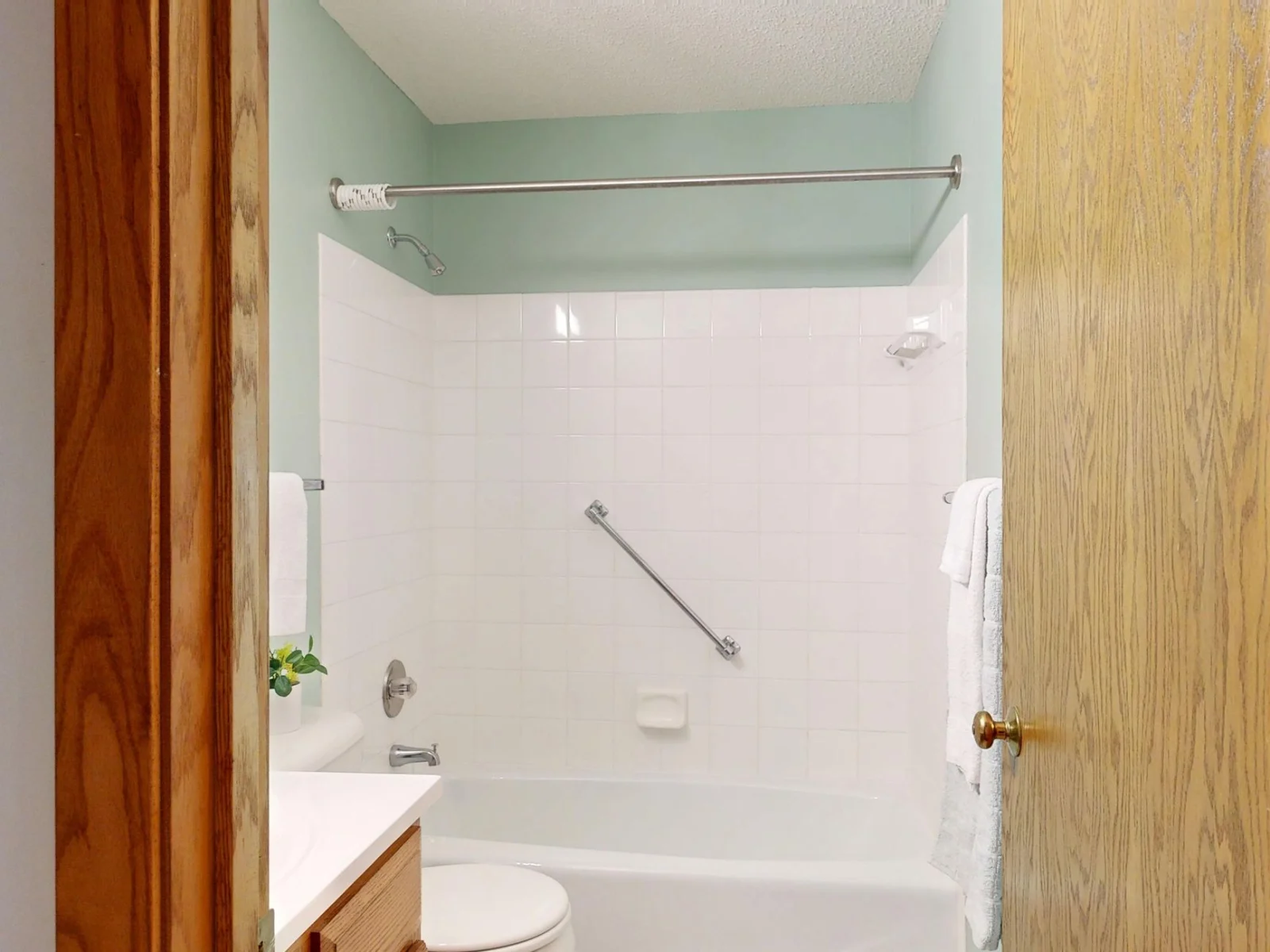
| Fully accessible | Wider doorways, roll-in or transfer shower, fold-down bench, grab bars, lower closet rails | Wheelchair or scooter users |
| Ambulatory accessible | Grab bars and some adaptations, but a step into the bathroom or balcony and narrower doors | Parents who use a cane or walker |
| Standard cabin near elevators | No adaptations, but a short walk to everything | Parents who walk well but tire easily |
| Connecting cabins | Two cabins with an internal door between them | Families who want privacy but quick access to a parent |
Royal Caribbean says its accessible cabin doors are at least 32 inches wide, compared with at least 23 inches for a standard cabin door. If your parent needs help at night, connecting cabins or a family suite let you stay close while keeping some privacy. For bigger groups, see our roundup of the cheapest big cabins that sleep five.
Location matters as much as cabin type. A cabin midship on a lower deck feels the least motion and is usually close to elevators. You can also request shower stools, raised toilet seats or bed rails. Princess asks for these at booking or through its app.
Scooters, Wheelchairs and Mobility Rules
Many families rent a mobility scooter or wheelchair for the cruise even if a parent manages at home without one. Ships are big, and a day of walking can be exhausting. Key rules to know:
- Bring your own or rent. Lines generally don’t supply personal mobility devices. Royal Caribbean and Princess both point guests to third-party vendors such as Scootaround and Special Needs at Sea, which deliver to the cabin. The renter pays the cost.
- It must fit in the cabin. Royal Caribbean requires scooters and assistive devices to be stored and charged inside the stateroom, not in corridors. Devices should fit through the door: at least 23 inches for a standard cabin and 32 inches for an accessible one. For anything wider, contact the line’s access department.
- Crew won’t lift. Royal Caribbean and Celebrity both say staff can’t lift guests or devices. If your parent needs lifting help, a family member or companion will need to do it.
- Fill in the forms. Princess has a mobility questionnaire to complete before sailing. Royal Caribbean asks for 30 days’ notice for special equipment or services, and Celebrity has an accessibility request form.
Policies can change and vary by ship, so confirm the current rules with your line’s accessibility team before you rent.
Embarkation Day: Ask for Assistance
Embarkation involves long lines, a lot of standing and a long walk to the ship, which makes it one of the most tiring parts of any cruise. Every major line offers help:
- Royal Caribbean provides free wheelchair assistance for embarkation and disembarkation, plus early boarding for guests who need it.
- Princess has an Accessibility Lane at check-in that companions can use too.
- Celebrity offers boarding and departure help for manual wheelchair, walker and cane users. You can ask on arrival, but it helps to request it in advance.
Pack medications, a change of clothes and any essentials in a carry-on, because checked bags may not reach the cabin until later in the day. If this is your parents’ first time at sea, our guide on how to prepare for your first cruise runs through the full checklist.

Health, Medications and Travel Insurance for Senior Cruisers
Medications
Bring enough medication for the whole trip plus a few extra days in case of delays. Keep it in original labeled containers and pack a written list of prescriptions and doses. If your parent uses oxygen, arrange the supply in advance. Princess, for example, says its onboard oxygen is for emergencies only.
Ship medical centers and Medicare
Ship medical centers can treat many problems, but they charge for care, and you usually pay onboard and claim the cost back later. Original Medicare generally covers care on a ship only when it is in a U.S. port or within six hours of one, and the doctor is legally authorized to practice. Medicare Part D generally won’t cover drugs bought outside the U.S. or at sea. Some Medicare Advantage plans and Medigap plans include foreign travel emergency cover, but limits apply. Check your parents’ plan details directly.
Travel insurance with pre-existing conditions
Buy travel insurance soon after you put down the deposit. Many policies only waive the pre-existing condition exclusion if you buy within a set window after the first payment. Look for plans that include medical evacuation, which can be very expensive from a ship or remote port. Make sure every condition is declared accurately.
Special diets
Low-sodium, diabetic, gluten-free and soft-food diets can usually be accommodated. Tell the line in advance; Princess asks for dietary requests through its app 90 days before sailing. Then remind the head waiter on the first night.
Shore Excursions for Seniors With Mobility Issues
Most lines rate excursions by activity level, so read the descriptions carefully. Look for:
- Panoramic coach or scenic drive tours with short stops
- Tours labeled as accessible or low-activity, or excursions in wheelchair-accessible vehicles (often bookable on request)
- Boat trips, train rides and city tours with seated portions
Princess notes that standard coach tours suit guests who can manage three to five steps and have a collapsible device. Remember that staying aboard on a port day is a perfectly good option. Ships are quiet while most passengers are ashore, and spas and restaurants are less crowded.
One thing many planning guides skip is an “energy budget.” Agree before the trip which ports are must-sees and which are optional, and plan a slow morning after any big excursion day. Older travelers often enjoy the cruise more when they don’t feel pressure to do everything.
Passports and Documents
On a closed-loop cruise (round trip from the same U.S. port), U.S. citizens can usually sail with an original birth certificate and government photo ID, or a passport card. A full passport book is still the safer choice for elderly parents. If someone has to leave the ship and fly home from a foreign port for medical reasons, airlines won’t accept a birth certificate and ID alone. Check passport expiry dates early, because renewals can take weeks. Carry copies of insurance policies, medication lists and emergency contacts as well.
Finally, keep an eye out for offers. Some lines run discounts for guests 55 and over, and our 2027 cruise deals guide can help you budget for the extra cabin or upgraded room that makes the trip more comfortable.
FAQs
Which cruise line is best for elderly parents?
Holland America, Princess, Celebrity, Cunard and Viking are popular with older travelers for their relaxed pace and enrichment programs. The best choice still depends on your parents’ interests, mobility and preferred ship size.
Is there an age limit for cruising?
Mainstream cruise lines don’t set an upper age limit. Guests with serious health conditions may need medical clearance, and the line can decline travel if it can’t safely meet someone’s medical needs.
Can my parent bring a mobility scooter on a cruise?
Yes, on most lines, but it must fit through the cabin door and be stored in the cabin. Royal Caribbean requires devices to be stored and charged in the stateroom. You can also rent one through vendors such as Scootaround or Special Needs at Sea.
Does Medicare cover medical care on a cruise ship?
Only in limited cases. Original Medicare generally covers care only when the ship is in a U.S. port or within six hours of one. Travel insurance with medical and evacuation cover is strongly recommended.
Do seniors get discounts on cruises?
Some lines, including Celebrity and MSC, advertise offers for guests 55 or 65 and over on selected sailings. Availability changes often, so compare senior fares with general promotions.