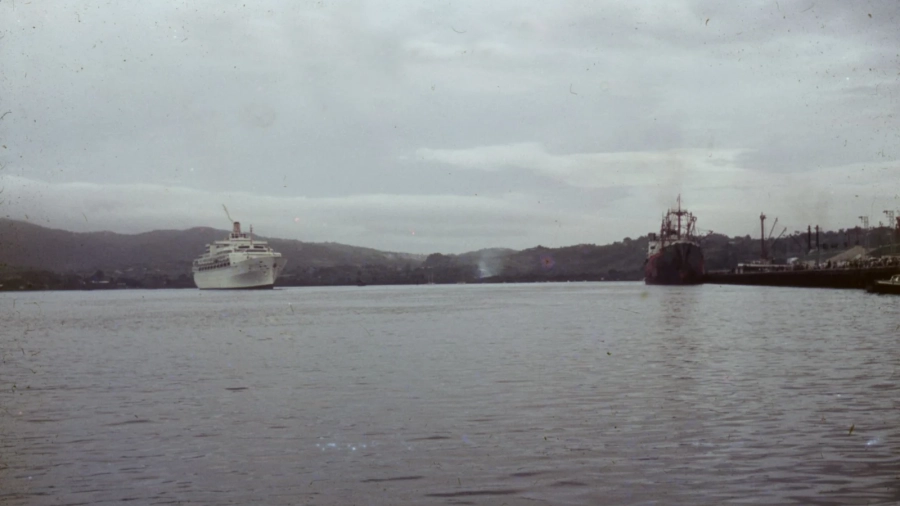
Older cruise ships are not automatically worse than new ones. Upkeep matters far more than age: a 20-year-old ship that has had a major refit can feel fresher than a 10-year-old ship that has only had paint touch-ups. A new ship buys you the latest attractions, cabin tech and energy-efficient design. An older ship usually means fewer passengers, more ports it can reach and lower fares.
Free: download our 2027 Luxury Cruise Calendar →
So the real question in the old vs new cruise ships debate is which kind of ship suits your trip. This guide covers how cruise ship age affects safety, comfort and price, which older ships have had big makeovers, and how to check any ship’s history before you book.
What Counts as an “Old” Cruise Ship?
A cruise ship typically stays in service for about 30 to 40 years, often with more than one owner. That gives a rough guide to the industry’s own sense of age:
- New (0 to 5 years): the current generation, with the latest layouts, tech and attractions.
- Mid-life (6 to 15 years): still modern, and often in line for its first big refurbishment.
- Older (15 to 25 years): the most varied group. Some have been rebuilt inside, while others are clearly dated.
- Veteran (25+ years): usually sold on to smaller or budget lines, or running niche, port-intensive and long itineraries.
Age also has to be measured against how quickly ships grew. Royal Caribbean’s Voyager of the Seas was the world’s biggest cruise ship when it launched in 1999, at about 137,000 gross tons. The line’s Icon-class ships are now well over 240,000 gross tons. A ship from the early 2000s can be big by any normal standard and still look mid-sized beside the newest builds.
Does Cruise Ship Age Affect Safety?
This is the question cruisers ask most, and the short answer is no, not in the way people fear. Every ocean cruise ship carrying international passengers must meet the International Convention for the Safety of Life at Sea (SOLAS). Classification societies and flag states survey ships regularly, and port-state inspectors, including the US Coast Guard at American ports, check them as well.
The rules do change over time, and older ships have to keep up. When tougher SOLAS fire-safety requirements took effect on 1 October 2010, owners of passenger ships built before May 1980 had to prove compliance to keep sailing internationally. Many wood-heavy classic ships retired rather than be rebuilt. Some newer rules only apply to newer ships. “Safe Return to Port” design, for example, is required for larger passenger ships whose keels were laid on or after 1 July 2010. It means essential systems keep working after a fire or flooding in one compartment, so the ship can get itself to port. Ships built before that date are still legal and safe to sail. They were simply designed under the earlier standard.
For hygiene, ships with 13 or more passengers that call at US ports on foreign itineraries are covered by the CDC’s Vessel Sanitation Program. That means two unannounced inspections a year, scored out of 100, and a score of 85 or lower is a fail. Scores are public, and older ships regularly score in the high 90s. That’s a good sign that maintenance and crew standards matter more than build year.
Refurbishment Matters More Than Age
Big lines spend hundreds of millions of dollars bringing older ships up to the standard of their newer sisters. These are not just new carpets. Major refits can add water slides, new restaurants, extra cabins and redesigned public spaces. The table below shows some well-known examples.
Older ships that have had major makeovers
| Ship | Entered service | Major refit | What changed (headline) |
|---|---|---|---|
| Voyager of the Seas (Royal Caribbean) | 1999 | 2019 (Royal Amplified) | New slides, outdoor additions, refreshed dining and bars |
| Navigator of the Seas (Royal Caribbean) | 2002 | 2019 (Royal Amplified) | Waterslides, new pool areas, new venues |
| Freedom of the Seas (Royal Caribbean) | 2006 | 2020 (Royal Amplified) | Pool deck and kids’ area upgrades, new restaurants |
| Oasis of the Seas (Royal Caribbean) | 2009 | 2019 (Royal Amplified) | Ultimate Abyss slide, new dining and bars |
| Carnival Sunrise (ex-Carnival Triumph) | 1999 | 2019 | Roughly $200m transformation, renamed with new features |
| Carnival Radiance (ex-Carnival Victory) | 2000 | 2021 | Similar large-scale overhaul and rename |
| Celebrity Millennium | 2000 | 2019 (Celebrity Revolution) | Redesigned suites, cabins, restaurants and shops |
| Celebrity Summit | 2001 | 2019 (Celebrity Revolution) | Edge-style interiors throughout |
Royal Caribbean has kept going with amplifications, adding Allure of the Seas in 2025, and more refits are scheduled. Lines do move dates around, though, so check the current plans for any ship you’re considering.
Even on a well-refurbished ship, some things can’t be changed. Hull shape, ceiling heights, cabin footprints and the number of balcony cabins are mostly fixed. Older cabins can also have fewer power outlets and smaller bathrooms. A refit changes how a ship looks and what it offers, but not its basic structure.

Old vs New Cruise Ships: 8 Differences That Affect Your Trip
- Crowds and space. The newest mega-ships carry far more people. Royal Caribbean’s Icon-class Legend of the Seas, which debuted in July 2026, can carry around 7,600 guests at full occupancy. Many older ships carry 1,500 to 3,000. Bigger ships offset this with more venues, but you’ll still notice queues at peak times.
- Atmosphere. Older designs often face outward, with wraparound promenades, more open deck at the rail and lounges looking out to sea. Newer ships tend to look inward towards “neighbourhoods”, parks and activity zones.
- Attractions. Water parks, surf simulators, roller coasters and huge theatres are mostly found on new ships or heavily amplified ones. If those are the reason you’re booking, an unrefitted older ship will disappoint.
- Dining. New ships launch with the line’s latest restaurant concepts. Older ships often get some of them at refit, but usually fewer.
- Cabins and tech. Newer ships have more balconies, USB and multiple sockets, smart TVs, app-based keys and better soundproofing. Older ships can have a higher share of inside and ocean-view cabins.
- Itineraries. This is the big win for older and smaller ships. They fit into ports and harbours that mega-ships can’t use, and lines often put them on longer, more varied or more port-heavy routes. The newest ships usually run short, high-demand Caribbean or Mediterranean loops.
- Passenger mix. New flagships with big family attractions draw more children and first-timers. Older ships on longer itineraries often attract more experienced, older and quieter cruisers.
- Value. Fares on older ships are often lower than on a new ship from the same line, sometimes by a wide margin on similar dates. The gap varies a lot by season and demand, so compare the same week and cabin type before deciding.
How to Check a Cruise Ship’s Age and Last Refit
Most comparison guides skip this, but it only takes ten minutes and tells you more than a launch year does:
- Find the build and refurbishment dates. Cruise line “ship facts” pages usually list the year the ship entered service and often its last major refurbishment. Ship-tracking and encyclopedia sites also list former names, which reveal ships transferred from another brand.
- Look for the name of a refit programme. Branded overhauls such as Royal Amplified or Celebrity Revolution mean big investment. A plain “dry dock” can mean anything from hull painting to a full interior refresh.
- Check the CDC inspection history. The CDC’s Vessel Sanitation Program inspection tool shows recent scores and reports. A run of consistently high scores is a good sign of how the ship is maintained.
- Read recent reviews, not old ones. Filter reviews to the last 6 to 12 months, or to sailings after the latest refit. Pre-refit complaints may no longer apply.
- Watch for upcoming dry docks. If a ship is due a big refit soon after your sailing, the months before it may show the most wear. Booking just after a refit gets you a freshly updated ship, often at older-ship prices.
- Check the deck plan. Compare the number of balcony cabins and where your cabin sits relative to venues that were added during a refit, such as new bars or a new pool area, which can bring extra noise.
Who Should Book Older Cruise Ships?
Older cruise ships tend to suit:
- Itinerary-first travellers who care more about ports than onboard thrills, including longer sailings, repositioning cruises and smaller harbours.
- Budget-minded cruisers who’d rather spend the savings on a balcony, an extra excursion or a longer trip.
- People who dislike crowds and want a ship that’s easy to find your way around after a day or two.
- Fans of a classic style of cruising, with promenade walks, sea views from lounges and a quieter evening scene.
Choose a well-refitted older ship if you want some of the new features without the new-ship price. Royal Caribbean’s amplified ships are a good example. For more on how the Oasis-class sisters differ by age and refit, see our guide to every Oasis-class ship compared.
When the Newest Cruise Ships Are Worth Paying Extra For
The newest cruise ships earn their premium when:
- You’re travelling with children or teens who will use the water parks, clubs and activity zones every day.
- The ship itself is the destination, for example on a short Caribbean sailing where you may barely leave the ship.
- You value modern cabins, from balcony availability to sockets, lighting, storage and quieter rooms.
- You want the line’s newest restaurants, shows and venues, which may never be added to older ships.
If you’re weighing up Royal Caribbean’s two biggest classes, our Icon class vs Oasis class comparison sets out what the extra money buys. Our Legend of the Seas review covers what life on the line’s newest ship is really like.
There’s also a middle option. Ships that are 5 to 10 years old, or recently refitted, often give you most of the modern experience at a noticeably lower fare. That’s especially true once a line’s newest ship arrives and demand moves to it.
The Bottom Line
Cruise ship age is a useful clue, but the date alone doesn’t tell you much. Look at the last major refit, recent inspection scores, the itinerary and the onboard features you’ll actually use. A carefully maintained older ship on a great route can be the better holiday, and the better deal, than the newest ship on a crowded short loop.
For a real-world example of how age shapes a fleet, see our guide to Princess cruise ships ranked by class and age, which compares the 1998 Grand Princess with the 2025 Star Princess.
For a ship-by-ship example, see which of the oldest Royal Caribbean ships still offer good value after their refurbishments.
If you are booking Royal Caribbean’s oldest ship, our guide to Grandeur of the Seas cabins to avoid explains which rooms age has treated least kindly.
FAQs
Are older cruise ships safe?
Yes. All ocean cruise ships on international voyages must meet SOLAS safety rules and pass regular flag-state, classification and port-state inspections, whatever their age. Ships that can’t meet updated rules are retired or sold.
How long do cruise ships last?
Typically about 30 to 40 years. Many ships move from a major line to a smaller or budget operator partway through, and they’re usually refurbished several times along the way.
Are older cruise ships cheaper?
Often, yes. Fares on older ships are usually lower than on the same line’s newest ships for similar dates and cabins, although the difference varies with season and demand.
How can I find out when a cruise ship was last refurbished?
Check the cruise line’s ship facts page, look for named refit programmes such as Royal Amplified or Celebrity Revolution, and read recent reviews posted after the latest dry dock.
Do older cruise ships have balconies?
Most do, but usually fewer than new ships. Some older ships had extra balcony cabins added during refits, so check the current deck plan rather than assuming.