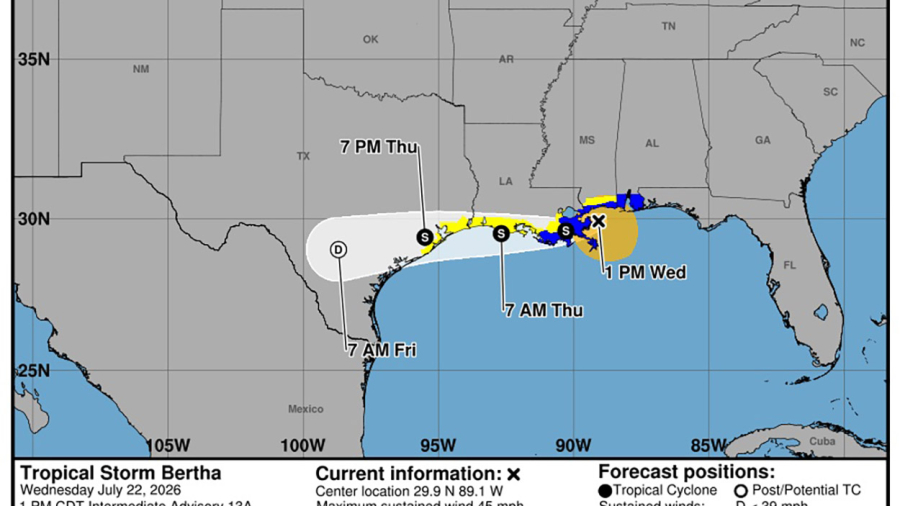
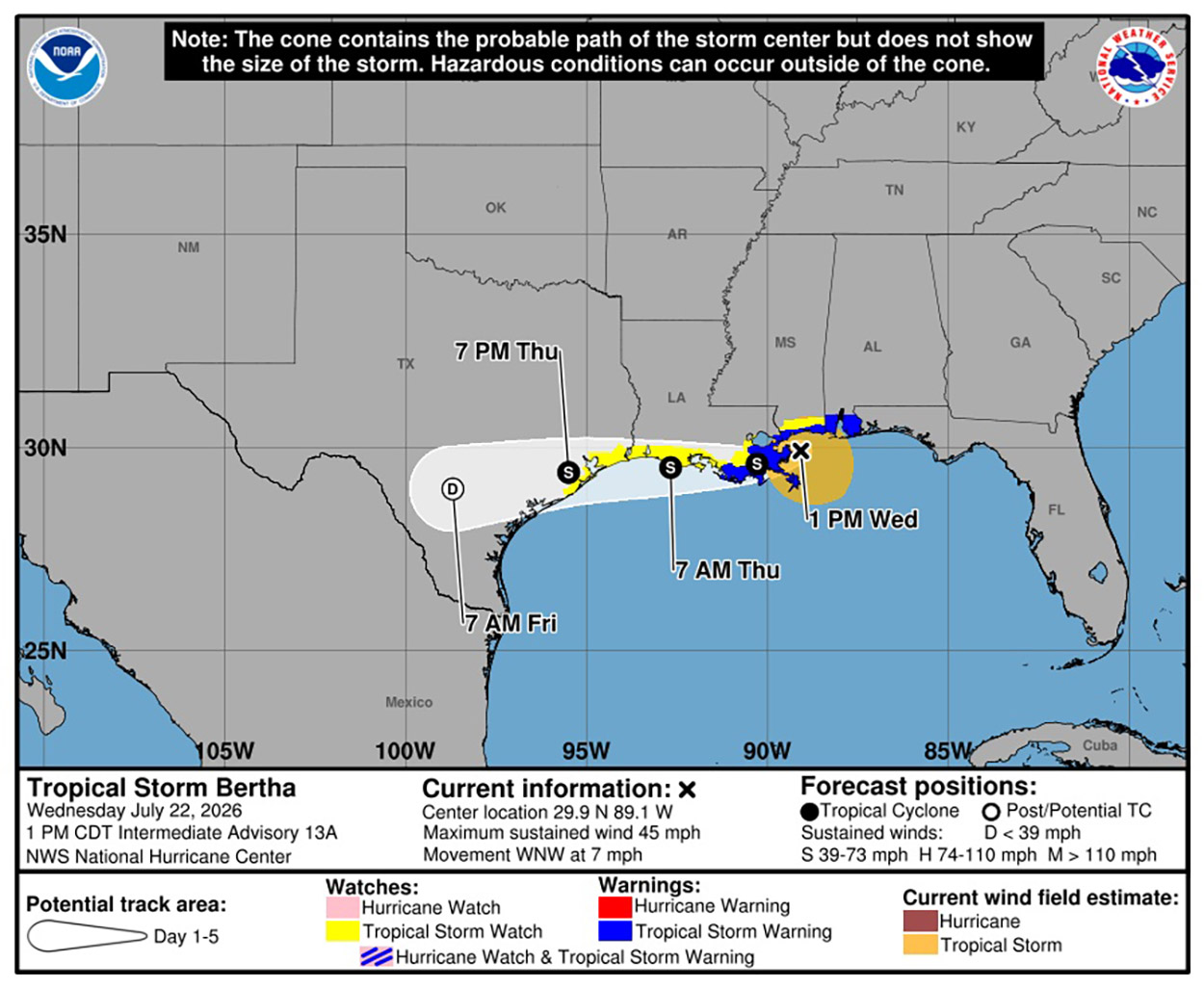
Tropical Storm Bertha, the second tropical storm of the 2026 hurricane season, is currently in the Gulf and is expected to make landfall later this evening.
Tropical Storm Bertha has slightly weakened since this morning, and now has maximum sustained wind of 45 mph. The storm is moving WNW at 7 mph.
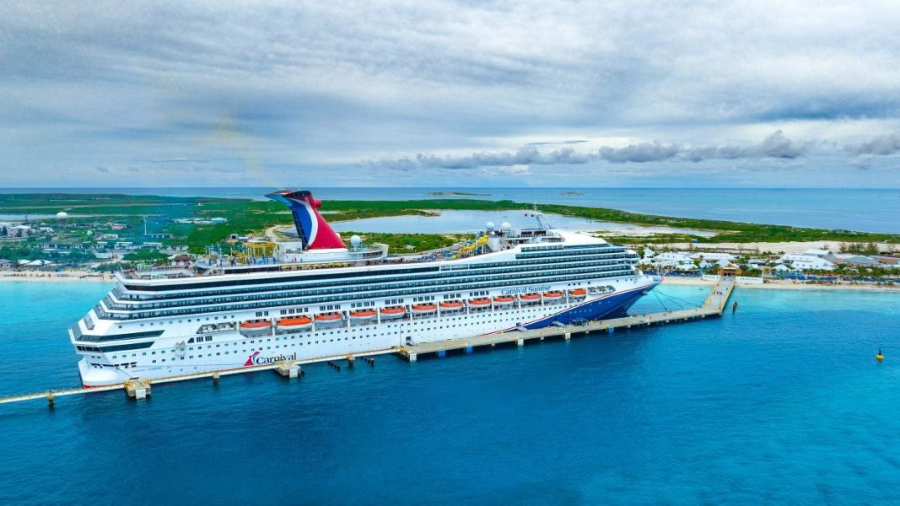
The only cruise that could be affected at this time by the storm is tomorrow’s sailing on Carnival Breeze out of Galveston, Texas.
The storm is expected to pass near or over Galveston tomorrow afternoon/evening.
Carnival Cruise Line sent out the following statement about this cruise to those who are booked on the July 23 sailing on Carnival Breeze:
“Our Fleet Operations Center is actively monitoring Tropical Storm Bertha, which is expected to impact the Gulf Coast later this week. At this time, there are no changes to our operational plans for your cruise, but we will continue to monitor the situation and keep you updated.”
Carnival Breeze is scheduled for a four-night cruise to the Western Caribbean with one stop in Cozumel, Mexico. The cruise will also have two sea days.
It is rare for cruise lines to cancel a cruise due to a tropical storm or hurricane. Port stops are often switched, and a ship might sail to the Eastern Caribbean instead of the Western Caribbean to avoid a storm. Cruise lines to everything in their power to keep guests and crew members safe.
There are no other cruise ships scheduled to arrive or depart out of Galveston until Saturday, when the storm should be long gone and dissipated.
For the latest details and alerts on Tropical Storm Bertha, you can visit the National Hurricane Center. Hurricane season runs from June 1 through November 30.
Cruise Fever will continue to monitor Tropical Storm Bertha, and will have any changes to cruises, if there are any, right here on our website.
Get the latest cruise news, tips, and deals sent straight to your inbox with our free newsletter: Sign Up Now
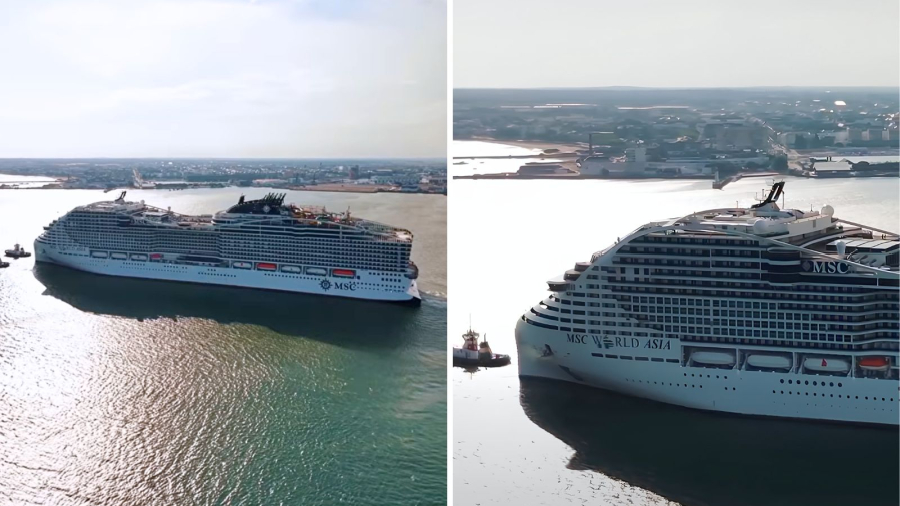
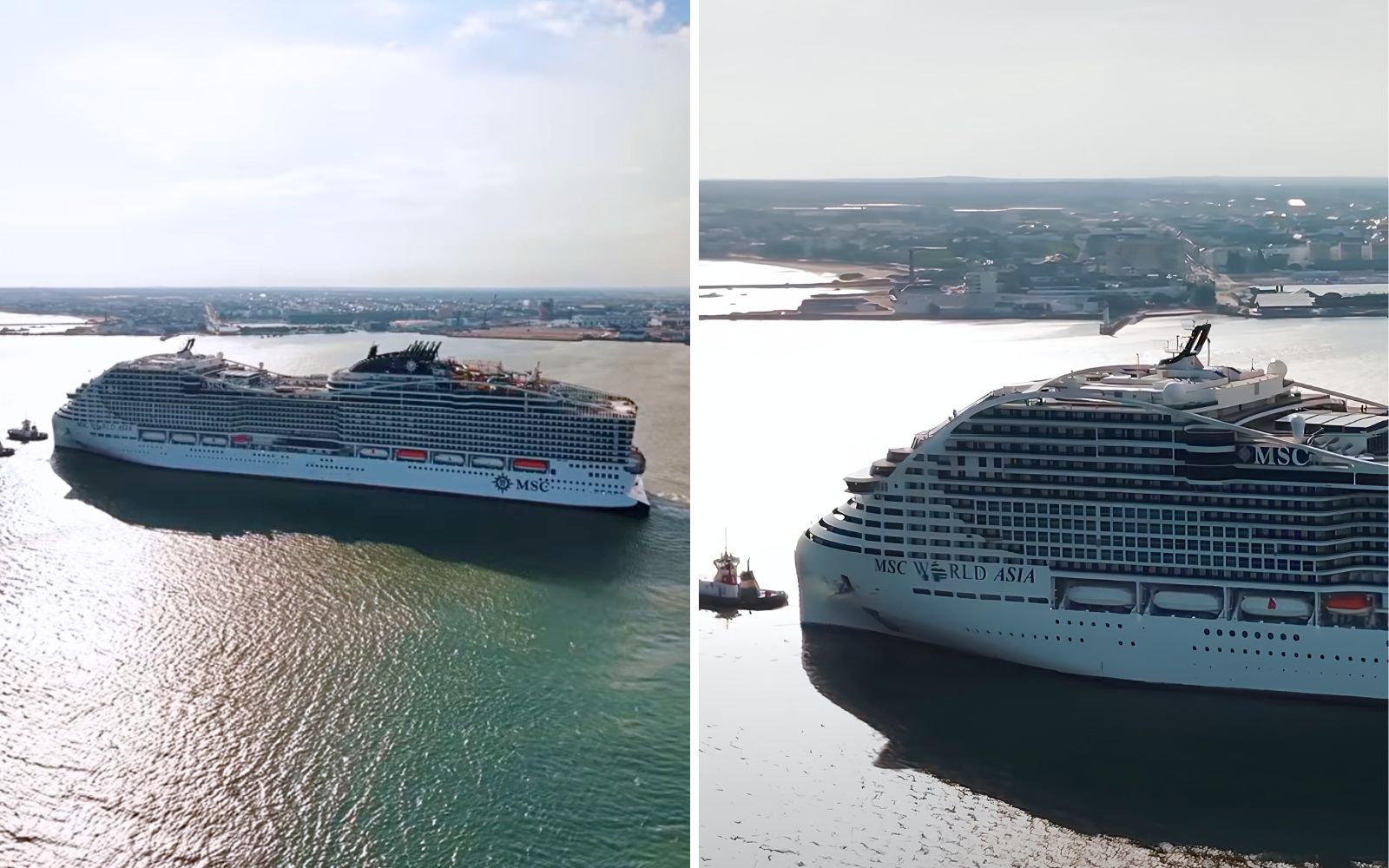
MSC Cruises’ World Class ships are the largest cruise ships the company has ever built. And the third one, MSC World Asia, is one step closer to carrying up to 6,700 passengers all over the Mediterranean Sea.
MSC World Asia during sea trials (MSC Cruises)
The new milestone was celebrated on the cruise line’s social media accounts with the words, “SEA TRIAL COMPLETE”. But what this really means is now the outfitting of the ship can begin as more testing is done over the next few months.
MSC World Asia recently departed the Chantiers de l’Atlantique shipyard in Saint-Nazaire, France. The ship took to open water for the first time for her sea trials and the crew tested her propulsion, maneuverability, and safety systems. It looks like all went well.
By the Numbers: Specs & Capacity
As the third vessel in MSC’s successful and popular World Class series, following MSC World Europa (2022) and MSC World America (2025), the ship has some impressive stats:
Gross Tonnage: Approximately 216,636 GT
Double Capacity: Roughly 5,400 passengers
Maximum Capacity: Up to 6,762 passengers across 2,614 cabins and 20 decks
Crew: Over 2,100 crew members on board
Power: Liquefied Natural Gas (LNG) dual-fuel engines
What Makes MSC World Asia Unique?
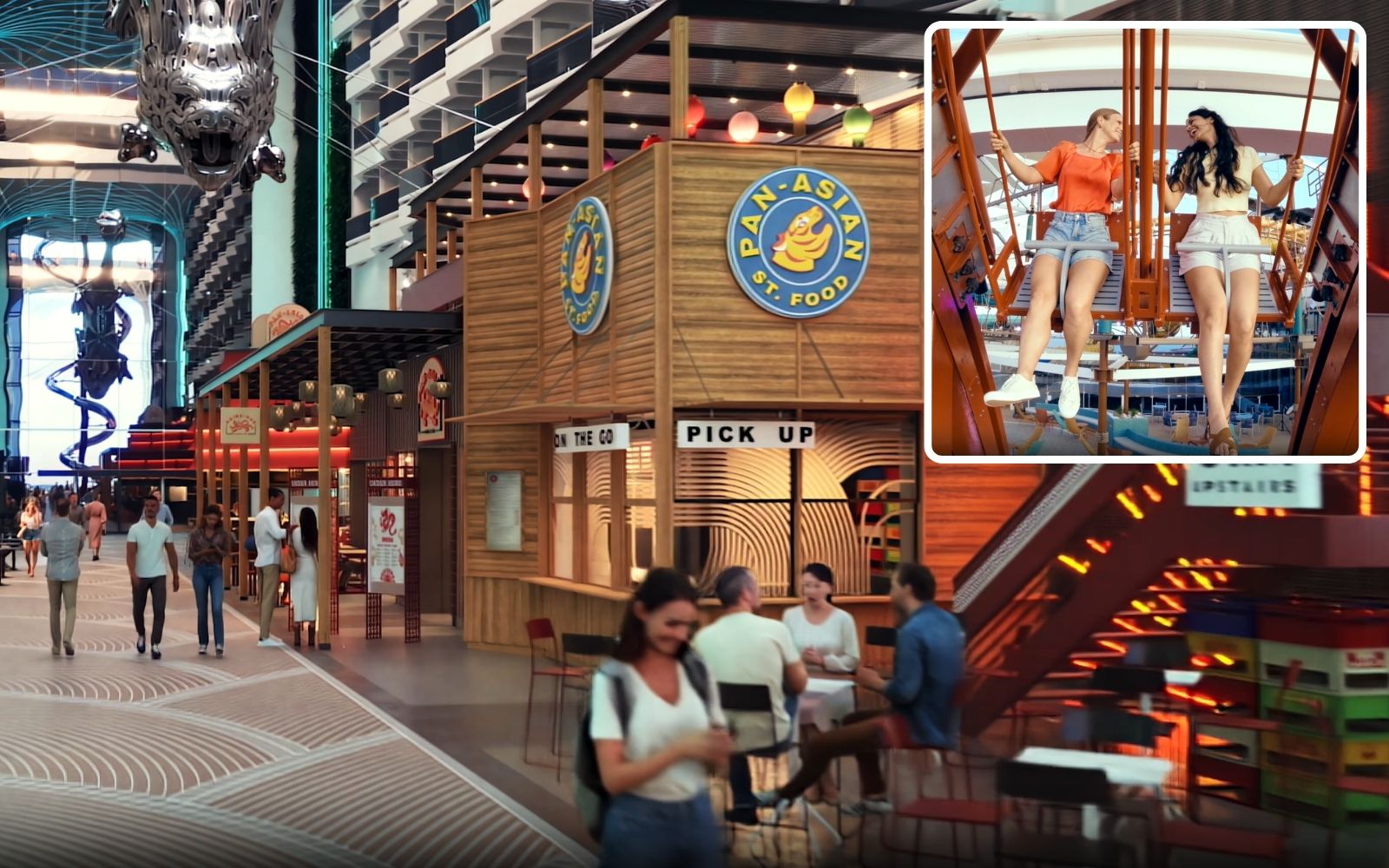
Asian decor and themeing on MSC World Asia
While MSC World Asia is a sister ship to the first two World Class ships, she introduces several new concepts and firsts for the European market:
The Cliffhanger (European Debut): First introduced on MSC World America, this swing ride suspended over 160 feet over the open ocean will make its European debut aboard MSC World Asia.
The Spiral @ Tree of Life: Set to be the longest dry slide at sea at 265 feet long, taking riders down 11 decks in seconds. The visual design draws inspiration from Singapore’s Gardens by the Bay.
Asian-Inspired Look: Design elements, artwork, and specialty dining venues incorporate Asian-inspired decor into the ship’s European style.
Expanded Attractions: Features an expanded 6,210-square-foot Adventure Trail high-ropes course and zip line, along with an upgraded interactive Luna Park Arena.
Maiden Voyage and Itineraries
After the ship is all decked out with its brand-new cabins and all the little details that new vessel needs, it will officially set sail on her maiden season starting on December 4, 2026.
She will be spending her inaugural season running year-round 7-night Western Mediterranean itineraries.
Thanks to MSC’s flexible setup, guests will be able to start and end their cruise from several key homeports along the route:
Barcelona, Spain (Main Homeport)
Marseille, France (Main Homeport)
Civitavecchia / Rome, Italy (Main Homeport)
Genoa, Italy (Main Homeport)
Messina, Sicily, Italy (Visiting Port)
Valletta, Malta (Visiting Port)
Get the latest cruise news, tips, and deals sent straight to your inbox with our free newsletter: Sign Up Now
If you’ve paid attention to the cruise industry over the last couple of years, you’ve probably noticed an interesting trend: short cruises are everywhere. But a new survey shows that veteran cruisers want a longer duration for their getaways at sea.
And by short, I’m talking about 3- and 4-nighters. Veteran cruisers typically call these booze cruises or party cruises, since the short duration tends to lean away from a relaxed getaway and more towards a quick hit with the little vacation time someone might have left at work.
Sometimes they don’t require any time off work at all since a sailing might be Friday through Sunday.
But these sailings aren’t just on older, forgotten-about ships. Cruise lines are dropping brand-new, mega-ships directly into the 3- and 4-night market.
Look at what Royal Caribbean has done recently. They put Utopia of the Seas (a brand-new, 230,000-ton Oasis-class ship) straight into the 3- and 4-night Bahamas rotation right out of the shipyard.
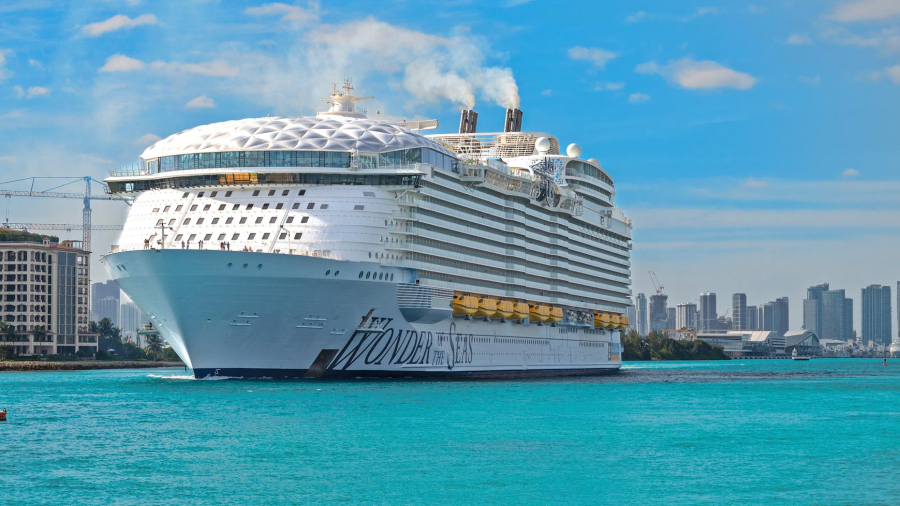
They’ve done the same thing with Wonder of the Seas and Oasis of the Seas, running regular cruises to the popular cash cow, Perfect Dat at CocoCay.
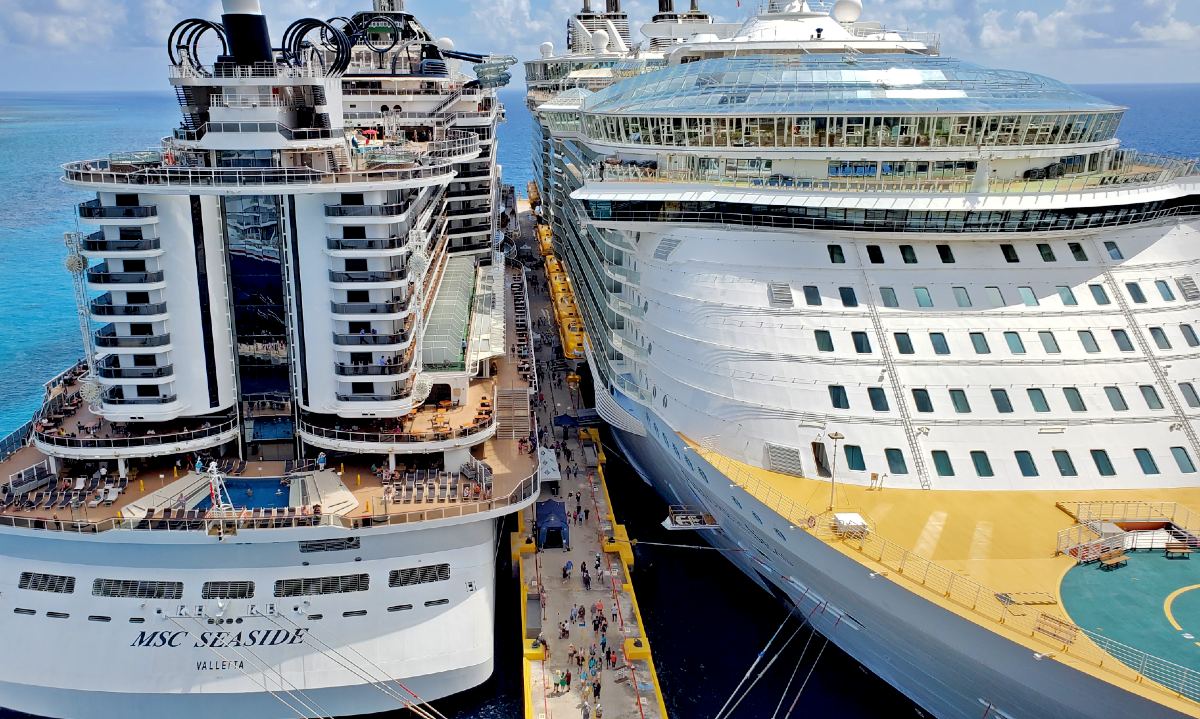
And Royal isn’t alone. MSC Cruises has been running 3- and 4-night Bahamas sailings on newer ships like MSC Seashore and MSC Seaside out of Port Canaveral and PortMiami too.
It seems more cruise lines are trying to soften the time duration of a cruise to introduce a wider market to this vacation style. And then the goal is to get them hooked on it.
There’s just one problem: That’s not actually what avid cruisers are looking to book, at least according to a recent survey.
MSC Seaside and Allure of the Seas. Photo credit: Cruise Fever
Cruiseline.com’s Survey
Cruiseline.com and Shipmate recently dropped the results of their annual member survey, gathering data from over 5,500 veteran cruisers.
And when you look closely at the numbers, especially from the 64% of respondents who have taken 10 or more cruises, there’s a pretty big gap between what the cruise lines are pushing and what experienced cruisers actually want.
Let’s take a look at the data.
The Numbers: Short Cruises vs. Longer Voyages
When looking at future booking intent, the survey revealed some interesting numbers regarding itinerary length:
59% of survey respondents said they intend to book an 8- to 13-day cruise.
34.5% are looking at 14-day or longer itineraries.
12.1% said they are considering a 2- to 6-day cruise.
Read those numbers again. Nearly 60% of cruisers want longer, 8+ day sailings, while barely 12% are actively looking to book a short weekend getaway.
And sure, these are numbers of intent and not actual bookings, so there’s an element of desire versus reality.
But if you look at cruise line deployments, short 3- and 4-night sailings are getting some of the newest, biggest ships in the world.
So, what are we missing here?
Utopia of the Seas. Photo credit: Cruise Fever
Why Cruise Lines Love Short Cruises (Even If You Don’t)
To understand why cruise lines keep pushing short itineraries despite seasoned cruisers wanting longer ones, you have to look at how the business works.
Attracting First-Timers: A 3-night cruise to a private destination like Perfect Day at CocoCay or Ocean Cay is the ultimate “gateway drug” for non-cruisers. It gets them in the door. It’s low commitment, easy on vacation time, and gets new people hooked on the brand.
Higher Daily Revenue: Cruise lines often make a lot more money per day on a short cruise. Passengers tend to spend more aggressively on drink packages, specialty dining, and onboard buys when they only have three days to cram it all in. Perhaps FOMO is a factor here.
Fleet Efficiency: Running quick back-to-back runs keeps ships full at high turnover rates.
It makes total financial sense for the cruise lines.
But for the veteran cruiser? A 3-night cruise can feel like you just finished unpacking your suitcase right as they place the departure papers on your bed.
When your e-muster drill and debarkation plans are just a couple days apart, the whole experience feels like a blur.
The “Cruise Exhaustion” Factor
Let’s be honest. Taking a 3-night cruise isn’t always relaxing. Between travel days, embarkation lines, and trying to squeeze every ounce of value out of your weekend, a short cruise can feel more like you’re trying to figure out which wire to cut before your vacation timebomb goes off in your face.
By day three, you’re just starting to figure out the ship’s layout. You finally stopped getting lost in the wrong hallway of cabins. And suddenly it’s time to figure out if you want to take an Uber or a cab to the airport.
Regular cruisers know that the magic of a cruise usually happens around day four or five.
That’s when sea days actually feel peaceful (if you can find an empty lounger), the dining room staff knows your name, and you step into that true “cruise mode” mindset.
A longer 10- or 12-day itinerary gives you real port variety too. And you don’t feel like you have to squeeze every minute out of the ship’s time in port.
Other Takeaways from the Survey
While the numbers behind the short and long itineraries was the most interesting data point for me, a few other conclusions were made in the survey.:
Royal Caribbean takes top spot in active bookings: Royal Caribbean officially passed Carnival Cruise Line as the #1 brand respondents currently have a cruise booked with (29% vs 24.2%).
Margaritaville at Sea makes the top 10: Say what you will about them, but Margaritaville at Sea has officially cracked the top 10 list of cruise lines travelers are actively considering for future bookings.
Europe beats Alaska for future intent: While the Caribbean/Bahamas remains king (53.4%), the Mediterranean surged past Alaska in future booking intent (31.2% vs 30.7%), with Transatlantic cruises right behind at 23.6%.
River cruising gets an ocean brand twist: Of the cruisers looking at river cruises, 36.1% said they were considering Celebrity River Cruises, trailing only Viking (62.3%).
Cruise lines aren’t going to stop building for the short-cruise market anytime soon. It’s simply too profitable, and it’s the best method they have for giving new cruisers that “Cruise Fever”.
But this survey is a reminder of what regular cruisers really value. We don’t just want mega-ships on 3-day weekend runs. We want time to unplug, unique ports of call, and itineraries that let us actually settle in for a while.
Personally, I still like short cruises because it allows me to experience the ship so I can write about it here, but it’s definitely not as fulfilling as a real vacation.
Get the latest cruise news, tips, and deals sent straight to your inbox with our free newsletter: Sign Up Now
Some cruise lines feel like a black-tie gala at sea. Others feel more like a laid-back beach resort where nobody’s overthinking what they’re wearing. And most fall somewhere in between.
The thing is, cruise lines don’t really advertise themselves this way. Two ships might both promise “relaxed luxury” or “something for everyone” – but step onboard, and the atmosphere can feel completely different.
So I’ve ranked cruise lines from the most formal and traditionally elegant to the most casual and laid-back. Not just what people wear, but how the cruise feels day to day – from dining and entertainment to the type of crowd you’ll be sailing with.
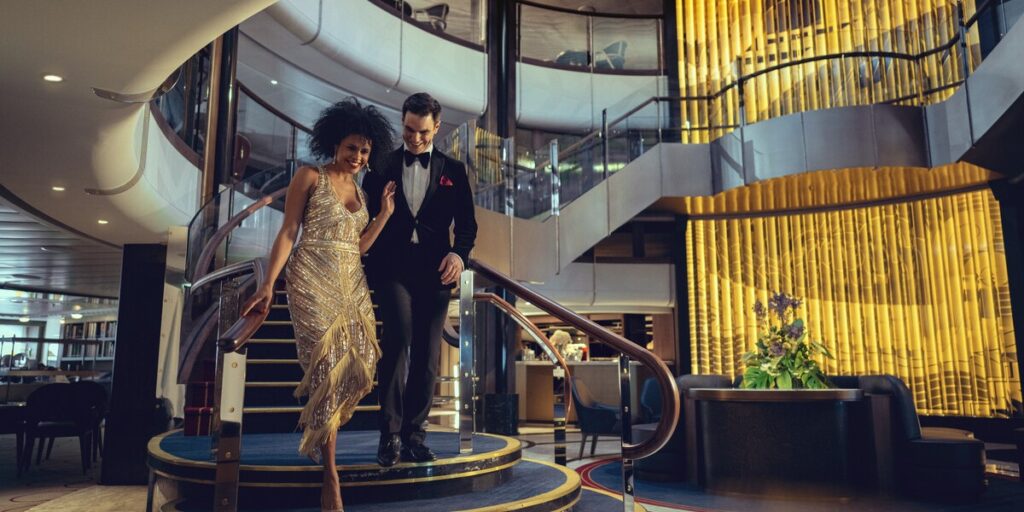
If you’re looking for a classic, elegant cruise experience, these are the lines where formality is part of the DNA – not just something that appears on certain nights.
1. Cunard
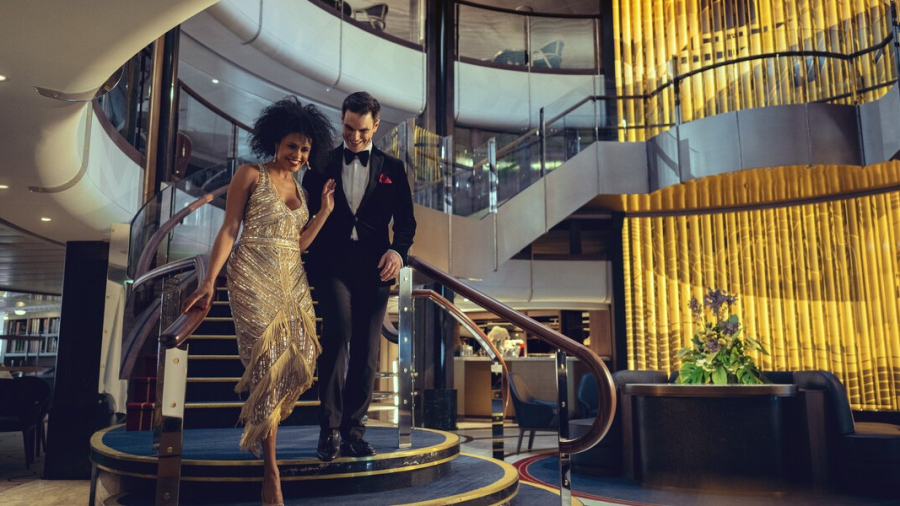
Cunard is the gold standard for traditional cruising. Everything from the ship design to the daily schedule leans into a more refined, old-school experience.
I received a Cunard advert in the post yesterday – on the thickest card with gold leaf embossing. Fancy!
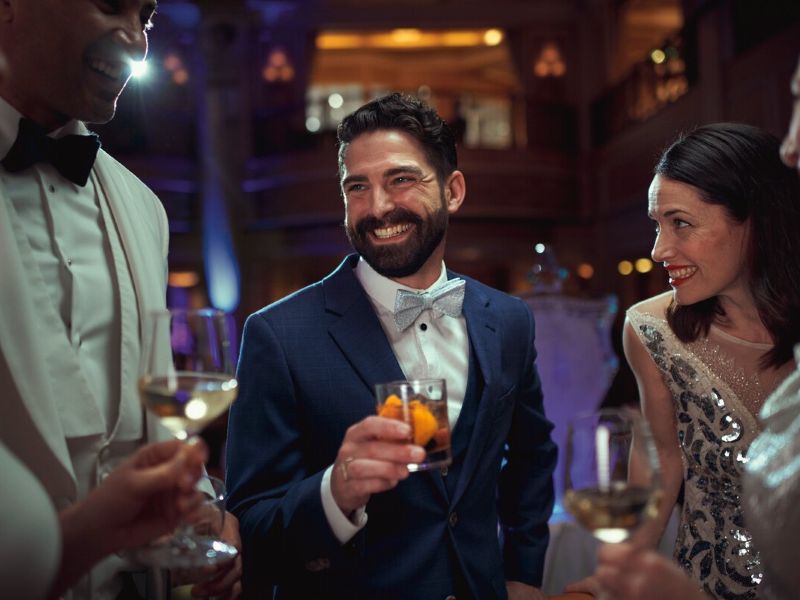
Evenings are a real event, with many guests dressing up whether it’s a Gala Night or not. Expect ballroom dancing, formal dining and a slower, more elegant pace overall. The core experience is unmistakably formal.
Interestingly though, Cunard isn’t a particularly expensive cruise line. I’ve sailed with Cunard three times and never paid more than £99 for my cruise! You can watch this video to see how I fit in…
If you want the feeling of a luxury cruise without the luxury price tag – Cunard could be ideal.
2. Silversea
Silversea blends luxury with a more modern feel, but it still sits firmly towards the formal end of the spectrum.
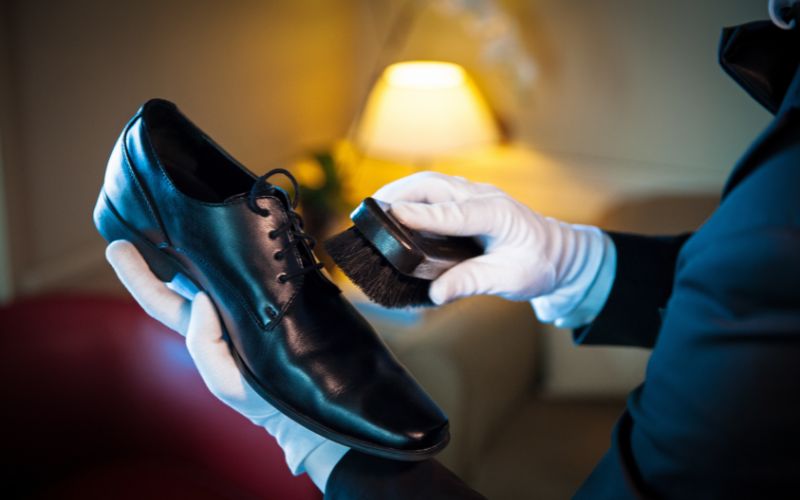
Service is highly attentive, dining is a major focus, and evenings naturally feel more dressed up – even when formalwear is technically optional. On longer sailings in particular, guests tend to embrace the occasion. It’s less rigid than Cunard, but still very much a polished, upscale experience.
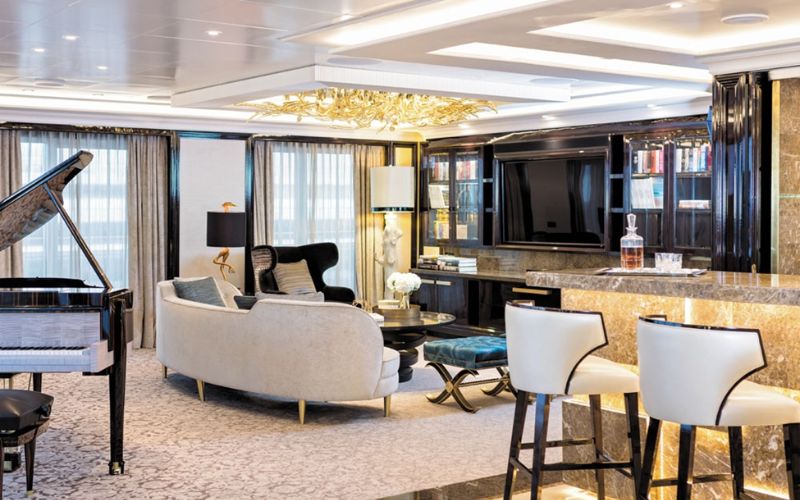
Regent Seven Seas Cruises feels undeniably posh, with elegant ships, highly attentive service and some of the most refined dining at sea. The atmosphere is sophisticated, and guests generally make an effort in the evenings.
It’s luxurious and polished rather than stuffy, making Regent one of the fanciest cruise lines without the stricter traditions you’ll find on Cunard.
4. Seabourn
Seabourn offers an ultra-luxury experience that feels elegant and sophisticated without being overly traditional. The small ships, attentive service and refined dining create a naturally polished atmosphere, and guests generally dress smartly in the evenings.
After 6 pm, the usual dress code is “Elegant Casual”, with collared shirts or sweaters and trousers suggested for men, while women typically wear dresses, skirts or smart trousers. Jackets are optional on most evenings, and elegant jeans are permitted in the dining venues.
Seabourn’s ocean ships may also have formal evenings, when jackets are required for men in The Restaurant and many guests choose cocktail dresses, suits or eveningwear. However, alternative restaurants remain Elegant Casual, so dressing formally is never compulsory across the entire ship.
The expedition ships, Seabourn Venture and Seabourn Pursuit, have no formal evenings at all.
Saga Cruises offers a traditional, distinctly British cruising experience, with elegant ships, attentive service and guests who generally enjoy dressing smartly for the evening.
After 6 pm, the usual dress code is evening-casual. Smart dresses, elegant tops and trousers or skirts are recommended for women, while men are expected to wear a smart open-neck shirt and trousers.
Formal nights are still an important part of the Saga experience. Cruises of four to seven nights normally have one, while longer cruises have two or more. On these evenings, women typically wear cocktail dresses, evening gowns or elegant separates, while men are expected to wear a suit and tie or dinner jacket.
Saga feels polished and traditional without being as grand or ceremonious as Cunard, but it is still one of the more formal cruise lines sailing from the UK.
6. P&O Cruises
P&O Cruises offers a very classic British cruise experience, but without feeling overly rigid. Evenings usually follow an “Evening Casual” standard, with a step up to Black Tie on selected nights.
The Black Tie dress code is strictly enforced, with men requiring a jacket and tie to enter the dining rooms, although the buffet is also an option for those who wish to opt out.
Many guests do embrace the dressier side, especially on longer sailings, but there are always more relaxed venues if you’d rather keep things low-key. It’s traditional, but with enough flexibility to suit different styles.
Fred. Olsen Cruise Lines keeps that traditional cruise spirit alive, but in a more low-key, friendly way. There’s a clear shift to smarter evenings, and formal nights do feature on many sailings, but the atmosphere is never intimidating.
Guests tend to make an effort, especially at dinner, yet there’s a relaxed, almost homely feel that stops it from feeling overly formal.
Scenic offers an all-inclusive, luxury experience that’s relaxed but still polished. Days are completely casual, while evenings move to an elegant casual style.
The focus is on comfort, service and inclusions, rather than dressing up, but the overall feel remains quietly sophisticated. That said, they are very strict on not allowing men to wear shorts or sandals in the evenings.
Princess Cruises sits comfortably in the middle ground. The atmosphere feels polished, particularly in the evenings, but not overly formal or intimidating.
You’ll find smart casual as the norm, with occasional formal nights where some guests go all out while others keep it simple. Dining and entertainment lean classic, giving it a slightly dressier feel than more modern cruise lines.
Holland America Line has a refined, traditional feel, but it’s noticeably more relaxed than it once was. Evenings are generally smart casual, with “Dressy Nights” offering a chance to elevate things if you want to.
The focus is on good food, music and a more grown-up atmosphere, rather than strict formality. You’ll see a mix of styles, but overall it still leans polished.
Celebrity Cruises leans towards a more modern, “casual chic” style. The ships feel sleek and contemporary, and evenings naturally have a slightly dressier tone without being formal.
Some guests enjoy dressing up for “Evening Chic” nights, but many stick to smart casual throughout. It’s stylish rather than traditional, with a focus on good food, design and atmosphere.
Ambassador Cruise Line leans traditional in structure, but the atmosphere is far more relaxed than you might expect.
There are formal nights and a clear dress code, but enforcement is light and there are always casual alternatives. Guests tend to make an effort if they want to, but there’s no pressure to fully commit.
Azamara is a bit of a hybrid. There are no formal nights, but the overall atmosphere still leans more polished than you might expect.
Evenings have a “resort elegant” feel, with many guests naturally dressing up for dinner without being told to. Combined with its smaller ships and destination-focused itineraries, it feels refined without ever becoming formal or structured.
Explora Journeys feels like a modern luxury hotel at sea. There are no formal nights, no rigid schedules, and very little emphasis on rules – but the overall atmosphere is effortlessly stylish.
Evenings lean towards an elevated resort-casual look, with guests dressing well without going over the top. It’s refined, contemporary and intentionally low-key.
SeaDream Yacht Club is slightly different, with a smaller, yacht-style atmosphere that feels more intimate and relaxed during the day. But come evening, there’s still a clear expectation to look smart and put together.
There are no formal nights, yet the standard remains high, with guests dressing for dinner and enjoying a refined, sociable atmosphere. It’s understated rather than showy, but definitely still on the formal end.
Windstar Cruises delivers a yacht-style experience that’s intimate and easy-going. There are no formal nights, and the dress code stays firmly in “country club casual” territory.
Evenings are smart but relaxed, with guests dressing neatly rather than formally. It feels upscale without being showy, with a strong emphasis on comfort and atmosphere.
Marella Cruises has a relaxed, friendly holiday atmosphere, so there’s very little pressure to dress formally. Most guests keep things casual during the day and make a little more effort for dinner, but the overall feel is much closer to a resort holiday than a traditional cruise.
Dress codes vary by restaurant and are divided into Beachwear, Casual and Smart. In Smart venues, guests can wear shirts or polo shirts, trousers or tailored shorts, skirts or dresses, and smart shoes, sandals or trainers. Jackets and ties are optional.
Marella has replaced the traditional formal night with a more relaxed “Dress to Impress” night. It gives guests the chance to dress up, but how far they take it is entirely up to them. Some wear suits and cocktail dresses, while others simply choose a smarter version of their usual evening clothes.
Overall, Marella is one of the more casual cruise lines. There are a few basic rules in selected restaurants, but you won’t need formalwear and you’re unlikely to feel out of place if you prefer to keep things simple.
19. Star Clippers
Star Clippers offers a relaxed sailing experience that feels more like a private yacht than a cruise ship.
There are no formal nights, and evenings stay very low-key, with simple expectations like long trousers and collared shirts for dinner. The atmosphere is informal, sociable and refreshingly uncomplicated.
MSC Cruises offers a lively, European-style cruise experience where anything goes within reason. Evenings usually sit at smart casual, but you’ll see a wide range – from very dressed up to very relaxed.
Gala nights and themed events add a bit of glamour if you want it, but there’s no pressure to take part. It’s energetic, varied and fairly easy-going.
Royal Caribbean is all about variety. With so much going on onboard, the atmosphere is naturally more relaxed, even in the evenings.
Smart casual is the norm for dinner, while “Dress Your Best” nights give you the option to dress up if you fancy it. In my experience, most people don’t dress up for these nights. You’ll see everything from jeans to suits, and both feel perfectly acceptable.
Disney Cruise Line keeps things fun and family-focused, which naturally makes it more relaxed. Evenings are generally casual to smart casual, with optional formal or semi-formal nights on longer sailings, and people do tend to be a little bit more dressy if eating in the adults-only restaurants.
The real focus is on themed experiences like Pirate Night, where dressing up is about fun rather than formality.
Costa Cruises has a laid-back, European feel where individuality is part of the experience. Evenings are generally smart casual, but there’s no strong expectation to dress up.
Some guests embrace themed or elegant nights, while others don’t – and both feel perfectly normal. It’s lively, sociable and far from formal.
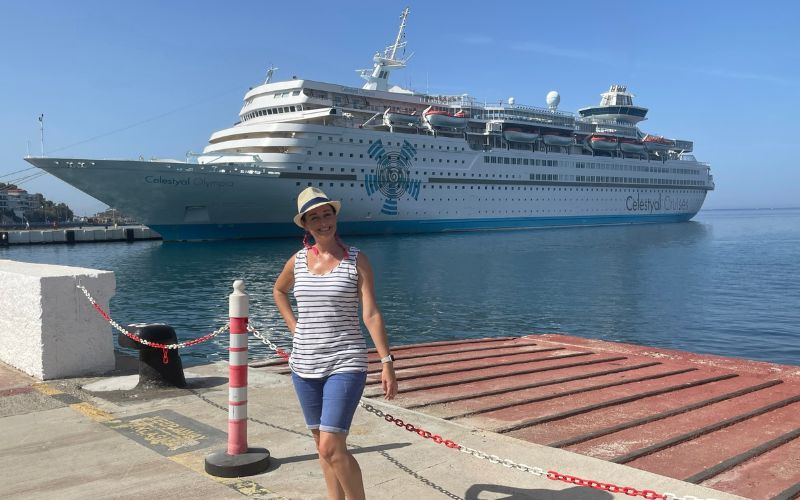
Celestyal Cruises is one of the most relaxed cruise lines when it comes to atmosphere. While there are suggested dress codes and the occasional gala night, they’re rarely enforced in practice.
Many guests head straight from a busy day ashore to dinner without changing, which gives the whole experience a very easy-going feel.
Norwegian Cruise Line built its entire brand around “freestyle cruising”, and that extends to what you wear.
There are no formal nights, no set dining times and very few rules. Even in the evenings, it’s more about looking neat than dressing up. You’ll see a huge range of styles, and nobody stands out for being too casual.
Virgin Voyages takes things even further, with no dress code at all.
You can wear pretty much anything, anywhere – even in restaurants. Instead of formal nights, the focus is on fun, themed events like Scarlet Night or pyjama parties. It’s bold, modern and completely different from traditional cruising.
Carnival Cruise Line is one of the least formal cruise lines at sea. The atmosphere is lively, fun and extremely laid-back, with most guests prioritising comfort over dressing up.
Most evenings are classed as “Cruise Casual”, and the suggested clothing includes jeans, casual dresses, polo shirts and smart shorts. Carnival also holds “Cruise Elegant” nights, when some guests wear suits, cocktail dresses or even evening gowns, but plenty keep things much simpler.
There are still basic dress rules in the main dining rooms, while the buffet offers an even more relaxed alternative. Overall, though, Carnival is a line where dressing up is optional rather than an important part of the experience.
It is ideal for anyone who wants a fun cruise without worrying too much about what to pack or wear to dinner.
TODAY’S BEST CRUISE DEALS!
Don’t miss these offers…
Which Cruise Line Is Right For You?
Choosing the right cruise line isn’t just about price or itinerary – it’s about how you want your holiday to feel.
If you love dressing up, taking your time over dinner and enjoying a more traditional atmosphere, the cruise lines near the top of this ranking will suit you best. They offer that sense of occasion that some people absolutely love.
If you prefer a balance, where you can dress up when you feel like it but won’t feel out of place when you don’t, look towards the middle of the ranking. These cruise lines offer smarter evenings without putting you under too much pressure.
And if the idea of packing formalwear fills you with dread, the cruise lines near the bottom of the list are likely to suit you better. You can keep things casual and focus entirely on enjoying your holiday.
There’s no right or wrong choice here, only what fits your personal style. Get that right, and everything else tends to fall into place.
A Louisiana woman has been left facing medical bills exceeding $53,500 after suffering a severe injury during a rope swing shore excursion on her inaugural Carnival Cruise sailing.
The incident, which occurred on the third day of her Western Caribbean voyage whilst visiting Honduras, resulted in emergency medical evacuation and multiple surgeries.
Kirsten Lindsey from Shreveport, Louisiana, was participating in a rope swing activity during a port call in Honduras when the accident occurred.
Video footage of the incident reveals Lindsey standing on an elevated platform whilst holding a knotted rope swing designed to carry participants out over the water below.
As she launched herself from the platform, a retrieval line attached to the top of the swing apparently became entangled between her legs.
The thin retrieval line caught her in a sensitive area as she began to slip from her grip on the main rope, causing her to be suspended briefly by the retrieval line alone before she released her hold and fell into the water.
Blake Ford, Lindsey’s boyfriend who was accompanying her on the cruise, believes the retrieval line was not properly connected or secured.
The malfunction led to the line catching on Lindsey’s body in a manner that was neither intended nor anticipated by the excursion operators.
A GoFundMe has been stated by Blake to raise money towards their expenses.
Initial Assessment Underestimated Severity Of Injuries
In the immediate aftermath of the accident, neither Lindsey nor Ford recognised the full extent of the injury sustained.
Like many accidents that occur during active excursions, the adrenaline and shock of the moment can mask the true severity of trauma to the body.
Credit: Blake Ford
However, within just a few hours of returning to the Carnival cruise ship, Lindsey’s condition deteriorated rapidly.
Her pain levels increased dramatically, and the injury site began to swell significantly, indicating serious internal trauma that required immediate medical attention.
The escalating symptoms prompted Lindsey to seek treatment at the ship’s medical centre, where she would spend more than 12 hours receiving initial care.
Cruise ship medical facilities are equipped to handle many common ailments and injuries, but they are not full-service hospitals and have limitations on the types of procedures and extended care they can provide.
Medical Evacuation Becomes Necessary From Ship
As Lindsey’s condition continued to worsen despite treatment aboard the vessel, medical staff determined that she required more advanced care than could be provided in the ship’s medical centre.
This assessment led to the difficult decision to arrange a medical evacuation, a costly but sometimes necessary measure for cruise passengers who suffer serious injuries or illnesses whilst at sea.
Lindsey was evacuated from the Carnival ship to Costa Maya in Mexico, the nearest port with medical facilities capable of providing more comprehensive care.
Credit: Blake Ford
Medical evacuations from cruise ships are complex operations that involve coordination between the ship’s medical staff, shoreside medical facilities, and often multiple transportation providers.
The couple faced the challenging task of arranging further transportation from Costa Maya back to the United States, where Lindsey could receive the specialised surgical treatment she required.
This involved securing a private air ambulance, one of the most expensive forms of medical transportation available.
Financial Impact Reaches More Than $53,500
The financial burden of Lindsey’s injury has proven substantial, with costs mounting across multiple categories of care and transportation.
Initial treatment at the cruise ship’s medical centre accumulated charges exceeding $3,500, a figure that reflects the premium nature of medical care at sea.
However, the evacuation costs dwarfed the onboard medical expenses.
Ambulance fees in Mexico combined with the private medical jet transportation to Fort Lauderdale, Florida, pushed the evacuation expenses alone to more than $50,000.
Private air ambulance services typically charge between $15,000 and $100,000 depending on distance and medical requirements, making them one of the most expensive aspects of medical emergencies during cruise holidays.
These figures do not appear to include any subsequent surgical procedures or follow-up care Lindsey required once back in the United States.
The total financial impact of the accident will likely continue to grow as she undergoes treatment and recovery.
Understanding Shore Excursion Safety And Liability
The incident occurred during what has been described as an “excursion” whilst the ship was docked in Isla Roatán, Honduras – an island now marketed as Isla Tropicale.
However, neither the specific sailing date nor the cruise ship involved has been publicly identified, with only the detail that the accident happened on the third day of the voyage.
Critically, there has been no indication whether the rope swing tour was purchased through Carnival Cruise Line’s official shore excursion programme or arranged independently by Lindsey and Ford whilst in port.
This distinction carries significant implications for liability, insurance coverage, and the level of safety oversight applied to the activity.
When cruise passengers book excursions directly through their cruise line, those tours have typically undergone vetting processes and are covered by agreements between the cruise line and tour operators.
Cruise lines generally work with established operators who maintain insurance and adhere to safety standards, though the cruise lines themselves typically disclaim liability for injuries during shore excursions through carefully worded terms and conditions.
Independent tours booked directly with local operators or arranged upon arrival at the cruise terminal may offer cost savings and more flexibility, but they come without the oversight or vetting that cruise line-sanctioned tours receive.
Operators near cruise terminals often approach disembarking passengers with attractive offers for activities at lower prices than official excursions.
Popular Honduras Port Presents Multiple Activity Options
Isla Roatán in Honduras, rebranded as Isla Tropicale, has become one of the most frequented ports of call for Carnival ships sailing Western Caribbean itineraries.
The island destination offers cruise passengers a wide array of activities, from beach relaxation to adventure tourism, including zip-lining, snorkelling, diving, and various water sports.
The popularity of Roatán stems from its natural beauty, relatively developed tourism infrastructure, and proximity to major Caribbean cruise routes.
Multiple Carnival vessels call at the port throughout the year, bringing thousands of passengers who disperse across the island’s many beaches, resorts, and activity centres.
Adventure activities like rope swings, zip-lines, and other elevated water entry points have proliferated at beach clubs and tour operators throughout popular cruise destinations.
These activities appeal to passengers seeking memorable experiences and social media-worthy moments, but they also carry inherent risks that vary depending on equipment quality, maintenance standards, and operator training.
The rope swing activity in which Lindsey was injured represents a common offering at tropical destinations, where participants swing out over water from elevated platforms.
When properly designed and operated, such activities can be relatively safe, but equipment malfunctions or improper setup can lead to serious injuries.
Travel Insurance And Medical Coverage Considerations
The substantial costs faced by Lindsey and Ford highlight the critical importance of comprehensive travel insurance for cruise passengers, particularly coverage that includes medical evacuation benefits.
Many travellers assume their domestic health insurance will cover medical emergencies abroad or at sea, but this is frequently not the case.
Standard health insurance policies often provide limited or no coverage for treatment outside one’s home country, and almost never cover the costs of medical evacuation.
Cruise ship medical centres operate independently and typically require payment at the time of service, accepting credit cards or charging expenses to passenger accounts.
Medical evacuation coverage, sometimes called “medevac” insurance, specifically addresses the costs of emergency transportation from remote locations to appropriate medical facilities.
Policies with evacuation benefits ranging from $50,000 to $500,000 are available through specialised travel insurance providers, with premiums varying based on trip cost, traveller age, and coverage limits.
For Lindsey’s situation, appropriate travel insurance with medical and evacuation coverage could have potentially offset the entire $53,500 in expenses.
The relatively modest cost of comprehensive cruise travel insurance – typically 4% to 10% of total trip cost – pales in comparison to potential out-of-pocket medical expenses.
Broader Context Of Cruise Excursion Accidents
Whilst cruise holidays are generally safe experiences, accidents during shore excursions do occur with some regularity across the industry.
Previous incidents have included injuries from zip-lining accidents, ATV rollovers, water sports mishaps, and animal encounters, among others.
Statistics on cruise-related injuries are not comprehensively tracked by any single regulatory body, as cruise lines are not required to publicly report shore excursion accidents.
However, industry observers note that with millions of passengers taking cruises annually and the majority participating in at least one shore excursion, even a small percentage of accidents translates to thousands of incidents each year.
The cruise industry’s relationship with shore excursion safety remains complex.
Cruise lines benefit financially from shore excursion sales whilst simultaneously distancing themselves from liability through contracts that passengers agree to when booking.
Standard cruise ticket contracts include clauses specifying that cruise lines act only as agents in arranging shore excursions and are not responsible for the actions of independent tour operators.
These liability limitations have been upheld in numerous court cases, making it difficult for injured passengers to recover damages from cruise lines for shore excursion accidents.
Passengers typically must pursue claims directly against tour operators, which can be challenging when those operators are located in foreign countries with different legal systems.
Lessons For Future Cruise Passengers
Lindsey’s experience on her first Carnival cruise serves as a cautionary tale for cruise passengers planning shore excursions.
Several practical lessons emerge from this unfortunate incident that can help travellers protect themselves during future cruise holidays.
Firstly, thoroughly research any planned activities, reading reviews from multiple sources and confirming that operators maintain proper insurance and safety certifications.
Ask specific questions about safety protocols, equipment maintenance, and staff training before committing to adventure activities.
Secondly, purchase comprehensive travel insurance that includes substantial medical and medical evacuation coverage before embarking on any cruise.
Review policy details carefully to ensure shore excursion injuries are covered and that evacuation benefits meet or exceed $100,000 for international travel.
Thirdly, consider the trade-offs between independent tours and cruise line-sanctioned excursions.
Whilst official excursions cost more, they typically involve operators with established relationships with the cruise line and may provide an additional layer of accountability, though not guaranteed protection from injury or financial responsibility.
Finally, trust your instincts when evaluating activities and operators.
If equipment appears worn, staff seem poorly trained, or safety briefings are inadequate, it is better to skip the activity than risk serious injury far from home.
NEW DEALS JUST RELEASED!
See the latest Carnival cruise offers…
Related Posts
If you found this interesting, please share!
Holland America Line has issued an urgent appeal to guests booked on a summer 2026 Alaska sailing, offering substantial compensation to passengers willing to voluntarily change their plans after the…
Barcelona city officials have voted to immediately impose the maximum legal tourist tax of €24 per day on cruise passengers making short port calls. This move abandons a planned gradual…
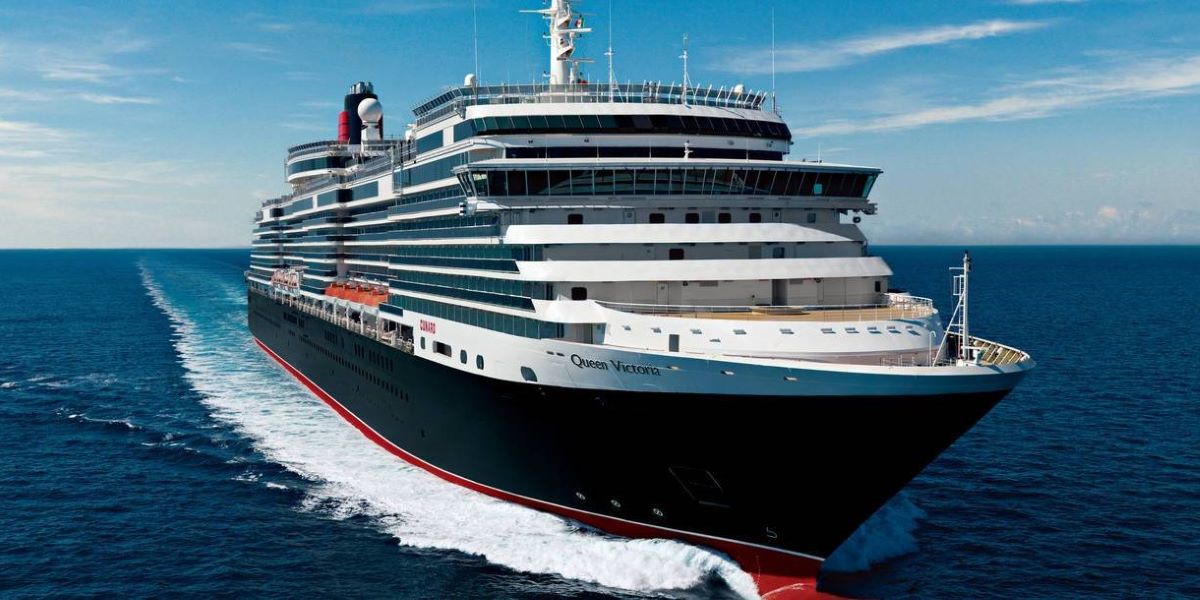
Cunard has announced an extensive transformation programme for Queen Victoria. The vessel is scheduled to emerge from drydock this autumn featuring refreshed signature spaces, enhanced suite accommodation and new wellness…
A Royal Caribbean passenger has shared her family’s experience after her daughter was twice removed from the ship’s casino despite turning 18 during the cruise, prompting questions over how the…
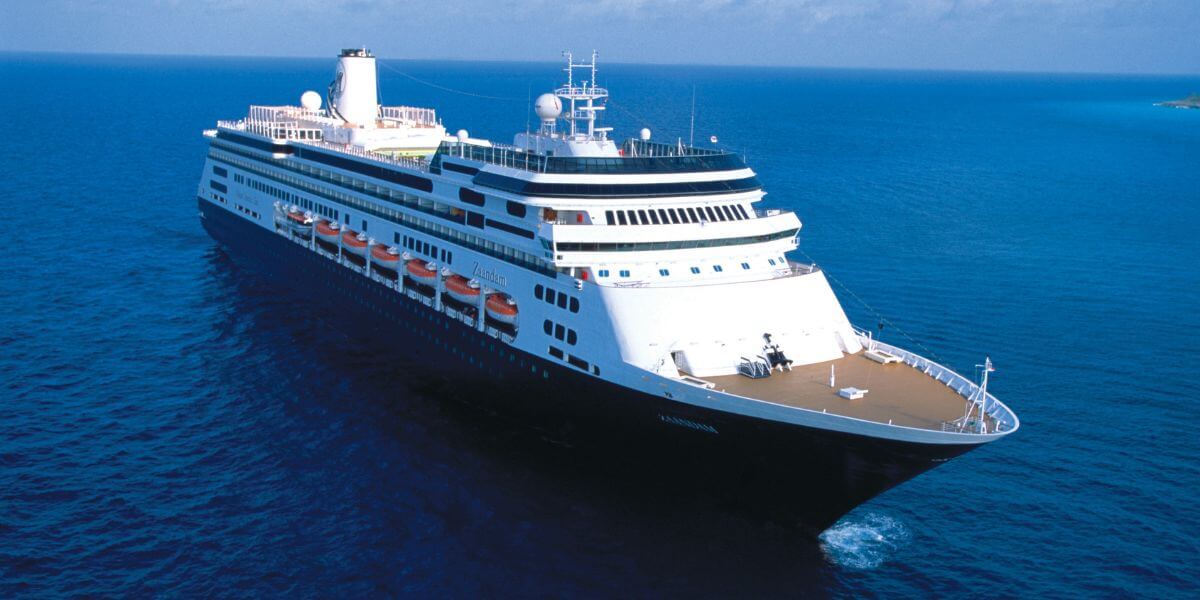
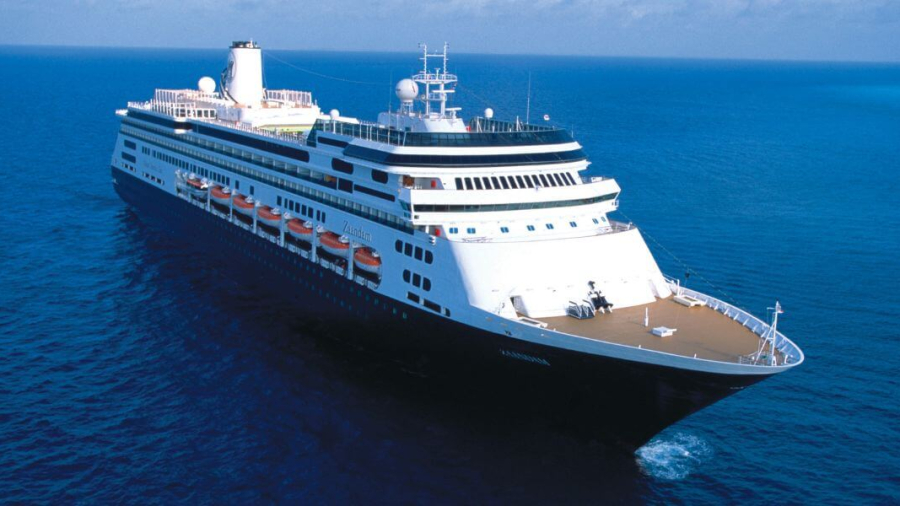
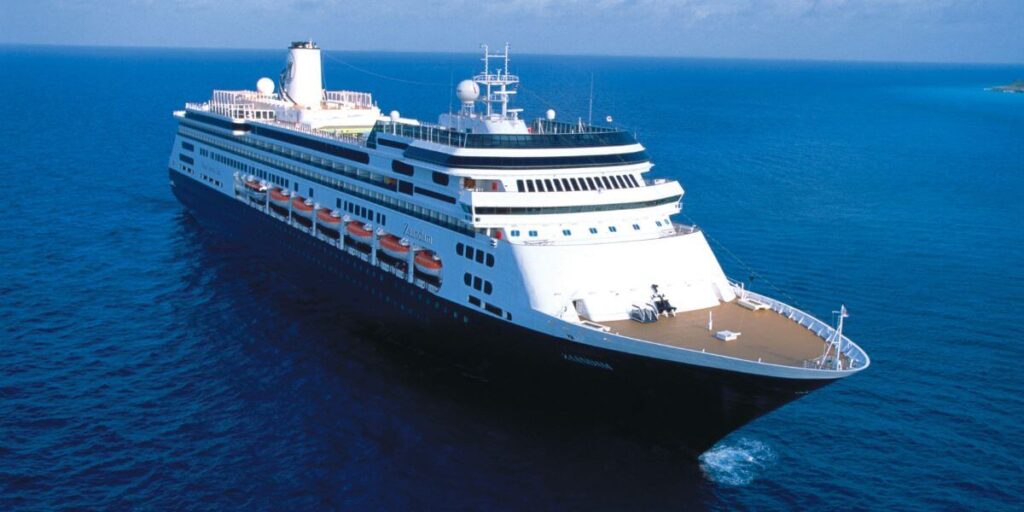
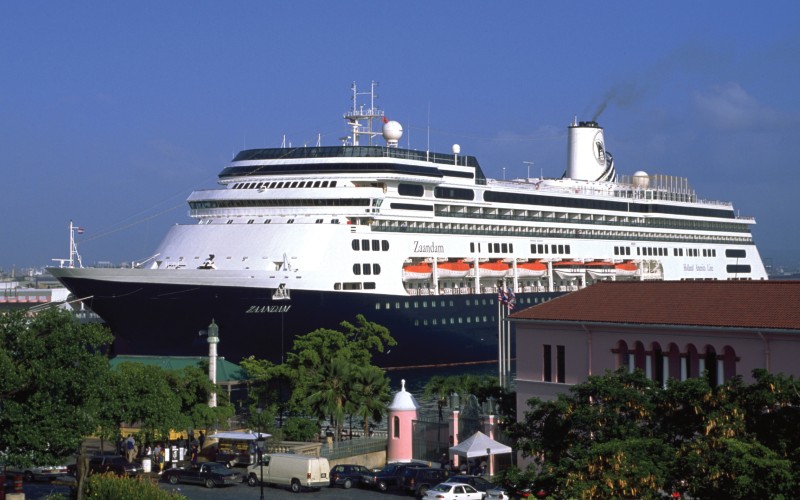
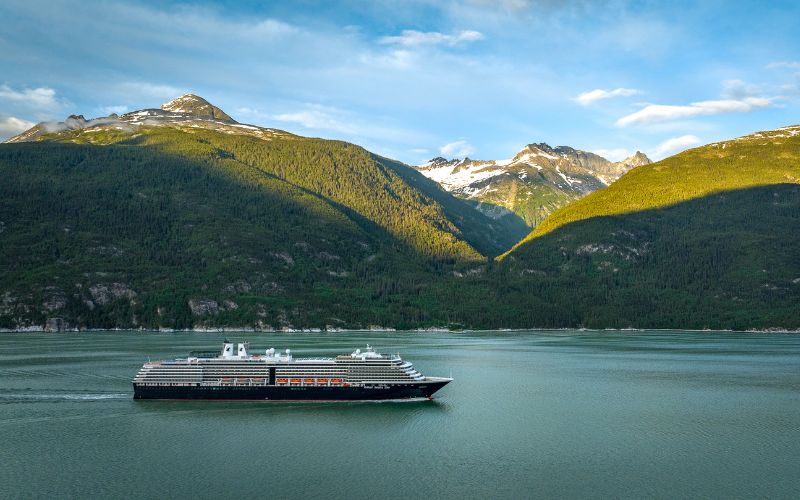
Holland America Line has issued an urgent appeal to guests booked on a summer 2026 Alaska sailing, offering substantial compensation to passengers willing to voluntarily change their plans after the cruise line oversold cabins on the 22nd July 2026 departure aboard Zaandam.
The Seattle-based cruise line is now scrambling to manage the booking error by offering affected passengers a full refund plus a future cruise credit equivalent to the value of their cancelled voyage – essentially providing a complimentary cruise to those willing to step aside. The situation highlights an increasingly common challenge facing the cruise industry as demand for Alaska itineraries continues to surge.
Compensation Package Designed To Encourage Voluntary Rebooking
Holland America Line’s offer to overbooked passengers represents one of the most generous compensation packages seen in recent cruise industry overbooking situations. Passengers who volunteer to change their travel plans will receive a 100 per cent refund of all money paid for the 22nd July 2026 sailing, including their cruise fare, taxes, fees, and any pre-purchased items such as beverage packages, excursions, or speciality dining.
Beyond the full refund, volunteers will also receive a future cruise credit equal to the total amount refunded – effectively doubling their money and providing a free cruise of equivalent value to use on a future Holland America sailing. This credit can typically be applied to any voyage within a specified timeframe, giving passengers considerable flexibility in rebooking.
The cruise line has structured the offer on a first-come, first-served basis, meaning passengers who respond quickly to accept the compensation will be guaranteed the package. Those who delay may find that enough volunteers have already come forward, leaving them on the original sailing without the benefit of the generous offer.
Zaandam’s Alaska Season Proves Unexpectedly Popular
The overbooking situation aboard Zaandam represents a remarkable turnaround for a ship that has faced operational challenges in recent years. The 61,396-tonne vessel, which entered service in 2000, has long been one of Holland America’s smaller and older ships, carrying just 1,432 passengers at double occupancy.
Zaandam underwent significant refurbishment as part of Holland America’s fleet enhancement programme, receiving updates to public spaces, staterooms, and dining venues. These improvements appear to have resonated with passengers, as booking demand for the ship’s Alaska programme has exceeded the cruise line’s expectations.
The 22nd July 2026 departure falls squarely in peak Alaska cruise season, when wildlife viewing opportunities, weather conditions, and daylight hours are at their optimal levels. This prime timing likely contributed to the exceptional booking demand that led to the overselling situation.
Alaska cruises have experienced explosive demand growth following the pandemic recovery period, with cruise lines reporting record booking levels for Glacier Bay transits, Inside Passage routes, and round-trip Vancouver sailings. Holland America Line, which has been sailing to Alaska for more than 75 years, holds a particularly strong position in this market segment.
Industry-Wide Trend Of Overbooking Gaining Attention
The Holland America situation with Zaandam is far from an isolated incident within the cruise industry. Royal Caribbean International has faced similar overbooking challenges on multiple occasions, issuing comparable appeals to passengers with offers of refunds and future cruise credits.
Overbooking has long been a standard practice in the travel industry, employed by airlines, hotels, and cruise lines to maximize revenue and account for expected cancellations. The strategy relies on statistical models that predict a certain percentage of bookings will be cancelled or modified before departure, allowing companies to sell slightly more inventory than physically exists.
However, when cancellation rates fall below projections – often due to improved booking confidence, attractive itineraries, or favourable pricing – companies find themselves with more confirmed passengers than available accommodation. The cruise industry’s overbooking practices have become more visible to consumers in recent years as social media amplifies individual experiences and cruise forums share compensation offers.
Unlike airlines, which can more easily accommodate bumped passengers on subsequent flights within hours, cruise lines face greater logistical challenges. A passenger who gives up their cabin cannot simply board the next day’s sailing, as cruise itineraries operate on weekly schedules with different ports and routes.
How Cruise Lines Manage Oversold Situations
When a cruise line determines that a sailing has been oversold, the company must quickly implement strategies to reduce passenger numbers to match available cabin inventory. The preferred method involves offering voluntary compensation packages that incentivise passengers to reschedule, avoiding the more problematic scenario of involuntarily denying boarding to confirmed guests.
Cruise lines typically begin with modest offers and increase compensation levels if insufficient volunteers come forward. Holland America’s immediate offer of a full refund plus equivalent future cruise credit suggests the company is keen to resolve the Zaandam situation quickly and avoid negative publicity.
The first-come, first-served structure creates urgency among passengers who might be flexible with their travel dates. Those with rigid schedules or special occasion celebrations tied to the specific departure will likely decline the offer, whilst passengers with greater flexibility may view the compensation as an attractive opportunity.
If insufficient volunteers accept the offer, cruise lines may increase compensation or begin contacting passengers individually with tailored packages. In worst-case scenarios where voluntary solutions fail, cruise lines may be forced to involuntarily deny boarding to passengers with confirmed reservations – a situation that generates significant customer dissatisfaction and potential legal liability.
The cruise line will also examine its cabin inventory management systems to understand how the overbooking occurred. Whilst some level of overselling is intentional strategy, the magnitude of this situation suggests either unusually low cancellation rates or a booking system error that allowed too many reservations to be confirmed.
Passenger Rights And Expectations In Overbooking Scenarios
Passengers affected by cruise overbooking situations have several important rights and considerations to keep in mind. Those who volunteer to accept compensation packages should carefully review the terms and conditions attached to future cruise credits, including expiration dates, blackout periods, and applicable voyage categories.
Future cruise credits typically must be used within one to two years of issuance and may have restrictions on peak travel periods, specific ships, or destination categories. Passengers should confirm whether the credit can be applied to the cruise fare only or also covers taxes, fees, and port charges – details that significantly affect the practical value of the offer.
Travellers who have purchased non-refundable airfare, hotel accommodation, or shore excursions in conjunction with their cruise face additional complications. Holland America’s standard practice includes reimbursement for reasonable expenses incurred due to cruise line-caused cancellations, though passengers should document all costs and communicate with the cruise line’s customer service department.
Travel insurance policies may or may not cover losses related to cruise line overbooking, depending on the specific policy terms and coverage categories selected. Trip cancellation insurance typically covers cancellations due to passenger circumstances rather than cruise line operational decisions, making it an unlikely source of compensation in this scenario.
Passengers who are denied boarding involuntarily – meaning they did not volunteer to give up their cabin – may have stronger grounds for compensation beyond what the cruise line offers voluntarily. Consumer protection regulations vary by jurisdiction, but involuntary denied boarding typically entitles passengers to more substantial remedies than those who volunteer.
Zaandam’s Historical Context And Fleet Position
Zaandam joined the Holland America Line fleet in May 2000 as the second R-class ship, following sister vessel Rotterdam. The ship was built by Fincantieri’s Marghera shipyard in Italy and represented a significant design evolution for Holland America, introducing larger vessels with expanded amenities whilst maintaining the line’s traditional elegance.
The ship spans 780 feet in length and features 10 passenger decks, with accommodation for 1,432 guests at double occupancy and up to 1,916 at maximum capacity. Zaandam’s interior design pays homage to Dutch musical heritage, with public spaces featuring an extensive collection of guitars signed by legendary musicians including Queen, Eric Clapton, and the Rolling Stones.
Throughout its operational history, Zaandam has sailed diverse itineraries including Panama Canal transits, South America explorations, and seasonal Alaska deployments. The vessel has undergone multiple refurbishment programmes to keep its amenities current with evolving passenger expectations and Holland America’s brand standards.
In recent years, Zaandam gained international attention during the early months of the COVID-19 pandemic when the ship became stranded at sea for weeks with confirmed coronavirus cases aboard. The vessel eventually received humanitarian permission to transit the Panama Canal and disembark passengers in Florida, though the incident remained a challenging chapter in the ship’s history.
The current overbooking situation suggests Zaandam has successfully moved beyond its pandemic-era challenges and regained strong market appeal. Holland America’s decision to deploy the vessel to Alaska – one of the company’s signature destination regions – indicates confidence in the ship’s ability to deliver the premium experience the line’s loyal passengers expect.
Alaska Cruise Market Dynamics And Demand Pressures
The overbooking of Zaandam’s 22nd July 2026 Alaska sailing reflects broader market dynamics that have made Alaska one of the most competitive and sought-after cruise destinations globally. The region’s dramatic landscapes, abundant wildlife, and cultural attractions draw more than one million cruise passengers annually during the compressed May-to-September season.
Holland America Line holds a particularly strong position in the Alaska market, operating more ships in the region than most competitors and maintaining its own land-tour infrastructure through Holland America Princess Alaska Tours. The company’s Alaska programme includes exclusive access to proprietary wilderness lodges and motorcoaches that extend cruise vacations into the interior.
Peak summer weeks in July and early August command premium pricing as families with school-age children seek vacation opportunities during traditional holiday periods. The specific 22nd July 2026 departure date falls within this high-demand window, explaining why bookings exceeded available capacity despite the voyage being more than two years away.
Environmental regulations and port infrastructure limitations constrain the number of ships that can operate simultaneously in Alaska, creating supply restrictions that intensify booking competition. Glacier Bay National Park permits only two large cruise ships per day, making itineraries that include this highlight particularly desirable and quick to sell out.
The strong advance booking patterns for Alaska sailings mean cruise lines must manage inventory carefully to avoid both underselling – which leaves revenue on the table – and overselling – which creates the passenger relations challenges Holland America now faces with Zaandam.
Looking Ahead For Holland America And Affected Passengers
Holland America Line now faces the challenge of managing passenger communications, processing volunteer acceptances, and ensuring smooth operations for the eventual sailing with corrected passenger numbers. The cruise line’s customer service teams will field inquiries from affected passengers weighing whether to accept the compensation offer or maintain their original plans.
For passengers who volunteer to give up their cabins, the process of selecting alternative sailings will require coordination with Holland America’s reservations department. The cruise line may offer guidance on comparable Alaska departures with availability, though peak summer dates on popular ships may have limited space.
Those who remain on the 22nd July 2026 Zaandam sailing can expect the cruise line to ensure a positive experience, conscious that the overbooking situation has already created potential goodwill challenges. Holland America’s operational teams will likely be particularly attentive to service delivery and passenger satisfaction on this voyage.
The incident may prompt Holland America Line to review its inventory management practices and overbooking algorithms to reduce the likelihood of similar situations developing on future sailings. Whilst some level of strategic overbooking will likely continue as industry standard practice, the visibility of passenger compensation offers on social media increases reputational risks.
For the broader cruise industry, the Zaandam situation reinforces the importance of transparent communication when operational challenges arise. Cruise lines that proactively offer fair compensation and treat affected passengers with respect typically weather overbooking incidents with minimal long-term brand damage.
TODAY’S BEST CRUISE DEALS!
Don’t miss these offers…
Related Posts
If you found this interesting, please share!
A Louisiana woman has been left facing medical bills exceeding $53,500 after suffering a severe injury during a rope swing shore excursion on her inaugural Carnival Cruise sailing. The incident,…
Barcelona city officials have voted to immediately impose the maximum legal tourist tax of €24 per day on cruise passengers making short port calls. This move abandons a planned gradual…
Cunard has announced an extensive transformation programme for Queen Victoria. The vessel is scheduled to emerge from drydock this autumn featuring refreshed signature spaces, enhanced suite accommodation and new wellness…
A Royal Caribbean passenger has shared her family’s experience after her daughter was twice removed from the ship’s casino despite turning 18 during the cruise, prompting questions over how the…
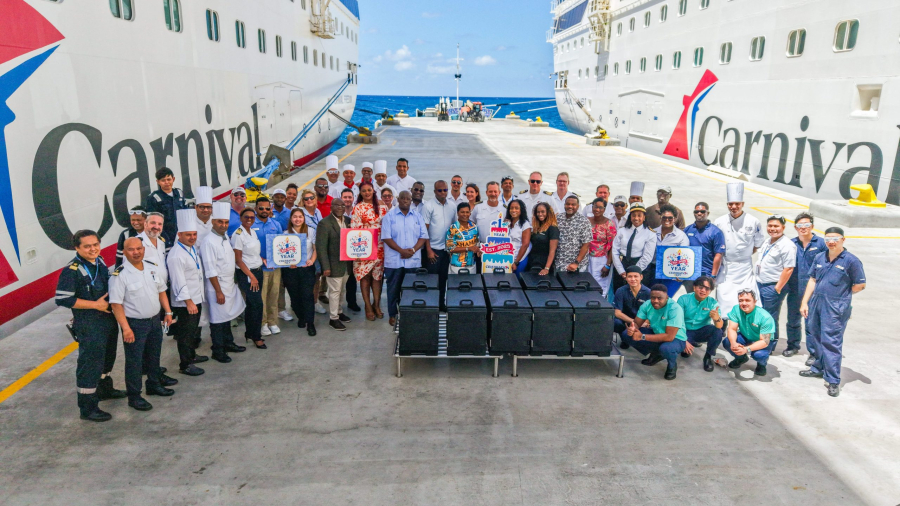
One year after celebrating the grand opening of Celebration Key on Grand Bahama Island, Carnival Corporation (NYSE: CCL), the world’s largest cruise company, has another reason to celebrate, today launching its surplus meal donation program in The Bahamas. The expansion into The Bahamas marks another step in the company’s ongoing efforts to redirect surplus food through partnerships that create meaningful community impact around the world.
As part of Carnival Corporation’s Less Left Over food waste reduction strategy, the program’s first donation in The Bahamas was offloaded from Carnival Freedom and Carnival Conquest, where more than 318 pounds of prepared, unserved meals were safely redirected to the Grand Bahama Children’s Home, as well as to the Urban Renewal Authority, for distribution within the local community. The meals were collected, rapidly chilled, stored and transferred ashore using established food safety protocols and in compliance with local regulatory requirements. This milestone establishes a framework for future donations from ships and deepens the company’s expanding network of partners across the region.
“This expansion in The Bahamas is really about the strength of the partnerships we’ve built across the Caribbean,” said Marie McKenzie, senior vice president, government and destination affairs. “Working alongside government leaders and community organizations, we’re able to connect what happens on board our ships with real needs on shore – creating a simple, reliable way to get high-quality surplus meals to people who can benefit from them. It’s a shared effort that reflects what we can accomplish together.”
“The Bahamas has long benefited from strong partnerships that create meaningful opportunities for our people and communities,” said Minister for Grand Bahama, The Honourable Ginger Moxey M.P. “This initiative reflects a shared commitment to addressing real needs in a practical way, ensuring that quality meals can reach those who need them most. We welcome this expansion and appreciate Carnival Corporation’s efforts to support communities throughout The Bahamas.”
The launch reflects Carnival Corporation’s broader commitment to The Bahamas, where its investments, operations and community partnerships extend well beyond tourism. The company’s exclusive destinations include Celebration Key on Grand Bahama and RelaxAway, Half Moon Cay, both part of Carnival Cruise Line’s Paradise Collection.
Beyond its destinations, Carnival Corporation supports communities across The Bahamas through ongoing ship donation and volunteer efforts. Since late 2025, the company has completed more than 20 ship donations across Nassau, Grand Bahama and Eleuthera, redirecting furniture, clothing, bicycles and other household goods from Carnival Cruise Line vessels to local families, schools, community centers and charitable organizations. Recipient organizations span sectors critical to community wellbeing, including disaster relief, youth development, education, healthcare and social services, with a total of 19 organizations benefiting from these donations across The Bahamas.
The surplus meal donation initiative is a key component of Carnival Corporation’s Less Left Over strategy, which focuses on reducing food waste across its operations while creating meaningful community impact. By safely redirecting high-quality surplus meals, the initiative helps address both environmental and social challenges – minimizing waste while providing support to those in need. The effort is supported by carefully managed onboard processes and local partnerships that ensure meals can be redistributed safely and effectively within the community.
Since its launch in 2017, the program has expanded to 20 ports around the world, helping address food insecurity in port communities where the company’s ships visit. The addition of The Bahamas continues the company’s momentum in scaling the model across Latin America and the Caribbean, following recent launches in Roatan, Honduras and the Dominican Republic. As of year-end 2025, the program has provided more than 320,000 meal portions globally.
Hapag-Lloyd Cruises is introducing new itineraries for its five luxury and expedition ships, offering fresh experiences for even the most seasoned travelers. With more than 500 ports of call annually, the 2027/28 season features standout new routes, including a first-ever winter season in the Indian Ocean, the only cruise combining all five Great Lakes with the St. Lawrence River, in-depth explorations of the Philippines, and a new journey along the American West Coast. An overview of all premiere routes is available at www.hl-cruises.com/premiere-routes.
Hapag-Lloyd Cruises’ Luxury Fleet Sets Course for New Horizons
The luxury ships EUROPA and EUROPA 2 continue to showcase destinations that larger vessels cannot easily access.
In February 2027, EUROPA will debut a 29-day voyage from Valparaiso to San Francisco, linking South, Central and North America across eight countries, from Peru and Costa Rica to a dramatic arrival beneath San Francisco’s Golden Gate Bridge.
In 2028, the ship will also offer its first in-depth exploration of the Philippines across two consecutive cruises, featuring 13 calls at 10 ports, including the premiere visit to Mantigue Island. The voyages highlight everything from Manila to remote islands accessible only to smaller ships.
EUROPA 2 will introduce a new South Pacific itinerary visiting Papua New Guinea and Palau for the first time, showcasing remote island cultures and spectacular natural landscapes. Another new itinerary explores Costa Rica’s Pacific coast with first-time calls at Isla Tortuga and Puerto Jiménez, giving guests access to rainforests, wildlife, national parks and secluded beaches.
New Expedition Routes to Remote Destinations
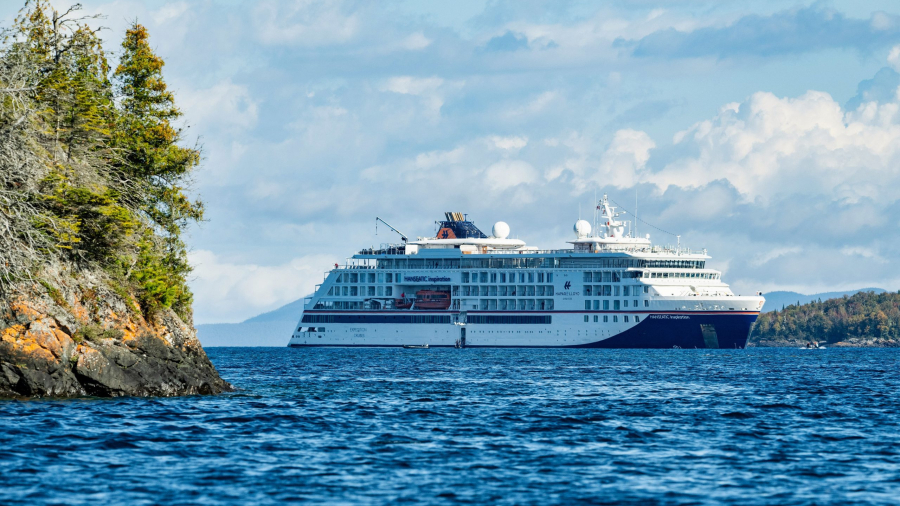
The expedition ships HANSEATIC nature, HANSEATIC inspiration and HANSEATIC spirit continue to expand their offerings with new routes designed for small-ship exploration.
For the first time, HANSEATIC nature will spend the 2027/28 winter season in the Indian Ocean, exploring Madagascar, the Seychelles and Mauritius. Its shallow draft allows access to remote islands and protected atolls, where guests can enjoy Zodiac cruises, guided walks, snorkeling and expert-led wildlife experiences.
Polar exploration remains central to the fleet, with three new 14-day voyages in early 2028 dedicated entirely to South Georgia and the Antarctic Peninsula, providing a shorter yet immersive Antarctic experience.
In summer 2027, HANSEATIC inspiration will become the only cruise ship to combine all five Great Lakes with the St. Lawrence River on a single voyage. Its retractable bridge wings enable passage through the waterway’s locks while connecting major cities including Toronto, Montreal and Quebec with smaller ports.
In May 2028, HANSEATIC spirit will debut a new expedition through Western Australia’s remote Kimberley region, where guests will discover dramatic sandstone cliffs, waterfalls, Indigenous rock art and abundant wildlife.
I’m not trying to stir the pot here, but the topic of kids in adult-only areas on a cruise ship seems to keep coming up. Whether it’s in the solarium, aft pool, or any other part of the vessel that is supposed to be kid-free, some guests say that the problem isn’t going away.
A recent social media post from a Princess Cruises guest once again highlighted the lack of enforcement for this simple rule.
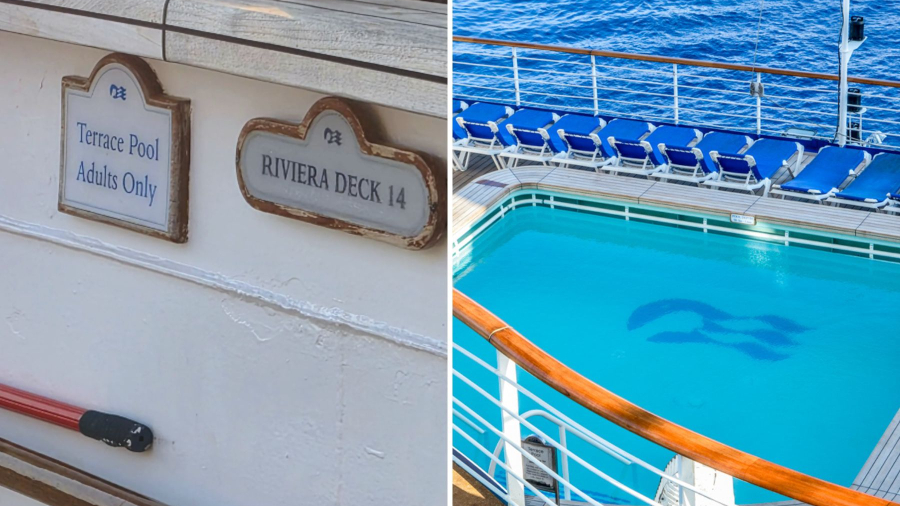
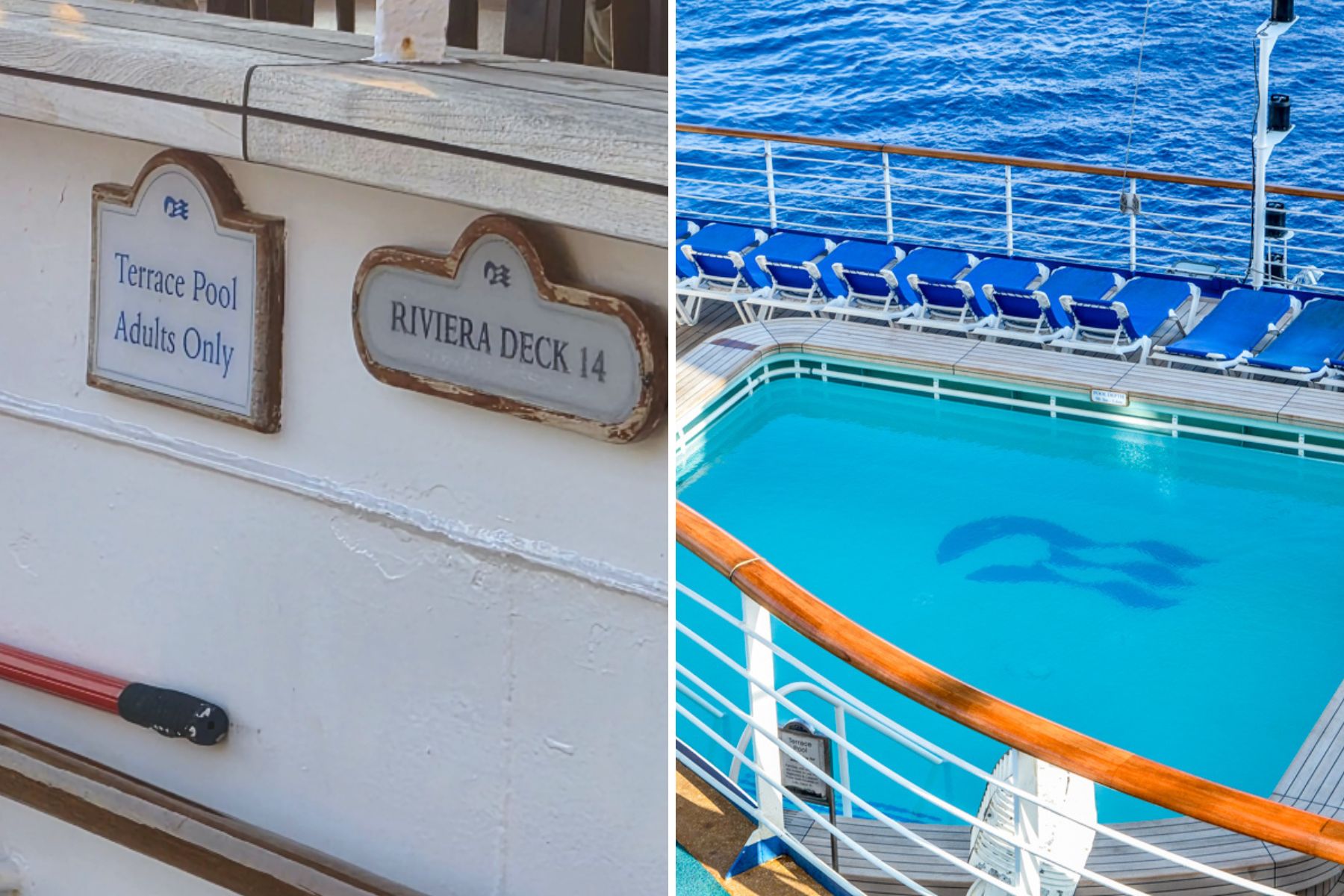
Photo Left: Reddit / u/BetterRemember via r/PrincessCruises | Right: Aft pool on Princess Cruises ship (Cruise Fever)
Most cruisers just want to bask in the sun in an open lounger, eat an irresponsible amount of chocolate lava cake, and enjoy some R&R.
And while many mainstream cruise lines cater to families with younger children, not every area of the ship is supposed to be open season for the little ones.
Isn’t This Supposed to be Adults Only?
A Reddit post entitled “Aft pool is supposed to be adults only???” hit on a sore spot that every regular cruiser has probably encountered at least once.
The person posting the rhetorical question is currently sailing on an Alaska itinerary aboard Emerald Princess.
They were “confused” to find kids crowding the aft pool despite a sign clearly stating “Terrace Pool: Adults only.”
“The adults only pool is always the highlight of the trip for me so I’m just confused, because the sign is right there on the aft pool too!” the cruise passenger shared.
They added later in a comment that at one point there were “like 20 kids at one point though this poor old lady was calmly swimming laps and promptly left.”
The comments to the post revealed what any veteran cruiser already knows: this rule is often ignored.
Photo Credit: Cruise Fever
Why “Adults Only” Is a Tough Rule to Enforce
For adults traveling without kids (or even with them), dedicated pools offer a quiet sanctuary away from the splash zones. But when what was supposed to be a tranquil pool to enjoy those awesome aft views of the ship becomes a splash zone itself, it only makes for annoyed travelers.
Keeping those spaces quiet isn’t always as simple as reading a sign, though.
Let’s be real, crew members just want their cruise passengers to have a great, enjoyable cruise. Being the “bad guy” by playing the pool grinch who kicks out the kids usually leads to immediate conflict with angry parents.
It’s not an excuse, but it’s definitely the primary reason a lot of these adult-only spaces don’t get enforced. Deck staff would much rather keep things friendly than start a deck-side showdown over pool rules.
As one commenter put it, “The pool deck attendants are not interested in being yelled at by passengers. If you see a supervisor, they may step in. Otherwise try guest services.”
In this case, we’re talking about an Alaska cruise. Even if it was 60 degrees in Juneau, Alaska today (I just checked), anyone would be drawn to that inviting warm water.
One cruiser pointed out, “You cant blame kids for going for what is comfortable. Blame Princess for creating a magnet by heating one pool and not the other in a colder environment.”
In addition to all that, the signs are often small and out of the way. Although, this is more of a poor excuse than anything else. The parents who let their kids in the adult-only areas probably already read the sign but chose to ignore it.
Enforcement with Cruise Lines
How cruise lines enforce the child-free zones are all over the map and can even vary by ship and crew member.
While some passengers reported that staff on some cruise ships rarely step in unless directly asked to do so, others stated that cruise lines like Celebrity take a firmer stance.
“Celebrity seems to be pretty strict when it comes to adults only in the solarium pool. W when sailing in Alaska or Norway the pool is open to families from 5 PM to 6 PM and it is really strictly enforced,” one traveler said.
A Guaranteed Adult-Only Cruise
Of course, if you want a guaranteed break from tiny swimmers, you can always look toward fully adult-only cruise lines like Virgin Voyages or Viking. These two cruise lines have carved out a high-demand niche that isn’t going away any time soon.
Even Carnival Cruise Line is seeing the demand for adult-only sailings as they have run special SEA (Sailings Exclusively for Adults) cruises.
Offered through their casino loyalty program, these specific 21+ sailings turn the entire ship into a kid-free zone, so adults never have to share the pool deck or hot tubs with children.
In my experience, it’s those hot tubs that can really fill up with kids fast on certain sailings.
Finding the Quiet
If quiet pool time is a dealbreaker for your vacation, you should also look at the time of year as a big factor.
As one comment stated, “This happens every summer when the kids are out of school and all cruise ships become populated with kids. I only set my expectations of being left alone in the aft pool without kids around during typical school months.”
I can confirm this myself. Not only are summer cruises typically more expensive they also can have more children running around as families take advantage of school being out.
This isn’t an easy topic to address, but consistency matters. If a cruise line is more consistent with enforcing a rule, then it will hopefully form better habits as a whole.
No one wants to play lifeguard or have to complain about a pool being too unruly. After all, kids need a break too.
But we can at least make a deal. As long as kids stay out of the adult-only pool in the aft part of the ship, us older folks will promise to stay off the splash pad, leave the soft-serve machine alone, and stay completely out of the arcade. Fair’s fair.
Get the latest cruise news, tips, and deals sent straight to your inbox with our free newsletter: Sign Up Now
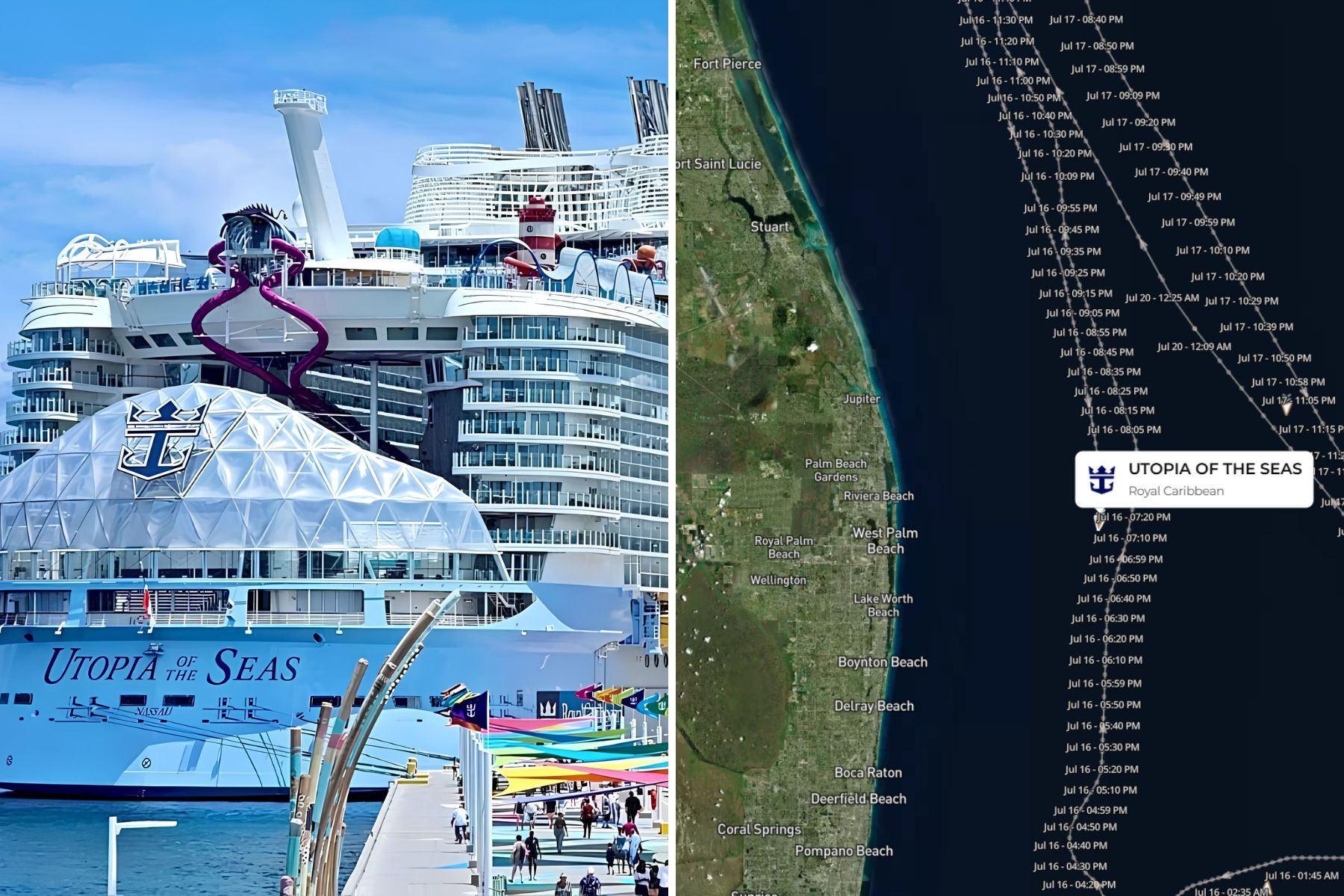
Royal Caribbean’s Utopia of the Seas was scheduled to sail out of Port Canaveral yesterday afternoon. But some mechanical issues kept the ship in port for an extra 12-hour period.
According to the ship-tracking website, Cruise Globe, Utopia wasn’t able to begin its already short 4-day cruise to CocoCay and Nassau until just before 3:00AM Tuesday.
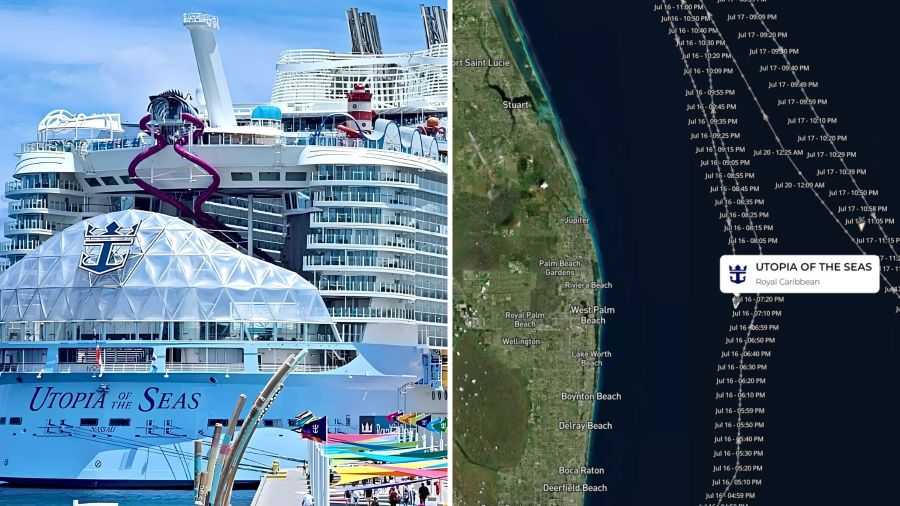
Utopia of the Seas (left) and AIS tracking data showing the vessel heading south off the Florida coast after departing Port Canaveral nearly 12 hours behind schedule (right). (Map Source: The Cruise Globe)
Technical Hold at Port Canaveral
Passengers embarked on schedule Monday afternoon, but the ship remained tied to Terminal 1 overnight while engineers worked on board to resolve a mechanical issue.
During the hold, guests were able to enjoy onboard amenities, dining, and entertainment, but the vessel could not open its casino or offer tax-free shopping while docked in U.S. waters.
Passengers on board were kept updated as teams worked through the delay, with Cruise Director Marc Walker later posting in the Utopia of the Seas Facebook Group:
“Myself and the Captain just updated everyone onboard. For those here, see you at showtime! Lots of sunshine forecast.”
Utopia of the Seas finally cleared the harbor at approximately 2:50 AM Tuesday.
Because the nautical distance from Port Canaveral to Perfect Day at CocoCay is roughly 200 nautical miles, the 12-hour delay made a standard 7:00 AM Tuesday arrival at the cruise line’s private island physically impossible.
To account for the lost time, Royal Caribbean changed the ship’s port order, converting Tuesday into a Sea Day, scheduling Nassau for Wednesday, and moving the Perfect Day at CocoCay port call to Thursday.
Domino Effect on Wonder of the Seas
The departure delay on Utopia created another challenge at CocoCay.
While the private destination’s pier does have two dedicated berths designed to accommodate two ships at once, moving Utopia’s CocoCay visit to Thursday conflicted with the schedules of other ships.
On board Wonder of the Seas, which was sailing a four-night itinerary out of Miami, passengers were notified of the schedule change. One guest on Wonder shared the announcement in a thread on the r/royalcaribbean subreddit:
“I’m on wonder of the seas and we were supposed to be at coco cay today but they announced it was being switched from our last day so now today is sea day and day 4 is coco cay then disembark day 5.”
According to passenger reports, Royal Caribbean simply adjusted the itinerary for Wonder of the Seas:
Itinerary Order Flipped:Wonder of the Seas converted its scheduled Tuesday visit to CocoCay into a Sea Day.
Port Call Rescheduled:Wonder shifted its CocoCay visit to Thursday, allowing both mega-ships to share the pier on the new dates.
So, as it stands right now, both Wonder and Utopia will be in Cococay together on Thursday instead of today as originally planned.
Shifting port days rather than canceling destinations outright allowed Royal Caribbean to preserve pre-booked cabana rentals, shore excursions, and island admissions for guests across both sailings.
Cruising often requires being flexible. These are short-duration cruises for both mega-ships, but cruise directors and crew members will be sure to keep a lively atmosphere.
After all, even a minor schedule change on a cruise ship is better than being at work all day on land.
Get the latest cruise news, tips, and deals sent straight to your inbox with our free newsletter: Sign Up Now