Cruising alone is usually more sociable, safer and easier than people expect. A cruise ship handles the logistics for you, gives you a full program of things to do and puts you among thousands of people who are on holiday too. The only real drawbacks are cost, which depends on the cabin you choose, and the odd quiet evening. A little planning before you sail fixes most of that.
This guide is about what cruising alone actually feels like. It covers whether it’s fun, whether it’s weird, how safe it is (including for women), how to meet people, and how to get through the lonely moments that many solo cruisers admit to but few guides mention. For the nuts and bolts of booking, see our 15 practical tips for your first solo cruise and our solo cruise guide to solo cabins and single supplements.
Is Cruising Alone Fun?
For most people, yes. It’s a different kind of fun from cruising with a partner or family. The biggest change is that every decision is yours. You can eat when you’re hungry, spend a whole sea day with a book, sign up for the excursion nobody else would have picked, and leave a show at the interval without negotiating.
Several features of a cruise suit solo travelers especially well:
- The logistics are done for you. You unpack once, meals are taken care of, and the ship moves you between destinations. Many of the stresses of traveling alone on land, like late-night arrivals in unfamiliar cities, mostly disappear.
- Meeting people is built in. Trivia, group fitness classes, dance lessons, shared dining tables and group shore excursions all give you easy reasons to talk to strangers.
- There’s always something on. The daily program means you are never stuck wondering what to do on a rainy afternoon.
- You can switch off socially. Unlike a group tour, nobody expects you at dinner. If you want a quiet evening, you can have one.
The Honest Downsides of Cruising Alone
It’s worth being clear about the parts that can catch first-timers out.
- Cost. Most cruise fares are priced per person based on two people sharing a cabin. Booking a standard cabin alone usually means a single supplement, and on some sailings you pay close to the double rate. Dedicated solo cabins and reduced-supplement offers help, but the cheapest solo cabins tend to sell out early.
- Some moments feel couple-heavy. Formal nights, sail-away parties and sunset deck time can make you notice you’re on your own, especially on shorter Caribbean sailings that are popular with couples and families.
- Sea days can drag. On a port-heavy itinerary you are busy all day. Three sea days in a row with nothing planned is when solo cruisers most often feel flat.
- No one to watch your things. Small, practical stuff, like holding a pool lounger or keeping your seat at the buffet, is harder alone.
- Solo cabin trade-offs. Solo cabins are compact, and many are inside cabins. Some sit at the front of the ship, which can feel livelier in rough seas.
None of these is a reason not to go. They’re simply things to plan around, and the sections below show how.
Is It Weird to Cruise Alone?
No. Solo travel is a mainstream part of the cruise market, which is why lines have spent years adding solo cabins and solo offers. Norwegian Cruise Line sells solo inside, oceanview and balcony cabins and, on many of its newer ships, a cluster of compact Studio cabins around a private lounge for solo guests. Royal Caribbean has studio cabins on select ships, and Virgin Voyages runs a reduced single supplement offer on Sea Terrace cabins. Cruise lines don’t build cabins for a market that doesn’t exist.
Once onboard, other passengers rarely notice who you’re traveling with. You’ll also find plenty of people sailing alone that you might not spot at first, such as widowed travelers, people whose partners don’t like the sea, and frequent cruisers who simply prefer their own company. Many solo cruisers say the first day feels unfamiliar and the rest of the trip feels normal.
Is It Safe to Go on a Cruise Alone?
A cruise is one of the more controlled travel environments. You have security staff, cameras in public areas, keycard-only cabin access and a medical center onboard. That doesn’t make it risk-free, though. Common sense applies here as much as it does on land.
Onboard
- Use the cabin safe for your passport, cash and spare cards, and keep your keycard separate from anything showing your cabin number.
- Don’t tell new acquaintances your cabin number, and use the door’s deadbolt or security latch at night.
- Watch your drink, especially in busy bars and nightclubs, and pace yourself if you’re on a drinks package.
- Report anything that makes you uncomfortable to Guest Services or security straight away. Ships take this seriously.
- Avoid sitting on balcony or deck railings, and stay away from open decks late at night if you’ve been drinking.
In port
- Leave a note of where you’re going, or tell someone at home through the ship’s Wi-Fi. Keep the ship’s all-aboard time and port agent number on your phone and on paper.
- If you’re nervous about a destination, book the ship’s own tour. If it runs late, the ship knows where you are and will normally wait.
- Carry a small amount of local cash and one card, not your whole wallet.
- Check the official travel advice for each country before you sail.
Cruising Alone as a Woman
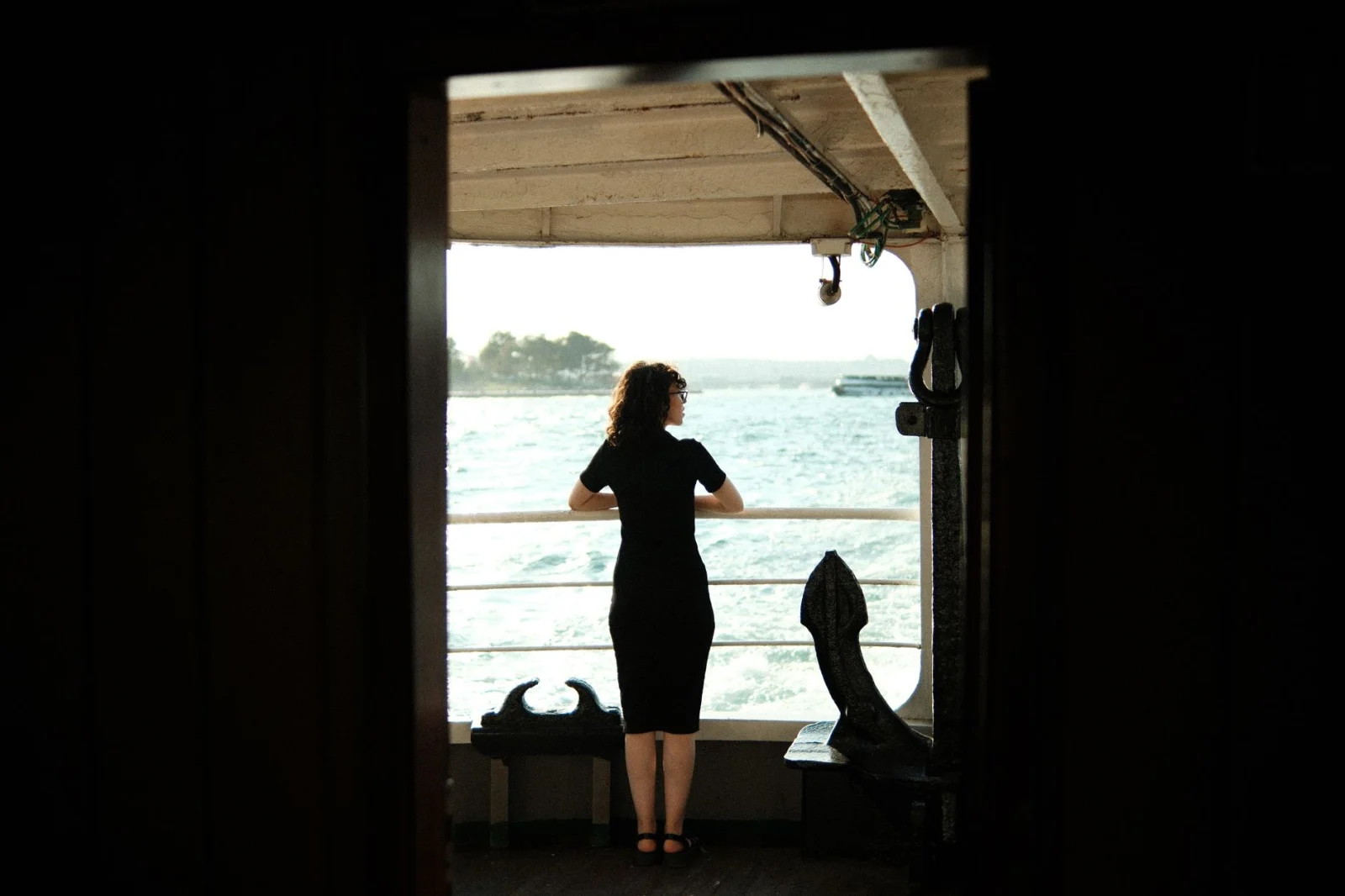
Solo women make up a large share of solo cruisers, and many choose cruising precisely because it feels more manageable than traveling alone on land. Everything in the safety section above applies. A few extra points are worth thinking about:
- Pick the atmosphere, not just the price. Adults-only ships and smaller premium or luxury ships tend to be calmer late at night than big party-focused sailings. River cruises and expedition ships are very social without a nightclub scene.
- Plan your evening exit. A simple line like “I’m meeting friends” lets you leave any conversation without awkwardness.
- Join a group before you sail. Online roll calls for your sailing, often on Facebook or the Cruise Critic forums, frequently include women traveling alone who arrange meetups onboard.
- Use group excursions on your first port day. They’re an easy way to find people to explore with later in the cruise.
How to Meet People When Cruising Alone
The people who enjoy cruising alone most usually say yes to a few things early in the trip. Once you have some familiar faces, the rest of the cruise takes care of itself. These are the most reliable ways to make that happen:
- Join the roll call before you sail. Search for your ship and sail date on Facebook or Cruise Critic. Many groups organize a meet-and-greet on the first sea day.
- Find the solo meetup. Many ships list a solo travelers’ get-together in the daily program, often on the first or second evening. On Norwegian ships with Studio cabins, the Studio Lounge is a natural gathering point. If you can’t see one in the program, ask Guest Services.
- Ask for a shared table at dinner. Main dining rooms can often seat you with other guests if you ask the maître d’. Virgin Voyages has communal tables in its food hall.
- Play trivia. Teams form on the spot and the same people tend to come back day after day. It’s probably the easiest friendship engine on any ship.
- Take a class or group workout. Dance lessons, cooking demonstrations and fitness classes give you something to talk about straight away.
- Sit at the bar, not a table. Bar seating puts you next to people, and bartenders are good at introducing regulars.
- Book a group excursion early in the cruise. Someone you share a tour bus with on day two may become your port buddy for the rest of the trip.
A Simple Plan for the Lonely Moments
Most guides skip this part, but it’s useful. Many solo cruisers describe the same pattern: a slightly awkward first evening, a great middle, and one flat moment, often a quiet sea day or a formal night. Planning for those moments in advance takes the sting out of them.
| When it tends to hit | Why | What helps |
|---|---|---|
| Embarkation afternoon | Everyone else seems to be in a group, and you know no one yet | Go to the sail-away on deck, then the solo meetup or a bar with counter seating. Book dinner for a set time so the evening has a shape. |
| First dinner | Eating alone in a big dining room feels exposed | Ask for a shared table, or eat at a casual venue with a book or a podcast. Both are completely normal. |
| Long sea days | No port to give the day a structure | Pick two or three anchors from the daily program, such as trivia, a talk or the spa, and plan around them. |
| Formal or themed nights | Lots of couples’ photos and dressing up | Join your trivia or roll-call friends for a pre-dinner drink, or skip it entirely and enjoy a quiet pool deck. |
| Final night | Packing alone after a busy week | Swap contact details early in the day, and treat yourself to a specialty dinner or a show. |
Being alone and feeling lonely aren’t the same thing. Plenty of solo cruisers plan a few hours alone each day on purpose, whether that’s a balcony breakfast, a spa visit or an early walk on deck. Saying no to an invitation is part of the freedom.
Which Cruises Suit Solo Travelers Best?
The right ship makes a big difference to cruising alone. As a rough guide:
| Type of cruise | Good for solo travelers who want… | Things to check |
|---|---|---|
| Big resort ships (Norwegian, Royal Caribbean, MSC) | Lots of activities, nightlife and solo cabins on some ships | Solo cabin availability on your ship, and whether there’s a solo meetup or lounge |
| Adults-only (for example Virgin Voyages) | A social, grown-up atmosphere with communal dining | Which cabin categories the single supplement offer covers |
| Premium and luxury ocean lines | A calmer pace, hosted solo receptions and smaller crowds | The single supplement, which varies widely by line and sailing |
| River and expedition cruises | Small groups, shared tables and included excursions | Very limited solo cabins, so book early or watch for supplement waivers |
If you’d like a cruise designed around meeting other single travelers, our guide to how singles cruises work explains the options. And because solo offers come and go, it’s worth keeping an eye on the best cruise deals for 2027 before you book.
FAQs
Is it fun to go on a cruise alone?
For most people it is. You choose your own schedule, and ships are full of easy ways to meet people, like trivia, classes, shared tables and group excursions. Planning a few activities for sea days helps keep it fun from start to finish.
Is it safe to go on a cruise alone?
Cruise ships have security staff, cameras in public areas, keycard cabin access and onboard medical care, so they’re a relatively controlled place to travel alone. Use normal precautions: keep your cabin number private, watch your drink, and keep track of the all-aboard time in port.
Is it weird to cruise by yourself?
Not at all. Solo travel is common enough that lines like Norwegian, Royal Caribbean and Virgin Voyages offer solo cabins or reduced single supplements. Most fellow passengers won’t notice or care who you’re traveling with.
How do you meet people on a cruise when you’re alone?
Join your sailing’s online roll call, go to any solo travelers’ meetup in the daily program, ask for a shared dining table, play trivia and book a group excursion early in the trip.
Do you pay more for cruising alone?
Often, yes. Standard cabins are priced for two, so solo guests usually pay a single supplement. Dedicated solo cabins and reduced-supplement promotions can bring the cost down, but popular solo cabins sell out early.