The best cruises for over 50s from the UK are on lines that are calmer and more grown-up, and where more is included in the fare. Saga is the only major line that sails only for the over-50s. Ambassador, Fred. Olsen and P&O’s Arcadia offer adult-focused, no-fly sailings from British ports. Viking and Oceania now take only guests aged 18 and over, and Holland America and Cunard suit travellers who want classic cruising with fewer families on board.
The right choice depends on your budget, whether you want to fly, and how much you care about having no children on board. The comparison table below sets out the main differences. After it, each line has a short profile, followed by the practical checks over-50s should make before booking.
Cruises for over 50s: comparison table
Cruise line
Best for
Age policy
Fleet
Typical inclusions
Departs UK?
Saga
All-inclusive, over-50s only
50+ (companions 40+)
2 ocean ships
Drinks, Wi-Fi, tips, UK port transfers, many excursions
Yes, several UK ports
Ambassador
Budget no-fly, adults-only
All no-fly sailings adults-only from 2027-28
3 ships
Meals and entertainment; drinks packages extra
Yes, from regional ports
Fred. Olsen
Small ships, scenic routes
All ages, but mostly older guests
3 ships
Meals and entertainment; drinks packages optional
Yes, several UK ports
P&O (Arcadia)
Adults-only from Southampton
Arcadia is adults-only
Arcadia leaves P&O in 2029
Meals and entertainment; drinks extra
Yes, Southampton
Marella
Value, drinks included
Explorer 2 adults-only; Discovery 2 joining it
5 ships
Drinks and tips included
Mostly fly-cruise
Cunard
Formal style, transatlantic
All ages
4 ships
Meals and entertainment
Yes, Southampton
Viking
Culture, port-intensive trips
18+ only
Ocean and river fleets
Wine and beer with meals, Wi-Fi, one tour per port
Some sailings
Oceania
Food-focused, upper premium
18+ for bookings since January 2026
Mid-sized ships
Speciality dining included; packages vary
Occasionally
Holland America
Traditional, mid-sized ships
All ages
11 ships (12 from 2029)
Meals and entertainment; packages optional
Rarely, mostly fly
Inclusions change with each fare type and promotion, so always check the current booking terms before you book.
Cruise lines for over 50s that sail from the UK
Saga: the only line built for the over-50s
Saga’s booking conditions say its ocean cruises are “for anyone aged 50 or over”, and a travelling companion or family member can be 40 or over. The line runs two ships, Spirit of Discovery and Spirit of Adventure. Both are all-balcony and smaller than most mainstream ships, and each has a large number of single cabins.
Fares usually include drinks, Wi-Fi, gratuities and a chauffeur or transfer to the UK port, and often excursions and travel insurance too. That makes headline prices look high, but once extras are added, Saga can work out close to what other lines charge. Read the inclusions for your sailing carefully, because some perks depend on the fare.
Ambassador: adults-only, no-fly cruising
Ambassador Cruise Line runs three ships, Ambience, Ambition and Renaissance, from a wide spread of UK ports including London Tilbury, Liverpool, Bristol, Portsmouth, Newcastle, Dundee and Belfast. The line has confirmed that its 2027-28 no-fly programme is the first in which every no-fly sailing is reserved for adults. It focuses on traditional entertainment and fares at the lower end of the market. To see how it compares with a bigger brand, read our P&O Cruises vs Ambassador Cruise Line comparison.
Fred. Olsen: small ships and scenic itineraries
Fred. Olsen has three ocean ships: Bolette, Borealis and Balmoral. They are small by modern standards, which lets them reach narrow fjords, smaller harbours and river cities that larger ships miss. Children are allowed, but most guests are older, and the atmosphere is relaxed and sociable. Departures are spread around the UK. In 2026, for example, Balmoral sails from Newcastle, and the line also uses ports such as Southampton, Dover, Liverpool and Rosyth.
P&O Cruises: Arcadia for adults-only sailings from Southampton
With Aurora gone from the fleet, Arcadia is P&O’s adults-only option, sailing from Southampton on no-fly routes and longer voyages. Plan ahead if you want her. Carnival Corporation has confirmed that Arcadia will finish her P&O farewell season in August 2029 and then join Holland America Line. Cunard’s Queen Anne is due to move to P&O in May 2029 under a new name. P&O has not yet said whether Queen Anne will be adults-only, so do not assume she will take over Arcadia’s role.
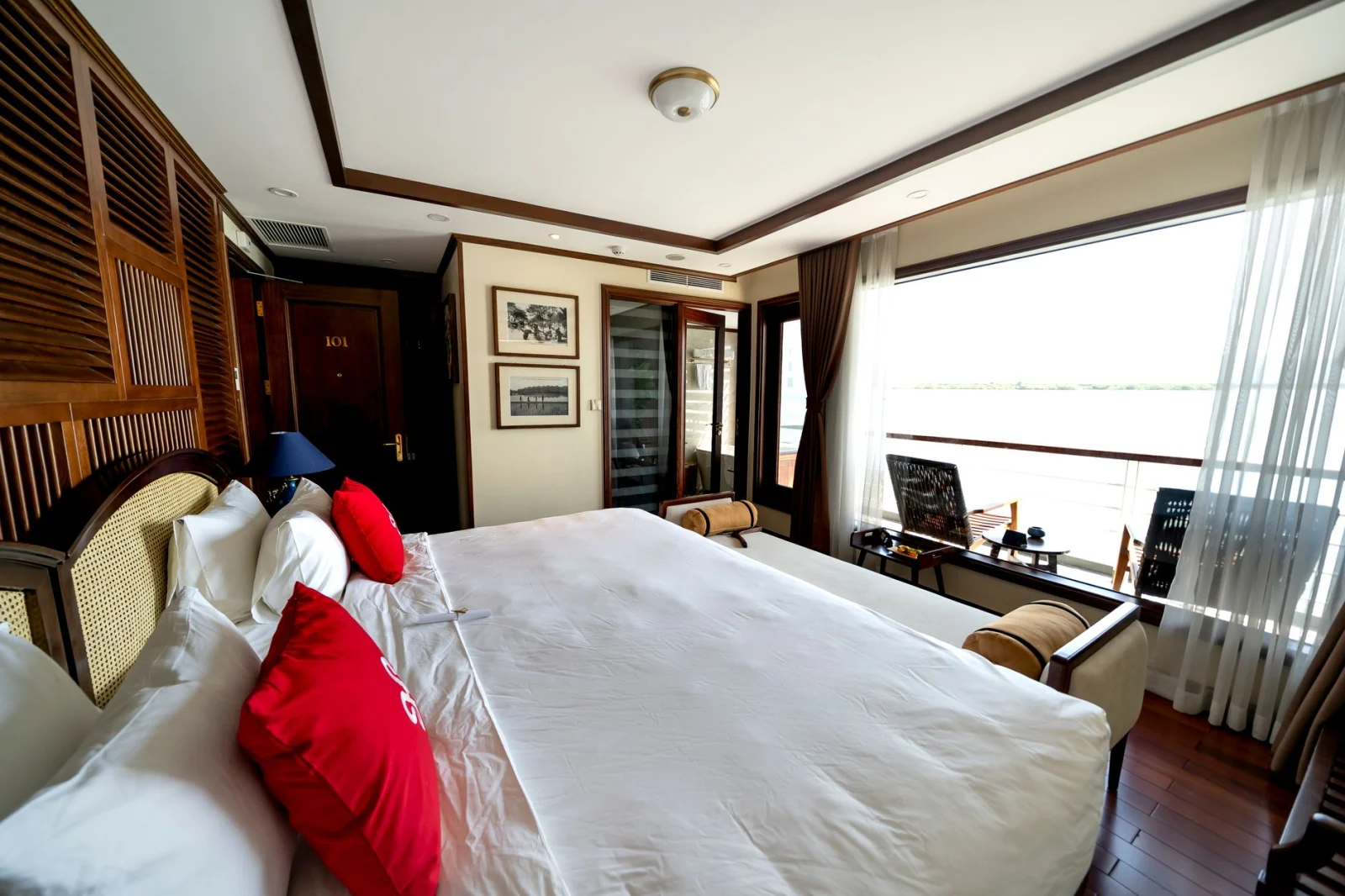
A private balcony is one of the most popular choices for cruisers over 50. Photo: Ray Bilcliff on Pexels
Best cruises for over 50s who want adults-only ships
Not every over-50 wants to avoid children, but many prefer a quieter ship. These lines either ban under-18s altogether or have dedicated adults-only ships. For a longer list, see our guide to adults-only cruises from the UK.
Viking: 18+ and focused on culture
Viking requires every guest on its ocean ships to be 18 or older by the day of embarkation. It also has no casino and offers no children’s facilities. Fares typically include wine and beer with lunch and dinner, Wi-Fi and one shore excursion in most ports, so it is a good fit for travellers who are more interested in the destinations than in onboard nightlife. Most Viking cruises involve a flight, but a few itineraries start or finish in the UK.
Oceania: adults-only since 2026
From 7 January 2026, Oceania Cruises accepts only guests aged 18 and over for new bookings. Reservations made before then were not affected. The line is known for its food, with speciality restaurants included in the fare, and its mid-sized ships have a relaxed, country-club feel. Most sailings fly from the UK.
Marella: adults-only value cruising
Marella Cruises, part of TUI, includes drinks and tips in its fares, which makes budgeting simple. Marella Explorer 2 is already adults-only, and Marella has announced that Marella Discovery 2 will sail as an adults-only ship again for winter 2027-28, with its kids’ spaces replaced by new adults-only venues. Most Marella holidays are fly-cruises from UK regional airports, with Caribbean and Canary Islands homeports in winter. For more detail, see our Marella Cruises vs P&O Cruises comparison.
Cruises for over 60s and beyond: classic and luxury options
Cunard
Cunard currently has four ships: Queen Mary 2, Queen Victoria, Queen Elizabeth and Queen Anne. Queen Anne leaves for P&O in 2029, which will take Cunard back to three ships. Cunard is not adults-only, but its formal nights, ballroom dancing, lectures and transatlantic crossings from Southampton have long been popular with cruisers over 60.
Holland America Line
Holland America sails mid-sized ships with live music venues, enrichment talks and a traditional style. It welcomes families but attracts a mostly mature crowd. The fleet will grow to 12 ships when Arcadia joins in 2029. Its European cruises usually start in Amsterdam or Rotterdam, so British passengers normally fly or take the ferry or train.
Luxury lines: Regent, Silversea and Seabourn
If budget allows, the luxury lines offer small ships, high staff-to-guest ratios and very inclusive fares. Regent Seven Seas includes most excursions, drinks and gratuities. Silversea and Seabourn include drinks and gratuities and offer expedition-style itineraries. None of them is adults-only, but very few children sail on them.
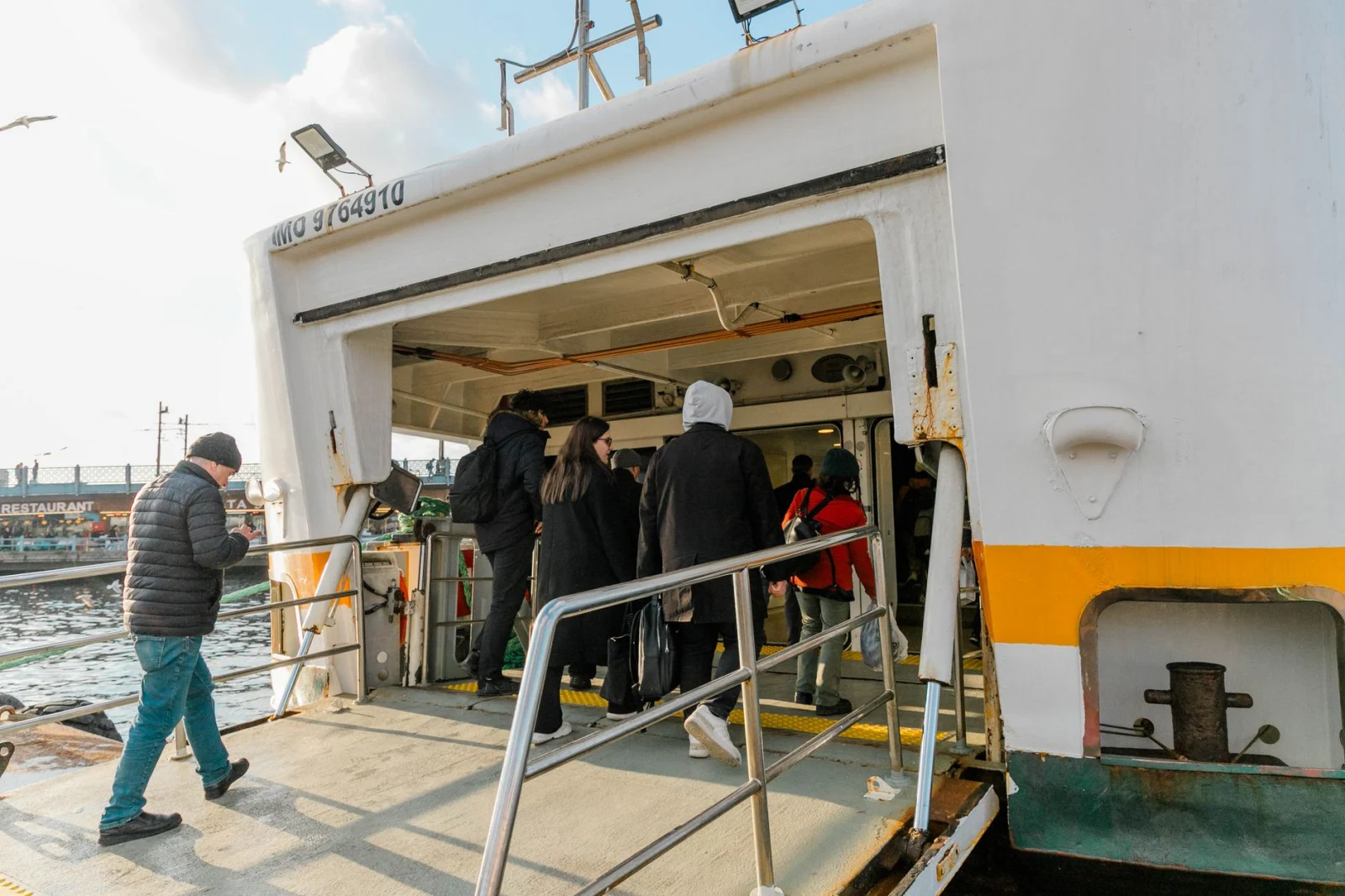
Accessibility and boarding arrangements are worth checking before booking. Photo: Tuğba Kobal Yılmaz on Pexels
What over-50s should check before booking a cruise
Top-ranking guides tend to stop at the list of cruise lines. These practical points can make a bigger difference to your cost and comfort.
Single supplements. Solo travellers can pay up to double the per-person fare. Saga and Fred. Olsen have relatively large numbers of single cabins, and some lines run reduced-supplement offers. Our complete solo cruise guide covers the options.
Travel insurance age bands. Premiums often rise at 65, 70 and 75, and some policies cap trip length or exclude certain pre-existing conditions. Get quotes before you pay a deposit, especially for long voyages, and check that the cover includes cruise-specific risks such as missed ports and emergency evacuation from a ship.
No-fly sailings. Sailing from Southampton, Dover, Tilbury or a regional port avoids airport transfers and baggage limits. Saga, Ambassador, Fred. Olsen, P&O and Cunard all offer plenty of no-fly options.
Tender ports. Some ports need small boats (tenders) to get ashore, which can be difficult if you have limited mobility. Check the itinerary, and ask the line how it handles accessible tendering.
Accessible cabins and equipment. Accessible cabins sell out early. Mention mobility scooters, oxygen or CPAP machines when you book, because most lines need advance notice.
What the fare really includes. Compare fares with the same extras added. Drinks, gratuities, Wi-Fi and excursions can add hundreds of pounds per person on a week-long cruise.
Medical care on board. Every ocean ship has a medical centre, but treatment is charged privately, which is one more reason to have suitable insurance.
If Fred. Olsen’s Borealis is on your shortlist, check our guide to Borealis cabins to avoid and the best cabins to book.
Our Ambassador Cruise Line review explains why its no-fly sailings from regional UK ports are popular with over-50s, and where the line falls short.
For a no-fly adventure with wildlife and dramatic scenery, an Iceland cruise from the UK is well worth considering.
FAQs
Which cruise line is just for over 50s?
Saga is the main UK cruise line that sails only for the over-50s. Guests must be 50 or older, and a travelling companion or family member must be at least 40.
What is the best cruise line for over 50s from the UK?
It depends on budget and style. Saga is the most inclusive, Ambassador and Fred. Olsen offer good-value no-fly cruising, and P&O’s Arcadia offers adults-only sailings from Southampton.
Are there all-inclusive cruises for over 50s?
Yes. Saga includes drinks, Wi-Fi and gratuities, Marella includes drinks and tips, and luxury lines such as Regent Seven Seas include even more. Viking includes wine and beer with meals.
Which cruise lines do not allow children?
Viking and Oceania take only guests aged 18 and over. P&O’s Arcadia and Marella Explorer 2 are adults-only ships, and Ambassador’s no-fly sailings are adults-only from the 2027-28 season.
Are cruises good for over 60s travelling solo?
Often, yes. Look for lines with single cabins, such as Saga and Fred. Olsen, and for hosted solo get-togethers on board. Compare single supplements before you book.
The all inclusive cruise lines that are truly all-inclusive build drinks, tips and Wi-Fi into every fare. On the luxury side that means Regent Seven Seas, Seabourn, Silversea, Explora Journeys, Scenic and Crystal. For UK value, Saga and Marella lead, with Viking somewhere in between. Celebrity, Princess, Norwegian and Holland America work differently: they sell all-inclusive packages on top of the cruise fare, and Fred. Olsen now sits in the middle with drinks at mealtimes and tips included.
“All inclusive” is one of the most stretched phrases in cruise marketing. This guide sorts the lines into two groups. The first is fares where the extras are simply part of the price. The second is packages you choose to add. A comparison table shows what is actually included for 2026 sailings. If you just want our ranked shortlist, see our guide to the best all-inclusive cruises and what each line really includes.
What makes a cruise line truly all inclusive?
Every cruise fare includes your cabin, main restaurant meals, entertainment and the pools. The difference between all inclusive cruise lines and everyone else is what happens after that. A useful test is to ask whether these six things are in the price you pay:
Alcoholic drinks, all day, not just a glass of wine with dinner.
Gratuities, so no daily service charge is added to your onboard account.
Wi-Fi good enough to use, not a 30-minute taster.
Speciality dining without cover charges.
Shore excursions, at least one per port or a meaningful credit.
Travel to the ship: flights, transfers or, for UK no-fly cruises, a chauffeur or free parking.
Lines that tick the first three are fairly called all-inclusive. Lines that tick five or six are what most people mean by fully all inclusive cruises. A line that asks you to choose and pay for a package to get drinks and tips is selling an add-on. That can still be good value, but the headline fare is not the real price.
Truly all inclusive cruise lines: luxury tier
These lines build most extras into every fare. Prices are high, but the bill at the end is usually small.
Regent Seven Seas Cruises
Regent is the most inclusive of the big luxury brands. Fares cover unlimited shore excursions in every port, all drinks including premium spirits, prepaid gratuities, unlimited Wi-Fi and all speciality restaurants. On many sailings you also get return flights and a pre-cruise hotel night. Flight class and whether a hotel is included depend on the voyage and where you live, so check the terms for your sailing.
Scenic (Scenic Eclipse and Scenic Eclipse II)
Scenic’s two “discovery yachts” come close to Regent. Fares include a choice of shore excursions, Zodiac and kayak outings where available, premium branded drinks all day, all tipping, Starlink Wi-Fi and up to 10 dining venues. Return flights from UK airports are included on Flexi and Best Available fares, up to a £1,250 per person credit. Helicopter flights and the submersible cost extra.
Seabourn
Seabourn includes an open bar with most wines and spirits, a stocked in-suite minibar, gratuities, Wi-Fi and its speciality restaurants. Most excursions cost extra. Rare wines and super-premium spirits are also charged.
Silversea
Silversea changed its fares in September 2025, so read the fare name carefully. The All-Inclusive fare covers the onboard experience: drinks, tips, Wi-Fi and butler service. Excursions are bought separately. All-Inclusive Plus adds a refundable deposit and a shore excursion credit on ocean voyages. On expedition voyages it includes excursions and Zodiac tours, plus in-country flights and hotel nights where the trip needs them. Bookings made under the older Door-to-Door and Port-to-Port fares keep those terms.
Explora Journeys
Explora, MSC Group’s luxury brand, includes wines, champagne, spirits and cocktails, all onboard gratuities and unlimited Wi-Fi. Most restaurants are included. A few premium dining experiences and shore excursions cost extra.
Crystal
Crystal has relaunched with Crystal Serenity and Crystal Symphony. Its fares include drinks, gratuities and Wi-Fi. Shore excursions are generally extra. Details have changed since the relaunch, so confirm speciality dining and drinks terms when you book.
Drinks served at any time of day are the clearest sign of a truly all-inclusive fare. Photo: Ayberk Mirza on Pexels
All inclusive cruise lines UK: value tier
You do not need a six-star budget to cruise without a drinks bill. Three lines that sell mainly to British passengers include more than many people expect.
Saga
Saga has a strong case as the most inclusive line from the UK. Its ocean fares include unlimited drinks, with premium spirits now included and premium wines added from 2027. They also cover gratuities, Starlink Wi-Fi and one shore excursion in every port. Travel insurance comes with cancellation cover, subject to medical screening, and you can take a reduction if you do not need it. You also get a choice of chauffeur from home (private within 75 miles, otherwise shared), an included flight on fly-cruises, or free port parking. Saga sails small ships for travellers aged 50 and over, and an adult companion can be 40 or older.
Marella Cruises
Marella is TUI’s cruise line, and it is the value pick for all-inclusive cruise packages including alcohol and flights. Fares typically include flights from UK airports, transfers, tips, meals and a selection of branded beer, spirits, house wine and cocktails. Wi-Fi, speciality restaurants and excursions cost extra. A premium drinks upgrade adds better brands, fresh juices and more cocktails. Our Marella drinks package guide explains whether that upgrade pays off.
Viking
Viking is partly inclusive. UK fares include return flights from London and some regional airports, transfers, one guided excursion in most ports, Wi-Fi, onboard gratuities and its alternative restaurants. Beer, wine and soft drinks are served with lunch and dinner. Cocktails and drinks outside mealtimes cost extra unless you buy the Silver Spirits package, which we cover in our Viking Silver Spirits package guide.
Lines that sell all-inclusive as an add-on
These lines quote a base fare and then offer an all-inclusive bundle. The headline price is lower, but your real comparison is the fare with the bundle added.
Celebrity Cruises. UK and Irish fares now usually come “All Included”, with the Classic drinks package, Surf Wi-Fi and tips. The paid Elevate and Indulge upgrades add premium drinks, an excursion credit and, with Indulge, faster Wi-Fi and onboard credit. Retreat suite guests get Indulge at no extra cost.
Princess Cruises. Princess Plus costs from about £53 per person per day. It covers up to 15 drinks a day, Wi-Fi for one device, crew gratuities and some casual dining. Princess Premier costs from about £78 per person per day and adds unlimited drinks, speciality dining, Wi-Fi for four devices and an excursion credit. Prices are higher on Sun Princess and Star Princess.
Norwegian Cruise Line. In 2026 NCL launched a UK Premium All Inclusive fare. It includes premium drinks in all bars and restaurants, plus service charges and gratuities. Speciality dining, Wi-Fi and excursions sit in separate packages or perks depending on the fare.
Holland America Line. The Have It All package bundles a drinks package, speciality dining, Wi-Fi and a shore excursion credit. Check whether service charges are included in the fare you are quoted.
Fred. Olsen. Since January 2026, Freedom Fares include house beer, wine by the glass and soft drinks with lunch and dinner, plus crew gratuities and UK port taxes. It is a halfway house. You get drinks at meals but not a full bar package. Excursions and Wi-Fi are not listed as included.
Luxury fares usually bundle the suite with drinks, tips and Wi-Fi. Photo: Quang Nguyen Vinh on Pexels
What’s actually included: 2026 comparison table
This table reflects published 2026 inclusions for standard fares. “Package” means included only if you buy or book the add-on fare. “Some” means a partial or conditional inclusion. Always confirm against the specific sailing and fare type you book.
Cruise line
Drinks
Tips
Wi-Fi
Excursions
Flights / travel
Speciality dining
Regent Seven Seas
Yes, all day
Yes
Yes
Yes, unlimited
Often included
Yes
Scenic Eclipse
Yes, all day
Yes
Yes
Yes
Some (credit on Flexi fares)
Yes
Seabourn
Yes, all day
Yes
Yes
Mostly extra
No
Yes
Silversea
Yes, all day
Yes
Yes
Credit on All-Inclusive Plus
Expedition only (Plus)
Mostly
Explora Journeys
Yes, all day
Yes
Yes
Extra
No
Mostly
Crystal
Yes, all day
Yes
Yes
Mostly extra
No
Check fare
Saga
Yes, all day
Yes
Yes
One per port
Chauffeur, flight or parking
Yes
Marella
Yes (selected brands)
Yes
No
Extra
Flights included on fly-cruises
Extra
Viking
With lunch and dinner
Yes
Yes
One in most ports
Flights included
Yes
Fred. Olsen
With lunch and dinner
Yes
Not listed
Extra
No
Check fare
Celebrity
Classic (UK fares)
Yes
Basic
Credit on upgrades
No
Extra
Princess
Package
Package
Package
Credit on Premier
No
Premier only
Norwegian
Package
Package
Extra or perk
Extra or perk
No
Extra or perk
Holland America
Package
Check fare
Package
Credit in package
No
Package
How to compare fully all inclusive cruises fairly
Most comparison articles stop at the table. The real saving or overspend shows up only when you work out the total trip cost. A simple method:
Price the add-on version properly. For a line like Princess, add the package for every adult in the cabin for every night. Most lines require everyone in the cabin to buy the same package, which matters if one of you barely drinks.
Add what the fare leaves out. Flights, a hotel night, port parking or train fares, travel insurance and two or three excursions can easily add several hundred pounds per person.
Compare per person per night. Divide the full total by the number of nights. At that point a Saga or Viking fare often looks much closer to a mainstream ship with packages than the brochure price suggests.
Be honest about how you holiday. If you drink little and take few excursions, a mainstream fare with a light package may be cheaper. If you enjoy a cocktail before dinner and book tours in every port, inclusive luxury fares usually win.
Check fare names, not brand names. Silversea, Celebrity and Scenic each sell more than one fare type, and the cheapest one often drops something such as flights or excursion credit.
Which type suits you?
Choose a luxury all-inclusive line (Regent, Scenic, Seabourn, Silversea, Explora) if you want to stop thinking about money once you board and you value small ships, suites and high staffing levels. Choose Saga if you are over 50, want to sail from a UK port and like the idea of being collected from home. Choose Marella for a sunshine fly-cruise where flights, tips and drinks are bundled at a mainstream price. Choose a package line (Celebrity, Princess, NCL, Holland America) if you want big-ship facilities and are happy to compare package prices yourself.
Regent Seven Seas and Scenic come closest, since both include drinks, tips, Wi-Fi, speciality dining and excursions, and often flights. Saga is the most inclusive UK-based line, with drinks, tips, Wi-Fi, one excursion per port, insurance and travel to the ship.
Is Marella really all inclusive?
Mostly. Marella fares include meals, tips, selected alcoholic and soft drinks and, on fly-cruises, flights and transfers. Wi-Fi, speciality restaurants, excursions and premium drinks cost extra.
Are tips included on all-inclusive cruises?
On truly all-inclusive lines (Regent, Seabourn, Silversea, Explora, Scenic, Crystal, Saga, Marella, Viking and Fred. Olsen) gratuities are included. On Princess, NCL and Holland America they are usually included only with certain packages or fares.
Can I get an all-inclusive cruise package including alcohol and flights from the UK?
Yes. Marella fly-cruises bundle flights, tips and drinks. Viking includes flights with drinks at meals. Saga can include a flight on fly-cruises. Regent and Scenic include flights on many sailings, with conditions.
Is a drinks package cheaper than a truly all-inclusive cruise?
Sometimes. If you drink lightly and skip excursions, a mainstream fare plus a basic package can cost less. Once you add tips, Wi-Fi, flights and excursions, inclusive fares often close the gap. Compare total cost per person per night.
The main Island Princess cabins to avoid are the Aloha Deck (12) rooms directly under the Lido Deck pools and Horizon Court buffet, cabins next to the self-service laundries, obstructed-view oceanview grades (OV, OW, OY and OZ), and cabins near the far aft on lower decks if you are sensitive to vibration. For the best balance of quiet, stability and value, pick a balcony or mini-suite midship on Dolphin (9), Caribe (10) or Baja (11) Deck, where there are cabins above and below you.
Island Princess is a Coral-class ship built in France and introduced in 2003. A 2015 dry dock added 121 cabins, so today it holds about 1,107 staterooms and roughly 2,200 guests at double occupancy. It is one of only two Princess ships (with sister Coral Princess) sized to transit the original Panama Canal locks, which is why it spends so much time on canal itineraries. This guide walks through the deck plan so you know which rooms to skip and which to grab.
Island Princess at a glance
Detail
Island Princess
Class
Coral class (sister ship: Coral Princess)
Entered service
2003
Gross tonnage
About 92,800
Guests (double occupancy)
About 2,200
Staterooms
About 1,107, most of them with a balcony
Major work
2015 dry dock (121 cabins added, Horizon Court and fitness areas reshuffled); routine dry dock in Palermo, Italy, in September 2024
2026-27 focus
Panama Canal voyages linking Los Angeles or San Diego with Fort Lauderdale
Island Princess cabin types and grades
Princess sells cabins by category code, and the code tells you a lot. Sizes below are approximate and vary by cabin, so always confirm the exact room on the Princess Cruises booking page.
Interior (IA to IF): roughly 155 to 165 sq ft. The cheapest way onboard and the darkest rooms for sleeping.
Oceanview (OB to OE, plus OV, OW, OY, OZ): picture windows on the lower decks. OE has a porthole, and OV, OW, OY and OZ are sold as obstructed view, usually by lifeboats.
Balcony (BA to BF, B1, B2, BY, BZ): the most common cabin onboard, with a balcony of about 35 to 75 sq ft depending on location. Standard bathrooms have a shower only.
Mini-suite (MB, MD, ME, M1 and related): a larger room with a sitting area, sofa bed, two TVs and a bathtub/shower combination. Club Class Mini-Suites add dedicated dining, priority boarding and other extras.
Suites (S4 to S6 and up): 31 suites, from Vista-style rooms to larger Penthouse-style suites, several of them aft with big balconies. Suite guests get perks such as priority tendering and complimentary laundry.
The ship has a small number of connecting staterooms (Princess lists 15) and around two dozen wheelchair-accessible cabins spread across grades. If you need either, book early, because they go first.
Where your cabin sits on the ship matters as much as its category. Photo: Pixabay on Pexels
Island Princess cabins to avoid (and why)
No cabin on Island Princess is truly terrible, but some locations come with predictable trade-offs. These are the pitfalls worth checking on the deck plan before you pay a deposit.
1. Aloha Deck cabins under the Lido Deck
Island Princess has no Deck 13, so Aloha (Deck 12) sits directly beneath Lido (Deck 14). Lido holds the Horizon Court buffet forward, then the Lido and Lotus pools, bars and the Lotus Spa. Crew set out and stack deck loungers early and late, buffet carts and chairs move around in the small hours, and pool pumps run in the background. Some guests sleep through it; light sleepers often do not. If you like Aloha Deck for its height and quick access to the pools, choose a room under a quieter area or bring earplugs.
2. Cabins next to the launderettes
Self-service laundries are on Decks 5, 8, 9, 10, 11 and 12. On busy sea days they attract queues, chatter and dryer doors slamming from early morning to late evening. Look for the small laundry symbol on the deck plan and avoid the cabins on either side of it and directly opposite.
3. Obstructed-view oceanview grades
Categories OV, OW, OY and OZ are cheaper because lifeboats or tender equipment partly or almost fully block the window. That can be fine if you only want daylight, but if you are paying for a view, check whether a room is listed as obstructed before booking. A few balcony cabins also report window-cleaning gear stored overhead or partial overhangs, so read the cabin description carefully.
4. Rooms above or below late-night venues
The busiest public decks are Plaza (5), Fiesta (6) and Promenade (7). Fiesta holds the casino, Explorers Lounge and, since 2015, the fitness center aft; Promenade has the upper level of the Princess Theater forward plus bars such as Crooners and the Wheelhouse. Cabins on the decks directly above or below these spaces can pick up music, bass or early gym noise. Cabins sandwiched between other cabin decks are almost always quieter.
5. Far aft on the lower decks
The stern sits closest to the propellers and thrusters. Some guests in aft cabins report a noticeable vibration or hum, especially when the ship is maneuvering in port, docking, or making speed between Panama Canal stops. Higher aft cabins feel it less than low ones.
6. Forward cabins if you get seasick
The bow moves the most in a swell. Forward cabins on the upper decks, including the Aloha Deck rooms near the bridge, will feel pitching more than anywhere else. If motion is a concern, stay low and midship.
7. Rooms beside elevators and stairwells
Being near an elevator saves steps, but the cabins right next to the lobbies see foot traffic, conversations and doors at all hours. One or two doors along the corridor is usually the sweet spot.
Best cabins on Island Princess
If you want the best cabins on Island Princess without paying for a full suite, these are the safest picks.
Midship balconies on Dolphin, Caribe or Baja (Decks 9 to 11). Cabins above and below, little through-traffic and the least motion for a balcony cabin. This is the default choice for most couples.
Mini-suites on Dolphin to Aloha (Decks 9 to 12). Noticeably more space, a sofa, and a bathtub. On a long Panama Canal crossing the extra room is worth it for many guests. For a deeper look at whether the upgrade pays off, see our guide on Princess mini-suites and suites and whether they are worth it.
Aft-facing balconies and aft suites. Wake views, often bigger balconies and more privacy. Go for higher decks to reduce vibration, and remember that aft-facing balconies can be overlooked by the ones above and catch more wind.
Low midship cabins on Plaza or Emerald (Decks 5 and 8) for sensitive sailors. The most stable spots on the ship and close to the atrium, dining rooms and guest services.
Interior cabins sandwiched between cabin decks. If budget comes first, an inside cabin midship on Dolphin, Caribe or Baja is dark, quiet and well placed.
Both sides of the ship get close-up lock views during a Panama Canal transit. Photo: Michael D. Camphin on Pexels
Island Princess cabins compared
Location
Good for
Watch out for
Midship Decks 9 to 11
Quiet nights, less motion
Higher fares; laundry rooms on these decks
Aloha Deck 12
Quick access to pools and buffet
Noise from Lido Deck directly above
Lido Deck 14 aft
Suites and balconies with a view astern
Wind; pool and spa traffic nearby
Plaza Deck 5
Stability, budget
Public areas and theater nearby
Far aft, low decks
Wake views
Vibration and thruster noise
Forward, high decks
Quiet corridors
The most motion in rough seas
Picking a side for the Panama Canal
This is something many cabin guides skip. Island Princess spends much of 2026-27 on full Panama Canal transits between the West Coast and Fort Lauderdale, so travelers often worry about booking the “wrong” side. In practice, the ship passes through the locks with walls close on one side and the parallel lane or open lake on the other, and which side gets which changes through the day. Both sides see plenty. The forward open decks and the bow area are where most guests gather for the locks, so a balcony matters less than you might expect on transit day. Spend the money on a quiet location rather than a particular side.
Sister-ship note: Coral Princess
Coral Princess is Island Princess’s twin, with the same Coral-class hull and similar deck names. The big difference is that Island Princess gained 121 extra cabins in its 2015 dry dock and had several public areas moved, so cabin numbers and what sits above or below them do not always match between the two ships. If you are comparing both, read our separate guide to Coral Princess cabins to avoid rather than assuming the same room number works on each.
How to check a specific cabin before booking
Open the official deck plan and look at the deck directly above and below your cabin, not only your own deck.
Find the laundry, elevator and crew-door symbols near your room.
Confirm whether the category ends in an obstructed-view code before you pay.
For connecting or accessible cabins, call Princess or your travel agent, as these are limited.
Compare fares across a few sailings; prices for the same grade can shift a lot. Our roundup of cruise deals for 2027 is a good place to start.
FAQs
Which deck is best on Island Princess?
Dolphin, Caribe and Baja (Decks 9 to 11) are the best all-round decks because they have cabins above and below, with balconies and mini-suites midship offering the best mix of quiet and stability.
Are mini-suites worth it on Island Princess?
For longer trips, such as a 15-plus night Panama Canal crossing, many guests find the extra space, sofa and bathtub worth the step up from a standard balcony. On short sailings a well-placed balcony is usually enough.
Which Island Princess cabins have obstructed views?
Oceanview categories OV, OW, OY and OZ are sold as obstructed, typically by lifeboats. Check the category code on your booking to be sure.
Is Island Princess the same as Coral Princess?
They are Coral-class sister ships, but Island Princess added 121 cabins in 2015 and moved some venues, so deck plans and cabin numbers differ in places.
Where should I book on Island Princess if I get seasick?
Book low and midship, ideally on Plaza (5) or Emerald (8) Deck, and avoid forward cabins on the upper decks.
The best cruise lines for families in 2026-27 are Royal Caribbean for the most activities across all ages, Disney Cruise Line for young children and character-led entertainment, and Carnival or MSC Cruises for the lowest cost per family. Norwegian suits families who want flexible dining, while P&O Cruises is the easiest choice for British families who want to sail from Southampton without flying.
The right line depends on three things: how old your children are, what you can spend, and where you want to sail from. Below we rank eight family cruise lines, compare their kids clubs and “kids sail free” deals in one table, and explain the catches that are easy to miss when booking.
Best Cruise Lines for Families: Comparison Table
Kids club ages are for the main supervised programmes. Nurseries and baby areas vary by ship, and some charge an hourly fee.
Cruise line
Kids club ages
Kids sail free?
Standout family feature
Best age range
Sails from UK?
Royal Caribbean
3-17 (Adventure Ocean and teen zones); nursery 6-36 months on select ships
Occasional promotions
Icon-class water parks and Perfect Day at CocoCay
All ages, especially 6-17
Yes: Liberty of the Seas (2026), Freedom of the Seas (summer 2027)
Disney Cruise Line
3-17 (Oceaneer Club, Edge, Vibe); nursery from 6 months
Rarely
Characters, Broadway-style shows, Castaway Cay and Lookout Cay
2-10
Yes: Disney Wish from Southampton, summer 2027
Carnival
2-17 (Camp Ocean, Circle C, Club O2); Turtles under 2
Occasional promotions
Low fares, WaterWorks, Celebration Key
5-14
No regular UK departures
MSC Cruises
Baby to 17 in five age groups
Often: under-18s free as third/fourth guest (taxes and fees payable)
1. Royal Caribbean: best all-round cruise line for kids
Royal Caribbean has more to keep children busy than any other line, and it also suits teenagers better than most. Its Adventure Ocean programme is free for ages 3-17 and is split by age, so younger children are not grouped with teens. The newest Icon-class ships (Icon of the Seas, Star of the Seas and Legend of the Seas) each have a dedicated Surfside area for young families and a large water park.
What’s new for 2026-27: Legend of the Seas launched in July 2026 with Mediterranean sailings from Rome and Barcelona. It moves to Fort Lauderdale in late October 2026 for Caribbean cruises that call at Perfect Day at CocoCay. Its family features include the three-storey Ultimate Family Townhouse and a stage version of Charlie and the Chocolate Factory.
Watch out for: The nursery for babies aged 6-36 months is only on some ships and costs about $9-12 an hour. Many of the headline activities also have extra fees. Our guide to the best Royal Caribbean ships for kids of each age explains which ships suit toddlers, tweens and teens.
From the UK: Liberty of the Seas sails from Southampton in 2026, and Freedom of the Seas takes over for summer 2027.
2. Disney Cruise Line: best for young children
For families with children aged roughly 2 to 10, Disney is very hard to beat. Character meet-and-greets, themed rotational dining, Broadway-style shows and deck parties are all part of the fare. The Oceaneer Club (ages 3-12) is designed like a set from the films, and Edge (11-14) and Vibe (14-17) give older kids their own space. The It’s a Small World Nursery takes babies from 6 months, for an hourly fee.
What’s new: Disney Destiny, a Wish-class ship with a heroes and villains theme, entered service from Fort Lauderdale in November 2025. Disney Adventure, the line’s largest ship and first based in Asia, began three- and four-night cruises from Singapore in March 2026. In the Bahamas, families can visit Castaway Cay and the newer Disney Lookout Cay at Lighthouse Point.
Watch out for: Disney usually costs much more per night than the other big family lines, and its kids-sail-free offers are rare. Even so, for children under 10 it is one of the best cruise lines for kids you can book.
From the UK: Disney Wish will run its first UK season in summer 2027, with 3- to 7-night cruises from Southampton to the Norwegian fjords, Northern Europe, Spain and the British Isles.
Water parks are now standard on most big family cruise ships. Photo: Stephan Leuzinger on Pexels
3. Carnival Cruise Line: best budget family cruise line
Carnival is often the cheapest way to take a family on a Caribbean cruise. The atmosphere is relaxed and fun, and the youth programme covers almost every age: Turtles for under-2s, Camp Ocean for ages 2-11 (in three groups), Circle C for 12-14 and Club O2 for 15-17. Family Harbor cabins on select ships include a families-only lounge.
What’s new: Celebration Key, Carnival’s private destination on Grand Bahama, opened in July 2025. It has lagoons and splash areas aimed at families. Carnival Festivale arrives at Port Canaveral in 2027 with the line’s biggest WaterWorks water park and about 1,000 interconnecting cabins, which makes it easier for larger groups to stay together.
From the UK: Carnival has no regular UK departures, so British families need to fly to Florida, Texas or another US port.
4. MSC Cruises: best value and kids-sail-free deals
MSC often lets children under 18 sail free as the third or fourth guest in a cabin with two paying adults. You still pay taxes, port fees and service charges for each child, but this can make MSC the cheapest option for a family of four. Its kids clubs cover babies to teenagers in five age groups. The newest ships, such as MSC World America from Miami, have large water parks and family areas. Families heading to the Bahamas also get Ocean Cay, MSC’s private island.
Watch out for: MSC sells cruises in many countries, so menus, announcements and fellow passengers are very international.
From the UK: MSC Preziosa sails week-long cruises from Southampton from October 2026 to April 2027. MSC Meraviglia then takes over for summer 2027, with cruises to Northern Europe and the Norwegian fjords.
5. Norwegian Cruise Line: best for flexible families and tweens
NCL’s “Freestyle” style means there are no fixed dinner times, which helps when children are tired or hungry at odd hours. Splash Academy takes children aged 3-12 who are fully potty trained, Entourage covers 13-17, and the Guppies play sessions are for parents with babies and toddlers aged 6 months to 3 years. Newer ships such as Norwegian Aqua and Norwegian Luna add go-kart tracks, slides and the Aqua Slidecoaster, which tweens and teens enjoy.
From the UK: NCL has only a small number of Southampton sailings, and many are longer or one-way cruises. Most families fly to join an NCL ship.
6. P&O Cruises: best family cruise line for UK no-fly holidays
For British families, P&O is often the easiest choice. You drive to Southampton, board Iona or Arvia, and the money, plugs, food and entertainment all feel familiar. The Reef kids club is free and grouped by age: Splashers (2-4), Surfers (5-8) and Scubas (9-12), plus teen spaces for 13-17. One feature most lines don’t offer is a free Night Nursery for children aged 6 months to 4 years, so parents of toddlers can have dinner on their own.
Watch out for: Arcadia and Aurora are adults-only, so check the ship before you book.
Private islands and calm beaches are a big draw for families with small children. Photo: Vishe Artiztry on Pexels
7. Princess Cruises: best for multigenerational trips
Princess is quieter than the mega-ship lines, which suits groups where grandparents are travelling with children. Camp Discovery covers ages 3-17 in separate age groups, and Princess runs Kids Sail Free promotions from time to time. Princess also sails from Southampton, with Regal Princess based there in 2027.
8. Celebrity Cruises: best for food-loving families with older kids
Celebrity is a premium line with better dining and a more grown-up atmosphere than the big family brands. Camp at Sea covers ages 3-17. It is a good fit for families with sensible older children or teens who would choose a good restaurant over a water slide.
How to Choose the Best Cruise Line for Kids of Each Age
Babies and toddlers (under 3): Look for a nursery and check whether it charges. P&O’s free Night Nursery, Disney’s nursery and Carnival’s Turtles programme are all strong choices. Most cruise lines require babies to be at least 6 months old, and 12 months on some long sailings.
Ages 3-10: Disney is best for characters and theming. Royal Caribbean and Carnival have the biggest water parks.
Tweens and teens: Royal Caribbean and NCL have the most thrill rides, and both have separate teen spaces so older kids are not grouped with little ones.
Families of five or more: Few standard cabins sleep five, so look at connecting cabins or family suites early. Our guide to the cheapest cabins that sleep five compares options by cruise line.
What “Kids Sail Free” Really Means
A kids-sail-free deal rarely means the child pays nothing. In almost every case:
The child must be the third or fourth guest in a cabin with two full-fare adults.
Taxes, port fees and government charges still apply to each child. On a week-long cruise these can easily add a few hundred dollars per person.
Daily service charges or gratuities are usually still payable for children too.
Deals often apply only to certain sailings and cabin grades, and the adult fare may be higher than on a sale without the offer.
Before you book, compare the total price including all taxes and fees for the whole family across two or three lines. A “free” child on one line can still cost more than a heavily discounted family fare on another.
Family Cruise Lines to Skip
Some lines are simply not designed for children. Virgin Voyages is adults-only (18+), and P&O’s Arcadia and Aurora don’t take under-18s. Most river cruise lines and small luxury lines have no kids clubs, and some set minimum ages.
To keep costs down once you have picked a line, read our guide to inside cabins on a family cruise, including family interior rooms that sleep four or more.
What is the best cruise line for families with young kids?
Disney Cruise Line is generally the best for children under 10 because of its characters, themed dining and nursery. Royal Caribbean is the best alternative if you want more activities for the money.
Which cruise line is best for families with teens?
Royal Caribbean and Norwegian are the strongest choices for teens. They have dedicated teen lounges, thrill rides, water slides and, on newer NCL ships, go-kart tracks.
Which cruise lines let kids sail free?
MSC Cruises most often lets children under 18 sail free as the third or fourth guest in a cabin. Royal Caribbean, Norwegian and Princess run kids-sail-free promotions from time to time. Taxes, port fees and service charges are still payable.
What is the cheapest cruise line for families?
Carnival and MSC usually offer the lowest prices for families, especially for a family of four sharing one cabin. Always compare the full price including taxes and fees.
Can you go on a family cruise from the UK without flying?
Yes. P&O Cruises, MSC, Royal Caribbean and Princess all sail from Southampton. Disney Wish will also sail from Southampton in summer 2027.
You know that feeling at the end of a cruise where you’re sad that you have to get back to everyday life…
Wouldn’t it be nice if you didn’t have to worry about that feeling ever again? Can you live on a cruise ship permanently?
It’s actually not as far-fetched a thought as you might think. In this guide, I’ll take you through all the options for living on a cruise ship. You’ll learn how much it costs, and what you’d need to think about if you wanted to try it.
Can You Live Permanently on a Cruise Ship?
It is possible to live on a cruise ship and there are several cruise lines that allow you to purchase an apartment onboard. Alternatively, you could book a series of short cruises on a mainstream cruise line.
It’s better to choose a cruise ship designed for long-term living than one from a mainstream cruise line. Logistically, booking back-to-back cruises with a standard cruise line is often not possible and you may have to change rooms regularly or even switch ships.
Cruise Ships You Can Live On Permanently
Technically you could live on any cruise ship, but it might not be possible. Cruises don’t always sell out, but the most popular staterooms and cabins book up far in advance. You would have to constantly look at booking cruises to make sure you have somewhere to stay.
Let’s look at your options in a little more detail…
Traditional Cruises
You can book yourself onto a traditional cruise ship for the long term. You would need to book each itinerary, one after the other.
If you wanted the same cabin on every cruise, it’s wise to make sure that you’re first in line when bookings open. That’s the only way to make sure you can secure the same room for the long term. Otherwise, someone could book your room and essentially kick you out.
Cruises are available to book around 18 to 24 months in advance, so you’ll need to plan ahead.
Moving cabins might not be the end of the world – but it would be a lot easier if you didn’t have to pack and unpack at the start of every new itinerary.
Note: Some cruise lines might make you leave the ship and re-board between itineraries
World Cruises
The easiest way to enjoy living on a cruise ship for the long term would be to look for world cruises. These itineraries can last a long time. Some of the longest run for six months, but three months is more common.
However, don’t expect world cruises to run back-to-back. Typically a cruise ship that is offering a world cruise will go back to offering more regular sailings for the rest of the year, so you would need to keep booking new cruises every time.
These cruises are often expensive too, so the cost of booking world cruises as frequently as possible may not be something you can afford to do.
I was keen to see what a world cruise ship was like, and I managed to book myself a place on board just for the first two days. You can see what the ship was like in my video…
Ship-Hopping
Another option is to ship-hop every few weeks. This may work out cheaper, especially on some cruise lines that offer cheap nightly rates and one-way repositioning cruises.
You should bear in mind how much work would be involved in constantly booking your next cruise, plus the added stress of worrying about whether you’d miss your chance and end up without a cabin.
It can be done though. One person who’s doing just that is Fraser from the YouTube channel Fraser At Sea. Check out this video where he announced his plans to live on cruise ships in 2023:
I’ve taken cruises that cost as little as £40 ($50) per night with all meals included. So if you’re savvy, living on cruise ships can be pretty cheap.
Below you can see examples of some of the best cruise deals available right now…
Cruise Ships Designed For Permanent Living
Arguably the better way to live on a cruise ship is to choose one that’s designed for permanent living.
There aren’t too many of these in existence, but there are some ships that are planned with full-time living in mind, removing all of the worry about making sure you stay booked onto the ship.
Here are the ships that are designed for full-time living:
Ship name
Operated By
Year of Launch
The World
Residences at Sea
2002
Victoria Majestic
Victoria Cruise Line
2024
Somnio
Somnio Superyachts
2024
Villa Vie Residences
Villa Vie
2024
MS Utopia
Utopia Residences
2025
MV Narrative
Storyline Cruises
2025
Njord
Ocean Residences
2025
MS Dark Island
Clydebuilt Dark Island Residences
2026
It’s important to note that these are all planned launch dates. Already some have been pushed back – MS Utopia was originally scheduled for 2023. If you’re interested in living on a cruise ship, you probably need to be flexible on your start year, as plans can change.
1. The World
Me with The World cruise ship in Piraeus, Greece
The World is the largest private residential ship on the planet with 165 residences. It has 106 two- and three-bedroom apartments, 19 one- and two-bedroom studio apartments and 40 studios.
Instead of booking individual cruises, people purchase one of the residences on the ship and are then free to use it as and when they want. Some people live on the ship full-time while others come and go, using it as a vacation home or an alternative to owning a yacht.
The World tries to distance itself in some ways from comparisons to a traditional cruise ship, but there are a lot of similarities, including in the onboard experience.
Take a look at this video to see what you can expect from life on board…
The ship features guest speakers, musicians, and cultural performances to entertain guests, similar to those which would feature on traditional luxury world cruises.
Daytime activities are available too, with two swimming pools as well as a tennis court, and a gym offering exercise classes like yoga and cardio. This is good, considering there are six gourmet restaurants on the ship!
The residences also have their own kitchens, and there’s a grocery store on the ship, if you want to cook for yourself.
The World has a spa, just like you would find on a cruise ship. So really, the experience is very comparable to a typical cruise ship – the only difference is that you have your own kitchen area and that you’re able to stay on the ship long term.
Although, one more difference is the option to host guests. You own your residence and so you’re able to welcome guests onto the ship if you wish.
The ship isn’t particularly family-friendly – kids are welcome, but there isn’t much for them to do. Understandably, the ship is primarily aimed at a mature audience as it’s likely to be retirees who wish to live on a cruise ship.
But that doesn’t mean your family won’t want to visit every now and then, and they will be permitted onto the ship to say hello, although you may be charged if they use some of the facilities, including the restaurants.
2. MS Utopia
Utopia is a planned luxury residential ocean liner project costing $1.1 billion that was originally ordered all the way back in 2009 by Utopia Residences.
The ship has had the launch date regularly pushed back, with the latest launch date announced as 2025. Everything has since gone a little quiet, so there are no guarantees that this project will actually reach completion.
The ship’s yearly itinerary includes stops at some of the world’s most premier events, such as Wimbledon in London, Carnival in Rio De Janeiro, Running of the Bulls in Spain, and Cannes Film Festival in France.
If it does go ahead as planned, Utopia will have 190 residences and will also feature a 175-room hotel, casino, 16,000-square-foot spa, nightclub, and many other amenities typical of large-scale commercial cruise ships.
3. Victoria Majestic
The former ms Veendam for Holland America Line, Victoria Majestic has now been turned into a residential ship and will soon set sail with Victoria Cruises.
Billed as the “world’s first affordable residential ship”, she doesn’t allow guests to purchase a room, but instead lease one on a long-term basis.
The longer you rent a cabin, the higher a discount you’ll get. For example, an Inside Cabin typically costs $8,000 per month (with a $10,000 refundable deposit), but if you book one of the longest leases for 37 months, you’ll get a 40% discount, meaning you’ll pay $4,800 per month. And that’s for two people – $2,400 per person, per month is a pretty great deal for living on a ship!
The ship will offer plenty of onboard facilities to keep guests entertained, and WiFi access means that you could work remotely from the ship if you’re able to.
The planned itinerary for the ship sees her sail from the US around the Caribbean and then down around South America, back up to the west coast of the US before crossing the Pacific to Asia, then onto Africa and a comprehensive tour of Europe for her first 212 days.
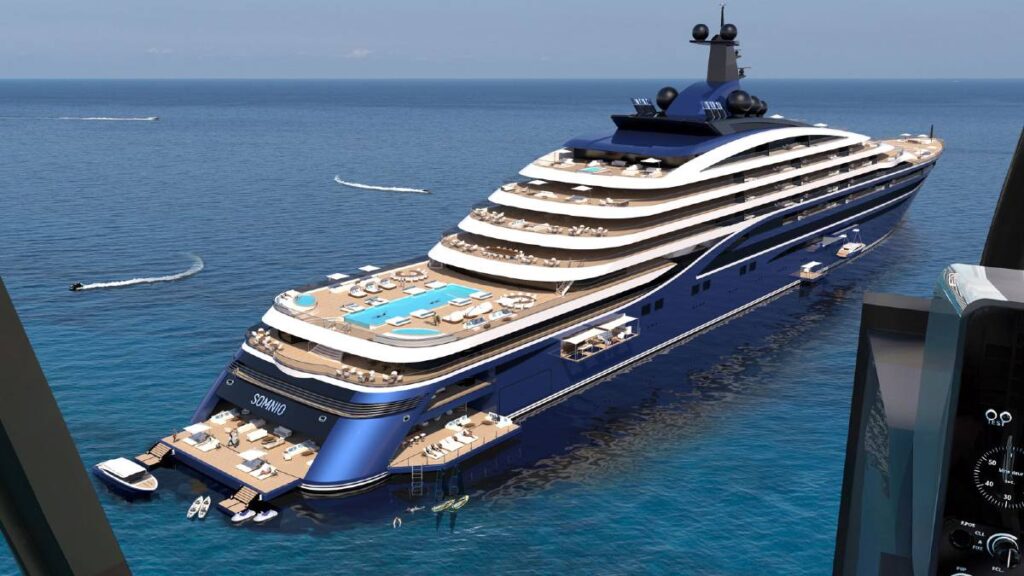
4. Somnio
Not a lot is known about Somnio – the superyacht is still cloaked in mystery, and details are only available to those invited to apply for a residence onboard. It’s that kind of exclusive.
But here’s what we do know…
There are just 39 residential apartments on this exquisite vessel, each of which is customisable to fit the needs of the buyer. Prices are believed to start from around $11 million, with maintenance fees payable on top of that to the tune of around $100,000 or more.
For the money, you get use of the aft deck – the main hub of the yacht where you can enjoy a large lap pool, two spa pools and various bars and seating areas. Watersports equipment is also available, along with boats if you want to go fishing or diving.
The ship will sail a leisurely itinerary, cruising the world slowly to allow guests more time to explore in port (and to be more environmentally friendly, burning less fuel at slower speeds).
5. Villa Vie Residences
Villa Vie Residences is another new live-on-board world cruise option that has an interesting offering. You can choose to own a cabin, or you can just craft your own world cruise by paying for a cabin like you normally would on a ship, for your chosen segment of the cruise.
And that cruise is epic – it’s a planned 3.5 year journey that will visit over 420 ports in 147 continents across all seven continents. And it’ll continue running this cruise in perpetuity, so once it completes the first navigation, it all begins again.
If you choose to own a cabin, prices start from just $99,999, although there is then a monthly fee you need to pay on top of that. However, you can welcome guests to your cabin and only pay the daily port fees and gratuities for them ($33 per day), and what’s cool is you can rent out your cabin when you aren’t on the ship – making your money back.
Otherwise, if you prefer the Voyagers Program, it works like any other cruise. Prices start at $89 per person, per night and there are a range of itinerary options from 35 days up to 120 days, with the option to combine any that you like.
The cruise is all-inclusive with beer and wine served at meals, complimentary healthcare, free high-speed WiFi, selected free excursions, and free laundry.
And even with the monthly fees, it’s one of the best-value options for living on a cruise ship full time.
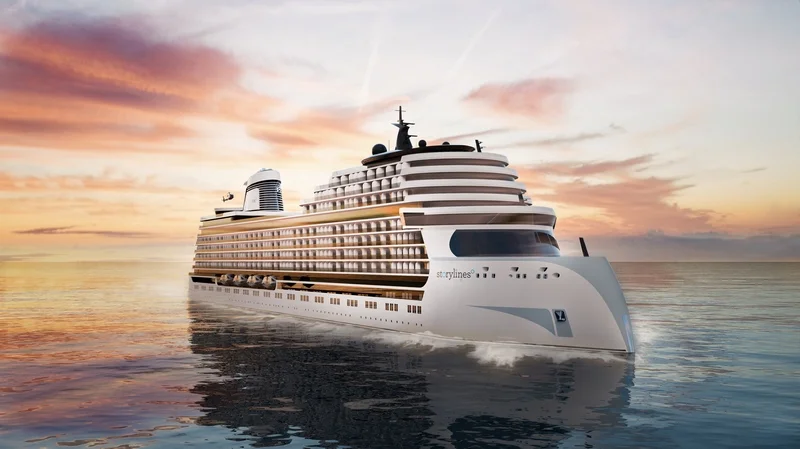
MV Narrative is a contemporary superyacht offering a luxury residential community at sea. Belonging to Storylines, it’s a more affordable choice than some of the other ships you can live on, with the cheapest residences starting at $875,000.
It’s also much larger, with 547 residences available and 18 decks.
You also have the option of leasing a residence on the yacht, if you can’t afford to buy one outright. This means you can pay yearly fees at a much more reasonable five-figure sum, but the downside is that once your 12- or 24-year lease is finished, you don’t own the residence.
It’s a very beautiful yacht with lots of relaxing places to unwind. There are three swimming pools, along with a mammoth 20 restaurants to choose from. You can also borrow from the 10,000 books in the library, or enjoy a drink brewed in the ship’s own microbrewery.
Everything’s included with MV Narrative, including laundry services, high-speed WiFi, premium satellite TV and even regular wellness visits with the onboard doctors and nutritionists, so you can make sure you stay fit and healthy while enjoying your life at sea.
If you have children, it’s by far the best option. There’s a ‘worldschooling’ program with onboard teachers offering hands-on learning through field trips, tutoring, classes and clubs.
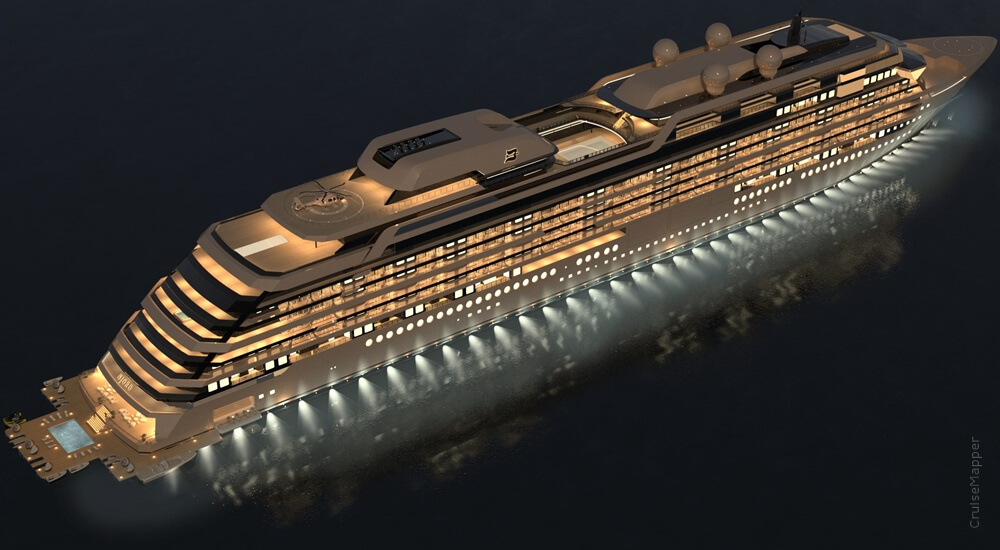
Njord by Ocean Residences is a planned superyacht due to launch in 2025, with a wide variety of luxury residences that you can buy.
Studios on the yacht range from two to six bedrooms, so you can really splash out on a luxury pad for entertaining guests if you want to. The biggest suites are 9,000 square feet – consider how an average interior room on a cruise ship is around 130 square feet, and you get the picture.
Everything about this yacht will be extremely luxurious, including hand-picked furnishings, high-end appliances from Gaggenau and integrated smart-home tech throughout.
The yacht has seven onboard restaurants, an extensive spa and fitness suite, its own concierge hospital and medical centre, a cinema, a games room, arts and craft studios, and even a kids club should you wish to bring the family. There are two pools including an aft infinity pool.
Suites on the Njord start from $8.5 million so this is definitely a yacht aimed at the super-rich.
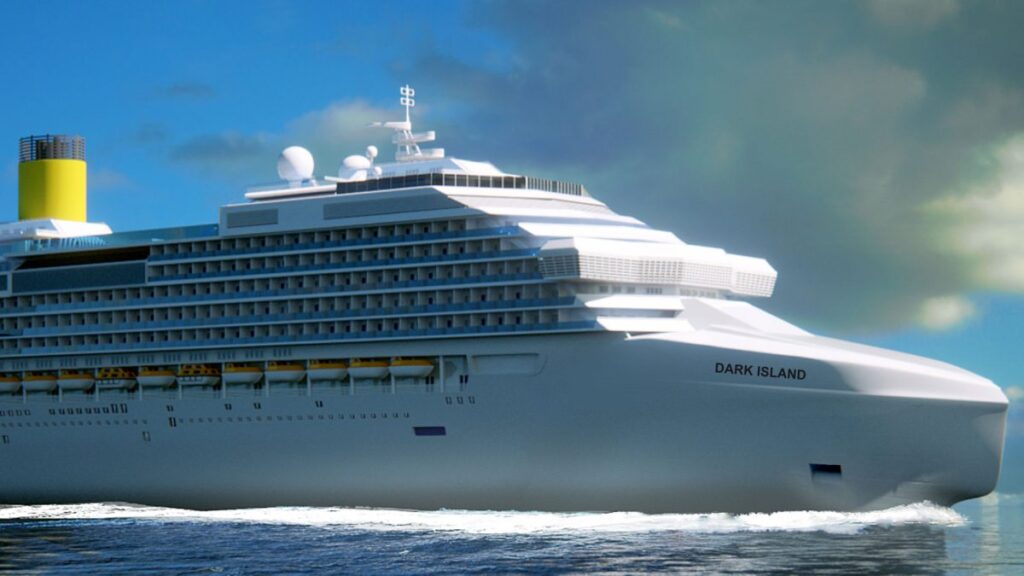
8. MS Dark Island
Dark Island is another residential cruise ship which is planned to be built by 2026.
The ship offers adventurous itineraries, visiting destinations around the world, with lectures, forums, discussions and field trips by leading academics preceding the destinations and expeditions.
There are 101 ultra-luxurious suites to choose from, each with a balcony and a choice of one, two or three bedrooms.
The Dark Island is built to minimise its impact on the environment, with a focus on sustainability and green initiatives.
The Three-Year World Cruise
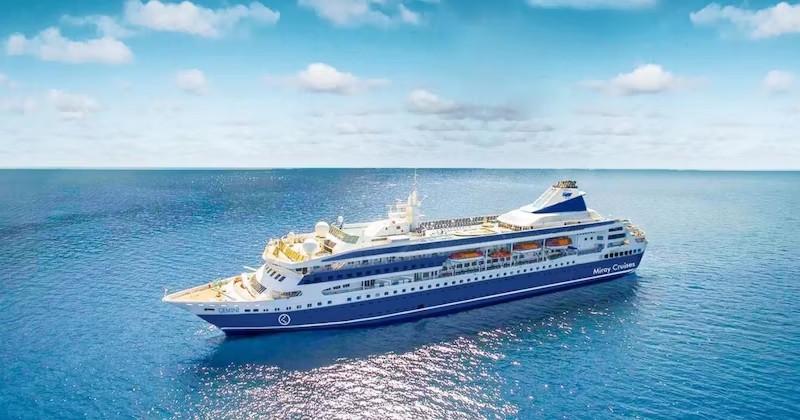
There was one more option – and this was designed as a middle option between traditional cruising and residential cruising. That’s the ultra-long-term world cruise option announced by Life At Sea Cruises.
However, just as the ship was due to launch on her three-year itinerary in November 2023, the company cancelled the cruise after revealing they had not been able to secure a suitable ship.Read about the cancellation here.
The company had originally announced a three-year itinerary on their ship MV Gemini, with all-inclusive fares starting at $29,999 per person, per year. At the time, this looked like one of the most affordable long-term options for anyone interested in living on a cruise ship.
But then there were challenges about whether the ship was seaworthy, and so a second ship was sought. But with a deal lined up, the cruise line didn’t pay for the AIDAaura when it came up for sale, and instead it was purchased by Celestyal Cruises.
The cruise was due to set sail on 1st November 2023 and visit 135 countries until late 2026, covering 130,000 miles.
Guests had already travelled to Istanbul for the departure, and are now facing a wait for refunds. The company has promised to repay guests but using monthly installments, which suggests the money may have been spent – hopefully everyone gets their money back.
How Much It Costs To Live on A Cruise Ship
The cost of buying an apartment on a residential cruise ship is between $1 million and $14 million. There are also annual fees of between $60,000 and $300,000 to pay. In theory, you could cruise on traditional cruise ships for around $35,000 per year, if you choose a basic cruise.
There’s no getting away from the fact that residential cruise ships are expensive. That’s because they’re more like luxury ships, and they’re very exclusive. Plus you’re buying an asset, which can be sold on at a later date.
It’s difficult to compare costs directly since ships include different levels of service within their fares, plus you don’t know how long you’re going to want to live on a cruise ship.
But for the sake of comparison, let’s look at the estimated costs of living aboard three residential cruise ships, three traditional cruise lines and the new three-year world cruise.
Table comparing the cost of living on cruise ships for 10 years
Type
Cruise line/ship
Purchase price
Cruise Fare / Fees (10 years)
Taxes (10 years)
Tips (10 years)
Drinks (10 years)
Estimated WiFi cost
Total cost for 10 years (for 2 people)
Asset value after 10 years
Cheap cruise
Carnival
n/a
$156,000
$127,750
$52,925
$219,000
$70,000
$1,251,340
$0
Mainstream cruise
Royal Caribbean
n/a
$360,000
$58,400
$56,300
$325,000
$66,000
$1,731,400
$0
Luxury cruise
Regent Seven Seas
n/a
$2,190,000
$0
$0
$0
$0
$4,380,000
$0
Residential
MS The World
$3,000,000
$1,000,000*
Included
Included
Included
Included
$4,000,000
$3,000,000
Residential
Somnio
$11,000,000
$1,000,000*
Included
Included
Included
Included
$12,000,000
$11,000,000
Residential
Villa Vie
$99,999
$419,880
Included
Included
Included
Included
$519,879
$99,999
Residential (lease)
Victoria Majestic
$10,000 deposit
$576,000
Included
Included
Included
Included
$606,000
$30,000
Residential
MV Narrative
$1,000,000
$650,000
Included
Included
Included
Included
$1,650,000
$1,000,000
Notes about the data
It’s difficult to compare costs directly since ships include different levels of service within their fares, plus you don’t know how long you’re going to want to live on a cruise ship. You can’t really compare the price of owning a residential place on a ship to cruising for just one year. If you’re looking to buy a place on one of the residential ships, you’ll probably be looking to use it for the long term.
With that in mind, I’ve used 10 years as a guideline, comparing the price of buying a room on a residential ship for 10 years, against the cost of booking traditional cruises for the same time period.
The costs for each option is based on the cheapest accommodation using reported figures.
For the Carnival price, I have used a typical 4-day cruise and included the cost of the Cheers drinks package and the premium WiFi packages.
For Regent Seven Seas I’ve based the price on a typical 10-day cruise. Drinks, WiFi, tips and taxes are included as standard.
Where I’ve placed an asterisk for annual costs – these aren’t published by Residences at Sea or Somnio Superyachts, so I’ve used the best estimate I can find.
How To Live On a Cruise Ship Cheaply
The cheapest way to live on a cruise ship would be to choose Life At Sea’s Three Year World cruise. They have the cheapest fares for long-term living, starting at $29,999 per person, per year and including everything you need.
You can even pay monthly if you prefer, with financing options starting at $5,227 per month – a figure that may be within reach for many digital nomads.
With Life at Seas, you get:
Free family & friend visits
Medical consultations during your cruise
Access to a Business Center onboard
Alcohol served with dinner
All port fees and taxes
High-speed internet
Laundry and housekeeping
All entertainment and enrichment seminars
If you would rather stick to a traditional cruise line, you can still keep prices low, but remember you’ll be booking cruises regularly, and you would need to avoid paying for many extras on the ship. You’ll also want to look at cruising with the cheapest cruise lines in the world, such as Carnival or MSC Cruises.
When you’re booking a Carnival cruise, the cheapest fare you can get will be one where you only pay for the cruise itself and the necessary extras – the port fees, taxes and gratuities.
And trust me, while it is possible to opt out of gratuities, you definitely don’t want to do that when you’re living on a cruise ship!
If you cruised in this way – choosing an inside cabin, eating only in the free restaurants and sticking to the free drinks you get on the ship (water, juices, basic tea and coffee at breakfast) then you could possibly cruise for around $35,000 per year.
This would mean you’d have no internet access and you would have to pay for any other drinks separately, but you would be able to enjoy the free accommodation, days at port, and the included daytime and evening entertainment on the ship, along with meals in the main dining restaurant, the buffet and any other included venues on the ship.
Life at Sea’s three-year cruise remains cheaper, and you get more included, but it depends on whether you like the idea of cruising with a more established mainstream cruise line or taking a punt on something new.
How To Live On A Cruise Ship For Free
The absolute cheapest way to live on a cruise ship is to work on one – although it probably isn’t what you had in mind when you thought about living on a cruise ship!
It’s the cheapest option because you’d actually be making money – and your room and food would be free. But you would be working six or seven days a week with only very rare days off, and often for long hours.
In some cases, senior officers, including the ship’s captain and cruise director, may be allowed to have their families staying on the ship with them. It isn’t really standard practice, and most officers live on the ships alone, but if you really wanted to live on a cruise ship for free, then try convincing your partner to take up a career as a ship’s senior officer and then see what the cruise line can do for you!
Comparing The Cost of Cruise Ship Living With Other Options
A cruise ship offers a number of perks over regular living, the main one being that you get to see the world. Living on a cruise ship means travelling all across the globe, experiencing new cultures and thrilling experiences.
But how does the cost compare to regular living?
Is it cheaper to live on a cruise ship than in a house?
It costs a similar amount to live on a cruise ship as it does in a house. In the UK, the average cost of living is £2,200 per month, equal to around $2,650, and in the US the average cost is $3,200. You can live on a cruise ship for around $2,500-$3,000 per month.
Surprising, right? The average cost of living stats for the UK and for the US include typical rent payments, the cost of food, transport and entertainment, so we’re looking at very comparable rates. The UK’s cost of living makes it being cheaper than the average cruise, while the US is slightly more expensive.
Again, these are average costs for the countries. If we just look at the most expensive places to live, then London becomes £3,200 a month, or $3,800, while New York is approximately $5,100. So living on a cruise ship could actually work out cheaper!
Is it cheaper to live on a cruise ship than in a nursing home?
It is usually cheaper to live on a cruise ship than in a nursing home. The UK average cost for living in a care home is £3,550 per month ($4,250), while the US average is much higher at $7,900 per month. It is possible to live on a cruise ship from $2,500 per month.
Of course, if you need to live in a care home, there’s a good chance you need a carer. If that carer’s responsibilities aren’t specialised – if a family member is capable of taking care of you – then you just need to pay for a second person to join you on a cruise.
But that can still work out to be cheaper than paying for a care home.
Accommodation option
Monthly cost for 1 person plus carer
Nursing Home in UK
$4,250
Nursing Home in US
$7,900
3-Year World Cruise (Life At Sea)
$5,000
Mainstream Cruise (Carnival)
$5,800
Luxury Cruise (Regent)
$36,500
So, if you don’t need any specialist medical care and have someone in mind who would like to travel the world with you, then paying for the two of you to live on a cruise ship could work out cheaper than living in a care home.
However, one thing that you’ll certainly need to factor in is travel insurance and medical costs. Travel insurance for such a trip could be very costly indeed, and it is mandatory.
Cruise ships do have doctors, but visits to the onboard medical centre can be very costly indeed, and for any serious medical issues, you would need to visit a hospital on land.
The People Who Live On Cruise Ships
What we’ve gathered from this guide is that financially, it is viable to live on a cruise ship, although you need to plan your cruise carefully.
But is it actually an option, or are we being fanciful?
I’ve looked into some real-life examples of people who have lived on cruise ships, and there are some notable examples that prove it is a lifestyle within reach.
1. Lee Wachtstetter
Lee Wachtstetter was an American author who began living on cruise ships back in 2005, choosing Holland America Line’s MS Prinsendam as her ship of choice. She moved in 2008 to Crystal Serenity, and I love the reason why – it’s because Holland America stopped providing dancing partners.
Wachtstetter remained on Crystal Serenity until 2018 when she apparently had to return to land due to ill health. She’s published a book about her experiences, called I May Be Homeless, But You Should See My Yacht.
2. Morton Jablin
Morton Jablin, affectionately nicknamed ‘Captain’, is another long-term cruise passenger. As of 2018, when Jablin was 94 years old, he had spent 13 years living on Seven Seas Navigator, enjoying a life of luxury.
3. Mario Salcedo
Perhaps the most famous case is of Mario Salcedo, nicknamed Super Mario. Mario has lived continuously on Royal Caribbean ships since 2000, with an average of 15 days a year spent on land to handle life admin. He did live on land for 15 months during the COVID-19 pandemic too.
Salcedo isn’t a retiree – he works on the ship, managing investments for various high-worth individuals. And he isn’t tied to a single ship – at the end of his cruises he will return to his condo in Miami for a few hours, before embarking on his next voyage, often flying to a different port to meet the ship.
Things To Consider When Living On A Cruise Ship
Here are some of the things you’ll need to consider when you’re living on a cruise ship.
1. Tax
There are two main things to mention when considering tax on your cruise.
Firstly, every cruise you take has taxes that need to be paid. On residential cruise ships or long-term world cruises, these are incorporated into the cost, but if you choose to book traditional cruises back-to-back, the taxes and fees may be separate – so be careful when you’re budgeting.
The second tax consideration is if you decide to work while you cruise. Even if you cruise on a ship permanently, you’ll still need to have a home country of residence, and you’ll need to obey the tax laws for that country.
However, there are often exclusions if you spend less than a set number of days residing in the country, so it’s worth checking your local tax laws and speaking to your accountant for advice.
As an example, in the UK you usually only pay tax if you live in the country for more than half the year. So, by living on a cruise ship permanently, you may not have to pay tax at all.
In theory, you could get a work-from-home job and work on a cruise ship, and potentially save yourself tax money by not being permanently based in your home country! And if you’re a high earner, it could even be more cost-effective to work at sea since the cost of the cruise fare may be less than the tax you save.
Especially when you consider that your cruise fare includes your room and food – maybe this is something I need to think about?
Just be careful, though because you may also be paying other benefits at home that you could miss out on if living on a ship. For example, in the UK, if you don’t make National Insurance payments, you won’t get the full state pension later in life.
2. Insurance
Normal travel insurance isn’t going to cover you if you decide to live on a cruise ship. Travel insurance policies count on the fact that medical cover is a rarity when you travel for 2-3 weeks of the year.
You’ll need to look into long-term health insurance, so that you have cover should anything go wrong while you’re sailing, and this is likely to be significantly more expensive than regular travel insurance.
3. Health
Speaking of health, you’ll need to consider how you’re going to stay healthy while living on a cruise ship. Cruise ships generally have a doctor onboard but visits to see them are costly, and they don’t offer most dental treatments.
It would be better to have the option of returning to land on a semi-regular basis to see a doctor and dentist, where prices will be lower.
If you intend to eat in the cruise ship restaurants, remember that they are aimed at vacation guests, and so meals will be richer and higher in calories than a regular diet may be. You might need to be careful with your meal choices, and you’ll want to make sure you visit the gym regularly, or find other ways to stay active.
You probably shouldn’t eat this for breakfast every day!
4. Mail
A minor consideration, but if you sail on a cruise ship, receiving mail isn’t as easy as it would be at home. It is possible for someone to write to you at a cruise port via the port agency, but this requires you to reach an agreement for them to hold your mail.
It may be better to have a post box somewhere that you visit regularly – essentially, set up a home port where you can visit medical services and pick up any mail that you need.
FAQs About Living On A Cruise Ship
Is there a cruise ship you can live on?
There are several cruise ships designed for permanent living. The World is the only one sailing currently but more are coming soon – though you need to be flexible on dates, as launches are often postponed.
How much does it cost to live on a cruise ship for a month?
Living on a cruise ship costs between $2,800 and $6,000 per month for most mainstream cruise lines, including drinks packages and WiFi. Luxury cruise lines can cost more, up to $40,000 per month for a typical suite.
How much does it cost to retire and live on a cruise ship?
You can retire and live on a cruise ship from $2,500 per month, if you choose world cruise itineraries on the cheapest ship options. Choosing other long-term residential cruises, or back-to-back cruises that include drinks and internet access, can cost a lot more than this.
The Bottom Line
That’s a lot of information, but considering how we’re talking about as big a decision as living your life on a cruise ship, there’s always going to be a ton of information you need.
Is it realistic? Yes, it clearly is since others have done it, but it’s not something you can do without having some decent savings.
You’ll need at least $3,000 a month on most cruises, often more, and that’s per person – if you want to live solo then costs may be inflated as well, so bear that in mind.
The best option is to choose one of the specialist cruises aimed at residential guests – such as the MV Narrative from Storylines. These offer the comfort of a long-term solution, while being more affordable than the ultra-luxury MS The World.
It’s definitely a tempting way of living out your retirement, with the chance to be cooked for and pampered while being whisked around the world. Are you considering it?
NEW DEALS JUST RELEASED!
Don’t miss these hot cruise offers…
Related Posts:
If you found this interesting, please share!
Jenni Fielding is the founder of Cruise Mummy. She has worked in the cruise industry since 2015 and has taken over 30 cruises. Now, she helps over 1 million people per month to plan their perfect cruise holidays.
The main Arcadia cabins to avoid are those directly below the Lido Deck pools and buffet, cabins close to late-night bars and the theatre, the obstructed-view sea view cabins on E Deck, and balconies that are steel-fronted, overlooked by the bridge or glass lifts, or visible from above. For most people the safest choice on P&O Arcadia is a midship balcony cabin on C, D or B Deck with cabins above and below it. Arcadia is adults-only and is due to leave P&O Cruises in August 2029, so the cruises still on sale are among her last with the line.
This guide explains how the ship is laid out, which cabin types suit which travellers, and the specific locations worth checking twice on the deck plan before you pay a deposit.
Arcadia at a glance, and her move to Holland America Line
Arcadia entered service in 2005 and is the mid-sized ship of the P&O fleet: around 83,800 tonnes, roughly 2,094 guests and 866 crew. She is adults-only, which makes her popular with couples and friends who want a calmer ship, and she has long been P&O’s go-to ship for world cruises and longer voyages from Southampton.
In October 2026 Carnival Corporation announced a fleet reshuffle. Arcadia will finish a farewell season with P&O Cruises ending on 21 August 2029 and then transfer to Holland America Line, where she will be updated under that brand’s fleet programme. In return, Cunard’s Queen Anne will join P&O after her final Cunard world voyage in early 2029, with a refit and a new name that had not been revealed at the time of writing. You can read more about the Carnival fleet shuffle that sends Queen Anne to P&O and Arcadia to Holland America.
What the move means if you are booking Arcadia now
Your cruise still goes ahead. P&O has said all currently published Arcadia sailings before the handover will operate as planned.
The farewell season is on sale. Highlights include a 126-night world cruise departing 6 January 2029, with early fares reported from £18,499 per person in a balcony cabin, followed by Mediterranean, Baltic and British Isles cruises until a final 22-night Central Mediterranean voyage from 30 July 2029.
Expect strong demand. Farewell and world cruise sailings tend to attract loyal guests, so the best-located cabins can go early. If you have a shortlist, book sooner rather than later.
Do not assume the ship will stay adults-only. Holland America welcomes families, and the new owners have not yet detailed what the ship will look like after 2029.
Arcadia cabin types compared
Arcadia has around 1,000 cabins, and roughly two thirds of them are balcony cabins, which is a high proportion for a ship of her age. The figures below are approximate and taken from published deck plans and cabin guides, so always check the exact grade when you book.
Cabin type
Approx. size
Where you find them
What to watch for
Inside
16 to 20 m²
Most decks; larger insides on G, C, A and Sun Deck
Location matters more than size; some are under busy public areas
Sea view
16 to 19 m²
G Deck and C Deck (standard), E Deck (obstructed)
E Deck sea view cabins look out onto lifeboats or safety equipment
Deluxe balcony
about 19 m² plus a 5 m² balcony
A, B, C, D, E and Sun Deck
Steel-fronted, overlooked or forward balconies
Mini-suite
about 27 m² plus a 9 m² balcony
B, D and Sun Deck
Limited numbers, so book early
Suite (including aft suites)
35 to 42 m², aft balconies up to about 28 m²
A, B, C, D and E Deck
Tiered aft balconies can be seen from above
Single (inside or balcony)
about 16 m²
Sun Deck
Very few cabins; sell out quickly
Understanding the Arcadia deck plan
P&O names Arcadia’s decks by letter as well as number, which is worth knowing because cabin numbers start with the deck letter (for example, C123 is on C Deck):
Deck 1, G Deck: the lowest passenger deck, with sea view and inside cabins.
Decks 2 and 3, F Deck and Prom Deck: the main public rooms, including the Meridian Restaurant, the Palladium theatre, bars, shops, the atrium and the Ocean Grill. Very few or no passenger cabins here.
Deck 4, E Deck: the first deck of cabins above the public rooms, including the obstructed-view sea view cabins.
Decks 5 to 8, D, C, B and A Deck: the main accommodation decks, mostly balcony cabins and suites.
Deck 9, Lido Deck: pools under a retractable roof, the Belvedere buffet and the Neptune Grill.
Deck 10, Sun Deck, and Deck 11, Sky Deck: some cabins on Sun Deck, plus open decks and the Sindhu restaurant higher up.
The simple rule when reading any Arcadia deck plan: look at what is directly above, below and beside your cabin. A cabin sandwiched between two cabin decks is almost always quieter than one next to a public area.
A clear glass-fronted balcony gives the best seated sea view. Photo: Dilara Akıncı on Pexels
P&O Arcadia cabins to avoid
None of these cabins is a bad cabin for everyone. They are simply the ones where it pays to know what you are buying, especially if you are a light sleeper or you are paying extra for a view.
1. Cabins directly below the Lido Deck
A Deck cabins sit directly under the Lido Deck, home to the pools, the Belvedere buffet and the Neptune Grill. Crew set out and stack sun loungers early in the morning and late at night, and you may hear chairs or trolleys overhead. Midship A Deck cabins under the pool area are the ones most often mentioned. If you love A Deck for its height, choose a cabin further forward or aft that has cabins above it on the plan.
2. Noisy cabins near bars, the theatre and late-night venues
E Deck sits directly above the Prom Deck public rooms, so some E Deck cabins can pick up music, applause or bass from below in the evening, particularly those above the theatre and the bars. Cabins on G Deck at the very front and back of the ship can also be noisier, from the anchor area forward and from engine and thruster vibration aft. Passengers’ reviews of noisy cabins on Arcadia tend to point to these areas, so compare your cabin number against the public rooms below it.
3. Obstructed-view sea view cabins on E Deck
P&O lists the sea view cabins on E Deck as obstructed view, because they look out over or onto lifeboats and safety equipment. Some see only a strip of sea, while others look straight at the side of a lifeboat. They are cheaper for a reason. If daylight is all you need they can be good value, but if you want to watch the sea, choose a standard sea view grade on G or C Deck, or a balcony.
4. Steel-fronted balconies
Most Arcadia balconies have glass panels, so you can see the sea while sitting down. Some balconies have a solid steel front instead, and the official deck plan marks them with a separate symbol. A steel front gives more privacy, but from a chair you will mainly see steel and sky, so you need to stand to get the full view. If a seated sea view matters to you, check the legend before you accept a cabin.
5. Overlooked balconies
The deck plan also flags three privacy issues:
Forward balconies can be overlooked by the bridge.
Some midship balconies are overlooked by the ship’s glass lifts.
Balconies visible from above or from neighbouring balconies, which includes many of the tiered aft cabins and suites, where the balcony below sits in view of the decks above.
Aft balconies are still much loved for their wake views and shelter from the wind, but they are not the place for complete privacy.
6. Cabins without a bath
Suites and mini-suites have a full bath and a separate shower. Many balcony cabins also have a bath with a shower over it. Adapted cabins have a shower only, and so do the single cabins and some inside and sea view grades. If a bath is important to you, check the grade description or ask your travel agent to confirm before booking.
Best cabins on Arcadia by type
Best inside cabins
Look at the larger inside grades on C Deck and A Deck, ideally midship and away from lifts and stairwells. C Deck inside cabins are well placed for both the Lido Deck and the main public rooms, and have cabins above and below, which helps keep them quiet. The larger inside cabins on G Deck can be good value too if you prefer being low and stable in rough seas.
Best sea view cabins
The standard sea view cabins on C Deck are the most sought after because they give an unobstructed window without the lower position of G Deck. G Deck sea view cabins are close to the waterline, which many people enjoy, but avoid the very forward and aft ends if you are sensitive to noise or motion.
Best balcony cabins
Midship deluxe balcony cabins on D, C and B Deck offer the best balance of stability, quiet and access. Check that your chosen cabin has a glass front, is not marked as overlooked, and is not directly under a public area. Aft-facing deluxe balconies are a good alternative if you like watching the wake and accept that they can be seen from above.
Best suites and mini-suites
Mini-suites on B and D Deck give extra space and a bigger balcony for a smaller step up in price than a full suite. Of the full suites, the aft suites with their large wraparound balconies are the stand-outs, while the midship suites on B Deck are the choice for anyone who wants space and less movement. Suite guests also get butler service and other extras, which P&O lists with each fare.
Checking what sits above and below your cabin is the best way to avoid surprises. Photo: Lara Jameson on Pexels
How to choose a good cabin on Arcadia
Download the latest deck plan from P&O Cruises and read the legend, which marks steel-fronted balconies, overlooked balconies, interconnecting doors and adapted cabins.
Check above, below and beside. Avoid cabins under the Lido Deck pools and buffet, next to service areas or above late-night public rooms if you sleep lightly.
Choose midship and lower for motion. On longer voyages such as world cruises, which can include rougher ocean crossings, a midship cabin on C or D Deck will feel the movement less than a high forward cabin.
Weigh up guarantee fares. A guarantee cabin is often cheaper, but you give up control over location, which is how many people end up in the cabins listed above.
Ask about pull-down beds. In twin cabins with a pull-down upper bed in use, the lower beds cannot be made into a double.
The ones most worth avoiding, or at least checking carefully, are A Deck cabins under the Lido Deck, cabins above or beside late-night venues, the obstructed-view sea view cabins on E Deck, and balconies marked as steel-fronted or overlooked on the deck plan.
Is Arcadia leaving P&O Cruises?
Yes. Arcadia’s farewell season with P&O ends on 21 August 2029, after which she transfers to Holland America Line. Published sailings before then are going ahead as planned, and Cunard’s Queen Anne is due to join P&O in 2029 under a new name.
Is Arcadia an adults-only ship?
Yes. Arcadia is one of P&O’s adults-only ships for as long as she sails with the line. Holland America has not said how she will operate after 2029.
Which deck is best on Arcadia?
For most travellers, C and D Deck midship are the best all-rounders, with cabins above and below for quiet, less motion than the higher decks, and easy access to the public rooms and Lido Deck.
Do Arcadia balcony cabins have a bath?
Many deluxe balcony cabins have a bath with a shower over it, and suites and mini-suites have a full bath plus a separate shower. Adapted and single cabins are shower only, so check the grade description if a bath matters to you.
Booking a cruise for a family of 5 is harder than it should be, because most standard cruise cabins are built for two to four people. You have three real options: one of the limited cabins that sleep 5, a family suite or family stateroom that sleeps 5 to 8, or two connecting cabins. Which works best depends on the cruise line, your budget and how much space your kids need.
Below you will find which cabin types sleep five on each major cruise line in 2026, what each option costs relative to the others, the booking rules that catch families out, and the cabins worth avoiding.
Cruise Cabins That Sleep 5: Comparison by Cruise Line (2026)
This table summarises the main ways to fit five people on the biggest family cruise lines, based on the lines’ own stateroom pages and deck plan listings checked in October 2026. Availability varies by ship, so always confirm the exact cabin number before you pay a deposit.
Cruise line
Single cabins that sleep 5
Larger family options
Watch out for
Royal Caribbean
Family/Spacious Interior and Family Ocean View rooms (up to 6) on Oasis, Freedom, Voyager, Radiance and Vision class
Family Infinite Balcony (up to 6) and Ultimate Family Townhouse (8) on Icon class; Ultimate Family Suite on some Oasis-class ships; Royal Loft Suites
Five-person rooms usually have to be booked by phone or through an agent; Surfside Family View rooms on Icon sleep only 4
Carnival
Select Interior, Ocean View and Balcony rooms sleep up to 5; Deluxe Ocean View sleeps 5 with an extra half-bath
Family Harbor staterooms and suites on Vista, Horizon, Panorama, Mardi Gras, Celebration and Jubilee
Fifth berth is often a pull-down bunk best for younger kids
Norwegian (NCL)
Family Oceanview rooms sleep up to 5 on some older ships, such as Norwegian Breakaway and Getaway
The Haven and family suites on many ships
On Prima-class ships the Family Oceanview sleeps only 4
Disney Cruise Line
Deluxe Family Oceanview and Deluxe Family Oceanview with Verandah sleep up to 5
Concierge family rooms and suites
Standard Deluxe Oceanview with Verandah sleeps only 4; prices are among the highest
MSC Cruises
Very few single cabins for 5
Superfamily: two connecting balcony cabins for up to 6
Superfamily is the realistic choice on newer ships
Princess
Standard cabins sleep a maximum of 4
Signature Sky Suites on Sun and Star Princess (up to 5); connecting balcony rooms
Sky Suites are few and expensive
Celebrity
Almost none
Connecting staterooms; larger suites
Solstice-class Family Verandas were reclassified as Horizon Suites in 2026, so check occupancy
P&O Cruises (UK)
New five-berth cabins on Iona, Arvia and Britannia from July 2026
Connecting cabins
Only 12 to 23 five-berth cabins per ship; phone or agent booking only
The short version: Royal Caribbean, Carnival and Disney give a family of five the most single-cabin choices. On MSC, Princess and Celebrity, plan on two connecting rooms or a suite.
Option 1: Standard Staterooms That Sleep 5 (Usually the Cheapest)
A single cabin with five berths is almost always the cheapest way to cruise as a family of five. Cruise fares are priced per person, and the third, fourth and fifth guests in a room usually pay far less than the first two. You also pay for one cabin’s worth of taxes on the room rather than two.
The trade-off is space. A typical five-berth layout is a double bed (or two twins pushed together), a sofa bed and one or two pull-down bunks. Once everyone is in, there is very little floor space, only one bathroom, and nowhere for parents to stay up after the kids are asleep.
Where to find them
Royal Caribbean: Family Interior and Family Ocean View rooms are the classic choice. Royal Caribbean’s Family Ocean View rooms generally need at least five guests booked, so they are not snapped up by couples.
Carnival: Carnival says select interior, ocean view and balcony cabins can sleep up to five. The Deluxe Ocean View is the standout because it adds a half-bath, which matters a lot with three kids.
Disney: The Deluxe Family Oceanview rooms have a split bathroom (a toilet and sink in one room, shower and sink in the other), which helps with the morning rush.
NCL: Family Oceanview rooms on ships such as Norwegian Breakaway and Getaway sleep up to five using a sofa bed and an upper berth. Check the specific ship, as newer designs cap the same category at four.
Best for: families with younger children who sleep happily in bunks and who will be out of the cabin most of the day.
Five-berth cabins are tight but usually the cheapest way to sail as a family. Photo: Alex Green on Pexels
Option 2: Family Suites and Family Staterooms (Most Spacious)
If budget allows, a family suite gives you separate sleeping areas, more storage and often two bathrooms. These are the best family cruise cabins for teenagers or for longer sailings where five people in one small room would wear thin.
Royal Caribbean Icon class: The Family Infinite Balcony sleeps up to six with a kids’ alcove, bunk beds and a split bathroom. The three-level Ultimate Family Townhouse sleeps eight and is at the very top of the price range.
Royal Caribbean Oasis class: The Ultimate Family Suite on Symphony and Wonder of the Seas (also on Spectrum of the Seas in Asia) sleeps up to nine, with an in-suite slide and a kids’ room.
Carnival Family Harbor: Family Harbor staterooms and suites sit near a private lounge with breakfast, snacks, games and family movies. Carnival also includes kids eating free at most specialty restaurants and one free evening of Night Owls babysitting for Family Harbor guests.
Princess Sphere class: Signature Sky Suites on Sun Princess and Star Princess have two bedrooms and a sofa bed and sleep up to five, but there are only four on each ship.
NCL: The Haven and family-style suites offer real space, but prices rise quickly. For many families of five, two connecting balconies cost less.
Best for: teens, families who value a quiet evening, and anyone who wants extra perks such as priority boarding or a private lounge.
Option 3: Interconnecting Cabins (Most Popular)
Two connecting cabins, linked by an internal door, are the most popular choice for families of five, and in many cases the most flexible. You get two bathrooms, double the storage and usually two balconies if you book balcony rooms. A common setup is parents and one child in one room, two older kids in the other.
It costs more than one five-berth room, because you pay two sets of “first and second guest” fares. But it is often cheaper than a family suite, and connecting rooms exist on every major line. MSC sells this as a ready-made category: Superfamily is two connecting balcony cabins for up to six guests. P&O Cruises and Princess also rely heavily on connecting rooms for bigger families.
Adjoining vs connecting
Connecting cabins share an internal door. Adjoining or neighbouring cabins are simply next to each other with no inner door. Some lines allow children in an adjoining or across-the-hall room, but others require a connecting door, so check the rule before booking. If you can only find adjoining rooms, balcony dividers can sometimes be opened by your cabin steward on request.
Booking Rules a Family of 5 Needs to Know
Every cruise line requires an adult in, or linked to, each cabin, and the rules differ in ways that matter when you split a family across two rooms. In short:
Royal Caribbean: Guests under 21 must share with an adult 21 or over, unless they are in a connecting stateroom with their parents or guardians.
Carnival: Children up to 12 can be in an adjoining or across-the-hall non-balcony cabin from their parents; teens 13 to 17 can be up to three rooms away.
NCL: Under-21s need an adult 21 or over in the same or a connecting cabin.
Princess: Every cabin needs a guest 16 or older, and a cabin of under-21s must be linked to a parent’s reservation.
Celebrity and MSC: Minors can usually be in a connecting or nearby cabin with their parents.
A useful workaround: book one parent in each room on paper, then sleep however you like on board. Ask the line for extra keys so everyone can open both cabins.
The other big rule is that most five-person cabins cannot be booked on the cruise line’s website. Royal Caribbean and P&O Cruises both route five-berth bookings through their call centres or travel agents. If a sailing shows “not available” for five, that does not mean it is sold out.
How to Find Cruise Cabins for 5 People
Search for two adults and three children first. If the website returns no results, that is usually a booking-engine limit, not a lack of cabins.
Check deck plans for the room category. Look for codes or names that include “Family”, “Spacious”, “Deluxe Ocean View” or “Superfamily”, and check the listed maximum occupancy.
Call the line or use a travel agent. They can see every five-berth cabin and can hold connecting pairs together.
Compare the total, not the headline fare. Add taxes, port fees and daily gratuities, which are charged per person, including children on most lines.
Price both setups. On some sailings two interior connecting cabins cost only a little more than one five-berth balcony, and give you two bathrooms.
Booking early gives a family of five the widest choice of cabins. Photo: wal_ 172619 on Pexels
Tips for Booking a Family Cruise With Three Kids
Book early. Cabins that sleep five are a tiny share of each ship, and summer and school-holiday sailings go first. Booking 12 to 18 months out gives you the best choice. Our guide to cruise deals for 2027 and when to book explains which offers suit families.
Use a travel agent. Because many five-person cabins are phone-only, an agent who books families regularly can save you a lot of searching, and may spot connecting rooms that are not obvious online.
Bring the grandparents. Grandparents in a connecting cabin solve the adult-per-room rule and turn the second room from a cost into a shared holiday. One child can sleep with them, leaving a comfortable four in the parents’ room.
Watch for “kids sail free” or third- and fourth-guest deals. These offers make a quad or quint cabin much cheaper, but read the terms, as they often exclude taxes and fees.
Guarantee cabins. With a guarantee fare the line picks your room, so you cannot be sure of connecting cabins or a specific bed layout. For a family of five, that risk is rarely worth the small saving.
Cabins under pools, theaters or night venues. Kids go to bed earlier than the deck parties end. Check what is directly above and below on the deck plan.
Rooms where the fifth bed is a sofa that blocks the door or balcony. Some layouts leave almost no floor once the sofa bed is out.
Obstructed-view rooms sold as family rooms. Family Ocean View rooms are sometimes behind lifeboats. That is fine if the price reflects it, but not at full price.
Far-forward cabins on rough itineraries. If anyone in the family gets seasick, a mid-ship, lower-deck cabin is a safer choice.
Can a family of 5 go on a Carnival cruise in one cabin?
Yes. Carnival says select interior, ocean view and balcony cabins sleep up to five, and its Deluxe Ocean View rooms sleep five with an extra half-bath. Family Harbor rooms on Vista-class and newer ships are another option.
How much does it cost for a family of five to go on a cruise?
It varies widely by line, ship and season. One five-berth cabin is usually the cheapest setup because the third to fifth guests pay reduced fares, but remember that taxes, port fees and daily gratuities are charged for every person.
Is it better to book one cabin or two connecting cabins for 5 people?
One cabin is cheaper; two connecting cabins give you two bathrooms, more storage and more privacy. For older kids or longer cruises, connecting rooms are usually worth the extra cost.
Why can’t I book a cruise for 5 people online?
Many cruise line websites only handle up to four guests per room. Five-person cabins on lines such as Royal Caribbean and P&O Cruises usually have to be booked by phone or through a travel agent.
Is Royal Caribbean or Carnival better for a family of 5?
Royal Caribbean has more family room types, including large family suites on Icon- and Oasis-class ships. Carnival is often cheaper and offers more standard cabins that sleep five, plus Family Harbor perks on its newer ships.
No single ship is objectively the worst. The worst cruise ships in 2026 are really the lowest-rated ones: vessels that failed or barely passed a CDC sanitation inspection, older ships that reviewers keep calling worn and dated, and a few crowded mega-ships whose service doesn’t keep up with the passenger numbers. Below we list the ships that come up most often, explain the evidence behind each one, and say who might still enjoy sailing on them.
This guide has been rewritten for 2026. Our earlier version listed mostly Costa and MSC ships, and some of those have since changed hands. Fleets, refits and inspection results change every year, so we now rely on public signals you can check yourself.
How we chose the lowest-rated cruise ships
We didn’t invent scores or average anonymous reviews into a fake league table. Every ship here was picked using one or more of these public signals:
CDC Vessel Sanitation Program (VSP) results. The US Centers for Disease Control and Prevention makes unannounced inspections of ships calling at US ports. Scores run out of 100, and 85 or lower is a fail. The results are published online.
Large passenger surveys. Consumer Reports’ 2026 survey of 18,850 members rated 19 ocean cruise lines on value, food, service, excursions and entertainment.
Recurring review themes. These are complaints that keep turning up across Cruise Critic, Tripadvisor and industry round-ups for the same ship: wear and tear, crowding, queues or a mismatch between price and product.
Age and refit history. Ships that haven’t had a major refurbishment for years tend to collect the same complaints about cabins, bathrooms and plumbing.
A low rating doesn’t mean a ship is unsafe, and one bad inspection doesn’t mean it is always dirty. The CDC itself points out that each score reflects conditions on the day of the inspection.
The worst cruise ships in 2026: our lowest-rated list
The table sums up why each ship rates poorly and who might still be happy on board. More detail follows below.
Ship
Line
Why it rates poorly
Who might still like it
Norwegian Dawn
Norwegian Cruise Line
Scored 84 in a CDC inspection on 29 March 2026, a fail. Built in 2002. NCL came last in Consumer Reports’ 2026 satisfaction survey.
Cruisers who want NCL’s Freestyle dining on a mid-sized ship at a lower fare than the newer Prima-class ships
Carnival Breeze
Carnival Cruise Line
Scored 86 in a 2026 CDC inspection, the lowest passing mark, months after scoring 100
Families who want Carnival’s casual, fun atmosphere, waterslides and value pricing
Margaritaville at Sea Paradise
Margaritaville at Sea
Built in 1991 as Costa Classica. Reviewers often mention dated cabins and limited deck space and venues.
Budget travelers on short Bahamas getaways who care more about the party mood than the hardware
Margaritaville at Sea Islander
Margaritaville at Sea
Built in 2000 as Costa Atlantica. Reviews often mention wear and tear and an uneven food and service standard.
Jimmy Buffett fans and first-timers who want a cheap, relaxed few days at sea
Carnival Liberty
Carnival Cruise Line
A 2005 ship that keeps appearing in 2025 “worst ship” round-ups over maintenance problems and slow service
Short-break cruisers who want a familiar Carnival product at a low price
Carnival Radiance
Carnival Cruise Line
Built in 2000 as Carnival Victory and refitted in 2021. Reviewers say parts of it still feel older than the new name suggests.
Cruisers who like smaller, easier-to-navigate ships and Carnival’s newer venues
MSC Seaside
MSC Cruises
Scored 67 in a 2023 CDC inspection, one of the lowest results of recent years. Reviews of the ship are still mixed on crowding and service.
Families who value pools, a long outdoor promenade and MSC’s kids-sail-free deals
MSC World America
MSC Cruises
A new mega-ship launched in 2025 that showed up in 2025 “worst ship” round-ups, mostly over crowding and service consistency
Travelers who want the newest hardware, lots of venues, and the option of the MSC Yacht Club
Norwegian Escape
Norwegian Cruise Line
Large-ship complaints about busy public areas, queues and extra charges, plus NCL’s low survey result
Groups who want plenty of bars, shows and specialty restaurants and don’t mind paying extra
Carnival Firenze
Carnival Cruise Line
A former Costa ship (Costa Firenze) moved to Carnival in 2024. Some reviewers say the layout and venues feel less “Carnival” than they expected.
West Coast cruisers who like the Italian styling and a slightly calmer feel
One note on Margaritaville at Sea Beachcomber, the former Costa Fortuna. It is having a major refit at Harland & Wolff in Belfast and starts sailing from PortMiami in January 2027, then moves to Galveston in late 2027. It is too early to judge the ship under its new brand, so it isn’t in the table. Reviews of its Costa years won’t tell you much about the refurbished version.
Cabin condition is one of the most common complaints on older cruise ships. Photo: Tahir Osman on Pexels
Lowest CDC sanitation scores: what the data shows
CDC inspections are the most objective public measure we have. Inspectors look at medical facilities, drinking water, pools and hot tubs, galleys and dining rooms, children’s areas, cabins and ventilation. Ships with a regular itinerary that includes foreign ports and that carry 13 or more passengers are covered when they call at US ports.
Norwegian Dawn: 84 (March 2026). The only big-ship fail reported so far in 2026. Its previous inspection, in November 2025, scored 96. NCL sent the CDC a corrective-action report within days.
Carnival Breeze, Kydon and National Geographic Sea Lion: 86 (2026). All three passed by a single point.
Sun Princess, MSC Meraviglia and Amadea: 89 (2026). These were passes, but near the bottom of the year’s results.
Symphony of the Seas: 86 (February 2025). The inspection listed 44 violations, including gastrointestinal illness cases in the kids’ club that weren’t reported or isolated properly.
For balance, 42 ships scored a perfect 100 in 2026, including Icon of the Seas, Carnival Celebration, Celebrity Apex, Disney Dream, Norwegian Viva and Cunard’s Queen Elizabeth. Most ships pass comfortably most of the time. One more caveat: the CDC cut civilian staff in the Vessel Sanitation Program in April 2025. Health officials said inspections would carry on with commissioned officers, but former program staff questioned whether the pace could be kept up. Check how recent a ship’s last inspection is, not just the score.
Why older ships and mega-ships top the “worst” lists
Look at any list of top 10 worst cruise ships and you’ll see two very different kinds of ship. They get criticized for different reasons.
Older and smaller ships
Ships from the 1990s and early 2000s, such as Margaritaville at Sea Paradise, Carnival Radiance and Norwegian Dawn, collect complaints about:
Smaller cabins with fewer balconies and dated bathrooms
Plumbing, air-conditioning and elevator problems
Fewer dining venues and limited top-deck space
Paintwork and carpets that look tired between refits
On the plus side, they are often cheaper, quieter and quicker to board.
Mega-ships with 5,000+ passengers
New ships such as MSC World America or Norwegian Escape rarely get called “old”. Their poor reviews usually come down to:
Crowded pool decks and buffets on sea days
Long waits for shows, lifts and tenders
A sense that everything worthwhile costs extra
Service that feels stretched when the ship is full
If you’re comparing MSC’s ships, our MSC ships ranked best to worst sets the fleet out class by class. That makes it easier to see whether a complaint is about one ship or the whole design.
Crowded pool decks on sea days are a common complaint on mega-ships. Photo: Denis Zhyravlev on Pexels
Worst cruise lines vs worst ships
Many people searching for the worst cruise ships really want to know which line to avoid. In Consumer Reports’ 2026 survey (conducted in January 2026), Norwegian Cruise Line ranked last of 19 ocean lines for overall satisfaction. Royal Caribbean, Carnival and MSC also ranked low. Lindblad Expeditions came top, followed by Windstar and Viking.
Keep two things in mind. First, the lines at the bottom are also the biggest and cheapest per night, so they carry the widest range of expectations. Second, ship quality varies a lot within a line. A newer NCL ship can feel very different from Norwegian Dawn. Our Norwegian Cruise Line ships ranked guide shows how much the fleet varies.
What happened to the Costa and MSC ships on the old list?
Earlier versions of this article named ships such as Costa Fortuna, Costa Pacifica, Costa Smeralda, Costa Toscana, Costa Diadema, Costa Deliziosa, Costa Fascinosa, MSC Seascape, MSC Seashore, MSC Opera and MSC Orchestra. A few things have changed since then:
Costa Fortuna left Costa in September 2026 and is being rebuilt as Margaritaville at Sea Beachcomber for US sailings from 2027.
Carnival Firenze was Costa Firenze until 2024, when it moved to Carnival for “Carnival Fun Italian Style” cruises.
Most Costa ships sail mainly in Europe and draw a largely European, multilingual crowd. That partly explains low scores from American reviewers expecting a US-style product. It doesn’t necessarily mean the ships are poor.
Ratings are an average of very different expectations. A ship that disappoints a frequent cruiser can delight someone else. A low-rated ship can be a smart pick if:
Price comes first. Older ships are often hundreds of dollars cheaper on the same route.
The itinerary matters more than the ship. On port-heavy cruises you may only use the ship to sleep and eat.
You’re going for a short break. On a three- or four-night cruise, dated décor matters much less.
You prefer a smaller ship. Fewer passengers can mean shorter lines and a more sociable feel.
A refit is coming. Ships often improve a lot after drydock, as Margaritaville at Sea Paradise did when it got a new food hall in January 2026.
Cruise ships to avoid: who should skip which ship
Rather than a blanket list of cruise ships to avoid, it is more useful to match the ship to the traveller. Based on the evidence above:
Avoid ships with a recent CDC fail and no newer pass if anyone in your group is vulnerable to stomach bugs. Wait for the re-inspection result before you book.
Avoid the oldest ships (built before about 2002) if you want a large balcony cabin, modern bathrooms or lots of dining choice.
Avoid 5,000+ guest mega-ships on peak sea days if you dislike queues and busy pool decks. Choose a port-heavy itinerary instead.
Avoid very cheap short breaks on party-focused ships if you want a calm, adults-first atmosphere.
None of these ships is dangerous to sail on. They are simply the ones most likely to disappoint the wrong passenger.
How to check a ship yourself before you book
This is the step most worst-ship lists leave out. Do these five checks in about ten minutes:
Search the CDC VSP inspection database for the ship’s last two or three scores and the inspection dates.
Read only the most recent reviews. Filter Cruise Critic or Tripadvisor to the last 6 to 12 months. Reviews from before a refit can be misleading.
Check the build and refit years. A 2000-built ship refitted in 2025 can feel fresher than a 2015 ship that hasn’t been touched.
Look for patterns, not one-off horror stories. Five reviewers mentioning the same broken lifts or cold buffet food is a signal. One furious review usually isn’t.
Compare price per night with a newer sister ship. If the saving is small, the newer ship is usually the better buy.
A great ship can still be let down by its itinerary, so check our guide to the most disappointing cruise ports before you book.
No official ranking exists, but on CDC data Norwegian Dawn was the lowest-scoring large ship in 2026, with a failing 84 in March. Among older ships, Margaritaville at Sea Paradise, built in 1991, is one of the oldest and most often criticized vessels sailing from Florida.
Which cruise line is rated the worst?
In Consumer Reports’ 2026 satisfaction survey, Norwegian Cruise Line ranked last of 19 ocean cruise lines. Royal Caribbean, Carnival and MSC also scored low. Lindblad, Windstar and Viking came top.
What CDC score means a cruise ship failed?
A score of 85 or lower out of 100 is a fail in the CDC Vessel Sanitation Program. Ships that fail are usually re-inspected and must send the CDC a corrective-action plan.
Is it safe to sail on a ship that failed a CDC inspection?
Usually yes. A fail shows sanitation problems on the day of the inspection, and ships normally fix them quickly. Check whether the ship has passed a newer inspection before you sail.
Are older cruise ships worse than new ones?
Not always. Older ships get more complaints about cabins and maintenance, but they’re often cheaper and less crowded. New mega-ships score well on facilities but can feel busy and expensive once extras are added.
What is the worst cruise ship in the world?
There is no official worst cruise ship in the world. On objective data, the ships that rate lowest are the ones with failed or borderline CDC sanitation scores, such as Norwegian Dawn’s 84 in March 2026, and very old ships with dated cabins, such as Margaritaville at Sea Paradise, built in 1991. Ratings change after refits and re-inspections, so always check the latest results.
Which cruise ships should I avoid?
Avoid any ship that has failed its latest CDC inspection without a newer pass, and be cautious with the oldest ships in a fleet if cabin comfort matters to you. If you dislike crowds, avoid the largest mega-ships on sea-day-heavy itineraries. The right choice depends on what you want from the cruise.
When it comes to the ideal cruise length, opinions among cruise enthusiasts vary widely.
Some people love a longer cruise, whereas others don’t want to be away from home for too long – understandable, really.
I polled cruisers to see what they thought was the best length of cruise, and then did some analysis on the answers to find the perfect cruise length. Here’s what I found:
Popular Cruise Lengths
7-10 Days: The Sweet Spot
A significant number of cruisers believe that a cruise lasting between 7 and 10 days hits the sweet spot.
A week-long cruise is particularly popular, offering a balanced blend of relaxation and adventure without requiring too much time off work.
One cruiser mentioned that seven days provide just the right amount of time to unwind and explore a few ports without feeling rushed.
If you can extend this to ten days, that tends to allow for a slightly more leisurely pace, accommodating additional destinations or more sea days for relaxation. But you also aren’t having to worry too much about booking holidays at work, or getting pet care.
Overall, 7 nights was the most popular answer for the perfect cruise length, taking everything into account around personal responsibilities and missing home.
10-14 Days: A Thorough Escape
Cruises lasting between 10 and 14 days are still highly favoured by many cruisers.
A lot of people believe that two weeks offer the best chance to really enjoy both the ship’s amenities and the various ports of call, especially on bigger ships.
Some of the largest ships in the world have over 20 dining venues, or a wide mix of activities to try onboard. If you only cruise for a week, you’ll barely scratch the surface of what the ship has to offer, especially if you’re spending lots of time ashore.
One cruiser pointed out that a 14-day cruise provides a substantial break from everyday life, allowing for a more immersive experience without the need to rush through activities or excursions.
14+ Days: For the True Enthusiasts
For those with the luxury of time and flexibility, cruises of two weeks or more are seen as ideal, and a lot of people said they would like to cruise longer if they could.
Enthusiasts of these longer voyages appreciate the extended relaxation and the chance to delve deeper into each destination. You get more time to properly unwind and you aren’t feeling like you’re torn between spending time ashore and on the ship – you have the chance to do both.
One cruiser suggested that while 14 days is a great length, cruises extending up to 21 days or even more can be truly fulfilling.
Another noted that their longest cruise was 35 days, which included several itineraries back-to-back, allowing for a seamless and varied travel experience.
There were a few comments from people who loved world cruises too, which often last much longer, but most people can’t afford a world cruise, or just don’t have the freedom.
You’d start to miss home, too, and some of the comforts. Cruise ships can’t provide everything, so even things like grapes or strawberries, or your favourite butter from home, might be calling to you if you’re gone too long.
Shorter Cruises: Quick Getaways
While longer cruises are a dream for many, shorter cruises ranging from 3 to 7 days still have their charm, especially for those new to cruising or looking for a brief escape.
One commenter mentioned that four to five days are ideal for a quick getaway, perfect for a refreshing break without committing to a lengthy trip.
These shorter cruises can also be a good introduction for first-time cruisers, providing a taste of the cruising life without the pressure of a long-term commitment.
The downside to shorter cruises is that you still need to spend the time and money to get to the ship and back, and so it can feel like a lot of effort for only a short break.
You might also feel like you’ve only just started your holiday and suddenly it’s time to disembark.
A short cruise is good every now and then, but if you can extend it to a week, it’ll be even sweeter.
Factors Influencing Preferences
There are several different factors that influence people’s decisions on the ideal cruise length – it’s something that cruisers really think about!
Travel Companions
Families with young children or elderly parents often prefer cruises lasting between 7 and 11 days.
This duration strikes a balance, ensuring everyone has a good time without anyone getting too tired or overwhelmed. Being away from home for a long time can be tough on certain ages.
Also if you’re travelling with family, you might get a bit sick of each other on a cruise ship, especially in smaller cabins. You’ll miss having your own spaces at home where you can decompress and enjoy a bit of solitude in comfort!
So, who you’re travelling with definitely has a big part to play in the ideal cruise length.
Itinerary and Destinations
The nature of the cruise itinerary also plays a crucial role. Cruises with a mix of sea days and port visits tend to be more popular, as they offer a good blend of relaxation and exploration.
One cruiser highlighted that a 7-night Southern Caribbean cruise with stops at places like San Juan, St. Maarten, and Barbados was perfect due to its well-planned itinerary.
But if you’re cruising from the UK, you might feel like a 7-night cruise isn’t long enough if you want to visit the Med. You’ll barely make it to Barcelona if you’re lucky before your ship has to turn around.
If you want to sail to the Med you’ll either need a two-week cruise, or a fly-cruise that gets you into the heart of the destination sooner.
Personal Lifestyle and Financial Considerations
Some cruise fans noted that their ideal cruise length would be longer if not for work commitments or financial constraints. They would want to cruise a longer itinerary if they could, but their job, their pets or their bank balance stops them.
One respondent said that they would love to cruise for 14 to 20 days but settled for 7-8 days due to these limitations. And that’s understandable.
You want to enjoy your cruise, but not at the risk of putting yourself in tons of debt or causing other problems that you need to go back to.
If you’re on a typical family holiday budget, a 1-2 week cruise is plenty and you can just buy the occasional lottery ticket if you want, to hopefully make that months-long world cruise dream a reality!
Experience and Enjoyment
There’s a common sentiment among seasoned cruisers that no cruise can be too long.
Several comments reflected a desire for never-ending cruises, which shows you just how much they value the enjoyment and relaxation found in extended sea travel.
One cruiser even mentioned plans to retire on a residential cruise ship, cruising 200+ nights a year.
If you didn’t have strong ties at home, then it would be pretty amazing to sail around the world all the time, seeing the many cultures and attractions whilst being properly looked after by the hardworking crew.
But home life is fun too, and so a lot of people might say they wish they could cruise for months on end, but in reality prefer something shorter.
After all, it gives you something to look forward to. Part of the fun is planning your cruise, or daydreaming about your upcoming getaway while you’re working.
NEW DEALS JUST RELEASED!
Don’t miss these hot cruise offers…
In Summary
While there’s no one-size-fits-all answer, the general consensus among cruise enthusiasts seems to lean towards 7 to 10 days as the ideal cruise length.
This duration offers a perfect balance between experiencing life on the ship, exploring various destinations, and getting a proper break from daily routines.
However, if circumstances allow, many would happily extend their cruises to two weeks or more, which shows you just how much love and passion many have for this type of holiday.
So, whether you’re a seasoned cruiser planning your next long voyage or a newcomer looking for a quick taste of cruising life, there’s a perfect cruise length out there for you, and my guide on choosing a cruise in 7 steps will help.
Related Posts:
If you found this interesting, please share!
Jenni Fielding is the founder of Cruise Mummy. She has worked in the cruise industry since 2015 and has taken over 30 cruises. Now, she helps over 1 million people per month to plan their perfect cruise holidays.
Norwegian vs Royal Caribbean comes down to one question: do you want flexibility or the biggest choice of things to do? Norwegian Cruise Line (NCL) is best for relaxed, no-schedule cruising with lots of restaurants and an optional bundle of drinks and extras. Royal Caribbean is best for families and thrill-seekers who want the largest ships, more free activities and the strongest private island in the Caribbean.
Both are mainstream, mid-priced American cruise lines sailing from many of the same US ports, so they often compete for the same passengers. This guide compares the two lines as they stand in late 2026, from the newest ships and private islands to packages, dining and the real cost of a week at sea, so you can pick the line that fits how you like to travel.
Norwegian vs Royal Caribbean at a glance
Feature
Norwegian Cruise Line
Royal Caribbean
Overall style
Freestyle: no set dining times, no formal nights
Resort-style mega-ships with lots of included activities
Fleet size (late 2026)
Around 20 ships
Around 29 ships
Newest ships
Norwegian Aqua (2025), Norwegian Luna (2026); Norwegian Aura due 2027
Icon of the Seas (2024), Star of the Seas (2025), Legend of the Seas (2026)
Largest ships
Prima Plus class, about 4,200 guests
Icon Class, around 7,600 guests at full capacity
Private destinations
Great Stirrup Cay (Bahamas), Harvest Caye (Belize)
Perfect Day at CocoCay (Bahamas), Labadee (Haiti), Royal Beach Club Paradise Island (Nassau)
Bundled extras
Free at Sea (drinks, specialty meals, Wi-Fi, excursion credit), optional Free at Sea Plus
Pay as you go: drinks packages, Voom Wi-Fi, dining plans, The Key
Kids clubs
Splash Academy (from 3) and Entourage for teens
Adventure Ocean (3 to 12) plus teen spaces
Best for
Couples, groups of friends, solo travelers, foodies
Families, first-timers, active travelers
Ships and fleets: the newest Royal Caribbean and NCL ships
Royal Caribbean runs the bigger fleet and the biggest ships. Its Icon Class is the headline: Icon of the Seas arrived in 2024, Star of the Seas followed in 2025 from Port Canaveral, and Legend of the Seas debuted in July 2026, taking the class to Europe for the first time with sailings from Barcelona before moving to Fort Lauderdale. These ships carry around 7,600 guests at full capacity and are split into themed neighborhoods, including a dedicated family water park area. Below them sit the Oasis, Quantum and older Freedom, Voyager, Radiance and Vision classes, so the experience varies a lot by ship. Our guide to Royal Caribbean ship classes explains the differences.
Norwegian’s ships are smaller but still large. Its newest are the Prima Plus class pair, Norwegian Aqua (2025) and Norwegian Luna, which was christened in Miami in spring 2026 and carries about 4,200 guests. Both have the Aqua Slidecoaster, a hybrid roller coaster and waterslide. Norwegian Aura, the third and largest ship of the class, is due in 2027. NCL is also retiring its oldest tonnage, with Norwegian Sky and Norwegian Sun leaving the fleet. If you want to know which NCL ship to pick, see our Norwegian Cruise Line ships ranked and the full list of newest NCL cruise ships.
The practical point: comparing the lines only makes sense ship to ship. A brand-new Norwegian Prima-class ship can feel more modern than an older Royal Caribbean Vision-class ship, while an Oasis or Icon Class ship offers far more onboard than any NCL vessel.
Private islands and beach clubs
This is one of the biggest differences for Caribbean cruises.
Perfect Day at CocoCay (Royal Caribbean): widely seen as the best cruise line private island. The beach, pools and food at several venues are included; Thrill Waterpark, the adults-only Hideaway Beach and cabanas cost extra.
Royal Beach Club Paradise Island (Royal Caribbean): opened in December 2025 near the Nassau cruise port, with pools, two beaches and a huge swim-up bar. It works on an all-inclusive day pass bought separately, rather than being free.
Great Stirrup Cay (Norwegian): the island has had a major upgrade. A new two-berth pier means ships can dock instead of using tenders, a new pool area has opened, and the Great Tides Waterpark, with 19 waterslides, a lazy river and an adults-only area, had its official grand opening in September 2026. Check NCL’s site for which parts are included and which are paid.
Harvest Caye (Norwegian): a resort-style stop in Belize used on Western Caribbean itineraries.
Royal Caribbean still has the edge on choice, but Great Stirrup Cay has closed much of the gap, especially now that guests can walk off the ship.
Dining style is one of the clearest differences between the two lines. Photo: Jose Parra on Pexels
Free at Sea vs Royal Caribbean packages
How the two lines price extras is the difference most comparisons gloss over, and it changes the real cost of your cruise.
Norwegian: Free at Sea and Free at Sea Plus
Many NCL fares come with Free at Sea, which bundles an unlimited open bar, a set number of specialty dining meals, Wi-Fi and a shore excursion credit, depending on the fare and sailing length. You still pay the daily service charges on the drinks and dining perks. For sailings from February 2026, NCL added Free at Sea Plus, an upgrade priced at around $49.99 per person per day at launch, which adds premium spirits and wines, Starbucks drinks, streaming Wi-Fi, bottled water and a discount on extra specialty meals.
Royal Caribbean: pay for what you want
Royal Caribbean fares are usually more basic. Drinks packages (such as the Deluxe Beverage Package), Voom internet, specialty dining plans and The Key (priority boarding and other perks) are bought separately, and prices vary by ship and sailing date, often with pre-cruise sales. If you drink little alcohol, this can work out cheaper; if you want drinks and Wi-Fi every day, the add-ons quickly mount up.
Royal Caribbean vs Norwegian cost: what a week really costs
Headline fares can mislead. At the time of writing, a 7-night Caribbean inside cabin on an older ship from either line can start from several hundred dollars per person, while new ships such as Icon of the Seas or Norwegian Luna cost much more, especially in school holidays. To compare fairly:
Price the same cabin type, sailing length and season on each line.
Add the extras you would actually buy: drinks, Wi-Fi, specialty dining and any paid private island or waterpark access.
Add daily gratuities and NCL’s service charges on Free at Sea perks.
Check whether one line’s fare includes perks you would otherwise pay for.
Couples who drink and want Wi-Fi often find Norwegian’s bundled fare good value. Families with children who drink soft drinks and spend the day on free attractions often do better with Royal Caribbean. Prices change constantly, so watch for offers in our guide to cruise deals for 2027.
Staterooms and suites
Both lines offer inside, ocean view, balcony and suite cabins. Royal Caribbean has some unusual options, such as interior cabins with virtual balconies on newer ships and Central Park or Boardwalk balconies on Oasis and Icon Class ships, plus multi-level loft suites and large family cabins.
Norwegian stands out in two areas. Its Studio cabins are designed and priced for one person, with access to a shared lounge, which makes NCL one of the better big-ship lines for solo travelers. At the top end, The Haven is a private suite complex with its own pool, sundeck, restaurant and butler service, a ship-within-a-ship that feels closer to a premium line. Royal Caribbean’s Royal Suite Class gives suite guests extra perks and, on some ships, a private lounge, but not usually a fully separate enclave.
Dining: freestyle vs traditional
Norwegian invented freestyle dining: you eat when you like in the main dining rooms, with no fixed table or time. Ships often have many specialty restaurants, such as Cagney’s Steakhouse, Le Bistro and teppanyaki, which cost extra unless covered by Free at Sea.
Royal Caribbean offers a choice of traditional fixed-time dining or flexible My Time Dining. It is generally strong on included casual food, such as the buffet, Park Café, El Loco Fresh and late-night pizza at Sorrento’s, depending on the ship. Specialty options include Chops Grille, Izumi and Giovanni’s. Food quality on both lines is broadly similar and depends more on the ship and the venue than the brand.
Top-deck thrills are where the bigger ships pull ahead. Photo: Rick Josey on Pexels
Activities and entertainment
Royal Caribbean is the clear leader for onboard activities. Depending on the ship you can find surf simulators, climbing walls, ice skating, zip lines, waterslides and the AquaTheater, and most of these are included. Its shows range from Broadway musicals to ice and high-diving productions.
Norwegian has impressive top-deck attractions of its own, including go-kart tracks on several ships and the Aqua Slidecoaster on its newest ships, but some of these carry an extra fee. NCL’s entertainment includes Broadway-style shows, comedy and live music, with a strong nightlife and bar scene that suits adults.
Norwegian vs Royal Caribbean for families and kids
Both lines have free kids clubs. Royal Caribbean’s Adventure Ocean covers ages 3 to 12, with spaces for teens, and Norwegian’s Splash Academy runs from age 3, with Entourage for teens and some paid extras. Royal Caribbean usually wins for families because so many attractions are free and its biggest ships have dedicated family zones. If you go that way, our guide to the best Royal Caribbean ships for kids matches ships to ages. Norwegian suits families with older children who prefer flexible meal times over a packed activity schedule.
Which cruise line is best for you?
Choose Norwegian if you want no fixed schedule, lots of restaurants, a bundle of drinks and Wi-Fi, a strong solo cabin option or a luxury suite area like The Haven.
Choose Royal Caribbean if you are traveling with kids, want the most free activities, love big-ship variety or want regular visits to Perfect Day at CocoCay.
Many cruisers try both. Whichever line you lean toward, choosing the right ship and comparing total cost matter more than the brand.
If you’re also weighing up a lower-cost option, our Norwegian vs Carnival comparison shows how NCL stacks up against the Fun Ships on price, drinks and dining.
If you sail with both lines often, it is worth knowing that RCL and NCLH stock can each earn you onboard credit, as explained in our guide to cruise line shareholder benefits.
Neither line is clearly better across the board. Norwegian usually offers more restaurant variety and flexible dining times, while Royal Caribbean tends to have more included casual venues and late-night grab-and-go food. On both lines the specialty restaurants, which cost extra, are where the standout meals usually are.
Is Norwegian or Royal Caribbean better for families?
Royal Caribbean is usually the stronger choice for families, especially with children aged about 6 to 14. Its bigger ships include more free attractions such as waterslides, surf simulators and climbing walls, and Perfect Day at CocoCay is built around family water fun. Norwegian works well for families who value flexible dining and do not mind paying for some activities.
Is Norwegian Cruise Line cheaper than Royal Caribbean?
Not always. Norwegian fares often look higher because they can include the Free at Sea perks, while Royal Caribbean fares are usually lower but drinks, Wi-Fi and specialty dining are add-ons. Compare the total cost of the cruise with the extras you would actually buy, plus gratuities, before deciding.
Is Norwegian a high end cruise line?
No. Norwegian Cruise Line is a mainstream, mid-priced line like Royal Caribbean. Its upscale option is The Haven, a suite complex with its own pool, restaurant and concierge on most ships, which gives a more exclusive feel at a much higher price.
Which is bigger, Royal Caribbean or Norwegian?
Royal Caribbean has the larger fleet, with around 29 ships, and the largest ships, with Icon Class vessels carrying more than 7,000 guests at full capacity. Norwegian has roughly 20 ships, and its largest current ships carry about 4,000 to 4,300 guests at double occupancy.