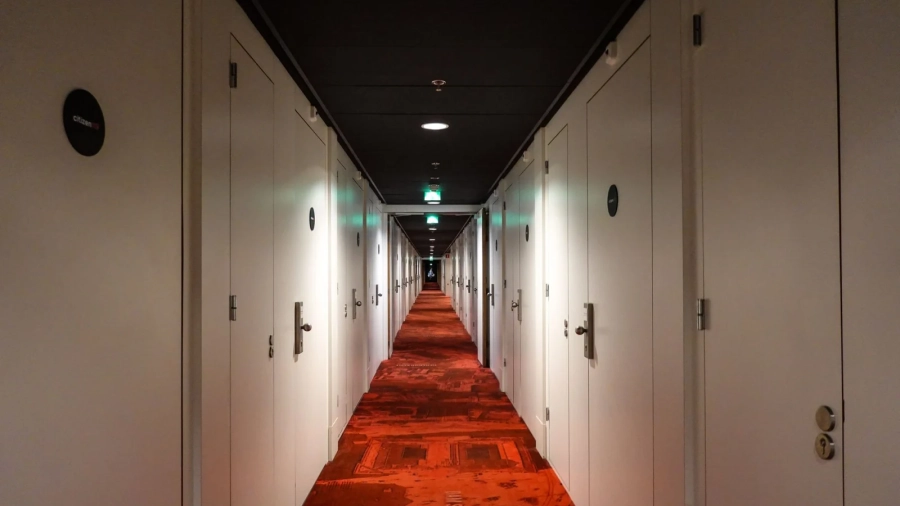
Long corridor lined with room doors, showing why location matters when choosing Voyager of the Seas cabins to avoid

Voyager of the Seas Cabins to Avoid (and the Best Rooms to Book)

The Voyager of the Seas cabins to avoid are mostly about location, not category: rooms on deck 10 directly beneath the pool deck, Promenade-view interiors on deck 6 that overlook the busiest part of the Royal Promenade, forward deck 6 rooms above the theatre, and cabins right at the bow or stern if you are sensitive to motion. For the quietest night, book a cabin on deck 7, 8 or 9 with other cabins above and below you.

That is the short answer. Below you will find what each problem area actually sounds and feels like, how to check a specific cabin number on the Voyager of the Seas deck plan, and which rooms are worth paying extra for.

Voyager of the Seas at a glance

Voyager of the Seas was the first of Royal Caribbean’s Voyager-class ships when she launched in 1999, and the design introduced the Royal Promenade and an onboard ice rink to cruising. She received a major “Royal Amplified” refit in 2019, which added the Perfect Storm waterslides, laser tag in Studio B, refreshed kids’ areas, an enlarged spa and around 70 new staterooms. A further drydock followed in late 2024 for maintenance and smaller updates.

  • Size: about 137,000 gross tons, roughly 1,020 feet long
  • Cabins: around 1,700 staterooms, including more than 150 Promenade-view interiors
  • Where she sails: for the 2026-27 winter season she is scheduled for round-trip Mexican Riviera cruises from Los Angeles, with Alaska from Seattle and a move to Australia currently planned for later in 2027. Deployments change, so check the latest itinerary on Royal Caribbean’s Voyager of the Seas page.

Voyager of the Seas cabins to avoid

None of these rooms are bad for everyone, so use this list to decide which trade-offs you can live with.

1. Deck 10 cabins under the pool deck

The main pool area and Windjammer buffet are on deck 11. Cabins on deck 10 in the middle of the ship sit right underneath, which means loungers being set out and stacked away early in the morning and late at night, plus foot traffic and deck parties during the day. Some higher-category suites are on deck 10 as well, so a pricier room is not automatically a quieter one. If deck 10 is your only option, look for cabins forward or aft of the pool area rather than right in the middle.

2. Promenade-view interior cabins on deck 6

Promenade-view interiors (category 2T on decks 6 to 8) have a bay window looking down onto the Royal Promenade, the indoor “main street” on deck 5. They are fun for people-watching, but parades, live music and themed street parties happen right below. Deck 6 is closest to the action. If you like the idea, decks 7 and 8 give you the view with more distance from the noise. Remember that passers-by can see in when your lights are on, so you will keep the curtain closed more than you might expect.

3. Forward deck 6 cabins above the theatre

The Royal Theater sits forward on the lower decks, and published deck plans show some forward deck 6 cabins sitting above the top of the show lounge. Check what is below any forward deck 6 room before you book.

4. Rooms near Studio B and the lower public decks

Studio B, the ice rink that also hosts laser tag, spans decks 2 and 3 in the middle of the ship. The main dining room fills the aft end of decks 3 to 5, and conference rooms, the theatre and the cinema are also down here. The cabins on decks 2 and 3 are mostly porthole ocean views and standard interiors. They are among the cheapest on the ship, but expect more mechanical hum and early-morning activity.

5. Cabins at the very front or very back

The bow feels pitching motion most in rough weather, and forward cabins on the lowest decks may hear the anchor and thrusters when the ship arrives in port. Aft cabins on low decks can pick up vibration from the propellers. If you are prone to seasickness, a low, midship cabin is the steadiest place to sleep.

6. Long walks and lift-lobby cabins

The ship is just over 1,000 feet long. Cabins at the far end of a corridor mean a long walk to the lifts, while cabins right next to a lift lobby or stairwell hear late-night chatter and doors. A room a few doors away from the lifts is usually the sweet spot.

7. Connecting cabins (unless you are travelling together)

Connecting rooms share an internal door, and that door lets through more sound than a solid wall. They are ideal for families booking two cabins side by side, but less ideal if strangers are next door.

8. Deck 6 balconies, and why they are often last to sell

Voyager-class lifeboats are stowed along the hull below deck 6, so most deck 6 balconies still look out to sea. However, some deck 6 balconies have solid panel fronts rather than glass, which can block the view when you are sitting down, and you may look down on lifeboats. They are often cheaper or still available when other balconies are sold out. Check photos and the deck plan for your exact cabin number.
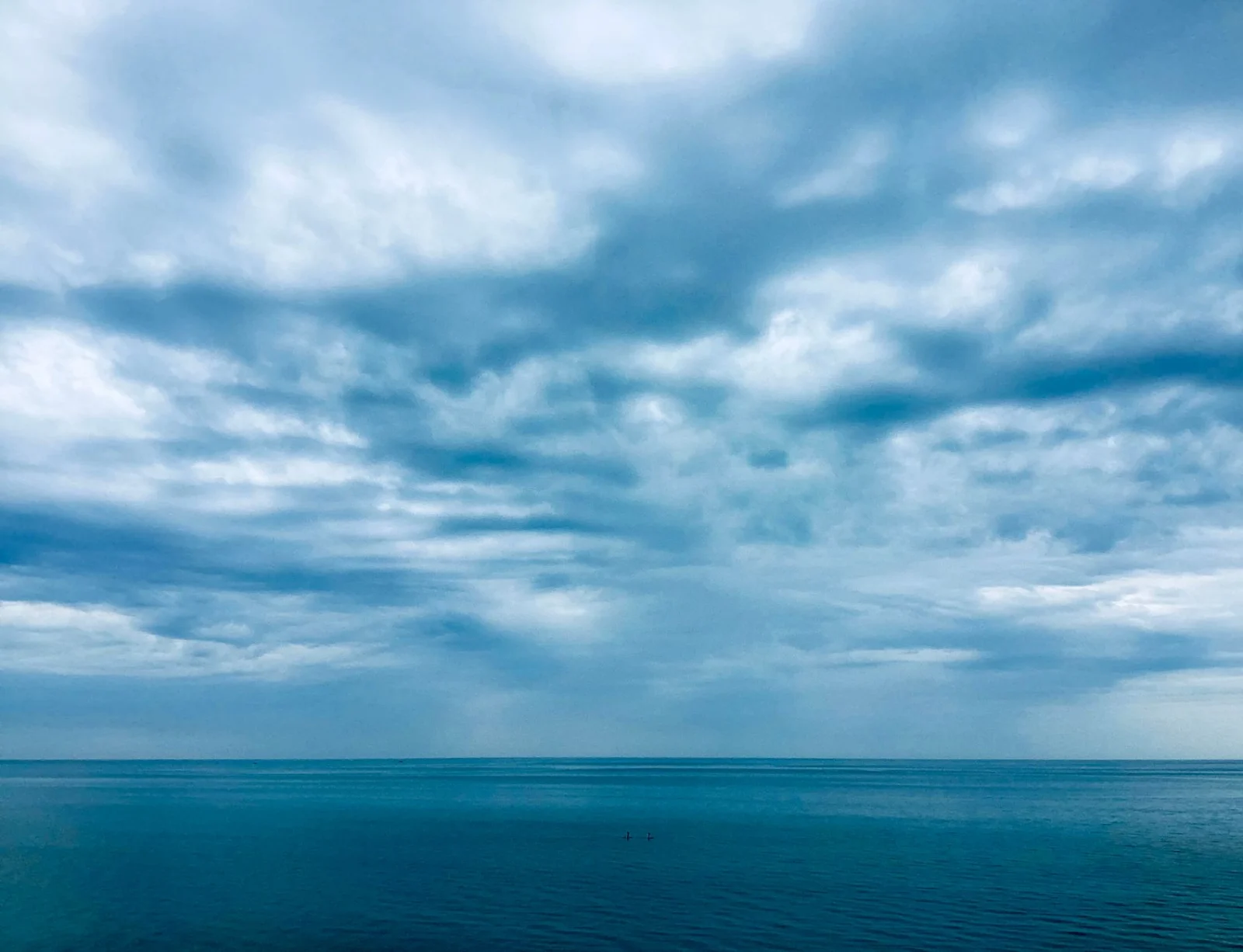
Calm blue sea stretching to the horizon, the view to check for before booking a balcony
Checking the view from your balcony before booking pays off. Photo: Marianna Sigov on Pexels

Voyager of the Seas cabin categories and sizes

Sizes below are approximate and vary within each category. Treat them as a guide and confirm the figures for your specific cabin when you book.

Cabin type Approx. size Where to find it
Interior 160 sq ft Decks 3 and 6 to 12
Promenade-view interior about 167 sq ft Decks 6 to 8
Interior with virtual balcony Similar to standard interior Deck 10 and some on deck 9
Ocean view (porthole or window) 160 sq ft Decks 2, 3, 6, 7 and 9
Panoramic ocean view about 191 sq ft Deck 12
Ocean view balcony 162 to 179 sq ft plus balcony Mostly decks 6 to 10
Junior suite about 277 sq ft plus balcony Decks 6, 7, 9, 10 and 11
Grand suite (1 or 2 bedroom) 381 to 610 sq ft plus balcony Decks 8 to 10
Royal Suite about 1,066 sq ft plus large balcony Deck 10

How to check any cabin on the Voyager of the Seas deck plan

Before you pay a deposit, run every cabin number through this quick check.

  1. Find your deck. The first digit of the cabin number is the deck (cabin 8306 is on deck 8).
  2. Look up. Open the deck plan for the deck above and find the same spot. Cabins above you are good news. A pool, buffet, gym or running track is not.
  3. Look down. Do the same for the deck below. A theatre, bar, Promenade or dining room under your room can mean noise.
  4. Look sideways. Note lifts, stairwells, crew doors, laundry rooms and connecting doors on your own corridor.
  5. Check the view. If the category says “obstructed” or the fare is a guarantee, assume the view could be partly blocked.

The official deck plans are on royalcaribbean.com. Use the current plan rather than an old brochure, as venues change after refits.

A note on guarantee fares

Guarantee fares (shown as categories such as ZI, YO, XB or WS) are cheaper because the cruise line chooses your cabin. You will get at least the category you paid for, but you cannot choose the location, and some may have obstructed views. If any of the locations above would ruin your holiday, pay a little more and pick a specific cabin. Our roundup of cruise deals for 2027 can help you find a better fare without gambling on a guarantee.

Booking more than one cabin

Families and groups should book together and early. Connecting cabins and adjacent balconies sell out first, and the 2019 refit added family-friendly connecting categories. If you cannot get connecting rooms, cabins directly across the corridor from each other are a good second choice. If you are still deciding which ship suits your children, see our guide to the best Royal Caribbean ships for kids of each age.
Neatly made double bed in a compact cabin with soft lighting and a window
A quiet, well-placed cabin makes a big difference on a week at sea. Photo: ubeyonroad on Pexels

Voyager of the Seas best deck for a quiet stay

Decks 7, 8 and 9 are the safest choice on Voyager of the Seas. They are almost entirely cabins, with more cabins above and below, so you are insulated from the venues on the lower decks and the pool deck up top. Midship rooms on these decks also feel the least motion. Deck 9 is a good compromise if you want to be closer to the pool and Windjammer without sleeping directly under them.

Best cabins on Voyager of the Seas

Interior with virtual balcony

These interiors have a floor-to-ceiling screen showing a live view from outside. It makes the room feel bigger and lets in “daylight”, which helps if a windowless room makes you feel closed in. Note that most are on deck 10, so check what is above your particular room.

Promenade-view interiors on decks 7 and 8

If you like being in the middle of things and do not mind some evening noise, these are a fun alternative to a standard interior at a similar price. Choose deck 7 or 8 over deck 6.

Panoramic ocean view (deck 12)

The panoramic ocean view cabins have wraparound floor-to-ceiling windows facing forward, so you watch the ship sail into port from your room. They are limited in number, so book early.

Balcony cabins on decks 7 to 9

For most people this is the best value. A midship balcony on decks 7, 8 or 9 gives you fresh air, a quiet location and a short walk to most venues. Aft-facing balconies, where available, have great wake views but can feel more motion and engine vibration.

Junior suites and the Royal Suite

Junior suites add extra space, a bathtub and a larger balcony at a noticeably lower price than full suites. At the top end, the Royal Suite on deck 10 has a separate bedroom, living area, baby grand piano and a balcony with a whirlpool tub. Grand Suite guests and above also get access to the Suite Lounge added in 2019.

How Voyager compares with her sister ships

Voyager of the Seas shares the same basic layout as Explorer, Adventure, Navigator and Mariner of the Seas. The general advice above (avoid rooms under the pool deck, choose decks 7 to 9, check what is above and below) applies across the class, but refits have changed some venues, so check each ship’s own deck plan. If you are comparing Royal Caribbean ships more widely, our guide to Quantum of the Seas cabins to avoid shows how the picture changes on a newer, very differently laid-out ship.

Comparing Voyager class sister ships? See our guide to Explorer of the Seas cabins to avoid for the rooms worth booking on that ship.

Sailing on a sister ship instead? Our guide to Navigator of the Seas cabins to avoid covers the Voyager-class layout after her amplification.

Many of the same rules apply on the newer sisters, as our guide to cabins to avoid on Mariner of the Seas shows.

FAQs

What cabins should I avoid on Voyager of the Seas?

The main ones are deck 10 cabins under the pool deck, deck 6 Promenade-view interiors, forward deck 6 rooms above the theatre, low cabins at the bow or stern, and cabins next to lifts or connecting doors if you value quiet.

What is the best deck to stay on Voyager of the Seas?

Decks 7, 8 and 9 are the best all-round choice, because they have cabins above and below and no major public venues.

Are Promenade-view cabins on Voyager of the Seas noisy?

They can be, especially on deck 6 during parades and Promenade parties. Decks 7 and 8 are quieter, and the noise usually stops at night.

When was Voyager of the Seas last renovated?

Her big “Royal Amplified” refit was in 2019, with a further maintenance drydock at the end of 2024.

Which cabins on a cruise ship are the most stable?

Cabins low down and in the middle of the ship move the least in rough seas, which makes them a good choice if you are prone to seasickness.
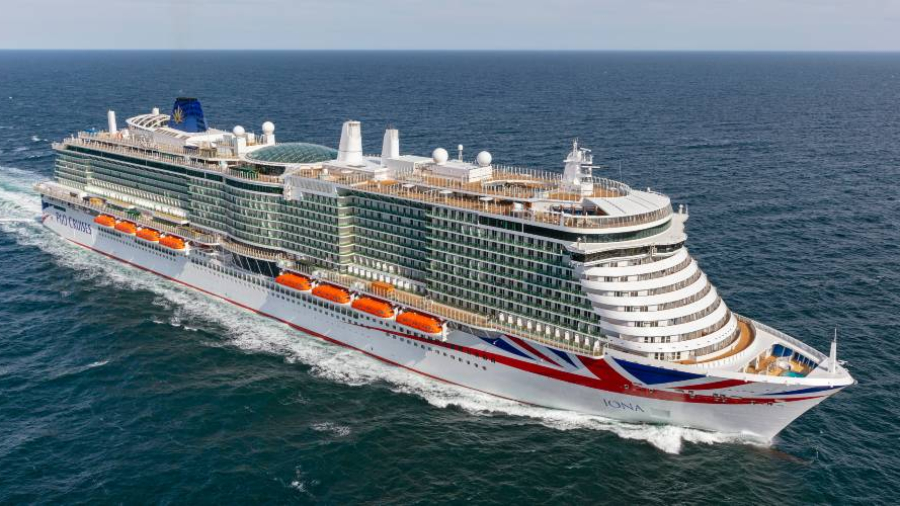
Iona-cruise-ship.jpg

11 Key Differences Between P&O Ships Iona & Britannia (2024)

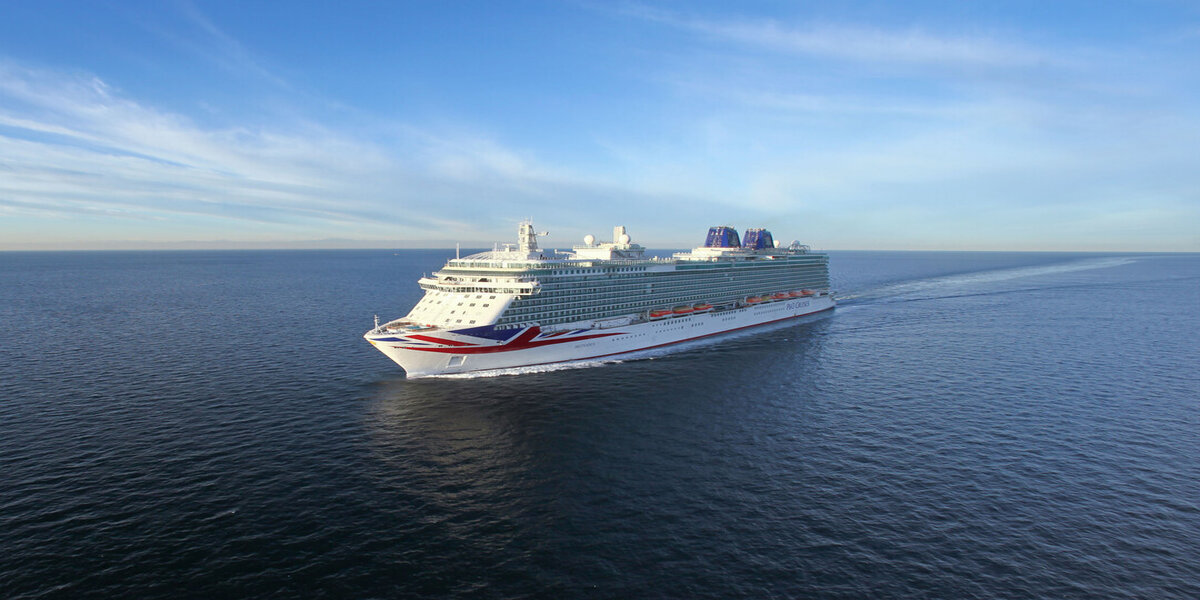
Launched in 2020, Iona brought a fresh new feel to P&O Cruises – the first new ship since Britannia debuted in 2015. While they share the same proud heritage, these two ships offer very different experiences.

If you’re torn between the two, this guide will help you decide which one suits your cruise style best. From dining and entertainment to design and atmosphere, here are the key differences between Britannia and Iona, so you can book the best ship with confidence.

Iona cruise ship

1. Iona is a Bigger Ship than Britannia

Iona can accommodate 43% more passengers than Iona, with space for 5,200 guests, compared to Britannia’s guest capacity of 3,647.

The following table shows the size differences between Iona and Britannia:

Iona Britannia
Guest capacity 5,200 3,647
Crew capacity 1,800 1,350
Length 344 meters 330 meters
Tonnage 184,700 tons 143,000 tons
Guest decks 15 13

Iona is currently the eleventh biggest ship in the world, behind Royal Caribbean’s Icon of the Seas, the five mammoth Oasis Class ships, MSC World Europa and World America, sister Arvia and Costa Cruises’ two newest additions, Costa Smeralda and Costa Toscana.

The P&O Iona’s capacity is so much bigger than on Britannia, which can be both a blessing and a curse. Because it’s a bigger ship, you have more to do, but it can mean bigger crowds, too.

2. Iona has No Set Dining Times

When cruising with P&O Cruises on all ships except Iona, guests have the choice of either Club dining or Freedom dining. Iona offers only Freedom dining, which means that there are no set dining times and you will sit at a different table each night.

  • Club Dining – Choose a set time of 6.30pm or 8.30pm. Sit at the same table with the same waiters throughout your cruise
  • Freedom Dining – Arrive at the restaurant at any time between 6pm and 9.30pm

Many cruisers prefer the set dining times of Club dining because they have the opportunity to get to know other cruisers over dinner each night and for conversations to progress past the initial stage. However, others enjoy the flexibility of Freedom dining and the chance to meet new people each night.

3. Iona is Better for Cold-Weather Cruises

With its glass-roofed SkyDome, Iona is the ideal ship for cooler weather. The ship also has a four-screen cinema complex offering movie screenings throughout the day.

In contrast, cruisers sailing on Britannia in cold weather may find that the indoor activities are somewhat limited in comparison.

Sky Dome on Iona

When you look at the itineraries that are on offer on each ship, you can see that Britannia offers more warm-weather itineraries than Iona.

Britannia Itineraries

Britannia cruises from Southampton in the summer, sailing to destinations such as Spain, Portugal, and the Canary Islands. In the winter, she heads transatlantic to offer Caribbean cruises departing from Barbados and St Lucia.

Iona Itineraries

Iona cruises from Southampton all year round, heading to destinations such as Norway, Northern Europe, Spain, Portugal and the Canary Islands.

NEW DEALS JUST RELEASED!

Don’t miss the latest P&O Cruises offers…

4. Britannia has More Formal Nights than Iona

Whilst Iona does have formal nights, where you can dress up in black tie attire, they are less frequent than on the other P&O Cruises ships. Britannia and the other ships in the fleet have twice as many formal nights as you’ll have when you cruise on Iona.

The table below shows how many formal nights you can expect during your cruise:

Formal nights Iona Britannia
2- to 4-night cruises n/a 1
5- to 7-night cruises 1 2
8- to 10-night cruises 1 3
11- to 14-night cruises 2 4
Formal night on Iona

5. Britannia has No Sea View Cabins

A cabin with a window can be a good, cheaper alternative to a balcony cabin, whilst giving a nice view of the outside that you can’t get with an inside cabin. Yet, rather unusually, outside cabins (also known as sea view) don’t exist on P&O Britannia.

Suggested read: Guide to cabins on Britannia

Suggested read: Guide to cabins on Iona

Iona’s sea view cabins are a great choice, because not only do they offer great value for money, they’re also larger than both standard inside and standard balcony cabins.

OceanView cabin on Iona

Another cabin type that you’ll find only on Iona is the conservatory mini suite. These are akin to a larger balcony room, with an extra conservatory-style space that’s ideal for admiring the views while staying out of the cold and wind.

Conservatory mini suite on Iona

6. Iona has More Dining Venues than Britannia

Iona has 14 restaurants and 19 bars and cafes. This is more than Britannia, which has 11 restaurants and 15 bars and cafes.

Both cruise ships offer plenty of dining options that are included in the price of your cruise, so there’s no need to spend any more money if you don’t want to. However, both ships have plenty of alternative restaurants which are available for an extra charge for a special treat.

The table below shows the dining options on Iona and Britannia:

Restaurant Type Iona Britannia
Beach House Relaxed Cover charge – from £7.50 Cover charge – from £7.50
Epicurean Fine Dining Cover charge – from £28 Cover charge – from £28
Eric Lanlard’s Afternoon Tea Cover charge – from £17.50 Cover charge – from £17.50
Glass House Wine pairings A La Carte – mains from £8 A La Carte – mains from £8
Grab and Go Snacks Included Included
Horizon Buffet Included Included
Keel and Cow Gastro pub A La Carte – mains from £5.50 n/a
Limelight Club Live music Cover charge – from £25 Cover charge – from £25
Main Dining Rooms Formal dining Included Included
Market Cafe Coffee and cakes n/a Cakes from £2.95
Olive Grove Mediterranean Included n/a
Quays Street food Included n/a
Sindhu Indian A La Carte – mains from £9 Cover charge – from £20
Taste 260 Pizza and burgers Included n/a
Vistas Cafe Bar Coffee and cakes Cakes from £2.95 n/a

On Iona, you’ll find The Quays – a vibrant food hall offering street food from all over the world. Here, you can dine indoors, outside or take food away with you. Within The Quays, there are three restaurants:

  • Hook, Line and Vinegar – A posh fish and chip shop which serves scampi, crab and other fancy seafood delights
  • The Boardwalk Diner – Serving American BBQ hot dogs, burgers and Southern soul food
  • Fusion – Offering a variety of Asian-inspired street food

Read more: P&O Iona restaurants and bars

7. Britannia Has No Promenade Deck

If you love a promenade deck where you can walk all the way around the edge of the ship, then you may be disappointed by Britannia. This ship has no prom deck, although there is a walking track up on Deck 18.

In contrast, Iona has a spectacular wraparound promenade deck on Deck 8. As well as lots of space to walk full laps of the ship, Iona’s promenade deck features six infinity whirlpools, two large whirlpools with aft views, an al fresco dining area and the Sunset Bar.

Britannia cruise

8. Iona is More Environmentally Friendly than Britannia

Iona is one of the world’s first LNG-powered cruise ships. LNG is liquefied natural gas which is a much cleaner fuel than diesel, which powers cruise ships like Britannia.

LNG engines produce up to 30% less carbon dioxide than diesel equivalents. Using LNG also dramatically cuts nitrogen oxide emissions and almost eliminates sulphur oxide pollution.

9. Iona has Way More Hot Tubs than Britannia

Speaking of whirlpools, if you’ve cruised on Britannia, you’ll know that there are only two hot tubs for public use, with another two in The Retreat, which is a part of the spa that you have to pay extra to enter.

Clearly, two Jacuzzis just isn’t enough for over 3,000 people, but luckily, Iona has a total of 18 whirlpool spas (6 infinity and 12 regular), which should be more than enough for everyone on board.

Britannia hot tub

10. Swimming Nappies Are Allowed on Britannia but Not Iona

Those cruising with babies or toddlers should know that on Iona, children in swimming nappies are not permitted to use the swimming pools. However, there is a small baby pool within the kids’ Splash Zone, which is okay to use.

On Britannia, kids in swimming nappies can use the Lido pool and there is also a splash area next to The Reef Adventure Zone.

Iona has four swimming pools:

  • Beachcomber pool pool: Outdoor pool on the Panorama Deck
  • Panorama pool: Outdoor pool on the Panorama Deck, aft
  • SkyDome pool: Indoor pool on the Lido Deck
  • Infinity pool: Outdoor pool on the Lido Dec, aft

Britannia has four swimming pools:

  • Riviera pool – Outdoor pool on the Lido Deck
  • Lido pool – Outdoor pool on the Lido Deck
  • Serenity pool – Outdoor pool on the Sun Deck (ADULTS ONLY)
  • Terrace pool – Outdoor pool on the Sun Deck

The swimming pools on Britannia are very deep – 165cm at the shallow end and 225cm at the deep end. This means that you will be unable to stand up in the pools, even in the shallow end, unless you are over 6 feet tall. The exception to this is the Terrace Pool, which is small and not so deep.

On Iona, the pools are 130cm deep at the shallow end and 140cm deep at the deep end, meaning that most people will be able to stand up. The water level is lowered further when the ship is at sea.

Suggested read: 10 essential tips for cruising with a baby or toddler on P&O Cruises

Britannia pool for babies and toddlers

11. Iona has Unique Entertainment

Iona offers a huge choice of entertainment that you won’t find on Britannia, including aerial performances, live DJs and a silent disco. Rather than being limited to the theatre and bars on Iona, you’ll also be entertained in the SkyDome and the Grand Atrium.

Whilst both ships have lots of entertainment options and you’ll never be bored, cruisers in their 20s and 30s will likely prefer the variety of entertainment on offer on Iona.

Final Word

If you were struggling to decide between booking a cruise on Britannia or Iona, I hope that this post has helped you to make your decision.

Both Britannia and Iona are incredible ships and which one is the best depends very much on your individual circumstances. I can’t speak highly enough of my cruise on Britannia. I’ve booked to sail on Iona several times and am looking forward to experiencing the ship for myself as soon as possible.

NEW DEALS JUST RELEASED!

Don’t miss the latest P&O Cruises offers…

Related posts:

If you found this interesting, please share!

Cruise Mummy

Jenni Fielding is the founder of Cruise Mummy. She has worked in the cruise industry since 2015 and has taken over 30 cruises. Now, she helps over 1 million people per month to plan their perfect cruise holidays.

Read more about me


Source link

cruise-from-liverpool-cover-1.jpg

Your Guide to the Best Cruises from Liverpool (2025)

If you live in the North West of England, cruising from Liverpool couldn’t be easier. With a compact terminal and hassle-free boarding, you can go from kerbside to cruise ship in just minutes – no airports, no stress.

Cruise from Liverpool

In this guide, I’ll share the best cruises you can sail from Liverpool, plus everything you need to know to plan the perfect no-fly holiday at sea.

Browse Cruises from Liverpool

Below, you can see the best deals on cruises departing from Liverpool…

If you’d like to see the full range of all cruises from Liverpool, I also have a link to a price comparison site for those below…

The Benefits of Cruising from Liverpool

I’ve cruised from Liverpool many times, including a British Isles cruise on MSC Virtuosa, a short cruise on Disney Magic, an overnight stay onboard Scarlet Lady and the start of a world cruise on Fred. Olsen’s Borealis.

I love how convenient it is for people living in the north of England. There’s plenty of cheap parking near Liverpool cruise port and check-in has always been really quick and easy.

Me on a cruise ship in Liverpool

Cruise Lines that Depart from Liverpool

In 2021, we saw an explosion in cruises departing from Liverpool. As cruising resumed after the shutdown, many cruise lines shook up their itineraries and began offering UK-only cruises from smaller ports.

Alas, that was not to continue and as cruising got back to normal in 2022 and 2023, cruise lines like Disney and MSC Cruises stopped their Liverpool departures.

The reason for this? Liverpool’s cruise terminal is just not big enough to handle check-ins for thousands of guests. During the pandemic, Liverpool Arena was available to handle the check-in. But now that it already has a packed schedule of events, this is no longer the case.

Unfortunately, despite demand, there are no P&O Cruises from Liverpool – the cruise line only sails from Southampton.

So, in 2025, only a handful of small cruise ships are able to depart from Liverpool. These are.

1. Fred. Olsen Cruise Lines

Borealis in Liverpool

Fred Olsen cruises from Liverpool have always been popular with over-50s living in the north of England. As well as Liverpool, the cruise line offers regional departures from Newcastle, Rosyth and Dover.

In 2021, the new ship (at the time) Borealis made her maiden voyage from Liverpool. The city is now a permanent base for Borealis with a full schedule of cruises heading to a large variety of destinations all year round.

In 2025, sister ship Bolette is scheduled to offer a number of cruises from Liverpool.

2. Ambassador Cruise Line

Ambition

Ambassador Cruise Line’s new ship, Ambition, is sailing from Liverpool on a series of cruises this summer.

This relatively new cruise line will begin departures from Liverpool in July and offer a good selection of destinations including Iceland, Norway, Spain and Portugal, as well as cruises around the British Isles.

Cruise Ships That Have Departed from Liverpool in the Past

Here’s some info on ships that have departed from Liverpool in the past but do not have plans to in 2025…

MSC Cruises

MSC Virtuosa

MSC Cruises from Liverpool took place throughout summer 2021 onboard MSC Virtuosa – one of the biggest cruise ships in the world at the time.

A ship as big as MSC Virtuosa could never usually depart from Liverpool. However, MSC Cruises’ style of cruising around the UK this summer meant that guests joined the ship at Southampton and Glasgow, as well as Liverpool.

There are currently no plans for MSC Cruises to depart from Liverpool in the future.

Disney Cruise Line

Disney Magic

Disney Cruises from Liverpool were another great option for families in 2021. Disney Magic usually sails from Dover, so we would love to see a return to Liverpool in the future.

The Best Cruise Destinations From Liverpool

1. British Isles

British Isles cruises from Liverpool call at ports around the UK such as Southampton, Portland, Belfast and Glasgow.

2. Scotland

A variety of Scottish Island cruises from Liverpool are available on Fred. Olsen’s Borealis. Cruisers can visit remote Scottish Islands and see sights such as Ben Nevis and Loch Fyne.

3. Iceland

Iceland cruises from Liverpool often include other destinations such as the Norwegian Fjords, Greenland and the Faroe Islands as part of longer voyages of nine nights or more.

4. Norway

A cruise from Liverpool to Norway during the winter is a fantastic way to see the Northern Lights. Cruises from Liverpool to Norway in the summer may give cruisers the chance to witness the Midnight Sun – an interesting phenomenon where the sun never dips below the horizon at night.

5. Transatlantic

Although the Titanic made her ill-fated maiden voyage from Liverpool to New York, nowadays, cruises from Liverpool to New York are a thing of the past.

Transatlantic cruises from Liverpool to Canada, however, are very much a possibility. You can take a round-trip cruise from Liverpool to Canada with Fred. Olsen.

Suggested read: How Long Is A Transatlantic Cruise?

6. Mediterranean

A Mediterranean cruise from Liverpool would be incredible, but sadly, none are available currently. You can, however, take a two-week cruise to the Mediterranean from Southampton. That’s about how long it takes to cruise to Italy and back.

Suggeested read: How fast do cruise ships go?

Types of Cruises from Liverpool

1. Mini Cruises

Mini cruises from Liverpool are so convenient. If you want to get away for two, three, four or five nights on a taster cruise from Liverpool, you can do so with Fred. Olsen.

You can also sometimes take two-night repositioning cruises from Liverpool as ships are relocated to Southampton or Bristol. This can be a great way to try a new ship.

2. All Inclusive Cruises

Cruise ship drinks can be pricey, so all-inclusive cruises offer fantastic value for money with so much included. With both Fred. Olsen and Ambassador, you can purchase a drinks package that will entitle you to unlimited drinks from the bar.

Suggested read: Ambassador Cruise Line Drinks Menus & Prices

3. No-fly Cruises

No-fly cruises from Liverpool are available for anyone who can reach Liverpool by car, coach or train. Alternatively, you may be able to fly from Liverpool Airport to join your cruise ship elsewhere.

Liverpool’s Cruise Ship Dock

Cruise ships sailing from Liverpool will depart from Liverpool Cruise Terminal. This is located on Prince’s Dock on Liverpool Waterfront.

The city centre location of Liverpool cruise port, right by the Liver Building, means that it’s very easy to start your cruise from Liverpool. Check out my Liverpool Cruise Parking Guide if you’d like to park your car within walking distance of your ship.

Liverpool Cruise Terminal

New Liverpool Cruise Terminal Plans

Liverpool’s long-awaited cruise terminal expansion is finally moving forward.

After years of delays due to Brexit and the pandemic, the city council stepped away from managing the port in 2023, handing operations over to Global Ports Holding Plc (GPH) – the world’s largest cruise port operator.

Now under GPH’s leadership, the cruise port is set for a £25 million transformation. Plans include a new floating pontoon that will allow two 300-metre ships to dock at the same time, handling up to 7,000 passengers per day.

A brand-new terminal building is also in the works, complete with retail and hospitality spaces to enhance the guest experience.

This investment will significantly boost cruise capacity and cement Liverpool’s place as a key no-fly cruise hub in the UK. If you’re cruising in 2025, don’t worry – although the work is already underway, construction is being managed carefully and won’t impact current travel plans. Expect smooth sailing, with even better facilities on the horizon.

Related Posts:

If you found this interesting, please share!

Cruise Mummy

Jenni Fielding is the founder of Cruise Mummy. She has worked in the cruise industry since 2015 and has taken over 30 cruises. Now, she helps over 1 million people per month to plan their perfect cruise holidays.

Read more about me


Source link

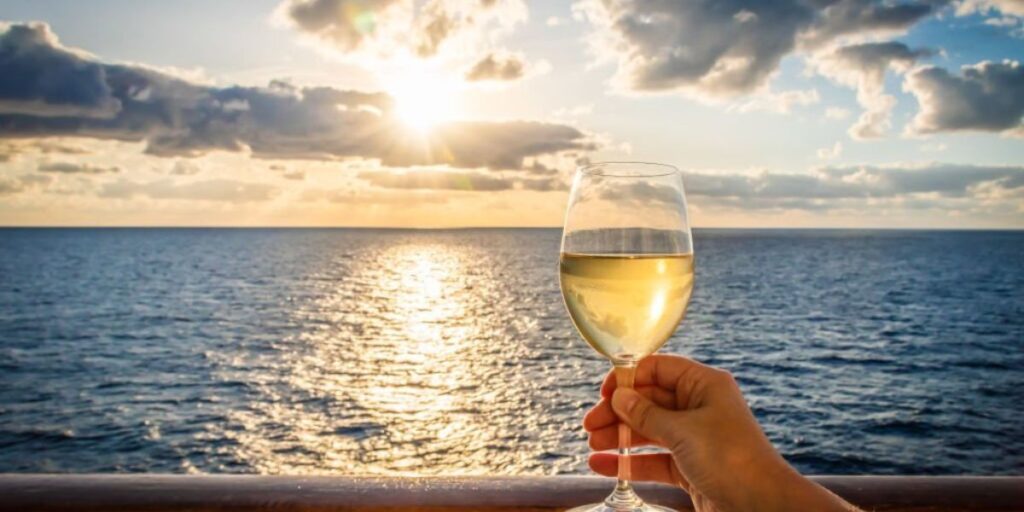
wine-on-cruise-ship-with-a-sea-view.jpg

What They Can Really Detect

Cruise bar prices can be steep, so it’s no surprise many passengers consider bringing their own booze onboard. Whether it’s a bottle of wine for dinner or a few beers to enjoy in your cabin, the savings can add up.

wine on cruise ship with a sea view

But how closely do cruise lines check? With bag scanners, manual inspections and strict policies, sneaking alcohol onboard isn’t as simple as it sounds. Before you try to outsmart security, here’s what you need to know about how cruise ships detect alcohol – and what happens if they catch it.

What Cruise Scanners Can Actually Detect

Cruise ship scanners can’t outright detect alcohol, but they can detect liquids. The security team will check every bag scanned, and if they see a liquid container, they are likely to open it up and check what’s inside.

The scanners are the same as those you’d find at the airport, and both your checked bags and your carry-on bags will be put through them. They use x-rays which can penetrate into your bags and show an outline of everything inside.

cruise ship scanner

However, they also cause liquids to appear as a dark colour, so they can quite easily spot any bottles of liquid. Once they see liquid, they will normally open it up to check what the liquid is.

Suggested read: Can You Bring Bottled Water On A Cruise?

So in short, no, they can’t detect alcohol, but they can detect any liquid – and they’re pretty vigilant about checking what that liquid is. Whether it’s alcohol or something more sinister that could be used to create an explosive, they’ll want to know!

What Else Cruise Scanners Can Detect

Cruise scanners will detect all kinds of objects – because they use X-rays, they’ll show a clear outline of everything inside your suitcase or bags. The security team are also highly trained to look for items disguised as other things, so they can easily spot contraband.

The security teams, both portside and on the cruise ship, are experts in their jobs – this isn’t something they do for an hour before picking up their ‘main’ responsibilities elsewhere.

Think about how many thousands of bags they have scanned in their career – they know the kinds of things to look out for. So if you were thinking of taking any banned items onto your cruise ship, you should expect a high likelihood of it being found.

Suggested read: Banned For LIFE! Real Stories Of Cruise Guests Who Are No Longer Welcome

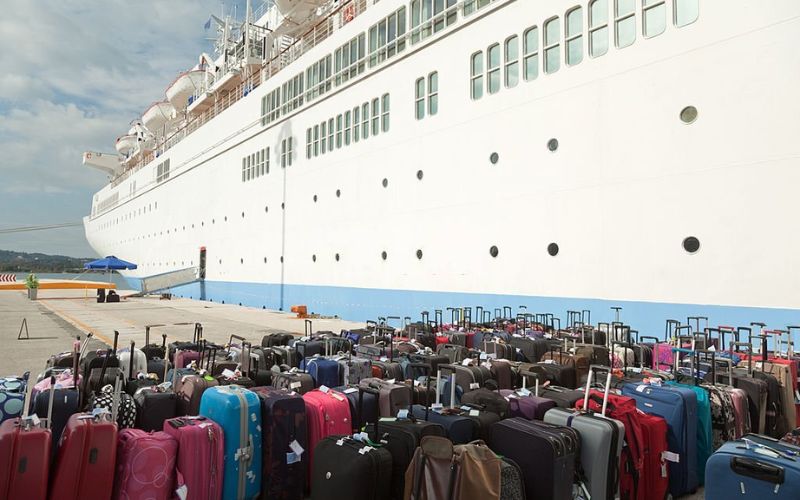
Large group of suitcases with cruise ship in the background

Depending on the severity of the item found, the cruise line may treat you differently. If you’re caught trying to sneak an extra bottle of wine onto the ship, you’re likely to just have it confiscated.

But try to bring something like drugs or a weapon onboard and you’ll not only be refused the chance to board, but you’ll be handed over to the local authorities as well. So don’t try to sneak drugs onto your cruise ship!

Alcohol is Allowed on Some Cruises

A lot of the time, you’re actually allowed to take alcohol onto a cruise ship – but not as much as you want.

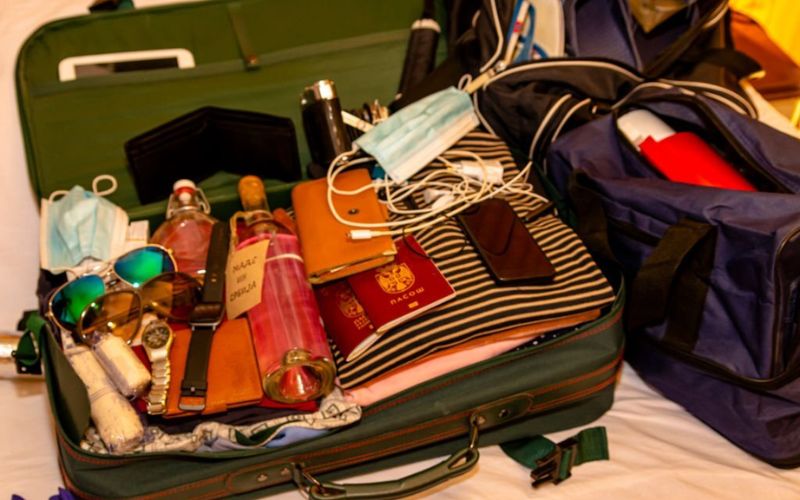
Open suitcase packed for holiday on bed at home

After all, cruise lines are businesses and they need to make money. They want you to either pay for their drinks packages or buy your drinks individually.

Letting you bring as much booze onto the ship as you want would undermine that and cause a bit of a hit in their profit margins.

Here’s a look at which cruise lines permit you to bring alcohol onto your cruise, as well as guidelines on limits for non-alcoholic drinks too:

Cruise Line Alcohol allowance (per person) Non-alcoholic drinks allowance (per person)
Carnival One bottle of wine 12 x 330ml cans or cartons
Celebrity One bottle of wine (two per stateroom) No limit
Costa Not allowed Water only permitted for medical needs
Cunard One bottle of wine No limit
Disney Two bottles of wine or six beers No limit
MSC Cruises Not allowed Water only permitted for medical needs
NCL Unlimited wine – $15 fee per bottle Water only permitted for medical needs
P&O Cruises One litre of wine or Champagne No limit
Princess Cruises One bottle of wine for free. $15 per additional bottle No limit
Royal Caribbean One bottle of wine 12 x 500ml bottles, cans or cartons (per stateroom)

If you try to bring more than you’re allowed onto the ship, and you’re caught, you’ll still be allowed to keep the permitted amount of alcohol, but the rest will be confiscated.

Read more: Can You Bring Your Own Drinks on a Cruise?

How Cruise Lines Enforce Their Alcohol Policies

Cruise lines’ official policies vary on guests who try to sneak alcohol onboard – some say they will confiscate the alcohol, while others reserve the right to refuse guests boarding. In reality, the alcohol is usually confiscated and sometimes returned at the end of the cruise.

However, let me be clear – I am not saying that it will be fine if you do try to sneak alcohol onto a cruise ship. Especially with cruise lines like Royal Caribbean, which do say they may refuse boarding, there is a chance it could happen.

I can’t find any stories of someone being refused onto the ship, but all it takes is one security guard deciding to take a harder line and you might end up missing out on your cruise.

Cruise ship security guard

And because you had willingly broken the terms of your cruise contract, you wouldn’t be able to ask for a refund either.

So, in most cases, what tends to happen?

If you have alcohol in your carry-on luggage or it’s found on your person, then security will ask you about it, and if they find out that it is alcohol, they will take it from you.

If this happens port-side, it’s likely that you won’t see the alcohol again, because they don’t tend to have storage facilities for your contraband.

However, if your extra alcohol was in your checked luggage, things vary.

On some cruise ships, you might have your suitcase delivered to your room as normal, but with the alcohol missing.

On others, you may be asked to go and collect your luggage yourself, where you’ll be asked about the banned alcohol.

This video shows what happens. Bear in mind it has an explicit language warning:

That video also shows the alcohol being logged with tickets, so that the passengers could collect the bottles at the end of the cruise.

If your alcohol is taken from your suitcase, you’ll receive a letter explaining what happened. And again, sometimes you may be able to collect it at the end of the cruise, but at other times you won’t.

In that video, the passenger receives a letter which states:

“With the exception of all liquor, beer, and other forms of alcoholic beverages canned or bottled, your items will be stored in a secure location and returned to you on debarkation morning in the…

…All liquor, beer, and other forms of alcoholic and non-alcoholic beverages canned, bottled, or in cartons, will be discarded and no compensation will be provided.”

So you need to be aware that, if you take the risk, you might end up having your alcohol removed permanently and you won’t be reimbursed.

How Cruise Ship Security Checks for Alcohol

There are a couple of ways that security on your cruise ship will check for alcohol. Obviously, they will use the scanners to look for liquids, but then how do they know whether something is alcoholic?

If the liquid is in an opaque container, or it’s not a clear liquid, usually the security team will open it up and smell it. Even if the bottle is sealed, their priority is making sure you aren’t sneaking alcohol onboard, so they’ll break the seal and smell what’s inside.

But if the water is clear, and there’s a chance it’s just water, there’s a really simple trick that they will use.

When water is disturbed – tapped or shaken – the bubbles that form inside are quite large and will rise to the top quickly.

With alcohol, the bubbles are smaller and much slower.

Body Scanners on a Cruise

You will go through a body scanner when you board a cruise ship, but this is typically a metal detector instead of a more complex scanner, so it won’t be able to detect alcohol if hidden on you.

This means that, if you did want to sneak alcohol onto a cruise ship, a wearable might be a better option – there are bras and fake bellies that you can use!

However, the security staff are pretty savvy. If they suspect anything about you when you come onto the cruise ship, you may be patted down. And if they find you trying to sneak alcohol onto the ship using a wearable, the consequences are likely to be more severe than if you’d tried to sneak it through in your bags.

That’s because it shows a real dedication to breaking the rules to try and use a wearable like this, and so the security team will be concerned about what other dangers you might pose to the ship.

Rum-runners

Rum-runners are flasks for alcohol that are not bottle-shaped – they tend to be flat, which can make it harder for cruise ship security to spot them on the scanners. However, it is not impossible, as the X-ray images still show the darker liquids, and security staff are trained to look for rum-runners.

Remember, these people know what they’re doing, and so while there’s a chance you might get lucky on a larger ship where thousands of bags are being scanned, the security teams know what rum-runners look like.

Just like how they’re wise to people using mouthwash bottles for liquor.

I can’t tell you how likely you are to succeed using a rum-runner – cruise lines are hardly going to post those statistics, are they? But while there are plenty of success stories:

There are also plenty of failures:

Final Word

While the consequences of smuggling alcohol onto your cruise ship don’t tend to be too drastic, it’s a risk you’re taking since some cruise lines could decide to stop you from boarding.

If you do try to sneak alcohol on cruise ships, and you do get caught, don’t argue or cause a fuss. That’s going to massively amplify your risk of being kicked off the ship!

I’d recommend sticking to the guidelines and avoiding smuggling altogether – that’s the best way to make sure you’re not stressed on check-in day and you don’t need to have any awkward conversations with security staff.

But if you really do want to give it a try, then click here to find out how most people do it.

TODAY’S BEST CRUISE DEALS!

Don’t miss these offers…

Related Posts:

If you found this interesting, please share!

Cruise Mummy

Jenni Fielding is the founder of Cruise Mummy. She has worked in the cruise industry since 2015 and has taken over 30 cruises. Now, she helps over 1 million people per month to plan their perfect cruise holidays.

Read more about me


Source link

Cruise ship docked at a sunny port, illustrating how long cruise ships stay in port on a typical day

How Long Do Cruise Ships Stay in Port? Typical Times, All-Aboard Rules and Overnights

Cruise ships usually stay in port for about 7 to 10 hours, with a typical stop running from around 8am to 5pm. How long do cruise ships stay in port beyond that? It depends on the itinerary: some calls are as short as four or five hours, while bigger cities and festival ports can get late-night departures or even an overnight stay.

The figure that really matters, though, is not when the ship docks and leaves. It is how many hours you actually have ashore once you subtract getting off the ship, travel time into town and the all-aboard deadline. This guide walks through all of it, with a quick reference table by region and practical tips so you never end up watching your ship sail away from the pier.

How Long Do Cruise Ships Stay in Port on a Typical Day?

On most mainstream cruises, a standard port day looks something like this:

  • Arrival: 7am to 9am
  • Gangway opens: usually 15 to 60 minutes after the ship is cleared by local authorities
  • All-aboard time: 30 to 60 minutes before departure (often 4:30pm for a 5pm sailing)
  • Departure: 4pm to 6pm

That gives a scheduled stay of roughly 8 to 9 hours, but realistic time ashore is closer to 6 or 7 hours. Ships keep port calls fairly short for practical reasons: port fees are often charged per call or per passenger, berths are shared with other ships, and the next port may be 150 miles or more away. Leaving in the late afternoon lets the ship sail overnight at an efficient, fuel-saving speed and arrive fresh the next morning.

Ship time vs. local time

One detail that catches people out: your all-aboard time is given in ship time, which is not always the same as the local time in port. Ships sometimes stay on one time zone for the whole voyage, especially in the Caribbean. Check the daily planner or cruise line app before you go ashore, and consider setting your phone to manual time so it does not jump to the local time zone when it connects to a network.

Typical Port Times by Cruise Region

Port stays vary a lot by region and by port type. The table below shows typical patterns rather than guarantees, so always check your own itinerary, which lists exact arrival and departure times for each stop.

Region / port type Typical stay Example schedule What to know
Caribbean and Bahamas 7 to 10 hours 8am to 5pm Many piers are a short walk or taxi from beaches and town. Some private island days run longer, and a few include late stays.
Cruise line private islands 7 to 10 hours 7am to 5pm Usually docked or tendered close to everything, so almost all of the time is usable.
Mexico (Riviera and Western Caribbean) 7 to 9 hours 8am to 5pm Popular ruins excursions, such as those from Costa Maya or Cozumel, can take most of the day.
Alaska 6 to 12 hours 7am to 2pm, or 10am to 10pm Schedules vary widely. Juneau often gets a long day, while Skagway or Ketchikan can be half days.
Mediterranean 8 to 12 hours 7am to 7pm Longer days help, but many headline cities are well inland from the pier.
Northern Europe and Baltic 8 to 12 hours 8am to 6pm Long summer daylight. Capitals such as Copenhagen or Stockholm sometimes get late departures.
Bermuda 2 to 3 days Overnight stays Many sailings from the US Northeast spend multiple days docked at King’s Wharf.
Asia and long voyages 8 hours to 2 days Varies Big hubs such as Singapore, Hong Kong or Tokyo often get an overnight.

Why the Mediterranean feels shorter than it looks

A 7am to 7pm call sounds generous, but Europe has several “gateway” ports that sit a long way from the city they are named after. Civitavecchia, the port for Rome, is roughly 50 miles (80 km) from the city center. Fast trains to Rome Termini take about 40 minutes, regional trains up to around 75 minutes, and a coach transfer can take 90 minutes or more each way in traffic. Once you add the shuttle from the ship to the station, a 12-hour call can leave you with only 6 or 7 hours in Rome itself. Similar trade-offs apply at Le Havre for Paris, Southampton for London and Warnemünde for Berlin. Our list of cruise ports that are really far from the city covers the main ones to watch for.

Cruise ship moored at a busy port city harbour, showing a typical day-long port call
Most cruise port calls last a working day, from early morning to late afternoon. Photo: Thomas Ronveaux on Pexels

Overnight Stays and Late Departures

An overnight call means the ship stays docked through the night, giving you an evening ashore and often a full second day. Cruise lines tend to schedule overnights where there is a lot to see or a nightlife scene worth experiencing. Ports that commonly see overnights or late-evening departures include:

  • Bermuda (King’s Wharf) on many US East Coast itineraries
  • Barcelona, Lisbon and Istanbul, particularly at the start or end of a Mediterranean voyage
  • Reykjavik on Iceland and transatlantic sailings
  • Bordeaux and Seville on smaller ships that can sail up the river
  • Singapore, Hong Kong, Shanghai and Ho Chi Minh City in Asia
  • Buenos Aires and Rio de Janeiro on South America cruises

Luxury and small-ship lines generally schedule more overnights and late departures than mainstream lines, which is one of the quieter advantages of a premium itinerary. Note that even on an overnight, there is usually an all-aboard time on the second day, and some lines also set a curfew-style return time on the first night for security reasons.

Two Ports in One Day

Occasionally an itinerary will list two calls on the same day. This mostly happens where ports are close together, such as some Norwegian fjord villages, Greek islands, or Alaska days that combine a scenic cruising stretch with a short stop. Each call might be only four or five hours. These days are great for sampling, but they are not the time for an ambitious independent tour. A simple walk around town or a short ship excursion is usually the better fit.

Tender Ports: Why You Get Less Time Ashore

When a port has no pier large enough for the ship, it anchors offshore and passengers ride small boats called tenders to the dock. Tendering can easily cut an hour or two from your day:

  • Guests on ship excursions and in suites or higher loyalty tiers usually go first.
  • Everyone else often collects a numbered tender ticket and waits to be called, which can take 30 to 90 minutes early in the morning.
  • The last tender back typically leaves 30 minutes before the all-aboard time, and the queue for it can be long.
  • Tender operations can be cancelled in rough seas, which is why tender ports are skipped more often than docked ones.

Common tender stops include Grand Cayman, Santorini, Monaco, Bar Harbor and Sitka. If your stop is a tender port, plan to get off later in the morning when lines ease, or come back earlier than you would at a pier.

What Is the Earliest Time You Can Get Off the Ship?

You can step ashore once the ship is tied up, local authorities have cleared it and the crew opens the gangway. At most Caribbean piers that is 15 to 30 minutes after docking. At first ports in a new country, or ports with face-to-face immigration checks (common in parts of Asia and occasionally Europe), it can take an hour or longer.

Passengers on the cruise line’s own tours are normally sent off first, so if you want to be among the first independent guests ashore, be ready at the exit deck a few minutes before the published “ashore” time and skip the crowded main dining room breakfast for a quick one at the buffet.

Passengers walking down a gangway from a cruise ship onto a pier, ready to explore the port
Getting off early is the easiest way to add time to a short port call. Photo: Galib Rahman Nadim on Pexels

All-Aboard Time on a Cruise: The Deadline That Matters

The all-aboard time is the latest you can be back on the ship. On most lines it is 30 minutes before departure, though some set it at 45 or 60 minutes, and ports with security screening or a long walk from the gangway may be earlier still. You will find it on the daily planner, in the app and usually on a sign at the gangway as you leave.

A few habits make a big difference:

  1. Treat all-aboard as the deadline, not departure. The ship’s published departure time is when the lines are cast off, not when you should be wandering back.
  2. Aim to return an hour early. Lines at the security check, slow taxis and cruise traffic all eat into your buffer.
  3. Set two alarms on ship time. One for when to start heading back, one 30 minutes before all-aboard.
  4. Carry the port agent’s number. It is usually printed on the daily planner. Take a photo of it before you leave.
  5. Bring your cruise card and a photo ID ashore. You cannot reboard without them.

For more practical advice from frequent cruisers, our roundup of must-know tips from past guests is worth a read before your first port day.

What Happens If You Miss the Ship?

Ships do not hold their departure for independent travelers who are running late. A few minutes of grace may be possible if the gangway is still down, but once all-aboard has passed, the crew can close the doors and the ship will sail. Sprinting latecomers chasing the ship along the dock, known as “pier runners,” make popular videos for a reason: the deadline is real.

If you do get left behind, here is what usually happens:

  • The port agent becomes your contact. Cruise lines use a local agent in each port. They can liaise with the ship and help you plan how to rejoin it.
  • Your passport may be left ashore. If the crew knows you are missing, they often hand essential items such as your passport and medication to the port agent before departure.
  • You pay to catch up. Flights, ferries, hotels and meals to reach the next port are normally at your own expense, and last-minute island-to-island travel can be expensive. Travel insurance with a missed port departure benefit may cover some of these costs, so check your policy.
  • US cabotage rules can complicate things. On some US itineraries you may not be allowed to rejoin at another US port and might have to fly to the next foreign port instead.
  • No passport means an embassy visit. If your documents sailed away with the ship, you may need to visit the nearest US embassy or consulate for emergency travel documents.

The cruise line excursion guarantee

This is the main reason many people book ship-sponsored tours at long or complex stops. If an official cruise line excursion runs late, the ship will generally wait for the group. If it cannot wait, the line typically arranges and pays for you to rejoin the ship at the next port. Royal Caribbean and Disney Cruise Line, among others, describe this kind of commitment, though exact terms vary, so read your line’s excursion policy. Independent and third-party tours do not come with the same protection unless the operator offers its own return-to-ship guarantee. For ideas on which tours are worth booking through the ship in Europe, see our pick of the best shore excursions for Mediterranean cruises.

How to Make the Most of a Short Port Stop

A few simple choices can stretch a short call into a full day out:

  • Research distances before you book a tour. Look up how far the pier is from the sights you want to see, and whether transport runs reliably on your day of the week.
  • Pick one priority. In a 6-hour window, one major sight done well beats three rushed ones.
  • Use ship tours at distant gateway ports. At stops like Civitavecchia, Le Havre or Southampton, the return guarantee is worth more than any savings.
  • Go independent where the pier is in town. Ports such as Barcelona, Lisbon, Juneau or Nassau are easy to explore on foot.
  • Remember the ship is quieter in port. If you have seen a stop before, staying on board can mean an empty pool deck and a spa with plenty of availability.

Private island days are the exception to most of these rules, since the beach is usually steps from the ship.

FAQs

How long do cruise ships stay in port?

Most cruise ships stay in port for about 7 to 10 hours, typically arriving around 8am and leaving around 5pm. Some stops are shorter half days, while major cities may get late departures or overnight stays.

How long does it take to get off a cruise ship at each port?

At a docked port it usually takes 15 to 30 minutes after arrival for the gangway to open, longer if local officials need to clear passengers in person. At tender ports, expect to wait 30 to 90 minutes in the morning rush.

What time is all-aboard on a cruise?

All-aboard is usually 30 to 60 minutes before the ship’s scheduled departure, based on ship time. It is printed in your daily planner and the cruise line app.

Will the cruise ship wait for me if I am late?

Not if you are touring independently. Ships generally wait only for late cruise line excursions, and if they cannot, the line usually helps you rejoin at the next port at no charge.

Do cruise ships ever stay overnight in port?

Yes. Overnights are common in Bermuda and in big cities such as Barcelona, Lisbon, Reykjavik, Singapore and Hong Kong, and luxury lines tend to schedule them more often.

Cruise ship anchored in a calm Icelandic fjord below green mountains, a typical view on cruises to Iceland from the UK

Cruises to Iceland from the UK (2027): Lines, Ports and Best Time to Go

Cruises to Iceland from the UK mostly sail between May and September from Southampton, Liverpool, Newcastle, Tilbury, Dover and Belfast, with lines such as P&O Cruises, Princess, Fred. Olsen, Ambassador and Saga. A typical round trip lasts 9 to 14 nights and calls at two to four Icelandic ports, usually Reykjavik, Akureyri and Isafjordur. June and July bring near-24-hour daylight, while late-season sailings give you a small chance of the northern lights.

This guide covers which ships sail to Iceland in 2027, the ports you are likely to visit, when to go, the passenger fee that has reshaped the market, and what to pack. Use it to compare itineraries before you book.

Why choose an Iceland cruise?

Iceland is expensive to tour independently. Hotels, hire cars and restaurant meals add up quickly, and the best scenery is spread around a coastline of more than 1,000 miles. On a cruise your ship is your hotel. You wake up in a different corner of the island each morning, from the capital in the south-west to the fjords of the north and east.

It also suits people who would rather not fly. Several lines run no-fly round trips from British ports, and the crossing gives you sea days to watch for whales, seabirds and, on some routes, the Faroe Islands or the Scottish isles.

Ships rarely stay longer than a day in each port, though, so you will see highlights rather than the interior. If you want the Highlands, ice caves or a long stay on the south coast, a land trip suits you better.

Cruises to Iceland from the UK in 2027: who sails there

Most British departures leave between May and August. The table below shows a selection of 2027 sailings published by the cruise lines and UK agents in autumn 2026. Prices change constantly, so treat the fares as a rough guide and check the latest rate before you book.

Cruise line and ship UK port Example 2027 date Nights Iceland calls (sample)
Fred. Olsen, Bolette Newcastle 8 May 10 Whale-focused Iceland itinerary
Fred. Olsen, Borealis Liverpool 10 August 9 Reykjavik, Grundarfjordur, Akureyri
Ambassador, Ambience Tilbury 13 June 12 Glaciers and geysers route
Ambassador, Ambition Liverpool or Belfast 12/13 June 11 Wildlife-focused route
Princess, Sky Princess Southampton 26 June 14 Iceland and Norway combined
P&O Cruises, Aurora Southampton 25 June 14 Iceland and Norway combined
P&O Cruises, Britannia Southampton 2 July 14 Akureyri, Isafjordur, Reykjavik (overnight)
Saga, Spirit of Discovery Dover 27 July 19 Greenland and Iceland

Smaller and mid-sized ships, such as those of Fred. Olsen and Ambassador, can reach harbours like Grundarfjordur and Isafjordur more easily, and their fares often start below £2,100 per person for an inside cabin. Fred. Olsen’s fleet is especially strong on this route; see our guide to the best Fred. Olsen cruise ships if you are choosing between them. Big-ship lines such as P&O and Princess tend to pair Iceland with Norway or the Scottish isles and add more sea days.

Fly-cruise and expedition options

If you would rather fly, luxury and expedition lines run one-way voyages that start or finish in Reykjavik. Recent examples include Ponant from Greenock (Glasgow) to Reykjavik, Silversea from Rosyth to Reykjavik, Seabourn Venture from Belfast, and Viking’s Bergen to Reykjavik route. These smaller ships can call at remote harbours and often include Zodiac landings, but fares are much higher, usually several thousand pounds per person or more.

From Scotland, Liverpool or Southampton?

Your departure port affects how many sea days you get. From Southampton or Dover, expect at least two full days at sea each way. Sailing from Liverpool, Belfast, Newcastle or a Scottish port puts you closer: Fred. Olsen’s Borealis leaves Liverpool on 10 August 2027 and reaches Reykjavik early on 13 August. If you get seasick or want more time ashore, a northern departure is worth the extra travel to the port.

The Iceland cruise passenger fee: what changed

This is the factor most guides skip. From 1 January 2025 Iceland introduced an infrastructure fee of ISK 2,500 per passenger for every 24 hours a cruise ship spends in Icelandic waters. Many lines responded by cutting port calls, especially to smaller towns, and Cruise Iceland reported that bookings through 2027 had halved at several rural ports.

After pressure from the industry and local councils, the government cut the fee to ISK 1,600 per person per day from 2026. According to Iceland Review, ship calls fell from 1,209 in 2024 to about 1,053 booked for 2026, with around 850 expected in 2027. The industry does not expect a recovery before 2028.

What this means for you:

  • Check whether the fee is included. Some lines add it to your onboard account when the ship leaves Icelandic waters rather than building it into the fare. At ISK 1,600 a day, four days costs ISK 6,400, roughly £35 to £40 per person depending on the exchange rate.
  • Expect fewer small ports. Some itineraries now spend less time in Iceland, or skip places such as Seydisfjordur, Djupivogur and Husavik. Read the port list, not just the cruise title.
  • Itineraries can change. Lines have rerouted sailings at short notice, so good travel insurance and flexibility help.
Colourful houses beside a small Icelandic harbour with mountains behind, typical of a cruise port call
Many Iceland cruise ports are small towns where you can walk ashore from the pier. Photo: Marek Piwnicki on Pexels

Main Iceland cruise ports and what to do

Most UK itineraries call at two to four of the ports below. Check whether your ship docks or uses tenders (small boats), as this affects how much time you have ashore.

Port Region Docking Top things to do
Reykjavik South-west Docks at Skarfabakki (about 4 km from the centre) or the Old Harbour Golden Circle, Blue Lagoon, Hallgrimskirkja, whale watching
Akureyri North Docks about 1 km from town Godafoss waterfall, Lake Myvatn, whale watching in Eyjafjordur
Isafjordur Westfjords Docks near the centre Dynjandi waterfall, Vigur Island puffins, fjord kayaking
Grundarfjordur West Walking distance of town Kirkjufell mountain, Snaefellsnes Peninsula
Seydisfjordur East Short walk from the pier Rainbow Road, Studlagil Canyon (about 75 km)
Heimaey (Westman Islands) South Most large ships tender Eldfell volcano, Eldheimar museum, puffins May to August

Things to do in Reykjavik

Many ships stay late or overnight in Reykjavik, which gives you time for a full-day trip. The Golden Circle (Thingvellir National Park, the Geysir area and Gullfoss waterfall) is the classic choice. The Blue Lagoon is closer to the airport than the city and is best booked in advance. If you stay in town, walk up to Hallgrimskirkja church, follow the harbour to the Harpa concert hall, and try the hot dogs at Baejarins Beztu. If you dock at Skarfabakki, allow time for the shuttle or a taxi into the centre.

Things to do in Akureyri

Iceland’s second town sits at the head of a long fjord and is often called the capital of the north. Godafoss, the “waterfall of the gods”, is about 45 minutes away by road, and Lake Myvatn’s lava fields, pseudo-craters and geothermal baths make a rewarding full-day tour. In town, the botanical garden and the steep steps up to Akureyrarkirkja are easy on foot.

Things to do in Isafjordur

Isafjordur is the hub of the remote Westfjords and is one of the prettiest ports on any Iceland cruise. In summer, boat trips to Vigur Island give close views of puffins and eider ducks. Dynjandi, a broad, tiered waterfall, is a longer excursion. Otherwise, the small maritime museum and the old timber houses make a gentle walk.

Best time to cruise Iceland

Iceland’s cruise season runs from about April to October, with the busiest months being June, July and August. Each part of the season has its own appeal:

  • May and early June: fewer ships in port, snow still on the mountains and lower fares. Puffins usually return in May. Expect cool, changeable weather.
  • Late June and July: the warmest weather (daytime highs often only around 10 to 15°C) and almost round-the-clock daylight. This is peak season for whale watching and family holidays, so book early.
  • August: still busy, with good wildlife. Nights begin to darken towards the end of the month.
  • September and October: few sailings, but darker nights mean a chance of the aurora. If seeing the lights is your main aim, our guide to northern lights cruises from the UK compares the best-timed itineraries.

Many sailings combine Iceland with Norway. If you want more fjord scenery, look at a Norwegian fjords cruise from the UK as a cheaper, shorter alternative or add-on.

Traveller in a waterproof jacket and walking boots on a windswept coastal trail, ready for changeable weather ashore
Waterproof layers and sturdy footwear are the most useful things to pack. Photo: Robert Acevedo on Pexels

What to pack for an Iceland cruise

Even in July, Iceland can deliver wind, rain and sunshine in the same afternoon. Pack for layers rather than heavy winter kit:

  • A waterproof and windproof jacket with a hood, plus waterproof trousers for boat trips and waterfalls.
  • A fleece or light down jacket, thermal base layers, a hat, gloves and a scarf.
  • Walking boots or trainers with good grip for wet paths and lava fields.
  • Swimwear and flip-flops for geothermal pools and lagoons.
  • An eye mask if your cabin curtains let in midnight sun.
  • Binoculars for whales and seabirds, and a dry bag for your phone and camera.
  • Seasickness remedies for the North Atlantic crossing.

Onboard dress codes are usually the same as on any other cruise, so pack a smarter outfit for formal nights. Our guide on what to wear on a cruise covers evening wear by cruise line.

Tips for booking your Iceland cruise

  • Book shore tours early. Small ports have a limited number of coaches and guides, and popular trips such as Myvatn or Vigur Island sell out.
  • Budget for prices ashore. Food, drink and taxis in Iceland are among the most expensive in Europe. Cards are accepted almost everywhere, so you rarely need cash.
  • Read the small print on fees. Ask whether the Icelandic passenger fee and gratuities are included.
  • Compare deals. Lines often release offers on 2027 summer sailings during the winter booking season; keep an eye on our cruise deals for 2027.

FAQs

How long does it take to sail from Scotland to Iceland?

From a Scottish port, a cruise ship usually takes around a day and a half to two days to reach Iceland, depending on speed and on whether it stops in the Faroe Islands. From Southampton or Dover you should expect at least two full sea days.

Does Royal Caribbean travel to Iceland?

Royal Caribbean has offered Iceland sailings in some seasons, but most UK no-fly Iceland cruises are run by P&O Cruises, Princess, Fred. Olsen, Ambassador and Saga. Check the current programme before you book.

Are there no-fly cruises to Iceland from the UK?

Yes. Round trips run from Southampton, Dover, Tilbury, Liverpool, Newcastle and Belfast, mostly between May and August, typically for 9 to 14 nights.

Is there a tax on cruises to Iceland?

Yes. Iceland charges an infrastructure fee for each 24 hours a cruise ship spends in its waters. It was ISK 2,500 in 2025 and fell to ISK 1,600 per person per day from 2026. Some lines add it to your onboard account.

What is the best month to cruise to Iceland?

June and July offer the mildest weather, midnight sun and the best wildlife. May is quieter and often cheaper, while September gives a small chance of seeing the northern lights.

Untitled-design-115.jpg

Mayor’s Cruise Ship Ban Blocked In Court

Nearly two weeks after Nice’s mayor Christian Estrosi attempted to expel Voyager of the Seas from the Villefranche-sur-Mer harbour, a French administrative court has blocked the local restrictions he tried to impose.

Mayor Estrosi Shouts At Voyager of the Seas

The dramatic standoff, which saw Estrosi approach the Royal Caribbean ship by boat to hand-deliver a last-minute order to the captain, has now been undercut by a legal ruling stating the mayor overstepped his authority.

On Sunday 13th July 2025, the court ruled in favour of Prefect Laurent Hottiaux, suspending Estrosi’s 9th July order that aimed to ban large cruise ships from Nice and strictly cap visits to Villefranche-sur-Mer.

“Only the prefect of the Alpes-Maritimes can, as part of his water police powers, organize the entrances, exits, and movement of ships,”

Court statement

Estrosi’s order would have barred ships carrying more than 450 passengers from docking at Nice and limited Villefranche-sur-Mer to 65 large ship visits per year, with no more than one per day.

National vs. Local Jurisdiction

While the mayor has argued that the limits are essential for environmental protection, sustainable tourism, and heritage preservation, the court found his unilateral actions “tainted with several illegalities” and a potential violation of public and individual freedoms.

The suspended order would have immediately affected five cruise calls to Nice in 2025 and 15 in 2026, from a total of 176 scheduled visits. For Villefranche-sur-Mer, the restrictions could have disrupted 12 calls this year and 53 more in 2026, affecting over 200,000 cruise passengers.

Reacting to the court’s ruling, Estrosi said the French government must now “assume its responsibilities” if local authorities are not permitted to regulate cruise visits independently.

The Voyager Incident

The legal case follows a tense confrontation on 3rd July 2025, when Voyager of the Seas anchored near Villefranche-sur-Mer.

Estrosi boarded a port police vessel and approached the ship, attempting to present his newly signed order to the captain.

However, in keeping with maritime law, the captain refused to accept the mayor aboard, as he lacked the appropriate credentials or authority to board the vessel during active operations.

Footage of the incident quickly circulated online, sparking criticism from cruise industry advocates and local officials alike.

“Access to ships in operation is strictly limited to registered passengers and crew members, visitors with pre-approval, and officials with proper authority,”

Philomène Bouchon, CLIA’s Director of Strategic Communications.

The Cruise Lines International Association (CLIA) also released a formal statement denying that any actual cruise ban had been put in place, emphasizing that Voyager of the Seas had been properly authorised by the very metropolitan authority chaired by Estrosi himself.

Bouchon called the mayor’s stunt “deeply regrettable” and warned it could damage cooperation efforts on sustainable tourism.

Cruise Calls Continue

With the mayor’s order now suspended, cruise operations continue as planned at both Nice and Villefranche-sur-Mer.

Villefranche

On Bastille Day, Celebrity Equinox and Queen Victoria both made scheduled calls to the Côte d’Azur, with several more visits on the horizon, including Explora II, Marella Discovery, Silver Whisper, and Celebrity Ascent through August.

It remains to be seen whether Mayor Estrosi will appeal the ruling or seek national legislative backing to reintroduce stricter cruise limits in the future.

For now, however, the court’s intervention ensures normal port access continues for the region’s summer cruise season.

TODAY’S BEST CRUISE DEALS!

Don’t miss these offers…

Related Posts

If you found this interesting, please share!

Cruise Mummy

Jenni Fielding is the founder of Cruise Mummy. She has worked in the cruise industry since 2015 and has taken over 30 cruises. Now, she helps over 1 million people per month to plan their perfect cruise holidays.

Read more about me

Titanic 2 render

More than 115 years after RMS Titanic’s infamous maiden voyage, a full-scale replica is now set to follow in the footsteps – or rather, the wake – of the world’s…

Taxi

With the Mediterranean cruise season in full swing, some dishonest taxi drivers near Greece’s busiest port are taking advantage of unsuspecting cruise guests. One recent traveller is now sounding the…

With the summer holidays fast approaching, families across the UK are once again facing tough decisions about where to go – and how much they can afford to spend. New…

A photo of the P&O Britannia on the ocean.

A once-in-a-lifetime holiday turned into heartbreak for an elderly mother and her daughter when they were refused boarding at the dock due to a booking mistake. Ruby Poole, 87, from…


Source link

Untitled-design-99.jpg

They Sold Everything To Live On Cruise Ships! Good Idea Or Not?

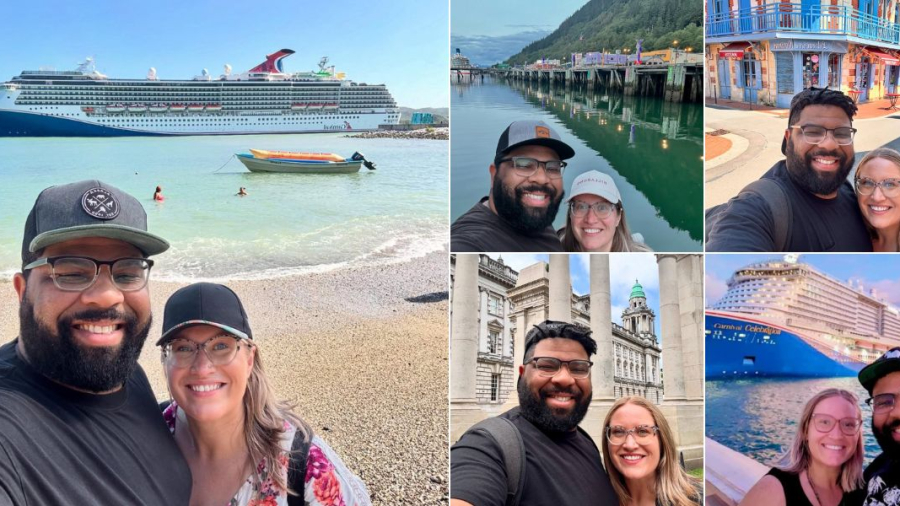
While most people save money by skipping lattes or cancelling subscriptions, one couple took cost-cutting to a whole new level: they sold nearly everything they owned and made cruise ships their permanent home.

Life By Any Means - Monica and Jorell living on a cruise ship

Monica and Jorell decided to leave behind their traditional lifestyle – jobs, house, and all – to become full-time cruisers.

Since setting sail in early 2023, they’ve completed 36 cruises, visited over 45 countries, and you won’t believe what they say about the cost of the lifestyle…

It Started With A Crisis

For Monica Brzoska, the decision to leave land wasn’t just driven by a desire to travel – it was sparked by a personal turning point.

In 2022, during her father’s serious health battle that required a liver transplant, a heartfelt conversation with her mother left a lasting impact. Her mum told her, “Don’t wait for retirement to follow your dreams. Do it now.”

That advice stuck. The couple already had a weeklong Caribbean cruise planned for March 2023, but what began as a getaway quickly evolved into a complete lifestyle transformation.

Monica recalled her mum suggesting, “Instead of coming back, why not keep booking consecutive cruises for as long as you can afford to?”

By the time they boarded that first ship from Miami, Monica and Jorell had resigned from their jobs, sold off most of their belongings, and committed to a life at sea – with a carefully planned budget in hand.

More Than Just Vacation

Cruising full-time isn’t just about exotic ports and sunset views. For Monica and Jorell, it’s also about freedom from everyday responsibilities.

“All my meals are cooked by chefs, and staff change my bedding,” Monica said. “I haven’t stepped into a kitchen or touched a washing machine in over a year.” That’s a pretty sweet exchange for giving up the daily grind.

Their days are filled with activities like trivia, live shows, crafts and spa time. Evenings often mean dressing up for dinner and enjoying their ritual date nights.

Monica and Jorell with Carnival Celebration
Credit: Instagram/@life_by_any_means

Jorell can usually be found chatting to new people or catching live performances on board.

It’s Surprisingly Affordable!

At first glance, cruising full-time might sound like a luxury only the ultra-wealthy can afford. But Monica and Jorell say it’s more affordable than many assume.

Back in Memphis, their monthly costs – rent, groceries, utilities, commuting – added up quickly.

By contrast, cruise living offered them lodging, meals, entertainment, and travel, often for less. Thanks to their status with Carnival from past cruises, they scored significant loyalty discounts.

Their strategy? Book the most economical cabins and take advantage of their pandemic-era savings.

The result: they managed to line up eight months of cruising for under $10,000. Some cruises were fully paid upfront; others required only small deposits.

To supplement their lifestyle, they kept ownership of their Memphis home and began renting it out – providing a steady stream of income while they sailed.

How They Stretch Their Budget

While their lifestyle may sound extravagant, Monica and Jorell insist it’s rooted in smart planning and frugal choices.

They often skip pricey excursions, opting instead to explore cities on foot or by public transport. Onboard raffles have even won them spa treatments, jewellery, and shore activities – just for participating.

Their loyalty status with Carnival Cruise Line has also paid dividends, offering perks like onboard credits and exclusive discounts that help them save even more.

To them, this is more than travel – it’s a sustainable, intentional way to live.

It’s Not Always Smooth Sailing

Life on a cruise ship isn’t without its downsides. Monica and Jorell are candid about the challenges.

Being away from family is the toughest part. They miss birthdays, holidays, and ordinary moments. Still, knowing they can catch a flight home in an emergency offers some comfort.

There are also occasional stretches of boredom or feelings of homesickness. But as Monica puts it, “We don’t know how long our money will last, but in the meantime, we’re making the most of every minute.”

A Life Filled With “Glimmers”

Before they set sail, Monica and Jorell would talk about catching “glimmers” – those fleeting moments when life feels truly magical.

Now, Monica says, their life is full of them.

With no daily chores or deadlines, they’ve found a deeper sense of peace.

Each day brings new places, new faces, and more opportunities to simply enjoy each other’s company. Their marriage has also grown stronger thanks to uninterrupted time together and shared adventures.

Is Life at Sea for You?

Monica and Jorell’s journey isn’t just about travel – it’s about rethinking what life can look like. They traded a conventional routine for a floating lifestyle filled with spontaneity, simplicity, and joy.

It’s not a path for everyone. But for those dreaming of more freedom, fewer possessions, and richer experiences, it just might be worth considering.

After all, you don’t need to be rich to live richly – you just need a plan, some flexibility, and a willingness to step outside the norm.

So, would you trade it all for life on the ocean?

Make sure you follow Monica and Jorell on their Instagram channel, life_by_any_means.

NEW DEALS JUST RELEASED!

See the latest Carnival cruise offers…

Related Posts

If you found this interesting, please share!

Cruise Mummy

Jenni Fielding is the founder of Cruise Mummy. She has worked in the cruise industry since 2015 and has taken over 30 cruises. Now, she helps over 1 million people per month to plan their perfect cruise holidays.

Read more about me


Source link

Oceania-Vista-Casino.jpg

What You MUST Know Before Hitting Any Cruise Ship Casino

The amount of money that some people spend at the cruise ship casino is scary.

Each to their own, of course – and for some, the casino is the main reason they want to sail, and they often enjoy a ton of perks because of that.

Oceania Vista Casino

But if you’re inexperienced with the whole world of gambling onboard a ship, there are some things you need to know before you start. Otherwise, there’s a chance you could end up ruining your entire getaway…

1. The Odds Aren’t Always As Good As They Are On Land

Cruise ship casinos don’t always offer the same odds as land-based venues – so it’s important that you know your odds of winning might be reduced.

Games like blackjack may pay 6-to-5 instead of the standard 3-to-2, which gives the house a bigger edge.

Cruise casino

Slot machines also tend to have lower return-to-player (RTP) rates. Since cruise casinos operate under the laws of the ship’s flag state, they may not be subject to the strict regulations you’d find on land.

It’s worth doing a bit of research on typical payouts before you sit down to play.

2. The Rules Might Be Different To What You’re Used To

Each cruise line – and even each ship – may have different house rules for the same games.

cruise casino rules

Blackjack might have limited doubling options (important if your tactic is to double your bet when you lose), or poker tables may use auto-shufflers.

Minimum and maximum bets vary too, so it’s a good idea to scan the table signage or ask the dealer before joining in.

Familiarising yourself with the rules avoids confusion and can help you make smarter betting decisions once you’re playing.

Marella Casino

3. Many Cruisers Swear By Casino Loyalty Programmes

Most cruise lines offer casino loyalty schemes that reward you for time and money spent playing.

Royal Caribbean has Club Royale, Celebrity Cruises has the Blue Chip Club, NCL has the Casinos At Sea Rewards programme, Carnival has the Carnival Players Club… The list goes on!

The more you play, the more perks you earn – from free drinks and cabin upgrades to discounted or even complimentary cruises.

The most popular schemes for big spenders give you a combination of free cruises, free casino credit and free drinks pacckages.

Princess Cruises casino offers list

These benefits usually apply to your next cruise. However, on some ships, you can earn small perks that you can use right away on your current cruise.

P&O cruises loyalty scheme

I enjoyed playing the machines on Costa Smeralda because they had a bar that would fill up as you bet. Once it’s full, a free drink is added to your account. I got free drinks in the casino every night. Sometimes I would play for five minutes just to get the drink, then walk out and take it with me!

Also, the general cruise loyalty system might include a couple of (small) casino perks too – maybe a small free bet. For example, Royal Caribbean’s Crown and Anchor Society members get a $2 FreePlay if they’re Gold status, up to $6 for Emerald and above.

4. Casinos Only Open When The Ship’s At Sea

Cruise casinos typically close when the ship is in port, due to local gambling laws. They usually open once the ship is in international waters – often around 12 nautical miles offshore.

SeaDream casino

This can mean odd opening hours, especially if your itinerary includes lots of port days.

Check the cruise line’s app or daily schedule to see when the casino is open. Planning around those hours means you won’t miss a chance to play.

5. If You Play On Land, Take Advantage of Status Matching

Already a member of a land-based casino loyalty scheme?

Some cruise lines offer status matching, giving you similar perks onboard based on your existing membership elsewhere.

Marella Indigo Casino

This could mean free drinks, VIP access, or even free cruises without having to start from scratch.

Just be sure to ask in advance – status matching usually requires you to contact customer service before your trip and provide proof of your current tier level. It’s not often advertised, either – but no harm in asking, right?

6. Look Out for Casino Promotions

Cruise ship casinos regularly offer limited-time promotions – things like free slot play, match-play vouchers, raffles, or prize draws.

The vibrant casino on Costa Smeralda with electronic roulette tables and a variety of slot machines, all set against a decorative blue carpet with golden patterns, creating an exciting gaming atmosphere.

Sometimes just being in the casino at a certain time can enter you into a lucky draw. These offers are often advertised through the app, flyers, or during announcements.

Taking advantage of these bonuses can stretch your playing budget and even boost your chances of winning something special.

7. Sometimes The Casino Is Smoky

Many cruise ship casinos still allow smoking, either throughout the venue or in designated areas.

Smoking on a cruise

If you’re sensitive to smoke, this might impact your enjoyment. Some ships offer smoke-free casino nights or non-smoking sections.

Policies vary not only by cruise line, but also by individual ship, so it’s worth checking before you sail.

For example, the newer Norwegian Cruise Line ships have designated the main casinos as smoke-free, but have smaller secondary casinos that have an enclosed, smaller section for smokers.

Whereas on the biggest Royal Caribbean ships, expect the main casino to have smoking and non-smoking sides, but with dedicated sections also for non-smokers.

Read more: Royal Caribbean Ditches Jazz Clubs In Favour Of Smoke-Free Casinos

8. Set a Budget – And Stick To It

It’s easy to get carried away in a casino, especially when you’re using a cruise card instead of physical cash.

A hand holding several 50 Euro banknotes with blurred casino carpet in the background, indicating recent winnings from a casino on the Costa Smeralda cruise ship.

Decide in advance how much you’re willing to spend overall – and perhaps even daily – and treat it like part of your entertainment budget.

Many experienced cruisers suggest separating your casino money from other spending. When it’s gone, it’s gone.

That way, you enjoy the thrill without the financial regrets.

9. Quit While You’re Ahead

If you’re lucky enough to hit a big win, don’t fall into the trap of feeding it all back into the machine.

Set a goal: if you double your money, maybe cash out half and play with the rest. Cruise casinos pay out manually, so you’ll need to visit the cashier.

cruise casino cashout ticket

Some players even stash their winnings in the cabin safe so they’re not tempted to gamble it all away later.

10. Don’t Forget To Cash Out At The End Of Your Cruise

If you forget to visit the cashier on the last night of your cruise, you’ll lose all your winnings! You can’t do it remotely and the casino will be closed on the morning of disembarkation.

A hand holding a blue and white P&O Cruises casino chip with a £1 denomination, typically used as currency for onboard casino games or as a collectible souvenir.

You might be lucky enough to be able to hold onto a winnings slip until another cruise, but that won’t always apply – and also, what if you weren’t sailing with that cruise line again?

Set an alarm reminder on your phone if you’re worried that you might forget!

11. Don’t Skip the Casino Orientation

On embarkation day or the first evening, cruise ships often hold a casual casino orientation session.

A cruise ship casino staff member is assisting a couple seated at a row of slot machines. The staff member, dressed in a formal blazer, is attentively explaining something to the guests, who are focused on the machines. The casino is brightly lit with colorful lights and displays from the various slot machines, creating an exciting and engaging atmosphere.

These are great for beginners – you’ll learn how the games work, meet the staff, and maybe even score a free play voucher or raffle ticket.

It’s a relaxed way to get your bearings before jumping into a table game or slot machine. Even experienced players might pick up useful tips about ship-specific rules or promotions.

12. Follow the (Unwritten) Etiquette

A little courtesy goes a long way in the casino.

Don’t touch other players’ chips or cards, and try not to distract the dealer or others during a hand.

Ladies playing at the Casino Royale

Tipping the dealer for good service or a win is customary and appreciated. Keep your phone use discreet, and remember to be patient – some fellow players may be learning.

In terms of playing slots, things get a little murky. If you need to visit the bathroom, you can leave a note on the machine if you don’t want anyone to play it, and ask someone to watch it for you.

Once, someone left credit in the machine and walked away (but left a note and asked someone to keep an eye). Someone walked up, ignored the warnings and started playing – and then got angry with the returning player before a brawl broke out!

I also heard a story of a woman who asked two other women to mind her machine while she went to the bathroom. She also left her purse on the chair, which contained $1,000 cash! When she returned, the two women, and her purse, were nowhere to be seen. And unfortunately the ship’s CCTV didn’t cover that area.

Respecting casino etiquette makes the experience better for everyone. Be nice.

13. Don’t Forget About Tax Rules

If you win big – especially over $1,200 USD – your winnings may be taxable depending on your nationality and where the ship is registered.

People playing Casino Royale games

For UK players, cruise ship wins aren’t taxed, but US citizens and residents will likely need to report them to the IRS.

You may be asked to complete forms for larger wins. Check with your cruise line or a tax advisor if you’re unsure – it’s better to be informed than surprised later.

14. Pick the Right Game For You

Despite their size, cruise ship casinos pack in a surprising variety of games: slot machines, blackjack, roulette, craps, poker, and more.

If you’re new to gambling, slots are simple and entertaining. If you’re more strategic, blackjack or poker might suit you better.

Royal Caribbean casino

Some ships even run tournaments with prizes like free cruises. Think about your skill level and comfort zone – choosing the right game not only improves your odds but also makes the experience far more enjoyable.

While some people love the social aspect of standing around a roulette table, others hate the interaction and feel more comfortable at an electronic roulette machine – I’m the second one!

15. Remember – It’s All About the Fun

Whether you’re spinning reels or sitting at the blackjack table, the casino should be about enjoyment, not stress.

Free drinks in Casino

Think of it like a night out – you’re paying for entertainment, and any winnings are a bonus.

Don’t chase losses or gamble with money you can’t afford to lose. Cruise casinos can be exciting and social – win or lose, if you’re having a good time, you’re already ahead.

casino cash

Final Word

It might look like a long list of things to bear in mind, but don’t let this guide put you off visiting the casino if you want to.

If you want to try the casino as a newbie, then absolutely give it a go – and don’t be afraid to ask the crew if you’re unsure of anything.

But generally, just make sure you understand the rules before you play, and that you’re respectful of others, and you should have a fun time. Don’t get carried away, though!

TODAY’S BEST CRUISE DEALS!

Don’t miss these offers…

Related Posts

If you found this interesting, please share!

Cruise Mummy

Jenni Fielding is the founder of Cruise Mummy. She has worked in the cruise industry since 2015 and has taken over 30 cruises. Now, she helps over 1 million people per month to plan their perfect cruise holidays.

Read more about me


Source link

28-HIDDEN-COSTS-1.jpg

28 Hidden Cruise Costs You Need to Know About

So, you’ve found a great cruise deal – but before you start dreaming of cocktails at sunset, make sure your wallet’s ready for what’s not included.

Cruise fares often look like a bargain at first glance, but hidden costs can quickly add up if you’re not prepared. From sneaky service charges to surprise transport fees, these extras can catch you off guard and eat into your holiday budget fast.

Surprised woman pointing at bold text '28 HIDDEN COSTS!' overlaid on an aerial image of a cruise ship sailing on vibrant blue waters

In this guide, I’ll walk you through all the extra costs you might face on a cruise, especially if it’s your first one. And while seasoned cruisers may know a few of these already, plenty are easy to overlook unless you know what to watch for.

The good news? Many of them are totally avoidable – if you plan ahead.

1. Taxes and Port Fees

On every cruise, you’ll be paying taxes and fees. These are extra charges that are applied to the cruise ship when it travels to different ports and countries, which are passed onto guests.

Taxes and fees on a Royal Caribbean cruise

On most cruise lines, especially British cruise lines, the fees and taxes are just incorporated into the advertised fare. But on others, like Carnival and Royal Caribbean, the taxes and fees are only added on when you see the final total – the cruise fare advertised is without those extra charges.

You have to pay these – there’s no way around it. But make sure you budget for your cruise based on the final quote, and not on what you see when you first start browsing, as that price may be without the taxes included.

Read more: What Are Port Fees And How Much Are They?

2. Internet Charges

Want to get online during your cruise, either to keep tabs on your emails or to say hello to friends and family back home? Free WiFi is a rarity on cruise ships, and normally you’ll have to pay.

A family enjoying a relaxed time on a yacht, with a smiling woman showing a tablet to a young boy while a teenager uses a tablet on the side. They are surrounded by a luxurious setting with snacks and drinks on the table, indicating a leisurely day on the water.

And on most cruise lines, you have to buy a package that lasts the duration of the cruise, rather than just paying for what you use.

It might be better to just switch off for a week, or to try and find free WiFi when you’re in port. Just be careful to only use your mobile data if you have a plan that covers roaming charges.

3. Room Service Delivery Fees

A couple enjoying the fantastic food from room service

Some cruise lines offer room service items for an à la carte price, while others will give you room service food for free. However, there might be a one-off delivery charge instead, and if you’re not aware of it, then it can sting a little, especially if you only order one small plate.

Royal Caribbean’s a good example, where continental breakfast is free, but if you order cooked items – even just two sausages – you’ll pay $7.95.

4. Drink Costs

If you’re completely new to cruising, you might not be aware that drinks aren’t included in your cruise fare, and you’ll need to pay for these separately.

Cruise Mummy with a cocktail on board a cruise ship

Cruise lines will typically have a small selection of free drinks – tap water, and maybe juices, teas and coffees at breakfast – otherwise, you’ll be asked to pay for each drink.

You can usually get a drinks package, though some are quite expensive (often as costly as the cruise itself) so you need to decide whether they’re worth it for how much you will drink.

5. Beverage Gratuities

A waiter in a formal vest and tie presents a silver tray with a rolled banknote, symbolizing the discreet and appreciated gesture of tipping for excellent service.

It’s not just the cost of drinks that can sting you on a cruise – many also charge a mandatory gratuity for the drink, which is typically between 15% and 18%. This will be advertised on the menus, but sometimes in small print, and it won’t be included in the listed price for a drink.

So be careful, as those $15 cocktails might actually be costing over $17.50, and that extra $2.50 each time can quickly add up to a hefty sum by the end of your cruise.

If you get a drinks package, the gratuity is typically covered too.

6. Corkage Fees

Looking to bring your own alcohol onto your cruise, to save a bit of money? It’s a good idea, and most cruise lines will at least let you bring one bottle of wine with you.

a bottle of sparking wine in a cruise cabin

However, if you want to drink it in a public area of the ship, such as with dinner, then you’ll be charged a corkage fee, which is usually around $15. It’ll still be cheaper than buying a bottle of wine outright on the ship, but you might want to stick to drinking your wines in your stateroom or cabin to keep costs down.

Or, just pour yourself a glass of wine in your stateroom and then walk out the door with it. They’ll never know…

Read more: Can You Bring Your Own Drinks on a Cruise?

7. Speciality Coffees

A cup of cappuccino with latte art on top, presented on a saucer, with the ocean glistening in the background, capturing a serene coffee moment by the sea.

One last point on drinks – some cruise lines will advertise included teas and coffees, either as part of your regular cruise fare or with a drinks package. But depending on your package, speciality coffees may not be covered.

It’s important to always check what’s covered. Luxury coffees may be charged separately, and any branded coffee stores (Starbucks on Royal Caribbean, or Costa on P&O Cruises) will also incur additional costs.

8. Adult-Only Area Access

Some cruise ships have adults-only areas that have upgraded amenities, designed to offer a little bit of respite away from the bustling crowds where the kids are being louder. 

The NCL bliss vibe beach club beautiful outdoor sundeck

Sometimes these are included, but sometimes they require a pass to allow you to enter with day passes costing anywhere between $50-$100, and some that only allow you to pay for the duration of the cruise.

If you really don’t like the crowds, just search the ship – there are usually quieter spots to enjoy. And then, on port days when most guests head ashore, you can explore the parts of the ship that are usually busier.

Read more: Is Vibe Beach Club Worth It On NCL?

9. Dining Fees

On a cruise, you’ll always get a selection of included dining options with no extra charge – the main dining room, the buffet, and usually some snack bars or other specialist restaurants.

But there will be speciality dining restaurants that incur a charge – either a fixed fee, or that will have a la carte pricing.

The Limelight Club on P&O Cruises

You also need to be careful with the menu in the main dining room, as while most items will be free, some cruise lines have premium options that cost an extra fee.

Plus, it used to be that you could order as many main courses/entrees as you want, but several cruise lines are introducing charges for second or third meals at the same sitting, so make sure you ask your waiter if you aren’t sure.

10. Spa Passes

Most cruise ships have a spa, where you can enjoy a range of massage and beauty treatments, and these will all have individual prices. But the spas will sometimes have other facilities that guests can use, like a thermal spa, and the charges for these vary.

Cloud 9 Spa thermal suite

Sometimes they’re free, or you might need to pay for a day pass. You might also get access depending on the type of stateroom you book, such as Celebrity’s AquaClass staterooms, but don’t assume you can use the spa facilities without a charge otherwise.

11. Attraction Fees

Typically, the onboard entertainment and facilities on a cruise ship are free to use. Things like the FlowRider on Royal Caribbean, or the waterslides on any ship that has them, won’t cost a penny extra.

2 guests playing a virtual reality game

But some attractions will cost extra. Arcades, for example, work in the same way as arcades on land, while bigger attractions like NCL’s go-karting tracks or the Bolt roller coaster at sea on Carnival ships have a one-off cost. Both of those are $15, but prices for other attractions will vary.

12. Fitness Classes

A person lifts weights in a well-equipped gym with rows of dumbbells in the foreground and reflections of exercise machines in the mirrored wall, highlighting an active fitness environment.

Attending the gym on a cruise is free, but if you want to take part in organised classes with an instructor, there may be a cost involved. It’s usually low – expect to pay around $12 for a half-hour or hour-long class, but it’s something else to bear in mind.

13. Bingo

A young girl in a pink top and denim overalls is focused on playing bingo, marking her card with multiple colored markers, in a social setting with people in the background.

Bingo is a really popular pastime on cruises during the day and as part of some evening entertainment, depending on the cruise line. Some games may be free, with basic prizes, but most of the time you’ll pay to play and you’ll win the pot of money collected.

If you want to play bingo, look out for special offers where buying multiple cards gets you additional free ones.

14. Casino Gambling

I’m sure it’s no surprise to you that gambling in the casino isn’t free on a cruise ship, but it’s still worth mentioning as a ‘hidden’ cost because, if you don’t budget for it properly, it can be very easy to rack up a large bill that you have to pay at the end of your cruise.

Inside the casino

With various table games and jackpot slots, many passengers spend thousands on a cruise gambling. And while those passengers will likely get rewarded with free drinks and potentially even free cruises, that doesn’t mean you should just spend what you like.

Read more: Celebrity Cruises Blue Chip Club

15. Onboard Shops

Just like with any holiday, you need to make sure you budget for souvenirs when you travel on a cruise, and the onboard shops often charge high prices for the items they sell.

Marella Cruises shops

Some of them are luxury jewellers or clothing retailers, but even the stores selling branded cruise merch aren’t exactly cheap. So, if you are likely to do some shopping onboard, set aside a limit you’re happy with.

16. Babysitting Charges

Cruises are more family-friendly than ever, with many ships now catering to guests of all ages. But you might still want some time to relax without the kids in the evening, so look out for cruise lines that offer a babysitting service. 

Baby Adam on the bed

Expect to pay between $6 and $10 per hour for group babysitting in the onboard kids’ clubs with cruise lines like Celebrity, Carnival, Disney, MSC and Royal Caribbean, with some also offering in-cabin babysitting if you’d prefer, though expect to pay a much higher hourly rate.

Read more: Cruise With a Toddler

17. Daily Gratuities

On the majority of cruise lines, you need to pay daily gratuities for the crew on top of the fare you’ve paid. Only a handful of cruise lines, including the British ones like P&O Cruises and Marella Cruises, don’t ask guests to pay these tips.

Princess Cruise crew

They’re added to your account automatically, and you can either prepay before you cruise or pay them off when you clear your account on the last day. You can technically ask for them to be removed, but it’s not a good idea, since it takes away money that the crew have worked hard for.

Read more: Should You Prepay Gratuities On A Cruise?

18. Porter Tips

When you arrive at a cruise port, your bags will be taken away by porters or baggage handlers, and you won’t see them again until they’re left outside your cabin door later that day.

Baggage handlers at Liverpool cruise port

If you’re cruising from the US, it’s customary (and usually a good idea) to tip these baggage handlers. As a guide, aim for $2 to $5 per bag, or a round figure of $10 for the family’s luggage.

Read more: How Much Extra To Tip Cruise Staff

19. Shore Excursions

Another cost that isn’t really ‘hidden’ but that you might not expect if you’ve never cruised before – shore excursions in each port typically have an associated cost. Booking through the cruise line tends to mean you’ll pay more, too, though you get the guarantee that the ship will wait for you if anything happens to delay you while you’re ashore.

A coach ready to take guests on an excursion

It’s cheaper to book your excursions through a third party or to avoid booking them altogether and just hop off the ship to explore, although check your itinerary as you may dock far away from the main town/attractions.

20. Food and Drink Portside

One thing that people often forget to budget for is their food and drink when they’re on a port day and exploring. You may be able to carry drinks off the ship with you, but you can’t take food.

Interior of Portside BBQ restaurant featuring a cozy, modern dining area with a mix of red and silver chairs at wooden tables, a long brown leather booth, pendant lights, and exposed brick walls. A neon sign with the words 'Good Eats, Good Vibes' adds a vibrant touch to the ambiance."

You could return to the ship for lunch, but if you plan on eating out, factor that into your spending budget before you travel.

21. Laundry Services

You might want to make use of the laundry services on a ship if you prefer to pack light, or if you’re on a particularly long sailing. Prices vary by cruise line and whether the machines are self-service or if you need to use a managed laundry service instead. 

Laundry-room inside a cruise ship

It’s cheaper to just pack as many outfits as you need, though this will also depend on any airline luggage allowances if you’re flying out to meet your ship.

Read more: How To Do Laundry on Cruise Ships

22. Photo Charges

Cruise ships tend to have one or two photographers onboard, who will capture moments around the ship and offer a formal photoshoot service on formal nights. 

Couple having their photo taken on formal night on a Carnival cruise

If you want to take these precious memories home with you, be prepared for fairly high prices, even if you buy a package deal on the ship. It may be better to just work on your own photography skills instead, and ask other guests to snap a quick pic of your family when you’re all dressed up.

Read more: 8 Expert Tips To Capture Perfect Cruise Photos

23. Flights

Not cruising from your home country? Then you’ll need to factor the cost of flights into your cruise. If you book with a travel agent, then they’ll arrange it for you and include the cost in what you pay them; otherwise, you’ll need to source your own flights.

Tui Plane

You can also book fly-cruise deals directly with cruise lines, but these may be more expensive. Some of the more expensive ultra-luxury cruise lines, such as Regent Seven Seas and Silversea, will include your flights as standard.

24. Transfers

When putting together your own cruise package, don’t forget that it’s not enough to fly to your embarkation port – you also need to get from the airport to the cruise port.

Taxi in Barcelona

You can book transfers, or private taxis, or try public transport if you’re confident, but you will need to budget for it regardless.

25. Hotel Stays

A top tip when cruising, especially when travelling from a foreign embarkation port, is to book a hotel the night before you sail. You don’t want to risk delays on your departure day, because if you’re late, then the ship will leave without you.

Royal Olympic Hotel in Athens

A hotel stay might add a larger amount to your budget, but it’s worth it to avoid the stress of rushing on your first cruise day.

26. Cruise Parking

If you’re driving to the cruise port, you’ll need somewhere to leave your car. Cruise terminals will have parking services, but they can be pricey – sometimes £15 ($20) or more per day.

Aerial view of a busy parking lot at the Southampton cruise terminal, with rows of parked cars in various colors, indicating high activity possibly linked to cruise departures or arrivals.

It’s possible to find free street parking in some instances, but that’s quite the risk – better to research cheaper parking alternatives that are secure, especially if they include free transfers to the port afterwards. Hotels with cruise parking are a great combination if you want to stay the night before as well.

Read more: Southampton Cruise Parking Guide

27. Activities Pre- or Post-Cruise

If you are travelling to your port city the day before, or if your return flight after your cruise is late at night, you might want to look into activities to entertain you before or after you sail.

My family at an art gallery before a cruise

Especially in larger cities like Miami, where the airport is easily accessible and late-night flights back to the UK are common – there are so many things to see and do so that you aren’t stuck bored in the airport for 12 hours, but most have a cost – make sure you’ve factored that in.

Read more: What To Do In Miami After A Cruise & Before A Flight

28. Travel Insurance

Travel insurance really is a must for cruising. You don’t want to risk something going wrong and losing your entire fare if it’s not the cruise line at fault.

cruise-travel-insurance-claim-form

The cost of travel insurance will vary depending on your age and medical history, but I really would recommend always buying it, especially since medical costs on cruise ships can be so expensive.

Read more: Do You Need Cruise Travel Insurance?

My Recommendation

My recommendation for cruise insurance depends on where you live.

These are trusted price comparison sites that will quickly get you lots of quotes to match your exact needs.

Final Word

There are a lot of extras that you might have to pay for on a cruise, but most of these are optional. Cruising on the bare-bones fare is still great fun, though you might feel a little restricted.

Some of the attractions on cruise ships aren’t as fun as you might think, so I’d suggest reading this post – Overrated Cruise Attractions You Should Definitely Skip – before you book anything.

If you’re on a tight budget, just work out everything before you travel and set sensible limits to stick to, and you can have an amazing time without worrying about the bill on the final day.

TODAY’S BEST CRUISE DEALS!

Don’t miss these offers…

Related Topics

If you found this interesting, please share!

Cruise Mummy

Jenni Fielding is the founder of Cruise Mummy. She has worked in the cruise industry since 2015 and has taken over 30 cruises. Now, she helps over 1 million people per month to plan their perfect cruise holidays.

Read more about me


Source link