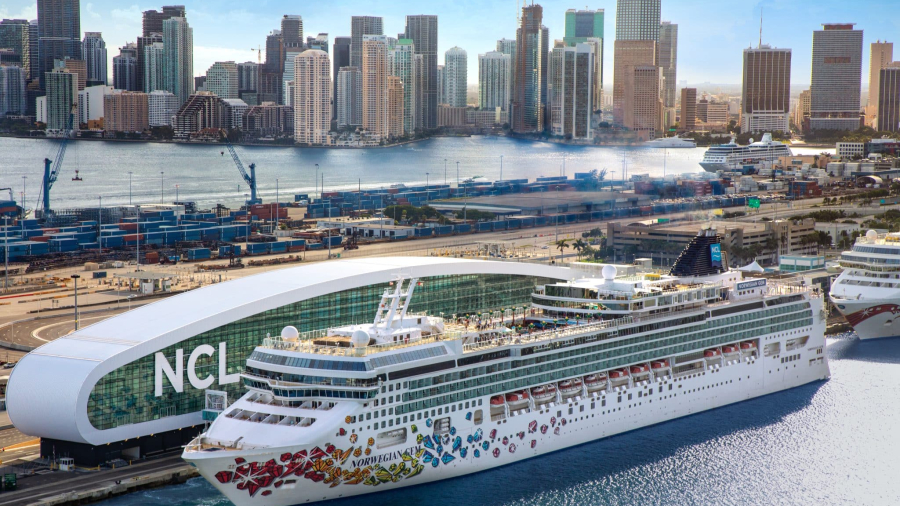
The Port of Miami welcomes more than 7 million people every year. It is known as the “Cruise Capital of the World” serving 55 ships. This connected hub is a top choice for cruise fans. The best option for those heading on a voyage is Miami International Airport (MIA). It’s just 9.9 miles from Port Miami. Fort Lauderdale-Hollywood International Airport (FLL) is also significant. It’s about 30 miles away. These airports offer many airlines and ways to get to your ship quickly.
Airports Near Port Miami
Airport
Key Takeaways
Miami International Airport (MIA) is only 9.9 miles from Port Miami, making it the closest and most convenient option.
Fort Lauderdale-Hollywood International Airport (FLL) is another major airport located about 30 miles away from the Miami cruise port.
Both airports offer ground transportation services, including shuttles, taxis, and ride-hailing options.
Port Miami handles over 7 million cruise passengers annually, living up to its title as the “Cruise Capital of the World.”
Travelers can choose from numerous airlines operating out of MIA and FLL, making flight options versatile and convenient.
Miami International Airport (MIA)
Miami International Airport (MIA) is the closest airport to Port Miami. The drive from MIA to the port often takes 20 to 40 minutes. This quick trip helps cruisers move smoothly from their flights to cruise adventures.
Proximity to Port Miami
Port Miami is just 9.9 miles away from MIA. The major roads make it quick to get there. The drive usually takes 12 minutes, but it might be longer in traffic. This nearness is excellent for busy travelers.
Airlines Operating at MIA
Southwest 737-300
Over 90 air carriers serve MIA, making it a buzzing airport. Some big names include:
American Airlines
Delta Air Lines
United Airlines
Alaska Airlines
JetBlue
Southwest Airlines
Frontier Airlines
Spirit Airlines
Sun Country
With many airlines, travelers can easily find flights to MIA. This helps connect them to various destinations, making their cruise plans easier.
Transportation Options from MIA to Port Miami
There are lots of transportation options from MIA to Port Miami. These choices match different tastes and budgets, including:
Cruise Line Transfers: Often bookable through your cruise line, with rates around $17 per person.
Hotel Shuttles: Frequently offered as a complimentary service with your stay.
MIA Airport Shuttle: Independent shuttles range from $20-$40 per vehicle.
Ride-Hailing Services: Uber and Lyft typically cost around $20 per vehicle.
Taxis: Fixed rates at $27 per vehicle.
Public Transportation: Options such as Metrorail link MIA to the downtown area and the port via a $16 per person fare.
MIAMI CRUISE PORT GUIDE | What you need to know when cruising from Miami
Cruise Terminal Addresses
Here is a guide if your driving in or need to direct your driver directly to a cruise terminal address:
PortMiami’s Administrative Offices are located at 1015 North America Way, Miami, FL 33132
Cruise Terminal AA – 2200 N. Cruise Blvd.
Cruise Terminal A – 2000 N. Cruise Blvd.
Cruise Terminal B – 1761 N. Cruise Blvd.
Cruise Terminal C – 1741/1751 N. Cruise Blvd.
Cruise Terminal D – 1435 N. Cruise Blvd.
Cruise Terminal E – 1265 N. Cruise Blvd.
Cruise Terminal F – 1103 N. Cruise Blvd.
Cruise Terminal G – 909 N. Cruise Blvd.
Cruise Terminal V – 718 N. Cruise Blvd.
Cruise Terminal J – 1120 Caribbean Way
For more freedom, there are also car rentals at MIA. They let you explore Miami at your pace. Many car rental services include shuttle rides to the port.
Fort Lauderdale-Hollywood International Airport (FLL)
Fort Lauderdale-Hollywood International Airport (FLL) is a valuable option for cruise passengers heading to Port Miami. It’s about 29 miles away. The trip takes around an hour but could be longer depending on traffic.
Distance and Travel Time to Port Miami
FLL is about 30 miles from Port Miami. It takes roughly an hour by car to reach the cruise terminal. This airport is close to major roads, making travel easy for visitors.
Airlines Operating at FLL
Several key airlines operate at FLL. JetBlue, Southwest Airlines, and Spirit Airlines are well-known here. They offer flights across the U.S. and to places like Barcelona, London, and Cancun.
Passengers can fly to many cities, including Atlanta, Boston, and New York, making it easy to reach South Florida. Destinations like Panama City and Sao Paulo are also available for international flights.
Transportation Options from FLL to Port Miami
Getting from FLL to Port Miami is easy, with many transport options. Here are some popular ones:
FLL Airport Shuttle: Shuttle services are a great affordable, shared ride option. They cost between $15 and $25 per person.
Ride-Hailing Services: Uber and Lyft are available for private rides. During busy times, you might have to wait over 10 minutes. Prices can vary from $35 to $60.
Taxis: Taxis are another option for a quick, direct trip. They usually cost between $70 and $100.
Private Car Transfers: If you prefer luxury and ease, private car services are an option. They charge between $80 and $140.
With so many choices, getting from FLL to Port Miami is stress-free.
FLL is a top pick for those heading to the Miami Carnival Cruise Port. It offers many flights, great services, and easy transport options.
Final Thoughts
When considering flying to or from PortMiami, knowing about all the travel services is good. The good thing is that no matter your choice, you have two reasonable choices: the nearby Miami International Airport (MIA) and the more distant Fort Lauderdale-Hollywood International Airport (FLL). Having these two options offers you a more comprehensive range of choices in pre or post-cruise hotels and different flight options and times. One significant consideration is how you will get to and from the port and what that cost will be. For instance, you may save money on a flight or hotel at one hotel, but will you lose those savings by driving from a more distant airport?
Airports Near Port Miami FAQ
What are the closest airports to Port Miami Cruise Port?
The closest airports to Port Miami Cruise Port are Miami International Airport (MIA) and Fort Lauderdale-Hollywood International Airport (FLL).
How far is Port Miami Cruise Port from Miami International Airport?
Port Miami Cruise Port is approximately 8 miles away from Miami International Airport.
Is there a shuttle service between Miami International Airport and Port Miami Cruise Port?
Yes, there are shuttle services available to transfer passengers between Miami International Airport and Port Miami Cruise Port.
Can I take a taxi from Fort Lauderdale-Hollywood International Airport to Port Miami Cruise Port?
Yes, you can take a taxi or ride-sharing service from Fort Lauderdale-Hollywood International Airport to Port Miami Cruise Port.
How long does it take to travel from Fort Lauderdale-Hollywood International Airport to Port Miami Cruise Port?
The journey from Fort Lauderdale-Hollywood International Airport to Port Miami Cruise Port takes approximately 45 minutes to 1 hour, depending on traffic conditions.
Are there any hotels near Port Miami Cruise Port?
There are several hotels near Port Miami Cruise Port where passengers can stay before or after their cruise.
Can I walk from downtown Miami to Port Miami Cruise Port?
It is possible to walk from downtown Miami to Port Miami Cruise Port, but it may take around 30-40 minutes on foot.
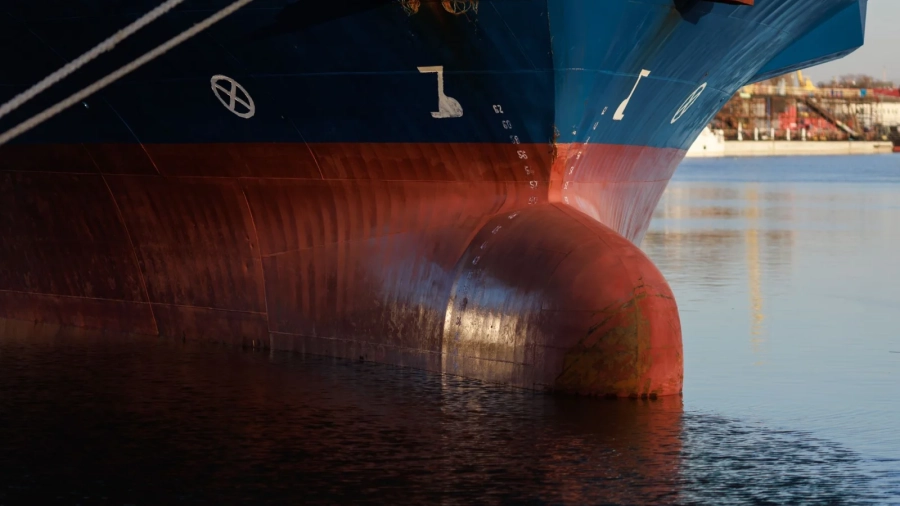
The draft of a ship (also spelled draught) is the vertical distance between the waterline and the lowest point of the hull, usually the bottom of the keel. In plain terms, it tells you how deep the vessel sits in the water, and therefore how much water it needs to float safely without touching the seabed.
Draft is not a fixed number. It rises and falls with cargo, fuel, water density and even the way weight is spread along the hull. Below, we explain what ship draft means, how crews read it, how it differs from freeboard and air draft, and how deep different types of ships actually sit.
What Is the Draft of a Ship? A Clear Definition
Picture a ship floating in calm water. Everything below the surface is the underwater body of the hull. The draft is the height of that underwater part, measured straight down from the waterline to the deepest fixed point, which is normally the keel. On some vessels a propeller, rudder or sonar dome sits slightly lower, and navigators will use the true lowest point when working out clearance.
A few related terms come up again and again:
Forward draft and aft draft: the draft read at the bow and at the stern.
Midship draft: the draft read halfway along the hull.
Mean draft: the average of the forward and aft readings, used as a quick summary of how deep the ship is sitting.
Design or summer draft: the deepest draft a ship is allowed to reach in summer seawater, set by its load line certificate.
“Draft” is the usual American spelling, while “draught” is common in British and international shipping documents. They mean exactly the same thing.
Why Ship Draft Matters
Draft is one of the first numbers a captain, pilot or port planner checks, because it controls where a ship can go and how much it can carry.
Grounding risk: navigators compare the ship’s draft with charted water depth and the tide to work out under-keel clearance, the gap between the hull and the seabed.
Port and canal access: channels, berths and locks all have maximum drafts. A ship that sits too deep must wait for high tide, reduce cargo or go elsewhere.
Cargo and fuel planning: every extra tonne pushes the hull a little deeper, so draft limits translate directly into how much a ship can load.
Safety and stability: keeping the draft within the load line marks preserves enough reserve buoyancy for heavy weather.
A detail many explainers skip is squat. When a ship moves through shallow or confined water, the flow of water under the hull lowers the pressure there and the vessel sinks slightly deeper than its static draft. The faster it goes, the stronger the effect. That is why pilots slow down in narrow channels and why ports build a safety margin on top of the published draft.
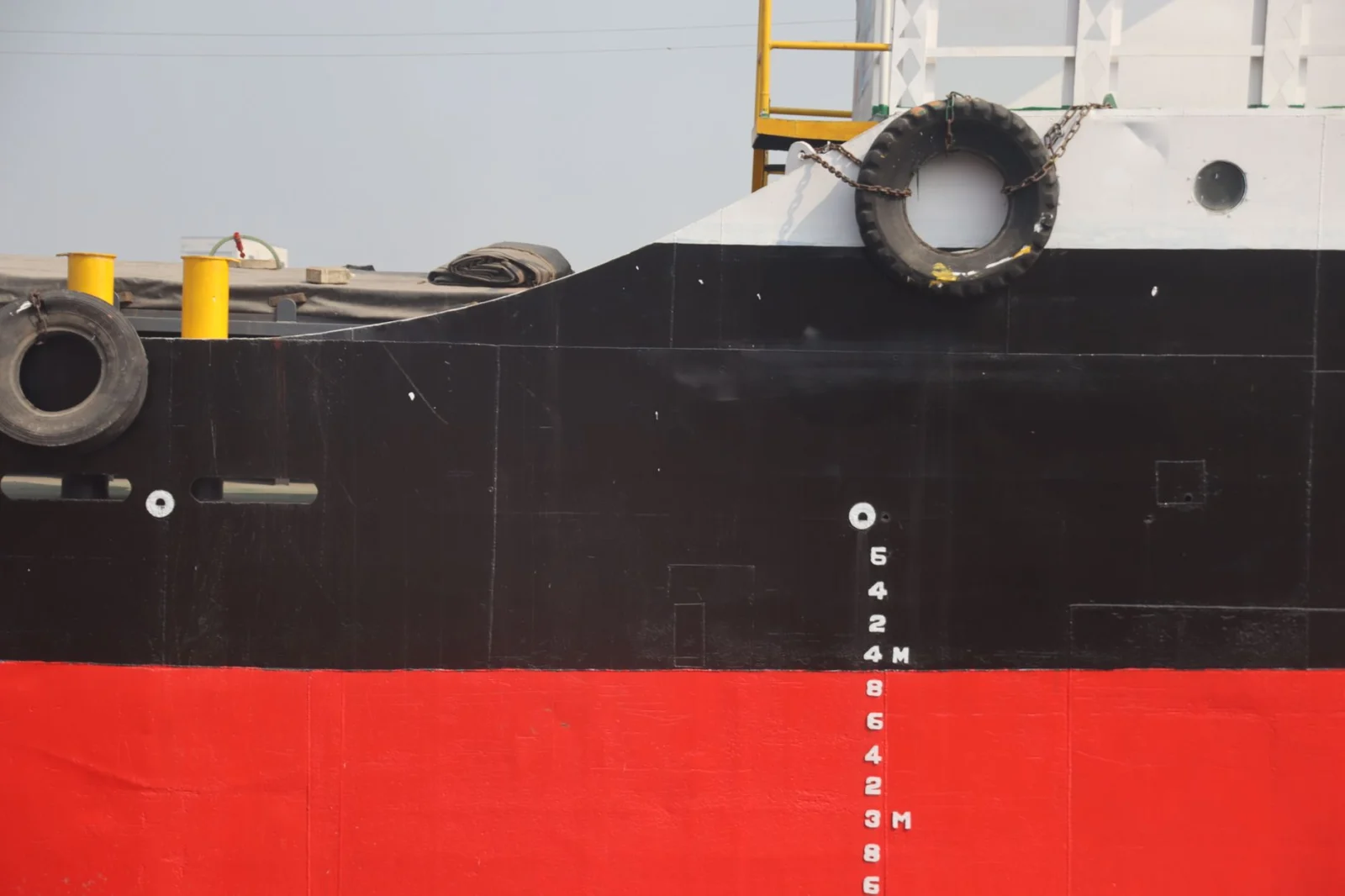
Draft is read from numbers painted on the hull at the bow, stern and midships. Photo: Saad Bin Hasan on Pexels
Draft Marks: How to Read a Ship’s Draft
Draft marks are the numbers painted (and often welded) onto both sides of the hull near the bow and stern, and usually amidships too. They work like a giant ruler that starts at the keel.
Imperial draft marks
On ships marked in feet, each number is 6 inches tall and the numbers are spaced 12 inches apart, bottom to bottom. The bottom edge of a number marks that exact draft in feet. If the water touches the bottom of the “28”, the draft is 28 feet; if it reaches the top of the “28”, the draft is 28 feet 6 inches.
Metric draft marks
On metric ships, each figure is 10 cm tall and the marks are spaced 20 cm apart, so the bottom of each figure shows the draft in decimetres. Whole metres are usually shown with an “M”, for example “9M”, followed by figures such as 2, 4, 6 and 8 for each 20 cm step.
Reading the marks in practice
Read the forward, midship and aft marks on both sides of the hull.
Average port and starboard readings at each position to cancel out any list (a sideways lean).
Calculate the mean of forward and aft drafts; the difference between them is the trim.
Compare the midship reading with the mean to spot hogging (hull bending up in the middle) or sagging (bending down).
Surveyors use these readings in a “draft survey” to estimate how much cargo a bulk carrier has loaded. Modern ships also carry electronic draft gauges based on pressure sensors, which give a continuous reading on the bridge.
Draft vs Freeboard vs Air Draft vs Depth
These four measurements describe different parts of the same hull and are easy to mix up.
Term
What it measures
Why it matters
Draft
Waterline down to the keel
Clearance over the seabed, port and canal limits
Freeboard
Waterline up to the main (freeboard) deck
Reserve buoyancy and protection from waves
Air draft
Waterline up to the highest point of the ship
Clearance under bridges and power lines
Moulded depth
Keel up to the main deck
A fixed hull dimension; roughly draft plus freeboard
The key difference between depth and draft is that depth is built into the hull and never changes, while draft changes every time the ship loads or unloads. As draft increases, freeboard shrinks by the same amount.
What Changes a Ship’s Draft?
Load
Cargo, fuel, fresh water, stores and ballast all add weight. A loaded tanker can sit almost twice as deep as the same tanker sailing empty. Cruise ships see smaller swings, but fuel and water consumption over a voyage still lift the hull a little.
Water density
Seawater is denser than fresh water, so it supports a ship more strongly. When a vessel sails from the ocean into a river or freshwater lake, it sinks slightly deeper without any change in weight. Warm water is also a little less dense than cold water. Ship officers use the “fresh water allowance”, calculated from the ship’s displacement and its tonnes per centimetre immersion, to predict the change.
Trim and list
Trim is the difference between forward and aft draft. A ship “trimmed by the stern” sits deeper aft, which is common because it keeps the propeller well submerged. List is a sideways lean caused by uneven weight, and it makes one side of the hull sit deeper than the other.
Load Line (Plimsoll) Marks and Maximum Draft
The maximum draft of a ship is set by its load line, the familiar circle-and-bar symbol painted amidships on both sides of cargo vessels. It is named after Samuel Plimsoll, the British MP whose campaign against overloaded “coffin ships” led to the Merchant Shipping Act 1876. Today the rules are international, under the IMO’s 1966 International Convention on Load Lines.
Next to the disc is a ladder of lines for different conditions:
TF: tropical fresh water
F: fresh water
T: tropical seawater
S: summer seawater (the reference line through the disc)
W: winter seawater
WNA: winter North Atlantic, for smaller ships in rough winter waters
A ship is fully and legally loaded when the water reaches the right line for its season and location, and never above it. The two letters beside the disc identify the classification society or authority that assigned the marks.
Draft and Stability
Draft also affects stability. Loading weight low in the hull raises the draft but lowers the centre of gravity, which generally increases the metacentric height (GM), a measure of how strongly a ship resists rolling over. Too little GM and the ship becomes tender and slow to right itself; too much and it snaps back violently, which is uncomfortable for crew and passengers. Naval architects balance hull shape, draft and weight distribution to keep GM in a sensible range.
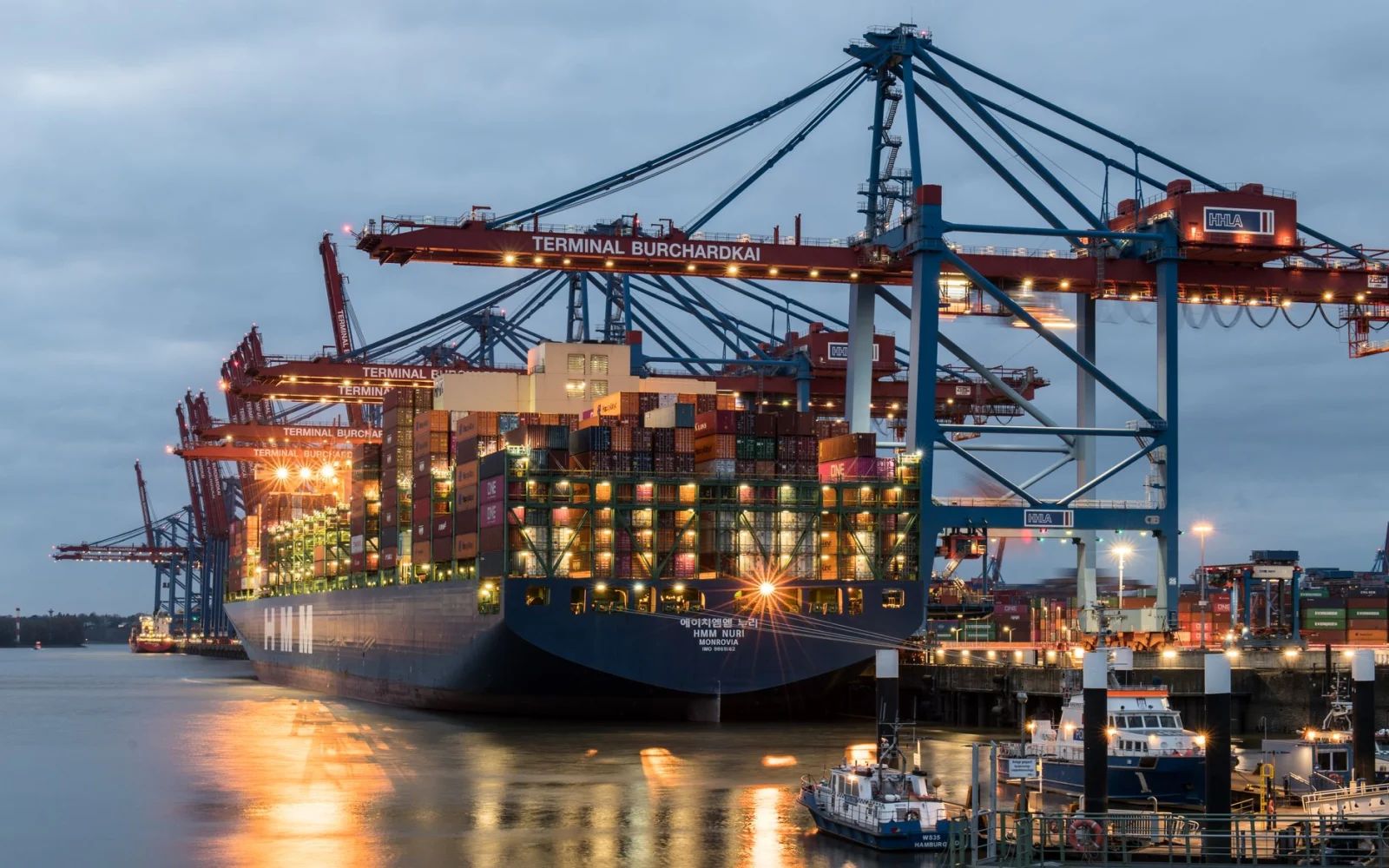
Large cargo ships need some of the deepest channels in the world. Photo: Wolfgang Weiser on Pexels
Typical Ship Drafts by Type
Ship draft varies enormously by vessel type. The figures below are approximate, fully loaded values from published specifications and industry data.
Ship type or example
Approximate draft
Small container ship (about 1,000 TEU)
8.3 m (27 ft)
Large cruise ship, e.g. Icon of the Seas
9.25 m (30 ft 4 in)
RMS Titanic (1912)
10.5 m (34 ft 7 in)
Nimitz-class aircraft carrier
11.3 m (37 ft)
Panamax container ship (about 4,000 TEU)
about 12.5 m (41 ft)
Ultra-large container ship (14,000+ TEU)
about 16 m (52 ft)
VLCC crude oil tanker, fully loaded
about 20 m (66 ft)
The contrast between cruise ships and cargo ships is striking. Icon of the Seas is roughly 365 m long, yet its draft is only about 9.25 m, because passenger ships carry mostly air-filled accommodation rather than dense cargo. A VLCC tanker of around 340 m, by contrast, sits about 20 m deep when full and only about 11 m when empty. Our comparison of Titanic and today’s modern cruise ships shows how much bigger passenger ships have become while keeping drafts in a similar range.
Canal and strait draft limits
Many ship sizes are defined by the waterways they must fit through:
Panamax (original Panama Canal locks): up to 12.04 m (39.5 ft) in tropical fresh water.
Neopanamax (expanded locks opened in 2016): designed for up to 15.2 m (50 ft), although the canal authority has temporarily reduced this in dry seasons when Gatun Lake runs low.
Suezmax: the Suez Canal allows up to about 20.1 m (66 ft) for ships with a beam of 50 m or less, with lower limits for wider ships.
Because the Panama Canal uses fresh water from Gatun Lake, its limits are quoted in tropical fresh water, a neat real-world example of water density changing draft.
Cruise Ship Draft in Brief
Most modern ocean cruise ships draw somewhere around 8 to 9.5 m, which lets them reach a wide range of ports but still keeps the very biggest ships out of shallow harbors and some island anchorages. River and expedition ships are designed with much shallower drafts. For ship-by-ship figures and what draft means for your itinerary, see our full guide to cruise ship draft, and if you are curious about life aboard the giants, read whether the world’s biggest cruise ship is worth it.
FAQs
What is the maximum draft of a ship?
Each ship’s maximum draft is set by its load line marks and varies with season and water type. Across the world fleet, the deepest are loaded supertankers at around 20 m or more, while waterways set their own limits, such as about 15.2 m at the Panama Canal’s new locks.
What is the difference between depth and draft?
Depth is a fixed hull measurement from the keel to the main deck. Draft is the variable distance from the waterline down to the keel, and it changes as the ship loads or unloads.
What are draft marks on a ship?
Draft marks are numbers painted on both sides of the hull at the bow, stern and usually midships. They show how deep the ship sits, in feet (6-inch figures every 12 inches) or in metric units (10 cm figures every 20 cm).
How do you check the draft of a ship?
Crew read the draft marks where the water meets the hull at the bow, stern and midships on both sides, then average them to get the mean draft. Many ships also have electronic draft gauges on the bridge.
Does a ship sit deeper in fresh water?
Yes. Fresh water is less dense than seawater, so a ship floats slightly deeper in it. Load lines include separate fresh water marks for this reason.
Cruise ship engines are enormous, moving these massive ships across the sea. They use a lot of fuel – up to 250 tons a day. This is the same as 80,000 gallons every day. The marine diesel engines power the ship’s propulsion systems, carrying thousands to far-off places.
Modern ships have five to six engines, each between nine and fifteen megawatts. For example, the biggest cruise ship, Wonder of the Seas, has six big diesel sets. These machines can produce up to 50,000 horsepower. That’s enough to power a small city.
While older ships might still use diesel engines, new ships use gas turbines or diesel-electric engines. These newer engines are more efficient and lessen their environmental impact. This lets cruise ships travel worldwide without using too much fuel.
Key Takeaways:
Larger cruise ships can consume up to 250 tons of fuel daily, equivalent to 80,000 gallons
Modern cruise ships have between five and six engines, each with a power rating of 9-15 megawatts
The largest cruise ship, Wonder of the Seas, uses six marine diesel sets composed of three 16-cylinder Wartsila engines
Cruise ship engines can consume power up to 50,000 horsepower, roughly equivalent to 37,300 kilowatts
Modern cruise ships employ advanced technologies such as gas turbines or diesel-electric engines for enhanced efficiency and performance
Introduction to Cruise Ship Engines
Cruise ship engines are the heart of these incredible ships. They make it possible for ships to travel across the seas, and passengers enjoy a smooth and fun ride thanks to these engines. These engines are marvels in their own right. They generate tremendous power and keep the ship running right. There are many types of cruise ship engines, each with its benefits.
Diesel engines, gas turbines, and diesel-electric engines are commonly found on cruise ships. Diesel engines are the oldest choice, offering a solid and efficient way to move the ship. But, with stricter rules about pollution, many ships are looking for cleaner options.
Gas turbine engines are becoming more popular. They are more efficient and produce fewer harmful gases than diesel engines. They work by compressing air and using it in a combustion chamber to create power to drive the ship forward.
Diesel-electric engines are a mix of both diesel and electricity. They turn diesel power into electricity. This electricity then drives the ship’s propellers. This setup helps in using fuel better. It also makes it easier to power everything on the ship.
About 85% of the power in a diesel-electric system moves the ship, while the other 15% powers the ship’s various needs.
Choosing the right engine is vital for performance and the environment. Many cruise lines now go for engines that are better for the planet. ABB’s Azipod system, for example, can cut down on fuel use and pollution by 20%.
Propulsion System
Fuel Efficiency
Emission Control
Diesel Engines
Moderate
Impacted by sulfur cap regulations
Gas Turbine Engines
High
Lower emissions compared to diesel
Diesel-Electric Engines
High
Flexibility in power distribution
LNG-Powered Engines
Very High
Significantly reduced emissions
As interest in sustainable travel grows, cruise engines are changing too. New ships often use LNG for power because it’s better for the environment. These new technologies help cruise ships step towards cleaner seas.
Keeping the engines running well is very important. Cruise ship engine rooms are big and complex, including many parts, such as the main engines, generators, and cooling systems.
Next, we’ll examine cruise ship engines. We’ll discuss the different types, how much fuel they use, and their environmental impact. We’ll also discuss how cruise lines are making their ships more efficient and eco-friendly.
Types of Cruise Ship Engines
Cruise ships depend on strong engines to sail the vast seas, creating a comfortable journey for everyone on board. They use different engines like diesel, gas turbine, and diesel-electric to best fit the ship and its route. In this guide, we’ll look at these three main engine types used in modern cruise ships.
Diesel Engines
Traditionally, cruise ships employ diesel engines for power. These engines burn diesel fuel to move the ship. They are popular because they are reliable and efficient. For example, ships like the Cunard QE2 use up to 380 tons of fuel daily to travel at high speeds, proving the strength of diesel engines.
Gas Turbine Engines
Gas turbine engines are a newer choice in cruise ship technology. They turn heat into power by heating air and using it to create electricity, making them cleaner than diesel engines. Royal Caribbean was the pioneer in using gas turbines, focused on a more environmentally friendly approach for its ships.
Diesel-Electric Engines
Diesel-electric engines are a mix of diesel and electric power. Diesel engines make electricity that then powers the ship’s electric motors. This mix is known for flexibility and efficiency. About 85% of this power goes to moving the ship, while the rest powers its areas through long cables.
Choosing an engine type for a cruise ship depends on many things, including ship size and the route. With time, we will see more improvements in the propulsion system. The goal is to increase efficiency, cut down on emissions, and make the whole journey special for travelers.
LNG-Powered Engines
LNG-powered engines use liquefied natural gas as fuel, which is known for its lower emissions compared to traditional fuels. LNG is stored in special tanks on the ship and then used to generate power through combustion. This technology helps reduce air pollution and contributes to a more sustainable and eco-friendly cruising experience.
Cruise Ship Engine Size and Power
Cruise ship engines push these giant vessels across the seas. Some are as big as a basketball court. Their size and power are unique, delivering a smooth ride for everyone aboard.
Engine Dimensions
The size of a cruise ship’s engine depends on its class. For example, the Wärtsilä RT-flex96C engine is 44 feet tall and 87 feet long. It weighs as much as 2,300 tons, showing off amazing engineering skills.
Horsepower and Power Output
A cruise ship requires a lot of horsepower to move. A typical ship has four to six engines, each producing 9 to 15 MW power. This is a lot of power needed for such large ships.
Now, let’s see how the biggest cruise ships match up:
Cruise Ship
Number of Engines
Engine Type
Power Output per Engine
Total Power Output
Wonder of the Seas (Royal Caribbean)
6
Wärtsilä 16V 46D (3x) & 12V 46D (3x)
19,480 kW
116,880 kW
Oasis-class (Royal Caribbean)
6
Wärtsilä 16V 46D (3x) & 12V 46D (3x)
19,480 kW
116,880 kW
RMS Queen Mary 2 (Cunard)
4 (main) + 2 (gas turbines)
Wärtsilä 16V 46C (4x) & GE LM2500+ (2x)
16,800 kW (main) & 25,000 kW (gas turbines)
117,200 kW
The largest cruise ships can have 50,000 horsepower, which allows them to travel at up to 34.5 mph. However, they normally cruise at a slower 23 mph for comfort and fuel savings.
It’s critical to check and care for these engines regularly. This ensures a safe and comfy journey for those sailing the seas.
Fuel Consumption of Cruise Ship Engines
DCIM100MEDIADJI_0041.JPG
Cruise ships are famous for being huge and offering luxury. But, to move these ships, they need a lot of fuel. Bigger ships use more fuel than smaller ones. For example, a big ship may use 250 tons a day. This is about 80,000 gallons. In comparison, smaller ships use 150 tons daily.
The amount of fuel a ship can hold depends on its size. Big cruise ships carry up to two million gallons. On the other hand, ferries and other smaller vessels only hold about 130,000 gallons. As a fun fact, a cruise ship might burn through a gallon of fuel for every 30 to 60 feet it moves. Filling up a cruise ship takes about 110 tons of fuel every hour.
The fuel type matters for the ship’s efficiency and the environment. Typically, cruise ships use heavy fuel oil, which is not as clean as diesel cars. But due to new rules and environmental alarms, ships are turning to cleaner options. They now use marine gas, oil, low-sulfur fuels, and sometimes even LNG.
Ship Size
Daily Fuel Consumption
Fuel Capacity
Large Cruise Ships
250 tons (80,000 gallons)
Up to 2 million gallons
Smaller Cruise Ships
150 tons
Around 130,000 gallons
Cruise lines are trying to reduce the fuel they use. They’ve come up with ways like “slow steaming,” which means moving at speeds below 20 knots. This can cut down fuel use by about 20%. Also, making the ship’s body, surfaces, and propellers more efficient can save up to 8% on fuel.
The concern over cruise ship fuel and the environment has risen. As a response, the cruise industry is looking for solutions. They’re using new fuels, making their ships more efficient, and applying fuel-saving methods. This way, they aim to lower their environmental impact while giving passengers great experiences.
Location of Engines on a Cruise Ship
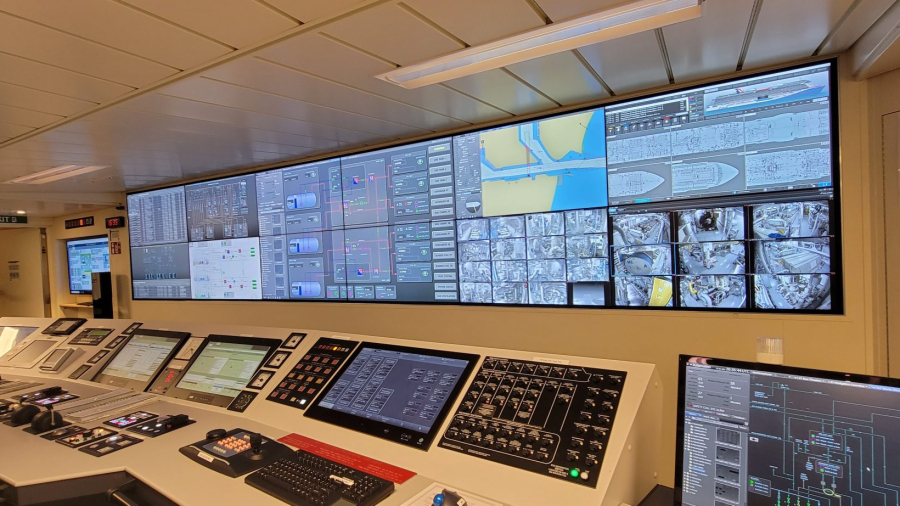
The heart of a cruise ship is its engine room. It’s an ample space filled with the ship’s engines and other essential machines. You’ll find it deep within the ship, near the bottom. This placement helps keep the ship stable and steady. The engine room is very big, stretching over many floors. It holds engines, fuel tanks, generators, and rooms for engine maintenance and control.
Ships like Royal Caribbean’s Oasis-class have six engines. Most others have four. These engines are very loud, making over 173 decibels of noise. To keep passengers comfortable, the rooms are soundproofed. The engine room is key to ensuring everything works well, like the electricity and air, during the trip.
Engine Room Layout
The engine room layout is all about saving space and working efficiently. It includes the ship’s main parts:
Engines: They move the ship forward.
Generators: They make electricity for the ship.
Fuel tanks: They hold the fuel for engines and generators.
Engine workshop: This is where machines get fixed.
Control room: Where engineers look after the ship’s systems.
The engine room also has heat exchangers, which help cool hot gases from the engines. They lower the gas temperature from 663°F (350°C) to about 86°F (30°C) before it leaves the ship. The cool gas helps make fresh water and can even heat fuel.
Safety Considerations
Keeping the engine room safe is critical. Ships today often have two engine rooms, named forward and aft DG rooms. These rooms are separated by solid and watertight walls. If there’s a problem in one room, the other can work independently, with its own supplies.
In the engine room, there are also backup generators and batteries. They’re there to keep important ship systems running in an emergency, including lights, communication systems, and navigation. Keeping everything well maintained and following safety rules is key to avoiding accidents and keeping the ship running smoothly.
Component
Function
Engines
Primary propulsion systems that power the ship’s movement
Generators
Produce electricity to power the ship’s various systems and amenities
Fuel tanks
Store fuel required to operate engines and generators
Engine workshop
Dedicated space for maintaining and repairing ship’s machinery
Control room
Nerve center of the engine room, where engineers monitor and control mechanical systems
The engine room is like the ship’s heart. But, it can be noisy and cause some shaking. Rooms near the engine are usually smaller and don’t have windows. They might also feel more vibrations when the ship docks. Still, these rooms cost less and are a good choice for those who don’t mind some noise and movement.
Largest Cruise Ship Engines
Big cruise ships, like Royal Caribbean’s Oasis-class vessels, have huge engines. These engines help the ships travel easily across the sea. They use powerful Wärtsilä engines, which are known for being reliable and effective.
Ships like the Oasis of the Seas and Allure of the Seas have particular engines. They use six sets of three engines each. These are the 16-cylinder Wärtsilä 16V 46D type, built for top performance. There are also three 12-cylinder Wärtsilä 12V 46D engines working on these ships.
The power these engines create is awe-inspiring. Each 16V 46D engine makes 18,480 kW (24,780 hp), while the 12V 46D engines each produce 13,860 kW (18,590 hp). Altogether, the engines on these ships add up to about 97,020 kW (130,110 hp) of power.
Cruise Ship Engine Failure and Passenger Safety
Cruise ship engines are built to high standards but sometimes fail. This is why modern ships have several layers of safety measures for passengers. Thanks to the Safe Return to Port initiative, ships after 2010 can keep running even if the main engine stops. They have double engine rooms for this purpose.
Today, cruise ships feature many diesel engines, up to six in some cases, for backup. If one engine fails, the others ensure safe travel. The ships also have emergency generators to power necessary systems like navigation and communication.
Despite the rareness of engine failures on cruise ships, extensive safety measures are always in place. These include strict construction standards and regular maintenance. Cruise companies put passenger safety as their top priority, ensuring everyone knows what to do in an emergency.
Should a cruise be canceled due to engine failure, passengers might get compensation per the Cruise Industry Bill of Rights:
Full or partial refund
Credit toward a future cruise
Reimbursement for costs from the cancellation
Buying personal travel insurance is a good idea to protect against losses from a possible engine failure. This insurance can cover any pre-planned activities affected by a cruise cancellation.
Final Thoughts
In 2019, the Viking Sky faced engine issues that led to a remote, dangerous situation. The ship lost power near the Norwegian coast in rough waters, and nearly 500 people had to be rescued by helicopter.
After this, Viking Ocean Cruises and the Norwegian Maritime Authority took action. They made sure all sister ships were safe and issued a warning. The alert focused on properly keeping engine oils at the required levels during bad weather.
The investigation found that the ship’s fuel system might have affected the failure. The ship’s design and the amount of fuel in its tanks could have caused problems, which could lead to performance issues when crossing rough seas.
Big storms can also twist and strain a ship. This extra stress might shut down the engines. Unique situations, like unusual waves interfering with engine cooling, were also examined.
To prevent such issues, experts suggest some solutions. They recommend adding more fuel and oil tanks, using particular parts inside tanks to control fuel flow, and placing extra fuel tanks closer to engines.
This event and others show the importance of keeping cruise ship engines running. They point out the continuous need for making marine engines more secure and dependable. By learning from these events, the cruise industry promises to keep their passengers safe and happy on every trip.
Cruise Ship Engines FAQ
How big are cruise ship engines?
Cruise ship engines can vary in size, but they are typically massive in order to power the ship’s propulsion and provide electrical power for all onboard systems. Cruise ships may have multiple large engines to generate the necessary power for the ship.
Where are the engines located on a cruise ship?
The engines on a cruise ship are usually located in the ship’s machinery space, which is typically towards the aft (rear) of the ship. This area is designed to house the engines, generators, and other propulsion systems.
What type of propulsion do cruise ships use?
Cruise ships are commonly powered by diesel-electric propulsion systems. These systems utilize diesel engines to generate electrical power, which is then used to turn propellers or pods that provide thrust to move the ship through the water.
What type of propulsion do cruise ships use?
Cruise ships are commonly powered by diesel-electric propulsion systems. These systems utilize diesel engines to generate electrical power, which is then used to turn propellers or pods that provide thrust to move the ship through the water.
How many engines are aboard a cruise ship?
Cruise ships can have multiple engines onboard, typically four or more depending on the size and power requirements of the ship. These engines work together to provide the necessary propulsion power for the ship.
What is the role of the chief engineer on a cruise ship?
The chief engineer on a cruise ship is responsible for overseeing the operation and maintenance of the ship’s engines and propulsion systems. They ensure that the engines are running efficiently and address any mechanical issues that may arise during the voyage.
Do cruise ships use electric motors for propulsion?
Yes, some cruise ships use electric motors for propulsion, especially those with pod propulsion systems. These electric motors drive propellers or pods at the bottom of the ship, providing efficient and environmentally friendly propulsion.
How do cruise ships generate power for onboard systems?
Cruise ships generate power for onboard systems through a combination of main engines and generators. The main engines produce electrical power, which is then distributed throughout the ship to support operations like air conditioning, lighting, and engine control
Cruise ships are one of the most popular ways to see the world. You can travel across the entire globe and see every country you’ve been wanting to see. It’s a convenient way to travel for those who might be scared of flying, and a much more enjoyable experience for everyone.
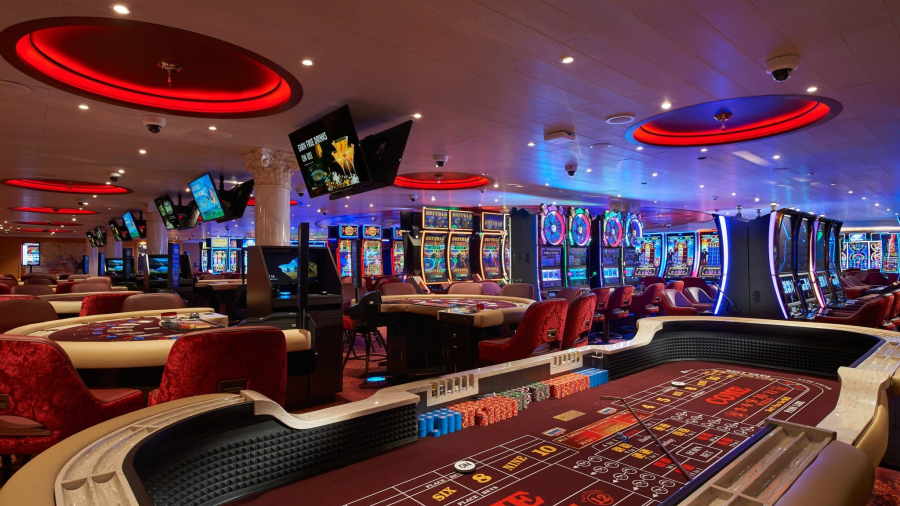
You have everything you could ever need on a cruise ship. There are pools, restaurants, bars and even shops and cinemas. Another added bonus is that there is typically a casino on board as well.
Anyone who is worried about leaving their gaming behind when they’re on board doesn’t need to worry – it’s coming along with you! But what are the differences you could expect to find when you’re on a cruise ship casino?
We’ve got all of the inside info so you know exactly what to expect when you visit a casino on a cruise ship.
Differences to expect at a cruise ship casino
Norwegian Cruise Line Casino
One massive benefit to visiting a cruise ship casino is that you don’t need to carry a wad of cash around with you in order to play. Most cruise ship casinos will let you charge any deposits to your room, so there’s no need to even have a card with you.
Of course, you do need to keep an eye on how much you’re spending, so it could be worth looking out for that. But as long as you’re sensible, it’s a really handy benefit. There’s no need to use the cash machines on board, which can charge a fee.
You can usually print off a slip at the end of your gaming to keep an eye on how much you’ve spent that day, so you know what to expect at the end of your trip.
Odds are not in your favour
One unfortunate difference between a casino on land and a casino on a cruise ship, is that the cruise ship casino will have worse odds. Obviously, the house holds most of the power in any casino, but this is even more prevalent on a cruise ship.
When you’re visiting a casino somewhere like Las Vegas, the payout is typically around 90%. However, when you’re on a cruise ship, this goes down to something like 80%. It’s still going to be fun, but don’t expect to be making your millions if you’re playing on board.
So although the payout might not be as good, the minimum you have to put down in order to play at a table is lower. This encourages people who might not usually play to have a go as they’re not going to lose out on too much.
It also makes you play a bit longer and enjoy yourself a bit more as you haven’t had to part with too much money in the first place. This is a great benefit and means you can game more than you usually would.
Most casinos you find on land will be open all hours, every day of the week. This is one of the biggest benefits to land based casinos as there’s always an opportunity to get a game in. However, this all changes when you’re on a cruise ship.
Cruise ship casinos will have much stricter rules when it comes to opening hours and therefore won’t be open all of the time. This is because when you’re travelling on international waters, the rules for any kind of gaming are different.
It also means that this could change during your trip, so make sure you keep an eye out for any changes in opening and closing times. It might be that only certain games are allowed to be played during certain hours, so make sure you check with staff on board.
More opportunities to socialise
When you’re at your local casino, there might be the regulars who are there just to play and relax by themselves. There might be people who solely want to hang out with the people they came there with. All of these are totally fine, but it does mean that there doesn’t tend to be much mixing of groups.
However, that all changes when you’re on a cruise ship. You’re all there together for typically a long period of time. Therefore, people are more up for getting to know one another. People also tend to be more relaxed when they’re on holiday so they might be more up for socialising.
This makes a cruise ship one of the best places to visit a casino as you know that the atmosphere is going to be great. It’s a great way to meet people you’re on board with and make new friends in the process.
Playing at a cruise ship casino is different to playing on land, but there are lots of benefits to be had. Will you be playing on your next cruise?
With UEFA Euro 2024 just around the corner, MSC Cruises is presenting a unique opportunity for football fans to enjoy the tournament like never before.
MSC Cruises has partnered with UEFA to bring the live broadcast of UEFA Euro 2024 matches to its guests.
The coverage will include all major matches, ensuring that fans don’t miss a moment of the action. But it will only be available on cruise ships operating out of Europe – not those in the US or elsewhere in the world.
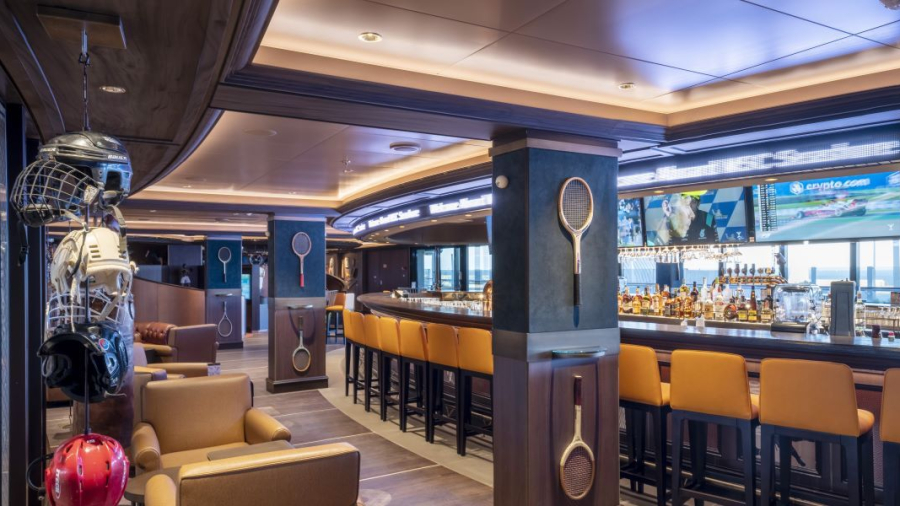
Specially designated venues onboard will host the live broadcasts. These areas will feature large screens and comfortable seating, creating an immersive viewing experience.
With ample capacity, these venues will accommodate numerous guests, ensuring everyone can enjoy the matches in a vibrant and communal atmosphere.
Special events and themed activities related to the tournament will be organised, offering guests opportunities to socialise and celebrate with fellow football fans.
These will include penalty shoot-out challenges, trivia competitions, create-your-own-shirt competitions and more, perfect for guests of all ages.
Of course, this could put some people off cruising with MSC, if you aren’t a football fan. You might want to avoid the ships showing the games in the communal areas, especially if your priority is a relaxing cruise.
But for those who are excited for the Euros tournament, this could be the best way to experience them outside of attending the games in person.
NEW DEALS JUST RELEASED!
Don’t miss the latest MSC Cruises offers…
Related Posts
If you found this interesting, please share!
Jenni Fielding is the founder of Cruise Mummy. She has worked in the cruise industry since 2015 and has taken over 30 cruises. Now, she helps over 1 million people per month to plan their perfect cruise holidays.
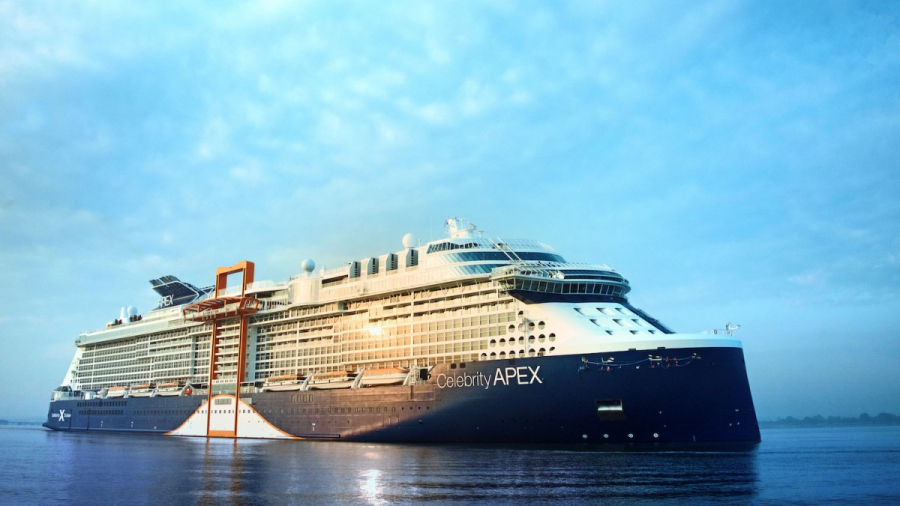
Celebrity Apex has arrived in Southampton, becoming the first Edge-class ship for the Celebrity Cruises fleet to homeport in the UK.
The European season for this ship starts with an eight-night voyage to the Norwegian Fjords, exploring destinations such as Bruges in Belgium, Geiranger, and Kristiansand in Norway.
Throughout the summer, Celebrity Apex will offer four-to-13-night sailings, covering Northern Europe and the Canary Islands. A standout journey is a 12-night cruise through the Norwegian Fjords and Arctic Circle.
Celebrity Apex – Resort Deck
The ship’s outward-facing design and visionary spaces offer expansive views and thoughtfully crafted environments. It’s a beautiful ship, once that’s sure to turn heads for anyone in Southampton.
Some of the standout features of the ship include:
The Magic Carpet: A cantilevered venue for dining and drinks with breathtaking sea views.
The Retreat: An exclusive area with a private restaurant, lounge, and sundeck.
Infinite Veranda Staterooms: Spacious staterooms with dramatic verandas.
Rooftop Garden: A tranquil escape for relaxation.
Edge Villas: Luxurious two-storey villas with private terraces and plunge pools.
Celebrity Apex – Magic Carpet
With 29 distinct restaurants, bars, and lounges, Celebrity Apex offers globally-inspired menus. Speciality dining includes Fine Cut Steakhouse, Raw on 5, and Eden but even the main dining restaurants are special.
Celebrity Apex – Martini Bar
Entertainment on board features three exclusive stage shows: Rockumentary, Tree of Life, and Crystallize. Guests can also enjoy cabaret shows and various themed activities, and there’s plenty to enjoy during the day too.
And there’s also The Retreat – the stunning ship-within-a-ship concept where the most luxurious suites at sea can be found, along with plenty of beautiful shared spaces exclusively for the use of Retreat guests.
Celebrity Apex – Retreat Sundeck
The ship will remain in Southampton from May until October, giving guests plenty of opportunity to sample this elevated cruise experience.
NEW DEALS JUST RELEASED!
Don’t miss the latest Celebrity Cruises offers…
Related Posts
If you found this interesting, please share!
Jenni Fielding is the founder of Cruise Mummy. She has worked in the cruise industry since 2015 and has taken over 30 cruises. Now, she helps over 1 million people per month to plan their perfect cruise holidays.
The closest airport to Port Canaveral is Melbourne Orlando International (MLB), roughly 27 miles and 35-45 minutes south of the cruise terminals. Most cruisers still fly into Orlando International (MCO), about 45 miles away. The drive is a little longer, but MCO has far more nonstop flights, lower fares on many routes and the widest choice of transfers. Orlando Sanford (SFB) and Daytona Beach (DAB) also work, especially if a budget or regional carrier flies there from your home airport.
Below you’ll find a side-by-side comparison of every realistic airport near Port Canaveral, how to get from each one to your ship, and a few timing and terminal tips to make embarkation day stress-free.
Airports near Port Canaveral at a glance
Airport
Approx. driving distance
Typical drive time
Best for
Melbourne Orlando International (MLB)
27-30 miles
35-45 min
Shortest transfer; TUI flights from the UK; small, quiet terminal
Orlando International (MCO)
45 miles
45-60 min
Most flights and airlines, most transfer options
Orlando Sanford (SFB)
60-65 miles
60-75 min
Allegiant fares from smaller US cities
Daytona Beach (DAB)
70-75 miles
75-90 min
Avelo, Delta or American connections; easy small airport
Tampa (TPA)
125-135 miles
2-2.5 hrs
Fare deals or combining with a Gulf Coast stay
Jacksonville (JAX)
165-175 miles
2.5-3 hrs
Road-trippers coming from the north
Drive times assume normal traffic. Weekend mornings, when several ships turn around at once, and theme park traffic around Orlando can add 20-30 minutes, so build in slack.
Orlando International (MCO): the best airport for most Port Canaveral cruises
For most passengers, MCO is the best airport for a Port Canaveral cruise. It is one of the busiest airports in the US, with nonstop flights from almost every major US city on carriers such as Southwest, Delta, American, United, JetBlue, Frontier and Spirit. International passengers are well served too. From the UK, British Airways and Virgin Atlantic fly nonstop from London, and Virgin also flies from regional airports such as Manchester and, seasonally, Edinburgh. Schedules and seasonality change, so check current timetables before you book.
MCO to Port Canaveral: distance and route
The drive from MCO to Port Canaveral is about 45 miles, almost all of it on State Road 528 (the Beachline Expressway), which runs from the airport area straight to the port. Allow 45 minutes to an hour. SR 528 is a toll road, so expect a few dollars in tolls each way. Rental cars usually bill these through a toll program, often with a daily service fee on top.
Getting from MCO to the cruise terminals
Cruise line transfers: Most major lines sailing from Port Canaveral, including Disney, Royal Caribbean, Carnival and Norwegian, sell airport-to-ship coach transfers. They usually cost more per person than a shared shuttle. The upside is that the cruise line is responsible for getting you to the ship.
Shared and private shuttles: Several independent companies run shared vans or private cars between MCO and the port. Shared seats often start at roughly $30-$50 per person. Private vans for a family or group can be good value once you split the cost.
Uber and Lyft: A standard rideshare is commonly somewhere in the $65-$120 range one way. It can be much higher during surge periods, and an XL or larger vehicle costs more if you have lots of luggage. Use the airport’s designated rideshare pickup zones.
Taxi: Usually the most expensive option, often well over $100 one way.
Rental car: You can drop the car at one of the rental offices near the port and take the company shuttle to the terminal, if they offer one. Check shuttle hours and one-way drop fees first.
Melbourne Orlando International (MLB): the closest airport to Port Canaveral
If you only care about distance, Melbourne wins. It sits on the Space Coast, about 27-30 road miles south of the port, mostly via US-1 or I-95 and SR 528. The terminal is small, security lines are usually short, and bags tend to come out quickly.
The trade-off is choice. MLB has a much smaller route network. Delta flies to Atlanta and, from December 2026, runs seasonal weekend flights to New York LaGuardia. American serves Charlotte, Allegiant flies to a handful of mid-sized cities, and Sun Country has seasonal service from Minneapolis/St. Paul. Many US travelers will connect through Atlanta or Charlotte, which can mean a longer journey overall than a nonstop to MCO.
For British cruisers, MLB matters more. TUI moved its Orlando flights from Sanford to Melbourne in 2022 and flies there seasonally from UK airports including London Gatwick and Manchester. If your fly-cruise package uses TUI, you will almost certainly land at MLB.
Transfers from MLB: Rideshare usually costs less than from MCO because the trip is shorter. Taxis and local shuttle companies also serve the airport, and major rental firms have desks in the terminal. Cruise line transfers from MLB are less common, so check with your line before you assume one is available.
Smaller airports like Melbourne can mean shorter lines on arrival day. Photo: Matthis Volquardsen on Pexels
Orlando Sanford (SFB): best for budget flights
Sanford sits north-east of Orlando, around 60-65 miles from the port. The quickest route is usually SR 417 to SR 528, and the drive takes roughly an hour to an hour and a quarter. The airport is dominated by Allegiant Air, which flies there from dozens of smaller US cities that have no nonstop service to MCO. If Allegiant flies from your home airport, the fare savings can be worth the longer drive.
Many older guides still list SFB as the UK holiday airport, but that has changed. TUI moved its Orlando flights to Melbourne in 2022, and Thomas Cook and Monarch no longer exist. As of late 2026, SFB has no regular UK service. Most of its few international routes go to the Caribbean and Bermuda.
Transfers from SFB: Rideshare and private shuttles are the main options. Because of the distance, expect to pay noticeably more than from MCO. Few cruise lines run transfers from Sanford, so a rental car or pre-booked private transfer is often the simplest choice.
Daytona Beach (DAB): a relaxed alternative
Daytona Beach International is about 70-75 miles north of the port, mostly via I-95, so allow around 75-90 minutes. It is a small, easy airport. Delta connects it with Atlanta, American with Charlotte, and Avelo flies nonstop to several Northeast cities. If an Avelo nonstop lines up with your home town, DAB can be a smart pick. Otherwise MCO is usually more practical.
Transfers from DAB: Rental cars, rideshare and pre-booked private shuttles. Cruise line transfers from DAB are rare.
Long-shot options: Tampa and Jacksonville
Tampa International (TPA) is about two to two and a half hours from Port Canaveral across I-4 and SR 528, and Jacksonville (JAX) is roughly two and a half to three hours down I-95. Neither makes sense for most cruisers, but they can work if you find an unusually cheap fare or are combining your cruise with time elsewhere in Florida. You’ll need a one-way rental car or a long private transfer, which can wipe out the fare saving. Price the whole trip, not just the flight.
What about the Brightline train?
Brightline’s high-speed trains run between Miami and Orlando International Airport, and the line passes through Brevard County. However, there is no Space Coast stop yet. A station in Cocoa, a short drive from the port, has won federal grant funding, but in October 2026 Brightline was still pointing to an opening around 2030. For now, Brightline is only useful for getting from South Florida to MCO. From there you still need road transport to the port.
Port Canaveral's terminals sit on both sides of the harbor, so check yours before you travel. Photo: Dua'a Al-Amad on Pexels
Port Canaveral terminal and parking tips
Port Canaveral is one of the busiest cruise ports in the world, with terminals on both the north and south sides of the harbor. The north-side terminals (5, 6, 8 and 10) handle lines including Disney, MSC, Norwegian, Carnival and Princess. The south side (Terminals 1 and 3) hosts big ships from Royal Caribbean, Celebrity and Carnival. Terminal assignments change as new ships arrive, so check your boarding documents and the port’s cruise schedule for your exact terminal. Tell your driver the terminal number, not just “Port Canaveral”.
Port parking: Official port parking costs $20 per day plus tax, a rate that took effect in October 2025. You pay on arrival, and both the arrival and departure days are charged.
Off-site parking: Private lots nearby often cost less per day and include a shuttle to the terminal. Look for companies with good recent reviews and a clear shuttle schedule.
Rental car returns: Rental offices near the port typically shuttle cruisers to the terminals. Confirm hours, especially on debarkation day if you plan to collect a car again.
Arrival windows: Arrive at your assigned check-in time. Turning up early on a busy day just means a longer wait in traffic.
Whichever airport you choose, the safest plan is to arrive the day before your cruise. Florida summer thunderstorms, winter weather at connecting hubs and missed connections can all delay you, and ships do not wait for late passengers. A night in Cocoa Beach, Cape Canaveral or near MCO gives you a buffer. Many hotels near the port also offer cruise shuttles or park-and-cruise packages.
On the way home, avoid booking flights out of MCO before about midday. Debarkation can take a few hours on busy mornings, and you also need to allow for the drive and airport security. For MLB the margin can be a little tighter, but an early afternoon flight is still the comfortable choice. If you are planning ahead, our roundup of cruise deals for 2027 includes plenty of Port Canaveral departures.
If you are flying in for your cruise, our comparison of CLEAR vs TSA PreCheck explains which one saves more time at airport security.
If you still need to fly to your embarkation port, our guide to the best time to book flights for cheap tickets explains when fares are usually lowest and why flying in the day before is worth it.
Melbourne Orlando International (MLB) is the closest, at roughly 27-30 miles and 35-45 minutes by car. It has far fewer flights than Orlando International, though.
How far is Port Canaveral from Orlando airport?
Port Canaveral is about 45 miles from Orlando International (MCO). The drive takes around 45-60 minutes on the SR 528 Beachline Expressway, a toll road.
How much is an Uber from Orlando airport to Port Canaveral?
A standard Uber or Lyft is commonly in the $65-$120 range one way. It can cost more during surge pricing or in a larger vehicle. Shared shuttles can be cheaper for solo travelers and couples.
Which airport is better for a cruise, MCO or SFB?
MCO is better for most cruisers. It is closer to the port, has far more airlines and gives you more transfer choices. SFB is mainly worth it if Allegiant offers a much cheaper nonstop from your home airport.
Does Brightline stop near Port Canaveral?
Not yet. A Brightline station in Cocoa is planned, with an opening around 2030. For now, trains only stop at Orlando International, and you need a car or shuttle from there.
A disabled man has described feeling “hopeless” after being denied entry to a cruise ship, forcing his family to continue their trip without him.
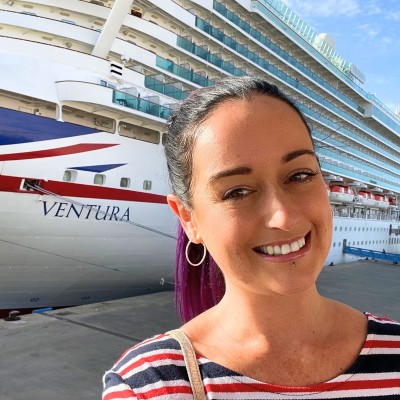
Mike Ashton booked a P&O Cruises trip to Spain, Portugal, and France along with his wife, daughter, and mother-in-law. Their excitement turned into despair when they reached Southampton, only to be informed that Mike could board the Ventura, but his wheelchair couldn’t.
The 69-year-old cancer survivor from Flitwick said that staff claimed he hadn’t filled out the necessary form about his wheelchair. Mike, however, insists he never received such a form.
“They said they sent me emails twice, but I checked online 30 times. I did everything right,” stated Mike when speaking to his local new site Bedford Today.
This wasn’t Mike’s first experience with P&O Cruises. The previous year, he booked a similar trip with a wheelchair-accessible room without any issues. He made both bookings over the phone and was never informed about any additional requirements.
P&O staff explained that without prior knowledge of his wheelchair, they couldn’t ensure adequate assistance in case of an emergency.
Despite booking an accessible cabin, they argued that it didn’t automatically mean he would be using a wheelchair. They were prepared to let him board, but only without his wheelchair.
Faced with an agonising choice, the family decided to board without Mike to avoid losing the cost of their cruise. Mike recounted, “I said goodbye to my crying daughter. I felt humiliated and embarrassed. I felt guilty. They made me feel more disabled and I felt discriminated against. I felt hopeless and very lonely.”
“If I couldn’t have driven, I would have been stranded,” he added.
A spokesperson for P&O Cruises expressed regret, saying, “We are so sorry this happened to Mr Ashton and he was not able to board. The on-board needs questionnaire is on My P&O Cruises (our online portal) to be completed – it is not sent out by email.
“It is also very clear on the front page of My P&O Cruises that this is to be completed if needed. If Mr Ashton was booked in an accessible cabin, he or his agent will have been sent emails prompting him to log in to My P&O Cruises to complete the questionnaire.”
This incident underscores the importance of ensuring all necessary forms and requirements are clearly communicated and accessible to avoid such unfortunate situations.
P&O has taken steps to make sure that there will always be enough crew to help wheelchair-using passengers in an emergency situation. This means that anyone using a wheelchair or scooter must register.
This applies even when a passenger argues they could get themselves into a lifeboat unaided.
The cruise line will now still insist that only a limited number of wheelchair-using passengers board, so that there are enough crew to assist guests if they are called to the lifeboats, in case the guest was separated from their family and unable to walk unaided.
NEW DEALS JUST RELEASED!
Don’t miss the latest P&O Cruises offers…
Related Posts
If you found this interesting, please share!
Jenni Fielding is the founder of Cruise Mummy. She has worked in the cruise industry since 2015 and has taken over 30 cruises. Now, she helps over 1 million people per month to plan their perfect cruise holidays.
Celebrity Apex Homeports In Southampton For First-Ever Season From The UK
Setting sail today for her debut season from Southampton, Celebrity Cruises®’ award-winning ship, Celebrity Apex®, is turning heads as she becomes the first ship in the revolutionary Edge® Series to call the United Kingdom home.
Celebrity Apex will kick off her European season from Southampton with an eight-night Norwegian Fjords cruise. This serene sailing will visit idyllic locations across the region’s much-loved destinations, including calls to Bruges, Belgium, also known as ‘the Venice of the North’, where travelers can stroll along canals and romantic cobblestone alleys; Geiranger, Norway,home to the beautiful Geirangerfjord which boasts dramatic scenery where waterfalls cascade into deep-blue water and snow-capped mountains tower around the ship; and Kristiansand, Norway, the waterfront town nicknamed ‘Summer City’ with sandy beaches, world-class shopping, and an exciting cultural scene.
Celebrity Apex, the second ship in the game-changing Edge Series, modernises the way guests see the world, featuring an innovative outward-facing design and visionary spaces that stand apart from anything else at sea. Onboard, Celebrity Apex takes elevated cruising to a whole new level, with enhanced food and drink offerings, sought-after spa and wellness amenities, and high-energy entertainment that rival performances on land.
With itineraries covering stunning destinations from Northern Europe to the Canary Islands, the premium cruise line’s state-of-the-art ship will cruise from Southampton from May until October in 2024. Throughout the summer season, travellers can experience a variety of exciting four-to-13-night sailings including the 12-night Norwegian Fjords and Arctic Circle cruise, where guests will revel in the region’s breathtaking natural beauty. Guests can also take advantage of enhanced destination choices from Southampton. In addition to exploration across Northern Europe, sailings take in the breathtaking island of Ibiza where guests are invited to immerse themselves in delicious cuisine at local foodie hotspots, party at vibrant beach clubs and bask in the sunshine on the Mediterranean Sea.
Distinctive features set Celebrity Apex apart, showcasing the contemporary design elements that are a favourite of Celebrity’s Edge Series ships. Celebrated experiences include the cantilevered multi-purpose venue ‘The Magic Carpet®’ which invites guests to eat, drink and soar over the sea while discovering the greatest views that Europe has to offer; The Retreat®, complete with a private restaurant, Luminae, lounge area and sundeck exclusive to its guests; dramatically expanded Infinite Veranda staterooms; soothing escapes at the Rooftop Garden; and, magnificent two-story Edge Villas, each with their own private terrace and plunge pool.
With 29 distinct restaurants, bars, and lounges to explore onboard, Celebrity Apex boasts a distinct food and beverage journey, where guests can try delicious, globally inspired menus. From Fine Cut Steakhouse to Raw on 5 and Eden, guests can discover a range of worldly culinary delights offering mouth-watering flavors in a truly elevated specialty dining experience.
Endless vibrant entertainment offerings can also be found onboard, including three exclusive stage shows in The Theatre. Relive the dramatic performances that have defined entertainment decade after decade with Rockumentary, experience an uplifting journey through the seasons of life and the moments that bring us all together with Tree of Life, and enjoy electrifying pop violin music, mesmerising choreography and aerial acrobatics with Crystallize. The entertainment doesn’t stop there as guests are drawn into an intimate cabaret show in The Club, along with a variety of themed experiences and activities throughout the ship.
Unfortunately, not all cruises go as smoothly as you’d hope, and one of the things that can go wrong is a change of schedule.
You might’ve booked a cruise based on the ship and what you can do onboard, but most people at least put equal weight on the destinations you’re visiting. But they can’t be guaranteed.
Sometimes, ports of call get cancelled, and some more than others. Let’s take a look at the most-cancelled ports of call and why they’re so badly affected.
The Most Cancelled Ports
1. Funchal, Madeira
Funchal is the capital of Madeira, and a popular port of call for cruises to the Canary Islands and on transatlantic cruises. However, it’s also one of the most cancelled cruise ports due to the weather – the port is unsheltered, and so high winds often build up which can affect a ship’s ability to dock.
It’s extra frustrating with Funchal because, if you’re on a transatlantic cruise, it might be the last port of call for the next several days, and if it’s cancelled there isn’t really an alternative. You might go from having 2 sea days, a trip to Funchal, and then 6 sea days to having 9 sea days in a row.
2. Port Stanley, Falkland Islands
Port Stanley is the primary port for the Falkland Islands, but it often falls victim to bad weather – not just at the port, but on the approach through the Drake Passage, making it harder for the ship to get near.
Cruise lines are often trigger-happy when it comes to cancelling Port Stanley because sailings are typically heading to Antarctica, and so they know passengers might not be as disappointed since it may mean reaching the scenery of the polar continent sooner.
3. Dutch Harbor, Alaska
Dutch Harbor is a pretty port that is in a remote location – and when you have to make that point about an Alaskan port, you know it’s in the middle of nowhere! It’s popular on repositioning cruises between North America and Asia during the ‘shoulder seasons’ of Spring and Autumn, but that’s also when the weather is at its worst.
Because Dutch Harbor is a bit out of the way, and because of those high winds that pick up at just the wrong time, cruise lines will often cancel the port visit just to make sure the ship gets to its new home port for the season in plenty of time.
4. Santorini, Greece
Santorini is a beautiful island in the Eastern Mediterranean that always looks stunning – but what you can never tell from the photos is just how windy it gets all around the destination.
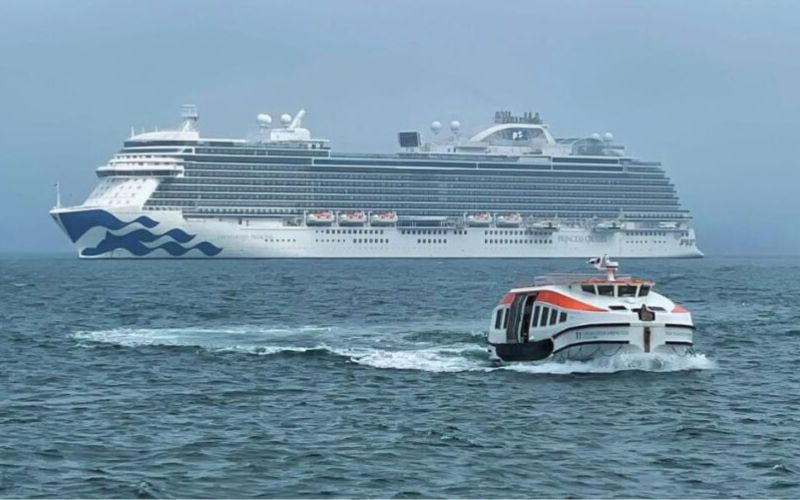
Santorini is not a docking port, which means ships need to anchor out at sea and use tender boats to reach the shore. Because there’s no shelter, sometimes it’s just not possible, especially with smaller cruise ships that are more susceptible to the winds.
It’s a real shame because, for many, Santorini is the real highlight of the region, and many people book cruises here just to visit.
5. Georgetown, Grand Cayman
Georgetown might be on almost the other side of the world to Santorini, but it shares many of the same problems – it doesn’t have a pier capable of hosting cruise ships, meaning tender boats are required, and it often suffers from high winds and high swells on the surrounding waters.
The problem that Georgetown tends to have is that it’s a little unpredictable at times. Because of that, cruise lines need to take a no-risk approach. It would be no good dropping anchor in a morning where the weather is OK, but not ideal, only to then have to weigh anchor in the afternoon and potentially leave guests stranded on the island.
As a result, cruise lines will skip the port if they feel there’s any risk of the weather turning.
6. Isafjordur, Iceland
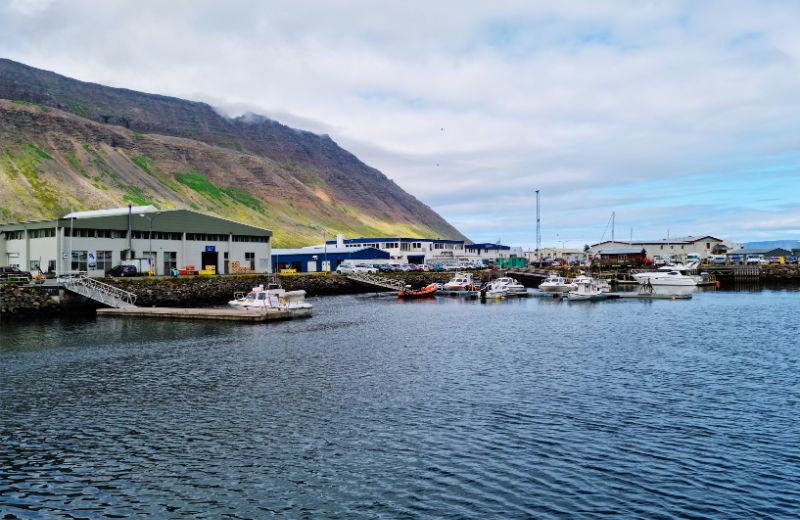
Isafjordur is notable for its cancelled cruise port visits. The beautiful Icelandic destination has a small dock that smaller cruise ships can use, and that tends to work quite well, but it’s when bigger cruise ships show up that the issues start. The winders out to sea mean that tendering passengers becomes a lot riskier, and so the port is a regular casualty.
There are rumours that the dock is set to be renovated and extended so that larger cruise ships can dock – let’s hope so.
7. Lerwick, Scotland
Lerwick has a cruise pier that’s capable of handling mid-sized cruise ships (larger ships don’t tend to schedule visits to the Shetland Islands anyway). But that doesn’t mean it’s immune from cancellations – the rugged landscape here didn’t happen by chance, and the weather is hit or miss – and when it’s a miss, the storms can be nasty.
So unfortunately this is another port you shouldn’t bank on, though it’s lovely when the weather is calm.
8. Valletta, Malta
Valletta isn’t too bad these days for cruise cancellations, but it does have some history of missed port visits due to the bad weather.
The pier here is relatively well-sheltered and big enough to host large cruise ships, but that doesn’t mean storms and high winds won’t ever affect your cruise visit.
9. Torshavn, Faroe Islands
Some ports of call are just pure unlucky in terms of where they’re based, and Torshavn is one of them. Atlantic storms frequently pass over the port, and the bad weather they bring is enough to make it unsafe for cruise ships to visit this picturesque town.
It’s a shame because the storms tend to happen more during cruise season here, especially for transatlantic ships on a more northern sailing route in September, heading over to the US East Coast or Canada. Cruise lines will often cancel Torshavn because they need to avoid the storm and make sure they get across the Atlantic on time.
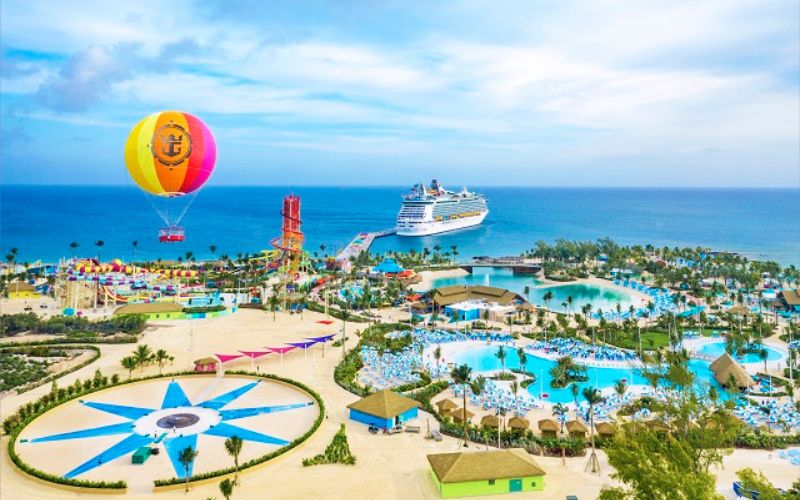
10. Cruise Line Private Islands/Resorts, The Bahamas
Rather than listing all the cruise line private islands separately, I’ve bundled them together here because they are unfortunately the victims of several cancellations due to the weather.
But it’s not necessarily because the ports are badly sheltered, or that they don’t have piers (because many of them do). It’s because they’re so popular, they’ll be included on itineraries year-round in the region, including during hurricane season, and that’s when the cancellations are more frequent.
The weather tends to be worse further out in the Bahamas where these islands are, so cruise lines will often skip their own private islands for a day at sea or an alternative port nearer the US mainland, but they will typically try to get guests to their resorts because they know they can make more money from excursions there.
Other Reasons Ports Can Be Cancelled
The ports above are all cancelled frequently because of the weather, which is unpredictable. The destinations are worth visiting, so cruise lines will include them on itineraries, even though there’s always a chance things can change.
But bad weather is not the only reason that cruise ports can be cancelled. There are several other factors which sometimes come into play, but these are much harder to predict:
Overbooking
Many cruise ports can accommodate multiple cruise ships at once, but it’s still possible for the most popular ports to become overbooked – too many cruise ships apply to visit the port on the same day.
When this happens, a port will be cancelled in advance. This isn’t something that happens during your cruise – at worst, it’ll probably be a couple of weeks before you sail that you find out, but usually it’s earlier than that.
When this happens, the cruise line will do its best to replace the port with an alternative.
Political Unrest/Safety
Unfortunately, when you’re cruising around the world, sometimes there can be issues that make a port unsafe to visit.
It might be a particular port or country that’s undergoing some political changes or increases in crime, or it might be an entire region of the world – in early 2024, several cruise lines made changes to sailings to avoid the Red Sea due to ships being attacked with the ongoing situation in the Middle East.
Because things can happen quickly, it’s possible that you might have a port visit cancelled last minute, as soon as a destination is deemed unsafe.
Mechanical Failures
Sometimes ports are cancelled not because of the destination, but because of a problem with the ship. If it’s a tender port, it might be that there’s something wrong with the tender boats.
Or, something might have happened to the ship itself – if an engine breaks down and there are propulsion issues, the captain may have to cancel port visits to make sure the ship gets back to her home port in time for repairs.
Health Concerns
While it’s very rare, sometimes there’ll be an outbreak of an illness such as norovirus on a cruise, and when that happens the captain may have to make the call to cancel a port visit and essentially quarantine the ship.
Usually, the scale of the outbreak will be the determining factor – if only a few people get sick, they’ll be asked to remain in their rooms but guests can typically continue their cruise as normal, provided they show no symptoms. However, it’s not unheard of for ships to have to return to their homeport and stay there for a few days until guests are given the all-clear.
Alternatives May Be Offered
When a port of call is cancelled by a cruise line, there is usually a scramble to find a replacement port of call.
Cynical cruise passengers sometimes make claims that cruise lines will cancel ports too easily, in a bid to encourage passengers to spend more time (and therefore more money) on the ship. But that’s not true – cruise lines know that cancelled ports are frustrating, and they would rather you had a great cruise experience so that you want to rebook again and again.
So, where they can, they’ll sail to a new port. This will depend on where you are in the world, which ports can be reached without disrupting the rest of your itinerary, and whether the port is already too busy.
In the Mediterranean or the Caribbean, there are typically enough ports that an alternative option can be arranged, but in other destinations you may just end up with an extra sea day. Extended overnight stays in an existing port might be offered, but typically only by luxury cruise lines – the port fees for staying overnight are often cost-prohibitive, and cruise lines will only go so far to make sure you have a good time!
Don’t Count On Compensation (But Do Get Insurance)
If you’re on a cruise where a port is cancelled, don’t expect the cruise line to shower you with compensation to make it up to you. It’s in your contract that cancellations can happen, and they don’t owe you anything for it.
What you will likely get is a refund of any port fees, but this amount is minimal. You’ll also get a refund on any shore excursions you’d booked through the cruise line, though if you booked with a third party you’ll need to contact them directly to arrange a refund.
If the cruise line arranges an alternative port, you might still get a partial refund of port fees, if the new destination is cheaper. If the fees for the replacement port are higher, the cruise line will absorb that cost.
It won’t come as standard – you need specific cruise insurance, and you need to request this add-on. It’ll increase your premium but not by much, and if you do have a port cancelled you’ll get some money back to soften the blow.
My Recommendation
My recommendation for cruise insurance depends on where you live.
These are trusted price comparison sites that will quickly get you lots of quotes to match your exact needs.
Final Word
Even in the parts of the world with the most beautiful tropical weather, sometimes the elements can conspire against you and cause you to miss a port you were looking forward to.
Just try to roll with it – the cruise line will only be looking out for your safety, and if you’ve bought cruise insurance with port cancellation cover, you’ll at least have a bit of extra cash to spend to make the day a bit more fun.
Related Posts:
If you found this interesting, please share!
Jenni Fielding is the founder of Cruise Mummy. She has worked in the cruise industry since 2015 and has taken over 30 cruises. Now, she helps over 1 million people per month to plan their perfect cruise holidays.