Two cruise ships have experience unusual incidents with water this week in an odd coincidence.
The issues are completely unrelated but highlight how water can cause headaches for cruise goers in ways they might not have imagined!
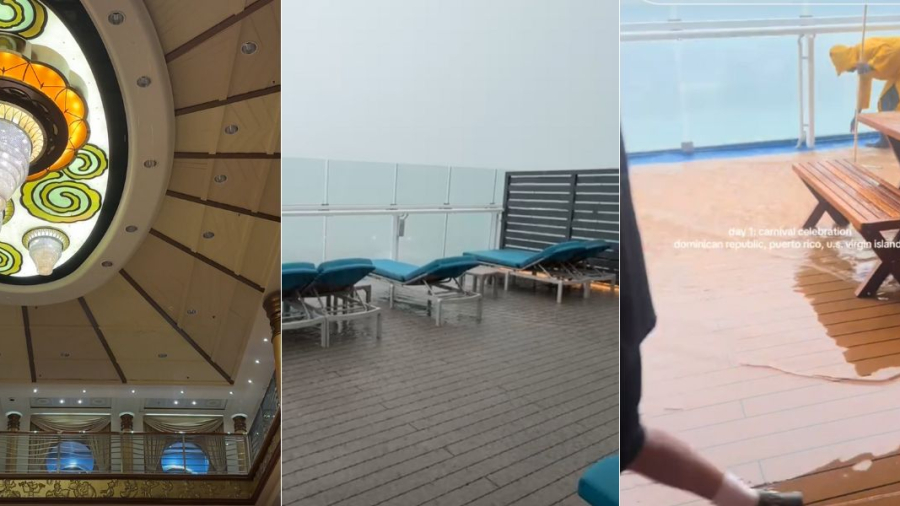
The first ship impacted was Disney Magic, which suffered from a leak through the chandelier lights in the main atrium on Deck 5, dripping down into Deck 3.
The leak was significant enough that the poster claimed that some guests had to change rooms, and were compensated by the cruise line for the inconvenience, although they gave no further details.
The leak happened on 29th March, and while some guests expressed concerns about the ship, others have stated that leaks have happened in the past and been fixed relatively quickly.
While the leak was an issue, parts of the midship were closed off to guests, meaning guests who wanted to move from the front of the ship to the aft or vice versa on those decks were asked to move to another deck first in order to do so.
Carnival cruise begins under gloomy flood conditions
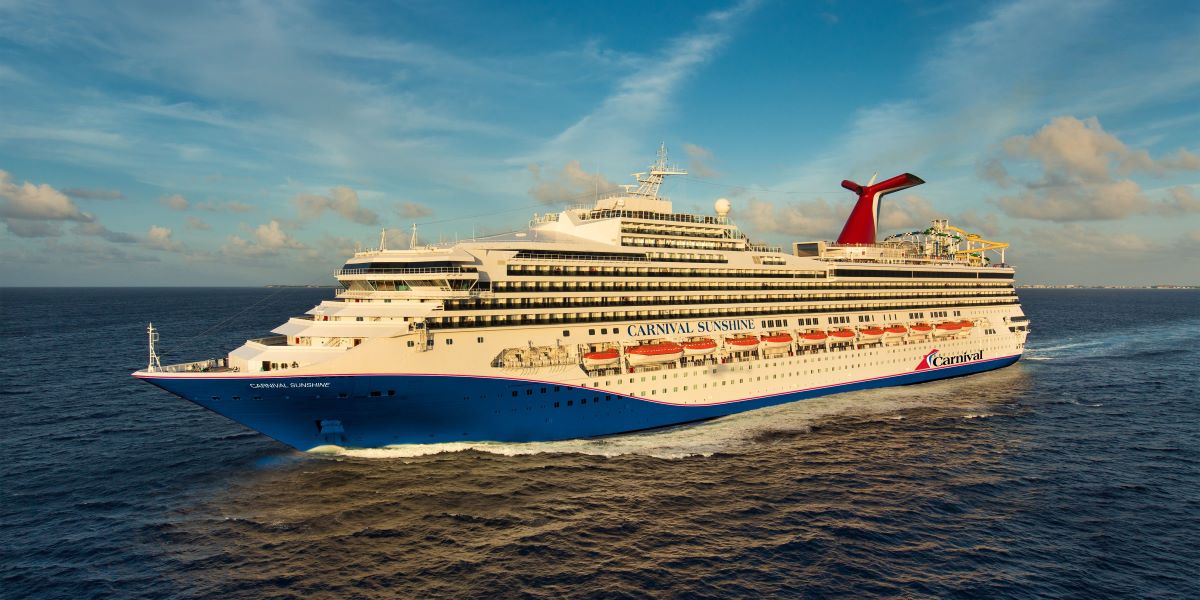
The second incident this week involved the Carnival Celebration, which began its voyage from PortMiami on March 30 under much gloomier circumstances – quite literally.
An unusually intense storm rolled through Miami-Dade County, dropping as much as 7 inches of rain in some areas – a staggering 11.5% of the region’s annual rainfall in just one day.
While the ship’s departure was only delayed by about 30 minutes, the weather wreaked havoc during and shortly after embarkation. Guests onboard documented extensive flooding in the upper decks as water pooled near bars and common areas.
One TikTok user described the surreal experience, explaining that rain combined with the ship’s early rocking motion caused water to flood down from Decks 17 and 18 into the pool area on Deck 16.
The crew quickly sprang into action, laying down piles of towels at elevator lobbies and deploying “wet floor” signs to warn guests, but with the rain coming down so hard and fast, efforts to sweep water away had little effect.
The ship’s sail-away party was cancelled, and the internet onboard went down temporarily as lightning flashed nearby. Visibility was so poor that the captain had to sound the ship’s horn repeatedly while navigating out of the port.
Despite the rocky start, no injuries or serious damage were reported, and the Carnival Celebration has since continued its planned itinerary to the Dominican Republic, Puerto Rico, and the US Virgin Islands – hopefully leaving the storm clouds behind.
NEW DEALS JUST RELEASED!
I’m ALWAYS looking for cruise bargains! These are the best deals I found this week…
Related posts
If you found this interesting, please share!
Jenni Fielding is the founder of Cruise Mummy. She has worked in the cruise industry since 2015 and has taken over 30 cruises. Now, she helps over 1 million people per month to plan their perfect cruise holidays.
A popular Carnival ship has been hit with a less-than-stellar inspection health inspection score and, while the ship has passed, it must take immediate action to rectify some serious issues….
Following news last week that a British cruise line was considering adding two new ships to its fleet, the news has now been confirmed by the cruise line and by…
As the cruise industry sets sail toward its busiest year yet, a surprising trend is emerging from the social media waves: more travellers are now seeking serenity over socialising, and…
The world of cruises is abuzz in this past week as four major new cruise ships all reached significant milestones in their journey. Each of the ships is sailing for…
The quickest way to get cheap cruises is to stay flexible: sail outside peak school-holiday dates, pick an inside or guarantee cabin, look at repositioning and shoulder-season voyages, and compare the cruise line’s own price with a travel agent’s before you pay a deposit. Then keep watching the fare until final payment, because many lines will reprice or give you onboard credit if it drops. Finally, budget for the extras, since a low fare can hide a high total.
This guide explains how to find cheap cruises step by step, for both US and UK cruisers, and how to work out whether a “cheap” fare really is the better deal once gratuities, drinks, Wi-Fi and travel to the port are added. If you just want the offers on the table right now, see our separate round-up of cruise deals for 2027 and when to book them; this page is about the methods that work whatever the year.
How to Get Cheap Cruises: The Short Checklist
Be flexible on dates. Moving a sailing by a week or two, away from school holidays, often makes more difference than anything else.
Choose the cheapest cabin you are happy with. Inside cabins and guarantee fares are usually the lowest prices on any ship.
Look at shoulder seasons and repositioning cruises. These regularly have the lowest per-night fares.
Compare budget lines and older ships. The newest, most hyped ships rarely carry the lowest fares.
Price the same cabin in several places. Check the line directly, a travel agent and a discount agency.
Book early for popular trips, late for flexible ones. The right timing depends on what you want.
Track the fare after booking. Ask for a reprice or onboard credit if it falls before final payment.
Add up the true cost. Gratuities, drinks, Wi-Fi, flights, hotels and parking all count.
Pick Budget-Friendly Cruise Lines and Ships
Mainstream, family-focused lines usually offer the lowest starting fares. In the US market that typically means Carnival Cruise Line, MSC Cruises and Royal Caribbean’s older ships, with Norwegian Cruise Line and Princess often competitive on certain itineraries. Costa Cruises is a popular budget option in Europe. For UK cruisers sailing from British ports, P&O Cruises, Ambassador Cruise Line and Marella Cruises are common starting points, and it is worth checking each line’s current terms because some (Marella, for example) have long included tips in the fare, which changes the comparison.
Within any one cruise line, the newest ships tend to cost more because demand is higher. An older or smaller ship on the same route can be far cheaper for the same ports, even if it has fewer headline attractions. If you mainly want the destinations, a quiet older ship is one of the simplest ways to save.
Inside cabins and guarantee fares
An inside cabin has no window, so it is almost always the cheapest category on board. If you plan to spend your days on deck and ashore, you may barely notice. A guarantee fare goes a step further: you book a category (or better) but the line chooses your exact cabin later. Cruise Critic notes these are often discounted by roughly $50 to $100 per person, and you may occasionally be upgraded. The trade-offs are that you can’t pick your location, which matters if you get seasick or are sensitive to noise, and some guarantee fares are excluded from bundled perks.
Repositioning cruises and shoulder seasons often bring the lowest fares. Photo: Carlos Mazorra on Pexels
The Cheapest Times and Destinations to Cruise
When you sail matters as much as where. Prices rise in school holidays, around Christmas and New Year, and on any date when lots of families travel at once. The best value usually sits in the weeks just outside peak season.
Option
Why it can be cheaper
Trade-off
Caribbean in autumn (especially September to early November)
Low demand once school restarts
Atlantic hurricane season runs to 30 November, so itineraries can change
Alaska in May or September
Shoulder months either side of summer
Cooler, less predictable weather
Mediterranean in spring or late autumn
Fewer families sailing, lower port crowds
Cooler sea and some shorter daylight hours
Repositioning cruises (spring and autumn)
Ships moving between regions sell many one-way, sea-day-heavy trips
Lots of sea days and one-way flights home
Short 2-5 night sailings
Low total price and easy to fill midweek
Can be busier and livelier; higher cost per night on some lines
Repositioning cruises
Twice a year, cruise lines move ships between seasonal regions, for example from Europe to the Caribbean in autumn and back again in spring, or into and out of Alaska. These sailings often have some of the lowest per-night fares available because they include many sea days and start and end in different ports. If you enjoy relaxing on board, they can be excellent value, but price the one-way flight before you book, because it can wipe out the saving.
Short cruises
Three- and four-night cruises from Florida to the Bahamas, or two- to four-night “taster” sailings from Southampton, keep the total cost low and are a good way to test whether cruising suits you. Check the cost per night rather than just the headline price, since short trips are not always the cheapest per day. If you are comparing a week from Florida, our price comparison of the cheapest 7-day cruises out of Florida shows how the lines stack up.
How to Find Cheap Cruises When You Book
Early booking vs last-minute cheap cruises
There is no single “best” time to book, but there is a reliable pattern. For popular sailings, such as school holidays, new ships, suites, Alaska in summer or bucket-list itineraries, booking early usually gives you the best fares and the widest cabin choice. Last-minute cheap cruises do still appear, usually within about 90 days of departure once the final payment deadline has passed and lines want to fill empty cabins. They work best if you live within driving distance of a port, are happy with any cabin, and don’t need school-holiday dates. Flights booked late can cost more than the cruise savings, so keep that in mind.
Wave season
Wave season is the cruise industry’s big sales period, roughly January to March, with some offers starting as early as November. Rather than just cutting fares, lines often add value: reduced deposits, free or discounted drinks packages, Wi-Fi, prepaid gratuities, onboard credit, or free fares for third and fourth guests. UK lines run similar new-year sales. These offers suit people planning a trip for later in the year or the following year.
Travel agent, discount site or direct?
Cruise lines publish the same base fare everywhere in many markets, so agents compete with extras rather than lower headline prices. A good agent may add onboard credit, prepaid gratuities or group perks, and will usually handle repricing for you. In the US, comparison and agency sites such as Vacations To Go and CruiseCompete let you see what different agencies will offer for the same sailing, and warehouse clubs like Costco Travel bundle cruises with shop cards. Booking direct can be simpler if you want to manage everything yourself. Whichever route you take, compare like for like: same ship, date, cabin category and inclusions.
UK cruisers should also check the financial protection on offer. A package that includes flights should come with ATOL protection, and booking through an ABTA member gives additional safeguards.
Discounts you might qualify for
Military and veterans’ rates, senior rates and state or province resident rates (common on US lines).
Kids-sail-free or reduced third and fourth guest fares in the same cabin.
Loyalty programme offers for past guests, including members-only sales.
Group rates if you book several cabins together.
Keep checking the fare until final payment to catch price drops. Photo: Ling App on Pexels
Price Drops, Repricing and Tracking Tools
Booking a cruise is not the end of the hunt. Fares move constantly, and if yours falls before final payment you may be able to benefit.
Before final payment: Many lines will reprice your booking to a lower public fare, or offer the difference as onboard credit. Royal Caribbean, for example, allows price adjustments before final payment, but the lower fare must be for the same cabin category and not marked “new bookings only,” and recent promotions increasingly carry that restriction.
Within 48 hours: Carnival’s Lowest Price Guarantee has paid 110% of the difference as onboard credit if you find a lower qualifying fare shortly after booking. Check the current terms, as these schemes change.
After final payment: Repricing is rare. Cancelling and rebooking usually costs more in penalties than it saves.
UK bookings: Repricing rules can differ by country of residence, and some lines don’t offer it to UK customers at all, so ask before you rely on it.
Cruise lines won’t tell you when the price drops, so set a reminder to check, or use a tool. Cruise Critic’s Deal Score shows how a fare compares with typical pricing, while services such as CruisePlum and Cruisewatch track fares and send alerts. If you booked through an agent, ask whether they monitor prices for you.
One more check: a cheaper fare may not include perks your current booking has. Compare onboard credit, drinks or Wi-Fi inclusions before switching.
Budget for the Hidden Costs
The fastest way to turn a cheap cruise into an expensive one is to ignore the extras. Before you book, add these to the fare:
Cost
What to expect
Gratuities (service charges)
On big US lines, roughly $17 to $20.50 per person per day in a standard cabin in 2026 (Carnival $17, Princess $18, Royal Caribbean $18.50, Norwegian $20), more in suites
Taxes, fees and port charges
Sometimes shown separately from the headline fare in US pricing
Drinks
Pay as you go, or a drinks package charged per adult per day; most lines require all adults in a cabin to buy one
Wi-Fi
Usually charged per day or per voyage, per device
Shore excursions
Can match the cruise fare on a port-heavy trip; independent tours or walking ports are cheaper
Flights, hotels and parking
Port parking is charged per day, and arriving the day before adds a hotel night
Travel insurance
Essential, and should cover medical evacuation at sea
A useful habit that many guides skip: work out the all-in cost per person per night for each option you are weighing. Take the fare, add taxes, gratuities, any package you will definitely buy, and your travel to and from the port, then divide by the number of nights. A slightly dearer cruise that includes drinks and tips, or one leaving from a port you can drive to, often beats the cheapest headline fare. Choosing a homeport you can reach without flying is one of the biggest savings for both US and UK cruisers. When you do need to fly, our guide to finding cheap flights with Google Flights can help, and booking a flight that lands the day before sailing is safer than saving money on a same-day arrival.
Once you are on board, set a daily spending limit, use your onboard account app to keep an eye on charges, and remember that main dining rooms and buffets are included, so speciality restaurants are optional.
Book an inside or guarantee cabin on a short or shoulder-season sailing with a budget-friendly line, from a port you can drive to. Then skip drinks packages and paid excursions unless they genuinely save you money.
Is it cheaper to book a cruise last minute?
Sometimes. Last-minute deals tend to appear within about 90 days of sailing, but cabin choice is limited and flights can be expensive. For school holidays and popular itineraries, booking early is usually cheaper.
Is it cheaper to book a cruise through a travel agent?
The base fare is often the same, but agents may add onboard credit, prepaid gratuities or other perks, and can handle repricing for you. Compare the full package, not just the fare.
What month are cruises cheapest?
For the Caribbean, late August to early November is usually cheapest, outside major holidays. Shoulder months such as May and September for Alaska, and spring or late autumn for Europe, also tend to be good value.
What happens if my cruise price drops after I book?
If it drops before final payment, contact the line or your agent; many will reprice the booking or give onboard credit for the same cabin category. After final payment, adjustments are rare.
As the cruise industry sets sail toward its busiest year yet, a surprising trend is emerging from the social media waves: more travellers are now seeking serenity over socialising, and peace over parties.
Cruise travel insurance provider Avanti has responded to this growing appetite for tranquillity with the launch of its new “Quiet Cruise Guide”, backed by 25-year maritime veteran and cruise expert Mark Barton.
The guide aims to help holidaymakers avoid the rowdiest crowds and discover alternative routes for a more relaxing cruise experience.
With major cruise lines reporting record-breaking passenger volumes – Royal Caribbean alone welcomed 8.6 million passengers in 2024 – the trend is clear.
But while young travellers fuel much of the boom, not everyone is onboard with the onboard energy.
Younger crowds, louder cruises?
According to Avanti’s social media analysis, over 16% of Instagram posts from popular cruise-related hashtags now highlight the desire for calmer, alternative experiences.
Meanwhile, posts showcasing mainstream or party cruises can average more than 8,000 likes each.
“As cruise holidays attract more young people, videos of wild pool parties and packed bars are going viral,
“It’s no surprise that many seasoned travellers are looking for a quieter way to sail.”
Mark Barton
That’s where the Quiet Cruise Guide comes in, offering expert-backed advice for booking a peaceful voyage, plus a range of alternative destinations dubbed “quiet cruise dupes” that offer the beauty and charm of popular ports – without the chaos.
Alternative destinations for quieter getaways
Sea of Cortez & Baja Peninsula instead of the Caribbean Teeming with marine life and framed by desert landscapes, this Mexican gem is ideal for cruisers seeking natural beauty without the Caribbean bustle.
Barton recommends the region for its vibrant markets, national parks, and mouth-watering local cuisine like ceviche and fish tacos.
Vietnam & the Philippines instead of Japan & China For cultural richness and scenic tranquillity, Southeast Asia offers an escape from the tourist-heavy ports of East Asia.
Spring is perfect for exploring temples, snorkelling in turquoise bays, and enjoying warm sunshine in peaceful destinations like Ko Samui.
French Polynesia instead of Hawaii With its turquoise lagoons and overwater bungalows, French Polynesia offers everything Hawaii does – minus the crowds. Barton notes destinations like Bora Bora and Tahiti are rising stars in quiet-themed cruise content, making them ideal for a serene island-hopping holiday.
Alongside destination advice, Barton shares two golden rules for booking a calmer cruise experience:
Choose river cruises for a more intimate experience
“River cruises tend to attract fewer families and avoid the massive crowds of sea cruises,” says Barton. Top picks include the Nile, Danube, Rhône, and Mekong, offering rich cultural experiences and scenic journeys through ancient cities and lush landscapes.
Avoid inaugural seasons
Brand-new ships draw huge crowds eager to see the latest in cruise innovation. Barton suggests steering clear of maiden voyages:
“People love the smell of fresh paint – but that also means packed decks and sold-out experiences. Older ships offer a more relaxed pace without sacrificing quality.”
As cruise holidays evolve, the desire for peaceful escapes is growing louder.
Whether you’re exploring the secluded coves of Baja, floating past temples on the Mekong, or sipping cocktails under the stars in French Polynesia, quiet cruising is the next big wave – and thanks to Avanti’s Quiet Cruise Guide, it’s never been easier to set sail in peace.
Related posts
If you found this interesting, please share!
Jenni Fielding is the founder of Cruise Mummy. She has worked in the cruise industry since 2015 and has taken over 30 cruises. Now, she helps over 1 million people per month to plan their perfect cruise holidays.
The world of cruises is abuzz in this past week as four major new cruise ships all reached significant milestones in their journey. Each of the ships is sailing for…
Many cruise guests who thought they had secured a great advance deal on their upcoming getaways have been disappointed after one of the world’s bigger cruise lines announced sweeping cancellations….
Cruise passengers seeking a dose of culture with their ocean views now have a definitive list of where to go, thanks to a new study by Fred. Olsen Cruise Lines….
The number of people choosing to see the world on their own terms is soaring, with searches for “solo travel tips” increasing by a staggering 5,043% over the past year….
The world of cruises is abuzz in this past week as four major new cruise ships all reached significant milestones in their journey.
Each of the ships is sailing for a completely different cruise line and offering a wholly different experience, and they’re all at different stages of their construction journey.
One is set to launch imminently, one has hit water for the first time, and one has just had the keel laid – but excitement is almost equal for all three!
Norwegian Aqua welcomes invited guests ahead of inaugural season
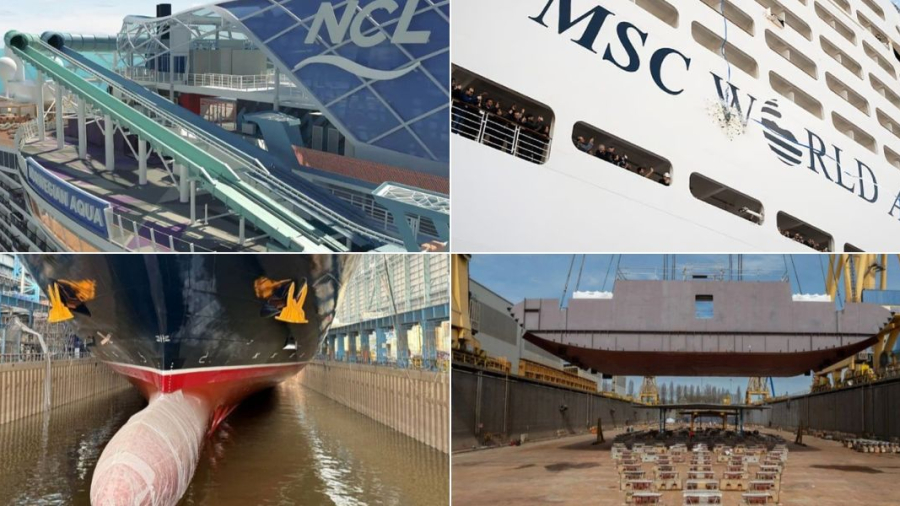
Norwegian Cruise Line’s newest ship, Norwegian Aqua, has been offering exclusive previews to over 2,000 invited guests ahead of her christening ceremony.
Following the official handover on 13th March 2025, the 156,300 gross-ton ship has been cruising through the Mediterranean before making stops in Lisbon, Portugal, on 21st March 2025, to welcome travel partners, media, and industry insiders.
Set to debut officially on 16th April 2025, Norwegian Aqua will embark on her first official voyage, a 7-night Caribbean cruise from PortMiami.
The ship boasts several industry-first attractions, including the Glow Court digital sports complex and the Aqua Slidecoaster, a hybrid waterslide and rollercoaster combination.
Additionally, Norwegian Aqua offers 17 restaurants, 18 bars and lounges, including the first Thai specialty restaurant for the cruise line, Sukhothai.
After her inaugural season, Norwegian Aqua will sail to the Bahamas, the Caribbean, and Bermuda from various ports, including Miami, Port Canaveral, and New York.
With her innovative design and exciting features, Norwegian Aqua is poised to offer a new level of cruising excitement.
MSC Cruises celebrates the delivery of MSC World America
On 27th March 2025, MSC Cruises marked a major milestone with the handover of its largest vessel yet, the MSC World America, from the Chantiers de l’Atlantique shipyard in France.
This 215,863-gross-ton ship will soon embark on her maiden voyage, offering passengers a host of new dining, entertainment, and activity options.
During the handover ceremony, key figures from MSC Cruises, including Captain Gianluigi Aponte and Pierfrancesco Vago, joined Laurent Castaing, General Manager of the shipyard, in celebrating this achievement.
MSC World America stands out not only for her size but also for her eco-friendly features, such as advanced shore power connectivity and an efficient wastewater treatment system.
Designed with sustainability in mind, she holds one of the best energy efficiency ratings according to the International Maritime Organization.
The ship’s first official journey will be a seven-night Eastern Caribbean cruise, departing from PortMiami on 12th April 2025, following a glamorous christening ceremony with her godmother, Drew Barrymore.
MSC World America will offer alternating 7-night sailings in the Caribbean, with a focus on destinations like the Dominican Republic, Puerto Rico, and MSC’s Ocean Cay Marine Reserve in the Bahamas.
Disney Destiny reaches key milestone as she touches water for the first time
Over in Germany, Disney Cruise Line is preparing for the debut of the Disney Destiny, with the ship now one step closer to completion.
The latest milestone occurred on 24th March 2025, when the 144,000-gross-ton ship underwent a “float up” process at Meyer Werft shipyard.
Unlike the typical “float out,” where ships are moved into open water, the “float up” involved filling the dry dock with water to lift the ship, preparing her for further construction and testing.
As construction continues, the focus will shift to the ship’s interior, which promises to be just as magical as Disney’s other vessels.
The staterooms will feature designs inspired by Disney heroes like Hercules, Mulan, and The Incredibles.
Disney Destiny is expected to embark on her maiden voyage on 24th November 2025, offering a 4-night Bahamas sailing from Port Everglades, Florida, and calling at Disney’s private islands.
Seven Seas Prestige begins her journey with a keel laying ceremony
Lastly, Regent Seven Seas Cruises celebrated the keel laying of its upcoming ultra-luxury vessel, Seven Seas Prestige, at the Fincantieri shipyard in Marghera, Italy, on 27th March 2025.
This significant event was marked by the placement of three coins in the ship’s keel, a traditional maritime gesture for good luck.
The Seven Seas Prestige will be the first of two new ships in the Prestige-class and will accommodate just 850 guests, offering one of the highest guest-to-space ratios in the industry.
Set to debut in 2026, the ship will introduce new suite categories and enhanced dining venues, setting a new standard for luxury cruising. Seven Seas Prestige will be followed by her sister ship in 2029.
As these four ships near their respective debuts, the cruise industry is eagerly anticipating the experiences they will offer.
Whether it’s Norwegian Aqua’s thrilling new features, MSC World America’s green innovations, Disney Destiny’s whimsical interiors, or Seven Seas Prestige’s ultra-luxury amenities, these vessels are poised to shape the future of cruising.
Related posts
If you found this interesting, please share!
Jenni Fielding is the founder of Cruise Mummy. She has worked in the cruise industry since 2015 and has taken over 30 cruises. Now, she helps over 1 million people per month to plan their perfect cruise holidays.
Many cruise guests who thought they had secured a great advance deal on their upcoming getaways have been disappointed after one of the world’s bigger cruise lines announced sweeping cancellations….
Cruise passengers seeking a dose of culture with their ocean views now have a definitive list of where to go, thanks to a new study by Fred. Olsen Cruise Lines….
The number of people choosing to see the world on their own terms is soaring, with searches for “solo travel tips” increasing by a staggering 5,043% over the past year….
One of the best-loved cruise brands aimed at British guests has revealed that it is considering adding two more ships to the fleet – but with a huge twist. For…
Many cruise guests who thought they had secured a great advance deal on their upcoming getaways have been disappointed after one of the world’s bigger cruise lines announced sweeping cancellations.
Princess Cruises has announced 15 cancelled cruises for its Royal-class ship Majestic Princess between November 2026 and March 2027.
“Princess Cruises has made the difficult decision to cancel all sailings aboard Majestic Princess from Galveston scheduled between November 2026 and March 2027,
“We sincerely regret any inconvenience this may cause our guests and appreciate their understanding as we work to enhance our global offerings.”
Princess Cruises statement
Guests affected by the cancellations will receive full refunds, and the line is assisting with alternative cruise options.
However, some passengers expressed concern that rebooking may come at a higher cost than their original reservations.
Texas off the map for Princess – for now
The cancellation marks a shift from Princess Cruises’ recent efforts to strengthen its partnership with the Port of Galveston.
In November 2023, the line made headlines by homeporting the 3,560-guest Regal Princess in Texas and praised the region’s strong cruise market.
At the time, Terry Thornton, Chief Commercial Officer for Princess Cruises, had noted, “Princess loves Texas, and we know Texas enjoys the convenience of having the Love Boat so close by.”
Despite this enthusiasm, the cruise line’s decision now means no Princess ship is scheduled to sail from Texas beyond March 2026, when Regal Princess concludes her currently planned voyages.
The withdrawal of Majestic Princess from Galveston appears to be part of a larger realignment of the cruise line’s global deployment, with unconfirmed reports from passengers suggesting other long-haul voyages are being cancelled.
One guest shared that their 32-day Island Princess cruise from Los Angeles to the South Pacific and Hawaii in September 2026 was also scrapped. Another noted the cancellation of a Southeast Asia cruise scheduled for the same period.
These changes suggest Princess Cruises may be repositioning multiple ships to accommodate a new strategy, although no official replacements or new itineraries have yet been announced.
While the loss of Majestic Princess may sting for fans of the line, the Port of Galveston remains one of the busiest cruise hubs in the U.S., and passengers still have plenty of options.
In 2024, the port welcomed over 380 cruise ship calls and 3.4 million passengers, setting new records for cruise traffic.
It serves as a homeport for several major lines, including Royal Caribbean, Carnival, Disney Cruise Line, and Norwegian Cruise Line.
What’s next for Princess?
Princess Cruises has hinted that a new deployment announcement is on the horizon, which could reveal where Majestic Princess and potentially other vessels are heading next.
For now, affected guests are encouraged to contact Princess Cruises for assistance with rebooking and refunds.
Travellers eyeing future voyages should also keep a close watch for upcoming deployment news, as more reshuffles may be on the way.
Related posts
If you found this interesting, please share!
Jenni Fielding is the founder of Cruise Mummy. She has worked in the cruise industry since 2015 and has taken over 30 cruises. Now, she helps over 1 million people per month to plan their perfect cruise holidays.
Cruise passengers seeking a dose of culture with their ocean views now have a definitive list of where to go, thanks to a new study by Fred. Olsen Cruise Lines….
The number of people choosing to see the world on their own terms is soaring, with searches for “solo travel tips” increasing by a staggering 5,043% over the past year….
One of the best-loved cruise brands aimed at British guests has revealed that it is considering adding two more ships to the fleet – but with a huge twist. For…
The legendary name of Orient Express takes to the sea as Orient Express Corinthian, the world’s largest sailing yacht, has officially opened for reservations. Due to set sail in summer…
The words used to describe a ship can be confusing for anyone that has limited nautical experience. There are a whole load of words that don’t really get used in any other walk of life. And a few words that you do know from normal life but which take on a completely new meaning when you are talking about a cruise ship.
So, if you find yourself wondering what is the difference between bow, stern and aft, then you’re not alone.
These terms get used a lot but are often not fully understood outside the boating world. So, I thought I would pull this guide together to fill you in.
It’s not essential to know all these terms before you go on a cruise but it’s nice to know what they mean in case you hear them being used by crew.
Understanding The Bow And Stern Of A Ship
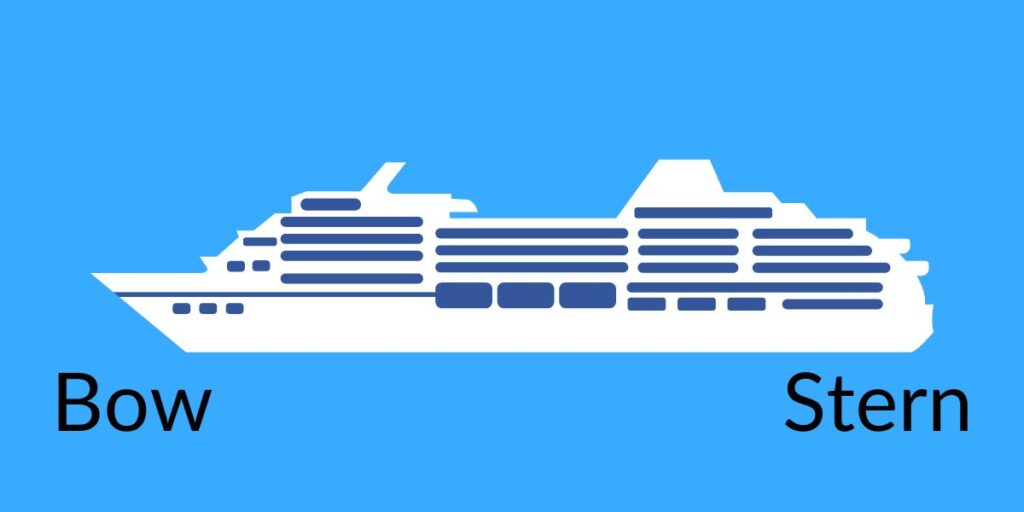
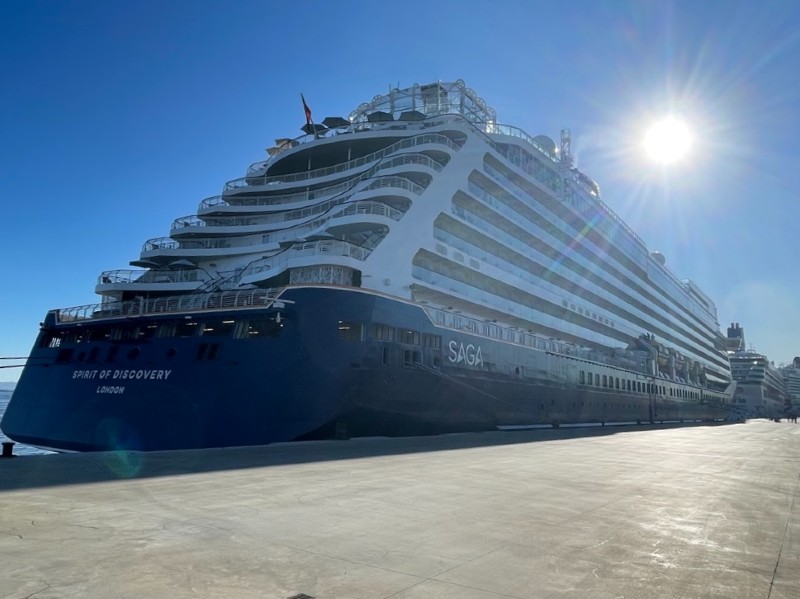
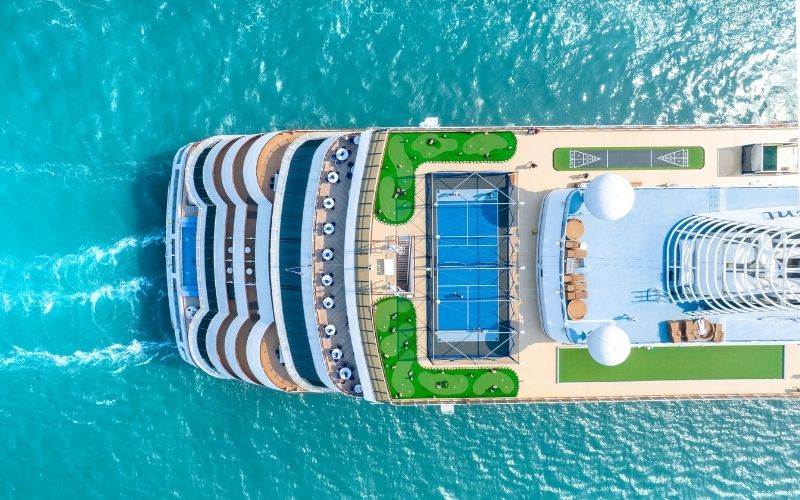
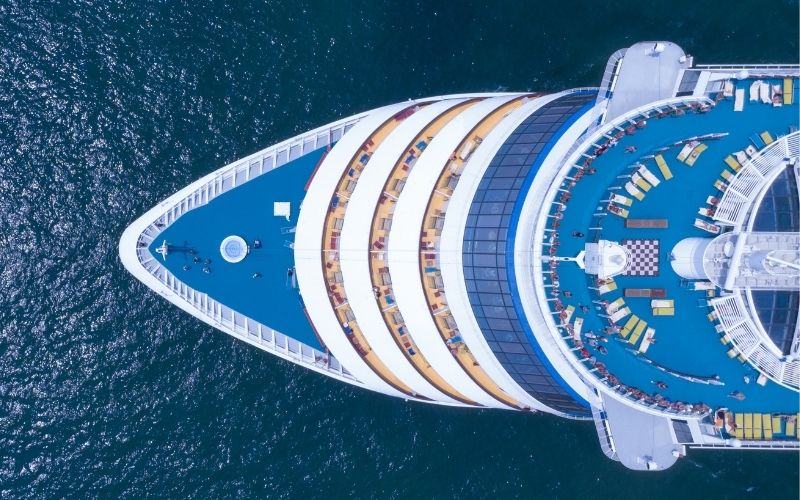
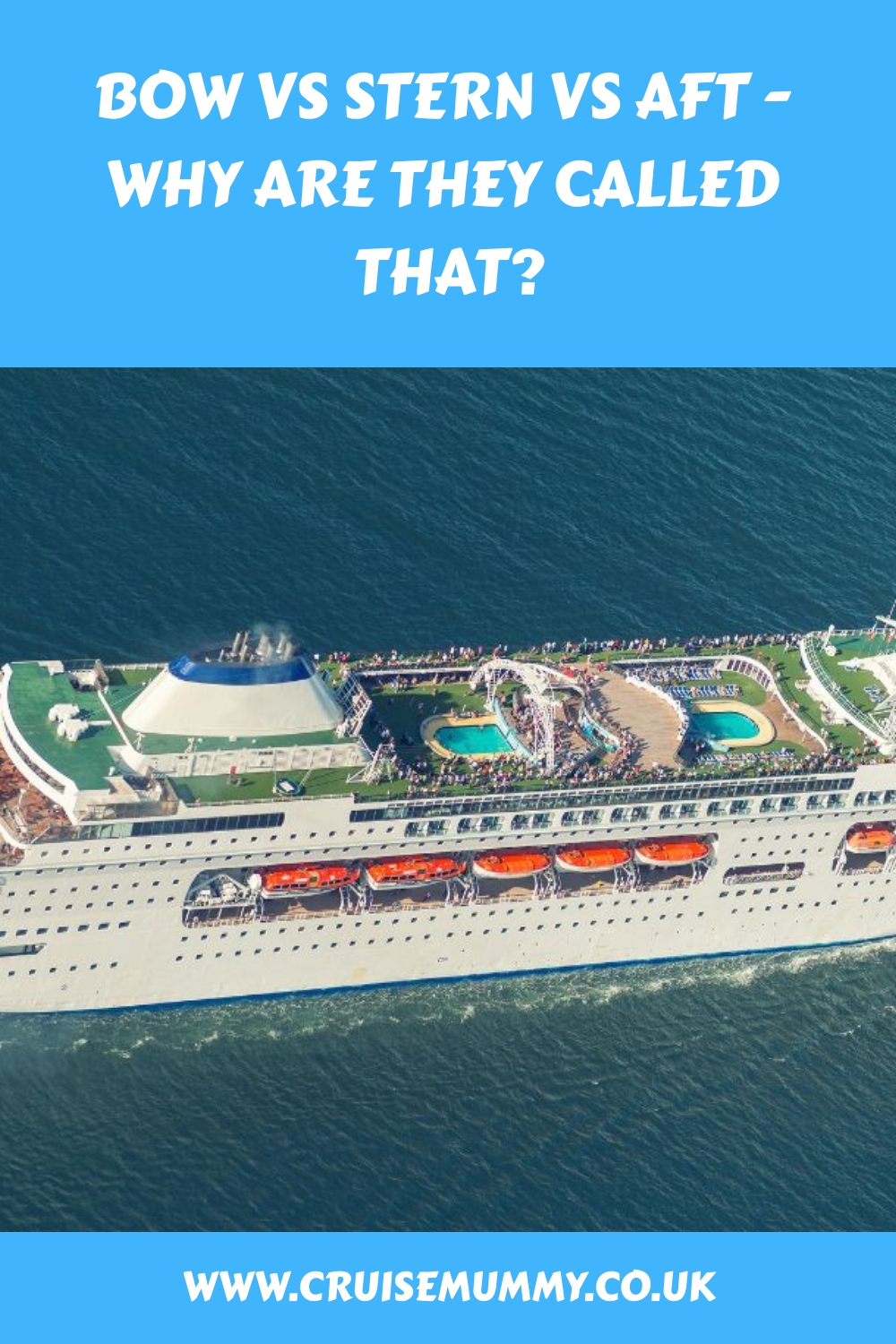
In simple terms, the bow of a ship is the front and the stern is the back. The bow is the very front part of the ship and it’s often formed by an angled hull that will carve its way through the waves. The stern is the name for the part of the ship that is right at the back.
Cruise ships often have an open deck at the bow and the stern. If you like to see where you are headed then the bow is a great place to take in the view. The stern is a good place to stand as you leave port so that you can catch a last glimpse of the place you have just visited.
The Origins Of Bow And Stern
The terms bow and stern have been in use for hundreds of years. It is likely that the word stern came into English from the Norse language of the Vikings around the 8th century while the word bow has Germanic roots.
Bow
Etymology Of ‘Bow’
The use of the word bow for the front of the ship is believed to have originated from the German word ‘Bogen’ which means bend, bow, or arch. This eventually became bow in Modern English having developed from the Old English word ‘boga’.
The use of this word to describe the front of a ship started because wooden planks had to be bent or ‘bowed’ at the front of the ship to create a curved hull that was able to cut its way through the water.
Etymology Of ‘Stern’
The Old Norse word ‘styra’ means to steer and this became the word ‘styrne’ in Old English. Later this became the more familiar ‘stern’ in Middle English. This makes sense because at this time sailing ships were steered from the back (stern!).
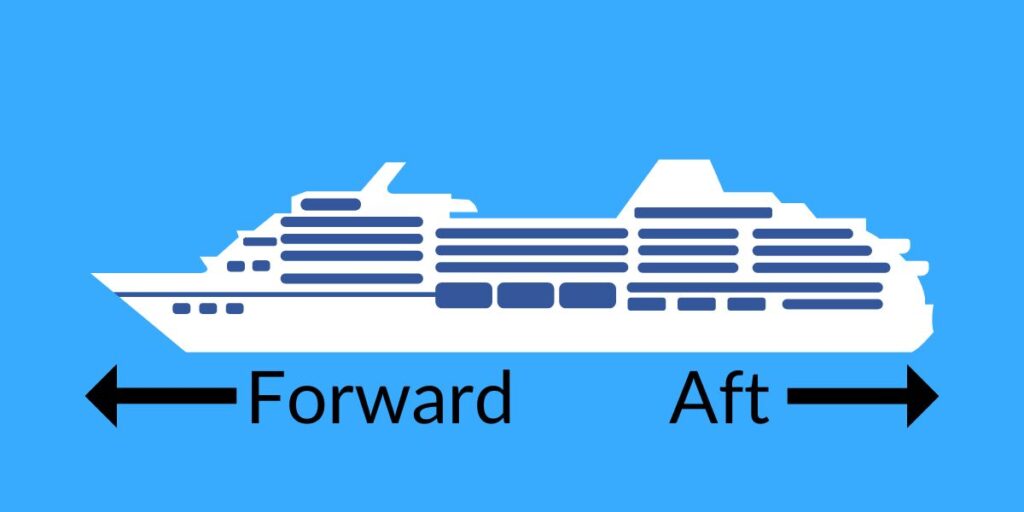
Aft and forward are directional terms rather than the names of parts of a ship. The bow is located forward on a ship (at the front) while the stern is located aft (at the back). When on a cruise ship you might talk about walking to the aft (back or stern) or walking forward (to the front/bow).
Etymology Of ‘Aft’
The term aft derives from the Old English æftan which means behind. The aft of the ship would be behind the mast or the captain on a sailing ship so it makes sense to use it as a directional term.
The word after comes from the same origin as aft and knowing this might help you to remember the meaning of aft, as it’s the area that arrives after the rest of the ship.
Aft vs. Stern: Why They’re Not Quite the Same
Aft is not the same as stern. Aft is a direction while the stern is a physical location. So you might walk aft from the bow of the ship and find yourself at the stern. The stern is a place and it’s the very back end of the ship.
It can be a bit tricky to get your head around these terms at first. Forward is pretty straightforward(!) as a directional term but aft may take a bit longer to get used to.
How To Remember Bow And Stern
I think that the simplest way to remember bow and stern is to think of them as a pair. Bow and stern. You know that they go together and one is the opposite of the other. Hopefully, you even know that one is the front of a ship and one is the back.
Once you have got that you just need to get one or other of the terms fixed inside your head and I suggest getting the bow locked in as it’s the easier one to remember.
Here are a couple of easy ways to remember it:
When you bow you lean forward. So the bow of a ship must be the forward end. Easy.
The front of a ship is curved, like a bow. This is in fact how the bow of the ship got its name and is another good way to remember it (don’t ask me why it’s now bow as rhymes with cow and not bow as rhymes with mow!?)
Hopefully, this will help you to remember what the terms bow and stern mean so that you will feel right at home on a cruise ship!
I hope that this post has helped you to better understand a few commonly used nautical terms.
Bow = Front
Stern = Back
Forward = Forwards direction
Aft = Backwards direction
So, moving forward will take you to the bow at the front of the ship. While if you are heading aft you will be going backwards and eventually you’ll get to the stern, which is the back of the ship.
Jenni Fielding is the founder of Cruise Mummy. She has worked in the cruise industry since 2015 and has taken over 30 cruises. Now, she helps over 1 million people per month to plan their perfect cruise holidays.
Cruise passengers seeking a dose of culture with their ocean views now have a definitive list of where to go, thanks to a new study by Fred. Olsen Cruise Lines.
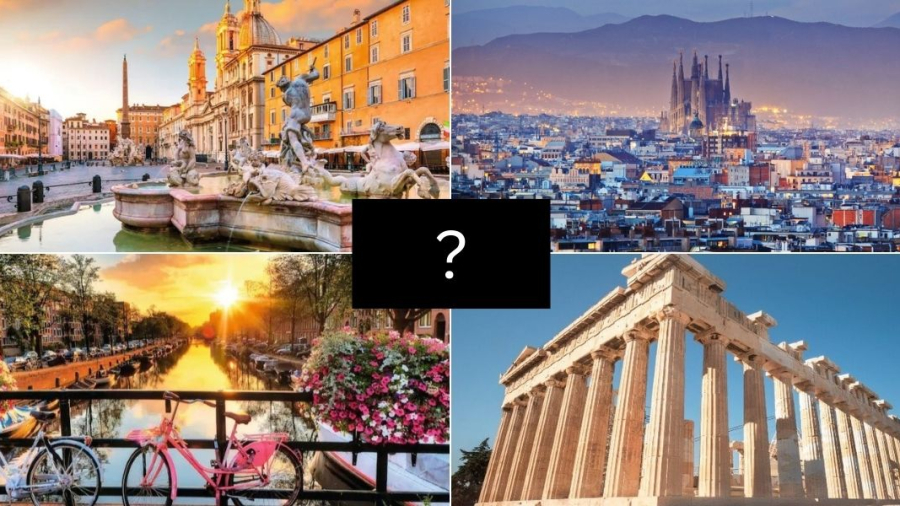
The cruise operator analysed 46 of Europe’s most popular ports to identify the continent’s most culturally rich cruise destinations — and Rome (via Civitavecchia) has topped the list.
The rankings were based on a wide range of cultural indicators, including UNESCO World Heritage sites, Michelin-recognised restaurants, TripAdvisor Traveller’s Choice awards, and the presence of historic landmarks and museums.
The result is a comprehensive guide to Europe’s must-visit cultural cruise ports.
Top 5 most cultured destinations in Europe
Rome (Civitavecchia), Italy
Barcelona, Spain
Amsterdam, Netherlands
Lisbon, Portugal
Athens (Piraeus), Greece
Dubbed The Eternal City, Rome was rated the number one destination for cultural cruising thanks to its centuries of history, iconic architecture, and world-class museums.
While the city itself only counts as one UNESCO World Heritage Site, it covers an expansive area and includes landmark sites like the Colosseum, Pantheon, and Vatican City.
Cruisers calling at Civitavecchia – the gateway port to Rome – often benefit from overnight stays, giving ample time to explore the Italian capital’s cultural riches.
Not only did Rome take the top spot, but Italy emerged as the country with the most cultured cruise ports. Ten Italian ports were featured in the rankings, including Naples, Venice, Genoa, and Cagliari – underscoring the country’s rich cultural offering for cruise guests.
Spain followed closely with nine destinations in the rankings, including Las Palmas and Valencia. Portugal, the Netherlands, and Greece rounded out the top five most culturally rich cruise countries.
In terms of the ports, second on the list is Barcelona, famed for its nine UNESCO sites – more than any other destination in the study – including seven designed by Antoni Gaudí.
The Spanish city also boasts a top-tier culinary scene, with one of the highest numbers of Michelin-starred and recognised restaurants across Europe.
In third place, Amsterdam leads the way for both attractions and food.
The Dutch capital has the highest number of TripAdvisor Travellers’ Choice ‘Best of the Best’ awards and an impressive 83 Michelin-recognised restaurants, including 31 with stars.
Visitors can dive into cultural landmarks like the Anne Frank House and the Van Gogh Museum – home to the world’s largest Van Gogh collection.
How the study was put together
Fred. Olsen Cruise Lines used a normalised scoring system to assess 46 of Europe’s most popular cruise destinations. Each port was ranked based on:
UNESCO World Heritage Sites
European Capital of Culture designations
TripAdvisor’s Traveller’s Choice and Best of the Best awards
Number of highly rated attractions
Michelin-starred and Michelin-recognised restaurants
The study offers valuable insights for cruise guests who seek more than sun and sea, helping them choose ports that offer immersive cultural experiences – whether they’re exploring ancient ruins, indulging in fine dining, or discovering art and architecture.
NEW DEALS JUST RELEASED!
Don’t miss the latest Fred. Olsen offers…
Related posts
If you found this interesting, please share!
Jenni Fielding is the founder of Cruise Mummy. She has worked in the cruise industry since 2015 and has taken over 30 cruises. Now, she helps over 1 million people per month to plan their perfect cruise holidays.
The number of people choosing to see the world on their own terms is soaring, with searches for “solo travel tips” increasing by a staggering 5,043% over the past year….
One of the best-loved cruise brands aimed at British guests has revealed that it is considering adding two more ships to the fleet – but with a huge twist. For…
The legendary name of Orient Express takes to the sea as Orient Express Corinthian, the world’s largest sailing yacht, has officially opened for reservations. Due to set sail in summer…
A cruise excursion off the coast of Cartagena, Colombia turned into a terrifying ordeal for 38 passengers from AIDAbella on Thursday 20th March, 2025, when the small boat they were…
Cruise holidays are a bit different than other types of travel, and if you’ve never been on a cruise before, it’s easy to feel overwhelmed by the information and choices that you’re faced with when you come to book one.
The first thing you should decide, before anything else, is whether or not a cruise holiday would be a good idea for your family.
First, let’s talk about all the reasons why cruise holidays are brilliant for families. Then, to keep things balanced, we’ll address any reasons why a cruise might not be right for you.
First, the fun stuff. Here are the top reasons why cruises can make the perfect family holidays…
1. Nobody Will Ever Be Bored – Guaranteed!
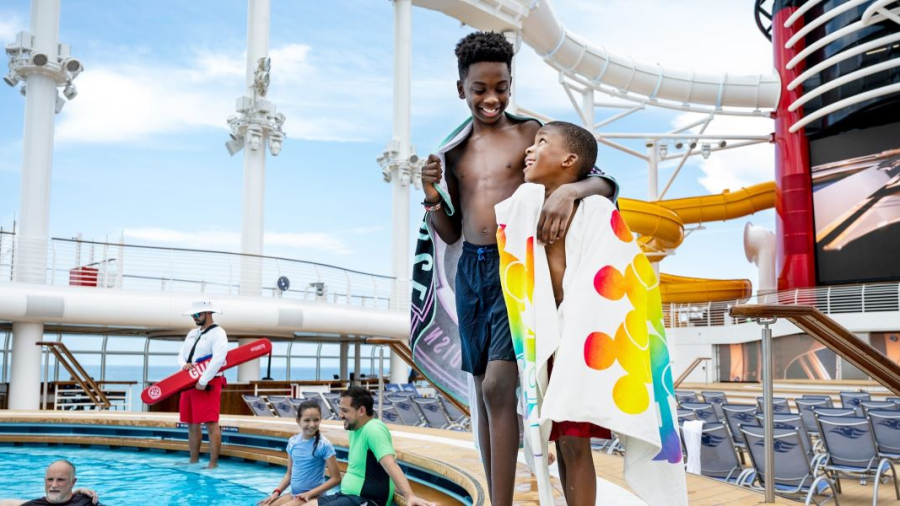
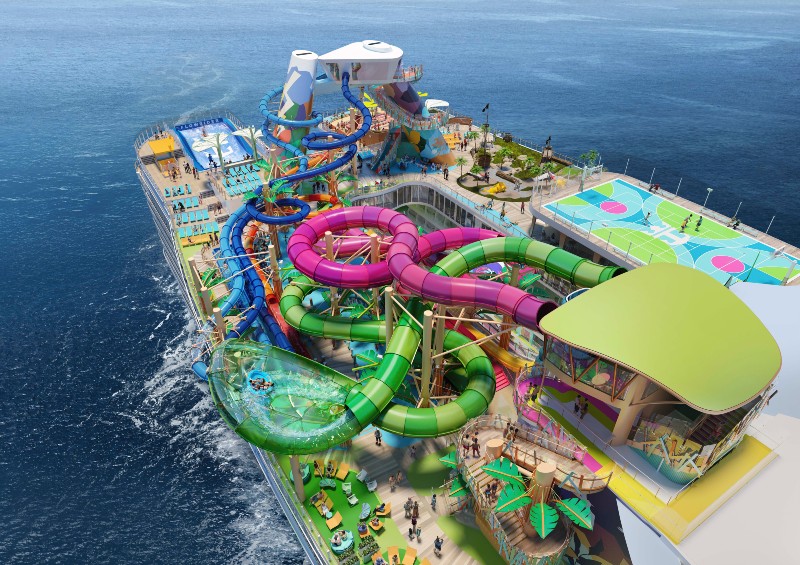
Swimming pools, water slides, splash parks, rock climbing walls, laser tag, surfing simulators, ice skating, bumper cars, trampolines, escape rooms, arcades – the list of activities available on board today’s modern cruise ships is seemingly endless!
And if you’re wondering how much all that is going to cost you, you’ll be pleased to know that the vast majority of on-board activities are included on typical cruise ship holidays. Yay!
Plus, with a different destination to explore each day that the ship docks, you can take your pick from the best theme parks, water parks, animal attractions, museums and beaches in each port of call.
If there’s one thing that you will never ever hear on a cruise holiday, it’s “Mummy, I’m bored.”
2. You Don’t Have To Spend The Whole Holiday With Your Kids
Do you feel guilty at the thought of dumping your kids in childcare whilst you sunbathe by the pool with a book? Well, quite frankly, there’s no need to.
Cruise ship kids’ clubs offer the world’s best holiday childcare, so you can relax knowing that your children are well-cared for by qualified staff… and that they’re having loads of fun.
Open from early morning until late in the evening, some parents hardly see their kids for the whole cruise! And this isn’t because they don’t want to, but because they can’t prise their brood away from the activities of the kids’ club.
Split into several age groups, from pre-schoolers to teens, kids’ clubs offer safe, supervised activities which are both fun and educational.
Activities include arts and crafts, cookery classes, treasure hunts, sports and games, dancing, circus skills, games console tournaments, board games, competitions, movie nights and themed parties. And the best bit? It’s all free of charge.
Norwegian Cruise Line’s Splash Academy
3. Fussy Eaters Are Well-Catered For
Cruise ship food is so delicious – you’re pretty much guaranteed to put on half a stone in a week. Included in the price of your cruise is dining at a number of venues, such as the main dining room, the buffet restaurant, snack bars and sometimes even room service.
In case that isn’t enough, additional restaurants are also available for a small supplement. Here you can enjoy Michelin-star cuisine with menus designed by celebrity chefs for a fraction of what the same dining experience would cost on land.
On many cruises, you’ll find that the menu is inspired by the ports of call that your ship visits, with authentic local produce brought into the kitchen during the cruise. This is a great way to get kids to try new foods from around the world, without worrying about paying for a dish that they don’t like!
In the main dining room, children can order the usual favourites off the kids’ menu, or, a smaller portion of anything they like from the main menu. In the buffet, the options are seemingly endless and ever-changing.
Cruise ship buffets are open from breakfast right through to late evening, so if you fancy a snack between meals, there’s always plenty to choose from.
Royal Caribbean’s Windjammer Buffet
4. Cruising Is So Much Easier Than Flying
Hands up who likes flying with kids? Are your hands down? Thought so.
There’s parking the car, airport security, a cramped flight, sore ears, nappy changes in an aeroplane toilet, tired and cranky kids, more airport palaver and then getting to your hotel at some ungodly hour. Urgh!
With a cruise holiday, UK cruisers can sail from Southampton. Other local ports are available, but this is the main one where most of the family ships sail from.
You can park your car by the ship, and a member of staff will come and take your cases from your car boot and deliver them straight up to your cabin for you. Then you just check-in and walk onto the ship to start your holiday.
Now, tell me again why you were considering flying?
Southampton Cruise Port
5. You Can Say Goodbye To Luggage Limits
Another great thing about not flying is that you have no limit on the amount of luggage you can take with you.
As someone who’s cruised with a baby and a toddlerand is all too familiar with how much crap they need, this is a massive plus point.Some cruise lineswill even let you shove a litre of wine in your suitcase if you want!
Prefer to pack light? You’ll find free-of-charge laundry rooms on many ships, should you need to wash anything.
6. There’s A Choice Of Accommodation To Suit Every Budget
There’s a huge choice of different accommodation types on board each ship, from inside cabins, cabins with windows and balconies, inter-connecting cabins and family staterooms, right up to the most luxurious of suites.
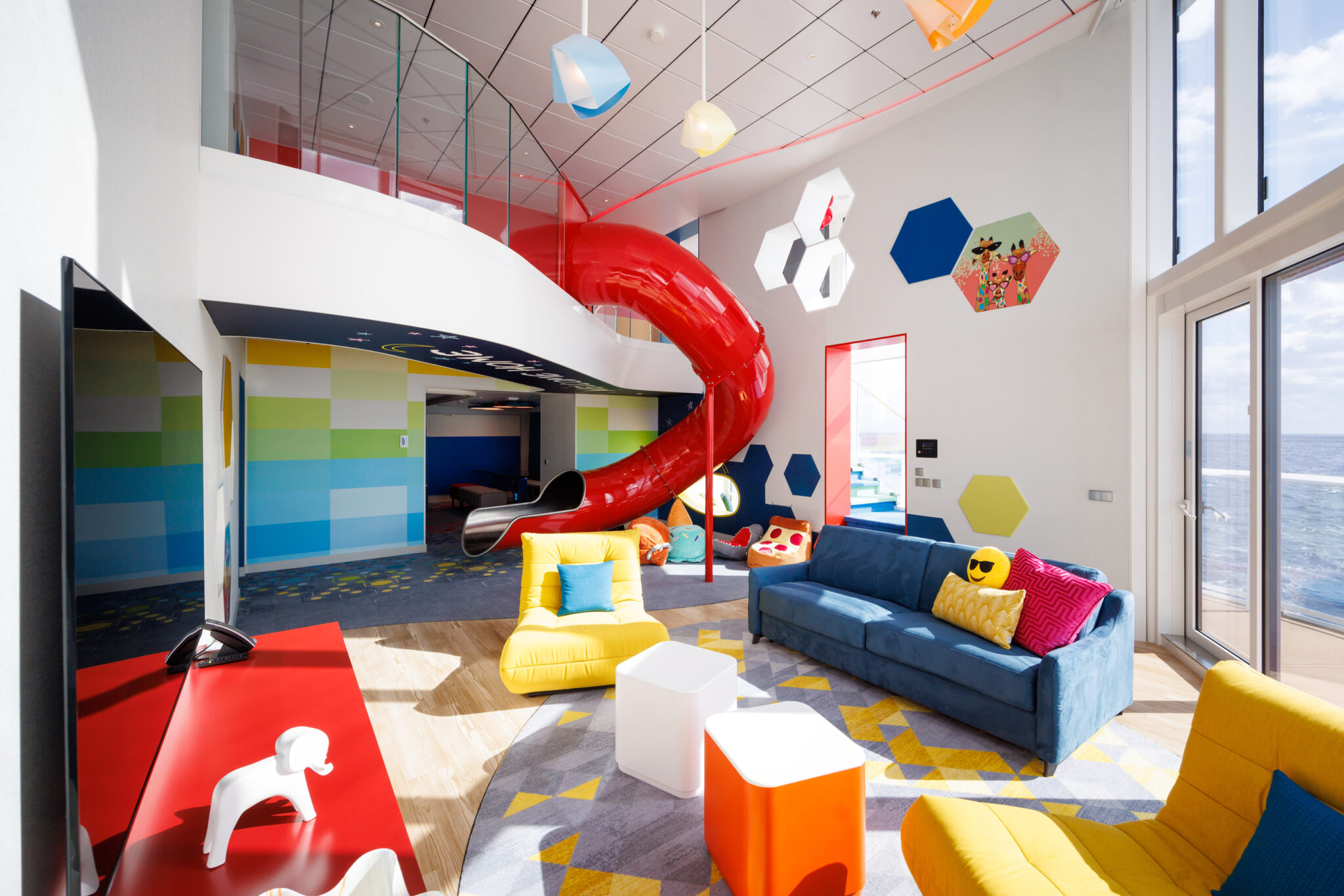
From a small double room with extra beds that pull down from the ceiling, to huge multi-storey suites with private hot tubs on the balcony, you’ll find accommodation to suit every taste and budget.
Icon of the Seas’ Ultimate Family Townhouse
7. The Evening Entertainment Is Fantastic
I must admit, I never really enjoyed the evening entertainment that I’ve found in many of the European hotels I’ve stayed in. Kids’ discos, quiz nights, bingo, singers, yawn! I’ve often found myself in bed by 9pm.
On a cruise ship, it’s so different.
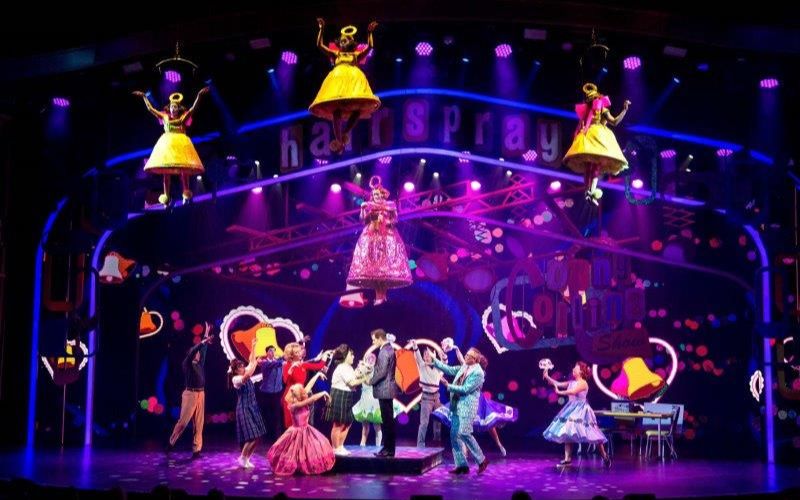
Each night there’ll be a show at the theatre. These shows are of a standard easily as high as the West End or Broadway. And they’re free! There’s also lots of live music as well as comedians and other acts, so you have a choice of entertainment each evening.
If you want a bit of couple-time in there whilst the children are enjoying a pyjama party in the kids’ club, head to the casino, nightclub, or enjoy a late-night hot tub under the stars.
8. Cruises Offer Great Value For Money
The price of your cruise ticket includes accommodation, meals and snacks, selected non-alcoholic drinks, kids’ clubs, activities and entertainment.
You don’t have to pay for anything else if you don’t want to. A travel agent can also arrange flights, transfers and hotels to create you a package deal.
Extras that you can pay for include drinks, dining in speciality restaurants, spa treatments, guided excursions and WiFi. Policies on whether or not you’re expected to tip the ship’s staff vary by cruise line.
You might think that, as you’re a captive market, the cruise lines could take the mickey with the price of things like drinks. But they don’t tend to, and on many ships you’ll find the drinks prices to be similar to those in your local pub. Plus, if you’d prefer to go all-inclusive, drinks packages are available.
If you add up how much you spend on a land-based holiday compared to cruise holidays for families, then you’ll most likely find that the cruise holiday comes out cheaper.
Some destinations such as Norway, Belgium and Iceland can be eye-wateringly expensive once you get there. So, if you’re planning on visiting any of these, a cruise is likely to be the most cost-effective way to do it. Plus, on a land-based holiday, you probably won’t budget for watching Broadway-standard shows almost every night!
Is A Cruise Holiday Right For You?
With so many great reasons to book family cruise holidays, it’s no wonder that cruising is so addictive. And it really is addictive!
So are you raring to go ahead and book your first cruise? Or do you have some niggling doubts? Perhaps you’re worried about seasickness, hidden charges or the effect of the buffet on your waistline.
Have you cruised as a family before? How did it compare to other holidays you’ve taken?
Related Posts:
If you found this interesting, please share!
Jenni Fielding is the founder of Cruise Mummy. She has worked in the cruise industry since 2015 and has taken over 30 cruises. Now, she helps over 1 million people per month to plan their perfect cruise holidays.