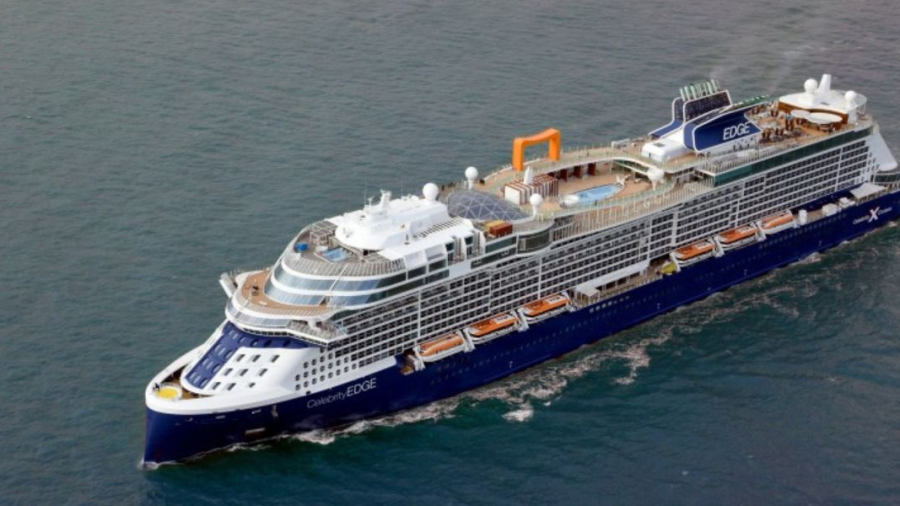
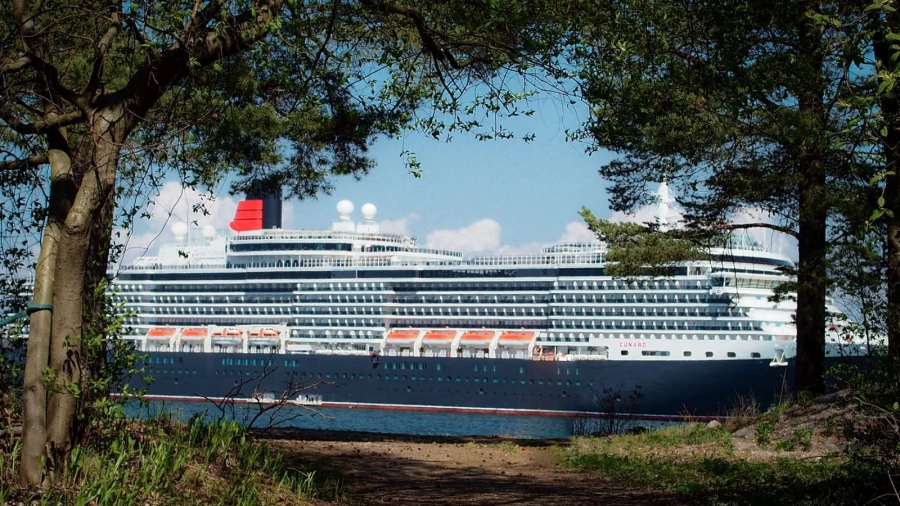
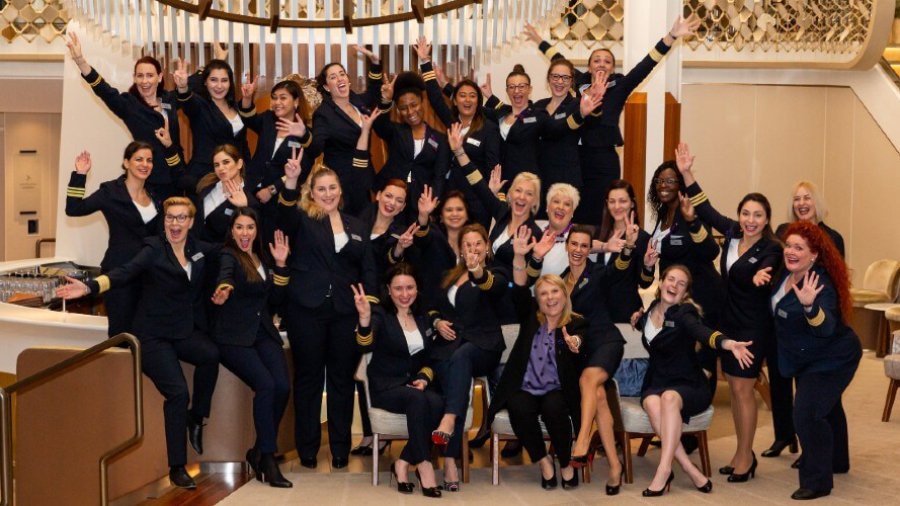
The first brand-new ship announcement of 2025 is here, as the Royal Caribbean Group has confirmed the formal order of a sixth Edge-class vessel for Celebrity Cruises, marking another milestone in the success of this innovative ship series.
The new vessel, set to debut in 2028, will be built at Chantiers de l’Atlantique in Saint-Nazaire, France, continuing the strong partnership between the cruise company and the shipyard.
The Edge-class ships have become iconic in the cruise industry for their ground-breaking designs and guest-centric experiences.
Notable features include the Magic Carpet, a cantilevered platform that transforms between a dining venue, a tender embarkation area, and an observation deck with breath=taking sea views.
The new vessel will be a sister ship to the forthcoming Celebrity Xcel, which will set sail in November 2025 from Port Everglades in Fort Lauderdale, Florida.
Celebrity Xcel is already generating excitement with its new features, including guest-driven design innovations under the “Xcel Dream Makers” programme.
Laura Hodges Bethge, president of Celebrity Cruises, expressed her enthusiasm for the expansion.
“Celebrity Xcel will be the happy place of vacationers globally when she launches in November, and we’re thrilled to be making this commitment to bring her a sister ship in Edge 6.”
Laura Hodges Bethge, president of Celebrity Cruises
A decade of Edge-Class excellence
The Edge-class journey began in 2018 with the debut of Celebrity Edge, followed by Celebrity Apex (2020), Celebrity Beyond (2022), Celebrity Ascent (2023), and the upcoming Celebrity Xcel (2025).
When the sixth Edge-class ship enters service in 2028, the series will have redefined premium cruising for a full decade.
Jason Liberty, president and CEO of Royal Caribbean Group, highlighted the importance of the Edge series.
“Each ship in this award-winning series has set a new standard for the industry, and Celebrity Xcel, sailing later this year, is no exception. Partnering with Chantiers de l’Atlantique to expand the Edge Series with Edge 6 is another milestone in our mission to deliver the world’s best vacations responsibly.”
Jason Liberty
Expanding the Royal Caribbean Group fleet
This new order brings Royal Caribbean Group’s active shipbuilding pipeline to six vessels across its three brands: Royal Caribbean International, Celebrity Cruises, and Silversea Cruises.
Upcoming ships include Star of the Seas, the second Icon-class ship for Royal Caribbean International, which will debut in August 2025, and two additional Icon-class vessels slated for 2026 and 2027.
Additionally, a surprise seventh ship in the Oasis class has been ordered, with a planned delivery in 2028.
We also know that a new class of ship, currently named Discovery, is in the works – though no ship orders have been confirmed.
For Celebrity Cruises, the sixth Edge-class ship and Celebrity Xcel represent the brand’s immediate growth plans, with the focus on maintaining its premium positioning in the industry.
Details about the new ship’s name, homeport, features, and itineraries remain under wraps.
However, given the Edge series’ track record of innovation and success, expectations are high for a ship that will continue to elevate the cruising experience.
Related posts
If you found this interesting, please share!
Jenni Fielding is the founder of Cruise Mummy. She has worked in the cruise industry since 2015 and has taken over 30 cruises. Now, she helps over 1 million people per month to plan their perfect cruise holidays.
SeaDream Yacht Club, the boutique luxury cruise line, has made history by becoming the first cruise line to accept cryptocurrency for payments. Effective immediately, travellers can now use Bitcoin (BTC),…
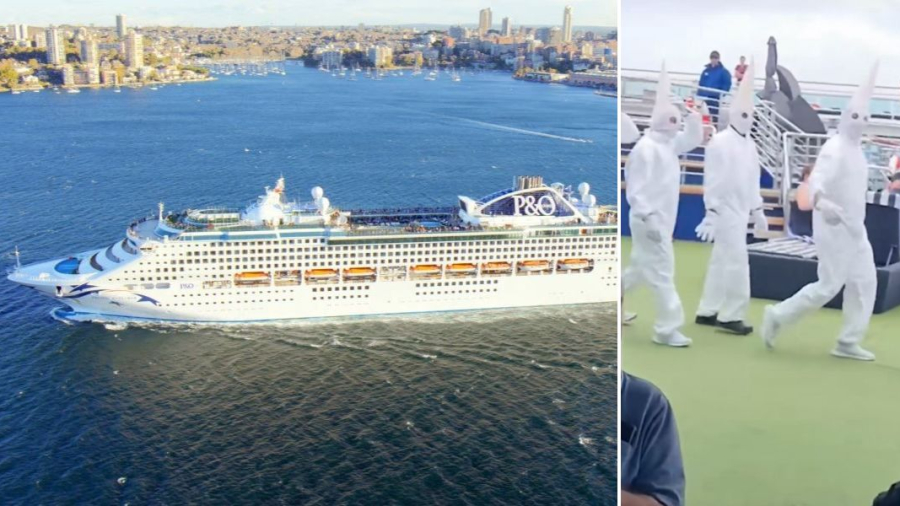
P&O Cruises Australia has issued a formal apology following outrage over crew costumes that appeared to resemble Ku Klux Klan (KKK) attire during a Christmas-themed event onboard the Pacific Explorer….
Carnival Cruise Line has made some under-the-radar adjustments to its minor guest policy that come into effect for all cruises from 1st February 2025. The policy changes the rules on…
In a milestone that few could imagine, Mario Salcedo, affectionately known as “Super Mario,” has celebrated his 1,000th cruise c- all with Royal Caribbean International. The achievement underscores his incredible…
P&O Cruises Australia has issued a formal apology following outrage over crew costumes that appeared to resemble Ku Klux Klan (KKK) attire during a Christmas-themed event onboard the Pacific Explorer.
Footage from the incident, shared online, shows eight housekeeping staff dressed in white uniforms with pointy hats, marching through the pool deck.
The crew reportedly intended to represent “upside-down snow cones” as part of the festive celebration.
However, passengers were alarmed by the costumes’ resemblance to the attire historically associated with the white supremacist group.
The video, uploaded to Facebook by a passenger with the caption, “Is this appropriate for 2024?”, quickly gained attention, sparking widespread criticism.
P&O Cruises Australia responded promptly to the backlash, expressing regret over the unintended offense caused by the costumes.
“We regret if a recent incident on a Pacific Explorer cruise offended any guests,” a spokesperson said in a statement to news.com.au.
The cruise line emphasized that the crew had no malicious intent and were unaware of the resemblance when they selected their costumes.
The cruise line further clarified the situation:
“They live and work on the cruise ship, and they have to make do with what they’ve got,
“They are wearing their cleaning uniforms, and they’ve got something on their head that looks like an upside-down snow cone.
“They had no idea, they were horrified when management said to them, ‘please take those outfits off’.”
P&O Australia communications director Lynne Scrivens
The incident occurred during a voyage from Melbourne to Hobart in December 2024, as part of a holiday celebration on the Pacific Explorer.
While the costumes were meant to be light-hearted and festive, the unintended similarity to KKK attire was deeply upsetting to passengers and viewers online.
Passengers onboard reportedly reacted with shock and confusion as the staff paraded through the pool deck in their costumes.
The incident highlights the importance of cultural sensitivity, particularly in public events where unintended symbolism can lead to significant backlash.
Many online commenters called for cruise companies to implement stricter oversight of themed events and staff costumes to prevent similar missteps in the future.
P&O Cruises Australia has not announced specific actions in response to the incident but has reiterated its commitment to ensuring a welcoming and inclusive environment for all guests.
The cruise line will soon cease to exist, with Pacific Explorer sold to Resorts World Cruises.
The other two ships in the fleet will transfer to Carnival and become Carnival Adventure and Carnival Encounter.
Related posts
If you found this interesting, please share!
Jenni Fielding is the founder of Cruise Mummy. She has worked in the cruise industry since 2015 and has taken over 30 cruises. Now, she helps over 1 million people per month to plan their perfect cruise holidays.
Carnival Cruise Line has made some under-the-radar adjustments to its minor guest policy that come into effect for all cruises from 1st February 2025. The policy changes the rules on…
In a milestone that few could imagine, Mario Salcedo, affectionately known as “Super Mario,” has celebrated his 1,000th cruise c- all with Royal Caribbean International. The achievement underscores his incredible…
2024 saw the highest number of gastrointestinal (GI) illness outbreaks on cruise ships in over a decade. The CDC recorded 16 outbreaks aboard ships under its jurisdiction last year, marking…
Cruise Tails has announced a significant update to the rules for its November 2025 inaugural “Tails of the Seas” dog-friendly cruise, expanding the weight limit for participating dogs from 20…
The main Royal Caribbean drink package rules are simple. Packages are per person and can’t be shared. If one adult in a cabin buys the Deluxe Beverage Package, every other guest of drinking age in that cabin has to buy it too. You get one drink at a time, and each adult can bring just one sealed 750 ml bottle of wine or champagne on embarkation day. People try to get around these rules every sailing, but getting caught can cost far more than the package itself. Some legitimate tricks get you better value.
Below we cover the four most common ways people try to “cheat” the drink package, what Royal Caribbean actually does about each one, and the legal ways to cut your bar bill on a 2026 or 2027 cruise.
Royal Caribbean Drink Package Rules at a Glance (2026)
Before getting into the workarounds people try, here are the rules as Royal Caribbean states them in its beverage package FAQs, current as of late 2026:
Per guest, no sharing: Every package belongs to one guest. Bartenders serve one drink at a time and check your SeaPass card (it shows a sticker or printed verification) before serving.
Same-cabin rule: If one guest of legal drinking age buys the Deluxe Beverage Package, all guests of legal drinking age in the same stateroom must buy it too.
Whole cruise only: Packages cover the full sailing, not single days. You can buy online in the Cruise Planner until about 72 hours before you sail, or onboard during the first couple of days.
No daily drink limit: Royal Caribbean says there’s no daily cap on the Deluxe package. Crew can still refuse to serve anyone who has clearly had enough.
18% gratuity: An automatic 18% gratuity is added to the package price, whether you buy before or during the cruise.
Exclusions: Starbucks is not included. Since March 15, 2026, Coca-Cola Freestyle souvenir cups are no longer included with the Deluxe or Refreshment packages ($4.99 extra if you want one). Room service and some specialty items are also excluded.
What’s included in each package
Package
What it covers
Typical 2026 price (per person, per day, before 18% gratuity)
Classic Soda
Unlimited fountain soda, Coca-Cola Freestyle access and a Freestyle cup
About $9.99-$18
Royal Refreshment
Soda, mocktails, specialty (non-Starbucks) coffees and teas, fresh juices, Johnny Rockets milkshakes, bottled still and sparkling water
About $29-$42
Deluxe Beverage
Everything in Refreshment plus cocktails, spirits, beer and wine by the glass (drinks valued up to $14), with a discount on select bottles of wine
About $56-$120
Prices change by ship, sailing and how far ahead you buy, so treat these ranges as a guide and check your own Cruise Planner for live pricing.
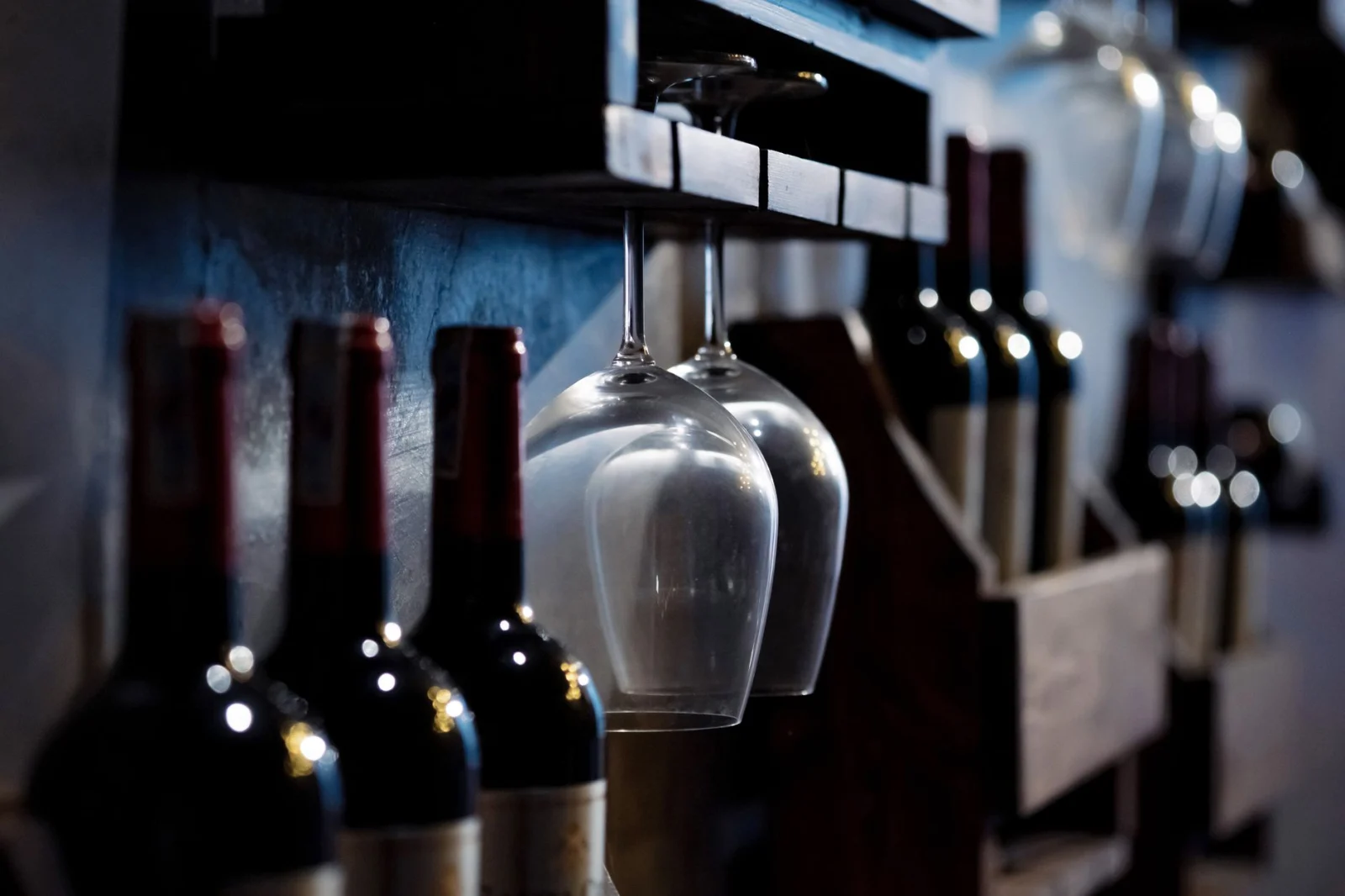
Cocktails, beer and wine are all covered by the Deluxe Beverage Package, but only for the person who bought it. Photo: Mohamed Olwy on Pexels
4 Ways People Try to Cheat the Royal Caribbean Drink Package
Search for “how to cheat Royal Caribbean drink package” and you’ll find the same handful of tricks over and over. Here’s how each one works in theory, and why it usually doesn’t pay off.
1. Sharing one package between two people
This is the most common one. One person buys the Deluxe package and orders “their” drinks, then passes every other cocktail to a partner or friend who didn’t pay. Sometimes it’s a whole group feeding off one or two packages.
Why it’s not worth it: Sharing is the exact problem Royal Caribbean’s rules are written to stop. The one-drink-at-a-time rule, SeaPass checks at every bar and the same-cabin requirement all exist because of it. Bar staff serve the same guests for a week and spot patterns quickly, and the onboard system records every drink against your account. Guests caught sharing risk having the package cancelled without a refund and being charged regular bar prices for what they’ve already drunk. In serious cases, they can be removed from the ship. You’d lose a package that may have cost $500 or more per person on a 7-night cruise just to save a few drinks.
2. Getting around the same-cabin rule
Because the same-cabin rule doubles the cost for couples where only one person drinks much, people look for loopholes. These include booking the non-drinker into a different cabin on paper, or making up a medical reason to get an exemption.
The rules here have changed twice recently. In August 2025, Royal Caribbean dropped its phone-based exception process altogether. In September 2026, Royal Caribbean Blog reported that a limited exception is back. Guests now fill in a Beverage Package Accommodation Request form, and only three reasons are considered: disability, a medical condition or pregnancy. Requests are reviewed case by case, a reply takes about 10 business days, and an approved guest still has to buy a non-alcoholic package. Simply not drinking much doesn’t qualify.
Why it’s not worth it: The form spells out the penalties for false or misleading information. They include being charged the full alcohol package price for the whole cruise, losing the exemption, being referred to the authorities, and being removed from the ship with your cabin mates at your own expense and with no refund. You can also be banned from sailing with Royal Caribbean, Celebrity and Silversea. That’s a big risk to take over a drinks bill.
Each adult can bring one sealed bottle of wine or champagne on boarding day. Photo: Xuân Thống Trần on Pexels
3. Sneaking Alcohol Onboard
“Rum runners” are the classic cruise trick: plastic flasks hidden in luggage, vodka poured into water bottles, or resealed mouthwash bottles filled with spirits. Some people skip the package entirely and drink their own supply in the cabin. Others buy a package for one person and top up with smuggled alcohol for the rest of the group.
Why it’s not worth it: Every bag is X-rayed at the terminal and again when you come back from each port. Royal Caribbean’s onboard policy says beer, seltzer and hard liquor found on embarkation day are kept and returned at the end of the cruise only if they’re unopened and in their original packaging. Anything in other containers, which covers most smuggling tricks, is thrown away. Spirits you buy in port are also held and handed back on the last day. Your bag can be held at security too, and repeat or deliberate attempts can lead to further action under the guest conduct policy.
4. Bringing More Wine Than the Allowance
Wine is the one alcohol you’re allowed to bring, which is why people push the limit with extra bottles, boxed wine or wine bags tucked into luggage.
The actual rule: on embarkation day, each guest of drinking age may bring one sealed 750 ml bottle of wine or champagne. Boxed wine and other containers aren’t allowed. Extra bottles are stored by the ship and returned on the last day. On back-to-back cruises, you can bring one bottle per sailing, and the extra bottles are delivered to your cabin one at a time at the start of each new voyage.
You can drink your bottle in your cabin for free. If you open it in a restaurant, bar or lounge, Royal Caribbean charges a $15 per bottle corkage fee, and the line has been enforcing it more consistently over the past couple of years.
Why it’s not worth it: Extra bottles are simply held until the end, so you gain nothing. Your one legal bottle is the real value here: bring something you’d really enjoy and share it with your partner over dinner or on the balcony.
Legit Ways to Get Value From Royal Caribbean Drinks
If the aim is to drink well for less, there are plenty of ways to do it that keep you inside the rules.
Buy during a pre-cruise sale. Royal Caribbean regularly runs sales on beverage packages in the Cruise Planner, and pre-cruise prices are usually lower than onboard. Check often after booking. Pre-cruise purchases can be cancelled for a 100% refund up to 2 days before sailing, so if the price drops, you can cancel and rebuy at the lower price.
Do the maths honestly. Divide the daily price plus 18% by about $14 (a typical cocktail price) to see how many drinks you need per day to break even. For most sailings, that’s roughly five to nine alcoholic drinks a day. If you won’t drink that many, paying as you go is often cheaper. If one of you drinks a lot and the other doesn’t, the Refreshment package or no package at all for both may work out better than two Deluxe packages.
Use Crown & Anchor Society perks. Diamond members (80 points) get 4 drink vouchers per person per day, Diamond Plus get 5 and Pinnacle Club 6. Each voucher covers a drink up to $14 (not at Starbucks or the Bionic Bar), and the Crown Lounge offers complimentary food at set times. Platinum members (30 points) are invited to a Top Tier event on longer sailings, with free drinks.
Casino Royale status. Players who reach higher casino tiers get free drinks at the casino bar. It’s only worth it if you’d gamble anyway, because you’ll almost certainly lose more than the drinks are worth.
Free champagne at art auctions and events. Art auctions usually serve complimentary champagne, and some welcome or loyalty events serve drinks too.
Suite perks. Grand Suite guests and above get Suite Lounge drinks, and Star Class includes a drink package. See our guide to Royal Caribbean The Key vs suite perks to see whether upgrading makes sense.
Drinks in port. Beach clubs and catamaran excursions often include rum punch or local beer, and port bars are usually much cheaper than onboard. Check whether your excursion includes drinks before you buy a package for a port-heavy itinerary.
Not sure what to order once you’re onboard? Our list of the best cruise drinks to try is a good place to start, whether or not you have a package.
Royal Caribbean Drink Package Sharing: What Happens if You’re Caught
Royal Caribbean doesn’t publish a fixed penalty list for sharing a regular package. Based on its stated rules and the exemption form, these are the realistic outcomes:
A warning from bar staff or a manager, and closer checks on your SeaPass.
Your package cancelled, with no refund for the unused part and regular bar prices charged for what you’ve already had.
For fraud such as false exemption claims, retroactive full package charges, referral to the authorities, being removed from the ship at your own cost, and a possible ban across Royal Caribbean Group brands.
Also keep in mind that you can’t simply cancel a package halfway through for your money back. Once you’ve started using it, cancelling onboard means what you’ve already consumed is charged at full price, and any refund goes back to your onboard account.
Is the Royal Caribbean Drink Package Worth It in 2026?
The package makes sense if you’ll have several cocktails or glasses of wine every day, you like specialty coffees and bottled water, and you don’t want to think about your bill. It rarely makes sense for light drinkers, guests on port-heavy itineraries where you’re ashore most of the day, or cabins where only one adult drinks. Buy it during a sale, use your loyalty perks and your wine allowance, and you’ll get good value without bending any rules. And if you haven’t booked yet, our roundup of cruise deals for 2027 is worth a look, because some offers include drinks or onboard credit.
No. Every package is per guest and non-transferable, you’re served one drink at a time, and bar staff check your SeaPass. Guests caught sharing can lose the package without a refund.
Is there a drink limit per day on the Royal Caribbean drink package?
No. Royal Caribbean says the Deluxe package has no daily drink limit, though drinks are valued up to $14 each and crew can refuse service to anyone who appears intoxicated.
Do both people in a cabin have to buy the drink package?
Yes, for the Deluxe Beverage Package. All guests of legal drinking age in the same stateroom must buy it. Limited exceptions for disability, medical conditions or pregnancy require an accommodation request form.
Can I bring wine on a Royal Caribbean cruise?
Yes. Each guest of drinking age can bring one sealed 750 ml bottle of wine or champagne on embarkation day. It’s free to drink in your cabin, and there’s a $15 corkage fee if you open it in a bar or restaurant.
Is there a way to get free drinks on Royal Caribbean?
Yes, legally. Diamond and higher Crown & Anchor members get daily drink vouchers, suite guests get lounge drinks, and art auctions and loyalty events often serve complimentary champagne.
If you’re prone to seasickness, you’ll probably want to put some thought into choosing the best ship for seasickness – one that isn’t going to ruin your cruise.
Many people assume that big cruise ships rock less. But, is bigger always better when cruise ships and seasickness are concerned?
The general rule is that bigger cruise ships require bigger waves to rock them. However, other factors such as stabilising technology, are important too.
Why people get motion sickness/seasickness on a cruise
Do you feel motion sickness on a cruise ship? You’re not alone. Motion sickness is caused by a conflict between signals arriving in the brain from the inner ear, which detects motion.
When a cruise ship is rocking, your inner ear can send different signals to your brain from your eyes. Your eyes are telling your brain that everything is still, but your ears are telling your brain that you’re moving up and down or side to side. These confusing messages can make you feel sick.
This explains why one of the best cures for seasickness is to look out to sea. If you look towards the horizon, your eyes will also tell your brain that your body is moving, the signals will match and the sickness should subside.
Seasickness isn’t fatal. But, nausea and vomiting associated with motion sickness can be very unpleasant and leave people bed-bound for periods of time.
If you do feel seasick, lying down in bed is probably the worst thing you can do. If you can muster the courage to head up to the top deck and look out to sea or walk a few laps of the promenade deck, you’ll likely feel much better.
If that doesn’t work, cruise ships will give you seasickness pills free of charge, or if you’re really struggling you may be offered a seasickness injection. Other, more natural remedies include eating green apples or you can buy acupressure wristbands on Amazon.
You can (sometimes) feel the ship moving but it depends
Sometimes, you can feel a cruise ship rock, but that very much depends on the weather, and specifically, the size of the waves. If the sea is flat you will feel no movement at all. You can’t get seasick on a river cruise.
But can you feel the waves on a cruise ship? Not when they’re small.
Cruise ships can easily handle waves that are over 12 feet high. However, with waves of this height, you may begin to feel the ship rock and if you’re prone to seasickness you may start to look for relief.
Rough seas defined and explained
The sea is considered to be rough when the waves are more than eight feet high. If the waves of over 13 feet, then the sea is considered to be ‘very rough’. This comes from the Douglas sea scale which is a simple way of measuring the height of the waves.
The Douglas Sea Scale
Degree
Height (ft)
Description
0
no waves
Calm (Glassy)
1
0.00–0.33
Calm (rippled)
2
0.33–1.64
Smooth
3
1.6–4.1
Slight
4
4.1–8.2
Moderate
5
8.2–13.1
Rough
6
13.1–19.7
Very rough
7
19.7–29.5
High
8
29.5–45.9
Very high
9
45.9+
Phenomenal
On very rough seas, with waves of 13 feet or more, the outer decks may be closed for safety reasons in high winds and, if needed, the ship will navigate out of the storm, possibly changing itinerary.
The worst itineraries for seasickness
When choosing a cruise, take a look at how many consecutive days you’re at sea according to the itinerary.
Itineraries with more than two consecutive sea days usually mean that the ship will be heading out into open water, far away from coastlines, which can be where the worst weather happens. It can often be windier the further out to sea you go, which makes for higher waves, meaning that the ships will rock more.
Transatlantic (Europe to America) and Transpacific (America to Australia or Asia) itineraries will have the most days at sea and you’re likely to feel the motion the most.
If you are prone to seasickness, look out for itineraries that have no sea days. Getting off the ship in port every day will make you feel much better.
You’ll usually feel the motion more on a smaller ship
As a general rule, you’ll feel movement more on smaller ships. This is because they are moved more easily by the waves.
People often feel sick on ferries. The largest ferries are roughly the same size as a small cruise ship, but less than a third of the size (gross tonnage) of the largest cruise ships.
If you want to avoid seasickness, you may want to avoid the smallest cruise ships. But, you might not experience much difference between a medium-sized and a large ship. Anything over 2,000 passengers should be large enough not to rock too much.
There is tech to help!
The newer cruise ships have impressive stabilising technology which works to reduce the movement caused by waves. On some older cruise ships, the technology isn’t as advanced, so they are more prone to rocking.
If you want to avoid feeling sick on your cruise, as well as choosing a fairly large ship, you should also look for one of the newer ships.
All cruise ships will have some sort of stabilisers. On older ships, these may be fixed fins and bilge keels which counter the rolling pressure by providing resistance to the turbulent water.
Newer cruise ships use gyroscopic stabilisers. These state-of-the-art fins are adjusted by an onboard computer according to the sea conditions. This video explains more…
Cruise ship stabilisers can eliminate about 85% of the roll (the side to side rocking motion), but unfortunately, they do nothing to eliminate pitching (the up and down motion). To counter this, cruise ships are designed with a long narrow bow to cut through the waves rather than climb them.
The best ships – top tips
If you want the best cruise ship for preventing motion sickness, you should follow these tips:
Choose a ship that has at least 2,000 passengers
Choose a ship that was built in the last 10 years
Choose an itinerary that has no consecutive sea days
Choose a balcony cabin on a low deck in the mid-section of the ship
Please don’t let any fears of getting sick ruin your cruise or put you off booking one in the first place.
With these tips, you can choose the best ship where you’re least likely to feel the motion of the ocean. And if you do feel ill at sea, there are lots of different remedies to try.
Related posts:
If you found this interesting, please share!
Jenni Fielding is the founder of Cruise Mummy. She has worked in the cruise industry since 2015 and has taken over 30 cruises. Now, she helps over 1 million people per month to plan their perfect cruise holidays.
River cruises have a reputation for being expensive. But before you write them off as being out of your price range, you might be interested to know how much river cruises actually cost, and what you get for your money.
Just like ocean cruises, there’s a whole spectrum of river cruises out there – from budget-friendly to ultra-luxury.
In this guide, I’ll show you how much the average river cruise costs, how this compares to an ocean cruise. We’ll also consider what’s included and what you’ll need to budget extra for.
The average cost of a river cruise
The prices of river cruises range from £70 ($90) per night for a European river cruise in a basic cabin with a cruise line like A-Rosa or CroisiEurope to over £1,000 ($1,300) per night for an exotic cruise in one of the top suites of an ultra-luxury cruise ship from the likes of Scenic or Tauck.
On average, you can expect a river cruise to cost you around £150 to £300 ($200 to $400) per person, per night. That works out at around £2,800 ($3,700) for a seven-night cruise for two people.
The best way to book ariver cruise
Want expert help to plan your perfect cruise?
If you pay towards the lower end of the scale, you should expect to pay extra for things like flights, excursions and drinks, whereas with luxury river cruises these are all included. The most luxurious all-inclusive river cruise lines include absolutely everything in the cruise fare, whereas the budget ones tend to add things on later.
The price of a river cruise depends on many factors, such as:
Ship
Duration
Destination
Time of year
Cabin type
Number of people in the cabin
Whether drinks are included
Whether gratuities are included
Whether flights and transfers are included
Whether excursions are included
Whether taxes and port charges are included
Discount
Everything included with river cruises
One of the most important things that you should consider when looking at the cost of a river cruise is what’s included. A cruise that seems expensive can actually work out to be very reasonable if it includes flights, transfers, drinks, gratuities, and excursions.
On the other hand, you may think that you’ve found a cheap deal, but the price could double once you add on all of the essential extras.
River cruises vs ocean cruises – are river cruises more expensive?
While the price of river cruises appears to be higher than the price of ocean cruises at first glance, the ticket price usually includes more. The average river cruise costing £1400 will include a lot more amenities than an average ocean cruise that costs £875.
Almost all river cruises include wine and beer with meals, WiFi and airport transfers as standards. It’s rare that you’ll find these things included with an ocean cruise.
Just like river cruises, ocean cruises vary hugely in price. If you have upwards of £1,000 per person, per day to spend, you’ll find some great options with both. However, if you’re a budget traveller who looks to spend under £100 per person, per day, you’ll come across many more ocean cruises than river cruises in your price range.
On the whole, you get what you pay for, and the value for money with a river cruise is comparable to an ocean cruise. Once you add up everything that you spend on the trip, including drinks, flights, excursions, taxes and gratuities, the prices of ocean and river cruises are quite similar.
For more information about what you get for your money on a river cruise, check out this post by Emma Cruises – Why Are River Cruises Expensive?
River cruise costs by cruise line
To guide you towards the best river cruise for your budget, I’ve listed all of the major river cruise lines sailing in Europe in price order, from the cheapest to the most expensive.
The price listed below is the lead-in price based on two adults sharing the lowest-grade cabin. Of course, this isn’t a like-for-like comparison for the cost of river cruises, as the more expensive cruises tend to have more included.
River Cruise Line
Price From (Per person for 7 nights)
CroisiEurope
£888
A-Rosa
£1,000
Amadeus
£1,062
TUI
£1,249
Arena Travel
£1,499
Emerald Cruises
£1,595
Viking
£1,695
Riviera Travel
£1,699
Avalon Waterways
£1,700
Saga
£1,855
AmaWaterways
£1,908
Scenic
£1,995
Uniworld
£2,239
Titan
£2,295
Tauck
£2,920
APT
£3,580
The cheapest river cruises
The cost of river cruises does vary throughout the year. You can find some great European river cruise deals in March and April as this is the start of the season and the weather isn’t always great. Choosing a cabin on the lowest deck with windows rather than a French balcony can give you a considerable saving.
The cheapest river cruise lines to consider are A-Rosa, Arena Travel, TUI and CroisiEurope. Arena Travel and TUI are adults-only, whereas A-Rosa and CroisiEurope also accept children.
Reasons to choose a river cruise
If you’re trying to decide between an ocean cruise and a river cruise, then here are some of the reasons why a river cruise might be the best option for you…
1. Kids sail free
A-Rosa and CriosiEurope both have ‘kids cruise free’ offers. A-Rosa’s offer is the best, as it means that children aged 15 and under cruise for free all of the time and on almost every ship. Families can even book two interconnecting cabins and pay for just one.
You won’t find a deal that good with ocean cruises. Check out my guide to learn more about why I recommend A-Rosa for families: 10 Reasons To Love A-ROSA Family Cruises.
River cruise ships dock right in the heart of each city, rather than on the outskirts. So you can step off the ship and begin exploring immediately without the need for a coach or taxi.
As you cruise from port to port, you’ll see the most beautiful scenery, rather than just water. Plus, as many river cruise ships have bicycles that you can use for free, you can see more of each place by bike, or even cycle along the river bank and meet the ship at the next port of call.
Many river cruises include evenings in port so that you can experience each city by night as well as in the daytime.
Sailing away from Budapest
3. Enjoy a personalised service
As river cruise ships cater for around 150 guests, you’ll enjoy a personalised service and get to know the crew members. You’ll never have to queue at guest services, or anywhere at all.
The sun deck of each river cruise ship is incredibly spacious, with enough loungers for everyone, and you can arrive at the restaurant whenever you want to, without having to wait for a table. All in all, it’s a much more relaxed affair.
Times when a river cruise might not suit you
1. If you have a baby or toddler
River cruises aren’t great for very small children, and most family river cruise lines don’t accept under fours. There’s no space to store a pushchair, yet you’d need one when you head ashore to explore.
The top deck of a river cruise ship would be a dangerous place for any child who you don’t trust 100% not to climb on the railings. While ocean cruise ships usually have railings that are at least shoulder height and often made of glass to be climb-proof, on a river ship they’re waist height at most.
The railings on a river cruise ship could be tempting for a child to climb
2. If you have limited mobility
Most river cruise ships aren’t wheelchair accessible. You won’t find accessible cabins and many ships don’t have a lift, so being able to climb stairs is a must.
Those who need to use a scooter to get around in port will likely find that there’s nowhere to store it on a river ship. On ocean cruises, you’ll see lots of people who use scooters or wheelchairs, but sadly river cruise ships just don’t have enough space to accommodate them.
3. If you want constant entertainment
If cruising is all whizzing down waterslides, climbing rock walls, bouncing on virtual-reality trampolines and watching Broadway-style shows in the theatre, then a river cruise probably isn’t for you.
Of course, you can be very active on a river cruise, and there’ll be plenty of opportunities for cycling and hiking. But if you like to sit in a sunlounger while your teenagers are off having fun doing the activities without you, then you simply won’t be able to do that on a river cruise.
For families who enjoy taking walking tours together, learning about history and culture, sampling local foods and playing a board game or two before bed, a river cruise can be a really great bonding activity. But it’s not for everyone.
Giant chess sets are frequently found on river cruise ships
To conclude
I hope that this guide has given you some insight into how much a river cruise costs. Yes, many of them are expensive – most river cruises are on par with five-star luxury hotels but with a lot more included.
There are some good cheap river cruise options, even for families and solo travellers. But a river cruise isn’t for everyone, so it’s wise to do your research before you go ahead and book one.
Related posts:
If you found this interesting, please share!
Jenni Fielding is the founder of Cruise Mummy. She has worked in the cruise industry since 2015 and has taken over 30 cruises. Now, she helps over 1 million people per month to plan their perfect cruise holidays.
The best family river cruises in Europe come from a small group of lines that actually plan for children: Tauck Bridges, Adventures by Disney (sailing on AmaWaterways ships), Uniworld’s Generations Collection, A-ROSA and CroisiEurope. Pick one of their dedicated family departures, usually timed for the summer school holidays, and your kids will have hosts, activities and other children to hang out with. Book a regular sailing and they may be the only children on board.
Below we compare the main family-friendly lines side by side. We cover minimum ages, children’s pricing and the itineraries that work best for kids. We also list the lines to avoid, starting with Viking, which does not accept anyone under 18.
Are European river cruises good for families?
They can be very good, but they are a different holiday from a big-ship family cruise. River ships carry roughly 100 to 280 passengers. There are no water slides, no kids’ clubs running all day and no huge buffet open around the clock. What you get is a new town almost every day, short walks from the ship to the old town, and the luxury of unpacking once.
Kids who enjoy castles, bike rides, cooking classes and a bit of history tend to love it. Children who need constant entertainment, or toddlers who need naps at set times, may find the pace hard, because most included tours run in the morning or early afternoon.
The biggest factor is which departure you book. On a dedicated family sailing the line adds family hosts, kids’ menus, shorter or more hands-on excursions and evening activities. On a standard sailing the average guest is retired, and nothing is laid on for younger travelers.
Family river cruises in Europe compared
This table sums up the lines that welcome children on European rivers, based on each line’s current published policies for 2026 and 2027 sailings. Policies and offers change, so always check the exact departure before you book.
Line
Minimum age
Family sailings
Kids’ pricing
Best for
Tauck Bridges
4 (8+ recommended)
Family-only departures on the Rhine, Danube, Seine, Rhône and Douro
All-inclusive fare; ask about child rates per departure
Hassle-free, all-inclusive family trips
Adventures by Disney (AmaWaterways ships)
Usually 4 (8+ recommended; some departures older or adults-only)
Rhine, Danube and Rhône sailings with Disney Adventure Guides
Per-person fares; promotions vary
Disney fans and first-timers with kids
Uniworld Generations
About 4 to 5
Summer sailings on the Rhine, Danube and Rhône
Ask about family rates per departure
Multi-generational groups wanting luxury
AmaWaterways (own family sailings)
4 (8+ recommended)
Selected family departures, often on AmaMagna
Cabins for three or four on some ships
Active tweens and teens
A-ROSA
No set minimum
Kids’ club on family cruises in school holidays; A-ROSA SENA year-round
Under-16s free on Deck 1 (conditions apply), 30% off elsewhere
Young children and value
CroisiEurope
No set minimum
Family Club sailings each July
Children up to 14 cruise free on many routes
Budget-minded families
Avalon Waterways
8
No kids’ program; active-style sailings suit teens
Standard fares
Older teens
Viking
18
None
Not applicable
Not for families with children
The best river cruise lines for families
Tauck Bridges: the all-inclusive choice
Tauck has run its Bridges family program since 2010, and its river departures are family-only. Every guest on board is part of a family group. A family host plans activities on board, from games to language lessons, while shore excursions are adapted for children. Tauck’s fares include guided sightseeing, most meals and all gratuities, so there are few extra bills at the end. Itineraries include a Blue Danube family cruise, a Seine trip from Paris to Normandy, a Rhine castles cruise and the Douro in Portugal. Tauck lists some family trips from roughly $5,000 per person for eight days, which puts it at the top of the price range. The minimum age is 4, but Tauck itself recommends 8 and up.
Adventures by Disney: AmaWaterways with Disney guides
Adventures by Disney charters AmaWaterways ships and adds its own Adventure Guides, kid-focused excursions and themed touches. For 2027 the Rhine itinerary adds a stop in Eguisheim in Alsace, a village linked to Beauty and the Beast. Children can also decorate wooden clogs at Zaanse Schans near Amsterdam. A new Munich add-on visits Neuschwanstein Castle, and a Rhône itinerary through Provence was added for 2026. Junior Adventurer dinners on some nights give parents a quiet meal, though they are not childcare. Most trips accept children from age 4, but some departures set a higher minimum and a few are adults-only, so check the date you want.
Uniworld Generations Collection: luxury for grandparents too
Uniworld’s ships are among the most lavishly decorated on Europe’s rivers. Its Generations Collection sailings add two family hosts, one for Junior Cruisers aged 5 to 12 and one for Teen Cruisers aged 13 to 17. There is also a Young Travelers’ Lounge, kids’ menus, cooking classes with the chefs and movie nights. For 2027 the line lists Generations departures on the Enchanting Danube (Budapest to Passau), Castles along the Rhine, and Burgundy and Provence, mostly in July and August. It is a strong pick for multi-generational trips.
Bike rides ashore are a favorite activity on family river cruises. Photo: TBD Traveller on Pexels
Best value river cruises for families with young kids
A-ROSA: built for younger children
German line A-ROSA is the most child-focused line on the rivers. Its ship A-ROSA SENA on the Rhine has family cabins that sleep up to five, with two bathrooms, plus a kids’ club area. The line also runs a summer swimming course for children aged 4 and up. On family cruises during school holidays, a kids’ club runs for ages 4 to 11, with up to three sessions a day.
The pricing is what grabs attention. For 2027, children up to 11 sail free in Deck 1 cabins with one parent. Children up to 15 sail free with two adults, and children aged 12 to 15 traveling with one adult pay a fixed nightly rate. On higher decks there is 30% off for under-16s. Guests are mostly German-speaking, so check the English commentary on offer.
CroisiEurope: the budget-friendly option
French family-owned CroisiEurope has no minimum age and runs Family Club sailings each July. In 2027 these cover the Rhine, Rhône, Douro, Loire, Bordeaux, Venice, Andalusia and Croatia, with five- to eight-day trips listed from around $1,360 per person. Children up to 14 cruise free on routes in France, Portugal, Spain, Italy and the Rhine (flights, taxes and excursions extra). In Croatia children get 30% off instead. Children aged 5 and over can have their own cabin next to their parents, and menus are adapted for kids.
Lines that work for older teens only
AmaWaterways accepts children from 4 and runs its own family departures, often on AmaMagna, which is about twice the width of a standard river ship. AmaMagna has a top-deck pool, a cinema and bikes on board. It is a good fit for sporty tweens and teens. Avalon Waterways sets a minimum age of 8 and has no kids’ program, but its active-style excursions such as hiking and kayaking appeal to teenagers. Emerald Cruises and Scenic generally restrict younger children outside some festive sailings.
Lines that are not family-friendly: Viking and others
Viking, the biggest name on Europe’s rivers, does not accept guests under 18 on any river cruise. If your group includes a teen of 16 or 17, Viking is ruled out. Riviera Travel and Emerald set 12 as their usual minimum outside a few Christmas departures. If you are weighing up the adult-focused lines for a later trip, our comparison of AmaWaterways and Viking River Cruises covers the differences in detail.
Best itineraries for a river cruise with kids
Some rivers suit children much better than others. Here is how the main routes compare for family river cruises in Europe:
The Rhine: The easy favorite. You get castles on hilltops, the Lorelei rock, cable cars, and Amsterdam or Basel at either end. Most family departures sail here.
The Danube: Budapest, Vienna and the Wachau Valley offer palaces, Melk Abbey and bike paths through apricot orchards. It suits slightly older kids who can manage city walks.
The Rhône and Saône: These rivers take you to Roman arenas, the Pont du Gard, lavender country and Lyon’s food scene. The weather is warm and there is plenty to see outdoors.
The Seine: Paris, Monet’s garden and the Normandy beaches make it ideal for history-minded teens.
The Douro: It has dramatic scenery and is often the hottest river in summer. It is better for older children who will not mind long scenic stretches.
Cabin space is the first thing families should check on a river ship. Photo: AHMED AQEELY on Pexels
What to know before booking a river cruise with kids
These are the practical points that catch families out:
Cabins are small and most sleep two. Many river cabins are around 150 to 200 square feet and cannot take a third person. Triple cabins, family cabins and connecting rooms exist on only some ships, and they sell out first. Book these early, often a year ahead for July sailings.
Family departures cluster in summer. Most dedicated sailings run from late June to mid-August, with some at Christmas and Easter. Outside those dates you are booking an adult-oriented cruise.
Watch the water levels. Hot, dry summers can cause low water on the Rhine, Danube or Elbe. When that happens, lines may swap ships or replace part of the cruise with coaches. Choose a line with a clear policy on this, and consider travel insurance that covers itinerary changes.
Check what “included” means. Tauck includes tips and most excursions. Budget lines may charge for tours, drinks and gratuities. Children’s free fares rarely cover flights, port taxes or excursions.
Daily rhythm matters. Tours often start between 8 and 9am. Ships can dock away from the town center, and there is little to do on board in the evening.
Safety on board. Sun decks are lowered and closed when ships pass under low bridges. On lines like A-ROSA, parents stay responsible for children even during kids’ club sessions.
Here is a rule of thumb that most comparison guides skip. Match the line to your youngest child, not your oldest. For under-8s, A-ROSA and CroisiEurope offer the most flexibility and the best value. For ages 8 to 12, Tauck Bridges and Adventures by Disney give the most structure. For teens, Uniworld Generations, AmaWaterways or an active Avalon sailing work well.
A-ROSA and CroisiEurope have no minimum age. Tauck, AmaWaterways, Adventures by Disney and Uniworld accept children from about 4 or 5. Avalon’s minimum age is 8, Emerald and Riviera usually require 12, and Viking does not accept anyone under 18.
What is the best European river cruise for families?
For an all-inclusive trip with lots of structure, Tauck Bridges and Adventures by Disney are the top choices. For young children on a budget, A-ROSA and CroisiEurope offer free or discounted child fares.
Do kids cruise free on river cruises?
On some lines, yes. CroisiEurope lets children up to 14 cruise free on many routes. A-ROSA offers free places for under-16s in Deck 1 cabins, subject to conditions. Flights, taxes and excursions are usually extra.
Is a river cruise boring for kids?
On a standard sailing it can be, because there are few activities on board. A dedicated family departure adds hosts, kids’ menus, bike rides and hands-on excursions, which makes a big difference.
What age is best for a European river cruise?
Most lines that accept young children still recommend age 8 and up. By then, kids can manage morning walking tours and enjoy the history and castles along the way.
Carnival Cruise Line has made some under-the-radar adjustments to its minor guest policy that come into effect for all cruises from 1st February 2025.
The policy changes the rules on where minors may stay on a Carnival cruise ship, in relation to their relative or guardian onboard.
The age for travel hasn’t changed – anyone who wishes to cruise with Carnival who is under the age of 21 must still travel with someone aged 25 or over who is a relative or guardian.
There are only two exceptions to this rule – where the guests are legally married, or where they are in active military service. In both cases, documentation must be provided as proof.
The policy changes impact where minor guests can be booked.
Previously for guests aged 12 and younger, they would be permitted to stay in a cabin next door to their guardian or directly across the hall, provided it was not a balcony cabin.
However, that will now change and guests aged 14 or younger must now be booked in either the same cabin as their guardian, or a connecting cabin. Next door cabins without a connecting door will no longer be allowed.
Guests aged 15 to 17 may be booked into a separate stateroom than their guardian but it must be no more than 3 staterooms away – previously this applied to guests aged 13 to 17.
The policy for guests aged 18 to 20 remains unchanged – they can be booked anywhere on the ship provided their booking is linked to that of their guardian onboard.
Many Carnival guests look to circumvent these rules by booking cabins where the parent or guardian is ‘booked’ with the minor, but then swapping rooms onboard.
Apparently, Carnival is looking to crack down on this behaviour and stop room swapping from happening, with cabin stewards instructed to look out for signs of it and report it where necessary.
There are several reasons why guests may look to break the rules, including parents who just want a child-free room where connecting cabins aren’t available, or they want a bit of private ‘adult’ time without the noises audible through a connecting door.
Another common reason is to break rules on drinks packages. According to Carnival’s policies, all guests in the same room must book the same drinks package to prevent drink sharing, although minors don’t need a package with alcohol.
Splitting a two-parent, two-child family into rooms of one adult and one child each would allow one adult to buy a drinks package and potentially share it with their partner, without the second adult paying for it.
While Carnival is clearly looking to maintain safe environments for all guests onboard, including minors, it wouldn’t be surprising if drinks package sharing was one of the motivators behind the policy change.
Related posts
If you found this interesting, please share!
Jenni Fielding is the founder of Cruise Mummy. She has worked in the cruise industry since 2015 and has taken over 30 cruises. Now, she helps over 1 million people per month to plan their perfect cruise holidays.
In a milestone that few could imagine, Mario Salcedo, affectionately known as “Super Mario,” has celebrated his 1,000th cruise c- all with Royal Caribbean International. The achievement underscores his incredible…
2024 saw the highest number of gastrointestinal (GI) illness outbreaks on cruise ships in over a decade. The CDC recorded 16 outbreaks aboard ships under its jurisdiction last year, marking…
Cruise Tails has announced a significant update to the rules for its November 2025 inaugural “Tails of the Seas” dog-friendly cruise, expanding the weight limit for participating dogs from 20…
Passengers on P&O Cruises’ Azura experienced an unexpected disruption during their Canary Islands voyage when a burst pipe caused flooding in multiple cabins. The incident occurred in the early hours…
Ocean-related names always have a lot of meaning behind them. What better name to give your baby (or fur-baby) than something which relates to the features of the sea – strong, mysterious and beautiful.
Many of the ocean-themed baby names are names that mean ocean in other languages. Some mythical ocean names refer to gods of the sea and others are related to the sea in different ways.
In researching this article I found that my own name, Jennifer, means ‘white wave’, which is something I’m thrilled about! I love having a water-themed name.
Names that mean ‘Ocean’
There are many baby names that mean water or ocean to choose from. Some of these aquatic names are obvious, but others have a hidden meaning and you wouldn’t know that these names mean ocean unless you looked it up.
Ocean-inspired baby names
I’ve split this list of ocean-themed names and ocean-related names into boy names, girl names and dog names. However, some names are unisex and some of the dog names can definitely also be used by humans so please don’t be offended if your ocean baby name is on the dog name list!
Also, if you have any more suggestions for sea related names or names meaning sea then please do let me know in the comments!
Ocean names for girls
This list includes girls’ names that mean ocean and other water-related girl names.
Giving your baby girl a name meaning ocean, sea or water is a great idea because the ocean is powerful, beautiful and mysterious – just like your daughter! There are so many beautiful water names for girls.
Whether you want a subtle ocean-themed girl name like Jennifer or a strong name like Ocean, take a look at this list of the best ocean names for girls.
Aerwyna – Old English, means ‘friend of the sea’
Amphitrite –In Greek mythology, Amphitrite was the wife of Poseidon and was said to be the personification of the sea
Ariel – Thanks to Disney, probably one of the most popular mermaid names right now
Asherah – This awesome name has an awesome meaning – ‘she who walks on the sea’
Aukai – Hawaiian girls name that means ‘explorer of the sea’
Avisa – Means ocean in Sankrit
Beryl – Now considered a more old-fashioned name, these eventually get popular again and this means ‘sea-green jewel’ – one to consider if your girl has green eyes
Cari – In Welsh, it means ‘beloved’ but it also has a Turkish meaning, ‘flows like water’
Chantara – A more unusual name, this Thai word means ‘moon water’
Coral – A classic ocean-inspired name that makes you think of reefs
Cordelia – She is the Celtic goddess of the sea and also an Indian cruise line
Daria – A variant of the Persian name ‘Darya’, which means ‘ocean’
Delja – This Polish girls’ name means ‘daughter of the sea’
Delmare – French in origin, and meaning ‘of the sea’
Derya – This Turkish name is one of the prettiest names that mean ‘sea’
Doris – This name is of Greek origin and means ‘gift of the ocean’
Dwyn – A Welsh name, this power word means ‘wave’
Ezili – This name comes from the Benin goddess of water and beauty
Firtha – An old Scottish name that means ‘arm of the sea’
Gali – In Hebrew, this name means ‘wave’.
Ginevra – A name similar to Guinevere, this means ‘white wave’
Iluka – This Aboriginal name means ‘by the sea’
Itsaso – This Spanish girls’ name means ‘sea’
Jennifer – Cornish for ‘white wave’
Kailani – This pretty Hawaiian girls’ name means ‘sea and sky’
Kaimana – This Hawaiian name means ‘the power of the ocean’. It’s suitable for both girls and boys.
Kairi – This Japanese girls’ name means ‘ocean’
Kendra – A pretty name meaning ‘water baby’
Lana – A name from Hawaii, this means ‘afloat in calm waters’
Manami – This Japanese name has several possible meanings, one of which is ‘ocean’
Mar – Mar is the Spanish and Portuguese word for ‘sea’
Marcelline – A pretty French name meaning ‘defender of the sea’
Maree – This is a variation of Mary, and means ‘ocean tides’
Marella – Latin for ‘star of the sea’
Maren – Another Latin name, this time meaning ‘sea’
Marina – As well as being a place where boats are kept, Marina is a Latin name meaning ‘from the sea’
Marissa – A pretty alternative to Melissa that means ‘drop of the sea’
Maya – Of all the girls’ names that mean ‘water’, this one is very popular right now
Mayim – A Hebrew name, this is another that simply translates to ‘water’
Meri – A name of Estonian and Finnish origin, meaning ‘sea’
Mira – This beautiful Latin name has several meanings including ‘ocean’
Moana – This Polynesian name means ‘sea’ and is also the title of a well-known Disney movie
Morgan – This popular unisex Welsh name means ‘sea-born’. An alternative that’s just for girls would be Morgana.
Morwenna – This is a Welsh girls’ name which means ‘waves of the sea’.
Murial – An Irish name meaning ‘of the bright sea’
Naia – A name from the Basque region that means ‘wave’ or ‘seafoam’
Nerida – One of the most exotic sea names for girls, this name means ‘mermaid’ in Greek
Nerissa – A Greek name meaning ‘from the sea’
Nori – Japanese for seaweed, and also the nickname Kim Kardashian uses for her daughter North West
Ocean – This strong name is perfect for a baby girl
Onda – Italian for ‘wave’
Ondine – A Latin name meaning ‘little wave’
Pearl – English in origin, named for the birthstone found in the sea
Sedna – A more unusual name, it is shared with the Goddess of the sea
Sereia – The Portuguese word for ‘mermaid’
Serena – The Latin origin of this name means ‘clear’ or ‘tranquil’
Stellamaris – This is a girls’ name meaning ‘star of the sea’
Tarni – A favourite in Australia for girls, this name means ‘wave’ or ‘surf’
Thalassa – This unusual girls’ name means ‘ocean’
Ula – This unusual name means ‘gem of the sea’
Umiko – A Japanese girl’s name that means ‘child of the sea’
Vanora – This unique girl’s name is Welsh in origin and means ‘white wave’
Varuna – In Hindi, this is the god of water and oceans, and it’s a popular girls’ name
Yara – A popular name from the recent Game of Thrones books and TV series, this Brazilian name means ‘water lady’
Zarya – This Slavic name once belonged to an exotic water priestess
Ocean names for boys
This list includes boy names meaning ocean and other ocean-themed names for boys.
Water-inspired names are flowing back into fashion for boys and are especially popular with nature lovers. The ocean is strong, interesting and limitless – just like your baby son will surely be!
Ocean names for boys can be traditional or modern, common or unusual. There’s a sea-inspired name to suit every young man.
Aalto – A Scandinavian boys’ name, this means ‘wave’
Adrian – The name Adrian was originally used to refer to a person from the Adriatic Sea
Alon – This sophisticated-sounding boys’ name means ‘waves’
Arnav – This Hindi name means ‘ocean’
Calder – Becoming more popular in the last 10 years, this name means ‘rocky water’
Caspian – The Caspian Sea is an inland body of water between Europe and Asia
Cove – Gaining popularity as a baby name in the US, a cove is a coastal inlet
Delmar – Translated from Spanish, this boys’ name means ‘of the sea’
Delmore – This French boys’ name means ‘of the sea’
Deniz – This Turkish name means ‘sea’. It was traditionally a boys’ name but nowadays it’s unisex. Variations include Dennis and Denise.
Douglas – This Scottish boys’ name means ‘black water’. It can be shortened to Doug.
Dylan – Commonly used for boys, but can also be unisex, Dylan is a Welsh name meaning ‘son of the sea’
Earwyn – Surprisingly common in the US, this name means ‘friend of the sea’
Eldoris – The inspiration for Doris in the girls’ list above, and also meaning ‘of the sea’, but a great unisex version of the name
Gyatso – This is a Buddhist boys’ name which means ‘ocean’
Hali – This unisex name is of Greek origin and means ‘sea’.
Heli – A Celtic unisex name which means ‘saltwater’ It’s found in the name of the Welsh town Pwllheli, which translates as ‘saltwater pool’
Hurley – An Irish boys’ name meaning ‘sea tide’
Irving – More common as a surname, this Scottish name means ‘sea friend’
Jordan – This popular name means ‘to flow down’. It can also be used for girls
Kai – A really popular name in the UK, this means ‘sea’ in its Hawaiian derivation.
Kano – Mixed routes from Japan and Africa, this means ‘god of the water’
Laguna – Another name that can be used for boys or girls, it’s Italian and means ‘pond’ or ‘lake’, which is similar to ocean
Llyr – This Welsh name means ‘the sea’, but is virtually impossible to pronounce if you’re not Welsh
Malik – This Arabic boys’ name means ‘wave’. It can also be spelled as Malek or Maliq.
Marino – The male version of Marina, it means ‘of the sea’
Maury – With a Latin heritage, this name means ‘sea channel’
Moses – Really popular in the UK right now, this biblical name means ‘delivered from the water’
Murdoch – Also spelled as Murdock, this was originally a nickname for a person associated with the sea
Murray – An old Scottish name that means ‘settlement by the sea’
Okeanos – In Greek mythology this was the body of water that was believed to surround the earth
River – This is a great name because all rivers lead to the ocean
Trent – In Latin, Trent means ‘gushing water’
Wade – You can ‘wade’ through the sea, so this is surely one of the best subtle water names for boys.
Ocean names for dogs
This list of dog names is for boy and girl dogs. However, this list of mostly unisex names can certainly also be used for human babies as well as fur babies!
The breed of dog or puppy that you choose will likely influence the name that you choose for your dog. Big strong dogs might suit strong ocean names like Captain whereas smaller breeds might be more suited to cute sea names like Pasha.
Azure – The colour of deep blue water, like the sea. Great for female dogs
Bardo – A name with mixed routes, but in several cultures, it means ‘water’
Blue – Another simple option named for the colour of the sea
Bo – A great short name for a dog, it means ‘wave’ in Chinese
Captain – This ship-related name would be great for a boy dog
Chop – While it doesn’t inspire calm, a name that is related to choppy waters
Crest – This short, sharp name is like the crest of a wave
Cruise – Well why not? It can definitely work as a cool name for a dog.
Marley – The name of the naughty labrador in the movie ‘Marley & Me’. Marley means ‘pleasant seaside meadow’
Marvin – This boy dog’s name means ‘sea hill’ in Welsh. An alternative with the same meaning is Mervin.
Merlin – Perhaps a bit too wizardly for a human, this name which means ‘sea fortress’ is perfect for a dog
Murphy – This jaunty Irish name means ‘sea warrior’
Murray – Meaning ‘settlement by the sea’
Nen – Short and snappy, this Egyptian name means ‘ancient waters’
Neptune – This mythical ocean name comes from the god of the sea according to the Romans
Nixie – A great girl dog name, Nixie is a Maori name that means ‘reflections on the water’
Pasha – This unisex name means ‘of the ocean’
Poseidon – Greek god of the seas, and a great one to shorten to ‘Po’.
Reef – This relaxing name probably works best for boy dogs, but could be unisex
Siren – In Greek mythology, sirens were alluring mermaid creatures. Now, it makes a good name for a female dog.
Tallulah – A name with both Irish and Native American heritage, this means leaping water – great for a bouncy female dog.
Tiberius – The Tiber is a river in Italy, not strictly the sea, but this would make a great name for a big male dog.
Tide – This is another strong name that would work great for a dog
Triton – Greek god Triton was the son of Neptune
Zale – A powerful name that means ‘strength of the sea’
To conclude
Whether you’re thinking of a name for a baby boy, girl, dog, cat or other pet, I hope that you’ve found inspiration in this list of ocean and water-related names.
Can you think of any other ocean, water, sea or otherwise aquatic names? Please feel free to add your suggestions in the comments!
Related posts:
If you found this interesting, please share!
Jenni Fielding is the founder of Cruise Mummy. She has worked in the cruise industry since 2015 and has taken over 30 cruises. Now, she helps over 1 million people per month to plan their perfect cruise holidays.
The best adventure shore excursions put you somewhere you could never reach from the pool deck: landing on an Alaskan glacier by helicopter, floating through Maya caves in Belize, or standing on a glass walkway 1,228 meters above the Adriatic. Below are 17 bucket-list picks across Alaska, the Caribbean, Europe and beyond, each with the port, what you actually do and who it suits.
Before you book, check three things: the fitness level and age or weight limits, whether the tour is sold by your cruise line or an independent operator (this affects what happens if you’re late back), and whether your travel insurance covers the activity. We cover all three after the list.
Adventure Shore Excursions at a Glance
#
Excursion
Port
Effort
Best for
1
Helicopter and glacier dog sledding
Juneau, Alaska
Easy to moderate
Once-in-a-lifetime splurge
2
ZipRider
Icy Strait Point, Alaska
Easy
Speed lovers
3
Rainforest canopy zipline
Ketchikan, Alaska
Moderate
Families with older kids
4
Sea kayaking
Juneau, Sitka or Ketchikan
Moderate
Wildlife watchers
5
River rafting
Juneau, Alaska
Moderate
First-time rafters
6
Cave tubing
Belize City
Moderate
Culture plus adventure
7
Atlantis submarine dive
Bridgetown, Barbados
Easy
Non-swimmers
8
Horseback ride and swim
Half Moon Cay, Bahamas
Easy to moderate
Animal lovers
9
Stingray City
Grand Cayman
Easy
All ages
10
White-water rafting
Puerto Limón, Costa Rica
Challenging
Fit thrill seekers
11
Shark cage diving
Cape Town, South Africa
Moderate
Marine life fans
12
BridgeClimb
Sydney, Australia
Moderate
Views and photos
13
Biokovo Skywalk
Split or Makarska, Croatia
Easy
Head-for-heights seekers
14
PortAventura and Ferrari Land
Barcelona or Tarragona, Spain
Easy
Roller coaster fans
15
Coasteering and sea caves
Palma, Mallorca
Challenging
Strong swimmers
16
Mount Etna 4×4 and crater walk
Catania or Messina, Sicily
Moderate
Volcano fans
17
Flåm Zipline
Flåm, Norway
Easy
Fjord views at speed
The 17 Best Bucket List Shore Excursions
Alaska
1. Helicopter Flight and Dog Sledding on the Mendenhall Glacier
Port: Juneau. What it is: A short helicopter flight over the Juneau Icefield to a summer dog camp on the glacier, where you meet the mushers, ride or drive a sled pulled by huskies and usually get time with the puppies. Princess sells a version lasting about 2.75 hours. Who it suits: Almost anyone who can climb in and out of a helicopter. Be aware that guests over 250 lb are charged a weight surcharge on some tours, the season normally ends in early September because it depends on snow, and helicopter tours often have stricter cancellation rules than other excursions.
2. The ZipRider at Icy Strait Point
Port: Icy Strait Point (Hoonah). What it is: A gondola or bus ride up the mountain, then a seated zip ride more than a mile long that drops toward the shoreline at speeds of up to 60 mph. It’s marketed as one of the largest ZipRiders in the world. Who it suits: People who want a big thrill without any climbing. Riders must weigh between 75 and 275 lb, and under-18s need an adult with them.
3. Rainforest Canopy Zipline
Port: Ketchikan. What it is: A series of ziplines, sky bridges and platforms through the old-growth Tongass rainforest, often paired with a ropes course. Who it suits: Families with older children and anyone who prefers several shorter rides to one big drop. Expect some walking on wet trails, because Ketchikan is one of the rainiest towns in the US.
4. Sea Kayaking Among Islands and Inlets
Ports: Juneau, Sitka or Ketchikan. What it is: A guided paddle in stable two-person sea kayaks, watching for harbor seals, eagles and sometimes humpback whales. Who it suits: Reasonably fit beginners. Guides cover the basics, and the pace is set by the slowest boat.
5. River Rafting Near the Mendenhall Glacier
Port: Juneau. What it is: A guided raft trip down the glacier-fed Mendenhall River, usually starting with views of the ice and finishing with a few lively rapids. Who it suits: First-time rafters who want some splash without the intensity of a full-day white-water run. Dry suits or rain gear are provided because the water is very cold.
Caribbean and Central America
6. Cave Tubing Through the Nohoch Che’en Caves
Port: Belize City (a tender port). What it is: You ride a bus inland for about 75 minutes, walk roughly a mile through the jungle, then float on an inner tube along the Caves Branch river through limestone caves the ancient Maya considered sacred. Carnival’s version takes about 5.5 hours, includes lunch, and starts at around $90 per adult. Who it suits: Ages 6 and up who can manage uneven ground in closed-toe shoes. It mixes gentle adventure with real history.
Cave tubing combines a jungle walk with a slow float through limestone caverns. Photo: Quang Nguyen Vinh on Pexels
7. Atlantis Submarine Dive
Port: Bridgetown, Barbados. What it is: A real passenger submarine that dives to between 30 and 150 feet to see reefs, fish and a shipwreck through large portholes. The trip takes about 2.5 hours, with under an hour underwater. Who it suits: Non-swimmers and anyone who wants to see the deep reef without getting wet. Minimum age is 4, you need to manage 11 steep steps down into the sub, and wheelchairs and walkers can’t go aboard.
8. Horseback Ride and Swim
Port: RelaxAway, Half Moon Cay, Bahamas. What it is: A trail ride from the island’s ranch to the coast, then a bareback ride into the shallow sea while the horse swims. Carnival lists it at 45 minutes, from about $137, with a minimum age of 10 and a 225 lb weight limit. Similar rides run in Jamaica and on other islands. See our guide to things to do on Half Moon Cay for the rest of the island. Who it suits: Riders of any experience level who are comfortable around horses.
9. Stingray City Sandbar
Port: George Town, Grand Cayman. What it is: A boat trip to a shallow sandbar where you can stand in waist-deep water among dozens of southern stingrays, often combined with a reef snorkel. Who it suits: Families and nervous swimmers. It’s one of the easiest wildlife encounters in the Caribbean. Follow your guide’s instructions about touching and feeding.
10. White-Water Rafting on the Pacuare River
Port: Puerto Limón, Costa Rica. What it is: A full-day run through Class III to IV rapids in a jungle gorge, often listed among the world’s best rafting rivers. Who it suits: Fit, confident swimmers. Operators commonly set a minimum age of around 14. The drive from port is long, so only book a version that clearly works with your ship’s all-aboard time.
Africa and Australia
11. Shark Cage Diving
Port: Cape Town, as a full-day trip to Gansbaai. What it is: You climb into a cage lowered into the water off Dyer Island while the crew attracts sharks to the boat. Who it suits: People who don’t get seasick and don’t mind cold water. One honest warning: great white sightings here have fallen sharply since orcas began hunting in the area around 2017. Today you’re more likely to see bronze whaler sharks, and no operator can guarantee a great white.
12. Sydney Harbour BridgeClimb
Port: Sydney. What it is: A guided climb over the arches of the Harbour Bridge to the summit, about 134 meters above the water, wearing a harness and climb suit. Who it suits: Anyone with average fitness and a head for heights. Ships dock at Circular Quay or White Bay, so it’s easy to fit into a port day.
Mediterranean and Northern Europe
13. Biokovo Skywalk
Port: Split, or Makarska on smaller ships. What it is: A horseshoe-shaped glass walkway that juts out from a cliff in Biokovo Nature Park, 1,228 meters above sea level, with views over the Makarska Riviera and nearby islands. It opened in 2020. Who it suits: Travelers who want a dramatic view with minimal effort. The mountain road up is narrow and winding, so it’s not ideal if you suffer from car sickness. For more Croatian and Mediterranean ideas, see our best shore excursions for Mediterranean cruises.
14. PortAventura World and Ferrari Land
Port: Barcelona (about 1 to 1.5 hours away by road) or the closer port of Tarragona. What it is: A large theme park resort in Salou. Its headline ride is Red Force, a launched coaster that reaches 112 meters and 112 mph, the only giga coaster in Europe. Who it suits: Coaster fans and families with teens. Check your port hours carefully, because the drive and queues take up most of the day.
Coasteering mixes scrambling, swimming and cliff jumps along a rocky shoreline. Photo: Alix Lee on Pexels
More Adventurous Cruise Excursions in Europe
15. Coasteering and Sea Caves
Port: Palma, Mallorca. What it is: A guided mix of rock scrambling, swimming and optional cliff jumps along the island’s limestone coast, often including swims into sea caves. Helmets, wetsuits and buoyancy aids are provided. Who it suits: Strong swimmers who are happy to get scraped and soaked. Many guides let you skip the higher jumps.
16. Mount Etna by 4×4 and on Foot
Ports: Catania or Messina, Sicily. What it is: A drive up Europe’s most active volcano, often with a cable car and off-road vehicle to the upper slopes and a guided walk past old lava flows and craters. Who it suits: Moderately fit walkers. Bring layers, because the upper slopes are much colder than the coast, and expect access to change depending on volcanic activity.
17. Flåm Zipline
Port: Flåm, Norway. What it is: Scandinavia’s longest zipline, at 1,381 meters with a 305-meter drop and speeds of up to 100 km/h (about 62 mph) down a valley. You reach it on the Flåm Railway to Vatnahalsen station. Who it suits: Riders between roughly 55 and 310 lb (25 to 140 kg). It’s not suitable for small children and runs from spring to autumn.
How to Choose Adventure Shore Excursions
Be honest about fitness and limits
Cruise lines rate excursions from easy to strenuous, but those ratings assume you’re well. Read the restrictions before you pay, because many activities set minimum ages, weight ranges (ziplines, horses, helicopters) or swimming requirements. If you’re pregnant, have back or heart problems, or use a mobility aid, many water and motion-based tours won’t accept you, so check before you book rather than at the meeting point.
Cruise line tours vs independent operators
Booked through the cruise line
Booked independently
If the tour runs late
The ship generally waits, or the line gets you to the next port
No protection unless the operator offers a written return-to-ship guarantee
Price
Usually higher
Often cheaper, with smaller groups
Complaints
Handled on board
You deal with the operator directly
For long tours such as Pacuare rafting, PortAventura or a Gansbaai shark dive, the safety net of a cruise line tour is worth considering. If you go independent, choose an operator with a written return-to-ship guarantee and plan to be back well before all-aboard time.
Check your insurance covers the activity
Many travel policies exclude or limit cover for “hazardous” activities such as white-water rafting, ziplining, scuba or cage diving and helicopter flights, unless you buy an add-on. Read the activity list in your policy and confirm emergency medical evacuation is included. Our cruise insurance buyer’s guide explains what to look for.
One step most lists skip: plan around weather and refunds
Helicopter, zipline and boat-based tours are the most likely to be canceled for weather, and tender ports such as Belize City can be skipped entirely in rough seas. If a once-in-a-lifetime activity matters to you, book it early in the cruise or on a port with a backup day, learn the cancellation deadline (some helicopter tours become non-refundable soon after embarkation), and keep a plan B in mind. If you’d rather unwind after a big adventure, our list of food-themed shore excursions has gentler ideas for your next port.
FAQs
What is the most adventurous shore excursion?
For a pure adrenaline hit, full-day white-water rafting on Costa Rica’s Pacuare River and coasteering in Mallorca are among the most demanding. The Juneau helicopter and glacier dog sledding tour is the classic bucket-list splurge.
Is it better to book adventure excursions through the cruise line?
For long or remote tours it often is, because the ship generally waits if a cruise line tour runs late. Independent tours can be cheaper and smaller, but choose one with a written return-to-ship guarantee.
Does travel insurance cover ziplining or rafting on a cruise?
Not always. Many policies exclude or limit cover for adventure activities unless you add a sports or hazardous activities option. Check the policy wording before you travel.
Are there age limits on adventure shore excursions?
Yes. Examples include age 4 for the Atlantis submarine in Barbados, 6 for Belize cave tubing, 10 for horseback riding at Half Moon Cay, and around 14 for Pacuare rafting. Ziplines and horse rides also set weight limits.
What happens if bad weather cancels my excursion?
If you booked through the cruise line, you’re normally refunded to your onboard account. For independent tours, refunds depend on the operator’s terms, so check them before you pay.
Years ago, women weren’t allowed to work at sea. Having a woman on board a ship was seen as bad luck – a myth that stemmed from tales of mermaids luring seamen to their deaths.
In fact, the only way that women ever worked at sea was if they pretended to be men – something that was relatively common across history.
Thankfully, times have changed and the cruise industry is now a welcoming place for women to seek employment. Despite only 1.2% of the world’s mariners being women, on cruise ships that number is closer to 20%.
So, what types of jobs should you be seeking if you’re a woman who wants to work on a cruise ship?
Well, around 85% of jobs on board cruise ships are classified as ‘hotel’, while the remaining 15% are classified as ‘marine’. Hotel jobs include departments like bar, restaurant, guest services, cabin, casino, shops and gym.
While this probably explains why there are more women working on cruise ships than other types of marine vessel, that certainly doesn’t mean that those are the only jobs that women can apply for.
So, with that in mind, let’s take a look at some of the best cruise ship jobs for females…
1. Captain
Top of the cruise ship jobs list – and one of the best cruise jobs for female employees – is the Captain. The first woman appointed captain of a cruise ship was Karin Stahre-Janson of Sweden, who took command of Royal Caribbean’s Monarch of the Seas in 2007.
Now, you’ll find female captains working for many cruise lines including Cunard, P&O Cruises, Celebrity Cruises, Silversea, Regent Seven Seas Cruises, Windstar and Virgin Voyages.
Becoming a cruise ship captain is tough, it requires at least 20 years of training. But if you want to be the best of the best, then your gender needn’t hold you back.
Captain Kate McCue is the first American female cruise ship captain
Deck officers work on the bridge of a cruise ship and are responsible for the navigation, communication, maintenance and safety of a ship. Jobs include Staff Captain, 1st, 2nd and 3rd Officers, Safety Officer, Security Officer and Deck Cadet.
Statistics vary depending on the cruise line, but figures show that between 5 and 22 per cent of officers are women.
Onboard Celebrity Cruises ships, 32% of the bridge officers are women and in 2020, Captain Kate McCue captained the first all-female bridge crew aboard Celebrity Edge.
Celebrity Cruises’ all-female bridge team
3. Cruise Director
The cruise director is responsible for all of the entertainment staff on a cruise ship. Once a male-dominated position, there are now many female cruise directors. If you take a look at the Carnival cruise director schedule, you’ll get an idea about how many of them are women.
Gender doesn’t matter for a cruise director. What’s important is personality – you must be charismatic and charming, but also incredibly well-organised with strong leadership skills.
Working in guest services is a good cruise ship job, particularly for those who speak several languages and enjoy working with the public. Behind the guest services desk on a cruise ship, you can expect to see an even mix of men and women.
5. Performer
You’ll find many female entertainers on cruise ships. So whether you want to be a dancer in the theatre, a singer in the bar or an acrobat on stage or even a close-up magician in the lounge, there are a wealth of jobs for talented women on cruise ships.
P&O Cruises Headliner’s Theatre Company
6. Shore Excursions Manager
Shore excursions managers are responsible for presenting and selling the shore excursions that are on offer on a cruise. The best part of this job is that you get to try them all out for yourself! It’s a great way to see the world.
7. Waitress
While it’s not uncommon to see all-male services teams in the restaurants on cruise ships, there’s certainly no reason why a woman cannot join the team as a waitress. Whether you wish to work in the buffet, cafe, main dining room or one of the speciality restaurants, there are plenty of waitressing jobs available on cruise ships.
8. Chef
Cruise ship kitchens (or galleys) have traditionally been male-dominated environments. But as this female cruise ship chef explains, “no one really thought about my gender”.
Recently, more and more women have been appointed culinary roles on cruise ships. And in 2022, Windstar Cruises revealed its first all-female chef lineup.
9. Beautician
There is a huge range of beauty jobs on board cruise ships. Working in the salon and spa, there are careers for hairdressers, beauty therapists, nail technicians, massage therapists and more.
This is a female-dominated space as many of the staff and also the clients are women.
10. Shop Assistant
You’ll find many different shops on board cruise ships. So whether you’re interested in selling luxury jewellery and watches, designer handbags and clothing or confectionary items, there are many retail roles to consider.
11. Security Guard
Responsible for controlling the entry to the ship, amongst other duties, you may be surprised to see just how many cruise ship security guards are female.
While security guards on land are most commonly male, particularly when it comes to nightclub bouncers and other hands-on security roles, cruise lines regularly employ women to work in the security department.
12. Bar Server
Behind the bar of cruise ships, you’re much more likely to be served by a man than a woman. However, that certainly doesn’t mean that women need not apply for thess roles.
In fact, cruise lines like Celebrity Cruises have been actively seeking women to work in the beverages department in an effort to redress the balance on board.
13. Engineer
There are many different engineering roles on cruise ships, responsible for maintaining all kinds of equipment from generators and compressors to the plumbing and air conditioning systems.
In 2018, Leanne Robertson was promoted to first engineer for P&O Cruises – the first time that a woman has ever been appointed in such a position.
14. Lifeguard
A lifeguard job is traditionally a role that appeals to both men and women. Some cruise ship lifeguard roles are advertised as exclusively for women though. The reason for that is cultural – in some parts of the world such as the Middle East, it would be seen as inappropriate for a man to be watching over women while they are in swimwear.
15. Youth Staff
Most family-friendly cruise ships have kids clubs with lots of fun organised activities for children. If you love kids, then perhaps working as a Youth Counsellor could be the job for you?
Just as childcare workers on land are predominantly women, the vast majority of people who look after children on board cruise ships are female.
While this is a job that obviously appeals to those who enjoy spending time caring for children, cruise ship contracts can make it impossible for women to start relationships and have families of their own.
To Conclude
I hope that this guide has given you an insight into the job roles that are available on cruise ships.
The most important thing to take away is that having a vagina should not stop you from achieving any career path that you wish to pursue!
I’ve only been able to cover a few roles in this guide, but there are many more, from doctors and nurses to croupiers and photographers to cleaners and laundry workers. You can have whatever job you want on a ship if you’re willing to work hard enough.
Jenni Fielding is the founder of Cruise Mummy. She has worked in the cruise industry since 2015 and has taken over 30 cruises. Now, she helps over 1 million people per month to plan their perfect cruise holidays.