
Small hire car parked on a quiet road overlooking the Aegean Sea in Greece

Car Hire Greece: Best Local Rental Companies and Cruise Port Tips

Car hire in Greece is easy to arrange and good value outside July and August. Independent Greek firms often include full insurance with zero excess and will deliver to the airport, port or your hotel. Book ahead, carry your photocard licence (plus an International Driving Permit if you hold a US licence or a paper UK licence), and check the ferry and insurance terms before you sign.

This guide covers well-established local car rental companies in Greece that we were able to verify, explains how they compare with the big international brands and online brokers, and answers a question most car hire guides skip: can you realistically rent a car on a cruise port day?

Local car hire in Greece vs international brands and brokers

When you search for car rental in Greece you will see three types of company:

  • International brands (Sixt, Hertz, Avis, Europcar, Enterprise) with desks at most Greek airports. Their service is predictable, but the headline price usually includes only basic CDW with an excess that can run to four figures.
  • Online brokers and comparison sites, which show very low daily rates. The car usually comes from a third-party supplier, and the broker’s “full protection” is often a reimbursement policy. You pay the rental company for any damage and then claim the money back.
  • Local Greek firms, often family-run and based on a single island or in one region. Many quote prices with full insurance included, take little or no deposit, and meet you at the arrivals hall or the quay instead of a desk.

Local firms are not automatically better. Still, for a short island trip, a reputable local company with zero-excess cover is often the least stressful option.

Best local car rental companies in Greece

The companies below are independent Greek firms with official websites and Google business listings. We checked each one in October 2026. We have not added star ratings, because review scores change all the time. Check recent Google reviews before you book.

Company Where Known for
Kosmos Car Rental Athens centre, Athens Airport, Piraeus Clear tiered insurance, Piraeus port service
Escape Car Rentals Athens, Athens Airport, Glyfada, Piraeus and Rafina ports Delivery to ports and accommodation
Rental Center Crete Heraklion and Chania airports, Heraklion port, resorts across Crete No-excess all-risk cover, 24-hour port delivery
Rodos Cars Rhodes airport, port, marina and hotels Free delivery to the port, no credit card needed
Sunrise Car Rental Corfu Airport, Corfu cruise port, Corfu Town Zero excess, no deposit, office at the cruise port

Kosmos Car Rental (Athens and Piraeus)

Kosmos is an Athens company with an office on Syngrou Avenue and service points at Athens International Airport and Piraeus port. It is one of the few local firms that sets out its insurance clearly. The standard price includes CDW with an excess (from €800 plus VAT on small cars). Optional Super CDW cuts the excess to €100, and Full CDW takes it to zero, at a few euros a day. Tyres, glass and the underside of the car are excluded. A credit card is normally required as a guarantee.

Escape Car Rentals (Athens, airport and ports)

Escape Car Rentals is based in Athens. It lists pick-up points at Athens Airport, Glyfada, Koropi, Piraeus port and Rafina port, and it will also deliver to your accommodation. Delivery to other addresses in Athens costs a modest extra fee. You need the company’s written consent to take a car on a ferry. That is a useful reminder, because most Greek rental contracts include the same rule.

Rental Center Crete (Heraklion, Chania and resorts)

Rental Center Crete says it has been trading since 1975. It covers Heraklion and Chania airports, Heraklion port and resorts from Chania and Rethymno to Malia, Elounda and Agios Nikolaos. It advertises all-risk cover with no excess, unlimited mileage and 24/7 roadside assistance, plus 24-hour delivery and collection at Heraklion port. The minimum age is 21 with a licence held for at least a year. The website is inconsistent about deposits and extra drivers, so confirm both in writing when you book.

Rodos Cars (Rhodes)

Rodos Cars is based in Kolymbia on the east coast of Rhodes. It delivers to Rhodes airport, Rhodes port, the marina and hotels around the island. Its port page says a representative will meet you on arrival at no extra cost. The company says no credit card is required. Its insurance details are on a separate page, so read them before you pay.

Sunrise Car Rental (Corfu)

Sunrise has been renting cars in Corfu since 1980. Its head office is opposite Corfu Airport, and it has its own office at the Corfu cruise and domestic port. It advertises full insurance with zero excess, no deposit and payment on arrival, with pick-up and drop-off around Corfu Town, Gouvia and Kontokali.

Finding a good local firm elsewhere

On islands such as Naxos, Santorini, Mykonos, Kos and Zakynthos, most rental companies are small operators. To find a good one, check that the quote includes FDW with zero excess, a physical office or a confirmed meeting point, and an email confirmation of the full price.

Winding coastal road above a turquoise bay on a Greek island
Island roads are scenic but often narrow and twisty. Photo: Michael Pointner on Pexels

Insurance explained: CDW, FDW and zero excess

Insurance is where Greek car rental prices really differ. The terms you will see:

  • Third-party liability is required by law and always included.
  • CDW (Collision Damage Waiver) limits your liability for damage to the car, but leaves an excess, typically several hundred to over €1,000.
  • SCDW or FDW (Super or Full Damage Waiver) reduces the excess, often to zero.
  • WUG or tyres-and-glass cover covers wheels, underside and glass, which are often excluded even under “full” insurance. On gravel roads to beaches, this matters.

Compare prices on a like-for-like basis: the zero-excess price, with tyres and glass included. A broker’s “full protection” policy means paying the rental company first and claiming the money back later.

Renting a car in Greece with a UK licence (and US licence rules)

UK drivers: GOV.UK says you can drive in Greece on a UK photocard licence. If you still have an old paper licence, you may need a 1968-convention International Driving Permit (IDP), or you can swap the licence for a photocard before you travel. Hire companies can set stricter rules, so check your rental terms.

US drivers: Since 2023, Greece has recognised US licences for short visits. However, the US Embassy still advises carrying an IDP, and many rental desks ask for one. Get an IDP from AAA before you leave, because it cannot be issued in Greece. It is only valid alongside your original licence.

Age and documents: The usual minimum age is 21, with a licence held for at least a year. Many firms charge a young-driver fee under 25 and may restrict larger cars. Some add a fee or set limits for drivers over 70 to 75. Bring your passport and, with most companies, a credit card in the main driver’s name.

Driving tips and taking a hire car on a ferry

  • Greeks drive on the right. Typical speed limits are 50 km/h in towns, 90 km/h on rural roads and 130 km/h on motorways, unless signs say otherwise.
  • The drink-drive limit is lower than in England, and penalties are severe. Don’t drink at all if you’re driving.
  • Mainland motorways have tolls, so keep some euros or a card handy.
  • On islands, expect narrow village streets, goats, scooters overtaking on both sides and steep hairpins. A small car is easier to park and to fit past oncoming traffic.
  • Fill up during the day. Rural petrol stations often close early, and some close on Sundays.
  • Ferries: Most contracts forbid taking the car on a ferry without written permission, and insurance usually does not cover damage at sea. If you plan to island-hop, it is usually simpler to rent a separate car on each island.
Cruise ship moored in a sunny Greek harbour with whitewashed buildings behind
Some Greek cruise ports make a self-drive day easy. Photo: Wolfgang Weiser on Pexels

Can you rent a car on a cruise port day in Greece?

Yes, at the right ports. With six to nine hours ashore, a hire car can get you to places that excursions rush through or skip, often for less than two excursion tickets. A few rules make it work:

  1. Book a firm that meets you at the ship or has a port office. Sunrise has an office at Corfu’s cruise port, Rodos Cars delivers to Rhodes port, and Rental Center Crete delivers to Heraklion port. Give them your ship name and the berth time, and ask what happens if the ship arrives late.
  2. Plan to be back at least an hour before all-aboard time. The ship will not wait for an independent trip, and returning the car takes time.
  3. Keep the driving short. A loop of 60 to 120 km is realistic. Leave time for parking and lunch.
  4. Agree on one fixed price with zero excess, so you can’t be caught out by a damage dispute minutes before sailing.

Which Greek cruise ports suit a hire car?

  • Corfu: excellent. The cruise port is next to town, and Paleokastritsa, the Achilleion and the north-east coast are all within easy reach.
  • Rhodes: very good. Lindos, Tsambika beach and the west-coast villages make a classic day loop.
  • Heraklion (Crete): good. Knossos is close by, and quieter beaches and villages are within an hour.
  • Chania (Crete): good. Ships normally use Souda Bay, a short drive from Chania’s old harbour and the Akrotiri beaches.
  • Katakolon: workable. Ancient Olympia is about 35 km away, but local rental options at the port are limited, so book well ahead.
  • Piraeus (Athens): not ideal. Athens traffic and parking make public transport or a taxi to the Acropolis easier. A car only makes sense for Cape Sounion.
  • Santorini and Mykonos: poor. On Santorini you usually tender to the old port and take the cable car or the steps up to Fira, so collecting a car is awkward. Both islands are small and busy, so a taxi, bus or private driver is usually better.

If you’re weighing up itineraries, the 19-night Greek Islands cruise on Cunard’s Queen Anne calls at several Greek ports where a hire car works well. The comparison of Marella’s Western and Eastern Med routes shows which itineraries include the most Greek calls. For ports where a car is the wrong choice, see our guide to the worst cruise ports and how to make the most of them.

How much does car hire in Greece cost?

Prices depend heavily on the season. In spring and October, a small manual car can cost from around €20 to €35 a day with full insurance from a local firm. In July and August, the same car can cost two or three times as much, and automatics sell out early, especially on the islands. Book automatics months ahead for summer.

If you would rather book a tour than drive, our guide to the best Mediterranean cruise excursions compares transfer times and ticket rules.

FAQs

Do I need an International Driving Permit to drive in Greece with a UK licence?

Not with a UK photocard licence, according to GOV.UK. You may need a 1968 IDP if you still have a paper licence, and some hire companies ask for one anyway, so check your rental terms.

Can I rent a car in Greece with a US licence?

Yes. Greece has recognised US licences for short stays since 2023, but the US Embassy recommends carrying an IDP and many rental desks ask for one. Get one from AAA before you travel.

Is it better to use a local car hire company in Greece?

Often, yes, for short island trips. Reputable local firms frequently include zero-excess insurance and deliver to the airport or port. Compare the fully insured price and recent reviews rather than the headline rate.

What is the minimum age to rent a car in Greece?

Usually 21, with a licence held for at least one year. Drivers under 25 often pay a young-driver fee, and some firms limit larger cars.

Can I take a hire car on a Greek ferry?

Only with the rental company’s written permission, and damage at sea is usually not covered. Most travellers rent a separate car on each island.
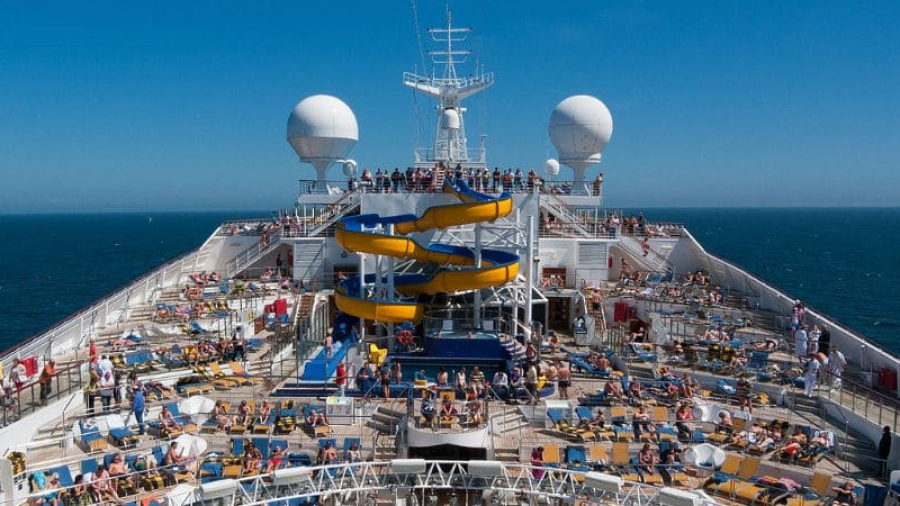
cruise-ship.jpg

Do Big Cruise Ships Rock Less? The Worst Cruises for Seasickness Revealed

If you’re prone to seasickness, you’ll probably want to put some thought into choosing the best ship for seasickness – one that isn’t going to ruin your cruise.

Many people assume that big cruise ships rock less. But, is bigger always better when cruise ships and seasickness are concerned?

The general rule is that bigger cruise ships require bigger waves to rock them. However, other factors such as stabilising technology, are important too.

cruise ship at sea

Why people get motion sickness/seasickness on a cruise

Do you feel motion sickness on a cruise ship? You’re not alone. Motion sickness is caused by a conflict between signals arriving in the brain from the inner ear, which detects motion.

When a cruise ship is rocking, your inner ear can send different signals to your brain from your eyes. Your eyes are telling your brain that everything is still, but your ears are telling your brain that you’re moving up and down or side to side. These confusing messages can make you feel sick.

This explains why one of the best cures for seasickness is to look out to sea. If you look towards the horizon, your eyes will also tell your brain that your body is moving, the signals will match and the sickness should subside.

For this reason, if you’re worried about seasickness, it might be a good idea to upgrade to a cabin with a balcony rather than a windowless inside cabin.

seasick woman on a cruise

How bad can it be?

Seasickness isn’t fatal. But, nausea and vomiting associated with motion sickness can be very unpleasant and leave people bed-bound for periods of time.

Seasickness is different for everyone. Most people don’t suffer from it at all. Others may experience it severely.

If you do feel seasick, lying down in bed is probably the worst thing you can do. If you can muster the courage to head up to the top deck and look out to sea or walk a few laps of the promenade deck, you’ll likely feel much better.

If that doesn’t work, cruise ships will give you seasickness pills free of charge, or if you’re really struggling you may be offered a seasickness injection. Other, more natural remedies include eating green apples or you can buy acupressure wristbands on Amazon.

You can (sometimes) feel the ship moving but it depends

Sometimes, you can feel a cruise ship rock, but that very much depends on the weather, and specifically, the size of the waves. If the sea is flat you will feel no movement at all. You can’t get seasick on a river cruise.

But can you feel the waves on a cruise ship? Not when they’re small.

Cruise ships can easily handle waves that are over 12 feet high. However, with waves of this height, you may begin to feel the ship rock and if you’re prone to seasickness you may start to look for relief.

Rough seas defined and explained

The sea is considered to be rough when the waves are more than eight feet high. If the waves of over 13 feet, then the sea is considered to be ‘very rough’. This comes from the Douglas sea scale which is a simple way of measuring the height of the waves.

The Douglas Sea Scale

Degree Height (ft) Description
0 no waves Calm (Glassy)
1 0.00–0.33 Calm (rippled)
2 0.33–1.64 Smooth
3 1.6–4.1 Slight
4 4.1–8.2 Moderate
5 8.2–13.1 Rough
6 13.1–19.7 Very rough
7 19.7–29.5 High
8 29.5–45.9 Very high
9 45.9+ Phenomenal

On very rough seas, with waves of 13 feet or more, the outer decks may be closed for safety reasons in high winds and, if needed, the ship will navigate out of the storm, possibly changing itinerary.

cruise ship on calm water

The worst itineraries for seasickness

When choosing a cruise, take a look at how many consecutive days you’re at sea according to the itinerary.

Itineraries with more than two consecutive sea days usually mean that the ship will be heading out into open water, far away from coastlines, which can be where the worst weather happens. It can often be windier the further out to sea you go, which makes for higher waves, meaning that the ships will rock more.

Transatlantic (Europe to America) and Transpacific (America to Australia or Asia) itineraries will have the most days at sea and you’re likely to feel the motion the most.

If you are prone to seasickness, look out for itineraries that have no sea days. Getting off the ship in port every day will make you feel much better.

Read more: The 8 Roughest Seas For Cruise Ships

You’ll usually feel the motion more on a smaller ship

As a general rule, you’ll feel movement more on smaller ships. This is because they are moved more easily by the waves.

People often feel sick on ferries. The largest ferries are roughly the same size as a small cruise ship, but less than a third of the size (gross tonnage) of the largest cruise ships.

Read more: How big is a cruise ship?

If you want to avoid seasickness, you may want to avoid the smallest cruise ships. But, you might not experience much difference between a medium-sized and a large ship. Anything over 2,000 passengers should be large enough not to rock too much.

There is tech to help!

The newer cruise ships have impressive stabilising technology which works to reduce the movement caused by waves. On some older cruise ships, the technology isn’t as advanced, so they are more prone to rocking.

If you want to avoid feeling sick on your cruise, as well as choosing a fairly large ship, you should also look for one of the newer ships.

All cruise ships will have some sort of stabilisers. On older ships, these may be fixed fins and bilge keels which counter the rolling pressure by providing resistance to the turbulent water.

Newer cruise ships use gyroscopic stabilisers. These state-of-the-art fins are adjusted by an onboard computer according to the sea conditions. This video explains more…

Cruise ship stabilisers can eliminate about 85% of the roll (the side to side rocking motion), but unfortunately, they do nothing to eliminate pitching (the up and down motion). To counter this, cruise ships are designed with a long narrow bow to cut through the waves rather than climb them.

The best ships – top tips

If you want the best cruise ship for preventing motion sickness, you should follow these tips:

  1. Choose a ship that has at least 2,000 passengers
  2. Choose a ship that was built in the last 10 years
  3. Choose an itinerary that has no consecutive sea days
  4. Choose a balcony cabin on a low deck in the mid-section of the ship

Please don’t let any fears of getting sick ruin your cruise or put you off booking one in the first place.

With these tips, you can choose the best ship where you’re least likely to feel the motion of the ocean. And if you do feel ill at sea, there are lots of different remedies to try.

If you found this interesting, please share!

Cruise Mummy

Jenni Fielding is the founder of Cruise Mummy. She has worked in the cruise industry since 2015 and has taken over 30 cruises. Now, she helps over 1 million people per month to plan their perfect cruise holidays.

Read more about me


Source link

Untitled-design-4-9.jpg

2024 Sees 10-Year High Gastrointestinal Outbreak Statistics

2024 saw the highest number of gastrointestinal (GI) illness outbreaks on cruise ships in over a decade.

Cruise ship norovirus outbreaks

The CDC recorded 16 outbreaks aboard ships under its jurisdiction last year, marking a sharp increase from the 14 incidents reported in 2023 and significantly higher than pre-2020 levels.

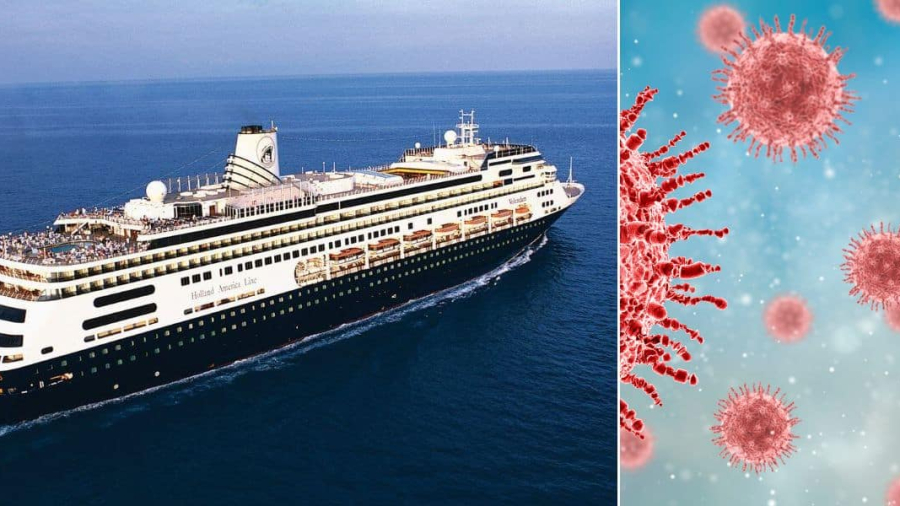
2025 has also begun with several outbreaks, most recently on Holland America’s Volendam, which has seen an outbreak on its 21-night cruise that departed on 4th January.

On that ship, 53 passengers have reported symptoms so far, along with 7 crew members.

Prior to this, outbreaks of gastro illnesses were confirmed on Silversea’s Silver Ray, and Sea Cloud Cruises’ Sea Cloud Spirit.

Only the Volendam outbreak has been confirmed as norovirus so far.

Norovirus, a highly contagious virus often associated with cruise ships, was responsible for most of the 2024 outbreaks.

The virus spreads rapidly in close-contact environments like cruise ships, camps, and hotels, and is known for causing severe vomiting, diarrhoea, and stomach cramps.

In December alone, five cruise ships – including vessels from Cunard Line, Holland America, and Princess Cruises – reported outbreaks affecting hundreds of passengers.

According to CDC guidelines, outbreaks must affect at least 3% of passengers and crew for mandatory reporting.

Dr. William Schaffner, an infectious disease expert at Vanderbilt University Medical Center, explained the virus’s resilience.

“Norovirus can persist for days on surfaces. If you touch a contaminated surface and then your mouth, you can become infected,”

Other pathogens also pose risks

While norovirus accounted for the majority of incidents, other pathogens caused illness at sea. For instance:

  • Salmonella was linked to a September outbreak on Royal Caribbean’s Radiance of the Seas.
  • E.coli was identified during a spring outbreak on Silversea Cruises’ Silver Nova.
  • The cause of an outbreak on Royal Caribbean’s Allure of the Seas in May remains undetermined.

The CDC notes that outbreaks are identified and reported more quickly on cruise ships than on land due to stringent health protocols.

Despite the increase in reported outbreaks, the CDC cautions against drawing conclusions about a long-term trend.

A spokesperson highlighted the slowdown in cruise operations from 2020-2022, which contributed to lower case numbers during that period.

In 2019, for example, there were only 10 reported outbreaks – far fewer than in recent years.

Cruise operators emphasize that onboard outbreaks remain rare relative to overall passenger numbers.

The Cruise Lines International Association (CLIA) stated that incidents of illness onboard cruise ships are “extremely rare.”

Ships implement extensive measures to control the spread of illness, such as isolating sick passengers, deep-cleaning affected areas, and enforcing hand hygiene protocols.

However, experts like Dr. Schaffner acknowledge that norovirus’s highly infectious nature can sometimes outpace even the most rigorous interventions.

For travellers considering a cruise, Schaffner offers some key advice:

  • If you’re feeling ill, stay home and rebook your cruise.
  • Pay close attention to onboard hygiene instructions, especially handwashing with soap and water.
  • Avoid touching your face after coming into contact with potentially contaminated surfaces.

The rise in GI illnesses on cruise ships highlights the ongoing challenges of maintaining health in close-contact settings.

For now, proactive measures like thorough handwashing, responsible travel decisions, and robust onboard health protocols remain the best defences against these viruses.

Related posts

If you found this interesting, please share!

Cruise Mummy

Jenni Fielding is the founder of Cruise Mummy. She has worked in the cruise industry since 2015 and has taken over 30 cruises. Now, she helps over 1 million people per month to plan their perfect cruise holidays.

Read more about me

Cruise Tails has announced a significant update to the rules for its November 2025 inaugural “Tails of the Seas” dog-friendly cruise, expanding the weight limit for participating dogs from 20…

Passengers on P&O Cruises’ Azura experienced an unexpected disruption during their Canary Islands voyage when a burst pipe caused flooding in multiple cabins. The incident occurred in the early hours…

Disney Cruise Line has announced the cancellation of four Disney Fantasy sailings originally scheduled for late 2025, citing an unplanned change in the ship’s dry dock schedule. Guests booked on…

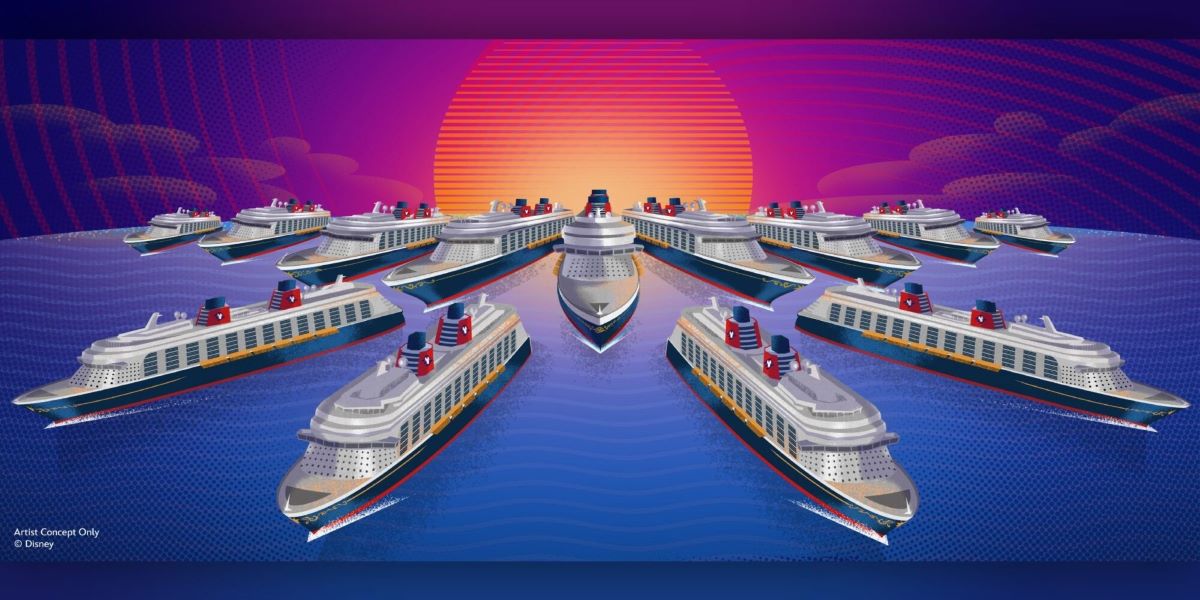
Disney Cruise Line 13 ships

Disney Cruise Line has revealed more details on some of its new ships that had previously been announced at D23: The Ultimate Disney Fan Event. We now know that the…


Source link

women-5818607_960_720.webp

23 Signs You’re Addicted To Cruises

Are you addicted to cruises? Do you always want a cruise vacation? If so, you’re not alone. Millions of people around the world are cruise addicts. But just because something is popular doesn’t mean it’s good for you.

So what are the signs that you’re a cruise addict? And more importantly, how do you know if cruising is right for you? Keep reading to find out.

The First Signs of a problem

The first sign that you might be suffering from cruise addiction is if you’re always talking about them. If you can’t go a day without mentioning cruising or thinking about it, then it’s become an obsession.

Another sign is if you start planning your next cruise as soon as you get home from your current one. If you’re constantly looking at cruise deals and trying to find ways to save money so you can go on more cruises, then it’s safe to say that cruising has taken over your life.

What are the signs that you’re addicted to cruises?

Some people love cruises so much that they wonder if they’re addicted. Here are some signs that you may be suffering from cruise addiction:

  1. Start planning your next cruise while you’re still on the current one and try to have a cruise booked at all times, even on the same ship or cruise line.
  2. You get withdrawal symptoms when you’re not on a cruise and have even suffered post-cruise depression after sailing.
  3. You’ve been on more than two cruises in the past year.
  4. You only want to travel if it’s on a cruise ship.
  5. You have photos of cruise ships as your screensaver and wallpaper.
  6. Everyone you know is sick of hearing you talk about cruises, and you seek out other cruise addicts on internet forums and groups.
  7. You’ve started using cruise ship terms in everyday conversation (e.g., referring to your bedroom as your “stateroom”).
  8. You have a collection of cruise-related memorabilia (e.g., ship models, keychains, mugs, t-shirts) from past vacations and cherish items from your first cruise.
  9. You can recite the schedule of activities for multiple cruise lines from memory.
  10. You visit the cruise ship tracker maps and dream you are currently on a cruise.
  11. You follow cruise line and cruise industry news closely and have invested in cruise stocks for the onboard credit benefits.
  12. You get to know crew members by first name and book cruises to cruise with them like “family members.”
  13. You feel euphoric the week of your upcoming cruise and dream about getting up the morning of your cruise. You also keep your cruise line boarding pass in a very safe place so you won’t lose or forget it.
  14. You feel an affinity to a single cruise line and have taken steps to rank up in the past passenger club or society.
  15. You judge other cruisers or “passengers” on how many nights they have spent at sea and cruised.
  16. You offer unsolicited expert advice and insider tips when you meet cruisers on their first cruise.
  17. You often will show your neighborhood kids or family members your collection of boarding passes or “cruise cards” unsolicited.
  18. You can’t help but judge other cruisers on which cruise line and cruise ships they have sailed or have booked.
  19. You watch Mighty Cruise Ships on TV and recognize crew members, where you have eaten dinner, a cabin you stayed in, and more.
  20. You follow cruise line and cruise industry news on social media and YouTube.
  21. Fellow passengers and crew members have openly called you a “cruise addict”.
  22. You have a pre-cruise ritual and packing-list filled with “must have” items you use just for cruising.
  23. You only associate with friends who also like to cruise.

If you can relate to any of the above signs, then there’s a good chance you’re a cruise addict!

What are the dangers of being addicted to cruises?

Whether it’s the allure of the open seas, the chance to explore new lands, or the seemingly endless supply of buffet food, people might become cruise addicts. Cruise addiction is a natural and dangerous phenomenon.

While being a cruise addict can be dangerous, cruise addiction can be especially harmful due to the cost of cruises, the potential for financial ruin, and the health risks associated with cruise travel.

Money Concerns, Because your are hooked

Cruise addicts often spend large amounts of money on cruise bookings, sometimes going into debt to pay for their fix.

In addition, cruise addicts often neglect their other responsibilities to plan and go on cruises. This can lead to job loss, ruined relationships, and other serious problems.

World Cruise

A significant indicator one trying to save for a World Cruise only after sailing a few times because you enjoy cruising so much and want to mark this off your bucket list.

Health Concerns

Health-wise, cruise addicts are at increased risk for motion sickness, dehydration, and sunburn. The lengthy exposure to the sun could cause harsh sun or worse.

The cruiser may also develop anxiety or depression due to the isolation of being on a cruise ship for extended periods or even at home when you only want to associate with your “cruise friends.”

In advanced stages, cruise addicts often don’t disembark the cruise ship when visiting a port destination or join group activities such as the “belly flop contest.” If you or someone you know may be suffering from cruise addiction, get help before it’s too late.

Are you constantly checking online cruise reviews and booking websites for updates on the latest deals and promotions?

Is your computer screen constantly filled with images of tropical beaches and luxury cruise ships? Do you find yourself daydreaming about white sand beaches and blue waters? Don’t worry; you’re not alone. There are millions of people out there who share your passion for cruising. 

Find Support

The good news is that plenty of ways to feed your addiction. You can start by checking online cruise reviews and booking websites for the latest deals and promotions. Or you can scour the internet for information on upcoming cruises.

There’s also nothing wrong with spending hours looking at pictures of cruise ships and dreaming about your next vacation.

So if you’re addicted to cruises, there’s no need to be ashamed. Just embrace your passion and being a cruise addict.

How to overcome an addiction to cruises

It’s official: I’m addicted to cruising. I’ve been on four in the last two years, and each has been better than the previous. I love waking up in a new place each day and never having to unpack or worry about laundry.

All-Inclusive Food, Drink, Entertainment

I love the all-inclusive food and drink, the nightly entertainment, and the opportunities to explore new destinations. 

But I know that my addiction is getting out of control. I now plan my holidays around cruises, spending more money on them than I can afford. I’ve even started booking multiple cruises back-to-back to extend the feeling of being on vacation and help prevent the feared post cruise depression due to being addicted to cruising.

So how do I overcome my addiction to cruises? 

First, I need to accept that I have a problem. Just like any other addiction, admitting that there’s a problem is the first step to recovery. Being addicted to cruising is not easy but, things could be worse. It’s not like it’s a life sentence from some dreaded disease or other awful life altering event. You need to focus on the positive and learn to manage in a healthy and productive way.

Other Vacation Types?

Second, I need to start making other plans for my vacations. Instead of automatically booking a cruise, I’m going to research other holiday options and give myself time to decide what sounds best. 

Start Budgeting

Finally, I need to be honest about how much money I’m spending on cruises. If I want to continue cruising, I will have to start budgeting and make some sacrifices. Maybe I can move less often or find cheaper cruises. Whatever it takes, I need to get my addiction under control.

Your Happy Place

So, if you’re questioning whether or not you may have a cruise addiction, ask yourself these questions. Do you find yourself constantly checking cruise prices and availability? Are cruising forums one of your favorite places to hang out online?

Cruise Lines and Cruise Ships

When people mention cruises, do you start to feel excited and antsy? If the answer is yes to any of these, cruises have likely taken over your life in an unhealthy way. But don’t worry, there is hope.

Understanding The Dangers

By understanding the dangers of being addicted to cruises and taking some simple steps to overcome your addiction, you can get back on track and enjoy healthier hobbies and activities.

Editors Note: Addiction is not a joking matter, but we took the liberty in this article to poke fun at ourselves (Cruise Addicts) and bring up some serious issues in extreme cases. Addiction affects people of all ages and incomes and can take many forms. Cruise travel could also become an addiction and does offer a sense of joy and excitement that could lead to overindulgence or abuse.

Source link

Large white cruise ship sailing across calm blue ocean water on a sunny day

Carnival Dream vs Carnival Breeze: Which Sister Ship Should You Book?

In the Carnival Dream vs Carnival Breeze debate, Breeze is the better pick for families and anyone who wants the ropes course, RedFrog Pub and Italian specialty restaurant, while Dream is the better pick for value and for a recently refreshed ship. The two are near-identical sisters, so the deciding factor is often where and how long you want to sail. That is about to change, because their itineraries effectively swap in May 2027.

Carnival Dream vs Carnival Breeze at a glance

These are two of the three Carnival Dream class ships, alongside Carnival Magic. They share a layout, so if you know one, you will find your way around the other quickly. Here is how the figures compare in November 2026.

Feature Carnival Dream Carnival Breeze
Entered service 2009 2012
Gross tonnage About 128,000 to 130,000 About 128,000 to 130,000
Length About 1,004 ft About 1,004 ft
Guests (double occupancy) 3,646 3,690
Crew 1,367 1,386
Last dry dock March 2026, Marseille 2022, Cadiz (next expected 2027)
Homeport now Galveston Galveston
Homeport from May 2027 New Orleans Galveston
Ropes course No Yes
RedFrog Pub No Yes
Cucina del Capitano No Yes

Size is effectively a tie. If you want to see how they sit against the rest of the fleet, our guide to Carnival ships compared by size puts the Dream class in context.

Recent refits: which ship feels fresher?

Carnival Breeze is the younger ship, but Carnival Dream has had the more recent work. Dream spent 16 days in dry dock in Marseille in March 2026. The headline additions are modest and practical:

  • A Dreams Studio for professional portrait sessions
  • A Carnival Adventures Store for browsing and booking shore excursions
  • A redesigned casino with a dedicated host station
  • A refreshed Effy Jewelry shop

Much of the rest was technical maintenance, so this was a tidy-up, not a transformation. Most of Dream’s current food and drink lineup, including Guy’s Burger Joint, BlueIguana Cantina and Alchemy Bar, dates from a 2017 refit.

Carnival Breeze last went to dry dock in Cadiz in spring 2022, when she received the red, white and blue hull and an expanded non-smoking casino area. Carnival’s booking calendar points to another dry dock in early 2027, around late February to mid-March, though the line has not announced what it will include. If you are booking Breeze for later in 2027, she may well have changed a little by the time you board.

Sunny cruise ship pool deck with loungers and passengers relaxing
The two sisters share the same open-deck layout, with a few key differences. Photo: William Jacobs on Pexels

Carnival Breeze vs Dream: itineraries and homeports

Most comparisons stop at “both sail from Galveston”. That is true today, but only until spring 2027, and it could be the most important part of your decision.

Sailing before May 2027

Both ships are currently based in Galveston, but they serve different kinds of trip. Carnival Breeze runs short four- and five-night Western Caribbean getaways, usually to Cozumel, with Progreso added on the longer sailings. Carnival Dream runs longer trips of six to eight nights or more, calling at places such as Cozumel, Costa Maya, Roatan and Belize, with some longer voyages reaching The Bahamas and Celebration Key.

Sailing from May 2027

The roles then reverse:

  • Carnival Dream moves to New Orleans on May 16, 2027, for four- and five-day cruises to Mexico, sailing alongside Carnival Liberty.
  • Carnival Breeze stays in Galveston but changes to a mainly seven-night schedule on Western and Eastern Caribbean routes, with ports such as Cozumel, Belize, Grand Cayman, Nassau and Celebration Key.

So if you want a quick break from Texas, book Breeze before mid-May 2027. If you want a full week from Galveston, book Dream before that date or Breeze after it. Drivers from Louisiana, Mississippi and Alabama gain a much bigger ship at New Orleans for short cruises.

Dining on Carnival Dream vs Breeze

The free favorites are the same on both: the Main Dining Room, Lido buffet, Guy’s Burger Joint, BlueIguana Cantina, Guy’s Pig & Anchor Bar-B-Que, Mongolian Wok and Seaday Brunch. Both also have Bonsai Sushi, the Seafood Shack, the Steakhouse and The Chef’s Table at an extra cost.

The differences are few but real:

  • Italian: Breeze has Cucina del Capitano, a popular for-fee family-style Italian restaurant. Dream does not.
  • Pizza: Dream has Pizzeria del Capitano, while Breeze keeps the older Pizza Pirate.
  • Pub food: Breeze’s RedFrog Pub sells bar snacks and food at an extra cost.

Breeze therefore has more variety, especially if you like to book a specialty night. Cruise Critic’s editors and members nevertheless rate Dream’s dining more highly overall, so more choice does not automatically mean a better experience.

Bars and nightlife

Alchemy Bar, the BlueIguana Tequila Bar, the RedFrog Rum Bar, the casino bar and the Ocean Plaza area appear on both ships. The main difference is RedFrog Pub on Breeze, a Caribbean-themed pub that many Carnival regulars specifically seek out. Dream counters with extra lounge space, including The Song for karaoke and Sam’s Piano Bar, while Breeze has Piano Bar 88 and Limelight Lounge. Dream’s late-night spot is Caliente, and Breeze’s is Liquid Nightclub.

Sports fans should note that Cruise Critic flags a lack of a dedicated sports bar on Breeze, with games shown in the casino bar instead.

Colorful twisting water slides on the top deck of a large cruise ship
WaterWorks and its slides feature on both Dream class ships. Photo: SamFoll SF on Pexels

Activities and entertainment

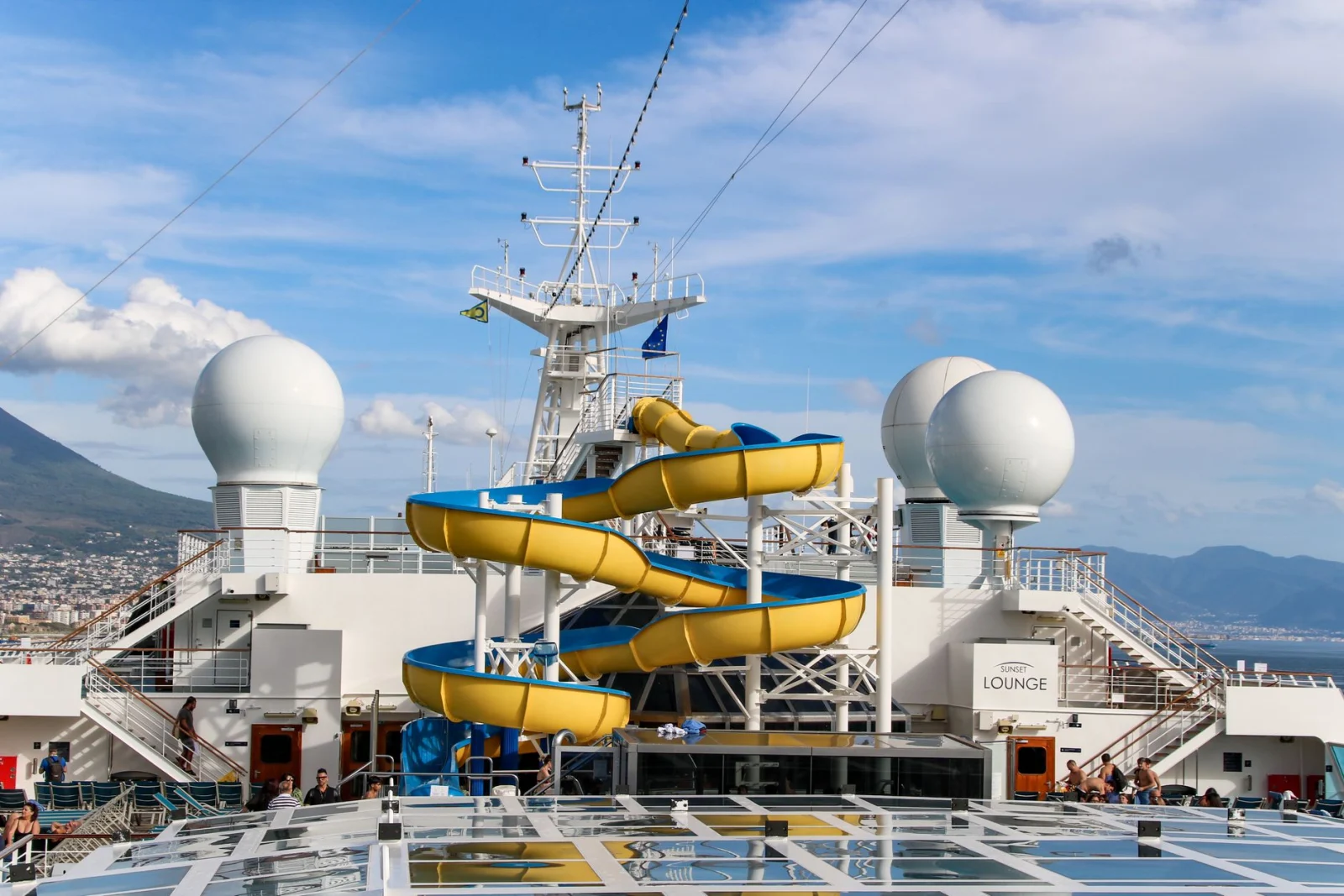
Both ships offer Carnival WaterWorks with the Twister slide, mini golf, a basketball court, a jogging track, an outdoor movie screen and the arcade. The Twister has a 42-inch minimum height, at least on Dream, so check the requirement before promising a small child a ride.

The ropes course is the standout difference. It is on Breeze as part of SportSquare and is missing on Dream, along with Breeze’s outdoor gym. If you have active older kids, this alone may settle things.

In the evening, both ships have the Punchliner Comedy Club, live music in the atrium and Ocean Plaza, a casino and shows in the main theater. Cruise Critic members score Dream’s entertainment higher, 3.9 to 3.5. Older guides mention a 4D Thrill Theater on Breeze, but it was reportedly removed in 2022, so do not plan around it.

Kids, teens and the adults-only Serenity deck

Children’s programs are the same on both ships: Camp Ocean for ages 2 to 11, Circle C for 12 to 14 and Club O2 for 15 to 17. Dr. Seuss-themed activities and breakfast are offered on both, with the breakfast at an extra charge. Cruise Critic’s editors give Breeze a higher family score, 5 out of 5 against 4 for Dream, which reflects the extra activities and the food choice.

Adults on either ship get Serenity, a free retreat for guests 21 and over with two hot tubs. There is no adults-only pool on either ship.

Spa and cabins

Cloud 9 Spa and its extra-charge Thermal Suite are on both ships, so this is largely a tie. Treatments and salon services are broadly the same, and day passes vary by sailing, so check the Carnival app or your cruise planner.

Cabin sizes are the same in each category on both ships, including the popular cove balconies. As sister ships with similar layouts, your choice of location matters far more than your choice of ship: midship cabins away from the aft nightlife and the Lido overhead are usually the quietest.

Prices and value

Dream has generally been the cheaper ship per night. Cruise Critic’s lead-in fares in November 2026 start at about $42 per person per night for an interior cabin on Dream, against $54 on Breeze, and $72 against $81 for a balcony. Suites buck that trend, starting lower on Breeze. Short cruises usually cost more per night than week-long trips, and fares change daily, so compare the exact dates you want. Our 2027 cruise deals page is a good place to start if your dates are flexible.

Verdict: which ship should you choose?

Choose Carnival Breeze if you are traveling with active kids, want Cucina del Capitano or RedFrog Pub, or want a seven-night Galveston cruise after May 2027.

Choose Carnival Dream if you want the lower fare, a recently refreshed ship, a longer Galveston cruise before May 2027, or a short getaway from New Orleans after that.

Neither ship is the wrong choice. For how both compare with the rest of the fleet, see our list of Carnival ships ranked by reviews. Before booking, confirm venues on Carnival’s official Carnival Dream and Carnival Breeze pages, since dry docks can change the lineup.

FAQs

Is the Carnival Dream bigger than the Carnival Breeze?

No, not in any way you would notice. Both are about 1,004 feet long and 128,000 to 130,000 gross tons. Breeze carries slightly more guests at double occupancy, 3,690 against 3,646.

Which is newer, Carnival Dream or Carnival Breeze?

Carnival Breeze is newer, having entered service in 2012, three years after Carnival Dream in 2009. Dream has had the more recent dry dock, in March 2026, while Breeze’s last was in 2022.

Does Carnival Dream have a ropes course or RedFrog Pub?

Carnival Dream does not have the ropes course or the RedFrog Pub. Both are on Carnival Breeze. Dream does have the RedFrog Rum Bar, which is a different and smaller poolside venue.

Where do Carnival Dream and Carnival Breeze sail from in 2027?

Both sail from Galveston until May 2027. Carnival Dream then moves to New Orleans on May 16, 2027, for four- and five-day cruises, while Carnival Breeze stays in Galveston and switches to mostly seven-night sailings.

Where does Carnival Dream rank among Carnival ships?

Rankings vary by source, but Cruise Critic currently gives Carnival Dream 4.5 out of 5 from its editors and 3.8 from members, slightly ahead of Carnival Breeze on both measures.

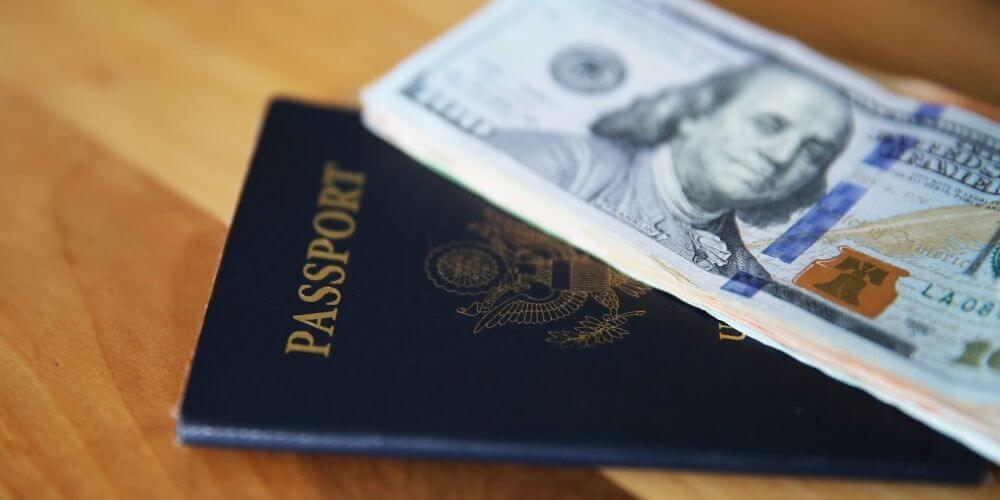
cash-and-passport-1-1.jpg

How Much Cash To Bring On A Carnival Cruise

Before you go away on a Carnival cruise there are so many things that you need to prepare in advance. One of the most important could be how much cash to take with you.

Carnival cruises are not all-inclusive, so you’ll need to budget for any extras you’ll want to enjoy during the trip.

These days, cash is not as essential as it was a few years ago, so you may be wondering whether you even need to take any money away with you at all.

To help you figure out how much cash you need to take on your Carnival cruise I’ve put together this handy guide.

Here’s what most people bring

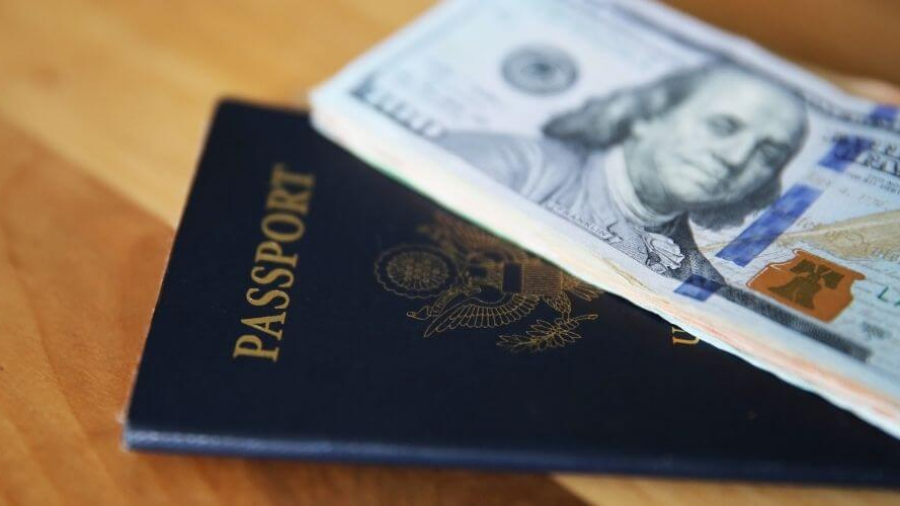
On a Carnival cruise, you should bring around $100 cash per person for each day in port and nothing for the sea days. Obviously, people’s spending habits vary a lot but this is a good guide for first-time cruisers and should mean that you have around the right amount of cash with you.

It’s wise to carry some small bills and coins, as much of the cash you’ll need will be for things like tips, vending machines and public toilets on land.

Suggested read: Where To Get $2 Bills

tip jar in a bar

You typically can’t use cash on the ship

On cruise ships, you can’t pay for things with cash. But, you will need to take some cash with you to pay for taxis, tip porters at the cruise terminal and to pay for things like meals and souvenirs when you’re exploring ashore.

On a Carnival cruise, all of your onboard expenses will need to be paid for using your cruise card, which is known as a Sail & Sign card. I’ll explain more about how that works later in this guide.

Sail & Sign Card
Sail & Sign Card

Things like drinks at the bar, off-ship excursions and souvenirs from the onboard gift shop will all be paid for with your cruise card.

This is actually a super convenient way of paying which means all of your expenses are tied to your account and your room number. You don’t need to worry about carrying cash with you, having enough of it, or worrying about losing it.  

Gratuities are also paid with your onboard account, so you don’t need to worry about having cash to tip waiters or room stewards as tips are automatically added to your bill each day.

Some people prefer to give tips in cash a the end of the cruise so that they can be sure that it gets to the right person and so that they can easily alter the amount given based upon the quality of service.

While this is fine to do, you should make sure that any cash tips are given on top of automatic gratuities. You don’t want to remove automatic gratuities and tip in cash as this takes money away from staff who work hard behind the scenes.

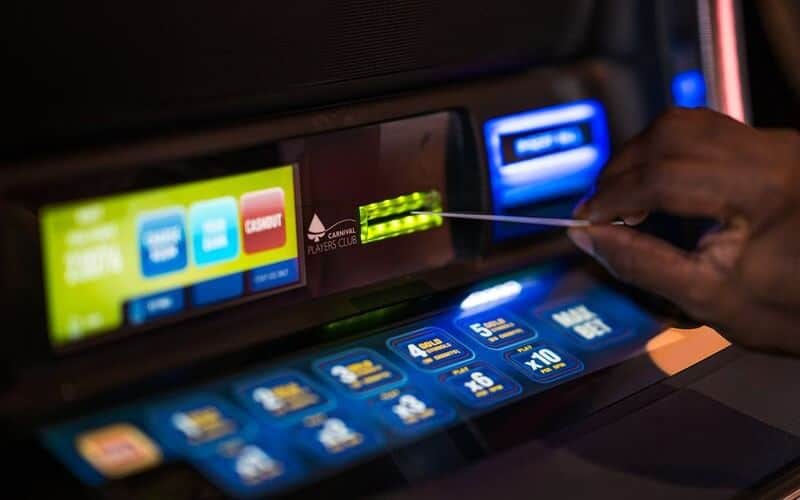
Aside from handing out tips, the only other place you can use cash on a cruise ship is in the casino. You can buy chips with cash and if you win, you’ll be paid out in cash, even if you use your cruise card to play.

You can insert your cruise card into the casino machines

So, does this mean that you don’t need to take any cash with you? Well, you might be able to get away with it if you don’t plan to leave the ship. But, almost all cruises include some days ashore.

Taking cash for port visits

When you head to shore, you should take some cash with you. Sure, you might get away with just using your credit or debit card, depending on where you are, but it is much easier to have a bit of cash on you.

Here are some of the things you might need cash for:

  • Taxis, buses and trains
  • Entrance to attractions
  • Souvenirs
  • Food and drink
  • Tips
  • Public toilets
  • Street entertainers

Your biggest expenses will be for taxis, meals and entrance fees to attractions when you’re on land. I have taken the cost of these to be $20, $30 and $50 to give the $100 dollar budget, but of course, this can vary widely depending on where you are and what you’re doing on your days ashore.

If you like to plan ahead you should be able to get a clearer idea of costs by looking at your destinations and preferred activities. If you plan to book lots of cruise line excursions, you’ll need less cash with you since your transport, entrance fees etc will be covered.

Conversely, if you like to arrange things yourself once onshore then you might want to budget a bit more cash per port.

When you’re on land you may be paying for taxis to get you from the port to the city centre or to see the sights. This is definitely a time when having cash can make things run smoother, particularly if you’re in a place where Ubers aren’t so common.

How much you need will obviously depend upon the distance covered, but you are probably looking at about $20 at most ports.

paying for taxi with cash

You may well need to use the toilet whilst you explore the sights. In most countries, this will involve a small charge which will always need to be paid in cash. 

You may also want to buy some souvenirs to remind you of where you have been. There will probably be shops where you can pay for things by card, but if you like to pick up little trinkets from market stalls then it is likely that the vendor will only accept cash. 

Other things that you may want to pay for whilst on an excursion include meals, attractions and tipping, so I definitely recommend that you take some cash with you for times when you are off the ship. 

The Carnival Sail & Sign Card explained

Carnival’s Sail & Sign card is the cashless way to pay for everything whilst you are on your cruise. It’s also the key card to open the door to your room and your ID when you get on and off the ship.

Gold Sail & Sign card

On your first Carnival cruise, your Sail & Sign card will be blue, on your second cruise it will be red and then as you take more cruises and earn more VIFP Club points, the cards will be coloured gold, grey (platinum) and silver (diamond) to show loyalty status.

As cash is not accepted on board the Carnival cruise ships, all purchases and services onboard are paid for with the Sail & Sign Card, from drinks to souvenirs to excursions. 

Suggested read: Carnival Drink Package Tips

You set up your Sail & Sign card by linking it to a credit or debit card and then all purchases will be charged to your onboard account. A hold will be put on your bank account during the cruise and the final balance will be requested from your bank at the end of your trip.

Carnival Cruise Cash

Carnival Cruise Cash is the cash credit to your Sail & Sign account. You can add this credit to your onboard account up to two days before your cruise. This can then be used against any charge made on your account, including taxes and gratuities.

To buy Cruise Cash you can visit The Fun Shops website, once you have a cruise booked.  

It is worth noting that when you add money to your Cruise Cash credit it is non-refundable and is only valid for a single voyage.

Honestly, there’s no need for you to add Carnival Cruise Cash to your account. It’s better to just rack up a bill and settle it at the end.

The main use of Carnival Cruise Cash is for people who want to give a gift to someone who’s going on a cruise. For example, if you’re going on a Carnival cruise for your honeymoon, then friends could add Cruise Cash to your onboard account as a wedding gift.

The Cruise Cash on the Carnival website is available with different vouchers for the bar, photos, entertainment etc. But you can spend it however you please once you’re onboard.

Don’t panic if you forget to pack cash!

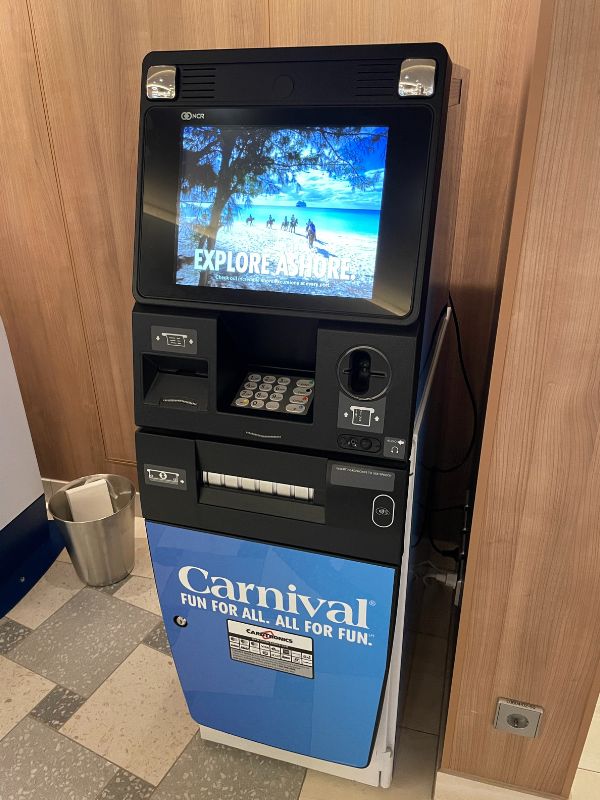
Carnival ships do have ATMs onboard so there is no need to panic if you find that you haven’t brought enough cash with you. It is worth noting that there is a $6.50 charge to use the machine. This is per transaction so it is worth getting out larger amounts at one time.

ATM on Carnival cruise ship

The most that you can withdraw in one transaction is $500. Sometimes Carnival ATMs may run out of cash during the cruise, but there are a couple of other ways to get cash while at sea…

You can get a cash advance at the Casino Cashier’s Window using a credit or debit card. Or you can cash a cheque at the same location. For both of these options, there is a 5.5% charge on this (with a minimum of $5.50 on advances under $100).

On Carnival cruises from Australia, it’s also possible to cash US Dollar Traveller’s cheques, and there is no fee for this. 

Currency may vary but USD is a safe bet

What currency to take on a cruise largely depends upon where you are going since most of the cash you spend will be off the ship.

In many countries that you visit in the Caribbean or South America, the local vendors are likely to accept US dollars in addition to their local currency so it would be worth having some dollars with you. 

Cruise ship staff are also always likely to be happy with dollars if you plan to tip in cash. If you are cruising around Europe, it is probably better to take Euros as these are accepted in most countries (not Norway or the UK though).

Adding cash to your Sail and Sign card

You can add cash to your Carnival Sail and Sign card on a cruise once you are onboard. Just visit the Guest Services desk on the first day of your cruise to add the cash that you want to spend on the ship.

A lot of people prefer to do it this way as it helps to control their spending – instead of linking a credit card, they only have the cash on the card to spend. Of course, if you then run out, you’ll need to link a credit card in order to keep spending.

Suggested read: Is The Carnival Mastercard Credit Card Worth It?

Final word

I hope that this guide has helped you to decide how much cash to take on your Carnival cruise. When you are actually on the ship you won’t need any cash but, in most cases, you will need some when you are in port.

Don’t worry too much about taking the exact right amount though, if you don’t have enough there are ATMs on board the ship and around most cruise terminals.

NEW DEALS JUST RELEASED!

See the latest Carnival cruise offers…

If you found this interesting, please share!

Cruise Mummy

Jenni Fielding is the founder of Cruise Mummy. She has worked in the cruise industry since 2015 and has taken over 30 cruises. Now, she helps over 1 million people per month to plan their perfect cruise holidays.

Read more about me


Source link

20221201_132924-scaled.jpg

Stroke Awareness For Cruise Travelers

A cruise vacation is a chance to unwind, explore, and make lasting memories. Yet, even on the open seas, unexpected health emergencies can arise. Among the most critical is a stroke, where every moment counts. Cruise ships have medical teams and facilities, but the ability to promptly recognize the symptoms of a stroke can make all the difference in ensuring the best possible outcome. By staying informed and prepared, you can protect yourself and your loved ones, even miles away from the nearest hospital.

Spotting Stroke Symptoms: What Every Cruiser Should Know

Recognizing the warning signs of a stroke can save lives, especially on a cruise where access to advanced medical care may be delayed. Strokes occur when blood flow to the brain is disrupted, and immediate action is essential to prevent long-term damage.

The FAST method is a simple way to remember the critical signs of a stroke:

  • Face: Look for drooping on one side of the face. Ask the person to smile—if their smile appears uneven, it could indicate a stroke.
  • Arms: Ask them to raise both arms. Difficulty lifting one arm or keeping it steady is another key warning sign.
  • Speech: Listen for slurred or unusual speech. Ask the person showing symptoms to repeat a simple sentence to identify any abnormalities.
  • Time: If any of these symptoms are present, seek immediate medical help—every second counts.

Additional symptoms include sudden confusion, difficulty walking, loss of balance, or severe headaches. On a cruise, these signs might be mistaken for dehydration, seasickness, or overindulgence. However, it is crucial to recognize the difference and act without delay if you suspect a stroke.

What to Do if You Suspect a Stroke at Sea

medic in shirt putting bag on shelfmedic in shirt putting bag on shelf
Photo by Mikhail Nilov on Pexels.com

When a stroke is suspected onboard, taking immediate action is critical. While cruise ships are equipped with medical teams, their resources are often limited compared to hospitals. Taking the right steps can significantly improve the outcome.

  1. Alert the Ship’s Medical Staff Immediately

Contact the ship’s medical center right away, providing clear details about the symptoms observed and when they began. Providing this information helps the medical team assess the situation and respond effectively.

  1. Ensure the Individual Is Safe and Comfortable

Keep the person calm and seated or lying down to prevent falls or further injury. Unless instructed by medical staff, do not offer food, drink, or medication.

  1. Be Prepared for Medical Evacuation

In severe cases, the ship’s team may recommend evacuation to the nearest hospital, which requires coordination between the ship and local authorities. Travel insurance that covers medical emergencies can provide peace of mind in such situations.

  1. Advocate for Clear Communication

Strokes often require treatments or tests unavailable on board. Be proactive in asking questions and ensuring you understand the steps being taken. Don’t hesitate to request further evaluation if necessary.

Every moment matters during a stroke, and knowing how to respond can make all the difference in a situation where advanced care may be hours away.

Understanding the Risks of Stroke Misdiagnosis

mri images of the brainmri images of the brain
Photo by cottonbro studio on Pexels.com

Despite the best efforts of onboard medical teams, stroke misdiagnosis is a real concern. Without advanced imaging tools like CT scans or MRIs, cruise ship doctors may mistake stroke symptoms for other conditions, such as migraines, dehydration, or vertigo—common ailments at sea. These errors can delay essential treatment, increasing the risk of severe complications.

Recognizing stroke symptoms and warning signs, such as sudden confusion or loss of balance, is essential to ensure immediate action is taken. Treatments like clot-busting medications must be administered within a short timeframe to be effective, and delays caused by misdiagnosis can drastically limit recovery options.

Being proactive about your health before traveling can help reduce these risks. Share any pre-existing conditions with the ship’s medical team and remain alert to changes in your well-being while at sea.

Protecting Your Rights After a Stroke Misdiagnosis

close up photo of wooden gavelclose up photo of wooden gavel
Photo by Sora Shimazaki on Pexels.com

Suffering a stroke misdiagnosis on a cruise can have devastating consequences, both medically and legally. Cruise ship medical staff are required to provide reasonable care, but when this standard is not met, the results can be life-altering.

In cases of negligence, such as failing to recognize clear stroke symptoms or delaying treatment, victims may have the right to seek legal recourse. A qualified malpractice attorney for stroke misdiagnosis can help victims and their families navigate the complexities of pursuing justice. Legal action can provide compensation for medical expenses, lost income, and emotional distress, as well as encourage improved care standards on cruise ships.

Understanding your rights and advocating for yourself is essential in protecting your health and ensuring accountability when medical mistakes occur.

Tips to Maintain Your Health and Minimize Stroke Risks

While strokes can be unpredictable, taking steps to maintain your health while cruising can significantly reduce your risks. Small, proactive measures can go a long way in keeping you safe and healthy.

  • Stay Hydrated: Dehydration increases the risk of blood clots, which can lead to strokes. Drink water regularly, especially in hot climates or after physical activities.
  • Stay Active: Long periods of sitting, whether during meals or while relaxing, can increase the likelihood of blood clots. Incorporate light exercise, such as walking or stretching, into your daily routine.
  • Manage Stress: Unexpected delays or changes can be stressful. Practice mindfulness or relaxation techniques to keep your blood pressure in check.
  • Be Aware of Pre-Existing Conditions: If you have high blood pressure, diabetes, or a history of strokes, consult your doctor before traveling. They can offer advice and medications to help you stay healthy.
  • Prioritize Rest: A packed itinerary can be tempting, but balancing activities with rest ensures your body has time to recover and function optimally.

Taking these steps to maintain your health while at sea helps minimize the risk of serious health concerns, allowing you to enjoy a worry-free cruise.

Conclusion: Peace of Mind for Every Voyage

A cruise vacation should be a time for relaxation and adventure, free from unnecessary worry. By staying aware of stroke symptoms, acting promptly during emergencies, and understanding your rights in cases of medical negligence, you can ensure your journey remains a safe and memorable one.

A little preparation and vigilance can turn potential challenges into manageable moments, allowing you to enjoy the open seas with confidence and peace of mind.

Interlinking suggestion:From: https://cruiseaddicts.com/mishaps-that-can-happen-on-cruise-vacations/ to this article with anchor The warning signs of a stroke on a cruise

Source link

pexels-photo-2444580.jpeg

Why Poker Cruises Are Becoming A Niche Travel Trend For Enthusiasts

The concept of combining poker and cruising is no longer a niche idea. For poker enthusiasts, these cruises are creating a distinct market in the travel industry. They are redefining how poker fans spend their vacations by focusing on tailored poker experiences, premium amenities, and opportunities to socialize and compete.

Professionally Managed Poker Experiences

Poker CruisesPoker Cruises
Photo by Aperture Pro on Pexels.com

The World Poker Tour’s partnership with Virgin Voyages has set a new standard for poker cruises. WPT at Sea offers professional-grade poker rooms featuring cash games, tournaments, and satellites. Buy-ins starting at $100 makes it accessible to various budgets. Tournaments include high-stakes events like the $1,100 buy-in Prime event with a $500,000 guaranteed prize pool. The inclusion of perks such as invitation-only cocktail parties and private excursions enhances the offering.

This competitive format provides authenticity. Unlike standard casino poker tables on most ships, which often offer only basic options, these cruises deliver a full poker setup. Virgin Voyages’ adult-only Lady Ships also add an upscale atmosphere designed for adults who want a blend of leisure and gameplay.

A Growing Market Driven by Younger Travelers

The cruise industry is expanding steadily, with 35.7 million passengers expected to sail in 2024. Among these, Millennials and Generation X travelers are driving growth, with 73 percent reportedly considering cruise vacations. Millennials now average a net worth of $259,000 and are fueling this trend.

Poker cruise operators like Card Player Cruises and WPT are taking note. They’re targeting a valuable demographic by appealing to younger poker players through upgraded ships, curated excursions, and memorable events.

Social Connections in Unique Settings

One appeal of poker cruises is the chance to connect with others in ways that extend beyond the tables. Events like cocktail parties and group dinners provide a relaxed setting for socializing. Shared outings, such as private shore excursions, further enhance interaction outside the usual cruise environment. These moments strengthen connections among participants of all levels of experience.

The games themselves attract a diverse pool of players. This mix brings varying play styles and strategies to onboard tournaments and cash games. The poker table transitions from being just a competitive space to a venue for learning, bonding, and cultivating friendly rivalries.

Revenue Potential and Booking Surge

Poker cruises are a strong revenue source for operators outside the poker rooms. Spending on tickets, onboard purchases, and specialized excursions has exceeded pre-2019 levels. Royal Caribbean reported onboard revenue growth of more than 17 percent compared to four years ago. With over 85 percent of 2024 tickets already sold and some operators booking into 2025, the demand for cruise travel is robust.

The broader cruise sector continues to capture an increasingly large share of the vacation market. The strategy is yielding results by prioritizing customer acquisition of first-time cruisers and younger passengers. Investment in new offerings incentivizes travelers to explore specialty experiences like poker cruises.

The seamless combination of vacationing and poker into a unique concept sets poker cruises apart from other themed trips. The assurance of professionally staffed poker rooms and thoughtfully planned events removes logistical hurdles for travelers. Players gain access to structured games while enjoying high-quality hospitality and entertainment. This blend continues to attract a devoted following of poker players as well as curious newcomers eager to try a fresh approach to their favorite card game.

Source link

pando-cruises-single-cabin.jpg

P&O Cruises With No Single Supplement

Cruising alone is very popular, but many solo travellers are frustrated by the high prices that they have to pay compared to couples and families.

Single supplements can inflate the price of your cruise. But, there are ways to get around them. This guide will give you lots of information to help you to plan the best cruise as a solo traveller with P&O Cruises.

P&O Cruises single cabin

P&O’s solo accommodation options

Single travellers have three options when booking a cruise:

  1. Book a double cabin for single occupancy
  2. Find a cruise buddy to share a twin cabin with
  3. Book a single cabin

Which of these is the best is a personal choice that only you can make. Read on for the pros and cons of each…

P&O Cruises solo traveller

Double cabins for single occupancy

Pros: Most availability, most space

Cons: Often the most expensive option

Many solo travellers opt to book a double cabin just for themselves. Doing this has its advantages, as you’ll have the widest choice of cruises and lots of space to spread out with a double bed all to yourself.

Booking a double cabin for one person is often the most expensive option, as you’ll have to pay a single supplement. This essentially means that you’ll pay almost as much for one person as you would for two. This is something that many cruisers find to be unacceptable.

The best way to avoid the single supplement isn’t for everyone…

Sharing with a stranger

Pros: No single supplement, cheapest option, make a new friend

Cons: Less time to spend alone, reduced privacy

If you’re on a tight budget and are looking for a P&O Cruises no single supplement option, the cheapest way would be to find someone to share a cabin with. If you do this, you’ll obviously have no single supplement to pay.

Sharing a cabin with a stranger certainly isn’t for everyone. But, if you’re a sociable person, then there are groups on Facebook where like-minded cruisers make friends online and save money by sharing a cabin on their cruise. To find them, type ‘solo cruise’ into the Facebook search bar, click ‘groups’ and you’ll see a list.

Just because you share a cabin doesn’t mean that you need to spend your whole holiday with your roommate. It would be a good idea to set some expectations about how much time you’ll actually spend together before you book the cruise so that there are no concerns over appearing too distant or too full-on.

Single Cabins

Pros: No single supplement, often located near the other single cabins

Cons: Smallest cabins, sometimes cost more than a double cabin

For many solo travellers, the best option is to book a single cabin. P&O Cruises single cabins don’t have any single supplement. However, the price that you’ll pay for a single cabin varies depending on the cruise.

Sometimes, you’ll pay only a little more for a single cabin than you would for half of a double room. Other times, it actually works out cheaper to book a double cabin for solo occupancy than it does to book a single cabin!

In the example below, you can see how you would be better off booking a standard double cabin for yourself than to opt for a single cabin.

Single cabins for P&O solo cruises are limited in number and tend to sell out quite quickly. If there are no single cabins left for the cruise that you want then don’t worry, it may be the case that a double cabin would work out cheaper anyway.

NEW DEALS JUST RELEASED!

Don’t miss the latest P&O Cruises offers…

P&O Cruises Single Cabins by ship

Here are details of all of the single cabins that are available on each P&O Cruises ship. Please note that cabin sizes are approximate.

Arvia Single Cabins

  • Single inside – 10 cabins across Decks 5, 8, 9, 12 and 14(101 sq ft)
  • Single balcony – 12 cabins across Decks 9, 11 and 14 (107 sq ft)

P&O Cruises’ newest ship Arvia has 22 single cabins, with a choice of inside and balcony cabins.

Arvia’s single cabins are some of the smallest you’ll find at sea, so if you don’t want to feel like you’re sleeping in a broom cupboard, an upgrade to a double cabin for single occupancy could be a wise idea.

The single cabins on Arvia are dotted around the ship in pairs. The inside cabins all have handy midship locations, whereas the balcony cabins are all towards the aft (back) of the ship.

Suggested read: P&O Arvia Cabins: Best & Worst


Iona Single Cabins

  • Single inside – 10 cabins across Decks 5, 9 and 12 (101 sq ft)
  • Single balcony – 12 cabins across Decks 9, 12 and 14 (107 sq ft)

Arvia’s twin sister Iona has the same number of single cabins, but they’re less spread out around the ship, with fewer deck choices.

Otherwise, they’re pretty much the same, including being some of the smallest in the fleet. I think it’d be better to pay for a double room, if you can.

Suggested read: P&O Iona cabins: How to choose the best one


Britannia Single Cabins

  • Single inside – 12 cabins on the Lido Deck (134 sq ft)
  • Single balcony – 15 cabins on the Lido Deck (164 sq ft)
Britannia single cabin

Britannia is arguably the best P&O Cruises ship for single travellers as she has the most single cabins. What’s more, these are all located on a single corridor on the Lido Deck. This makes it really easy for solos to meet up, as your new friends will also be your neighbours.

The Lido Deck is one of the highest decks on the ship and Britannia’s single cabins are located right at the front of the ship. This means that if the sea is choppy, you’ll feel the motion much more than you would do in a lower deck, midship location.

The single cabins are located right by the Lido Grill and Pizzeria though, which will be handy if you fancy a snack to ease any seasickness.

Single balcony cabins on Britannia aren’t great for sunbathing on, as they’re in the shade of the deck above. Luckily, the sun loungers of the Lido Deck are just steps away.

Suggested read: P&O Britannia cabins to avoid


Azura Single Cabins

  • Single inside: 6 cabins on F Deck (130 sq ft)
  • Single outside: 12 outside cabins on F Deck (130 sq ft)
Azura single inside cabin

If you won’t cruise without a balcony, then a single cabin on Azura isn’t for you. The only single cabins available on this ship are inside cabins and outside cabins, which have a window but no balcony.

The single cabins on Azura are in a fantastic location – they’re all together on a single corridor which is right by the atrium. This is handy for meeting other single passengers and also for getting around the ship. It’s also a great location to be in for anyone who’s worried about seasickness.


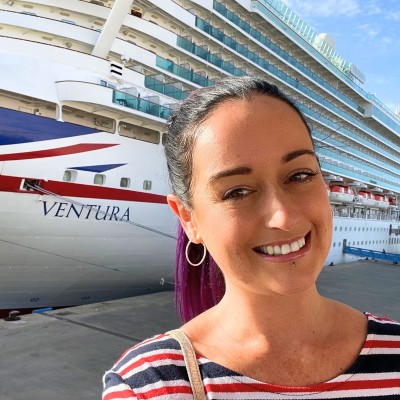
Ventura Single Cabins

  • Single inside: 6 cabins on F Deck (130 sq ft)
  • Single outside: 12 outside cabins on F Deck (130 sq ft)
Ventura single outside cabin

Ventura is a sister ship to Azura and the ships are virtually identical. Just like on Azura, the single cabins are all together on a single corridor, but there’s no option for a balcony.

Suggested read: P&O Ventura cabins to avoid


Arcadia Single Cabins

  • Single inside: 4 cabins on the Sun Deck (189 sq ft)
  • Single balcony: 2 cabins on the Sun Deck (206 sq ft)
Arcadia single inside cabin

Arcadia is one of P&O Cruises adult-only cruise ships. She has only six inside cabins, so if you want one, you really must book early.

Arcadia offers some longer duration cruises so if you’re wanting one of the only two single balcony cabins for one of these, you’re probably going to need to book it as soon as it goes on sale.

All of the single cabins on Arcadia are a really good size. The single inside cabins on Arcadia are 72% larger than they are on new ship Iona, whilst the single balcony cabins on Arcadia are almost twice as big as the ones on Iona!


Aurora Single Cabins

  • Single outside: 4 cabins on Decks 9 and 11 (150 sq ft)
  • Single balcony: 6 cabins on Deck 8 (179 sq ft)
Aurora single outside cabin

Aurora is P&O Cruises oldest and smallest ship and she is exclusively for adults. The ship has ten single cabins with a choice of a window or a balcony. There are no single inside cabins on this ship.

The single outside cabins on Aurora are forward-facing and are located just below the bridge. They don’t have the best sea views, because you’re looking down over the nose of the ship from this location. The view from Deck 11 will be a little better than from Deck 9 though.

The single balcony cabins on Aurora are all together at the back of the ship, by the terrace pool. Whilst this location is great in many ways, these cabins are above the show bar, so if you like to go to bed early, you may hear the music from below.

The balconies of the single cabins on Aurora are steel-fronted, which means that you can’t see the sea when you’re sitting down. They’re also shaded from the deck above. Luckily, the outdoor terrace and pool are just steps away.

Tips for solo travellers with P&O Cruises

Here are some tips for travelling solo with P&O Cruises…

1. Book early

Booking your cruise one to two years in advance means that you’ll have the largest choice of cabins and the best prices. The best time to book our cruise is as soon as the itineraries are released.

2. Consider your dining options

P&O Cruises offer the option of traditional dining at the same table at the same time each night or My Time dining where you can arrive as you please.

If you choose traditional dining, all the solo passengers will be seated together. You’ll be able to get to know your fellow solos better as you dine with them each night.

If you have a choice of table size, always go for the largest. Sometimes people will opt to eat in the buffet or a speciality restaurant, so if you’re at a larger table it’s less likely that you’ll be left alone.

If you choose My Time Dining, you can opt to dine alone or with new people each evening. This can be fun, but you’ll likely be seated with couples and won’t get to know people as well if you never see them again.

3. Check your daily schedule

Each cruise will have solo traveller events which you’ll find listed in your daily cruise schedule.

Solo events are a great way to make new friends. Even if you’re sure that you want to keep yourself to yourself on holiday, it can be nice to attend one of these events and see who else is travelling alone.

NEW DEALS JUST RELEASED!

Don’t miss the latest P&O Cruises offers…

Final word

While there are many benefits of cruising alone, the cheapest way to cruise solo with P&O Cruises with no single supplement is to find a cruise buddy to share a twin cabin with.

If that’s not an option for you, then there are single cabins that have no single supplement. However, it sometimes works out cheaper to book a double cabin for single occupancy and pay the supplement.

You’ll need to study the prices carefully to work out which is the best option for you.

If you’d like more info about the various cabins on P&O Cruises’ ships, take a look at my detailed cabin guides…

If you found this interesting, please share!

Cruise Mummy

Jenni Fielding is the founder of Cruise Mummy. She has worked in the cruise industry since 2015 and has taken over 30 cruises. Now, she helps over 1 million people per month to plan their perfect cruise holidays.

Read more about me


Source link

Cruise-Ship-Stateroom-Wall.jpg

Are Cruise Ship Stateroom Doors & Walls Magnetic?

There are some really clever things you can do in a cruise stateroom to either make it feel more personal to you, or to enhance your storage space. Some of these rely on magnets.

But you might be wondering if every cruise stateroom door and wall is magnetic, or if these handy tricks only work in certain rooms on certain ships.

Cruise Ship stateroom wall

So let’s find out whether all cruise ships have magnetic doors and walls, and why that might be useful.

What does magnetic actually mean?

Before I get into the bulk of this article, I need to give a quick definition.

That’s because most people ask whether cruise ship walls and doors are magnetic, but they actually mean are they ferromagnetic?

The term “magnetic” means something which exhibits a permanent magnetic field. So a magnet is magnetic.

Anything which is “ferromagnetic” is something which doesn’t exhibit a permanent magnetic field, but that is attracted by other magnets when one is introduced.

Here’s a simple explanation. Say you have stainless steel cutlery. Steel contains iron, which is ferromagnetic.

If you held a magnet close to a spoon, the spoon would be attracted to it.

But see how all of your spoons don’t clump together in the cutlery drawer? That’s because they are ferromagnetic. They don’t work as actual magnets, but they will be attracted to one.

It’s an important thing to define.

Are cruise ship cabin doors magnetic?

Most cruise ship doors are made of metal, and so are ferromagnetic – this means that magnets will stick to them, but random metal objects won’t. They are not actually magnetic, but the steel inside the door is attracted to magnets, which will cause a magnet to be held in place on a door.

Many cruisers like to decorate their stateroom doors. To prevent any damage, they often use magnets to affix the decorations.

cruise door decor ideas

It’s a good thing that the doors themselves aren’t magnetic. Since the door frames are also made of metal, you wouldn’t be able to open the door if they were, or you’d need a lot of strength!

Funnily enough, cruise ships don’t tend to publicise whether or not their doors are made of metal or other materials. It’s hardly seen as a key selling point of the room.

But most definitely are, with only a handful of exceptions. The most prominent exception I’ve found is the Prima-class ships for Norwegian Cruise Line. But NCL has banned door decorations anyway, so that doesn’t really matter!

Typically though, your stateroom door (even if it has a wooden/plastic finish) will contain the same steel that your cabin is made from, and so magnets will usually stick to it. Not always – sometimes there is a thick wood veneer that requires a stronger magnet to still be held in place by the steel core.

Are cruise cabin walls magnetic?

Cruise ship cabin walls are all ferromagnetic – magnets will stick to them. They are not in themselves magnetic, so if you want to stick something to them, it will need to be a magnet. All cruise ships are made using steel cabin frames for the cabins.

While the stateroom doors may vary, there are no exceptions when it comes to the cabin walls. Every cruise ship is made in the same way, with the cabins made separately using metal walls and then slotted into place during the construction process.

Spectrum of the Seas
Spectrum of the Seas under contruction

The reason for this is that it makes it easy to build the ‘exoskeleton’ of the cabins separately from the main ship build. Having them all cut from metal to the same size and shape speeds up the process and means assembling the ship is significantly faster.

This has its good sides and bad sides. It means phone reception can be a little sketchy in your room, and it’ll cause interference with radio waves – not good for anyone who hoped to use walkie-talkies from within their cabin.

But it does mean that you can stick magnets to your cabin walls.

I always take magnetic hooks on a cruise. This gives us lots of extra space to hang coats, bags and other bits and pieces.

Cruise Ship stateroom wall

These are the magnetic hooks that I have. They’re okay, but not strong enough for a handbag or a heavy coat.

Hooks

I would suggest that instead, you buy some super strong magnetic hooks.

These magnetic hooks hold up to 100 lbs when hung from the ceiling or 33 lbs when hung from the wall.

Just make sure that you don’t accidentally stick them to each other or you’ll never get them apart! I suggest putting each in its own little bag when packing!

Are cruise ship ceilings magnetic? 

Because cruise ship cabins are built as a metal frame, the ceilings are made from metal too and so they are ferromagnetic, with magnets able to stick to them. This can be a useful way of maximising your storage space, provided you buy strong magnets able to support the weight.

If you find that your magnets aren’t strong enough to hold your coat or bag and that they slide down the wall, then you should instead try hanging them from the ceiling. That way, your magnet will hold 3 times the weight!

The only part of a cruise ship cabin that won’t work with magnets – once you’ve passed the stateroom door – is the bathroom.

While the frame of the bathroom is metal, it’s then usually tiled over, and the ceramic or other tile materials are thick enough to insulate the metal frame behind, so magnets won’t stick.

Why does it matter?

If you’ve stumbled onto this article with no idea of why anyone would care about the detail of whether doors and cabin walls are magnetic, I can understand your confusion.

The thing is, having surfaces where magnets can stick has two major benefits – decoration, and storage.

1. Magnetic cruise door decorations

While this isn’t for everyone, there is a massive cruising community who love to decorate their stateroom doors. It is generally popular on the cruise lines aimed primarily at families – Disney and Carnival especially – although not always. MSC Cruises passengers don’t tend to decorate their doors, while it’s infrequent on a Royal Caribbean cruise.

The rules on door decorations vary by cruise line too, with some allowing guests to go wild, and others being quite strict on what you’re allowed to use. NCL doesn’t allow door decorations at all, the spoilsports.

Magnets are therefore a really handy tool for decorating your door, but bear in mind that the actual magnet may need to be quite strong. The metal core of the door is often buried under a wooden-effect exterior. Thin magnets may struggle to stick.

But if you want to decorate your stateroom door, magnets could be a handy option that won’t leave any nasty residue to worry about.

The best door decorations are made from magnets. The magnet covers the whole surface of the decoration, so you can be sure that they’ll stick!

The magnets below are from Magical Day Creations – I recommend that you check out their website as there are lots of personalised designs to choose from.

2. Magnetic hooks

Even if you book yourself a spacious cabin, storage options in the room are usually limited. And if you’ve booked one of the smallest cabins on the ship, you might find space to be at a premium.

Even with a large and spacious cabin, if you cruise at Christmas, you’re going to want somewhere to hang your stockings, right?

Magnetic hooks on cruise ship stateroom wall holding Christmas stocking.

This is why having walls where you can stick a magnet is handy – if you buy some strong magnetic hooks, you can suddenly store items on the wall that would otherwise be taking up floor or desk space.

I like to use Gorilla Hooks as they’re small but super strong. Just don’t get your fingers trapped between them like I once did!

Read more: Best Cruise Packing Tips & Hacks

3. Magnets to stick paperwork to wall

As well as using the walls for storing your own items, it’s a really handy place to keep your paperwork pinned.

Whether you’ve got tickets for an excursion, or you just need to remind everyone of key times on your daily programme, having them stuck to the wall means you won’t lose them when you need them.

There’s nothing worse than rushing about trying to find a ticket you need, or wondering where your partner is if you’ve split for the day to try different activities, and forgetting where to meet. Magnets put your important paperwork in a prominent location and can keep you organised, and free to focus on the fun.

FAQs

Are Disney Cruise doors magnetic?

All Disney Cruise ship doors are ferromagnetic and can be decorated with magnets. Indeed the cruise ships themselves will sell magnets in their onboard stores that are perfect for adding to your door. Many people decorate their cruise door using magnets or using fish extenders.

Read more: Disney Cruise fish extenders

Are Carnival cruise stateroom doors magnetic?

Carnival cruise stateroom doors all contain a steel core which is ferromagnetic, but on some ships magnets may not be effective due to the thickness of the external finish to the door. Buy strong magnets or use command strips to stick things to your door – these are permitted by Carnival.

Why do you need magnetic hooks on a cruise?

Magnetic hooks are useful on a cruise because they allow guests to hang various items like hats, towels, or even decorations on the metal surfaces of stateroom doors and walls. Since most cruise ship stateroom doors and walls are made of metal, magnetic hooks provide a convenient and efficient way to utilise the limited space in cabins.

Final word

Broadly speaking, cruise ship doors and walls are ferromagnetic and you can take advantage of this if you want to add some fun decorations or a little extra storage space.

Very small or very thin magnets might not work very effectively, so try to buy strong ones if you can, and don’t overburden them with weight. That’ll give you the best chance of your magnets sticking in place.

Related Posts

If you found this interesting, please share!

Cruise Mummy

Jenni Fielding is the founder of Cruise Mummy. She has worked in the cruise industry since 2015 and has taken over 30 cruises. Now, she helps over 1 million people per month to plan their perfect cruise holidays.

Read more about me


Source link