adam-header-e1661960972173.jpg

Cruising With A Baby Or Toddler On P&O Cruises

Many people ask me whether babies can go on P&O Cruises and the answer is yes! Not only can babies sail on board P&O Cruises’ family-friendly ships, but this is a great cruise line to choose for babies and toddlers for so many reasons…
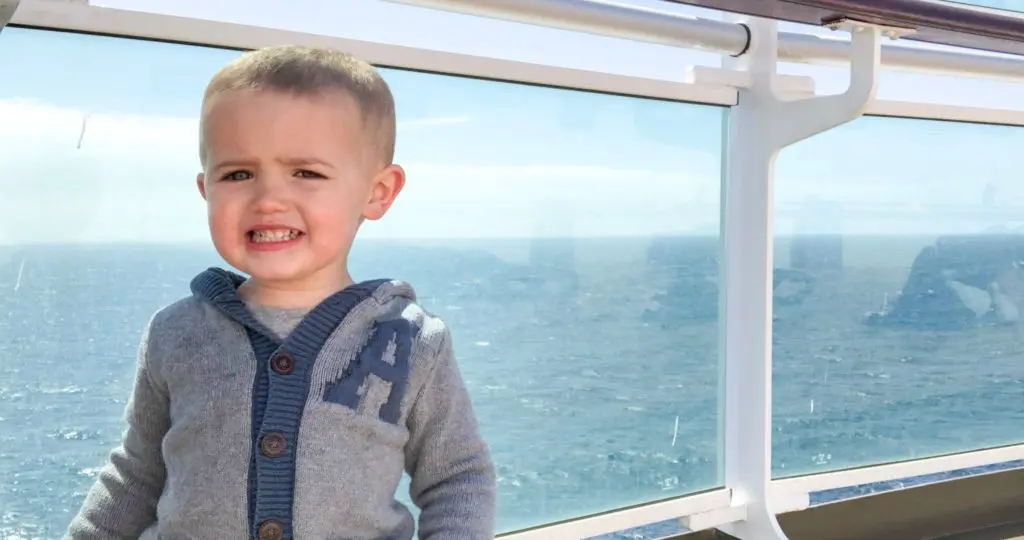
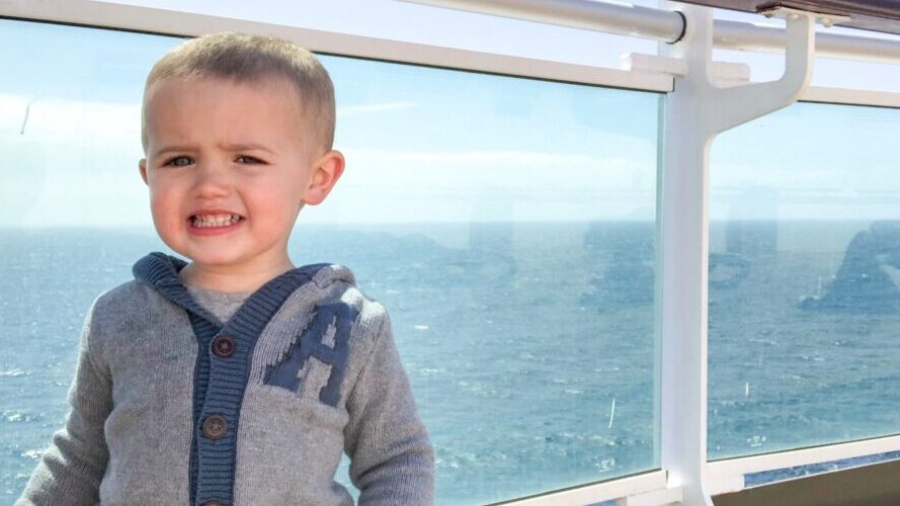
Toddler on P&O Britannia

P&O’s Baby Policy

Babies must be at least six months to sail with P&O
Cruises and at least 12 months for exotic fly-cruises. If you want to cruise
with a baby who is younger than six months old, you should look into other
cruise lines such as MSC Cruises.

P&O Cruises Infant Pricing

Infants under two years old sail at a ‘reduced rate’ with P&O Cruises. Exactly how much you’ll pay for your baby varies depending on the cruise – the P&O Cruises infant prices do vary. According to online forums, people have paid between £50 and £300 to bring a baby on their cruise.

From time to time, P&O Cruises has promotions where the third or fourth passenger in a cabin can sail for as little as £1. So booking your cruise whilst one of these promotions is live can be a great way to save you money on your cruise.

Click to see how P&O Cruises baby prices compare to other cruise lines.

Get Help Booking Your Family Cruise

Cruise Family are the only UK specialists in cruises for families of 5+ (and smaller ones too!)

Let them find your perfect trip…

Accommodation For Babies

P&O Cruises provides travel cots free of charge. There is space in even the smallest of inside cabins for a travel cot but if you do require a bit of extra space in your cabin, your cabin steward will be happy to take down the travel cot in the morning and put it back up for you in the evening.
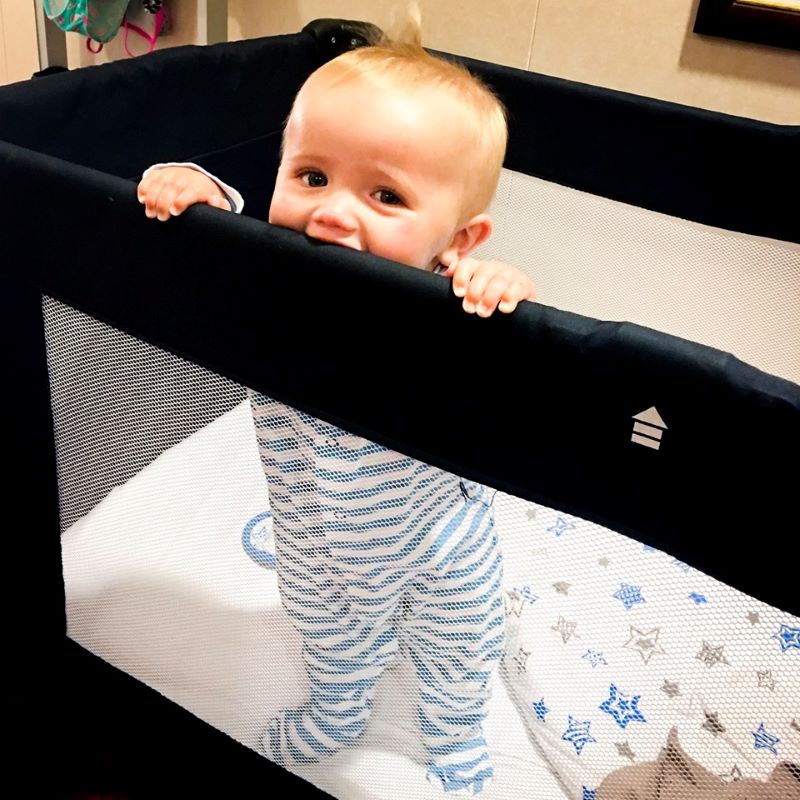
Baby in cot

The travel cots come with a thin mattress and a sheet. Guests are requested to bring their own cot bedding such as duvets, pillows or sleeping bags as required.

It might be a good idea to bring a thick blanket or small quilt to create some extra padding if your little one is used to a softer bed. If you forget to bring your own bedding, you may request a thin blanket from your cabin steward.

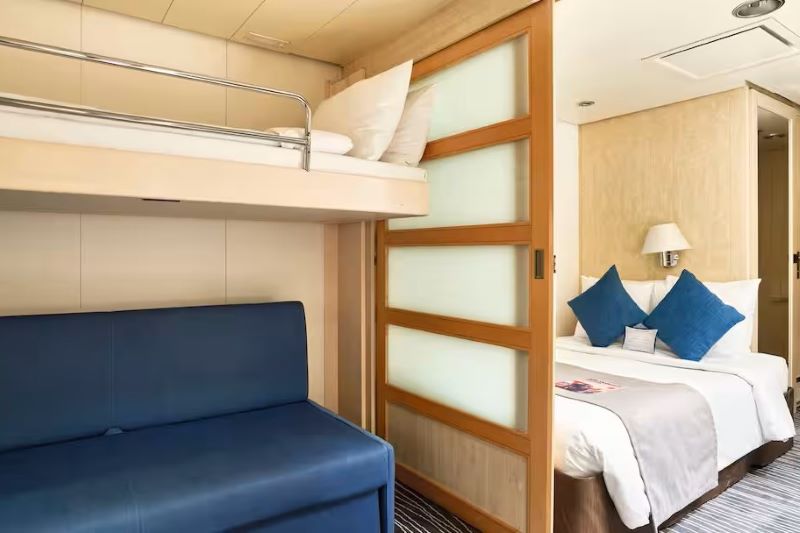
If you’d prefer for your toddler to sleep in a bed, you can request a bed guard to make sure that they can’t fall out. Some cabins have sofa beds and others have Pullman beds that come down from the ceiling like bunk beds. When you book, you can request a cabin with a sofa bed if you prefer this option.
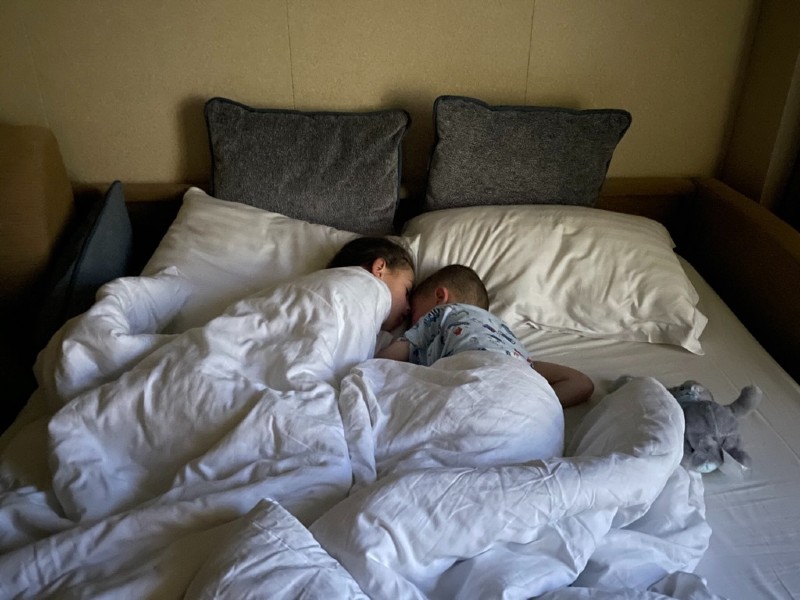
Two children asleep in a sofa bed onboard P&) Azura
Sofa bed on P&O Azura

Read more: What is a Pullman bed on a cruise ship?

A variety of cabin types are available. Budget-conscious travellers might be best to opt for an inside cabin.

But if your baby will only sleep in a cot and you’re likely to be confined to the cabin at nap times or in the evening, then it’s probably worth considering upgrading to a balcony cabin so that you can relax on the balcony while your child sleeps.

Suggested read: Are Cruise Ship Balconies Safe for Toddlers?

nap time on a cruise

Onboard Activities For Babies And Toddlers

You’ll find lots to keep tots entertained on board P&O Cruises’ family-friendly ships. One of the best things about P&O Cruises is that children wearing swimming nappies are allowed in designated pools. On many other cruise ships swimming nappies are completely banned from all pools.

We sailed on P&O Britannia and our two-year-old loved splashing in the shallow paddling pool in between the two main pools. He also loved the splash area which has a fountain and flowing water that can be stopped with various levers and wheels.

This area is a little bit hidden on the ship between the shuffleboard court and The Reef kids’ club, so make sure you don’t miss it if you sail on Britannia.
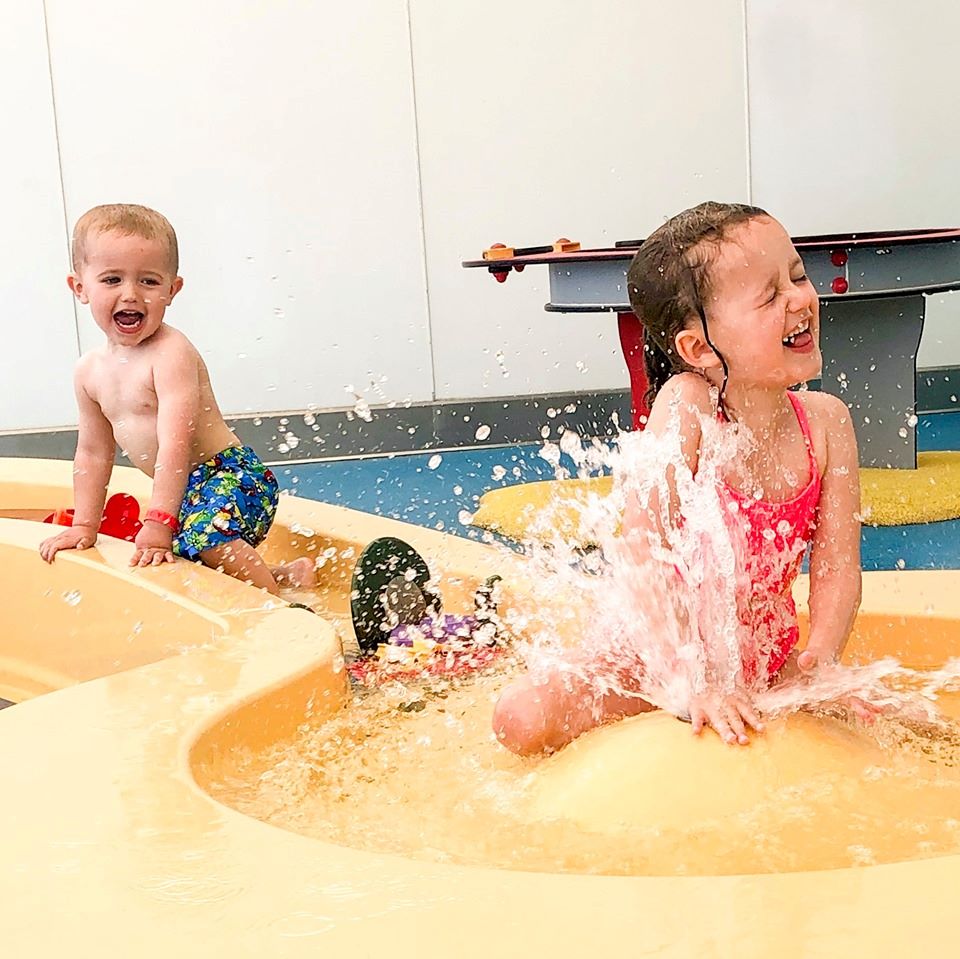
P&O Cruises splash area

P&O Cruises ships are very spacious and your little ones will love crawling around the open decks. Railings are either high with a double hand-rail or made of glass walls, which makes the decks a very safe environment for little ones to roam as long as you keep an eye on them.

Although under-twos aren’t permitted to be left in the kids’ club, they can attend with parents for supervised play sessions. You’ll also find a variety of family events on board such as discos and magic shows.

Babysitting

Although there is no in-cabin babysitting, P&O Cruises offers a Night Nursery for free-of-charge group babysitting.

The Night Nursery is a dark, quiet room with beds and cots where under-fives can sleep under the supervision of two qualified members of staff. This is open from 6 pm until midnight and extended until 2 am on request.

Places are available on a first-come, first-served basis. Parents are given a pager so that they can be contacted should their children wake up.

P&O Azura night nursery

Baby Food

P&O Cruises provides baby food free of charge. Hipp Organic baby food jars are available in an assortment of savoury and dessert flavours in stage 1 (4 months +) and stage 2 (7 months+).

Alternatively, you can request that any food from the main restaurant menu be pureed or mashed. There are also always plenty of foods on offer that are suitable for baby-led weaning such as bread, fruit and vegetable sticks.

Read more: How to feed your baby on a cruise
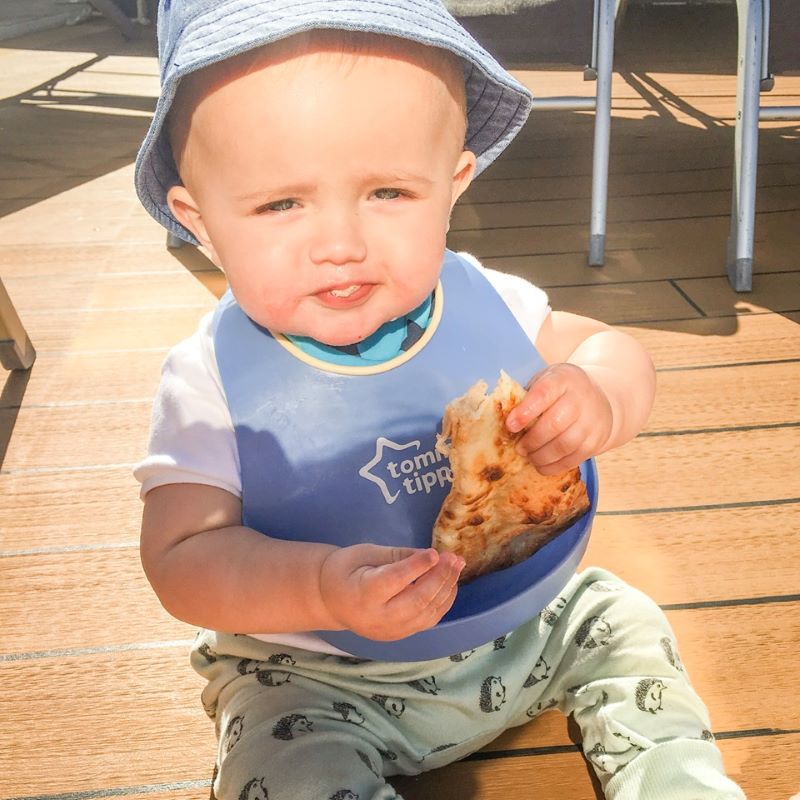
Baby Adam eating Pizza onboard cruise ship

Children and babies can dine in any of the dining areas on board. In addition, there is a special children’s tea at around 5 pm each evening (the exact time varies by ship).

Here, you’ll find a variety of kids’ favourites on offer in a relaxed atmosphere – perfect for parents who’d like to eat a little later in the evening than the children.

Toddlers can choose from the extensive children’s menu or try a small portion of any dish on the main menu. You’ll also find plenty of high chairs available in the restaurants.

Toddler drinking juice during dinner at a cruise ship dining room

Baby Milk

P&O Cruises can provide baby milk powder free of charge on request. The brand offered is SMA progress. If you prefer an alternative brand, you should bring your own baby milk.

Whole cows’ milk or plant-based milk can also be provided. Just call your cabin steward to place your request for warm or cold milk to be delivered to your cabin.

If you ask for a large jug or carton of milk, this can be kept in the fridge in your cabin. Alternatively, you can help yourself to milk from the buffet restaurant.

Glass of milk

Breastfeeding is also welcome in all areas of the ship.

Read more: How to feed your baby on a cruise

Pushchairs

You are welcome to bring a pram or pushchair on board. The only restriction on this is that they are not allowed to be left in the corridor outside your room as they are with some other cruise lines.

If your pushchair is collapsible, you’ll find plenty of storage space under the beds, should you wish to keep it out of the way.

For those travelling with two children, side-by-side pushchairs are not recommended as they can be too wide for some of the corridors. Instead, opt for a narrower style or take two pushchairs or a buggy board.

Baby Paraphernalia

Babies come with a lot of equipment, but luckily, much of what you need is available to borrow free of charge, which means you can cut down on your packing list substantially.

Items available on request include:

  • Travel cot
  • Baby bath
  • Bottle/food warmers
  • Sterilisers
  • Nappy disposal units (although normal bins are emptied twice daily too)
  • Bed guards

Just mention if you would like any of when you book and you’ll find them waiting in the cabin for you.

For a full list of baby items to pack on a cruise, get the free printable checklist that I use. Just enter your email address below and it will be sent to your inbox.

Laundry

On board P&O Cruises you’ll find self-service launderettes with washing machines, tumble driers and irons which are free of charge.

You needn’t worry about packing lots of clothes for your children, as you’ll be able to do washing during your cruise should you need to. I’d recommend bringing your own washing tablets, as they cost £1 each to buy in the on-board shop.

If you prefer someone else to do the washing for you, there is also a laundry service available for a fee.

baby on a cruise

Summary

Whilst many cruise lines cater very well for babies and children, the P&O Cruises baby policy is one of the best and you can’t go wrong. The staff are all very friendly and on-hand to help wherever they can to make your family holiday as stress-free and enjoyable as possible.

Do you have any more tips for cruising with young children on board P&O Cruises? Please share them in the comments below. Or if you have any questions, let me know and I’ll do my best to answer them for you.

Get Help Booking Your Family Cruise

Cruise Family are the only UK specialists in cruises for families of 5+ (and smaller ones too!)

Let them find your perfect trip…

Related posts:
If you found this interesting, please share!

Cruise Mummy

Jenni Fielding is the founder of Cruise Mummy. She has worked in the cruise industry since 2015 and has taken over 30 cruises. Now, she helps over 1 million people per month to plan their perfect cruise holidays.

Read more about me


Source link

cruise-for-family-of-four.jpg

Top Tips for Booking The Perfect Family Cruise For 4

Finding a cruise for a family of four can be tricky because when you see cruise offers advertised online, they’re almost always based on two people sharing. This means that it can be very tricky to compare cruise prices for families.

cruise for family of four

A Lot Of Cruises Are Priced For Couples

Before I became a cruise blogger, I spent five years working in marketing for a specialist cruise travel agent. Whilst we did sometimes show family prices for families of four, most often, the price displayed was based on two people sharing a cabin.

The reason for this is that travel agents’ websites pull their prices from a feed and then apply their own programmatic price adjustments. The feed comes from the cruise line’s database, via third-party software.

This software only has the capacity to show prices based on two people for the four main cabin types – inside, outside, balcony and suite.

Not All Travel Agents Show Family Prices

For a travel agent to display a family price for a cruise, they have to price this manually, rather than using the live price feed. This task involves a member of staff going on to the cruise line’s website, finding the price, and then updating the travel agent’s website.

As cruise prices change most days, this is quite a labour-intensive task, so it’s not done for most sailings.

A smiling travel agent wearing a headset sits at her desk with a large colorful globe beside her, signaling readiness to assist with travel plans, depicted in a bright, modern office setting.

How to Find Family Cruise Prices

The way to see accurate prices for a cruise for a family of four is to search for the cruise on the cruise line’s own website, rather than a travel agent’s website.

However, booking directly with the cruise line usually costs you more and I wouldn’t recommend it in most cases. This is because travel agents are able to secure discounted rates.

Therefore, you should look for the price on the cruise line website and then call your travel agent and ask them to beat it. Any good travel agent will be able to get you a better deal than if you book directly with the cruise line.

Get Help Booking Your Family Cruise

Cruise Family are the only UK specialists in cruises for families of 5+ (and smaller ones too!)

Let them find your perfect trip…

Suggested read: How to book a cruise online (and is it a good idea?)

cruise for family of four
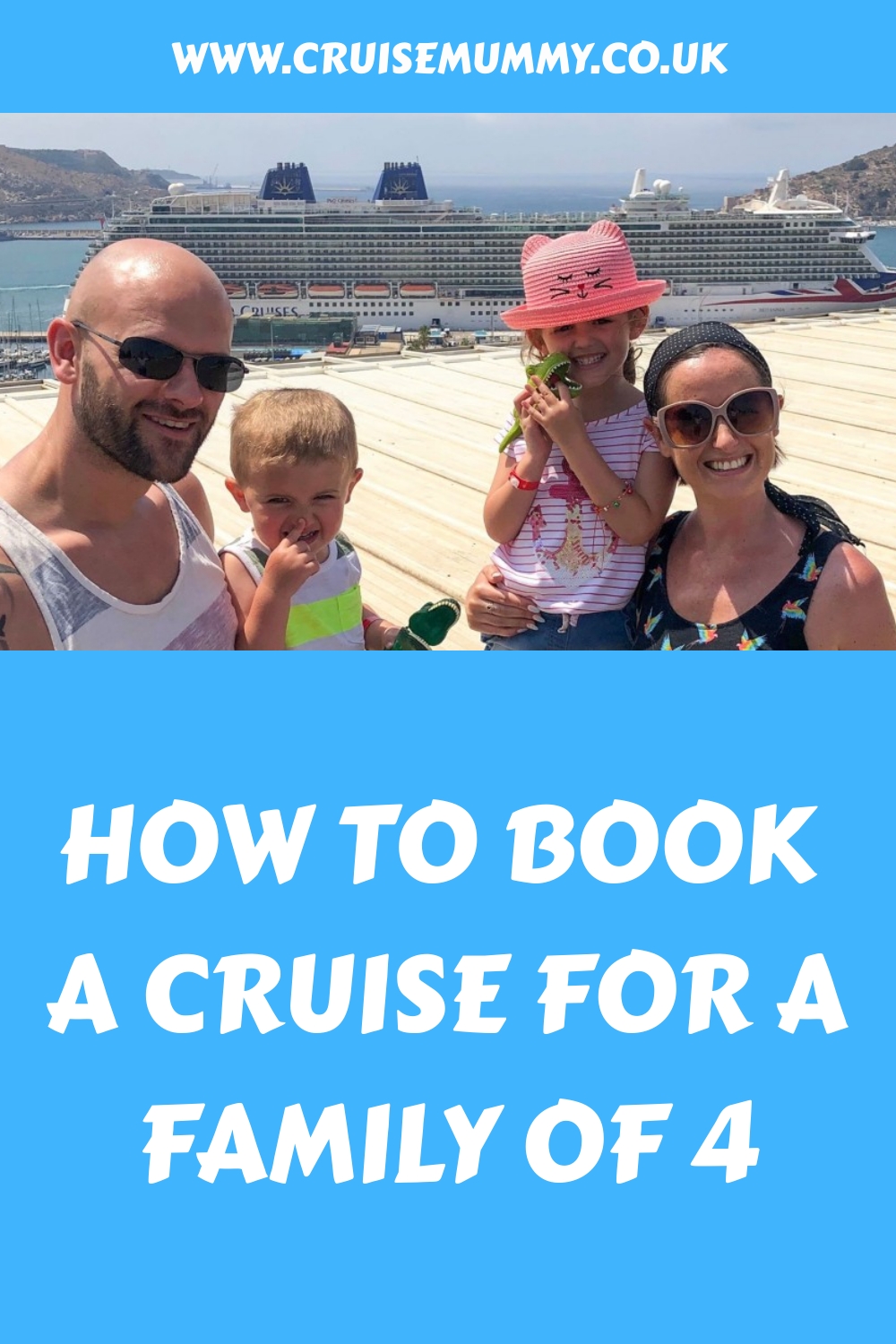
Our family of four on P&O Britannia

Things To Consider When Booking A Cruise For A Family Of 4

1. Child Prices Depend On The Age Of The Child

For most cruises, the child price depends on the age of the child. When you see family prices advertised by travel agents, this is usually based on the price for eight-year-old children. If your kids are older or younger than this, the price may be lower or higher

2. Two Cabins May Be Cheaper Than One

Whilst you might think that having four people in one cabin is the cheapest way to cruise, this isn’t always the case. If there’s a special offer such as Buy One Get One Free, then it might work out cheaper to have two inter-connecting cabins.

You’ll need to book one adult and one child in each cabin, but if you have a door between them you don’t actually need to sleep in this configuration.

Cruise ship cabin key showing inter-connecting cabins

3. Free Child Places Don’t Apply To Flights

When you see an offer for free or reduced child places on your cruise, it can seem like a great deal. But don’t forget that kids aged two and over will pay the full fare for any flights that you need.

Unfortunately, the flights can sometimes cost more than the cruise, so be sure to factor this in when you book.

4. Family Cabins Sell Out Quickly

Not every cruise cabin has the extra beds to accommodate families. Since family cruising is becoming more popular, you’ll find that some of the older cruise ships have a distinct lack of cabins that sleep four.

I once tried to book a cruise the day after it went on sale, almost two years in advance, only to find that all the family cabins had already sold out!

For families of five, you’ll find that family cabins are even more rare.

Suggested read: The best cruises for a family of 5

Marella Cruises Family Cabin

How To Choose a Family Cruise

If you’re planning a family cruise, take a look at my guide on how to choose a cruise in 7 easy steps. It guides you through the process of finding the best cruise for your family, including any pitfalls to watch out for.

If you have any questions or would like any help, please follow me on Instagram where I’ll be happy to chat over direct messages.

Get Help Booking Your Family Cruise

Cruise Family are the only UK specialists in cruises for families of 5+ (and smaller ones too!)

Let them find your perfect trip…

Related posts:

If you found this interesting, please share!
Cruise Mummy

Jenni Fielding is the founder of Cruise Mummy. She has worked in the cruise industry since 2015 and has taken over 30 cruises. Now, she helps over 1 million people per month to plan their perfect cruise holidays.
Read more about me


Source link

Jenni-with-Britannia-1.jpg

New Study Reveals The Item Most Commonly Lost By Cruise Passengers

With the 2025 cruise season in full swing, a new survey reveals which items cruise passengers are most at risk of losing.

Jenni with Britannia

According to recent research by Confused.com, over one in five cruise passengers (22%) admit to having left something behind on a cruise ship.

The most commonly lost items? Sunglasses, prescription glasses, and chargers, each reported by 30% of respondents who have misplaced belongings on board.

Whether it’s a forgotten phone charger, a misplaced pair of reading glasses, or a treasured piece of jewellery, cruise holidays – with their relaxed pace and ever-changing scenery – can make it easy to leave items behind.

Top 10 most commonly lost items on cruise ships

Based on the responses from travellers who admit to have lost something on a cruise, the most frequently lost items are:

  1. Sunglasses or prescription glasses – lost by 30% of those who have lost an item
  2. Chargers or power banks – 30%
  3. Clothing – 28%
  4. Jewellery, including watches – 27%
  5. Headphones or earbuds – 25%
  6. Toiletries or cosmetics – 23%
  7. Toys or stuffed animals – 17%
  8. Wallet or purse – 17%
  9. Camera – 15%
  10. Books or e-readers – 14%

Expert tips: how not to leave anything behind on your cruise

To help holidaymakers avoid that dreaded post-disembarkation panic, travel insurance expert Alvaro Iturmendi from Confused.com has shared his top five hacks for remembering your belongings at the end of your voyage:

Snap an “arrival photo”

“As soon as you’ve unpacked, take a photo of your belongings laid out – sunglasses, chargers, passports, jewellery. Then, use the photo as a visual checklist before you pack up again.”

Use the ‘last place you look’ rule

“Choose one place – like inside your shoes or in the room safe – to store small essentials every day. This habit reduces the chance of scattering them throughout the cabin.”

Attach Bluetooth trackers to your most valuable items

“Attach a small Bluetooth tracker to items like sunglasses cases, wallets, or electronics. You can monitor their last known location through your phone – even if they’ve been left behind in the lounge or at the pool.”

Stick a note on your door

“Leave a sticky note on the inside of your cabin door the night before you leave that says: ‘CHECK EVERYTHING!’ It’s simple, but it works.”

Use invisible ink to mark your stuff

“Mark your valuables discreetly with your contact details using a UV marker or waterproof label. If a crew member finds your missing item, this makes returning it much easier.”

If you do lose something onboard, Alvaro recomments that you report it immediately to the ship’s Guest Services desk, or if they have a specific Lost & Found desk, go there instead.

If you don’t get any luck finding it, you can usually fill out a form to request that, if it does turn up, you can be contacted to arrange delivery. Of course, the longer the wait, the less likely it is that your item will be found (at least, by someone willing to turn it in).

If you lose a high-value item, you should check your travel insurance as you may be covered.

“To make a claim, you’ll usually need proof of ownership – a receipt, photo, or bank statement – and a report from the cruise line confirming the loss,”

“If theft is suspected, some insurers may also require a police report from the nearest port authority. The faster you act and the more evidence you can provide, the better your chances of a successful claim.”

NEW DEALS JUST RELEASED!

I’m ALWAYS looking for cruise bargains! These are the best deals I found this week…

Related posts

If you found this interesting, please share!

Cruise Mummy

Jenni Fielding is the founder of Cruise Mummy. She has worked in the cruise industry since 2015 and has taken over 30 cruises. Now, she helps over 1 million people per month to plan their perfect cruise holidays.

Read more about me

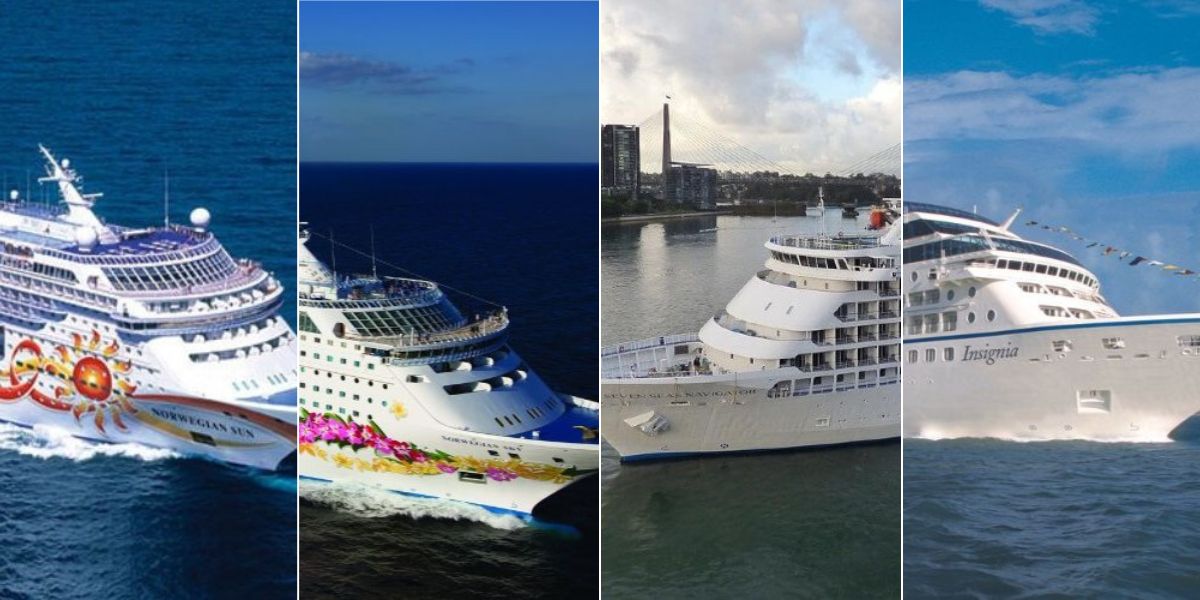
NCLH ships Norwegian Sun, Norwegian Sky, Seven Seas Navigator and Oceania Insignia

In a significant fleet shake-up, Norwegian Cruise Line Holdings Ltd. has announced that four cruise ships across its three brands will soon leave their respective fleets under long-term charter agreements….

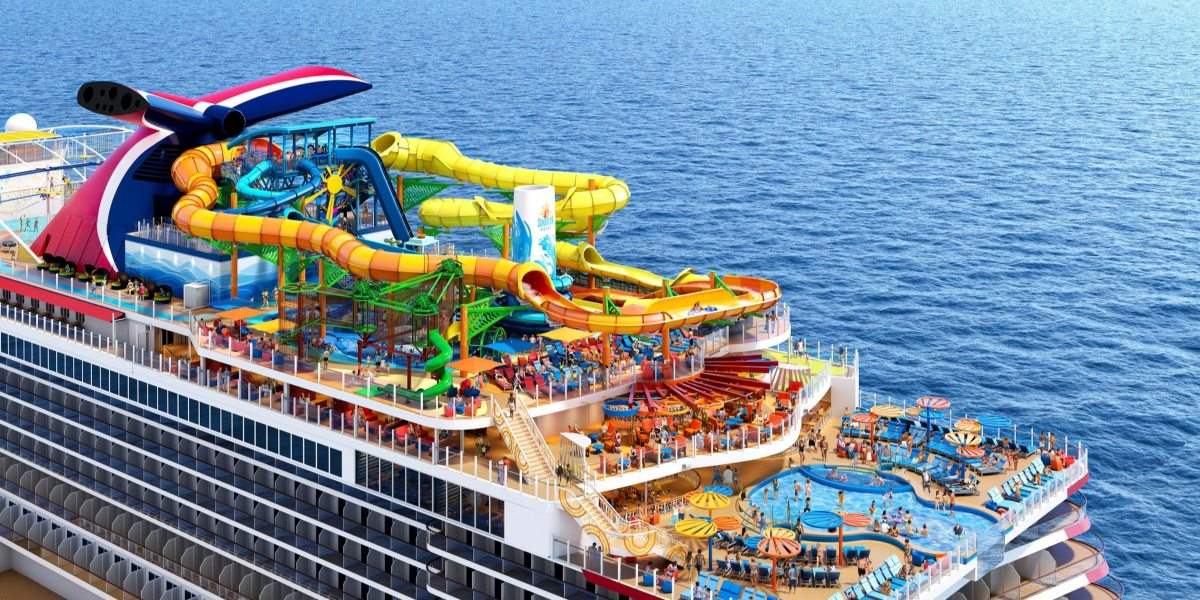
Carnival Sunsation Point

Carnival Cruise Line has officially unveiled the names of its two newest Excel-class cruise ships, set to debut in 2027 and 2028. The announcement was made during a pre-Seatrade Cruise…

Meyer Werft Serenity Concept

Cruising has long been popular among older travellers, but one of the world’s leading shipbuilders is taking things a step further – by designing a cruise ship specifically for passengers…

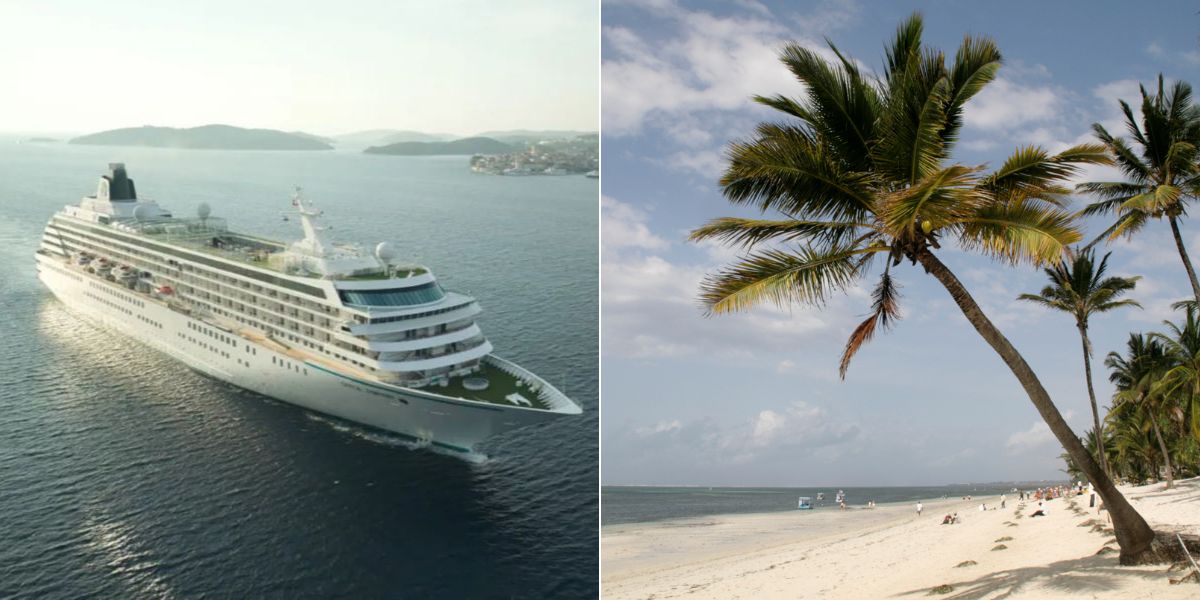
Crystal Symphony Mombasa Kenya attack

A worrying incident unfolded on a cruise around Africa this week, when a group of youths attacked cruise guests. The incident occurred when Crystal Symphony made a visit to Mombasa…


Source link

Windstar-cruise-ship-1.jpg

Uncover The Luxurious Perks Included On A Windstar Cruise

Windstar Cruises offers the chance to enjoy a luxurious getaway, and like any luxury escape, there’s quite a lot included in the price you pay. But not everything’s included – there are some things you’ll need to pay a little extra for.

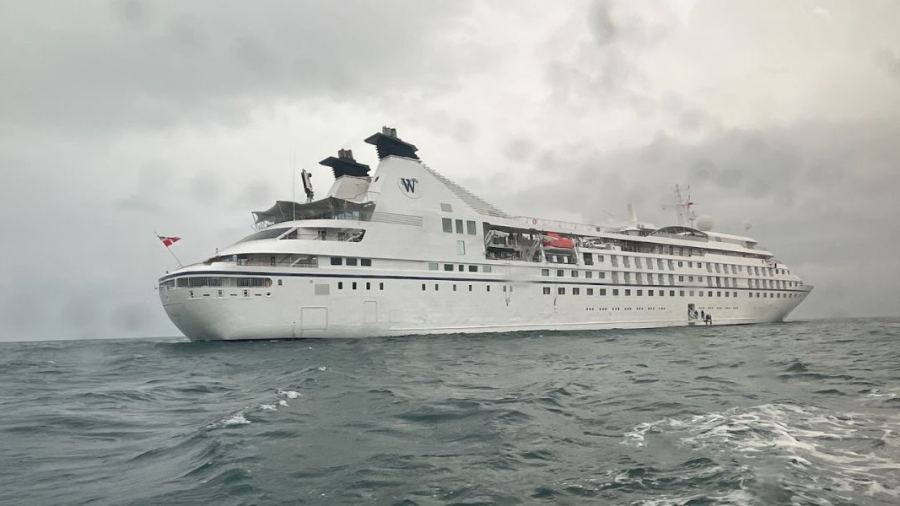
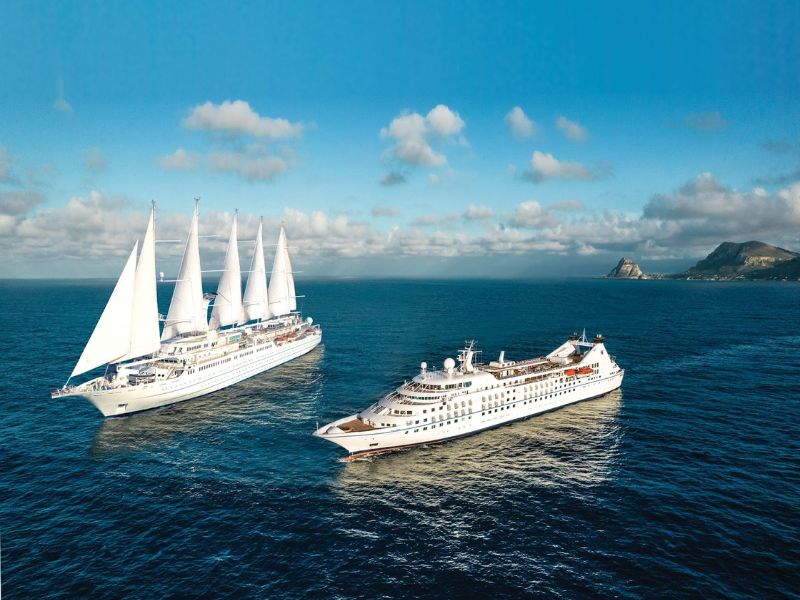
Two Windstar Cruises ships sailing on the open ocean

So, let’s look at what is included, and how you can get the best price on the bits that aren’t.

Exploring What’s Included

On a Windstar cruise, you’ll enjoy your accommodation, your food and most of your onboard entertainment for free, along with soft drinks and other non-alcoholic beverages. Alcoholic drinks, WiFi, laundry and tips aren’t included as standard.

Let’s look into each of the inclusions in a bit more detail.

1. Food

All of your food on a Windstar cruise is included. You don’t have to pay for your meals, no matter where on the ship you decide you want to eat. Snacks and room service are also included.

Wind star dishes

With most cruise lines, your main dining is included – so you’ll always have breakfast, lunch and dinner free. Then there will be secondary dining choices, some of which are free and others that have a cover charge. But that’s not the case with Windstar.

Windstar’s ships aren’t huge but they do have a choice of restaurants – the great news is that the speciality ones don’t cost extra. You just need to make a reservation in advance to secure your place. 

Room service is also covered by your cruise fare, and is available for breakfast, lunch, dinner and for late-night snacking. You just need to order it in advance – breakfast orders can be left on a door hanger the night before.

2. Drinks

Alcohol is not included on a Windstar cruise, but all non-alcoholic drinks are included. This includes soft drinks, fruit juices and coffees that would often be charged for on most other cruise lines.

Windstar strawberry smoothie

If you don’t drink alcohol, then a Windstar cruise could represent great value. Typically cruise lines will offer tap water for free and maybe a small selection of teas, coffees and juices at breakfast. But Windstar is one of the few that includes all non-alcoholic beverages for no additional cost.

Bottles of water are also included in your fare, so if you’re heading ashore and want a fresh bottle to take with you, just grab one from the bar. You can also order your mocha, cappuccino, espresso or latte to your room; so that you can wake up with a beautifully fresh coffee to kick start your day.

3. Entertainment

Most of the entertainment that takes place onboard your Windstar cruise will be included in the cost of your cruise fare.

Windstar’s ships aren’t super-sized cruise ships that are packed with Broadway-style theatres, nightclubs, and so on. But they do still have spaces where you’ll enjoy interesting activities throughout your sailing.

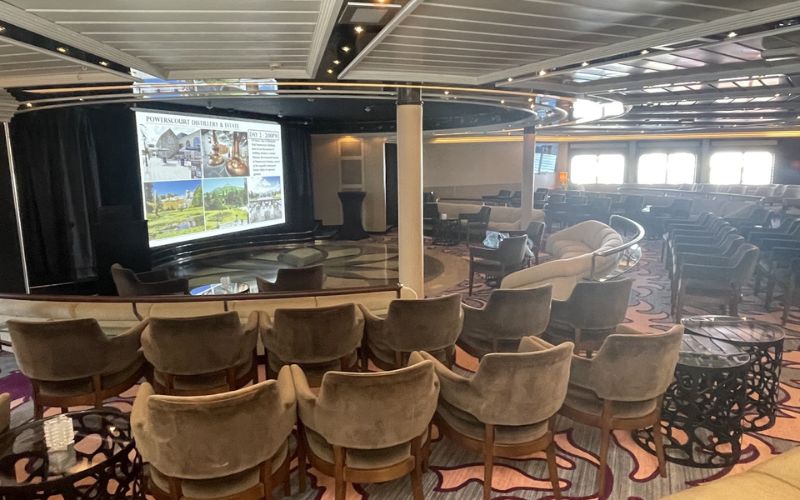
Wind star cruises entertainment room

During the day this will include guest lectures on a range of topics, typically curated to be relevant to your itinerary. There are also culinary demonstrations, so you can pick up a few tips to help you recreate your favourite dishes when you get back home.

At night, there’s often live music in the lounge and bar areas of the ships. It’s quite a relaxed atmosphere, but it can still get lively and there’s plenty of opportunity for dancing.

On many cruises, there’ll be a BBQ party on one night, and music will be played on the deck of the ship to encourage a party atmosphere.

4. Watersports

One of the unique features of a Windstar cruise is the watersports platform that’s on every ship in the fleet. It’s only used in certain ports of call so it’s not available on every itinerary, but it’s one of the most fun features of any cruise ship.

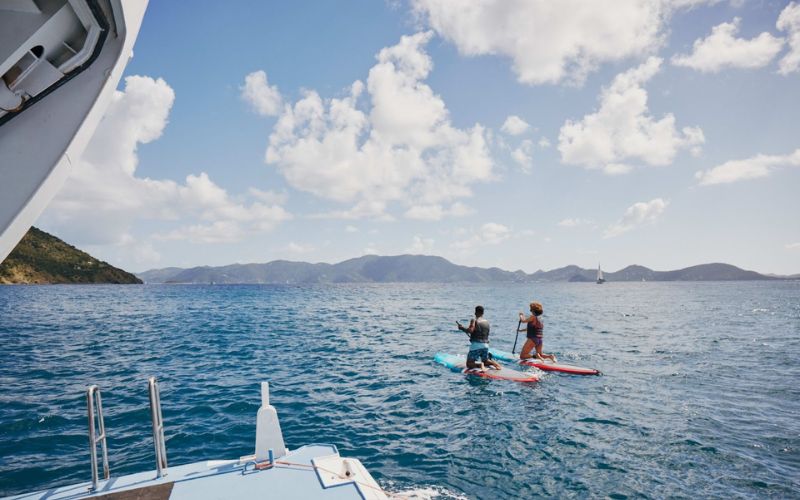
Two cruise guest paddle boarding

The platform includes a number of watersports activities that guests are free to use. This includes paddle boarding, kayaking, snorkelling, swimming, water skiing and surfing. All of the equipment is provided at no additional cost.

And if that sounds a bit too active, then the ships will often unfurl a large flotation island where you can just take it easy and soak up the surrounding views. You can use it as a base for casual swimming in the calm waters too.

And as an additional bonus, the snorkelling equipment is free for guests to borrow at ports of call, so you don’t have to pay high prices in ports for a snorkelling experience.

Exploring Additional Costs

Here’s a look at what isn’t included as standard on a Windstar cruise, and roughly how much you should expect to pay.

1. Alcoholic Drinks

An alcoholic drink onboard

Alcoholic drinks aren’t included in the fare on a Windstar cruise. You can pay for these individually, or you can choose a beverage package.

On average you should expect to pay around $7 for a beer on Windstar, and around $10-11 for a glass of wine. It’s a similar average price for cocktails too. Prices vary by individual drink but there aren’t any that are way above those averages; unless you’re choosing Champagne.

However, you do have to pay an 18% beverage service charge on any drinks you buy – so really you’re looking at around $8.50 for a beer and around $12-13 for a glass of wine or a cocktail when that’s factored in.

Beverage packages are available. The Captain’s Exclusive Beverage Package is $79 per person, per day, and includes unlimited beer, wine and cocktails This package must be purchased up to five days before your cruise, otherwise, it’s available onboard for $89 per person, per day.

In addition to this Windstar Cruises allows guests to bring aboard one bottle of wine per person at embarkation and additional wine and beer purchased onshore during the Cruise. This is limited to two bottles on voyages of seven days or three bottles for cruises spanning eight days or longer. If you wish to consume this alcohol in public areas it will be subject to a corkage fee of approx $15 + 15% gratuity.

2. Laundry

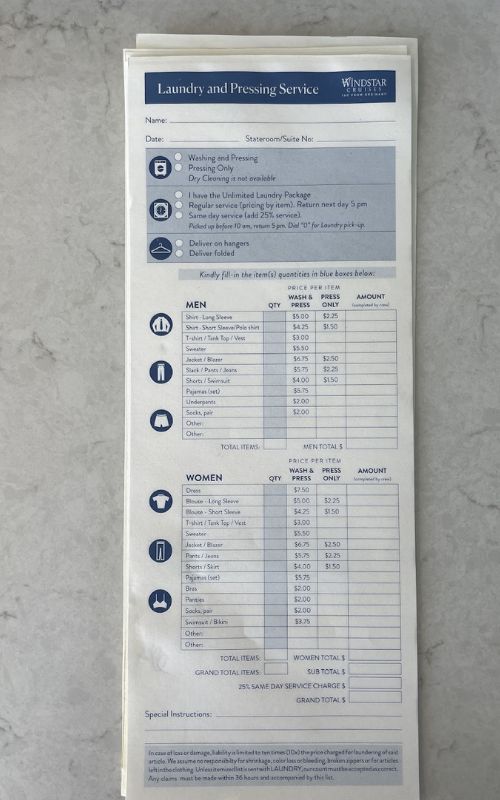
Laundry flyer with price rates

Laundry services are available on all Windstar cruises, including pressing, although dry cleaning is not available. Laundry is charged on a per-item basis, ranging from $0.60 for a t-shirt to $7 for a suit. You can also pay for a one-off laundry bag, filling it with as many items as you can, for around $45.

However, Windstar offers something unique with a laundry package. This lets you enjoy unlimited laundry during your cruise, with a 24-hour turnaround. You’ll even get your clothes back on the same day if you turn them in to the laundry service by 9am.

The package costs $16 per day as standard for two people sharing a cabin, though if you’re cruising solo you can get it for $8 per day. You have to book the laundry package no later than the first day of your cruise, and you must pay for it for the duration of your sailing.

Suggested read: How To Do Laundry on Cruise Ships: The Ultimate Guide

3. WiFi

WiFi is not included on a Windstar cruise as standard. The WiFi costs $35 for 24 hours of access and is for one device only.

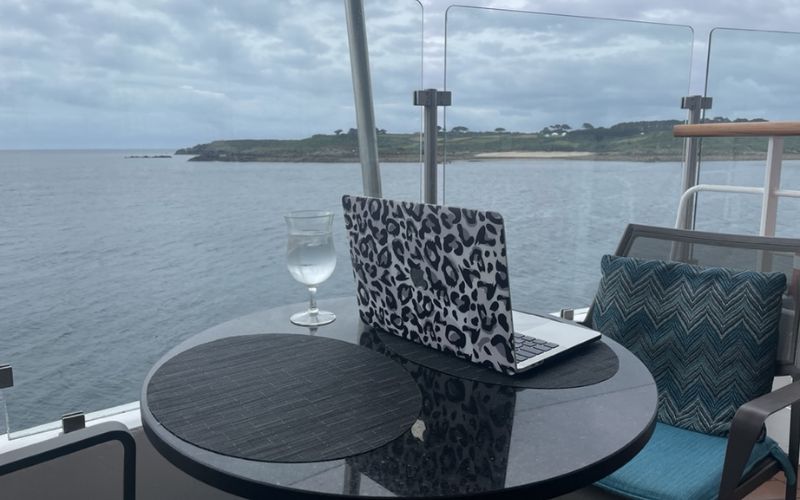
A laptop connected to the wifi onboard

Unlike other cruise lines, you aren’t always forced to pay for WiFi for the entire duration of your cruise with Windstar. You can pay for just the data you need – an Email plan costs $60 and gives you 200MB of data, while the Surfing plan costs $120 and lets you use 500MB of data.  If an unlimited package is more your thing it will set you back $250 for the duration of the cruise.

A Windstar cruise is designed to be one where you switch off for a little while, but if you do need to get online, you can pay for access for just as long as you need.

4. Shore Excursions

Shore excursions are an additional cost on a Windstar cruise. The price of excursions varies depending on your chosen sailing and the nature of the excursion, with private tours available in many locations if you want to pay extra.

Shore excursions

Remember that you don’t have to pay for shore excursions if you don’t want to – there’s nothing stopping you from just heading ashore yourself and wandering around to explore.

But Windstar works with local excursion providers to offer a great range of experience opportunities, all chosen to reflect the brand – this means you can expect the same sort of luxury on land as you can on the ships themselves.

5. Gratuities

Gratuities are not included in your cruise fare with Windstar. Guests will need to pay them at the end of their cruise. Called the Hotel Service Charge, the current cost is $16 per person, per day and it’s automatically added to your cruise account.

Gratuities

If you’re not happy with the service standards offered, you are able to visit the Guest Services desks on the ship to adjust the amount you pay. However, be aware that the charge is spread amongst all the crew, including those you may not interact with much, and changing the amount you pay could also impact their earnings. So I wouldn’t recommend doing this unless you have a really good reason to.

Suggested read: Can You Refuse To Pay Gratuities On A Cruise?

There’s also the 18% Beverage Service Charge every time you order an alcoholic drink on the ship – this is automatically added to your bar bill or your room when ordering a drink in the dining rooms. You still have to pay this if you choose a drinks package, though not if you get the All-Inclusive Package.

It’s also worth noting that, unlike some other cruise lines, if you get any onboard credit with Windstar you won’t be able to use that towards your service charges.

6. Select Onboard Activities

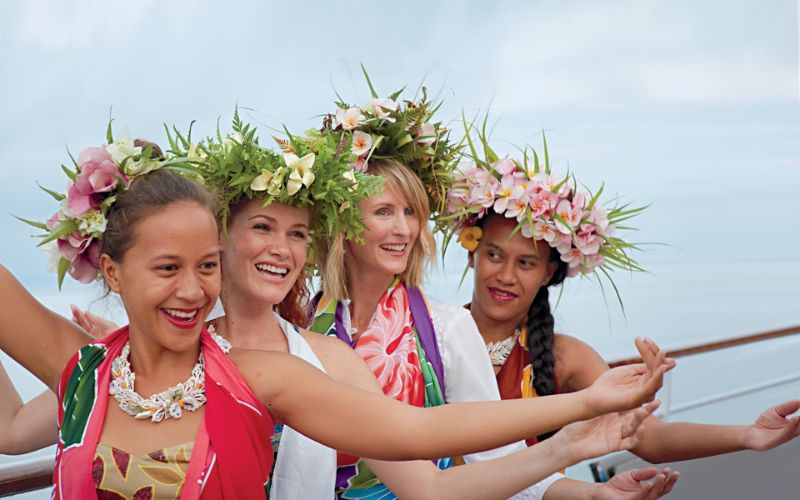
Lovely ladies with flower crowns

In Windstar’s own words, most of your entertainment and activities onboard the ship are included in the cost of your cruise fare. That means that there may be occasional experiences or activities that do have an additional charge if you wish to take part.

These aren’t too common, and most of the onboard experiences are free for Windstar guests. However, it’s important to be aware that if something special is organised on your sailing, you might have to pay a fee for it if you’re interested.

How To Make Your Windstar Cruise All-Inclusive

You can make your Windstar cruise all-inclusive by paying for the All-Inclusive package. This isn’t truly all-inclusive – you’ll still have to pay for shore excursions and laundry – but it does include your drinks package, WiFi, and your hotel and beverage service charges.

This means you can drink whatever you want to at no extra cost (excluding wine and Champagne by the bottle), and you don’t pay the extra 18% for the drinks either.

The All-Inclusive Package costs $99 per person, per day, when purchased up to 5 days before you sail. You can still purchase this package onboard for $109 per person, per day.

You can also add on the laundry package too, if you want it to be even more inclusive. This would mean a total additional cost of $105 per person, per day but you would get all your WiFi, tips, laundry and drinks covered. The only extra charges would be for optional shore excursions.

So, there’s a lot that Windstar includes as standard, more than many other cruise lines. But it’s not completely all-inclusive. 

Windstar Cruises dining area

You do have the option to upgrade; if you want to, but check the prices as depending on how much you drink and intend to use the WiFi, buying beverages and other elements of the package individually may work out cheaper for you.

I have a guide to help you work out whether to buy the package here: Is the Windstar All-Inclusive Package Worth It?

The best way to book a Windstar cruise

Want expert help to plan your perfect cruise?

Related Topics

If you found this interesting, please share!

Cruise Mummy

Jenni Fielding is the founder of Cruise Mummy. She has worked in the cruise industry since 2015 and has taken over 30 cruises. Now, she helps over 1 million people per month to plan their perfect cruise holidays.

Read more about me


Source link

Cruise-ship-at-twilight.jpg

8 Hidden Threats On Cruises You Need To Know About

If you’ve never been on a cruise, you may wonder whether it’s safe. With stories in the news about disasters at sea, it’s no wonder you may want to know the answers to this question.

Cruise ship at twilight

There are threats to consider. Although, to reassure you, I have been on many cruises, and nothing has ever gone wrong. If something were to happen, I would feel reassured that the cruise lines have health and safety procedures in place to deal with a worst-case scenario.

However, things occasionally do happen. With this in mind, here are the eight threats to consider on a cruise ship and how to ensure you’re safe.

1. Natural Disasters

While cruises are a great way to see the world, occasionally, there may be a natural disaster where you’re sailing.

rough seas

These could be anything from hurricanes, tsunamis, earthquakes, and icebergs to extreme weather conditions, causing rough seas or rogue waves.

Hurricanes do happen from time to time, especially in the Caribbean. Sometimes cruises get cancelled because of the hurricane, or they get redirected. To learn more about safety at sea if there is a hurricane, you can find out more in my article on ‘What happens if there is a hurricane?”

Tsunamis happen very rarely, and luckily, tsunamis are hardly noticeable at sea. The main impact is near coastlines. Cruise ships also have tsunami detectors and procedures in place in case of a tsunami warning.

Icebergs can be a risk if sailing around the Arctic. Unlike the Titanic, modern ships now have radar and sonar systems, which alert the crew of anything well in advance. On top of this, routes are planned based on reports that show the flow of the ice to avoid potential hazards.

Cruise ship among icebergs

Other extreme weather conditions, such as storms, may cause rough seas. These can affect safety and visibility, but cruise ships are built to withstand extreme weather, and the ship’s course can be altered. 

2. The Ship Sinking

Millions go on cruise ships every year, however, over the last 100 years, only 22 cruise ships have sunk. Most of these times, this is while the ship was berthed or towed.

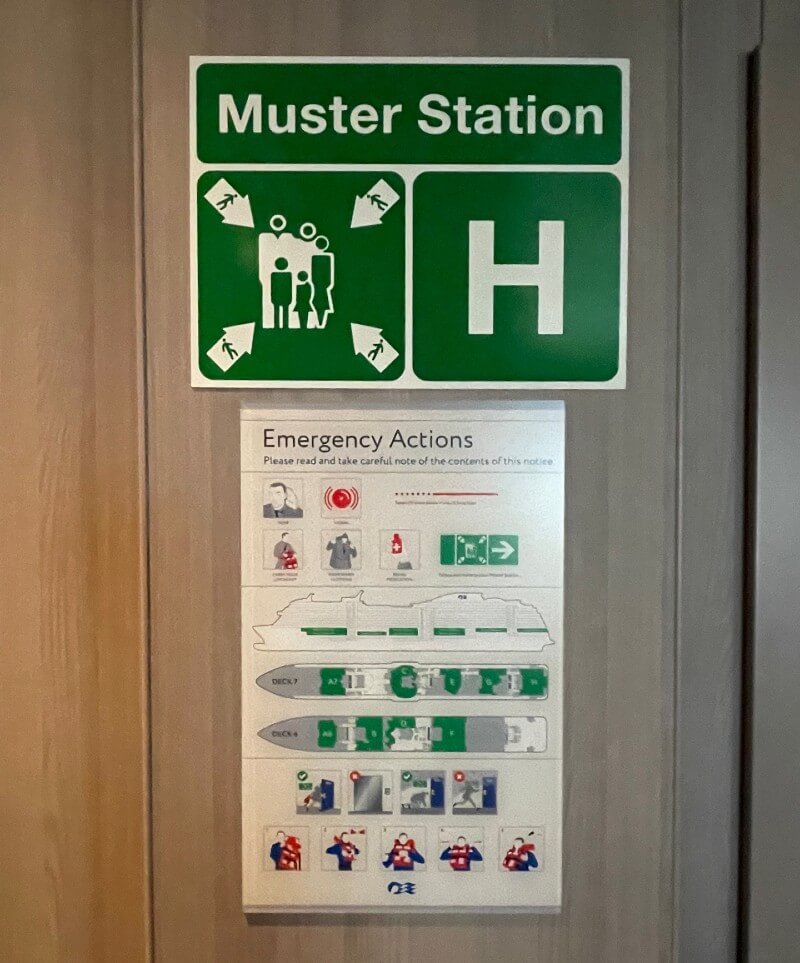
The modern safety features and protocols on cruise ships ensure that in the unlikely event of a ship sinking, very few lives are lost. When going on a cruise, one of the first things you have to take part in is a mandatory safety “muster drill”. This means that if the worst-case scenario were ever to happen, all the passengers would be aware of what to do.

muster station

During this drill, you’ll hear the alarm sound, learn where the life jackets are and where to assemble in case of an emergency. These drills are an essential aspect of ensuring safety on cruises, and the crew members are well-trained in handling a variety of emergency situations. 

3. Unsafe Destinations

Unfortunately, areas in the world have political tension, outbreaks of hostilities, or even war. Occasionally there will be a cruise going to a destination that poses a risk to peace and safety. 

Cruise lines will be keeping a watchful eye on the political environment. If a destination were to become unsafe, they would adjust the itineraries by cancelling a scheduled stop, diverting the cruise to a safe destination or remaining at sea until it’s safe to move on.

Cruise lines have a network of contacts in the ports and are known to work with international authorities. This allows them to have the most up-to-date information about each destination. Contingency plans will be in place, which will be regularly reviewed, and passengers will be regularly updated about the itinerary and any changes.

Suggested read: The 5 Destinations That Cruisers Recommend You Don’t Get Off The Ship

4. Piracy 

If you ever go on a river cruise down the Nile in Egypt or cruises that go through the Black Sea, you’ll notice high levels of security. This is because of the higher risk of piracy. You may think this is just something in films, but unfortunately not.

Black Sea

Most pirate incidents occur in the Gulf of Aden, nicknamed ‘Pirate Alley’. Yet, out of 230 recorded attacks in this area, only six were against cruise ships, and not a single one resulted in anything. Pirates tend to give cruise ships a wide berth, preferring cargo ships with minimal crew instead.

Cruise lines have a variety of procedures in place if anything were to happen. Defensive strategies range from maintaining blackout conditions and deck closures to lowering noise emissions. Other strategies include evasive manoeuvres or increasing the ship’s speed to outpace the pirates, or they’ll deploy high-pressure hoses to dislodge any attackers trying to climb aboard. 

5. Crime at Sea

Like anywhere in the world, there is crime, including on cruise ships. Sexual offences are reported as the most frequent crimes on cruise ships, followed by significant physical attacks causing severe harm and major incidents of theft.

Cruise ship security guard

According to the US Department of Transportation (2019), the reported crime rate aboard cruise ships was 0.18 incidents per every 100,000 passengers. This is extremely low, so the likelihood of anything happening is minimal.

In 2023 the FBI received 180 reports of alleged criminal activity on board cruises, from thefts to missing persons cases. For comparison, In 2021, the FBI reported over 6 million criminal incidents in the U.S. alone.

If anything were to happen, the crew would be trained to deal with these cases and prevent escalation. 

While cruise ships don’t have police on board, ships sailing to or from the USA must have at least one crew member trained in crime prevention, detection and reporting. A Security Director is also present who oversees the ship’s security department.

CCTV cameras further reinforce surveillance and keep a close eye on public areas. 

A crime scene

6. Health and Medical Problems

In recent years, due to the pandemic, people have become more aware of public health outbreaks. This is when a virus can be passed on by being within close proximity to someone. Unfortunately, if there is an outbreak on a cruise ship, it can be easily passed on as there are usually a lot of people in a small space.

Cruise ships have been known to have Norovirus outbreaks. However, to prevent this from happening, passengers are usually asked about any symptoms before getting on the ship. Or if you get symptoms whilst on the ship, you’ll be asked to stay in your stateroom to help prevent the spread of a virus.

Sick in bed

However, most ships encourage frequent handwashing and are regularly being cleaned to help prevent outbreaks like this. If you’re interested in the cleanest cruise ships in the world, you can check out our list.

Another time where you may feel vulnerable to health and medical problems is cruising while pregnant. It can be great to take advantage of some time to relax before your little one arrives, but you may be concerned about your health onboard. 

pregnant lady on a cruise
Me on a cruise, while pregnant

To put you at rest, it’s good to know that all cruise ships have doctors if there is ever a medical emergency. This means if anyone had a problem, they would be able to get medical help quickly. This may be particularly reassuring if you’re cruising while pregnant. 

7. Cruise Ship Fires

Over the past few years, there have been a few fires on cruise ships. However, you’ll be pleased to know that no one has ever been seriously injured. While the notion of a fire breaking out is alarming, you can rest assured that there are precautions in place to minimise the risk of this happening and if anything were ever the happen, the incident would be handled quickly. 

If a fire was to break out, smoke detectors and fire alarms are installed throughout the ship. Also, automatic sprinkler systems will be ready, and the crew also have fire safety training to ensure everyone is safe.

8. Human Induced Incidents

The safety of the cruise ship is not only the responsibility of the crew members but also the individuals on board. Unfortunately, in recent years there have been a few human-induced accidents, meaning that accidents have been caused by passengers either on purpose or accidentally. Even though you are on holiday to relax, it is important to take care.

Suggested read: What Happens If You Jump Off A Cruise Ship?

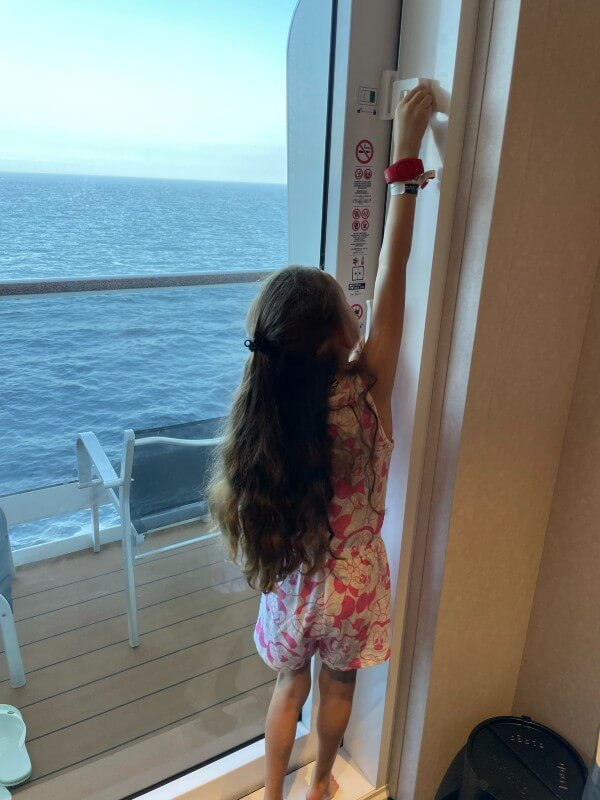
There are times and places where passengers need to take extra responsibility. For example, as every parent knows, you have to be alert when babies and toddlers are about. On a cruise, you have to be particularly careful if you have a room with a balcony.

Suggested read: Are Cruise Ship Balconies Safe for Toddlers?

Child opening a balcony

Onboard, you’ll find that safety barriers are in place, and many ships offer childcare facilities with fully trained staff. For more information on cruising with a toddler, including additional tips and advice, have a look at my article here.

Also, if you’re travelling with teenagers, you may want them to have their independence but also want them to be safe. Sadly, there have been a couple of accidents involving teens going overboard due to drinking too much alcohol. However, cruise lines often have curfews for those under 18 when they are not with an adult, and alcohol policies are strictly enforced. 

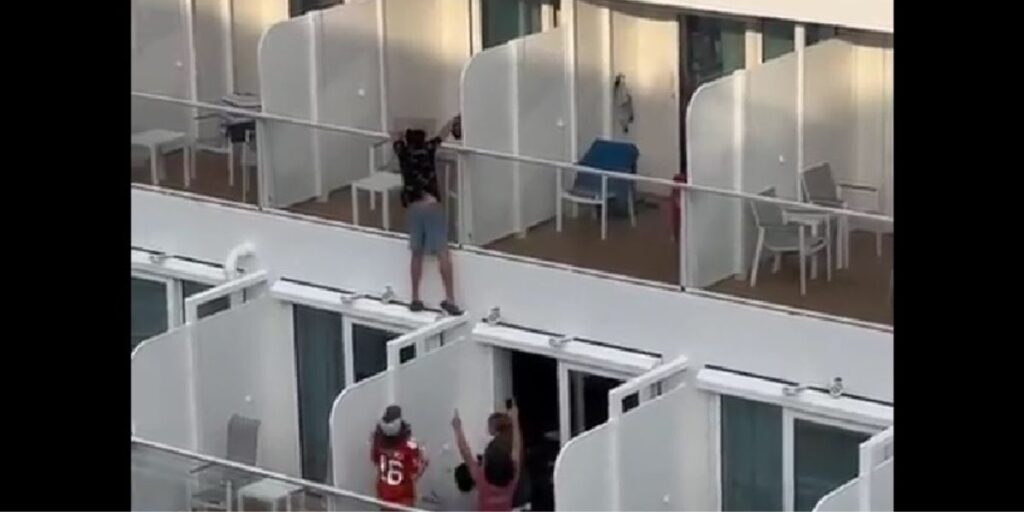
Carnival Mardi Gras

Suggested read: Carnival Balcony Climbing Incident

Lastly, if you’re solo travelling, it’s key to remember that you should treat the cruise the same as if you were travelling alone anywhere else in the world. It’s unlikely you will have any problems, particularly as solo cruising has become so popular. You may find groups who are doing the same as you. 

Just remember to use common sense, follow your instincts and if a situation feels uncomfortable, walk away and alert a member of staff.

The Bottom Line

So, are cruises safe? Yes, despite all the threats listed, cruises are very safe. But just like anything in life, things do happen, but it’s highly unlikely something would occur on your cruise. 

Cruise lines put passenger safety first, and they’re equipped with the latest technology, safety procedures and highly trained staff. So next time you’re on a cruise, enjoy the break, as you’ll be in good hands!

NEW DEALS JUST RELEASED!

I’m ALWAYS looking for cruise bargains! These are the best deals I found this week…

Related Posts:

If you found this interesting, please share!

Cruise Mummy

Jenni Fielding is the founder of Cruise Mummy. She has worked in the cruise industry since 2015 and has taken over 30 cruises. Now, she helps over 1 million people per month to plan their perfect cruise holidays.

Read more about me


Source link

pexels-photo-2852124.jpeg

The Growing Trend Of Moving Onto A Cruise Ship Full-Time

Many people have embraced an unconventional lifestyle in recent years: moving onto a cruise ship full-time. This trend is gaining traction as individuals seek freedom, adventure, and a unique lifestyle. People are drawn to the idea of living on a cruise ship for short vacations and as a permanent living arrangement. But what does it take to live on a cruise ship full-time? Learn more about the factors driving this trend, the pros and cons of this lifestyle, cruise hacks, and the logistics involved in living on a cruise ship full-time.

The Appeal of Cruise Ship Living

Floating Homes: The Growing Trend of Moving Onto a Cruise Ship Full-Time | 7Floating Homes: The Growing Trend of Moving Onto a Cruise Ship Full-Time | 7
Cruise ship aft view at sunset (Photo by John Shallo/Cruise Addicts)

Living on a cruise ship offers many benefits that attract those looking for a more adventurous, relaxed lifestyle. One main reason people choose this path is the opportunity to see new places without the hassle of moving from one location to another. With cruise ships traveling to multiple destinations, passengers can explore different cultures, cuisines, and landscapes without packing up and moving each time. From spacious cabins to gyms and pools, life on a cruise ship can feel like living in a luxury hotel. 

How To Transition to Life on a Cruise Ship

luxuries on a cruise shipluxuries on a cruise ship
Moving onto a cruise ship full-time includes luxuries, but do not get carried away with spending the budget. (Photo by John Shallo/Cruise Addicts) 

Living on a cruise ship requires careful planning. The logistics of downsizing your possessions and preparing for life at sea can be tricky. You can look into professional moving companies in your area and ask for free estimates of your specific moving challenges. Additionally, professional movers often have various moving-related tips on their websites. One such company is OTM Moving and Storage, and you can always trust professionals with years of experience when they give you guidance and estimates about the complexities of your move.

Cost and Financial Considerations

Moving onto a cruise ship full-time isn’t exactly free. The cost of a cruise can vary widely depending on the cruise line, the type of cabin, and the amenities included. On average, a full-time cruiser might pay anywhere from $30,000 to $100,000 per year for living expenses. This cost usually covers meals, accommodation, and access to onboard activities. However, it’s important to note that extra costs such as excursions, spa treatments, and alcoholic beverages are often not included.

Making a Cruise Ship Your Home

Once you decide to move onto a cruise ship full-time, choose the correct ship. Not all cruise ships are suitable for full-time living, so it’s crucial to do your research. Look for cruise lines with extended itineraries and longer stays. Make sure they cater to residents. Living on a cruise ship means adjusting to life on the water. While modern ships offer comforts like home, space is limited. You’ll need to adjust to smaller living quarters compared to traditional homes. Many full-time cruisers opt for smaller cabins to save costs. Others prefer larger suites for a more luxurious experience.

wrapping up furniture before  moving onto a cruise ship full-timewrapping up furniture before  moving onto a cruise ship full-time
Protect belongings you can’t pack on a cruise in a storage unit.  (Photo by Blue Bird on Pexels.com)

How do you downsize and decide what to bring on a ship? 

When transitioning to life on a cruise ship full-time, one of the biggest challenges is deciding what to do with the belongings you can’t take with you. For those items that need to be stored, opting for climate-controlled storage is a wise choice. This storage ensures that stuff like antiques, electronics, and important documents—are protected from extreme conditions.  Whether you’re storing seasonal items, heirlooms, or simply downsizing before your move, climate-controlled storage offers peace of mind, knowing your belongings are safe and well-preserved until you’re ready for them. 

Healthcare and Insurance on a Cruise Ship

Healthcare is a significant consideration for those moving onto a cruise ship full-time. Cruise ships do have medical staff on board and offer basic medical services, but they are not equipped to handle serious health emergencies. For this reason, it’s essential to have comprehensive travel insurance that covers medical expenses on the high seas and in foreign countries. Additionally, some cruise lines offer health programs or partnerships with hospitals, providing better care options for long-term residents.

Working and Living on a Cruise Ship

For some, moving onto a cruise ship full-time means continuing their careers while living on the water. Many cruise lines offer work-from-ship opportunities, and specific jobs may allow passengers to work remotely while enjoying the perks of cruise ship living. This can be particularly appealing for digital nomads or individuals with flexible work arrangements who want to balance their careers with a travel and adventure lifestyle. However, it’s essential to manage expectations when it comes to Wi-Fi and internet access. While most cruise ships offer internet connectivity, the speeds can be slow and expensive. 

What Not to Do on a Cruise

While living on a cruise ship full-time offers plenty of freedom and adventure, there are some things you should avoid on a cruise to ensure a smooth and enjoyable experience. First, don’t ignore the rules and guidelines the cruise line sets. Cruise ships have strict regulations regarding safety, behavior, and personal conduct, and not following these can lead to penalties or even being asked to disembark. Avoid overpacking—space is limited, so bring only the essentials and consider the size of your cabin. Don’t overindulge in onboard activities or luxuries.

The Freedom of Moving Onto a Cruise Ship Full-Time

Moving onto a cruise ship full-time is a growing trend, offering a unique lifestyle. With the chance to travel the world, meet new people, and enjoy luxurious amenities, it’s no surprise that more and more people are choosing this adventurous lifestyle. Before jumping, it’s essential to consider the costs, lifestyle adjustments, and logistics involved in such a significant life change. Are you ready for a new chapter, and can you embrace the freedom that comes with it? Relocating onto a cruise ship full-time may be just the life you’ve been searching for.

Source link

Untitled-design-68.jpg

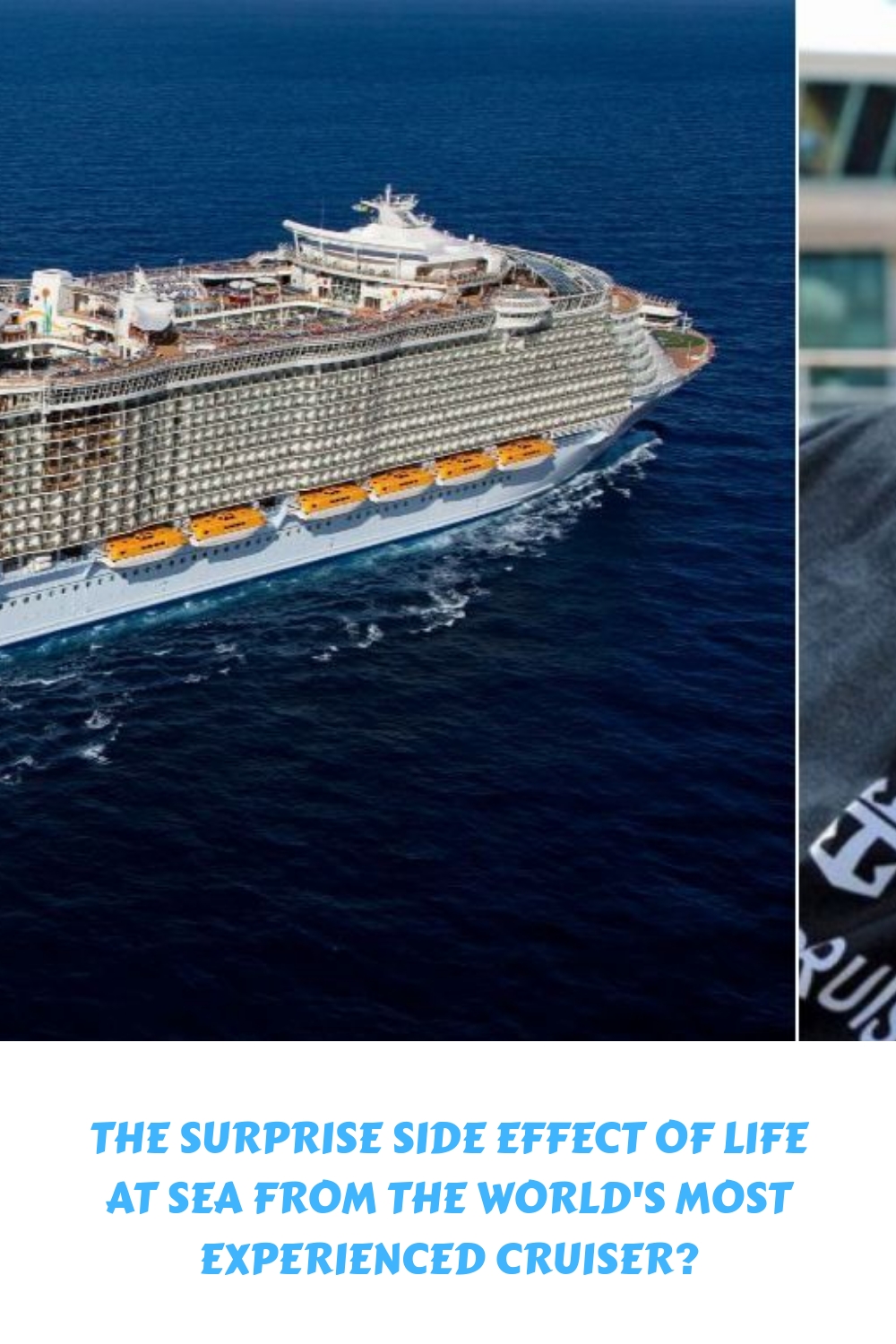
The Surprise Side Effect Of Life At Sea (According To The World’s Most Experienced Cruiser)

A man who is famous in the world of cruises for being one of the most experienced cruise passengers in the world has revealed fascinating details of his life in an interview.

Mario Salcedo and Royal Caribbean

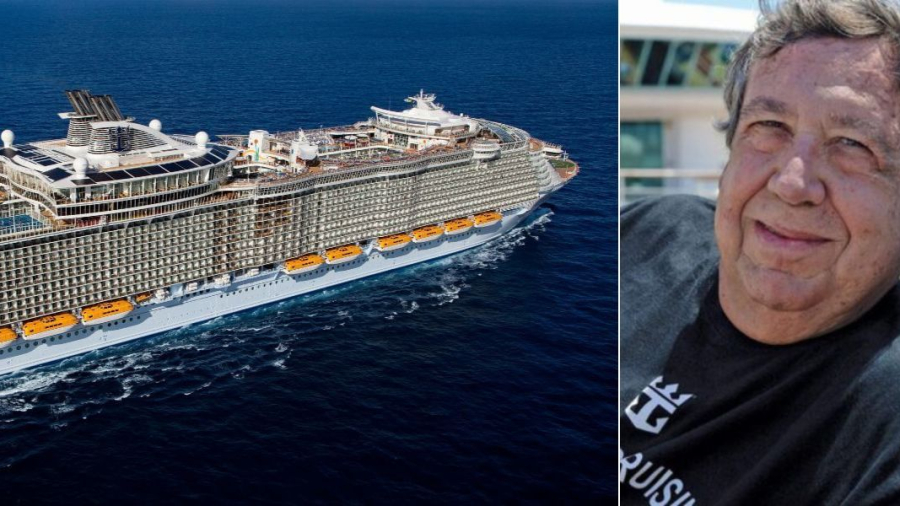
Mario Salcedo is particularly well known by fans of Royal Caribbean cruises, as he has spend the past 25 years essentially living on the cruise line’s fleet.

Salcedo – affectionately known as ‘Super Mario’ – has opened up on his life spent aboard cruising, after recently reaching his 1,000th voyage with Royal Caribbean.

And unusually, he said that his most memorable cruise wasn’t a long itinerary or a super-relaxing voyage, but a rare cruise to nowhere caused by a hurricane.

Salcedo explained that he was onboard Enchantment of the Seas in 2017 when it was repurposed to evacuate Royal Caribbean’s shoreside employees and their families, embarking on a ‘four-day cruise to nowhere’ to ensure their safety away from the storm’s path.

“I believe the ship carried nearly 3,000 employees and families as she sailed out of Miami and out of harm’s way for a four-day cruise to nowhere. I may have been the only real guest onboard...

“That sailing gave me the unique opportunity to meet, chat, and socialise with many shoreside employees. It was a new and truly unforgettable experience,“

‘Super Mario’ also shared an odd side effect of his life at sea – he no longer has ‘land legs.’

I’ve lost my land legs. I’m swaying so much I can’t walk in a straight line. I’m so used to being on ships that it feels more comfortable to me than being on land.

The condition – formally known as mal de débarquement syndrome – is actually quite common among those who spend extended periods aboard ships.

Salcedo spends around $101,000 (roughly £81,000) annually on his cruises, preferring a balcony cabin.

His cruising lifestyle is funded by his investment management work. On occasion, the crew of certain ships have even gone as far as to set up a designated ‘Super Mario’s Office’ area on deck, complete with cordoned-off tables and chairs, marked with signs bearing his nickname.

Salcedo’s milestone 1,000th voyage was aboard the Explorer of the Seas, a ship capable of hosting 3,286 passengers.

It was a remarkable 11-night journey, departing from Miami to Panama and the southern Caribbean.

Despite reaching such an extraordinary milestone, Salcedo remains remarkably laid-back about his life at sea.

After years working in the business world and travelling for international clients, Salcedo found a more fulfilling lifestyle at sea. His first cruise in 1997 hooked him, and after trying a few different lines, he settled on Royal Caribbean for their preferred ships.

He has been living aboard their vessels almost continuously since 2000, only taking a few days ashore each year, with a brief break during the Covid-19 pandemic.

His daily routine consists of working for about five hours, followed by leisure time. “It’s zero stress,” Salcedo explained. “The best lifestyle I can find.”

Follow in Super Mario’s footsteps

Living on a cruise ship might sound like a dream come true, offering the chance to travel the world while enjoying all the perks of luxury living.

If it’s something you’d be interested in, there are a number of ways you can do it:

1. Booking back-to-back (-to-back…) cruises

One of the more accessible ways to live at sea is by booking a series of short cruises with mainstream cruise lines, back-to-back.

While this gives you flexibility in choosing itineraries, it comes with logistical challenges. For example, it’s essential to book well in advance, as popular cabins can fill up quickly, and there’s no guarantee you’ll be able to keep the same room across multiple sailings.

You may also need to move cabins between voyages or, in some cases, switch ships entirely. This lifestyle requires a lot of planning, and it can be stressful ensuring you always have a spot reserved.

Legend of the Seas

2. World cruises

If you’re looking for a more immersive long-term experience, world cruises are an excellent choice.

These typically last several months, with some itineraries covering up to six months. However, they are not back-to-back, so once a world cruise concludes, you’d need to book another journey.

These cruises offer the convenience of staying aboard for extended periods and are often all-inclusive, but the costs can be high. While world cruises may suit those who prefer a structured schedule, the financial outlay may not be feasible for everyone.

Suggested read: 9 Tips For Planning A World Cruise

The Rhapsody of the Seas cruising the ocean

3. Residential cruise ships

For those seeking a truly permanent solution, residential cruise ships are designed for long-term living.

Unlike traditional cruise lines, these ships offer cabins for purchase or long-term lease, allowing you to live at sea year-round without worrying about booking new cruises constantly.

The World and Villa Vie Odyssey are two options currently sailing. These ships are aimed primarily at retirees or those looking for a lifestyle change, and they operate much like a floating community. But anyone is welcome to purchase a cabin.

Villa Vie Odyssey

There are also other newer residential ships in the pipeline, although some of these are still in the development stage.

The cost of purchasing a residence can vary, and as well as the outright purchase price there will also be annual fees for maintenance and services on top.

Read more: You Can Live Permanently On A Cruise Ship! Here’s How Much It Costs

4. Working on a cruise ship

If you’re seeking to live on a cruise ship without the substantial costs of owning a cabin, working on board might be the most practical solution.

Crew members receive accommodation and meals as part of their employment package, making it a cost-effective way to experience life at sea.

However, working on a cruise ship comes with its own challenges, as you’ll need to work long hours with few days off. It’s far from the leisurely lifestyle most people envision when thinking about living on a cruise ship, but it could be a viable option for those willing to trade work for accommodation and meals.

Suggested read: Dream Jobs at Sea – The Top Roles Cruisers Would Love To Do!

Anthem of the Seas Captain Cruise Director and Hotel Director

Final word

While living on a cruise ship full-time is an exciting prospect for some, it requires careful planning and consideration of the costs, logistics, and lifestyle changes.

Whether opting for back-to-back cruises, booking a world cruise, or investing in a residential ship, the dream of life at sea is becoming increasingly attainable for those who are willing to embrace the unique challenges it brings. And Super Mario is living proof.

NEW DEALS JUST RELEASED!

Don’t miss the latest Royal Caribbean offers…

Related posts

If you found this interesting, please share!

Cruise Mummy

Jenni Fielding is the founder of Cruise Mummy. She has worked in the cruise industry since 2015 and has taken over 30 cruises. Now, she helps over 1 million people per month to plan their perfect cruise holidays.
Read more about me


Source link

Untitled-design-73.jpg

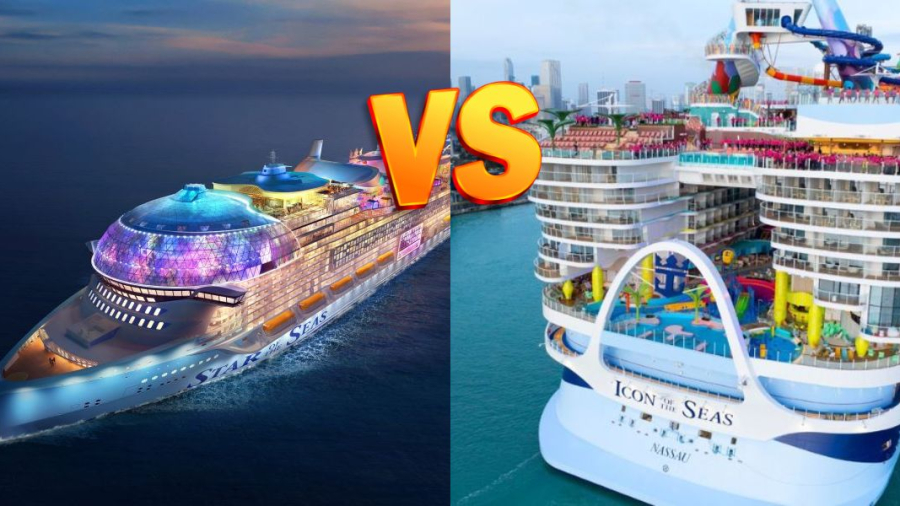
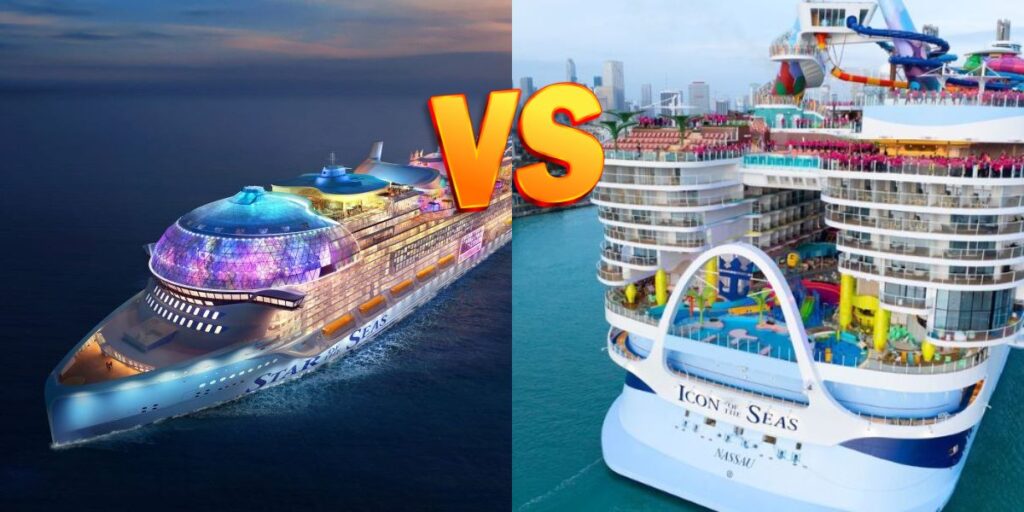
Star of the Seas Vs Icon of the Seas – Identical Twins? Not Quite!

Icon of the Seas was the biggest cruise ship in the world when she launched in January 2024, and in 2025 she’s joined by sister ship Star of the Seas.

These two cruise behemoths are absolutely packed with incredible features – but how do you know which to pick?

Star of the Seas vs Icon of the Seas

Icon and Star aren’t identical – so let’s take a look at how they compare.

Size

The final size of Star of the Seas hasn’t been confirmed yet, but she’s described as having a gross tonnage of 250,800 and will carry 5,610 passengers at double occupancy along with 2,350 crew. At maximum capacity – with every family room full – she’ll host 7,600 passengers.

Icon of the Seas has a gross tonnage of 248,663 according to official fact lists, but all the way up to her launch she was advertised as having a gross tonnage of 250,800.

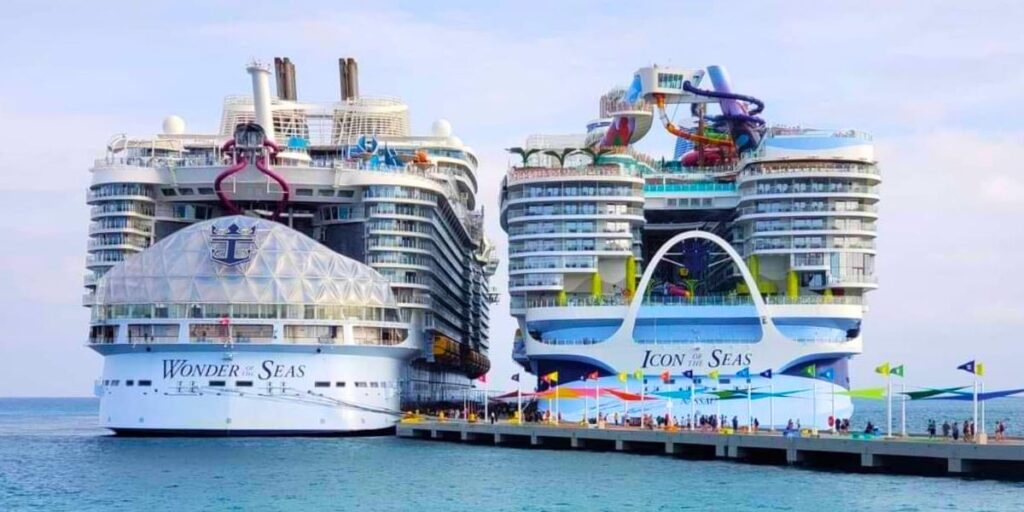
Icon vs Wonder
How Icon fares next to Wonder of the Seas, an Oasis-class ship

So it’ll be interesting to see if Star of the Seas is actually bigger, or if her official GT measurement will come down once she launches.

Essentially, the ships are the same size, with 20 decks in total (18 accessible to the public) and measuring 1,196 feet (364 metres) long.

Star of the Seas might measure slightly bigger when she does launch as Royal Caribbean has often liked to find the extra couple of inches or couple of hundred gross tons of space so that each new ship can be the “biggest”.

Royal Caribbean have said that the size of Star of the Seas isn’t the focus and so it may be that she is exactly the same size as Icon. We’ll see.

Suggested read: Top 10 Largest Cruise Ships In The World

Neighborhoods

Both Icon and the Seas and Star of the Seas are split into different ‘Neighborhoods’, which are areas of the ship with certain theming and designed for different uses.

Dynamic view of 'The Hideaway' pool area on Royal Caribbean's 'Icon of the Seas,' bustling with activity. This vibrant deck features a large rectangular pool flanked by pink and white loungers, and is overshadowed by towering, multicolored water slides. Guests enjoy the sun and water in a lively, family-friendly atmosphere.

The Neighborhoods on the ships are the same, and they include:

  • The Aqua Dome – offering a large space for relaxed food and drinks during the day, and vibrant AquaTheater performances at night
  • Chill Island – as the name suggests, this relaxing space features swimming pools and bars just perfect for relaxing
  • Thrill Island – home to the waterslides, the surf simulator, a ropes course and sports facilities
  • The Hideaway – an adults-only space with infinity pool, dedicated bar and whirlpools
  • Surfside – a family-friendly area with tailored dining options, family staterooms, a splash park and more
  • Royal Promenade – and indoor space where you’ll be able to enjoy restaurants, shops and the huge ice rink (for guests to use, and with live skating shows too)
  • Central Park – an actual park with thousands of real plants, along with shops, bars and restaurants
  • The Suite Neighborhood – the exclusive part of the ship where the suites are housed, as well as a private sundeck and restaurant for suite guests only.

Despite the ships having the same Neighborhoods, one of them is getting an overhaul, and that’s Surfside.

On Icon of the Seas, Surfside aimed primarily at 0-6 year olds, but on Star of the Seas that’ll change so that kids up to 10 years old can fully enjoy the space.

Surfside Icon of the Seas

This means that Splashaway Bay and Playscape, the splash park and play area, will get some new features aimed at older kids, while Water’s Edge will be incorporated more into the family-friendly spaces.

On Icon of the Seas, Water’s Edge was meant to be more of a space for parents, but the cruise line has seen families using it as more of an extension of the kids’ areas, and so is leaning into that for Star.

There are other smaller tweaks in the Neighborhoods too and more could be announced – things like The Pearl in the Royal Promenade which will get more dynamic lighting options.

Broadly, though, the ships have a very similar experience.

Staterooms and suites

When it comes to accommodation, both Icon of the Seas and Star of the Seas offer a broad range of staterooms and suites to suit different budgets and preferences. The layout and categories remain largely the same, with options including:

  • Interior Staterooms – the most affordable option, these cabins have no windows
  • Ocean View Staterooms – slightly larger rooms with windoes that look out to sea
  • Balcony Staterooms – including those facing Surfside or Central Park, and those with an ocean-facing balcony
  • Infinite Ocean View Balconies – a newer design where the balcony seamlessly integrates into the room, similar to a floor-to-ceiling window that opens partially.
  • Suites – including Junior Suites, Grand Suites, Owner’s Suites, and the top-tier Royal Loft Suites, each offering increasing levels of luxury and exclusive access to suite-only areas.

Read more: The Best and Worst Cabins on Icon of the Seas

The core offering remains consistent, but there are a couple of notable changes for Star of the Seas.

We know that Royal Caribbean is going to test facial recognition stateroom doors on Star of the Seas.

This was an idea the cruise line had in play just before everything shut down in 2020, but it will be implemented in a small capacity on Star of the Seas.

The cruise line has confirmed it’s a pilot scheme and that only some staterooms will offer this – but it’ll be cool if it all works!

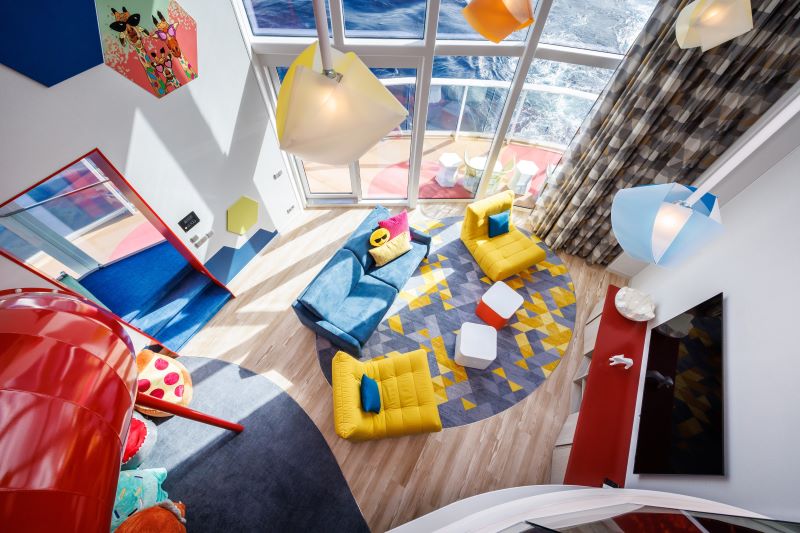
The other significant update is to the Ultimate Family Townhouse, the extravagant three-story suite designed for large families looking for the ultimate cruise experience.

Overhead view of Royal Caribbean's Ultimate Family Townhouse play area, vibrant with colorful decor. The room features a whimsical design with bright yellow and blue furniture, a red slide, funky light fixtures, and a floor-to-ceiling window overlooking the sea. It's a playful and inviting space for children, with various toys and games, fostering a fun and imaginative onboard experience.

The Ultimate Family Townhouse debuted on Icon of the Seas as the most expensive suite at sea, featuring an in-suite slide, a dedicated movie-viewing room, a karaoke machine, and a private “backyard” with a ping pong table, outdoor seating, and a white picket fence leading directly to Surfside.

For Star of the Seas, the Ultimate Family Townhouse is getting a refresh. While specific details haven’t been shared, the cruise line has confirmed that the suite will get an “uplift” with a “new look,” based on guest feedback from Icon of the Seas.

Restaurants

Once again, the majority of dining venues across both ships will remain unchanged and guests on both ships can enjoy a huge variety of casual and formal options.

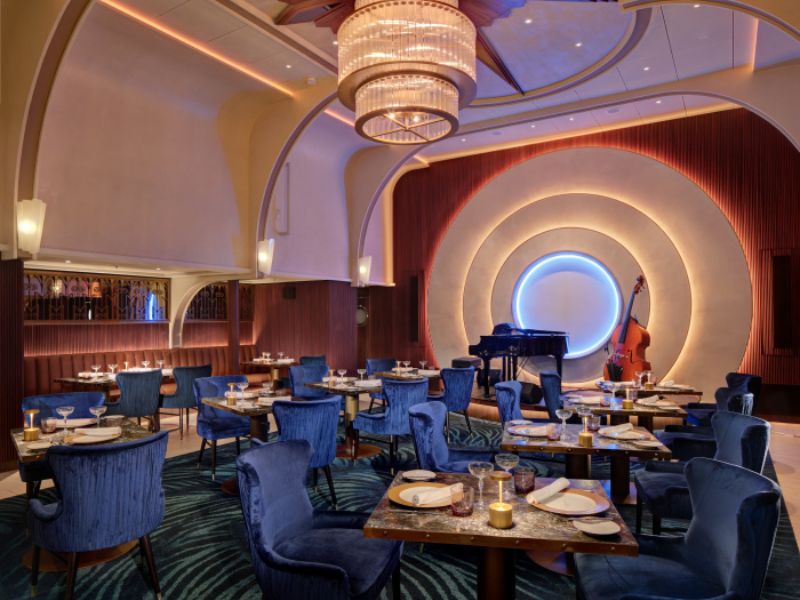
One of the biggest changes is the introduction of the Lincoln Park Supper Club. This is a sequel to the Empire Supper Club, shifting the focus from its original glitzy New York theme to a Chicago-inspired experience.

The Empire Supper Club on Royal Caribbean's Icon of the Seas exudes sophistication with its art deco-inspired décor, plush blue velvet chairs, and an illuminated circular stage with a grand piano, setting the stage for an elegant dining and live music experience.

The concept remains the same – an intimate fine dining venue with a themed menu and live music, but it’ll now be influenced by Chicago’s rich culinary and cultural scene.

Royal Caribbean is also looking to improve Aquadome Market for Star of the Seas, already one of the most well-received complimentary dining options on Icon of the Seas. Located within the AquaDome Neighborhood, the market currently features five food stands offering a variety of options, from chicken pita wraps to bacon mac and cheese.

While the fundamentals will remain unchanged, the cruise line has said it will be testing ways to refine and enhance the offerings for Star of the Seas and future ships. Exciting!

And the other major dining change is the overhaul of Pier 7. This venue, located in the Surfside Neighborhood, currently serves California-inspired cuisine and offers a kids-eat-free program.

While many guests have left positive reviews, Royal Caribbean sees it as a flexible space and is planning a new offering, or at least some significant changes.

The final decision on Pier 7’s replacement has not yet been announced, as the cruise line continues to test different ideas. But I doubt it’ll be something radically different in terms of cost, even if the cuisine completely changes.

Bars, lounges, activities & entertainment

Icon of the Seas has a great variety of bars and lounges where guests can grab a drink and relax, and so far the cruise line hasn’t announced any major changes to those.

So, guests on both ships can take their pick from popular bar spaces such as:

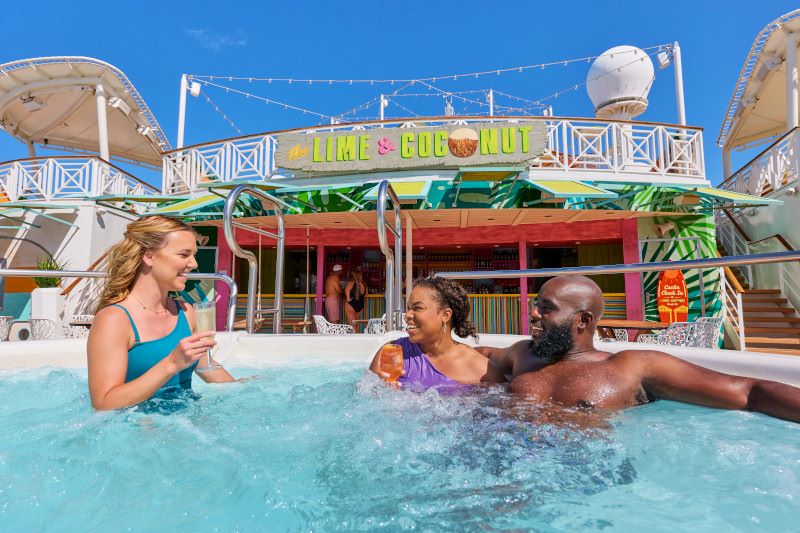
  • The Lime and Coconut bars
  • Swim & Tonic, the largest swim-up bar at sea
  • Schooner Bar – a classical musical-themed bar
  • Trellis Bar – a chilled spot in Central Park perfect for champagne
  • Playmakers Sports Bar & Arcade

Plus loads, loads more!

Three friends enjoy the vibrant poolside ambiance at the Lime & Coconut on Royal Caribbean's Freedom of the Seas. They're relaxing in the water with tropical drinks in hand, against the backdrop of a sunny sky, the ship's deck, and the colorful bar sign, encapsulating the ultimate cruise leisure experience.

Activities onboard are very similar too, including surf simulators, rock climbing, ice skating, karaoke, the casino, mini golf, the ropes course… the list feels endless!

One change, which may seem minor but it’ll have a big impact, is the addition of one more hot tub on the outdoor deck near the AquaDome Market.

It was originally intended for Icon of the Seas but was removed from plans due to concerns over the water weight of the ship – but they found that Icon’s so far within acceptable margins that it can be reinstated for Star of the Seas. Even one extra hot tub will help during busy days when pool space is at a premium.

The biggest changes for activities will come in the redesigned Surfside as already covered, and in bigger changes to the kids clubs onboard.

The cruise line has said that nothing’s being removed compared to Icon, but Star will have more ‘analog play’ toys, instead of the heavy reliance on video games and other digital entertainment.

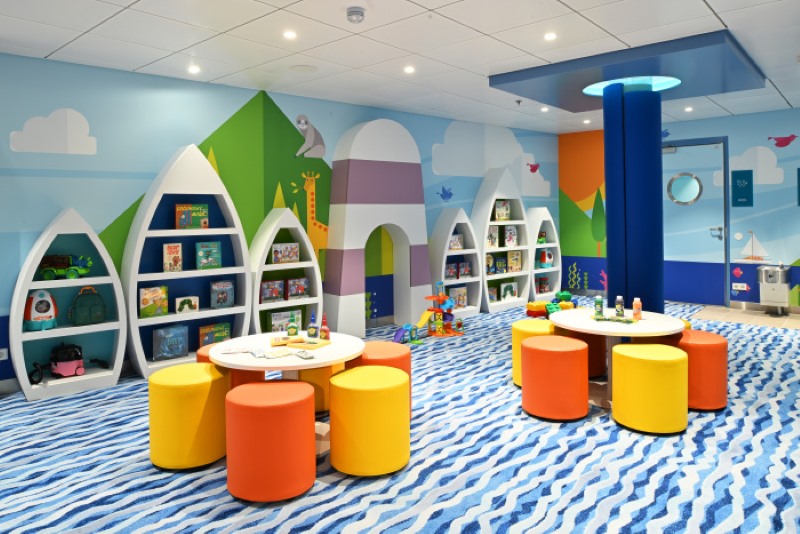
The colorful and inviting Adventure Ocean kids' area on Icon of the Seas, designed with boat-shaped bookshelves, bright geometric shapes, and playful seating on a wavy blue carpet, creating a fun learning and play environment for children.

The teen spaces will get a revamp, with more of a focus on spaces just to meet up before the older kids can explore the ship and feel more like adults, so there’ll be a focus on more activities in different parts of the ship.

And of course, the entertainment onboard will be different too. The full schedule for Star of the Seas hasn’t been announced but we know that, instead of The Wizard of Oz which you’ll find on Icon, guests will be able to enjoy Back to the Future: The Musical – that was a popular announcement!

Read more: Great Scott! Audition Call For Popular Musical To Be Staged On Star Of The Seas

Ultimately, you’ll have a hard time managing to tick off even half of the activities and entertainment on each ship during your cruise – there’s just so much.

What a shame that it just means you’ll need to book another one…

Itineraries

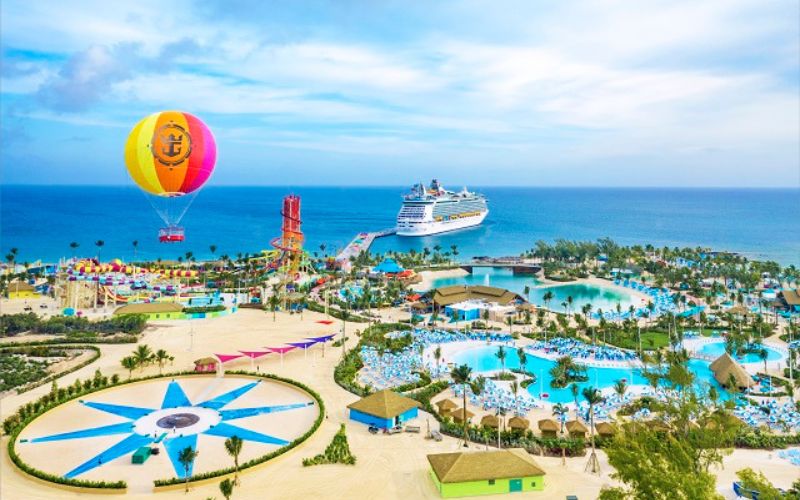
In terms of the itineraries being offered by both ships, they are almost identical. Both are sailing 7-night cruises to both the eastern and western parts of the Caribbean, with tips to the private resorts of Perfect Day at CocoCay and Labadee.

This image offers a vibrant aerial view of Perfect Day at CocoCay, a private island resort in the Bahamas operated by Royal Caribbean. The picture shows a colorful water park featuring a large swimming pool, water slides, and ample lounging areas. A hot air balloon offers rides above the island, providing panoramic views, while a cruise ship is moored nearby, emphasizing the island's role as a cruise destination. The entire scene is set against a backdrop of the turquoise Caribbean Sea and a blue sky, creating a lively and inviting vacation atmosphere.

The key difference is the departure ports, with Icon sailing from Miami and Star sailing from Port Canaveral.

That matters, because Royal Caribbean wants to position Star of the Seas as a sort of alternative option to the theme parks close to Port Canaveral – a rival for Universal and Disney, essentially.

And even if it’s not clashing, it’s an option to capitalise on the family holidays in the region, with people having the chance to spend a week ashore at the big parks either before or after they cruise.

Is there a winner?

There’s no way that you can definitively say that either Icon of the Seas or Star of the Seas is better than the other because they are probably 95% the same ship.

And with the differences, it’s often subjective. If you’re travelling with younger kids under 6 then they might prefer Surfside on Icon, while families with kids aged 7-10 may love the newer one on Star.

You’ll have a very similar experience onboard both ships, so just see which dates and itineraries work best for you – unless you’re someone who absolutely must see either Wizard of Oz or Back to the Future when you’re onboard!

Get Help Booking Your Family Cruise

Cruise Family are the only UK specialists in cruises for families of 5+ (and smaller ones too!)

Let them find your perfect trip…

Related posts

If you found this interesting, please share!

Cruise Mummy

Jenni Fielding is the founder of Cruise Mummy. She has worked in the cruise industry since 2015 and has taken over 30 cruises. Now, she helps over 1 million people per month to plan their perfect cruise holidays.
Read more about me


Source link

MidLife-Cruising.jpg

How It Costs To Cruise Full-Time

Two cruise influencers have revealed how much they spend on average while living on a residential cruise ship.

Angela and Steve on Villa Vie Odtssey

Angela and Steve are living onboard Villa Vie Odyssey and are documenting their cruise experiences on their YouTube channel, MidLife Cruising.

They’ve been discussing the costs of their unique lifestyle, from daily expenses in port to larger excursions, and breaking it all down for their followers.

Their January budget sheds light on the real costs of this lifestyle, offering valuable insight for anyone dreaming of sailing the world full-time.

Breaking down the costs

Angela and Steve meticulously tracked their spending throughout January while cruising through South America, visiting ports in Argentina, Chile, and Peru.

Their total expenditure for the month, including excursions, meals, and daily essentials, came to $1,940.97.

However, once they excluded the cost of a major trip to Machu Picchu, their monthly spend on day-to-day living was $1,388.71.

MidLife Cruising Machu Picchu Trip

This amount covered everything from food and shopping to excursions and souvenirs. Notably, they spent some days at sea without spending a penny, which helped keep costs down.

Excursions and activities

One of the biggest expenses for the couple was excursions. For instance, they took a boat tour in Peru for just $40, an incredibly budget-friendly way to see wildlife, including penguins and sea lions.

However, their largest excursion, a 20-hour tour of Torres del Paine National Park in Chile, set them back $360 for the two of them. While expensive, they deemed it well worth the money for the breathtaking scenery and unique experiences.

Food and shopping

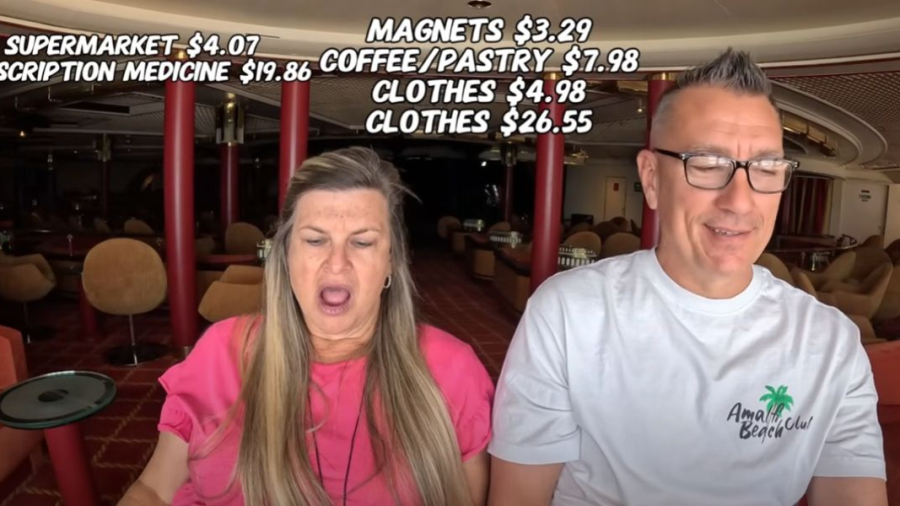
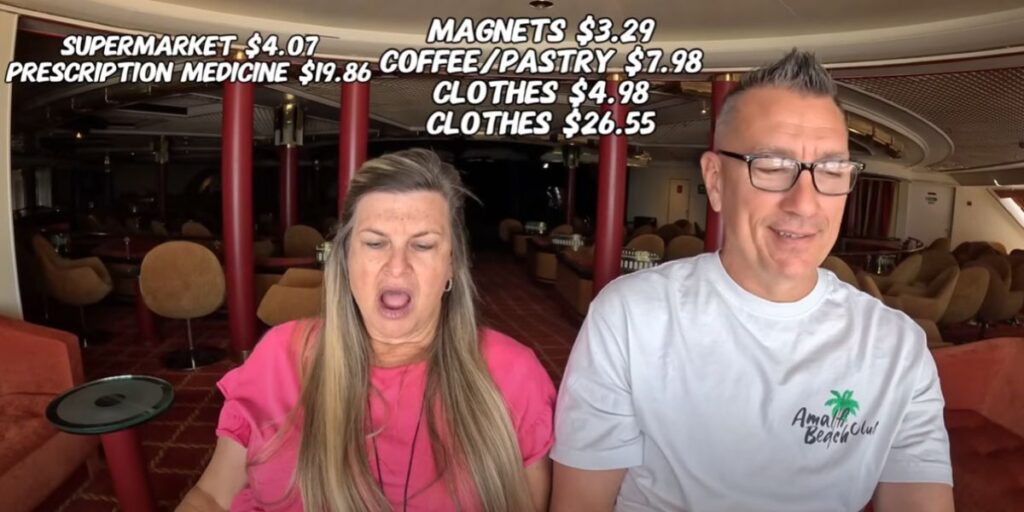
One of the fun aspects of cruising full-time is dining out in different countries. They often grabbed local pastries, coffee, and small meals while in port. In Ushuaia, Argentina, they visited a popular local bakery for $22.76, which included churros and alfajores.

MidLife Cruising spending breakdown

Their grocery shopping expenses were minimal since meals on the ship are included in their maintenance fees.

However, they did pick up snacks, toiletries, and other essentials, such as toothpaste (which they noted was surprisingly expensive in Argentina).

Unexpected costs

One category of expenses that some may not consider is cash withdrawals and transaction fees.

Fortunately, Angela and Steve use a Charles Schwab account, which refunds ATM fees at the end of each month. In January, they received $22.53 in refunded fees, helping to offset some of their costs.

Tipping is another consideration.

While gratuities are included in their monthly maintenance fee, the couple still provides additional tips to their favourite crew members, estimating that they spend $100 per month in discretionary gratuities.

Overall monthly cost

In total, excluding all of the costs of their major trip to Machu Picchu, their cost of living on the ship for January was $1,388.71.

If they factor in their mobile phone plan, which costs $46.24 per month, their grand total rises to $1,462.40.

This means they spent roughly $47.60 per day living on a cruise ship, which, when compared to land-based living expenses, is quite reasonable.

Of course, this amount does not include their monthly maintenance fee, which varies depending on the type of cabin.

Prices on the Villa Vie Odyssey range from $2,500 per month for a single person in an inside cabin to $11,000 for a suite. And that’s after they have paid for the room itself.

As early investors, Angela and Steve secured a lower rate, though their exact figures remain undisclosed due to an NDA they signed.

Future plans and more adventures

Their journey is far from over! In the coming months, they have big trips planned, including a visit to the famous Iguazu Falls, spanning both Argentina and Brazil.

Additionally, they will be venturing into the Amazon before making a short trip back to Nicaragua to check on their home.

For those curious about what it’s like to live full-time on a cruise ship, Angela and Steve continue to document their experiences on their YouTube channel, MidLife Cruising.

They plan to track their expenses again in the coming months to give their viewers even more insight into the costs of this unique lifestyle.

Want to follow along on their adventure? Be sure to check out their channel for regular updates on life at sea, budgeting tips, and travel inspiration!

Related posts

If you found this interesting, please share!

Cruise Mummy

Jenni Fielding is the founder of Cruise Mummy. She has worked in the cruise industry since 2015 and has taken over 30 cruises. Now, she helps over 1 million people per month to plan their perfect cruise holidays.
Read more about me


Source link

cruise-ship-norovirus.jpg

Statistics & How to Avoid Sickness

Norovirus is a common and contagious illness that can affect people on cruise ships as well as on land. This article includes statistics about the prevalence of norovirus on cruise ships, as well as giving helpful information on how to prevent norovirus on your cruise.

Norovirus causes gastrointestinal symptoms such as nausea, vomiting and diarrhoea. Whilst symptoms can be extremely unpleasant, it is usually short-lived, lasting one or two days.

norovirus on cruise ship

Norovirus On Cruise Ships

Norovirus is caught by having contact with an infected person, either directly, or by touching contaminated surfaces. Norovirus outbreaks can occur on cruise ships when people bring the virus onto the ship and pass it on to others.

Cases of norovirus on cruise ships are reported more commonly than on land because cruise ship passengers are required to report cases to the ship’s medical team. On land, most people recover at home without seeking medical help.

This has resulted in norovirus being incorrectly called ‘the cruise ship disease’ or the ‘cruise ship illness’.

norovirus, passenger lying in bed in cruise ship cabin

Norovirus Can Happen Anywhere

Whilst cruise ships have a bad reputation for norovirus contamination, norovirus is, in fact, common anywhere where people are contained – such as offices, schools, hospitals and hotels. It is not any more common on cruise ships than in any of these places.

Read on for all the latest statistics about cruise ship norovirus.

Cruise Ship Norovirus Statistics

The Likelihood Of Getting Norovirus On A Cruise

Between 2018 and 2014, 74 million cruise passengers sailed out of US ports. 12,968 of those passengers reported norovirus infections. According to these statistics, the chance of catching norovirus on a cruise is 0.018%. (Source)

The Worst Cruise Ships For Norovirus

The CDC’s Vessel Sanitation Program records outbreaks of gastrointestinal illness on cruise ships.

In 2024, the cruise line most affected by norovirus was Holland America Line, with four of the ships in it’s fleet suffering an outbreak (Koningsdam, Zuiderdam, Rotterdam and Eurodam).

Other norovirus outbreaks on cruise ships in 2024 include:

  • Oceania Cruises – Oceania Nautica
  • Cunard Line – Queen Victoria and Queen Mary 2 (twice)
  • Princess Cruises – Ruby Princess, Coral Princess and Sapphire Princess
  • P&O Cruises – Arcadia
  • Celebrity Cruises – Celebrity Summit and Celebrity Constellation
  • Royal Caribbean International – Radiance of the Seas

(Source)

The most severe of these outbreaks happened onboard Cunard Line’s Queen Mary 2 from 21st December 2024-3rd January 2025 where 346 of 2,565 passengers contracted norovirus (13.5%).

Of course, any cruise ship can have an outbreak of norovirus on board, just as any school, hospital or hotel can. These statistics don’t mean that these ships are any less hygienic than ships that have not reported an outbreak.

It’s also important to note that norovirus cruise ship statistics from the CDC only relate to cruises that call at US ports. So cruises to Europe and elsewhere in the world won’t be included in these reports.

cruise ship sailing in the sea

The Worst Norovirus Outbreak On A Cruise Ship

The worst outbreak of norovirus on a cruise ship occurred onboard Royal Caribbean’s Explorer of the Seas in January 2014. On this 10-night cruise, 534 out of 3071 (20.6%) passengers or crew reported being ill.

How To Avoid Norovirus On Cruise Ships

Here are four tips for avoiding norovirus on cruise ships.

1. Wash Your Hands

The most effective way to prevent norovirus on a cruise is with regular and thorough handwashing. It is particularly important that you do this after using the bathroom and before and after eating, drinking or smoking.

The most effective way to clean your hands is to wet them with water, apply liquid soap, lather, rinse and dry.

When I was on board a cruise ship during a norovirus outbreak, this flyer about the correct handwashing procedure was distributed to all passengers on their cabins.

norovirus prevention handwashing procedure

2. Use Hand Sanitiser

Alcohol hand gels are not as effective as soap and water, but they are useful at times when soap and water isn’t available.

There will be hand sanitiser available at stations all over the ship, but it’s also a good idea to carry your own. To avoid having to rummage in your bag, hand sanitiser bracelets are an excellent option.

See hand sanitiser bracelets on Amazon.com (if you’re in the US)

See hand sanitiser bracelets on Amazon.co.uk (if you’re in the UK)

3. Avoid Touching Surfaces

Your freshly-washed hands are only clean until you touch something, so you should avoid touching surfaces that are regularly touched by other people.

It’s important that you turn off taps and open bathroom doors using a paper towel to keep your freshly-washed hands clean.

You should also avoid touching elevator buttons with your fingers, and instead use a knuckle or elbow.

Only touch staircase railings if you need to do so for stability. If you’re unsure, you can hover your hand above the railing, so that it’s there if you need to grab it.

hand washing station in cruise ship bathroom

4. Avoid Shaking Hands

Shaking hands with other cruisers is something you should avoid. This is particularly important at mealtimes, as this is when it’s easy to transfer any virus from your hands to your mouth.

Since 2020 (COVID), shaking hands is not as common as it used to be, and declining a handshake is not something that should cause embarrassment.

A cruise ship guest with dirty, mud-covered hands holds them up in front of a buffet, highlighting the unsanitary condition amidst a backdrop of other passengers enjoying their meals. The scene emphasizes the importance of cleanliness and hygiene in communal dining areas.

Stopping The Spread Of The Virus

When norovirus is reported on a cruise ship, the staff will put measures in place to stop the spread of the virus.

Measures to control norovirus outbreaks include:

  • Advising passengers that others are experiencing symptoms of gastrointestinal illness and giving information about what everyone can do to prevent it from spreading
  • Regularly sanitising every area of the ship with a powerful disinfectant called Virox
  • Assigning extra staff to monitor entrances of eating areas to ensure that every passenger washes their hands
  • Removing items such as salt and pepper shakers and butter dishes from tables and replacing them with individual sachets
  • Stopping the use of self-service drinks machines and instead having staff dispense drinks for guests
  • Serving guests at buffets rather than allowing self-service

If these measures are not successful in halting the spread of the disease, in rare cases, it is possible for all passengers to be confined to certain areas of the ship, or to their cabins, or even for the cruise to end early.

cruise ship cleaners cleaning a cabin wearing rubber gloves

Code Red: What It Really Means

Cruise ship staff use secret codes to avoid causing alarm. If you hear CODE RED, it means that there is a serious outbreak of illness on the ship. For a less severe outbreak, you may hear CODE YELLOW.

The exact number of cases needed for each alert level varies by cruise ship. It may be a certain number of cases or a certain percentage of passengers and crew on the ship.

Read more: Secret Codes On Cruise Ships Explained

What To Do If You Catch Norovirus On A Cruise

1. Report It

As soon as you become unwell, it’s vital that you return to your cabin and call reception to report it.

They will advise you about what to do next and arrange a phone call with one of the ship’s nurses, who can give you medical advice. The medical team will phone regularly to check how you are feeling.

2. Isolate Yourself

You must stay in your cabin until 24 hours after any vomiting or diarrhoea has stopped.

Your cabin will be regularly sanitised by specially-trained crew members. If you require any additional housekeeping, you can call reception, and someone will be with you quickly. You can also have any items of clothing cleaned free of charge if needed.

3. Rest And Recover

Whilst quarantined in your cabin, you can order from room service free of charge. There is a specially planned menu to assist with recovery, which includes bland items such as toast, porridge, soup, sandwiches, grilled chicken breast, salad and chips. Your meals will be served on disposable plates.

As you are not permitted to leave the ship during the isolation period, if you have booked shore excursions with the cruise line, the cost of these will be refunded to you.

If you have booked excursions independently, you may be able to cancel them if you give 24 hours’ notice. If you are unable to do this, you may be able to claim on your travel insurance, depending on the policy details.

Suggested read: Why You Need Cruise Insurance (Not Just Regular Travel Insurance)

NEW DEALS JUST RELEASED!

I’m ALWAYS looking for cruise bargains! These are the best deals I found this week…

Related posts:

If you found this interesting, please share!

Cruise Mummy

Jenni Fielding is the founder of Cruise Mummy. She has worked in the cruise industry since 2015 and has taken over 30 cruises. Now, she helps over 1 million people per month to plan their perfect cruise holidays.
Read more about me


Source link