The worst cruise ports in the United States are rarely bad places. They are just hard to sail from. For most passengers the big headaches are Miami’s embarkation-day traffic, Galveston’s long drive from Houston’s airports, Port Canaveral’s distance from Orlando, and the parking costs and congestion of New York, Los Angeles, San Francisco and New Orleans. Each one gets much easier once you know what to plan around.
This guide is about homeports, the cities where your cruise starts and ends, and not the ports of call you visit on the way. We look at the US cruise departure ports that cause passengers the most friction, explain why, and give practical fixes. Parking prices and distances are checked against official port websites where they publish them. Rates change often, so confirm before you book.
What makes a cruise port one of the worst to sail from?
Nobody rates a homeport by its scenery. Embarkation day comes down to a handful of practical things:
- Getting there: how far the terminal is from the nearest major airport, and what a transfer costs.
- Traffic: whether thousands of cars and buses are squeezed onto one causeway or city street at the same time.
- Parking: the daily rate, whether you can walk to the terminal, and whether lots sell out.
- Check-in congestion: how many ships share the port on the same morning, and how well the terminal handles crowds.
- Construction and change: new terminals, closed piers and shifting lot layouts that make last year’s advice wrong.
Busy ports score badly on several of these at once, simply because they are popular. The busiest cruise ports in the US handle millions of passengers a year. In fiscal 2025, Port Canaveral reported about 8.6 million cruise passenger movements and PortMiami about 8.56 million, according to Seatrade Cruise News. Volume like that creates queues, however good the terminals are.
US cruise departure ports compared
The table below sums up seven of the hardest US cruise ports to sail from. Airport distances are approximate driving distances. Parking is the port’s own or official lot unless stated otherwise.
| Port | Nearest major airport and distance | Official parking (approx.) | Main gripe | Best tip |
|---|---|---|---|---|
| Miami (PortMiami) | MIA, about 8 miles | $28 per day in most port garages, $35 in Garages AA and B | Gridlock on the single access road when many ships turn around | Choose a late-morning arrival slot and use a rideshare drop-off |
| Galveston | Hobby (HOU), about 45 to 50 miles; IAH, about 70 miles | Roughly $179 for a 7-day cruise in economy lots, more for garages | Long, traffic-prone drive from Houston airports | Fly into Hobby, not IAH, and book a shared shuttle |
| Port Canaveral | Orlando (MCO), about 45 miles | $20 per day plus tax (since October 1, 2025) | Distance from Orlando and busy weekend turnarounds | Stay a night in Cocoa Beach and take a hotel shuttle |
| New York (Manhattan, Brooklyn, Cape Liberty) | LGA, JFK or EWR, roughly 9 to 20 miles depending on terminal | Around $45 per night at Manhattan; check Brooklyn and Cape Liberty rates directly | City traffic, high parking prices, three different terminals | Double-check your terminal and use the closest airport |
| Los Angeles (San Pedro) | LAX, about 18 miles | $23 daily maximum for standard vehicles | Freeway traffic that makes a short distance slow | Avoid weekday rush hour and allow two hours from LAX |
| San Francisco (Pier 27) | SFO, about 14 miles | No parking at the terminal; nearby private garages | Expensive, limited parking in a dense city | Arrive by BART, rideshare or taxi instead of driving |
| New Orleans | MSY, about 15 miles | $180 for 7 days in the port garages | Downtown event traffic and street closures | Check the city’s events calendar and book parking ahead |
The 7 worst cruise ports in the United States, and how to make them easier
1. Miami: the busiest morning in cruising
PortMiami is one of the world’s leading cruise hubs, with modern terminals for Royal Caribbean, Carnival, Norwegian, MSC, Virgin Voyages and others. Its problem is that everyone arrives through the same narrow corridor. On mornings when many large ships turn around together, Port Boulevard and the MacArthur Causeway approach can back up badly, and some passengers spend longer in the car than they do in the terminal. In December 2025 the port handled 10 ships and more than 75,000 guests in a single day, so these peaks are real.
How to make it easier: Book the latest arrival time your cruise line offers, as the worst queues usually build early in the morning. Being dropped off is usually quicker than queuing to enter a garage. If you do drive, PortMiami’s official garages cost $28 per day for long-term parking in most garages, and $35 in Garages AA and B. Reserve where your line allows it. Norwegian, for example, sends guests to a reservation system for its garage.
2. Galveston: a great port a long way from the airports
Galveston has grown quickly into the main cruise port for Texas and the central US, and it now has four active cruise terminals. Terminal 16, used by MSC Cruises and Norwegian Cruise Line, opened in November 2025. Royal Caribbean uses Terminal 10, and Carnival, Disney and Princess sail from Terminals 25 and 28. The terminals themselves are fine. The challenge is getting there. Hobby Airport is roughly a 45-minute to one-hour drive in normal traffic, and Bush Intercontinental (IAH) is further still. I-45 can be slow on weekends and in bad weather, and road works add delays.
How to make it easier: If you have a choice, fly into Hobby. Build in a buffer, or better, fly in the day before and stay on the island. For drivers, the port’s official economy lots cost around $179 for a 7-day cruise, with walk-up and garage spaces costing more. Book online, and check carefully which lot serves your terminal, because the lot names and layouts have changed as new terminals opened.
3. Port Canaveral: busy, efficient and far from Orlando
Port Canaveral is now the busiest cruise port in the world by passenger movements, and it handles that volume well. Its drawback for fly-in passengers is distance. The port is about 45 miles from Orlando International Airport, which usually means an hour or more on the Beachline Expressway, a toll road, plus the cost of a transfer for each direction. On days when several of the world’s largest ships turn around together, terminal approaches can also slow down.
How to make it easier: Spend the night before in Cocoa Beach or Cape Canaveral, where many hotels run cruise shuttles or offer park-and-cruise packages. Port parking rose to $20 per day plus tax on October 1, 2025, as reported by Cruise Industry News. That is still less than many competing ports, but hotel parking packages can be cheaper for longer sailings.
4. New York: three terminals and city traffic
Cruising from New York means one of three terminals: Manhattan Cruise Terminal on the West Side, Brooklyn Cruise Terminal at Red Hook, or Cape Liberty in Bayonne, New Jersey. Passengers sometimes arrive at the wrong one, and every option involves big-city traffic. Driving into Manhattan can also mean paying the congestion pricing toll, which the MTA has kept at $9 for cars at peak times through 2026, depending on your route. Parking is expensive. CruiseHive lists on-site Manhattan terminal parking at around $45 per night, and private garages nearby can be cheaper if you reserve ahead.
How to make it easier: Check the exact terminal on your cruise documents. Pick the airport closest to it: LaGuardia for Manhattan, JFK or LaGuardia for Brooklyn, and Newark for Cape Liberty. If you live within driving distance, compare the official lot with reserved private garages. If you don’t, a car service or rideshare usually costs less than several nights of parking.
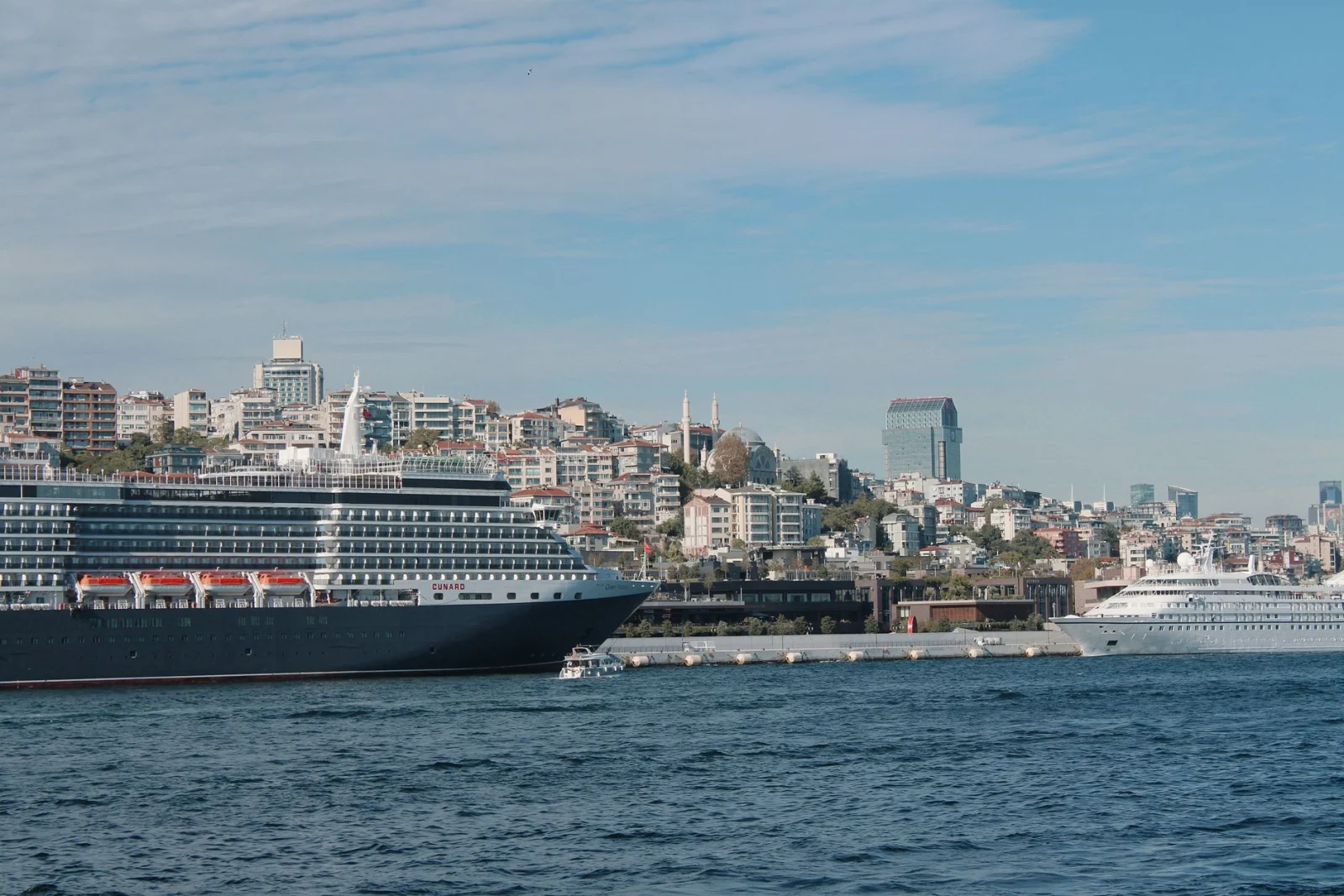
More frustrating cruise ports in the US
5. Los Angeles (San Pedro): short distance, slow drive
The Los Angeles Cruise Terminal in San Pedro, also known as the World Cruise Center, is only about 18 miles from LAX, according to the Port of Los Angeles. The I-405 and I-110 freeways can turn that into a long trip, especially on weekday afternoons. Princess, Norwegian, Royal Caribbean and Virgin Voyages homeport here. Debarkation day, when everyone heads for flights at once, is often the harder end of the trip.
How to make it easier: Avoid booking a flight home before early afternoon. Allow at least two hours from the ship to the airport on a weekday. Parking is reasonable for Southern California: the port lists a $23 daily maximum for standard vehicles and $40 for oversized vehicles, with shuttles between lot and terminal. Long Beach, nearby, is an alternative homeport worth comparing for Carnival sailings.
6. San Francisco: a beautiful terminal with nowhere to park
Sailing under the Golden Gate Bridge is a highlight, and the James R. Herman Cruise Terminal at Pier 27 sits on the Embarcadero, close to the city’s sights. But there is no parking at the terminal, and private garages in the area are expensive. The drive from SFO can take 30 to 50 minutes, depending on traffic.
How to make it easier: Leave the car at home. BART connects SFO with downtown, and from there a short taxi or rideshare will get you and your bags to Pier 27. If you must drive, reserve a nearby garage in advance and confirm whether it offers a cruise rate.
7. New Orleans: festivals, street closures and riverfront traffic
New Orleans is a fun place to start a cruise, and the terminals sit right by the French Quarter. Carnival uses the Erato Street Cruise Terminal, while Norwegian and Royal Caribbean use the Julia Street terminal. The trouble is that big festivals, Mardi Gras parades, football games and conventions can close streets and jam the riverfront when you are trying to reach the ship.
How to make it easier: Check the city events calendar before you choose a sailing date. Port NOLA’s official garages charge $180 for 7 days, with a small extra fee per day when booked online. Reserve ahead, as garages can fill on busy weekends.
A note on Baltimore and Charleston
Baltimore’s Cruise Maryland Terminal is close to BWI and easy to reach, though parking went up to $25 per day on April 1, 2026, according to the Maryland Port Administration. Charleston has changed more. Union Pier closed to cruise ships in June 2026 and is being redeveloped, and Carnival ended its homeport sailings there in January 2025. If you see older advice about cruising from Charleston, treat it with caution.
How to pick the best cruise port to depart from for you
Most ranking lists skip the most useful question: which port is worst for you? A port that is a nightmare for one family is simple for another. Before you book, think about these points:
- Drive or fly? If you can drive, the cheapest cruise ports in the US to reach are usually the ones within a day’s drive, even if parking costs more. If you fly, put airport distance first, which favors Miami, Baltimore and Los Angeles over Galveston and Port Canaveral.
- Total cost, not fare: Add parking or transfers, a pre-cruise hotel night and tolls to the cruise fare. A cheaper sailing from a distant port can work out more expensive overall.
- Day of the week: Saturday and Sunday turnarounds are the busiest at Florida and Texas ports. A midweek departure from the same port can feel very different.
- Flight timing at the end: Debarkation is the most stressful part of a cruise at distant ports. Choose late flights, or add a night ashore.
- Itinerary first: The departure port often decides the destinations. For warm-weather sailings, see our guide to Western Caribbean cruise ports worth visiting, which are mostly reached from Galveston, New Orleans, Miami and Port Canaveral. If you are heading north, our guide to choosing the best cruise line to Alaska covers Seattle and other West Coast departures.
Fares also vary a lot from port to port, so compare more than one homeport when you are hunting for cruise deals for 2027. A slightly longer drive can save hundreds of dollars.
Practical embarkation-day checklist for any busy port
- Fly in at least one day before. Delays are common, and the ship will not wait.
- Stick to your check-in time. Arriving very early at a busy port often just means waiting in a car queue.
- Pack medicines, documents and a change of clothes in your carry-on, as checked bags can take hours to reach your cabin.
- Book parking or transfers in advance, and save the confirmation offline.
- Look at the port’s own website the week before for terminal changes, construction notices or new lot layouts.
For ports outside the US, see our list of the worst cruise ports in the world and how to make the most of each one.
For the global picture, see our ranking of the busiest cruise ports in the world and the best ones to start a cruise from.
If you are sailing from the Space Coast, check our guide to airports near Port Canaveral and the best ways to get to the terminals.
FAQs
What are the worst cruise ports in the US to depart from?
Passengers most often name Miami for embarkation-day traffic, Galveston and Port Canaveral for their distance from major airports, and New York, Los Angeles, San Francisco and New Orleans for city traffic and parking. They are all good ports once you plan around these issues.
What are the major cruise ports in the USA?
The busiest US cruise ports are Port Canaveral, PortMiami and Port Everglades in Florida, followed by Galveston, plus large homeports such as New York, Seattle, Los Angeles, New Orleans, Baltimore and Tampa.
Which is the busiest cruise port in the United States?
In fiscal 2025, Port Canaveral narrowly overtook PortMiami, with about 8.6 million passenger movements against Miami’s 8.56 million.
Is it cheaper to park at the cruise port or use a hotel park-and-cruise deal?
It depends on the port and the length of the cruise. Official port parking at places like Port Canaveral ($20 per day) and Los Angeles ($23 daily maximum) is good value, but a hotel package that includes a night’s stay and a shuttle can cost less on longer sailings. Always compare current prices.
How early should I arrive at the cruise port?
Arrive at the check-in time your cruise line gives you, and plan to be at the port at least two hours before departure. At busy ports, turning up much earlier than your slot usually just means sitting in traffic or in a queue.