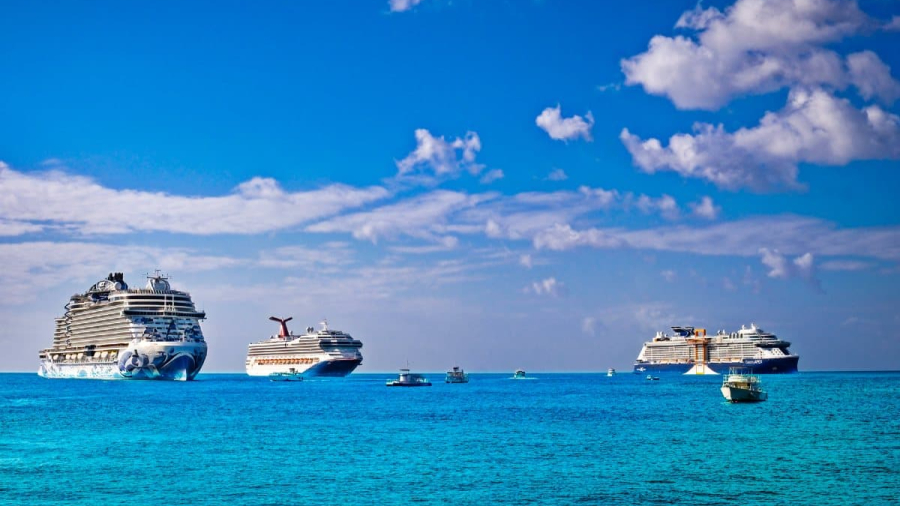
In less than a month, the people of Grand Cayman will vote on whether to build a new cruise pier with berthing facilities big enough for large cruise ships. Cruise passengers are all for it, but local residents have a lot to think about.
This might sound like a simple upgrade, but the construction and development of a cruise dock like this is raising some important questions that could affect your future cruises to Grand Cayman.
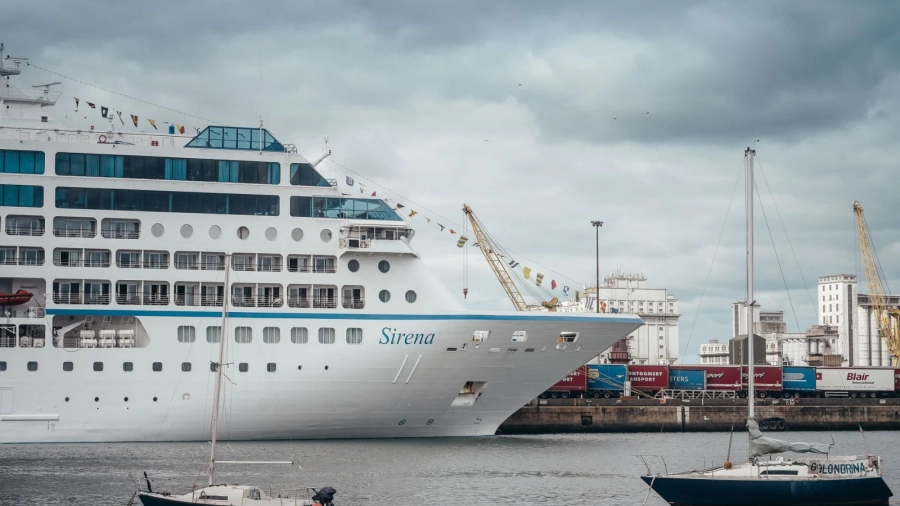
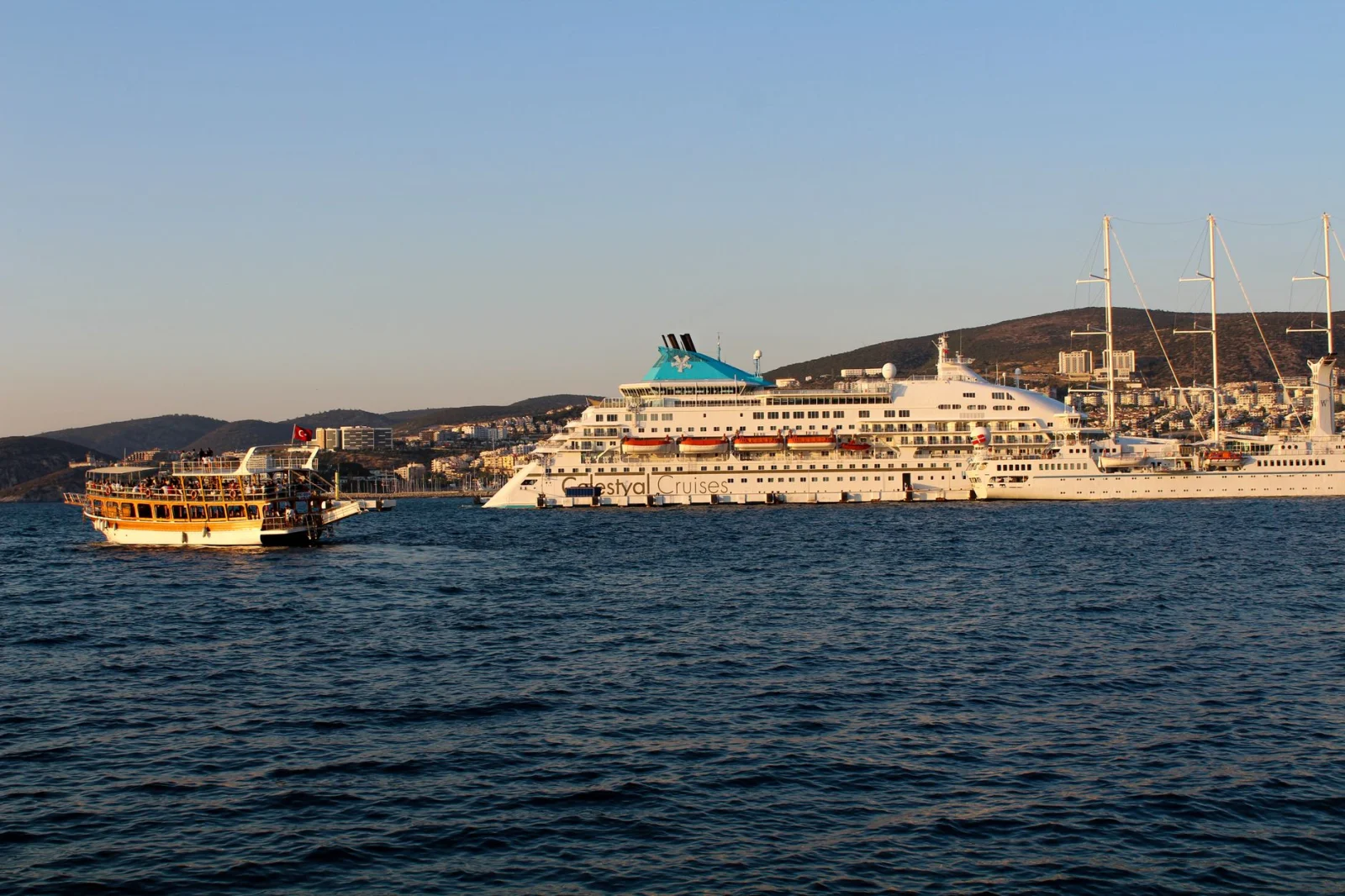
Right now, cruise ships visiting the islands have to use tenders, small boats that transfer passengers back and forth from ship to shore.
Even with the coming vote looming, Grand Cayman is already seeing a spike in cruise traffic in 2025. In fact, early numbers show a 22% increase over last year.
But 2024 was a slower year for the Cayman Islands with around 750,000 visits. In contrast, the first two months of 2025 already brough over 310,000 cruise passengers to the islands.
The “Yes” Camp: Easier Access and More Visitors
Those who want an actual pier built argue that it’s essential for the future of cruise tourism in Grand Cayman. They believe that without these facilities, cruise lines might start taking their bigger ships to other islands with modern docking capabilities.
The numbers in 2025 so far do not bear that out, but going forward it is a possibility.
The idea is that more berthing could mean more ships, potentially bringing more tourists and boosting the local economy.
There’s also the idea that a docking facility would make it easier and faster for passengers to disembark and enjoy the islands. This means more time in Grand Cayman and potentially more foot traffic and more revenue.
After all, with Grand Cayman a simple walk from the ship, more passengers who might have stayed on the ship otherwise may decide to enjoy some of the offerings in the Cayman Islands for a while.
Artist rendering of a future pier idea that has been proposed for Grand Cayman in the past.
The “No” Camp: Needing More Information
Not everyone is on board with a new docking facility though. Some local groups are strongly urging a “no” vote. They raise some serious concerns that cruisers should be aware of:
Lack of Information: Right now, voters are being asked to say “yes” without a clear plan. Local news outlets reported that there’s no detailed budget, no specific design, and even the exact location of these potential docks isn’t set in stone. This makes it hard to understand the true impact of the project.
Environmental Worries:Grand Cayman is famous for its beautiful and vibrant coral reefs and marine life. The “no” campaign say it’s not worth the environmental threat. They say that dredging (digging up the seabed) and construction in the harbor could harm these delicate ecosystems and even damage historic shipwrecks – attractions many cruisers come to see.
Economic Questions: While more ships could mean more money, some experts are questioning whether building these expensive docks will actually deliver the promised economic benefits. They point out that cruise passenger numbers have been declining in many Caribbean destinations recently, even those with berthing facilities. There’s also a lack of clear data on how many local residents truly depend solely on cruise tourism.
What Does This Mean for Cruisers?
The vote is set to happen in 26 days, and the result has real implications for your future cruise experiences in Grand Cayman.
If the “yes” vote wins out and those new docks get built, future cruise stops in Grand Cayman will probably mean a much smoother and quicker way to ashore. Think no more waiting around for those tender boats – you could just stroll right off the ship and start your island adventure. That extra time could really make a difference in how much you get to see and do.
I know the last time I was in Grand Cayman I was pressed for time, and the extra time it took for tenders to get back to the ship just added to this time crunch. I would have much rather spent more time at the Cayman Turtle Centre.
But the Cayman Islands are also known for being a great place for divers and snorkelers to enjoy the vibrant marine life. No one wants to see that damaged.
The main issue right now is information. We still don’t have concrete figures with where the berthing facilities would be, how much they would cost, or what kind of impact it would have.
And that cost is one that could get passed onto cruise passengers in the form of port fees. We’ll know more in about 4 weeks.
Our free cruise newsletter offers the latest news and deals: Sign Up
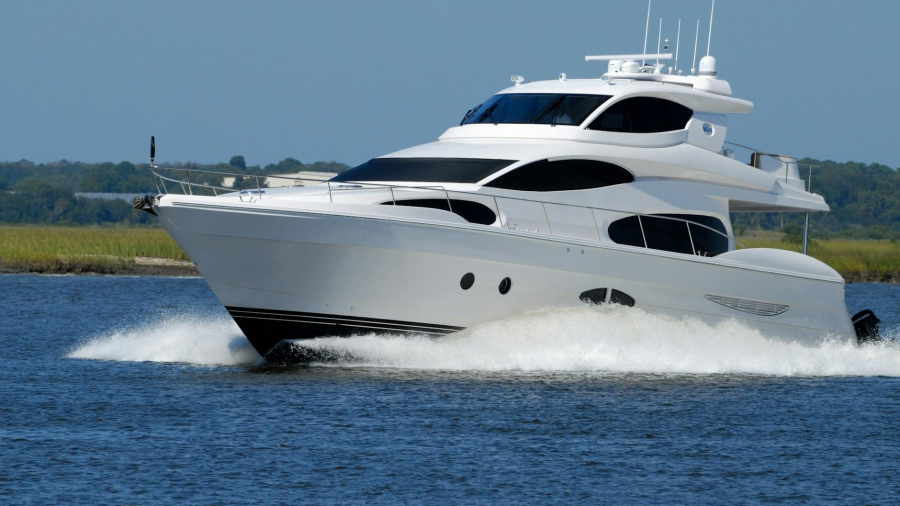
Owning a yacht is more than a luxury—it’s a commitment. Beyond the open-sea adventures and elegant getaways, yacht ownership also comes with the responsibility of upkeep. While most owners are diligent about surface-level cleaning, a lot happens below deck that often goes unnoticed. Moisture, salt, and limited airflow contribute to hidden buildup that can affect comfort and long-term value.
That’s why many owners choose to work with services such as Yacht & Villa Professional Interior Cleaning, which specializes in addressing the conditions in marine interiors. From high humidity to enclosed spaces prone to mold and mildew, these professionals understand the intricacies of keeping a yacht interior clean—visually and hygienically.
Why Routine Cleaning Isn’t Enough Below Deck
Are you diligent about wiping down surfaces and vacuuming the carpets? That’s a good start. However, routine cleaning doesn’t penetrate deeply enough to tackle the unique challenges inherent in a yacht’s interior. Think about those hard-to-reach places, such as under mattresses, behind paneling, and inside storage compartments. These areas are prime breeding grounds for a variety of undesirable elements. Simply spraying an air freshener masks the underlying problem, failing to address the root cause.
Unlike maintaining your home kitchen, a yacht galley is significantly more prone to moisture retention, and the often limited airflow creates an ideal environment for mold and mildew to flourish. Though seemingly insignificant, food remnants and spills attract pests and bacteria. Furthermore, the HVAC system can circulate allergens and unpleasant odors throughout the yacht.
Critical Areas That Require Special Attention
Where should you focus your deep-cleaning efforts? Here’s a detailed breakdown:
Cabins and Sleeping Quarters: Mattress sanitation, fabric shampooing, and odor elimination are key.
Heads (Bathrooms): Marine toilet scale buildup and mildew in tile grouting are common issues. Use appropriate disinfectants to kill germs without damaging surfaces.
Galley (Kitchen): Sanitizing appliances, counters, surfaces, filters, and drains is vital for hygiene.
Storage Compartments & Lockers: These are moisture traps, often leading to pest infestations and forgotten perishables.
Air Vents and HVAC Systems: Mold spores and allergens can accumulate in these systems and circulate throughout the yacht. Professional duct cleaning is essential for clean, healthy air.
The Importance of Professionally Deep Cleaning
Deep cleaning of your yacht’s interior is essential for maintaining its aesthetic appeal, preserving materials, and ensuring a healthy environment for all passengers. Professionals specializing in yacht maintenance consistently emphasize the importance of regular, deep cleaning to address the unique challenges posed by the marine environment.
Regular Cleaning Schedule: Establishing a routine helps prevent dirt buildup and maintains the quality of upholstery, flooring, and other materials. A consistent schedule ensures that your yacht remains in top condition and prevents mold and mildew growth. Aim for a quick tidy every 1-2 weeks, and schedule a more thorough cleaning monthly.
Key Areas for Routine Cleaning
Photo by Cottonbro Studio on Pexels.com
Cabinets and Shelving: These areas often collect dust and grime. Wipe down surfaces thoroughly with a microfiber cloth.
Upholstery and Carpets: Use a vacuum with an upholstery attachment for gentle cleaning. Consider specialized products for deeper stains. For a thorough cleaning of carpets, use a vacuum and a stiff-bristle brush with soap and water. A wet vac may be necessary for larger boats to remove excess water.
Fiberglass Surfaces: Use non-abrasive cleaners to prevent scratches and maintain the gloss. Regular fresh water rinsing helps remove salt deposits.
Vinyl Surfaces and Seats: Clean with a soft bristle brush and marine vinyl cleaner. Apply a vinyl protectant after cleaning to shield against UV and salt damage.
Galley and Head: These areas require extra attention due to grease and grime buildup. Use marine-safe products to prevent damage and maintain hygiene.
Bilge Cleaning: Use specialized bilge cleaners to keep the bilge clean and odor-free, ensuring efficient boat operation.
Psychological Benefits
A clean and well-maintained yacht interior enhances the boating experience, promoting relaxation and reducing stress. A clean environment can significantly boost your mood and overall well-being.
Health and Safety Considerations
Neglecting cleanliness on yachts can lead to significant health hazards. Contaminated air in a closed environment can trigger respiratory issues, especially for individuals with allergies or asthma. Improper galley cleaning can lead to foodborne illnesses, ruining a vacation. Slippery, mildew-covered surfaces pose a physical hazard, especially when the yacht is rocking. Furthermore, mold-related property depreciation can potentially affect your insurance coverage.
What to Look for in a Professional Yacht Interior Deep Cleaning Service
Look for these key attributes:
Certification and insurance.
Use of marine-grade (eco-friendly) cleaning products.
Use of specialized tools such as steam cleaners and industrial vacuums.
Demonstrated experience and understanding of the intricacies of yacht materials.
Availability of antibacterial, hypoallergenic, or fragrance-free services.
Ask these questions before hiring anyone:
What specific experience do you have with yacht interiors?
Incorporate deep cleaning into your seasonal routine to address areas that require intensive care. This ensures your yacht remains in prime condition year-round. Always use marine-safe products to avoid material damage and keep the boat in ship shape.
Regular ventilation and ample air circulation prevent mold and mildew growth, particularly in humid areas.
Going Beyond Clean: Creating a Luxurious Onboard Experience
Deep cleaning transcends mere sanitation; it’s about creating a genuinely luxurious onboard experience. Consider guests’ positive reactions to spotless interiors, the invigorating scent of teak oil, the plush, sanitized bedding, and the gleaming countertops. All of these elements elevate the onboard ambiance. A clean environment directly contributes to relaxation and enjoyment at sea. The link between impeccable hospitality standards and thorough deep cleaning is undeniable.
Final Thoughts
Maintaining a clean yacht interior is a responsibility, a luxury, and a wise investment. Regular professional deep cleaning protects your health, preserves your yacht’s value, and ensures a luxurious experience for everyone on board. Neglecting this essential aspect can lead to mold, mildew, decreased value, and dissatisfied guests.
Your yacht is your sanctuary, your escape, your home away from home. Schedule a professional assessment or cleaning service today, and ensure your yacht is ready for its next adventure.
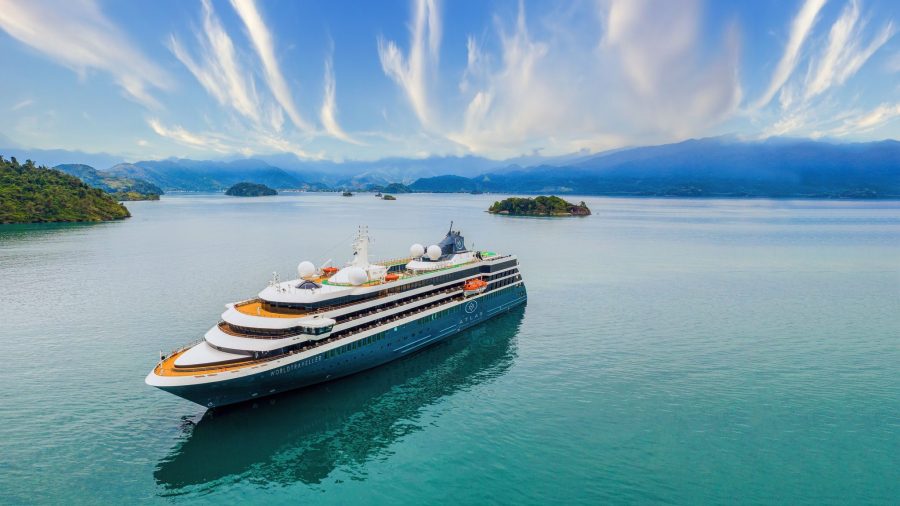
Atlas Ocean Voyages is excited to announce the launch of Explorer’s Choice, a new, customizable offer designed to enhance every guest’s expedition experience. Beginning today, travelers booking an expedition with Atlas will have the unique opportunity to select the amenity that best suits their travel style—adventure, indulgence, or seamless connectivity.
Explorer’s Choice
Choose the Air Credit up to $2000 per stateroom option and enjoy extra savings on your booking when you arrange your own flights, giving you complete control over your travel plans. Want to start your adventure early? Select a pre-expedition hotel or land package and arrive ahead of embarkation to explore your departure port at your leisure, immersing yourself in its culture and charm before setting sail. Or, if staying connected is a priority, opt for the Enhanced Unlimited WiFi package—perfect for keeping in touch with loved ones, managing business remotely, or sharing your once-in-a-lifetime journey on social media. Whatever your choice, Explorer’s Choice is designed to let you decide what’s most important, making your Atlas voyage even more special and truly unforgettable. Guests booking a stateroom can select one complimentary amenity, while those booking a suite may choose two.
“At Atlas, we believe that every expedition is as unique as the traveler experiencing it,” said James A. Rodriguez, President and CEO of Atlas Ocean Voyages. “With Explorer’s Choice, guests can tailor their journey to fit their preferences, whether they want to extend their stay, stay connected, or maximize their savings.”
Customize Your Expedition Based on Your Destination:
Antarctica (November 2025 – March 2026):
Air Credit: $2,000 per stateroom ($1,000 per guest)
2-Day Pre-Expedition Land Program in Buenos Aires – Includes hotel, guided tours, and dining experiences.
Enhanced Unlimited WiFi
Arctic (2025 and 2026):
Air Credit: $1,500 per stateroom ($750 per guest)
1-Night Pre-Expedition Hotel Stay in New York or Oslo
Explorer’s Choice allows travelers to personalize their voyage to best suit their adventure. Whether it’s the convenience of an air credit, an immersive pre-expedition stay, or staying seamlessly connected, Atlas Ocean Voyages ensures a truly unique and tailored expedition experience.
For information and reservations, call a travel advisor at 1.844.44.ATLAS or visit www.AtlasOceanVoyages.com.
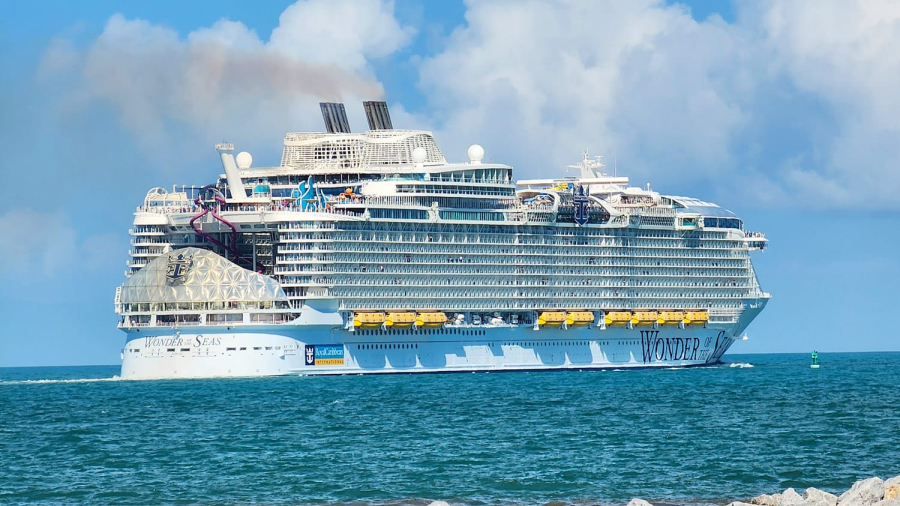
If you love sailing on a Royal Caribbean cruise ship and enjoy a lot of sea days, the cruise line is offering 13 Transatlantic and Transpacific sailings in 2026 with one sailing having 16 days at sea.
Since these cruises are crossing an ocean, they are filled loaded with sea days. However, they also have a few port stops mixed in as well.
Here is a look at these 13 sailings with the ones that have the most sea days listed first.
16 Sea Days
Voyager of the Seas will offer a 25-night cruise from Brisbane, Australia to Seattle, Washington that departs on April 14, 2026. The cruise will have 16 sea days and will also stop in Tahiti and Hawaii.
11 Sea Days
Anthem of the Seas is sailing an 18-night cruise from Sydney to Hawaii on April 14, 2026. The cruise will have 11 sea days and port stops in New Zealand, Tahiti and the French Polynesia.
Liberty of the Seas will reposition from Southampton to Galveston on October 16, 2026. The cruise will have 11 sea days with three stops in Spain and Portugal.
10 Sea Days
Harmony of the Seas will spend 10 days at sea during a 16-night voyage from Galveston to Barcelona that departs on March 16, 2026. The ship will visit The Bahamas and a handful of ports in Spain during the trip.
9 Sea Days
When Liberty of the Seas departs Fort Lauderdale, Florida on April 3, 2026, the cruise will have nine sea days and port stops in Bermuda, Portugal and Spain before arriving in Southampton, England.
Legend of the Seas is sailing a 13-night cruise from Barcelona to Fort Lauderdale on October 25, 2026. The cruise will feature nine sea days and three port visits in Spain.
Sun setting at sea on a Royal Caribbean cruise ship.
8 Sea Days
Explorer of the Seas will spend eight days at sea during a two-week cruise from Port Canaveral to Barcelona on April 23, 2026. The ship will also visit a port in the Azores and a couple cities in Spain.
Brilliance of the Seas will also have eight sea days on a 15-night cruise from Fort Lauderdale to Barcelona on April 26, 2026. The ship will visit Bermuda, the Azores, and several stops in Spain before arriving in Barcelona.
Harmony of the Seas is sailing a 13-night cruise from Barcelona to Port Canaveral on July 26, 2026. The cruise will feature eight sea days and three stops in Spain.
Odyssey of the Seas will reposition from Civitavecchia, Italy to Cape Liberty, New Jersey on October 25, 2026. The cruise will have eight sea days during the 14-night sailing and also visit ports in Italy, Spain, Portugal and the Azores.
Explorer of the Seas will have eight sea days during a cruise that departs from Barcelona on October 31, 2026 and ends in Port Canaveral 13 days later. The cruise will have eight sea days and port visits in Spain, Azores and The Bahamas (Perfect Day at CocoCay).
Brilliance of the Seas will spend eight days at seas during a 14-night cruise from Barcelona to Miami on November 2, 2026. The cruise will also visit Spain, Azores and Bermuda.
6 Sea Days
The 15-night Odyssey of the Seas March 15, 2026 sailing from Cape Liberty, New Jersey to Barcelona, Spain will have six sea days. The ship will also visit the Azores, Portugal, Gibraltar, and several ports in Spain.
All cruises listed in this article are currently open for bookings on Royal Caribbean’s website or through you preferred travel professional.
Our free cruise newsletter offers the latest news and deals: Sign Up
Windstar Cruises runs a small fleet of eight yachts split into two styles: three Wind Class sailing yachts with real masts and sails, and five all-suite Star Class motor yachts, including the brand-new Star Seeker and Star Explorer. Every one of the Windstar cruise ships carries roughly 148 to 342 guests, which is a fraction of a typical mega-ship, and that small size is the whole point. This guide walks through each ship, who owns the line, what your fare covers, where the yachts sail and who is likely to enjoy them.
Windstar Cruises at a glance
Windstar began in 1986 with Wind Star, a cruise ship with four computer-controlled masts that could actually sail. Four decades later the line still markets itself as “yacht-style” cruising rather than resort-at-sea cruising: no huge theatres, no water slides, no queues at the buffet, and ships small enough to tie up in harbours and coves where big vessels have to anchor far offshore or cannot go at all.
Fleet: 3 Wind Class sailing yachts + 5 Star Class all-suite yachts (Star Explorer joins in December 2026).
Size: 148 to 342 guests per ship.
Ports: more than 330 worldwide, with year-round sailings in the Mediterranean and Tahiti.
Style: relaxed, casual-elegant, open seating at dinner, no formal nights.
Owner: Xanterra Travel Collection, part of The Anschutz Corporation.
Who owns Windstar Cruises?
A lot of older articles still list Windstar as a Carnival Corporation brand. That has not been true for a long time. Carnival sold the line in 2007, and since 2011 it has belonged to Xanterra Travel Collection, which is owned by Phil Anschutz’s Anschutz Corporation. The same group owns The Broadmoor resort in Colorado and Sea Island in Georgia, which is why you will see Broadmoor- and Sea Island-themed suites on several of the ships. The family connection is visible in other ways too: Libby Anschutz was godmother to Star Seeker at its January 2026 christening in Miami, and her sister Sarah is due to name Star Explorer in London in June 2027.
That ownership matters to passengers in one practical way: Anschutz has kept investing. The line has lengthened its older Star Class yachts, refurbished all three sailing ships and added two new yachts in the space of about five years.
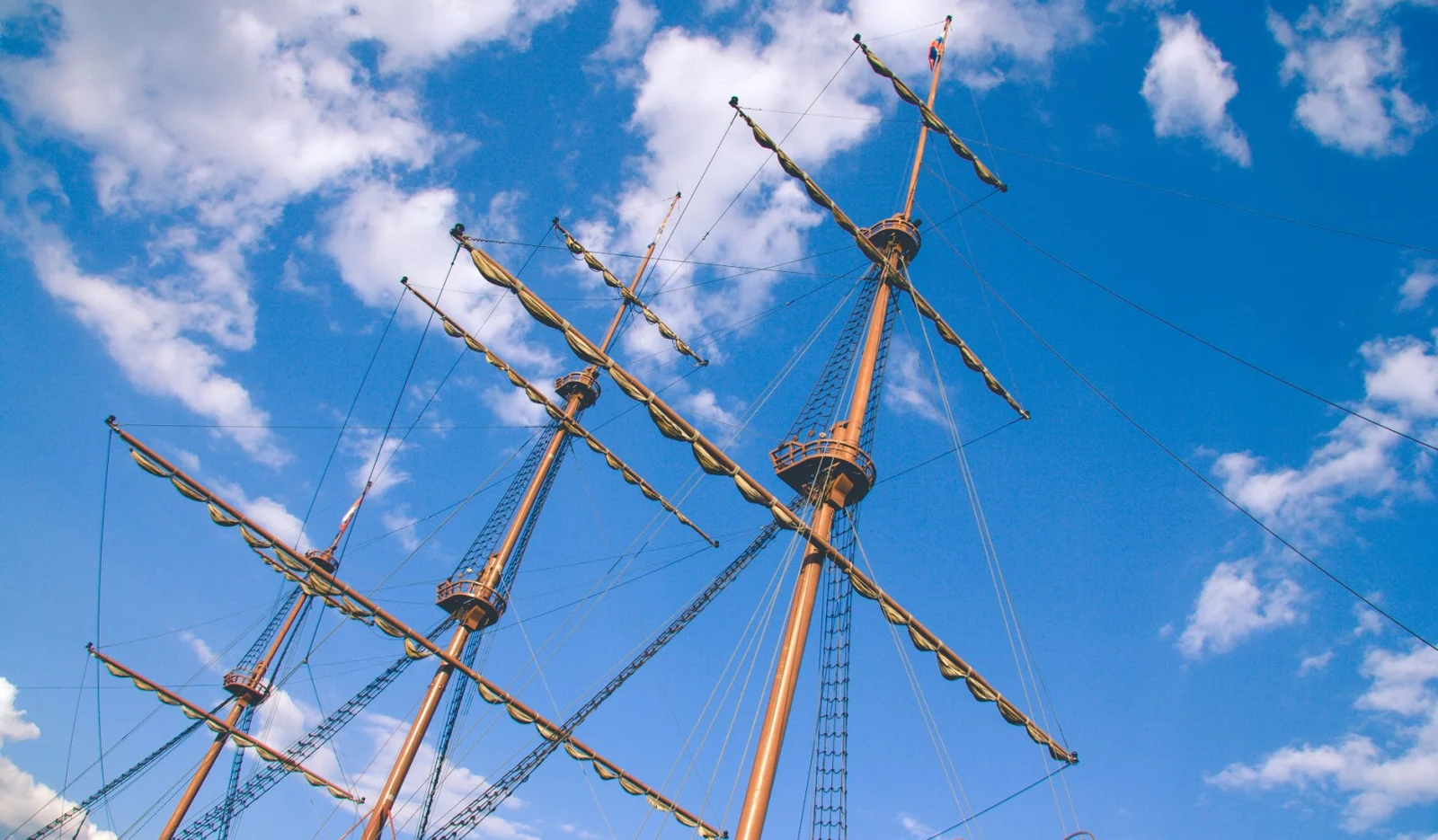
Windstar's three Wind Class yachts are working sailing ships with computer-controlled sails. Photo: Margerretta on Pexels
Windstar cruise ships: the full fleet in 2026
If you are comparing Windstar ships, the first choice is the style of vessel. Wind Class yachts give you sails, teak decks and a classic sailing-ship feel. Star Class yachts are all-suite motor yachts with more space per guest, more dining venues and (on the two newest) plenty of private balconies. The table below summarises the current fleet.
Ship
Class
Guests
Accommodation
In service with Windstar
Good to know
Wind Star
Wind (sailing yacht)
148
73 staterooms + 1 owner’s suite
1986
The original ship; four masts; refurbishment completed in 2026
Wind Spirit
Wind (sailing yacht)
148
73 staterooms + 1 owner’s suite
1988
Four masts; new pool and Starlink Wi-Fi in 2025; second refit phase due March 2027; long-time Tahiti ship
Wind Surf
Wind (sailing yacht)
342
Staterooms plus 18 suites and 2 Broadmoor/Sea Island suites
1998
Flagship; five masts and seven sails; phase two refit due back in service 19 December 2026
Star Pride
Star (all-suite)
312
156 suites
2014
Ex-Seabourn yacht, lengthened in 2020-21
Star Breeze
Star (all-suite)
312
156 suites
2015
Ex-Seabourn yacht, lengthened; sails in Tahiti and beyond
Star Legend
Star (all-suite)
312
156 suites
2015
Ex-Seabourn yacht, lengthened
Star Seeker
Star (all-suite)
224
112 suites, incl. 2 Horizon Owner’s Suites
December 2025
First new build for Windstar in over 30 years; Caribbean, Alaska and Asia
Star Explorer
Star (all-suite)
224
112 suites, incl. 2 Horizon Owner’s Suites
December 2026
Sister to Star Seeker; year-round Europe incl. river-to-ocean routes
Figures are from Windstar’s own announcements; exact suite counts can change slightly after refits, so check the deck plan for your sailing.
Wind Class sailing yachts: Wind Star, Wind Spirit and Wind Surf
These are the ships that made the brand’s name. Wind Star and Wind Spirit are near-identical four-masted yachts with just 74 cabins each, so you will recognise most fellow guests within a couple of days. Wind Surf is the big sister, with five masts and room for 342 guests, plus a larger spa and more suites. Under the right conditions the crew raise the sails, and many people book purely for that moment. The ships do still use engines for most of their sailing, so do not expect a pure wind-powered voyage.
All three have been through Windstar’s two-stage “Setting Sails” refurbishment. Wind Star’s is finished; Wind Surf’s final phase is under way at the time of writing (November-December 2026) and adds a new Mediterranean-Asian restaurant called Basil + Bamboo, a motion studio and a dry sauna; Wind Spirit’s last stage is planned for March 2027. If you book a sailing right after a refit, you get the newest look at no extra cost.
Cabins on the sailing yachts are compact by luxury standards (standard staterooms on Wind Surf are about 188 sq ft) and have portholes rather than balconies, apart from the top suites. That suits people who plan to spend their days ashore or on deck, less so those who want a private veranda.
Star Class all-suite yachts: Star Pride, Star Breeze and Star Legend
Windstar bought these three from Seabourn in 2014-15 and then cut each one in half in 2020-21 to add a new mid-section. The result was 312-guest yachts with 156 suites, more dining options and new engines. Every cabin is a suite, though most have windows or French balconies rather than full walk-out verandas. These ships are the steadier choice in open water and give you more indoor space than the sailing yachts.
The newest Windstar ships: Star Seeker and Star Explorer
Star Seeker and Star Explorer are the biggest change to the line in decades. Both were started as ships for another operator’s small-ship brand and were completed and converted for Windstar in Portugal. Each carries 224 guests in 112 suites, many with private balconies, and the top two Horizon Owner’s Suites sit at the stern with wraparound balconies. Windstar lists five included dining venues, a full-service spa and a marina platform at sea level for swimming and water sports.
Star Seeker welcomed its first guests in Malaga in December 2025, was christened in Miami in January 2026 and has since sailed the Caribbean, Alaska and Southeast Asia. Star Explorer is due to be delivered in December 2026, with its first sailing listed for 28 December. It will spend winter and spring in the Mediterranean, then be named in London on 1 June 2027 before a season of shallow-draught “river-to-ocean” voyages that sail up the Seine, Thames, Gironde and Guadalquivir to places like Rouen, Bordeaux and Seville. Because the ship is so new, expect some itinerary details to shift; confirm directly with Windstar or your travel advisor.
Which Windstar ship should you choose?
This is the question most Windstar cruises review pages skip. A quick way to decide:
You want the sailing-ship romance: Wind Star or Wind Spirit. Smallest ships, most intimate atmosphere, best for hopping between small Greek, Croatian or Tahitian harbours.
You want sails but more facilities: Wind Surf. More dining choice, a larger spa and a bigger range of suites.
You want a balcony: Star Seeker or Star Explorer. They have the highest share of veranda suites and the newest interiors.
You want space and value: Star Pride, Star Breeze or Star Legend. All-suite, roomy public areas and often keener pricing than the new builds.
You are prone to seasickness: lean towards the larger Star Class yachts and calmer regions such as the Caribbean or Mediterranean in summer.
Open-seating dining and casual alfresco meals are part of the standard Windstar fare. Photo: Quang Nguyen Vinh on Pexels
What is included on Windstar cruises?
Windstar’s base “cruise only” fare is fairly inclusive on the food side but leaves drinks, Wi-Fi and tips as extras. Based on Windstar’s published information at the time of writing:
Included in the standard fare
All meals in the main restaurants, with open seating and no reservation fees.
Non-alcoholic drinks such as specialty coffee, tea, soft drinks, bottled water, juices and mocktails.
Use of the watersports platform (kayaks, paddleboards, snorkel gear and similar) when weather and location allow.
Onboard entertainment and, on many itineraries, one signature shore event such as a beach barbecue or a “Destination Discovery” evening.
Not included unless you upgrade
Alcoholic drinks.
Wi-Fi.
Gratuities (the hotel service charge and the beverage service charge).
Shore excursions, spa treatments and flights.
The All-Inclusive (All-In) package
Adding the All-Inclusive package covers unlimited select wine, beer and cocktails, voyage-long Wi-Fi and gratuities. Windstar’s trade site lists it at $89 per guest per day if added at least seven days before sailing, rising to $99 per day if bought on board. The line regularly runs promotions that throw the package in for free; in 2026 one such offer was valued at more than $1,300 for two guests on a seven-night voyage. If you would drink a couple of glasses of wine a day and want Wi-Fi, the package usually pays for itself. If you rarely drink, you may be better off paying tips and buying Wi-Fi separately.
Tip: always compare the “cruise only” and all-inclusive prices side by side before you book, and keep an eye on our roundup of the best cruise deals for 2027, where Windstar offers often appear.
Where do Windstar ships sail?
Small ships open up an unusually wide map. Windstar visits more than 330 ports, including:
Mediterranean: year-round, covering Greece, Turkey, Croatia, Italy, France and Spain, with plenty of smaller islands.
Tahiti and French Polynesia: year-round, a long-standing Windstar speciality.
Northern Europe and the British Isles: Ireland, Norway’s fjords, the Baltic and, from 2027, river-to-ocean voyages in France, Spain and Portugal on Star Explorer.
Caribbean, Costa Rica and the Panama Canal: winter sailings, often visiting smaller islands.
Alaska, Canada and New England: summer and autumn.
Asia: Japan, Vietnam, Cambodia and Thailand on Star Seeker, with Asia seasons already scheduled into 2028/2029.
Who are Windstar cruises best for?
Windstar tends to suit couples and solo travellers who prefer a relaxed, unstuffy small ship, value port time over onboard attractions and like the idea of getting to know the crew. Passengers are mostly adults in midlife and beyond, and there are no children’s clubs, so families with young kids usually look elsewhere. The dress code is “casual elegance”: no formal nights, no jackets required.
If you are weighing Windstar against true ultra-luxury lines such as Seabourn, Silversea or Regent, see our guide to the best and worst luxury cruise lines ranked by real customer reviews. Windstar generally sits a step below those brands on price and inclusions, and above mainstream lines on intimacy and service. For a lighter take on where it fits socially, our list of the poshest and least posh cruise lines is a useful comparison.
Windstar cruises review: pros and cons
Pros
Very small ships with easy embarkation, short tender lines and access to smaller ports.
Real sails on the Wind Class yachts, a rare experience on a cruise.
Open seating dining and a friendly, low-key atmosphere.
Watersports platform included in the fare.
A fleet that is either newly built or freshly refurbished.
Cons
Drinks, Wi-Fi and tips cost extra unless you buy or are gifted the All-Inclusive package.
Cabins on the sailing yachts are compact and mostly without balconies.
Limited evening entertainment compared with big ships.
Small ships can feel more motion in rough seas.
Not designed for young children.
Tips before you book a Windstar cruise
Check refit dates. Wind Surf returns from its final refit on 19 December 2026 and Wind Spirit goes in for its last phase in March 2027; sailings just after these dates get the newest interiors.
Consider an inaugural season. Star Explorer’s first months in the Mediterranean and its 2027 European debut will attract interest, so book early if you want specific dates.
Look at the Mystery and special-event cruises. Windstar runs themed sailings (Grand Prix, eclipse and “mystery” voyages); these are often excluded from promotions, so read the small print.
Use the official site to confirm details. Ship pages and deck plans on Windstar’s ships page are the most reliable place to check cabin layouts before you book.
FAQs
How many ships does Windstar Cruises have?
Windstar has seven ships sailing in late 2026, and eight once Star Explorer is delivered in December 2026: three Wind Class sailing yachts (Wind Star, Wind Spirit, Wind Surf) and five Star Class all-suite yachts (Star Pride, Star Breeze, Star Legend, Star Seeker, Star Explorer).
Is Windstar Cruises owned by Carnival?
No. Carnival sold Windstar in 2007. Since 2011 it has been part of Xanterra Travel Collection, owned by The Anschutz Corporation.
What is a Windstar cruise like?
Expect a small, relaxed ship of 148 to 342 guests, open seating dining, no formal nights, lots of time in port and a watersports platform for swimming and kayaking. It feels more like a private yacht than a resort ship.
What is the average age of passengers on a Windstar cruise?
Windstar does not publish figures, but most guests are couples in their 50s and older. There are no kids’ clubs, so you will see few young children.
Which is the newest Windstar ship?
Star Explorer, a 224-guest all-suite yacht, is the newest, joining in December 2026. Its sister, Star Seeker, debuted in December 2025.
Norovirus on cruise ships is real but rare. The CDC logged 18 gastrointestinal outbreaks on ships under its Vessel Sanitation Program in 2024 and a record 23 in 2025 (18 of them norovirus), while 2026 has been much quieter so far. That is out of tens of thousands of sailings a year, and the single best way to protect yourself is simple: wash your hands with soap and water, because alcohol gel does not work well against norovirus.
This guide covers the real cruise ship norovirus statistics, why the virus spreads so easily at sea, what cruise lines do when it appears, and what to do if you feel unwell on board. It is general information, not medical advice. If you are worried about your health, speak to the ship’s medical centre or your own doctor.
What Is Norovirus?
Norovirus is a very contagious stomach virus and the most common cause of vomiting and diarrhea (acute gastroenteritis) in the US. Symptoms usually come on suddenly, typically 12 to 48 hours after exposure, and include nausea, vomiting, diarrhea and stomach cramps. Some people also get a mild fever, headache or body aches.
For most healthy adults it is unpleasant but short, usually lasting one to three days. The main risk is dehydration, especially for young children, older adults and anyone with other health conditions. There is no specific treatment or vaccine. Care is mostly rest and fluids.
It is worth knowing that norovirus is not a “cruise ship virus”. Most outbreaks happen on land, in places like care homes, schools, restaurants and hotels. Cruise ships simply get more attention because illness on board has to be tracked and reported.
Cruise Ship Norovirus Statistics: How Common Are Outbreaks?
The US Centers for Disease Control and Prevention (CDC) runs the Vessel Sanitation Program (VSP). It covers ships carrying 13 or more passengers on itineraries that include both US and foreign ports. Ships must report gastrointestinal illness cases to the CDC, and the CDC publishes an outbreak on its website when 3% or more of passengers or crew report symptoms to the ship’s medical staff on a single voyage.
That 3% threshold matters. A ship can have a handful of sick passengers without it counting as an outbreak, and an outbreak on a ship of 3,000 guests means roughly 90 or more people reporting symptoms.
Outbreaks by year
Year
GI outbreaks posted by CDC VSP
Caused by norovirus
Notes
2024
18
15
The highest total in more than a decade at the time
2025
23
18
The most reported in a single year since VSP tracking began
2026 (to date)
9 listed so far
At least 5
Two were E. coli and two had an unknown cause; most recent listing was in July
Figures for 2024 and 2025 come from the CDC’s published outbreak lists. The 2026 figure reflects the CDC’s list as of mid-November 2026, and it can change if outbreaks are added later. Notable 2026 norovirus outbreaks included three Princess Cruises ships: Star Princess in March, Caribbean Princess in May, and Ruby Princess on a June to July Alaska voyage from San Francisco, where 102 passengers and 23 crew reported illness (about 3.4% of passengers).
How rare is it really?
Put those numbers in context. The Cruise Lines International Association (CLIA) reported a record of around 37 million ocean cruise passengers worldwide in 2025, and US ports alone handle thousands of sailings a year. Even in the record year of 2025, 23 outbreaks represents a very small share of voyages.
The best long-term data comes from a CDC study of 2008 to 2014. Across more than 29,000 voyages carrying about 73.6 million passengers, just 133 voyages (0.5%) had an outbreak, and where samples were tested, 97% of those outbreaks were caused by norovirus. The rate of gastroenteritis among passengers also fell over that period. In other words, the overwhelming majority of cruises have no outbreak at all.
One caveat: the CDC only tracks ships in its jurisdiction. Sailings that never touch a US port, such as many European or Asian itineraries, are not included in these counts, so global numbers are not fully known.
Buffets and shared serving utensils are one of the places norovirus can spread on board. Photo: Gülüzar İlgin on Pexels
Why Norovirus Spreads So Easily on Cruise Ships
Norovirus is tough and extremely infectious. A very small number of virus particles is enough to make someone ill, and the virus can survive on hard surfaces for days. It spreads through:
Direct contact with someone who is sick, such as sharing a cabin or caring for them.
Contaminated surfaces like handrails, elevator buttons, door handles, buffet tongs and casino chips, followed by touching your mouth.
Contaminated food or drink, often when an infected person handles it.
Tiny particles from vomit, which can travel through the air and land on nearby surfaces.
A ship packs thousands of people into shared dining rooms, theaters, pools and lifts for days at a time. New passengers board every few days, sometimes bringing the virus with them from home. CDC guidance also notes that people can shed the virus before symptoms start and for two weeks or more after they feel better, which makes it hard to stop completely.
How to Avoid Norovirus on a Cruise
You cannot reduce the risk to zero, but these steps make a real difference:
Wash your hands with soap and water. Scrub for at least 20 seconds, especially before eating, after using the bathroom and after returning to your cabin. The CDC is clear that hand sanitizer does not work well against norovirus and is not a substitute for handwashing.
Use sanitizer as a backup, not a replacement. The gel stations at buffet entrances are fine as an extra step, but head to a restroom to wash properly before meals where you can.
Keep hands away from your face. Touch-to-mouth contact is how the virus gets in.
Be smart at the buffet. Let crew serve you where they offer, avoid touching food with your hands, and consider the main dining room or specialty restaurants on busy days.
Use a paper towel or tissue on restroom door handles, and press elevator buttons with a knuckle or take the stairs.
Drink safe water and stay hydrated. Good hydration helps you cope if you do get ill.
Do not board sick. If you develop vomiting or diarrhea in the days before sailing, contact your cruise line. Many will work with you, and travel insurance may cover cancellation for illness.
Follow the crew’s lead if an outbreak is announced: extra cleaning, crew-served buffets and paused self-service are there to protect you.
Nausea at sea is not always a virus. Seasickness tends to come with dizziness and improves when the sea calms or you go ashore, and it usually does not cause diarrhea. Sudden vomiting together with diarrhea or stomach cramps is more likely to be a stomach bug. If you are prone to motion sickness, our guide on how to prevent seasickness on a cruise can help you tell the difference and stay comfortable. If in doubt, call the medical centre.
Passengers with stomach illness are usually asked to stay in their cabin until cleared by the medical team. Photo: Erik Mclean on Pexels
What Cruise Lines Do When Norovirus Appears
Every ship under VSP jurisdiction must have an outbreak prevention and response plan. When cases rise, the ship typically moves to an enhanced sanitation level. Some crews informally call this “code red”, although the exact name varies by cruise line. Common measures include:
Intensive cleaning and disinfection of public areas, handrails, restrooms and cabins, using products effective against norovirus.
Crew-served buffets, removal of shared items such as salt and pepper shakers, and sometimes pausing self-service drink stations.
Isolation of sick passengers and crew in their cabins, with room service meals provided.
Collecting samples to confirm the cause and reporting to the CDC, which may send staff to board the ship.
Deep cleaning between sailings, which can delay embarkation for the next cruise.
What to Do If You Get Sick on Board
Call the ship’s medical centre straight away. Do not wait to see if it passes. Reporting early helps you get care and helps the crew stop the spread.
Expect to be asked to stay in your cabin. Isolation is standard for gastrointestinal symptoms, usually until the medical team is satisfied you are no longer infectious. This can mean missing a port day.
Focus on fluids. Sip water and rehydration drinks, and tell the medical team if you cannot keep fluids down or feel faint, as dehydration can become serious.
Keep your cabin mate safe. Wash hands thoroughly, avoid sharing towels, and let the crew clean the bathroom and cabin.
Check costs and insurance. Ship medical centres are private and usually charge for consultations and treatment. Some lines waive fees for gastrointestinal illness to encourage reporting, but policies vary, so ask. Keep receipts for a travel insurance claim, and check whether your policy covers missed ports or cut-short trips.
Take care after you get home. The CDC advises not preparing food for others until at least two days after symptoms stop.
How to Check a Ship’s CDC Inspection Score
This is something many passengers never think to do. The Vessel Sanitation Program carries out unannounced inspections of ships that call at US ports, checking galleys and dining areas, drinking water, pools and hot tubs, medical facilities, housekeeping, ventilation and children’s areas. Ships are scored out of 100, and 86 or above is a pass. A score of 85 or lower is unsatisfactory, and the ship must submit a corrective action report.
You can search any ship by name using the CDC’s online cruise ship inspection search tool. The full inspection reports are worth a look, because they show what inspectors actually found, not just the headline number. Remember that a score is a snapshot of one day. Most ships pass comfortably, and a strong score does not guarantee a virus will not come aboard with a passenger, but it is a useful sign of how seriously a ship takes hygiene.
If you are choosing when to sail, norovirus is more common in the US during the colder months, roughly November to April. That is not a reason to avoid a winter cruise, but it is a reason to be extra careful with handwashing. Weather and crowds matter too, which we cover in our guide to the worst months to cruise the Caribbean.
Not very common. The CDC posted 18 gastrointestinal outbreaks in 2024 and 23 in 2025 on ships in its program, out of many thousands of voyages. A CDC study of 2008 to 2014 found only 0.5% of voyages had an outbreak.
Does hand sanitizer kill norovirus?
Not reliably. The CDC says alcohol-based hand sanitizer does not work well against norovirus. Washing with soap and water for at least 20 seconds is the best protection.
How long does norovirus last?
Symptoms usually start 12 to 48 hours after exposure and last one to three days. People can still spread the virus for two weeks or more after they feel better.
What happens if you get norovirus on a cruise ship?
You should report to the medical centre, and you will usually be asked to stay in your cabin until the medical team clears you. Treatment focuses on rest and fluids. Medical fees vary by cruise line, so check costs and keep receipts for insurance.
What is the most common illness on cruise ships?
Gastrointestinal illness, mostly caused by norovirus, is the most commonly reported illness outbreak on cruise ships. Respiratory illnesses such as colds and flu are also common.
While living on a cruise ship might be a dream for many, there are actually several cruise lines that offer cabins you can buy and use as a permanent residence.
The World
Yes, you can actually live on any cruise ship that you want, but it would require booking a cruise on every single voyage on that ship. You also would not be able to decorate the cabin as you would not own it. A better solution? Buy a cabin on one of the following cruise lines and explore the world from the comfort of your home.
There are two cruise lines currently in service that offer residential living with one more (Crescent Seas) launching in 2026 and another could launch a few years after.
Current Cruise Lines
The World
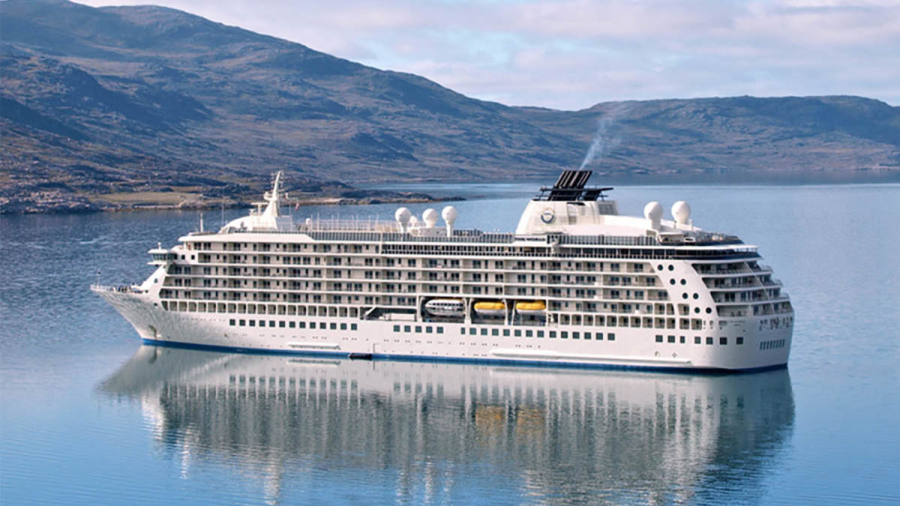
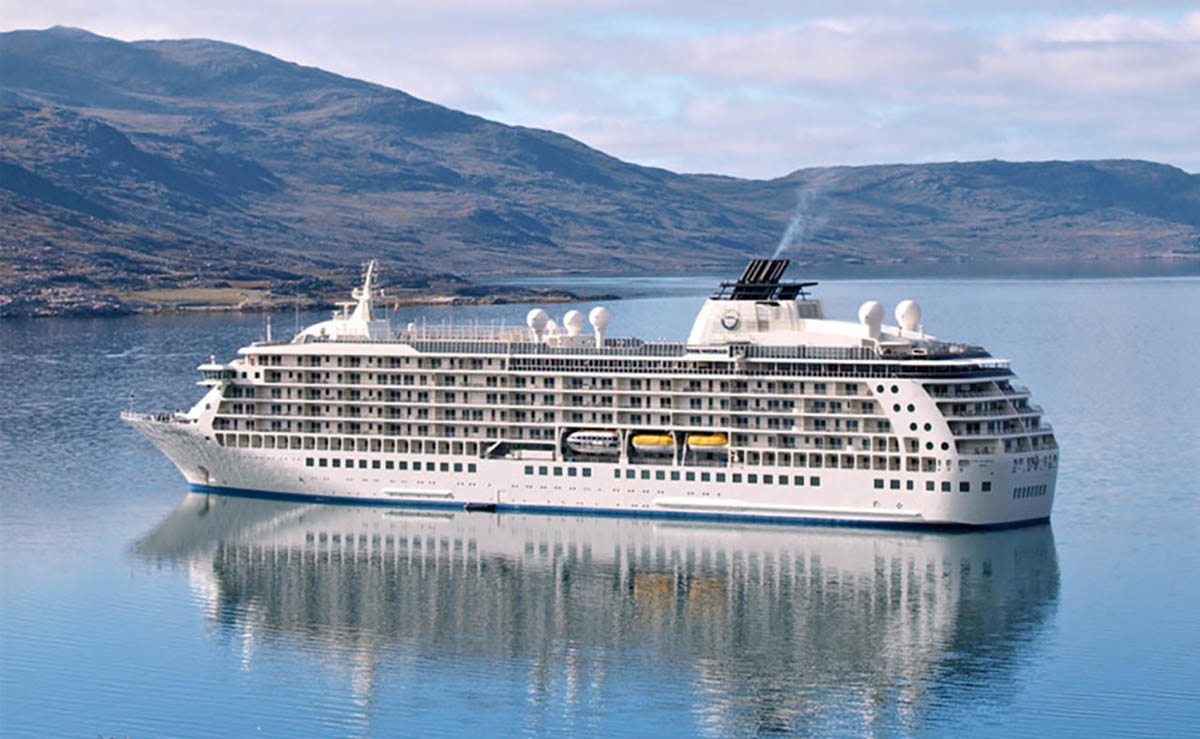
The world’s first cruise ship that offered cabins you can buy and live in full time. There are 135 residences laid out on the 12 decks on the ship. 106 of them are apartments with the rest being studios.
The cruise ship was launched in 2002 and at 644 feet long, the ship’s website actually refers to itself as the largest private yacht in the world and the “most exclusive floating city on the planet”. The residents vote on the ports and itinerary that the ship will visit in the upcoming season.
Many of the apartments aboard the ship have been designed by the cruise ship residents, but they are not cheap. To enjoy this mobile and adventurous lifestyle, it will cost you between $2-15 million. But for a view that is always changing from one spectacular sight to another, and to be able to enjoy stress-free traveling to exotic locations, the families aboard the World have decided that the price is well worth it.
Villa Vie Residences
Villa Vie Residences launched in 2024 and currently has one ship that does continual 3 1/2 year world cruises. They offer not only full ownership of cabins, but also seasonal options and rentals.
Prices for seasonal ownership start at $24,999 with full ownership at $129,999 per cabin.
Their ship Odyssey is scheduled to visit 147 countries and 425 destinations during the first 3.5 year cruise.
The Navigator (Credit: Bespoke Luxury Marketing, Crescent Seas)
Crescent Seas is the newest residential cruise line that was announced just a few weeks ago. They are scheduled to have one ship enter service in 2026 with a second vessel being added in late 2027.
They have purchased Seven Seas Navigator from Regent Seven Seas Cruises for their first ship. Once the ship is done sailing with Regent in 2026, it will start sailing with Crescent Seas. Cabins start at $750,000 and go up to $8 million.
In late 2027, the cruise line will be adding a second ship, Insignia, to their fleet. They have purchased the vessel from Oceania Cruises, but it will remain with them until the scheduled cruises have been completed. Cabins start at $650,000 and go up to $10 million.
Crescent Seas has plans to add three more ships over the next few years for a total of five residential vessels.
Storylines has been promising to launch a residential cruise ship since early 2018. They originally had plans to convert an older cruise ship to residential living with condos starting at $155,000 each.
After plans failed to buy an older ship and convert it, they launched plans to build a completely new cruise ship (that can be seen above) that has 530 private residences.
Prices now start at $625,000 and go up to $10 million with 12 different options available.
However, the question remains, will the ship ever be built? It’s been over five years since the new ship was announced and the first piece of steel has yet to be cut on the ship.
The cruise line did release a press release in February 2025 saying that they are now in Phase 2, the Basic Design of the ship. Phase 1 was the Initial Design.
They also stated that they renewed the ship-building contract with the shipyard (Brodosplit). They also no longer have a launch date on their website, at least that I could find. The last expected sail date that they included in a press release was in 2023 when they said it the ship would launch in 2026, which would now be impossible.
You can visit Storylines.com for more information on them.
Our free cruise newsletter offers the latest news and deals: Sign Up
Can you just get off a cruise ship at a port of call and decide to not come back? Is this a bad idea or an even worse idea? We’ll tackle that topic after a passenger thought about trying it.
It’s not entirely uncommon for cruise passengers to miss their ship when visiting a port of call. Usually, it’s an accident though, and there’s a mad dash down the pier to try to catch the ship before it sails off to the next stop.
Some have made it a veteran cruiser’s rite of passage to watch the “pier runners” that inevitably arrive 5 minutes before “all aboard” time. The lido deck is usually full of cheerleaders egging them on.
But what if you’re just done with the cruise experience or just want to get off the ship and stay off mid-cruise?
It might be tempting for U.S. travelers if the ship happens to be stopping at another U.S. port.
Well, that’s exactly what a recent Reddit user was asking the cruise community. They were staring down a Princess Cruise itinerary—NYC, Canada, back to NYC, with Boston as the last pit stop—and the question hit them: what if they just… didn’t get back on?
“If we decide we’re ready for the trip to be over, what exactly is the consequence of just getting off the boat in Boston? I think I’d tell someone (guest services, I suppose) but is this a bad idea for some reason?” the social media post asked.
Understanding the PVSA
My first response to this is to say, “please don’t try it”. And there are a number of reasons why, mainly because of the U.S. ports used in this example.
But it is somewhat of a complicated issue. The core issue being the Passenger Vessel Services Act (PVSA) of 1886. This law restricts foreign-flagged ships, the norm for cruise lines, from transporting passengers directly between U.S. ports without a stop at a ‘distant foreign port’ outside North America.
So, a trip from New York to Boston with a Canadian stop still violates this rule.
Consequences of Playing Hooky
Attempting to disembark in Boston without permission comes with consequences. First, you should expect to pay a hefty fine which could be as high as $900 to $1,000. And second, you could even be banned from the cruise line in some cases.
Even medical emergencies where the passenger cannot resume the trip but has to be transported to a hospital are not exempt from this rule. People in these situations often have to pay a fine as well.
So, add that to the ever-growing list of reasons to have cruise travel insurance no matter what.
Beyond the cost, you’ll encounter customs and immigration issues as it skips standard entry procedures, causing potential delays.
Also, take into account that you’re delaying the entire ship from leaving port as they wait for you and try to pinpoint your location. So, it’s not very courteous to everyone else on vacation.
Vancouver’s cruise port with a couple ships ready for sailing. Photo Credit: Cruise Fever
It’s Different for Foreign Ports
Disembarking at a foreign port though, unlike a U.S. one, avoids PVSA restrictions altogether.
User u/seoulbro’s experience in Victoria, Canada, demonstrates this: after informing the cruise line, they disembarked with no legal issues, just a routine passport check.
“We let the cruise know a few days in advance, they took our passports, then returned them the next day. No charge, and we just left!” they said.
While the PVSA is irrelevant at foreign ports, passengers still need to notify the cruise line, comply with local immigration rules, and understand any specific policies the cruise line might have regarding disembarkation.
They are also responsible for their own travel arrangements from that foreign port.
A Few Things to Remember
It’s important to know that while the PVSA doesn’t apply at foreign ports, cruise lines still have their own policies regarding disembarkation. Passengers should always:
Notify the Cruise Line: Even when leaving at a foreign port, it’s essential to inform the cruise line in advance. This allows them to update passenger manifests and coordinate with local authorities if necessary. Some cruise lines have special forms to fill out if you want to get off early.
Comply with Local Immigration: Passengers must still follow the immigration rules of the foreign country. This may involve having a valid passport, visa, or other necessary documentation.
Understand Cruise Line Policies: Cruise lines may have their own rules regarding disembarkation, even at foreign ports. These policies may address baggage handling, check-out procedures, and potential fees. Don’t just read random advice on a forum online. Find out straight from the source.
Consider Transportation: Passengers leaving at a foreign port are responsible for arranging their own onward travel. It might seem like an obvious point, but you have to get home somehow.
Bottom Line
So, before you decide to skip the ship in a U.S. port, remember the fines, the potential bans, and the disruption you’ll cause. If you’re set on leaving early, a one-way cruise or a foreign port disembarkation might be a better route. And always—always—talk to the cruise line first. They’re the ones who set the rules, after all.
Our free cruise newsletter offers the latest news and deals: Sign Up
Adults-only cruise line, Virgin Voyages, is adding a new restaurant concept to their newest cruise ship that will debut in September 2025, Brilliant Lady.
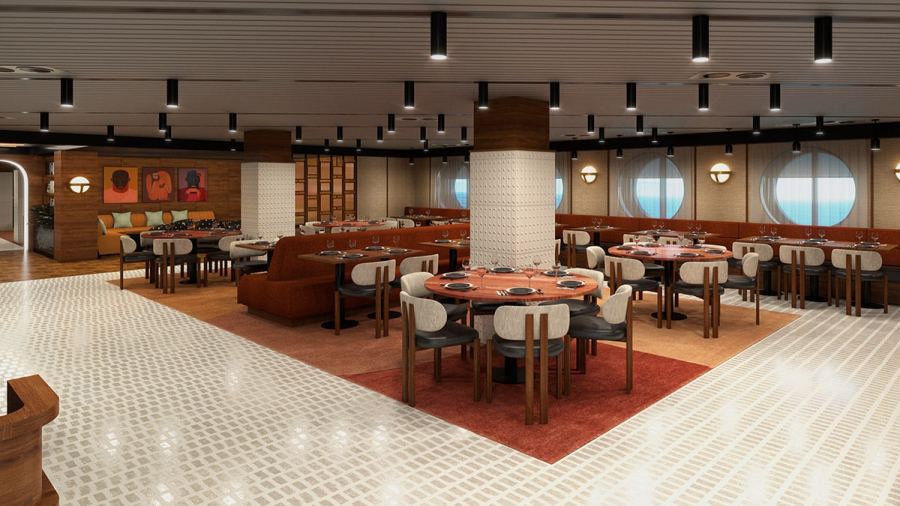
Rojo by Razzle Dazzle will be in the place of Razzle Dazzle on Brilliant Lady and it will be a Spanish-inspired restaurant lead by celebrated chefs Justin Severino and Nate Hobart.
This news follows the success of Lucky Lotus by Razzle Dazzle that recently debuted on sister ship Scarlet Lady.
Rojo’s new menu will feature some of the chef’s favorite recipes including Morcilla’s legendary Oxtail, caramelized onion, mahón cheese and a crostini.
During the day, the restaurant will serve Razzle’s signature brunch with a Spanish-American twist. Dishes include jamon croquettes paired with morning classics like acai bowls, pastries and frittata.
In the evening, it will turn into an elevated dining experience with the menu featuring pintxos, tapas, and platos grandes, all pulling inspiration from Spain’s renowned culinary regions.
In addition to Rojo by Razzle Dazzle, Extra Virgin, the Italian restaurant on Virgin cruise ships, will have new pastas, arancini, seafood risotto and roasted monkfish.
Gumbae, the only Korean BBQ at sea, will also have new items that include kimbap rolls, bulgogi fire meat and bo ssam (whole roasted pork butt with oysters and caviar).
Levi Mezick, Director of Culinary Program Development, gave the following statement:
“Virgin Voyages set out to be a disruptor from day one, and our culinary program – with Michelin-chef designed menus and boundary pushing creativity – was always central to that mission. Spanish cuisine and the communal dining traditions complement our commitment to authentic yet innovative experiences for our Sailors.”
Brilliant Lady will sail her maiden voyage on September 5, 2025. This five-day cruise from New York City will stop in Bermuda for two days.
In October, the ship will reposition to Miami for seven- to 12-night cruises to the Caribbean before heading the West Coast in the spring of 2026. After a handful of cruises from Los Angeles, the ship will offer cruises to Alaska from Seattle.
Brilliant Lady will be the fourth adults-only cruise ship in Virgin Voyages’ fleet.
Our free cruise newsletter offers the latest news and deals: Sign Up
After being on dozens of cruise ships and always trying to see the shows offered, I’ve seen both sides of the “reservation only” or “show-up-anytime” experiences. Carnival is one cruise line that does not offer reservations and recently explained why.
Theater on Carnival Celebration during the morning show. Photo credit: Cruise Fever
The Capacity Challenge
The ability to have room for those who want to see a show is a bigger deal on bigger cruise ships. Not every passenger can fit in the theater at the same time. In fact, not even half of the capacity of the cruise ship can usually fit in the main theater.
For instance, Carnival Celebration’s theater can hold a bit over 1,000 guests–maybe 1,200 at the most. And on any given sailing the ship can have almost 6,000 guests (5,374 at double-capacity).
While, sure, there are usually two shows to accommodate everyone, there’s usually one sitting that is a more popular time than the other.
To make sure it’s a seamless process, some cruise lines have adopted a ticket reservation policy. You simply use the cruise line’s app to reserve your spot, and you’re good to go.
Carnival’s Reasoning: No-Shows
Carnival Cruise Line was recently asked about this as they currently don’t take reservations for their shows.
Carnival’s Brand Ambassador John Heald acknowledged on Facebook that “on some ships the shows do get very full which is why we have increased the number of performances”.
He then asked the fans on social media if a ticket system would help.
But before the cruise blogs and Youtube accounts started announcing a policy change, Heald emphasized that this is not something they are announcing. It’s merely a discussion.
Reservations slots were actually offered on Carnival when Carnival Dream first started sailing.
So, why doesn’t Carnival offer reservation tickets and spots for their shows?
“The main problem was that people would line up for tickets and then not show up for the ummmm, show,” Heald simply put it.
Main theater on Carnival Horizon
And I’ve seen this happen on other cruise lines as well. It’s the very reason that even when a show is fully reserved, crew members will advise you to show up for the show anyway. There are always passengers who either forget or end up doing something else.
Sometimes people get reservations just because they want to avoid FOMO later on as well, so they get the show reserved out of panic. After all, on a cruise ship you never know what you’ll be doing in the next 10 minutes never mind in the next few hours, right?
Heald then asked for comments on the Facebook post to see how people would feel about ticket reservations.
Heald posted this poll:
“A. YES, PLEASE PROVIDE TICKETS FOR ALL SHOWS
B. YES, PLEASE PROVIDE TICKETS FOR ALL THE SHOWS AND CHARGE A FEW DOLLARS TO MAKE SURE PEOPLE ATTEND
C. NO TICKETS – THANK YOU”
The Fans Have Voted
So, the Carnival crowd spoke, and they spoke loudly for option C, a clear winner when reading through the comments.
It really underscores how much they appreciate the flexibility of the current system and not being tied down to reservations. It looks like Carnival is prioritizing that freedom based on what their passengers are telling them.
The reservation question is a classic trade-off: guaranteed entry versus the ability to be spontaneous. And right now, Carnival’s passengers are definitely leaning towards the spontaneous side.
Or maybe they’ve seen the same thing Heald as seen. People getting reservations only to not show up, causing more of a headache for everyone else.
Our free cruise newsletter offers the latest news and deals: Sign Up