

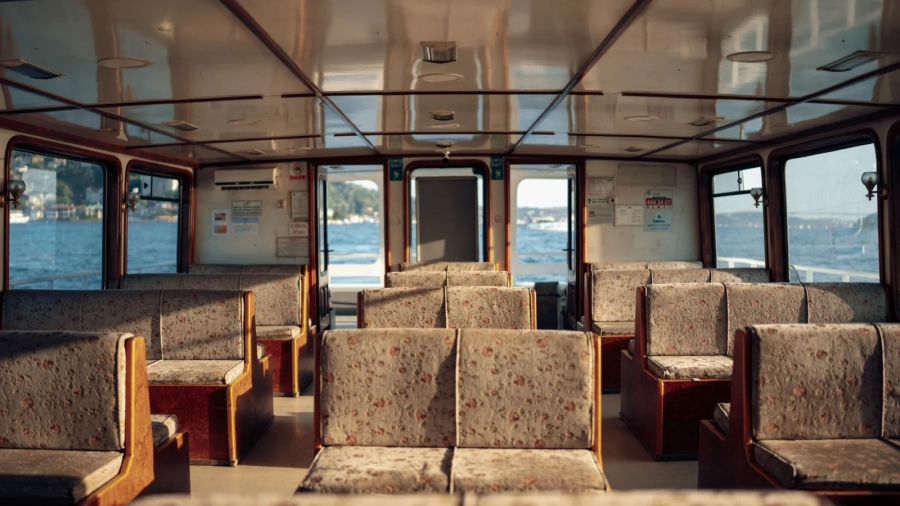
The Emerald Princess cabins to avoid are mainly those on the Riviera deck (14) directly below the Lido deck pools and World Fresh Marketplace buffet, oceanview cabins on the Emerald deck (8) that look straight at lifeboats, and any cabin right beside a launderette, stairwell or busy public room. The best cabins on Emerald Princess are midship balconies and mini-suites on decks 9 to 12, which are quiet, stable and an easy walk from almost everything.
This guide explains each cabin grade, the specific locations worth thinking twice about, the best picks for families, light sleepers and seasick cruisers, and a simple way to check any cabin number before you commit.
Emerald Princess was launched in 2007 (its inaugural cruise was in April that year) and is the middle sister of a three-ship group that also includes Crown Princess and Ruby Princess. It is 113,561 tons, carries 3,090 guests at double occupancy, and has around 1,546 staterooms. As of October 2026 there has been no announcement that it is being sold or leaving the Princess fleet.
The ship’s most recent drydock was in Palermo, Italy, in April 2025. That was routine maintenance and class work rather than a major cabin redesign. The last big cabin change was a 2015 refit that brought in Princess Luxury Beds. Its current pattern is very West Coast focused:
Hawaii round trips from Los Angeles involve several open-ocean sea days each way, so cabin location matters more than usual on this ship.
The table below gives approximate sizes. Figures differ a little between Princess and the deck-plan sites, so treat them as guides rather than exact measurements.
| Grade | Approx. size | Typical decks | Who it suits | Watch out for |
|---|---|---|---|---|
| Inside | About 160 to 180 sq ft | 5, 8 to 12, 14, 15 | Port-intensive trips, budget | Pull-down berths make rooms tight for 3 to 4 |
| Oceanview | About 160 to 180 sq ft | 5, 8, 14 and 15 | Light without balcony prices | Lifeboat views on deck 8; obstructed rooms forward on deck 15 |
| Balcony | Cabin of roughly 170 sq ft plus a balcony of about 45 sq ft | 10, 11, 12, 14, 15 | Couples, Alaska and Hawaii scenery | Lower balconies can be overlooked |
| Premium Balcony | Larger balcony, often aft | 8 to 11 | Wake views | More motion at the stern |
| Mini-Suite / Reserve Collection | About 323 sq ft with a 57 sq ft balcony | 8 and 9 | Longer voyages, a bathtub, more space | Prices rise quickly near sailing |
| Suites and Family Suites | From about 460 sq ft to nearly 690 sq ft including balcony | 8 to 15 | Suite perks, families of up to six | Some corner balconies partly blocked |
Inside cabins are found on almost every cabin deck. Those midship on Dolphin (9), Caribe (10), Baja (11) and Aloha (12) are the pick: quiet, dark and stable. Rooms with third and fourth upper berths are fine for a family but feel cramped once the bunks are down.
The unobstructed oceanview cabins are mainly on Plaza (5) and Emerald (8), with a few aft on deck 14. A large share of the deck 8 rooms face the lifeboats, and a handful forward on the Lido deck (15) are also obstructed. Princess discounts these, but if you want a sea view, choose a cabin that is not marked obstructed.
Standard balcony cabins line decks 10 to 15. The hull steps out on the lower decks, so balconies there are partly visible from above. From the Caribe deck (10) upwards they feel noticeably more private. Premium Balcony cabins, many at the stern on decks 8 to 11, have bigger outdoor space and views over the wake, which is lovely on a long Hawaii crossing, at the price of more movement in a swell.
Emerald Princess mini-suites are among the best value rooms on board: about twice the size of a standard balcony cabin, with a sitting area and sofa bed, two TVs and a tub. Princess’s former Club Class mini-suites are now sold under the Reserve Collection name. The Reserve Collection mini-suites are on the Dolphin deck (9) and come with a private dining area in the main dining room, wine on arrival, plush bathrobes and canapés on request.
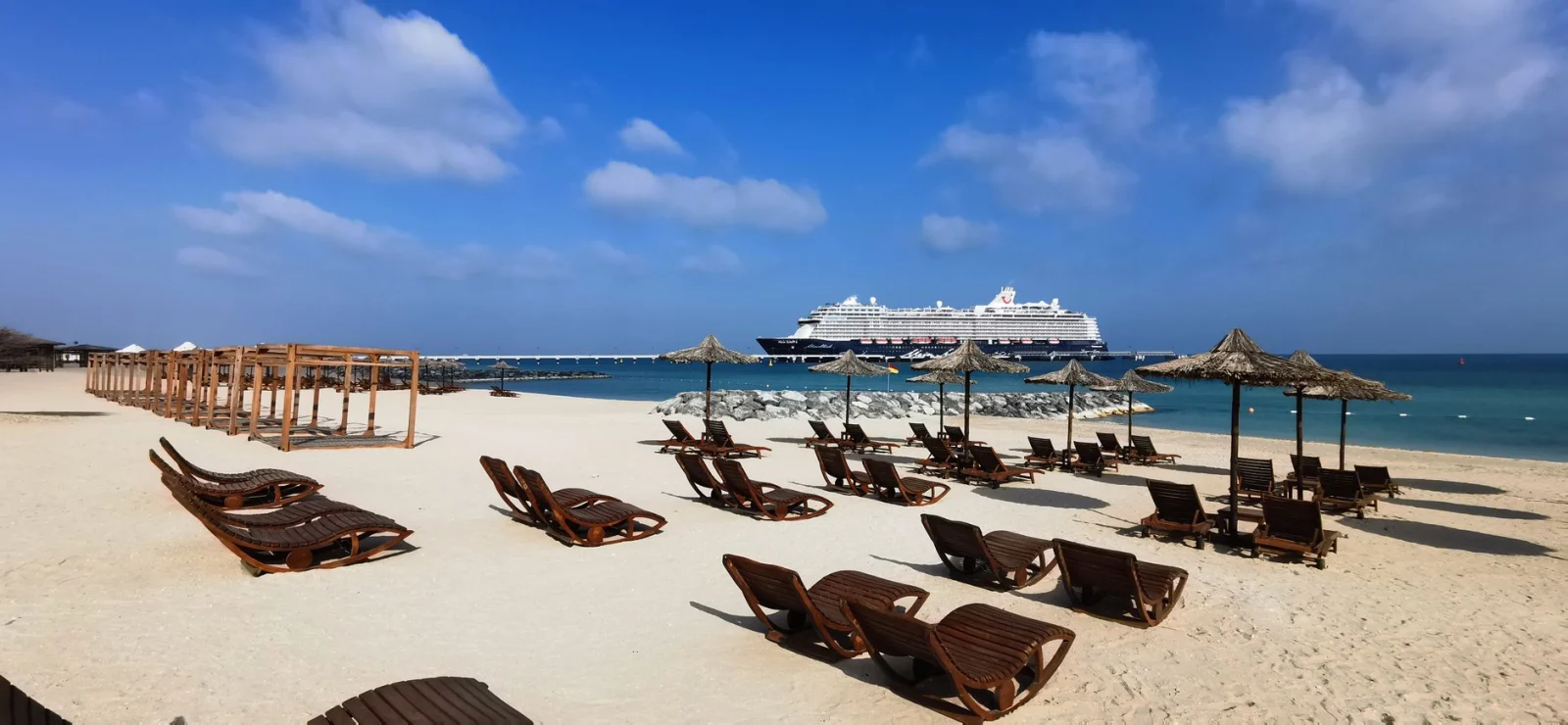
None of these Emerald Princess cabins to avoid is a deal-breaker for everyone, but each location comes up again and again in passenger feedback.
On Emerald Princess the Lido deck (15) runs from the Lotus Spa at the bow, past Neptune’s Reef and Pool, to Calypso Reef and Pool and the World Fresh Marketplace buffet from midship to the stern. Riviera deck (14) cabins underneath, including the midship Penthouse Suites, are close to the action but can hear deck chairs being moved and decks being cleaned early in the morning. The Terrace Pool is on deck 14 aft, so the nearby cabins get foot traffic and door noise too. If you want quiet mornings, drop down a deck or two.
Self-service launderettes on the cabin decks are busy on sea days, and Hawaii round trips have plenty of those. Cabins beside them, or beside lift lobbies and crew doors, hear far more coming and going than rooms a few doors along.
The Princess Theater is at the bow on decks 6 and 7, Gatsby’s Casino is forward on deck 6, and Club Fusion is aft on deck 7. Skywalkers Nightclub is high up on deck 18. Cabins on the decks immediately above or below these venues can pick up music and late-night traffic. A cabin-check tool will show you whether yours does.
Some cruisers have reported vibration in certain lower-deck forward cabins on the Plaza deck (5), and bow cabins in general pitch more in a swell and can hear the anchor at tender ports. If you are sensitive to noise or motion, stay midship.
Forward-facing and bow-side balconies catch the full headwind. On an Alaska morning or an open-ocean leg to Hawaii, that can make them almost unusable while the ship is moving.
Choose midship on decks 9 to 12, with cabins above and below and no launderette next door. This is the single most reliable rule on this ship class.
Choose low and central. A midship balcony or mini-suite on deck 8 or 9 rides the swell best. This matters most on the Los Angeles to Hawaii crossings, which have several consecutive sea days.
Book one of the two Family Suites early. Otherwise, Princess lists 100 connecting staterooms on Emerald Princess, so two connecting balcony cabins are a practical alternative. The youth and teen centres are on the Sports deck (17).
Princess lists 28 wheelchair-accessible staterooms on Emerald Princess across several grades. Ask Princess to confirm the bathroom layout and balcony threshold of the specific cabin before you pay the deposit.
For glacier days, a balcony on either side works, because the ship turns at the glacier face. Aft-facing Premium Balconies and Vista Suites give the widest views. On Hawaii trips, a starboard or port balcony both catch the islands, depending on the day.
A word on guarantee fares: they are cheaper because Princess assigns the cabin, which could be a Riviera deck room under the pool deck or one beside a launderette. If location matters to you, pay for a specific cabin.
Emerald Princess’s sisters share almost the same layout, so these tips carry over. See our guides to Crown Princess cabins to avoid and Ruby Princess suites and mini-suites if you are comparing sailings.
Emerald Princess has a near-identical sister, and our guide to Ruby Princess cabins to avoid looks at her layout in the same way.
The cabins to weigh up are Riviera deck (14) cabins under the Lido deck pools and buffet, lifeboat-view oceanview cabins on deck 8, cabins next to launderettes or stairwells, and lower forward cabins if you are sensitive to motion or vibration.
Decks 9 to 12 (Dolphin, Caribe, Baja and Aloha) are generally the quietest, with cabins above and below and an easy lift ride to the dining rooms and the pool deck.
Full suites come with a much larger balcony, a living area, priority embarkation and disembarkation, Concierge Lounge access and complimentary laundry. Reserve Collection mini-suites add dining and in-room perks without the full suite price.
No sale or transfer had been announced as of October 2026. The ship is scheduled for West Coast, Hawaii and Mexico sailings in winter 2026-27 and Alaska from Vancouver in summer 2027.

Imagine gliding across the ocean on a cruise ship that is powered entirely by the sun’s rays, rather than using fossil fuels.
It’s an appealing thought for eco-conscious travellers. But why don’t we see solar-powered cruise ships sailing the seas?
The answer lies in a mix of technological challenges, practical limitations and an industry in transition.

Before we dive into the world of solar-powered ships, let’s look at why they’re needed in the first place.
The shipping industry, including cruise lines, is responsible for about 3% of global greenhouse gas emissions. That might not sound like much, but it’s a significant chunk when you consider the scale of global transport.
Recognising this impact, the International Maritime Organization (IMO) has set a target to slash these emissions by at least 40% by 2030.
There are several issues when it comes to creating cruise ships that can be fuelled by solar power.
Cruise ships are like floating cities, with massive energy needs. Propulsion, air conditioning, lighting, entertainment and much more all require constant power. Current solar technology simply can’t generate enough to meet these demands.
A typical cruise ship might use up to 60 megawatts of power – that’s enough to light up a small town!
Cruise ships are designed to maximise space for passengers and amenities. Covering a ship with solar panels would take up valuable deck space that’s usually reserved for pools, lounges and other attractions. Plus, solar panels add weight, which can affect a ship’s performance and fuel efficiency.

The best modern solar panels operate at about 20% efficiency. That means they convert only a fifth of the sunlight they receive into usable energy. While that’s impressive for home use, it’s not enough to power a massive cruise ship. The energy density just isn’t there yet.
Despite these challenges, the cruise industry isn’t sitting still. Companies are exploring various ways to make their ships more sustainable.
Some cruise lines are already dipping their toes into cleaner technologies. In 2019, Hurtigruten launched the world’s first hybrid battery-powered cruise ship.

Although not fully solar-powered, it’s a step in the right direction, and shows how battery technology could play a role in future sustainable cruise ships.
Innovative designs are combining old and new technologies. For example, Hurtigruten Norway is planning a zero-emissions electric cruise ship named ‘Sea Zero’.

This ship will feature retractable sails covered in solar panels, harnessing both wind and solar power. It’s an exciting glimpse into what future cruise ships might look like.
The Sea Zero project is worth a closer look. Set to launch in 2030, this ship will primarily run on 60-megawatt batteries, charged with clean energy from Norway’s largely renewable electricity system. The solar sails, rising up to 50 metres high, will supplement this power. It’s a bold vision that could reshape the industry.
While current solar technology isn’t up to the task of fully powering a cruise ship, the future looks brighter.
Scientists are working on new solar technologies that could boost efficiency up to 80%. If achieved, this would be a game-changer for all solar-powered transport, including cruise ships. Imagine panels that could generate four times as much power in the same space. Suddenly, those energy needs don’t seem so insurmountable.

The future of sustainable cruising likely lies in combining multiple green technologies. Solar power could work alongside wind power and battery storage, as well as emerging technologies like hydrogen fuel cells. This multi-pronged approach could help overcome the limitations of any single technology.
The push for solar-powered cruise ships isn’t just about being green, for there are strong economic incentives too. Fuel is one of the biggest costs for cruise lines. A ship that can generate its own power from the sun could slash operating costs.

As one expert put it: “It’s hard to compete with someone who has no fuel bills.”
As travellers become more environmentally conscious, cruise lines that offer truly sustainable voyages may gain a competitive advantage.
The shift towards solar-powered cruise ships won’t happen overnight, and it can’t be done by individual companies alone. It requires industry-wide collaboration and supportive regulations.
Hedda Felin, Hurtigruten’s CEO, emphasises this need for collective action:
“We don’t want to be alone. We need the entire industry to pull up our sleeves and work a bit harder and be more ambitious.”
As more companies invest in research and development, and as regulations push for cleaner technologies, we could see a snowball effect of innovation in the industry.
Don’t miss these hot cruise offers…
So, why don’t we see solar-powered cruise ships yet? The short answer is that the technology isn’t quite there. The energy demands are too high, and the current solar panels aren’t efficient enough to meet them. But that doesn’t mean solar-powered cruise ships are an impossible dream.
The cruise industry is making strides towards sustainability with hybrid ships, solar sails and zero-emission projects. As the technology improves and is combined with other renewable energy sources, we may well see solar playing a significant role in powering the cruise ships of the future.
The next time you set sail, keep an eye out for those solar panels. They might just be the start of a sea change in the cruise industry.


What potential changes could your favourite cruise line make that would immediately turn you off them?

Most cruising regulars have a favourite cruise line. It might be because of the food, the entertainment or just the general vibe. Cruise lines all offer a different experience, that resonates with different types of cruise passengers.
But what if a cruise line suddenly changed the way they did things?
I asked my Facebook followers what would be the ONE big change that would make them drop all loyalty to their favourite cruise line. And the responses were pretty interesting!
Here are 23 potential changes a cruise line could make that would turn off their loyal customers. Some named their specific cruise line, while others made more general claims, so I’ve grouped them for you:

Virgin Voyages is renowned for being a stylish, modern and fun cruise option – but for adults only. It’s not a cruise line where families are welcomed, unless those families are all 18 or over.
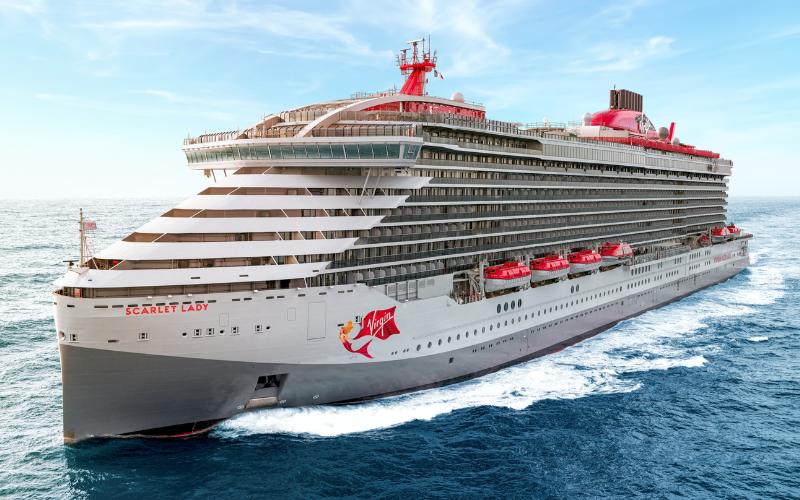
This makes the cruise line a popular choice for those who would rather avoid the louder atmosphere of a family-friendly cruise line. So it’s no surprise that a few people mentioned that Virgin accepting children would be their deal-breaker.

I’m not sure it’s fair to say that Cunard’s dress code gets rid of people who don’t care about others. But I do understand that the Cunard atmosphere is well-loved.
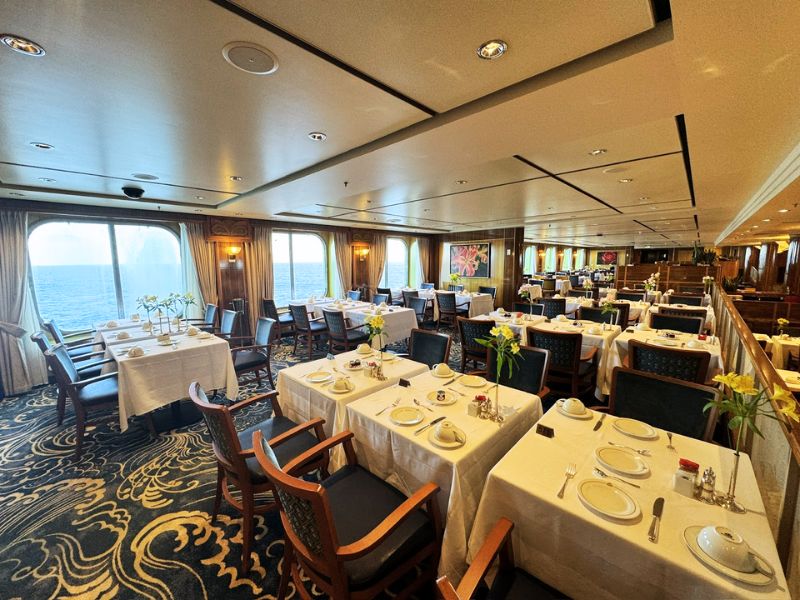
Guests look forward to glamorous evenings where black tie and ball gowns are the norm, especially on the famous gala nights. For many, it’s part of the charm and sets Cunard apart from more casual cruise lines.
So, it’s no wonder that scrapping the dress code would be a step too far for some loyal Cunard passengers. The refined, classic experience would lose its distinctive touch, making it just another cruise option rather than the pinnacle of luxury at sea.

Princess Cruises, like many other cruise lines, has its own loyalty programme. And one of the biggest perks for Elite-level guests is the complimentary laundry service. This is a practical and much-appreciated benefit, especially on longer voyages where packing light can make all the difference.
It’s one of those small but meaningful touches that makes guests’ loyalty feel valued. Without it, the experience would start to feel less special, and that could be enough for some to jump ship.

We all know how divisive the conversation around loyalty programmes would be. But there are some cruisers who do feel like their cruises deserve a lot of rewards.
If a cruise line suddenly took those rewards away, I can get how that would make you look elsewhere. That’s the whole point of the programmes – they make you loyal to one cruise line family. Without the perks, you could look at any other cruise line instead.

This one might seem a bit left-field, but it’s based on a real event where P&O Ferries (a completely different company to P&O Cruises) tried to do exactly this.
There were also rumours in November 2023 that Carnival Group, which owns P&O Cruises, was looking to do similar.
It ended up being unfounded, or at least deterred. But it’s good to see that some cruise guests wouldn’t stand for this treatment of the crew onboard. They would actively look to sail with another cruise line if the crew were mistreated.

Several cruise lines have their own private destinations – either an island or a resort on a larger island – and MSC has Ocean Cay Marine Reserve.

It’s a beautiful location with loads of interesting things to see and do, and definitely a highlight of MSC itineraries in the Caribbean.
MSC is a cruise line that already splits opinion, with some people finding it to be a bit cheap (not always in a good way). If the Caribbean itineraries lost a popular destination such as Ocean Cay, it could definitely drive people to consider other cruise lines with their own private islands.

This is less about a cruise line that people are already loyal to, and one that they want to avoid.
Disney Cruise Line very much has its own style. It’s primarily aimed at families, but it has other quirks too. These include rotational dining, where you visit different restaurants each night, with your waiters following you around.
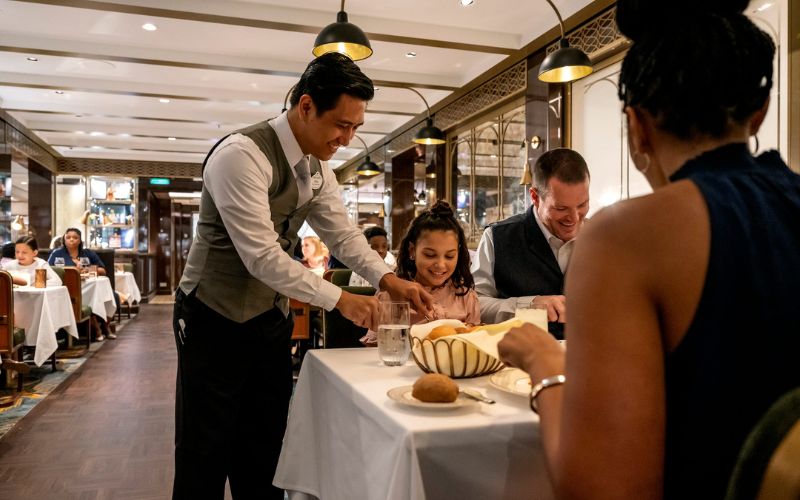
It’s also one of the most expensive cruise lines outside of ultra-luxury options. So I don’t blame anyone who would stop cruising with their favourite line if it began taking more of a Disney-style approach.

Some people will base their cruise plans on food, whether it’s the general quality of the dining or specific venues they know and love.
Guy’s Burger Joint on Carnival is one example: a relaxed place to grab a signature Guy Fieri burger (or hot dog) while you unwind on deck.

If your favourite dining venue disappeared from a ship, would you be fine or would you have to look at alternative options?
These aren’t specific to a particular cruise line, but would still make travellers look at other options if they were announced.

For many cruisers, the balance between designated smoking areas and smoke-free zones is important. Allowing smoking everywhere onboard would be a nightmare for those who prefer a cleaner, fresher environment.

The idea of smoke wafting through restaurants, lounges and balconies would turn a relaxing cruise into an unpleasant experience. For some, it would be enough to abandon their loyalty to even their favourite cruise line.

On the flip side, some guests would be just as outraged if smoking were entirely banned.

For smokers, having designated areas to enjoy their cigarettes, cigars or vapes is part of the experience. Removing those altogether would feel restrictive and unwelcome to guests who appreciate the current balance of smoker-friendly zones.
Suggested read: What Smokers Need To Know Before Taking A Cruise For The First Time

Although some cruisers love the elegance of formal nights, wearing formal attire all day every day would be exhausting for most.
A cruise is meant to be a relaxing vacation. For many, that means the freedom to choose when to dress up and when to keep it casual.
A strict formal dress code throughout the entire trip would strip away the laid-back vibe, driving some guests to seek out more relaxed options.

Oof. I feel targeted!
Offering vegan options is a great way to cater to a diverse range of diets, but a vegan-only menu would be a hard sell for many cruisers.

A big part of the cruise experience is indulging in the wide variety of food available, whether it’s a steak, fresh seafood or decadent desserts.
Forcing everyone to stick to a plant-based diet would be a deal-breaker for many. It takes away the culinary freedom that so many guests love to enjoy at sea.
I’d love it, though! There are a few all-vegan cruises, but they’re pretty expensive.
Suggested read: Cruise Guests Would Rather Give Up Alcohol Than Meat!

For many cruisers, enjoying a cocktail by the pool or a glass of wine at dinner is a highlight. If a cruise line suddenly decided to go alcohol-free, it would likely be a shock to the system.

Sipping a drink while relaxing or mingling with fellow guests is a key part of the experience for many. Without that option, some might look elsewhere for a more lively and carefree atmosphere.

Drinks packages are a popular way for cruisers to enjoy unlimited beverages without a hefty bill at the end of the trip.
Removing that option would feel like a major downgrade for many loyal passengers. Instead of enjoying cocktails, sodas or speciality coffees with ease, they would find themselves constantly calculating costs.
For some, the convenience of the drinks package is essential, and losing it could be enough to make them reconsider their cruise line loyalty.

The onboard casino is a big draw for many cruisers who enjoy a flutter at sea, whether it’s slot machines, poker or roulette. It’s not just about gambling, but also the excitement and social atmosphere that make it a fun part of the trip.

Eliminating the casino would take away one of the key entertainment options for those guests. That could drive them elsewhere, especially since some cruise lines reward serious gamblers with freebies (including free cruises!).

For those who cruise to escape the noise and bustle of everyday life, adults-only spaces like pools, lounges and sun decks offer a peaceful retreat.
Removing those tranquil areas would disrupt the calm that many passengers crave, especially on lines known for providing that serene experience.

Without these kid-free zones, some cruisers would be pushed to explore other lines that still prioritise adult-only escapes.

One of the great pleasures of a cruise holiday is the privacy of your own cabin, whether it’s a cosy interior room or a luxurious suite with a balcony.
The idea of dormitory-style accommodation, with shared sleeping spaces, would be an instant turn-off for many.
Losing that personal sanctuary at sea would strip away much of the relaxation and exclusivity, making it feel more like a hostel than a holiday. For most, this change would be the final straw.

Staying active on holiday is a priority for some, but compulsory sport every day would not sit well with most cruisers. A cruise is often seen as a time to relax and unwind, where guests can choose their own activities.
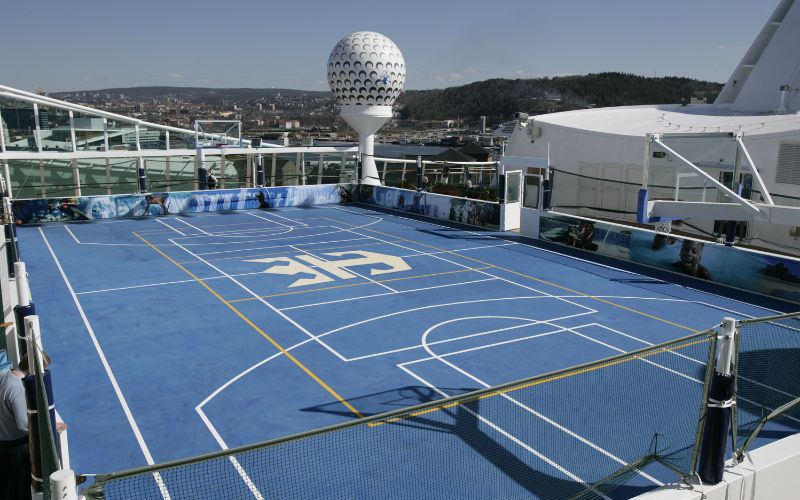
Forcing daily exercise would take away the sense of freedom that many value. Turning a holiday into something that feels more like a fitness retreat would be make some guests abandon ship – almost literally.

Cruises appeal to a wide range of ages, from families to retirees. So limiting the age group to those aged between 18 and 30 would alienate a huge portion of loyal guests.
Part of the joy of cruising is the diversity of people you meet, spanning different ages and backgrounds. Imposing such a strict age limit would strip away the community feel that many passengers love. It would certainly send older and younger guests looking for a more welcoming alternative.
Not to mention that 18 to 30s holidays have something of a reputation – and not everyone wants that party vibe on their cruise.
Suggested read: The Best Singles Cruises If You’re Under 30

For many cruisers, the buffet is a central part of the experience. They offer a wide variety of food choices and the flexibility to eat whenever it suits.

Getting rid of the buffet would be a major disappointment, particularly for those who enjoy the casual dining style and the chance to try new things each day.
The more formal dining options wouldn’t suit everyone. For some passengers, this change would be enough to make them reconsider their loyalty.

This one was a bit niche, but still…
I know some people like to get their hair done while they’re on a cruise. Being forced to have a free haircut by trainees would be very weird. I’d certainly say no to that cruise line.

Tender ports, where passengers have to take small boats to reach the shore, can be a hassle for many cruisers. They often involve longer waiting times and less convenience compared to docking directly at a port.
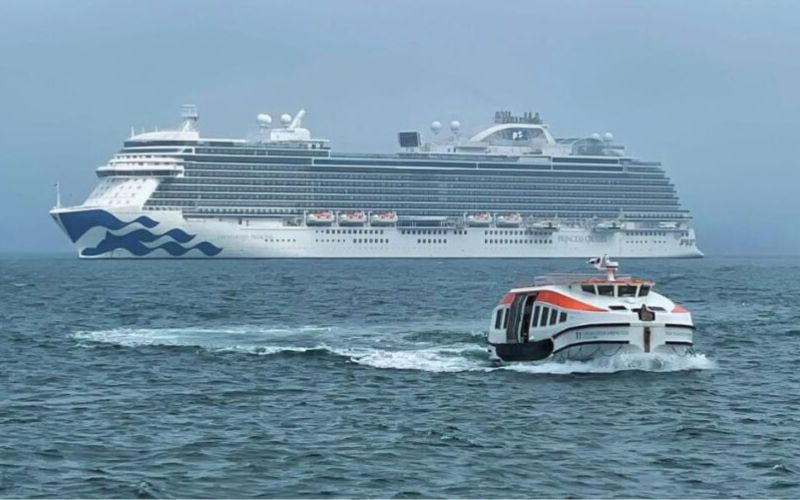
If a cruise line made all its ports tender-only, it would seriously frustrate those who value ease and accessibility when getting on and off the ship. For some loyal guests, this would feel like a downgrade in service, making them reconsider their future bookings.
Some people don’t feel comfortable using tender boats at all, worried they will slip or hurt themselves. Another reason why docking at ports is crucial for many.

The concept of a ‘clothing optional’ cruise would be a step too far for most traditional cruisers. Cruises are generally seen as family-friendly or elegant escapes, and this change would dramatically shift the atmosphere onboard.

Many passengers enjoy the balance of casual and formal attire. But a completely clothes-optional policy would make a lot of guests uncomfortable.
Of course, there are plenty of people who would love it too. And there are specialist nude cruises for them.
Don’t miss these hot cruise offers…
This is all a bit of fun, but it does highlight some of the hard lines that people draw when choosing their cruise.
I know from experience that some people refuse to even try a cruise, or have tried one and decided it’s not for them. I tell them every time: you just haven’t found the right cruise line yet.
Take the time to research your options, and you’ll always find a cruise for you. It may be a relaxed adults-only cruise, one that’s perfect for families, or even one where clothing is optional!
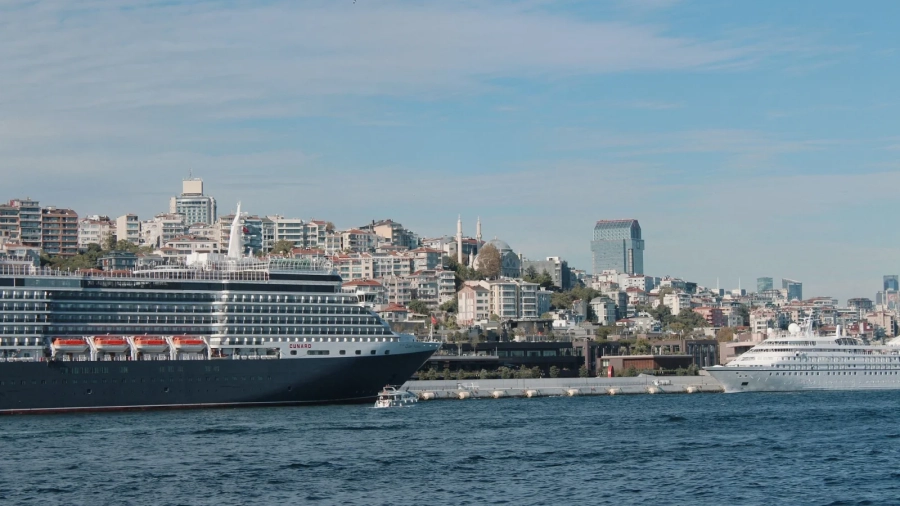
The worst cruise ports in Europe are rarely bad places. They are usually stops where the famous sight is hours from the pier, or where several ships arrive at once. Le Havre, Naples, Santorini, Marseille, Kusadasi and Civitavecchia all earn complaints, and all of them can be a good day with the right plan.
This guide covers Europe only and gives a concrete plan for each port: how to get around, how much time you need and what to do instead if the obvious option does not suit your schedule. For stops further afield, see our list of the worst ports of call worldwide.
| Port | Main complaint | Best plan | Port time to feel comfortable |
|---|---|---|---|
| Le Havre | Paris is about 200 km away | Honfleur or the Perret city center | 5+ hours (10+ for Paris) |
| Naples | Busy, chaotic first impression | Historic center and museum, or Herculaneum | 5+ hours (8+ for Pompeii) |
| Santorini | Tender and cable car queues | Early tender, then straight to Oia or Akrotiri | 7+ hours |
| Marseille | Terminal is in an industrial port | Vieux-Port and Le Panier, or a Calanques boat | 5+ hours |
| Kusadasi | Shopping-heavy town, crowded Ephesus | Early Ephesus with the Terrace Houses | 5+ hours |
| Civitavecchia | Rome is about 70 km away | Train on a long call, tour on a short one | 9+ hours for independent Rome |
The time column is our planning guide, not an official figure. Your ship’s all-aboard time matters more than its published departure time.
Le Havre is sold as the “port for Paris”, but it is about 200 km from the capital. The terminal at Pointe de Floride sits around 2.5 km from the center, and that walk (about 25 minutes) runs through dockland. Most ships offer a paid shuttle to Place de l’Hôtel de Ville, and a taxi into the center costs roughly €8 to €10.
Rouen is an underrated compromise. Its cathedral and medieval center are about 45 minutes away by train, far less than the trip to Paris.
Naples can feel loud and hectic straight off the ship, yet the location is excellent. Most ships berth at Stazione Marittima beside Castel Nuovo, about 15 minutes on foot from Piazza del Plebiscito. The old city is around ten minutes further, and Municipio metro station is close to the pier. Your daily program will name the berth, as some ships dock further east.

Santorini’s problem is arithmetic. Ships anchor in the caldera, tender passengers to the small Old Port at Skala, and then funnel them up to Fira by cable car. Queues can reach one to two hours when several ships call, and the alternative is about 588 steep steps shared with donkeys.
Two rules now affect visits. Santorini operates a daily cap of 8,000 cruise passengers, and for 2026 ships are counted at 100% occupancy rather than 80%. Reported scheduled calls fell to 595 in 2026 from 728 in 2025. Greece also charges a cruise passenger fee:
| Season | Santorini and Mykonos | Other Greek island ports |
|---|---|---|
| June to September | €20 | €5 |
| April, May, October | €12 | €3 |
| November to March | €4 | €1 |
The cap covers cruise passengers only, so Fira and Oia can still be busy with visitors arriving by air and ferry.
Cruise passengers often judge Marseille by its vast industrial port. The Marseille tourist office says a free shuttle runs on ship days to Place de la Joliette, with a 5 to 12 minute walk along a green line to the Gate 4 stop. Check your port information, because some lines also sell their own shuttles, typically around €20 return, that go directly to the Vieux-Port area. Local bus 35T is the budget backup.
Our guide to the best shore excursions for Mediterranean cruises can help if you prefer to have the logistics arranged for you.

Kusadasi is convenient, with ships docking in the center of town, but the port area is built around shopping and persistent sales patter. The reason to come is Ephesus, about 19 km away and 25 to 30 minutes by road.
If you have seen Ephesus before, walk the causeway to Pigeon Island, or take a longer excursion to Şirince village and the House of the Virgin Mary.
Rome’s port is about 70 km from the capital, and it is a common example of cruise ports that are far from the city they advertise. Door to door, expect about 1 hour 45 minutes to 2 hours 15 minutes each way by public transport.
Independent Rome only really works on a call of nine or ten hours. A private transfer starts at around €221 per vehicle and takes about 65 minutes, while a ship tour moves the timing risk to the cruise line. If you would rather stay close, Civitavecchia has a waterfront and Forte Michelangelo, and the Etruscan tombs at Tarquinia are a short rail trip north. Local connections there need checking in advance.
A few minutes with an itinerary can save a frustrating day. Compare these points before you commit:
There is no official ranking, but Le Havre and Civitavecchia draw frequent complaints because the headline destination is hours away. Santorini and Naples are criticized more for crowds and logistics than for a lack of things to see.
Yes, but it is a long day. Direct trains to Paris Saint-Lazare take about 2 hours 20 minutes each way, which leaves roughly four to five hours in the city on a generous port call. A ship coach tour removes the risk of missing the ship.
The published rate is €20 per passenger from June to September, €12 in April, May and October, and €4 from November to March. How it is billed varies by cruise line, so check your fare breakdown or onboard account.
Yes, if your call lasts about nine hours or more and you want Rome. On a shorter call, a guided excursion or a quieter day in Civitavecchia or nearby Tarquinia is a more relaxed choice.
It depends on what you want from port days. The Greek islands and Adriatic suit travelers who like to walk straight off the ship into historic towns, while the Western Mediterranean offers big-name cities that often need longer transfers.
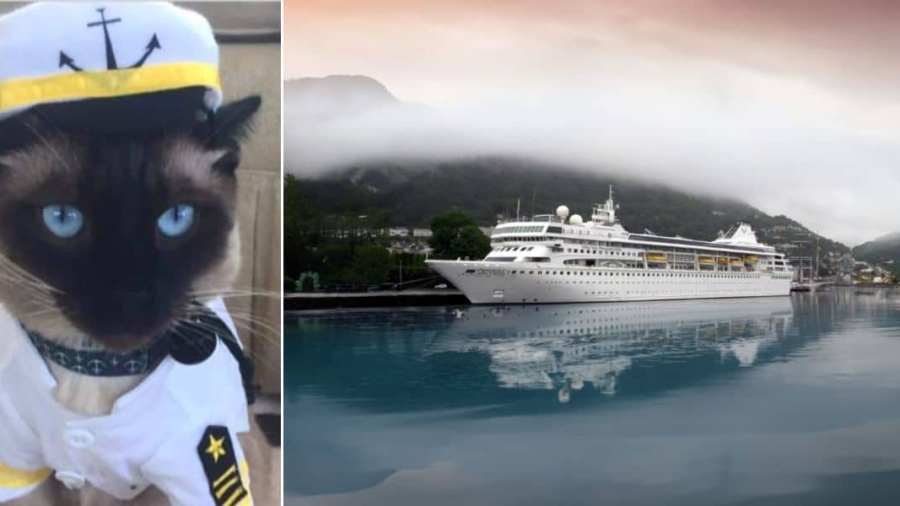
On most cruises, you cannot take your pets with you. If they are permitted, they usually have to stay in kennels. But the Villa Vie Odyssey, and her epic three-and-a-half-year itinerary, is no ordinary cruise.

Three years is a long time to be away from home, with many guests planning to stay onboard the Villa Vie Odyssey indefinitely. So it makes sense that some have special permission to sail with their beloved pets in tow.
Holly Hennessy is a Florida resident who has embarked on the cruise with her cat Captain. I spoke to her to learn more about cruising with a cat.
Make sure you follow their adventures on the Captain the Cruising Kitty Facebook page!
Holly has purchased a cabin on Villa Vie Odyssey, which gives her the option to use it well beyond the initial three and a half years of sailing. It’s expected that the useful life of the ship will be 15 years.
I love ships. I’ve done three word cruises and countless others. My winter home in Florida was a 53′ boat, and it was Captain’s winter home since he was a kitten (he’s 8 now).
After 17 years of owning my boat, I had just grown tired of the headaches and being disappointed by people who maintained her. And the costs of maintaining a private vessel were becoming crazy. So to be on the water when someone else takes care of all those things? Perfect!
A perpetual world cruise in your own cabin really is ideal, esepcially if you want to explore as many countries as possible in luxurious comfort.
Holly admits that Captain, the ‘Cruising Kitty’, had been cramping her travel style and limiting her options. But now Villa Vie Odyssey offers an exciting opportunity to travel the world together:
The few times I did go away and left him in the care of dear friends who knew him well, his normally very social self didn’t love it, and let everyone know. So I was resigned to the fact that my travel had to include him. Villa Vie is the perfect solution. I love ships, and I love Captain. I can have them both!
Captain was lucky enough to get a peek at his cabin before the much-delayed cruise set sail, but otherwise he spent the time ashore with Holly while they waited for the ship to launch.
Now that the ship is sailing, Captain enjoys free rein within his cabin. There is also a special area outdoors where cat owners are allowed to enjoy their pets in public.
The company hopes for it to be a social spot so those who left their fur babies at home, and crave some love, can come and share. There has been a contingency of cat haters emerge, and some passengers are allergic. All cat owners will be very respectful and stay out of the way of these passengers.
With a balcony cabin, Captain does still get plenty of fresh air. Although when the balcony door is open, he’s kept in his playpen or on a leash to prevent him getting too adventurous!
Unfortunately, but not surprisingly, Captain won’t be spending much time ashore. There are lots of rules and regulations around bringing animals into other countries. But there is some hope that Captain may get to explore the world a little.
As a private yachtie, I have been a member of a Facebook group called Gatos Del Mar. These are private yachts all over the world cruising with feline crew and they share the hassles in various places. The cruise company will clear us as needed.
Holly made it clear that the cat owners didn’t want to ask for anything that forced the crew to go above and beyond. The fact that cats are allowed onboard at all is definitely seen as enough. However, if she could have anything, there was one feature she would like to make life a little easier for her and Captain:
My wish list would include litter to be for sale at the ship shop so I don’t need to waste precious port time finding litter and having to carry heavy bags of it back to the ship.
There is one other cat on the ship, and some others joining the cruise along the way. So maybe the cat owners can work together on sourcing the litter they need. The cruise line was also going to allow small dogs for the cruise, but that plan had to be cancelled once they purchased the ship, since it does not have the right facilities for dogs.
Before the ship set sail, Holly and Captain had to get to Belfast from Florida. I asked how that went.
Captain has always been a great traveller. We would go between our Florida and Wisconsin homes multiple times of year, both flying and driving.
Holly has some travel tips for anyone who wants to take their cat with them on their next cruise:
Packing for any cruise can create a few logistical challenges, never mind a three and a half year itinerary. Thankfully, there’s reliable laundry services onboard! But when you add a cat to the equation, there are a few extra things to think about.
With the UK not allowing pets in flight cabins, Holly flew to Dublin instead, and then took a specialist pet taxi to get to Belfast. She was able to use this wisely:
He was kind enough to let me have all the things a cat needs shipped to his home, so Captain had a litter box, litter, and a scratch pad waiting for him. I do that in the States when we’re flying somewhere he hasn’t been. Hotels are usually very good about holding packages.
Cats, in Holly’s words, are just more portable than dogs. So once you can arrange the associated paraphernalia, it’s relatively easy.
Food is a different matter though, especially with a fussy eater. Captain only eats two types of dry food along with some wet food, so Holly packed as much as she could (with a kind guest bringing back another bag from the US). The ship was originally scheduled to return to the US, but that changed, meaning a re-think was needed:
We are not going to the east coast of the US as originally planned, so I ordered multiple large bags of food to pick up in the Caribbean. Thank goodness for Walmart.com.
Holly admits that she doesn’t know the full list of challenges she’ll face when sailing with Captain. It’s a question that can be answered as the cruise unfolds.
There is a retired vet tech onboard who has offered to help in case of emergencies, and vets will be visiting the ship for vaccinations as needed too.
I am a tiny bit concerned about really rough seas, which are bound to happen. The last slip I had my cat in was quite bouncy, so he’s had a taste, but big swells will be a new thing for him. Vet says he can have tiny amounts of Dramamine if it comes to that.
Cruising with pets is still a very limited market. You can bring your pets across the Atlantic with Cunard on the Queen Mary 2, but they must remain in the kennels onboard.
Holly has tried to find alternative options too…
I once saw a golden retriever in a Viking commercial, but when I asked, they said no pets. Because I have cruised so much, I have top or near top status with most major cruise lines, and the answer was still no pets.
And when I asked Holly what she was most excited about with this cruise, her answer was touching:
Just the fact that I can live how I have always wanted to live and he can be with me.
The Villa Vie Odyssey has now finally set sail, but not every guest is staying onboard for the whole three-years-plus itinerary, and there are cabins available.
So, if you’d like to try a cruise with your cat, why not get in touch with Villa Vie and see if you can join Holly and Captain on their shared odyssey?
And if not, you can still see what they get up to by following the Captain the Cruising Kitty Facebook page.
Jenni Fielding is the founder of Cruise Mummy. She has worked in the cruise industry since 2015 and has taken over 30 cruises. Now, she helps over 1 million people per month to plan their perfect cruise holidays.

You know that feeling at the end of a cruise where you’re sad that you have to get back to everyday life…
Wouldn’t it be nice if you didn’t have to worry about that feeling ever again? Can you live on a cruise ship permanently?
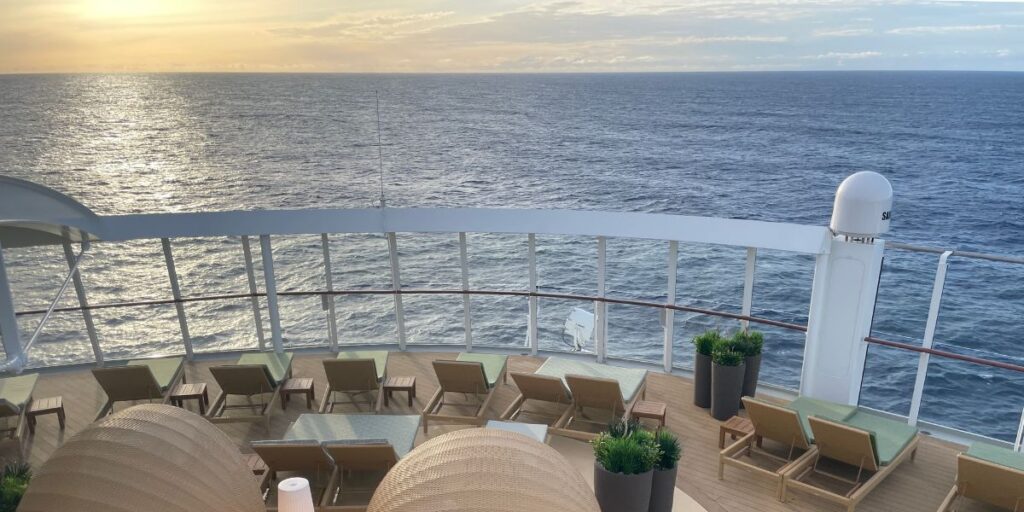
It’s actually not as far-fetched a thought as you might think. In this guide, I’ll take you through all the options for living on a cruise ship. You’ll learn how much it costs, and what you’d need to think about if you wanted to try it.
It is possible to live on a cruise ship and there are several cruise lines that allow you to purchase an apartment onboard. Alternatively, you could book a series of short cruises on a mainstream cruise line.
It’s better to choose a cruise ship designed for long-term living than one from a mainstream cruise line. Logistically, booking back-to-back cruises with a standard cruise line is often not possible and you may have to change rooms regularly or even switch ships.
Technically you could live on any cruise ship, but it might not be possible. Cruises don’t always sell out, but the most popular staterooms and cabins book up far in advance. You would have to constantly look at booking cruises to make sure you have somewhere to stay.
Let’s look at your options in a little more detail…
You can book yourself onto a traditional cruise ship for the long term. You would need to book each itinerary, one after the other.
If you wanted the same cabin on every cruise, it’s wise to make sure that you’re first in line when bookings open. That’s the only way to make sure you can secure the same room for the long term. Otherwise, someone could book your room and essentially kick you out.
Cruises are available to book around 18 to 24 months in advance, so you’ll need to plan ahead.
Moving cabins might not be the end of the world – but it would be a lot easier if you didn’t have to pack and unpack at the start of every new itinerary.
Note: Some cruise lines might make you leave the ship and re-board between itineraries
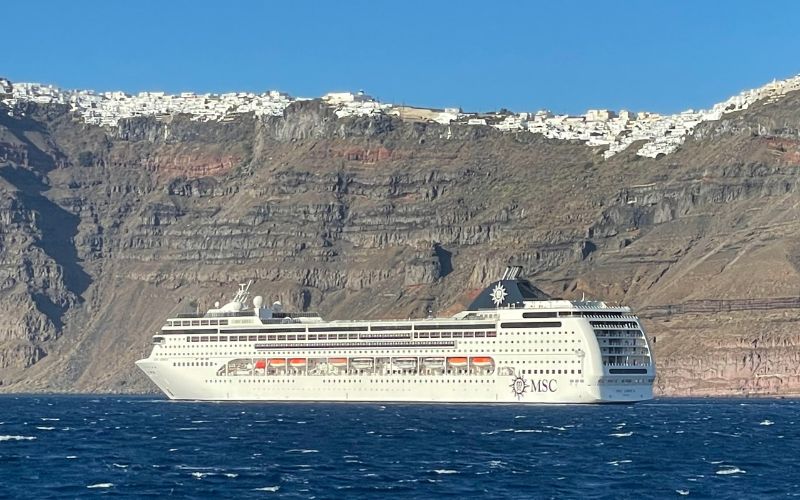
The easiest way to enjoy living on a cruise ship for the long term would be to look for world cruises. These itineraries can last a long time. Some of the longest run for six months, but three months is more common.
However, don’t expect world cruises to run back-to-back. Typically a cruise ship that is offering a world cruise will go back to offering more regular sailings for the rest of the year, so you would need to keep booking new cruises every time.
These cruises are often expensive too, so the cost of booking world cruises as frequently as possible may not be something you can afford to do.
I was keen to see what a world cruise ship was like, and I managed to book myself a place on board just for the first two days. You can see what the ship was like in my video…
Another option is to ship-hop every few weeks. This may work out cheaper, especially on some cruise lines that offer cheap nightly rates and one-way repositioning cruises.
You should bear in mind how much work would be involved in constantly booking your next cruise, plus the added stress of worrying about whether you’d miss your chance and end up without a cabin.
It can be done though. One person who’s doing just that is Fraser from the YouTube channel Fraser At Sea. Check out this video where he announced his plans to live on cruise ships in 2023:
I’ve taken cruises that cost as little as £40 ($50) per night with all meals included. So if you’re savvy, living on cruise ships can be pretty cheap.
Below you can see examples of some of the best cruise deals available right now…
Arguably the better way to live on a cruise ship is to choose one that’s designed for permanent living.
There aren’t too many of these in existence, but there are some ships that are planned with full-time living in mind, removing all of the worry about making sure you stay booked onto the ship.
Here are the ships that are designed for full-time living:
| Ship name | Operated By | Year of Launch |
|---|---|---|
| The World | Residences at Sea | 2002 |
| Victoria Majestic | Victoria Cruise Line | 2024 |
| Somnio | Somnio Superyachts | 2024 |
| Villa Vie Residences | Villa Vie | 2024 |
| MS Utopia | Utopia Residences | 2025 |
| MV Narrative | Storyline Cruises | 2025 |
| Njord | Ocean Residences | 2025 |
| MS Dark Island | Clydebuilt Dark Island Residences | 2026 |
It’s important to note that these are all planned launch dates. Already some have been pushed back – MS Utopia was originally scheduled for 2023. If you’re interested in living on a cruise ship, you probably need to be flexible on your start year, as plans can change.

The World is the largest private residential ship on the planet with 165 residences. It has 106 two- and three-bedroom apartments, 19 one- and two-bedroom studio apartments and 40 studios.
Instead of booking individual cruises, people purchase one of the residences on the ship and are then free to use it as and when they want. Some people live on the ship full-time while others come and go, using it as a vacation home or an alternative to owning a yacht.
The World tries to distance itself in some ways from comparisons to a traditional cruise ship, but there are a lot of similarities, including in the onboard experience.
Take a look at this video to see what you can expect from life on board…
The ship features guest speakers, musicians, and cultural performances to entertain guests, similar to those which would feature on traditional luxury world cruises.
Daytime activities are available too, with two swimming pools as well as a tennis court, and a gym offering exercise classes like yoga and cardio. This is good, considering there are six gourmet restaurants on the ship!
The residences also have their own kitchens, and there’s a grocery store on the ship, if you want to cook for yourself.
The World has a spa, just like you would find on a cruise ship. So really, the experience is very comparable to a typical cruise ship – the only difference is that you have your own kitchen area and that you’re able to stay on the ship long term.
Although, one more difference is the option to host guests. You own your residence and so you’re able to welcome guests onto the ship if you wish.
The ship isn’t particularly family-friendly – kids are welcome, but there isn’t much for them to do. Understandably, the ship is primarily aimed at a mature audience as it’s likely to be retirees who wish to live on a cruise ship.
But that doesn’t mean your family won’t want to visit every now and then, and they will be permitted onto the ship to say hello, although you may be charged if they use some of the facilities, including the restaurants.
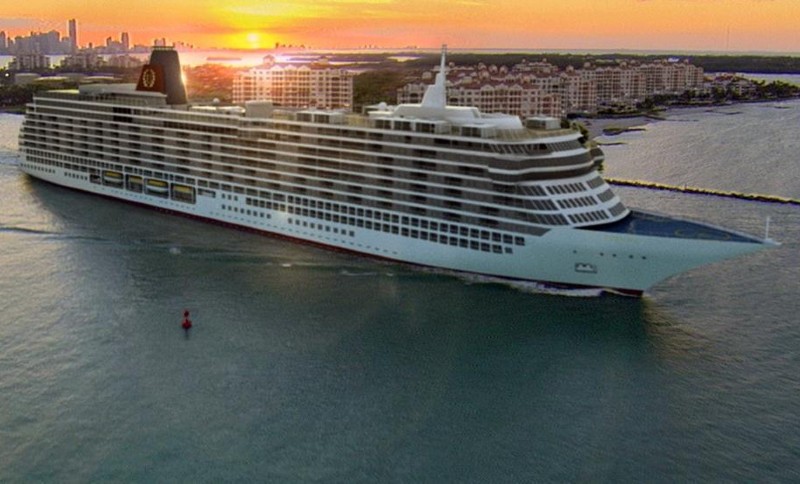
Utopia is a planned luxury residential ocean liner project costing $1.1 billion that was originally ordered all the way back in 2009 by Utopia Residences.
The ship has had the launch date regularly pushed back, with the latest launch date announced as 2025. Everything has since gone a little quiet, so there are no guarantees that this project will actually reach completion.
The ship’s yearly itinerary includes stops at some of the world’s most premier events, such as Wimbledon in London, Carnival in Rio De Janeiro, Running of the Bulls in Spain, and Cannes Film Festival in France.
If it does go ahead as planned, Utopia will have 190 residences and will also feature a 175-room hotel, casino, 16,000-square-foot spa, nightclub, and many other amenities typical of large-scale commercial cruise ships.
The former ms Veendam for Holland America Line, Victoria Majestic has now been turned into a residential ship and will soon set sail with Victoria Cruises.
Billed as the “world’s first affordable residential ship”, she doesn’t allow guests to purchase a room, but instead lease one on a long-term basis.

The longer you rent a cabin, the higher a discount you’ll get. For example, an Inside Cabin typically costs $8,000 per month (with a $10,000 refundable deposit), but if you book one of the longest leases for 37 months, you’ll get a 40% discount, meaning you’ll pay $4,800 per month. And that’s for two people – $2,400 per person, per month is a pretty great deal for living on a ship!
The ship will offer plenty of onboard facilities to keep guests entertained, and WiFi access means that you could work remotely from the ship if you’re able to.

The planned itinerary for the ship sees her sail from the US around the Caribbean and then down around South America, back up to the west coast of the US before crossing the Pacific to Asia, then onto Africa and a comprehensive tour of Europe for her first 212 days.
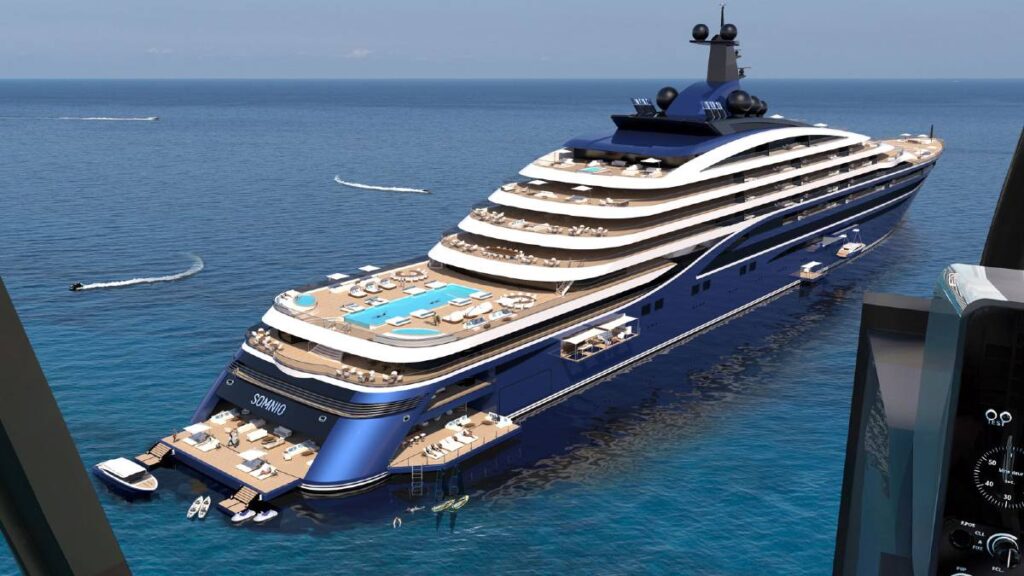
Not a lot is known about Somnio – the superyacht is still cloaked in mystery, and details are only available to those invited to apply for a residence onboard. It’s that kind of exclusive.
But here’s what we do know…
There are just 39 residential apartments on this exquisite vessel, each of which is customisable to fit the needs of the buyer. Prices are believed to start from around $11 million, with maintenance fees payable on top of that to the tune of around $100,000 or more.
For the money, you get use of the aft deck – the main hub of the yacht where you can enjoy a large lap pool, two spa pools and various bars and seating areas. Watersports equipment is also available, along with boats if you want to go fishing or diving.
The ship will sail a leisurely itinerary, cruising the world slowly to allow guests more time to explore in port (and to be more environmentally friendly, burning less fuel at slower speeds).
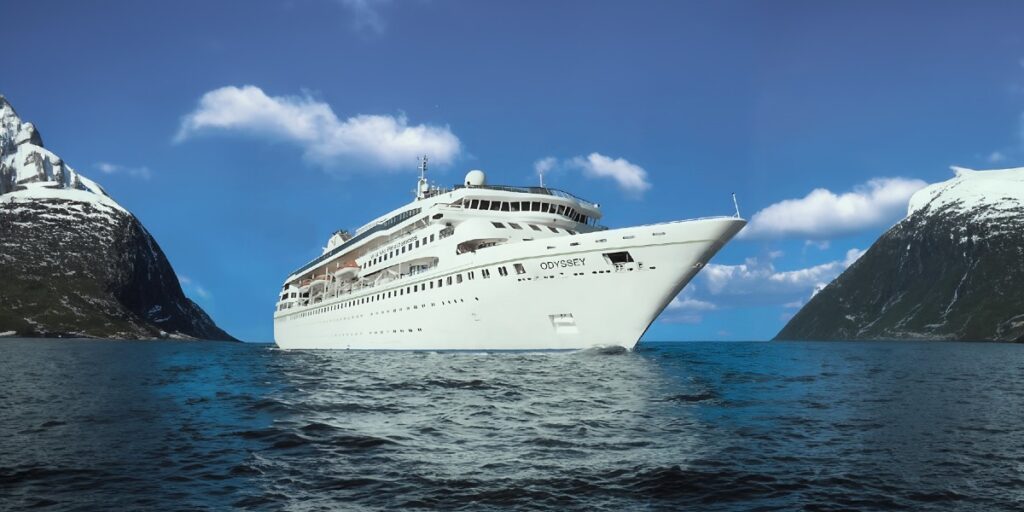
Villa Vie Residences is another new live-on-board world cruise option that has an interesting offering. You can choose to own a cabin, or you can just craft your own world cruise by paying for a cabin like you normally would on a ship, for your chosen segment of the cruise.
And that cruise is epic – it’s a planned 3.5 year journey that will visit over 420 ports in 147 continents across all seven continents. And it’ll continue running this cruise in perpetuity, so once it completes the first navigation, it all begins again.
If you choose to own a cabin, prices start from just $99,999, although there is then a monthly fee you need to pay on top of that. However, you can welcome guests to your cabin and only pay the daily port fees and gratuities for them ($33 per day), and what’s cool is you can rent out your cabin when you aren’t on the ship – making your money back.
Otherwise, if you prefer the Voyagers Program, it works like any other cruise. Prices start at $89 per person, per night and there are a range of itinerary options from 35 days up to 120 days, with the option to combine any that you like.

The cruise is all-inclusive with beer and wine served at meals, complimentary healthcare, free high-speed WiFi, selected free excursions, and free laundry.
And even with the monthly fees, it’s one of the best-value options for living on a cruise ship full time.
Villa Vie has also confirmed the purchase of the former Fred. Olsen ship Braemar for the cruise.
I was lucky enough to be able to interview one of the guests who has purchased a cabin on the Odyssey. You can read that interview here: One Man’s Plan to Live Full-Time on a Cruise Ship
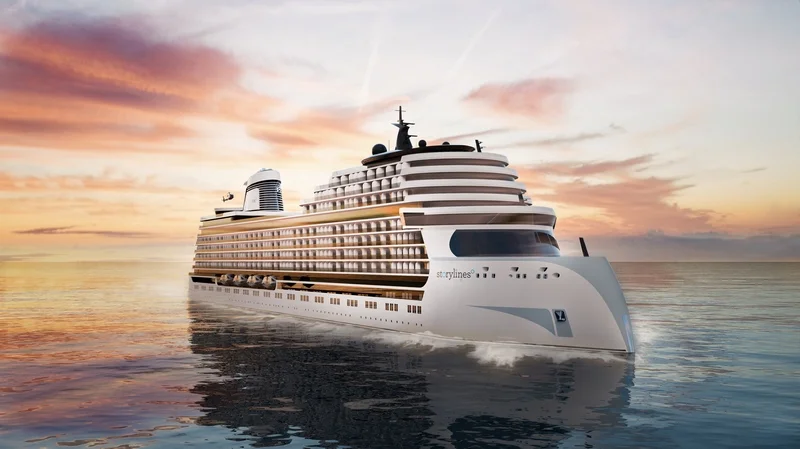
MV Narrative is a contemporary superyacht offering a luxury residential community at sea. Belonging to Storylines, it’s a more affordable choice than some of the other ships you can live on, with the cheapest residences starting at $875,000.
It’s also much larger, with 547 residences available and 18 decks.
You also have the option of leasing a residence on the yacht, if you can’t afford to buy one outright. This means you can pay yearly fees at a much more reasonable five-figure sum, but the downside is that once your 12- or 24-year lease is finished, you don’t own the residence.
It’s a very beautiful yacht with lots of relaxing places to unwind. There are three swimming pools, along with a mammoth 20 restaurants to choose from. You can also borrow from the 10,000 books in the library, or enjoy a drink brewed in the ship’s own microbrewery.
Everything’s included with MV Narrative, including laundry services, high-speed WiFi, premium satellite TV and even regular wellness visits with the onboard doctors and nutritionists, so you can make sure you stay fit and healthy while enjoying your life at sea.
If you have children, it’s by far the best option. There’s a ‘worldschooling’ program with onboard teachers offering hands-on learning through field trips, tutoring, classes and clubs.
Several British people have already bought residences on board, one of these is mindset coach Mimi Bland. You can read her story here: British Woman Embarks On New Life Working Remotely From A Cruise Ship.
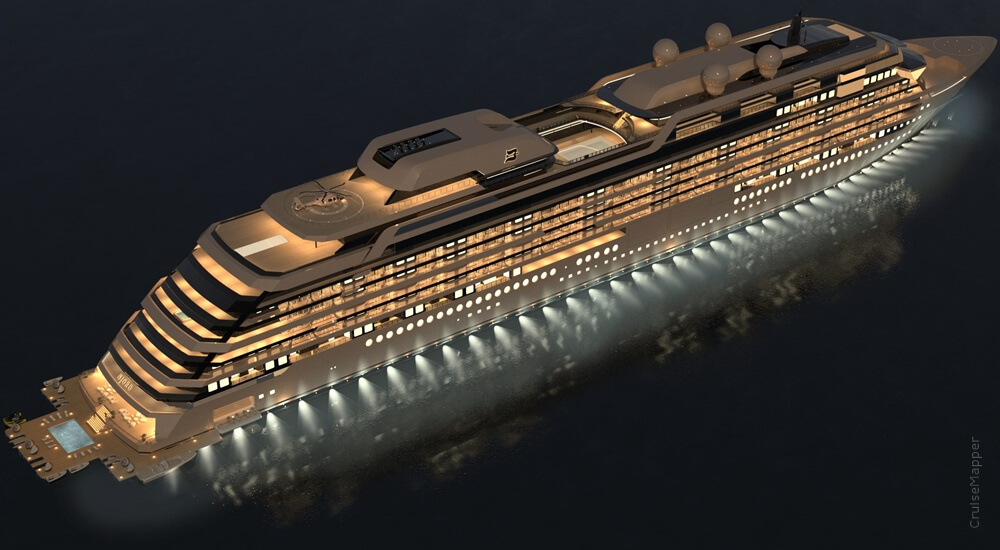
Njord by Ocean Residences is a planned superyacht due to launch in 2025, with a wide variety of luxury residences that you can buy.
Studios on the yacht range from two to six bedrooms, so you can really splash out on a luxury pad for entertaining guests if you want to. The biggest suites are 9,000 square feet – consider how an average interior room on a cruise ship is around 130 square feet, and you get the picture.
Everything about this yacht will be extremely luxurious, including hand-picked furnishings, high-end appliances from Gaggenau and integrated smart-home tech throughout.
The yacht has seven onboard restaurants, an extensive spa and fitness suite, its own concierge hospital and medical centre, a cinema, a games room, arts and craft studios, and even a kids club should you wish to bring the family. There are two pools including an aft infinity pool.
Suites on the Njord start from $8.5 million so this is definitely a yacht aimed at the super-rich.
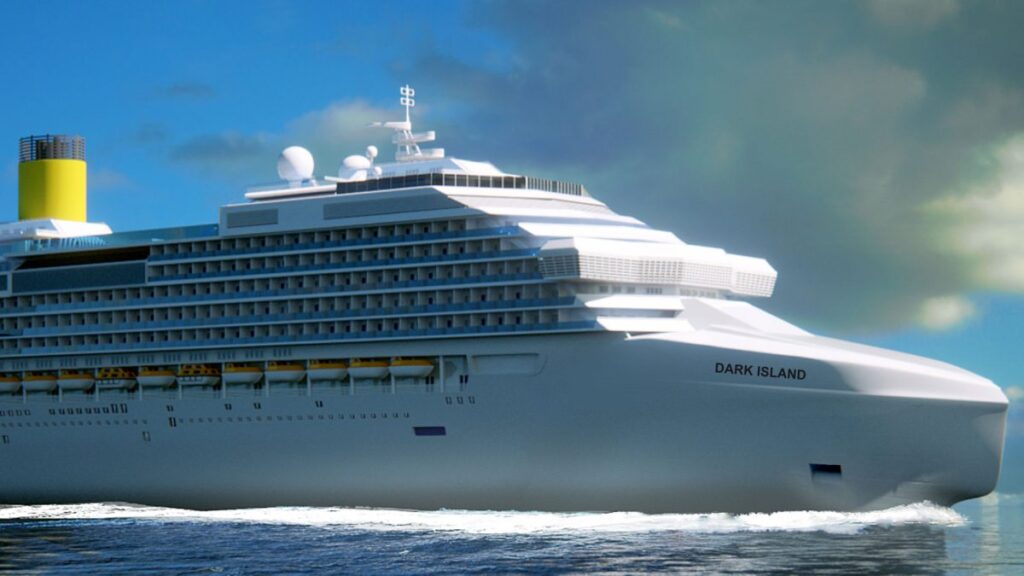
Dark Island is another residential cruise ship which is planned to be built by 2026.
The ship offers adventurous itineraries, visiting destinations around the world, with lectures, forums, discussions and field trips by leading academics preceding the destinations and expeditions.
There are 101 ultra-luxurious suites to choose from, each with a balcony and a choice of one, two or three bedrooms.
The Dark Island is built to minimise its impact on the environment, with a focus on sustainability and green initiatives.
There was one more option – and this was designed as a middle option between traditional cruising and residential cruising. That’s the ultra-long-term world cruise option announced by Life At Sea Cruises.
However, just as the ship was due to launch on her three-year itinerary in November 2023, the company cancelled the cruise after revealing they had not been able to secure a suitable ship. Read about the cancellation here.
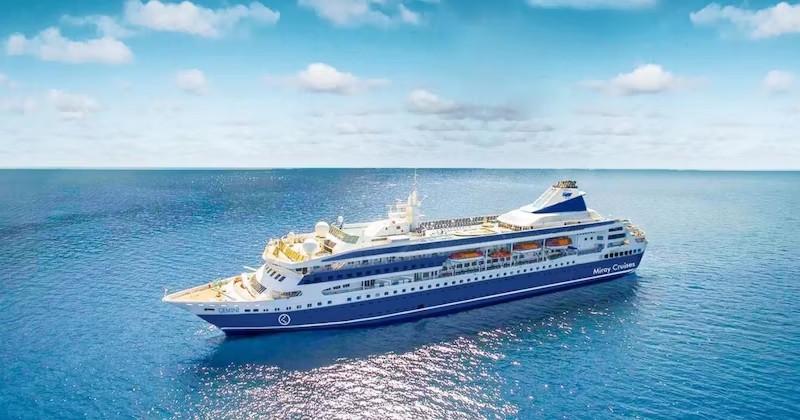
The company had originally announced a three-year itinerary on their ship MV Gemini, with all-inclusive fares starting at $29,999 per person, per year. At the time, this looked like one of the most affordable long-term options for anyone interested in living on a cruise ship.
But then there were challenges about whether the ship was seaworthy, and so a second ship was sought. But with a deal lined up, the cruise line didn’t pay for the AIDAaura when it came up for sale, and instead it was purchased by Celestyal Cruises.
The cruise was due to set sail on 1st November 2023 and visit 135 countries until late 2026, covering 130,000 miles.
Guests had already travelled to Istanbul for the departure, and are now facing a wait for refunds. The company has promised to repay guests but using monthly installments, which suggests the money may have been spent – hopefully everyone gets their money back.
The cost of buying an apartment on a residential cruise ship is between $1 million and $14 million. There are also annual fees of between $60,000 and $300,000 to pay. In theory, you could cruise on traditional cruise ships for around $35,000 per year, if you choose a basic cruise.
There’s no getting away from the fact that residential cruise ships are expensive. That’s because they’re more like luxury ships, and they’re very exclusive. Plus you’re buying an asset, which can be sold on at a later date.
It’s difficult to compare costs directly since ships include different levels of service within their fares, plus you don’t know how long you’re going to want to live on a cruise ship.
But for the sake of comparison, let’s look at the estimated costs of living aboard three residential cruise ships, three traditional cruise lines and the new three-year world cruise.
| Type | Cruise line/ship | Purchase price | Cruise Fare / Fees (10 years) |
Taxes (10 years) |
Tips (10 years) |
Drinks (10 years) |
Estimated WiFi cost | Total cost for 10 years (for 2 people) | Asset value after 10 years |
|---|---|---|---|---|---|---|---|---|---|
| Cheap cruise | Carnival | n/a | $156,000 | $127,750 | $52,925 | $219,000 | $70,000 | $1,251,340 | $0 |
| Mainstream cruise | Royal Caribbean | n/a | $360,000 | $58,400 | $56,300 | $325,000 | $66,000 | $1,731,400 | $0 |
| Luxury cruise | Regent Seven Seas | n/a | $2,190,000 | $0 | $0 | $0 | $0 | $4,380,000 | $0 |
| Residential | MS The World | $3,000,000 | $1,000,000* | Included | Included | Included | Included | $4,000,000 | $3,000,000 |
| Residential | Somnio | $11,000,000 | $1,000,000* | Included | Included | Included | Included | $12,000,000 | $11,000,000 |
| Residential | Villa Vie | $99,999 | $419,880 | Included | Included | Included | Included | $519,879 | $99,999 |
| Residential (lease) | Victoria Majestic | $10,000 deposit | $576,000 | Included | Included | Included | Included | $606,000 | $30,000 |
| Residential | MV Narrative | $1,000,000 | $650,000 | Included | Included | Included | Included | $1,650,000 | $1,000,000 |
It’s difficult to compare costs directly since ships include different levels of service within their fares, plus you don’t know how long you’re going to want to live on a cruise ship. You can’t really compare the price of owning a residential place on a ship to cruising for just one year. If you’re looking to buy a place on one of the residential ships, you’ll probably be looking to use it for the long term.
With that in mind, I’ve used 10 years as a guideline, comparing the price of buying a room on a residential ship for 10 years, against the cost of booking traditional cruises for the same time period.
The costs for each option is based on the cheapest accommodation using reported figures.
For the Carnival price, I have used a typical 4-day cruise and included the cost of the Cheers drinks package and the premium WiFi packages.
For Royal Caribbean, I’ve used an average 7-day Caribbean cruise, plus the costs of the Deluxe Beverage Package and the Voom Surf + Stream internet package.
For Regent Seven Seas I’ve based the price on a typical 10-day cruise. Drinks, WiFi, tips and taxes are included as standard.
Where I’ve placed an asterisk for annual costs – these aren’t published by Residences at Sea or Somnio Superyachts, so I’ve used the best estimate I can find.
The cheapest way to live on a cruise ship would be to choose Life At Sea’s Three Year World cruise. They have the cheapest fares for long-term living, starting at $29,999 per person, per year and including everything you need.
You can even pay monthly if you prefer, with financing options starting at $5,227 per month – a figure that may be within reach for many digital nomads.
With Life at Seas, you get:
If you would rather stick to a traditional cruise line, you can still keep prices low, but remember you’ll be booking cruises regularly, and you would need to avoid paying for many extras on the ship. You’ll also want to look at cruising with the cheapest cruise lines in the world, such as Carnival or MSC Cruises.
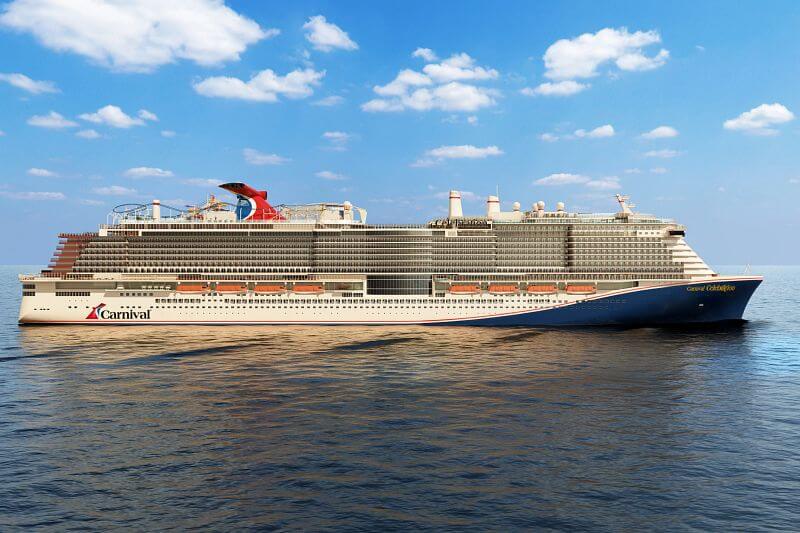
When you’re booking a Carnival cruise, the cheapest fare you can get will be one where you only pay for the cruise itself and the necessary extras – the port fees, taxes and gratuities.
And trust me, while it is possible to opt out of gratuities, you definitely don’t want to do that when you’re living on a cruise ship!
If you cruised in this way – choosing an inside cabin, eating only in the free restaurants and sticking to the free drinks you get on the ship (water, juices, basic tea and coffee at breakfast) then you could possibly cruise for around $35,000 per year.
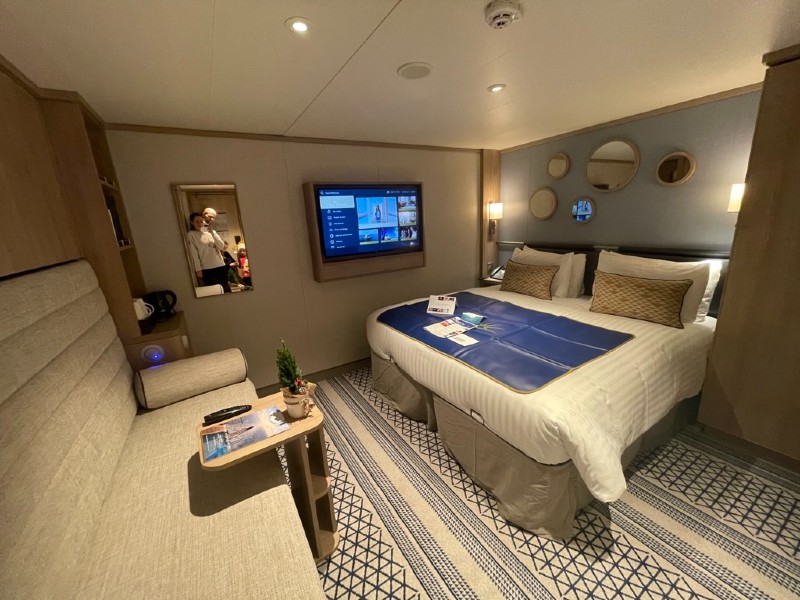
This would mean you’d have no internet access and you would have to pay for any other drinks separately, but you would be able to enjoy the free accommodation, days at port, and the included daytime and evening entertainment on the ship, along with meals in the main dining restaurant, the buffet and any other included venues on the ship.
Life at Sea’s three-year cruise remains cheaper, and you get more included, but it depends on whether you like the idea of cruising with a more established mainstream cruise line or taking a punt on something new.
The absolute cheapest way to live on a cruise ship is to work on one – although it probably isn’t what you had in mind when you thought about living on a cruise ship!
It’s the cheapest option because you’d actually be making money – and your room and food would be free. But you would be working six or seven days a week with only very rare days off, and often for long hours.
It’s hardly a relaxing way to see the world. But if you fancy it, there are plenty of cruise ship jobs with no experience needed.

In some cases, senior officers, including the ship’s captain and cruise director, may be allowed to have their families staying on the ship with them. It isn’t really standard practice, and most officers live on the ships alone, but if you really wanted to live on a cruise ship for free, then try convincing your partner to take up a career as a ship’s senior officer and then see what the cruise line can do for you!
A cruise ship offers a number of perks over regular living, the main one being that you get to see the world. Living on a cruise ship means travelling all across the globe, experiencing new cultures and thrilling experiences.
But how does the cost compare to regular living?
It costs a similar amount to live on a cruise ship as it does in a house. In the UK, the average cost of living is £2,200 per month, equal to around $2,650, and in the US the average cost is $3,200. You can live on a cruise ship for around $2,500-$3,000 per month.
Surprising, right? The average cost of living stats for the UK and for the US include typical rent payments, the cost of food, transport and entertainment, so we’re looking at very comparable rates. The UK’s cost of living makes it being cheaper than the average cruise, while the US is slightly more expensive.
Again, these are average costs for the countries. If we just look at the most expensive places to live, then London becomes £3,200 a month, or $3,800, while New York is approximately $5,100. So living on a cruise ship could actually work out cheaper!
It is usually cheaper to live on a cruise ship than in a nursing home. The UK average cost for living in a care home is £3,550 per month ($4,250), while the US average is much higher at $7,900 per month. It is possible to live on a cruise ship from $2,500 per month.
Of course, if you need to live in a care home, there’s a good chance you need a carer. If that carer’s responsibilities aren’t specialised – if a family member is capable of taking care of you – then you just need to pay for a second person to join you on a cruise.
But that can still work out to be cheaper than paying for a care home.
| Accommodation option | Monthly cost for 1 person plus carer |
|---|---|
| Nursing Home in UK | $4,250 |
| Nursing Home in US | $7,900 |
| 3-Year World Cruise (Life At Sea) | $5,000 |
| Mainstream Cruise (Carnival) | $5,800 |
| Luxury Cruise (Regent) | $36,500 |
So, if you don’t need any specialist medical care and have someone in mind who would like to travel the world with you, then paying for the two of you to live on a cruise ship could work out cheaper than living in a care home.
However, one thing that you’ll certainly need to factor in is travel insurance and medical costs. Travel insurance for such a trip could be very costly indeed, and it is mandatory.
Cruise ships do have doctors, but visits to the onboard medical centre can be very costly indeed, and for any serious medical issues, you would need to visit a hospital on land.
What we’ve gathered from this guide is that financially, it is viable to live on a cruise ship, although you need to plan your cruise carefully.
But is it actually an option, or are we being fanciful?
I’ve looked into some real-life examples of people who have lived on cruise ships, and there are some notable examples that prove it is a lifestyle within reach.
Lee Wachtstetter was an American author who began living on cruise ships back in 2005, choosing Holland America Line’s MS Prinsendam as her ship of choice. She moved in 2008 to Crystal Serenity, and I love the reason why – it’s because Holland America stopped providing dancing partners.
Wachtstetter remained on Crystal Serenity until 2018 when she apparently had to return to land due to ill health. She’s published a book about her experiences, called I May Be Homeless, But You Should See My Yacht.
Morton Jablin, affectionately nicknamed ‘Captain’, is another long-term cruise passenger. As of 2018, when Jablin was 94 years old, he had spent 13 years living on Seven Seas Navigator, enjoying a life of luxury.
Perhaps the most famous case is of Mario Salcedo, nicknamed Super Mario. Mario has lived continuously on Royal Caribbean ships since 2000, with an average of 15 days a year spent on land to handle life admin. He did live on land for 15 months during the COVID-19 pandemic too.
Salcedo isn’t a retiree – he works on the ship, managing investments for various high-worth individuals. And he isn’t tied to a single ship – at the end of his cruises he will return to his condo in Miami for a few hours, before embarking on his next voyage, often flying to a different port to meet the ship.
Here are some of the things you’ll need to consider when you’re living on a cruise ship.
There are two main things to mention when considering tax on your cruise.
Firstly, every cruise you take has taxes that need to be paid. On residential cruise ships or long-term world cruises, these are incorporated into the cost, but if you choose to book traditional cruises back-to-back, the taxes and fees may be separate – so be careful when you’re budgeting.
The second tax consideration is if you decide to work while you cruise. Even if you cruise on a ship permanently, you’ll still need to have a home country of residence, and you’ll need to obey the tax laws for that country.
However, there are often exclusions if you spend less than a set number of days residing in the country, so it’s worth checking your local tax laws and speaking to your accountant for advice.
As an example, in the UK you usually only pay tax if you live in the country for more than half the year. So, by living on a cruise ship permanently, you may not have to pay tax at all.
In theory, you could get a work-from-home job and work on a cruise ship, and potentially save yourself tax money by not being permanently based in your home country! And if you’re a high earner, it could even be more cost-effective to work at sea since the cost of the cruise fare may be less than the tax you save.
This Reddit thread dives into it in a little more detail.
Especially when you consider that your cruise fare includes your room and food – maybe this is something I need to think about?
Just be careful, though because you may also be paying other benefits at home that you could miss out on if living on a ship. For example, in the UK, if you don’t make National Insurance payments, you won’t get the full state pension later in life.
Normal travel insurance isn’t going to cover you if you decide to live on a cruise ship. Travel insurance policies count on the fact that medical cover is a rarity when you travel for 2-3 weeks of the year.
You’ll need to look into long-term health insurance, so that you have cover should anything go wrong while you’re sailing, and this is likely to be significantly more expensive than regular travel insurance.

Speaking of health, you’ll need to consider how you’re going to stay healthy while living on a cruise ship. Cruise ships generally have a doctor onboard but visits to see them are costly, and they don’t offer most dental treatments.
It would be better to have the option of returning to land on a semi-regular basis to see a doctor and dentist, where prices will be lower.
If you intend to eat in the cruise ship restaurants, remember that they are aimed at vacation guests, and so meals will be richer and higher in calories than a regular diet may be. You might need to be careful with your meal choices, and you’ll want to make sure you visit the gym regularly, or find other ways to stay active.

A minor consideration, but if you sail on a cruise ship, receiving mail isn’t as easy as it would be at home. It is possible for someone to write to you at a cruise port via the port agency, but this requires you to reach an agreement for them to hold your mail.
It may be better to have a post box somewhere that you visit regularly – essentially, set up a home port where you can visit medical services and pick up any mail that you need.
There are several cruise ships designed for permanent living. The World is the only one sailing currently but more are coming soon – though you need to be flexible on dates, as launches are often postponed.
Living on a cruise ship costs between $2,800 and $6,000 per month for most mainstream cruise lines, including drinks packages and WiFi. Luxury cruise lines can cost more, up to $40,000 per month for a typical suite.
You can retire and live on a cruise ship from $2,500 per month, if you choose world cruise itineraries on the cheapest ship options. Choosing other long-term residential cruises, or back-to-back cruises that include drinks and internet access, can cost a lot more than this.
That’s a lot of information, but considering how we’re talking about as big a decision as living your life on a cruise ship, there’s always going to be a ton of information you need.
Is it realistic? Yes, it clearly is since others have done it, but it’s not something you can do without having some decent savings.
You’ll need at least $3,000 a month on most cruises, often more, and that’s per person – if you want to live solo then costs may be inflated as well, so bear that in mind.
The best option is to choose one of the specialist cruises aimed at residential guests – such as the MV Narrative from Storylines. These offer the comfort of a long-term solution, while being more affordable than the ultra-luxury MS The World.
It’s definitely a tempting way of living out your retirement, with the chance to be cooked for and pampered while being whisked around the world. Are you considering it?
Don’t miss these hot cruise offers…
Jenni Fielding is the founder of Cruise Mummy. She has worked in the cruise industry since 2015 and has taken over 30 cruises. Now, she helps over 1 million people per month to plan their perfect cruise holidays.
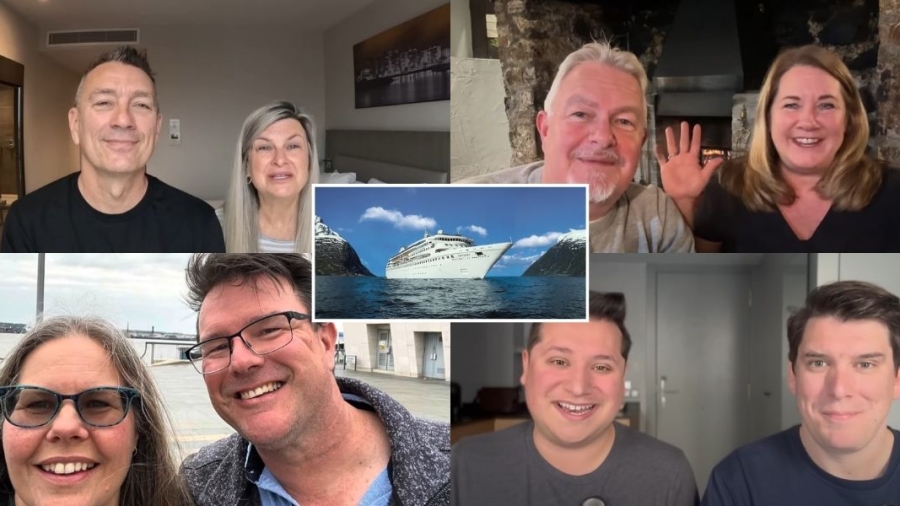
After a slight delay (a mild understatement), the Villa Vie Odyssey departed on a world cruise in September 2024, with an initial 3.5-year itinerary lined up.

During the cruise, the ship will sail to hundreds of exciting destinations, and life onboard for those who are staying throughout the cruise will certainly be packed with amazing experiences.
There are some who wish to share that journey with the world, and so are posting video updates of their time on the ship on YouTube.
Here’s a look at some of the YouTubers you’ll want to follow if you’d like to keep up with this incredible cruise experience.
As some of the most prolific YouTubers living on the Villa Vie Odyssey, Steve and Angela are documenting every aspect of their trip on the ship.
The couple, from the US, had originally posted a handful of hiking videos on their channel, but then restarted it in 2024 with updates on their decision to purchase a cabin on the ship.
Such is their dedication, they posted almost 50 videos before they had even been permitted to board the ship, documenting their adventures in Belfast.
You can also follow them on Facebook and Instagram if you want to see more!
Living Life on a Cruise is a YouTube channel run by Johan Bodin and Lanette Canen, a couple who relocated from Maui in Hawaii to document their world cruise experience.
The couple admit that they aren’t retired or wealthy, and will therefore be working from the ship – it’ll be fascinating to see how easy that is for them while they go on their adventures!
They’ve also posted many updates from their adventure so far, along with other travel vlogs from destinations around the world.
You can check out all their social channels and blog from their Linktree page.
Katrina Howard is a New Zealander who runs The Kiwi Odyssey channel, which is solely dedicated to her experience on the cruise with her husband Mike.
While Katrina isn’t posting videos as often as MidLife Cruising and Living Life on a Cruise, she’s still offering regular updates that are worth checking out if you want to see more of life onboard the ship.
Katrina hasn’t shared other social media details yet but I’ll add anything to this guide if she does.
JJ Cruise is a YouTube channel run by Jared and Jordan, a married couple who say they’ve already spent more than 700 nights at sea on various cruises around the world.
They announced at the start of 2024 that they would be joining the Villa Vie Odyssey, but then their plans changed.
In a follow-up, they announced that they still do plan on joining the ship for part of the world cruise, but they won’t be onboard immediately.
It’s worth subscribing so you can see when/if that still goes ahead, and they have plenty of other videos for you to check out as well.
So, whether you’re interested in following the daily life of those onboard, or just curious about the Villa Vie Odyssey itself, these YouTube channels offer an engaging way to stay connected to the cruise.
From the adventurous MidLife Cruising duo to the working-travelling pair behind Living Life on a Cruise, and even Katrina’s more laid-back updates on The Kiwi Odyssey, there’s plenty of content to enjoy.
Don’t forget to keep an eye on JJ Cruise too, as their journey might still take them aboard.
Be sure to subscribe and follow along as these creators document every step of this incredible voyage!
Don’t miss these hot cruise offers…

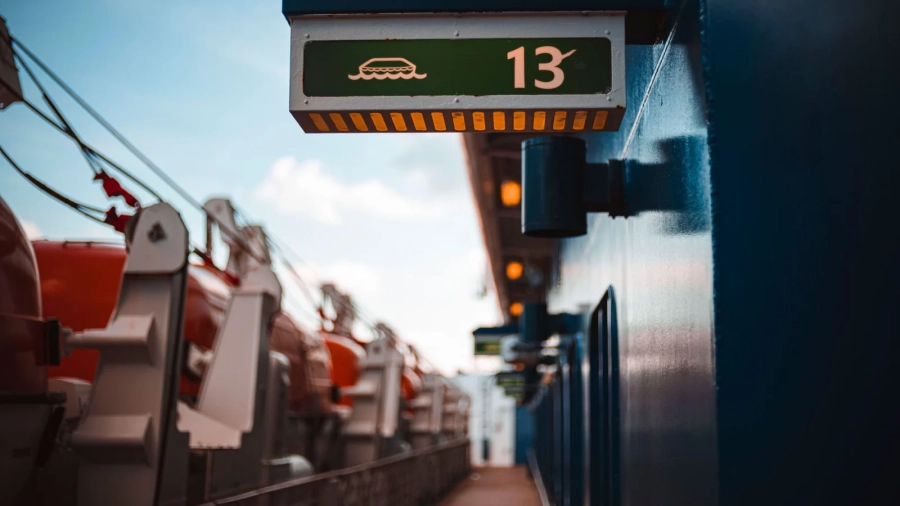
The main Sapphire Princess cabins to avoid are obstructed-view oceanview cabins behind the lifeboats, Dolphin-deck mini-suites if you want a private, shaded balcony, cabins beside lifts, launderettes and crew doors, and far forward cabins if you are prone to seasickness. The best picks for most guests are midship balcony cabins on the Baja and Caribe decks and the covered-balcony mini-suites on the Emerald deck.
As of October 2026, Sapphire Princess is still sailing for Princess Cruises and has moved to Asia for 2026-27. Below we cover where she is sailing, every cabin type, and how to choose the right one.
Sapphire Princess remains part of the Princess fleet and is on sale for 2026 and 2027 voyages.
Here is what has actually changed recently:
What this means for you: if you are in North America or Europe, Sapphire Princess will not be sailing from your region for the time being, so you will need to fly to Asia to sail on her. Her sister Diamond Princess is almost identical inside, so the cabin advice below works for both ships.
Sapphire Princess entered service in 2004. At about 115,900 gross tons, she carries around 2,670 guests in 1,337 cabins, and more than 700 cabins have balconies. Fun fact: she and Diamond Princess swapped names during construction after a fire delayed the ship originally due to be Sapphire. Cabins are spread over seven decks: Plaza (5), Emerald (8), Dolphin (9), Caribe (10), Baja (11), Aloha (12) and part of the Lido (14) deck. A 2017 refit fitted every cabin with the Princess Luxury Bed.
Sizes are approximate and vary within each category. Deck-plan sites sometimes disagree slightly, so treat these as a guide.
| Cabin type | Approx. size (sq ft) | Roughly how many | Best for |
|---|---|---|---|
| Interior | 160-180 | about 380 | Budget travellers and port-heavy Asia itineraries |
| Oceanview | 160-190 | about 220 | Natural light at a lower price; check for obstructions |
| Balcony | about 170 plus a 45-90 sq ft balcony | about 520 | Most couples, scenic cruising in Japan |
| Mini-suite (incl. Reserve Collection) | about 275 plus a 45 sq ft balcony | about 186 | More space, a sofa bed and a bathtub |
| Two-bedroom family suite | about 340 plus a 90 sq ft balcony | 2 | Families of up to six to eight |
| Balcony suites (Vista, Premium, Penthouse, Owner’s) | about 305-410 plus 155-180 sq ft balconies | about 27 | Space, big balconies and suite perks |
| Grand Suite | about 615 plus a 115 sq ft balcony | 1 | The largest cabin onboard, aft |
Inside cabins are generously sized for their price. Oceanview cabins come in several grades, and four of them (shown as OV, OW, OY and OZ on deck-plan sites) have windows partly or fully blocked by lifeboats or ship structures. They are fine if you just want daylight, but not if you expect a clear sea view.
Standard balconies are the backbone of the ship. Balcony depth varies, with some corner and aft cabins getting noticeably more outdoor space. Cruisedeckplans records guest complaints about vent smells on the balconies of cabins D740 and D741, so it is worth checking reviews of any specific cabin number you are offered.
Mini-suites are on the Emerald (8) and Dolphin (9) decks. The Dolphin-deck mini-suite balconies are uncovered and can be seen from decks above, which cruisers on forums regularly mention. Emerald-deck mini-suites have covered balconies that give more shade and privacy. Princess now sells its premium mini-suites, previously called Club Class, under the Reserve Collection name, with a reserved dining area and priority perks.
The single Grand Suite sits aft and is the biggest room onboard. The two-bedroom family suites are forward on the Dolphin deck and connect two bedrooms through a central living room. Their forward-facing balcony gets little wind protection, so it may be unusable at speed.

A midship balcony on the Caribe (10) or Baja (11) deck is the sweet spot. These decks are sandwiched between other cabin decks, so noise from public rooms is unlikely, and midship cabins are close to the lifts without being right beside them.
Aft-facing balconies and suites look over the wake and often have bigger outdoor areas. Expect a longer walk forward and some vibration when the ship manoeuvres in port.
The two family suites sell out early, so book well ahead. CruiseMapper lists 27 wheelchair-accessible cabins across balcony, oceanview and interior grades; confirm the exact features, such as roll-in showers and balcony thresholds, directly with Princess before you book.
| Think twice about… | Book instead |
|---|---|
| An obstructed oceanview | An interior (cheaper) or an unobstructed oceanview |
| A Dolphin-deck mini-suite | An Emerald-deck mini-suite with a covered balcony |
| A cabin under the pool deck | A Caribe or Baja balcony with cabins above and below |
| A forward cabin if you get seasick | A midship cabin on Emerald or Dolphin |
| A cabin beside the lift lobby | A cabin a few doors along the same corridor |
The Sapphire Princess deck plan is one of the most searched things about this ship, and it is the best tool you have. Before paying a deposit:
If you wanted a Sapphire Princess cruise closer to home, similar Princess ships are still sailing from North America and Europe. The Grand-class ships have a comparable layout and cabin mix; see our guides to Caribbean Princess cabins and Crown Princess cabins. For the newest ship in the fleet, read our Sun Princess best and worst cabins guide.
Sapphire Princess has a near-identical sister ship, so our guide to Diamond Princess cabins to avoid is useful if you are comparing the two.
Sapphire Princess is still operated by Princess Cruises. She is sailing in Asia for 2026-27 and is scheduled to spend March to December 2027 based in the Tokyo area alongside Diamond Princess.
Avoid obstructed-view oceanviews if you want a sea view, Dolphin-deck mini-suites if balcony privacy matters, cabins beside lifts, launderettes and crew doors, cabins directly under the pool deck, and far forward cabins if you get seasick.
The Caribe (10) and Baja (11) decks are the best all-round choice for balcony cabins, with cabins above and below. For the smoothest ride, choose a midship cabin on the Emerald (8) or Dolphin (9) deck.
An obstructed cabin has part or all of its view blocked, usually by lifeboats. These grades cost less, and you still get daylight, but not a clear sea view.
They are sister ships with very similar layouts and cabin categories, so the same advice on decks, mini-suites and cabins to avoid applies to both.

Drinks on Royal Caribbean cruise ships are pretty pricey. We’re taking $14 for a cocktail, $8 for a beer or $3.50 for a soda.
The good news is that Royal Caribbean cruises include certain drinks for free. And if you want to enjoy unlimited drinks you can purchase one of Royal Caribbean’s all-inclusive drinks packages.

To work out if the drink package is worth it, it’s a good idea to take a look at the Royal Caribbean drink menus to see how much drinks will actually cost on your cruise.
This article lists the drink prices on Royal Caribbean cruises, along with photos of Royal Caribbean drinks menus, to help you to work out how much you will likely to spend on drinks during your cruise.
Or, to do a quick calculation, you can use my drinks package calculator tool. Just pop your details in the form below, and it will be sent straight to your inbox, for free.
The cost of drinks on Royal Caribbean cruises is in the mid to high range compared to other cruise lines. Drinks are priced in US dollars no matter where in the world you cruise.
Unfortunately, if you’re used to pub-priced drinks on P&O Cruises, you might be a little disappointed to find that drinks on Royal Caribbean ships cost a little more than you would pay in your local pub at home.
Royal Caribbean alcohol prices vary slightly depending on the ship, with drinks on the newer ships costing up to $1 more per drink.
These are the average Royal Caribbean drinks prices in 2024:
| Beers & Ciders | Price |
|---|---|
| Corona Extra | $8.25 |
| Coors Lite | $8.25 |
| Bud Light | $8.25 |
| Budweiser | $8.25 |
| Miller Lite | $8.25 |
| Red Stripe | $8.75 |
| Angry Orchard | $8.25 |
| Amstel Light | $8.25 |
| Blue Moon Belgian White | $8.25 |
| Daura Damm (Gluten-Free) | $8.25 |
| Dos Equis | $8.25 |
| Foster’s Oil Can (750ml) | $9.75 |
| Paulaner Weiss | $8.25 |
| Stella Artois | $8.25 |
| Strongbow Hard Cider | $8.25 |
| O’Douls Alcohol-Free | $7.75 |
| Heineken Alcohol-Free | $7.75 |
| Cocktails | Price |
|---|---|
| All cocktails | $14 |
| All mocktails | $7 |
For wines, there are a lot of different variants – so I’ve grouped together the different wine types for simplicity.
| Wines (by the glass) | Price |
|---|---|
| Sauvignon Blanc | $11 |
| Pinot Grigio | $10 |
| Chardonnay | $11 |
| White Zinfandel | $8 |
| White Blend | $16 |
| Rose Cotes de Provence | $14 |
| Brut | $13 |
| Prosecco | $11 |
| Pinot Noir | $11-12 |
| Merlot | $12 |
| Cabernet Sauvignon | $9-11 |
| Spirits | Price |
|---|---|
| Rum | $8.99-12.99 |
| Vodka | $9.99-13.99 |
| Gin | $10.99-12.99 |
| Tequila | $9.99-13.99 |
| Whiskey | $9.99-12.99 |
| Cointreau | $10.99 |
| Jagermeister | $10.99 |
| Bailey’s | $10.99 |
| Kahlua | $10.99 |
| Aperol | $10.99 |
| Pimms | $10.99 |
| Southern Comfort | $10.99 |
| Hennessy VS | $10.99 |
| Remy Martin | $12.99 |
| Sambuca | $10.99 |
| Non Alcoholic Drinks | Price |
|---|---|
| Sodas | $3.50 |
| Red Bull | $4.95 |
| Coffee | $4 |
| Fruit Juice | $3.50 |
| Bottle of water | $3.25 |
These beverages are included for free on Royal Caribbean cruise ships:
The flavoured waters are really good, more like cordial or squash than water. There’s certainly enough choice to keep most kids happy with the free drinks without paying extra for fizzy drinks, freshly squeezed juices and mocktails.
The free drinks aren’t available in all venues and at all times, but you can find out exactly where and when to get them here: Guide To Royal Caribbean’s Free Drinks.
When it comes to drinking the tap water, it’s fine to do so in most places. But you’ll want to avoid drinking the water in any public handwashing stations and instead stick to water dispensers or the bathroom in your stateroom.
Tip: I like to take a tiny bottle of super concentrated cordial and add it to tap water for the kids
To see a detailed Royal Caribbean drink prices list, take a look at these photos of Royal Caribbean bar menus which I took onboard Anthem of the Seas from Southampton in May 2022. The prices do vary slightly depending on which ship you choose, too, so bear that in mind.
On most cruises, including cruises departing from the US, an automatic gratuity of 18% is added to the cost of each drink when you receive the bill.
On cruises departing from the UK, the gratuity is included in the price of each drink as shown on the menu, so the menu prices may appear higher.
These photos of Royal Caribbean drinks menus are from the UK, so there will be no gratuity automatically added on top.
This is the pool bar menu from Anthem of the Seas. These are the drinks that are available at all of the outdoor bars. Other drinks are available on request, too. The prices may be slightly out of date but it’s good to see the options.


The Schooner Bar is a classic bar that you’ll find on most Royal Caribbean ships. Here’s the drinks menu that shows the prices of beers, wines, cocktails and spirits.


This is a copy of the wine list from the main dining room of Anthem of the Seas from the UK. As you can see, there’s not a large choice of wines.

Speciality restaurants like Wonderland have their own menus. The cocktails in Wonderland are particularly special and are priced at $13 on this menu…

However, I suspect that this may have been an older menu on our 2022 cruise, as when we received the drinks receipt we were actually charged $14 and $7 for the virgin versions without alcohol.

Below is a selection of menu photos from my 2019 cruise on Mariner of the Seas from Port Canaveral, Florida. The drinks prices are a little cheaper here, but, as this ship sailed from the US, an 18% gratuity was added afterwards.
So, in reality, the drinks were actually cheaper on my 2022 cruise from the UK as the menu prices included the gratuity on that cruise. The prices do vary and I’ve added more up-to-date pricing earlier in this article, but I think that looking at these menus is useful as it shows you what drinks are available…
Don’t miss the latest Royal Caribbean offers…
This is the drinks menu which you’ll find at many of the onboard bars such as the Pool Bar and the Viking Crown Lounge.
The menu has a focus on cocktails, with a different page for each spirit – rum, vodka, gin, tequila and whiskey. This makes it a bit easier to narrow down your choice. It also has a wine list at the back.


Despite the huge choice of cocktails, the bar staff on Mariner of the Seas always seemed keen to conjure up something new and often said: “What do you like? Tell me some flavours and I’ll make up something.”
The Schooner Bar is a cosy nautical-themed bar with a piano at the centre. You’ll find this bar onboard all Royal Caribbean ships. The Schooner Bar also offers a large choice of cocktails, as well as beers and lots of wines by the glass or bottle.
Here is the Schooner Bar drinks menu and wine list…


The Bamboo Room is a quirky Polynesian-themed cocktail bar that was added to Mariner of the Seas and Navigator of the Seas when they were renovated as part of the Royal Amplified program.
The menu has cocktails, beers and wines.


Most Royal Caribbean ships have an English-style pub on the main promenade featuring expansive beer collections and live music. If you want a good draft beer, this is the place to go.


Most Royal Caribbean ships have a Cafe Promenade which offers complimentary food as well as complimentary basic teas and coffees.
Speciality teas, coffees and hot chocolates have an extra charge, as can be seen from the menu below…

Some Royal Caribbean cruise ships also have Starbucks cafes onboard. Coffees are priced between $4 and $6.

Playmakers is a sports bar that can be found onboard several ships in the fleet, including the Freedom-class ships, some of the Oasis-class ships, and the Icon-class ships.
Here, you’ll find a great selection of beverages including craft ales, draft and bottled beers, ciders, cocktails and wines.

Each Royal Caribbean ship has different bars and lounges, and there are lots to choose from on each ship. Favourites include Boleros, R-Bar, Two70, and the Rising Tide Bar which moves between decks on Oasis Class ships. Many bars will have their own unique menu.
Royal Caribbean also has a mini-bar menu. Rather than arriving to a fully-stocked mini-bar, you’ll find that your mini-bar is empty and you can request what you like in it via a menu that you tick off and hang on your door handle.
As someone who doesn’t use the mini-bar except to store my own drinks and children’s milk, I love having an empty mini-bar.


Some cruise lines such as P&O Cruises allow you to buy bottles of spirits such as vodka, rum or whiskey to drink in your stateroom.
Unfortunately, Royal Caribbean does not allow guests to buy bottles of liquor to drink on board the ship. If you buy duty-free liquor from the onboard shop, it will be delivered to your stateroom on the final evening of your cruise.
Royal Caribbean carry-on rules state that each stateroom may bring up to two 750 ml bottles of wine or champagne to drink in your stateroom.
If you wish to drink your wine in one of the public areas, a corkage fee of $15 per bottle will be charged.
Guests may also bring non-alcoholic drinks on board. The limit is 12 cans, bottles or cartons per stateroom. You may also bring milk and water for babies or medical use.
If you’re doing a fly-cruise, it’s probably not worth the hassle of bringing your own drinks on-board. But, when we cruise from the UK and don’t have a drinks package, we’ll definitely be bringing two bottles of wine and 12 cans of Pepsi Max to drink in our room to save a bit of money.
If you do plan to bring your own wine on a cruise, then I’d recommend that you buy an inflatable bottle protector from Amazon to make sure that it arrives in one piece and doesn’t smash in your suitcase.
How awful would it be to open your suitcase to find broken glass and wine all over your clothes?
Sneaking alcohol on a Royal Caribbean cruise is a bad idea because if you are caught, you could be kicked off the ship. Royal Caribbean’s alcohol policy states:
“Guests who attempt to conceal alcoholic items at security and or luggage check points may be disembarked or not allowed to board”
That said, many people do successfully sneak alcohol on to cruise ships. You can find out how they do it here: How to sneak alcohol on a cruise ship
Don’t miss the latest Royal Caribbean offers…
Royal Caribbean offers alcoholic and non-alcoholic drinks packages. When you buy a drinks package, you pay a set price, and then all your drinks are included free of charge.
Before you buy a Royal Caribbean drinks package, it’s important to work out whether it offers good value, or whether you would save money if you buy drinks individually. So, now that you know how much drinks cost on Royal Caribbean, you can start to work that out.
My next article gives you all the info on Royal Caribbean drink packages to help you decide whether to get one or not.
Read more: Royal Caribbean drink package: Is it worth it?
Alternatively, you can use my drinks package calculator tool to work out whether the drinks package is good value based on how many drinks you’re likely to have. Just pop your details in the form below, and I’ll email it to you right away.
Jenni Fielding is the founder of Cruise Mummy. She has worked in the cruise industry since 2015 and has taken over 30 cruises. Now, she helps over 1 million people per month to plan their perfect cruise holidays.