Mardi_Gras_DR_AC_Water_Cabana_00515-Shstk_Barnes_2021-scaled.jpg

Crucial Advice To Make Your Cruise Trip Safer And More Enjoyable

Are you thinking about going on a cruise as one big happy family? Cruise ships usually offer a variety of entertainment and activities suitable for all ages. In addition, the family time shared while exploring new places, participating in various activities, or just lounging by the pool provides that perfect opportunity to make lifelong memories and reinforce your family’s bond. 

As a parent, however, it is your job to ensure the kids are safe while having fun. That’s why we have these easy hints that should keep your family safe and make your cruise adventure enjoyable with great memories.

Research

photo of a woman thinkingphoto of a woman thinking
Photo by Andrea Piacquadio on Pexels.com

You don’t need to be a research paper writer or an expert investigator to investigate the cruise line’s safety record and any incidents in recent years. You just need to review professional sites that track statistics on things like crew training, safety drills, and evacuation readiness. You’ll relax once you know the cruise ship meets high safety standards.

Additionally, most transporters have detailed emergency plans and dedicated safety areas. Find out where these muster stations are located and what procedures to follow. Ask about life jackets – are they stowed in each cabin? Having this info beforehand prepares you for any unexpected situations while onboard the ship.

Teach Basic Water Safety Skills

Kids love splashing around pools and water parks on cruise ships. But before letting them loose, teach basic swimming skills. It’s never too early to start water safety lessons because babies can get comfortable with water from a young age.

At the very minimum, ensure kids know:

  • How to float and tread water
  • Never run near pools
  • Always ask for supervision before entering the water

Even strong swimmers need a reminder about cruise ship pools and hot tubs. Go over rules like:

  • No diving in shallow areas
  • No roughhousing or pushing others in the water
  • Obey all posted signs and lifeguard instructions

Make sure young ones understand the importance of using properly fitted vests for activities like snorkeling or boating excursions.

Monitor Alcohol Consumption

Alcohol and cruise ships often go hand-in-hand. But too much of a good time can quickly turn dangerous, especially near railings and open deck areas. Alcoholic beverages tend to lower inhibitions and impair judgment. As a result, that railing you’re leaning on may suddenly look like just the place for showing off your dance steps or taking a daring selfie.

So keep a close eye on your drinking when hanging out on the pool deck or balcony, or better yet, set limits and drink responsibly, especially in precarious areas. Designate a sober friend to keep everyone in check. And if someone has had too much, don’t let them wander off alone near railings or open decks. A little precaution allows you to enjoy your cruise without risking safety.

Establish a Meet-up Plan

Before you even step foot on the gangway, have a plan for meeting up with your group. Decide on a central location that everyone can easily find, like the main lobby. That way, if anyone gets separated, you have a designated spot to regroup.

Take it a step further and use the buddy system at all times. Pair them up and make sure buddies stick together, holding hands if needed. You can even use brightly colored lanyards or matching shirts to identify your group easily.

Teach Kids Emergency Info

Beyond staying together, make sure kids know key emergency info by heart – your names, cabin number, and the ship’s name. A simple rhyme or song can help them remember should they get separated. With some smart planning, you can relax and focus on the adventuring together.

Utilize Onboard Safety Resources

It may seem to take up valuable time, but the muster drill can provide information that could save your life. So, pay attention and take it seriously. The crew will demonstrate how to wear a life vest and inform you exactly where to go if they are forced to abandon the ship.

It could even become a family-wide activity. Have your kids answer questions about what they learned after the lesson. You will have peace of mind during your cruise vacation once everybody knows the safety plan.

Besides the muster drill, there will be important safety instructions in every stateroom; familiarize yourself with life jacket locations, emergency exits, and what “muster station” means. A little preparation makes for a safe and fun cruise.

Utilize the “Do Not Disturb” Sign

Cruise ships can be exciting, but all the activity and commotion can get overwhelming – especially for kids. That’s why utilizing the “Do Not Disturb” sign is a must for families who want some peace and quiet. The cabins are the only relief from the crowds and noise that come with many people living in close quarters. By putting up the “Do Not Disturb” sign, employees will know not to disturb you or your children.

Besides, young ones often need naps or early bedtimes to recharge. The presence of a ‘Do Not Disturb’ sign guarantees uninterrupted sleep: no knocks at the door, no vacuuming in the hallways, and no noisy neighbors. This one act determines whether your child will be well-rested, happy, cranky, and overstimulated.

Most importantly, by using the sign, families can control when service staff enter the cabin, ensuring they are present and aware during any maintenance or cleaning activities. This helps prevent accidental situations where children might be alone with strangers or staff members. 

Source link

Several kitchen knives on a wooden cutting board, illustrating how to choose a kitchen knife

How to Choose a Kitchen Knife: Steel, Edge, Handle and Budget Guide

To choose a kitchen knife, start with one good 8-inch chef’s knife in a stainless or high-carbon stainless steel, with a handle that feels secure in your hand and a weight you can control. Decide between a heavier Western (German-style) blade that shrugs off abuse and a thinner Japanese-style blade that cuts more precisely but needs gentler handling. After that, a paring knife and a serrated bread knife cover almost everything else.

This guide explains how to choose a kitchen knife without getting lost in marketing: what the steel names and hardness numbers actually mean, why edge angle matters, forged versus stamped, which handle materials last, and what to spend at each budget level.

How to Choose a Kitchen Knife: The Quick Checklist

  1. Buy for your cooking, not for a showcase. If you mostly chop vegetables and slice chicken, one versatile chef’s knife matters more than a 15-piece block.
  2. Pick a steel you will actually maintain. Stainless or high-carbon stainless suits most home cooks. Carbon steel rewards people who dry their knife straight after use.
  3. Match the edge style to your habits. Western edges are tougher; Japanese edges are keener but chip more easily on bones, frozen food or glass boards.
  4. Hold it before you buy if you can. Comfort, balance and weight are personal, and no spec sheet tells you how a handle fits your hand.
  5. Budget for sharpening. A modest knife kept sharp beats an expensive one left dull.

Blade Steel: The Best Type of Kitchen Knife Material

Steel is the biggest single factor in how a knife behaves. Two properties pull against each other: hardness (how long the edge stays sharp) and toughness (how well the blade resists chipping). Hardness is measured on the Rockwell C scale, written as HRC. Most good kitchen knives sit somewhere between about 54 and 64 HRC.

Steel type Typical hardness Strengths Trade-offs
Basic stainless (budget knives) About 52-56 HRC Cheap, rust-resistant, easy to sharpen Dulls quickly, edge rolls over
High-carbon stainless (German-style, e.g. X50CrMoV15) About 56-58 HRC Tough, forgiving, low maintenance Needs honing and sharpening more often than harder steels
Japanese stainless (e.g. VG-10, AUS-10) About 59-61 HRC Holds a fine edge well, stain-resistant Can chip if twisted or used on bone
Carbon steel (e.g. White or Blue paper steel) About 60-64 HRC Very sharp, easy to bring back to razor sharpness Rusts and discolors if left wet; reacts with acidic food
Powder metallurgy steels (e.g. SG2/R2) About 62-64 HRC Excellent edge retention Expensive, harder to sharpen, more brittle

“High-carbon stainless” is a loosely used marketing term, so treat it as a starting point rather than a guarantee. A blade’s heat treatment matters as much as the steel name: well-treated mid-range steel will outperform poorly treated premium steel. Reputable makers publish the steel grade and HRC rating; if a listing gives neither, that tells you something.

Carbon steel deserves its own note. It develops a gray-blue patina over time, which is normal and actually helps protect the blade. If you would be upset to see that, or you tend to leave knives in the sink, stick with stainless.

Western vs Japanese Knives: Edge Angle and Weight

People often ask whether Japanese or German steel is better. Neither wins outright; they are designed for different priorities.

  • Western (German-style) knives have traditionally been sharpened at around 20 degrees per side, with thicker, heavier blades and somewhat softer steel. Several German makers now sharpen closer to 14-15 degrees per side, but the blades stay sturdy. They handle squash, chicken joints and the occasional careless moment well.
  • Japanese-style knives are usually sharpened at about 15 degrees per side or less, on thinner blades made from harder steel. They glide through vegetables and fish with less effort, but the fine edge is more fragile.

Shape follows the same split. A German chef’s knife has a curved belly that suits a rocking chop. A Japanese gyuto is a slimmer chef’s knife with a flatter tip, and a santoku has a flatter profile still, suited to straight up-and-down cutting. If you rock your knife, a curved Western blade will feel natural; if you push-cut, a santoku or gyuto may suit you better.

One more detail: some traditional Japanese knives are single-bevel (sharpened on one side only) and are made for right- or left-handed use. Most Western-market Japanese knives are double-bevel, but check before buying if you are left-handed.

Cook slicing fresh vegetables with a chef's knife on a wooden cutting board
A sharp chef's knife does most of the work in a home kitchen. Photo: Kampus Production on Pexels

Forged vs Stamped, Tang and Bolster

Forged or stamped?

Forged blades are shaped from a heated bar of steel, which usually makes them thicker and heavier with a bolster (the thick collar between blade and handle). Stamped blades are cut from a sheet of steel and heat-treated, making them lighter and cheaper to produce. Forged was once a reliable sign of quality, but modern stamped knives can perform very well, and many professional kitchens use lightweight stamped knives every day. Judge the knife, not the process.

Full tang

The tang is the part of the blade that extends into the handle. A full tang runs the length of the handle and is visible along the edges, which adds strength and helps balance. Many fine Japanese knives use a hidden tang inside a wooden handle, which is fine for normal cutting. What to avoid is a short, cheap tang glued into a hollow plastic handle; those can work loose.

Bolster

A full bolster that runs down to the heel of the edge adds weight but makes it hard to sharpen the back of the blade, eventually leaving a dip in the edge. A half bolster or no bolster is easier to live with over years of sharpening.

Handle Materials and How a Knife Should Feel

Handle material Pros Cons
Synthetic (POM, polypropylene) Durable, hygienic, easy to clean Can feel plain; cheap versions get slippery
Composite / stabilized wood (e.g. pakkawood, Micarta) Warm feel, water-resistant, attractive Costs more
Natural wood (e.g. magnolia, walnut) Light, comfortable, traditional on Japanese knives Needs to be kept dry; may need occasional oiling
Stainless steel One-piece, very hygienic Can be slippery when wet or greasy

When you hold a knife, use a pinch grip: thumb and index finger on the blade just in front of the handle. The knife should feel balanced there, not pulling hard toward the tip or the handle. There should be no sharp edges on the spine or handle seams, and your knuckles should clear the board when the edge is flat on it.

Which Knives Do You Actually Need?

The honest answer to “what knives do you need in your kitchen” is three:

  1. Chef’s knife (8 inches / 20 cm): handles about 90% of jobs. Go to 7 inches (or a 6.5-7 inch santoku) for smaller hands or kitchens; 9-10 inches if you often cut large melons or roasts.
  2. Paring knife (3-4 inches): peeling, trimming, coring, and anything done in your hand.
  3. Serrated bread knife (9-10 inches): crusty bread, tomatoes and cakes. Serrations stay usable for years without sharpening.

Useful extras once the basics are covered: a boning knife if you break down poultry, a utility knife (5-6 inches) for sandwiches and small jobs, and a carving or slicing knife for holiday roasts. Big block sets often include knives that never leave the block, so buying individually usually gets you better quality where it counts.

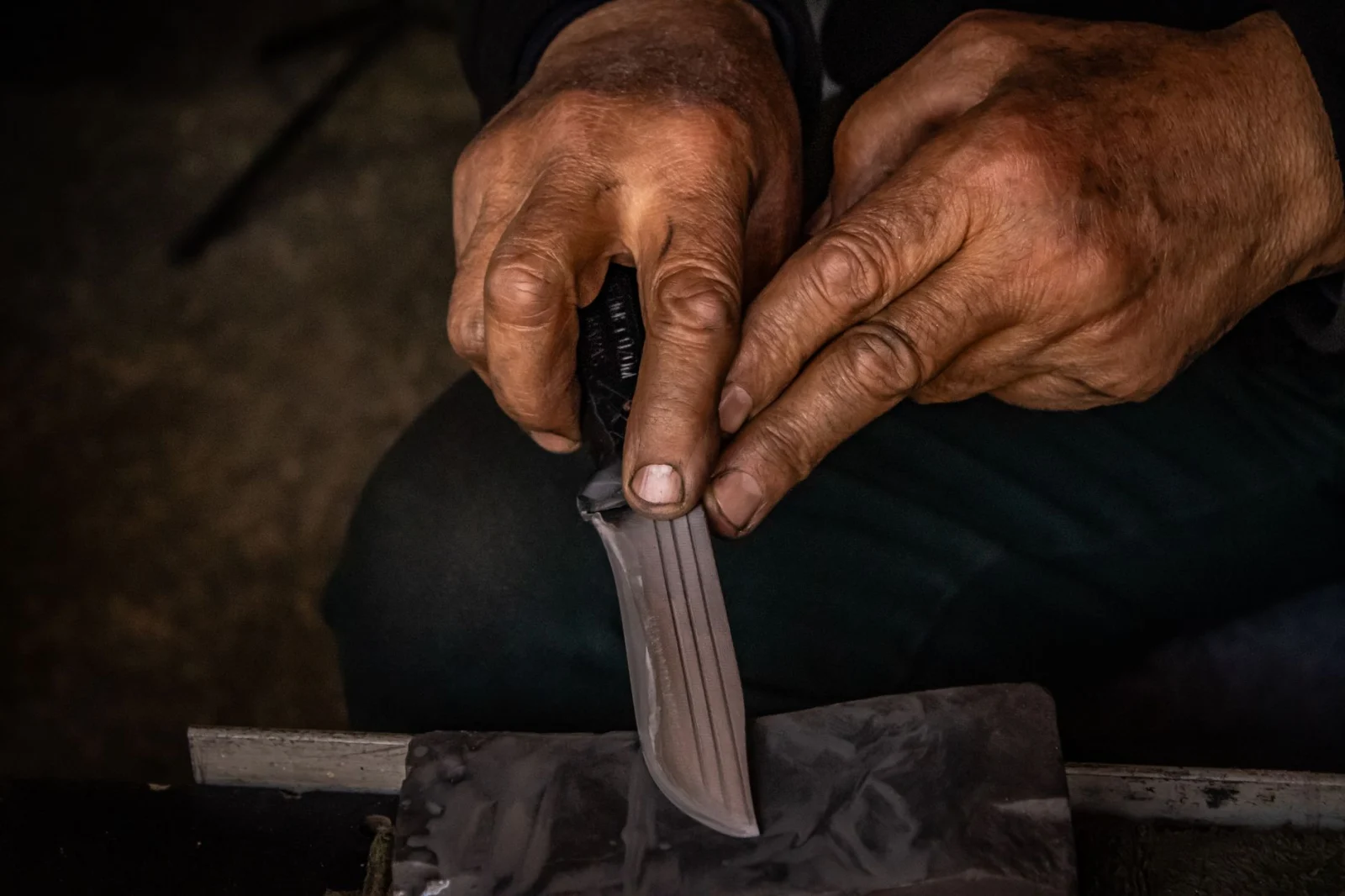
Kitchen knife being sharpened on a whetstone with water
Regular sharpening keeps any kitchen knife safe and effective. Photo: Gizem toprak on Pexels

Kitchen Knife Buying Guide: What to Spend

Prices vary with sales and retailers, so these US ranges for a single chef’s knife are rough guides rather than quotes:

Budget tier Rough price (chef’s knife) What you typically get
Starter Under about $50 Stamped blade, synthetic handle; good restaurant-supply knives live here and cut well if kept sharp
Mid-range About $50-150 Better steel and heat treatment, more comfortable handles; well-known German and Japanese brands such as Victorinox, Wüsthof, Zwilling, Global or Tojiro have lines around here
Premium About $150-300 Harder Japanese steels, refined grinds, nicer handles
Enthusiast / handmade $300+ Powder steels, hand-forged or laminated blades; rewarding but not necessary for most home cooks

For most people the mid-range is the sweet spot. Spending more brings real improvements in edge retention and finish, but the jump in everyday cutting is smaller than the jump in price.

Care and Sharpening

  • Hand wash and dry immediately. Dishwashers knock edges against other items and the heat and detergent can damage handles.
  • Use the right board. Wood or plastic boards are kind to edges. Glass, stone, marble and ceramic boards dull knives fast.
  • Hone, then sharpen. A honing rod realigns a rolled edge and suits softer Western steel; use it every few sessions. Actual sharpening removes metal and is needed every few months for typical home use. Very hard Japanese blades are better on a whetstone or ceramic rod than a grooved steel.
  • Know your angle. Sharpen close to the factory angle, roughly 15-20 degrees per side for Western knives and around 15 degrees or less for Japanese ones. Many pull-through sharpeners are set for one or the other.
  • Store it safely. Use a block, magnetic strip or blade guard rather than a loose drawer.
  • Use the spine to scrape. Scraping chopped food across the board with the edge dulls it quickly.

A simple rule of thumb many cooks follow: a sharp knife is safer than a dull one, because it goes where you aim it instead of slipping off the food.

What to Avoid When Buying a Kitchen Knife

  • Big bargain block sets with many similar knives and a vague “surgical stainless” or “high-quality steel” label and no HRC rating.
  • “Never needs sharpening” claims. Every edge dulls; micro-serrated edges simply cannot be properly resharpened.
  • Very hard, thin Japanese knives if you cut through bones, frozen food or squash with a twisting motion.
  • Handles that feel slippery or have sharp seams, however good the blade looks.
  • Paying extra for a decorative Damascus pattern alone. Layered patterns can be beautiful, but the cutting performance comes from the core steel.

One last practical point for travelers: kitchen knives are not something to pack for a holiday. Cruise lines generally ban knives in passenger luggage, and they are among the items most often confiscated at cruise ports. If you are a keen cook, the better way to enjoy food on a cruise is a cooking class or market tour ashore; our guide to food shore excursions on cruises has ideas.

FAQs

What knives do you need in your kitchen?

Most home cooks need just three: an 8-inch chef’s knife, a 3-4 inch paring knife and a serrated bread knife. Add a boning or carving knife only if you regularly do those jobs.

Is Japanese or German steel better for knives?

Neither is better overall. German knives use softer, tougher steel and wider edges that tolerate rough use. Japanese knives use harder steel and thinner edges that cut more precisely and stay sharp longer but can chip more easily.

What is the golden rule for knives?

Keep them sharp. A sharp knife needs less force and is less likely to slip, so it is safer as well as easier to use.

Is a forged knife better than a stamped knife?

Not automatically. Forged knives tend to be heavier and sturdier, while stamped knives are lighter and cheaper. Steel quality, heat treatment and comfort matter more than how the blade was made.

What size chef’s knife should I buy?

An 8-inch (20 cm) chef’s knife suits most people. Choose 6-7 inches for smaller hands or tight kitchens, and 9-10 inches if you often cut large produce or roasts.

14688710796_93cf558106_o-1.jpg

Carnival Cruise Line’s Latest on Cruises Out of Galveston

Carnival Cruise Line’s Brand Ambassador John Heald posted a message on his Facebook page today regarding several upcoming cruises out of Galveston.

Our free cruise newsletter offers the latest cruise news and deals: Sign Up

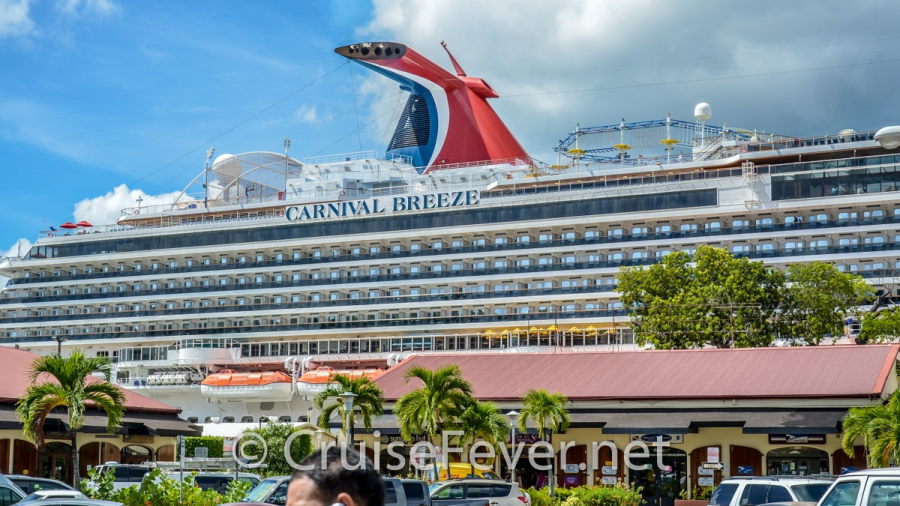
Carnival Cruise Line Breeze

Carnival Cruise Line has three cruise ships scheduled to arrive and depart from Galveston over the next three days.

They are Carnival Breeze on July 11 and Carnival Dream and Carnival Jubilee on July 13.

As of right now, there have no been changes to these three sailings.

The Port of Galveston issued an update yesterday and said that roadways, including Harborside Drive, are now passable.  While port vessel operations remain suspended, a Royal Caribbean cruise ship was allowed to dock yesterday for a turn-around day. 

The port is encouraging all cruisers to stay in touch with their cruise line for the best updates regarding their cruise. They also said that there was no visible flooding at any of the port’s cruise parking lots.

Heald posted the following message that was sent to guests who are booked on these three upcoming Carnival sailings:

“Ahead of your upcoming cruise, we have an update. Our partners at the Port of Galveston continue their post-storm assessment, including an inspection of the cruise terminal.”

“At this time there is no indication that your cruise will be impacted, but if anything changes, we will advise our guests and travel advisor partners about our operations.”

Guests can sign up for free text alerts for these sailings by texting the following to CRUISE (278473):

  • CCL1 for Carnival Breeze (July 11, 2024)
  • CCL2 for Carnival Dream (July 13, 2024)
  • CCL3 for Carnival Jubilee (July 13, 2024)

Cruise Fever will have all updates if any changes are made to these cruises.

The Carnival Breeze sailing is a four night cruise with a stop in Cozumel.

The Carnival Dream sailing is an eight night cruise to Florida and The Bahamas with port stops in Key West, Freeport, Half Moon Cay, and Nassau.

The Carnival Jubilee sailing is a seven night cruise to the Western Caribbean with port stops in Cozumel, Costa Maya and Roatan.

Source link

pexels-photo-8212229.jpeg

What You Need To Know?

Are you all set for your grand expedition? Lucky you! As you’ll learn, you have a weighty chore of packing conclusions pending that can either make your clang at sea more fun or catastrophe. Each jaunt is somewhat extraordinary.

One of the keys to packing is to prepare for the elements. This is no holiday akin to a beach rest. What’s the allowable clothing for the cruise? What shore flings are sketched? Your list for wise travel packing consists of essentials needed on your holiday. Don’t squander your time around the seaport obtaining these essentials and souvenirs.

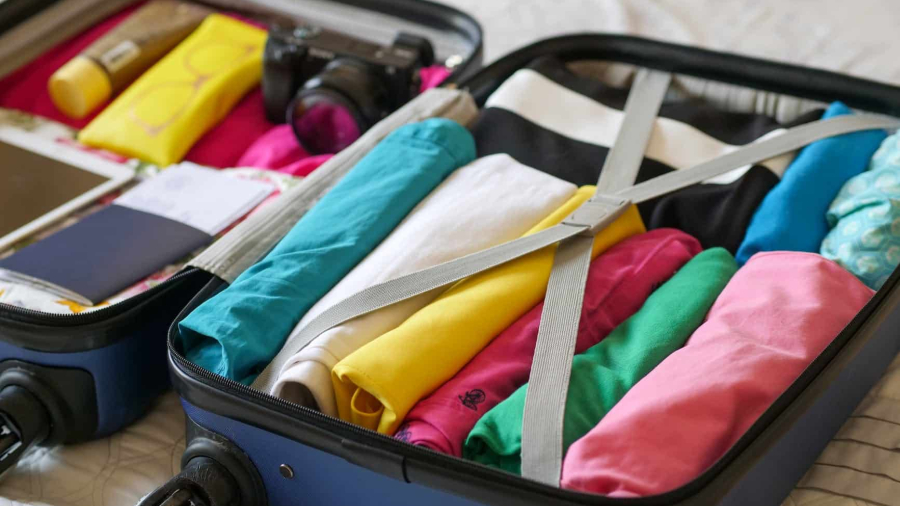
The best part about a cruise journey is being able to sail with everything in your bag. The unpacking activity is only once you reach the ship. Anything from convertible clothes to comfortable items can always come in handy. In the list below, you will find everything you could wish for on your cruise.

Clothing 

Your vacation means flexibility with your wardrobe. Bet on packing smart wear that transitions into casual for the day and evenings. As you might search for https://essayusa.com/ for unique writing styles, your fashion palette should segue from a loving beach outing to smart casual dinner wear. Here are essential clothing to always pack for any expedition:

Day Clothing

The first packing nightmare to go through is what you’ll wear during the day. Mostly during the day, athletic shorts, sneakers, sandals, or a neutral-colored tank top will suffice. Accessorize the entire ensemble with sunglasses, a hat, and a long-sleeved shirt in your bag. 

Of course, the weather conditions of your destination determine your choice of closet. Load plenty of beachwear when cruising for a couple of snorkeling trips in Bahama or for Cozumel shrimp tacos. A Baltic cruise ship calls for layers. Pack a warm jacket and a lighter-weight jacket. Throw in a scarf when docking with boots and trainers. 

Research your destination by checking the weather forecast well in advance. This gives a heads-up on what to expect and to plan accordingly. If your destination’s weather is unpredictable, we recommend versatile clothing like waterproof gear and layers. 

Here are our top picks for a day outfit for the occasion:

  • Cropped trousers
  • White tees
  • Bucket hat
  • Blue jeans
  • Multi-faced skirt
  • Sundress 
  • Linen button-down
  • Airy shirtdress
  • Slip dresses 
  • Workout wear 

Evening Clothing 

Some luxurious voyages call for dinner wear, and some functions have a strict dress code. Therefore, don’t break the protocols by packing some smart casual wear for these occasions in advance. The evening wear can swing between resort casual or elegant.

We recommend a jumpsuit, a mesh long-sleeved dress, or a blazer outfit with denim for a date-night style. Guys have an easier pick from their closet, including chinos, an oxford shirt, or a suit-up dress-up. 

Formal occasions call for abiding by etiquette rules with questions regarding dress length. The best option without a dress code is a tea or floor-length gown. A sophisticated look is possible with an A-line dress or a tailored, chic, formal suit. Finish it with elegant jewelry, high heels, and a braid bun or variations.

For men, try out a suit, dress shirt, tuxedo style, and tie combinations. Ensure your dress choice reflects your personality and the occasion to remain comfortable for hours. When selecting your outfit, consider seeking advice from style experts or consulting fashion bloggers from the best essay writing service for tips on formal wear etiquette. 

Accessories and Gear 

You can start to accessorize now that all your clothes are packed. Hats and sunglasses work best on sunny days. Bucket hats are good to go as they are the best sun ray covers. Experience the shade and yourself, and try a wide-brimmed hat for ultimate sun coverage over your entire face.

Opt for hats with a high UPF rating, which should be above 30. In your sunglass collection, you would consider wrap-around sunglasses as they offer great peripheral protection. Since wrap-around is a win for the gym and other outdoor activities, get a little retro with the cat-eye sunglasses, which provide a touch of glam and are still pretty versatile.

Cold weather trips need warm accessories such as a beanie, scarves, waterproof gear, or gloves. Pack enough winter accessories that add variety to your outfits. Ensure your selected outfits are waterproof and insulated. 

Other selected accessories to carry along include:

  • Sunscreen SPF 50
  • Jewelry 
  • Long ribbed knot scarf
  • Beanie hat
  • Down insulation rain jacket 

Toiletries and Medicine

A cruise ship trip is not like a typical hotel visit where you need to pack shampoo, conditioner, soap, and body lotion. You will be provided with the most basic toiletries in your cabin. Those are usually of decent quality and are frequently replenished by housekeeping staff. However, we advise you to take your favorite sensitive toiletries if you use some special versions.

If you prefer certain brands or some specific types of cosmetics, pack them to stick with your style and comfort. If you are going to take a cruise, have the following toiletries and medicines packed, preferably in a carry-on bag:

What Not to Pack 

As much as we’ve listed must-have items for your sail, there are other things to leave out. Most cruise lines out rightly ban other items. Here are items that aren’t necessary to carry along:

Towels

Clear extra space on your packing bags for towels and linens. You can use towels available in the cabins or even at the port. The housekeeping staff leaves a fresh batch of towels each evening upon your return. 

Hand soap

Most sails have complimentary quality products in your cabin, including scented shower gel, body lotion, conditioner, shampoo, and hand soap. These products have a spa-like touch to them and help save space in your luggage. 

Illegal drugs

Drugs and other banned substances are prohibited. This is the same for firearms. Even if narcotics or substances are declared illegal in the embarkation state, it remains prohibited to bring them on board. 

Bottom Line 

Don’t waste time packing unnecessary clothes or luggage; forget about the necessities. Refer to this list to ensure all essentials are covered with clothing, accessories, toiletries, medicine, and travel gear.  

Source link

mscseasidecruiseship.jpg

Cruise Line Rolls Out New Excursions But Only For Certain Guests

A cruise line has added over 90 new shore excursions in the Caribbean, Mediterranean and Northern Europe but only guests staying in specific staterooms will be able to book them.

Our free cruise newsletter offers the latest cruise news and deals: Sign Up

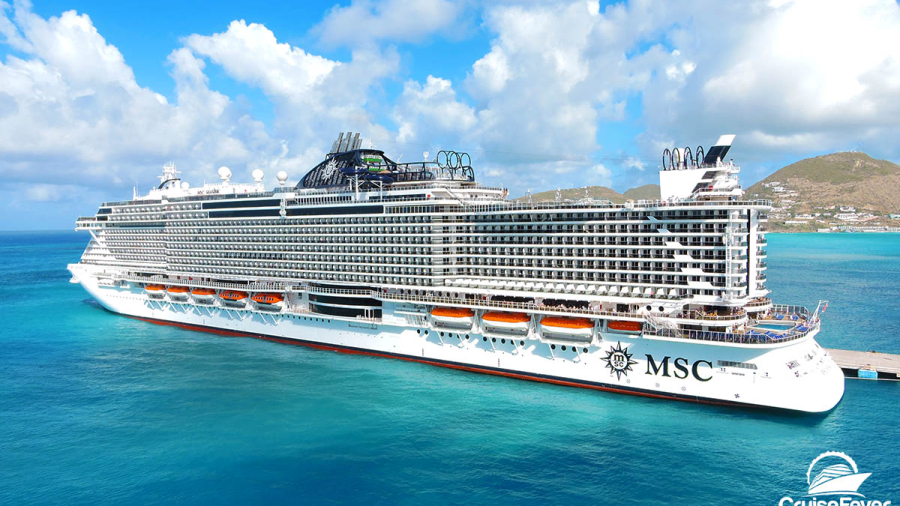
mc seaside cruise ship

MSC Cruises, the world’s fastest growing cruise line, is adding over 90 new shore excursions for guests staying in their exclusive Yacht Club.

While the new excursions will initially be available in the Caribbean and in Europe, the cruise line plans to roll them out to other ports around the world.

A sample of some of these exclusive new shore excursions are as follows.

A luxurious catamaran and snorkeling experience in one of the most popular ports in the Caribbean, Cozumel, Mexico.

Spend the day cruising in Cozumel on a private yacht. Photo Credit: MSC Cruises

In Falmouth, Jamaica, Yacht Club guests can enjoy their day in a plush cabana in the forested grounds nears the Martha Brae River.

In Cannes, France, you will be able to join an exclusive perfume-making workshop including making your own scent.

Bespoke perfume creating in Grasse, near Cannes. Photo Credit: MSC Cruises

When visiting Genoa, Italy, guests can take an authentic pesto cooking class in Santa Margherita Ligure.

In Akureyri, Iceland, guests can visit the Fontana geothermal baths in the mineral-rich water.

Lastly, another one of the highlight new excursions is a visit to the Glenmorangie Distillery in Scotland.

Enjoy a day at a luxurious beach club in Kusadasi, Turkey. Photo Credit: MSC Cruises

The shore excursions include priority disembarkation coupled with private transportation for extra comfort during travel.

Marialuisa Iaccarino, Head of Shore Excursions, MSC Cruises, said the following:

“The new offering has come following customer feedback and a desire for a more exclusive experience for MSC Yacht Club guests. Guests will benefit from a seamless experience between the butlers’ service onboard and the excursion experts ashore as well as having the opportunity to relax and fully immerse themselves into each destination’s culture, cuisine and traditions.”

The Yacht Club is an exclusive ship-within-a ship concept found on many MSC cruise ships. They offer exclusive dining and secluded retreat areas. Personalized service includes 24/7 butler service and they are the most luxurious cabins on the ship.

Source link

Mid-sized white cruise ship sailing on calm blue sea under a clear sky

Oceania Cruise Ships Compared: Every Ship by Size, Age and Class (2026)

As of November 2026, Oceania Cruises sails seven ships: Allura and Vista (Allura class), Marina and Riviera (Oceania class), and Insignia, Nautica and Sirena (Regatta class). The newest Oceania cruise ships are also the biggest at roughly 67,000 gross tons and about 1,200 guests. The older Regatta-class ships carry fewer than 700 guests. Two more arrive in 2027: the brand-new Oceania Sonata and Oceania Aurelia, a rebuilt and renamed Nautica.

Below you’ll find every ship ranked by size and age, what makes each class different, and the fleet changes that matter if you’re booking for 2027 or 2028.

Oceania Cruise Ships at a Glance (November 2026)

All figures are approximate. Guest numbers are at double occupancy, so a full sailing can carry a few more. Tonnage and capacity are rounded from Oceania’s published figures and cruise industry press.

Ship Class Gross tons Guests Built / joined Oceania Status
Oceania Sonata Sonata ~86,000 ~1,390 Debuts August 2027 Under construction
Allura Allura ~67,000 ~1,200 2025 Sailing
Vista Allura ~67,000 ~1,200 2023 Sailing
Riviera Oceania ~66,000 ~1,250 2012 Sailing
Marina Oceania ~66,000 ~1,250 2011 Sailing
Nautica / Oceania Aurelia Regatta ~30,000 ~684 (about 500 as Aurelia) Built 2000; with Oceania since 2005 Sailing until October 2027, then relaunches as Aurelia in late 2027
Insignia Regatta ~30,000 ~670 Built 1998; with Oceania since 2003 Sailing; no farewell date announced
Sirena Regatta ~30,000 ~684 Built c. 2000; with Oceania since 2016 Sold; leaves the fleet in spring 2028
Regatta Regatta ~30,000 ~684 Built 1998 Left Oceania in August 2026

Oceania Ships by Size: Smallest to Largest

Compared with mainstream lines, every Oceania ship is small to mid-sized. Even Sonata will hold fewer than 1,400 guests, while many big-resort ships today carry well over 4,000. Within the fleet, though, there are three clear size bands:

  1. Regatta class (about 30,000 tons, under 700 guests). Insignia, Nautica and Sirena have a country-house feel, with wood panelling, a small pool deck and four main restaurants. They can reach smaller ports and harbours that larger ships often can’t.
  2. Oceania class (about 66,000 tons, about 1,250 guests). Marina and Riviera doubled the size of the fleet when they arrived in 2011 and 2012. They added more specialty restaurants, a culinary centre and a much bigger choice of suites.
  3. Allura class (about 67,000 tons, about 1,200 guests). Vista and Allura are only a little bigger than Marina and Riviera, but they carry fewer guests. That gives more space per person, and every stateroom has a balcony.
  4. Sonata class (about 86,000 tons, about 1,390 guests). This will be the largest Oceania class so far. The extra tonnage goes mostly into bigger suites and public spaces, not into a big jump in passenger numbers.

A useful rule of thumb: the newer the class, the more space per guest. If you dislike crowds at the buffet or the pool, the ship’s class tells you more than its total tonnage does.

Private balcony with lounge chairs overlooking calm blue sea
Every stateroom on the newest Oceania ships has a private balcony. Photo: Donald Tong on Pexels

Oceania Ship Classes Explained

Allura Class: Vista and Allura

Vista entered service in 2023 and its sister Allura followed in summer 2025. These are the newest Oceania ships you can sail on today. Both have about 600 suites and staterooms, all with balconies, and around 800 crew. Allura has a slightly higher ratio of chefs to guests and a larger library. Otherwise the two ships are very similar, so choose between them on itinerary rather than hardware.

Oceania Class: Marina and Riviera

Marina (2011) and Riviera (2012) were the first ships built new for Oceania. Each has 624 suites and staterooms and about 800 crew. Both have been refreshed since launch, so their interiors are much more up to date than their age suggests. Their wine-pairing dinners at La Reserve and private dining at Privée remain popular with food-focused travellers.

Regatta Class: Insignia, Nautica and Sirena

The Regatta-class ships started life at the turn of the millennium as part of Renaissance Cruises’ “R” series. Each has about 340 staterooms, around 400 crew, and verandas on nearly 70% of rooms. This class is changing fastest:

  • Regatta sailed its final Oceania cruise in August 2026. It is now chartered to an Australian operator for world cruises.
  • Sirena has been sold to Ambassador Cruise Line. It sails for Oceania under a leaseback until spring 2028, then becomes Ambella for a new German-market brand.
  • Nautica sails its last cruise under that name in October 2027, then goes in for a full rebuild to become Oceania Aurelia.
  • Insignia stays in the fleet for now. A plan to turn it into a residential ship fell through, and Oceania has not set a farewell date.

Sonata Class: Oceania Sonata and Its Sisters

Oceania Sonata is due to debut in August 2027. It will be about 86,000 gross tons, with roughly 1,390 guests, 695 suites and staterooms and about 855 crew. New suite categories and new restaurant concepts are planned, including a French chef’s table and a Nikkei kitchen. Oceania has five Sonata-class ships on order from Fincantieri. The second, Oceania Arietta, is scheduled for 2029, and the rest follow into the 2030s.

Oceania Cruises Fleet Changes for 2027 and 2028

If you’re planning ahead, these are the dates worth noting:

  • August 2027: Oceania Sonata enters service.
  • October 2027: Nautica’s farewell cruise.
  • Late 2027 (around November): Oceania Aurelia debuts. It will have 238 accommodations, about 500 guests and 400 crew, with a butler for every suite. It is built for long Grand Voyages and the 180-day Around the World voyages in 2028 and 2029.
  • Spring 2028: Sirena leaves the fleet. Its farewell cruise is reported for March 2028.

The overall direction is clear. Oceania is moving away from its older, smaller ships and toward larger, more spacious new builds, with one rebuilt small ship kept for extra-long voyages. Several new ships launching close together can also bring introductory fares. Our guide to cruise deals for 2027 tracks the latest offers.

Elegant restaurant table set with white tablecloths and glassware near large windows
Fine dining is central to every class of ship in the Oceania fleet. Photo: Kerim Isazade on Pexels

Which Oceania Cruise Ship Is Right for You?

Top comparison pages tend to rank ships by size alone. In practice, three things matter more: the itinerary, how much space you get per guest, and how much the ship will change before you sail.

  • For the most space and a guaranteed balcony: choose Vista or Allura, or wait for Sonata.
  • For good value on a larger ship: Marina and Riviera often cost less than the newer pair and offer a similar range of restaurants.
  • For smaller ports and a quieter feel: Insignia, Nautica and Sirena reach places the bigger ships can’t. Check sail dates carefully, because Nautica and Sirena both leave service under those names soon.
  • For a world cruise or long Grand Voyage from 2028: Oceania Aurelia is being built for exactly this.

One booking tip that’s easy to miss: if you book a late-2027 sailing on Nautica or a 2028 sailing on Sirena, check what happens if the schedule changes. Fleet transitions sometimes lead to itinerary swaps. Read the fare terms before you pay a deposit. For more ways to save, see our guide on how to get the best cruise deals.

What All Oceania Ships Have in Common

Whichever ship you choose, the core experience is the same. Specialty restaurants are included in the fare, the atmosphere is “country club casual”, and there is no formal-night dress code. Since 7 January 2026, Oceania has been an adults-only line. New bookings are open only to guests aged 18 and over, although sailings booked before that date were not affected. You can check current ship details and deck plans on the official Oceania Cruises website.

FAQs

How many ships does Oceania Cruises have?

As of November 2026, Oceania sails seven ships: Allura, Vista, Marina, Riviera, Insignia, Nautica and Sirena. Oceania Sonata and Oceania Aurelia (the rebuilt Nautica) join in 2027, and Sirena leaves in spring 2028.

What is the largest Oceania cruise ship?

Today, Vista and Allura are the largest at about 67,000 gross tons. When Oceania Sonata arrives in August 2027, it takes the title at about 86,000 gross tons and roughly 1,390 guests.

What is the newest Oceania ship?

Allura, which entered service in 2025, is the newest ship sailing now. Oceania Sonata becomes the newest when it debuts in August 2027.

Is Oceania Cruises adults-only?

Yes. Since 7 January 2026, new bookings are limited to guests aged 18 and over. Sailings booked before that date were allowed to go ahead.

What happened to Oceania Regatta?

Regatta left the Oceania fleet in August 2026. It is chartered to an Australian tour operator, which uses it for world cruises.

Pro-Cruisers-Bring.jpg

16 Things Pro Cruisers Pack That You Won’t Have Thought Of

You probably won’t know it, but there are some unusual things that regular cruisers never travel without.

A man in a hat, carrying a suitcase and bag, walks towards a docked cruise ship. The scene is vibrant with palm trees, people strolling, and a bustling seaside town atmosphere, with clear skies and a jet flying overhead.

I asked my Facebook fans what they thought were essentials that other cruise guests wouldn’t think to pack.

Here’s that list – maybe some of these will find their way into your suitcase for your next cruise?

1.  Bleach wipes

Cabin attendants on a cruise ship are extremely hardworking, and generally do a great job of keeping cabins clean and tidy for all guests.

But I know that some guests prefer to take bleach wipes with them for the start of their cruise, to give certain areas a deeper clean that might’ve been missed.

Some people like to make sure the toilet, in particular, gets a thorough clean, especially underneath the rim. Whether you need bleach wipes or not splits opinion – you could just ask the cabin attendant to clean the toilet for you if you think it needs it.

Just be sure to never flush wipes on a cruise ship.

2.  Bathroom air freshener

Another bathroom one, but it could be very useful. A lot of pro cruisers like to pack an air-freshening spray for their cabin bathroom. Cabins are often small and so the windowless bathroom, and any odours left in there, can easily impose on the rest of the room.

Having a spray just to freshen things up can make your cabin a much more pleasant space to unwind.

3.  Crease release spray

There’s another spray that you might want to pack in your suitcase for a cruise – one that helps to get the creases and wrinkles out of your clothes.

There are always ironing services available if you want your clothes to be pressed, but often it’s easier just to hang your outfits in the bathroom, spray on a little bit of this loosening spray, and let the steam from the shower do the job for you.

4.  Post-it notes

This is a great little tip for anyone cruising – it takes up barely any space in your suitcase but could be really handy. A set of post-it notes can make it much easier to communicate with your cabin attendant.

It might seem a little impersonal, but you don’t know when they’re going to be tackling your room and you don’t always want to wait around for them. You have cruise things to go and enjoy! So a set of post-it notes can make it much easier to leave requests.

It’s also handy if your party is likely to split up – leaving notes in the cabin for each other can be a simple way of communicating without using expensive phone data or WiFi.

5.  Ear plugs

Even if you’ve done all your research on choosing your cabin, making sure to avoid one directly under the pool deck or above the ship’s theatre, sometimes there’s noise that can’t be avoided.

Packing a set of ear plugs is always a good idea, just to help you get that good night’s sleep you need, especially if you’ve got a walking tour booked for the next day and you need your energy.

6.  White noise machine

You can buy small white noise machines that produce a gentle, soothing noise for your cabin, and a lot of pro cruisers swear by them.

It’s not necessarily to cover the noise of the ship, but just to provide some kind of background noise. If you get a quiet cabin, then you might be surprised by just how quiet it is – and white noise can just take the edge off the silence.

They definitely aren’t right for everyone – I know plenty of people who prefer no noise at all – but one to consider.

7.  Sensor lights for bathrooms

If you wake up in the middle of the night on your cruise, needing a visit to the bathroom, the last thing you want to do is put on the main bathroom light. It’ll not just wake you up, but it’ll often fill a lot of the bedroom space with light too, waking up your other guests.

Instead, take a small sensor light with you – one that emits a gentle glow and is activated by motion. This will give you a much dimmer light that still does everything you need for your bathroom visit, without blinding you or causing your partner to wake up grumpy.

8.  Magnetic hooks

A staple of many pro cruisers’ luggage is magnetic hooks. Cruise ship cabin walls are made of metal, and so magnetic hooks will stick to the walls and massively improve your storage space.

You could use them to hang anything – decorations, lanyards, coats and jackets. Just make sure you read the weight limit for them, especially if hanging clothing on them, or they might not work.

9.  Extension leads

If you’re someone who likes to pack a lot of electrical items for your cruise, then you might want to consider packing an extension lead or power strip to give you more outlets.

As a rule, the older the ship, the fewer plug sockets you’ll find in your cabin. While new ships often have USB sockets by the bed, older ones definitely don’t, so an extension cord can help with that.

Check your cruise line’s luggage policy though as some don’t allow them. And also, you’re more likely to have a surge-protected extension lead confiscated than a regular one. While that might sound counterintuitive, it’s because surge-protected ones can mess with the ship’s electrical systems.

10. Fairy lights

If you want to decorate your cruise cabin and make it feel more homely, there are a lot of options, and as long as you don’t leave any permanent damage or use anything that’s a fire hazard, such as a candle, then you should be fine.

Battery-powered fairy lights are a regular go-to option for pro cruisers who want a nicer ambience in their room. They’re cheap, can be hung with magnetic hooks and just give a nicer glow for your room than the main light would.

11. Workout clothes

It’s very easy to overlook workout clothes when packing your luggage, either accidentally or ‘accidentally’. But it definitely makes sense to pack them, because you never know when the mood will take you.

Pretty much every cruise ship has a gym that’s free to use, along with a running track. I quite enjoy a run around the ship – the view is great, and my Strava tracker tells me I’ve run twice as far as I actually have while the ship is moving, haha!

But seriously, it’s worth having them with you, because by the second half of your cruise, you might feel the need to start working off that buffet and those cocktails.

12. Clock

It’s often tricky to tell what time it is when you’re in a cruise ship cabin, especially if it’s an inside cabin without any windows.

Obviously you could check your phone, but that so easily leads to checking other things on your phone and suddenly it’s 4 am, you’re doom-scrolling Instagram and you’re exhausted for the rest of the day.

Consider taking a cheap clock with you. It’ll make it easy to roll over, see the time without blasting your eyes with light, so that you know whether it’s time to get up and get to breakfast or you’ve a few hours still to rest.

13. Pop-up laundry basket

It’s handy to have somewhere in your cabin to store your dirty clothes during the cruise, so that there’s no mess and you’re not risking mixing your clean stuff with things you’ve worn. A lot of people use their suitcase – unpack, and then throw dirty stuff in there.

But if you’d rather leave your suitcase tucked away for the cruise, you could try a pop-up laundry basket.

They are super cheap, and are especially useful if you plan on doing laundry on the ship, since you can just carry the basket to the laundry room when it’s full.

14. Basic medicine

While most people will remember their important prescription medication for their cruise, a lot of people forget to pack the basics that you might need – things like paracetamol, Sudocrem, Lemsip, or Calpol for the kids.

It can be much more expensive to buy these on the ship so it’s always worth remembering them, and hopefully, you don’t need to use them.

But if you catch a bug or get a bit of sunstroke, they might be just what you need to keep you powering through.

15. Portable fans

A small, portable fan should be allowed on most cruise ships and can be very handy for staying cool by the poolside or when you’re off visiting ports of call.

Your cabin should be fine – you’ll have air-con, though don’t be afraid to ask for a fan from your attendant if it’s still hot or you like the moving air.

Take a portable one though, so you’ve got something with you, especially on cruises to hot places like the Caribbean.

16. Pineapple door magnets

Is this essential? Definitely not, but when I asked my Facebook fans for suggestions, this came up!

Likely a joke, but if you did want to enjoy a certain type of cruise, with intimate liaisons with other guests, then magnets could help signal your intent!

NEW DEALS JUST RELEASED!

Don’t miss these hot cruise offers…

Final word

It’s good to see that there’s some crossover between the recommendations of my Facebook fans and my own list of must-have cruise essentials.

Between these guides, you shouldn’t forget anything that’ll make your cruise go smoothly – but if you have any other recommendations then please do add them below!

Related Posts

If you found this interesting, please share!

Cruise Mummy

Jenni Fielding is the founder of Cruise Mummy. She has worked in the cruise industry since 2015 and has taken over 30 cruises. Now, she helps over 1 million people per month to plan their perfect cruise holidays.

Read more about me

Source link

Disney-Wish-1.jpg

Disney Announces Plan To Host Cruise Ship In Japan Year-Round From 2029

Disney has announced that it will offer cruises from Japan year-round onboard a new cruise ship from 2029.

Disney Wish

The company will partner with Oriental Lanc Co. (OLC) for the offering, with OLC operating the ship under the Disney Cruise Line brand.

OLC and Disney already has an established partnership – it’s the company that owns and operates the Tokyo Disney Resort.

The ship will be a sister ship of Disney Wish, and will be constructed at the Meyer Werft shipyard. While OLC will be responsible for running the cruises, it will be built with designs from Disney’s own Imagineering team.

“I am sincerely proud that Disney and Oriental Land will be able to work together to create a world-class cruise business in Japan. Oriental Land will use their knowhow from the theme park business to continue pushing boundaries and provide family entertainment cruise experiences filled with inspiration and surprise.”

Yumiko Takano, representative director, chairperson and CEO, Oriental Land

While the ship will be built to be similar to sister ships such as Disney Wish, she will also have modifications to make her suitable for the Japanese market.

No formal dates have been announced yet for the launch of the ship but early 2029 is the anticipated launch date.

NEW DEALS JUST RELEASED!

Don’t miss the latest Disney Cruise Line offers…

Related posts

If you found this interesting, please share!

Cruise Mummy

Jenni Fielding is the founder of Cruise Mummy. She has worked in the cruise industry since 2015 and has taken over 30 cruises. Now, she helps over 1 million people per month to plan their perfect cruise holidays.

Read more about me

Source link

f2GzuPEF-scaled.jpeg

First Block Laid for Four Seasons Yachts’ First Ship

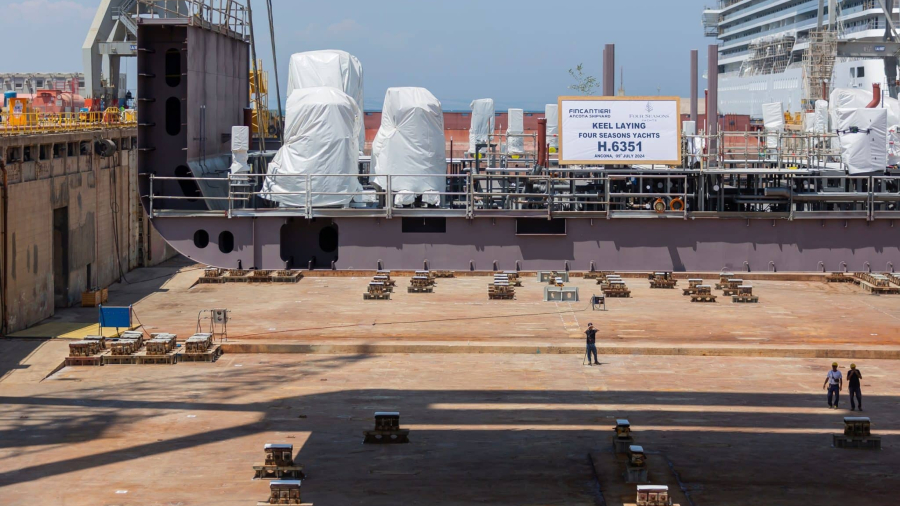
Four Seasons Yachts celebrated a major construction milestone for their first ship today when the keel was laid at the Fincantieri shipyard in Ancona, Italy.

Our free cruise newsletter offers the latest cruise news and deals: Sign Up

The time honored tradition of the keel laying ceremony marks the official start of construction on a new ship.  The ship’s blocks will begin to come together until all blocks are in place. The ship will then be floated out and the interior of the vessel will be completed.

The ship, Four Seasons I, is scheduled to debut in January 2026. This all-suite ship is promising to set a new standard of luxury.

The yacht’s Funnel Suite will be just under 10,000 square feet in size and will have floor-to-ceiling wraparound curved glass window modules. It will be made up of the largest contiguous piece of glass at sea.

Alejandro Reynal, President and CEO, Four Seasons, gave the following statement about this construction milestone:

“The Keel Laying ceremony marks a key milestone in the construction of our inaugural yacht and for the Four Seasons brand as we bring our renowned luxury service and hospitality experiences to the seas. We are proud to celebrate this occasion with our partners at Marc-Henry and Fincantieri, building excitement for 2026 and beyond aboard Four Seasons Yachts.”

Nadim Ashi, Owner and Executive Chair, Marc-Henry Cruise Holdings LTD, Joint Owner/Operator, Four Seasons Yachts; Founder and CEO of Fort Partners, added:

“We are thrilled to commemorate the official start of the shipbuilding process for the first vessel in the Four Seasons Yachts fleet, Four Seasons I. This monumental occasion is a celebration of innovation, excellence, and our strategic vision to redefine luxury at sea. Today’s momentum and excitement will undoubtedly continue through the remainder of the construction process, and we pay homage to all of the artisans creating this magnificent Four Seasons Yacht.”

Four Seasons I will debut sailing cruises to the Caribbean before heading to the Mediterranean for sailings in Europe.

For more information on Four Seasons Yachts, you can visit their website at www.fourseasonsyachts.com.

Source link

vikingvesta-scaled.jpg

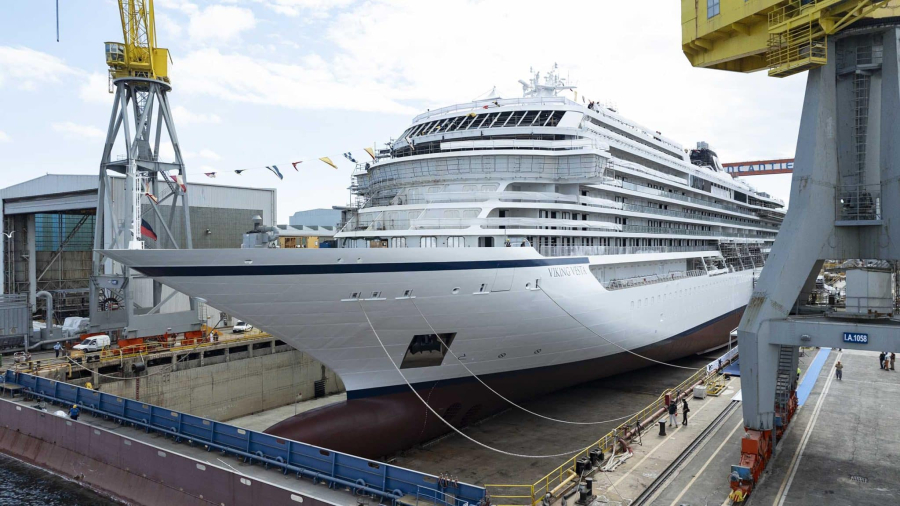
Another New Viking Ocean Ship Touches Water for the First Time

Viking continues to grow and the cruise line recently celebrated the float out of another new ocean cruise ship.

Our free cruise newsletter offers the latest cruise news and deals: Sign Up
Viking Vesta will debut in 2025. Photo Credit: Viking

Viking Vesta touched water for the first time when the ship was floated out at the Fincantieri shipyard in Ancona, Italy.

Viking Vesta will be 54,300 gross tons in size with 499 cabins carrying a maximum of 998 guests. The cruise ship is scheduled to debt in July 2025 and will start off by offering cruises in the Mediterranean and Northern Europe.

The float out marked the latest construction milestone for the new ship. The vessel will now move to its final stage of construction and have its interior built out.

Viking Vela and Viking Vesta side by side at the Fincantieri shipyard in Ancona, Italy. Photo Credit: Viking

Torstein Hagen, Chairman and CEO of Viking, said the following:

“It is always a good day when a new ship meets water for the first time. Over the last decade, we have built the world’s most elegant small ocean ships together with Fincantieri. As we prepare to welcome the Viking Vesta next summer, as well as her identical sister ship, the Viking Vela, this fall, we look forward to introducing even more curious travelers to the Viking way of exploration.”

Viking Vesta will be Viking’s 12th ocean ship to enter their fleet. The adults only cruise line has quickly grown from one ocean ship in 2015 to 10 ships that are currently in operation.

Viking Vela will debut later this year and will be the cruise line’s 11th ocean ship.

Viking Vela and Viking Vesta. Photo Credit: Viking

Since their debut into the ocean cruise market in 2015, Viking has consistently been named the Best Ocean Cruise Line by numerous publications.

Source link