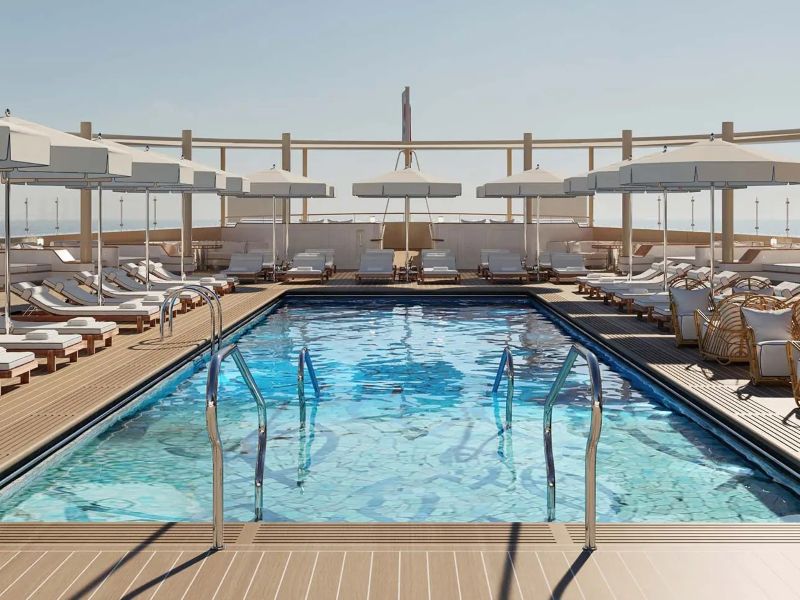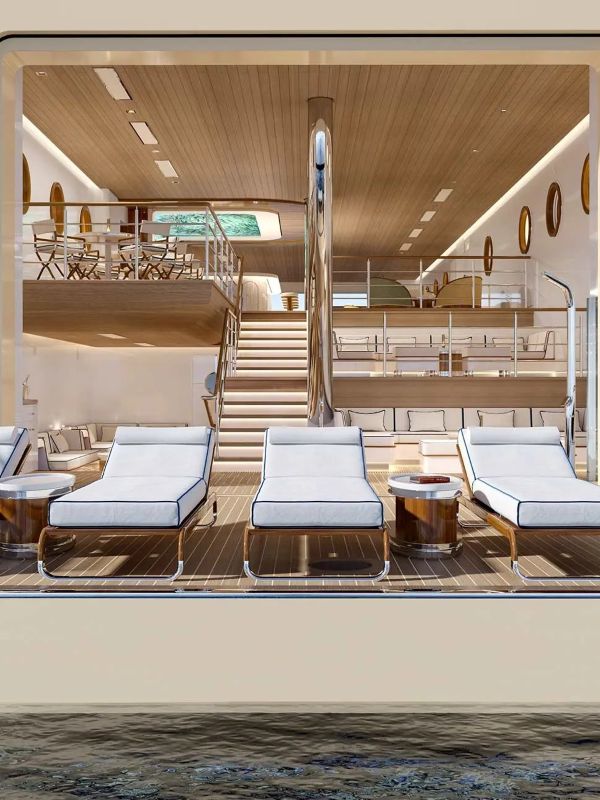
A new residential cruise line has launched reservations for continuous world voyages that welcome cats and dogs on board, marking a first in the growing sector of permanent ocean living.
Fabled Voyages is now accepting bookings with introductory pricing for residents who wish to sail the globe without leaving their four-legged companions behind.
The Pet-Friendly Promise Setting Fabled Voyages Apart
Fabled Voyages has positioned itself as one of the only residential cruise lines to actively accommodate pets as part of its core offering.
The company is marketing directly to travellers who have long dreamed of living at sea but have been reluctant to part with their beloved cats and dogs.
Qualified residents will be permitted to bring their pets on board the ship, which will be named FV Horizon once acquired.
The cruise line has committed to providing dedicated pet areas, walking spaces, grooming services, and access to veterinary care to ensure animals receive proper attention throughout the voyages.
This pet-inclusive approach addresses a significant barrier that has prevented many potential residents from committing to residential cruise living in the past.
Traditional cruise lines rarely permit pets beyond service animals, making Fabled Voyages’ offering particularly appealing to animal lovers seeking a nomadic lifestyle without sacrificing the companionship of their pets.
Introductory Pricing And Ownership Structures Now Available
The cruise line has opened bookings with what it describes as introductory pricing, encouraging early commitment from prospective residents.
Purchase options include five-year, ten-year, fifteen-year, and lifetime packages, providing flexibility for different budget levels and commitment timeframes.
Entry-level pricing begins at $100,000 for the initial purchase, with monthly fees ranging from $5,250 for solo occupancy to $9,100 for dual occupancy.
These fees are expected to cover operating costs, maintenance, amenities, and access to the ship’s facilities throughout the continuous voyage.
Fabled Voyages is also offering fractional ownership options, allowing friends and family members to partner together on a single residence.
This model makes the concept more accessible to groups who wish to share the experience and costs whilst maintaining access to a permanent cabin on board.
Madison Miller’s Vision For Community-Centred Ocean Living
Madison Miller, the founder of Fabled Voyages, has articulated a clear vision for the venture that emphasises convenience and freedom from traditional homeownership burdens.
In a statement, Miller explained the motivation behind the early booking initiative.
“Many of our future residents have spent years dreaming about travelling the world without constantly packing, unpacking or worrying about maintaining a traditional home,” Miller said.
“We want to give those individuals the opportunity to secure their place whilst our current pricing is still available.”
Miller’s comments underscore the target demographic for Fabled Voyages – individuals and couples seeking liberation from the responsibilities of property maintenance, utilities management, and the logistical challenges of frequent travel.
The residential cruise model promises a simplified lifestyle where residents can wake up in a new destination whilst enjoying the consistency of their own private accommodation.
Ship Acquisition Plans And Specifications For FV Horizon
Despite opening reservations, Fabled Voyages has not yet purchased a vessel for its operations.
The company is actively searching for a cruise ship ranging from 70,000 to 120,000 gross tonnes in size, a substantial vessel that would accommodate the planned residential community.
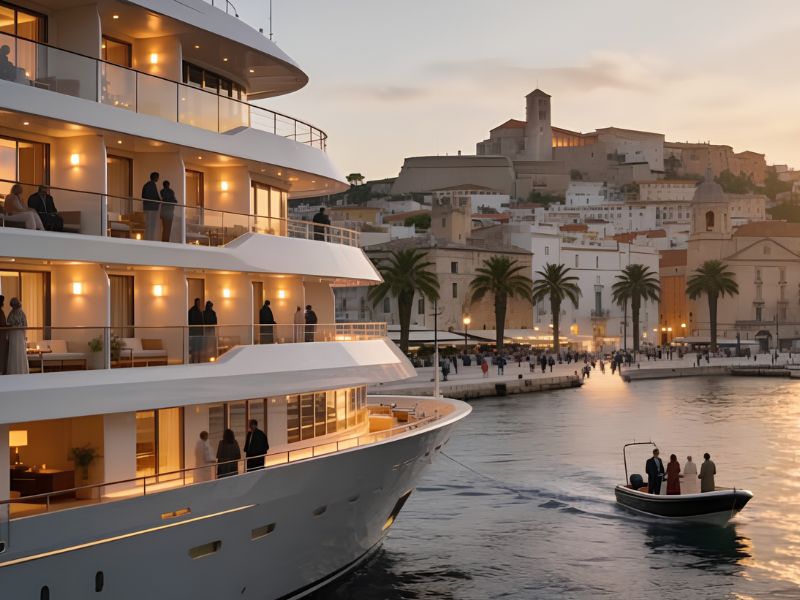
Ships within this tonnage range typically measure between 250 and 330 metres in length and can accommodate significant passenger populations with extensive amenities.
For context, a 70,000-tonne ship is comparable in size to vessels like Cunard’s Queen Victoria, whilst a 120,000-tonne ship approaches the dimensions of Royal Caribbean’s Voyager-class vessels.
The cruise line anticipates that FV Horizon will house between 1,000 and 2,400 residents once operational.
This wide range suggests that the final capacity will depend heavily on which ship is ultimately acquired and how it is configured for residential living rather than traditional cruise operations.
Community Input On Amenities And Ship Layout Design
Fabled Voyages has adopted a collaborative approach to ship design, stating that full amenities and layouts will be determined in partnership with the community once the vessel is selected.
This strategy aims to ensure that residents have input into the spaces and facilities that will define their daily lives at sea.
This community-driven design process is relatively uncommon in the cruise industry, where ships are typically designed and built according to the cruise line’s vision with minimal passenger input.
By involving future residents in the planning stages, Fabled Voyages hopes to create a more personalised and satisfactory living environment.
Potential amenities on residential cruise ships typically include restaurants, fitness centres, pools, spas, libraries, theatres, medical facilities, and various social spaces.
Given the pet-friendly nature of Fabled Voyages, dedicated animal facilities will likely feature prominently in the final design, potentially including indoor and outdoor pet relief areas, grooming salons, and veterinary clinics.
Itinerary Plans Spanning Multiple Continents And Regions
Residents of FV Horizon will sail continuously around the world, with planned itineraries encompassing Europe, the Mediterranean, North America, South America, Asia, and additional regions.
This global routing ensures that residents experience diverse cultures, climates, and destinations throughout the year.
The continuous voyage model differs significantly from traditional cruising, where passengers embark for specific itineraries lasting from a few days to a few weeks.
Residential cruise passengers remain on board indefinitely, with the ship serving as both their home and their mode of transportation.
This style of travel eliminates many of the frustrations associated with conventional tourism – airport queues, hotel check-ins, and the constant upheaval of moving between accommodations.
Instead, residents unpack once and enjoy a seamless journey from port to port with all their belongings and home comforts readily available.
The Growing Residential Cruise Sector And Market Competition
Fabled Voyages enters an increasingly competitive market for residential cruise living, joining several other companies that have launched or announced similar concepts in recent years.
The sector has attracted significant attention from affluent retirees and remote workers seeking alternative lifestyles that combine travel with permanent accommodation.
The most established player in this space is The World, a residential cruise ship that has been operating since 2002 with approximately 165 residences.
More recently, Storylines announced plans for its ship MV Narrative, which promises 547 residences when it launches, whilst Victoria Cruises Line’s Villa Vie Odyssey has also entered the market with continuous world voyages.
Each residential cruise line attempts to differentiate itself through unique offerings and community values.
Fabled Voyages’ pet-friendly policy represents a distinctive market positioning that could attract a specific demographic of animal-loving travellers who have previously felt excluded from residential cruise options.
Considerations For Prospective Residents And Industry Outlook
Potential residents considering Fabled Voyages should carefully evaluate several factors before committing to such a significant lifestyle change.
The company’s lack of an acquired vessel means that many details remain uncertain, including the exact ship specifications, final amenities, actual itineraries, and launch timeline.
Prospective buyers should also consider the financial stability of the venture and the protections in place for their investments.
Residential cruise concepts have occasionally faced delays or cancellations when funding or ship acquisition challenges arise, making due diligence essential for anyone considering a substantial financial commitment.
Nevertheless, the residential cruise sector continues to attract interest as more individuals seek unconventional living arrangements that prioritise experiences over traditional property ownership.
As remote work becomes increasingly normalised and retirees look for engaging ways to spend their later years, residential cruising offers an appealing alternative to stationary retirement communities or frequent independent travel.
The success of Fabled Voyages will ultimately depend on its ability to acquire a suitable vessel, deliver on its promised amenities and pet-friendly policies, and build a cohesive community of residents who share compatible values and expectations.
For animal lovers who have dreamed of world travel without leaving their pets behind, this venture represents an unprecedented opportunity in the cruise industry.
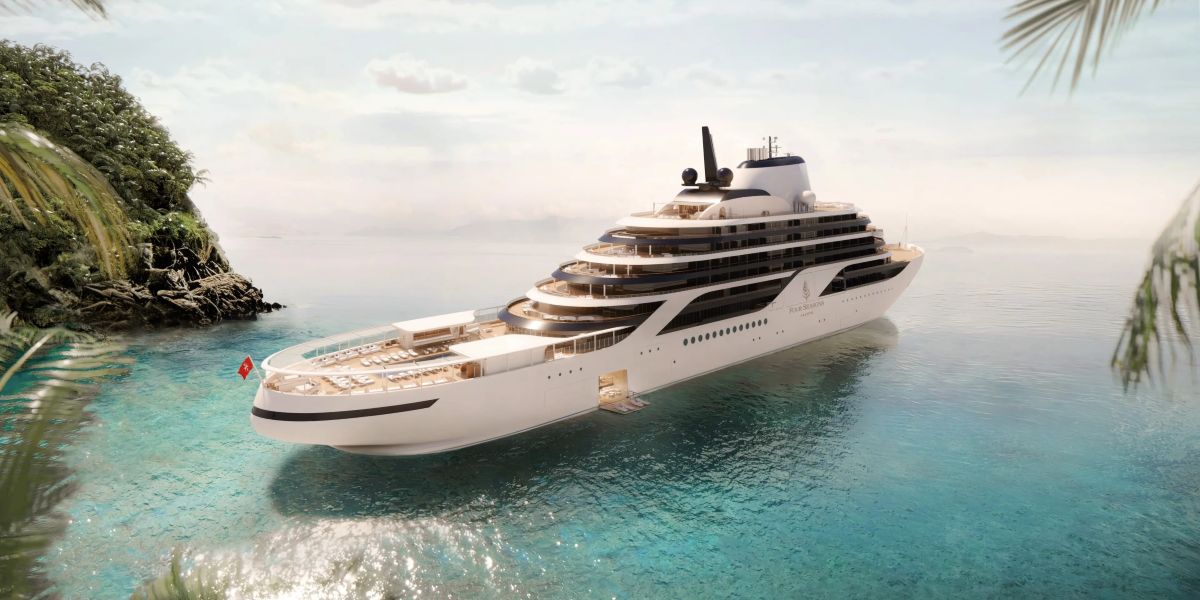
Italian shipbuilder Fincantieri has secured a contract with Marc-Henry Cruise Holdings to construct a third ultra-luxury vessel for Four Seasons Yachts, with delivery scheduled for 2031. The order marks continued…
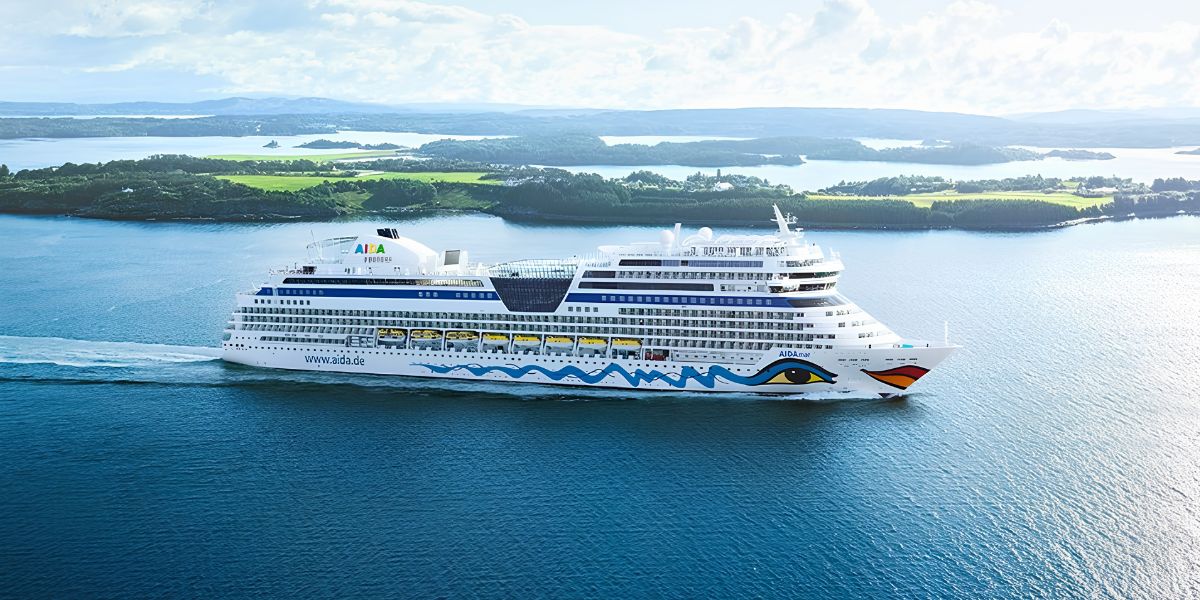
AIDA Cruises has completed an innovative “shipyard experience” cruise that allowed passengers to remain aboard the AIDAmar whilst the vessel underwent routine maintenance and inspections in Rotterdam. The German cruise…
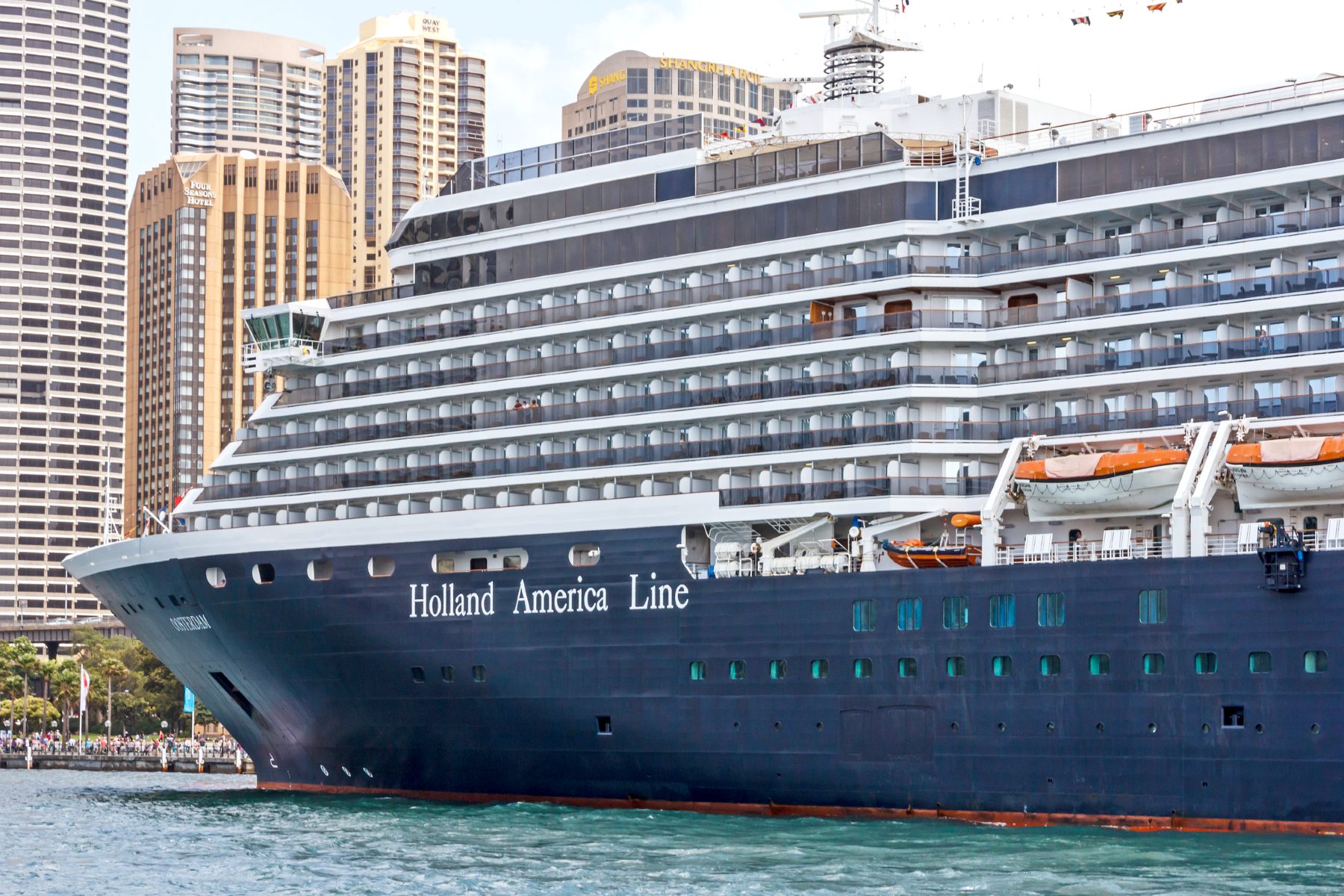
Holland America Line has announced exciting upgrades to the Oosterdam. Its newly renovated Oosterdam will debut with 30 purpose-built solo cabins when it emerges from dry dock in December 2027….
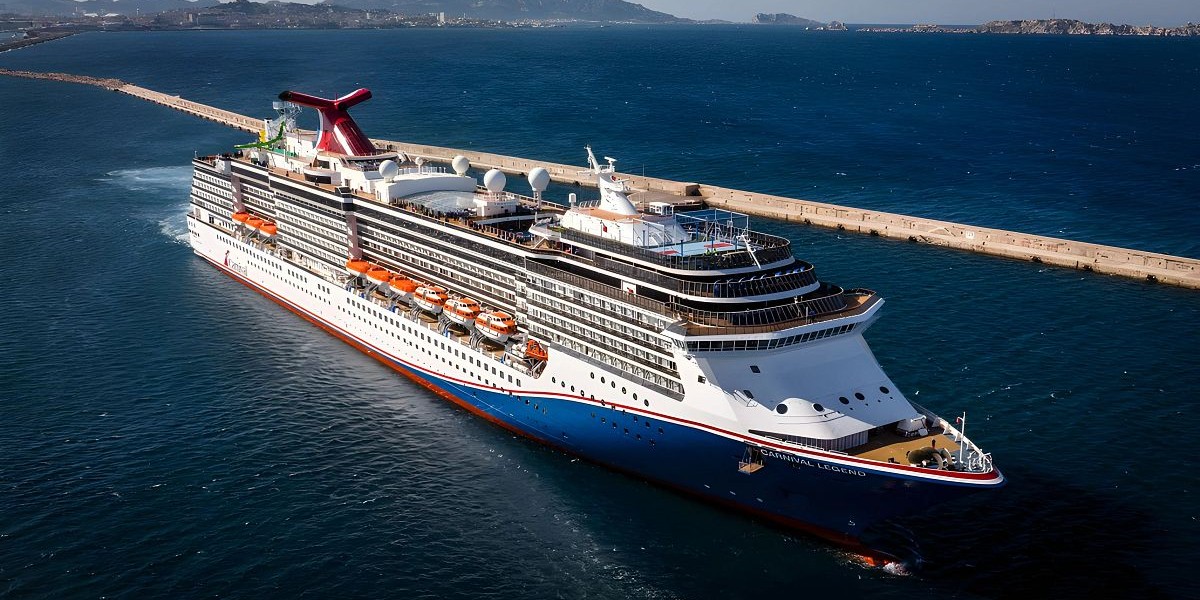
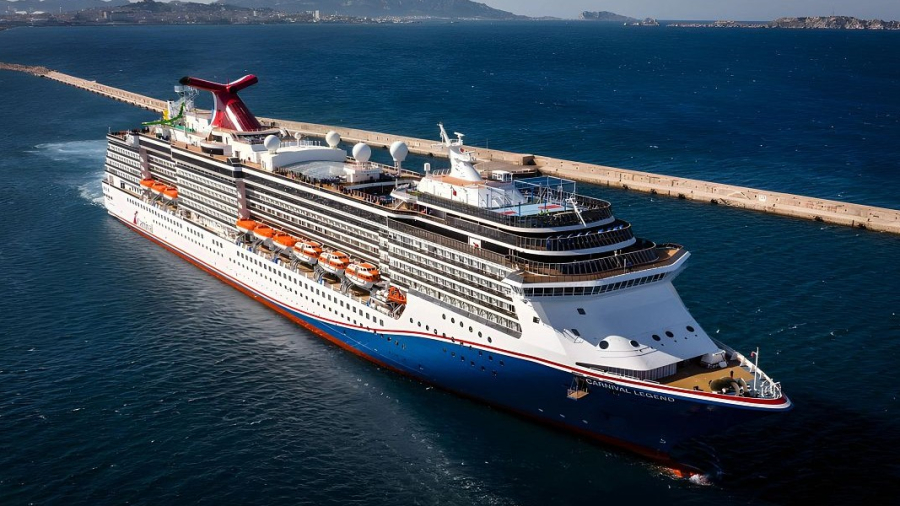
Carnival Cruise Line’s Carnival Legend has embarked on an extensive 12-night voyage from Dover, England, exploring Iceland and the British Isles as part of its summer deployment in Northern Europe….
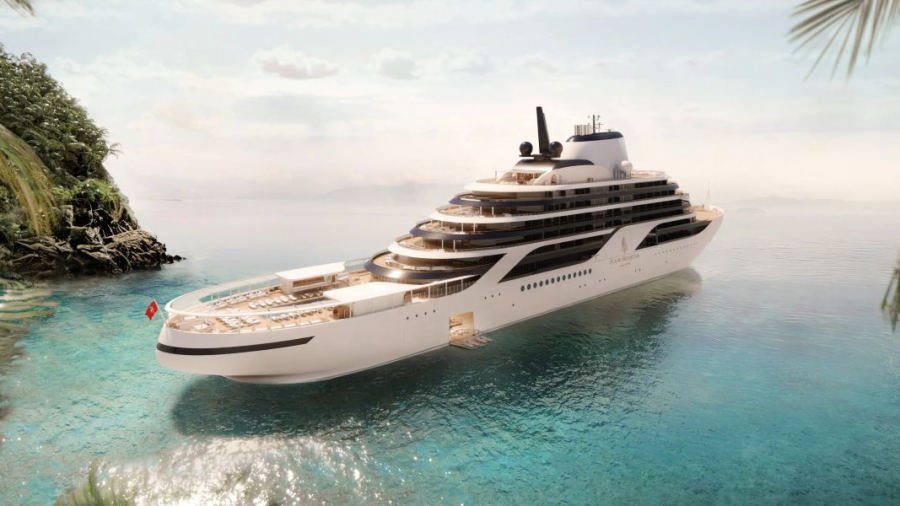
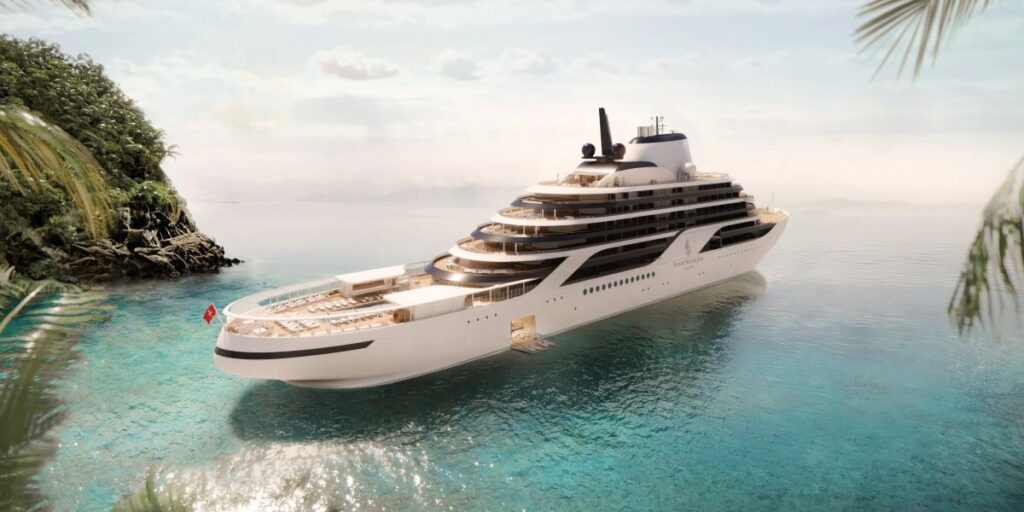
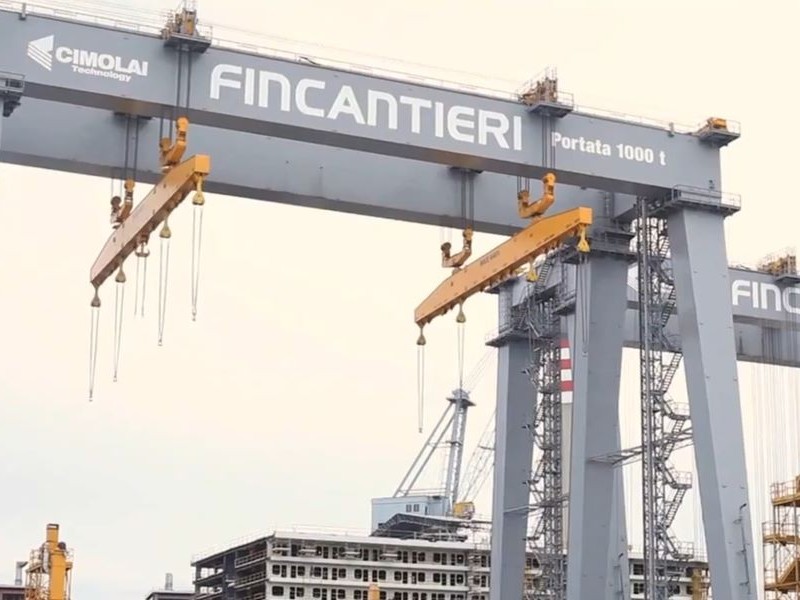
Italian shipbuilder Fincantieri has secured a contract with Marc-Henry Cruise Holdings to construct a third ultra-luxury vessel for Four Seasons Yachts, with delivery scheduled for 2031.
The order marks continued expansion for the nascent cruise brand, which only launched its first ship earlier this year.
New Vessel Continues Ultra-Luxury Fleet Expansion
The agreement, announced by Fincantieri today, represents the third ship in a purpose-designed class of ultra-luxury cruise vessels being constructed at the shipbuilder’s Ancona facility in Italy.
Marc-Henry Cruise Holdings, which operates Four Seasons Yachts in partnership with the renowned Four Seasons Hotels and Resorts brand, is expanding its fleet before the second vessel has even entered service.
The decision to order a third ship ahead of the second vessel’s delivery demonstrates significant confidence in the concept from both the cruise operator and the shipbuilder.
Industry observers note this aggressive expansion timeline is unusual for a brand-new cruise line still establishing its market position.
Four Seasons I Launched In Early 2025
Four Seasons Yachts made its debut with the delivery of Four Seasons I earlier in 2025, introducing a new approach to luxury cruising that blends hotel-style service with intimate yacht-like experiences.
The vessel represents Four Seasons’ first venture into the cruise industry, bringing decades of luxury hospitality expertise from the hotel sector to the high seas.
The inaugural ship has been designed to appeal to affluent travellers seeking an alternative to traditional large cruise ships and expedition vessels.
With its residential-style accommodations and elevated service standards, Four Seasons I has carved out a distinct niche in the ultra-luxury cruise segment.
The vessel’s debut followed years of planning and development as Four Seasons carefully evaluated how to translate its renowned hospitality brand into a seagoing experience.
The company partnered with Marc-Henry Cruise Holdings specifically for this venture, leveraging maritime expertise whilst maintaining the Four Seasons standard of excellence.
Sister Ship Scheduled For 2028 Debut
According to Fincantieri, the second vessel in the series is currently under construction at the Ancona shipyard with delivery planned for early 2028.
This three-year gap between the first and second ships represents a relatively standard timeline for ultra-luxury newbuilds, allowing the brand to refine operations and incorporate lessons learned from Four Seasons I’s inaugural seasons.
The 2028 delivery date will give Four Seasons Yachts the opportunity to establish itself with a single vessel before doubling its capacity.
This measured approach contrasts with the subsequent decision to order a third ship even further in advance, suggesting the cruise line has ambitious long-term growth plans.
With the second ship still three years away from completion, the 2031 delivery date for the third vessel creates a strategic timeline that spaces out fleet expansion whilst maintaining momentum.
The staggered delivery schedule also allows Fincantieri to manage production capacity whilst ensuring quality standards remain consistently high across all three builds.
All-Suite Configuration Retained Across Fleet
The newly ordered vessel will maintain the same residential-style, all-suite concept that defines the Four Seasons Yachts experience, according to the companies.
This consistency across the fleet ensures brand recognition and allows the cruise line to standardise operational procedures and service delivery protocols.
The all-suite configuration represents a significant differentiator in the cruise market, eliminating standard inside and oceanview cabins entirely.
This approach mirrors the strategy employed by some of the world’s most exclusive cruise brands, where every accommodation qualifies as a suite with enhanced square footage, premium amenities, and personalised service.
By committing to this configuration for the third vessel, Four Seasons Yachts is reinforcing its positioning in the ultra-luxury segment rather than attempting to broaden appeal with more varied accommodation types.
Industry analysts suggest this decision indicates strong demand for the product and confidence that the target market can sustain a three-ship fleet.
Fincantieri Strengthens Position In Ultra-Luxury Segment
The contract award further solidifies Fincantieri’s reputation as a leading builder of ultra-luxury cruise vessels.
The Italian shipbuilding conglomerate has constructed ships for numerous premium and luxury cruise lines over recent decades, establishing particular expertise in the most exclusive segment of the market.
Fincantieri’s Ancona shipyard has emerged as the company’s centre of excellence for ultra-luxury construction, where specialised craftspeople and advanced technology combine to deliver vessels meeting the exacting standards demanded by high-end cruise operators.
The facility’s experience with boutique ship construction makes it ideally suited for the Four Seasons Yachts project.
Pierroberto Folgiero, CEO and General Manager of Fincantieri, emphasised the significance of the new order in a statement accompanying the announcement.
“This new order represents another significant step in the development of our partnership with Marc-Henry Cruise Holdings LTD, which has become a benchmark for innovation in luxury hospitality at sea,” Folgiero stated.
He continued: “The decision to expand the fleet with a third vessel reflects the strength of a long-term industrial vision and confirms market appreciation for a concept that has successfully created a new segment combining luxury hospitality with advanced shipbuilding.”
Ancona Facility Designated As Luxury Shipbuilding Centre
Folgiero specifically highlighted the role of the Ancona shipyard in delivering these highly specialised vessels.
“Designed and built at our Ancona shipyard, the vessel further reinforces the site’s role as a Fincantieri centre of excellence for the construction of ultra-luxury ships, where innovation, craftsmanship, and industrial expertise come together to deliver the highest standards of quality and refinement,” the CEO noted.
The designation of Ancona as a specialist facility for ultra-luxury construction allows Fincantieri to concentrate expertise and resources at a single location.
This focused approach enables the shipbuilder to maintain consistency across multiple vessels whilst developing proprietary techniques and processes specific to the demands of ultra-luxury cruise ship construction.
For the Ancona region, the Four Seasons Yachts contract represents continued employment and economic activity extending through the end of the decade.
Shipbuilding remains a significant employer in Italy’s coastal regions, and securing multi-vessel contracts provides stability for the skilled workforce required for such complex projects.
Ultra-Luxury Cruise Sector Attracts Investment
The Four Seasons Yachts expansion reflects broader trends in the cruise industry, where ultra-luxury and expedition segments have attracted significant investment in recent years.
As mainstream cruise lines have grown larger ships to achieve economies of scale, a counter-trend has emerged favouring intimate vessels with personalised service and unique itineraries.
Several established luxury cruise lines have ordered new tonnage in recent years, whilst entirely new brands have entered the market seeking to capture affluent travellers.
The ultra-luxury segment typically commands significantly higher per-passenger revenue than mainstream cruising, making it attractive to investors despite smaller passenger numbers.
Four Seasons’ entry into the cruise market represents a notable vote of confidence in the sector from one of the world’s most prestigious hospitality brands.
The company’s decision to expand to three ships before fully establishing operations suggests management believes substantial demand exists for hotel-brand cruise experiences among affluent consumers.
The 2031 delivery date positions the third Four Seasons yacht to debut in a competitive landscape that will likely include additional ultra-luxury newbuilds from rival operators.
However, the Four Seasons brand recognition and hotel industry pedigree may provide advantages in attracting guests who might not consider traditional cruise lines.
Get the best price on your cruise…
Related Posts
If you found this interesting, please share!
AIDA Cruises has completed an innovative “shipyard experience” cruise that allowed passengers to remain aboard the AIDAmar whilst the vessel underwent routine maintenance and inspections in Rotterdam. The German cruise…
Holland America Line has announced exciting upgrades to the Oosterdam. Its newly renovated Oosterdam will debut with 30 purpose-built solo cabins when it emerges from dry dock in December 2027….
Carnival Cruise Line’s Carnival Legend has embarked on an extensive 12-night voyage from Dover, England, exploring Iceland and the British Isles as part of its summer deployment in Northern Europe….
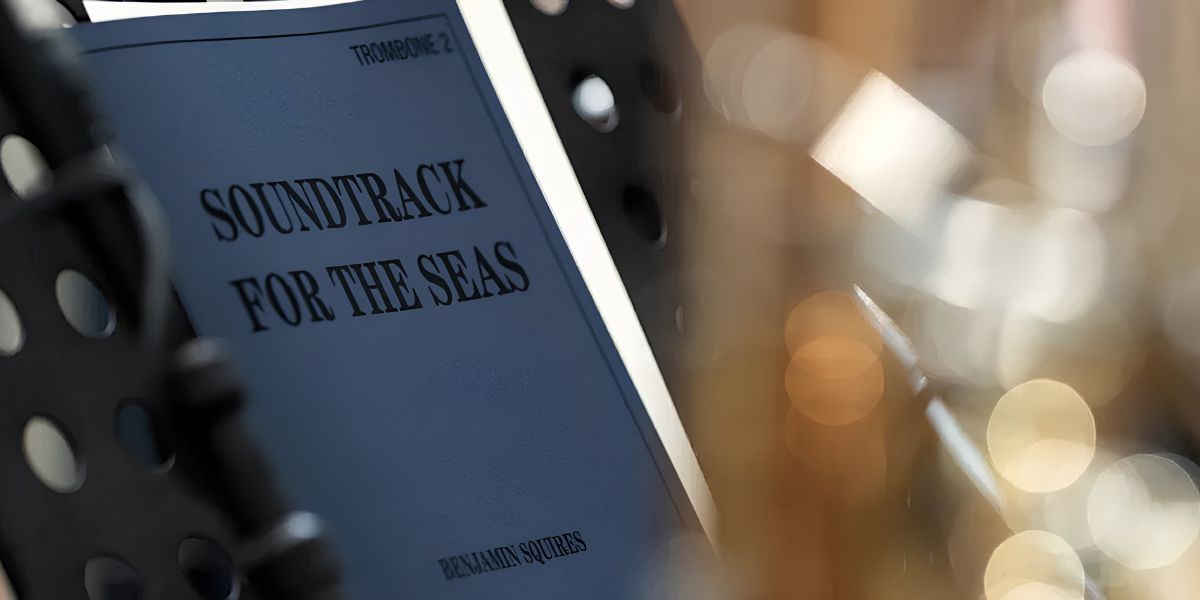
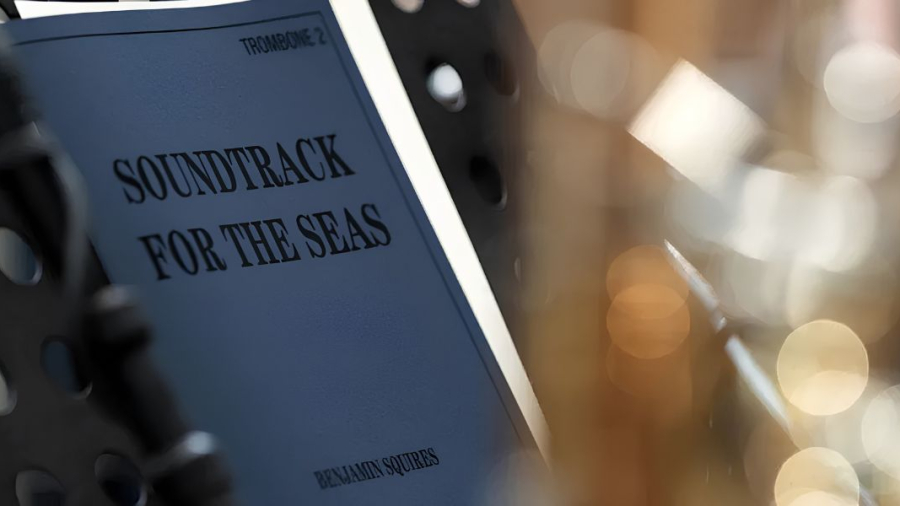
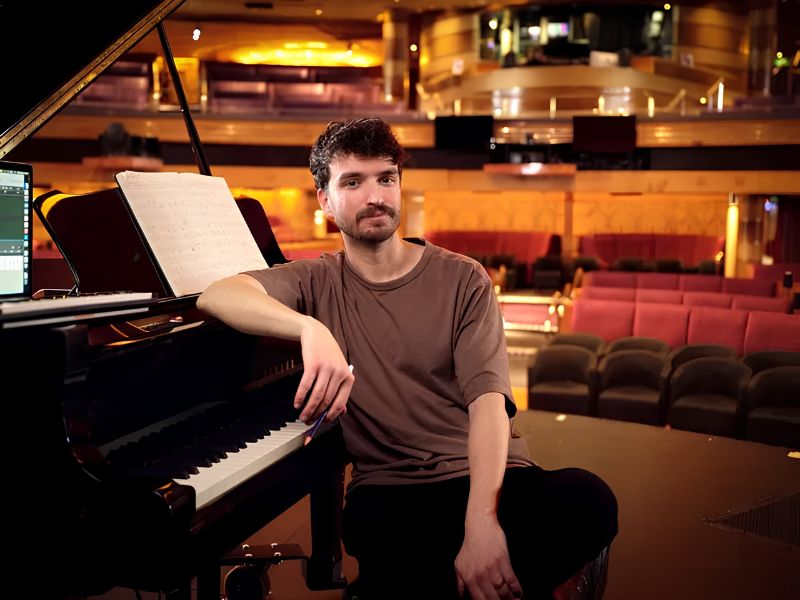
Fred. Olsen Cruise Lines has partnered with acclaimed Hollywood composer Benjamin Squires to create “Soundtrack for the Seas”, billed as the world’s first original musical score composed specifically for the…
Holland America Line has announced exciting upgrades to the Oosterdam.
Its newly renovated Oosterdam will debut with 30 purpose-built solo cabins when it emerges from dry dock in December 2027.
The reimagined vessel will sail a variety of Caribbean and Panama Canal itineraries from Fort Lauderdale throughout the winter 2027–2028 season, marking a significant step in the cruise line’s fleet-wide modernisation programme.
Evolution Programme Transforms Vista-Class Fleet
Holland America Line’s ambitious “Evolution” modernisation programme aims to upgrade its entire mid-sized Vista-class fleet by incorporating popular venues and cabin layouts from the line’s newest Pinnacle-class vessels. The initiative addresses the need to refresh older ships whilst maintaining the classic Holland America experience that loyal passengers expect.
Oosterdam, which has been sailing for 23 years as the second ship in the Vista-class series, represents a significant milestone in this fleet-wide transformation. The 82,305 gross tonne vessel is receiving one of the most comprehensive makeovers in the programme, with enhancements spanning both public spaces and accommodation.
The Evolution programme reflects Holland America’s commitment to remaining competitive in an increasingly crowded cruise market. By bringing modern amenities and contemporary designs to its existing fleet, the cruise line ensures that passengers choosing older vessels aren’t sacrificing comfort or style compared to newer ships in the industry.
Purpose-Built Solo Verandah Staterooms Break New Ground
The addition of 30 dedicated solo cabins represents a departure from traditional industry approaches to single occupancy accommodation. Rather than offering cramped interior rooms tucked away on lower decks, Holland America has designed Solo Verandah staterooms specifically for the growing demographic of independent travellers who prefer to cruise alone.
These purpose-built cabins span 200 square feet and feature private teak-lined balconies, offering solo cruisers genuine outdoor space to enjoy morning coffee or evening sunsets. The thoughtful layout includes a dedicated workspace – a nod to the increasing number of remote workers who combine business with leisure travel – alongside a modern bathroom with glass-walled shower.
The Solo Verandah staterooms are strategically positioned on decks 8 and 11, ensuring solo passengers enjoy the same desirable locations as other guests rather than being relegated to less favourable areas of the ship. Full signature amenities come standard, and passengers won’t face the traditionally steep single supplement fees that have long discouraged solo travellers from choosing cruise holidays.
This development reflects broader industry recognition that solo cruising is no longer a niche market. Single travellers represent one of the fastest-growing segments in the cruise industry, and Holland America’s investment in purpose-designed accommodation demonstrates confidence in this demographic’s continued expansion.
Comprehensive Cabin Expansion Totals 76 New Staterooms
Beyond the solo accommodation, Oosterdam’s renovation adds 46 additional cabins across various categories, bringing the total new stateroom count to 76. The expansion has been achieved through clever reconfiguration of existing space rather than extending the ship’s structure, demonstrating sophisticated naval architecture and design.
At the luxury end, the ship gains two 900-square-foot Bridgeview Suites offering panoramic 180-degree views that mirror the captain’s perspective from the bridge. These premium accommodations provide an unparalleled vantage point for destination viewing and represent the pinnacle of onboard luxury.
Twenty-four new Vista Suites join the inventory, offering spacious accommodation with enhanced amenities for passengers seeking elevated comfort without necessarily booking into the highest suite categories. A spectacular 1,550-square-foot Pinnacle Suite rounds out the additions, providing ultra-luxury accommodation for discerning travellers or special celebrations.
Holland America emphasised that the expansion was carefully planned to avoid overcrowding. Rather than maximising revenue by cramming as many cabins as possible into available space, the cruise line prioritised passenger comfort and maintaining a spacious feel throughout the vessel.
Grand Dutch Café Debuts Aboard Oosterdam
The renovation brings the popular Grand Dutch Café to Oosterdam for the first time, introducing a beloved venue that has proven successful on other Holland America ships. Located near the atrium, this specialty café celebrates the cruise line’s Dutch heritage with traditional offerings throughout the day.
Passengers can enjoy Dutch-themed speciality coffees and beverages alongside authentic snacks including bitterballen – a traditional Dutch appetiser of seasoned meat ragout rolled into balls, breaded, and deep-fried. The café provides a casual gathering space that adds cultural authenticity to the onboard experience.
The Grand Dutch Café represents more than just another dining venue; it serves as a tangible connection to Holland America’s roots and heritage. For a cruise line with such a strong Dutch identity, these cultural touchpoints help differentiate the brand in an increasingly homogenised cruise market.
December 2027 Fort Lauderdale Debut Launches Caribbean Season
Oosterdam’s reimagined incarnation will make its debut on 11th December 2027, sailing from Port Everglades in Fort Lauderdale, Florida. The timing positions the ship perfectly for the peak Caribbean cruise season, allowing the vessel to showcase its new features on some of the region’s most popular itineraries.
Fort Lauderdale serves as an ideal homeport for the ship’s winter deployment, offering convenient access for North American passengers and strategic positioning for diverse Caribbean and Central American routes. The port’s modern facilities and proximity to a major international airport make embarkation and disembarkation straightforward for guests.
The winter 2027–2028 season extends through March 2028, providing solo travellers and other passengers four full months to experience the renovated vessel. Holland America has crafted a varied deployment that showcases different aspects of Caribbean cruising, from canal transits to island-hopping adventures.
Panama Canal Discovery Voyages Anchor Winter Schedule
A cornerstone of Oosterdam’s winter programme comprises 12-day Panama Canal Discovery voyages departing roundtrip from Port Everglades. These sailings feature a partial transit of the engineering marvel and scenic cruising through Gatun Lake, offering passengers the canal experience without requiring repositioning flights.
Six departures are scheduled between December 2027 and March 2028: 11th December 2027, 2nd January 2028, 23rd January 2028, 13th February 2028, 5th March 2028, and 26th March 2028. Oosterdam shares this rotation with sister ship Volendam, providing multiple opportunities for passengers to book this popular itinerary.
Port calls include Holland America’s private destination RelaxAway at Half Moon Cay in the Bahamas, historic Cartagena in Colombia, Colón on Panama’s Caribbean coast serving as the gateway to canal transit, Puerto Limón in Costa Rica, and Grand Cayman. The varied itinerary balances cultural exploration with beach relaxation and the unique canal experience.
The partial transit format allows passengers to experience the canal’s impressive lock system and observe the engineering achievement up close whilst maintaining a convenient roundtrip schedule. Gatun Lake scenic cruising provides opportunities to spot wildlife and appreciate the waterway’s role in global maritime commerce.
ABC Islands Feature Prominently Across Multiple Itineraries
The Dutch Caribbean islands of Aruba, Bonaire, and Curaçao – collectively known as the ABC Islands – feature prominently throughout Oosterdam’s winter deployment. Multiple itineraries ranging from nine to eleven days visit these popular destinations, with some sailings offering extended late-night stays.
The 11-day Southern Caribbean Holiday sailing departing 22nd December 2027 allows passengers to celebrate Christmas and New Year’s at sea whilst visiting Grand Cayman, Colombia, and Half Moon Cay alongside the ABC Islands. Extended evening stays in both Aruba and Curaçao provide opportunities to experience nightlife and sunset dining ashore.
Dedicated ABC Islands itineraries sailing in January, February, and March 2028 focus specifically on these Dutch Caribbean gems. Depending on departure date, additional calls in Colombia or the Dominican Republic complement the three signature islands, creating comprehensive Caribbean experiences.
The ABC Islands’ consistent popularity stems from their reliable weather patterns, Dutch colonial architecture, excellent beaches, and distinctive character. Each island offers different experiences: Aruba’s white sand beaches and desert landscape, Bonaire’s world-class diving, and Curaçao’s colourful capital Willemstad.
Eastern Caribbean Routes Showcase Windward And Leeward Islands
Oosterdam’s deployment includes 10-to-11-day Windward and Leeward Islands itineraries exploring the lush, volcanic eastern Caribbean. The inaugural sailing departs 1st December 2027, with select additional dates throughout the winter season.
These routes visit St. Maarten, Antigua, Martinique, St. Kitts, and San Juan, with 11-day versions adding Dominica. This island chain offers dramatically different scenery compared to the flatter ABC Islands, featuring mountainous interiors, rainforests, and volcanic beaches.
The Eastern Caribbean itineraries appeal to passengers seeking cultural diversity and natural beauty. Martinique brings French Caribbean flavour, whilst St. Kitts offers historic fortifications and scenic railway journeys. Dominica’s rugged landscape attracts nature enthusiasts with waterfalls, hot springs, and hiking opportunities.
San Juan provides a compelling blend of Spanish colonial history and modern Puerto Rican culture. The port’s location allows easy access to Old San Juan’s cobblestone streets, colourful buildings, and impressive fortresses that tell centuries of Caribbean history.
Broader Caribbean Deployment Offers Diverse Options
Today’s announcement extends beyond Oosterdam to encompass Holland America’s comprehensive Caribbean programme for winter 2027–2028. The deployment includes quick five-day island escapes for time-constrained passengers alongside 28-day historic Panama Anniversary legendary sailings for those seeking epic voyages.
Holland America continues developing RelaxAway at Half Moon Cay, its private island paradise in the Bahamas. Major upgrades planned for the destination will enhance the exclusive experience available to Holland America passengers, competing with Norwegian’s Great Stirrup Cay, Royal Caribbean’s Perfect Day at CocoCay, and other cruise line private destinations.
The variety within Holland America’s Caribbean programme ensures options for virtually every preference and schedule. Weekend cruisers, traditional week-long holidaymakers, and extended voyage enthusiasts all find suitable itineraries within the deployment.
This comprehensive approach reflects Holland America’s commitment to the Caribbean market and recognition that different passenger demographics seek different experiences. By offering everything from quick getaways to month-long adventures, the cruise line maximises appeal across its customer base whilst fully utilising fleet capacity during the lucrative winter season.
NEW DEALS JUST RELEASED!
Don’t miss the latest Holland America Line offers…
Related Posts
If you found this interesting, please share!
Carnival Cruise Line’s Carnival Legend has embarked on an extensive 12-night voyage from Dover, England, exploring Iceland and the British Isles as part of its summer deployment in Northern Europe….
Fred. Olsen Cruise Lines has partnered with acclaimed Hollywood composer Benjamin Squires to create “Soundtrack for the Seas”, billed as the world’s first original musical score composed specifically for the…
A former headteacher has been banned from teaching after a professional conduct panel concluded she dishonestly changed her school’s term dates to accommodate a cruise holiday, while also misusing a…
Additional cases of gastrointestinal illness have been reported aboard Princess Cruises’ Ruby Princess only days after the ship experienced a significant norovirus outbreak that affected more than 120 people. The…
Over the past two decades, the major cruise lines have developed a quiet and effective method for defeating passenger injury claims long before those claims reach a courtroom. The method does not begin with lawyers or with litigation. It begins in the first minutes after a passenger is hurt, because that is the moment the security officer’s real function switches on. That function is damage control. The officer is part of a system built to minimize the claim from the instant the incident occurs. The officer is there to play down, to shift blame, to raise doubt, and to cloud the record of what happened. By the time the injured passenger contacts an attorney, the cruise line has already assembled, through that officer, the record it intends to use to reduce or deny the claim.
I have spent more than twenty-five years representing passengers and crew members injured aboard cruise ships, and our firm has litigated these claims against every major cruise line. In case after case, we have observed the same sequence. The injury is serious, and the response on board appears helpful and considerate. Then months later, when we obtain the cruise line’s file, the passenger’s own early statements, gathered by the security officer, have become the foundation of the company’s defense. Understanding what that officer is actually doing is one of the most valuable things any cruise passenger should know.
The questions and the incident report
When a passenger is injured, a security officer arrives to ask what happened and to complete an incident report. That encounter, brief and routine as it appears, is the mechanism that gives the cruise line much of its later advantage, and the report is where the passenger’s answers are fixed in place. Often the officer is recording as well. Many cruise lines now equip their security staff with body cameras, and nothing stops an officer from switching one on at the bedside in the medical center, during the very first questions, while the passenger is in pain and may not even realize the conversation is being captured. To understand why the wording of all this matters so much, consider what a passenger must actually prove to hold a cruise line responsible. It is not enough to show that an injury happened on the ship. The passenger must establish two separate things: that a dangerous condition existed, and that the cruise line knew, or reasonably should have known, about that condition. If either element is missing, the claim fails.
The officer’s questions are aimed at the first of those elements, the existence of the dangerous condition itself. The burden to identify that condition rests on the passenger, and the officer knows it. If the account a passenger gives never pins down a specific hazard, then there is no dangerous condition on the record for the cruise line to have known about, and the company never has to argue that it lacked knowledge, because on paper there was nothing to know.
Consider how a single fall can be recorded in two very different ways. In the first, the report identifies the hazard: the passenger slipped on a wet floor, tripped on a torn mat, caught a foot on a broken threshold. That version names a dangerous condition, and the case moves to whether the cruise line knew or should have known about it. In the second, the report captures something that sounds harmless and is in fact devastating. The officer asks what the passenger slipped on, and the passenger, being honest, says she does not know. She knows she fell, she knows she was hurt, but in the shock and pain of the moment she cannot say what caused it. That answer, “I’m not sure,” or “I don’t know what was there,” is precisely what the officer is listening for. If the passenger cannot say what the hazard was, then as far as the record is concerned, there was no hazard. No identified condition means nothing for the cruise line to have known about, and the claim can fail on that basis alone, no matter how real the passenger’s injuries are.
This is why the officer’s questions are asked with such care, and why the incident report is worded the way it is. The officer is doing more than recording what happened. The officer is producing a document that the cruise line’s attorneys will later rely on to argue that there was nothing the company should have prevented.
There is a further step that passengers rarely anticipate. When an injured passenger is in too much pain to answer, or is being treated and cannot speak, the officer does not simply wait. The officer turns to whoever is nearby, a spouse, a friend, or a family member traveling with the passenger, and asks that person to describe what happened, to answer questions, and often to complete and sign an incident report of their own. The cruise line later uses those answers as well. A companion who did not clearly see the fall, or who saw only part of it, is now on record with an account that the company can set against the injured passenger’s own words. Witness memory is unreliable in the best of circumstances, and it is far less reliable when the witness is frightened for someone they love and is being questioned within minutes of the event. That unreliability is the point. If the companion’s version differs even slightly from the passenger’s own, the cruise line will later use the gap to discredit the passenger, arguing that it has a witness who described the incident one way while the passenger now describes it another. This is why security officers want to speak with the people traveling alongside an injured passenger. Even when the ship’s cameras have already captured the entire incident, a companion whose account can be set against the passenger’s is useful to the cruise line’s defense.
What ship security is actually there to do
Cruise lines present their security personnel as a protective presence for passengers. The industry’s own security guidelines describe a narrower function. They direct ship security officers to take control of the scene of an incident, to interview those involved, and to preserve evidence for later use. Those are the responsibilities of someone assembling a record, a role quite distinct from that of a guard whose purpose is to prevent harm before it occurs. The officer who reaches an injured passenger is trained, first and foremost, to document.
Once you understand that the officer’s central task is documentation, the rest of the encounter comes into focus. Everything that follows an injury, the questions, the report, the recording, and the request to return to the scene, serves the same purpose: to build a record that favors the cruise line while the passenger is least able to protect themselves.
The return to the scene
The most consequential moment often arrives after a passenger has been treated. Consider the common course of a serious injury. A passenger falls and cannot rise unaided. Crew members summon assistance, and medical staff bring the passenger by stretcher or wheelchair to the ship’s medical center, where a doctor or nurse provides care. While that care is underway, or shortly after, the security officer asks the injured passenger to return to the location of the incident and show them what happened and where it happened exactly. The request appears reasonable, and all passengers agree to it.
By the time the passenger returns, a considerable amount of time has passed, and the scene has changed. Water that covered the deck has been mopped. A spill has been cleaned. A loose mat, a broken step, a leaking fixture, or a malfunctioning door has been repaired or removed. The passenger, still in pain and maybe affected by medication, is asked to reconstruct from memory a condition that is no longer present. Few people can do so accurately, and no injured person should be expected to. When the injured passenger cannot make the walk, the officer will again turn to a companion and ask that person to stand at the scene and explain what happened to someone they were not necessarily watching at the moment of the fall. The account grows more removed from the truth with each step away from the person who was actually hurt.
What the passenger is rarely told is that, in our experience, the security officer conducting this exercise has very often already reviewed the ship’s surveillance footage. Cruise vessels maintain extensive closed-circuit camera systems, and security personnel examine the relevant recordings promptly. The officer asking the passenger to explain what happened frequently knows already whether the deck was wet, whether a crew member was responsible, whether a piece of equipment failed, and whether the footage assists the cruise line or undermines its position. Having seen the video, the officer can shape the questions accordingly.
When the passenger is then asked to describe the event, whether on a body camera or in a written report presented for signature, the officer already possesses the information he appears to be seeking. His purpose is to determine whether the passenger’s account will differ from the recording the company already holds. Any discrepancy between an injured person’s imperfect recollection and the footage is later characterized as evidence that the passenger is unreliable or untruthful, and the cruise line will advance that characterization when the claim is evaluated.
The body camera deserves particular caution, and it is worth understanding how it differs from the systems around it. The ship’s fixed surveillance cameras record whatever passes in front of them, and the officer has no control over that footage. The body camera is different. Whether it is switched on in the medical center, at the scene, or during any conversation with the passenger, rests entirely with the officer. It does not operate as a police body camera does. Law enforcement officers are generally bound by policies that require the camera to be on when they respond to an incident, and missing footage is considered a serious failure. A cruise line operates its cameras on its own terms. Royal Caribbean’s published privacy policy states that the company equips its security staff with body cameras and will notify a guest before recording only “if circumstances allow.” An officer who records the moments that help the cruise line, and leaves off the moments that do not, exercises a power that no independent authority reviews. A passenger should not assume that an incident or an interview was recorded, and should not assume that any recording will ever be produced.
Once the report is complete and the questions have been answered, an injured passenger will often make a natural request, asking for a copy of the report and a copy of any body camera or surveillance recording of the incident. The answer is always no. A cruise line is a private company under no obligation to hand over the report it asked the passenger to sign, or to release the footage its own cameras captured. This is another point where the comparison to law enforcement falls apart. A police report and police body camera footage can usually be requested from the city or county and obtained. On a cruise ship, the only way an injured passenger ordinarily obtains these records is by filing a lawsuit, which brings the formal power of discovery and compels the cruise line to produce the documents and recordings it otherwise keeps to itself.
How your words are used against you later
The consequences of these early statements become visible when a claim is presented and the cruise line responds. The company relies on the precise language the officer recorded, emphasizing what the passenger did or did not report in the moments after the injury. It points to the account a companion gave and sets it against the passenger’s own words, presenting any difference between them as a contradiction. It relies on details the officer documented, such as a passenger having declined treatment on board, and presents them as proof that the injury was not serious. In each instance, statements made while the passenger was injured and distressed, taken down by the security officer, become the centerpiece of the cruise line’s defense. That outcome is the predictable product of a process designed to produce it.
What to do if you are injured on a cruise ship
An injured passenger cannot alter maritime law from the deck of a ship. There are, however, measured steps that protect a future claim.
Accept medical care and allow the ship to document the injury. Declining treatment in the hope of preserving a vacation creates a record that the cruise line will later use to suggest the injury was minor.
Report the incident, but confine your account to what you actually know. You are obliged to identify yourself and to report that an incident occurred. You are not obliged to speculate about the cause, to adopt a narrative prepared by someone else, or to sign a statement drafted by ship personnel. If pain or medication is affecting your memory, say so, and ask that it be written into the incident report that you were given medication that affects your ability to recall every detail of the incident.
Be cautious about what your companions are asked to sign. A spouse, friend, or family member who did not clearly see the fall is not obliged to guess, and a well-meaning account given under stress can later be used against you.
Give careful thought before agreeing to return to the scene. You are under no obligation to reenact an incident from memory, hours afterward, at a location that may already have been cleaned or repaired. Declining on the basis of your physical condition, and explaining that you will address the matter with the assistance of counsel, is entirely reasonable.
Preserve independent evidence wherever possible. Photographs and videos of the hazard taken before it is addressed, together with the time, the location, and the names and cabin numbers of any witnesses, can prove decisive.
Keep your phone within reach and use it to document what you can. Photographs and short videos of the hazard, the surrounding area, and your visible injuries are valuable. If you want a record of what is said, do it openly. Tell the officer and anyone else present that you are recording the conversation, and then record it in plain view.
Act promptly, because evidence and legal deadlines are both unforgiving. Cruise ticket contracts commonly require written notice of a claim within six months and the filing of suit within one year, periods far shorter than those that apply to most injuries on land. Surveillance recordings may be written over if no demand is made to preserve them, and a meritorious claim can be lost through delay alone.
Consult a cruise ship injury lawyer. The sooner a maritime attorney becomes involved, the greater the likelihood of preserving the surveillance footage, the incident report, and the other evidence that remains in the cruise line’s control.
Injured passengers do not have to face the cruise line alone
For more than two decades I have represented passengers and crew members against all major cruise lines for the injuries they suffered. A serious injury at sea is difficult enough without allowing a brief conversation with a security officer to determine its outcome. You can learn more about my background at Thomas Scolaro’s profile, review the results our firm has obtained for injured passengers and crew, and read more about our practice at cruiseinjury.law.
Choosing a cabin on Legend of the Seas is one of the biggest decisions you’ll make before your cruise. With thousands of staterooms and suites spread across this massive ship, where you stay can have a bigger impact on your cruise than you might expect.
While many cabins offer fantastic views, clever layouts and peaceful locations, others come with compromises that aren’t always obvious when you’re booking. Whether it’s extra noise, an overlooked balcony or a location that means a lot more walking, some rooms are definitely more desirable than others.
Although Legend of the Seas is brand new, it shares its design with the other Icon Class ships, giving us a very good idea of what to expect. By studying the deck plans, cabin layouts and feedback from guests who have already sailed on the sister ships, we can identify the cabins that are likely to be the best choices and the ones that are worth thinking twice about.
So, which cabins on Legend of the Seas should you avoid?
Want the best Royal Caribbean deal?
Get a free quote from Cruise Mummy’s trusted travel agent, with exclusive onboard credit and expert help at no extra cost.
Legend of the Seas Cabin Overview
Legend of the Seas has 26 different cabin and suite categories, but they all fall into one of four main types:
Room
Sleeps
Size (inc balcony)
Interior
2 to 4
157 to 187 sq ft
Ocean View
2 to 4
160 to 258 sq ft
Balcony
2 to 6
196 to 285 sq ft
Suite
2 to 8
322 to 1,772 sq ft
Interior Staterooms
Here are the interior cabin options on Legend of the Seas:
Interior
Interior Plus
Spacious Interior
Central Park View Interior
Surfside View Interior
On most cruise ships, an interior cabin means no window and no natural daylight. That’s a deal-breaker for some people, while others love how dark the room stays for sleeping. They’re also usually the cheapest cabins on the ship.
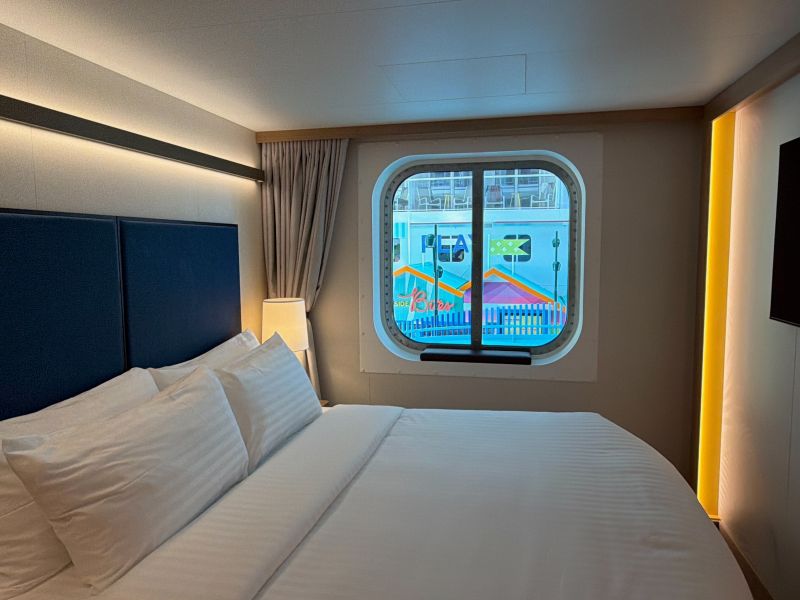
Legend of the Seas is a little different because two of the interior categories do have windows. Surfside Family View Interior cabins overlook the Surfside neighbourhood, while Central Park View Interior cabins look into Central Park. They’re still classed as interior cabins because they don’t have an ocean view, but you do at least get some natural light.
That sounds like the best of both worlds, and for some people it absolutely is. Personally, I think there are a few drawbacks that are worth knowing about before you book, which I’ll come on to shortly.
Also worth me pointing out that, for some reason, these two categories aren’t shown on the deck plan. When I did my initial research for this guide, I assumed that they just weren’t on the ship and were replaced with regular Interior cabins instead! But then I was able to enjoy a preview cruise onboard and saw that the cabins do exist.
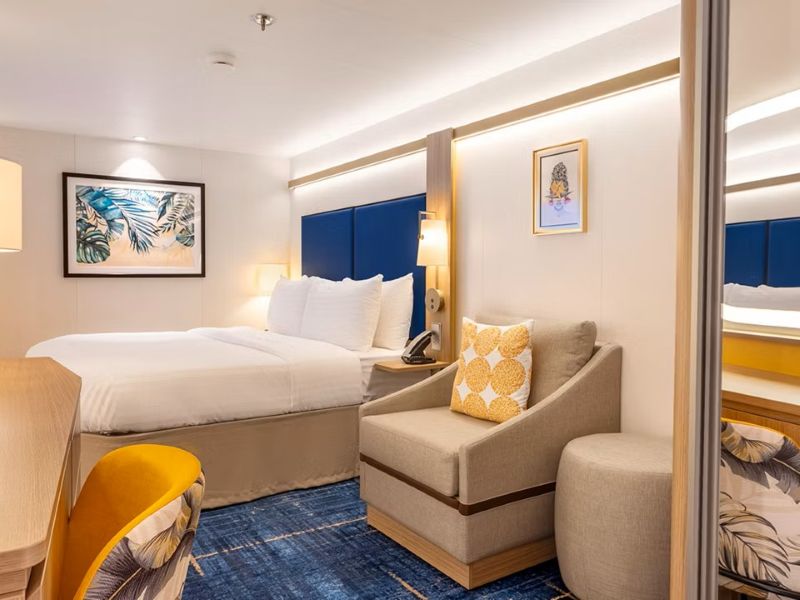
One other thing that’s worth pointing out is the Interior Plus cabins. The name makes them sound like a larger version of a standard Interior cabin, but that’s not actually the case. The extra “plus” is storage space rather than floor space. If having a room that feels more spacious is your priority, the Spacious Interior is the one to choose.
Ocean View Staterooms
If you’d like some natural light and a proper sea view without paying for a balcony, an Ocean View cabin can be a great middle ground.
Legend of the Seas has just two Ocean View cabin types:
Ocean View
Panoramic Ocean View
The Panoramic Ocean View cabins are the more impressive of the two. Found only at the front of Deck 14, they feature huge floor-to-ceiling windows that make the most of the views ahead of the ship. They’re also a little more spacious than the standard Ocean View cabins.
The regular Ocean View cabins are simpler but still a big step up from an Interior if you enjoy waking up to daylight and seeing the ocean. You won’t have your own outdoor space, but they’re often worth considering if a Balcony cabin is stretching the budget.
Balcony Staterooms
Balcony cabins are where the choice really opens up on Legend of the Seas. There are several different options, depending on the view you’d like and how much space you need:
Ocean View Balcony
Ocean View Large Balcony
Infinite Ocean View Balcony
Family Infinite Ocean View Balcony
Connecting Ocean View Balcony
Central Park View Balcony
Infinite Central Park View Balcony
Surfside Family View Balcony
One thing that’s worth paying attention to is whether you’re booking a traditional balcony or an Infinite Balcony.
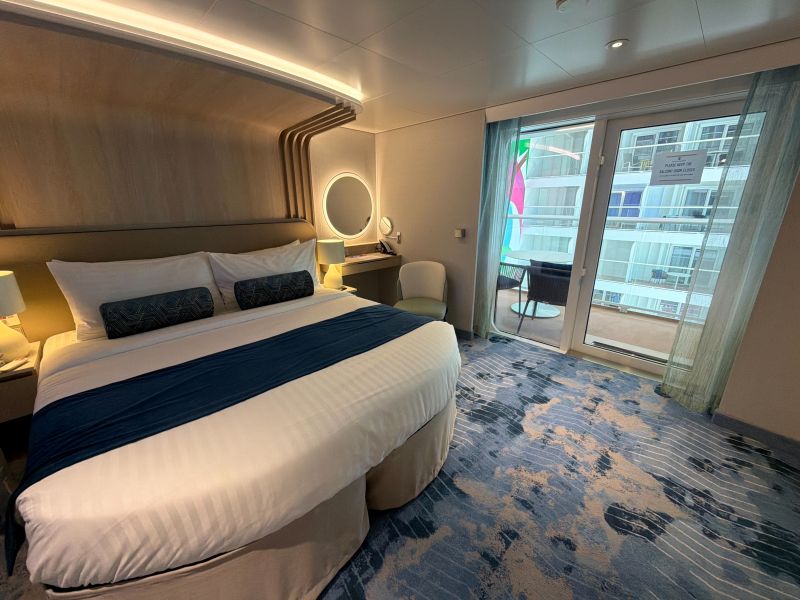
A traditional balcony is exactly what you’d expect – you open the door and step outside onto your own private balcony.
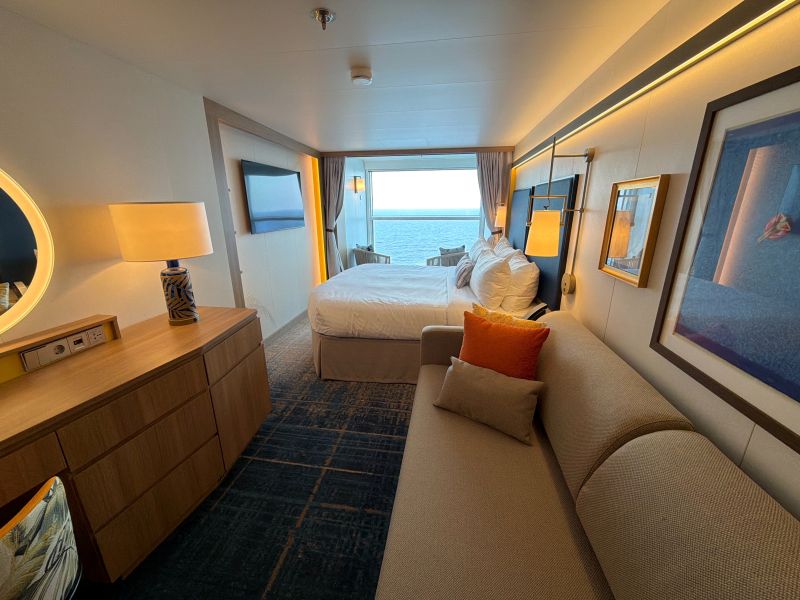
An Infinite Balcony is a little different. Instead of having a separate outdoor space, the balcony is built into the cabin itself. A huge floor-to-ceiling window opens at the touch of a button, letting in the sea breeze while giving you a little more indoor living space when it’s closed.
Royal Caribbean has introduced Infinite Balconies on several newer ships, although they’re probably best known from Celebrity Cruises’ Edge Class ships. Some cruisers love them, while others are disappointed if they book one expecting a traditional balcony, so it’s worth checking exactly which type you’re choosing.
It’s also worth remembering that not every balcony overlooks the ocean. Some face into the ship instead, with views over Central Park or Surfside. These neighbourhood-view cabins are usually cheaper than ocean-facing balconies, but you’ll be looking across at other balconies rather than out to sea.
One final thing to mention is Guarantee cabins. These are available in every cabin category and can save you money, but you don’t get to choose your exact cabin – Royal Caribbean assigns it for you.
If you’re happy with either an ocean-view or neighbourhood-view balcony, a standard Balcony Guarantee could be a good deal. If you definitely want one or the other, though, it’s worth choosing the relevant Guarantee category so you don’t end up with a view you weren’t expecting.
Suites
At the top end of the range are the suites, starting with the relatively affordable Junior Suites and going all the way up to spectacular accommodation like the Royal Loft Suite and the Ultimate Family Townhouse.
As you’d expect, they’re the most expensive cabins on Legend of the Seas, but they also offer far more space along with a range of extra perks. Depending on the suite you choose, that could include access to exclusive areas, priority boarding and a whole host of other benefits that can make the cruise feel very different.
There are so many suite categories that they really deserve a guide of their own. I’ve already put together a detailed guide to the suites on Icon of the Seas, and because the two ships share the same layout, everything there applies to Legend of the Seas too.
Want the best Royal Caribbean deal?
Get a free quote from Cruise Mummy’s trusted travel agent, with exclusive onboard credit and expert help at no extra cost.
Cabins to Avoid on Legend of the Seas
Before I start, I should point out that I don’t think there are any bad cabins on Legend of the Seas like there are on some older ships.
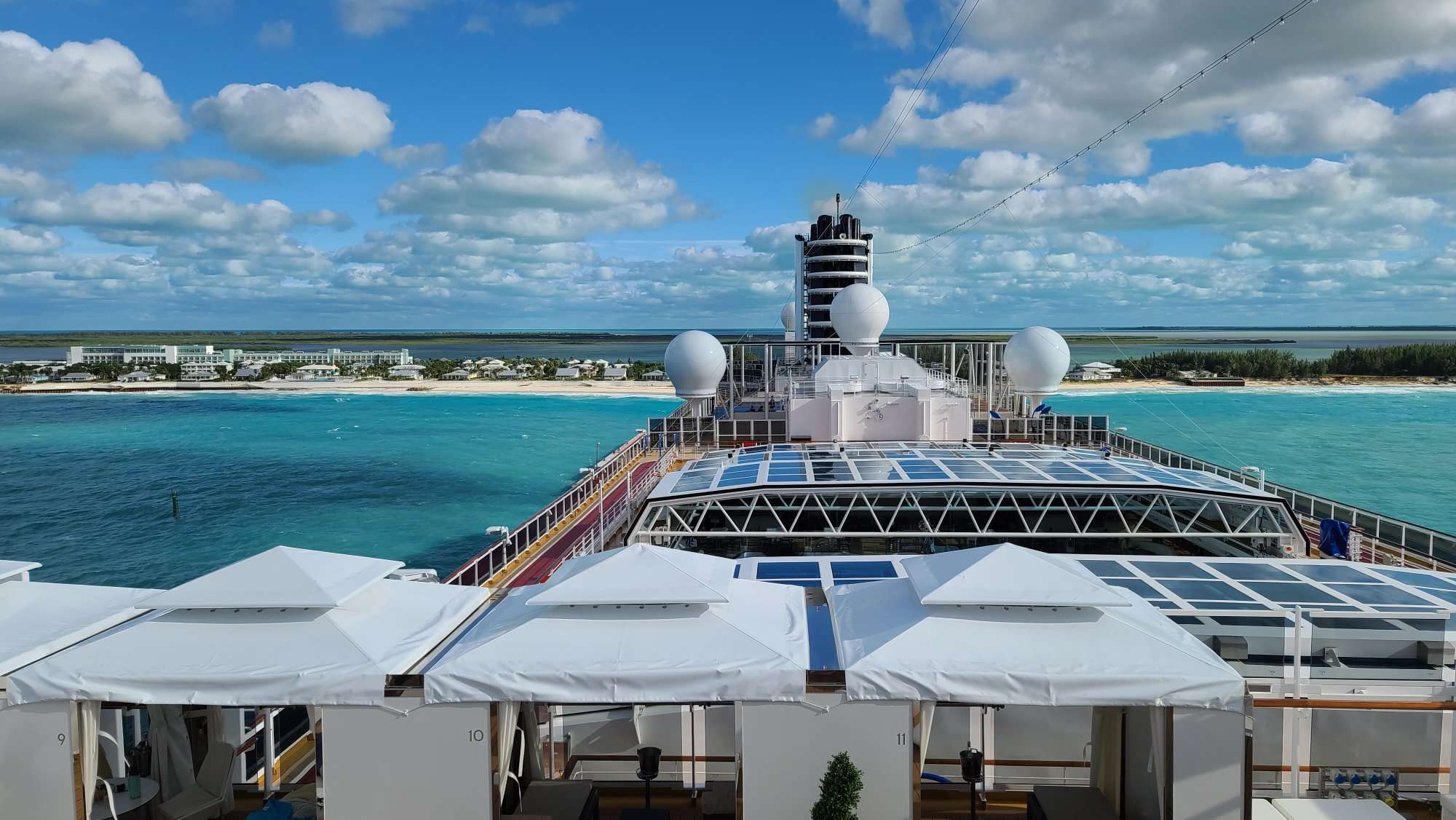
Royal Caribbean has spent billions creating these Icon Class ships, and every cabin is going to suit someone. The trick is finding the one that suits you.
The cabins below aren’t ones I’d tell everyone to avoid. They’re simply the ones that come with compromises that some cruisers won’t mind at all, while others may wish they’d chosen differently.
1. Surfside-View Cabins (If You’re Not Travelling With Young Kids)
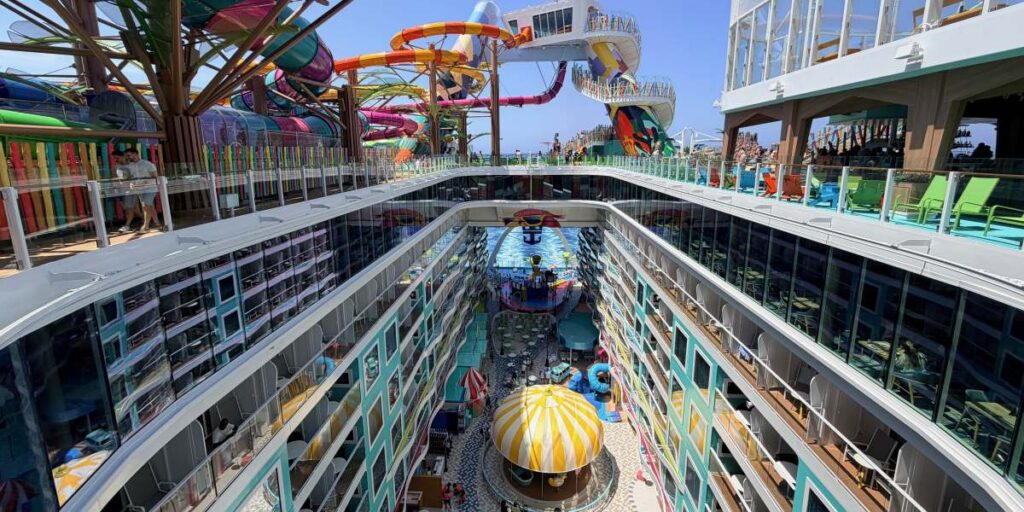
Surfside made its debut on Icon of the Seas and returns on Legend of the Seas as the ship’s neighbourhood designed especially for young families. It’s packed with splash areas, family dining, play spaces and activities aimed mainly at children up to around 10 years old.
If you’re cruising with little ones, staying nearby can actually be a huge plus. Everything is right on your doorstep, making it much easier to pop back to the cabin during the day.
If you’re travelling without children, though, I’d think twice before booking a cabin overlooking Surfside.
Family neighbourhoods are rarely the quietest parts of a cruise ship, and the cabins with views over Surfside are likely to hear more excited voices, music and general daytime activity than cabins facing the ocean.
That applies particularly to the Surfside Family View Interior cabins, Surfside Family View Balcony cabins and Surfside Family Suites.
2. Cabins Directly Below Chill Island
14164 to 14286 and 14565 to 14686
One of the oldest pieces of cruise cabin advice is to avoid staying directly underneath the pool deck, and it applies just as much on Legend of the Seas.
These cabins sit beneath Chill Island, the ship’s main pool area. During the day you’ll hear the usual sounds of people enjoying the pools, but it’s often the quieter hours that catch people by surprise.
Early each morning, crew members move sun loungers into position, and later in the evening they’re stacked away again. If you’ve ever heard dozens of loungers being dragged across a deck, you’ll know it’s not the most relaxing soundtrack when you’re trying to sleep or enjoy a lazy morning.
If you’re an early riser, it may not bother you at all. But if you value peaceful mornings or like an afternoon nap, I’d give these cabins a miss.
3. Cabins Below The Hideaway
14288 to 14350, 14352 to 14362, 14688 to 14750 and 14752 to 14762
You might expect the adults-only area to be one of the quieter spots on the ship. On Legend of the Seas, though, that’s not really the case.
Instead of a traditional Solarium, these ships have The Hideaway – an adults-only space with an infinity pool, bar, DJs and a much livelier atmosphere. It’s a fantastic place to spend an afternoon if you enjoy that beach club vibe.
The downside is that the cabins directly underneath can pick up noise from the music and activity above, particularly during the day and into the evening.
If you’ll be joining in the fun, that probably won’t bother you. But if you’re the type who likes to escape back to the cabin for an afternoon nap or an early night, I’d choose a different location.
4. Cabins Near The AquaDome
12134 to 12162, 12530 to 12562, 14138 to 14162 and 14538 to 14562
The AquaDome is one of the most impressive spaces on Legend of the Seas. It’s home to spectacular diving and aerial shows, along with live entertainment that continues into the evening.
As you’d expect from a theatre hosting acrobatic performances, the soundtrack can be powerful, with plenty of bass that may travel into nearby cabins. The cast also rehearses during the day, so you could occasionally hear performances outside of showtime too.
Most people won’t spend much time in their cabin during the afternoon, so rehearsals aren’t usually a major issue. But if you like to turn in early or simply prefer a quieter part of the ship, it’s worth giving these cabins a miss.
5. Forward Cabins (If You’re Prone to Seasickness)
If you suffer from seasickness, Legend of the Seas is about as good as it gets. She’s enormous and fitted with modern stabilisers that do a fantastic job of reducing movement.
Even so, no cruise ship can completely eliminate the motion when the sea gets rough.
The best place to be if you’re prone to seasickness is usually on a lower deck, close to the middle of the ship. That’s where you’ll feel the least movement.
Many of Legend of the Seas’ most impressive cabins are right at the front of the ship on the upper decks. The views are incredible, but they’re also among the locations where movement is likely to be most noticeable.
For most people, that’s a trade-off worth making. But if motion sickness has affected previous cruises, I’d be looking elsewhere. Unless you were on smaller ships – honestly, the movement on Legend is unlikely to be too bad and I’m only including this on the list to be extra careful.
6. Cabins With Sofa Beds (If Adults or Older Children Are Sharing)
This was one thing that surprised me when I first looked at the Icon Class cabin layouts.
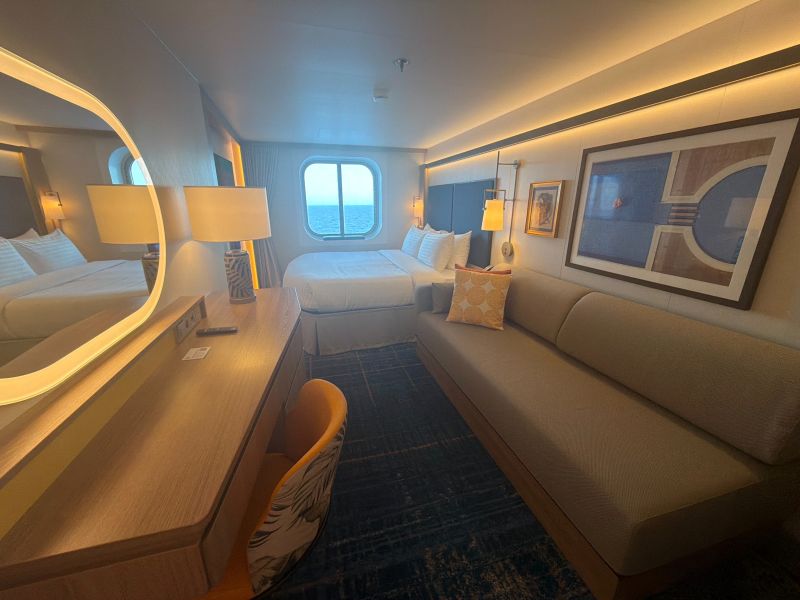
Rather than relying on Pullman beds that fold down from the ceiling, many cabins use sofa beds instead. In lots of cases that’s a real improvement. They’re easier to access, there’s no climbing up ladders and nobody has to worry about banging their head on an upper bunk.
The downside is that some of the sofa beds aren’t particularly generous in size.
If the bed is for one younger child, it’s unlikely to be a problem. But if an adult is sleeping there, or two older children are sharing, it could feel a little cramped. It’s definitely worth checking the cabin layout before you book, especially if everyone in your party is close to adult size.
Also, if your kids don’t want to share a double sofa bed, then you may need to give them the two single beds while mum and dad share the double sofa bed. Which isn’t ideal.
7. Cabins Below Crown’s Edge (If You Like Peace and Quiet)
If you’re lucky enough to book one of the balcony cabins directly beneath Crown’s Edge, there’s one thing you probably won’t have considered…
The soundtrack.
Crown’s Edge is the attraction that sends guests out over the side of the ship, suspended high above the ocean. Unsurprisingly, quite a few people scream their way around it.
I actually stayed in one of these cabins, and every so often I’d hear a chorus of excited shrieks from above. It was more amusing than annoying, and after a day or two it became part of the ship’s atmosphere.
The good news is that Royal Caribbean has done an excellent job with the balcony doors. Once they were closed, the cabin was impressively quiet and I had no problem enjoying an afternoon nap.
8. Surfside and Central Park View Interior Cabins
8321 to 8347, 8721 to 8747, 9181 to 9259, 9587 to 9657 (Interior Cabins Only)
These are some of the most unusual cabins on Legend of the Seas.
Although they’re officially Interior cabins, both categories have a large window overlooking either Surfside or Central Park, so you get natural light without paying for an Ocean View cabin. They’re also a little larger than a standard Interior, which is another bonus.
The catch is privacy.
Those windows look straight onto public walkways, so people are constantly passing by. Unless you’re happy to feel like you’re living in a shop window, you’ll probably end up keeping the curtains closed for much of the cruise.
Also, an unusual quirk – these cabins aren’t shown as being Surfside View or Central Park View cabins on the official deck plans. They just show up as regular Interior Staterooms.
I don’t know why, because on the Legend of the Seas deck plans they are shown. It’s an odd one. Still, you can use the cabin numbers I’ve provided to help you avoid these rooms if you want to. Note that not all cabins within those ranges are Interior rooms, so any Balcony Staterooms within those ranges are fine.
The Best Cabins on Legend of the Seas
The truth is, there isn’t one “best” cabin on Legend of the Seas.
The right choice depends on who you’re travelling with, how much you want to spend and what matters most to you. Some people want the biggest balcony possible. Others just want somewhere quiet to sleep.
That said, there are a few cabin types that stand out because they offer something genuinely better than the standard options.
Family Infinite Ocean View Balcony
If you’re travelling with children and don’t want to stretch to suite prices, this would probably be my first choice.
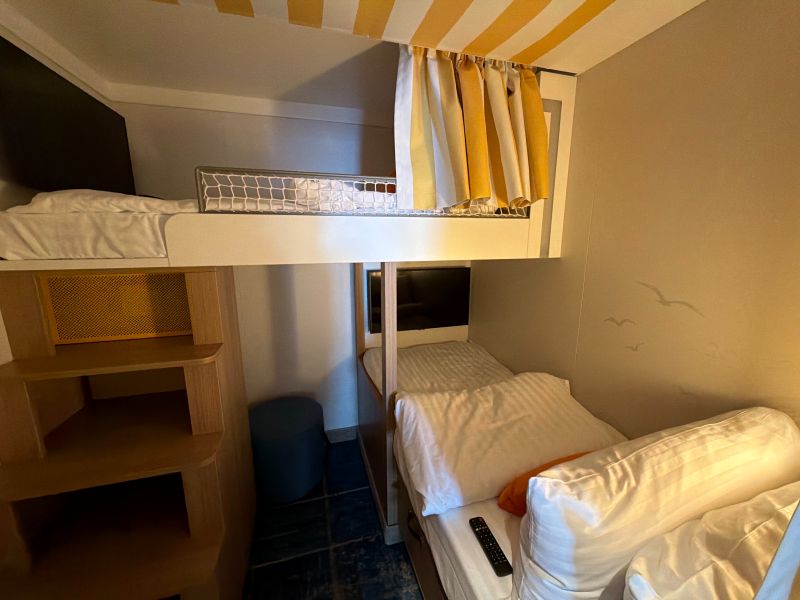
The biggest advantage is the layout. Rather than asking the kids to sleep on a sofa bed, these cabins have a separate sleeping area with bunk beds. Each bunk even has its own TV, which can be a lifesaver when everyone wants to wind down with something different before bed or early in the morning.
The split bathroom is another feature that makes a surprising difference. One person can be in the shower while someone else uses the toilet, which helps those pre-breakfast bottlenecks that every family seems to experience.
They’re more expensive than a standard balcony cabin, but if your budget allows, I think they’re one of the smartest upgrades on the ship.
Surfside Family Suite (For Families With Younger Children)
At first glance, this might seem like a strange recommendation after I suggested avoiding Surfside-facing cabins. The difference is who they’re designed for.
If your children are still young enough to spend lots of time in Surfside, being right in the middle of the action is actually a huge advantage. Everything is close by, making it much easier to nip back to the cabin during the day.
Inside, the kids get their own semi-private sleeping area with an oversized TV, while parents have a comfortable living space to relax once everyone’s settled down.
As a Sky Class suite, you’ll also enjoy some excellent suite perks, including access to Coastal Kitchen, the Suite Lounge and The Grove, along with priority dining reservations and complimentary VOOM internet.
If you’re travelling with teenagers, I’d probably still choose the Family Infinite Ocean View Balcony. But for families with younger children, this suite gets a lot of things right.
Ultimate Family Townhouse
If money really is no object, there’s only one winner.
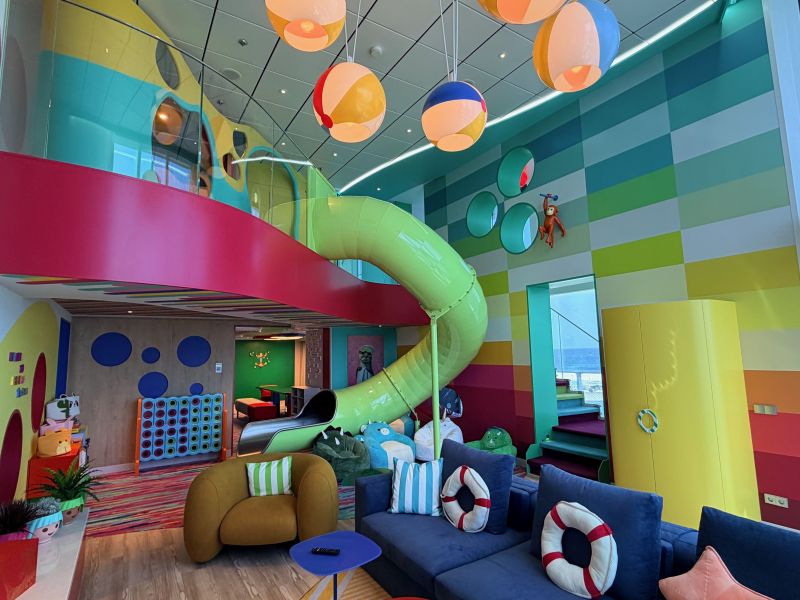
The Ultimate Family Townhouse is one of the most over-the-top cruise accommodations ever created. It spans three floors, has its own fenced outdoor space opening directly into Surfside, and is packed with features that most hotels couldn’t even dream of.
There’s a slide connecting the decks, separate bedrooms for adults and children, a karaoke area, gaming space, a musical staircase and plenty more hidden surprises.
On top of that, it’s a Star Class suite, which means you’ll receive Royal Caribbean’s highest level of suite benefits, including complimentary gratuities, Deluxe Beverage Packages and the services of a Royal Genie to help arrange pretty much anything throughout your cruise.
With fares often reaching around £20,000 per person for a week, it’s firmly in dream-holiday territory for most of us.
Still, if you’re curious about what it’s like, I’ve written a full guide to the Ultimate Family Townhouse. The version on Legend of the Seas has a few décor changes, but otherwise it’s essentially the same experience.
Want the best Royal Caribbean deal?
Get a free quote from Cruise Mummy’s trusted travel agent, with exclusive onboard credit and expert help at no extra cost.
Final Thoughts
Because Legend of the Seas is so new, it’s possible that a few cabins will reveal little quirks that nobody has spotted yet.
I’ve based this guide on the ship’s deck plans, Royal Caribbean’s published information, my own experience sailing on Legend of the Seas, and what we’ve already learned from Icon of the Seas and Star of the Seas, which has the same cabin layouts. That means I’m confident the advice here will apply to the vast majority of cabins, even if the odd surprise emerges over time.
If you’ve stayed in a cabin on Legend of the Seas and discovered something I haven’t mentioned, I’d love to hear about it. Leave a comment below and I’ll keep this guide updated so it stays as useful as possible for future cruisers.
The good news is that there really aren’t any bad cabins on Legend of the Seas. Some are simply a better fit than others depending on your budget, who you’re travelling with and what kind of cruise you’re hoping to have.
And remember, even if your cabin isn’t absolutely perfect, you’ll probably spend most of your holiday exploring everything else this incredible ship has to offer.
Below are some of the resources I used while researching and putting this guide together:
Want the best Royal Caribbean deal?
Get a free quote from Cruise Mummy’s trusted travel agent, with exclusive onboard credit and expert help at no extra cost.
Holland America Line has announced their 2027-2028 Caribbean season that includes cruises with more time in port than any other cruise line.
For the 2027-2028 Caribbean season, Holland America Line will offer a total of 29 different itineraries across 47 departures. The cruises will visit 35 ports in 25 countries in the Eastern, Western, and Southern Caribbean. Some sailings will also visit the Panama Canal.
Shore excursions curated with The HISTORY Channel will be offered. The cruise line’s Global Fresh Fish Program, combined with Destination Dining, will bring the flavors of the Caribbean on board the ships.
RelaxAway, Half Moon Cay, the cruise line’s private island in The Bahamas, will be an included port visit on nearly every sailing to the Caribbean.
A new beach club experience is being added to the island that includes waiter service, priority tendering, exclusive food and beverage options, and upgraded seating, along with indoor and outdoor spaces with ship views.
Other enhancements coming to the island are a refreshed Lobster Shack, expanded cabanas and villas, new shopping venues, and improved beach facilities that include pickleball.
Itineraries will range from shorter five-night sailings from Ft. Lauderdale to 12-night cruises to the Southern Caribbean. Eurodam, Rotterdam, Zuiderdam, Volendam and Oosterdam will all be based in Florida for the 2027-2028 Caribbean season.
A few months ago, Holland America Line announced a massive $500 million program to upgrade their cruise ships. The first ship that will get renovated, Oosterdam, will sail to the Caribbean for the 2027-2028 season.
The cruise ship will have new accommodations that include Solo Verandah staterooms with private balconies and dedicated workspace, as well as premium options such as Bridgeview Suites with panoramic ocean views and expanded living space, and Vista Suites debuting on the ship for the first time.
Oosterdam will offer longer cruises to the Southern Caribbean and Panama Canal.
Paul Grigsby, vice president, deployment and revenue planning for Holland America Line, gave the following statement:
“We’ve built this season to give guests more ways to experience the Caribbean, whether they are looking for a quick getaway or a longer journey that explores more of the region. With more Caribbean itineraries of nine days or longer than any other cruise line, guests have more time to explore each destination and relax at our private island and with signature experiences on board.”
Get the latest cruise news, tips, and deals sent straight to your inbox with our free newsletter: Sign Up Now
Carnival Cruise Line’s Carnival Legend has embarked on an extensive 12-night voyage from Dover, England, exploring Iceland and the British Isles as part of its summer deployment in Northern Europe.
The itinerary includes seven destinations across the region, featuring both popular ports and lesser-visited Icelandic communities that rarely appear on mainstream cruise schedules.
Northern Europe Deployment Brings Diverse Itinerary Options
The Carnival Legend’s current positioning in Northern Europe represents a significant commitment by Carnival Corporation to expand its presence in this increasingly popular cruising region.
The ship is offering a varied programme of nine- to 12-night sailings throughout the summer months, targeting destinations across the British Isles, Baltic Sea, and North Sea regions.
This deployment strategy allows Carnival to tap into both the European market and North American travellers seeking longer, more immersive cruise experiences.
The Northern Europe cruise market has experienced substantial growth over the past decade, with passengers drawn to the region’s dramatic landscapes, rich history, and extended daylight hours during summer months.
The Spirit-class vessel’s presence in European waters also provides Carnival with an opportunity to showcase its product to international audiences who may be more familiar with European cruise operators.
This diversification of deployment locations helps the cruise line balance seasonal demand across different hemispheres.
Exploring Iceland’s Remote Coastal Communities
The current Iceland-focused itinerary distinguishes itself through calls at Grundarfjordur and Djupivogur – two Icelandic ports that seldom feature on major cruise line schedules.
These smaller communities offer passengers authentic experiences away from the more heavily touristed areas of Reykjavik and Akureyri.
Grundarfjordur, located on the northern coast of the Snæfellsnes Peninsula, is home to fewer than 1,000 residents and is best known for the iconic Mount Kirkjufell, one of Iceland’s most photographed mountains.
The town provides access to Snæfellsjökull National Park and opportunities to experience Iceland’s dramatic volcanic landscapes and coastal scenery.
Djupivogur, situated in East Iceland, is an even smaller fishing village with a population of approximately 450 people.
The port serves as a gateway to the surrounding fjords and offers visitors a glimpse into traditional Icelandic coastal life.
The inclusion of these ports demonstrates Carnival’s commitment to providing unique, destination-focused experiences rather than simply following the well-worn paths of mass-market tourism.
The itinerary also includes the more established Icelandic ports of Reykjavik, the nation’s capital and cultural centre, and Akureyri, often called the “Capital of North Iceland.”
These larger ports provide passengers with access to popular excursions including the Blue Lagoon, Golden Circle tours, and whale watching expeditions.
British Isles Ports Round Out The Northern Adventure
Complementing the Icelandic calls, the 12-night voyage includes three ports in the British Isles, offering passengers a diverse cultural experience.
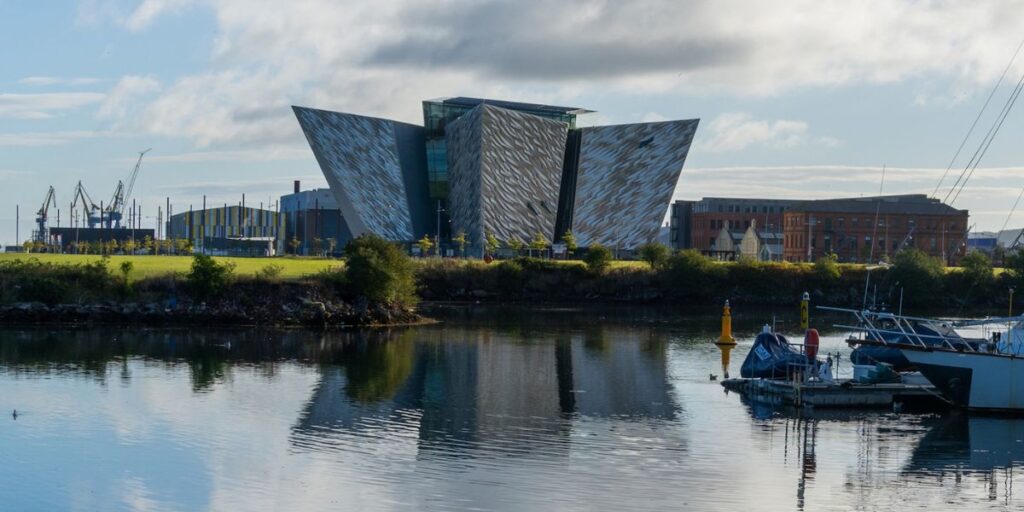
Belfast, the capital of Northern Ireland, provides rich history including the Titanic Belfast museum and access to the Giant’s Causeway, a UNESCO World Heritage Site.
Kirkwall, the capital of Scotland’s Orkney Islands, offers cruise passengers access to some of Europe’s best-preserved Neolithic sites, including the 5,000-year-old settlement of Skara Brae and the Ring of Brodgar stone circle.
The port has become increasingly popular with cruise lines due to its unique archaeological significance and compact, walkable town centre.
The voyage concludes with a call at Stornoway on the Isle of Lewis, part of Scotland’s remote Outer Hebrides archipelago.
This port provides access to the Callanish Stones, a prehistoric monument predating Stonehenge, as well as traditional Scottish Highland culture and dramatic coastal landscapes.
The inclusion of Stornoway adds an element of remote exploration that appeals to passengers seeking destinations off the typical tourist trail.
Special Solar Eclipse Voyage Scheduled For August
Among the highlights of Carnival Legend’s Northern Europe season is a specially designed 11-night Solar Eclipse cruise departing in early August 2026.
This voyage, part of Carnival’s Journeys programme, has been meticulously planned to position the ship at sea on 12th August 2026, when a total solar eclipse will be visible from the North Atlantic.
The eclipse itinerary visits ports across Western Europe, including Zeebrugge in Belgium, Le Havre and Le Verdon in France, the Channel Island of Guernsey, and several Spanish and Portuguese destinations including Vigo, Porto, and Lisbon.
This diverse port selection allows passengers to explore multiple countries whilst building anticipation for the celestial event.
Solar eclipse cruises have become highly sought-after specialty sailings within the cruise industry, often selling out quickly due to their unique nature and the rare opportunity they provide.
By positioning the vessel in the path of totality at sea, Carnival can offer passengers an unobstructed viewing experience away from land-based crowds and potential weather complications associated with fixed locations.
The Carnival Journeys programme typically features longer itineraries with enhanced onboard programming, including destination-focused enrichment lectures, culinary experiences, and special events designed to create a more immersive cruise experience.
This eclipse voyage represents a perfect fit for the Journeys concept, combining unique ports with an extraordinary natural phenomenon.
Mediterranean Season To Follow Northern Europe Deployment
Following the conclusion of its Northern Europe programme, Carnival Legend will reposition to the Mediterranean in late August with a transitional cruise to Italy.
This repositioning allows the ship to capitalise on the late summer and early autumn season in Southern Europe, when temperatures remain pleasant but peak summer crowds have diminished.
Operating from Civitavecchia, Rome’s cruise port, the Spirit-class vessel will offer itineraries exploring the Greek Islands, Turkey, Croatia, Montenegro, and various Italian ports through late October.
This Mediterranean deployment provides Carnival with a presence in one of Europe’s most popular cruise regions during the shoulder season, appealing to passengers seeking cultural immersion and historical exploration.
The Mediterranean programme extends Carnival Legend’s European season substantially, allowing the ship to remain in the region for approximately six months before returning to North American waters.
This extended deployment reflects broader industry trends towards longer seasonal commitments in European waters, driven by strong demand from both North American and European passengers.
Transatlantic Crossing Leads To Caribbean Winter Season
In early November, Carnival Legend will undertake a transatlantic crossing from Europe to North America, marking the transition to its winter deployment.
These repositioning cruises often attract a devoted following amongst cruise enthusiasts who appreciate the longer sea days and typically lower pricing compared to destination-intensive itineraries.
The transatlantic voyage will position the ship for its winter season based from Tampa, Florida, where it will offer five- to eight-night cruises to destinations in the Western Caribbean and the Bahamas.
This return to Caribbean waters represents a homecoming of sorts for the Carnival brand, which built its reputation on short- to medium-length Caribbean voyages from Florida ports.
Tampa has become an increasingly important homeport for Carnival Cruise Line, offering convenient access for passengers from Florida’s west coast and neighbouring states whilst avoiding the congestion sometimes experienced at larger ports like Miami or Port Canaveral.
The port’s geographic position also allows for efficient routing to both Eastern and Western Caribbean destinations.
Carnival Legend, built in 2002, is one of four Spirit-class ships in the Carnival fleet, alongside Carnival Spirit, Carnival Pride, and Carnival Miracle.
With a gross tonnage of approximately 88,500 and capacity for 2,124 passengers in double occupancy, these mid-sized vessels offer an ideal balance between amenities and the ability to access smaller ports.
The Spirit class was designed during a period of rapid expansion for Carnival, incorporating many features that have become signature elements of the Carnival experience whilst maintaining a size that allows for more intimate port calls.
The ships feature the line’s characteristic fun ship atmosphere, with multiple dining venues, extensive deck spaces, and entertainment options ranging from production shows to the popular Playlist Productions performances.
Over the years, Carnival Legend has undergone various refurbishment programmes to maintain contemporary standards and incorporate new features introduced across the fleet.
These updates have ensured the vessel remains competitive within Carnival’s diverse fleet whilst retaining the classic Spirit-class layout that has proven popular with passengers.
The ship’s relatively modest size compared to newer mega-ships makes it particularly well-suited for the Northern Europe deployment, where port infrastructure in smaller communities like Djupivogur and Grundarfjordur cannot accommodate the largest cruise vessels in operation today.
This accessibility advantage allows Carnival to offer itineraries that differentiate themselves from competitors operating larger ships restricted to major ports.
Growing Demand For Longer, Destination-Focused Cruises
Carnival Legend’s European deployment reflects broader industry trends towards longer, more destination-intensive itineraries that appeal to experienced cruisers seeking deeper cultural immersion.
The nine- to 12-night voyages offered throughout the summer season represent a departure from Carnival’s traditional focus on shorter Caribbean sailings, acknowledging evolving passenger preferences.
The cruise industry has observed increasing demand for extended voyages, particularly in regions like Northern Europe where distances between ports and the richness of available experiences justify longer itineraries.
These sailings attract passengers willing to invest more time and resources in exchange for access to extraordinary destinations and more relaxed pacing.
By offering these longer European itineraries alongside its core Caribbean product, Carnival demonstrates its commitment to serving diverse passenger preferences whilst expanding its reach beyond traditional North American markets.
The strategy also helps balance fleet deployment throughout the year, ensuring ships remain productively utilised during periods when Caribbean demand might otherwise soften.
NEW DEALS JUST RELEASED!
See the latest Carnival cruise offers…
Related Posts
If you found this interesting, please share!
Fred. Olsen Cruise Lines has partnered with acclaimed Hollywood composer Benjamin Squires to create “Soundtrack for the Seas”, billed as the world’s first original musical score composed specifically for the…
A former headteacher has been banned from teaching after a professional conduct panel concluded she dishonestly changed her school’s term dates to accommodate a cruise holiday, while also misusing a…
Additional cases of gastrointestinal illness have been reported aboard Princess Cruises’ Ruby Princess only days after the ship experienced a significant norovirus outbreak that affected more than 120 people. The…
A former Virgin Voyages crew member has been charged in the United States after allegedly sexually assaulting female passengers while working aboard Brilliant Lady during an Alaska cruise. Pranit Narayan…
Carnival Cruise Line was the very first cruise line to ever build a cruise ship (Carnival Destiny) that was over 100,000 gross tons in size. Carnival Destiny debuted 30 years ago and now sails as Carnival Sunshine.
Right now, the largest ships in Carnival’s fleet are the Excel class ships.
Even though Carnival was first to build a cruise ship over 100,000 gross tons, they have yet to build a ship over 200,000 gross tons. So far, only Royal Caribbean, MSC Cruises, and Disney Cruise Line have ships in their fleet that size.
But that’s all about to change this month when Carnival Cruise Line cuts the first piece of steel for their first Project Ace ship. A few months ago, Christine Duffy, president of Carnival, said that the steel cutting would take place in July.
This morning, Carnival’s Brand Ambassador John Heald posted on his Facebook page that he was headed to Trieste, Italy, later this week to visit the Fincantieri Monfalcone shipyard. This is the shipyard that is building this new class of ships for Carnival Cruise Line.
He said he is planning on posting a “massive dollop of Facebook videos and Facebook Live” from the shipyard on Thursday and Friday.
Heald did not specify the reason for the visit to the shipyard, but it’s likely, although not confirmed, that it’s for the steel cutting for Project Ace. The shipyard is currently not building any other ships for Carnival Cruise Line.
What Is Project Ace?
Project Ace is a new class of cruise ships from Carnival Cruise Line and their first over 200,000 gross tons. Last reported, they would be in the vicinity of 230,000 gross tons.
Carnival has ordered three of these ships, and they will enter service in 2029, 2031, and 2033. They will have over 3,000 cabins and carry around 8,000 guests at full capacity.
Carnival has yet to reveal any details on these new cruise ships but has said that they will have new dining outlets, new entertainment, and reimagined outer deck amenities.
The new piers Carnival Cruise Line has built at their private destinations in The Bahamas will be able to accommodate these massive 230,000 gross ton ships.
The cruise line said that they will reveal the exterior of the ship when the first piece of steel is cut this month.
Cruise Fever will have all details on this new class of ships when they are announced by Carnival Cruise Line.
Get the latest cruise news, tips, and deals sent straight to your inbox with our free newsletter: Sign Up Now
Fred. Olsen Cruise Lines has partnered with acclaimed Hollywood composer Benjamin Squires to create “Soundtrack for the Seas”, billed as the world’s first original musical score composed specifically for the cruise experience. The cinematic album, inspired by a Northern Lights voyage aboard the company’s ship Balmoral, marks Squires’ appointment as the cruise industry’s first-ever Composer-in-Residence.
Composer Captures Essence Of Smaller Ship Cruising Experience
The collaboration between Fred. Olsen and Benjamin Squires represents an innovative approach to enhancing the cruise experience through original music. Doug Glenwright, guest experience director at Fred. Olsen Cruise Lines, explained that the soundtrack captures the emotional and sensory richness that defines smaller ship voyages with the operator.
“Cruising is an experience like no other, and our Soundtrack for the Seas beautifully captures the emotion, sounds and sensory richness of a smaller ship voyage with Fred. Olsen,” Glenwright stated. He emphasised that the music reflects the anticipation, wonder, and joy that guests experience throughout their sailings, whether they’re listening onboard, at home, or whilst dreaming of future adventures.
The project establishes Fred. Olsen as a pioneer in integrating bespoke musical experiences into cruise travel, setting the operator apart in an increasingly competitive market. The cruise line has built its reputation on delivering intimate, destination-focused voyages that appeal to discerning travellers seeking an alternative to larger resort-style ships.
Hollywood Talent Brings Cinematic Quality To Maritime Project
Benjamin Squires brings impressive credentials to his groundbreaking role as the cruise industry’s first Composer-in-Residence. His previous work includes scoring trailers for major Hollywood releases such as “Wicked: For Good” and “Avatar: Fire and Ash”, demonstrating his ability to create evocative music that resonates with audiences.
Squires’ transition from blockbuster film projects to cruise-inspired composition represents an unusual career move that underscores the creative potential he identified in maritime travel. His background in trailer music – a genre that demands the ability to capture emotion and atmosphere in condensed timeframes – proved ideal for translating the cruise experience into musical form.
The composer’s involvement elevates Fred. Olsen’s artistic ambitions and signals the cruise line’s commitment to offering experiences that extend beyond traditional onboard entertainment. By securing talent from the film industry, the operator has positioned itself at the intersection of travel and contemporary culture.
The genesis of “Soundtrack for the Seas” lies in Squires’ 10-day voyage aboard Fred. Olsen’s Balmoral in March. During this immersive experience, the composer sought to capture the Northern Lights whilst documenting the sounds, rhythms, and emotional moments that define life at sea.
“Spending time aboard the Balmoral gave me access to so many extraordinary moments, from the thrill of standing on deck as the ship departed to watching the Northern Lights dance across the sky,” Squires revealed. He explained that every track is rooted in real experiences and sounds captured during the voyage, creating an authentic musical representation of the cruise journey.
The Northern Lights theme provides a natural focal point for the composition, as the aurora borealis represents one of nature’s most awe-inspiring spectacles and a bucket-list experience for many cruise passengers. Fred. Olsen has long specialised in Northern Lights sailings, positioning itself as an expert in Arctic and sub-Arctic itineraries.
Balmoral, the vessel that hosted Squires’ creative voyage, has a gross tonnage of 43,537 and carries approximately 1,350 passengers. The ship has been a mainstay of Fred. Olsen’s fleet since 2008 and regularly operates itineraries to Norway, Iceland, and other destinations ideal for aurora viewing.
Recording Process Utilises Premier London Studio Facilities
Following his voyage, Squires collaborated with orchestrators Peter Davison and Danny Keane to bring his compositions to life. The trio recorded the soundtrack at AIR Studios in Lyndhurst Hall, one of London’s most prestigious recording facilities.
AIR Studios has hosted recording sessions for numerous iconic soundtracks and albums, making it a fitting venue for this pioneering cruise-related project. The studio’s Lyndurst Hall is renowned for its acoustics and has been used for orchestral recordings by leading composers and artists across multiple genres.
The involvement of professional orchestrators and a world-class recording venue demonstrates Fred. Olsen’s investment in ensuring the highest production values for the project. Rather than creating simple background music, the cruise line has commissioned a sophisticated work that stands as a legitimate musical achievement in its own right.
Eight-Track Album Blends Cinematic Composition With Maritime Themes
“Soundtrack for the Seas” comprises six main tracks and two bonus compositions, each designed to evoke different aspects of the cruise experience. The album’s structure takes listeners on a sonic journey that mirrors the emotional arc of a voyage, from departure through to the wonder of witnessing natural phenomena.
Squires has described his intention for listeners to lose themselves in the music and feel fully transported, whether they’re reliving a past cruise or imagining their first adventure at sea. This approach positions the album as both a souvenir for past guests and a marketing tool that allows potential passengers to envision themselves aboard a Fred. Olsen vessel.
The cinematic quality of the compositions reflects contemporary trends in experiential travel, where cruise operators increasingly seek to create memorable moments that extend beyond traditional ports of call. Music has long played a role in cruising through live performances and themed events, but an original, voyage-inspired soundtrack represents a significant evolution of this concept.
Fred. Olsen’s smaller ships and focus on destination immersion provide an ideal canvas for this type of artistic project. The operator’s vessels – which also include Bolette and Borealis – carry fewer passengers than mainstream cruise ships, creating an atmosphere more conducive to contemplative experiences.
Exclusive Sleep Track And Onboard Integration Enhance Guest Experience
Fred. Olsen plans to integrate the soundtrack throughout the guest experience across its entire fleet. Most notably, an exclusive, specially composed sleep track will be available in cabins, designed to aid passenger rest and relaxation.
This wellness-focused application of the music aligns with broader industry trends emphasising passenger wellbeing. Sleep quality can be a concern for some cruise guests, particularly those unaccustomed to the motion of ships or adjusting to different time zones during longer voyages.
The cabin sleep track represents a thoughtful amenity that distinguishes Fred. Olsen from competitors whilst providing practical value. By offering music specifically engineered to promote rest, the cruise line addresses a genuine passenger need whilst reinforcing the unique identity of the soundtrack project.
Beyond the sleep track, the integration of Squires’ compositions throughout the fleet will likely include public spaces, pre-boarding areas, and potentially during embarkation and disembarkation. This comprehensive approach ensures that the music becomes woven into the fabric of the Fred. Olsen experience rather than existing as a separate novelty.
In addition to digital streaming availability, Fred. Olsen will offer a limited-edition vinyl release of “Soundtrack for the Seas” for purchase in the Sea Cove shop aboard its vessels. This physical format caters to collectors and audiophiles who value tangible music products.
The vinyl release demonstrates sophisticated understanding of contemporary music consumption trends. Despite the dominance of streaming platforms, vinyl has experienced a significant resurgence in recent years, with sales growing consistently among music enthusiasts who appreciate the format’s aesthetic and sonic qualities.
By offering the album on vinyl exclusively through onboard retail, Fred. Olsen creates an additional revenue stream whilst providing passengers with a distinctive souvenir. The limited-edition nature of the release may also generate collector interest and word-of-mouth promotion among music and cruise enthusiasts alike.
The Sea Cove shop represents Fred. Olsen’s onboard retail concept, offering carefully curated products that reflect the cruise line’s brand identity. The inclusion of the soundtrack alongside other merchandise reinforces the album’s status as an integral part of the Fred. Olsen experience rather than a peripheral marketing exercise.
Industry First Positions Fred. Olsen As Innovation Leader
The release of “Soundtrack for the Seas” and the establishment of a Composer-in-Residence position represent genuine industry firsts that position Fred. Olsen as an innovator in experiential cruise travel. Whilst cruise lines routinely invest in entertainment and enrichment programmes, none have previously commissioned an original musical work of this scope.
The initiative arrives at a time when cruise operators face increasing pressure to differentiate themselves in a crowded marketplace. Larger lines compete on ship size, amenities, and onboard attractions, whilst expedition operators emphasise remote destinations and adventure. Fred. Olsen’s musical venture offers a different form of distinction that appeals to culturally engaged travellers.
The project also generates significant publicity value, with the unusual nature of a cruise-inspired soundtrack attracting media attention beyond traditional travel publications. This expanded reach helps Fred. Olsen connect with potential passengers who might not typically consider cruise holidays or who seek alternatives to mainstream operators.
Looking forward, the success of this initiative could inspire similar projects across the industry or establish a template for ongoing collaborations between Fred. Olsen and creative artists. Squires’ role as Composer-in-Residence suggests the possibility of future works inspired by different itineraries or themed around specific destinations.
“Soundtrack for the Seas” is available now on all major streaming platforms, including Spotify, Apple Music, and other services. Passengers and music enthusiasts can experience Squires’ interpretation of the cruise journey and the natural wonders encountered during Northern Lights voyages, whilst those booking Fred. Olsen sailings can look forward to hearing the music integrated into their onboard experience.
NEW DEALS JUST RELEASED!
Don’t miss the latest Fred. Olsen offers…
Related Posts
If you found this interesting, please share!
A former headteacher has been banned from teaching after a professional conduct panel concluded she dishonestly changed her school’s term dates to accommodate a cruise holiday, while also misusing a…
Additional cases of gastrointestinal illness have been reported aboard Princess Cruises’ Ruby Princess only days after the ship experienced a significant norovirus outbreak that affected more than 120 people. The…
A former Virgin Voyages crew member has been charged in the United States after allegedly sexually assaulting female passengers while working aboard Brilliant Lady during an Alaska cruise. Pranit Narayan…
Ambassador Cruise Line has unveiled a four-night themed sailing that will transport passengers back to the 1970s, 1980s and 1990s, departing from the Port of Tyne on 22nd September 2026….
Solo cruising is a growing trend, and Holland America’s newly renovated ship will be keeping pace by adding 30 cabins just for lone cruisers to enjoy.
To make it even better, the reimagined 82,305 gross ton vessel will give solo cruisers some pretty amazing itineraries as soon as the ship is out of dry dock in 2027.
The Evolution project brings popular venues and cabin layouts from their newest Pinnacle-class ships over to the rest of the fleet. It’s a modernization that some of the older ships could really use.
Oosterdam, the cruise line’s second Vista-class ship that has been in operation for 23 years, is getting a complete makeover. In addition to a bunch of other enhancements, the ship is getting 76 brand-new cabins, 30 of which will be solo cabins.
Today, Holland America just revealed where the ship will be sailing after this big renovation project:
Right after dry dock, the ship is heading straight for the sunny waters of the Caribbean and Central America for the winter 2027–2028 season.
30 Brand-New Reasons to Cruise Solo
Solo cabins on cruise ships have been a bit of a mixed bag in recent years. They are usually tucked away in the interior hallways of the lower decks with zero view of the ocean.
On some ships, they are just regular cabins that are sold as solo cabins on certain cruises.
Holland America surprised a lot of people in April when they announced the number of solo cabins they would be adding.
Oosterdam’s makeover adds 30 purpose-built Solo Verandah staterooms directly onto decks 8 and 11.
Instead of a cramped, dark room, single cruisers are getting a 200-square-foot personal retreat featuring:
A private teak-lined balcony to enjoy morning coffee or evening sunsets
A dedicated workspace for remote workers
A modern layout complete with a glass-walled shower
Full signature amenities without needing to pay a steep single supplement fee
In total, the ship is adding 76 brand-new staterooms by reconfiguring existing space on the ship.
This includes two 900-square-foot Bridgeview Suites that mirror the 180-degree view the captain gets from the bridge, 24 luxury Vista Suites, and a 1,550-square-foot Pinnacle Suite.
The cruise line also mentioned not wanting cruisers to feel crowded on their ships, so they chose not to pack too many staterooms into one small area.
Aside from the cabins, the ship is also getting the popular Grand Dutch Café for the first time, serving up Dutch-themed specialty coffees, beverages, and traditional snacks like bitterballen all day long near the atrium.
Where Ship Is Heading
The upgraded vessel is scheduled to debut its new look on December 11, 2027, out of Port Everglades in Fort Lauderdale, Florida.
If you want to book a spot on this refreshed beauty (once bookings open), here is exactly where it will be sailing through March 2028:
The 12-Day Panama Canal Sailings
A major part of the winter schedule is a rotation of 12-day Panama Canal Discovery voyages.
These sailings will consist of a partial transit of the Panama Canal itself and scenic cruising inside Gatun Lake. The 12-day loops depart roundtrip from Port Everglades on a steady schedule throughout the winter, shared between Oosterdam and Volendam:
December 11, 2027 (the first sailing)
January 2, 2028
January 23, 2028
February 13, 2028
March 5, 2028
March 26, 2028
Along the way, the ship hits destinations like RelaxAway (Half Moon Cay), Cartagena (Colombia), Colón (Panama), Puerto Limón (Costa Rica), and Grand Cayman.
The 11-Day Southern Caribbean Holiday Itinerary
Departing December 22, 2027, this holiday cruise lets you celebrate Christmas and New Year’s at sea. The route stops at Grand Cayman, Colombia, and Half Moon Cay. The big highlights here are the extended, late-night stays in both Aruba and Curaçao.
The 10-to-11-Day Windward and Leeward Islands Itinerary
Departing on December 1, 2027, and select dates through the winter, this itinerary takes you deep into the lush, volcanic side of the Eastern Caribbean. The ship will visit ports like St. Maarten, Antigua, Martinique, St. Kitts, and San Juan, with the 11-day version adding a stop in Dominica.
The 9-to-11-Day ABC Islands Itinerary
Sailing on certain dates in January, February, and March 2028, these cruises hit the popular ABC Islands. You will spend your days visiting Aruba, Bonaire, and Curaçao. Depending on which exact sailing date you choose, the route includes bonus stops in Colombia or the Dominican Republic.