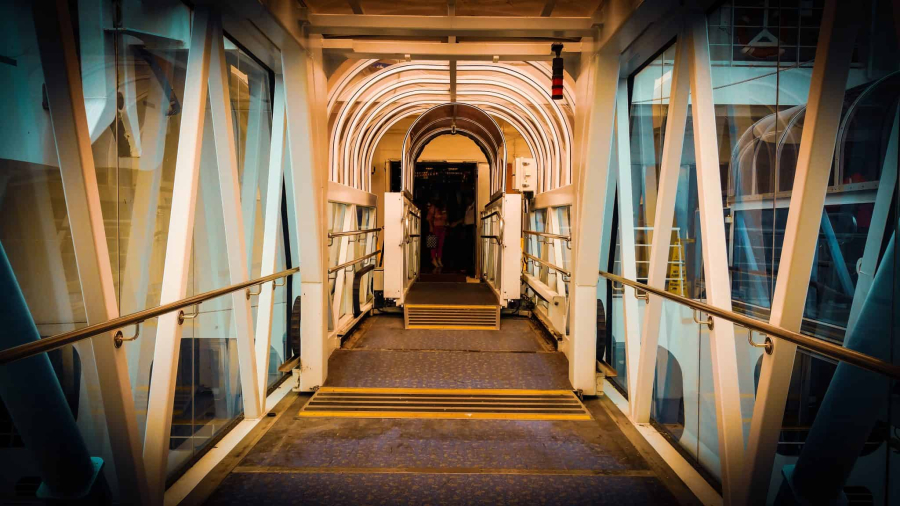
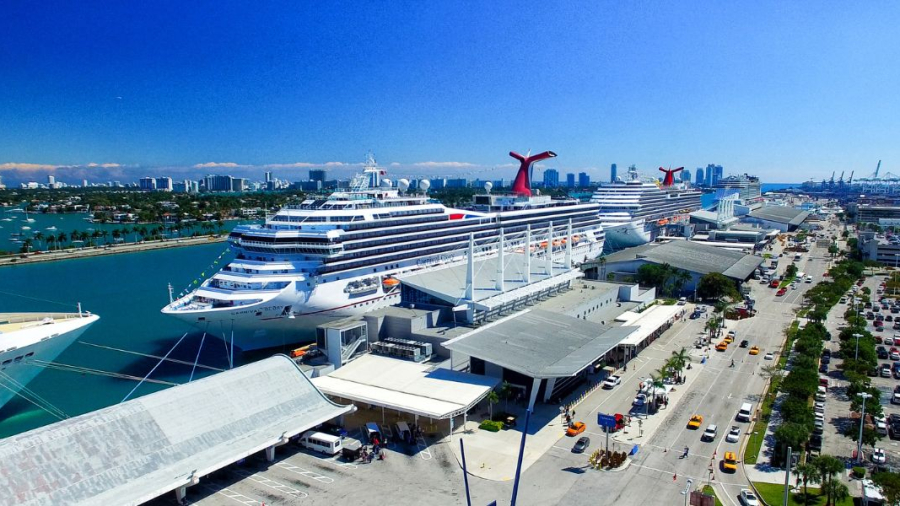
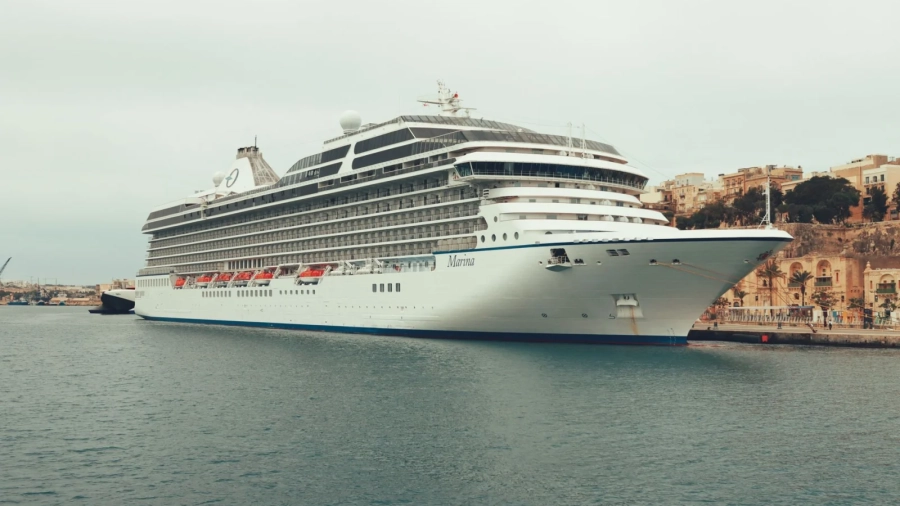
Your cruise vacation begins as soon as you set foot on the ship and receive that welcome glass of sparkling wine from the smiling crew members.
Alternative venues, such as Guy’s Pig and Anchor Bar-B-Que on some Carnival Cruise Line ship, may be open for lunch on embarkation day. These often make a better alternative than the crowded buffet areas.
To make the most of your valuable time and to get your cruise off to a great start, you’re going to want to have a smooth embarkation day. The process of getting on a big ship is notoriously one of the most stressful parts of the cruise experience. This is because so many others are arriving onboard at the exact same time, often leading to a crush of passengers in the same spaces until you all get spread out and settled in.
You can avoid some of the hassles and frustrations that keep you from finding your vacation groove by following our best tips and tricks to enjoy a hassle-free embarkation day.
Before You Head Out
Cruise lines allow you to check in for your cruise online. You can print out your ship’s “boarding passes” and create a file of your paperwork that is easy to access so you are ready to show the agents who greet you at the cruise port. This saves you from hold-ups that can result when you have to fill out forms and go through extra checks at the cruise terminal.
But after about 11 a.m. is probably the safest time to arrive and not expect too long of a wait. Some cruise lines offer a program like Carnival’s “Faster to the Fun” (for a fee) that gives you priority boarding for your cruise. If you book a suite, you also typically receive priority boarding perks. Consider these options if you want to be among the first passengers onto the ship.
We generally like to carry on our own luggage on because we pack light and want to have it as soon as the cabins are available (bags left with the porter service can sometimes arrive hours after your staterooms are made available, which is frustrating). So, we go straight to our cabins to drop off our bags. Here is the trick: The corridors are usually closed to passengers while the cleaning is in progress. But you can open the doors, go to your stateroom and let your steward know that you simply want to slide the bags under the bed or somewhere else out of the way while they clean. Be polite and leave quickly, so he or she can get on with turning over the cabins. It’s a tough day for them, too, so don’t dawdle in the room and be sure to show appreciation for allowing you to drop off your bags.
Avoid the Buffet
Cruisers naturally arrive hungry and ready for lunch when they board their ship. The buffet is a hot spot, of course, and you will find crowds of people all in the same place as they quickly grab up tables and form lines at the buffet.
You will be able to get something tasty and find a table without any problems. In the main dining room, you order from a menu and enjoy a much more relaxing experience as you are served by staff at your table.
In the Bag
Prepare a day bag or backpack to bring on that you can easily carry around with some items that you will want while you wait to get to your stateroom. Place essentials in it, such as a swim suit, book, Kindle, magazines, sunscreen, phone charger and any needed medications.
This means you can use a restroom to change into your swim suit and start enjoying the pool and other amenities in comfort.
While touring, stop by the spa for a tour and book any treatments you might want. If you have your eye on a massage or facial or other treatment, getting there early ensures that you get your preferred time and day for your appointment. Do this for any specialty restaurants, too, that you want to dine at. (Note: many cruise lines allow you to book dining online ahead of the cruise, and they even offer dining packages that include discounts.)
Start Enjoying Your Cruise
If you’ve followed all our tips, that means you have avoided the crowds, satisfied your appetite with a good meal, set up all your appointments for the cruise and learned your way around the ship. There is nothing left now except to order up your favorite fruity drink or cold beer and start enjoying your cruise vacation with all your new friends.
Brought to you by Cruise Compete. allows you to easily compare multiple offers from Cruise Experts
In a groundbreaking move towards environmental sustainability, Carnival Cruise Line has become the first to plug into shore power at PortMiami.
The new shore power offering is a result of a collaboration between Miami-Dade County, the Florida Power & Light Company, and many of the world’s leading cruise lines.
The result is that PortMiami is the first major port on the eastern coast of the US to offer shore power at five cruise berths – and Carnival Conquest was the first ship to make use of it.
“This is an important milestone for our hometown and we’re proud to support Miami-Dade County Mayor Daniella Levine Cava and all county and port officials for their amazing partnership in bringing shore power to PortMiami.“
Christine Duffy, president of Carnival Cruise Line
Shore power lets ships plug into the electricity grid when they are docked to power the ship. This means they don’t need to run the diesel engines, meaning shore power is much more environmentally friendly.
It’s expected that the new shore power tech will reduce emissions at the port by up to 98%, or it’s the equivalent of removing 37,500 cars from the road.
Around the world, fewer than 20 ports are currently able to offer shore power, though it is being rolled out wherever possible. Significant investment is needed though – it’s estimated that PortMiami’s upgrade cost $125 million.
Only around 30% of the world’s cruise ships are capable of hooking up to shore power, although as that percentage includes the biggest ships in the world, it accounts for 40% of cruise ship capacity.
NEW DEALS JUST RELEASED!
See the latest Carnival cruise offers…
Related posts
If you found this interesting, please share!
Jenni Fielding is the founder of Cruise Mummy. She has worked in the cruise industry since 2015 and has taken over 30 cruises. Now, she helps over 1 million people per month to plan their perfect cruise holidays.
It is interesting to see what these cruises are really like, even if you’ve no intention of ever sailing on one.
So, here’s a look at some of the common misconceptions of nude cruises that the passenger (and others) has cleared up.
1. Nudism Cruises Aren’t Sex Cruises
Nudism is a movement all about being positive and comfortable in your own skin – it is nothing to do with sex. People often assume that nude cruises are sex cruises, even if they aren’t advertised in that way, but it’s not true – and anyone who books onto a nude cruise expecting orgies will be disappointed.
You aren’t even supposed to book a nude cruise in order to look at other people – it’s about you, and being free to relax without wearing clothes.
Most people who are on a nudist cruise keep to themselves, and just enjoy the freedom that the cruise offers. It doesn’t mean people don’t have sex in the privacy of their own rooms – but probably no more than they do on a regular cruise where people wear clothes.
2. ‘Excitement’ Is Not Common
One of the most common questions in that Reddit thread is what happens when a man gets ‘excited’ since people think it is bound to happen, but actually it doesn’t. Nudists don’t think about these things anywhere near as much as non-nudists do, apparently.
So if a man was visibly enjoying the sights on a cruise a little bit too much, then it would be expected that he’d try to hide it – it’s not something to show off at all.
Again, nudism is not a sex thing – so someone who did get a bit too excited would probably be very embarrassed and would do what they could to calm things down as quickly as possible.
3. Everyone Is Extremely Hygiene-Conscious
Some people assume that having uncovered bodies wandering around the cruise ship and using the facilities is unhygienic, especially without the protective barrier that underwear and other clothes can provide.
People wonder if the cruises are a bit smelly because of the sweat, or how unclean the sun loungers and chairs around the ship can get.
But it’s not something to worry about. Everyone on a nude cruise is extremely careful about hygiene, and they always follow the rule of putting a towel down on any surface before they sit on it.
It’s not a recommendation, it’s a rule, and it’s one everyone sticks to so that they don’t pick up germs from other people.
I imagine it’s a lot of extra laundry for the cruise ship to deal with, but worth it to avoid having people sitting down with their bare behinds.
4. There’s A Mix Of Attractive & ’Unattractive’ People
There has long been an assumption that nudism resorts are full of unattractive people. I’m not really sure where it comes from, but it was definitely a common question that was asked in that thread.
But it’s not a complete misconception either. The nude cruiser said that, at his own estimate, it was likely to be around 20% attractive people, 20% average, and 60% unattractive.
That should be a reassuring thing, because again these aren’t cruises where you go to look at other people. Instead, you should be able to feel comfortable and confident enough to relax on the cruise even if you would consider yourself part of the ‘unattractive’ group.
It’s worth noting that the cruise lines do, according to some people in that thread, hire models for the cruise. That’s likely just to make sure there’s more of a mix of ages and body types onboard, but don’t feel intimated by it either since it’s all just about enjoying yourself for who you are.
5. Nudism Isn’t Enforced
Nude cruises don’t enforce nudity on guests – anyone onboard is welcome to wear clothes at any time, if they want to.
It’s not really common for anyone to book onto a nude cruise and not get naked, though. Nude cruises cost more than a regular cruise, so unless they were a voyeur then there’d be no reason for them to pay that money just to stay clothed. And voyeurs don’t really take nude cruises anyway.
6. Clothing Is Required In Some Areas
There are some parts of the cruise ship where clothing isn’t optional, mainly in the more formal dining venues such as the main dining room or the speciality restaurants.
Guests can dine in the buffet without getting dressed, again as long as they put a towel down on the chairs. And the bars and nightclub are clothing-optional too.
But most evenings on a nude cruise have a mix of clothed and naked people, just because some are enjoying dinner and don’t want to be constantly getting dressed and undressed.
Guests also have to be dressed as the ship is in port, and for around 30 minutes before and after, just to make sure the ship is far enough away from the shore.
7. Staff Aren’t Nude (Generally)
Staff on a nude cruise won’t be naked – they will be the same regular crew on the ship and they will remain clothed for the duration of the cruise.
There may be a couple of exceptions if there are any entertainment acts on the ship who are nudists or who just want to get comfortable and try it as part of their act.
But most crew will have to stay dressed regardless, for safety reasons.
It’s worth noting that nude cruises are optional for the crew – if they don’t want to work a nudist cruise then they don’t have to.
8. Nobody Is Embarrassed
People don’t tend to get embarrassed on a nude cruise, mainly because there are so many different people with different body sizes and shapes onboard.
A lot of people think it would be embarrassing to get undressed around so many others, but according to the passengers it just quickly becomes second nature.
It’s one of the more appealing parts of a nudism cruise – it’s all about accepting yourself and others, without judgement or worry about how you look.
9. Sensitive Body Parts Don’t Get Hurt
This is a minor point, but someone did ask it in the Reddit thread – you don’t need to worry too much about hurting yourself when you don’t have clothes to protect any parts of you that, shall I say, dangle down?
There is a mildly increased risk of having body parts exposed to the ship, and if you’re clumsy then I guess you should be more careful, but the people on a nude cruise are generally quite aware of their surroundings and where they are walking, and they give each other plenty of space.
So getting caught in a closing door or the folds of a sun lounger shouldn’t be an issue, as long as you pay attention!
Final Word
While I’m not a convert, I do like that nudism cruises sound very respectful and are all about body-positivity.
I’ll stick to clothed cruises for now (interesting fact – they’re referred to as textile cruises in the nudist community!) but if you are interested in a nudist cruise, I’d recommend Bare Necessities as a travel company.
Related Posts
If you found this interesting, please share!
Jenni Fielding is the founder of Cruise Mummy. She has worked in the cruise industry since 2015 and has taken over 30 cruises. Now, she helps over 1 million people per month to plan their perfect cruise holidays.
Holland America Line is offering fans of the cruise line an interesting opportunity – they can decide on the name of a moose!
Working in collaboration with the Alaska Wildlife Conservation Centre (AWCC), the cruise line has taken to social media to help find a name for an orphaned moose calf.
Holland America Line has a long-standing history of exploring Alaska and supporting conservation efforts to protect its unique wildlife. The cruise line offers a wide range of sailings for guests in the region.
Fans can submit name suggestions for the orphaned moose calf on Holland America Line’s official Facebook and Instagram pages until 23 June 2024.
The top ten names will be selected and posted for public voting, with the winning name announced in early July.
Holland America Line has been exploring Alaska longer than any other cruise line and we are deeply committed to supporting AWCC in its conservation efforts to protect Alaska’s wildlife. Our guests take an Alaska cruise to see wildlife in the region, and moose are part of ‘Alaska’s Big Five.’ We are excited to give our fans the opportunity to participate with the Alaska community in a fun and meaningful way.
Kacy Cole, chief marketing officer for Holland America Line
Holland America Line guests on cruises this summer will be able to enjoy excursions to the AWCC where they can have a close-up encounter with the animals in the centre’s care.
Don’t miss the latest Holland America Line offers…
Related posts
If you found this interesting, please share!
Jenni Fielding is the founder of Cruise Mummy. She has worked in the cruise industry since 2015 and has taken over 30 cruises. Now, she helps over 1 million people per month to plan their perfect cruise holidays.
Celebrity Cruises has announced the sale of two of its ships, leading to the cancellation of all 2025 voyages scheduled on these vessels.
The cruise line is to sell two of its Galapagos Expedition Series ships, Celebrity Xpedition and Celebrity Xploration. Lindblad Expeditions has agreed to buy them, with the transaction due to complete in January 2025.
The cruise line is not closing down its Expedition arm, with Celebrity Flora still continuing to sale for the cruise line.
On the heels of this news, Celebrity Cruises has announced options for guests who are booked on either of the sold ships for a 2025 sailing.
The first option is for guests to rebook a cruise on the ships for a sailing departing before the end of 2024. Guests will have their booking transferred to an equivalent or better stateroom category, with their fare protected.
If the new fare is lower, the guest will be asked to pay the lower rate. Any guests who’ve also booked airfare through the cruise line will have their flight bookings automatically moved, and guests can receive up to $400 towards non-refundable charges for rental cars, trains or parking.
The second option allows guests to move their booking onto a 2025 cruise onboard Celebrity Flora. Again, their fare will be protected, but holiday sailings are excluded from this option – guests wishing to move to a holiday cruise will have to pay the higher fare.
Again, flights booked through Celebrity will automatically be transferred and guests can request up to $400 towards non-refundable travel arrangements.
While the cruise line has not detailed any specific alternatives to these two options, standard cancellation options will apply for any guests who just prefer to cancel their cruise.
Once Celebrity Xploration and Celebrity Xpedition are transferred to Lindblad, they’ll be renovated and renamed. Bookings are expected to open for the two ships during summer 2024.
NEW DEALS JUST RELEASED!
Don’t miss the latest Celebrity Cruises offers…
Related posts
If you found this interesting, please share!
Jenni Fielding is the founder of Cruise Mummy. She has worked in the cruise industry since 2015 and has taken over 30 cruises. Now, she helps over 1 million people per month to plan their perfect cruise holidays.
A Princess drink package costs about $78 per person per day for the standalone Plus Beverage Package ($64.99 plus the 20% service charge) or about $102 per day for the Premier Beverage Package ($84.99 plus 20%). Most travelers get better value from the Princess Plus fare add-on at $70 a day booked in advance, which bundles the same drinks with Wi-Fi and crew gratuities. On average you need to drink about four to six drinks a day for a drink package to pay for itself.
Below you will find current 2026 prices, what each package covers, the rules that catch people out, and a simple way to work out whether a Princess Cruises drink package is worth it for your trip. Prices change often, so check princess.com or your booking before you pay.
Princess drink package prices for 2026 at a glance
Princess sells two kinds of drink deal. First, there are standalone beverage packages that cover drinks only. Second, there are the Princess Plus and Princess Premier fare packages, which include a drink package plus other extras. The table shows US dollar prices per person per day at the time of writing.
Package
Price per day
What’s included
Classic Soda Package
$14.99 + 20% (about $18)
Fountain sodas, fruit juices, mocktails and smoothies
Zero-Alcohol Package
$29.99 + 20% (about $36)
Specialty coffees and teas, sodas, hot chocolate, mocktails, bottled water, San Pellegrino, Evian, Red Bull
Plus Beverage Package
$64.99 + 20% (about $78)
Cocktails, beer, wine by the glass and spirits up to $15 each, soft drinks, specialty coffee, bottled water
Premier Beverage Package
$84.99 + 20% (about $102)
Everything in Plus, with drinks up to $20 each, top-shelf spirits and reserve wines by the glass
Princess Plus (fare add-on)
$70 pre-cruise, $75 onboard
Plus Beverage Package, Wi-Fi for one device, crew appreciation, four casual dining meals, free OceanNow delivery
Princess Premier (fare add-on)
$105 pre-cruise, $110 onboard
Premier Beverage Package, Wi-Fi for four devices, crew appreciation, unlimited specialty dining, photos, reserved theater seats, shore excursion credit
On Sun Princess and Star Princess, the newest ships, Princess Plus and Princess Premier cost $5 more per day: $75 and $110 booked in advance. Industry reports say Princess raised the Plus and Premier prices by $5 in October 2026, and that people who had already bought were kept at the old price. If you booked earlier, check what your confirmation shows.
In March 2026 Princess raised its onboard service charge on food and drink from 18% to 20%. Some of Princess’s package terms still show the old 18% totals, such as $76.70 a day for Plus, so expect the final figure at checkout to be a little higher than older guides show.
UK prices in pounds
If you book through Princess UK, the fare add-ons are priced in sterling. Princess Plus costs £53 per person per day and Princess Premier costs £78 when bought at least four days before you sail. On Sun Princess and Star Princess they cost £58 and £83. The legal drinking age on UK sailings is 18. On North American sailings it is 21.
The Plus Beverage Package explained
The Plus Beverage Package is Princess’s main alcoholic drink package. It covers any drink that costs up to $15 on the menu, including most cocktails, beers, wines by the glass and spirits. It also includes fountain sodas, mocktails, fresh juices and smoothies, specialty coffees and teas, and bottled water. Princess says the selection includes around 50 spirits, 25 wines by the glass and 25 beers.
For sailings from 14 January 2026, the rules changed in a way that matters:
15 drinks per day in total. The limit now covers alcoholic and non-alcoholic drinks together, so sodas, mocktails and Red Bull count toward your 15. Specialty coffees and teas do not count.
Water is limited separately. You can have up to 12 bottles of water (500 ml or smaller) a day, and these do not count toward the 15.
The day runs from 6 a.m. to 6 a.m., not midnight to midnight.
One drink per order. You cannot order two drinks at once or order for a friend.
Pay the difference. If a drink costs more than $15, you pay only the amount above $15.
Plus also gives you 25% off bottles of wine, large bottles of water and canned soda.
The Premier Beverage Package explained
Premier raises the price cap to $20 a drink. That opens up top-shelf spirits, reserve and premier wines by the glass, and over 20 crafted cocktails. Princess lists more than 75 spirits and 40 wines by the glass, including a private-label Woodford Reserve and a Jack Daniel’s Single Barrel Select.
Premier’s terms still limit you to 15 alcoholic drinks per 24 hours, but non-alcoholic drinks do not count toward that limit. If you drink lots of sodas, juices or mocktails between cocktails, that difference alone can make Premier the easier package to live with.
Cocktails up to the package price cap are included, and you pay the difference on anything above it. Photo: Gustavo Fring on Pexels
Princess Plus drink package vs Princess Premier fares
For most people searching for a Princess Plus drink package, the fare add-on is the better deal. At $70 a day, Princess Plus costs less than the standalone Plus Beverage Package (about $78 with the service charge), and it also includes:
Crew appreciation (daily gratuities), currently $18 a day in most cabins, $19 in mini-suites and $20 in suites
MedallionNet Wi-Fi for one device
Four casual dining meals, plus free delivery from OceanNow and room service
Princess Premier adds unlimited specialty dining, Wi-Fi for four devices, unlimited digital photos with three prints, reserved theater seating and up to $300 in shore excursion credit per guest. If you would pay for specialty restaurants and photos anyway, Premier often costs less than it looks. If you are booking a suite, it is worth reading up on the Princess suite and mini-suite perks first, because some benefits overlap.
Three booking points to know:
The advance price applies only if you buy at least 96 hours (four days) before departure. After that, or onboard, it costs $5 more per day.
The first and second guests in a cabin must choose the same package level. Third and fourth guests are not required to match.
Crew gratuities are already included, so you do not need to prepay them separately. Our guide to whether to prepay cruise gratuities explains how this works on other lines.
Do both people in a cabin have to buy a package?
For the Princess Plus and Premier fares, yes: guests one and two on the booking must choose the same level. For the standalone beverage packages, Princess’s published terms do not clearly require every adult in the cabin to buy. Some passengers report buying for only one person. Whatever you buy, you cannot share it, and staff can cancel a package if they think you are sharing. If one of you drinks a lot and the other hardly drinks, ask Princess or your travel agent how your booking is set up before you buy.
Rules, deadlines and what’s not included
Whole cruise only. You must buy the package for every day of the voyage. Princess does not sell packages for part of a cruise or by the day.
When to buy. You can buy online up to four days before sailing. Onboard, standalone packages are sold only on embarkation day (some terms also allow the day after).
Refunds. Packages are non-refundable within a few days of sailing and once you are onboard.
Not included: drinks above your price cap (you pay the difference), full bottles of wine (25% off instead), canned soda, minibar items, and drinks in some premium venues.
Under-age guests cannot buy the alcoholic packages. In the Plus and Premier fares, they get the Zero-Alcohol package instead.
Staff discretion. Bar staff can refuse service to anyone who appears intoxicated, even if they are under the limit.
Princess allows each adult to bring one bottle of wine aboard at embarkation. Photo: Vladimir Srajber on Pexels
Princess drink prices and the bring-your-own wine policy
If you skip a package, you pay as you go, plus the 20% service charge. Approximate menu prices at the time of writing are:
Beer: about $6 to $9
Wine by the glass: about $9 to $15
Cocktails: about $10 to $18
Some drinks are free without a package: water, tea, regular coffee, iced tea, lemonade and juice at breakfast.
Each adult of legal drinking age may bring one bottle of wine or Champagne, up to 750 ml, in their carry-on bag at embarkation. There is no corkage fee if you drink it in your cabin. Extra bottles, or a bottle opened in a restaurant, incur a corkage fee. This has been reported at around $20 a bottle, so check the current fee when you board. Princess does not allow you to bring beer or spirits aboard for your own use.
Is a Princess drink package worth it? The break-even maths
Most guides say “it depends on how much you drink” without showing the numbers. Here is a simple way to work it out. Take the daily price, then divide it by what an average drink costs you including the 20% service charge.
Option
Daily cost
Value to earn back from drinks
Drinks per day to break even (at $14.40 a drink)
Plus Beverage Package
about $78
$78
about 5.4
Premier Beverage Package
about $102
$102
about 7.1 (fewer if you choose premium drinks)
Princess Plus fare
$70
$52 after $18 gratuities
about 3.6
The $14.40 figure assumes a $12 average menu price plus 20%. For example, two glasses of wine at dinner, a cocktail by the pool, a beer in the afternoon and a soda already comes to five or six drinks. On a sea day that is easy to reach. On a busy port day, when you are ashore from morning until late afternoon, you may drink much less. Count your realistic sea days and port days, because the package must cover every day of the cruise.
Two quick rules of thumb:
If you would pay the $18 daily gratuity and buy Wi-Fi anyway, Princess Plus pays for itself at roughly three to four drinks a day.
If you drink one or two glasses of wine with dinner and little else, paying as you go, or bringing your one free bottle, is usually cheaper.
Comparing lines? Our MSC drink packages guide shows how a different pricing model works.
For the wider package comparison, including Wi-Fi, gratuities and excursion credit, see our guide to Princess Plus vs Premier.
FAQs
How much is the Princess drink package per day?
The standalone Plus Beverage Package is $64.99 plus a 20% service charge (about $78), and Premier is $84.99 plus 20% (about $102). The Princess Plus fare, which includes drinks, Wi-Fi and gratuities, is $70 a day when booked at least four days ahead.
Is gratuity included in the Princess drink package?
The standalone packages add a service charge on top of the price, now 20% on most itineraries. Princess Plus and Premier fares already include the service charge on covered drinks and the daily crew appreciation.
How many drinks can you have with Princess Plus?
Up to 15 drinks per day (6 a.m. to 6 a.m.), including sodas and mocktails, plus unlimited specialty coffee and tea and up to 12 small bottles of water. You can order only one drink at a time.
Can you share a Princess drink package?
No. Packages are for the named guest only, and Princess can cancel a package if it finds you are sharing drinks or ordering for others.
Can you bring wine on a Princess cruise?
Yes. Each adult of legal drinking age can bring one 750 ml bottle of wine or Champagne at embarkation. There is no fee if you drink it in your cabin. A corkage fee applies to extra bottles and to bottles opened in restaurants.
The main Carnival drink package is CHEERS!. It costs $69.95 per person per day if you buy before you sail, or $74.95 onboard. Carnival adds a 20% service charge, so the real cost is about $83.94 or $89.94 a day. It covers up to 15 alcoholic drinks a day plus unlimited soda, coffee and other soft drinks, and every adult aged 21 or over in your cabin has to buy it for the whole cruise.
Whether it pays off depends on how much you drink, how long you’re sailing and whether you fill your days with ports or sea days. This guide covers what CHEERS! includes, the smaller packages, the new FunPacks, what drinks cost without a package, what’s free, what you can bring aboard, and how many drinks a day you need for the numbers to work. One important change is coming: from December 1, 2026, Carnival is moving drink packages to dynamic pricing, so check the price for your own sailing before you budget.
Carnival Drink Package Prices at a Glance
These are Carnival’s published rates as of November 2026. Every price below is per person, per day, and the “with service charge” column adds Carnival’s 20% beverage service charge.
Package
Base price
With 20% service charge
Who it suits
CHEERS! (pre-cruise)
$69.95
$83.94
Regular drinkers 21+
CHEERS! (bought onboard)
$74.95
$89.94
Anyone who decides after boarding
CHEERS! Zero Proof (pre-cruise)
$29.99
$35.99
Non-drinkers who love mocktails and coffee
CHEERS! Zero Proof (onboard)
$34.99
$41.99
As above, bought late
Bottomless Bubbles (adult)
$11.99
about $14.39
Heavy soda drinkers
Bottomless Bubbles (child)
$6.95
about $8.34
Kids who want soda and juice
Carnival also sells Cruise the Vineyard wine packages, which are a set number of bottles you can spread across dinners, starting at $81. They suit couples who mainly drink wine with dinner.
What dynamic pricing means for you
Carnival has said that from December 1, 2026, drink package and Wi-Fi prices will vary by sailing length, itinerary and season. It hasn’t published a price range yet. Expect longer or more unusual voyages, such as Panama Canal sailings, transatlantics or Carnival Journeys, to come in higher, and some shorter or off-peak sailings to come in at or near today’s rates. Sign in to My Cruise Manager and look up the price for your booking rather than relying on any quoted figure, including ours.
What the CHEERS! Package Includes
Alcoholic drinks priced up to $20: spirits, cocktails, beer, and wine or champagne by the glass.
Unlimited non-alcoholic drinks: sodas, juices, specialty coffees and teas, energy drinks, bottled water, zero-proof cocktails and other soft drinks.
25% off pricier items: drinks above the $20 cap and full bottles of wine or champagne get a 25% discount instead of being free.
What CHEERS! doesn’t cover
Room service and in-cabin drinks, including the minibar
Drinks in souvenir glasses, drinks sold at the gangway, and full bottles of liquor
Shared items such as pitchers, beer buckets and floaters
Self-serve wine machines and the fresh orange juice at Havana Bar
Anything bought in port, including at Celebration Key, Half Moon Cay and Princess Cays
The Celebration Key exclusion catches people out. Carnival’s Grand Bahama destination has plenty of bars, but drinks there are charged separately even if you have CHEERS! onboard.
CHEERS! Rules: The 15-Drink Limit and Cabin Rule
15 alcoholic drinks per day. The count resets every 24 hours and non-alcoholic drinks don’t count toward it. Bartenders can serve fewer, or refuse service to anyone who is clearly intoxicated.
Everyone 21+ in the cabin must buy it. If one adult in a stateroom buys CHEERS!, every adult assigned to that stateroom has to buy it too. This stops one person ordering for the whole cabin.
It must cover the whole cruise. You can’t buy it for selected days.
One drink at a time. You can’t order two drinks at once, and you can’t order for someone without a package.
Texas and New York departures start on day two. On sailings from ports like Galveston, CHEERS! can’t be sold or used until 6am on the second day. You pay for first-day drinks as you go, and the package is priced for the remaining days.
No CHEERS! on two-day or charter sailings.
Pre-purchased CHEERS! can be cancelled for a refund until 10pm ET the night before departure. Bottomless Bubbles is non-refundable.
Cocktails up to $20 are covered by CHEERS!, which caps you at 15 alcoholic drinks a day. Photo: Skills Media on Pexels
Is the Carnival Drink Package Worth It? The Break-Even Maths
The easiest way to decide is to work out how many drinks you would need to buy each day to match the package price. In 2026, most cocktails on Carnival cost roughly $12.50 to $14.50 once the 20% charge is added, a 16oz beer about $8 to $8.75, and a glass of wine from around $11.50. Soda is about $3.50, specialty coffee $3.25 to $6 and energy drinks about $5.25.
Most adults need about six cocktails or ten beers every day for CHEERS! to pay off. Count every day of the cruise, including embarkation day, port days when you might be ashore until late afternoon, and the last night when people often turn in early. Port days are where the maths usually breaks down: you are paying full price for a day when you may only have two or three drinks onboard.
Reasons to buy even if the maths is close
You’d rather not watch a bill grow, and a fixed price lets you relax.
Your itinerary has several sea days, when drinking spreads across the whole day.
You drink a lot of specialty coffee, which adds up faster than most people expect.
Reasons to skip it
Your cruise is port-heavy, or includes a long day at Celebration Key where the package doesn’t apply.
Your cabin-mate drinks much less than you do. Both of you pay the full rate.
You sail from Galveston and the package can’t start until day two anyway.
Cheaper Options: Zero Proof, Bottomless Bubbles and FunPacks
CHEERS! Zero Proof
Zero Proof covers everything in CHEERS! except alcohol: mocktails, smoothies, specialty coffees, energy drinks, bottled water and soda. At about $36 a day with the service charge, it works if you’d otherwise order three or four specialty coffees or mocktails a day.
Bottomless Bubbles
Bottomless Bubbles covers Coca-Cola fountain sodas (16oz) and juice (10oz). The adult price rose to $11.99 a day in April 2026, which is about $14.39 with the charge, so an adult needs four or more sodas a day to come out ahead. For kids it’s $6.95 a day. You collect your cup sticker at the Lobby, Casino or Pool bars.
FunPacks (replacing Value Packages)
In October 2026 Carnival launched four FunPacks, which replace its earlier Value Packages. They bundle a drink package with Wi-Fi, dining and shore excursion credits, with service charges included:
Kidstarter, $25/day (ages 3 to 17): Bottomless Bubbles, Social Wi-Fi, arcade tokens and more.
Zero Proof, $50/day: CHEERS! Zero Proof, Value Wi-Fi, a $50 excursion discount and a $25 dining discount.
Social, $60/day: the new CHEERS! Social (three alcoholic drinks a day plus unlimited non-alcoholic), Premium Wi-Fi, one excursion up to $100 and one specialty dinner.
Epic, $99/day: full CHEERS!, Premium Wi-Fi, two excursions, two specialty dinners, spa and photo discounts, sparkling wine and a bag of laundry.
The first booking window ran October 14 to 30, 2026, for sailings through December 31, 2027. If you bought CHEERS! and Wi-Fi anyway, Epic was the better buy. Carnival has run limited-time bundles before, so keep an eye on My Cruise Manager in case FunPacks return. CHEERS! Social is the useful middle option for light drinkers, but so far you can only get it inside a FunPack.
Iced tea, lemonade, drip coffee and water are free on Carnival. Photo: Anna Tarazevich on Pexels
Free Drinks, Water and Onboard Credit
You don’t need any package to stay hydrated. These drinks are included in your fare at the Lido Marketplace and in the main dining room:
Tap water
Iced tea and lemonade
Regular brewed coffee, hot tea and hot chocolate
Apple, orange and cranberry juice at breakfast
Bottled water costs extra, but a pre-ordered 12-pack delivered to your cabin is much cheaper per bottle than buying it at the bar. Ship tap water is safe to drink, and a refillable bottle is the cheapest option of all.
Onboard credit (OBC) from a promotion, travel agent or legit drink package workaround can generally be spent on bar drinks and on packages bought onboard. Pre-cruise purchases in My Cruise Manager are usually charged to your card, so if you have a lot of OBC, check with Guest Services whether buying CHEERS! onboard at the higher rate still works out cheaper overall. And don’t forget daily gratuities, which rose to $17 per person per day in standard cabins in April 2026. Our guide to Carnival prepaid gratuities explains how to budget for them.
Bringing Your Own Drinks on a Carnival Cruise
Carnival’s carry-on beverage policy is one of the more generous in mainstream cruising. It’s a legitimate way to cut your bar bill:
Wine or champagne: each guest 21 or over can carry on one sealed 750ml bottle on embarkation day. Fortified and flavored wines aren’t allowed. If you drink it in a restaurant or bar, Carnival charges a corkage fee, recently $15 per bottle. Drinking it in your cabin is free.
Non-alcoholic drinks: up to 12 unopened cans or cartons of soda, water or similar per person, in your carry-on. Glass and plastic bottles of soft drinks aren’t allowed.
No beer or spirits: these are confiscated. Liquor you buy in port or in onboard shops is held and returned at the end of the cruise.
Small coolers: personal coolers up to 12 x 12 x 12 inches are allowed for drinks or medication.
For a typical couple, two bottles of wine and 24 cans of soda can save $100 or more over a week. That alone can make Bottomless Bubbles unnecessary. Check Carnival’s current policy before you pack, as the details occasionally change.
FAQs
How much is the Carnival drink package per day?
CHEERS! is $69.95 per person per day pre-cruise or $74.95 onboard, plus a 20% service charge, which comes to $83.94 or $89.94. From December 1, 2026, prices vary by sailing, so check My Cruise Manager.
Is it cheaper to buy a drink package before boarding?
Yes. Buying CHEERS! online before you sail saves $5 per person per day on the base price, or $6 with the service charge, which adds up to $42 on a seven-night cruise. You can still cancel for a refund until 10pm ET the night before departure.
Can one person in a cabin get the Carnival drink package?
Only if they’re the only adult in the cabin. Every guest aged 21 or over in the same stateroom must buy CHEERS! if one does. Under-21s can’t buy it and aren’t required to.
What drinks are free on a Carnival cruise?
Tap water, iced tea, lemonade, regular coffee, hot tea, hot chocolate and breakfast juices are free at the Lido Marketplace and in the main dining room.
What juices are included in Bottomless Bubbles?
Bottomless Bubbles covers fountain juices served by the 10oz glass alongside Coca-Cola sodas. Fresh-squeezed juices, such as Havana Bar’s orange juice, are not included.
The MSC cabins to avoid are mostly predictable: cheap Bella guarantee cabins that can come with an obstructed or metal-fronted balcony, interior cabins where the “bed” for extra guests is a sofa bed or pull-down bunk, and any cabin directly under the pool deck or buffet, above the theatre or nightclub, or next to crew doors and lift lobbies. Aft cabins low down can also pick up vibration. Most of these are easy to spot on a deck plan before you pay.
Below is a fleet-wide guide to the cabins worth skipping on MSC Cruises in 2026-27, why each one causes problems, and which cabins usually make better picks. If you’re sailing on one particular ship, check its own deck plan as well, because layouts differ a lot between the older Lirica-class ships and the huge World-class vessels.
MSC Cruises cabins to avoid at a glance
Cabin type or location
The likely problem
Who should worry most
Bella guarantee cabins
MSC picks the cabin, so it could be obstructed, in a noisy spot, or split across two cabins for groups of 3-4
Light sleepers, families, anyone who cares about the view
Obstructed and metal-fronted balconies
Lifeboats or solid metal panels block the sea view, especially when you’re sitting down
Anyone paying extra for a balcony to enjoy the view
Interior cabins for 3-4 guests
The 3rd and 4th berths may be a sofa bed or pull-down bunk, with very little floor space
Families with teens or adults sharing
Under the pool deck or buffet
Sun loungers dragged early in the morning, late-night cleaning, music
Light sleepers, late risers
Above or below the theatre, clubs and bars
Bass and applause late into the evening
Early sleepers
Near crew doors, stairwells and lift lobbies
Foot traffic, trolleys and door slams at all hours
Light sleepers
Low aft and far forward cabins
Vibration from engines or thrusters, more motion in rough seas
Anyone prone to seasickness
Promenade-view and inward-facing balconies
Less privacy and more noise than a sea-facing balcony
Couples wanting peace and quiet
Connecting cabins (when you’re not with the group next door)
Sound travels through the connecting door
Anyone not travelling with the neighbours
How MSC’s experiences affect which cabin you get
Before thinking about decks and locations, it helps to understand MSC’s fare levels, because they decide whether you can choose your cabin at all. MSC sells most cabins under three “experiences”, plus the separate MSC Yacht Club.
Bella: the cheapest fare. You can’t pick your cabin number. MSC assigns it, usually only a few days before departure, and its own terms say the cabin may have an obstructed or partially obstructed view or, on some ships, a promenade view. Groups of three or four can even be split into two cabins on the same deck.
Fantastica: you choose your own cabin and location, and get free delivery of continental breakfast to the cabin, plus one free cruise change.
Aurea: you can choose from the best-placed balcony cabins and suites, with extras such as spa thermal-area access and a welcome package.
MSC Yacht Club: MSC’s ship-within-a-ship suite complex near the top of the ship, with butler service and private restaurant, lounge and pool areas.
The single biggest way to avoid a disappointing MSC cabin is to book at least Fantastica, so you control the location. Bella can be great value if you’re flexible, but you are accepting whatever cabin is left over, and the leftover cabins are often the ones on this list. Perks change from time to time, so check the current list on MSC’s experiences page before booking.
Obstructed and metal-fronted balcony cabins
On most MSC ships, the lowest balcony decks sit just above or beside the lifeboats. Some of these cabins have their view partly blocked by the boats, davits or other equipment, and some have balconies with solid metal panels instead of glass at the front. When you’re standing, you may see the sea fine. When you’re sitting on the balcony chair, you could be looking at a white wall.
MSC’s deck plans use a symbol for obstructed-view cabins, so look at the key before you choose. Ask your travel agent or MSC directly if you can’t tell whether a balcony is glass-fronted. Not every obstructed cabin is bad, either: some lower-deck balconies over the lifeboats are larger than standard ones, and passengers on cruise forums often say a small obstruction didn’t bother them. If you mostly use the balcony for fresh air rather than the view, an obstructed cabin at a lower price can be a fair trade.
Shaded balconies on the top balcony decks
The opposite problem shows up near the top of the ship. Balcony cabins directly under an overhanging deck get less sun, which some passengers like in the Caribbean heat and others dislike in a cooler northern-Europe summer. These same decks can be right under the pool area, so you may hear sun loungers being moved early in the morning.
Interior cabins with sofa beds or bunks
This is where MSC catches out a lot of families. Many MSC interior and ocean-view cabins can take three or four people, but the extra berths aren’t always proper beds. Depending on the ship and cabin, the third and fourth guests may sleep on a sofa bed or on a Pullman bunk that folds down from the wall or ceiling. On several newer ships, including Seaside-class and Meraviglia-class vessels, some cabins have a bunk-style sofa that converts into two stacked beds.
With four people, an interior cabin also has very little floor space once the sofa bed is pulled out, and only one small bathroom. That works for young children, but it can be a squeeze for teenagers or four adults.
Check the deck plan legend for symbols showing sofa beds, Pullman beds and cabins for up to four or five guests.
If you need two proper beds for the extra guests, look at MSC’s family cabins, two connecting cabins, or a balcony cabin with more space.
Remember that a Bella booking for three or four people can be split into two cabins if MSC can’t fit you in one.
Cabins directly under the pool deck can hear loungers being moved early in the morning. Photo: Le Barbu La Conciergerie du Barbu on Pexels
Noisy cabin locations on MSC ships
MSC ships are lively. The newer ones have big theatres, nightclubs, bars that stay open late and water parks on the top decks. That’s part of the appeal, but it also means a few cabin locations are reliably noisy.
Under the pool deck, buffet or sports area
Cabins on the highest cabin deck sit directly under the pool deck and buffet on many MSC ships. Crew set out and stack sun loungers early in the morning and clean late at night, and on some ships there’s a sports court or kids’ area overhead. A deck plan won’t show the noise, so always check what sits on the deck above your cabin.
Above or below the theatre, clubs and bars
The lowest passenger cabin decks are often just above or below public areas such as the theatre, casino, nightclub or late-opening bars. Shows, applause and bass can carry into cabins late in the evening. Check the decks above and below your cabin, not just your own deck.
Near crew stairwells, service doors and lift lobbies
Look for unmarked doors and service areas on the deck plan near your cabin. These usually lead to crew stairwells or service areas where trolleys, room-service carts and housekeeping traffic go through day and night. Cabins right next to the main lift lobbies or launderettes also get more foot traffic and door noise. A few doors further along the corridor usually makes a real difference.
Promenade-view and inward-facing balconies
Some MSC ships sell balcony cabins that look onto an open-air promenade instead of the sea. On the World-class ships these face inward over the World Promenade, so you look across at other cabins and down at the bars and shops below. They suit people who enjoy a lively atmosphere, but they’re less private and noisier than sea-facing balconies. On a Bella fare, a promenade-view cabin is one of the cabins MSC can assign.
Cabins to avoid if you get seasick
Modern MSC ships are large and well stabilised, but motion is still felt most at the front, the back and the higher decks. If you’re prone to seasickness:
Choose a cabin midship and on a lower or middle passenger deck, where the ship moves least.
Avoid far-forward cabins, which rise and fall the most in a head sea and can also hear the anchor when the ship arrives in port.
Think twice about low aft cabins, which can pick up vibration from the propulsion system and the thrusters during docking.
Choose a cabin with an outside view if you can. Being able to see the horizon helps many people, which is a point in favour of an ocean-view or balcony cabin over an interior one.
Aft-facing balcony cabins are a special case. They’re popular for their wake views and often have bigger balconies, but they can feel more motion and vibration. They’re a great pick for good sailors and a risky one for anyone who feels queasy easily.
Check the bed layout before booking, especially in cabins for three or four. Photo: Quang Nguyen Vinh on Pexels
Connecting cabins and other small annoyances
Connecting cabins are ideal when your family or friends are next door, but if you’re not travelling with the people on the other side, the connecting door usually lets more sound through than a solid wall. The deck plan marks connecting cabins, so they’re easy to avoid.
A few other details are worth checking:
Cabins opposite each other on promenade-view sections can see straight into each other’s balconies, so keep your curtains in mind.
Accessible cabins are often bigger, but they’re meant for guests who need them, and the bathroom layout is different.
Older ships in the Lirica class (MSC Armonia, Sinfonia, Lirica and Opera) have fewer balconies and smaller cabins than the newer ships, so it’s worth checking the size listed for your category.
Better MSC cabin picks
Avoiding the bad locations is half the job. These choices tend to work well across the MSC fleet:
Choose this
Why it works
Midship cabin on a middle balcony deck
Less motion, short walk to most venues, usually quiet above and below
A cabin with cabins above and below it
The simplest way to avoid noise from public areas and the pool deck
Fantastica or Aurea fare
You pick the exact cabin rather than taking a guarantee
Family cabin or two connecting cabins for 4+
Real beds and two bathrooms instead of a sofa bed and bunk
Larger lower-deck balcony with a slight obstruction
More outdoor space for less money, if the view isn’t your priority
MSC Yacht Club
Quiet, top-of-ship location with its own facilities, if the budget allows
One tip many cabin guides skip: look at the deck plan for the deck above and the deck below at the same time, and line up your cabin number vertically. On MSC’s large ships, cabins on the outside edge of a deck can sit under a quiet corridor while the cabin next door is under a bar. Ten minutes with the official deck plan PDF from MSC’s ship page is the best protection you have against a noisy cabin.
Your choice of ship matters too. The newer World-class and Meraviglia-class ships have far more balcony and family cabin options than the older classes, and MSC’s newest ships, listed in order, include MSC World Asia, which is due to begin sailing in the Mediterranean from December 2026. If you’re booking MSC Virtuosa, see our ship-specific guide to MSC Virtuosa cabins to avoid for deck-by-deck detail.
The worst MSC cabins are usually Bella guarantee cabins with obstructed or metal-fronted balconies, interior cabins where extra guests sleep on a sofa bed or bunk, and cabins directly under the pool deck or buffet, above or below the theatre or clubs, or next to crew service doors.
Can you choose your cabin on MSC’s Bella fare?
No. On Bella, MSC assigns your cabin, often only a few days before sailing. It may have an obstructed or promenade view. To pick your exact cabin number, book Fantastica, Aurea or the MSC Yacht Club.
What is the best cabin location on an MSC ship?
For most people, a midship cabin on a middle deck with cabins above and below it is the best location. It has the least motion, is close to lifts, and stays away from noisy public areas.
Do MSC interior cabins for four have real beds?
Not always. The main bed is usually a double that can be split into twins, but the third and fourth berths are often a sofa bed or a pull-down Pullman bunk. Check the deck plan symbols or ask MSC before booking.
Which MSC cabins are best for seasickness?
Choose a midship cabin on a lower or middle passenger deck, ideally with a window or balcony so you can see the horizon. Avoid far-forward cabins and high or aft cabins, which move the most.
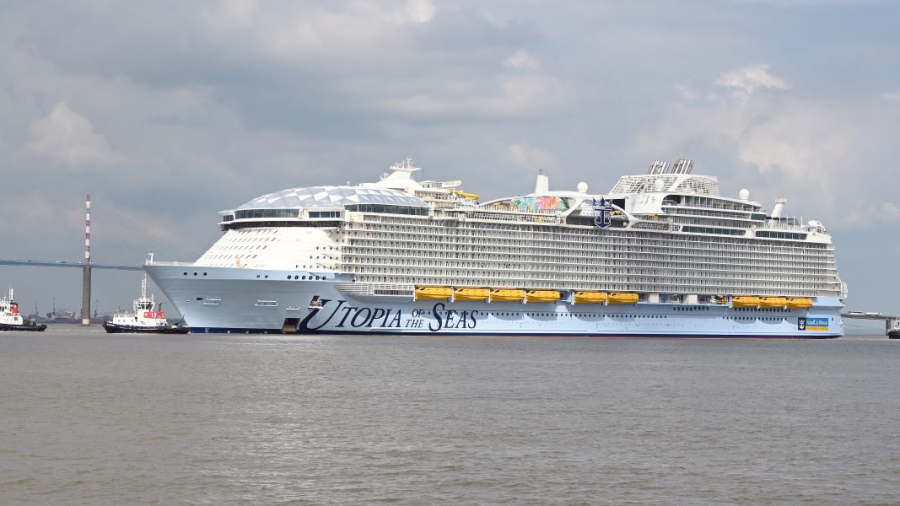
Royal Caribbean International has once again set a new benchmark in the cruising industry with the delivery of its latest Oasis-class ship, Utopia of the Seas.
The ship’s handover ceremony took place on 13th June 2024 at the Chantiers de l’Atlantique shipyard in France.
The ceremony was attended by senior bosses from the cruise line along with the nearly 2,300 crew members who will serve onboard and deliver an incredible cruise experience for guests.
All the usual rituals took place, including the signing of contracts, the ceremonial exchange, and the lowering of the shipyard’s flag and the raising of Royal Caribbean’s.
The ship has been under construction since April 2022 and becomes the sixth Oasis-class ship to join the fleet.
While many expected that she would be the last of the class, with the introduction of the larger Icon Class in early 2024, plans have been announced for a seventh Oasis-class ship, yet to be named.
Utopia of the Seas will host 5,668 passengers and is designed for the ‘ultimate weekend’, with a range of 3-night and 4-night cruises around the Bahamas including visits to Perfect Day at CocoCay, the cruise line’s private island resort.
She will now be fitted out with the last of the internal furnishings and crew will undergo the necessary training with the new ship as she crosses the Atlantic.
Her maiden voyage will take place on 19th July 2024.
NEW DEALS JUST RELEASED!
Don’t miss the latest Royal Caribbean offers…
Related posts
If you found this interesting, please share!
Jenni Fielding is the founder of Cruise Mummy. She has worked in the cruise industry since 2015 and has taken over 30 cruises. Now, she helps over 1 million people per month to plan their perfect cruise holidays.
The best deck on a cruise ship depends on what matters most to you. For seasickness, pick a low passenger deck in the middle of the ship. For views and big balconies, go higher or aft. For a quiet night’s sleep, choose a mid-level deck with other cabins above and below you.
No single deck number wins on every ship, because each line lays out its decks differently. This guide explains what changes as you go up or down the ship, which spots to avoid, and how to read a deck plan before you pay a deposit.
Best Deck on a Cruise Ship: Quick Answer Table
Use this table as a starting point, then check the deck plan for your ship (more on that below).
If you are…
Choose…
Why
Prone to seasickness
Lowest passenger deck, midship
The least movement on the ship
A light sleeper
Mid-level deck, cabins above and below
Cabins insulate you from venue noise
Travelling with young children
Mid-to-upper deck near a lift
Short trips to the pools, kids’ club and buffet
Using a wheelchair or walking aid
Deck near the dining room, close to lifts
Fewer long corridors and lift waits
Here for the views
Upper deck, or aft
Wider horizons and, aft, views of the wake
After the biggest balcony
Aft corner or “hump” cabins
The outdoor space is often larger
On a tight budget
Lower-deck inside or oceanview cabin
Usually the lowest fares, and stable too
How Cruise Ship Deck Levels Work
Ocean ships usually have somewhere between about 10 and 20 decks, depending on size, with the newest mega-ships at the top of that range. Passenger cabins tend to begin around deck 2, 3 or 4, and crew areas, storage and machinery fill the levels below. Most lines number decks from the bottom up, so deck 2 is low and deck 14 is high, though the first passenger deck can carry a different number from ship to ship.
Many lines also give decks names as well as numbers, such as Lido, Promenade or Riviera. That is why you will hear about the “Lido deck” (the main pool and buffet level on lines such as Carnival and Holland America) rather than a number.
Roughly speaking, a typical large ship breaks down like this:
Lower decks: inside and oceanview cabins, the medical centre, the gangway and the tender platform.
Middle decks: the atrium, main dining rooms, theatre, casino, shops and bars, often with cabin decks stacked above them.
Upper decks: balcony cabins and suites, then the pools, buffet, spa, sports areas and sun decks at the top.
Higher decks and the ends of a ship feel more of the swell than a low cabin midship. Photo: Magda Ehlers on Pexels
Best Deck for Seasickness on a Cruise
If motion is your main worry, location matters more than anything else. Picture a seesaw: the middle barely moves while the ends rise and fall. A ship works in a similar way. The area low down and midship is closest to the pivot point, so it feels the least pitching (front-to-back movement) and rolling (side-to-side movement).
So the best location on a cruise ship for seasickness is:
Low: the lowest passenger deck available, or as close to it as your budget and cabin type allow.
Midship: halfway between the bow and the stern, usually near the main lift lobby.
With a view if possible: watching a fixed horizon helps many people, so an oceanview cabin can be easier to cope with than an inside cabin.
The trade-off is that balconies usually begin a few decks up, often from deck 6 or higher. If you want a balcony and suffer from motion sickness, take the lowest balcony deck you can find, midship. Avoid cabins far forward, which meet the waves first, especially on high decks.
Modern ships have stabilisers that reduce rolling a lot, so most guests on mainstream routes feel very little. If you know you are sensitive, though, pack your usual remedy and talk to a pharmacist or doctor before you sail.
What Deck Is Best on a Cruise Ship for Views and Balconies?
Higher decks give you a wider, more dramatic view, and the higher you go, the less spray and harbour clutter you will see. They also put you close to the pools and sun decks, which is handy on sea days.
Aft-facing cabins at the stern are popular because the balconies are often deeper and look straight out over the wake. Corner aft cabins can wrap around the side of the ship. On many ships, cabins in the “hump”, where the hull widens midship, also have larger or angled balconies.
Keep in mind that higher and aft cabins tend to feel more motion, wind and engine vibration. If you are weighing up whether the extra cost is worth it, our guide to the pros and cons of booking a balcony vs an inside cabin sets out the trade-offs.
Best Deck to Stay On for Quiet, Families and Easy Access
Light sleepers
The quietest cabins are “sandwiched”: passenger cabins directly above, below and on each side. Middle cabin decks between two other cabin decks are ideal. Noise usually comes from public spaces nearby rather than from other guests.
Families
Families often prefer a mid-to-upper deck close to a lift, which keeps trips to the pool deck, kids’ club and buffet short. Choosing a cabin a few doors from the lift lobby rather than right next to it gives you convenience without the corridor chatter.
Limited mobility
Pick a cabin near a lift bank, ideally on or close to the deck with the main dining room. Big ships can be several hundred metres long, so a cabin at the far end of a corridor adds a lot of walking each day.
Budget cruisers
Lower-deck inside and oceanview cabins are usually the cheapest category on board, and they happen to be among the most stable, which is a nice bonus.
Cabins directly under the pool deck can hear loungers being dragged early in the morning. Photo: Matheus Bertelli on Pexels
Decks and Cabin Locations to Avoid
Some locations come up again and again in passenger complaints. None of them are dealbreakers for everyone, but it pays to know what you are booking.
Directly below the pool or Lido deck: sun loungers are often set out or stacked early in the morning and late at night, and scraping furniture carries through the ceiling.
Below the buffet or a galley: trolleys and prep work can start well before breakfast.
Above or below nightlife: nightclubs, theatres, casinos and late bars can mean bass and crowds until the early hours.
Low and forward: cabins near the bow on the lowest decks can be loud when the anchor is dropped or raised, and they also move more in a swell.
Next to the tender platform or gangway: on port days there can be early noise and foot traffic outside, and the area may be busy with crew.
Aft on very low decks: some guests notice vibration or a hum from the engines and thrusters.
Interior “view” cabins over an indoor promenade or atrium: Royal Caribbean’s Promenade-view inside cabins, for example, look over a busy indoor street, so they can be livelier late at night than a standard inside cabin.
Obstructed views: some oceanview and balcony cabins look out on lifeboats or structure. The cruise line usually flags these in the cabin description.
Deck plans are free on every cruise line’s website. Five minutes with one can save you a week of poor sleep. Run through this checklist for the exact cabin number you are offered:
Look one deck up. Is the space directly above your cabin another cabin, or a pool, buffet, jogging track or bar?
Look one deck down. Is it a theatre, nightclub, casino, galley or dining room?
Check the corridor. Look for laundry rooms, crew doors, service lifts or storage marked next to or opposite your door.
Find the lifts and stairs. Decide if you want to be close (convenient) or a few doors away (quieter).
Check the position along the ship. Forward, midship or aft makes a real difference to motion and walking time.
Look outside. Check for lifeboats, tender stations or a public deck in front of your window or balcony.
Read the symbols key. Note connecting doors (sound can travel through them), accessible cabins and sofa beds.
Use the right plan. Ships are refitted, so make sure you are using the current deck plan for your specific ship, not a sister ship.
What About Guarantee Cabins?
A guarantee fare means you pick the cabin category, but the cruise line assigns the exact cabin later, sometimes only days before sailing. You will get at least the category you paid for, and occasionally an upgrade, but you cannot control the deck or position. If you are prone to seasickness, a light sleeper or need a cabin near a lift, it is usually worth paying a little more to choose your own cabin number.
Whichever deck you choose, a bit of preparation goes a long way. If this is your first sailing, our first-time cruise tips cover other things worth knowing before you board.
Whichever deck you choose, it is worth checking our guide to the cruise cabins to avoid so you don’t end up under the pool deck or next to a crew door.
FAQs
Are higher or lower decks better on a cruise ship?
Lower decks are better for stability, as you feel less sway there. Higher decks are better for views, quick access to the pools and larger balconies. If neither matters much, a middle deck near the centre of the ship is a safe all-round choice.
What is the best deck for seasickness on a cruise?
The lowest passenger deck you can get, in a cabin midship. That position is closest to the ship’s pivot point, so it moves the least. An oceanview or balcony cabin helps too, because seeing the horizon can ease nausea.
Where should you not stay on a cruise ship?
Avoid cabins directly under the pool deck, buffet or a nightclub, cabins low and forward near the anchor, and cabins next to crew doors or service areas. Cabins above or below theatres and casinos can also pick up noise late at night.
Is deck 2 on a cruise ship good?
It can be. On many ships, deck 2 or 3 holds the lowest passenger cabins, which are among the most stable and usually the cheapest. Check the deck plan first, as these decks can sit near the tender platform, the gangway or the engine area.