

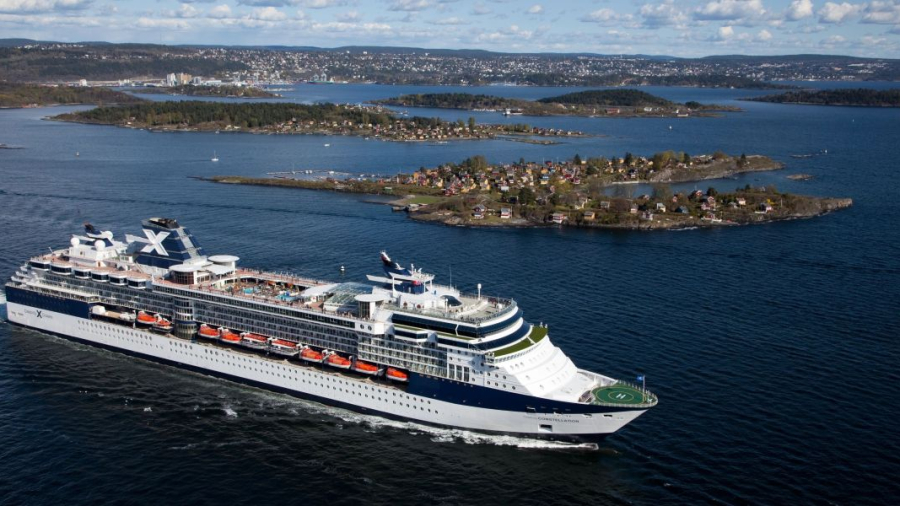
Two senior cruise guests from Chile are suspected of stealing a valuable ring during a stop in Messina, Sicily.

According to the Flying Squad of the Messina Police Headquarters and the Maritime Border Police Office, the couple – aged 77 and 87 – allegedly walked out of a local jewellery shop with a ring valued at around €1,000 (approximately $1,100 USD) on 11th May 2025.
At the time, they were passengers aboard Celebrity Constellation, which was docked in Messina as part of its 11-night “Best of Italy & Croatia” cruise.
The couple had reportedly asked to try on the ring before allegedly leaving the shop with it.
The theft wasn’t immediately detected by the store’s staff, and by the time the missing ring was discovered, Celebrity Constellation had already departed for Naples, its next port of call.
Messina authorities quickly notified their counterparts in Naples, who conducted a search when the ship docked.
Police reportedly found the missing jewellery item among the couple’s personal belongings.
A statement from Messina police confirms that the two suspects are presumed innocent pending trial.
The exact status of the couple – whether in custody, under bail, or returned to Messina – has not been made public. There has also been no official comment from Celebrity Cruises or its parent company, Royal Caribbean Group.
The 2,170-passenger Celebrity Constellation, a Millennium-class vessel launched in 2001, is currently operating round-trip sailings from Ravenna to Rome with port calls including Zadar, Dubrovnik, and Split in Croatia; Kotor in Montenegro; and several Italian destinations including Livorno, Naples, and Messina.
Following the Mediterranean season, the ship is due to reposition to Tampa, Florida, for the winter cruise season beginning in late 2025.
This incident is one of a growing number of unusual crime-related events aboard or connected to cruise ships in recent weeks.
Don’t miss the latest Celebrity Cruises offers…


Jenni Fielding is the founder of Cruise Mummy. She has worked in the cruise industry since 2015 and has taken over 30 cruises. Now, she helps over 1 million people per month to plan their perfect cruise holidays.

Royal Caribbean is once again reshaping the future of cruise vacations with the reveal of its newest private island destination, Perfect Day Mexico, launching in autumn 2027. Located on Mexico’s…

Billionaire tech mogul Mark Zuckerberg may have spent much of his early career downplaying displays of wealth, but it seems those days are long gone. With a reported net worth…

In a find that sounds more science fiction than science, researchers have uncovered a bizarre and fearsome new creature deep in the Atacama Trench – nearly 26,000 feet beneath the…

Imagine cruising through the Pacific Northwest and spotting a pod of orcas – sleek, graceful, and, strangely, wearing dead fish on their heads. It sounds like a scene from a…
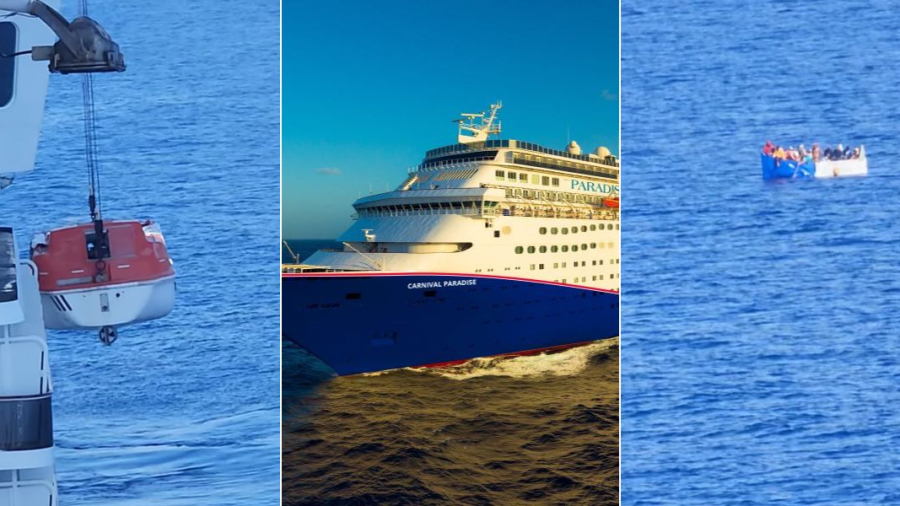
Carnival Cruise Line’s Carnival Paradise proved that seafaring heroism is alive and well this week after rescuing five refugees from a small, overcrowded raft drifting off the coast of Cuba.

The dramatic rescue occurred on 14th May 2025, as the ship sailed from Key West to Montego Bay, Jamaica, during a 6-night Western Caribbean voyage.
Guests onboard the ship captured video of the lifeboat being launched from the ship, and travelling out to meet the stranded boat.
While navigating south of Cabo San Antonio, Cuba, crew members aboard the 2,124-guest Carnival Paradise spotted a makeshift vessel in distress, with around 15 people aboard.
The overcrowded raft appeared unstable and unfit for continued travel, prompting the ship’s bridge team to respond immediately.
Carnival’s crew deployed one of the ship’s lifeboats and managed to rescue five individuals who accepted assistance.
According to a statement from Carnival Cruise Line, the other occupants declined to board the ship but were given essential supplies, including food, water, and fuel.
“The Carnival Paradise team rescued five people south of Cabo San Antonio, Cuba on Wednesday after the ship’s officers spotted a small boat in distress,
“The five people who requested rescue were part of a larger group on board the small boat. The other occupants did not wish to join the ship but were given food and water.”
Carnival statement
The ship promptly alerted the United States Coast Guard, which will coordinate the transfer of the rescued individuals at a later point in the itinerary.
As per maritime law and Carnival’s own longstanding protocol, the rescued individuals were provided with food, water, medical attention, and temporary lodging.
Contrary to occasional misconceptions, they do not continue the cruise as guests.
The rescued group is expected to be transferred either during a port call or upon the ship’s return to Tampa, Florida, on 18th May 2025.
Cruise tracking data confirms that Carnival Paradise arrived on schedule in Montego Bay on 15th May and George Town, Grand Cayman, on 16th May before concluding the voyage.
This is not the first time Carnival Paradise has come to the rescue at sea. The ship has earned a reputation for doing the right thing in crisis situations – particularly in waters near Cuba, where such rescues have become more frequent in recent years.
Each incident has followed similar patterns of swift action, legal compliance, and compassion – with Carnival consistently liaising with relevant authorities for safe transfer and repatriation.
Despite the drama at sea, Carnival Paradise has continued her itinerary without delay. Guests onboard have praised the crew for their quick response and professionalism, reflecting Carnival Cruise Line’s commitment to safety and maritime duty.
This latest act of rescue not only underscores the responsibility cruise lines bear on the high seas, but also the ongoing challenges facing migrants in the Caribbean. For Carnival Paradise, however, stepping in to save lives is simply part of the voyage.
See the latest Carnival cruise offers…

Jenni Fielding is the founder of Cruise Mummy. She has worked in the cruise industry since 2015 and has taken over 30 cruises. Now, she helps over 1 million people per month to plan their perfect cruise holidays.

Two senior cruise guests from Chile are suspected of stealing a valuable ring during a stop in Messina, Sicily. According to the Flying Squad of the Messina Police Headquarters and…
Royal Caribbean is once again reshaping the future of cruise vacations with the reveal of its newest private island destination, Perfect Day Mexico, launching in autumn 2027. Located on Mexico’s…
Billionaire tech mogul Mark Zuckerberg may have spent much of his early career downplaying displays of wealth, but it seems those days are long gone. With a reported net worth…
In a find that sounds more science fiction than science, researchers have uncovered a bizarre and fearsome new creature deep in the Atacama Trench – nearly 26,000 feet beneath the…
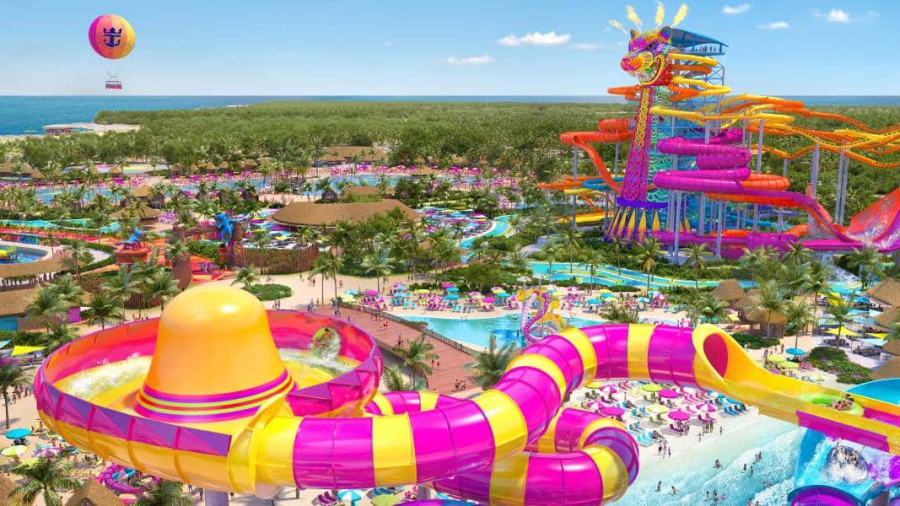
Royal Caribbean is once again reshaping the future of cruise vacations with the reveal of its newest private island destination, Perfect Day Mexico, launching in autumn 2027.
Located on Mexico’s Caribbean coast near Mahahual, this 200-acre tropical escape promises world-first water attractions, expansive beach zones, and immersive cultural experiences.
Described as the brand’s “boldest yet,” Perfect Day Mexico will be divided into seven unique neighbourhoods tailored to every kind of traveller – from adrenaline junkies and partygoers to families and those looking for sun-soaked relaxation.
Topping the list of headline attractions is Loco Waterpark, home to more than 30 waterslides spread across five slide towers. This includes Jaguar’s Peak, the tallest waterslide tower in the Americas at more than 170 feet.

Here, guests can experience the world’s longest coaster-style waterslide and the highest family raft ride designed for up to six riders.
Another highlight is the world’s first sombrero slide, inspired by Mexico’s iconic wide-brimmed hat. Designed as a bowl slide, it offers a distinctly local flair to the waterpark experience.
In Splash Cove, cruisers of all ages can float down the longest lazy river in the world, a float lasting nearly an hour with optional “crazy” sections featuring rapids and waves.
At the centre lies a massive 100,000-square-foot pool – just one of more than 10 pools across the island, together spanning the size of four football fields.

Younger guests will enjoy the largest Splashaway Bay yet, complete with child-sized slides and interactive features. New Splashaway Cabanas nearby offer families a shaded retreat close to the action.
Guests aged 18 and up can head to El Hideaway, an adults-only zone with a swim-up bar, live DJs, and the all-new Ultimate Party Cabana, complete with its own pool and bartender.
For a more upscale beach day, Costa Beach Club offers infinity pools, premium dining, and luxury cabanas with dedicated attendants.
Those looking to relax in a more natural setting can unwind along Chill Beach North and South, nearly two miles of white-sand shoreline with complimentary loungers, umbrellas and towels.
Upon arrival, guests will be greeted by the vibrant Fiesta Plaza, where live mariachi music and the world’s largest sombrero – topping the Tipsy Sombrero bar – set the tone.
Across the island, 12 eateries and 24 bars will serve up regional dishes and cocktails, with nearly all food options included in the cruise fare. Art installations and market-style shopping by local artisans complete the cultural immersion.
When it opens in autumn 2027, Perfect Day Mexico will feature on Western Caribbean cruises departing from Galveston, New Orleans, and multiple Florida ports. These new itineraries will be available to book later this year.
Royal Caribbean says this expansion reflects its long-term ambition to reinvent cruise travel both onboard and ashore.
“Perfect Day Mexico is bigger and bolder than anything we have done to date… We can’t wait to welcome adventurers from around the world for an experience only we can offer.”
Royal Caribbean CEO Michael Bayley
Perfect Day Mexico is just one piece of a growing portfolio of exclusive destinations under Royal Caribbean’s Ultimate Destination banner.

The cruise line is also developing several Royal Beach Clubs and other private island getaways:
By 2027, the cruise line expects 90% of its Caribbean travellers to visit either Perfect Day at CocoCay or Perfect Day Mexico, with new itineraries from Gulf ports including both Perfect Day Mexico and Royal Beach Club Cozumel.
Royal Caribbean is working closely with the Mexican government and Mahahual community to develop Perfect Day Mexico as a sustainable, long-term tourism destination.
The port will remain open during all construction phases, and a new welcome centre will help connect guests with local landmarks and excursions.
The initiative aligns with Royal Caribbean Group’s SEA the Future programme, focused on sustainability, community investment, and responsible tourism.
As the cruise giant continues to redefine what “the perfect day” looks like, Perfect Day Mexico stands to become one of the most anticipated and immersive private island destinations in modern cruising.
Don’t miss the latest Royal Caribbean offers…
Jenni Fielding is the founder of Cruise Mummy. She has worked in the cruise industry since 2015 and has taken over 30 cruises. Now, she helps over 1 million people per month to plan their perfect cruise holidays.
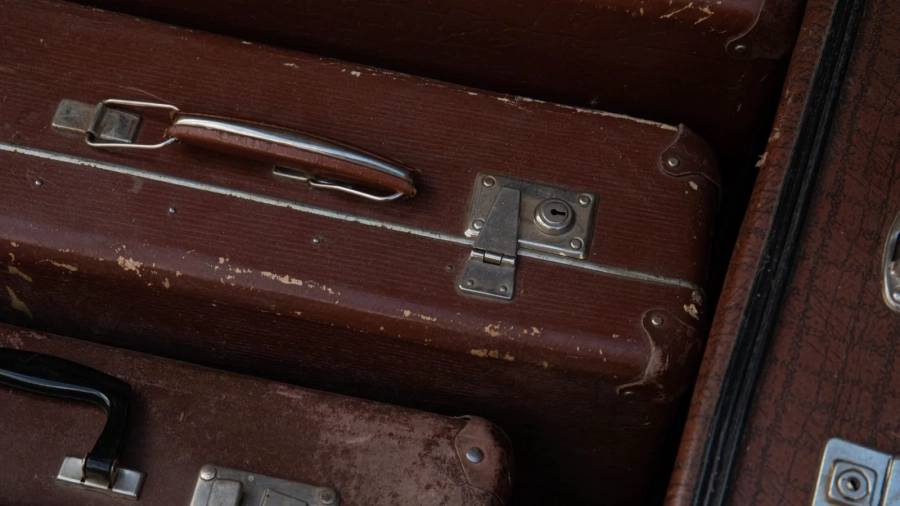
This Level8 luggage review comes down to a simple answer: Level8 is a good mid-priced hard-shell brand for most cruise passengers, with light cases, well-reviewed wheels and a strong warranty on paper. The main catches are carry-on dimensions that run slightly over common US airline limits and a warranty that excludes carrier damage.
To be clear about how this was put together: we have not tested these suitcases ourselves. Everything below comes from Level8’s own published specifications and warranty terms, cruise line luggage policies, and a reading of published reviews and customer ratings. Prices were checked in November 2026 and move often.
Is Level8 luggage good? For the money, the published evidence is mostly positive. Editorial reviewers repeatedly praise the clean design, quiet 360-degree spinner wheels and the Makrolon polycarbonate used on most of the range. On Trustpilot, LEVEL8 Group Corp. held a 4.7 out of 5 score from 114 reviews when we checked, although that is a small sample, 14% of those reviews were one-star, and Trustpilot notes the company has not recently invited customers to review.
Level8 sells a wide range, and names change between collections. These are the models most relevant to cruise travel. Dimensions are as Level8 lists them, including wheels and handles.
| Model | Size (in) | Weight | Capacity | List price |
|---|---|---|---|---|
| Luminous Textured 20" | 14.5 x 9.2 x 21.5 | 7.7 lb | 40 L | $169.99 |
| Road Runner 20" | 14.5 x 9.6 x 21.7 | 9.3 to 9.5 lb | 35 to 38 L | $189.99 |
| Voyageur 20" | 15.1 x 9.8 x 21.3 | 8.1 lb | 43 L | $259.99 |
| Gibraltar Aluminum 20" | 15 x 8.4 x 22 | 10 lb | 36 L | $459.99 |
| Voyageur 26" checked | 16.6 x 13.3 x 27.3 | 11.8 lb | 93 L | $299.99 |
| Voyageur 28" checked | 16.6 x 13.3 x 29.1 | 12.4 lb | 99 L | $329.99 |
| Voyageur 30" checked | 16.7 x 13.3 x 32.1 | 13.9 lb | 105 L | $369.99 |
Level8’s own pages are not perfectly consistent. The Road Runner page gives two weights and two capacities, which is why it shows a range above. The site was also running a 20% Black Friday early-access promotion on selected styles in November 2026, so list prices may not be what you pay.
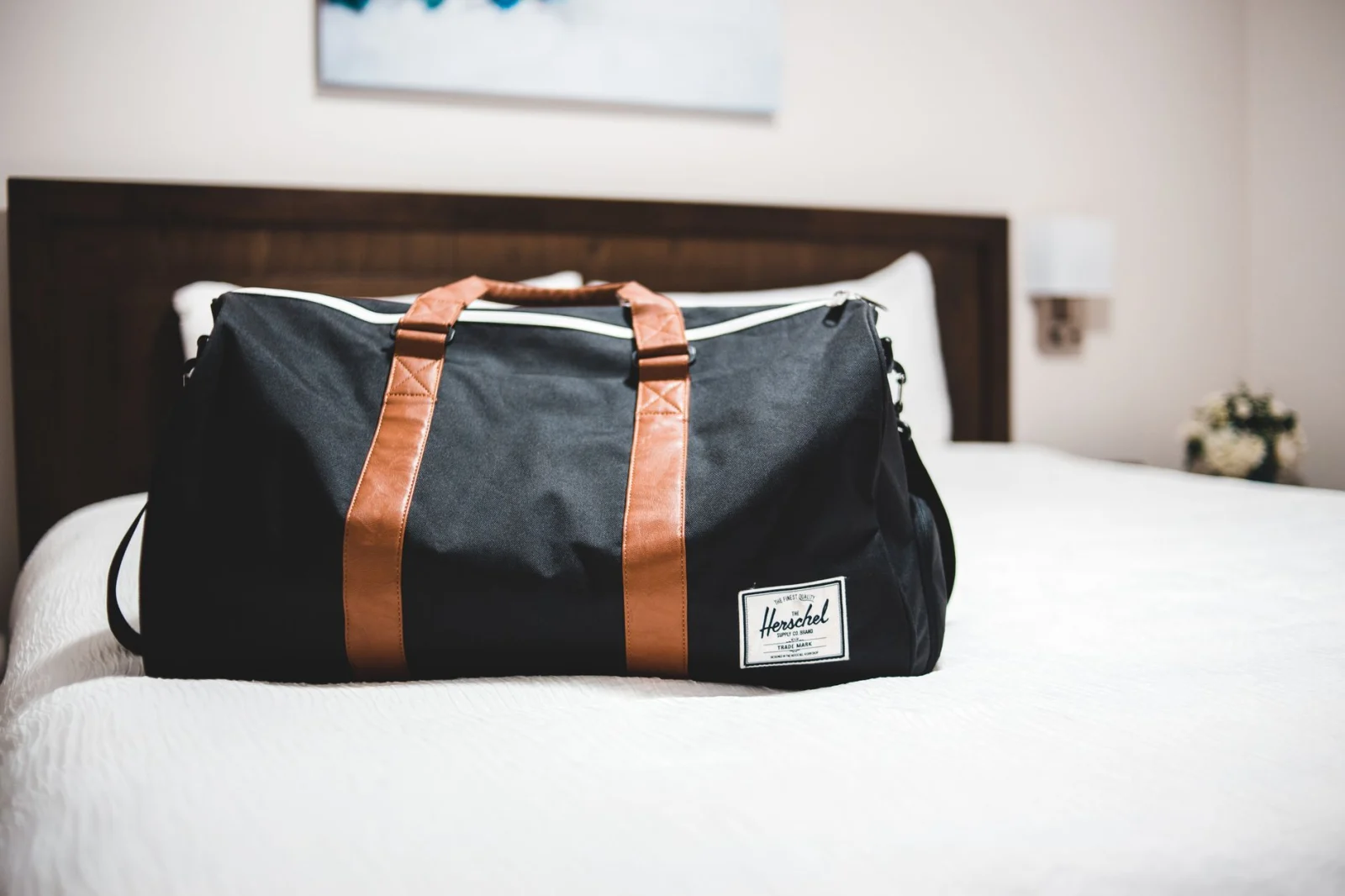
The Voyageur is the line most reviews focus on. Its wide-handle design keeps the handle tubes outside the main packing area, which creates a flatter interior. Published reviews also note a downside: that wide handle can make it awkward to slide a backpack sleeve over it. The 26-inch case is a sensible size for one person on a seven-night sailing, while the 30-inch is heavy once full.
The front pocket takes a laptop and tablet, which is useful on embarkation day if you want your documents and devices close. It is heavier than the Voyageur carry-on despite holding less, so it only makes sense if you will actually use that pocket. One reviewer flagged that a USB charging feature mentioned in some marketing does not appear to be a built-in charger, so do not buy it for that reason.
This is the lightest and cheapest of the group, and it comes in more colors. Review opinion is more divided here, with at least one published review disliking the textured exterior and calling it flimsy. The checked sizes are good value if you mainly want volume, but Level8’s listed weights for them conflict, so weigh one yourself after delivery.
The zipperless aluminum frame removes a common failure point, but at $459.99 it costs far more than the polycarbonate cases and holds less. Reviewers warn that aluminum scratches and dents, and it is not an obvious match for a cruise, where bags pass through several sets of hands.
| Commonly praised | Commonly criticized |
|---|---|
| Quiet, smooth 360-degree spinner wheels | Strict return conditions and refund friction in some customer reviews |
| Makrolon polycarbonate shells on most models | Slow delivery reported by some buyers |
| Built-in TSA-approved locks | Support described as helpful by many and unresponsive by some |
| Clean, minimalist styling | Popular lines such as the Voyageur are reported to be non-expandable |
| Lifetime warranty on luggage | Limited colors on some models |
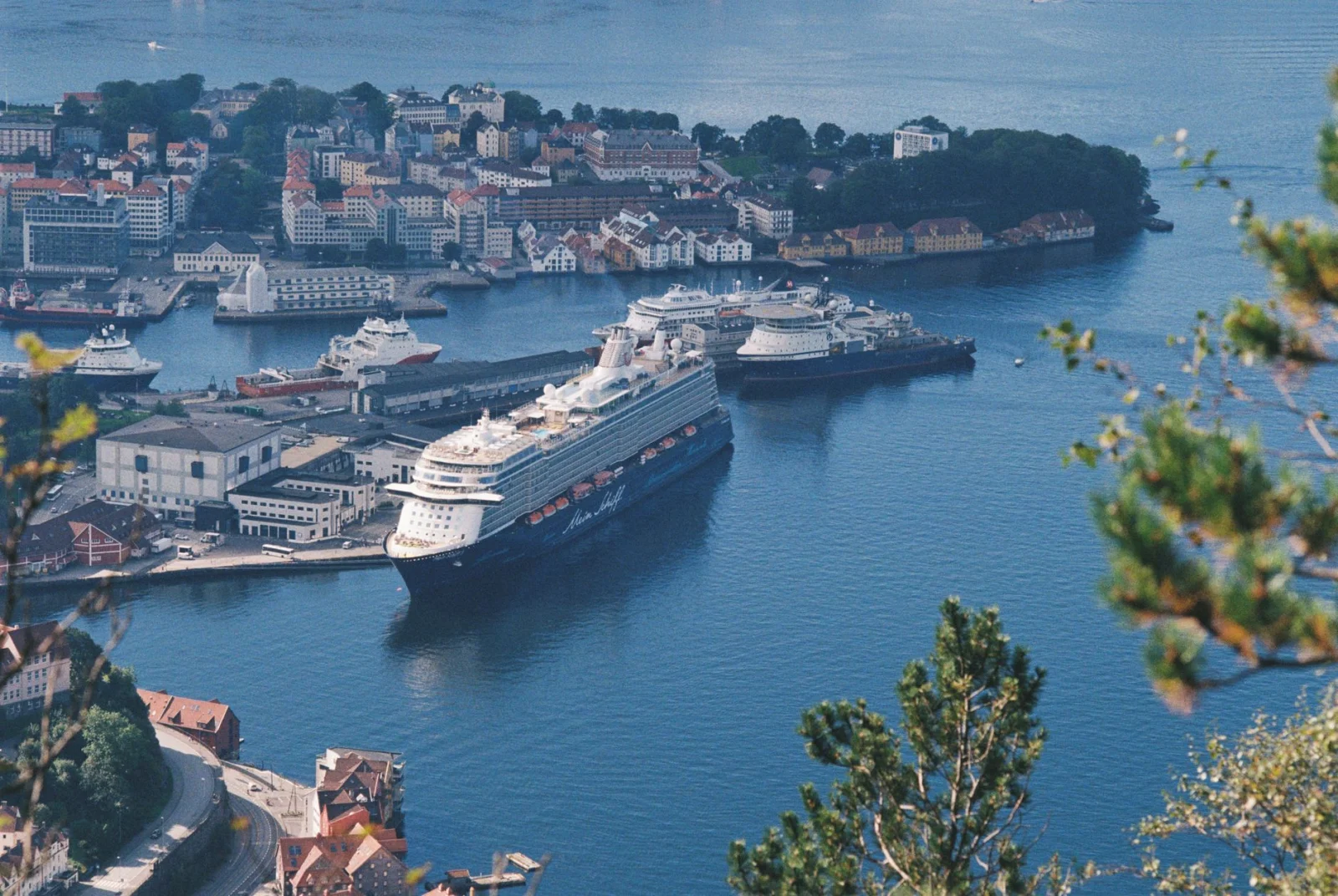
Cruise rules are looser than airline rules, but they are not identical across lines. Here is how the larger cases compare with published policies.
| Cruise line | Published guidance | Level8 fit |
|---|---|---|
| Norwegian | Two pieces per person, up to 50 lb each | Any size fits, but watch the weight on 28 and 30-inch cases |
| MSC | Two suitcases up to 35 x 30 x 17 in and 51 lb; two hand bags up to 22 x 18 x 10 in | All models above fit on the listed dimensions |
| Carnival | Suggests one bag on 3 to 5-day cruises and two on 6 days or longer; 50 lb; 16 in high by 24 in wide when lying flat | Voyageur checked sizes fit the flat measurement |
| Royal Caribbean | A "reasonable amount" of luggage, no numeric limit; carry-ons must pass the port x-ray | Fine, and locks must be TSA-approved |
Carnival’s figures are reported from its help pages, and the line has said it does not charge for overweight bags. Policies change, so confirm them in your booking documents before you pack.
The weight sums matter most. An empty 28-inch Voyageur uses 12.4 lb of a 50 lb allowance, leaving about 37 lb for contents, and 99 liters of formal wear and shoes can pass that easily. If you fly to the port, US airlines commonly apply a similar 50 lb limit in economy and a 62-inch combined size limit, and the 30-inch Voyageur adds up to 62.1 inches on its listed dimensions, so a 26-inch or 28-inch case is the safer buy. Families sharing a cabin should also think about total volume, and our baby and toddler cruise packing list is a useful check on how quickly that space goes.
Most Level8 reviews call the 20-inch cases carry-on friendly. Compare the listed numbers with the 22 x 14 x 9 inch Delta limit, including wheels and handles, and all four 20-inch cases in our table exceed it in at least one direction. The Voyageur at 15.1 inches wide and 9.8 inches deep is the furthest over. Gate agents do not measure every bag, and many 20-inch suitcases are similar, but you should not assume it will pass on a strict carrier. On the ship itself this does not matter.
Checked Voyageur cases are 13.3 inches deep. Clearance under cabin beds varies by ship and cabin, so a thick hard-shell case may not slide underneath. Unlike a soft bag, it will not compress to fit. If your cabin is small, two mid-size cases can be easier to stow than one 30-inch.
The official Level8 warranty gives luggage lifetime cover for manufacturing defects and functional damage to the shell, wheels, handles and zippers. Bags and accessories get one year. Level8 chooses whether to repair or replace.
The transport exclusion is the part cruisers should read twice. A wheel cracked by an airline or in port handling may well be treated as carrier damage, so photograph your cases before you travel and report any damage to the airline or cruise line straight away. Travel insurance is a sensible backstop.
For most passengers, a 26-inch Voyageur paired with a Luminous Textured 20-inch is a reasonable, cost-aware setup. Buy direct to keep the warranty simple, read the return terms first, and check your airline’s carry-on limit if you are flying to the ship. If you are still choosing a sailing, see our cruise deals for 2027 before you decide how much luggage the trip calls for.
On paper and in published reviews, generally yes. Most suitcases use Makrolon polycarbonate shells with quiet spinner wheels, and reviewers mostly praise build and rolling. Complaints focus on returns, delivery and occasional support problems more than on the cases themselves.
Level8 lists a lifetime warranty on luggage for functional damage to the shell, wheels, handles and zippers, and one year on bags and accessories. It excludes normal wear, accidents and damage caused by airlines or other carriers.
Trustpilot lists LEVEL8 Group Corp. in El Monte, California. Level8 says its polycarbonate shells use German-made Makrolon material, but that describes the raw material and does not tell you where the finished case is assembled.
Check the numbers first. The listed dimensions of the Voyageur, Road Runner, Luminous Textured and Gibraltar 20-inch cases each exceed the 22 x 14 x 9 inch limit used by Delta in at least one direction, so a strict gate check could be a problem.
It suits most cruises well, since hard shells and quiet wheels work for port handling and long ship corridors. A 28-inch Voyageur weighs 12.4 lb empty, leaving about 37 lb of packing weight under the common 50 lb guideline.
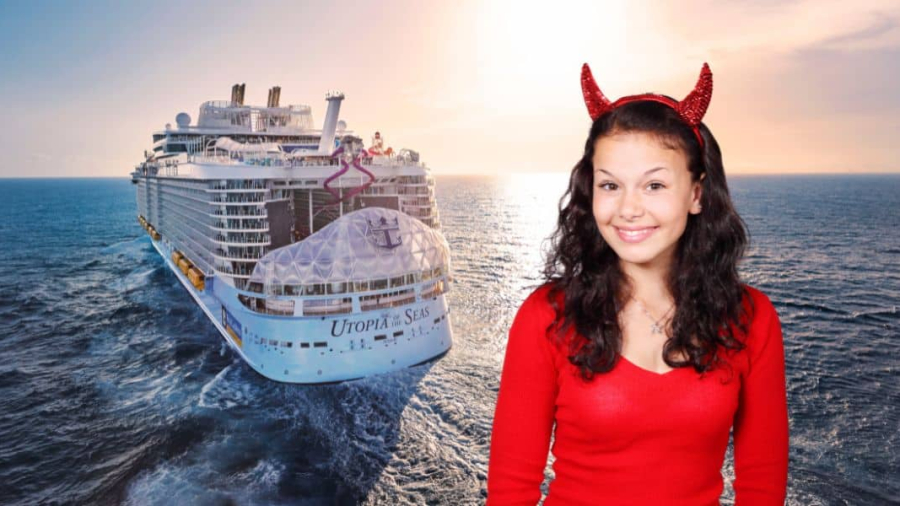
Not all cruise passengers know how to behave when they’re sailing. Or some do, but they don’t care, and they will act however they want to.
Those people are awful, and you don’t want to be lumped in with them. Soon enough, you’ll be getting a reputation onboard and you might even be called out all over social media groups for your bad behaviour.

There are several common ‘sins’ of cruising – so here’s how you can avoid them and rise above to be a better shipmate.
It’s easy to look at the VIP guests with their private sun decks, fast-track embarkation and passes for the first tender boats and feel a bit green. But letting envy get the better of you can turn your holiday sour.

Trying to sneak into reserved lounges, moaning about how it’s “not fair,” or obsessively comparing cabin sizes won’t magically give you a balcony. It’ll just ruin your mood.
There will always be someone cruising with more perks – focus on what you get. Even the most basic cabin still comes with sunsets, sea breezes and someone bringing you dessert.
Sneaking into suite spaces you shouldn’t be in – want to enjoy the private suite sundeck? Book a suite. Don’t be so greedy that you feel you’re entitled to it when you’ve only booked an Inside.
Mocking people with premium perks under the guise of humour – “must be nice to get turn up late and get the best seats in the theatre” isn’t as casual as you think.
Rolling your eyes at suite passengers – their cruise isn’t affecting yours unless you let it.
There’s a special place in cruise hell for the chair hogs. You know the type – towels down at dawn, five loungers claimed for a family who won’t appear until noon, all guarded by a single paperback and a pair of sunglasses.

Greed like this doesn’t just apply poolside. You’ll also find it in the theatre when people “reserve” whole rows with jumpers and bags, or even in the buffet where people will swipe bigger tables even if they’re just a couple, because they ‘need’ more space.
Cruising works best when everyone remembers they’re sharing. If you’re not actively using a space, don’t claim it. Simple.
And if you see someone looking lost and standing awkwardly while you’ve been saving the seat next to you for an hour? Invite them to sit down. It’s amazing what can happen when people stop treating every deck chair like a personal inheritance.
Grabbing the last pizza slice even if you aren’t that hungry – there’ll always be more on the way, so why not let someone else take that one if you aren’t sure you’ll need it?
Refusing to share elevator space – nobody wants to be in a cramped elevator, but it’s better than forcing someone else to wait when you could clearly bunch up a bit. Don’t be greedy over floor space. Get cosy – it won’t be for long.
Cruise ships and food go hand in hand – but some people take it a step too far.
Mountains of bacon, three croissants, a mid-morning ice cream, lunch, two poolside pizzas, afternoon tea, a pre-dinner canapé or two… and suddenly, the main event – dinner – feels like a chore instead of a treat.
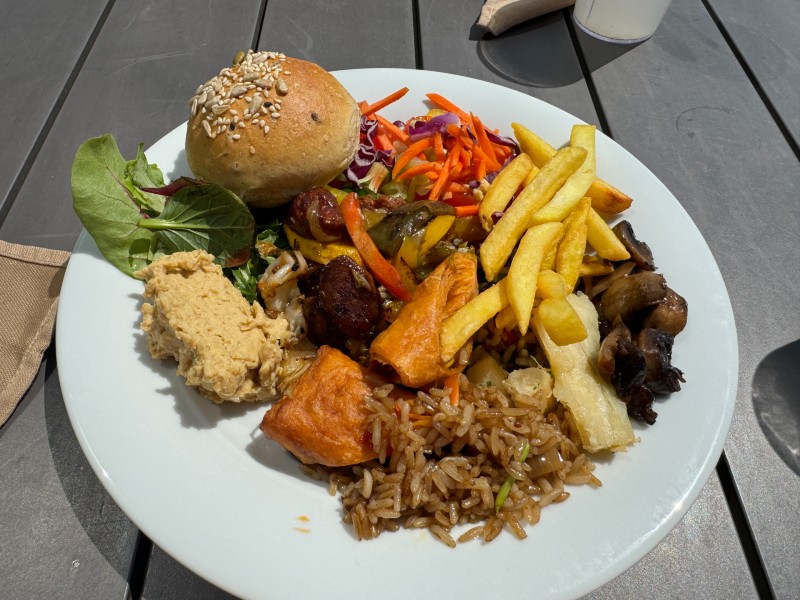
Gluttony isn’t just about overindulgence. It’s about waste. Piling up a plate at the buffet only to leave most of it untouched is both inconsiderate and, frankly, unnecessary.
Food is always available on a cruise. There’s no need to hoard or over-order. A little restraint will leave you feeling better and enjoying your meals more – especially if you’ve splurged on a specialty restaurant.
Food waste is also one of the biggest issues on cruises when it comes to environmental concerns, so don’t be the person that contributes unfairly.
Over-snacking throughout the day – this is totally up to you, but turning up to dinner already stuffed will leave you disappointed and can cause issues with your travelling party – they don’t want you just to watch them eating while you’re sat nursing a full stomach.
Ordering room service you’re not actually going to eat – it’s not just wasteful, it’s disrespectful to the crew who have to prep and deliver it.
Taking three of every dessert “just to try” – not so much of an issue if you’re actually eating them all, but don’t abandon them.
Treating every food venue as a personal eating challenge – it’s a cruise, not an eating contest.
Some passengers treat the ship like a floating leaderboard — who’s done the most cruises, scored the fanciest cabin, or got upgraded thanks to their loyalty points and “connections.”
They can’t help but tell you how much they paid (or didn’t), how their last ship was so much better, or how they’ve “been to this port loads of times already.”

There’s nothing wrong with being proud of your travels, but rubbing it in other guests’ faces just makes you a bore.
Swap stories, share tips, but maybe don’t turn every conversation into a humblebrag monologue.
Flashing your loyalty card in every conversation – no one’s awarding medals at the pool bar.
Dropping “suite life” references every chance you get – people don’t need to know how many square feet your bathroom has.
Mocking someone’s inside cabin – if your joy requires belittling someone else’s setup, it’s not as impressive as you think.
Correcting newer cruisers like it’s a job – offering tips is nice, being a know-it-all isn’t.
Romance at sea is lovely. Full-blown lust? Maybe keep it behind closed doors.
Balcony escapades may seem private, but the crew can see everything.

Public displays of affection that belong in a rom-com bedroom scene are more cringe than cute.
The same goes for flirtation that crosses the line — especially with crew members who, by the way, are working under strict codes of conduct.
You’re not starring in your own cruise romance drama. Keep things classy.
Late-night noise from neighbouring cabins – if your romantic evening can be heard three doors down, you might want to turn the volume down (and maybe the playlist up).
Over-the-top PDA in the hot tub – there are families around, and no one wants to sit in someone else’s make-out zone.
Unsolicited touching or innuendo on the dance floor – the ship’s rocking is no excuse for being handsy.
Cruising is the ultimate lazy holiday – no cooking, no cleaning, and nothing on your to-do list.
But some take that as permission to live like teenagers left alone for the weekend. Leaving your cabin looking like a laundry bomb went off, ignoring basic hygiene, or refusing to clear up after yourself in shared spaces affects the whole ship.

And seriously – wash your hands. With real soap. Every time.
Dumping your plates and cups wherever you last sat – nobody wants to see your half-eaten burger left on a pool lounger.
Leaving wet towels and clothes everywhere in your cabin – your steward is not your personal laundry fairy.
Skipping handwashing at every opportunity – those sanitiser stations aren’t decorative.
Everyone’s allowed a grumble now and then. But there’s a difference between giving polite feedback and full-on cruise rage.
Some passengers turn minor issues – like a missing towel animal or lukewarm soup – into front-page scandals.

Worse are those who yell at the crew over things they can’t control, like slow service or port changes.
Being unpleasant doesn’t get problems solved faster. It just ruins the atmosphere. The crew are human, and most genuinely want to help – so give them a chance to do just that.
Throwing a tantrum over dinner reservations – the maître d’ isn’t hiding the good tables out of spite.
Snapping at bar staff for delays – when half the ship ordered cocktails at the same time, maybe it’s not a personal vendetta.
Raising your voice at guest services – they’re not a punching bag for every small inconvenience.
Publicly shaming entertainment staff – didn’t love the magician? Fine. No need to roast him in the atrium like it’s open mic night.
A cruise ship may be your temporary floating kingdom, but it’s also a shared space with hundreds, or thousands, of other people.
A bit of self-awareness and courtesy go a long way. Avoid these sins, and your shipmates will thank you – even if they don’t say it out loud.
Don’t miss these offers…
Jenni Fielding is the founder of Cruise Mummy. She has worked in the cruise industry since 2015 and has taken over 30 cruises. Now, she helps over 1 million people per month to plan their perfect cruise holidays.
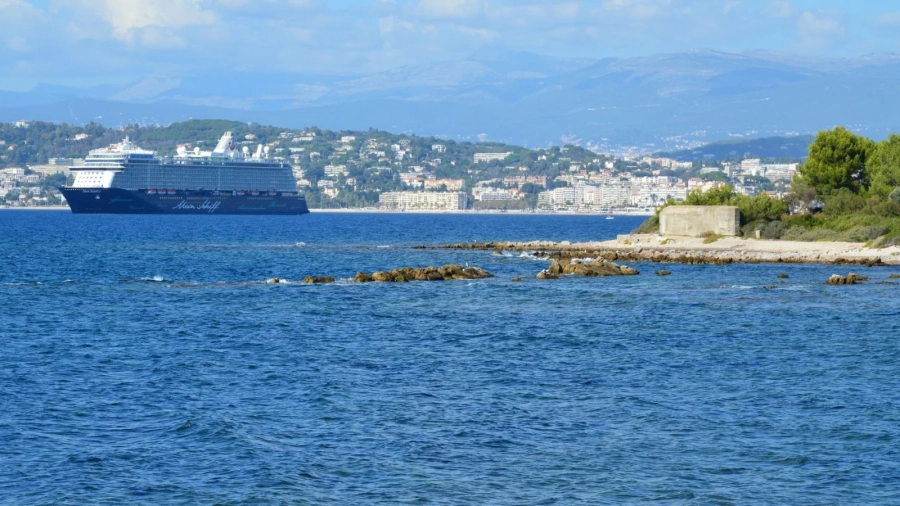
Sea days on a cruise are full days when the ship makes no port call, so every passenger is on board at once. The best sea days are planned the night before: check the daily schedule in the app, book anything popular (spa, specialty dining, shows) early, claim a quiet spot before 9am, and pace yourself on sun, food and drink. Below is an hour-by-hour sea day plan, followed by the most common sea day mistakes and how to avoid them.
Sea days get a bad reputation from people who spend them queuing at the buffet or circling a full pool deck. With a little planning, a cruise sea day can be the most relaxing part of the whole trip, and on some itineraries (transatlantic crossings, Hawaii from the West Coast, long Caribbean runs) you will have several in a row.
A sea day is any day your itinerary lists as “at sea” or “cruising”, with no port of call. Sea days are common on Caribbean, Hawaii, Alaska and repositioning itineraries, and on transatlantic crossings, but rare on port-intensive Mediterranean and Northern Europe routes. River cruises have essentially none. A sea day can also be added at short notice: if wind, swell or port conditions make docking or tendering unsafe, the captain may replace a port call with an unplanned day at sea.
Because nobody is ashore, cruise lines pack the schedule on sea days. Expect trivia, enrichment talks, cooking demonstrations, dance and fitness classes, casino tournaments, bingo, art auctions, pool games and, on many lines, behind-the-scenes ship tours. Formal or dress-up nights are also often scheduled on sea days, so you have the afternoon to get ready.
Nobody needs to follow a timetable on holiday, but the rhythm of a typical ship is predictable. Use this as a template and swap in whatever you actually enjoy.
| Time | What to do | Why it works |
|---|---|---|
| Night before | Read the next day’s planner in the app or on paper; book spa, specialty dining and shows | Popular slots go first on sea days |
| 7:00 – 8:30am | Walk the jogging track, an early fitness class, or coffee on deck | Upper decks are quiet; sunrise at sea is worth seeing at least once |
| 8:30 – 9:30am | Breakfast in the main dining room or room service instead of the buffet | Calmer, table service, and you avoid the buffet rush |
| 9:30 – 11:30am | Pool or sun deck time, or a talk, class or tour | Morning sun is gentler and loungers are still available |
| 11:30am – 1:30pm | Lunch: try the dining room, a specialty lunch, or eat a little early or late | Buffet peaks around noon to 1pm |
| 1:30 – 4:00pm | Shade, a nap, the library, a quiet bar, trivia, or a spa appointment | The strongest sun of the day; a good time to be indoors |
| 4:00 – 5:30pm | Afternoon tea, a final swim, or balcony time | Pools empty as people go to get ready for dinner |
| Evening | Dinner, the main show (booked), then live music or a comedy set | Sea day evenings often have headline entertainment |
Treat the table as a menu, not a schedule. The point is simply to do the popular things at unpopular times.
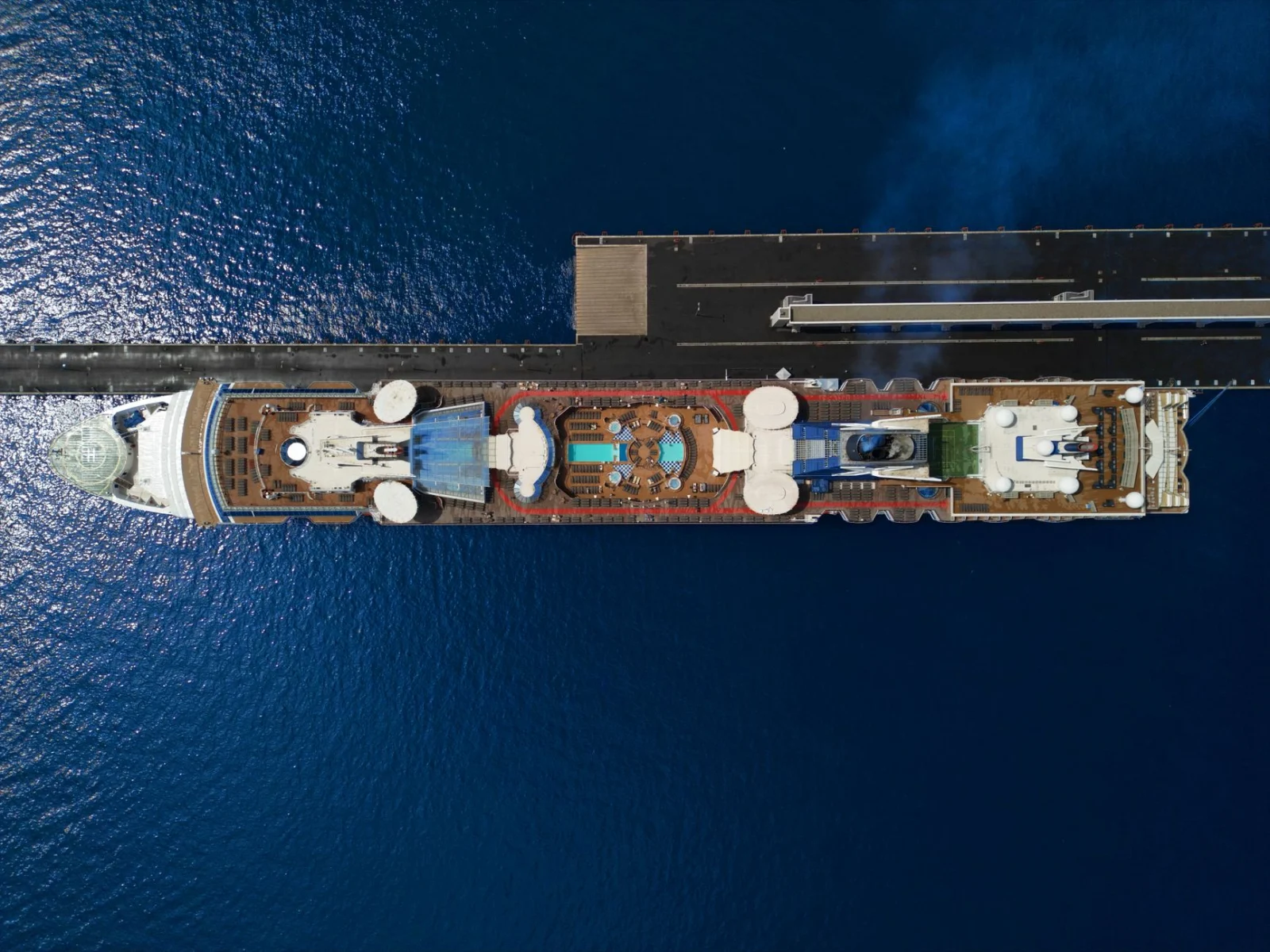
These are the sea day mistakes that most often turn a relaxing day into a frustrating one, with a simple fix for each.
Every major line publishes the day’s activities, venue opening hours and show times in its app, and many still deliver a printed planner to your cabin. If you only look at it once you are already on deck, you will miss timed events such as galley tours, wine tastings or the one trivia session you wanted. Spend five minutes with it the evening before and set a couple of reminders. Most apps work over the ship’s network without buying an internet package.
Saving loungers with a towel and a paperback is the most complained-about sea day habit, and cruise lines have been clamping down. Carnival’s “use it or lose it” policy removes belongings from a chair left unattended for 40 minutes and holds them for the guest; the line confirmed in early 2026 that it has no plans to charge for loungers. Royal Caribbean and Celebrity have said unattended items may be removed after around 30 minutes, and Virgin Voyages has used a 40-minute limit. Exact rules vary by line and even by ship, so check signage or ask the pool staff. The courteous approach is simple: if you are going to lunch or a show, take your things with you.
The main pool is the most crowded space on a sea day. Look instead for an adults-only area (if you qualify), a forward or aft deck, a secondary pool, the promenade deck or your own balcony. Some ships also sell day passes to quieter areas such as a thermal suite or a private sun deck, which can be worth it on a full ship.
A sea breeze hides how strong the sun is, and water reflects UV back at you. Apply a high-SPF sunscreen before you go out, reapply after swimming, wear a hat and sunglasses, and plan shade time during the early afternoon. Our cruise packing tips cover what is worth bringing from home, because sunscreen and after-sun are expensive on board.
Sun, wind, salty food, caffeine and cocktails add up quickly. Alternate alcoholic drinks with water, carry a refillable bottle and top it up at the buffet or water stations. Dehydration is a common reason for sea day headaches and fatigue.
Sea days are peak time for ship spas, so prices and availability tend to be least favorable then. Many passengers report that spa teams offer promotions on port days and embarkation day, when the ship is quieter. If you have a port you are not excited about, staying aboard for a discounted treatment can be good value. If you do want a sea day slot, book it as soon as the schedule opens, often before you sail.
Restaurants and headline shows fill fastest on sea days because everyone is free. Many lines open reservations online before the cruise. Some specialty restaurants also open for lunch or brunch on sea days, which can be cheaper than dinner and easier to book. Our guide to cruise booking tips looks at which pre-cruise purchases are worth it.
It is easy to drift from breakfast to the pool grill to the pizza counter to afternoon tea without ever being hungry. Choose one or two meals to really enjoy, and fit in some movement: the jogging track, a fitness class or a few flights of stairs instead of the elevator.
Open-ocean crossings can be bumpier than coastal days in port. If you are prone to motion sickness, take your preferred remedy before you feel unwell (check with a pharmacist or doctor first), and choose a cabin and lounging spot low and midship, where movement is felt least. Fresh air and looking at the horizon help many people. The guest services desk or medical center can usually supply tablets if you forget.
Sea days are when ships sell the most. Art auctions, shop “sales”, casino tournaments, spa seminars that end with product pitches, cabana rentals and drinks on deck all add up while you have nothing else to do. A few habits help:
If you are wondering what to do on a sea day once you have had enough sun, here are options that are often overlooked:
Pack something of your own, too. A downloaded book, a puzzle or a playlist means a quiet hour never feels wasted. If this is your first trip, our first time cruise tips explain more about how the onboard day works.
If you’re planning a crossing with a long run of sea days, read our guide to the transatlantic cruise mistakes to avoid before you book.
It is a day when the ship sails between ports without stopping anywhere. All passengers stay on board, and the ship runs a fuller schedule of activities, entertainment and dining.
Not if you plan a little. Ships run talks, classes, games, shows and tours all day, and many people find sea days the most relaxing part of the trip. Bringing a book or download helps fill quiet moments.
Not for long. Most lines discourage saving loungers, and policies such as Carnival’s remove belongings after 40 minutes unattended. Others use around 30 minutes. Take your items with you when you leave for more than a short break.
Often, yes. Many ship spas run promotions on port days and embarkation day when demand is lower, while sea days are their busiest and least discounted. Ask at the spa desk early in the cruise.
It depends on your style, but the most reliable approach is to book popular things (spa, specialty dining, shows) in advance and do busy activities at off-peak times, such as the pool early and lunch late.
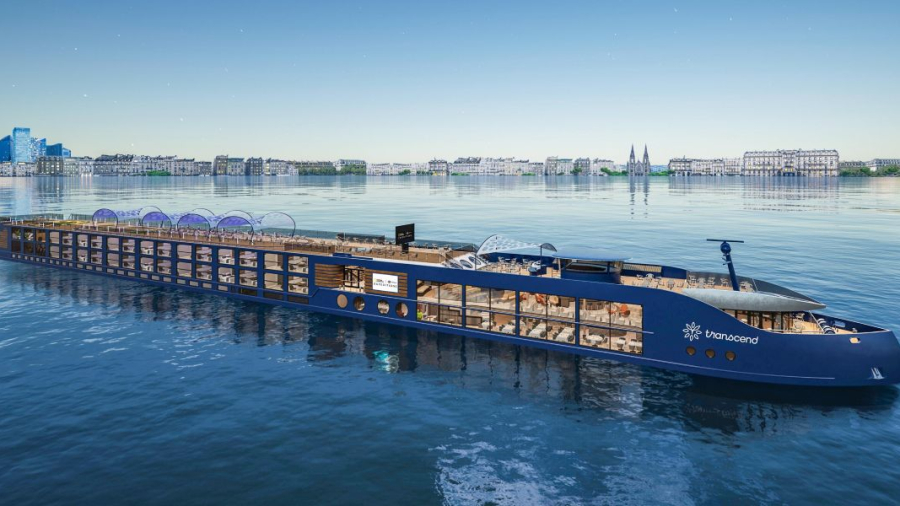
National Geographic-Lindblad Expeditions has announced its entry into European river cruising for the first time, unveiling two new immersive itineraries along the Rhine launching in April 2026.

The move marks a significant expansion for the expedition cruise leader, which is best known for its small-ship voyages to remote regions like Antarctica, the Galápagos, and the Arctic.
The inaugural European river season will see the launch of Connect – a brand-new, 120-guest vessel built in 2025 specifically for scenic inland cruising.
The state-of-the-art ship will sail two distinct eight-day voyages: one from Amsterdam to Brussels and another from Cologne to Basel.
Bookings open to the public on 20th May 2025, while past guests can already reserve early.
“We’re delighted to bring National Geographic-Lindblad Expeditions’ bold new vision of European river expeditions to our guests,
“These new itineraries are crafted with the same pioneering spirit that defines our global expeditions, offering deeply immersive and authentic experiences.”
Natalya Leahy, CEO of Lindblad Expeditions
Both sailings will feature veteran expedition leaders, expert field staff, and a dedicated National Geographic expert onboard.
Guests can expect private access to cultural landmarks, after-hours museum tours, and enriching excursions carefully curated in line with the co-brand’s ethos.
Sailing between Cologne and Basel, this Rhine-focused itinerary takes in the UNESCO-listed Rhine Gorge and includes stops in Mainz, Frankfurt, Heidelberg, Strasbourg and Colmar. Highlights include:
This sailing from Amsterdam to Brussels journeys through the waterways of the Low Countries, showcasing spring tulip blooms, historic cities and world-class art. Guests will enjoy:
The launch marks the first time in its 50-year history that Lindblad Expeditions has operated voyages on Europe’s rivers.
The company currently sails destinations like the Amazon, Nile and Columbia Rivers but had not previously ventured into European inland cruising.
The addition of Connect also expands Lindblad’s fleet to 23 owned and chartered expedition vessels. While Connect is a chartered vessel, the ship is designed with wraparound panoramic windows and advanced technology, offering a fresh take on traditional river cruising.
According to Lindblad, these new itineraries aim to provide “expedition-style” immersion in cultural hubs, rather than simply focusing on leisure. “How you see it matters,” said Leahy, reinforcing the brand’s promise of meaningful travel experiences.
Anyone interested is invited to visit www.expeditions.co.uk to find out more.

Jenni Fielding is the founder of Cruise Mummy. She has worked in the cruise industry since 2015 and has taken over 30 cruises. Now, she helps over 1 million people per month to plan their perfect cruise holidays.

Royal Caribbean has officially revealed the next instalment of its 2026–2027 cruise deployment – and it’s headline news for Australian and South Pacific cruise fans. Leading the programme is an…

SeaDream Yacht Club has officially claimed the top spot for the finest dining experience at sea, as recognised by the 2025 Forbes Travel Guide Star Awards. The family-owned boutique cruise…

A pair of seasoned cruisers have taken to social media to publicly criticise Carnival Cruise Line after a deeply disappointing start to their first voyage with the brand – but…

Costa Cruises, a leading name in the Italian cruise market, has confirmed that the 2,700-guest Costa Fortuna, its longest-serving vessel, will leave the fleet in September 2026. The announcement on…
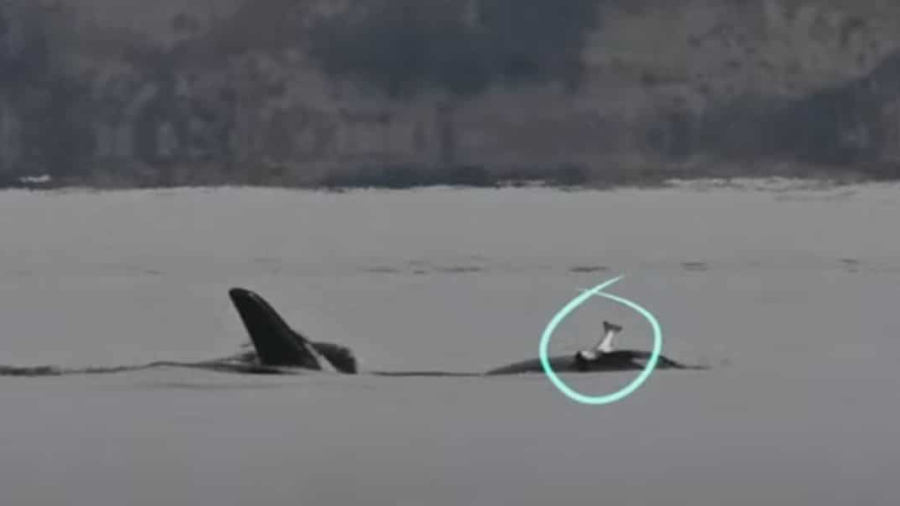
Imagine cruising through the Pacific Northwest and spotting a pod of orcas – sleek, graceful, and, strangely, wearing dead fish on their heads.
It sounds like a scene from a quirky nature documentary, but this surreal spectacle is no fiction. After nearly four decades of silence, scientists have confirmed the return of one of the orca world’s most baffling behaviours: the so-called salmon hat.

Once witnessed in the 1980s, the peculiar trend of balancing dead salmon on their heads has mysteriously re-emerged among orca pods in recent weeks.
Whether a form of play, social ritual, or cultural expression, no one knows for sure – but it’s turning heads in the marine biology community.
The behaviour is as unusual as it sounds. Rather than hunting or feeding, orcas have been spotted deliberately balancing dead salmon atop their heads – sometimes for extended periods.
According to researchers, the fish don’t appear to be randomly stuck or caught by accident; they’re placed with precision.
“It does seem possible that some individuals that experienced [the behaviour] the first time around may have started it again,” noted orca expert Andrew Foote.
So, what’s going on here? Is it playful mimicry? A social signal? An aquatic fashion statement? Theories abound, but for now, it remains one of the ocean’s oddest unsolved mysteries.
The salmon hat phenomenon first appeared in the 1980s before fading into obscurity.
Since then, it’s been largely absent from orca observations – until now. Marine biologist Deborah Giles described seeing it again as “a rarity,” raising questions about how and why it has returned.
Could this behaviour have been quietly maintained by a few pods or rediscovered anew? The answer could lie in the orcas’ social structure, or even environmental changes that triggered old habits.
Scientists aren’t sure – but they’ve got ideas.
Theories range from playful experimentation to complex social dynamics. It may help build bonds within a pod, demonstrate dexterity, or even establish status.
“Honestly, your guess is as good as mine,” said Giles. “We’ve seen mammal-eating killer whales carry large chunks of food under their pectoral fin, kind of tucked in… this could be something similar.”
There’s also the possibility that this is cultural behaviour – more ritual than randomness. The deliberate nature and social visibility of the action suggest something more than idle play.
Orcas are one of the few non-human species known to engage in cultural transmission – learning and sharing behaviours across generations.
They have unique dialects, localised hunting strategies, and now, possibly, a resurgent fashion trend.
“This isn’t just mimicry – it’s memory,” suggests Foote. “To see it revived after so many years indicates a deeper cultural layer we’re only beginning to understand.”
Such transmission also challenges our understanding of animal cognition and intelligence, aligning orcas closer to primates and even humans in their capacity for learned traditions.
The return of the salmon hat isn’t just an amusing anecdote – it’s a call to rethink how we study and protect these animals.
If orcas are capable of preserving and reviving cultural practices, then safeguarding their environment is about more than food supply or breeding grounds. It’s also about preserving space for the complex social behaviours that define their lives.
The 37-year silence and sudden reappearance of the salmon hat trend provide a compelling glimpse into the social memory, intelligence, and adaptability of these marine giants.
As research continues, one thing is clear: there’s far more to orcas than meets the eye – or the dorsal fin.
Don’t miss these offers…

Jenni Fielding is the founder of Cruise Mummy. She has worked in the cruise industry since 2015 and has taken over 30 cruises. Now, she helps over 1 million people per month to plan their perfect cruise holidays.
Billionaire tech mogul Mark Zuckerberg may have spent much of his early career downplaying displays of wealth, but it seems those days are long gone. With a reported net worth…
In a find that sounds more science fiction than science, researchers have uncovered a bizarre and fearsome new creature deep in the Atacama Trench – nearly 26,000 feet beneath the…
Royal Caribbean has officially revealed the next instalment of its 2026–2027 cruise deployment – and it’s headline news for Australian and South Pacific cruise fans. Leading the programme is an…
SeaDream Yacht Club has officially claimed the top spot for the finest dining experience at sea, as recognised by the 2025 Forbes Travel Guide Star Awards. The family-owned boutique cruise…
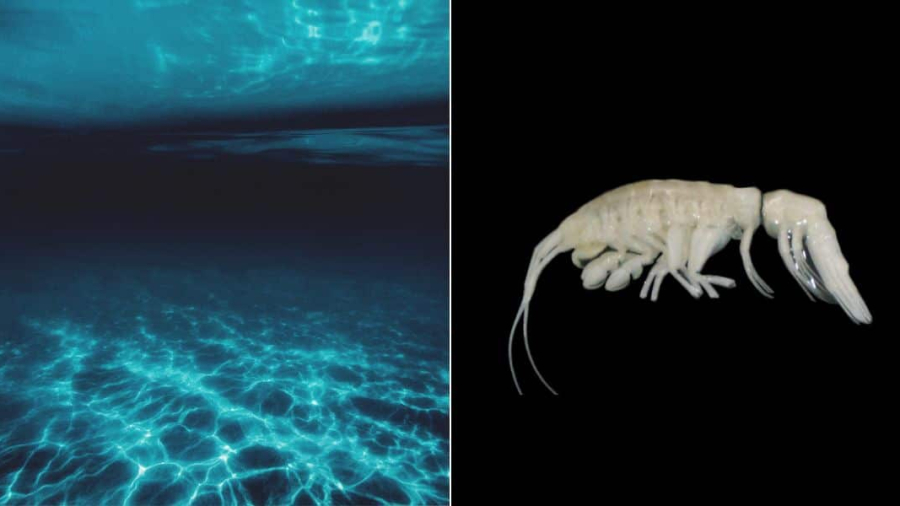
In a find that sounds more science fiction than science, researchers have uncovered a bizarre and fearsome new creature deep in the Atacama Trench – nearly 26,000 feet beneath the waves.
Nicknamed ‘Darkness’, this newly identified predatory amphipod is part of a species so alien in appearance and so extreme in habitat that it’s reigniting curiosity about what else might lurk in the unexplored corners of our planet’s oceans.
The creature, formally named ‘Dulcibella camanchaca’, was discovered during the 2023 IDOOS expedition led by the Instituto Milenio de Oceanografía (IMO) and Woods Hole Oceanographic Institution (WHOI).
Found at 25,925 feet (7,902 meters) using a baited lander vehicle, the animal is now the deepest known predatory amphipod – and its biology is already challenging scientific assumptions about life under such extreme conditions.
Measuring just under 4 centimetres long, Dulcibella camanchaca is no less formidable for its small size.
It uses blade-like raptorial appendages to catch smaller prey – other amphipods that inhabit the nutrient-scarce depths of the hadal zone.
Its body is sleek and agile, built to navigate the crushing pressure and total darkness of the Atacama Trench, where atmospheric pressure is more than 1,100 times that at sea level.
Named after the concept of “darkness” in Andean languages, the creature’s moniker honours both its eerie habitat and its stealthy nature.
“It’s a fast-swimming predator,” said Dr Johanna Weston of WHOI. “It thrives in one of the harshest environments on Earth – and we’re only just beginning to understand how.”
What makes this discovery so impactful is not just the creature itself, but the trench it calls home.
The Atacama Trench – also known as the Peru-Chile Trench – is one of the deepest places on Earth. Spanning over 5,900 kilometres along South America’s Pacific coast, this vast abyss remains one of our planet’s final frontiers.
Despite its remoteness and hostile conditions, scientists are beginning to understand the trench as a rich ecosystem rather than an empty void. With limited food and sunlight, its inhabitants have evolved in strange and specialised ways.
The rediscovery of Darkness only reinforces the notion that life in the deep sea is far more complex – and perhaps more widespread – than we’ve imagined.
The emergence of Dulcibella camanchaca from the depths of the Atacama Trench brings with it more questions than answers.
How did such a specialised predator evolve? Could its traits inspire innovations in robotics or deep-space exploration, where similar environmental challenges – low light, high pressure, extreme isolation – exist?
“This species represents not only a new species but a new genus,” noted Dr Carolina González of the Universidad de Concepción. “That suggests we’re looking at an entirely uncharted branch of evolutionary history.”
Its existence is also a reminder of how much remains unknown about our own planet.
With more than 95% of the ocean unexplored, there could be thousands – if not millions – of species like Darkness waiting to be discovered. As researchers from WHOI and IMO continue to study these extreme ecosystems, each new find helps fill in a chapter in Earth’s deep-sea story.
As technology improves, so too does our ability to explore the world’s hadal zones – regions deeper than 6,000 metres.
Remote-operated vehicles, high-resolution imaging, and baited traps are helping researchers reach previously inaccessible depths. But with discovery comes responsibility.
The deep ocean is not immune to human impact. Climate change, pollution, and proposed deep-sea mining could pose significant risks to these delicate, poorly understood ecosystems.
That’s why researchers like Dr González stress the urgency of ongoing exploration – not just for knowledge, but for protection.
Each new species is a reminder of the resilience and adaptability of life. And each scientific breakthrough offers a deeper appreciation of the marvels that exist just beyond our reach.
We continue to learn more about the incredible wonders of the ocean, and reinforce why we must make sure that the cruise industry continues to find ways to minimise its impact with new technologies and eco-friendly fuel sources.
Don’t miss these offers…

Jenni Fielding is the founder of Cruise Mummy. She has worked in the cruise industry since 2015 and has taken over 30 cruises. Now, she helps over 1 million people per month to plan their perfect cruise holidays.
Billionaire tech mogul Mark Zuckerberg may have spent much of his early career downplaying displays of wealth, but it seems those days are long gone. With a reported net worth…
Imagine cruising through the Pacific Northwest and spotting a pod of orcas – sleek, graceful, and, strangely, wearing dead fish on their heads. It sounds like a scene from a…
Royal Caribbean has officially revealed the next instalment of its 2026–2027 cruise deployment – and it’s headline news for Australian and South Pacific cruise fans. Leading the programme is an…
SeaDream Yacht Club has officially claimed the top spot for the finest dining experience at sea, as recognised by the 2025 Forbes Travel Guide Star Awards. The family-owned boutique cruise…