kyhf.jpg

Carnival Cruise Drink Prices (2025)

As of 2025, Carnival Cruise Line offers a variety of drink options for guests. This comprehensive guide provides information on the current drink prices, including alcoholic and non-alcoholic beverages, available on Carnival cruises.

Stay in the Loop with Our Free Cruise Newsletter: Uncover the Latest News and Exclusive Deals. Sign Up

From sodas and specialty coffees to beers, wines, and spirits, here is everything you need to know about the drink prices on Carnival cruise ships.

Carnival Cruise Drink Prices, Key Takeaways:

  • Carnival Cruise Line offers a wide range of drink options for guests to enjoy.
  • Non-alcoholic beverages, such as sodas, specialty coffees, and bottled water, are available for purchase.
  • Beer prices on Carnival Cruise Line range from $6.50 to $8 per serving, with domestic, international, and craft options.
  • Wines by the glass start at $9.50, and guests can also purchase full bottles of wine and champagne.
  • Guests can enjoy a variety of spirits and cocktails, with prices ranging from $9 to $12 per serving.
  • Carnival Cruise Line offers two drink packages: the Bottomless Bubbles package and the Cheers package.
  • Guests are allowed to bring one 750 ml or smaller bottle of wine or champagne onboard.
  • Each bar on Carnival cruise ships has its own specialty drinks and prices.

What Drinks are Included on a Carnival?

When you embark on a Carnival Cruise, you’ll be delighted to know that there are a variety of complimentary beverages included in your cruise fare. From refreshing lemonade and iced tea to milk, coffee, hot tea, and ice water, you’ll find a selection of complimentary drinks at the Lido Marketplace buffet. In the morning, you can also enjoy a range of juices such as orange, apple, cranberry, and POG (Passion Orange Guava) at breakfast.

Throughout the ship, you’ll find drink stations at casual quick-service restaurants and the main dining room, offering a variety of beverages including juice, lemonade, iced tea, and water. So, whether you’re starting your day with a hearty breakfast or enjoying a relaxing meal, there will always be refreshing drinks available at no extra cost.

And when you visit Carnival’s private island, Half Moon Cay, you can quench your thirst with complimentary ice water or lemonade. So, while onboard a Carnival Cruise, you can savor the flavors of a variety of complimentary beverages throughout your vacation.

What Drinks are Included on a Carnival Cruise?

Beverage Included in Carnival Cruise Fare
Lemonade Yes
Iced Tea Yes
Milk Yes
Coffee Yes
Hot Tea Yes
Ice Water Yes
Juice (orange, apple, cranberry, POG) Available at breakfast

As you can see, the variety of complimentary beverages on a Carnival Cruise ensures that you stay hydrated and refreshed throughout your journey. So, sit back, relax, and enjoy the included drinks as you embark on a memorable vacation at sea.

Non-Alcoholic Drinks and Prices on Carnival Cruise Line

When it comes to non-alcoholic beverages, Carnival Cruise Line has a great selection available for guests. Whether you’re looking for a refreshing soda, a specialty coffee, or a healthy juice, there’s something for everyone to enjoy. Here is a breakdown of the non-alcoholic drink options and prices on Carnival cruise ships:

Sodas and Sparkling Water

If you’re a fan of carbonated beverages, Carnival offers a variety of canned sodas and sparkling water. Pepsi, Mountain Dew, and Bubly sparkling water are among the options available. These drinks are priced at $2.75 per can, plus an 18% gratuity. So whether you prefer a classic cola or a bubbly water, you can quench your thirst without breaking the bank.

Bottled Water

If you prefer plain water, Carnival has you covered with bottled water options. You can purchase a single bottle of water for $1.50 or opt for a 12-pack for $9.95. This is a convenient option for staying hydrated throughout your cruise, especially if you’re planning on spending time in the sun or participating in active excursions.

Other Non-Alcoholic Beverages

In addition to sodas and bottled water, Carnival also offers a variety of other non-alcoholic beverages for purchase. Guests can enjoy Gatorade and Muscle Milk protein shakes for a little energy boost, or indulge in a iced coffee for a refreshing pick-me-up. Fresh juices, such as orange juice and Naked juices, are also available. These beverages are priced individually, and the prices may vary depending on the specific drink.

Table: Non-Alcoholic Drink Prices on Carnival Cruise Line

Drink Price
Canned Soda $2.75 (plus 18% gratuity)
Bottled Water (single bottle) $1.50
Bottled Water (12-pack) $9.95
Other Non-Alcoholic Beverages Prices may vary

Note: Prices are subject to change and may vary depending on the specific Carnival cruise ship and itinerary. It’s always a good idea to check the onboard menus or consult with the staff for the most up-to-date information on drink prices.

Beer Prices on Carnival Cruise Line

When it comes to enjoying a refreshing drink on a Carnival cruise, beer lovers have plenty of options to choose from. Carnival Cruise Line offers a variety of beers at different price points to cater to everyone’s tastes. Whether you prefer domestic or international brews, craft beers, or even cider, there is something for everyone.

Domestic beers on Carnival cruises are typically priced around $6.50 to $7.50 per serving. These include popular choices like Budweiser, Miller Lite, and Coors Light. If you’re in the mood for something different, you can try one of the international beers available, such as Heineken, Corona, or Stella Artois, which are priced similarly.

Carnival offers a selection of craft beers priced at around $8 per serving for those seeking a taste of the craft beer scene. Craft beer enthusiasts can enjoy options like Blue Moon, Sierra Nevada, and Goose Island. Additionally, if you’re a cider fan, you can indulge in Angry Orchard cider for around $7 or try one of Carnival’s ThirstyFrog canned seltzers for around $7.50.

Beer Type Price Range
Domestic Beer $6.50 – $7.50
International Beer $6.50 – $7.50
Craft Beer $8
Cider – Angry Orchard $7
Carnival ThirstyFrog Seltzers $7.50

Whether you’re lounging by the pool, enjoying a show, or exploring the ports of call, Carnival Cruise Line ensures that every beer lover can find their perfect brew at a reasonable price. So sit back, relax, and raise a glass to a memorable cruise experience.

Wine Prices on Carnival Cruise Line

When it comes to wine, Carnival Cruise Line offers a variety of options to suit different tastes and budgets. The prices for wines by the glass start at $9.50 and can range up to around $30. Most wines fall within the $10 to $13 per glass range, making them accessible for guests looking to enjoy a glass of their favorite vintage.

It’s worth noting that these prices are within the $20 limit for drinks included in the Cheers package, which offers unlimited alcoholic and non-alcoholic beverages for a daily fee.

If you’re a wine connoisseur or prefer a bottle to share, Carnival also offers a selection of full bottles of wine and champagne at various bars and restaurants on the ship. These range in price from $30 to $60 and higher, depending on the brand and vintage. With a range of reds, whites, and sparkling options available, there’s something to cater to every wine lover’s palate.

Guests should also keep in mind that Carnival Cruise Line allows each passenger who is 21 or older to bring one 750 ml or smaller bottle of wine or champagne onboard. This is a great option for those who have a favorite bottle they’d like to enjoy during their cruise. Just remember to pack it in your carry-on luggage, as bottles in checked bags may be subject to inspection and possible confiscation.

Sample Wine Prices on Carnival Cruise Line

Wine Price per Glass
Chardonnay $9.50
Pinot Noir $11.50
Merlot $10.50
Cabernet Sauvignon $12.50
Sauvignon Blanc $10.50
Prosecco $11.50

These prices are indicative and may vary depending on the specific cruise itinerary and ship. It’s always a good idea to check the onboard wine menu for the most up-to-date prices and selection. So whether you enjoy a crisp white, a bold red, or a celebratory glass of bubbly, Carnival Cruise Line has you covered with options to suit every taste and occasion.

Spirits and Cocktails Prices on Carnival Cruise Line

When it comes to spirits and cocktails, Carnival Cruise Line offers a wide selection of options for guests to enjoy. From vodka and tequila to whiskey and rum, there is something for everyone’s taste.

The prices for spirits and cocktails on Carnival cruise ships range from $9 to $12 per serving. For example, you can savor a Bacardi or Malibu Coconut rum for $8.50, or indulge in the smooth flavors of Buffalo Trace bourbon or Gentleman Jack whiskey for $11. If you’re in the mood for something special, the specialty cocktails start at $10.50.

With an array of top-shelf liquor and premium brands available, Carnival Cruise Line ensures that guests can savor their favorite drinks while onboard. Whether you’re a fan of classic cocktails like the Cosmopolitan or prefer tropical delights like the Piña Colada, Carnival’s bartenders are ready to mix up the perfect concoction for you.

“The variety of spirits and cocktails on Carnival Cruise Line is truly impressive. I love the fact that they offer a range of premium brands, allowing guests to enjoy their favorite drinks in a luxurious setting.” – APRIL SHALLO

Enjoying Top-Shelf Liquor for an Extra Cost

If you have a taste for even more premium spirits, Carnival Cruise Line also offers top-shelf liquor for an additional cost. Whether you prefer a smooth pour of Grey Goose vodka, a sip of fine Scotch whisky, or a sophisticated glass of cognac, Carnival Cruise Line has you covered. Just let the bartender know your preference, and they will be happy to serve you the top-shelf liquor of your choice.

Drink Price
Grey Goose Vodka $14
Johnnie Walker Black Label Scotch Whisky $15
Remy Martin XO Cognac $17

Whether you prefer to stick to the classic spirits and cocktails or explore the world of top-shelf liquor, Carnival Cruise Line has a wide variety of options to suit your preferences. So raise a glass and toast to a memorable cruise experience with a refreshing drink in hand.

Carnival Drink Packages and Prices

Carnival Cruise Line offers two drink packages for guests: the Bottomless Bubbles package and the Cheers package. The Bottomless Bubbles package is perfect for those who enjoy non-alcoholic beverages, as it includes unlimited sodas and juices. The package costs $6.95 per day for children and $9.50 per day for adults, plus an 18% gratuity.

With the Cheers package, guests can indulge in both alcoholic and non-alcoholic beverages. This package costs $59.95 per person per day if purchased before the cruise or $64.95 per person per day if purchased once onboard, plus an 18% gratuity.

The Cheers package includes a wide range of beverages, including beers, wines, cocktails, spirits, specialty coffees and teas, sodas, and bottled water. It’s important to note that the Cheers package has a limit of 15 alcoholic drinks per day. This package is a great option for guests who plan to enjoy multiple alcoholic beverages throughout their cruise. It provides the convenience of a flat daily rate, allowing guests to indulge without worrying about individual drink prices.

Whether you choose the Bottomless Bubbles package or the Cheers package, both options offer great value for guests who want a hassle-free experience when it comes to drinks. By opting for a drink package, you can enjoy a wide variety of beverages without worrying about the individual costs adding up. It’s also a great way to budget for your cruise and have a clear idea of your overall expenses.

Drink Package Price What’s Included
Bottomless Bubbles $6.95 per day (children)
$9.50 per day (adults)
Unlimited sodas and juices
Cheers $59.95 per person per day (pre-cruise)
$64.95 per person per day (onboard)
Unlimited beers, wines, cocktails, spirits, specialty coffees and teas, sodas, and bottled water (limit of 15 alcoholic drinks per day)

My Experience with the Drink Packages

“During my recent Carnival cruise, I opted for the Cheers package, and it was definitely worth it. I enjoyed trying different cocktails and wines throughout the cruise without having to worry about the cost. The package made it easy to indulge in my favorite drinks and discover new ones, all while knowing the total cost upfront. “- APRIL SHALLO

What Drinks Can You Bring on a Carnival Cruise?

When preparing for your Carnival cruise, it’s important to know what drinks you can bring on board. Carnival Cruise Line has specific guidelines regarding the beverages guests are allowed to bring. Each guest 21 years or older is permitted to bring one 750ml or smaller bottle of wine or champagne. Additionally, guests are allowed to bring a maximum of twelve 12-ounce cans or cartons of non-alcoholic beverages such as soda.

However, it’s important to note that water, sodas, and other non-alcoholic beverages packaged in bottles are not allowed to be brought on board. This policy ensures the safety and quality of the beverages provided by Carnival Cruise Line.

If you choose to bring any wine, soda or champagne onboard, be sure to only bring them aboard via a carry-on bag. If you pack them in your checked luggage, they will be confiscated.

Guests may find it convenient to bring their favorite wine or champagne on board to enjoy during their cruise. This allows you to savor your preferred beverage while taking in the beautiful ocean views or celebrating a special occasion. It’s essential to adhere to the guidelines and limits set by Carnival Cruise Line to ensure a smooth embarkation process and to comply with the cruise line’s policies.

Bringing your own wine or champagne can be a cost-effective way to enjoy your preferred drink while onboard.

By understanding the rules regarding the drinks you can bring on a Carnival cruise, you can plan and pack accordingly. Remember to pack your wine or champagne securely to prevent any breakage during transport. Whether you choose to bring your own beverages or indulge in the variety of drinks available on board, Carnival Cruise Line aims to provide a delightful experience for all guests.

Summary:

  • One 750ml or smaller bottle of wine or champagne per guest 21 years or older is allowed on board.
  • Guests can bring a maximum of twelve 12-ounce cans or cartons of non-alcoholic beverages, excluding bottled water and sodas.
  • Water, sodas, and other non-alcoholic beverages packaged in bottles are not allowed to be brought onboard.
  • Bring your own wine or champagne to enjoy during the cruise, following the guidelines and limits set by Carnival Cruise Line.
  • Items must be brought onboard via carry-on luggage only.

It’s important to review the specific policies and restrictions on the official Carnival Cruise Line website or contact the cruise line directly for the most up-to-date information regarding bringing drinks on board.

Carnival Cruise Bar Menus and Prices

One of the highlights of a Carnival cruise is the variety of bars available onboard. Each bar offers a unique atmosphere and a menu of delicious drinks to choose from. Whether you’re in the mood for a refreshing cocktail, a cold beer, or a glass of wine, Carnival has you covered. Let’s take a look at some of the popular bars and their menus:

Atrium Bar

The Atrium Bar is a vibrant and lively spot located in the heart of the ship. Here, you can enjoy a variety of drinks, from classic cocktails like margaritas and mojitos to specialty concoctions created by the talented bartenders. The menu features a wide selection of spirits, wines, and beers, ensuring there’s something to please every palate.

Red Frog Pub

If you’re looking for a laid-back and casual atmosphere, the Red Frog Pub is the place to be. This Caribbean-inspired pub offers a range of tropical drinks, including their famous ThirstyFrog Red Ale. Sit back, relax, and savor the flavors of the Caribbean while enjoying live music and good company.

Sports Bar

The Sports Bar is the perfect spot for sports enthusiasts who don’t want to miss a game while at sea. Grab a seat at the bar, order your favorite beer, and cheer on your favorite teams on the big screens. The menu includes a selection of draft beers, bottled beers, and cocktails to keep you refreshed throughout the game.

These are just a few examples of the bars and their menus on Carnival cruise ships. Each bar offers its own unique experience, so be sure to explore and try something new during your cruise. Cheers to a fantastic vacation filled with delicious drinks and unforgettable memories!

Bar Name Menu Highlights
Atrium Bar – Classic cocktails
– Specialty drinks
– Wide selection of spirits, wines, and beers
Red Frog Pub – Tropical drinks
– ThirstyFrog Red Ale
– Live music
Sports Bar – Draft beers
– Bottled beers
– Cocktails

Recapping the Drink Prices on Carnival Cruise Line

After exploring the extensive drink options on Carnival Cruise Line, it’s time to recap the prices of your favorite beverages. Whether you’re a fan of non-alcoholic drinks, beer, wine, or spirits and cocktails, Carnival has something to suit every taste. Let’s take a closer look at the average prices for each category:

Non-Alcoholic Drinks:

Drink Price (per serving)
Sodas (Pepsi, Mountain Dew, Bubly sparkling water) $2.75 (plus 18% gratuity)
Bottled Water $1.50 per bottle or $9.95 for a 12-pack
Gatorade, Muscle Milk protein shakes, Iced coffee, Naked juices Prices vary

Beer:

Beer Price (per serving)
Domestic and International Beers $6.50 to $7.50
Craft Beers $8
Angry Orchard Cider Around $7
ThirstyFrog Canned Seltzers Around $7.50

Wine:

Wine Price (per glass)
Range of Wines $9.50 to around $30
Full Bottles of Wine and Champagne $30 to $60+

Final Thoughts

When planning your Carnival cruise, it’s essential to consider the drink prices and options available onboard. By understanding the prices for various beverages, including alcoholic and non-alcoholic options, you can budget accordingly and decide whether purchasing a drink package is the right choice for you. Whether you prefer sodas, beers, wines, or cocktails, Carnival Cruise Line has a range of options to satisfy every guest’s preferences.

Plan Your Trip?

Need help planning a trip? Check out these helpful links:

Carnival Drink Prices FAQ

What drinks are included on a Carnival Cruise?

Carnival Cruise Drink Prices (2025) | 27Carnival Cruise Drink Prices (2025) | 27

Carnival Cruise Line offers complimentary beverages such as lemonade, iced tea, milk, coffee, hot tea, ice water, and select juices at various locations onboard. The drink stations at casual quick-service restaurants and the main dining room also offer beverages like juice, lemonade, iced tea, and water. Guests can also enjoy free ice water or lemonade at Carnival’s private island, Half Moon Cay.

What are the non-alcoholic drinks and prices on Carnival Cruise Line?

Carnival Cruise Drink Prices (2025) | 27Carnival Cruise Drink Prices (2025) | 27

Carnival Cruise Line offers a range of non-alcoholic drinks for purchase, including canned sodas such as Pepsi, Mountain Dew, and Bubly sparkling water for $2.75 (plus an 18% gratuity). Bottled water is available for $1.50 per bottle or $9.95 for a 12-pack. Other options include Gatorade, Muscle Milk protein shakes, Starbucks iced coffee, Naked juices, specialty coffees, teas, and fresh juices at additional costs.

What are the beer prices on Carnival Cruise Line?

Carnival Cruise Drink Prices (2025) | 27Carnival Cruise Drink Prices (2025) | 27

Beer prices on Carnival Cruise Line range from $6.50 to $8 per serving. Domestic and international beers are typically priced around $6.50 to $7.50, while craft beers are priced at around $8. Angry Orchard cider and Carnival’s own ThirstyFrog canned seltzers are available for approximately $7 and $7.50, respectively.

What are the wine prices on Carnival Cruise Line?

Kathie Lee GiffordKathie Lee Gifford

Wine prices by the glass on Carnival Cruise Line start at $9.50 and can range up to around $30. The majority of wines fall within the $10 to $13 per glass range. Full bottles of wine and champagne can also be purchased at various bars and restaurants on the ship, with prices ranging from $30 to $60 and higher.

What are the spirits and cocktails prices on Carnival Cruise Line?

Carnival Cruise Drink Prices (2025) | 27Carnival Cruise Drink Prices (2025) | 27

Spirit and cocktail prices on Carnival Cruise Line range from $9 to $12 per serving. Different brands of vodka, tequila, whiskey, gin, rum, liqueur, brandy, cognac, scotch, bourbon, and more are available. Specialty cocktails start at $10.50, and most cocktails range from $10.50 to $13. Guests can also request top-shelf liquor for an additional cost.

What are the Carnival drink packages and prices?

Carnival Cruise Line offers two drink packages. The Bottomless Bubbles package includes unlimited sodas and juices for $6.95 per day for children and $9.50 per day for adults (plus an 18% gratuity). The Cheers package includes both alcoholic and non-alcoholic beverages for $59.95 per person/day if purchased pre-cruise or $64.95 per person/day if purchased once onboard (plus an 18% gratuity). The Cheers package has a limit of 15 alcoholic drinks per day.

What drinks can you bring on a Carnival Cruise?

Each guest 21 or older is allowed to bring one 750 ml or smaller bottle of wine or champagne onboard. Guests can also bring a maximum of twelve 12-ounce cans or cartons of non-alcoholic beverages, such as soda. However, water, sodas, and other non-alcoholic beverages packaged in bottles are not allowed to be brought onboard.

What are the Carnival Cruise bar menus and prices?

Carnival Cruise Line offers a variety of bars with different menus and prices. Some of the bars include the Alchemy Bar, Amari Bar, Atrium Bar, Casino Bar, Red Frog Pub, Piano Bar, and Sports Bar. Each bar has its own specialty drinks and prices, which can vary. Guests can refer to the onboard menus for the specific offerings and prices at each bar.

Can you recap the drink prices on Carnival Cruise Line?

Carnival Cruise Drink Prices (2025) | 27Carnival Cruise Drink Prices (2025) | 27

The drink prices on Carnival Cruise Line vary depending on the type of beverage. Bottled water costs $1.50, sodas are priced at $2.75, and specialty coffees range from $2 to $5.50. Beers are priced between $6.50 and $8, wines by the glass range from $9.50 to around $30, and spirits and cocktails cost between $9 and $12 per serving. Carnival also offers drink packages such as the Bottomless Bubbles package and the Cheers package, which include unlimited beverages for a daily fee.
Source link

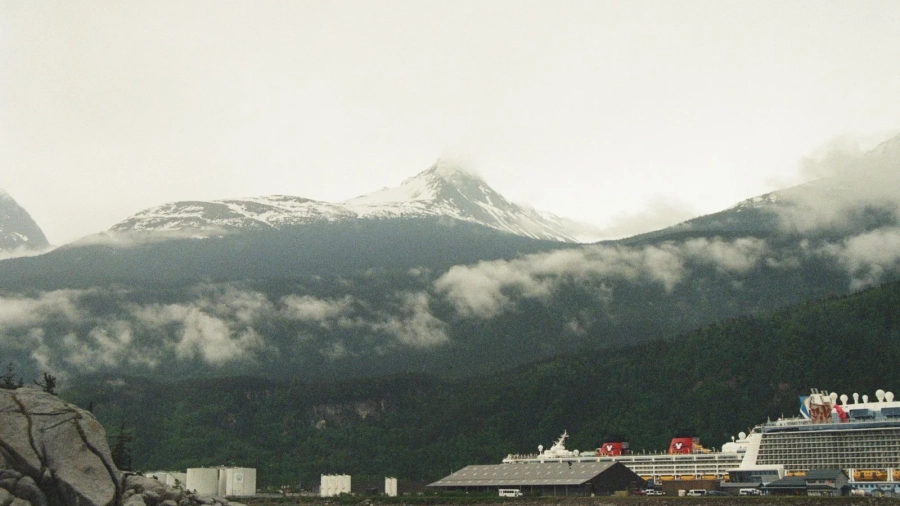
Cruise ship docked in an Alaska port town beneath forested mountains, typical of Alaska cruise ports

Alaska Cruise Ports: A Port-by-Port Guide (2027)

The main Alaska cruise ports are Juneau, Ketchikan, Skagway, Sitka and Icy Strait Point, with Haines on some sailings and Victoria, British Columbia, on most round trips from Seattle. Most 7-night Inside Passage cruises start in Seattle or Vancouver and visit three of these ports, plus a day of glacier viewing. One-way Gulf of Alaska cruises begin or end at Seward or Whittier, near Anchorage.

Below you’ll find what each port is like, how far you’ll walk from the ship, the excursions worth booking, and what has changed for the 2026 and 2027 seasons. There’s also a quick comparison table and a port day planner sorted by what you want to see.

Alaska cruise ports at a glance

The table gives you the basics for the ports of call that show up most on mainstream itineraries. “Walkable” means you can reach the main sights on foot from where the big ships usually dock.

Port Best for Walkable from the ship? Signature excursion
Juneau Glaciers, whales, flightseeing Yes, downtown docks (Mendenhall needs transport) Whale watching plus Mendenhall Glacier
Ketchikan Native culture, totem poles, salmon Yes downtown; shuttle from Ward Cove Misty Fjords floatplane
Skagway Gold Rush history, mountain scenery Yes, a short walk into town White Pass & Yukon Route railway
Sitka Russian and Tlingit history, wildlife No, shuttle from the main terminal Sea otter and wildlife boat tour
Icy Strait Point Whales, bears, a quieter day Yes around the port; Hoonah is a longer walk Point Adolphus whale watching
Haines Eagles, bears, small-town feel Yes Chilkoot or Chilkat wildlife trips
Victoria, BC Gardens, harbour, a city evening Partly, about 2 km to the Inner Harbour Butchart Gardens

Inside Passage cruise ports, one by one

Juneau

Alaska’s capital can’t be reached by road, so most visitors arrive by sea, and cruise ships berth right on the edge of downtown. The Mount Roberts Tramway leaves from beside the docks and climbs to trails and viewpoints. Bars, shops and the Alaska State Museum are within walking distance. Mendenhall Glacier is about 12 miles away. Shuttle buses run there, or you can combine it with a whale-watching trip, which is the best-selling excursion here. Helicopter landings on the Juneau Icefield and dog-sledding camps on the ice are the big splurges. Book them early, and have a backup plan if low cloud grounds the flights.

Juneau is also the port where the rules have changed most. Under a voluntary agreement between the city and the cruise industry, from 2026 Juneau aims to cap arrivals at 16,000 passengers a day, falling to 12,000 on Saturdays, on top of an existing limit of five large ships a day. City figures reported after the 2026 season show it still welcomed about 1.73 million cruise passengers, slightly more than in 2025, because the cap spreads visitors across the week rather than cutting them. Some lines, including Royal Caribbean, have moved calls from Juneau to Ketchikan and Icy Strait Point, so check that Juneau really is on your itinerary.

Ketchikan

Ketchikan is often the first or last Alaska port on a round trip from Seattle or Vancouver. Downtown berths sit right next to Creek Street, the old boardwalk district built on pilings over a salmon stream. From late July you may see salmon heading upstream there. Totem Bight State Historical Park, Saxman Native Village and the Totem Heritage Center showcase the region’s Tlingit, Haida and Tsimshian traditions. The headline excursion is a floatplane flight over Misty Fjords National Monument. Some ships, Norwegian in particular, dock at Ward Cove instead. It’s a privately built facility a few miles north of town, linked by shuttle and city buses, so plan for the extra travel time. With Juneau capped, Ketchikan was expected to receive more cruise passengers than Juneau in 2026.

Skagway

Skagway is a restored Klondike Gold Rush town at the head of the Lynn Canal, with a population that grows several times over in summer. The docks are a short walk from Broadway, where the boardwalks, saloons and Klondike Gold Rush National Historical Park buildings are. Most people come for the White Pass & Yukon Route railway, a narrow-gauge line that climbs nearly 3,000 feet to the summit of White Pass in about an hour. Longer versions continue into Canada, so take your passport. Hikers can tackle the Lower Dewey Lake trail straight from town.

Sitka

Sitka was the capital of Russian America, and you can still see that in St. Michael’s Cathedral and the Russian Bishop’s House. Sitka National Historical Park has a coastal trail lined with totem poles. Most large ships use the Sitka Sound Cruise Terminal, roughly 5-6 miles north of town, and shuttle buses run into the centre. Smaller ships sometimes tender passengers ashore downtown instead. Boat tours on Sitka Sound regularly see sea otters and humpback whales. The Alaska Raptor Center and the Fortress of the Bear are popular half-day stops.

Icy Strait Point

Icy Strait Point is owned by Huna Totem Corporation, an Alaska Native corporation, and was built around a restored 1912 salmon cannery near the Tlingit village of Hoonah. It now has its own cruise docks, so most ships tie up rather than tender. Whale watching in the waters off Point Adolphus is among the most reliable in Southeast Alaska, and the ZipRider zipline is one of the longest anywhere. Because only one or two big ships call on most days, it feels much quieter than Juneau or Ketchikan. Royal Caribbean and others have added calls here as Juneau capacity has tightened.

Haines

Haines sits just across the water from Skagway and turns up on fewer big-ship itineraries, which is part of its appeal. The town is walkable from the dock. Excursions focus on the Chilkat Bald Eagle Preserve, bear viewing along the Chilkoot River (best from late summer when the salmon are running), and river float trips.

Cruise ship sailing past a tidewater glacier and icy blue water in Alaska
Scenic cruising days are often the highlight of an Alaska itinerary. Photo: Henry C Wong on Pexels

Scenic cruising: Glacier Bay, Hubbard Glacier and Tracy Arm

Most itineraries include at least one day spent cruising slowly past glaciers rather than docking anywhere. On these days a balcony really is worth having. Our guide to whether a balcony is worth it over an inside cabin covers the trade-offs.

  • Glacier Bay National Park: Access is limited by National Park Service permits, so only certain ships (often Holland America, Princess and a few others) sail in. Park rangers come aboard to give commentary. Margerie Glacier is the usual centrepiece.
  • Hubbard Glacier: Roughly 6 miles wide at its face. It sits in Disenchantment Bay near Yakutat and is mostly seen on Gulf of Alaska itineraries and some longer round trips.
  • Tracy Arm and Endicott Arm: After a large landslide raised safety concerns in 2025, many lines dropped Tracy Arm for 2026. Holland America, Carnival and Royal Caribbean are among them. Ships go to neighbouring Endicott Arm and Dawes Glacier instead, and Virgin Voyages has made the same swap on 2027 sailings. If Tracy Arm matters to you, read the small print on your itinerary.

Inside Passage vs Gulf of Alaska itineraries

Inside Passage round trips from Seattle or Vancouver are the most popular choice. They usually last seven nights, with three Alaska ports and one scenic glacier day. Flights are simpler because you fly in and out of the same city, and the sheltered route means calmer water for most of the trip. Foreign-flagged ships leaving Seattle must stop at a foreign port under the US Passenger Vessel Services Act, which is why so many Seattle round trips call at Victoria, often for an evening visit.

Gulf of Alaska (one-way) cruises run between Vancouver and Seward or Whittier. They usually include Hubbard Glacier or College Fjord, and they pair easily with a land tour to Denali. Holland America’s new Alaska Heritage Tours are one example. The downsides are open-ocean days in the Gulf and open-jaw flights, which can cost more.

Alaska cruise homeports

  • Seattle: The busiest Alaska homeport. The 2026 season was forecast at around 2.1 million passengers across two terminals. From 2027, homeported ships are required to plug into shore power at the dock.
  • Vancouver: Canada Place handles Inside Passage round trips and the southern end of Gulf of Alaska cruises. It was forecasting a record of about 1.4 million passengers for 2026.
  • Seward: On the Kenai Peninsula, about 125 miles from Anchorage by road. The Alaska Railroad links the two, with dedicated cruise trains on many sailings.
  • Whittier: On Prince William Sound, reached from Anchorage through a single-lane tunnel shared by cars and trains. A fire in September 2026 destroyed the dock at Whittier’s new $80 million Glacier Getaway Terminal, which Huna Totem built with Norwegian Cruise Line Holdings and which opened in 2024. Huna Totem was still assessing the damage at the time of writing. If you’re booked on a 2027 Norwegian, Oceania or Regent sailing via Whittier, watch for updates.
Humpback whale raising its tail fluke above calm dark water near forested Alaska coastline
Whale watching is possible from almost every Inside Passage port. Photo: Stuart Robinson on Pexels

Best Alaska cruise ports by interest: a port day planner

Most port guides rank the ports from best to worst. It’s more useful to match each port to what you want from the day, then book that excursion there rather than repeating the same type of tour three times.

  1. Whales: Icy Strait Point (Point Adolphus) or Juneau (Auke Bay). Book a whale tour in one port, not both.
  2. Walking on or near a glacier: Juneau, for Mendenhall or a helicopter icefield landing. Skagway also offers glacier helicopter tours.
  3. Bears: Haines or Icy Strait Point, and from Ketchikan by floatplane to remote viewing sites, especially from late July when salmon run.
  4. History: Skagway for the Gold Rush, Sitka for Russian America and Tlingit heritage.
  5. Native art and totem poles: Ketchikan, which has the largest collection of standing totem poles of any of the ports.
  6. A do-it-yourself day: Skagway and Juneau are easiest to explore on foot. Sitka and Ward Cove calls need a shuttle first.
  7. A day with fewer crowds: Haines, Icy Strait Point or a Saturday in Juneau, when the lower 12,000 cap applies.

A practical tip: check whether your ship is in port in the morning or afternoon before booking flightseeing. Low cloud can cancel floatplane and helicopter trips, and a morning slot leaves time to rebook if that happens.

Best time to cruise Alaska

The season runs from late April to early or mid-October, and lines have stretched both ends in recent years. May is often the driest month and has the lowest fares, though some trails and attractions may still have snow. June and July have the longest days and the warmest weather, but also the most people. August brings salmon runs and good bear viewing, along with more rain. September is quieter and cheaper, with autumn colour and a chance of the northern lights late in the month, but it’s also wetter. Whales are around all season. If price matters most, look at May and September departures. Our roundup of when to book and the cruise deals worth watching for 2027 explains how early-booking and wave-season offers compare.

If you are planning an Alaska sailing on a Royal Caribbean ship, our guide to which Ovation of the Seas cabins to avoid explains which side and deck work best.

Before choosing a cabin, see whether port or starboard on an Alaska cruise gives you better views on your itinerary.

FAQs

Where do Alaska cruises stop?

Most Alaska cruises stop at three of Juneau, Ketchikan, Skagway, Sitka and Icy Strait Point, with Haines on some sailings. Seattle round trips also call at Victoria, BC. Gulf of Alaska cruises add Hubbard Glacier or College Fjord and start or end in Seward or Whittier.

What is the best port in Alaska for a cruise?

It depends on what you want to see. Juneau has the widest choice of glacier and whale excursions, Skagway is best for history and its scenic railway, Ketchikan for Native culture, and Icy Strait Point for whale watching away from the crowds.

What are the must-do stops on an Alaska cruise?

For a first-time visitor, a good mix is Juneau for glaciers and whales, Skagway for the White Pass railway, Ketchikan for totem poles and Misty Fjords, plus a scenic day at Glacier Bay or Hubbard Glacier.

Does Juneau limit cruise passengers?

Yes. From 2026, a voluntary agreement with the cruise industry aims to keep arrivals to 16,000 passengers a day, or 12,000 on Saturdays, with no more than five large ships a day. Some lines have moved calls to Ketchikan and Icy Strait Point as a result.

Which Alaska ports does Royal Caribbean visit?

Royal Caribbean’s Alaska sailings typically visit Juneau, Skagway, Ketchikan, Sitka and Icy Strait Point, with Victoria on Seattle round trips. It has reduced Juneau calls since 2026 and has been adding Icy Strait Point and Ketchikan. Check your specific sailing on the line’s website.

image2.jpg

How Much To Tip A Royal Genie (With Chart)

Royal Genies are pretty special – they look after suite guests in the Royal Caribbean Star Class and undertake a lot of tasks to make your whole cruise feel special.

This can include escorting you on-board and directly to your suite – no waiting around in queues – to booking your excursions and on-board experiences, bringing you snacks and drinks, and helping you to cut in line for certain facilities that may otherwise be difficult to book.

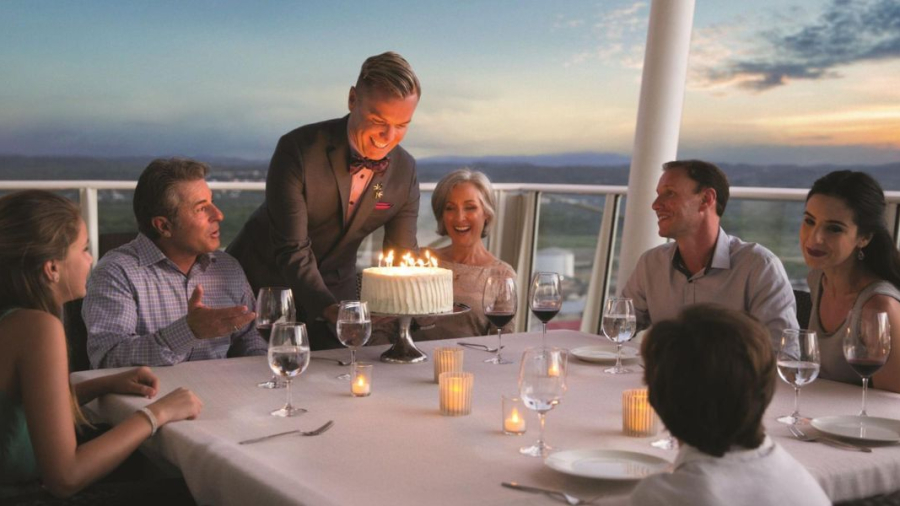
royal genie serving a cake

That just scratches the surface of how special a Royal Genie can make your cruise, so you’ll definitely want to thank them. But a Royal Genie isn’t included in the normal gratuities you pay – so if you want to tip them, you’ll have to do so separately.

How much should you tip though? I’ve taken a look through cruise forums and discussions and I can shed some light on the expected tip amounts.

How Much Do People Tip a Royal Genie?

How much people tip a Royal Genie on their Royal Caribbean cruise tends to vary, although many American guests tend to fall at around the $75-$100 per day. There are a number of factors that people use to decide how much to tip their Genie.

Firstly, it’s important to be clear that tipping a Royal Genie is completely at your discretion – you are not officially expected to, nor is there an official recommended tip amount.

royal genie

Guests who book a Star Class suite on Royal Caribbean have their tips covered already as part of their cruise fare, but those tips only apply to the cabin attendants, the dining staff and the other crew members working behind the scenes – the Royal Genies don’t share in this tip pool.

So if you want your Royal Genie to be recognised for their service, then you’ll need to pay extra.

While it is at your own discretion, every post I’ve seen on the topic of Royal Genie tipping in cruise forums says that people leave some form of tip for their Royal Genie. That includes the people who barely use the service, if at all.

That’s because whether you choose to use the Royal Genie or not, they are made available for you. Their time is taken up entirely by ensuring they can offer you (and the other suites they look after) any services you need, so it’s not like if you don’t use them then they can go make themselves useful elsewhere to earn more tips.

So I’ve scoured Facebook groups and popular cruise forums to find out how much people tend to pay their Royal Genie as a tip. And the only thing that’s consistent is that there are a lot of arguments about what the right amount should be.

Here’s a graph of how much people have tipped their Royal Genie for a seven-night cruise…

graph showing how much people have tipped their Royal Genie

As you can see, most people claim to have tipped between $500 and $700. However, as this is a public forum, it may be the case that some people who only tipped a small amount or did not tip at all, chose not to leave a comment. 

Now, let’s take a look at some of the factors that influence how much to tip a Genie:

Tipping Culture

One of the most commonly mentioned things on forums is tipping culture, and how the US varies greatly with other countries around the world.

American guests are used to the idea of tipping, and so are more comfortable leaving larger tips for Royal Genies than maybe some other guests would be.

As one poster in the UK Cruise Critic forum put it:

“Guys, this American attitude of tipping is just so ridiculous. Don’t get me wrong, if I pay USD 10K-20K plus or even much more for a week of vacation which includes the services of a Genie it’s the damn responsibility of the company, RCL in this case, to ensure that the employees are getting the deserved salary.”

It seems that most people agree that the Royal Genie should be tipped, but the question of how much can vary depending on where the guests are from.

A lot of the people suggesting tips of around $100 per day are based in the US, whereas I’ve seen European and Australian guests suggesting more conservative amounts, a couple of hundred dollars for the entire sailing.

How Much They Used the Genie

A lot of people specifically say that they base their tips on how much they’ve used the Royal Genie. If they’ve not asked them to do much, they will give a smaller amount.

man carrying a suitcase

As someone said on Royal Caribbean Blog:

“My husband and I had a Royal Genie on the Allure of the Seas last year and we tipped $500.00 for the week. We are pretty low key and didn’t use him all that much.”

The people that tend to use the Royal Genie to organise parties in their suite are the ones that tend to lean more into tipping higher amounts, which makes sense. Suite parties are pretty hard to coordinate – there’s a lot of food to bring in, decorations to potentially add and the drinks services too.

And if you take a look at some of the posts on Cruise Critic, people are saying that it depends on their ship too – where they want to use facilities like iFly or the bumper cars, they’ll tip more for the reservations, otherwise, on Oasis-class ships they may not use the Genie as much and so would tip less.

How Much Does a Royal Genie Make?

While the figure is not officially published, it’s believed that a Royal Genie on Royal Caribbean earns around $2,500 per month before tips. Their contracts tend to last for five months, with a month’s break, giving Genies an annual salary of $25,000 if they work two contracts.

Remember that this is a cruise line salary, which means there are certain expenses the Royal Genies don’t have to worry about – namely accommodation and food. They’re included for free and so the $25,000 will stretch a lot further than it would if it was a salary on land.

A Royal Genie will typically look after three suites during each cruise, so if we assume a weekly gratuity of $600 per suite based on the averages, then that’s an extra $1,800 per week that the Royal Genie is making.

Royal Genie holding a cup of coffee

If the Genie works for 42 weeks in a year, that’s an extra $75,600 they’ll make each year, for a total annual Royal Genie salary of $100,600. Split between the 10 months, that’s $10,060 per month that they’ll make.

Of course, that’s completely dependent on them hitting the average tips – some people may pay less. But what’s clear is that without the tips their income would be massively reduced.

In fact, these statistics show that almost 80% of a Royal Genie’s income comes from tips.

The Bottom Line

Tipping is absolutely at your own discretion, but remember that even if you don’t ask your Royal Caribbean Genie to do too much for you, they’ll be helping to make your stay more special through the priority embarkation and disembarkation, and making sure to provide small treats throughout your cruise.

Royal Genies won’t get a share of the gratuities that are included as part of your fare, so it’s definitely worth leaving them something as a thank you. If you can’t afford $75-100 per day then that’s OK, as you shouldn’t leave your cruise with financial worries.

But if you’re planning on booking a Star Class suite, it’s definitely a good idea to set aside a small budget for tipping your Royal Genie service.

Let me know how much you’ve tipped your Royal Genie in the comments.

NEW DEALS JUST RELEASED!

Don’t miss the latest Royal Caribbean offers…

Related Posts:

If you found this interesting, please share!

Cruise Mummy

Jenni Fielding is the founder of Cruise Mummy. She has worked in the cruise industry since 2015 and has taken over 30 cruises. Now, she helps over 1 million people per month to plan their perfect cruise holidays.

Read more about me


Source link

Rows of cruise ship balcony cabins above the ocean, illustrating Brilliance of the Seas cabins to avoid and book

Brilliance of the Seas Cabins to Avoid (and the Best Cabins to Book)

The main Brilliance of the Seas cabins to avoid are the Deck 7 balconies in the narrow midship section above the lifeboat covers, Deck 10 cabins sitting directly under busy parts of the pool deck, forward cabins above the theater, and low cabins at the very front or back of the ship. For most people, a midship balcony on Deck 8 or 9 is the safest choice: there are cabins above and below you, and you feel less motion.

Brilliance of the Seas at a glance (2026)

Brilliance of the Seas is a Radiance-class ship that entered service in 2002. She is about 90,090 gross tons, carries roughly 2,150 guests at double occupancy (around 2,500 when every bed is filled) and has about 1,075 staterooms. Radiance-class ships are known for their glass: the Centrum atrium, the glass elevators facing the sea and a high proportion of balcony cabins compared with older Royal Caribbean ships.

Her last drydock was in spring 2025 at Chantier Naval de Marseille in France. That was a technical and maintenance stop, with new carpets and soft furnishings in cabins and public areas. It was not a full “Royal Amplified” makeover, so cabin layouts and categories are the same as before. For winter 2026-27 the ship is based in Port Everglades (Fort Lauderdale), taking over itineraries from Rhapsody and Vision of the Seas. She sails 3- and 4-night Bahamas cruises and 7-night Caribbean cruises. Check the current schedule on Royal Caribbean’s website before you book.

Radiance of the Seas is her sister ship, so most of this advice also applies there. For a side-by-side look, see our guide to Radiance of the Seas cabins to avoid.

Brilliance of the Seas cabin types and sizes

Sizes are approximate. Published figures differ slightly between Royal Caribbean and deck plan sites, and individual cabins vary.

Cabin type Approx. size Balcony Where you find them
Interior (standard) about 160 sq ft None Decks 2, 3, 4, 7, 8, 9 and 10
Studio interior (solo) about 110 sq ft None Only a handful onboard
Oceanview about 165-170 sq ft None (porthole or window) Decks 2, 3 and 4 (portholes), plus some on 7 and 8
Family oceanview about 265 sq ft None Forward on several decks, sleeps up to 6
Ocean view balcony about 165-195 sq ft about 40-45 sq ft Decks 7, 8, 9 and 10
Junior Suite about 299 sq ft about 66 sq ft Deck 10
Grand Suite about 385 sq ft about 90 sq ft Upper decks, mainly Deck 10
Royal Family Suite about 530 sq ft Large aft-facing balcony Aft on Decks 7, 8 and 9
Owner’s Suite about 510-530 sq ft about 70 sq ft Deck 10
Royal Suite about 1,000 sq ft about 100 sq ft or more Deck 10 (only one onboard)

Brilliance of the Seas deck plan: where the cabins are

A quick look at the Brilliance of the Seas deck plan explains most of the cabin problems. Guests have 12 decks, and cabins sit on Decks 2, 3, 4 and 7 through 10. Public rooms are grouped on Decks 4, 5 and 6 (dining, Centrum, shops, casino, lounges and the Pacifica Theater) and on Decks 11 to 13 (pools, Solarium, Windjammer, spa and gym, sports deck, kids’ clubs and the Viking Crown Lounge).

  • Deck 2: a small group of interior and porthole cabins (around 2000-2029) near the tender platform and medical center.
  • Deck 3: interior cabins and oceanview cabins with portholes (3000-3645).
  • Deck 4: cabins plus the lower lobby and R Bar.
  • Decks 7, 8 and 9: the main cabin decks. Most balconies, plus aft-facing Royal Family Suites.
  • Deck 10: balconies, Junior Suites, Grand, Owner’s and the Royal Suite (1000-1604). The bridge is forward.

So Decks 8 and 9 have cabins both above and below them. Deck 7 sits over public rooms, and Deck 10 sits under the Lido deck.

View down from a cruise ship balcony toward lifeboats and the sea
Lifeboat covers can block the downward view from some Deck 7 balconies. Photo: Simon R. Minshall on Pexels

Brilliance of the Seas cabins to avoid (and why)

None of these cabins is truly bad, and plenty of guests are happy in them. But if you are paying for a particular view, a quiet night or a smooth ride, these are the locations to check carefully.

  1. Deck 7 balconies in the narrow midship section. Along part of Deck 7 the ship’s side steps in, and a metal roof over the lifeboats on Deck 6 sticks out below these balconies, up to about 10 feet. You can still see the horizon, but the view straight down to the water is partly blocked. Guests on Cruise Critic, quoting Royal Caribbean’s own booking notes, list cabins such as 7064, 7066, 7142, 7170, 7564 and 7670 as partially obstructed. Some of these are sold at a discount and some are not, so check the category note before you pay full balcony price.
  2. Deck 10 cabins under the pool deck and Windjammer. Every Deck 10 cabin is below public space on the Lido deck. Depending on your exact spot, you may hear deck chairs being dragged early in the morning, buffet carts, or late events by the pool. From around cabin 1024 (port) and 1524 (starboard) aft, a large overhang from the deck above also shades the balconies. That is nice in the Caribbean sun, but it means less sky.
  3. Forward cabins on Deck 7 above the theater. The most forward Deck 7 cabins sit above the Pacifica Theater. Rehearsals and evening shows can sometimes be heard. Forward-facing oceanviews here also sit over a crew area that includes a gym.
  4. Cabins near the Centrum. The Centrum is a tall open atrium with live music into the evening. Cabins closest to it on the lower cabin decks, Deck 7 especially, get more noise and foot traffic.
  5. Low forward cabins (Decks 2 and 3). Cabins near the bow on the lowest decks are closest to the anchor and bow thrusters. On port days, docking can wake you early. Deck 2 cabins are also next to the tender platform, which gets busy on tender days.
  6. High forward cabins if you get seasick. The front of the ship pitches the most in a swell. If you are prone to seasickness, avoid forward cabins on Decks 9 and 10 on longer or open-ocean sailings, such as transatlantic crossings and fall itineraries.
  7. Cabins next to elevator lobbies and laundry rooms. Being near the elevators is handy, but you will hear doors and people talking late at night. Cabins next to the guest self-service laundry rooms or crew service doors can be noisy too.
  8. Connecting cabins, if you are not traveling as a group. Connecting cabins share a door with the cabin next door. Sound carries through it more than through a solid wall. If you are not booking both cabins, choose one without a connecting door.

Many of these issues apply across the fleet. Our list of Royal Caribbean cabins to avoid on any ship covers the general rules in more detail.

Brilliance of the Seas best cabins by budget

Best value: midship interiors on Decks 8 and 9

Interior cabins on Decks 8 and 9 have cabins on both sides of the deck, above and below. They are usually among the quietest cabins onboard and close to the main elevators. If you are still deciding between a window and a lower fare, our guide to balcony vs inside cabins weighs up the trade-offs.

Best balcony: midship on Deck 8 or 9

For most guests these are the best Brilliance of the Seas cabins: quiet, stable, and with no lifeboat roof below. Deck 7 balconies outside the narrow section are fine too. Just check the cabin number against the deck plan before you book.

Best for sea views: aft-facing Royal Family Suites

The aft-facing suites on Decks 7, 8 and 9 have large balconies that look out over the ship’s wake. They suit families of up to eight. You may feel more vibration at the stern than midship.

Best upgrade: Junior Suites on Deck 10

Junior Suites are about 299 sq ft with a 66 sq ft balcony, a bathtub and a sitting area. Some Junior Suites near the bridge give views of the bridge wing, so you can watch the ship come into port. Since they are on Deck 10, look at what sits directly above on Deck 11 first.

Top of the range: Royal Suite and Owner’s Suites

Suites on Deck 10 come with Royal Caribbean suite perks, such as priority boarding and concierge service in the higher suite categories. The single Royal Suite is the largest cabin onboard.

Couple relaxing on a cruise ship balcony at sunset over calm water
A midship balcony on a mid-level deck is the safest all-round choice. Photo: K on Pexels

Which deck is best on Brilliance of the Seas?

For most cruisers, Deck 8 is the best deck on Brilliance of the Seas, with Deck 9 a close second. Both are cabin decks between other cabin decks, so you are far from venue noise. They are also mid-height, so you feel less motion than higher up, and the Lido deck is only a short elevator ride away. Choose Deck 7 for a slightly lower fare or quick access to Decks 4-6, as long as you avoid the narrow section and the forward cabins over the theater. Choose Deck 10 if you want a suite or a Junior Suite and you are fine being under the pool deck.

Guarantee cabin or choose your own?

A guarantee fare (often shown as GTY or a “W/X/Y/Z” style category) means you choose the cabin type, and Royal Caribbean assigns the actual cabin later, sometimes only days before sailing. It is usually cheaper, and now and then you get a better category than you paid for.

  • Pick a guarantee if you are flexible, you don’t get seasick and you are mainly paying for a low price.
  • Choose your own cabin if you need a quiet spot, a clear balcony view, a cabin near the elevators, beds for a family or a midship location for motion. On this ship a guarantee balcony can end up being one of the Deck 7 cabins with a partial view.

Accessible cabins on Brilliance of the Seas

Brilliance of the Seas has around 14-15 wheelchair-accessible cabins. They include interiors, large oceanviews, balconies and Junior Suites. They have wider doors, roll-in showers with grab bars and more turning space, and they are usually larger than standard cabins in the same category. There are only a few, they are generally booked by cabin number rather than through guarantee fares, and they sell out early. Book through Royal Caribbean’s Access department or a travel agent who can hold a specific cabin number. Ask them to confirm the tender arrangements for your ports, because tendering on this ship happens from Deck 2.

FAQs

What are the best rooms on Brilliance of the Seas?

For most guests, midship balconies on Decks 8 and 9. They are quiet, stable and have no lifeboat roof below. If you can spend more, the Deck 10 Junior Suites and the aft-facing Royal Family Suites stand out.

Do Brilliance of the Seas balconies have obstructed views?

Some do. Certain Deck 7 balconies in the narrow midship section look down onto the lifeboat cover. The horizon is still visible, but the view of the water directly below is partly blocked. Check the category notes when you book.

Is Deck 10 noisy on Brilliance of the Seas?

It can be. All Deck 10 cabins sit under the Lido deck, which holds the pool, Solarium, Windjammer and fitness areas. Noise depends on exactly what is above your cabin, so check the deck plan before you book.

Has Brilliance of the Seas been refurbished?

Her last major upgrade with new venues was in 2013. Her spring 2025 drydock in Marseille covered technical work plus new carpets and upholstery, but it did not change cabin layouts.

Where does Brilliance of the Seas sail in 2026-27?

For the 2026-27 winter season she sails from Port Everglades (Fort Lauderdale) on short Bahamas cruises and 7-night Caribbean itineraries. Always check the current schedule when booking.

Large white ship sailing on a blue sea, illustrating a guide to Marella Explorer cabins to avoid

Marella Explorer Cabins to Avoid (and the Best Cabins to Book) 2026-27

The Marella Explorer cabins to avoid are mostly about location rather than category: cabins directly below the Deck 11 pool deck and Market Place buffet, cabins near the late-night Indigo Bar on Deck 12, rooms right above or below busy entertainment venues, and lower-deck aft cabins where some guests report engine, thruster and docking noise. The best picks for most people are midship balcony cabins on Decks 9 and 10, a Large Balcony cabin if you want more outdoor space, or a Junior Suite for extra room and perks.

Below we cover what Marella Explorer is like, every cabin type with sizes from Marella’s own cabin listings, where noise and motion are most likely, and which cabins are worth paying extra for in 2026 and 2027.

What is Marella Explorer like?

Marella Explorer is a mid-sized, all-inclusive ship in the Marella Cruises fleet, the UK cruise line owned by TUI. She was built in 1996 as Celebrity Galaxy, then sailed for TUI Cruises in Germany as Mein Schiff 1 before joining Marella in 2018. At around 77,000 gross tonnes with roughly 1,900 guests at standard occupancy and 962 cabins, she sits in the middle of the fleet in size.

The ship has been refurbished several times, most notably in 2018 when she joined Marella and again in late 2021, when bars, restaurants, the Broadway Show Lounge and the pool deck were updated. You get a pub (Squid & Anchor), a main show lounge across Decks 6 and 7, a buffet and pool deck on Deck 11, an adults-only Veranda area and the Indigo Bar on Deck 12, which turns into a casino and nightclub in the evening.

How Marella Explorer compares in the Marella fleet

Marella currently sails five ships: Marella Discovery, Marella Discovery 2, Marella Explorer, Marella Explorer 2 and Marella Voyager. The fleet picture has shifted towards adults-only sailing. Marella Explorer 2 is already adults-only, Marella Discovery sailed as adults-only for summer 2026, and Marella has announced that Marella Discovery 2 will become a permanent adults-only ship from winter 2027, with former kids’ spaces turned into a speakeasy, escape room and karaoke room.

Marella Explorer is not adults-only, which makes her one of the main choices for families and mixed-age groups. For winter 2027-28 she alternates between Tenerife and Las Palmas on Canary Islands itineraries (including a Christmas sailing with an overnight in Funchal), and for summer 2027 she is based in Corfu. If you want a child-free ship, see our guide to Marella adults-only cruises. If you are choosing between the line’s two most popular ship designs, our Marella Discovery ship guide is a useful comparison.

Marella Explorer cabin types at a glance

All cabins on Marella Explorer have a shower and WC (no baths), air-conditioning, TV, safe, hairdryer and tea and coffee facilities. Twin beds can usually be pushed together into a queen. Sizes below come from Marella’s own cabin descriptions and are approximate.

Cabin type Approx. size Max guests Decks Good to know
Inside 16 m² 2 (more with fold-down beds) 4, 5, 8, 9, 10, 12 Cheapest option; some have upper berths reached by a ladder
Single Inside / Single Outside Not stated 1 Lower and mid decks No single supplement worries, but limited numbers
Family Inside 19 m² 5 Check deck plan Fixed double, sliding partition, sofa bed and fold-down bed
Outside 17 m² 2-4 4, 5, 8, 9 Porthole or picture window, so check which you are getting
Large Outside 20 m² 3 Check deck plan Sofa bed; more floor space than a standard outside
Balcony 17 m² (balcony about 4 m²) 2-3 Mid and upper decks Small balcony, room for two chairs
Large Balcony 16 m² (balcony 6.8 m²) 2-3 9, 10, 12 Sun lounger and hammock on most
Family Balcony (Suite Service) 20 m² (balcony 6.5 m²) 5 9, 10, 12 Only around 14 on board; book early
Balcony Junior Suite (Suite Service) 22 m² (balcony 8.8 m²) 3 10, 12 Breakfast in bed once a week, coffee machine, robes
Executive Suite (Suite Service Max) 49 m² (balcony about 23 m²) 4 10 Daily in-suite breakfast, Wi-Fi package, laundry, afternoon tea

One thing many guides skip: Marella lets you reserve a specific cabin number for a fee (from around £75) when booking or up to 15 days before sailing. If you only book a category, the line assigns the cabin, which is exactly how people end up under the buffet or at the very back of the ship. If location matters to you, the fee is usually worth it.

Balcony with a sea view and outdoor seating, similar to balcony cabins on Marella Explorer
Balcony cabins midship tend to be the quietest all-round choice. Photo: Ann Perkas on Pexels

Marella Explorer cabins to avoid

None of the cabin categories on Marella Explorer is bad in itself. The problems guests report are almost all about what is above, below or next to the cabin. Always look at the deck plan for the decks directly above and below your cabin before you book or reserve.

1. Cabins directly below the pool deck and buffet

The main pool, whirlpools, Market Place buffet, Snack Shack and Mediterranean venues are all on Deck 11. Cabins on Deck 10 underneath these areas can hear sun loungers being dragged and set out early in the morning, plus trolleys and chairs in the buffet. If you are a light sleeper, choose a Deck 10 cabin that sits beneath other cabins rather than public spaces, or move down to Deck 9.

2. Cabins near the Indigo Bar on Deck 12

Deck 12 holds some of the most desirable balcony cabins and junior suites, but it is also home to the Indigo Bar, casino and poolside bar. The Indigo Bar becomes a nightclub in the evening, so cabins nearest it can pick up music and footfall late at night. Pick Deck 12 cabins well away from the venue end of the deck.

3. Cabins above or below entertainment and dining venues

The Broadway Show Lounge spans Decks 6 and 7, and Deck 7 also has the Squid & Anchor pub, which hosts live bands and quiz nights. Latitude 53, the main restaurant, sits aft on Decks 5 and 6. Cabins on Deck 5 and Deck 8 that are directly beside or above/below these spaces can hear bass, applause or early breakfast set-up. Cabins sandwiched between other cabin decks are generally the quietest.

4. Lower-deck aft cabins

Aft cabins on the lowest decks are closest to the propellers and thrusters. Some guests on Marella’s ex-Celebrity ships report vibration while at sea and loud thruster noise during early-morning docking. If you love the view off the back of the ship, aim higher rather than lower.

5. Outside cabins with porthole or obstructed views

Marella describes its outside cabins as having “a porthole or picture window”, and some lower-deck outside cabins look onto lifeboats or tenders. If you are paying the extra for natural light, check which window your exact cabin has, or reserve the cabin number so there are no surprises.

6. Four-berth cabins for a full family of teens

Many inside and outside cabins sleep three or four by using fold-down upper berths reached by a ladder. They are fine for small children, but four adults or older teenagers in a 16-17 m² cabin is tight for a week. Look at the Family Inside (19 m²), Family Balcony (20 m²) or two cabins instead.

7. Cabins without a fridge (if you need one)

A fridge is not listed among Marella’s standard cabin amenities, and some recent guests report that standard cabins no longer have one. If you need a fridge for medication, ask Marella before you sail rather than assuming one will be there.

Best cabins on Marella Explorer

  1. Midship balcony cabins on Decks 9 and 10 (avoiding the stretch under the buffet). These give the best balance of price, stability and quiet.
  2. Large Balcony cabins (Decks 9, 10 and 12). The cabin is slightly smaller, but the balcony is about 6.8 m², typically with a sun lounger and hammock. Marella notes that two of them (10170 and 10177) do not have hammocks.
  3. Balcony Junior Suites (Decks 10 and 12). At 22 m² with an 8.8 m² balcony and Suite Service extras, these are the sweet spot for couples who want more space without paying Executive Suite prices.
  4. Executive Suites (Deck 10). At around 49 m² with a roughly 23 m² balcony and Suite Service Max perks, these are the top of the range. Read our Marella Royal Suite guide to see how Marella’s top suites differ across the fleet.
  5. Midship inside cabins on Decks 8 and 9. For budget cruisers, a mid-deck inside cabin away from venues is a quieter choice than one on Deck 4 or 12.
White wake trailing behind a ship at sea, the view from aft cabins on Marella Explorer
Aft views are lovely, but higher decks are usually quieter than lower ones. Photo: Dapur Melodi on Pexels

Motion, seasickness and the best deck for calm sailing

If you are prone to seasickness, choose a cabin low and in the middle of the ship, as that is where movement is least noticeable. On Marella Explorer that means a midship cabin on Deck 4, 5 or 8. Forward cabins and high decks feel motion the most, which matters on winter Canary Islands sailings, when Atlantic swells are more common than on summer Mediterranean routes from Corfu.

Accessible and connecting cabins

Marella offers adapted cabins on its ships, but its public cabin listings for Marella Explorer do not set out how many there are or where. Because this is a 1990s ship, door widths, bathroom layouts and balcony thresholds can differ from newer ships, so speak to Marella’s special assistance team before booking and ask for the exact cabin specification.

The same applies to connecting cabins. Marella does not publish a full list, so if you need two rooms with an internal door, ask at the time of booking and reserve the cabin numbers so they cannot be changed.

Is a balcony worth it on Marella Explorer?

For Mediterranean summers from Corfu and sunny winter Canaries cruises, a balcony gets a lot of use, especially with Marella’s mix of port-intensive itineraries and occasional sea days. The step up to a Large Balcony is often better value than a standard balcony if you want to sunbathe privately. If you mainly sleep in your cabin, a well-placed inside cabin and the money saved for excursions is a perfectly sensible choice. If you are still weighing up cruise lines, our Marella vs P&O Cruises comparison covers how the cabins and inclusions stack up.

If you are also considering Marella Discovery 2, our guide to Marella Discovery 2 cabins to avoid covers the noisy spots and the best cabins to book.

Booking the sister ship instead? Read our guide to Marella Explorer 2 cabins to avoid and the best cabins to choose.

For restaurants, bars, the spa and where she sails this year, see our full Marella Explorer ship guide.

FAQs

Which deck is best on Marella Explorer?

Deck 9 is a strong all-round choice: it has balcony and Large Balcony cabins and sits between other cabin decks, so it avoids most venue noise. Deck 10 is also good if you avoid cabins directly beneath the Deck 11 pool and buffet.

Is Marella Explorer a nice ship?

Yes, for most people. She is an older ship (built 1996) but has been refurbished several times, most recently in late 2021, and offers all-inclusive drinks, a good choice of venues and a mid-sized feel with around 1,900 guests.

What is the difference between Marella Explorer and Explorer 2?

They are similar ex-Celebrity sister ships with a similar layout. The key difference is that Marella Explorer 2 is adults-only, while Marella Explorer welcomes families.

Is Marella Explorer adults-only?

No. Marella Explorer is a family-friendly ship. Marella Explorer 2 is adults-only, and Marella Discovery 2 is becoming a permanent adults-only ship from winter 2027.

What is the best Marella cruise ship?

It depends on who is travelling. Families tend to suit Marella Explorer or Marella Voyager, while couples wanting a child-free trip should look at Marella Explorer 2 or Marella Discovery 2.

Wooden cabin door on a ship at night, a reminder to check location before booking a Jewel of the Seas cabin

Jewel of the Seas Cabins to Avoid (2026 Deck-by-Deck Guide)

The main Jewel of the Seas cabins to avoid are the deck 10 suites and balconies under the pool deck and Windjammer, the aft deck 7 balconies above the Safari Club and Congo Bar, the deck 3 cabins directly under the Coral Theatre, and the low deck 2 porthole cabins next to the tender and medical area. A few balcony cabins, such as 1098 and 1598 on deck 10, are also marked as obstructed. For a quiet night, book midship on deck 8 or 9, where you have cabins above and below you.

Jewel of the Seas is a Radiance-class ship of about 90,000 gross tons. It launched in 2004 and carries up to about 2,500 guests. Because it is a relatively small, glass-heavy ship, cabin location matters more than on Royal Caribbean’s mega-ships. A good pick on the deck plan can be the difference between sleeping through the night and hearing deck chairs scrape at 6am. Below you will find which areas to watch, the best cabins by budget, how the categories compare, and when a guarantee fare makes sense.

Jewel of the Seas in 2026: where it sails and what has changed

Jewel of the Seas is still part of Royal Caribbean’s fleet in November 2026. For the 2026-27 season, Royal Caribbean moved it to Florida, where it took over the sailings originally planned for Grandeur of the Seas. That means Western Caribbean cruises from Tampa, with short Bahamas and Perfect Day at CocoCay sailings from Fort Lauderdale scheduled from spring 2027. Deployments do change, so check the current schedule on Royal Caribbean’s Jewel of the Seas page before you book.

The ship’s two most recent refits explain why older deck plans can mislead you:

  • 2016 revitalization: Royal Caribbean added a two-bedroom suite plus about two dozen new oceanview and balcony cabins on decks 2, 4, 9, 10 and 11. It also turned some public spaces into staterooms and added Izumi, Giovanni’s Table and a poolside movie screen. Use a deck plan dated 2016 or later.
  • 2024 dry dock (Brest, France): this was mainly technical work, including azipod, thruster and stabilizer overhauls, a full hull repaint and some new exterior windows. It did not change the cabin layout.

Jewel of the Seas deck plan at a glance

Cabins sit on decks 2, 3, 4, 7, 8, 9, 10 and a small group forward on deck 11. Decks 5 and 6 hold the main public rooms, and decks 11 to 13 hold the pools, Windjammer, spa, sports areas and the Viking Crown Lounge. One quirk catches people out: deck 10 cabins have four-digit numbers starting with 10, 11, 15 or 16 (for example 1028, 1100 or 1556). They do not start with 100. If you see cabin 1062 on a booking, it is on deck 10, not deck 1.

Deck Cabin numbers (approx.) What is above / below Verdict
2 2000-2029, 2500-2510 Medical center and tender area on the same deck Cheap and stable, but small portholes and tender-day noise
3 3000-3144, 3500-3644 Coral Theatre (forward) and Tides dining room (aft) above Midship is fine; avoid the far forward and far aft ends if you are a light sleeper
4 4000-4061, 4500-4590 Public rooms on deck 5 above, Lobby Bar and Centrum nearby Convenient but busier; check how close you are to the Lobby Bar
7 7000-7176, 7500-7676 Theatre, casino, Schooner Bar and Safari Club on deck 6 below Good midship; avoid the aft end above the late-night lounges
8 8000s and 8500s Cabins above and below One of the quietest decks on the ship
9 9000-9660 Cabins above and below Also very quiet; good balcony choice
10 1000-1104, 1500-1604 Spa, pool deck, Solarium and Windjammer above Suite deck with real overhead-noise risk
Wooden cabin door with a blank door hanger and metal handle
Cabins near busy venues can be noisy, so check what is above and below. Photo: Maria Kray on Pexels

Jewel of the Seas cabins to avoid, area by area

1. Deck 10 cabins under the pool deck and Windjammer

This is the most common complaint on Radiance-class ships. Almost all of deck 10 sits directly under deck 11. Forward cabins 1000-1026 and 1500-1526 are under the spa and fitness area. The Grand Suites and Junior Suites around 1030-1052 and 1530-1552 are under the Solarium and main pool. The long run of Junior Suites aft, roughly 1062-1098 and 1562-1598, is under the Windjammer Cafe, where staff set up and move chairs and carts early in the morning and late at night. The aft-facing cabins 1100-1104 and 1600-1604 sit below the Windjammer’s outdoor seating. If you are a light sleeper and want a suite, pack earplugs or look at the Owner’s Suites and Royal Suite (around 1556-1568), which are midship near the elevators rather than under a buffet.

2. Obstructed-view balconies

The 2016-era deck plans mark only a handful of cabins as obstructed. On deck 10, the Junior Suites 1098 and 1598 have a partly blocked view. On deck 7, balconies 7572, 7584, 7622 and 7670 carry the obstructed symbol. Royal Caribbean usually prices these slightly lower and labels them at booking, so they can be a fair trade if you mostly use the balcony for fresh air. Just don’t book one by accident.

3. Aft deck 7 above the Safari Club and Congo Bar

Deck 6 aft holds the Safari Club, the Congo Bar, Zanzibar Lounge, the Game Reserve and the Serengeti Card Club, which are some of the ship’s late-night spaces. The aft-most balconies on deck 7, roughly 7150-7176 and 7650-7676 including the aft-facing cabins, sit right above them. Further forward, cabins along the middle of deck 7 sit over the Schooner Bar and Casino Royale. Casino noise rarely travels up much, but piano music and crowds at the Schooner Bar sometimes do.

4. Deck 7 forward, above the Coral Theatre

The Coral Theatre fills the forward part of decks 4 to 6, so cabins 7000-7048 and 7500-7548 sit over its upper level. Shows usually finish well before midnight, so this is a mild risk, but rehearsals and sound checks can happen during the day. Forward cabins also feel more motion in rough seas.

5. Deck 3 under the theatre and dining room

Forward cabins around 3000-3034 and 3500-3534 are beneath the theatre’s lowest level. Aft cabins around 3114-3144 and 3614-3644 are below Tides dining room, where furniture moves and staff reset tables, and close to the azipods, which can cause vibration when the ship maneuvers in port.

6. Deck 2 porthole cabins

Deck 2 has a small cluster of oceanview and interior cabins (2000-2029 and 2500-2510) near the medical center and the area used for tender boarding. These are among the cheapest windowed cabins and very stable in a swell. However, the windows are small portholes, and on tender days there is extra foot traffic and mechanical noise nearby.

7. Cabins next to elevators and stairwells

Every cabin deck has forward and midship elevator banks. Cabins right next to them, such as 7040-7048 and 7540-7548 on deck 7, get more hallway chatter, especially after the shows. Being two or three doors away gives you the convenience without the noise.

Jewel of the Seas best cabins

  1. Deck 8 or 9 midship balconies. These have cabins above and below, sit close to the elevators and have the least motion of any balcony on the ship. This is the safest all-round choice.
  2. Midship deck 7 balconies (around 7108-7136 and 7608-7636). These are good value, but stay forward of the aft lounges.
  3. Owner’s Suites and the Royal Suite on deck 10. If you are booking a suite, these midship suites avoid the Windjammer and still give you Concierge Club access and the other Royal Caribbean suite perks.
  4. Midship deck 3 oceanview or interior cabins. These are the best budget pick for light sleepers and anyone prone to seasickness.
  5. Family oceanview cabins forward on decks 7 and 8. They sleep up to six, but they feel more motion than midship cabins.
Ocean view through a window at dusk, like an ocean view stateroom on a cruise ship
Jewel of the Seas offers interior, ocean view, balcony and suite categories. Photo: Erik Mclean on Pexels

Jewel of the Seas cabin categories and sizes

Category Approx. size Balcony Where
Royal Suite 950 sq ft 105 sq ft Deck 10 midship (one only)
Owner’s Suite 590 sq ft 60 sq ft Deck 10 midship
Grand Suite (1 bedroom) 360 sq ft 105 sq ft Deck 10
Junior Suite 300 sq ft 65 sq ft Deck 10
Spacious / Superior balcony 205 sq ft 45 sq ft Decks 7-11
Standard balcony 180 sq ft 45 sq ft Decks 7-10
Family oceanview 320 sq ft None Forward, decks 7-8
Oceanview 170 sq ft None Decks 2 (porthole), 3, 4, 7, 8
Interior 165 sq ft None Decks 2-4 and 7-10
Studio interior (solo) 110 sq ft None Deck 4

Sizes come from published deck plans and can vary slightly by cabin. Radiance-class balconies are on the small side at around 45 sq ft. That is enough for two chairs and a small table, but not loungers. If balcony space matters to you, the Grand Suites and the aft-facing cabins are the ones to target.

Accessible cabins on Jewel of the Seas

The ship has around 19 accessible staterooms across Junior Suite, balcony, oceanview and interior categories. On the deck plan you will find accessible balconies at 7110, 7112, 7114, 7610, 7612 and 7614, which are midship-aft on deck 7 and close to the elevators. The accessible Junior Suites are 1028 and 1528 on deck 10, and there are a few more oceanview and interior options on decks 3 and 4. These cabins are in demand, so book early and tell Royal Caribbean’s Access Department about your needs when you reserve.

Guarantee cabin or choose your own?

A guarantee (GTY) fare promises you a cabin in the category you paid for or higher, but Royal Caribbean picks the location. You might be assigned a cabin late, and on this ship that could mean a Windjammer-adjacent deck 10 cabin or an aft deck 7 cabin. Guarantees make sense if you are flexible, sleep well anywhere and want the lowest price. If noise, motion or a specific view matters to you, pay the small premium to choose. The same logic applies on the sister ships. Our Radiance of the Seas cabins to avoid and Brilliance of the Seas cabins to avoid guides follow a near-identical layout, but the venue names differ.

Whichever cabin you choose, cross-check it against an up-to-date deck plan. Look one deck up and one deck down, and confirm the category and any obstructed-view note in writing before you pay your deposit.

FAQs

What class of ship is Royal Caribbean’s Jewel of the Seas?

Jewel of the Seas is a Radiance-class ship, alongside Radiance, Brilliance and Serenade of the Seas. It is about 90,000 gross tons, carries up to roughly 2,500 guests and is known for its large glass areas and sea views.

What is the best deck to stay on Jewel of the Seas?

Decks 8 and 9 midship are the best all-round choice, because they have cabins above and below and the least motion. Deck 3 midship is the best budget option for light sleepers.

Which Jewel of the Seas cabins are noisiest?

Deck 10 cabins under the pool deck and Windjammer, aft deck 7 cabins above the Safari Club and Congo Bar, and deck 3 cabins under the Coral Theatre and Tides dining room tend to get the most noise.

Are Jewel of the Seas balcony cabins worth it?

Yes, for most itineraries. Standard balconies are about 180 sq ft with a 45 sq ft balcony. Midship balconies on decks 8 and 9 are the safest picks, and they let you enjoy the Caribbean views without paying suite prices.

Where’s the best place to have a cabin on a cruise?

Midship on a low-to-middle deck, sandwiched between other cabin decks, gives the least motion and the least noise. It also keeps you close to the elevators.

Diamond-Princess-1.jpg

Princess Cruise Stock Benefits Explained

Did you know that if you’re a shareholder in Princess Cruises, you can enjoy some benefits on every sailing you take?

Diamond Princess pool deck area

Technically, you can’t actually be a shareholder in Princess Cruises, I should clarify. Princess Cruises is part of the larger Carnival Corporation, so there’s no such thing as Princess Cruises stock – if you want to get involved, then you’d need to buy shares in the group.

But that means you can enjoy the same perks on any cruise line within that group. What are those perks? And how do you claim them? Let’s take a look…

What Benefits Do You Get With Carnival Shares?

If you own 100 Carnival shares or more, you can enjoy Princess stock benefits of onboard credit every time you sail. The amount that you get is as follows:

  • $250 (or £150) of onboard credit per stateroom on cruises of 14 days or longer
  • $100 (or £60) of onboard credit per stateroom on cruises of 7 to 13 days
  • $50 (or £30) of onboard credit per stateroom on cruises of 6 days or fewer

That ‘per stateroom’ part is key, because if you and your partner were both to invest in Carnival shares, and then you booked a stateroom together, only one of you could claim the Princess Cruises shareholder benefits.

There are a few other terms as well – you can’t use it in combination with any other shipboard offer, and it’s not transferable to anyone else. You also can’t use this free credit in the casino or to pay for gratuities charged to your account. 

However, the perk is available on every single sailing you take, and on any cruise line that is a part of the Carnival Group. So you won’t just enjoy this on Princess Cruises sailings, but also if you were to cruise with:

  • Aida Cruises
  • Carnival
  • Costa Cruises
  • Cunard
  • Holland America Line
  • Princess Cruises
  • P&O Cruises
  • Seabourn

If you’re sailing on an Australian cruise, you get the same amount as the US dollar values but in Australian dollars. If you book your cruise in the UK, you will get £150, £60 or £30 of credit and finally, if you’re sailing on a European cruise with either Costa or AIDA, you get €200, €75 or €40.

Cruise Line 14+ Days 7-13 Days Up to 6 Days
US Cruise Line $250 $100 $50
UK Cruise Line £150 £60 £30
Australian Cruise Line $250 $100 $50
European Cruise Line €200 €75 €40

Since I mentioned the benefits of buying Carnival shares in my weekly email, I’ve had lots of people email me to say that they’ve also bought shares and are happy to receive the free onboard credit. Like this one…

“We took your advice and bought 100 Carnival shares which cost £550. Two Cunard trips gave us £250 each extra onboard spend and another gave us $200 (£175) total £675, also the shares have gone up £175. Best investment I’ve ever made, thankyou, keep up the good work.”

Robert and Veronica Dennehy

How To Buy Carnival Shares

To buy shares in any company, you’ll typically need to use a stockbroker. This can be either a human being or an online platform. There are various fees involved with this, but an online platform is usually the cheapest and easiest way.

I can’t advise you which is the best, but I personally chose to buy my Carnival shares through an investing platform called etoro. I chose this one because it is one of the most popular platforms with 20 million registered users and has great reviews and low fees.

I’ve been very happy with my share-buying experience and found it really easy to do.

(eToro is a multi-asset investment platform. The value of your investments may go up or down. Your capital is at risk.)

Read more: Should You Invest In Carnival Corp?

Me and my mum on a Princess Cruise

How To Claim Carnival Shareholder Benefits On Princess Cruises

In order to claim your Carnival shareholder benefits for a Princess cruise, you need to provide a number of details either to the cruise line, and you have to do so no later than four weeks before you sail.

The details you need to provide are:

  • Your legal name
  • Your booking number
  • Your ship and sailing date
  • Proof of your stock ownership

If you don’t provide these details in time, your account won’t be credited for your sailing and you miss out.

You can mail your details to the cruise line at Customer Solutions, 24303 Town Center Drive, Suite 200, Santa Clarita CA 91355. Or you can fax them to +1-661-753-0180, or email them to [email protected].

You need to do this for every Princess cruise you book, but that means that as long as you are a shareholder, you get the benefit every single time you cruise.

To claim my onboard credit each time I book a cruise, I simply take a screenshot from etoro that shows that I own 100 shares and send it to Carnival. I then receive an email like the one below to say that my claim has been accepted…

Carnival shareholder benefits confirmation email

To Conclude

Owning shares in a cruise line is not without risk. But if you want to invest your money into your favourite cruise line, or rather their parent company, then you can enjoy free money to spend every time you cruise.

Crown Princess in Caribbean

If you’re already an investor in Carnival Group or you’re considering it, make sure you apply for your free spend to get your Princess shareholder benefit. Those extra funds could pay for a meal, or even your entire drinks during your voyage, so it’s worth the effort to provide your details.

NEW DEALS JUST RELEASED!

See the latest Princess Cruises offers…

Related Posts:

If you found this interesting, please share!

Cruise Mummy

Jenni Fielding is the founder of Cruise Mummy. She has worked in the cruise industry since 2015 and has taken over 30 cruises. Now, she helps over 1 million people per month to plan their perfect cruise holidays.

Read more about me


Source link

pexels-photo-13066617.jpeg

A Weekend In Malacca – Travel Guide For A Quick Getaway

Malacca, a UNESCO World Heritage Site, is the perfect destination for a weekend getaway from Singapore. With its rich history, vibrant street markets, and delicious local cuisine, this charming city offers a blend of cultural heritage and modern attractions. Malacca has something for everyone, whether you’re a history buff or a foodie.

In this guide, we’ll explain everything you need to know about travelling from Singapore to Malacca by bus, booking bus tickets online, navigating the border crossing, and making the most of your trip.

Getting to Malacca: Choosing the Right Bus Operator

Traveling by Singapore to Malacca bus is one of the most convenient and affordable options. The journey takes approximately 4–6 hours, including immigration clearance at Singapore and Malaysia borders. The duration of travel may change based on traffic and weather conditions. Several bus operators provide comfortable rides with various amenities to ensure a smooth trip.

Best Bus Operators for Singapore to Malacca

  • Transtar Travel – Premium coaches with spacious seats, onboard entertainment, and meals.
  • 707 Inc. – Reliable service with multiple pick-up and drop-off points.
  • KKKL Express – Affordable and comfortable, with reclining seats and ample legroom.
  • Starmart Express – Well-known for punctuality and frequent departures.

Booking Your Bus Tickets Online

It’s recommended that you book your bus tickets online through platforms like redBus to secure the best seats and avoid last-minute hassles.

Online booking allows you to compare prices, choose your preferred seat, and receive instant confirmation.

Navigating the Border Crossing

When traveling by bus from Singapore to Malacca, you’ll need to go through two immigration checkpoints:

  1. Woodlands Checkpoint (Singapore) – Exit immigration, where you’ll scan your passport and luggage.
  2. Johor Bahru Immigration (Malaysia) – Enter Malaysia and get your passport stamped.

Tips for a Smooth Border Crossing:

  1. Keep your passport and necessary documents ready
  2. Ensure your visa (if required) is arranged beforehand
  3.  Avoid carrying prohibited items
  4.  Follow your bus driver’s instructions to avoid missing your bus

Arriving in Malacca: Pick-up and Drop-off Points

Most buses drop passengers off at Melaka Sentral, the main bus terminal in Malacca. You can take a taxi or Grab to your hotel or tourist attractions. Some luxury coaches also offer direct drop-offs at hotels in the city center.

Pick-up Points in Singapore:

  • Golden Mile Complex
  • Bugis MRT
  • Boon Lay
  • Queen Street Terminal

Drop-off Points in Malacca:

  • Melaka Sentral Bus Terminal
  • Hatten Hotel
  • Swiss-Garden Hotel

Things to Do in Malacca for a Weekend Getaway

1. Explore Jonker Street Night Market

A trip to Malacca is incomplete without visiting Jonker Street Night Market. This bustling street comes alive in the evening with food stalls, souvenirs, and live performances. Don’t miss out on trying chicken rice balls, cendol, and satay celup!

2. Visit A Famosa & St. Paul’s Hill

A Famosa, the remains of a Portuguese fortress, is one of Malacca’s most iconic historical sites. Just a short walk away, St. Paul’s Hill offers panoramic city views.

3. Cruise Along the Malacca River

Take a Malacca River Cruise and enjoy scenic views of the city’s colonial buildings and murals. The cruise is lovely at night when the city lights reflect on the water.

4. Discover Dutch Square

Also known as Red Square, this area is home to Christ Church, Stadthuys, and the Queen Victoria Fountain. It’s a great spot for history lovers and photographers.

5. Experience the Baba & Nyonya Heritage Museum

Learn about the unique Peranakan culture at this well-preserved museum showcasing traditional architecture, artifacts, and antiques.

Where to Stay in Malacca

Luxury Stay:

  • Majestic Malacca
  • Casa del Rio

Mid-Range Hotels:

  • Hatten Hotel
  • The Pines Melaka

Budget Options:

  • Jonker Boutique Hotel
  • Heeren Inn

Conclusion

A weekend in Malacca perfectly blends history, culture, and relaxation. You can make the most of your quick getaway with an easy and comfortable Singapore to Malacca bus journey, hassle-free bus tickets online, and a well-planned itinerary. Whether indulging in delicious street food or exploring centuries-old landmarks, Malacca promises a memorable escape.

Book your tickets, pack your bags, and get ready to explore the charm of Malacca!

Source link

maxresdefault-1.jpg

Delta Air Lines Crash Landing At Toronto Pearson Airport

Earlier today, a Delta Air Lines flight experienced a severe crash landing at Toronto Pearson Airport. Exclusive video footage reveals the aircraft skidding upon touchdown and erupting into a fireball, ultimately flipping upside down. The scene was marked by urgency and chaos, with initial reports and eyewitness accounts highlighting the swift response from emergency services.

The Flight and Its Journey

Delta Flight 4819 was a routine service from Minneapolis to Toronto, carrying 80 passengers and crew members. The flight began uneventfully but took a perilous turn as it approached its destination. What was intended to be a short and uneventful trip became a harrowing experience, underscoring the unpredictable nature of air travel.

The Crash Landing

Upon attempting to land, the aircraft skidded across the runway, losing one of its wings before stopping upside down. The sequence of events leading to the crash was captured in a video that has gained widespread attention. This footage provides a stark visual of the incident’s severity, drawing significant public interest and concern.

Aftermath and Response

Emergency response teams acted with commendable efficiency to evacuate all passengers and crew. Remarkably, despite the crash’s severity, everyone on board survived. The swift and effective response of the emergency services was crucial in ensuring the safety of those involved, highlighting the importance of preparedness and training in crises.

Investigation and Future Implications

An investigation into the crash is currently underway, with initial findings expected to shed light on the causes of the incident. This crash has prompted discussions about airline safety and regulations, with potential implications for future safety measures. As the investigation progresses, the aviation industry and regulatory bodies will closely monitor the findings to enhance safety protocols and prevent similar occurrences.

In related Cruise News, travelers are reminded of the importance of safety and preparedness in all forms of travel, including air and sea. For those planning cruise vacations, staying informed about the latest Cruise Tips, Cruise Deals, and Cruise Line Reviews can enhance travel experiences and ensure a safe and enjoyable journey.

Source link

1739727349_maxresdefault.jpg

Don’t Make These Costly Mistakes

Join us LIVE with Michael Consoli, who will share Viking Tips on the best practices when planning and taking your Viking cruise in 2025. Michael Consoli has been named Viking Cruises GLOBAL TOP PRODUCER 9 years in a row. He has also been named the #1 Luxury agent, # 1 Escorted Land Tour Agent, #1 River cruise agent, and Top producing agency for Tauck Tours, Celebrity, and Royal Caribbean Cruise Lines.

Michael Consoli – CLIA Hall of Fame Member

In addition, Michael was inducted into the CLIA Hall of Fame in 2023 after being named Travel Innovator of the Year!

Michael knows how to fit his guests to the right cruise line/destination and cherishes the relationships he has built with his clients! 

Don’t Make These Costly Mistakes

You’ll have the chance to ask Michael questions during our live Q&A and Member Check-In. Don’t miss out on this fun event. Set your clocks and tune in today (Sunday, 2/16/25) at 2 p.m. ET. You can also watch a recording if you miss it live or want to take notes another time. You can view all of our previous LIVE events on YouTube Channel.

Source link