passport1.jpg

Do You Need A Passport To Go To The Bahamas

When planning a trip to the Bahamas, you must familiarize yourself with the requirements for entering the country. While a valid passport is generally required for air travel, alternative forms of travel identification are available if you plan to enter the Bahamas by sea.

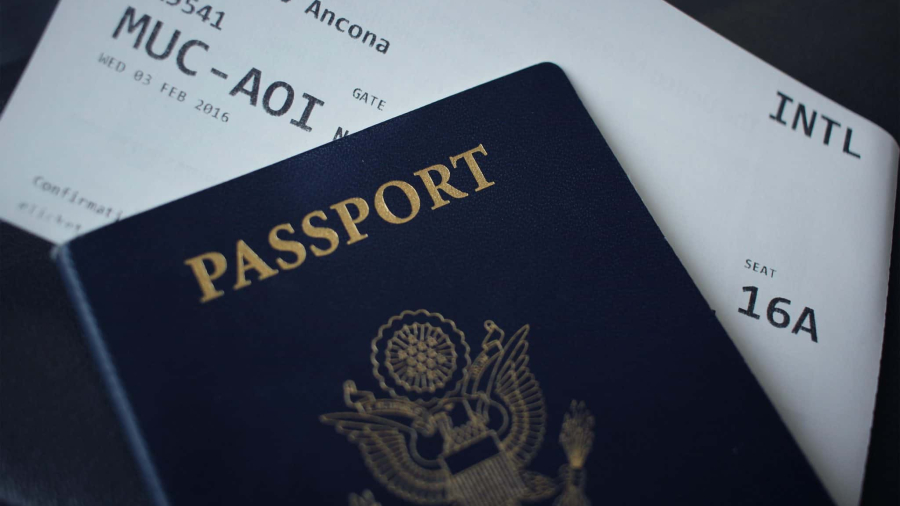
If you travel to the Bahamas by air, you must have a valid passport as a proof of citizenship. The passport should be in good condition and have at least six months of validity before its expiration date. This is a standard requirement for many countries, and it is recommended to check the expiry date of your passport well in advance to avoid any last-minute issues.

do you need a passport to go to the bahamasdo you need a passport to go to the bahamas
Photo by Kendrick Major on Pexels.com

Do You Need A Passport To Go To The Bahamas?

However, if you plan to enter the Bahamas by sea, alternative forms of travel identification are accepted. These include a passport card, a birth certificate, a government-issued photo ID, or an enhanced driver’s license. Be sure you have the proper documents as you don’t want to have a problem reaching the white sand beach. 

It’s important to note that while these alternative forms of identification are accepted for sea entry, carrying a valid passport book with you is always a good idea. This will serve as a backup and will allow for more accessible travel if you need to fly back to your home country or transit through other countries during your trip.

In summary, while a valid passport is generally required for air travel to the Bahamas, there are alternative forms of travel identification that are accepted for entry by sea. It is always advisable to check the specific requirements and recommendations of the Bahamian government or your travel agency before your trip to ensure a smooth and hassle-free travel experience.

Requirements for Entering the Bahamas

The specific requirements may vary depending on your travel mode and country of citizenship. Below, we will outline the essential documents you need to enter the Bahamas and explore the beautiful beaches and breathtaking landscapes this Caribbean destination offers. Whether traveling by air or sea, it is crucial to have the appropriate identification to fulfill the Bahamas’ entry requirements.

Visas and Entry Requirements

Visas and Entry Requirements for Traveling to the Bahamas

When planning a trip to the beautiful beaches of the Bahamas, it’s important to understand the visa and entry requirements for different categories of travelers.

For U.S. citizens and U.S. permanent residents, a valid passport is required to enter the Bahamas. No visas are necessary for stays of up to 90 days for tourism, business activities, or visiting family or friends. However, travelers should have a return ticket and proof of funds to cover their stay.

Canadian citizens and Canadian permanent residents also need a valid passport, but no visas are required for stays of up to 90 days. Again, having a return ticket and proof of funds is recommended.

Latin American citizens and citizens from other countries are usually required to obtain a visa before traveling to the Bahamas. They should contact their nearest Bahamian embassy or consulate for specific requirements.

Regardless of nationality, all travelers are advised to have a valid passport, with at least six months validity remaining, and carry it with them at all times while in the Bahamas. This ensures a smooth entry process when going through immigration.

In summary, a valid passport is necessary to enter the Bahamas for U.S. citizens, U.S. permanent residents, Canadian citizens, and Canadian permanent residents. Visas are generally optional for stays of up to 90 days, but having a return ticket and proof of funds is recommended. Travelers from Latin American countries and other nations may need a visa before their trip.

Valid U.S. Passport Requirements

When traveling to the Bahamas from the United States, a valid U.S. passport is a requirement for all citizens. This applies to both adults and children.

For air travel, a U.S. passport book is mandatory. However, when traveling by sea, there are alternative options. U.S. citizens can use a passport card, a wallet-sized card valid for land and sea crossings between the U.S. and the Bahamas. Another option is a birth certificate accompanied by a government-issued photo ID.

Always carrying a valid passport when traveling abroad is essential, as it serves as proof of identity and citizenship. In case of unforeseen circumstances or emergencies, having a valid passport can facilitate assistance from U.S. consular services.

Additionally, for any international travel, it is recommended that the passport has at least six months of validity remaining. This ensures a smooth entry process when going through immigration. So, check your passport’s expiration date before planning your trip to the beautiful Bahamas beaches.

Other Forms of Acceptable Travel Identification

When planning a trip to the Bahamas, it is crucial to ensure you have the proper travel documents. While a valid passport is typically required, other forms of acceptable travel identification can be used instead.

One alternative is a passport card, a wallet-sized travel document that can be used for land or sea travel between the United States and certain selected countries, including the Bahamas. The passport card is a cost-effective option for those who do not anticipate air travel during their trip.

Additionally, the Western Hemisphere Travel Initiative (WHTI) allows other forms of identification to be accepted when traveling to the Bahamas. This includes enhanced driver’s licenses, trusted traveler cards such as NEXUS or SENTRI, and specific federally recognized tribal photo IDs.

It is important to note that while these alternative forms of identification are accepted for travel to the Bahamas, they may have specific limitations.

For example, a passport card cannot be used for international air travel and is only valid for travel to selected countries in the Western Hemisphere. It is always advised to check the specific travel requirements and restrictions before embarking on your trip.

Renewing and Replacing Your Passport

If you already have a passport, but it is expired or will expire soon, it is vital to know the process for renewing your passport. The process for renewing a passport is usually straightforward and can typically be done by mail.

However, if your passport has been lost, stolen, or damaged, you must follow the process for replacing your passport. This will require submitting additional documentation and an in-person appointment at a passport acceptance facility.

Whether you are renewing or replacing your passport, it is important to plan ahead and allow enough time for processing, especially if you have upcoming travel plans. Keep in mind that some countries have specific passport validity requirements, so it is advisable to check the passport requirements for your destination before renewing or replacing your passport.

Renewing Your U.S. Passport

Renewing your U.S. passport is a fairly straightforward process that requires a few crucial documents and adherence to the proper application procedure. You will need your current, undamaged passport, a completed DS-82 application form, a passport photo, and the requisite fee to renew your passport.

The application procedure involves completing the DS-82 form online or by mail, ensuring that all information is accurate and up-to-date. You will then need to submit your application along with your current passport, passport photo, and payment.

The timeframe for passport renewal can vary but typically takes around 4-6 weeks. However, if you need your passport sooner, you can opt for expedited service, which reduces the processing time to 2-3 weeks for an additional fee.

When renewing your passport, following the steps to avoid delays or errors is essential. Double-check all your information, including your name, date of birth, and photo. Ensure your passport photo meets the size, background, and appearance requirements.

To ensure a smooth renewal process, it’s recommended to submit your passport renewal application well in advance of any upcoming travel plans. This will allow sufficient time for processing and avoid any stress or last-minute complications.

Renewing your U.S. passport is necessary to continue enjoying the freedom of international travel. By following the requirements and procedures, you can ensure a seamless renewal process and be well-prepared for future adventures.

Replacing a Lost or Stolen U.S. Passport

If your U.S. passport is lost or stolen while in the Bahamas, it is crucial to take immediate action to ensure your safety and obtain a replacement.

The first step is to report the incident to the local authorities. Visit the nearest police station and file a police report detailing the loss or theft of your passport. This report will be essential for your replacement passport application.

Next, contact the nearest U.S. embassy or consulate. They will provide guidance and assistance throughout the process. Schedule an appointment and bring all relevant documents, such as your police report, proof of U.S. citizenship, and proof of identity.

Complete the necessary passport application forms. If you have access to the internet, you can fill out the DS-11 form online or complete it manually at the embassy or consulate. Make sure to answer all questions accurately and honestly.

After completing the application forms, you must pay the required fee for the replacement passport. The fee may vary, so checking the current rates on the U.S. Department of State’s official website is advisable.

Once you have submitted your application, it will take some time for your replacement passport to be processed. Stay in contact with the embassy or consulate for updates on the status of your application.

Remember, taking immediate action is crucial in case of a lost or stolen passport. By following these steps and cooperating with the authorities, you can ensure a smooth process for replacing your U.S. passport in the Bahamas.

Closed-Loop Cruises

Closed-loop cruises offer a unique exception to passport requirements when traveling to specific destinations, including the Bahamas. A closed-loop cruise is a cruise that both starts and ends at the same U.S. port with stops at foreign ports.

A valid passport book is optional for individuals traveling on closed-loop cruises. Instead, they can use a government-issued photo ID, such as an enhanced driver’s license, and proof of U.S. citizenship, such as a birth certificate. This makes it easier for passengers to enjoy their cruise without needing a passport.

Closed-loop cruises are available to various destinations, including Alaska, Bermuda, Canada, Hawaii, Mexico, and Caribbean countries. These cruises allow travelers to explore these stunning locations without needing a passport as long as they start and end at a U.S. port.

Whether you’re dreaming of whale watching in Alaska or relaxing on the pink sand beaches of Bermuda, a closed-loop cruise offers a convenient and passport-free way to experience these popular cruise destinations. So pack your bags, grab your photo ID and proof of U.S. citizenship, and prepare to embark on an unforgettable journey.

This said, having a valid passport is highly recommended in case you experience a family emergency, business emergency or even a medical problem that would require you to return home for and travel by air. Not having a passport will cause headaches while trying to return to your port of entry. 

Air Travel to the Bahamas

When traveling by air to the Bahamas, it is essential to have the necessary documentation to enter the country. One of the essential requirements is a valid passport. All air travelers need to have a valid passport for at least six months beyond their intended stay in the Bahamas. Additionally, the passport must have at least two blank pages for entry and exit stamps.

It is important to note that enhanced driver’s licenses are not accepted for air travel to the Bahamas. Travelers must have a valid passport, and it is recommended to have a passport book rather than a passport card. A passport card does not meet the requirements for entry into the Bahamas by air.

Ensuring that you have a valid passport and meet the necessary requirements will ensure a smooth travel experience when visiting the beautiful islands of the Bahamas.

Closing Thoughts on Needing a Passport to Visit the Bahamas

In closing, the importance of having a valid passport when planning a trip to the Bahamas cannot be emphasized enough. While some travelers may consider alternative travel documents such as an enhanced driver’s license or birth certificate, it is crucial to understand that these options are not accepted for air travel to the Bahamas.

Having a valid passport can ensure travelers are protected from various unforeseen circumstances. Firstly, in a medical emergency during the trip, a valid passport is often required for medical evacuation or repatriation. With it, travelers may be able to access necessary medical care or return home.

Not having a passport can also result in missed connections for those embarking on a cruise from the Bahamas. Cruise ships have strict guidelines and may only allow passengers to board with a valid passport. This can leave travelers stranded in a foreign country without accommodations or a means to return home.

In light of these potential scenarios, it is clear that having a valid passport is a must for anyone planning to visit the Bahamas. It ensures smooth entry into the country and provides peace of mind and flexibility in the face of unexpected events. So, before setting off on your adventure to the beautiful beaches and azure waters of the Bahamas, obtain a valid passport to avoid any potential complications.
Source link

20221203_055927-scaled.jpg

Upside Down Pineapple Meaning On A Cruise Ship?

If you’ve ever heard about the upside-down pineapple symbol, you may think it’s just a tropical fruit. However, in the swinging community, it has a different interpretation.

Upside-down pineapples have become a secret code that indicates if someone is open to the swinging lifestyle. But did you know that the secret meaning of an upside-down pineapple changes entirely when found on a cruise ship?

Upside Down Pineapple Meaning?

The symbol is believed to have originated from an old sailor’s tradition. According to legend, sailors who returned to port after a long voyage would place a pineapple at their door front porch or gate to tell their family and friends they were back home. Over time, this symbol became associated with hospitality and welcome.

What Does a Pineapple Symbolize?

The pineapple is a tropical fruit synonymous with hospitality, warmth, and friendship. This prickly fruit has a fascinating history, dating back to centuries ago when it was considered a symbol of wealth, prestige, and power.

Today, the pineapple symbolizes so much more, from swinging parties to popular pineapple decor and décor trends, making it a versatile and recognizable symbol across cultures and lifestyles. Let’s explore the various meanings behind this delicious fruit.

Friendship

Pineapples have long been a symbol of hospitality and friendship. In fact, in the past, pineapples were often given as gifts to guests as a symbol of welcome and hospitality. Over time, the pineapple’s symbolism has evolved, often used by people to convey a message of friendship and camaraderie.

Hospitality

The pineapple has a long-standing history as a symbol of hospitality. In many decades of the 17th and 18th centuries, pineapples were considered a luxury item because they were not easy to come by and required many resources to grow. As such, they became a symbol of wealth and prestige, often served as a centerpiece at formal gatherings and presented to guests as a sign of hospitality.

Good Fortune

Throughout history, pineapples have been connected to good fortune due to their symbolic representation of wealth and prosperity.

During this time, pineapples were a luxury commodity transported from their native Caribbean islands to Europe.

Their rarity and exotic nature made them highly prized, and they quickly became a symbol of power among European aristocrats. Often, pineapples were displayed prominently at feasts and events as a show of wealth and prestige.

In fact, during colonial times, a ripe pineapple was often used as a symbol of alliance or friendship in politics. Leaders would exchange the fruit as a sign of goodwill and commitment to working together.

What is the significance of an upside-down pineapple?

The secret symbol associated with upside-down pineapples in the swinging lifestyle refers to swingers who are “open to play.” It is often displayed in various forms, standard accessories including pineapple-themed clothing, door-knockers, and tattoos. Its popularity surged with the rise of the Internet, which allowed for more accessible communication and the spread of information.

What is the historical background of the upside-down pineapple and its connection to swinging?

It’s uncertain how the upside-down pineapple became a secret, unofficial symbol for swingers. However, it is believed to have emerged during the 1970s swinger culture when like-minded adults would signal to each other that they were open to sexual encounters, a relationship, or wife swapping.

It’s thought that the upside-down pineapple became a discreet identifier because, on the surface, it appeared to be a simple yet elegant decoration. Still, those in the know would recognize its true secret meaning.

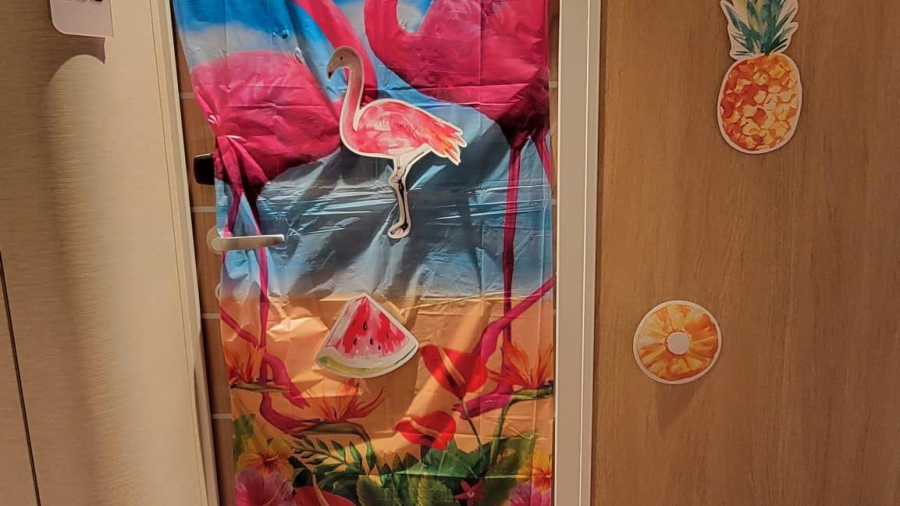
Today, swingers use the upside-down pineapple in various forms to signal their openness to play. Swingers have used real pineapples outside their cruise ship cabins and hotel room doors at land-based resorts, campgrounds.

They have used illustrated motifs on their cabin door doors and handles. Some swingers even wear pineapple shirts or pineapple-themed clothing or have tattoos.

Is the upside down pineapple symbol commonly seen on cruise ships?

While pineapples may be a popular décor item on cruises, it’s not common to see the upside-down pineapple symbol used as a secret sign for swingers.

This is especially true on regular cruises that cater to families and couples. Most passengers likely need help understanding the symbol’s meaning, and using it in such a public setting wouldn’t make sense.

Instead, swingers often use dating sites to connect with other swingers and like-minded couples rather than relying on the pineapple’s symbolism. While some may still use the pineapple as a symbol to identify themselves, it once was more common.

It’s worth exploring other symbols or signals swingers may use to identify each other, such as pink flamingos. Yes, Pink Flamingos is another secret sign.

You may also find other symbols or codes more prevalent in the swinging community today. It’s important to note that not all swingers use symbols or codes, and some prefer to keep their lifestyle completely private.

Does Clothing with Pineapples on it Automatically Identify Someone as a Swinger?

The answer is no. While pineapple clothing may be a strong sign that someone could be involved in the swinging community, it’s not a definite indicator. Every day, many individuals wear clothing with pineapples on them without having any associations with pineapple meaning the swinger lifestyle.

Is it recommended not to wear clothing with pineapple prints?

Although wearing pineapple clothing at swinging party doesn’t necessarily mean you’re part of the swinging community, it’s understandable that some may feel uncomfortable and want to steer clear of it.

There’s always the possibility of an awkward encounter or mistaken assumptions if someone unfamiliar with the swinger code approaches you based solely on your clothing.

However, if you still want to wear your favorite pineapple clothes, there are ways to do so while being prepared for any potentially uncomfortable situations.
You can politely explain the meaning behind the symbol if questioned or brush off any assumptions made by others without needing to disclose your personal lifestyle choices.

What other symbols are used to identify swingers?

While the upside-down pineapple has gained widespread recognition as a symbol of the swinging lifestyle, it is not the only symbol used for this purpose on cruise ship.

Various jewelry pieces can also signal to others that someone is a part of the swinger community, with anklets, toe rings, and thumb rings being the most obvious way common examples.

You may even see the occasional upside-down pineapple tattoo as you stroll on an open cruise ship deck. A Flamingo and Pink Flamingoes have also been reportedly used as secret symbols to find like-minded people for parties and sexual partners, partner swapping on cruise ships and elsewhere.

A Black Ring

Some in the swinger community also use a black ring to signify their lifestyle. Usually made of either metal or rubber, this black ring is worn on the right middle finger and can signal to others that the wearer is part of the swingers’ scene. 

Unicorns

Unicorns, also known as single ladies, are growing in the swinger community. While not part of a couple, these women still seek out sexual encounters with couples and other single swingers.

Unicorns often use symbols to identify themselves, such as a black ring on the left middle finger or a necklace with an upside-down pineapple hanging from it. 

Garden Gnomes

Garden Gnomes have recently become a subtle symbol associated with the swinger lifestyle. While garden gnomes are often seen as a decorative items in many gardens, they are also used to indicate that the homeowner is part of the swinging community. 

Strong Emoji Usage

Stay on the lookout for the strong usage of pineapples and unicorns, and you may find swinging couples or unicorn-seeking couples for play. This is often most used on dating apps but may spill over into other social interactions.
The History of Pampas Grass and Swinging

Pampas grass has long been associated with the swinger lifestyle. Many believe it was first used as a signal to other swingers in the 60s and 70s during the sexual revolution when it was used to decorate the backyards or gardens of people who were part of the scene. 

Pineapple Upside-Down Swingers FAQ

What makes the pineapple famous?

The pineapple has become a widely recognizable symbol of the swinging lifestyle, but its history goes beyond the secret signals. The pineapple is often used to symbolize hospitality and welcome others into one’s life. Many cultures also see it as a sign of good luck and fortune. In some countries, it is even customary to gift someone with a pineapple when visiting their home for the first time.

What do Pineapple Tattoos stand for?

Pineapple tattoos have long been associated with the swinging lifestyle, although they can represent different meanings to different people. For some, it may symbolize hospitality and welcoming others into their lives.

For swingers, it is a sign of openness to alternative lifestyles. Alternatively, it could be simply a fashion statement or a way for like-minded people to recognize each other without having to disclose too much information.

What Are Swingers?

Swingers are couples or individuals engaging in partner-swapping, often outside a committed relationship. This lifestyle choice is typically born from a desire to explore different sexual experiences and can involve multiple partners.

Swingers may meet up at physical locations such as resorts, campgrounds, cruise ships, or virtually through dating sites. It’s not uncommon for swingers to use symbols to identify themselves, such as the upside-down pineapple.

Is the Swinging Lifestyle Common?

The swinging lifestyle is not as typical as some may assume. Although it has been around since the 1970s, there are still misconceptions and stigmas attached to it. Many people choose to keep their involvement in the swinging community private for fear of being judged or ridiculed.

In fact, some couples who participate in the lifestyle don’t even identify themselves as swingers but instead describe themselves as “open-minded.”

Is there any connection between swinging and the pineapple upside-down cake?

cake, pineapple, upsidecake, pineapple, upside
Upside Down Pineapple Meaning On A Cruise Ship? 16

The pineapple upside-down cake is an iconic dessert that has been around for decades. Although it likely originated from a recipe book, its popularity has recently increased.

Some suggest that the upside-down pineapple cake is connected to the swinging lifestyle because it resembles an inverted pineapple, often used by swingers as a secret code or symbol. However, it’s more likely that the cake was created to take advantage of the sweetness and tartness of the pineapple fruit.

What does the upside-down pineapple mean on a cruise?

The upside-down pineapple symbol is associated with swinging or the world of non-monogamy.

Why do people use the upside-down pineapple symbol on a cruise?

People use the upside-down pineapple as a secret code for swinging or to indicate their involvement in the swinger community.

Should I avoid wearing clothes with the upside-down pineapple motif on a cruise?

It’s recommended to avoid wearing clothes or accessories with the upside-down pineapple symbol if you are not involved in the swinging lifestyle to prevent any misunderstandings.

What are the final words regarding the use of the upside-down pineapple symbol on a cruise?

If you are not part of the swinger community, it’s best to refrain from using the upside-down pineapple symbol to avoid any misconceptions or uncomfortable situations.

What is the original meaning of the upside-down pineapple symbol on a cruise?

The exact origin of the upside-down pineapple as a secret code for swinging is not clear, but it is commonly used as a discreet way to signal participation in the swinger lifestyle.

How is the upside-down pineapple symbol used to signal involvement in swinging on a cruise?

The upside-down pineapple symbol can be worn as a badge, attached to clothing, displayed on a door, or used in other subtle ways to indicate an interest in the swinger community.

Is the presence of swingers indicated by wearing pineapples on a cruise?

Yes, many people wear or display the upside-down pineapple symbol to signal their involvement in swinging or to seek out swinger parties while on a cruise.

What should I know about the use of the upside-down pineapple symbol on a cruise if I am not part of the swinging community?

If you are not part of the swinger community, it’s important to be aware of the significance of the upside-down pineapple and to be cautious about its use to avoid misunderstandings or awkward encounters.

Are children present on cruises where the upside-down pineapple symbol is used?

Yes, there are often children present on cruises, so it’s important to be mindful of the implications of wearing or displaying the upside-down pineapple symbol in such environments.

Can the use of the upside-down pineapple symbol on a cruise lead to overly awkward encounters?

Wearing or using the upside-down pineapple symbol inappropriately can lead to overly awkward encounters or overly friendly interactions, particularly if you are not involved in the swinging lifestyle.

Final thoughts

To summarize, various symbols common accessories, and signs indicate an individual’s involvement or interest in the swinger lifestyle.

The upside-down pineapple is mainly associated with swinging, but it is crucial to consider the context before drawing any conclusions. While it may be a secret code for swingers among some groups, a pineapple upside down could represent friendship, hospitality, and good fortune in other instances.
Remembering that a single symbol or sign cannot always convey one specific meaning is essential. The same sign may have different connotations depending on the situation, region, or culture. So, it’s best to carefully consider the context before jumping to conclusions.

Source link

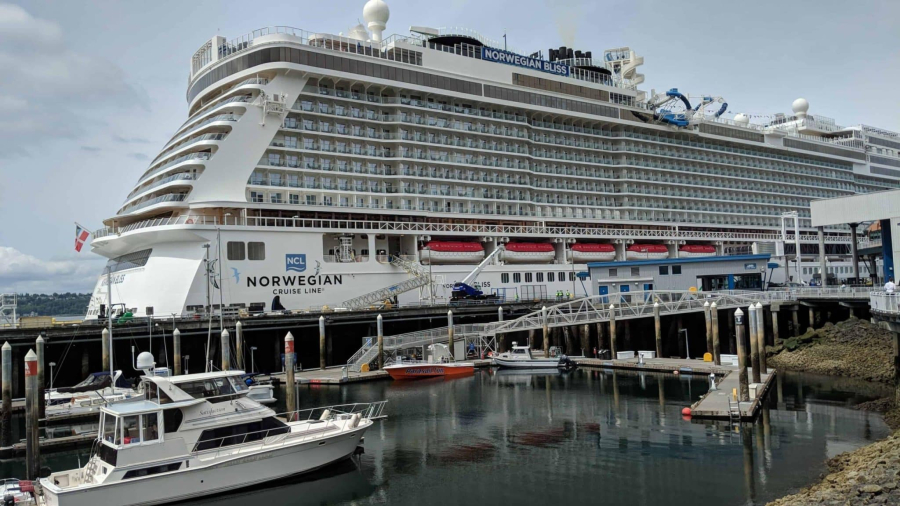
NorwegianBliss-scaled-scaled.jpg

7 Mistakes To Never Make When Booking Your Cruise 

First-time cruisers aren’t the only travelers who are likely to mistakes when booking your cruise. Most of us have discovered some new things – perhaps learning the hard way – that we wished we had known before buying our cruises. 
Booking Your Cruise

No matter how many sailings you’ve been on, you can always gain useful knowledge or pick a few new tips and tricks to make your voyage is as smooth as possible. Check out our seven mistakes you should never make when booking your cruise.

Not Asking About Drydock Schedules

Ships routinely get refurbished. If you sail right before or right after the ship is scheduled to be overhauled during a drydock session, contractors could realistically be cruising with you and working on the ship while you are trying to enjoy your vacation. Also, certain public areas and attractions might even be shut down.  

Cutting it Too Close

Don’t fly into your port city to join the cruise on embarkation day. If you are embarking or disembarking at a cool destination, like New York City, Rome or Miami, for example, you’ll want to make sure you plan for enough time to explore these top travel spots. Coming in a day before your cruise starts also ensures that flight delays don’t cause you to miss the ship.  

Picking the Wrong Cabin

Check the ship’s layout and aim to book a cabin that isn’t directly above, below or next to a busy area. The map of cabin locations and details is typically available on a cruise line’s website.  

You don’t want to hear clanking pots and pans from the kitchen, blaring tunes from the disco or chairs scraping the floors while you’re trying to enjoy some peace and quiet in your stateroom. If you are prone to seasickness, book a cabin in the middle of the ship on a lower deck. Have mobility issues? Maybe you want to be near the elevators.

Ignoring the Calendar

It’s not necessarily a mistake to sail in hurricane season, but don’t be surprised if seas get stormy (hello, seasickness) during your voyage. You’re more likely to have your itinerary altered and should consider travel insurance (with coverage for hurricanes or severe weather disruption) when you book for hurricane season (from June through November). Also, if you sail during spring break, expect the ship will be packed with partiers and families with kids. Cruises during summer and other holidays also mean it’s more likely that you will find larger groups of families traveling with children onboard.

Cruise CompeteCruise Compete

Not Monitoring Prices

To get your best deal, book during special cruise sales, which often run during wave season (a cruise line deals period that runs roughly from January to March) or around holidays. Consider a travel agent who specializes in cruises to help monitor when fares drop. They can ensure you don’t miss special promotions, such as onboard credit and drinks packages. Cruise travel professionals also often thank you for your business by offering goodies like onboard credit or other cruise perks.

Inaccurate Budgeting

Your costs don’t end when you send the final payment for your listed cruise fare. Onboard, be ready to pay for drinks, gratuities, excursions, specialty dining, and souvenirs.  

Choosing the Wrong Ship 

Ship vibe and layout is important. Some are more luxurious, others offer more activities and amenities (like waterslides, rock climbing walls, go-kart tracks, Escape Rooms and laser tag). Maybe you want a ship with fun and interactive youth programs for your kids and teens. Or maybe you seek great food and service with a low-key, relaxing environment on a cruise that focuses on fantastic itineraries. 

Make sure you’re getting onto a ship that has a good array of activities and amenities that you and your family will enjoy.

Plan Your Trip?

Need help planning a trip? Check out these helpful links:


This article is brought to by Cruise Compete. CruiseCompete.com allows you to easily compare multiple offers from Cruise Experts


Source link

Shocking-Cruise-Stories.jpg

The 16 Craziest Stories From Cruises

Each year, somewhere between 30 and 35 million people go on a cruise.

Shocking cruise stories

The vast majority of those people are going to have a very typical experience – making great memories, trying new foods, sipping on tropical cocktails and just generally having an amazing time.

But purely based on the odds, some people are going to go through an unusual experience, whether it’s something they do, something that happens to them, or something they witness from other passengers.

And these events can get a little crazy. I found this collection of the craziest stories from cruises and had to pick out the best ones to share with you – some of these really are wild!

Disclaimer: I’ve shared the stories as I found them and so some of the wording might be a little rude.

1. A diamond heist, foiled!

A photorealistic image of a man inside a luxurious jewelry shop, discreetly swallowing a large, glittering diamond. The man, dressed in casual clothing, is shown mid-action with a slightly tense expression, his hand near his mouth as he swallows the diamond. The jewelry shop around him is elegant, with glass display cases showcasing various expensive pieces of jewelry. The lighting in the shop is bright, reflecting off the glass and the jewelry, highlighting the contrast between the man's secretive action and the opulent surroundings.

Comment
byu/Plenty-Anything3614 from discussion
in
Cruise

Lots of cruise ports have jewellery stores around the port area, especially around the Caribbean. And you’ll sometimes hear stories of guests being the victims of harassment or scams, but it’s not so often you see something like this, where the guest is the one trying something (literally) criminal.

The fact they got caught when they got back to the ship – and then had to wait for the diamond to be recovered in the “natural way” must’ve been excruciatingly embarrassing for him. Maybe don’t be a thief.

2. If you’re going to risk this, maybe find somewhere more private…

A photorealistic image of a man sitting at a dimly lit bar, looking suspicious and dodgy as he interacts with his phone. The man is dressed in casual attire, perhaps wearing a hoodie or a jacket, with a wary or secretive expression on his face. His body language is tense, as if he's trying to hide or obscure what he's doing on his phone. The background features a typical bar setting with low lighting, a few patrons in the distance, and a bartender behind the counter.

Comment
byu/Plenty-Anything3614 from discussion
in
Cruise

Drugs aren’t allowed on a cruise, but some people did try to sneak them onboard, especially marijuana. You shouldn’t, but I bet a few people try and get away with it.

However if you’re going to bring cocaine onboard, and somehow you manage to get it past security, maybe consider doing it somewhere more private than from your phone screen while sitting at a bar in view of a crowd.

This guy 100% got booted off the ship, I bet.

3. Taking game shows too far

A photorealistic image of a couple on stage participating in a lively game show. The stage is brightly lit, with colorful lights and a vibrant backdrop that features the game show's logo. The couple, a man and a woman, are standing side by side, looking excited and engaged as they participate in the show. The woman is holding a microphone, and the man is gesturing animatedly. The audience can be seen in the background, cheering them on. The stage is set with various props and game elements that indicate they are in the middle of a fun, interactive challenge.

Comment
byu/Plenty-Anything3614 from discussion
in
Cruise

Even if you’re attending an event on a cruise that’s for adults only, please remember that it doesn’t mean it’s an “adult” show.

These guests clearly got very carried away during their ‘performance’ in the couples gameshow on the ship, but I bet there were plenty of people in the audience who really weren’t impressed.

Do I need to add “Don’t have sex on stage” into my advice I give to new cruisers? I hope not…

4. Violent attack during a show

A photorealistic image of a man in a theater, seated or standing, with a  blood on his clothing. The man looks surprised or concerned, with an injury visible onabdomen. The theater environment is dimly lit, with rows of seats visible in the background, and a stage in the distance. The scene suggests that something unexpected has happened, but the focus is on the man's reaction and the setting rather than the injury itself.

Comment
byu/Plenty-Anything3614 from discussion
in
Cruise

Some of the stories on this list are wild in a way that we can laugh at them, but this one’s very serious and scary too.

Fights do break out on cruise ships. They’re rare, and they pretty much always involve alcohol. But it’s normally a fistfight.

How a guest in the main theatre of the ship was so drunk that they wanted to stab someone, and they had a stabbing implement with them, is beyond me. Rumours in the comments suggest it was a broken cocktail class that he used.

Thankfully they were arrested and according to the comments, the passenger recovered fine.

5. Panic and disaster averted

A photorealistic image of a very young girl, around 3 years old, standing in front of an elevator on a cruise ship. The girl is dressed in casual, colorful clothing and is holding a small toy. She looks curious and slightly hesitant as she reaches out to press the elevator button. The elevator doors are partially open, and the setting is a clean, modern building hallway. The scene is well-lit, emphasizing the girl's innocence and the everyday nature of the moment.

Comment
byu/Plenty-Anything3614 from discussion
in
Cruise

This story might not sound very crazy, but think about the implications if that guest hadn’t been there, and hadn’t thought to act. That’s a three-year-old girl who could’ve ended up anywhere on the ship, or worse.

You would hate to think that she could accidentally climb anything and fall over a railing, or that another passenger would wish her harm, but you don’t know.

Young children should always be supervised, and this story could’ve been a lot worse had the customer not had the luck and bravery to be there and handle it.

6. Where’s your name tag?

A photorealistic image of a male piano bar entertainer wearing Australian flag print underwear. The entertainer is seated at a piano in a lively bar setting, with a confident and charismatic expression. The bar is dimly lit with warm lighting, and you can see a small audience in the background, enjoying the performance. The scene captures the playful and relaxed atmosphere of a piano bar, with the entertainer being the focal point.

Comment
byu/Plenty-Anything3614 from discussion
in
Cruise

Crew members are supposed to entertain guests onboard, but they’re also supposed to stick to their jobs in doing so.

A piano bar entertainer is not a stripper, so this crew member deciding to strip down to their underwear was certainly not something they were supposed to include in their act.

The fact that the piano bar was closed the next day does definitely suggest that the entertainer’s contract was terminated. From the comments, it seems as if they’ve landed a successful career with their own venue back in Australia.

7. Stuck onboard for a crazy reason

A photorealistic image of a cruise ship stranded off the coast of St Thomas

Comment
byu/Plenty-Anything3614 from discussion
in
Cruise

Imagine waking up to find that your cruise line had gone bankrupt, and that you were now stuck in the Caribbean?

It almost sounds like the stuff dreams are made of, though I can’t imagine the conditions onboard were fantastic when food was limited and the crew were no longer being paid.

Still, the guests did get a refunded fare once they got home from their extended cruise, so it can’t have been all bad. Maybe being stuck in paradise is your idea of the perfect cruise?

It’s still pretty crazy for a cruise line to go bust mid-cruise though. Typically a cruise line would see it coming, and cancel sailings.

8. Woken up to an ice trap

photorealistic image of a cruise ship surrounded by ice in an Arctic environment.

Comment
byu/Plenty-Anything3614 from discussion
in
Cruise

Here’s another tale where guests woke up to an unexpected delay, although this one was more natural in cause and certainly didn’t last as long.

The ship was stranded due to ice flows and literally couldn’t sail out of the port until the afternoon when they’d broken up enough.

That must’ve been some pretty cool sights, suddenly being trapped by ice overnight in every direction. A shame that half the ports were cancelled on the cruise due to weather conditions, but talk about a crazy and memorable experience.

9. The Norovirus ghost cruise

photorealistic image of a person alone in the adults-only area of a cruise ship

Comment
byu/Plenty-Anything3614 from discussion
in
Cruise

Norovirus is a gastro illness that does sometimes strike cruise ships, and when it does often a lot of people onboard will catch it – not necessarily because of the enclosed environment, but because people are terrible at washing their hands before using the buffet, or sneezing into their elbow.

Anyway, this cruise almost served as a preview of the world during the global shutdown a year later. The guest described walking around what felt like a ghost ship as so many people were quarantined. They enjoyed no lines at the buffet, and the entire adults-only part of the ship to themselves.

I can almost see the appeal – though you certainly wouldn’t want to be on a ship riddled with a virus.

Suggested read: Cruise Ship Norovirus Statistics & How To Avoid It

10. When creeps get justice

A man on a cruise ship being dragged off by security guards

Comment
byu/Plenty-Anything3614 from discussion
in
Cruise

Another alcohol-fuelled story and this time it was a guest who decided to act on their creepy instincts when drunk, and try to sexually harass a member of the crew.

That sort of behaviour doesn’t tend to go down well with the crew, and the fact he was dragged to his room by 3 or 4 security guys pretty sharpish was probably a lucky outcome for him. Though I can’t imagine they were gentle.

I’m sure they weren’t when the guest tried to bite them too. No wonder he was disembarked the next day and left to make his own way home. What a shame.

11. Excuse me, you’ve something on your leg…

photorealistic image you requested of a guest on the lido deck of a cruise ship, carrying a tray of drinks and food with a crew member following behind her with a mop and bucket.

Comment
byu/Plenty-Anything3614 from discussion
in
Cruise

I just… I don’t know where to start with this one.

I’ve heard of kids ruining a pool deck due to bathroom accidents. Pools are sometimes emptied when kids who shouldn’t be in them have an ‘incident’.

But an adult woman walking around a pool deck and dripping something that isn’t pool water… This is one of the most disgusting cruise stories I’ve ever heard. Yikes!

12. Prank creates a false alarm

photorealistic image of a kid throwing some swimming shorts off the balcony of a cruise ship

Comment
byu/Plenty-Anything3614 from discussion
in
Cruise

Kids fight sometimes, and can get a bit stroppy with each other. Or they might just think it’s funny to pull a prank on their siblings, such as throwing their bathing suit off the balcony.

Unfortunately, this time it caught a gust of wind and ended up in the sea, and turned into a bit of an incident when the crew thought someone had gone overboard.

There’s no further detail on how long the false alarm was sustained – you’d hope the kid came clean quickly to let people know what had happened.

But it’s pretty crazy that a pair of shorts could cause such drama.

13. Picking up an unwanted passenger

whale carcass stuck to the bow of a cruise ship

Comment
byu/Plenty-Anything3614 from discussion
in
Cruise

This story is equally sad and unpleasant, and it’s not the first time I’ve heard of a ship striking a whale carcass.

The fact that this one got stuck to the ship and continued to decompose is not a nice thought. And the person telling the story described the vile stench which I bet was utterly horrific.

Using a tender boat can make you feel a bit sick even at the best of times – throw in rotting whale smell and I’m not surprised a few people were unwell as a result.

14. A not-so-happy marriage

a man looking sorry and banging on the door of a cruise ship cabin

Comment
byu/Plenty-Anything3614 from discussion
in
Cruise

If you’re planning on cheating on your partner on a cruise, maybe don’t get up on stage as part of the Newlywed Game so that other passengers can see who your wife is, and then see you with another woman later and realise you’re misbehaving.

Obviously, don’t cheat. That sucks. But if you’re going to, maybe learn your lesson from this muppet.

Anyway, it didn’t end well for him with a shattered arm. Married life, eh?

15. A dance-off gets heated

 a man in his late 60s dancing with a woman in her 20s. Seperately, a woman in her late 60s dancing with a man in his 20s. Both couples on the same dance floor. The older woman is laughing.

Comment
byu/Plenty-Anything3614 from discussion
in
Cruise

One of the tamer stories on the list, but it’s a fun one where a hothead learned a valuable lesson.

If you’re prepared to cut in and dance with someone else’s wife because you think that you’re the centre of attention, don’t be shocked when your wife is invited to dance instead!

The fact he got annoyed and stormed off shows that some people just don’t know how to have fun.

16. Possibly the craziest story of all…

Comment
byu/Plenty-Anything3614 from discussion
in
Cruise

Between on-stage sex acts, diamond theft and other horrible stories, I had to save this shocking and scary one right to the end.

I don’t know how guests coped on this cruise…

I’m joking of course, but I did love how someone replied to a request for the craziest cruise stories with this. And the comments are equally shocked too.

Pizza never runs out on a cruise, right?

Final word

There you go – some of the craziest stories at sea.

Again, there are millions of people who go on cruises each year, so if you’re new to cruising and you’re worried this is what it’s always like, it really isn’t!

But you never know – maybe you’ve witnessed something crazy on a cruise that’s worthy of joining this list? If you have, let me know in the comments!

Related posts

If you found this interesting, please share!

Cruise Mummy

Jenni Fielding is the founder of Cruise Mummy. She has worked in the cruise industry since 2015 and has taken over 30 cruises. Now, she helps over 1 million people per month to plan their perfect cruise holidays.

Read more about me

Source link

Waiter in a white uniform serving guests in an elegant cruise ship dining room

The 5 Best Cruise Lines to Work For: Contracts, Benefits and How to Apply

The best cruise lines to work for depend on your role, nationality and languages, but five stand out for different reasons: Royal Caribbean for sheer scale and promotion paths, Disney Cruise Line for shorter contracts and strong benefits, MSC Cruises for structured training, Cunard for experienced hospitality staff who want a classic luxury setting, and AIDA Cruises for German speakers. All of them share the basics of cruise ship work: multi-month contracts, long days with few full days off, and free food and accommodation on board.

This guide compares each line’s typical contracts, benefits and hiring routes, then covers what every applicant needs (STCW safety training, a seafarer medical and the right visa) and how to pick the line that suits you. Cruise lines publish little about pay, so where figures vary or aren’t public we say so rather than guess.

Best Cruise Lines to Work For: Quick Comparison

Cruise line Typical contract Main language on board Stand-out benefit Best suited to
Royal Caribbean International Around 4-8 months English Huge fleet, lots of internal promotion Ambitious first-timers and tipped roles
Disney Cruise Line 3-8 months, most 4-6 English Matched retirement plan, theme park admission Guest-facing and entertainment staff
MSC Cruises Often around 5-7 months (reported) English, plus European languages valued Pre-boarding training academies Multilingual applicants
Cunard Varies by role English Small, upscale fleet with formal service Experienced hotel and fine-dining staff
AIDA Cruises About 3-6 months German with guests, English among crew EU-standard contracts for EU citizens German speakers

Contract lengths come from the lines’ own career pages where published, and from reputable cruise press where not. They vary by position, and senior and officer roles usually differ from the ranges above.

What Working on a Cruise Ship Is Really Like

Before comparing employers, it helps to know what is common to almost every line:

  • Contracts, not permanent jobs (at first). Most crew sign on for several months, then go home for a break, often around six to eight weeks, before the next contract.
  • Long hours. Ten to twelve hours a day, seven days a week, is normal in many departments. Time off is usually counted in hours, so you may get an afternoon ashore in port rather than whole days off.
  • Room and board included. Crew typically share a cabin, eat in a crew mess and have crew-only facilities such as a bar, gym and sometimes a pool.
  • Flights usually paid to and from the ship for most crew, though terms vary by line and contract.
  • Pay varies widely. Base salaries for entry-level roles are modest, and in tipped or commission roles (bar, dining, spa, retail, casino) a large share of earnings can depend on guests and sales. Lines rarely publish pay, so ask the recruiter for the exact package in writing.

1. Royal Caribbean International

Royal Caribbean is one of the world’s biggest cruise brands, and that scale is its main appeal for crew. More ships means more vacancies, more departments and more room to be promoted. Its newest Icon-class ships carry several thousand crew each; our guide to Royal Caribbean ships by age shows how varied the fleet is, from older, smaller ships to the latest mega-ships.

Contracts and benefits

  • Contracts typically run around four to eight months depending on the role.
  • Benefits reported for crew include accommodation, meals, medical care on board, crew gyms, free messaging-app Wi-Fi and cruise discounts for family.
  • Royal Caribbean Group, which also owns Celebrity Cruises, hires through its official careers site and a network of approved recruitment partners in different countries.

Good fit for: first-time crew in hotel, food and beverage roles, and people who want a clear ladder to supervisor and manager jobs.

2. Disney Cruise Line

Disney is often named by crew as a good employer, partly because its contracts are shorter than average. Disney says contracts range from three to eight months, with most positions averaging four to six. The fleet is growing, with new ships added in recent years; see our list of Disney cruise ships from newest to oldest.

Contracts and benefits

  • Benefits listed by Disney include a company-matched retirement savings plan after 90 days, complimentary theme park admission for you and your family, bi-weekly pay, medical coverage while on contract, training and recognition programmes.
  • Most crew share a cabin and have access to a 24-hour crew gym, recreation room and dining areas.
  • You apply through Disney Careers by choosing your country of residence; each country page lists available roles and Disney’s approved local recruitment partner.

Good fit for: people who enjoy guest interaction, youth activities and entertainment, and who are comfortable with Disney’s strict appearance and conduct standards.

Cruise ship crew members in uniform standing on an outdoor deck
Crew contracts usually last several months with a break in between. Photo: Moisés Fonseca on Pexels

3. MSC Cruises

MSC Cruises is a fast-growing, Swiss-based line with a strongly international crew and guests from across Europe and the Americas. It puts a lot of emphasis on training: MSC says it runs pre-embarkation hospitality training at schools in several countries, alongside onboard training and the mandatory STCW safety courses.

Contracts and benefits

  • English is a primary requirement, assessed against the CEFR language framework; Italian, Spanish, German or French are a real advantage in guest-facing roles.
  • Contracts are reported to be in the region of five to seven months, followed by around two months at home, though this varies by role.
  • Crew benefits reported include shared accommodation and meals, crew bar and gym, medical care and free messaging Wi-Fi.

The quality of the guest experience on MSC varies quite a bit between ship classes, as our MSC ships ranked by guest reviews shows, and crew facilities tend to be better on newer ships too.

Good fit for: multilingual applicants, and people from countries where MSC runs training academies.

4. Cunard

Cunard operates four ships: Queen Mary 2, Queen Victoria, Queen Elizabeth and Queen Anne. It is run by Carnival UK, which also manages P&O Cruises, so recruitment goes through Carnival UK and its approved agencies. With a smaller fleet there are fewer vacancies, but the setting is formal and traditional, and transatlantic crossings on Queen Mary 2 are unique in the industry.

Contracts and benefits

  • Contract lengths depend on the role; ask the recruiter for exact terms.
  • Many roles ask for previous cruise, four- or five-star hotel or upscale restaurant experience, and some request qualifications such as WSET wine certificates or food safety awards.
  • Carnival UK job adverts note that some compliance documents or training may initially be at your own cost, with some refundable once your first assignment starts. Cunard says its agencies never charge a fee to apply.

Good fit for: experienced hospitality professionals, especially in fine dining and wine service, who want a classic British luxury brand on their CV.

5. AIDA Cruises

AIDA is Germany’s biggest cruise line, sailing mainly for German-speaking guests. That makes it an excellent option if you speak German, and largely closed if you don’t: German is the language used with guests, and good English is needed because the crew is international.

Contracts and benefits

  • AIDA says assignments usually last about three to six months, depending on the role and deployment area.
  • EU citizens receive contracts under EU rules including social and health insurance, and after several successful assignments crew can move to a permanent contract.
  • Benefits listed include single or shared cabins, free meals and drinks in the crew mess, uniforms cleaned free, crew pool, sauna, gym and bar, internet access, and travel paid for crew joining from outside Germany.
  • The minimum age is 18, and tattoos and piercings are accepted.

Good fit for: German speakers, including career changers, as some entry roles don’t require formal training.

Orange life jackets and safety equipment on a ship deck used in crew safety training
STCW safety training is required for almost every crew role. Photo: Bohdan Hyrovych on Pexels

Cruise Ship Job Requirements: STCW, Medical and Visas

Whichever cruise line you choose, expect to need the following before you join a ship:

  1. A valid passport with plenty of validity left.
  2. STCW Basic Safety Training. This international certificate covers personal survival, fire prevention and firefighting, elementary first aid, and personal safety and social responsibility. Passenger ship crew also do crowd and crisis management training. Some lines arrange it after hiring, but applicants who already hold it are often preferred.
  3. A seafarer medical. You must pass a medical arranged by the line or hold a recognised certificate such as the UK ENG1. Germany has its own sea-fitness certificate for AIDA crew.
  4. The right visa. If your ship calls at U.S. ports and you are not a U.S. citizen or green card holder, you will usually need a C1/D crew visa, normally applied for after a job offer.
  5. A background check and, for some lines, a police clearance certificate.

Minimum age is usually 21 for many roles, though some lines (AIDA, for example) accept 18-year-olds.

How to Choose the Right Cruise Line for You

  • Start with your languages. English-only speakers have the widest choice with Royal Caribbean, Disney and Cunard; German opens AIDA; other European languages help with MSC.
  • Match your experience to the brand. Mass-market lines hire more entry-level staff; luxury and premium brands like Cunard usually want hotel or fine-dining experience.
  • Think about contract length. Disney’s and AIDA’s shorter stints suit people who don’t want to be away for eight months.
  • Compare the full package, not just base pay. Ask about tips or commission, flights, contract length, leave between contracts and medical cover.
  • Read crew reviews critically. Sites like Glassdoor and Indeed carry crew reviews, but they mix shoreside and shipboard staff and change over time, so read recent shipboard reviews rather than relying on a headline score.

How to Apply (and Avoid Job Scams)

Apply only through the cruise line’s official careers website or the recruitment partners it lists for your country. Under the Maritime Labour Convention, seafarers should not be charged fees for recruitment or placement, so treat any “agent” demanding money for a guaranteed job with suspicion. Be wary of offers that arrive by WhatsApp or social media without an interview, and never pay to “reserve” a position. You may pay for your own medical, STCW course or visa in some cases, but those payments go to clinics, training centres or embassies, not to a recruiter.

Many of the well-known Carnival cruise directors started out in the Fun Squad or as performers before being promoted to run a ship’s entertainment.

If one of these employers appeals, our guide to how to get a job on a cruise ship covers the paperwork, typical pay and recruitment scams to watch for.

FAQs

Which cruise line is best to work for?

There’s no single best. Royal Caribbean offers the most vacancies and promotion paths, Disney has shorter contracts and strong benefits, MSC suits multilingual applicants, Cunard suits experienced luxury hospitality staff, and AIDA is ideal for German speakers.

How long are cruise ship contracts?

Most crew contracts last between about three and nine months depending on the line and role, followed by a break at home of roughly six to eight weeks.

Do cruise lines pay well?

It depends on the role. Entry-level base pay is modest, but food and accommodation are free, so many crew save most of what they earn. Tipped and commission roles, officers and specialists can earn considerably more.

Can I apply for jobs at Royal Caribbean online?

Yes. Royal Caribbean Group posts shipboard vacancies on its official careers website, and in many countries it also hires through approved recruitment partners.

Do I need STCW training to work on a cruise ship?

Most crew need STCW Basic Safety Training. Some lines provide it after you’re hired, but having it already can make your application stronger.

roaming-charges-cruise-1.jpg

How to Avoid Roaming Charges on a Cruise (Avoid Those Huge Bills!)

Using your mobile phone while travelling is something that is second nature to many of us. But, when you’re cruising, using your phone can lead to HUGE charges for mobile data roaming at sea.

cruise roaming charges

This is even true if you don’t actually use your phone, but just leave it switched on. Certain apps can run in the background without you knowing, continually refreshing and using your mobile data at sea.

Read on to find out how to avoid a surprise phone bill after your cruise…

Roaming charges explained

Roaming refers to when you use your phone abroad. You’re classed as ‘roaming’ when your phone uses a foreign network that’s different to your normal provider.

Roaming regulations mean that those who choose to use their phone abroad are applicable for roaming charges, and the amount will vary depending on your mobile network. Data roaming refers to internet connections specifically, though roaming also applies to calls and SMS.

Whether you’re opting to use your phone to keep in touch back home or to post your latest food snaps online, it’s worth noting what your network charging rates are before you go abroad.

man using phone on cruise ship to make calls

The cost of using your phone on a cruise

Roaming costs are entirely down to your network’s charges and dependent on your mobile phone provider. From January 2021, when Brexit officially came into action, the rules on data roaming and charges changed.

Since Brexit, UK mobile users no longer automatically enjoy free roaming in the EU. Many providers still included roaming in Europe at no extra cost, but, it’s still wise to inform your network provider to check your destination is covered so you don’t receive any charges.

Roaming costs at sea

When cruising, you’re constantly changing location. Most of the time you’re at sea – whether travelling between ports or crossing an ocean. This is when mobile data roaming can get very expensive as your phone will connect to the maritime network rather than the typical satellites it would connect to while on land.

Your data roaming costs will be incurred by making calls, sending texts, and using data. Fees can be charged per day, per minute charge or even for each chunk of data used.

Some people have truly been caught out by this, thinking that the data roaming charges will be the same on a cruise ship as it is on land. One man from Yorkshire paid extra for a bolt-on roaming package but was still hit with a bill for £340 after his phone connected to the maritime network.

An American lady paid for the ship’s WiFi package as well as an international roaming plan and still got stung with a $2,700 bill. Another unfortunate family got hit by a bill for €12,000 after their 12-year-old son watched some videos while on a cruise to Norway – that’s some hefty maritime network charges for the sake of a bit of boredom!

shocked couple with phone bill after roaming on a cruise

If you’re looking to avoid data roaming charges altogether, solutions like GigSky provide convenient eSIM data plans tailored for travellers. Click here to visit GigSky and use the discount code CRUISEMUMMY10 for a 10% discount on your plan.

Why cruise roaming costs so much more than on land

While at sea, your phone signal comes through an at-sea provider known as a maritime network. As there are no mobile phone masts at sea, the signal must instead use satellites.

Launching satellites into space is very expensive. The high demand for satellite communication and the limited amount of data that needs to be transmitted means that there is a high cost associated with using WiFi at sea.

If you’re interested in the technical details of how the maritime network works, you can read more about it in this article.

using a mobile phone on a cruise

Top tips to prevent roaming charges at sea

Thankfully, there are a few ways in which you can prevent maritime network roaming charges during a cruise.

1. Turn off your phone

The easiest, but by no means the nicest, is to turn off your phone. Pop it in the safe until you reach a port where you can access the network of the country you visit or – better yet – wait until you get home!

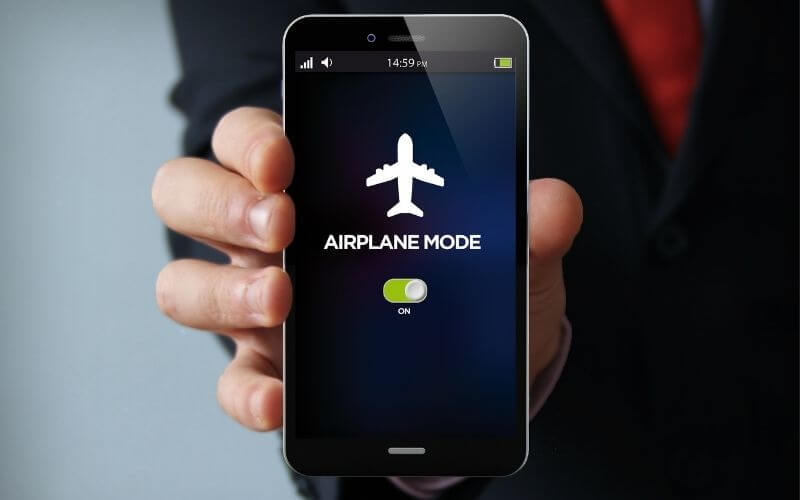
2. Use airplane mode

Many of us can’t go more than a few hours without our phones, so it’s more likely you will opt for these other options such as using airplane mode.

Airplane mode (also known as flight mode) simply turns off all data access for your phone, but you can still use it as a device to set alarms or take photos.

phone on airplane mode

3. Use the ship’s WiFi

If you still want to make phone calls, read and respond to text messages, surf the internet and update social media, you should use the ship’s WiFi.

Most cruise lines have WiFi packages either for hourly, daily or unlimited access while at sea. WiFi packages vary by the cruise line and can be pre-paid or added while you’re on the ship.

NEW DEALS JUST RELEASED!

Don’t miss these hot cruise offers…

The main point to remember…

The key to avoiding data roaming charges on a cruise is always to have your phone on airplane mode as soon as the ship leaves port, whether you use the ship’s WiFi or not. This is the best way to avoid maritime data charges.

As soon as the ship gets a few hundred metres from the coast, your phone could connect to the maritime network and begin racking up charges, even if you’re not actively using it. If someone sends you an email and your phone automatically downloads that, you’ll be billed for it.

texting on a cruise

Alternatives to calls and text messaging on a cruise

If you have a WiFi package on your cruise, you may not be able to use it to make regular telephone calls and send text messages. But, there are some alternatives you can use…

WhatsApp is a great option as it allows instant messaging, including photos and videos, alongside video and audio calls – it works just like a normal call but can be done via wifi.

Skype works much the same, though this is mainly used as a video call application. Facetime is another option that works similarly for iPhone users.

Some people even use walkie-talkies to communicate with their family members on a cruise. Teenagers and older kids particularly like this option as it can be quite fun.

There are many other options to choose from – Just make sure to let those at home know which one to use to keep in touch.

If you want to know how to send text messages for free on your cruise, there are a few different ways to do it. I have a full guide to that here: How to Text on a Cruise Ship for Free.

The bottom line

While data maritime roaming charges sound scary and can rack up a huge bill, as long as you know the steps to prevent it, there are ways you can still enjoy uploading your favourite snaps and calling your family back home.

The key thing to remember is that you never want your phone to connect to the maritime network. Keep it on airplane mode while at sea and if you want to use it for calls, messages, or internet access you should buy a wifi package.

You should also check your network provider’s costs for roaming charges while on land. If these are free in your cruise destinations, you might opt to only use your phone while the ship is in port.

Some providers will also let you set limits for roaming use before you travel, so while you might still be charged a lot for your O2 or Vodafone cruise ship roaming, you can at least control it a little.

Whatever you decide, it’s good to have a plan before you go, whether that includes paying wifi while on board or having a digital detox altogether.

Related posts:

If you found this interesting, please share!

Cruise Mummy

Jenni Fielding is the founder of Cruise Mummy. She has worked in the cruise industry since 2015 and has taken over 30 cruises. Now, she helps over 1 million people per month to plan their perfect cruise holidays.

Read more about me

Source link

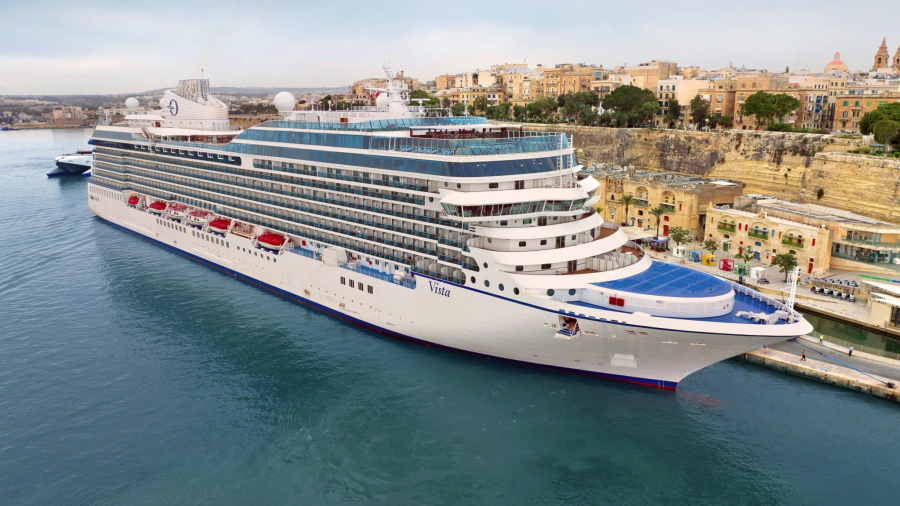
OC_A_Vista_Aerial_-Valletta-Malta_2024-08-01_18-48-04-scaled.jpg

Oceania Cruises Spotlights Enticing European Sailings For 2025

Oceania Cruises® is spotlighting an array of new 2025 Europe sailings, ranging from six to 34 days, that will whisk guests to the most breathtaking destinations across the continent.

The ultra-premium line’s elegant boutique ships will set sail on a series of voyages taking in idyllic islands, dramatic fjords, well-loved European resort towns, and bustling cities, putting immersion in local communities and culinary excellence at the heart of each guest’s travel experience.

Guests wanting a true gourmet European adventure will love sailing aboard Oceania Cruises’ newest ships, VistaTM, AlluraTM, and MarinaTM. The ultimate foodie ships offer true immersion in the epicurean arts thanks to hundreds of culinary-focused shore excursions, an unprecedented array of dining venues, guest lectures and demonstrations, and hands-on cooking lessons in The Culinary Center.

European Sailings for 2025

European Sailings for 2025European Sailings for 2025
Market Tour (credit: Oceania Cruises)

One of the highlights of the 2025 Europe season is the debut of the line’s newest ship, Allura, which will set sail from Trieste, Italy, on her maiden voyage in mid-July before a series of eastern and western Mediterranean voyages for her inaugural season.

Meanwhile, her sister ship, Vista, alongside Marina, will entice guests to enjoy the quieter early season with its lower temperatures in Spain, Portugal, and Greece before heading north to the British Isles, Iceland, and Scandinavia for the height of the summer.

For those seeking a smaller ship experience, the 670-guest NauticaTM will explore the Mediterranean, Adriatic, and Aegean Seas throughout the summer of 2025; SirenaTM will head to Northern Europe, and Insignia will offer journeys to Iceland. Offering a more intimate onboard experience, these ships will be sailing true port collector voyages, with lesser visited stops such as Lulea and Lysekil in Sweden and the Finnish port of Vaasa.

“We are thrilled to have this rich lineup of European sailings on such a wonderful choice of ships for next year. We cannot wait to welcome Allura to the family in July; to have her and her sister, Vista, which launched to global acclaim last year, in one of the most intriguing and well-loved cruise regions of the world at the same time is so exciting,” stated Frank A. Del Rio, President of Oceania Cruises. “Europe has always been a favorite for our well-traveled and curious guests, who eagerly seek to explore its hidden gems and create new memories aboard our elegant ships.”

Ultimate Europe: Experiences Ashore

Travelers will have even more opportunities to discover Europe’s natural wonders and unique local culture with hundreds of small-group, immersive shore excursions on each sailing, inviting guests to rediscover favorite destinations or explore new ones.

For instance, a new not-to-be-missed exclusive Culinary Discovery Tour in Palma offers an in-depth exploration of Mallorca’s rich culinary heritage. This chef-led tour includes visiting the vibrant Olivar Market, where guests can handpick their own produce, and a trip into the rugged countryside to visit the Treuer olive farm. Afterward, participants will enjoy a Spanish cooking class aboard the ship, utilizing the fresh seafood, cheese, seasonal fruits, vegetables, and olive oil gathered earlier. Led by Oceania Cruises’ talented Chef Instructors, this tour immerses guests in Mallorca’s gastronomic culture and concludes with a sampling of local wines.

Beyond culinary experiences, Oceania Cruises offers a diverse array of shore excursions catering to various interests, truly bringing its tagline, “Your World. Your Way.” to life. Guests can choose from multiple categories like Go Local, Go Green, and Beyond Blueprints, with focuses on adventure, community, sustainability, architecture, and beyond. A standout new collection of tours, “Capture the Moment,” focuses on photography, providing tips and techniques for getting the best shots with cameras or phones while exploring local sights.

2025 Europe Season Highlights

Some of the 2025 Europe sailings feature exclusive insider tips from Condé Nast Traveler editors who have handpicked their favorite ports on select 2025 and 2026 itineraries and share their invaluable insider knowledge on what to see, eat, and experience.

Allura

Allura is the eighth vessel for Oceania Cruises and is the line’s second 1,200-guest Allura Class ship, debuting in the summer of 2025. Allura features the largest standard staterooms at sea, a new onboard crêperie, a top-of-ship library with breathtaking sea views thanks to its wall of glass, five specialty dining venues, The Culinary Center, the line’s expansive hands-on cooking school, and so much more. The 2025 Europe summer season will include Allura’s maiden voyage and first time visiting each port.

●      Maiden Voyage: July 18 – July 24, 6 Days from Trieste, Italy to Athens (Piraeus), Greece: Allura’s maiden voyage is an invitation to discover enchanting ports along the luminescent Adriatic Sea from historic Ravenna with its renowned collection of mosaics to the charming walled medieval cities of Dubrovnik and Kotor.

●      Iconic Mediterranean Shores: July 24 – August 5, 12 Days from Athens (Piraeus), Greece to Monte Carlo, Monaco: Stroll through Rome’s hidden gem shopping streets, lose yourself in the Provençal countryside, and immerse yourself in the enchanting history and cultural wonders of Greece, Italy, Spain, and France on this 12-day sailing. Conde Nast Traveler Exclusive Editor’s Tips include where to eat the best pasta in Rome, specifically carbonara. Bon appétit!

●      Mediterranean Allure: August 5 – August 15, 10 Days from Monte Carlo, Monaco to Athens (Piraeus), Greece: Revel in visits to an enchanting range of Mediterranean jewels, from Florence’s outstanding Renaissance treasures and Rome’s everlasting grandeur to iconic cliffside Santorini and Antalya’s soft-sand beaches.

●      Greco-Roman Holiday: August 15 – August 27, 12 Days from Athens (Piraeus), Greece to Rome (Civitavecchia), Italy: Sail to the vibrant islands of Mykonos and Rhodes, where sun-kissed shores and azure waters beckon and indulge your eyes and senses during an overnight stay in Istanbul, a magnificent city astride two continents. Conde Nast Traveler Exclusive Editor’s Tips include grabbing lunch at Restaurant Pandeli inside the Spice Bazaar and exploring the charming Çukurcuma neighborhood, loved for its winding cobblestone streets, early 20th-century architecture, and rows of antique shops, while in Istanbul.

●      Iberian Idylls: September 6 – September 16, 10 Days from Monte Carlo, Monaco to Lisbon, Portugal: Begin with a glittering introduction to the Côte d’Azur before immersing yourself in the rich tapestry of Iberia, home to astonishing Gothic and Moorish masterpieces like the famed Giralda Tower and Alcazar in Seville as well as the Museum of Portimão in Portimão and Jeronimos Monastery in Lisbon. Appreciate illuminating visits to distinctive Gibraltar and Tangier.

Vista and Marina

Vista offers a market-leading staffing ratio of two crew members for every three guests. Like her sister ship, Allura, Vista boasts the most spacious standard staterooms at sea—at more than 290 square feet. Setting new standards for comfort and residential-style luxury, Vista features all-veranda accommodations, plus eight bars, lounges, and entertainment venues and the luxurious Aquamar Spa + Vitality Center and Aquamar Spa Terrace.

The 1,250-guest ship Marina underwent an expansive refurbishment in May 2024 including the addition of two new dining options: Aquamar Kitchen, the new wellness-inspired dining venue which debuted on Vista; and the al fresco evening Pizzeria, serving spectacular Italian dishes including pizzas and burrata with stunning seascape views from Waves Grill. There is also an expanded poolside ice cream parlor serving milkshakes and smoothies. All Penthouse Suites and bathrooms as well as the ship’s public areas were completely reinspired.

●      Soul of Civilization: May 26 – June 4, 9 Days from Barcelona, Spain to Athens (Piraeus), Greece aboard Marina: Sail the Mediterranean and Aegean Seas to a kaleidoscope of classical temples, mosques, and archaeological sites that are the cradle of Western civilization. Take in the drive along the scenic coasts of Greek islands and enjoy an overnight stay in fascinating Istanbul.

●      Iberia to Wine Country: June 16 – June 30, 14 Days from Barcelona, Spain to London (Southampton), United Kingdom aboard Marina: Sail through Spain, Morocco, Portugal, and France and explore their distinctive architecture, soulful cultures, and acclaimed culinary scenes, with overnights in a dazzling trifecta of cities: Barcelona, Bordeaux, and Paris.

●      Fairytale Isles & Fjords: June 15 – June 29, 14 Days from London (Southampton), United Kingdom to Oslo, Norway aboard Vista: Discover the dramatic beauty of Norway and the British Isles’ rugged landscapes. Pet the Shetland Islands’ adorable ponies, stroll through Oslo’s intricately carved Gol Stave Church, and sail breathtaking Sognefjord, Scandinavia’s longest fjord.

●      Scottish & Nordic Voyager: June 30 – July 11, 11 Days from London (Southampton), United Kingdom to Reykjavik, Iceland aboard Marina: Enjoy the bustling city of London before sailing to the historic charm of Edinburgh and the rugged beauty of Invergordon and Lerwick in Scotland. Adventure on to majestic fjords and the enchanting villages of Seydisfjordur and dive deep into the natural and cultural splendors of Northern Europe. Conde Nast Traveler Exclusive Editor’s Tips for Ålesund include spending a day at Godøy Island, and leaping from a floating sauna in the heart of town.

●      Vibrant Northern Capitals: July 21 – August 4, 14 Days from London (Southampton), United Kingdom to London (Southampton), United Kingdom aboard Vista: Immerse yourself in the alluring ambiance of several cosmopolitan capitals, with three overnight stays: Berlin, Stockholm, and Oslo. In Tallinn and Bruges, explore enchanting historic districts and architecture.

●      Celtic Classics: August 15 – August 25, 10 Days from London (Southampton), United Kingdom to London (Southampton), United Kingdom aboard Vista: Rejoice at the British Isles’ stirring scenery, where baronial estates tower over immaculately tended gardens, flocks of fluffy sheep roam luxuriantly green pastures and age-old castles hold invaluable treasures such as the fabled Blarney Stone.

Nautica

Elegantly charming, Nautica carries just 670 guests, served by 400 crew members. Boasting luxurious, residential furnishings and decks of the finest teak, custom stone and tile work, Nautica features four specialty restaurants, the Aquamar Spa + Vitality Center, plus eight lounges and bars, and a casino.

●      Echoes of Antiquity: July 27 – August 8, 12 Days from Istanbul, Turkey to Athens (Piraeus), Greece: Appreciate the intriguingly intertwined histories of Greece and Turkey as you experience some of antiquity’s most fabled sites. Highlights include visits to Cyprus, Crete, and whitewashed Santorini, the quintessential Greek Isle.

●      Eternal Rivieras: August 8 – September 11, 34 Days from Athens (Piraeus), Greece to Athens (Piraeus), Greece: One of Oceania Cruises’ Grand Voyages, this sailing takes advantage of one of life’s greatest luxuries: time. Sail the great seas and chart a continent on this more than one-month-long sailing. Mingle among the jet-set in Monte Carlo, Portofino, and Capri, roam the narrow streets on sun-drenched Mykonos and Santorini, and delve into the timeless allure of momentous cities such as Venice, Florence, Rome, and Istanbul.

●      Civilization’s Dawn: September 11 – September 25, 14 Days from Athens (Piraeus), Greece to Valletta, Malta: Experience two glorious weeks roaming the Eastern Mediterranean, absorbing the distinctive cultures and timeless shores of luminous Greece and enigmatic Turkey. With an overnight stay in Istanbul, visit the beautiful Topkapi Palace, the awesome Hagia Sophia, and the impressive Blue Mosque before leisurely strolling through the spice market and the famous Grand Bazaar. Alternatively, cruise the Bosphorus to see the city and its surroundings from another perspective.

Ultimate Value

Oceania Cruises offers guests the ultimate value in ultra-premium cruising thanks to a host of always included amenities, such as dining at all specialty restaurants; unlimited WiFi; butler service for all guests in Penthouse Suites and above; juices, still and sparkling Vero Water®, plus coffees and teas.

“Great value for money and choice are cornerstones of what Oceania Cruises offers; exemplified beautifully by the free seating in our always included specialty dining venues, and our wonderful espresso bar Baristas, where you never need to swipe your room card for your caffeine fix, as all our coffees are included for every guest,” added Del Rio.

For additional information on Oceania Cruises’ small-ship luxury, exquisitely crafted cuisine, and expertly curated travel experiences, visit OceaniaCruises.com, call 855-OCEANIA, or speak with a professional travel advisor.

Source link

georgy-trofimov-xEJoSsDCnR8-unsplash-scaled.jpg

Crucial Tips For Planning A Cruise For The First Time

While there are rising concerns about sustainability and over-tourism in some destinations, cruise tourism is rising. People have been coming back to cruising after there was a dip due to the Covid-19 outbreak. New records in cruising have been reported in countries such as Norway. While cruising might sound simple, it might cause a lot of anxiety to people who have never been on a cruise ship. If you are planning a cruise, clear your schedule by having a do my homework for me service clear your assignments for you. Based on that, here are the best recommendations for first-time cruise travelers.

Choose Your Cruise Line Carefully

When choosing your first cruise, you should consider two factors: budget and location/itinerary. But do not disregard the selection of the specific cruise line. While cruising, it may be easy to think that the cruise line does not matter most of the time you will be sleeping or in the ports, but the experiences differ.

Choosing the right company to offer cruise services is very important when planning an ideal cruise vacation, but this is made difficult by the multiplicity of agencies offering the services. The choice of cruise company could depend on the season and the regions you want to visit, among other factors. 

Choosing a cruise line is a crucial decision. Cruise ships can be categorized by the types of customers they attract. It is very important to choose the best for you so that you can have a good or even excellent cruise experience.

While cruise lines may have various types of ships, the companies themselves can vary significantly in several ways. This guide will cover everything you need to know to select the ideal cruise line for your dream cruise getaway.

Research Cruise Ports

The success of your cruise experience will depend, to a degree, on your level of preparation. All that you’re likely to require on a cruise, from food to fun and cabins, are available in applications, maps on the ships, and the daily schedule of events hand-delivered to your room. It does not mean that one should get on his/her ship without conducting a little research on his/her own first. 

Cruise lines do not offer much more than a map of the local port town jewelry stores with which, more often than not, they have some business arrangement. Since there is limited time in port, one would do well to review before leaving the port. At least have a vague idea of what you intend to do on your cruise. If it is a port-heavy week in the Mediterranean, do not tire yourself out by signing up for one tour after the other.

Select Your Shore Adventure Options

When you have decided on the cruise you will be taking, choose the shore excursions that will interest you during your cruise. These include shopping, sightseeing, cooking, dancing, zipline, ATV, scuba and snorkeling, and other related activities. Your shore excursions will influence what to pack for your trip; hence, it is wise to consider them before you embark on the trip.

Other aspects of your cruise will also be defined by meal, drink, and activity packages that could save you money. 

The most sought-after tours with limited participants can be fully booked, sometimes even before you embark on your cruise. Make sure to reserve these online as soon as possible. Furthermore, numerous cruise companies offer discounts on pre-purchased excursions. Ensure that you carefully review the details about tour cancellation policies. Moreover, in certain situations, utilizing onboard credit for tours arranged before the ship sets sail is impossible.

Research the Weather on Your Cruise

Weather information is valuable to tourists since it directly impacts their trips and choices. Thus, tourists use weather forecasts and climate data before and during their vacation to make operational and strategic decisions. However, the quality of weather information shared on official tourism promotion websites is usually poor, which in turn affects tourists’ social interaction and integration with the destination and the quality of their experience. 

The weather also determines the narrative of holidays and how tourists assess the effects of various weather factors. Thus, the weather data can be regarded as essential for tourists, especially when scheduling, choosing the programs, and evaluating the trip.

Remember, the ship will be your home during the cruise, and it is essential to ensure you get the best one. A fun way of utilizing the ship’s features is to read about each ship before the trip on the Cruise Ship Hub. Here, you can learn more about the ship and its features and see the decks, activities, accommodation, and trip information. Hence, do not be surprised when you select a ship and the place you will be cruising to based on the available itineraries. Cruising is a unique journey in every sense of the word.

Pack Wisely 

Crucial Tips for Planning a Cruise for the First Time | 12Crucial Tips for Planning a Cruise for the First Time | 12

The next set of tips relates to packing for your trip and ensuring you carry all the essentials. When getting ready for a cruise, checking the cruise line website and looking at the cruise schedule is recommended. Where are you going? Which tours have you arranged on the shore? Will you eat most of your meals formally in the formal dining area, or will you only eat buffet-style during dinner? If you need to, buy essay papers from professionals online. 

Pack formal attire, and don’t forget a sweater. On most cruises, there is usually a formal night, and you should pack at least one formal outfit for the occasion. Formal clothing for women could be a dress, gown, or even a suit. In this regard, men want to wear a collared button-up shirt and tie with trousers and dress shoes. Also, make sure to carry cover-ups and bathing suits. 

This article summarizes useful tips for preparing for your first cruise. Make sure to carry a backpack and research the weather at your destination. Most importantly, carry your toiletries. Also, choose a cruise cabin suited to your needs and preferences and learn cabin crew service charges.

Source link

pexels-photo-4386379.jpeg

5 Tips For Exchanging Aussie Dollars For American Dollars

One non-negotiable reason for traveling to the USA is exchanging your Aussie dollars for USD. This involves following the exchange rate, researching exchange fees, and determining how long it’ll take for the exchange to process. This can all be pretty overwhelming for newbies to the exchange game, and they might go for the first exchange they see, which isn’t always the best idea! 

This article will give you some tips to make this process easier. 

    Keep an eye on the exchange rate

    Exchanging Aussie DollarsExchanging Aussie Dollars
    Photo by Jakub Zerdzicki on Pexels.com

    Depending on politics, economics, and other issues, exchange rates can drop and rise overnight. The first thing you’ll want to do when traveling internationally is check the exchange rates. For instance, if you’re traveling from Australia to the US, the current exchange rate is $1 US to $1.5 AUD. This means that for every $1.5 AUD, you’d get $1 in the US. At this stage, the US dollar is stronger than the Australian dollar.

    We’d suggest watching the exchange rate for some time before doing your exchange. Waiting has two sides. Waiting might cause the exchange to go up, favoring the Australian dollar, which could mean you end up with more money after the exchange. However, it could go the opposite direction, too, with the US dollar strengthening more against the Australian dollar, leading to you needing more income to match the conversation amount you need. 

      Remember conversion fees

      photo of people doing handshakesphoto of people doing handshakes
      Photo by fauxels on Pexels.com

      When exchanging currencies, you must also factor in the conversion fees. These are the fees charged by the institute for converting the currency. Some exchanges have some heavy fees that can be a big shock when you exchange your cash. That’s why it’s important to factor in these fees when making the exchange, so you can add additional funds to cover them if you need to. Shop around as well. Look at different exchanges to see who provides the most suitable exchange fees. Don’t just go for the first exchange you see. 

        Purchase foreign currency before leaving your country

        pexels-photo-45708.jpegpexels-photo-45708.jpeg
        Photo by Dom J on Pexels.com

        Start doing your research early and try to purchase currency before you travel. It has two benefits. Firstly, it gives you time to consider different exchanges and compare their fees, and secondly, you don’t have to waste time trying to find an exchange when you land because you’re already sorted. 

        Using the example above, we’d suggest buying US dollars before leaving Australia, especially when the exchange rate is high! Then, when you land, you’ll have everything you need. 

        Another option that falls into the same line is sending money to your destination ahead of time. There are exchanges worldwide that you can go to, deposit money, and exchange it for your chosen currency. Then, when you arrive at your destination, you find the same company and withdraw your money. It’s easy. This will ensure you still have funds if your luggage is lost or someone steals your wallet. But it would help if you ensured that the exchange you use has branches in the country you visit for this to work. 

        Always have backup funds.

        person holding debit cardperson holding debit card
        Photo by Pixabay on Pexels.com

        Ask any seasoned traveler; they tell you that you should always have some loose cash in an emergency. Most of the world has adopted more modern payment methods like tapping to pay or scanning a QR code, but this technology isn’t everywhere. You might come across a store that requires a cash payment, and if you don’t have cash on you, you’d need to find an ATM, which means extra fees and time spent. 

        Having some extra cash on you can be a lifesaver when needed. Be sure always to keep it somewhere safe and in your person. As we said in the paragraph above, luggage can easily get lost, so you don’t want your backup cash to be lost along with it. 

        Err on the side of caution when exchanging money.

        banknote lotbanknote lot
        Photo by Pixabay on Pexels.com

        If you need a currency exchange in the country you’re visiting, be cautious with where you go! Beforehand, research a few reputable cash exchanges in the country and try to find the closest one if possible. Don’t go to any old currency exchange on the side of the street.

        Likewise, avoid airport exchanges as well if you can. Their fees are generally higher. Withdrawing money at an ATM is an option, but once again, fees will come off your account for the exchange. 

        Final Thoughts

        It might not seem very clear the first time you use a currency exchange. But, if you research and find a reputable exchange, the process will be much smoother. Watch the exchange rates closely to get the best rates; you should be all set!

Source link

pexels-photo-775294.jpeg

How To Reduce Waste On Your Next Voyage

Cruising offers a unique opportunity to explore the world, experience different cultures, and relax on the open sea. However, the environmental impact of cruising can be significant, with waste generation being one of the primary concerns. As more travelers become conscious of their ecological footprint, the demand for sustainable practices in the cruising industry has grown. 

This article delves into practical steps you can take to reduce waste on your next voyage, ensuring that your adventure is both enjoyable and environmentally responsible. For a comprehensive waste management strategy, consider Macon roll off services for all your disposal needs.

The Importance of Eco-Friendly Cruising

As with any form of tourism, cruising has environmental issues accompanying innovation. Some of the most urgent challenges are waste disposal, carbon footprint, and marine life concerns. The standard practice was that cruise ships disposed of their waste in the ocean, which has been proven to cause a lot of pollution, with tons of garbage dumped into the ocean yearly.

This has implications not only for the health of the marine environment but also on human safety and health in coastal regions. Undoubtedly, carrying out these negative impacts on cruises and the seas adversely affects the environment. However, embracing sustainable, environmentally friendly measures in your cruise can greatly reduce these impacts and create a better future for the industry.

Planning: Choose an Eco-Friendly Cruise Line

But first things first: one of the most critical choices you can make is selecting a cruise line that has the environment on its side. The majority of companies in the cruise industry now have environmental programs as part of their strategies, and these include the elimination of one-use plastics, the use of better wastewater treatment systems, and support for marine conservation efforts. 

Search for different cruise lines available and choose the most environmentally conscious company. Some certifications from organizations such as the Cruise Lines International Association (CLIA) or the Marine Conservation Society (MCS) indicate that the cruise line upholds sustainability policies and practices.

Packing Smart: Waste Reduction – Reducing Waste Right from the Source

Packing your luggage for the cruise with sustainability is always advisable, keeping in mind the amount of waste that will be produced. It is best to begin with items that can be reused, such as water bottles, cups for holding coffee or tea, and shopping bags. Here are some tips to help you remove one-use plastics and other single-use items frequently used on cruises. Also, you should pack a plastic utensil set, which can be helpful during the shore leaves or when you want to refuse to use disposable cutlery.

Use biodegradable and natural products such as soaps, shampoos, toothpaste, detergents, and other bathroom accessories. For instance, instead of the regular liquid shampoos packed in plastic containers, the Lush company launched ‘solid shampoo,’ which does not need a plastic container. Select products with a small package to reduce packaging waste, and avoid using products that contain microbeads as they are detrimental to aquatic life.

Onboard Practices: Ways of Reducing Waste on Your Cruise

If you are already a passenger, there are specific measures that you can take to minimize wastage. Initially, you should learn more about the ship’s working recycling policy and adhere to the rules concerning the removal of recyclable objects. While many of today’s cruise ships boast of efficient waste management and recycling and even onboard waste-to-energy conversion, you cannot simply sit back and watch the processes play out.

Regularity and care when choosing the food. There is always a problem with buffet services and cruise ships because many foods are prepared, and guests take small portions, thus wasting most. To avoid this, eat in small quantities and return for a second, helping only when hungry. Additionally, some cruise lines offer create-your-own meal choices, which remove undesirable food wastage since the food is prepared according to demand.

Shore Excursions: Eco-Friendly Adventures

Cruises are one of the most attractive means of traveling, offering shore excursions as one of the most exciting amenities, but at the same time, they might produce waste. To reduce your environmental footprint, select the green tours that will positively change the environment. It is worth noticing that many tour operators mainly provide conservation tours, including wildlife tours, nature trails, and marine parks. Many of these activities also increase one’s appreciation for nature and contribute directly to the area’s wildlife preservation.

Supporting Local Sustainability Initiatives

It will be vital for you to support local sustainability during your cruises. There are so many coastal communities where people depend on tourism to make a living; hence, your decisions matter. Travel to farmers’ markets, eat at restaurants that purchase food from local farms, and choose products with minimal packaging and environmentally friendly production. You also ensure that others practice sustainable tourism practices that you and those who engage in the activity adopt.

Final Thoughts

The green cruise is not a fashion but a change that needs to be adopted in the overall concern for sustainable tourism. Before going for the trip, during the journey, and after the trip, it is possible to minimize waste production and thus contribute to protecting our planet’s oceans and coastal regions.

From choosing an eco-friendly cruise line to practicing daily on cruise ships and excursions, it is good to remember that every step counts. After reading this article, the next time you embark on a trip, the purpose of sustainable travel should be brought to your mind: protecting the beauty and health of the travel destinations for future generations.

Source link