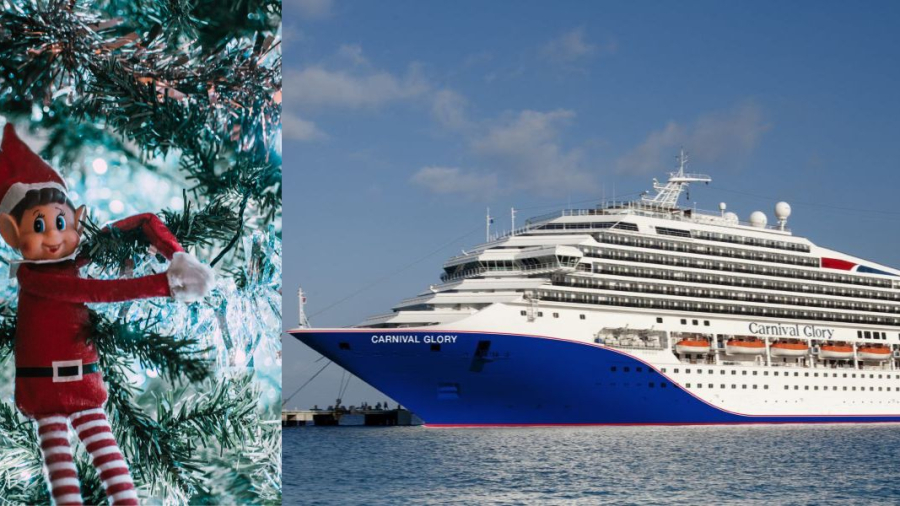
Carnival’s Brand Ambassador, John Heald, has posted a notice on his popular Facebook page to inform guests that the crew will not be able to get involved in ‘Elf on the Shelf’ activities this festive season.
It comes after a guest made a request via John for their elf, ‘Snickerdoodle’, to be interacted with by the cabin stewards and even senior officers for the entertainment of their children.
“We are leaving a week from Saturday for a 7-night cruise,
“Can you arrange for the cabin attendant to put Snickerdoodle in funny places in the room and do crazy stuff each night. We have early dinner so this will need to be done by 10pm latest. Can the captain get involved as well. The boys would find it unbelievable if Snickerdoodle could be filmed driving the ship.”
The guest’s request
The guest carried on to say that they had been taking part in Elf on the Shelf with Snickerdoodle for six years now and that their two children always looked forward to the “crazy” antics.
However, and understandably, Heald had to put out a message confirming that this wouldn’t be possible.
“Can I let all Mums and Dads know there is one thing I cannot do and since I had the first request for this yesterday I thought I should mention it now… I cannot, I really cannot arrange tricks and jokes for your Elf of the Sodding Shelf.
“I know that if I don’t say no here that I will be inundated with Elf requests so I hope everyone understands… I realize that so many children around the world love their Elf. However, I really cant ask the very busy cabin attendant to add to his or her work load by coming up with different ideas every night.”
John Heald’s Facebook post
Heald did suggest, rather generously, that the guest could consider asking their cabin stewards for the elf to be placed in the cabin in a fun position with a towel animal as a one-time event, but that it was impossible for something to be done every night.
Carnival is a popular family cruise line and so you can imagine how much work would be involved if every family on a cruise wanted their elves positioned in different ways every night.
Cabin stewards are already very hard at work to make sure that cabins are kept at their best and that all other regular guest requests are handled quickly
And the senior officers are certainly too busy to be taking photos of an elf steering the cruise ship!
NEW DEALS JUST RELEASED!
See the latest Carnival cruise offers…
Related posts
If you found this interesting, please share!
Jenni Fielding is the founder of Cruise Mummy. She has worked in the cruise industry since 2015 and has taken over 30 cruises. Now, she helps over 1 million people per month to plan their perfect cruise holidays.
Fincantieri has officially delivered the Viking Vela, a 499-suite vessel, during a ceremony in Ancona, Italy, on Tuesday. The newest addition to Viking’s fleet is a testament to the growing…
Australian disability advocate and influencer Shane Hryhorec, known as @wheelaroundtheworld, encountered accessibility challenges aboard MSC Grandiosa during his first-ever cruise. Hryhorec, who boarded the 6,334-guest ship in Marseille for an…
Ambassador Cruise Line has announced three exciting entertainment ventures launching over the next year: a themed “Back to the 80s” cruise, a rock and roll-inspired theatre show, and a playwriting…
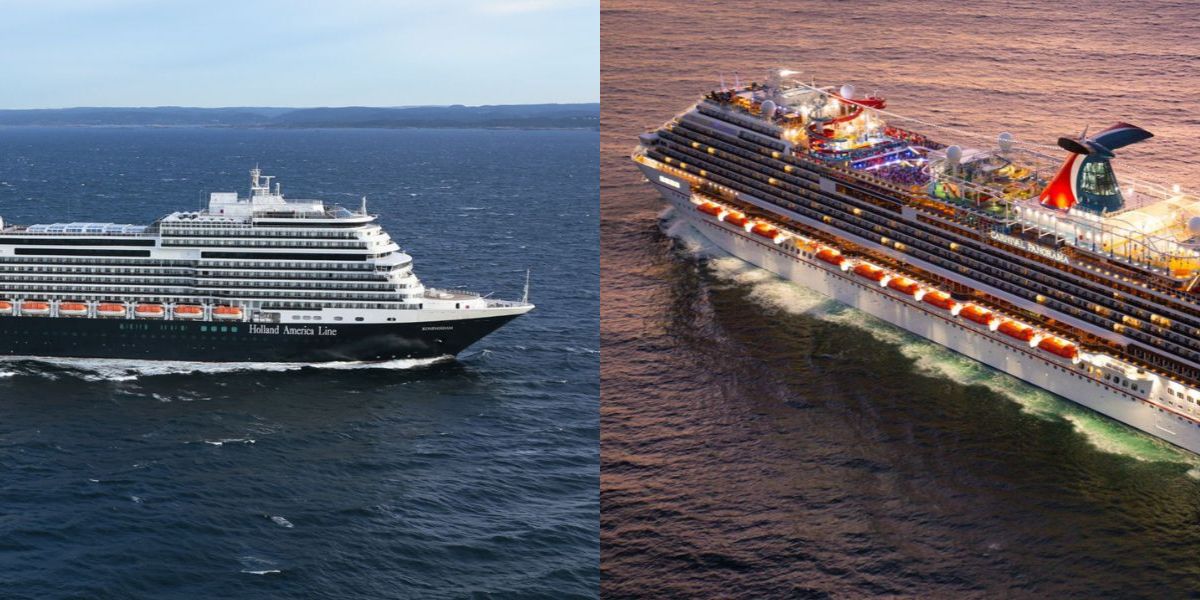
Two medical emergencies on Carnival Corporation ships led to back-to-back airlifts by the United States Coast Guard (USCG) within 24 hours. The rescues took place aboard Holland America Line’s Koningsdam and Carnival…
Mariner of the Seas and Navigator of the Seas are sister ships with very similar Bahamas itineraries. This means that cruisers are often left wondering which ship to choose for the best cruise.
What are the similarities and differences between Navigator and Mariner of the Seas? And which ship is the best? Read on to find out…
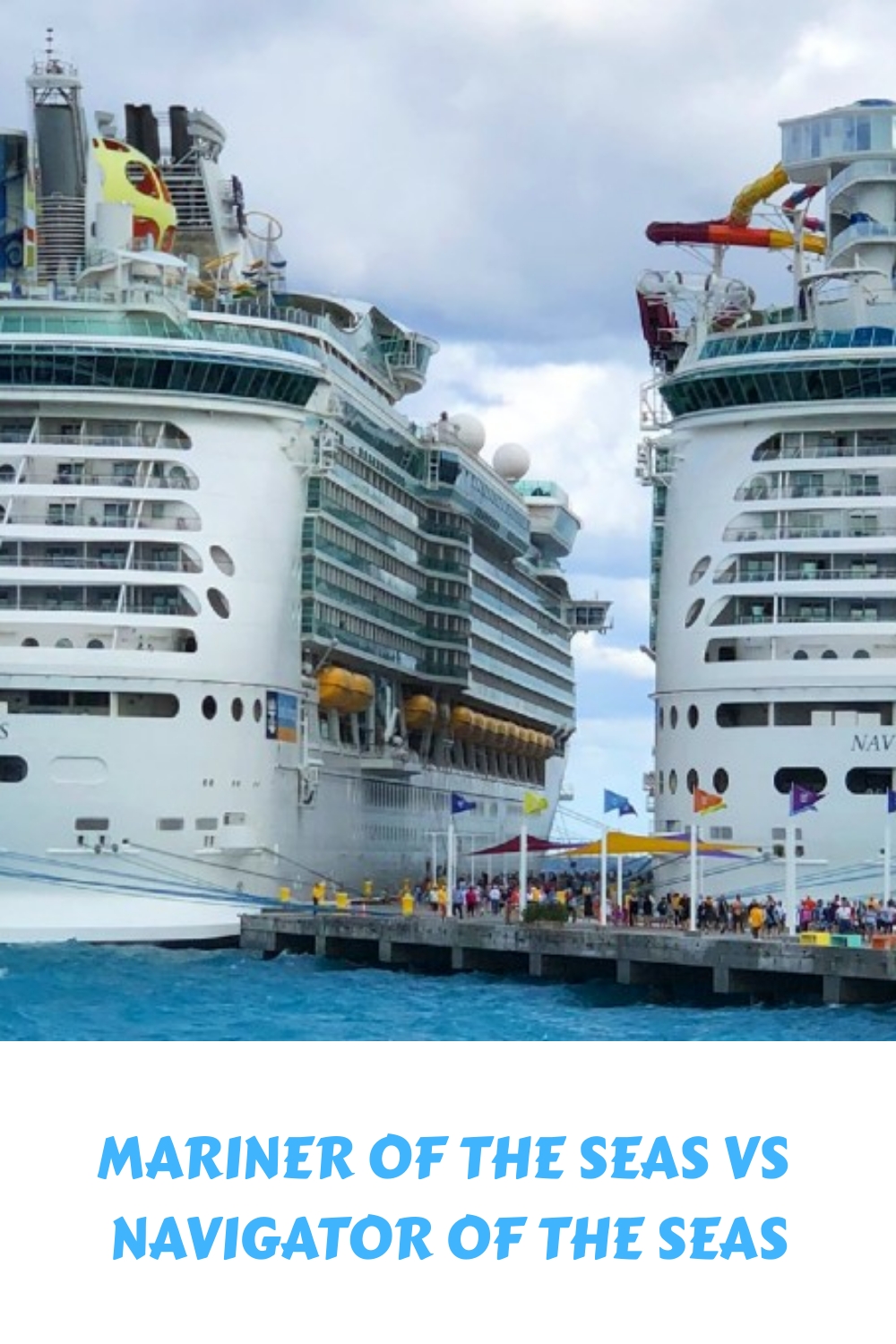
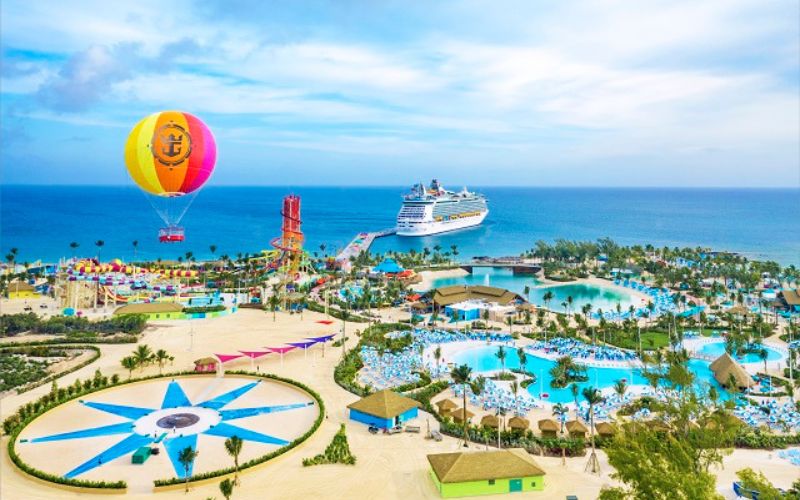
Mariner and Navigator of the Seas at CocoCay
Some background on Navigator and Mariner Of The Seas
Navigator of the Seas was launched in 2002, with Mariner of the Seas following shortly afterward in 2003. They’re both Royal Caribbean Voyager-class ships, along with Adventure, Explorer, and Voyager of the Seas.
Both Navigator and Mariner of the Seas have undergone Royal Caribbean’s ‘Amplification’ programme which upgraded the ships and added new facilities such as the water slides. Mariner was ‘Amped’ in 2018, followed by Navigator a few months later in 2019.
Activities
Mariner and Navigator of the Seas have many of the same activities on-board, with a few key differences.
Pool Deck
One of the main differences between Mariner and Navigator is the pool deck. The pool deck on Navigator of the Seas is nothing short of amazing! It’s bright and colourful with a real tropical vibe, in contrast to Mariner’s pool deck, which looks a bit bland in comparison – though maybe you’ll prefer this if you’re not sailing with kids?
On Navigator, the hot tubs have been moved upstairs for the best ocean views, which has made space for a small splash area by the main pools. If you love spending time by the pool or have young kids who want to splash around, you can’t beat Navigator of the Seas.
Navigator of the Seas pools Photo credit: Royal Caribbean
Water Slides
Another thing that is different on these two ships is the water slides. Each ship has two water slides.
Mariner of the Seas water slides are called Typhoon and Cyclone. These are pretty tame, they’re quite slow, and you don’t get your face wet. The height restriction is 48″ minimum.
Take a look at the video I made of these slides…
Navigator of the Seas’ water slides are The Blaster and Riptide. The Blaster is the longest water slide at sea and uses a raft with fun uphill sections and a section that extends over the side of the ship. The height restriction is 45″ minimum. Riptide, meanwhile, is a head-first mat racer slide with a height restriction of 42″ minimum.
The slides on Navigator are not only better, they’re also suitable for younger kids, making them a win-win.
Other activities
Navigator of the Seas may have the best pool and the best water slides, but sister ship Mariner of the Seas has a couple of extra tricks up her sleeve.
Mariner features the Sky Pad, which is a virtual reality trampoline up on Deck 13. Next to that is the Sky Climber – a huge enclosed climbing frame that was a real hit with my five-year-old.
Leonie on the Sky Pad
Also, on Mariner of the Seas, there’s a really cool window where you can look down into the bridge and watch the crew as they navigate the ship. Look out for that.
The following table shows which activities you’ll find on Mariner and Navigator of the Seas.
Activity
Mariner of the Seas
Navigator of the Seas
Pools and Whirlpools
YES
YES
Flowrider
YES
YES
Rock Climbing
YES
YES
Escape Room
YES
YES
Ice Skating
YES
YES
Sports Court
YES
YES
Casino
YES
YES
Mini Golf
YES
YES
Arcade
YES
YES
Shows
YES
YES
Spa & Fitness Centre
YES
YES
Laser Tag
YES
YES
Riptide & Blaster slides
NO
YES
Kids Spray Park
NO
YES
Sky Pad
YES
NO
Typhoon & Cyclone Slides
YES
NO
Sky Climber
YES
NO
Bridge Viewing Area
YES
NO
Winner – Mariner Of The Seas
The slides might be better on Navigator, but Mariner has slides too, and some really cool stuff like the virtual reality trampolines and the Sky Climber.
Bars and lounges
The two ships each share several bars and lounges, although sometimes they have different names. For example, each ship has a lounge up on Deck 14. On Navigator, this is called the Cosmopolitan Club, whereas on Mariner it’s called the Jazz Club. They’re essentially the same.
Navigator of the Seas does have a couple of extra bars – The R Bar is a retro cocktail bar on Deck 5. Then there’s also ‘To Dry For’, where you can enjoy a drink while you have your hair blow-dried ready for the evening ahead.
Also, Navigator of the Seas features the Lime & Coconut, which is similar to the Pool Bar on Mariner, but better and with more outdoor seating.
The Lime & Coconut Photo credit: Royal Caribbean
The following table shows where you can enjoy a drink on each ship.
Bar
Mariner of the Seas
Navigator of the Seas
Bamboo Room
YES
YES
English Pub
YES
YES
Cosmopolitan / Jazz Club
YES
YES
Playmakers
YES
YES
Schooner Bar
YES
YES
Boleros
YES
YES
Starbucks
YES
YES
Solarium Bar
YES
YES
R Bar
NO
YES
Lime & Coconut
NO
YES
Blow Dry Bar
NO
YES
Pool Bar
YES
NO
Winner – Navigator Of The Seas
Navigator is the clear winner here, with more bars to enjoy and a better poolside drinking experience.
Most of the complimentary dining venues on each ship are exactly the same. You’ll get the main dining room, the Windjammer buffet and Cafe promenade.
Mariner of the Seas has the Dog House, which offers poolside hot dogs, whereas on Navigator of the Seas, the poolside food offering comes in the form of Mexican snack bar, El Loco Fresh.
For the most part, the two ships have very similar speciality dining options, but Navigator has one more – Hooked Seafood.
Izumi features on both ships but with some differences. On Mariner, it’s a Hibachi restaurant with tableside show cooking and a fixed price. On Navigator, however, Izumi offers a Hot Rocks experience and has a la carte pricing.
Izumi show cooking on Mariner of the Seas Photo credit: Royal Caribbean
Johnny Rockets is also different. On Mariner, Johnny Rockets offers sit-down dining in the classic American diner. On Navigator, you’ll find Johnny Rockets Express, which is more of a grab-and-go type place.
The following table shows the dining venues on each ship.
Dining venue
Mariner of the Seas
Navigator of the Seas
Main Dining Room
YES
YES
Windjammer
YES
YES
Cafe Promenade
YES
YES
Chops Grille*
YES
YES
Jamie’s Italian*
YES
YES
Playmakers*
YES
YES
Chef’s Table*
YES
YES
Johnny Rockets*
YES
YES
Izumi Sushi*
YES
YES
Hooked Seafood*
NO
YES
El Loco Fresh
NO
YES
Dog House
YES
NO
* Denotes speciality restaurants (extra charge)
Winner – Navigator Of The Seas
El Loco Fresh trumps the Dog House every time. This casual Mexican cafe offers burritos, carnitas and more which you can customise as you desire. If you’re a vegetarian or vegan, then the Dog House has nothing for you, whereas El Loco Fresh has plenty.
Destinations
Each Royal Caribbean ship has a home port where guests embark and disembark the ship. These are as follows:
Departure ports:
Mariner of the Seas – Galveston, Texas
Navigator of the Seas – Los Angeles, California
Both ships have offered cruises from a range of home ports in the past, including the popular Florida ports, but as of right now they’re sailing from different parts of the US.
This does mean that neither ship currently offers cruises to Royal Caribbean’s private resorts of Labadee or Perfect Day at CocoCay. If you want to sail to those destinations, you’ll need to choose a different ship.
Both ships sail to Mexico, instead, but different coasts. Navigator’s the ship to choose from cruises to Ensenada and Cabo San Lucas on the west coast, while Mariner offers cruises to destinations such as Cozumel on the east coast.
Winner – Tie
Honestly, both ships offer a unique perspective on Mexico and it’s hard to pick a clear winner. If you were only choosing between these two ships, there’s a good chance that your destination choice would depend on which port was easier for you to get to.
The verdict
So, Navigator of the Seas vs Mariner of the Seas – which one wins? Both are fantastic ships, and it wouldn’t really be fair to say that one was any better than the other.
However, there are some subtle differences between them. If in doubt, take a close look at the itineraries on offer and any differences in price once you’ve factored in flights before making your decision.
NEW DEALS JUST RELEASED!
Don’t miss the latest Royal Caribbean offers…
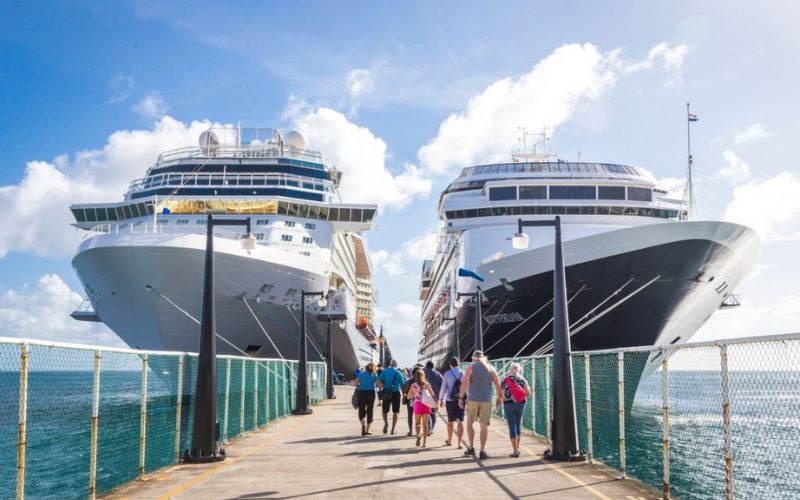
I saw both ships side by side at CocoCay
Related posts:
If you found this interesting, please share!
Jenni Fielding is the founder of Cruise Mummy. She has worked in the cruise industry since 2015 and has taken over 30 cruises. Now, she helps over 1 million people per month to plan their perfect cruise holidays.
A cruise vacation is a dream getaway, but why let the adventure end when the ship docks? By adding a stay at a perfectly located hotel or rental, we can extend the magic and explore even more of the destination. Whether it’s a beachfront retreat, a cozy city escape, or a luxurious resort, the suitable accommodations can make our trip unforgettable. Having the right travel bags is essential to maximize your journey. Choosing the perfect luggage can ensure your belongings stay organized and secure as you explore new places.
Why Consider Extending Your Cruise Vacation
Extending your cruise vacation with pre- or post-cruise stays can elevate your travel experience. Adding extra days to your trip gives you several advantages that enhance convenience and enjoyment.
One compelling reason to extend your stay is to maximize the value of your flight. Traveling to the embarkation port is already necessary, so arriving earlier or staying after the cruise often makes financial sense. Airfare costs can remain consistent, and sometimes extending your itinerary lowers total expenses for multi-day trips.
Avoiding travel stress is an equally significant benefit. Rushing from the airport to the ship on embarkation day can be overwhelming. By arriving early, you’re more relaxed, with sufficient time to adjust after a long flight. This proactive approach minimizes the risks of delays and cancellations affecting your schedule, ensuring a hassle-free start to your cruise.
Exploring embarkation or disembarkation cities is another appealing aspect of extending vacation plans. Iconic destinations like Miami, Barcelona, or Singapore offer exceptional experiences for travelers who allocate extra time. Whether visiting historic landmarks, trying local cuisine, or immersing yourself in vibrant culture, extended stays allow a deeper connection with your port cities.
Enhancing your overall trip with pre- or post-cruise stays adds variety to the typical pace of cruise vacations. Platforms like Got2Go simplify the search for well-located hotels or rentals, creating an extended adventure that feels seamless and enriching.
Benefits Of Staying In Perfectly Located Hotels And Rentals
Choosing accommodations near cruise ports or attractions improves the overall travel experience, merging convenience with added comfort.
Proximity To Ports And Attractions
Selecting hotels or rentals close to major cruise ports minimizes travel hassles. Locations in Miami, Ft. Lauderdale, and Port Canaveral often include free shuttles, simplifying transfers. Being near vibrant destinations like Paris, Rome, or Las Vegas allows seamless access to iconic landmarks and cultural sites while saving time for more exploration. Convenience meets opportunity, making every moment impactful.
Enhanced Comfort And Convenience
Strategically located hotels reduce travel anxiety. Staying close to ports ensures timely arrivals and eliminates concerns about delays. Rentals with amenities like luggage storage or day-use options also ease transitions between disembarkation and departure. By prioritizing comfort, the vacation remains hassle-free and enjoyable.
Added Exploration And Relaxation Opportunities
Ideally situated accommodations let us maximize time exploring local gems. Every option adds to the adventure, from seaside retreats near Mediterranean beaches to city-center rentals with panoramic views. Travelers can unwind at renowned spots or broaden their horizons with curated experiences in cities like Barcelona or Singapore.
Choosing The Right Hotels And Rentals
Extending a cruise vacation offers opportunities to explore new destinations. Selecting the right accommodations ensures both comfort and convenience.
Key Factors To Consider
Location plays a critical role when choosing a place to stay. Hotels or rentals near cruise ports or city centers save time and simplify travel logistics. For instance, accommodations near Port Miami or Barcelona’s cruise terminal give guests quick access to ships and major attractions.
Amenities significantly enhance the experience. Some hotels provide breakfast, airport and port transfers, and guided tours or excursions. These add-ons can reduce planning efforts and boost overall value.
Budget considerations guide many travelers. Options range from affordable boutique hotels and B&Bs to premium resorts and vacation rentals. Sites like Airbnb offer diverse choices suitable for families or large groups. Reviews and ratings offer trusted insights into quality. Verified listings with consistently high ratings help avoid unexpected issues.
Recommended Accommodation Options
Highly rated hotels stand out in embarkation or disembarkation cities. Properties like the InterContinental Miami, located minutes from Port Miami, combine proximity with premium services. Similarly, in Barcelona, options like Hotel Arts offer luxurious stays with stunning views of the Mediterranean.
For budget-friendly alternatives, 3-star properties or well-reviewed chain hotels provide dependable facilities without extra costs. Unique vacation rentals often deliver home-like comfort in prime city locations.
Top Destinations For Extended Cruise Stays
Extending a cruise vacation unlocks opportunities to explore vibrant cities, rich cultures, and hidden gems. Ideal destinations near popular ports enhance the experience by offering unique stays and attractions.
Popular Port Cities With Ideal Stays
Rome, Italy, attracts visitors with iconic landmarks, including the Colosseum, Sistine Chapel, and Vatican City. Many Mediterranean cruises use Rome as a starting or ending point, making it a convenient hub for cultural explorations. Like Hotel de Russie, hotels near the city center combine luxury with accessibility.
Barcelona, Spain, blends stunning architecture, lively beaches, and Catalan culture. As a frequent embarkation and disembarkation city, it offers travelers a chance to enjoy attractions like La Sagrada Familia and Park Güell. Staying at accommodations such as the Hotel Arts Barcelona ensures comfort and proximity to the port.
Lisbon, Portugal, captures hearts with historic neighborhoods, castles, and scenic tram rides. Frequently serving as a departure city for transatlantic cruises, it offers a relaxed yet immersive experience. Boutique hotels like Memmo Alfama provide charm and easy access to attractions.
Buenos Aires, Argentina, showcases its vibrant nightlife and tango culture while drawing food enthusiasts with its renowned steaks. Popular for launching South American cruises, it offers visitors an energetic urban experience. Lodgings like Alvear Palace Hotel bring elegance to the stay.
Off-The-Beaten-Path Getaways
Smaller, less-known destinations around these port cities add a quieter dimension to extended travels. Tivoli, near Rome, features UNESCO World Heritage sites like Villa d’Este and Villa Adriana, offering a serene escape from the bustling capital.
Sitges, near Barcelona, combines Mediterranean charm with less crowded beaches. Its art scene and quaint streets make it an ideal retreat for those craving a slower pace before or after a cruise.
Sintra, a short drive from Lisbon, enthralls visitors with its romantic castles, such as Pena Palace and Quinta da Regaleira. Its picturesque setting provides a contrast to Lisbon’s urban rhythm.
Tigre, close to Buenos Aires, offers travelers a unique riverside experience. Boat tours along the delta and artisan markets inject a peaceful yet culturally rich flavor into pre- or post-cruise stays.
Travel Tips For A Seamless Transition
Booking And Logistics
Selecting the suitable accommodations simplifies transitions between your cruise and extended stay. Pre- and post-cruise packages provided by cruise lines or travel companies are great options, including stays at proven hotel brands like Marriott, Hilton, and Four Seasons. These packages often combine premium amenities with convenience, helping us avoid fragmented logistics.
Locating hotels near cruise ports offers additional benefits, especially for embarkation and disembarkation days. Many accommodations close to ports provide services like free shuttles near airports or key city landmarks. For added ease, we should pre-arrange airport, hotel, and cruise port transfers at fixed rates, reducing issues with local transportation hassles.
Packing Essentials For Extended Stays
Preparing for an extended trip means packing efficiently. Lighter luggage makes moving seamlessly between the cruise, hotel, and city explorations easier. Essentials such as versatile clothing, comfortable walking shoes, and electronics adapters should be prioritized. Packing toiletry basics and laundry items like compact detergent sheets helps us manage extended stays with minimal inconvenience.
For pre-and post-cruise exploration, a foldable day pack ensures quick access to items during city tours. Travel documents, hotel reservations, and cruise boarding passes are best stored in an organized folder or travel wallet. These essentials ensure a stress-free transition while extending the joy of travel beyond the cruise experience.
Conclusion
Extending your cruise vacation with a well-chosen hotel or rental transforms your trip into a more decadent, more fulfilling adventure. It’s an opportunity to explore vibrant cities, unwind in serene settings, and make the most of your travel investment.
Staying near cruise ports or iconic attractions will give you added convenience and a smoother travel experience. Whether it’s a luxury resort, a cozy boutique hotel, or a unique rental, the right accommodation ensures comfort and ease.
With thoughtful planning, those extra days before or after your cruise can create unforgettable memories and elevate your journey to new heights.
San Antonio’s Historic District is a cultural, charm, and history treasure trove. From its cobblestone streets to the iconic Alamo, every corner tells a story waiting to be discovered. I’ve always found this area to be the perfect blend of old-world allure and modern-day vibrancy, making it an unforgettable destination for any traveler.
Whether strolling along the San Antonio River Walk or exploring centuries-old missions, there’s no shortage of experiences to immerse yourself in. The district invites you to slow down, soak in the atmosphere, and truly connect with its rich heritage. Let me guide you through the best ways to make your stay here memorable.
Exploring the Charm of San Antonio’s Historic District
San Antonio’s Historic District is captivating with its blend of landmarks, vibrant architecture, and cultural experiences. Walking along the cobblestone streets unveils historic structures, like the Spanish Governor’s Palace, offering a glimpse into the city’s colonial past. Guided tours provide enriched storytelling for those exploring key sites.
The Alamo stands as a testament to Texas history, drawing visitors year-round. I recommend visiting early to avoid crowds while fully appreciating its artifacts and exhibits. The nearby San Fernando Cathedral, one of the oldest cathedrals in the U.S., features mesmerizing evening light shows retelling the district’s history.
Exploring the River Walk allows visitors to indulge in scenic beauty and local cuisine. Dining options range from Tex-Mex eateries like Casa Rio to fine-dining establishments, providing a culinary journey reflecting the city’s heritage. Shopping at boutique stores along the River Walk adds another dimension to the charm.
I suggest combining sightseeing with leisure by staying close to the district. San Antonio extended stay hotels often place travelers within walking distance of historic landmarks, ensuring convenient access and immersion in the district’s ambiance. These accommodations provide amenities for longer visits ideal for comfort and exploration balance.
The San Antonio Missions National Historical Park’s historical missions are UNESCO World Heritage Sites. I recommend Mission San José for its grandeur and detailed carvings. Reaching these missions is simple via a short trek on the Mission Reach trail, a serene addition to any itinerary.
The district’s charm lies in its seamless history, culture, and recreation mix.
Top Attractions to Visit
San Antonio’s Historic District offers diverse attractions combining history, culture, and entertainment. Visitors can experience must-see landmarks and vibrant local experiences close to the district.
The Alamo
The Alamo serves as a symbol of Texas’ fight for independence. It features original buildings and historical artifacts in the heart of San Antonio’s Historic District. Audio tours provide detailed explanations of the 1836 battle and its significance. Early visits are best for avoiding crowds and accessing photo opportunities. Adjacent green spaces provide spots for reflection or relaxation. Staying near the area in San Antonio extended stay hotels ensures plenty of time to explore this national historic landmark.
San Antonio River Walk
The San Antonio River Walk is a relaxing escape featuring waterside pathways lined with shops, restaurants, and galleries. Guided boat tours allow visitors to appreciate the river’s charm, with stops at vibrant districts like La Villita Arts Village. Local dining ranges from traditional Tex-Mex to gourmet cuisine, catering to varied tastes. With accommodations at nearby San Antonio extended-stay hotels, spending evenings strolling under lit bridges adds to the experience.
Historic Market Square
Historic Market Square is a lively cultural hub offering authentic Mexican goods, live music, and food. The sprawling market invites visitors to explore artisanal crafts, leather goods, and festive décor in over 100 locally-owned shops. Nearby dining options include popular spots serving homemade tamales and churros. Weekend performances enhance the vibrant atmosphere, making it an excellent family stop. Staying close by ensures easy access to this iconic destination during your visit.
Best Places to Stay
San Antonio’s Historic District offers a range of lodging options to match every traveler’s preferences. Staying within the area ensures proximity to its iconic landmarks and attractions.
Boutique Hotels
Charming boutique hotels provide an intimate experience with personalized service and unique decor. Hotel Havana, located near the River Walk, features a vintage Cuban theme and a rooftop bar with stunning views. If you prefer a luxurious stay, The Fairmount Hotel, a historic gem, blends Victorian elegance with modern comforts. Smaller options like the O’Brien Hotel offer cozy rooms steps from major attractions, including the Alamo. For eco-conscious travelers, Inn on the River stands out with its sustainable practices and serene riverside location.
These boutique accommodations create a unique atmosphere, combining modern amenities with historic charm. They’re excellent for a short visit or as part of San Antonio’s extended-stay hotel options.
Vacation Rentals
Vacation rentals provide spacious, home-like accommodations ideal for families or larger groups. Options throughout the district range from modern condos near the River Walk to charming historic homes with original architecture. Many rentals come equipped with full kitchens, enabling longer stays while offering convenience and value.
Airbnb and Vrbo frequently feature properties with courtyard gardens or balconies overlooking the district’s historic streets. Staying in rentals near King William Historic District offers an authentic experience surrounded by 19th-century mansions and quiet trails. This option perfectly combines comfort and the chance to explore San Antonio at your own pace.
Local Dining Experiences
San Antonio’s Historic District delivers an unmatched culinary scene, blending heritage with bold flavors. From Tex-Mex classics to artisan pastries, each eatery offers a taste of local culture.
Iconic Tex-Mex Restaurants
San Antonio’s Historic District excels in authentic Tex-Mex dining. Casa Rio on the River Walk serves enchiladas and tamales alongside scenic views. Mi Tierra Café y Panadería, located in Historic Market Square, offers vibrant décor and traditional dishes like carne guisada. A local favorite, Rosario’s delivers modern Tex-Mex creations, such as chicken enchiladas suizas. Expect hearty portions and robust flavors at all these locations.
Cozy Cafes and Bakeries
Charming cafes and bakeries abound in the district. La Villita Café, nestled in the arts village, provides relaxed outdoor seating and specialty coffee. Bakery Lorraine in the Pearl offers artisanal pastries like macarons and seasonal tarts. For a vintage vibe, visit CommonWealth Coffeehouse for French-inspired pastries in a restored carriage house. Each spot delivers quality brews and baked goods in inviting settings.
Activities and Entertainment
San Antonio’s Historic District offers diverse activities and attractions, ensuring a memorable stay. From guided tours to vibrant evening experiences, the district caters to various interests.
Guided Tours and Museums
Engaging tours and historic museums provide insight into the district’s rich past. Walking tours explore landmarks like the Alamo and King William Historic District, led by knowledgeable guides sharing captivating stories. I recommend a River Walk boat tour that combines sightseeing with local history for a unique perspective.
Museums like the Briscoe Western Art Museum showcase Texas’ cowboy culture, while the Witte Museum blends science and history exhibits. Another must-see is the San Antonio Museum of Art, where I discovered an extensive collection spanning centuries and cultures. These spots ensure an enriching exploration of San Antonio’s heritage.
Evening Entertainment Options
The district transforms at night with entertainment for every mood. Live music venues like Jazz, TX, located within Pearl Brewery, deliver unforgettable performances. For a more relaxed vibe, I suggest enjoying the light show at San Fernando Cathedral, which beautifully narrates San Antonio’s history.
Dining comes alive in the evening, with rooftop restaurants on the River Walk offering scenic views. Night owls can explore popular spots like Esquire Tavern for cocktails in a lively setting. Combining dining, music, and cultural experiences creates a vibrant nightlife scene.
Tips for a Memorable Stay
Making the most of your time in San Antonio’s Historic District involves thoughtful preparation and local insight. From packing smartly to getting around efficiently, a little planning ensures a genuinely enriching experience.
Packing Essentials
Include versatile clothing suitable for San Antonio’s warm climate during the day and cooler evenings. Light, breathable fabrics and comfortable walking shoes are essential, especially for exploring cobblestone streets and historic missions. Carry sunscreen, sunglasses, and a refillable water bottle to stay protected and hydrated under the Texas sun. For those planning to visit museums or higher-end dining spots, pack an outfit suitable for semi-casual attire.
If staying in one of San Antonio’s extended-stay hotels, consider items like travel-sized detergents to use the in-room laundry amenities. A small backpack for day trips helps carry snacks, maps, or souvenirs from local shops and Market Square. Don’t forget a camera or smartphone to capture the district’s vibrant street scenes and historical landmarks.
Navigating the Area
Start by familiarizing yourself with the district’s major landmarks, such as the Alamo and the River Walk, which serve as helpful orientation points. Walking is the best way to experience the charm of the Historic District, but public transportation, including buses and VIA streetcars, provides convenient access to broader city attractions. Ride-sharing apps are also readily available for quick travel between destinations.
Consider using the Mission Reach trail for a scenic route connecting the city’s historic missions. I recommend staying near the district for evening outings, where accommodations like boutique hotels or vacation rentals minimize travel complexity. If staying in San Antonio extended stay hotels within the district, ask the concierge for area maps, schedules for guided tours, or tips on lesser-known spots that enhance the experience.
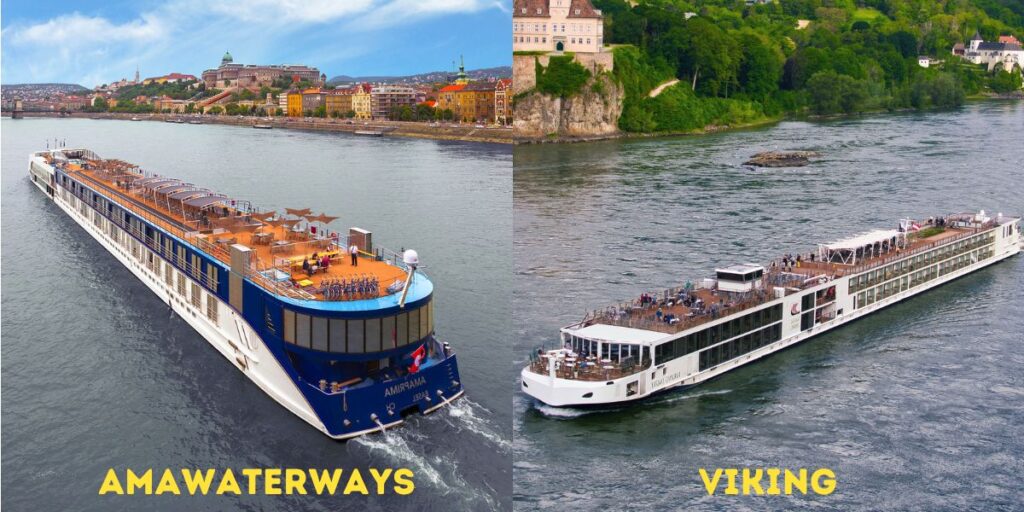
AmaWaterways and Viking River Cruises are both popular river cruise lines, and both boast luxurious cruise holiday experiences. They also offer similar destinations across European and Asian waterways as well as Africa, United States and beyond.
So which is better? How do they compare if you have to choose between them?
On the surface (pun intended) they have a really similar onboard experience and inclusions but take a deeper look and you’ll see there are key differences that could make or break your ideal river cruise experience.
Read on for all the information and advice you need to sway your decision and pick the one that’s right for you….
Ships
The river cruise holiday is very different from ocean cruising, including the size of the ships, which feel like boutique hotels with under 200 guests per ship. Onboard you’ll find it’s more intimate, and you’ll get to know your fellow passengers and the crew really well.
With more limited dining options, lounges with low-key entertainment, a luxurious guest-to-crew ratio and excursions included in the price of your cruise!
There is one key similarity between river and ocean cruises and that is that there is a cruise line for everyone! Each with its own personality, inclusions and key differences in the designs of the ships. So, let’s take a look at how AmaWaterways’ ships compare to Viking’s river ships.
AmaWaterways’ ships
A family-owned company, AmaWaterways was founded in 2002 and has 31 luxury ships sailing the rivers of Europe, Asia and Africa.
AmaWaterways’ ships offer capacity for no more than 24 to 164 guests and are amongst the newest vessels currently operating on the rivers. They are multi-award winning and in the Berlitz Cruises Guide, they hold 6 of the top 10 spots!
The fleet is young, with the oldest ship entering service in 2009 and more still being built, including AmaSofia.
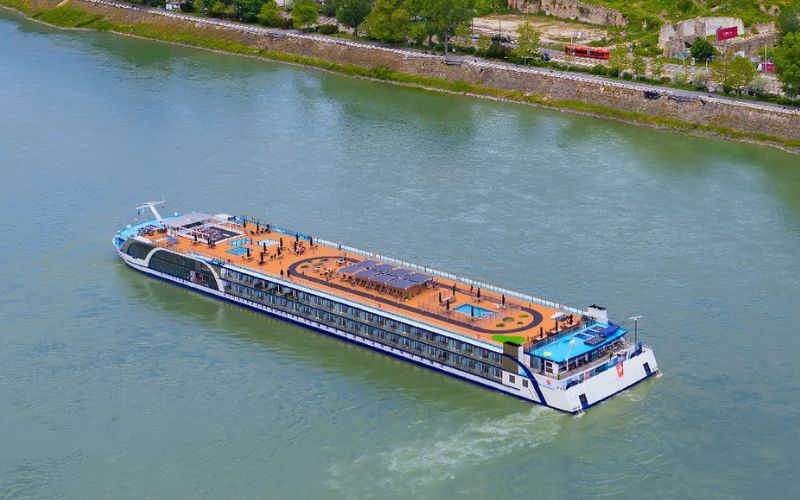
AmaWaterways’ European river cruise ships each have a guest capacity of 150 guests on average. The fleet’s largest ship the AmaMagna (2019) welcomes up to 196 guests and is double the width of other vessels!
AmaMagna
The ships based in Asia are much smaller, accommodating 60 passengers on average and entering service between 2014 and 2016. Chartered ships for APT River Cruises and Travelmarvel vary and can welcome up to 124 passengers.
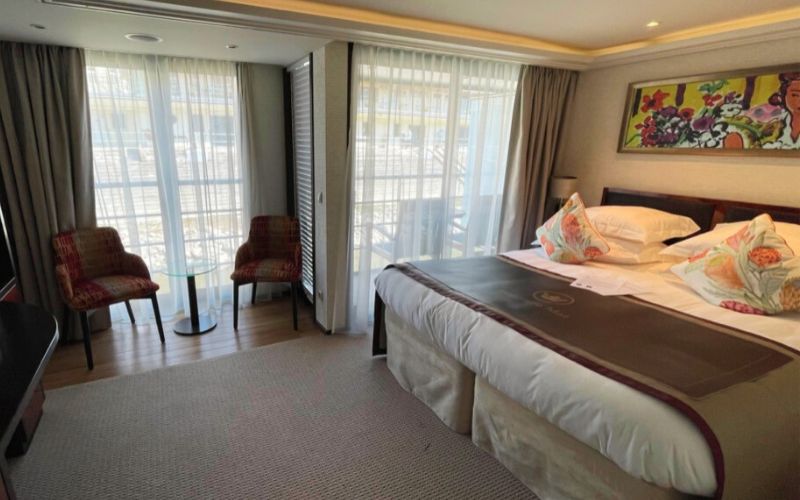
AmaWaterways are known for their spacious staterooms and from personal experience they are bigger than most, with seating, generous bathrooms and wardrobe space. The best are those with a twin balcony, which includes outdoor seating and a french balcony with floor-to-ceiling doors the full length of your cabin.
I was lucky enough to stay in one of those recently. Take a look at my cabin below…
Viking River ships
Viking’s fleet is the largest of all the river cruise lines, with a staggering 82 ships in service as of 2024 – 58 of which are the iconic Viking Longships that sail in Europe. There are additional ships in Europe too – another 12 smaller ships sailing the Douro, Elbe and Seine.
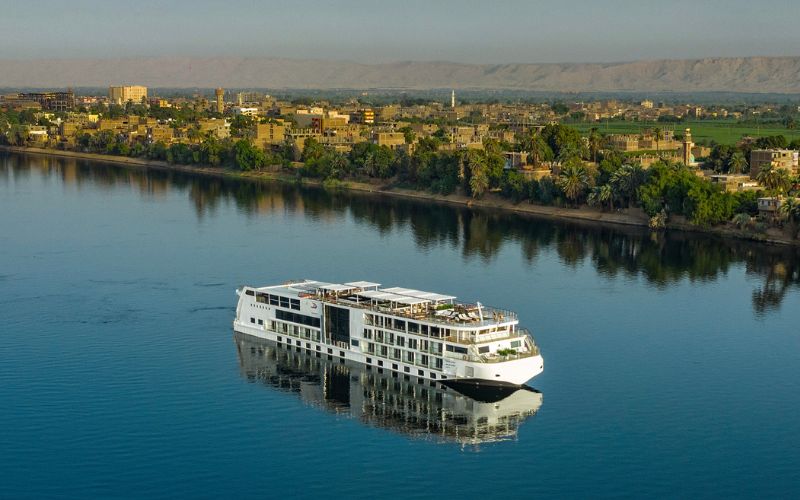
Others in the fleet such as Viking Mississippi (2022) sail the iconic Mississippi and the cruise line now has 10 ships in Egypt, specifically built to navigate the Nile River. There’s also the Viking Saigon, which sails on the Mekong River.
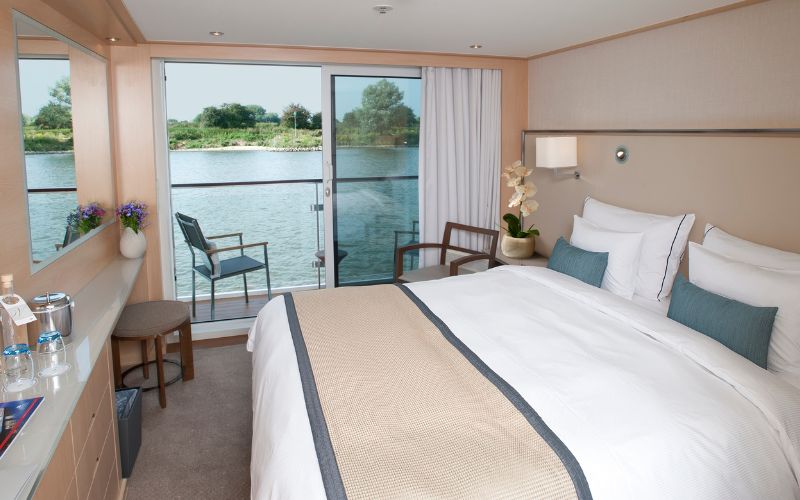
The award-winning Viking Longships get you closer to the destination, showcasing Scandinavian design as they’ve re-mastered the hallways and bow to maximise guest capacity and space. They provide high levels of comfort, thanks to spacious staterooms with full-size verandas, the largest suites on Europe’s rivers and the most al fresco dining.
There’s a wide choice of accommodation onboard each Viking ship, from functionally well-designed staterooms to luxurious Explorer Suites affording 270-degree views.
Destinations
The majority of AmaWaterways and Viking’s river cruises are in Europe, with the most popular cruised rivers being the Rhine, Douro and Danube. But both offer worldwide river cruise options, including Africa, Asia and The Americas.
AmaWaterways’ destinations
AmaWaterways’ most popular European itineraries include the Rhine, the Main, the Danube, as well as the Seine and the Douro.
Worldwide they have ships along the Mekong through Cambodia and Vietnam, as well as safari and wildlife cruises on Africa’s Chobe river, in Botswana, Namibia, South Africa, Tanzania, Zimbabwe.
Plus you can discover the land of pharaohs and pyramids on a Nile River cruise and land adventure through Egypt. In 2024, it became the first-ever river cruise line to sail the Magdalena River in Colombia and Panama.
Viking River Cruise destinations
Thanks to the sheer number of Viking river ships in Europe, the cruise line offers a wide choice on sailing dates, and for the most part their destinations match those of AmaWaterways.
Viking also offers winter cruises on the Rhine, during the period when almost all river cruise lines take a pause each year.
Viking covers all of the most popular rivers but doesn’t visit South America or India, although it does have the Mississippi as an option.
Food
Dining on river cruises is a special experience and is one that river cruise lines are especially proud of. Viking’s and AmaWaterways’ river cruises are no exception, with high-quality food and a wide range of choices for even the pickiest of eaters.
All are well-catered for onboard a Viking or AmaWaterways river cruise. Unlimited wine, soda and beer are available in the restaurants through lunch and dinner onboard. AmaWaterways cruises also include the option of complimentary sparkling wine with breakfast!
You’ll enjoy most meals in the main dining room, but both Viking and AmaWaterways offer alternative dining venues to mix things up throughout your cruise.
AmaWaterways’ food
The quality of food onboard AmaWaterways is indicative of the river cruise company’s dedication to AmaWaterways’, and President Rudi Schreiner’s, induction into La Confrérie de la Chaîne des Rôtisseurs. It’s a prestigious international gastronomic society dedicated to fine cuisine. Founded in Paris in 1950, it is the oldest and largest food and wine society in the world.
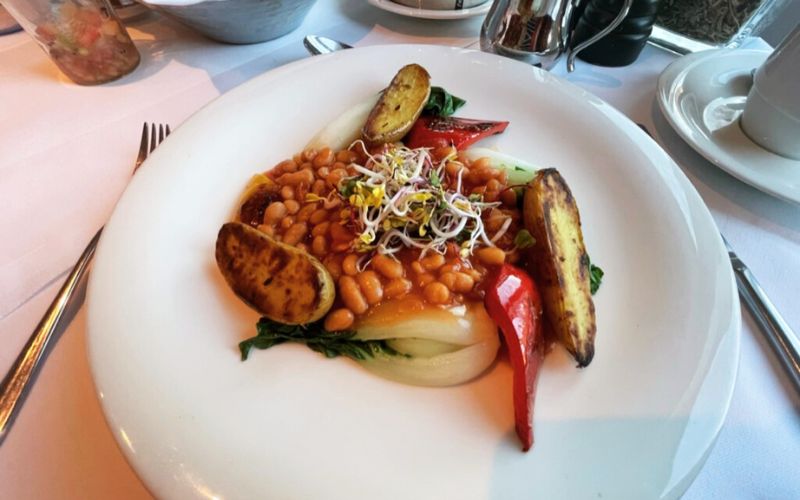
Dining experiences include welcome and farewell cocktails and canapes, daily a la carte breakfast and a lunch that includes local favourites — like goulash while cruising through Hungary, bratwurst and sauerkraut after your tours in Vienna, or Camembert cheese and Bordeaux while on the Seine.
Dining options on AmaWaterways ships include Al Fresco Restaurant dining on the AmaMagna (weather permitting), lunch in the main restaurant, four-course dinners at the Chef’s Table and daily afternoon tea or tapas between meals in the Main Lounge. There’s also complimentary room service available for continental breakfast.
Viking’s food
Pairing your destination with the menu is nothing really new, but it’s such an enriching part of the experience, and Viking elevates local delicacies with their talented culinary teams.
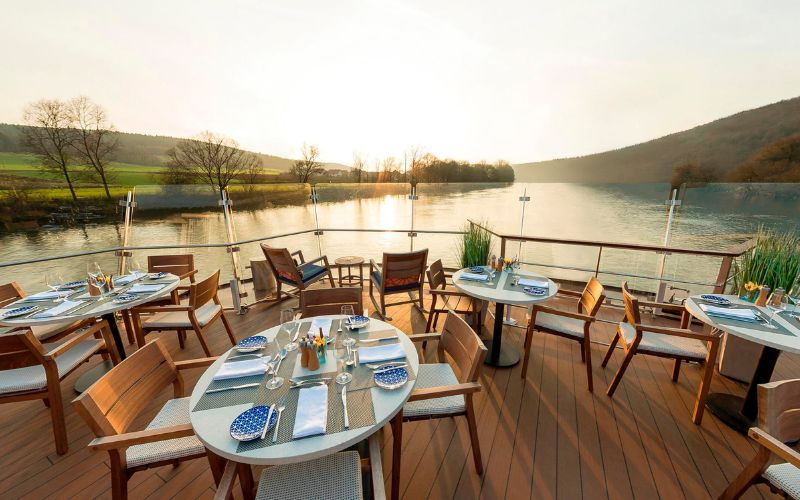
On most Viking ships there are two dining venues – the Restaurant, which is the main dining venue, and the Aquavit Terrace, which is the alfresco venue.
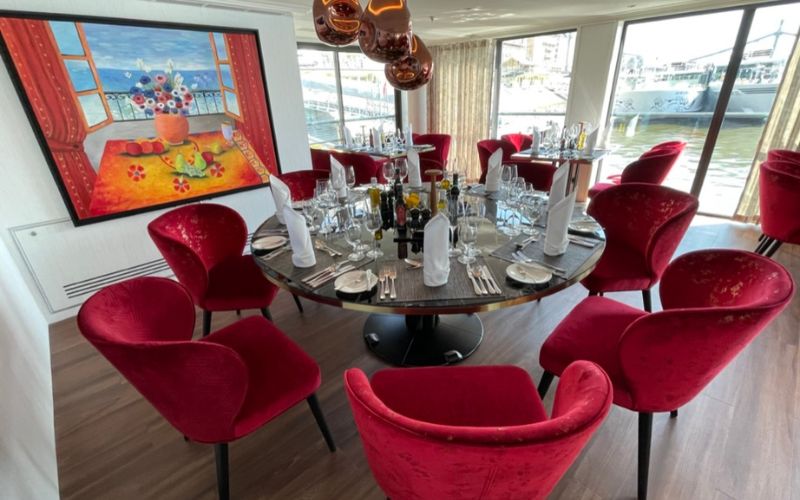
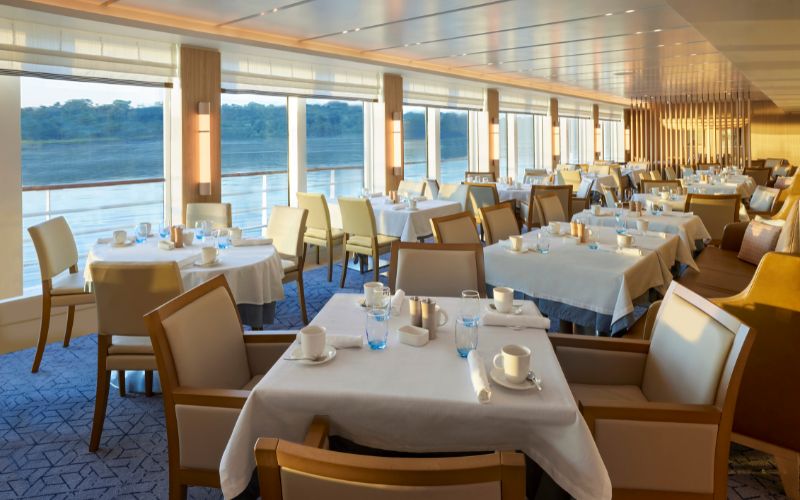
The Restaurant offers a traditional dining experience, with white linen cloths and exceptional service for regional cuisine and classic favourites available to choose from. The popular Aquavit Terrace offers a different view every day as you sail Europe’s rivers. You can dine here for breakfast or lunch in a relaxed and inviting atmosphere, perfect on a sunny day.
Just like AmaWaterways, Viking also offers both welcome and farewell cocktails. With a special Captain’s Dinner, a five-course meal that encourages you to don your bling and enjoy your final night onboard.
Activities and entertainment
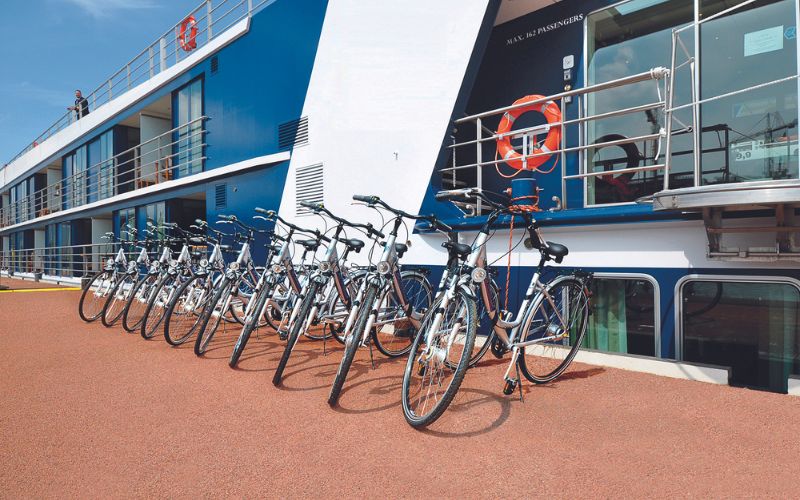
If you’ve only experienced ocean cruises, you may be underwhelmed by the choice of activities and entertainment onboard a river cruise. But remember a river cruise focuses on the destinations you visit. You get so much shore time, and excursions, tours and even bike hire are included in your cruise fare.
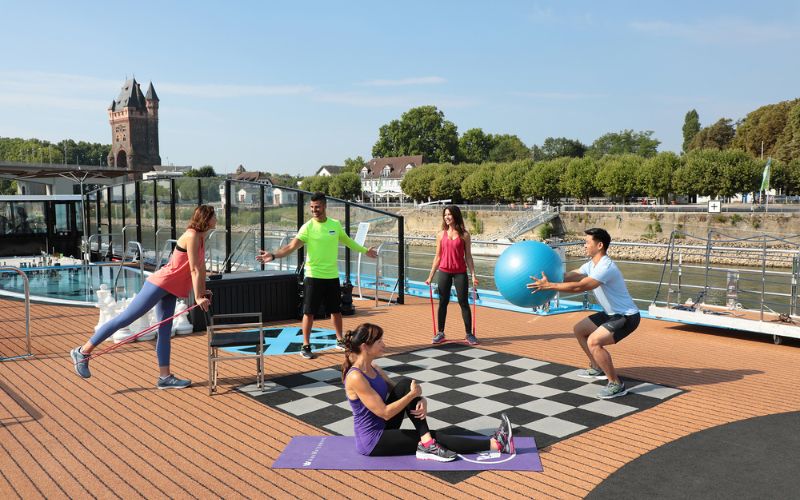
Both AmaWaterways and Viking river cruises do however still offer a lot onboard. From yoga classes on the sundeck to talks on the destination, lounge singers and even a swim-up bar (AmaWaterways) to mingle with your fellow travellers.
You must be aged 18 or older to enjoy a Viking river cruise, this age limit is very strict. With the exception of AmaWaterways’ Africa Safaris & Wildlife Cruise where the age limit is 12, children as young as 4 are permitted on board.
However, there are no dedicated activities or facilities for kids. If you’re planning a river cruise with the family, check out this guide to the best river cruise lines for families.
Things to do on an AmaWaterways cruise
Like to stay active on your river cruise? AmaWaterways’ river cruises have Wellness Hosts. So in addition to morning stretching, core strengthening, resistance band classes and active wellness walks, you may be able to participate in Yoga, Tai Chi or Meditation depending on the host’s expertise. There’s also a state-of-the-art fitness centre.
If you’re interested in more relaxing and pampering endeavours, you might want to make an appointment with the Spa, or hair salon. Take some time to unwind, relax with massage services, facials and more.
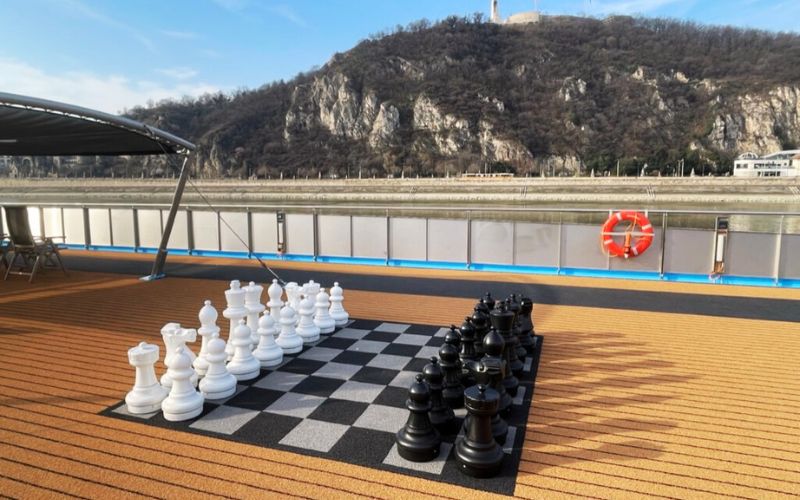
On the sun deck throughout the day, you’ll find your fellow travellers by the pool with a swim-up bar, relaxing in the sun loungers or maybe competing with the giant chess boards.
Nighttime entertainment is low key, with lounge singers, local entertainers and talks about the next day’s itinerary from your Cruise Directors. These are not to be missed, as it’s a good chance to make sure of your choice of excursions the following day, and you’ll learn the all-important joining instructions for your tour.
Things to do on a Viking ship
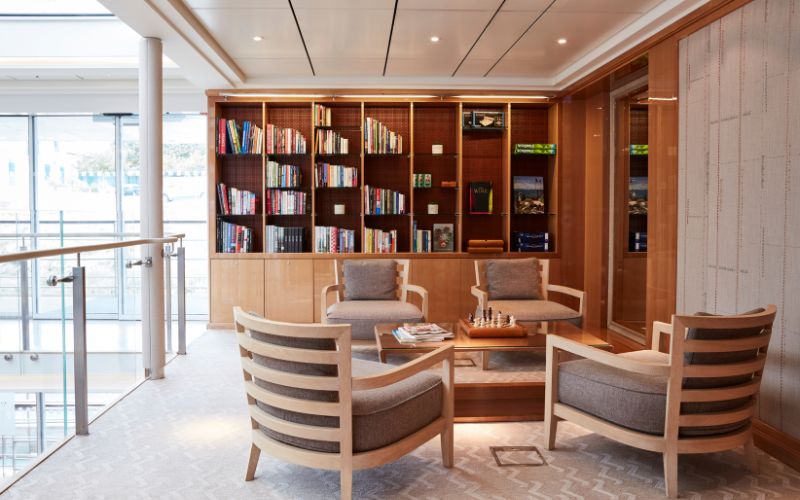
Viking also has plenty of sun deck action for your river cruise. Choose from the walking track and sports deck, or grab a book from a curated library dedicated to your destinations, all hand-picked to enrich your cruise experience.
From the comfort of your room, you can watch videos on each of your ports of call. These are unique to Viking and you can watch them at your leisure. They shed light on your destinations and compliment the guest lectures and port talks.
Local artisans board throughout your cruise, offering demonstrations in glass-blowing, or lace-making. It’s an opportunity to taste local cuisine and wine. There’s also the opportunity to buy from them, supporting local businesses – just check you have enough room in your suitcase!
Destination Performances take place at least once on your itinerary, where local performers, singers, choirs and other ensembles join you onboard for further enrichment and immersion of your destination.
Price
Both AmaWaterways and Viking river cruises are similar in terms of price and value, though this can depend on unique offers, destinations and sailing dates.
However, one important distinction to make is that the price of Viking river cruises usually includes flights, transfers, taxes and fees.
AmaWaterways do offer reduced airfares and even some free flights on selected cruise itineraries. So, check the inclusions and determine your overall prices before deciding on which gives you the most for your money.
AmaWaterways’ prices
An eight-day Douro cruise sailing from Porto to Porto with AmaWaterways starts at around £3,000pp, based on a Category E Stateroom with Panoramic Window at double occupancy.
AmaWaterways’ river cruises include:
Accommodation
All meals
Wine, beer and soft drinks with lunch and dinner
WiFi
Wellness classes
At least one complimentary shore excursion in every port
Bicycles to use in selected ports
Onboard gratuities
Special events, such as dinner in a castle
Select sailings flights and overseas transfers
Not included:
Flights
Overseas transfers
Taxes and fees
Viking River Cruises prices
An eight-day Rhine cruise sailing from Basel to Amsterdam with Viking starts at around £1,700pp, based on an Avalon Deluxe Stateroom at double occupancy.
Viking river cruises include:
Accommodation
All meals
Wine, beer and soft drinks with lunch and dinner
Excursions
WiFi
Shore excursions
Bicycles to use in selected ports
Onboard gratuities
Not included:
Flights
Overseas transfers
Taxes and fees
You can see how the price of Viking and AmaWaterways river cruises compare to other river cruise lines in this guide: How Much Are River Cruises?
The best way to book ariver cruise
Want expert help to plan your perfect cruise?
The verdict
The differences between the two cruise lines aren’t huge, but AmaWaterways and Viking River Cruises do offer slightly different experiences.
Viking cruises is the most well-known of river cruise lines – with TV advertisements and so many ships on Europe’s waterways, you’re bound to have come across them. While AmaWaterways isn’t as well known, it’s a fantastic family-run cruise line with the focus on culinary experiences and wellness. A great alternative for luxury river cruises.
AmaWaterways offers a wider range of destinations outside of Europe than Viking, with cruises in South America, African safaris and the Far East on the itinerary list. They’re also better for those that like to exercise and be pampered while onboard.
But, before you get swayed by the luxury of AmaWaterways, flights and transfers aren’t always included and your cruise price will surely rise so be sure to consider the extras before booking.
Related posts:
If you found this interesting, please share!
Jenni Fielding is the founder of Cruise Mummy. She has worked in the cruise industry since 2015 and has taken over 30 cruises. Now, she helps over 1 million people per month to plan their perfect cruise holidays.
Going on a cruise can be an exciting and memorable experience, but it requires a bit of preparation beforehand to ensure that everything goes smoothly.
One way to make sure that your cruise vacation starts off on the right foot is by creating a pre-cruise checklist. So I’ve done that for you!
You can grab a printable checklist here…
Or, keep reading and we’ll discuss everything on the list below…
Whether you’re a first-time cruiser or a seasoned sailor, this cruise checklist will help ensure that you have a stress-free and enjoyable experience.
You’ll stay organised and prepared, so you can enjoy your cruise without worrying about forgetting important items or details that could ruin everything.
I’ll cover all of the essential things you need to check off, starting from before you even book your cruise right up to the day you set sail.
Before you book your cruise
You found a cruise and are ready to make the call or click the button to get it booked. But wait! There are a few items you should tick off the checklist before you go ahead and book…
1. Check your passports are valid
Before booking a cruise, make sure that all passports for you and any travelling companions are valid and up-to-date.
Some countries and cruise lines require passports to be valid for a certain length of time beyond the end of your trip, so be sure to check those requirements as well.
If your passport has at least six months left on it by the date that you return and was issued less than 10 years before this date, you should be good to go. If not, you may need a new one.
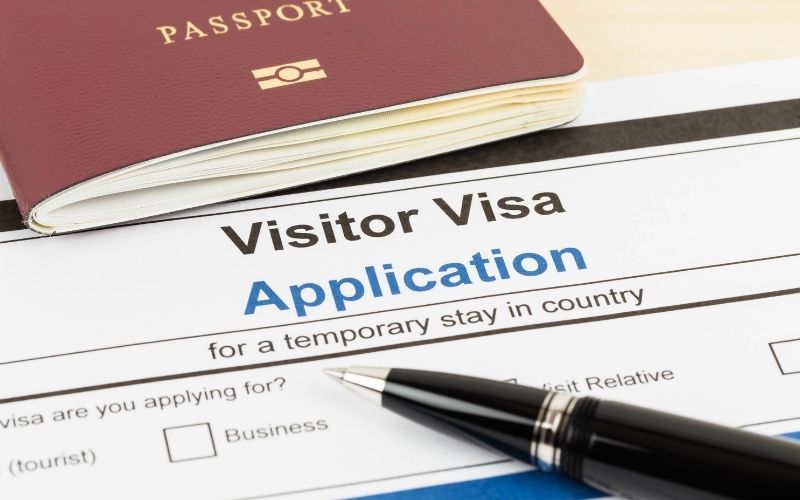
2. Check if a visa is needed
Depending on your destination and your nationality, you may need a visa to enter the country. Check the visa requirements well in advance and apply for one if necessary. Remember that the visa requirements for cruises may be different than those for arrival by air or land.
3. Check if immigration forms are needed
Some countries require travellers to fill out immigration forms before arrival. Check the requirements for your destination and ensure that you have the necessary forms and information completed.
4. Get a travel insurance quote
If you have medical conditions, travel insurance can be very expensive and in some cases, it can cost more than the cruise!
Travel insurance is necessary though and most cruise lines won’t allow you to sail without it. If you need to be air-lifted to the hospital by helicopter, it will cost at least $20,000 – so you’ll want to be covered for that.
So get a few quotes and make sure that the premiums are reasonable before you go ahead and book your cruise.
5. Check what vaccinations are needed
Certain destinations and cruise lines may require vaccinations or other medical precautions. Check with your cruise line as well as a doctor or a travel clinic well in advance of your trip to ensure that you are up to date on any necessary vaccinations or medications.
The vaccination requirements may be different for children and adults and they can change at any time. You may also need to be vaccinated a certain length of time before you set sail, so make sure you book your jabs in plenty of time.
6. Book time off work
Plan ahead and make sure that you have enough time off work to cover your trip. Arrange your leave well in advance to avoid any scheduling conflicts. The last thing you want is to book a cruise and then your boss says that they need you in the office that week!
7. Arrange pet or house sitters
If you have pets or plants that need care or a home that needs attention while you’re away, arrange for pet sitters or house sitters to take care of them.
Your dog-loving friends or family members may have their own holidays booked, so you’ll need to check their calendars before you book your cruise.
These are my two doggies…
When you book the cruise
There will be some things you can check off during the booking process. Look out for the option to do these when you book. Different cruise lines have different procedures, so check with them or your travel agent to be sure.
8. Advise the cruise line of special needs or dietary requirements
If you have any special needs, mobility issues or dietary requirements, it’s important to inform the cruise line ahead of time so that they can make any necessary arrangements to accommodate you.
For example, if you use a scooter or wheelchair, you may need an accessible cabin. If you follow a vegan or gluten-free diet, the cruise line needs to know how much of each type of food to stock on board.
If you forget to do this when you book that’s okay, just contact the cruise line as soon as you remember. For dietary requests, three weeks is usually enough notice.
Just a note – if you need any form of scooter or wheelchair, you absolutely have to let your cruise line know. Some cruise lines, such as P&O, now only permit guests to book accessible cabins if they use these, because it guarantees there are enough crew members to help those people during an emergency.
Some people have been turned away at the port because they didn’t inform the cruise line they’d be using a scooter!
9. Request your preferred bed configuration
You should also request your preferred bed configuration when you book your cruise. This could include a double bed, twin beds, or a travel cot for a baby or toddler.
Make sure to specify your requirements to ensure that your cabin is set up correctly when you board the ship. If it’s not set up as you like when you arrive, don’t worry. Cruise ship cabins have convertible beds, so your cabin steward can make twins into a double and vice versa.
Be aware that some cabins have bunk beds and some have double sofa beds and these cannot be changed as easily as doubles into twins.
In some cabins, there is no option to have a double bed when extra beds are used
10. Request dining time and table size
When you book your cruise, you may be able to request your preferred dining time and table size. You can have a table just for your party, or share one with others and make new friends.
The cruise line will want to make arrangements for your meals ahead of time, ensuring that you have a reservation at your desired time and a table that is suitable for your group size.
Not every cruise line allows you to request this as the time of booking, but if they do, then now is the best time to do it so that you don’t have to eat much earlier or later than you’re used to.
Soon after booking your cruise
You booked the cruise? Great! These are the things you need to do as soon as possible…
11. Get travel insurance
After booking a cruise, you should purchase travel insurance straight away. As well as medical emergencies and lost or stolen luggage, travel insurance provides cover for trip cancellations. It covered you from the day that you buy it, so get it as soon as possible so that if you have to cancel your cruise in the near future, you can get your deposit back.
It’s important to carefully review the coverage offered by the policy to ensure it meets your needs and that it includes the right level of cover for cruises.
You can usually only buy travel insurance 12 months in advance, whereas you can book a cruise over two years in advance. You may have a period without cover, so set yourself a reminder to get the insurance as soon as you’re able to.
12. Download the cruise line app
Many cruise lines offer mobile apps that provide information and services to passengers before and during their cruise. The app may include features such as pre-cruise check-in, itinerary planning, dining reservations, onboard activities and entertainment reservations, and more.
After booking your cruise, it is a good idea to download the cruise line app to familiarise yourself with its features and to stay informed of any updates or changes leading up to the cruise.
13. Book car parking
If you plan to drive to the cruise terminal, it is important to book car parking in advance. Many cruise ports offer onsite parking, but it can be limited and may fill up quickly during peak season. Booking car parking in advance can save time and ensure a spot is available upon arrival.
Port parking can be expensive so be sure to shop around for the best price. If you’re cruising from the UK, I have some guides to help you with that:
14. Book port transfers
If you don’t plan to drive to the port, you may need to book port transfers to get from your hotel or airport to the cruise terminal.
Many cruise lines offer transfer services, but there may be additional fees and limited availability. Alternatively, you can arrange for a private transfer service or take a taxi or public transportation, but it is important to plan ahead to ensure you arrive at the port on time.
15. Book any hotel stays
If you plan to arrive at the port a day or more before your cruise, it is important to book a hotel in advance. This can help ensure availability and may also offer the opportunity to explore the port city or nearby attractions before embarking on the cruise.
Many cruise lines offer pre- and post-cruise hotel packages, but it is also possible to book independently through a travel agent or online booking site.
A few months before you sail
16. Plan days ashore and book excursions
A few months before your cruise, it’s a good idea to start planning your days ashore and booking any excursions or activities you want to participate in.
Research the ports of call and decide which activities and attractions interest you the most, taking into account your interests, budget, and physical abilities.
Most cruise lines offer shore excursions that can be booked in advance. This is the most convenient way to explore ashore, but they can be pricey.
Alternatively, you can book independently through a travel agent or online booking site, or just explore the ports on your own.
Exploring on our own in Lisbon
17. Pay the balance of your cruise
A few months before your cruise, you will likely need to pay the balance of your cruise. Make sure to review the payment schedule and deadlines outlined in your booking confirmation to ensure you don’t miss any payments and risk losing your reservation.
Paying the balance on time will also help you budget for any additional expenses such as onboard activities, excursions, and gratuities.
A few weeks before your cruise
18. Book hair and beauty appointments
A few weeks before your cruise, it’s a good idea to book any hair or beauty appointments you may want to have before your trip. This may include getting a haircut, manicure, or pedicure.
Most cruise ships have onboard salons and spas that offer a range of services, but they can fill up quickly and can cost considerably more than your usual salon at home.
19. Check in online
Cruise lines offer online check-in, which can save time and streamline the embarkation process at the terminal.
A few weeks before your cruise, make sure to complete your online check-in and provide any necessary information, such as passport details and emergency contacts.
20. Book onboard activities and entertainment
Cruise ships offer a range of onboard activities and entertainment options, including shows, concerts, sports, and more. Oftentimes, these can be booked online before you board.
A few weeks before your cruise, take some time to review the options and book any activities or shows that interest you. This can ensure availability and save time once onboard, allowing you to relax and enjoy your trip.
21. Book speciality dining and drinks packages
If you plan to indulge in speciality dining or a drink package during your cruise, it’s a good idea to book these in advance.
Speciality dining options often require reservations, and booking in advance can ensure availability and help you plan your meals and budget.
Similarly, if you plan to enjoy drinks or cocktails onboard, a drinks package can save money and provide peace of mind. It’s often cheaper to book both of these before your cruise, rather than waiting until you get onboard.
If you’re not sure whether the drinks package is worth if for your cruise, then check out my free drink package calculator that will work it out for you.
22. Register for the kids’ club
If you’re cruising with children, it’s important to register them for the kids’ club in advance. You want to make sure that your kids get a place so that they can meet new friends and have fun while onboard.
If you can’t do this in advance don’t worry, just head to the kids club as soon as you board the ship to put their names down.
Kids’ club on the Disney Magic
23. Get foreign currency
If you plan to visit ports of call outside your home country, it’s a good idea to get some foreign currency before you depart. This can make it easier to pay for meals, souvenirs, tips and other expenses while ashore.
You won’t be able to use cash on the ship, as you’ll pay for everything with your cruise card, but you will certainly need cash for ashore.
24. Print luggage labels
A few weeks before your cruise, make sure to print any luggage labels you may need. While some cruise lines send these to you in the post, most require you to print your own at home.
You can affix them to your luggage with tape, but savvy cruisers prefer to use lugagge tag holders because if it rains and your paper tags get wet, they will almost certainly come off, resulting in lost luggage.
25. Print boarding passes
Boarding passes are typically generated during online check-in. While you may be able to show them on your phone, it’s wise to print a copy too just to be on the safe side. There’s not always phone reception inside the cruise terminal, so I recommend printing your boarding passes and keeping them safe.
26. Print any other documents
In addition to printing your boarding passes and luggage tags, it’s important to print any other important documents related to your cruise. This may include your itinerary, travel insurance policy, and any excursion or activity tickets you may have purchased in advance.
Having printed copies of these documents can serve as a backup in case you are unable to access them electronically while travelling.
27. Buy clothes and toiletries
A few weeks before your cruise, take some time to review your wardrobe and make sure you have all the clothes and toiletries you’ll need for your trip.
Consider the weather and activities you’ll be participating in, and make sure to pack accordingly. If you need to buy any new items, make sure to do so in advance to avoid any last-minute stress.
The week before you cruise
28. Notify your bank of travel plans
A few days before your cruise, it’s a good idea to notify your bank of your travel plans. This can prevent any issues with your debit or credit card while travelling and ensure that your bank is aware of any unusual account activity.
Checking the weather forecast a few days before your cruise can help you prepare for any weather-related events or activities (such as hurricanes!) during your trip.
It can also help you pack appropriately, making sure you have the right clothing for the conditions you may encounter. Be sure to check the weather in all of your port destinations, as weather conditions can vary widely from place to place.
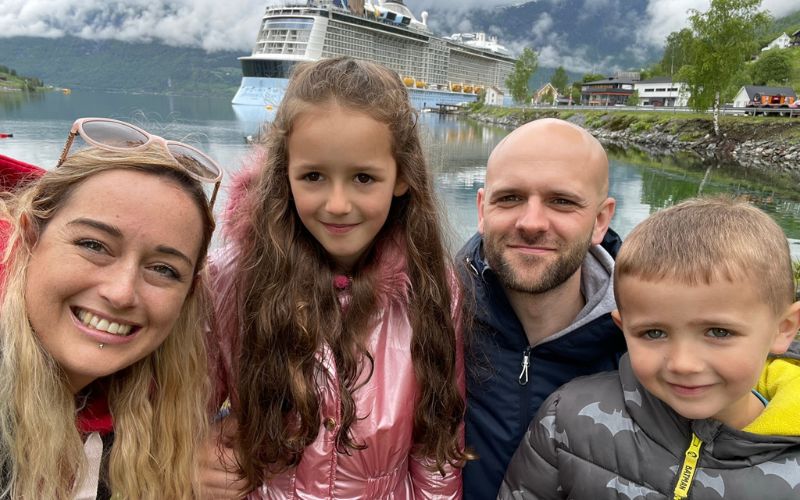
This was the summer in Norway…
30. Pack your bags
Packing at least a few days before your cruise can help ensure that you have everything you need for your trip and avoid any last-minute stress if you need to go out and buy something.
Review your packing carefully to make sure you have all the essentials, including clothing, toiletries, and any necessary medications or travel accessories. Don’t forget to leave some extra space in your luggage for souvenirs or other items you may pick up during your cruise.
Sending your itinerary to a trusted relative or friend can provide peace of mind and help ensure your safety while travelling. Make sure to include your contact information, as well as the name and phone numbers of the ship and any hotels you may be staying at.
32. Fill in the health questionnaire
Many cruise lines require passengers to fill out a health questionnaire before boarding the ship. This is typically done a day or two before your cruise and may include questions about your health status, recent travel history, and any symptoms or illnesses you may have experienced.
It’s important to be honest and thorough when filling out the questionnaire, as this can help prevent the spread of illness and ensure the safety of all passengers and crew members onboard.
But, use your common sense. If you had a hangover that made you vomit last weekend, then perhaps you don’t need to include that if you know that it wasn’t due to a stomach bug.
The day before your cruise
32. Put on your ‘Out of Office’!
Finally! It’s time to log off your work computer and head off on your long-awaited cruise!
Turn on your ‘Out of Office’ so that you won’t be bothered by the thought of work emails while you’re away. It’s almost cruise day!
That’s it!
Want a printable version of this checklist? You can grab one here…
Related posts:
If you found this interesting, please share!
Jenni Fielding is the founder of Cruise Mummy. She has worked in the cruise industry since 2015 and has taken over 30 cruises. Now, she helps over 1 million people per month to plan their perfect cruise holidays.
Ever wondered which cruise ports around the world are considered risky?
Cruising is a fantastic way to see the world, offering relaxation, adventure and the chance to experience diverse cultures. However, like any form of travel, it’s essential to be aware of potential risks at certain destinations.
Some cruise ports around the globe come with unique safety challenges, which travellers should know about in advance.
Although cruise lines do their best to minimise risks, being an informed traveller is the best way to ensure a safe and enjoyable journey.
So, I’ve taken a look at the ports that seasoned travellers consider to be the most dangerous. Not so you can avoid them, but so you can be aware and plan accordingly.
Understanding Cruise Port Safety
What makes a cruise port dangerous? Safety concerns at ports aren’t just about the logistics of docking. They often relate to external factors like local crime, political stability, environmental risks and the availability of emergency services.
Ports that are deemed risky may be located in areas with any of the following:
High crime rates, especially where tourists are targeted.
Political unrest and civil disturbances.
Natural disasters and environmental risks.
Insufficient local police or emergency services.
Cruise lines work closely with security experts to monitor conditions and adjust itineraries when necessary. But as Salvatore Grasso, a security expert, notes: “Don’t assume cruise lines will always avoid dangerous ports – profits are part of the equation too.”
With that in mind, here’s a closer look at some ports that are known for being less secure.
Top 8 Most Dangerous Cruise Ports
1. Nassau, Bahamas
Although it’s a favourite stop for many, Nassau does have a dark side. The US government has issued warnings about crime here, including nurders, armed robberies and assaults.
These incidents tend to happen outside the main tourist areas, so it’s important to stick to well-travelled paths.
The area around the port itself is pretty safe, as are the resorts that cruise lines will take you to. They aren’t perfect, so you should still keep your wits about you. It’s best to always leave your valuables in the safe in your stateroom, just to be sure.
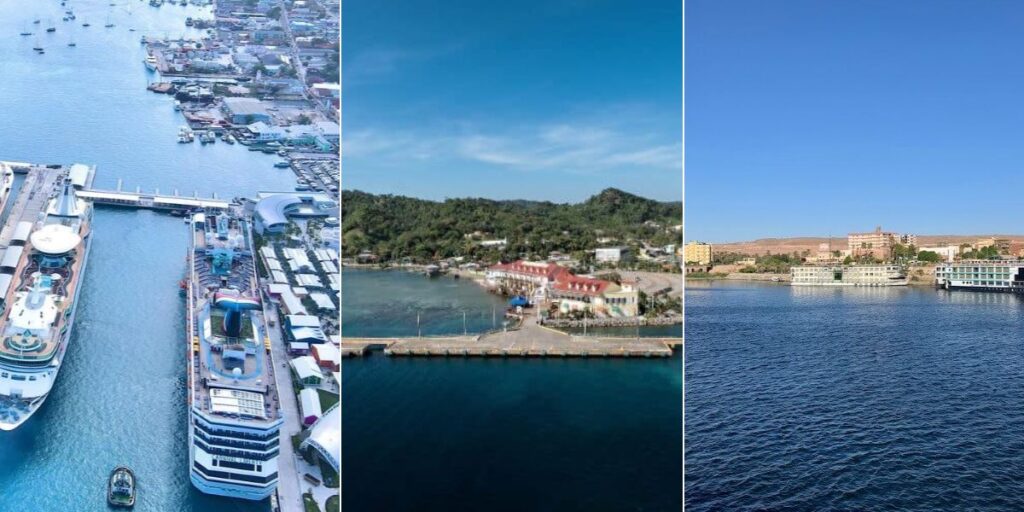
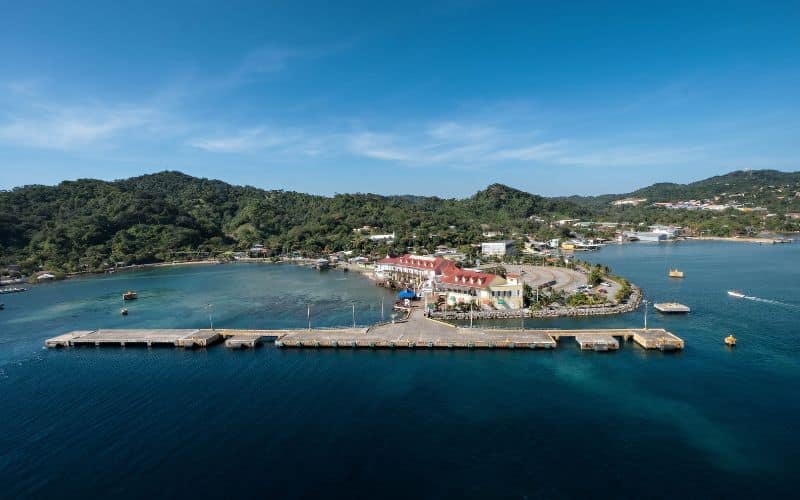
2. Roatán, Honduras
Roatán is famous for its coral reefs and beaches, but also has a more negative reputation with reports of robberies and assaults.
Local police are often under-resourced, which limits their effectiveness in protecting tourists. If you are the victim of crime, you shouldn’t expect any kind of speedy resolution!
Staying with fellow travellers and avoiding isolated spots, especially at night, can help reduce risks.
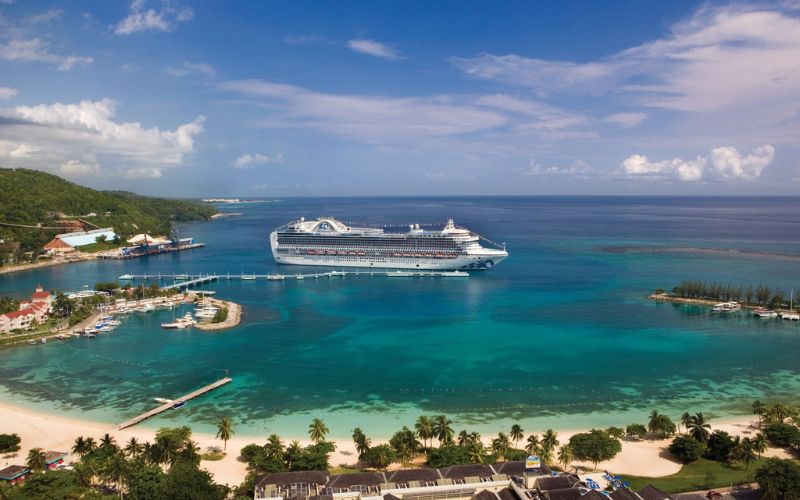
3. Falmouth and Ocho Rios, Jamaica
Jamaica is famous for its stunning scenery and vibrant culture, but some areas near the ports of Falmouth and Ocho Rios can feel less secure.
Visitors often report feeling uneasy when leaving the more protected areas of the port. The aggressive nature of some local vendors can make the experience uncomfortable.
If you’re feeling harassed, just say a stern ‘no’ and walk away, making sure you stick to a crowded area. Don’t be afraid to be louder if you need to be – drawing attention can help you to be left alone.
As with most of the ports on this list, using organised tours with the cruise ship is often your best bet.
Colon is frequently mentioned as one of Panama’s more dangerous cities, with crime rates that are higher than in other popular tourist areas. Some cruise lines have even cancelled tours due to safety concerns.
If you stop here on a cruise visit, it’s best to stick with organised tours and avoid venturing off on your own. If you do want to go exploring, do so in a group. Don’t venture too far away from the main tourist areas.
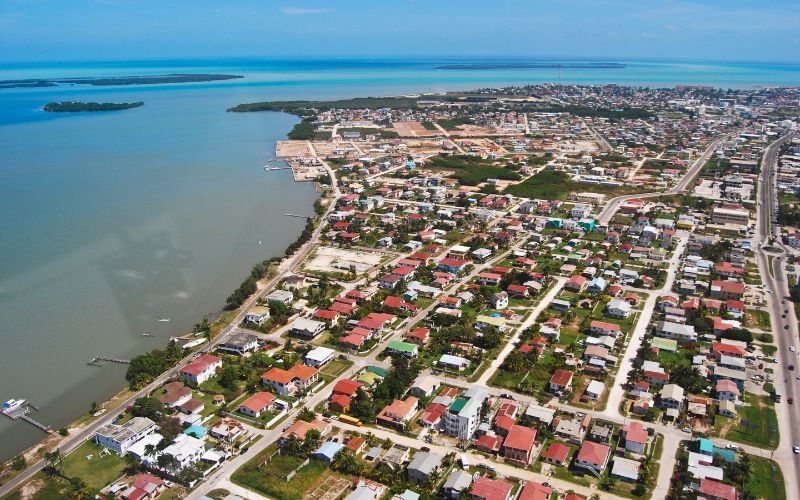
5. Belize City, Belize
Belize itself offers breathtaking scenery and exciting excursions, but Belize City can be a risky place to explore solo.
Tourists are often advised to stick to organised activities, as venturing out independently can lead to encounters with crime. These may include theft, scams and even violent attacks in rare cases.
6. St. Lucia
Although it looks like a picture-postcard destination, St. Lucia has had a few notable safety incidents involving tourists.
In one extreme case, a group of 55 cruise passengers were robbed at gunpoint during an excursion. Although such events are rare, it’s worth taking precautions and staying aware of your surroundings. And it’s another reason to leave valuables on the ship when you explore a port.
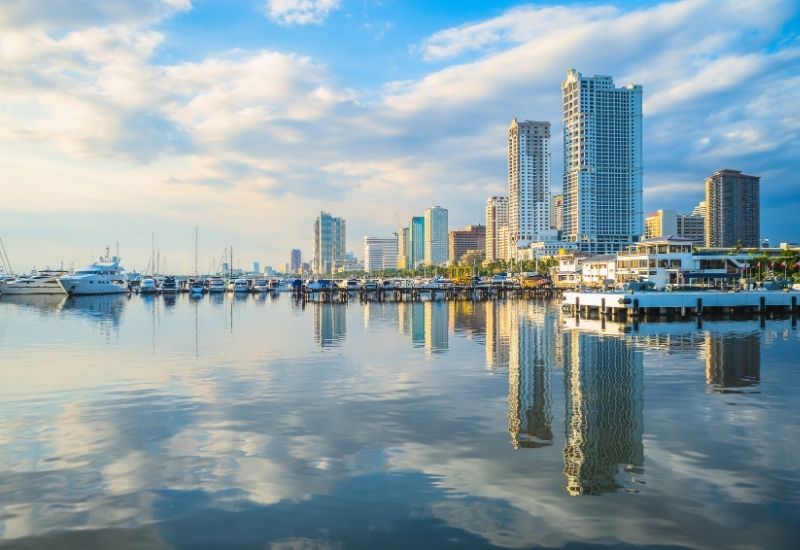
7. Manila, Philippines
Manila is a bustling, vibrant city but is also known for its high crime rate, including theft and assault.
It’s particularly noted for pickpocketing, especially around the port area, where local criminals love to target unsuspecting tourists.
If you plan to explore the city, it’s best to stay with a group, stick to organised tours and be cautious with personal belongings. Don’t wear any jewellery that attracts attention, or flash the cash while you’re shopping.
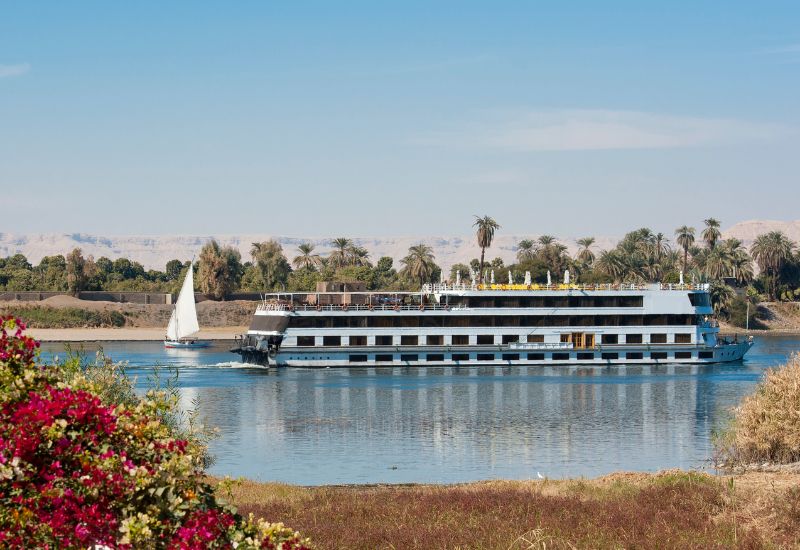
8. Egypt (various ports)
Egypt’s ports offer access to incredible historical sites, yet ongoing political unrest has created some security concerns for tourists.
Some Nile ports, particularly on river cruises, and other popular areas may have limited medical facilities, which can be an added risk.
When visiting Egypt, it’s recommended to join well-organised, cruise-led excursions to stay in secure zones.
Staying safe in high-risk ports
Just because a cruise port is considered to be more dangerous, that doesn’t mean you must stay onboard the ship when your cruise calls there.
None of the ports featured here are guaranteed to cause you problems. Cruise lines want to be profitable, but they won’t be if they keep taking guests to places that are iconsistently unsafe!
Still, here are a few essential tips to help keep you safe when visiting high-risk cruise ports:
Do your research: Before heading ashore, look into the port’s safety record and review any travel advisories. Do this for all ports you will visit, whether they are highlighted on this list or not.
Stick to tourist areas: It’s usually safer to stay within well-trafficked zones, and avoid venturing into more secluded areas. Most areas close to the actual ports are relatively friendly. If you need to travel farther inland to reach the main ‘attractions’, don’t wander off once you get there.
Book organised excursions: Tours offered through your cruise line are often the safest option, as they’re vetted for security and reliability. Third-party excursions are similar, but they come with other risks. You need to verify that the excursion provider is reputable, since you don’t want to risk missing the ship on your return!
Be aware of your belongings: Keep valuables like jewellery and electronics out of sight. Carry minimal cash. Split your money and important documents between different locations. Your stateroom will have a safe – don’t be afraid to use it!
Use official transport: Avoid unlicensed taxis or buses. Stick to transport recommended by the cruise line or reputable providers.
Trust your instincts: If something feels off, don’t hesitate to remove yourself from the situation.
The importance of travel insurance
When visiting high-risk destinations, having comprehensive travel insurance is essential. Standard insurance provided by your cruise line may not cover all contingencies. It’s worth considering an additional policy that includes:
Trip cancellations or interruptions due to safety concerns.
Medical evacuations in case of serious illness or injury.
Theft protection for your personal belongings.
Legal assistance if you encounter trouble with local authorities.
Make sure to review your policy carefully to ensure you’re covered for high-risk situations. If you don’t buy proper cruise insurance, then your policy might not be valid when you make a claim.
Cruise insurance covers you in a range of destinations. It may include other perks too, such as missed port cover for destinations that your cruise has to skip.
My Recommendation
My recommendation for cruise insurance depends on where you live.
These are trusted price comparison sites that will quickly get you lots of quotes to match your exact needs.
Misconceptions about cruise port safety
There are a few common myths about safety on cruises that should be debunked.
Myth: All cruise ports are safe because cruise lines wouldn’t stop there otherwise.
Reality: Cruise lines balance safety with profit. They may visit destinations with known risks if they are profitable enough. However, they’ll wash their hands of responsibility if something happens to you, especially if you ignored any advice they gave.
Myth: You’re always safe in tourist areas.
Reality: Tourist areas often have more security, but can still be targeted by criminals looking to exploit visitors who are unfamiliar with the area. It’s best to be vigilant, even when you think you’re in a safe space.
Myth: Crime only happens at night.
Reality: Criminals often target tourists during the day when they’re out and about exploring. Most cruise guests will only visit destinations during daytime hours, and crime does still happen!
Myth: Local police prioritise tourists.
Reality: In many risky destinations, law enforcement can be under-resourced and less focused on tourist-related crime. They can be more dismissive, especially of cruise guests who won’t be a ‘problem’ come 3pm or 4pm, when you have to board your ship again.
Cruise lines do have some obligations!
Cruise lines have a responsibility to provide passengers with a reasonable level of safety. This includes:
Warning passengers about known dangers in specific destinations.
Monitoring shore excursion providers to ensure they meet safety standards.
Maintaining security on board and in port areas.
However, it’s important to understand that cruise lines are not legally responsible for every incident that occurs, especially if you’re exploring independently.
So you can’t rely on a cruise line ‘making things right’ if you are a victim of a crime. That safety net does not exist.
If you are a victim while you’re ashore, you should still report it to the onboard security team. They’ll help you in whatever way they can.
But don’t expect them to be liable to replace any stolen goods, or pay for your medical treatment if you’re injured.
Private resorts – a shift in itinerary planning
As concerns over safety grow, cruise lines are increasingly investing in private islands and exclusive resorts, designed with traveller security in mind.
These private destinations provide a controlled environment, often staffed by personnel directly employed by the cruise line (although still hired locally, to support residents). This allows for a more secure and comfortable experience.
Private islands, like those operated by major cruise lines in the Bahamas and Caribbean, allow passengers to enjoy a day ashore without the potential safety issues associated with public ports.
Access is restricted to passengers and authorised personnel. Therefore, they are far less susceptible to the crime risks present in some high-traffic tourist areas.
Perfect Day at CocoCay
Private islands and resorts also offer a range of amenities such as pristine beaches, dining options and unique excursions.
Examples include Royal Caribbean’s Perfect Day at CocoCay and Norwegian Cruise Line’s Harvest Caye. These provide an idyllic setting for swimming, dining and watersports.
Private resorts within popular cruise destinations are also growing in popularity. In some areas, cruise lines have partnered with local businesses to create exclusive beach clubs and adventure parks, which only their passengers can visit during port days.
Of course, they aren’t guaranteed to be safe. Royal Caribbean halted calls at Labadee, the private resort on Haiti, for several months due to unrest in the country. Those port visits have since resumed, but it shows that cruise lines still need to be careful even when a destination is considered ‘private’.
Final word
You know what the most dangerous ports are? The ones that cruise lines don’t visit, and likely never will.
So don’t panic if you’re on a cruise that visits one of the ports I’ve highlighted in this guide. These are the most dangerous ports among all those that cruise lines are comfortable visiting. They are NOT the most dangerous places in the world!
Use this information to plan your trip, and make sure you understand the safety guidelines for exploring the ports. Being informed and vigilant will help you to have a great time during your cruise.
NEW DEALS JUST RELEASED!
Don’t miss these hot cruise offers…
Related posts
If you found this interesting, please share!
Jenni Fielding is the founder of Cruise Mummy. She has worked in the cruise industry since 2015 and has taken over 30 cruises. Now, she helps over 1 million people per month to plan their perfect cruise holidays.
Most cruises that people book last for 1-2 weeks on average, but then there are still lots of people who prefer longer getaways too.
World cruises offer an amazing way to see the various cultures of the planet, and just enjoy the most relaxing sailing.
While it might be a pipe dream for now for many of us, it might be something you’re considering for your retirement (or if you get a nice lottery win!)
And there are some excellent tips from past world cruises on how to handle longer itineraries, that even experienced cruisers who only sail shorter itineraries might not have thought of!
1. Pack for different seasons
One of the biggest tips for longer cruises is to remember to pack clothes for different seasons.
Even if your itinerary mainly sticks to places that are supposed to be warm, over the course of a couple of months anything can happen with the weather.
And conversely, you never know when a colder destination might have a heat wave.
You don’t want to be stuck indoors on your cruise ship on a port day because you’ve forgotten a suitable outfit for the weather, so make sure you’ve got a range of options to suit most conditions.
A recurring joke (that’s semi-serious, really) is that cruise guests should always pack clothes with an elasticated waist, or at least make sure you save your looser clothes until the latter part of your cruise.
On a world cruise that’s really no joke at all, because the amount of food and drink you can enjoy can definitely make your wardrobe fit a little tighter – and if you’re onboard for a couple of months, that’s a long time to be uncomfortable in your clothes.
Pack baggy items or make sure you’ve at least got a few options in a size up, just in case.
Remember that you don’t need to pack 70 outfits for a 70-night cruise. There are laundry facilities onboard that you will absolutely make use of during a world cruise.
So you can pack relatively light – use the extra suitcase space to make sure there are some comfier items to wear if you are likely to indulge.
I’ve always said that there’s a cruise ship for everyone, but it does mean doing your research to find which one is the best for you. And part of that is your dining options – which matters even more on a longer cruise.
If you’re on a 7-night sailing, you’ll be fine with a couple of different restaurants that you like, since between those and the buffet, you’ll probably get plenty of variety.
But on world cruises, menu rotations can get pretty repetitive.
That might not matter to you, but for those who want to avoid eating the same things every 2-3 weeks, try to choose a ship with more restaurants, so that you can mix things up throughout the voyage.
4. Find a bar you like
Cruise ships will have several bars onboard, with different themes and sometimes different menus.
Unlike restaurants, where you’re probably going to want to enjoy variety, with a bar it’s better to find one you like and then stick with it.
Try a few out and see which one has the best vibe, and then that can be your go-to. Sticking to a bar means that you’ll get to know the bar staff better, and you’ll likely have an easier time making friends with the other regulars.
Plus you’ll know that your favourite drink is always available there – a useful advantage!
5. Build up to longer itineraries
A top tip from world cruise passengers is to build up to longer itineraries. Don’t jump straight from 7-night cruises to a really long itinerary.
Start with a two-week itinerary and then look for a 3-4 week one.
As you get used to longer sailings, you’ll know whether you’re comfortable on long itineraries away from home, or if actually it’s not for you.
And it’s so much better to find this out on a 3 or 4-week cruise than it is when you spent tens of thousands on a world cruise that you’re stuck on.
Often world cruises will be sold in segments, so not everyone onboard is going to be sailing the entire journey with you.
But there will usually be some people who are on the ship for the full duration, and it’s worth getting to know them if you’re sharing a ship with them for a long time.
Even if you’re not someone who tends to mingle and chat with others on holiday, a world cruise is different.
Getting to know the other guests will help keep your evenings varied, as you can chat to people outside your travelling party swap stories of your adventures in port, or your lives back home.
If you’re someone who’s typically shy, it’s a good idea to overcome that on a world cruise because it’s a long time to spend with people and not say hi!
7. Make the most of onboard events
Every day on your cruise, there’ll be a range of events and activities held, and on a world cruise it’s a great idea to try as many as possible.
On a shorter cruise, it might be that you aren’t too fussed – you’d rather spend the time relaxing by the pool, or you’ll be too busy off the ship exploring the ports.
With longer itineraries, the scheduled events will help to make each day nice and varied, and you might be surprised by the types of event you end up enjoying, even if it’s something you’d never normally be interested in.
Use the events to fill your free time, and you can always ditch them if you find they’re not to your liking.
8. Pack plenty of medication
Balancing everything in your suitcase is important on a world cruise, but one thing that you will want to over-pack on is any medication you might need.
Not just prescription stuff, but even things like allergy tablets or painkillers that you might use. Paracetamol costs a lot more at sea than it does down the supermarket!
It’s not like it’ll take up much space in your luggage either, so being prepared for longer itineraries and having everything you ‘might’ need in advance, even if you end up taking it all back home with you at the end of your cruise, is the better option.
9. Pack your own entertainment
While cruise lines will put on varied entertainment for you, you might get a little bored of it in the latter stages of a world cruise.
Or there might be those nights where you just want to take it easy in your cabin, or in a quiet corner of a bar.
While many cruise ships do have libraries onboard, the quality and quantity of books available might leave a lot to be desired.
Take a couple of good, longer books with you, and if you’re an avid reader, pack a Kindle or other e-reader and load it up in advance.
Portable games consoles such as a Nintendo Switch could also be a good idea if you’re into that kind of thing at all, though it’s certainly not the typical accessory for your average world cruiser!
Have a think about what you can take that doesn’t fill your suitcase, but will ensure you don’t have to worry too much about downtime during the cruise.
I’m sure nobody books a world cruise and then turns up expecting the same kind of holiday as a shorter itinerary. You’ll no doubt plan a little differently, and think about what you need to take with you for the longer trip.
Spend some time researching more tips like these from experienced world cruise guests, and get online on cruise forums or social media pages to ask others about their own experiences.
The more prepared you can be, the better a cruise you’ll have! And even if a world cruise feels like something you’re a long way from achieving, due to work or budget constraints, then you can at least enjoy the stories that guests are sharing about their own experiences.
NEW DEALS JUST RELEASED!
Don’t miss these hot cruise offers…
Related posts
If you found this interesting, please share!
Jenni Fielding is the founder of Cruise Mummy. She has worked in the cruise industry since 2015 and has taken over 30 cruises. Now, she helps over 1 million people per month to plan their perfect cruise holidays.
When you’re packing for a cruise, most people like to pack a book or two to read by the pool. But which are the best books to read on a cruise?
Well, books that are set on cruise ships or are about cruising are always good options. And there are plenty of those to choose from on Amazon.
The best books to read on a cruise:
You can choose from paperback versions, kindle versions or audiobooks.
If you’ve never tried an audiobook, then now’s a great time to give it a go as you can get many cruise-related audiobooks for free when you take a free 30-day trial of Amazon Audible.
Fiction books set on a cruise ship
A cruise ship makes a great setting for a novel, and you’ll find scores of these available.
If you like murder-mystery ‘whodunnit’-type books, then you’ll have plenty to choose from. It seems that going overboard is a common occurrence in cruise ship fiction, thankfully much more so than in real life!
The Woman in Cabin 10 is a gripping psychological thriller set on a luxury cruise ship.
In a story reminiscent of Agatha Christie’s works, a travel journalist embarks on a week-long voyage when she witnesses a fellow guest being thrown overboard. The problem? All passengers remain accounted for and the ship sails on as if nothing has happened.
The brilliant Emma Le Teace (AKA Emma Cruises on YouTube) has released a series of kids’ books based on her real cat Captain Hudson, perfect for children who love cruises (and adults who are kids at heart, too).
The first book tells the story of how Captain Hudson became the captain of a cruise ship crewed only by animals, and where only kids are guests onboard.
Other books in the new series offer a mix of fun adventure and genuinely useful cruise info, such as Captain Hudson’s Brilliant Guide To Alaska and Captain Hudson’s Guide To Brilliant Cruises For Kids, so check those out as well!
I read this book on a cruise on MSC Virtuosa. It’s a murder mystery that keeps you turning the pages as more and more people are murdered on the ship in more and more mysterious circumstances.
If you like cruise ship mysteries, then I would certainly recommend that you give this one a read.
Awards:
New York Times Bestseller
USA Today Bestseller
Entertainment Weekly “Summer Must List” Pick
New York Post “Summer Must-Read” Pick
(A series of 24 books)
If you like cruise ship mystery books, then this series of novels is sure to keep you busy with 24 thrilling stories to enjoy.
The first book features Millie Sanders, a heartbroken lady who’s landed her dream job as an assistant cruise director on-board the fictional mega ship, Siren of the Seas. But before she has a chance to settle in, she finds herself in the middle of a murder investigation.
This classic novel is one of Agatha Christie’s most famous mysteries. The story is set to become a movie in October 2020, directed by and starring Kenneth Branagh.
The story is set on a luxury Nile cruise. The tranquillity of the voyage is shattered when a young lady is shot in the head. Time for Hercule Poirot to solve the mystery in this exotic setting where nothing is as it seems.
This thrillingly funny book by bestselling author, Carl Hiaasen, is from the popular Skink Series.
It tells the tale of marine biologist Chaz who pushes his wife Joey overboard during a cruise. Joey survives the ordeal, but decides to pretend to be dead so that she can seek her revenge on her evil husband.
Dangerous Crossing is a historical suspense thriller in the same tradition as Agatha Christie’s ‘Death on the Nile’ and Ruth Ware’s ‘The Woman in Cabin 10.’
Set in 1939, Europe is on the brink of war when young Lily Shepherd boards a cruise ship in England to start a new life in Australia. On-board, she meets new friends who are also running away from their pasts. But, by the time the cruise ends, two passengers are dead and war has been declared.
Mary Higgins Clark, the undisputed ‘Queen of Suspense’, wrote this classic novel in 1999 and it’s certainly one of her best.
The book is about a killer who targets lonely women on cruise ships. Dr. Susan Chandler starts an investigation into the phenomenon of women who disappear, only to discover that the killer may already be known to her.
Awards:
New York Times Bestseller
(A series of 13 books)
This exciting series of 13 murder mystery books each feature main character Rachel Prince, a newly-qualified police constable who has been ditched by her fiancé.
Each book tells the story of one of Rachel’s cruises, each of which involves a good dose of murder and mayhem. You’d think that Rachel would switch to land-based holidays, but she doesn’t!
If you’ve enjoyed reading any books by Kate Williams, Beatriz Williams or Jennifer Robson, then you’ll love this historical tale of love and resilience by Kim Izzo.
Inspired by the author’s family history, this book is set during the Great War. Two New York heiresses board a cruise ship set for England, not knowing that disaster lies ahead as their ship meets its deadly fate.
This hilarious novel was the second book by Dave Barry, after his award-winning novel Big Trouble.
The book is a lighthearted comedy about murder, drug dealing, money laundering and gambling, set on the Extravaganza of the Seas, a fictional cruise ship whose sole job is to carry gamblers three miles from the Florida coast and take their money.
Murder on the QE2 is part of the popular 1990s ‘Murder She Wrote’ series of TV shows and books.
In this book, Jessica Fletcher sets sail on Cunard’s Queen Elizabeth II as a guest lecturer. A fellow speaker is found brutally murdered on the first night, and Jessica has four days at sea to find the killer before he strikes again.
Murder, Curlers and Cruises is one of the Valentine Beaumont series of mystery books by New York Times Bestselling author Liliana Hart.
In this fast-paced mystery, beautician Valentine Beaumont embarks upon a cruise where a bizarre murder takes place on board. Funny, sexy and entertaining, this book has everything you could want in a mystery novel.
This murder mystery novel is part of the Pelican Cove Cozy Mystery Series by Leena Clover and can be enjoyed as a standalone book.
In this novel, Jenny and her friends embark upon a nine-day Caribbean cruise upon Glamour of the Seas. When a game of poker turns deadly, 86-year-old Betty Sue is detained as a suspect and Jenny steps up to help catch the elusive killer.
(A series of 6 books)
This series of six cruise ship mystery books all feature the main character Ellie Tappet and are inspired by the cruises that author Cheri Baker has taken.
In the first book, a cruise passenger finds a finger with a big diamond ring on it in her sangria. Ellie uses her sleuthing skills to find out what happened.
Mats Strandberg is known as the ‘Stephen King of Sweden’ and this terrifying novel is sure to be a hit with horror fans.
In this book, 1200 passengers join a booze cruise between Sweden and Finland. But, in the middle of the night, the ship is cut off from the outside world. There’s no way to contact the mainland, and nobody knows who to trust.
Dead on the Water is a thrilling sci-fi suspense novel by bestselling author R.W.K. Clark.
In this fast-paced novel, a cruise ship is found to be carrying a deadly zombie-making virus. With minimal resources and no means of escape, the cruise passengers have to make some horrifying decisions.
Funny and moving, this book by Lisa Alther is about Dr Jessie Drake who takes a job on a British cruise liner. Recovering from the loss of her lover and coping with crazy cruise ship life, she reckons with her past and feels her way into the future.
Non-fiction books about cruises
True life tales of what happens on cruise ships can be just as page-turning as fiction. In fact, most cruisers will admit to being at least a little bit intrigued about what the crew get up to once their daily shift finishes.
(A series of 4 books)
In this series of books, former Carnival cruise ship crew member, Brian David Bruns, gives a look behind the scenes of crew life on a cruise ship.
Find out what the crew call those on-board (it’s not passengers!), learn about the seemingly nonsensical rules that they have to follow and find out where on the ship are the secret spots to have sex with those that you’re not supposed to. Once you’ve read the first hilarious book, you’ll be itching to order the next three.
Award-winning author Paul C. Thornton has profiled cruisers from all over the world in this fascinating insight into what it is that makes cruising so special, and so addictive!
This compendium of cruise stories, anecdotes and profiles has all five-star reviews and is a must-read for anyone who loves to cruise.
After the success of The Joy of Cruising, Paul C. Thornton wrote a follow-up – Cruising Interrupted.
Acknowledging the influence of the global pause from 2020 onwards, this book features tales from several cruise YouTubers and bloggers, including myself, in Chapter Six.
In this graphic travelogue, twenty-something cartoonist, Lucy Knisley, is recruited to assist her elderly grandparents as they take a Caribbean cruise. The vacation turns into a voyage of discovery for Lucy as she celebrates her grandparents’ lives and grapples with her own mortality.
This book manages to achieve an impressive balance between humour and poignancy, with sunny sarcasm and heart-wrenching memoirs.
This book tells the real-life tale of a family’s experiences as they were quarantined aboard the Grand Princess in 2020.
Of course, coronavirus is no laughing matter, but this book is sure to have you giggling throughout as you hear about the family’s mishaps and how they survived, and thrived, whilst quarantined on a cruise ship.
Released in November 2020, ‘Quarantine!’ is another book about the cruise ship quarantine that occurred in February 2020.
In this book, bestselling writer, Gay Courter, and her husband find themselves trapped on board the Diamond Princess in Japan. The book documents their twelve-day ordeal as they make efforts to get the US government to repatriate them.
In another exposé on life below the waterline, this book promises to answer all the questions that passengers want to ask.
Author Joshua Kinser spent five years working on cruise ships as a musician and art auctioneer. The book includes details on what happened during the coronavirus crisis and how it affected crew members at sea.
The author of this book, Jay Herring, was a senior officer on Carnival cruise ships and one of the few who had access to the entire ship. The book is filled with shocking, entertaining and hilarious stories from his time at sea.
Find out how romance on a cruise ship is unlike anywhere else, what happens when things go wrong on a cruise and what to expect on a nude cruise.
Cruise Travel Guides
You’d be forgiven for thinking that a cruise travel guide would be something that you’d read before your cruise, but some of these can actually be great to take away with you too.
This guide used to be known as the Berlitz Guide, and it has two main parts. The first helps you to work out what you’re looking for in a cruise holiday and how to find it. It’s full of colourful photos which help to describe every aspect of the cruise experience.
The second part of the book has reviews of over 340 cruise ships, grading them on service, food, entertainment and facilities. The guide is known as the ‘cruise industry bible’ and is updated every year with all the latest information.
When planning a cruise with children you’ll have a few extra things to think about and this guide to cruising with kids can help make choosing a cruise that bit easier.
The author has spent over 170 nights at sea, including at least 100 nights with kids and this book has 4 and a half stars on Amazon.
If you use a wheelchair then this guide to wheelchair accessible cruising will be incredibly valuable. This subject isn’t covered too much online and sometimes even the most helpful travel agents don’t have all the answers to hand.
The author has been on over 20 cruises, most of them with a wheelchair so is ideally qualified to advise on everything you need to know to find the best cruise and make the most of your time at sea.
If you’re thinking of taking your first Disney cruise, then this book will be super helpful. It includes lots of cruise tips that are specific to Disney Cruise Line and is updated each year with the latest information.
You’ll also find lots of info about DCL’s ports of call, including Castaway Cay, Disney’s private island in the Bahamas. Plus details on all the new ships too!
Carnival is one of the world’s largest cruise lines and a popular choice for American families. This book is packed full of cruise dos and don’ts that are specific to families cruising with Carnival.
You can get a free audiobook of Carnival Cruise Tips for Families when you sign up for a 30-day free trial of Audible.
This is a great generic cruise port guide that covers everything you need to know about heading ashore on a cruise.
Whether you like to use the ship’s excursions or explore independently, this book is really useful. It’s packed full of hints, tips and advice to help you plan all your onshore adventures to a tee.
Fodor’s Travel Guides are always packed full of bright and colourful images and this guide to cruise ports in the Caribbean is no exception.
You’ll also find lots of handy maps and recommendations for things to see and do in each port.
Rick Steves is a bestselling author of European travel guides and this guide to cruising the Mediterranean offers expert advice about 23 different ports of call.
The book includes handy step-by-step instructions for how to get from the cruise terminals into town as well as some ideas for self-guided walks of each port city.
If you’re planning a cruise to Alaska, then the best cruise travel guide is this one from Fodor’s Travel.
The guide is written by Alaska locals so it has lots of insider tips about how to make the most of your visit, as well as detailed maps covering more than 20 different ports.
Those planning a cruise to Northern Europe including the UK, France, Belgium, Holland, Germany, Poland, Norway, Sweden, Denmark, Finland, Latvia and Russia will certainly benefit from this port guide by Rick Steves.
Inside, you’ll get full coverage of 18 ports of call with self-guided walks to do and full-colour detailed maps.
If you’re looking to try your first river cruise, then this Berlitz guide will be incredibly useful.
Written by cruise expert Douglas Ward, it offers unbiased advice about the different rivers and the differences between the various types of river cruise vessels. There are also detailed listings of over 300 river ships and some great full-colour maps.
River cruises often come with excursions included which makes them a really easy way to explore Europe. Still, with a choice of excursions available, you’ll likely find this book really handy if you need to decide which ones to do!
Lonely Planet is the world’s number one travel guide publisher and this book is of the high standards you’d expect, with fantastic maps, itineraries, tips and reviews of ports along the Rhine Danube and more.
Found any other good books to read on a cruise? Feel free to share your recommendations in the comments.
Related posts:
If you found this interesting, please share!
Jenni Fielding is the founder of Cruise Mummy. She has worked in the cruise industry since 2015 and has taken over 30 cruises. Now, she helps over 1 million people per month to plan their perfect cruise holidays.
My guest writer, Jenny, brings some valuable insights into the world of river cruising.
If you’re thinking about booking a river cruise and are looking for some expert guidance, Jenny can help. Alongside her team, she also books cruises and other adventures to destinations worldwide.
Discover River Cruising: Some Frequently Asked Questions
Welcome to the fascinating world of river cruising. If you’re considering this serene and scenic mode of travel, you probably have a lot of questions. I have toured or stayed on board 40 river ships, and I’ll share insights and tips to help you set off on your ideal river cruise journey.
A river cruise is a journey along historic, inland waterways, stopping at various ports of call along the way. Unlike ocean cruises, river cruises feature smaller ships that can navigate narrow rivers and dock in the heart of cities and towns. This allows for more intimate and immersive experiences at each destination.
What are the main differences between river and ocean cruises?
River cruises differ significantly from ocean cruises in several ways:
Ship size: river cruise ships are much smaller, often accommodating around 100-200 passengers, most ocean ships are much larger.
Port access: river cruises dock in city, town or village centres, offering easy access to local attractions and culture.
Scenic views: on a river cruise, there’s always something to see, from picturesque villages to historic landmarks, as you sail along the river.
Excursions: included shore excursions are often more frequent and immersive, focusing on local culture, history, and cuisine.
Entertainment and facilities: ocean cruises offer a wide range of entertainment and facilities, including multiple dining venues, theatres, shops, pools, and sports facilities. They might have activities like rock climbing, basketball, and water slides. River cruise ships, on the other hand, offer more low-key entertainment such as musical performances, quiz nights, and themed evenings. Facilities may include a small pool, gym, and spa.
Which rivers are popular for cruising?
Some of the most popular rivers for cruising offer travellers a wealth of experiences and sights:
The Rhine: The Rhine River is renowned for its fairy-tale castles, lush vineyards, and historic towns. Travellers can expect to see the picturesque Lorelei Rock, charming medieval villages, and grand castles perched on hillsides. Key highlights include exploring the Gothic architecture of Cologne’s cathedral and the romantic old town of Heidelberg.
The Danube: Flowing through ten countries, the Danube River is a cultural and historical treasure trove. Travelers can visit grand cities like Vienna, with its imperial palaces and classical music heritage, and Budapest, known for its stunning architecture and thermal baths. The river also passes through scenic landscapes like the Wachau Valley, famous for its wine production and picturesque villages.
The Rhône: The Rhône River flows through the heart of Provence, offering travellers a taste of French culture, cuisine, and wine. Highlights include the ancient Roman city of Arles, the beautiful landscapes of the Camargue, and the historic city of Lyon, renowned for its culinary excellence.
The Douro: The Douro River in Portugal is celebrated for its stunning scenery and port wine production. Visitors can expect breathtaking views of terraced vineyards, charming riverside villages, and historic cities like Porto. The Douro Valley is a UNESCO World Heritage site, known for its unique landscape and cultural significance.
The Mekong: The Mekong River offers an exotic and culturally rich experience, flowing through Vietnam and Cambodia. Travelers can explore bustling markets, ancient temples, and rural villages. Highlights include the floating markets of the Mekong Delta, the historic temples of Angkor Wat, and the colonial architecture of Phnom Penh.
There are many other navigable rivers that can be explored by river ship including the Nile the Ganges and the Mississippi.
What should I expect in terms of accommodation?
River cruise ships offer a range of accommodations from fixed window cabins to luxurious suites. There are no inside cabins onboard. The Scenic Crystal, for instance, features balcony suites with all-weather balcony systems, sumptuous linens, and modern amenities like flat-screen TVs and mini-bars. The Uniworld SS Catherine is known for its opulent décor and beautifully designed cabins, providing a comfortable and stylish home away from home.
Choosing the right cabin can change your river cruise experience. Depending on your preferences, you can opt for suites with private balconies, larger rooms with additional facilities, or more budget-friendly options that still offer comfort and style. For more detailed guidance, see my blog on choosing the right cabin on a river cruise.
Are meals included on a river cruise?
Yes, all meals are included and are a highlight of the river cruising experience. Dining on river cruises is often a gourmet affair, with a focus on local ingredients and regional specialties. Scenic Crystal offers exceptional dining experiences with multiple dining venues and a wide selection of wines and spirits. The Uniworld SS Catherine also excels with its culinary offerings, often incorporating fresh, local produce.
What kind of excursions can I expect?
Excursions are a key part of the river cruise experience. Most cruises include daily shore excursions led by knowledgeable local guides. These can range from walking tours of historic cities to wine tastings in renowned vineyards, such as those along the Rhine and Rhône rivers. For example, on a Rhône River cruise, you might visit the Hospices of Beaune and enjoy wine tastings in Tournon and Tain-l’Hermitage.
Is river cruising suitable for solo travellers?
Absolutely. Some river cruise lines offer dedicated sailings for solo travellers and others offer reduced solo supplements. The smaller, more intimate setting of river cruises makes it easy to meet fellow passengers and participate in group activities and excursions.
Can children travel on a river cruise?
Yes, sometimes. There are some river cruise lines who cater specifically for families and A-Rosa are particularly good at this. Some companies allow children above a certain age but don’t provide extra facilities. I can advise on the best options for families.
Are river cruises all-inclusive?
The inclusions very between river cruise lines. Some river cruises are all-inclusive, covering accommodations, meals, drinks, and excursions. For instance, Scenic Cruises offers a truly all-inclusive experience with everything from fine dining to shore excursions and gratuities included in the fare. Others only include drinks with meals. There are also some options where excursions are not included to allow for maximum flexibility.
What are some of the highlights of river cruising?
Some personal highlights from my river cruising experiences include:
Wine Tasting in the Douro Valley: sampling delicious port wines while cruising through one of Portugal’s most beautiful regions.
Sailing on the Scenic Crystal: enjoying the panoramic views from the Sun Deck, and dining at the specialty restaurant Table La Rive.
Exploring with Uniworld SS Catherine: visiting charming towns like Viviers and the vibrant city of Avignon along the Rhône River.
River cruising offers a unique and enriching way to travel, providing unforgettable experiences along some of the world’s most beautiful waterways. One of the things that I enjoy the most is sitting on deck, watching the world go by. Exploring new places each day while having one room to stay in is something I also appreciate.
How to Find the Right River Cruise
As a river cruise expert, I can help you find the ideal river cruise tailored to your preferences and interests. Whether you’re drawn to Europe’s historic cities or lush wine regions, I can offer personalised recommendations that fit your budget and travel style.
My goal is to help you navigate the many options available and find a cruise that perfectly matches your requirements.