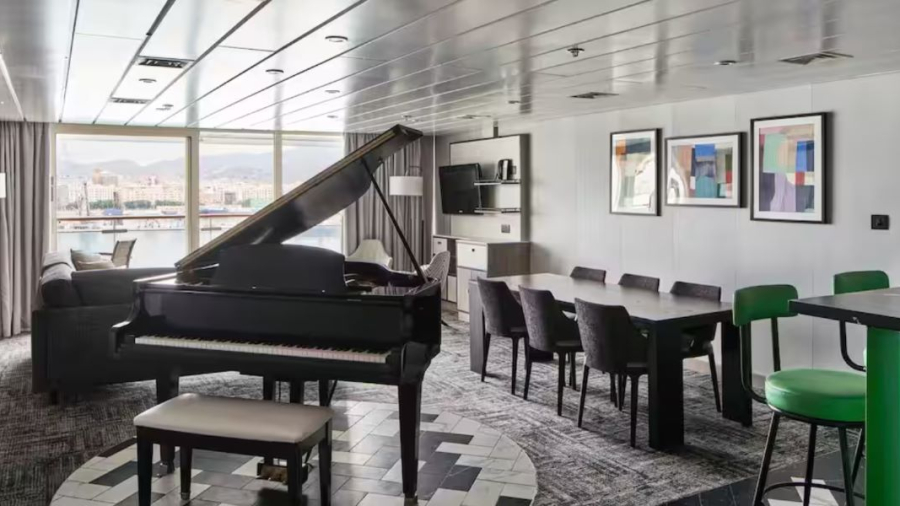
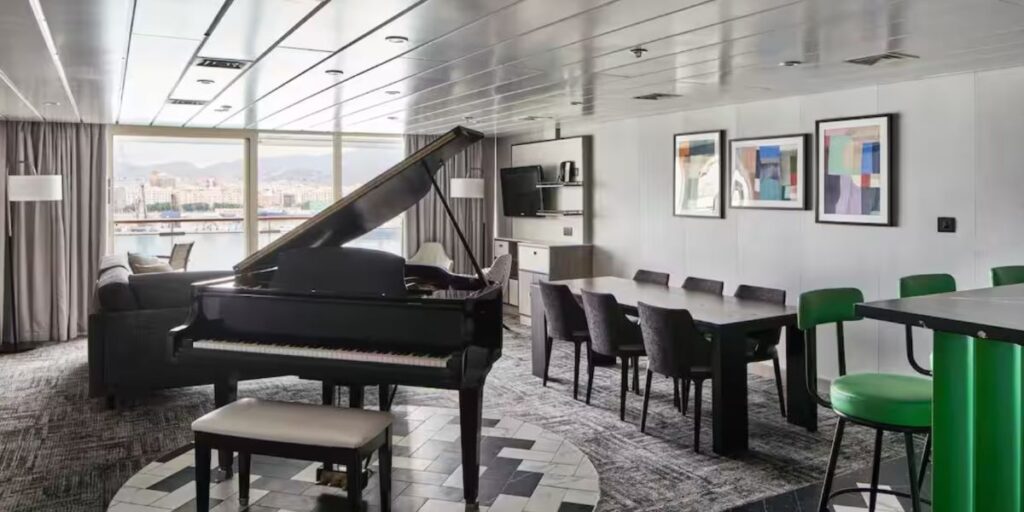
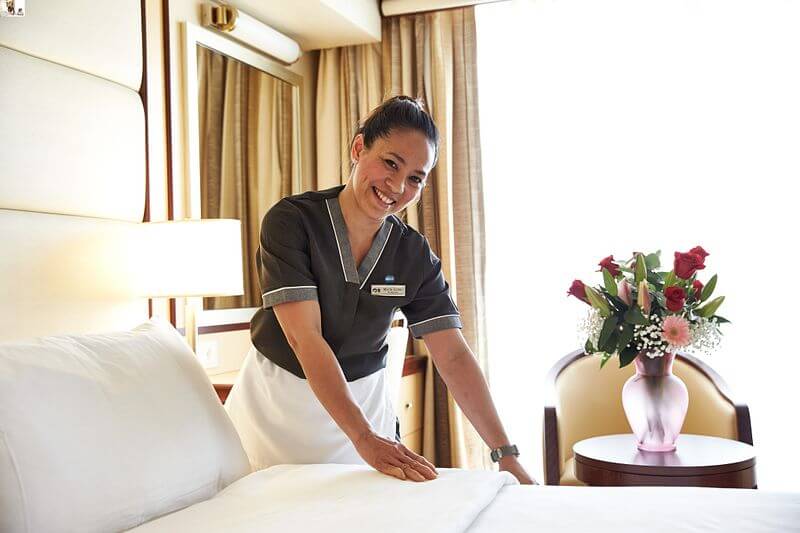
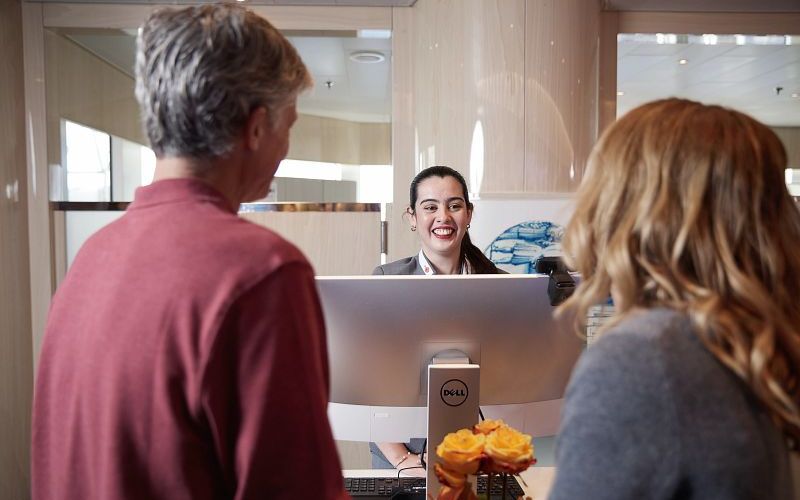
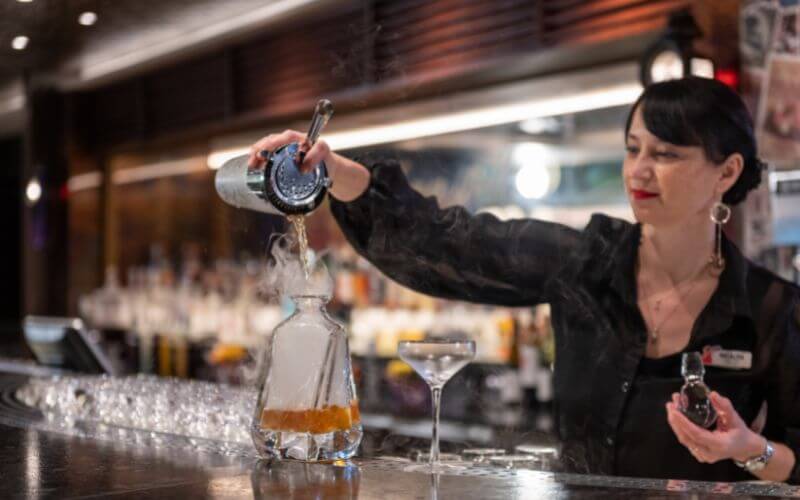
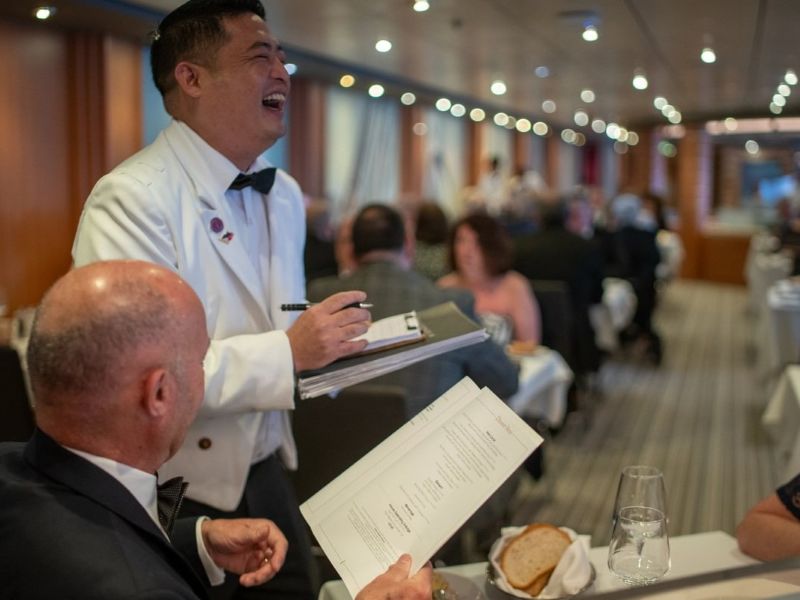
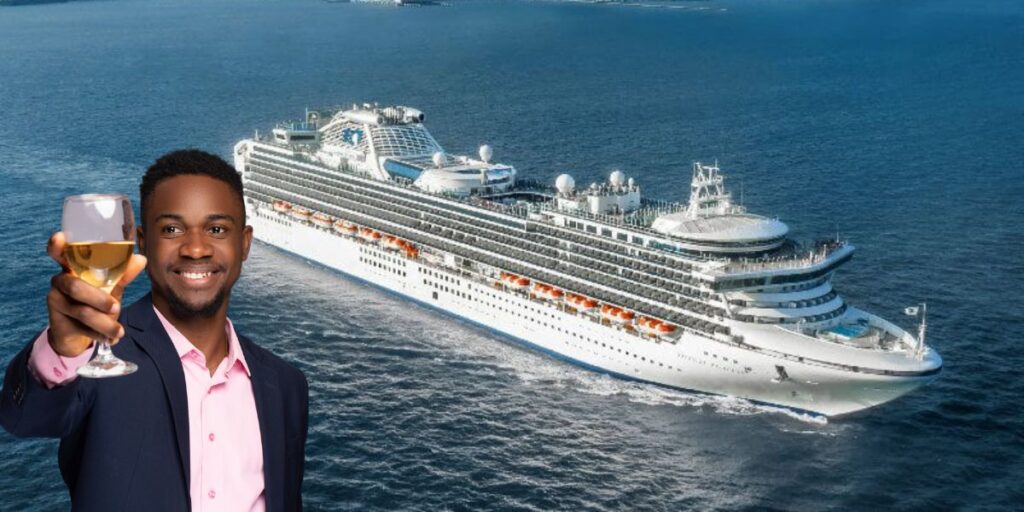
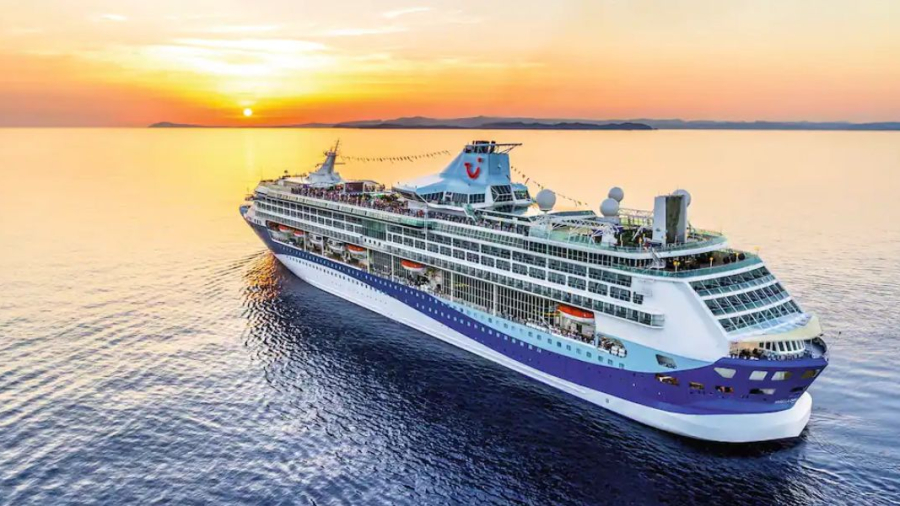
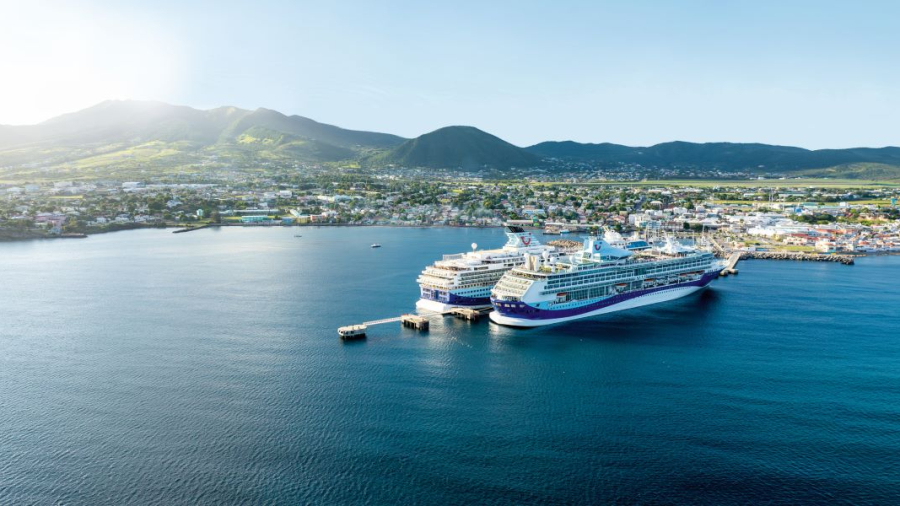
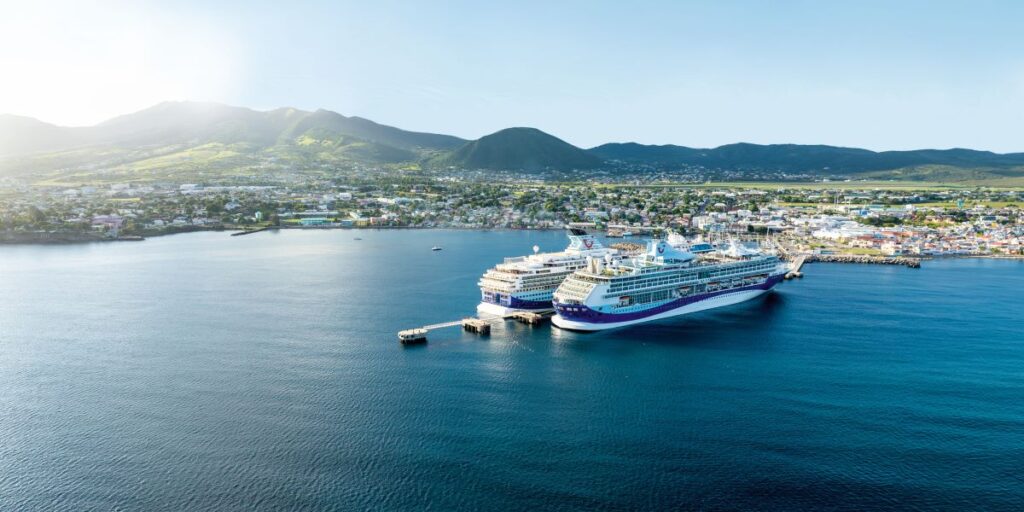
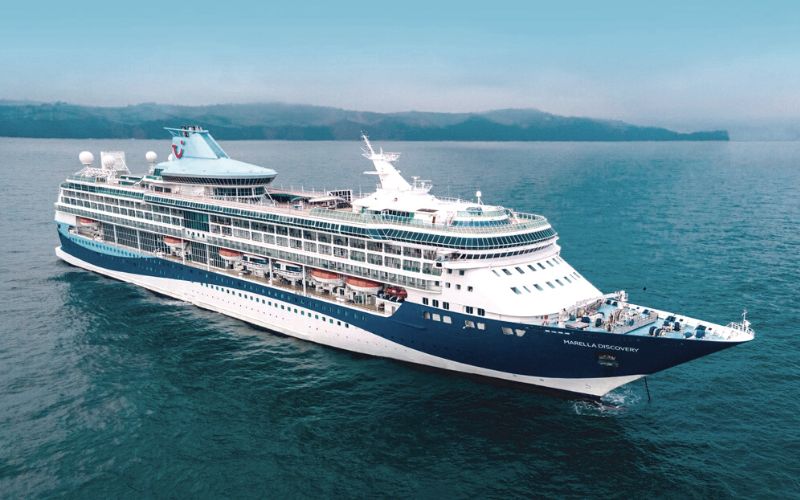
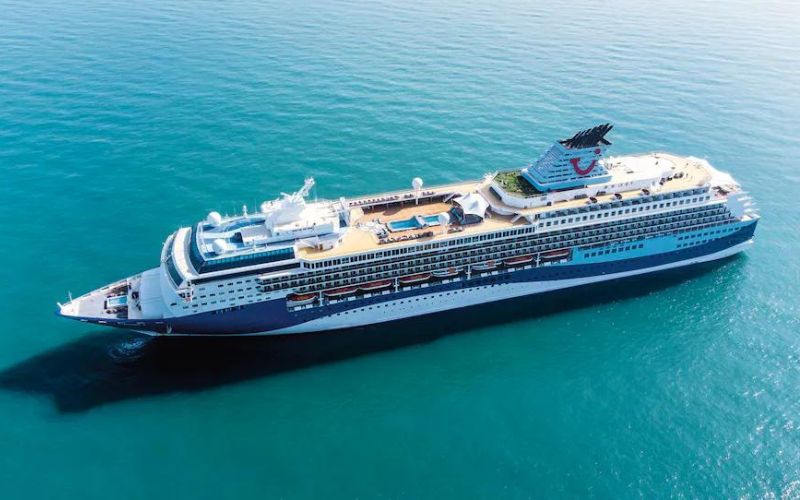
Marella Cruises is expanding its upgraded Suite Service Max offering across its entire fleet from summer 2026, extending a package of premium perks to guests booked in its highest suite categories after a trial on Marella Explorer last year.
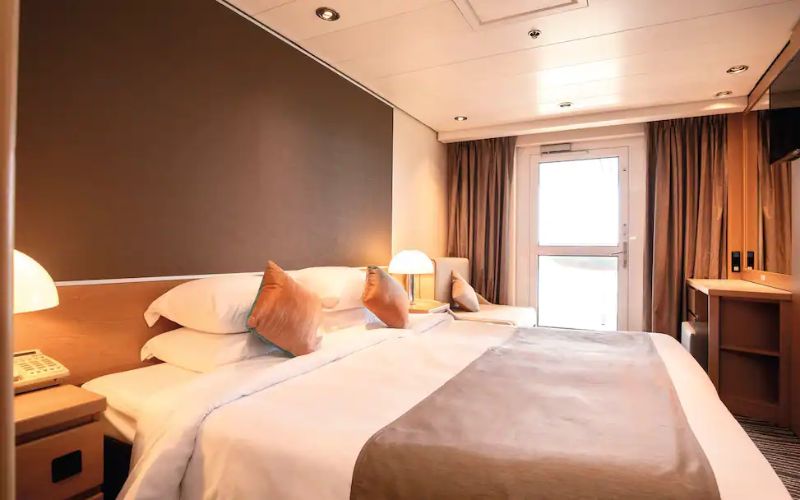
The programme will apply to Royal Suites, Voyager Suites and Executive Suites on all five ships, giving suite guests a broader mix of in-room amenities, dining extras and priority services.
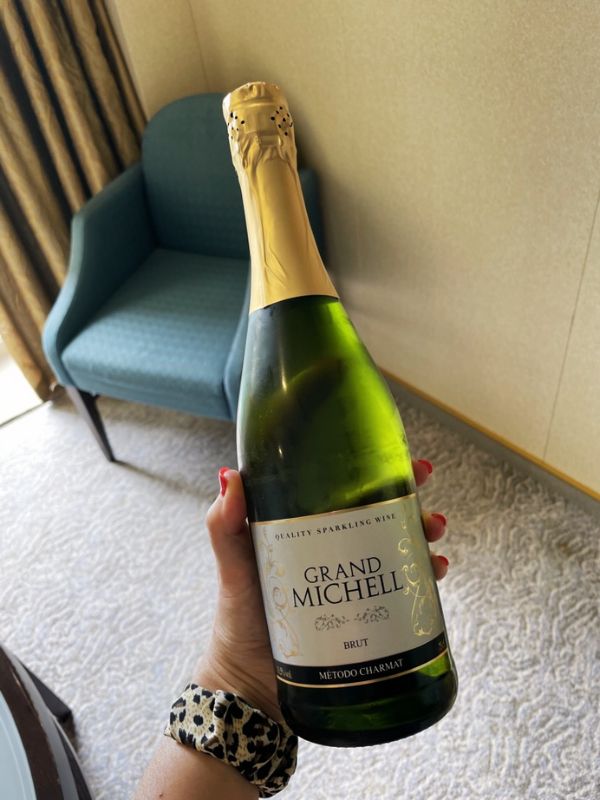
The line said the refreshed package will include daily in-suite breakfast with continental and hot options, once-weekly Afternoon Tea delivered to the suite, a welcome gift with chilled Nicolas Feuillatte Champagne and handmade truffles, full-size Elemis toiletries, GHD hairdryers, replenished water carafes and extra Lavazza coffee pods.
Additional benefits will include priority embarkation through a dedicated check-in queue, reserved breakfast seating in a designated area of the main dining room, two complimentary bags of laundry per week, 3,000MB of internet per guest per week, a gold-coloured cruise card and a 9 am late check-out on disembarkation day.
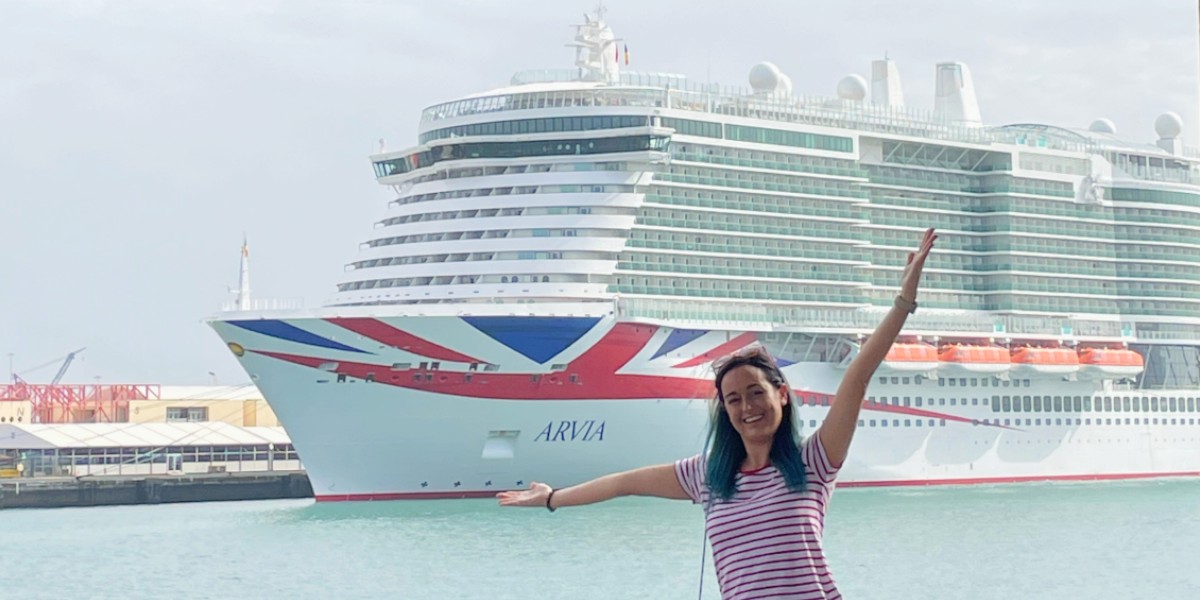
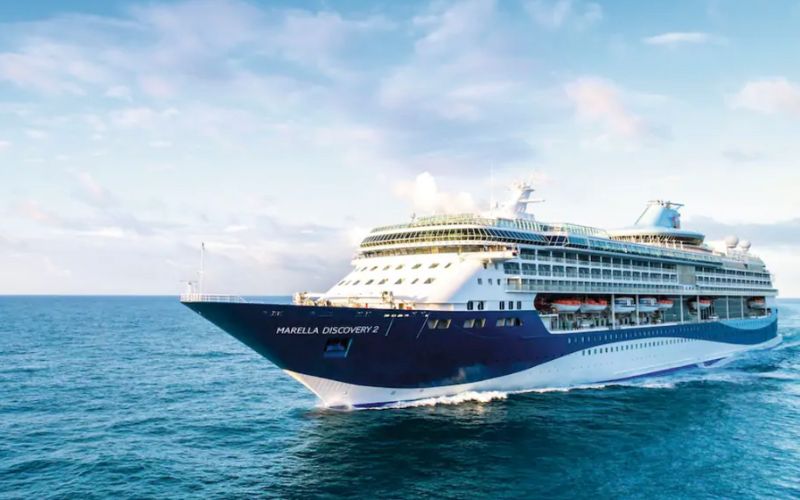
The rollout covers Marella Explorer, Marella Explorer 2, Marella Discovery, Marella Discovery 2 and Marella Voyager.
Marella said more than 40 suites across the fleet fall into the new Top Suites category included in the scheme. Executive Suites for summer 2026 sailings are being advertised from £1,697 per person.
Perks Expanded Across All Five Ships
The move gives Marella a more consistent premium offering across the fleet at a time when cruise lines are putting greater focus on higher-value accommodation and extra inclusions.
For Marella, which is part of TUI Group and describes itself as the UK’s third-largest cruise line, the enhanced suite package also adds another layer to its all-inclusive positioning, with tips and service charges already included as standard.
“This fleetwide rollout marks an exciting step forward in our commitment to delivering exceptional service. After a successful trial, the “Suite Service Max” guests will now enjoy a consistently premium experience across all ships, with new touches that make their holiday feel even more special subsequently expanding our product offering to new and returning customers.”
Chris Hackney, CEO at Marella Cruises
The decision to take the concept fleetwide follows the earlier test on Marella Explorer, which appears to have given the line confidence to formalise the benefits across its top-end accommodation.
In practical terms, the package now brings together service touches both onboard and in-suite, rather than focusing only on cabin amenities.
Part Of A Broader Push For 2026 Sailings
The rollout of Suite Service Max comes as Marella Cruises continues to build out its plans for 2026, with a strong focus on giving guests more choice both onboard and ashore.
Recent announcements have included new itineraries featuring destinations such as Tunisia, Spain, Portugal and Morocco, alongside a mix of adults-only sailings and varied cruise experiences across the fleet.
For travellers, the expanded suite offering is another sign of how Marella is adding more premium touches to its holidays, while still keeping its all-inclusive model at the core. Guests booking top-tier suites for 2026 can now expect a more consistent and elevated experience regardless of which ship they sail on.
With five ships now operating, including Marella Voyager which joined the fleet in 2023, the cruise line is continuing to refine its onboard experience while giving customers more flexibility when planning their holidays.
NEW DEALS JUST RELEASED!
Don’t miss the latest Marella Cruises offers…
Related Posts
If you found this interesting, please share!
World Cup 2026 hotel prices are rising sharply on match days in some host cities, meaning fans may want to avoid longer stays during the most expensive periods. New research…
P&O Cruises has unveiled a new promotion giving guests up to £800 in onboard spending money on selected voyages departing from Southampton, as the line looks to boost value across…
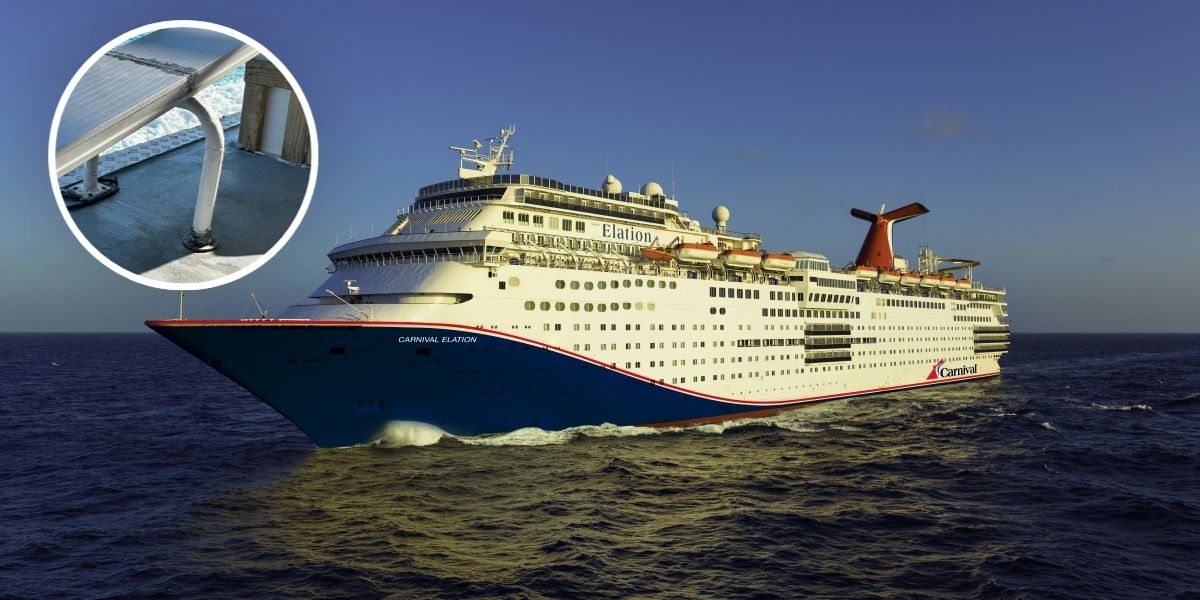
Carnival Cruise Line is facing a new personal injury lawsuit after a former Carnival Elation guest alleged she was hurt while travelling to a shore excursion in Nassau, Bahamas, and…
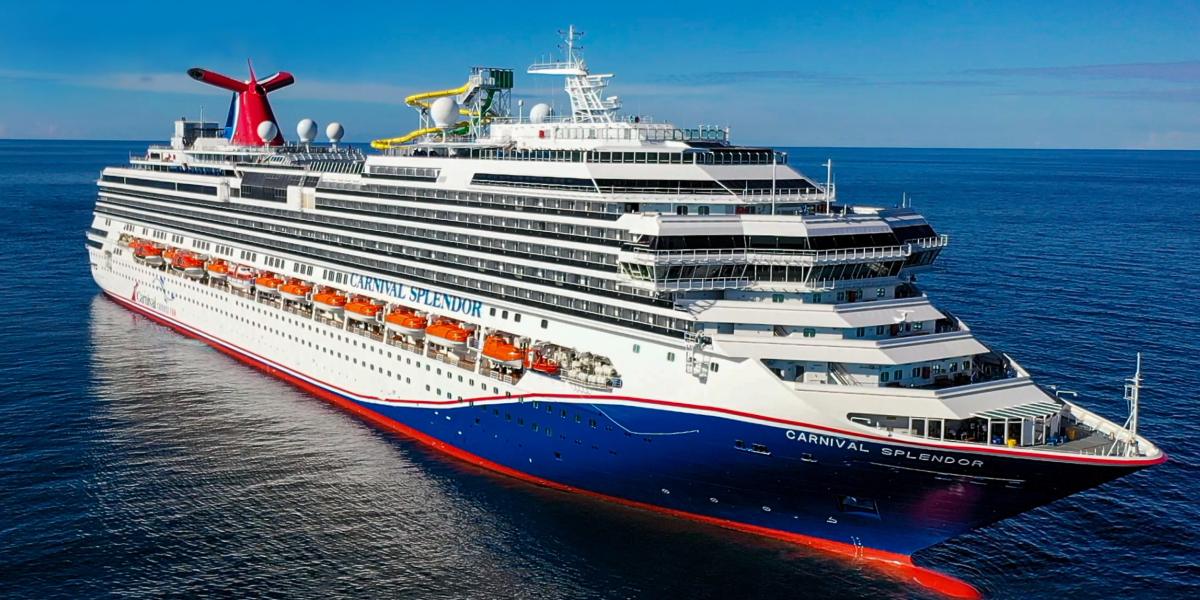
Carnival Cruise Line has cancelled a scheduled October 2027 sailing of Carnival Splendor from Sydney after the vessel was fully chartered by a private organisation. Guests booked on the 10-night…
CruiseCast is a new app built to help cruisers plan smarter by showing weather for real cruise itineraries by port and day, along with port tips and a smart packing guide.
You can use it to:
• See what the weather may look like at each stop • View live forecasts when available • Check typical conditions for cruises farther out • Build a smarter packing list for your trip • Get helpful tips for ports on your itinerary
Right now, CruiseCast is still in beta, and they’re looking for cruisers to try it out and share feedback to help shape the app.
The first 100 users get Pro free for life, so this is a great time to join early. Use Promo Code: CCFREE26
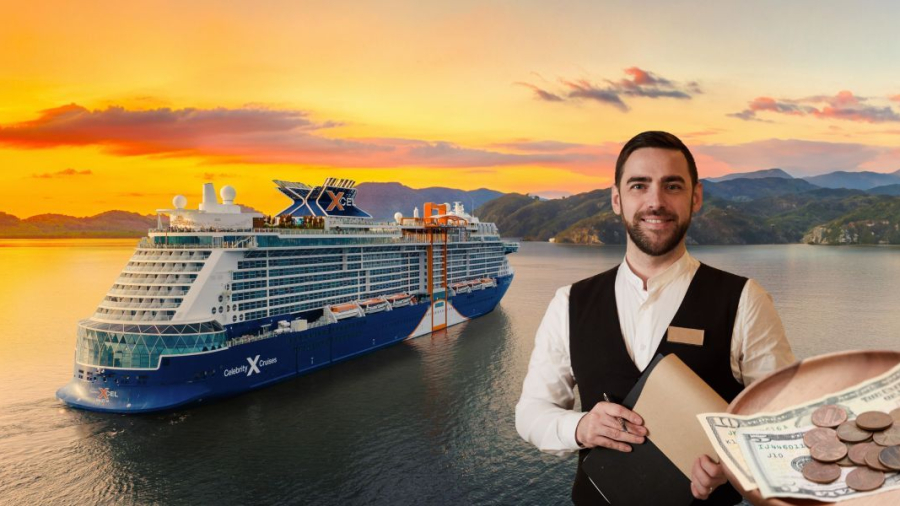
I love cruising, but I’ve always thought one part of the experience could be far clearer – tipping.
Not because tipping itself is a problem – but because the way it’s presented often feels half-hidden, vaguely explained, or quietly added on when you’re not looking.
For a first-time cruisers, tipping sounds simple: show appreciation for good service.
In reality, it’s layered, pre-charged, auto-added, bundled into packages, and sometimes framed as “optional” even when it doesn’t feel that way in practice.
It’s not uncommon for people to sail thinking everything is covered, only to discover a surprisingly large gratuities total on their onboard account near the end of the trip and an envelope on their bed requesting cash on top.
So, let’s pull back the curtain a little so you can understand everything about tipping – and make the right decisions to benefit the crew who look after you so well!
How Cruise Tipping Actually Works
Although each cruise line has its own wording, most mainstream cruise lines follow a very similar system when it comes to tips.
Automatic Daily Gratuities
Instead of relying purely on guests to tip individually, cruise lines add a fixed daily charge to your onboard account.
This is usually called something like:
“Gratuities”
“Crew appreciation”
“Daily service charge”
This amount is charged per person, per night, and it adds up quietly in the background as your cruise goes on.
You don’t hand money over – it appears automatically on your onboard bill in the same way drinks or excursions would.
The cruise line then pools this money and distributes it across various crew departments.
Who Those Tips Are Meant to Cover
The daily gratuities are designed to cover far more than just the people you see the most. While your cabin steward and your dining room team are included, the pool also usually supports:
Galley staff who prepare food
Housekeeping support teams
Laundry staff
Buffet and behind-the-scenes hotel crew
This is one of the reasons cruise lines push guests towards the automatic system – it ensures that the less visible crew are also included in the tipping structure, rather than only those with direct guest contact.
What’s less clearly explained is exactly how this money is split between departments and individuals.
Most cruise lines don’t publish the detailed breakdown, which makes it difficult for guests to understand where their money really ends up.
Prepaid Vs Onboard Gratuities
Cruise lines give you two main ways to pay these daily tips:
Prepaying Before Your Cruise
You can add gratuities to your booking in advance. This locks the cost into your holiday price and means you won’t see daily tip charges appearing on your onboard account.
Paying Onboard
If you don’t prepay, the cruise line will simply add the charges to your onboard account each day. You usually won’t need to do anything – it happens automatically.
The part that isn’t made especially clear in marketing is this: whether you prepay or not, the system assumes you will be paying these gratuities.
They aren’t something you actively opt into – they’re something you have to actively opt out of, and even that isn’t straightforward.
From a guest’s point of view, the confusion often comes from how cruises are sold:
They’re advertised as “great value” or “almost all-inclusive”
The daily gratuity amounts are often buried, not made completely clear
The wording makes them sound optional, even though they’re added automatically
If you don’t go looking for the information yourself, it’s easy to board thinking it’s all covered, only to feel caught off guard later.
What Cruise Lines Don’t Clearly Explain About Tipping
This is where most people get caught out. The information technically exists, but it’s rarely presented in a way that’s easy to understand unless you already know what to look for.
How Tips Impact Salaries
This is one of the most hotly debated parts of cruise tipping, and it’s where a lot of misinformation circulates online.
A common claim you’ll see on social media is that cruise lines use guest gratuities to top up crew wages – in other words, that the company pays staff less and uses your tips to make up the difference.
Cruise lines strongly deny that this is how their payroll works.
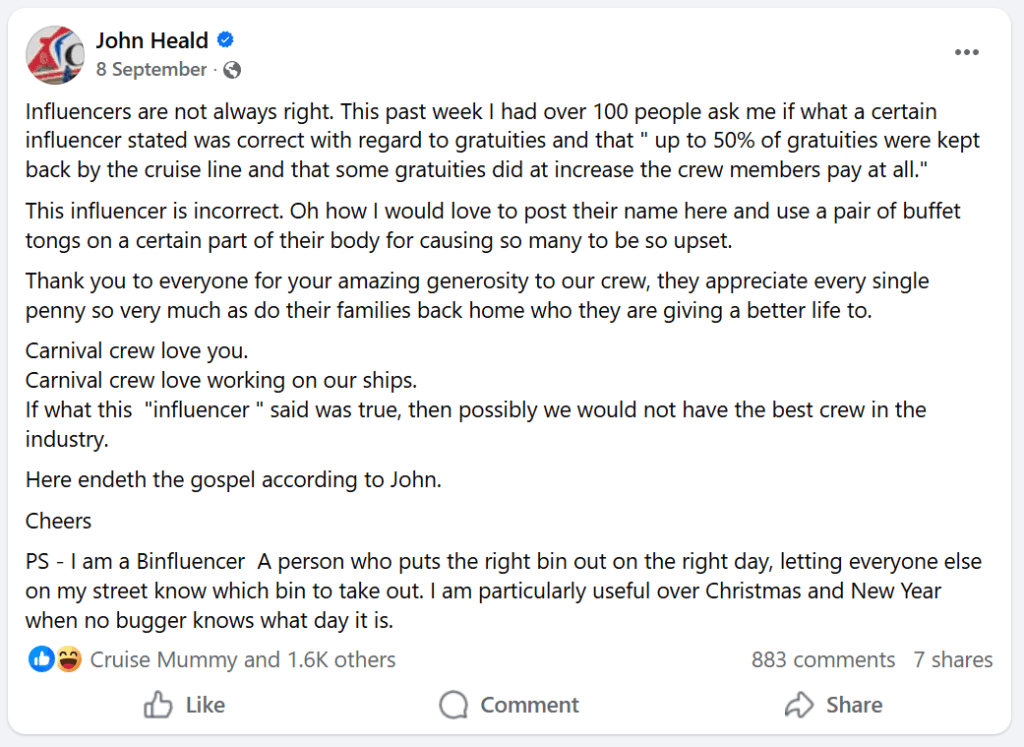
Carnival, for example, has repeatedly stated that gratuities given by guests are not used to reduce or replace a crew member’s contracted salary.
Brand ambassador John Heald has publicly described these claims as false and misleading, saying that tips go to the crew and are not kept by the company to fund wages.
What’s undeniably true, though, is this: on most mainstream cruise lines, crew members’ base salaries are relatively low (by US standards) and gratuities make up a significant and important part of their overall take-home pay.
Even if tips are technically paid “on top” of salary rather than instead of it, the reality is that:
Many crew contracts are designed with gratuities in mind
The expected income from tips is baked into how attractive (or not) the base wages are
If large numbers of guests removed or stopped paying gratuities, many crew members would see a meaningful drop in their real-world earnings
That’s the uncomfortable grey area cruise lines don’t tend to explain very clearly. They deny using tips to replace wages – but they also rarely advertise just how heavily many roles rely on gratuities to make the job financially viable.
For guests, the key point is this: whether structurally “on top” or not, gratuities are not a small bonus to many crew members. They are a core part of what makes the job workable.
Cruise lines often describe daily gratuities as “discretionary” or “optional”. That wording sounds reassuring – but the reality is a bit different.
On most mainstream cruise lines:
The tips are added to your account automatically.
You don’t actively opt in – they’re just there.
If you want to change or remove them, you usually have to visit Guest Services and ask.
In practice, that can mean queueing, explaining your reasons, and feeling uncomfortable about it. Some cruise lines have made the process more difficult over time, asking guests to justify changes or, in certain cases, directing them to contact the cruise line after the sailing instead.
The end result is that although the tips are described as “optional”, the system is designed around the assumption that almost everyone will pay them.
Drink Packages Aren’t Tip-Free
One of the most common misconceptions is that buying a drinks package means tipping isn’t an issue anymore.
In reality, gratuities are very much built into that part of the experience too.
Depending on the cruise line:
An automatic service charge (often around 15–20%) is added when you buy the drinks package.
The same type of charge can apply to speciality dining, spa services and salon treatments.
If you don’t buy a package and pay per drink, gratuities are usually added to each purchase.
So while you may not be handing over cash at the bar, you’re still tipping – it just happens invisibly in the background. Cruise lines rarely highlight this in their marketing for packages, which is why so many people are surprised when they see the charges.
Why It’s Usually Cheaper to Prepay Gratuities Early
This is something cruise lines almost never shout about, even though it can make a real difference to your budget.
Many cruise lines increase their gratuity rates over time – typically once every 12-18 months.
If you prepay your gratuities when you book, or at least well before your cruise, you usually lock in the current rate.
That means:
If the cruise line increases the daily gratuities later, you’re protected.
You won’t be charged the new, higher rate onboard.
If you wait and let the tips be added during the cruise instead, you normally pay whatever the rate is at the time you sail, not the rate that applied when you booked.
It’s one of the few areas where booking early can genuinely save money, yet it’s rarely promoted clearly because higher gratuities benefit the cruise line’s overall pricing structure.
Cash Tipping Still Exists
Even with automatic gratuities and service charges, there’s still an unspoken culture of cash tipping in certain situations.
This commonly includes:
Cabin stewards who give particularly good service
Dining staff in speciality restaurants
Butler or concierge staff in suite areas
Spa staff and excursion guides
Room service delivery
The cruise line messaging tends to imply that everything is “taken care of”, but onboard reality can feel a bit different. It’s not usually mandatory, but it’s still very much part of cruise culture.
TODAY’S BEST CRUISE DEALS!
Don’t miss these offers…
Should You Tip Extra?
This is where it gets personal, and there isn’t one right answer.
When Tipping Extra Makes Sense
Extra tipping can be a thoughtful gesture when:
A crew member goes well beyond what’s expected
Someone makes a special effort for dietary needs or accessibility
Staff help make a celebration, anniversary or birthday genuinely memorable
You’re on a private or small-group shore excursion
In these cases, extra cash isn’t about obligation – it’s about recognition.
You don’t have to tip extra (you never HAVE to) but a lot of people feel like these are the situations that would justify an extra tip, if you wanted to.
When You Don’t Need to Feel Guilty for Not Tipping Extra
It’s also perfectly reasonable not to “double tip” when:
You’ve already paid substantial daily gratuities.
Service charges have already been added to spa, salon or dining bills.
You’re sailing with a truly all-inclusive luxury line.
You’re not being stingy by trusting that the systems in place have already covered the basics.
The Cultural Side of Things
Cruises attract guests from all over the world. Tipping expectations are different depending on where you’re travelling from.
Cruise lines often expect US-style tipping behaviour, even though many guests are more familiar with European models where service is built into prices. A lot of confusion comes from that cultural clash.
But there are British cruise lines like P&O Cruises and Marella Cruises where no tipping is expected, because of the culture.
MSC Cruises are a global brand that have different models, depending on where you’re sailing. Cruising in Europe? No tip needed. Sailing the Caribbean from a US port? Automatic gratuities will apply.
How to Tip Smart on a Cruise
There are a number of ways you can make sure you thank the people who need it, without causing yourself any unnecessary stress.
Set a simple tipping budget
Before you sail:
Look up your cruise line’s daily gratuity.
Multiply it by the number of nights and people.
Add a small buffer for occasional cash tips.
Once you’ve done this, anything extra becomes a choice rather than a surprise.
And if you don’t have the budget for extra cash tips – cruises are expensive sometimes – then don’t stress over it!
Decide Whether to Prepay Or Pay Onboard
There’s no moral right or wrong here, just practical differences:
Prepay if you:
Like predictable costs.
Want to lock in the current rate before possible increases.
Prefer not to see daily charges stacking up onboard.
Pay onboard if you:
Want flexibility (depending on the line’s policies).
Prefer to keep everything in one final bill.
Carry Small Amounts of Cash
Even in a fairly cash-free cruise environment, it helps to have small notes in local currency.
These are useful for porters, guides, drivers and staff who fall outside the normal tipping pool.
There are cash machines/ATMs on most cruise ships but they’ll often have a minimum withdrawal amount of $50. And Guest Services can’t/won’t always break a note for you. So try not to forget this or, if you feel you want to leave a cash tip, it might end up being $50 at least.
If you’re already paying daily gratuities, your cash tips don’t need to be random or constant.
They’re most meaningful when used for genuinely exceptional service, or for people who make your holiday noticeably easier or better.
What Crew Members Really Think About Tips
This is where the subject becomes more serious.
For many crew members on mainstream cruise lines, their base wages are relatively low. So, gratuities make up a significant part of their overall income.
Because tips are often pooled, your daily gratuities don’t just reward one person – they support a larger ecosystem of staff you never see.
The downside is that this system is not always transparent. Guests rarely know exactly how the money is divided, and crew members aren’t usually able to talk openly about it.
What’s clear is this: when guests remove all gratuities as a protest against the cruise line, it often affects the crew far more than the company.
That doesn’t mean guests should feel forced into tipping. It does mean the system is more complex – and more human – than it first appears.
In theory, sometimes. In practice, the entire pay structure for many crew assumes that most guests will pay the automatic gratuities. So yes, technically it’s optional, but if everyone treated it that way, cruise lines would struggle to retain those fantastic crew members.
“If I buy a drinks package, tips are covered”
They are – but usually through automatic service charges that are already built into what you paid. Still, a couple of small additional tips for bartenders can make all the difference for how good the service is.
“The crew are already well paid”
On most mainstream lines, tips are not really a bonus. They’re a core part of income, even if ‘technically’ that’s not the case.
You don’t have to. But small, thoughtful tips are usually welcomed, even on lines that say they aren’t necessary.
“Only Americans bother tipping”
Cruises are international. Once people understand the system, tipping habits tend to converge more than you’d expect. Yes, there’s more of a tipping culture amongst US guests, but most people are happy to pay the automatic gratuities, and tip a little extra if they feel it’s warranted.
TODAY’S BEST CRUISE DEALS!
Don’t miss these offers…
Final Thoughts
I’m not against tipping, quite the opposite. I’m not even against automatic gratuities. What I am against is confusion and surprise.
Cruising should feel relaxing, not like you’re constantly trying to decode what’s really included and what isn’t. Once you understand how tipping works, it becomes much easier to budget properly, make fair choices, and feel good about rewarding great service.
My approach is simple: plan for the automatic gratuities, tip extra when someone genuinely deserves it, and never feel pressured into tipping blindly.
If nothing else, knowing what cruise lines don’t always say out loud helps you stay in control of your holiday – and that’s how it should be.
If you’ve been cruising for more than about five minutes, you’ll know that drink packages were once the Wild West.
People shared them, swapped cards, smuggled spirits inside shampoo bottles, and generally treated the rules more as vague suggestions than anything binding.
Naturally, the cruise lines cottoned on. Over the years, they’ve tightened the rules, uploaded new terms and conditions in a slightly sterner font, and trained crew to spot everything from a secretly poured piña colada to a mysteriously shared SeaPass account.
And yet, for all the clamping down, a few very handy workarounds still exist.
Drinks Loopholes Explained
This isn’t about the shady stuff. Not the stuff that’s going to get you a lifetime ban.
The loopholes I’m talking about the little quirks, the harmless oddities, and the surprisingly generous policies that let you enjoy a civilised drink on board without signing your life away to an eighty-pounds-a-day alcohol package.
These aren’t really loopholes in the legal sense; they’re more like gentle hacks, perfectly allowed, but rarely promoted because the cruise lines would rather you didn’t do it.
The good news is that if you do the maths, you can save a small fortune. And even better, many of these tricks work across multiple cruise lines and ships, so once you learn them, you can carry them from sailing to sailing like a particularly smug travel accessory.
Before we get into the subtler tactics, there’s one category of loophole so effective that it deserves pride of place right at the top.
1. Choose a Cruise Line That Lets You Bring Booze Onboard
Most cruisers don’t realise just how wildly different the bring-your-own rules can be from one cruise line to another.
Some lines treat alcohol like contraband. They’re so strict that you can’t even bring a bottle of water with you. But others have no issues with you bringing a bottle of bubbly, some cans of beer and a whole case of Pepsi Max.
If you choose carefully, you can quite legitimately enjoy the majority of your drinks without ever paying a bar bill or buying a package.
Disney Cruise Line is the best-known example, and their policy remains one of the most generous anywhere.
Each adult is allowed to bring two bottles of wine or six beers not only on embarkation, but at every single port of call. That means if you call at four ports during a seven-night cruise, you can theoretically walk on with two fresh bottles of wine on five separate occasions.
When we took a transatlantic cruise on the Disney Dream, I found a shop in the Azores where the most expensive bottle of rose wine was 4 Euros. I brough two back on the ship with me.
A couple travelling together could accumulate a frankly heroic amount of booze without ever going near a drinks package.
Combine that with the ease of pouring a glass in your cabin before heading out for the evening, and you suddenly begin to understand why so many Disney regulars sail without paying for onboard alcohol at all.
There is a corkage fee, but it only applies if you present the bottle in a bar or restaurant. So many guests happily enjoy their own wine privately and opt in to the ship’s wine list only when they fancy something special.
Several other cruise lines will let you bring a small amount of alcohol onboard as you embark.
If you start paying attention to which cruise lines encourage a modest amount of BYO and which ones shut it down entirely, you realise that choosing the right line is itself one of the strongest drink-package loopholes still standing.
A little homework before you book can save you a small fortune once you’re on the high seas.
Even though cruise lines charge corkage to drink your own wine in public venues, some guests may opt to pout a glass in the cabin, and then go and sit in a quiet area on deck. Particularly if they don’t have their own balcony.
This is one of those quiet customs that everyone seems to know about but nobody particularly troubles themselves to enforce. You’re drinking wine the cruise line already allows you to bring on board; you’re simply choosing to enjoy it in a different part of the ship.
Most people who do this keep things discreet. They pour into a regular wine glass or, increasingly, an insulated tumbler that keeps a drink cold and hidden from view.
It’s not sneaky so much as practical. After all, the line has already permitted you to have the wine; they just haven’t necessarily encouraged you to take it for a little walk.
If you like wine, and you’re on a line that allows you to bring some on board, you can drastically reduce the amount you spend on drinks packages.
One or two glasses privately before dinner, another from your own stash while watching sailaway, and suddenly you’re only buying the occasional cocktail or speciality drink.
Over the course of a week, that can easily add up to hundreds of pounds saved, all while staying within the rules.
And it’s not just wine you can do this with. I usually carry a little bottle of concentrated cordial with me. I order a glass of tap water and then add a little splash of flavour.
Yes, I could get a drink package for the kids, but they’re happy with squash and it saves not only my wallet but also their teeth compared to drinking fruit juice and fizzy drinks all the time.
3. Watch the Drinks Package Prices Like a Hawk
Drinks packages used to cost whatever they cost, and that was that. But in recent years, the cruise lines have adopted a far more dynamic pricing model, which is a polite way of saying that the numbers jump around a lot.
One week a package might be on sale, the next it’s quietly crept up twenty per cent, and then it’s suddenly part of a limited-time bundle deal if you book a new sailing by Wednesday lunchtime.
It’s chaotic, but in a way that can work very much to your advantage. Watching the drink package prices has often bagged me savings of up to 50%!
The trick here is to treat the drink package a bit like you would a flight or hotel: buy it early if you’re keen, but don’t be afraid to cancel and rebook if the price drops.
On several cruise lines you can do this entirely online before the cruise, which makes it incredibly easy. You simply keep an eye on the promotions, especially around big sale events like Black Friday, and re-purchase when you see a dip.
If your sailing includes one of those “free drinks” promotions built into the fare, the same principle applies.
These offers come and go with startling speed, and sometimes a sailing that didn’t include a drink package on Monday suddenly includes one on Friday, for exactly the same cabin grade.
There’s no guarantee your original fare can be adjusted, but it’s always worth checking. If there’s a change in terms or inclusions, you can sometimes rebook the same cabin type under a new deal and come away with the package for less money than buying it outright.
It all feels a bit like playing the stock market, except the stakes are mojitos and merlot rather than tech stocks. And while it requires a small amount of attention, the payoff can be huge.
The lines won’t shout about this, obviously, but they do allow it, and as long as you’re flexible and willing to pounce when a discount appears, you can game the system quite legally.
4. Choose Itineraries Where a Drinks Package Simply Can’t Pay For Itself
One of the quietest and most satisfying loopholes is not really a loophole at all, but a bit of clever itinerary planning.
The cruise lines love a captive audience. Sea days, private islands and long evenings on board all encourage you to eat, drink and spend in ways that naturally make a drinks package feel tempting.
But the moment you flip the balance and choose a port-heavy itinerary, the whole economic logic of a package starts to wobble.
If you’re off the ship from nine until five most days, you’re simply not around to make use of unlimited cocktails. In fact, you’ll probably find yourself enjoying a cold beer or a glass of something local while exploring ashore.
A waterfront bar in Spain or Greece will often cost less than half the price of the same drink on board, and it feels infinitely more atmospheric than sitting at a pool bar with three thousand other holidaymakers.
Once you’ve done that a few days in a row, you realise you haven’t actually bought anything on the ship beyond the odd latte.
This is particularly noticeable in regions where the ports are close together and the days ashore are long.
The Mediterranean is a perfect example. A seven-night itinerary with four or five full port days barely leaves you time to get value from a package, unless you’re planning to sprint back on board each afternoon and immediately start drinking.
Most people don’t. They’re tired from sightseeing, they fancy a shower and a lie-down, and by the time they head out for the evening, they may quite sensibly stick to a single drink.
There’s also a lovely side benefit: drinking ashore allows you to try local wines and regional beers you’d never find on the ship. In a way, you’re not only saving money on the ship; you’re actually upgrading your entire drinking experience.
So the loophole here is really that the best way to beat the drink package system is simply not to need it.
5. Take Advantage Of Your Loyalty Status Or Suite Perks
One of the things I find oddly charming about cruising is how much the loyalty schemes vary from one line to another.
Some give you little trinkets and tote bags; others hand out drink perks that are astonishingly generous. And the higher up the tiers you climb, the more these perks begin to resemble a drinks package you didn’t have to pay for.
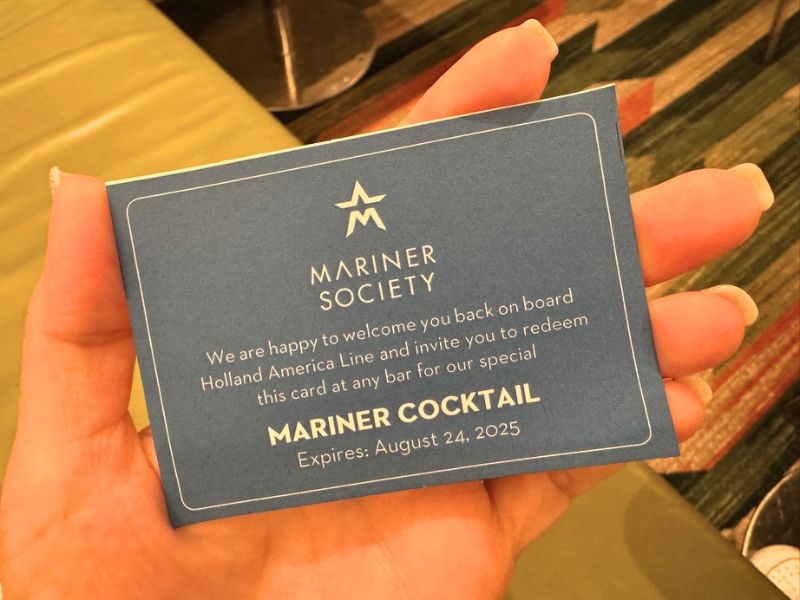
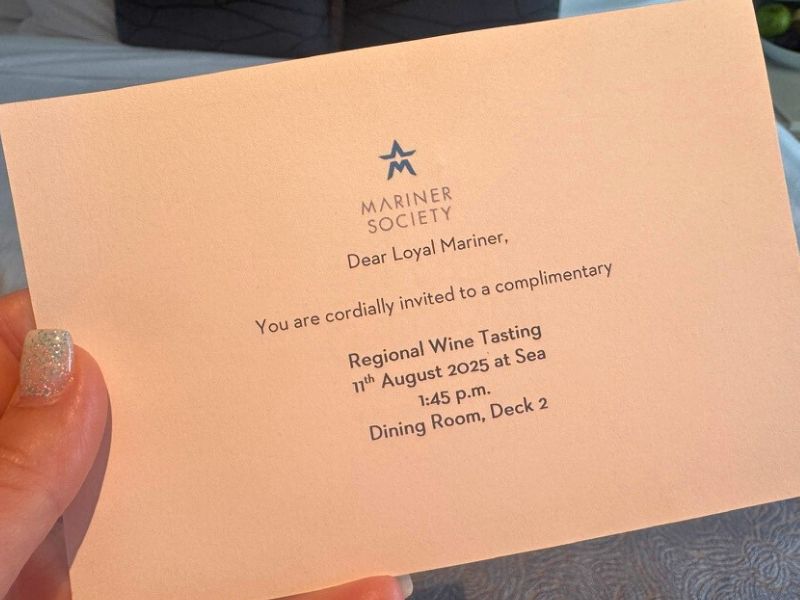
If you’re in the loyalty program, you may find little cards in your room, offering you a free cocktail here, a special party with free drinks there and maybe even free invitations to events like wine tastings.
Some cruise lines treat their most loyal guests to daily complimentary drinks during set hours, and some grant you a handful of drinks at any time of day, without you spending a penny.
Royal Caribbean starts dishing out daily free drinks once you reach Diamond in the Crown & Anchor Society – from 4 to 6, depending on your level. That might be all you need!
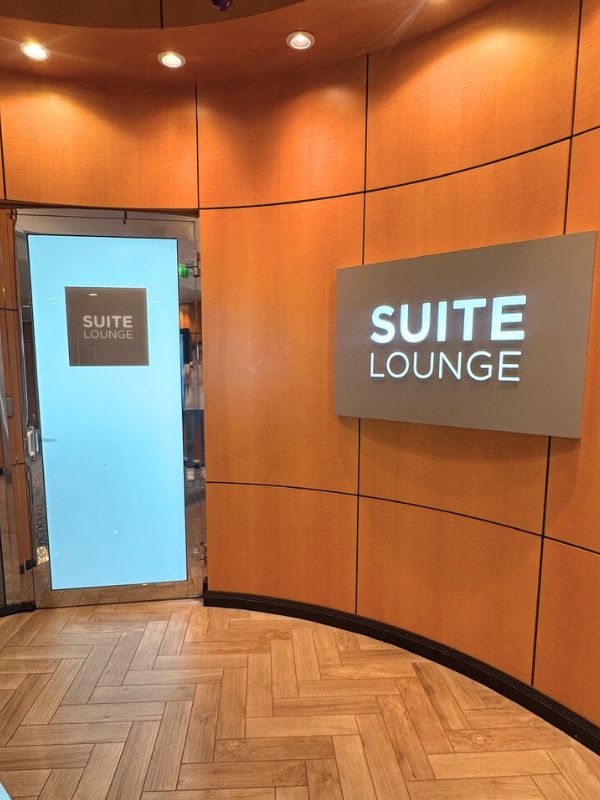
Suite guests often enjoy an even smoother experience. Many ships have private lounges for suite passengers where wine, beer and spirits are poured freely for several hours each night.
Some even include complimentary sparkling wine or premium spirits that would cost a fair bit if ordered at the bar. It’s not unusual to see guests in these lounges quietly enjoying two or three drinks before dinner, chatting to the concierge staff, and then strolling off to the dining room without having put anything on their account.
What’s nice about this category of loophole is that it rewards loyalty and long-term cruising rather than short-term tactics.
If you sail frequently with one line, you eventually reach the point where the cruise line itself is giving you enough complimentary drinks that a package becomes redundant.
And if you happen to book a suite, the perks effectively replicate the experience of a package without the all-day obligation to drink constantly in order to feel you’ve got your money’s worth.
For newcomers, this might not be an immediate benefit, but it’s something to keep in mind if you tend to favour one cruise line over another.
Even without any perks, promotions or portside wine-runs, there’s another way to keep the drinks bill well under control: simply lean into the small everyday offers that most passengers barely notice.
The most obvious example is the drink of the day. Nearly every ship has one, and while it might not always be the exact cocktail you were dreaming of, it’s usually offered at a sizeable saving.
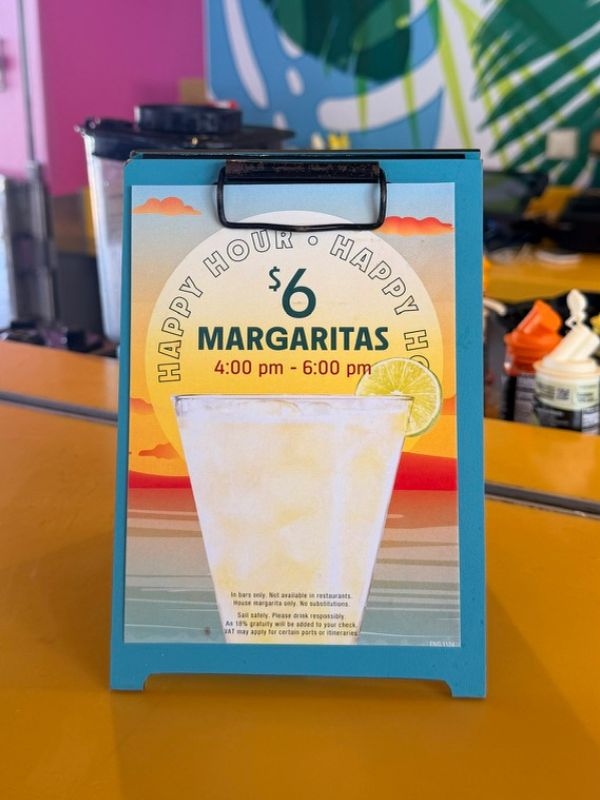
Then there are the happy hours and time-limited promotions that come and go throughout the cruise. Some are tied to specific bars, others to quieter times of day when the ship would love a bit more buzz and spending.
A buy-one-get-one-half-price deal here, a reduced price beer bucket there… suddenly it starts to feel like you’re having your own version of a drinks package, just without the daily fee attached to your account.
What makes all of this feel like a loophole is that you are genuinely still treating yourself. You’re having the cocktails, the spritzes, the beers by the pool. You’re just doing it at moments when the ship is offering a sweeter deal.
7. Consider Partial Packages Instead of the Whole Shebang
Another clever twist that often gets overlooked is that you don’t have to buy an alcohol package to feel like you’ve got a package.
Cruise lines now offer a whole menu of alternatives: soft drinks packages, coffee bundles, mocktail passes and water packages that can sharply cut down your casual spending.
Combine one of those with a handful of well-timed paid drinks and possibly a bit of BYO wine back in the cabin, and suddenly the math starts to look extremely friendly.
And there’s a little-discussed psychological perk, too. Having a partial package gives you the comfort of knowing a lot of your consumption is covered, but without the odd pressure that full alcohol packages sometimes create.
8. Let The Casino and Social Events Boost Your Bar Budget
The casino can be a dangerous place if you’re genuinely trying to win money, but from a drinks perspective it can be surprisingly kind.
On many cruise lines, if you speend enough in the casino, you start to receive complimentary drinks from the casino bar.
For example, on Holland America Line, once you accumulate 1,500 casino points, they put a sticker on your card which entitles you to free drinks from the casino bar.
You don’t actually have to be gambing to claim your free drinks. I would often use my sticker to grab a free glass of wine on my way to the theatre.
For the casual gambler, that can translate into several nicely poured cocktails or beers over the course of a night, all essentially included in the cost of a handful of cautious bets.
Even if you don’t venture anywhere near the slot machines, there’s another overlooked source of free drinks: shipboard events.
Art auctions, captains’ welcome parties, loyal-guest receptions, even certain sailaway celebrations often include a complimentary glass of fizz or a cocktail.
These aren’t usually advertised as a way to get a free drink, of course, but they’re an entirely valid part of cruise life and they can add up quite nicely if you enjoy being sociable.
TODAY’S BEST CRUISE DEALS!
Don’t miss these offers…
Final Word
Cruise lines will always nudge you towards the biggest, shiniest drink package because it’s good business for them. But you don’t have to play their game to enjoy a well-watered holiday.
A little knowledge goes a long way. Whether you’re topping up your wine stash in every port, taking full advantage of your loyalty perks, or simply timing your cocktails with a happy hour, there are plenty of ways to sip smartly without breaking any rules.
So the next time someone insists a drinks package is essential, you’ll know better. The smartest cruisers aren’t the ones drinking the most.
They’re the ones paying the least for exactly what they enjoy, glass in hand, sea breeze in their hair and a quietly triumphant smile that says: I’ve beaten the system and I haven’t even left the cocktail bar.
Marella Cruises has confirmed British singers Pixie Lott and Lemar among the headline acts for its 30th anniversary sailings, with the celebrations set to begin across the line’s five-ship fleet from 1st May 2026.
Guests booked on the special seven-night voyages can expect live performances, celebrity appearances and a programme of themed events built around the 1990s, the decade when Marella Cruises first entered the UK market.
Pixie Lott is due to perform aboard Marella Discovery, where she is expected to bring some of her biggest hits to the anniversary sailing, including All About Tonight, Cry Me Out and Boys and Girls.
Lemar has also been added to the line-up and will headline onboard Marella Explorer 2, with the singer set to perform a selection of his best-known tracks during the cruise.
It’s expected that more headline acts for Marella Explorer 2 and Marella Discovery will still be announced in the coming months.
The entertainment programme stretches well beyond those two performances. Broadcaster Michaela Strachan is scheduled to appear on both Marella Explorer 2 and Marella Voyager, where she will host live Q&A sessions reflecting on a television career spanning four decades, from children’s programmes and late-night music shows to wildlife documentaries filmed in the UK and around the world.
Other names confirmed for the anniversary voyages include Fleur East, Boyzlife, La Voix, Eddie the Eagle and Anthea Turner.
Marella Discovery 2 will host Fleur East in Palma alongside a live Q&A with Eddie the Eagle, while Marella Explorer, also sailing from Palma, will feature Boyzlife performing songs linked to Boyzone and Westlife, plus another guest appearance from Edwards.
Marella Voyager is set to welcome La Voix, while Marella Discovery will feature Anthea Turner during its sailing from Limassol.
Anniversary Events Planned Across The Fleet
Each ship will host its own version of the 30th birthday celebrations, but Marella said every sailing will include a Birthday Gala, Party Like It’s 1996 events, quayside celebrations, 1990s trivia quizzes and retro television box sets from the decade.
The wider aim is to turn the voyages into a fleetwide celebration of the brand’s history while leaning into the nostalgia of the era in which it launched in the UK.
“With Marella Cruises marking 30 years in the UK, we’re excited to announce even more headline acts with British stars such as Pixie Lott and Lemar, for both new and returning cruise customers.
“Our customers value our all-inclusive offering and seamless end-to-end service, and this celebration will take them on a nostalgic journey back to 1996 with music, quizzes and onboard entertainment inspired by the era. We can’t wait to welcome guests aboard our ships to celebrate this milestone birthday with us.”
Chris Hackney, CEO at Marella Cruises
Pixie Lott added: “I’m thrilled to be performing at Marella Cruises’ 30th birthday celebrations! I can’t wait to bring the party to life and make the celebrations unforgettable for everyone onboard.”
A Milestone Year For Marella Cruises
The 30th anniversary programme is one of Marella’s biggest themed entertainment pushes in recent years and underlines how important event-led sailings have become in the contemporary cruise market.
Marella Cruises, part of TUI Group, describes itself as the UK travel company’s cruise brand and says it offers all-inclusive cruising as standard, with tips and service charges included in the fare. The line also said prices for the 30th birthday sailings start from £1,056 per person.
Across the anniversary sailings, the line appears to be mixing chart acts, television personalities and nostalgia-led programming in a bid to appeal to both repeat guests and first-time cruisers.
NEW DEALS JUST RELEASED!
Don’t miss the latest Marella Cruises offers…
Related Posts
If you found this interesting, please share!
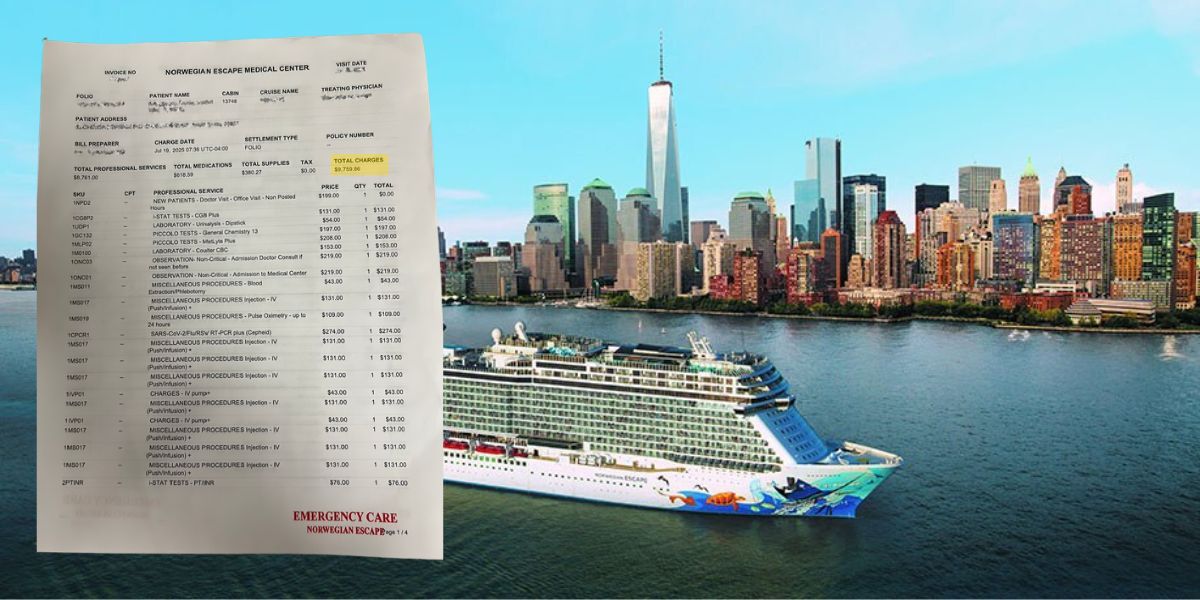
Getting sick on a cruise is bad enough. But imagine leaving the ship with a $10,000 medical bill. That’s exactly what one Norwegian Cruise Line passenger says happened after visiting…
Carnival Cruise Line has cancelled a block of Carnival Firenze departures scheduled between 12th October 2026 and 16th November 2026, removing more than a month of short Baja itineraries from…
A UK government investigation has criticised the handling of a major heavy-weather incident aboard Saga Cruises’ Spirit of Discovery, concluding that failures in voyage planning, emergency response and onboard medical…
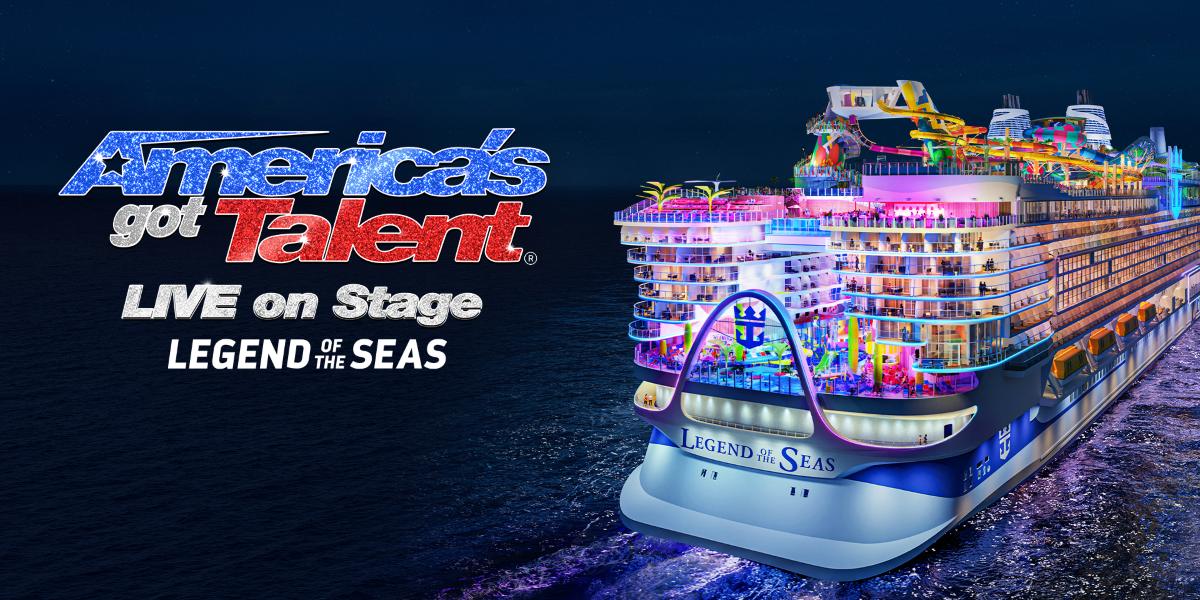
Royal Caribbean has announced that its upcoming cruise ship Legend of the Seas will introduce a brand new entertainment concept at sea with the debut of America’s Got Talent LIVE….
Cruise ships are floating holiday resorts and wonderfully lively places to be. But even the most sociable traveller sometimes needs a moment of calm.
Luckily, most ships have a handful of tucked-away locations that many passengers never stumble upon.
These secret sanctuaries are perfect for reading a book or watching the sea roll by when everything gets too people-y.
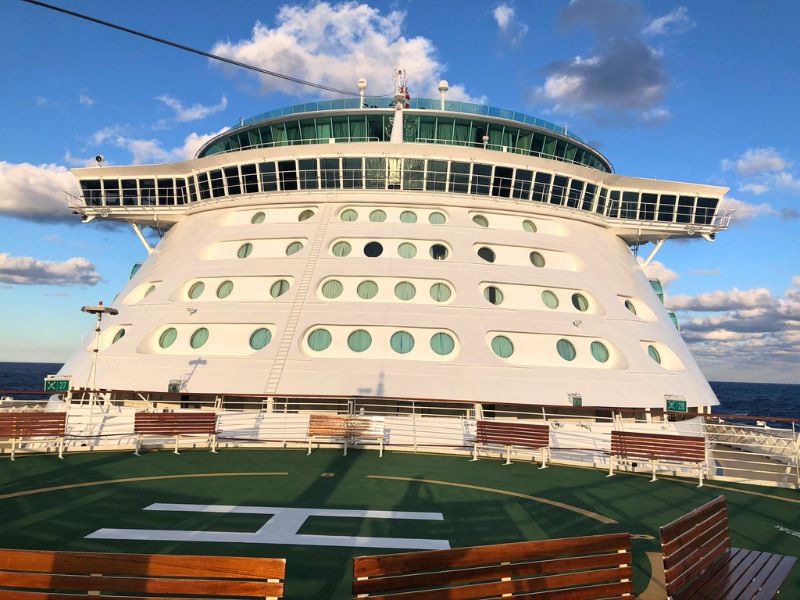
1. Helicopter Pad
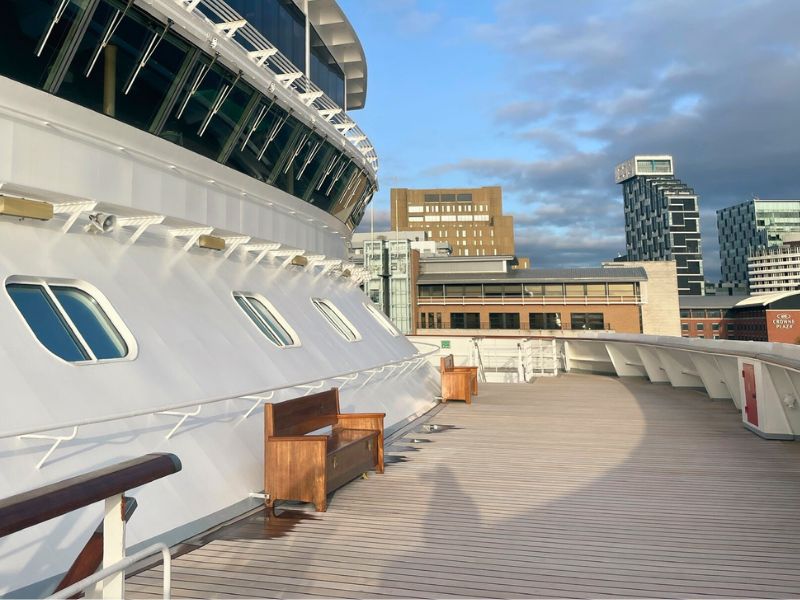
If your ship has a helicopter landing area, it is often open to passengers when not in use.
You may need to find your way through a quiet set of doors at the bow, and sometimes it is only accessible during daytime hours.
But if you manage to locate it, you are rewarded with uncrowded views straight out to sea and a refreshing breeze. It is a brilliant spot to watch sailaways, take photos, or just enjoy the ship slicing through the waves in peaceful isolation.
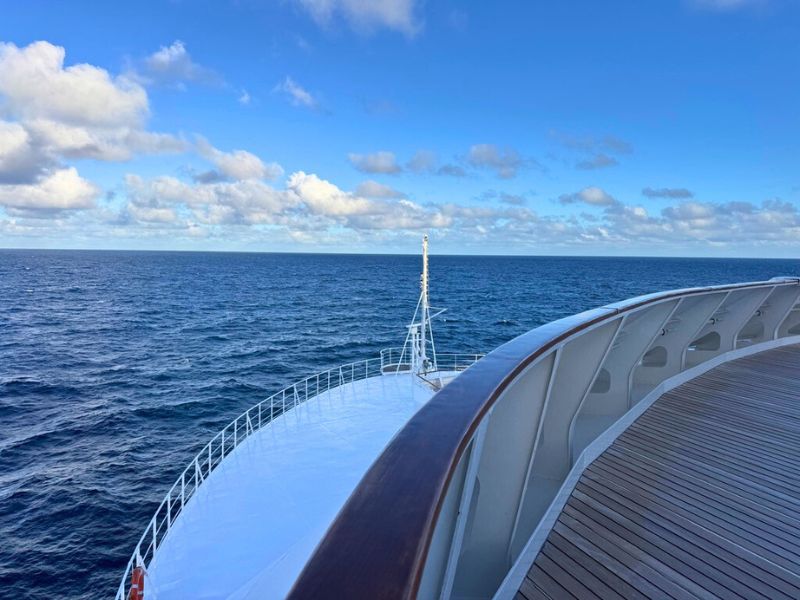
Pronounced “fo’c’sle”, this is the area at the very front of the ship, sometimes separate from the helicopter pad.
Not every cruise line allows guest access, as this area is often used as the outdoor area for crew members and you may see a crew pool or hit tub here.
However, if yours is open for guests, you can often find benches and railings perfect for Titanic-style sea-gazing, minus the soundtrack.
The gentle hum of the ship at work and the occasional spray of salty mist remind you that you are on a real ocean adventure. It feels like a private spot where only the most inquisitive wanderers arrive.
Be aware though, the forecastle is the windiest spot on the ship. It will be closed in bad weather, and even if it is open, I’d advise taking a hair bobble and definitely no hat!
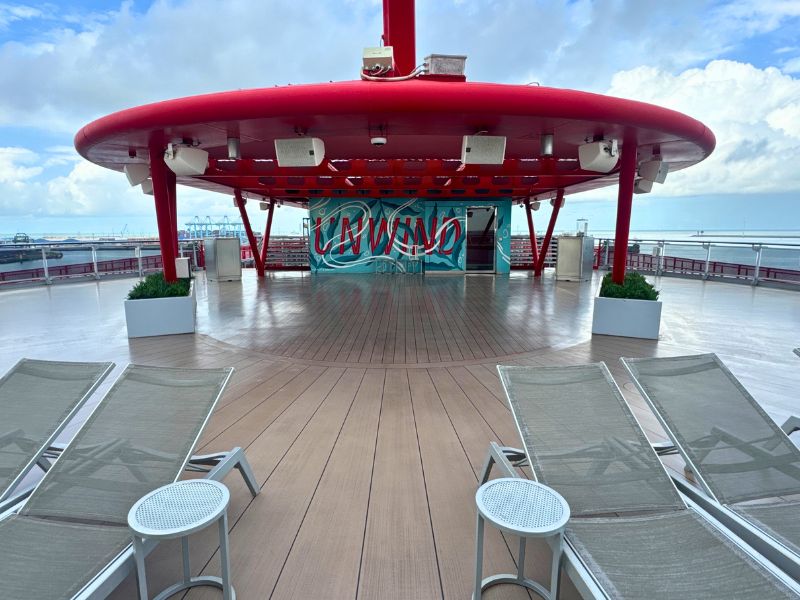
3. Highest Deck
Many passengers stop at the pool deck and assume it is the top. In fact, there is often a small additional deck above, accessed by a discreet stairwell.
If ever you can’t find a sunlounger, then keep heading upwards and you’re almost certianly sure to find one here. Yes, it may be quite a walk from the pool, and there’s also a chance of encountering some soot from the funnel, but it’s also one of the quietest sunbathing spots on any ship.
The back of the ship is home to some of the most soothing views around, with the wake trailing behind in a never-ending ribbon of white foam.
While aft pools and lounges can be busy, head down if you can and look for small outdoor decks tucked just below or above the main action.
Aft balconies are among the most coveted cabins for a reason, and public areas back here absorb fewer people. Sometimes you’ll even find comfy loungers with the best views on the ship. It is peaceful, hypnotic, and a perfect setting to enjoy a quiet drink with nothing but ocean behind you.
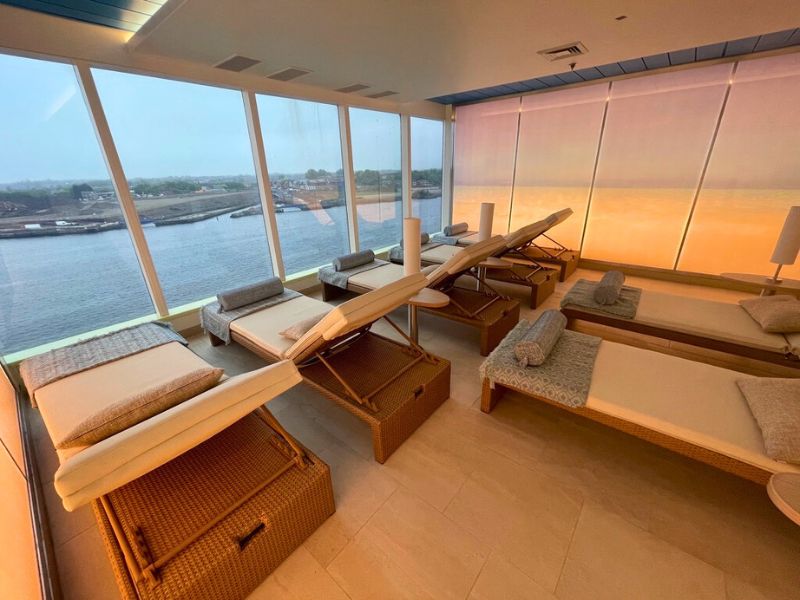
Even if you don’t fancy a massage or hot stone treatment, it may be worth checking whether your ship’s spa offers complimentary or low-cost relaxation spaces.
These can include heated ceramic loungers, calming dark rooms with soft music, or panoramic windows looking out to sea.
Some ships have thermal suites that require a pass, but they are still far quieter than the main decks. It feels like stepping into another world, where the loudest sound is someone gently drifting into a nap.
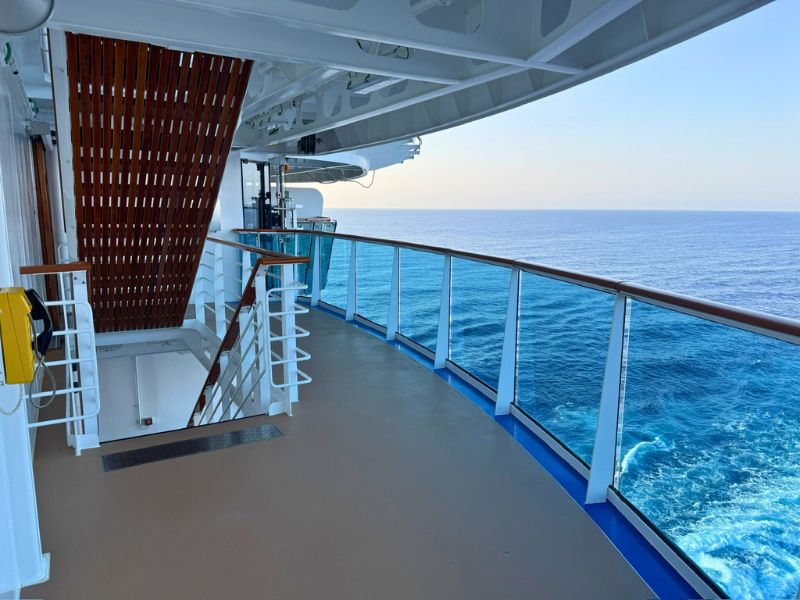
The promenade deck wraps around the ship and is a classic escape for those who love sea breezes and movement, yet many people forget it exists at all!
Despite being a large space, it rarely fills up, especially near the bow or on the shady side. Bring a book, lean on the rail, or take a slow stroll while listening to the ocean rushing past. Many promenade decks also have games like shuffleboard or double up as a running track.
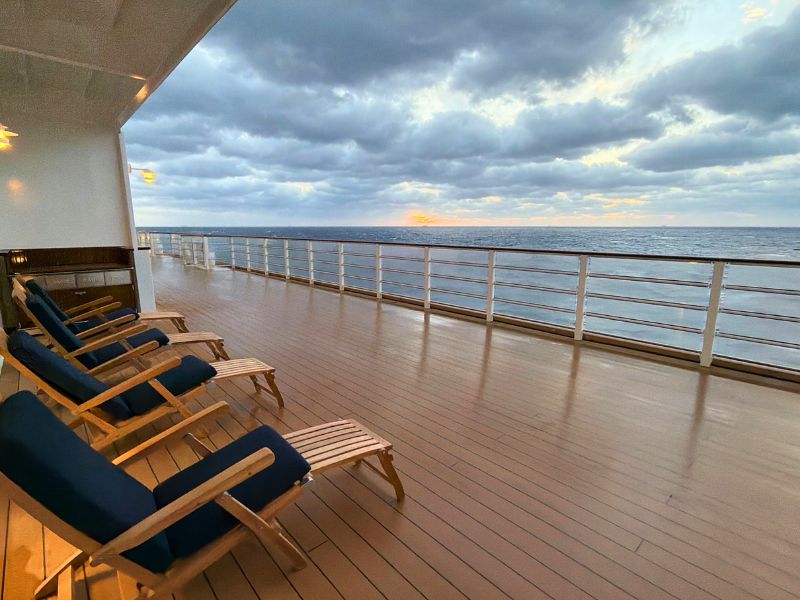
Many ships even place loungers out here, creating the perfect low-key sunbathing spot. While others chase the poolside soundtrack, you can enjoy the sound of actual waves.
TODAY’S BEST CRUISE DEALS!
Don’t miss these offers…
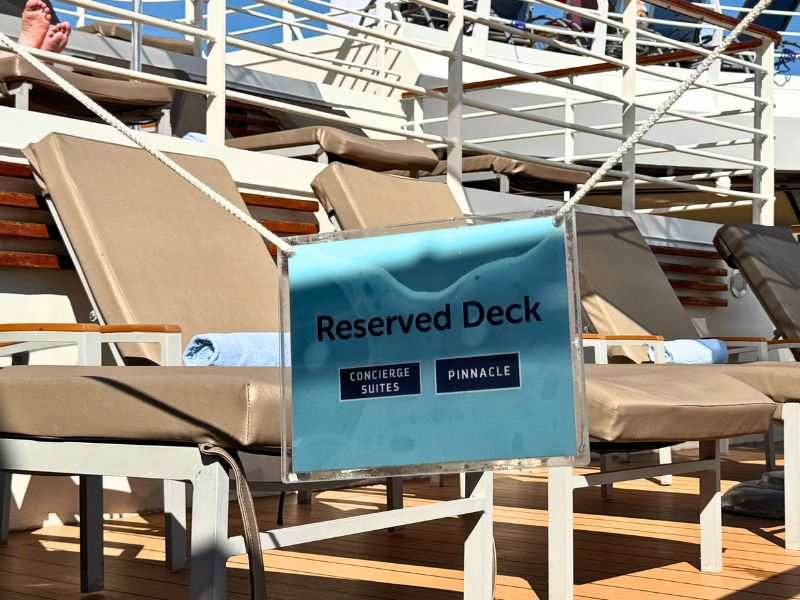
7. VIP Areas
Many cruise lines reserve some areas of the ship only for VIPs. These are usually guests staying in suites, or those in the highest levels of the loyalty programme (the ones who have cruised many times before).
However, may guests who are entitled to use these areas forget that they exist at all. So if you do splah out on a suite for your cruise, remember that the extra space in your accommodation is just part of the deal.
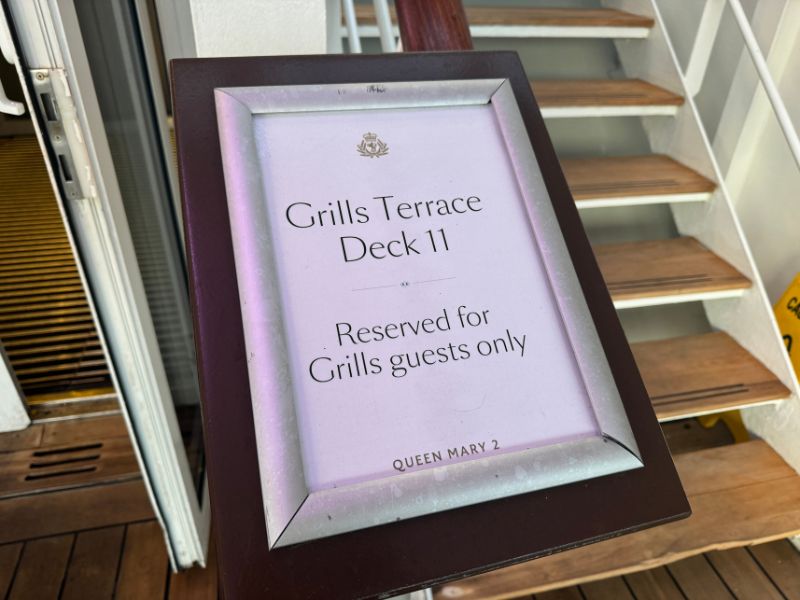
Be sure to look out for the suite lounge, a dedicated suite restaurant, or a VIP sun deck to make sure that you get the most out of the perks that you paid for.
8. Crow’s Nest
Older ships often have a crow’s nest lounge up forward on a high deck. It may go by different names, but the idea remains the same: huge windows, elevated views, and usually fewer visitors than the main bars.
During the day it can be a haven for readers, photographers, and anyone who enjoys watching the world go by without loud music or crowds.
After dark, many are transformed into more social spaces, so visit early to enjoy the quiet charm.
Also, if you’re cruising on a tall sailing ship – something like those offered by Star Clippers -there might be an actual Crow’s Nest area, although you’ll have to climb the rigging to get there!
9. Library And Card Room
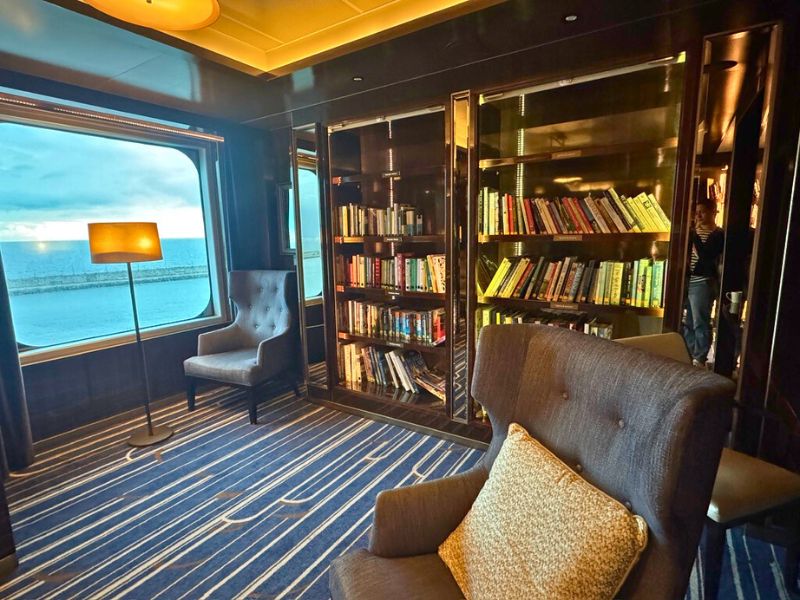
Libraries are classic cruise hideaways, designed for the calm-seeking traveller. They provide comfy chairs, hushed voices, and sometimes even a decent selection of novels and board games.
Card rooms serve a similar purpose, especially on ships that have downsized their libraries over the years.
These spaces are often overlooked because the biggest entertainment happens elsewhere. Whether you are plotting to conquer a crossword or conquering a new thriller, you can count on a bit of peace.
10. Nightclub During The Day
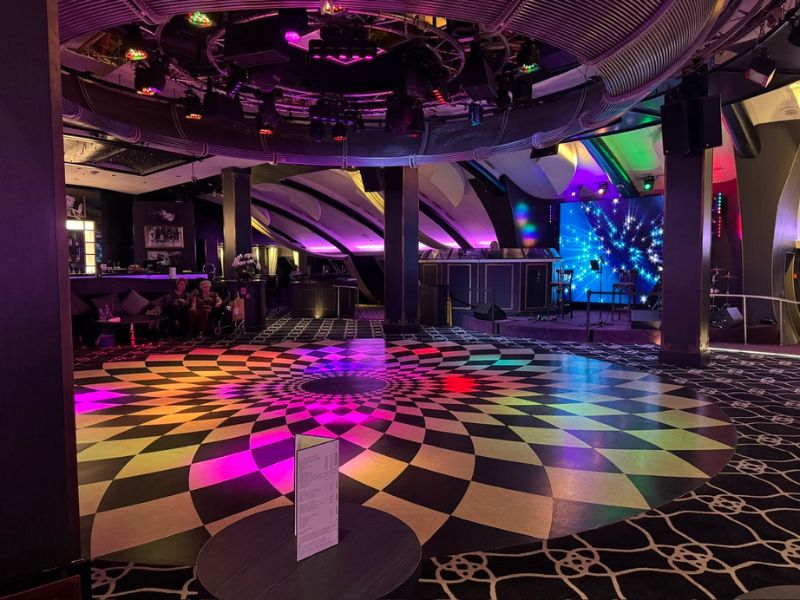
The nightclub might be the loudest venue on board at night, but in the daytime, nobody ever goes there. Most ships keep the doors open, allowing you to wander in for a feel of the space.
If you like cool temperatures, comfy seating, and complete quiet, this is a dream. It is like having your own exclusive VIP lounge, minus the sweaty dancing and questionable DJ remixes.
A word of warning though – it can sometimes smells like stale beer, depending on how good they are at cleaning the carpets.
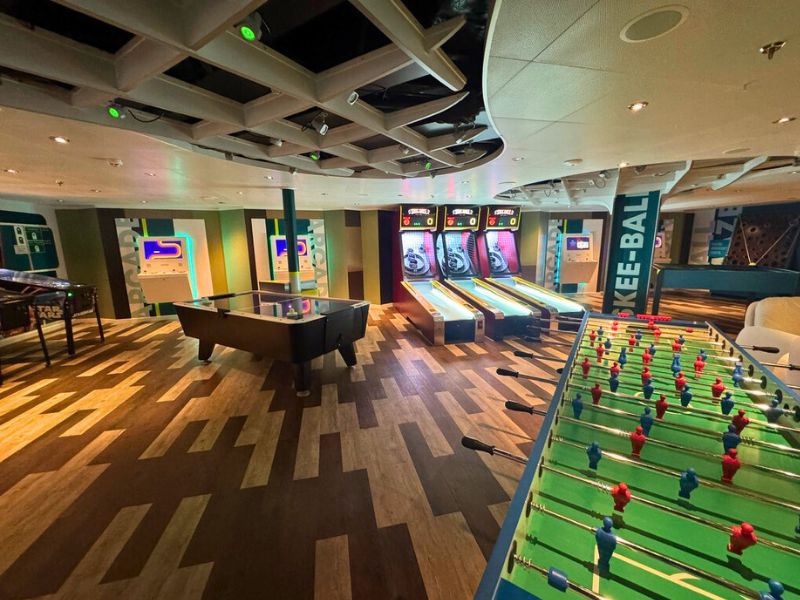
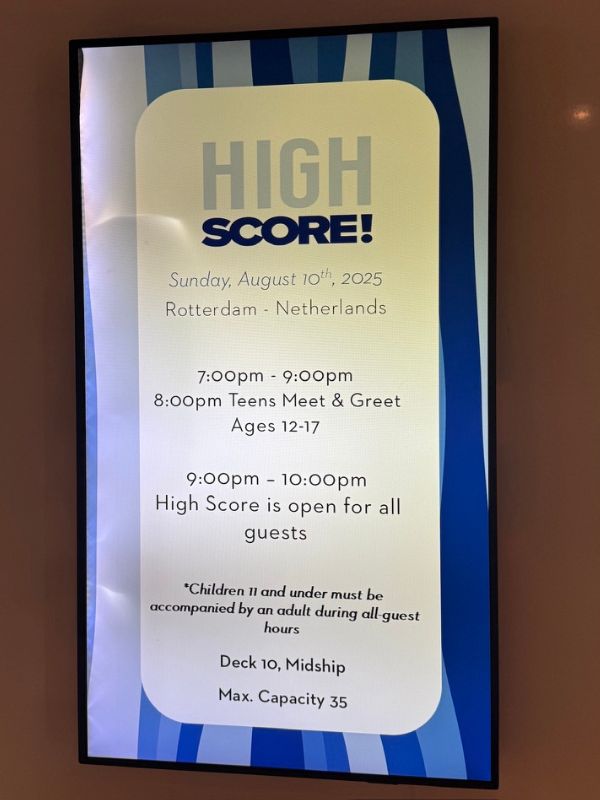
11. Teen Club (Sometimes Open to All at Certain Times)
Teen zones are normally off-limits. However, some ships open them up during daytime hours when the young crowd is elsewhere. These spaces are designed for chilling out, with gaming chairs, sofas, and sometimes top-notch forward views.
If you spot the doors open, don’t feel shy about popping in. You might find one of the most comfortable and strangely peaceful lounges onboard. Alternatively, you may end up playing Mario Kart on the Xbox. Either way, it’s worth a lopok.
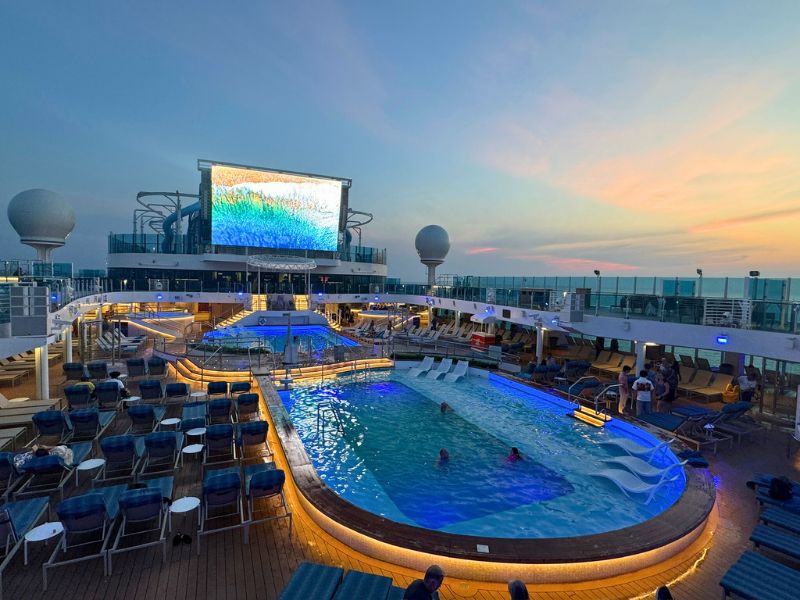
12. The Pool In The Evening
The pool isn’t exactly hidden, but you’d be surprised how many people head indoors at 6pm and never venture outside again until the morning!
Staying by the pool after dark can be a great idea, particularly during warmer weather.
You’ll have plenty of space to swim, hot tubs to yourself, and many ships even offer movies on the top deck. If it’s chilly, they may place blankets out that you can snuggle under while you eat your popcorn.
Many poolside bars stay open after dark too, offering a quieter and more romantic spot to enjoy your evening cocktail.
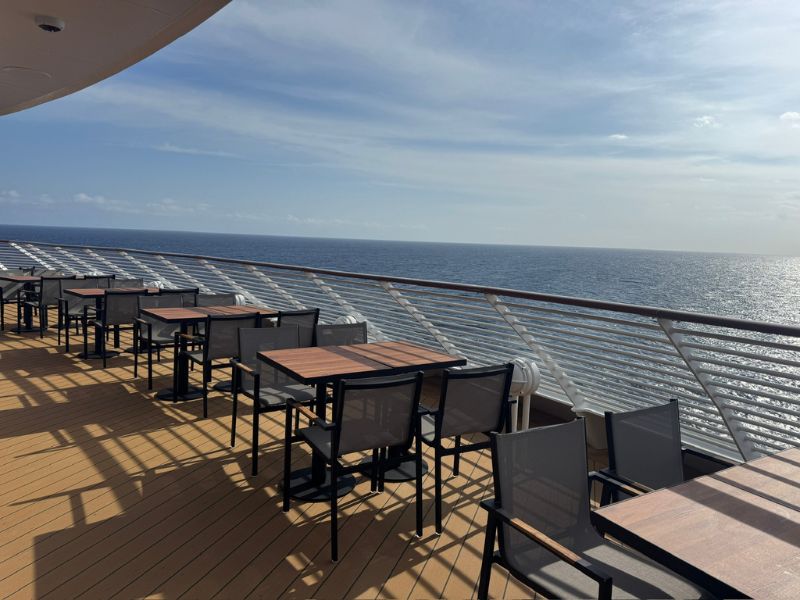
13. The Back Of The Buffet
The buffet can be one of the busiest places on a cruise ship. Yet many guests often don’t realise that there may be an extra outdoor seating area, right at the back.
If the weather isn’t too warm, you may think that sitting outside for breakfast isn’t really an option. However, due to the sheltered location at the aft, the outside area of the buffet can be a real sun trap.
Some ships also have patio heaters here, making it a real hidden gem.
And even between meals when the buffet isn’t serving food, this can be a great place to sit and enjoy a quiet cup of coffee while admiring the wake views.
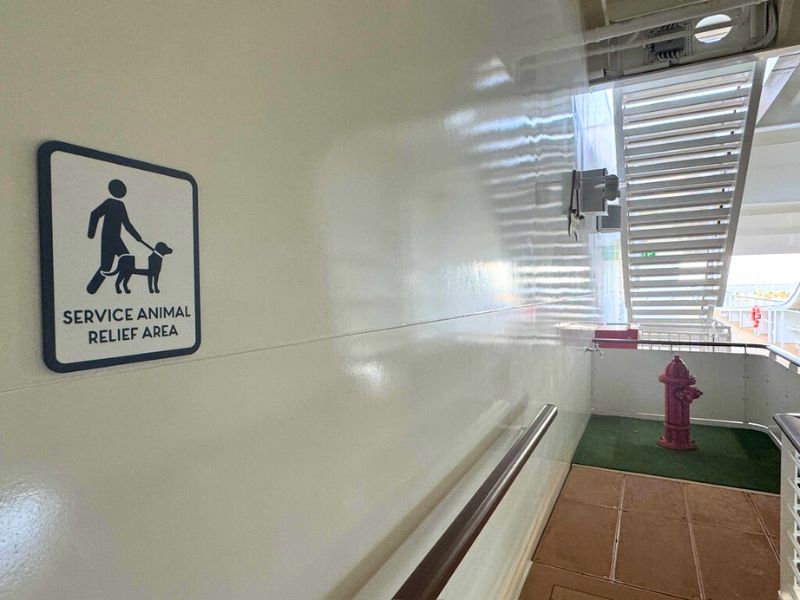
14. The Dog Toilet
Cruise ships allow service animals such as guide dogs onboard, and you may never have considered where they do their business.
The answer is that there will be a service animal relief area somewhere outside. If your ship has a promenade deck then you may see it tucked out of the way, or it may only be accessiblt to those in the know through a secret door.
Dog toilets on cruise ships have a patch of fake grass, a trash bin for the waste, and usually either a small sink or some hand sanitiser for the owner.
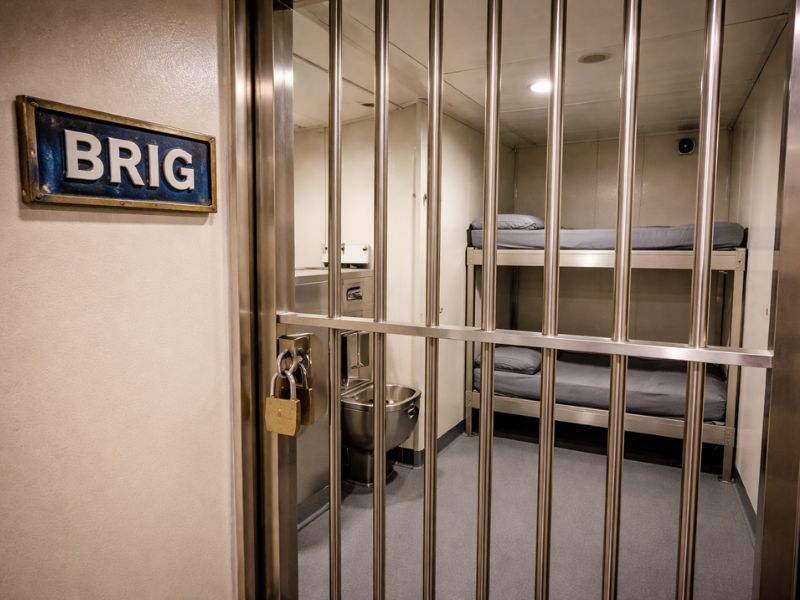
Here’s a place that I hope you never see on a cruise ship – the brig. That’s the name for the onboard jail.
When crimes are committed at sea, the onboard security officers may have to detain guests while investigations take place or until they can be disembarked at the next port. Some cruise ships have specialised facilities to hold them in.
Not all cruise ships have brigs though. As they’re used so rarely, guests may be confined to their cabins instead, with a security officer placed outside. Balcony door handles can be removed to prevent access to balconies when needed.
16. The Morgue
Another place where you definitley never want to end up on a cruise ship is the morgue.
Given that so many people take cruises each yeat, and that many of them fit into an older age demographic, deaths onboard are inevitable. When that happens, bodies must be stored until its time for them to be disembarked.
Cruise ship morgues usually have space for four to eight guests, depening on the size of the ship. If the morgue is full, other spaces such as food storage freezers may be used instead.
A cruise holiday is full of excitement, but it is the quiet moments that often become the most memorable.
Whether you discover a rarely visited nook at the bow, a shady lounger on the promenade deck or simply decide that your balcony is the best seat in the house, there is always somewhere to escape for a breather.
So, take a little time to explore beyond the obvious. Your perfect peaceful spot may be just a deck or two away.
Marella Cruises is one of the most popular cruise lines in the UK, especially with travellers who want an easy, all-inclusive style of holiday without the formality of traditional cruising.
Known for its relaxed atmosphere, great entertainment and good-value fares, Marella attracts a loyal following – and for good reason. But with a mixed fleet of older and refurbished ships, not every experience is the same.
So, which Marella ship is actually the best?
To find out, I analysed real guest reviews and ranked every ship by popularity and overall satisfaction. As with my other cruise line rankings, I was genuinely surprised by some of the results.
Before we get into the rankings, here’s how I put the list together.
How I Gathered the Data
I’ve cruised with Marella myself, but to keep things fair, I didn’t use my own experience to rank the ships. I’ve only sailed on one, so it would hardly be fair!
Instead, I collected thousands of genuine customer reviews from major independent cruise review websites – Cruiseline.com, Cruise Critic, and TripAdvisor – and calculated an average score for each ship.
These sites have large enough review volumes to give a balanced picture, rather than being skewed by one-off bad experiences.
The Best Marella Ships by Reviews
1. Marella Voyager
Marella Voyager takes the top spot in the Marella fleet, and it isn’t hard to see why from the reviews.
Guests consistently praise how easy and stress-free the whole experience feels, from smooth embarkation through to disembarkation. Many love the TUI integration, with bonded luggage, quick transfers and cabins often ready very shortly after boarding.
The ship herself is also well liked. While she isn’t the newest or the biggest in the world (though she is the newest and biggest in the Marella Cruises fleet), her 2023 refurbishment means she feels modern, clean and well maintained.
Balcony cabins are frequently mentioned as being spacious, and the hammocks are a popular touch.
Food and service are standout positives. Most reviews highlight friendly, hardworking crew and a good variety of dining – from main restaurants to speciality venues and buffets – with strong praise for the quality and choice.
A small number of guests did find the main restaurant and buffet food underwhelming, especially when comparing Voyager to other cruise lines, but overall sentiment is overwhelmingly positive.
Marella Voyager tends to be especially popular with first-time cruisers and families, offering a relaxed, all-inclusive experience that makes cruising feel simple and enjoyable.
2. Marella Discovery 2
Marella Discovery 2 is one of the most popular ships in the Marella fleet and is especially well reviewed by first-time cruisers.
Many guests praise the warm, friendly service, with cabin stewards and restaurant staff regularly named in reviews for going above and beyond. Housekeeping gets particularly strong feedback, with cabins described as spotless and well looked after.
The ship itself is often described as comfortable and well laid out, with balcony cabins proving especially popular. Guests also enjoy the entertainment, with several reviewers saying the evening shows are among the best they’ve seen at sea.
Dining generally scores well, with good variety across restaurants and buffets, although opinions are mixed – some guests love the food, while a smaller number describe it as bland compared to other cruise lines.
The main criticisms tend to focus on communication and onboard charges. A few guests felt extras weren’t explained clearly enough, and some were disappointed by Wi-Fi pricing and cabin allocations.
Overall, Marella Discovery 2 is a strong all-rounder, particularly appealing to guests who value friendly service, traditional cruising and a comfortable, easy-going atmosphere.
NEW DEALS JUST RELEASED!
Don’t miss the latest Marella Cruises offers…
3. Marella Discovery
Marella Discovery is one of the most talked-about ships in the Marella fleet and generally scores well with guests who value atmosphere and value for money.
One of the ship’s biggest strengths is the crew. Time and time again, reviews mention friendly, hardworking staff, attentive cabin stewards and a warm, welcoming feel onboard. The entertainment team also gets strong praise, with production shows, live music and guest speakers regularly highlighted as a real high point.
Public areas are usually described as well maintained, and many guests appreciate the open, relaxed style of cruising, with casual dress codes, drinks and tips included, and no-pressure formalities.
Itineraries are another strong pull. Many guests book Marella Discovery specifically for the routes she sails, and reviews often mention how well-organised port days and shore experiences feel.
The more critical feedback tends to focus on cabins showing their age in places and occasional queues at peak times for bars and restaurants. Dining is generally rated as good and plentiful, though it doesn’t always reach the same standard as newer ships.
Overall, Marella Discovery scores well for delivering a friendly, sociable cruise with great entertainment and excellent value – particularly for guests who prioritise service, itinerary and atmosphere over ultra-modern finishes.
Marella Explorer is a popular choice for guests who care most about itinerary and ease of travel.
One of the strongest themes in the reviews is how well Marella handles the logistics. Flights, transfers and embarkation are often described as smooth and well organised, making the whole holiday feel simple and stress-free from the start.
Cabins are generally well liked, particularly balcony cabins, which many guests describe as clean, quiet and comfortable. Housekeeping teams receive lots of praise for being friendly, polite and hardworking.
Guests also enjoy the itineraries, especially in the Mediterranean and Canary Islands, with many describing the routes as a major highlight of their trip.
Food and décor receive more mixed feedback. Afternoon tea is frequently mentioned positively, while buffet options sometimes feel limited compared to other cruise lines. The ship itself is often described as plain but tidy, with public areas feeling smart after updates.
Overall, Marella Explorer tends to suit travellers who want great routes, friendly service and an easy, good-value cruise rather than a flashy, ultra-modern ship.
Marella Explorer 2 is Marella’s adults-only ship and appeals strongly to couples and those looking for a quieter, more relaxed cruise style.
Many guests highlight the friendly, efficient crew as one of the ship’s biggest strengths, with service in bars and restaurants often described as quick and professional. The ship is also widely praised for being clean and well looked after, with hardworking housekeeping teams keeping public areas tidy.
Adult-only cruising is a major draw. Reviews often mention how calm and relaxing the atmosphere feels compared to family-heavy ships, and balcony cabins in particular receive positive comments for their space and comfort.
Entertainment generally scores well, with evening shows and themed nights frequently described as a highlight. Several first-time cruisers also say the overall experience exceeded expectations and felt very good value for money.
Where feedback is more mixed is around the ship’s age. Some cabins and bathrooms are described as tired in places, and a handful of reviews mention noise issues in certain areas of the ship. Food is usually rated as good with plenty of choice, although buffet consistency is occasionally criticised.
Overall, Marella Explorer 2 tends to work best for couples and adults looking for a good-value, sociable cruise with strong service and a relaxed, adult-focused atmosphere.
It’s extremely tight between the ships – here’s those scores in full to see what determined the ranking:
Ship
Cruiseline.com Score
Cruisecritic.com Score
Trip Advisor Score
Overall Average Score
Marella Voyager
4.2
3.5
4.17
3.96
Marella Discovery 2
4.3
3.7
3.83
3.94
Marella Discovery
4.3
3.7
3.81
3.93
Marella Explorer
4.3
3.6
3.86
3.92
Marella Explorer 2
4.2
3.5
3.76
3.82
The Bottom Line
Marella Cruises continues to be one of the most popular choices for British cruisers who want an easy, all-inclusive style holiday without the formality of traditional cruising.
Across the fleet, the strongest themes are friendly service, smooth organisation and great value for money. Ships like Marella Voyager and Marella Discovery 2 stand out for their consistently warm reviews, while older ships such as Marella Discovery and Marella Explorer are best suited to guests who prioritise itinerary, atmosphere and price over the latest onboard features.
There isn’t a bad ship in the lineup – it really comes down to what you value most.
But what do you think? Do you agree with the rankings, or do you have a favourite Marella ship?
If you’re planning a cruise, Sailawaze Live travel show is at Twickenham Stadium in London on 21–22 March, and it’s shaping up to be a really fun weekend for cruise lovers and holiday planners.
On stage, you’ll hear from travel agents and major cruise lines, including Princess, NCL, Hurtigruten, Uniworld, Avalon, and AE Expeditions, alongside journalists from The Times, The Guardian, and The Independent. There’ll be talks on how to find the best cruise deals, river cruising, expedition sailings, and what’s new at sea, plus live Q&As and booking tips.
Around the show, where the cruise experience comes to land, there’ll be food and drink tastings, cocktail sessions, Riverside Luxury Cruises’ beer sommelier, mini golf, a P&O Caribbean swing, archery, VR experiences, Crystal’s Italian gelato, a dark skies dome and more, plus cruise brands and travel experts to chat to throughout the day. More cruise names are being added to the line-up, too.
Your ticket also gets you into Family Traveller Live next door, the same day, so it’s two shows for one. That includes a Royal Caribbean VR and gaming zone, zip lining across the stadium, roof walks, astronaut training, rugby legend meet-and-greets, and holiday prizes and show-only offers – to name just some of the fun on offer during the immersive weekender. Hope to see you there!
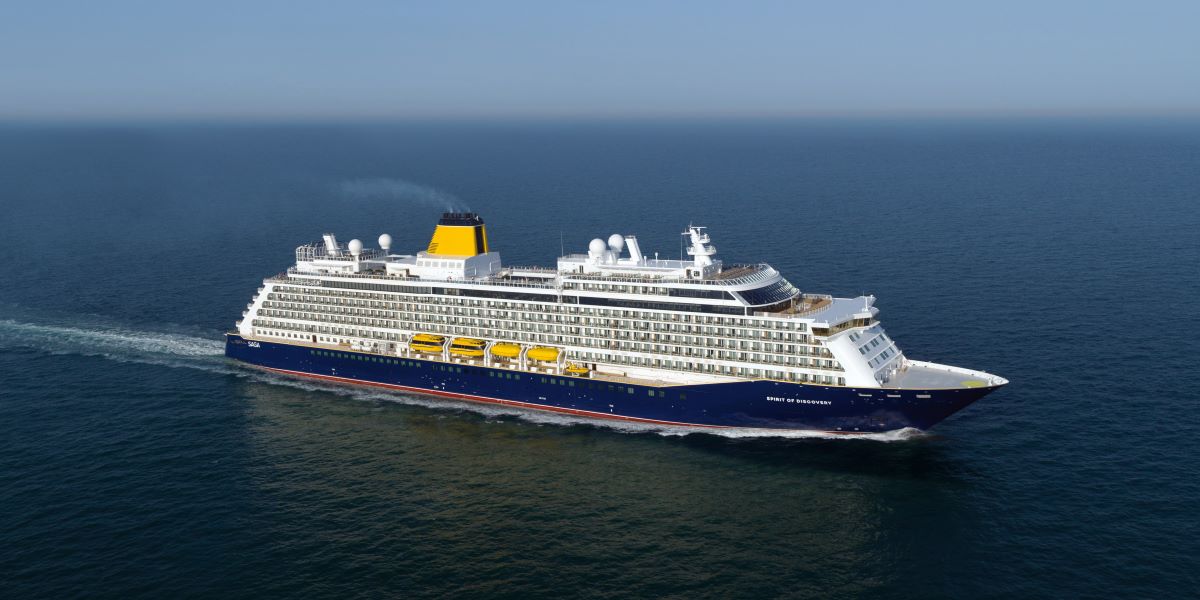
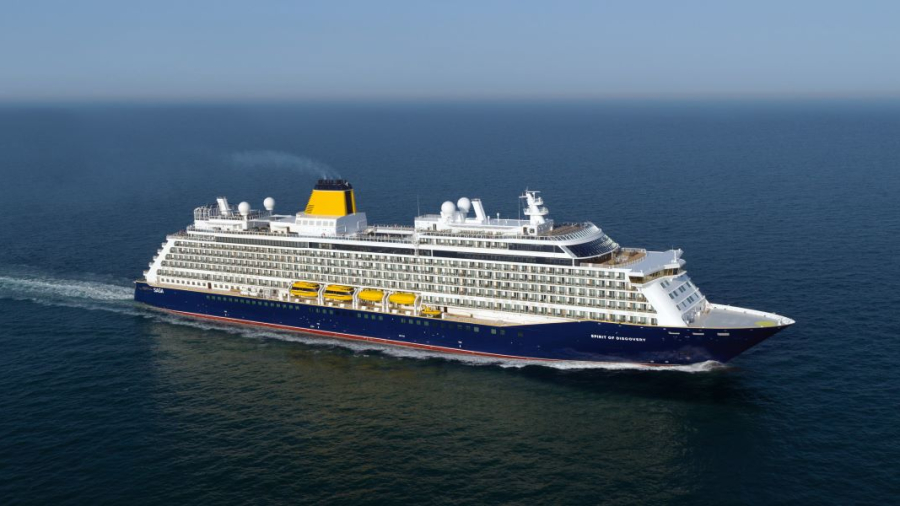
A UK government investigation has criticised the handling of a major heavy-weather incident aboard Saga Cruises’ Spirit of Discovery, concluding that failures in voyage planning, emergency response and onboard medical care contributed to a storm emergency that left 115 passengers injured and one guest dead.
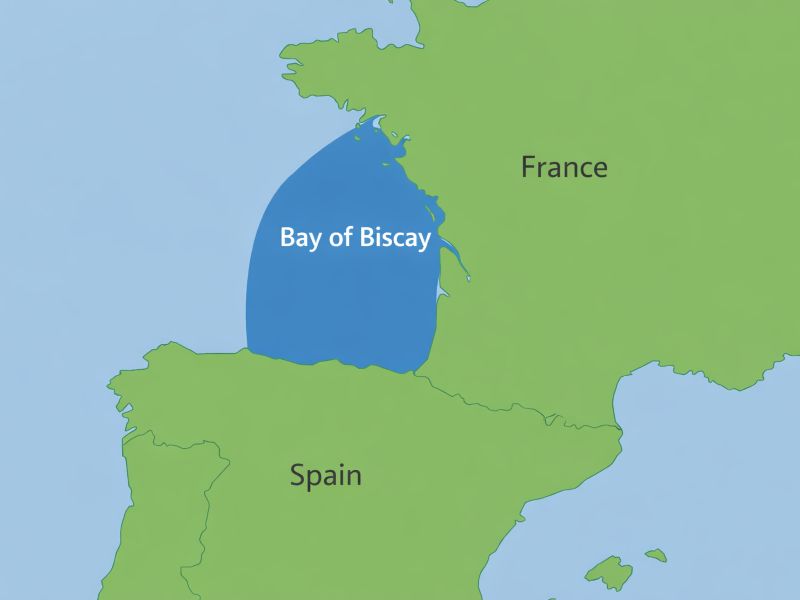
The Marine Accident Investigation Branch published its report on 11th March 2026 into the incident, which happened on 4th November 2023 as the 58,250 gross ton ship was crossing the Bay of Biscay during a 14-night Canary Islands sailing from Portsmouth.
Investigators said the vessel lost propulsion in heavy weather, was left hove to for almost 18 hours, and moved violently enough to cause one of the highest injury rates seen in comparable incidents.
Among those injured was 85-year-old Trevor Gilks, who later died after suffering a severe cervical spine injury. The report found that a delay in recognising the seriousness of his condition led to what investigators described as “suboptimal treatment”, and said that may have affected the severity of his injury.
“While cruising remains safe and accidents rare, Spirit of Discovery’s violent motion in heavy weather caused injury to over 100 passengers and, very sadly, one passenger lost their life as a result of injuries sustained,
“A complex sequence of events led to this accident and we have identified a number of clear lessons around vessel safety, crew decision-making and medical response.”
Rob Loder, chief inspector of marine accidents.
Storm Response And Medical Care Came Under Scrutiny
According to the MAIB report, Spirit of Discovery encountered very high seas and violent motion while returning north after itinerary changes caused by worsening weather. The ship had originally been due to call at Las Palmas de Gran Canaria, but that stop was dropped.
A subsequent plan to call at A Coruña also fell away after the Spanish port closed because of the weather, leading to a decision to sail directly back to Portsmouth.
Investigators said weather routing guidance had strongly advised against crossing the Bay of Biscay the following day, but that advice was not adequately acted on by the captain, crew and shore teams.
The report found the ship lost propulsion shortly after 12.30pm on 4th November when violent motion caused the propellers to overspeed and the propulsion pods to shut down automatically.
Investigators also said the loss of control worsened when both pods were unexpectedly parked at 90 degrees to the ship’s heading, increasing the vessel’s motion.
That motion triggered a mass casualty event on board. MAIB said 115 passengers were treated for injuries, with eight requiring hospital treatment after the ship arrived back in Portsmouth. Injuries included fractured hips and ribs, head trauma, a shoulder injury and spinal injuries.
Passenger surveys cited in the report showed that 49% of respondents needed further medical treatment after disembarkation, while 87% said they took four days or more to recover fully.
Gilks was injured when the ship rolled by about 10 to 13 degrees and the high-backed chair he was sitting in toppled backwards, with the main impact to his neck.
Investigators said he was initially helped back into the chair and remained upright for more than four hours rather than being kept flat on a spinal board, a decision the report said might have caused additional neurological damage.
Once he reached the medical centre, a neck X-ray was taken and reviewed by a shore-based radiologist, but no lateral X-rays had been taken and no further neck X-rays were sent for review. The MAIB said the full extent of his quadriplegia remained undiagnosed for more than 36 hours.
It also found that specialist advice from the Telemedical Maritime Assistance Service was not sought immediately, and that earlier intervention might have improved immobilisation, imaging and the assessment of a possible evacuation.
Gilks was taken ashore only after the ship berthed in Portsmouth on 6th November, and he died in hospital on 8th November 2023.
Investigators were also critical of the failure to activate the vessel’s mass casualty incident plan, saying that omission left the medical team working largely unsupported for more than 18 hours and increased the burden on an already overstretched team.
The report further said the lack of advanced trauma training among the ship’s nurses might have contributed to the spinal injury not being identified earlier.
The MAIB issued recommendations to several organisations, including Cruise Lines International Association.
Those recommendations call for more medical personnel with Advanced Trauma Life Support qualifications on passenger ships and updated heavy-weather policies covering the identification and securing of furniture. The report also stresses that safety recommendations do not create any presumption of blame or liability.
Saga and its operating partners have already taken a series of steps outlined in the report, including updated heavy-weather risk assessments, new meteorological operating limits for Spirit-class ships, improved emergency checklists, regular mass casualty drills and enhanced shore-based radiological and orthopaedic support for doctors at sea.
Spirit of Discovery entered service in 2019, and Saga says the ship now sails from both Portsmouth and Dover.
Cruise Injury Claims Remain In Focus
The MAIB report is likely to add to wider scrutiny of passenger injury cases across the sector, even though the agency makes clear its findings are not intended for use in assigning legal liability.
That comes at a time when other cruise-related claims are also drawing attention. In one recent US case, three Carnival Sunrise passengers filed a negligence lawsuit after a tender boat incident near Princess Cays in March 2025 allegedly left them injured during turbulent conditions.
In another case in the UK , compensation claims were filed on behalf of 115 passengers following illness outbreaks aboard P&O Cruises’ Ventura in 2024.
For Saga, the Spirit of Discovery findings represent one of the most serious official critiques of a modern UK cruise incident in recent years, with investigators pointing not to a single mistake but to a chain of decisions and shortcomings that turned severe weather into a deadly casualty event.
Get the best price on your cruise…
Related Posts
If you found this interesting, please share!
Royal Caribbean has announced that its upcoming cruise ship Legend of the Seas will introduce a brand new entertainment concept at sea with the debut of America’s Got Talent LIVE….
Princess Cruises has announced an extensive 115-night world cruise for 2028 aboard Coral Princess, offering travellers a near four-month journey across multiple continents with departures from both the east and…
Carnival Cruise Line is expanding a new quicker dinner service option across its fleet, giving passengers the chance to enjoy a full meal in less time while still experiencing the…
P&O Cruises is introducing a longer lead time for guests to settle the balance on their cruise bookings, with final payments moving to 120 days before departure for certain future…
Cruises are deceptive when it comes to packing. You are technically staying in one place, yet every day feels different. Pool decks, formal dinners, shore excursions, gym sessions, and evening shows all happen within the same floating city.
That variety often leads people to overpack shoes. In reality, most cruises only require three to four thoughtfully chosen pairs. The key is versatility rather than volume.
Before stuffing your suitcase, it helps to understand how cruise days actually unfold.
Cruise itineraries blend relaxation and activity. One morning might involve walking miles through a port city. The evening might call for something polished for dinner.
Cruise lines often host formal nights or themed events, making travelers feel they need specialized footwear for every occasion.
According to Cruise Critic, most cruisers overpack clothing and shoes, only to wear a small rotation repeatedly throughout the trip.
Understanding how you plan to spend your time significantly narrows choices.
1. Comfortable Walking Sneakers
If you bring only one essential pair, make it comfortable sneakers.
Cruise ships are large. You will walk between decks, dining rooms, and entertainment venues daily. Shore excursions often include walking tours, uneven streets, or beach boardwalks.
Cushioned sneakers from New Balance or Nike work well for all day exploring.
For a more casual, versatile option, Vans shoes can handle ship life comfortably and transition easily into relaxed evening settings.
One reliable sneaker often does the work of two lesser pairs.
2. Sandals or Slides for Pool and Casual Days
Cruises mean pool decks and ocean air. A pair of comfortable sandals or slides is practical for moving between your cabin and the pool.
Look for supportive designs rather than thin flip flops. Brands like Birkenstock or sport-focused sandals from Teva offer better support for short walks around the ship.
These also work well for beach excursions.
3. Dress Shoes for Evenings
Most cruises include at least one dressier evening. Whether it is a formal dinner or specialty restaurant reservation, a polished shoe completes the look.
For women, low block heels or elegant flats are often more practical than high stilettos, especially on a moving ship.
For men, loafers or minimal leather sneakers can work depending on the dress code.
Many cruise lines now adopt flexible dress policies, which means comfort and style can coexist.
4. Activity Specific Shoes if Needed
If you plan to use the gym, participate in onboard fitness classes, or book active excursions such as hiking or zip lining, consider whether your main sneakers can handle those activities.
Often, one well-chosen sneaker is enough. Bringing separate gym shoes may not be necessary unless you are committed to daily workouts.
Royal Caribbean notes that most onboard activities are casual and do not require highly specialized footwear.
Heavy boots rarely make sense on a cruise unless sailing to cold destinations. Multiple dress shoes often go unworn. Fashion-forward pairs that only match one outfit usually take up space without adding value.
Cruise cabins are compact, and luggage storage is limited. Shoes that serve multiple purposes win every time.