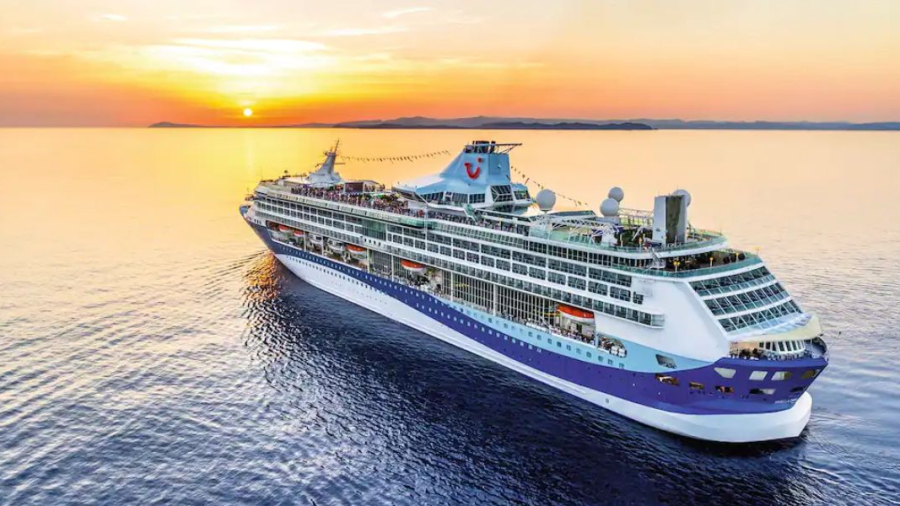
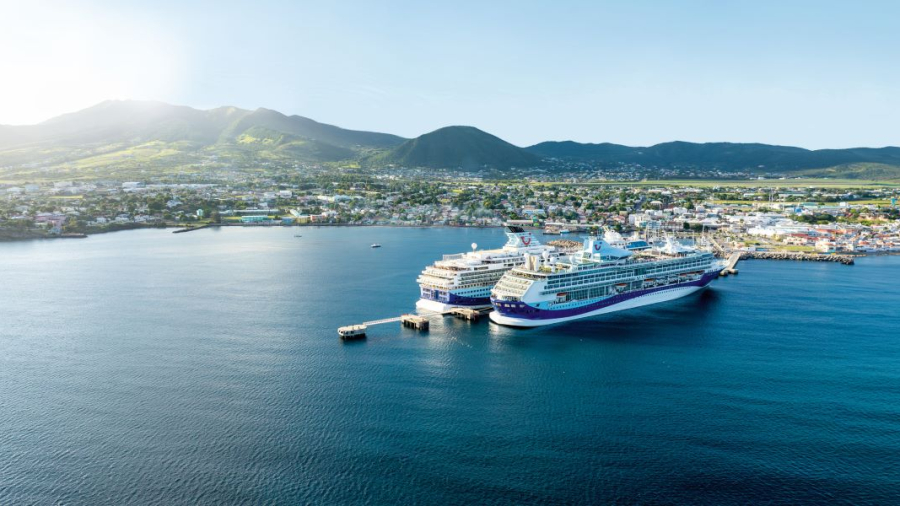
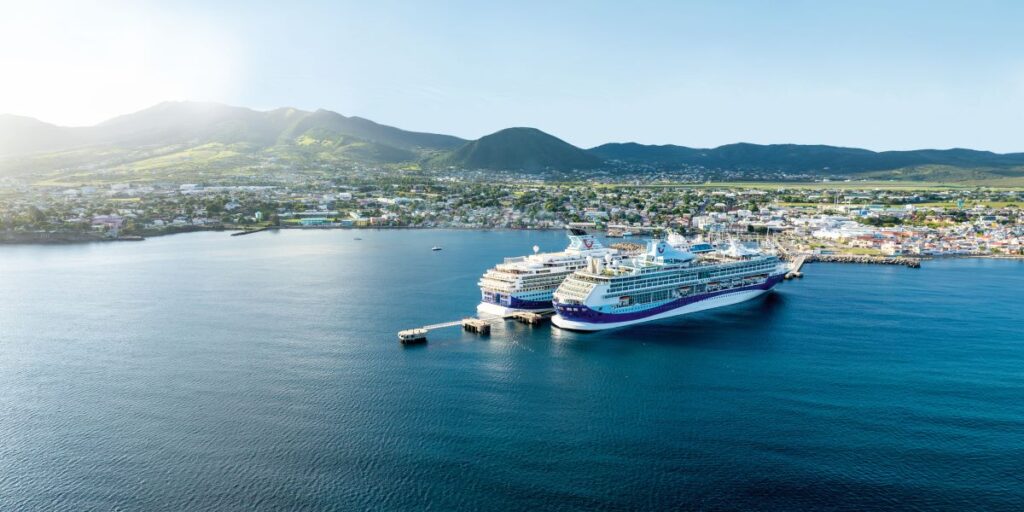
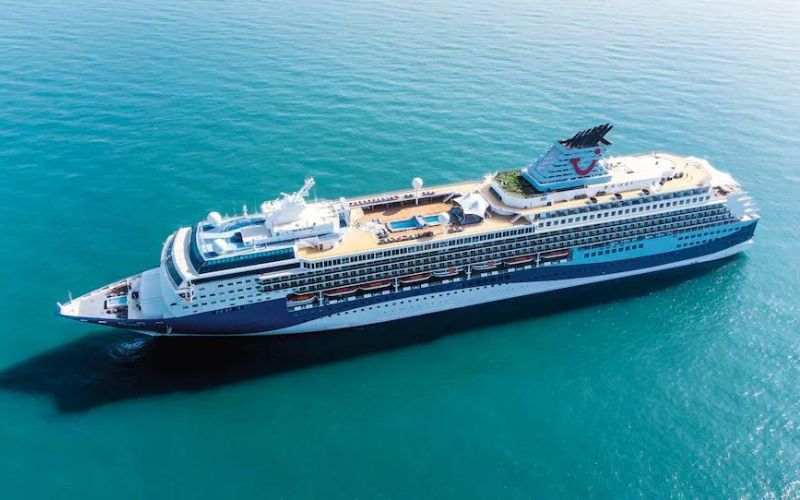
Marella Cruises has confirmed British singers Pixie Lott and Lemar among the headline acts for its 30th anniversary sailings, with the celebrations set to begin across the line’s five-ship fleet from 1st May 2026.
Guests booked on the special seven-night voyages can expect live performances, celebrity appearances and a programme of themed events built around the 1990s, the decade when Marella Cruises first entered the UK market.
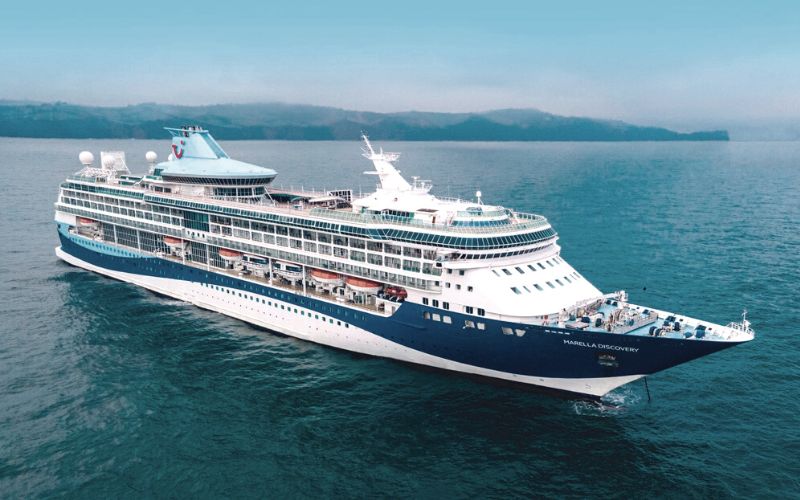
Pixie Lott is due to perform aboard Marella Discovery, where she is expected to bring some of her biggest hits to the anniversary sailing, including All About Tonight, Cry Me Out and Boys and Girls.
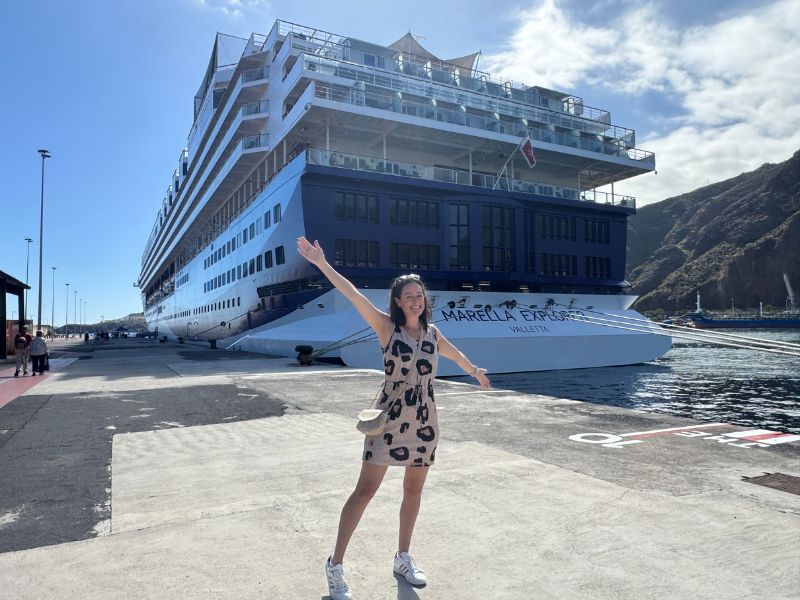
Lemar has also been added to the line-up and will headline onboard Marella Explorer 2, with the singer set to perform a selection of his best-known tracks during the cruise.
It’s expected that more headline acts for Marella Explorer 2 and Marella Discovery will still be announced in the coming months.
The entertainment programme stretches well beyond those two performances. Broadcaster Michaela Strachan is scheduled to appear on both Marella Explorer 2 and Marella Voyager, where she will host live Q&A sessions reflecting on a television career spanning four decades, from children’s programmes and late-night music shows to wildlife documentaries filmed in the UK and around the world.
Other names confirmed for the anniversary voyages include Fleur East, Boyzlife, La Voix, Eddie the Eagle and Anthea Turner.
Marella Discovery 2 will host Fleur East in Palma alongside a live Q&A with Eddie the Eagle, while Marella Explorer, also sailing from Palma, will feature Boyzlife performing songs linked to Boyzone and Westlife, plus another guest appearance from Edwards.
Marella Voyager is set to welcome La Voix, while Marella Discovery will feature Anthea Turner during its sailing from Limassol.
Anniversary Events Planned Across The Fleet
Each ship will host its own version of the 30th birthday celebrations, but Marella said every sailing will include a Birthday Gala, Party Like It’s 1996 events, quayside celebrations, 1990s trivia quizzes and retro television box sets from the decade.
The wider aim is to turn the voyages into a fleetwide celebration of the brand’s history while leaning into the nostalgia of the era in which it launched in the UK.
“With Marella Cruises marking 30 years in the UK, we’re excited to announce even more headline acts with British stars such as Pixie Lott and Lemar, for both new and returning cruise customers.
“Our customers value our all-inclusive offering and seamless end-to-end service, and this celebration will take them on a nostalgic journey back to 1996 with music, quizzes and onboard entertainment inspired by the era. We can’t wait to welcome guests aboard our ships to celebrate this milestone birthday with us.”
Chris Hackney, CEO at Marella Cruises
Pixie Lott added: “I’m thrilled to be performing at Marella Cruises’ 30th birthday celebrations! I can’t wait to bring the party to life and make the celebrations unforgettable for everyone onboard.”
A Milestone Year For Marella Cruises
The 30th anniversary programme is one of Marella’s biggest themed entertainment pushes in recent years and underlines how important event-led sailings have become in the contemporary cruise market.
Marella Cruises, part of TUI Group, describes itself as the UK travel company’s cruise brand and says it offers all-inclusive cruising as standard, with tips and service charges included in the fare. The line also said prices for the 30th birthday sailings start from £1,056 per person.
Across the anniversary sailings, the line appears to be mixing chart acts, television personalities and nostalgia-led programming in a bid to appeal to both repeat guests and first-time cruisers.
NEW DEALS JUST RELEASED!
Don’t miss the latest Marella Cruises offers…
Related Posts
If you found this interesting, please share!
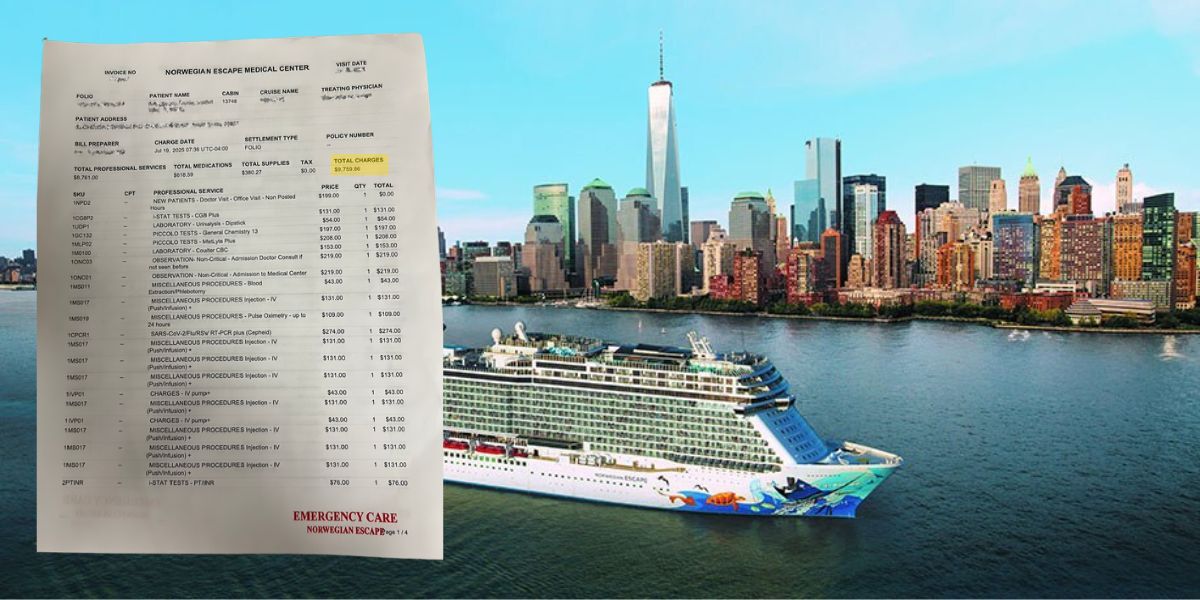
Getting sick on a cruise is bad enough. But imagine leaving the ship with a $10,000 medical bill. That’s exactly what one Norwegian Cruise Line passenger says happened after visiting…
Carnival Cruise Line has cancelled a block of Carnival Firenze departures scheduled between 12th October 2026 and 16th November 2026, removing more than a month of short Baja itineraries from…
A UK government investigation has criticised the handling of a major heavy-weather incident aboard Saga Cruises’ Spirit of Discovery, concluding that failures in voyage planning, emergency response and onboard medical…
Royal Caribbean has announced that its upcoming cruise ship Legend of the Seas will introduce a brand new entertainment concept at sea with the debut of America’s Got Talent LIVE….
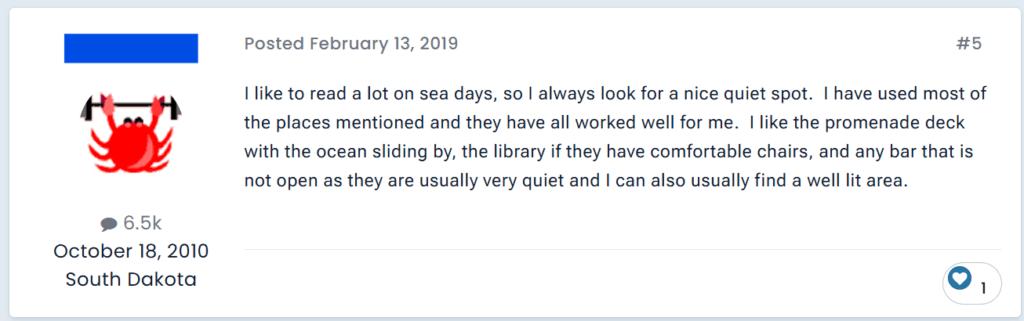
Cruise ships are floating holiday resorts and wonderfully lively places to be. But even the most sociable traveller sometimes needs a moment of calm.
Luckily, most ships have a handful of tucked-away locations that many passengers never stumble upon.
These secret sanctuaries are perfect for reading a book or watching the sea roll by when everything gets too people-y.
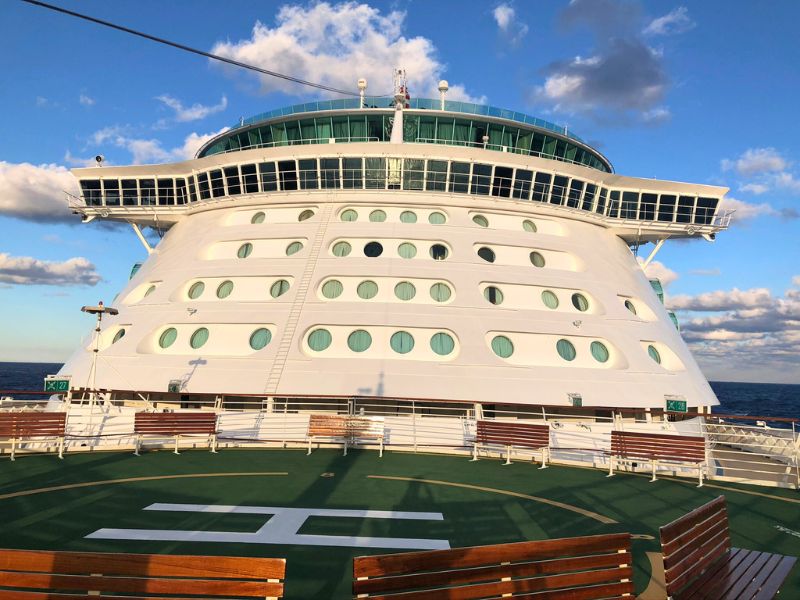
1. Helicopter Pad
If your ship has a helicopter landing area, it is often open to passengers when not in use.
You may need to find your way through a quiet set of doors at the bow, and sometimes it is only accessible during daytime hours.
But if you manage to locate it, you are rewarded with uncrowded views straight out to sea and a refreshing breeze. It is a brilliant spot to watch sailaways, take photos, or just enjoy the ship slicing through the waves in peaceful isolation.
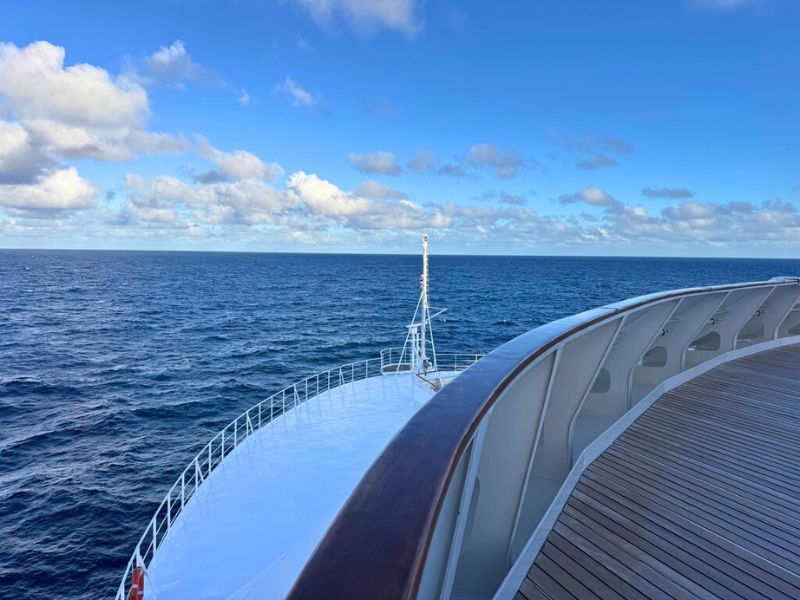
Pronounced “fo’c’sle”, this is the area at the very front of the ship, sometimes separate from the helicopter pad.
Not every cruise line allows guest access, as this area is often used as the outdoor area for crew members and you may see a crew pool or hit tub here.
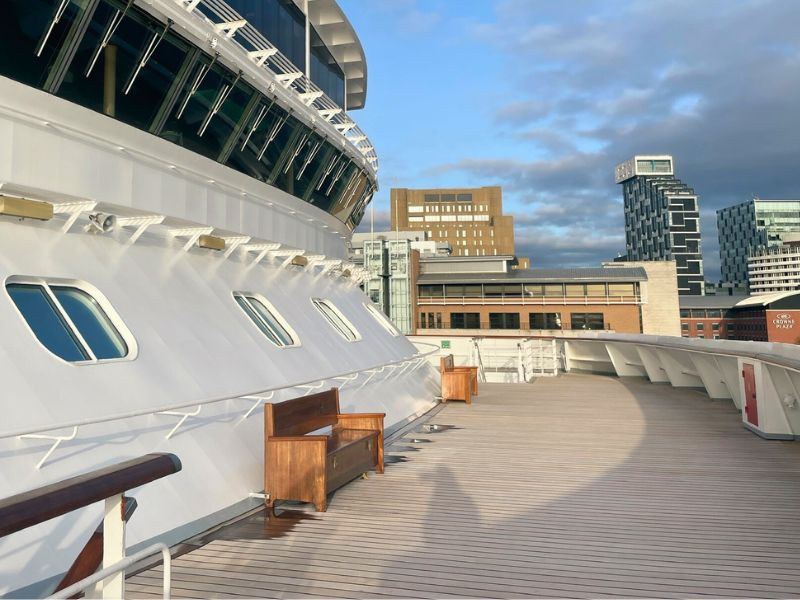
However, if yours is open for guests, you can often find benches and railings perfect for Titanic-style sea-gazing, minus the soundtrack.
The gentle hum of the ship at work and the occasional spray of salty mist remind you that you are on a real ocean adventure. It feels like a private spot where only the most inquisitive wanderers arrive.
Be aware though, the forecastle is the windiest spot on the ship. It will be closed in bad weather, and even if it is open, I’d advise taking a hair bobble and definitely no hat!
3. Highest Deck
Many passengers stop at the pool deck and assume it is the top. In fact, there is often a small additional deck above, accessed by a discreet stairwell.
If ever you can’t find a sunlounger, then keep heading upwards and you’re almost certianly sure to find one here. Yes, it may be quite a walk from the pool, and there’s also a chance of encountering some soot from the funnel, but it’s also one of the quietest sunbathing spots on any ship.
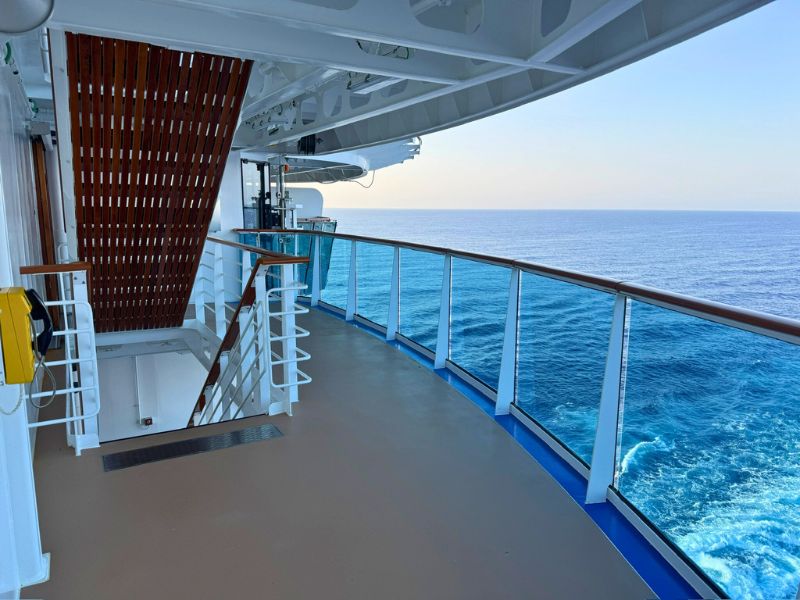
The back of the ship is home to some of the most soothing views around, with the wake trailing behind in a never-ending ribbon of white foam.
While aft pools and lounges can be busy, head down if you can and look for small outdoor decks tucked just below or above the main action.
Aft balconies are among the most coveted cabins for a reason, and public areas back here absorb fewer people. Sometimes you’ll even find comfy loungers with the best views on the ship. It is peaceful, hypnotic, and a perfect setting to enjoy a quiet drink with nothing but ocean behind you.
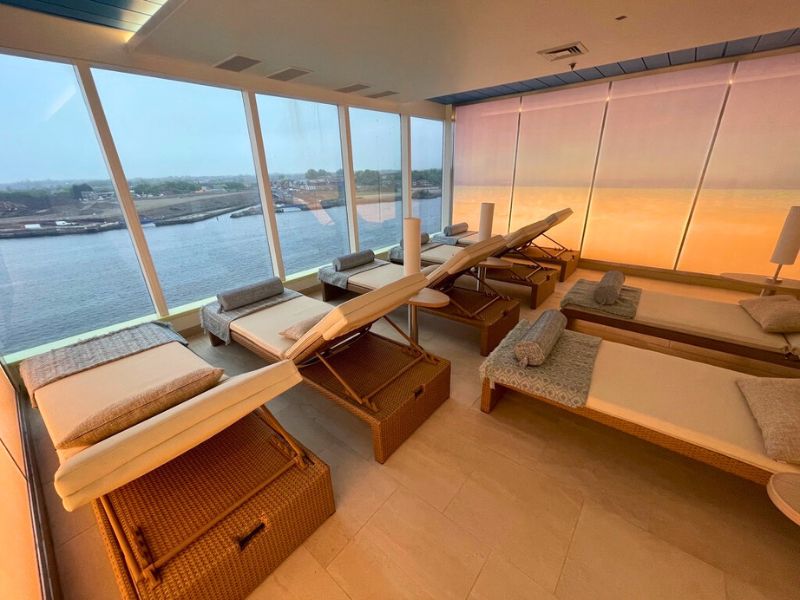
Even if you don’t fancy a massage or hot stone treatment, it may be worth checking whether your ship’s spa offers complimentary or low-cost relaxation spaces.
These can include heated ceramic loungers, calming dark rooms with soft music, or panoramic windows looking out to sea.
Some ships have thermal suites that require a pass, but they are still far quieter than the main decks. It feels like stepping into another world, where the loudest sound is someone gently drifting into a nap.
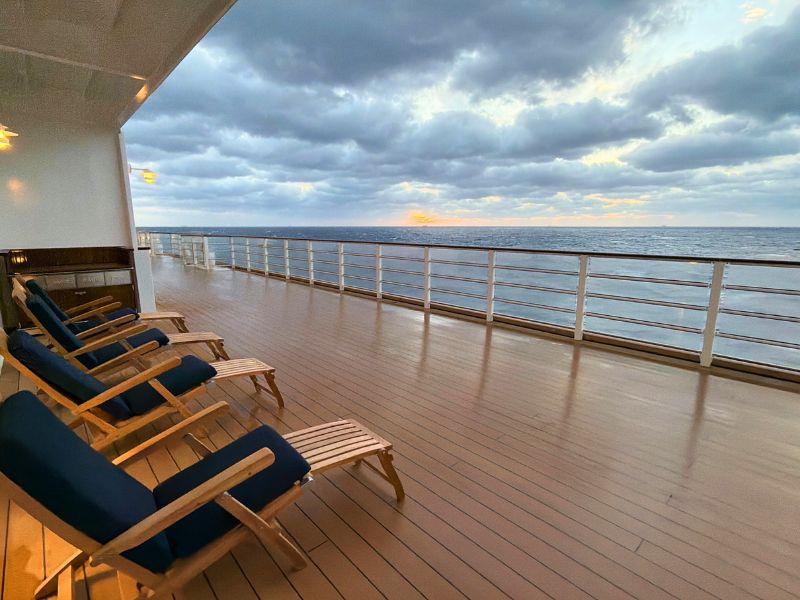
The promenade deck wraps around the ship and is a classic escape for those who love sea breezes and movement, yet many people forget it exists at all!
Despite being a large space, it rarely fills up, especially near the bow or on the shady side. Bring a book, lean on the rail, or take a slow stroll while listening to the ocean rushing past. Many promenade decks also have games like shuffleboard or double up as a running track.
Many ships even place loungers out here, creating the perfect low-key sunbathing spot. While others chase the poolside soundtrack, you can enjoy the sound of actual waves.
TODAY’S BEST CRUISE DEALS!
Don’t miss these offers…
7. VIP Areas
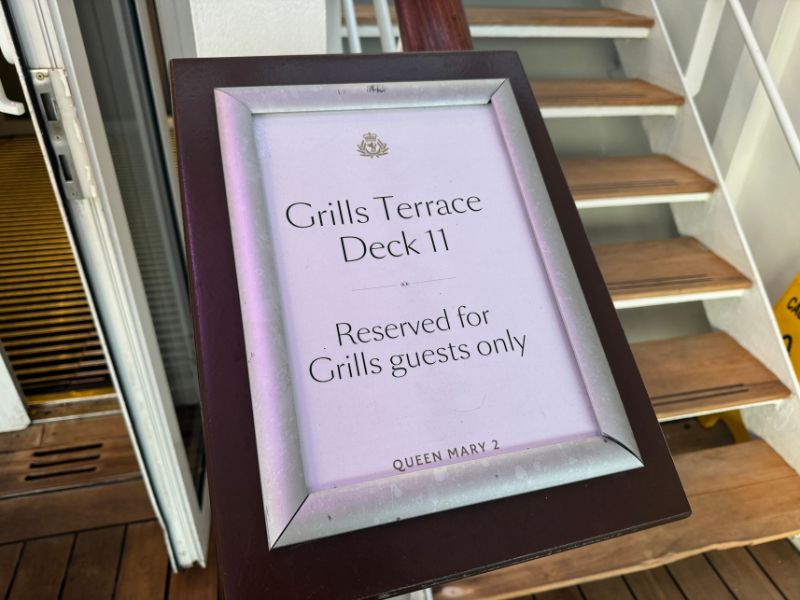
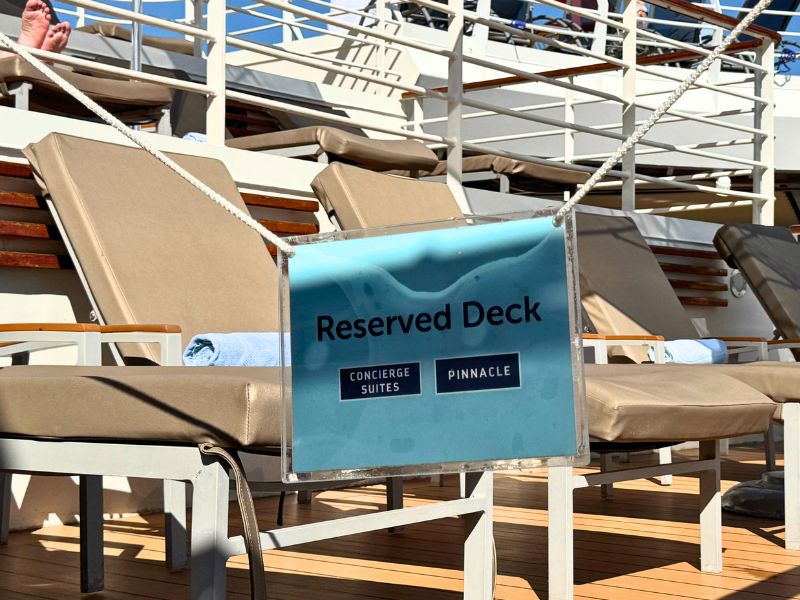
Many cruise lines reserve some areas of the ship only for VIPs. These are usually guests staying in suites, or those in the highest levels of the loyalty programme (the ones who have cruised many times before).
However, may guests who are entitled to use these areas forget that they exist at all. So if you do splah out on a suite for your cruise, remember that the extra space in your accommodation is just part of the deal.
Be sure to look out for the suite lounge, a dedicated suite restaurant, or a VIP sun deck to make sure that you get the most out of the perks that you paid for.
8. Crow’s Nest
Older ships often have a crow’s nest lounge up forward on a high deck. It may go by different names, but the idea remains the same: huge windows, elevated views, and usually fewer visitors than the main bars.
During the day it can be a haven for readers, photographers, and anyone who enjoys watching the world go by without loud music or crowds.
After dark, many are transformed into more social spaces, so visit early to enjoy the quiet charm.
Also, if you’re cruising on a tall sailing ship – something like those offered by Star Clippers -there might be an actual Crow’s Nest area, although you’ll have to climb the rigging to get there!
9. Library And Card Room
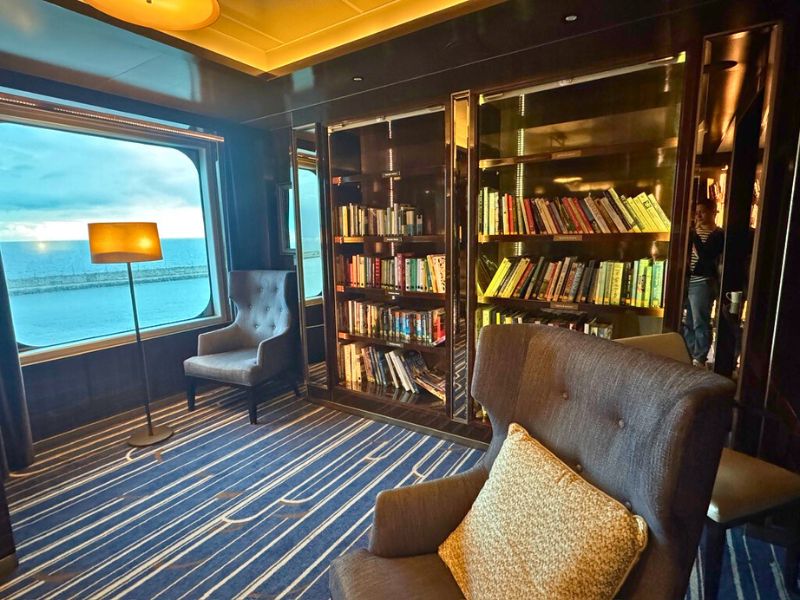
Libraries are classic cruise hideaways, designed for the calm-seeking traveller. They provide comfy chairs, hushed voices, and sometimes even a decent selection of novels and board games.
Card rooms serve a similar purpose, especially on ships that have downsized their libraries over the years.
These spaces are often overlooked because the biggest entertainment happens elsewhere. Whether you are plotting to conquer a crossword or conquering a new thriller, you can count on a bit of peace.
10. Nightclub During The Day
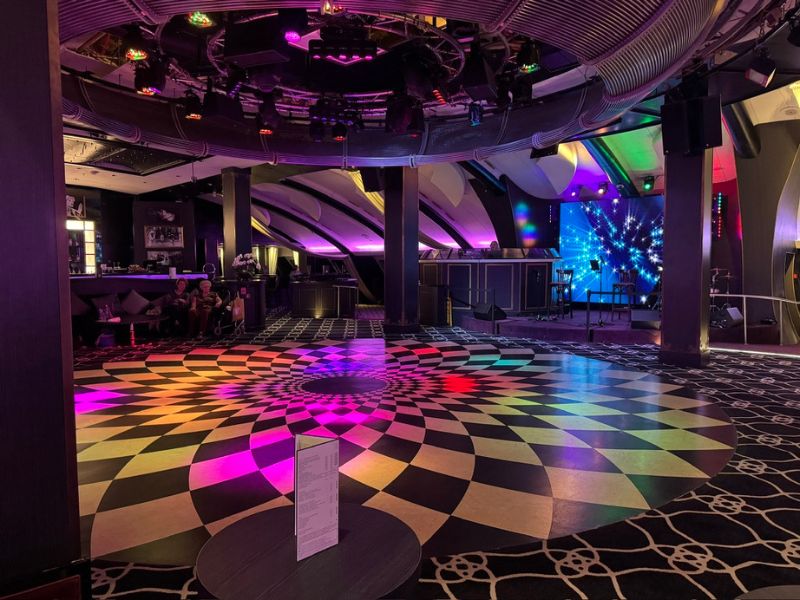
The nightclub might be the loudest venue on board at night, but in the daytime, nobody ever goes there. Most ships keep the doors open, allowing you to wander in for a feel of the space.
If you like cool temperatures, comfy seating, and complete quiet, this is a dream. It is like having your own exclusive VIP lounge, minus the sweaty dancing and questionable DJ remixes.
A word of warning though – it can sometimes smells like stale beer, depending on how good they are at cleaning the carpets.
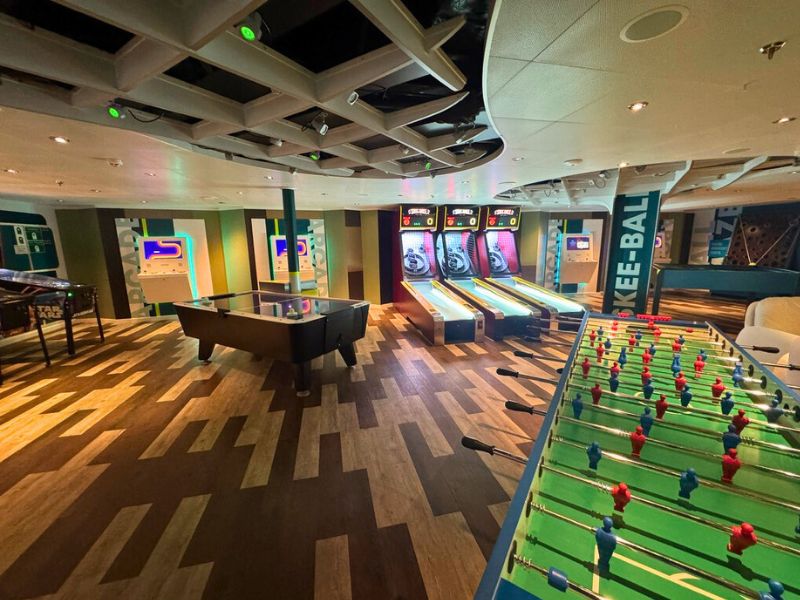
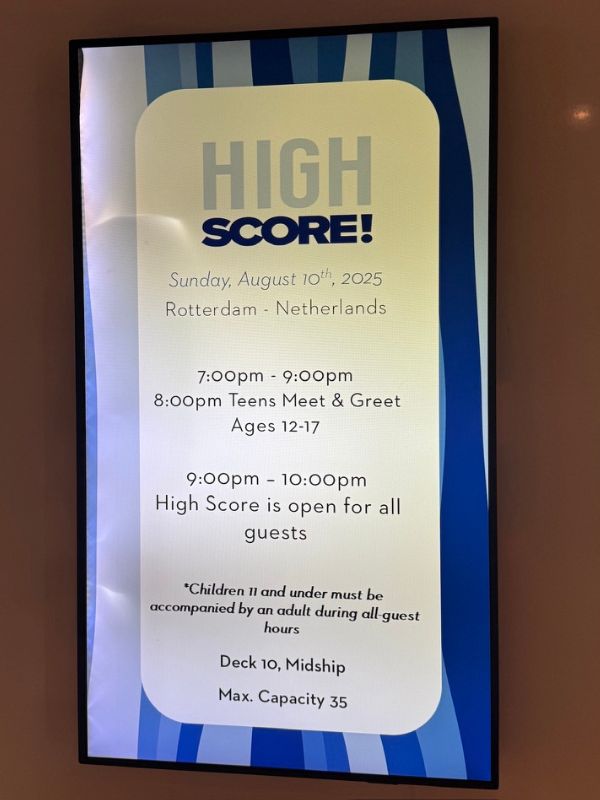
11. Teen Club (Sometimes Open to All at Certain Times)
Teen zones are normally off-limits. However, some ships open them up during daytime hours when the young crowd is elsewhere. These spaces are designed for chilling out, with gaming chairs, sofas, and sometimes top-notch forward views.
If you spot the doors open, don’t feel shy about popping in. You might find one of the most comfortable and strangely peaceful lounges onboard. Alternatively, you may end up playing Mario Kart on the Xbox. Either way, it’s worth a lopok.
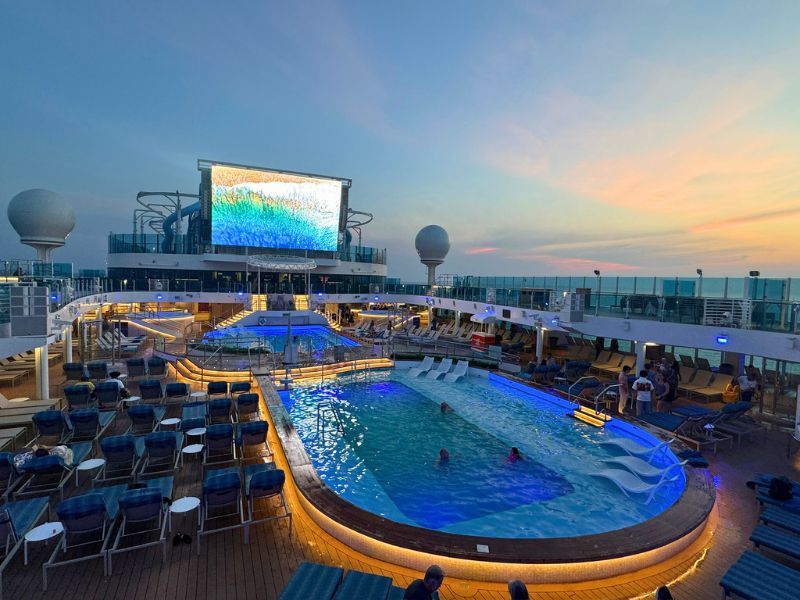
12. The Pool In The Evening
The pool isn’t exactly hidden, but you’d be surprised how many people head indoors at 6pm and never venture outside again until the morning!
Staying by the pool after dark can be a great idea, particularly during warmer weather.
You’ll have plenty of space to swim, hot tubs to yourself, and many ships even offer movies on the top deck. If it’s chilly, they may place blankets out that you can snuggle under while you eat your popcorn.
Many poolside bars stay open after dark too, offering a quieter and more romantic spot to enjoy your evening cocktail.
13. The Back Of The Buffet
The buffet can be one of the busiest places on a cruise ship. Yet many guests often don’t realise that there may be an extra outdoor seating area, right at the back.
If the weather isn’t too warm, you may think that sitting outside for breakfast isn’t really an option. However, due to the sheltered location at the aft, the outside area of the buffet can be a real sun trap.
Some ships also have patio heaters here, making it a real hidden gem.
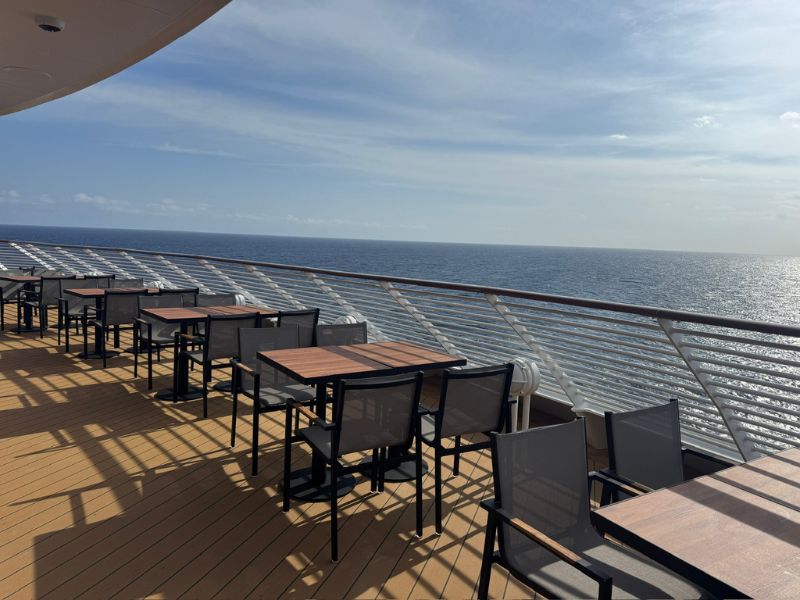
And even between meals when the buffet isn’t serving food, this can be a great place to sit and enjoy a quiet cup of coffee while admiring the wake views.
14. The Dog Toilet
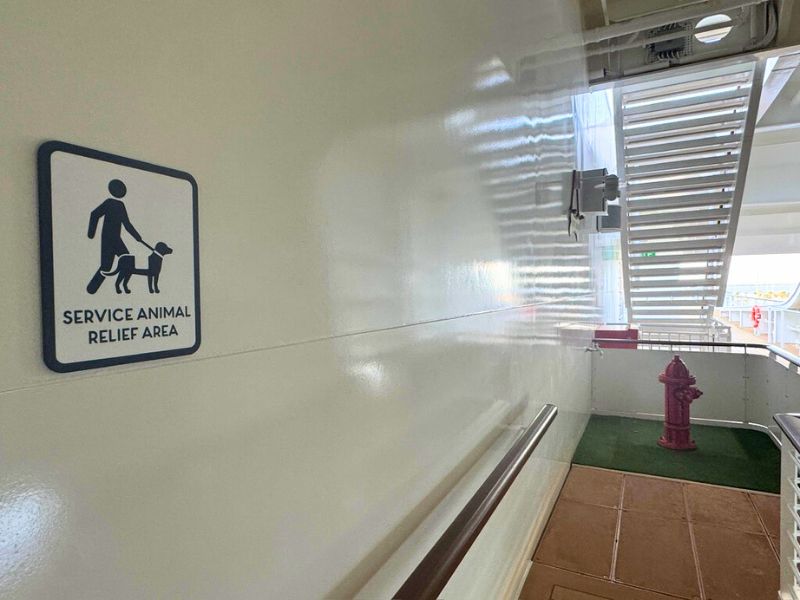
Cruise ships allow service animals such as guide dogs onboard, and you may never have considered where they do their business.
The answer is that there will be a service animal relief area somewhere outside. If your ship has a promenade deck then you may see it tucked out of the way, or it may only be accessiblt to those in the know through a secret door.
Dog toilets on cruise ships have a patch of fake grass, a trash bin for the waste, and usually either a small sink or some hand sanitiser for the owner.
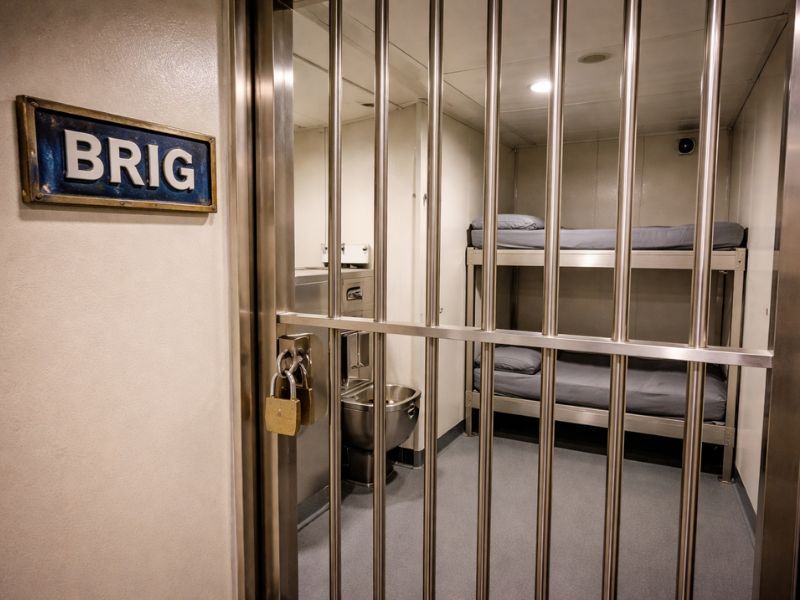
Here’s a place that I hope you never see on a cruise ship – the brig. That’s the name for the onboard jail.
When crimes are committed at sea, the onboard security officers may have to detain guests while investigations take place or until they can be disembarked at the next port. Some cruise ships have specialised facilities to hold them in.
Not all cruise ships have brigs though. As they’re used so rarely, guests may be confined to their cabins instead, with a security officer placed outside. Balcony door handles can be removed to prevent access to balconies when needed.
16. The Morgue
Another place where you definitley never want to end up on a cruise ship is the morgue.
Given that so many people take cruises each yeat, and that many of them fit into an older age demographic, deaths onboard are inevitable. When that happens, bodies must be stored until its time for them to be disembarked.
Cruise ship morgues usually have space for four to eight guests, depening on the size of the ship. If the morgue is full, other spaces such as food storage freezers may be used instead.
A cruise holiday is full of excitement, but it is the quiet moments that often become the most memorable.
Whether you discover a rarely visited nook at the bow, a shady lounger on the promenade deck or simply decide that your balcony is the best seat in the house, there is always somewhere to escape for a breather.
So, take a little time to explore beyond the obvious. Your perfect peaceful spot may be just a deck or two away.
Marella Cruises is one of the most popular cruise lines in the UK, especially with travellers who want an easy, all-inclusive style of holiday without the formality of traditional cruising.
Known for its relaxed atmosphere, great entertainment and good-value fares, Marella attracts a loyal following – and for good reason. But with a mixed fleet of older and refurbished ships, not every experience is the same.
So, which Marella ship is actually the best?
To find out, I analysed real guest reviews and ranked every ship by popularity and overall satisfaction. As with my other cruise line rankings, I was genuinely surprised by some of the results.
Before we get into the rankings, here’s how I put the list together.
How I Gathered the Data
I’ve cruised with Marella myself, but to keep things fair, I didn’t use my own experience to rank the ships. I’ve only sailed on one, so it would hardly be fair!
Instead, I collected thousands of genuine customer reviews from major independent cruise review websites – Cruiseline.com, Cruise Critic, and TripAdvisor – and calculated an average score for each ship.
These sites have large enough review volumes to give a balanced picture, rather than being skewed by one-off bad experiences.
The Best Marella Ships by Reviews
1. Marella Voyager
Marella Voyager takes the top spot in the Marella fleet, and it isn’t hard to see why from the reviews.
Guests consistently praise how easy and stress-free the whole experience feels, from smooth embarkation through to disembarkation. Many love the TUI integration, with bonded luggage, quick transfers and cabins often ready very shortly after boarding.
The ship herself is also well liked. While she isn’t the newest or the biggest in the world (though she is the newest and biggest in the Marella Cruises fleet), her 2023 refurbishment means she feels modern, clean and well maintained.
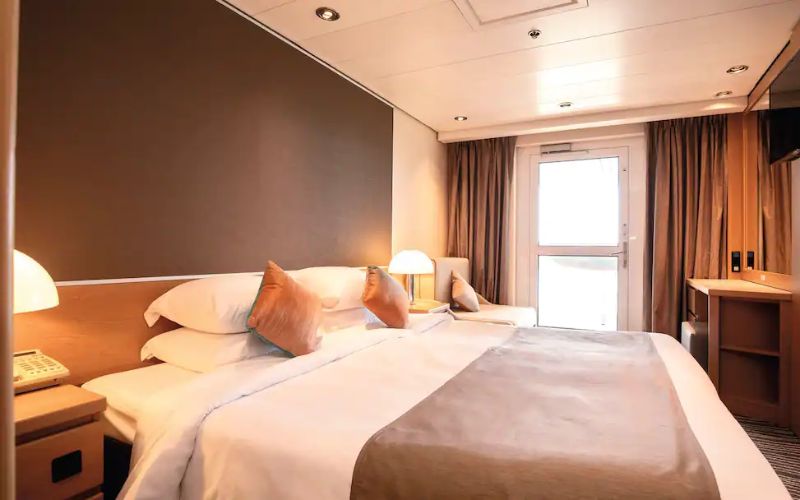
Balcony cabins are frequently mentioned as being spacious, and the hammocks are a popular touch.
Food and service are standout positives. Most reviews highlight friendly, hardworking crew and a good variety of dining – from main restaurants to speciality venues and buffets – with strong praise for the quality and choice.
A small number of guests did find the main restaurant and buffet food underwhelming, especially when comparing Voyager to other cruise lines, but overall sentiment is overwhelmingly positive.
Marella Voyager tends to be especially popular with first-time cruisers and families, offering a relaxed, all-inclusive experience that makes cruising feel simple and enjoyable.
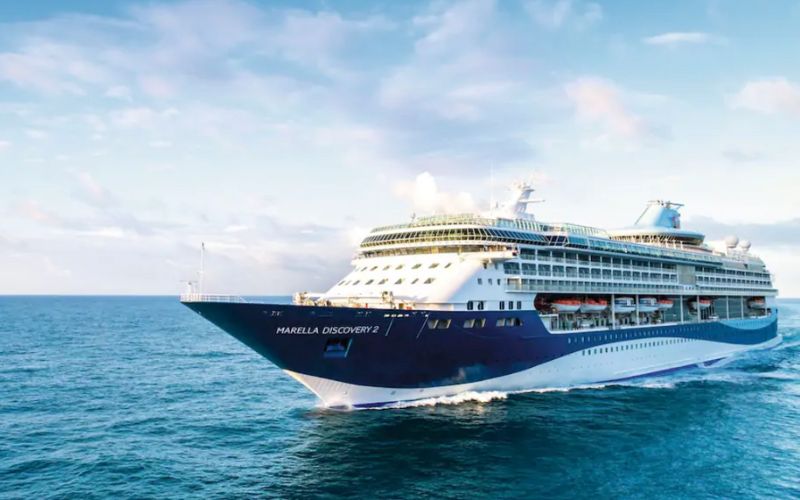
2. Marella Discovery 2
Marella Discovery 2 is one of the most popular ships in the Marella fleet and is especially well reviewed by first-time cruisers.
Many guests praise the warm, friendly service, with cabin stewards and restaurant staff regularly named in reviews for going above and beyond. Housekeeping gets particularly strong feedback, with cabins described as spotless and well looked after.
The ship itself is often described as comfortable and well laid out, with balcony cabins proving especially popular. Guests also enjoy the entertainment, with several reviewers saying the evening shows are among the best they’ve seen at sea.
Dining generally scores well, with good variety across restaurants and buffets, although opinions are mixed – some guests love the food, while a smaller number describe it as bland compared to other cruise lines.
The main criticisms tend to focus on communication and onboard charges. A few guests felt extras weren’t explained clearly enough, and some were disappointed by Wi-Fi pricing and cabin allocations.
Overall, Marella Discovery 2 is a strong all-rounder, particularly appealing to guests who value friendly service, traditional cruising and a comfortable, easy-going atmosphere.
NEW DEALS JUST RELEASED!
Don’t miss the latest Marella Cruises offers…
3. Marella Discovery
Marella Discovery is one of the most talked-about ships in the Marella fleet and generally scores well with guests who value atmosphere and value for money.
One of the ship’s biggest strengths is the crew. Time and time again, reviews mention friendly, hardworking staff, attentive cabin stewards and a warm, welcoming feel onboard. The entertainment team also gets strong praise, with production shows, live music and guest speakers regularly highlighted as a real high point.
Public areas are usually described as well maintained, and many guests appreciate the open, relaxed style of cruising, with casual dress codes, drinks and tips included, and no-pressure formalities.
Itineraries are another strong pull. Many guests book Marella Discovery specifically for the routes she sails, and reviews often mention how well-organised port days and shore experiences feel.
The more critical feedback tends to focus on cabins showing their age in places and occasional queues at peak times for bars and restaurants. Dining is generally rated as good and plentiful, though it doesn’t always reach the same standard as newer ships.
Overall, Marella Discovery scores well for delivering a friendly, sociable cruise with great entertainment and excellent value – particularly for guests who prioritise service, itinerary and atmosphere over ultra-modern finishes.
Marella Explorer is a popular choice for guests who care most about itinerary and ease of travel.
One of the strongest themes in the reviews is how well Marella handles the logistics. Flights, transfers and embarkation are often described as smooth and well organised, making the whole holiday feel simple and stress-free from the start.
Cabins are generally well liked, particularly balcony cabins, which many guests describe as clean, quiet and comfortable. Housekeeping teams receive lots of praise for being friendly, polite and hardworking.
Guests also enjoy the itineraries, especially in the Mediterranean and Canary Islands, with many describing the routes as a major highlight of their trip.
Food and décor receive more mixed feedback. Afternoon tea is frequently mentioned positively, while buffet options sometimes feel limited compared to other cruise lines. The ship itself is often described as plain but tidy, with public areas feeling smart after updates.
Overall, Marella Explorer tends to suit travellers who want great routes, friendly service and an easy, good-value cruise rather than a flashy, ultra-modern ship.
Marella Explorer 2 is Marella’s adults-only ship and appeals strongly to couples and those looking for a quieter, more relaxed cruise style.
Many guests highlight the friendly, efficient crew as one of the ship’s biggest strengths, with service in bars and restaurants often described as quick and professional. The ship is also widely praised for being clean and well looked after, with hardworking housekeeping teams keeping public areas tidy.
Adult-only cruising is a major draw. Reviews often mention how calm and relaxing the atmosphere feels compared to family-heavy ships, and balcony cabins in particular receive positive comments for their space and comfort.
Entertainment generally scores well, with evening shows and themed nights frequently described as a highlight. Several first-time cruisers also say the overall experience exceeded expectations and felt very good value for money.
Where feedback is more mixed is around the ship’s age. Some cabins and bathrooms are described as tired in places, and a handful of reviews mention noise issues in certain areas of the ship. Food is usually rated as good with plenty of choice, although buffet consistency is occasionally criticised.
Overall, Marella Explorer 2 tends to work best for couples and adults looking for a good-value, sociable cruise with strong service and a relaxed, adult-focused atmosphere.
It’s extremely tight between the ships – here’s those scores in full to see what determined the ranking:
Ship
Cruiseline.com Score
Cruisecritic.com Score
Trip Advisor Score
Overall Average Score
Marella Voyager
4.2
3.5
4.17
3.96
Marella Discovery 2
4.3
3.7
3.83
3.94
Marella Discovery
4.3
3.7
3.81
3.93
Marella Explorer
4.3
3.6
3.86
3.92
Marella Explorer 2
4.2
3.5
3.76
3.82
The Bottom Line
Marella Cruises continues to be one of the most popular choices for British cruisers who want an easy, all-inclusive style holiday without the formality of traditional cruising.
Across the fleet, the strongest themes are friendly service, smooth organisation and great value for money. Ships like Marella Voyager and Marella Discovery 2 stand out for their consistently warm reviews, while older ships such as Marella Discovery and Marella Explorer are best suited to guests who prioritise itinerary, atmosphere and price over the latest onboard features.
There isn’t a bad ship in the lineup – it really comes down to what you value most.
But what do you think? Do you agree with the rankings, or do you have a favourite Marella ship?
If you’re planning a cruise, Sailawaze Live travel show is at Twickenham Stadium in London on 21–22 March, and it’s shaping up to be a really fun weekend for cruise lovers and holiday planners.
On stage, you’ll hear from travel agents and major cruise lines, including Princess, NCL, Hurtigruten, Uniworld, Avalon, and AE Expeditions, alongside journalists from The Times, The Guardian, and The Independent. There’ll be talks on how to find the best cruise deals, river cruising, expedition sailings, and what’s new at sea, plus live Q&As and booking tips.
Around the show, where the cruise experience comes to land, there’ll be food and drink tastings, cocktail sessions, Riverside Luxury Cruises’ beer sommelier, mini golf, a P&O Caribbean swing, archery, VR experiences, Crystal’s Italian gelato, a dark skies dome and more, plus cruise brands and travel experts to chat to throughout the day. More cruise names are being added to the line-up, too.
Your ticket also gets you into Family Traveller Live next door, the same day, so it’s two shows for one. That includes a Royal Caribbean VR and gaming zone, zip lining across the stadium, roof walks, astronaut training, rugby legend meet-and-greets, and holiday prizes and show-only offers – to name just some of the fun on offer during the immersive weekender. Hope to see you there!
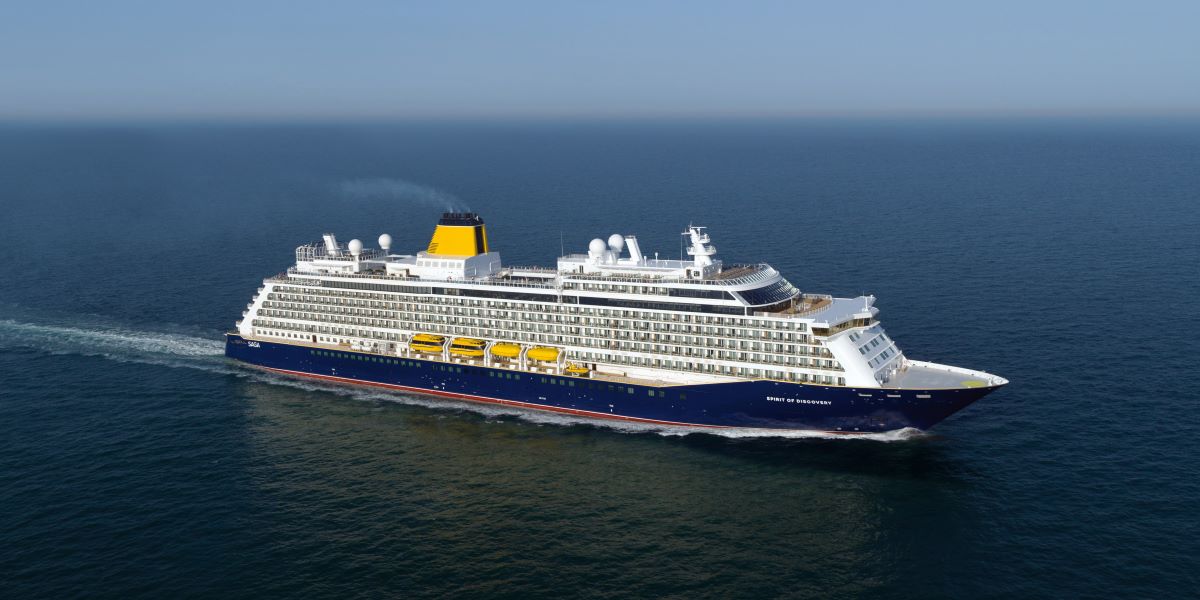
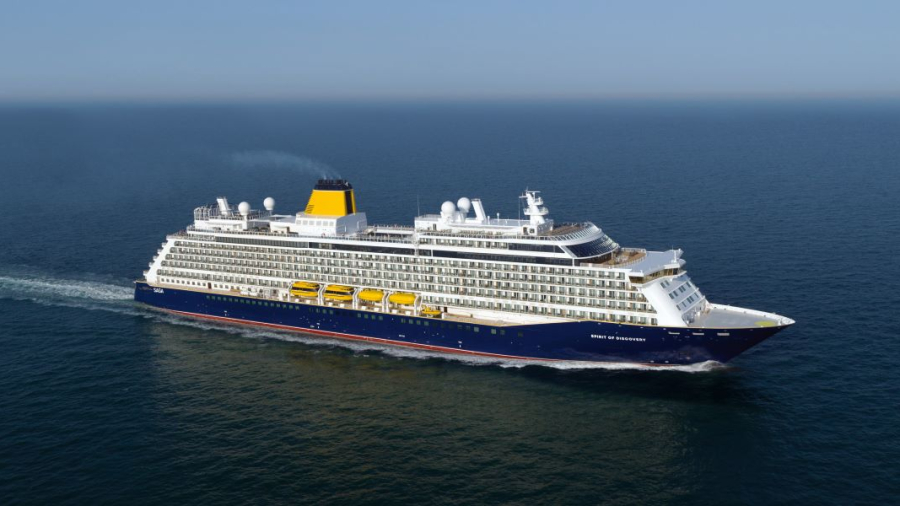
A UK government investigation has criticised the handling of a major heavy-weather incident aboard Saga Cruises’ Spirit of Discovery, concluding that failures in voyage planning, emergency response and onboard medical care contributed to a storm emergency that left 115 passengers injured and one guest dead.
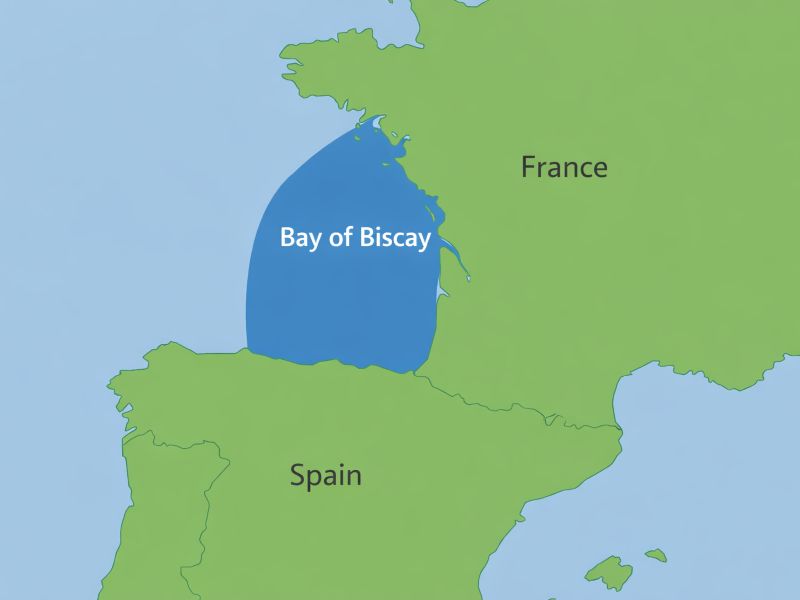
The Marine Accident Investigation Branch published its report on 11th March 2026 into the incident, which happened on 4th November 2023 as the 58,250 gross ton ship was crossing the Bay of Biscay during a 14-night Canary Islands sailing from Portsmouth.
Investigators said the vessel lost propulsion in heavy weather, was left hove to for almost 18 hours, and moved violently enough to cause one of the highest injury rates seen in comparable incidents.
Among those injured was 85-year-old Trevor Gilks, who later died after suffering a severe cervical spine injury. The report found that a delay in recognising the seriousness of his condition led to what investigators described as “suboptimal treatment”, and said that may have affected the severity of his injury.
“While cruising remains safe and accidents rare, Spirit of Discovery’s violent motion in heavy weather caused injury to over 100 passengers and, very sadly, one passenger lost their life as a result of injuries sustained,
“A complex sequence of events led to this accident and we have identified a number of clear lessons around vessel safety, crew decision-making and medical response.”
Rob Loder, chief inspector of marine accidents.
Storm Response And Medical Care Came Under Scrutiny
According to the MAIB report, Spirit of Discovery encountered very high seas and violent motion while returning north after itinerary changes caused by worsening weather. The ship had originally been due to call at Las Palmas de Gran Canaria, but that stop was dropped.
A subsequent plan to call at A Coruña also fell away after the Spanish port closed because of the weather, leading to a decision to sail directly back to Portsmouth.
Investigators said weather routing guidance had strongly advised against crossing the Bay of Biscay the following day, but that advice was not adequately acted on by the captain, crew and shore teams.
The report found the ship lost propulsion shortly after 12.30pm on 4th November when violent motion caused the propellers to overspeed and the propulsion pods to shut down automatically.
Investigators also said the loss of control worsened when both pods were unexpectedly parked at 90 degrees to the ship’s heading, increasing the vessel’s motion.
That motion triggered a mass casualty event on board. MAIB said 115 passengers were treated for injuries, with eight requiring hospital treatment after the ship arrived back in Portsmouth. Injuries included fractured hips and ribs, head trauma, a shoulder injury and spinal injuries.
Passenger surveys cited in the report showed that 49% of respondents needed further medical treatment after disembarkation, while 87% said they took four days or more to recover fully.
Gilks was injured when the ship rolled by about 10 to 13 degrees and the high-backed chair he was sitting in toppled backwards, with the main impact to his neck.
Investigators said he was initially helped back into the chair and remained upright for more than four hours rather than being kept flat on a spinal board, a decision the report said might have caused additional neurological damage.
Once he reached the medical centre, a neck X-ray was taken and reviewed by a shore-based radiologist, but no lateral X-rays had been taken and no further neck X-rays were sent for review. The MAIB said the full extent of his quadriplegia remained undiagnosed for more than 36 hours.
It also found that specialist advice from the Telemedical Maritime Assistance Service was not sought immediately, and that earlier intervention might have improved immobilisation, imaging and the assessment of a possible evacuation.
Gilks was taken ashore only after the ship berthed in Portsmouth on 6th November, and he died in hospital on 8th November 2023.
Investigators were also critical of the failure to activate the vessel’s mass casualty incident plan, saying that omission left the medical team working largely unsupported for more than 18 hours and increased the burden on an already overstretched team.
The report further said the lack of advanced trauma training among the ship’s nurses might have contributed to the spinal injury not being identified earlier.
The MAIB issued recommendations to several organisations, including Cruise Lines International Association.
Those recommendations call for more medical personnel with Advanced Trauma Life Support qualifications on passenger ships and updated heavy-weather policies covering the identification and securing of furniture. The report also stresses that safety recommendations do not create any presumption of blame or liability.
Saga and its operating partners have already taken a series of steps outlined in the report, including updated heavy-weather risk assessments, new meteorological operating limits for Spirit-class ships, improved emergency checklists, regular mass casualty drills and enhanced shore-based radiological and orthopaedic support for doctors at sea.
Spirit of Discovery entered service in 2019, and Saga says the ship now sails from both Portsmouth and Dover.
Cruise Injury Claims Remain In Focus
The MAIB report is likely to add to wider scrutiny of passenger injury cases across the sector, even though the agency makes clear its findings are not intended for use in assigning legal liability.
That comes at a time when other cruise-related claims are also drawing attention. In one recent US case, three Carnival Sunrise passengers filed a negligence lawsuit after a tender boat incident near Princess Cays in March 2025 allegedly left them injured during turbulent conditions.
In another case in the UK , compensation claims were filed on behalf of 115 passengers following illness outbreaks aboard P&O Cruises’ Ventura in 2024.
For Saga, the Spirit of Discovery findings represent one of the most serious official critiques of a modern UK cruise incident in recent years, with investigators pointing not to a single mistake but to a chain of decisions and shortcomings that turned severe weather into a deadly casualty event.
Get the best price on your cruise…
Related Posts
If you found this interesting, please share!
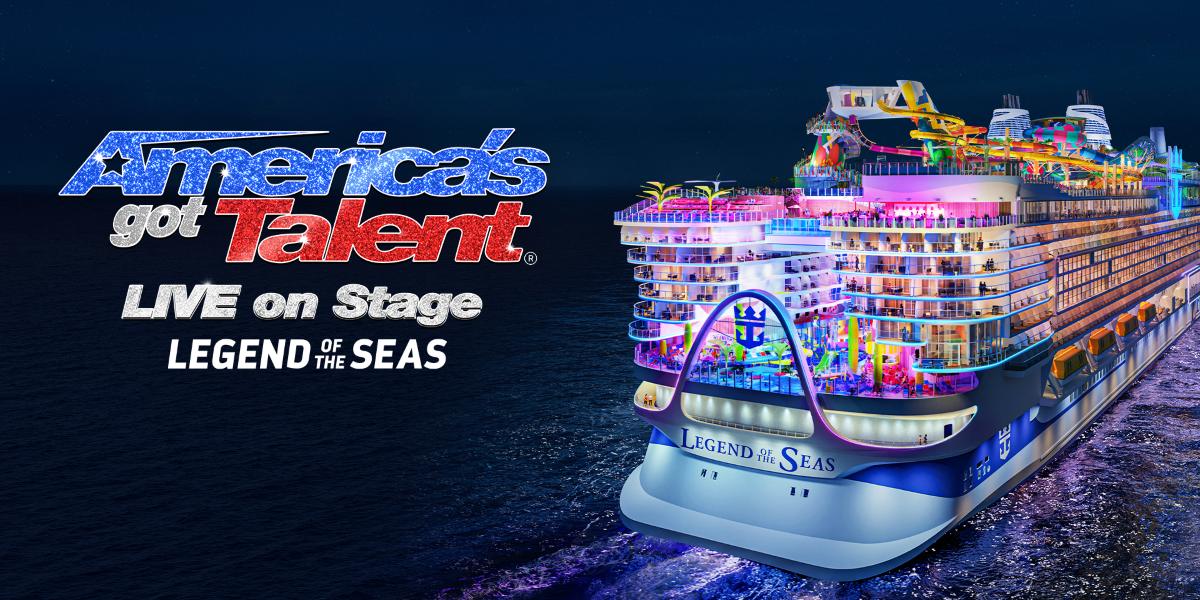
Royal Caribbean has announced that its upcoming cruise ship Legend of the Seas will introduce a brand new entertainment concept at sea with the debut of America’s Got Talent LIVE….
Princess Cruises has announced an extensive 115-night world cruise for 2028 aboard Coral Princess, offering travellers a near four-month journey across multiple continents with departures from both the east and…
Carnival Cruise Line is expanding a new quicker dinner service option across its fleet, giving passengers the chance to enjoy a full meal in less time while still experiencing the…
P&O Cruises is introducing a longer lead time for guests to settle the balance on their cruise bookings, with final payments moving to 120 days before departure for certain future…
Cruises are deceptive when it comes to packing. You are technically staying in one place, yet every day feels different. Pool decks, formal dinners, shore excursions, gym sessions, and evening shows all happen within the same floating city.
That variety often leads people to overpack shoes. In reality, most cruises only require three to four thoughtfully chosen pairs. The key is versatility rather than volume.
Before stuffing your suitcase, it helps to understand how cruise days actually unfold.
Cruise itineraries blend relaxation and activity. One morning might involve walking miles through a port city. The evening might call for something polished for dinner.
Cruise lines often host formal nights or themed events, making travelers feel they need specialized footwear for every occasion.
According to Cruise Critic, most cruisers overpack clothing and shoes, only to wear a small rotation repeatedly throughout the trip.
Understanding how you plan to spend your time significantly narrows choices.
1. Comfortable Walking Sneakers
If you bring only one essential pair, make it comfortable sneakers.
Cruise ships are large. You will walk between decks, dining rooms, and entertainment venues daily. Shore excursions often include walking tours, uneven streets, or beach boardwalks.
Cushioned sneakers from New Balance or Nike work well for all day exploring.
For a more casual, versatile option, Vans shoes can handle ship life comfortably and transition easily into relaxed evening settings.
One reliable sneaker often does the work of two lesser pairs.
2. Sandals or Slides for Pool and Casual Days
Cruises mean pool decks and ocean air. A pair of comfortable sandals or slides is practical for moving between your cabin and the pool.
Look for supportive designs rather than thin flip flops. Brands like Birkenstock or sport-focused sandals from Teva offer better support for short walks around the ship.
These also work well for beach excursions.
3. Dress Shoes for Evenings
Most cruises include at least one dressier evening. Whether it is a formal dinner or specialty restaurant reservation, a polished shoe completes the look.
For women, low block heels or elegant flats are often more practical than high stilettos, especially on a moving ship.
For men, loafers or minimal leather sneakers can work depending on the dress code.
Many cruise lines now adopt flexible dress policies, which means comfort and style can coexist.
4. Activity Specific Shoes if Needed
If you plan to use the gym, participate in onboard fitness classes, or book active excursions such as hiking or zip lining, consider whether your main sneakers can handle those activities.
Often, one well-chosen sneaker is enough. Bringing separate gym shoes may not be necessary unless you are committed to daily workouts.
Royal Caribbean notes that most onboard activities are casual and do not require highly specialized footwear.
Heavy boots rarely make sense on a cruise unless sailing to cold destinations. Multiple dress shoes often go unworn. Fashion-forward pairs that only match one outfit usually take up space without adding value.
Cruise cabins are compact, and luggage storage is limited. Shoes that serve multiple purposes win every time.
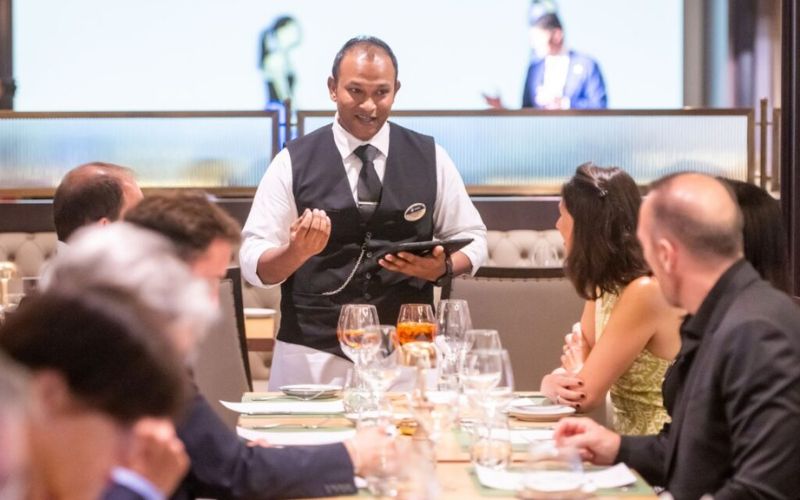
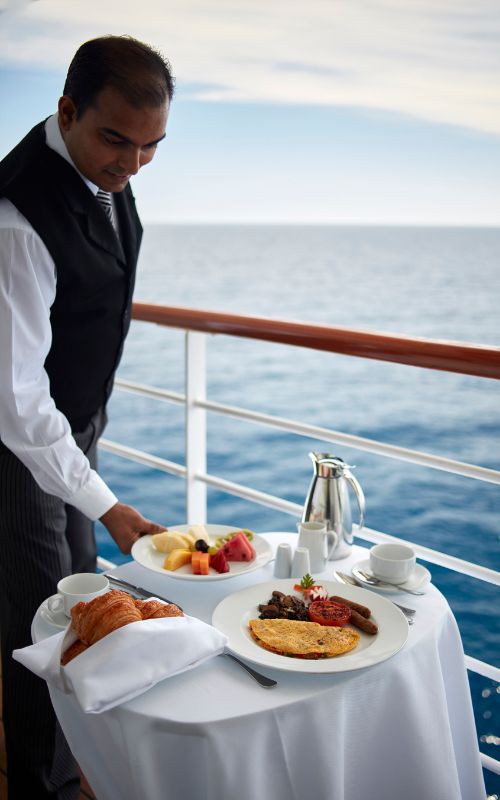
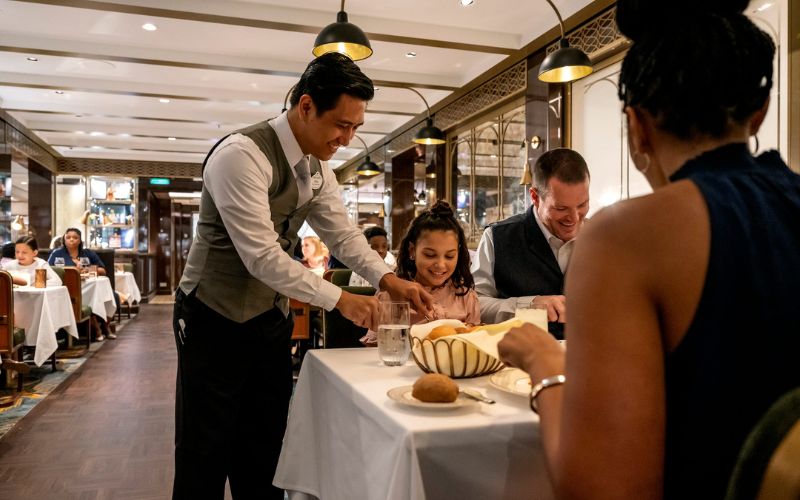
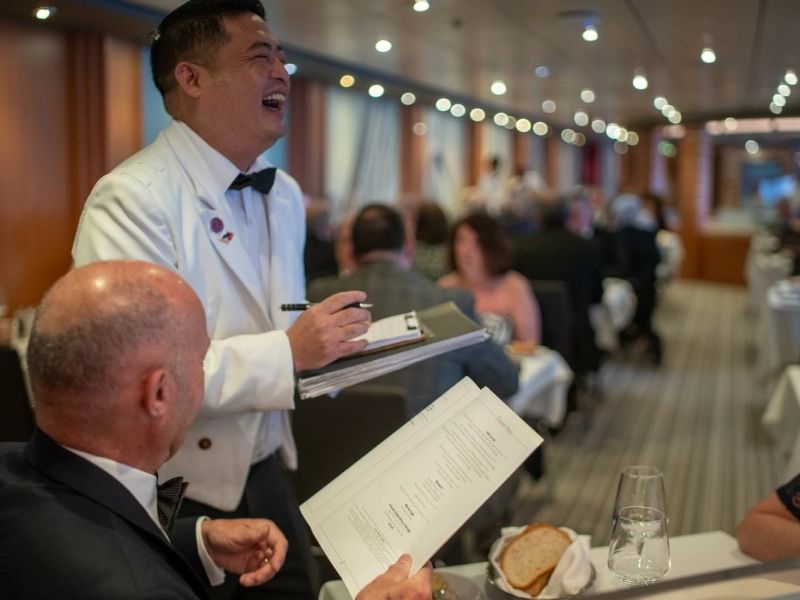
Cruise ship waiters are among the most visible crew members on any cruise.
They’re the friendly faces who greet you at breakfast, remember your coffee order at lunch, and guide you through multi-course dinners each evening. And because they seem to be everywhere at once, many guests are curious about how much they actually earn.
If you’re thinking about working at sea yourself, or simply want to understand where your gratuities go, it helps to know what affects a cruise ship waiter’s pay and what life is really like behind the scenes.
How Much Waiters Make
Rather than guessing at how much cruise waiters make, I’ve been able to pull together some research from the website Shiplife.
This is a site that covers all kinds of information about working on cruise ships – and it allows cruise staff to anonymously share details of their salary, to help others find out how much they could earn in a similar career.
From that data, I’ve been able to work out some averages for you.
Junior/Assistant Waiters: $1,210 per month
Senior Waiters: $1,435 per month
Head Waiters/Team Leaders: $1,965 per month
Room Service Waiters/Bell Person: $850 per month
These are base salary only – they don’t include tips, gratuities or commissions. Which is important, as you’ll see…
And of course, it varies quite a lot by cruise line. So read on for more info about which cruise lines pay the most, and the least.
Junior/Assistant Waiters
Junior or assistant waiters support the main dining team by carrying trays, resetting tables, serving drinks and helping with orders. It’s an entry-level position that involves long hours but offers a clear path to promotion.
The lowest reported monthly salary for a junior waiter was $550 for Celestyal Cruises.
The highest reported salaries for these positions are on Virgin Voyages, at $1,800.
Cruise Line
Assistant Waiter Salary (USD)
Celestyal Cruises
550
Costa Cruises
717
Carnival Cruise Line
770
Adora Cruises
850
Marella
850
MSC Cruises
850
Crystal Cruises
998
Norwegian Cruise Line
1,000
Hapag-Lloyd
1,100
Disney Cruise Line
1,160
Holland America
1,180
P&O Cruises
1,200
Royal Caribbean
1,200
SAGA
1,200
Silversea
1,350
Regent Seven Seas
1,400
Celebrity Cruises
1,500
Hurtigruten
1,500
Oceania Cruises
1,525
Princess Cruises
1,600
Seabourn
1,650
Viking Cruises
1,650
Virgin Voyages
1,800
Senior Waiters
Senior waiters are responsible for their own station, taking orders, managing guest relationships and ensuring meals run smoothly from start to finish. They typically earn more because they handle greater responsibility and receive a larger share of gratuities.
There’s less data for these roles – some cruise lines may only use assistants and heads. Of those that have salary information available, Aroya Cruises pays least but Princess Cruises pays quite generously.
Cruise Line
Senior Waiter Salary (USD)
Aroya Cruises
971
MSC Cruises
978
Norwegian Cruise Line
1,100
Carnival Cruise Line
1,200
Cunard Line
1,400
Hurtigruten
1,500
P&O Cruises
1,550
Seabourn
1,700
Crystal Cruises
1,800
Princess Cruises
1,950
Head Waiters/Team Leads
Head waiters oversee sections of the dining room, support the wider service team and handle any guest issues or special requests. Their role is more supervisory, and they often earn higher gratuities thanks to their leadership position.
Costa Cruises pays $760 for this senior role, while Virgin Voyages offers over 4x that amount, at $3,225.
Cruise Line
Head Waiter Salary (USD)
Costa Cruises
760
Fred Olsen
900
Celestyal Cruises
1,300
Carnival Cruise Line
1,400
Cunard Line
1,500
TUI Cruises
1,520
Disney Cruise Line
1,540
Silversea
1,600
Celebrity Cruises
1,615
MSC Cruises
1,700
Phoenix Reisen
1,775
Royal Caribbean
1,780
Holland America
1,925
Princess Cruises
2,000
P&O Cruises
2,025
Norwegian Cruise Line
2,025
Azamara
2,400
Regent Seven Seas
2,500
Seabourn
2,700
Oceania Cruises
2,900
Viking Ocean
2,970
Crystal Cruises
3,150
Virgin Voyages
3,225
Room Service Waiters
Room service waiters deliver meals directly to guests’ cabins, often working across a 24-hour schedule depending on the ship.
Earnings can vary widely as tipping behaviour differs for in-cabin service compared to the dining room.
Cruise Line
Room Service Waiter Salary (USD)
Costa Cruises
625
MSC Cruises
625
Celestyal Cruises
780
Royal Caribbean
829
Disney Cruise Line
850
Viking Ocean
850
Norwegian Cruise Line
878
AIDA
930
Carnival Cruise Line
958
Celebrity Cruises
1,200
Factors That Impact Wages For Cruise Waiters
Cruise ship waiters don’t all earn the same amount. Their income varies considerably depending on the cruise line, the region where the ship sails, their level of experience and the type of dining venue they work in.
One of the biggest influences is the cruise line itself.
Luxury brands such as Regent Seven Seas, Silversea and Seabourn tend to offer higher basic wages and more generous tipping environments.
Mainstream lines like Carnival, Royal Caribbean, Norwegian and MSC generally sit somewhere in the middle, although earnings can still be excellent when gratuities are strong.
Smaller or budget-focused cruise lines can offer lower starting pay, though this may be balanced out by an attractive itinerary or faster career progression.
Where the ship is sailing also matters more than people realise. North American passengers typically tip more readily, and that can have a noticeable effect on a waiter’s total monthly income.
Cruises in the Caribbean, Alaska or Mexico are often the most lucrative.
By contrast, cruises departing from Australia or parts of Europe can result in lower take-home pay simply because tipping culture differs from region to region.
Experience plays an important role too. Junior waiters usually assist more senior team members, and so their share of the gratuity pool is smaller.
Once promoted to a full waiter, earnings increase significantly. Head waiters, who oversee larger sections of the dining room, can earn more again thanks to additional responsibility and a larger share of service charges.
It’s also worth noting that not all restaurant roles are equal.
Those working in speciality dining venues often earn more because guests are more inclined to tip after a fine-dining meal.
Main Dining Room waiters, on the other hand, rely heavily on the standard gratuity system. Buffet roles tend to be the least well paid because tipping is much less common in a self-service environment.
Tips For Cruise Waiters
Tips form a major part of a cruise ship waiter’s earnings. Most cruise lines add an automatic daily gratuity to every guest’s account, and a large portion of this goes directly to the dining team, including waiters, assistant waiters and head waiters.
On lines such as Royal Caribbean, this service charge is around US $18.50 to US $21.00 per person, per day, depending on the cabin category.
This is pooled and shared among hundreds of front-of-house crew. When guests remove this charge – which cruise lines strongly discourage – it reduces the entire pot, not just the income of the waiter who happened to serve that table.
Many guests do still choose to give additional cash tips, particularly at the end of longer cruises when they’ve built a rapport with their waiter.
For some crew members these extra envelopes can make a measurable difference, especially during peak holiday seasons or on voyages with a large number of returning cruisers.
Speciality dining restaurants are another source of additional income. While a service charge is usually included, diners often add something extra for particularly attentive service, and those working in these venues can see a meaningful boost in their monthly pay.
Working Hours for Cruise Ship Waiters
To understand a waiter’s salary, you also have to consider their working hours. A typical day can stretch from early morning until late evening, with only short breaks in between. Most waiters work every day for the duration of their contract, which normally lasts between six and nine months.
The day usually begins with breakfast service, followed by a short rest before lunch.
After another brief gap they return to prepare the dining room ahead of dinner, which is the busiest and most time-consuming shift. Even once the final course has been served there are still tables to reset, side stations to organise and cleaning tasks to complete.
All in all, many waiters work between ten and sixteen hours each day. It’s physically demanding work involving heavy trays, thousands of steps and constant interaction with guests.
But for those who thrive in a fast-paced environment and enjoy providing good service, it can also be an incredibly rewarding career.
Benefits That Add to the “Real” Salary
When comparing cruise ship salaries to land-based hospitality jobs, it’s important to factor in the difference in living costs.
Cruise ship employees have very few expenses while working at sea, which means they’re often able to save a far greater proportion of their earnings.
Accommodation, food and laundry are provided at no cost. Medical care on board is free, uniforms are supplied, and crew are offered discounted drinks in the crew bar.
Part of the reason that medical care is covered is because waiters – and all crew – undergo very strict medicals before they begin a contract. So any illness or medical issue onboard isn’t going to be as a result of something pre-existing – meaning cruise lines are more inclined to pay.
Many cruise lines also pay for flights to and from the ship at the start and end of each contract, which is a huge saving for anyone travelling from overseas.
Because they aren’t paying rent, utility bills, transport costs or groceries, many waiters are able to save far more than they could working in a land-based restaurant – especially if they receive strong gratuities during their contract.
Some waiters report that they are able to only spend their tips and send all of their salary home to their families.
How Cruise Waiter Pay Compares to Other Cruise Ship Jobs
Waiters generally sit somewhere in the middle of the cruise-ship pay scale.
Their earnings can be very good when tips are strong, meaning they often earn more than youth staff, room stewards, buffet attendants and some bar staff.
However, they typically earn less than casino staff, spa employees, chefs, dancers, nurses, engineers and the ship’s senior officers.
It’s a role with a wide earning range and excellent potential, but it isn’t one of the very highest-paid positions on board.
Most cruise lines require previous experience in a hotel or restaurant, together with strong English-language skills and a proven ability to deliver friendly, professional service. Working on a ship also requires a good level of physical fitness, as the long hours and constant movement can be demanding.
Applicants must hold a valid passport and will need to pass medical checks before joining the ship. They also need to be comfortable living in close quarters, sharing a cabin and working away from home for months at a time.
Recruitment is usually done either through a cruise line’s own careers website or via approved hiring partners in different regions. Some positions are filled internally too, with buffet staff or assistant waiters being promoted into more senior roles.
Pros and Cons of Being a Cruise Ship Waiter
Being a waiter on a cruise ship can offer excellent earning potential, especially when gratuities are high.
Crew also enjoy very low living costs and the opportunity to travel to destinations they may never otherwise visit.
Many waiters progress quickly into more senior roles, and for those who enjoy hospitality it can be an exciting international career.
However, the job is not without its challenges. The hours are long, days off are rare, and living conditions can be tight.
Income can vary from one contract to the next depending on the itinerary and passenger mix, and time away from family can be difficult, particularly on longer contracts.
TODAY’S BEST CRUISE DEALS!
Don’t miss these offers…
Final Word
Cruise ship waiters work incredibly hard, but the rewards can be substantial – especially once gratuities and the lack of living expenses are taken into account.
It’s a role that offers the chance to save well, gain valuable experience and see the world at the same time.
For anyone considering a career at sea, it’s worth weighing up the long hours and lifestyle alongside the financial benefits. For many, the opportunity to travel while earning a strong income makes it a compelling choice.
Working aboard a cruise ship is demanding, rewarding, and, like any job that involves heavy machinery, confined spaces, physical labor, and the open sea, inherently risky. Crew members work long hours in dynamic environments, and injuries happen. When they do, the legal landscape that governs your rights is fundamentally different from what applies to passengers, and it is far more complex than most crew members realize.
Understanding your rights before something goes wrong, or immediately after, can make an enormous difference in the outcome of your situation. The maritime jurisdictional landscape presents unique procedural hurdles and practical challenges, and their impact on recovery is significant. Consequently, a clear objective analysis of the applicable legal frameworks and immediate post-injury protocols is essential for the preservation of a crew member’s rights and long-term security.
Why Crew Member Claims Are Different
Passengers who are injured on a cruise ship operate under one body of law. Crew members operate under another. The distinction matters enormously, and it is one of the most common misconceptions we encounter when crew members first reach out to us.
Crew member claims are primarily governed by maritime law, a specialized, federal body of law with its own rules, standards, and procedures. Most of these claims fall into one or more of three categories, and knowing how each works is foundational to understanding your options.
The Jones Act
The Jones Act is the cornerstone of crew member injury law. It allows qualified seamen to bring negligence claims against their employers when unsafe working conditions or employer conduct played a role in causing an injury. To qualify as a seaman, you generally need to spend at least 30% of your work time contributing to the operation of a vessel in navigation. This is a standard that most cruise ship crew members meet.
Under a Jones Act claim, you can seek compensation for lost wages, medical expenses, pain and suffering, and other damages. The negligence standard is relatively low: you do not need to show that employer negligence was the only cause of your injury, only that it contributed in some way. Claims generally must be filed within three years of the injury, though your employment contract may impose a shorter timeframe.
Unseaworthiness
Separate from the Jones Act, general maritime law imposes a duty on vessel owners to ensure their ship is reasonably fit for its intended purpose. This includes the vessel itself, its equipment, and its crew. When any of these falls short of that standard, such as defective machinery, improperly maintained surfaces, inadequate tools, etc., the owner can be held strictly liable, meaning fault does not need to be proven. Unseaworthiness and Jones Act claims frequently arise from the same incident and are often pursued together.
Maintenance and Cure
This is maritime law’s equivalent of workers’ compensation, and it applies regardless of fault. When a crew member is injured or becomes ill in the service of the ship, the employer is obligated to provide two things: “maintenance,” a daily living allowance to cover basic expenses during recovery, and “cure,” meaning payment for necessary medical treatment until the crew member reaches Maximum Medical Improvement (MMI).
MMI is the point at which a physician determines that no further meaningful medical recovery is expected. At that point, the obligation to pay for ongoing medical care ends. Disputes over when MMI has truly been reached are common, and if an employer wrongfully withholds maintenance and cure benefits, they may be exposed to punitive damages in addition to the withheld amounts.
The Reality of Shipboard Medical Care
One of the most significant challenges crew members face after an injury is that their initial medical care is provided by the ship’s own physician. When at sea, the ship’s physician is the only option in the immediate term. You cannot seek a second opinion from an outside specialist, and getting to shore-side medical facilities takes time.
This structure creates real risks. Shipboard medical care, while adequate in many day-to-day situations, is not always equipped for complex or emergency cases. Ship physicians are generalists working with limited resources, often without immediate access to specialists or the diagnostic tools available in a shore-side hospital. When a condition is misread or a treatment is administered incorrectly, the consequences can escalate quickly and the window to intervene is narrow.
We have seen this dynamic produce serious, preventable outcomes in our own cases. In one matter that went to arbitration, a crew member named Ilija Loncar sought treatment for nausea from the ship’s physician. The doctor ordered an intravenous injection of Promethazine. This medication carries an FDA black box warning specifically cautioning healthcare providers about the severe risks of incorrect administration. The drug is highly caustic to tissue when not administered correctly.
The medication was administered too rapidly, contrary to protocol. Ilija immediately experienced severe pain. His condition deteriorated over the following hours as his arm began showing signs of tissue damage. Despite the progression of symptoms, it was seventeen hours before the ship docked, and Ilija could receive emergency care ashore. By then, the damage was irreversible, and his arm was ultimately amputated.
Tom Scolaro represented Ilija through arbitration. After a week of live hearings, during which the cruise line’s own chief medical director testified that the ship’s doctor had committed malpractice. The arbitrator awarded Ilija $3,337,500. The case received national media coverage and remains one of the most significant crew member medical malpractice recoveries in maritime litigation.
The takeaway is not simply that a substantial recovery was achieved. It is that in situations involving shipboard medical care, time matters enormously. The earlier you can secure independent legal guidance and outside medical attention, the better positioned you are, both medically and legally.
Arbitration, Foreign Jurisdiction, and What It Means for Your Claim
Most crew member employment contracts include mandatory arbitration clauses that require disputes to be resolved outside of U.S. federal courts, often in foreign jurisdictions such as the Bahamas, Panama, or the Philippines, and under the laws of those countries. Courts in the United States have consistently upheld these agreements.
This has real consequences for the value and complexity of a claim. Damages measured under foreign law are often calculated differently than they would be under U.S. standards, and the overall value of a claim can be significantly lower as a result. Arbitration proceedings have their own procedural rules, their own standards of evidence, and their own dynamics. They are not a faster version of a lawsuit.
None of this means that a crew member cannot achieve a fair outcome through arbitration. The Loncar case is proof that meaningful recovery is possible. But it does mean that navigating these proceedings requires specialized knowledge and actual experience with the process. An attorney who is unfamiliar with maritime arbitration, the applicable foreign legal standards, and the specific rules governing crew member claims will be at a serious disadvantage from the start.
It is also worth noting that most cruise line employment contracts require any litigation to be filed in a specific jurisdiction, most commonly the Southern District of Florida. This is another reason why hiring a local attorney who handles general personal injury cases but lacks maritime experience can be a significant challenge.
The Hesitation Many Crew Members Feel and Why It’s Understandable
It would be incomplete to discuss crew member injuries without acknowledging something that comes up consistently: many crew members are reluctant to pursue legal action, even when they have been seriously hurt.
This hesitation is understandable. Crew members, particularly those from countries where legal systems work very differently from those in the United States, may feel uncertain about what their rights actually are or whether those rights are practically enforceable. There is also, realistically, concern about how pursuing a claim might affect future employment in an industry where professional reputation among employers carries significant weight.
These are legitimate concerns. But it is worth understanding that maritime law exists precisely to provide injured maritime workers with a legal framework for seeking redress and that framework includes protections against retaliation. Consulting with an attorney is confidential. It carries no obligation. And the rights described in this blog are not theoretical; they are enforceable, and they are exercised successfully by crew members every year, including in arbitration forums that cruise lines have long treated as their home turf.
The decision of whether and how to act belongs entirely to the injured crew member. What matters is that the decision be an informed one, not one made in the absence of information, or in the presence of fear.
Practical Steps to Protect Your Rights After an Injury
Regardless of whether you ultimately pursue a legal claim, these steps will protect your position:
Report the injury and seek medical attention immediately. Visit the ship’s infirmary and ensure every detail of the incident and your symptoms is documented accurately. An injury that isn’t officially documented creates significant complications later.
Review anything before you sign it. If you are asked to provide a written statement about the incident, read it carefully. You are not required to sign something that misrepresents what happened. If there are inaccuracies, correct them before signing.
Request your medical records. You are entitled to copies of your shipboard medical records. Ask for them and keep them in a safe place.
Do not accept a settlement offer without legal advice. A settlement offer made early, before you know the full extent of your injuries and their long-term impact, is rarely the best outcome available to you. Once you sign a release, that claim is resolved permanently.
Consult a maritime attorney as soon as possible. The Jones Act provides a three-year statute of limitations, but your contract may impose a shorter deadline. Evidence also becomes harder to gather as time passes. Consulting an attorney early preserves your options.
Scolaro Law, P.A. – A Note on Legal Representation
Not all personal injury attorneys are equipped to handle crew member maritime claims. These cases involve specialized law, foreign arbitration procedures, and jurisdiction-specific filing requirements, most commonly in the Southern District of Florida. If you are looking for legal counsel, make sure you are speaking with an attorney who has specific, demonstrated experience in maritime law and crew member claims.
Scolaro Law has represented injured crew members in maritime cases for over 27 years, and we have accumulated over 100 years of experience. If you would like to learn more or discuss your situation, you can reach out here.
Royal Caribbean International will remove its Coca-Cola souvenir cups from selected onboard drink packages from 15th March 2026, restricting guest access to the popular Coca-Cola Freestyle machines across most of the fleet.
The change, which has not been formally announced by the cruise line, was first noticed by guests logging into their upcoming sailings to review beverage package pricing and inclusions. Discussions quickly emerged online after passengers spotted that the cups were no longer listed as part of the Deluxe Beverage Package and the Refreshment Package.
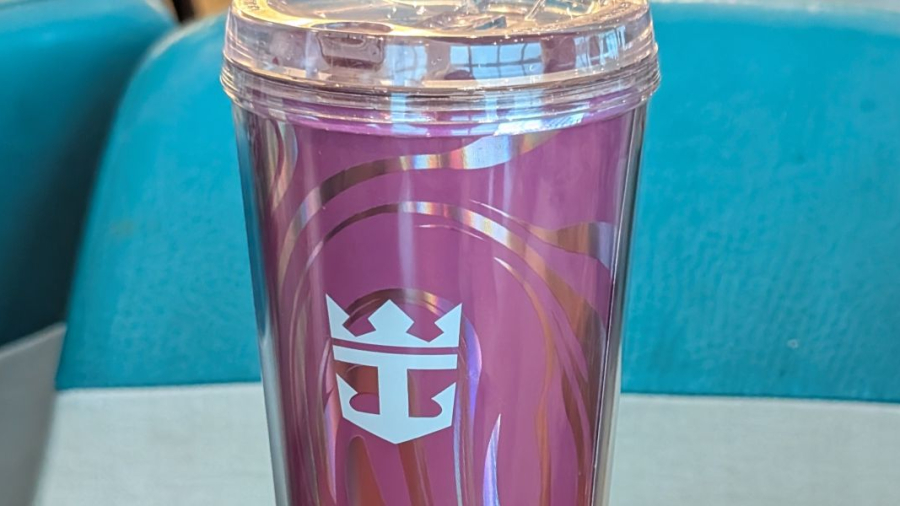
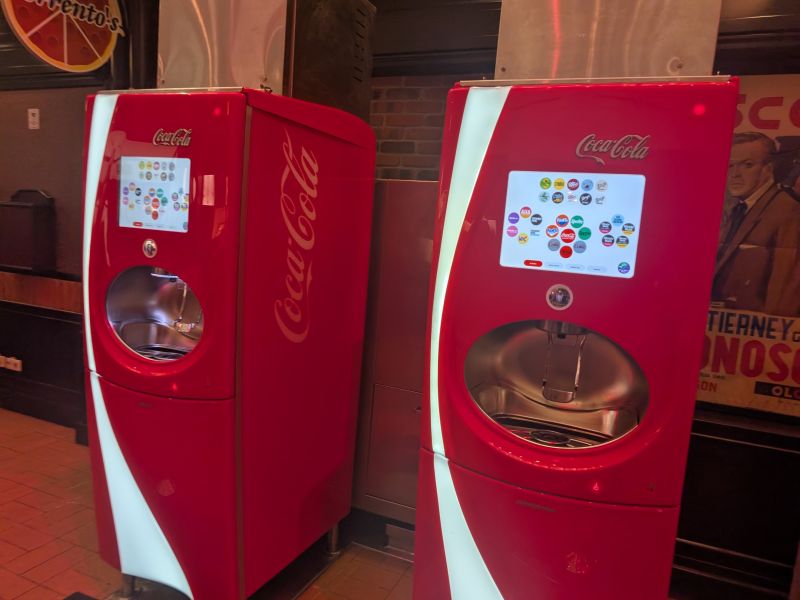
Under the revised terms, guests purchasing either package will no longer receive the Coca-Cola Freestyle souvenir cup as standard. Without the cup, passengers cannot access the self-service Freestyle machines, which allow users to create more than 100 drink combinations using touchscreen dispensers.
The adjustment also applies to guests adding a Royal Beach Club Open Bar Day Pass to their package, with the cup similarly excluded.
Souvenir Cup Still Available At Extra Cost
While the cup is being removed as a complimentary inclusion, it has not disappeared entirely. Guests can still purchase the Coca-Cola Freestyle cup as an add-on for a one-off charge of $4.99. The fee is a single payment rather than a daily supplement.
It remains unclear how the change will affect guests who have already prepaid for beverage packages for sailings departing after 15th March 2026. However, it appears likely that sailings departing on or after that date will no longer include the cup as part of the standard package offering.
Importantly, canned and fountain sodas remain included within the applicable drink packages. The only exclusion relates specifically to the Coca-Cola Freestyle machines. Guests without the souvenir cup will need to order soft drinks directly from a bar or through onboard servers rather than helping themselves at the machines.
The Classic Soda Package continues to include one Coca-Cola Freestyle cup per package. Should the cup be lost during the voyage, a replacement can be purchased for the same charge.
Mixed Reactions From Guests
Although Royal Caribbean has not publicly outlined the reasoning behind the decision, some regular cruisers believe misuse of the cups may have played a role.
One guest commented online: “Too many people handed the cup to their kid to use. Just another hack people used that ruined it for others.”
The cruise line has previously tightened drink package policies. In mid-2025, Royal Caribbean introduced stricter enforcement measures aimed at preventing guests from sharing alcoholic beverages covered under package deals.
However, other passengers questioned whether the move would significantly curb misuse, noting that those determined to share access could still pay the $4.99 for the cup and continue similar behaviour.
Some guests suggested the change could also reduce waste, as not all passengers made use of the souvenir cups even when they were included.
“I rarely used it. My kid and I had the soda package and 99.9% of the time we just went to the bar to get a soda. My wife and son had an alcohol package. They never used it,” one guest shared.
“At the end of the cruise we left them in the room because I don’t need another souvenir cup at home and they couldn’t be used on a future cruise.”
Others simply prefer canned soft drinks or find it more convenient to order from a nearby bar rather than seek out a Freestyle machine.
Freestyle Machines Available On Most Ships
Coca-Cola Freestyle machines are installed across the majority of the Royal Caribbean fleet, typically located in high-traffic areas such as the Windjammer Marketplace buffet, near Sorrento’s Pizza outlets, and sometimes along the Royal Promenade.
There are currently four ships without the machines: Brilliance of the Seas, Serenade of the Seas, Spectrum of the Seas, and Vision of the Seas.
In August 2025, the cruise line added Freestyle machines to Liberty of the Seas, signalling continued investment in the self-serve beverage concept. It remains possible that the remaining vessels could receive the machines in future refits.
The Freestyle dispensers offer a wide variety of Coca-Cola branded beverages, including flavoured sodas, iced tea, lemonade, fruit punch and still water. Availability can vary by ship and sailing depending on supply and demand.
For now, however, guests booking Deluxe and Refreshment packages for sailings departing from mid-March 2026 onwards will need to decide whether access to those expanded options is worth the additional $4.99 fee.
NEW DEALS JUST RELEASED!
Don’t miss the latest Royal Caribbean offers…
Related Posts
If you found this interesting, please share!
Royal Caribbean has altered the itinerary of Liberty of the Seas to ensure guests enjoy optimal viewing of the total solar eclipse on 12th August 2026, removing a scheduled call…
Carnival Cruise Line has halted all third-party gift requests after an administrative error resulted in a bottle of champagne being delivered to a cabin occupied by children. The decision follows…
A former senior executive at Norwegian Cruise Line Holdings has been arrested in Argentina in connection with an alleged fraud scheme said to have cost the cruise giant more than…
$900 in tips. In one single day. That’s what one former cruise ship bartender says he made behind the bar. And yes, it’s sparked a lot of debate. Tipping is…
Carnival Cruise Line has halted all third-party gift requests after an administrative error resulted in a bottle of champagne being delivered to a cabin occupied by children.
The decision follows an incident involving the line’s long-standing brand ambassador, John Heald, who regularly arranges small celebratory gestures for guests marking special occasions at sea.
The mistake, which stemmed from an incorrect cabin number supplied by the person making the request, prompted an angry complaint and has led to a firm change in policy.
Heald, who receives hundreds of messages each week from passengers celebrating birthdays, anniversaries, retirements and other milestones, shared details of the incident with his followers on Facebook.
“One of the fun parts of my job is to be able to help people celebrate. People write to me and say it’s my birthday, it’s an anniversary or a honeymoon or whatever, divorce, I’m celebrating and I always do my best to send a little something,” he explained.
While he works within a set budget on each ship and cannot fulfil every request, Heald has traditionally tried to accommodate as many as possible. Gifts have ranged from cookies and medallions to bottles of champagne and, on rare occasions, the much sought-after ship-on-a-stick trophy.
How The Mix Up Happened
The issue arose when a frequent Carnival guest contacted Heald to arrange a surprise for close friends who were retiring from the police force. The individual making the request was not sailing but wanted to treat their friends onboard.
“I sent a bottle of champagne and a medallion,” Heald confirmed.
However, the cabin number provided in the request was incorrect. Instead of reaching the newly retired officer, the champagne and medallion were delivered to a stateroom occupied by two grandchildren.
“I had sent a bottle of champagne to two children,” Heald said. “They had no idea who I was, they just went to Guest Services.”
After spending several days in Miami attending corporate meetings and ship visits, Heald returned home to find an angry email from the intended recipient. According to Heald, the guest accused him of various failings and expressed strong frustration over the delivery.
Heald said he immediately apologised and acknowledged the seriousness of the error, noting that he would have been equally upset had it involved his own daughter.
Policy Change Follows Error
In response, Carnival Cruise Line has introduced a blanket ban on third-party gift requests arranged through Heald and his colleague Jacinta.
“I’m not going to put myself or my colleague Jacinta into that particular nest of vipers,” he said.
He later reiterated the position when responding to further requests. “We are very happy and glad to be able to send something to people actually cruising on the ship but third-party requests are not something that we are permitted to do anymore,” he responded to a more recent request. “Thank you for your understanding.”
The new approach means celebratory gifts can still be arranged for guests who contact Heald directly while sailing, subject to availability and budget, but surprises organised by friends or family not travelling will no longer be facilitated.
Cruise lines maintain strict controls over alcohol service onboard, particularly where minors are concerned, and any misdirected delivery involving alcohol is treated seriously. While the error was caused by incorrect information rather than a systems failure, the incident highlights the logistical challenges of coordinating personalised gestures across large vessels carrying thousands of passengers.
For many loyal Carnival guests, Heald’s small surprises have long been a cherished part of the onboard experience. However, this latest incident demonstrates how even well-intentioned efforts can carry unintended consequences, prompting the line to tighten procedures to avoid a repeat situation.
NEW DEALS JUST RELEASED!
See the latest Carnival cruise offers…
Related Posts
If you found this interesting, please share!
A former senior executive at Norwegian Cruise Line Holdings has been arrested in Argentina in connection with an alleged fraud scheme said to have cost the cruise giant more than…
$900 in tips. In one single day. That’s what one former cruise ship bartender says he made behind the bar. And yes, it’s sparked a lot of debate. Tipping is…
Hollywood star Robert Downey Jr. has been confirmed as the official godparent of Disney Cruise Line’s newest and largest vessel, Disney Adventure, in a major announcement made on 23rd February…
A powerful winter storm has continued to disrupt cruise operations along the US east coast, with several ships from different lines facing delayed departures and altered itineraries. According to the…