Join Cruise Addicts founder John Shallo and Viking expert Michael Consoli, World Leader in Viking Sales, for a special live discussion covering the latest Viking cruise offers, exclusive savings, and exciting new itineraries now available for booking.
Whether you’re considering your first Viking voyage or planning your next adventure, this episode will help you navigate the newest opportunities across Viking’s river, ocean, expedition, and Mississippi River cruises.
What We’ll Cover:
✅ New Viking Special Offers and Promotions
✅ Featured Ocean, River & Expedition Itineraries
✅ Booking Strategies and Best Values
✅ What’s New from Viking Cruises
✅ Insider Tips from Michael Consoli
✅ Q&A
Michael will share expert insights on current promotions, itinerary highlights, and how travelers can maximize value when booking a Viking cruise.
📍 Hosted by John Shallo, Founder of Cruise Addicts
🎙️ Featuring Michael Consoli, World Leader in Viking Sales
If you’re thinking about a Viking cruise in 2026, 2027, or beyond, you won’t want to miss this informative discussion.
Most cruise lines include accommodation, meals and entertainment. Some throw in drinks, WiFi or gratuities too. But, Scenic takes things much further.
When I sailed on Scenic Eclipse II, I quickly realised that almost everything was included in the fare. I never had to reach for my cruise card to order drinks. In fact, I found it virtually impossible to spend any money at all.
Of course, an ultra-luxury cruise comes with a premium price tag. But when you look at everything that’s included, that starts to make much more sense.
After all, it’s not what you pay to get on the ship that’s important. It’s what you pay to get off. And for many cruisers who sail with Scenic, that will be zero.
Here’s what you actually get when you book a Scenic cruise….
1. A Spacious Veranda Suite
One thing that immediately sets Scenic cruises apart is that every guest stays in a suite.
There are no inside cabins. There are no oceanview cabins. There aren’t even standard balcony cabins. Every accommodation category comes with a private veranda, giving all guests their own outdoor space to enjoy the sea views.
I stayed in the entry-level Verandah Suite, which is officially the smallest room on the ship. Yet it still felt incredibly luxurious.
The suite featured a comfortable sitting area, a spacious bathroom, a walk-in wardrobe and a large furnished balcony. There was plenty of storage, premium toiletries and thoughtful touches throughout.
On many cruise ships, a room of this standard would be considered an upgrade. On Scenic Eclipse II, it’s simply the starting point.
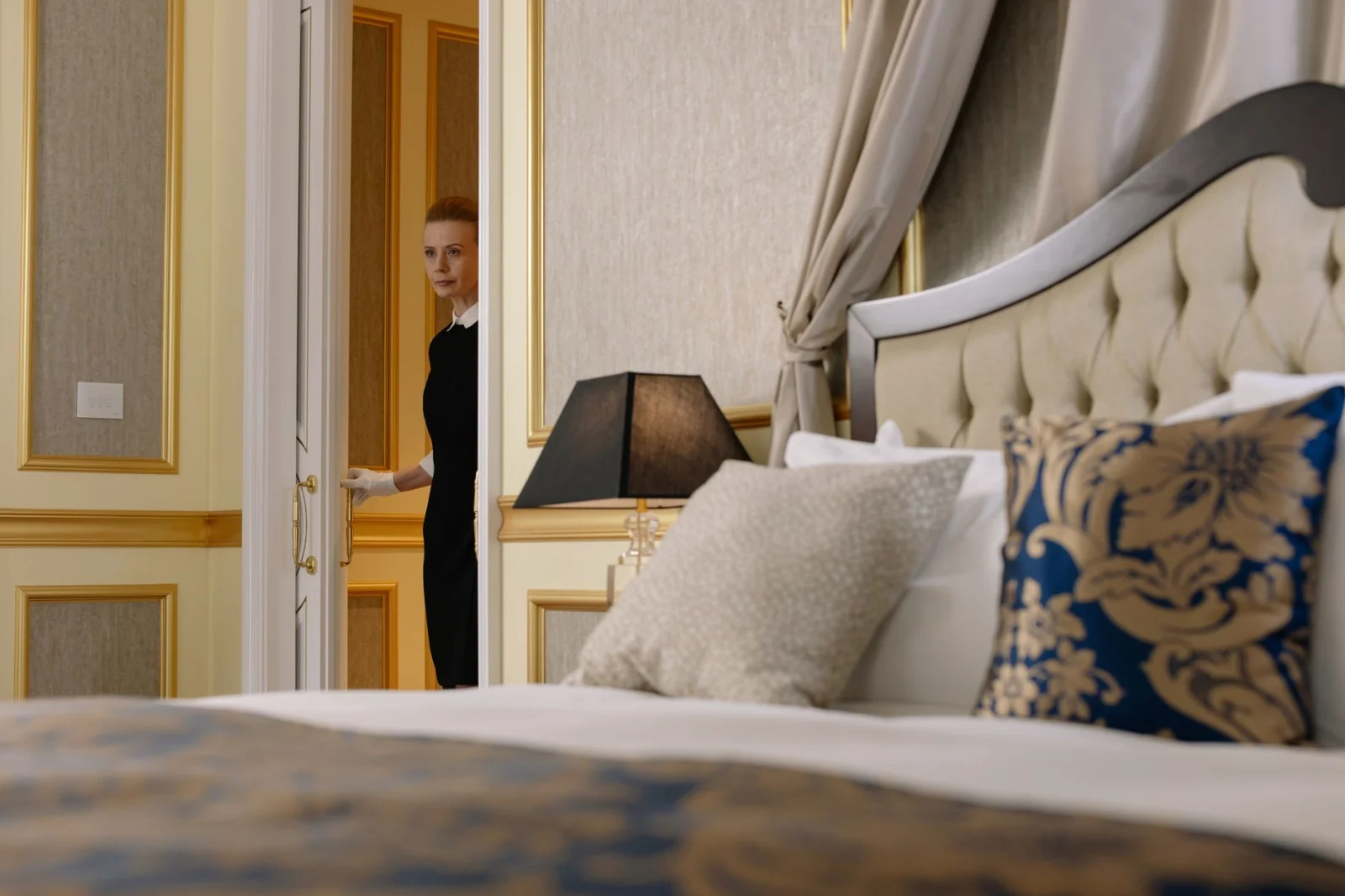
2. Your Own Butler
One of the biggest surprises for first-time Scenic guests is that every suite comes with butler service.
Not just the top suites. Every suite.
Your butler can help with whatever you’d like them to. Restaurant reservations, room service requests, laundry arrangements and general assistance throughout your cruise.
If you’d like help unpacking your luggage when you arrive or packing before you leave, they can even assist with that too.
It’s the kind of service usually reserved for the most expensive accommodation on other cruise lines, yet Scenic provides it to every guest.
3. Up To 10 Dining Experiences
Most cruise lines charge extra for their best restaurants. Scenic Eclipse II takes a different approach. The ship offers up to ten dining experiences, all included in your cruise fare.
Elements – The main restaurant featuring Italian, steak and seafood from an à la carte menu
Lumière – Fine dining restaurant with a seven-course set menu
Koko’s – Contemporary Asian fusion restaurant
Sushi & Saké @ Koko’s – Sushi bar where up to 18 guests can watch as chefs prepare the meals
Night Market @ KoKo’s – Exclusive Teppanyaki grill experience for only eight guests
Chef’s Table @ Elements – Exclusive invitation-only experience for only ten guests, with a window to the kitchen
Azure Bar & Cafe – A relaxed cafe that’s open from early morning until late evening for meals and snacks
Yacht Club – A buffet-style restaurant for breakfast, lunch and special themed dinners
In-Suite Dining – Your personal butler can arrange for you to dine in your suite at any time of the day or night
Culinary Masterclasses – On some cruises, guests can enjoy local cuisine and wines at the Chefs garden or even within the galley
The food on Scenic Eclipse II was genuinely the best food I’ve ever experienced on land or sea. Whether it was a seven-course meal with wine pairings, or a simple pizza at lunch, everything was cooked to perfection.
It’s worth noting that while the ship does have a lot of dining venues, there’s no guarantee that you’ll be able to try all of them during your cruise. Many of the venues are very small, and places book up quickly. The Chef’s Table is available by invitation only.
4. Premium Drinks Throughout The Ship
Drinks packages can easily add hundreds of pounds to the cost of a cruise.
On Scenic cruises, premium beverages are already included. That means wines, beers, spirits, cocktails, soft drinks, speciality coffees, teas and water are all available for you to enjoy freely.
When we arrived at the ship, we were handed a welcome glass of fizz. But it didn’t stop there. Drinks were regularly offered throughout the cruise, and often at times when I wouldn’t have expected.
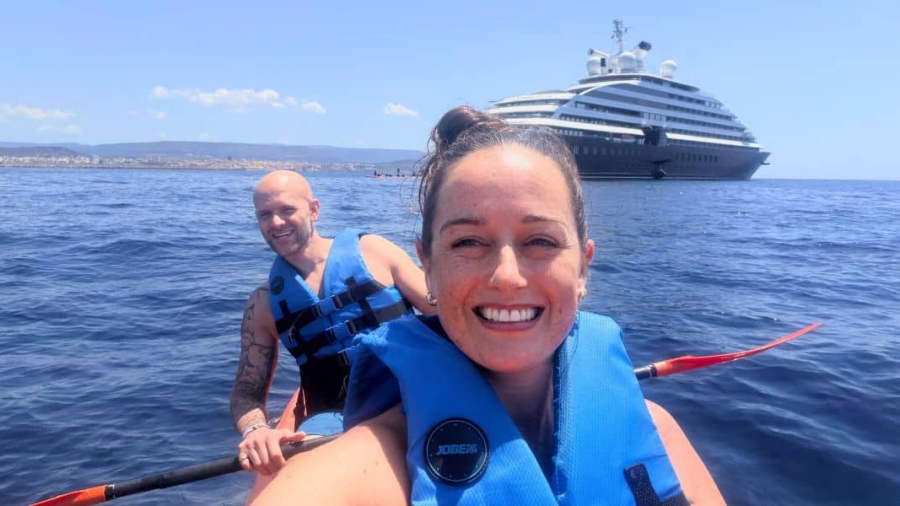
For example, during a hiking excursion, the guide pulled out two bottles of Italian sparkling wine as we stopped for a rest. And as we climbed back aboard the ship’s marina platform after kayaking, we were greeted with ice buckets of drinks, including several varieties of sparkling wine and Champagne.
5. A Daily-Restocked Minibar
The all-inclusive experience extends to your suite too. Every room comes with a minibar that’s restocked daily.
When we arrived, our butler asked our preferences and stocked the fridge with a bottle of my favourite wine. He also added a bottle of soya milk, which is my preferred milk for coffee, although I’m still not sure how he knew that!
There were also carafes available should you want particular spirits, although we didn’t take advantage of this perk.
Those small details make a huge difference. After returning to the ship after an excursion, it was so nice to have cold drinks waiting in the room, and knowing that the fridge would always be stocked.
6. Tips And Gratuities
On some cruise lines, daily service charges can add hundreds of pounds to the cost of a holiday. On Scenic Eclipse, gratuities are all part of the included cost.
There’s no pressure to tip any extra or even a suggestion that you should do this. However, given that each suite has a butler, I assume that most guests would leave something for them at the end of the cruise.
7. Shipwide WiFi
Scenic cruises include WiFi throughout the ship, and in my experience, it’s faster than the WiFi that other cruise lines charge a considerable daily fee for.
I was able to upload photos and videos to social media, check emails and keep in touch with family back home without needing to purchase a separate package.
For many travellers, especially those who work remotely or like to share their travels on social media, this inclusion adds significant value.
8. The Senses Spa Thermal Area
The Senses Spa is one of the most impressive areas onboard and is free to use for all guests.
It features traditional and infrared saunas, steam rooms, heated loungers and relaxation spaces designed to help guests unwind. Outside, there’s a heated plunge pool with views over the wake.
This is the perfect place to relax after returning from an excursion.
9. Fitness Classes And Wellness Facilities
Scenic Eclipse places a strong emphasis on wellness. Guests have access to a modern gym with indoor and outdoor machines and a range of wellness-focused activities.
Whether you want to maintain your exercise routine, try a yoga class or simply enjoy a walk around the outdoor decks, there are plenty of opportunities to stay active.
There are even electric bikes that you can borrow and take ashore with you.
It’s easy to indulge on a luxury cruise, but Scenic also makes it easy to look after yourself.
10. Watersports From The Marina
One of the most unique features of Scenic Eclipse II is its marina.
When weather and sea conditions allow, the marina opens at the back of the ship, giving guests direct access to the water. Activities can include kayaking, paddleboarding and swimming in some of the world’s most beautiful destinations.
Scenic has another cruise ship launching soon, Scenic Ikon, which will feature an even more impressive marine platform, so look out for that coming soon.
11. Shore Excursions In Port
Ordinarily, shore excursions can be one of the biggest additional expenses on a cruise holiday. Scenic includes a great selection of excursions each day through its Scenic Freechoice programme.
The exact excursions vary by itinerary, but they often include walking tours and hikes, tasting experiences and minibus trips. There’s something to suit most levels of activity.
As the ship is so small, excursions take place in small groups, sometimes with as few as six guests. This is a very different experience from being on an excursion with over 50 others!
I was also surprised to see evening excursions included. During our cruise, guests were also able to enjoy a private evening concert ashore with food and wine.
12. Expert-Led Expedition Experiences
This is where Scenic Eclipse and Scenic Eclipse II become truly unique. While Scenic operates luxury cruises in destinations like the Mediterranean, these ships are also designed as expedition vessels, visiting the world’s most remote destinations such as Antarctica, the Arctic, Iceland and the Chilean Fjords.
On expedition itineraries, guests can benefit from experiences led by specialist expedition teams. Depending on the destination, this can include Zodiac landings, wildlife spotting, guided nature walks and educational lectures.
13. Access To The Bridge
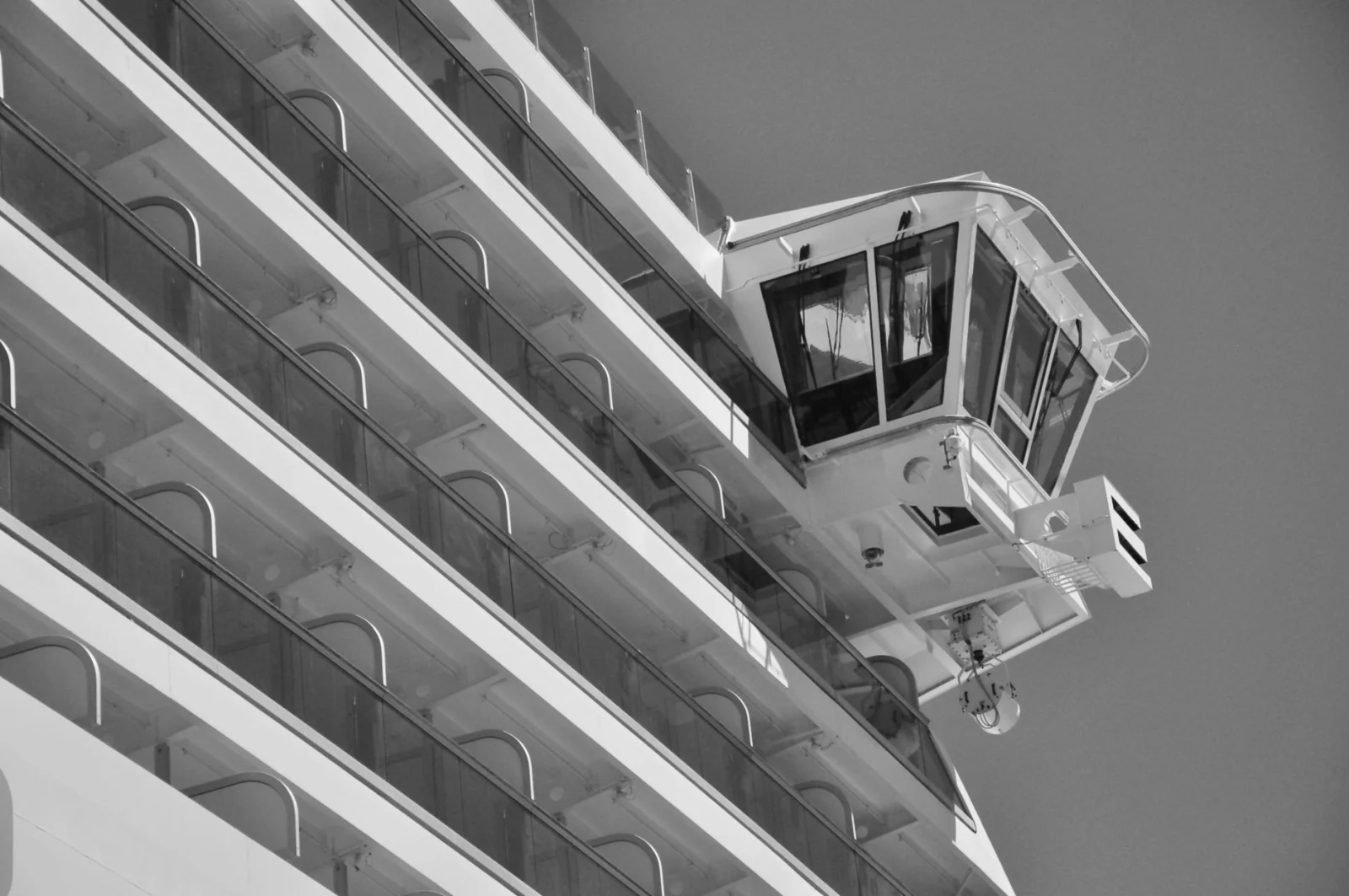
Large cruise ships often offer tours of the bridge at an additional cost. Scenic, however, has an open bridge policy when operational requirements allow. So if the door’s open, you’re welcome to come in.
It’s incredible to be able to watch the crew members as they work. You’re even allowed to use the binoculars to take a closer look at your surroundings.
14. Airport To Ship Transfers
If your arrival and departure align with the itinerary’s first and last day, you’ll receive complimentary airport-to-ship and ship-to-airport transfers.
If you’ve booked through Scenic to stay at a hotel in the port city before or after your cruise, they’ll also organise transfers between your accommodation and the ship.
Depending on the number of guests on your transfer, this may be by coach or chauffeur.
What About Flights?
All Scenic Discovery Yacht Antarctica voyages include internal commercial flights between Buenos Aires and Ushuaia. Guests staying in the top suites can enjoy travel by private jet.
Scenic sometimes has also special offers with return flights included on other itineraries, including regional UK flights on European itineraries.
For all its inclusions, there are still a few things that aren’t covered, and you’ll want to be aware of these.
Helicopter Rides
Scenic Eclipse carries two onboard helicopters and due to the popularity, flights come at an additional cost.
Each helicopter carries just seven guests. They take off straight from the ship, offering views of the scenery where it’s possible to do so. On our cruise, a 20-minute flight was priced at $500 per person, and they all sold out very quickly.
Sometimes, you may find special offers with helicopter rides included in the cruise if you book during certain periods. Take a look at the Scenic Cruises website for more information.
Submarine Rides
The ship’s custom-built submarine is another extra-charge experience. On expedition voyages, it allows guests to explore up to 1,000 feet beneath the surface in a way that very few travellers ever will.
The submarine seats six guests and costs around $800 per person, for a 40-minute ride.
Certain Wines
While premium drinks are included, a small number of ultra-premium wines and rare bottles are available for an extra charge.
Spa Treatments
Access to the thermal area is included, but treatments such as massages, facials and beauty services cost extra. The prices are similar to what you would expect on a cruise.
Boutique Purchases
If you decide to do some shopping onboard, naturally those purchases aren’t included either.
Check out the best itineraries from Scenic
Sail the world in unrivalled luxury!
Is A Scenic Eclipse Cruise Worth It?
When considering a cruise, it’s vital that you look beyond the headline fare. After all, it’s not uncommon for your bill at the end to be as high as the ticket price itself.
When it comes to ultra-luxury cruising, there are huge variations in what’s included across the different lines. Scenic is certainly one of the most inclusive.
At the other end of the scale, we have the Four Seasons Yachts. The price looks similar at first glance, but doesn’t include dining, drinks or excursions. With a simple dinner costing several hundred dollars, the additional costs can quickly mount up.
So, whatever type of cruise you’re planning, it’s important to consider what’s included and what costs extra. With Scenic, the value doesn’t just come from unlimited access to what are usually ‘added extras’. It comes from the peace of mind of knowing that everything is taken care of before you depart.
If you’d like to take a closer look at what life is like onboard, then don’t miss my YouTube video:
Smooth jazz legend Dave Koz joins Cruise Addicts to talk about SOMMA, a one-of-a-kind luxury music cruise experience sailing aboard Silversea Cruises’ Silver Nova on the breathtaking Jewels of the Adriatic itinerary.
For 15 years, Dave Koz and Friends at Sea has delivered sold-out voyages that many fans describe as a true music festival at sea.
Now that incredible experience continues with SOMMA, bringing together world-class musicians, thought-provoking speakers, and passionate music lovers for an unforgettable journey.
In this exclusive interview, Dave Koz shares insights on:
🎷 What makes performing on a luxury cruise ship different from touring on land
🚢 Why Silversea’s Silver Nova is the perfect ship for this experience
🌍 What makes the Jewels of the Adriatic such a special itinerary
🎶 How the SOMMA music lineup is selected
🧠 The unique guest speakers and enrichment experiences onboard
Whether you’re a cruise lover, music fan, or someone curious about themed cruises, this voyage offers an incredible opportunity to combine luxury travel with unforgettable performances.
The best river cruise in Europe is the one that matches your interests, your travel season and your budget. For a first trip, a Rhine sailing (castles, vineyards, Amsterdam to Basel) or a Danube sailing (Vienna, Budapest, the Wachau Valley) is the safest choice; wine lovers tend to favour the Douro or the Rhône, and art lovers the Seine. Then pick a line whose style fits you, from Viking’s adults-only, culture-led Longships to the all-inclusive luxury of Scenic, Uniworld and Tauck.
This guide walks you through the three decisions that matter most when choosing a European river cruise: which river, when to go and which cruise line. It also covers something many guides skip: how to protect your trip against the low water that disrupted sailings again in 2026.
Step 1: Choose the river that suits you
Every European river has its own character. Ships, cabins and menus are fairly similar across the major lines, so the river you pick shapes your holiday more than anything else. Here is how the main options compare.
River
Typical route
Highlights
Best for
Rhine
Amsterdam to Basel (7 nights)
Rhine Gorge castles, Cologne Cathedral, Strasbourg, the Black Forest
First-timers, scenery lovers, Christmas markets
Danube
Passau or Nuremberg to Budapest (7 nights)
Vienna, Budapest by night, Wachau Valley, Melk Abbey
Terraced port vineyards, quintas, Salamanca day trip
Wine, dramatic scenery, a quieter pace
Dutch and Belgian waterways
Amsterdam round trip (5-8 nights)
Tulip fields, Keukenhof, Antwerp, Ghent, Bruges
Spring tulip season, short trips
Elbe
Berlin or Prague to Dresden and beyond
Dresden, Meissen, Saxon Switzerland, Wittenberg
Seasoned river cruisers wanting something different
Rhine or Danube for a first river cruise?
Both work well, and they are the most popular rivers for good reason. The Rhine has more scenic sailing: the stretch between Rüdesheim and Koblenz is lined with castles and is usually timed for daylight viewing. The Danube is stronger on cities, with Vienna and Budapest among the most impressive ports on any river cruise. If you can only do one, ask yourself whether you would rather look at landscapes from the sun deck (Rhine) or explore grand capitals ashore (Danube).
Rivers for wine and food lovers
The Douro, Rhône and Moselle are the classic choices. Douro cruises run through the UNESCO-listed Alto Douro wine region, though the river is narrow and has locks and low bridges, so ships are smaller and the season is shorter. Rhône and Saône sailings combine Lyon’s restaurants with Burgundy and Provence. Moselle sailings, often paired with the Rhine, pass some of the steepest vineyards in Europe.
Something different: the Elbe and the Dutch waterways
The Elbe is shallow and prone to low water, so only a few lines operate there, often with specially built shallow-draft ships. The Dutch and Belgian waterways are ideal for a short first taste of river cruising, especially in April when the tulips are in bloom.
Wine regions such as the Douro and Moselle suit food and wine lovers. Photo: tasteful voyages on Pexels
Step 2: Decide when to go (and plan for water levels)
The European river cruise season runs roughly from March to December. Each part of the year has a different appeal:
Spring (March to May): tulips in the Netherlands, fewer crowds and lower fares. There is some risk of high water after heavy rain or snowmelt, which can stop ships passing under low bridges.
Summer (June to August): long days and warm weather, but the busiest ports and highest prices. Heat and dry spells can lower water levels late in the season.
Autumn (September to October): grape harvest on the Douro, Rhône and Moselle, pleasant temperatures and often good value. This is also when low water most often causes problems.
Christmas markets (late November to December): festive markets in Germany, Austria and France, mulled wine and a cosy atmosphere. It is cold, and daylight is short.
How low and high water affect a European river cruise
Water levels are the biggest risk to a river cruise, and they are worth understanding before you book. In 2026, a long dry spell meant that sections of the Rhine and Danube were too shallow for normal sailing in late summer and early autumn. Lines responded in different ways. Viking moved guests by coach past shallow stretches to an identical sister ship (a “ship swap”). Riviera Travel and AmaWaterways offered alternative routes, future cruise credit or refunds. Some operators replaced sailing days with hotel nights and train or coach transfers.
Some practical ways to reduce the risk:
Favour spring or early summer on the Rhine, Danube and especially the Elbe if a disrupted itinerary would spoil your trip.
Choose a line with a large fleet on your river. More sister ships make a ship swap easier than long coach journeys.
Read the line’s low-water policy before booking: whether it offers refunds, credit or compensation for missed ports.
Buy travel insurance that covers itinerary changes, and check what it says about “natural events”.
Consider the Douro or Rhône, which are controlled by dams and locks and tend to be more predictable, though not immune.
Step 3: Compare the best river cruise lines
Once you know your river and season, the line decides the experience on board. The biggest differences are what is included, the age and atmosphere of fellow passengers and how much freedom you have ashore.
Cruise line
Style
What is included
Best for
Viking
Calm, Scandinavian design, culture-focused, adults only (18+)
One guided excursion per port, wine and beer with lunch and dinner, Wi-Fi
First-timers, couples, travellers without children
AmaWaterways
Upscale, active, strong food and wine
Wine and beer with dinner, multiple excursion choices, bikes, wellness classes
Active travellers, foodies, families on selected dates
Avalon Waterways
Relaxed, big windows, flexible
Excursion choices, wine and beer with dinner
Travellers who value a large cabin view and flexibility
All-inclusive, including gratuities and most excursions
Travellers who want a fully guided, worry-free trip; family sailings
Riviera Travel
British line, traditional, relaxed
Drinks and many excursions included on river cruises
UK travellers and those who like a classic, sociable atmosphere
A-ROSA
German, casual, buffet dining, spa
Varies by fare; English-language options limited
Families and German-speaking or independent travellers
CroisiEurope
French, family-owned, informal
Drinks included on board; excursions often extra
Budget-minded travellers and France itineraries
Inclusions change from year to year, so always check the latest fare details on each line’s own website before booking.
Which is the best river cruise line in Europe?
There is no single winner. Viking has the largest fleet and the most departures, which makes it an easy, reliable choice for a first trip. AmaWaterways and Avalon suit travellers who want more choice ashore. Scenic, Uniworld and Tauck are the best river cruise lines for those who want a genuinely all-inclusive fare where drinks, tips and excursions are all covered. Emerald and CroisiEurope often offer the lowest fares.
Best river cruises for couples, families and solo travellers
Couples who prefer a child-free atmosphere should look at Viking, which is one of several lines in our guide to the top adults-only cruises. Families should look at AmaWaterways and Tauck, which run dedicated family-friendly departures, and at A-ROSA. Solo travellers will find that river ships have few single cabins and that single supplements can be high. Our complete solo cruise guide explains how to find reduced or waived supplements.
Most river cruise ships dock right in the heart of town. Photo: Alina Skazka on Pexels
New river cruise ships and lines arriving in 2027
The European river cruise market is expanding fast. The biggest newcomer is Celebrity River Cruises, part of Royal Caribbean Group, which has ordered ten river ships. Its first two ships, Celebrity Compass and Celebrity Seeker, are scheduled to debut in August and October 2027 on the Rhine and Danube. They carry around 172 guests, and their design borrows from Celebrity’s Edge-class ocean ships. Early 2027 departures reportedly sold out quickly, so anyone interested should look at 2028.
Established lines are also adding ships. Uniworld, Tauck, AmaWaterways, Emerald and Scenic all have new vessels planned for 2027 on rivers including the Danube, Rhine, Seine and Douro, and Viking continues to add Longships. A brand-new ship is appealing, but debut sailings can have teething problems, so a ship that has been in service for a season or two is often the more reliable choice.
Practical tips for choosing a river cruise
Compare the real price, not the brochure fare. Add up drinks, tips, excursions and transfers on a cheaper line and compare the total with an all-inclusive fare.
Look at the ship’s docking time in each port. Overnights in cities like Vienna, Budapest or Paris give you evenings ashore.
Think about the cabin. A French balcony (a sliding door with a railing) is standard on many ships. A full balcony costs more and is most worthwhile on scenic rivers like the Rhine and Douro. Lower-deck cabins with high windows are the cheapest and are often a sensible choice, since you spend most days ashore.
Check mobility needs. River cruises involve cobbled streets, gangways and sometimes walking across other ships moored alongside. Few river ships have many accessible cabins, and not all have lifts to every deck.
Book early for popular dates. Christmas markets and tulip season sell out quickly, and early-booking offers are common. Our guide to cruise deals for 2027 explains when to book for the best value.
Consider pre- and post-cruise stays. Amsterdam, Budapest, Paris and Porto are well worth an extra night or two.
What is the best time of year for a river cruise in Europe?
May, June, September and early October offer the best balance of weather, crowds and price. April is ideal for the Dutch tulips, and late November to December is best for Christmas markets. Late summer and autumn carry the greatest risk of low water on the Rhine, Danube and Elbe.
Which river is best for a first European river cruise?
The Rhine and the Danube are the best choices for most first-timers. The Rhine offers castles and scenic sailing between Amsterdam and Basel, while the Danube focuses on grand cities such as Vienna and Budapest.
Who is the competitor to Viking river cruises?
Viking’s main competitors in Europe are AmaWaterways, Avalon Waterways and Emerald Cruises in the premium segment, and Scenic, Uniworld and Tauck at the all-inclusive luxury end. Celebrity River Cruises joins the market in 2027.
Is a balcony worth it on a river cruise?
It depends on the river and your budget. On scenic rivers like the Rhine and Douro, a balcony or French balcony adds a lot of enjoyment. On city-focused itineraries where you spend most days ashore, a cheaper window cabin is often perfectly adequate.
What happens if water levels are too low or too high?
Lines usually swap guests to a sister ship, replace sailing with coach or train transfers, or reroute the cruise. Full cancellations are less common. Policies on refunds and compensation differ, so check them before you book and take out travel insurance.
The most reliable route to cheap cruise suites is to book an entry-level suite on an older ship outside peak season, then reprice it if the fare drops before final payment. If you can live with some uncertainty, bidding for an upgrade from a balcony can cost less again. Most people who pay well under the going rate combine two or three of the methods below.
“Cheap” is relative here. A suite will rarely be a bargain next to an inside cabin, so the realistic goal is paying less than the listed price for the same space and perks.
Nine ways to find cheap cruise suites
Bid for an upgrade from a lower category.
Reprice your booking when fares fall.
Book a guarantee where the line offers one at a lower fare.
Choose a junior or entry-level suite rather than a full suite.
Pick an older or smaller ship.
Sail in shoulder season, or for fewer nights.
Book early or during a sale, comparing the perks as well as the fare.
Use a travel advisor who sells a lot of that line.
Use your loyalty status if you have it.
Cruise upgrade bidding: which lines run it
Bidding works like a silent auction. You pay for a lower category in full, receive an invitation or check your eligibility online, and name what you would pay per person to move up. The line accepts or declines depending on what remains unsold. Suites only appear if the line chooses to include them on your sailing.
Line
Program
When it opens or closes
Worth knowing
Royal Caribbean
RoyalUp
Email invitation to guests opted in to marketing; bids can be accepted until one day before sailing
Crown & Anchor points stay at your original category
Celebrity
MoveUp
Within 90 days of departure, closing 48 hours before
Celebrity picks the eligible sailings and categories
Norwegian
Upgrade Advantage
No published schedule; invitations often come within a few weeks of sailing
Haven minimum bids run far above other categories
Princess
Princess Upgrade
85 days out for voyages of 1 to 24 days; 115 days out for 25 days or more
Booking must be paid in full; third and fourth guests move up at no extra bid cost
MSC
MSC Upgrade
Bids can be accepted up to departure
A Yacht Club or Aurea upgrade includes that experience’s benefits
Several premium and luxury lines, including Cunard, Oceania, Regent, Silversea, Azamara and Virgin Voyages, have also run upgrade programs, usually by invitation. Rules change without much notice, so check your own offer page before relying on any of this.
What has changed recently
Two shifts are worth knowing. Norwegian’s Haven bids stopped being cheap: one published account from January 2025 showed starting bids of roughly $700 to $1,700 per person, and an $850 offer still failed to clear. Meanwhile Royal Caribbean widened its program in 2026 under the RoyalUp Experiences name, so guests can also bid on cabanas, beach beds and casitas. That doesn’t change cabin bidding, but make sure you are looking at the right kind of offer.
Do the real sums before you bid
Most guides stop at “bid a bit above the minimum”. The number that matters is your total cost against the price of simply booking the suite today. Remember these extras:
Double-occupancy pricing. Bids are generally per person for the first two guests, so a $600 bid usually means $1,200. Solo travelers on RoyalUp and MoveUp are charged the two-guest amount.
Higher gratuities. Suite gratuity rates are often higher, and the difference isn’t included in your bid.
Prepaid extras. MSC’s upgrade terms, as reported this autumn, don’t refund drinks or Wi-Fi you prepaid if Yacht Club then includes them.
No exit. On RoyalUp and MoveUp you can’t reject an accepted bid, and the payment is final even if you later cancel the cruise.
Loyalty points. Royal Caribbean, Celebrity and Norwegian credit points at your original category.
As a made-up example: a balcony costs a couple $3,000, and a $700 per person bid wins a suite. That is $4,400 before the gratuity difference. If the same suite is on sale at $4,700 for two, you have saved a few hundred dollars and given up your choice of cabin. If it is listed at $7,000, the bid is a very good deal. Check the live fare first, because prices sometimes fall below the minimum bid.
A last caution: don’t book a balcony you would be unhappy to sail in. Bids fail often, and cabin location isn’t guaranteed if one succeeds. Companions in separate cabins are reviewed separately and may not move together.
A balcony cabin is the usual starting point for a suite bid. Photo: HOWARD HERDI on Pexels
Repricing: the easiest suite saving to miss
Cruise fares move constantly, and lines rarely tell you when yours falls. Before final payment, most major lines will adjust a fare if you ask. As of autumn 2026, reported policies were:
Royal Caribbean and Celebrity: a price match before final payment for the same ship, date and room type. Celebrity’s non-refundable deposit fares can only be repriced to the same fare type.
Norwegian: repricing before final payment; afterwards, typically one adjustment as credit or an upgrade if you are more than 14 days out.
Carnival: protection only on Early Saver fares, usually paid as onboard credit once you have paid in full.
Princess, MSC, Holland America: no standing guarantee worth relying on, though agents will often look at it before final payment.
Confirm the current terms for your booking. Take a screenshot of the lower fare showing the ship, date and category, then compare what is included, since a cheaper fare can drop a perk such as onboard credit. Keep checking until final payment, because that is when your strongest repricing rights usually end.
Guarantee cabins and suites
With a guarantee, you pay for a category and the line assigns the actual cabin later. The fare is sometimes lower, and you may end up in a higher category if yours fills up. Guarantees are not offered on every suite category, and the larger suites are usually excluded. On some luxury lines they appear only when assigned suites have sold out.
The savings differ by line, and some charge the regular fare, in which case you gain little. You also give up any say over location, which matters more on some ships than others. Read about which Celebrity Constellation cabins are worth avoiding to see the kinds of noise and position problems a guarantee could land you with.
Junior suites and other cheaper suite categories
Dropping one or two levels is often the largest and most certain saving. Junior and mini suites are the most plentiful suite type, which keeps their prices down, but they don’t always carry the perks that made you want a suite.
Celebrity’s Sky Suites start at about 251 square feet and include access to The Retreat, a suite-only area. Norwegian’s Club Balcony Suites are a similar size at about 249 square feet but don’t include The Haven. Two cabins of nearly the same size can offer very different cruises, so compare these before you compare prices:
A private lounge, restaurant or sun deck
Concierge or butler service
Priority boarding and tender tickets
Included drinks and Wi-Fi
If the appeal is mostly better service or a quieter corner, a premium non-suite cabin may do the job. Our look at whether Celebrity Concierge Class is worth it sets out what that middle tier actually gets you.
Junior suites give more space, though not always the top perks. Photo: cottonbro studio on Pexels
Older ships, shoulder season and shorter sailings
Newer ships command the highest suite fares, so the same line’s older or smaller ships are often much cheaper, particularly in the Caribbean, where several generations of ships sail the same waters. Look for one that has been refurbished recently. Older ships tend to have fewer suites, so availability can be tight.
Timing matters too:
Caribbean: early November, early December and January are usually better value than holidays and school breaks.
Mediterranean: April, May, October and November generally have more suite availability than June to August.
Alaska: the early and late edges of the season tend to be cheapest.
Repositioning cruises: one-way moves between regions can be cheap in any category, with several days at sea.
A three- or four-night sailing costs less overall, even if the nightly rate is similar, which makes it a low-commitment way to try suite life.
Book early, watch the sales and use an advisor
Suites are among the first cabins to sell, so booking soon after a sailing opens can lock in a good fare and sometimes extras such as onboard credit. The big sale periods are Black Friday to Cyber Monday and wave season, which runs from about January to March. Compare each sale’s total value with an earlier fare, as promotions can be mostly perks. Browse the current 2027 cruise deals for a sense of what is on offer.
A travel advisor who sells heavily with one line can sometimes find group rates or suite fares for particular dates, and can watch for price drops for you. Some can request an upgrade, though the outcome often depends on late availability.
Does loyalty status get you a suite?
Sometimes, but seldom for free. Frequent cruisers may hear about discounted upgrades first and may be given preference when bids are reviewed. A few top tiers have historically included a defined benefit, such as a one-time cabin upgrade for Carnival’s highest loyalty tier, so check your program’s current terms. Free upgrades have become rarer as ships sail close to capacity, and they are often about fixing a problem, not rewarding anyone.
FAQs
What is the cheapest way to get a suite on a cruise?
Usually an entry-level suite on an older ship in shoulder season, booked early and repriced if the fare falls before final payment. Bidding can cost less still, but you can’t count on it.
Can you bid on a suite on a cruise?
Yes, on lines that run bid programs, if a suite category appears in your offer. Royal Caribbean, Norwegian, MSC, Princess and Celebrity all run programs, but each sailing’s eligible categories depend on what is unsold.
Are cruise upgrade bids refundable?
You pay nothing if a bid isn’t accepted. Once it is accepted, Royal Caribbean and Celebrity treat the payment as final, and you can’t turn the upgrade down.
Is a junior suite worth it over a balcony?
It can be if you want the extra space, but many junior suites don’t include the lounge, restaurant or concierge access that full suites get. Compare the perk list and the price gap for your sailing.
Can you ask for a free suite upgrade on a cruise?
You can ask, but free upgrades are rare now that ships sail close to full. They tend to go to top-tier loyalty members or happen when the line needs to solve a cabin problem.
P&O vs Ambassador comes down to scale and convenience. P&O Cruises sails big, modern resort-style ships (up to 5,200 guests) mainly from Southampton, with lots of dining, entertainment and family facilities. Ambassador Cruise Line runs small, older ships of around 1,200–1,400 guests from regional UK ports such as Tilbury, Newcastle, Liverpool and Bristol, and from the 2027-28 season its no-fly cruises are adults-only.
Both are British-flavoured, no-fly-friendly cruise lines with pounds sterling on board and a strong UK following, so it is no surprise that people weigh them up side by side. Below we compare the fleets, ports, cabins, dining, entertainment, drinks packages and the type of passenger each line suits, with a quick-reference table of P&O cruise ships for anyone choosing between them.
Welcome on five family ships; Aurora and Arcadia mostly adults-only
No-fly cruises adults-only from 2027-28 (a few multigenerational sailings)
Style
Modern, resort-style, lots of choice
Traditional, relaxed, destination-led
Drinks packages (per person per night, approx.)
Classic from £50, Deluxe from £60
Classic £42.95, Premium £49.95 pre-booked, gratuities included
Fleets compared: P&O cruise ships vs Ambassador ships
The biggest single difference between the two lines is the size of their ships. P&O’s newest vessels are among the largest ever built for British passengers, while Ambassador deliberately operates smaller, second-hand ships that it has refitted and upgraded.
P&O Cruises ships at a glance
If you searched for “P&O cruise ships” or “best P&O ship”, this table gives the current fleet as of October 2026. Figures are approximate and based on standard (lower-berth) capacity.
Ship
In service
Gross tonnage
Guests
Who it suits
Arvia
2022
185,581
5,200
Families and groups wanting the most facilities, including the Altitude Skywalk and SkyDome
Iona
2021
184,700
5,200
Families and first-timers; Norway, Northern Europe and Mediterranean from Southampton
Britannia
2015
143,000
3,647
Mixed ages wanting a big ship with a more classic feel
Ventura
2008
116,017
3,078
Families on a mid-size ship
Azura
2010
115,055
3,100
Families and couples; sister ship to Ventura
Arcadia
2005
83,781
2,094
Adults wanting long voyages and world cruises
Aurora
2000
76,152
1,874
Adults who prefer a smaller, traditional ship
Two fleet changes are worth knowing about if you are booking far ahead. Aurora and Arcadia are adults-only for most of the year, but P&O has opened selected sailings on both ships to families from December 2026 through to September 2027, mainly during school holidays and Christmas. Further out, Carnival Corporation has announced that Cunard’s Queen Anne will be refitted, renamed and join P&O in May 2029, while Arcadia leaves the fleet after her final P&O season ends in August 2029 and moves to Holland America Line. You can read more in our news story on Queen Anne heading to P&O and Arcadia moving to Holland America.
As for the “best” P&O ship, there isn’t one answer: Arvia and Iona have the most to do, Britannia balances size with a more traditional atmosphere, and Aurora is the closest in feel to an Ambassador ship.
Ambassador Cruise Line fleet
Ship
Built
Gross tonnage
Guests
Market
Ambience
1991
70,285
Around 1,400
UK, home port London Tilbury
Ambition
1999
48,123
Up to 1,200
UK, multiple regional ports
Renaissance
Early 1990s
55,575
Up to 1,100
Mainly French market (Ambassador Croisières), plus some fly-cruises
Ambella (ex-Oceania Sirena)
1999
30,277
To be confirmed
German market from 2028 (planned)
The recently announced purchase of Oceania’s Sirena does not add a new ship for UK cruisers. She is due to join in 2028 as Ambella for a new German-language brand, Ambassador Kreuzfahrten, sailing from Bremerhaven and Kiel, with a winter charter to Semester at Sea. For UK passengers, the choice remains Ambience and Ambition.
Regional departure ports can mean a much shorter journey to your ship. Photo: alleksana on Pexels
Departure ports: Southampton vs regional UK ports
This is often the deciding factor. P&O Cruises sails almost all of its UK no-fly holidays from Southampton, with some ships based in the Caribbean or Mediterranean for fly-cruises in winter. If you live in the South of England, Southampton is easy; if you live in Scotland, the North East or Northern Ireland, it can mean a long drive or an overnight hotel.
Ambassador’s model is the opposite. For the 2026-27 season it sails from seven UK ports:
London Tilbury (Ambience’s home port)
Newcastle (Port of Tyne)
Dundee
Liverpool
Belfast
Bristol (Avonmouth)
Portsmouth, new for 2026-27
Ambassador has also moved Ambition towards more single-port departures, ending some dual pick-ups, so check exactly where your chosen sailing starts and ends. For many passengers in the Midlands, North and Scotland, a cruise from the nearest regional port saves both time and travel costs, which can offset any difference in fares.
Cabins
P&O’s newer ships have a high proportion of balcony cabins, plus suites, family cabins and solo cabins on several ships. Cabin layouts are modern and consistent across each class.
Ambassador’s ships were built in the 1990s, so there are far fewer balconies and many more inside and ocean-view cabins. Sizes vary more than on newer ships, and cabins have been refurbished rather than designed from scratch. On the plus side, Ambassador offers dedicated solo cabins, and fares for inside and ocean-view grades are often modest. If a private balcony matters to you, P&O gives you far more choice.
Dining
Both lines include full-board dining in the fare, with afternoon tea, and both charge extra for speciality restaurants.
P&O Cruises: a wide choice of included main dining rooms and buffets, plus extra-charge venues that vary by ship, such as The Glass House, Sindhu Indian dining, Epicurean and the Chef’s Table on the larger ships. Most ships offer flexible “freedom” dining, with set-time options on some.
Ambassador: a smaller line-up. Ambience has the Buckingham Restaurant and the Borough Market buffet, with speciality dining at Saffron (Indian) and Sea & Grass. Ambition has the Buckingham and Holyrood restaurants, Borough Market, Saffron and Lupino’s.
In short, P&O wins on variety, especially on Iona and Arvia. Ambassador’s approach suits passengers who prefer a familiar restaurant routine rather than lots of choice.
Evening shows are included on both lines, but the scale is very different. Photo: Filipe Braggio on Pexels
Entertainment and onboard atmosphere
On P&O’s big ships you can expect West End-style production shows, comedians, live bands, large pool decks, a SkyDome with a retractable roof on Iona and Arvia, and late-night bars. Even on Aurora and Arcadia, the programme is broad, with theatre shows and guest entertainers.
Ambassador’s entertainment is lower-key: Theatre@Sea shows, live music, guest speakers and enrichment talks, quizzes, dance classes and a craft studio, with arts and crafts sessions on longer sailings. The atmosphere is quieter and more social, and evenings tend to end earlier. Days are focused on the destinations, which often include smaller ports that big ships cannot reach.
Families vs adults-only
For families, P&O Cruises is the clear choice. Iona, Arvia, Britannia, Ventura and Azura all have kids’ clubs and family cabins, and P&O offers its children’s activities across school holidays. Even Aurora and Arcadia now have selected family dates.
Ambassador is heading the other way. The line has said that the 2027-28 season is the first in which every no-fly itinerary is child-free, with only a few multigenerational sailings per year. If you specifically want a peaceful, child-free cruise from a regional port, that makes Ambassador a strong option alongside P&O’s Aurora and Arcadia. Our round-up of adults-only cruises from the UK compares the wider choice.
Prices, drinks packages and what’s included
Ambassador fares are often lower than P&O’s for a similar length of cruise, though prices on both lines vary a lot by date and cabin, and P&O frequently runs sales. The real cost difference usually shows up in extras.
Drinks package (per person per night)
P&O Cruises
Ambassador (2026-27, pre-cruise)
Soft drinks / alcohol-free
Refresh £16; Alcohol-Free £29
Non-Alcoholic £20.95
Standard alcoholic
Classic from £50
Classic £42.95
Premium alcoholic
Deluxe from £60
Premium £49.95
P&O package prices are higher on cruises of 14 nights or fewer, and P&O adds gratuities separately. Ambassador’s package prices include gratuities and service charges, and the line charges more if you buy on board rather than before you sail. Prices are correct at the time of writing but change regularly, so check the line’s website before booking.
Both lines include full-board meals, core entertainment, pools and gym. Wi-Fi, speciality restaurants, spa treatments and shore excursions are extra on both.
Which is better: P&O or Ambassador?
Choose P&O Cruises if you:
are travelling with children or teenagers
want a balcony cabin, lots of restaurants and big production shows
live within easy reach of Southampton
like a lively, modern ship with plenty going on
Choose Ambassador if you:
want to sail from a port close to home in the North, Scotland, Northern Ireland or the West Country
prefer a small, quieter, adults-focused ship
care more about itineraries, including smaller ports, than onboard attractions
like the idea of drinks packages that already include gratuities
One tip that comparison guides often miss: work out your total door-to-door cost. A Southampton cruise might be cheaper on paper, but fuel, parking or a pre-cruise hotel can add a significant sum if you live far from the South Coast, while a regional Ambassador departure may cost more per night but less overall. Itineraries also overlap; both lines sail to the Norwegian fjords, so see our guide to Norwegian fjords cruises from the UK if that is on your list.
If you book Arcadia, our guide to Arcadia cabins to avoid explains which areas can be noisy or overlooked.
If dining matters most, our P&O Arvia restaurants guide shows which venues on P&O’s newest ship are included and which cost extra.
FAQs
Is Ambassador cheaper than P&O?
Ambassador fares are often lower for a similar length cruise, and its drinks packages are a little cheaper and include gratuities. P&O sales can close the gap, so compare total costs, including travel to the port.
How many cruise ships does P&O have?
P&O Cruises has seven ships as of October 2026: Iona, Arvia, Britannia, Ventura, Azura, Aurora and Arcadia. Queen Anne is due to join from Cunard in May 2029, and Arcadia is due to leave for Holland America after August 2029.
Which is the best P&O cruise ship?
It depends on who is travelling. Arvia and Iona suit families wanting the most facilities, Britannia suits mixed groups, and Aurora or Arcadia suit adults who prefer a smaller, quieter ship.
Is Ambassador Cruise Line adults-only?
From the 2027-28 season all of Ambassador’s no-fly itineraries are child-free, apart from a few designated multigenerational sailings each year. Check the sailing details when you book.
Where does Ambassador sail from?
For 2026-27, Ambassador sails from London Tilbury, Newcastle, Dundee, Liverpool, Belfast, Bristol and Portsmouth.
Cruise crew members are some of the friendliest and hardest-working people you’ll ever meet.
They work long contracts, often months away from home, and spend their days making sure thousands of guests have a great time.
However, according to my research, there are a few questions crew members hear over and over again that can be awkward, inappropriate, or just plain annoying.
If you want to be the kind of passenger the crew actually enjoy serving, here are a few things it’s best not to ask…
1. How Much They Earn
Asking somebody how much money they make is generally considered rude in most situations, and cruise ships are no different.
Crew members come from all over the world, and in many cultures discussing salary is very private. Pay can also vary widely depending on the role, contract, and tips.
I think this is why some people might feel inclined to ask. There’s the whole debate over tipping on cruise ships, and whether daily gratuities actually make it into the hands of the crew. Still, it’s not something you should be asking a crew member about – talk about putting them on the spot!
I think the other reason people ask is because they think working on a cruise ship sounds glamorous, and so they want to find out more about how viable the
Guests asking ask crew members if they live on the ship happens more than you think.
And yes, of course they do.
Accommodation varies, but may look something like this…
During their contract the ship is their home. Crew members have cabins onboard and typically work for several months at a time before going home for leave.
It might feel like an unusual lifestyle to passengers, but for the crew it’s just part of the job. They’re hardly boarding the ship each day you arrive in port, or arriving via jet ski during sea days.
Even guest entertainers will live on this ship for short periods. It may only be one or two nights in some cases, but as most of the entertainment happens after the ship has set sail, they will have a cabin onboard.
3. Asking for Special Treatment That Affects Other Guests
Cruise ships are designed to keep thousands of people happy at the same time. And the crew will genuinely try to do whatever they can to make your stay onboard as comfortable as possible… within reason.
So when someone asks the crew to bend the rules in a way that negatively impacts other passengers, the answer is usually going to be no.
Crew members have policies to follow, and those policies exist to keep things fair for everyone onboard.
So don’t ask to be given priority over other guests, or for an event to be moved somewhere else because you want to enjoy the space yourself. Silly requests like this are just going to be ignored.
4. Talking About Man Overboard Incidents
Some people are oddly fascinated by dramatic incidents at sea and ask crew members if they’ve ever experienced a man overboard situation.
If they have, it’s something serious and potentially traumatic, not a story for casual holiday gossip.
It’s best to steer clear of this topic entirely.
5. Trying to Flirt or Hook Up With Them
Cruise crew members are working.
Hitting on someone who’s doing their job can put them in a very uncomfortable position, especially because many cruise lines have strict rules about relationships with guests.
In many cases, it could actually cost them their job.
So no matter how nice they’re being to you, or how attractive you find them, don’t be that person that flirts and pushes for something to happen at sea.
Holiday romances between guests? Fine. When they involve crew? Not fine.
It might seem like a harmless question, but it’s a bit like asking an airplane pilot if they’re scared of flying.
Most crew members quickly get used to life at sea, and modern cruise ships are incredibly stable.
That said, crew members are human, and yes, they do get seasick like the rest of us. The difference is, they still have to work. And if you’re trying to get through a shift while feeling sick, the last thing you want is to talk about how sick you feel. That will just make it worse.
Passengers sometimes ask crew members if they can sneak them into crew-only areas like the crew bar.
I get it, we all wonder what’s behind the curtain. Myself, I’ve been lucky enough to step inside the crew bar onboard a Virgin Voyages ship, but not when crew members were present.
No photography was allowed, so I’ll just hare to describe it for you…
The bar is located on a low deck, very far forward inside the bow. That made it an interesting triangular shape! The walls are metal, and as the sea was rough, the ship was moving so much it was hard to stand.
There’s a normal looking bar, lots of tables and chairs and bench seating along the walls. There’s even a stage with a full drumkit and guitars. The atmosphere is dark and moody, like a nightclub. On one wall, hundreds of crew members have signed their names.
Of course, not all crew bars will look the same, and I would imaging that Virgin Voyages has one of the coolest ones, as they have a reputation for treating their crew very well.
But it’s important to know that crew areas are heavily restricted, and letting a guest in could get a crew member into serious trouble.
Cruise ships aren’t like those hotels where you can ask someone to save you a sun lounger for later.
Crew members can’t reserve loungers for guests, and trying to get them to do it usually puts them in an awkward position. It’s also unfair on other passengers.
Reserving loungers is a big no-no on any cruise ship, and so asking the crew to take part is like asking them to sneak you drinks – you’re outright asking them to break the rules. Don’t.
If you want a good spot by the pool, the simple rule applies: get there early. And then stay there, don’t then head off for breakfast.
9. Suggesting Their Job Must Be Repetitive Or Boring
Cruise ships run like floating cities, and every crew member plays a part in keeping things running smoothly.
What might look repetitive to passengers is often part of a very organised system.
Asking someone if their job must get boring is generally rude in any situation, and it’s no different at sea.
10. Whether They Miss Their Family
Many crew members spend six to nine months away from home during a contract.
So yes, of course they miss their families.
Many of them have children at home – so they may be missing girst step, school graduations, and some men even miss the birth of their children altogether as they are working on the ship.
Asking this question can unintentionally bring up something emotional.
Alternatively, some crew members may not have any family. You think they want to answer the question with a ‘no’, though?
If you’re curious, a nicer approach is simply asking about their family. Many crew members actually enjoy talking about them.
But don’t say “do you miss them?”
TODAY’S BEST CRUISE DEALS!
Don’t miss these offers…
Good Questions to Ask Your Cruise Crew Members
Not every question is off-limits, of course. In fact, many crew members enjoy chatting with guests, especially when the conversation is friendly and respectful – and it’s clear they have time to chat. Don’t try to strike up a long conversation when they’re obviously really busy!
If you’d like to have a positive interaction, here are some great things you can ask about instead.
General Information About the Ship
You’d be surprised how many people book a cruise without doing much research into the ship.
And so they get onboard not really understanding how dining works, what free options there are, where the entertainment is held, or even what there is to do onboard.
If only there were some people who lived on the ship who could point you in the right direction…
The crew are more than happy to explain things to you, and no question about your experience is stupid. So don’t be shy to ask for help or advice on what options are available to you.
You will need to ask the right person though. If you ask your cabin steward which bar does the best cocktails they will probably have no idea.
Recommendations for the Ports You’re Visiting
Crew members often visit the same ports again and again, which means they can be a brilliant source of local knowledge.
If you’re not sure what to do when you get off the ship, ask if they have any favourite places in port. They might know about a great beach, a small local restaurant, or a hidden spot most tourists miss.
And if you’re trying to avoid paying for expensive cruise WiFi, it never hurts to ask if they know any good places with free internet. They often do!
Get 20% OFF GigSky eSIMs
Enter code CRUISEMUMMY20 at checkout to get this discount
Interesting Facts About the Ship
Cruise ships are basically floating cities, and the people who work on them know all sorts of fascinating behind-the-scenes details.
Crew members are often happy to talk about how the ship operates, how long they’ve been working at sea, or what life is like onboard during a contract.
You might even learn something about the ship you’d never noticed before.
Their Favourite Ports or Destinations
Many crew members have travelled to dozens of destinations through their work.
Asking about their favourite ports, or which destinations they enjoy visiting most, can lead to some really interesting conversations.
You’ll often hear about places you hadn’t considered visiting before – just be careful as you might end up booking a cruise that goes there!
How Their Day Is Going
It sounds simple, but asking someone how their day is going can go a long way.
Crew members interact with thousands of guests each week, and a little politeness makes a big difference.
Taking a moment to ask how they’re doing – and actually listening to the answer – can make you stand out as one of the nicer passengers they meet.
Whether There’s Anything You Can Do to Make Their Job Easier
This isn’t something most passengers think about, but small gestures can make life easier for the crew.
Returning glasses to the bar instead of leaving them on a random table, keeping your cabin reasonably tidy for your steward, or simply following the ship’s rules all help things run more smoothly.
It might seem like a small thing, but crew members definitely notice guests who are considerate. And it’s not like they’re going to rope you into hard manual labour just because you asked!
Cruise crew members work incredibly hard behind the scenes to make sure guests have an amazing holiday. Long hours, busy shifts and months away from home are all part of the job, but a friendly interaction with passengers can make a real difference to their day.
Most crew members genuinely enjoy chatting with guests when they have the time, and a bit of politeness and curiosity goes a long way.
By avoiding awkward questions and focusing on friendly conversation instead, you’ll likely have much better interactions with the people who help make your cruise special.
And who knows – you might even pick up a few great travel tips along the way.
The fastest way to start an argument in a cruise Facebook group is to mention gratuities. Someone will always say they remove them if the service is bad, and plenty of people will agree.
I’ve never done that. Not once.
That probably sounds stubborn, or even a bit soft on cruise lines. But it’s not about defending the companies at all. It’s about who actually gets hurt when those charges come off your bill.
Most people don’t realise where that money really goes, or how many people rely on it who never step foot into a dining room or a cabin corridor.
Once you understand that side of cruising, the whole “just remove the gratuities” solution starts to look very different.
What Cruise Gratuities Actually Are
On most cruise lines, gratuities are a daily charge added to your onboard account. They’re sometimes called service charges, which already tells you a lot about how they’re meant to function.
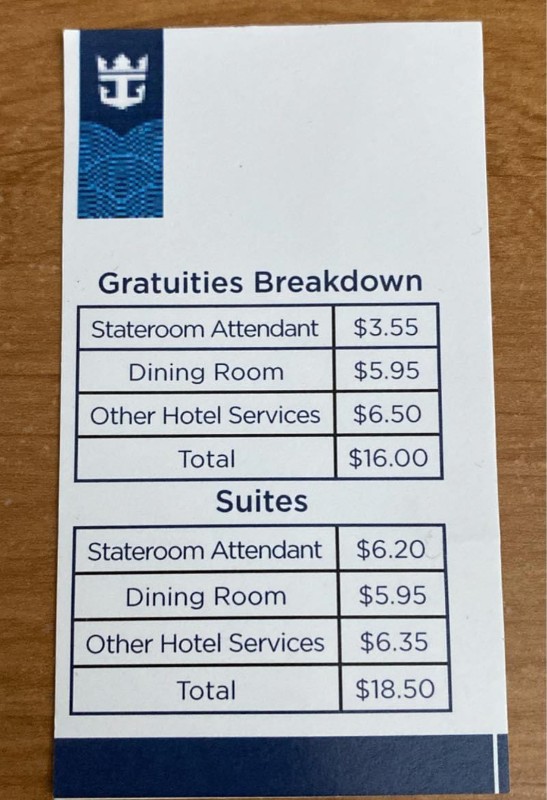
An leaflet breaking down gratuities. (Prices increased slightly since)
They aren’t just a tip for your waiter or your cabin steward. On most mainstream lines, they’re pooled and shared across a much wider group of crew.
That includes ‘other hotel services’, which may be people you never see – laundry workers, cleaners, galley workers, assistant waiters, bar back staff, and those working long shifts below deck to keep the ship running smoothly.
The exact amount varies by cruise line, but it’s usually a fixed daily figure per person. Some lines let you remove or adjust it. Others build it into the fare from the start, so you don’t see it as a separate charge at all.
The key point is this: in practice, gratuities are part of how crew are paid. They’re not a little bonus on top in the way many people imagine. For many roles, that daily charge forms a significant portion of expected earnings.
That doesn’t make the system perfect. It does mean it exists for a reason – and it supports far more people than just the person who brings your drinks at dinner.
Why People Remove Gratuities
I can understand why people do it.
Cruises aren’t cheap, and nobody likes paying extra when something has gone wrong. When you’ve saved for months – sometimes years – for a holiday, expectations are high.
Very occasionally, service does fall short. You might wait ages for drinks. Your cabin might not be cleaned to the usual standard. Mistakes might keep happening in the dining room.
But it’s important to say this clearly: that’s the exception, not the rule.
On the vast majority of cruises, the service is outstanding. Crew members are known for remembering names, dietary preferences, favourite drinks, and small personal details that make people feel genuinely cared for. That reputation doesn’t exist by accident.
When problems do happen, they tend to stand out precisely because they’re unusual.
And when they do happen, it’s normal to feel frustrated. It’s also normal to want some kind of financial acknowledgement that the experience wasn’t what you paid for.
There’s also the argument that tips should be earned. If the service is bad, why should you still pay?
Add in the fact that gratuities are often presented as “optional,” and it can feel like removing them is simply using the system as intended.
None of that makes someone unreasonable. It just means they’re reacting to a disappointing experience in the most obvious way the ship presents to them.
Who Actually Loses Out When You Remove Them
This is the part many people don’t fully realise until they look into it more closely. Removing gratuities almost never affects only the person who gave poor service.
On many ships, gratuities are shared across departments. That means your decision impacts people who may have done an excellent job all week – and who may never have interacted with you directly.
The person washing your sheets
The crew member scrubbing public toilets at 2am
The galley team prepping hundreds of meals while you sleep
The assistant server quietly topping up water glasses all evening
They’re part of that pool.
Those crew members have no control over whether your waiter was slow, whether a section was short-staffed that day, or whether a system broke down at peak time. They still rely on that money.
For many crew, gratuities aren’t pocket money. They’re a meaningful part of take-home pay. Removing them can mean a real loss, not just a symbolic one.
So while it might feel like you’re sending a message about poor service, the reality is that the message lands on a lot of people who did nothing wrong.
Why Bad Service Is Rarely Just One Person’s Fault
Cruise ships are intense places to work.
Contracts are long. Days are longer. Time off is limited. Crew members may work seven days a week for months at a time.
Staffing levels can change mid-season. People get moved between roles. New hires are constantly being trained. Ships sail full. Turnaround days are tight. Technology fails. Supply deliveries run late.
All of that affects service.
Sometimes what looks like indifference is actually exhaustion. Sometimes it’s inexperience. Sometimes it’s a temporary staffing gap. Sometimes it’s simply that the system is under pressure that day.
That doesn’t mean you should accept poor service without complaint. It does mean that punishing the entire gratuities pool is a very blunt tool for a very specific problem.
Most of the time, the issue is bigger than one crew member – and smaller than the whole team deserves to suffer for.
What I Do Instead When Service Is Bad
If something isn’t right, I deal with it while I’m still on board.
That gives the ship a chance to fix it. And more often than not, they do.
If your bathroom isn’t clean – tell your cabin steward, they will clean it again. If you food is cold – tell your waiter – they will bring you some more.
If that doesn’t work, a quiet word with a supervisor or a visit to guest services often sorts things out faster than people expect. Cruise lines care deeply about onboard satisfaction scores, and they’re usually keen to put problems right before they escalate.
I also make a point of recognising good service at the same time. Two things can be true. One department might be under pressure, while another is delivering something exceptional.
If something is serious or keeps happening, escalate it properly. That creates a record. It gives management something concrete to respond to.
None of that requires taking money away from people who may have had nothing to do with the problem.
“But Shouldn’t Tips Be Earned?”
This is probably the most common – and most understandable – argument.
On land, in many countries, tips are a direct response to the service you personally receive. You reward or withhold based on that individual interaction.
Cruising doesn’t really operate like that anymore, even if the language still suggests it does.
The system functions much more like a service charge than a traditional discretionary tip. In reality, most of us are paying part of the crew’s wages through that daily amount, whether we like the wording or not.
That’s not me defending the structure. It’s simply acknowledging how it works.
Opting out doesn’t reform the pay model. It doesn’t push cruise lines to redesign compensation structures. It just shifts the financial impact onto crew members who are least able to absorb it.
If gratuities were rolled into the fare and the word “tip” disappeared, very little would change in practice. The money would still need to come from somewhere.
So for me, this is less about “earning” a tip and more about recognising how the industry has structured pay – and who carries the consequences when passengers opt out.
When It’s Fair to Escalate or Complain
Not all problems are minor. And not all of them should be handled with a polite shrug.
If there are hygiene issues, safety concerns, repeated service failures, or anything that genuinely affects your cruise, that absolutely deserves escalation.
Guest services and onboard management are the right channels. They can investigate, log issues, review staffing, and take corrective action in a way your onboard account simply can’t.
Formal complaints – both on board and after the cruise – are also far more powerful than silent financial protests.
Cruise lines respond to documented trends far more than they respond to one passenger quietly removing gratuities at the end of a sailing.
Holding companies accountable matters. But taking pooled income away from crew members who may not even know there’s a problem is a very indirect way of trying to do that.
Removing Gratuities and Tipping Cash Instead Isn’t a Solution
Some people argue that they don’t really avoid tipping. They just remove the automatic gratuities and hand cash directly to the crew members who looked after them.
And honestly, if you want to give extra cash tips to people who gave exceptional service, I think that’s a lovely thing to do.
But replacing the pooled gratuities with cash tips isn’t quite as fair as it sounds.
The problem is that cash almost always goes to the visible crew members. Your waiter. Your bartender. Your cabin steward.
It usually doesn’t go to:
The laundry crew washing thousands of sheets
The galley staff preparing food behind the scenes
The cleaners working overnight in public areas
The assistant staff quietly helping service run smoothly
The crew members you never actually meet
When you remove the automatic gratuities, you’re not removing money from “the cruise line.” You’re changing who receives it.
The people who are already most visible and most likely to receive extra cash often end up doing fine. The quieter behind-the-scenes crew can lose out.
That’s why I see cash tipping as something extra, not something that should replace the shared gratuity system.
If someone gives amazing service, I’ll absolutely hand over extra cash. But I’ll still leave the daily gratuities in place because I know they support a much wider team.
And honestly, one of the best things you can do for exceptional crew members isn’t financial at all.
Fill in the comment cards. Mention names in post-cruise surveys. Tell guest services when somebody went above and beyond.
Cruise lines take that feedback incredibly seriously. Positive mentions can help crew members get bonuses, better contracts, promotions, and preferred assignments in future.
That kind of recognition can have a much longer-lasting impact than a few extra dollars slipped into a handshake at the end of the cruise.
The Bigger Picture
Every cruise relies on thousands of people doing unglamorous, exhausting work behind the scenes. Most of them will never be thanked directly by passengers.
Gratuities, for all their flaws, are one of the ways that work is recognised and paid for. Removing them changes real pay packets, not just abstract numbers on a screen.
I’d much rather challenge poor service through complaints, feedback, and pressure on the cruise line than through a system that mostly hits the wrong people.
That doesn’t mean accepting bad experiences. It means being precise about where responsibility actually sits.
For me, keeping gratuities in place isn’t about blind loyalty to cruise lines. It’s about fairness.
It’s about aiming consequences at systems – not at the lowest-paid people working within them.
And that’s why, no matter how bad the service is, I wouldn’t remove them.
Is a balcony worth it on a cruise? For most people on a sailing of five nights or longer with scenic cruising, sea days or more than two people in the cabin, yes: you get daylight, fresh air and noticeably more space. If you plan to be ashore or around the ship from breakfast to bedtime, an inside cabin gives you the same ship, food and entertainment for a lot less, and that saving can pay for excursions or a longer trip.
This guide sets out the real pros and cons of a balcony vs inside cabin, where an ocean view cabin fits in between, what the price gap usually looks like, and which itineraries make the upgrade easiest to justify.
Balcony vs inside cabin at a glance
Every cabin on a mainstream ship gets the same dining rooms, pools, shows and crew. The difference is mainly what happens inside your own four walls. Sizes vary by ship, but on the big mainstream lines an inside cabin is often around 140 to 160 sq ft, while a standard balcony cabin is often around 175 to 200 sq ft before you count the balcony itself.
Feature
Inside cabin
Ocean view cabin
Balcony cabin
Natural light
None (unless a virtual window)
Yes, through a fixed window or porthole
Yes, through floor-to-ceiling glass doors
Fresh air
No
No, windows do not open
Yes
Private outdoor space
No
No
Yes, usually two chairs and a small table
Typical size (mainstream ships)
Smallest
Similar to inside or slightly larger
Usually larger indoors as well
Price
Lowest
Middle
Typically 20-35% more than inside
Darkness for sleeping
Excellent
Good with curtains
Good with blackout curtains
Best for
Port-heavy trips, budget, deep sleepers
Light without the full balcony price
Scenic routes, sea days, families, longer cruises
The pros of a balcony cabin
Daylight and a sense of place
The biggest change is simply knowing what is outside. You open the curtains to see the weather, the port you have arrived in or the open sea.
Private space when the ship is busy
On a large ship with several thousand guests, the pool deck on a sunny sea day can get crowded. A balcony gives you a quiet spot for morning coffee, a room service breakfast, a book in the afternoon or a drink before dinner, without having to find a free lounger.
More room inside the cabin
Balcony cabins on most mainstream ships are not just inside cabins with a door added. They are usually larger indoors too, often with a small sofa area. With three or four people sharing, that extra floor space matters, and the balcony acts as an extra room when someone needs to sleep early.
Scenic cruising from your own chair
Sail-ins and sail-aways, glaciers, fjords and island coastlines can all be watched from your own cabin instead of a crowded rail. On itineraries built around scenery, this is the main reason people pay for a balcony.
The cons of a balcony cabin
Cost. The premium can easily add hundreds of dollars per person to a seven-night cruise, and more on longer or peak-season sailings.
You may barely use it. On a port-intensive itinerary you leave early and return late. Many balconies sit empty for most of the day.
Weather. Northern Europe in spring, the North Atlantic or a windy transatlantic can leave the balcony too cold, wet or blustery to enjoy.
Not all balconies are equal. Some have lifeboats or structure blocking part of the view, some are overlooked from decks above, and some face inward over an atrium or park area rather than the sea. Smoke from a neighbour can also drift over on lines that still allow it in some areas.
Light and noise. Light sleepers sometimes find the early sunrise and outdoor noise in port harder to deal with than the total darkness of an inside cabin.
An inside cabin trades a view for a lower fare. Photo: Murat Ak on Pexels
The pros and cons of an inside cabin
Why inside cabins work so well
Price. Inside cabins are the cheapest way onto any ship, and the saving can cover drinks packages, excursions or an extra cruise.
Same ship, same experience. You eat in the same restaurants, watch the same shows and use the same pools as everyone outside the suite category.
Total darkness. With the lights off an inside cabin is pitch black, which many people find helps them sleep well, especially when crossing time zones.
Often in good locations. Inside cabins are frequently midship and close to lifts, and lower midship cabins tend to feel less motion in rough seas.
The drawbacks
No sense of time or weather. Without a window, it is easy to oversleep or misjudge what to wear. Keeping the TV on the bridge camera channel helps.
Less space. Inside cabins are usually the smallest on the ship, which is felt most with three or four people sharing.
Nowhere private to relax outdoors. Your quiet time has to be spent in public areas.
Where does an ocean view cabin fit?
An ocean view (or oceanview) cabin has a fixed window or porthole that does not open. It gives you daylight and a view without the balcony price. Ocean view cabins are often on lower decks, so they can suit people prone to seasickness who still want light. On many ships the price step from inside to ocean view is small, and on some sailings the jump from ocean view to balcony is smaller still, so always compare all three before booking.
Virtual balconies and other in-between options
Some ships offer inside cabins that feel less enclosed:
Royal Caribbean virtual balconies. Selected inside cabins have a floor-to-ceiling screen showing a real-time view from outside the ship. According to Royal Caribbean, they are available on Symphony, Harmony, Spectrum, Anthem, Ovation, Quantum, Navigator, Explorer and Voyager of the Seas, but not in every inside cabin, so check the category before you book.
Disney Cruise Line magical portholes. Most inside staterooms on Disney Dream and Disney Fantasy have a virtual porthole showing a live outside view, with occasional appearances from Disney characters. The newer Disney Wish, Treasure and Destiny do not have this feature.
Neighbourhood or promenade view cabins. On some large ships, cabins look inward over an indoor promenade or an open-air area such as Royal Caribbean’s Central Park. You get natural light and in some cases a real balcony, but not a sea view.
Infinite Verandas. On Celebrity’s Edge-series ships, many balcony cabins have the veranda built into the room behind glass doors. When the doors are closed, the top of the window can be lowered to let in air. It gives a bigger room but a less traditional balcony, so read up on which Celebrity Edge cabins to avoid before choosing one.
How much more does a balcony cost?
There is no fixed rule, because cruise lines price each sailing on demand. As a rough guide, recent published fares for seven- and eight-night Caribbean cruises on Carnival and Royal Caribbean have shown balcony cabins costing around 20-35% more than inside cabins. That has worked out to about $250 to $415 per person in the examples published by cruise sites for 2026 sailings. On some sailings, especially longer or premium ones, the gap can be wider and balconies can cost close to double an inside fare.
A practical way to judge it is to work out the extra cost per person per night. Many experienced cruisers treat about $25 to $35 per person per night as a fair price for a balcony upgrade on a mainstream line. Below that, the upgrade is usually good value. Well above it, an inside or ocean view cabin plus a few extra spa treatments or excursions may be better value.
Prices also move over time. Balconies tend to sell first, so booking early gives you more choice of location, while promotions and last-minute deals sometimes narrow the gap. Our guide to when to book cruise deals for 2027 covers the timing in more detail. Also look out for paid or bid-based upgrade offers after booking, which some lines use to fill unsold balconies.
Scenic routes are where a private balcony earns its price. Photo: Markku Soini on Pexels
Is a balcony worth it on a cruise? Itineraries where it matters most
Alaska. Inside Passage scenery, glacier days and wildlife spotting are what you came for. A balcony lets you watch for hours in comfort, with a blanket and hot drink to hand.
Norwegian fjords. Long, slow sail-ins and sail-outs through steep-sided fjords are among the most dramatic scenery in cruising. See our guide to Norwegian fjords cruises for routes and timing.
Transatlantic and repositioning cruises. Lots of sea days mean lots of cabin time, and private outdoor space becomes far more valuable.
Hawaii, the South Pacific and long Caribbean voyages. Warm weather, island views and sea days make the balcony easy to use from morning to night.
When an inside cabin makes more sense
Short getaways of two to four nights, especially to busy Bahamas or Mexico ports.
Port-intensive Mediterranean or Northern European cities trips where you are ashore most days.
Groups who mainly use the cabin to sleep and change.
Anyone stretching a budget to cruise more often, or to book a better ship or itinerary.
Who should book which cabin?
Couples on a special trip: a balcony adds a lot to honeymoons and anniversaries, particularly on sea-day-heavy or scenic routes.
Families: with young children, a balcony gives parents somewhere to sit after an early bedtime. Always check balcony locks and supervise children outside.
Solo travellers: single supplements can make a balcony expensive, and some newer ships have dedicated solo inside cabins with access to a shared lounge. Our solo cruise guide explains the options.
First-time cruisers on a budget: an inside cabin is a sensible low-risk way to find out whether you like cruising.
People prone to seasickness: a lower-deck midship cabin, inside or ocean view, is often more comfortable than a high balcony cabin, though fresh air on a balcony helps some people too.
Tips for getting the most from either choice
Check the deck plan for lifeboats, overhangs and what is above and below the cabin before booking.
Compare inside, ocean view and balcony prices on the same sailing, and work out the difference per person per night.
Look for “obstructed” or “partial view” balcony categories if you want the outdoor space at a lower price and do not mind a restricted view.
On an inside cabin, set an alarm and use the ship’s live camera channel to see the weather.
It is usually worth it on cruises of five nights or more, on scenic itineraries such as Alaska or the Norwegian fjords, and when three or four people share a cabin. On short, port-heavy trips an inside cabin is often better value.
How much more is a balcony than an inside cabin?
It varies by sailing, but on mainstream seven-night cruises balconies often cost about 20-35% more than inside cabins, roughly $250 to $415 per person in recent examples. On some sailings the gap is much larger.
Is an ocean view cabin a good compromise?
Yes, if you mainly want daylight. You get a window and a view but no fresh air or outdoor space, and the price usually sits between inside and balcony.
Which cruise ships have virtual balconies?
Royal Caribbean offers virtual balconies in selected inside cabins on Symphony, Harmony, Spectrum, Anthem, Ovation, Quantum, Navigator, Explorer and Voyager of the Seas. Disney Dream and Disney Fantasy have similar magical portholes in most inside staterooms.
Are inside cabins better for seasickness?
Lower-deck midship cabins feel the least motion, and many of those are inside cabins. Some people find the lack of a horizon unsettling, though, so an ocean view cabin low and midship is a good alternative.
A good cruise isn’t defined by the ship alone. It’s shaped by what happens when you step ashore. Some ports are built around tourism, while others feel more local, with markets, side streets, and everyday routines unfolding close to the dock. Over the course of a trip, those differences begin to stand out. The routes in this guide focus on destinations where the experience extends beyond the harbor.
Immersive Expedition Voyages to Antarctica
Antarctica isn’t a place you can visit casually on a cruise, which is part of what makes it so unforgettable. Most voyages to this remote region begin in Ushuaia, Argentina, where ships depart from the port near Avenida Maipú before crossing the Drake Passage. The journey can be rough, but by the time the first icebergs appear, passengers are already tuned into the environment. Landings usually take place at Neko Harbor or Cuverville Island, where zodiac boats bring small groups ashore. You’ll walk on snow-covered ground with penguin colonies nearby and almost no human structures in sight.
There’s a practical side to these trips that matters. This is why the most excellent Antarctica cruises are built around flexibility, allowing captains to adjust routes based on ice conditions and wildlife activity. That often means more time near whale feeding areas or active penguin rookeries. Guides are usually scientists or naturalists who explain what you’re seeing, whether it’s how glaciers break apart or why certain species gather in specific bays.
Back on the ship, daily briefings are held in observation lounges, where maps and weather charts are laid out. After a few days, the geography starts to feel familiar, with names like Lemaire Channel and Paradise Bay sticking in your mind. There’s always something to watch, even if it’s just ice drifting slowly past the deck.
Sun-Drenched Island Hopping in the Greek Isles
Cruising through the Greek Isles feels different with each stop. In Santorini, ships anchor offshore and passengers take tenders into Fira’s Old Port. From there, many head up the cable car, but the zigzag walking path is still in use, lined with vendors and shaded corners where locals take breaks. Up top, streets like Nikolaou Nomikou in Oia get busy by late morning, especially near the blue-domed churches. Early starts make a big difference here.
On Mykonos, the layout is more compact. The harbor opens into narrow lanes around Matogianni Street, where shops and galleries sit side by side. It’s easy to drift into the quieter edges of town, especially near the windmills or along the path toward Little Venice. You’ll notice how quickly things change once you step a few blocks away from the main flow.
Delos is often included on cruise itineraries in Greece, and it’s well worth the stop. The archaeological site is spread out, with stone streets leading past temples and mosaics uncovered over decades. Back on board, evenings are usually relaxed, with views of island silhouettes fading into the distance.
Cultural Exploration and Tradition in Japan
Japan is a popular destination for small-ship cruising, partly because many of its most interesting ports aren’t designed for large vessels. Places like Kanazawa, reached via the port on the Sea of Japan coast, offer a quieter way into the country. From there, it’s a short ride to Omicho Market, where vendors sell fresh seafood, produce, and prepared meals in tightly packed rows. The market has been operating for centuries, and it still feels like part of everyday life.
If this style of cruising suits you, it’s worth taking the time to find small ship cruises in Japan that focus on regional ports and longer stays in each destination. That extra time makes it easier to explore places like Nagasaki’s Dejima district or the hillside streets around Glover Garden, where historic trade routes shaped the city’s layout. Onboard, local experts lead talks on history or seasonal customs, adding useful context before you head ashore.
Kyoto is often included through nearby ports like Kobe or Osaka. Once in the city, areas like Gion and streets such as Hanamikoji offer a look at traditional architecture that’s still in use. You might pass a tea house, a small shrine, or a residential lane where locals go about their daily routines. Timing matters here. Early mornings are quieter, especially around Yasaka Shrine or along the Philosopher’s Path.
Majestic Glaciers and Wildlife Watching in Alaska
Alaska cruises are usually centered around the Inside Passage, with stops in towns like Juneau, Skagway, and Ketchikan. Each has its own character. In Juneau, many visitors head straight to Mendenhall Glacier, where trails lead out toward Nugget Falls. The visitor center offers a clear overview of how the glacier has changed over time, with marked lines showing previous ice positions.
Skagway still carries its Gold Rush history in visible ways. Broadway Street runs through the center of town, lined with restored buildings that now house small museums and local shops. Just outside town, the White Pass and Yukon Route railway climbs through steep terrain, with views over valleys and old mining paths.
Glacier Bay is often a highlight of the cruise. Ships usually enter early in the morning, and the atmosphere stays quiet as they move through the park. Rangers come on board to point out wildlife and explain the ice formations along the way. Wildlife is part of daily life here. Bald eagles are easy to spot near the shoreline, and humpback whales often surface near the ship.
Tropical Relaxation Through the Caribbean Islands
Caribbean cruises cover a wide range of islands, each with a slightly different feel. In San Juan, Puerto Rico, ships dock near Old San Juan, making it easy to walk straight into the historic district. Calle de la Fortaleza runs through the center, lined with pastel buildings and balconies. El Morro sits at the edge of the city, with open grounds where locals fly kites and gather in the evenings.
In Charlotte Amalie, St. Thomas in the U.S. Virgin Islands, the layout shifts from busy waterfront streets into steeper residential areas. Main Street is close to the port, but walking a few blocks inland brings quieter lanes and higher viewpoints overlooking the harbor. Skyline Drive is one of the best spots for that, especially in the late afternoon.
In Nassau, Bahamas, the main port area opens onto Bay Street, where most shops and foot traffic gather. A short walk inland leads to the Queen’s Staircase and Fort Fincastle, both set slightly above the town. These areas feel less crowded, making it easier to understand the island’s older structures and overall layout.
Which horizon will you chase first?
The cruise destinations above don’t follow a single idea of what cruising should look like. Some are shaped by remote landscapes, while others center on cities and everyday life near the water. What matters most is how each place feels once you step ashore. The more destinations you experience, the easier it becomes to figure out what kind of trip suits you best.