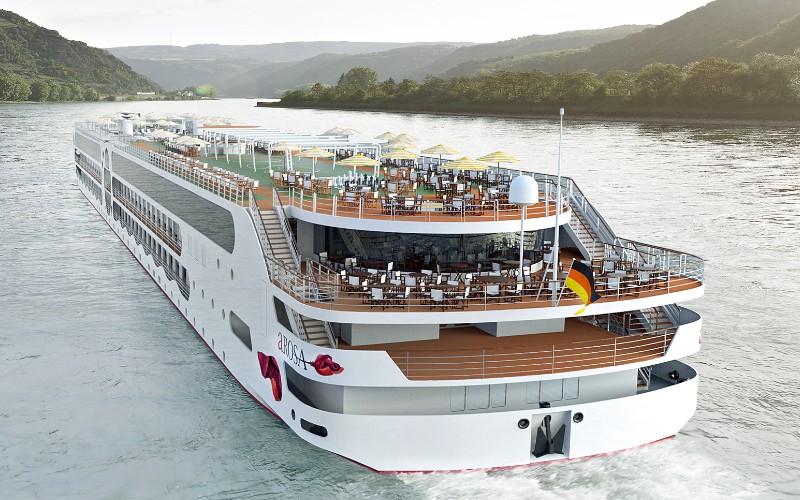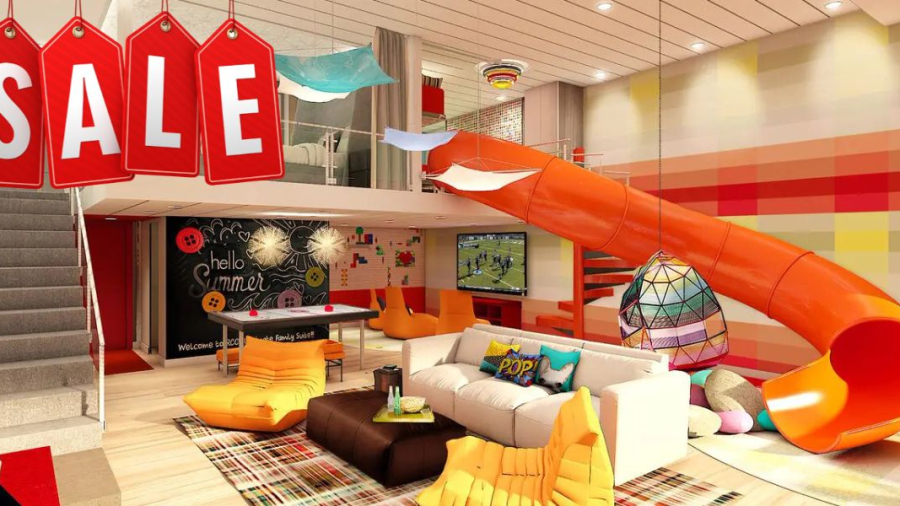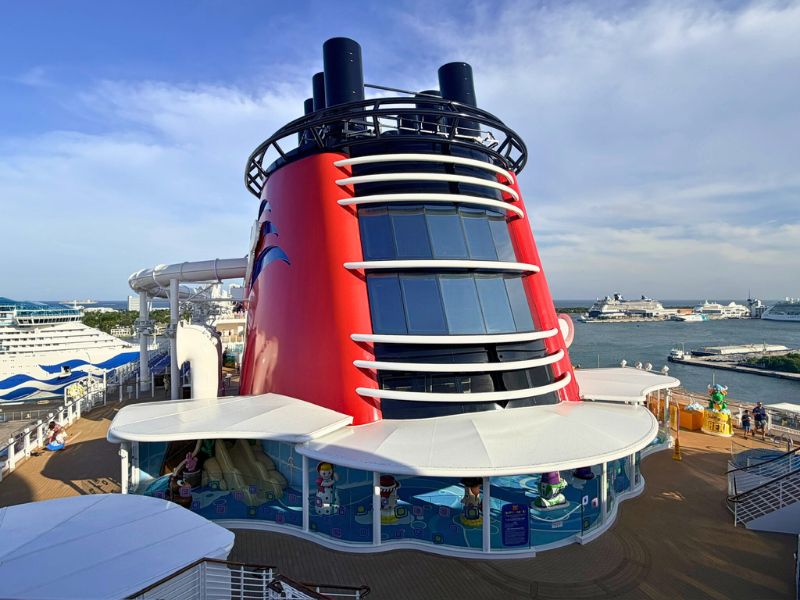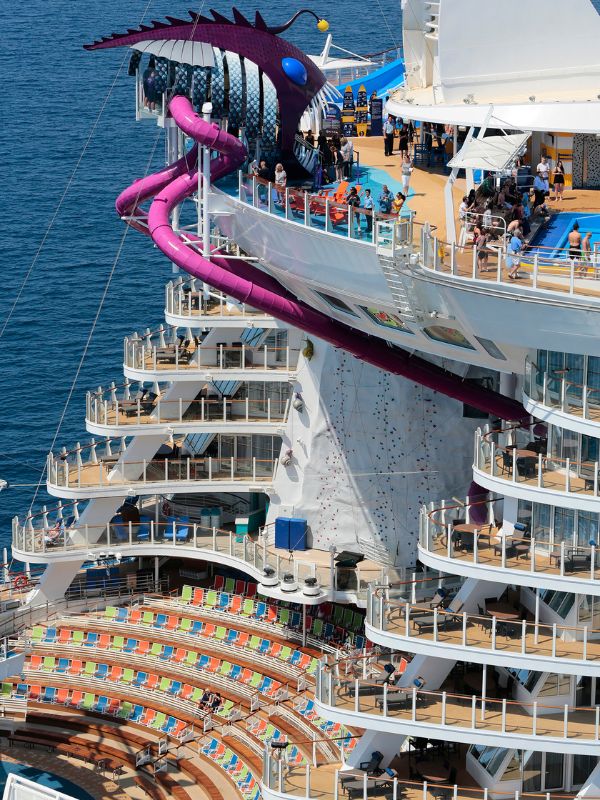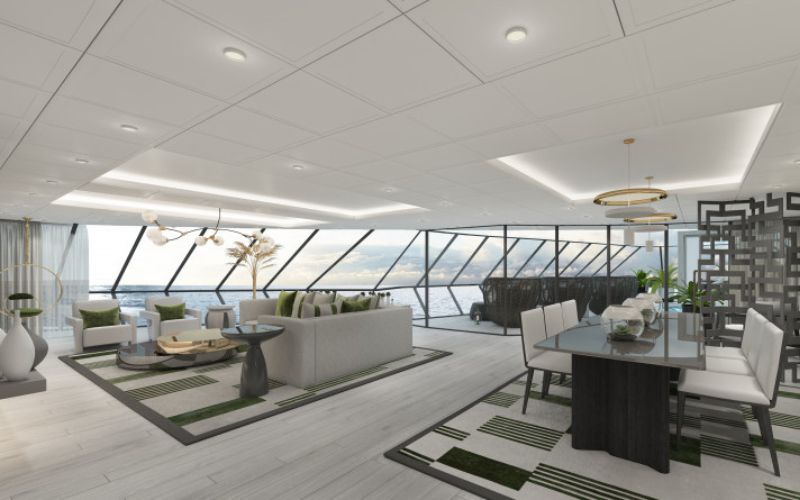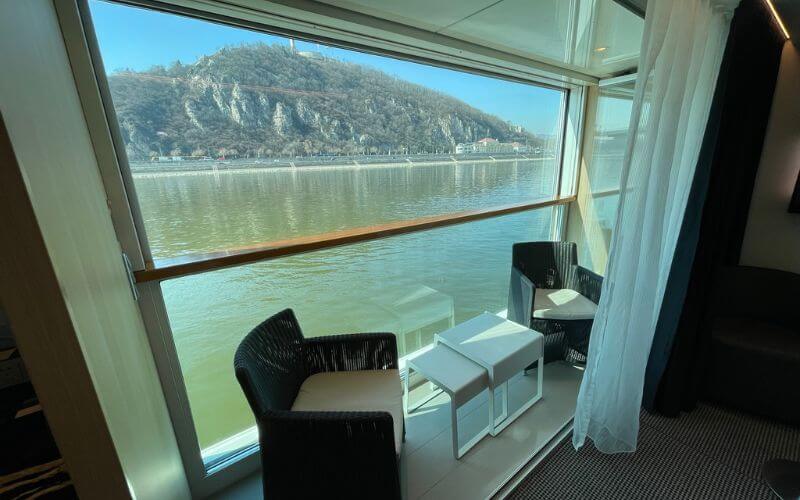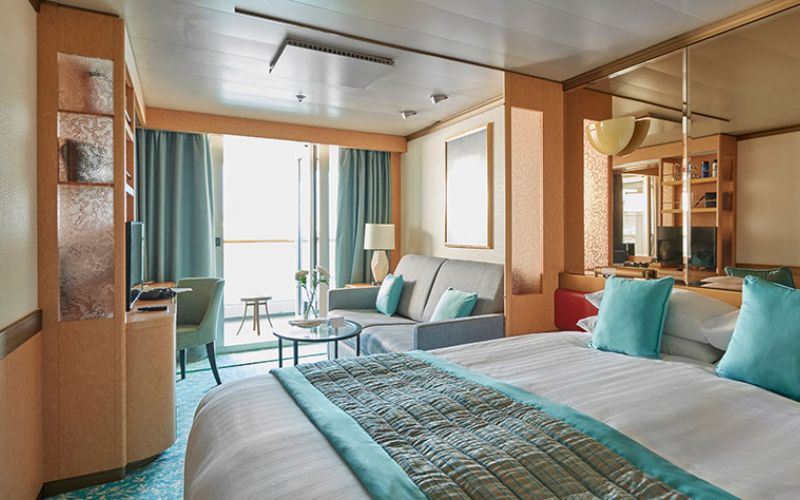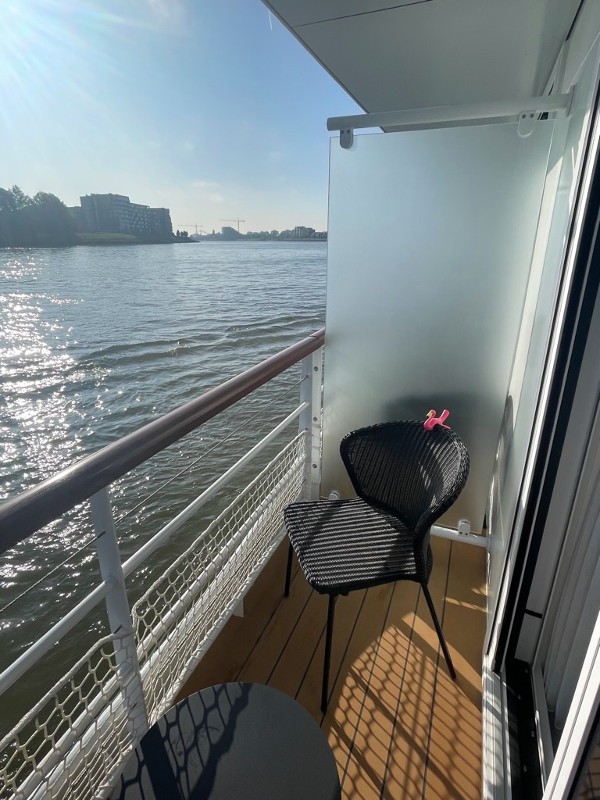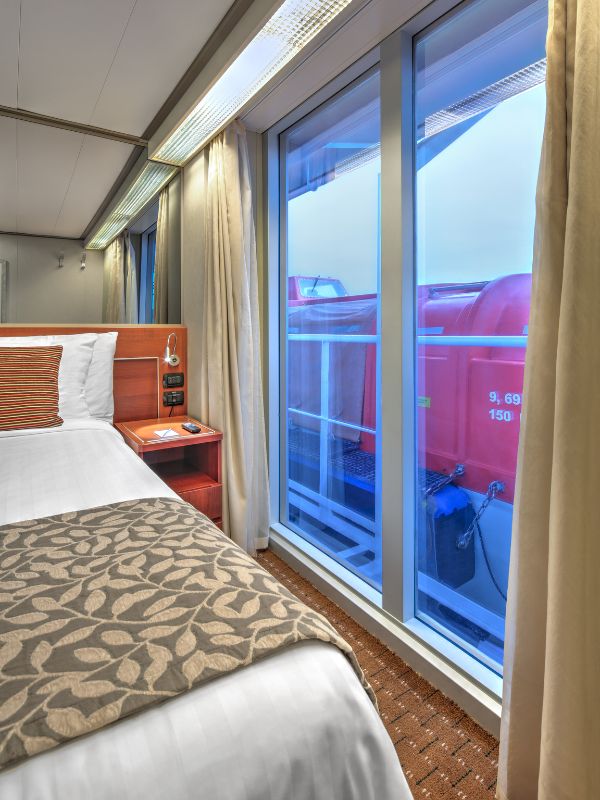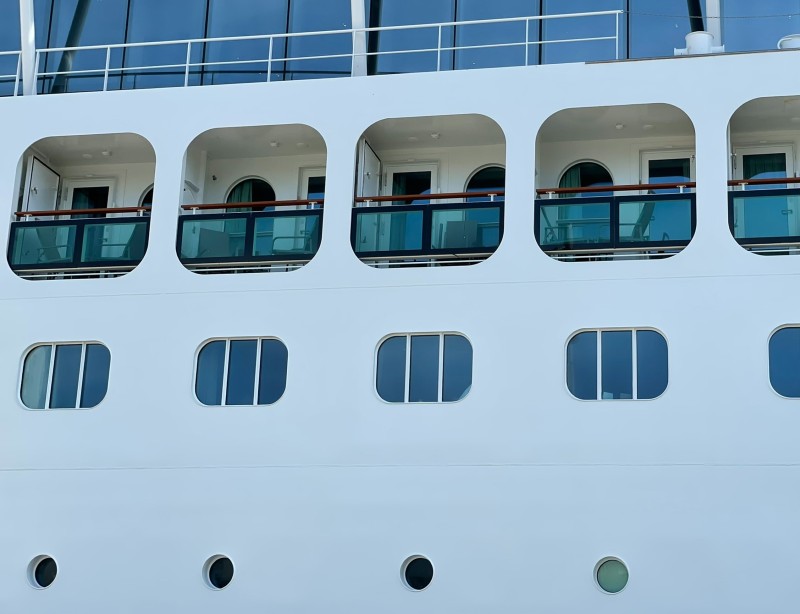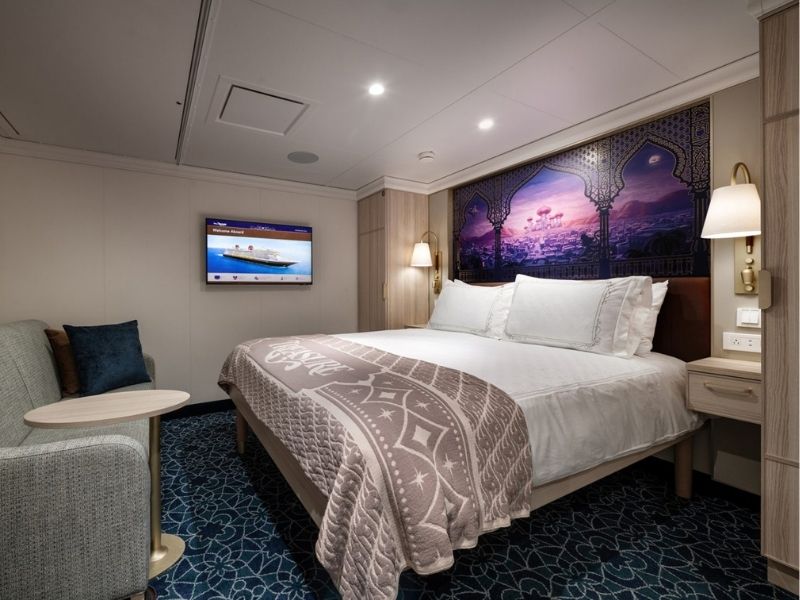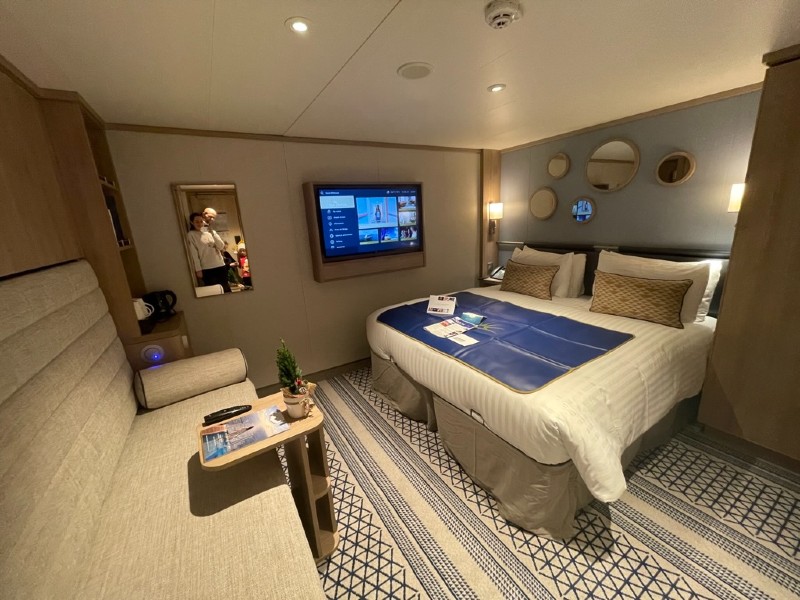
Uniworld-River-Cruise.jpg

How To Pick The Best European River Cruise For You


River cruises look effortless on the surface – unpack once, glide through Europe, wake up somewhere new each day – but choosing the right one is anything but simple.

Don’t assume they’re just smaller versions of ocean cruises. They’re not.

The river you pick can completely change the feel of the trip, and two cruises that look almost identical on paper can deliver very different experiences once you’re onboard.

River cruising is brilliant – one of the easiest, most immersive ways to see Europe. But getting it right takes a bit more thought than just picking a date and pressing book.

Before you get too deep into cabin types, inclusions and cruise line comparisons, it helps to choose the river that actually suits the sort of trip you want. That’s the part many first-time river cruisers get backwards.

A European river cruise isn’t one single type of holiday. The Rhine feels very different from the Danube. The Douro doesn’t have the same rhythm as the Seine. Even if ships look broadly similar, the destinations, scenery and pace can vary a lot.

For most people, the right choice comes down to one question – what do you most want from the trip? Big cities? Castles? Vineyards? Food? Famous sights? Scenic sailing? Once you know that, it gets much easier to narrow things down.

The Rhine – Best For Classic Scenery And First-Time River Cruisers

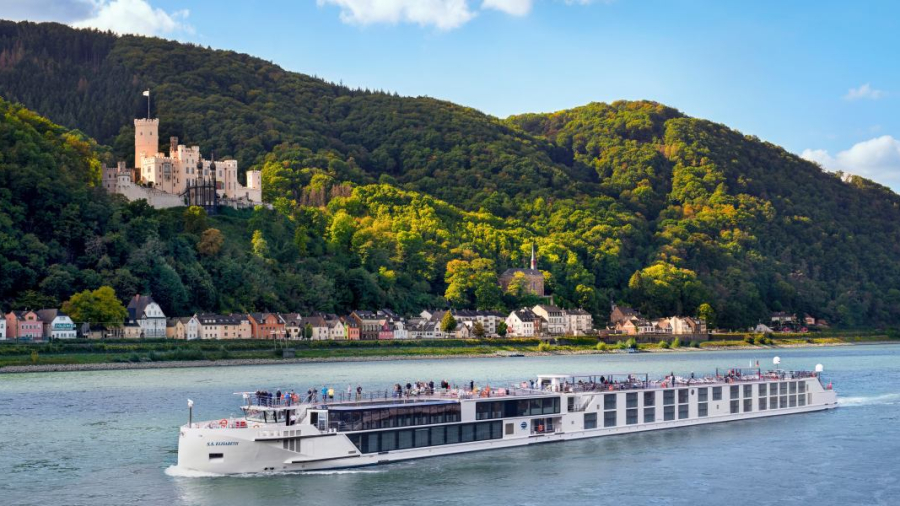
If someone asks which river to choose for a first European river cruise, the Rhine is always near the top of the list. It has that instantly recognisable, storybook feel that a lot of people picture when they think of river cruising in Europe.

Rhine cruise

This is where you get hilltop castles, vineyard-covered slopes, half-timbered towns and some of the prettiest stretches of scenery on the continent. The Middle Rhine Gorge is the real showstopper – the bit with the castles, the Lorelei rock and those winding, dramatic views that make people fall in love with river cruising in the first place.

It’s also a very easy river to understand as a first-timer. Popular itineraries often run between Amsterdam and Basel, or the reverse, which means you can combine Dutch city breaks, German riverside towns, a touch of France and access to Switzerland in one trip. That’s a very strong mix if you want variety without overcomplicating things.

The Rhine is especially good if Germany and Switzerland are high on your wish list. You’ll often visit places like Cologne, Koblenz, Rüdesheim, Strasbourg and Basel, with some itineraries adding Heidelberg or extending into the Moselle or Main. There’s a nice balance here between scenic cruising and ports that are genuinely interesting to explore.

It’s also one of the best rivers for seasonal sailings. Spring brings tulip cruises in the Netherlands and Belgium, while late November and December are packed with Christmas market itineraries. That makes it very easy to tailor the same river to a completely different sort of holiday.

Read more: Highlights Of The Rhine With TUI River Cruises

The Danube – Best For Big Cities, Culture And Variety

If the Rhine is the fairytale river, the Danube is the one for travellers who want a bit more grandeur and a stronger run of headline cities.

This is often the top recommendation for first-time river cruisers who care as much about what they’ll see ashore as they do about the scenery between ports. A typical Danube itinerary can include Vienna, Budapest and Bratislava, with places like Passau, Linz, Melk and Dürnstein adding smaller-scale charm in between. That’s an impressive line-up for one trip.

Budapest

The Danube works brilliantly because it mixes very different experiences. One day you’re in a major capital city with grand architecture, music history and elegant cafés, and the next you’re cruising through vineyard country or stopping at an abbey in a small riverside town. It never feels too repetitive.

It’s also one of the best rivers for people who want a stronger sense of European history. You’re travelling through the old Habsburg heartlands, and in some itineraries into parts of Eastern Europe that feel very different from the more familiar western routes. That gives the Danube a broad appeal – it can be classic and easy for beginners, but it can also feel more adventurous if you choose a longer sailing.

For a first cruise, the middle Danube is usually the easiest place to start. Sailings between Passau and Budapest are especially popular because they combine the biggest highlights without feeling rushed. You get the best-known cities, lovely scenic stretches such as the Wachau Valley, and enough contrast from port to port to keep things interesting.

Longer Danube itineraries can continue east through Serbia, Croatia, Bulgaria and Romania towards the Black Sea. These can be fantastic for returning river cruisers or travellers who want something less predictable than the standard western European routes.

The Rhône – Best For Food, Wine And Southern France

The Rhône is one of the easiest rivers to fall for if you love the idea of France in all its richest, most indulgent forms. This is a cruise for people who hear Burgundy, Provence, Lyon and Avignon and immediately think yes, that sounds like my sort of holiday.

The scenery here is lovely, but the real pull is the atmosphere ashore. Rhône itineraries tend to be more about regional flavour than ticking off a long list of countries. You’re sailing through an area known for food, wine, Roman history and those golden-stone towns and villages that seem built for lingering over lunch.

Rhône river

Lyon is usually either the start or end point, and that alone is a selling point. It’s one of France’s great food cities and well worth extra time before or after the cruise. From there, itineraries often head towards Avignon or Arles, with calls that can include Vienne, Tournon, Viviers and other small towns that many travellers wouldn’t otherwise visit.

This river suits people who like a slower, more immersive style of trip. You’re not trying to squeeze in as many countries as possible. Instead, you’re getting properly stuck into one region – its wines, its markets, its Roman ruins, its art and its cuisine. If the Rhine and Danube are the obvious first-timer choices, the Rhône is the one for travellers who already know that food and place matter more than headline landmarks.

It’s also a very appealing option for wine lovers. Burgundy and the Rhône Valley are not exactly bad places to base a holiday around tastings and vineyard excursions. Even for people who aren’t serious wine buffs, there’s something very easy to enjoy about cruising through this part of France.

The Seine – Best For Paris And Normandy

The Seine has one huge advantage over just about every other European river – Paris. Starting or ending a cruise there gives it immediate appeal, especially for anyone who likes the idea of pairing a river sailing with time in one of Europe’s great cities.

But the Seine isn’t just about Paris. It also takes you through Normandy, which gives this river a really nice blend of countryside, history and culture. In one week, you can move from iconic city sights to half-timbered towns, Monet’s garden, coastal landscapes and excursions connected to the D-Day landings.
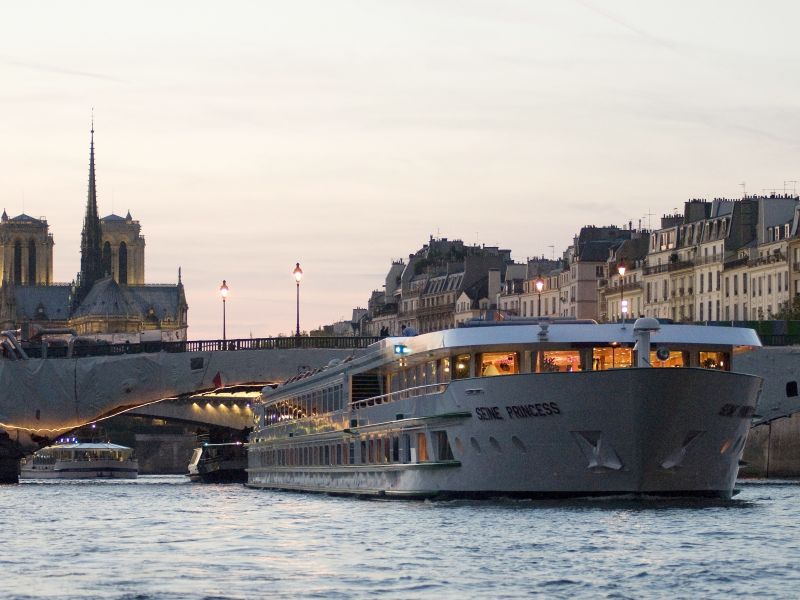
Seine cruise

That mix makes the Seine feel a bit different from the more scenic-castle-heavy Rhine or the city-rich Danube. It’s less about a changing run of countries and more about exploring a single region in depth. For some travellers, that’s a real plus. You get a stronger sense of place rather than a more general sweep through central Europe.

Typical itineraries are round trips from Paris or sailings between Paris and the Normandy coast. Rouen and Honfleur are often among the standout stops. Rouen brings history and striking architecture, while Honfleur has the sort of harbourfront charm that makes you want to stay longer than the schedule allows.

The Seine is also a particularly good choice for art lovers and history lovers. Excursions to Giverny and the Normandy beaches add a lot of weight to the itinerary, and it’s a river that tends to appeal to travellers who enjoy the stories behind the places they visit.

The Douro – Best For Wine Lovers And Scenic Relaxation

The Douro is quite different from the classic Rhine-or-Danube first cruise, which is exactly why some people end up loving it. This is a river for scenery, wine country and a generally slower, more relaxed rhythm.

Sailings usually begin and end in Porto, which is a brilliant start. It’s one of Europe’s most characterful cities, full of steep streets, tiled buildings and riverfront views, and it sets the tone nicely for the rest of the trip. Once you leave Porto behind, the landscape becomes the star – terraced vineyards, quiet hillsides and a countryside feel that’s less about big cities and more about atmosphere.

Riviera Ship Douro

The Douro tends to appeal to travellers who don’t mind that the ports themselves are often less famous than those on the Rhine or Danube. This is not the river for headline city after headline city. It’s about the valley, the wine estates, the scenery and the sense of being somewhere a bit more tucked away.

There’s also usually a Spanish element, with many itineraries including an excursion to Salamanca. That adds another layer to the trip and makes it feel slightly broader than a purely Portugal-focused holiday.

It’s worth noting that the Douro often involves more coach transfers for certain sights than some other rivers. That’s just part of how the region works. The reward is the landscape itself, which is one of the most distinctive in European river cruising.

Dutch & Belgian Waterways – Best For Tulips, Canals And Easy First Cruises

These itineraries don’t always get as much attention as the Rhine or Danube, but they’re a brilliant option – especially if you’re after something shorter, more relaxed or very seasonal.

While parts of the journey may touch the Rhine, these cruises are really about the network of canals, rivers and waterways that connect the Netherlands and Belgium. It’s a completely different feel from the castle-lined valleys of Germany or the grand capitals of central Europe. Here, it’s all about low-lying landscapes, historic trading cities and picture-perfect canal towns.

Amsterdam river cruises

Spring is when this region really shines. Tulip season cruises are hugely popular for a reason, with visits to places like Keukenhof Gardens and fields bursting with colour across the Dutch countryside. It’s one of the most visually distinctive river cruise experiences you can have, and it only happens for a short window each year.

Beyond the flowers, you’re looking at a line-up of very walkable, easy-to-enjoy cities. Amsterdam is often the starting point, with its canals, museums and relaxed atmosphere. From there, itineraries might include Utrecht, Rotterdam, Antwerp, Bruges and Ghent – all places that are compact, characterful and ideal for exploring on foot or by bike.

That ease is a big part of the appeal. You’re rarely dealing with long transfers or sprawling ports. Ships often dock close to the centre, and the overall pace tends to feel gentler than some of the longer Rhine or Danube sailings. It’s a good fit if you want a more laid-back introduction to river cruising without trying to cover too much ground.

These cruises also tend to be shorter – often around five to seven nights – which makes them a smart choice if you’re testing the waters or don’t want to commit to a longer itinerary straight away.

The Main And Moselle – Best For Extra Variety On A Rhine Cruise

The Main and Moselle are often not the headline rivers people mention first, but they can add a lot to a cruise if you want something slightly different from the standard Rhine route.

The Moselle is especially pretty – quieter, narrower and arguably more intimate in feel than the Rhine in places. It winds through wine country, with steep vineyard slopes and charming little towns such as Cochem that feel more tucked away and less busy than some of the larger Rhine stops. If you like the idea of a gentler, more romantic version of Germany, the Moselle has a lot going for it.

Moselle River Cruise

The Main tends to appear more often on longer itineraries, especially those linking the Rhine and Danube via the Main–Danube Canal. It’s less about one iconic scenic stretch and more about opening up a wider route through Germany. You may see places like Frankfurt, Würzburg, Bamberg or Nuremberg, depending on the sailing.

These rivers are often best thought of as additions rather than standalone first choices. If you’re looking at a longer cruise and wondering whether it’s worth picking one that includes the Moselle or Main, the answer is usually yes. They can make the itinerary feel more varied and a little less obvious.

For wine lovers in particular, the Moselle is a very attractive add-on, and for anyone interested in a longer journey through central Europe, the Main helps unlock that.

The Elbe – Best For Repeat River Cruisers And History Fans

The Elbe is much less mainstream than the Rhine or Danube, which is exactly what makes it appealing. This is the river for travellers who’ve either already done one of the more classic itineraries or simply want something a bit different from the start.

One of the big draws here is the pairing of Berlin and Prague. Even if the cruise itself is shorter or more specialised, those bookend cities add huge value. In between, you get places like Dresden, Meissen and the landscapes of Saxon Switzerland, which give the route a strong historical and cultural identity.

Elbe in Germany

The Elbe is particularly good for travellers interested in German and central European history. There’s a lot here tied to war, reconstruction, religion and old trading routes. It feels more niche than the broader appeal of the Rhine, but in a good way.

It’s also a river that comes with practical caveats. Water levels can be more of a challenge here, and the choice of ships and itineraries is far more limited. So while it can be a brilliant cruise, it’s usually not the most straightforward first booking for someone who just wants an easy introduction to river cruising.

The Po And Venetian Lagoon – Best For Italy Lovers

Italy doesn’t have the same huge range of river cruise options as Germany, France or Portugal, but what it does offer is very distinctive. Cruises in the Po Valley and Venetian Lagoon are less about classic river cruising in the Rhine sense and more about combining waterways, culture and iconic Italian cities.

River Po in Italy

These itineraries are particularly appealing if you love Italy and want a small-ship holiday that feels more unusual. Venice is often the main draw, and rightly so, but the surrounding region has plenty to offer too – places like Padua, Verona, Ferrara and Bologna can appear on the right itinerary.

This type of cruise feels different from the others because the setting is different. You’re not sailing through endless vineyard valleys or moving from one riverside capital to the next. Instead, you’re exploring the waterways and cultural treasures of northern Italy, with a stronger focus on art, architecture and regional history.

So Which River Should You Choose?

If you’re still not sure, it helps to simplify things.

  • Choose the Rhine if you want castles, classic scenery, Germany and Switzerland, and an easy first river cruise.
  • Choose the Danube if you want big cities, culture, music, history and a little more variety between urban highlights and countryside.
  • Choose the Rhône if food, wine and southern France are what really excite you.
  • Choose the Seine if Paris and Normandy are the main attraction.
  • Choose the Douro if you want vineyard scenery, a relaxed pace and a trip that feels more about the landscape than the ports.
  • And choose the Elbe or Po if you’re after something more niche, more specialised or a bit less expected.

That’s usually the easiest way to start narrowing things down – not by asking which river is best overall, but by asking which one sounds most like your sort of holiday.

Once you’ve picked your river, now’s the time to check out your cruise line.

Firstly, you need to find a cruise line that sails to the destination you want to visit – not all cruise lines cover all rivers!

Let’s break that down first, and then we’ll dig into what each cruise line offers, and what’s included with their fares.

Cruise LineThe RhineThe DanubeThe RhôneThe SeineThe DouroDutch & Belgian WaterwaysThe Main & MoselleThe ElbeThe Po
A-ROSA✅✅✅✅✅❌✅❌❌
AMAWaterways✅✅✅✅✅✅✅❌❌
APT Touring✅✅❌❌✅❌✅❌❌
Avalon Waterways✅✅✅✅✅❌✅❌❌
Celebrity River Cruises✅✅❌❌❌✅❌❌❌
CroisiEurope✅✅✅✅✅✅✅✅✅
Emerald Cruises✅✅✅✅✅✅✅❌❌
Riviera Travel✅✅✅✅✅✅❌❌❌
Scenic River✅✅✅✅✅✅✅❌❌
Tauck✅✅✅✅✅✅✅❌❌
TUI River Cruises✅✅❌❌✅✅✅❌❌
Uniworld✅✅✅✅✅✅✅❌✅
Viking River Cruises✅✅✅✅✅✅✅✅❌
VIVA Cruises✅✅✅✅✅✅✅✅✅

So, you’ve picked a river, you now know which cruise lines offer itineraries in that destination – how do you pick between them?

This will help:

Cruise LineLowest Price 7-Night Rhine CruiseFlights IncludedExcursions IncludedDrinks IncludedTips IncludedWiFi Included
A-ROSA£864ppNoNoNoNoNo
AMAWaterways£2,079ppYesYes*During MealsNoYes
APT Touring£1,995ppYesNoDuring MealsYesYes
Avalon Waterways£1,700ppYesYesDuring MealsNoYes
Celebrity River Cruises£2,448ppNoYesYesNoYes
CroisiEurope£1,211ppNoNoYesNoYes
Emerald Cruises£1,885ppNoYesDuring MealsYesYes
Riviera Travel£1,999ppYesYesYesNoYes
Scenic River£2,569ppNoYesYesYesYes
Tauck£3,290ppNoYesYesYesYes
TUI River Cruises£1,199ppYesNoDuring MealsYesYes
Uniworld£2,199ppNoYesYesYesYes
Viking River Cruises£1,695ppYesYesDuring MealsYesYes
VIVA Cruises£1350ppNoYesYesYesYes

A-ROSA

A Rosa Sena

A-ROSA offers a more relaxed, flexible style of river cruising, often with fewer structured excursions and a more casual onboard feel. It’s usually good value and popular with European travellers, but feels less traditional than most river cruise lines.

They’re also one of the few river cruise lines that are genuinely good for families. Most are adults only, but A-ROSA has some great child-friendly cruise options, particularly on A-ROSA Sena.

Read more: 10 Reasons To Love A-ROSA Family Cruises

AmaWaterways
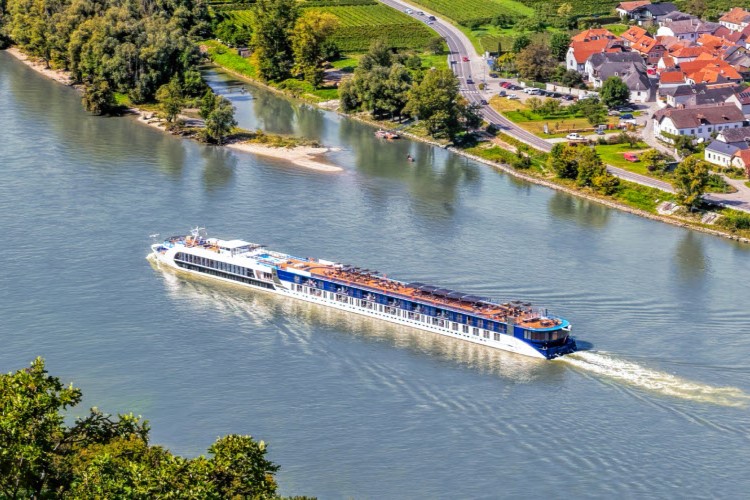
AmaSofia

AmaWaterways is a favourite for active travellers, with multiple excursion options in each port including hikes and bike rides. It strikes a strong balance between inclusions, quality and a slightly more energetic onboard atmosphere.

Read more: AmaWaterways vs Viking River Cruises: Which Should You Choose?

APT Touring

APT leans towards the premium and luxury end, with a focus on high inclusions, unique experiences and a polished onboard feel. It’s especially appealing if you like the idea of a more all-inclusive trip with fewer extra costs to think about.

Avalon Waterways

Rhine cruise

Avalon is known for its spacious, modern cabins and excellent overall value, making it a popular choice for first-time river cruisers. It delivers a comfortable, easy-going experience without pushing into ultra-luxury pricing.

Read more: Avalon Waterways vs Viking River Cruises: Which Is Better for Your River Cruise?

Celebrity River Cruises
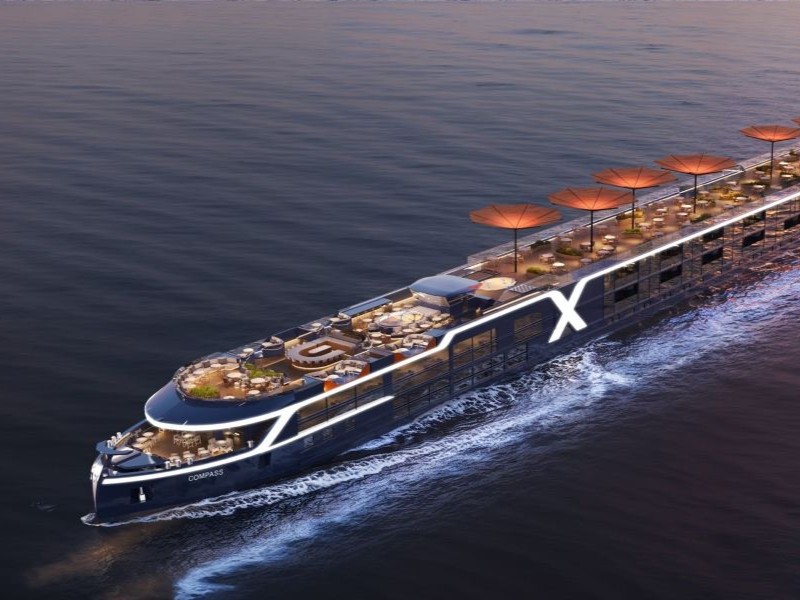
Celebrity Compass River Cruise Ship

Celebrity River Cruises brings a more contemporary, design-led approach to river cruising, with a focus on style, dining and a slightly more modern onboard vibe. It’s one to watch if you like the feel of newer ocean cruise brands but want a smaller ship experience.

Suggested read: Celebrity Cruises to Enter the River Cruise Market with Premium Fleet Launching in 2027

CroisiEurope
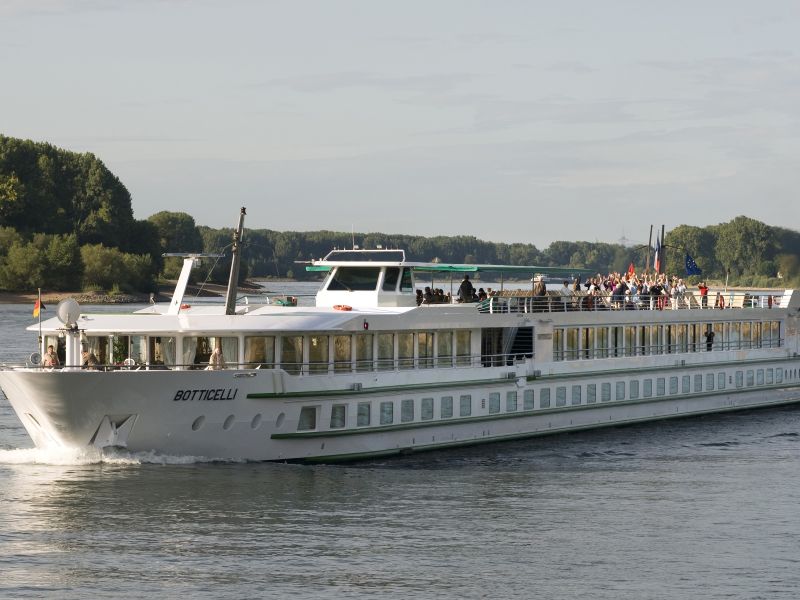
MS Botticelli on the Seine CroisiEurope

CroisiEurope is often one of the most affordable ways into river cruising, with a simple, no-frills approach that still covers the essentials well. It also offers some more unusual itineraries that other lines don’t operate.

Read more: Kids Sail Free With (Some) CroisiEurope River Cruises – What You Need To Know

Emerald Cruises

Emerald Sky in Budapest

Emerald Cruises sits firmly in the “value with extras” category, often including things like gratuities and a decent range of excursions. Ships feel modern and the overall experience is polished without the higher price tag of luxury lines.

Riviera Travel

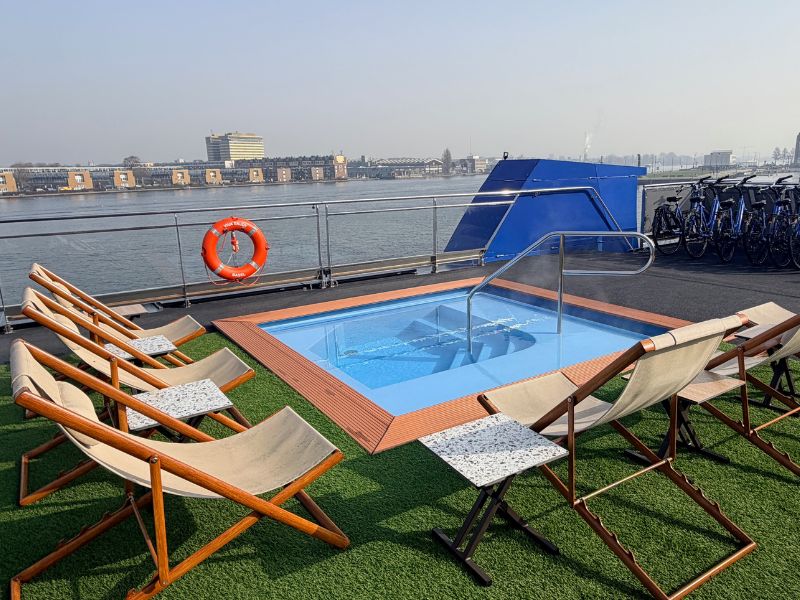
Riviera ship pool

Riviera is a go-to for value-conscious travellers, offering stylish ships and well-organised itineraries at competitive prices. It’s a more classic river cruise experience, with a focus on good service and solid inclusions rather than luxury extras.

Read more: Riviera Travel Drinks Package Guide

Scenic River Tours
Scenic Crystal

Scenic is firmly in the ultra-all-inclusive luxury category, with drinks, excursions, gratuities and even extras like e-bikes and butler service bundled in. It’s a seamless experience, but you’ll pay more upfront for that level of inclusion.

Suggested read: Scenic vs Emerald River Cruises

Tauck

Tauck River Cruises

Tauck is all about curated experiences and high-end, fully inclusive travel, often with unique excursions you won’t find elsewhere. It feels more like a guided journey than a standard cruise, with a strong focus on service and detail.

TUI River Cruises

Tui Destinations

TUI offers a very accessible, UK-friendly river cruise experience with straightforward pricing and familiar touches. It’s a good entry point if you want something simple, sociable and easy to book without overthinking the details.

Read more: TUI River Cruise Ships Compared: What Each One Offers

Uniworld
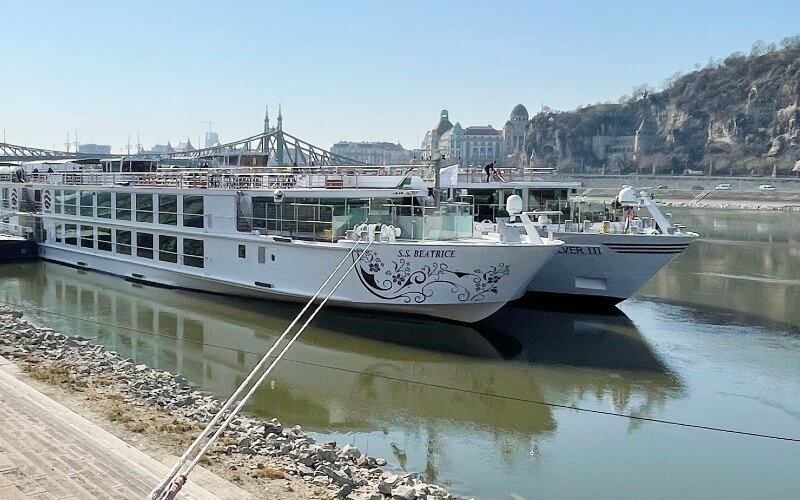
Uniworld Ship SS Beatrice

Uniworld delivers a more boutique, luxury feel, with highly styled ships and a very all-inclusive approach. It’s ideal if you want something that feels a bit more distinctive and indulgent than the standard river cruise offering.

Viking River Cruises

Viking Longship Main River

Viking is one of the biggest names in river cruising, known for its consistent, well-run experience and wide choice of itineraries. It’s a safe, reliable option that gets the basics right, even if it’s not the most all-inclusive.

VIVA Cruises
VIVA Cruises is a relatively new European river cruise line that focuses on modern ships, all-inclusive fares and a more relaxed, contemporary atmosphere than some of the traditional luxury river cruise brands.

VIVA Cruises is particularly known for its stylish newer ships, flexible dining and good-value pricing, making it a popular choice for younger retirees and travellers who want a premium river cruise experience without the ultra-luxury price tag.

Think Carefully About Excursions

Excursions are a huge part of river cruising. In fact, they shape the whole trip more than many first-timers expect.

On an ocean cruise, shore days can feel optional. On a river cruise, the ports are the point. That means you need to look beyond the ship and ask what’s actually included each day.

A tour guide with a red flag, showing a group of men around a city.

Are there guided walks in every port? Are there choices, or just one standard coach tour? Is there anything active, like hiking or cycling? Are special events and evening outings included or extra?

If you already know you enjoy getting off the ship and making the most of each stop, this can be the difference between a good holiday and a great one.

Some lines offer multiple touring styles, which can be really useful. A gentle group, a regular-paced walk and a faster active option can make the day much more enjoyable than being stuck in one big mixed group. That’s especially true if you don’t want every port to feel like the same guided wander followed by souvenir shopping.

Don’t Overlook Drinks And Onboard Atmosphere

Anyone moving from big-ship cruising needs to reset expectations a bit here.

River cruises generally aren’t built around drinks packages, late-night entertainment or lively pool decks. That doesn’t mean they’re dull – it just means the social life is different.
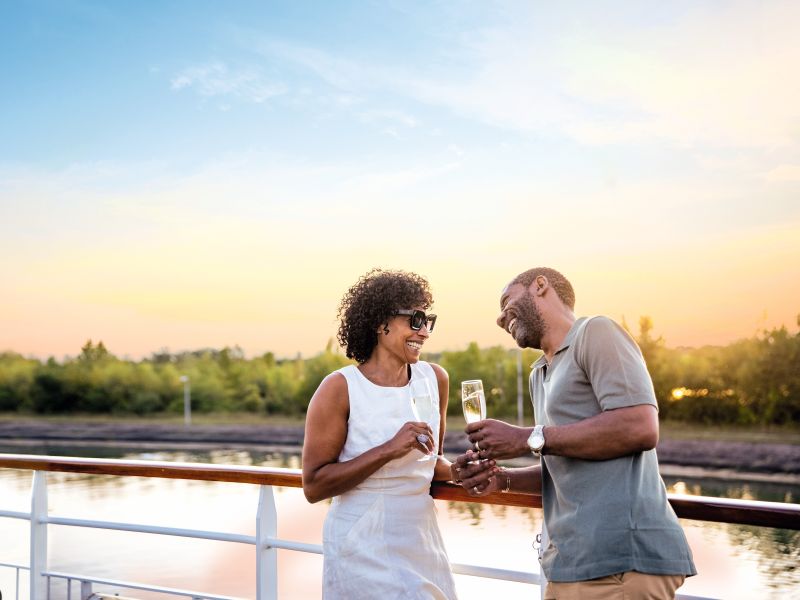
Drinks on a TUI River Cruise deck

Think pre-dinner drinks, a quiet cocktail in the lounge, regional wines with dinner and maybe some music in the bar later on. It’s more relaxed than high-energy. Not always – some cruise lines put on big parties – but those are the exception.

That actually suits a lot of people very well. If you enjoy an occasional evening drink but you’re not the kind of cruiser who wants unlimited cocktails all day, river cruising can feel like a much better fit than ocean lines that push packages heavily.

A lot of lines include wine and beer at lunch and dinner, and some add a happy hour or more generous drinks policy. A few luxury operators include pretty much everything. It’s worth checking because drink inclusions vary more than many people assume.

Book The Right Time Of Year

Timing matters on a river cruise, and not just for weather.

Spring is lovely for a first trip. You get fresh scenery, generally comfortable temperatures and special seasonal sailings like tulip cruises in the Netherlands and Belgium. Early summer is popular too, with long daylight hours and lively cities, but it can also be busier and hotter.

Rhine River

Autumn is another strong choice, especially if you like wine regions, harvest season and slightly softer temperatures. Late November and December bring Christmas market cruises, which are hugely popular and feel completely different from standard sailings.

For the Rhine and Danube in particular, many seasoned travellers try to avoid the hottest part of late summer, partly because of crowds and partly because of water level concerns. There are no guarantees either way, but shoulder season often feels like the nicest balance.

Understand The Water Level Risk

This is one of the biggest practical differences between river cruising and ocean cruising, and it’s something every first-timer should know before booking.

River ships are vulnerable to both high water and low water. Too much water and they may not fit under bridges. Too little and they may not be able to sail certain stretches at all. When that happens, the cruise line may switch ships, coach passengers between sections, or alter the itinerary.
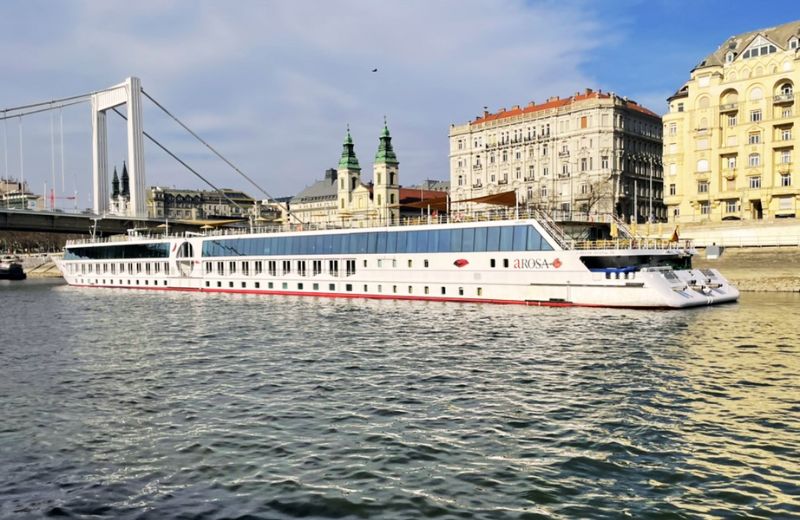
A serene view of an A-Rosa river cruise ship docked along the waterfront in a picturesque European city. The scene is set against an urban backdrop with elegant, historic buildings and a distinctive white suspension bridge, suggesting the location could be along a well-known river in Europe, possibly the Danube in Budapest. The cruise ship, long and white with red accents, is designed for navigating the narrower and shallower waters of riverways, offering passengers a close-up view of cityscapes and landscapes. The calm water and clear skies contribute to a peaceful and inviting travel atmosphere, ideal for exploring the cultural and architectural beauty along European rivers.

That doesn’t mean you should avoid river cruising. It just means you should go in with realistic expectations. This is part of the deal, especially on some rivers and at some times of year.

If this risk worries you, it’s worth looking at cruise lines with bigger fleets, because they may have more flexibility when disruption happens. You should also read the terms carefully so you know exactly what happens if the itinerary changes. It’s not the most glamorous part of trip planning, but it’s important.

Plan Your Flights And Hotel Stays Sensibly

For many travellers, especially those used to planning their own trips, booking airfare separately sometimes makes the most sense. You get more control over airline, route, seat choice and timing. That can be especially useful if you live near a major gateway and are comfortable arranging things yourself.

A view from an airplane window shows the wing of the aircraft against a backdrop of a clear blue sky and the sun shining brightly. Below, a landscape of fields and rivers is partially covered in snow, with clouds scattered across the horizon, creating a serene and picturesque aerial scene.

Cruise-line air can still be worth pricing up, though, since it’s reasonably priced in many cases and can make things a lot more seamless. Sometimes there are promotions, and in some cases transfers are included. For travellers who want everything kept simple in one booking, that can be appealing.

Whichever route you choose, arriving at least a day or two early is one of the smartest things you can do. It gives you breathing room if there are flight delays, and it means you actually get to enjoy your embarkation city instead of seeing it through jet lag. The same goes for the end of the trip. A post-cruise stay can turn a good holiday into a much better one.

With river cruises starting or ending in cities like Amsterdam, Budapest, Basel or Vienna, there’s usually a very good case for adding hotel time on either side.

I would advise getting a good travel agent who can package your river cruise along with flights and hotel stays so you will benefit from ATOL protection.

Check The Ship Layout And Cabin Style

River ships are small, but they’re not all identical in feel.

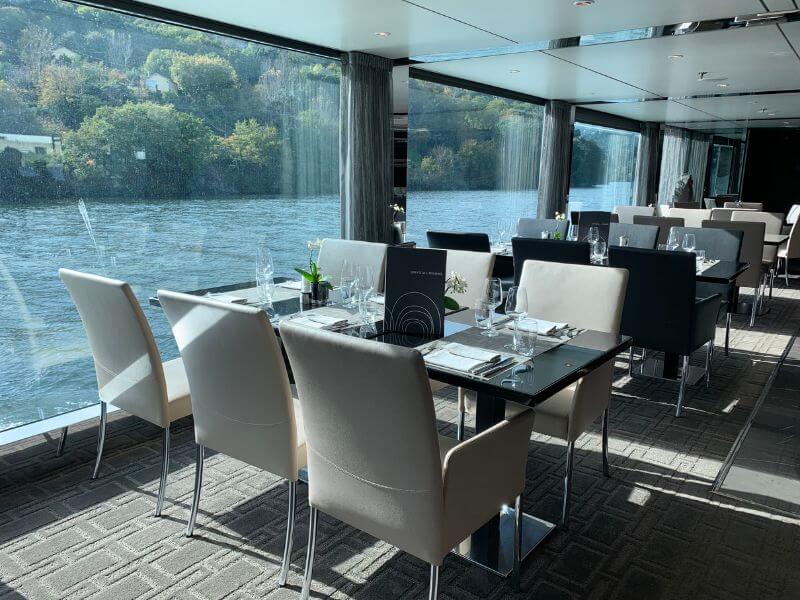
Some have more spacious cabins, almost all have French balconies rather than step-out balconies (but there are a few exceptions), and some feel noticeably more contemporary than others. A few ships include things like small fitness rooms, bikes for guests or multiple dining venues, while others are more straightforward.

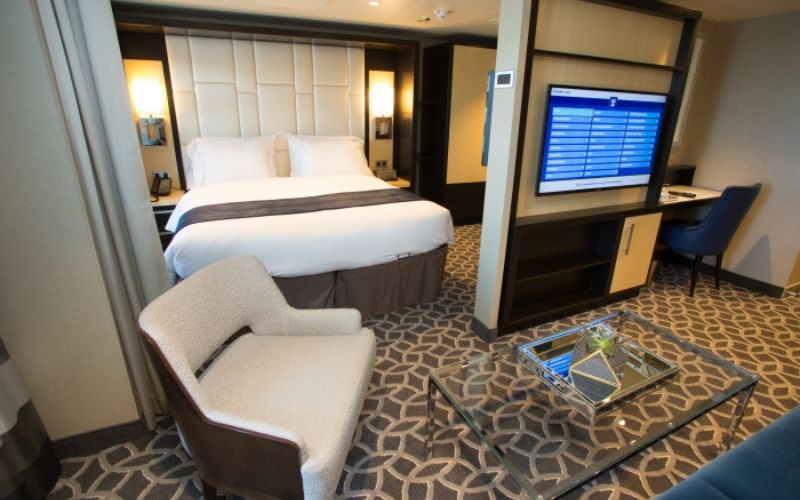
Celebrity River Cruises Cabin

Because you’ll spend a fair amount of time in your cabin and on the public decks watching the scenery go by, layout matters. On a first river cruise, it’s worth paying attention to what sort of balcony you’re actually getting and how much indoor space the cabin has.

This is one reason some travellers end up preferring one line over another even if the itinerary is very similar. On river ships, little design differences are more noticeable because the ships are so compact.

Know What River Cruising Isn’t

It helps to be clear about this before you book.

River cruising isn’t a floating resort. It isn’t packed with big production shows, waterslides, casinos or endless speciality restaurants. You probably won’t be sailing all day with nothing to do. And you may occasionally be docked beside another ship or beside a less-than-pretty stretch of town.

Budapest river cruise

But that’s not really what this kind of holiday is for.

River cruising is about the route, the ease of unpacking once, the smaller number of guests, the included touring and the simple pleasure of gliding into one interesting place after another. For a lot of ocean cruisers, that ends up being the surprise – not that it’s smaller, but that it feels more immersive and far less hectic.

Final Thoughts

The easiest way to choose a European river cruise is to narrow it down in this order – river first, then cruise line.

If you’re brand new to river cruising and want a safe first pick, the Rhine is hard to beat for Germany, Switzerland and classic scenery. The Danube is just as tempting if you’d rather focus on big cities and central Europe. From there, compare what’s actually included rather than just staring at the fare.

For many first-timers who like excursions, enjoy a drink now and then but don’t need an all-inclusive bar setup, and want a good balance of quality and value, lines such as Avalon, AmaWaterways, Viking, Emerald and Riviera are all worth close attention.

Above all, book with the right expectations. River cruising is different from ocean cruising – and for plenty of people, that’s exactly why they end up loving it.

Related Posts

If you found this interesting, please share!


Jenni with Disney Cruise ship at Castaway Cay


Source link
Untitled-design-193.jpg

How People Get Cruise Suites Without Paying Full Price


Suite life on a cruise ship looks incredible – private lounges, butlers, huge balconies – but the price tag can be eye-watering. What most people don’t realise is – you rarely need to pay full price!

Cheap cruise suite

I’ve seen suite prices swing wildly depending on timing, ship, and even booking tactics – sometimes by thousands. The difference between overpaying and getting a bargain often comes down to a few secret moves.

Here’s what you need to know before you book – because some of the best deals aren’t obvious at all, and one of them completely flips the “book early” advice on its head…

1. Book As Early As Possible

This is where most savvy cruisers start.

Suites are limited in number, and the best ones go quickly. Cruise lines usually release their lowest prices when itineraries first go on sale, often 12 to 24 months in advance.

Online booking

Booking early can also unlock perks like onboard credit, drinks packages or WiFi. Even if you’re not 100% certain, deposits are often refundable, so there’s little risk in securing a good rate early.

Having said that…

2. Look For Last-Minute Deals

Here’s the twist.

If suites haven’t sold, cruise lines sometimes discount them closer to departure to fill the ship. That’s where last-minute deals can come in.

Disney Destiny Tower Suite

The catch is flexibility. You’ll need to be able to travel at short notice and accept whatever cabins are left. It’s not guaranteed, but when it works, the savings can be significant.

3. Re-Price Your Booking If Fares Drop

Booking early doesn’t necessarily mean you’re locked in at that price.

Cruise fares fluctuate constantly. If you spot your exact suite at a lower price before final payment, some cruise lines or travel agents may let you reprice your booking or offer the difference as onboard credit.

AquaTheater Suites

Even after final payment, it’s sometimes worth asking. Cruise lines may offer onboard credit instead of a refund, which still adds value to your trip.

It’s worth knowing, however, that US cruisers are generally more likely to benefit from repricing than those in the UK.

UK bookings can be more restrictive because they’re often sold as package holidays with different pricing structures and terms. That doesn’t mean it never happens in the UK, but American travellers are typically more accustomed to monitoring fares and requesting price adjustments or onboard credit when prices fall.

Read more: What To Do If Your Cruise Price Drops After Booking

Neptune Suite

4. Use A Bid-For-Upgrade Program

Several cruise lines now let you bid for a cabin upgrade after booking.

The idea is simple – book a lower category, then place a bid to move up to a suite. If your bid is accepted, you’ll pay less than the original suite price in many cases.

Royal Caribbean Upgrade

It’s not guaranteed, but it can be a clever way to access a higher category without paying full fare upfront.

However, it’s important to know how it works, if you want to have the best chance at the upgrade.

The cruise lines let you bid varying amounts, from a set minimum. Then, once it gets close to sailing date, the cruise line will look at who has put the best bid together, and then award those staterooms the upgrade.

But the highest bid doesn’t mean the best one…

Basically, if you’re in an Inside Stateroom and you bid £500pp to upgrade to a Suite, you might be beaten by someone in a Balcony Stateroom only bidding £300pp – because they could then free up their stateroom for someone in an Inside who bid £250pp for a Balcony Stateroom.

Or, if the cruise line thinks that there might be demand for sold-out Balcony Staterooms, they may prefer to free up that cabin even if the offered upgrade is less, because they’re expecting to then sell a Balcony and make even more.

Sky Suite Bedroom

The most profitable upgrade-chains will win.

So, to maximise your chances, book the highest grade of stateroom you are happy with, and then make sure you bid as much as you’re comfortable spending. A Balcony Stateroom bidder is much more likely to win a Suite than someone in an Inside Stateroom.

Read more: How to Upgrade Your Cruise Cabin After Booking

5. Book A Guarantee (GTY) Suite

A guarantee booking means you choose the suite category, but not the exact cabin. Just like with any category of cabin on a ship.

Harmony of the Seas Junior Suite

In return for giving up control over location, you’ll often pay less. The cruise line assigns your cabin closer to departure, sometimes even upgrading you if availability allows.

The trade-off is uncertainty – you could end up near a noisy area or with a less desirable layout – but for many, the savings are worth it.

6. Choose A Lower-Tier Suite (Mini/Junior Suite)

Not all suites are created equal – and you don’t need the biggest one to get a taste of the experience.

Mini-Suites and Junior Suites are usually the most affordable entry point. You’ll still get more space, a better bathroom, and a few upgraded touches compared to a standard cabin.

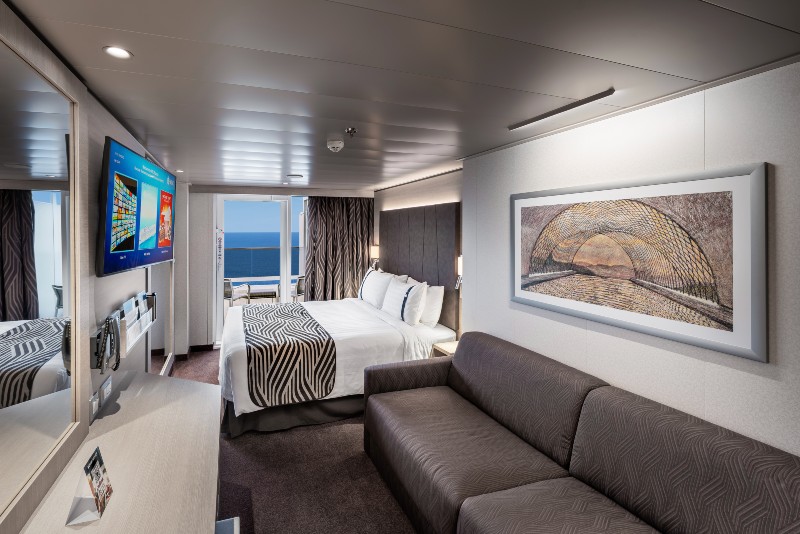
Junior Suite MSC Cruises

Read more: Cruise Suites vs Mini Suites vs Balcony Cabins

Just be aware that perks vary. Some entry-level suites include access to exclusive areas, while others are simply larger rooms. Always check what’s included so you’re not paying for a label alone.

Read more: The Pros and Cons of Upgrading to a Royal Caribbean Junior Suite

7. Choose An Older Ship

New ships are shiny, exciting and expensive.

Older ships, on the other hand, often have significantly lower suite prices – especially if they’ve been recently refurbished.

Royal Caribbean owner's suite

You might miss out on the latest attractions, but your cabin experience can be very similar. If you’re more interested in spedning time in the suite itself than the newest slides or restaurants, this is an easy win.

8. Pick A Cheaper Destination Or Itinerary

Not all cruise regions are priced equally, especially when it comes to suites.

The Caribbean and Bahamas tend to offer better value because ships sail there year-round and there’s a lot of competition. Compare that to Alaska or Northern Europe, where seasons are shorter and demand is higher, and prices climb quickly.

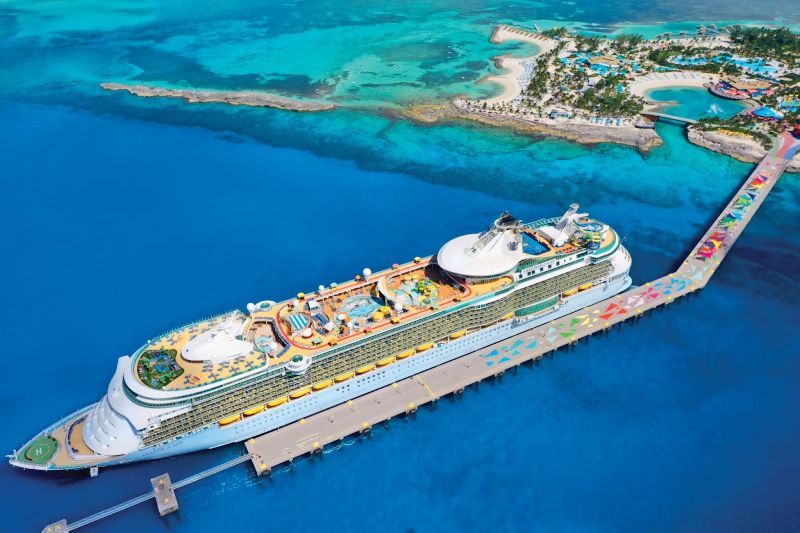
The aerial shot captures Royal Caribbean's Freedom of the Seas docked at the vibrant and picturesque CocoCay. The ship's deck is bustling with activities and amenities, while the crystal-clear Bahamian waters and the island's inviting beaches frame this idyllic cruise destination.

Of course, this depends on where you’re travelling from. It’s much easier for US-based cruisers to save by booking suites on a Caribbean cruise than it is for UK travellers.

But bear in mind, it could be cheaper to book return transatlantic flights and cruise in a suite, than it is to book a suite for a sailing out of the UK.

If your main goal is the suite experience rather than the destination, switching regions can save a surprising amount.

9. Book In The Off-Season Or Shoulder Season

Cruise prices are driven by demand, and suites follow the same pattern as flights and hotels. Travel when fewer people want to sail and prices drop – sometimes dramatically.

Victoria Cruises Suite

In the Mediterranean, that means April, May, late September and October. In the Caribbean, think November, early December and mid-January.

Suite people usually want the ‘best of the best’ and that can include peak dates as well as the premium accommodation. That means that the demand for suites in the off-season can drop even more than the demand for other cabin types.

You’ll often get the exact same suite experience for far less simply by avoiding peak summer and school holidays. It’s an easy tip, but it really is the best way to enjoy lower prices.

10. Look For Major Sales

Sales are one of the easiest ways to bring suite prices down.

Wave season, which typically runs from late December to late February, is when cruise lines roll out some of their strongest offers. Black Friday and Cyber Monday are also worth watching.

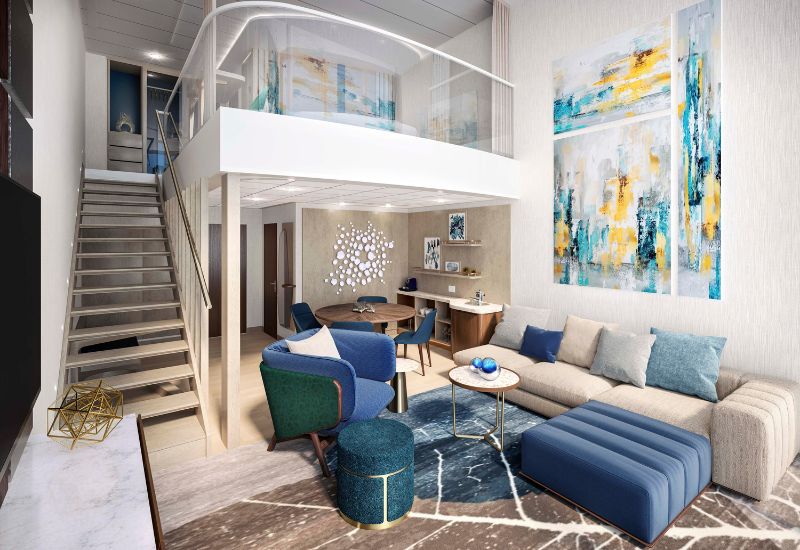
Icon Loft Suite

These deals are sometimes just big price cuts, or discount codes you can apply to save a set amount. Or they’ll often bundle extras like free WiFi, drinks or gratuities, which can add up to a meaningful saving.

11. Use A Travel Agent

Travel agents can still unlock deals you won’t easily find yourself.

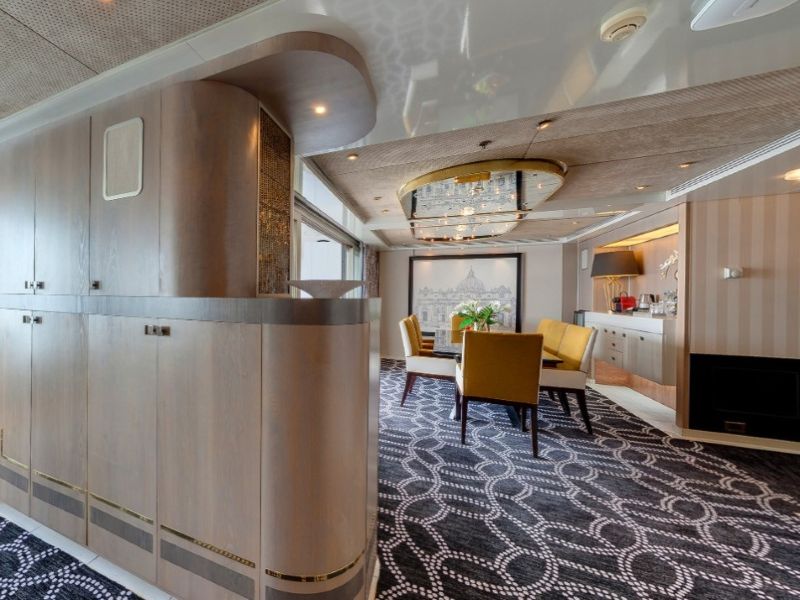
Iconic Suite

They often have access to group rates, exclusive perks or additional onboard credit. More importantly, they know which ships, sailings and dates offer the best value for suites.

A good agent can save you both money and time, especially if you’re comparing multiple options.

Suite Deals

My preferred luxury cruise specialist can help you compare options, unlock extra perks, and find the right suite for your trip.

12. Use Loyalty Program Perks Or Upgrade Offers

If you cruise regularly, loyalty programmes can start to pay off.

Sky Suite

Cruise lines sometimes offer discounted upgrades or special suite deals to past guests, especially if a sailing isn’t selling as expected.

It’s worth keeping an eye on emails and offers, as these deals don’t always appear publicly.

Also remeber that many cruise lines give you double loyalty points when you stay in a suite, which can make climbing the ranks much faster. Twice as fast, in fact!

13. Book A Shorter Cruise

A simple but effective tactic.

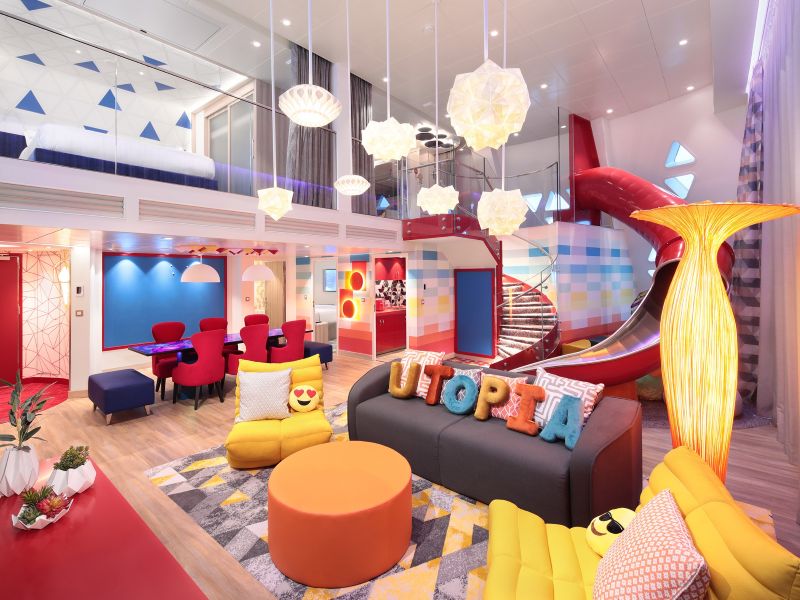
Utopia of the Seas Ultimate Family Suite

Even if the nightly rate is similar, a three- or four-night cruise will cost less overall than a week-long sailing. That makes it a great way to try a suite without committing to a higher total spend.

It’s also a good option if you’re curious about whether the extra space and perks are worth it.

14. Use Credit Card Points Or Travel Rewards

If you collect points, this is where they can really shine.

You might not be able to pay for the suite itself entirely with points, but you can offset major costs like flights, pre-cruise hotels or even onboard spending.

Someone holding a cashback credit card.

That effectively reduces the overall cost of your trip and makes the suite more affordable in real terms.

If you’re in the UK, look at things like Tesco Clubcard points that can be exchanged towards cruise spend.

And if you’re in the US, look for special cruise-line branded credit cards that offer specific cruise rewards.

Read more: Is The Carnival Mastercard Worth It?

15. Stay Flexible With Dates And Sailings

Flexibility ties everything together.

Anthem of the Seas Grand Suite

Prices can vary significantly between sailings that look almost identical on paper. Shifting your departure by a week or choosing a slightly different itinerary can make a big difference.

If you’re willing to adapt your plans, you’ll almost always find a better deal.

Suite Deals

Want the best suite for your budget? My preferred luxury cruise specialist can help you compare options, unlock extra perks, and find the right suite for your trip.

Final Word

Booking a cruise suite for less isn’t about one magic trick – it’s about combining a few smart strategies.

Get the timing right, stay flexible, and use the tools available – from upgrades to points – and that “unaffordable” suite suddenly becomes far more realistic.

And that thing they don’t tell you? Plenty of people in those suites didn’t pay full price either.

Related Posts

If you found this interesting, please share!


Jenni with Disney Cruise ship at Castaway Cay


Source link
Untitled-design-203.jpg

The First Things You Must Do After Booking A Cruise


This is a sponsored post for Shore Excursions Group.

There’s a strange moment after booking a cruise where you go from “That looks amazing” to suddenly wondering if you’ve forgotten something important. Sometimes you might’ve.

To Do List after booking a cruise

The best dining times disappear fast, popular excursions can sell out months ahead, and a tiny passport issue can derail the whole holiday before you’ve even packed a swimsuit. The good news is that getting organised early usually makes the trip cheaper, smoother and far less stressful.

Some of the smartest cruise planning actually happens in the first few days after booking. And a couple of these tips could save you a surprising amount of money too.

1. Buy Travel Insurance Immediately

Travel insurance isn’t the exciting part of cruise planning, but it’s probably the most important.

cruise-travel-insurance-claim-form

Cruises come with a few extra risks compared to a standard beach holiday. You’re dealing with ports, flights, weather disruptions and medical care at sea, where costs can quickly become eye-watering if something goes wrong.

Booking insurance straight after reserving your cruise can also protect you if you later need to cancel for a covered reason. Leave it too long, and you may not be covered for issues that arise before departure.

It’s worth checking the policy carefully too. Not all travel insurance automatically includes cruise cover, and things like missed port departures, cabin confinement or emergency medical evacuation may need specific protection.

2. Book Your Shore Excursions Early

The best shore excursions often sell out surprisingly early, especially on popular itineraries like Alaska, the Norwegian fjords and the Caribbean. Small-group tours usually disappear first too, so it’s worth looking as soon as you book your cruise.

Canoeing in Alaska

And also, you really shouldn’t assume that you have to book directly with the cruise line. I don’t, anymore.

These days, I usually use Shore Excursions Group instead. The tours are often cheaper, the groups are smaller, and the experiences generally feel far less rushed than the huge coach tours cruise lines often offer.

Save up to 40% on Cruise Excursions!

Choose from over 4,000 excursions with a return-to-ship guarantee

The main reason I’m happy booking with them though is the return-to-ship guarantee.

That’s the thing that puts most cruise passengers off booking independent excursions. Nobody wants the stress of watching their ship sail away without them. 

But Shore Excursions Group guarantees to get you back to the ship on time and, if something unexpected ever did happen, they’ll arrange transport to the next port, cover accommodation and meals if needed, and even provide $1,000 per person in compensation for the inconvenience.

They also work around itinerary changes, so if your ship arrives late or misses a port completely, you’re not left losing money or scrambling to reorganise plans.

Booking excursions early makes budgeting easier too. Once your port days are sorted, you’ve got a much clearer idea of what the cruise will actually cost overall.

3. Check Your Passport Expiry Date

This sounds obvious until you realise how many people only check their passport a few weeks before sailing.

UK passports

Many countries require at least six months’ validity remaining on your passport from the date of travel, and cruise lines can refuse boarding if your documents don’t meet the rules.

It’s not just expiry dates either. Some destinations have strict rules around damaged passports, missing pages or visa requirements.

The earlier you check, the easier and cheaper it is to fix any issues.

4. Download The Cruise Line App

Cruise line apps have become surprisingly useful over the past few years.

NCL app

Most now handle online check-in, boarding documents, dining reservations, daily schedules and deck maps. Some also let you message other passengers onboard without paying for full WiFi.

A few cruise lines even use the app for mandatory safety drills before departure, which can save time on embarkation day.

Downloading it early gives you a chance to explore what’s included and start reserving things before everyone else does.

5. Reserve Dining, Shows And Extras

If your cruise has speciality restaurants, theatre productions or popular attractions, don’t assume you can sort everything out once you’re onboard.

Speciality dining

The best dining times often disappear weeks before sailing, especially on family cruises and newer ships packed with attractions.

On some cruise lines, things like thermal spa passes, cabanas, waterpark access and even comedy shows can be booked in advance.

A little planning now can save you from eating dinner at 9.45pm every night because all the earlier slots vanished months ago.

6. Join A Cruise Facebook Group Or Roll Call

This is one of the easiest ways to pick up useful cruise tips you’d never find in a brochure.

Most sailings now have Facebook groups or Cruise Critic roll calls where passengers swap advice, organise meet-ups and share updates before departure.

Using a laptop to plan your cruise

You’ll often find recommendations for restaurants, excursion ideas, embarkation tips and cabin hacks from people who’ve already sailed the itinerary.

Just be warned – spending too much time in cruise Facebook groups may result in an alarming number of countdown posts taking over your feed.

7. Plan Your Flights And Pre-Cruise Hotel

If you’re flying to join your cruise, arriving the same day is always a gamble.

All it takes is one delayed flight, cancelled connection or baggage issue to turn embarkation day into a full-scale panic.

Flight to tropical destination

Arriving at least one night early gives you breathing room and usually makes the start of the holiday feel far more relaxed. It also gives you time to explore the embarkation city properly rather than rushing straight to the terminal.

And if your boarding slot isn’t until later in the day, some travellers even use that extra time to book a sightseeing tour or short pre-cruise excursion before heading to the ship.

8. Research Drink Packages And WiFi Deals

Cruise lines love selling drink packages onboard. The problem is they’re often cheaper before you sail.

Many cruise lines regularly discount drinks packages, speciality dining bundles and WiFi plans in the months leading up to departure. Once you’re onboard, prices can jump significantly.

Royal Caribbean drinks

It’s worth doing the maths before buying though.

If you’re not a big drinker, you may spend far less paying as you go. The same goes for WiFi packages if you’re happy disconnecting for part of the trip.

Cruise lines count on passengers panic-buying packages without checking whether they’ll actually use them.

9. Check Whether You Need Visas Or Vaccinations

Visa rules can change surprisingly quickly, especially on itineraries visiting multiple countries.

Visa application

Some cruises require electronic travel authorisations, while others may have vaccination recommendations or entry paperwork depending on the ports involved.

Even if your cruise departs from the UK, the requirements can vary massively once you start visiting different countries during the sailing.

Checking early avoids expensive last-minute surprises and gives you time to sort everything properly.

10. Create A Rough Port-Day Budget

Cruises can feel wonderfully all-inclusive until you realise how quickly spending adds up in port.

Excursions, taxis, beach clubs, local restaurants and souvenirs can turn into a surprisingly expensive week if you haven’t planned ahead.

Lookout Cay pier

Creating a rough budget before sailing gives you a much better idea of what the trip will realistically cost overall.

This is especially useful when booking excursions in advance, because you can compare prices properly, and once you pay them off in advance then it’s one less cost to worry about once you’re actually sailing.

It also helps avoid that awkward final-day feeling when you’re too scared to look at your onboard account.

11. Research Embarkation Day Tips

Embarkation day is exciting, but it can also feel slightly chaotic if you don’t know what to expect.

Simple things like arriving too early, packing important items in checked luggage or misunderstanding boarding times can make the first few hours far more stressful than they need to be.

Southampton cruise port

A little research beforehand helps massively.

Knowing when to arrive, what documents you’ll need and what to pack in your carry-on bag can make boarding much smoother. It’s also worth checking whether the cruise line offers priority boarding options or luggage delivery services.

And if you do have a late embarkation slot, that extra morning can actually become part of the holiday rather than wasted time. You can even sometimes book pre-cruise excursions before you’ve set sail, or post-cruise excursions for your disembarkation day if you’ve a long wait before the next leg of your journey.

Save up to 40% on Cruise Excursions!

Choose from over 4,000 excursions with a return-to-ship guarantee

Final Word

Booking a cruise is the exciting part – but the first few weeks afterwards are when you can save money, avoid stress and make the holiday even better.

The earlier you sort things like excursions, dining reservations and travel documents, the more choice you’ll usually have. It also means you can spend the countdown actually looking forward to the cruise instead of rushing around sorting last-minute problems.

And honestly, half the fun of cruising starts long before embarkation day anyway.

Related Posts

If you found this interesting, please share!


Jenni with Disney Cruise ship at Castaway Cay


Source link
Untitled-design-190.jpg

P&O Cruises vs Ambassador Cruise Line


If you’re trying to choose between P&O Cruises and Ambassador Cruise Line, you might assume the decision is pretty simple.

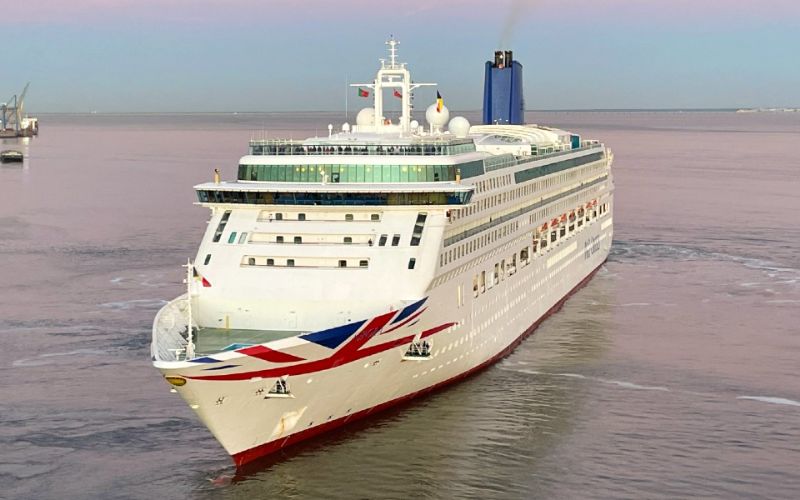
After all, P&O is known for its huge modern ships like Iona and Arvia, while Ambassador sails much smaller, older vessels that focus on a more traditional cruise experience.

But that comparison doesn’t really tell the whole story.

P&O Cruises Vs Ambassador Cruise Line

In reality, the two cruise lines overlap far more than most people realise. P&O Cruises still operates several smaller ships with a classic cruise feel, while Ambassador has built a loyal following thanks to its friendly service, excellent food and some surprisingly good-value fares.

I’ve cruised many times with both lines, and while they definitely have their differences, I wouldn’t say they’re aimed at completely different types of travellers.

In fact, depending on the itinerary, the ship and what you value most in a cruise, either one could end up being the better choice.

But before you decide, there’s something important to understand about how these two cruise lines actually compare.

One of the biggest differences between P&O Cruises and Ambassador Cruise Line is the size and age of the ships.

P&O Cruises’ fleet includes some of the largest cruise ships ever built specifically for the British market, while Ambassador focuses on smaller, classic cruise ships that offer a more traditional onboard experience.

However, it’s worth remembering that P&O’s fleet is actually quite varied. Alongside the huge ships like Iona and Arvia, they also operate smaller, mostly adults-only ships that feel much closer in style to Ambassador’s vessels – although they are all bigger than even Ambassador’s biggest ship.

Here’s a combined table showing both fleets ranked by size…

ShipCruise LineYear BuiltGross TonnageLength (feet)Guest Capacity
ArviaP&O Cruises2022184,7001,1286,264
IonaP&O Cruises2021184,0891,1286,264
BritanniaP&O Cruises2015143,7301,0824,406
VenturaP&O Cruises2010116,0179553,727
AzuraP&O Cruises2008115,0559513,737
ArcadiaP&O Cruises200284,3429512,458
AuroraP&O Cruises200076,1528862,258
AmbienceAmbassador Cruise Line199170,2858041,400
RenaissanceAmbassador Cruise Line199355,5757191,100
AmbitionAmbassador Cruise Line199948,1237091,200

Now, let’s take a closer look at the ships in each fleet…

P&O Cruises: Modern mega-ships and classic adults-only vessels

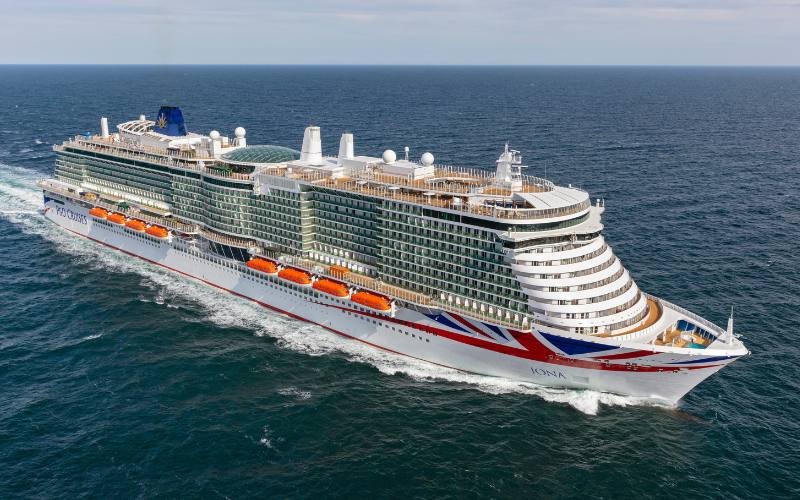
Iona Cruise

P&O Cruises currently operates seven ships, ranging from huge, modern resort-style vessels to smaller ships with a much more traditional cruise atmosphere.

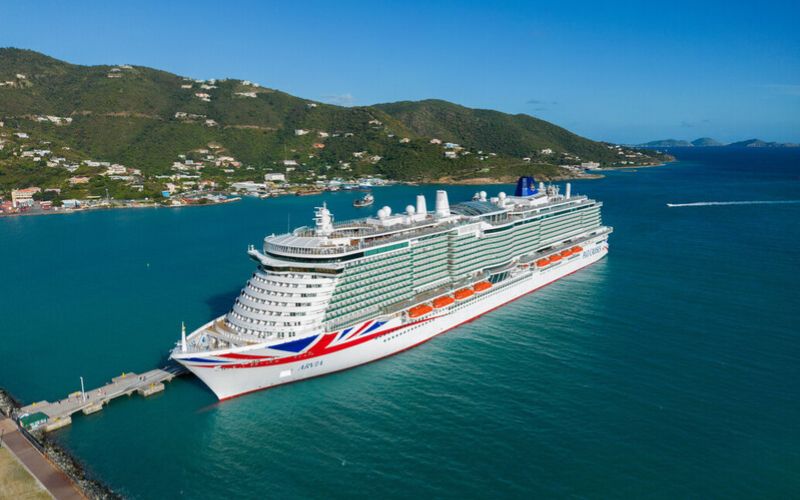
The newest ships, Arvia and Iona, are by far the largest. Each carries over 5,000 guests and features a huge range of facilities including the glass-roofed SkyDome, multiple pools and whirlpools, large theatres, a four-screen cinema and a wide choice of bars and restaurants.

Arvia Skydome

These ships feel like floating holiday resorts, with lots going on throughout the day and several entertainment venues running at the same time.

Alongside them, Britannia, Azura and Ventura offer a similar style on a slightly smaller scale and remain extremely popular with families.

But P&O Cruises also has two ships that feel much more traditional – Arcadia and Aurora, which are adults-only for most of the year. These ships are smaller, calmer and attract guests who prefer a classic cruising experience rather than the buzz of the newest mega-ships.

P&O Cruises Arcadia

This variety is one of P&O’s biggest strengths, because it means the cruise line caters to a wide range of cruising styles.

Read more: P&O Cruise Ships Compared

Ambassador Cruise Line: Smaller ships with a traditional cruise feel

Ambassador Cruise Line currently operates three ships, all of which originally sailed for other cruise lines before being refurbished for the Ambassador fleet.

Ambassador Ambience

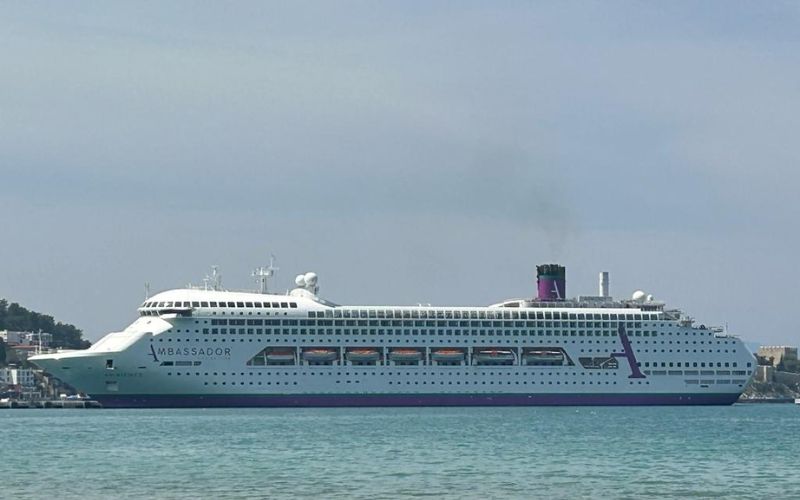
The largest is Ambience, which joined the line when Ambassador launched in 2022. Originally built as Regal Princess, she carries around 1,400 guests and offers a warm, welcoming atmosphere with plenty of lounges, live music venues and traditional dining spaces.

Ambition, slightly smaller, joined the fleet in 2023 and offers a similar experience with around 1,200 guests onboard.

Ambassador’s newest addition is Renaissance, which operates fly-cruises in the Caribbean and expands the cruise line’s offering beyond UK sailings.

Renaissance

What all three ships have in common is their smaller size and classic cruise design. They don’t have the huge waterparks or endless restaurants found on the newest mega-ships, but they do offer a friendly onboard atmosphere where it’s easy to find your way around and get to know fellow guests.

During my recent cruise on Ambience, I noticed how relaxed the ship felt – it was never crowded, service was excellent, and after a few days you start recognising the same faces around the ship.

It’s a very different experience from sailing on a 5,000-guest resort ship. In my opinion, these ships hit the sweet spot in terms of size. They’re no so big that you get lost, but not so small that you get bored.

Read more: Ambassador Cruise Line Ships Compared

How to Choose

If you love the idea of large resort-style ships packed with variety – multiple dining venues, big production shows, several pools and plenty going on – then P&O Cruises has the clear advantage.

But if you prefer smaller ships where everything feels more relaxed and easy to navigate, Ambassador’s fleet can be very appealing.

It’s also worth remembering that P&O’s Arcadia and Aurora offer a more traditional adults-only experience that’s actually quite similar in style to Ambassador’s ships.

So the real difference isn’t just ship size – it’s how much choice you want onboard.

If you enjoy the buzz of a big ship with lots of venues and activities, P&O Cruises will probably suit you best.

If you prefer a calmer atmosphere where the focus is on good food, friendly service and the destinations you’re visiting, then Ambassador can be a fantastic option.

When it comes to where they sail from, P&O Cruises and Ambassador Cruise Line take quite different approaches.

Arvia P&O Cruises

P&O Cruises focuses heavily on Southampton departures, with some ships offering fly-cruise programmes depending on the season.

Ambassador Cruise Line, on the other hand, has built its brand around regional UK departures, which can make cruising much more convenient if you don’t live near the south coast. You can’t sail from Southampton, but you can sail from London Tilbury, Bristol, Portsmouth, Newcastle, Dundee, Belfast and Liverpool.

For some people, that difference alone can make the decision much easier.

P&O Cruises: Huge variety of itineraries from Southampton

The vast majority of P&O Cruises sailings depart from Southampton, which has long been the UK’s main cruise port.

P&O Cruises ship at Ocean Terminal

To make things easier, they offer coach travel from a wide range of pick-up points across the UK. I love the P&O Cruises coach. It makes starting your holiday so easy. You don’t need to head down the day before, and there’s no chance of missing the ship as the coaches are chartered by P&O Cruises.

P&O Cruises offers an enormous range of itineraries from Southampton. You’ll find everything from short two-to-four-night mini cruises to Northern Europe, to longer sailings around the Norwegian Fjords, Mediterranean, Canary Islands and beyond.

Norwegian Fjords are particularly popular with P&O guests, as the ships often sail round-trip from the UK without requiring flights.

P&O also offers fly-cruises, most commonly to the Caribbean during the winter season and the Mediterranean in the summer. Flights depart from several UK airports and transfers are included, making the process relatively straightforward.

For travellers who want something truly epic, P&O Cruises also operates world cruises and grand voyages, which can last several months and visit destinations across multiple continents.

This wide range of itineraries means there’s usually something available regardless of how much time you have to travel.

Ambassador Cruise Line: No-fly cruising from around the UK

Ambassador Cruise Line takes a slightly different approach, focusing strongly on no-fly cruising from regional ports around the UK.

Ambition Port of Tyne Newcastle 21 August 2024 - Medium

Their ships regularly depart from ports including:

  • London Tilbury
  • Liverpool
  • Bristol (Portbury)
  • Newcastle
  • Dundee
  • Belfast
  • Portsmouth

For many people, this makes cruising much easier. Instead of travelling across the country to Southampton, you may be able to embark much closer to home.

When I cruised with Ambassador previously from Bristol, the port was only a ten-minute drive from my house – cruising really doesn’t get much easier than that!

Ambassador itineraries mainly explore Northern Europe, including the Norwegian Fjords, the Baltic, Iceland, the British Isles and the Canary Islands.

More recently, the cruise line has also expanded into fly-cruising, with Caribbean sailings available via UK flights on their newest ship, Renaissance.

Renaissance in the Caribbean

While Ambassador’s itinerary range isn’t quite as extensive as P&O’s, the convenience of regional departures can be a major advantage.

And when it comes to fly cruises, Ambassador Cruise Line proudly partners with Virgin Atlantic for its charter flights. P&O Cruises, on the other hand, has been known to offer more budget flights including Norse Atlantic and EasyJet.

How to Choose

If you prefer the widest choice of itineraries, including longer voyages and world cruises, P&O Cruises offers far more options overall.

However, if convenience matters most and you’d rather avoid travelling to Southampton, Ambassador’s regional departures can be incredibly appealing.

For many cruisers, the idea of simply driving to a nearby port, parking the car and stepping onboard is one of Ambassador’s biggest selling points.

Ultimately, the best choice may come down to where you live and how far you’re willing to travel before your cruise even begins.

Both P&O Cruises and Ambassador Cruise Line offer the classic range of cabin types you’d expect on a mainstream cruise: Inside cabins, Ocean View rooms, Balcony cabins and Suites.

Inside a P&O Cruises Iona Balcony Cabin, a comfortable lounge area with a beige sofa and cushions, a wooden coffee table, and a large wall-mounted TV. The sliding glass door opens to a balcony with a table and chairs, offering a panoramic view of the sea.

But while the overall structure is quite similar, there are a few interesting differences in the types of cabins available, the amount of space you’ll get and what extra perks come with the suites.

Cabin Types

Ambassador keeps things relatively simple when it comes to accommodation.

Across the fleet you’ll generally find five categories:

  • Inside cabins
  • Ocean View cabins
  • Balcony cabins
  • Suites
  • Deluxe Suites

This straightforward approach makes it easy to understand what you’re booking, and most cabins follow a traditional cruise ship layout with comfortable beds, plenty of storage and a compact bathroom.

P&O Cruises uses a similar structure but offers a little more variety on some ships.

Alongside the usual Inside, Ocean View, Balcony and Suite categories, many P&O ships also feature Mini-Suites, which offer a little more living space and upgraded perks compared with standard balcony cabins.

On the newest ships, Iona and Arvia, you’ll also find Conservatory Mini Suites, which have a winter-garden style seating area between the cabin and the balcony.

conservatory mini suite

These are particularly popular on colder itineraries such as the Norwegian Fjords, as they allow you to enjoy the views even when the weather isn’t perfect.

P&O’s newest ships also introduced one of the most talked-about cabin types in recent years – the Promenade cabins.

Iona Promenade Balcony Cabin

These balcony-style cabins open directly onto the ship’s promenade deck. Some guests love the easy access to fresh air, while others aren’t so keen on the lack of privacy since people can walk right past your balcony.

They’re definitely a bit controversial, and opinions are very mixed.

Suite Perks

If you often like to splash out on a suite for your cruise, you’ll know that it comes with much more than just a larger room. On most cruise line, including P&O Cruises, suite guests are given a whole range of extra benefits to enjoy across the ship such as special suite-only restaurants and butler service.

However, Ambassador Cruise Line has a different attitude towards suites. Their ethos is that all guests are treated equally, so while the suites themselves are gorgeous and come with extra amenities like fruit bowls, bathrobes and coffee machines, you shouldn’t expect the same VIP experience as you may get when you book a suite on P&O Cruises.

However, Ambassador Cruise Line does offer free wifi for suite guests, something which P&O Cruises does not.

Refurbishments and Condition

Even though several ships in both fleets are older, the cruise lines work hard to keep cabins feeling fresh and comfortable.

P&O Cruises operates a rolling refurbishment schedule, with ships typically undergoing major updates roughly every five years. This helps ensure cabins and public areas remain modern and well maintained.

Azura Sea View Cabin

Ambassador has also invested heavily in refurbishing its ships since acquiring them. Public areas have been refreshed and cabins updated where needed, creating a pleasant balance of classic cruise design with modern touches.

On ships in both fleets I noticed that while there were a few small signs of the ship’s age – such as limited plug sockets – the cabins were spotless, comfortable and very well maintained.

How to Choose

Both cruise lines offer comfortable accommodation across a range of budgets, and the overall cabin experience is more similar than you might expect.

If you like a wider range of cabin options, including mini-suites and some unique room types, P&O Cruises offers more variety – especially on the newest ships.

If you’re happy with a simpler, more traditional cabin structure, Ambassador keeps things straightforward and easy to understand.

For most travellers though, whichever cruise line you choose, you’ll find cabins that are comfortable, well maintained and perfectly suited to a relaxing cruise holiday.

Food is a big part of any cruise, and both P&O Cruises and Ambassador Cruise Line offer plenty of choice when it comes to dining.

Arvia main dining room food

On both cruise lines you’ll find the familiar cruise setup:

  • a main dining room serving multi-course meals
  • a buffet restaurant for casual dining
  • poolside snacks and lighter options during the day
  • speciality restaurants available for an extra charge

The biggest difference isn’t necessarily the quality of the food, but the number of venues and the overall dining style.

P&O’s larger ships naturally offer more variety, while Ambassador keeps things simpler with a more traditional cruise dining experience.

Ambassador Cruise Line: Traditional dining with excellent food

Dining on Ambassador Cruise Line follows a fairly traditional cruise structure, and in my experience the food quality is excellent.

On Ambience, you can eat breakfast, lunch and dinner either in the main dining room or the buffet, and the menus are very similar in both venues. The choice really comes down to whether you want a quick casual meal or a more relaxed dining experience with full table service.

Ambassador Renaissance Dining Room

Dinner is served at two traditional seating times, which many seasoned cruisers actually prefer because you sit with the same waiters and often the same tablemates throughout the cruise.

Outside the main restaurants, there are plenty of other options throughout the day:

  • a poolside snack bar serving burgers, hot dogs and pizza
  • afternoon tea each afternoon
  • late-night canapés served in the bars

There are also speciality restaurants, which are very reasonably priced at around £20–£30 per person. During my cruise, we ate at the Indian restaurant Saffron, and it was genuinely one of the best curries I’ve ever had at sea.

Ambience MDR

Another thing that impressed me was how well dietary requirements were handled. As a vegan, I found there were always good options available and everything was clearly labelled.

Overall, the dining experience feels classic and relaxed – the kind of cruise where dinner is an event in itself rather than just something you fit in between activities.

Read more: Why Ambassador Cruise Line Is a Dream for Cruisers With Dietary Requirements

P&O Cruises: More choice, especially on the newer ships

Dining on P&O Cruises follows a similar overall structure, but on the larger ships you’ll find many more venues to choose from.

MDR Iona

Every ship offers at least one main dining room, a large buffet and several speciality restaurants, but the bigger vessels – especially Iona and Arvia – have a much wider selection of dining options spread throughout the ship.

I particularly like The Quays food court on Arvia and Iona which offers cuisine from around the world. There’s also a Mediterranean restaurant and an American diner which are available for no extra charge.

Read more: Every Restaurant On P&O Arvia (What’s Included & What Costs Extra)

6th Street Diner

On some ships you can also choose between set dining times or more flexible dining arrangements, which can be helpful if you prefer a less structured evening schedule.

How to Choose

Both cruise lines offer a strong dining experience, but they approach it slightly differently.

If you enjoy having lots of dining venues to choose from, especially speciality restaurants and casual eateries, P&O Cruises has the advantage – particularly on the newest ships.

If you prefer a simpler, more traditional dining experience where the focus is on high-quality meals in the main restaurants, then Ambassador Cruise Line does this extremely well.

In my experience, Ambassador’s food quality is the most impressive, while P&O Cruises offers a bit more variety overall.

So the decision really comes down to whether you prefer more choice or a more traditional cruise dining style.

If you’re vegan or vegetarian, Ambassador Cruise Line and P&O Cruises are some of the best cruise lines in terms of food. See who else made the list.

When you’re not exploring ashore, both P&O Cruises and Ambassador Cruise Line offer plenty of ways to keep yourself entertained onboard.

Britannia sea day

Neither cruise line focuses on the kind of high-adrenaline attractions you’ll find on some of the American mega-ships – there are no rollercoasters or surf simulators here – but both offer a good mix of daytime activities, live entertainment and relaxed spaces to unwind.

The main difference comes down to ship size and variety.

Ambassador Cruise Line: Sociable activities and classic cruise entertainment

On Ambassador Cruise Line, the entertainment programme feels very traditional and sociable – and there’s a lot more going on than you might expect from a smaller ship.

Me in Ambassador hot tub

During the day, you’ll usually find a wide range of activities taking place around the ship, such as:

  • bridge tournaments
  • dance classes
  • watercolour painting
  • craft sessions
  • cooking demonstrations
  • choir rehearsals
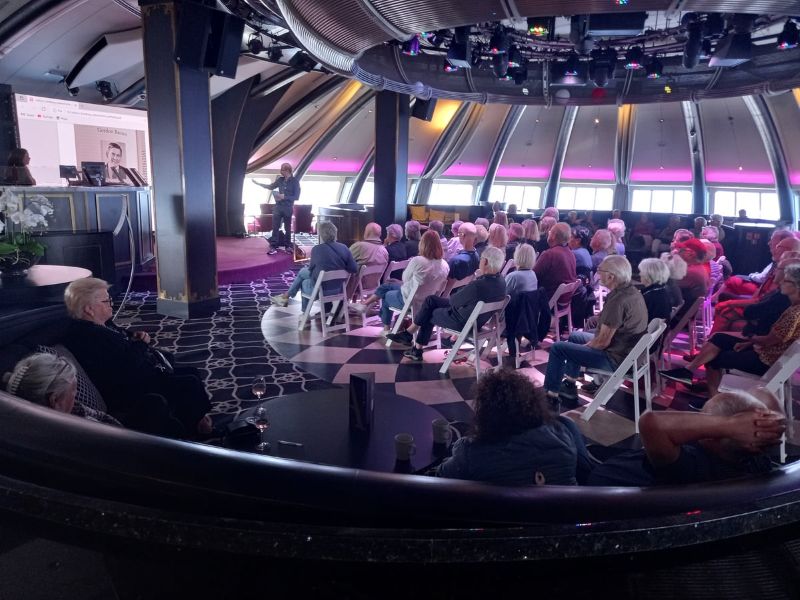
  • guest lectures

On my cruise, there were often several activities happening at the same time in the mornings, so deciding what to do could actually be the hardest part.

In the evenings, the entertainment continues with live music throughout the ship, as well as quizzes, bingo, comedians and game shows.

Each night there’s also a West End-style theatre show, and the cast are incredibly talented.

Ambassador Cruise Line show

And look out for special sailings that have guests onboard – TV presenters, sports stars etc.

One thing I noticed was how friendly and sociable the atmosphere felt. Because the ships are smaller, it’s easy to start recognising people around the ship and conversations tend to happen naturally in the bars and lounges.

It’s a very relaxed style of entertainment that focuses more on live music, socialising and classic cruise traditions.

P&O Cruises: More venues and bigger productions

Because the ships are larger, P&O Cruises naturally offers a wider range of entertainment venues and activities.

During the day you’ll find many of the same classic cruise activities as Ambassador – quizzes, dance classes, craft sessions and guest speakers – along with gyms, spas and sports courts.

On the newest ships, there are also a few extra features, and having tried they, they are a lot of fun!

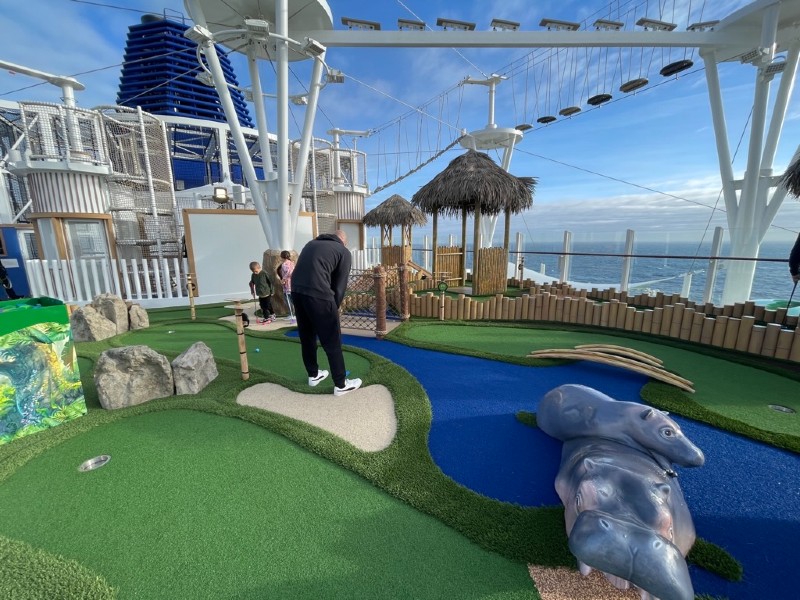
Mini Golf Arvia

For example, Arvia and Iona include attractions such as:

  • a high ropes course (Arvia)
  • mini golf
  • a sports arena
  • the SkyDome, a huge glass-roofed space used for pool parties, live music and aerial shows

These ships also have multiple bars and lounges running entertainment at the same time, so there’s usually something happening somewhere on board.

Evenings on P&O ships often feel a little more polished and theatrical. The Headliners Theatre Company produces original shows exclusively for the cruise line, and there are also guest entertainers, tribute acts and comedians performing regularly.

Headliners theatre P&O

Depending on the sailing, you may even see well-known performers appear onboard, including famous singers and comedians. I once saw Ronan Keating perform, which was excellent!

How to Choose

Both cruise lines offer plenty to do onboard, but the style of entertainment is slightly different.

If you enjoy large theatres, multiple entertainment venues and a wide choice of activities running throughout the ship, P&O Cruises has the advantage – particularly on the newest ships.

If you prefer a more relaxed and sociable atmosphere, where the focus is on live music, quizzes and traditional cruise entertainment, then Ambassador Cruise Line does this extremely well.

In many ways it reflects the overall style of the ships themselves:
P&O offers more variety, while Ambassador focuses on a friendly, classic cruise atmosphere.

When it comes to cruising with children, P&O Cruises and Ambassador Cruise Line are now taking very different approaches.

P&O Cruises offers a mix of family-friendly ships, while Ambassador has decided to focus entirely on an adults-only experience from 2027 onwards. While the cruise line used to welcome children on selected itineraries, that is no longer the case.

P&O Cruises: Ships for families and adults-only travellers

Five of P&O Cruises’ seven ships are designed to be family-friendly, with dedicated kids’ clubs, family cabins and activities aimed at younger guests.

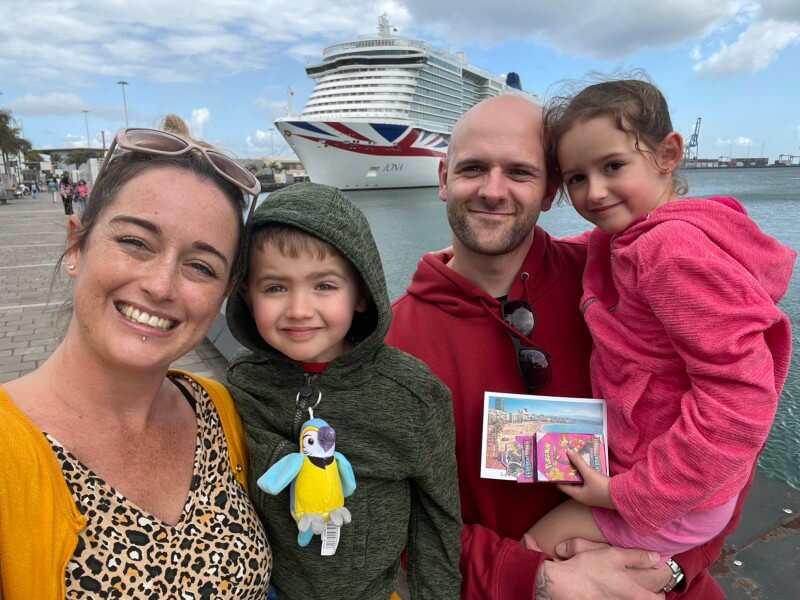
A smiling family of four stands in front of a docked P&O cruise ship. The mother, wearing a yellow cardigan, holds the camera, while the father, in a red hoodie, stands beside their son in a green hoodie and daughter in a pink jacket, who holds postcards. The cruise ship features the Union Jack on its bow.

The clubs are divided into age groups from toddlers through to teenagers, with organised activities such as crafts, games, movie nights and sports tournaments.

The newest ships – Iona and Arvia – offer the most for families, with large kids’ club areas, multiple pools, sports courts and family entertainment throughout the ship. We’ve had a great time whenever we’ve sailed on these ships.

A particularly fun touch for younger cruisers is the partnership with Aardman Animations, which means children can meet characters like Shaun the Sheep and Gromit during special onboard events.

Arvia Wallace and Gromit

Read more: Cheap P&O Cruises in School Holidays: How to Find the Best Deals

At the same time, P&O still offers options for travellers who prefer a quieter cruise.

Arcadia and Aurora are traditionally adults-only ships, although from 2026 onwards P&O has begun offering a small number of family sailings on these ships, which has proved somewhat controversial among long-time guests who prefer them to remain child-free.

Ambassador Cruise Line: Adults-only cruising

Ambassador Cruise Line has always been aimed primarily at adult travellers, and from 2027 onwards all sailings will be adults-only.

Ambassador Cruise Line talk

In the past, the cruise line offered a small number of multi-generational sailings during school holidays, but these are being phased out as the company focuses on its core market.

This means Ambassador cruises tend to attract couples, solo travellers and groups of friends looking for a quieter onboard atmosphere.

The overall vibe is generally relaxed and sociable rather than family-focused.

How to Choose

If you’re travelling with children, P&O Cruises is the clear choice, offering dedicated kids’ clubs, family-friendly entertainment and ships designed with families in mind.

If you prefer a child-free cruise environment, Ambassador’s adults-only approach may be very appealing.

P&O still offers adults-only ships too, so travellers who enjoy the P&O style but want a quieter atmosphere can still find sailings that suit them.

When comparing P&O Cruises and Ambassador Cruise Line, the prices can sometimes look quite different at first glance.

Cruise Mummy espresso martini coktail ambassador

Ambassador often advertises very attractive headline fares, with some cruises available for surprisingly low prices per night.

But as with most cruise holidays, the base fare only tells part of the story.

Once you factor in things like gratuities, drinks packages and cabin type, the overall value can become much closer than you might expect.

Ambassador Cruise Line: Excellent value and great solo deals

One of Ambassador’s biggest selling points is its value for money.

Cruises are often priced very competitively, and it’s not unusual to see fares advertised at around £50 per person per night on some itineraries.

Ambassador canapes

Despite the lower prices, the cruise still includes the essentials you’d expect:

  • accommodation
  • full-board dining
  • entertainment and activities
  • afternoon tea

From my own experience, the food quality and service were excellent for the price of the cruise.

Where Ambassador really stands out is with solo travellers. The cruise line frequently offers very low or even no single supplements on selected cabins, which can make cruising much more affordable if you’re travelling alone.

Read more: The Hidden Cost Of Solo Cruising – And How To Beat It

However, there are a few extra costs to keep in mind.

Unlike P&O Cruises, gratuities are not included in the fare, and a daily service charge is added to your onboard account. Drinks packages and speciality dining are also optional extras. Worth knowing, if you get a drinks package, that then covers the cost of your gratuities as well.

Even with these added costs though, Ambassador can still work out to be excellent value overall.

Read more: Ambassador Cruise Line Drinks Packages Guide

P&O Cruises: Mid-range pricing with some strong deals

P&O Cruises generally sits in the low- to mid- range of cruise pricing, offering good value for the level of ships, facilities and entertainment available onboard.

Child with drink on Iona

The cruise fare includes:

  • accommodation
  • main dining and buffet meals
  • entertainment and activities
  • gratuities

Having tips included can make it easier to budget, as there’s no daily service charge added to your onboard account.

P&O often runs attractive promotions too. One of the most popular is the third and fourth guest deals, where additional guests in a cabin can sail for a heavily reduced price or sometimes even free.

These offers can make a big difference for families or groups travelling together.

There are also new all-inclusive options if you want to add drinks packages and WiFi at the same time.

Read more: P&O Drinks Packages Guide

Because P&O operates larger ships with more facilities and dining venues, fares are often higher than Ambassador’s entry-level prices – particularly on the newest ships such as Iona and Arvia.

But the extra onboard choice and modern ships are part of what you’re paying for.

How to Choose

If you’re looking for the lowest headline price, Ambassador Cruise Line will often come out a little cheaper.

It’s also a fantastic option for solo travellers, thanks to the regular single-supplement deals.

However, if you prefer larger ships with more facilities, and you like the simplicity of having gratuities included in the fare, P&O Cruises may offer better overall value for your style of holiday.

As always with cruising, the best approach is to price up everything you realistically plan to use – including drinks packages and any extras – before comparing the total cost.

The cheapest cruise on paper isn’t always the best value once everything is added together.

TODAY’S BEST CRUISE DEALS!

Don’t miss these offers…

Final Word

Both P&O Cruises and Ambassador Cruise Line offer fantastic cruise holidays for British travellers, but they appeal to slightly different preferences.

P&O Cruises has the advantage when it comes to ship choice and onboard variety. With everything from huge modern ships like Iona and Arvia to smaller adults-only vessels such as Arcadia and Aurora, there’s a wide range of experiences available within the same cruise line.

Ambassador Cruise Line, meanwhile, focuses more on traditional cruising values. The ships are smaller, the atmosphere is relaxed and sociable, and the emphasis is on friendly service, good food and excellent value.

If you love big modern ships packed with entertainment, restaurants and facilities, then P&O Cruises will probably suit you best.

But if you prefer smaller ships, a more traditional cruise atmosphere and excellent value for money, Ambassador Cruise Line is definitely worth considering.

In reality, both cruise lines are very much designed with British travellers in mind – so whichever you choose, you can expect familiar food, friendly service and plenty of tea and gin along the way.

They’re both excellent choices and I’m sure you’ll have a great time whichever you choose.

22 Things Ambassador Cruise Line Does That I Wish All Cruise Lines Would Do

Jenni with Disney Cruise ship at Castaway Cay

Related Posts

If you found this interesting, please share!


Jenni with Disney Cruise ship at Castaway Cay


Source link

Guest-Services-on-a-cruise.jpg

11 Things You Should Never Ask Cruise Crew Members


Cruise crew members are some of the friendliest and hardest-working people you’ll ever meet.

They work long contracts, often months away from home, and spend their days making sure thousands of guests have a great time.

Guest Services on a cruise

However, according to my research, there are a few questions crew members hear over and over again that can be awkward, inappropriate, or just plain annoying.

If you want to be the kind of passenger the crew actually enjoy serving, here are a few things it’s best not to ask…

1. How Much They Earn

Asking somebody how much money they make is generally considered rude in most situations, and cruise ships are no different.

Crew members come from all over the world, and in many cultures discussing salary is very private. Pay can also vary widely depending on the role, contract, and tips.

Paying money

I think this is why some people might feel inclined to ask. There’s the whole debate over tipping on cruise ships, and whether daily gratuities actually make it into the hands of the crew. Still, it’s not something you should be asking a crew member about – talk about putting them on the spot!

I think the other reason people ask is because they think working on a cruise ship sounds glamorous, and so they want to find out more about how viable the

In short, it’s nobody’s business but theirs.

Read more: What Crew Members Really Think About Tipping

2. Whether They Live on the Ship

Guests asking ask crew members if they live on the ship happens more than you think.

And yes, of course they do.

Accommodation varies, but may look something like this…

During their contract the ship is their home. Crew members have cabins onboard and typically work for several months at a time before going home for leave.

It might feel like an unusual lifestyle to passengers, but for the crew it’s just part of the job. They’re hardly boarding the ship each day you arrive in port, or arriving via jet ski during sea days.

Even guest entertainers will live on this ship for short periods. It may only be one or two nights in some cases, but as most of the entertainment happens after the ship has set sail, they will have a cabin onboard.

3. Asking for Special Treatment That Affects Other Guests

Cruise ships are designed to keep thousands of people happy at the same time. And the crew will genuinely try to do whatever they can to make your stay onboard as comfortable as possible… within reason.

Ambassador Crew Service

So when someone asks the crew to bend the rules in a way that negatively impacts other passengers, the answer is usually going to be no.

Crew members have policies to follow, and those policies exist to keep things fair for everyone onboard.

So don’t ask to be given priority over other guests, or for an event to be moved somewhere else because you want to enjoy the space yourself. Silly requests like this are just going to be ignored.

4. Talking About Man Overboard Incidents

Some people are oddly fascinated by dramatic incidents at sea and ask crew members if they’ve ever experienced a man overboard situation.

Cruise life ring

If they have, it’s something serious and potentially traumatic, not a story for casual holiday gossip.

It’s best to steer clear of this topic entirely.

5. Trying to Flirt or Hook Up With Them

Cruise crew members are working.

Hitting on someone who’s doing their job can put them in a very uncomfortable position, especially because many cruise lines have strict rules about relationships with guests.

Carnival cruise hook up

In many cases, it could actually cost them their job.

So no matter how nice they’re being to you, or how attractive you find them, don’t be that person that flirts and pushes for something to happen at sea.

Holiday romances between guests? Fine. When they involve crew? Not fine.

Read more: Cruise Ship Crew Dating Guests: Rules, Reality and What’s Allowed

6. Whether They Get Seasick

It might seem like a harmless question, but it’s a bit like asking an airplane pilot if they’re scared of flying.

A girl feeling terribly sick onboard

Most crew members quickly get used to life at sea, and modern cruise ships are incredibly stable.

That said, crew members are human, and yes, they do get seasick like the rest of us. The difference is, they still have to work. And if you’re trying to get through a shift while feeling sick, the last thing you want is to talk about how sick you feel. That will just make it worse.

Read more: Who Seasickness Affects Most And Why

7. If They Can Sneak You Into the Crew Bar

Passengers sometimes ask crew members if they can sneak them into crew-only areas like the crew bar.

I get it, we all wonder what’s behind the curtain. Myself, I’ve been lucky enough to step inside the crew bar onboard a Virgin Voyages ship, but not when crew members were present.

No photography was allowed, so I’ll just hare to describe it for you…

The bar is located on a low deck, very far forward inside the bow. That made it an interesting triangular shape! The walls are metal, and as the sea was rough, the ship was moving so much it was hard to stand.

There’s a normal looking bar, lots of tables and chairs and bench seating along the walls. There’s even a stage with a full drumkit and guitars. The atmosphere is dark and moody, like a nightclub. On one wall, hundreds of crew members have signed their names.

Of course, not all crew bars will look the same, and I would imaging that Virgin Voyages has one of the coolest ones, as they have a reputation for treating their crew very well.

But it’s important to know that crew areas are heavily restricted, and letting a guest in could get a crew member into serious trouble.

Read more: 12 Things Cruise Crew Do With Their Precious Time Off

8. Asking To Reserve Sun Loungers for You

Cruise ships aren’t like those hotels where you can ask someone to save you a sun lounger for later.

towels on sun loungers

Crew members can’t reserve loungers for guests, and trying to get them to do it usually puts them in an awkward position. It’s also unfair on other passengers.

Reserving loungers is a big no-no on any cruise ship, and so asking the crew to take part is like asking them to sneak you drinks – you’re outright asking them to break the rules. Don’t.

If you want a good spot by the pool, the simple rule applies: get there early. And then stay there, don’t then head off for breakfast.

9. Suggesting Their Job Must Be Repetitive Or Boring

Cruise ships run like floating cities, and every crew member plays a part in keeping things running smoothly.

Cabin steward

What might look repetitive to passengers is often part of a very organised system.

Asking someone if their job must get boring is generally rude in any situation, and it’s no different at sea.

10. Whether They Miss Their Family

Many crew members spend six to nine months away from home during a contract.

So yes, of course they miss their families.

Many of them have children at home – so they may be missing girst step, school graduations, and some men even miss the birth of their children altogether as they are working on the ship.

Asking this question can unintentionally bring up something emotional.

Alternatively, some crew members may not have any family. You think they want to answer the question with a ‘no’, though?

If you’re curious, a nicer approach is simply asking about their family. Many crew members actually enjoy talking about them.

But don’t say “do you miss them?”

TODAY’S BEST CRUISE DEALS!

Don’t miss these offers…

Not every question is off-limits, of course. In fact, many crew members enjoy chatting with guests, especially when the conversation is friendly and respectful – and it’s clear they have time to chat. Don’t try to strike up a long conversation when they’re obviously really busy!

If you’d like to have a positive interaction, here are some great things you can ask about instead.

General Information About the Ship

You’d be surprised how many people book a cruise without doing much research into the ship.

A smiling customer service representative assists two passengers at the Guest Services Priority Line for Club Orange on a Holland America Line cruise ship, with a bouquet of orange roses on the counter.

And so they get onboard not really understanding how dining works, what free options there are, where the entertainment is held, or even what there is to do onboard.

If only there were some people who lived on the ship who could point you in the right direction…

The crew are more than happy to explain things to you, and no question about your experience is stupid. So don’t be shy to ask for help or advice on what options are available to you.

You will need to ask the right person though. If you ask your cabin steward which bar does the best cocktails they will probably have no idea.

Recommendations for the Ports You’re Visiting

Crew members often visit the same ports again and again, which means they can be a brilliant source of local knowledge.

Free WiFi hotspot

If you’re not sure what to do when you get off the ship, ask if they have any favourite places in port. They might know about a great beach, a small local restaurant, or a hidden spot most tourists miss.

And if you’re trying to avoid paying for expensive cruise WiFi, it never hurts to ask if they know any good places with free internet. They often do!

Get 20% OFF GigSky eSIMs

Enter code CRUISEMUMMY20 at checkout to get this discount

Interesting Facts About the Ship

Cruise ships are basically floating cities, and the people who work on them know all sorts of fascinating behind-the-scenes details.

Allure of the Seas engine room

Crew members are often happy to talk about how the ship operates, how long they’ve been working at sea, or what life is like onboard during a contract.

You might even learn something about the ship you’d never noticed before.

Their Favourite Ports or Destinations

Many crew members have travelled to dozens of destinations through their work.

Funchal Madeira

Asking about their favourite ports, or which destinations they enjoy visiting most, can lead to some really interesting conversations.

You’ll often hear about places you hadn’t considered visiting before – just be careful as you might end up booking a cruise that goes there!

How Their Day Is Going

It sounds simple, but asking someone how their day is going can go a long way.

Crew members interact with thousands of guests each week, and a little politeness makes a big difference.

A Disney cruise crew member is serving a family at a beautifully set dining table on the ship. The waiter is placing a bread basket on the table as the family, including a young girl, looks on with smiles. The elegant dining room features other guests enjoying their meals, with polished decor and a warm, inviting atmosphere.

Taking a moment to ask how they’re doing – and actually listening to the answer – can make you stand out as one of the nicer passengers they meet.

Basic good manners are a good thing – who knew?

Read more: Rude Cruise Passengers: Shocking Onboard Stories You Won’t Believe

Whether There’s Anything You Can Do to Make Their Job Easier

This isn’t something most passengers think about, but small gestures can make life easier for the crew.

crew member cleaning sunglasses

Returning glasses to the bar instead of leaving them on a random table, keeping your cabin reasonably tidy for your steward, or simply following the ship’s rules all help things run more smoothly.

It might seem like a small thing, but crew members definitely notice guests who are considerate. And it’s not like they’re going to rope you into hard manual labour just because you asked!

Read more: 13 Things Your Cabin Steward Secretly LOVES You Doing

Final Word

Cruise crew members work incredibly hard behind the scenes to make sure guests have an amazing holiday. Long hours, busy shifts and months away from home are all part of the job, but a friendly interaction with passengers can make a real difference to their day.

Most crew members genuinely enjoy chatting with guests when they have the time, and a bit of politeness and curiosity goes a long way.

By avoiding awkward questions and focusing on friendly conversation instead, you’ll likely have much better interactions with the people who help make your cruise special.

And who knows – you might even pick up a few great travel tips along the way.

Jenni with Disney Cruise ship at Castaway Cay

Related Posts

If you found this interesting, please share!


Jenni with Disney Cruise ship at Castaway Cay


Source link

Carnival-Room-Steward.jpg

Why I Would NEVER Remove Cruise Gratuities


The fastest way to start an argument in a cruise Facebook group is to mention gratuities. Someone will always say they remove them if the service is bad, and plenty of people will agree.

I’ve never done that. Not once.

Carnival Room Steward

That probably sounds stubborn, or even a bit soft on cruise lines. But it’s not about defending the companies at all. It’s about who actually gets hurt when those charges come off your bill.

Most people don’t realise where that money really goes, or how many people rely on it who never step foot into a dining room or a cabin corridor.

Once you understand that side of cruising, the whole “just remove the gratuities” solution starts to look very different.

What Cruise Gratuities Actually Are

On most cruise lines, gratuities are a daily charge added to your onboard account. They’re sometimes called service charges, which already tells you a lot about how they’re meant to function.

Royal Caribbean gratuities breakdown
An leaflet breaking down gratuities. (Prices increased slightly since)

They aren’t just a tip for your waiter or your cabin steward. On most mainstream lines, they’re pooled and shared across a much wider group of crew.

That includes ‘other hotel services’, which may be people you never see – laundry workers, cleaners, galley workers, assistant waiters, bar back staff, and those working long shifts below deck to keep the ship running smoothly.

laundry worker on a cruise ship

The exact amount varies by cruise line, but it’s usually a fixed daily figure per person. Some lines let you remove or adjust it. Others build it into the fare from the start, so you don’t see it as a separate charge at all.

Read more: Cruise Gratuities: Should You Prepay? Pros & Cons Explained

The key point is this: in practice, gratuities are part of how crew are paid. They’re not a little bonus on top in the way many people imagine. For many roles, that daily charge forms a significant portion of expected earnings.

That doesn’t make the system perfect. It does mean it exists for a reason – and it supports far more people than just the person who brings your drinks at dinner.

Why People Remove Gratuities

I can understand why people do it.

Cruises aren’t cheap, and nobody likes paying extra when something has gone wrong. When you’ve saved for months – sometimes years – for a holiday, expectations are high.

Crew on Discovery Princess

Very occasionally, service does fall short. You might wait ages for drinks. Your cabin might not be cleaned to the usual standard. Mistakes might keep happening in the dining room.

But it’s important to say this clearly: that’s the exception, not the rule.

On the vast majority of cruises, the service is outstanding. Crew members are known for remembering names, dietary preferences, favourite drinks, and small personal details that make people feel genuinely cared for. That reputation doesn’t exist by accident.

When problems do happen, they tend to stand out precisely because they’re unusual.

And when they do happen, it’s normal to feel frustrated. It’s also normal to want some kind of financial acknowledgement that the experience wasn’t what you paid for.

Handsome cruise crew

There’s also the argument that tips should be earned. If the service is bad, why should you still pay?

Add in the fact that gratuities are often presented as “optional,” and it can feel like removing them is simply using the system as intended.

Read more: Can You Refuse Cruise Gratuities?

None of that makes someone unreasonable. It just means they’re reacting to a disappointing experience in the most obvious way the ship presents to them.

Who Actually Loses Out When You Remove Them

This is the part many people don’t fully realise until they look into it more closely. Removing gratuities almost never affects only the person who gave poor service.

chef in galley

On many ships, gratuities are shared across departments. That means your decision impacts people who may have done an excellent job all week – and who may never have interacted with you directly.

  • The person washing your sheets
  • The crew member scrubbing public toilets at 2am
  • The galley team prepping hundreds of meals while you sleep
  • The assistant server quietly topping up water glasses all evening

They’re part of that pool.

Those crew members have no control over whether your waiter was slow, whether a section was short-staffed that day, or whether a system broke down at peak time. They still rely on that money.

cruise crew in galley

For many crew, gratuities aren’t pocket money. They’re a meaningful part of take-home pay. Removing them can mean a real loss, not just a symbolic one.

So while it might feel like you’re sending a message about poor service, the reality is that the message lands on a lot of people who did nothing wrong.

Why Bad Service Is Rarely Just One Person’s Fault

Cruise ships are intense places to work.

Contracts are long. Days are longer. Time off is limited. Crew members may work seven days a week for months at a time.

Staffing levels can change mid-season. People get moved between roles. New hires are constantly being trained. Ships sail full. Turnaround days are tight. Technology fails. Supply deliveries run late.

All of that affects service.

A Disney cruise crew member is serving a family at a beautifully set dining table on the ship. The waiter is placing a bread basket on the table as the family, including a young girl, looks on with smiles. The elegant dining room features other guests enjoying their meals, with polished decor and a warm, inviting atmosphere.

Sometimes what looks like indifference is actually exhaustion. Sometimes it’s inexperience. Sometimes it’s a temporary staffing gap. Sometimes it’s simply that the system is under pressure that day.

That doesn’t mean you should accept poor service without complaint. It does mean that punishing the entire gratuities pool is a very blunt tool for a very specific problem.

Most of the time, the issue is bigger than one crew member – and smaller than the whole team deserves to suffer for.

What I Do Instead When Service Is Bad

If something isn’t right, I deal with it while I’m still on board.

That gives the ship a chance to fix it. And more often than not, they do.

The modern and welcoming Guest Services desk on a Carnival Cruise ship, featuring a curved counter with several computer terminals, informational screens, and elegant lighting, ready to assist passengers with their inquiries.

If your bathroom isn’t clean – tell your cabin steward, they will clean it again. If you food is cold – tell your waiter – they will bring you some more.

If that doesn’t work, a quiet word with a supervisor or a visit to guest services often sorts things out faster than people expect. Cruise lines care deeply about onboard satisfaction scores, and they’re usually keen to put problems right before they escalate.

I also make a point of recognising good service at the same time. Two things can be true. One department might be under pressure, while another is delivering something exceptional.

If something is serious or keeps happening, escalate it properly. That creates a record. It gives management something concrete to respond to.

None of that requires taking money away from people who may have had nothing to do with the problem.

“But Shouldn’t Tips Be Earned?”

This is probably the most common – and most understandable – argument.

On land, in many countries, tips are a direct response to the service you personally receive. You reward or withhold based on that individual interaction.

Cruising doesn’t really operate like that anymore, even if the language still suggests it does.

crew member cleaning sunglasses

The system functions much more like a service charge than a traditional discretionary tip. In reality, most of us are paying part of the crew’s wages through that daily amount, whether we like the wording or not.

That’s not me defending the structure. It’s simply acknowledging how it works.

Opting out doesn’t reform the pay model. It doesn’t push cruise lines to redesign compensation structures. It just shifts the financial impact onto crew members who are least able to absorb it.

If gratuities were rolled into the fare and the word “tip” disappeared, very little would change in practice. The money would still need to come from somewhere.

So for me, this is less about “earning” a tip and more about recognising how the industry has structured pay – and who carries the consequences when passengers opt out.

When It’s Fair to Escalate or Complain

Not all problems are minor. And not all of them should be handled with a polite shrug.

If there are hygiene issues, safety concerns, repeated service failures, or anything that genuinely affects your cruise, that absolutely deserves escalation.

Guest services and onboard management are the right channels. They can investigate, log issues, review staffing, and take corrective action in a way your onboard account simply can’t.

Guest Services on a cruise

Formal complaints – both on board and after the cruise – are also far more powerful than silent financial protests.

Cruise lines respond to documented trends far more than they respond to one passenger quietly removing gratuities at the end of a sailing.

Holding companies accountable matters. But taking pooled income away from crew members who may not even know there’s a problem is a very indirect way of trying to do that.

Removing Gratuities and Tipping Cash Instead Isn’t a Solution

Some people argue that they don’t really avoid tipping. They just remove the automatic gratuities and hand cash directly to the crew members who looked after them.

And honestly, if you want to give extra cash tips to people who gave exceptional service, I think that’s a lovely thing to do.

Cash for a tip

But replacing the pooled gratuities with cash tips isn’t quite as fair as it sounds.

The problem is that cash almost always goes to the visible crew members. Your waiter. Your bartender. Your cabin steward.

It usually doesn’t go to:

  • The laundry crew washing thousands of sheets
  • The galley staff preparing food behind the scenes
  • The cleaners working overnight in public areas
  • The assistant staff quietly helping service run smoothly
  • The crew members you never actually meet

When you remove the automatic gratuities, you’re not removing money from “the cruise line.” You’re changing who receives it.

The people who are already most visible and most likely to receive extra cash often end up doing fine. The quieter behind-the-scenes crew can lose out.

That’s why I see cash tipping as something extra, not something that should replace the shared gratuity system.

thank you cards with cash

If someone gives amazing service, I’ll absolutely hand over extra cash. But I’ll still leave the daily gratuities in place because I know they support a much wider team.

And honestly, one of the best things you can do for exceptional crew members isn’t financial at all.

Fill in the comment cards. Mention names in post-cruise surveys. Tell guest services when somebody went above and beyond.

p&o shine nominations cards

Cruise lines take that feedback incredibly seriously. Positive mentions can help crew members get bonuses, better contracts, promotions, and preferred assignments in future.

That kind of recognition can have a much longer-lasting impact than a few extra dollars slipped into a handshake at the end of the cruise.

The Bigger Picture

Every cruise relies on thousands of people doing unglamorous, exhausting work behind the scenes. Most of them will never be thanked directly by passengers.

Gratuities, for all their flaws, are one of the ways that work is recognised and paid for. Removing them changes real pay packets, not just abstract numbers on a screen.

I’d much rather challenge poor service through complaints, feedback, and pressure on the cruise line than through a system that mostly hits the wrong people.

That doesn’t mean accepting bad experiences. It means being precise about where responsibility actually sits.

For me, keeping gratuities in place isn’t about blind loyalty to cruise lines. It’s about fairness.

It’s about aiming consequences at systems – not at the lowest-paid people working within them.

And that’s why, no matter how bad the service is, I wouldn’t remove them.

Jenni with Disney Cruise ship at Castaway Cay

Related Posts

If you found this interesting, please share!


Jenni with Disney Cruise ship at Castaway Cay


Source link
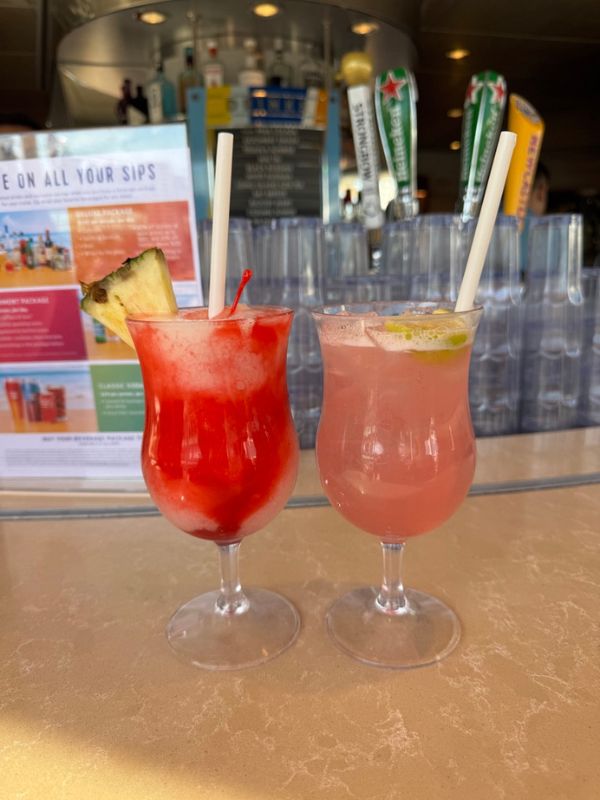
Untitled-design-3-40.jpg

The Pros and Cons of Booking a Balcony vs. an Inside Cabin


Choosing a cruise cabin is one of those decisions that seems straightforward until you start digging into it. Balcony or inside. View or value. Light or darkness. Suddenly it feels like a personality test rather than a booking choice.

Balcony vs Interior

The truth is, both balcony cabins and inside cabins can be brilliant or disappointing depending on how you cruise, where you’re going, and what you actually enjoy onboard.

Let’s look at each option properly, starting with the basics, before moving into the factors that really shape whether one is worth it for you.

Your Own Private Outdoor Space

The most obvious and most talked-about benefit of a balcony cabin is having your own private outdoor space. It’s not just about stepping outside, it’s about having somewhere that feels personal in an environment that’s otherwise shared with thousands of other passengers.

Explora Journeys balcony

That private space can become part of your daily routine. Morning coffee while the ship pulls into port, a quiet moment in the afternoon with a book, or a glass of wine as the sun goes down. You don’t need to find a spare lounger or fight for a good view. It’s there whenever you want it.

For many cruisers, especially couples, this alone makes a balcony feel worth it. It creates small, calm moments that break up the busier parts of the day and gives you somewhere to retreat without going back inside completely.

Suggested read: Is It OK To Get Intimate on a Cruise Ship Balcony?

Natural Light Makes the Cabin Feel More Spacious

Balcony cabins benefit hugely from natural light, and it’s something you notice almost immediately. The large glass doors let daylight flood into the room, which can make the cabin feel more open, brighter, and simply more pleasant to spend time in.

Ambience balcony

Even when the balcony door is closed, that light changes the atmosphere. The cabin feels less enclosed and more connected to what’s happening outside. On longer cruises, this can make a real difference to how comfortable the space feels over time.

Natural light also helps you stay in tune with the day. You’re not relying on artificial lighting or constantly checking the time to work out whether it’s morning or evening, which can make life onboard feel more relaxed and natural.

Ocean Views You Can Enjoy on Your Own Terms

Having a balcony means the ocean is always there when you want it. You don’t need to head up on deck, or time your visit to avoid crowds. If you see something interesting, you can be outside in seconds.

Disney Destiny Balcony Cabin

This is particularly appealing on sea days, when public decks can get busy, and on early mornings or late evenings when you might not want to be out and about. Watching the ship cut through the water in peace can be surprisingly calming.

It also means you can enjoy the view for as long or as little as you like. Five minutes or an hour, no pressure either way.

A Big Plus on Scenic and Nature-Focused Itineraries

On certain itineraries, a balcony goes from being a nice extra to feeling genuinely valuable. Cruises through Alaska, the Norwegian fjords, Iceland, or other scenic regions often involve slow sailing past dramatic landscapes.

The ACL Private Balcony-Alaska

With a balcony, you don’t have to choose between warmth and the view. You can pop outside for photos, then step back in to warm up with a drink, repeating the cycle as often as you like.

It’s also helpful when wildlife appears unexpectedly. Sometimes, the bridge team might annouce that there’s a whale nearby. Having a balcony means you’re more likely to catch those moments rather than missing them while trying to get to a public viewing area (unless the whale is on the other side, of course).

I’ve seen dolphins and whales several times from my cruise balcony.

Fresh Air Without Leaving Your Cabin

Being able to open the balcony door and let in fresh sea air is something many people don’t think about until they have it. It can make the cabin feel fresher, especially after a long day ashore or following room service.

Drop down french balcony on scenic amber

That airflow can also make the cabin feel less stuffy, even when the door is only open briefly. For some cruisers, especially those who don’t love fully enclosed spaces, this can improve overall comfort more than expected.

It’s a small thing, but it contributes to the sense that the cabin isn’t just a place to sleep, but somewhere you can genuinely relax.

Extra Flexibility in How You Use Your Cabin

A balcony adds another “zone” to your cabin, even if it’s small. That extra space gives you more flexibility in how you use the room throughout the day.

my family eating lunch on the balcony

One person can step outside while the other naps or gets ready. You can enjoy room service without feeling confined to the bed or sofa. On quieter afternoons, the balcony can feel like an extension of the cabin rather than a separate feature.

This flexibility tends to matter more on longer cruises or on itineraries with several sea days, where small comforts add up.

Suggested read: The 9 Best Balcony Cabins At Sea

The Price Increase Can Be Hard to Justify

The biggest downside of booking a balcony cabin is the cost. Balcony cabins can be significantly more expensive than inside cabins, depending on the ship and itinerary.

Balcony on Borealis

That price gap isn’t always small. On longer cruises, or on popular routes, the difference can run into hundreds or even thousands of pounds/dollars. At that point, it’s not just a question of whether a balcony is nice, but whether it’s worth giving up other parts of the holiday to have it.

For some people, the upgrade feels absolutely worth it. For others, it can lead to a nagging sense that they’ve paid a lot for something they’re not fully using. That feeling alone can take the shine off the experience.

You May Use the Balcony Less Than You Expect

It’s very easy to imagine spending hours relaxing on your balcony, but real cruise life often gets in the way. Port days start early and finish late. Sea days are filled with activities, shows, meals, and socialising.

Balcony on a river ship

By the time you’re back in your cabin, you might just want to shower, change, and head out again or go to bed. Many cruisers are surprised by how few times they actually sit out on the balcony for any length of time.

If your balcony use ends up being limited to a quick look outside or a couple of short visits, the extra cost can feel harder to justify in hindsight.

Balconies Are Weather-Dependent

A balcony is only as good as the weather allows it to be. Wind, rain, cold temperatures, or rough seas can make sitting outside uncomfortable or simply not very appealing.

Balcony room in winter

On some cruises, particularly in cooler climates or during shoulder seasons, you might find the balcony is usable only occasionally. Even in warmer regions, strong wind when the ship is moving can limit how enjoyable it is.

There can also be times when balcony doors need to remain closed for safety or operational reasons, which removes one of the key benefits entirely, even if only temporarily.

Privacy Isn’t Always as Private as It Sounds

While balcony cabins offer private outdoor space, they’re not always completely secluded. Depending on the ship’s design, neighbouring balconies can be quite visible, especially if people are standing close to the rail.

Iona Promenade Balcony Cabin

When the ship is docked alongside another vessel, privacy can disappear almost completely. You might find yourself looking straight into another cabin, or being looked back at, which can feel awkward.

For most people this is a minor issue, but if privacy is high on your list, it’s something to bear in mind.

Not All Balconies Have Clear Views

Another potential disappointment is discovering that your balcony view isn’t quite what you expected. Some balconies are partially or fully obstructed by lifeboats, ship structures, or overhangs.

Obstructed view cabin

These cabins are often sold at a lower price, but it’s easy to miss the detail if you’re not checking carefully. An obstructed view can reduce the enjoyment of the balcony, especially if views were a major reason for booking it in the first place.

Even balconies without formal obstructions can be affected by ship design, such as thick railings or deep overhangs that limit sightlines.

Wind and Noise Can Be Distracting

Balconies can be surprisingly noisy at times. Wind noise when the ship is moving can be quite loud, particularly at higher speeds or in exposed locations.

Iona Deck 5 balconies

You may also hear sounds from neighbouring balconies, including conversations, doors closing, or furniture being moved. While this isn’t constant, it can break the sense of peace people often associate with having a balcony.

If your balcony is near the front of the ship and it’s foggy, you can expect to hear the ship’s foghorn blast every minute. Some people find that this makes it difficult to sleep.

For travellers who are sensitive to noise, this can be an unexpected downside.

Less Practical for Some Travellers

Balconies aren’t ideal for everyone. Families with young children may feel they need to be extra vigilant, even with safety features in place. Some people simply don’t feel comfortable with an open outdoor space attached to their cabin.

Midship balcony

Others may find the balcony furniture awkward or uncomfortable, making the space less inviting than expected.

If the balcony ends up feeling like a feature you’re cautious about using rather than enjoying freely, its value drops quickly.

The Most Budget-Friendly Way to Cruise

The biggest advantage of an inside cabin is the price. Inside cabins are almost always the cheapest option available, and that makes cruising far more accessible for a lot of people.

Disney Treasure Inside Staterooms

Choosing an inside cabin can free up a surprising amount of your budget. That money can go towards shore excursions, drinks packages, speciality dining, or even booking an extra cruise later in the year. For frequent cruisers, the savings can really add up over time.

If you see your cabin as a practical base rather than a highlight of the holiday, it often makes far more sense to spend less on it and more on experiences elsewhere.

Exceptionally Good for Sleeping

One of the most underrated benefits of an inside cabin is how well many people sleep in them. With no windows or natural light, inside cabins can be wonderfully dark, which is ideal for deep, uninterrupted rest.

Arvia inside cabin

Early port days, late nights, and time zone changes are all easier to handle when your cabin doesn’t fill with daylight at the crack of dawn. For light sleepers, or anyone who struggles to sleep in bright rooms, inside cabins can be a real advantage.

They’re often (but not always) quieter too, particularly if they’re located away from busy public areas. However the lowest cabins on the ship may pick up the clanging of the engine room.

Often Located in the Most Stable Part of the Ship

Inside cabins are frequently positioned closer to the centre of the ship, both horizontally and vertically. This can help reduce the sensation of movement, which is useful if you’re prone to seasickness.

Regal Princess large balconies deck plan

While no cabin can eliminate motion entirely, location does matter. Mid-ship cabins tend to experience less pitch and roll than those at the front or back, and inside cabins often benefit from this positioning.

For some travellers, this alone is reason enough to choose an inside cabin over other options.

Still, a lot of people say that it’s good to have a view of the horizon if you do suffer from seasickness. So lower Oceanview cabins are actually considered the best choice for many.

Ideal if You’re Rarely in Your Cabin During the Day

If your cruise days are packed with shore excursions, onboard activities, dining, and shows, you may spend very little waking time in your cabin. In that case, paying extra for a view or balcony can feel unnecessary.

Jenni relaxing on a Marella cruise

Inside cabins work perfectly well as a place to sleep, shower, change, and head straight back out again. They’re practical, comfortable, and do exactly what you need them to do without added cost.

For port-heavy itineraries, this can be a particularly smart choice.

Consistent Temperature and Lighting

Inside cabins tend to maintain a more consistent temperature than balcony cabins, which can be affected by sun exposure or heat from open doors. This can make the space more comfortable, especially in warmer climates.

The image shows an interior stateroom on Princess Cruises' Sun Princess. The room features two twin beds with white linens and decorative pillows, separated by a nightstand with open shelving. The walls are light-colored with a simple, modern design, and there is a mirror reflecting part of the room. The overall decor is minimalist and clean, creating a cozy and comfortable atmosphere.

Lighting is also fully under your control. You’re not dealing with bright morning sun or changing light conditions, which some people find disruptive.

For travellers who like predictability and comfort, this consistency is a quiet but important benefit.

More Options Than You Might Expect

Inside cabins aren’t all identical, and modern ships often offer several variations. Some feature virtual balconies with real-time ocean views displayed on a screen, which can help reduce the feeling of being enclosed.

Interior of a cruise ship stateroom with a large bed centered between nautical-themed curtains and a round porthole mirror. The room has a cozy ambiance with a view of the open sea through the window, offering a glimpse of the oceanic journey.

Read more: Best and Worst Carnival Interior Rooms: What to Know Before You Book

Others overlook interior promenades or atriums, bringing in light and a sense of activity. Spa-area inside cabins may come with extra perks, like access to thermal suites.

These options can add value without the full cost of a balcony.

No Natural Light or Sense of Time

The most obvious downside of an inside cabin is the lack of natural light. With no window or balcony, the cabin stays the same regardless of whether it’s bright daylight or the middle of the night outside.

Cosy Desk Space Interior Stateroom Independence of the Seas

For some people this is a bonus, but for others it can feel disorientating. You may wake up not knowing what time it is, or lose track of the day on sea days without checking a clock or phone.

If you rely on daylight to feel awake or energised, this can affect how you feel in the cabin, particularly on longer cruises.

Can Feel More Enclosed Than Other Cabin Types

Even when the square footage is similar to other cabins, inside cabins can feel smaller simply because there’s no visual connection to the outside world.

Interior Stateroom

Without a window or view to draw your eye outward, the walls can feel closer in. This doesn’t bother everyone, but for people who are prone to feeling claustrophobic or restless in enclosed spaces, it’s something to consider carefully.

On longer cruises or on days when you spend more time in the cabin, this can become more noticeable.

This can also affect mood over time. While many people are perfectly happy in inside cabins, others find they feel more tired or flat without access to natural light.

It’s a very personal reaction, but an important one to be honest about.

Less Inviting for Daytime Relaxation

Inside cabins tend to work best as functional spaces rather than places to linger during the day. Without daylight or a view, they’re not always the most appealing spot for reading, relaxing, or enjoying downtime between activities.

Interior Stateroom Independence of the Seas

On sea days in particular, many people prefer to spend time in lounges, on deck, or in their cabin if they have a balcony. An inside cabin may feel more like somewhere you retreat from the day rather than a place you enjoy during it.

If you value daytime cabin time, this is an important factor.

Missing That Personal Connection to the Sea

Part of the appeal of cruising is being surrounded by the ocean. Inside cabins remove that element from your private space entirely.

Noordam Interior

You won’t wake up to the sight of the sea or be able to glance outside to see where you are. While this doesn’t bother everyone, some cruisers feel it disconnects them slightly from the overall cruise experience.

If the ocean view itself is a big part of why you love cruising, an inside cabin may feel like a compromise.

Limited Appeal for First-Time Cruisers

For first-time cruisers, inside cabins can sometimes feel like you’re missing part of the experience. If you’ve never cruised before, you may not yet know how much time you’ll spend in your cabin or how you’ll feel without a view.

Chair and coffee table Interior Stateroom Independence of the Seas

While plenty of first-timers enjoy inside cabins, others later say they wish they’d experienced a balcony at least once to understand the difference.

This doesn’t make inside cabins a poor choice, but it’s worth acknowledging if you’re new to cruising.

Let’s talk money, because it’s the part everyone thinks about first, and then quietly avoids thinking about too hard once they see the total.

A balcony cabin is almost always more expensive than an inside cabin, sometimes a bit more, sometimes a lot more. The tricky part is that the “value” of the upgrade isn’t fixed. It depends on your itinerary, the time of year, how you cruise, and how much you’ll actually use what you’re paying for.

Cruise ship balcony in the evening

So rather than treating balcony as “better” and inside as “budget”, I like to think of it as a simple question: what are you buying, and will you use it enough to enjoy it?

What You’re Really Paying For With a Balcony

When you upgrade from inside to balcony, you’re paying for a few specific things:

  • Private outdoor space
  • Natural light and a sense of openness
  • A personal view on demand
  • A cabin that’s more pleasant to spend time in during the day

If those things will genuinely improve your holiday, the extra cost can feel justified. If you mostly plan to shower, sleep, and head back out again, you might be paying for features you hardly touch.

The “Cost Per Use” Reality Check

Here’s an easy way to sanity-check the upgrade.

Ask yourself, realistically, how often you’ll sit on the balcony for more than five minutes. Not “in your dream cruise life”, but in your actual cruise life, where you’ve got an early excursion, a late dinner, a show booked, and you’re knackered by 10 pm.

Scarlet Lady balcony hammock

If you think you’ll use the balcony every day, maybe multiple times a day, it starts to feel like money well spent. If you suspect it’ll be a quick peek outside and that’s about it, the upgrade can feel painful in hindsight.

I’ve met plenty of people who adored their balcony and used it constantly. I’ve also met people who admitted they barely stepped outside because the ship was too fun, the weather wasn’t great, or they just forgot it was there.

Inside Cabin Value Isn’t Just About Being Cheap

Inside cabins aren’t only good value because they cost less. They can be genuinely better value because they suit the way a lot of people cruise.

Cunard Queen Anne inside cabin

If you:

  • spend most of the day out of the cabin
  • sleep better in complete darkness
  • prefer putting money into excursions or onboard treats
  • want the lowest possible cost so you can cruise more often

…then an inside cabin isn’t a compromise. It’s a smart match.

And if you’re the sort of person who thinks “I’ll be on the top deck for the views anyway”, that’s a fair point. Ships are basically floating viewpoint machines. You don’t need a balcony to see the sea.

When a Balcony Upgrade Tends to Be Worth It

A balcony often earns its keep when:

You’ve got a scenic itinerary.
If your cruise involves fjords, glaciers, wildlife spotting, or long stretches of coastal sailing, a balcony can add real value. You’re not just paying for a fancy door to fresh air. You’re paying for easy, comfortable access to the reason you picked that route.

You expect more sea days or downtime.
On cruises with several sea days, or if you like a slower pace, the balcony becomes part of your daily comfort. It’s your quiet escape from busy decks and loud lounges.

Child on balcony

You know you’ll use the cabin during the day.
If you like afternoon naps, room service, a bit of reading time, or just a breather between activities, the balcony can turn your cabin into a nicer place to actually be.

You’re celebrating something.
If it’s a honeymoon, big birthday, anniversary, or “we deserve a treat” trip, a balcony often feels like part of the occasion. That’s valid too. Value isn’t only practical, it’s emotional.

When It Often Isn’t Worth It

A balcony upgrade may not feel worth it when:

You’re doing a port-heavy itinerary.
If you’re ashore most days from morning until evening, your balcony may not get much use. You might love having it for quick mornings and evenings, but you might also barely notice it.

Panoramic Balcony

The upgrade forces you to cut what you care about most.
If you’ll regret skipping excursions, speciality dining, or a drinks package, those things might deliver more joy than a balcony you use occasionally.

You’re cruising in cooler or windier seasons.
If you’re expecting lots of chilly, wet, or windy days, you may not sit outside much. You’ll still get natural light and the view through the glass, but the “private outdoor space” part might not happen.

You’re booking it out of fear.
Some people worry they’ll feel “stuck” in an inside cabin or they’ll miss out. If that’s your only reason, it’s worth remembering that you can spend all day in bright public spaces with endless sea views, then sleep in a dark, quiet inside cabin like a log.

Here are some helpful tips for making sure you make the right decision – if budget is your main concern.

Compare the upgrade cost against what else you could do with the money.

If the balcony upgrade costs the same as, say, two great excursions and a special meal, which one will you remember more?

Look closely at the cabin category.

A “balcony” isn’t always the same thing. Obstructed views and odd balcony shapes exist, and they can affect whether it feels worth it.

View from inside a Norwegian Prima stateroom with an ADA-accessible obstructed ocean view balcony, featuring comfortable outdoor furniture and a clear glass door, with a glimpse of a lifeboat outside.

Consider booking inside and watching for offers.

Sometimes you can start with an inside cabin and later find upgrade deals, price drops, or bidding-style upgrades depending on the cruise line. It’s not guaranteed, but it can work out well if you’re flexible.

Think about your first cruise differently.

If it’s your first time cruising, it’s not a bad idea to choose based on comfort. If you’re anxious about feeling enclosed, a balcony may be worth it for peace of mind. If you’re mostly excited about exploring the ship and ports, inside can be a brilliant way to try cruising without overspending.

The Bottom Line on Value

A balcony cabin is usually the nicer cabin. An inside cabin is usually the better bargain.

But “best value” is personal. The best choice is the one that gives you the most enjoyment for what you spend, without making you feel like you’ve had to sacrifice the bits of cruising you’re most excited about.

By the time you get to this point, you’ve probably realised there’s no universally “best” cabin type. There are, however, a few smart ways to make the decision easier, and a handful of myths that are worth clearing up before you book.

Tip: Be Honest About How You Actually Travel

This is the most important tip of all. Try to base your decision on how you really behave on holiday, not how you imagine you’ll behave on your perfect, well-rested, endlessly relaxed cruise.

A lady relaxing on the balcony of a criuse next to a table with a drink and a laptop.

If you’re usually out early, busy all day, and back late, an inside cabin will probably suit you just fine. If you love slow mornings, afternoon breaks, and quiet evenings in, a balcony is more likely to earn its keep.

There’s no “correct” cruising style, just different ones.

Tip: Study the Deck Plans, Not Just the Photos

Cabin category matters, but location matters just as much. A well-placed inside cabin can be quieter and more comfortable than a poorly located balcony.

Look for cabins away from lifts, nightclubs, and busy public areas. Check for lifeboats or overhangs that might affect balcony views. A few minutes with the deck plan can save a lot of disappointment later.

Tip: Think About the Itinerary Before the Cabin

It’s easy to choose a cabin first and then look at where you’re going. Flipping that thinking can help.

Scenic routes, cooler climates, and sea-day-heavy cruises tend to favour balconies. Port-heavy itineraries, city-based stops, and action-packed schedules often suit inside cabins better.

Let the itinerary guide the cabin, not the other way around.

Tip: Consider Booking Inside and Upgrading Later

If you’re torn, booking an inside cabin can give you flexibility. Sometimes prices drop, upgrade offers appear, or bidding-style upgrades become available closer to sailing.

It’s never guaranteed, but it can be a low-risk way to start cheaper while keeping an eye out for a balcony at a price that feels right.

I once boarded a cruise, walked in to my inside cabin and hated it. So I went straight down to guest services and asked if they had anything else. They let me upgrade to a balcony for a fraction of what it would havbe cost to book that room originally.

Tip: Don’t Assume “More Expensive” Means “More Enjoyable”

A pricier cabin doesn’t automatically mean a better cruise. Enjoyment comes from feeling comfortable, relaxed, and free to enjoy the things you care about most.

Studio Balcony

For some people, that’s a balcony and a quiet view. For others, it’s knowing they’ve saved money and can say yes to every excursion without thinking twice.

Myth: “A Balcony Is Always Worth the Money”

This is probably the most common myth in cruising. Balconies are lovely, but they’re not automatically good value for everyone or every itinerary.

Plenty of experienced cruisers happily choose inside cabins because they know they won’t use a balcony enough to justify the cost.

Myth: “Inside Cabins Are Dark, Miserable Boxes”

Inside cabins are dark, yes, but miserable is a stretch. Modern ships have comfortable, well-designed inside cabins that are clean, quiet, and perfectly functional.

Many people actively prefer them for sleeping and don’t miss the view at all.

Myth: “You’ll Feel Trapped Without a Balcony”

Cruise ships are full of open decks, lounges, cafés, and viewing areas. You’re never short of places to see the sea or get fresh air.

Your cabin is just one small part of the overall experience.

Myth: “First-Time Cruisers Must Book a Balcony”

Some first-timers love having a balcony. Others are perfectly happy in an inside cabin and are glad they didn’t overspend on their first go.

There’s no rule. First-time cruising is about discovering what you enjoy.

TODAY’S BEST CRUISE DEALS!

Don’t miss these offers…

Final Word

Balcony cabins and inside cabins both have genuine strengths, and both come with trade-offs. One offers light, views, and private outdoor space. The other offers value, comfort, and a surprisingly good night’s sleep.

The best choice isn’t about status, luxury, or what you think you should book. It’s about choosing the cabin that supports the kind of cruise you want to have, without stretching your budget or leaving you feeling like you’ve compromised on what matters most.

Whether you’re watching glaciers from your balcony or sleeping soundly in a dark, quiet inside cabin, the real magic of cruising happens beyond the cabin walls. Choose the option that lets you enjoy that magic in the way that suits you best.

Related Posts

If you found this interesting, please share!


Jenni with Disney Cruise ship at Castaway Cay


Source link
qTo8ae9HrQC53gf9unJFj5.jpg

⚡ WIN This HUGE Travel Essential — FREE!

John ShalloJohn Shallo

John Shallohttp://www.cruiseaddicts.com

John Shallo is the founder and editor of Cruise Addicts, one of the web’s longest-running cruise travel communities. Since 1999, Cruise Addicts has been a trusted destination for cruise travelers seeking the latest industry news, in-depth ship reviews, expert travel tips, and a passionate community of self-proclaimed cruise enthusiasts.

Source link
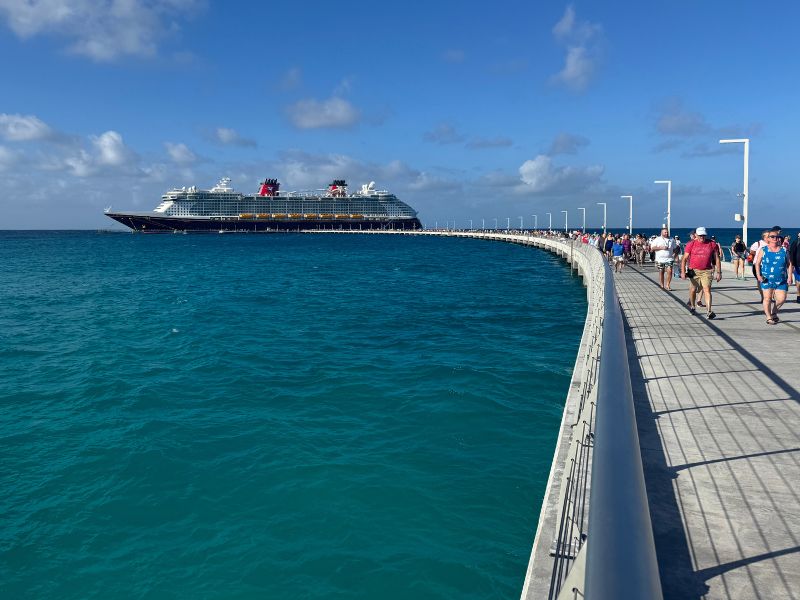
OSDM-Antarctica-2-2023-1.jpg

Unforgettable Cruise Destinations Across The Globe 

A good cruise isn’t defined by the ship alone. It’s shaped by what happens when you step ashore. Some ports are built around tourism, while others feel more local, with markets, side streets, and everyday routines unfolding close to the dock. Over the course of a trip, those differences begin to stand out. The routes in this guide focus on destinations where the experience extends beyond the harbor.

Immersive Expedition Voyages to Antarctica

Antarctica isn’t a place you can visit casually on a cruise, which is part of what makes it so unforgettable. Most voyages to this remote region begin in Ushuaia, Argentina, where ships depart from the port near Avenida Maipú before crossing the Drake Passage. The journey can be rough, but by the time the first icebergs appear, passengers are already tuned into the environment. Landings usually take place at Neko Harbor or Cuverville Island, where zodiac boats bring small groups ashore. You’ll walk on snow-covered ground with penguin colonies nearby and almost no human structures in sight.

There’s a practical side to these trips that matters. This is why the most excellent Antarctica cruises are built around flexibility, allowing captains to adjust routes based on ice conditions and wildlife activity. That often means more time near whale feeding areas or active penguin rookeries. Guides are usually scientists or naturalists who explain what you’re seeing, whether it’s how glaciers break apart or why certain species gather in specific bays.

Back on the ship, daily briefings are held in observation lounges, where maps and weather charts are laid out. After a few days, the geography starts to feel familiar, with names like Lemaire Channel and Paradise Bay sticking in your mind. There’s always something to watch, even if it’s just ice drifting slowly past the deck.

Sun-Drenched Island Hopping in the Greek Isles

Cruising through the Greek Isles feels different with each stop. In Santorini, ships anchor offshore and passengers take tenders into Fira’s Old Port. From there, many head up the cable car, but the zigzag walking path is still in use, lined with vendors and shaded corners where locals take breaks. Up top, streets like Nikolaou Nomikou in Oia get busy by late morning, especially near the blue-domed churches. Early starts make a big difference here.

On Mykonos, the layout is more compact. The harbor opens into narrow lanes around Matogianni Street, where shops and galleries sit side by side. It’s easy to drift into the quieter edges of town, especially near the windmills or along the path toward Little Venice. You’ll notice how quickly things change once you step a few blocks away from the main flow.

Delos is often included on cruise itineraries in Greece, and it’s well worth the stop. The archaeological site is spread out, with stone streets leading past temples and mosaics uncovered over decades. Back on board, evenings are usually relaxed, with views of island silhouettes fading into the distance. 

Cultural Exploration and Tradition in Japan

Japan is a popular destination for small-ship cruising, partly because many of its most interesting ports aren’t designed for large vessels. Places like Kanazawa, reached via the port on the Sea of Japan coast, offer a quieter way into the country. From there, it’s a short ride to Omicho Market, where vendors sell fresh seafood, produce, and prepared meals in tightly packed rows. The market has been operating for centuries, and it still feels like part of everyday life.

If this style of cruising suits you, it’s worth taking the time to find small ship cruises in Japan that focus on regional ports and longer stays in each destination. That extra time makes it easier to explore places like Nagasaki’s Dejima district or the hillside streets around Glover Garden, where historic trade routes shaped the city’s layout. Onboard,  local experts lead talks on history or seasonal customs, adding useful context before you head ashore.

Kyoto is often included through nearby ports like Kobe or Osaka. Once in the city, areas like Gion and streets such as Hanamikoji offer a look at traditional architecture that’s still in use. You might pass a tea house, a small shrine, or a residential lane where locals go about their daily routines. Timing matters here. Early mornings are quieter, especially around Yasaka Shrine or along the Philosopher’s Path.

Majestic Glaciers and Wildlife Watching in Alaska

Alaska cruises are usually centered around the Inside Passage, with stops in towns like Juneau, Skagway, and Ketchikan. Each has its own character. In Juneau, many visitors head straight to Mendenhall Glacier, where trails lead out toward Nugget Falls. The visitor center offers a clear overview of how the glacier has changed over time, with marked lines showing previous ice positions.

Skagway still carries its Gold Rush history in visible ways. Broadway Street runs through the center of town, lined with restored buildings that now house small museums and local shops. Just outside town, the White Pass and Yukon Route railway climbs through steep terrain, with views over valleys and old mining paths.

Glacier Bay is often a highlight of the cruise. Ships usually enter early in the morning, and the atmosphere stays quiet as they move through the park. Rangers come on board to point out wildlife and explain the ice formations along the way. Wildlife is part of daily life here. Bald eagles are easy to spot near the shoreline, and humpback whales often surface near the ship. 

Tropical Relaxation Through the Caribbean Islands

Caribbean cruises cover a wide range of islands, each with a slightly different feel. In San Juan, Puerto Rico, ships dock near Old San Juan, making it easy to walk straight into the historic district. Calle de la Fortaleza runs through the center, lined with pastel buildings and balconies. El Morro sits at the edge of the city, with open grounds where locals fly kites and gather in the evenings.

In Charlotte Amalie, St. Thomas in the U.S. Virgin Islands, the layout shifts from busy waterfront streets into steeper residential areas. Main Street is close to the port, but walking a few blocks inland brings quieter lanes and higher viewpoints overlooking the harbor. Skyline Drive is one of the best spots for that, especially in the late afternoon.

In Nassau, Bahamas, the main port area opens onto Bay Street, where most shops and foot traffic gather. A short walk inland leads to the Queen’s Staircase and Fort Fincastle, both set slightly above the town. These areas feel less crowded, making it easier to understand the island’s older structures and overall layout.

Which horizon will you chase first?

The cruise destinations above don’t follow a single idea of what cruising should look like. Some are shaped by remote landscapes, while others center on cities and everyday life near the water. What matters most is how each place feels once you step ashore. The more destinations you experience, the easier it becomes to figure out what kind of trip suits you best.

Source link
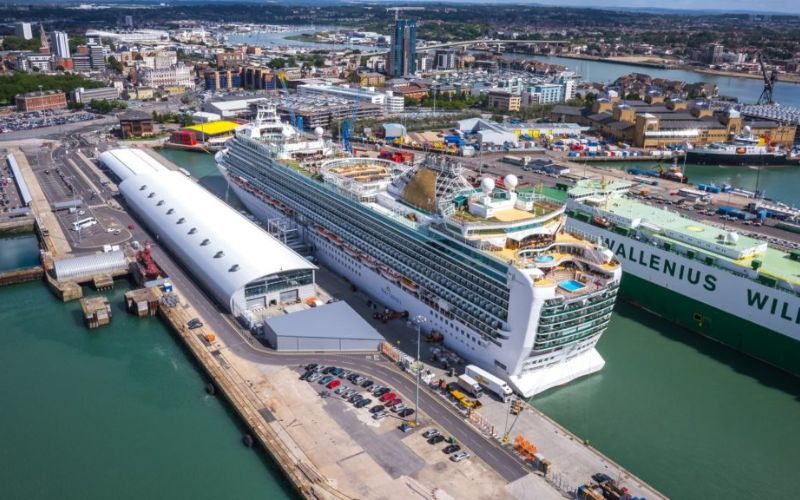
Iona-fireworks.jpg

Travel Agent Named Iona To Marry On P&O Cruises Ship Iona


A travel agent named Iona is preparing to marry on P&O Cruises’ ship Iona after a recent visit on board convinced her it was the perfect venue for her wedding.

Iona Ginn, a 31-year-old Hays Travel consultant, will marry her fiancé Harley, 28, on 12th September 2027 during a seven-night Norwegian fjords cruise.

Iona fireworks

The couple, who have been together for five years, got engaged at Disneyworld in Florida in November 2024, when Harley proposed by the castle.

A Ship Visit Sealed The Decision

Iona said she had been looking into wedding options when P&O Cruises announced that couples could get married across its fleet.

She said: “When I was on the ship visit last month, I just wanted to get married right there and then. I was speechless – I just love the atrium with its floor to ceiling windows and all the light in that space.

Iona Grand Atrium

“We were researching wedding options and then we saw that P&O Cruises announced couples could get married on all its ships. We both love cruising, so we thought: let’s go for it, this is us. It’s something we wanted to do so we took the plunge and we are so excited.”
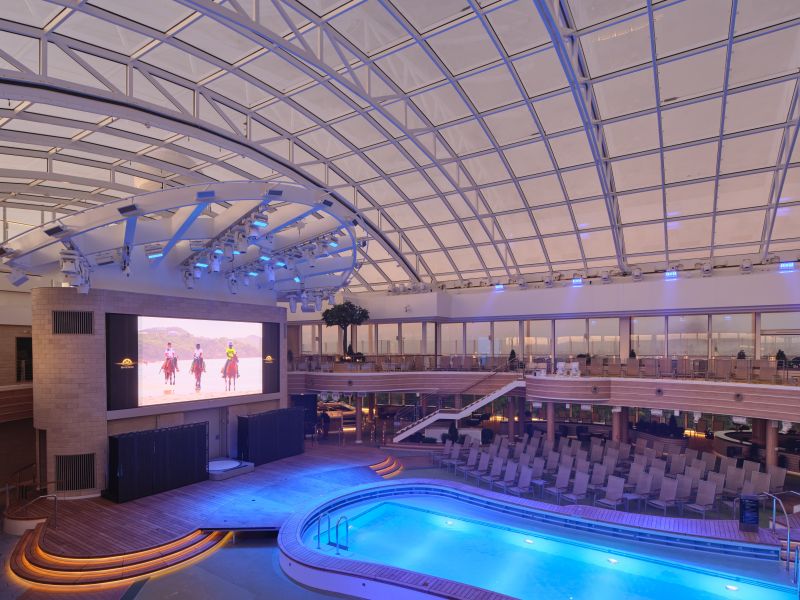
The ceremony will take place at sea before the ship arrives in Stavanger, Norway. Iona said the itinerary was ideal because none of the couple’s family had visited the region before.

“It’s the perfect itinerary for us as it’s an area that no-one in our family has visited before. It’s going to be a dream come true,” said Iona.

A Namesake Wedding At Sea

P&O Cruises’ Iona entered service in summer 2021 with a British Isles sailing that visited the island of Iona in Scotland’s Inner Hebrides. More than 2,000 guests joined the inaugural cruise, which included fireworks and a deck party.
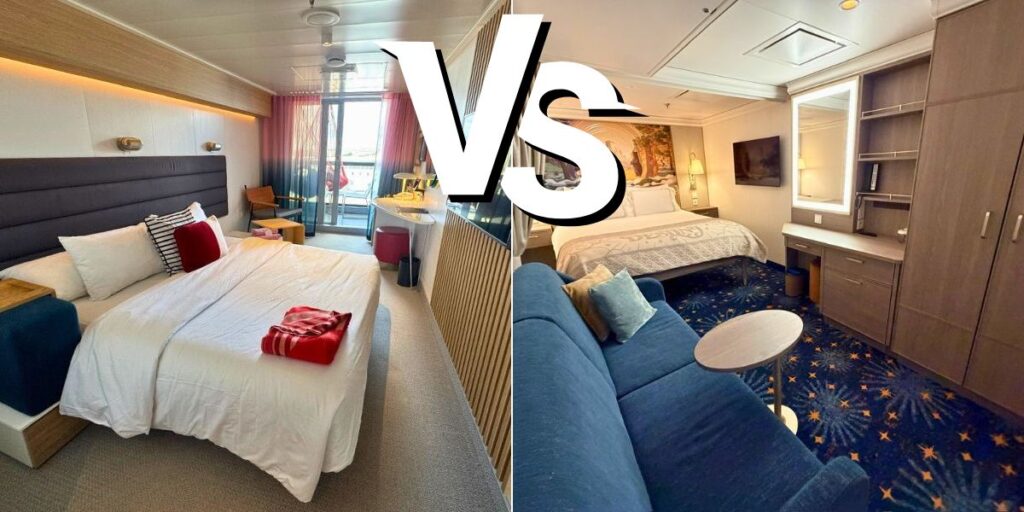
The ship’s name also carries a personal connection for the bride-to-be, who was named after the same Scottish island.

Iona Ginn on Iona

“The fact we share a name is a winning point and it feels like it was meant to be. Getting married at sea will be so magical. It’s also amazing value – the cake, flowers, hair and make-up is all included – not something you normally see. We’ll also get to make a week out of it and have our loved ones close by, which will be incredible.”

Iona said her experience as a travel agent has also helped her explain the cruise to family and friends, many of whom have not sailed before.

Ceremonies at Sea - Iona

“It’s nice that I’ve been able to explain what their experience will be like and that knowledge has flowed through to all our guests.

“As a travel agent, having first-hand knowledge of the product is so important, especially for people who haven’t sailed before. I share photos and it adds that layer of credibility and puts people at ease. You then know exactly what you’re selling people.”

P&O Cruises associate vice president of sales and distribution, Ruth Venn, said: “We’re delighted that Iona has chosen her namesake ship for an unforgettable wedding in the fjords. Our travel agent partners have been instrumental in the huge popularity of P&O Cruises Ceremonies Sea and Shore, accounting for 45% of the bookings since we launched the new proposition in 2025.”

Iona cruising

P&O Cruises offers commitment ceremonies, engagements and renewal of vows across all seven ships in its fleet. The first shore ceremony in Barbados is due to take place in early 2027.

Iona’s advice to other couples considering a cruise wedding is: “Do the research and go for it.

“Everything that we wanted we are getting – for an amazing price and a holiday included in it. It’s been such a seamless experience, we feel so well looked after. I’m normally a control freak, but I’m as cool as a cucumber with no stress right now.”

NEW DEALS JUST RELEASED!

Don’t miss the latest P&O Cruises offers…

Related Posts

If you found this interesting, please share!


Jenni with Disney Cruise ship at Castaway Cay

Oceania Cruises has announced plans to relaunch Oceania Nautica as Oceania Aurelia in late 2027, with the 25-year-old ship to be extensively reworked under the line’s OceaniaNEXT programme and positioned…

A two-year-old child was taken to hospital after falling aboard the cruise ship Mein Schiff 7 while it was docked in Funchal on 22nd April 2026, prompting an emergency response…

Passengers booking guarantee staterooms with Royal Caribbean can now pay to secure earlier clarity on their cabin location, as the cruise line rolls out a new pilot programme called “Early…

Ambassador Cruise Line Drinks Menus

Ambassador Cruise Line has changed the rules around spirits and drinks packages, cutting its standard spirit measure to 25ml while also removing the previous 15-alcoholic-drinks-per-day cap from package terms. Current…


Source link