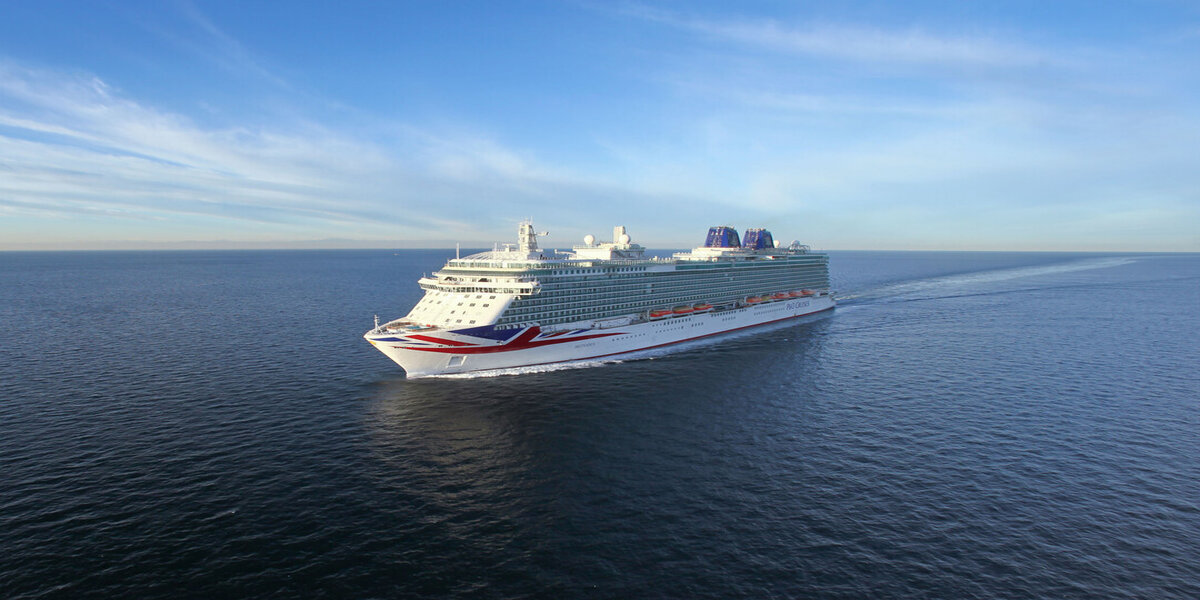
Cruise Hive covers three major cruise stories for January 12th, 2026. Nearly 1,000 cruisers shared which trends they want gone in 2026, with unsupervised kids, chair hogging, and poor hygiene topping the list—especially after a recent gastrointestinal outbreak on Holland America’s Rotterdam. MSC Cruises has cancelled MSC Poesia’s February 13th sailing from Southampton as the ship heads into an early dry dock for major upgrades, with guests receiving refunds and future cruise credit. And in the UK, Winter Storm Goretti caused severe travel disruption, leaving P&O Britannia fly‑cruise passengers delayed and sparking frustration over inconsistent compensation.
A Royal Caribbean guest missed their cruise departure after travelling to the wrong Florida port.
The guest has also been denied permission to join the ship at a later stop.
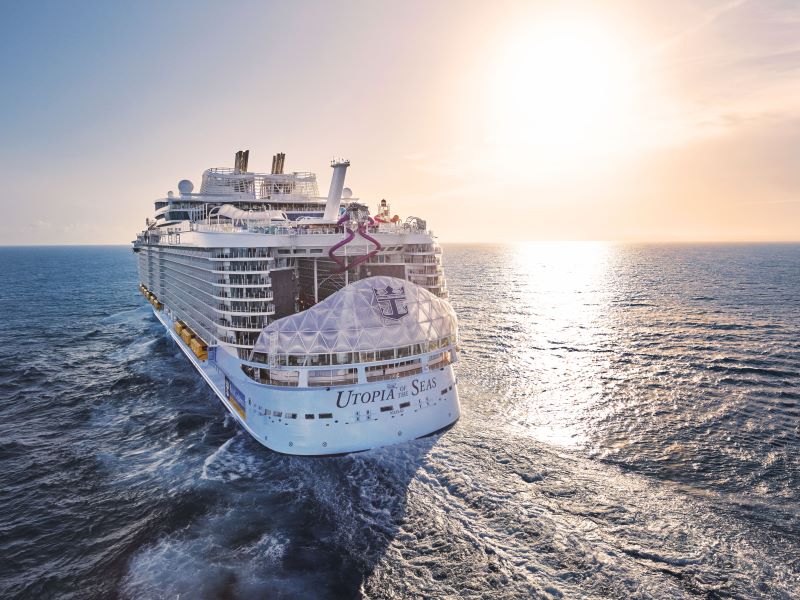
The incident involved a passenger booked to sail aboard Utopia of the Seas, which departed from Port Canaveral on Monday, 12th January 2026.
Instead of arriving at the correct homeport, the guest mistakenly went to Port Everglades in Fort Lauderdale, realising the error only after the ship had already sailed.
The guest later shared the experience on Reddit, confirming that the mistake was entirely their own.
“We pulled a major travel fail today. … We’ve obviously missed the ship’s departure,” they wrote.
How The Mix-Up Occurred
The passenger explained that the confusion stemmed from a previous Royal Caribbean cruise that had departed from Fort Lauderdale.
“We flew into Fort Lauderdale yesterday, the night before the cruise,” they said. “I had been on one Royal cruise previously that left from the port here in Fort Lauderdale.”
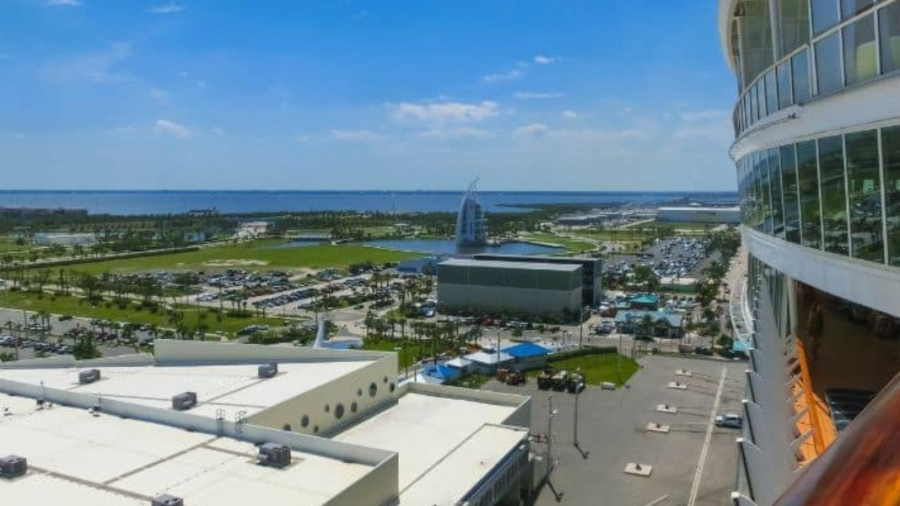
Port Everglades is currently home to several Royal Caribbean ships, including Liberty of the Seas, Allure of the Seas, Oasis of the Seas and Radiance of the Seas. The guest assumed Port Canaveral was the same port they had used in the past.
“For whatever reason I was sure Port Canaveral was the one in Fort Lauderdale that I left from last time,” they added. “Only at noon today did we figure out that the port here in FLL is Port Everglades. Obviously a very dumb mistake in hindsight.”
By the time the error was discovered, it was already too late to attempt to reach Port Canaveral. Even in ideal traffic conditions, the drive from Port Everglades to Port Canaveral takes at least three hours, not including time needed for terminal check-in and security.
Utopia of the Seas departed at 4 pm, making it impossible to arrive and board before the all-aboard deadline.
Request To Join The Ship In Nassau Rejected
Utopia of the Seas was scheduled to call at Nassau the following day, prompting the guest to immediately contact Royal Caribbean International to ask whether they could join the sailing at the Bahamian port.
The passenger also booked refundable flights from Fort Lauderdale to Nassau for early Tuesday morning while awaiting a decision.
Other travellers commenting on the post noted that Nassau is typically an easy destination to reach by air and shared advice on getting from Lynden Pindling International Airport to the cruise port, which is around 10 miles away.
However, several users also pointed out that permission to embark at a port of call does not rest with the cruise line alone and requires approval from local authorities.
One commenter even issued a light-hearted but practical warning: “Be sure you actually go to Nassau, Bahamas and not Nassau, New York.”
Despite the swift action, the request was ultimately denied.
“We regret to inform you that your request to embark in Nassau, Bahamas has been denied by port authorities,” Royal Caribbean stated in its response. “The reason provided does not meet the established criteria for authorization to embark at an alternate port of call.”
No further explanation was provided, and the decision could not be appealed.
With Utopia of the Seas operating a four-night itinerary featuring only Nassau and Perfect Day at CocoCay before returning to Port Canaveral, there was little opportunity for the guest to pursue alternative options in time to join the voyage.
Why Joining A Cruise Late Is Rarely Approved
While stories occasionally circulate of passengers successfully joining ships at later ports, such cases are relatively uncommon and depend heavily on immigration laws, security requirements and itinerary length.
Cruise lines submit detailed passenger manifests in advance, and changes after departure require clearance from port and border authorities. On short sailings such as Utopia of the Seas’ four-night cruises, there is often insufficient time to process approvals before the ship returns to its homeport.
It is also unclear whether the guest held travel insurance, and many policies do not cover missed embarkation when the cause is passenger error rather than flight delays or cancellations.
Despite the outcome, the guest said they hoped their experience would help others avoid making a similar mistake.
“Good to know that Royal won’t just green light you to join at a different port,” they said.
The situation serves as a reminder that verifying embarkation ports and cities is just as important as confirming flight details, particularly in regions like Florida where multiple cruise ports operate within a few hours of one another.
NEW DEALS JUST RELEASED!
Don’t miss the latest Royal Caribbean offers…
Related Posts
If you found this interesting, please share!
A US-based residential cruise company has revealed a set of extended world voyages designed to keep travellers at sea for years at a time, including itineraries that would see passengers…
Norwegian Cruise Line has officially opened a sweeping collection of new attractions at Great Stirrup Cay, its private island destination in the Bahamas, marking one of the most significant upgrades…
A Caribbean birthday cruise with Carnival Cruise Line ended in distress for a US Coast Guard veteran after he was wrongly detained by US Immigration and Customs Enforcement agents while…
Passengers who sailed aboard Britannia over the Christmas and New Year period have expressed widespread anger after P&O Cruises confirmed that no refunds or compensation would be offered, despite a…
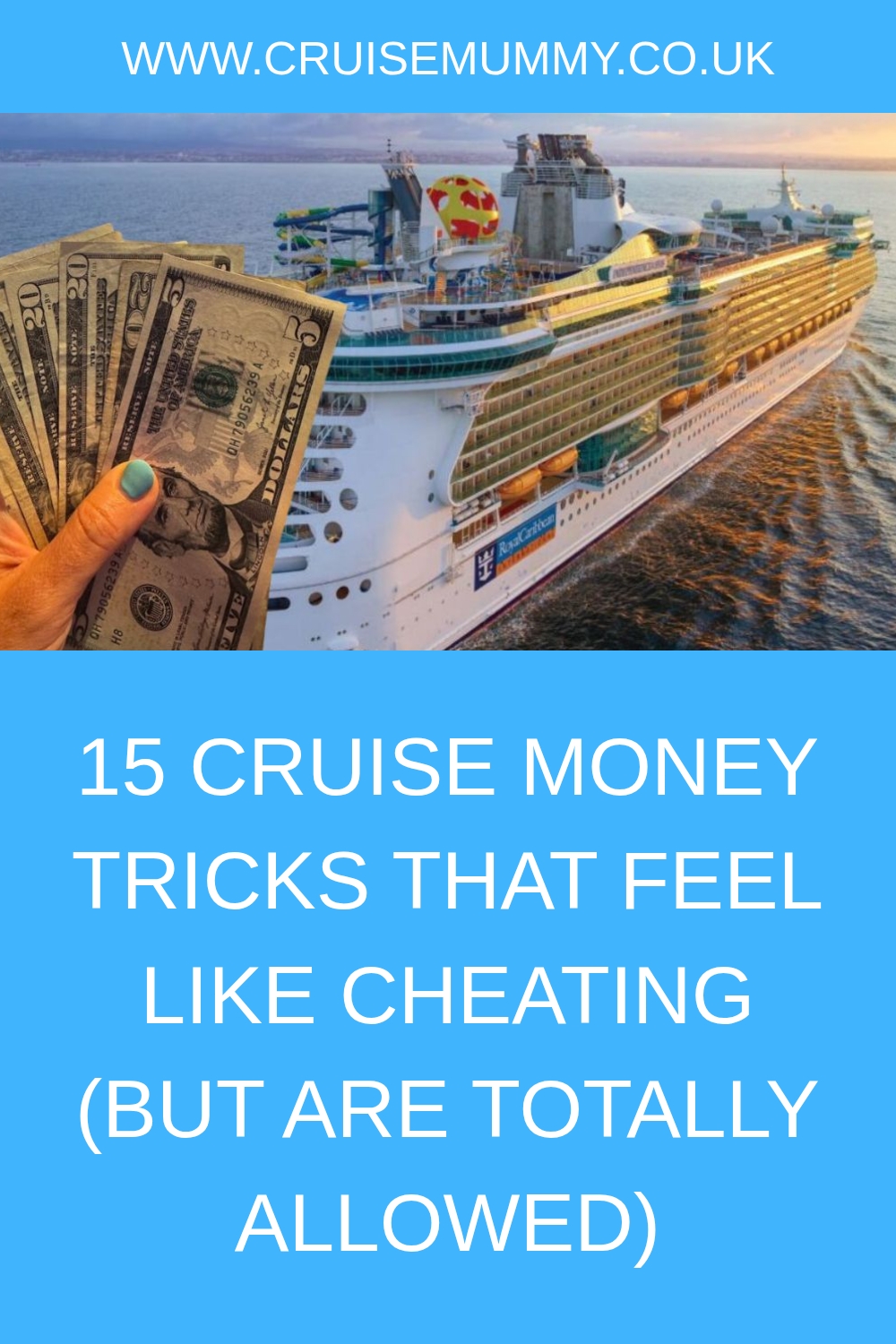
Planning a cruise is one of those things that makes you feel like a kid before Christmas. You’ve got that shiny new itinerary, you’re daydreaming about turquoise water and soft-serve machines that almost never close – and then the credit card statement hits.
Cruises can absolutely be brilliant value, but once you add drinks, excursions, tips and “just one more spa treatment”, the costs build up faster than a buffet queue on embarkation day.
So, from one sea-obsessed traveller to another, here are fifteen tried-and-tested cruise hacks to keep your budget shipshape without missing out on any of the fun.
1. Book early… or ridiculously late
The biggest savings usually sit at either end of the calendar.
Cruise lines love rewarding the super-organised – book as soon as new itineraries drop (sometimes a year and a half in advance) and you’ll often lock in lower fares, plus the pick of cabins. If you’ve got your heart set on a certain ship or sailing, this is the way to go.
And I would always recommend bigger families booking ASAP, because you’ll typically get the best price by booking a family cabin instead of two connecting cabins – and those family staterooms are always the first to sell out.
At the other end of the scale, the “I’ll-pack-when-I-get-there” crowd can win big too. When a ship’s about to sail and still has empty rooms, lines will often drop prices dramatically rather than leave them unsold.
If you’re flexible with dates and can jet off at short notice, you can nab a luxury sailing for the price of an inside cabin. It’s not for planners, because we’re talking about booking a cruise with just a few days’ notice, but it’s a thrill when it works.
It sounds almost too simple, but this trick genuinely saves hundreds.
Search Facebook for your chosen ship and you will usually find a list of groups you can join, some of which are just fan pages for the ship, while others might be tailored towards a specific sailing.
Inside these groups, travel agents often share group rates or exclusive packages you won’t find on the cruise line’s website.
These aren’t dodgy deals; agents get bulk pricing from cruise lines and sometimes throw in extras from their own commission – onboard credit, wine, priority boarding.
Just make sure the agent’s legit: ask the group for recommendations, or check reviews before booking.
Don’t book with someone you can’t get good information on, because scams or even just over-priced bookings as possible.
But there are plenty of good, honest travel agents populating these groups who have a mission to sell cabins, and who could help you get a great value deal.
3. Use cruise comparison tools
If you’re more of a “DIY holiday researcher”, cruise search engines are your best mate. Websites like Cruise Critic, and (for UK readers) World of Cruising let you filter by destination, date, ship, cabin type, and more.
The best part? You’ll spot flash sales that last only a day or two – sometimes even before the official site updates.
Or better yet, if you sign up to my email newsletter, I can save you the work. Every week I send out the best deals that I’ve found when I’m checking all the cruise comparison websites.
So you’re getting the best prices, but I’m the one doing all the searching for you.
4. Pick the right cabin for you
If you’re new to cruising, you need to make sure you understand the different cabin options, as booking the wrong one could be a costly mistake:
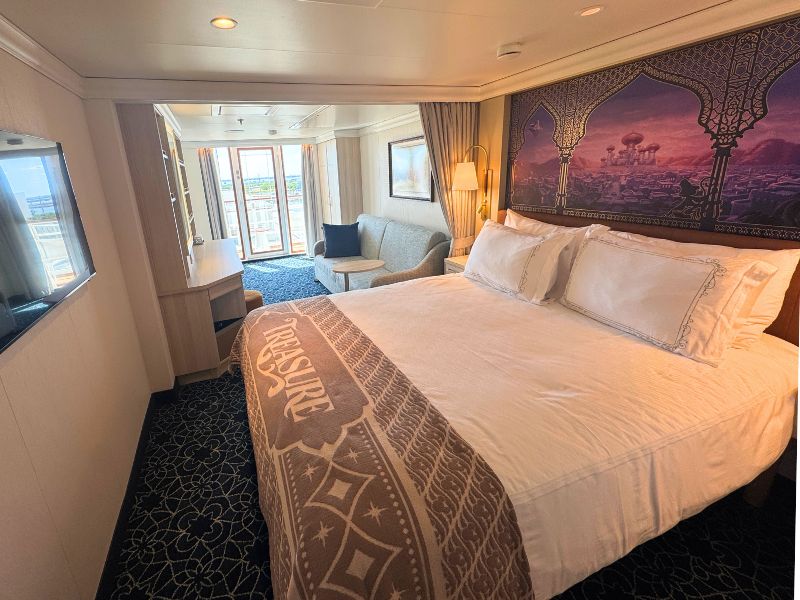
Inside cabins: No windows, no natural light, cheapest option. Great if you love a good nap and don’t care about views. They’re also the smallest rooms on the ship though, so don’t book them if you like a lot of space.
Oceanview cabins: Same as inside but with a window. Perfect compromise if you like to see daylight but don’t need outdoor space. Are often similar in size to an Inside cabin, but sometimes they’re a bit bigger too.
Balcony cabins: The sweet spot for most cruisers – private outdoor space, sea breeze, and morning coffee with a view. Typically the inside part of the stateroom is similar in size to an Inside or Ocean View, and the balcony counts as your additional space.
Suites: The dream. Think butlers, priority embarkation, and fancy bathrobes. Lovely, yes, but often double or triple the price of a balcony cabin.
That’s a really broad overview, but it works as a starting point. Depending on the ship you might have all kids of sub-categories, like studio rooms with smaller beds for single travellers, or “Spacious” versions of rooms that are much bigger, with a higher price tag.
And even within suites there can be loads of different options. A Junior Suite is going to cost a fraction of the price of an Owner’s Suite, but will also come with a much smaller list of perks.
My advice? Spend your money where it matters most to you. If you’ll barely be in your room, go inside. If your idea of heaven is sunrise on your own balcony, splash a bit.
I always say I would prefer to book two cruises in an Inside cabin instead of one in a lower-end suite.
But if you think you’d hate an Inside cabin, then paying extra to get an upgraded room is going to be more valuable to you.
5. Try your luck with upgrade bidding
Upgrade programmes are one of cruising’s best-kept secrets, unless you’re someone who regularly sails and who often takes advantage of these.
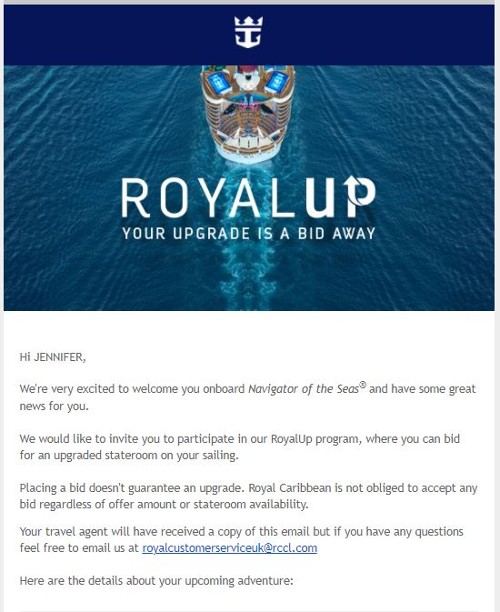
After you’ve booked, keep an eye on your emails – many lines invite you to bid for a better cabin. You name your price (say, £300 extra for a balcony), and if the offer’s accepted, you get the room.
Of course, it is far from guaranteed, and you might not get all the perks of that higher category, but it’s an affordable way to level up your trip.
Sometimes you can bid the minimum and win an upgrade for a tiny fraction of what it would’ve cost you to book it outright. But other times even a high bid can fail, especially when it’s peak season and ships are selling out.
6. Watch for price drops after booking
Here’s the sneaky one: if the fare drops after you’ve booked but before your final payment date, most cruise lines will match the lower rate or offer you the difference in onboard credit.
That’s because, if it’s before your final payment date, you can cancel – and they don’t want the hassle of re-selling the cabin to someone else. It’s better value for them to retain you as a guest, and hopefully give you that small financial win that makes you more likely to book again in future.
Check your fare regularly (once a week is plenty) and if you spot a drop, call them straight away.
Cruising with little ones? These promotions can make a massive difference. Lines like Royal Caribbean, MSC and P&O Cruises often run “kids sail free” events where you’ll only pay port fees and taxes for your children.
That’s hundreds saved per child.
If the deal’s not live when you book, no panic – just note your final payment date and keep checking. You might be able to call and have the discount applied later.
I adore shoulder-season cruising. You get calmer crowds, cooler weather (no baking alive on deck), and much better prices.
Caribbean in September, Mediterranean in November, Alaska in April – all great value.
Yes, you might have the odd rain shower or slightly chillier evening, but you’ll also have space to breathe on deck and fewer queues at the buffet. I’ll take that trade any day.
The only thing to bear in mind is that you need to be a bit flexible with your itinerary. If you’re cruising when the weather is more likely to be rough, that’s when you’re at a higher risk of port visits being cancelled, if the ship can’t safely dock.
If you aren’t too fussed about every port on your itinerary, then go for it. And just make sure you’ve got cruise insurance with missed port cover anyway, so you get a bit of a refund if you do miss a port.
My Recommendation
My recommendation for cruise insurance depends on where you live.
These are trusted price comparison sites that will quickly get you lots of quotes to match your exact needs.
9. Think about bundled packages
If you need flights and hotels, some cruise lines or especially travel agents offer packages that combine everything – often cheaper than booking separately.
You’ll sacrifice a bit of flexibility, as the cruise line picks your flight times and hotels, but it can simplify things massively, especially for long-haul trips.
There are pros and cons here and you might get an even better deal if you put the work in and book your own extras.
But it’s always worth checking and comparing. Maybe you can save money booking a 3* hotel for the night before your cruise yourself, but for a very small extra charge a travel agent can get you a deal on a 4* one – and perhaps that’s worth it to you.
10. Bring your own drinks
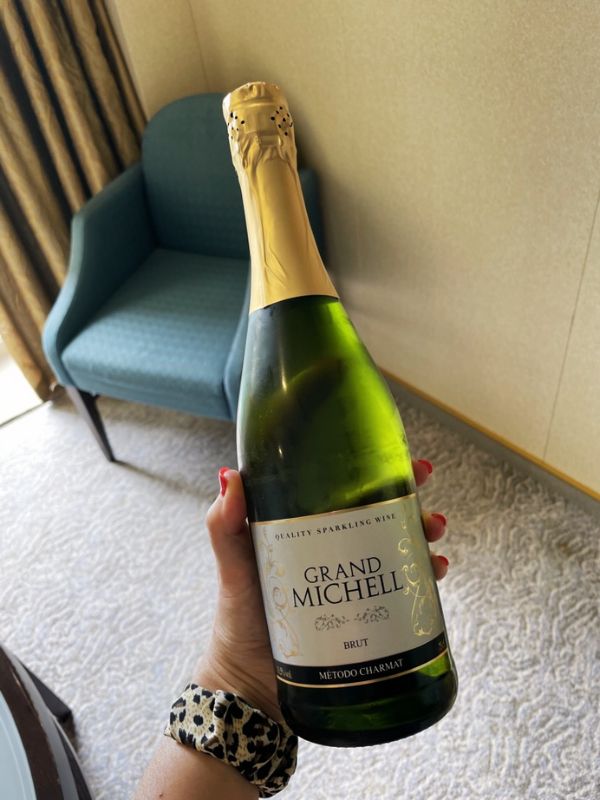
Most ships let you bring limited drinks onboard – usually one bottle of wine per adult and a small pack of soft drinks or water.
Doesn’t sound like much, but considering wine can cost £30 a bottle onboard, that’s an easy £60–£80 saved.
Just double-check your cruise line’s policy before packing – they vary. And yes, a sneaky bottle of your favourite rosé on the balcony at sunset tastes far better when you didn’t pay ship prices for it.
Just ask your cabin steward or room service for some wine glasses, and ice if you like.
The automatic gratuities that most cruise lines charge will often increase year-on-year, so paying them in advance locks in the current rate. It also means you won’t get that “surprise” bill at the end of your trip.
A few people grumble about tipping, but here’s the truth: those crew members work insanely hard, seven days a week, often months at sea. Prepaying means everyone gets looked after properly, and you can relax knowing it’s already handled.
Look out for deals offering onboard credit when you book. It’s basically cruise cash that can be used anywhere onboard – cocktails, spa treatments, gift shops, you name it.
Some travel agents also offer it as an incentive for booking through them. Even if it only seems like a small amount, it’s a nice bonus to get.
Treat it like found money – but remember, it doesn’t carry over. Use it before disembarking or you lose it.
13. Be smart about excursions
Booking excursions through the cruise line is easy, but you’ll pay for the privilege. Independent tours can be half the price – and often much better.
Smaller groups, more flexible timings, and fewer selfie sticks in the background of your photos.
Just plan wisely and leave plenty of time to get back to the port. I always aim to be back an hour before the all-aboard time, just in case.
Save up to 40% on Cruise Excursions!
Choose from over 4,000 excursions with a return-to-ship guarantee
14. Pack like a pro
You really don’t need half your wardrobe. Most people overpack massively for cruises. Remember, there’s laundry service onboard (or self-service on some lines), and the airline baggage fee for an extra case is often higher than the cost of getting your clothes washed mid-cruise.
Think mix-and-match, lightweight layers, and leave space for souvenirs. And if you’re a snorkelling lover, bring your own kit – better quality, more hygienic, and saves money long-term.
15. Avoid onboard spending traps
This is the big one. Cruise ships are designed to tempt you – art auctions, spa deals, casinos, “souvenir” photos. Before you go, set a budget for onboard spending and stick to it.
Work out what genuinely makes your cruise better and skip the rest. Or if you want to try a bit of everything, make sure you budget for it all – don’t just turn up and hope it all works out by the time you get your final bill. You’ll enjoy yourself more when you’re not dreading it towards the end of your cruise.
Cruising doesn’t have to mean spending a fortune. With a little planning and a few insider tricks, you can stretch your budget and still have an unforgettable trip.
At the end of the day, the best parts of cruising – the ocean views, the sunsets, the laughter – don’t cost a thing. So grab that glass of wine (preferably the one you brought onboard), find a deck chair, and toast to smart sailing.
Cruise ships run like floating cities, with strict rules designed to keep everything safe, professional and picture-perfect.
But behind the smiles and uniforms, crew life is a world of long hours, cramped cabins, and the occasional bit of quiet rebellion.
How do we know this? Well, Lucy Southerton is a popular YouTuber who shares stories of life at sea on her channel ‘Cruising as Crew’, and she was interviewed by Dan and Jay of Sail Away Magazine on some of the rules that crew members break.
From secret romances to sneaky phone breaks, here are seven of the most common rules crew members break when they think no one’s looking – and why you might find them strangely understandable.
It’s strictly forbidden, and for good reason: cruise lines have to protect both their staff and their guests from awkward situations or worse.
And by worse, imagine those guests who regret their consensual encounters and decide to sue the cruise line big for sexual assault or worse. That’s why it’s so serious – it has happened.
Still, the rule doesn’t stop everyone. Crew/guest encounters happen – sometimes ending in tears, sometimes in trouble, and occasionally in serious accusations when things go wrong.
It’s risky territory, but when people work long hours far from home, emotions can blur. Crew and passengers share small spaces, the same social events, and a constant sense of adventure – which makes it tempting.
For those caught, the best-case scenario is being sent home. The worst-case scenario can involve police and legal trouble. It’s one rule that’s broken often enough that everyone onboard knows it goes on – even if no one admits it out loud.
However, and let me be absolutely clear on this, that doesn’t mean it’s happening with every crew member. Far from it. It might be well-known, but it is still only a small minority that are involved.
So do not, under any circumstances, assume that the crew are up for a bit of fun at sea if you’re single and cruising. Be respectful and don’t chase them.
2. Crew–Crew Hookups
You’d think crew members would at least be allowed to date each other freely – and it’s sort of true, but not quite.
Officially, romantic relationships between crew are discouraged, especially between staff from different departments or ranks. It’s meant to keep things professional and avoid drama in tight quarters.
After all, you might be cooped up on the ship with the same people for six months or more. Do you want to get into a relationship with someone only for it to end badly after a month, with another five months to go?
Still, in reality, shipboard romances are common.
One particularly memorable tale from Lucy involves a crewmate being found handcuffed to her bunk after a “game” gone wrong – proof that even at sea, love (or lust) finds a way.
Cabins are tiny, privacy is non-existent, and emotions can run high. Crew work, eat, socialise and often live within arm’s reach of one another for months. It’s a pressure cooker environment where friendships and flirtations naturally cross the line.
While the rules say no, the sea has a funny way of ignoring them – especially after a few drinks in the crew bar.
3. Breaking the Alcohol Limit
Crew members are allowed to drink, but only a little.
The legal onboard limit is usually 0.05% – roughly one beer – and it’s enforced because staff must always be ready for an emergency. If something happens, passengers rely on the crew to stay sober and in control.
Still, it’s an open secret that many push their luck.
Drinks in the crew bar are cheap, stress levels are high, and off-duty socialising almost always involves alcohol.
As Lucy said, the real problem isn’t having a drink – it’s getting caught. Random breath tests can happen, and if you’re over the limit, you’ll likely be disembarked at the next port.
Some captains are known to schedule tests late in the day so crew have a fair chance to sober up, while others prefer to “catch them out” early in the morning.
Either way, most crew quickly learn how much they can get away with – and when it’s safe to have “just one more.”
4. Petty Theft at Sea
Just like on land, not everyone can resist temptation.
Lucy revealed stories of crew quietly helping themselves to goods from the onboard shops – anything from expensive face cream to chairs and even a painting from the ship’s art gallery.
Most cruise staff are hardworking and honest, but small acts of theft do happen. It’s easy to see why: they work surrounded by luxury items that passengers can buy, but that they themselves can’t afford.
Sometimes it’s boredom, sometimes greed, and sometimes it’s just the thrill of seeing if they can get away with it.
Security teams usually handle these cases quietly to avoid scandal, but when someone is caught, the consequences are immediate – dismissal and repatriation.
Still, stories like the one Lucy tells (of a crew member caught with three chairs and a painting) show that a few people at sea are every bit as daring as the ocean itself.
5. Happy Endings In The Spa
It’s not something cruise lines ever want to acknowledge, but it does happen.
Lucy admitted that during her years working in the onboard spa, some therapists offered “extras” for a cash tip.
As with everything on this list, it’s not common, and certainly not every therapist would dream of it, but it’s a well-known secret in the industry.
The mix of privacy, tips, and lonely passengers can lead to blurred lines.
For some crew, it’s a way to make fast money – a “side hustle” that can earn more than their regular wage. For others, it’s purely rumour. Either way, the rule is clear: any kind of sexual service, paid or not, is grounds for instant dismissal.
It’s one of those uncomfortable realities of ship life – a reminder that when people live and work in such intense, isolated conditions, the normal rules of behaviour can start to drift.
6. Using Mobile Phones on Duty
Most cruise lines have strict policies banning phone use during work hours. Crew are meant to stay professional, focused, and available to guests.
But just like anywhere else, temptation wins.
Phones are lifelines for crew far from home. They’re a way to message family, scroll through social media, or simply escape for a moment of normality.
It’s possible you might see cleaners or maintenance staff “taking a break” somewhere quiet, pretending to scrub a surface while really checking their messages.
One of the most amusing sights is a cleaner standing in a toilet cubicle with a mop in hand, apparently polishing the same spot for ten minutes – when in reality, they’re catching up on WhatsApp.
It’s against the rules, yes, but when you’re working twelve-hour shifts with little downtime, it’s hard to blame them for wanting a few minutes of connection.
7. Cabin Rules and Crew Misbehaviour
Crew cabins are private spaces, but they’re also strictly controlled. Crew are only allowed in their own or authorised cabins, and visitors are usually banned.
Still, it can happen that crew members can either enter a cabin that they shouldn’t be in, or they may linger unnecessarily when they have the authority to be there.
If that sounds ominous, don’t worry. I’ve my own story to share here and it’s really not too bad.
I once walked into my cabin to find two of the cabin attendants in there playing a little game of football using my son’s ball!
Some of you might be mortified but I honestly found it really funny, and didn’t mind at all. Even the most professional workers need a bit of fun sometimes.
Of course, many crew enter cabins as part of their cleaning or maintenance duties – that’s completely normal.
What’s not allowed is lingering, socialising, or playing games inside. Still, moments like that show that at sea, even the staff can feel like mischievous kids now and then.
TODAY’S BEST CRUISE DEALS!
Don’t miss these offers…
Final Word
Life at sea isn’t as polished as the brochures make it look. Behind the uniforms and rehearsed smiles are real people trying to balance discipline with a sense of normality.
Cruise crew work incredibly long hours, live in cramped conditions, and spend months away from home – so it’s hardly surprising that some rules get quietly bent along the way.
From sneaky phone breaks to secret romances, these stories aren’t about bad behaviour as much as they are about being human. For most crew, the small rule-breaking moments are what keep them sane in a world where work and life blur together.
So next time you’re on a cruise, spare a thought for the crew who make your holiday effortless. They’re not just part of the ship – they’re the heartbeat of it, doing their best to follow the rules… and sometimes breaking them a little.
Here’s Lucy’s interview with Dan and Jay in full, if you want to see more:
In today’s roundup: Royal Caribbean reshuffles stateroom categories ahead of Legend of the Seas’ debut, a Long Island travel agent is accused of scamming clients out of tens of thousands of dollars, and Carnival Cruise Line cracks down on teen curfew violations after an onboard incident.
Stay updated with the biggest cruise stories of the week. In today’s roundup: a dramatic windstorm collision in Ushuaia, a shocking case of mistaken identity aboard a Carnival ship in Miami, and P&O Cruises denying compensation after major itinerary disruptions.
Stay up to date with the biggest cruise stories making waves this week. From a confirmed norovirus outbreak on Holland America’s Rotterdam, to MSC Splendida’s weather‑forced itinerary shake‑up, to a Carnival guest going viral after a run‑in with the “naughty room,” we’re breaking down everything cruisers need to know.
A BIT ABOUT US: Cruise Hive was founded in 2008 by Emrys Thakkar, a former crew member and someone who has a massive passion for cruise ships. He has grown Cruise Hive into what it is today, a leading independent publisher covering the latest cruise news, advice, and more!
Gratuities are once again a hot topic in cruising – and this time, the conversation is being led by someone who knows ship life from the inside.
A former cruise ship crew member has launched a petition calling on cruise lines that currently charge gratuities separately to include them in the upfront cruise fare instead. The aim, he says, is to bring more transparency for passengers and greater financial certainty for crew.
The petition has been started by Zlatko Simovski of OwnTheShip.com, who spent six years working at sea. He says the ongoing debate around tips is starting to harm both cruising’s reputation and crew morale.
The Crew Worker Behind the Petition
Zlatko worked on cruise ships for six years, mainly as a pool attendant and lifeguard. Before joining the cruise industry, he grew up in a small developing country, working in construction from the age of 12 while also studying biotechnical sciences.
He says working on cruise ships was extremely important, giving him opportunities he wouldn’t otherwise have had – which is why he feels strongly about speaking up now.
“The cruise industry gave me everything I have in life, and I couldn’t stand aside and watch cruising get a bad name over gratuities,”
How Cruise Gratuities Work
On most cruise lines, gratuities (sometimes called service charges or crew appreciation) are a daily charge added per person, designed to cover tips for crew members who look after guests throughout the cruise.
The exact amount varies by cruise line and cabin type, but on most mainstream cruise lines gratuities typically range from around $14 to $20 per person, per day. Suites usually attract a slightly higher daily rate.
These charges help cover a wide range of crew roles, including cabin stewards, dining staff, and behind-the-scenes crew you may never meet.
There are usually two ways gratuities are handled:
Prepaid gratuities– Some passengers choose to pay them before sailing, often when booking the cruise or as part of an add-on.
Paid onboard – If not prepaid, gratuities are automatically added to your onboard account each day and settled at the end of the cruise.
In most cases, you don’t need to do anything – the charges appear automatically unless you’ve already prepaid them.
Technically, on many cruise lines, gratuities can be adjusted or removed by visiting guest services onboard. Policies vary by cruise line, and while it is possible, it’s worth noting that gratuities form a significant part of many crew members’ income.
This is where much of the ongoing debate around cruise gratuities comes from, with passengers holding a wide range of views.
Not all cruise lines handle gratuities the same way.
Many British cruise lines, such as P&O Cruises and Marella Cruises, include gratuities in the cruise fare as standard.
Ultra-luxury cruise lines often include gratuities (along with drinks and other extras) as part of an all-inclusive model.
Most American cruise lines, however, still charge gratuities separately as a daily onboard fee.
Because of these differences, two cruises with very similar headline prices can end up costing different amounts once gratuities are taken into account.
The Petition & Why Now Is The Right Time
According to Zlatko, the growing number of passengers choosing to remove daily service charges has created uncertainty for crew and tension between guests and staff.
He also believes that passengers aren’t necessarily in the wrong.
“Passengers only want things to be more transparent and straightforward – no surprises, no second thoughts, just one clear price,” he says.
At the same time, he acknowledges that cruise lines are unlikely to act alone.
“In a situation where there’s no law requiring them to include gratuities in the fare, no cruise line will take that step on its own and make its offer look less attractive than the competition.”
His petition calls on cruise lines to act together and agree on a shared approach.
Removing Gratuities Genuinely Affects Crew
One of the most common questions cruisers ask is whether removing gratuities really makes a difference to crew pay.
Based on his experience, Zlatko says the impact varies significantly depending on the role.
Cabin attendants and dining staff, who serve a fixed group of guests, are often the most affected. If several passengers remove gratuities, their pay can change noticeably from one contract to the next.
Public-facing roles such as pool attendants and cleaners usually receive gratuities through a pooled system. Their earnings are typically lower, but more stable.
Behind-the-scenes crew, including laundry and crew-area cleaners, also receive pooled gratuities but do not benefit from cash tips given directly to individual staff.
He adds that when passengers remove gratuities and tip selectively in cash, not all crew benefit equally.
A Common Misconception About Cruise Gratuities…
One of the biggest misunderstandings, according to Zlatko, is the belief that cruise lines keep part of the gratuities.
“In today’s world, even a single leak could seriously damage a cruise line’s reputation,” he says. “The last thing these companies would risk playing with is money that belongs to the crew.”
Cruise lines themselves consistently state that service charges are distributed among eligible crew, though exact systems vary by company and role.
There’s a Good Reason Not to Make Gratuities Completely Optional
Many cruisers strongly believe gratuities should remain optional, allowing guests to reward good service as they see fit.
Zlatko’s view is that gratuities already function as part of the overall cost – just framed differently.
“Charging gratuities separately is meant to make the cruise line’s offer look more attractive,” he says. “In every business, the customer pays staff wages one way or another.”
He compares cruising with hotels, where service costs are typically built into higher nightly rates rather than itemised separately.
That said, others argue that optional gratuities give passengers more control and encourage higher service standards – a debate that shows no sign of disappearing anytime soon.
Current Crew Are Reluctant to Speak Up
When asked whether current crew members feel able to speak freely, Zlatko says many are reluctant – not necessarily because they are forbidden to talk, but because cruise work is such a vital opportunity.
“For many crew from developing countries, working on cruise ships is their best chance to support their families,” he says. “Most would rather not take any risk, even if they technically could speak openly.”
The petition’s goal is not to remove gratuities entirely, but to see them included in the cruise fare, similar to how many luxury cruise lines already operate.
Zlatko hopes this would:
Create clearer, all-in pricing for passengers
Reduce tension and judgement around tipping
Provide crew with more predictable income
“Either gratuities are included, or we keep wasting time discussing them instead of focusing on enjoying our cruise,” he says.
Final Word
Gratuities remain one of the most divisive topics in cruising, with strong opinions on all sides.
While some passengers appreciate lower headline fares and flexibility, others would prefer a single, transparent price – even if it’s higher.
This petition represents one former crew member’s perspective, shaped by years of life at sea.
Whether cruise lines will ever agree on a unified approach remains to be seen, but the conversation around tipping clearly isn’t going away.
Oceania Cruises has officially transitioned to an adults-only cruise line, with immediate effect for all new reservations. From today (7th January 2026), only guests aged 18 and over will be…
A Long Island travel agent has been arrested on multiple fraud and larceny charges after allegedly taking large sums of money from customers for trips that were never booked, including…
A routine departure check at a major German cruise port has led to the arrest of a cruise ship crew member wanted by the courts on multiple charges. German federal…
Around 200 passengers on a luxury river cruise were forced to welcome the New Year in unexpected circumstances after their ship became stranded on the Danube River due to exceptionally…
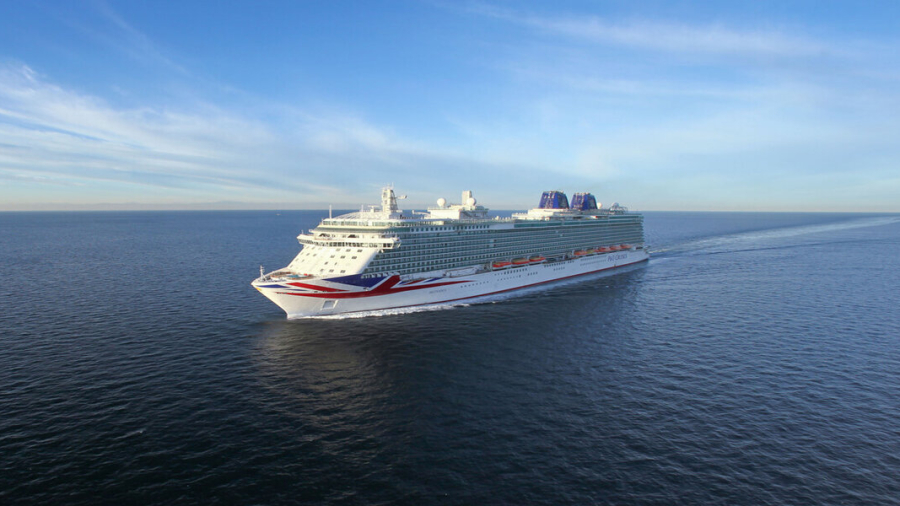
Passengers who sailed aboard Britannia over the Christmas and New Year period have expressed widespread anger after P&O Cruises confirmed that no refunds or compensation would be offered, despite a series of itinerary changes caused by a technical failure.
The 16-night Caribbean cruise, which departed on 26th December 2025, was significantly disrupted after mechanical issues forced the ship to remain in Barbados for several days and led to the cancellation of multiple ports of call.
While the cruise line has apologised for the inconvenience, guests say the response has fallen far short of what they expected.
In a letter sent to passengers after the cruise, P&O Cruises Guest Relations confirmed in writing that it would not be issuing refunds or any form of compensation in relation to the amended itinerary.
That decision triggered an immediate backlash from guests, many of whom said they felt the situation could and should have been handled differently.
“So, P&O are not going to take any responsibility and give anything in compensation? First and last time I will use them,” said one passenger.
Another guest highlighted both the financial and emotional impact on her family, saying they had spent £15k on the holiday and were “Completely disgusted with P&O.”
Passengers also raised concerns about a lack of transparency, calling for a detailed explanation of the technical problems that caused the disruption. Several said information onboard was limited and often unclear, leaving guests unsure about what was happening and how long the delays would last.
Apology Offered, But No Financial Redress
In a separate onboard letter dated 8th January 2026, P&O Cruises acknowledged the frustration felt by passengers and issued an apology for the disruption.
“On behalf of all of us on Britannia and at P&O Cruise, we would like to apologize and thank you for your patience following the recent itinerary changes and the unexpected diversion to Barbados due to a technical issue,”
The message sought to downplay the overall impact, noting that guests had missed two ports of call and received one replacement destination.
It also highlighted the extended stay in Barbados as an opportunity for guests to enjoy more time ashore, pointing to the island’s culture, beaches and hospitality.
Passengers seeking reimbursement for missed ports were advised to contact their travel insurance providers.
“If you wish to make a claim with your travel insurance provider for the missed ports of call, please retain a copy of this letter for your records,” the cruise line said.
That advice only fuelled further frustration. Guests questioned why they were being directed to insurers for what they viewed as a mechanical failure that sat squarely with the cruise line. Some also reported that the unexpected additional days in port and at sea resulted in shortages of food and beverage supplies, further diminishing the onboard experience.
“This should not be for our insurance to cover. It’s a failing from P&O to provide what was paid for,” said one passenger, comparing the situation to airline compensation when flights are cancelled due to technical faults.
What Went Wrong on the New Year’s Cruise
Britannia, carrying more than 3,600 passengers, set sail on the festive itinerary from Bridgetown on 26th December 2025. The cruise initially progressed as planned, with successful calls at Grenada and Curaçao.
However, a scheduled stop in Aruba on 31st December 2025 was cancelled due to forecast high winds, resulting in an unplanned sea day on New Year’s Eve.
The more serious disruption followed shortly afterwards, when a technical issue emerged that required urgent attention. The ship was forced to reduce speed and return to Barbados for repairs, with one passenger describing the 143,000-gross-ton vessel as “limping back” to port.
Britannia arrived back in Barbados on 3rd January 2026 and remained there until late on 5th January while repairs were carried out, extending the stay by three additional days. As a result, scheduled visits to St Lucia and Antigua were cancelled, with Antigua replaced by a call to Martinique on 6th January.
In total, the ship spent six of the 16 cruise days in Barbados, five days at sea and just five days visiting other Caribbean destinations.
The disruption came during a challenging period for the cruise line more broadly. At the same time, P&O Cruises was dealing with the fallout from a US military strike on Venezuela, which temporarily closed Caribbean airspace for 24 hours. That closure forced the company to reschedule sailings and issue refunds to around 5,000 fly-cruise guests booked on Arvia.
For those onboard Britannia, however, the focus remains firmly on what they describe as a disappointing response to a holiday that failed to deliver what was promised.
NEW DEALS JUST RELEASED!
Don’t miss the latest P&O Cruises offers…
Related Posts
If you found this interesting, please share!
Gratuities are once again a hot topic in cruising – and this time, the conversation is being led by someone who knows ship life from the inside. A former cruise…
Oceania Cruises has officially transitioned to an adults-only cruise line, with immediate effect for all new reservations. From today (7th January 2026), only guests aged 18 and over will be…
A Long Island travel agent has been arrested on multiple fraud and larceny charges after allegedly taking large sums of money from customers for trips that were never booked, including…
A routine departure check at a major German cruise port has led to the arrest of a cruise ship crew member wanted by the courts on multiple charges. German federal…
If you’ve cruised with Carnival before, you might think you already know the rules. But in 2026, a few things are being taken a lot more seriously – and some of them are catching guests out.
At the same time, there are a few things people swear are “banned” that the cruise line is actually still allowing, despite endless complaints and viral rumours.
I’ve been following the updates, and the reality is more interesting than social media makes it sound. Some of these crackdowns are long overdue, others are simply Carnival clearing up years of confusion.
Before you pack, book or board in 2026, there are a few rules you really need to understand – because one mistake could cost you far more than you expect.
1. Letting Minors Roam the Ship After Curfew
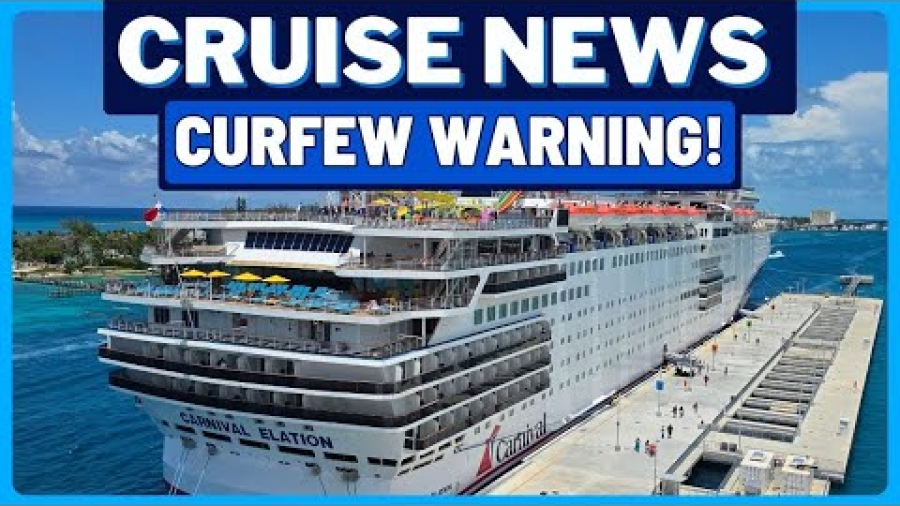
Carnival is taking a much firmer stance on under-18s being out and about late at night – and yes, they’re backing it up with real consequences.
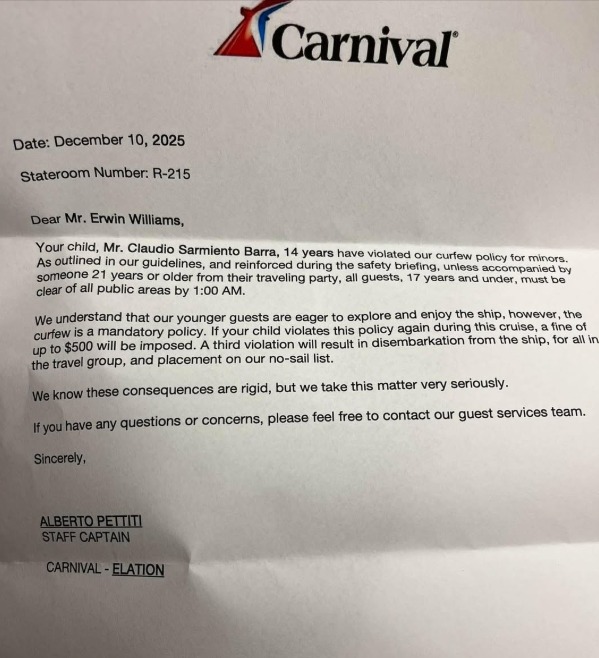
A recent guest shared a letter they received onboard after their 14-year-old was found in a public area after curfew. Carnival’s policy is very clear: all guests aged 17 and under must be out of public areas by 1am unless they’re accompanied by someone aged 21 or over.
According to the letter, the curfew isn’t just a suggestion – it’s mandatory.
The warning spells out exactly what happens if the rules are ignored:
First violation: a formal warning
Second violation: a fine of up to $500
Third violation: everyone in the travel party can be disembarked early and placed on Carnival’s “no-sail” list
That last part is what’s really caught people’s attention. It’s not just the child who faces consequences – the entire group could be sent home and banned from sailing with Carnival in the future.
Why the crackdown? Carnival hasn’t hidden the reasoning. Late-night incidents involving unsupervised teens have been a growing issue, particularly in high-traffic areas of the ship after midnight. This policy gives crew members clearer authority to step in and helps ensure a safer, calmer environment for everyone onboard.
For families cruising with teens, the takeaway is simple: know the curfew, take it seriously, and don’t assume it won’t be enforced. Carnival clearly isn’t messing around with this one anymore.
NEW DEALS JUST RELEASED!
See the latest Carnival cruise offers…
2. Minors in Adults-Only Areas and Shows
Carnival is also drawing a much firmer line when it comes to adults-only spaces and entertainment onboard – and they’re not making exceptions based on “parental discretion”.
Serenity Deck on Carnival Pride
Most Carnival ships have areas and events that are strictly age-restricted, including adults-only decks like Serenity and certain shows that are clearly marked as 18+ only. One of the biggest flashpoints has been the Punchliner Comedy Club, where late-night performances are classed as R-rated and reserved for guests aged 18 and over.
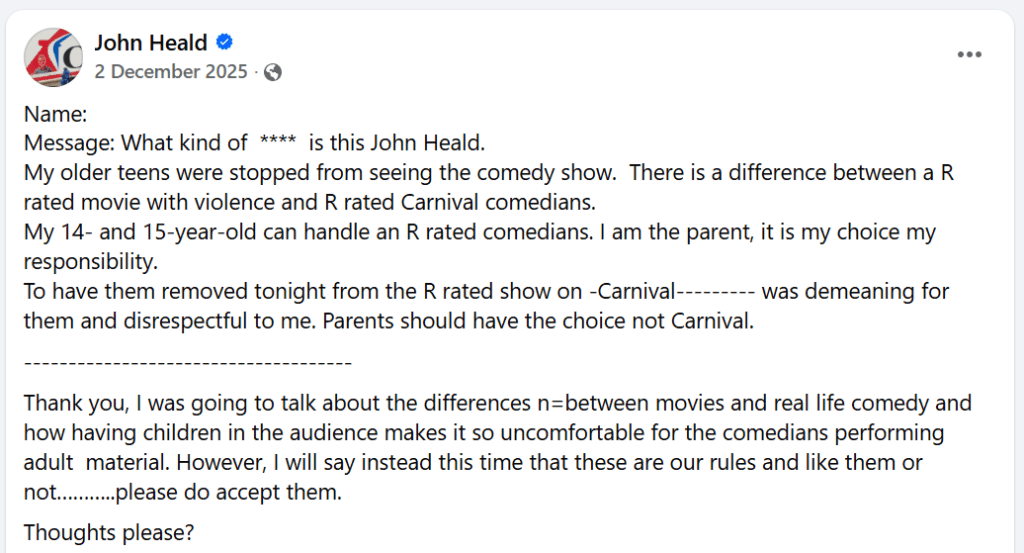
Recently, a parent complained after their 14- and 15-year-old were stopped from attending one of these adults-only comedy shows. The argument was a familiar one: that they were mature enough, that the parent should get the final say, and that being turned away felt “demeaning”.
Carnival’s response was short and to the point. Brand ambassador John Heald made it clear that, whether guests agree with them or not, these are Carnival’s rules and they are expected to be followed. He also pointed out that having minors in the audience can make performers uncomfortable when delivering adult material.
In practice, this means crew members are actively checking ages and removing underage guests from adults-only venues if needed – even if they’ve already taken a seat.
The wider cruise community has largely backed Carnival on this one. Many parents have pointed out that while their teens could probably handle the content, they still respect the age limits and simply attend the family-friendly shows instead – which Carnival already offers on every sailing.
Allowing exceptions, as many guests have noted, would quickly turn into a slippery slope. If a “mature” 15-year-old is allowed into an adults-only comedy show, where does it stop? The same logic would soon be applied to other 18+ areas across the ship.
For now, Carnival is standing firm: adults-only really does mean adults-only.
Despite what you may have seen flying around Facebook, Carnival is not increasing its daily alcohol limit – and it’s been very clear about that.
Rumours recently went viral claiming that Carnival had quietly raised the Cheers! drink package allowance from 15 alcoholic drinks per day to 24. It sounds appealing, but according to Carnival, it’s complete nonsense.
The daily limit remains exactly where it’s always been: 15 alcoholic drinks per guest, per 24-hour period. And the cruise line has also increased the time between ordering drinks – now, guests must wait 10 minutes between drinks, when previously a 5-minute limit applied.
It’s worth remembering that the limit only applies to alcohol. Sodas, bottled water, juices, speciality coffees and other non-alcoholic drinks included in the Cheers! package don’t count towards that total at all. Carnival also offers non-alcoholic packages with no daily caps.
So why won’t Carnival budge on this? The reasons are fairly obvious. Alcohol is frequently linked to onboard incidents, from arguments between guests to more serious safety issues. Keeping a clear, firm limit in place is one way the cruise line tries to reduce the risk.
While some guests argue that the cap turns drinking into a “challenge”, many others find 15 drinks more than enough across a full day on board.
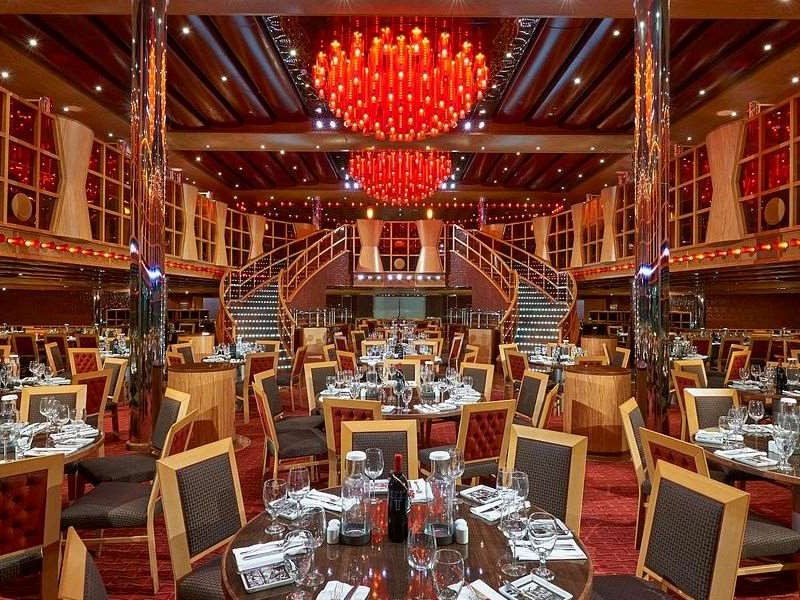
If you’ve got a set dining time on Carnival, turning up whenever you feel like it is no longer being tolerated.
Carnival is cracking down on guests who arrive late for their assigned dining room seating, with latecomers now being redirected to the Lido buffet instead. And yes, that applies even if you’ve booked early dining.
In a recent case, a couple arrived 35 minutes late for early seating and were politely told to eat on the Lido deck.
The reasoning is simple. Early dining runs on a tight schedule so the dining room can be reset and ready for late seating. When guests arrive far too late, it puts unnecessary pressure on crew and disrupts the experience for everyone else at the table – especially those who turned up on time.
While a few minutes’ grace is understandable, Carnival has made it clear that there is a limit. Arriving 20 minutes late, and certainly anything beyond that, is now likely to mean you’ll be sent elsewhere for dinner.
Most guests seem to be on board with the change. Many have pointed out that land-based restaurants don’t hold reservations indefinitely either, and that late arrivals can delay desserts, slow service and frustrate both fellow diners and staff.
The good news is that being turned away from the main dining room doesn’t mean going hungry. The Lido Marketplace is open every evening, and guests who prefer flexibility may want to consider Your Time Dining or specialty restaurants instead.
5. Disruptive Behaviour Onboard
Carnival has always had rules around behaviour, but in 2025 it made a very clear point of reminding guests that they actually intend to enforce them – and that approach is expected to continue into 2026.
Last summer, Carnival sent a “Have Fun. Be Safe” letter to guests boarding cruises, particularly as the busy summer season kicked off. The message covered a wide range of conduct issues, from curfews and noise to smoking, drugs and general respect for other passengers.
The tone wasn’t subtle. Carnival made it clear that policies such as the 1am curfew for under-18s would be strictly enforced, that shouting and running in corridors isn’t acceptable, and that personal speakers are banned in public spaces. Smoking and vaping are only allowed in designated areas, with serious consequences for anyone caught doing it in cabins or on balconies.
The cruise line also reinforced its zero-tolerance stance on illegal drugs, reminding guests that what’s legal on land doesn’t necessarily apply at sea. Anyone caught using or attempting to bring illegal substances onboard risks being arrested, removed from the ship and banned from sailing with Carnival in the future.
While this wasn’t a brand-new policy, the reminder itself felt like a reset. With certain sailings – particularly spring break and peak summer cruises – attracting more party-focused crowds, Carnival appears determined to set expectations early and avoid problems later.
6. Where Mobility Scooters Can (and Can’t) Be Stored
Carnival continues to tighten up enforcement around mobility scooter rules, mainly because confusion – and frustration – around their use hasn’t gone away.
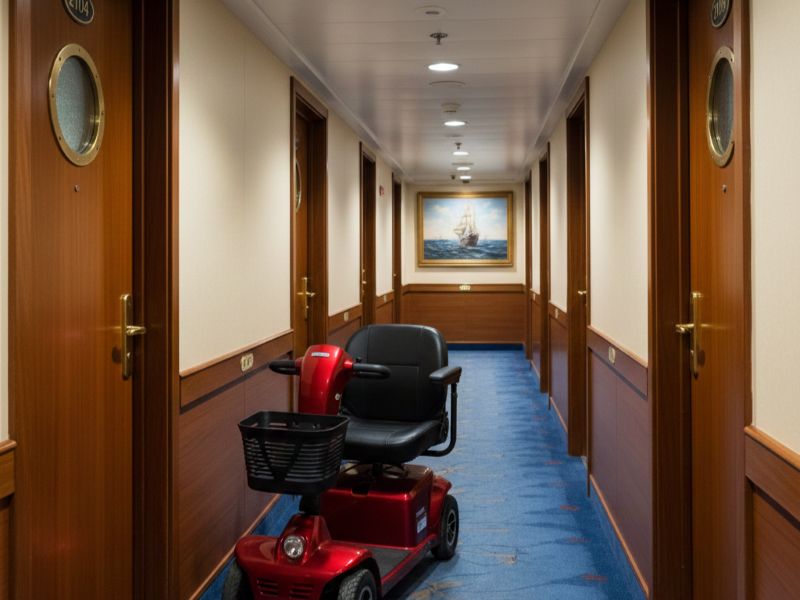
The key rule Carnival keeps reinforcing is this: mobility scooters must be stored inside guest cabins. They cannot be left in corridors, outside cabin doors or unattended in public areas, even for short periods. The reason is simple – blocked hallways and exits are a serious safety risk at sea.
Carnival has reminded guests that mobility devices must always be kept clear of fire doors, exits and safety equipment when in public areas, and they can’t be left parked while unattended anywhere onboard.
This is also likely a response to ongoing complaints from passengers about scooters blocking walkways and creating pinch points in busy areas of the ship. From Carnival’s point of view, it’s about safety first, not convenience.
The cruise line has also reiterated that size matters…
For guests staying in standard cabins, scooters must be no more than 21 inches wide. Anyone travelling with a wider scooter – or with more than one scooter in the same cabin – must book a fully accessible stateroom.
Carnival has been clear that scooters may be checked during embarkation, and guests who turn up with equipment that doesn’t meet the requirements could be denied boarding if no suitable alternative is available.
7. Certain Door Decorations (Yes, Including the Upside-Down Pineapple)
Decorating your cabin door is still very much a cruise tradition – but Carnival is continuing to crack down on what you can and can’t use.
One thing that remains firmly banned is string lights of any kind. Battery-powered or not, Carnival does not allow lights on cabin doors or inside staterooms, even during the festive season. Crew members are within their rights to remove them, and guests have reported exactly that happening.
The reason comes down to safety. Unlike decorations, light strands vary hugely in quality, wiring and power sources, and Carnival takes fire risk extremely seriously. There are no exceptions for Christmas, birthdays or any other celebration.
Carnival has also reiterated its stance on certain door symbols, most famously the upside-down pineapple. While some guests insist it’s harmless fun, Carnival has previously removed these decorations to prevent unwanted attention, misunderstandings and complaints from nearby cabins.
In general, door decorations must stay on the door itself. They’re not supposed to spill onto door frames, walls, railings or into the corridor, even though this rule isn’t always consistently enforced. Large displays that block walkways or create clutter are far more likely to be removed.
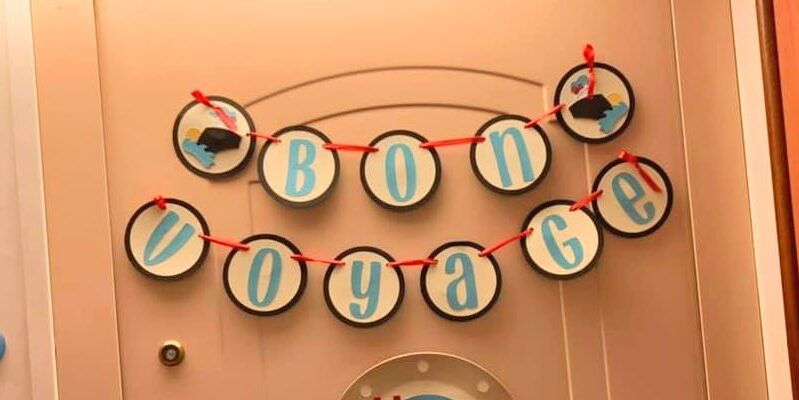
The good news is that decorating your door isn’t banned outright. Magnets, signs and small decorations are still allowed, and Carnival has even said they enjoy seeing guests celebrate special occasions onboard – as long as it doesn’t compromise safety or impact other passengers.
8. Arguing Over “Free” Bottled Water
This one isn’t so much a crackdown on behaviour as it is Carnival putting an end to years of confusion – and arguments – over bottled water.
Carnival loyalty members with Red status or higher are entitled to a free 1.5-litre bottle of water as part of their onboard perks. That benefit isn’t going away, and it will continue when Carnival’s new Rewards programme launches in 2026.
The problem? Guests have repeatedly helped themselves to bottled water from their cabin, only to be surprised when it appears on their bill. Others have insisted they shouldn’t be charged because they “get free water”, leading to ongoing disputes with guest services.
To stop the confusion once and for all, Carnival is now clearly marking the complimentary bottle with a red neck tag that identifies it as a gift. If the bottle doesn’t have that tag, it isn’t free – and drinking it means you’ll be charged.
Part of the confusion comes from how the benefit has changed over time. Before the pandemic, free bottles were simply placed in cabins. After cruising resumed, guests often had to collect them from bars instead, even though the bottles themselves looked exactly the same.
Carnival’s message going into 2026 is simple: the free bottle will now be clearly labelled, and the rules are no longer up for debate. If it’s tagged, enjoy it. If it’s not, expect to pay.
3 Things Carnival Still Permits
Despite rumours, or arguments on social media, these are all still permitted with Carnival…
Relaxed Dress Codes (Yes, Even on Elegant Night)
Despite plenty of complaints, Carnival is still firmly on the relaxed side when it comes to evening dress codes – and it doesn’t look like that’s changing anytime soon.
Few topics divide cruise passengers quite like what people wear to the Main Dining Room, especially on what Carnival now calls Cruise Elegant nights. For some guests, it’s a chance to go all out with tuxes, ballgowns and serious glamour. For others, it’s just another night on holiday.
One guest recently complained that jeans should be banned altogether, arguing that seeing denim on elegant night “ruined” the experience for those who had dressed up. They even suggested that anyone wearing jeans should be sent to eat on the Lido deck instead.
While Carnival’s official dress code does list jeans as “not permitted” on Cruise Elegant evenings, the reality onboard is very different. Carnival treats its dress code as a guideline rather than a hard rule, and enforcement is minimal unless someone is wearing something genuinely inappropriate, like swimwear.
The result is a very Carnival-style compromise. Guests who want to dress up absolutely can, and many still do. Guests who prefer dark jeans and a nice top or shirt are also welcome. Both experiences are allowed to exist side by side.
Rap and Hip Hop Music Is Not Banned
Despite what TikTok might have you believe, Carnival has not banned rap or hip hop music onboard.
Over the past year, claims have circulated online suggesting that Carnival DJs were no longer allowed to play hip hop or take rap music requests, with some posts even implying the decision was racially motivated. None of that is true.
Carnival has publicly denied the rumours, confirming that its DJs continue to play a wide range of music genres, including rap and hip hop. According to the cruise line, nothing has changed in terms of music policy, and guests can still expect the same variety of nightlife and dance floor playlists as before.
Part of the confusion appears to come from images and graphics shared on social media that list “new rules” supposedly coming into effect. Carnival has confirmed that some of these graphics are either completely fake or simply screenshots of long-standing safety rules being misrepresented as something new.
In other cases, guests have mistaken behaviour guidelines for music restrictions. Carnival has been very clear that while it sets expectations around guest behaviour in nightclubs and public spaces, it does not ban specific music genres.
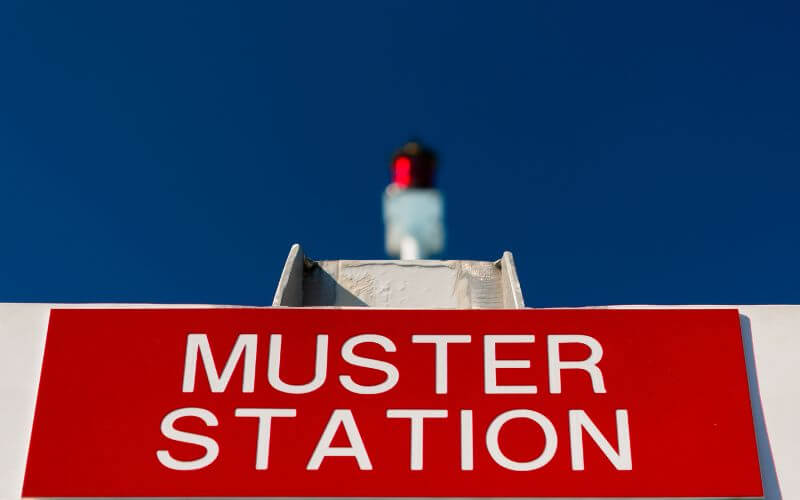
The Old-Style Muster Drill Isn’t Making a Comeback
If you’ve seen rumours that Carnival is bringing back long, old-fashioned muster drills on every cruise, you can relax – that’s not happening.
It’s something that’s come up a few times over the past year, when some Carnival guests were told that they would need to complete a full, in-person muster drill rather than the usual e-muster.
Understandably, that raised alarm bells for some cruisers who much prefer the quicker, modern system.
Carnival has repeatedly clarified the situation. This isn’t a policy change or a return to “the old days” – it is simply a regulatory requirement. Every ship is required by maritime authorities to conduct a full traditional muster drill a limited number of times each year for compliance reasons.
Carnival is not abandoning e-muster. The simplified drill remains the standard across the fleet, with only the occasional sailing required to complete a full, in-person version.
Even on those sailings, guests who’ve experienced it recently say it’s far from a disaster. Most full musters take around 15 to 30 minutes, and while it’s not anyone’s favourite part of a cruise, it’s a one-time inconvenience at the very start of the trip.
Safety may not be the most exciting topic, but a few minutes spent on it is a small price to pay for a smooth and enjoyable cruise.
Final Word
Carnival isn’t turning into a strict, no-fun cruise line in 2026 – but it is making one thing very clear: rules only work if they’re enforced.
Most of the changes and clarifications we’re seeing aren’t brand new. They’re Carnival responding to repeated issues, viral misinformation and a small number of guests whose behaviour impacts everyone else. Whether it’s under-18s breaking curfew, late arrivals holding up dinner service or arguments over what’s “free”, the cruise line is clearly done with grey areas.
At the same time, Carnival is still very much Carnival. Dress codes remain relaxed, music isn’t being censored, and e-muster drills aren’t going anywhere. For every crackdown, there’s a reminder that this is still a holiday – just one where a bit of consideration goes a long way.