Cruise ship waste management works by separating every waste stream on board and treating each one differently: sewage and greywater go through onboard treatment plants, food waste is ground, dehydrated or digested, recyclables are sorted and offloaded in port, and oily water is filtered before any permitted discharge. What a ship may release, and where, is set by the international MARPOL convention plus national and local rules, which are stricter in places such as Alaska and the Baltic Sea.
Free: download our 2027 Luxury Cruise Calendar →
Here is how each type of waste is handled, the rules that apply, and where critics say the system still falls short.
Cruise Ship Waste Management at a Glance
A large cruise ship carries thousands of people and runs restaurants, laundries, spas, pools and engine rooms around the clock. Each produces a different kind of waste, and each is handled by a different system.
| Waste type | Where it comes from | How it is usually handled | Main rules |
|---|---|---|---|
| Blackwater (sewage) | Toilets and medical center | Vacuum collection, treatment in a marine sanitation device or advanced wastewater purification system; sludge dried, incinerated or landed ashore | MARPOL Annex IV; US Clean Water Act; Alaska and Baltic rules |
| Greywater | Showers, sinks, galleys, laundry | Often treated with blackwater in advanced systems; otherwise held or discharged where allowed | National and local rules; US Vessel General Permit; Alaska rules |
| Food waste | Galleys and restaurants | Pulped or ground, dehydrated, biodigested or burned; ground food may be discharged far enough offshore | MARPOL Annex V |
| Recyclables | Glass, aluminum, cardboard, paper, some plastics | Sorted, crushed or baled, then offloaded to recycling vendors in port | MARPOL Annex V (no plastics at sea) |
| General solid waste | Packaging, cabin trash | Incinerated on board or landed ashore | MARPOL Annex V and VI |
| Oily bilge water | Engine room spaces | Oily water separator, oil content monitoring; residue landed ashore | MARPOL Annex I (15 ppm limit) |
| Hazardous waste | Photo and print chemicals, paints, batteries, medical waste, lamps | Stored separately and landed to licensed contractors | National hazardous waste laws |
| Scrubber washwater | Exhaust gas cleaning systems | Discharged (open loop) or held and treated (closed loop) | MARPOL Annex VI guidelines; growing port and national bans |
Where Does Cruise Ship Sewage Go?
Most modern cruise ships use vacuum toilets, which need far less water than household toilets and pull waste through pipes to collection tanks. (The guide to cruise ship bathrooms explains why the flush is so loud.) From there, sewage goes to a treatment plant.
Older ships rely on a standard marine sanitation device that breaks waste down and disinfects it. Most large ships now have an advanced wastewater purification system (AWPS), which works much like a modern municipal plant:
- Screening: solids, paper and debris are removed.
- Biological treatment: bacteria in aerated tanks digest the organic matter.
- Filtration: membranes or other fine filters separate remaining particles and bacteria.
- Disinfection: ultraviolet light or chemicals kill remaining pathogens.
The treated water, or effluent, can then be discharged where rules allow. The leftover sludge is dewatered and then dried and incinerated on board, or landed ashore, depending on the ship and port.
According to the Cruise Lines International Association (CLIA), its members’ ships do not discharge untreated sewage anywhere in the world during normal operations, and around 84% of member passenger capacity is served by advanced wastewater treatment, with all new ships on order specified with it. Those figures come from the industry itself, so treat them as its own claims.
Greywater vs blackwater
Blackwater is sewage from toilets and medical facilities. Greywater is everything else that goes down a drain: showers, sinks, galley dishwashers and laundry. Greywater is the bigger stream by volume and can contain detergents, grease, food particles and bacteria. On ships with an AWPS, greywater and blackwater are usually treated together. On older ships, greywater may be held in tanks and discharged further offshore, where rules permit.
What Do Cruise Ships Do With Food Waste?
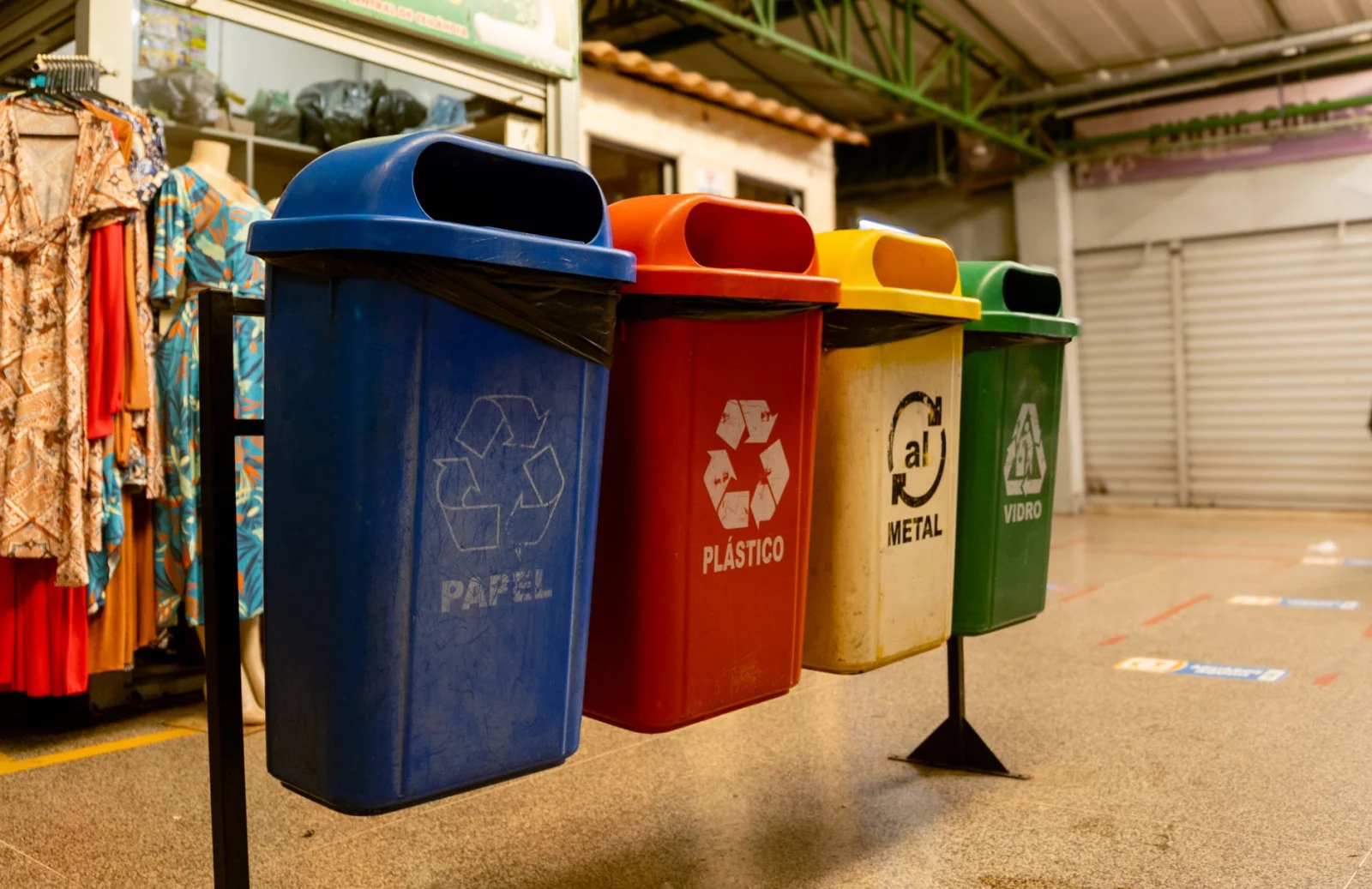
Food waste is one of the largest solid waste streams on a cruise ship. Crew sort it in the galleys, often in color-coded bins, and send it to one of several systems:
- Pulpers and grinders reduce food to a slurry small enough to pass a 25 mm screen.
- Dehydrators remove water from scraps such as bones and peels, shrinking volume and leaving a dry material that can be landed or burned.
- Biodigesters use bacteria to break food down into a liquid.
- Waste-to-energy systems on some newer ships convert food and other organic waste into energy for the ship’s hotel services.
Under MARPOL Annex V, ground food waste may be discharged only while the ship is underway and at least 3 nautical miles from the nearest land, and unground food waste at least 12 nautical miles out. Some cruise lines apply stricter distances under their own policies.
Lines are also trying to waste less food in the first place. Carnival Corporation reports a food waste reduction per guest of more than 40% against a 2019 baseline, aiming for 50% by 2030, using biodigesters, dehydrators and data on what guests actually eat. Royal Caribbean Group says it uses forecasting tools to match food production to demand.
Recycling, Plastics and Solid Waste
Discharging plastics into the sea is banned outright under MARPOL Annex V. Ships typically have a dedicated waste center where crew sort waste by hand: glass (often crushed and sorted by color), aluminum cans (compacted), cardboard and paper (baled), metals, and plastics. Recyclables are stored and offloaded to vendors in port. Whatever cannot be recycled is either burned in onboard incinerators, which are regulated for air emissions, or landed ashore.
Royal Caribbean Group says all of its ships are equipped to be landfill-free, and that vetted shore-side vendors under its Green Hub program divert close to 90% of its waste from landfill. Many lines have also cut single-use plastics such as straws, stirrers and small toiletry bottles. How well recycling works also depends on the port: not every destination has the facilities to take sorted waste.
Oily Bilge Water and Hazardous Waste
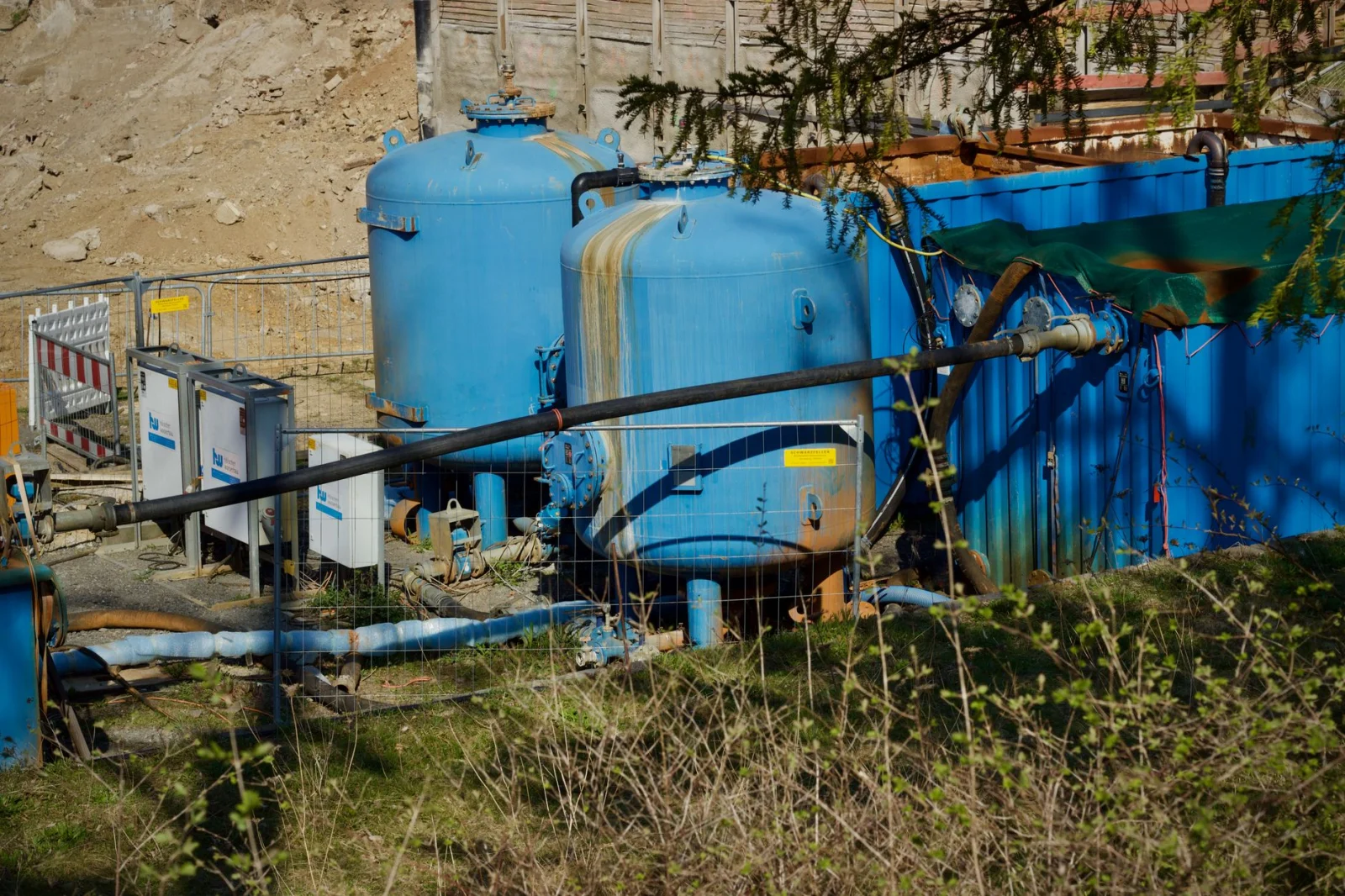
Water collects in the lowest parts of the engine room, mixing with traces of oil and fuel. Under MARPOL Annex I, this oily bilge water must be run through an oily water separator, and it may be discharged only while underway, outside special areas where discharge is banned, and only if the oil content is 15 parts per million or less. An oil content monitor stops the discharge if the limit is exceeded, and every operation is logged in the ship’s Oil Record Book. The separated oil and sludge are landed ashore or burned.
Hazardous materials, including old batteries, fluorescent lamps, paints, solvents, print chemicals and medical waste, are stored separately and handed to licensed contractors in port.
The Rules: MARPOL, US Law and Alaska
International rules
The International Maritime Organization’s MARPOL convention is the main global framework. Annex I covers oil, Annex IV sewage, Annex V garbage and Annex VI air pollution. Under Annex IV, ships may discharge sewage that has been ground and disinfected more than 3 nautical miles from land, or untreated sewage from a holding tank more than 12 nautical miles from land, at a controlled rate while underway at 4 knots or more. Effluent from an approved treatment plant can be discharged closer, subject to national rules.
The Baltic Sea is a special area for sewage from passenger ships. Discharge is banned there unless the ship’s treatment plant meets tighter nutrient standards, a rule that has applied to new passenger ships since 2019 and to existing ones since 2021, with a final phase for certain direct routes from 2023.
United States rules
In US waters, sewage is regulated mainly under the Clean Water Act. Within 3 nautical miles of shore, untreated sewage cannot be discharged, and ships must use approved marine sanitation devices. Some areas, including California’s coastal waters for large passenger ships, are designated no-discharge zones. Other incidental discharges, such as greywater and scrubber washwater, have been covered by the EPA’s Vessel General Permit. Under the Vessel Incidental Discharge Act, the EPA finalized new national discharge standards in 2024, and the Coast Guard is responsible for regulations to implement and enforce them. Until those take effect, the existing permit’s requirements remain in place.
Alaska’s stricter standards
Alaska has some of the toughest cruise ship discharge rules in the world. A federal law known as Title XIV, passed in 2000, sets standards for treated sewage and greywater from cruise ships with 500 or more passengers in certain Alaskan waters, and limits discharges close to shore or at low speed unless the ship’s system meets stricter limits. Alaska also runs its own wastewater permit program with tight effluent limits and monitoring. If you are heading north, the guide to Alaska cruise ports covers the ports these rules protect.
Scrubber Washwater: The Ongoing Controversy
Since 2020, ships worldwide have been limited to fuel with 0.5% sulfur, or 0.1% in emission control areas such as North American coastal waters. Instead of burning cleaner fuel, many ships use exhaust gas cleaning systems, known as scrubbers, that spray water through the exhaust to remove sulfur. Open-loop scrubbers then discharge that washwater, which is acidic and can contain metals and hydrocarbons, back into the sea. Closed-loop systems hold and treat it instead.
The impact on marine life is still debated, and the industry argues scrubbers are an approved technology. Even so, restrictions are spreading. A number of ports and countries limit open-loop discharges, the Port of Amsterdam banned them from 2025, Sweden has announced a phased ban on scrubber discharges, and in 2025 countries in the OSPAR Commission agreed to phase out open-loop scrubber discharges in ports and internal waters across the North-East Atlantic. In Alaska, state lawmakers and local groups have discussed whether to restrict them. Rules are moving quickly, so expect further changes.
Cruise Ship Pollution: What Critics Say
Environmental groups such as Friends of the Earth argue that rules remain too weak in open water, that greywater standards vary widely, that enforcement is patchy, and that scrubbers move air pollution into the sea. They point to past cases: in 2016, Princess Cruise Lines agreed to pay a $40 million criminal penalty in the US for illegally dumping oily waste, and its parent company was later fined a further $20 million for violating probation terms.
The industry points to large investments in advanced wastewater systems, food waste reduction and recycling, and to newer ships built with cleaner technology. Both views have merit: modern systems are far cleaner than those of a few decades ago, but performance varies by ship age, line and where it sails. Ship age matters here, as covered in this look at old vs new cruise ships.
What Passengers Can Do
- Use recycling bins on board and take only the food you will eat at the buffet.
- Never put wipes, plastics or other items into vacuum toilets.
- Bring a refillable water bottle and skip single-use items where you can.
- Check a cruise line’s published sustainability or environmental reports before you book.
FAQs
Do cruise ships dump sewage in the ocean?
Ships may discharge treated sewage where rules allow, and untreated sewage only far offshore under MARPOL. CLIA says its members do not discharge untreated sewage during normal operations.
What do cruise ships do with food waste?
It is ground, dehydrated, biodigested or burned. Ground food waste may be discharged at least 3 nautical miles from land, and unground waste at least 12 nautical miles out.
Do cruise ships dump garbage in the ocean?
No. Plastics and general garbage cannot be dumped at sea. Recyclables are offloaded in port and other waste is incinerated or landed ashore.
Do cruise ships dump waste at night?
Discharges are governed by distance from land, speed and treatment standards, not time of day, and are logged in official records.
Why are the rules stricter in Alaska?
Federal Title XIV and Alaska’s own permit program set tighter limits for treated sewage and greywater from large cruise ships to protect its coastal waters.