We are 15 day in to our run for Carnival diamond status. Join us live for the latest updates. CONNECTExclusive and Extra content – https://www.patreon.com/lalidolocaAdditional News Updates at: https://www.lalidoloca.comQuestions or Business Inquiries? Email Tony at: tony@lalidoloca.com
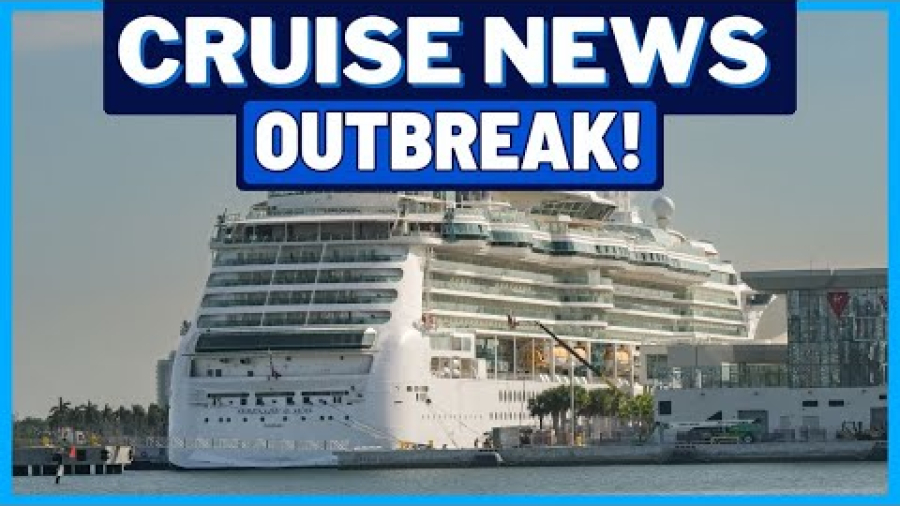
Here we go with another day full of cruise news, including an outbreak on a Royal Caribbean cruise ship, a cruise guest getting fined over money, and the godparents for Star Princess.
A BIT ABOUT US: Cruise Hive was founded in 2008 by Emrys Thakkar, a former crew member and someone who has a massive passion for cruise ships. He has grown Cruise Hive into what it is today, a leading independent publisher covering the latest cruise news, advice, and more!
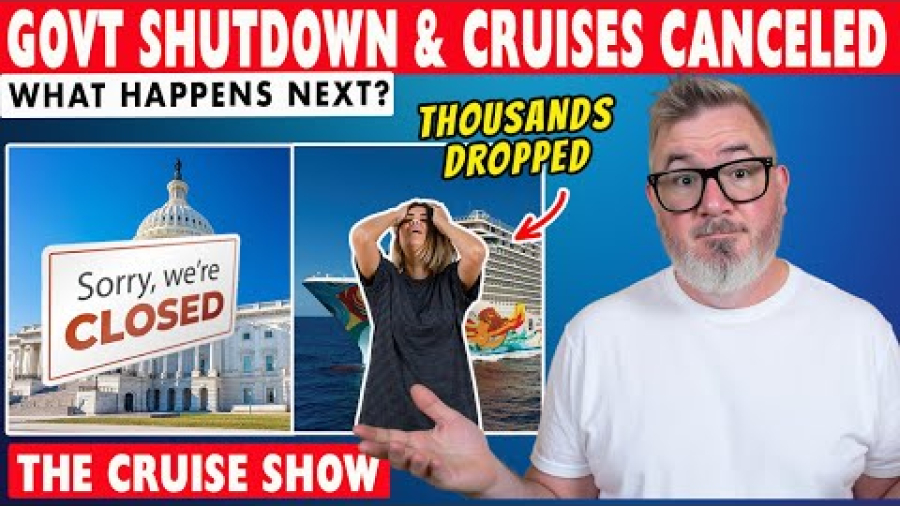
The US Government shutdown may mess up cruises. Also thousands of cruisers have received cancelation notifications from Norwegian Cruise Line. Carnival Cruise Line is pulling a popular ship from New York City. Carnival is also partnering with the Global FoodBanking Network to feed the hungry and the Monsters of Rock cruise band line-up has been […]
Cruising about Canada is a distinctive form of travel—sea days sandwiched between awe-inspiring coastlines, serenely calm mornings spent watching whales breach, and evenings spent exploring venerable port towns. Yet for many travelers, the entire enchantment happens when they pair the cruise with carefully chosen land time pre- or post-embarkation. Whether you’re heading to Alaska from Vancouver, sailing the Maritimes, or exploring Great Lakes itineraries, pairing your cruise with short inland stays makes your trip richer, more relaxed, and far more memorable.
This guide shows cruise lovers how to extend their voyages into authentic Canadian summers: where to go, what to plan, and how to tie shore excursions into longer inland adventures without losing the easy rhythm of cruising.
Coastal cities that make great cruise departure points
Canada’s cruise season centers on a handful of gateway cities that are more than ports of call to set sail from—they’re vibrant cities in themselves. Vancouver is the natural Pacific departure point: you can sail north from there to Alaska, or use the city as the base for an pre-cruise weekend of gastropubs, Stanley Park bike rides, and a floatplane tour of scenic islands. Victoria offers a gentler, more intimate coastal atmosphere and is ideal for passengers who value historic charm and whale-watching excursions prior to departure.
Along the Atlantic, Halifax and St. John’s host cruises that call on the coastlines of the Maritimes and Newfoundland. The harbors are a combination of sea heritage, fresh seafood, and easily available shore excursions like lighthouse stops and puffin spotting—perfect warm-up days prior to sailing.
Great Lakes and river options for inland cruising
Not all cruises need an ocean. Itineraries stop in the Great Lakes and the major rivers such as the St. Lawrence to bring you to the heart of interior Canada. Toronto, Kingston, and smaller ports on Lake Huron and Lake Ontario bring open the island towns, waterside restaurants, and readily available kayak or paddleboard excursions. St. Lawrence Valley river cruises bring scenic francophone villages, historic forts, and a leisurely, scenic alternative to sailing in the ocean.
These itineraries are ideal for those who like shorter crossings by sea, more efficient boarding arrangements, and proximity to Canadian towns and restaurants.
Alberta: savvy pre- or post-cruise in the lakes and mountains
Alberta is not a cruise destination, but it can be an excellent add-on to many cruise itineraries as a pre-cruise visit (arrive early) or a post-cruise stay before leaving home. Drive from Vancouver, Calgary, or Edmonton to the Rockies for glacier lakes, mountain hiking, and small, vibrant towns with local breweries and craft shops.
If you’re taking a land-and-sea tour, consider adding things to do in Chestermere Lake in the summer to your Alberta layover; the lakeside community offers serene waters to paddleboard, family-friendly beaches, and accessible bike trails great for unwinding after traveling or before departing. Combining a few days in the hills or by a lake with your cruise changes the rhythm of a holiday—salt spray and glaciers on one hand, woodsy paths and serene lakes on the other.
Shore excursions with wildlife and nature that are worth the wait
One of the benefits of cruising is that one is able to reach distant, wildlife-rich destinations in luxury. Whether whale-watching trips depart from Bay of Fundy and the Gulf of St. Lawrence or glaciated fjords off British Columbia aboard zodiac tour, shore excursions are where topography and wildlife viewing converge into thrilling memories.
Opt for small-boat cruises wherever possible—zodiacs and local launches will get you closer to shores and wildlife than large tour boats. Bring binoculars, dress in layers (sea weather changes quickly), and if you can, reserve early morning cruises for cleaner light and calmer water.
Mix your cruise with short land stops
Air and rail links make it easy to combine a short land stay with a maritime trip. The majority of cruisers will fly into a major city and spend two or three nights touring a highlight before setting sail. On the West Coast, a possibility is a city stay in Vancouver and then driving or taking a train to Whistler and returning for embarkation. In the east, tack on additional time in Halifax or Quebec City to soak up museums and restaurants before sailing.
If you’d prefer to include an inland holiday extension in your vacation after your cruise, take a locally practical route—if you come in by Vancouver, make a short inland drive through the Okanagan Valley or ride the train into the Rockies. If your cruise ends in Halifax, drive the South Shore or set off on a scenic drive up the Cabot Trail.
Practical advice for shore excursions and independent discovery
Shore excursions arranged through the cruise line are convenient, but independent options often deliver more personality and better value. Research trusted local operators ahead of time, check reviews, and confirm pickup logistics so you’re not racing back to the ship. For independent land time, book accommodations near the airport or key train stations to reduce travel stress on embarkation and disembarkation days.
Always build buffer time between flights and sailings. Weather delay and connections at the last minute happen—book an overnight in your gateway city whenever you can. If budgets are low, overnight in smaller towns along routes to ports; they are often cheaper and more charming.
What to pack for combined land-and-sea summer trips
Canada’s summer weather is wonderfully variable—sun-drenched lakeside beach days, foggy coastal dawns, and cool mountain evenings can all happen in one day. Pack layers, a light rain jacket, and shoes suitable for decks and hikes. For day trips, a water bottle to refill, and a light, fold-up pair of binoculars for spotting wildlife are must-haves. If you’re going kayaking or paddleboarding, reef-safe and quick-dry sunscreen are good bets.
Dining and shore-side local flavors
One of the advantages of combining cruises with land stays is the opportunity to taste local and seasonal foods. Atlantic provinces serve up lobster and scallops; Quebec is perfect for maple-scented desserts and farm-to-table bistros; B.C. combines Pacific seafood with Asian fusion; Alberta serves up hearty mountain fare and craft beers. Have at least one dinner in a family-run restaurant or farmers’ market to try the region’s authentic flavor.
Why combine cruises with land stays
Combining a cruise with targeted land time creates a richer travel orbit. Cruises get you panoramic waterway views and easy access to far-out coasts; land stays add substance—museums, national parks, and local culture that you can’t absorb at one shore stop. The most memorable itineraries balance movement and stasis: a couple of days on the ground in a mountain town, followed by a few days loose and easy on a ship.
Final Thoughts
Cruising showcases Canada’s aquatic loveliness, but adding thoughtful land time turns a good trip into a great one. Thoughtful pre- or post-cruise excursions—whale watching in Nova Scotia, kayaking in a Great Lakes harbor, or soaking up a languid summer afternoon at a lakeside town near Calgary—let you breathe, connect with the locals, and savor memories that stay with you long after the boat goes over the horizon.
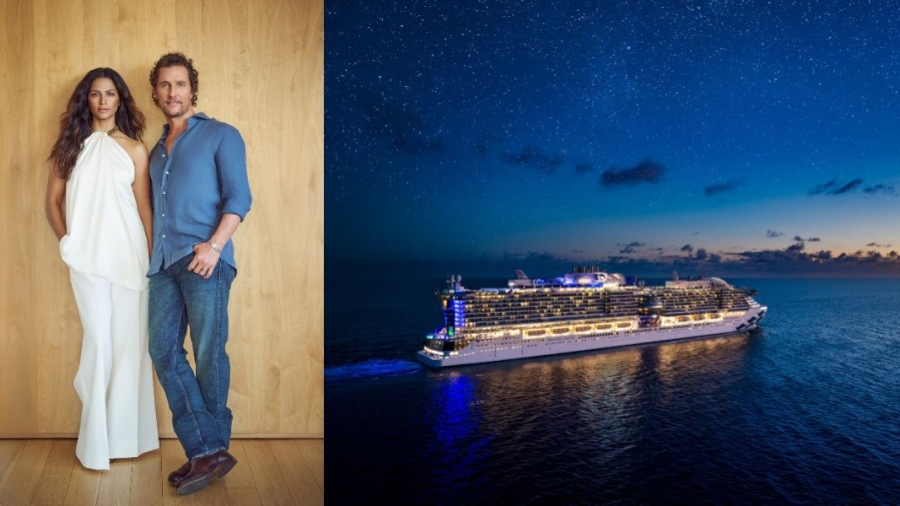
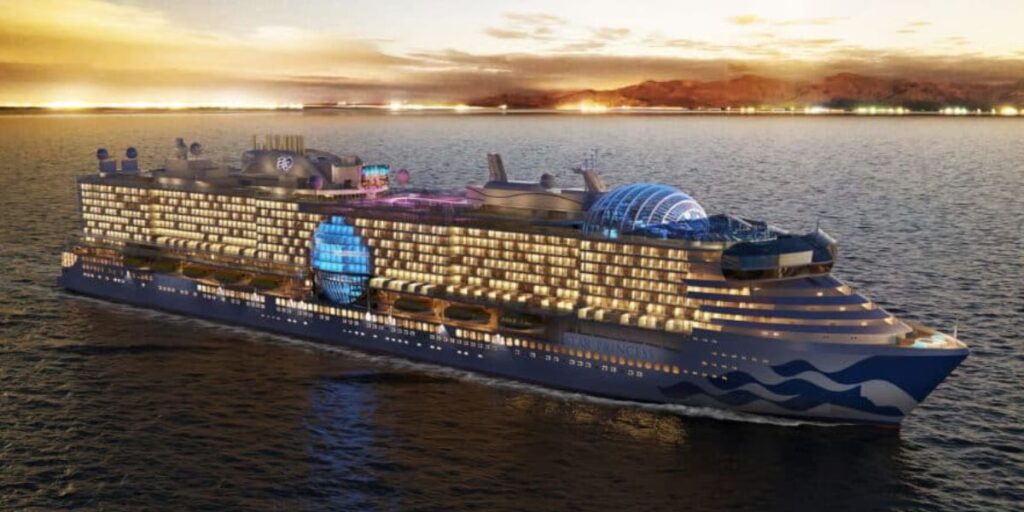
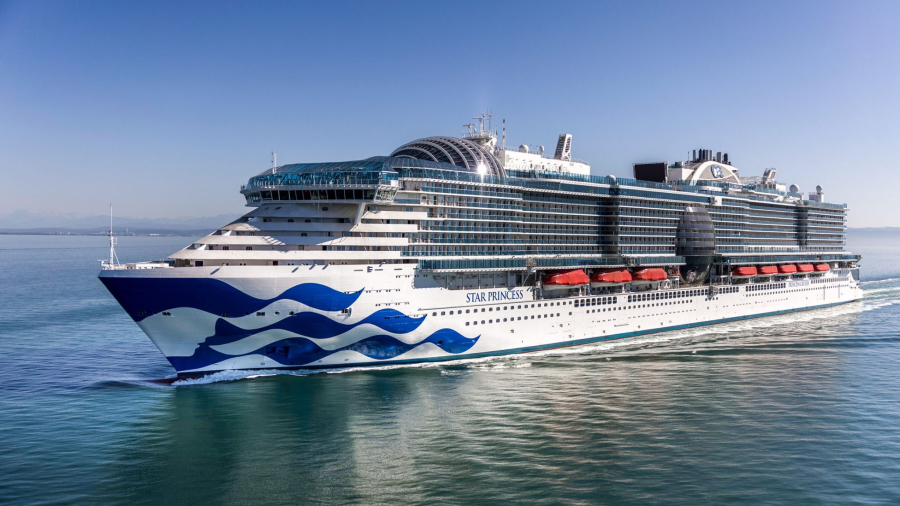
Princess Cruises has announced that Matthew McConaughey and his wife, Camila Alves McConaughey, will serve as godparents of the brand-new Star Princess, carrying on a maritime tradition that has included the likes of Princess Diana, Audrey Hepburn, and Sophia Loren.
The Hollywood couple will officially christen the ship during a naming ceremony in Fort Lauderdale on November 6, 2025, before Star Princess begins her first Caribbean season.
Matthew and Camila McConaughey
“We’re honoured to be godparents of the Star Princess,” the pair said in a joint statement. “With Princess, it’s not just a vacation – it’s time well spent, families and friends coming together, meeting new folks, and making memories. This ship’s got that spirit built right in, and we’re proud to be part of her story from the beginning.”
Why the McConaugheys?
The McConaugheys aren’t just bringing Hollywood glamour to the role. The couple are co-founders of Pantalones Organic Tequila, which is already featured across Princess Cruises’ fleet. Popular onboard cocktails include the 24K Gold Margarita, made with their tequila, as part of the line’s Love Line Premium Liquors collection.
Princess Cruises President Gus Antorcha said the McConaugheys embody the energy and warmth the line wanted to showcase with its newest ship. “Their passion for life, dedication to giving back, and unmistakable charisma make them the perfect pair to christen our newest ship,” Antorcha explained.
About Star Princess
At 177,800 tonnes and carrying more than 4,300 guests, Star Princess is the sister ship to the recently launched Sun Princess. She will debut in Barcelona on 4 October 2025 before crossing the Atlantic for her first Caribbean season from Fort Lauderdale.
The ship introduces several standout features:
The Sanctuary Collection – a private luxury zone at sea with an exclusive restaurant, an adults-only Sanctuary Club pool deck, and upgraded amenities.
The Dome – a futuristic relaxation and entertainment venue with panoramic views.
The Princess Arena – Princess’ most advanced theatre yet.
The Piazza – the dramatic, glass-fronted atrium at the heart of the ship.
Guests will also find more than 1,500 balcony staterooms, 30 dining and bar venues, and a wide choice of entertainment and activities.
Where She’ll Sail
After her naming ceremony, Star Princess will begin Caribbean cruises from Fort Lauderdale on 7 November 2025. Later, she will sail through the Panama Canal to begin her inaugural Alaska season in summer 2026. Voyages are already on sale through 2027.
Princess Cruises describes the new Sphere Class ships as its most innovative yet, combining large-ship amenities with a more personalised, yacht-style experience. With the McConaugheys at the helm as godparents, Star Princess looks set to make a memorable debut.
NEW DEALS JUST RELEASED!
See the latest Princess Cruises offers…
Related Reading
If you found this interesting, please share!
Jenni Fielding is the founder of Cruise Mummy. She has worked in the cruise industry since 2015 and has taken over 30 cruises. Now, she helps over 1 million people per month to plan their perfect cruise holidays.
Cruise lines are constantly tweaking their schedules, even years after itineraries are first released. Ports can become overcrowded, new opportunities arise, and ships often get moved around to make the…
More than 70 passengers have fallen ill during a Royal Caribbean cruise after a gastrointestinal outbreak was confirmed onboard Serenade of the Seas. The cruise set sail from San Diego…
Marella Cruises has been dealt a major blow after parent company TUI AG confirmed that two long-awaited new ships will no longer join the UK brand. Instead, the vessels will…
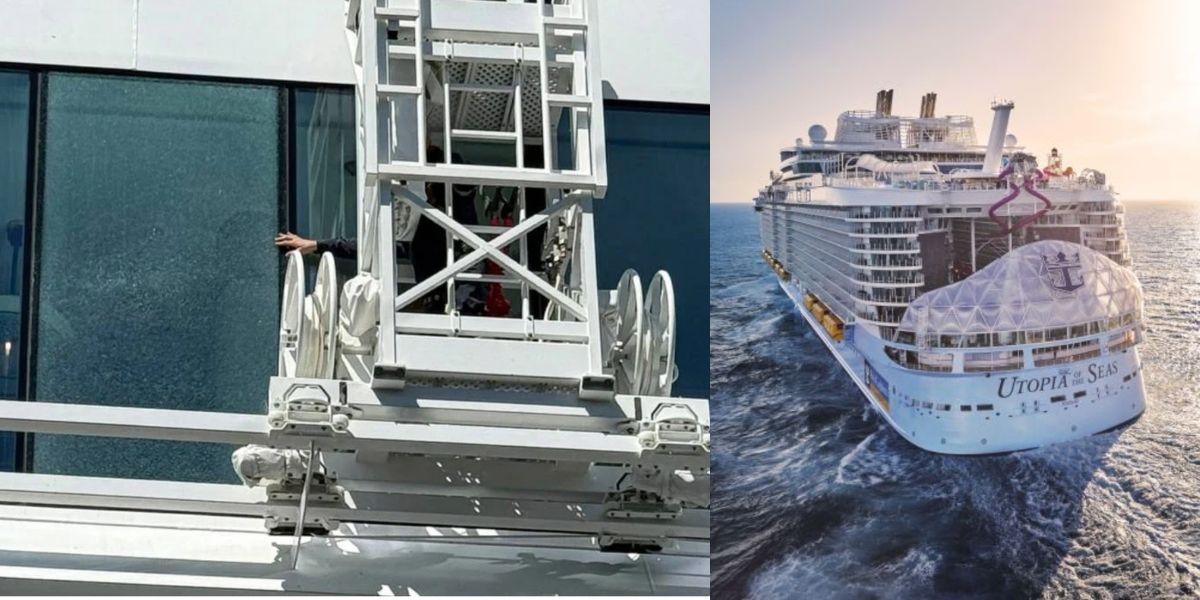
Glass has shattered once again on a Royal Caribbean ship, this time on Utopia of the Seas. The incident marks the sixth time in just four months that a panel…
Cruise lines are constantly tweaking their schedules, even years after itineraries are first released. Ports can become overcrowded, new opportunities arise, and ships often get moved around to make the most of demand.
This time, it’s Norwegian Cruise Line making big adjustments, with multiple ships affected in late 2026 and early 2027.
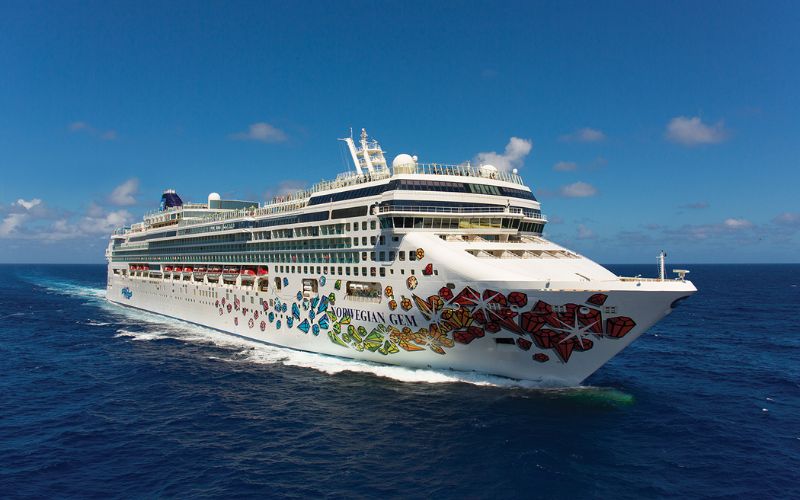
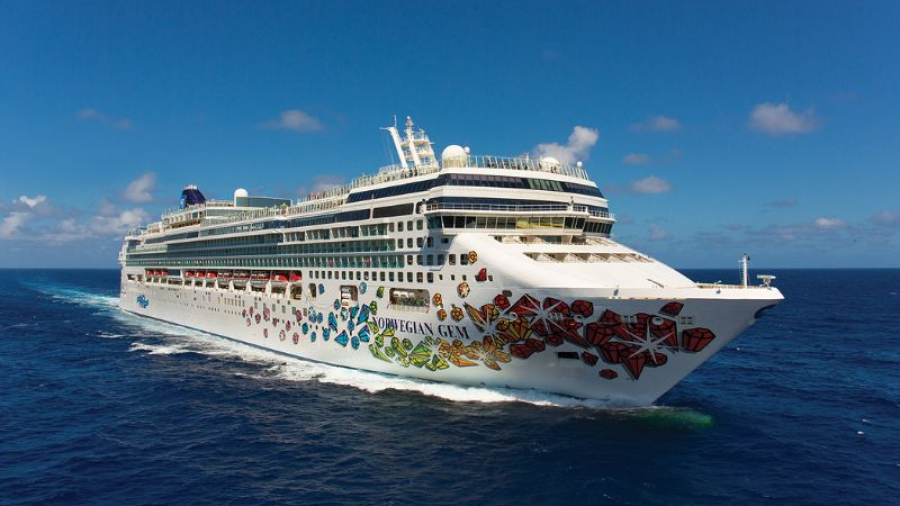
Norwegian Gem
Four Ships Involved
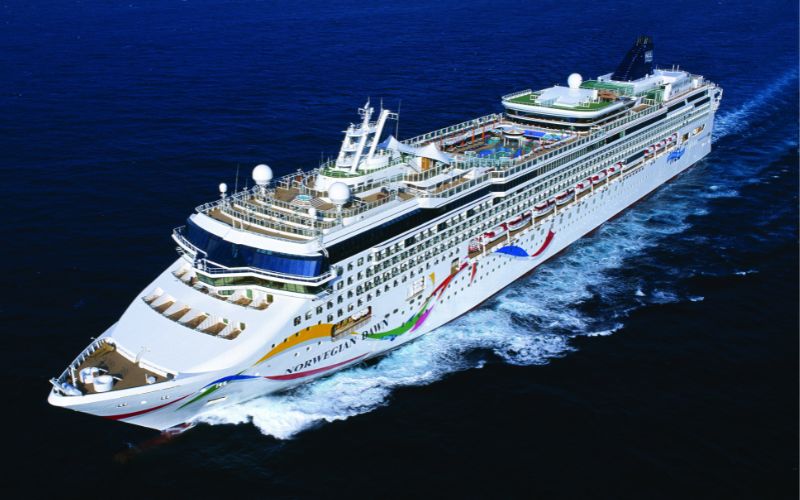
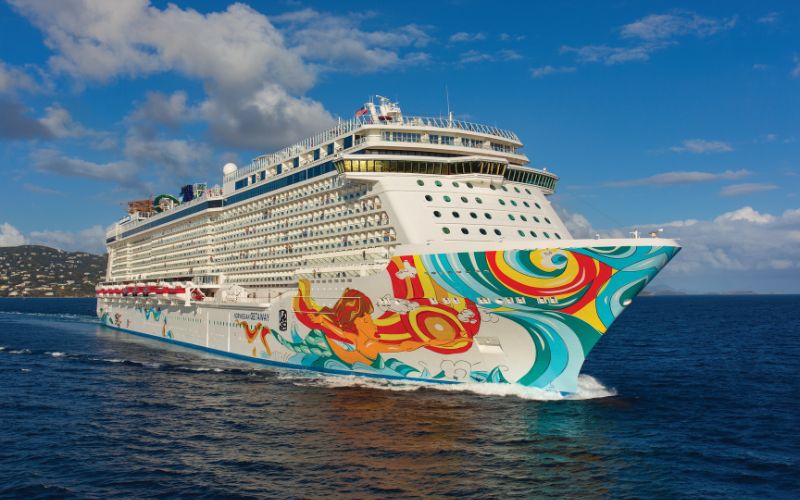
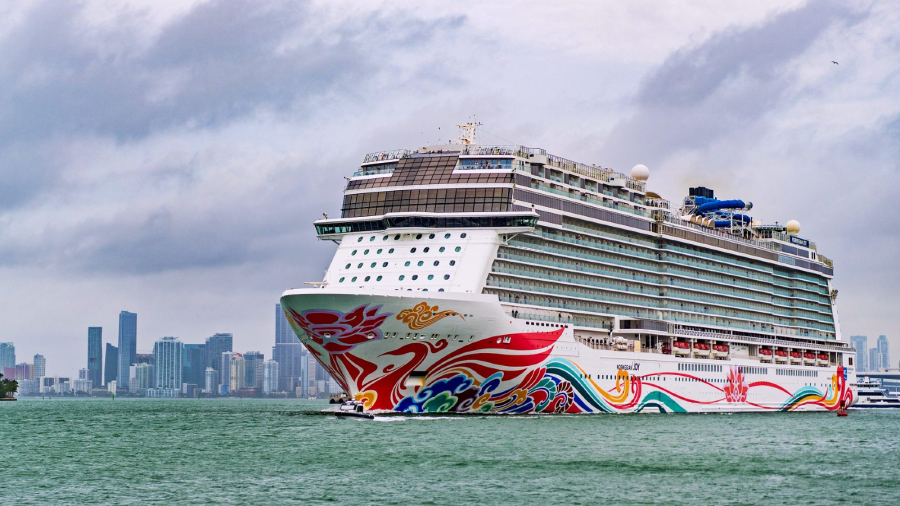
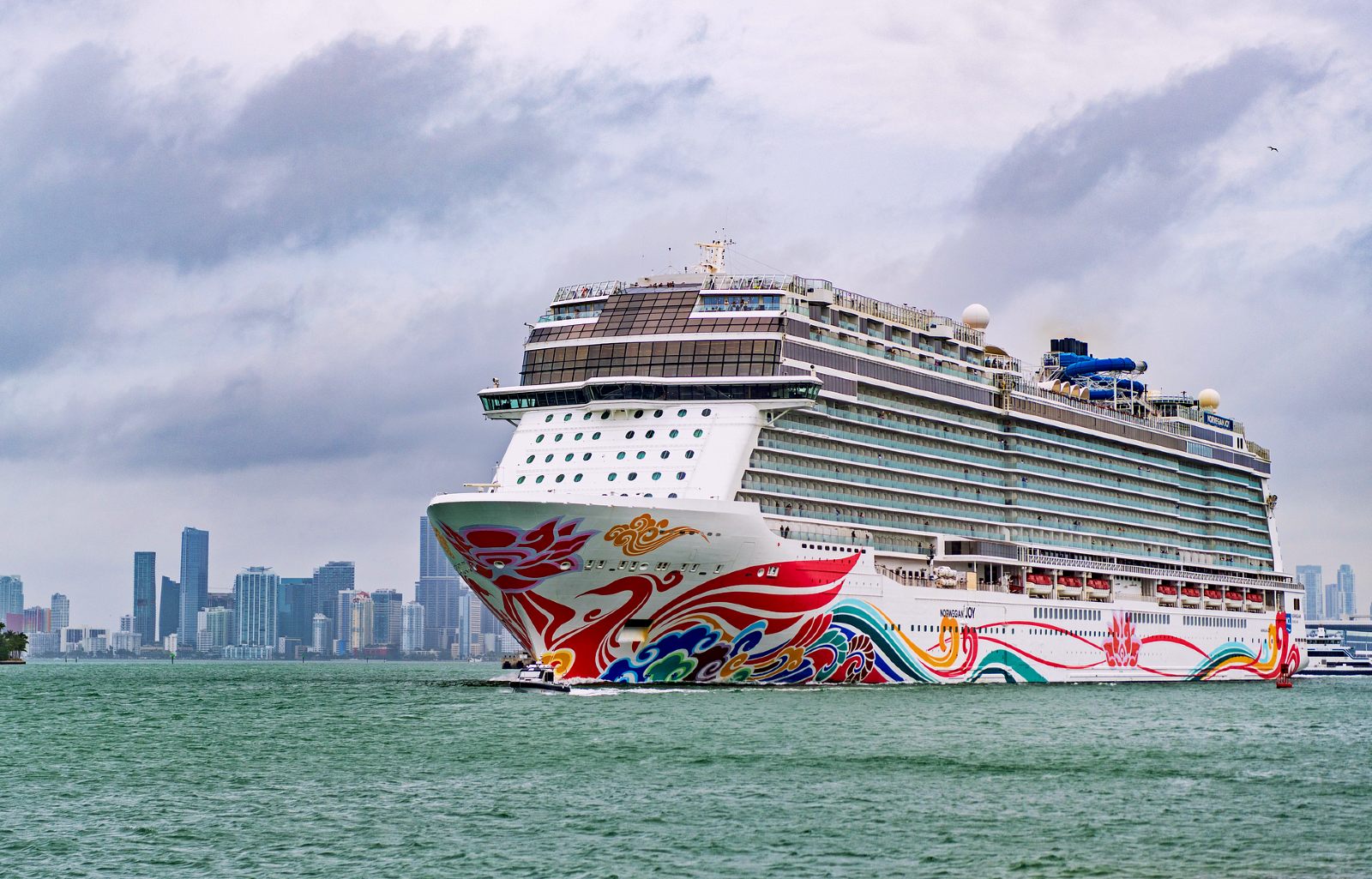
Four vessels are caught up in the shake-up: Norwegian Gem, Norwegian Dawn, Norwegian Getaway and Norwegian Joy.
For some, it means a complete homeport swap, while for others, select departures have been pulled from the calendar. Either way, thousands of passengers will see their travel plans disrupted.
Gem and Dawn Switch Places
Norwegian Gem and Norwegian Dawn have effectively traded assignments. Gem had originally been scheduled to sail from Jacksonville from November 2026, while Dawn was due to operate from Tampa. Those roles have now been reversed.
The change means a drop in capacity for Jacksonville, as Dawn is slightly smaller than Gem and carries around 50 fewer guests at double occupancy.
To accommodate the swap, all cruises for both ships within the transition period have been cancelled. That means no Dawn sailings between 1 November 2026 and 28 March 2027, and no Gem cruises from 1 November 2026 through 4 April 2027. New itineraries will be released shortly.
Getaway and Joy Lose Short Sailings
While Gem and Dawn are moving homeports, Norwegian Getaway and Norwegian Joy will stay based in Florida. Even so, both ships are losing a handful of short sailings towards the end of 2026.
Getaway’s cancelled departures include 16, 20 and 25 November, as well as 14 and 18 December. For Joy, the 18, 21, 24 and 28 December sailings have been cut.
Norwegian says the changes are due to “port availability,” which can be particularly restrictive on shorter itineraries. In place of the cancelled trips, longer, more destination-focused cruises are being planned and should be available to book soon.
Norwegian Getaway
What Happens for Booked Guests
Guests who had already reserved spots on the cancelled cruises aren’t left empty-handed. With the first affected departure more than a year away, there’s plenty of time to make alternative plans. Norwegian is also offering future cruise credit, giving travellers the chance to put the value of their booking towards another sailing.
In some cases, passengers may even end up with more appealing itineraries once the replacements are announced.
Why Cruise Schedules Change
It may feel disruptive, but these kinds of changes are a normal part of cruise planning. Ship deployments are decided years in advance, and many factors can force adjustments, from new port developments and rising local taxes to guest demand and competing cruise lines.
Sometimes the decision is about maximising profits, but in other cases, it’s simply down to ports changing their availability or adding restrictions that cruise lines have to work around.
Looking Ahead
While cancellations are never good news for those affected, new itineraries are already in the works. Norwegian has said these will focus on longer, more immersive cruises, which could mean new opportunities for passengers to visit destinations that aren’t normally included on shorter routes.
So, while some holidaymakers will need to rearrange their plans, there could be even more exciting adventures waiting just around the corner.
TODAY’S BEST CRUISE DEALS!
Don’t miss these offers…
Related Reading
If you found this interesting, please share!
Jenni Fielding is the founder of Cruise Mummy. She has worked in the cruise industry since 2015 and has taken over 30 cruises. Now, she helps over 1 million people per month to plan their perfect cruise holidays.
More than 70 passengers have fallen ill during a Royal Caribbean cruise after a gastrointestinal outbreak was confirmed onboard Serenade of the Seas. The cruise set sail from San Diego…
Marella Cruises has been dealt a major blow after parent company TUI AG confirmed that two long-awaited new ships will no longer join the UK brand. Instead, the vessels will…
Glass has shattered once again on a Royal Caribbean ship, this time on Utopia of the Seas. The incident marks the sixth time in just four months that a panel…
Norwegian Cruise Line is making changes to the way guests dine on board, with a new charge that has raised plenty of debate among cruisers. From 26 September 2025, anyone…
If you were planning to cruise with Norwegian Cruise Line in late 2026 or early 2027, you may want to double-check your booking and email. The cruise line has just announced to travel agents and affected cruisers that it will be canceling more than 50 sailings as part of a major shuffle of ships and homeports.
The changes impact the following four cruise ships: Norwegian Gem, Norwegian Dawn, Norwegian Getaway, and Norwegian Joy. While some itineraries are being scraped altogether, some ships are being moved to different homeports.
The biggest change involves a homeport swap and itinerary changes for two of its ships: Norwegian Gem and Norwegian Dawn.
The Key Changes
Norwegian Gem and Norwegian Dawn will swap homeports starting in November 2026 through March 2027, resulting in the cancelation of all original sailings for both ships during those dates.
Norwegian Gem will move to Tampa, where it’s set to sail 4- to 11-night itineraries to the Caribbean and The Bahamas.
Norwegian Dawn will move to Jacksonville, operating short Bahamas sailings.
Because of this swap, several cruises are no longer happening. All sailings onboard Norwegian Gem between November 1, 2026, and April 4, 2027, have been canceled, as well as all Norwegian Dawn cruises scheduled between November 1, 2026, and March 28, 2027.
Short Cruise Cancelations: Norwegian Getaway and Joy
Two other ships are also facing changes. Due to port availability, both Norwegian Getaway and Norwegian Joy will no longer sail a few short Bahamas sailings from Florida.
Norwegian Getaway (Port Canaveral): Canceled sailings on November 16, November 20, November 25, December 14, and December 18, 2026.
Norwegian Joy (PortMiami): Canceled sailings on December 18, December 21, December 24, and December 28, 2026.
New Itineraries on the Way
While some cruisers will need to adjust their travel plans, Norwegian says new itineraries will soon open for booking. These are likely to be longer and more immersive voyages to the Caribbean and The Bahamas.
According to the cruise line, the redeployment will bring “a wider variety of options” for those sailing from Florida ports in late 2026 and early 2027.
Get the latest cruise news, tips, and deals sent straight to your inbox with our free newsletter: Sign Up Now
Princess Cruises has announced that Matthew and Camila McConaughey will serve as the godparents to their new ship, Star Princess.
Star Princess will be christened by the McConaugheys at Port Everglades on November 6, 2025. The ship will sail its inaugural cruise from the port the following day, a three-night cruise to The Bahamas.
Camila and Matthew McConaughey, co-founders of Pantalones Organic Tequila, bring their dynamic spirit and creativity to this time-honored maritime tradition. Together they exemplify the values of passion, generosity and innovation that resonate deeply with Princess Cruises.
Camila and Matthew McConaughey gave the following statement about being named godparents of Star Princess:
“We’re honored to be godparents of the Star Princess. With Princess, it’s not just a vacation — it’s time well spent, families and friends coming together, meeting new folks, and making memories. This ship’s got that spirit built right in, and we’re proud to be part of her story from the beginning.”
The 177,800 gross ton, 4,300-guest Star Princesfeatures 30 distinct dining and bar venues, curated entertainment and activity offerings, and luxurious accommodations across a wide range of categories.
The ship has more than 1,500 balcony cabins and will debut on Saturday, October 4, 2025.
The ship will sail a couple cruises in Europe before heading to Ft. Lauderdale, Florida for the winter season.
Once in Florida, the ship will offer week-long cruises to the Eastern and Western Caribbean.
Get the latest cruise news, tips, and deals sent straight to your inbox with our free newsletter: Sign Up Now
For millions of cruise passengers worldwide, the ship’s medical facility represents a safety net, a reassuring presence tucked away on a lower deck, equipped to handle everything from seasickness to serious emergencies. However, behind the polished facade of modern cruise ship infirmaries lies a troubling reality that most cruisers never consider: the quality of medical care onboard can vary dramatically, and medical negligence incidents occur far more frequently than the cruise industry would have you believe.
As someone who has cruised extensively, you trust that the medical staff aboard your ship maintains the same standards you would expect from healthcare providers on land. Unfortunately, this assumption can prove dangerously wrong. Maritime law attorney Thomas Scolaro, who has spent over 25 years representing cruise passengers and crew members in medical malpractice cases, has witnessed firsthand the devastating consequences when substandard medical care meets serious health emergencies at sea.
Understanding Medical Negligence on Cruise Ships
Medical negligence occurs when healthcare professionals fail to provide the standard of care that a reasonable practitioner with similar qualifications would provide under similar circumstances. On cruise ships, this negligence manifests in several alarming ways that every cruiser should understand.
The Most Common Forms of Cruise Ship Medical Malpractice
Misdiagnosis and Delayed Diagnosis Perhaps the most frequent and dangerous form of medical negligence aboard cruise ships involves misdiagnosing serious conditions. Cruise ship doctors often lack the specialized training and diagnostic equipment necessary to properly identify life-threatening conditions like strokes, heart attacks, meningitis, or other critical illnesses. The consequences of misdiagnosis can be catastrophic, particularly when time-sensitive conditions go untreated for hours or days.
Failure to Evacuate When Medically Necessary One of the most critical decisions a cruise ship doctor faces is determining when a patient requires immediate evacuation to an onshore medical facility. Too often, ship physicians make this decision based on convenience, cost, or schedule rather than medical necessity. The failure to arrange timely medical evacuation can transform a treatable condition into a permanent disability or wrongful death situation.
Inadequate Medical Equipment and Medications While cruise lines often boast about their state-of-the-art medical facilities, the reality is that many ships lack essential diagnostic equipment or critical medications needed to handle severe emergencies. This inadequacy becomes particularly dangerous when passengers with serious conditions are hundreds of miles from the nearest hospital.
Unqualified or Inexperienced Medical Personnel The cruise industry frequently employs medical staff who may not meet the standards expected in land-based healthcare facilities. Many cruise ship doctors are recent graduates from foreign medical schools with limited clinical experience, no U.S. medical licenses, and insufficient training in emergency medicine or critical care.
Medication Errors and Improper Treatment Errors in prescribing or administering medications can have severe consequences, particularly when combined with the limited resources available aboard ships. Improper dosing, wrong medications, or dangerous drug interactions can turn routine treatments into medical emergencies.
Real Cases: When Medical Negligence Becomes Catastrophic
The abstract concept of medical malpractice becomes starkly real when examining actual cases handled by cruise ship injury lawyer Tom Scolaro and his firm. These cases illustrate the severe consequences that can result from substandard medical care at sea.
The Crew Member’s Nightmare: When Google Becomes a Doctor’s Reference
In one of the most shocking cases of cruise ship medical negligence, a crew member sought treatment for nausea from the ship’s doctor. What should have been routine care turned into a medical catastrophe that would change his life forever.
The ship’s doctor, a 26-year-old graduate from medical school with no U.S. medical license, ordered an intravenous injection of 25mg Promethazine, which was the maximum allowable dose of a highly caustic drug that carries an FDA “black box” warning about severe risks associated with incorrect administration. The drug was supposed to be administered slowly over two minutes via deep intramuscular injection, but instead, the entire dose was pushed into the crew member’s veins within seconds.
The consequences were immediate and horrifying. The crew member experienced excruciating burning pain, likening it to having his muscles torn from his bones. Within hours, his arm showed signs of necrosis where dead skin tissue is marked by severe discoloration and swelling.
What makes this case even more disturbing is the doctor’s response to the medical emergency he had created. During his deposition, the doctor admitted he had never read the Promethazine warning label or package insert. When the crew member’s condition deteriorated, the doctor attempted to contact the Cleveland Clinic for guidance but gave up after only two calls. Instead of seeking proper medical consultation or arranging an immediate evacuation, the incompetent physician turned to Google for medical advice.
The crew member endured seventeen agonizing hours before the ship docked, allowing him to seek urgent medical attention. By then, it was too late. Despite emergency surgery, his arm was so severely damaged that amputation became necessary. This case of medical negligence ultimately resulted in a $3.3 million arbitration award.
A Child’s Fight for Life: When Misdiagnosis Meets Parental Desperation
In another heartbreaking case, concerned parents brought their 9-month-old daughter to the ship’s infirmary during the early stages of their cruise. The infant presented with classic symptoms of life-threatening meningococcal meningitis: pale complexion, lethargy, fever, rapid heart rate, and dehydration.
Any competent pediatrician would recognize that lethargy in an infant represents a significant neurological change indicative of serious infection, not the gastroenteritis that the ship’s doctor diagnosed. Despite the clear warning signs, the doctor prescribed only a suppository and pain reliever, then discharged the family back to their stateroom under an isolation protocol for gastroenteritis.
Over the next sixteen hours, the desperate parents returned to the infirmary four more times as their daughter’s condition worsened dramatically. She developed increasing lethargy, high fever, projectile vomiting, and a non-blanching rash on her arms and legs; the textbook symptoms of meningitis. Each time, the doctor discharged the baby back to the parents’ care.
On their final visit, the parents refused to leave and demanded antibiotics, which the doctor reluctantly prescribed only under mounting pressure. Even when the doctor eventually suspected a life-threatening infection, he refused to arrange an evacuation to a pediatric intensive care unit. The parents pleaded multiple times for a medical evacuation but were told it was impossible due to their location at sea.
The medical staff arranged only a shore-side referral to a hospital at the next port, never contacting the United States Coast Guard for a possible evacuation or arranging a telemedicine consultation with a specialist. When asked how much time could be saved by speeding up the ship, the doctor was told they could arrive approximately 45 minutes earlier, but he never requested the ship to increase speed.
When the ship finally arrived at the next port, no priority arrangements had been made for the family’s disembarkation. They had to wait in line like everyone else. As a result of this compounded negligence, the child suffered catastrophic injuries from an uncontrolled infection.
Strokes represent one of the most time-sensitive medical emergencies, where every minute of delay can result in permanent brain damage or death. Unfortunately, cruise ship medical malpractice involving stroke patients has become alarmingly common, particularly given the elderly demographics of many cruise passengers.
In one tragic case, an elderly woman suffered a clear stroke aboard a cruise ship. The medical staff correctly diagnosed her condition but made a fatal decision regarding her care. Rather than calling for a Coast Guard medical evacuation, they told the family to remain onboard until the next port of call, claiming this would be faster than a helicopter evacuation.
When the ship arrived at the port, the family was transferred to a tender boat and taken to an airport that was actually closed until the following day. They wasted over twelve to sixteen hours waiting, then had to wait for a morning flight home. By the time they reached proper medical care, the critical window for clot-busting treatment had closed. The passenger suffered extreme complications and later died as a result. This case of medical negligence settled for $3 million.
In another stroke case involving a 16-year-old passenger, the ship’s doctor completely misdiagnosed the stroke as seizures, despite the parents’ correct assessment of their daughter’s condition. The parents begged the cruise doctor to arrange an immediate medical evacuation so their daughter could receive proper stroke treatment. The doctor adamantly insisted the parents were wrong and refused evacuation, maintaining she had seizures, not a stroke.
This tragic misdiagnosis and failure to evacuate resulted in permanent damage to the teenager. The case ultimately settled for $4 million, but no amount of money can restore the years of life and potential lost to medical incompetence.
The HIV Contamination Case: When Life-Saving Becomes Life-Threatening
Medical emergencies requiring blood transfusions present unique challenges aboard cruise ships, where proper blood screening facilities may not exist. In one particularly devastating case, a passenger experienced a medical emergency requiring an emergency blood transfusion to treat a life-threatening gastrointestinal hemorrhage.
The cruise line arranged for passengers to volunteer as blood donors, but failed to properly screen either the blood or the volunteer donors for HIV and other blood-borne pathogens. The passenger who received the contaminated blood was not diagnosed with HIV until months after the cruise, when she began developing serious, life-threatening symptoms that initially puzzled her physicians.
When HIV was finally diagnosed and traced back to the shipboard blood transfusion, the devastating reality became clear: a medical procedure intended to save her life had instead infected her with a deadly virus. This case of medical negligence settled for $4.25 million, though no monetary award can truly compensate for such a life-altering consequence of substandard medical care.
The Legal Landscape: Why Cruise Ship Medical Malpractice Cases Are Complex
Understanding the legal complexities surrounding cruise ship medical negligence is crucial for any passenger who might face such a situation. The maritime legal environment presents unique challenges that differ significantly from standard medical malpractice cases on land.
Most cruise tickets contain forum selection clauses that dictate where lawsuits must be filed, often in distant or inconvenient locations. These contractual provisions can significantly impact a passenger’s ability to pursue justice, particularly when the designated forum is thousands of miles from their home.
Jurisdictional Challenges and Forum Selection Clauses
Most major cruise lines require injured passengers to file lawsuits in the United States District Court for the Southern District of Florida, located in Miami. This is because their passenger ticket contracts contain forum selection clauses designating Miami as the exclusive venue for claims. While a very small number of cruise lines designate other forums, such as federal courts in California or Washington State, these are rare exceptions. For nearly all cruise injury cases, Miami and the Southern District of Florida serve as the central hub for litigation.
For cruise ship injury lawyers, these jurisdictional hurdles require specialized knowledge of maritime law and extensive experience in multiple court systems. The complexity increases when dealing with foreign passengers, different national laws, and international treaties that may limit liability.
The Athens Convention: A Legal Obstacle for International Passengers
European passengers face additional challenges due to the Athens Convention, an international treaty that caps cruise line liability per passenger. This creates a discriminatory system where passengers holding different passports receive vastly different legal protections, even when injured on the same ship due to identical negligence.
The Athens Convention’s damage caps mean that a British infant suffering catastrophic injuries due to medical malpractice would traditionally be limited to $540,000 in compensation, while an American infant on the same cruise could potentially recover millions. However, experienced maritime law attorneys like Tom Scolaro have developed innovative legal strategies to overcome these limitations, as demonstrated in the $5.5 million settlement mentioned earlier.
The Franza Decision: A Game-Changer for Passengers
For many years, passengers had no recourse against cruise lines for medical negligence committed by shipboard medical staff. This changed in 2014 with the landmark case of Franza v. Royal Caribbean, where the Eleventh Circuit Court of Appeals determined that maritime law allows passengers to bring vicarious liability claims against cruise lines for shipboard medical negligence.
This ruling recognized that cruise lines present their medical staff as employees who wear uniforms, operate in advertised facilities, and provide care as part of the cruise experience. However, these cases remain complex, as they require proving that the shipboard doctor or nurse was either a direct or apparent agent of the cruise line.
Vicarious Liability and Negligent Selection Claims
Cruise ship injury lawyers can pursue two primary theories of liability against cruise lines. Vicarious liability claims hold the cruise line responsible for the negligent acts of their medical staff, while negligent selection and retention claims focus on the cruise line’s failure to properly vet and supervise their medical personnel.
Negligent selection cases require proving that the shipboard doctor was unqualified when hired or performed so poorly that a reasonable company would have terminated the contract. These cases often reveal shocking deficiencies in the cruise industry’s hiring and oversight practices.
The Reality Behind Cruise Ship Medical Facilities
While cruise lines market their ships as floating cities with comprehensive medical facilities, the reality often falls short of these promises. Understanding what you can actually expect from shipboard medical care is crucial for making informed decisions about your health and safety while cruising.
Staffing Challenges and Qualifications
Many cruise ship doctors are recent medical school graduates from foreign institutions, often with limited clinical experience and no licensing in the countries where their ships operate. The isolated nature of shipboard practice means these physicians may go months without peer review, continuing education, or supervision by more experienced colleagues.
The economic realities of cruise ship employment also mean that the most qualified physicians often seek more prestigious and better-compensated positions on land, leaving cruise lines to hire from a smaller pool of less experienced candidates.
Equipment and Resource Limitations
Despite marketing claims about “state-of-the-art” facilities, cruise ship infirmaries operate under significant constraints. Space, weight, and power limitations mean that many diagnostic tools available in even small community hospitals are absent from ship medical facilities.
Additionally, the inability to easily resupply medications and equipment during long voyages can leave medical staff without critical resources when emergencies arise. This is particularly problematic for passengers with complex medical histories or those requiring specialized medications.
The Economics of Medical Evacuations
Medical evacuations represent significant costs for cruise lines, often exceeding $100,000 per incident when helicopter or Coast Guard resources are involved. This economic reality can create pressure on shipboard medical staff to avoid evacuation recommendations, even when medically indicated.
The decision-making process for medical evacuations often involves cruise line management rather than being left solely to medical professionals, creating potential conflicts between financial interests and patient care.
Protecting Yourself: What Every Cruiser Should Know
Understanding the limitations and risks associated with cruise ship medical care empowers you to make better decisions about your health and safety while cruising.
Pre-Cruise Medical Planning
Before embarking on any cruise, particularly if you have existing medical conditions, consult with your physician about potential risks and necessary precautions. Ensure you have adequate travel insurance that specifically covers medical evacuations, as cruise line insurance often provides minimal coverage.
Bring sufficient medications for your entire voyage plus extra in case of delays, and carry copies of your medical records and a list of current medications. Consider wearing medical alert jewelry if you have serious conditions that might require emergency treatment.
Recognizing Red Flags in Shipboard Medical Care
Trust your instincts when seeking medical care aboard a cruise ship. If you feel the medical staff is not taking your concerns seriously, dismissing symptoms, or seems unfamiliar with your condition, do not hesitate to request a second opinion or evacuation to an onshore facility.
Be particularly cautious if medical staff is consulting reference materials for basic procedures, appear unfamiliar with medications they are prescribing, or suggest treatments that seem inappropriate for your symptoms.
Documentation and Evidence Preservation
If you receive medical care aboard a cruise ship, document everything possible. Keep copies of all medical records, take photographs of any injuries or conditions, maintain detailed timestamped notes about your interactions with medical staff, and request copies of all medical records before disembarking.
When to Seek Legal Representation
If you believe you or a loved one have been the victim of cruise ship medical negligence, time is critical. Maritime law imposes strict deadlines for filing claims and notice requirements.
The Importance of Specialized Maritime Law Experience
Cruise ship medical malpractice cases require attorneys with specific expertise in maritime law, international treaties, and the unique challenges of shipboard medicine. General personal injury lawyers, while competent in land-based cases, often lack the specialized knowledge necessary to navigate the complex legal waters of maritime medical negligence.
With over 25 years of experience in maritime law and more than $500 million recovered for clients, Scolaro has handled cruise ship medical malpractice cases involving strokes, heart attacks, infectious diseases, misdiagnosis, failure to treat, and failure to evacuate. This extensive experience has made him one of the most prolific litigators in the country for such cases.
Building Your Case: What to Expect
Experienced cruise ship injury lawyers understand the unique challenges these cases present and have developed strategies to overcome common defense tactics. Scolaro Law works with medical experts who understand both the standards of care expected in maritime medicine and the resources typically available aboard cruise ships.
These cases often require extensive investigation, including obtaining ship records, interviewing crew members, and analyzing the cruise line’s medical policies and procedures. The complexity of these cases underscores the importance of working with attorneys who have specific experience in cruise ship medical negligence.
The Future of Cruise Ship Medical Care
As awareness of cruise ship medical negligence grows and legal precedents continue to develop, the industry faces increasing pressure to improve medical standards and accountability. Recent legal victories have demonstrated that cruise lines can be held responsible for substandard medical care, creating financial incentives for improvement.
However, fundamental challenges remain, including the difficulty of attracting qualified medical personnel to shipboard positions, the limitations of onboard facilities, and the complex international legal environment in which cruise ships operate.
Legislative and Regulatory Developments
The Cruise Vessel Security and Safety Act of 2010 established some baseline requirements for medical staff qualifications and equipment, but along with many advocates, Tom Scolaro argues that stronger regulations are needed to ensure passenger safety. The Act requires licensed medical staff to have at least three years of clinical experience and training in emergency care, but enforcement and oversight remain limited.
Ongoing legal developments continue to shape the landscape of cruise ship medical liability, with courts increasingly willing to hold cruise lines accountable for the actions of their medical staff and their failures to maintain adequate medical standards.
Conclusion: Knowledge Is Your Best Protection
Knowledge Is Your Best Protection
The cruise industry’s marketing promises of worry-free vacations and comprehensive onboard services can create a false sense of security regarding medical care. Understanding the realities of cruise ship medical facilities, the qualifications of medical staff, and the potential legal challenges you might face empowers you to make better decisions about your health and safety while cruising.
While the vast majority of cruise passengers never require medical attention beyond seasickness remedies, those who do face serious medical emergencies deserve competent, professional care. The cases described in this article represent extreme examples of medical negligence, but they illustrate the very real risks that exist when substandard medical care meets serious health crises at sea.
If you love cruising, and most of us do, do not let these concerns stop you from enjoying this wonderful form of travel. Instead, use this knowledge to cruise more safely and make informed decisions about medical care should the need arise. Remember that you have rights as a passenger, and legal remedies exist when those rights are violated by negligent medical care.
The sea may be vast and unforgiving, but with the right knowledge and preparation, you can navigate both the waters and the potential challenges that might arise during your voyage.
This article is provided for educational purposes only and does not constitute legal advice. If you believe you have been the victim of cruise ship medical negligence, consult Scolaro Law’s qualified maritime law attorneys who can evaluate the specific circumstances of your case. Specific facts of each case can significantly impact legal rights and remedies.
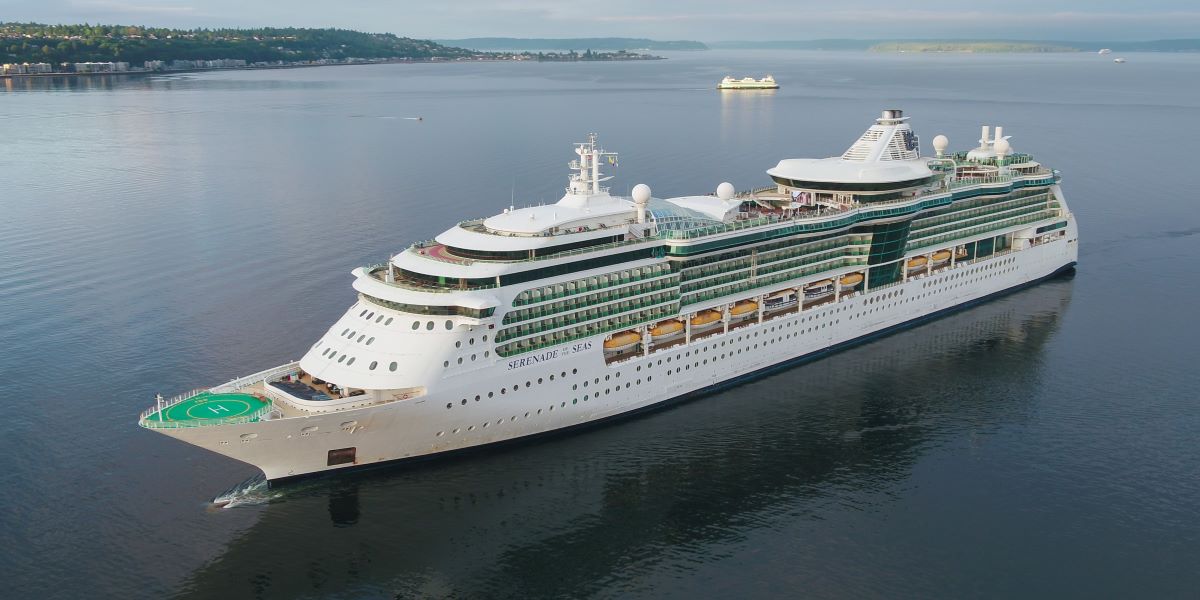
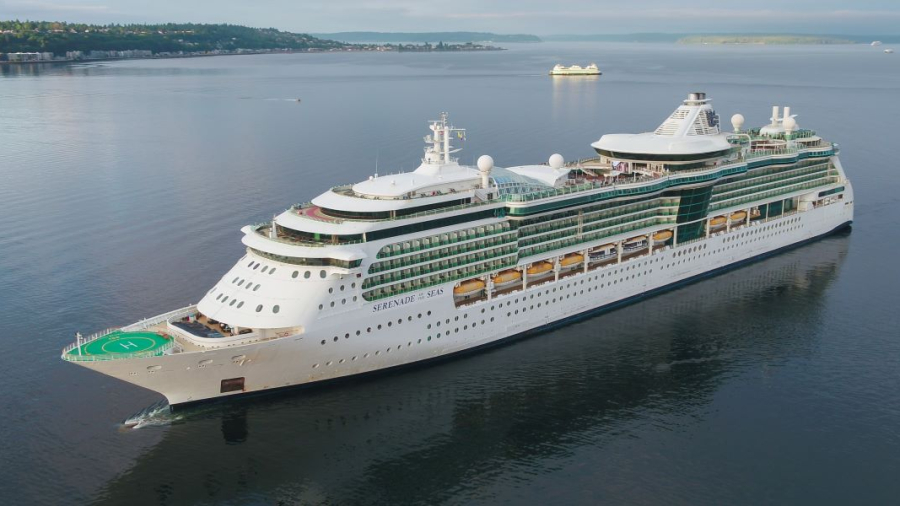
More than 70 passengers have fallen ill during a Royal Caribbean cruise after a gastrointestinal outbreak was confirmed onboard Serenade of the Seas.
The cruise set sail from San Diego on September 19, 2025, for a 13-night trip through the Panama Canal, scheduled to finish in Miami on October 2.
So far, 71 passengers and one crew member have experienced symptoms linked to norovirus. With 1,874 travellers on board this sailing, that represents 3.79% of the guest count. Under U.S. rules, any outbreak affecting 3% or more of those on a ship must be reported to the Centers for Disease Control and Prevention (CDC).
This marks the first norovirus incident reported on Serenade of the Seas since 2006.
Preventative Measures Onboard
Royal Caribbean has isolated sick passengers and the affected crew member. Cleaning protocols have been intensified, and stool samples collected to confirm the cause of illness.
Guests are also being encouraged to practice regular handwashing and get adequate rest to protect themselves from catching the virus.
Despite the situation, the ship has remained on schedule. Its last stop was Cartagena, Colombia, on September 29, before heading for Miami.
How Often Do These Outbreaks Occur?
While gastrointestinal illness on cruise ships attracts attention, outbreaks remain relatively rare. Cruise lines must report cases whenever 3% or more of the ship’s population is affected.
According to the CDC, there were just 14 reported outbreaks in 2023 and 18 in 2024. With the Serenade of the Seas outbreak, the total for 2025 now stands at 19.
Royal Caribbean has already had two other ships experience outbreaks this year, Radiance of the Seas in February and Navigator of the Seas in July. Its Silversea brand has also seen isolated cases, including an E.coli incident on Silver Ray in January, but not all of those required official reporting.
What This Means for Cruisers
Norovirus spreads quickly but is generally short-lived, and most people recover without complications. Cruise lines are experienced in managing outbreaks through cleaning, isolation, and health protocols.
Considering that tens of millions of passengers cruise each year, the chances of encountering an outbreak remain low.
Serenade of the Seas continues its voyage, with most guests unaffected and enjoying the journey through the Panama Canal.
TODAY’S BEST CRUISE DEALS!
Don’t miss these offers…
Related Reading
If you found this interesting, please share!
Jenni Fielding is the founder of Cruise Mummy. She has worked in the cruise industry since 2015 and has taken over 30 cruises. Now, she helps over 1 million people per month to plan their perfect cruise holidays.
Marella Cruises has been dealt a major blow after parent company TUI AG confirmed that two long-awaited new ships will no longer join the UK brand. Instead, the vessels will…
Glass has shattered once again on a Royal Caribbean ship, this time on Utopia of the Seas. The incident marks the sixth time in just four months that a panel…
Norwegian Cruise Line is making changes to the way guests dine on board, with a new charge that has raised plenty of debate among cruisers. From 26 September 2025, anyone…
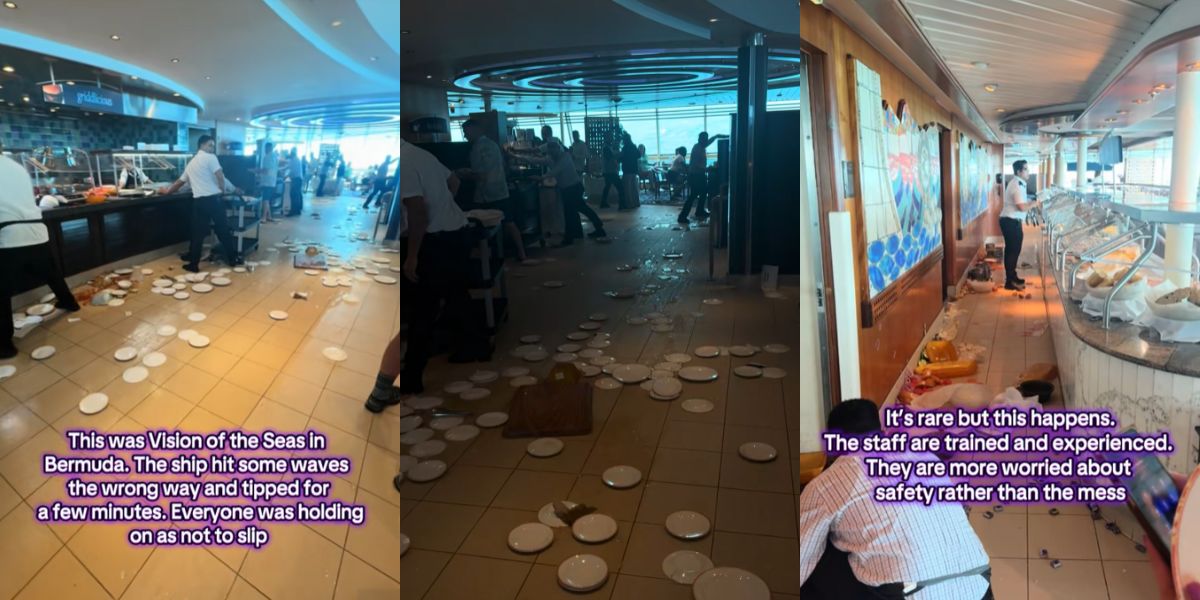
Passengers sailing aboard Royal Caribbean’s Vision of the Seas faced a dramatic moment when the ship encountered a rogue wave on its return leg from Bermuda, leaving dining rooms in…

 We are 15 day in to our run for Carnival diamond status. Join us live for the latest updates. CONNECTExclusive and Extra content – https://www.patreon.com/lalidolocaAdditional News Updates at: https://www.lalidoloca.comQuestions or Business Inquiries? Email Tony at: tony@lalidoloca.com