While Carnival Cruise Line takes pride in being a family cruise line, they also offer a handful of adults-only cruises each year where all guests must be 21 years or older to sail.
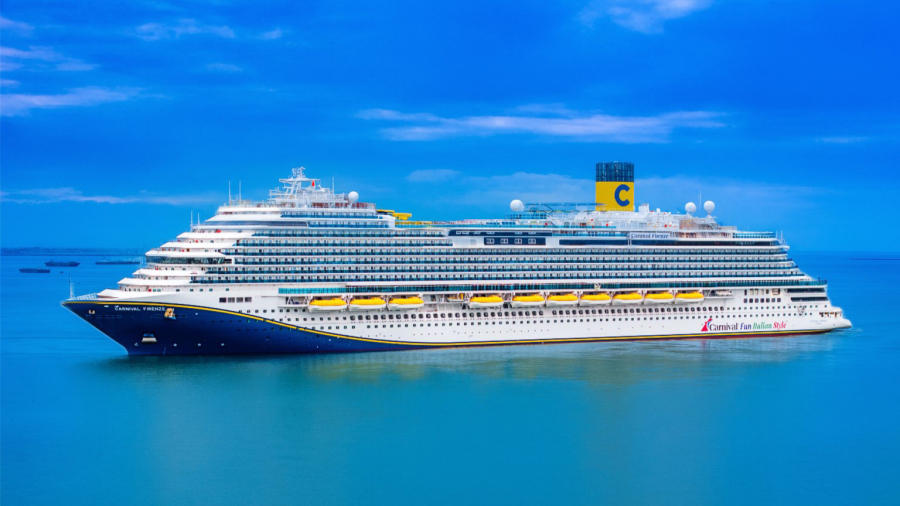
Carnival Firenze will host a handful of adults-only cruises this fall.
These sailings are called SEA cruises, Sailings Exclusively for Adults, and Carnival has several of them coming up.
The cruises will offer an enhanced dining room menu, special entertainment, and extra casino events since there are no kids on board the ship.
The cruise line has extended bookings on four adults-only cruises this fall, which must be booked by August 30, 2026. The four cruises will take place on Carnival Firenze out of Long Beach, California, with four different itineraries offered.
These four cruises that are open for bookings are:
October 12, 2026: Seven-day cruise that visits Mazatlán, Cabo San Lucas, and Ensenada
October 19, 2026: 14-day cruise that visits Cabo San Lucas, La Paz, Acapulco, Manzanillo, Puerto Vallarta, and Ensenada
November 2, 2026: 11-day cruise that visits Puerto Vallarta, Acapulco, Mazatlán, Cabo San Lucas, and Ensenada
November 13, 2026: Seven-day cruise that visits La Paz, Cabo San Lucas, and Ensenada
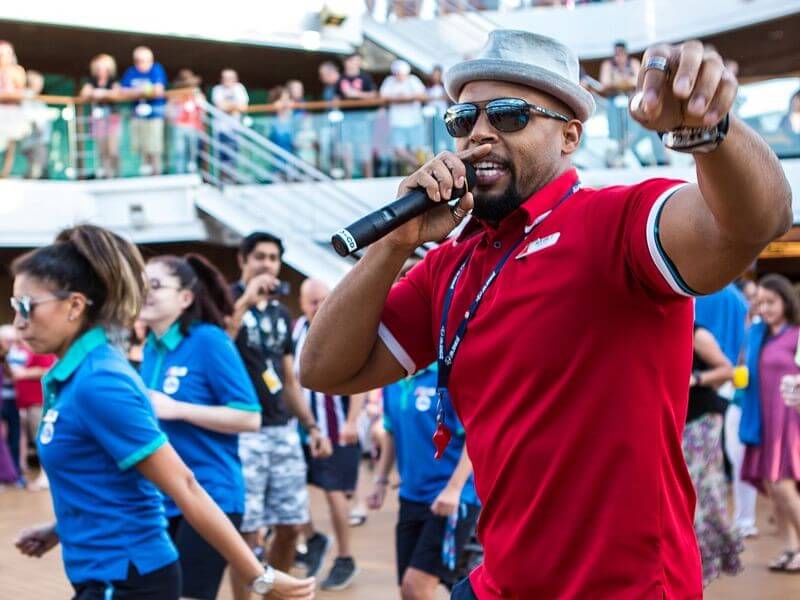
Carnival Cruise Line’s Brand Ambassador, John Heald, will be on the first sailing on October 12, 2026. He will be hosting special events throughout the cruise that he says will be “a massive dollop of FUN“.
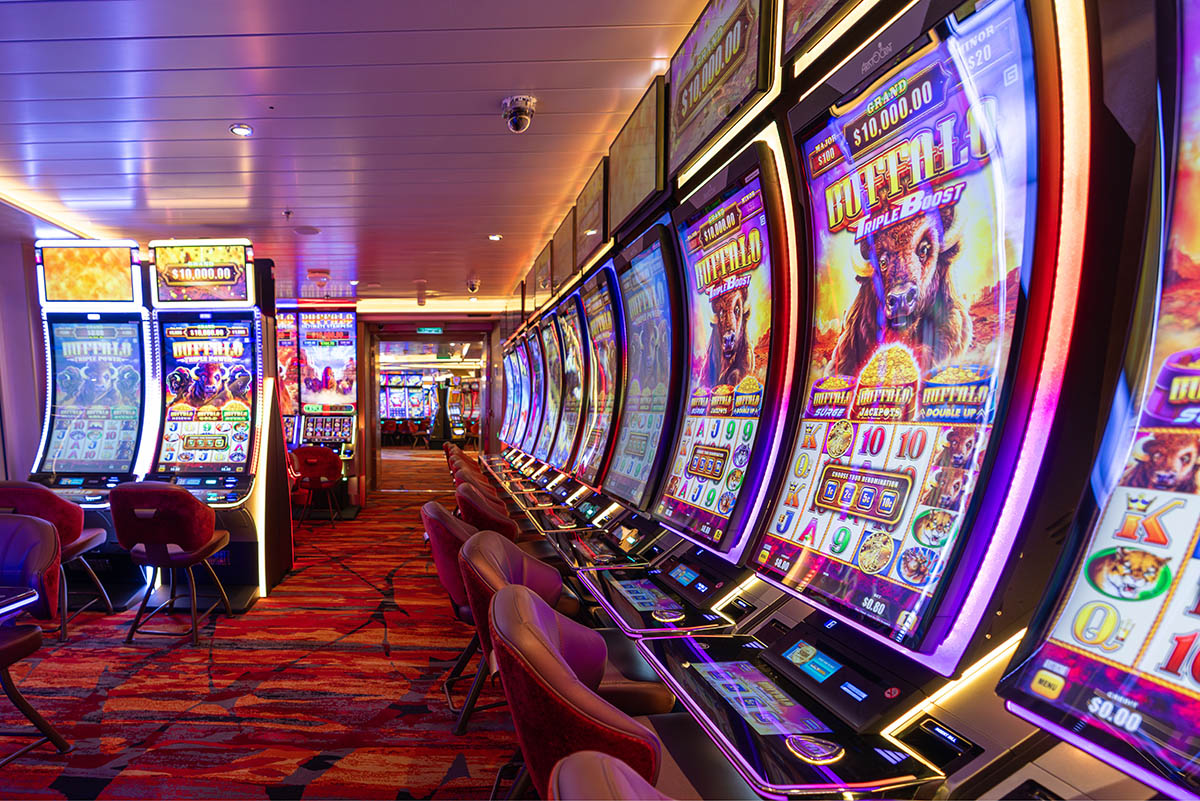
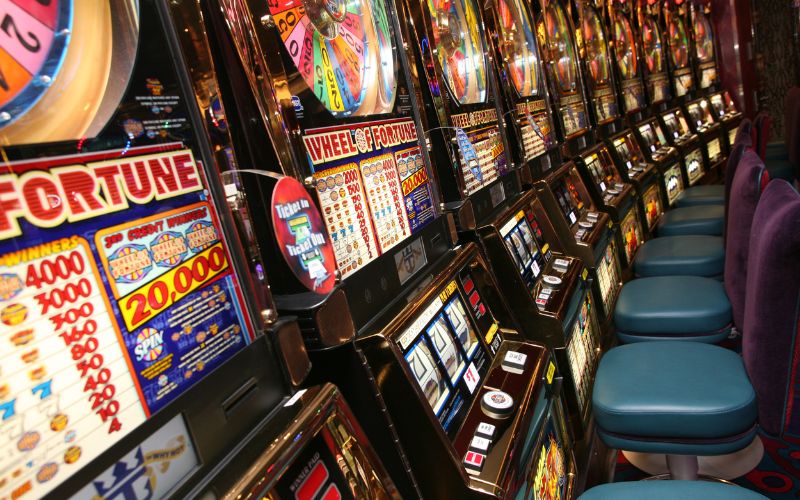
A casino on a Carnival cruise ship.
This offer is available for cabin assignment and may also be available for guarantee (IS/OV/BL) cabins. If a guest selects a guarantee cabin, Carnival will assign the stateroom at a later time.
In order to book a SEA cruise, you have to visit this page on Carnival.com and sign up for free. The sailings will then appear in “My Offers” when logged into your VIFP account.
Carnival Cruise Line is also offering SEA cruises on Carnival Conquest, Carnival Paradise, and Carnival Glory in 2027. They currently have 10 of these sailings open for bookings on their website.
For complete terms and conditions of adults-only cruises offered by Carnival Cruise Line, you can contact your preferred travel professional or visit Carnival.com.
Get the latest cruise news, tips, and deals sent straight to your inbox with our free newsletter: Sign Up Now
When Norwegian Cruise Line’s next new ship, Norwegian Aura, debuts in 2027, it will have new complimentary and paid dining options, a new era of wellness at sea, and refreshed public spaces.
Norwegian Aura will have 22 food and beverage options spanning over 10 distinct cuisines. This includes the transformation of a traditional main dining room and the cruise line’s first specialty restaurant dedicated to Indian cuisine.
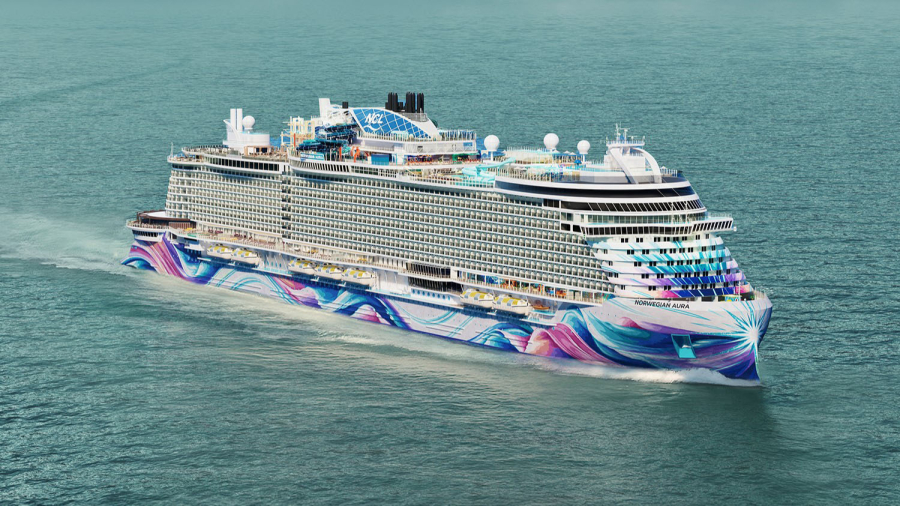
Rendering of Norwegian Aura
Dining
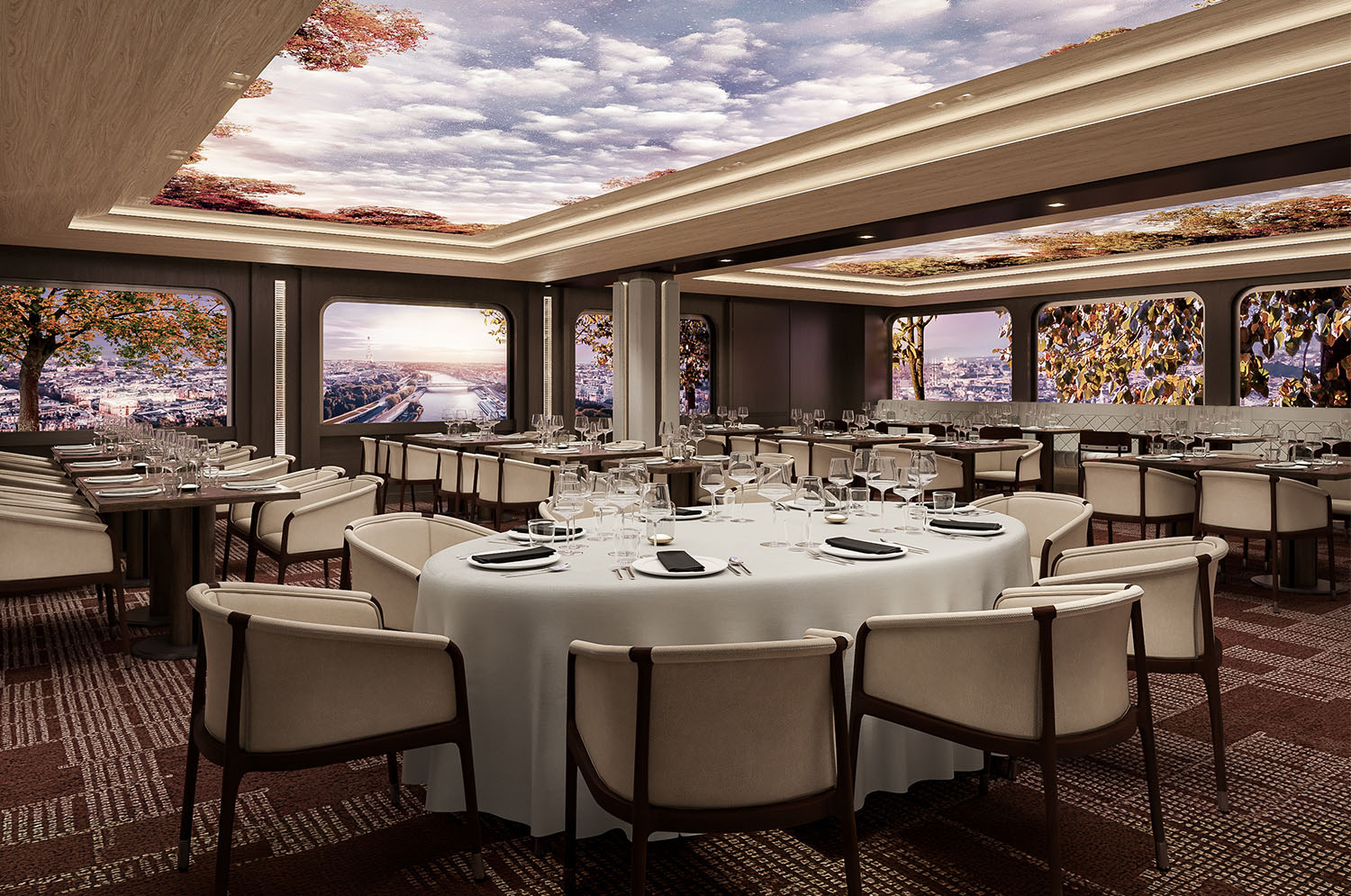
The Panorama Room will be a completely reimagined complimentary restaurant that transforms traditional main dining through immersive visual technology.
It will be located on Deck 6 and feature expansive LED displays, multi-channel audio, synchronized lighting, and dynamic visuals that evolve throughout the day and evening. The restaurant will transport guests through ever-changing landscapes, artwork, and scenic environments as they dine.
Panorama Dining Room on Norwegian Aura
Hudson’s, the signature main dining room, will offer 270-degree ocean views in an elevated new design.
Tamara will be NCL’s first specialty restaurant dedicated to Indian cuisine that was inspired by the popularity of the Indian offerings at Indulge Food Hall. It will feature authentic flavors with dishes like Short-Rib Dosa, a crisp rice-lentil crepe with tomato sambar, fenugreek and coconut chutney; Lamb Biryani, with basmati rice, warm spices and caramelized onions; and a Green Papaya Salad, tossed tableside with pomegranate, tamarind, peanuts, jaggery and chili.
Norwegian is also reconfiguring and adding more seats to many of their popular restaurants, including Le Bistro, Sukhothai, Palomar, Onda by Scarpetta, Cagney’s Steakhouse, Hauki, and Nama.
Surfside Cafe will now span both sides of the cruise ship and Indulge Food Hall will feature nine globally inspired stations.
Wellness
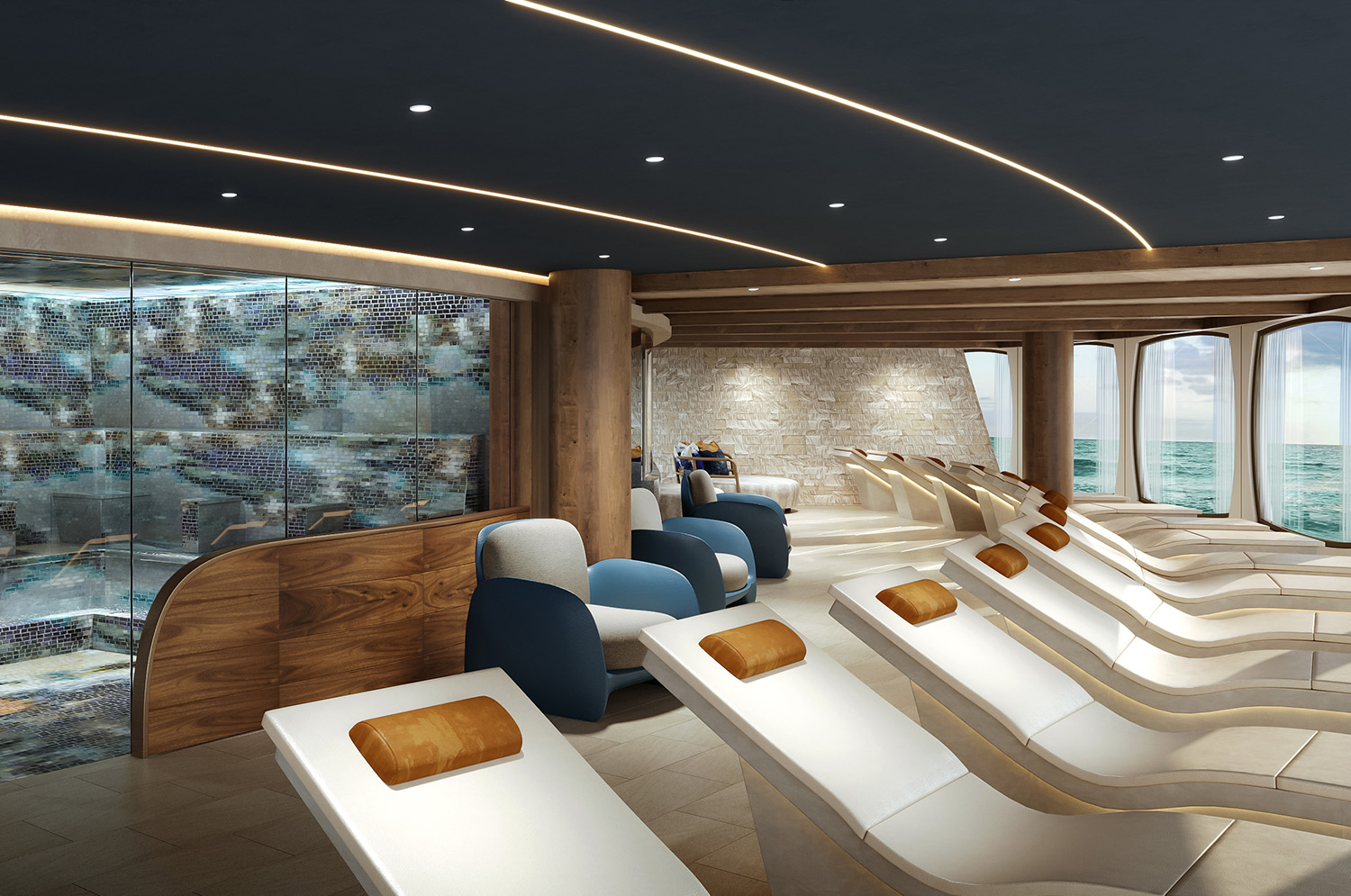
Thermal Suite on Norwegian Aura
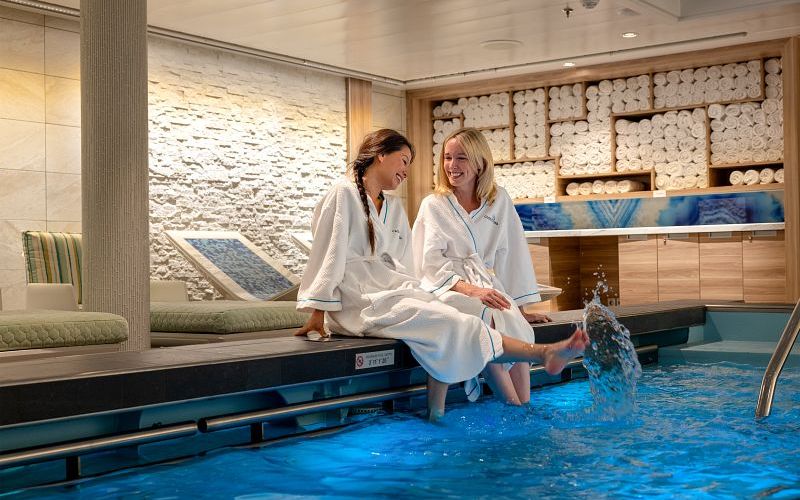
The Mandara Spa will span two decks on the ship and have the industry’s most expansive Thermal Suite. The Thermal Suite will have 15 wellness amenities, including 11 new experiences.
The Sensory Rain Pool will be the first of its kind at sea. This 360-degree experience will transform calm waters into a tropical rainfall that ends in a dramatic thunderstorm.
The Blue Glow Suite will be a gentle blue light experience that encourages relaxation.
The Thermal Suite will also have a Foot Spa, Waterfall Experience, Snow Cave, Reflection Pool, Hot and Cold Plunge experiences, Salt Room, Meditation Lounge, Aromatic Steam Room, Finnish Sauna, Charcoal Sauna, and a Zen Lounge.
Public Spaces
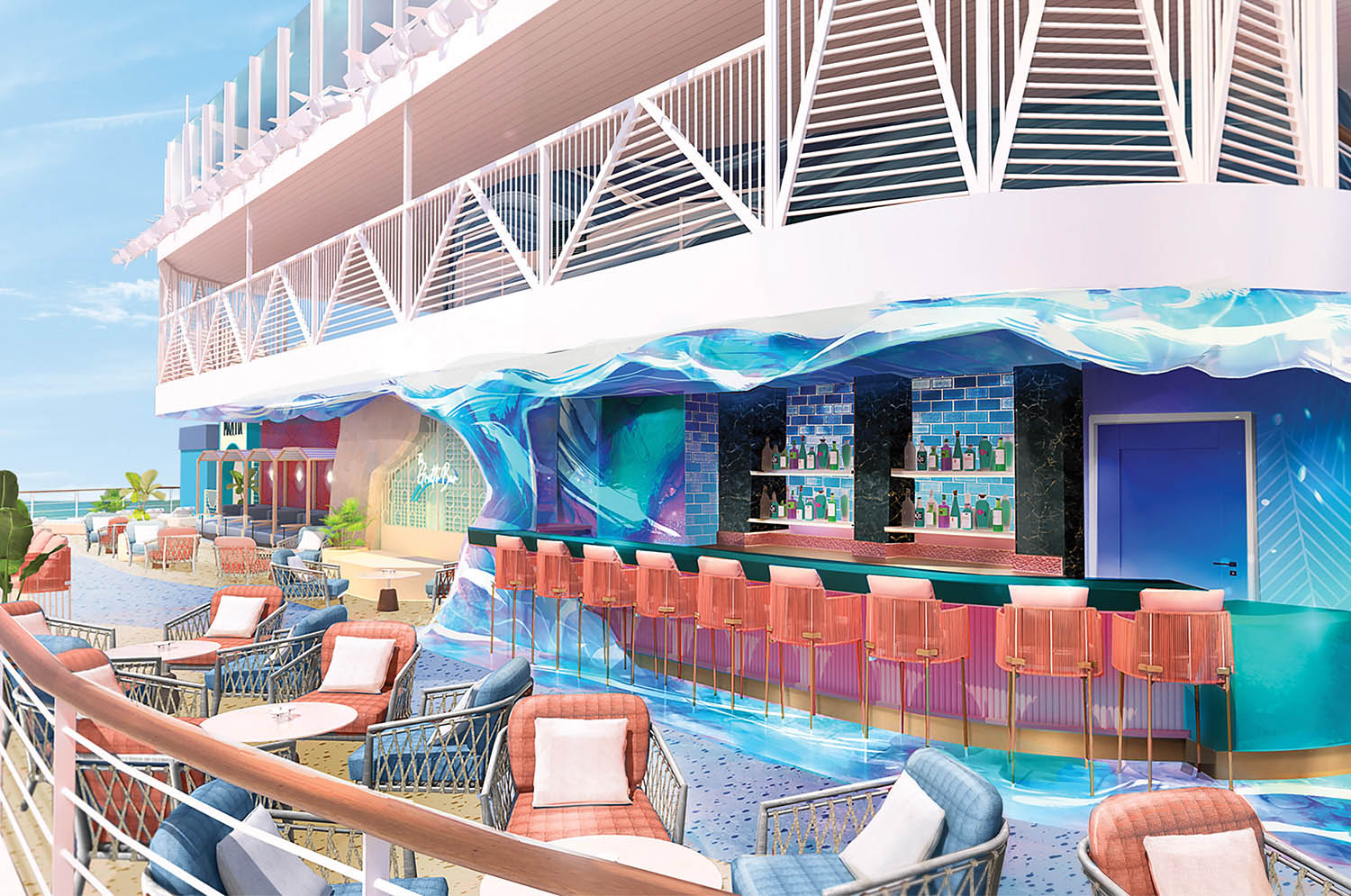
Daybreak Bar on Norwegian Aura
Norwegian Aura will feature refreshed interiors and expanded layouts. This includes a larger Penrose Bar & Atrium and redesigned bars and lounges that create open and inviting environments.
Overlooking the pool on Deck 18, the Daybreak Bar will feature beautiful, vibrant colors and will be the perfect spot to enjoy a day at sea in the heart of the action.
The updates are designed to make it easier for guests to find their favorite spot, meet up with friends, and enjoy the ship’s lively atmosphere from day to night.
Ocean Heights
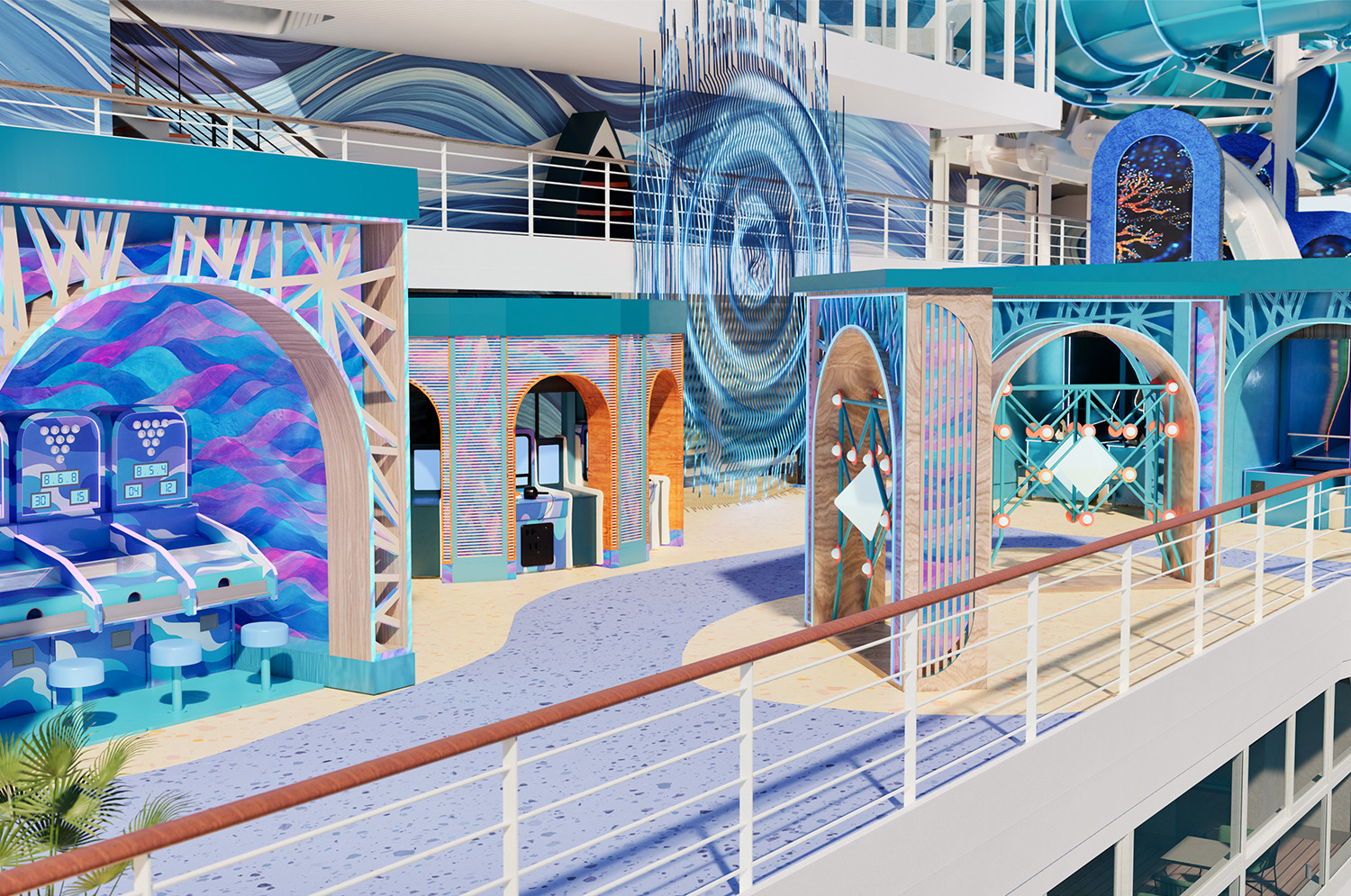
This ultimate hub for fun, action, and relaxation is for the entire family. The activity zone will feature an 82-foot Aura Ropes Course, a multi-level obstacle course, and the Aura Midway.
Aura Midway will have carnival-style games and a nine-hole mini golf course.
Aura Midway
Norwegian Cruise Line is also adding their first overhanging cabanas overlooking Vibe Beach Club.
Marc Kazlauskas, president of Norwegian Cruise Line, gave the following statement:
“Norwegian Aura is all about giving guests more of what they love, with spaces and experiences that make vacation feel even easier. From Tamara, our new Indian specialty restaurant, which expands the already guest-favorite eatery in Indulge to an elevated culinary offering; to The Panorama Room’s immersive dining experience and our most expansive Thermal Suite to date, every addition has been purposefully designed to give guests more freedom, choice and opportunities to relax, recharge and enjoy their vacation their way, without compromise.”
Norwegian Aura will be the largest ship in NCL’s fleet when it debuts on May 21, 2027. After a seven-day maiden voyage in the Mediterranean, the ship will cross the Atlantic and head to Miami.
Once at the Cruise Capital of the World, PortMiami, Norwegian Aura will sail week-long cruises to the Eastern and Western Caribbean through 2028.
Get the latest cruise news, tips, and deals sent straight to your inbox with our free newsletter: Sign Up Now
Carnival gets dismissed surprisingly often for a cruise line that carries literally millions of guests every year. It’s loud, busy, and rarely trying to impress people with white-glove luxury. But that’s also exactly why so many cruisers love it.
Because while other cruise lines chase bigger suites, fancier branding and those upscale experiences, Carnival has stayed focused on something simpler – making sure people have a genuinely good time on holiday.
And honestly? There are quite a few things Carnival does better than the competition. Some are obvious, but others are the kind of details you only really notice once you’ve sailed with them.
Even cruise fans who normally prefer Royal Caribbean, Norwegian or MSC often admit Carnival gets certain things absolutely spot on…
1. They Create A Fun Atmosphere Better Than Anyone
The second you walk onto a Carnival ship, you know exactly what kind of holiday you’re getting. Music’s playing, people are already at the bars, the lido deck is buzzing and the whole atmosphere feels energetic from day one.
Some cruise lines can feel oddly subdued during the daytime, especially outside school holidays. Carnival rarely has that problem. There’s usually a game happening somewhere, live music nearby or a crowd gathering around the pool for something chaotic and entertaining.
That won’t appeal to everyone, of course. If you want a peaceful, library-quiet cruise experience, Carnival probably isn’t your perfect match. But if you want a cruise that actually feels lively and social, very few lines do it better.
2. Carnival’s Comedy Clubs Are Genuinely Excellent
Carnival quietly built one of the best comedy offerings at sea and it’s become one of the line’s biggest strengths.
The Punchliner Comedy Club isn’t just a one-off act squeezed into the schedule. On many sailings, comedians perform multiple times throughout the cruise, including adults-only late-night sets that regularly end up packed.
And unlike some cruise entertainment, the comedy often feels current and unscripted rather than overly polished or corporate. That makes a huge difference.
It’s also one of the few entertainment options that gets people returning night after night during the same sailing. Plenty of cruisers now actively check who the comedians are before booking.
3. The Included Food Is Better Than People Expect
Carnival’s food reputation suffers because people assume lower prices must mean lower quality. Then they get onboard and realise the included casual food is actually one of the line’s strongest areas.
Guy’s Burger Joint has become genuinely iconic among cruise fans for a reason. BlueIguana Cantina is consistently solid too, especially for breakfast burritos. On newer ships, Shaq’s Big Chicken has also become a huge hit.
Is Carnival competing with luxury lines for fine dining? No. But when it comes to satisfying, included comfort food that people genuinely look forward to eating, Carnival gets it right surprisingly often.
4. They Understand Short Cruises Better Than Anyone
Some cruise lines treat short cruises like an afterthought. Carnival absolutely doesn’t.
The line has mastered the art of the three- and four-night sailing better than almost anyone else. Everything about the onboard atmosphere works for shorter trips – faster energy, busier nightlife and a stronger sense that people want to maximise every minute onboard.
Half Moon Cay
There’s less pressure to turn the cruise into some perfectly curated luxury experience too. People are there to relax, have fun and enjoy themselves.
That sounds simple, but not every cruise line manages to capture it properly.
5. Carnival Has Some Of The Best Cruise Directors
On many cruise lines, the cruise director barely registers beyond a few announcements. On Carnival, they’re often part of the experience itself.
Carnival cruise directors tend to have huge personalities and visible roles onboard. They host events, interact with passengers constantly and often build loyal followings online. Some cruisers even choose sailings specifically based on who the cruise director will be.
That level of engagement creates a more personal atmosphere onboard. The ships feel less corporate and more human because there’s a recognisable face shaping the energy of the sailing.
It sounds ridiculous to single out pizza in an article about cruise lines, but Carnival cruisers will completely understand this one.
The pizza onboard Carnival ships consistently ranks among the best complimentary pizza at sea. More importantly, it’s available late into the night when people actually want it.
That combination matters more than cruise lines sometimes realise.
There’s something oddly comforting about grabbing fresh pizza after a comedy show or before heading back to your cabin at 1am. Carnival has turned that into part of the experience itself.
7. Carnival Feels Less Formal And More Relaxed
Cruising has changed a lot over the years. Many passengers don’t want strict dress codes, fixed dining rituals and formal nights that feel more stressful than enjoyable anymore.
Carnival recognised that earlier than some competitors.
The line still offers elegant dinners and nicer venues if you want them, but there’s far less pressure overall. The atmosphere is more relaxed, more forgiving and often more approachable for first-time cruisers.
That makes a difference, especially for younger travellers or families who don’t want to spend their holiday worrying about cruise etiquette.
NEW DEALS JUST RELEASED!
See the latest Carnival cruise offers…
8. They Nail Value For Money
Carnival probably won’t win many “most luxurious cruise line” awards anytime soon. But value for money? That’s a different story.
The fares are often competitive, especially on shorter itineraries, and the onboard experience includes far more than people sometimes expect.
You’re getting entertainment, decent food options, lively atmosphere and solid private destinations without paying premium prices for every little extra.
That balance is a huge part of why Carnival remains so successful. Plenty of people don’t necessarily want luxury cruising. They just want a fun holiday that feels worth what they paid.
9. The Pool Deck Atmosphere Is Better Than Most Rivals
Some cruise pool decks can feel strangely quiet considering you’re supposed to be on holiday in the Caribbean.
Carnival ships rarely have that issue. The line leans fully into the resort-style atmosphere with DJs, deck games, live music and constant activity around the main pools. It feels energetic in a way that many mainstream cruise lines struggle to replicate consistently.
Again, that won’t suit everyone. But for passengers who actually want the pool deck to feel social and exciting, Carnival understands the assignment.
10. They’re Great For Multi-Generational Groups
Carnival works especially well when you’re travelling with a mix of ages and personalities.
Grandparents can relax with a drink, teenagers can disappear to waterslides and sports courts, younger kids have plenty happening and adults still get nightlife, comedy clubs and adults-only areas.
Not every cruise line balances those things well. Some lean heavily toward families while others feel designed mainly for older adults.
Carnival tends to sit comfortably in the middle, which makes group trips much easier to organise.
11. Carnival Knows How To Make Embarkation Feel Exciting
Embarkation day sets the tone for an entire cruise and Carnival understands that better than most.
On some lines, boarding day can feel oddly flat. Venues are half-open, the atmosphere is quiet and passengers spend hours waiting for the cruise to properly begin.
Carnival goes the opposite direction. The lido deck usually feels alive almost immediately. Music’s playing, bars are busy and people are already settling into holiday mode within minutes of boarding.
It sounds small, but it genuinely changes the feeling of the first day onboard.
12. Their Private Destinations Focus On Fun Rather Than Luxury
Some cruise lines increasingly market their private destinations like exclusive luxury resorts.
Carnival’s approach feels simpler and, honestly, more fun.
Places like Half Moon Cay work because they focus on beaches, easy relaxation, food, swimming and enjoying the Caribbean rather than trying to create ultra-curated luxury experiences.
Celebration Key continues that approach too, with huge pools, family-friendly areas and a strong focus on entertainment rather than exclusivity. The destination hasn’t been open too long really but is already very popular with Carnival fans.
Carnival understands that many passengers just want an easy, sunny beach day without unnecessary complications.
13. They’re One Of The Best Cruise Lines For First-Time Cruisers
First-time cruisers can find the whole industry surprisingly intimidating.
Dining rules, dress codes, loyalty tiers, speciality restaurants, drink packages – there’s a lot to figure out.
Carnival simplifies a lot of that. The atmosphere is more approachable, the ships feel less formal and there’s less pressure to “cruise correctly”. That makes Carnival a very comfortable entry point into cruising for many people.
And once people enjoy their first cruise, they often stick with the line for years afterwards.
14. Carnival Built One Of Cruising’s Most Loyal Fanbases – But That’s Being Tested
For years, Carnival created one of the strongest loyalty cultures in cruising.
Many guests took enormous pride in reaching higher levels of the VIFP Club loyalty programme, especially Diamond status. People booked repeatedly with Carnival not just because they enjoyed the cruises, but because they felt genuinely connected to the brand.
Across cruise forums and social media, plenty of longtime Carnival fans are openly talking about switching to rival cruise lines after feeling the changes reduce the value of years of loyalty. Some are frustrated that the programme appears to prioritise spending more heavily rather than simply rewarding cruise frequency.
At the same time, there’s another argument emerging too.
Maybe Carnival is simply moving first toward changes that much of the cruise industry will eventually make anyway. Airlines and hotels have already shifted heavily toward revenue-based loyalty systems, and cruise lines may end up following the same path over time.
Or maybe this becomes a rare misstep that genuinely pushes loyal guests away.
Either way, Carnival will probably survive it without major long-term damage. The line’s audience is enormous, its ships remain consistently popular and many passengers still choose Carnival primarily because they enjoy the onboard experience itself.
But it’s definitely one of the most interesting moments Carnival has faced in years because it’s testing something the line has traditionally done exceptionally well – keeping people emotionally loyal to the brand.
Carnival isn’t trying to be the quietest cruise line, the fanciest cruise line or the most refined cruise line.
What it does better than almost anyone else is create a holiday that feels fun from the moment you step onboard.
The ships are lively, the atmosphere is relaxed, the food is far better than critics often admit and there’s a sense that Carnival actually understands why most people take cruises in the first place – to enjoy themselves.
That won’t make Carnival the perfect cruise line for everyone. Some cruisers will always prefer luxury, smaller ships or calmer onboard experiences.
But if your ideal cruise involves laughter, late-night pizza, busy pool decks, comedy shows and never feeling bored, Carnival still gets a lot of things very, very right.
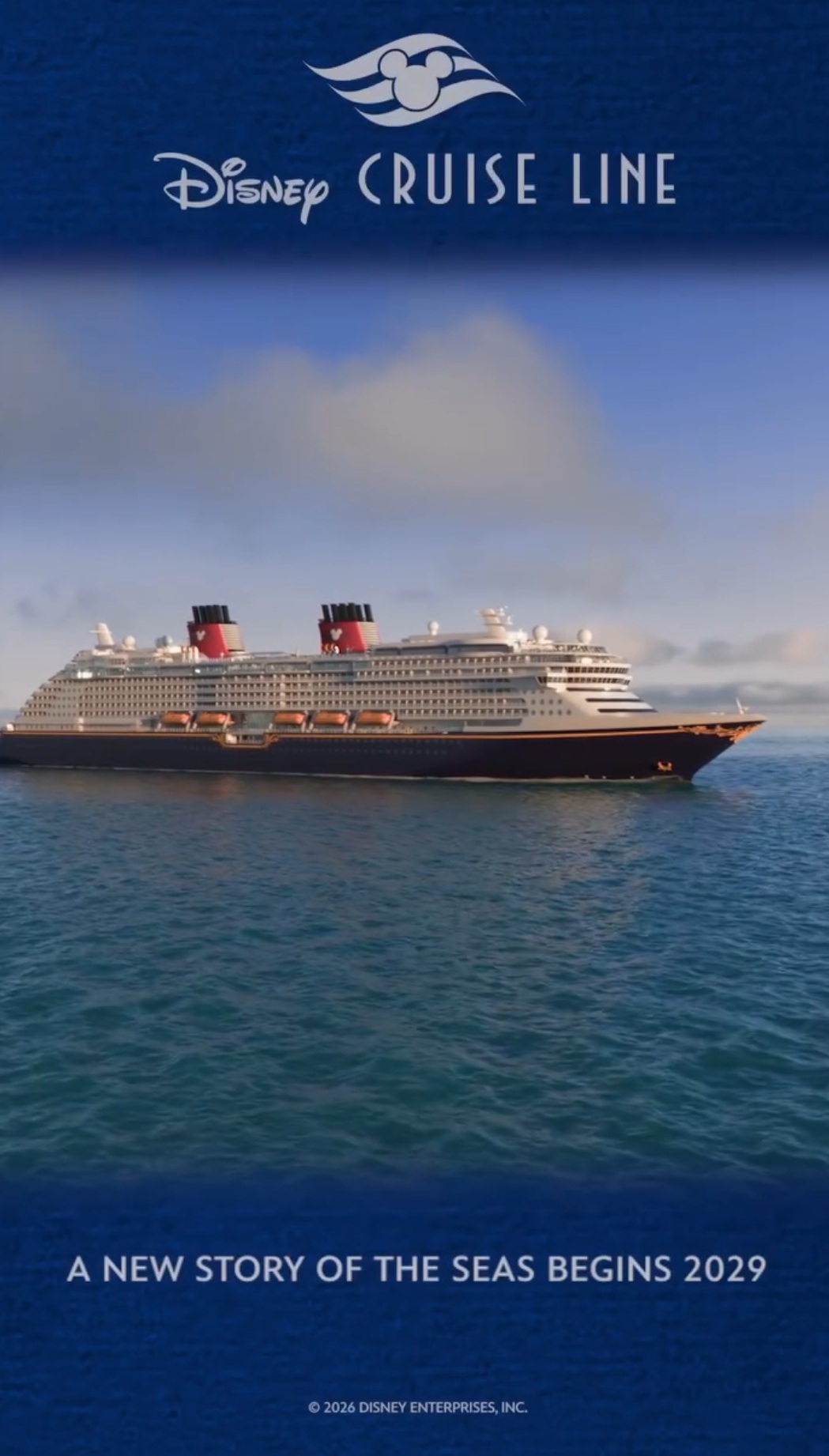
Disney Cruise Line recently revealed that three brand-new cruise ships will be coming in 2029 and 2030. This will be a whole new class for the cruise line.
Now, a rendering of the new ship has been dropped during a D23 event in Anaheim, California.
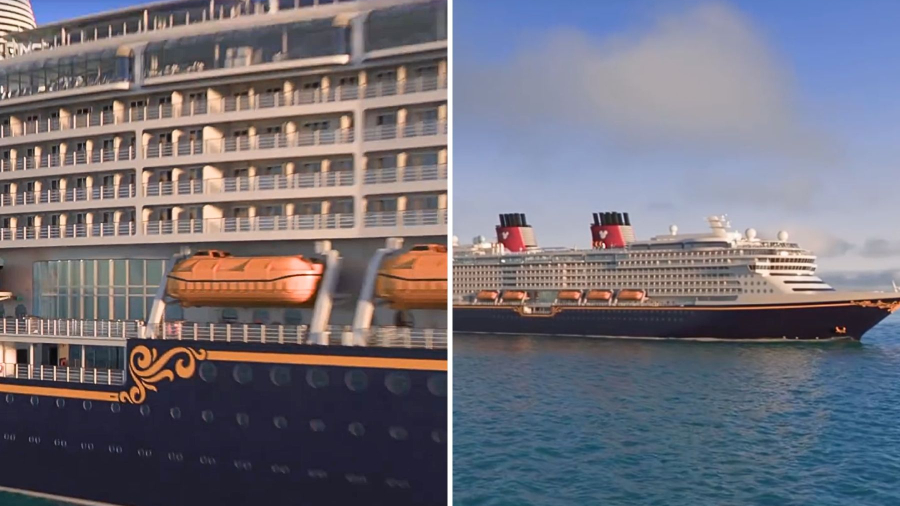
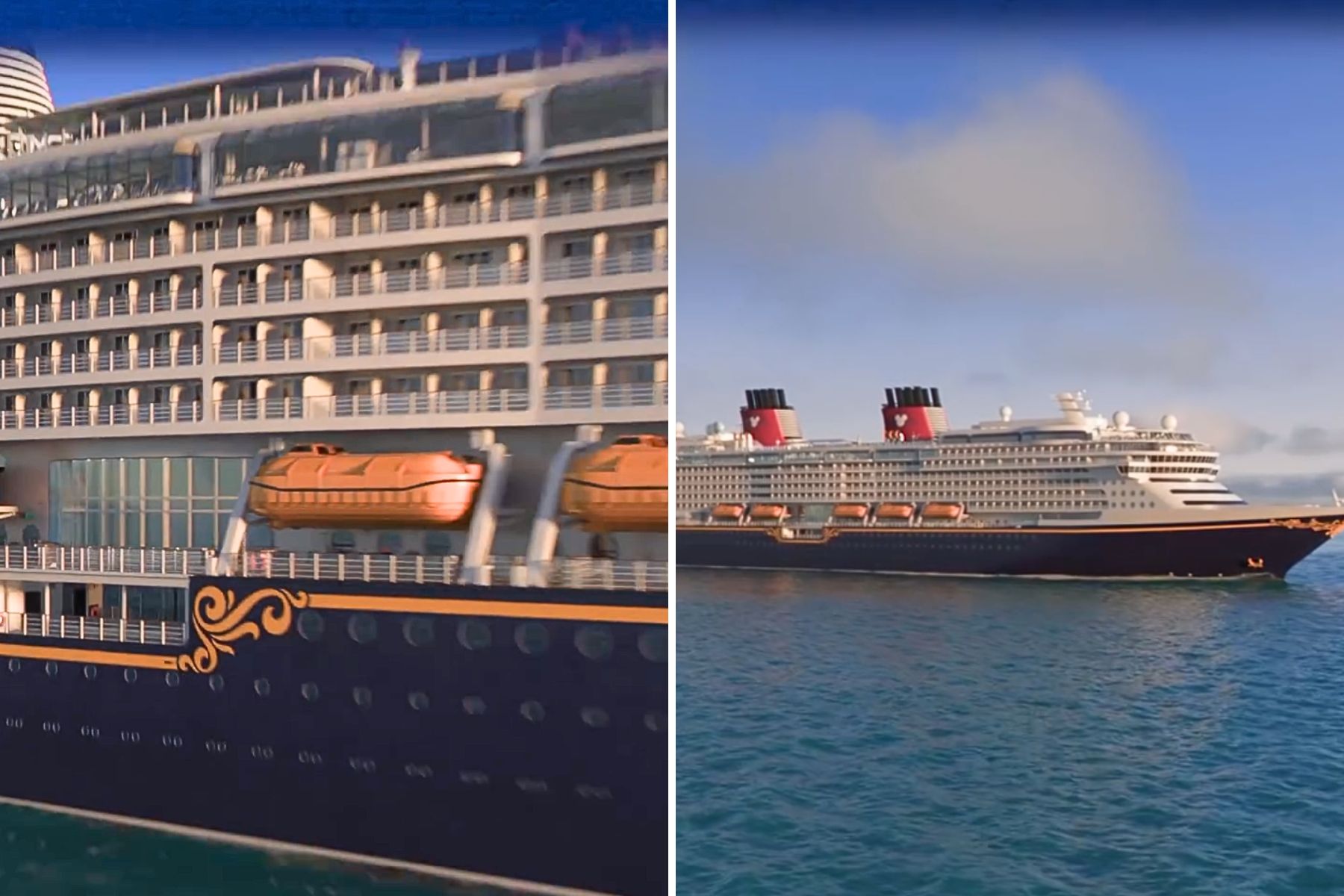
Rendering of Disney’s new 100,000-gross-ton vessel.
The new ships, slated to begin arrival in 2029, will be smaller than the recent Wish-class (144,00 GT) and slightly larger than the smallest class in the fleet, Magic-class (84,000 GT).
The ships, candidly recognized as ships 11, 12, and 13 for the cruise line, will be 100,000 gross ton vessels, capable of accommodating around 3,000 guests.
Finding the “Sweet Spot” in Size
It looks like Disney is looking for a middle ground in terms of size for this next batch of ships. Not only can smaller ships have access to more ports, but not every cruiser is a fan of the “bigger is better” concept.
Capacity: Roughly 3,000 passengers. That places them right between the classic 2,713-passenger Disney Wonder and the 4,000-passenger Disney Wish.
Tonnage: About 100,000 gross tons, which is about 20% larger than the Magic-class, but much smaller than the 208,000 GT Disney Adventure.
Why build smaller?
As Senior Creative Director Claire Weiss explained during the showcase, placing these ships “right in the middle of our classic ships and our newer ones” gives Disney “some amazing opportunities to visit new places and reach brand new audiences we haven’t before.”
This basically means ships of this size can access harbors which might be shallower and inaccessible with a 150,000 GT ship.
So, I would expect some unique itineraries with these new ships, which will even offer the ability to visit some historic European ports.
Design Features and a Few Hints
While Disney is keeping specific vessel names, themes, and itineraries locked away for now, the initial teaser trailer revealed a few architectural details:
Ocean-Focused Views: The renderings feature a large midship wall of ocean-facing windows spanning what looks like three decks. It will be interesting to see how this space is used.
Classic Silhouette: Expect the signature black-and-gold hull, twin red funnels, and streamlined styling that match the iconic Disney ocean liner aesthetic.
Efficiency: From previous press releases from the cruise line and shipyard we also know a bit about the build itself. Built in partnership with Meyer Werft in Germany, the ships will feature hybrid battery systems, shore-power plug-in capabilities, and the flexibility to operate on green fuels like renewable methanol or hydrotreated vegetable oil.
(Disney Cruise Line)
Fan Reaction
The Disney post on Instagram seemed to really resonate with Disney Cruise Line fans, as commenters asked about itineraries and wondered where the ships would be homeported.
Many fans used the comment section to ask Disney to bring back popular structural features from the older Magic and Dream-class vessels rather than repeating the controversial flow of the Wish class.
“Please let this new class of ships take their design and layout cues from the original 4 ships of the Magic and Dream Classes and not the Wish Class. Those original ships were just so much better laid out when it comes to adult areas and entertainment options.”
“Please please PLEASE let this class have a proper full promenade that actually goes all the way around without needing stairs. And an actual adult district.”
“Please tell us that was a nod to the walking track coming back!?!?”
Because the smaller footprint opens up new destination possabilities, fans wasted no time pitching their favorite departure cities and regions for the 2029-2030 rollout.
“Love the combination of Magic and Wish, hope we see one in Alaska/west coast and New York for Canadian and Bermuda sailings.”
“Still waiting for San Diego to get a new ship.”
“If these are able to sail to Alaska, I will freak!”
“PLEASE give us a ship in Galveston FULL TIME!”
While details on interior spaces remain under lock and key for now, the general consensus is clear that cruisers want the midsize fleet to blend modern tech with the ocean-liner charm of Disney’s earliest ships.
But Disney fans don’t have to wait too long for a new ship to arrive. Disney Believe is scheduled to debut in 2027. The 140,000-ton vessel is a Wish-class ship, and we’re still waiting to hear where the ship will homeport when it arrives.
With two of these midsize ships slated to be delivered in 2029 and a third following in 2030, Disney Cruise Line is going to have a fleet of 13 ships in total in just four more years.
Get the latest cruise news, tips, and deals sent straight to your inbox with our free newsletter: Sign Up Now
Cruise ships are usually spotless, but some passengers? Not so much.
Crew members spend their days cleaning, polishing, sanitising, vacuuming and generally trying to keep thousands of people in check. But they can’t be everywhere at once. And as soon as you put that many humans together on one floating hotel, someone is going to do something that makes everyone else question civilisation.
From buffet crimes to hot tub horrors, these are some of the most disgusting things people say they’ve seen on cruise ships. You may never look at the self-serve tongs the same way again…
1. Walking Straight From The Toilet To The Buffet
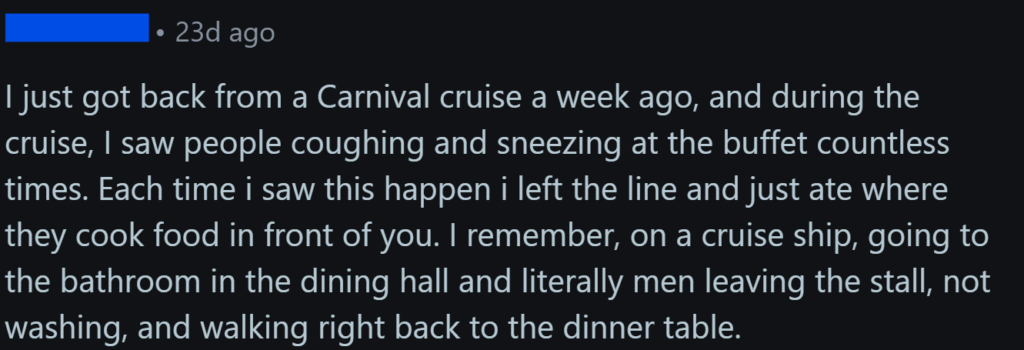
One of the most common complaints from cruisers is also one of the simplest: people using the bathroom, skipping the sink, and heading straight for the buffet.
It’s grim anywhere, but on a cruise ship it feels even worse. You’re sharing serving spoons, handrails, lift buttons, drinks machines and sun loungers with thousands of other passengers.
This is exactly why cruise lines are so enthusiastic about handwashing stations. They’re not being dramatic – they’ve seen things.
2. Touching Buffet Food With Bare Hands
Cruise buffets are wonderful until you witness someone pick up a bread roll, inspect it, decide it’s not worthy, and put it back for the next unsuspecting passenger.
There are tongs. There are spoons. There are sometimes even crew members standing right there.
And yet, some people still treat the buffet like they’re rummaging through their own fridge at midnight.
The worst part is that you only know about the times you actually see it happen. Which is not a comforting thought.
3. Contaminating The Salad Dressing
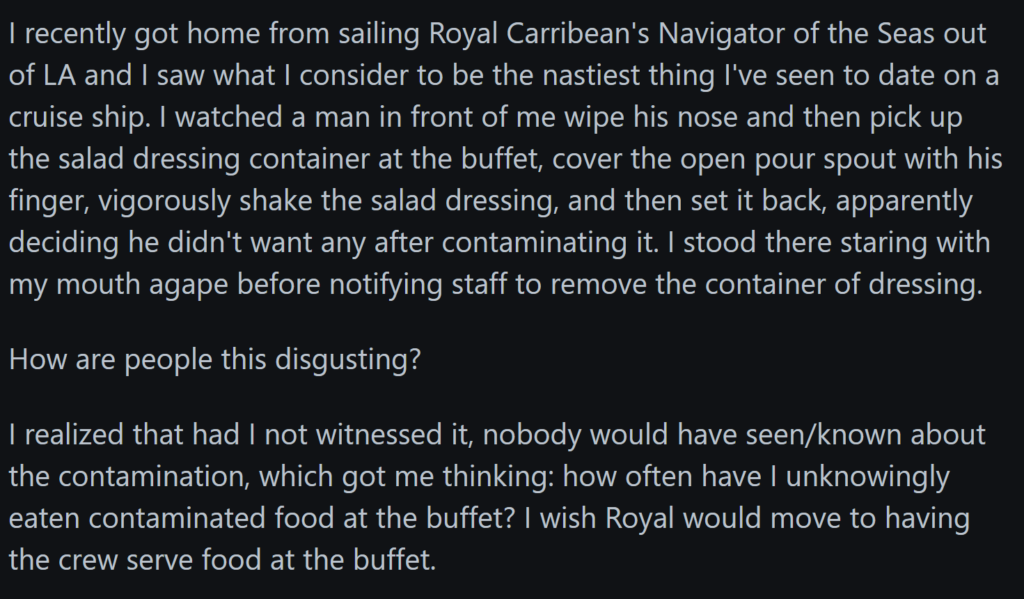
Some buffet stories are so specific that they somehow become even worse. One cruiser said they watched a passenger wipe his nose, pick up a salad dressing container, cover the open spout with his finger, shake it, then put it back.
No. Absolutely not.
The passenger who saw it said they told staff immediately, which was definitely the right thing to do. Crew can remove contaminated items quickly, but only if someone actually lets them know.
And this is why many cruisers wish more buffet items were served by staff rather than handled by passengers.
4. Licking Fingers Before Touching The Tongs
The whole point of buffet tongs is that people don’t touch the food directly. Unfortunately, that plan falls apart when someone licks their fingers and then grabs the shared utensils.
It’s such a small act, but it instantly ruins the illusion that the buffet is under control.
A good tip? Use hand sanitiser after you’ve collected your food, not just before. You may have clean hands when you arrive, but then you’ve touched the same serving utensils as everyone else.
5. Using The Drinks Machine In Horrifying Ways
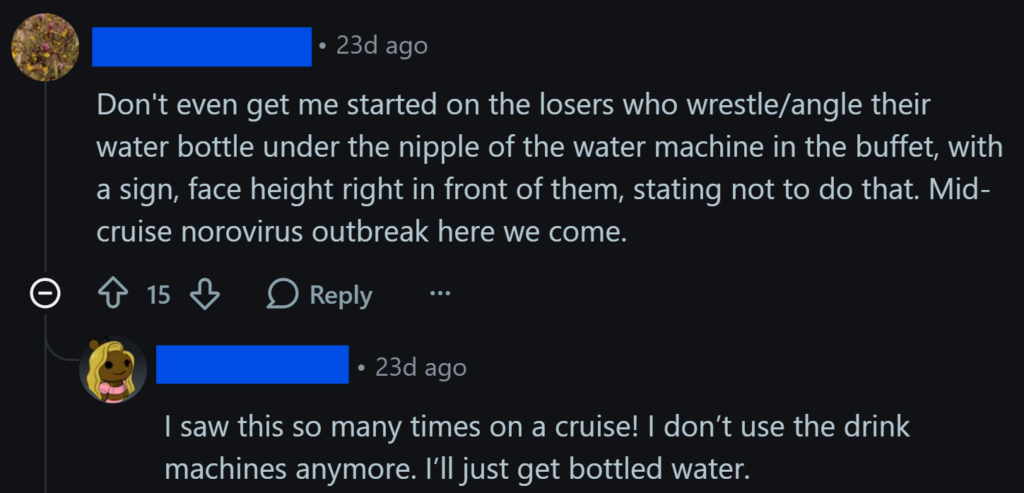
Cruise drinks stations usually have signs telling passengers not to press personal bottles directly against the dispenser. These signs exist because people do it anyway.
And then… there was the person who allegedly used the beverage dispenser to wash their hands.
That one deserves a moment of silence.
The drinks station is not a bathroom sink. It is not a bottle-cleaning station. It is not a tiny public shower for your fingers.
6. Putting Bare Feet On Tables
A buffet table is for plates, cups, cutlery and food. It is not for feet.
Cruise ships are relaxed places, and yes, you’ll see plenty of flip-flops, sandals and bare feet by the pool. But once you’re in a dining area, surely we can all agree that feet should stay on the floor.
There’s casual holiday behaviour, and then there’s making everyone nearby lose their appetite.
Speaking of feet…
7. Using A Fork For Foot Care
Most people use the dinner fork for exactly what you’d expect: dinner.
One passenger aboard a Carnival cruise had other ideas, after being filmed using a fork from the dining room to repeatedly scratch their foot. The video racked up tens of millions of views online, with many viewers immediately wondering one thing: please tell me that fork never went back into circulation.
Carnival later said the utensil had been removed from service, although the exact sequence of events became the subject of some online debate after the passenger who filmed it shared follow-up videos.
Either way, it’s probably the strongest argument yet for not thinking too hard about where your cutlery has been before it reaches your table.
This one isn’t from a cruise ship, but a cruise private island. And honestly, it’s made my stomach turn.
I can’t fathom it. Just get fresh pizza, surely? That’s horrendous.
9. Coughing All Over The Buffet
A cruise ship cold can spread fast, especially when people are coughing around shared food, plates and serving utensils.
Nobody expects passengers to hide in their cabin for every tiny sniffle. But if someone is clearly unwell, coughing over food or sitting on a packed excursion bus without covering their mouth is deeply inconsiderate.
Cruises are social holidays. That’s part of the fun. But it also means your germs get to go on holiday too.
10. Bringing A “Poop Sponge” Onboard
Cruise lines have fairly sensible rules about what you can and can’t bring onboard. One item that allegedly didn’t make it through security was an ancient Roman-style hygiene device known as a xylospongium.
If that name means nothing to you, don’t worry. Most people know it by its far less appealing nickname: a “poop sponge.”
A passenger claimed Carnival confiscated the item before boarding after explaining that their family used it as an environmentally friendly alternative to toilet paper. Whether the story was entirely genuine became a matter of debate online, but one thing everyone seemed to agree on was this: some historical inventions are probably best left in history.
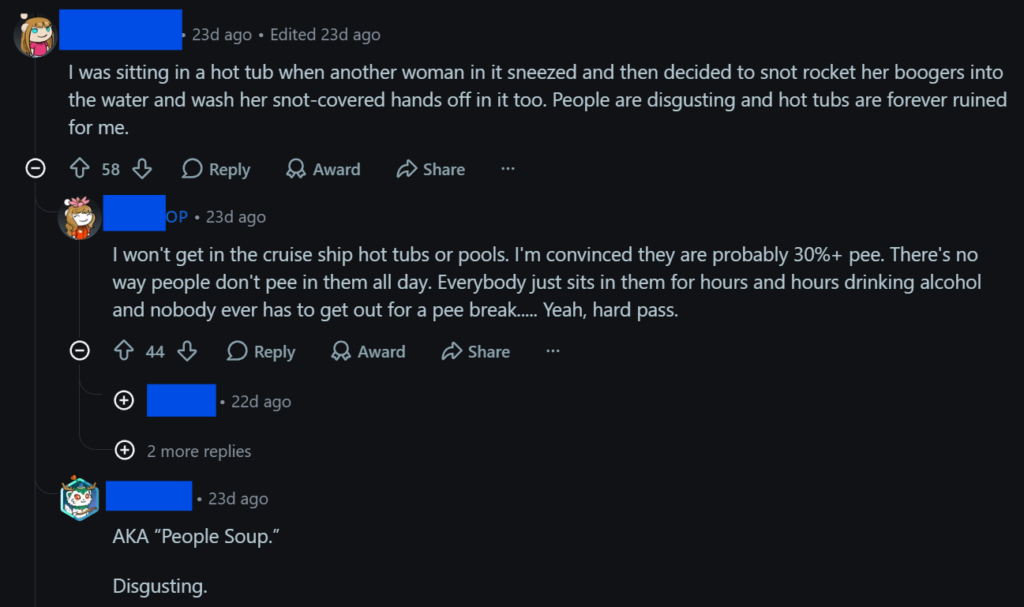
Cruise ship hot tubs can look lovely when they’re empty. But once they’re packed shoulder to shoulder with strangers, drinks in hand, things feel a little less spa-like.
One passenger even claimed they saw someone sneeze and then clear their nose into the hot tub water.
And that’s how a relaxing soak becomes a life choice you regret immediately.
Cruise hot tubs are heavily treated and monitored, but mentally? Some things are hard to recover from.
12. Dripping From The Pool Into The Buffet
One cruiser said they saw a passenger go straight from the waterslide into the buffet, dripping wet, shirtless and towel-free.
It’s not the most horrifying thing on this list, but it’s still grim.
Dining areas have dress codes for a reason. Nobody wants puddles of pool water next to the pasta station, and nobody wants to dodge someone shaking themselves off like a Labrador beside the bread rolls.
13. Vomiting And Carrying On
Cruises involve unlimited food, lots of cocktails and, occasionally, a ship that moves more than expected. So yes, vomiting happens.
But one story involved a woman throwing up on deck, then simply continuing to drink and smoke as if nothing had happened.
That’s commitment, but not the admirable kind.
Crew members are trained to deal with messes quickly and safely, but they shouldn’t have to clean up after passengers who act like the ship is their personal student union bar.
14. Changing A Baby’s Nappy On A Buffet Table
There are baby changing facilities on cruise ships. There are toilets. There are cabins. There are many, many places that are not a buffet table.
This one is especially awful because it’s not just unpleasant – it’s wildly unhygienic.
Look, I’m a mum. I get that it’s not easy. Parents have a lot to juggle on holiday, and cruising with babies can be hard work.
But changing a nappy where people eat? That’s a hard no from everyone.
15. Getting Far Too Romantic In Public
Cruises can be romantic. There are sunsets, cocktails, balconies, warm weather and the lovely feeling of being away from real life.
Some passengers, however, seem to forget the “public” part of public spaces.
There were stories of couples getting carried away on balconies, sofas, pool decks and bars. Which is… a lot.
Nobody is saying don’t enjoy your cruise. Just maybe remember that other passengers didn’t book a ticket to your live performance.
16. Refusing To Leave The Casino For A Toilet Break
This one came up more than once, and I wish it hadn’t.
Some people claimed they’d seen casino passengers have accidents rather than leave their slot machine or table game.
Cruise ship casinos are designed to be exciting, but if you’re choosing a machine over basic bodily functions, it may be time to step away.
Also, spare a thought for the crew who have to deal with the aftermath. They deserve medals. And possibly danger pay.
17. Mystery Poop Incidents Around The Ship
And finally, we reach the bottom. Quite literally.
There were multiple stories about passengers finding human waste in places where human waste should absolutely never be – near lifts, in stairwells, and even inside elevators.
This is the kind of cruise story that sounds made up until you’ve read enough of them and realise, with horror, that apparently it happens more than anyone wants to admit.
Accidents can happen, especially with illness or mobility issues, and those situations deserve compassion. But deliberately leaving a mess and walking away? That’s not an accident. That’s a crime against everyone onboard.
Final Word
The good news is that most cruise passengers are perfectly normal, considerate people who wash their hands, use the tongs and don’t turn the lift into a crime scene.
The bad news is that it only takes one person to ruin a buffet, a hot tub, or your faith in humanity.
Cruise ships themselves are usually very clean, and crew work incredibly hard to keep them that way. So maybe the real lesson here is simple: wash your hands, cover your mouth, use the serving utensils, and for the love of all things nautical, don’t change a nappy near the croissants.
The best short party cruises from the UK for 2026-27 are P&O Cruises’ big-ship short breaks (Iona, Arvia, Britannia and Ventura), Royal Caribbean’s summer weekenders from Southampton, MSC’s lively Southampton-based ships, Ambassador’s themed decade nights, and DFDS’s no-frills Newcastle to Amsterdam mini cruise. Most short cruises from Southampton last two to five nights, call at one to three European cities and start at roughly £170 to £500 per person, before drinks.
Schedules have shifted for 2027, though, so the ship you sailed on last year may not be the one in port next year. Below we cover who is sailing where, what each option actually feels like, what it costs once the bar bill is added, and how to pick the right one for a birthday, a hen or stag do, or just a lively long weekend.
The 5 best short party cruises from Southampton and other UK ports
1. P&O Cruises: the most reliable choice for short breaks
P&O runs three- to five-night short breaks from Southampton all year round, typically calling at Amsterdam, Zeebrugge (for Bruges) and Hamburg, sometimes with an overnight in port. The schedule for 2027 leans heavily on Ventura, with four-night Amsterdam runs in February and several December sailings that suit Christmas parties, while Iona has a five-night break in February 2027 and Britannia one in November 2027. Published lead fares for these 2027 breaks start at around £359 to £490 per person for an inside cabin.
For a party atmosphere, Iona and Arvia are the pick when they appear on short itineraries: they are P&O’s largest ships, with a three-deck atrium, gin distillery bar, multiple pubs and a late-night club. Jason Manford’s Comedy Club also ran on selected Iona and Arvia sailings in 2026, which hints at the line’s push for adult evening entertainment. Bear in mind that Aurora and Arcadia also offer short breaks in 2027, but both are adults-only ships with a calmer, more traditional feel, so they suit a grown-up group more than a big night out.
The bar bill matters on P&O, so read our guide on whether P&O drinks packages are worth it before you sail. On a three-night break, a package only pays off if your group drinks steadily from lunchtime.
2. Royal Caribbean: big-ship fun in summer only
Royal Caribbean’s UK programme is summer-only. Liberty of the Seas was based in Southampton in 2026 and offered two-night weekend getaways as well as three- and four-night breaks alongside its week-long cruises. For summer 2027, the line swapped its original plan of sending Mariner of the Seas and will instead base the larger Freedom of the Seas in Southampton from around May to September.
Freedom-class ships suit party groups well: a long indoor Royal Promenade with bars and parades, an ice rink, a FlowRider surf simulator and late-night lounges. When the swap was announced, Royal Caribbean had not yet confirmed exactly which short sailings Freedom would run, so check the current itineraries on Royal Caribbean UK before you plan around a specific weekend. Two-night “weekend getaway” sailings with no port call, or a quick hop to Zeebrugge or Le Havre, are the classic format when they are offered.
3. MSC Cruises: lively ships, but fewer short sailings
MSC has been a go-to for cheap taster cruises from Southampton, but its programme is changing. MSC Virtuosa finished its final UK summer in 2026 and moves to Barcelona for 2027. MSC Preziosa took over the winter 2026-27 season from Southampton, running until mid-April 2027, and MSC Meraviglia arrives for summer 2027 with 19 sailings of six to 14 nights between May and October.
Trade press reported that MSC was dropping its so-called taster cruises from the summer 2027 UK programme, so if you want a two- or three-night MSC party break, look at winter and shoulder-season dates and check availability early. Onboard, MSC’s ships feel international, with late dining, themed white parties and busy discos. For a direct comparison of the atmosphere, see our P&O Cruises vs MSC Cruises guide.
4. Ambassador Cruise Line: themed nights from regional ports
Ambassador is the option for anyone who does not live near Southampton. Its two ships, Ambition and Ambience, sail from Tilbury, Portsmouth, Newcastle, Bristol, Liverpool, Dundee and Belfast, and its short sailings run from one to four nights. The ships are much smaller and more traditional than the mega-ships above, so expect a dance floor and a show lounge rather than a nightclub with a DJ booth.
The appeal for party groups is the themed sailings. Upcoming short options listed by the line include a two-night Back to the 80s sailing from Bristol (November 2026), a two-night Tribute to the 90s from Tilbury (April 2027), a two-night taster from Portsmouth (May 2027) and a three-night Battle of the Bands from Newcastle (October 2027), with fares from about £169 to £249 per person. The crowd on these tends to be older than on Royal Caribbean or MSC. Our P&O vs Ambassador comparison covers the differences in more detail.
5. DFDS Newcastle to Amsterdam: the budget mini cruise from the UK
It is a ferry rather than a cruise ship, but DFDS’s two-night Newcastle to Amsterdam mini cruise remains one of the most popular mini cruises from the UK for groups. You sail overnight, get a day in Amsterdam (with a coach transfer from IJmuiden), and sail back the following night. There are bars, a nightclub-style lounge and a buffet, but no pools or big production shows. Promotional fares regularly drop well below £100 per person for the return trip, which makes it the cheapest way to try a party night at sea from the north of England or Scotland.
A late night on the dance floor is the main event on most short party cruises. Photo: Tim Diercks on Pexels
Themed and music cruises worth looking at
Themed sailings are often the liveliest short cruises from Southampton and other UK ports because everyone on board has booked for the same reason. Look out for:
Decade nights: Ambassador’s 80s and 90s sailings, with tribute acts and fancy dress.
Comedy: P&O’s comedy club programme on Iona and Arvia in 2026 (mostly on longer sailings, but worth checking for short breaks).
Christmas party cruises: P&O’s December short breaks on Ventura and Ambassador’s festive sailings from Tilbury are popular with work groups.
New Year’s Eve: Short New Year sailings sell out early and cost noticeably more than other winter dates.
Themes are announced in batches and are sometimes added late, so check the cruise line’s themed cruise page a few months before your preferred date rather than relying on a list from last year.
How much does a short party cruise from the UK cost?
The headline fare is only part of the cost. For a typical three- or four-night break, budget for:
Cost
Typical range
Cruise fare (inside cabin, per person)
£170-£500 depending on line and date
Drinks package
Often £45-£75 per person per day, and usually required for everyone in the cabin
Gratuities/service charge
Roughly £8-£18 per person per day, unless included
Port parking or transport
£50-£120 for a short stay at Southampton
Shore spending and excursions
Varies widely
Prices change constantly, so treat these as rough guides. If you are driving, our Southampton cruise parking guide covers on-port and off-site options that can save a group a fair amount.
When to book short cruises from Southampton
Cheapest: January to March and November, outside school holidays. Winter North Sea crossings can be rough, though.
Best weather: May to September, which is also when Royal Caribbean and MSC’s summer ships are in Southampton.
Book early for: bank holiday weekends, December party dates and New Year’s Eve, which can sell out months ahead.
Book late for: flexible groups happy to go at short notice, as unsold short breaks are often discounted in the final weeks. Look out for deals in the 2027 cruise deals round-up.
Sail-away drinks on deck often kick off the first night of a short cruise. Photo: Punit Singh on Pexels
What to expect on a short party cruise
On a two- to four-night break, the first and last nights are always at sea, so the ship itself is the main event. A few things catch first-timers out:
Age rules: most lines require at least one person in each cabin to be 18 or over (some set it higher), and the minimum drinking age on UK sailings is usually 18.
Group behaviour policies: lines can refuse boarding or disembark guests for disruptive behaviour, and some limit how many cabins can be booked as one stag or hen group. Fancy dress is usually fine; excessive drinking at the terminal is not.
Short port time: days ashore can be six to nine hours, often with a long transfer (Le Havre to Paris, IJmuiden to Amsterdam), so pick one thing to do rather than trying to see a whole city.
Busy ships: short breaks sell well, so expect full bars and the need to book speciality dining and shows early.
How to choose the right party cruise
Start with your port. If Southampton is a long trip, Ambassador’s regional ports or DFDS from Newcastle may save a hotel night.
Decide on the crowd. Royal Caribbean and MSC draw a younger, mixed crowd; P&O is very British and broad in age; Ambassador’s themed nights skew older. If you want a lively night without children around, our guide to adults-only cruises from the UK is worth reading.
Check the actual ship, not just the line. A short break on Iona feels very different from one on Aurora.
Price the drinks. Add a realistic bar bill or package before comparing fares.
Look at the dates. In summer 2027 MSC’s short options shrink and Royal Caribbean’s are seasonal, so P&O and Ambassador are the most dependable for winter party breaks.
If you want the liveliest ships at sea, our ranking of the best party cruises for nightlife compares Virgin Voyages, Carnival, Royal Caribbean and music charters.
If you live in the North East, our guide to cruises from Newcastle in 2027 covers short breaks and longer no-fly sailings from the Tyne.
FAQs
Which cruise line is best for a party cruise from the UK?
For a big-ship night out, Royal Caribbean in summer and P&O’s Iona or Arvia are the liveliest. For themed decade parties from regional ports, Ambassador is the main option.
What is the shortest cruise from Southampton?
Two-night sailings are the shortest, usually offered by Royal Caribbean in summer and occasionally by Cunard on Queen Mary 2 or Queen Anne. P&O’s short breaks are generally three to five nights.
Does Virgin Voyages sail from the UK in 2027?
No. Virgin Voyages sailed a handful of voyages from Portsmouth in 2026, but it has no UK departures scheduled for 2027, and its UK sailings were not short breaks.
Does Marella sail from the UK?
Marella’s cruises are fly-cruises from regional UK airports, and we could find no Marella short breaks from UK ports for 2026-27. Its last UK-based sailings were a one-off coastal programme in 2021.
Can you go on a cruise for a hen or stag party?
Yes, but check the line’s group booking and conduct rules first. Some cap the number of cabins per group, and all can remove guests for disruptive behaviour.
Think you know what cruising is really like? Some of the biggest “facts” about cruise holidays simply aren’t true.
From endless buffets to being trapped at sea with nothing to do, cruise myths have a habit of sticking around. And while some are easy to spot, others sound convincing enough to fool even experienced cruisers.
A few might even be putting people off cruising for no good reason.
So, which cruise myths are complete nonsense – and which ones have a surprising amount of truth behind them?
MYTH: Cruise ships are the cause of over-tourism
REALITY: Cruise passengers represent just 2% of tourists in the world. Even in a sensitive location like Venice, cruise passengers make up only 5% of visitors.
The cruise industry recognises the importance of tacking destination overcrowding and works closely with communities in key locations to address their concerns.
Photo credit: Edmund Hochmuth
MYTH: Cruise ships are breeding grounds for gastro-intestinal diseases
REALITY: Illnesses like norovirus are much more common on land than on-board cruise ships.
Despite its reputation as the “cruise ship virus”, norovirus is far more commonly associated with outbreaks on land. According to the CDC, cruise ships account for only around 1% of all reported norovirus outbreaks.
Cruise ships also have strict procedures in place to reduce the risk of illness spreading. Some cruise lines may screen passengers for signs of illness before boarding and ask those who have recently experienced symptoms to report them.
Once on board, passengers are encouraged to wash their hands regularly, while crew follow detailed cleaning and sanitation procedures. If cases of gastrointestinal illness are detected, cruise lines can introduce additional measures to help prevent an outbreak from spreading.
MYTH: Cruise ships operate outside the law once they’re in international waters
REALITY: Cruise ships are highly regulated, even when at sea. They are covered by local, national and international laws wherever they sail.
Cruise ships up to 12 nautical miles from the coast are with a country’s territorial waters and almost all of the laws of that country will apply.
Ships between 12 and 24 nautical miles from the coast are within a country’s contiguous zone and that country has certain rights.
Ships more than 24 nautical miles from the coast are considered to be in international waters and are covered by the laws of their flag state (where the ship was registered, which is often the Bahamas).
Cruise lines voluntarily report any serious crime allegation on oceangoing voyages worldwide, regardless of the ship’s location and flag.
REALITY: Serious crimes can happen on cruise ships, but reported incidents are relatively uncommon considering the millions of people who cruise each year.
Cruise ships have extensive security measures in place, including CCTV, security teams and controlled access to the ship.
In the US, the Cruise Vessel Security and Safety Act requires certain alleged crimes and missing-person incidents on applicable cruise ships to be reported to the FBI. The US Department of Transportation publishes this data in its Cruise Line Incident Reports, with figures broken down by cruise line and type of incident.
Take a look at the security centre on board a cruise ship…
MYTH: Cruise ships release untreated sewage into the ocean
REALITY: Cruise ships have strict rules governing how sewage and wastewater can be discharged at sea.
Modern cruise ships have onboard wastewater treatment systems designed to treat sewage before it is discharged. However, international MARPOL regulations do allow untreated sewage to be discharged in certain circumstances, including when a ship is more than 12 nautical miles from the nearest land and specific conditions are met.
So, while cruise ships can legally discharge sewage at sea, they can’t simply dump untreated waste wherever they like.
MYTH: Cruise ships are really bad for the environment
REALITY: Cruise ships do have an environmental impact, but the industry is investing heavily in ways to reduce it.
Modern cruise ships are increasingly using technologies designed to cut emissions, improve energy efficiency and reduce waste. These include more efficient engines and hull designs, shore power systems that allow ships to switch off their engines while in port, and advanced systems for treating wastewater and managing waste on board.
Waste is another area where cruise lines are making changes. Ships have extensive systems for sorting, recycling and processing waste produced on board, while strict international regulations govern what can be discharged at sea.
There’s still a long way to go, and cruising certainly isn’t impact-free. But newer ships and technologies are changing how cruise lines tackle their environmental footprint.
This video shows some of the environmental technologies and practices being introduced on cruise ships:
MYTH: People going overboard on cruise ships is becoming more common
REALITY: People do go overboard from cruise ships, but these incidents are extremely rare compared with the millions of people who cruise each year.
In comparison, Cruise Radio documented 19 overboard incidents in 2024 across the cruise industry. This figure includes both passengers and crew members and isn’t an official global statistic, but it helps put the rarity of these incidents into perspective.
Cruise ship railings are specifically designed to help prevent accidental falls, and simply falling overboard during normal use of the ship is extremely unlikely.
MYTH: Cruise ships don’t always have enough lifeboats for everyone
REALITY: By law, every cruise ship must be equipped with enough survival craft to accommodate at least 125% of the number of people on-board
All cruise lifeboats are tested to meet rigorous international guidelines. Cruise ships must also carry enough lifejackets for everyone on-board, although in reality, they usually have many more than are legally required.
The idea that ships aren’t safe is just one of those myths about cruising that’s hung around as a scare story.
Ever since the Titanic disaster, safety standards were completely overhauled.
Final Word
Cruising is quite different from most other types of holiday, so perhaps it’s no surprise that a few myths have stuck around.
Of course, cruise ships aren’t perfect. Illness, crime and accidents can happen, and the environmental impact of cruising shouldn’t be ignored. But some of the claims you hear about cruise holidays are exaggerated, outdated or simply missing important context.
If one of these myths has been putting you off booking a cruise, hopefully you now have a clearer picture of what life at sea is actually like.
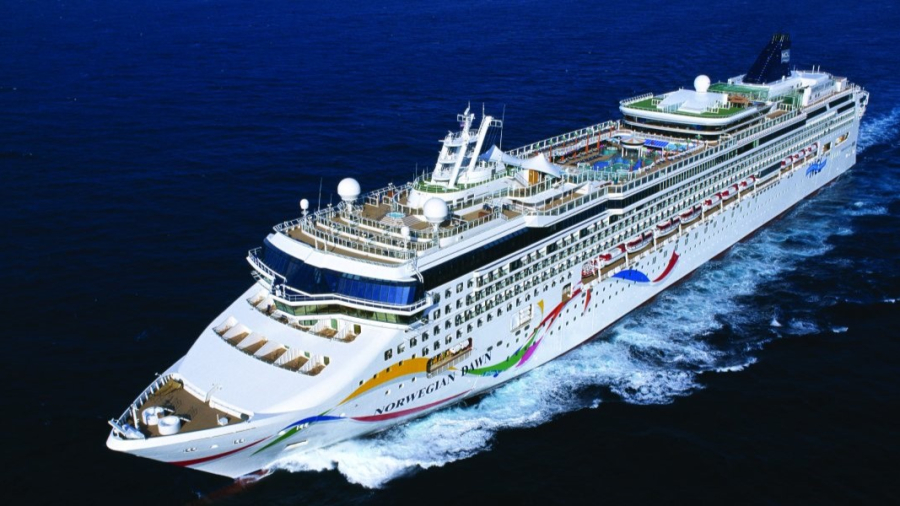
Norwegian Dawn has recorded the lowest CDC sanitation score among cruise ships inspected so far in 2026, falling below the agency’s passing standard during an unannounced inspection in March.
The Norwegian Cruise Line ship received a score of 84 during its inspection on 29th March 2026. Under the US Centers for Disease Control and Prevention’s Vessel Sanitation Program, a score of 86 or above is considered satisfactory, while 85 or below is classed as unsatisfactory.
Norwegian Dawn was the only ship among the seven lowest-scoring vessels highlighted in the latest review to fall below the passing threshold.
Carnival Breeze, Kydon and National Geographic Sea Lion each scored 86, meaning they passed by the narrowest possible margin. Sun Princess, MSC Meraviglia and Amadea each received scores of 89.
According to current CDC records, Carnival Breeze’s 86 was recorded on 14th May, Kydon’s on 30th March and National Geographic Sea Lion’s on 21st June. Sun Princess was inspected on 15th February, MSC Meraviglia on 10th March and Amadea on 10th February.
The inspection scores reflect conditions found on board at a particular point in time and can vary significantly between inspections.
Carnival Breeze is a notable example. The Carnival Cruise Line ship earned a perfect score of 100 during an earlier inspection before receiving its subsequent score of 86.
What CDC Inspectors Look For On Cruise Ships
The CDC conducts inspections through its Vessel Sanitation Program, which is designed to help prevent and control public health problems aboard cruise ships operating within the programme’s jurisdiction.
Inspections assess whether ships are complying with public health standards across numerous areas of their operation. These include medical facilities, drinking water systems, swimming pools and whirlpools, food preparation areas, dining rooms, children’s facilities, accommodation, ventilation and public spaces.
A lower inspection result does not automatically mean passengers on a ship are unsafe or that an illness outbreak is occurring. Instead, the score represents inspectors’ assessment of the ship against the CDC’s sanitation standards at the time they boarded.
Norwegian Cruise Line subsequently submitted a corrective action report to the CDC detailing measures taken following Norwegian Dawn’s failed inspection.
Gavin Macgregor-Skinner, an infection prevention expert and epidemiologist affiliated with Penn State College of Medicine, has previously stressed the importance of the Vessel Sanitation Program.
“The federal government’s Vessel Sanitation Program, established in 1975 to work with the cruise industry to protect travelers’ health, is critical for the health and safety of passengers, staff and the locations that cruise ships visit,” Macgregor-Skinner said.
He added:
“Ships participating in the VSP can expect two unannounced inspections every year, with a focus on medical facilities, potable water systems, swimming pools and whirlpool baths, galleys and dining rooms, child activity centers, cabins, ventilation systems and common areas,”
The Vessel Sanitation Program dates back to 1975 and was established after gastrointestinal illness outbreaks aboard cruise ships became a significant public health concern. Today, the programme combines inspections with illness surveillance and responses to outbreaks on ships entering the United States from foreign ports.
The nature of cruise ships means preventing the spread of illness remains a significant operational priority. Thousands of passengers and crew can share dining areas, entertainment venues, lifts, handrails and other communal facilities during a voyage.
Brian Sansoni, senior vice president of communications at the American Cleaning Institute, previously said:
“Without strong cleaning and hygiene practices, germs can spread quickly, increasing the risk of illness among passengers and crew,” he added.
Macgregor-Skinner has also cautioned against assuming that the greater availability of cruise ship health information means illnesses are inherently more common at sea.
“It is very important not to confuse the wider availability of cruise health data with a higher incidence rate on cruise ships compared to settings like restaurants, hotels and planes,” he said.
Cruise ships operating within the CDC programme are subject to specific reporting requirements for gastrointestinal illnesses, giving federal authorities considerably more visibility of cases occurring at sea.
Several Cruise Ship Illness Outbreaks Reported In 2026
Sanitation inspection results and illness outbreaks are separate measures, and a ship receiving a low inspection score does not necessarily go on to experience an outbreak.
The CDC separately publishes gastrointestinal illness outbreaks when ships within its jurisdiction meet its reporting criteria. Generally, an outbreak is published when at least 3% of passengers or crew report gastrointestinal illness symptoms to the ship’s medical team during a voyage, although the agency can also publish other incidents considered significant to public health.
As of the CDC’s latest published 2026 outbreak data, affected vessels have included Ruby Princess, Caribbean Princess, Star Princess, Oceania Cruises’ Insignia, Regent Seven Seas Cruises’ Seven Seas Mariner and Lindblad Expeditions’ National Geographic Sea Bird.
Norovirus was identified in several of those outbreaks, including cases aboard Ruby Princess, Caribbean Princess, Star Princess and National Geographic Sea Bird. Other incidents involved E. coli, while the cause of some National Geographic Sea Bird outbreaks had not been identified in the CDC’s published data.
The vessels appearing on the outbreak list are not the same as the ships with the lowest sanitation scores, reinforcing the distinction between an environmental health inspection and an outbreak investigation.
At the opposite end of the inspection rankings, dozens of ships have achieved perfect results during 2026.
Ships receiving scores of 100 have included Royal Caribbean’s Icon of the Seas, Carnival Celebration, Celebrity Apex, Disney Dream, Norwegian Viva and Cunard’s Queen Elizabeth.
The CDC’s current Green Sheet, which shows the most recent inspection result for vessels within its jurisdiction, confirms perfect scores for those ships, alongside numerous other vessels that have achieved the maximum result.
With scores capable of changing considerably from one inspection to the next, the results provide a snapshot of sanitation conditions aboard a ship rather than a permanent rating of the vessel or cruise line.
Ravenna cruise port is not in Ravenna itself. Ships dock at the cruise terminal in Porto Corsini, roughly 14 to 15 km (about 9 miles) northeast of the historic center, so you need a shuttle, bus, taxi or pre-booked transfer to reach the town, the train station or an airport. That gap is exactly why Norwegian Cruise Line introduced a new transfer service for its Ravenna calls in August 2026.
This guide explains where ships berth, how to get from the Ravenna cruise terminal to the city, Bologna, Venice and Florence, what NCL’s new service involves, and how to avoid the taxi queues that have frustrated passengers here.
Where Is Ravenna Cruise Port?
Cruise ships use the passenger terminal at Porto Corsini, a small seaside village on the north side of the canal that links Ravenna’s industrial harbor to the Adriatic. The terminal is operated by Ravenna Civitas Cruise Port, a company linked to Royal Caribbean Group, which won a long-term concession to run and redevelop the site.
Key points to know:
Distance to Ravenna center: about 14 to 15 km, typically a 20 to 30 minute drive.
Facilities: the current terminal is functional rather than glamorous. There is little within walking distance beyond Porto Corsini’s beach, a few cafes and restaurants.
New terminal: construction of a new two-story terminal with an elevated walkway began in late 2024. Building work has affected berthing; Royal Caribbean moved a planned August 2026 Brilliance of the Seas departure from Ravenna to Trieste, citing a construction-related berthing conflict. Check your line’s latest pre-cruise information before you travel.
Ravenna has become a significant homeport, where cruises begin and end, rather than just a port of call. The port forecast around 111 cruise calls for 2026, the majority of them turnaround calls, which means thousands of passengers arriving with luggage on the same mornings.
Which Cruise Lines Use the Ravenna Cruise Terminal?
Ravenna is mainly used by lines sailing Adriatic, Greek Isles and Eastern Mediterranean itineraries, often as an alternative to Venice since large ships were barred from the Giudecca Canal in 2021. Lines that have used it include Royal Caribbean, Celebrity Cruises and Norwegian Cruise Line. NCL’s Norwegian Pearl has used Ravenna as a turnaround port during 2026, including a late-season departure on November 1, 2026 for a transatlantic crossing to the United States.
Schedules change from year to year, so check the itinerary on your booking. If you are still comparing sailings in the region, our roundup of cruise deals for 2027 is a good place to start.
NCL’s New Ravenna Transfer Service: What Changed
On August 18, 2026, Norwegian Cruise Line told guests on Norwegian Pearl, sailing a seven-night one-way voyage from Piraeus (Athens) that ended in Ravenna on August 23, that it was adding a new transfer option from the port to Ravenna train station.
Price: $23 per person, booked on board.
Booking window: on that sailing, guests could book until noon on August 21, while the ship was in Dubrovnik.
Why: on earlier disembarkation days, some passengers reported waiting up to two hours for a taxi at Porto Corsini, because there are far fewer taxis than there are departing passengers. This hit people heading for the train station especially hard.
Taxi comparison: NCL put the average taxi fare to the station at about €50. A taxi is priced per vehicle, so a group of three or four may still find a taxi cheaper, if they can get one.
Existing options: NCL’s transfers to Venice Marco Polo Airport continue alongside the new service.
The practical takeaway for anyone sailing with NCL from Ravenna: if you plan to continue by train, a ship-booked station transfer gives you a confirmed seat and removes the uncertainty of the taxi rank. Look for it in the shore excursions or disembarkation section of your cruise planner or at guest services, as availability and price can vary by sailing.
Ravenna's train station connects cruise passengers to Bologna, Venice and beyond. Photo: Efrem Efre on Pexels
Getting From Ravenna Cruise Port to Ravenna Town
You have four main ways to cover the 14 km between the ship and the city.
Ravenna cruise port shuttle (Visit Ravenna)
The local tourism-backed Visit Ravenna service runs shuttles from the terminal to three drop-off points: Viale Farini by Piazza Anita Garibaldi (about 300 m from the train station and a short walk to the old town), the Grand Hotel Mattei, and a car park on Via Cura. Fares start from €20 per person and the ride takes around 30 minutes. In 2026 the train station shuttle ran from April 1 to November 1. Book online in advance on embarkation and disembarkation days.
Cruise line shuttles and transfers
Most lines sell their own shuttle into Ravenna on port-of-call days and transfers to the station or airports on turnaround days. They usually cost a little more than independent options but are timed around the ship.
Public bus 90
The cheapest option is Start Romagna’s line 90, which links Ravenna with Porto Corsini. The stop is about 500 m from the terminal, so it suits passengers with light bags rather than people with full luggage. Buy tickets before boarding where possible and check the timetable, as service is less frequent at weekends and out of season.
Taxi
Taxis do serve the terminal, but supply is limited. On turnaround days, expect queues; on a busy morning the wait can be long. Pre-booking a taxi or private driver is strongly advised, and agree the fare in advance.
Ravenna Cruise Port to Bologna, Venice and Florence
Many passengers arrive or leave via a larger city. The table below gives approximate travel times; road times depend heavily on traffic, and train times vary by connection.
Destination
Approx. road distance
By car or transfer
By train (from Ravenna station)
Ravenna center/station
14-15 km
20-30 min
n/a
Bologna (city and airport BLQ)
about 90 km
1 to 1.5 hours
Around 1 to 1.5 hours to Bologna Centrale, direct regional trains
Venice (Marco Polo airport VCE)
about 150-210 km depending on route
2.5 to 3 hours
About 3 hours or more to Venice, usually with a change
Florence
about 140-150 km
Around 2 hours
About 2 to 2.5 hours, changing in Bologna for a high-speed train
Forli and Rimini airports
35 km / 70 km
40 min / 1 hour
Rimini on the coastal line
Ravenna cruise port to Venice
Venice is the most common question, and the honest answer is that it is a long trip. A shared or private transfer straight to Marco Polo Airport or Piazzale Roma takes around 2.5 to 3 hours. The DIY route, a shuttle to Ravenna station and then a train, typically takes longer once connections are included. If your flight leaves from Venice, avoid booking anything before mid-afternoon on disembarkation day.
Ravenna cruise port to Bologna
Bologna is the easiest connection by rail. Get to Ravenna station by shuttle or taxi, then take a direct regional train to Bologna Centrale. From there, the Marconi Express monorail links the station with Bologna airport. For many travelers, flying into Bologna is simpler than Venice for a Ravenna cruise.
Ravenna cruise port to Florence
There is no direct train. Travel to Bologna first, then take one of the frequent high-speed trains to Florence, which take under 40 minutes. A day trip to Florence from a port-of-call stop is possible on an organized excursion but leaves very little time in the city.
Ravenna's mosaics are a short shuttle ride from the cruise terminal. Photo: Feyza Nur on Pexels
Making the Most of a Day in Ravenna
If your ship calls in port rather than turning around, Ravenna rewards a self-guided visit. The city’s eight UNESCO-listed early Christian monuments are close together in the compact center, so you can see several on foot:
Basilica of San Vitale and the Mausoleum of Galla Placidia, side by side and covered in some of the finest Byzantine mosaics anywhere.
Basilica of Sant’Apollinare Nuovo, with its processions of saints along the nave.
Neonian Baptistery and Arian Baptistery, both small but striking.
Dante’s Tomb, where the poet has rested since 1321.
Sant’Apollinare in Classe, about 5 km south of the center, worth a taxi if you have time.
Many sites share a combined ticket, and timed entry can apply to San Vitale and Galla Placidia in busy months. For more ideas across the region, see our pick of the best shore excursions for Mediterranean cruises.
Ravenna Cruise Port Tips
Book your transfer before you fly. On turnaround days, transport capacity is the bottleneck, not the distance.
Stay a night in Ravenna or Bologna pre-cruise. It removes the stress of a long transfer from Venice on embarkation day.
Allow generous buffer time. Roads into Porto Corsini can back up when two ships turn around on the same day.
Use the train station as your hub. Shuttles, buses and the new NCL transfer all point toward it, and it links to Bologna, Ferrara, Rimini and beyond.
Check your line’s documents close to sailing. With a new terminal under construction, berths, check-in points and transport arrangements can change.
Ravenna works well as part of a wider Adriatic and Greek Isles itinerary. If you are still deciding on a route, our guide to the best Mediterranean cruises covers the main options.
FAQs
How far is Ravenna cruise port from Ravenna?
The cruise terminal at Porto Corsini is about 14 to 15 km from the historic center, a 20 to 30 minute drive. Shuttles, bus 90 and taxis connect the two.
What airport should I fly into for Ravenna cruise port?
Bologna (BLQ) is the closest major airport, about 1 to 1.5 hours by road. Venice Marco Polo (VCE) has more international flights but is around 2.5 to 3 hours away. Forli and Rimini are closer but have fewer routes.
How long is the transfer from Venice airport to Ravenna cruise port?
Allow 2.5 to 3 hours by car or coach, and more in summer traffic. Most lines sell transfers from Venice airport on embarkation day.
Is there a shuttle from Ravenna cruise port to the train station?
Yes. The Visit Ravenna shuttle runs to Viale Farini near the station from about €20 per person in season, cruise lines offer their own transfers, and NCL added a $23 per person station transfer for its guests in August 2026. Bus 90 is the cheapest option.
Can you get from Ravenna cruise port to Venice by train?
Yes, but it is not quick. Take a shuttle or taxi to Ravenna station, then a train to Venice, usually with a change, for a total of three hours or more door to door.
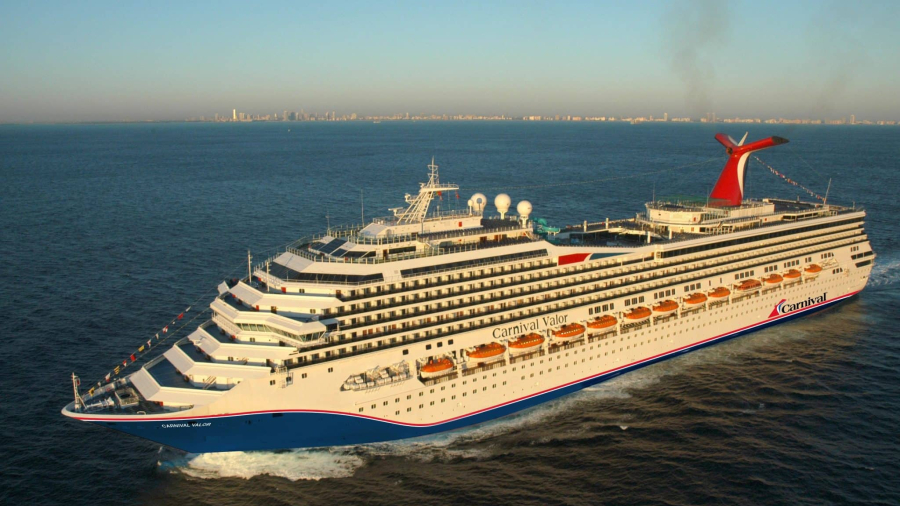
A routine departure from New Orleans turned into a startling moment for guests aboard Carnival Valor after the cruise ship made a sudden hard turn on the Mississippi River, causing the vessel to noticeably list and sending water surging from at least one onboard pool.
The incident occurred after Carnival Valor departed New Orleans on August 17 for a five-night Western Caribbean cruise. The ship’s published itinerary calls for a day at sea on August 18, followed by visits to Cozumel and Progreso before returning to New Orleans on August 22.
Passenger accounts circulating after the incident say the maneuver was made because a nearby cargo ship had lost power and was sitting dark in the river. Cruise Hive, which first surfaced the incident, reports that Carnival Cruise Line is reviewing the circumstances.
Videos and passenger posts show water rushing across the pool deck as the ship leaned during the turn. While the scene looked dramatic, there have been no verified reports of serious injuries or damage to Carnival Valor at this time.
A sudden list does not necessarily mean a ship is in danger. Large vessels can heel noticeably during a sharp maneuver, particularly when making an abrupt course change. On a cruise ship, that movement can be especially visible around pools, where large volumes of water can quickly shift to one side.
The more important question is why the maneuver was required and how close Carnival Valor came to the other vessel. Passenger reports attribute the turn to a cargo ship losing power, but Cruise Addicts has not yet independently confirmed the identity of that vessel or obtained a direct statement from the U.S. Coast Guard.
Carnival Valor is a 110,000-gross-ton Conquest-class ship carrying 2,980 guests at double occupancy. Carnival’s official itinerary confirms the ship departed New Orleans on August 17 for a five-night cruise to Cozumel and Progreso.
For passengers currently aboard, the voyage appears to be continuing as scheduled. No itinerary disruption has been publicly confirmed as a result of the incident.