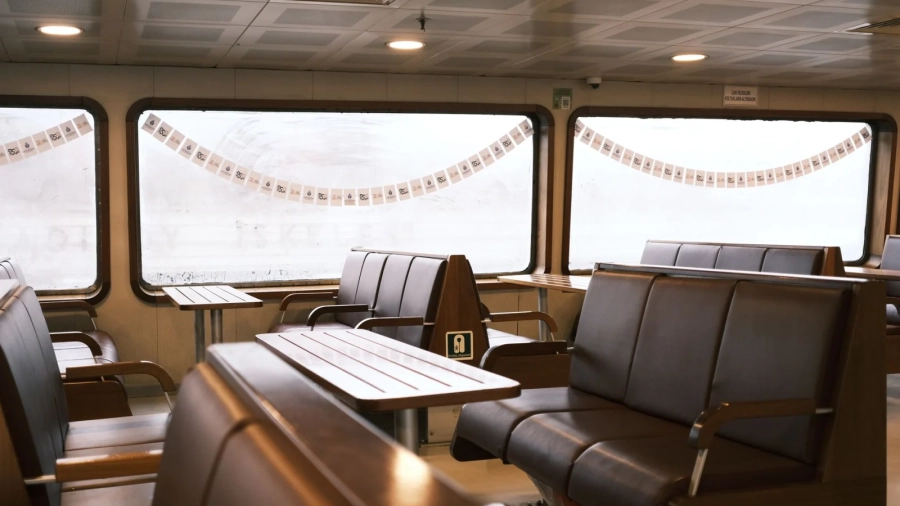
An interior cabin on a cruise is worth it if you want the lowest fare, plan to spend most of your time around the ship or ashore, and sleep better in a dark room. It is a weaker choice for scenic itineraries, long trips with lots of sea days, or anyone who feels closed in without daylight. Below is the full pros-and-cons verdict, plus how to pick a good one.
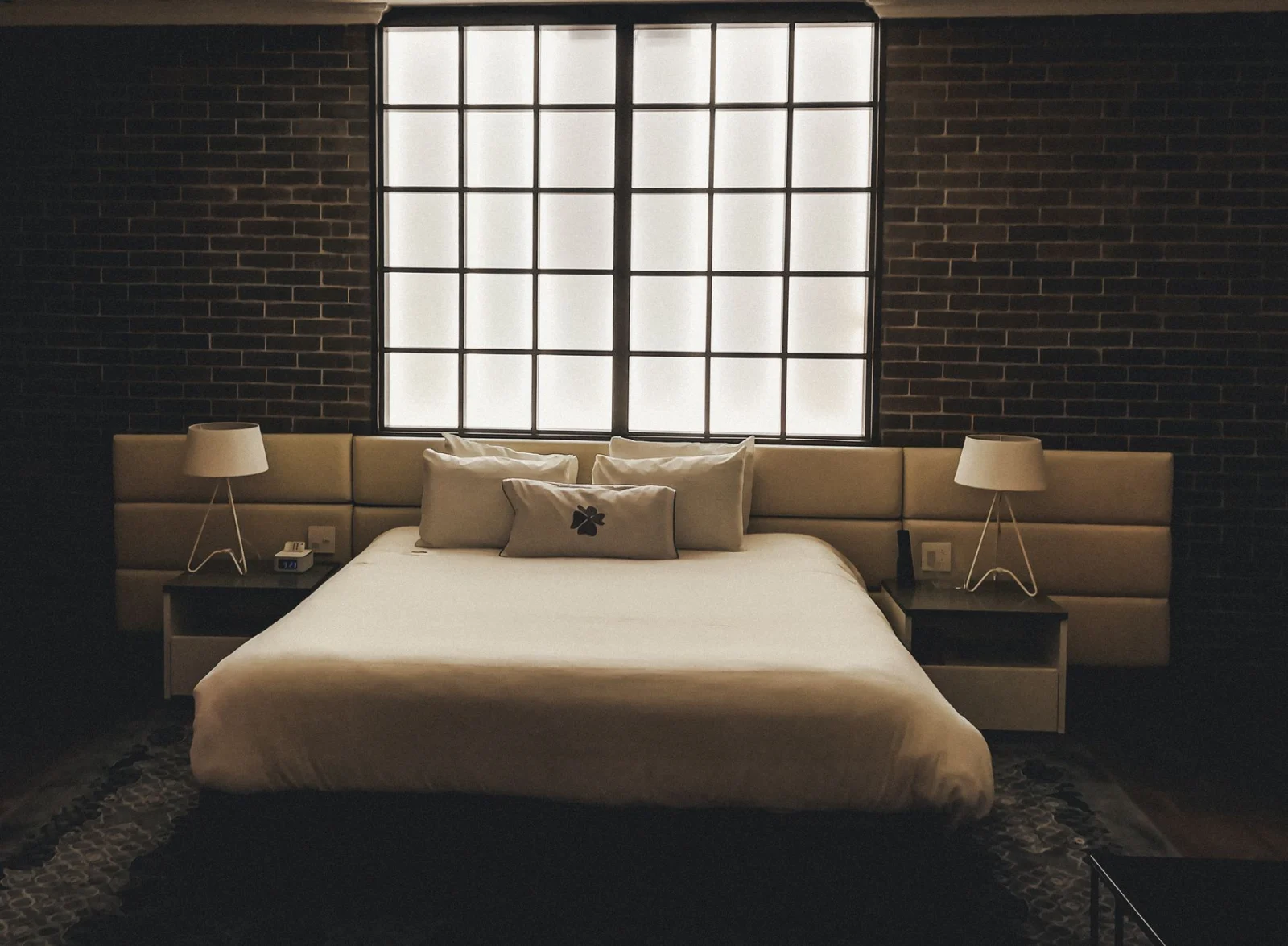
An interior (or inside) cabin is a stateroom with no window or balcony, tucked inside the ship away from the hull. You get the same restaurants, shows, pools and service as everyone else; you just pay less for a room with no view. That trade-off is why the interior cabin cruise fare is the first price most lines advertise.
Interior Cabin Cruise Pros and Cons at a Glance
| Pros | Cons |
|---|---|
| Lowest fare on the ship, often by hundreds of dollars per person | No natural light, so it is hard to tell if it is day or night |
| Pitch dark and usually quiet, which is great for sleep | Smaller than most balcony cabins on the same ship |
| Many are midship, where motion is felt least | No fresh air or private outdoor space |
| Same food, entertainment and service as pricier cabins | Can feel claustrophobic on long or sea-day-heavy cruises |
| Savings can pay for excursions, drinks or another cruise | You miss sail-ins and scenery from your room |
The Advantages of an Inside Cabin on a Cruise
1. Price
Inside cabins are almost always the cheapest way onto a ship. How much you save depends on the line, ship and date. In one analysis, Royal Caribbean Blog found that stepping up from an inside cabin to a balcony cost about $390 per person on average, and the gap tends to widen on peak sailings such as holiday weeks, Alaska and Europe. For a couple, that difference can cover a few shore excursions, a drinks package for part of the trip or specialty dining.
2. Sleep
No window means no early sunrise sneaking around the curtains. Many people who book inside cabins on purpose say the deep darkness is the main reason. If you like late nights in the lounges or a mid-afternoon nap, this is a genuine plus.
3. Location and motion
Inside cabins are often clustered in the middle of the ship, near the elevators. Midship cabins on lower passenger decks move the least in rough seas, so a well-placed interior can be more comfortable than a high, forward balcony. Our guide to the worst spot on a cruise ship for seasickness explains where motion is strongest.
4. You get the same cruise
Outside of suite programs, an interior guest eats in the same main dining room, sees the same shows and uses the same pools as someone in a balcony. On a busy port-intensive itinerary, you may only be in the cabin to sleep and shower.
The Disadvantages: Is an Interior Cabin Worth the Trade-Offs?
No daylight or view
The biggest con is obvious: no window. Some people find they lose track of time, oversleep and miss breakfast or an early tour. Others simply miss the joy of opening the curtains to a new port. On a scenic route such as Alaska or the Norwegian fjords, an inside cabin means heading to a public deck for every view.
Less space
Interior cabins are usually the smallest standard rooms. Princess lists its interiors at about 136 to 162 sq ft, Carnival standard insides are around 185 sq ft, and Norwegian’s Solo Studios are even smaller. With no balcony to spill out onto, two adults and their luggage can feel tight on a longer trip.
Cabin fever on long or sea-day-heavy cruises
On a three- or four-night Caribbean run, few people notice. On a 12-night crossing with six sea days, a windowless room can start to feel confining. If you are not sure, see our comparison of a balcony vs an inside cabin.
Who Should Book an Interior Cabin (and Who Shouldn’t)
Good fit:
- Budget-focused cruisers who would rather spend on excursions or extra trips
- Light sleepers and late-nighters who want a truly dark room
- Guests on short, port-heavy itineraries who rarely use the cabin
- People prone to seasickness who choose a low, midship location
- Families booking two connecting interiors instead of one cramped balcony
Think twice:
- Anyone who feels anxious or claustrophobic in windowless rooms
- Scenic cruises such as Alaska, fjords or Antarctica
- Long voyages with many sea days, or trips where you expect to rest in the cabin a lot
- Special occasions where private outdoor space is part of the treat
If this is your very first sailing, our piece on whether an inside cabin is good for a first cruise covers what to expect on day one.
How to Choose the Best Interior Cabin Location
- Go midship and low. Cabins in the middle of the ship on a lower passenger deck feel the least movement.
- Check what is above and below. Use the deck plan. Avoid cabins directly under the pool deck, buffet, gym or a nightclub, where you may hear furniture being moved early or music late. Cabins near the theatre or bars can pick up noise too.
- Watch out for service areas. Cabins next to crew doors, laundry rooms or elevator banks can be noisy.
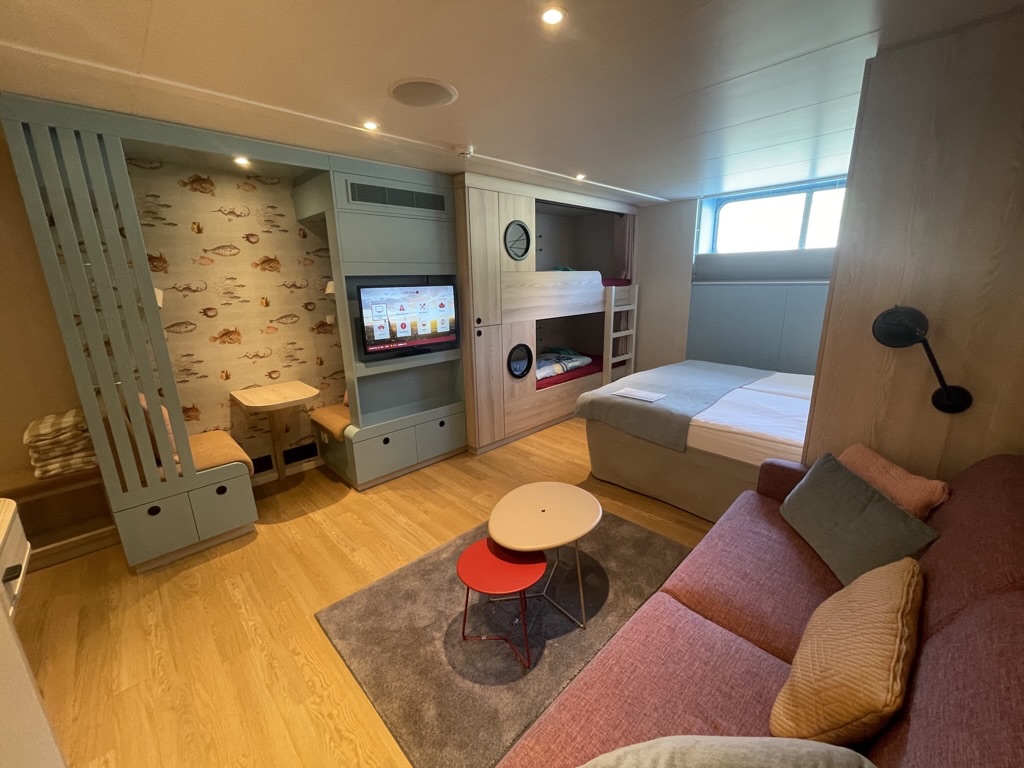
- Look at the layout. Some interiors are oddly shaped or have a pull-down bunk. Cabin review sites with photos help.
- Consider a guaranteed fare carefully. A guaranteed (GTY) interior is usually cheaper because the line assigns the cabin. You get at least what you paid for and sometimes an upgrade, but you cannot control location, which matters if you are prone to seasickness or a light sleeper.
Interior Cabin Variants Worth Knowing
“Interior” no longer always means four plain walls. Several lines sell inside cabins with a twist, usually for a modest premium over the standard category.
| Variant | Where | What you get |
|---|---|---|
| Virtual Balcony | Royal Caribbean (Quantum and Oasis class, plus some older ships such as Navigator, Voyager and Explorer) | A floor-to-ceiling screen showing a live feed from cameras outside, with ocean sounds |
| Promenade view interior | Royal Caribbean (Voyager, Freedom and Oasis class) | A window overlooking the indoor Royal Promenade rather than the sea |
| Central Park view interior | Royal Caribbean (Icon class) | A window looking onto the open-air park neighborhood |
| Solo Studio | Norwegian (Prima, Viva, Aqua, Breakaway, Getaway, Epic, Escape, Bliss, Encore, Pride of America) | Compact cabin priced for one, plus key-card access to a Studio Lounge on most of these ships |
| Larger or deluxe inside | Celebrity, Holland America, Disney and others | Extra floor space, often 200 sq ft or more |
A Virtual Balcony is a clever fix for the no-daylight problem, but it is a screen, not a window, and the picture can be black at night. Cruise Critic reported the cost of these cabins can run well above a standard inside on the same sailing, so compare prices before assuming it is the bargain option. Promenade and park-view rooms add natural-ish light and people-watching, though you may need to keep the shades closed for privacy.
Solo travelers should look closely at studio cabins. They avoid the usual single supplement that comes with booking a double cabin alone, and the shared lounge is a good place to meet other solo cruisers. Details are on Norwegian’s solo stateroom page.
Practical Tips for Living in an Inside Cabin
- Set an alarm. Without daylight it is easy to sleep through breakfast or a tour meeting time.
- Leave a light on. A small plug-in nightlight or leaving the bathroom light on with the door ajar helps for midnight trips. Check your line’s rules before packing any plug-in device.
- Use the TV map or bridge cam. Many ships show a live camera view on the cabin TV, which helps you judge the weather and time of day.
- Stay organized. Unpack fully, slide suitcases under the bed and use over-the-door organizers to keep the floor clear.
- Look for upgrade offers. Some lines run bid or upgrade offers closer to sailing. Our guide on getting a balcony for the price of an inside cabin explains how.
The Verdict
An interior cabin on a cruise is the smartest value on the ship for a lot of travelers. If you are on a short or port-packed itinerary, sleep better in the dark and would rather spend money off the ship than on a view, book one and choose the location carefully. If you are sailing somewhere scenic, have many sea days, or know windowless rooms make you uneasy, the extra cost of an ocean view or balcony is usually money well spent. To compare current fares by cabin type, browse our latest cruise deals for 2027.
FAQs
Is an interior cabin worth it on a cruise?
For most people on short or port-heavy sailings, yes. You get the same food, entertainment and pools as every other guest for the lowest fare. It is less worth it on scenic routes, long voyages with many sea days, or if you feel uneasy in windowless rooms.
How big is an interior cabin on a cruise ship?
Standard interiors usually measure roughly 135 to 185 square feet. Princess lists about 136 to 162 sq ft, Carnival standard insides are around 185 sq ft, and some family-style interiors on Royal Caribbean are much larger.
Are interior cabins bad for seasickness?
Not necessarily. Many interiors sit near the middle of the ship, which is where motion is felt least. Choosing a cabin midship on a lower passenger deck helps more than having a window.
How much cheaper is an inside cabin than a balcony?
It varies by ship and date. Royal Caribbean Blog found that moving from an inside cabin to a balcony averaged about 390 dollars per person, but the gap can be much larger on holiday, Alaska and European sailings.
What is a guaranteed interior cabin?
It is a cheaper fare where the cruise line picks your cabin number, usually close to sailing. You are guaranteed at least the category you paid for, but you give up any say in location.