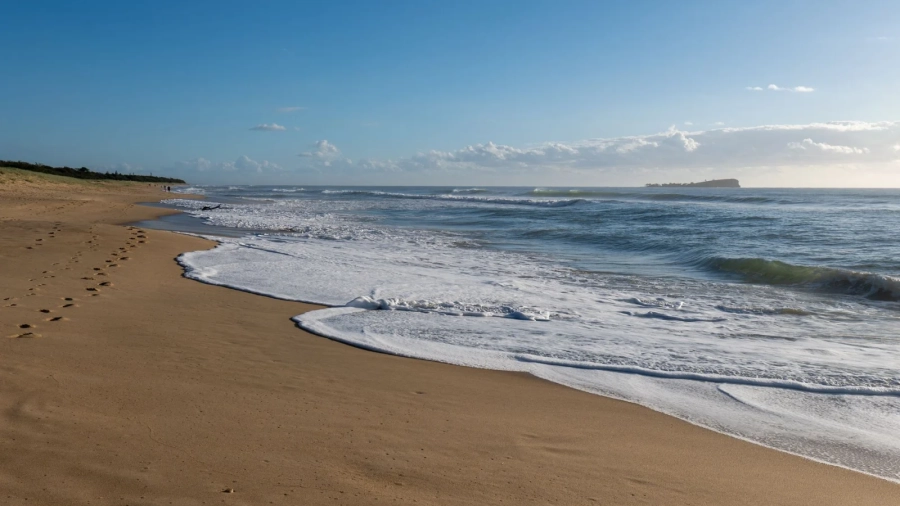
The best time to visit Australia for most travelers is spring (September to November) or autumn (March to May). Sydney, Melbourne and Perth are warm without the summer heat, the tropical north is dry or nearly dry, and the Outback is pleasant for walking. If you are planning a cruise, aim for October to April, when most ships are based in Australian homeports.
Australia is about the size of the continental United States, so “summer” means very different things in Cairns, Uluru and Hobart. This guide sets out the best time to visit Australia region by region, explains the wet season and stinger season in the north, and shows how to fit a cruise and a land trip into the same holiday.
Australia’s Seasons at a Glance
Australia is in the Southern Hemisphere, so its seasons are the opposite of those in North America. The south has four seasons. The tropical north has two: a wet season and a dry season. Tourism Australia gives average daily ranges for the major cities of about 68-99°F in summer and around 52°F in the south to 86°F in the north in winter.
| Season | Months | Best for | Watch out for |
|---|---|---|---|
| Summer | December to February | Southern beaches, Tasmania, Sydney New Year’s Eve, cruise season | Peak prices, school holidays, wet season and cyclones in the north |
| Autumn | March to May | Wine harvests, Uluru, early reef season, comfortable city sightseeing | Easter holiday crowds; cyclone risk lingers in the far north in March |
| Winter | June to August | Great Barrier Reef, Daintree, Kimberley, Outback, whale watching | Cool, wet days in Melbourne and Tasmania; busy, pricier tropical north |
| Spring | September to November | Wildflowers, whale watching, reef, start of cruise season | Rising heat in the north from late October; stinger season starts in November |
Best Time to Visit Australia’s Beaches by Region
For beaches, where you are matters more than the month.
Sydney and the New South Wales coast
Ocean swimming at Bondi, Manly and the beaches further north is best from December to March, when the water is at its warmest. November and April are good compromises: the water is cooler but the beaches are much quieter. Winter is too cold for most swimmers but great for coastal walks.
Melbourne, the Great Ocean Road and Tasmania
The southern coast has a short beach season. January to March is the most reliable time, and Melbourne’s weather can swing from hot to cool in a single afternoon. For Tasmania, aim for December to March, when the days are long and mild and the Freycinet and Bay of Fires beaches look their best.
Perth and Western Australia
Perth has a Mediterranean climate: hot, dry summers and mild, wetter winters. Its beaches are at their best from November to April, and the afternoon sea breeze takes the edge off the heat. Further north, Ningaloo Reef is known for whale sharks from roughly March to July, and Western Australia’s wildflower season runs from about August to November.
Queensland: Gold Coast and Sunshine Coast
The Gold Coast and Sunshine Coast are warm enough to visit most of the year, and spring or autumn are the most dependable times for swimming beaches. The tropical coast further north is more seasonal (see below).
Great Barrier Reef and Tropical North: Wet vs Dry Season
The best time to visit the Great Barrier Reef is usually during the dry season, roughly May to October. The air is less humid, rain is rare, visibility is often good, and the sea is calm enough for day trips to the outer reef. Tourism Australia describes June to August as peak season around Cairns, so book reef tours and hotels early for those months. August to October often hits the sweet spot, with warmer water and fewer winter-break visitors.
The wet season runs from about November or December to April. It brings heat, high humidity, heavy downpours and a cyclone risk that peaks from January to March. On the plus side, the Daintree is at its greenest, the waterfalls are in full flow and prices drop. Leave a spare day in case boat trips are cancelled.
Stinger season
The Queensland Government says the marine stinger season in tropical waters runs from November to May, the months when box jellyfish and the tiny Irukandji are most common. They can be found in any month, though. At popular beaches from Townsville north, swim between the flags inside stinger nets. On reef trips, wear the full-body lycra suit the operator provides. This matters for cruise passengers too, because many ships call at Airlie Beach, Cairns or Port Douglas during the summer stinger months.
Australian Cruise Season: When to Sail
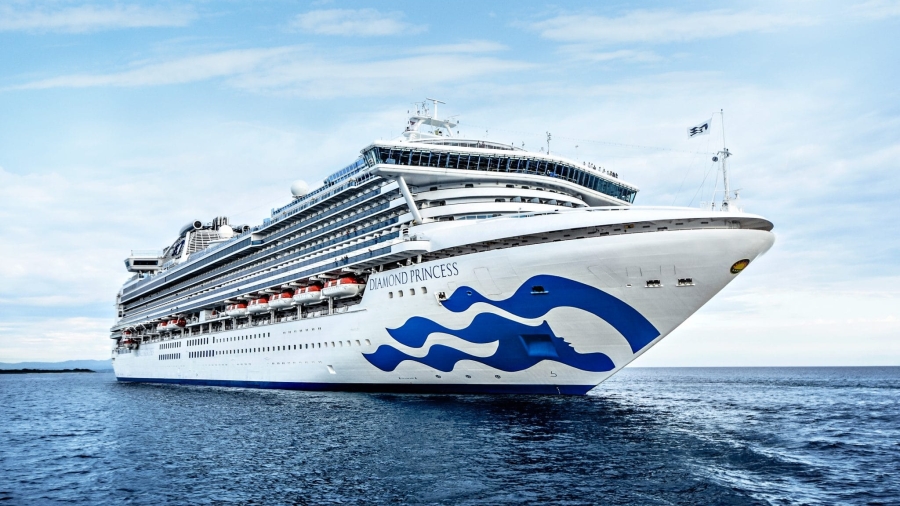
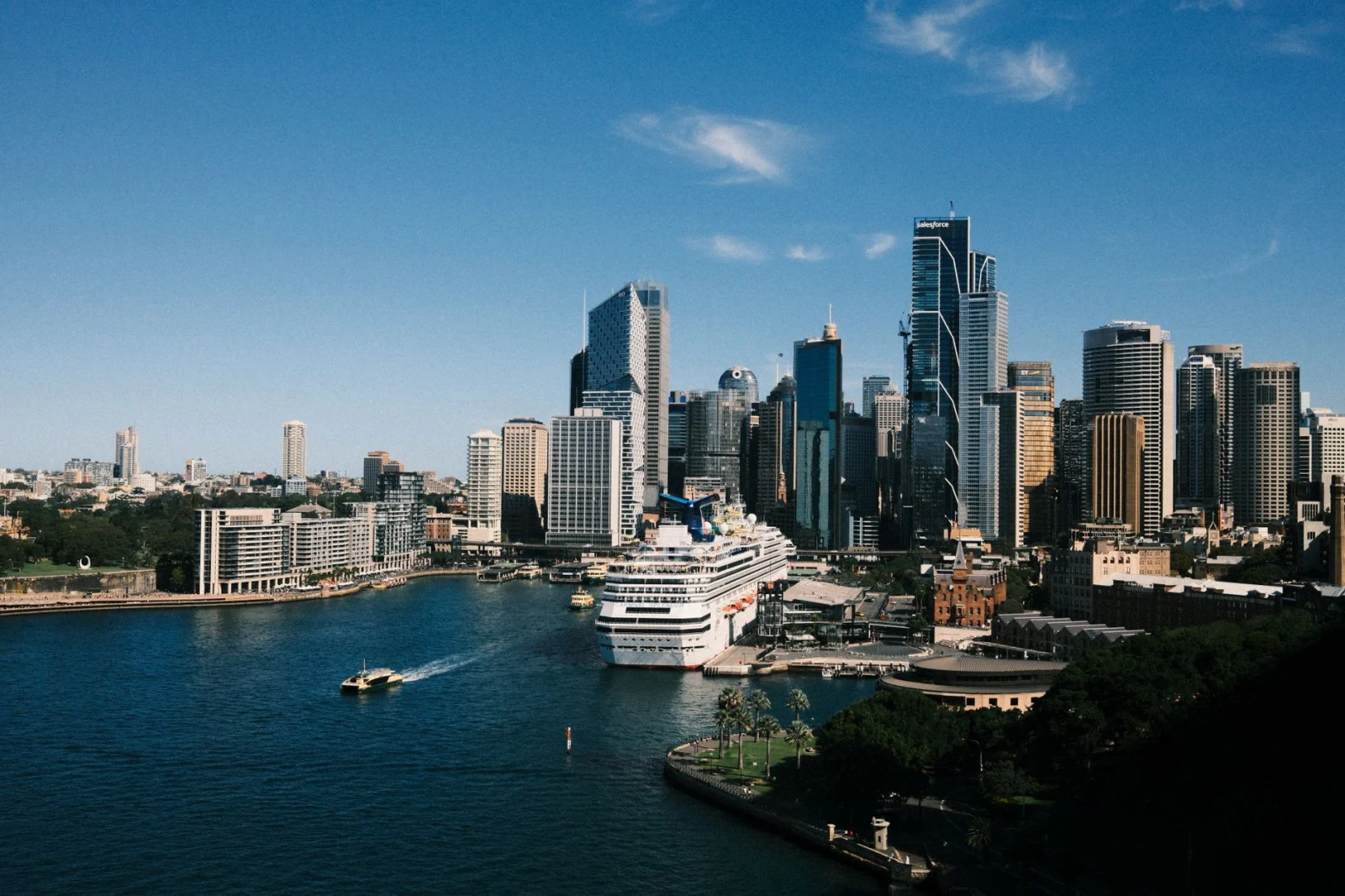
Australia’s main cruise season matches the southern summer. Most international ships arrive between October and November and leave by late April or May, sailing to the Northern Hemisphere for the European or Alaskan summer. For the 2026-27 season, Cruise Passenger lists Carnival, Royal Caribbean, Celebrity, Princess, Norwegian, Holland America, Viking and Regent among the lines with ships based in Sydney. Brisbane is the second hub, and Melbourne, Adelaide and Fremantle (Perth’s port) have shorter programs. Carnival keeps some ships in Australia all year, so short cruises are available in winter too.
Common itineraries include:
- Short coastal or “sampler” cruises of two to five nights from Sydney or Brisbane, often calling at Moreton Island, Eden or Hobart.
- South Pacific cruises to New Caledonia, Vanuatu and Fiji, best from about May to October, outside the Pacific cyclone months. Many still sail in summer, though.
- Tasmania and New Zealand voyages, which work best from December to March, when the Tasman Sea and the southern ports are at their mildest.
- Queensland coast cruises to Airlie Beach, Cairns and the reef, which sail mainly in summer, when it is wet and stinger season is on.
- Kimberley expedition cruises from Broome or Darwin, run on smaller ships in the dry season, roughly April to September.
To compare ships before choosing a homeport, see our guide to the best-rated cruise ships in the world. Many Australian sailings for the second half of the season fall in early 2027, so it is also worth checking the latest cruise deals for 2027 before you book flights.
Timing a Cruise and Land Trip Together
For cruise passengers, the best time to visit Australia depends on fitting the ship around the land trip. Cruise season, the northern dry season and the best Outback weather barely overlap, so these windows work best:
- Late October to November. This is the best all-round window. Cruise season is starting, Sydney and Melbourne are warm, the reef is still in good shape before the wet arrives, and Uluru is warm but manageable early in the morning. Stinger season is just starting in the far north.
- March to April. The autumn shoulder offers late-season cruises from Sydney and Brisbane, wine harvest in the Barossa, Hunter Valley and Margaret River, and comfortable Outback temperatures. Note that the north can still be wet in March.
- December to February. This is the best time to cruise to Tasmania and New Zealand and enjoy summer in the southern cities. Save the reef and the Outback for another trip, or accept the heat and the wet season.
- June to August. These are the best months for the reef, the Daintree and the Kimberley, but most big cruise ships have left. Combine an expedition cruise or a year-round coastal sailing with a land trip.
Domestic flights in Australia often have stricter baggage limits than cruise lines, so if your trip includes several internal flights, our packing tricks for cruising with just a carry-on will save you hassle at regional airports.

Outback, Uluru and the Red Centre
Tourism Australia names April and May as ideal for Uluru, and the cooler months through to September are also comfortable. Days are sunny and pleasant for the base walk and Kings Canyon, though desert nights can drop close to freezing in midwinter, so pack layers. From November to March, daytime heat can make walking dangerous, and some trails close on very hot days. Plan to be out at sunrise if you visit then. Climbing Uluru has been banned since 2019.
Rainforests, Wine Regions and Wildlife
- Daintree and tropical rainforest: Roads and river cruises are most reliable from May to October. The wet season is lush but can bring road closures.
- Wine regions: Vintage, or harvest, usually runs from February to April in the Barossa, McLaren Vale, the Hunter Valley and Margaret River, which makes autumn the liveliest time for cellar-door visits. Many regions are within reach on shore excursions from Adelaide, Fremantle or Sydney.
- Whale watching: Humpbacks migrate along the east and west coasts from about June to November. Hervey Bay in Queensland is a well-known spot from roughly July to October.
Festivals and Events Worth Planning Around
- Sydney New Year’s Eve (31 December): The harbour fireworks are world-famous, and cruise ships in port that night often sell out early.
- Australian Open (January): Melbourne’s Grand Slam tennis tournament fills hotels in the city.
- Vivid Sydney (late May to June): Light installations on the Opera House and around the harbour, a good reason to visit Sydney in winter.
- Melbourne Cup (first Tuesday of November): The country’s biggest horse race, and a public holiday in Melbourne.
Cheapest Time and the Shoulder Seasons
Flights from the US and hotels in the south are usually most expensive from mid-December to late January, when Christmas and the long summer school holidays overlap. In the north, prices peak from June to September instead. Good value is usually found in late April and May, and again in September and early October before the summer rush. Shoulder-season cruises at the start or end of the Australian season are also often cheaper than peak summer sailings.
FAQs
What is the best month to visit Australia?
There is no single best month for the whole country, but October, November, April and May work well almost everywhere. The south is mild and fairly dry, the north is still in or close to its dry season, and these months fall outside the peak school holidays.
What is the worst time to visit Australia?
It depends on where you are going. The tropical north is at its least comfortable from December to March, with heat, humidity, heavy rain and the risk of cyclones. The Outback is extremely hot in midsummer. In the south, late December and January bring the highest prices and the biggest crowds.
When is cruise season in Australia?
Most big ships are based in Australia from about October or November to April, the southern spring, summer and autumn. Sydney and Brisbane are the busiest homeports, with fewer sailings from Melbourne, Adelaide and Fremantle. A few ships stay all year.
When is stinger season in Queensland?
Queensland’s government says the marine stinger season in tropical waters runs from November to May, though stingers can be present all year. Swim inside stinger nets at patrolled beaches and think about wearing a full-body lycra suit when snorkeling.
Do US citizens need a visa for Australia?
Yes. US passport holders need permission to enter before they travel, usually an Electronic Travel Authority (ETA) for tourism, applied for through the official Australian ETA app. Check the Australian Department of Home Affairs website for current rules before booking.