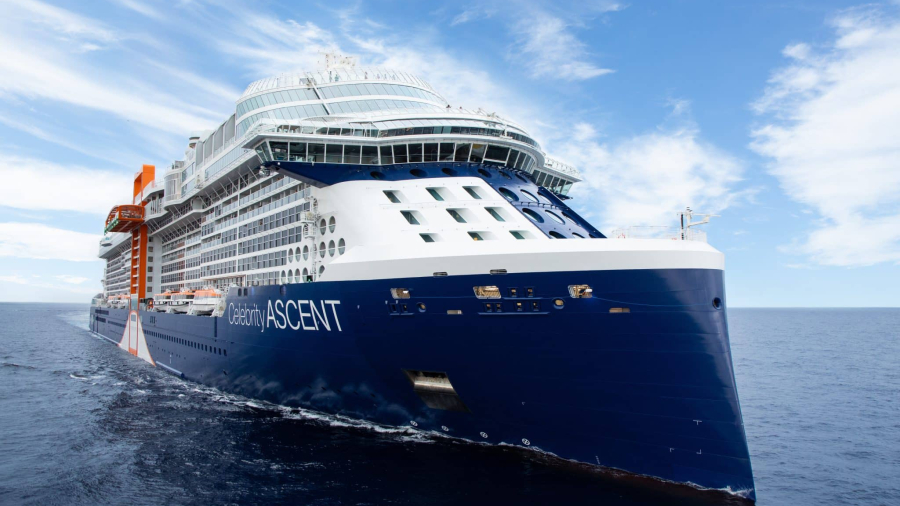
CEL_AT_Aerial_1-scaled.jpg

Beginners Guide: How To Pick A Cruise Line?

You can pick from huge ships with fun activities or small luxury boats. Each cruise line offers something different. So, it’s essential to know what you want from your trip before deciding.

How To Pick A Cruise Line?

Are you thinking about going on a cruise but feel like you have too many choices to pick from? Choosing the right cruise line for your budget and style can initially seem tricky. We’re here to make the process of choosing a cruise line easier for you.

Key Takeaways:

  • Cruise lines come in different types for various people and preferences.
  • For North Americans, big cruise lines include Royal Caribbean, Carnival, and others.
  • Think about the ship’s size, what you can do on board, and the food when choosing.
  • Look at what’s included, like tips, Wi-Fi, drinks, and tours, to see if it’s a good deal.
  • Reading reviews and talking to experts can help you find the best cruise line.

A Cruise Line Overview

How To Pick A Cruise LineHow To Pick A Cruise Line
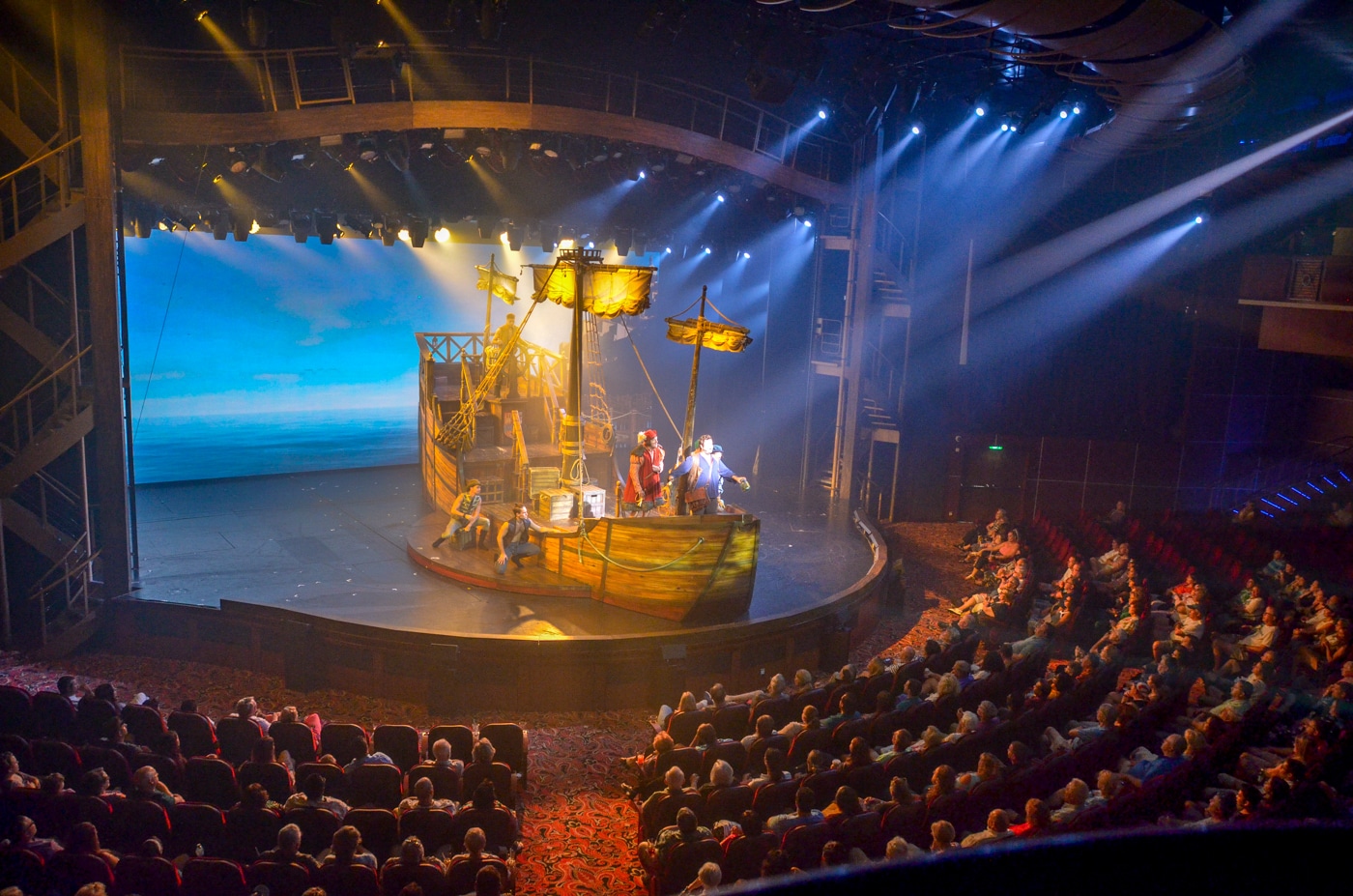
Royale Promenade – Deck 5/6 Midship
Icon of the Seas – Royal Caribbean International

The cruise industry has something for every taste and budget. There are many cruise lines, from basic to luxury. Knowing these differences helps pick the right cruise for you.

From Megaships to Intimate Experiences: Diversity of Choices

There are many cruise types beyond the main categories. You can also choose from river cruises, expeditions, or sailing on small ships. Sizes range from huge ships to private yachts.

This variety lets you find the ideal cruise. Whether you want lots of activities or a calm vacation, there’s something for everyone.

Cruise Line Number of Ships Total Berths Characteristics
Royal Caribbean 27 99,651 Massive ships with various attractions, appealing to families and megaresort enthusiasts
Carnival Cruise Line 26 84,884 Targets budget-conscious travelers seeking short, fun-focused cruises
MSC Cruises 22 77,832 Newer, larger ships appealing to a broad audience; offers sailings from various North American ports
Norwegian Cruise Line 19 56,780 Ships boast multistory waterslides, go-kart tracks, and entertainment resembling a Las Vegas resort
Princess Cruises 15 45,816 Caters to middle-aged couples, retirees, and families with a diverse range of itineraries
Celebrity Cruises 16 29,993 Premium brand providing an elevated experience with a focus on dining, service, and destinations
Holland America Line 11 22,810 Caters to couples and retirees with carefully crafted itineraries on midsize ships

When you compare cruise lines, think about the ship, onboard fun, and who they aim to please. Different cruise lines may focus on different places like the Caribbean or Europe.

The length of the cruise matters, too. Some are short, fun getaways, while others are for longer, luxury trips.

The best cruise line for you comes down to what you like and what you can spend. Knowing what each cruise line offers helps you choose the right one for a dream vacation.

The Biggest Cruise Lines

In North America, three companies lead the cruise market. They are Carnival Corporation, Royal Caribbean Group, and Norwegian Cruise Line Holdings. These companies have many well-known cruise lines offering a wide variety of experiences.

Carnival Corporation is the biggest, owning nine lines like Carnival Cruise Line. It also has Princess Cruises, Holland America Line, and Seabourn. With many ships and routes, Carnival meets the needs of all sorts of travelers.

Royal Caribbean Group is famous for its big, innovative ships. Its main brand, Royal Caribbean International, stands out. It also runs Celebrity Cruises, Silversea Cruises, and Azamara, offering something for everyone. Their ships are among the largest and most loved worldwide.

Norwegian Cruise Line Holdings is another top player, home to Norwegian Cruise Line. It’s known for a more relaxed cruising style. They also have premium lines Oceania Cruises and Regent Seven Seas Cruises. These lines offer various sailing options and ship experiences.

Other key players in the industry include:

  • MSC Cruises, growing fleet offers unique itineraries on ships like MSC World Europa
  • Disney Cruise Line, with family-focused fun on themed ships
  • Cunard, famous for elegant transatlantic trips and the luxury of Queen Mary 2
  • P&O Cruises, a British favorite, known for ships like Britannia
  • Princess Cruises, with varied itineraries and loved ships like Royal and Regal Princess

Each cruise line has its own flair and meets different traveler needs. But, they all promise a enjoyable vacation experience full of dining, fun, and the chance to see many places at once. By exploring what each top cruise line offers, travelers can choose the one that fits them best.

Identifying Your Personal Cruise Style

Thinking about a cruise vacation means knowing what you like. There are many cruise options for all ages, interests, and prices. You can find a cruise for fun times or for just kicking back.

Activities and Entertainment Preferences

Each cruise line has its own fun things to do and see. If you like to stay moving, check out ships with lots of sports and adventure. You may enjoy options from Royal Caribbean and Norwegian Cruise Line.

If you’d rather relax, try a cruise with quiet spots and spas. Celebrity Cruises and Princess Cruises ships are great for this. They offer peaceful areas and fancy spa treatments.

For those who love a good show, find a ship with live music and theater. Carnival Cruise Line and Royal Caribbean International are full of energy and bright lights. Meanwhile, Holland America Line has a more classical feel to its shows.

Catering to Demographics: Families, Solo Travelers, and Adults-Only

Who you go with can influence your cruise choice. Families should look into Disney Cruise Line, Royal Caribbean, or Carnival. They have fun for all ages with special clubs for kids.

Are you traveling alone? Pick a line with cabins just for one and events to meet others. Norwegian Cruise Line has these unique cabins. Cunard even has hosts for dances if you come by yourself. For extra care, Silversea and Crystal Cruises welcome solo guests with special service.

For a couple’s escape, choose an adults-only or luxury ship. Viking Ocean Cruises and Virgin Voyages are adult-only and elegant. Seabourn and Regent Seven Seas offer luxury with private balconies and top service.

Cruise Line Best For Highlighted Features
Royal Caribbean Families, Active travelers Onboard attractions, Adventure activities
Norwegian Cruise Line Families, Solo travelers Freestyle dining, Studio cabins
Disney Cruise Line Families with young children Disney-themed entertainment, Kids’ clubs
Celebrity Cruises Adults, Couples Upscale dining, Spa treatments
Viking Ocean Cruises Adults, Enrichment seekers Cultural immersion, Destination-focused activities

Finding the right cruise means matching it with what you enjoy and who you’re with. Research different cruise lines to see which fits you best. Whether you’re thinking about a Caribbean cruise, or something else, there’s a cruise style that’s just right for you.

Evaluating Ports of Call and Destinations

Choosing a cruise means looking at the ports you’ll visit. These places are key to how much you enjoy your trip. Some dream of seeing Alaska’s glaciers or the ancient cities around the Mediterranean. Others choose Australia for its beautiful coral reefs. These places offer unique experiences and lasting memories.

Bucket-List Spots vs. Thematic Cruises

Many travelers pick cruises for dream destinations. Then there are those who pick a theme cruise. They might choose one based on food, music, or health. Theme cruises range from culinary trips with top chefs to music festivals at sea.

When picking ports, think about how long you have in each place. Some cruises let you stay overnight, giving you plenty of time to explore. Others have just a day for visits. A trip with more time at ports can be more exciting but also more tiring. On the other hand, cruises with a nice mix of both sea days and port visits might be perfect for you.

Ocean vs. River Cruises: Navigating Your Options

You’ll also need to decide between ocean and river cruises. Ocean cruises take you to far-off places and offer lots to do on board. They’re like floating resorts with shows, water parks, and casinos.

Yet, river cruises focus on culture and beauty of the areas they visit. They use smaller ships to get to narrower rivers and canals. This means they can visit smaller cities and offer tours to learn more about the places visited.

Cruise Type Best Cruise Lines Popular Destinations Onboard Experience
Ocean Cruise Royal Caribbean, Norwegian, Carnival Caribbean, Alaska, Mediterranean Resort-style amenities, extensive entertainment
River Cruise Viking River Cruises, AmaWaterways, Uniworld Europe, Asia, Egypt Cultural immersion, scenic cruising, guided tours

Deciding between ocean and river cruises depends on what you look for in a vacation. Ocean cruises are great for those who seek constant fun and variety. River cruises are more intimate and focused on the local culture. They can offer a deep experience in a shorter time with the destinations being the primary focus.

Your vacation preferences will help you choose the right cruise. Whether you like big cities, cultural explorations, or chilling on beaches, there’s a cruise for you. It’s all about finding what matches your interests and how you like to travel. Exploring your options carefully will lead to a fantastic cruise experience.

Comparing Cruise Ship Sizes and Capacities

Choosing a cruise means looking at the ship’s size. This is crucial as it affects what you can do and where you can go on the trip. Ships vary from small boats for fewer than 100 people to giant ships hosting over 5,000 guests. Knowing the size differences helps find the best match for your wants and needs.

Benefits of Smaller Adventure Ships

Smaller boats give a closer, more personal feel. They can hold under 1,000 guests, with some as small as 148, like the Wind Spirit. The coziness lets the crew focus more on you. Plus, these ships reach tiny ports where big ones can’t go. They’re perfect for travelers who love nature and unique spots.

While they don’t have as many restaurants or activities, smaller ships offer peace and a strong sense of community. You can expect fast check-in and lovely sea views without a big crowd. They’re great for those who want to relax and enjoy the journey.

What a Mega Cruise Ship Offers

At the other extreme are mega cruise ships. They’re the biggest in the fleet, with room for over 5,000 people each. These giants, like the Icon of the Seas and Symphony of the Seas, include everything from fancy dining to rock-climbing walls. There’s something entertaining for all ages.

With big ships come many facilities, such as bars and gyms. They’re a go-to for families and groups with varied interests. Yet, prepare for some crowding and longer lines. Mega cruises may not visit as many small ports due to their size, making stops shorter.

Decide on a ship that fits your style. For non-stop fun and choice-filled days, a mega ship is ideal. If you prefer a smaller, friendlier setting with a focus on unique stops and activities, go for a tiny cruise. Your perfect vacation lies in finding the right balance between what the ship offers and what you love.

Assessing the Costs: Inclusivity and Hidden Fees

When you compare cruise prices, it’s important to look at more than just the base cost. Factors such as the cruise’s route, the ship itself, your cabin, and when you book all play a big role. Some lines include extras like tips, drinks, Wi-Fi, and excursions. Others will charge you for these separately.

Usually, luxury cruises cost more up front but give you more. On the flip side, the more budget-friendly ones might have lower base fares but make up for it with extra charges. Carnival Cruise Line, for instance, may start at $179 but add fees that make the cost jump by 66%.

Understanding What Affects Your Cruise Fare

Watch out for extra charges like dining upgrades, spa visits, and certain taxes. You might also have to pay for room service, exercise classes, or fun activities like go-kart racing. On some ships, room service requires an extra fee, with an added gratuity range of $7.95 to $9.95.

Getting a drink on board isn’t always free. You might pay $2 to $4 for soda or water. Some ships offer drink deals, up to $138 daily. If you plan to bring your own wine, know that they will charge you a corkage fee of $15 or more.

The Truth Behind Inclusive Packages

When you’re checking out cruise prices, add up the value of what’s included. Compare different trips and their offerings. An all-in-one deal might be better than a cheap base cost with lots of extras. Several lines like Celebrity Cruises offer free room service.

For something different, you can try specialty dining. This could be a steakhouse or a unique ice cream shop. Prices for these meals range from $15 up to over $100 per person.

Your best cruise choice comes down to what you value and your budget. Look out for added fees if you’re traveling alone. By carefully comparing everything, you’ll find the cruise that matches your needs the best.

How To Pick Cruise Line for Onboard Experiences

Choosing a cruise line means picking the right onboard fun and features for you. Every line has its own vibe and things to do. Think about what you like. Do you want lots of sports or heart-pounding rides? Royal Caribbean and Norwegian Cruise Line have super exciting activities.

If you enjoy luxury, go for cruise lines like Celebrity Cruises or Seabourn. They have fancy dining, big rooms, and great service. You’ll love the food if you’re a fan of eating out. Oceania Cruises and Holland America Line have cool dining options and chef events.

For those into health and fitness, some cruise lines focus on spas and workouts. Celebrity Cruises has top-notch spas, and Seabourn has Wellness Coaches. If you love learning, choose a line with lectures and special activities. Viking Ocean Cruises and Azamara are great for that.

Focus on what you love to do onboard. This will help you pick the perfect cruise line. Whether you love adventure, luxury, food, or enriching experiences, there’s a cruise for you. Make your vacation unforgettable by choosing the right ship.

Choosing the Right Cruise Line for First Timers

Starting your first cruise is both thrilling and a bit nerve-wracking. There are many cruise lines, each with its own special features and trips. It’s crucial to choose one that fits your style and what you want from your trip. As a beginner, focus on finding a cruise line that gives you many options, takes you to various places, and helps you at every step to make your vacation smooth.

Seeking a Personalized Experience

Think about how much you want to personalize your trip when picking a cruise line. Royal Caribbean and Norwegian Cruise Line are great for this because they offer a wide mix of things to do and places to stay. They work well for first-timers because you can make your trip as relaxing or exciting as you like.

If you want a fancier first cruise, Celebrity Cruises and Princess Cruises are excellent choices. They mix elegance with a laid-back vibe. You get to enjoy top-notch food, spa treatments, and fun tours on land, making your first sailing unforgettable.

Features That Make a Cruise Line First-Time Friendly

First-timers should pick cruise lines that are easy to book, give lots of info before the trip, and have great customer service. Royal Caribbean, Norwegian Cruise Line, and Carnival Cruise Line are excellent choices for this. They offer plenty of info online and have nice people to help you plan your trip.

If you’re not sure about a long cruise for your first time, there are options for shorter trips. You might consider a 3–4 night cruise to places like the Bahamas or Caribbean. Carnival and Royal Caribbean have these “taster” cruises. They let you test out the cruise experience without needing to spend a lot of time or money.

Cruise Line Best For Standout Features
Royal Caribbean Families, active travelers Diverse onboard activities, accommodations for various group sizes, wide range of itineraries
Norwegian Cruise Line Families, couples, solo travelers Freestyle dining, varied entertainment options, studio cabins for solo cruisers
Carnival Cruise Line Budget-conscious travelers, families Fun-focused atmosphere, affordable fares, sailings from many U.S. homeports
Celebrity Cruises Couples, foodies, wellness enthusiasts Upscale dining, luxurious spa treatments, sleek ship design
Princess Cruises Mature travelers, families Engaging onboard activities, destination-focused shore excursions, movies under the stars

Choosing the perfect cruise line for your first trip takes some research. Look into the ships’ amenities, dining, and the overall vibe. Talking to a travel agent, especially one who knows about cruises, can really help. They can guide you to the best cruise line and trip for your first adventure at sea.

Comparing Inclusions: What’s Offered in Your Cruise Package?

When picking a cruise, know what’s part of your fare and what costs more. Different cruises include various things, from your room and food to Wi-Fi, tips, and even credit to spend onboard. Compare these to see where you get the most for what you want to spend.

Decoding the Fine Print: Gratuities, Wi-Fi, and More

Most cruises cover your room, meals, and access to pools and gyms. But, things like tips or Wi-Fi might not be included.

Here are some key items to look into:

  • Gratuities may or may not be part of your cruise fee.
  • Free drinks might mean water and tea, not alcohol.
  • Wi-Fi may be free on luxury cruises but costs extra on many.
  • You might pay extra for meals at some restaurants.

Reading what’s included in the fine print can keep you from paying for surprises.

Bundled Packages: Calculating the Savings

Cruise lines often group packages together to save you money. These might include drinks, dinners, or internet access. Buying these as a package can be cheaper than paying individually while on the ship.

But, think about if you really need the whole package. If you won’t drink much, for example, a drink package might not be the best deal.

When looking at cruise costs, think about what’s included and what you’ll spend extra on. This helps you find the best value for your trip. Knowing what comes with your cruise and what’s extra can help you budget right and avoid big spending surprises later.

Utilizing Reviews and Travel Expert Opinions

Choosing a cruise line requires looking at reviews from passengers and experts. This helps you understand the onboard experience, service, and value. Past passengers share insights on cleanliness, food, entertainment, and staff friendliness. Websites such as Cruise Critic and TripAdvisor are great for finding reviews. They help you spot both good and bad points across different cruises.

What Passenger Reviews Reveal

It’s important to read past passengers’ reviews carefully. Experiences can differ based on someone’s travel history and preferences. Focus on what many reviews mention to get a true sense of the ship. Comments about rooms, food, fun, and day trips are key. They can shape how much you enjoy your trip.

Importance of Expert Critiques in Cruise Selection

Checking expert reviews is also crucial. Experts from travel sites, blogs, and the industry give a more general view. They compare different cruises and provide unknown insights. They also share tips for better deals and a smoother booking process. Combining both passenger and expert reviews helps you pick the right cruise line. It should meet your expectations and suit your preferences.

Pick Cruise Line FAQ

How do I choose the best cruise line for my vacation?

When choosing a cruise line, consider factors such as destination, onboard activities, dining options, cabin accommodations, and budget. Research different cruise lines to find one that aligns with your preferences and travel style.

What are some popular cruise lines to consider?

Some popular cruise lines to consider include Norwegian Cruise Line, Carnival Cruise Line, Royal Caribbean, Disney Cruise Line, Viking, MSC Cruises, and Princess Cruises.

What are the benefits of booking with luxury cruise lines?

Luxury cruise lines such as Regent Seven Seas Cruises, Oceania Cruises, and Silversea Cruises offer premium amenities, personalized service, gourmet dining, and unique experiences that cater to discerning travelers seeking a high-end cruise experience.

How can I find the perfect cruise vacation that fits my preferences?

To find the perfect cruise vacation, consider factors such as destination, cruise length, onboard activities, dining options, cabin type, budget, and cruise line reputation. Research different cruise options to find one that meets your specific preferences.

Which cruise line is best for families with children?

Disney Cruise Line is known for its family-friendly entertainment, activities for children of all ages, character experiences, and youth clubs, making it a popular choice for families looking for a kid-friendly cruise vacation.

What are the differences between river cruise lines and ocean cruise lines?

River cruise lines typically operate smaller ships that navigate inland waterways and visit charming ports of call, while ocean cruise lines operate larger vessels that sail across oceans and offer a wider range of onboard amenities and entertainment options.

How can I find affordable cruise deals for my next vacation?

To find affordable cruise deals, consider booking during off-peak seasons, taking advantage of promotions and discounts offered by cruise lines, booking in advance, being flexible with travel dates, and comparing prices across different cruise companies.
Source link

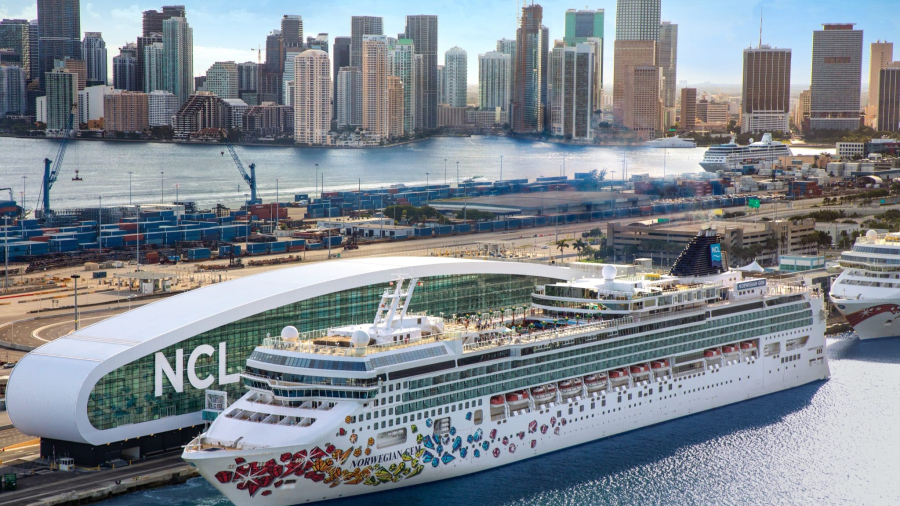
gem-miami2021-055r-scaled.jpg

Airports Near Port Miami Cruise Port

The Port of Miami welcomes more than 7 million people every year. It is known as the “Cruise Capital of the World” serving 55 ships. This connected hub is a top choice for cruise fans. The best option for those heading on a voyage is Miami International Airport (MIA). It’s just 9.9 miles from Port Miami. Fort Lauderdale-Hollywood International Airport (FLL) is also significant. It’s about 30 miles away. These airports offer many airlines and ways to get to your ship quickly.

Airports Near Port Miami

Airports Near Port MiamiAirports Near Port Miami
Airport

Key Takeaways

  • Miami International Airport (MIA) is only 9.9 miles from Port Miami, making it the closest and most convenient option.
  • Fort Lauderdale-Hollywood International Airport (FLL) is another major airport located about 30 miles away from the Miami cruise port.
  • Both airports offer ground transportation services, including shuttles, taxis, and ride-hailing options.
  • Port Miami handles over 7 million cruise passengers annually, living up to its title as the “Cruise Capital of the World.”
  • Travelers can choose from numerous airlines operating out of MIA and FLL, making flight options versatile and convenient.

Miami International Airport (MIA)

Miami International Airport (MIA) is the closest airport to Port Miami. The drive from MIA to the port often takes 20 to 40 minutes. This quick trip helps cruisers move smoothly from their flights to cruise adventures.

Proximity to Port Miami

Port Miami is just 9.9 miles away from MIA. The major roads make it quick to get there. The drive usually takes 12 minutes, but it might be longer in traffic. This nearness is excellent for busy travelers.

Airlines Operating at MIA

Airports Near Port Miami Cruise Port | 19Airports Near Port Miami Cruise Port | 19
Southwest 737-300

Over 90 air carriers serve MIA, making it a buzzing airport. Some big names include:

  • American Airlines
  • Delta Air Lines
  • United Airlines
  • Alaska Airlines
  • JetBlue
  • Southwest Airlines
  • Frontier Airlines
  • Spirit Airlines
  • Sun Country

With many airlines, travelers can easily find flights to MIA. This helps connect them to various destinations, making their cruise plans easier.

Transportation Options from MIA to Port Miami

There are lots of transportation options from MIA to Port Miami. These choices match different tastes and budgets, including:

  • Cruise Line Transfers: Often bookable through your cruise line, with rates around $17 per person.
  • Hotel Shuttles: Frequently offered as a complimentary service with your stay.
  • MIA Airport Shuttle: Independent shuttles range from $20-$40 per vehicle.
  • Ride-Hailing Services: Uber and Lyft typically cost around $20 per vehicle.
  • Taxis: Fixed rates at $27 per vehicle.
  • Public Transportation: Options such as Metrorail link MIA to the downtown area and the port via a $16 per person fare.

MIAMI CRUISE PORT GUIDE | What you need to know when cruising from Miami

Cruise Terminal Addresses

Here is a guide if your driving in or need to direct your driver directly to a cruise terminal address:

  • PortMiami’s Administrative Offices are located at 1015 North America Way, Miami, FL 33132
  • Cruise Terminal AA – 2200 N. Cruise Blvd.
  • Cruise Terminal A – 2000 N. Cruise Blvd.
  • Cruise Terminal B – 1761 N. Cruise Blvd.
  • Cruise Terminal C – 1741/1751 N. Cruise Blvd.
  • Cruise Terminal D – 1435 N. Cruise Blvd.
  • Cruise Terminal E – 1265 N. Cruise Blvd.
  • Cruise Terminal F – 1103 N. Cruise Blvd.
  • Cruise Terminal G – 909 N. Cruise Blvd.
  • Cruise Terminal V – 718 N. Cruise Blvd.
  • Cruise Terminal J – 1120 Caribbean Way

For more freedom, there are also car rentals at MIA. They let you explore Miami at your pace. Many car rental services include shuttle rides to the port.

Fort Lauderdale-Hollywood International Airport (FLL)

Fort Lauderdale-Hollywood International Airport (FLL) is a valuable option for cruise passengers heading to Port Miami. It’s about 29 miles away. The trip takes around an hour but could be longer depending on traffic.

Distance and Travel Time to Port Miami

FLL is about 30 miles from Port Miami. It takes roughly an hour by car to reach the cruise terminal. This airport is close to major roads, making travel easy for visitors.

Airlines Operating at FLL

Several key airlines operate at FLL. JetBlue, Southwest Airlines, and Spirit Airlines are well-known here. They offer flights across the U.S. and to places like Barcelona, London, and Cancun.

Passengers can fly to many cities, including Atlanta, Boston, and New York, making it easy to reach South Florida. Destinations like Panama City and Sao Paulo are also available for international flights.

Transportation Options from FLL to Port Miami

Getting from FLL to Port Miami is easy, with many transport options. Here are some popular ones:

  • FLL Airport Shuttle: Shuttle services are a great affordable, shared ride option. They cost between $15 and $25 per person.
  • Ride-Hailing Services: Uber and Lyft are available for private rides. During busy times, you might have to wait over 10 minutes. Prices can vary from $35 to $60.
  • Taxis: Taxis are another option for a quick, direct trip. They usually cost between $70 and $100.
  • Private Car Transfers: If you prefer luxury and ease, private car services are an option. They charge between $80 and $140.

With so many choices, getting from FLL to Port Miami is stress-free.

FLL is a top pick for those heading to the Miami Carnival Cruise Port. It offers many flights, great services, and easy transport options.

Final Thoughts

When considering flying to or from PortMiami, knowing about all the travel services is good. The good thing is that no matter your choice, you have two reasonable choices: the nearby Miami International Airport (MIA) and the more distant Fort Lauderdale-Hollywood International Airport (FLL). Having these two options offers you a more comprehensive range of choices in pre or post-cruise hotels and different flight options and times. One significant consideration is how you will get to and from the port and what that cost will be. For instance, you may save money on a flight or hotel at one hotel, but will you lose those savings by driving from a more distant airport? 

Airports Near Port Miami FAQ

What are the closest airports to Port Miami Cruise Port?

The closest airports to Port Miami Cruise Port are Miami International Airport (MIA) and Fort Lauderdale-Hollywood International Airport (FLL).

How far is Port Miami Cruise Port from Miami International Airport?

Port Miami Cruise Port is approximately 8 miles away from Miami International Airport.

Is there a shuttle service between Miami International Airport and Port Miami Cruise Port?

Yes, there are shuttle services available to transfer passengers between Miami International Airport and Port Miami Cruise Port.

Can I take a taxi from Fort Lauderdale-Hollywood International Airport to Port Miami Cruise Port?

Yes, you can take a taxi or ride-sharing service from Fort Lauderdale-Hollywood International Airport to Port Miami Cruise Port.

How long does it take to travel from Fort Lauderdale-Hollywood International Airport to Port Miami Cruise Port?

The journey from Fort Lauderdale-Hollywood International Airport to Port Miami Cruise Port takes approximately 45 minutes to 1 hour, depending on traffic conditions.

Are there any hotels near Port Miami Cruise Port?

There are several hotels near Port Miami Cruise Port where passengers can stay before or after their cruise.

Can I walk from downtown Miami to Port Miami Cruise Port?

It is possible to walk from downtown Miami to Port Miami Cruise Port, but it may take around 30-40 minutes on foot.

Source link

spectrumsingapore-scaled.jpg

Royal Caribbean Opens New Cruises in 2025-2026 for Bookings

Royal Caribbean, the world’s largest cruise line, has opened new cruises in 2025-2026 for bookings.

Our free cruise newsletter offers the latest cruise news and deals: Sign Up

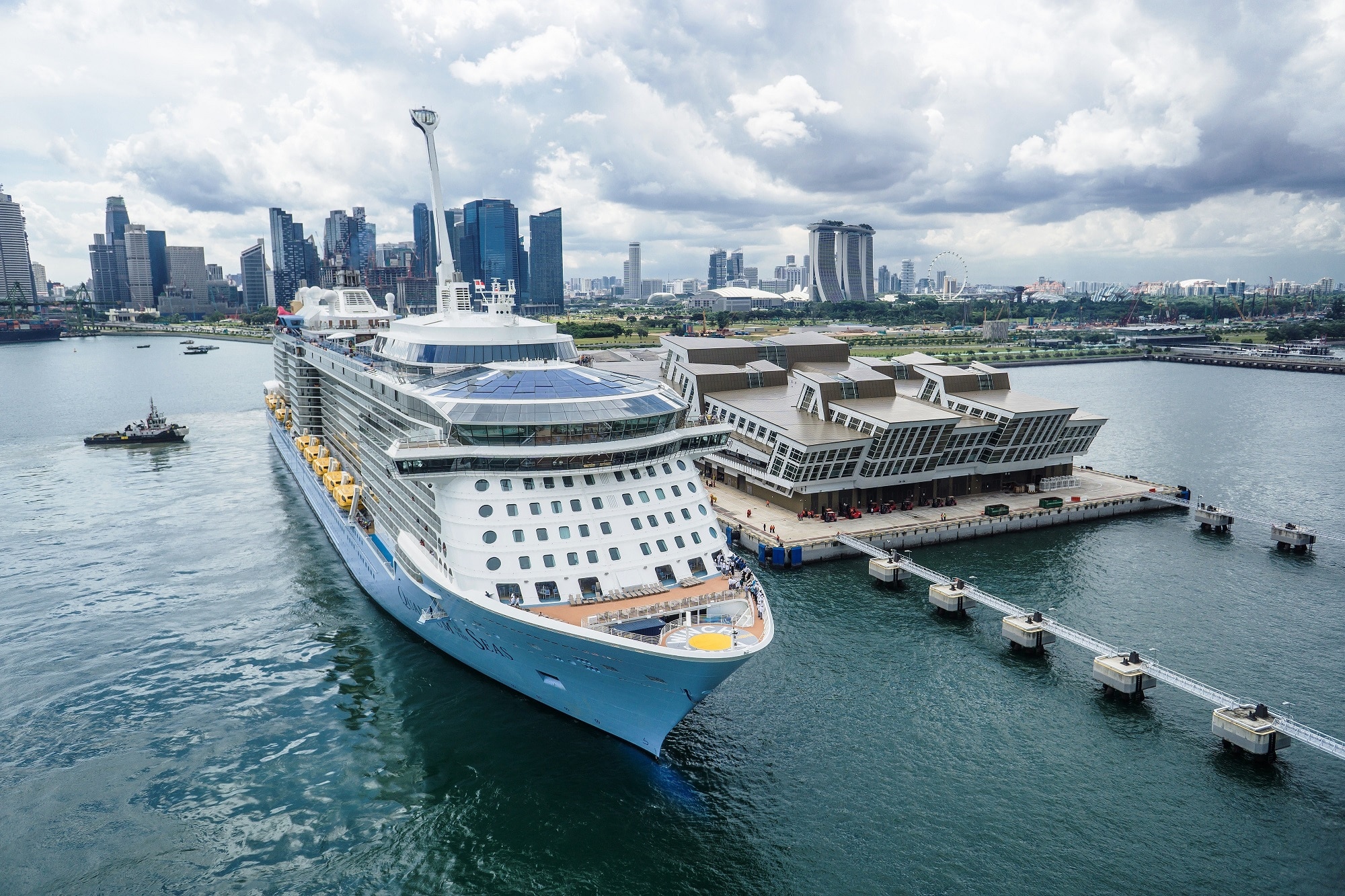
Royal Caribbean cruise ship in Singapore

These new cruises for Royal Caribbean will depart between October 2025 and March 2026 and depart from Singapore. The cruises will take place on Ovation of the Seas, one of the cruise line’s Quantum class ships.

These new voyages will range from three to eight nights long and visit Thailand, Malaysia and Indonesia.

The three and four night cruises will visit Penang, Malaysia and Phuket, Thailand. Longer cruises will visit Bali and Lombok, Indonesia.

Angie Stephen, senior vice president, International, Royal Caribbean International, said the following about these new cruises:

“Ovation is a ship packed full of adventure, and with the new season’s line-up of holidays, friends and families can choose to holiday their way between short getaways to Penang and Phuket and longer sailings to Indonesia or with nights out in Phuket.”

“Singapore is the gateway to explore many of Asia’s most loved destinations, and it’s the combination of all the region has to offer and the unparalleled Royal Caribbean experiences that has made Southeast Asia a central part of tens of thousands of memorable holidays over the course of 15-plus years. And that will only continue for years to come.”

These new cruises announced by Royal Caribbean are the last of the cruise line’s opening deployment schedule for 2025-2026.

Learn the cruise secrets most people don”t know and cruise like a boss. Check out Intelligent Cruiser here for a better cruise vacation. (Sponsored)

Source link

volendamcruiseshipHAL.jpg

Cruise Line Opens Epic 132 Day Cruise That Visits 48 Ports for Bookings

A cruise line has opened for booking an epic 132 day cruise in 2026 that will visit 48 ports and all seven continents as the ship sails around the world.

Our free cruise newsletter offers the latest cruise news and deals: Sign Up

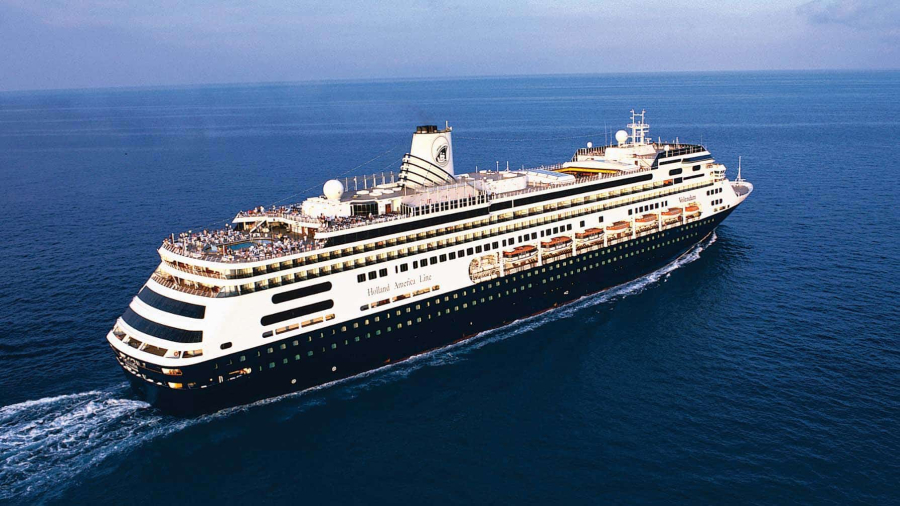
Holland America Line

Holland America Line’s 2026 Grand World Voyage will depart from Ft. Lauderdale, Florida on January 4, 2026 on the ship Volendam.  After leaving Port Everglades, the vessel will sail along the coast of South America down to Antarctica. 

After four days of scenic sailing in Antarctica, the cruise ship will sail up the west coast of South America before visiting Easter Island and the South Pacific.

While in Asia, Volendam will visit Singapore, Bali and the Maldives. During the epic cruise, the ship will also visit Egypt, the Mediterranean, and Northern Europe before heading back across the Atlantic Ocean to conclude the voyage.

The cruise will visit 48 ports in 25 countries and will overnight in the following ports:

  • Rio de Janeiro, Brazil
  • Papeete
  • Sydney
  • Bali, Indonesia
  • Singapore
  • Malé, Maldives
  • Safaga (Luxor)
  • Alexandria (Cairo)
  • Lisbon, Portugal

The cruise ship will also offer late night port visits in several cities that include Rome, Oslo, and San Juan, Puerto Rico.

During the four month cruise, all seven continents will be visited.

Guests who book the full 132 day cruise by June 16, 2025 will receive free perks that include up to $9,350 in on board credits and amenities. 

They will also receive a $500 air credit per person if they book their flights with Flight Ease, complimentary airport transfers, $500 discount for past guests (Mariner Discount), and a 3% discount if they pay in full at the time of booking.

Holland America Line ship

Some staterooms will also include prepaid crew appreciation (daily gratuities), complimentary luggage delivery service, and laundry and dry-cleaning service.

Beth Bodensteiner, chief commercial officer for Holland America Line, gave the following statement about the cruise line’s Grand Voyages planned for 2026:

“Our Grand Voyages are renowned for connecting guests with the world’s most fascinating places while sailing roundtrip from the United States.”

Learn the cruise secrets most people don’t know and cruise like a boss. Check out Intelligent Cruiser here for a better cruise vacation. (Sponsored)

Source link

po-Ventura.jpg

Suspected Norovirus Outbreak Hits Popular British Cruise Ship

During the ship’s latest 14-night voyage, P&O Cruises’ Ventura is experiencing a gastrointestinal virus outbreak affecting at least 2% of its occupants.

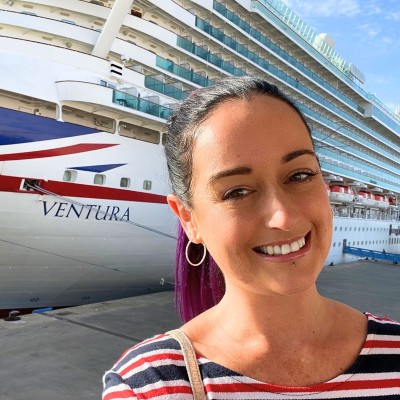
P&O Ventura

Unofficial reports suggest up to 250 suspected cases including crew and passengers, though the cruise line has yet to confirm exact numbers and has so far only said that around 2% of those onboard were suffering from symptoms of vomiting, diarrhoea and other symptoms. As a guide, 2% of the ship’s total capacity (crew and guests) would be around 100 people.

Those reports from unnamed sources onboard suggest that there has been issues with vomiting in public spaces, uncleaned staterooms for guests placed in isolation, and long waits for the medical centre. Apparently, some guests have chosen to disembark the ship and fly home early.

The illness symptoms were reported early in the voyage, prompting swift action by the crew to contain the spread and treat passengers.

The cruise line has only released limited information, but it has confirmed an outbreak and that a range of enhanced sanitation protocols have been put in place, including an increase in cleaning, laundrettes being closed to guests, and the buffet restaurant becoming crew-service rather than self-serve.

While docked in Tenerife on 17th May, the ship underwent a deep clean, with all able guests asked to leave the ship from 10 am until 2 pm while a full sanitisation programme was carried out. Guests were given £15 as onboard credit as a thank you for cooperating, regardless of whether they already planned to explore Tenerife or not.

“Whilst we have proactively stepped up our already robust disinfection measures, I would like to stress that these measures are only successful if we all comply with the health and wellbeing protocols that we have in place.

Washing your hands regularly, particularly before eating and using the bathroom is the single most effective step we can all take. I would urge anyone who experiences symptoms, no matter how mild you feel they may be, to report to the medical centre.“

Letter sent to guests onboard

While it has not been confirmed as norovirus yet, it would not be a surprise – the virus is the more common of gastro illnesses to impact cruise ships.

NEW DEALS JUST RELEASED!

Don’t miss the latest P&O Cruises offers…

Related Posts

If you found this interesting, please share!

Cruise Mummy

Jenni Fielding is the founder of Cruise Mummy. She has worked in the cruise industry since 2015 and has taken over 30 cruises. Now, she helps over 1 million people per month to plan their perfect cruise holidays.

Read more about me

Source link

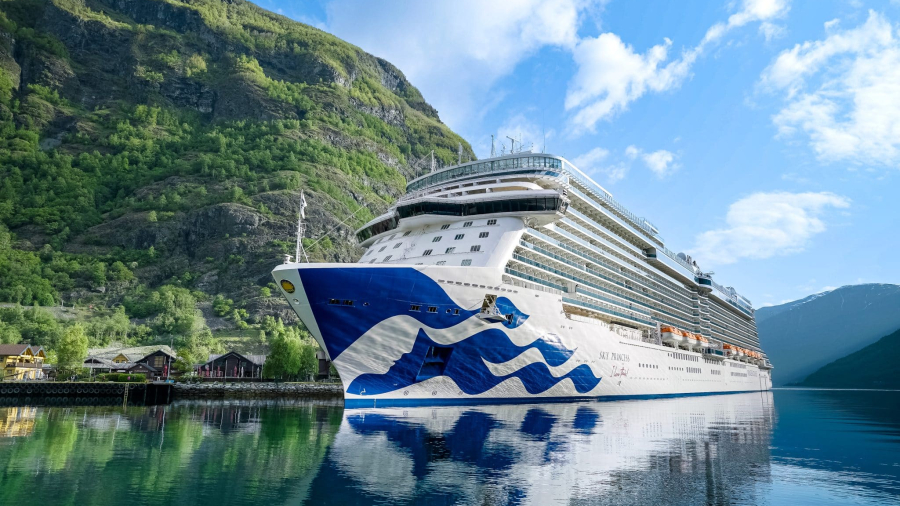
PCL_Flam_Norway_Sky_Princess_YP_PM_Location_JOlson_060523_0002-Edit-scaled.jpg

What Is The Draft Of A Ship?

Knowing the draft is vital for anyone on board in the world of ships. The definition of a ship’s draft is the space between the waterline and the hull’s lowest point. This could be the keel, propellers, or other spots. Knowing this draft helps sailors avoid shallow waters that could make the ship run aground.

Draft of a Cruise Ship

The draft changes based on how much the ship is carrying. If a vessel sits more profoundly in the water, it’s less stable but can carry more. For example, vessels made for deep seas might need 25 to 30 feet (8 to 9 meters) of water under them. But huge ships, like those in the Royal Caribbean Oasis Class, might need almost 32 feet of water.

It’s very important to measure a ship’s draft correctly to sail safely. Sailors can find the draught by doing math or just looking at the load-lines on the ship. The average draft is from both the front and the back, with adjustments for water height. But sailors are mostly concerned with the deepest part of the ship, which is usually the back.

Many things can change a ship’s draft, like how the ship sits in the water, the water’s density, or how the ship moves in shallow water. To make sure ships follow safety rules, they’re often checked. People use special marks on the ship to see how much water the ship needs to float correctly.

Knowing about and keeping track of the ship’s draft is super important. It’s about ensuring the ship is safe, doesn’t harm the environment, and follows the rules. If a ship doesn’t have the right amount of water beneath it, it can’t move safely. This is important for all ships, big and small, to run well and not get into trouble.

Key Takeaways:

  • The draft of a ship is the vertical distance between the waterline and the lowest point of the hull.
  • Draft varies according to the vessel’s loading condition, affecting stability and maneuverability.
  • Accurate draft measurement is essential for safe navigation and compliance with safety standards.
  • Factors such as trim, list, water density, and shallow water effects can influence a ship’s draft.
  • Understanding draft is crucial for vessel displacement calculations and adherence to port regulations.

Understanding the Basics of Ship Draft

Ship draft is very important in how ships are designed and operated. It’s the distance from the waterline to the ship’s keel, the bottom part of the hull. Knowing a ship’s draft helps us understand the depth of water it needs. This is to make sure it can move without hitting the bottom.

Definition of Ship Draft

A ship’s draft changes depending on how much it’s carrying. A fully loaded ship sits more profoundly in the water than one with no cargo. The draft shows us the ship’s weight by how much water it pushes aside.

The draft is linked to other ship measurements, such as length, width, and depth. Together, they make the ship stable and safe.

Importance of Draft in Ship Design and Operation

The right draft is key for ships to be stable and move well. It’s also vital for them to reach different ports. Designers must pick the best draft to ensure the ship works safely in all situations.

They think about many things like how much space there is under the ship. This is to avoid it touching the bottom. They also look at keeping the ship steady and how much it can carry. They make sure the ship is ready for any kind of water or weather too.

Understanding ship draft is important for those who build and run ships. They use this knowledge to keep their ships safe and working well. This is true no matter where the ships are or what work they do.

Measuring the Draft of a Ship

It’s essential to measure a ship’s draft accurately for safe travel and efficiency. The draft is the space between the waterline and the hull’s lowest point. This measurement helps operators track draft changes due to fuel use, loading cargo, and water saltiness.

Draft Markings on a Ship’s Hull

Ship drafts are often measured using marks or scales on the hull. These marks at the bow, midship, and stern show water depth. They’re usually in feet or meters.

Draft marks are placed carefully for correct readings. Important draft measure spots include fore port, fore starboard, midship port, and more.

Reading these marks gives operators a full picture of the ship’s draft and its shifts.

Methods for Determining Draft

Except for draft marks, there are more ways to find a ship’s draft. Using facts from hydrostatic tables is one. These tables show the boat’s weight and volume of water displaced at different drafts.

Installing electronic sensors is another modern method. These sensors, like pressure transducers, offer constant drafts updates. For instance, the PX-205 transducer by OMEGA Engineering is used to measure draft accurately.

Doing regular draft surveys helps keep track of draft changes. Operators take several readings over time. Comparing these with old readings helps spot trends.

Ship draft measurement is key for its working and safety. Operators use various tools to set the draft. This helps the ship’s operation and stability.

Factors Affecting a Ship’s Draft

A ship’s draft is its depth under the water. Many things can change this depth. Ship operators and designers need to know these to sail safely and smoothly.

Load Conditions and Draft Variations

The amount of cargo affects a ship’s draft. More cargo means a deeper draft. If it’s lighter, the draft is shallower. This matters a lot for the ship’s safety and how much it can carry.

Here’s a table showing how much a ship’s draft can change based on its type:

Vessel Type Light Draft (m) Loaded Draft (m)
Container Ship 8.0 – 10.0 14.0 – 16.0
Bulk Carrier 6.0 – 8.0 12.0 – 14.0
Tanker 6.0 – 8.0 14.0 – 16.0
Cruise Ship 6.0 – 8.0 8.0 – 10.0

Water Density and Draft

The water’s density where a ship sails also affects draft. Colder, saltier water is denser. This means a ship may sit deeper. This is important when crossing from salt water to a river.

Trim and List Effects on Draft

How a ship leans, known as trim and list, changes draft readings. Trim is how the ship is balanced from front to back. List is if it leans to the side. These affect the ship’s draft and need to be considered for safe travel.

By monitoring these issues, ship operators help their vessels run better, meet safety rules, and maintain their condition longer at sea.

Draft and Ship Stability

A ship’s draft is very important for its safety. It affects the ship’s stability a lot. When a ship takes on cargo or ballast water, its draft increases. This makes the ship more stable by lowering its center of gravity. This prevents capsizing or rolling too much in rough waters.

However, if a ship’s center of gravity is too high, it can lead to instability and capsizing. This might happen if the cargo is loaded incorrectly. Naval architects work hard to avoid this, making sure the ship stays stable with different loads.

Relationship Between Draft and Center of Gravity

The relationship between a ship’s draft and center of gravity is key to its stability. If the ship’s center of gravity is low compared to its draft, it’s more stable. A low center of gravity helps the ship stay upright.

Take this example to understand:

  • A lightly loaded ship has a lower center of gravity. This means it has less stability because the righting moment is smaller.
  • As cargo is loaded and the ship’s draft increases, the center of gravity moves down. This increases the righting moment, making the ship more stable.

Ship operators and planners need to watch the draft and center of gravity. They must make sure the ship stays stable by placing the cargo and water correctly.

Draft and Metacentric Height

Metacentric height is crucial for a ship’s resistance to tilting forces. It’s the distance between the metacenter and the center of gravity. A good metacentric height helps the ship stay upright.

Understanding draft and metacentric height:

  1. With more draft, the center of buoyancy goes up, improving the metacentric height.
  2. A higher metacentric height means better initial stability. The ship fights tilting forces and rights itself faster when disturbed.
  3. A lower metacentric height is bad for stability. The ship tilts more easily and takes longer to rise again.

The shape of a ship’s hull also plays a significant role in its stability. Ships with wider bottoms generally have better stability. Designers consider all these factors for a vessel to be stable in various conditions.

Ship Type Average Draft (ft) Stability Considerations
Cruise Ships 20-30 Require sufficient draft for passenger comfort and stability in rough waters
Container Ships 30-50 Deep draft helps maintain stability when carrying stacked containers
Bulk Carriers 30-60 Draft varies significantly between loaded and unloaded conditions
Oil Tankers 50-80 Deep draft required for stability and to prevent sloshing of liquid cargo

In short, a ship’s draft and related factors are critical for its stability. Everyone involved can keep the ship safe and steady by paying close attention to these elements. This is key for protecting the crew, passengers, and cargo on board.

Design Draft and Load Line Marks

After setting the design draft, they figure out the load line marks. These marks show the highest draft allowed in different conditions. They help keep the ship from being too heavy and ensure it’s safe in all weather.

Load Line Mark Description
Fresh Water (FW) Maximum draft in fresh water during summer months
Tropical Fresh Water (TF) Maximum draft in freshwater within tropical regions
Summer Salt Water (S) Maximum draft in salt water during summer months
Winter Salt Water (W) Maximum draft in salt water during winter months
Winter North Atlantic (WNA) Maximum draft for vessels operating in the North Atlantic during winter

Following these marks helps ships stay safe during travel. It considers water types, weather, and what the ship is carrying. Ships are checked often to meet safety rules and stay balanced.

Naval architects also look at other design elements, like the block coefficient and prismatic coefficient. These guide the ship’s movement in water. They’re essential for the ship’s overall efficiency.

Thinking through the draft and load marks carefully helps architects and builders. They can make ships that do their job well, are safe, and work efficiently for a long time.

Draft Considerations for Different Ship Types

The draft of a ship is the space from waterline to hull bottom. It is vital for the ship’s balance, how it moves, and its performance. Draft needs change by ship type, meeting specific needs and limits.

Draft Characteristics of Container Ships

Container ships handle lots of standard containers, creating a big vessel displacement. They need a deep draft to stay stable under the containers’ weight. This low center of gravity reduces tipping risk in rough water.

Draft Requirements for Tankers

Tankers carry liquids like oil, needing deep water for their propellers to work well. As they fill with cargo, their draft gets deeper. This can make maneuvering harder and means strict rules to stay safe and avoid disasters.

Draft Limitations for Cruise Ships

Cruise ships, focused on passenger comfort, have shallower drafts. This lets them visit more ports with depth limits, but it also means they could be less stable in bad weather.

Ship Type Typical Draft Range Key Considerations
Container Ships 10-16 meters Deep draft for stability, accommodating heavy container stacks
Tankers 12-20 meters Significant draft for propeller immersion and maneuverability
Cruise Ships 8-10 meters Shallower draft for port accessibility, potential limitations in rough seas

The needs and limits of ship drafts depend on their roles, what they carry, and where they go. Designers and crews must weigh these issues for safety and efficiency.

Final Thoughts

The draft of a vessel is key in the maritime world. It impacts a ship’s balance, how easily it moves, and its total performance. Ship draught is monitored closely by experts, ship crews, port officials, and maritime groups. This is so ships can sail safely and well under all conditions. Draft checks, figuring out the draft, and sticking to safe limits are vital steps for good ship operation.

As ships get bigger and the job more complicated, knowing about drafts is more important than ever. Things like the block coefficient (C(B)) and vertical prismatic coefficient (C(VP)) are figured out using a ship’s draft. Bonjean curves are also used to examine how a ship’s draft affects its movement in the water. The Load Line Convention, made in 1930, guides how much of a ship should be above water and gives out International Load Line Certificates.

Draft marks on a ship’s side near the back help with many ship tasks. They inform about water depth, how the ship is loaded, if it’s stable, and other important details. These marks, made of 6mm thick metal and 20mm wide for each letter or number, show how deep the ship is at different spots. Having a good grasp of ship drafts and these marks helps maritime pros keep ships running safely and support the industry’s growth.

Daft of Vessel / Ship – FAQ

What is the Draft of a Ship?

The draft of a ship refers to the vertical distance from the waterline to the bottom of the ship or the part of the vessel that is underwater. It is a critical measurement that indicates the minimum depth of water a ship or boat can safely navigate.

How is the Draft of a Ship Measured?

The draft is typically measured by draft marks on the ship’s hull, which indicate the draft in relation to the water level. These draft marks are crucial for determining whether the ship is loaded to its maximum capacity.

Why is the Draft of a Ship Important?

The draft of a ship is important because it determines the depth of water a vessel needs to safely navigate. It is essential for ensuring that the ship does not run aground or encounter any obstacles beneath the water.

What Factors Influence the Draft of a Ship?

The draft of a ship is influenced by various factors such as the weight of the vessel, the cargo it is carrying, and the distribution of weight within the ship. These factors affect the keel of the ship and its buoyancy in the water.

How Does Draft Impact a Ship’s Stability?

The draft of a ship is closely related to its stability in the water. The draft, along with the freeboard (distance from the waterline to the deck), determines how the ship will behave in different water conditions and affects its overall safety.

What is the Difference Between Draft and Air Draft?

The draft of a ship refers to its submerged depth in the water, while the air draft is the vertical distance from the waterline to the highest point of the ship, usually a mast or antenna. Both measurements are crucial for safe navigation in different environments.

How Does the Draft of a Ship Change when Loaded with Cargo?

When a ship is loaded with cargo, its draft increases due to the added weight and displacement. This change in draft is important to monitor to ensure that the ship remains within safe operating parameters.

Source link

20210730_163543-scaled.jpg

How Big Is A Cruise Ship Engine?

Cruise ship engines are enormous, moving these massive ships across the sea. They use a lot of fuel – up to 250 tons a day. This is the same as 80,000 gallons every day. The marine diesel engines power the ship’s propulsion systems, carrying thousands to far-off places.

Modern ships have five to six engines, each between nine and fifteen megawatts. For example, the biggest cruise ship, Wonder of the Seas, has six big diesel sets. These machines can produce up to 50,000 horsepower. That’s enough to power a small city.

While older ships might still use diesel engines, new ships use gas turbines or diesel-electric engines. These newer engines are more efficient and lessen their environmental impact. This lets cruise ships travel worldwide without using too much fuel.

Key Takeaways:

  • Larger cruise ships can consume up to 250 tons of fuel daily, equivalent to 80,000 gallons
  • Modern cruise ships have between five and six engines, each with a power rating of 9-15 megawatts
  • The largest cruise ship, Wonder of the Seas, uses six marine diesel sets composed of three 16-cylinder Wartsila engines
  • Cruise ship engines can consume power up to 50,000 horsepower, roughly equivalent to 37,300 kilowatts
  • Modern cruise ships employ advanced technologies such as gas turbines or diesel-electric engines for enhanced efficiency and performance

Introduction to Cruise Ship Engines

Cruise ship engines are the heart of these incredible ships. They make it possible for ships to travel across the seas, and passengers enjoy a smooth and fun ride thanks to these engines. These engines are marvels in their own right. They generate tremendous power and keep the ship running right. There are many types of cruise ship engines, each with its benefits.

Diesel engines, gas turbines, and diesel-electric engines are commonly found on cruise ships. Diesel engines are the oldest choice, offering a solid and efficient way to move the ship. But, with stricter rules about pollution, many ships are looking for cleaner options.

Gas turbine engines are becoming more popular. They are more efficient and produce fewer harmful gases than diesel engines. They work by compressing air and using it in a combustion chamber to create power to drive the ship forward.

Diesel-electric engines are a mix of both diesel and electricity. They turn diesel power into electricity. This electricity then drives the ship’s propellers. This setup helps in using fuel better. It also makes it easier to power everything on the ship.

About 85% of the power in a diesel-electric system moves the ship, while the other 15% powers the ship’s various needs.

Choosing the right engine is vital for performance and the environment. Many cruise lines now go for engines that are better for the planet. ABB’s Azipod system, for example, can cut down on fuel use and pollution by 20%.

Propulsion System Fuel Efficiency Emission Control
Diesel Engines Moderate Impacted by sulfur cap regulations
Gas Turbine Engines High Lower emissions compared to diesel
Diesel-Electric Engines High Flexibility in power distribution
LNG-Powered Engines Very High Significantly reduced emissions

As interest in sustainable travel grows, cruise engines are changing too. New ships often use LNG for power because it’s better for the environment. These new technologies help cruise ships step towards cleaner seas.

Keeping the engines running well is very important. Cruise ship engine rooms are big and complex, including many parts, such as the main engines, generators, and cooling systems.

Next, we’ll examine cruise ship engines. We’ll discuss the different types, how much fuel they use, and their environmental impact. We’ll also discuss how cruise lines are making their ships more efficient and eco-friendly.

Types of Cruise Ship Engines

Cruise ships depend on strong engines to sail the vast seas, creating a comfortable journey for everyone on board. They use different engines like diesel, gas turbine, and diesel-electric to best fit the ship and its route. In this guide, we’ll look at these three main engine types used in modern cruise ships.

Diesel Engines

Traditionally, cruise ships employ diesel engines for power. These engines burn diesel fuel to move the ship. They are popular because they are reliable and efficient. For example, ships like the Cunard QE2 use up to 380 tons of fuel daily to travel at high speeds, proving the strength of diesel engines.

Gas Turbine Engines

Gas turbine engines are a newer choice in cruise ship technology. They turn heat into power by heating air and using it to create electricity, making them cleaner than diesel engines. Royal Caribbean was the pioneer in using gas turbines, focused on a more environmentally friendly approach for its ships.

Diesel-Electric Engines

Diesel-electric engines are a mix of diesel and electric power. Diesel engines make electricity that then powers the ship’s electric motors. This mix is known for flexibility and efficiency. About 85% of this power goes to moving the ship, while the rest powers its areas through long cables.

Choosing an engine type for a cruise ship depends on many things, including ship size and the route. With time, we will see more improvements in the propulsion system. The goal is to increase efficiency, cut down on emissions, and make the whole journey special for travelers.

LNG-Powered Engines

LNG-powered engines use liquefied natural gas as fuel, which is known for its lower emissions compared to traditional fuels. LNG is stored in special tanks on the ship and then used to generate power through combustion. This technology helps reduce air pollution and contributes to a more sustainable and eco-friendly cruising experience.

Cruise Ship Engine Size and Power

Cruise ship engines push these giant vessels across the seas. Some are as big as a basketball court. Their size and power are unique, delivering a smooth ride for everyone aboard.

Engine Dimensions

The size of a cruise ship’s engine depends on its class. For example, the Wärtsilä RT-flex96C engine is 44 feet tall and 87 feet long. It weighs as much as 2,300 tons, showing off amazing engineering skills.

Horsepower and Power Output

A cruise ship requires a lot of horsepower to move. A typical ship has four to six engines, each producing 9 to 15 MW power. This is a lot of power needed for such large ships.

Now, let’s see how the biggest cruise ships match up:

Cruise Ship Number of Engines Engine Type Power Output per Engine Total Power Output
Wonder of the Seas (Royal Caribbean) 6 Wärtsilä 16V 46D (3x) & 12V 46D (3x) 19,480 kW 116,880 kW
Oasis-class (Royal Caribbean) 6 Wärtsilä 16V 46D (3x) & 12V 46D (3x) 19,480 kW 116,880 kW
RMS Queen Mary 2 (Cunard) 4 (main) + 2 (gas turbines) Wärtsilä 16V 46C (4x) & GE LM2500+ (2x) 16,800 kW (main) & 25,000 kW (gas turbines) 117,200 kW

The largest cruise ships can have 50,000 horsepower, which allows them to travel at up to 34.5 mph. However, they normally cruise at a slower 23 mph for comfort and fuel savings.

It’s critical to check and care for these engines regularly. This ensures a safe and comfy journey for those sailing the seas.

Fuel Consumption of Cruise Ship Engines

How Big Is a Cruise Ship Engine? | 18How Big Is a Cruise Ship Engine? | 18
DCIM100MEDIADJI_0041.JPG

Cruise ships are famous for being huge and offering luxury. But, to move these ships, they need a lot of fuel. Bigger ships use more fuel than smaller ones. For example, a big ship may use 250 tons a day. This is about 80,000 gallons. In comparison, smaller ships use 150 tons daily.

The amount of fuel a ship can hold depends on its size. Big cruise ships carry up to two million gallons. On the other hand, ferries and other smaller vessels only hold about 130,000 gallons. As a fun fact, a cruise ship might burn through a gallon of fuel for every 30 to 60 feet it moves. Filling up a cruise ship takes about 110 tons of fuel every hour.

The fuel type matters for the ship’s efficiency and the environment. Typically, cruise ships use heavy fuel oil, which is not as clean as diesel cars. But due to new rules and environmental alarms, ships are turning to cleaner options. They now use marine gas, oil, low-sulfur fuels, and sometimes even LNG.

Ship Size Daily Fuel Consumption Fuel Capacity
Large Cruise Ships 250 tons (80,000 gallons) Up to 2 million gallons
Smaller Cruise Ships 150 tons Around 130,000 gallons

Cruise lines are trying to reduce the fuel they use. They’ve come up with ways like “slow steaming,” which means moving at speeds below 20 knots. This can cut down fuel use by about 20%. Also, making the ship’s body, surfaces, and propellers more efficient can save up to 8% on fuel.

The concern over cruise ship fuel and the environment has risen. As a response, the cruise industry is looking for solutions. They’re using new fuels, making their ships more efficient, and applying fuel-saving methods. This way, they aim to lower their environmental impact while giving passengers great experiences.

Location of Engines on a Cruise Ship

The heart of a cruise ship is its engine room. It’s an ample space filled with the ship’s engines and other essential machines. You’ll find it deep within the ship, near the bottom. This placement helps keep the ship stable and steady. The engine room is very big, stretching over many floors. It holds engines, fuel tanks, generators, and rooms for engine maintenance and control.

Ships like Royal Caribbean’s Oasis-class have six engines. Most others have four. These engines are very loud, making over 173 decibels of noise. To keep passengers comfortable, the rooms are soundproofed. The engine room is key to ensuring everything works well, like the electricity and air, during the trip.

Engine Room Layout

The engine room layout is all about saving space and working efficiently. It includes the ship’s main parts:

  • Engines: They move the ship forward.
  • Generators: They make electricity for the ship.
  • Fuel tanks: They hold the fuel for engines and generators.
  • Engine workshop: This is where machines get fixed.
  • Control room: Where engineers look after the ship’s systems.

The engine room also has heat exchangers, which help cool hot gases from the engines. They lower the gas temperature from 663°F (350°C) to about 86°F (30°C) before it leaves the ship. The cool gas helps make fresh water and can even heat fuel.

Safety Considerations

Keeping the engine room safe is critical. Ships today often have two engine rooms, named forward and aft DG rooms. These rooms are separated by solid and watertight walls. If there’s a problem in one room, the other can work independently, with its own supplies.

In the engine room, there are also backup generators and batteries. They’re there to keep important ship systems running in an emergency, including lights, communication systems, and navigation. Keeping everything well maintained and following safety rules is key to avoiding accidents and keeping the ship running smoothly.

Component Function
Engines Primary propulsion systems that power the ship’s movement
Generators Produce electricity to power the ship’s various systems and amenities
Fuel tanks Store fuel required to operate engines and generators
Engine workshop Dedicated space for maintaining and repairing ship’s machinery
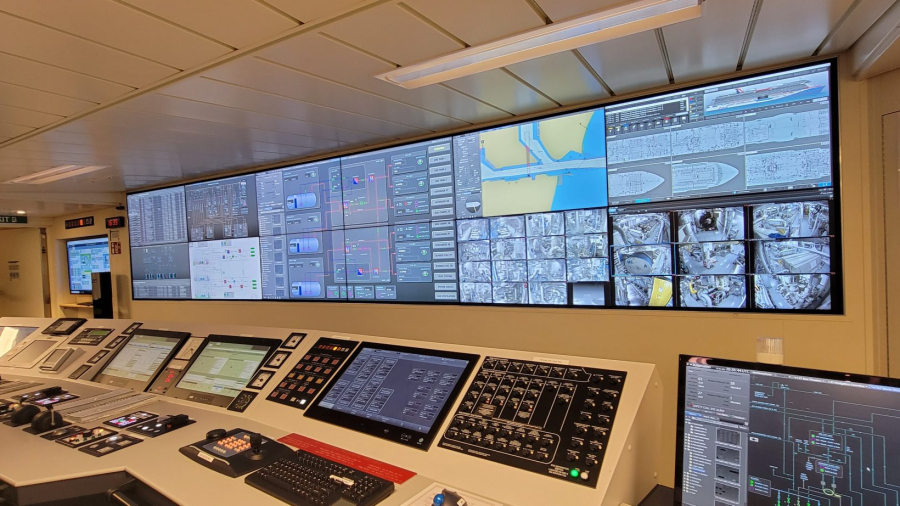
Control room Nerve center of the engine room, where engineers monitor and control mechanical systems

The engine room is like the ship’s heart. But, it can be noisy and cause some shaking. Rooms near the engine are usually smaller and don’t have windows. They might also feel more vibrations when the ship docks. Still, these rooms cost less and are a good choice for those who don’t mind some noise and movement.

Largest Cruise Ship Engines

Big cruise ships, like Royal Caribbean’s Oasis-class vessels, have huge engines. These engines help the ships travel easily across the sea. They use powerful Wärtsilä engines, which are known for being reliable and effective.

Ships like the Oasis of the Seas and Allure of the Seas have particular engines. They use six sets of three engines each. These are the 16-cylinder Wärtsilä 16V 46D type, built for top performance. There are also three 12-cylinder Wärtsilä 12V 46D engines working on these ships.

The power these engines create is awe-inspiring. Each 16V 46D engine makes 18,480 kW (24,780 hp), while the 12V 46D engines each produce 13,860 kW (18,590 hp). Altogether, the engines on these ships add up to about 97,020 kW (130,110 hp) of power.

Cruise Ship Engine Failure and Passenger Safety

Cruise ship engines are built to high standards but sometimes fail. This is why modern ships have several layers of safety measures for passengers. Thanks to the Safe Return to Port initiative, ships after 2010 can keep running even if the main engine stops. They have double engine rooms for this purpose.

Today, cruise ships feature many diesel engines, up to six in some cases, for backup. If one engine fails, the others ensure safe travel. The ships also have emergency generators to power necessary systems like navigation and communication.

Despite the rareness of engine failures on cruise ships, extensive safety measures are always in place. These include strict construction standards and regular maintenance. Cruise companies put passenger safety as their top priority, ensuring everyone knows what to do in an emergency.

Should a cruise be canceled due to engine failure, passengers might get compensation per the Cruise Industry Bill of Rights:

  • Full or partial refund
  • Credit toward a future cruise
  • Reimbursement for costs from the cancellation

Buying personal travel insurance is a good idea to protect against losses from a possible engine failure. This insurance can cover any pre-planned activities affected by a cruise cancellation.

Final Thoughts

In 2019, the Viking Sky faced engine issues that led to a remote, dangerous situation. The ship lost power near the Norwegian coast in rough waters, and nearly 500 people had to be rescued by helicopter.

After this, Viking Ocean Cruises and the Norwegian Maritime Authority took action. They made sure all sister ships were safe and issued a warning. The alert focused on properly keeping engine oils at the required levels during bad weather.

The investigation found that the ship’s fuel system might have affected the failure. The ship’s design and the amount of fuel in its tanks could have caused problems, which could lead to performance issues when crossing rough seas.

Big storms can also twist and strain a ship. This extra stress might shut down the engines. Unique situations, like unusual waves interfering with engine cooling, were also examined.

To prevent such issues, experts suggest some solutions. They recommend adding more fuel and oil tanks, using particular parts inside tanks to control fuel flow, and placing extra fuel tanks closer to engines.

This event and others show the importance of keeping cruise ship engines running. They point out the continuous need for making marine engines more secure and dependable. By learning from these events, the cruise industry promises to keep their passengers safe and happy on every trip.

Cruise Ship Engines FAQ

How big are cruise ship engines?

How Big Is a Cruise Ship Engine? | 18How Big Is a Cruise Ship Engine? | 18

Cruise ship engines can vary in size, but they are typically massive in order to power the ship’s propulsion and provide electrical power for all onboard systems. Cruise ships may have multiple large engines to generate the necessary power for the ship.

Where are the engines located on a cruise ship?

Mardi GrasMardi Gras

The engines on a cruise ship are usually located in the ship’s machinery space, which is typically towards the aft (rear) of the ship. This area is designed to house the engines, generators, and other propulsion systems.

What type of propulsion do cruise ships use?

Cruise ships are commonly powered by diesel-electric propulsion systems. These systems utilize diesel engines to generate electrical power, which is then used to turn propellers or pods that provide thrust to move the ship through the water.

What type of propulsion do cruise ships use?

Cruise ships are commonly powered by diesel-electric propulsion systems. These systems utilize diesel engines to generate electrical power, which is then used to turn propellers or pods that provide thrust to move the ship through the water.

How many engines are aboard a cruise ship?

Cruise ships can have multiple engines onboard, typically four or more depending on the size and power requirements of the ship. These engines work together to provide the necessary propulsion power for the ship.

What is the role of the chief engineer on a cruise ship?

The chief engineer on a cruise ship is responsible for overseeing the operation and maintenance of the ship’s engines and propulsion systems. They ensure that the engines are running efficiently and address any mechanical issues that may arise during the voyage.

Do cruise ships use electric motors for propulsion?

Yes, some cruise ships use electric motors for propulsion, especially those with pod propulsion systems. These electric motors drive propellers or pods at the bottom of the ship, providing efficient and environmentally friendly propulsion.

How do cruise ships generate power for onboard systems?

Cruise ships generate power for onboard systems through a combination of main engines and generators. The main engines produce electrical power, which is then distributed throughout the ship to support operations like air conditioning, lighting, and engine control

Source link

Carnival-Pride-cruise-ship.jpg

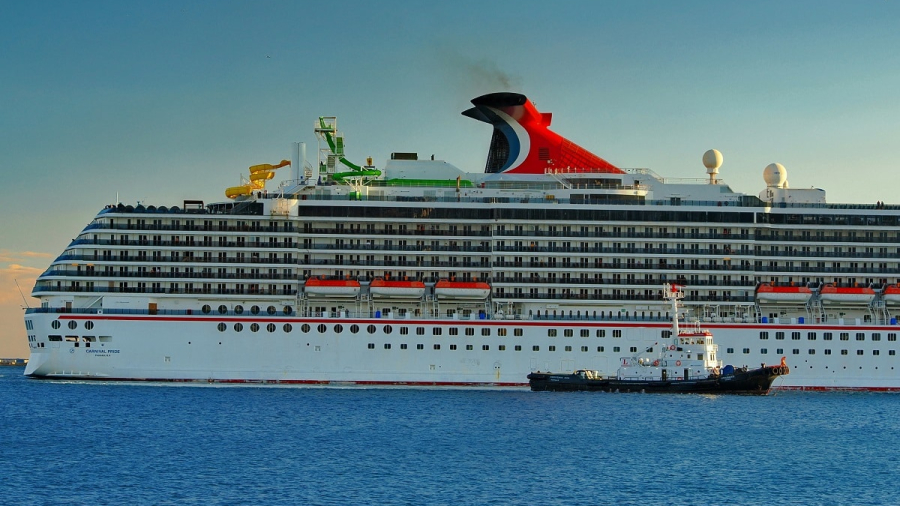
Carnival Cruise Line Announces Full-Time Return to Baltimore on Carnival Pride

After recent reports of Carnival Cruise Line attempting to bring Carnival Pride back to Baltimore last week, the cruise line has announced an official return.

Our free cruise newsletter offers the latest cruise news and deals: Sign Up
Carnival Pride cruise ship
Carnival Pride will be offering the first Carnival sailings out of Baltimore in 3 months.

Three months after the tragic collapse of the Francis Scott Key Bridge, enough progress has been made to resume cruise sailings again.

Carnival announced on Friday that Carnival Pride would be returning to the Baltimore, Maryland cruise port on May 26, 2024.

The cruise line revealed that the 2,124-passenger vessel will arrive in Baltimore after a 7-day cruise out of Norfolk, Virginia.

According to a statement from Carnival, the ship will set sail on a 14-day Carnival Journeys cruise to Greenland and will then resume regular sailings out of Baltimore well into 2026.

Carnival Cruise Line President Christine Duffy expressed gratitude to first responders and local officials in Baltimore and Norfolk for their swift action in a recent, unspecified situation.

“We are extremely grateful to the officials and incredible first responders in Baltimore, who’ve shown great leadership and resolve in this difficult time,” said Duffy. “Their efforts, along with the rapid response from our partners in Norfolk, allowed us to continue delivering our scheduled sailings for our guests.”

Carnival Brand Ambassador John Heald posted the message on his Facebook page, adding,

“I’m so happy for the people of Baltimore that they will have the ship back home again.  And a special Thank you to everybody for their understanding and patience during the changes that we had to make.  And a massive thank you also to my colleagues for everything they did to make sure the Cruises continued from Norfolk.”

This news comes a day after Royal Caribbean announced plans for Vision of the Seas to sail out of the cruise port on May 25 for a 5-night cruise to Bermuda and back.

Learn the cruise secrets most people don”t know and cruise like a boss. Check out Intelligent Cruiser here for a better cruise vacation. (Sponsored)

Source link

Cruise-ships-docked-in-Port-Everglades.jpg

Top 10 Reasons a Cruise is the Best Vacation

We recently asked our readers, “What makes a cruise the best vacation?”.  After sifting through the comments, we discovered the most common replies and sorted them below.

Our free cruise newsletter offers the latest cruise news and deals: Sign Up
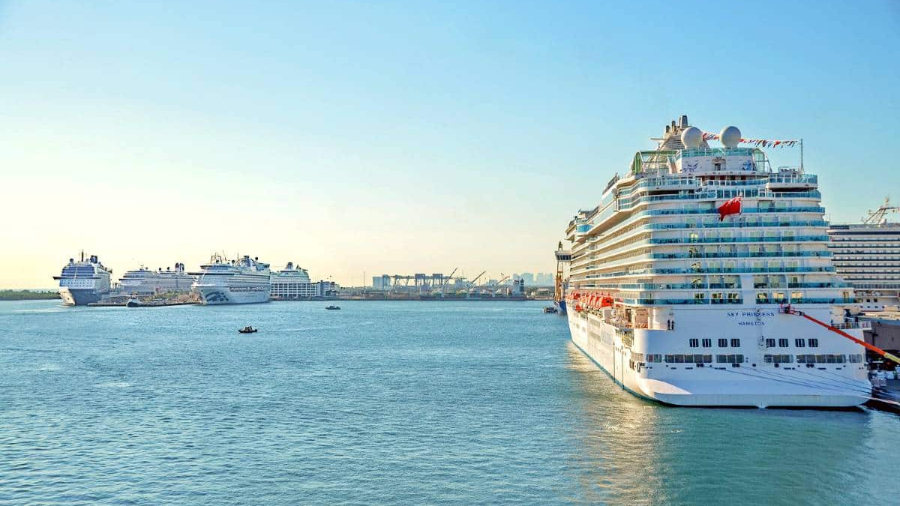
Cruise ships docked in Port Everglades
Cruise ships ready to depart from Port Everglades. Photo Credit: Cruise Fever

There are so many unique things about taking a cruise.  And there are many different perspectives on what makes cruising different than any other type of vacation and well—addictive.

The 10 points listed in this article are a result of the replies we received from that social media post.


1. No Cooking or Cleaning

This was the most common answer we received. 

Imagine a vacation where you don’t have to lift a finger in the kitchen or tidy up after yourself. One of the most celebrated perks of cruising is the freedom from household chores. From gourmet meals to daily housekeeping, everything is taken care of, allowing you to fully relax and enjoy your time on board.

On top of that the food is usually pretty incredible.  Along with great quality food, there are more options than you can even try on a one-week sailing.

It’s hard to get used to menus with prices in them after getting off a cruise ship.

People love booking Airbnb’s and vacation homes, but someone still has to do the cooking.  And don’t get me started on the “cleaning fees” that magically can cost more than the rental itself.

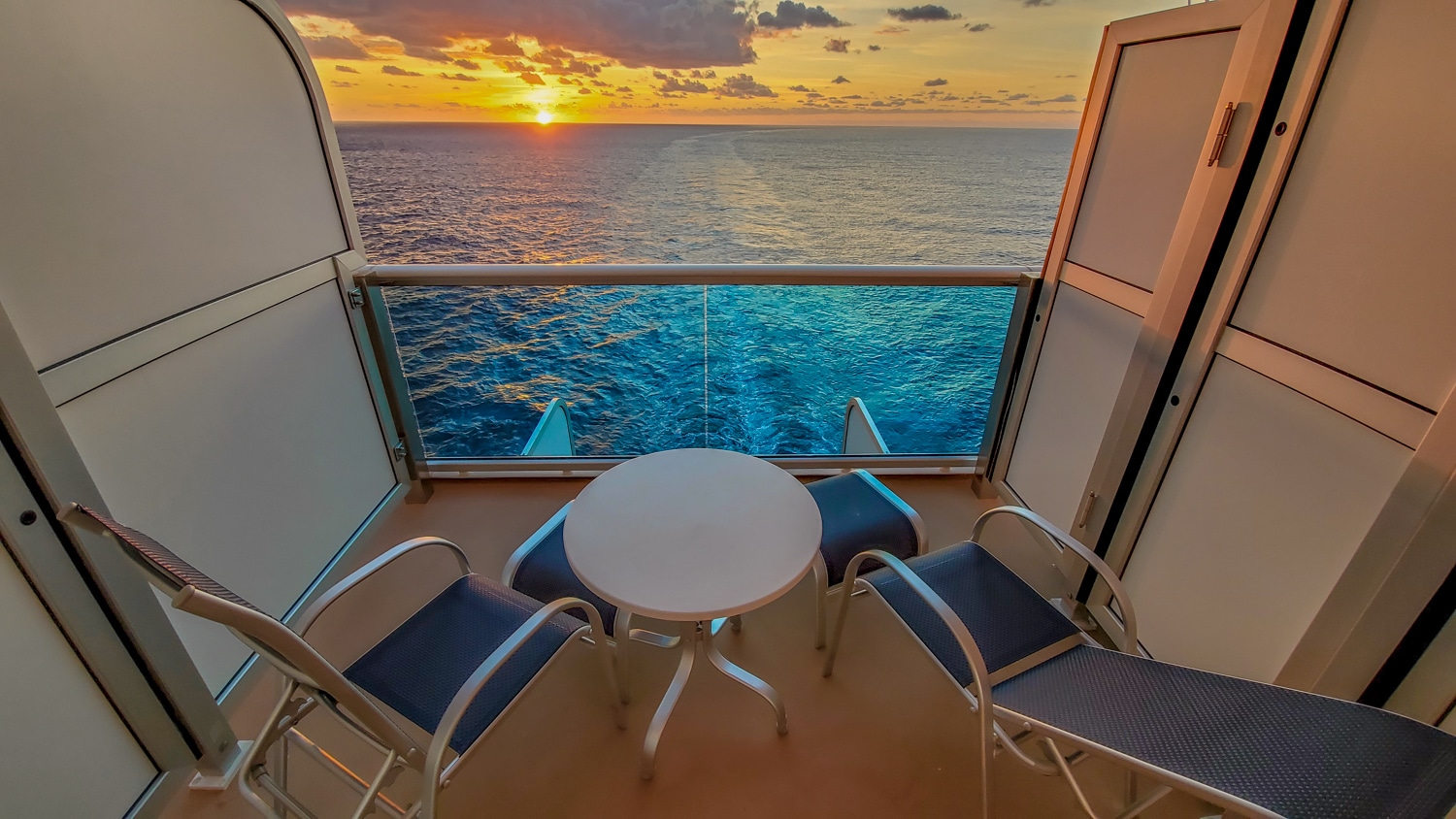
aft balcony on sky princess
Photo Credit: Cruise Fever


2. Total Relaxation

There’s something inherently calming about being at sea. The gentle sway of the ship, the endless horizon, and the sound of waves create the perfect environment for unwinding.

Whether you’re soaking up the sun on the deck, getting pampered at the spa, or simply enjoying the view, relaxation comes effortlessly on a cruise.

Cruise ships offer everything from thermal suites to padded loungers in adult-only areas to make sure the peace and quiet is available to anyone who wants it. 

This second most mentioned reason for cruising is tied in with the first as well, as taking cooking and cleaning off the table allows more room for relaxation.

Related: The best cruise lines for a quiet and relaxing vacation


3. All-Inclusive Convenience

One of the greatest advantages of cruising is that almost everything is included in your fare. From delicious dining options to world-class entertainment, you can enjoy a variety of experiences without worrying about extra costs.

This all-inclusive aspect allows you to focus on having fun and making memories.

Some cruise lines offer more inclusions than others.  And if you really want an all-inclusive cruise experience, you will have to pay up for it.

Even with mainstream cruise lines though, there are enough things that are included in the price that you can go an entire cruise without paying an extra penny.

There’s nothing more stressful on a vacation than having to constantly add up costs in your head or wait until the last day to find out the damage.  This CAN happen on a cruise as well, though, so make sure you know what is included and what is not ahead of time.


4. Unpack Once

After visiting dozens of countries around the world by way of cruise ship, this is my personal favorite reason for cruising.

Cruising offers the unique benefit of unpacking just once while visiting multiple destinations. You can settle into your cabin, organize your belongings, and then enjoy the luxury of traveling without the hassle of packing and unpacking at each stop.

Maybe you love packing and unpacking, but if you are, you’re one of the rarest kinds of people on the planet. 

Once I hang up my clothes in my cruise cabin, I’m home for the week, and all while waking up in a new port almost every day.


5. Multiple Destinations

Why visit one destination when you can explore several? Cruises allow you to see a variety of places within a single trip, providing a rich and diverse travel experience.

Whether you’re exploring ancient ruins, lounging on pristine beaches, or shopping in bustling markets, each port of call offers new adventures.

The downside to this is that you’re only at a certain port for a limited number of hours.  It’s more like an appetizer of each location than a full course meal.  But some people will take cruises so they can affordably scope out potential destinations for longer stays in the future.

I know that after my cruises to Iceland and Norway, these are two places I’d love to go back and visit for a longer duration.  And I fell in love with both countries because of cruising.

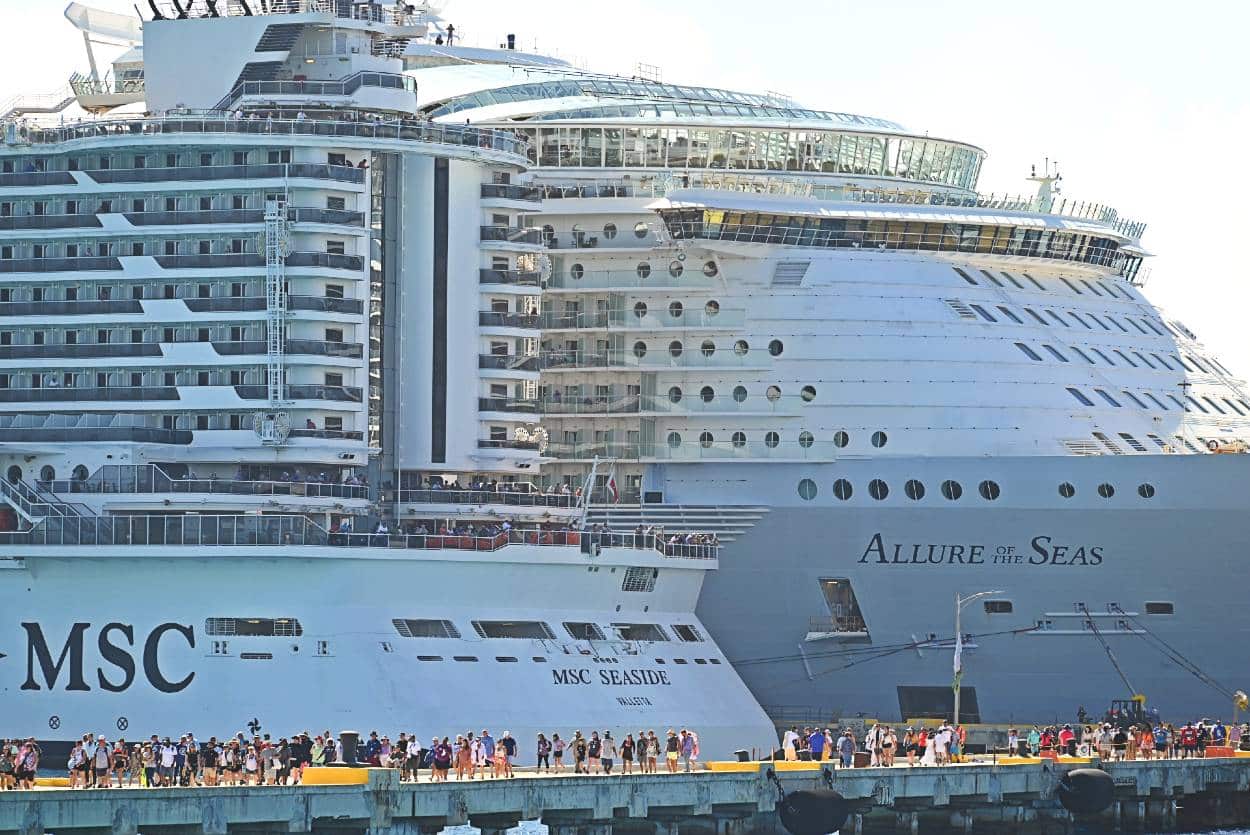
Image of MSC Seaside and Allure of the Seas in cruise port in Costa Maya
Photo Credit: Cruise Fever


6. Affordability

While the cost for cruising has gone up slightly over the last couple of years, it’s still much cheaper than land-based vacations. 

Carnival CEO Josh Weinstein mentioned last year that land-based vacations are 25% to 50% more expensive than comparable cruise vacations.

Many travelers find cruising to be a cost-effective way to see the world. With accommodations, meals, and entertainment included, cruises offer great value for money.

This affordability makes it possible to visit multiple destinations and enjoy a range of activities without breaking the bank.


7. No Work Worries

While some cruise lines are trying to get people to hop on their ships and work while at sea, getting away from work was one of the top reasons people said they take cruises.

A cruise is a perfect opportunity to completely disconnect from work. Without the pressure of deadlines, emails, or meetings, you can immerse yourself in the leisurely pace of life at sea. It’s a chance to recharge your batteries and return to your daily routine feeling refreshed and rejuvenated.

That’s not to say you can’t work if you want to.  With faster Wi-Fi than ever before on today’s cruise ships and more vessels with Starlink internet, you can still keep up with daily tasks if you absolutely must.   Just don’t try to shush everyone at the onboard coffee shop if they are being too loud.  These ships are built for vacations, not Zoom meetings.

Pirate ship show on Harmony of the Seas in main theater
Theater on Harmony of the Seas. Photo Credit: Cruise Fever


8. Delicious Food and Diverse Entertainment

Cruises are known for their fantastic food and entertainment options. From fine dining restaurants to casual buffets, there’s something to suit every palate.   I’ve mentioned before that some people take cruises just for the food.

In the evenings, you can enjoy a variety of shows, live music, and other performances, ensuring there’s never a dull moment.

I’m amazed at the quality of shows on modern cruise ships.  We’re talking Broadway level quality with even more techy innovation.  There’ve been times I had to rush out of dinner just because I didn’t want to miss a show that was coming up.

Royal Caribbean’s Icon of the Seas is really pushing the envelope when it comes to unique and dazzling entertainment with the ship’s AquaDome and shows in the theater.


9. No Driving

On a cruise, you can leave the stress of navigating unfamiliar roads and dealing with traffic behind.

The ship takes you from one destination to the next, allowing you to sit back, relax, and enjoy the journey. It’s a wonderful way to travel without the hassle of driving.

I look at it like having a chauffeur at sea, an uber driver if you will, and you don’t have to worry about getting lost or asking for directions—until you get off in port and forget where the ship was docked.

Some people love to drive.  But getting on the ship on embarkation day and throwing your car keys into a pocket of your bag that you won’t open for 7 days or more offers a certain amount of stress relief.


10. Stress-Free Escape

Perhaps the most compelling reason to choose a cruise is the chance to escape from everyday responsibilities.

This point really ties in with most of the above and underscores why people keep cruising, some booking a cruise 5-10 times a year.

Whether you’re a busy professional, a parent, or just someone in need of a break, a cruise provides a stress-free environment where you can truly unwind.   The salty air, abundance of food, and arriving at exotic destinations that only require you to go to sleep all make for a stressless getaway.


Bottom Line

Cruising may not be for everyone.  But for those who prioritize the things above when planning a vacation, it’s hard to beat. 

The reasons listed might convince someone to take their very first cruise, so feel free to pass this along with a non-cruiser if you think it will help.

Learn the cruise secrets most people don”t know and cruise like a boss. Check out Intelligent Cruiser here for a better cruise vacation. (Sponsored)

Source link

pexels-photo-18961670.jpeg

Discovering Bodrum: The Ultimate Gulet Holiday Guide

Bodrum, with its stunning coasts and clear blue waters, offers a unique journey on the sea. Turkey cruises, especially on traditional gulets, are a popular choice for travelers seeking a peaceful holiday. These wooden boats provide a close touch with nature and a chance to explore hidden bays. A Bodrum gulet trip means relaxing on deck, swimming in secluded spots, and enjoying the local cuisine. It’s an experience that combines comfort with adventure, making it a perfect way to discover the beauty of Turkey’s coastline.

The History of Bodrum and Gulets

Bodrum, known for its rich history and cultural heritage, has been a significant center since ancient times. The city, once called Halicarnassus, is home to the Mausoleum at Halicarnassus, one of the Seven Wonders of the Ancient World. Its strategic location along the Aegean Sea has made Bodrum a pivotal maritime hub throughout history. Today, it seamlessly blends its ancient past with a vibrant lifestyle, attracting visitors from all over the world.

The Turkish gulet, a traditional wooden sailing vessel, is deeply rooted in Turkey’s maritime culture. Originating from the southwestern coast of Turkey, gulets were initially used by fishermen and sponge divers. Over time, they have evolved into comfortable cruising vessels, now popular for gulet charter services. These boats, known for their broad beam and roomy decks, offer a unique way to explore Turkey’s turquoise coast. The craftsmanship and design of Turkish gulets reflect the country’s long-standing relationship with the sea, making them a symbol of Bodrum’s nautical heritage.

Why Rent a Gulet in Bodrum?

Renting a gulet in Bodrum offers a unique blend of experiences and advantages:

  • Exploring Natural Beauty and Secluded Bays: Journey through stunning locations like Bitez, Gumbet, Yalikavak, Turkbuku, and Kargicak Bay known for their crystal-clear waters and serene landscapes. Enjoy swimming, sunbathing, and relaxing in untouched natural settings.
  • Cultural and Historical Discoveries: Uncover the area’s rich cultural heritage along gulet routes. Visit the Bodrum Castle and the Mausoleum at Halicarnassus to see ancient marvels. For a slice of local culture, the Bodrum markets are a must-see, showcasing traditional crafts and flavors. After your gulet journey, consider exploring more of the country by embarking on a road trip in Turkey to discover even more hidden gems.
  • Personalized Services and Freedom: Benefit from customized services tailored to your preferences. Experience the freedom to sail at your own pace, with direct access to the sea for an impromptu swim or snorkeling.

Choosing a gulet holiday in Bodrum means more than just sailing; it’s about embracing an enriched lifestyle that combines adventure, relaxation, and a profound connection with Turkey’s maritime culture.

Features of a Gulet Holiday in Bodrum

A luxury gulet holiday in Bodrum combines the comfort of traditional accommodation with the adventure of the sea. Onboard, you’ll find cozy cabins, each with private bathrooms, offering a restful retreat after a day full of activities. The deck serves as a communal living space where guests can unwind, dine under the stars, and simply soak in the panoramic views of the Aegean Sea. The culinary experience is a highlight, with a chef preparing fresh, local dishes that showcase the flavors of the region.

During the day, the possibilities for exploration and relaxation are endless. You can dive into the turquoise waters for a swim, snorkel to discover the rich marine life, or visit historical sites that tell the tales of ancient civilizations. The flexibility of a gulet holiday means you can tailor your day to be as active or as laid-back as you wish, making it an ideal choice for those looking to experience the beauty and culture of Bodrum in a unique and intimate setting.

How to Choose a Gulet?

Choosing the right gulet for your holiday in Bodrum involves considering various types and features, along with matching your budget and needs. Here are some tips to guide your selection:

  • Gulet Types: Gulets vary from traditional designs to luxury models with modern comforts. Whether it’s the classic gulet charm or the luxury yacht’s lavishness with air conditioning, en-suite bathrooms, and spacious decks, the choice is yours.
  • Size and Capacity: Choose based on your group size. Smaller gulets suit intimate trips or small families, while larger ones fit big groups or events.
  • Amenities and Facilities: Choose gulets with amenities like Wi-Fi, onboard chefs, or water sports gear to enhance your experience.
  • Itinerary and Crew: Some gulets offer fixed itineraries, while others are flexible. Consider your desired route and activities. Also, a skilled and hospitable crew can make your gulet holiday truly memorable.

By considering these factors, you can find a gulet that perfectly suits your preferences and ensures a memorable holiday experience in Bodrum.

An Ideal Gulet Holiday Plan

Crafting an ideal gulet holiday plan involves exploring Bodrum’s stunning bays and harbors, selecting the best routes, and considering the perfect timing and duration for your trip. For a broader exploration, make sure to check out these top holiday destinations in Turkey for more incredible places to visit. Here’s how to map out your adventure:

Recommended Routes

  • Gocek Bays: Renowned for its serene and unspoiled bays, Göcek offers a tranquil sailing experience. Its sheltered waters are ideal for swimming, snorkeling, and relaxing.
  • Marmaris: A vibrant destination known for its lively marina, historic castle, and bustling bazaar. The sailing route from Bodrum to Marmaris showcases the dramatic coastline and offers diverse cultural experiences.
  • Datca: Famous for its pristine beaches, ancient ruins, and almond groves, Datça provides a mix of natural beauty and historical exploration. The peninsula’s secluded bays are perfect for those seeking peace and solitude.

Timing and Duration

  • Best Seasons: Late spring (May and June) and early autumn (September and October) are ideal for gulet trips in Bodrum, offering pleasant weather, fewer crowds, and more enjoyable sailing conditions.
  • Holiday Duration: A one-week itinerary allows for a balanced mix of exploration, relaxation, and travel. Plan for a couple of days at sea, with stops at key destinations for sightseeing, and leisure days for enjoying the gulet and its amenities.

By considering these factors and planning accordingly, you can ensure a memorable gulet holiday in Bodrum that perfectly balances adventure with relaxation. After your gulet adventure, you might consider renting a car in Turkey to continue exploring the beautiful landscapes and cultural sites at your own pace.

A gulet holiday in Bodrum blends relaxation, adventure, and cultural discovery, offering an unforgettable travel experience. Tailored to personal tastes, from quiet bays to lively coastal towns, it’s ideal for those seeking both sea tranquility and historical richness. Available through yacht charter services, a gulet voyage is the perfect way to explore Bodrum’s beauty.

Source link