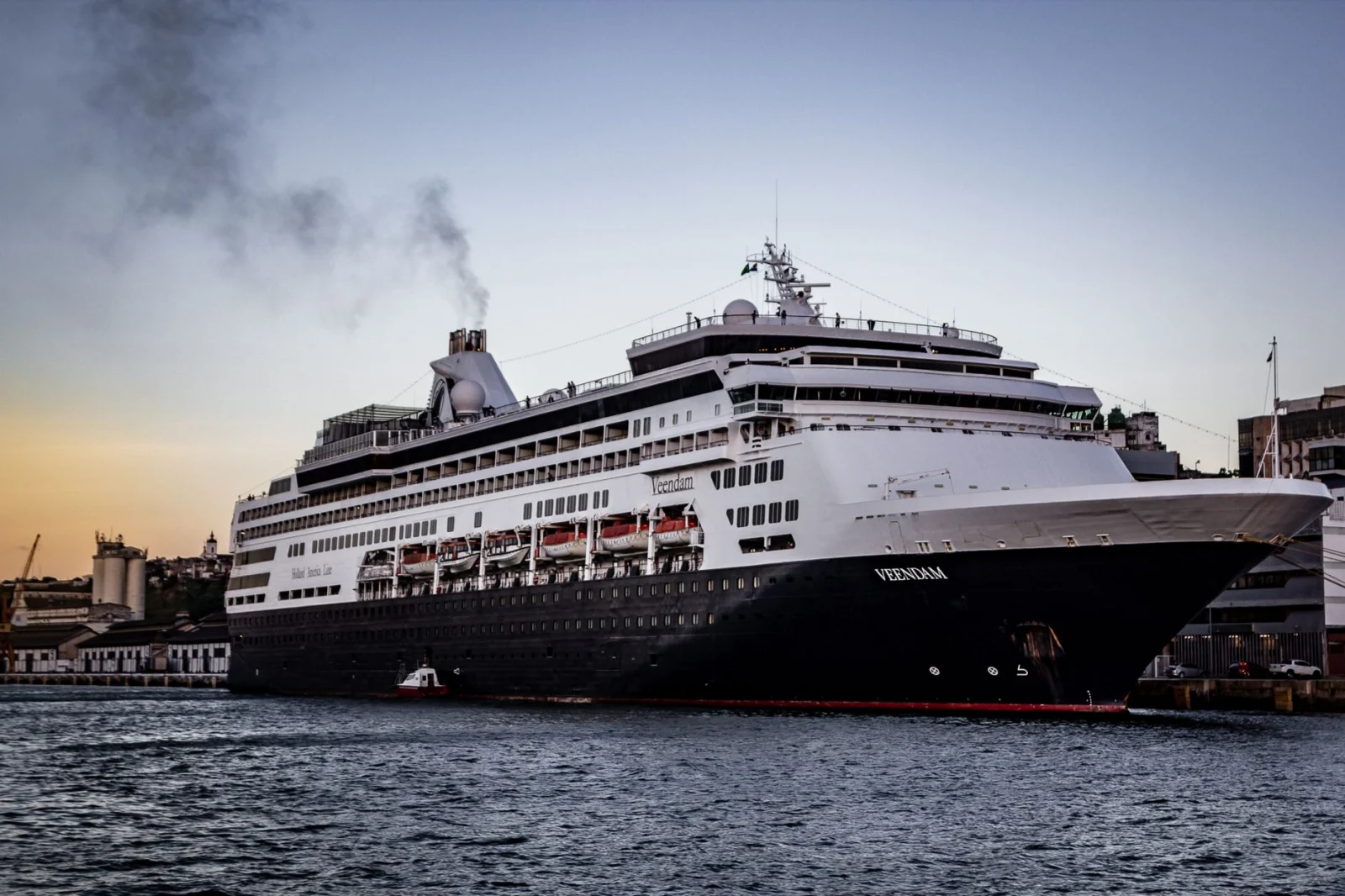
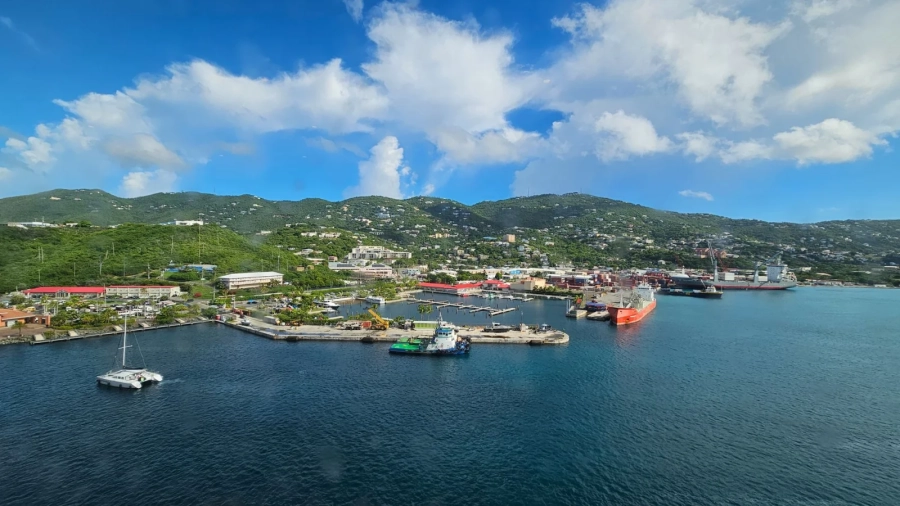
Large cruise ship docked at a sunny Caribbean port, illustrating the Royal Caribbean vs Carnival comparison

Royal Caribbean vs Carnival: Which Cruise Line Is Better in 2026-27?

In the Royal Caribbean vs Carnival debate, the short answer is this: Carnival is usually the cheaper, more casual and more social choice, while Royal Caribbean costs more but gives you bigger ships, more headline attractions and a more polished resort feel. Neither is “better” across the board. The right pick depends on your budget, who you’re traveling with and how you like to spend your days at sea.

Below is a side-by-side comparison for 2026-27 sailings, covering the new ships, private destinations, food, drink packages, kids clubs, prices and loyalty perks, followed by a quick guide to which line suits which type of traveler.

Royal Caribbean vs Carnival at a glance (2026-27)

Category Royal Caribbean Carnival Cruise Line
Fleet Close to 30 ships, including the Icon and Oasis classes, the largest cruise ships in the world Close to 30 ships, from older Fantasy-era ships to the large Excel class
Newest ships Star of the Seas (2025), Legend of the Seas (July 2026), Hero of the Seas (due 2027) Carnival Jubilee (2023), Carnival Festivale (May 2027), Carnival Tropicale (due 2028)
Private destinations Perfect Day at CocoCay; Royal Beach Club Paradise Island (Nassau, opened December 2025) Celebration Key (Grand Bahama, opened July 2025); RelaxAway, Half Moon Cay
Included food Main dining room, Windjammer buffet, cafés; most standout restaurants are extra Main dining, Lido buffet, plus free Guy’s Burger Joint, BlueIguana Cantina and pizza on most ships
Drink package Deluxe Beverage Package: roughly $56 to $120 per person per day, varies by ship and date, plus 18% gratuity CHEERS!: $69.95 pre-cruise / $74.95 onboard per day plus 20% service charge; moving to dynamic pricing from December 1, 2026
Kids clubs Adventure Ocean (ages 3-12), teen club (13-17), paid nursery on many ships Camp Ocean (2-11), Circle “C” (12-14), Club O2 (15-17)
Typical fare Higher; newer Icon and Oasis class ships carry a clear premium Usually lower for the same itinerary length, especially on short Bahamas and Mexico runs
Loyalty Crown & Anchor Society: points per night sailed, more for suites Carnival Rewards (from September 2026): status earned on spending, replacing VIFP
Vibe Big resort, lots of “wow” attractions, slightly more polished Relaxed, social, party-friendly “Fun Ship” atmosphere

Prices change constantly, so treat the figures above as a guide and check the live price for your sailing before you book.

Ships: who has the newest and biggest?

Royal Caribbean is the line to beat for sheer size and spectacle. Its Icon class ships are the largest cruise ships afloat, with themed “neighborhoods”, huge waterparks, an AquaTheater and Broadway-style shows. Legend of the Seas, the third Icon class ship, debuted in the Mediterranean in July 2026 and repositioned to Fort Lauderdale in late October 2026 for its first Caribbean winter, with every sailing visiting Perfect Day at CocoCay. A fourth, Hero of the Seas, is due in 2027.

Carnival’s flagship design is the Excel class (Mardi Gras, Carnival Celebration and Carnival Jubilee), with the BOLT roller coaster, themed zones and a strong line-up of free casual eateries. The next sister, Carnival Festivale, sails its maiden transatlantic voyage from Southampton in May 2027 and will then be based year-round at Port Canaveral. Carnival says it will have around 1,000 connecting cabins, the biggest waterpark in the fleet and a new family area. If you want to see how the fleet stacks up, our guide to Carnival ships compared by size is a useful starting point.

How they compare: Royal Caribbean wins on scale and big-ticket attractions. Carnival’s newest ships are excellent, but a larger share of its fleet is older and smaller, so the ship you choose matters more on Carnival.

Private destinations: CocoCay and Royal Beach Club vs Celebration Key and Half Moon Cay

Royal Caribbean

Perfect Day at CocoCay in the Bahamas is the most developed private island in the industry. Beaches, pools, food and soft drinks at the main eateries are included, while Thrill Waterpark, Coco Beach Club, cabanas and the adults-only Hideaway Beach cost extra.

Royal Beach Club Paradise Island opened in Nassau in December 2025. Unlike CocoCay it is a paid, all-inclusive day: launch prices were about $129.99 for adults with soft drinks or $169.99 with an open bar (21+), with unlimited food. Prices are dynamic and your onboard drink package does not apply there.

Carnival

Celebration Key, on the south coast of Grand Bahama, opened in July 2025. It is split into color-coded areas: a family lagoon (Starfish Lagoon), a livelier lagoon with a huge swim-up bar (Calypso Lagoon), a shopping village and the adults-only Pearl Cove Beach Club, which is extra (from about $99.99). Beach access and casual food are included, but alcohol, cabanas and waterslide passes cost extra, and CHEERS! is not valid there.

RelaxAway, Half Moon Cay is Carnival’s quieter private island, with a long white-sand beach and an included barbecue lunch. Our guide to things to do at Half Moon Cay covers it in detail.

How they compare: CocoCay still offers the most for free and the most thrills. Celebration Key has closed much of the gap and is right on the doorstep for Florida sailings. Many Carnival Bahamas itineraries now call at both Celebration Key and Half Moon Cay on the same trip.

Buffet counter with trays of hot dishes in a bright restaurant, showing included cruise dining
Both lines include buffet and main dining room meals in the fare. Photo: Change C.C on Pexels

Food and drink: what’s included and what costs extra

Both lines include a main dining room, a buffet and room service basics (with fees for some items). The difference is in the extras.

  • Carnival is known for its free casual food: Guy’s Burger Joint, BlueIguana Cantina, pizza around the clock and late-night snacks. Many cruisers rate it as the better value line for casual eating.
  • Royal Caribbean has more variety overall, especially on the big ships, but more of its best restaurants (Chops Grille, Hooked, Izumi and others) carry a charge. The included options are solid, and the Windjammer buffet is usually well regarded.

Royal Caribbean vs Carnival drink package

Drink packages are where the two lines differ most in cost. Royal Caribbean’s Deluxe Beverage Package uses dynamic pricing, roughly $56 to $120 per person per day depending on ship and date, plus an 18% gratuity. Since March 2026, new purchases no longer include the Coca-Cola Freestyle cup. Our Royal Caribbean drink package guide breaks down the options.

Carnival’s CHEERS! has long had a flat price, currently $69.95 per day pre-cruise or $74.95 onboard plus a 20% service charge. Carnival also caps it at 15 alcoholic drinks per day. From December 1, 2026, Carnival is moving to dynamic pricing based on sailing length, itinerary and season, so expect prices to vary more.

One rule catches people out on both lines: every adult in the same cabin must buy the alcohol package if one does. Neither line’s package covers Royal Beach Club or Celebration Key’s paid areas.

Activities and entertainment

Royal Caribbean’s ships are built around “wow” moments: surf simulators, ice rinks, climbing walls, zip lines on the Oasis class, AquaTheater diving shows and full Broadway-style musicals. If you get bored easily, this is the line with the most to do.

Carnival focuses on social fun: deck parties, the Punchliner Comedy Club, game shows like Hasbro, The Game Show, live music, and the BOLT roller coaster on Excel class ships. Shows are shorter and lighter, but the comedy club in particular is a fleet-wide strength.

Kids and families

Both lines have free kids clubs with supervised programs from early morning to late evening.

  • Royal Caribbean: Adventure Ocean for ages 3-12 (split by age), dedicated teen spaces for 13-17 and a paid Royal Babies and Tots nursery on many ships. The waterparks and attractions make it a strong pick for tweens and teens.
  • Carnival: Camp Ocean for 2-11, Circle “C” for 12-14 and Club O2 for 15-17. Dr. Seuss-themed activities and WaterWorks parks keep younger kids busy, and Carnival Festivale adds an expanded area for babies and toddlers.

How they compare: Royal Caribbean usually has more for older kids. Carnival is often the better-value family choice, especially for larger groups sharing cabins.
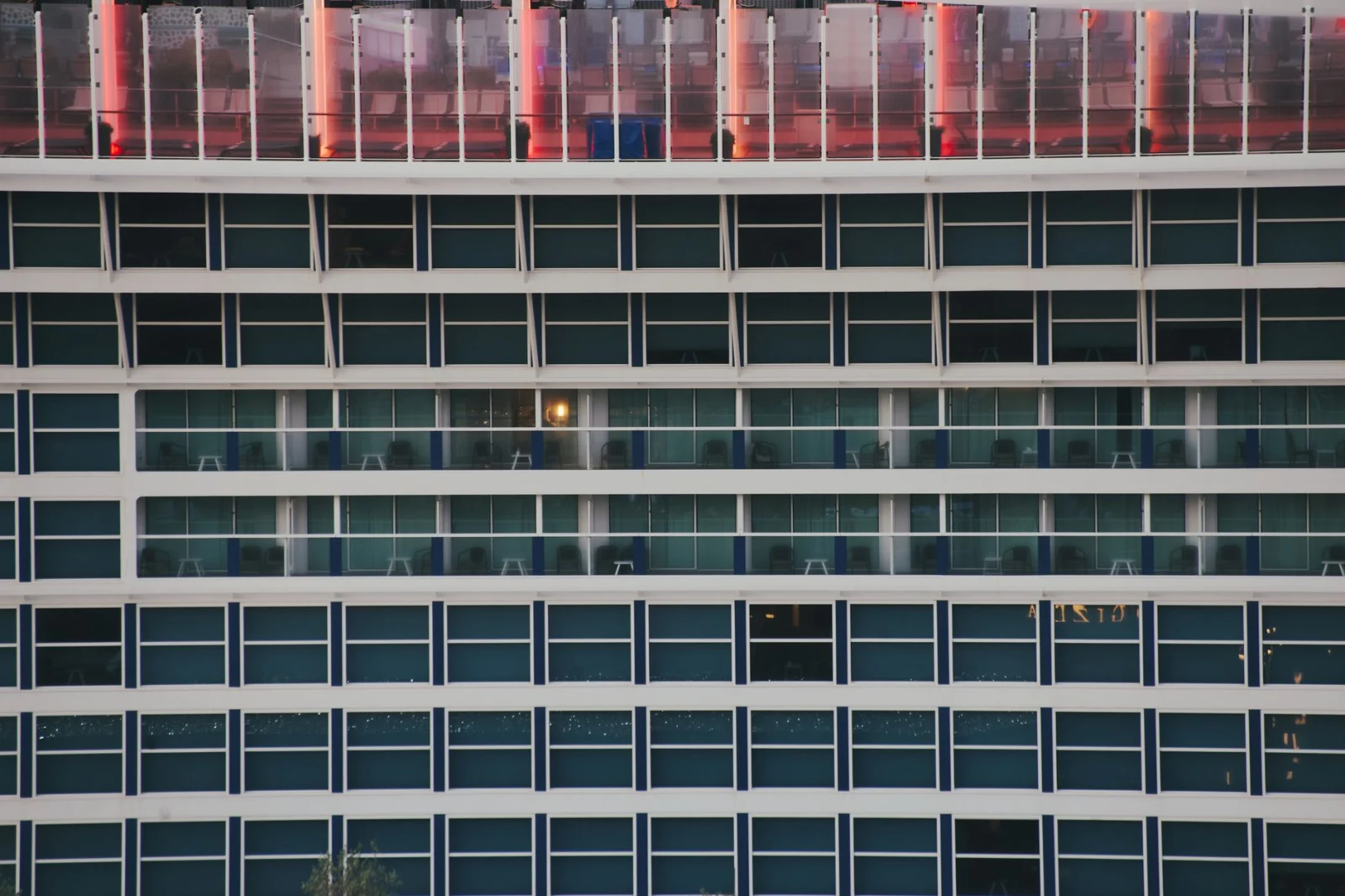
Cruise ship balcony cabin with a view of open sea, illustrating cabin value when comparing cruise fares
Fares vary widely by ship, cabin type and season. Photo: Meriç Tuna on Pexels

Price: is Carnival really cheaper?

In most cases, yes. For the same length of cruise from the same port, Carnival’s starting fares are usually lower, and its short 3- to 5-night Bahamas and Mexico cruises are some of the cheapest ways to take a cruise from the US. Royal Caribbean’s older Voyager and Freedom class ships can be close in price, but Icon and Oasis class sailings carry a clear premium.

When you compare, look at the full cost rather than the headline fare. Add daily gratuities, any drink or Wi-Fi package, specialty dining and paid areas at the private destinations. A Carnival cruise with a drink package can end up costing as much as a Royal Caribbean cruise without one.

Loyalty programs: Crown & Anchor vs Carnival Rewards

Royal Caribbean’s Crown & Anchor Society still rewards nights sailed, with extra points for suites. Higher tiers bring perks such as drink vouchers or lounge access on many ships, and status is shared with Celebrity Cruises at matching levels.

Carnival made a big change on September 1, 2026, when Carnival Rewards replaced VIFP. Status is now earned through spending rather than days sailed, and it has to be re-earned. Members keep their old VIFP level until the end of 2028. Points can be redeemed for things like excursions, spa treatments and drink packages. Several old VIFP perks, such as complimentary upgrades and loyalty parties, have gone. Big spenders may do well under the new system. Loyal cruisers who sail often on cheaper fares may find Royal Caribbean’s night-based model more generous.

Is Royal Caribbean better than Carnival? Which should you choose

  • Budget travelers and first-timers testing cruising: Carnival. Lower fares, short itineraries and plenty of free food make it an easy, low-risk introduction.
  • Families with teens or tweens: Royal Caribbean, especially an Icon or Oasis class ship, for the waterparks, climbing walls and teen spaces.
  • Families with young children on a budget: Carnival, particularly the Excel class ships and Bahamas cruises calling at Celebration Key.
  • Young adults and groups of friends: Carnival for the social, party-friendly atmosphere and comedy. Royal Caribbean if the group cares more about attractions than nightlife.
  • Couples wanting a more polished feel: Royal Caribbean, or consider other lines entirely. Our comparison of Royal Caribbean vs Norwegian Cruise Line may help.
  • Frequent cruisers: Compare the loyalty programs carefully. Royal Caribbean rewards time at sea, while Carnival now rewards spending.

A practical tip many comparisons skip: compare ships, not just lines. A new Carnival Excel class ship can feel more modern than an older Royal Caribbean ship, and the reverse is true on Royal’s Icon class. Look up the specific ship and its year of build before deciding.

Loyal Carnival cruisers should also read how the Carnival Rewards program works, as the new tiers change which perks repeat guests get.

If Carnival appeals, our guide to Carnival ship classes helps you pick the right ship.

If you are drawn to Carnival’s prices but want a quieter ship, see how Princess compares with Carnival before you book.

FAQs

Which cruise line is better, Carnival or Royal Caribbean?

Neither is better for everyone. Carnival is usually cheaper and more laid-back, while Royal Caribbean offers bigger ships, more attractions and a more polished resort feel for a higher price.

Is Carnival cheaper than Royal Caribbean?

Generally yes for similar itineraries, especially short Bahamas and Mexico cruises. Add drinks, gratuities and extras to compare the true cost.

Which has the better drink package, Royal Caribbean or Carnival?

Carnival’s CHEERS! has been cheaper per day ($69.95 pre-cruise in 2026) but caps alcoholic drinks at 15 a day. Royal Caribbean’s Deluxe package varies from about $56 to $120 a day with no daily cap. Carnival switches to dynamic pricing from December 1, 2026.

Is Carnival or Royal Caribbean better for young adults?

Carnival tends to suit young adults who want a lively, social atmosphere and a lower fare. Royal Caribbean suits those who want thrill attractions and bigger shows.

What is Carnival Rewards?

Carnival Rewards is Carnival’s loyalty program that replaced VIFP on September 1, 2026. Status is earned through spending rather than days sailed, and points can be redeemed onboard and towards fares.
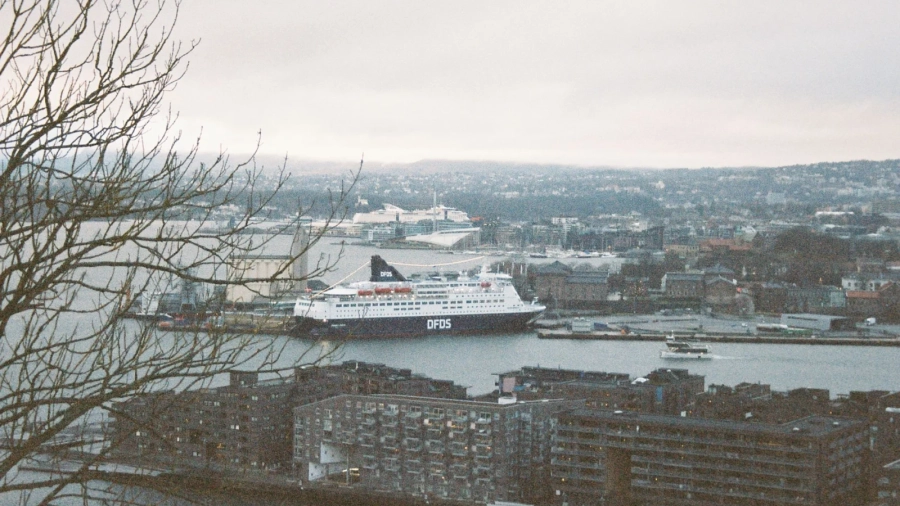
Cruise ship docked in a harbour on a bright winter day, ready for a winter cruise from Southampton

The Best Winter Cruises from Southampton (2026-27 & 2027-28)

The best winter cruises from Southampton are longer, no-fly sailings that head south to the sun: the Canary Islands and Madeira, the Atlantic coast of Spain and Portugal, and, for those with more time, the Caribbean or a full world voyage. For winter 2026-27 the main choices are P&O Cruises, Cunard, MSC and Fred. Olsen, while several big international lines move their ships away from the UK until spring.

This guide covers which ships are actually sailing from Southampton this winter and next, how long you need to reach the sunshine, what to expect from the Bay of Biscay, rough prices and some planning tips. If you are specifically after a festive sailing, see our separate guide to Christmas cruises from Southampton.

Why take a winter cruise from Southampton?

The big appeal is simple: you leave from a UK port, with no flights, no baggage limits and no airport queues, and a few days later you are walking around Funchal or Santa Cruz de Tenerife in shirt sleeves. Daytime temperatures in the Canary Islands typically sit around the low 20s Celsius through the winter, which is mild rather than hot, but a big step up from Hampshire in January.

Winter is also a good time for value. Outside the Christmas and New Year peak and February half-term, fares tend to be lower than for equivalent summer sailings, and ships are often quieter, with fewer families on board during term time.

The trade-off is time. Because of the distance, you will spend several days at sea at the start and end of most itineraries, so winter cruises from Southampton suit people who enjoy the ship itself as much as the ports.

Which lines sail from Southampton in winter 2026-27?

Southampton is much quieter in winter than in summer. Several lines that dominate the summer schedule, including Princess, Royal Caribbean and Celebrity, typically reposition their UK-based ships to warmer regions for the winter, usually via one-way autumn sailings in October or November. Here is what is on offer from Southampton this winter, based on the lines’ own announcements.

Cruise line Ships from Southampton Winter 2026-27 highlights
P&O Cruises Iona, Aurora, Arcadia Iona: Spain, Portugal and Canary Islands; Aurora: Baltic Christmas markets and a 75-night Grand Tour; Arcadia: 106-night world cruise
Cunard Queen Victoria, Queen Anne Both depart on 10 January 2027: a 109-night World Voyage and a 90-night South America voyage
MSC Cruises MSC Preziosa Scheduled to sail from Southampton through the 2026-27 winter
Fred. Olsen Borealis, Balmoral Canary Islands, Spain and Portugal, German Christmas markets and a 31-night Caribbean Christmas voyage

A few things to note. P&O’s Arvia and Britannia spend this winter in the Caribbean on 14-night fly-cruises from Barbados (Arvia also sails from Antigua), so they are not no-fly options this season. MSC Virtuosa left Southampton on 7 November 2026 for a winter in Brazil. Fred. Olsen’s Bolette sails from Liverpool rather than Southampton, which may suit you better if you live in the north of England. Ambassador Cruise Line sails from London Tilbury and other regional ports rather than Southampton, and some of its fleet is on Caribbean fly-cruises this winter, so check its schedule if you are flexible on the departure port.

Schedules change, so always confirm the current itinerary on the cruise line’s own site, such as P&O Cruises or Cunard, before you book.

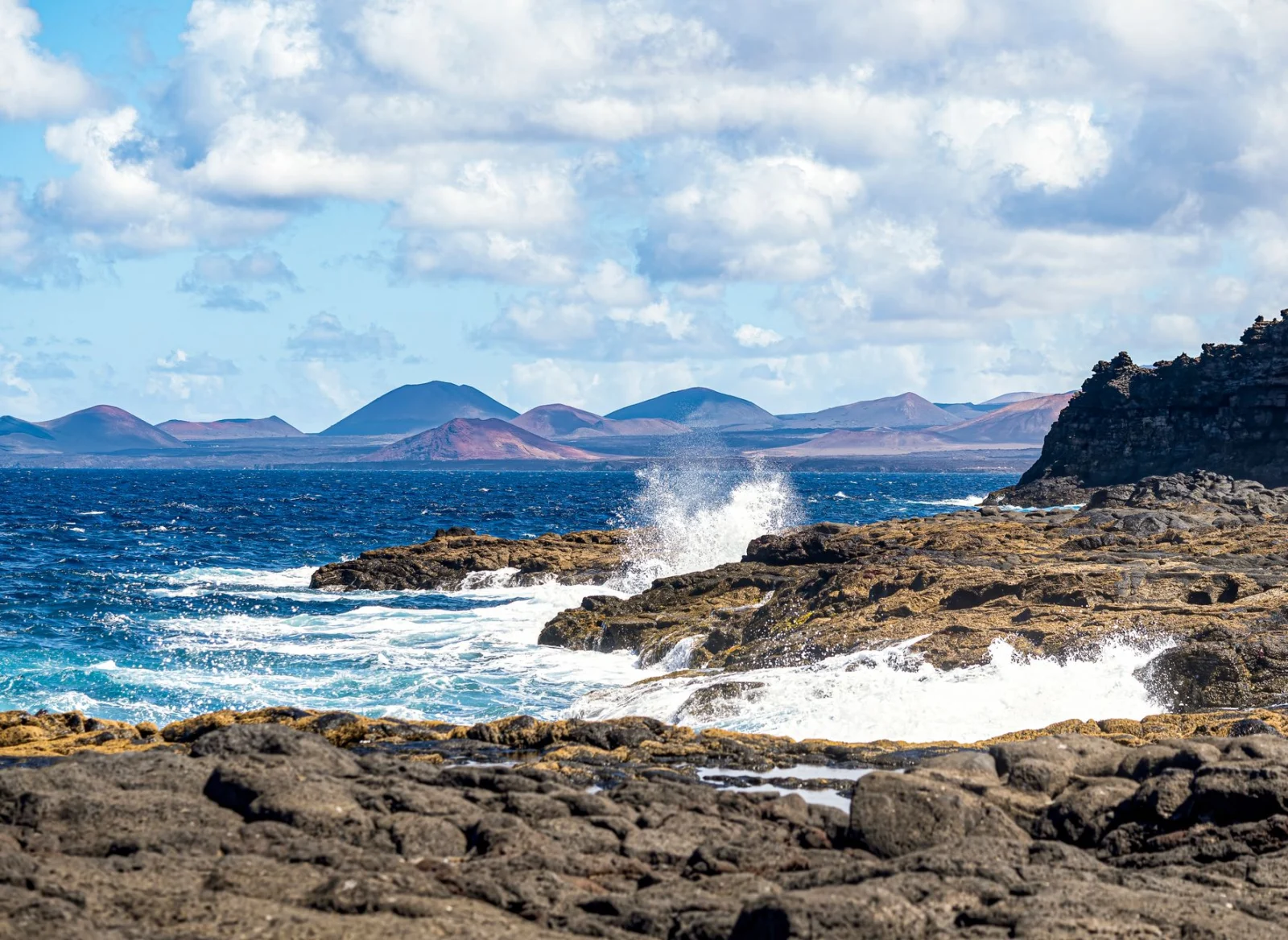
Volcanic cliffs and blue Atlantic water along the coast of a Canary Island in winter sunshine
The Canary Islands are the most popular winter sun destination from Southampton. Photo: Marian Florinel Condruz on Pexels

Canary Islands cruises from Southampton: the classic winter sun choice

A Canary Islands cruise from Southampton is the backbone of the winter programme. Typical itineraries combine two to four of Tenerife, Gran Canaria, Lanzarote and La Palma with Madeira and a port or two in Spain or Portugal, such as Lisbon, Porto, Vigo or Cádiz.

Examples from the current season include:

  • P&O Cruises Iona: a 16-night Atlantic Islands sailing in December 2026, with a late stay in Lisbon for New Year’s Eve, advertised from £1,399 per person.
  • Fred. Olsen Borealis: a 15-night Canary Islands sailing departing 23 November 2026, calling at Gibraltar, Tenerife, Las Palmas, La Palma, Madeira and Porto, from £1,399 per person.
  • Fred. Olsen Borealis: a shorter “You Choose Your Cruise” sailing from 8 December 2026, where guests vote on Spanish and Portuguese stops, from £949 per person.

Iona is a large, modern ship with lots of restaurants and evening entertainment, while Fred. Olsen’s smaller ships carry far fewer passengers and appeal to those who prefer a quieter, more traditional style of cruising. Our guide to Mediterranean cruises from Southampton covers longer sailings that continue past Gibraltar into the Med.

How many nights do you need?

This is the point most winter cruise listings skip. The Canary Islands are roughly 1,500 nautical miles from Southampton, which usually means about three days at sea each way. As a rough guide:

  • 7 nights or fewer: realistically limited to northern Spain, France, the Channel Islands or northern Europe. You will not reach real winter sunshine.
  • 10 to 12 nights: enough for Lisbon, Madeira and perhaps one Canary Island, with several sea days.
  • 14 to 16 nights: the sweet spot for a proper Canaries itinerary with four or five warm-weather ports.
  • 21 nights and up: adds Cape Verde, Morocco or the western Mediterranean, or a Caribbean crossing.

Other winter cruises from Southampton worth considering

Christmas markets and northern Europe

If you would rather embrace winter than escape it, P&O’s Aurora has a new 14-night Baltic sailing in December 2026 visiting five ports with Christmas markets, including an overnight in Tallinn. Fred. Olsen’s Balmoral has a six-night German Christmas markets cruise from 16 December 2026, with an overnight in Hamburg and a call at Honfleur, from £499 per person.

Caribbean without flying

A no-fly Caribbean cruise from Southampton is a long trip, as the Atlantic crossing alone takes the best part of a week. Fred. Olsen’s Borealis leaves on 18 December 2026 for a 31-night Caribbean Christmas voyage that calls at Tenerife, Antigua, St Maarten, St Kitts, St Lucia, Grenada, Barbados and Madeira, with New Year’s Eve in Antigua, from £3,699 per person.

World cruises and grand voyages

January is the traditional start of the world cruise season, and Southampton is the UK’s main departure point:

  • Cunard Queen Victoria: a 109-night full World Voyage from 10 January 2027.
  • Cunard Queen Anne: a 90-night South America voyage from the same day, her first voyage of this kind.
  • P&O Cruises Arcadia: a 106-night world cruise from January 2027 with 28 ports, from £9,999 per person.
  • P&O Cruises Aurora: a 75-night Grand Tour from January 2027 including an overnight in Galveston and a first call at Port of Spain, Trinidad, from £5,999 per person.

Many of these voyages can also be booked as shorter sectors if you want a taste without committing to three months.

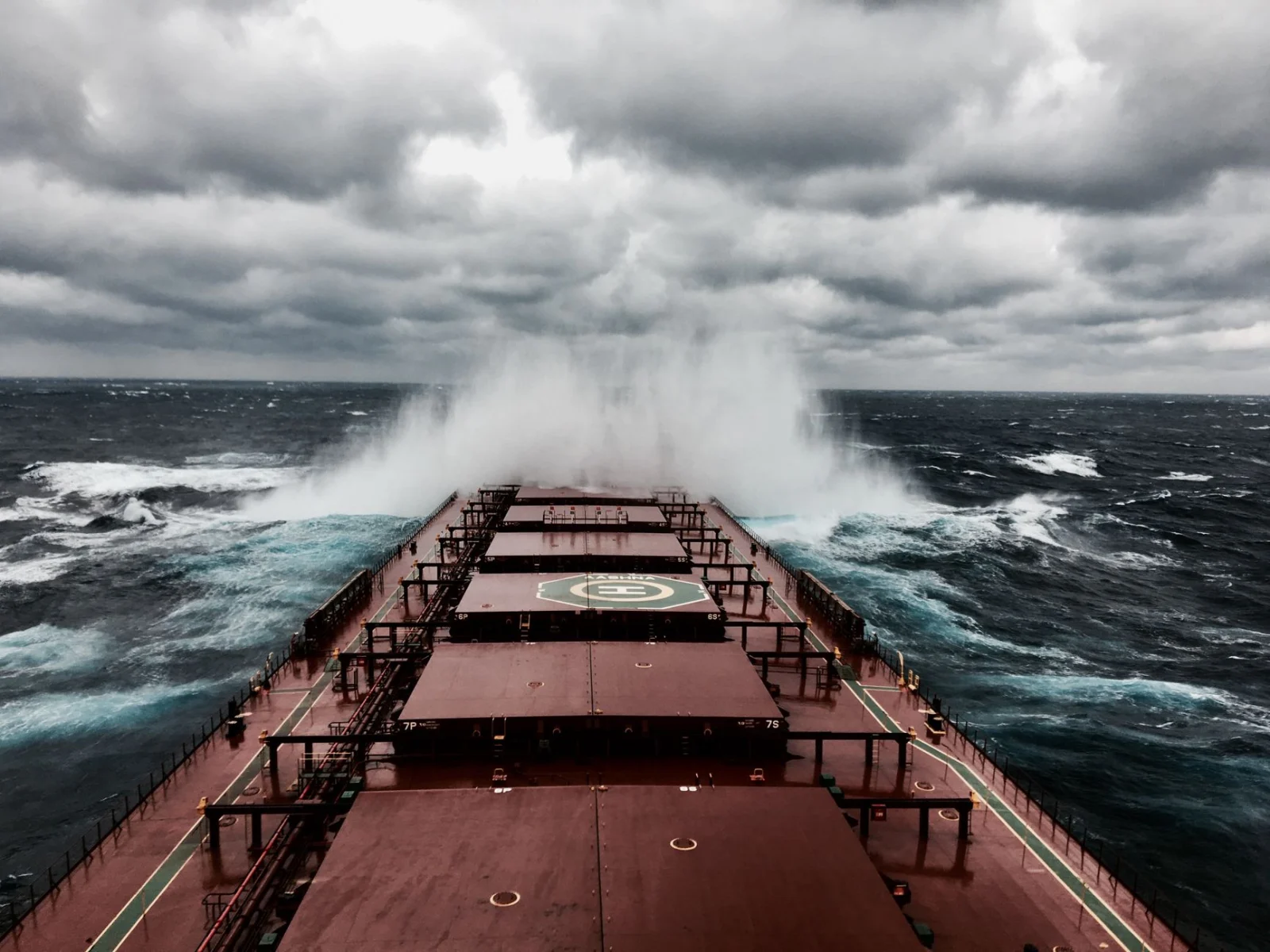
Ship bow cutting through grey Atlantic waves under a cloudy winter sky
Sea conditions in the Bay of Biscay can be lively between November and March. Photo: vasu jamwal on Pexels

Looking ahead: winter 2027-28 from Southampton

Next winter brings more choice from Southampton. P&O Cruises has announced that Britannia will be based in Southampton all year round for the first time in more than a decade, sailing to the Atlantic islands, the Caribbean and the Mediterranean through winter 2027 and spring 2028. Ventura has a new seven-night Scandinavian sailing that marks New Year’s Eve 2027 in Southampton before calling at Copenhagen, Oslo and Kristiansand, while Aurora and Arcadia offer North Cape, Baltic and western Europe sailings in winter 2028. Iona, meanwhile, moves to Caribbean fly-cruises for that season. Fred. Olsen and Cunard have also released 2027 winter programmes, so it is worth comparing early if you have specific dates in mind.

Bay of Biscay weather and other practical tips

Almost every winter sun cruise from Southampton crosses the Bay of Biscay, and it has a reputation for good reason. Between November and March, Atlantic weather systems can bring large swells, and it is not unusual for a captain to slow down, change the order of ports or miss a call altogether. Plenty of crossings are perfectly calm, but it pays to be prepared:

  1. Pick your cabin carefully. A cabin in the middle of the ship on a lower deck moves far less than one high up at the front or back.
  2. Pack for two climates. You will need a warm coat and layers for the first and last days, and summer clothes and sun cream for the Canaries.
  3. Bring seasickness remedies and talk to a pharmacist before you travel if you are prone to motion sickness.
  4. Check your insurance covers missed ports and itinerary changes, which are more common in winter.
  5. Arrive the day before if you are travelling a long way in winter, as storms and rail disruption can affect journeys to the port. Our guide to hotels near Southampton cruise terminal can help.
  6. Avoid school holidays if you want the best prices and a quieter ship: Christmas, New Year and February half-term are the busiest and most expensive weeks.

How much do winter cruises from Southampton cost?

Using the lead-in fares quoted by the cruise lines for winter 2026-27, you can expect roughly:

  • Short Christmas markets cruises (around 6 nights): from about £500 per person.
  • Canary Islands and Iberia (10 to 16 nights): from about £950 to £1,400 per person for an inside cabin.
  • Caribbean round trips from Southampton (around 31 nights): from about £3,700 per person.
  • World cruises and grand voyages (75 to 109 nights): from about £6,000 to £10,000 per person and upwards.

These are starting prices based on two sharing, and they rise with balcony cabins, peak dates and drinks packages. Fares change frequently, so treat them as a guide rather than a quote.

FAQs

Are cruises cheaper in the winter?

Often, yes. Outside Christmas, New Year and February half-term, winter is a quieter time for cruise lines, so fares from Southampton are usually lower than for summer sailings of the same length. Longer winter-sun voyages and world cruises are the exception, because they are premium itineraries with their own demand.

Which cruise ships sail from Southampton in winter?

For winter 2026-27 the main options are P&O Cruises (Iona, Aurora and Arcadia), Cunard (Queen Victoria and Queen Anne, both on long voyages from January 2027), MSC Preziosa and Fred. Olsen’s Borealis and Balmoral. Princess, Royal Caribbean and Celebrity mostly move their ships elsewhere for the winter.

How long does it take to sail from Southampton to the Canary Islands?

Usually around three days at sea, depending on the ship’s speed and whether it calls in Spain, Portugal or Madeira on the way. That is why Canary Islands cruises from Southampton tend to be 12 to 16 nights or longer.

How rough is the Bay of Biscay in winter?

It varies. Some crossings are calm, but Atlantic storms can bring big swells between November and March, and captains sometimes change the route or skip a port. Take seasickness remedies, choose a midships cabin on a lower deck if you are prone to motion sickness, and buy travel insurance that covers missed ports.

Large cruise ship sailing on open sea, illustrating a 2026 ranking of the worst cruise lines according to passenger reviews

The 10 Worst Cruise Lines According to Reviews (2026)

Based on the biggest review datasets available in 2026, the worst cruise lines according to reviews are Norwegian Cruise Line, Costa Cruises, MSC Cruises, P&O Cruises and Carnival. Norwegian is the only line near the bottom of every major source, while the others score poorly on some platforms and well on others, usually because of crowding, extra fees, inconsistent food and service, or ageing ships.

Below is our own ranking of the 10 lowest-rated cruise lines, built from Cruise Critic member ratings, the Consumer Reports 2026 survey and the latest Which? cruise survey, with an honest look at why each line scores low and who it still suits. “Worst” here means lowest-rated by passengers, not unsafe or dishonest.

How we ranked the worst cruise lines

No single review score tells the whole story, so we combined three independent sources:

  • Cruise Critic member ratings (out of 5): the largest pool of cruise reviews, from tens of thousands of passengers, mostly from North America. Checked in October 2026.
  • Consumer Reports (US): a January 2026 survey of 18,850 members rating 19 ocean cruise lines on value, food, service, excursions and entertainment. It published rankings rather than scores.
  • Which? (UK): the most recent cruise survey we could find, published March 2025 from fieldwork in October 2024, with 2,865 respondents and a customer score for 26 ocean lines.

We used Trustpilot only as a supporting signal. Its scores swing wildly depending on whether a company invites reviews: MSC Cruises’ UK profile, which invites customers, scores 3.9 from more than 19,000 reviews, while its US profile, which does not, scores 1.7 from just over 100. That is a perfect example of why one site’s number should never be treated as the final word.

Lines ranked higher on this list were rated low by more than one source. Small specialist lines with too few reviews to compare fairly were left out.

Crowded pool deck on a large cruise ship with sun loungers, illustrating a common complaint about low-rated cruise lines
Crowding on big ships is one of the most common reasons lines score low. Photo: Brittany Yang on Pexels

The 10 worst cruise lines according to reviews (2026)

Cruise line Rating data Common complaints Who it still suits
1. Norwegian Cruise Line Cruise Critic 3.6; last of 19 in Consumer Reports 2026; Which? 66% (last) Extra charges, value for money, food changes, show queues Freestyle diners, Alaska and Europe fans who like big-ship choice
2. Costa Cruises Cruise Critic 3.0 (lowest major line); Which? 81% Food, service consistency, crowded buffets Europeans and Med lovers wanting a lively Italian vibe
3. MSC Cruises Cruise Critic 3.3; low in Consumer Reports 2026; Which? 75% Crowding, buffet quality, disorganised service Families (kids sail free on many fares), new-ship fans, Yacht Club guests
4. P&O Cruises Cruise Critic 3.4; Which? 72% (second from bottom) Passenger space, entertainment, “cost cutting” UK cruisers wanting no-fly holidays from Southampton
5. Carnival Cruise Line Cruise Critic 3.8; low in Consumer Reports 2026; Which? 76%; Trustpilot 1.5 Older ships, crowds, fees, customer service Budget short breaks, first-timers, families
6. Holland America Line Cruise Critic 3.9; Which? 74% Facilities and entertainment on older ships Quieter, older travellers; Alaska and long voyages
7. Ambassador Cruise Line Which? 74% Facilities on older, smaller ships UK adults wanting small, traditional, no-fly cruising
8. Cunard Cruise Critic 3.7; Which? 76% Waits for food, value for money Transatlantic fans and lovers of dressy tradition
9. Regent Seven Seas Cruise Critic 3.7; Which? 81% Cabin or technical issues, complaint handling Luxury travellers wanting excursions and drinks included
10. Princess Cruises Cruise Critic 3.8; Which? 75% Price versus value, food, crowding on big ships Couples and mature cruisers who like MedallionClass ease

Cruise Critic figures for P&O, Cunard and Regent are as reported by FinanceBuzz (October 2026) and Holland America as reported by Islands.com (April 2026); the rest were read directly from Cruise Critic in October 2026. Scores move over time, so check the latest before booking.

1. Norwegian Cruise Line

Norwegian is the clearest consensus pick for the worst-rated cruise line right now. It finished last of 19 lines in the Consumer Reports 2026 survey, last of 26 in the latest Which? survey (66%), and sits at 3.6 on Cruise Critic from more than 43,000 reviews. The recurring themes are value for money and charges: reviewers point to paid extras, Wi-Fi and drinks costs, and changes to dining and entertainment, such as a move away from reserved show seating. On the plus side, NCL’s freestyle dining and newer ships still win plenty of five-star reviews.

2. Costa Cruises

Costa has the lowest Cruise Critic rating of any major line at 3.0, with reviews split almost evenly between “excellent” and “terrible”. English-speaking reviewers often find the experience too unfamiliar: multilingual announcements, a busy European crowd and a buffet-heavy style. Yet Costa scored a respectable 81% in Which?, so British cruisers who know what to expect seem much happier than North American reviewers.

3. MSC Cruises

MSC scores 3.3 on Cruise Critic from more than 11,000 reviews and was among the lower-ranked lines in Consumer Reports. Complaints focus on very busy ships, the buffet, queues and service that can feel disorganised at peak times. The flip side is a young fleet, low prices and some of the best family value at sea, plus the well-reviewed Yacht Club. Ship choice matters a lot here, so see our list of the worst cruise ships according to real reviews before you pick one.

4. P&O Cruises

Britain’s biggest cruise line came second from bottom in Which? with 72%, with only two stars for passenger space, excursions and entertainment, and respondents saying standards had slipped due to cost cutting. Its Cruise Critic score of around 3.4 tells a similar story. It still wins on convenience: no-fly cruises from Southampton, British tastes and family-friendly big ships like Iona and Arvia.

5. Carnival Cruise Line

Carnival is a mixed case. Its Cruise Critic score of 3.8 from almost 27,000 reviews is mid-table, but it ranked low in Consumer Reports, scored 76% in Which?, and has a Trustpilot score of just 1.5 from around 450 reviews. Typical complaints are older ships, crowding, extra charges and customer service when something goes wrong. For a cheap, cheerful three- or four-night Caribbean break, many guests are perfectly happy.

6. Holland America Line

Holland America is well liked by its loyal fans, but scored 74% in Which?, with only two stars for facilities and entertainment. Some ships are older and quieter than rivals, which younger cruisers see as dull and others see as the whole point.

7. Ambassador Cruise Line

Ambassador is a small UK line using older, mid-sized ships from British ports. It scored 74% in Which?, with two stars for facilities, which is not surprising for ships without big-resort features. Reviewers who want a calm, traditional cruise without flying often rate it highly, so think of this as a mismatch for some passengers rather than a bad product.

8. Cunard

Cunard sits at 3.7 on Cruise Critic and 76% in Which?. The most frequent gripes are waits for food and whether the price matches the experience, though its transatlantic crossings remain unique.

9. Regent Seven Seas

Regent is a surprise entry. Its Cruise Critic score of about 3.7 is low for a luxury line, and reviews mention cabin or technical problems and frustration with complaint handling. That is partly about expectations: at Regent prices, small failures generate harsh reviews. It scored 81% with Which? respondents.

10. Princess Cruises

Princess scores 3.8 on Cruise Critic and 75% in Which?. Complaints tend to centre on value for money, food and crowding on the largest ships, while many guests praise the crew and MedallionClass technology.

Elegant restaurant dining room with laid tables, showing the food and service that reviews often judge cruise lines on
Food and service drive more cruise reviews than almost anything else. Photo: Rene Terp on Pexels

Why some cruise lines score low

  • Crowding: mega-ships with 5,000 to 6,000 guests can mean queues at buffets, lifts and shows.
  • Extra fees: drinks, Wi-Fi, speciality dining, gratuities and excursions make the real price much higher than the advertised fare.
  • Older ships: worn cabins, plumbing issues and fewer facilities drag down scores.
  • Service under strain: stretched staff and slow complaint handling turn small problems into one-star reviews.
  • Expectation gaps: a budget line judged against a premium standard, or a European line judged by American norms, will always score lower.

The limits of review data

Review scores are useful but imperfect. Unhappy passengers are more likely to post, so open review sites skew negative, while lines that invite every guest to review (as MSC does on its UK Trustpilot page) look much better. Cruise Critic leans towards experienced North American cruisers; Which? reflects British members. Big lines get far more reviews than small ones, and individual ships within one line can vary hugely. That is why we only placed a line high on this list when several sources agreed.

Just missing out were Royal Caribbean, which ranked low in Consumer Reports but scores 3.9 on Cruise Critic and 78% in Which?, and Fred. Olsen, which scored 3.7 on Cruise Critic but a solid 80% in Which?.

What to book instead

If you want the lines passengers rate most highly, Which? respondents put Saga, Silversea, Noble Caledonia, Hurtigruten, Seabourn and Viking at the top, while Consumer Reports named Lindblad Expeditions, Windstar and Viking among its best. For individual ships, see our guide to the best rated cruise ships in the world. And if a low-rated line suits your budget, a good deal can still make it great value: browse our cruise deals for 2027.

If you are still deciding which line suits you, our step-by-step guide on how to choose a cruise can help.

If something goes wrong on board, our guide to common cruise complaints and how to raise them explains which issues guest services can fix and how to escalate after the cruise.

Before you rule a line out, it helps to know how to read cruise reviews so a few angry posts do not outweigh the bigger picture.

FAQs

What is the worst cruise line according to reviews?

Norwegian Cruise Line is the most consistent choice in 2026. It ranked last in the Consumer Reports survey of 19 lines and last in the latest Which? survey, mainly over value for money and extra charges.

Is Carnival the worst cruise line?

No. Carnival ranks low in some surveys and on Trustpilot, but its Cruise Critic rating of 3.8 is mid-table and higher than Norwegian, MSC, Costa and P&O. It remains good value for short budget cruises.

What are the 3 worst cruise lines?

Combining Cruise Critic, Consumer Reports and Which?, the three lowest-rated are Norwegian Cruise Line, Costa Cruises and MSC Cruises, with P&O Cruises close behind for UK passengers.

Which cruise line has the lowest Cruise Critic rating?

Among major lines, Costa Cruises has the lowest Cruise Critic member rating at 3.0 out of 5, followed by MSC Cruises at 3.3 and P&O Cruises at about 3.4.

deck-7.jpg

Everything You Need To Know About Deck 7 On A Cruise Ship

Picking the perfect cruise cabin can feel like a bit of a minefield – unless you’re splashing out on the top suite, of course!

With dozens of options like inside, oceanview, balcony, and a whole range of suites, it’s easy to get overwhelmed.

And once you’ve chosen your cabin type, there’s another decision – where on the ship will you be?

If you’ve landed on Deck 7, you’re probably wondering… is it a winner or one to avoid?

Deck 7 signage

Let’s take a closer look at what Deck 7 is really like – the perks, the pitfalls, and whether it’s the smart choice for your next cruise.

Where Deck 7 Is Located

On most cruise ships, Deck 7 is situated around the middle of the ship, but it varies depending on the ship in question – on the biggest ships in the world, it’s in the lower half of the ship, but still well above the waterline.

Cruise ships always number their decks in ascending order – so Deck 1 will either be the lowest deck on the ship, or the lowest one that guests can access. Some cruise lines don’t number the lowest decks used by the crew.

On many cruise ships, the decks have names, but they will have numbers as well.

So, Deck 7 is the seventh deck from the bottom of the ship. Smaller cruise ships will usually have around 11 or 12 decks in total, so the seventh deck is a little above the midpoint of the ship.

But the biggest cruise ships in the world – like Icon of the Seas – have 20 or so decks, meaning the seventh is below the midpoint.

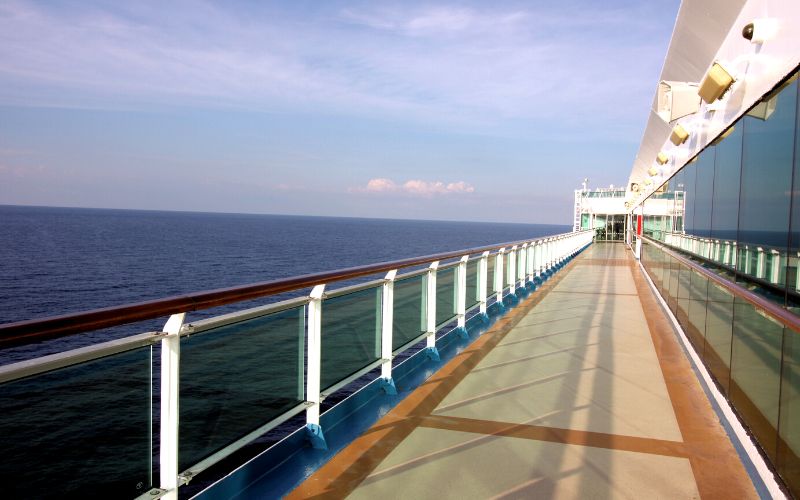
Cruise Ship Deck

Considerations When Choosing Deck 7

Generally, Deck 7 is considered a good deck to have a cruise cabin, but it will depend on the ship. Deck 7 is normally roughly the same distance between the dining rooms and the pool decks, and it is normally surrounded by cabins above and below.

It really depends on what you view as a good deck, because not everyone is the same. There are a few different factors to consider.

1. Noise

Typically, cruise ships are fairly well insulated, but sound can travel and any noise will sound worse for those staterooms located either directly above or below a noisy location.

Savvy cruisers will avoid cabins above the nightclub, or right under the pool deck, where people like to scrape a lounger across the floor at 6 am.

The quietest staterooms are those with other staterooms directly above and below. On most cruise ships, that’ll be the case for Deck 7, but you’ll need to check the deck plan yourself to make sure.

Suggested read: 12 Things You Must ALWAYS Check On The Deck Plan

2. Distance

Next, there’s the distance to consider. Typically, on a cruise ship, most of the restaurants, shops, spas and kids clubs – what you’d consider to be the ‘indoor’ activities – are on a lower deck, while the swimming pools, sunbathing areas and sporting facilities are on the upper decks.

Deck 7 is therefore a good choice if you’re someone who’ll make use of everything, since you’re usually roughly an equal distance from most areas of the ship. 

But really, as long as you don’t mind using elevators, the deck doesn’t matter. What’s more important is whether your cabin is midship or not.

If it’s right at the front or the aft, then you may find yourself with a long way to walk to get to where you want to be.

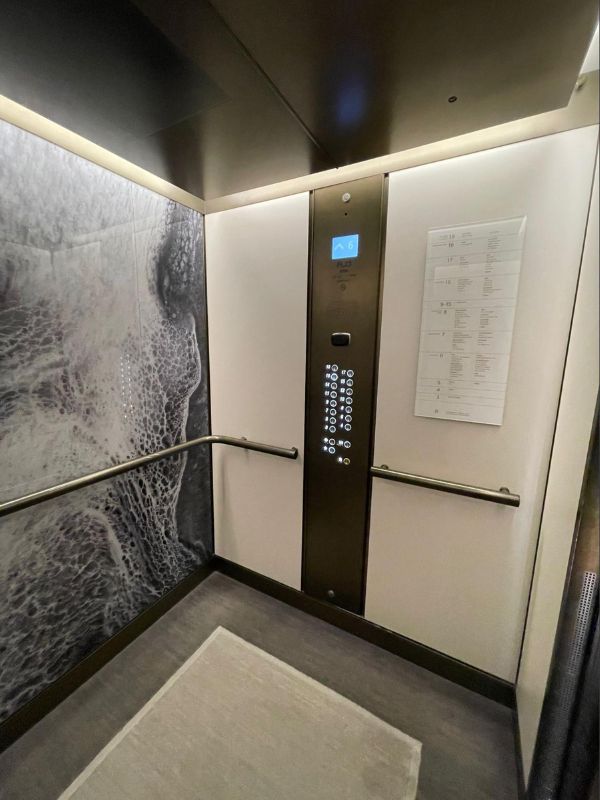
inside the elevator on a cruise ship

3. Movement

The other thing to consider is whether you’re worried about seasickness. People who suffer from seasickness tend to fare better on a lower deck, because you won’t feel the side-to-side movement of the ship quite as much.

Deck 7 is therefore an OK choice, and on larger ships, should be fine. On smaller cruise ships where Deck 7 is above the midpoint of the whole ship, those who suffer badly from seasickness might have an easier time on a lower deck, especially as smaller ships tend to feel the motion more anyway.

Ultimately, the best way to judge whether Deck 7 is a good deck is to look at the deck plans for your ship and check what’s nearby and what’s above and below.

If you’re not sure what you’re looking for, grab a copy of my free checklist and you’ll get all the info you need to help you pick the best stateroom…

The Best Deck Level On A Cruise Ship

There is no single best deck on a cruise ship, because it depends on what you want from your cruise. The best decks for those with motion sickness are lower decks, while the higher decks offer a better view and are close to the pool if you want to relax poolside all day.

As long as you’re careful to avoid the worst decks – those directly below the Lido, or above a nightclub, or any that have views on the inner or outer promenade where people could see into your room – you’ll normally have a great cruise. And even those rooms don’t bother some people.

I’ve written a guide on the best deck on a cruise ship to help you make your mind up, but once you’ve cruised a couple of times, you’ll start to get your own preferences too.

TODAY’S BEST CRUISE DEALS!

Don’t miss these offers…

Related Posts:

If you found this interesting, please share!

Cruise Mummy

Jenni Fielding is the founder of Cruise Mummy. She has worked in the cruise industry since 2015 and has taken over 30 cruises. Now, she helps over 1 million people per month to plan their perfect cruise holidays.

Read more about me


Source link

Deck-3-1.jpg

Deck 3 On A Cruise Ship

Choosing your cabin for a cruise isn’t just about selecting between an interior, oceanview, balcony or suite. It almost matters just as much which deck you end up on.

And you might not even get a choice – if you’ve booked a ‘guarantee cabin’, then the cruise line will choose it for you.

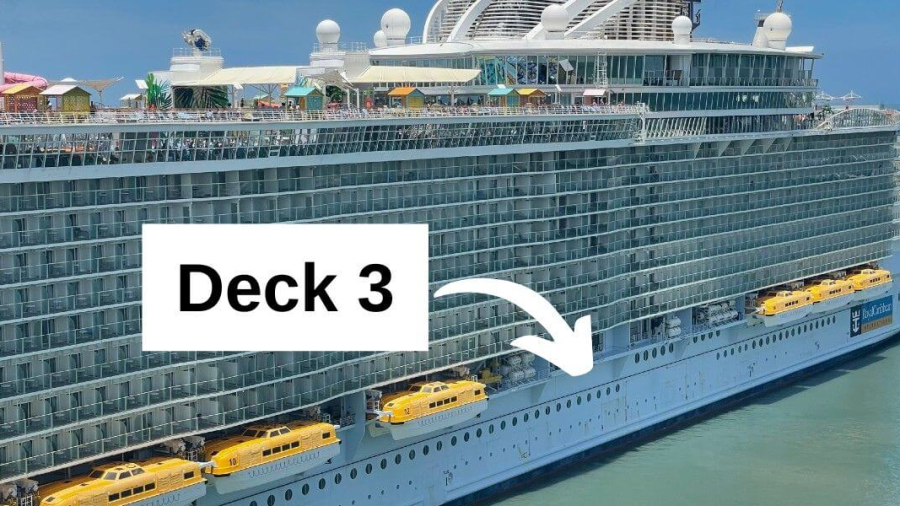
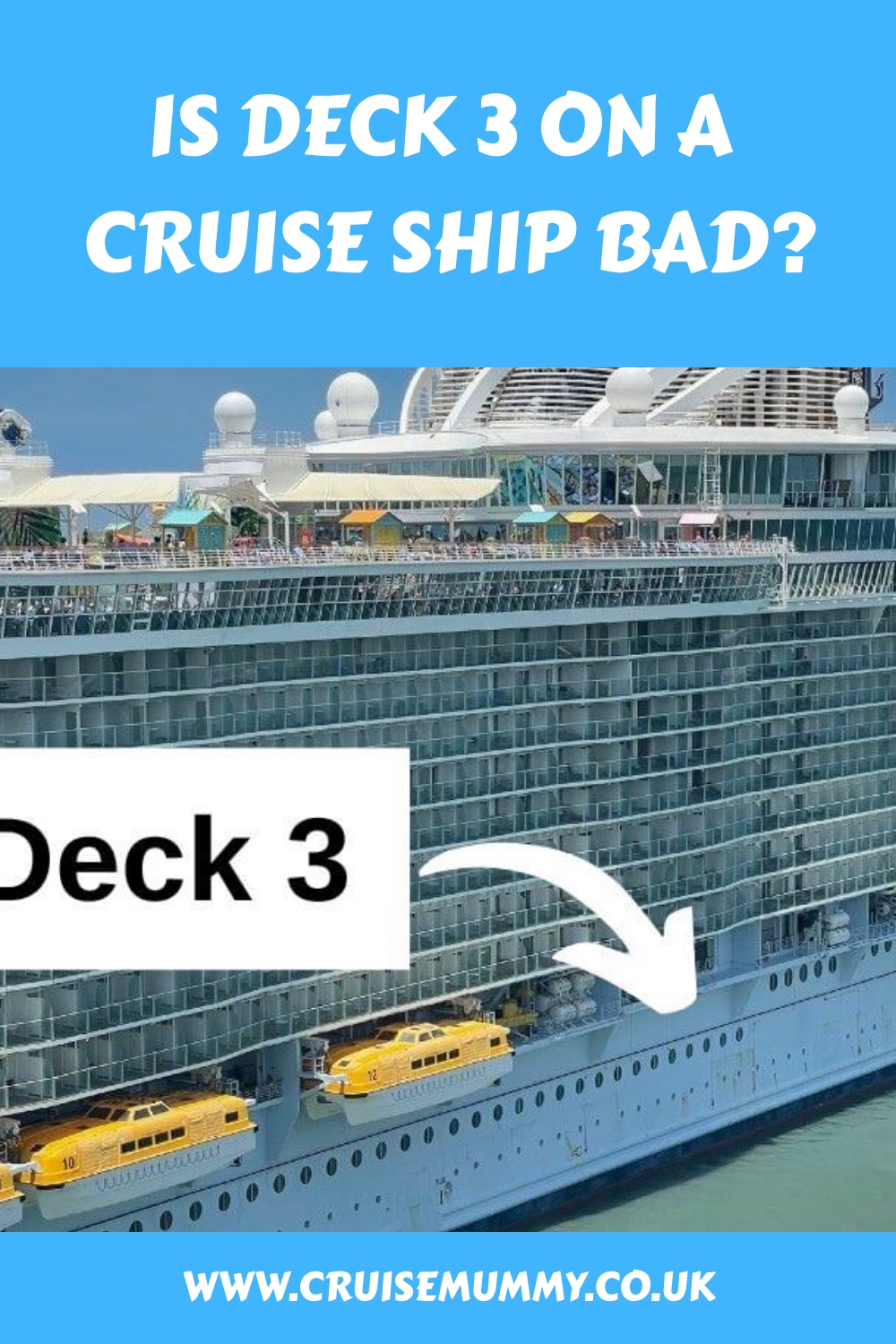
Deck 3 on Oasis of the Seas

Deck 3 is one of the lowest on the ship – so if you’ve the option to stay here, or you’re placed here by the cruise line, is it something you should worry about?

Deck 3 Location

Cruise ships number their decks ascending from the bottom of the ship, so Deck 3 is the third-lowest deck on the ship. This usually puts it around the waterline, or just above. It’s often the lowest accessible deck on a cruise ship for passengers.

Most cruise lines will number every deck on the ship, meaning the very lowest is Deck 1. But guests typically only access the Decks from Deck 3 and above, leaving the lower decks to the crew and everything behind-the-scenes that keeps the cruise running.

On some ships, guest accommodation begins on Deck 4 and Deck 3 is only used for the medical centre and crew accommodation.

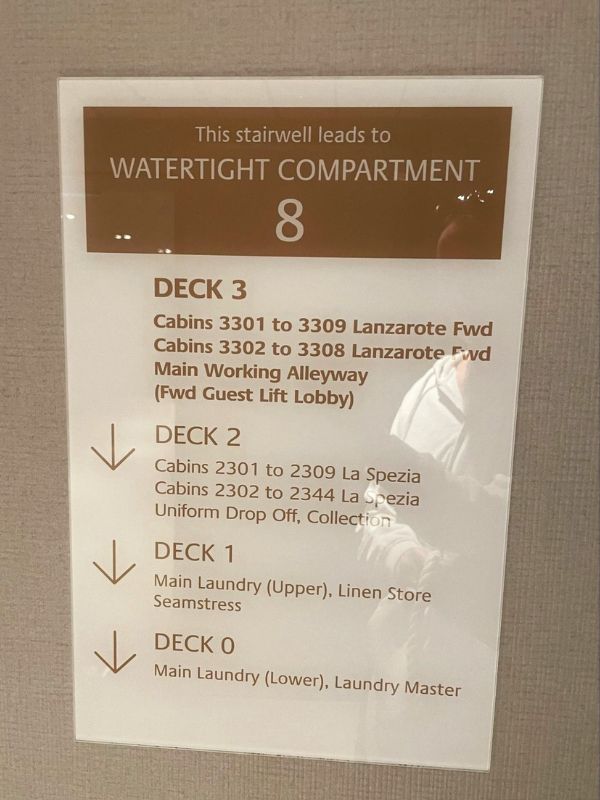
Deck 3 sign on P&O Arvia

Carnival doesn’t number the decks that the crew uses on its ships, so Deck 1 is a passenger-accessible deck.

Disney Cruise Line is similar, except that Deck 1 has just a few staterooms for passengers, everything else is for the crew or the workings of the ship.

Deck 3 is normally close to the engines of the ship, but it depends on where about on Deck 3 you are. The staterooms on Deck 3 might be restricted to the front of the ship, while the engines are closer to the aft.

Most People Avoid Deck 3

Generally, people try to steer clear of booking Deck 3 if they have a choice.

The rooms will either be Inside or Oceanview only, and they can be smaller and in a noisier part of the ship. They’re also the furthest from the pools and other outdoor facilities. However, some people do enjoy the seclusion of Deck 3.

Whether a deck is bad or good depends entirely on your opinion. There are a number of factors that affect whether you’d consider a deck to be a good choice, but they’re all subjective to the person.

Here are some things to think about if you’re considering a cabin on Deck 3…

1. Seasickness

Seasickness is often a major concern for cruise ship passengers, especially those who suffer from motion sickness and are taking their first cruise.

Generally, the best advice for anyone who might suffer from seasickness is to choose a lower deck, nearer the waterline. You’ll feel the movement of the ship less here.

So for those people, Deck 3 might be perfect, especially an Oceanview cabin where you can pick a point on the horizon to focus on – that can also help.

Oceanview cabin

2. Noise

Noise is another major concern for cruisers, and for some people, Deck 3 might be a bit too noisy.

The rooms will be close to the engines so you might hear (and feel) them, especially as the ship manoeuvres into port. It’s also close to cabin quarters and the parts of the ship used to move supplies around, so there can be a lot of activity going on around you.

3. Distance

On most cruise ships, the restaurants, shops and kids clubs are on lower decks – often Decks 4 to 6 – while the swimming pools, and any sporting facilities are on the higher decks.

Bear in mind that the biggest ships have as many as 20 decks, so from Deck 3 that could be 17 floors you need to travel in order to get to some of the facilities! If you’ve ever walked up 17 decks in one go, you’ll see why this is something that even the fittest people choose to take the lift for.

4. View

Don’t forget about the view. Sure, the view from an Oceanview cabin on Deck 3 will be pleasant, but you’ll get a much better view from a Balcony stateroom higher up the ship.

Of course, there are always the other outdoor parts of the ship where you can go if you want the view.

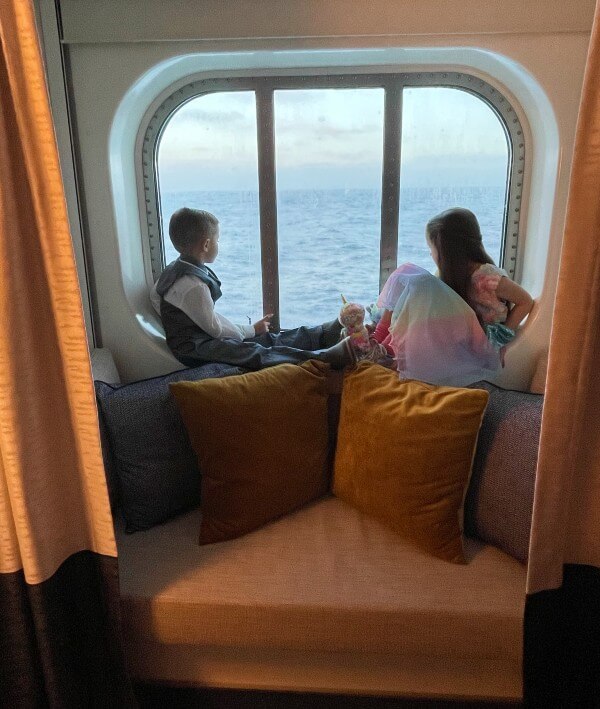
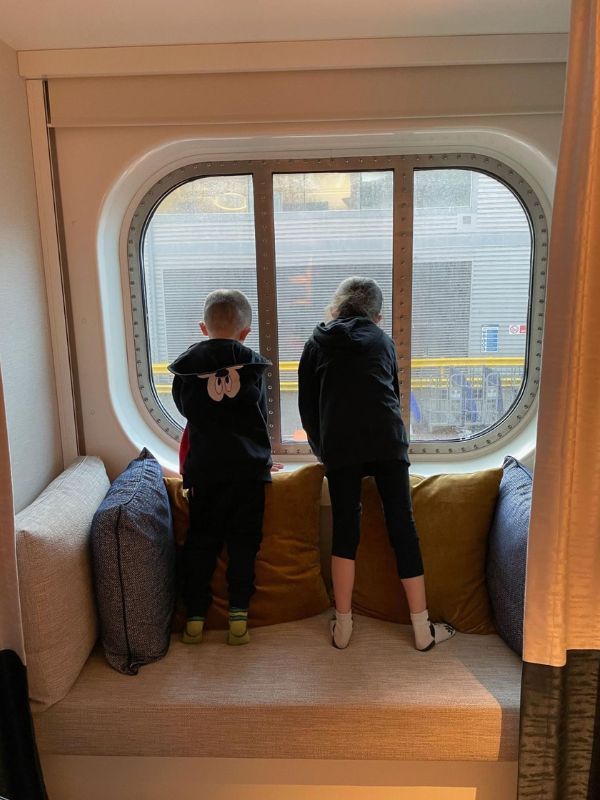
Kids looking out the window of a cruise ship

So unless you’re a motion sickness sufferer, why would you consider Deck 3 if given the choice?

5. Cost

Well, cost is another major consideration. Deck 3 cabins, since they tend to be noisier and further from some facilities, so may be a lot cheaper than those higher up the ship.

If you’re a heavy sleeper or don’t mind a queue for the elevators, you can save a lot of money.

Remember that these factors will all be influenced by the ship, too. Some won’t even have accommodation on Deck 3, but instead, that’ll be where the dining rooms and bars are located.

So, always check the deck plans. And check Decks 2 and 4 to see what’s above and below so you know what sounds you might hear.

And you can always use my cabin checklist to make sure you get the best stateroom every time, too. Leave your email below, and it will be sent straight to your inbox.

The Best Deck…

There isn’t a single best deck on a cruise ship, though most people prefer a mid-ship location with cabins above and below, since those tend to be the least noisy and they’re roughly an equal distance from all the facilities on the ship.

There’s a lot to bear in mind – whether people can see into your stateroom from a promenade, or how close you are to laundry facilities or elevators (where there may be a lot of people walking right outside, sometimes late into the night).

Read my guide on the best deck on a cruise ship to help you make up your own mind.

Related Posts:

If you found this interesting, please share!

Cruise Mummy

Jenni Fielding is the founder of Cruise Mummy. She has worked in the cruise industry since 2015 and has taken over 30 cruises. Now, she helps over 1 million people per month to plan their perfect cruise holidays.

Read more about me


Source link

Untitled-design-4-15.jpg

12 Things You Must ALWAYS Check On The Deck Plan Before Booking A Cruise

Woah, woah, woah there – get your mouse pointer away from that ‘Book Now’ button, or just hold on a second before telling your travel agent that “Yes” you’re ready to confirm your cruise booking.

Have you even checked the deck plans yet?

Cruise deck plans

So many people book a cruise without even thinking about where their cabin is located, or whether it’s the right one for them, and it really can make all the difference.

And I bet there are things on this list you wouldn’t have even considered…

1. Confirm the Category

First things first – check the cabin category. Deck plans use colour coding to show what type each cabin is, whether it’s an inside, oceanview, balcony, or suite. You can then just make sure you’re booking the right category that you want (or see what the other options are like nearby).

MSC Meraviglia Deck Plan
Deck plan categories colour coded

Cruise lines will shade the deck plans based on all the subcategories too – so you’ll get categories like “Deluxe Balcony A3” versus “Standard Balcony A5.”

The colours help… unless you’re looking at a plan with 47 shades of beige. (Seriously, why are there five types of green?)

The trick? Use the legend or key and zoom in. You’re not just being picky – the category can affect price, perks, and location. You want to make sure you’re booking the right one.

2. Check the Size of the Stateroom and Balcony

If a cabin or balcony looks bigger on the deck plan, it probably is.

These plans are surprisingly accurate, and those little differences can mean a more spacious room or a balcony that actually fits a lounger.

Marella Balcony Cabin

On some ships, especially near the back or on the corners, you’ll spot oddly shaped cabins – often wider, longer, or just roomier than the rest.

Spotted one? Snag it. Some of the best hidden gems may look a couple of pixels wider, but that could be a different of a couple of feet.

3. Look at the Balcony Shape – and Whether It’s Overlooked

Check the shape of your balcony. They aren’t all rectangular. Angled balconies can be brilliant – they often have more space, perfect if you want to stretch out in the sun without knocking over your mojito.

Overlooked balcony

But watch out: if the balcony sticks out, the cabins above may have a clear view of yours. I booked a massive balcony on Iona and I actually wished that I hadn’t!

So, if you’re the type who likes a private morning coffee in your dressing gown, check what’s directly above and whether privacy might be a concern.

Suggested read: Is It OK To Have Sex On A Cruise Ship Balcony?

4. Check the Type of Beds

Not all beds are created equal. Some cabins have fixed twins, while others have beds that can convert into queens or kings – that’s handy if you’re cruising with a friend or partner.

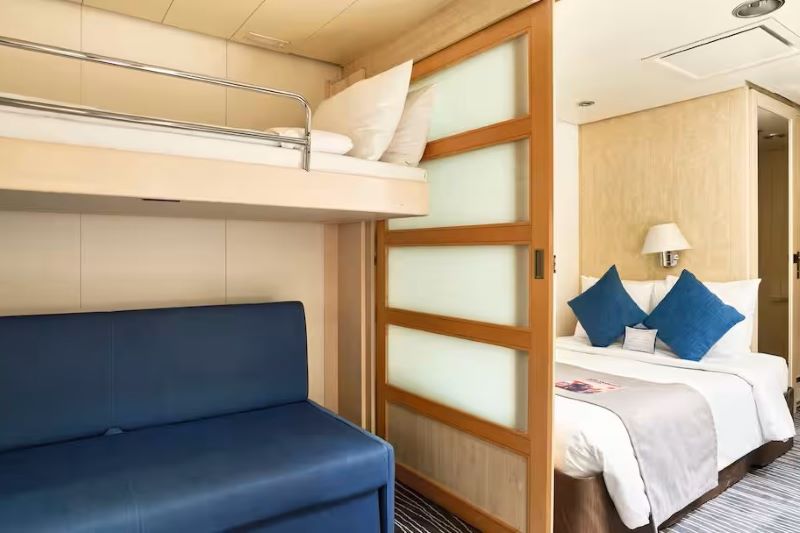
This image shows a neatly arranged small room with a bunk bed configuration, featuring a lower couch that likely converts into a bed and an upper bunk accessible by a ladder. The room has a neutral color palette, with gray walls and white bedding, and is complemented by soft curtain drapes that suggest a cozy and compact living space, possibly within a cruise ship or a budget hotel room designed to efficiently accommodate multiple guests.

Also check how extra beds are arranged: are they pullman beds that fold out from the wall or ceiling? Sofa beds? Or are you looking at something that turns the room into a mattress maze when the kids go to sleep?

This is where that fine print and little icons on the deck plan really matter.

The last thing you want is to end up with a ridiculous cabin layout like the one we had on Britannia earlier this year…

If you’re not careful, you could end up with a nightmare situation like your teenagers having to share a double bed or granny having to climb up into the top bunk!

5. What’s Above and Below the Cabin

One of the golden rules of cruising: you don’t want to sleep underneath the pool deck. Or a nightclub. Or the buffet kitchen. Or the gym.

Pirate party on a pool deck

Noise can travel, and cabins directly under busy venues often come with the not-so-soothing sounds of dragging chairs, pounding music, slamming dumbells or the 6am sun lounger stampede.

Same goes for what’s below your cabin. Engine rooms and crew access areas can mean noise and vibration. For maximum peace and quiet, aim for cabins sandwiched between other decks of staterooms.

Suggested read: Where Is A Cruise Ship Engine Located?

6. How Many People the Cabin Sleeps

Most standard cabins are built for two, maybe three people – but if you’re travelling as a family or group, make sure you check the maximum capacity.

Marella Cruises Family Cabin

Cabins that sleep four or five sell out fast, and many ships only have a handful of 5+ berth options, if any at all.

Don’t assume you can squeeze in extras – cruise lines are strict about this for safety reasons.
Even if you have a baby that will sleep in a travel cot, you’ll still be required to book a cabin with a proper bed for them.

Get Help Booking Your Family Cruise

Cruise Family are the only UK specialists in cruises for families of 5+ (and smaller ones too!)

Let them find your perfect trip…

7. Proximity to the Elevators

Some people love being near the lifts – less walking, easier access to everything. But others hate the potential foot traffic and noise.

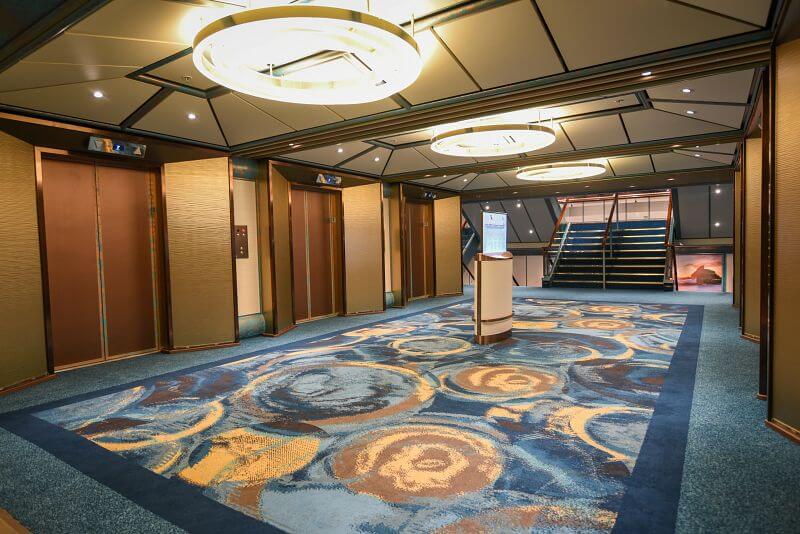
An elegant elevator area on the Carnival Radiance with a patterned blue carpet, wood-paneled doors, and modern circular light fixtures creating a welcoming atmosphere for guests transitioning between the cruise ship's multiple levels.

If you’re a light sleeper or enjoy a lie-in, a cabin right next to the elevator lobby might not be ideal.

That said, mid-ship near the lifts is golden for anyone with limited mobility or small kids in tow. Just check how close is too close.

8. Walking Distance

On mega ships, some cabins are hidden down corridors with more twists than a soap opera.

Look at this cabin that I booked (the red line is the walk to the elevator)…

Long walk on Mariner of the Seas

When I realised how far it actually was from the elevator, I called my travel agent to change it. My daughter had mobility issues at the time and the walk would have just been too much.

If your cabin’s down a long hall, around a corner, past a few more doors, and then back again, it can get old – especially if you’re in heels or dragging a sleepy toddler.

On deck plans, look for cabins with a relatively straight route from the elevators or stairs. This sounds nit-picky, but trust me: after day four, it matters.

9. Bath or Shower Facilities

Most cruise ship bathrooms come with showers, but some cabins – especially family staterooms, suites, or certain accessible rooms – come with bathtubs.

A neatly arranged bathroom with modern fixtures on a Disney cruise ship. The space is split into two sections, with a rectangular sink and vanity on the left, featuring a large mirror with integrated lighting. On the right, there's a full-length shower enclosed by glass doors, complemented by white subway tiles and multiple built-in shelves for toiletries. The floor throughout is laid with herringbone-patterned tiles, enhancing the bathroom's contemporary aesthetic.

If you’re travelling with young kids, a bath can be really handy. Some cruisers also prefer them for soaking after long port days.

It’s rarely shown clearly on the deck plan itself, but the cabin legend or detailed ship specs should tell you.

10. Connecting Cabins

Connecting cabins are great if you want to book both and have easy access between them (especially for families), but not so great if you don’t.

Connecting Cabin Adventure of the Seas

Why? Because even when the connecting door is locked, it doesn’t always block sound perfectly. You might hear your neighbours’ conversations – or worse, their TV at 1am.

Look for the little door symbol on the deck plan if you want to avoid one. It’s usually double-headed arrows.

Suggested read: Cruise Guest Threatens Gratuity Removal Over Noisy Cabin Neighbours

11. Obstructed View Cabins

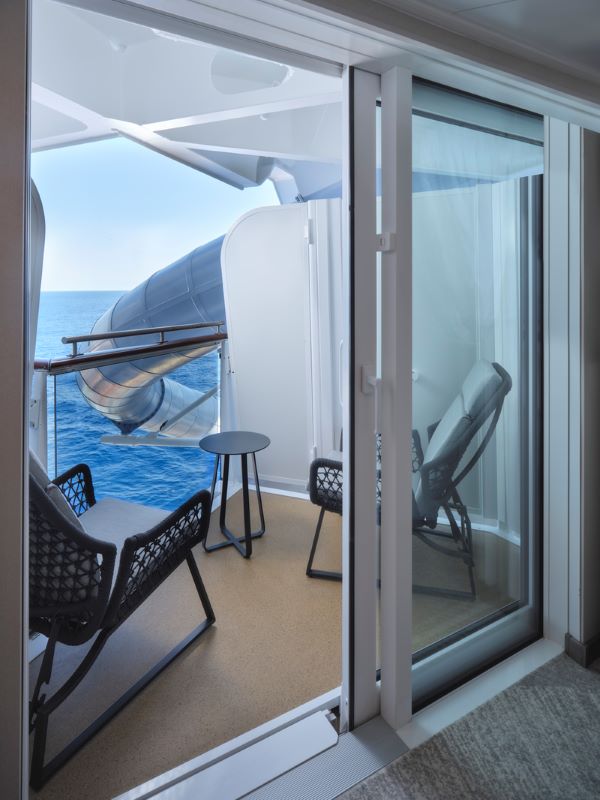
Some “oceanview” or “balcony” cabins come with surprises – like a lifeboat smack in the middle of your line of sight. In rare cased, the obstruction might even be a slide!

View from inside a Norwegian Prima stateroom with an ADA-accessible obstructed ocean view balcony, featuring comfortable outdoor furniture and a clear glass door, with a glimpse of a lifeboat outside.

Obstructed view cabins are usually cheaper, but don’t assume that a sea view means an uninterrupted sea view.

On deck plans, there’s usually a symbol or shading to indicate partially or fully obstructed cabins. It’s worth checking with the cruise line or looking up photos from previous cruisers if you’re unsure.

And here’s a sneaky thing – sometimes a cabin won’t be sold as an obstructed view one, but the deck plans will tell you that there is a partial obstruction. Another reason to check!

Before you book an obstructed cabin, I suggest you watch this video that I made…

12. Accessible Staterooms

Cruise lines are doing a better job of offering accessible cabins, but not all of them are the same.

Some are simply wider to accommodate wheelchairs. Others have full wet rooms, lower sinks, emergency call buttons, and other features designed for guests with mobility needs.

MS Zuiderdam accessible cabin

If you need an accessible stateroom, check what level of accessibility it offers – and book early, as these cabins are limited.

And if you don’t need one, don’t try to book one.

About Guarantee Cabins

Everything in this list applies if you’re choosing your cabin for yourself. Book a Guarantee Cabin though, and the whole thing is moot.

Guarantee Cabins are where you don’t get to choose your cabin, and the cruise line will put you in whatever they haven’t sold by the time the cruise sails.

The benefit of this is you’ll pay less – so you need to decide whether you want a cheaper deal, or the comfort of knowing you don’t get stuck in an unfavourable cabin.

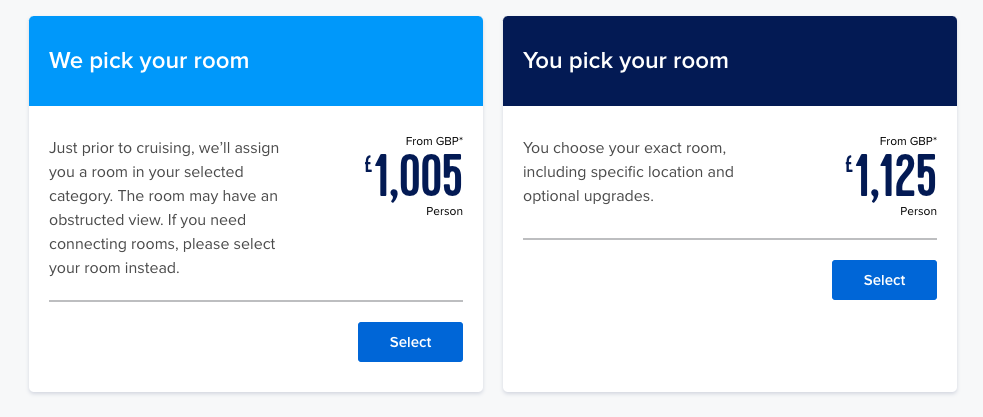
Choose Royal Caribbean Room

There’s no right or wrong answer, although I would suggest that you should think about how much you’ll likely use the cabin, and how light a sleeper you are.

A heavy sleeper who intends to be up early and out and about, exploring the ship? Get a Guarantee.

Someone who likes to enjoy their cabin, relax more or who struggles with noise? You’ll probably want to pay more and pick your cabin, based on the deck plans.

Final Thoughts

Deck plans might look like a game of Tetris crossed with an unbreakable code puzzle, but they’re the key to unlocking a cruise cabin that suits your needs perfectly, and they really aren’t that complicated once you get into them.

With a mild bit of detective work, you can avoid sleepless nights, long walks, and awkward surprises – and instead enjoy a cabin that feels just right.

So grab your reading glasses, zoom in on that plan, and get booking like a pro.

Related Posts

If you found this interesting, please share!

Cruise Mummy

Jenni Fielding is the founder of Cruise Mummy. She has worked in the cruise industry since 2015 and has taken over 30 cruises. Now, she helps over 1 million people per month to plan their perfect cruise holidays.

Read more about me


Source link

Balcony cabin on a cruise ship with a bed facing glass doors and the open sea, like Coral Princess balcony rooms

Coral Princess Cabins to Avoid (and the Best Cabins to Book)

The main Coral Princess cabins to avoid are the Aloha deck (deck 12) rooms that sit directly below the Lido deck pool, buffet and spa, the Emerald deck (deck 8) oceanview rooms whose windows look onto lifeboats, cabins next to the self-service launderettes and service doors, and forward cabins if you get seasick. The best picks are midship balcony cabins on Dolphin, Caribe and Baja decks (9 to 11), aft-facing balconies if you like a wake view, and the mini-suites, which give you a lot more room for a modest step up in price.

Coral Princess is a fairly easy ship to choose a cabin on, because she is smaller and simpler than the newer Princess ships. Her decks are a little different from those ships, so the usual rules about which cabins to avoid don’t always apply. This guide goes through the problem spots deck by deck, explains the cabin grades and gives a short list of rooms worth booking.

Coral Princess at a glance

Coral Princess entered service in 2002 and is the lead ship of the Coral class. Her sister ship is Island Princess. At about 92,000 gross tons, 965 feet long and only 106 feet wide, she was built to fit the original Panama Canal locks. She carries around 2,000 guests in 1,000 staterooms. Her last drydock was in October 2024, and an earlier refit (2019) put the Princess Luxury Bed in every stateroom.

She spends a lot of time on long voyages. In summer 2026 she sailed 7-night Voyage of the Glaciers cruises between Vancouver and Whittier in Alaska. In January 2027 she leaves Fort Lauderdale on a 129-night Grand Circle Pacific voyage, which goes through the Panama Canal and on to Hawaii, the South Pacific, Australia, New Zealand, Asia and Alaska. Shorter segments, including a 114-night roundtrip from Los Angeles, are also sold. On voyages that long, your cabin matters even more than usual. Itineraries change, so check the current schedule on the Princess Cruises website.

Island Princess has almost the same layout, so most of this advice also applies to her. Our guide to the best and worst cabins on Island Princess covers her in detail.

Coral Princess cabin types and grades

About 80% of the outside cabins on Coral Princess have a balcony, which is a high share for a ship of her age. The figures below are approximate and come from published deck plans.

Cabin type Category codes Approx. number Approx. size Where on the ship
Interior IA to IF 112 156 to 166 sq ft Decks 5, 8, 9, 11, 12
Oceanview OB to OE, O5, O6; obstructed OV, OW, OY, OZ 153 about 162 sq ft (larger O5/O6 about 215 sq ft) Decks 5, 8, 9, 11
Balcony B1, B2, BA to BF; obstructed BY, BZ 527 about 173 sq ft plus balcony Decks 8 to 12
Mini-suite M1, MB, MD, ME; MY (window, no balcony) 192 about 240 sq ft plus balcony Decks 9 to 12
Suite S5, S6 16 up to about 470 sq ft Decks 9 and 10

Cabin numbers begin with a letter for the deck: P for Plaza (5), E for Emerald (8), D for Dolphin (9), C for Caribe (10), B for Baja (11) and A for Aloha (12). For example, a cabin numbered B7xx is on Baja deck. There is no deck 13, so Aloha deck sits directly beneath the Lido deck (14).

Ship passing through a canal lock, like a Panama Canal transit
Coral Princess was built to fit the Panama Canal locks. Photo: Moo Lens on Pexels

Coral Princess cabins to avoid

No cabin on Coral Princess is truly bad. The rooms below have a known drawback, so it’s worth knowing about them before you choose one.

1. Aloha deck cabins under the Lido deck

Because there is no deck 13, Aloha deck (12) is directly beneath the busiest deck on the ship. The Lido deck has the Horizon Court buffet forward, the Lido and Lotus pools, bars, the pizzeria, and the spa and fitness center. Crew set out and stack loungers early in the morning and late at night, buffet carts roll across the floor, and people use the gym from dawn. Light sleepers should look at the deck plan and pick a cabin that isn’t under the pool, buffet or gym. Other cabins on Aloha deck can be fine, and the deck also has popular mini-suites.

2. Obstructed-view oceanview cabins on Emerald deck

The lifeboats hang beside the Promenade deck. Many oceanview rooms on Emerald deck (8) look straight onto them, and some have equipment in front of the window. These obstructed rooms are sold as OV, OW, OY and OZ and cost less. Some have only a partial blockage and others mostly see a lifeboat. If you need daylight but don’t care about the view, they can be good value. If you want to watch glaciers or the Panama Canal from your room, pay a little more for a clear view.

3. Obstructed-view balcony cabins (BY and BZ)

A small number of balcony cabins are sold as obstructed (categories BY and BZ). The obstruction can be part of the ship’s structure or equipment. Read the category description on the booking page before you buy, and ask your travel agent exactly what the cabin looks onto.

4. Cabins next to the launderettes and service areas

Coral Princess has self-service launderettes on the cabin decks. Published deck plans show them on Dolphin deck (9), for example. The rooms beside them get people coming and going late into the evening, doors closing and dryers running. Some passengers on forums have also reported plumbing smells in places. These reports are occasional and not tied to one specific room. The same applies to cabins beside crew doors and pantries, where carts move around early in the morning. Look for these areas on the deck plan and choose a cabin at least a few doors away.

5. Cabins near elevators and stairwells

Being near a stairwell is handy, but the cabins right beside the lift lobbies hear more corridor chatter and passing traffic. A cabin about 4 to 8 doors away is still a short walk and much quieter.

6. Forward cabins if you get seasick

The front of the ship moves the most in a swell. This matters on Coral Princess because of her routes: open-ocean days in the Gulf of Alaska, long Pacific crossings, and the Tasman Sea between Australia and New Zealand. If you get seasick, avoid the forward cabins on the higher decks. Choose a cabin midship on a lower deck, ideally Emerald or Dolphin, where you feel the least movement.

7. Lower-deck aft cabins if you are sensitive to vibration

The cabins at the back of the ship, nearest the propellers, can feel some vibration when the ship is maneuvering in and out of port. This is more noticeable on the lower decks. Most passengers barely notice it, but it’s worth knowing if you are a very light sleeper.

Balcony privacy on Coral Princess: a common mix-up

On the larger Grand-class Princess ships, the balconies on some decks step out in tiers, so people on the deck above can see down onto your balcony. Advice about this is often repeated for Coral Princess, but it mostly doesn’t apply to her. Her side balconies are largely stacked straight on top of each other, so privacy is generally good. If being overlooked worries you, check the deck plan for your cabin. In particular, look at the balconies around the aft corners and on the lowest balcony deck before you book.

Does Coral Princess have connecting cabins?

Coral Princess has relatively few connecting staterooms compared with newer ships, and they sell out quickly on school-holiday sailings. Connecting doors also let through a little more sound from next door, so couples who want quiet may want to avoid them. If you’re traveling as a group, an alternative is to book neighboring balcony cabins. On many Princess ships the crew can open the partitions between adjoining balconies on request, making one long shared balcony. Confirm that with Princess for your specific cabins before you rely on it. Also confirm any connecting rooms directly with Princess, because the deck plans on third-party sites aren’t always up to date.

Two chairs on a private cruise balcony looking out over a calm sea at sunset
A midship balcony gives a steady ride and an open view of the sea. Photo: IslandHopper X on Pexels

Best cabins on Coral Princess

  1. Midship balconies on Dolphin, Caribe or Baja deck (9 to 11). These have the least motion and clear views, with cabins above and below them rather than public rooms. For most people they are the best overall choice.
  2. Mini-suites. At about 240 square feet, a mini-suite is much larger than a standard balcony cabin. You also get a sitting area, a bathtub and a few extra perks. On a 30-night or longer voyage, the extra space is often worth the cost.
  3. Aft-facing balconies. The rooms at the very back of Dolphin, Caribe, Baja and Aloha decks look out over the wake and are very popular. Book early, and accept that you may feel a little more vibration or motion in rough seas.
  4. Suites (S5/S6) on decks 9 and 10. There are only 16 suites. They are the most spacious rooms on board and come with the most perks, including complimentary laundry, so they suit long voyages well.
  5. Interior cabins in a quiet location. The best interior rooms are midship on Emerald, Dolphin or Baja deck, with cabins above and below and away from service doors. They are a sensible budget choice if you spend most of the day out of the cabin.

Which side of the ship is best?

For an Alaska cruise in one direction, the general rule is starboard (right) going northbound and port (left) going southbound, so the coast is on your side. In Glacier Bay and College Fjord, the ship usually turns so that both sides get a view. For the Panama Canal and the long Pacific voyages, it doesn’t matter much which side you are on. Choose by where the cabin is and how quiet it is, not by which side it’s on.

Tips for choosing a Coral Princess cabin

  • Look one deck up and one deck down. Open the Coral Princess deck plan and check what is directly above and below your cabin. The quietest rooms have cabins on both sides.
  • Read the category code. The OV, OW, OY, OZ, BY and BZ codes tell you a room is obstructed, even when the booking page doesn’t mention it.
  • Weigh guarantee fares carefully. A guarantee fare is cheaper, but you could end up in one of the rooms described above.
  • Book early for long voyages. Mini-suites and aft balconies go first on the Grand Circle Pacific voyage and its segments.
  • Compare across ships. If you are also looking at newer Princess ships, read our guide to Sky Princess cabins to avoid, and look out for fares in our roundup of cruise deals for 2027.

Comparing Princess ships? See our guide to the best and worst cabins on Regal Princess.

FAQs

What cabins should I avoid on Coral Princess?

Avoid Aloha deck (12) cabins directly under the Lido pool, buffet or gym, obstructed-view rooms on Emerald deck (8), and cabins next to launderettes, service doors or elevators. If you get seasick, avoid forward cabins as well.

What is the best deck on Coral Princess?

For most people, the best decks are Dolphin, Caribe and Baja (9 to 11), choosing a cabin midship. These decks have cabins above and below, the ride is steady, and the views are clear.

Are Coral Princess balconies private?

Mostly, yes. Unlike some larger Princess ships, Coral Princess has her side balconies stacked straight on top of each other rather than stepped out in tiers, so few are overlooked from above.

Which Coral Princess cabins have obstructed views?

Mainly the oceanview categories OV, OW, OY and OZ, many of them on Emerald deck facing the lifeboats, plus a small number of balcony cabins sold as BY and BZ.

Is a mini-suite on Coral Princess worth it?

On longer cruises it often is. A mini-suite is about 240 square feet, which is roughly 40% larger than a standard balcony cabin, and it has a sitting area and a bathtub.

Family on holiday together, the kind of trip the best cruise ships for families are built for

The Best Cruise Ships for Kids and Families (2026-27)

The best cruise ships for families in 2026-27 are Royal Caribbean’s Icon-class ships (Icon, Star and Legend of the Seas) for kids of every age, Disney’s newest ships (Disney Destiny, Treasure and Wish) for under-10s, and Carnival’s Excel-class ships for value. MSC World America and Norwegian Aqua and Luna are strong all-rounders. For UK families who don’t want to fly, P&O Cruises’ Arvia and Iona from Southampton are the easiest pick.

The best ship for your family depends mostly on how old your children are and where you can easily sail from. Below you’ll find a quick comparison table, a ship-by-ship rundown of the best cruise ships for kids at the time of writing (October 2026), and some practical advice on choosing between them.

Best cruise ships for families at a glance

Kids’ club age bands vary by line and are sometimes adjusted, so check the cruise planner for your sailing before you book.

Ship Line Kids’ club ages Standout feature Best for ages
Icon, Star and Legend of the Seas Royal Caribbean Nursery 6-36 months; Adventure Ocean 3-12; teens 12-17 Surfside toddler neighbourhood plus Category 6 water park All ages
Disney Destiny, Treasure and Wish Disney Cruise Line Nursery 6 months-3; Oceaneer Club 3-10; Edge 11-14; Vibe 14-17 Character meet-and-greets and the AquaMouse water ride Toddlers to 10
Disney Adventure Disney Cruise Line Nursery, Oceaneer Club, plus tween and teen spaces Marvel Landing and the Ironcycle Test Run coaster 4-14
Carnival Celebration, Mardi Gras and Jubilee Carnival Turtles under 2; Camp Ocean 2-11; Circle C 12-14; Club O2 15-17 BOLT roller coaster (Celebration, Mardi Gras) and WaterWorks 5-17, budget-minded families
MSC World America MSC Cruises Clubs from 0 to 17 in Doremiland Kids’ clubs open 9am to midnight; The Harbour outdoor play area 3-14
Norwegian Aqua and Luna Norwegian Cruise Line Guppies 6 months-4; Splash Academy 3-12; Entourage 13-17 Aqua Slidecoaster, part water slide and part roller coaster 8-17
Arvia and Iona P&O Cruises The Reef 2-12 in bands; teen club 13-17; night nursery for under-4s Sailing from Southampton with a British-style programme 2-12, UK families

1. Icon-class ships: the best cruise ships for kids of all ages

Royal Caribbean’s Icon of the Seas, Star of the Seas and the brand-new Legend of the Seas are the closest thing to a floating theme park, and they work across a wider age range than any other ships at sea. Each one is organised into “neighbourhoods”, which makes a very big ship surprisingly manageable with children.

  • Toddlers and young kids: Surfside is a whole family neighbourhood with a carousel, splash areas (including a Baby Bay for little ones not yet out of nappies), a family pool and casual places to eat a few steps from the play areas.
  • Tweens and teens: Thrill Island has the Category 6 water park with six slides, plus the Crown’s Edge ropes walk and climbing wall. Teens get their own dedicated space.
  • Parents: Adventure Ocean for 3-12s is complimentary, and there’s a paid nursery for babies and toddlers.

Icon sails from Miami and Star from Port Canaveral on seven-night Caribbean routes, both with a day at Perfect Day at CocoCay. Legend of the Seas started sailing in the Mediterranean in July 2026 and repositioned to Fort Lauderdale on 25 October 2026 for a Caribbean winter season, with CocoCay on every sailing. It also has the three-storey Ultimate Family Townhouse if your budget stretches that far. You can see how the slides compare in our guide to Icon of the Seas’ Category 6 water slides.

If you’re set on Royal Caribbean but want a cheaper or shorter option, older Oasis-class and Quantum-class ships can be very good value. We break those down in the best Royal Caribbean ships for kids of each age.

2. Disney Destiny, Treasure and Wish: best for younger children

If your children are under about 10, no other line comes close to Disney for the “magic” factor. The three Wish-class ships share the same layout. Disney Wish and Disney Treasure sail from Port Canaveral, and Disney Destiny has sailed four- and five-night Bahamas and Western Caribbean trips from Fort Lauderdale since its maiden voyage in November 2025.

  • Kids’ clubs: The “it’s a small world” nursery (6 months to 3 years, fees apply), Disney’s Oceaneer Club for 3-10s, Edge for 11-14s and Vibe for 14-17s. The Oceaneer Club is included in the fare and has open-door sessions, so kids can drop in and out.
  • Water fun: The AquaMouse water ride runs above the top deck, and the Toy Story Splash Zone gives toddlers a safe, shallow area.
  • Dining: Rotational dining means your waiting staff move with you to a different themed restaurant each night, which children tend to love.

The trade-off is price: Disney is usually the most expensive mainstream family line per night. Destiny’s heroes and villains theme suits slightly older children, while Treasure’s adventure theme and Wish’s fairytale theming suit younger fans. Plant-based eaters can find out what to order in our Disney cruise vegan guide.

Disney Adventure: the new option in Asia

Disney Adventure began sailing from Singapore in March 2026. At around 208,000 gross tons it is Disney’s largest ship, with up to about 6,700 guests at full capacity. It runs three- and four-night round trips with no port calls, so the ship itself is the destination. Highlights include Marvel Landing with the Ironcycle Test Run roller coaster and a Big Hero 6-inspired San Fransokyo Street. It’s a realistic choice for families in Australia, India and South-East Asia, and an interesting add-on for anyone combining a cruise with a Singapore stopover. Our Disney Adventure staterooms and suites guide covers which cabins sleep larger families.

Children enjoying a bright water slide and splash pool, the kind of top-deck fun found on family cruise ships
Water parks are now standard on the biggest family ships. Photo: Anna Klinkosz on Pexels

3. Carnival Celebration, Mardi Gras and Jubilee: best value for families

Carnival’s Excel-class ships give you a big-ship experience at a lower price than Royal Caribbean or Disney. Mardi Gras sails from Port Canaveral, Celebration from Miami and Jubilee from Galveston. Celebration and Mardi Gras have BOLT, a roller coaster on the top deck. All three have WaterWorks slides, Family Harbor cabins with access to a family lounge, and free Camp Ocean for 2-11s.

Carnival’s casual, fun atmosphere suits families with lively school-age kids, and the bars and comedy keep parents happy too. Miami and Port Canaveral sailings can include Celebration Key, Carnival’s own beach destination on Grand Bahama, which opened in 2025. Keep an eye on Carnival Festivale, due in 2027 from Port Canaveral. Carnival says it will have the line’s largest water park and roughly 1,000 interconnecting cabins, which is a big draw for multi-generational groups.

4. MSC World America: best for long kids’ club hours

MSC World America sails seven-night Caribbean cruises from Miami and is one of the most family-focused ships MSC has built. Its Doremiland kids’ area is the largest in the MSC fleet, at more than 10,000 square feet, with clubs for babies right up to teens. The kids’ clubs run from 9am until midnight on every voyage, which is longer than on most ships.

The Family Aventura district includes The Harbour, an outdoor play area with a ropes course, the Cliffhanger swing ride and a lighthouse-themed playground. There’s also an 11-deck dry slide. MSC often runs offers where children sail free or at a reduced fare in their parents’ cabin, which makes it one of the cheaper ways to take a big family on a new ship. Some families do find MSC ships very busy in school holidays, so it’s worth booking dining and shows early.

5. Norwegian Aqua and Luna: best for tweens and teens

Norwegian’s Prima Plus-class ships are a great choice if your children are past the toddler stage and want thrills. Both ships have the Aqua Slidecoaster, a hybrid water slide and roller coaster, and Luna adds Luna Midway carnival games, the Moon Climber obstacle course and Horizon Park lawn games. Norwegian Luna debuted in Miami in March 2026 and is sailing a Caribbean season from there, before moving to New York in April 2027.

The kids’ clubs are Guppies (6 months to 4, with a parent), Splash Academy (3-12) and Entourage (13-17). Freestyle dining with no fixed times suits families who don’t want a set evening routine. If you’re looking at Aqua, our guide to Norwegian Aqua cabins to avoid will help you choose a quiet cabin.

Children playing in a swimming pool, the kind of splash area found on the best cruise ships for families
Pools and splash zones are a big part of what makes a ship family-friendly. Photo: Juan Salamanca on Pexels

Best family cruise ships from the UK

Many British families would rather not fly to Florida with children. These are the strongest options from UK ports.

P&O Cruises Arvia and Iona

P&O’s two biggest ships are designed for British families. The Reef kids’ club splits children into Splashers (2-4), Surfers (5-8) and Scubas (9-12), and teens aged 13-17 have their own space, called The Scene. A big plus for parents of little ones is the free night nursery for children from 6 months to under 4, so you can have dinner while your child sleeps. Iona sails mainly from Southampton, and Arvia mixes Southampton sailings with Caribbean fly-cruise seasons in recent winters. Age bands and nursery hours are occasionally adjusted, so check P&O’s current details for your sailing. Since 2025, P&O has charged a small fee to pre-book Reef sessions on Iona before you sail, though you can still book free onboard if spaces remain.

MSC from Southampton

MSC Virtuosa spent summer 2026 sailing Northern Europe and Iberia from Southampton before leaving for Brazil in November 2026. MSC Preziosa is due to sail from Southampton in winter 2026-27, and MSC Meraviglia is due to start its first UK season from Southampton in May 2027. Both offer MSC’s full kids’ club programme. We compare the two lines in detail in P&O vs MSC Cruises.

Disney from Southampton

Disney Dream sailed three- and four-night trips from Southampton in summer 2026, including a short trip to Zeebrugge. These short cruises are a good way to try a Disney cruise without long-haul flights. Disney hasn’t always returned to the UK every year, so check its website for 2027 dates before you plan around it.

If you’re still deciding whether a cruise is right for your family at all, our comparison of a cruise vs Center Parcs for UK families sets out the costs and practicalities side by side.

How to choose the right family cruise ship by age

  • Babies (under 2): Check the minimum sailing age (usually 6 months, and 12 months for some longer trips). Then look for a nursery: Disney, Royal Caribbean and Norwegian charge for theirs, while P&O’s night nursery is free. Shorter sailings are easier. Our baby and toddler cruise packing list covers swim nappies, travel cots and what the ship provides.
  • Toddlers (2-4): Many kids’ clubs require children to be toilet-trained, so check before you go. Ships with a dedicated toddler splash area, such as the Icon class’s Baby Bay or Disney’s Toy Story Splash Zone, make sea days much easier.
  • Young kids (5-10): This is Disney’s sweet spot. Royal Caribbean’s Surfside and Carnival’s Camp Ocean are also excellent.
  • Tweens and teens: Prioritise thrills and freedom: Icon-class ships, Norwegian Aqua and Luna, or Carnival’s BOLT ships. A good teen club gives them a social base for the week.
  • Multi-generational groups: Look for interconnecting cabins and a calmer adults-only area for grandparents. Legend of the Seas, MSC World America and Disney’s Wish class all do this well.

Ways to keep a family cruise affordable

Family cruises can add up quickly, but a few tactics help. Book the third and fourth berths in one cabin rather than two cabins, as extra guests in a cabin usually pay much less. Watch for “kids sail free” or reduced-fare offers from MSC, Royal Caribbean and P&O. Avoid peak school-holiday weeks if your children are under school age. Budget for extras such as nursery fees, speciality dining, Wi-Fi and drinks packages, which can cost more than you expect. Our guide to cruise deals for 2027 explains when the best offers usually appear.

To compare whole fleets rather than single ships, see our guide to the best cruise lines for families.

Families of five or more can check our guide to Disney cruise rooms that sleep 5 or more before booking.

Travelling with a baby? Our guide to cruising with an infant compares minimum ages, nurseries and pool rules by cruise line.

FAQs

What is the best cruise line for families with young kids?

Disney Cruise Line is generally the best for children under about 10, thanks to its characters, themed dining and well-run Oceaneer Club. Royal Caribbean’s Icon-class ships are a close second and suit a wider age range.

What is the best age to take a kid on a cruise?

Most lines accept babies from 6 months, but many families find that around age 3 to 4 is the turning point, when children can join the kids’ club and enjoy water parks. Ages 5 to 12 get the most out of family-focused ships.

Which cruise ship has the best kids’ club?

Disney’s Oceaneer Club and Royal Caribbean’s Adventure Ocean are the most consistently praised. MSC World America’s Doremiland stands out for its size and for opening hours that run until midnight.

What is the best family cruise from the UK?

P&O Cruises’ Iona and Arvia are the most popular no-fly family choices from Southampton, with British-style kids’ clubs and a free night nursery. MSC’s Southampton ships are a good value alternative.

Are kids’ clubs on cruise ships free?

Mainstream lines include kids’ clubs for children aged about 3 to 17 in the fare. Nurseries for babies and toddlers usually cost extra on Disney, Royal Caribbean and Norwegian. P&O’s night nursery is free.

Large white cruise ship sailing on calm blue water, illustrating Allure of the Seas cabins to avoid

Allure of the Seas Cabins to Avoid (and the Best Rooms to Book)

The Allure of the Seas cabins to avoid are mostly about location, not the rooms themselves: skip cabins directly under the pool deck, the lower inward-facing balconies over the Boardwalk, rooms next to elevators and theater entrances, and far-forward cabins if you get seasick. Pick a midship stateroom sandwiched between other cabin decks and you will dodge most of the common complaints.

This guide covers where the problem spots are on Allure after its 2025 refit, which rooms are worth paying extra for, and how to decide between choosing your own cabin or taking a guarantee fare.

Allure of the Seas at a Glance (After the 2025 Refit)

Allure of the Seas is Royal Caribbean’s second Oasis Class ship, with roughly 2,700 staterooms and space for well over 5,000 guests. Between February and April 2025 she spent about six weeks in dry dock in Cadiz, Spain, for a Royal Amplified upgrade reported at more than $100 million. For cabin hunters, the changes that matter are:

  • New staterooms. Dozens of new cabins were added, including interior rooms on decks 11 and 12 where the old Crown Lounge used to be, plus a new Ultimate Panoramic Suite forward above the bridge.
  • Existing cabins were not fully renovated. Reports after the refit say most original staterooms kept their furnishings and outlets, so do not expect a brand-new room unless you book one of the new ones.
  • A busier pool deck. New Perfect Storm racing slides, the Supercell bowl slide, Splashaway Bay for kids and rentable cabanas mean more activity above the top cabin deck.
  • New neighbors in the neighborhoods. Playmakers Sports Bar & Arcade replaced Sabor on the Boardwalk, the Pesky Parrot tiki bar replaced the Champagne Bar on the Royal Promenade, and The Mason Jar brought live country music on board.
  • The Ultimate Abyss dry slide now runs from the Sports Deck down to the Boardwalk at the aft.

Allure sails mostly 3- to 7-night Caribbean and Bahamas trips from South Florida, with Miami and Port Everglades (Fort Lauderdale) both on her 2026–2027 schedule, and most itineraries include a stop at Perfect Day at CocoCay.

Allure of the Seas Room Types and Sizes

Before deciding which cabins to avoid, it helps to know what you are choosing between. Sizes below are approximate and vary by room.

Category Approx. size Where you find them Good for
Interior 150–170 sq ft Most cabin decks Budget travelers who sleep late
Promenade / Central Park / Boardwalk view interior About 190–195 sq ft Windows over the neighborhoods People-watchers who want a view without a balcony price
Ocean view About 180 sq ft Lower and mid decks Natural light on a budget
Ocean-facing balcony About 180 sq ft plus balcony Decks 6–12 and 14 Sea views, quiet, fresh air
Central Park / Boardwalk balcony About 180 sq ft plus balcony Inward-facing, decks 8–14 Lively atmosphere, lower cost than sea-facing
Suites (Junior to Royal Loft) About 290 to 1,500+ sq ft Various, including AquaTheater and loft suites Space, perks and families

If you are torn between a window and no window at all, our breakdown of balcony vs inside cabins walks through who actually gets value from the upgrade.

Water slides twisting above an outdoor pool on a sunny day
Cabins directly below the pool deck hear the action first. Photo: Vladimir Srajber on Pexels

Allure of the Seas Cabins to Avoid

None of these rooms are bad in themselves. They are simply the locations most likely to cost you sleep, privacy or comfort.

1. Deck 14 cabins directly under the pool deck

Deck 15 is the main pool deck, and the 2025 refit made it busier than ever with new slides, cabanas and a kids’ splash zone. Cabins on deck 14 sit right underneath. Expect the sound of loungers being dragged into place early in the morning, foot traffic and music through the day. If you need deck 14, look on the deck plan for rooms with cabins, not venues, overhead.

2. Lower Boardwalk-facing balconies

The Boardwalk is open-air, and on lower decks those inward-facing balconies are closest to the carousel, Playmakers, the Ultimate Abyss landing and the AquaTheater. That means music, splashing and evening crowds. Higher Boardwalk balconies are calmer and still offer views of the AquaTheater shows. If you value quiet, an ocean-facing balcony is the safer pick.

3. Central Park balconies if privacy matters

Central Park is the quietest neighborhood on the ship, but inward-facing balconies face each other across the park. Guests on the opposite side and diners below can see you, sunlight is limited for much of the day, and evening live music carries upward. They are great value for people-watchers, less so if you want to sit outside in a robe.

4. Promenade-view interior rooms if you go to bed early

These rooms have bay windows overlooking the Royal Promenade, now home to the Pesky Parrot tiki bar and other late-night spots. Parades and parties can be heard, and the windows are not one-way glass, so close the curtains when the lights are on.

5. Cabins above or beside the Amber Theater

The main theater sits forward on the lower decks. Rooms directly above or beside it can pick up rehearsal noise and pre-show crowds. Cabins near the forward stairwells see a rush of traffic before and after every show.

6. Far-forward and far-aft rooms if you get seasick

Oasis Class ships are very stable, but motion is felt most at the ends of the ship and on higher decks. Forward rooms on low decks can also hear the anchor and bow thrusters on port mornings. Aft cabins may notice vibration as the ship maneuvers. Low and midship is the sweet spot for sensitive stomachs.

7. Connecting cabins if you are not traveling together

The interconnecting door is thinner than a regular wall, so you can hear TVs, conversations and early alarms from next door. Great for families, not for couples who want peace.

8. Rooms next to elevators, stairwells and crew areas

Elevator chimes, slamming doors and late-night chatter are a constant near the main lobbies. Crew service doors can be busy early as housekeeping and room service start. Two or three doors down the corridor usually makes a big difference.

9. Expensive suites that do not match how you cruise

Big suites on Allure come with Royal Suite Class perks, but if you will be out exploring the ship all day, a top suite may be money you never feel. Compare the perks list against how you actually spend a cruise before paying several thousand dollars more.

Best Cabins on Allure of the Seas

If avoiding problem areas is half the job, the other half is knowing where the value is.

  1. Midship ocean-facing balconies on decks 8 to 11. Cabins above and below you, short walks to elevators, and the least motion on the ship.
  2. Royal Loft Suite. A two-level suite of roughly 1,500 sq ft with a large private balcony, often with a hot tub and dining area. It suits groups or special occasions where budget is less of a concern.
  3. AquaTheater suites. Located aft, wrapping around the AquaTheater, these suites have large balconies with views of both the wake and the shows below. The trade-off is show noise and rehearsals, which some guests love and others do not.
  4. The new Ultimate Panoramic Suite. Added in 2025 above the bridge, it offers wide forward-facing views. It is the newest room on board, though forward positions feel more motion.
  5. Spacious interior and family rooms. Larger interiors give families extra floor space at interior prices, especially useful for groups of three or four.
  6. Higher Central Park balconies. Upper decks over the park are quieter, get more light and feel less overlooked than lower ones.
Private cabin balcony with two chairs overlooking the open ocean
A midship sea-facing balcony is the quiet choice on a busy ship. Photo: Denniz Futalan on Pexels

What Is the Best Deck on Allure of the Seas?

For most people, decks 8 through 11 midship strike the best balance. You avoid the noise from the pool deck above and venues below, motion is minimal, and you are within easy reach of the elevators, Central Park and the Royal Promenade.

Families with young kids sometimes prefer deck 14 because it is close to the pool deck, Splashaway Bay and the water slides, which saves a lot of trips up and down. If you go that route, aim for a cabin aft or forward of the busiest areas rather than directly beneath them.

Guarantee Cabin or Choose Your Own?

A guarantee (GTY) fare means you pick a category, such as interior or balcony, and Royal Caribbean assigns the room closer to sailing. It is usually cheaper and occasionally comes with an upgrade, but you cannot avoid any of the locations above.

Guarantee fare Choose your cabin
Price Usually lower Usually higher
Control over location None Full
Upgrade chance Possible Only through bids or paid upgrades
Best for Flexible, budget-minded cruisers Light sleepers, seasickness, families

If you are a light sleeper or prone to seasickness, choosing your own room is worth the small premium. Keeping an eye on current cruise deals can help close the gap.

Booking Multiple Cabins for a Group

If you are booking several rooms, a few tips make life easier:

  • Book early. Connecting and adjacent rooms are limited and go fast.
  • Consider rooms across the corridor from each other. They are easier to secure than connecting rooms and avoid the thin-door issue.
  • Link the reservations so you can be seated together at dinner.
  • Mix and match. Parents in a balcony with teens in an interior across the hall is often cheaper than one large suite.

How Allure Compares With Her Sister Ships

Allure shares the same basic layout as her Oasis Class sisters, so many of the same cabin warnings apply. If you are weighing ships, see our guide to Oasis of the Seas cabins to avoid, which also explains how the sister ships differ.

If you are thinking of upgrading, our Allure of the Seas suites guide compares every suite category, size and Royal Suite Class perk.

FAQs

Which deck is noisiest on Allure of the Seas?

Deck 14 under the pool deck is the most common noise complaint, followed by lower Boardwalk balconies and promenade-view rooms. Pool deck noise increased after the 2025 refit added new slides and cabanas.

Are Central Park balconies worth it on Allure?

They are good value if you enjoy atmosphere and do not mind being seen. Choose a higher deck for more light and privacy, or pay more for an ocean-facing balcony if quiet matters most.

Were the cabins renovated in Allure’s 2025 refit?

The refit added new staterooms and suites, but most existing cabins were not fully refurbished, so they keep their original style and furnishings.

Where should I book on Allure if I get seasick?

Choose a midship cabin on a lower or middle deck. Avoid far-forward rooms and high decks, where the ship’s movement is most noticeable.

Is a guarantee cabin worth it on Allure of the Seas?

It can be if you are flexible and want the lowest fare. If you have specific needs, such as light sleeping or seasickness, choosing your own room is safer.

Compact cruise ship cabin with a made-up bed, illustrating which cruise cabins to avoid when booking

Cruise Cabins to Avoid: 11 Locations to Check Before You Book

The cruise cabins to avoid are the ones with something noisy or busy directly above, below or beside them: under the pool deck or buffet, under a nightclub or theater, next to elevators, crew doors or laundry rooms, and far forward or low aft where you get anchor and engine noise. If you are prone to seasickness, also skip high-deck cabins at the very front and back. The quickest fix is to choose a cabin with other cabins on the deck above, the deck below and both sides.

None of these locations will ruin a cruise for everyone. A heavy sleeper may never notice the gym above, and a family with teenagers may love being close to the elevators. This guide explains what each problem location actually does, who it bothers, and what to book instead, plus a simple two-minute deck plan check you can do before you pay a deposit.

The worst cabins on a cruise ship, at a glance

Use this table as a shortlist. The “who it bothers” column matters as much as the problem itself, because a location that is a deal-breaker for a light sleeper can be a non-issue for someone else.

Cabin location Typical problem Who it bothers most Book instead
Under the pool deck or buffet Sun loungers dragged early in the morning, late-night cleaning, deliveries Light sleepers, late risers A cabin two or more decks below the lido, with cabins directly above
Under or beside a nightclub, theater or bar Bass and footsteps late at night, show changeovers Early sleepers, families with young children Cabin decks well away from entertainment venues
Under a sports court, kids club or gym Bouncing balls, running, dropped weights Anyone napping during the day A cabin with a cabin deck above
Next to elevators and stairwells Chatter, door chimes, groups gathering Light sleepers Three to six doors along the corridor, so the elevators stay handy but not next door
Beside crew doors, service areas or laundry rooms Carts, doors and crew traffic at all hours Light sleepers Cabins flanked by other cabins on the plan
Lowest passenger deck, far forward Anchor chain noise in anchor ports, bow thruster rumble while docking Early sleepers on itineraries with tender ports Midship on a low to middle deck
Low deck, far aft Engine hum and vibration, thruster noise Anyone sensitive to vibration Midship or higher aft decks
High deck, far forward or aft More pitching and movement in rough seas Seasickness-prone cruisers Midship, low to middle deck
Obstructed-view oceanview or balcony Lifeboats, tenders or structure blocking the view Anyone paying extra for a sea view A non-obstructed cabin, or an inside cabin if the view doesn’t matter
Connecting cabins (when you only book one) The connecting door lets through more sound than a solid wall Light sleepers, couples wanting privacy A standard cabin without an adjoining door
Inward-facing balconies or windows Overlooked by passers-by and opposite cabins, venue noise Anyone who wants a private balcony Sea-facing balcony

Noisy cruise cabin locations to avoid

Noise is the number one reason people regret a cabin choice, and nearly all of it comes from what sits above, below or next to you. Cruise ships are built with steel decks that carry sound and vibration surprisingly well, so a venue one deck up can be easier to hear than one across the corridor.

Under the pool deck, buffet or sun deck

The top outdoor decks are busy from very early in the morning, when crew set out and clean loungers, until late at night, when the buffet and pool areas are cleaned and restocked. Chairs scraping on a teak or composite deck are the classic complaint. The cabins directly beneath take the brunt of it.

Near theaters, nightclubs, bars and the atrium

Entertainment venues often run until the early hours, and production shows involve rehearsals and set changes outside show times. Cabins directly above or below a venue, or close to an open atrium with live music, can hear bass and applause. On ships with multi-deck atriums, cabins near the central stairs can also pick up the background buzz of the busiest public space on board.

Below sports courts, kids clubs and the gym

Basketball courts, pickleball courts, running tracks, kids clubs and fitness centers all create impact noise. It mostly happens during the day, so this matters most if you like a nap between ports or a lie-in on sea days.

Beside elevators, stairwells and crew doors

Being close to the elevators is genuinely convenient, especially for anyone with limited mobility. The trade-off is a steady stream of people talking as they wait, plus elevator chimes. Crew doors and service corridors are worse because they are used around the clock for luggage, room service and housekeeping carts. Self-service laundry rooms, found on several lines including Princess and Cunard, bring doors and chatter during the day too.

Low and far forward, low and far aft

The lowest cabin decks at the bow sit close to the anchor machinery and the bow thrusters. On a cruise with tender ports, the anchor chain going down at dawn is a loud wake-up call. At the stern, lower decks are closer to the propulsion and can feel more engine hum and vibration, particularly when the ship is maneuvering in port.

Passenger studying a printed ship layout to check which cabins sit below the pool deck
A few minutes with the deck plan can rule out most noisy cabin locations. Photo: Carlos Basstos on Pexels

The two-minute “sandwich check” for any cabin

Ship-specific lists are helpful, but you can spot most problem cabins yourself on any ship using the cruise line’s own deck plans. Think of your cabin as the filling in a sandwich, and check every slice around it.

  1. Check the deck above. Find the same position on the next deck up. You want to see more cabins. Pools, buffets, galleys, sports courts, theaters and nightclubs above you are the main red flags.
  2. Check the deck below. Do the same one deck down. Bars, lounges, theaters and the galley below can carry noise upward, especially late at night.
  3. Check left and right. On your own deck, look at the doors either side. Blank or unlabeled spaces on a deck plan usually mean crew areas, storage or machinery.
  4. Check across the corridor. Elevators, stairwells, laundry rooms and pantries opposite you mean more foot traffic outside your door.
  5. Check the symbols. Deck plans usually mark connecting cabins, obstructed views and accessible cabins with icons. Read the key, then zoom in on your cabin.
  6. Check the position along the ship. Midship on a low to middle deck is the steadiest. The very front and back, especially on high decks, move more.

If your chosen cabin has cabins above, below and on both sides, and nothing busy opposite, you have passed. This works on any line, from a small luxury ship to a mega-ship.

Cabin types and features that can disappoint

Obstructed-view cabins

Many oceanview and balcony cabins on the lifeboat decks look out onto tenders, lifeboats or structural supports. Lines usually sell these at a lower price and label them, and some, such as Royal Caribbean, describe the level of obstruction on their deck plans. A partial obstruction can be a good value trade. A full one means you are paying for daylight rather than a view, so compare the price with an inside cabin before booking.

Connecting cabins

Connecting cabins are brilliant for families and groups who book both sides. If you only book one, the internal door between the cabins lets through noticeably more sound than a solid wall, so you may hear your neighbors’ TV or conversation.

Inward-facing “balconies” and windows

Some newer ships have cabins that face inside the ship rather than out to sea. Royal Caribbean’s Oasis Class has balconies overlooking Central Park and the Boardwalk, while its Icon Class adds neighborhoods such as Surfside. These can be fun for people-watching, but passers-by and cabins opposite can see in, and venues below can be loud. Some lines also sell “virtual balcony” inside cabins with a screen instead of a window, and infinite or enclosed-style balconies that work more like a large window than a traditional open balcony. None of these is bad, but know what you are buying.

Smoking areas and the casino

Most mainstream lines restrict smoking to designated outdoor areas and, on many ships, part of the casino. Cabins on the deck directly above a smoking area can sometimes get drifting smoke on the balcony. If you are sensitive to smoke, check where the line’s designated smoking areas are on your ship and avoid balconies directly above them.

Calm blue sea seen from the middle of a ship, the steadiest area for seasick cruisers
Midship cabins on lower decks feel the least motion in rough seas. Photo: Tuấn Vũ on Pexels

Best location for a cruise cabin if you get seasick

A ship pivots around its middle, a bit like a seesaw, so the bow and stern rise and fall more than the center. Rolling from side to side is also more noticeable the higher up you are. That makes the worst part of a cruise ship for seasickness a high-deck cabin at the very front or back. The steadiest choice is midship on a low to middle deck.

Modern ships use stabilizers, which reduce rolling in most conditions, so many passengers never feel much at all. Season and route matter too: open-ocean crossings and winter sailings in places like the North Atlantic tend to be rougher than calm Caribbean or Mediterranean summer routes. If motion is a real concern, combine a midship cabin with a lower deck and talk to your doctor about seasickness remedies before you sail.

For a deeper look at how deck height affects noise, motion and convenience, see our guide to the best deck on a cruise ship for every type of cruiser.

Why problem cabins vary by ship class

The general rules above apply everywhere, but the specific cabins to avoid change from ship to ship. Newer mega-ships have many more venues spread across many more decks, so a quiet-looking cabin can sit under a nightclub, a water slide landing or a sports court. Older and smaller ships tend to stack public rooms on a few decks and cabins on the rest, which makes them easier to read.

Ship classes also introduce their own quirks, such as inward-facing neighborhoods, glass-enclosed balconies or venues that only appear on that design. That is why it pays to look for a ship-specific guide once you know which ship you are sailing on. For example, we cover the newest Royal Caribbean ship in detail in our Utopia of the Seas cabins to avoid guide.

Guarantee cabins: the hidden way to end up in a bad spot

A guarantee booking means you pay for a category, such as “balcony”, and the cruise line chooses the exact cabin later. The price is often lower, and sometimes you get an upgrade. The catch is that guarantee cabins are typically allocated from what is left, which can include cabins under the pool deck, beside crew doors or with obstructed views. If any of the locations in this guide would genuinely spoil your trip, choose your own cabin. Our guide to reasons not to book a guarantee cabin covers the trade-offs in more detail.

Quick tips for picking a better cabin

  • Book early if you have a specific cabin in mind. The best-placed midship cabins tend to sell first.
  • Use the official deck plans from the cruise line website, which are kept up to date when ships are refurbished. Third-party plans can be out of date after a dry dock.
  • Look at cabin photos and reviews for your exact cabin number on cruise forums to confirm obstructed views or unusual layouts.
  • Pack earplugs or a white noise app as a backup. Even the best cabin can have a noisy neighbor.
  • Ask about moving if you do end up somewhere unbearable. Guest services can sometimes offer another cabin if the ship isn’t full, though nothing is guaranteed.

FAQs

What is the best area to stay in on a cruise ship?

For most people, a midship cabin on a low to middle deck, with cabins above, below and on both sides. It has the least motion, is close to elevators without being next to them, and avoids most noise from public venues.

What are the worst cabins on a cruise ship?

Cabins directly under the pool deck, buffet, nightclubs or sports courts, cabins beside crew doors or elevators, and low cabins at the very front or back near the anchor and engines. Fully obstructed-view cabins are also a common disappointment.

Which part of a cruise ship is worst for seasickness?

High decks at the very front or back of the ship move the most. A midship cabin on a lower deck is the steadiest choice.

Are guarantee cabins worth it?

They can be if you are flexible and want a lower fare, but you give up control over location. If noise or motion would spoil your trip, pick your own cabin instead.

Is the back of a cruise ship loud?

Lower aft decks can pick up engine hum, vibration and thruster noise, especially when the ship maneuvers in port. Higher aft cabins are usually quieter and are popular for their wake views.