Royal Caribbean International has unveiled plans for Perfect Day Mexico, a new private destination on Mexico’s Caribbean coast near Mahahual, scheduled to open in 2027.
This is part of the cruise line’s strategy to expand its exclusive holiday spots, following the success of Perfect Day at CocoCay in The Bahamas.
Perfect Day Mexico will offer a blend of thrilling activities and relaxation, leveraging the natural beauty and culture of Mexico.
The destination will feature water parks, pools, restaurants, and bars, providing a comprehensive holiday experience for families and adventurers alike.
Royal Caribbean is collaborating with the state of Quintana Roo to prioritise sustainable tourism, which includes being environmentally responsible and engaging with the community. The project is expected to boost the local economy and enhance tourism in southern Quintana Roo.
The destination will incorporate eco-friendly initiatives to minimise its environmental impact, such as waste reduction and energy efficiency programmes. Perfect Day Mexico will be a model for sustainable tourism, demonstrating Royal Caribbean’s commitment to environmental care and responsible travel.
Mahahual was selected for its stunning beaches and marine life. This new destination is anticipated to attract numerous travellers, bolstering Royal Caribbean’s position in the holiday industry.
Royal Caribbean has a strong reputation for delivering memorable holidays, with over 50 years of experience and a presence in more than 300 destinations across 80 countries.
Royal Caribbean’s private resort collection
Perfect Day Mexico joins Royal Caribbean’s expanding portfolio of private destinations, which already includes the highly popular Perfect Day at CocoCay in The Bahamas and Labadee in Haiti.
These exclusive locations are designed to offer guests curated, unique experiences, blending adventure and relaxation in stunning natural settings.
Perfect Day at CocoCay is famous for its Thrill Waterpark and pristine beaches, while Labadee offers a mix of water sports, zip lines, and cultural excursions.
There’s also the new Royal Beach Club destinations that the cruise line is building at existing ports.
While these won’t be the same as the private islands, they will offer exclusive experiences in popular destinations such as Nassau and Cozumel.
If you’ve never taken a cruise before, the whole culture around tipping can be a little confusing. Especially if you’re from the UK where tipping regularly is not a part of our culture.
There are two different types of tips on a cruise ship – that which you’re expected to pay, which are referred to as the gratuities, and then extra tips that you may want to give to the people helping you to enjoy your cruise.
If you’re a novice with tipping, don’t worry. I’ve spent hours browsing the best cruise forums to find out what other experienced cruisers tip above and beyond the standard gratuities.
I’ve collected a ton of data that will help you to compare yourself to others and find a level that feels right for you. Because at the end of the day, it’s totally up to you how much extra to tip, and whether to tip at all.
So, let’s take a look at how much to tip cruise staff, as a guide.
About Cruise Gratuities
Cruise gratuities are the tips that you are expected to pay during your cruise. They apply to all guests and are divided up between different members of the crew, including housekeeping, your room attendant, and those that work behind the scenes that you otherwise wouldn’t see, and therefore wouldn’t have the chance to tip.
Note that I say you are ‘expected’ to pay these. They’ll be added to your cruise account automatically, and you’ll need to pay them to clear your account, although on most cruise lines you can ask for them to be removed.
But you should be aware that for many cruise lines, including Royal Caribbean, NCL and Carnival, the crewmembers rely on the tips that passengers are expected to pay. People only tend to remove them if they’ve had terrible service, and even on those rare occasions, most passengers still pay them.
Sometimes, your gratuities are already included in your fare. That’s the case with:
MSC Cruises (when booked in the UK)
P&O Cruises
Virgin Voyages
Marella Cruises
Celestyal Cruises
Regent Seven Seas Cruises
Silversea
Many other cruise lines let you prepay your gratuities, too. It’s still a separate charge, but this means you can get it paid for upfront, and then you don’t have to worry about it later.
These include:
MSC Cruises (when booked in the US)
Disney Cruise Line
Royal Caribbean
Princess Cruises
NCL
Holland America Line
Carnival
There may be some times when you’re asked to pay them upfront. One example is Royal Caribbean’s MyTime Dining plan – if you want the flexibility to eat dinner at a time that suits you, you have to prepay your gratuities.
Otherwise, you’ll have the gratuities added to your account, and you’ll be expected to pay them off at the end, along with any other charges that you’ve accrued during your cruise.
As a rough guide, most cruise lines tend to charge around $15 per person per day for gratuities. It may be slightly more or slightly less. If you book a suite, expect the cost to be closer to $20 per person per day.
Drinks Gratuities
While your normal gratuities cover most staff on the ship, there may be times when you are asked to pay additional gratuities.
One of these is when you order a drinks package, which usually gives you unlimited drinks during the cruise.
While you’ll see an advertised price for your drinks package, some cruise lines – including Royal Caribbean and Princess Cruises – will add on a fixed gratuity fee when you pay, which is usually 18%.
Sometimes, a gratuity is added on to every drink, whether you have a package or not. This really depends on the cruise line and which country your ship departs from. The rules vary a lot, so you’ll need to check the terms and conditions of your booking to be sure.
Spa Gratuities
It’s similar with spa treatments. You’ll see an advertised price for your spa treatment, but many cruise lines will add on an additional gratuity to the price you pay – somewhere between 15% and 20%.
With your regular gratuities, and these additional gratuities for drinks packages and spa treatments, you aren’t expected to tip any extra.
Indeed, some cruise lines are very clear that tipping is not expected – especially P&O Cruises, since it’s a British cruise line where tipping culture is not the norm.
Some even discourage it. MSC’s official line from their UK website is: “MSC Cruises does not recommend tipping individual members of staff.”
But on most cruise lines, many passengers do – especially American passengers where tipping is part of the culture. And so if you want to do the same, let’s take a look at average tipping amounts for different crew members…
There is no set amount for how much to tip on a cruise, and once you have paid your gratuities, there’s no need to tip more if you don’t want to. Average extra tips vary, with most cruisers averaging $1-2 for drinks or room service, and $10-20 per day for cabin stewards.
It’s up to you if you decide to tip extra, but your automatic gratuity charge covers all the essentials. Anything extra is just to say thank you to crewmembers for looking after you, or a way to get a slight ‘edge’ in the service they provide.
They can’t go too far above and beyond but if you tip well then crewmembers might be able to offer a few small touches to make your cruise more special, such as serving you quicker at the bar or spending a little more time to create you a special towel animal in your room.
How Much to Tip Your Room Steward
The typical amounts tipped to room stewards varies between around $2 and $20 per day, although it will depend on the length of the cruise. Many people prefer to tip extra at the start of their cruise, to ensure they get the best service for the duration of their sailing.
One of the lower amounts I’ve seen, for those who want to tip extra, is $20 extra at the start of the cruise and then maybe a little more each night. CruisingNewb on the Royal Caribbean Blog forum suggests this was plenty to ensure proactive service.
Many people tip cabin attendants $10 per day, or $50 to 100 as a lump sum either at the start or end of the cruise.
Of course, some people choose not to tip any extra, and are still happy with the service they receive.
How Much to Tip Your Waiter
Main Dining Room waiting staff tend to be covered in daily gratuities, but for people who like to tip extra, an average is usually $100 per week. Some people prefer to tip on a per-meal basis, and tend to weight the tips more for dinner – $20 per dinner, $10 for lunch and $5 for breakfast.
Depending on your cruise line and your choice of dining plan, you might get the same waiter every night. You’ll then really notice just how good their service is – they will usually remember you and your preferences, and be able to make dinner feel like a really special occasion each night. That may be something you want to reward.
But then, there are plenty of others who view the Main Dining Room staff as already having been tipped as part of the gratuities, and, therefore, won’t tip any more than they need to.
Nowadays, more and more cruises offer flexible dining, so you will have a different team of waiters every night. When this is the case, people are less likely to tip waiters in cash as they probably won’t see them again during the cruise.
How Much to Tip Your Bartender
Many cruise passengers will tip their bartender on a per-drink basis, usually $1-2 per drink ordered. Some passengers prefer to tip their bartender a larger one-off amount if they intend to stay at a bar for a little while – up to $20 is seen as normal.
Some cruise ships like Disney and Royal Caribbean will give you a receipt to sign for every drink. Here, you have the option to write on an additional tip amount, which will be charged to your onboard account. This way, you can use any onboard credit that you have accrued to pay for tips.
Alternatively, you can tip in cash with $1 or $2 bills if you prefer. Of course, pounds sterling, Euros or any other currency will also be welcomed by crew members as they often travel the world and can always change it ashore if needed. Just try not to tip with coins.
Some passengers believe that tipping bartenders extra is a nice thank-you for the busy staff who may be making you complex cocktails. Others see tipping as a way of ensuring they get served first, where possible – hence tipping a $20 bill upfront.
If you’ve paid for a drinks package, you’ll already likely have paid an additional gratuity, and so many people don’t then like to tip again.
Passengers tend to tip cruise butlers more than other crewmembers because they tend to offer more services and are more hands-on in making your cruise special. $200 to 300 per cruise is average, although some may prefer to tip more.
Butlers tend to be offered on luxury cruise lines, and many of those – including Regent Seven Seas and Silversea – have tips already included, which are designed to cover the butler. But that doesn’t stop people from tipping extra.
Butlers are also used in suites on some other cruise lines, including Celebrity Cruises and P&O Cruises. Royal Caribbean has ‘Royal Genies’ instead of butlers, and there is specific advice given that they are not included in typical cruise gratuities, so any tipping needs to be offered separately.
Most people tend to tip $1-2 per item ordered from the room service menu, or a $5 total for a meal or a larger order. Many people only order small items for room service, and so don’t tend to tip large sums because the cost of what they are ordering is already low.
Again though, this is a personal decision and can vary. You might feel that room service is more effort for the crew, since they aren’t just pouring you a drink at a bar where they’re working, but they’re delivering it all the way to your stateroom.
Or you might take the view that you’ve paid your daily gratuities, and this service is included as part of that.
How Much to Tip Your Porter at the Cruise Terminal
Most people offer a small tip to the baggage handlers at the cruise terminal, to ensure their bags are looked after as they are taken onto the ship. It normally varies between $2 and $5 per bag, although a total tip of $10 for a family’s luggage would be sufficient.
Again, there’s no need to tip your porter, but bear in mind how much luggage they are carrying onto the ship. It’s a nice way to thank them for not having to drag your suitcases around with you all day.
When on a cruise excursion, it’s normal to tip the guide to thank them for their efforts in showing you around – this can vary from $5 per person up to $30 per person for longer tours. If your excursion has a coach or taxi, a tip of $1 per person is more in line with the average.
Tipping your guide or driver won’t tend to get you better service, and so it’s normally done at the end of the day more as a thank-you.
Shore excursion in Monaco
What Currency To Use for Tips
Most people tend to tip in the same currency used on the ship, but generally, it doesn’t matter. You can tip in your own currency if you prefer – crew tend to be grateful for all their tips, and they can bank them all regardless.
The only difference would be on an excursion, where it’s best to either tip in the local currency, or in US dollars, which are accepted more widely.
The Bottom Line
If you’re travelling from the UK, you’ll know that tipping isn’t always something that we’re used to. And you might feel awkward tipping on a cruise when you’ve already paid your gratuities. That’s absolutely fine – there is no obligation at all, and you’ll still get great service.
But you might feel equally awkward travelling on a cruise where you know that tipping a little extra is the done thing, and so you might want to take some extra money with you for tips. Don’t tip more than you’re comfortable doing though – you don’t want to stress yourself out budgeting for tips when you have covered the gratuities already.
Related Posts
If you found this interesting, please share!
Jenni Fielding is the founder of Cruise Mummy. She has worked in the cruise industry since 2015 and has taken over 30 cruises. Now, she helps over 1 million people per month to plan their perfect cruise holidays.
An Instagram reel from a cruise guest apparently shows a flock of birds that have taken over a cruise ship cabin.
The reel, from Instagram user chanellbethley, shows the chaos as several birds are flying around the cabin.
She hasn’t provided additional information in the comments of the reel unfortunately, but others have chipped in with details.
Apparently it happened on Carnival Freedom, as the birds sought shelter from the bad weather.
Whether this is true or not is uncertain, but several commenters have said that it is authentic.
You should never leave your balcony door propped open when leaving your cabin for a number of reasons, and this is apparently one of them!
Cruise lines do tell guests to make sure the balcony doors are closed when leaving the room. Hopefully, if this video is genuine, the guests learn from their error.
Royal Caribbean is increasing gratuity prices from 1st November, adding $0.50 per guest per day to each category.
This means that guests in a regular stateroom will pay $18.50 per person, per day, up from $18.
And anyone staying in a Suite will now pay $21 per person, per day, up from $20.50.
While this may seem like a small increase, it comes just a year after the last increase of $2 across all categories, which followed another $1.50 increase in 2022.
This means that guests are now paying around 25% more than they were two years ago for gratuities.
However, anyone who books their cruise before 1st November 2024 and pre-pays their gratuities before the end of 31st October 2024 will secure them at the current rates, not the increased prices, regardless of the sailing date.
Automatic gratuities – right or wrong?
Automatic gratuities remain a controversial topic. Some guests understand that they help to reward the hard-working crew, including those behind the scenes who might not normally receive tips from guests.
Other guests prefer to give tips manually, where they feel they have received good service. And of course, tipping culture varies around the world too.
Automatic gratuities, including these with Royal Caribbean, are not mandatory. They are added to guests’ accounts, but guests can remove them if they really want to.
It’s not recommended, because unfortunately a lot of crew rely on the tips for their pay. Even if a guest receives bad service, it’s not fair to punish the rest of the crew.
The increased charges don’t impact the gratuity automatically added to drinks purchases (18%) and spa and salon treatments (20%).
The US Coast Guard made a back-to-back rescue from Princess Cruises ship Crown Princess, when two passengers suffered medical emergencies.
The ship was located 50 miles off Cape Kumukahi, Hawaii, when the rescues took place.
The Joint Rescue Coordination Center in Honolulu was alerted to the medical emergencies on 4th October at around 6 p.m.
The ship’s crew reported that two passengers, a 70-year-old man showing symptoms of a heart attack and an 86-year-old man suffering from internal bleeding, needed immediate evacuation.
Responding promptly, a Coast Guard MH-65 Dolphin helicopter crew from Air Station Barbers Point arrived the next morning.
The 70-year-old passenger was airlifted first and taken to Hilo Medical Center. Shortly after, a second helicopter was dispatched to evacuate the 86-year-old man, who was also transported to Hilo. Both men are reported to be in stable condition.
The Crown Princess had departed Kahului, Maui, on 3rd October 2024, as it repositioned for a 114-night world cruise from Sydney, Australia.
The medical emergency required the ship to briefly turn back towards Hawaii before resuming its course to its next destination, Moorea, French Polynesia.
After the rescues, the vessel continued its journey as planned, with future stops in New Zealand and a final arrival in Sydney on 26th October 2024.
Medical emergencies do happen
While two back-to-back rescues from the same ship are rare, the U.S. Coast Guard regularly responds to emergencies at sea, particularly in remote areas where access to advanced medical care is limited.
In a similar incident on 23rd September 2024, an 8-year-old boy on board the Royal Princess required emergency assistance for acute appendicitis while the ship sailed 20 miles off the coast of Eureka, California.
Despite challenging conditions with thick fog, the Coast Guard successfully evacuated the boy, who underwent surgery upon reaching a hospital.
Medical evacuations from cruise ships are a frequent necessity, as was seen earlier this year on 22nd August when a 56-year-old woman was airlifted from Carnival Venezia shortly after departing New York for Bermuda. She was transported to a medical facility in New Jersey for urgent care.
Similarly, on 27th April 2024, a 35-year-old crew member aboard Carnival Sunshine had to be airlifted 160 miles off the Florida coast due to a life-threatening condition.
The best Princess Medallion accessories are the ones that keep the small, waterproof Medallion on you all day without you thinking about it: a wristband or watch adapter for the pool and shore days, a clip or keyring for people who hate things on their wrist, and a pendant or bracelet for dressier evenings. Every guest gets the Medallion free with a basic lanyard, so an accessory is optional, but most cruisers find one worth the few dollars it costs.
This guide explains what the Medallion does, the main types of Princess Medallion accessories and holders, the pros and cons of each, which official Princess options exist, and what to do about delivery, pickup and lost devices on a 2026 or 2027 sailing.
What is the Princess Medallion?
The Medallion (originally branded OceanMedallion) is a quarter-sized wearable disc that replaces the traditional cruise card on Princess ships. It opens your cabin door as you approach, lets you pay for drinks and shopping onboard, speeds up embarkation and disembarkation, and allows crew to bring orders to wherever you are on the ship through the Princess app. Family members can also find each other on the ship in the app.
A few facts that matter when you are choosing a holder:
It is free. Each guest receives a Medallion at no charge for their cruise. Only shipping it to your home and buying optional accessories cost extra.
It comes with a basic lanyard. The Medallion arrives in a small plastic holder with a simple fabric lanyard, so you can use it straight out of the box.
It is waterproof. Princess says the device is waterproof and resistant to heat, sand and salt, so you can wear it in the pool or hot tub.
It stores no personal information. According to Princess, the device only broadcasts an encrypted guest identifier; your details sit in Princess’s own system, not on the disc.
It is roughly the size and shape of an Apple AirTag. That is why many AirTag holders and bands fit it, which hugely widens your choice of accessories.
You do not have to wear it in any particular way. Princess simply asks you to keep it with you at all times, whether that is on a lanyard, in a pocket or in an accessory.
Princess Medallion accessories compared
Here is a quick comparison of the main types of Princess Medallion accessories, from the free lanyard to jewelry-style options.
Accessory type
Best for
Pros
Cons
Free lanyard
First-timers, short cruises
Included, hands-free, easy to see
Swings about, tangles in bags, not elegant at dinner
Clip
Clipping to a belt, pocket, collar or swimwear strap
Cheap, discreet, official version available
Can be knocked off if the clip is weak
Sport band or wristband
Pool days, excursions, kids
Always on you, waterproof, secure
Looks casual; cheap silicone bands can let the disc pop out
Watch adapter
People who already wear a watch or fitness tracker
Nothing extra to remember
Must match your strap width; adds bulk to the watch
Pendant or necklace
Formal nights and dressier outfits
Looks like jewelry, frees up wrists
Plated metal can irritate sensitive skin; not ideal near a pacemaker
Bracelet
Evening wear
Smart and secure
Higher price; sizing matters
Keyring or bag holder
People who always carry a bag
Very cheap, AirTag holders fit
Only works if the bag is with you; easy to leave at a sunbed
Phone holder
People who never put their phone down
One item to carry
Leave the phone in the cabin and you are locked out
Types of Princess Medallion holders explained
The free Princess Medallion lanyard
The basic Princess Medallion lanyard is the default, and plenty of cruisers never replace it. It keeps the device visible and hands-free, and you will not lose it in a pocket. The downsides are practical: it swings when you walk, it is awkward in the pool, and many people feel it clashes with a dinner jacket or a smart dress. It is a good backup to pack even if you buy something else.
Clips
A clip is the cheapest upgrade. Princess sells an official hard plastic clip, priced at $7 when bought before the cruise. Third-party clips, including the small clip-on cases designed for fitness trackers, work in the same way. Clip it to a waistband, shirt placket, bag strap or swimsuit strap. Check the clip is firm: a loose one can drop the Medallion on deck without you noticing.
Sport bands and wristbands
Wristbands are the most popular choice for active cruisers because the Medallion stays on through the pool, the gym and shore excursions. Princess offers sports bands and also wrist straps made from reclaimed ocean plastic, which Princess says use the equivalent of two plastic bottles per strap. Families often find these fit more securely than the cheapest silicone bands, which can let the disc pop out, especially on children’s wrists.
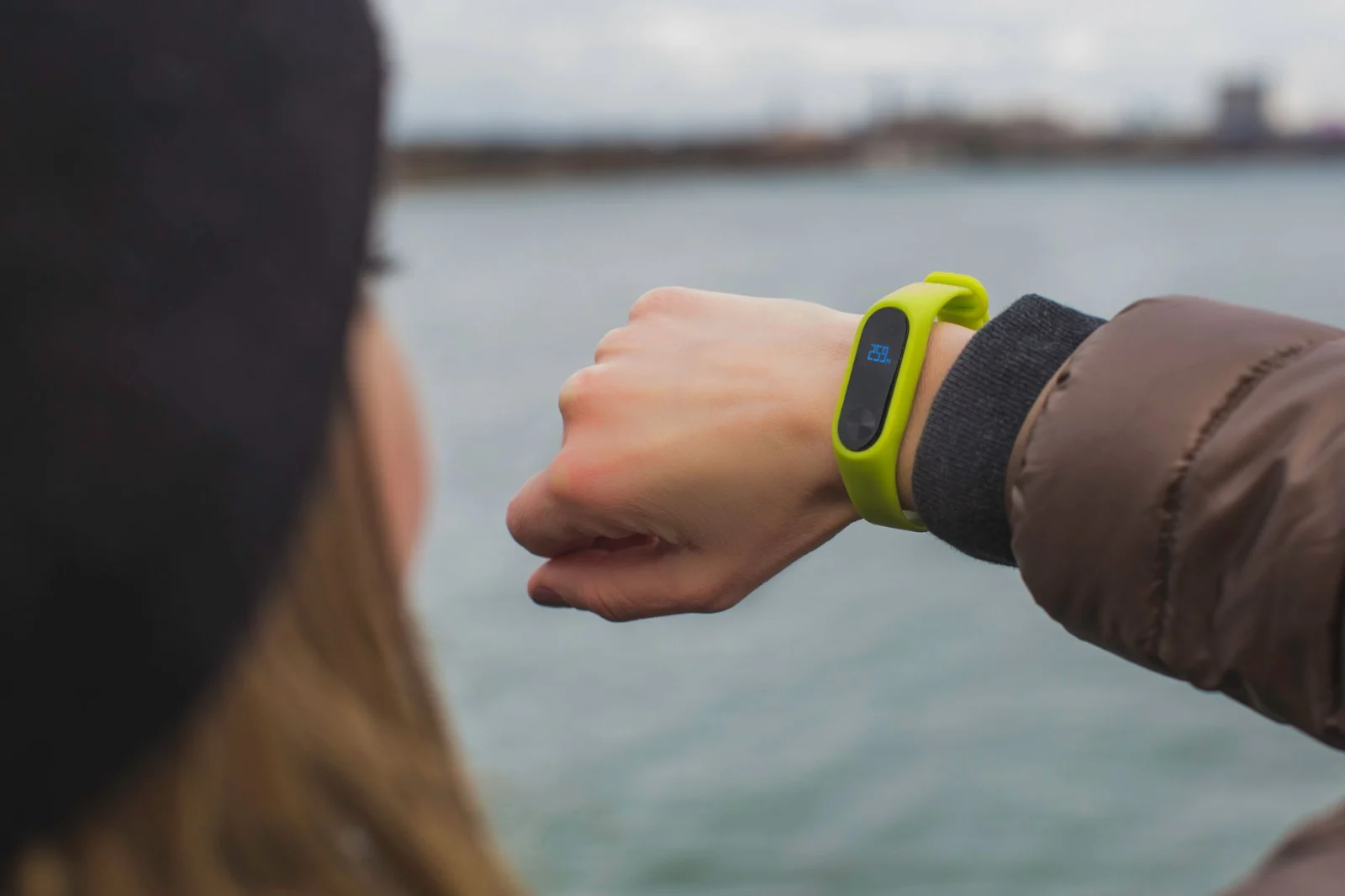
A watch adapter lets the Medallion ride on a strap you already wear. Photo: Burst on Pexels
Watch adapters
If you already wear a watch or fitness tracker, a Princess Medallion holder that slides onto the strap means there is nothing extra to remember. These adapters are made by independent sellers rather than Princess, so measure your strap width before buying and check the listing says it fits the current Medallion. The disc sits under or beside the watch face, which some people find bulky after a long day.
Pendants, necklaces and bracelets
For formal nights, a jewelry-inspired option looks far smarter than a lanyard. Princess sells necklaces and bracelets onboard and pre-cruise, with its premium bracelet listed at $45. Onboard metal pieces are plated rather than solid precious metal, so anyone with a metal allergy may prefer a fabric, leather or silicone option. Independent makers also sell lockets, bangles and beaded bracelets sized for the Medallion.
Keyrings, bag holders and phone holders
AirTag keyrings and carabiner holders are an inexpensive ocean medallion holder option, and they fit most bags and belt loops. Stick-on phone holders keep the Medallion on the back of your phone. Both work well for some people but share one risk: if the bag or phone is left on a sun lounger or in the cabin, so is your Medallion, and you will not be able to open your door or buy a drink until you get it back.
Official Princess Medallion accessories and where to buy them
Princess sells its own range of Princess Medallion accessories, described as sporty and jewelry-inspired. The current line-up on the Princess website includes:
Clip: hard plastic, $7 pre-cruise.
Sports bands: for a casual, active look.
Reclaimed ocean plastic wrist straps: the sustainable option.
Necklace and bracelet: jewelry-style pieces, with the premium bracelet at $45.
You can order through your OceanProfile in the Princess app before you sail, or buy onboard at the OceanFront store. Princess also offers Medallion customization: the face shows your loyalty level as standard, and further personalization costs $5. Accessories ordered in advance can be shipped with your Medallion; the shipping fee applies per order, and you can avoid it by collecting everything at the port. Prices and ranges change, so check the official Princess Medallion accessories page before you buy.
Third-party accessories from online marketplaces cost less and come in far more styles. Princess does not certify them, so read the sizing details and reviews carefully, and avoid anything that covers the disc with thick metal, which could affect how reliably door locks and payment points read it.
How to get your Medallion in 2026
Your Medallion is linked to you when you complete OceanReady, the online check-in in the Princess app or website. You then have two delivery choices:
Home delivery. Available to residential addresses in the US, Canada and Puerto Rico. Princess asks you to confirm shipping at least 13 days before your cruise starts. Princess raised the US shipping fee from $10 to $20 in February 2026, and cruise trade reports say it rose again to around $22 from 20 August 2026 (about $27 for Canada). Some guests who booked Plus or Premier packages before July 2025 kept free shipping. Check the exact amount at checkout in the app.
Port pickup. Free, and the only option for guests living outside those three countries, including UK passengers sailing Princess cruises from Southampton. You collect it at the terminal on embarkation day.
If your Medallion arrives at home, pack it in your hand luggage rather than your checked suitcase, because you need it as soon as you board. A small zip pocket in your cruise carry-on bag is ideal. If you forget it altogether, you can still pick one up at the terminal as long as OceanReady is complete.
Waterproof holders keep the Medallion on you around the pool. Photo: Nuh Isa El Carillo on Pexels
Practical tips for wearing your Medallion
Bring two options. A wristband for daytime and a clip or pendant for evenings covers almost every situation. Keep the free lanyard in your bag as a spare.
Test the fit before you sail. Press the Medallion into a new holder at home and give it a firm tug. Loose silicone is the most common reason Medallions go missing.
Think about children. Secure wristbands work better than lanyards for kids. Families with babies or toddlers who put things in their mouths should keep the small disc out of reach.
Pacemakers and implanted devices. The Medallion contains magnets and a battery. Cruise Critic advises keeping it at least six inches from a pacemaker, and other guides suggest a wristband or clip rather than a lanyard worn on the chest. Ask your doctor and device maker for advice before you travel.
Do not rely on your phone alone. A phone holder is convenient, but phones get left on charge in the cabin. Many cruisers keep the Medallion on their body instead.
Pack accessories with the rest of your small items. Our cruise packing tips include easy ways to keep small essentials organized.
What to do if you lose your Medallion
Report a lost Medallion to the crew straight away, either at Guest Services or through any crew member. Princess disables the missing device so nobody else can use it to charge purchases or open your cabin, and issues a replacement at no cost. Because the Medallion holds no personal information, a lost device does not expose your details. If you are travelling with family, the Princess app’s locator can sometimes help you find a misplaced Medallion before you report it.
Do you need a Princess Medallion accessory?
Strictly, no. The free lanyard works, and Princess is happy for you to carry the Medallion in a pocket or purse. But an accessory makes it easier to keep the device on you, and that is what makes the system work well: doors unlock as you arrive, and drinks and orders find you without fuss. For most people, one inexpensive wristband or clip is enough. Add a pendant or bracelet if you enjoy dressing up for formal nights. Spend more only if you want a keepsake, since Princess describes the customized Medallion as something you can take home.
FAQs
Is the Princess Medallion free?
Yes. Every guest receives a Medallion and a basic lanyard at no charge. You only pay for optional accessories, extra personalization or home shipping, and port pickup is free.
Is the Princess Medallion reusable?
Princess issues a Medallion for each sailing through OceanReady and describes it as a keepsake you can take home. Do not assume an old one will work on your next cruise; follow the Medallion step in OceanReady for each voyage.
Do AirTag accessories fit the Princess Medallion?
Generally yes. The Medallion is close to the size and shape of an Apple AirTag, so many AirTag holders, keyrings and bands fit it. Check the fit at home and make sure it holds the disc firmly.
What happens if I lose my Medallion on a Princess cruise?
Tell the crew or Guest Services right away. Princess disables the lost device and replaces it at no cost, and no personal information is stored on the Medallion itself.
Can I wear the Medallion in the pool?
Yes. Princess says the Medallion is waterproof and resistant to heat, sand and salt, so a wristband or clip on your swimwear is fine for the pool and beach.
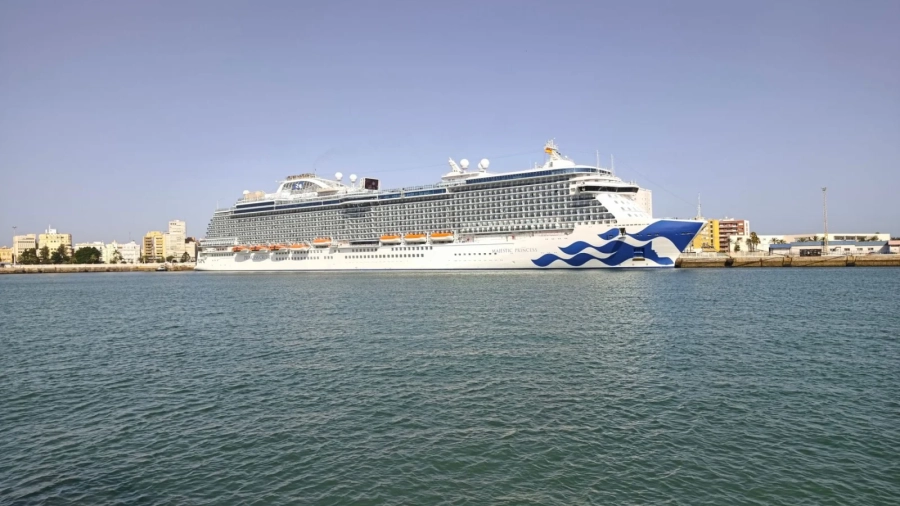
The main Majestic Princess cabins to avoid are Deck 15 cabins below the Lido Deck pools and buffet, starboard midship cabins that sit just below the glass-floored SeaWalk, and the handful of balconies with obstructed views on Decks 8, 15 and 16. Far-forward cabins are also best skipped if you get seasick. For most passengers the best value is a midship balcony or mini-suite on Decks 9 to 12, while the aft-corner Owner’s Suites are the top choice for space.
Majestic Princess is a 143,700-ton Royal-class ship that launched in 2017. She carries 3,560 guests in 1,780 staterooms, and more than 1,400 of them are outside cabins, almost all with a balcony. She is still in the Princess fleet. For winter 2026-27 she moves from Galveston to South America and Antarctica, sailing from Buenos Aires and San Antonio (Chile), and she is named in Princess’s 2027 Northern Europe programme. Whichever itinerary you book, the cabin layout is the same. This guide covers every stateroom type, where the problems are, and how to check a cabin number before you pay.
Majestic Princess cabins at a glance
The ship has no standard oceanview category to speak of. Nearly every outside cabin has a balcony, and cabins run from Deck 8 (Emerald) up to Deck 16 (Lido). There are no cabins on Decks 4 to 7, which hold the public rooms. The sizes below are approximate and include the balcony where there is one. Figures differ slightly between sources, so check the exact cabin on the Princess deck plan.
Cabin type
Number
Approx. size
Where / notes
Best for
Inside
342
166-175 sq ft
Decks 8-16; many connecting insides on Deck 10
Budget, dark-room sleepers
Balcony
715
About 222 sq ft (41 sq ft balcony)
Decks 8-16
Most couples
Deluxe Balcony
313
About 249-333 sq ft
Decks 8-16; adds a small sofa, some aft balconies deeper
Couples wanting more room or a third guest
Mini-Suite
374
About 299-329 sq ft
Decks 10-16; bathtub, separate sitting area
Best mid-price upgrade
Premium Suite
Part of 36 suites
About 554 sq ft
Forward, Decks 9-12
Space without the top price
Penthouse Suite
Part of 36 suites
About 440 sq ft
Midship, Deck 14
Suite perks in a central spot
Owner’s Suite
Part of 36 suites
About 587-682 sq ft
Aft corners, wraparound balcony
The biggest cabins and wake views
The ship also has 38 wheelchair-accessible staterooms and around 200 connecting staterooms. A note on names: Princess has rebranded what used to be called Club Class as the Reserve Collection. On Majestic Princess this covers all the suites and selected, well-placed mini-suites. Guests get a private section of the main dining room with no wait, wine on arrival, canapés on request and other extras. Suite guests also get the Concierge Lounge, breakfast in a private venue and free laundry. Older reviews that mention “Club Class mini-suites” are talking about the same cabins.
Majestic Princess cabins to avoid
Every one of these Majestic Princess cabins to avoid suits someone. What matters is whether the particular downside will bother you.
1. Deck 15 cabins below the Lido Deck
Deck 16 (Lido) holds the main Fountain Pool area, the plunge pool, the grills and the World Fresh Marketplace buffet. Cruise Critic singles out Deck 15 cabins as ones to avoid because they sit under this busy area. The usual complaint is loungers being dragged and stacked early in the morning and late at night, plus foot traffic overhead. If you want Deck 15, check that what’s directly above your cabin is more cabins rather than pool deck or buffet.
2. Starboard midship cabins under the SeaWalk
The SeaWalk is a glass-bottomed walkway that juts out from the starboard side of the top decks. It’s fun to visit but less fun to sleep under. One Cruise Critic member staying in a mini-suite two decks below it reported that passers-by could look straight down onto the balcony. They also said its blue lighting glowed all night and part of the view was blocked, including while cruising the New Zealand fjords. If balcony privacy matters, choose port side or a cabin forward or aft of the SeaWalk.
3. Obstructed-view balconies
A few standard balconies on Deck 8, and a handful of Deluxe Balconies on Decks 8, 15 and 16, have views partly blocked by lifeboats, solid steel railings or structure. Princess sells these in their own obstructed categories, so the price is usually lower. If you’ll mostly use the balcony for fresh air rather than scenery, they can be good value. For Antarctic or fjord itineraries, where the view is the whole point, avoid them.
4. Forward cabins if you’re prone to seasickness
The bow pitches the most in a swell. That matters more than usual on South America and Antarctica voyages, which cross open water around Cape Horn and the Drake Passage area. Seasick-prone travellers should book low and midship.
5. Cabins where extra berths block the balcony
In some balcony and deluxe balcony cabins, using the pull-down upper berth or sofa bed for a third or fourth guest blocks the balcony door. Cruise Deck Plans flags this on its category notes. A family of four squeezed into one balcony cabin may find two connecting cabins work far better.
6. Interconnecting cabins (if you aren’t using the connection)
With around 200 connecting staterooms on board, there’s a fair chance of booking one by accident. The connecting door lets more sound through than a solid wall. If you’re not travelling with the people next door, choose a cabin without the connecting-door symbol on the deck plan.
7. Cabins near service areas, lifts and the Deck 16 cabins by the pool
Cabins next to crew doors, laundry rooms or lift lobbies get more door noise. A small number of cabins sit on the Lido Deck itself, and those closest to the pool and buffet zones will hear more of the daytime activity.
A midship balcony on a middle deck avoids most of the common noise and motion problems. Photo: Ankit Gupta on Pexels
Majestic Princess best cabins
Midship balconies on Decks 9 to 12
These decks have cabins above and below, are close to the lifts and move the least. A standard or deluxe balcony here is the safest all-round choice and is usually the sweet spot for price.
Midship mini-suites with angled balconies
Mini-suites are the upgrade most often recommended on Royal-class ships, thanks to the bathtub, sitting area and extra room. The midship mini-suites with angled balconies have more outdoor space than standard ones. If yours is in the Reserve Collection, the dining perks add real value too.
Aft cabins and Owner’s Suites
Some aft deluxe balconies have slightly deeper balconies. The Owner’s Suites wrap around the aft corners with large balconies and are the biggest cabins on the ship. On any ship, aft cabins give wake views but can feel more vibration, particularly when manoeuvring in port.
Penthouse and Premium Suites
The Penthouse Suites are midship on Deck 14, close to the Concierge Lounge, which makes them convenient as well as roomy. The Premium Suites are larger but sit forward on Decks 9 to 12, so they suit good sailors best.
Accessible and connecting cabins
The 38 accessible staterooms come in several categories. Book them early, as they go fast. Families often do best with two connecting balcony cabins rather than four people in one room.
Avoid this, book that instead
If you were going to book…
The risk
Consider instead
Deck 15 under the pool or buffet
Early and late noise overhead
Deck 14 or lower, same category
Starboard midship below the SeaWalk
Overlooked balcony, night-time glow
Port side midship
Obstructed balcony (Antarctica or fjord cruise)
Blocked scenery
Standard balcony on Decks 9-12
Forward cabin (seasick traveller)
Most pitching
Low midship balcony
Four people in one balcony cabin
Berths block the balcony door
Two connecting cabins
Where your cabin sits on the ship shapes how much motion and noise you notice. Photo: enes çimen on Pexels
Quick checklist before booking a Majestic Princess cabin
Most Majestic Princess cabins to avoid can be spotted in a few minutes on the deck plan:
Open the official Princess deck plan and check the deck above your cabin for pools, the buffet, galleys or the SeaWalk.
Check the deck below. Deck 8 cabins sit over public rooms on Deck 7.
Look for connecting-door, accessible and obstructed-view symbols on your cabin.
Note whether you’re starboard midship near the SeaWalk.
If you need a third or fourth berth, confirm whether it blocks the balcony.
Think twice about guarantee fares if you’re a light sleeper or get seasick. Princess picks the cabin for you, and it could be any of the spots above.
Majestic Princess is a Royal-class ship, alongside Royal, Regal, Sky, Enchanted and Discovery Princess. She is 143,700 tons, carries 3,560 guests and entered service in 2017.
Which deck is best on Majestic Princess?
For most people, Decks 9 to 12 midship. They have cabins above and below, easy lift access and the least motion. Deck 14 is also good, except for cabins at the starboard midship SeaWalk location and anything beneath busy areas.
Are Deck 15 cabins on Majestic Princess noisy?
Some can be. Cabins directly below the Deck 16 pools and buffet can hear loungers being moved and foot traffic early and late. Deck 15 cabins with more cabins above them are fine. Check the deck plan for your specific number.
Is Majestic Princess still sailing with Princess in 2026-27?
Yes. For winter 2026-27 she sails South America and Antarctica voyages from Buenos Aires and San Antonio (Chile), replacing her planned Galveston season. Princess has also named her for its 2027 Northern Europe season.
While it’s not been confirmed which cruise line or ship was involved, social media images and the ship schedules for the time suggest it was Royal Caribbean’s Harmony of the Seas or Enchantment of the Seas.
No information has been released about the passenger’s well-being or how they fell overboard.
Usually, rescues involving cruise ships either involve the cruise ship crew rescuing stranded people on a boat, or the coast guard rescuing people from a ship if they suffer a medical emergency.
People do occasionally go overboard from ships, but a lot of those cases end tragically with no body found.
Rescues of this nature – with a passenger being the hero – are certainly rare and he deserves all the credit he is getting!
Yes, you can upgrade your cruise cabin after booking. The most reliable route is to call the cruise line or your travel agent and pay the fare difference for a better cabin before final payment. Closer to sailing, most big lines also run bid programs (RoyalUp, Celebrity MoveUp, NCL Upgrade Advantage, MSC UpGrade, Princess Upgrade, Cunard Upgrade) where you offer what you’re willing to pay. Free upgrades do happen, but they’re rare, so don’t count on one.
This guide covers every realistic cruise cabin upgrade route: what each one costs, when it happens, what you give up (usually your choice of cabin number), and how the major lines compare in 2026.
Can You Upgrade a Cruise Cabin After Booking?
Almost always, yes. A cruise booking isn’t locked to one cabin category. Moving up a category is the easiest change to make, because the line gets more money and frees up a cheaper cabin to sell again. Moving down is harder and often isn’t allowed on non-refundable deposit fares.
There are five main ways to upgrade your cruise cabin after booking:
Pay the difference through the cruise line or your travel agent.
Bid through the line’s upgrade auction program.
Book a guarantee cabin and hope the line assigns you something better.
Use loyalty status to get upgrade offers or better odds.
This is the only route where you choose the exact cabin. Call the line or your agent (or use “Manage Booking” online, where some lines allow it), pick the new category and cabin number, and pay the difference between your current fare and today’s price for the new cabin. The cost depends on current pricing, not the price when you booked, so an upgrade can be cheap on a sailing that isn’t selling well and expensive on one that’s nearly full.
Watch for price drops
If the fare for your sailing falls before final payment, many lines and agents will reprice your booking. Some guests take that saving and put it toward a higher category instead, so they end up in a balcony for roughly what they first paid for an ocean view. Policies differ by line and by fare type, and promotions can change when you reprice, so ask your agent to compare the whole package (fare, onboard credit, drinks or Wi-Fi perks) before switching.
Know your fare rules
Non-refundable deposit fares usually let you move up a category but not down, and change fees may apply.
After final payment, changes are still possible, but any cancellation penalties tied to the original booking may carry over.
Promotional perks such as included drinks or onboard credit can change when you switch category. Check before you confirm.
Gratuities are often higher in suites, so factor that in.
A suite upgrade usually brings more space and extra perks, but also higher gratuities. Photo: Abdou HILALI STUDIO on Pexels
Cruise Upgrade Bid Programs: How They Work
Upgrade bidding is now standard on most big-ship lines. The process is broadly the same everywhere:
After you’ve booked (and usually paid in full), the line emails an invitation, or you check eligibility on its upgrade page or app. You normally need to be opted in to marketing emails.
You choose one or more higher categories and enter a per-person offer above the minimum shown.
You give a credit card, but it isn’t charged unless the line accepts your offer.
If your bid wins, you’re moved automatically and charged. Accepted upgrades are almost always non-refundable.
If it loses, you keep your original cabin and pay nothing.
The important catch: you can’t choose your cabin number. The line puts you in whatever cabin is left in the new category. That could be a lower deck, a cabin under a noisy venue, a partly obstructed balcony, or one far from the rest of your group. Connecting cabins and adjoining rooms for families are usually not kept together.
Cruise upgrade bid programs compared (2026)
Cruise line
Program
When bids are decided
Payment
Choose cabin number?
Royal Caribbean
RoyalUp
Can be accepted up to about 2 days before sailing
Card charged only if you win; non-refundable
No
Celebrity Cruises
MoveUp
Eligible within 90 days of departure; accepted up to 2 days before
Charged on acceptance; non-refundable
No
Norwegian Cruise Line
Upgrade Advantage
By invitation; can be accepted up to sailing day
Charged on acceptance (or to onboard account on sailing day)
No
MSC Cruises
MSC UpGrade
Any time up to departure
Charged automatically if accepted; higher service charge billed onboard
No
Princess Cruises
Princess Upgrade
Opens 85 days out (115 days for 25+ night voyages)
You pay after acceptance via Manage Booking or your agent
No
Cunard
Cunard Upgrade
Opens 80 days out; final offers 7 days before
Charged on acceptance; payment due within 72 hours
No
Virgin Voyages
Level Upgrade
Most responses around 48 hours before sailing
Check current terms
No
Carnival
No bid program
Occasional paid upgrade offers; ask your agent or guest services
Fare difference
Yes, if you pay the difference
Terms above are based on each line’s published rules at the time of writing. They change, so read the terms on your invitation before you bid.
Tips for winning a cruise upgrade bid
Bid a little above the minimum. Lines generally take the highest offers first, and minimum bids often lose on busy sailings.
Compare with the fare difference. Look up the current price of the cabin you’re bidding on. If paying the difference costs about the same as a strong bid, pay it and choose your cabin.
Bid on more than one category where allowed. You’ll only be charged for one upgrade.
Think about quieter sailings. Shoulder season and repositioning cruises have more empty upper cabins, so bids are more likely to win.
Check what’s included. On some lines a suite upgrade brings lounge and restaurant access; on others the perks are limited. Celebrity, for example, awards Captain’s Club points on your originally booked category, and RoyalUp suite upgrades don’t earn the double Crown & Anchor points you’d get by booking a suite.
A guarantee (GTY) booking means you pay for a category, or “at least” a category, and the line assigns your cabin number later, often in the final weeks before sailing. Guarantee fares are usually a little cheaper than picking your own cabin.
Because the line can place you anywhere in that category or higher, guarantee cabins are where most genuinely free upgrades happen. When a lower category is overbooked, the line moves some guests up to free space. You can’t ask for this, and many guarantee guests simply get an ordinary cabin in the category they paid for, sometimes in a less desirable spot.
Guarantee cabins suit flexible travelers who don’t mind where they sleep. Skip them if you need a specific location, such as midship for seasickness, an accessible cabin, or cabins close to family.
Guest services is the place to ask about last-minute cabin upgrades once you're onboard. Photo: AS Photography on Pexels
Loyalty Perks and Cabin Upgrades
Loyalty status rarely gives you a guaranteed free upgrade, but it can help in other ways:
Some lines give top-tier members first look at upgrade offers or better pricing.
When lines do hand out complimentary upgrades to fill a ship, frequent guests and those who booked higher fares tend to be considered first.
Higher tiers may include suite-style perks (priority boarding, lounge access, laundry) without changing your cabin.
The most useful tiers sit at the top of each program, such as Royal Caribbean’s Diamond Plus and Pinnacle Club, Celebrity’s Elite and Elite Plus, and Princess Captain’s Circle Platinum and Elite. Compare them in our guide to cruise line loyalty programs compared.
Upgrading Onboard at Guest Services
If cabins are still empty after embarkation, the line would rather sell them than sail with them empty. Head to guest services (or check the app) on embarkation day and ask whether any upgrades are available and at what price. You’ll normally pay a pro-rated amount for the nights left, charged to your onboard account.
Onboard upgrades aren’t advertised on most ships, availability is unpredictable, and the busiest sailings rarely have spare cabins. Ask early on the first day, be polite, and be ready to move your luggage yourself or wait for your cabin steward to help.
What Happens to Your Cabin Number When You Upgrade?
Paying the difference: you pick the new cabin, so you control the location.
Winning a bid: the line assigns the cabin. You lose your original cabin, and you usually can’t switch back once the upgrade is accepted.
Guarantee bookings: the cabin number appears in your booking once assigned. Check your app or documents in the final few weeks.
Onboard upgrades: you’ll be offered whatever is free, sometimes with a choice of two or three cabins.
Your new key card or medallion is reissued for the new cabin, and your dining time, drinks package and other add-ons normally stay with your booking. Check with the line if you’re moving into a suite category with its own restaurant or lounge.
Is a Cruise Cabin Upgrade Worth It?
An upgrade is usually worth it when:
You’re on a scenic itinerary (Alaska, Norway, the Mediterranean) where a balcony gets heavy use.
The cruise is long. An extra $40 per person per night matters less across 14 nights than it does on a weekend sailing.
The suite category includes real extras, such as a private restaurant, lounge, or included drinks.
It may not be worth it on short, port-heavy cruises where you’ll barely be in your cabin. In that case, the money often goes further on excursions, specialty dining, or a future cruise.
FAQs
Can you get upgraded on a cruise for free?
Yes, but it’s uncommon. Free upgrades mostly go to guarantee-cabin guests when a lower category is overbooked, and sometimes to loyal or higher-fare guests. Carnival has said publicly that the chances of a free move from inside to balcony are slim.
How do I upgrade my cabin on Princess Cruises?
You can pay the fare difference through Princess or your travel advisor, or bid through Princess Upgrade. Bidding opens 85 days before sailing (115 days for voyages of 25 nights or more), and your booking must be paid in full.
Do you get charged if your cruise upgrade bid isn’t accepted?
No. On RoyalUp, MoveUp, Upgrade Advantage, MSC UpGrade and similar programs, your card is only charged if the line accepts your offer. If it’s declined, you keep your original cabin at no cost.
Can you choose your cabin number when you bid for an upgrade?
No. Bid programs only upgrade the category, and the line assigns the cabin. If location matters, pay the fare difference and choose the cabin yourself.
When is the best time to upgrade a cruise cabin?
Before final payment is often best, because you can reprice if fares drop and choose your cabin. Bid programs open roughly 2 to 3 months before sailing and are usually decided in the last few days.
Many of the world’s biggest cruise lines are making changes to cruises this week, due to the impact of Hurricane Milton.
The hurricane, hitting Florida on Wednesday 9th October, is causing major problems for cruise ships that are due to dock in the ports of the state, including Tampa, Port Canaveral, Miami, and Fort Lauderdale.
Several cruises have seen their itineraries altered even before the hurricane reached land, including the world’s biggest cruise ship Icon of the Seas, which had to cancel a planned visit to Royal Caribbean’s private island Perfect Day at CocoCay.
Grandeur of the Seas was another Royal Caribbean ship heavily impacted, sailing to the Bahamas instead of two scheduled port visits to Mexico.
Carnival has been carefully monitoring five ships which have been in the path of the hurricane, with Carnival Paradise due to return to Tampa on 10th October, and Carnival Elation set to return to Jacksonville on the same day.
Carnival Sunrise is also scheduled to return to her port of Miami on Thursday. Carnival Dream and Carnival Pride are set to have their itineraries adjusted to avoid the storm while at sea.
Celebrity Cruises ship Celebrity Reflection was due to call at Key West on Tuesday 8th October, but instead sailed to Nassau in the Bahamas to avoid the oncoming storm.
Virgin Voyages, at the time of writing, hasn’t yet altered plans for Valiant Lady but the cruise line has said that last-minute itinerary changes may be needed.
And another notable change is for Princess Cruises and their newest ship Sun Princess, which was due to complete its inaugural transatlantic cruise on Wednesday 9th October but will now remain out at sea, likely until Friday 11th October.
Obviously, the safety of passengers and crew is paramount. And while the changes to itineraries will be disappointing for many, it’s important to remember that cruise lines must make changes to avoid storms where necessary.