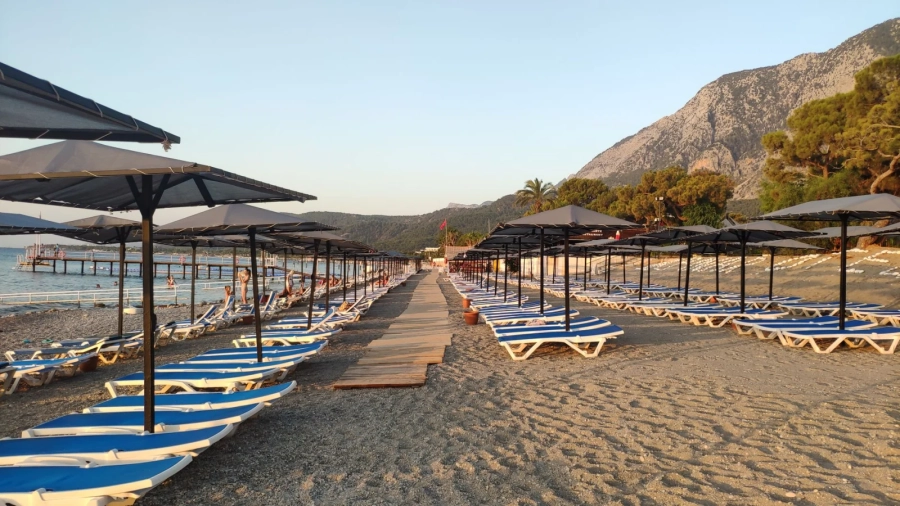
The Bahamas is one of the most popular cruise destinations due to the island’s beautiful beaches, clear water, and proximity to Florida, another top holiday destination.
If you’re considering booking a cruise to the Bahamas, it’s worth looking into the best times to go and when it might be best to avoid.
A few years ago, I booked a cruise to the Bahamas to depart at the end of August. Well, a day before we were due to fly the cruise was cancelled. I didn’t think that perhaps the risk of hurricanes was the reason why the cruise was so cheap!
Since then, I’ve done a ton of research about the best and worst times to visit the Bahamas, so here’s everything you need to know.
The worst months for the Bahamas
The worst months to take a cruise to the Bahamas are during the hurricane season. This starts at the beginning of June and finishes at the end of November, and it peaks from August to October. During this time, hurricanes mean the weather can be unpredictable.
The Caribbean is the destination which mainly suffers from hurricanes. However, the Bahamas is north of the Caribbean Sea, which means the weather is less humid and less likely to be hit by a hurricane.
However, if you do decide to take a cruise to the Bahamas during hurricane season, there is a chance that your travels may not go completely to plan.
If you don’t want to take the risk, the Bahamas is at its driest in December through to early spring. You’ll more likely be able to enjoy sunny skies and less chance of your cruise being interrupted.
If you’re starting your cruise from a destination such as Florida, but a hurricane is on its way, the cruise will either be cancelled, may be delayed by a few days, or a port or two may be missed out. The cruise line’s top priority is the passenger’s safety.
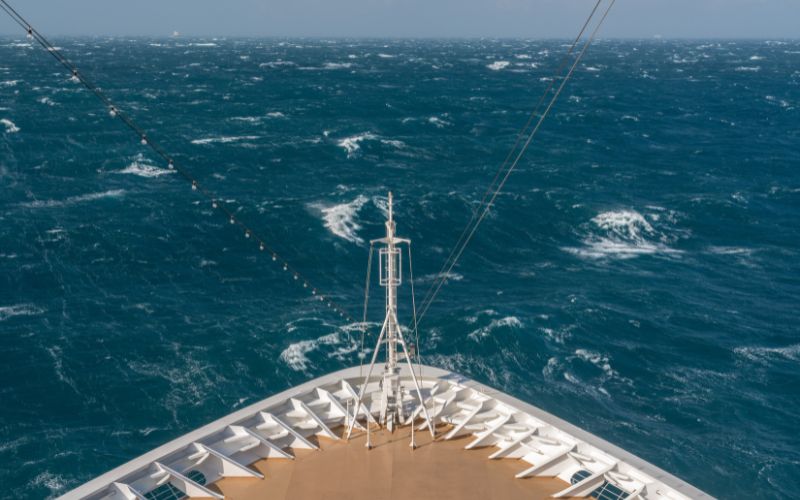
Whilst the captain and crew carefully navigate for calmer waters, the onboard entertainment will replace your expected beach day in the Bahamas. Unfortunately, sometimes the outdoor pools close due to the swell of the sea, which in turn floods the surrounding pool areas.
However, there’s so much to do on a cruise ship that you shouldn’t be too disheartened if the Captain has announced that stormy weather is predicted.
There are plenty of activities to keep you occupied onboard the ship. Particularly on a large, modern ship, there’s usually lots to do. For example, if you’re on a Royal Caribbean cruise, your ship might have activities such as large theatre productions, ice skating, pub quizzes or, if you prefer something quiet, a library to relax in.
The advantages of cruising in the off-peak season
Sometimes because of life commitments, we can’t always choose the best time to travel. Our travel arrangements are governed by school holidays. If you have children, vacation time doesn’t always coincide with the best of your favoured location’s weather.
However, you could be lucky, bad weather at that time of year is not a foregone conclusion. You could benefit from lower cruise prices, cheaper flights and not so many crowds.
Many times when your cruise planner is live, and you are looking to book tours, you see the words ‘sold out’. This is less likely to happen in this quieter season – there may be more availability.
Tips for cruising in the Bahamas during hurricane season
If you decide to make the most of the reduced prices and quieter times, I have some suggestions.
First of all, when booking your cruise, check their cancellation policy. Check how they deal with refunds, as cruise lines have different terms and conditions. Some might offer an alternative, but others will issue credits to use another time.
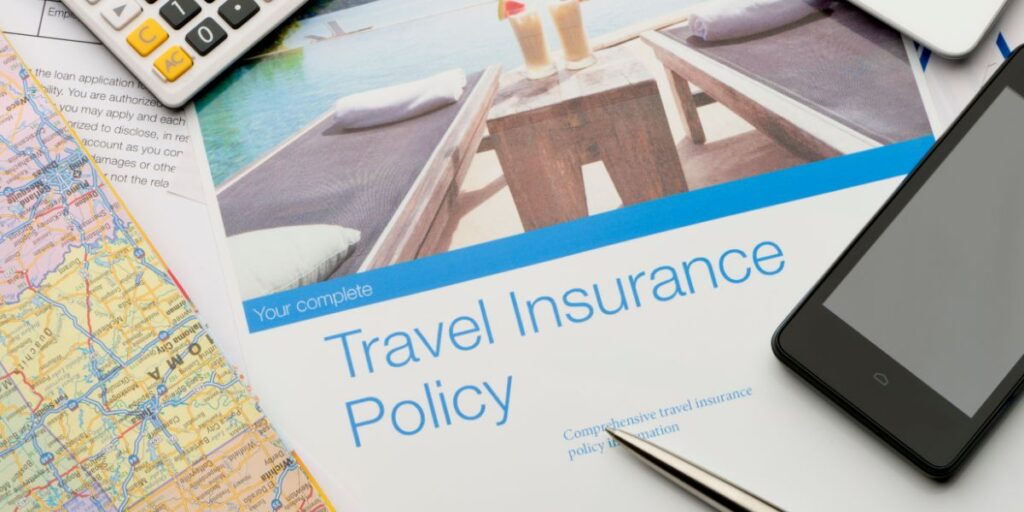
Once you’ve booked your cruise, choose the appropriate travel insurance. Make sure the policy covers cruise ships and the destinations you’re visiting, such as the Bahamas. Check the small print and terms and conditions, and check whether it includes weather-related disruptions.
Next, when it comes to packing, it is essential to include suitable clothing for the varying weather conditions. Ensure to include appropriate wet weather gear to shield you from chilling winds.
Cruise lines and travel companies are very good at keeping in touch. You will hear from them if there are going to be any disruptions. So, make sure you check your emails and messages if you hear about potential hurricanes.
You can also stay updated with hurricane forecasts on websites and apps such as the National Hurricane Center.
The bottom line
As the weather can be unpredictable during the hurricane season, it might not be an ideal time to take a cruise to the Bahamas.
However, if you’re willing to give it a go, you might be able to get a cruise for a good price. Also, if you’re lucky, you may have fantastic weather, and you can enjoy your holiday without fighting your way through the crowds.
Related topics
If you found this interesting, please share!
Jenni Fielding is the founder of Cruise Mummy. She has worked in the cruise industry since 2015 and has taken over 30 cruises. Now, she helps over 1 million people per month to plan their perfect cruise holidays.
Sailing under bridges on a cruise can be a really exciting part of the itinerary. Whether it’s one of the huge and famous bridges in the world like the Golden Gate Bridge or a low bridge that your ship only just fits under like the Ponte 25 de Abril Bridge in Lisbon, it’s a fun experience.
Sometimes, your ship may sail under a bridge very early in the morning. In this case, it can be well worth setting your alarm so as not to miss it.
But which are the best bridges to look out for on your itinerary? Read on to find out…
1. Golden Gate Bridge, San Francisco, USA
The Golden Gate Bridge is a marvel of modern architecture and one of the most famous suspension bridges in the world. Cruising under this orange-red structure as it emerges from the San Francisco Bay mist is a remarkable experience. The sight of its 746-foot high towers and 4,200-foot long suspension span is truly awe-inspiring.
Many cruises departing from San Francisco, including those from Princess and Norwegian Cruise Line, provide this once-in-a-lifetime experience.
Not all ships can fit due to their height, but most medium and small-sized ships can comfortably sail under.
2. Sydney Harbour Bridge, Sydney, Australia
Known as “The Coathanger” because of its distinctive arch-based design, sailing under the Sydney Harbour Bridge is a highlight of any Australian cruise. It’s an experience that provides amazing views of the iconic Sydney Opera House and the bustling harbour.
The bridge’s steel arch spans approximately 503 metres and stands 134 metres above the harbour. Most major cruise lines, such as P&O Australia and Royal Caribbean, have itineraries that sail under this impressive structure.
While I haven’t cruised under this bridge on a ship, when I lived in Australia, my daily commute from Manly to the Central Business District involved sailing under the bridge on a ferry – it was the best way to start the day!
3. Tower Bridge, London, UK
London’s iconic Tower Bridge is a drawbridge that has stood over the River Thames since 1894. Cruising under this Victorian Gothic-style structure, with its imposing towers and panoramic views of London, is a memorable experience.
Due to the low clearance, only smaller ships, like those from Ponant, Silversea and Windstar typically schedule cruises along the River Thames under Tower Bridge. I was lucky enough to cruise up the Thames on Windstar Cruises Star Legend, although the ship went under the bridge at 4 am, so I missed it!
4. The Rialto Bridge, Venice, Italy
Venice’s oldest bridge across the Grand Canal, the Rialto Bridge, is a testament to Venetian architecture. As you sail under its stone arch, the nearby historical buildings and lively marketplaces make for a vibrant atmosphere.
Given Venice’s nature, all cruise lines used to sail under the Rialto Bridge, including Royal Caribbean and Norwegian Cruise Line. However, recent regulations limit large cruise ships in the city centre, so it’s often smaller vessels and river cruises that offer this unique experience now.
5. Ponte 25 de Abril, Lisbon, Portugal
This suspension bridge bears a striking resemblance to the Golden Gate Bridge. Sailing under the Ponte 25 de Abril on the River Tagus, you’ll enjoy spectacular views of the beautiful city of Lisbon.
The bridge’s total length is 2,277 metres, with the main span measuring 1,013 metres, the longest in Europe.
Many cruise lines, including P&O Cruises, Viking, Silversea, and Oceania, include Lisbon in their itineraries, allowing passengers to sail under this impressive bridge.
I sailed under this bridge on P&O Cruises Iona when the ship made an unscheduled call into Lisbon to offload a sick passenger. Being a tall ship with 19 decks, the ship only just fit under the bridge! It was incredible to watch.
6. Bosphorus Bridge, Istanbul, Turkey
The Bosphorus Bridge is one of two suspension bridges spanning the Bosphorus Strait in Istanbul, connecting Europe and Asia.
When sailing under this iconic bridge during a cruise, you’re literally moving from one continent to another, which is an extraordinary experience.
The bridge has a main span of 1,560 metres and a clearance of 64 metres, allowing most cruise ships to pass beneath.
7. Verrazzano-Narrows Bridge, New York, USA
The gateway for cruises leaving from New York to the Caribbean, Canada, or Europe, the Verrazzano-Narrows Bridge was once the world’s longest suspension bridge.
Major cruise lines like Cunard, Princess, and Norwegian Cruise Line sail under this iconic bridge, providing a thrilling start or end to any voyage.
8. The Øresund Bridge, connecting Denmark and Sweden
The Øresund Bridge, connecting Denmark and Sweden, is one of the longest combined road and rail bridges in Europe. Its total length is approximately 16 kilometres (about 10 miles), and it provides a direct link between the two countries across the Øresund Strait.
The vertical clearance of the Øresund Bridge is approximately 57 metres during normal tide conditions. This is relatively high for a bridge, but it’s not high enough for some of the largest cruise ships in the world to pass under.
Most medium-sized and small cruise ships should be able to pass under the Øresund Bridge without any problems, but larger vessels may be too tall.
Related topics
If you found this interesting, please share!
Jenni Fielding is the founder of Cruise Mummy. She has worked in the cruise industry since 2015 and has taken over 30 cruises. Now, she helps over 1 million people per month to plan their perfect cruise holidays.
Looking for a cruise in October? This can be a great time of year to cruise, but it’s vital that you pick the right destination if you want to avoid hurricanes, rain or freezing temperatures.
So, read on for ten destinations you should cruise to in October and six you should avoid…
Where to cruise in October
1. The Mediterranean
October is the ideal time for a cruise in the Mediterranean. The peak summer tourist season has ended, leading to lower prices, fewer crowds, and more availability.
The weather in October remains pleasant, with temperatures in the 60s to 70s Farenheit (15-25 C), and the risk of heatwaves has passed.
Visit ancient ruins in Rome, savour authentic paella in Spain, and explore the breathtaking scenery in the Greek Islands.
2. Hawaii
Hawaii is magnificent in October. The weather is warm, typically in the high 70s to low 80s, perfect for beach visits and outdoor activities.
With less tourism traffic than peak seasons, prices for cruises tend to be more economical.
Enjoy the beauty of the islands from your cruise ship and explore the local culture, lush landscapes, and iconic volcanoes during port calls.
October is arguably the best time to visit New England and Canada’s east coast, as fall foliage season is in full swing. The forests are ablaze with colour, and the temperatures are cool and crisp.
Cruise lines offer itineraries that visit quaint coastal towns where you can enjoy fresh seafood, explore historic sites, and hike beautiful trails.
4. Australia & New Zealand
As the Southern Hemisphere enters spring, these countries offer mild weather and breathtaking landscapes.
Australia’s vibrant cities and the Great Barrier Reef and New Zealand’s fjords and Hobbit holes are a great draw.
In October, the cruise prices are relatively lower due to the off-peak season, which precedes their summer.
5. The Amazon River
Cruising the Amazon in October means enjoying the dry season, offering a perfect opportunity to explore the rainforest. The lower water level allows for more terrestrial wildlife sightings.
Many cruise lines provide naturalist-guided expeditions to appreciate the local fauna and flora, making the Amazon a unique cruising experience.
6. Japan
October is a fantastic time for a Japanese cruise, as it avoids the summer heat and the rainy season.
Enjoy the comfortable fall weather while visiting bustling cities like Tokyo, historical Kyoto, or picturesque Hokkaido.
Many cruises offer on-shore excursions to hot springs, ancient temples, and vibrant markets.
7. Mexico
Mexico’s Baja Peninsula is popular in October, with comfortable temperatures in the mid-80s and less rainfall than in the summer months.
The lower prices and fewer crowds add to the appeal. Discover the marine life of the Sea of Cortez, the stunning beaches, and the yummy Mexican cuisine.
8. South Pacific
October is springtime in the South Pacific, with idyllic weather for enjoying white sand beaches, turquoise waters, and lush landscapes.
Prices are reasonable, and the islands of Fiji, Bora Bora, and the Cook Islands promise an exotic escape from the mundane.
9. Transatlantic cruises
In October, many cruise ships will reposition from the Mediterranean to the Caribbean to take advantage of the warmer winter weather. This mean’s that now’s the time to get a great deal on a transatlantic cruise.
The voyage itself is the star here, with opportunities for relaxation, entertainment, and enjoying onboard amenities. Often, these repositioning cruises offer unique itineraries, visiting offbeat ports along the way.
10. Canary Islands
The Canary Islands offer a warm, subtropical climate year-round, but October brings fewer crowds and more pleasant temperatures in the 70s.
The islands’ diversity offers a mix of sandy beaches, national parks, and charming towns.
Prices are lower at this time, and many cruise lines offer itineraries that explore several of the islands.
Where you might want to avoid in October
When considering a cruise in October, there are some destinations that you might want to avoid. Cruises to these places may look like bargains.
And if you get lucky with the weather they can be. But, if you’d rather have guaranteed good weather, these are the places you should avoid cruising to in October…
1. The Caribbean
October falls within the Atlantic hurricane season, which runs from June to November. Although cruise lines are well-equipped to handle and navigate around storms, itineraries may be changed or disrupted due to the weather, which could impact your travel experience.
2. Bahamas
Similar to the rest of the Caribbean, the Bahamas are also subject to the Atlantic hurricane season. Though cruise lines will ensure passenger safety, you may face disruptions to your planned itinerary or have to deal with inclement weather.
While Bermuda’s beauty is undeniable, October is the tail end of the island’s hurricane season.
This could lead to choppy seas, potential itinerary changes, and unpredictable weather, making it less ideal for cruising.
4. Alaska
By October, the Alaskan cruise season is usually over due to the colder temperatures and the likelihood of early snowfalls.
Also, many of the wildlife sightings that Alaska is famous for, like bears and whales, decrease significantly as the animals prepare for winter.
5. Northern Europe and the Baltic Sea
October tends to be quite chilly in Northern Europe and the Baltic Sea region, with a high chance of rain.
Besides, many attractions operate on a reduced schedule after the summer tourist season.
6. Panama Canal
October is one of the rainiest months in Costa Rica and the Panama Canal region. While cruising might still be enjoyable, the high possibility of rain could dampen onshore excursions and activities.
Planning a cruise during the month of October offers its own unique rewards. From the warmth of the Mediterranean, the tranquil landscapes of Canada and New England, to the vibrant scenery of Asia, each of these places offer truly memorable and enriching cruise experiences.
The choice depends on whether you want to relax in serene landscapes, explore vibrant cultural heritage, or dive into adventure-packed activities. Regardless of your preference, the charm of October travel cannot be understated.
An October cruise not only provides an escape from the typical tourist crowds, but it also brings an opportunity to witness some of the most spectacular seasonal changes, making your voyage a truly unforgettable one.
And hey, if you don’t mind the risk of hurricanes, then the Caribbean or nearby regions are still a great choice. Just make sure you have suitable cruise travel insurance…
Related topics
If you found this interesting, please share!
Jenni Fielding is the founder of Cruise Mummy. She has worked in the cruise industry since 2015 and has taken over 30 cruises. Now, she helps over 1 million people per month to plan their perfect cruise holidays.
Ever wondered which cruise ports around the world are considered risky?
Cruising is a fantastic way to see the world, offering relaxation, adventure and the chance to experience diverse cultures. However, like any form of travel, it’s essential to be aware of potential risks at certain destinations.
Some cruise ports around the globe come with unique safety challenges, which travellers should know about in advance.
Although cruise lines do their best to minimise risks, being an informed traveller is the best way to ensure a safe and enjoyable journey.
So, I’ve taken a look at the ports that seasoned travellers consider to be the most dangerous. Not so you can avoid them, but so you can be aware and plan accordingly.
Understanding Cruise Port Safety
What makes a cruise port dangerous? Safety concerns at ports aren’t just about the logistics of docking. They often relate to external factors like local crime, political stability, environmental risks and the availability of emergency services.
Ports that are deemed risky may be located in areas with any of the following:
High crime rates, especially where tourists are targeted.
Political unrest and civil disturbances.
Natural disasters and environmental risks.
Insufficient local police or emergency services.
Cruise lines work closely with security experts to monitor conditions and adjust itineraries when necessary. But as Salvatore Grasso, a security expert, notes: “Don’t assume cruise lines will always avoid dangerous ports – profits are part of the equation too.”
With that in mind, here’s a closer look at some ports that are known for being less secure.
Top 8 Most Dangerous Cruise Ports
1. Nassau, Bahamas
Although it’s a favourite stop for many, Nassau does have a dark side. The US government has issued warnings about crime here, including nurders, armed robberies and assaults.
These incidents tend to happen outside the main tourist areas, so it’s important to stick to well-travelled paths.
The area around the port itself is pretty safe, as are the resorts that cruise lines will take you to. They aren’t perfect, so you should still keep your wits about you. It’s best to always leave your valuables in the safe in your stateroom, just to be sure.
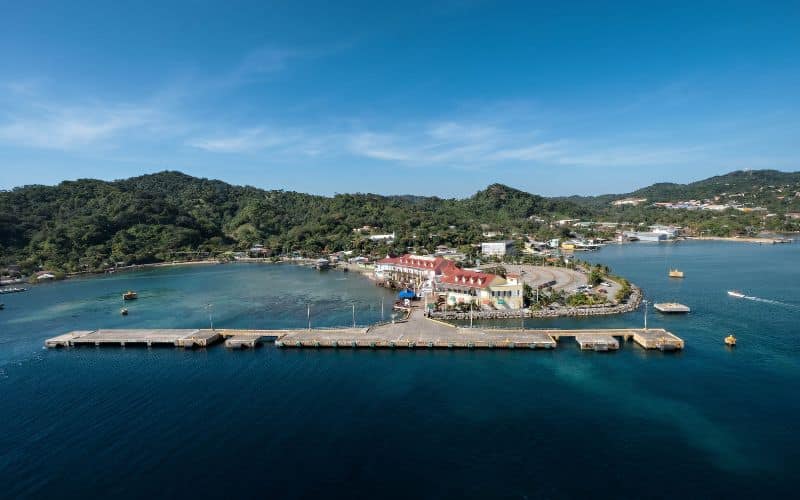
2. Roatán, Honduras
Roatán is famous for its coral reefs and beaches, but also has a more negative reputation with reports of robberies and assaults.
Local police are often under-resourced, which limits their effectiveness in protecting tourists. If you are the victim of crime, you shouldn’t expect any kind of speedy resolution!
Staying with fellow travellers and avoiding isolated spots, especially at night, can help reduce risks.
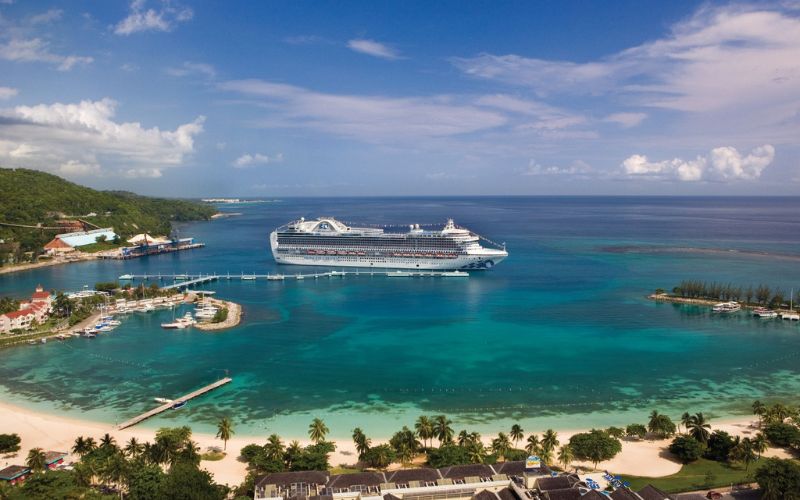
3. Falmouth and Ocho Rios, Jamaica
Jamaica is famous for its stunning scenery and vibrant culture, but some areas near the ports of Falmouth and Ocho Rios can feel less secure.
Visitors often report feeling uneasy when leaving the more protected areas of the port. The aggressive nature of some local vendors can make the experience uncomfortable.
If you’re feeling harassed, just say a stern ‘no’ and walk away, making sure you stick to a crowded area. Don’t be afraid to be louder if you need to be – drawing attention can help you to be left alone.
As with most of the ports on this list, using organised tours with the cruise ship is often your best bet.
Colon is frequently mentioned as one of Panama’s more dangerous cities, with crime rates that are higher than in other popular tourist areas. Some cruise lines have even cancelled tours due to safety concerns.
If you stop here on a cruise visit, it’s best to stick with organised tours and avoid venturing off on your own. If you do want to go exploring, do so in a group. Don’t venture too far away from the main tourist areas.
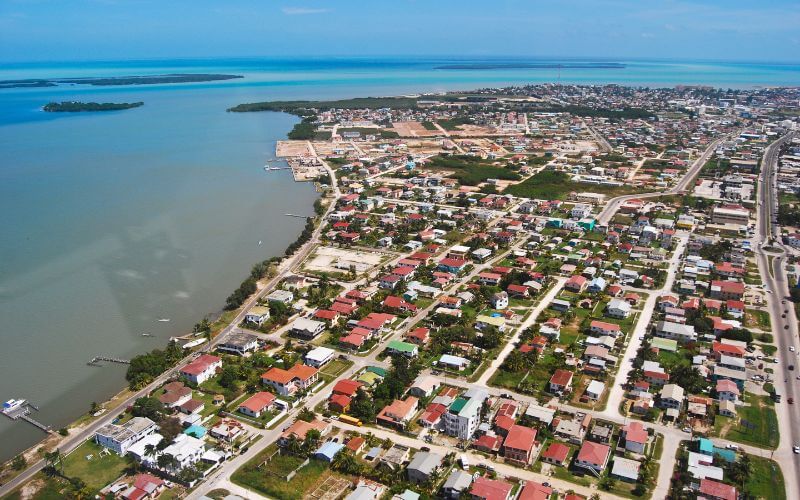
5. Belize City, Belize
Belize itself offers breathtaking scenery and exciting excursions, but Belize City can be a risky place to explore solo.
Tourists are often advised to stick to organised activities, as venturing out independently can lead to encounters with crime. These may include theft, scams and even violent attacks in rare cases.
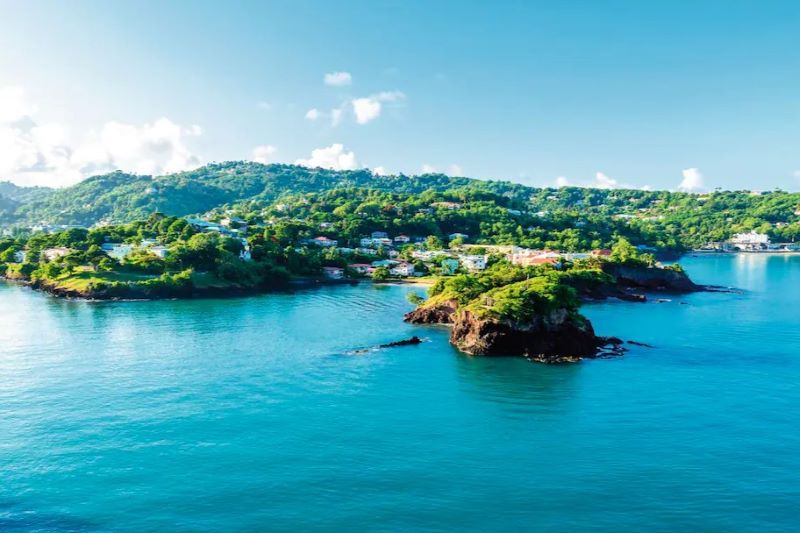
6. St. Lucia
Although it looks like a picture-postcard destination, St. Lucia has had a few notable safety incidents involving tourists.
In one extreme case, a group of 55 cruise passengers were robbed at gunpoint during an excursion. Although such events are rare, it’s worth taking precautions and staying aware of your surroundings. And it’s another reason to leave valuables on the ship when you explore a port.
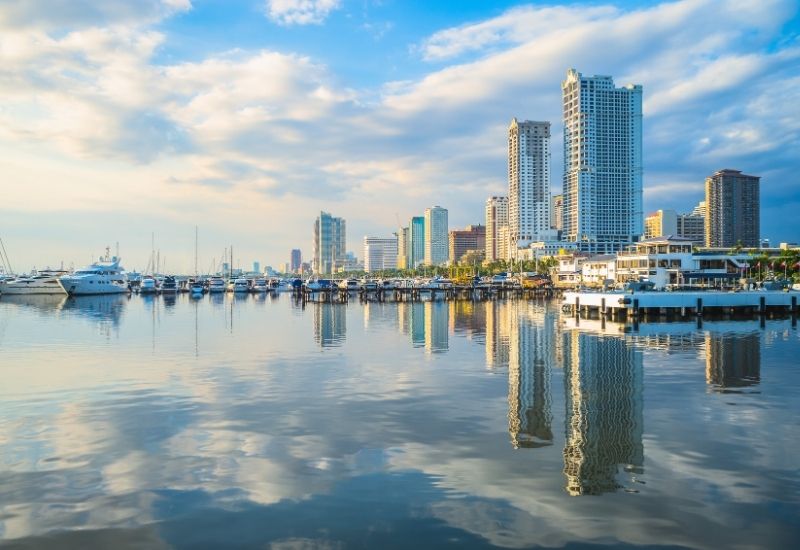
7. Manila, Philippines
Manila is a bustling, vibrant city but is also known for its high crime rate, including theft and assault.
It’s particularly noted for pickpocketing, especially around the port area, where local criminals love to target unsuspecting tourists.
If you plan to explore the city, it’s best to stay with a group, stick to organised tours and be cautious with personal belongings. Don’t wear any jewellery that attracts attention, or flash the cash while you’re shopping.
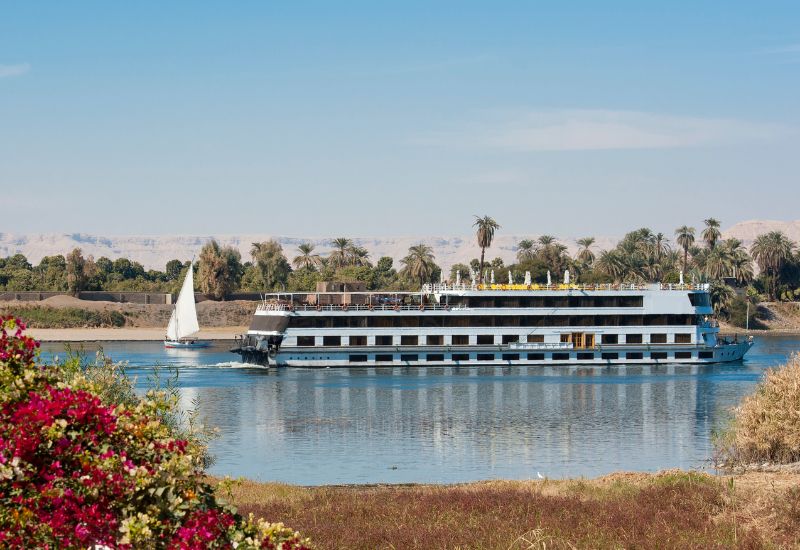
8. Egypt (various ports)
Egypt’s ports offer access to incredible historical sites, yet ongoing political unrest has created some security concerns for tourists.
Some Nile ports, particularly on river cruises, and other popular areas may have limited medical facilities, which can be an added risk.
When visiting Egypt, it’s recommended to join well-organised, cruise-led excursions to stay in secure zones.
Staying safe in high-risk ports
Just because a cruise port is considered to be more dangerous, that doesn’t mean you must stay onboard the ship when your cruise calls there.
None of the ports featured here are guaranteed to cause you problems. Cruise lines want to be profitable, but they won’t be if they keep taking guests to places that are iconsistently unsafe!
Still, here are a few essential tips to help keep you safe when visiting high-risk cruise ports:
Do your research: Before heading ashore, look into the port’s safety record and review any travel advisories. Do this for all ports you will visit, whether they are highlighted on this list or not.
Stick to tourist areas: It’s usually safer to stay within well-trafficked zones, and avoid venturing into more secluded areas. Most areas close to the actual ports are relatively friendly. If you need to travel farther inland to reach the main ‘attractions’, don’t wander off once you get there.
Book organised excursions: Tours offered through your cruise line are often the safest option, as they’re vetted for security and reliability. Third-party excursions are similar, but they come with other risks. You need to verify that the excursion provider is reputable, since you don’t want to risk missing the ship on your return!
Be aware of your belongings: Keep valuables like jewellery and electronics out of sight. Carry minimal cash. Split your money and important documents between different locations. Your stateroom will have a safe – don’t be afraid to use it!
Use official transport: Avoid unlicensed taxis or buses. Stick to transport recommended by the cruise line or reputable providers.
Trust your instincts: If something feels off, don’t hesitate to remove yourself from the situation.
The importance of travel insurance
When visiting high-risk destinations, having comprehensive travel insurance is essential. Standard insurance provided by your cruise line may not cover all contingencies. It’s worth considering an additional policy that includes:
Trip cancellations or interruptions due to safety concerns.
Medical evacuations in case of serious illness or injury.
Theft protection for your personal belongings.
Legal assistance if you encounter trouble with local authorities.
Make sure to review your policy carefully to ensure you’re covered for high-risk situations. If you don’t buy proper cruise insurance, then your policy might not be valid when you make a claim.
Cruise insurance covers you in a range of destinations. It may include other perks too, such as missed port cover for destinations that your cruise has to skip.
My Recommendation
My recommendation for cruise insurance depends on where you live.
These are trusted price comparison sites that will quickly get you lots of quotes to match your exact needs.
Misconceptions about cruise port safety
There are a few common myths about safety on cruises that should be debunked.
Myth: All cruise ports are safe because cruise lines wouldn’t stop there otherwise.
Reality: Cruise lines balance safety with profit. They may visit destinations with known risks if they are profitable enough. However, they’ll wash their hands of responsibility if something happens to you, especially if you ignored any advice they gave.
Myth: You’re always safe in tourist areas.
Reality: Tourist areas often have more security, but can still be targeted by criminals looking to exploit visitors who are unfamiliar with the area. It’s best to be vigilant, even when you think you’re in a safe space.
Myth: Crime only happens at night.
Reality: Criminals often target tourists during the day when they’re out and about exploring. Most cruise guests will only visit destinations during daytime hours, and crime does still happen!
Myth: Local police prioritise tourists.
Reality: In many risky destinations, law enforcement can be under-resourced and less focused on tourist-related crime. They can be more dismissive, especially of cruise guests who won’t be a ‘problem’ come 3pm or 4pm, when you have to board your ship again.
Cruise lines do have some obligations!
Cruise lines have a responsibility to provide passengers with a reasonable level of safety. This includes:
Warning passengers about known dangers in specific destinations.
Monitoring shore excursion providers to ensure they meet safety standards.
Maintaining security on board and in port areas.
However, it’s important to understand that cruise lines are not legally responsible for every incident that occurs, especially if you’re exploring independently.
So you can’t rely on a cruise line ‘making things right’ if you are a victim of a crime. That safety net does not exist.
If you are a victim while you’re ashore, you should still report it to the onboard security team. They’ll help you in whatever way they can.
But don’t expect them to be liable to replace any stolen goods, or pay for your medical treatment if you’re injured.
Private resorts – a shift in itinerary planning
As concerns over safety grow, cruise lines are increasingly investing in private islands and exclusive resorts, designed with traveller security in mind.
These private destinations provide a controlled environment, often staffed by personnel directly employed by the cruise line (although still hired locally, to support residents). This allows for a more secure and comfortable experience.
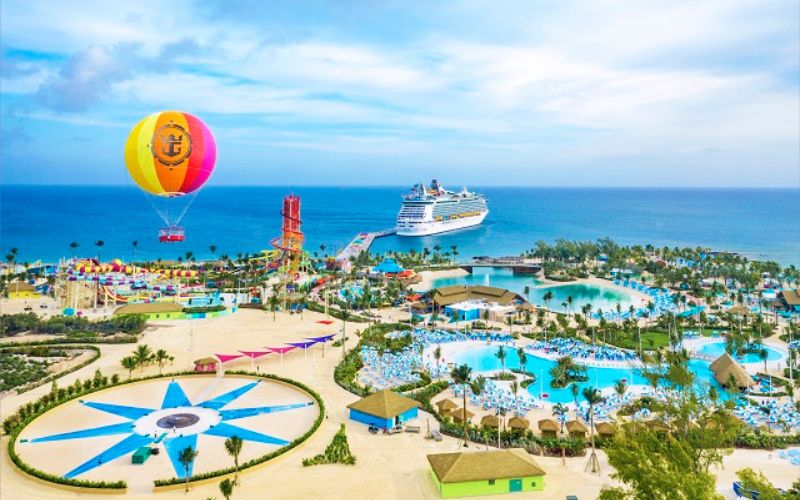
Private islands, like those operated by major cruise lines in the Bahamas and Caribbean, allow passengers to enjoy a day ashore without the potential safety issues associated with public ports.
Access is restricted to passengers and authorised personnel. Therefore, they are far less susceptible to the crime risks present in some high-traffic tourist areas.
Perfect Day at CocoCay
Private islands and resorts also offer a range of amenities such as pristine beaches, dining options and unique excursions.
Examples include Royal Caribbean’s Perfect Day at CocoCay and Norwegian Cruise Line’s Harvest Caye. These provide an idyllic setting for swimming, dining and watersports.
Private resorts within popular cruise destinations are also growing in popularity. In some areas, cruise lines have partnered with local businesses to create exclusive beach clubs and adventure parks, which only their passengers can visit during port days.
Of course, they aren’t guaranteed to be safe. Royal Caribbean halted calls at Labadee, the private resort on Haiti, for several months due to unrest in the country. Those port visits have since resumed, but it shows that cruise lines still need to be careful even when a destination is considered ‘private’.
Final word
You know what the most dangerous ports are? The ones that cruise lines don’t visit, and likely never will.
So don’t panic if you’re on a cruise that visits one of the ports I’ve highlighted in this guide. These are the most dangerous ports among all those that cruise lines are comfortable visiting. They are NOT the most dangerous places in the world!
Use this information to plan your trip, and make sure you understand the safety guidelines for exploring the ports. Being informed and vigilant will help you to have a great time during your cruise.
NEW DEALS JUST RELEASED!
Don’t miss these hot cruise offers…
Related posts
If you found this interesting, please share!
Jenni Fielding is the founder of Cruise Mummy. She has worked in the cruise industry since 2015 and has taken over 30 cruises. Now, she helps over 1 million people per month to plan their perfect cruise holidays.
Most cruises that people book last for 1-2 weeks on average, but then there are still lots of people who prefer longer getaways too.
World cruises offer an amazing way to see the various cultures of the planet, and just enjoy the most relaxing sailing.
While it might be a pipe dream for now for many of us, it might be something you’re considering for your retirement (or if you get a nice lottery win!)
And there are some excellent tips from past world cruises on how to handle longer itineraries, that even experienced cruisers who only sail shorter itineraries might not have thought of!
1. Pack for different seasons
One of the biggest tips for longer cruises is to remember to pack clothes for different seasons.
Even if your itinerary mainly sticks to places that are supposed to be warm, over the course of a couple of months anything can happen with the weather.
And conversely, you never know when a colder destination might have a heat wave.
You don’t want to be stuck indoors on your cruise ship on a port day because you’ve forgotten a suitable outfit for the weather, so make sure you’ve got a range of options to suit most conditions.
A recurring joke (that’s semi-serious, really) is that cruise guests should always pack clothes with an elasticated waist, or at least make sure you save your looser clothes until the latter part of your cruise.
On a world cruise that’s really no joke at all, because the amount of food and drink you can enjoy can definitely make your wardrobe fit a little tighter – and if you’re onboard for a couple of months, that’s a long time to be uncomfortable in your clothes.
Pack baggy items or make sure you’ve at least got a few options in a size up, just in case.
Remember that you don’t need to pack 70 outfits for a 70-night cruise. There are laundry facilities onboard that you will absolutely make use of during a world cruise.
So you can pack relatively light – use the extra suitcase space to make sure there are some comfier items to wear if you are likely to indulge.
I’ve always said that there’s a cruise ship for everyone, but it does mean doing your research to find which one is the best for you. And part of that is your dining options – which matters even more on a longer cruise.
If you’re on a 7-night sailing, you’ll be fine with a couple of different restaurants that you like, since between those and the buffet, you’ll probably get plenty of variety.
But on world cruises, menu rotations can get pretty repetitive.
That might not matter to you, but for those who want to avoid eating the same things every 2-3 weeks, try to choose a ship with more restaurants, so that you can mix things up throughout the voyage.
4. Find a bar you like
Cruise ships will have several bars onboard, with different themes and sometimes different menus.
Unlike restaurants, where you’re probably going to want to enjoy variety, with a bar it’s better to find one you like and then stick with it.
Try a few out and see which one has the best vibe, and then that can be your go-to. Sticking to a bar means that you’ll get to know the bar staff better, and you’ll likely have an easier time making friends with the other regulars.
Plus you’ll know that your favourite drink is always available there – a useful advantage!
5. Build up to longer itineraries
A top tip from world cruise passengers is to build up to longer itineraries. Don’t jump straight from 7-night cruises to a really long itinerary.
Start with a two-week itinerary and then look for a 3-4 week one.
As you get used to longer sailings, you’ll know whether you’re comfortable on long itineraries away from home, or if actually it’s not for you.
And it’s so much better to find this out on a 3 or 4-week cruise than it is when you spent tens of thousands on a world cruise that you’re stuck on.
Often world cruises will be sold in segments, so not everyone onboard is going to be sailing the entire journey with you.
But there will usually be some people who are on the ship for the full duration, and it’s worth getting to know them if you’re sharing a ship with them for a long time.
Even if you’re not someone who tends to mingle and chat with others on holiday, a world cruise is different.
Getting to know the other guests will help keep your evenings varied, as you can chat to people outside your travelling party swap stories of your adventures in port, or your lives back home.
If you’re someone who’s typically shy, it’s a good idea to overcome that on a world cruise because it’s a long time to spend with people and not say hi!
7. Make the most of onboard events
Every day on your cruise, there’ll be a range of events and activities held, and on a world cruise it’s a great idea to try as many as possible.
On a shorter cruise, it might be that you aren’t too fussed – you’d rather spend the time relaxing by the pool, or you’ll be too busy off the ship exploring the ports.
With longer itineraries, the scheduled events will help to make each day nice and varied, and you might be surprised by the types of event you end up enjoying, even if it’s something you’d never normally be interested in.
Use the events to fill your free time, and you can always ditch them if you find they’re not to your liking.
8. Pack plenty of medication
Balancing everything in your suitcase is important on a world cruise, but one thing that you will want to over-pack on is any medication you might need.
Not just prescription stuff, but even things like allergy tablets or painkillers that you might use. Paracetamol costs a lot more at sea than it does down the supermarket!
It’s not like it’ll take up much space in your luggage either, so being prepared for longer itineraries and having everything you ‘might’ need in advance, even if you end up taking it all back home with you at the end of your cruise, is the better option.
9. Pack your own entertainment
While cruise lines will put on varied entertainment for you, you might get a little bored of it in the latter stages of a world cruise.
Or there might be those nights where you just want to take it easy in your cabin, or in a quiet corner of a bar.
While many cruise ships do have libraries onboard, the quality and quantity of books available might leave a lot to be desired.
Take a couple of good, longer books with you, and if you’re an avid reader, pack a Kindle or other e-reader and load it up in advance.
Portable games consoles such as a Nintendo Switch could also be a good idea if you’re into that kind of thing at all, though it’s certainly not the typical accessory for your average world cruiser!
Have a think about what you can take that doesn’t fill your suitcase, but will ensure you don’t have to worry too much about downtime during the cruise.
I’m sure nobody books a world cruise and then turns up expecting the same kind of holiday as a shorter itinerary. You’ll no doubt plan a little differently, and think about what you need to take with you for the longer trip.
Spend some time researching more tips like these from experienced world cruise guests, and get online on cruise forums or social media pages to ask others about their own experiences.
The more prepared you can be, the better a cruise you’ll have! And even if a world cruise feels like something you’re a long way from achieving, due to work or budget constraints, then you can at least enjoy the stories that guests are sharing about their own experiences.
NEW DEALS JUST RELEASED!
Don’t miss these hot cruise offers…
Related posts
If you found this interesting, please share!
Jenni Fielding is the founder of Cruise Mummy. She has worked in the cruise industry since 2015 and has taken over 30 cruises. Now, she helps over 1 million people per month to plan their perfect cruise holidays.
Royal Caribbean’s private island, Perfect Day at CocoCay underwent a huge refurbishment in 2019, which saw the addition of jaw-dropping facilities such as the tallest waterslide in North America, a 1600-foot zipline, and a huge wave pool.
The Bahamian island of CocoCay, which is only accessible by a cruise ship, offers a fantastic day ashore for families with children, including babies and toddlers.
We visited CocoCay in December 2019, and I can honestly say it’s the best port I’ve ever visited for children. This post explains everything you need to know about visiting Perfect Day at CocoCay with a baby, toddler or young child.
Things to do at CocoCay with small children
Royal Caribbean’s CocoCay island offers so much to keep young kids happy. Whilst many of the activities that older kids will love, such as the waterpark and zip-line are chargeable, most of the tot-friendly activities are complimentary.
The island has been updated a couple of times since it first opened, but the biggest addition was in January 2024 with the opening of Hideaway Beach, which is an adults-only space – so irrelevant for this article. Most of the kid-friendly features have been there since 2019.
Here’s what you and your little ones can look forward to on the island:
Captain Jill’s Galleon
Price: FREE
As you step onto CocoCay from the pier, the first attraction you’ll see is the huge pirate ship – Captain Jill’s Galleon.
Small kids will love to climb aboard this big pirate ship and shoot water out of the spray cannons. They can whoosh down the slides, climb the netting or run through the water, which squirts up out of the floor. It’s the perfect way to cool off!
Splashaway Bay
Price: FREE
Splashaway Bay is a water play zone that is found on many of Royal Caribbean’s ships and features small slides, tipping buckets, fountains and water jets.
CocoCay has its very own Splashaway Bay, which is bigger and better than the ones on the ships. Plus, a huge bonus for parents of toddlers is that whilst swimming nappies are banned from Splashaway Bay on the ship, they are allowed at Splashaway Bay on CocoCay.
Oasis Lagoon
Price: FREE
The largest freshwater pool in the Caribbean, Oasis Lagoon, has a party atmosphere with a swim-up bar at one end and a more chilled, family vibe at the other.
Entry to the water is gradual, just like a beach, which makes it perfect for splashing around, and there are fun water fountains for kids to play in. When the pool is quiet, it’s often frequented by seagulls which kids love to chase through the knee-deep water.
Just like everywhere else on CocoCay, swimming nappies are allowed in the Oasis Lagoon.
Chill Island
Price: FREE
If your little one likes playing in the sand, head to the beach area, Chill Island, where parents can relax while kids build sandcastles or toddle in the sea. You can rent your own private cabana for a luxury experience.
Here you’ll also find sand games like skittles and giant pool, and comfy bean bags. There’s also a swim-up bar, which is for adults only. Don’t try to swim to it with kids because the staff will send you back to shore.
Up, Up and Away Balloon Ride
Price: (varies depending on the sailing)
Age 13+: $39-$99 per person
Age 4-12: $24-$64 per person
Age 0-3: FREE
This helium balloon rises 450 feet in the air, making it the highest vantage point in The Bahamas. Whilst toddlers probably won’t appreciate the view, under-fours ride for free so you might as well bring them along for the ride.
The balloon ride is very much weather dependent, and there has to be virtually no wind for it to take off. If it is too windy, you’ll be refunded your fee.
Airbrush Tattoos
Price: FREE
As you’re heading back to the ship at the end of your Perfect Day you’ll find a stall with souvenir tattoos. There are hundreds of designs to choose from and different colours of ink. Your tattoo will last for a couple of days before washing off easily.
Family facilities at CocoCay
Whilst it’s good to know that there’s lots of fun to be had for small children on CocoCay, it’s all very reassuring to know that Royal Caribbean has taken care of all the practical stuff too.
Trams
Many parents bring pushchairs to CocoCay, but if you choose not to, there are regular trams that transport passengers from the ship to the island and all around it. Walking from the ship to the furthest point of CocoCay takes around 15 minutes.
Sand pushchairs
Most of CocoCay has paved paths, so it is possible to bring your pushchair off the ship, but you may find it easier not to. If you decide to carry your baby or toddler instead, you’ll find sand pushchairs available to hire free of charge from collection points around the island.
Baby Changing Facilities
There are several baby changing stations around CocoCay, making it easy for parents to change nappies and dispose of them.
Swim Vests
Kids swim jackets are available to hire free of charge from many locations including Oasis Lagoon and Splashaway Bay. There are different sizes, with the smallest ones being suitable for kids weighing 15kg and up.
Food
Whilst there are no children’s menus on CocoCay, there are plenty of kid-friendly options like French fries, sandwiches, fresh fruit and ice cream. Should you have a fussy eater, you could also bring some food from the ship to be safe.
Drinks
If you have a Royal Caribbean drinks package, it will work on CocoCay just as it does on the ship. If you don’t have one, you’ll find lots of drinks available free of charge, including water, lemon and lime juice, tropical mango juice and strawberry and kiwi juice.
Shade
CocoCay has plenty of sun loungers and umbrellas, so it’s easy to find somewhere to sit in the shade. Some people opt to hire a cabana, but there’s lots of shade without one.
Lockers
We all know that babies don’t travel lightly. Luckily, there are ample lockers available should you need to store anything.
Towels
Beach towels are provided on the ship, and guests are advised to take these with them when they head to CocoCay. Should you need fresh towels whilst on the island, just head to one of the dedicated towel-changing stations.
Showers
Need to rinse all that sand and saltwater off before heading back to the ship? CocoCay has some basic but handy outdoor showers.
Cruises to CocoCay
Perfect Day at CocoCay is a port of call on many Bahamas and Caribbean itineraries with Royal Caribbean. If you’re planning a cruise to the Caribbean, it’s probably one of the best places there is to visit with young kids and will offer a day you’ll never forget.
Have a question about visiting CocoCay with children? Let me know in the comments below, and I’ll tell you the answer!
Related posts:
If you found this interesting, please share!
Jenni Fielding is the founder of Cruise Mummy. She has worked in the cruise industry since 2015 and has taken over 30 cruises. Now, she helps over 1 million people per month to plan their perfect cruise holidays.
The best cruise ports are the ones where you can walk off the ship and into something memorable within minutes: Old San Juan in Puerto Rico, Juneau in Alaska, Bergen in Norway, Lisbon, Dubrovnik, Kotor and Sydney all fit that bill. Others, like Santorini and Hong Kong, earn their place for sheer scenery or atmosphere even though getting ashore takes more effort. Below is our pick of the 12 best cruise ports in the world for late 2026, region by region, with what to do, how walkable each one is, the best time to go and which lines call there.
We chose these ports on merit rather than hype: what you can realistically see in an eight to ten hour call, how easy it is to get from the gangway to the good stuff, and whether current rules (passenger caps, landing fees, ship-size limits) change the picture. Several of Europe’s most famous ports now ration cruise visitors, so the practical details matter more than they did a few years ago.
Best cruise ports at a glance
Port
Region
Best for
Walk from ship?
Old San Juan, Puerto Rico
Caribbean
History, food, no passport hassle for US citizens
Yes, piers sit beside the old town
Philipsburg, St. Maarten
Caribbean
Beaches, shopping, two countries on one island
Yes, about 15 to 20 minutes, or water taxi
Juneau, Alaska
Alaska
Glaciers, whale watching, tramway views
Yes, docks are downtown
Skagway, Alaska
Alaska
Gold Rush history, scenic railway
Yes, a few minutes to Broadway
Lisbon, Portugal
Mediterranean / Atlantic
Hills, trams, pastries, viewpoints
Yes, terminal is next to Alfama
Dubrovnik, Croatia
Mediterranean
City walls, Adriatic views
No, bus or taxi from Gruž port (or tender to the Old Town)
Kotor, Montenegro
Mediterranean
Dramatic bay sail-in, fortress climb
Yes, walled town is beside the pier
Santorini, Greece
Mediterranean
Caldera views, sunsets, villages
No, tender then cable car or path
Bergen, Norway
Northern Europe
Bryggen wharf, funicular, fjord gateway
Yes, most quays are 10 to 20 minutes from the centre
Copenhagen, Denmark
Northern Europe
Canals, Tivoli, design, cycling
Depends on the quay; shuttle from Oceankaj
Sydney, Australia
Pacific
Harbour, Opera House, ferries to beaches
Yes from Circular Quay; taxi or bus from White Bay
Hong Kong
Asia
Skyline, food, markets
Yes from Ocean Terminal; taxi or MTR from Kai Tak
The best Caribbean cruise ports
1. Old San Juan, Puerto Rico
Why it’s great: Few ports give you this much within a short stroll. The cruise piers sit right on the edge of Old San Juan, a walled city of blue cobblestones, pastel colonial houses and two big Spanish forts, El Morro and San Cristóbal, which are run by the US National Park Service. For American passengers it is a US territory, so you use dollars and your phone plan normally works.
What to do: Walk the walls to El Morro, eat mofongo in a local restaurant, browse Calle Fortaleza, or take a tour to El Yunque rainforest if you want greenery. Bacardi’s distillery across the bay is a short ferry ride away.
Best time: December to April for drier, slightly cooler weather. Lines that call: Royal Caribbean, Celebrity, Carnival, Norwegian, Princess, MSC and most luxury lines, and San Juan is also a homeport.
2. Philipsburg, St. Maarten
Why it’s great: One island, two countries. The Dutch side (Sint Maarten) has a big modern cruise pier, and the French side (Saint-Martin) brings Gallic food and quieter beaches. It works for almost every kind of passenger, from beach lovers to shoppers.
What to do: Walk or take the water taxi to Great Bay beach and Front Street, head to Maho Beach to watch jets land low overhead, or taxi to Orient Bay and Grand Case on the French side for lunch.
Best time: December to April; hurricane season runs June to November. Lines that call: virtually all mainstream lines on Eastern Caribbean itineraries, plus Celebrity, Holland America and luxury brands.
A word on private islands
Many lists now rank cruise-line private destinations among the best cruise ports, and for families they can be the highlight of the trip. Royal Caribbean’s Perfect Day at CocoCay in the Bahamas has a huge waterpark, the Hideaway Beach adults-only area and a pier you walk straight off. Carnival opened Celebration Key on Grand Bahama in July 2025, with a pier for two ships at once and an expansion planned to take four. These are excellent beach days, but they are resorts, not places, so we have kept them out of the main ranking. If culture matters to you, check that your Caribbean itinerary has at least one or two “real” ports alongside them.
Alaska's downtown docks put glaciers and mountain trails within easy reach. Photo: Pixabay on Pexels
The best Alaska cruise ports
3. Juneau
Why it’s great: Alaska’s capital has no road connection to the rest of the state, yet ships dock right downtown. Within a short ride you can stand in front of Mendenhall Glacier, and the waters nearby are among the most reliable in the state for humpback whale sightings in summer.
What to do: Ride the Mount Roberts Tramway from beside the docks for views and trails, book a whale-watching trip, or take a shuttle or bus to Mendenhall Glacier. Helicopter glacier landings are popular but book up early.
Good to know: From 2026 Juneau limits cruise passengers to 16,000 a day (12,000 on Saturdays), alongside a voluntary agreement of no more than five ships a day. That should make peak days a little calmer, and it occasionally means a line swaps Juneau for another Alaskan port. Best time: June to August. Lines that call: Holland America, Princess, Royal Caribbean, Celebrity, Norwegian, Carnival, Disney and small-ship expedition lines.
4. Skagway
Why it’s great: A tiny Gold Rush town with wooden boardwalks and false-front saloons, set at the head of a deep fjord. The whole historic district is part of Klondike Gold Rush National Historical Park, and you can be on Broadway within minutes of the gangway.
What to do: The White Pass and Yukon Route railway climbs from sea level to the summit of the pass on a narrow-gauge line with remarkable views. Hikers can tackle the trails above town for free.
Best time: June to August. Lines that call: most Inside Passage itineraries, especially Holland America and Princess, which also run cruise-tour land packages. Holland America’s newer Alaska programme is covered in our look at its Alaska Heritage Tours.
The best Mediterranean cruise ports
5. Lisbon, Portugal
Why it’s great: Lisbon’s cruise terminal at Santa Apolónia sits at the foot of Alfama, the city’s oldest neighbourhood. You can climb straight up into lanes of tiled houses, castle walls and viewpoints without a taxi, which makes it one of the easiest major European capitals to do on your own.
What to do: Walk up to São Jorge Castle, ride the historic Tram 28, take the train out to Belém for the monastery and the original custard tarts, or day-trip to Sintra’s palaces if you have a long call.
Best time: April to June and September to October. Lines that call: Celebrity, Princess, Holland America, MSC, Norwegian, Royal Caribbean and many transatlantic repositioning sailings.
6. Dubrovnik, Croatia
Why it’s great: Walking the complete circuit of the medieval walls, with the orange roofs of the Old Town on one side and the Adriatic on the other, is one of the classic days of any Mediterranean cruise.
What to do: Do the walls early, before the heat and crowds, then ride the cable car up Mount Srđ or take a boat to Lokrum island.
Good to know: Big ships dock at Gruž, a few kilometres from the Old Town, so you need a bus, taxi or line shuttle. Dubrovnik has limited cruise calls since 2019 under its “Respect the City” programme, generally to two large ships at a time, with a target of around 4,000 cruise visitors in the city at once. Best time: May, June, September and early October. Lines that call: most Eastern Mediterranean and Adriatic itineraries, from Royal Caribbean and MSC to Oceania and Viking.
7. Kotor, Montenegro
Why it’s great: The sail-in through the Bay of Kotor, between steep limestone mountains and stone villages, is reason enough to book. Once there, the walled town is right beside the pier and much smaller and calmer than Dubrovnik.
What to do: Climb the steps to the San Giovanni fortress (bring water and good shoes), explore the squares and cats of the Old Town, or take a boat to Our Lady of the Rocks near Perast.
Best time: May to June and September to October. Lines that call: Celebrity, Norwegian, MSC, Princess, Royal Caribbean and many smaller luxury ships. Larger ships sometimes tender.
8. Santorini, Greece
Why it’s great: Ships anchor inside a flooded volcanic caldera, with whitewashed Fira and Oia clinging to the cliffs above. It is one of the most photographed views in the world, and it lives up to the pictures.
What to do: Ride the cable car (or the long stepped path) to Fira, walk or bus to Oia, visit a winery, or see the Bronze Age site at Akrotiri.
Good to know: Santorini is a tender port, and queues for the cable car can be long. Greece now charges cruise passengers a landing fee, added to your onboard account: for Santorini and Mykonos it is €20 per person from June to September, €12 in April, May and October and €4 from November to March. Santorini also caps cruise arrivals at around 8,000 passengers a day for 2026. Best time: May, June, September and October. Lines that call: most Greek Isles itineraries, including Celebrity, Norwegian, Royal Caribbean, Princess, MSC and the luxury lines.
Norway's ports combine walkable old towns with world-class fjord scenery. Photo: Sutha Hasan on Pexels
The best Northern Europe and Norway cruise ports
9. Bergen, Norway
Why it’s great: The gateway to the western fjords is also a lovely small city. The UNESCO-listed Bryggen wharf, with its leaning Hanseatic warehouses, is a short walk from most cruise quays.
What to do: Wander Bryggen and the fish market, ride the Fløibanen funicular up Mount Fløyen, or join a fjord trip. Pack a waterproof: Bergen is famously rainy.
Good to know: Norway’s zero-emission rules for its World Heritage fjords (Geirangerfjord, Nærøyfjord and neighbouring arms) apply to passenger ships under 10,000 gross tons from 1 January 2026. Larger cruise ships have until 2032, so big-ship fjord itineraries continue for now, but expect more shore power and more small-ship options. Best time: May to August. Lines that call: P&O, Princess, Holland America, MSC, Celebrity, Viking, Hurtigruten and Havila. If you’re sailing from Britain, read our guide to Norwegian fjords cruises from the UK.
10. Copenhagen, Denmark
Why it’s great: Clean, flat and easy, Copenhagen is a fine city for a day on your own, whether by foot, bike, boat or metro, and it is both a port of call and a popular embarkation point for Baltic cruises.
What to do: Walk the harbourfront to the Little Mermaid and Nyhavn, take a canal boat tour, visit Tivoli Gardens or Rosenborg Castle.
Good to know: Ships at Langelinie can walk into the centre; most large ships use Oceankaj further out, where you’ll need a shuttle or bus. Best time: May to September. Lines that call: Royal Caribbean, Norwegian, Celebrity, Princess, MSC, Viking and Oceania.
The best Pacific and Asia cruise ports
11. Sydney, Australia
Why it’s great: Sailing past the Opera House and under the Harbour Bridge into Circular Quay is about as grand an arrival as cruising offers. From the Overseas Passenger Terminal you can walk to the Opera House, the Rocks and the Botanic Garden in minutes.
What to do: Catch the ferry to Manly, walk the Bondi to Coogee coastal path, or climb the Harbour Bridge. Ships too tall to pass under the bridge use White Bay, which needs a taxi or bus.
Best time: October to April, the southern summer cruise season. Lines that call: Royal Caribbean, Carnival, Princess, Celebrity, Holland America, Cunard and world cruises from most lines.
12. Hong Kong
Why it’s great: Few cities pack in so much energy, food and skyline. Ships that dock at Ocean Terminal in Tsim Sha Tsui are right on the harbour, with the Star Ferry, the Avenue of Stars and the night markets on the doorstep.
What to do: Ride the Star Ferry across to Central, take the Peak Tram to Victoria Peak, eat dim sum, and stay out for the harbour lights.
Good to know: The largest ships use Kai Tak Cruise Terminal on the old airport runway, which is not walkable, so plan a taxi or MTR connection. Best time: October to April, when it is drier and cooler. Lines that call: Royal Caribbean, Princess, Celebrity, Holland America, Cunard, Silversea, Seabourn and world cruises.
What about Venice and Havana?
Older lists of the best cruise ports in the world often feature both. Since August 2021 Italy has banned ships over 25,000 gross tons from the Giudecca Canal and the historic centre, so large ships now use alternative docks such as Marghera and the classic sail-past of St Mark’s Square is only for small vessels. Havana is off the table for Americans: US rules introduced in June 2019 ended cruise calls to Cuba from the United States, and they have not been reversed.
How to judge a port before you book
The ranking of a port on any list matters less than how it works on your particular sailing. Before you book, check:
Dock or tender? Tendering can eat an hour or more at each end of the day. The itinerary or the line’s port page usually says.
Which pier? Big ports like Copenhagen, Sydney and Hong Kong have several terminals, and one may be walkable while another is a 20-minute drive away.
Arrival and departure times. Six hours in Lisbon is very different from eleven. “Late night” or overnight calls are gold for cities.
Ship count on the day. Port schedule sites list every ship due in. Four or five big ships in a small port means crowds and queues.
Fees and caps. Look out for landing fees like Greece’s and daily caps in places like Santorini and Juneau, which can occasionally lead to a schedule change.
Season. Caribbean hurricane season, Mediterranean midsummer heat and Alaska’s shoulder months all change the experience.
Balancing great ports with the right cabin matters too: a balcony is far more valuable on a fjord or Alaska sailing than in the Caribbean, as we explain in our guide to balcony vs inside cabins.
For a port where a great beach day is easy to arrange on your own, see our guide to St Kitts beaches near the cruise port, with drive times and taxi fares.
FAQs
What are the major ports in the Caribbean?
The busiest Caribbean ports of call include Cozumel, Nassau, St. Thomas, St. Maarten, Grand Cayman, Roatán and San Juan, while Miami, Port Everglades and Port Canaveral are the main US departure ports. For a mix of history and walkability, San Juan and St. Maarten are among the best.
What is the best cruise port in the world?
There is no official answer, but ports that combine a walkable town with outstanding scenery, such as Old San Juan, Juneau, Bergen, Lisbon, Kotor and Sydney, regularly top passenger favourites. The best one for you depends on whether you want beaches, history, wildlife or city life.
Which cruise ports can you explore without an excursion?
Old San Juan, Juneau, Skagway, Lisbon, Kotor, Bergen and Sydney (from Circular Quay) are all easy to explore independently because the town starts right by the ship. Dubrovnik, Santorini and Kai Tak in Hong Kong need transport or a tender first.
Are cruise ship private islands worth it?
For a relaxed beach day, yes. Perfect Day at CocoCay and Carnival’s Celebration Key offer easy pier access, pools and family facilities, but they are purpose-built resorts, so pair them with at least one real Caribbean port if you want local culture.
Can US cruise passengers visit Havana?
No. US government rules introduced in June 2019 ended cruise calls to Cuba from the United States, and they remain in place at the time of writing.
A new wave of concern is rising among travellers. This growing trend of local pushback against mass tourism has sparked debates about the future of travel, especially in beloved cruise destinations.
Anti-tourism protests have been making headlines, leaving many cruisers to wonder: should we be worried?
The Rise of Anti-Tourism Sentiment
Cruise passengers dreaming of sun-soaked beaches and charming coastal towns might be surprised to be greeted by protest signs instead of welcome banners. From the canals of Venice to the streets of Barcelona, residents are voicing their concerns about the impact of tourism on their daily lives.
Global Hotspots for Protests
Barcelona has become a focal point for anti-tourism demonstrations. In a recent protest, thousands of residents took to the streets, with some even using water pistols to spray tourists.
Venice, another cruise favourite, has introduced a controversial entry fee for day-trippers in an attempt to manage visitor numbers.
Amsterdam has seen climate protesters delay cruise ships, highlighting the environmental concerns surrounding the industry.
These incidents aren’t isolated. The Canary Islands, Mallorca, and even far-flung destinations like Juneau in Alaska have all experienced some form of protest or proposed restrictions on cruise tourism.
The message from locals is clear: they feel overwhelmed by the sheer number of visitors flooding their cities.
Reasons Behind the Backlash
So, why are locals so upset? It’s not just about crowded streets and long queues. The reasons run deeper, touching on issues of housing, environment and quality of life.
In many popular cruise destinations, locals are being priced out of their own neighbourhoods. Short-term rentals and second homes for tourists have caused housing prices to skyrocket. This makes it difficult for residents to afford to live in their own cities.
Environmental concerns are also at the forefront. A study by Transport & Environment found that Europe’s luxury cruise ships emit as much toxic sulphur as one billion cars.
This statistic has fuelled protests by environmental groups, who argue that cruise tourism is unsustainable in its current form.
The Impact of Anti-Tourism on the Cruise Industry
With protests making headlines, cruise lines are starting to feel the heat. The industry now finds itself navigating the choppy waters of public opinion.
Current and Potential Disruptions
Some cruise itineraries have already been affected by these protests. In Amsterdam, a cruise ship was delayed for hours when protesters chained themselves to a lock gate.
Venice’s ban on large cruise ships in the city centre has forced companies to rethink their Italian itineraries.
Looking ahead, more disruptions seem likely. Marie-Caroline Laurent, European director of the Cruise Lines International Association (CLIA), has warned that cruise lines might need to “adapt itineraries” if they feel passengers won’t be well-treated in certain destinations. This could mean fewer stops at some of Europe’s most iconic ports.
Industry Response
Many cruise lines are investing in more environmentally friendly technologies, such as cleaner fuels and advanced waste management systems. They’re also working with local communities to address concerns about overcrowding and economic impact.
CLIA and other industry bodies are actively engaging with local governments to find solutions. They’re highlighting the economic benefits of cruise tourism, while acknowledging the need for sustainable practices.
Some cruise lines are even exploring the idea of smaller ships that can access alternative ports, spreading out the impact of tourism.
Government and Local Authority Actions to Manage Tourism
As tensions rise, local governments are stepping in with new rules and regulations aimed at managing tourism flows, especially from cruise ships.
Amsterdam plans to reduce cruise stops by nearly half by 2026, and ban them entirely by 2035.
Greece, another popular cruise destination, has also announced new measures to combat overtourism. These include limits on daily cruise ship arrivals, increased docking fees for popular islands like Mykonos and Santorini, and a new passenger fee of up to €20 for visited islands.
Balancing Tourism and Local Interests
Finding the right balance between tourism revenue and residents’ quality of life is a tricky task for local authorities. Many destinations are exploring sustainable tourism initiatives.
For example, some Greek islands are considering caps on visitor numbers to protect their infrastructure and environment.
Governments are also looking at ways to spread tourism benefits more evenly. This might include promoting less-visited areas, or encouraging longer stays rather than day trips. The goal is to maintain the economic benefits of tourism while reducing its negative impacts on local communities.
Should Cruisers Be Worried About Anti-Tourism Protests?
With all this talk of protests and restrictions, it’s natural for cruise enthusiasts to feel concerned. But how worried should you really be?
Safety Concerns
The good news is that personal safety is rarely an issue in these protests. Most demonstrations are peaceful, and aimed at raising awareness rather than harming tourists. The water pistol incident in Barcelona, while attention grabbing, was more symbolic than threatening.
However, some destinations have seen an increase in petty criminals targeting tourists. Barcelona, for instance, has reported a rise in theft and pickpocketing. Although not directly related to anti-tourism sentiment, it’s something travellers should be aware of.
Potential for Disrupted Holidays
The bigger concern for cruisers is the potential for disrupted itineraries. As more cities implement restrictions or outright bans on cruise ships, your dream Mediterranean holiday might look different than expected. You may find some iconic ports replaced with lesser-known destinations.
There’s also the possibility of limited access to attractions or longer queues, as cities try to manage tourist numbers. This could mean less time to explore or the need for more advance planning.
Tips for Acting Responsibly When Cruising to Other Cities
While the situation might seem daunting, there’s plenty you can do to be a responsible cruiser and minimise your impact on local communities.
Respect local customs and regulations. If a city has implemented a tourist tax or entry fee, understand that it’s part of their efforts to manage tourism sustainably.
Be mindful of noise levels, especially in residential areas.
Try to learn a few words of the local language, which goes a long way in showing respect.
Support local businesses rather than just sticking to tourist traps. This helps spread the economic benefits of your visit.
Consider spending a night or two in the city, rather than just dropping in for a few hours. This allows for a deeper engagement with the destination and its people.
Look for cruise lines that prioritise sustainability. Many companies are investing in cleaner technologies and more responsible practices.
Smaller ships often have less environmental impact, and can access ports that are off-limits to larger vessels.
Consider cruises that visit lesser-known destinations. This not only provides unique experiences, but also helps to more evenly distribute the impact of tourism.
Off-season cruises can also help reduce overcrowding in popular destinations.
The Future of Cruise Tourism
The cruise industry is at a crossroads, facing pressure to evolve and address the concerns raised by anti-tourism movements.
Industry Adaptations
Cruise lines are investing heavily in new technologies to reduce their environmental footprint. This includes more efficient engines, advanced waste management systems, and even experiments with alternative fuels. Some companies are looking at ways to better integrate with local economies, ensuring that more tourism income stays in the communities they visit.
There’s also a trend towards more immersive, culturally sensitive experiences. Rather than simply dropping passengers off for a few hours of sightseeing, cruise lines are partnering with local organisations to offer more meaningful interactions.
Emerging Destinations
As traditional cruise hotspots become more restrictive, the industry is exploring new horizons. This could mean more cruises to less-visited parts of the Mediterranean, increased focus on Northern European destinations, or even the development of new ports in areas eager for tourism development.
Some cruise lines are also looking at slower-paced itineraries that spend more time in each port. This allows for a deeper exploration of destinations, and can help reduce the feeling of tourist ‘invasions’ that many cities complain about.
The future of cruise tourism will likely involve a more balanced approach, with greater consideration for local communities and environments. Although this might mean some changes to the traditional cruise experience, it also opens up exciting new possibilities for travellers.
In conclusion, while anti-tourism protests are a concern, they shouldn’t necessarily deter you from cruising. By staying informed, choosing responsible options and being mindful of your impact, you can still enjoy the many pleasures of a cruise holiday. The key is to have respect for local communities and an openness to new experiences.
As the industry evolves, cruising has the potential to become a more sustainable and enriching form of travel, benefiting both passengers and destinations alike.
Related Posts:
If you found this interesting, please share!
Jenni Fielding is the founder of Cruise Mummy. She has worked in the cruise industry since 2015 and has taken over 30 cruises. Now, she helps over 1 million people per month to plan their perfect cruise holidays.
So you’ve just disembarked from your ship in Miami after a wonderful cruise. Your flight home isn’t until the evening, so you’ve got a day to kill.
Do you spend it sitting and enjoying the sights and sounds of the bustling airport, or do you actually make the most of this opportunity to explore one of the world’s most vibrant cities?
If you’ve chosen the latter, then this guide will be ideal – here’s a look at some of the best things to do after your cruise in Miami.
There are plenty of options for things to see and do in Miami after your cruise. The city is famous for its beach and shopping, but it also has excellent food options (including food tours), museums, street art and nature excursions you can enjoy.
There’s something for everyone – kid-friendly activities, gentle tours that don’t involve much walking, and stuff for thrill-seekers, with options that last from just an hour or two to longer adventures if you’ve got a whole day to fill.
It’s worth checking out some of these ideas because they all beat sitting at an airport waiting for your flight number to be called.
The best things to do in Miami after a cruise
Cultural ideas
Miami is a city that is packed with cultural attractions – from museums to street art. It’s definitely worth taking the chance to explore the beautiful history and iconic sights of the city while you’re in town.
Superblue Miami is one of the top art museums in the city. An immersive experience, you’ll be able to enjoy a host of amazing installations, including a mirrored labyrinth, digital recreations of worlds that are immersed in amazing waterfalls and flowers, and a stunning representation of your own heartbeat, created from 3,000 lights.
It’s not a huge attraction, so it’s a great size for a quick trip if you’ve an afternoon flight, or when paired with another attraction. It’s suitable for all ages.
The Perez Art Museum is filled with incredible artworks to enjoy, ranging from fine art and modern painting styles to sculptures and walk-through art experiences.
As with many art museums, the exhibitions change throughout the year, so if you enjoy the museum after one visit then it’s one to consider coming back to after your next cruise that ends in Miami – there’ll always be something new to enjoy. The museum takes around two hours to walk through, though you can meander if you have more time to kill.
The Wynwood district in Miami is known as the warehouse district – but it’s so much more exciting than that. It has become the home of some of Miami’s finest street art, featuring incredible works from local artists that include smaller graffiti pieces and impressive full-wall murals.
This tour is ideal if you can’t walk far or are just feeling tired after your cruise – you’ll ride in a comfortable golf cart, seeing the art at a leisurely pace while you learn all about the architecture and history of the region.
If you’re feeling active and you’re in the mood for a walking tour of Miami, one of the best options is to tour the Art Deco buildings of South Beach. This guided tour will teach you all about the history of the South Beach region, including the glamour and the seedy mob side.
You’ll learn more about the history of Art Deco in general, see Versace’s mansion, and just get to know the real story of one of the most vibrant neighbourhoods not just in Miami but in the whole of the US.
Relaxing ideas
While a cruise is a wonderful holiday, they can often be action-packed. And maybe, while you have time in Miami, you just want to take things a little easier. These relaxing attractions can help you wind down before you return home.
Miami is of course home to one of the world’s most famous beaches, and if you’ve never been then you can just head down and enjoy the fantastic atmosphere of the sands. Here there will be sunbathers, paddleboarders, jet skiers and more, and yes there will be plenty of people on rollerblades and roller skates along the beach front too.
It’s not a quiet beach, so don’t head there if you want a few hours of peace before you fly, but if you want to soak up the fun ambience of the beautiful sands, and see the local stores and bars while you’re there, then it’s worth spending a few hours exploring.
6. Hotel Resort Pass
Estimated duration: Up to 6 hours
While Miami Beach may not be the place to relax in peace and quiet, you aren’t short of options if that’s what you’re looking for. Miami has a host of beautiful hotels where you can buy a day resort pass to escape the hustle and bustle.
Day passes don’t cost the earth, though you may have to pay extra if you want a bed, a cabana or access to the hotel’s spa. However, if you just want to lounge by the side of the pool, sipping a cocktail and soaking up the Miami sunshine, this is a calm way to chill before dealing with the airport.
Family ideas
Travelling with kids? Miami has some great family attractions that can help stave off that boredom that often comes with tired tykes at the end of a cruise.
Miami Children’s Museum is a fantastic destination for anyone with younger children. Your ticket gets you a 3.5-hour play session where you can wander the museum and let your kids enjoy a whole host of interactive exhibits.
It’s also situated on Wilson Island, really close to the cruise terminals, so you don’t have to travel far to start enjoying all of the fun activities on offer. And then you’re only an 8-mile cab trip to the airport – making this a fantastic choice for restless kids.
The Miami Seaquarium is one of the most popular family attractions in all of South Florida. It is home to a wide variety of marine sea life including penguins, sharks, seals, sea lions and all kinds of fish species.
There are dolphins too, and if you’ve got the budget to spare you can arrange to swim with them – or try one of the other close-up interaction experiences. The Seaquarium has all the facilities you need for a full day, including multiple dining options, so this is a great way to spend the time leading up to your flight.
Estimated duration: Up to 6 hours (including transport)
Another fantastic family-friendly attraction that can keep you busy for the whole day before a night flight is Zoo Miami. Here there are over 3,500 animals to see, with species from across the globe. There are various interactive exhibits and learning opportunities too, as well as a good choice of dining venues.
Just be aware that this is one of the furthest attractions from the port – you’ll need to factor in around 35 minutes’ drive from the cruise terminal, and then another 30 minutes to get to the airport, depending on traffic. So if your flight is mid-afternoon, give this one a miss.
Food-themed ideas
Whether you’re a die-hard foodie who loves to explore other cultures and sample their traditional dishes, or you just like the idea of visiting restaurants and snacking on your last day, these tours could be the ideal time-killer.
Enjoy a guided walking tour of Miami’s Little Havana neighbourhood and get the chance to try some of the best local delicacies from the Cuban restaurants all around. You’ll be able to try dishes like chicken plantain cups, guava pastries and the delicious flan ice cream, and taste the best empanada in the city.
As well as trying the food, you’ll see how Cuban cigars are rolled, meet the local artists and enjoy Cuban music, all whilst learning about the heritage of the neighbourhood and how the Cubans have lived there.
If you like the idea of a walking and eating tour but want to look beyond just Cuban flavours, then this could be the more wide-ranging excursion to suit. South Beach is home to a fantastic variety of restaurants, and you’ll get to sample little bits of them all, including Cuban, Mediterranean, Colombian, Peruvian and Spanish.
The tour includes a look at the heritage of all of Latin America in Miami, and the way that the culture has helped to define the city. It’s quite an active tour, but one that is packed with great content and that will be a highlight of your entire getaway.
If you’ve got a little more time to kill before your flight and you don’t mind spending a little more on your food excursion, why not try a traditional Cuban cooking class before you head for home? This works well with an evening flight since you’ll be making your own dinner.
You’ll have a chef taking you through the lesson, and giving you info on the background of the dishes you prepare and the heritage of Cuban food. When the tour is over, you’ll get to take your recipes home with you so you can recreate the food again for family and friends.
Shopping ideas
Have you forgotten to pick up some souvenirs? Or do you just need a bit of retail therapy that’s different from the onboard luxury stores? There are two malls within easy reach of the cruise port.
The Sawgrass Mills Mall is actually a little further outside Miami, and is a good option for Fort Lauderdale too. But the sheer volume of stores you can visit does make it worth the trip, provided you have the time to get back to the airport (it’ll take around 40 minutes).
There’s everything from famous department stores to boutique fashion shops and discount outlets too. Just be aware that if you take an organised tour then you may have to cut it short with a taxi to get to the airport, since the organised transport usually leaves the mall later in the day.
If you want to get your shopping done without being too far from the airport, the Dolphin Shopping Mall is a much better option – it’s just 10 miles from the main entrance to the airport, so you can get there really quickly.
It’s the city’s largest outlet and has over 240 stores, restaurants and more to explore, so you’ll have no trouble finding something to treat yourself to.
Adventure ideas
Still not quite got all that adrenaline-seeking out of your system on your vacation? There are some really exciting things to do in Miami after cruise breaks that can perfectly round off your trip.
A lot of Miami is focussed around South Beach and the connecting islands, so what better way to explore them all than from the water on your own jet ski? You’ll get a boat ride to a launch point and then travel with a guide past Picnic Island to see some of the great views of the city.
It’s a thrilling way to see the sights, and it’s completely safe too. Your instructor will also take some photos of you on the jet ski for you to treasure, or just show off to your friends.
The Everglades National Park is famous around the world for its unique scenery, and of course its wildlife. There are various tour lengths available, but on all, you’ll get the chance to see alligators, iguanas and other wildlife in their natural habitats.
It’s thrilling and a little nerve-wracking on an airboat, but a really interesting experience. Your guide will give you tons of information about the local creatures and how they live.
If you want to get off the beaten track – especially if you’ve seen some of the main Miami sights before – then consider hiring an ATV and taking a tour of the off-road areas around Miami.
You’ll get to see parts of the coast away from the main tourist spots and have a thrill-packed time while you do it.
No experience necessary – try your hand at deep-sea fishing and see what species you can catch under the tuition of an expert guide. You’ll get a full tutorial on how to use the equipment, and then head out on the boat to see if you can snare kingfish, grouper and snapper.
The boat trip is a scenic ride itself, so you’ll get to relax too – perfect if your partner is the fishing aficionado and you just want to take it easy for half a day.
Luxury ideas
Got some holiday cash left over that you want to spend, or do you just like living the high life? These luxury Miami excursions after cruise holidays are the cherry on top of your fantastic getaway.
This excursion isn’t really a luxury tour in itself – it’s actually quite cheap – but if you’re interested in the luxury lifestyle then it’s a lot of fun. You’ll go on a boat tour around the city, seeing all the multi-million dollar mansions that celebrities own around the islands.
There’s a cash bar on the boat too, along with snacks, so you can take it easy and see how the high life lives, even just for a short break before you fly home.
It’s widely accepted that one of the best ways to see Miami is from a boat – so why not hire your own private yacht for a tour and escape the crowded vessels where seats are at a premium?
You’ll be able to take some stunning photos of the Miami skyline, all while sipping on Champagne and playing your favourite songs through the boat’s sound system. A wonderful, peaceful way to soak up the city.
If a boat isn’t doing it for you, why not see Miami from the sky? A private helicopter tour gets you right over the best sights, so you’ll be able to tick off Tahiti Beach, Biscayne Bay, Coconut Grove and more.
As well as the city, you’ll be flown over the Matheson County Preserve, where you may get lucky and see manatees and dolphins swimming below you.
Final word
There are so many options in Miami that these are just the best. It’s a fantastic city, with most of the attractions localised close to the centre and all easy to get to with a taxi or an Uber.
Just make sure you don’t dawdle too much and miss your flight! You’ll also want to check out my guide to storing your luggage in Miami so that you don’t have to carry it around all day while enjoying your final excursions.
Related posts
If you found this interesting, please share!
Jenni Fielding is the founder of Cruise Mummy. She has worked in the cruise industry since 2015 and has taken over 30 cruises. Now, she helps over 1 million people per month to plan their perfect cruise holidays.
The Virgin Voyages Bimini Beach Club is an adults-only beach and pool complex in North Bimini, Bahamas, and entry is included in your fare on any sailing that calls there. Lunch, soda, water, Wi-Fi, loungers and the tram from the pier are all covered, while cocktails, cabanas and excursions cost extra. Here is what to budget for, who gets into Richard’s Retreat, and what lies beyond the club’s gates.
What is The Beach Club at Bimini?
The Beach Club at Bimini is a 4.5-acre, shore-side club on North Bimini, about 50 miles off the Florida coast. Virgin Voyages designed it as the signature stop on many of its Caribbean itineraries from Miami. It is not a private island, though. It sits inside the wider Resorts World Bimini property, so you share the island with a marina, a casino, other beaches and, on some days, passengers from other ships.
Ships dock at the Resorts World Bimini pier, so there is no tender to wait for. A free open-air tram runs every few minutes from the pier to the club, with stops along the way that have included the casino and Fisherman’s Village. Allow up to 15 minutes for the ride. You can walk instead, which takes around 20 minutes, though the tram is the easier choice in the heat.
Two lagoon-style pools of 6,200 and 7,200 square feet, with loungers, umbrellas and daybeds
A beach with loungers, daybeds and hammocks
All-you-can-eat Bahamian-inspired food, with gluten-free, vegan and vegetarian options
Soda and water
Wi-Fi across the club
Lockers, changing cabanas, restrooms and showers
Live DJ sets, pool volleyball, and morning yoga and meditation on the beach
Pool floats are usually handed out around the midday party. The club tends to divide naturally: the north side carries the DJ and the crowd, while the south side is noticeably calmer. If you want a quiet lounger, head south. If you want an umbrella, arrive early, because the rows furthest from the water may not have one.
Towels are simple but carry a catch. Your cabin has beach towels to take ashore, and more are available at the club, logged to your cabin. Sailors report a $25 charge for each one not returned, so hand back club towels at the club before you leave.
Cabanas give you shade, a daybed and a base for the day. Photo: Сокіл Sokil on Pexels
Food and drinks at the Bimini Beach Club
Lunch is served from the Beach Eats stations, typically from about 11:00 or 11:30 a.m. until about 3:00 p.m. at the north station, and a later serving at the south station has been reported. Times can shift by sailing, so check the app on the day. Dishes lean Bahamian and barbecue, and the rum cake with guava sauce is a club specialty. The main pool party tends to start around 1:00 p.m., so eating before or after that peak will save you the longest lines.
Alcohol and premium drinks are where the bill builds. Cocktails, canned drinks and frozen drinks are all charged extra, and the club’s bars accept the same Bar Tab you use on the ship. A few details are worth knowing before you order:
A 10% tax has been reported on Beach Club drinks, so a tab can run higher than the menu suggests.
Payment goes through your Sailor Band, so you do not need to carry cash or cards to the club.
Bar Tab balances are use-it-or-lose-it, so a Bimini day is a good place to spend what remains.
Virgin does not publish a Beach Club drinks menu with prices on its website, and we could not confirm current per-drink pricing, so check the menu in the app or at the bar.
Bimini Beach Club cabanas: what they cost
Virgin’s public page does not list cabana prices and directs sailors to Sailor Services on Deck 5. Published figures also vary a good deal depending on the year and source, so treat these as planning numbers rather than a quote.
Option
What you get
Reported price per day
Bimini Grove cabana
Near the hammock grove, furthest from the water
Often the cheapest; about $300 to $400
Bimini Beach or Lagoon cabana
On the sand or by the pool
About $350 to $500
RockStar cabana at Richard’s Retreat
Inside the VIP area; RockStar suite guests get first priority
About $500 to $650
Mermaid Hideaway
Air-conditioned vintage trailer retreat with deck, $200 drink credit, bocce and paddle ball
Not published; ask Sailor Services
Standard cabanas have come with a stocked cooler, dedicated service and a first round of drinks often valued at about $100, which softens the price if you would have spent that money anyway. Published capacity ranges from four to six guests, so confirm your limit when booking. Split between four people, a cabana at $400 works out to about $100 each before the drink credit, or about $75 each after it.
Cabanas are bookable through the app and can sell out on busy sailings. If your plans are fixed, reserve as early as your booking allows.
Richard’s Retreat: who gets in
Richard’s Retreat is the private section of the club reserved for RockStar Sailors, meaning guests in Virgin’s suite categories. Virgin lists a private indoor pavilion, an outdoor terrace with a full bar, a private stretch of beach with loungers, umbrellas and daybeds, and a dedicated crew team. Food is the same Bahamian-inspired menu as the main stations, but it is ordered from your seat. Recent guides also describe private golf carts for RockStar guests in place of the tram.
Standard sailors generally cannot buy a way in. The one exception that has been reported is a RockStar cabana left unclaimed, which may be released for other guests to rent. Ask at Sailor Services if you are interested, but do not count on it. Frequent Virgin cruisers can read more in our guide to how the Virgin Voyages Sailing Club and status match work.
Who owns the Virgin Voyages Bimini Beach Club?
Resorts World Bimini states that it is owned by the Genting Group, the Malaysia-based casino and resort company. Published reporting describes the Beach Club facility as technically owned by Resorts World Bimini, but designed by Virgin Voyages for its sailors. We found no announcement of a change to that arrangement as of November 2026, though the commercial terms between the two companies are not public.
This matters in practical terms because the rest of the resort, including the pier, the casino and its restaurants, is not run by Virgin. Your cruise fare does not cover spending at those venues, and the Beach Club’s included lunch applies only at the club.
Is there a Bimini Beach Club day pass?
Virgin sailors do not need one, since access comes with the fare. Other visitors are a different matter: guests of the resort and passengers from other lines have been able to buy beach club access, generally when no Virgin ship is in port, and one 2026 report put it at about $67 per person. Availability and price can change, so confirm with your cruise line or the resort.
Public beaches on North Bimini are a short ride from the pier. Photo: Natalia Sevruk on Pexels
Other beaches on Bimini worth knowing about
One thing many guides skip is that you can leave the club and return on the same day. North Bimini is small, and the public beaches offer a more local feel if a pool party is not what you came for.
Paradise Beach is right by the cruise pier and a few minutes on foot, which suits a short visit.
The free public beach beside the resort is a short walk from the Resorts World tram stop. Vendors have been charging around $10 for a chair and $30 for an umbrella.
Radio Beach, just south of Alice Town, is Bimini’s best-known public beach, with beach bars, seafood and chair rentals.
Blister Bay is further south and much quieter, with no chair rental, so bring what you need.
Honeymoon Harbour is the stingray spot reached by boat, and it is sold as a Virgin Shore Thing alongside snorkeling at the SS Sapona wreck.
Beaches further south are roughly 1.5 to 2 miles from the resort area. Taxis from Fisherman’s Village have been quoted at about $5 per person, and golf carts can be rented there too. Leave plenty of margin to get back for all-aboard, as the ship will not wait for independent explorers. Carry a card or some US cash, as you should not expect your Sailor Band to work with independent vendors.
Passport rules for Virgin Voyages sailings to Bimini
Virgin’s travel requirements generally call for a passport valid for at least six months after your voyage ends. US citizens on eligible closed-loop sailings from Miami have more options:
A valid US passport, passport card, or NEXUS or FAST card
A state-issued birth certificate plus government-issued photo ID
A Consular Report of Birth Abroad or Certificate of Naturalization, plus government-issued photo ID
Hospital-issued birth certificates are not accepted, nor are Puerto Rico birth certificates issued before July 1, 2010. Sailings from San Juan require a passport book, and non-US citizens need a passport regardless of itinerary. Even where one is not required, Virgin advises that a passport is necessary if you have to fly home in an emergency, so it is the safer choice. Rules can change, so check again before you sail.
If you have not chosen a sailing yet, our roundup of 2027 cruise deals is a useful place to compare fares.
FAQs
Is the Bimini Beach Club free with Virgin Voyages?
Yes. Entry, lunch, soda, water, Wi-Fi, loungers and the tram are included in your fare on sailings that call at Bimini. Cocktails, cabanas and shore excursions cost extra.
Is the Virgin Voyages Bimini Beach Club adults only?
Yes. Virgin describes the club as designed exclusively for grown-ups, in keeping with its adults-only ships, so there are no children on the sand or in the pools when Virgin is running it.
Does Virgin Voyages own the Bimini Beach Club?
Not outright, as far as published information shows. Virgin designed the club and operates its sailor experience there, but it sits within Resorts World Bimini, which is owned by the Genting Group.
Can you buy a Bimini Beach Club day pass?
Virgin sailors do not need one. Travelers on other lines have reported buying resort beach club access for about $67 per person in 2026, generally when no Virgin ship is in port, so confirm what is sold for your date.
Do you need a passport for Virgin Voyages to Bimini?
US citizens on eligible closed-loop sailings from Miami can use a passport card, or a state-issued birth certificate with government photo ID. Everyone else needs a passport, and Virgin recommends one for emergencies.