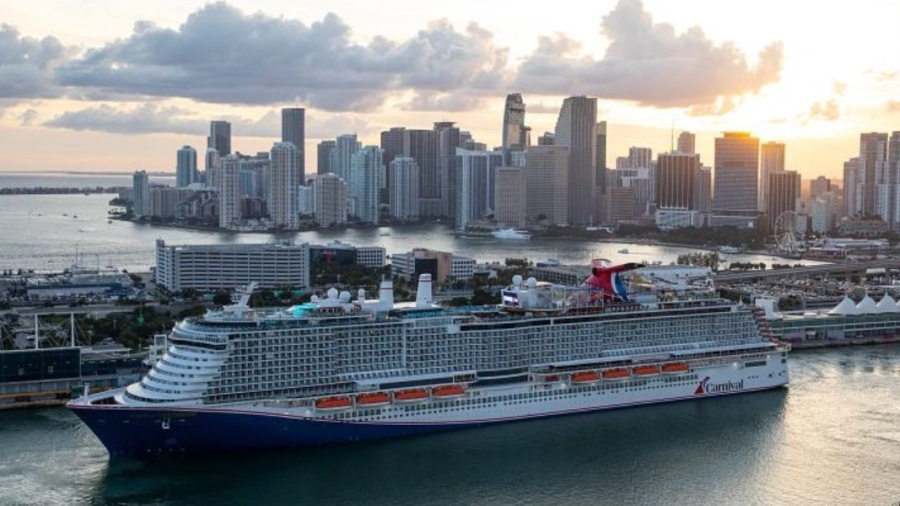
Carnival-Celebration-aerials-in-Miami-1.jpg

9 Crucial Mistakes to Avoid on a Transatlantic Cruise

I’m about to embark on my first-ever transatlantic cruise, from Southampton to Miami. And preparing for this cruise got me thinking… There is definitely some extra planning involved for a one-way cruise with seven sea days in a row!

Transatlantic cruises are a type of repositioning cruise, which happens when ships move from the Caribbean to the Mediterranean in the spring then back again in the autumn.

They offer a fantastic opportunity to experience extended time at sea, visit ports off the beaten path, and enjoy significant savings compared to traditional cruises.
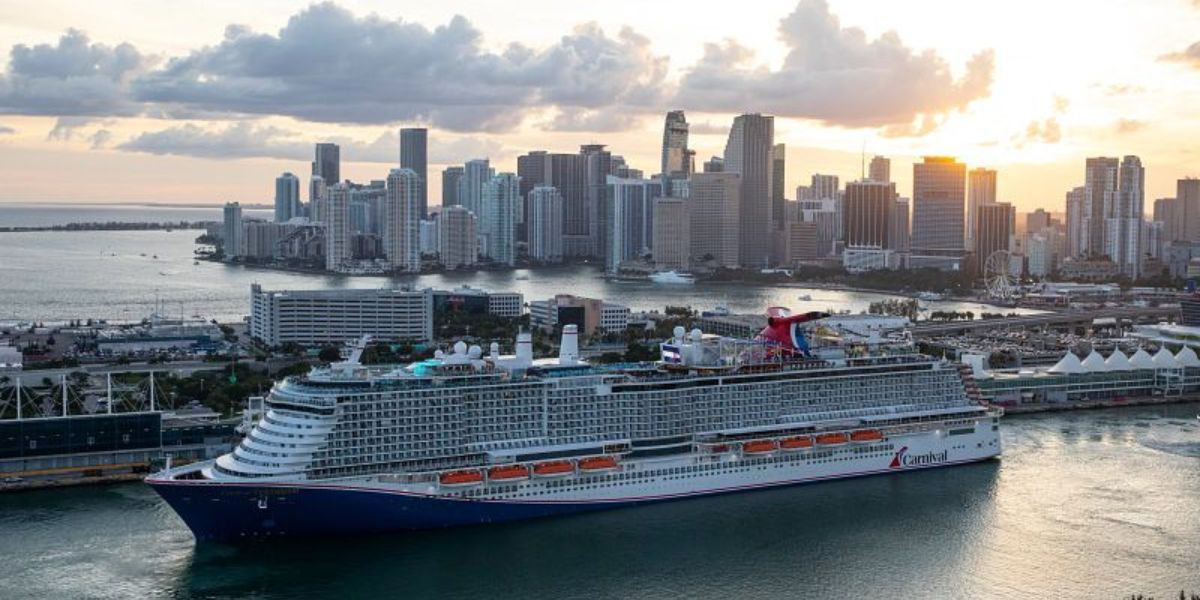
The image shows a Carnival cruise ship, "Carnival Celebration," docked in Miami with the city skyline in the background. The sun is setting, casting a warm glow over the high-rise buildings and the water, creating a scenic and vibrant atmosphere.

However, to make the most of your repositioning cruise adventure, there are several crucial mistakes to avoid.

Here are the nine key things you should not do on your transatlantic cruise.

1. Don’t Book Your Cruise Too Early

When it comes to transatlantic cruises, the early bird doesn’t always catch the worm.

Unlike traditional cruises, where early booking often secures the best deals, repositioning cruises can offer incredible last-minute bargains. These voyages typically have more cabins to fill, due to their unique itineraries and longer durations.

Cruise lines are keen to offset their relocation costs, which means they often slash prices as the departure date approaches.

Patient travellers can snag deals for as little as £30 per night for an inside cabin. That’s a steal when you consider all the amenities and experiences included!
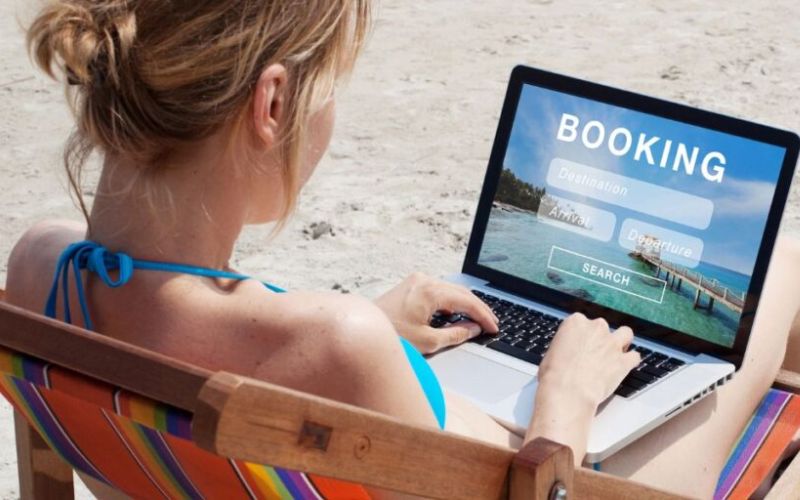
This image shows a woman from behind, seated on a colorful beach chair, using a laptop with a screen displaying a travel booking interface for destination, arrival, and departure options. She's on a sandy beach, symbolizing the ease of planning vacations even while enjoying a relaxed beach setting. The setup underscores the convenience of modern digital tools that enable holiday planning from any location.

However, this doesn’t mean you should wait until the eleventh hour to book. The key is to start monitoring prices about three to four months before your desired sailing date. Keep an eye out for significant price drops, and be ready to pounce when you spot a deal that fits your budget.

Suggested read: How Late Can You Book A Last Minute Cruise?

2. Avoid Neglecting Flight Arrangements

While you might score an amazing deal on your repositioning cruise, don’t forget about the other crucial component of your journey – flights. Remember, these cruises are one-way trips, which means you’ll need to arrange transportation to your departure port and from your final destination.

One of the biggest mistakes travellers make is booking their cruise without checking flight availability and costs. You might save a bundle on your cruise fare, only to find that flights to or from your ports are exorbitantly priced.

The image shows the exterior of Miami International Airport, featuring a modern building with a variety of international flags displayed prominently along the front. The scene is framed by lush green tropical plants and palm trees, with a bright blue sky and scattered clouds above, creating a welcoming atmosphere.

Sometimes, the one-way flight can cost more than the cruise, so it’s vital to look at airfare prices before you book your cruise ticket.

If possible, be flexible with your travel dates to find the best combination of cruise and flight prices. You should also check out alternative airports. For example: my cruise arrives at Miami, but it’s much cheaper to hire a car, drive to Orlando, and fly home from there.

3. Don’t Leave Your Cabin Choice to Chance

On a repositioning cruise, where you might spend up to two weeks or more at sea, your cabin choice becomes even more crucial than on a shorter voyage. 

While it might be tempting to opt for a guaranteed cabin assignment to save money, this strategy can backfire on longer journeys.

Consider your personal preferences and needs carefully:

  • Prone to seasickness? An inside cabin might exacerbate this issue.
  • Love watching the ocean? A balcony cabin could be worth the splurge for those long sea days.
  • Sensitive to noise? Avoid cabins near lifts and stairwells, or underneath the pool deck.
Balcony stateroom on Royal Caribbean's 'Icon of the Seas' featuring a stylish and spacious interior. This room offers a bed with blue and white bedding, a large gray sofa adorned with colorful throw pillows, and a balcony view of the ocean through floor-to-ceiling windows. The room is further enhanced by contemporary artwork, a wooden desk with a yellow chair, and a carpet with blue tones.

Remember, your cabin is a home away from home. Balancing comfort with cost is key. 

4. Don’t Forget to Pack Essential Items

Packing for a transatlantic cruise requires more thought than for a typical holiday. With extended time at sea and visits to various climates, you’ll need a diverse wardrobe and plenty of essentials.

One of the biggest mistakes cruisers make is forgetting crucial items and relying on onboard shops to fill the gaps. These shops often charge premium prices for basic necessities.

Make a comprehensive packing list well in advance, including items like:

  • Medications (including seasickness remedies)
  • Toiletries (razors, tampons, deodorant, sunscreen)
  • Appropriate clothing for various climates and activities
  • Entertainment items (books, e-readers, tablets)
  • Power adapters and chargers
A rack of elegant evening dresses in various colors and styles, including red, green, pink, and blue, hanging on wooden hangers. The dresses are suitable for formal occasions on a cruise, showcasing a range of luxurious fabrics and designs.

Don’t forget to pack some formal wear if your cruise line has dress codes for certain evenings.

And remember, while it’s important to be prepared, try not to overpack – you’ll want some room in your luggage for souvenirs!

Suggested read: 16 Things Pro Cruisers Pack That You Won’t Have Thought Of

5. Don’t Underestimate the Value of Good Entertainment

Repositioning cruises often involve multiple consecutive sea days, which means you’ll have ample time to relax and enjoy onboard activities. However, even the most extensive cruise ship entertainment programmes can feel repetitive after a week or two.

One of the biggest mistakes cruisers make is not bringing enough personal entertainment options. While ships usually have libraries, their selections can be limited.

Bring along several books or load up your e-reader with a variety of titles. Consider downloading movies, TV shows, or podcasts to your tablet or laptop for those quiet afternoons in your cabin.

A person is lounging on a deck chair by a pool, reading a book while on a cruise ship. The scene is relaxed, with the pool and another person swimming in the background, creating a serene atmosphere perfect for enjoying a quiet moment with a good book. A towel is draped over the back of the chair, adding to the leisurely vibe.

If you have a hobby, like knitting or sketching, pack the necessary supplies. And bringing a card game like Uno is always a good idea.

These activities can be perfect for sea days, and can even help you connect with other passengers who share your interests.

Suggested read: 14 Best Games to Bring on a Cruise

6. Avoid Isolating Yourself from Fellow Passengers

Speaking of connecting with others, one of the unique aspects of repositioning cruises is the opportunity to form lasting friendships with fellow travellers. With extended time at sea and a more relaxed pace, these cruises foster a sense of community that’s harder to achieve on shorter voyages.

Don’t make the mistake of keeping to yourself throughout the journey. Engage in onboard activities like trivia games, dance classes or wine tastings. These events are great ice-breakers, and can lead to enjoyable social interactions.

The image shows a lively scene of a trivia game taking place on a Carnival cruise ship. A host stands on stage, engaging with an enthusiastic crowd, many of whom have their hands raised. The atmosphere is energetic and fun, with the game taking place under bright indoor lighting.

Consider opting for open seating at meals, or joining a large table in the main dining room. This can be an excellent way to meet new people and share experiences.

Remember, many of your fellow passengers are likely to be experienced cruisers with fascinating stories to share.

7. Don’t Dismiss Onboard Activities and Classes

Repositioning cruises often feature unique enrichment programmes and activities that you might not find on standard itineraries.

These can include language lessons, cooking demonstrations, art classes, or lectures on the history and culture of your upcoming ports of call.

A common mistake is to overlook these offerings, assuming they’re not worth your time. However, these activities can add tremendous value to your cruise experience.

They’re excellent opportunities to learn new skills, explore different interests and prepare for your port visits.

The image depicts an art studio on the Borealis cruise ship, featuring neatly arranged tables with art supplies like brushes and palettes. Easels are set up near the windows, offering a view of the ocean. The space has a clean, modern design, creating an inviting environment for creative activities.

Many cruise lines bring aboard guest lecturers or experts in various fields for these longer voyages. Take advantage of this opportunity to gain insights from professionals in areas like astronomy, marine biology or world history.

Suggested read: 69 Fun Things To Do On A Cruise Ship

8. Don’t Neglect Port Day Planning

While repositioning cruises are known for their extended sea days, they often include visits to less-frequented ports. It’s a mistake to arrive at these destinations without any plan or knowledge of what to see and do.

Research your port stops well in advance. These might include less touristy locations that require more planning to make the most of your visit. Look into the local attractions, cultural sites, and experiences that align with your interests.

Consider whether you want to book organised shore excursions through the cruise line or explore independently. If you choose the latter, ensure you’re aware of the ship’s all-aboard time and plan to return promptly.

A shore excursion manager is discussing shore excursions with a couple at a travel desk, with brochures and promotional materials displayed. The setting appears to be an upscale, elegant lobby, emphasizing personalized service and luxury travel planning.

Remember, some repositioning cruises include overnight stays in certain ports. These extended stops offer a chance to experience the nightlife or dine at local restaurants, so plan accordingly.

9. Don’t Fly Straight Home

After spending an extended period at sea and visiting fascinating ports, it can be a mistake to rush straight back home. Consider adding a few days at the beginning or end of your cruise, to explore your embarkation or disembarkation city more thoroughly.

This extension allows you to adjust to any time zone changes, reducing the impact of jet lag. It also provides a buffer in case of any travel delays before your cruise, ensuring you don’t miss the ship’s departure.

NEW DEALS JUST RELEASED!

Don’t miss these hot cruise offers…

The Bottom Line

By avoiding these nine crucial mistakes, you’ll be well-prepared to make the most of your repositioning cruise adventure. These unique voyages offer an unparalleled opportunity to combine relaxation, exploration and value for money.

With careful planning and the right mindset, your repositioning cruise could become one of your most memorable travel experiences.

Remember, the key to enjoying any cruise is to embrace the journey. Relish the extended time at sea, immerse yourself in onboard activities, forge new friendships and savour the unique ports of call. Happy cruising!

Related Posts:

If you found this interesting, please share!
Cruise Mummy

Jenni Fielding is the founder of Cruise Mummy. She has worked in the cruise industry since 2015 and has taken over 30 cruises. Now, she helps over 1 million people per month to plan their perfect cruise holidays.
Read more about me

Source link

Large cruise ship docked at a Florida port under blue sky, a starting point for things to do near Port Canaveral

16 Things To Do Near Port Canaveral Cruise Terminal

The best things to do near Port Canaveral are the Kennedy Space Center Visitor Complex (about 25 minutes away), a few hours on the sand at Jetty Park or Cocoa Beach, a waterfront lunch in The Cove watching ships sail out, and spotting manatees and birds in the lagoons around Merritt Island. If you’re lucky with timing, you can also watch a rocket launch. Most of these spots are within 10 to 30 minutes of the cruise terminals, so they work well on the day before you sail or on disembarkation day before an afternoon or evening flight.

Below are 16 things to do near Port Canaveral cruise terminal. Each one was open when we checked in late 2026, and each comes with rough driving times and price guidance. You’ll also find a planner based on how much time you have, plus tips on storing luggage and watching a launch from your ship.

Things to do near Port Canaveral: quick planner by time available

Your situation Realistic options Watch out for
Full day before embarkation Kennedy Space Center (allow 6 to 8 hours), or Brevard Zoo plus Cocoa Village, or a beach day with a pier sunset Book a hotel with cruise parking or a shuttle so you aren’t rushed on sailing morning
Half day before embarkation Cocoa Beach and Ron Jon, Jetty Park, or a wildlife drive at Merritt Island Afternoon thunderstorms are common in summer, so plan beach time for the morning
Disembarkation morning, flight after about 5pm Kennedy Space Center through a cruise line transfer that stores your bags, or a rental car with bags in the trunk KSC doesn’t allow suitcases inside, and Orlando airport (MCO) is about 45 minutes away
Disembarkation morning, flight around 1 to 3pm A late breakfast in The Cove or a short beach walk only Ships usually clear by mid-morning, and you need a buffer for MCO security

16 things to do in Port Canaveral and nearby

1. Kennedy Space Center Visitor Complex

This is the main reason many cruisers arrive a day early. Highlights include Space Shuttle Atlantis, the Apollo/Saturn V Center (reached by bus tour), the rocket garden and simulators. It is roughly 15 miles from the port, about a 20 to 30 minute drive.

At the time of writing, one-day admission is about $77 for adults and $67 for children aged 3 to 11, plus tax. Parking is around $15 per car on top of that. Book online and check the official site for current hours and launch-day changes.

2. Watch a rocket launch

Launches from Cape Canaveral Space Force Station and Kennedy Space Center now happen very often, sometimes several times a week. Popular viewing spots near the terminals include Jetty Park, the waterfront decks in The Cove, and the beaches north of Cocoa Beach. On big launch days Jetty Park passes can sell out and roadside parking along SR 401 isn’t allowed. Check a launch schedule site the week you travel.

3. Jetty Park beach and fishing pier

Jetty Park is the port’s own beach park, right at the mouth of the shipping channel, a few minutes’ drive from the cruise terminals. It has a lifeguarded beach, fishing pier and picnic areas. It is also one of the best places to watch ships sail out in the late afternoon. Every vehicle needs a day pass, which you buy online in advance from the port’s shop. The park is normally open 7am to 9pm, but hours can change on launch days.

4. Eat and ship-watch in The Cove

The Cove is a strip of waterfront restaurants and bars on Glen Cheek Drive, beside the cruise terminals. Fishlips has an upstairs tiki deck with live music, where ships pass very close by. It is also a popular launch-viewing spot, so arrive early for a deck table. Grills Seafood Deck and Seafood Atlantic are long-standing choices for casual seafood. It’s the easiest thing to do near Port Canaveral without a car.

5. Cocoa Beach

Cocoa Beach is the classic Space Coast beach town, about 10 to 15 minutes south of the port on A1A. Parks such as Lori Wilson Park and Alan Shepard Park have facilities; parking costs vary by lot.

6. Westgate Cocoa Beach Pier

The pier stretches into the Atlantic and has restaurants, bars and souvenir shops, and you can fish from the end. Parking near the pier is paid and can fill up at busy times. The pier is roughly 10 to 15 minutes from the terminals.

7. Ron Jon Surf Shop

Ron Jon’s huge flagship store in Cocoa Beach is a landmark in its own right, with surfboards, beachwear and souvenirs. It is known for very long opening hours, but check current hours if you plan a late visit.

8. Manatee Sanctuary Park

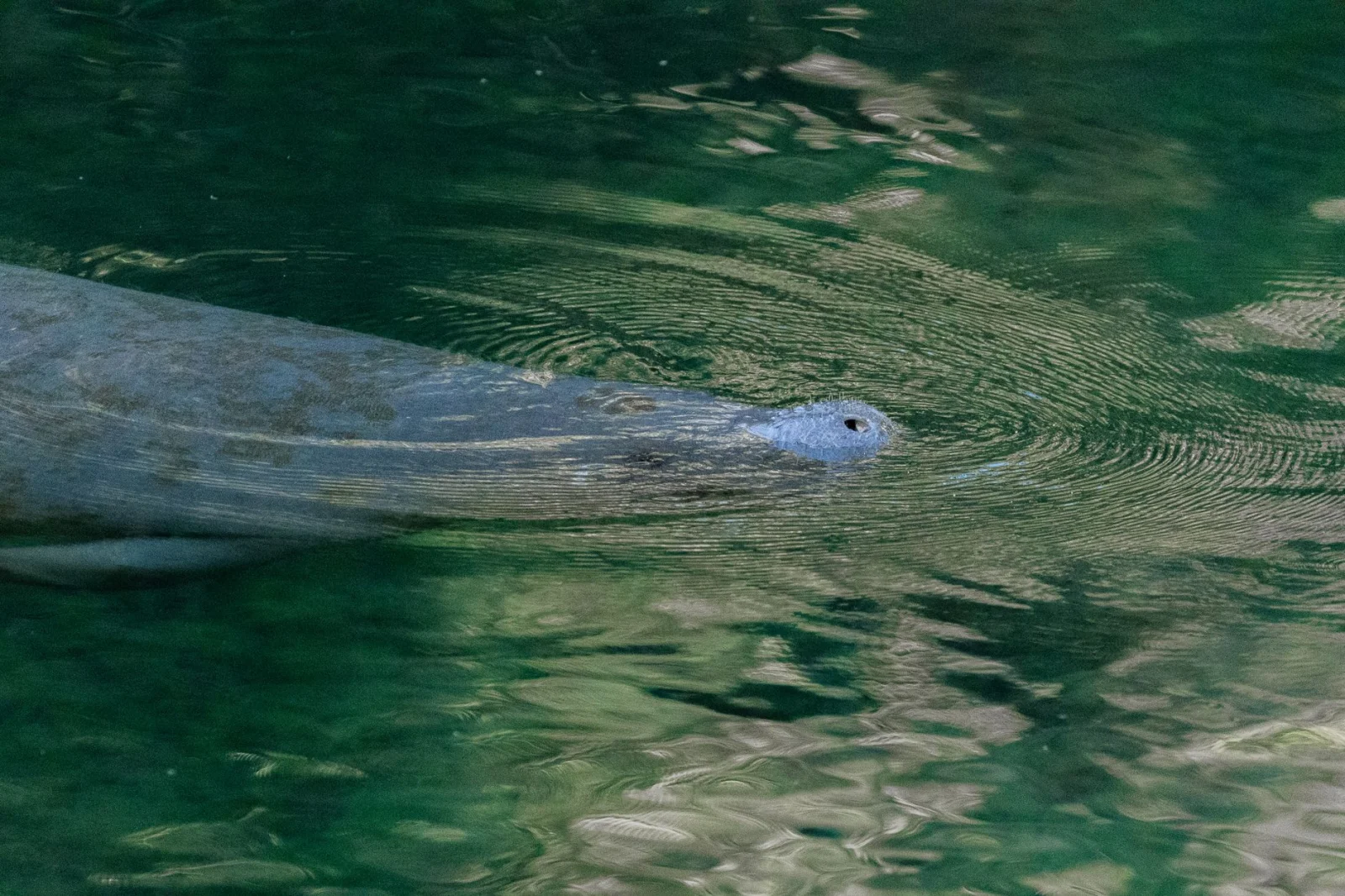
This small, free city park in Cape Canaveral sits on the Banana River. Manatees are often seen from its boardwalk, especially in cooler months, and it’s about 10 minutes from the port.

Manatee swimming just below the surface of calm green lagoon water
Manatees are a common sight in the lagoons around Port Canaveral. Photo: Jean Paul Montanaro on Pexels

Wildlife, nature and outdoor things to do near Port Canaveral

9. Merritt Island National Wildlife Refuge

The refuge shares land with NASA and is one of Florida’s top birding areas. Expect alligators, wading birds and, in winter, migrating ducks. The Black Point Wildlife Drive is a slow loop you can drive in your own car. A refuge pass costs about $10 per vehicle per day.

The drive has had temporary flooding closures recently, and NASA can restrict access around launches. Check the refuge’s visitor page or call the visitor center before you go. Allow about 30 minutes to drive there from the port.

10. Canaveral National Seashore (Playalinda Beach)

Playalinda is the northern edge of the Space Coast. It is an undeveloped barrier-island beach with dunes, no high-rises and views toward the launch pads. A vehicle pass costs about $25 and is valid for seven days. The park doesn’t take cash. Allow 40 to 50 minutes each way, and expect closures before some launches.

11. Kayak or paddleboard the Thousand Islands

The mangrove islands in the Banana River behind Cocoa Beach are a calm place to paddle. Guided tours often spot dolphins and manatees. In the warm months, some operators run night tours to see bioluminescence in the water. Expect guided trips to cost roughly $40 to $70 per person, depending on the season and the tour length.

12. Airboat or eco-boat tour

Airboat rides on the St. Johns River marshes, west of the Space Coast, are a quick way to see alligators. Pontoon eco-tours on the Indian River Lagoon are gentler and good for dolphins and manatees.

13. Deep-sea fishing charter

Charter boats leave from Port Canaveral’s marinas, so the fishing grounds are close. Half-day trips can target snapper, kingfish and mahi, depending on the season. Shared “head boat” trips are the budget option; private charters cost far more.

Tall black and white striped lighthouse under a clear blue sky
Historic lighthouse tours are one of the more unusual things to do near the port. Photo: Jojo Tesini on Pexels

History, culture and family days out near the cruise port

14. Cape Canaveral Lighthouse tour

The 1868 lighthouse stands inside Cape Canaveral Space Force Station, so you can only visit it on a pre-booked tour. Tours run through Canaveral Tours, require a security clearance arranged before the tour, and include stops at launch-related museums on the base. Reported prices run from about $35 to $62.50, and tours last two to four hours. Book well ahead, because the clearance takes time.

15. Historic Cocoa Village

Cocoa Village is about 20 to 25 minutes inland. It is a walkable riverside district of brick streets, independent shops, galleries, cafes and restaurants, with regular events and live theatre.

16. Brevard Zoo

Brevard Zoo is in Melbourne, roughly 40 to 45 minutes south. Its themed areas include Africa, Australia, Florida wildlife and rainforest. Paid extras include giraffe feeding and a zipline course. Online prices are about $35 for adults and $23 for children aged 3 to 11. The zoo is usually open 9:30am to 5pm, with last entry at 3:30pm.

What’s closed or paused right now

Older lists of things to do in Port Canaveral often include two places you can’t currently visit. Exploration Tower, the port’s observation tower and museum, has been closed since 2022 and was still looking for a new tenant in 2026. Victory Casino Cruises suspended its Port Canaveral sailings in 2026 while its ship was in an extended dry dock. If you find either on an itinerary, check before you plan around it.

Luggage storage on disembarkation day

This is where many post-cruise plans fall apart. Kennedy Space Center doesn’t allow luggage or large bags inside, and the port has no public left-luggage office. Here are the practical options:

  • Cruise line transfer packages. Several lines sell a KSC-plus-airport package. Your bags stay on the coach while you tour the complex, then it takes you to MCO. Carnival’s version, for example, has started at around $120 per adult and needs a flight after 5pm.
  • A rental car. Rental offices near the port run short shuttles, and you can lock your bags in the trunk.
  • App-based storage. Services such as Bounce list partner shops in the Cape Canaveral and Cocoa Beach area. These typically charge a few dollars per bag per day. Check the opening hours and distance from the port before you book.
  • Check bags early at the airport. Some airlines accept checked bags only a few hours before departure, so confirm first. If you’re also bracing for long security lines, our guide to CLEAR vs TSA PreCheck for cruisers explains which one helps more at MCO.

Watching a launch from your ship

Launches often happen while ships are docked or sailing nearby. A few tips:

  • Check a launch tracker in the days before you sail. Launch times often slip by hours or days, so treat any date as provisional.
  • Go to the highest open deck on the side facing north toward the pads. On a sail-away the launch may be behind the ship, so the aft decks often have the best view.
  • Launch hazard zones can occasionally affect ship timings.

Getting around and practical tips

  • Parking: Port Canaveral’s cruise terminal parking rose to $20 per day plus tax in October 2025. Terminal lots are for cruise guests only, so you can’t park there for day trips.
  • Transport: Taxis and rideshares cover The Cove, Jetty Park and Cocoa Beach easily. For KSC, Merritt Island and the zoo, a car is far more practical.
  • Flights: If you’re flying in, arriving the day before your cruise gives you time to explore and a buffer for delays. Our guide on the best time to book flights can help keep costs down.

If you’re still choosing a sailing from Florida, browse our roundup of cruise deals for 2027 and build an extra day on the Space Coast into your trip.

If you are flying in for your sailing, compare the transfer options from every nearby airport before you book a ride to the port.

FAQs

Is there anything to do at Port Canaveral itself?

Yes. Next to the terminals you can eat and watch ships in The Cove, spend time on the beach and pier at Jetty Park, and visit the free Manatee Sanctuary Park. Cocoa Beach is only 10 to 15 minutes away.

How far is Kennedy Space Center from Port Canaveral cruise terminal?

It is about 15 miles, usually a 20 to 30 minute drive depending on traffic and which terminal you leave from.

Can I visit Kennedy Space Center after my cruise with luggage?

Not with suitcases, because KSC doesn’t allow luggage inside. Use a cruise line transfer package that keeps your bags on the coach, keep them in a rental car, or use a storage service, and allow time to reach MCO afterwards.

Can you see a rocket launch from a cruise ship at Port Canaveral?

Often, yes, if a launch happens while your ship is in port or nearby. Head to a high open deck. Check a launch schedule close to your dates, because launch times frequently change.

What is the closest beach to Port Canaveral cruise terminal?

Jetty Park, the port’s own beach park, is just a few minutes from the terminals. You need a vehicle day pass bought online in advance.

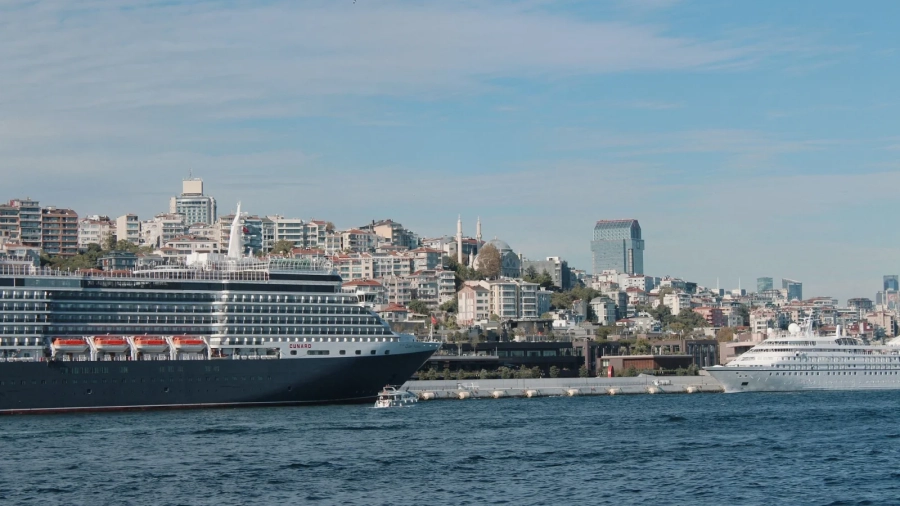
Cruise ship docked in a European harbor, illustrating the worst cruise ports in Europe and how to plan for them

The Worst Cruise Ports in Europe and How to Make the Most of Them

The worst cruise ports in Europe are rarely bad places. They are usually stops where the famous sight is hours from the pier, or where several ships arrive at once. Le Havre, Naples, Santorini, Marseille, Kusadasi and Civitavecchia all earn complaints, and all of them can be a good day with the right plan.

This guide covers Europe only and gives a concrete plan for each port: how to get around, how much time you need and what to do instead if the obvious option does not suit your schedule. For stops further afield, see our list of the worst ports of call worldwide.

Worst cruise ports in Europe at a glance

Port Main complaint Best plan Port time to feel comfortable
Le Havre Paris is about 200 km away Honfleur or the Perret city center 5+ hours (10+ for Paris)
Naples Busy, chaotic first impression Historic center and museum, or Herculaneum 5+ hours (8+ for Pompeii)
Santorini Tender and cable car queues Early tender, then straight to Oia or Akrotiri 7+ hours
Marseille Terminal is in an industrial port Vieux-Port and Le Panier, or a Calanques boat 5+ hours
Kusadasi Shopping-heavy town, crowded Ephesus Early Ephesus with the Terrace Houses 5+ hours
Civitavecchia Rome is about 70 km away Train on a long call, tour on a short one 9+ hours for independent Rome

The time column is our planning guide, not an official figure. Your ship’s all-aboard time matters more than its published departure time.

Le Havre: stop trying to see Paris by default

Le Havre is sold as the “port for Paris”, but it is about 200 km from the capital. The terminal at Pointe de Floride sits around 2.5 km from the center, and that walk (about 25 minutes) runs through dockland. Most ships offer a paid shuttle to Place de l’Hôtel de Ville, and a taxi into the center costs roughly €8 to €10.

Three ways to spend the day

  • Le Havre itself (3 to 5 hours). The center was rebuilt by Auguste Perret after World War II and has been UNESCO-listed since 2005. See the 107-meter tower of Église Saint-Joseph, with its 12,768 pieces of colored glass, the Perret show apartment, the MuMa art museum and the seafront. Check opening days, as some museums close on Mondays.
  • Honfleur (5 hours). The pretty harbor town is 30 to 40 minutes away across the Pont de Normandie. Taxis run about €35 to €50 each way, and Nomad coaches link it with the Le Havre bus station, although regional buses do not stop at the cruise terminal. Étretat and its cliffs are about 45 minutes to an hour away and work well on a shared shuttle or tour.
  • Paris (10+ hours). Direct trains to Saint-Lazare take about 2 hours 20 minutes, with around 14 to 16 a day. That leaves four to five hours in the city at best. Ship coach tours typically allow three to four hours in Paris, but the ship will wait if the tour runs late.

Rouen is an underrated compromise. Its cathedral and medieval center are about 45 minutes away by train, far less than the trip to Paris.

Naples: skip the port area, not the city

Naples can feel loud and hectic straight off the ship, yet the location is excellent. Most ships berth at Stazione Marittima beside Castel Nuovo, about 15 minutes on foot from Piazza del Plebiscito. The old city is around ten minutes further, and Municipio metro station is close to the pier. Your daily program will name the berth, as some ships dock further east.

  • Half day in the city (about 5 hours). Walk Spaccanapoli, stop at San Lorenzo Maggiore’s underground Roman remains, have pizza on Via dei Tribunali and visit the National Archaeological Museum (around €15, closed Tuesdays), which holds many of Pompeii’s finest finds.
  • Pompeii (8+ hours in port). Take Metro Line 1 to Garibaldi, then the Circumvesuviana toward Sorrento and get off at Pompei Scavi–Villa dei Misteri, not Pompei Santuario. The ride takes about 35 minutes and costs around €3 to €4. Pompeii has had a 20,000-a-day cap since November 2024. Tickets are named, so carry matching photo ID, and timed entry applies from mid-March to mid-October. Book through the official site and allow three to four hours on site.
  • Herculaneum (5 to 6 hours). It is about 15 minutes by train from Garibaldi, smaller than Pompeii and better preserved, with upper floors and wooden beams still in place. It takes about two hours to see and suits shorter calls.
  • Capri (full day). Hydrofoils from Molo Beverello take about 50 minutes and cost roughly €25 to €31 each way. Sailings can be canceled at short notice in bad weather, so a guided excursion is the safer option if you want to visit Capri.
White-washed houses on the cliffs above the Santorini caldera
Santorini is at its calmest before the day's tenders arrive. Photo: Giannis Tsoumetis on Pexels

Santorini: the most changed port for 2026

Santorini’s problem is arithmetic. Ships anchor in the caldera, tender passengers to the small Old Port at Skala, and then funnel them up to Fira by cable car. Queues can reach one to two hours when several ships call, and the alternative is about 588 steep steps shared with donkeys.

Santorini cruise levy and passenger limits

Two rules now affect visits. Santorini operates a daily cap of 8,000 cruise passengers, and for 2026 ships are counted at 100% occupancy rather than 80%. Reported scheduled calls fell to 595 in 2026 from 728 in 2025. Greece also charges a cruise passenger fee:

Season Santorini and Mykonos Other Greek island ports
June to September €20 €5
April, May, October €12 €3
November to March €4 €1

The cap covers cruise passengers only, so Fira and Oia can still be busy with visitors arriving by air and ferry.

A plan that avoids the worst of it

  1. Take the earliest tender you can, or book a ship excursion if you want a guaranteed route ashore, as these may use Athinios port instead.
  2. Head straight to Oia by bus or taxi (about €30 to €40) before the crowds, then work back to Fira.
  3. For something different, visit the Bronze Age site at Akrotiri or the black-sand beaches at Kamari and Perissa.
  4. Be back at the cable car at least 90 minutes before all-aboard, and check the fare and hours locally, as published fares vary.

Marseille: the terminal is the worst part

Cruise passengers often judge Marseille by its vast industrial port. The Marseille tourist office says a free shuttle runs on ship days to Place de la Joliette, with a 5 to 12 minute walk along a green line to the Gate 4 stop. Check your port information, because some lines also sell their own shuttles, typically around €20 return, that go directly to the Vieux-Port area. Local bus 35T is the budget backup.

  • City day (4 to 5 hours). From Joliette it is about 15 to 25 minutes on foot to the Vieux-Port. Explore Le Panier, then take bus 60 or the tourist train up to Notre-Dame de la Garde, the city’s best viewpoint.
  • Water day (3 to 5 hours). Boat tours from the Vieux-Port run to the Calanques, and a roughly 20-minute crossing reaches the Château d’If and the Frioul Islands.
  • Further afield (4 to 6 hours). Aix-en-Provence is about 30 minutes by road and Cassis is a common excursion. Both are simplest on an organized tour.

Our guide to the best shore excursions for Mediterranean cruises can help if you prefer to have the logistics arranged for you.

Marble facade of the ancient Library of Celsus at Ephesus
Arriving early at Ephesus helps you avoid heat and tour groups. Photo: Mehmet Turgut Kirkgoz on Pexels

Kusadasi: go for Ephesus, and go early

Kusadasi is convenient, with ships docking in the center of town, but the port area is built around shopping and persistent sales patter. The reason to come is Ephesus, about 19 km away and 25 to 30 minutes by road.

  • Getting there. Taxis wait outside the port gate and usually quote a flat return fare including waiting time, so agree it before leaving. The dolmuş minibus to Selçuk is cheapest, but it needs a bigger time buffer.
  • Tickets. Ephesus was listed at €40 and the Terrace Houses at €15 in November 2026, with increases scheduled for April 2027.
  • Timing. Allow about 4 hours port to port, plus 45 minutes for the Terrace Houses, whose mosaics and frescoes are well worth the extra. Enter at the upper gate so the walk runs mostly downhill.
  • Heat. There is very little shade, so bring water and a hat and go as early as you can.

If you have seen Ephesus before, walk the causeway to Pigeon Island, or take a longer excursion to Şirince village and the House of the Virgin Mary.

Civitavecchia: one of the worst Mediterranean cruise ports for transfers

Rome’s port is about 70 km from the capital, and it is a common example of cruise ports that are far from the city they advertise. Door to door, expect about 1 hour 45 minutes to 2 hours 15 minutes each way by public transport.

  1. Take the free port shuttle to Largo della Pace, which runs roughly every 20 to 25 minutes.
  2. Walk 15 to 20 minutes along the seafront to the station, or pay about €6 for the station shuttle.
  3. Take a regional train (flat fare around €4.60, not tied to a specific departure). Roma San Pietro, for the Vatican, takes about 50 to 60 minutes and Termini about 75 to 85 minutes.
  4. Leave central Rome at least four hours before sailing, and aim to reach Civitavecchia two hours before all-aboard.

Independent Rome only really works on a call of nine or ten hours. A private transfer starts at around €221 per vehicle and takes about 65 minutes, while a ship tour moves the timing risk to the cruise line. If you would rather stay close, Civitavecchia has a waterfront and Forte Michelangelo, and the Etruscan tombs at Tarquinia are a short rail trip north. Local connections there need checking in advance.

How to spot a problem port before you book

A few minutes with an itinerary can save a frustrating day. Compare these points before you commit:

  • Hours in port, not just the port name. Subtract the transfer each way and a safety margin from the time alongside.
  • Dock or tender. Tender ports add waiting at both ends, and bad weather can cancel the call.
  • Other ships that day. Port schedule sites can show how many ships are due, which matters most in Santorini and Naples.
  • The return plan. The ship will generally only wait for its own excursions. If a train or ferry is your only way back, leave a large margin.

FAQs

What is the worst cruise port in Europe?

There is no official ranking, but Le Havre and Civitavecchia draw frequent complaints because the headline destination is hours away. Santorini and Naples are criticized more for crowds and logistics than for a lack of things to see.

Can you visit Paris from Le Havre on a cruise?

Yes, but it is a long day. Direct trains to Paris Saint-Lazare take about 2 hours 20 minutes each way, which leaves roughly four to five hours in the city on a generous port call. A ship coach tour removes the risk of missing the ship.

How much is the Santorini cruise passenger fee?

The published rate is €20 per passenger from June to September, €12 in April, May and October, and €4 from November to March. How it is billed varies by cruise line, so check your fare breakdown or onboard account.

Is it worth getting off the ship at Civitavecchia?

Yes, if your call lasts about nine hours or more and you want Rome. On a shorter call, a guided excursion or a quieter day in Civitavecchia or nearby Tarquinia is a more relaxed choice.

Where is the best place to cruise in Europe?

It depends on what you want from port days. The Greek islands and Adriatic suit travelers who like to walk straight off the ship into historic towns, while the Western Mediterranean offers big-name cities that often need longer transfers.

Ocean-Cay-Marine-Reserve-Header-1.jpg

26 Secrets You Must Know Before Cruising to Ocean Cay

Ever fancied spending time on a private tropical island? It’s a dream that’s normally out of reach, but book a cruise to Ocean Cay and you’ll get pretty close to the experience. Technically it is a private island, even though you’ll be sharing the experience with a couple of thousand others at the same time.

Still, it’s a fantastic destination that’s really popular with cruise passengers, despite only being open for a couple of years. Let’s look at some of the key facts and secrets about Ocean Cay, so that you make the most of your time at the island.

Ocean Cay MSC Cruises Marine reserve

1. Ocean Cay is Exclusive to MSC Cruises

The only cruise line that visits Ocean Cay is MSC Cruises, as they own the island. There are seven different MSC Cruises ships that include Ocean Cay as a port of call. These are MSC Divina, MSC Magnifica, MSC Meraviglia, MSC Poesia, MSC Seascape, MSC Seashore and MSC Seaside.

MSC Cruises bought the island and renovated it specifically to be their own private cruise destination. No other cruise lines can visit, nor can any other holidaymakers. It’s only by booking one of the cruise breaks sailing from either Port Canaveral or Miami that you can visit the island.

Suggested read: Who Owns MSC Cruises?

NEW DEALS JUST RELEASED!

Don’t miss the latest MSC Cruises offers…

2. You Can’t Stay On Ocean Cay, But You Can Visit

Despite some cruise itineraries including a two-day visit to Ocean Cay, you aren’t allowed to stay on the island overnight. You must return to the ship for the evening. There are no hotels on the island, so you are not legally able to stay ashore at night.

Some people might be tempted by the idea of hiding away to enjoy a slice of private island life, even just for a night. You’ll get in a lot of trouble if you do. Just enjoy the late-night show then get back to the comfort of your cabin.

Ship docked at Ocean Cay overnight

3. It Cost Around $200 Million to Renovate the Island

When MSC Cruises bought the island of Ocean Cay, they spent $200 million to make it fit for purpose as a cruise destination. This included building the cruise pier and adding facilities for guests to eat, drink and relax on the island.

Ocean Cay before the renovation in 2019

The work on restoring the island began in 2016, and was held up by Hurrican Dorian just as it was getting close to completion in September of 2019. It was able to open in December 2019 despite the setback.

Suggested read: How Hurricanes Can Affect Cruises

In August 2023, the next phase of development was announced, with another $100 million investment. The island was closed for six weeks between April and May 2024 as a result, and work is continuing. It is expected to be completed by the end of the winter 2024-25 season.

4. There Are No Swimming Pools on Ocean Cay

There are no swimming pools on Ocean Cay, although if you want to swim then there are secluded lagoons that are safe. They don’t have a strong current and they have gentle slopes, including shallow waters that are suitable for young children.

Ocean Cay Lagoon
Ocean Cay Lagoon

The waters around Ocean Cay are really clear and clean, which makes them really pleasant for swimming. You’ll see some marvellous wildlife too. There’s no need for a pool when the lagoons are this pristine.

5. You Don’t Need Your Passport To Visit the Island

You won’t need to take your passport with you when you disembark at Ocean Cay. The island is privately owned, so isn’t classified as a foreign territory despite it being in the Bahamas. You will need to take your cruise card to sign out of the ship and to sign back in.

This is handy since there’s no risk of losing your important ID documents, but you will need to keep the keycard safe.

Some cruise lines offer itineraries that only sail to their own private islands. For those, you don’t need your passport at all for the entire cruise. A birth certificate will suffice.

That’s not the case with MSC Cruises. Their itineraries will always visit at least one other destination, so you will need your passport to board the ship.

6. Ocean Cay is a Man-Made Island

Ocean Cay is an artificial island that was built in the late 1960s by dredging, with the purpose of mining Aragonite sand. It’s now considered a Marine Reserve with conservation status. As part of the renovation, MSC Cruises has preserved the ecosystem.

Ocean Cay is man-made

Ocean Cay MSC Marine Reserve is located in the district of Bimini in the Bahamas, around 20 miles south of the Bimini islands. Ocean Cay is actually much closer to Miami than it is to Grand Bahamas, Nassau and the other Bahamas islands.

The cruise line has plans to build a Conservation Center. This will serve as a research base for scientists studying local coral and other wildlife, and will welcome guests to learn about the island and the surrounding waters (Source).

7. Ocean Cay Has Decent Wi-Fi

There is Wi-Fi access available across parts of Ocean Cay, although if you wander to more remote areas, you will struggle to get service. Access to the Wi-Fi on the island is included if you’ve bought an internet package on the ship.

A lot of people prefer to use a private island as a technology detox. But if you can’t resist posting your photographs online as soon as you’ve snapped them, then you’ll be able to.

8. Drinks Packages Carry Over Onto The Island

If you’ve bought a drinks package on your MSC cruise, it will carry over to any visit to Ocean Cay. This means you can enjoy the same drinks that you would on board at the venues on the island.

One of the bars on Ocean Cay

Some cruise lines treat their private island as a separate entity, meaning you have to pay for your drinks even if you’ve got a drinks package. So it’s good that MSC allows you to enjoy the same drinks at Ocean Cay as you would if you’d stayed on your ship (Source).

Suggested read: MSC Drink Packages Guide

9. You Can Rent a Cabana For The Day

For a little extra privacy, you can rent a private cabana on Ocean Cay from $249 for the full day, although some cabanas cost more. Each cabana includes beach chairs and a shaded area where you can escape the sun, and they can accommodate six guests.

Cabanas on Ocean Cay

You’ll also be given fresh water to help you cool down. Towels are provided, so you don’t need to take your own ashore if you plan on swimming or snorkelling. More expensive Ocean Cay beach cabana packages include lunch and snorkelling equipment too.

10. Food Is Included During Your Visit to Ocean Cay

Most food on Ocean Cay is included in your cruise fare, including the buffet and food trucks. There are some excursions which may include food, such as picnics. These incur the extra charge that you pay for the excursion.

The buffet at the food court includes traditional Bahamian dishes alongside classic favourites, and there’s also an ice cream parlour for guests to enjoy. Plus, some of the dining venues on the ship remain open while docked at Ocean Cay, so you can eat on board if you prefer.

11. There Are Eight Different Beaches You Can Enjoy

There are eight different beaches open to guests on Ocean Cay. North and South beaches have calm waters and are suitable for families, as is the Seakers Family Cove and the Family Lagoon Beach. Watersports are available at South Beach, while Ocean House Beach is only available to MSC Yacht Club Guests.

One of the beaches on Ocean Cay

Not every beach is monitored by a lifeguard, so you’ll need to be careful if you choose to swim at one of the unprotected ones. However, finding a quiet spot to relax should be easier with so many beaches to choose from.

12. You Can Rent Various Watersport Equipment

There are a lot of watersports you can enjoy on Ocean Cay, including snorkelling, kayaking and paddle boarding. These activities come with an additional cost, either to rent the equipment or as part of a guided excursion.

Kayaking and paddleboarding

One of the more interesting excursions is a glow-in-the-dark experience available in the evening. You’ll be given a paddleboard with LED lights on the underside. These cast a gentle glow into the waters, attracting some interesting wildlife. Definitely one to try if you have the chance (Source).

13. Ocean Cay Isn’t Very Big

Ocean Cay isn’t a large island. It covers 95 acres and has around 1.5 miles of beachfront. You can walk from one end to the other in around 20 minutes. The size of Ocean Cay MSC Marine Reserve is very similar to that of Royal Caribbean’s private island, Coco Cay.

Ocean Cay size
Ocean Cay is two to three times as long as a cruise ship

14. There Are Bikes and Golf Carts For Hire

If you want to travel faster around Ocean Cay, you can hire a bicycle. You don’t have to be excluded if you have mobility issues or find walking long distances difficult. So consider hiring a golf cart if you want to experience all that Ocean Cay has to offer without pushing your walking limits too far.

15. The Ship Can Dock Directly At The Island

Most private islands require cruise guests to take a water shuttle boat to shore, but Ocean Cay has its own cruise pier where the ship can dock directly. As soon as you walk off the ship, you are on the island.

Cruise pier
Cruise pier

The pier was built as part of the $200 million renovation. It makes it much more convenient to travel back and forth to the ship if you want a break from the island, or have forgotten something essential in your cabin.

16. The Casino Remains Open on the Ship During a Visit

When a cruise ship docks in port, it normally has to close the casino due to national gambling regulations. However, because Ocean Cay is privately owned, it is considered to be international waters and so the casino can remain open.

So don’t worry if you’ve been itching to enjoy a few casino games, as you can wander back and forth between the island and the casino as you like. Plus it’s likely to be a quieter time since most people will be ashore, which is good if you don’t like crowds.

17. You Can Book a Special Picnic

One of the evening excursions available on Ocean Cay is the Sunset Evening Beach Picnic. This isn’t so much an excursion as the chance to enjoy your own picnic under the stars. It includes a basket with a blanket, a bottle of sparkling wine, and various foods and desserts.

It’s a lovely way to end your day on the private island. If you can find a quiet spot (which shouldn’t be difficult), then it can be a really romantic, memorable moment.

18. There’s a Lighthouse You Can Climb

Ocean Cay has its own lighthouse, and you can pay to climb it. There are three levels with a total of 165 steps if you want to go all the way to the top, where there is a 360-degree viewing platform. The tour is guided, and you’ll learn about the island as you climb.

Lighthouse on Ocean Cay

It’s one of the more popular excursions on the island, so book early if you can. You’ll get amazing views across the whole of Ocean Cay. The whole thing only takes 30 minutes, so you’ll still have plenty of time to enjoy the rest of the day (Source).

19. The Lighthouse Plays a Part in Special Evening Shows

With ships staying late at Ocean Cay, there are often evening shows including the popular Evening Lighthouse Show, where the lighthouse is lit up in an impressive demonstration. Live DJs will provide an atmosphere, and fire pits add to the tropical escape feel.

Ocean Cay lighthouse at night

There are other evening events you can enjoy too, including a Luna Libre Party or a romantic Sunset Champagne cruise. The fun isn’t just limited to the daytime on Ocean Cay.

20. Parts Of The Island Have a Dark Sky

Although parts of Ocean Cay will be lit up for the evening shows and as part of the lively atmosphere, there are plenty of secluded spots with a dark sky if you want to go stargazing. You’ll get an amazing view of the night sky from a peaceful beach location, away from the crowds.

Ocean Cay after dark

There are also dedicated stargazing excursions if you’d prefer to be shown everything by an expert. You’ll be able to use state-of-the-art telescopes as part of the excursions, some of which are tailored specifically to children who have a passion for space.

21. You Can Get Married On The Island

Guests can choose an all-inclusive wedding package if they want to get married on Ocean Cay. Staff will arrange all the paperwork, so you just need to book it and turn up. There’s a special Wedding Cabana overlooking the ocean where ceremonies take place.

If you’re already married and feel like you’re missing out, then don’t worry – you can also renew your vows at the cabana in a private ceremony (Source).

Ocean Cay Wedding Pavilion
The Wedding Pavilion

22. Spa Treatments Are Available On The Island

At The Spa Ocean Cay, you can enjoy massages and gentle yoga classes while surrounded by the pristine marine reserve scenery. All skincare products used at the spa are eco-certified, so you can relax and enjoy a soothing treatment that befits the conservation theme.

Ocean Cay Spa treatment room

You can even combine yoga and paddleboarding for a unique experience. Don’t worry, it isn’t as difficult as it sounds! (Source)

23. The Snorkelling Is Excellent

Many cruisers say that snorkelling is one of the best activities to enjoy at Ocean Cay Marine Reserve. The water is crystal clear, and you can see lots of colourful fish as well as turtles and other marine animals.

Ocean Cay snorkelling
Snorkelling at Ocean Cay

You can snorkel right off the beach with your own equipment or hired snorkels and masks. For the very best experience, book a guided Ocean Cay snorkelling safari excursion.

24. You Don’t Have To Spend a Penny If You Don’t Want To

A visit to Ocean Cay includes food and some non-alcoholic drinks. There’s live music and entertainment for free, and sun loungers and beach chairs are all free of charge. You can bring your own snorkel, or just enjoy swimming in the ocean or the lagoons.

You really don’t need to pay for anything. But if you want to rent a floating water mat, inflatable ring, kayak, bicycle, pedalo, paddleboard, snorkel or even a cabana, then you can do so by charging it to your cruise card.

Otherwise, the Ocean Cay excursions prices can vary, and you’re best checking for your specific sailing.

Ocean Cay Rental Price List:

  • Cabanas – $249
  • Deluxe Cabanas – $349
  • Inflatable family raft – $25
  • Floating beach mat – $15
  • Paddleboard – £29
  • Kayak – £29
  • Umbrella – $12

25. Ocean Cay Has a Schedule of Organised Fun

Think you’ll get bored with sunbathing all day? Don’t like to swim? Fear not. Ocean Cay offers lots of organised activities that will keep the whole family entertained.

You can sign up for all kinds of fun things such as scavenger hunts, sandcastle building competitions and even the Ocean Cay Olympic Games.

26. There Are Excursions From Ocean Cay

To really make the most of your time at Ocean Cay, you can book an excursion. Popular options include:

  • Ocean Cay WaveRunner tour
  • Night-time stand-up paddleboarding
  • A boat ride to a shipwreck for snorkelling
  • Guided kayak tour
  • Catamaran ride with rum
  • Sunset Champagne boat cruise
  • Beachside stargazing
  • Deep-sea fishing
  • Scuba diving
  • Sunset picnic
  • Stingray adventure
  • Family catamaran tour
Shipwreck snorkelling excursion

To Conclude

There is an extraordinary number of things you can see and do on the custom-designed island of Ocean Cay, including some wonderful excursions and secrets to uncover.

You’ll no doubt discover your own special surprises and moments during your cruise to the island. Feel free to get in touch via the comments below, and help me expand this list with even more ideas when you do!

NEW DEALS JUST RELEASED!

Don’t miss the latest MSC Cruises offers…

Related Posts

If you found this interesting, please share!

Cruise Mummy

Jenni Fielding is the founder of Cruise Mummy. She has worked in the cruise industry since 2015 and has taken over 30 cruises. Now, she helps over 1 million people per month to plan their perfect cruise holidays.
Read more about me

Source link

Carnival-Elation-Half-Moon-Cay-0047-1-1.jpg

18 Secrets You Must Know Before Visiting Half Moon Cay

The idea of exploring a private island is definitely luxurious, but not completely out of reach – just book a cruise to Half Moon Cay in the Bahamas.

Imagine all of the quality hospitality you’re used to on your cruise ship, but extended to a tropical resort. There are no pushy salespeople pestering you, the food is free and the beaches are pristine. True, you have to share the island with the rest of the passengers on your ship (and sometimes another ship too), but it’s still a really pleasant destination.

Half Moon Cay

Here are some of the best secrets and tips to help you enjoy Half Moon Cay. You won’t have long, so make the most of it!

1. Half Moon Cay is Owned by Carnival Corporation

There are a handful of islands in the Caribbean owned by cruise lines, and Half Moon Cay is one of the highest rated. It’s owned by the Carnival Corporation, although it was previously owned by Norwegian Cruise Line, when it was known as Little San Salvador Island.

Half Moon Cay is visited by two of the company’s cruise lines – Carnival Cruises Line and Holland America Line. None of the other major cruise lines owned by the company (like P&O Cruises, Princess Cruises or Seabourn) have cruises scheduled to visit the island in the next few years.

2. The Food is Free at Half Moon Cay

When you cruise to Half Moon Cay, the food is completely free. The island is owned by the cruise line, so food on the island is considered part of your cruise fare. The exception is ice cream, and sodas and alcoholic drinks are also chargeable.

Guests can enjoy a full barbecue lunch buffet on the island, but only from 11.30am until 1.30pm. After that, guests can pick up a small snack from the bar.

The barbecue is pretty extensive and includes hot dogs, hamburgers, ribs, jerk chicken, chips and salsa, potato salad and more. There are also sweets such as banana rum cake, tort, brownies and fresh fruit [Source].

A couple enjoying food on Half Moon Cay

3. US Citizens Don’t Need a Passport To Visit Half Moon Cay

If you’re a US citizen, you don’t need a passport to sail to Half Moon Cay, providing you’re sailing from the US and you aren’t travelling to any other country. You will need a birth certificate, and guests over 16 will also need a state-issued ID. A birth certificate alone is enough for guests under 16.

You can leave your passport on the ship, and just take your Sign and Sail card with you. This is needed to track who has left the ship and who has returned. You can also charge drinks to your cruise account using the card. [Source]

4. You’ve Probably Been Pronouncing Half Moon Cay Wrong

The correct pronunciation of ‘Cay’ is ‘key’. The word is translated from the original Spanish, so locals will pronounce it as ‘key’. You can use either, and the cruise line announcements themselves may use ‘cay’. But ‘key’ is the official pronunciation.

The word ‘cay’ comes from the Spanish ‘cayo’ which means key, and it’s been used to describe islands since 1707 [Source].

5. There Are Sharks at Half Moon Cay

There have been some sightings of sharks at Half Moon Cay, although typically they are smaller sharks such as lemon sharks. There aren’t any reports of great white sharks or other dangerous species swimming around the island.

Having said that, if you do want to go for a swim, it’s always best to stay alert since there will be aquatic wildlife around you. Follow any safety advice you are given. The waters at Half Moon Cay are crystal clear, so it will be easy to keep watch without having to be ultra vigilant. You’ll still be able to enjoy a swim! [Source]

Suggested read: Do Sharks Swim Around Cruise Ships?

Lemon shark

6. There Are Plans To Build a Pier at Half Moon Cay

Currently, cruise ships anchor at sea and use tenders to transfer guests to Half Moon Cay. But there are plans to add a proper pier to the island. The addition of a full-size pier will make it much easier and faster to load and unload guests.

The plans were originally announced in 2019, but then things got held up due to the pandemic. A confirmed date is still yet to be announced, but the plans haven’t been shelved as far as we know.

Half Moon Cay tender boat

7. Your Drinks Package Won’t Work on Half Moon Cay

If you have a drinks package already on your ship, this won’t extend to your time on Half Moon Cay. Holland America Line passengers can buy an island drinks package for $25, but this offer isn’t available to Carnival guests, who have to buy drinks individually.

The Half Moon Cay drinks package for Holland America includes up to 15 drinks, but can only be used for a single person. It does include soda and water as well. So even if you’re not planning on drinking a lot of alcohol, it can be good value at that price.

Half Moon Cay beer bucket

8. There Is No Cellphone Service on Half Moon Cay

There is no regular cellphone service on Half Moon Cay, although there is a mast which some cruisers on an international plan say they could connect to. There is also no WiFi, so don’t plan to spend the day browsing social media.

Half Moon Cay is designed as a tropical resort, where you can enjoy the beauty of nature (and the great food and drink). So try to embrace the lack of technology for the day! If you need to make any kind of emergency call, you can get support from any of the bars or stores on the island.

9. You Should Take Water Shoes for Your Visit to Half Moon Cay

Some of the areas where you access the beach on Half Moon Cay are quite rocky, and in the water there are some rocky surfaces on the seafloor as well. So it’s recommended that you take water shoes with you when visiting the island.

Water shoes aren’t super thick, but they will protect the soles of your feet from jagged edges. The last thing you want is a trip to the medical services to treat a cut.

These water shoes from Amazon are good quality, and come in lots of different colours and sizes.

10. Half Moon Cay is Pretty Big

Half Moon Cay is small compared to some other islands in the area, but at 2,400 acres, it’s still pretty big. The main Half Moon Cay beach is two and a half miles (four kilometres) long. There are also activities farther afield from the tender dock, such as water sports and horse riding.

So bear that in mind when you’re enjoying yourself. Don’t leave too long a walk to get back to the tenders in time for departure! 

Half Moon Cay

11. Some Souvenir Vendors Only Accept Cash

When buying drinks on Half Moon Cay, you can use your Sign and Sail card to have them charged to your cruise account. But souvenir sellers on the island often only accept cash, so if you want to pick up a gift you’ll need to take cash with you.

While the official currency is the Bahamian dollar, you should be fine paying with US dollars. The straw market on the island definitely accepts them.

12. There Are Nine Miles of Beach on Half Moon Cay

The main Half Moon Beach, close to the tender dock, runs for two and a half miles (four kilometres. But there are another six and a half miles (ten kilometres) of beach on Half Moon Cay that guests can access. Some of these beaches are a couple of miles from the tender dock, and tend to be quieter.

Of course, because they’re farther away, you can’t just sip on a drink from the nearby bar. And you have to remember to make it back for the return tenders to the ship. But if you like the idea of peace and quiet, consider exploring farther beyond the first beach you come across.

Half Moon Cay beach

13. There’s a Pirate Ship on Half Moon Cay

It’s not a floating ship, but Captain Morgan’s is a three-storey pirate ship bar situated on Half Moon Cay. The first two storeys are the bar, where you can enjoy drinks and some snacks. The top deck is more of a popular photo opportunity, giving great views of the surrounding island too.

Captain Morgan's pirate ship

You’ll also find a shipwreck-themed splash zone for kids, complete with squirting water cannons.

Half Moon Cay kids water park

14. You Can Hire a Private Cabana on Half Moon Cay

You can hire a private beach villa on Half Moon Cay. These are designed for up to eight people and cost around $600 per day. For that, you get access to a private hot tub (with space for five people), your own refrigerator, air conditioning (which can be valuable) and a misting shower.

You also get free snacks, including fruit and soft drinks along with bottled water. Snorkel gear is provided for the guests if you want to enjoy a swim in the ocean, which your hut is just yards from.

Half Moon Cay cabana

15. 95% of the Island Hasn’t Been Developed

Although Half Moon Cay is a lively destination, most of the island hasn’t been touched. About 95% is still natural forest and beach, along with the lagoon near the centre. Carnival Corporation has announced plans for further development of the island, but details are yet to be announced.

For now, guests can enjoy some beautiful nature walks through the undeveloped areas of the island.

16. You Can Ride a Horse Through the Sea

There are some fantastic Half Moon Cay excursions available. One of the most popular is with Holland America, where you can ride a horse on a trail through land and into the ocean. The horses are safe as the trail is never too deep, and special saddles keep guests in place.

It’s a very popular excursion just for how unique it is, and it’s open to anyone, even if you’ve never ridden before. It’s a moderate activity lasting for around 75 minutes (with 45 minutes of riding), and costs around $100 per person.

Horseback riding at Half Moon Cay

Other excursion options include various water sports, glass-bottom boat tours, bike trails (with bicycle and eco-bike hire) and more.

17. You Can Swim With Stingrays at Half Moon Cay

Half Moon Cay has a special facility called Stingray Cove, where guests can snorkel among stingrays. The area is surrounded by netting to keep other marine life away, meaning you can just focus on enjoying the stingrays themselves.

swimming with stingrays half moon cay

18. Half Moon Cay Has a Tram Service

While Half Moon Cay is pretty big, you don’t have to walk everywhere. You can hop on the free tram service to get to some of the more distant excursions, such as the stingray swimming experience or horse-riding trails.

Everything on the island is within walking distance, usually no more than 30 or 40 minutes. But if you’ve got tired kids with you at the end of a long day of fun, hopping on the tram back towards the tender dock can be a bit of a lifesaver.

To Conclude

There’s a lot that you can enjoy on a visit to Half Moon Cay, some of which may surprise you. It’s a popular port for guests to disembark, so make sure you’re up early if you want to reserve a deck chair or hammock. The island will get busy with cruise guests, especially on days when there are multiple ships visiting.

Have you been to Half Moon Cay? I’d love to add your own top tips to this list as well. Leave a comment and let me know what you’d recommend.

Related Posts:

If you found this interesting, please share!

Cruise Mummy

Jenni Fielding is the founder of Cruise Mummy. She has worked in the cruise industry since 2015 and has taken over 30 cruises. Now, she helps over 1 million people per month to plan their perfect cruise holidays.
Read more about me

Source link

Cruise ship docked at a busy US cruise port terminal, the kind of homeport covered in this worst cruise ports guide

The 7 Worst Cruise Ports in the United States (and How to Make Them Easier)

The worst cruise ports in the United States are rarely bad places. They are just hard to sail from. For most passengers the big headaches are Miami’s embarkation-day traffic, Galveston’s long drive from Houston’s airports, Port Canaveral’s distance from Orlando, and the parking costs and congestion of New York, Los Angeles, San Francisco and New Orleans. Each one gets much easier once you know what to plan around.

This guide is about homeports, the cities where your cruise starts and ends, and not the ports of call you visit on the way. We look at the US cruise departure ports that cause passengers the most friction, explain why, and give practical fixes. Parking prices and distances are checked against official port websites where they publish them. Rates change often, so confirm before you book.

What makes a cruise port one of the worst to sail from?

Nobody rates a homeport by its scenery. Embarkation day comes down to a handful of practical things:

  • Getting there: how far the terminal is from the nearest major airport, and what a transfer costs.
  • Traffic: whether thousands of cars and buses are squeezed onto one causeway or city street at the same time.
  • Parking: the daily rate, whether you can walk to the terminal, and whether lots sell out.
  • Check-in congestion: how many ships share the port on the same morning, and how well the terminal handles crowds.
  • Construction and change: new terminals, closed piers and shifting lot layouts that make last year’s advice wrong.

Busy ports score badly on several of these at once, simply because they are popular. The busiest cruise ports in the US handle millions of passengers a year. In fiscal 2025, Port Canaveral reported about 8.6 million cruise passenger movements and PortMiami about 8.56 million, according to Seatrade Cruise News. Volume like that creates queues, however good the terminals are.

US cruise departure ports compared

The table below sums up seven of the hardest US cruise ports to sail from. Airport distances are approximate driving distances. Parking is the port’s own or official lot unless stated otherwise.

Port Nearest major airport and distance Official parking (approx.) Main gripe Best tip
Miami (PortMiami) MIA, about 8 miles $28 per day in most port garages, $35 in Garages AA and B Gridlock on the single access road when many ships turn around Choose a late-morning arrival slot and use a rideshare drop-off
Galveston Hobby (HOU), about 45 to 50 miles; IAH, about 70 miles Roughly $179 for a 7-day cruise in economy lots, more for garages Long, traffic-prone drive from Houston airports Fly into Hobby, not IAH, and book a shared shuttle
Port Canaveral Orlando (MCO), about 45 miles $20 per day plus tax (since October 1, 2025) Distance from Orlando and busy weekend turnarounds Stay a night in Cocoa Beach and take a hotel shuttle
New York (Manhattan, Brooklyn, Cape Liberty) LGA, JFK or EWR, roughly 9 to 20 miles depending on terminal Around $45 per night at Manhattan; check Brooklyn and Cape Liberty rates directly City traffic, high parking prices, three different terminals Double-check your terminal and use the closest airport
Los Angeles (San Pedro) LAX, about 18 miles $23 daily maximum for standard vehicles Freeway traffic that makes a short distance slow Avoid weekday rush hour and allow two hours from LAX
San Francisco (Pier 27) SFO, about 14 miles No parking at the terminal; nearby private garages Expensive, limited parking in a dense city Arrive by BART, rideshare or taxi instead of driving
New Orleans MSY, about 15 miles $180 for 7 days in the port garages Downtown event traffic and street closures Check the city’s events calendar and book parking ahead
Cars and buses queueing outside a busy cruise terminal on embarkation day
Embarkation-day traffic is the most common complaint about busy US homeports. Photo: Joerg Hartmann on Pexels

The 7 worst cruise ports in the United States, and how to make them easier

1. Miami: the busiest morning in cruising

PortMiami is one of the world’s leading cruise hubs, with modern terminals for Royal Caribbean, Carnival, Norwegian, MSC, Virgin Voyages and others. Its problem is that everyone arrives through the same narrow corridor. On mornings when many large ships turn around together, Port Boulevard and the MacArthur Causeway approach can back up badly, and some passengers spend longer in the car than they do in the terminal. In December 2025 the port handled 10 ships and more than 75,000 guests in a single day, so these peaks are real.

How to make it easier: Book the latest arrival time your cruise line offers, as the worst queues usually build early in the morning. Being dropped off is usually quicker than queuing to enter a garage. If you do drive, PortMiami’s official garages cost $28 per day for long-term parking in most garages, and $35 in Garages AA and B. Reserve where your line allows it. Norwegian, for example, sends guests to a reservation system for its garage.

2. Galveston: a great port a long way from the airports

Galveston has grown quickly into the main cruise port for Texas and the central US, and it now has four active cruise terminals. Terminal 16, used by MSC Cruises and Norwegian Cruise Line, opened in November 2025. Royal Caribbean uses Terminal 10, and Carnival, Disney and Princess sail from Terminals 25 and 28. The terminals themselves are fine. The challenge is getting there. Hobby Airport is roughly a 45-minute to one-hour drive in normal traffic, and Bush Intercontinental (IAH) is further still. I-45 can be slow on weekends and in bad weather, and road works add delays.

How to make it easier: If you have a choice, fly into Hobby. Build in a buffer, or better, fly in the day before and stay on the island. For drivers, the port’s official economy lots cost around $179 for a 7-day cruise, with walk-up and garage spaces costing more. Book online, and check carefully which lot serves your terminal, because the lot names and layouts have changed as new terminals opened.

3. Port Canaveral: busy, efficient and far from Orlando

Port Canaveral is now the busiest cruise port in the world by passenger movements, and it handles that volume well. Its drawback for fly-in passengers is distance. The port is about 45 miles from Orlando International Airport, which usually means an hour or more on the Beachline Expressway, a toll road, plus the cost of a transfer for each direction. On days when several of the world’s largest ships turn around together, terminal approaches can also slow down.

How to make it easier: Spend the night before in Cocoa Beach or Cape Canaveral, where many hotels run cruise shuttles or offer park-and-cruise packages. Port parking rose to $20 per day plus tax on October 1, 2025, as reported by Cruise Industry News. That is still less than many competing ports, but hotel parking packages can be cheaper for longer sailings.

4. New York: three terminals and city traffic

Cruising from New York means one of three terminals: Manhattan Cruise Terminal on the West Side, Brooklyn Cruise Terminal at Red Hook, or Cape Liberty in Bayonne, New Jersey. Passengers sometimes arrive at the wrong one, and every option involves big-city traffic. Driving into Manhattan can also mean paying the congestion pricing toll, which the MTA has kept at $9 for cars at peak times through 2026, depending on your route. Parking is expensive. CruiseHive lists on-site Manhattan terminal parking at around $45 per night, and private garages nearby can be cheaper if you reserve ahead.

How to make it easier: Check the exact terminal on your cruise documents. Pick the airport closest to it: LaGuardia for Manhattan, JFK or LaGuardia for Brooklyn, and Newark for Cape Liberty. If you live within driving distance, compare the official lot with reserved private garages. If you don’t, a car service or rideshare usually costs less than several nights of parking.

Large cruise ship docked in a city harbor with high-rise buildings behind
City-center terminals put you close to sights but add traffic and parking costs. Photo: neslihan ໒꒱ on Pexels

More frustrating cruise ports in the US

5. Los Angeles (San Pedro): short distance, slow drive

The Los Angeles Cruise Terminal in San Pedro, also known as the World Cruise Center, is only about 18 miles from LAX, according to the Port of Los Angeles. The I-405 and I-110 freeways can turn that into a long trip, especially on weekday afternoons. Princess, Norwegian, Royal Caribbean and Virgin Voyages homeport here. Debarkation day, when everyone heads for flights at once, is often the harder end of the trip.

How to make it easier: Avoid booking a flight home before early afternoon. Allow at least two hours from the ship to the airport on a weekday. Parking is reasonable for Southern California: the port lists a $23 daily maximum for standard vehicles and $40 for oversized vehicles, with shuttles between lot and terminal. Long Beach, nearby, is an alternative homeport worth comparing for Carnival sailings.

6. San Francisco: a beautiful terminal with nowhere to park

Sailing under the Golden Gate Bridge is a highlight, and the James R. Herman Cruise Terminal at Pier 27 sits on the Embarcadero, close to the city’s sights. But there is no parking at the terminal, and private garages in the area are expensive. The drive from SFO can take 30 to 50 minutes, depending on traffic.

How to make it easier: Leave the car at home. BART connects SFO with downtown, and from there a short taxi or rideshare will get you and your bags to Pier 27. If you must drive, reserve a nearby garage in advance and confirm whether it offers a cruise rate.

7. New Orleans: festivals, street closures and riverfront traffic

New Orleans is a fun place to start a cruise, and the terminals sit right by the French Quarter. Carnival uses the Erato Street Cruise Terminal, while Norwegian and Royal Caribbean use the Julia Street terminal. The trouble is that big festivals, Mardi Gras parades, football games and conventions can close streets and jam the riverfront when you are trying to reach the ship.

How to make it easier: Check the city events calendar before you choose a sailing date. Port NOLA’s official garages charge $180 for 7 days, with a small extra fee per day when booked online. Reserve ahead, as garages can fill on busy weekends.

A note on Baltimore and Charleston

Baltimore’s Cruise Maryland Terminal is close to BWI and easy to reach, though parking went up to $25 per day on April 1, 2026, according to the Maryland Port Administration. Charleston has changed more. Union Pier closed to cruise ships in June 2026 and is being redeveloped, and Carnival ended its homeport sailings there in January 2025. If you see older advice about cruising from Charleston, treat it with caution.

How to pick the best cruise port to depart from for you

Most ranking lists skip the most useful question: which port is worst for you? A port that is a nightmare for one family is simple for another. Before you book, think about these points:

  1. Drive or fly? If you can drive, the cheapest cruise ports in the US to reach are usually the ones within a day’s drive, even if parking costs more. If you fly, put airport distance first, which favors Miami, Baltimore and Los Angeles over Galveston and Port Canaveral.
  2. Total cost, not fare: Add parking or transfers, a pre-cruise hotel night and tolls to the cruise fare. A cheaper sailing from a distant port can work out more expensive overall.
  3. Day of the week: Saturday and Sunday turnarounds are the busiest at Florida and Texas ports. A midweek departure from the same port can feel very different.
  4. Flight timing at the end: Debarkation is the most stressful part of a cruise at distant ports. Choose late flights, or add a night ashore.
  5. Itinerary first: The departure port often decides the destinations. For warm-weather sailings, see our guide to Western Caribbean cruise ports worth visiting, which are mostly reached from Galveston, New Orleans, Miami and Port Canaveral. If you are heading north, our guide to choosing the best cruise line to Alaska covers Seattle and other West Coast departures.

Fares also vary a lot from port to port, so compare more than one homeport when you are hunting for cruise deals for 2027. A slightly longer drive can save hundreds of dollars.

Practical embarkation-day checklist for any busy port

  • Fly in at least one day before. Delays are common, and the ship will not wait.
  • Stick to your check-in time. Arriving very early at a busy port often just means waiting in a car queue.
  • Pack medicines, documents and a change of clothes in your carry-on, as checked bags can take hours to reach your cabin.
  • Book parking or transfers in advance, and save the confirmation offline.
  • Look at the port’s own website the week before for terminal changes, construction notices or new lot layouts.

For ports outside the US, see our list of the worst cruise ports in the world and how to make the most of each one.

For the global picture, see our ranking of the busiest cruise ports in the world and the best ones to start a cruise from.

If you are sailing from the Space Coast, check our guide to airports near Port Canaveral and the best ways to get to the terminals.

FAQs

What are the worst cruise ports in the US to depart from?

Passengers most often name Miami for embarkation-day traffic, Galveston and Port Canaveral for their distance from major airports, and New York, Los Angeles, San Francisco and New Orleans for city traffic and parking. They are all good ports once you plan around these issues.

What are the major cruise ports in the USA?

The busiest US cruise ports are Port Canaveral, PortMiami and Port Everglades in Florida, followed by Galveston, plus large homeports such as New York, Seattle, Los Angeles, New Orleans, Baltimore and Tampa.

Which is the busiest cruise port in the United States?

In fiscal 2025, Port Canaveral narrowly overtook PortMiami, with about 8.6 million passenger movements against Miami’s 8.56 million.

Is it cheaper to park at the cruise port or use a hotel park-and-cruise deal?

It depends on the port and the length of the cruise. Official port parking at places like Port Canaveral ($20 per day) and Los Angeles ($23 daily maximum) is good value, but a hotel package that includes a night’s stay and a shuttle can cost less on longer sailings. Always compare current prices.

How early should I arrive at the cruise port?

Arrive at the check-in time your cruise line gives you, and plan to be at the port at least two hours before departure. At busy ports, turning up much earlier than your slot usually just means sitting in traffic or in a queue.

rough-seas-quotes.jpg

The 8 Roughest Seas In The World For Cruise Ships

Going on a cruise is pretty exciting, and there are lots of fun things to look forward to. But one thing that a lot of people worry about is the thought that they might get seasick or have to miss ports due to rough seas and bad weather. 

This is an understandable concern, and it’s worth knowing that cruise ships generally try to avoid very rough seas (good for avoiding seasickness), but this can lead to changes to your itinerary (bad if you miss somewhere you really want to visit). 

Rough Sea

Sometimes, you might not be able to board your ship due to bad weather, and this could lead to the start of your cruise being delayed.

1. The Drake Passage

If you plan on taking a cruise to Antarctica, you will need to be prepared for rough seas in the Drake Passage.  This is the body of water between Cape Horn and the South Shetland Islands and is the shortest crossing between Antarctica and the rest of the world. The Drake Passage connects the Atlantic and Pacific oceans. 

This is one of the roughest seas in the world. There are no large landmasses in the area so there is a large, unimpeded flow of current that carries a huge volume of water through the passage. Combine this with high wind speeds, and you get conditions that mean very few passengers will escape without experiencing rough seas in this area. 

This is true no matter what time of year you visit.  It’s all part of the experience of an expedition cruise though, and there’s a good chance that you can enjoy iceberg spotting whilst riding the waves. 

The Drake Passage

2. The Bay of Biscay

The Bay of Biscay is off the west coast of France and the north of Spain, and can also be rough. This is an area that experiences the fiercest Atlantic weather and the combination of powerful winds and a shallow sea bed can produce large waves. 

You can increase your chance of experiencing calmer seas if you travel in the summertime, whilst if you travel in late spring you could experience the phenomenon of June Gloom – a large fog triangle that can fill the southern part of the bay. 

When I cruised through the Bay of Biscay in February one year, the sea was very rough indeed. We were in one of the lowest cabins on Deck 4 of Iona, and the waves were crashing against the window. Meanwhile, the whole ship was creaking, the outer decks were closed off and any aerial or acrobatic shows were cancelled.

You can see what the sea was like from this video that I posted on Instagram…

Also check out what happened when 100 passengers were injured on a Saga cruise in the Bay.

3. The Mediterranean

The Mediterranean can be surprisingly rough for such a seemingly sheltered sea. It tends to be roughest in autumn and winter when the winds are strongest and there is a higher chance of storms. Rough seas can happen at any time though and spring and summer cruise passengers might experience some rough seas.

Western Mediterranean cruises that usually depart from Barcelona or Rome could also be affected by a “medicane” (a portmanteau of Mediterranean hurricane). This is a tropical storm that usually hits the region about once a year, most commonly in the autumn.

This can also affect the Ionian Sea during January and February, affecting cruises out of Venice or Istanbul. 

4. The Caribbean

The beautiful, warm seas of the Caribbean can get pretty stormy during hurricane season. The season lasts from June until the end of November, but the peak time for hurricanes and tropical storms is between August and September. So this is probably the time to avoid if you don’t fancy big waves and the chance of itineraries being diverted. 

All Caribbean islands are at risk from hurricanes, but they most commonly make landfall in the Bahamas and the British Virgin Islands. 

Some parts of the Caribbean are more prone to rough seas than others. Generally, where one water body runs into another there is a greater chance of rough seas, so aside from the effects of tropical storms, the sea is most likely to be rough where the Caribbean meets the Atlantic Ocean.

I’ve experienced some particularly rough cruises in September in the Caribbean, including one that was cancelled altogether due to the weather.

Read more: How Hurricanes Can Affect Cruises

Caribbean hurricane

5. The South China Sea

The South China Sea is an area in the northwest Pacific Ocean that can be affected by storms at any time of year, that can cause rough or very rough seas.

The biggest waves are caused by tropical typhoons and cyclones which are a risk during a tropical storm season that lasts between July and November. The peak time for storms is late August and early September. 

The main departure port in this area is Singapore, although you may also leave from Hong Kong, Shanghai, Beijing or Bangkok. You are most likely to encounter typhoons when cruising between China and places like Vietnam, Cambodia or the Philippines. It can definitely cause a bumpy and unpleasant ride and there is a chance of missed ports. 

6. The Gulf of Alaska

If you are heading on a cruise around Alaska you will be pleased to hear that most of the cruise will be spent on the beautiful calm waters of the Inside Passage, where a string of islands will provide shelter and a high chance of smooth sailing. 

But, if you are heading for ports at Seward, Whittier or Anchorage, you will have to cross the Gulf of Alaska. This is a much rougher area where strong surface currents and cold arctic air meet to generate powerful storms that affect British Columbia and the western U.S. 

Suggested read: Alaska Cruise Ports Map

Storms can happen at any time but the worst time is between October and February. 

Gulf of Alaska

7. The Atlantic Ocean

Ocean crossings are always likely to encounter rough seas since there is no nearby landmass to provide shelter from wind or currents.

If you take the classic transatlantic cruise between Southampton and New York, you can expect to encounter large waves at any time of year. However, the winter months are the most intense and there’s a good chance that you will hit very rough seas between November and February. 

Suggested read: How Long Is A Transatlantic Cruise?

8. The Pacific Ocean

The Pacific Ocean is even larger and less sheltered than the Atlantic, so you can expect rough seas if you are crossing between North America and Hawaii or Asia.

Suggested read: How Long Is A Cruise To Hawaii?

You will probably encounter large waves at any time of year, but the stormiest seas tend to be between February and April.

Pacfic Ocean

Here’s what’s officially classified as ‘rough’

When waves reach a height of over eight feet (2.4m), the sea is considered to be ‘rough’. If waves are over 13 feet (4m) then the sea is classified as ‘very rough’. This is based upon the Douglas Sea Scale, a system for measuring the height of waves.

Here’s a chart showing the Douglas Sea Scale…

Degree Height (ft) Description
0 no waves Calm (Glassy)
1 0.00–0.33 Calm (rippled)
2 0.33–1.64 Smooth
3 1.6–4.1 Slight
4 4.1–8.2 Moderate
5 8.2–13.1 Rough
6 13.1–19.7 Very rough
7 19.7–29.5 High
8 29.5–45.9 Very high
9 45.9+ Phenomenal

If you are on a cruise ship that is sailing on very rough seas, you might find that the outer decks are closed for safety reasons, and it’s possible that the ship will be required to navigate out of the storm. This could potentially result in a change of itinerary, and you may not call in at all of the ports that you had hoped to visit. 

Despite these precautions, cruise ships can cope pretty well, even when sailing across the roughest ocean in the world. There are plenty of cruise ships sailing in the Caribbean throughout the hurricane season, whilst most Antarctica cruises will have to traverse the famously choppy Drake Passage. 

The view from a cruise ship window in rough seas

Some people love being on rough seas and deliberately choose cruises that are likely to be choppy; others might want to minimise the chance of getting seasick.

Cruise ships are generally safe in rough seas

Cruise ships are safe in rough seas and they routinely travel through waves up to 15 feet with no issues. Cruise ships have stabilizers to minimize the amount of rocking felt onboard the ship. The captain will order passengers to stay indoors if they deem it to be necessary. 

Read more: How Do Cruise Not Tip Over?

Despite the size of the ship and the stabilisers in places, you will still feel the motion of the waves if they are big. It is a good idea to stay seated if it gets too wavey, and you might want to take some medication to ease your stomach.

The captain will keep you informed of how long the rough seas are likely to last and they will let you know if there’s a need to navigate around the storm. 

In extreme weather conditions, cruise ships like the Anthem of the Seas have successfully navigated through 30-foot (9-metre) waves with no major issues or injuries to passengers or crew. 

Cruise out of season, expect rough seas

Different seas will be at their roughest at different times of the year, so it is worth researching the area you plan to visit. In general, the more northerly seas are roughest in the winter months whilst tropical areas experience the most storms between June and the end of November. 

If you are heading to Antarctica and the Southern Ocean, you should expect to encounter rough seas whatever time of year you travel. 

The Caribbean’s reputation for smooth sailing doesn’t always ring true

The Caribbean is known for smooth sailing but it can be rough in certain conditions. The Atlantic hurricane season from June to November is the time when you are most likely to experience rough seas in the Caribbean, especially in areas where it meets the Atlantic Ocean.

Despite this, all of the big cruise lines will have multiple ships sailing to the Caribbean throughout the hurricane season. They might well adjust their routes to avoid the very worst storms, so your itinerary is more likely to be affected if you travel at this time of year. 

Final word

Now you know about some of the roughest waters in the world, and when they are particularly bad, you can plan your cruise accordingly.

Cruise ships in rough seas can be a little stomach-churning but most of the time, that’s as bad as it gets, and a lot of people aren’t affected. The biggest ships in the world have really good stabilisers, too.

A rough seas cruise ship can be a fun experience for some people, even. However, if you’re concerned, just plan your dates and itineraries to avoid some of these options, and pack medication for seasickness if you’re really worried about it spoiling your cruise.

Related Posts:

If you found this interesting, please share!

Cruise Mummy

Jenni Fielding is the founder of Cruise Mummy. She has worked in the cruise industry since 2015 and has taken over 30 cruises. Now, she helps over 1 million people per month to plan their perfect cruise holidays.
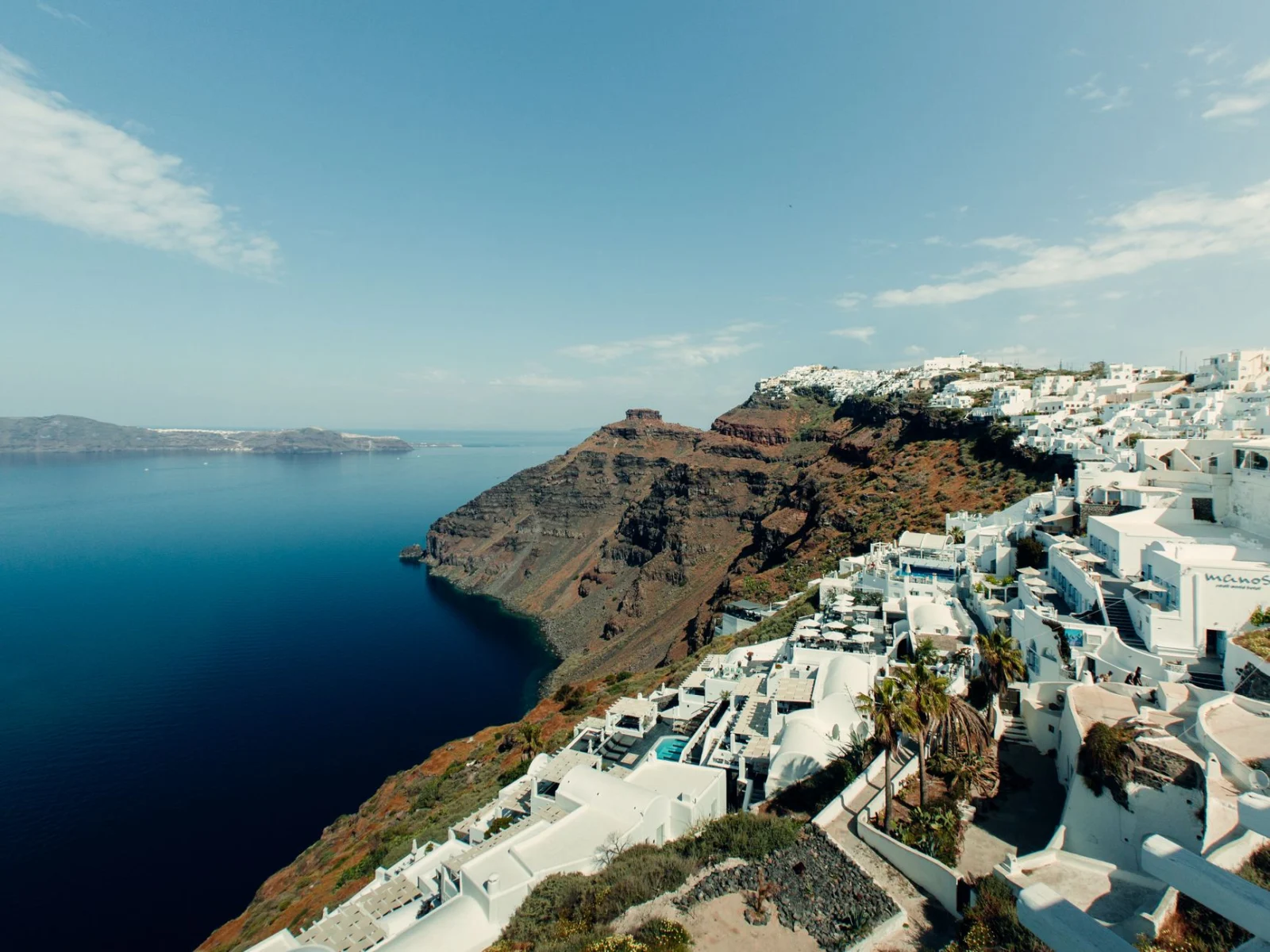
Read more about me

Source link

Large cruise ship docked at an industrial port, the kind of setting behind many of the worst cruise ports

The 11 Worst Cruise Ports in the World (And How to Make the Most of Them)

The worst cruise ports are rarely bad places. They disappoint because of logistics: a container terminal an hour or more from the city on the brochure, a tender ride that gets cancelled when the wind picks up, or a purpose-built shopping village packed with several ships’ worth of passengers. Knowing which problem a port has tells you whether to book a ship excursion, go independently, or simply enjoy a quiet ship.

This guide covers the most disappointing cruise ports around the world, based on factors you can check for yourself: distance from the pier to the main sights, whether you need a tender, crowd caps and fees, and safety advisories. It is not a list of places to avoid forever. For each port you get the reason it frustrates people and a practical way to make the day work. If you are sailing from home waters, see our separate guide to the worst cruise ports in the United States.

What Makes a Cruise Port Disappointing?

Most complaints about ports come down to five things:

  • Distance. The ship docks at an industrial or cargo port, and the famous city is a long coach or train ride away.
  • Tendering. There is no pier for large ships, so you ride a small boat ashore. That means queues, and in wind or swell the call can be cancelled.
  • Crowds. Several big ships arrive on the same day at a place that cannot absorb them.
  • A built-for-cruise feel. The port area is a fenced shopping and bar complex, and the real town is a taxi ride away.
  • Safety. The area just outside the terminal is not somewhere to wander, so cruise lines steer you to tours.

The 11 Worst Cruise Ports in the World at a Glance

Port Main issue Best approach
Civitavecchia (Rome), Italy About 70 km from Rome Train or ship coach, one sight only
Le Havre (Paris), France About 122 miles from Paris Explore Normandy instead
Laem Chabang (Bangkok), Thailand About 75 miles from Bangkok Ship tour or stay near the coast
Venice, Italy Big ships banned from the historic center Check your docking port and fee dates
Santorini, Greece Tenders, cable car queues, crowds Go early or take an excursion via Athinios
George Town, Grand Cayman Tender port, weather cancellations Keep plans flexible
Belize City, Belize Long tender ride, little near the pier Book a nature or ruins tour
Progreso, Mexico Four-mile pier, sights far inland Merida or a beach day
Costa Maya, Mexico Purpose-built port, sargassum Mahahual beach or Chacchoben ruins
Nassau, Bahamas Several ships at once, busy downtown Leave the cruise-port area
Colón, Panama Industrial setting, poor walkability Organized canal or rainforest tour

Far From the Real Destination

1. Civitavecchia (for Rome), Italy

Itineraries say “Rome”, but ships dock at Civitavecchia, roughly 70 km northwest of the city. Regional FL5 trains take about 50 to 60 minutes to Roma San Pietro and 75 to 85 minutes to Termini, and the dedicated cruise train has been suspended since 2024. On a typical eight-hour call, you may end up with only two and a half to three hours in Rome.

Make it work: Pick one sight, such as the Vatican Museums near San Pietro station, and book timed tickets in advance. If you would worry about missing the ship, a cruise line coach is the safer choice, because the ship will wait for its own tours. For a relaxed day, the Etruscan tombs at Tarquinia are a short train ride from port.

2. Le Havre (for Paris), France

Le Havre is about 122 miles from Paris. A coach day trip means at least five hours on the road for a few hours in the city, and the train still takes close to two and a half hours each way. Many passengers come back tired and feeling they saw Paris through a bus window.

Make it work: Use the call for Normandy instead. Honfleur’s old harbor, the cliffs at Étretat, Rouen’s cathedral, and the D-Day beaches are all closer than Paris. Le Havre’s rebuilt center is itself a UNESCO World Heritage site.

3. Laem Chabang (for Bangkok), Thailand

Laem Chabang is one of Thailand’s main container ports, about 75 miles from Bangkok. Tour buses take one and a half to two hours each way, and Bangkok traffic can make that worse.

Make it work: If your cruise starts or ends here, add a hotel night in Bangkok instead of rushing it on a port day. Otherwise, Pattaya is about 30 minutes away and makes a far easier beach and temple outing.

Small tender boats ferrying cruise passengers from an anchored ship to a busy harbor
Tender ports depend on calm seas and patient queues. Photo: Jan van der Wolf on Pexels

Tender Ports, Crowds and New Restrictions

4. Venice, Italy

Since August 2021, ships over 25,000 gross tons (or longer than 180 meters) have been barred from the Giudecca Canal and historic lagoon. Big ships now use Marghera on the mainland or alternative ports elsewhere on the Adriatic, so “Venice” on your itinerary may mean a transfer of an hour or more. In 2026 the city also charges day visitors an access fee on 60 set days between April and July: €5 if booked at least four days ahead, €10 otherwise, from 8:30am to 4pm.

Make it work: Check exactly where your ship docks before you plan. If your cruise begins or ends in Venice, staying overnight in the city both exempts you from the fee and lets you see it after the day crowds leave.

5. Santorini, Greece

Santorini has no cruise pier, so passengers tender ashore. Most land at the old port below Fira, which connects to town by a cable car or about 600 steps, and lines can be long on busy days. After the 2025 seismic activity, local authorities limited how many tendered passengers can land at Athinios, the port with better road access, to 30 percent. Greece’s cruise passenger tax is also highest here, up to €20 per visit in peak summer. Strong winds can cancel the call entirely.

Make it work: Get on an early tender, or book a ship excursion if you want Oia, since tours often handle the logistics for you. Visiting in spring or autumn brings smaller crowds and a lower fee.

6. George Town, Grand Cayman

George Town has no cruise berths, so ships anchor and tender passengers ashore. Wind and swell can make tendering unsafe, which is why Grand Cayman is one of the Caribbean ports most often skipped. Ships sometimes divert to an alternative anchorage or cancel the stop altogether.

Make it work: Treat the stop as a bonus rather than the highlight of your trip. If you book Stingray City or a dive with an independent operator, ask about its refund policy for a cancelled call. Ship tours are refunded automatically.

7. Belize City, Belize

Belize City has no deep-water dock, so passengers ride tenders, which can be a lengthy trip from where ships anchor offshore. The area around the tourist village offers little, and most of what makes Belize special is an hour or more away. A port expansion that would let ships dock received environmental approval in June 2026, but it has no confirmed opening date yet.

Make it work: This is a port where an excursion pays off. Cave tubing, the Altun Ha ruins, and snorkeling trips to the barrier reef are the reasons to go ashore. Leave plenty of margin for the tender ride back.

Purpose-Built and Industrial Ports

8. Progreso, Mexico

Progreso’s pier stretches about four miles into the Gulf of Mexico, so you start with a shuttle ride before you even reach town. The town has a pleasant malecón and beach, but the big draws are inland: Merida is about 45 minutes away, and Chichen Itza is about 104 miles away.

Make it work: For a short call, Merida’s colonial center or the Dzibilchaltún ruins are realistic picks. Chichen Itza is possible, but it is a long day best done on a ship tour.

9. Costa Maya, Mexico

Costa Maya is a purpose-built cruise port with shops, bars and pools inside the complex. Some passengers love its convenience, while others feel they never left the ship. Sargassum seaweed can cover nearby beaches in some seasons, and wind sometimes forces cancellations. Amber Cove in the Dominican Republic draws similar reactions.

Make it work: Take a short taxi to the village of Mahahual for a more local beach, or book the Chacchoben Mayan ruins, a popular half-day excursion from the port.

10. Nassau, Bahamas

Nassau is easy to reach, and the redeveloped cruise port is attractive, but several mega-ships often berth on the same day. That can put thousands of passengers in a few downtown blocks, along with persistent sellers around the straw market and Bay Street.

Make it work: Get out of the cruise-port area. Paradise Island, a snorkeling trip, or a quieter beach like Love Beach on the west side gives you a very different Nassau. If you prefer to stay on board, a port day in Nassau usually means a quieter pool deck.

Cargo cranes and stacked shipping containers at an industrial seaport
Some cruise piers sit inside working cargo ports. Photo: thorl5 on Pexels

Where Safety Shapes the Day

11. Colón, Panama

Ships call at Colón for the Panama Canal, but the city around the terminal is industrial and not suited to wandering on foot. Cruise lines generally advise passengers to stay within the terminal or travel on organized tours.

Make it work: Book a canal transit, a Gatún Lake boat trip, or a rainforest tour and enjoy the port for what it is: a gateway. Check the current U.S. State Department advisory for Panama before planning anything independent.

Ports That Changed Recently

Port lists go out of date quickly, so check before you book:

  • Labadee, Haiti: Royal Caribbean has suspended calls at its private destination through June 2027 because of security conditions in Haiti. Ships substitute other stops.
  • Half Moon Cay, Bahamas: Once a tender-only island often hit by weather, Carnival’s RelaxAway, Half Moon Cay opened a pier in June 2026, so even Excel-class ships can now dock.
  • Jamaica: Experiences vary widely between Falmouth, Montego Bay and Ocho Rios. See our Jamaica cruise ports ranked guide.

Should You Stay on the Ship?

Staying aboard is a perfectly sensible choice at some of these ports, especially if you have visited before. The pools, spa and loungers are quieter, and some lines offer spa deals on port days. As a rule of thumb:

  1. Stay aboard if the city is two or more hours away and the call is shorter than eight hours.
  2. Book a ship excursion for long-distance trips, tender ports with tight timings, or areas with safety advisories.
  3. Go independently where trains or taxis are reliable and you can build in a 90-minute buffer before all-aboard.

And if your concern is the ship rather than the ports, see our roundup of the worst cruise ships in 2026.

For the opposite experience, these walkable cruise ports let you step off the ship and straight into town without a paid tour.

If your itinerary stays closer to home, our guide to the worst cruise ports in Europe has a practical plan for each difficult stop.

FAQs

What is the worst cruise port in the world?

There is no single official ranking. Ports that disappoint most often are those far from their headline city, like Civitavecchia and Le Havre, tender ports prone to cancellation, like Grand Cayman and Santorini, and industrial ports such as Colón.

Which cruise ports get cancelled most often?

Tender ports exposed to wind and swell, including George Town in Grand Cayman, Santorini, Port Stanley in the Falklands and some Bahamas private islands, are among the most frequently skipped.

Is it OK to stay on the ship during a port day?

Yes. Passengers can stay aboard on any port day. Food and most facilities stay open, and the ship is much quieter.

What are the worst cruise ships?

That depends on reviews, ship age and what you want from a cruise. Our separate guide to the worst cruise ships in 2026 covers this in detail.

View from a cruise ship balcony toward snowy mountains, showing why the best side of ship for an Alaska cruise matters

Best Side of Ship for an Alaska Cruise: Port or Starboard by Itinerary

The best side of ship for an Alaska cruise depends on which way you sail. On a one-way northbound cruise (Vancouver to Seward or Whittier), the starboard (right) side faces the mainland coast more often. Southbound, it is the port (left) side. On a round-trip from Seattle or Vancouver you pass the same coast in both directions, so neither side has a real advantage. On the big glacier days the ship turns so both sides get a view.

So choosing the wrong side will not make you miss Alaska. The rest of this guide explains where the side does make a difference, with a table for each itinerary type and advice on whether it is worth paying extra for a particular side.

Best Side of Ship for an Alaska Cruise, by Itinerary

Itinerary Side with more coastline How much it matters Notes
One-way northbound (Vancouver or Seattle to Seward/Whittier) Starboard (right) Moderate Mainland and the Gulf of Alaska coast stay on your right; open sea on the left across the Gulf
One-way southbound (Seward/Whittier to Vancouver or Seattle) Port (left) Moderate The same view in reverse; starboard looks out over the Gulf
Round-trip from Vancouver Either Low You sail the Inside Passage both ways, so each side sees the mainland for half the trip
Round-trip from Seattle Either Low Open Pacific sailing west of Vancouver Island; land is often far away on both sides
Glacier day (Hubbard, Glacier Bay, Tracy or Endicott Arm, College Fjord) Either Very low Ships usually pivot or turn in front of the glacier

Northbound One-Way Cruises: Choose Starboard

If you sail from Vancouver (or occasionally Seattle) to Seward or Whittier, the North American mainland is to the east of you, which is on your right. Celebrity Cruises’ own guidance says the best views of Alaska’s coastline on northbound sailings are likely to be on the starboard side.

The difference is most noticeable on the final stretch across the Gulf of Alaska. Heading northwest past Hubbard Glacier toward Prince William Sound, the coast and the Chugach and St. Elias mountains lie to starboard, while the port side looks out over open water. In the Inside Passage the gap is smaller, because islands such as Vancouver Island, Prince of Wales Island and Admiralty Island are visible to port as well.

Southbound One-Way Cruises: Choose Port

Southbound is simply the reverse. Leaving Seward or Whittier, the coast is on your left, so a port-side balcony gives you more land views across the Gulf and down through Southeast Alaska. The starboard side faces the Gulf of Alaska for much of the first part of the trip.

If you are booking a cruisetour that combines a land trip to Denali with a one-way cruise, check the direction before choosing a cabin. A cruise-first package usually sails northbound, and a land-first package usually sails southbound.

Round-Trip Cruises: Best Side of the Ship From Seattle or Vancouver

Most seven-night Alaska cruises are round trips. Because you sail north and then come back down a similar route, each side of the ship faces the mainland for roughly half the time. The choice of side matters very little here.

From Vancouver, ships enter the Inside Passage soon after leaving the city and stay in sheltered water between Vancouver Island and the mainland. You often see land on both sides. As you sail out under the Lions Gate Bridge, Stanley Park is on the port side and the North Shore mountains are to starboard.

From Seattle, ships normally head out into the Pacific and sail up the outer coast of Vancouver Island rather than through the Inside Passage. This means a sea day or so where the view is much the same from either side. Seattle round trips also call at a Canadian port, usually Victoria, to meet US cabotage rules. The best side of the ship for an Alaska cruise from Seattle is really a matter of personal preference. Pick based on sunrise or sunset if you have a favorite (see below).

Blue tidewater glacier meeting a fjord surrounded by snowy mountains, as seen from an Alaska cruise ship
On glacier days, ships usually turn so both sides get a view. Photo: Evelin Magnus on Pexels

Glacier Days: Why the Side Matters Least Here

Many people worry most about the glacier day, but it is actually the day when your cabin side matters least. Captains know every passenger wants to see the ice, so they plan for it:

  • Hubbard Glacier. Ships approach as close as ice and safety allow, then slowly rotate so both sides face the glacier for a while. Celebrity mentions full 360-degree turns at Hubbard.
  • Glacier Bay National Park. Only a limited number of large ships get permits each day. They spend several hours in the bay, with National Park Service rangers on board, and pause and turn at tidewater glaciers such as Margerie Glacier.
  • Tracy Arm and Endicott Arm. These narrow fjords south of Juneau have steep walls and waterfalls on both sides, so there is scenery whichever way you face. Ice conditions sometimes stop big ships from reaching the glaciers at the end. In that case some lines switch to Endicott Arm and Dawes Glacier, where Celebrity also says ships can turn fully.
  • College Fjord. Common on Princess Gulf of Alaska sailings, this fjord is lined with glaciers on both sides, and the ship turns at its head.

In practice, the best glacier views often come from the open deck at the bow (where ships allow access) or the top decks, not from a balcony. Glacier Bay in particular is worth watching from public areas, where rangers give commentary.

Which Side Faces the Port When You Dock?

This is one of the most common questions, and there is no fixed answer. Ships can dock on either side depending on the berth they are given, the direction of approach, the wind and the captain’s choice. In busy ports such as Juneau, Ketchikan and Skagway, several ships share the waterfront and berth assignments vary from one sailing to the next.

When you are in port, the view from a dock-side cabin is often the pier, the town or another ship. The other side may look out over the water and mountains, which can be the nicer view. Our Juneau cruise port guide covers where ships tie up in Alaska’s capital, the port-by-port Alaska guide describes each stop, and our Alaska cruise ports guide with map shows the route south to north, glaciers included.

Passengers on an open cruise ship deck looking out over the water, an alternative to a balcony in Alaska
Open decks give you views from both sides of the ship at once. Photo: Paul G on Pexels

Balcony vs Public Decks vs Aft Cabins

On many Alaska sailings, the type of cabin matters more than which side it is on.

Balcony cabins

A balcony lets you step out for a whale, an eagle or a misty fjord at 5am without dressing for the top deck. The Inside Passage is full of scenery that rewards that kind of casual watching. If you are deciding whether a balcony is worth it, see our balcony vs inside cabin comparison.

Public decks

Open decks give you a 360-degree view, so you see both sides at once. On glacier days, the forward observation areas and top decks are where most passengers gather. An inside cabin plus time on deck is a perfectly good way to see Alaska.

Aft (stern) cabins

Cabins at the very back of the ship look backward over the wake. That gives a wide view of both shores as the coastline slips past behind you. They avoid the port-or-starboard question altogether, but they can feel more vibration and motion, and they are popular enough to sell out early on many Alaska sailings.

Is It Worth Paying Extra for a Particular Side?

For most passengers, no. Cruise lines usually do not charge a different fare purely for port or starboard. The price is set by cabin category and location. But the “right” side can sell out first on one-way sailings, which leaves you with a higher category if you insist on it.

It makes sense to put the side first if:

  • You are on a one-way cruise and plan to spend much of your time on the balcony.
  • You are a keen photographer and want the coast and the low evening light on the same side.
  • Mobility makes it hard to get up to the open decks.

Otherwise, pick a well-placed cabin (midship for less motion) and spend glacier mornings on deck.

Sunrise, Sunset and Other Viewing Tips

  • Sun direction. Heading north, sunrise is on the starboard side and sunset is to port. Heading south, it is the reverse. In midsummer the sun sets very late, so evening light lasts a long time.
  • Pack binoculars. Whales, bears and mountain goats are often too far away for the naked eye, whichever side you are on.
  • Dress for the deck. Even in July, standing in front of a glacier is cold and windy. Bring a warm layer, a hat and gloves.
  • Listen for announcements. The bridge or naturalist often calls out wildlife sightings and says which side to look.

FAQs

Is port or starboard better for an Alaska cruise?

Starboard is better on a one-way northbound cruise and port is better southbound. On round trips from Seattle or Vancouver, both sides see a similar amount of coastline.

Which side of the ship is better for the Inside Passage?

Northbound, the mainland is on the starboard side and southbound it is on the port side. But islands are visible from both sides through much of the Inside Passage, so the difference is small.

What is the best side of the ship for Glacier Bay?

Neither. Ships spend several hours in Glacier Bay and turn at the tidewater glaciers so both sides get a view. Public decks with ranger commentary are often the best spot.

Will I miss the view if I book an inside cabin in Alaska?

No. The open decks and observation lounges give you views on both sides. A balcony adds comfort and convenience, but it is not essential to see the glaciers or wildlife.

cococay-header.jpg

What’s Free at CocoCay? The Full List of Activities and Facilities You Can Enjoy

Admission to CocoCay is free of charge and most of the attractions on the island are free, as is most of the food. Drinks are free if you have a cruise ship drinks package. Some of the thrill rides and the VIP chill areas have a charge.

When I visited Perfect Day at CocoCay I was pleasantly surprised at how much there is to do for free on the island. We didn’t spend one penny during our day on Royal Caribbean’s private island and still had a fantastic time.

Captain Jill's galleon

What’s included at CocoCay?

All of the following things are free at CocoCay:

  • Captain Jill’s Galleon water play area
  • Oasis Lagoon pool
  • Splashaway Bay kids’ water park
  • Chill Island, South Beach and Harbor Bay beaches
  • Sports such as volleyball, basketball, table tennis and skittles
  • Sun loungers, hammocks, bean bags and umbrellas
  • Swim jacket hire
  • Beach access wheelchair and pushchair hire
  • Island tram
  • Airbrush tattoos
  • Food and ice cream in most dining venues
  • Water and juices

When planning a Royal Caribbean Bahamas cruise to Perfect Day at CocoCay, many people want to know what’s included. Of course, you’re a captive audience on the island, so you’ll want to know how much things cost and what to budget for before your cruise.

The great news is that there are enough free activities on CocoCay to keep the whole family happy, without having to spend anything at all. However, if you want to experience everything that CocoCay has to offer, you can book activities such as the Thrill Waterpark, Up, Up & Away helium balloon ride and the zip line for an extra charge.

When I visited CocoCay with my five-year-old daughter, Leonie, we made this video of what we did there…

Free activities on CocoCay

There are lots of free things to do at CocoCay for people of all ages. I visited the island with my five-year-old daughter and my mum, and was pleased to discover that the island has lots for people of all ages to enjoy.

1. Captain Jill’s Galleon

Captain Jill's galleon

As you arrive from the ship, one of the first things you’ll see is Captain Jill’s Galleon. This huge pirate ship has slides, climbing nets and spray cannons. It’s a great way to cool down on a hot day. Even at the start of the day before the weather heats up, kids can spray the cannons and climb aboard the entrance to the ship without getting wet.

2. Oasis Lagoon

Oasis Lagoon

CocoCay’s Oasis Lagoon is the largest freshwater pool in the Bahamas with the capacity to hold up to 2,210 people! It’s so big that you can’t see the whole pool at once.

One end of the pool has a sloping entry like a beach, so it’s perfect for toddlers to splash about. Here there are little water fountains which are great fun to run through. Seagulls like to land in the pool and my daughter enjoyed trying to catch them.

At the other end of Oasis Lagoon is a huge swim-up bar with 23 seats. In the afternoon there’s a real party vibe here with pumping music and people dancing in the water. Oasis Lagoon even has an underwater sound system. Lie back with your ears in the water to hear the underwater music.

Oasis lagoon swim up bar

All around the Oasis Lagoon are lots of free sun loungers and umbrellas and there are also free swim jackets which you can pick up. The maximum depth of the pool is 5 feet. Swimming nappies/diapers are allowed in the pool but inflatables and floating mats are not.

3. Splashaway Bay

girl at Splashaway Bay on CocoCay

Splashway Bay is a kids’ water park which can be found on several of Royal Caribbean’s ships including Harmony, Ovation and Symphony of the Seas. The Splashaway Bay at CocoCay has a similar style but is much bigger than the ones you’ll see on the ships.

This water park has enough to keep kids entertained for hours with climbing areas, five water slides, spray fountains and tipping buckets. It’s great for kids of all ages from babies and toddlers right up to teenagers.

Splashaway Bay slides

There is no age limit to use Splashaway Bay and swimming
nappies/diapers are allowed.

4. CocoCay beaches

There are three main beaches on CocoCay and all are free to enjoy. Every beach has lots of free sun loungers and umbrellas.

Chill Island Beach

Head left when you arrive, over the bridge and past the Straw Market and you’ll find yourself at the Chill Island beach. This is a great place to snorkel in the sea. It’s a great spot for snorkelling and you can see stingrays, tropical fish and maybe even a friendly shark. There’s also a sunken shipwreck to explore.

Snorkel gear is available to hire. But, if you have space in your luggage, it’s cheaper to buy a full face snorkel mask on Amazon than to hire one on the island.

South Beach

Floating bar on CocoCay South Beach

South Beach is located on the far side of the island, which is around ten minutes’ walk from the Arrivals Plaza. This is a relaxing beach with no wifi access. There are hammocks in the shade and beach bean bags as well as sun loungers. South Beach has a floating bar in the sea which is for adults only.

Harbor Beach

Harbor Beach Coco Cay

Harbor Beach is the area by the Harbor Lagoon. This sandy beach is a lovely spot to relax with views of the ships.

5. Sports and games

giant snooker on CocoCay

If you prefer to be active rather than sunbathing, there are lots of free sports and activities to enjoy on CocoCay. There’s a basketball court, table tennis, beach volleyball, skittles, a lawn game called cornhole and a giant snooker table with footballs instead of snooker balls. You can also play chess in Captain Jack’s bar. There may also be free yoga or fitness classes on the beach at certain times.

6. Places to relax

There’s an abundance of free sun loungers and umbrellas on
CocoCay. When we visited there were two ships in port, and we never had to look
for somewhere to sit, there were always loads of free loungers and umbrellas.
The island didn’t feel crowded at all. With only one ship, it would be even less
busy.

Sometimes people worry about finding shade and consider booking a private cabana for this reason. But honestly, there is plenty of shade should you need it and paying for a cabana isn’t necessary at all.

7. Airbrush tattoos

Before you head back to the ship, don’t miss the opportunity
to get your free airbrush tattoo from the stand by Captain Jill’s Galleon.
There’s a whole book of designs to choose from and a choice of black or pink
ink.

Free facilities on CocoCay

Swim jackets

Free swim jackets on CocoCay

Swimming jackets are recommended for all children who can’t swim. We brought inflatable armbands for Leonie but didn’t use them as she preferred the swimming jacket.

Just like a life jacket, the free swim jackets are available in all sizes, you can just pick one up from stand on the beach or by the pools and return it when you’re done. There were always lots available.

Beach wheelchairs

CocoCay beach wheelchairs

CocoCay also has lots of beach wheelchairs and pushchairs which you can hire for free. You’ll find them by the tram spots and you can just collect one and return it later. These have big wide wheels which are suitable for pushing on the sand.

Lockers

Should you need somewhere to store your belongings, lockers are free of charge.

CocoCay tram

CocoCay has three trams which run all day long. Able-bodied people won’t need to use a tram, as nowhere is more than a ten-minute walk. The tram routes on CocoCay are:

  • Island Tram –  This tram circles the island every 15 minutes, calling at the Arrivals Plaza, the Oasis Lagoon, Chill Island and South Beach
  • Pier Tram – This tram runs a continuous service between the ship and the Arrivals Plaza
  • Coco Beach Tram – This VIP tram is dedicated to guests of the exclusive Coco Beach Club and runs every 10 minutes right from the ship

Free Food on CocoCay

CocoCay has lots of free options for lunch and snacks. Skipper’s Grill and the Chill Grill are the main dining venues which are open from 11.30 am until 3 pm. Here you can enjoy a huge buffet of burgers, tacos, french fries, salads and more. For dessert, there’s fresh fruit, cookies, funnel cake and ice cream.

Skipper's Grill on CocoCay

For snacks, there are two Snack Shacks which are open from
11 am until 45 minutes before departure. Here you can get complimentary burgers,
hot dogs, salads and more.

Snack shack menu on CocoCay

Free self-service soft ice cream is available in vanilla, chocolate
or a mix of the two.

If you have admission to Coco Beach club, you can enjoy a
special menu as well as morning pastries and snacks included in your admission
cost.

For an extra charge, you could choose to dine a la carte at
Captain Jack’s. Honestly, the food in Skippers Grill is so amazingly delicious
that I don’t see how any other food could be worth paying extra for.

Included drinks

free drinks on CocoCay

The free drinks on CocoCay are cold water and three kinds of juices – lemon and lime, tropical mango or strawberry and kiwi.

Suggested read: These 8 Drinks Are Free on Royal Caribbean Cruise Ships

Drinks and WiFi packages work on the island

If you have a drinks package or a wifi package to use on your cruise ship, you’ll be pleased to know that they also work on the island. Staff come round with trays of the signature cocktail – Coco Loco which is a mix of rum, coconut cream, papaya juice, orange juice, pineapple juice and grenadine.

Suggested read: Royal Caribbean drinks package: Is it worth it?

Perfect Day at CocoCay prices

Should you wish to pay for any of the extra activities on
CocoCay, you can book these before you cruise on your Royal Caribbean cruise
planner, or onboard the ship.

Prices vary depending on the sailing and can go up and down before departure. When more people are due on the island, the prices will tend to be higher than on days where there are fewer people visiting.

The CocoCay price list is as follows:

EXPERIENCE / AMENITY PRICE
Thrill Waterpark Age 4+: $49-$220 per person
Age 0-3: Free
Zip Line $79-$139 per person
Up, Up and Away helium balloon Age 13+: $39-$99 per person
Age 4-12: $24-$64
Age 0-3: Free
Coco Beach Club Age 13+: $54-$199 per person
Age 4-12: $34-$99
Age 0-3: Free
Kayaks, snorkels, beach mats etc various

The price of the activities varies depending on your sailing. When two big ships are on the island is when it will cost the most.

In the winter, when only one smaller ship is there, you may be lucky to only pay $49 to visit the Thrill Waterpark. But if you’re cruising on Icon of the Seas in the summer, you could be expected to pay over $200 for your ticket.

The only way to get exact prices for your cruise is to check the Royal Caribbean cruise planner for your sailing.

NEW DEALS JUST RELEASED!

Don’t miss the latest Royal Caribbean offers…

Conclusion

To summarise, there’s so much to enjoy at Perfect Day at CocoCay, that you really don’t need to spend any money at all if you don’t want to.

Whilst the water park looks like a lot of fun, younger children will probably be better off using Splashaway Bay, as the slides are a better size for them. With queues of up to two hours reported for the tallest slide, you might want to think about whether that’s worth doing.

We had booked the Up, Up & Away balloon ride but the balloon wasn’t running because it was too windy. Whilst it would have been nice to see the views, it certainly didn’t spoil our day that this was cancelled and we still had a great time.

Related posts:

If you found this interesting, please share!

Cruise Mummy

Jenni Fielding is the founder of Cruise Mummy. She has worked in the cruise industry since 2015 and has taken over 30 cruises. Now, she helps over 1 million people per month to plan their perfect cruise holidays.

Read more about me

Source link