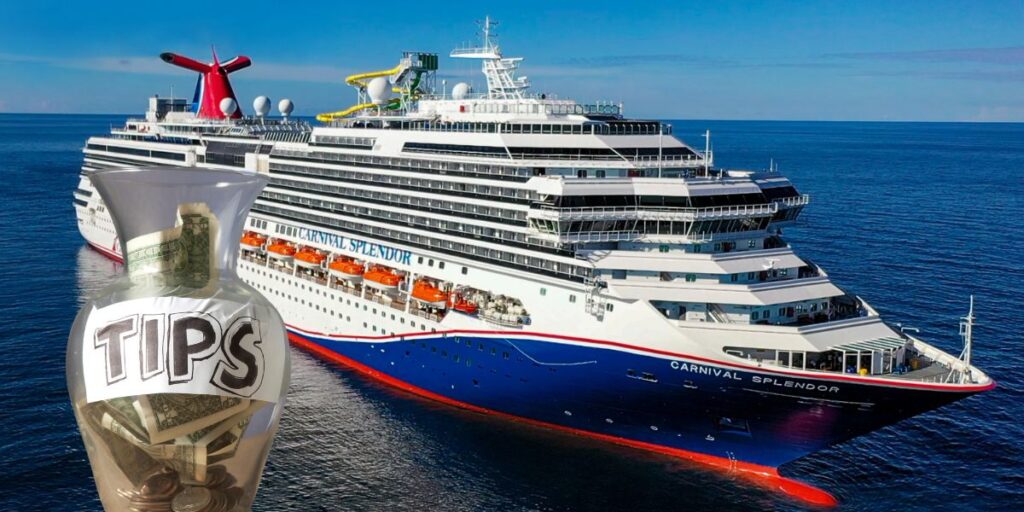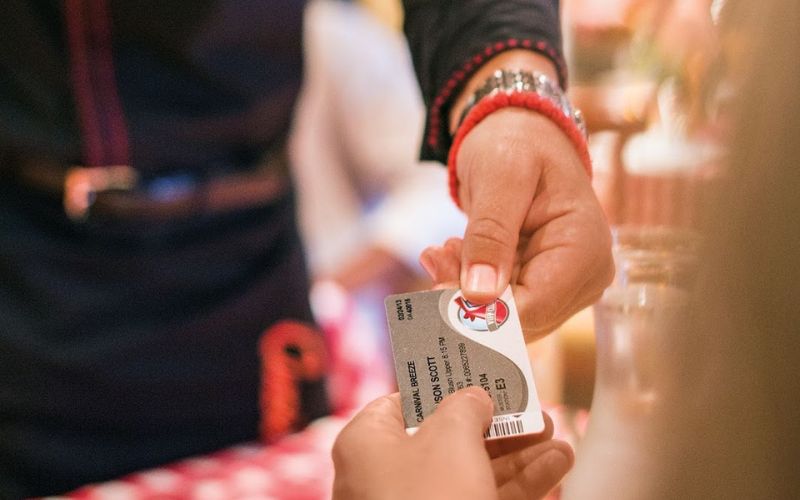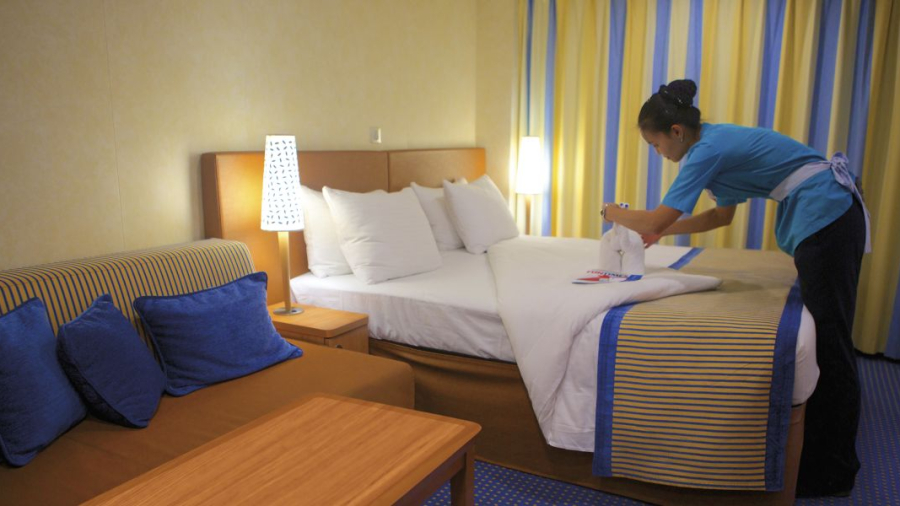
Carnival-Room-Steward.jpg

Why I Would NEVER Remove Cruise Gratuities


The fastest way to start an argument in a cruise Facebook group is to mention gratuities. Someone will always say they remove them if the service is bad, and plenty of people will agree.

I’ve never done that. Not once.
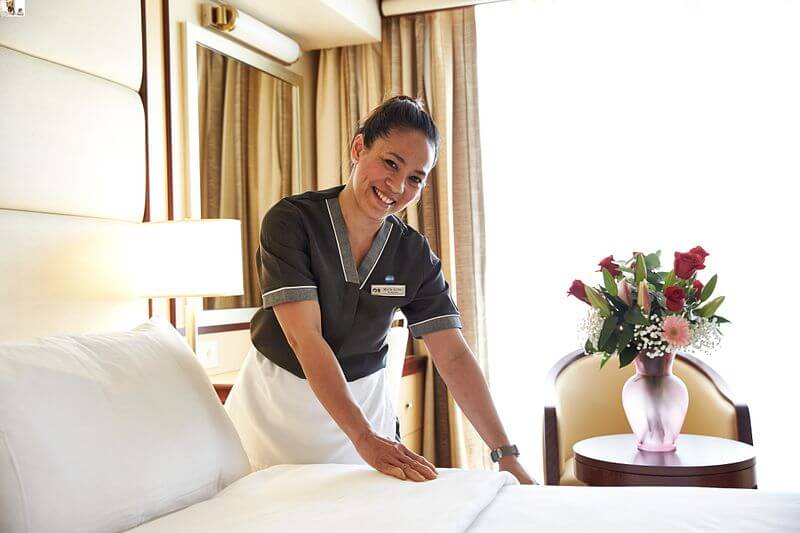
Carnival Room Steward

That probably sounds stubborn, or even a bit soft on cruise lines. But it’s not about defending the companies at all. It’s about who actually gets hurt when those charges come off your bill.

Most people don’t realise where that money really goes, or how many people rely on it who never step foot into a dining room or a cabin corridor.

Once you understand that side of cruising, the whole “just remove the gratuities” solution starts to look very different.

What Cruise Gratuities Actually Are

On most cruise lines, gratuities are a daily charge added to your onboard account. They’re sometimes called service charges, which already tells you a lot about how they’re meant to function.
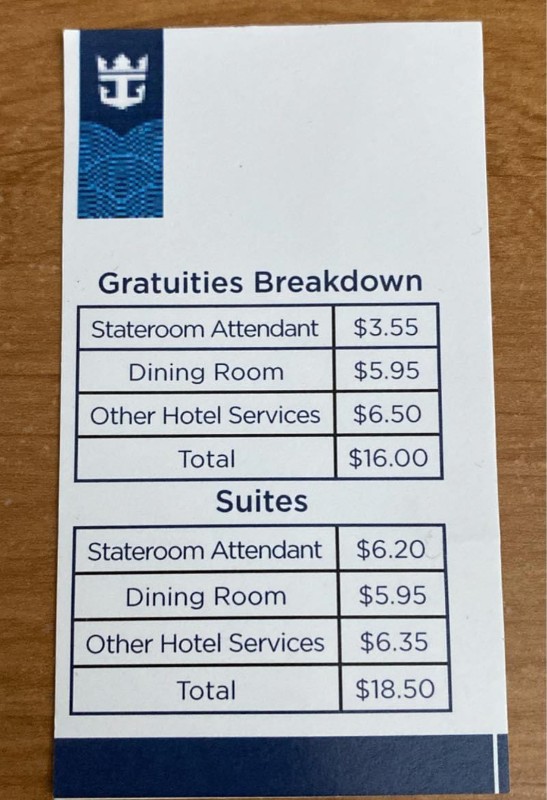
Royal Caribbean gratuities breakdown
An leaflet breaking down gratuities. (Prices increased slightly since)

They aren’t just a tip for your waiter or your cabin steward. On most mainstream lines, they’re pooled and shared across a much wider group of crew.

That includes ‘other hotel services’, which may be people you never see – laundry workers, cleaners, galley workers, assistant waiters, bar back staff, and those working long shifts below deck to keep the ship running smoothly.

laundry worker on a cruise ship

The exact amount varies by cruise line, but it’s usually a fixed daily figure per person. Some lines let you remove or adjust it. Others build it into the fare from the start, so you don’t see it as a separate charge at all.

Read more: Cruise Gratuities: Should You Prepay? Pros & Cons Explained

The key point is this: in practice, gratuities are part of how crew are paid. They’re not a little bonus on top in the way many people imagine. For many roles, that daily charge forms a significant portion of expected earnings.

That doesn’t make the system perfect. It does mean it exists for a reason – and it supports far more people than just the person who brings your drinks at dinner.

Why People Remove Gratuities

I can understand why people do it.

Cruises aren’t cheap, and nobody likes paying extra when something has gone wrong. When you’ve saved for months – sometimes years – for a holiday, expectations are high.
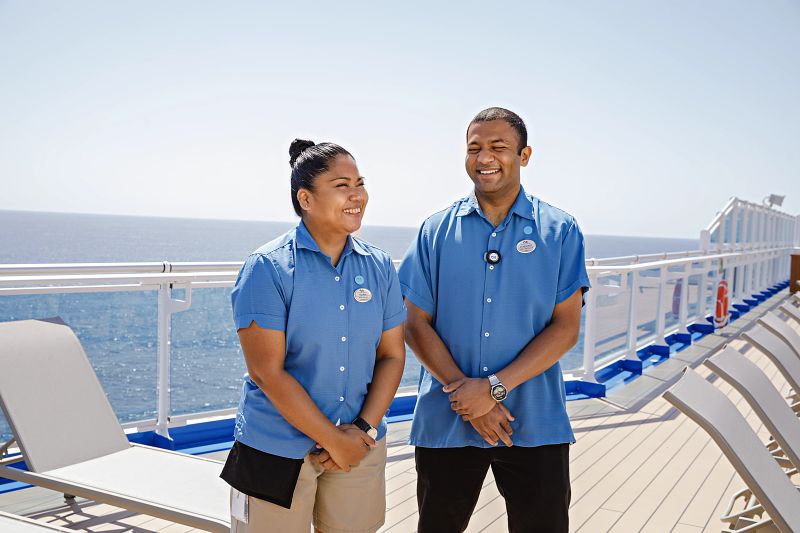
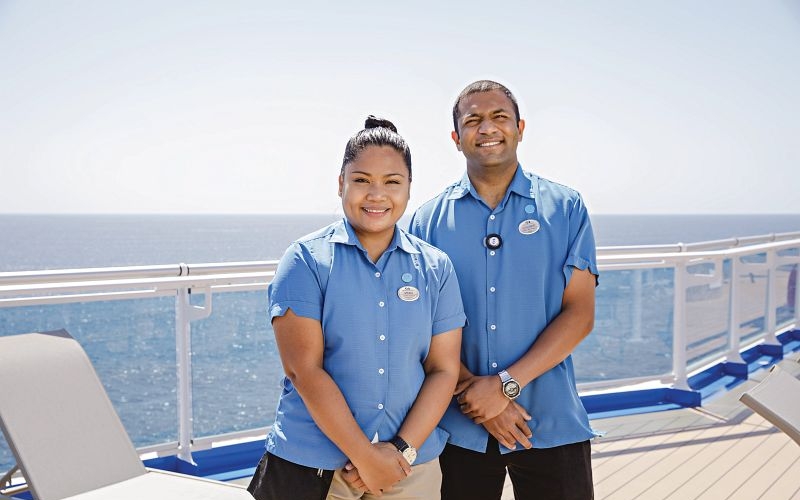
Crew on Discovery Princess

Very occasionally, service does fall short. You might wait ages for drinks. Your cabin might not be cleaned to the usual standard. Mistakes might keep happening in the dining room.

But it’s important to say this clearly: that’s the exception, not the rule.

On the vast majority of cruises, the service is outstanding. Crew members are known for remembering names, dietary preferences, favourite drinks, and small personal details that make people feel genuinely cared for. That reputation doesn’t exist by accident.

When problems do happen, they tend to stand out precisely because they’re unusual.

And when they do happen, it’s normal to feel frustrated. It’s also normal to want some kind of financial acknowledgement that the experience wasn’t what you paid for.
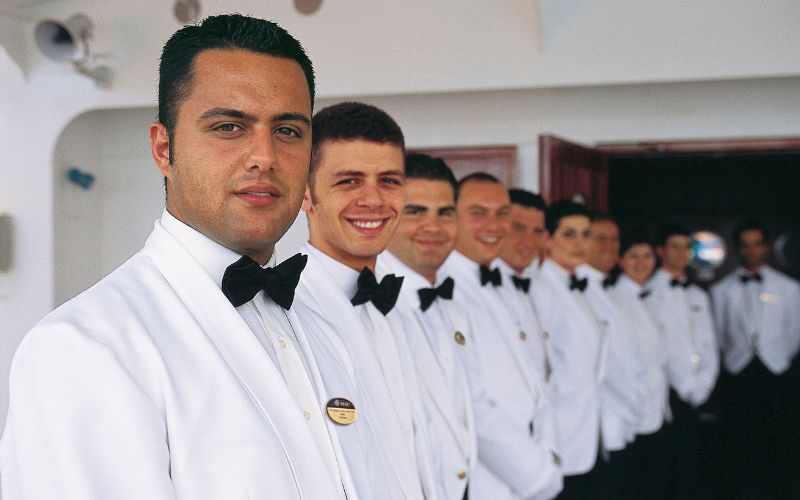
Handsome cruise crew

There’s also the argument that tips should be earned. If the service is bad, why should you still pay?

Add in the fact that gratuities are often presented as “optional,” and it can feel like removing them is simply using the system as intended.

Read more: Can You Refuse Cruise Gratuities?

None of that makes someone unreasonable. It just means they’re reacting to a disappointing experience in the most obvious way the ship presents to them.

Who Actually Loses Out When You Remove Them

This is the part many people don’t fully realise until they look into it more closely. Removing gratuities almost never affects only the person who gave poor service.

chef in galley

On many ships, gratuities are shared across departments. That means your decision impacts people who may have done an excellent job all week – and who may never have interacted with you directly.

  • The person washing your sheets
  • The crew member scrubbing public toilets at 2am
  • The galley team prepping hundreds of meals while you sleep
  • The assistant server quietly topping up water glasses all evening

They’re part of that pool.

Those crew members have no control over whether your waiter was slow, whether a section was short-staffed that day, or whether a system broke down at peak time. They still rely on that money.

cruise crew in galley

For many crew, gratuities aren’t pocket money. They’re a meaningful part of take-home pay. Removing them can mean a real loss, not just a symbolic one.

So while it might feel like you’re sending a message about poor service, the reality is that the message lands on a lot of people who did nothing wrong.

Why Bad Service Is Rarely Just One Person’s Fault

Cruise ships are intense places to work.

Contracts are long. Days are longer. Time off is limited. Crew members may work seven days a week for months at a time.

Staffing levels can change mid-season. People get moved between roles. New hires are constantly being trained. Ships sail full. Turnaround days are tight. Technology fails. Supply deliveries run late.

All of that affects service.
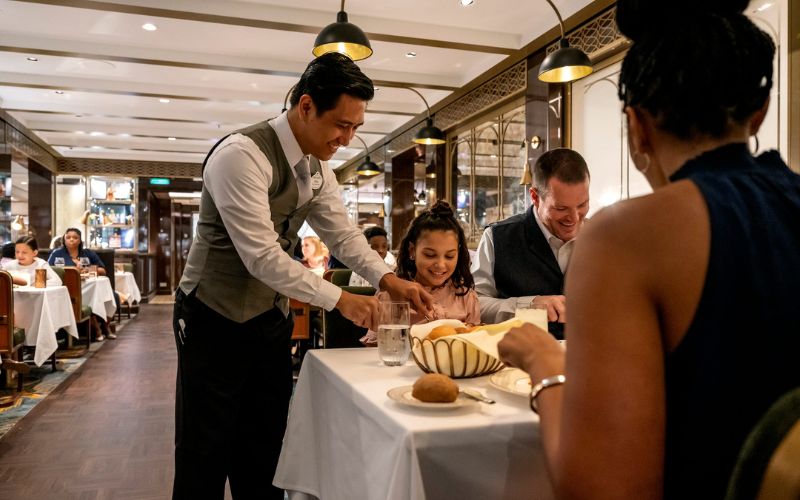
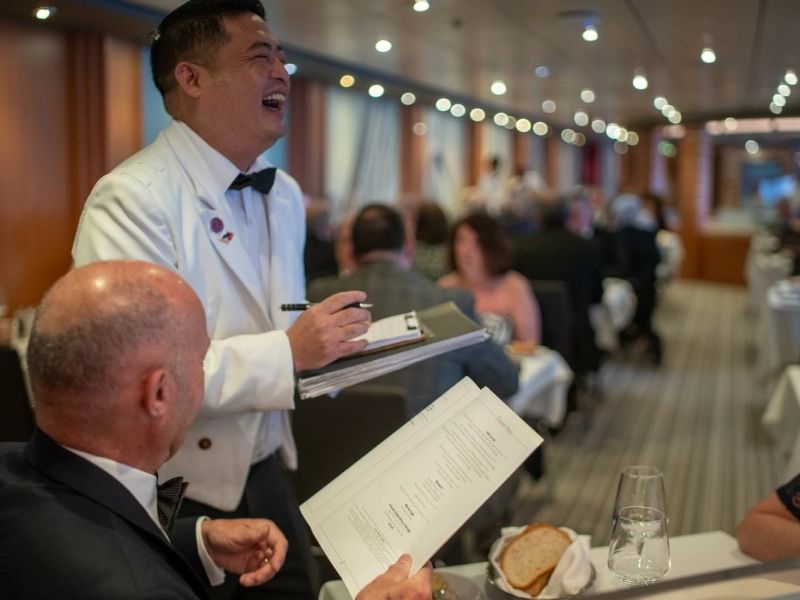
A Disney cruise crew member is serving a family at a beautifully set dining table on the ship. The waiter is placing a bread basket on the table as the family, including a young girl, looks on with smiles. The elegant dining room features other guests enjoying their meals, with polished decor and a warm, inviting atmosphere.

Sometimes what looks like indifference is actually exhaustion. Sometimes it’s inexperience. Sometimes it’s a temporary staffing gap. Sometimes it’s simply that the system is under pressure that day.

That doesn’t mean you should accept poor service without complaint. It does mean that punishing the entire gratuities pool is a very blunt tool for a very specific problem.

Most of the time, the issue is bigger than one crew member – and smaller than the whole team deserves to suffer for.

What I Do Instead When Service Is Bad

If something isn’t right, I deal with it while I’m still on board.

That gives the ship a chance to fix it. And more often than not, they do.
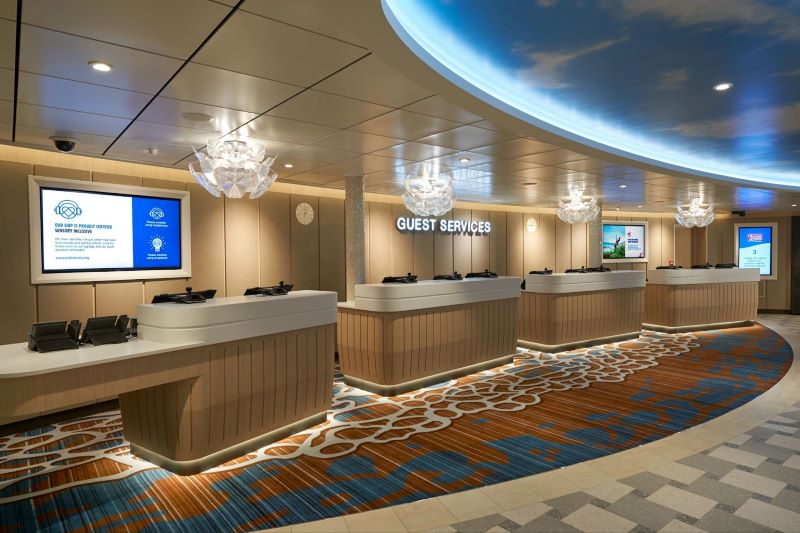
The modern and welcoming Guest Services desk on a Carnival Cruise ship, featuring a curved counter with several computer terminals, informational screens, and elegant lighting, ready to assist passengers with their inquiries.

If your bathroom isn’t clean – tell your cabin steward, they will clean it again. If you food is cold – tell your waiter – they will bring you some more.

If that doesn’t work, a quiet word with a supervisor or a visit to guest services often sorts things out faster than people expect. Cruise lines care deeply about onboard satisfaction scores, and they’re usually keen to put problems right before they escalate.

I also make a point of recognising good service at the same time. Two things can be true. One department might be under pressure, while another is delivering something exceptional.

If something is serious or keeps happening, escalate it properly. That creates a record. It gives management something concrete to respond to.

None of that requires taking money away from people who may have had nothing to do with the problem.

“But Shouldn’t Tips Be Earned?”

This is probably the most common – and most understandable – argument.

On land, in many countries, tips are a direct response to the service you personally receive. You reward or withhold based on that individual interaction.

Cruising doesn’t really operate like that anymore, even if the language still suggests it does.

crew member cleaning sunglasses

The system functions much more like a service charge than a traditional discretionary tip. In reality, most of us are paying part of the crew’s wages through that daily amount, whether we like the wording or not.

That’s not me defending the structure. It’s simply acknowledging how it works.

Opting out doesn’t reform the pay model. It doesn’t push cruise lines to redesign compensation structures. It just shifts the financial impact onto crew members who are least able to absorb it.

If gratuities were rolled into the fare and the word “tip” disappeared, very little would change in practice. The money would still need to come from somewhere.

So for me, this is less about “earning” a tip and more about recognising how the industry has structured pay – and who carries the consequences when passengers opt out.

When It’s Fair to Escalate or Complain

Not all problems are minor. And not all of them should be handled with a polite shrug.

If there are hygiene issues, safety concerns, repeated service failures, or anything that genuinely affects your cruise, that absolutely deserves escalation.

Guest services and onboard management are the right channels. They can investigate, log issues, review staffing, and take corrective action in a way your onboard account simply can’t.

Guest Services on a cruise

Formal complaints – both on board and after the cruise – are also far more powerful than silent financial protests.

Cruise lines respond to documented trends far more than they respond to one passenger quietly removing gratuities at the end of a sailing.

Holding companies accountable matters. But taking pooled income away from crew members who may not even know there’s a problem is a very indirect way of trying to do that.

Removing Gratuities and Tipping Cash Instead Isn’t a Solution

Some people argue that they don’t really avoid tipping. They just remove the automatic gratuities and hand cash directly to the crew members who looked after them.

And honestly, if you want to give extra cash tips to people who gave exceptional service, I think that’s a lovely thing to do.

Cash for a tip

But replacing the pooled gratuities with cash tips isn’t quite as fair as it sounds.

The problem is that cash almost always goes to the visible crew members. Your waiter. Your bartender. Your cabin steward.

It usually doesn’t go to:

  • The laundry crew washing thousands of sheets
  • The galley staff preparing food behind the scenes
  • The cleaners working overnight in public areas
  • The assistant staff quietly helping service run smoothly
  • The crew members you never actually meet

When you remove the automatic gratuities, you’re not removing money from “the cruise line.” You’re changing who receives it.

The people who are already most visible and most likely to receive extra cash often end up doing fine. The quieter behind-the-scenes crew can lose out.

That’s why I see cash tipping as something extra, not something that should replace the shared gratuity system.

thank you cards with cash

If someone gives amazing service, I’ll absolutely hand over extra cash. But I’ll still leave the daily gratuities in place because I know they support a much wider team.

And honestly, one of the best things you can do for exceptional crew members isn’t financial at all.

Fill in the comment cards. Mention names in post-cruise surveys. Tell guest services when somebody went above and beyond.

p&o shine nominations cards

Cruise lines take that feedback incredibly seriously. Positive mentions can help crew members get bonuses, better contracts, promotions, and preferred assignments in future.

That kind of recognition can have a much longer-lasting impact than a few extra dollars slipped into a handshake at the end of the cruise.

The Bigger Picture

Every cruise relies on thousands of people doing unglamorous, exhausting work behind the scenes. Most of them will never be thanked directly by passengers.

Gratuities, for all their flaws, are one of the ways that work is recognised and paid for. Removing them changes real pay packets, not just abstract numbers on a screen.

I’d much rather challenge poor service through complaints, feedback, and pressure on the cruise line than through a system that mostly hits the wrong people.

That doesn’t mean accepting bad experiences. It means being precise about where responsibility actually sits.

For me, keeping gratuities in place isn’t about blind loyalty to cruise lines. It’s about fairness.

It’s about aiming consequences at systems – not at the lowest-paid people working within them.

And that’s why, no matter how bad the service is, I wouldn’t remove them.

Jenni with Disney Cruise ship at Castaway Cay

Related Posts

If you found this interesting, please share!


Jenni with Disney Cruise ship at Castaway Cay


Source link
Cocktails lined up on a cruise ship bar counter, illustrating cruise drink package rules and price caps

Cruise Drink Package Rules: 9 Traps That Catch People Out

Cruise drink package rules are where most of the cost surprises hide. The advertised daily price rarely includes the service charge, every adult in your cabin usually has to buy the same package, drinks above a set menu price are not fully covered, and some lines cap you at 15 alcoholic drinks a day. Know these catches before you book and you can decide whether a package genuinely saves you money or just encourages you to spend more.

Below is a line-by-line summary of the key rules as of November 2026, followed by the nine traps that most often catch cruisers out. If you want full price comparisons for every package, see our cruise drink packages compared guide. This article focuses on the fine print.

Cruise Drink Package Rules at a Glance (November 2026)

These figures come from each cruise line’s own terms and current reporting. Cruise lines change prices and conditions often, sometimes without notice, so check your cruise planner before you pay.

Cruise line (main alcohol package) Per-drink price cap Daily alcohol limit All adults in cabin must buy? Service charge
Royal Caribbean (Deluxe Beverage Package) About $14 per drink (some reports of $15) No daily limit Yes, all guests of legal drinking age 18% added to package price
Carnival (CHEERS!) $20; drinks above that get 25% off 15 alcoholic drinks per 24 hours Yes, every adult in the stateroom 20% added to package price
Norwegian (Free at Sea Unlimited Open Bar) Around $15 retail value; $15 off pricier drinks No set limit All guests in the stateroom must choose the same offer Prepaid gratuities required to activate the perk (reported at $28.50 per person per day for late-2025 bookings)
Celebrity (Classic / Premium) Classic $12, Premium $19 No daily limit Yes, with Zero Proof swaps for pregnancy and medical reasons 20% added at checkout
MSC (Premium Extra) Roughly $16 in the US; pay the difference above 15 alcoholic drinks per day (6am to 6am) Yes, all guests in the cabin, with minors on a minors package Beverage gratuities included in the quoted price
Princess (Plus / Premier) Plus $15, Premier $20 Plus: 15 drinks per day; Premier: unlimited under current terms Packages apply to guests 1 and 2 on the booking Crew gratuities included in the package price

Two things stand out. First, the advertised price is often not the final price. Second, the “unlimited” label means different things on different ships.

Money Traps Hidden in the Price

1. The service charge is added on top

On Royal Caribbean, Carnival and Celebrity, the per-day price you see first is before the service charge. Carnival currently lists CHEERS! at $69.95 per person per day when bought before the cruise, plus a 20% service charge, so the real daily cost is about $83.94. On a seven-night cruise for two adults, that is roughly $1,175 rather than the $979 the headline price suggests. Royal Caribbean adds 18% and Celebrity adds 20%. Always multiply the advertised figure by 1.18 or 1.20 before comparing it with what you would normally spend.

2. Drinks above the price cap are not fully covered

Packages cover drinks up to a set menu price. Royal Caribbean’s Deluxe package has long covered drinks up to about $14; Celebrity’s Classic package stops at $12 and its Premium package at $19. Order a top-shelf spirit, a cocktail in a souvenir glass or a premium glass of wine and you may pay the difference or the full price. Bottles of wine, minibar items and room service drinks are excluded on most lines too.

3. Waiting until you board usually costs more

Pre-cruise prices are normally the cheapest. Carnival charges $74.95 a day onboard versus $69.95 in advance. Princess adds $5 per person per day if you buy within four days of sailing or on the ship, and MSC says online prices can be up to 15% lower than onboard. Royal Caribbean’s prices are dynamic and its cruise planner sales regularly beat the onboard rate, but they fluctuate, so it pays to watch the price for a few weeks rather than buying on the first day you look.

Two people clinking cocktails at a ship bar, a reminder that drink package rules usually apply to everyone in the cabin
Most lines require every adult in the cabin to buy the same package. Photo: MART PRODUCTION on Pexels

Cabin and Sharing Rules That Catch Couples Out

4. Everyone in the cabin has to buy it

This is the rule that surprises most couples. If one adult in a stateroom buys an alcoholic package, Royal Caribbean, Carnival, Celebrity and MSC all require every other adult of legal drinking age in that cabin to buy the same package. A light drinker sharing with a heavy drinker therefore pays the full rate too.

Exceptions are narrow. Royal Caribbean stopped letting guests swap to a non-alcoholic package from August 2025, and in September 2026 reports emerged of a new medical accommodation form for guests who cannot drink for medical reasons or pregnancy, reviewed case by case. Celebrity offers a Zero Proof package for pregnant guests, people in recovery and guests with qualifying medical conditions. If you think you qualify, ask well before sailing rather than at the bar.

5. One drink at a time, and no sharing

Packages are linked to your cruise card, and bar staff are trained to spot sharing. Carnival allows one drink per order with a 10-minute wait between orders, and a double shot counts as two drinks. Royal Caribbean and Celebrity also limit you to one drink at a time. Passing your package drinks to a friend without a package can lead to the package being cancelled without a refund, so it is not worth the risk.

Limits, Port Days and Timing

6. “Unlimited” sometimes means 15 a day

Carnival caps CHEERS! at 15 alcoholic drinks in a 24-hour period, and bartenders can stop serving sooner if they think a guest has had enough. MSC uses the same 15-drink daily limit on its main packages, and Princess applies 15 drinks a day to its Plus package. Royal Caribbean, Celebrity and Norwegian have no set number, but every line reserves the right to refuse service. Non-alcoholic drinks generally do not count towards the limit.

7. You pay for port days too

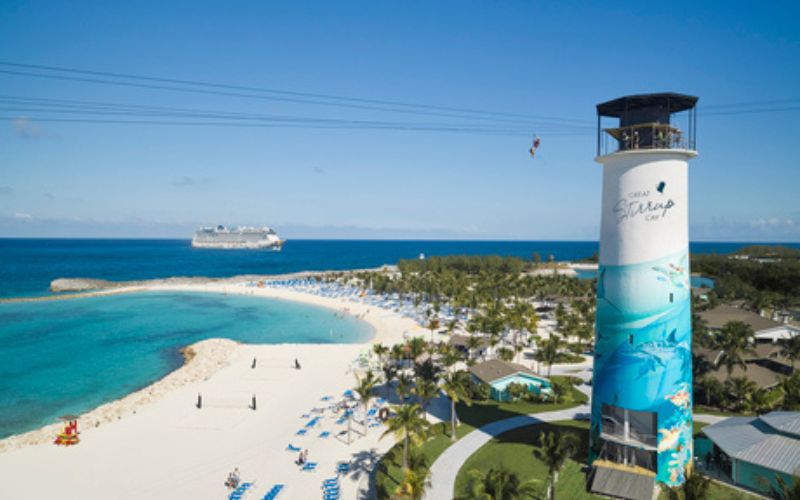
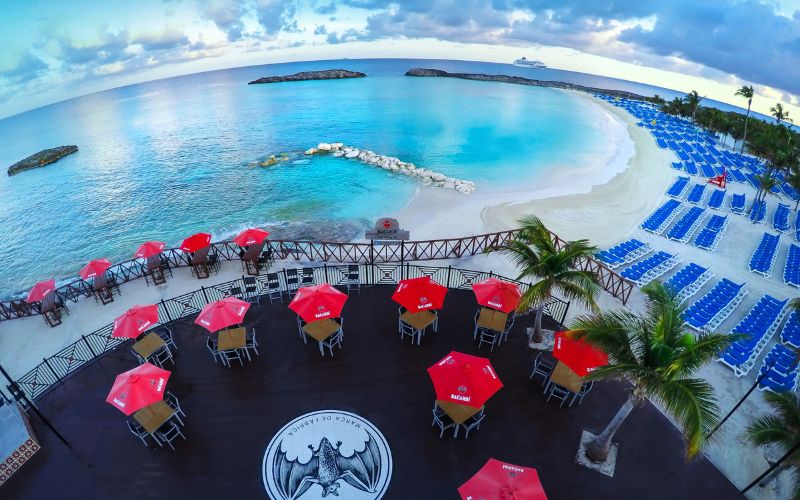
Most lines require the package for every night of the cruise, not just sea days. On a port-heavy itinerary you may spend six or seven hours ashore each day, and drinks bought in port are not covered. Carnival’s package also does not work at its own destinations such as Celebration Key, Half Moon Cay or Princess Cays, while Norwegian stopped honouring onboard packages at Great Stirrup Cay from March 2026 and sells a separate island package instead. Royal Caribbean packages do work at Perfect Day at CocoCay and Labadee. Count your realistic drinking days, not the number of nights.

8. Cancellation deadlines are short

Changing your mind is easy before sailing and very hard afterwards. Carnival refunds a pre-bought CHEERS! package until 10pm Eastern the evening before departure; after that it is non-refundable. Celebrity gives a full refund if you cancel through its cruise planner up to two days before sailing. MSC states that once a package is activated onboard it cannot be cancelled or refunded. If you are unsure, buy early to lock in a sale price, then make a calendar reminder to review it before the deadline.

9. The Pressure to Drink Your Money’s Worth

The quieter trap is behavioural. Once you have paid $80 to $100 a day, it is tempting to order a cocktail you do not really want just to “get value”. That can mean feeling rough on an excursion day, or simply spending more than you would have without the package. A package is good value only if you would have drunk that much anyway. If you mostly drink coffee, soft drinks and the odd glass of wine, a non-alcoholic package or paying as you go is often cheaper. Our guide to avoiding extra spending once on board has more ideas for keeping the bar bill under control.

Sunny pool deck on a cruise ship with loungers, where sea days help a drink package break even
Sea days are when a drink package works hardest. Photo: Nathan Van Mullem on Pexels

Is a Drink Package Worth It? Do the Break-Even Maths

The simplest way to avoid every trap above is to work out your break-even number before you buy. Here is the method:

  1. Find the true daily cost. Take the per-day price and add the service charge (for example, $69.95 plus 20% on Carnival is about $83.94).
  2. Price your usual drinks. Cocktails on mainstream lines typically sell for around $12 to $15 before the service charge, beer for a little less, and specialty coffee for a few dollars.
  3. Compare like with like. Bar drinks bought individually also carry a service charge on most lines, so compare the package price before service charge against menu prices before service charge.
  4. Count every day. Divide the total cost by the number of nights, including port days and embarkation day, then ask whether you would really drink that much on each of them.

On Carnival, $69.95 divided by a $12 cocktail is roughly six alcoholic drinks a day, every day, before coffee and soft drinks start adding value. On Celebrity’s Classic package, with its $12 cap, the maths is similar. If both adults in your cabin would comfortably hit that number on most days, a package can save money and the convenience of not signing for every drink is a real bonus. If one of you would not, the cabin rule makes it much harder to justify.

Also check whether your fare already includes drinks. Some promotions bundle a package into the fare, and a few lines are all-inclusive. And before you buy, read our round-up of legitimate drink package loopholes that still work, such as wine allowances, which can change the maths.

If you sail with Royal Caribbean, our guide to Royal Caribbean drink package prices and sales explains how the pre-cruise sales work and when a package pays off.

If you would rather skip alcohol altogether, our sober cruise guide compares the zero-proof drink packages by cruise line.

Drink limits exist for a reason, and it is worth knowing what can happen when cruise ship fights break out before you order your fifth cocktail.

FAQs

Are cruise drink packages unlimited?

Not always. Carnival limits CHEERS! to 15 alcoholic drinks per 24 hours, MSC and Princess Plus use a similar 15-drink limit, while Royal Caribbean, Celebrity and Norwegian set no fixed number. All lines can refuse service to anyone who has had too much.

Do both people in a cabin have to buy the drink package?

On most major lines, yes. Royal Caribbean, Carnival, Celebrity and MSC require every adult of legal drinking age in the same stateroom to buy the same alcoholic package, with only limited medical or pregnancy exceptions.

Is the gratuity included in a cruise drink package?

It depends on the line. Royal Caribbean adds 18%, and Carnival and Celebrity add 20% to the package price. MSC and Princess include gratuities in the quoted price, and Norwegian’s Free at Sea perk requires prepaid gratuities.

Is the Royal Caribbean drink package limited per day?

No. Royal Caribbean says there is no daily limit on its Deluxe Beverage Package, but you can only order one drink at a time and drinks above the per-drink price cap are not fully covered.

Can I cancel a cruise drink package once on board?

Usually not. Carnival packages become non-refundable after 10pm Eastern the evening before sailing, and MSC packages cannot be refunded once activated. Cancel through your cruise planner before the deadline if you change your mind.

Private cruise ship balcony overlooking the sea, showing what you gain with a balcony vs inside cabin

Balcony vs Inside Cabin: Is a Balcony Worth It on a Cruise?

Is a balcony worth it on a cruise? For most people on a sailing of five nights or longer with scenic cruising, sea days or more than two people in the cabin, yes: you get daylight, fresh air and noticeably more space. If you plan to be ashore or around the ship from breakfast to bedtime, an inside cabin gives you the same ship, food and entertainment for a lot less, and that saving can pay for excursions or a longer trip.

This guide sets out the real pros and cons of a balcony vs inside cabin, where an ocean view cabin fits in between, what the price gap usually looks like, and which itineraries make the upgrade easiest to justify.

Balcony vs inside cabin at a glance

Every cabin on a mainstream ship gets the same dining rooms, pools, shows and crew. The difference is mainly what happens inside your own four walls. Sizes vary by ship, but on the big mainstream lines an inside cabin is often around 140 to 160 sq ft, while a standard balcony cabin is often around 175 to 200 sq ft before you count the balcony itself.

Feature Inside cabin Ocean view cabin Balcony cabin
Natural light None (unless a virtual window) Yes, through a fixed window or porthole Yes, through floor-to-ceiling glass doors
Fresh air No No, windows do not open Yes
Private outdoor space No No Yes, usually two chairs and a small table
Typical size (mainstream ships) Smallest Similar to inside or slightly larger Usually larger indoors as well
Price Lowest Middle Typically 20-35% more than inside
Darkness for sleeping Excellent Good with curtains Good with blackout curtains
Best for Port-heavy trips, budget, deep sleepers Light without the full balcony price Scenic routes, sea days, families, longer cruises

The pros of a balcony cabin

Daylight and a sense of place

The biggest change is simply knowing what is outside. You open the curtains to see the weather, the port you have arrived in or the open sea.

Private space when the ship is busy

On a large ship with several thousand guests, the pool deck on a sunny sea day can get crowded. A balcony gives you a quiet spot for morning coffee, a room service breakfast, a book in the afternoon or a drink before dinner, without having to find a free lounger.

More room inside the cabin

Balcony cabins on most mainstream ships are not just inside cabins with a door added. They are usually larger indoors too, often with a small sofa area. With three or four people sharing, that extra floor space matters, and the balcony acts as an extra room when someone needs to sleep early.

Scenic cruising from your own chair

Sail-ins and sail-aways, glaciers, fjords and island coastlines can all be watched from your own cabin instead of a crowded rail. On itineraries built around scenery, this is the main reason people pay for a balcony.

The cons of a balcony cabin

  • Cost. The premium can easily add hundreds of dollars per person to a seven-night cruise, and more on longer or peak-season sailings.
  • You may barely use it. On a port-intensive itinerary you leave early and return late. Many balconies sit empty for most of the day.
  • Weather. Northern Europe in spring, the North Atlantic or a windy transatlantic can leave the balcony too cold, wet or blustery to enjoy.
  • Not all balconies are equal. Some have lifeboats or structure blocking part of the view, some are overlooked from decks above, and some face inward over an atrium or park area rather than the sea. Smoke from a neighbour can also drift over on lines that still allow it in some areas.
  • Light and noise. Light sleepers sometimes find the early sunrise and outdoor noise in port harder to deal with than the total darkness of an inside cabin.
Compact inside cabin on a cruise ship with a made-up double bed and soft lighting
An inside cabin trades a view for a lower fare. Photo: Murat Ak on Pexels

The pros and cons of an inside cabin

Why inside cabins work so well

  • Price. Inside cabins are the cheapest way onto any ship, and the saving can cover drinks packages, excursions or an extra cruise.
  • Same ship, same experience. You eat in the same restaurants, watch the same shows and use the same pools as everyone outside the suite category.
  • Total darkness. With the lights off an inside cabin is pitch black, which many people find helps them sleep well, especially when crossing time zones.
  • Often in good locations. Inside cabins are frequently midship and close to lifts, and lower midship cabins tend to feel less motion in rough seas.

The drawbacks

  • No sense of time or weather. Without a window, it is easy to oversleep or misjudge what to wear. Keeping the TV on the bridge camera channel helps.
  • Less space. Inside cabins are usually the smallest on the ship, which is felt most with three or four people sharing.
  • Nowhere private to relax outdoors. Your quiet time has to be spent in public areas.

Where does an ocean view cabin fit?

An ocean view (or oceanview) cabin has a fixed window or porthole that does not open. It gives you daylight and a view without the balcony price. Ocean view cabins are often on lower decks, so they can suit people prone to seasickness who still want light. On many ships the price step from inside to ocean view is small, and on some sailings the jump from ocean view to balcony is smaller still, so always compare all three before booking.

Virtual balconies and other in-between options

Some ships offer inside cabins that feel less enclosed:

  • Royal Caribbean virtual balconies. Selected inside cabins have a floor-to-ceiling screen showing a real-time view from outside the ship. According to Royal Caribbean, they are available on Symphony, Harmony, Spectrum, Anthem, Ovation, Quantum, Navigator, Explorer and Voyager of the Seas, but not in every inside cabin, so check the category before you book.
  • Disney Cruise Line magical portholes. Most inside staterooms on Disney Dream and Disney Fantasy have a virtual porthole showing a live outside view, with occasional appearances from Disney characters. The newer Disney Wish, Treasure and Destiny do not have this feature.
  • Neighbourhood or promenade view cabins. On some large ships, cabins look inward over an indoor promenade or an open-air area such as Royal Caribbean’s Central Park. You get natural light and in some cases a real balcony, but not a sea view.
  • Infinite Verandas. On Celebrity’s Edge-series ships, many balcony cabins have the veranda built into the room behind glass doors. When the doors are closed, the top of the window can be lowered to let in air. It gives a bigger room but a less traditional balcony, so read up on which Celebrity Edge cabins to avoid before choosing one.

How much more does a balcony cost?

There is no fixed rule, because cruise lines price each sailing on demand. As a rough guide, recent published fares for seven- and eight-night Caribbean cruises on Carnival and Royal Caribbean have shown balcony cabins costing around 20-35% more than inside cabins. That has worked out to about $250 to $415 per person in the examples published by cruise sites for 2026 sailings. On some sailings, especially longer or premium ones, the gap can be wider and balconies can cost close to double an inside fare.

A practical way to judge it is to work out the extra cost per person per night. Many experienced cruisers treat about $25 to $35 per person per night as a fair price for a balcony upgrade on a mainstream line. Below that, the upgrade is usually good value. Well above it, an inside or ocean view cabin plus a few extra spa treatments or excursions may be better value.

Prices also move over time. Balconies tend to sell first, so booking early gives you more choice of location, while promotions and last-minute deals sometimes narrow the gap. Our guide to when to book cruise deals for 2027 covers the timing in more detail. Also look out for paid or bid-based upgrade offers after booking, which some lines use to fill unsold balconies.

Calm fjord with steep mountains and a glacier seen from the deck of a ship
Scenic routes are where a private balcony earns its price. Photo: Markku Soini on Pexels

Is a balcony worth it on a cruise? Itineraries where it matters most

  • Alaska. Inside Passage scenery, glacier days and wildlife spotting are what you came for. A balcony lets you watch for hours in comfort, with a blanket and hot drink to hand.
  • Norwegian fjords. Long, slow sail-ins and sail-outs through steep-sided fjords are among the most dramatic scenery in cruising. See our guide to Norwegian fjords cruises for routes and timing.
  • Transatlantic and repositioning cruises. Lots of sea days mean lots of cabin time, and private outdoor space becomes far more valuable.
  • Hawaii, the South Pacific and long Caribbean voyages. Warm weather, island views and sea days make the balcony easy to use from morning to night.

When an inside cabin makes more sense

  • Short getaways of two to four nights, especially to busy Bahamas or Mexico ports.
  • Port-intensive Mediterranean or Northern European cities trips where you are ashore most days.
  • Groups who mainly use the cabin to sleep and change.
  • Anyone stretching a budget to cruise more often, or to book a better ship or itinerary.

Who should book which cabin?

  • Couples on a special trip: a balcony adds a lot to honeymoons and anniversaries, particularly on sea-day-heavy or scenic routes.
  • Families: with young children, a balcony gives parents somewhere to sit after an early bedtime. Always check balcony locks and supervise children outside.
  • Solo travellers: single supplements can make a balcony expensive, and some newer ships have dedicated solo inside cabins with access to a shared lounge. Our solo cruise guide explains the options.
  • First-time cruisers on a budget: an inside cabin is a sensible low-risk way to find out whether you like cruising.
  • People prone to seasickness: a lower-deck midship cabin, inside or ocean view, is often more comfortable than a high balcony cabin, though fresh air on a balcony helps some people too.

Tips for getting the most from either choice

  1. Check the deck plan for lifeboats, overhangs and what is above and below the cabin before booking.
  2. Compare inside, ocean view and balcony prices on the same sailing, and work out the difference per person per night.
  3. Look for “obstructed” or “partial view” balcony categories if you want the outdoor space at a lower price and do not mind a restricted view.
  4. On an inside cabin, set an alarm and use the ship’s live camera channel to see the weather.

If you do book an inside cabin, these cabin organisation hacks for small cruise cabins help make the most of the space.

Cabin choice is only part of the decision, so if you are new to cruising read our guide on how to pick a cruise line first.

Booking a Sea Terrace on Virgin? Check our guide to Virgin Voyages cabins to avoid first.

FAQs

Is a balcony worth it on a cruise?

It is usually worth it on cruises of five nights or more, on scenic itineraries such as Alaska or the Norwegian fjords, and when three or four people share a cabin. On short, port-heavy trips an inside cabin is often better value.

How much more is a balcony than an inside cabin?

It varies by sailing, but on mainstream seven-night cruises balconies often cost about 20-35% more than inside cabins, roughly $250 to $415 per person in recent examples. On some sailings the gap is much larger.

Is an ocean view cabin a good compromise?

Yes, if you mainly want daylight. You get a window and a view but no fresh air or outdoor space, and the price usually sits between inside and balcony.

Which cruise ships have virtual balconies?

Royal Caribbean offers virtual balconies in selected inside cabins on Symphony, Harmony, Spectrum, Anthem, Ovation, Quantum, Navigator, Explorer and Voyager of the Seas. Disney Dream and Disney Fantasy have similar magical portholes in most inside staterooms.

Are inside cabins better for seasickness?

Lower-deck midship cabins feel the least motion, and many of those are inside cabins. Some people find the lack of a horizon unsettling, though, so an ocean view cabin low and midship is a good alternative.

Untitled-design-3-32.jpg

What Cruise Lines Don’t Tell You About Tipping


I love cruising, but I’ve always thought one part of the experience could be far clearer – tipping.

Not because tipping itself is a problem – but because the way it’s presented often feels half-hidden, vaguely explained, or quietly added on when you’re not looking.

Cruise line tipping secrets

For a first-time cruisers, tipping sounds simple: show appreciation for good service.

In reality, it’s layered, pre-charged, auto-added, bundled into packages, and sometimes framed as “optional” even when it doesn’t feel that way in practice.

It’s not uncommon for people to sail thinking everything is covered, only to discover a surprisingly large gratuities total on their onboard account near the end of the trip and an envelope on their bed requesting cash on top.

Disney gratuity envelopes

So, let’s pull back the curtain a little so you can understand everything about tipping – and make the right decisions to benefit the crew who look after you so well!

How Cruise Tipping Actually Works

Although each cruise line has its own wording, most mainstream cruise lines follow a very similar system when it comes to tips.

Automatic Daily Gratuities

Instead of relying purely on guests to tip individually, cruise lines add a fixed daily charge to your onboard account.

An empty teacup with a small amount of tea remaining, placed on a saucer with a spoon, and two one-dollar bills underneath the saucer, symbolizing a gratuity left for service.

This is usually called something like:

  • “Gratuities”
  • “Crew appreciation”
  • “Daily service charge”

This amount is charged per person, per night, and it adds up quietly in the background as your cruise goes on.

You don’t hand money over – it appears automatically on your onboard bill in the same way drinks or excursions would.

The cruise line then pools this money and distributes it across various crew departments.

Who Those Tips Are Meant to Cover

The daily gratuities are designed to cover far more than just the people you see the most. While your cabin steward and your dining room team are included, the pool also usually supports:

  • Galley staff who prepare food
  • Housekeeping support teams
  • Laundry staff
  • Buffet and behind-the-scenes hotel crew

This is one of the reasons cruise lines push guests towards the automatic system – it ensures that the less visible crew are also included in the tipping structure, rather than only those with direct guest contact.

Cabin steward

What’s less clearly explained is exactly how this money is split between departments and individuals.

Most cruise lines don’t publish the detailed breakdown, which makes it difficult for guests to understand where their money really ends up.

Prepaid Vs Onboard Gratuities

Cruise lines give you two main ways to pay these daily tips:

Prepaying Before Your Cruise

You can add gratuities to your booking in advance. This locks the cost into your holiday price and means you won’t see daily tip charges appearing on your onboard account.

Paying Onboard

If you don’t prepay, the cruise line will simply add the charges to your onboard account each day. You usually won’t need to do anything – it happens automatically.

A crew member of Costa Cruises attentively making a bed, with a focus on comfort and neatness, showcasing the detailed and personal care provided onboard, complemented by the warm interior colors and natural light from the cabin window.

The part that isn’t made especially clear in marketing is this: whether you prepay or not, the system assumes you will be paying these gratuities.

They aren’t something you actively opt into – they’re something you have to actively opt out of, and even that isn’t straightforward.

Read more: Cruise Gratuities: Should You Prepay? Pros & Cons Explained

Why This Catches So Many People Out

From a guest’s point of view, the confusion often comes from how cruises are sold:

  • They’re advertised as “great value” or “almost all-inclusive”
  • The daily gratuity amounts are often buried, not made completely clear
  • The wording makes them sound optional, even though they’re added automatically

If you don’t go looking for the information yourself, it’s easy to board thinking it’s all covered, only to feel caught off guard later.

What Cruise Lines Don’t Clearly Explain About Tipping

This is where most people get caught out. The information technically exists, but it’s rarely presented in a way that’s easy to understand unless you already know what to look for.

How Tips Impact Salaries

This is one of the most hotly debated parts of cruise tipping, and it’s where a lot of misinformation circulates online.

Lovely cruise crew

A common claim you’ll see on social media is that cruise lines use guest gratuities to top up crew wages – in other words, that the company pays staff less and uses your tips to make up the difference.

Cruise lines strongly deny that this is how their payroll works.

Carnival, for example, has repeatedly stated that gratuities given by guests are not used to reduce or replace a crew member’s contracted salary.

Brand ambassador John Heald has publicly described these claims as false and misleading, saying that tips go to the crew and are not kept by the company to fund wages.

"Thank you to everyone for your amazing generosity to our crew, they appreciate every single penny so very much as do their families back home who they are giving a better life to."

What’s undeniably true, though, is this: on most mainstream cruise lines, crew members’ base salaries are relatively low (by US standards) and gratuities make up a significant and important part of their overall take-home pay.

Even if tips are technically paid “on top” of salary rather than instead of it, the reality is that:

  • Many crew contracts are designed with gratuities in mind
  • The expected income from tips is baked into how attractive (or not) the base wages are
  • If large numbers of guests removed or stopped paying gratuities, many crew members would see a meaningful drop in their real-world earnings

That’s the uncomfortable grey area cruise lines don’t tend to explain very clearly. They deny using tips to replace wages – but they also rarely advertise just how heavily many roles rely on gratuities to make the job financially viable.

A Disney cruise crew member is serving a family at a beautifully set dining table on the ship. The waiter is placing a bread basket on the table as the family, including a young girl, looks on with smiles. The elegant dining room features other guests enjoying their meals, with polished decor and a warm, inviting atmosphere.

For guests, the key point is this: whether structurally “on top” or not, gratuities are not a small bonus to many crew members. They are a core part of what makes the job workable.

Read more: Why You Can – But Shouldn’t – Opt Out Of Carnival’s Gratuities

“Optional” Gratuities That Don’t Feel Optional

Cruise lines often describe daily gratuities as “discretionary” or “optional”. That wording sounds reassuring – but the reality is a bit different.

On most mainstream cruise lines:

  • The tips are added to your account automatically.
  • You don’t actively opt in – they’re just there.
  • If you want to change or remove them, you usually have to visit Guest Services and ask.

In practice, that can mean queueing, explaining your reasons, and feeling uncomfortable about it. Some cruise lines have made the process more difficult over time, asking guests to justify changes or, in certain cases, directing them to contact the cruise line after the sailing instead.

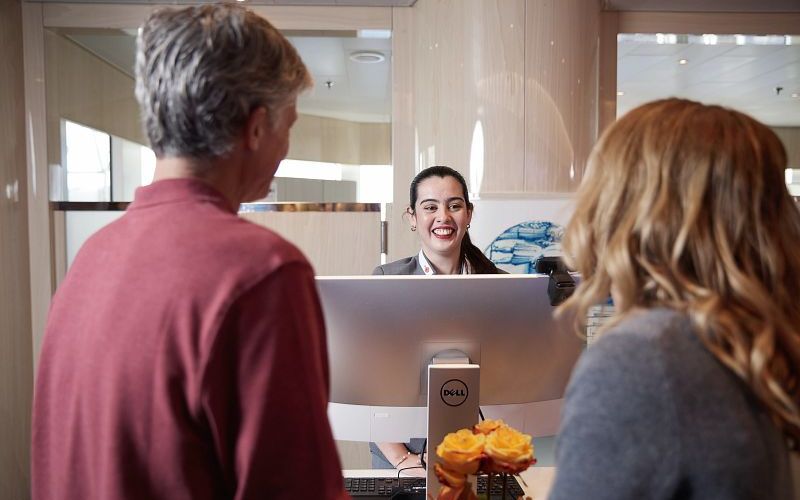
A smiling customer service representative assists two passengers at the Guest Services Priority Line for Club Orange on a Holland America Line cruise ship, with a bouquet of orange roses on the counter.

The end result is that although the tips are described as “optional”, the system is designed around the assumption that almost everyone will pay them.

Drink Packages Aren’t Tip-Free

One of the most common misconceptions is that buying a drinks package means tipping isn’t an issue anymore.

In reality, gratuities are very much built into that part of the experience too.

Depending on the cruise line:

  • An automatic service charge (often around 15–20%) is added when you buy the drinks package.
  • The same type of charge can apply to speciality dining, spa services and salon treatments.
  • If you don’t buy a package and pay per drink, gratuities are usually added to each purchase.

So while you may not be handing over cash at the bar, you’re still tipping – it just happens invisibly in the background. Cruise lines rarely highlight this in their marketing for packages, which is why so many people are surprised when they see the charges.

Why It’s Usually Cheaper to Prepay Gratuities Early

This is something cruise lines almost never shout about, even though it can make a real difference to your budget.

Many cruise lines increase their gratuity rates over time – typically once every 12-18 months.

If you prepay your gratuities when you book, or at least well before your cruise, you usually lock in the current rate.

A woman with wavy hair and glasses is working on a laptop at a wooden desk in a cozy, well-decorated room. The desk is adorned with several plants, a notebook, and a cup of coffee, creating a warm and inviting workspace. The wall beside her is decorated with framed artwork and a wooden map, contributing to the creative and personal atmosphere of the space.

That means:

  • If the cruise line increases the daily gratuities later, you’re protected.
  • You won’t be charged the new, higher rate onboard.

If you wait and let the tips be added during the cruise instead, you normally pay whatever the rate is at the time you sail, not the rate that applied when you booked.

It’s one of the few areas where booking early can genuinely save money, yet it’s rarely promoted clearly because higher gratuities benefit the cruise line’s overall pricing structure.

Cash Tipping Still Exists

Even with automatic gratuities and service charges, there’s still an unspoken culture of cash tipping in certain situations.

Cash being used for cruise tips

This commonly includes:

  • Cabin stewards who give particularly good service
  • Dining staff in speciality restaurants
  • Butler or concierge staff in suite areas
  • Spa staff and excursion guides
  • Room service delivery

The cruise line messaging tends to imply that everything is “taken care of”, but onboard reality can feel a bit different. It’s not usually mandatory, but it’s still very much part of cruise culture.

TODAY’S BEST CRUISE DEALS!

Don’t miss these offers…

Should You Tip Extra?

This is where it gets personal, and there isn’t one right answer.

When Tipping Extra Makes Sense

Extra tipping can be a thoughtful gesture when:

  • A crew member goes well beyond what’s expected
  • Someone makes a special effort for dietary needs or accessibility
  • Staff help make a celebration, anniversary or birthday genuinely memorable
  • You’re on a private or small-group shore excursion

In these cases, extra cash isn’t about obligation – it’s about recognition.

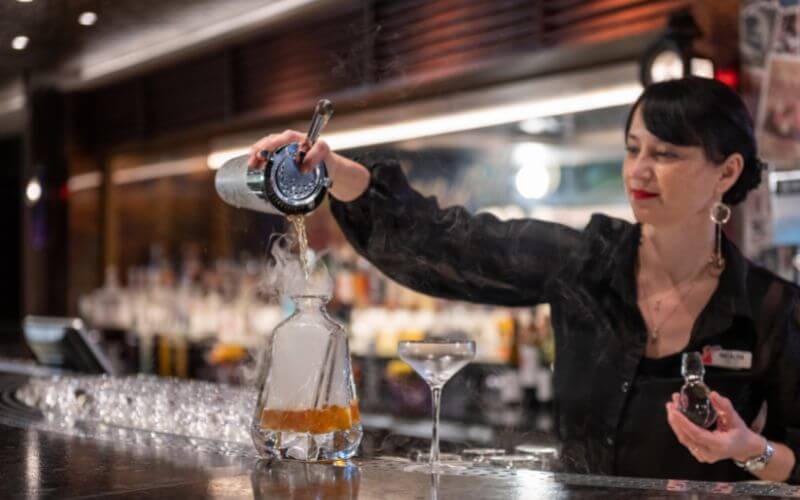
Carnival bartender

You don’t have to tip extra (you never HAVE to) but a lot of people feel like these are the situations that would justify an extra tip, if you wanted to.

When You Don’t Need to Feel Guilty for Not Tipping Extra

It’s also perfectly reasonable not to “double tip” when:

  • You’ve already paid substantial daily gratuities.
  • Service charges have already been added to spa, salon or dining bills.
  • You’re sailing with a truly all-inclusive luxury line.

You’re not being stingy by trusting that the systems in place have already covered the basics.

The Cultural Side of Things

Cruises attract guests from all over the world. Tipping expectations are different depending on where you’re travelling from.

Cash

Cruise lines often expect US-style tipping behaviour, even though many guests are more familiar with European models where service is built into prices. A lot of confusion comes from that cultural clash.

Read more: Royal Caribbean Gratuities Explained

But there are British cruise lines like P&O Cruises and Marella Cruises where no tipping is expected, because of the culture.

MSC Cruises are a global brand that have different models, depending on where you’re sailing. Cruising in Europe? No tip needed. Sailing the Caribbean from a US port? Automatic gratuities will apply.

How to Tip Smart on a Cruise

There are a number of ways you can make sure you thank the people who need it, without causing yourself any unnecessary stress.

Set a simple tipping budget

Before you sail:

  • Look up your cruise line’s daily gratuity.
  • Multiply it by the number of nights and people.
  • Add a small buffer for occasional cash tips.
A person is seated at a desk, working on financial planning. They are writing in a notebook with a pen while using a calculator. The desk is scattered with coins, a pink piggy bank, dollar bills, and financial documents, all suggesting a focus on saving money and budgeting. The scene reflects a careful and organized approach to managing personal finances.

Once you’ve done this, anything extra becomes a choice rather than a surprise.

And if you don’t have the budget for extra cash tips – cruises are expensive sometimes – then don’t stress over it!

Decide Whether to Prepay Or Pay Onboard

There’s no moral right or wrong here, just practical differences:

Prepay if you:

  • Like predictable costs.
  • Want to lock in the current rate before possible increases.
  • Prefer not to see daily charges stacking up onboard.

Pay onboard if you:

  • Want flexibility (depending on the line’s policies).
  • Prefer to keep everything in one final bill.

Carry Small Amounts of Cash

Even in a fairly cash-free cruise environment, it helps to have small notes in local currency.

These are useful for porters, guides, drivers and staff who fall outside the normal tipping pool.

A cheerful bartender in a vibrant blue Hawaiian shirt and straw hat pours a drink at a Royal Caribbean bar, sharing a moment of joy with laughing guests clad in tropical attire, encapsulating the lively spirit of a cruise vacation.

There are cash machines/ATMs on most cruise ships but they’ll often have a minimum withdrawal amount of $50. And Guest Services can’t/won’t always break a note for you. So try not to forget this or, if you feel you want to leave a cash tip, it might end up being $50 at least.

Read more: How Much Cash You Should Bring On A Carnival Cruise

Tip With Intention, Not Pressure

If you’re already paying daily gratuities, your cash tips don’t need to be random or constant.

They’re most meaningful when used for genuinely exceptional service, or for people who make your holiday noticeably easier or better.

What Crew Members Really Think About Tips

This is where the subject becomes more serious.

For many crew members on mainstream cruise lines, their base wages are relatively low. So, gratuities make up a significant part of their overall income.

Ambassador Crew Service

Because tips are often pooled, your daily gratuities don’t just reward one person – they support a larger ecosystem of staff you never see.

The downside is that this system is not always transparent. Guests rarely know exactly how the money is divided, and crew members aren’t usually able to talk openly about it.

What’s clear is this: when guests remove all gratuities as a protest against the cruise line, it often affects the crew far more than the company.

That doesn’t mean guests should feel forced into tipping. It does mean the system is more complex – and more human – than it first appears.

Suggested read: Former Crew Member Starts Petition for Gratuities to Be Included in Cruise Fares

Common Cruise Tipping Myths

“Tipping is completely optional”

In theory, sometimes. In practice, the entire pay structure for many crew assumes that most guests will pay the automatic gratuities. So yes, technically it’s optional, but if everyone treated it that way, cruise lines would struggle to retain those fantastic crew members.

“If I buy a drinks package, tips are covered”

They are – but usually through automatic service charges that are already built into what you paid. Still, a couple of small additional tips for bartenders can make all the difference for how good the service is.

“The crew are already well paid”

On most mainstream lines, tips are not really a bonus. They’re a core part of income, even if ‘technically’ that’s not the case.

Suggesed read: How Much Cruise Crew Really Earn

“I shouldn’t tip if gratuities are included”

You don’t have to. But small, thoughtful tips are usually welcomed, even on lines that say they aren’t necessary.

“Only Americans bother tipping”

Cruises are international. Once people understand the system, tipping habits tend to converge more than you’d expect. Yes, there’s more of a tipping culture amongst US guests, but most people are happy to pay the automatic gratuities, and tip a little extra if they feel it’s warranted.

TODAY’S BEST CRUISE DEALS!

Don’t miss these offers…

Final Thoughts

I’m not against tipping, quite the opposite. I’m not even against automatic gratuities. What I am against is confusion and surprise.

Cruising should feel relaxing, not like you’re constantly trying to decode what’s really included and what isn’t. Once you understand how tipping works, it becomes much easier to budget properly, make fair choices, and feel good about rewarding great service.

My approach is simple: plan for the automatic gratuities, tip extra when someone genuinely deserves it, and never feel pressured into tipping blindly.

If nothing else, knowing what cruise lines don’t always say out loud helps you stay in control of your holiday – and that’s how it should be.

Related Posts

If you found this interesting, please share!


Jenni with Disney Cruise ship at Castaway Cay


Source link

Cocktail glass on a cruise ship deck rail with the ocean behind, illustrating cruise drink package hacks

8 Legit Cruise Drink Package Loopholes That Still Work in 2026

The best cruise drink package hacks in 2026 are the ones cruise lines allow: buy your package before you sail, use your wine carry-on allowance, use loyalty or suite drink perks, and pick a smaller package (soda, coffee or wine bottles) if you won’t drink enough alcohol to justify the full one. None of these needs you to bend a rule. They just need a bit of planning and some honest maths about how much you drink.

Below are eight legitimate loopholes that still work for 2026 and 2027 sailings. We’ve also added a simple break-even check so you can see whether a package makes sense for you at all.

Why most cruise drink package hacks are really about timing and maths

Drink packages on mainstream lines are priced per person, per day, and almost always come with an automatic service charge on top. Royal Caribbean adds 18%, and Carnival raised its beverage service charge from 18% to 20% in December 2025. Most lines also require every adult in a cabin to buy the same alcoholic package if one adult does. That rule is why so many “hacks” online are really ways of cheating the system. Sharing a package or swapping cards breaks the terms and can get a package cancelled without a refund. If you want the details, our guide to Royal Caribbean drink package rules and why cheating isn’t worth it covers what goes wrong.

The good news is that the legal options save more money than most of the rule-breaking tricks anyway.

The 8 cruise drink package loopholes that still work in 2026

1. Buy before you board, and keep watching the price

Pre-cruise prices are almost always lower than onboard prices. Royal Caribbean sells its packages through the Cruise Planner, and prices for the same sailing go up and down with frequent sales. Because a package can usually be cancelled and rebought before sailing, a common, allowed tactic is to buy early and then check again during later sales. If the price drops, cancel and rebuy at the lower rate. Carnival also charges less for CHEERS! when you buy it ahead of time than when you buy it onboard, and it honoured old prices for passengers who had already bought packages before its April 2026 price changes. Buying early also protects you from the next increase.

2. Use your wine and champagne carry-on allowance

Most big lines still let adults bring a limited amount of wine or champagne on embarkation day. This is the closest thing to a true loophole, and it is completely within the rules. Drink your bottle in your cabin and you usually pay no corkage. Open it in a restaurant and a corkage fee applies. The allowances at the time of writing are in the table further down.

3. Choose a partial package instead of the full one

If you mainly want fizzy drinks, specialty coffee or a glass of wine at dinner, an alcoholic package is usually poor value. Look instead at:

  • Soda packages such as Royal Caribbean’s Classic Soda package or Carnival’s Bottomless Bubbles (now $11.99 per adult per day before the service charge, after an April 2026 increase)
  • Refreshment-style packages covering specialty coffee, mocktails, juices and bottled water
  • Wine bottle packages, where you prepay for a set number of bottles at a discount and the restaurant stores any you don’t finish for your next dinner

Non-alcoholic packages are often exempt from the rule that everyone in the cabin must buy the same package, so a couple can mix and match.

4. Book a fare that already includes drinks

Sometimes the cheapest drink package is the one built into the fare. Celebrity’s All Included fares bundle a drinks package. Norwegian’s More at Sea promotion includes an open bar on most fares, though you still pay the service charge. Princess Plus and Premier fares include a beverage package. Compare the bundled fare with the cheapest fare plus a package bought separately. Sometimes the bundle wins and sometimes it doesn’t, especially if one person in the cabin barely drinks.

5. Pick a line where the basics are free

Virgin Voyages includes soft drinks, juices, filtered water and basic coffee for all guests. You only pay for alcohol, through a bar tab rather than an all-or-nothing package. At the luxury end, lines such as Regent Seven Seas, Seabourn, Silversea and Explora Journeys include most drinks in the fare, and Viking includes beer and wine with lunch and dinner. If drinks are a big part of your budget, a higher fare with drinks included can work out cheaper. Our comparison of the Virgin Voyages bar tab versus traditional drink packages sets out how the numbers compare.

6. Earn loyalty and suite drink perks

Frequent cruisers get some of the best legitimate free drinks at sea:

  • Royal Caribbean Crown & Anchor: Diamond members get four drink vouchers per person per day, Diamond Plus get five and Pinnacle Club get six. Each voucher covers a drink up to a set value (around $14 on most sailings) and resets daily.
  • Celebrity Captain’s Club: Elite, Elite Plus and Zenith members get an evening happy hour, usually 5pm to 7pm, at participating bars, with a set menu of house cocktails, wine, beer and spirits.
  • Suites: top suite categories on several lines include lounge access with complimentary drinks at certain hours, or a full drinks package.

If you’re close to the next loyalty tier, booking back-to-back sailings or a slightly longer cruise can unlock these perks sooner.

7. Use happy hours, drink-of-the-day specials and onboard events

Without a package, the daily planner is your friend. Many ships run a discounted drink of the day, bar happy hours, and wine or spirit tastings that cost less than buying the same drinks separately. Formal nights, captain’s receptions and art auctions sometimes come with complimentary sparkling wine. Casino players who rack up enough play can earn free drinks while gambling, though you shouldn’t gamble just to get them.

8. Make port days work for you

Port days are where many passengers lose value on a full package, because they’re ashore for most of the day. Drinking ashore at local prices is often cheaper than a ship’s bar. On very port-heavy itineraries, skipping the package and paying as you go can save a lot. Some lines also let you buy wine or local spirits in port, although spirits are usually held until the end of the cruise rather than handed back straight away.

Two bottles of red and white wine on a wooden table beside glasses
Bringing your allowed bottle of wine aboard is one of the simplest legal savings. Photo: Rachel Claire on Pexels

Can you bring alcohol on a cruise? Carry-on rules by line

Yes, on most major lines, but usually only wine or champagne, in limited amounts, carried on at embarkation. Beer and spirits are generally not allowed. Policies change, so always check your cruise line’s official FAQ before you pack.

Cruise line Wine/champagne allowed at embarkation Typical corkage outside your cabin
Royal Caribbean One 750ml bottle per adult (21+) Around $15 in dining venues
Carnival One sealed 750ml bottle per adult (21+) $15 per bottle
Norwegian (NCL) Sealed bottles, no fixed limit $15 per 750ml, $30 per 1.5L, charged wherever opened
Celebrity A small allowance (check current per-cabin limit) $25
Princess One 750ml bottle per adult; extra bottles allowed for a fee $20 in public areas, and $20 on extra bottles
Disney One bottle of wine or six beers per adult About $20 in dining rooms
Virgin Voyages Two 750ml bottles per cabin Fee applies outside the cabin
MSC Generally not permitted at embarkation Not applicable

Two practical tips. First, put the bottle in your hand luggage, not your checked bag, so it’s visible at security and isn’t lost in the luggage system. Second, check how the wine would be handled if you open it in a restaurant: corkage fees are often charged per bottle regardless of size.

How to save money on cruise drinks: a quick break-even check

This is the step most guides skip, and it’s the one that saves the most money. Before you buy any package:

  1. Take the daily price and add the service charge (18% to 20% on most lines).
  2. Divide by what a typical drink you’d order costs onboard. Cocktails on mainstream ships often cost $13 to $16 before the service charge.
  3. That’s how many drinks you need every day, including port days and the first and last days, just to break even.

For example, a package costing $80 a day plus 18% comes to about $94.40. With cocktails at around $15, you’d need six or more drinks every single day to come out ahead. Specialty coffees, bottled water and mocktails help, but if you’re realistically a three-drink-a-day person, paying as you go plus one or two of the loopholes above will almost certainly cost less. Our cruise drink packages comparison lists what each line’s packages include, so you can plug in real numbers.

Colourful cocktails lined up on a sunny pool bar counter at sea
Counting the drinks you will really order is the best way to judge a package. Photo: HM Grand Central Hotel on Pexels

Cruise drink hacks to avoid

Some tips that circulate online can cost you more than they save. Hiding spirits in mouthwash bottles or “rum runners”, sharing one package between two people, or ordering doubles for a friend all break cruise line rules. Security scanners at embarkation regularly find hidden alcohol, and the line can confiscate it, cancel your package or, in serious cases, remove you from the ship. Stick to the legitimate options and you keep both the savings and your peace of mind.

If you haven’t booked yet, it’s also worth looking at current cruise deals for 2027, as many promotions now include drinks or onboard credit that you can put towards your bar bill.

If you’re booking Norwegian, it’s worth reading our breakdown of whether NCL Free at Sea is worth it before you accept the perks, because the service charges decide whether it’s a good deal.

Sailing with Costa instead? Our Costa Cruises drinks package guide explains the current packages, prices and cabin rules.

On Norwegian, the drinks package often comes bundled with the fare, so check what NCL Free at Sea includes before buying extras.

FAQs

Is there a legal way to share a cruise drink package?

Not for alcoholic packages on most mainstream lines. If one adult in a cabin buys one, every adult usually has to buy the same one. Non-alcoholic packages such as soda or coffee packages are often exempt, so a couple can each choose a different option.

Can you bring alcohol on a cruise?

On most big lines you can bring a limited amount of wine or champagne at embarkation, typically one 750ml bottle per adult. Beer and spirits are generally not allowed, and MSC usually doesn’t permit any. Check your line’s current policy before packing.

Is a cruise drink package cheaper before the cruise?

Yes. Pre-cruise prices are normally lower than onboard prices, and lines such as Royal Caribbean run regular sales in their online planners. You can often cancel and rebuy if the price drops before you sail.

How many drinks a day make a drink package worth it?

Divide the daily price plus the service charge by the cost of a typical drink. For many mainstream packages that works out at five to seven drinks a day, every day of the cruise.

Do port days affect whether a drink package is worth it?

Yes. You pay for the package every day, even when you’re ashore. On itineraries with lots of port stops, paying as you go is often the cheaper option.

oasis-night-new-york.jpg-1.jpg

The Secret Cruise Bargain Most People Don’t Know About


If you’ve ever chatted to someone who cruises often, you’ll notice their eyes light up when the conversation turns to bargains.

And often they’ll tell you that the best-kept secret for a great deal is repositioning cruises.

These often-overlooked sailings are one of the cruising world’s great delights: part adventure, part relaxation, part incredible-value getaway.

Royal Caribbean wifi

For some people though, the term still sounds like something obscure or even industrial, as though you’re hitching a ride on a technical sailing the public was never meant to see.

I’ve done several repositing cruises, and I’ve paid as little as £99 per cruise for the priviledge. In fact, I may even go as far as to say that these are my favourite itineraries.

Repositioning Cruises Explained

Despite the slightly clunky name, a repositioning cruise is simply a journey where a ship moves from one area to another to begin a new season, or to prep for another cruise.

Repositining Itineraries I’ve sailed include:

  • Bristol to Liverpool
  • Liverpool to Southampton
  • Southampton to Hamburg
  • Barcelona to Rome
  • Southampton to Fort Lauderdale

One of the most common repositioning cruises you’ll see is the transatlantic. In summer the Mediterranean is full of cruise ships, but come autumn, most of them sail across to the Caribbean for winter sun.

Alaska is a popular region in the summer, but you won’t find any cruise ships there in the winter. Instead, they follow the sun for warm-weather adventures in Asia or Mexico.

Seven Seas Grandeur exterior

Even within the UK, there are cruise lines like Ambassador Cruise Line with ships that sail from regional ports. These may sail from Liverpool for a couple of months, then move to sailing from Bristol for a few more, then sailing from Tilbury.

The one-way sailings are very rarely empty. If the ship needs to move, the cruise line will usually sell that voyage to passengers.

Because these sailings don’t fit the traditional mould, the prices often fall in the “surely that can’t be right?” category.

That’s the joy of repositionings: they’re logistical necessities for the cruise line, but unexpected bargains for those of us who love an adventure at sea.

Not All Repositioning Cruises Are Trans-Oceanic

Many people automatically imagine two weeks at sea, crossing an ocean for days on end.

And yes, repositioning cruises can absolutely be epic voyages full of sea days and starry skies. But they can also be tiny little hops that last barely long enough for you to unpack your slippers.

I’ve done both ends of the spectrum. One of my favourites was a genuinely unbelievable £99 cruise on Cunard’s Queen Anne from Hamburg to Southampton. It was only a couple of nights long, but it felt like a little slice of luxury, like sneaking into the world of classic cruising without the classic price tag.

All I needed was a cheap flight to Hamburg. By the time I stepped aboard the Queen Anne, admiring her glossy style and that unmistakable Cunard elegance, I couldn’t believe this bargain had been hiding in plain sight.

Read more: How Much My £99 Cunard Cruise Actually Cost Me

I’ve taken similarly short repositionings around the UK too. Sailing from Liverpool to Southampton on Borealis was like nothing I’ve ever experienced.

Fred. Olsen Cruise Line’s three-month-long world cruise gave guests the option to start in Liverpool, or in Southampton two days later. As many of the guests opted for Southampton, that meant that there were spaces for the first two days of the epic journey – so I snapped one up for a bargain price.

Then there was the Bristol to Liverpool run with Ambassador, a friendly little jaunt that cost astonishingly little and yet felt like a full mini-holiday. Just book a cheap coach transfer to get you home and you’re sorted – so easy, so cheap, and a great break and a great price!

And of course, there are the longer repositionings, the ones that feel like stories in themselves.

Costa Smeralda – a huge, sunlit Italian resort of a ship – cost me around £30 per night on a repositioning itinerary for 5 nights. And that was for a balcony cabin as a solo traveller – both of which would normally mean paying significantly higher costs!

Read more: I Took A £30 Per Day Solo Cruise! Costa Cruises Review

And then there was my Disney transatlantic crossing, which remains one of my favourites.

Disney cruises are notoriously expensive. But given that repositioning cruises are so cheap, booking the transatlantic meant that we could enjoy a two-week cruise for less than the price of a one-week round trip!

Some of the best cruise deals I find are for repositioning cruises – make sure you’re signed up to get my emails if you want to get the best offers sent to you.

Consider How Much You Enjoy Sea Days

One of the defining aspects of many repositioning cruises is the sea-day rhythm.

Without a port every morning, you have time – proper, indulgent, do-whatever-you-like time. It’s a lovely feeling to wake up, open the curtains, and realise that your only real appointment is with the horizon.

If you’re someone who always feels a little torn on port-heavy itineraries – as if you should be doing something, seeing something, squeezing every minute dry – then a repositioning cruise can feel like bliss.

sunset hot tub

There’s no guilt, no sense of missing out, just the ship itself becoming your destination. You finally get to enjoy that leisurely breakfast you usually rush.

You discover corners of the ship you’ve never had time for before: a quiet reading nook, a suntrap on the promenade deck, a little café that becomes your personal sanctuary.

Cruise lines often lean into this unhurried pace with extra activities. There might be wine tastings, guest lectures, craft workshops, cookery demonstrations, dance classes, film screenings, or stargazing sessions.

Or you might simply sink into a deck chair with a book you’ve been meaning to read for three months and lose yourself for an afternoon.

Cruise Mummy on Princess cruise in Sanctuary

Of course, some people find too many sea days a challenge, and that’s important to acknowledge.

If you’re happiest hopping from city to city, exploring somewhere new every day, a long repositioning might not match your travel style. But if the idea of a slow, serene crossing speaks to you, then you’re probably the target audience.

The Lesser-Visited Ports You Might Enjoy

Because repositioning itineraries are designed around geography rather than holiday-brochure patterns, the ports can be wonderfully unusual.

Ships tend to call wherever makes sense as they travel between regions, which means you often get destinations you’d rarely see on a standard weekly cruise.

Cable car Madeira

It might be a day in Madeira, all sweeping viewpoints and cake shops. It could be the Azores, shrouded in mist and beautifully green. You might end up somewhere like Charleston or Halifax on a coastal repositioning, or sail through Hawaii on a huge Pacific arc.

Even within Europe, you can end up with charming one-off stops in places that don’t normally appear on mainstream itineraries. These ports feel like little treats, the kind you remember long after disembarking.

Quieter Ships, Calmer Atmospheres

Repositioning cruises usually sail outside the peak holiday rush, and they often attract travellers who choose them deliberately for the slower pace. The result is a ship that feels roomier, friendlier and often more personal.

Our transatlantic Disney cruise had barely any kids onboard. Most of the guests were retired couples, which was great because the ship was much quieter and there was never a queue for the waterslides!

Quiet Cove

You’ll find it easier to get a table in the buffet and a lounger by the pool. Crew members have time to chat. The entertainment feels more relaxed. You start recognising people as you wander, and the ship begins to feel like a floating neighbourhood rather than a busy hotel.

That slightly quieter atmosphere also gives the whole trip a sense of stepping away from the real world. It feels more like a retreat than a holiday.

Read more: How To Avoid The Crowds On A Cruise: My Quiet Sea Day Itinerary

The Real Value Of Repositioning

The main reason repositioning cruises are such astonishing bargains is simple: they’re harder to sell.

They don’t repeat every week, they’re one-way, they require a bit more planning, and they often have more sea days than the average cruiser expects. But that’s exactly what makes them such good value.

Cruise mummy taking a selfie with Ambassador Cruise ship

Because the cruise lines want to fill the cabins, the nightly cost can be dramatically lower than anything you’d normally find. Sometimes it’s much less than you’d pay for a half-decent hotel at home. Sometimes it’s less than you’d pay for your weekly food shop.

And because you’re still getting the full ship experience – all the amenities, entertainment, dining, pools, lounges and sunset views – the value becomes even more astonishing.

The only thing to plan carefully is travel. You’ll usually need to arrange your own flight to the starting point or back from the final port (or both), and prices can vary depending on where you go.

A view from an airplane window shows the wing of the aircraft against a backdrop of a clear blue sky and the sun shining brightly. Below, a landscape of fields and rivers is partially covered in snow, with clouds scattered across the horizon, creating a serene and picturesque aerial scene.

But with a bit of flexibility, or a well-timed check of flight deals, it’s easy to make the whole trip affordable. I’ve often found that even when flights are factored in, the entire adventure still comes out far cheaper than a standard cruise would have been.

Lots of Cruisers Love Them…

These voyages tend to attract a certain sort of traveller. If you love the ship as much as the destinations, you’ll probably be in heaven.

Retirees often adore them because there’s no rush, no crowds and plenty of time to unwind. Digital nomads appreciate the long stretches of peaceful days, especially now that many ships have much better WiFi than a few years ago.

And then there are the bargain hunters who simply can’t resist the idea of sailing on a premium line for the cost of a budget hotel. Hi!

Cruise deals

They’re also wonderful for anyone who wants to ease into a new region. Imagine crossing to Europe, arriving refreshed, and starting a longer trip already adjusted to the new time zone. Or sailing from Alaska towards Japan and feeling the climate shift gently over days rather than hours.

That said, they’re not perfect for everyone. Some travellers get restless without regular port days. Others find the idea of organising flights a bit too fiddly. But cruising is wonderfully varied, and there’s a place for every travel style – repositionings included.

Some Practical Considerations

Like any trip, repositionings work best when you know what to expect. Because routes can stretch across different climates, packing layers is always sensible – a warm hoodie for breezy deck days, something summery for your ports, and perhaps a waterproof for good measure.

Windy on deck

If you’re prone to seasickness, choosing a mid-ship cabin lower down tends to provide the smoothest ride, though modern ships are remarkably stable.

It’s also wise to keep an eye on visas, even if you’re only calling at a port for a day. And although cruise lines work hard to provide smooth sailing, captains may occasionally alter routes for weather, especially on autumn Atlantic crossings.

Think of it as part of the adventure: the sea makes the rules.

TODAY’S BEST CRUISE DEALS!

Don’t miss these offers…

Final Word

A repositioning cruise feels less like a holiday and more like a journey – a chance to slow down, breathe a little deeper and watch the world unfurl at a gentler pace. You feel the distances. You feel the shift from one region to another. You wake to new horizons, not new alarms.

It’s that rare combination of tranquillity, value and adventure that keeps me coming back.

Whether it’s a £99 taste of Cunard luxury, a cheerful weekend hop up the UK coast, a sun-soaked Italian mega-ship for the price of a takeaway, or a mega-ship-fuelled Atlantic crossing filled with tons of activities, these are voyages that linger in the memory.

Repositioning cruises are the best-kept secret – and I will continue to hunt the best deals I can to enjoy these super-cheap cruises!

Related Posts

If you found this interesting, please share!


Jenni with Disney Cruise ship at Castaway Cay


Source link
Untitled-design-2-33.jpg

What Crew Members Really Think


Cruise tipping causes more arguments than almost anything else onboard. Some people refuse to pay extra. Others tip on top of gratuities. And both sides are convinced they’re right.

Most cruisers talk about what they think is fair. Very few stop to ask the crew.

The US vs UK culture clash only adds fuel to the fire, especially when automatic gratuities are already built into the bill. It feels like you’ve paid. So why would more be expected?

Cruise ship tips

Then I came across a candid post from a Royal Caribbean crew member that completely shifted the perspective. It wasn’t defensive. It wasn’t demanding. It was honest.

And there’s one thing about tipping that most passengers never consider.

1. Tipping Means More Than You Think

For many crew members – especially those from developing countries – tips aren’t just a bonus; they’re a lifeline.

While they do get a base salary, the crew member explained that extra cash goes a long way. We’re talking school fees, medical bills, supporting families back home, or saving for a better future.

A hand holds a tip envelope from a cruise ship with the text "Tip tip hooray! Additional gratuity in recognition of exceptional service." The envelope includes fields for the crew member's name or position and the stateroom number.

That said, if tipping isn’t your thing, don’t worry – you’ve still got options for showing appreciation.

Of course, your cruise line might insist on automatic gratuities anyway (more on that in a bit), but you don’t have to be obligated to give cash tips in any situation if you really don’t want to.

There are other gestures that mean just as much (or more!) to the crew.

2. The Post-Cruise Survey Is REALLY Important

You know that survey you get at the end of your trip that you’re tempted to skip? Don’t.

Person using computer

Filling out that feedback form – especially if you name-drop a crew member who went above and beyond – can result in serious perks for them:

  • A rare and well-deserved day off
  • A specialty restaurant meal enjoyed as a guest
  • A night in a guest cabin – hello, floor space!
  • Scratch cards with prizes such as internet time, cash bonuses, or crew discounts

For dining staff, your review could even influence which tables they’re assigned next – meaning more chances to earn tips, or fewer if ratings are low.

So, if someone made your cruise that little bit more special, mention them by name. A few kind words go a long way – maybe further than you realise.

TODAY’S BEST CRUISE DEALS!

Don’t miss these offers…

3. Crew Members Love Handwritten Notes

Sometimes, a simple thank-you note does more than you might expect.

Thank you note

The crew member shared that they’ve kept thank-you cards and notes from guests over the years – and still re-read them on tough days. If someone made your cruise extra memorable, why not leave a postcard or short message behind?

You don’t need to be Shakespeare – just something sincere like, “Thank you for making our trip so wonderful. You made our family smile every day!” can absolutely make their week.

It’s feedback like this that really shows that the crew aren’t just financially motivated. They care about their jobs, and they want to do well, and a little bit of recognition for that will show them that they are doing so.

4. Remembering Names Matters

Want to brighten a crew member’s day in three seconds flat? Say their name.

It might sound small, but remembering and using a crew member’s name helps them feel seen and appreciated. Whether it’s your room steward, bartender, or waiter, a friendly “Hi, John!” or “Thank you, Maria!” goes a long way.

It’s easy to do, since they all wear name badges!

A crew member of Costa Cruises attentively making a bed, with a focus on comfort and neatness, showcasing the detailed and personal care provided onboard, complemented by the warm interior colors and natural light from the cabin window.

Crew members say that being greeted by name makes a real difference – and can even turn a rough shift around.

A lot of cruise crew members will come from countries with names you may not be used to. But do you want to know the secret to learn how to pronounce a name you’ve not encountered before?

You ask.

"What is something people should ask from you but don’t?""How do you pronounce your name?"

Honestly, it isn’t offensive, and the fact that you care enough to get it right is actually a gesture in itself.

5. Gifts Aren’t Always a Good Idea

Thinking of bringing a little something for your favourite crew member? Lovely idea – but there are a few rules to keep in mind.

Gifts to avoid:

  • Alcohol
  • Items from onboard shops unless you’ve got a receipt and follow ship policy
  • Anything bulky

Crew members only have very small cabins, and so they need to avoid clutter. When asked, almost every crew member will say that they prefer cash, as they can use it to buy the things they actually want and need.

If you really do prefer to give a physical gift, here are some ideas based on what crew members have said that they like…

Good gift ideas:

  • Travel-sized luxury toiletries
  • Sunscreen (especially if you’re heading to sunny ports)
  • Laundry detergent (yes, really – they often have to buy it onboard!)
  • Individually wrapped snacks or sweets

The crew member from Reddit shared a story of a guest who gave them a framed photo. Not only was it treasured – it became a good-luck charm they credit with helping their career take off.

Pair your gift with a thank-you card, and you’ve got a feel-good moment that’ll stay with them long after you’ve disembarked.

One interesting gift you may consider is a duck.

Duck

The cruise duck trend is still going strong, and the cheeky rubber ducks are hidden all over the ship by passengers. And they’re not just a huge hit with fellow cruisers, but also with the crew.

Many crew members collect them for their kids back home. It’s a cute way to stay connected to their families while they’re away at sea.

That said, one crew member was reportedly let go for collecting too many ducks (yikes!).

So, if you want to gift a duck to a crew member, it’s best to hand it over directly, with a quick note explaining why. It’s sweet, safe, and shows thoughtfulness.

The Truth About Automatic Gratuities

It’s important to talk about automatic gratuities at this point.

Most cruise lines now automatically add gratuities to your cruise fare. You can either pay these in advance or you can wait until you’re onboard and pay the gratuities when you’re settling your bill.

Paying money

Only a handful of cruise lines don’t charge tips – typically the British ones (P&O Cruises, Marella, etc.) or the ultra-luxury ones. MSC Cruises also waives gratuity charges on certain sailings.

For the other cruise lines, they’re automatically added to your account, hence the name.

They aren’t mandatory though. You can remove them by visiting the Guest Services desk onboard.

Read more: Can You Refuse To Pay Gratuities On A Cruise?

Some people remove them because they prefer to give cash tips. Which is OK, except that the automatic gratuities are often split between several teams, some of whom you might never see to hand over a cash tip. So they get shorted when you stick to cash only.

Others remove them just because they don’t like the tipping culture.

The issue is that some cruise lines make the automatic gratuities part of the crew’s salary. So they aren’t really tips, more a part of their wage, and each guest who removes their gratuities then harms the salary earned by the crew.

So it’s always best to pay the automatic gratuities, and then if you want to, top it up with a little bit of cash for the crew members who go above and beyond.

Suggested read: How Much Extra To Tip Cruise Staff

Cash tips are really appreciated because the crew receiving them keep 100%, and so it’s really valuable to them.

TODAY’S BEST CRUISE DEALS!

Don’t miss these offers…

Final Word

So here’s the part most passengers never consider.

On many cruise lines, automatic gratuities aren’t just a “thank you” bonus. They form part of the crew’s expected income. When they’re removed, it doesn’t just send a message. It can directly reduce what someone takes home to support their family.

Extra cash tips are always appreciated because the crew member keeps 100%. But recognition matters too. A named mention in a survey can improve future table assignments. A good review can earn rare perks. A short handwritten note might be kept for years.

You don’t have to tip beyond what you’re comfortable with.

But once you understand what gratuities actually mean behind the scenes, it’s hard to see them the same way again.

Related Posts

If you found this interesting, please share!


Jenni with Disney Cruise ship at Castaway Cay


Source link
Untitled-design-4-21.jpg

7 Cruise Freebies That Were Taken Away Last Year


Cruising is still one of the best-value holidays, but over the past year that “everything’s included” feeling has gotten noticeably thinner.

Cruise freebies taken away

A lot of the little perks that used to make a cruise feel glossy, generous and surprisingly luxe have quietly disappeared or been turned into paid extras.

It’s not new – it’s been happening for a while – but it has continued.

These changes are not always shouted about by cruise lines, but regular cruisers are certainly noticing. Here are seven of the biggest freebies that are either gone in 2025 or on their way out.

1. Twice-Daily Cabin Service and Turndown

Once upon a time, your cabin steward would seemingly appear by magic. Bed made in the morning, towels refreshed in the afternoon, and a neat little turndown service with chocolates at night.

Cabin steward

For 2026 cruises, that is no longer standard across most mainstream cruise lines.

Many ships have moved to once-daily servicing for standard cabins, with evening turndown now reserved for higher-tier suites.

Towel animals, chocolates and freshly fluffed pillows are becoming increasingly rare unless you are paying for a premium cabin.

Me with towel animal

Again, this isn’t entirely new. But it’s getting worse across the cruise lines, without a doubt. You still get a clean room, but the hotel-style pampering has very much been dialled back.

2. Shrinking Menus and Limits on How Many Entrées

Main dining rooms used to be a highlight of cruising. Large menus, adventurous dishes, and the freedom to order more than one main course if you fancied it.

HAL main dining room

For 2026 cruises, menus have become more streamlined and some lines now actively limit how much you can order without paying extra.

Norwegian Cruise Line has been particularly visible here, introducing charges for additional entrées beyond the first. Other lines have quietly reduced portion sizes or removed pricier items from everyday menus.

Arvia main dining room food

The result is that the “eat as much as you like” feel is fading. You can still enjoy good food, but there are more boundaries and more moments where reaching for a second dish now comes with a small fee.

That’s no good for big eaters like my husband…

3. Loopholes Being Closed on Drinks Packages

Drinks packages still exist, but they are getting tighter and less flexible. Cruise lines have been actively closing loopholes that savvy cruisers used to rely on.

Royal caribbean bartender prepares a cool cocktail onboard

A common change is requiring all adults in the same cabin to buy the same alcohol package. This makes it much harder for mixed groups where one person drinks alcohol and the other does not.

Technically this policy has been in place a long time, but you could get around it by calling the cruise line – but they’re drawing a harder line.

Fair use policies are also more strictly enforced. Expect more systems tracking how many drinks you order, longer waits between servings, and more limits on sharing.

Cruise Mummy with cocktail on Holland America ship

The headline promise of “unlimited” is still there, but the reality feels more controlled and less carefree.

4. Drinks Packages Removed From Private Island Destinations

This is one of the most talked-about changes.

Norwegian Cruise Line has confirmed that its popular drinks packages will no longer be honoured on its private island, Great Stirrup Cay, starting in 2026. The change was announced in 2025 and has already made waves among loyal guests.

Private island in Bahamas

Private islands used to feel like a natural extension of the ship where your package simply followed you ashore.

Now, guests will need to buy a separate island drinks package or pay per drink once off the ship. It is a clear sign that cruise lines are treating even their own islands as separate profit zones rather than included parts of the holiday.

Read more: Norwegian Cruise Line Brings Back “Free at Sea” Ahead Of Black Friday Promo Period

Great Stirrup Cay Bacardi Bar

5. Vanishing Little Luxuries

This is not about big-ticket items, but the small things that made cruising feel special.

Fresh flowers in cabins, chocolates on pillows, quality mini toiletries, complimentary canapés in lounges and little surprise treats have largely disappeared.

Toiletries

Many cabins now have refillable soap dispensers instead of branded miniatures and extra touches like robes, slippers and canapés often have to be requested rather than appearing automatically.

These were never essential, but they added charm. Their slow disappearance has made cruising feel more practical and less indulgent.

6. Printed Daily Planner

The printed “daily planner” or “day sheet” used to appear in your cabin every evening. It told you what was happening tomorrow, what to wear, what shows were on and what time everything started.

MSC daily planner

For 2026, most lines have moved this almost entirely to apps. If you want a paper version, you usually have to ask for it.

For many cruisers, especially older guests or those trying to switch off, this removes a simple pleasure and replaces it with a screen. It is framed as an environmental move, but it also quietly reduces printing and staffing costs.

7. Lifetime Loyalty Perks Being Watered Down

This one is more about the future than an instant loss, but it was a major 2025 announcement. Carnival revealed that it is replacing its long-running VIFP loyalty programme with a new Carnival Rewards scheme, rolling out fully in 2026.

Carnival cruise diamond vifp card

While the concept sounds positive, the big shift is that perks become more spend-based rather than purely loyalty-based. Longtime cruisers who once relied on stable, lifetime-style benefits are worried that their status will feel less special over time.

Does it signal a move away from rewarding loyalty simply for sailing and towards rewarding spend across more cruise lines? Time will tell.

For now, a lot of Carnival cruisers feel like 2025 was the year that their loyalty was thrown back in their face.

Read more: Carnival Rewards Explained – Your Full Guide To Carnival’s New Loyalty Program

Other Subtle Cruise Freebies Disappearing

Beyond the headline changes, there are lots of small, quiet cutbacks that you will only really notice if you have cruised before.

Live lectures and enrichment talks are less common, replaced by generic game shows or pre-recorded content.

Sailaway party

Sailaway parties are often shorter, less decorated and come with fewer complimentary snacks. Cabin extras like facecloths, extra pillows and ice buckets are more likely to be “on request” rather than stock standard.

More activities now carry small charges, too. Things like escape rooms, select fitness classes, interactive games and behind-the-scenes tours used to feel like hidden bonuses. Now they are carefully monetised experiences.

None of these changes ruin a cruise, but together they quietly chip away at the feeling that everything onboard is effortlessly included.

How to Cruise Smart in 2026

Cruising can still be excellent value, but it pays to be smarter than ever.

The first tip is to read what is actually included in your fare. Cruise lines sell very different experiences under similar-looking prices, and bundles like Princess Plus or Norwegian’s Free at Sea can completely change the onboard cost.

Using a laptop to plan your cruise

It is also worth doing the maths on drinks packages rather than assuming they are good value. With tighter rules and higher prices, they are no longer an automatic win for everyone.

Budget for extras in advance. Build in money for gratuities, speciality coffees, room service and WiFi so they do not come as a shock at the end of the cruise.

Finally, enjoy what is still genuinely free.

Main shows, sun loungers, basic meals, kids’ clubs and simple hot drinks are still included on most lines. If you go in knowing what has changed, you can still have a fantastic cruise without feeling nickelled and dimed.

Final Word

Cruising in 2026 is not worse than it used to be, but it is different. The big buffet, the shows and the sea views are all still there. What has changed is the number of small, thoughtful extras that once made everything feel effortless and indulgent.

The shift is clear. Cruise lines are chasing extra onboard spending rather than building loyalty through generosity. That does not mean cruising is no longer good value, but it does mean passengers need to be more aware, more prepared and a little more realistic about what “all-inclusive” really means.

If you know what has been taken away, you can plan around it. And if you plan around it, a cruise can still feel special. It just looks a little different to the golden age many of us remember.

TODAY’S BEST CRUISE DEALS!

Don’t miss these offers…

Related Posts

If you found this interesting, please share!


Jenni with Disney Cruise ship at Castaway Cay


Source link
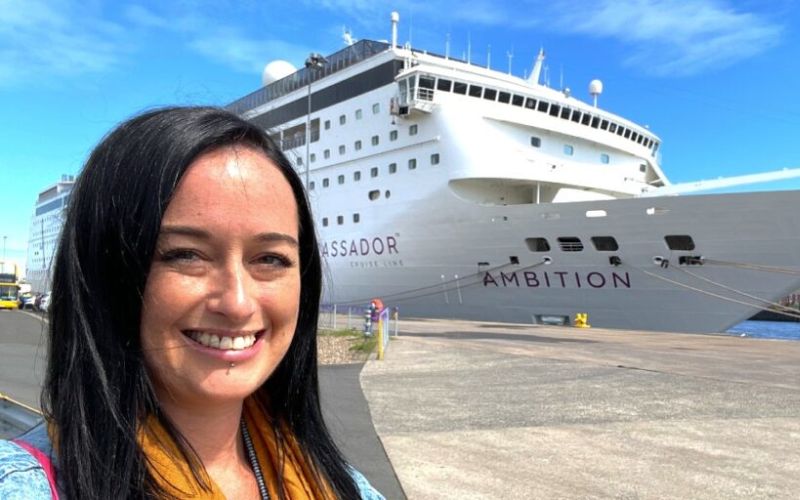
Independence-of-the-Seas-money-cruise-hacks.jpg

15 Cruise Money Tricks That Feel Like Cheating (But Are Totally Allowed)


Planning a cruise is one of those things that makes you feel like a kid before Christmas. You’ve got that shiny new itinerary, you’re daydreaming about turquoise water and soft-serve machines that almost never close – and then the credit card statement hits.

Independence of the Seas money cruise hacks

Cruises can absolutely be brilliant value, but once you add drinks, excursions, tips and “just one more spa treatment”, the costs build up faster than a buffet queue on embarkation day.

So, from one sea-obsessed traveller to another, here are fifteen tried-and-tested cruise hacks to keep your budget shipshape without missing out on any of the fun.

1. Book early… or ridiculously late

The biggest savings usually sit at either end of the calendar.

Cruise lines love rewarding the super-organised – book as soon as new itineraries drop (sometimes a year and a half in advance) and you’ll often lock in lower fares, plus the pick of cabins. If you’ve got your heart set on a certain ship or sailing, this is the way to go.

This image shows a woman from behind, seated on a colorful beach chair, using a laptop with a screen displaying a travel booking interface for destination, arrival, and departure options. She's on a sandy beach, symbolizing the ease of planning vacations even while enjoying a relaxed beach setting. The setup underscores the convenience of modern digital tools that enable holiday planning from any location.

And I would always recommend bigger families booking ASAP, because you’ll typically get the best price by booking a family cabin instead of two connecting cabins – and those family staterooms are always the first to sell out.

At the other end of the scale, the “I’ll-pack-when-I-get-there” crowd can win big too. When a ship’s about to sail and still has empty rooms, lines will often drop prices dramatically rather than leave them unsold.

If you’re flexible with dates and can jet off at short notice, you can nab a luxury sailing for the price of an inside cabin. It’s not for planners, because we’re talking about booking a cruise with just a few days’ notice, but it’s a thrill when it works.

Suggested read: 5 Smart Tips for Booking a Last-Minute Cruise Without Paying Over the Odds

2. Join Facebook cruise groups

It sounds almost too simple, but this trick genuinely saves hundreds.

Search Facebook for your chosen ship and you will usually find a list of groups you can join, some of which are just fan pages for the ship, while others might be tailored towards a specific sailing.

Inside these groups, travel agents often share group rates or exclusive packages you won’t find on the cruise line’s website.

Me om Facebook on a cruise

These aren’t dodgy deals; agents get bulk pricing from cruise lines and sometimes throw in extras from their own commission – onboard credit, wine, priority boarding.

Just make sure the agent’s legit: ask the group for recommendations, or check reviews before booking.

Don’t book with someone you can’t get good information on, because scams or even just over-priced bookings as possible.

But there are plenty of good, honest travel agents populating these groups who have a mission to sell cabins, and who could help you get a great value deal.

3. Use cruise comparison tools

If you’re more of a “DIY holiday researcher”, cruise search engines are your best mate. Websites like Cruise Critic, and (for UK readers) World of Cruising let you filter by destination, date, ship, cabin type, and more.

The best part? You’ll spot flash sales that last only a day or two – sometimes even before the official site updates.

Or better yet, if you sign up to my email newsletter, I can save you the work. Every week I send out the best deals that I’ve found when I’m checking all the cruise comparison websites.

So you’re getting the best prices, but I’m the one doing all the searching for you.

4. Pick the right cabin for you

If you’re new to cruising, you need to make sure you understand the different cabin options, as booking the wrong one could be a costly mistake:

  • Inside cabins: No windows, no natural light, cheapest option. Great if you love a good nap and don’t care about views. They’re also the smallest rooms on the ship though, so don’t book them if you like a lot of space.
  • Oceanview cabins: Same as inside but with a window. Perfect compromise if you like to see daylight but don’t need outdoor space. Are often similar in size to an Inside cabin, but sometimes they’re a bit bigger too.
  • Balcony cabins: The sweet spot for most cruisers – private outdoor space, sea breeze, and morning coffee with a view. Typically the inside part of the stateroom is similar in size to an Inside or Ocean View, and the balcony counts as your additional space.
  • Suites: The dream. Think butlers, priority embarkation, and fancy bathrobes. Lovely, yes, but often double or triple the price of a balcony cabin.
Disney Wish balcony stateroom

That’s a really broad overview, but it works as a starting point. Depending on the ship you might have all kids of sub-categories, like studio rooms with smaller beds for single travellers, or “Spacious” versions of rooms that are much bigger, with a higher price tag.

And even within suites there can be loads of different options. A Junior Suite is going to cost a fraction of the price of an Owner’s Suite, but will also come with a much smaller list of perks.

My advice? Spend your money where it matters most to you. If you’ll barely be in your room, go inside. If your idea of heaven is sunrise on your own balcony, splash a bit.

Suggested read: Why OCEANVIEW Is My Favourite Cabin Type (Better Than A Balcony!)

I always say I would prefer to book two cruises in an Inside cabin instead of one in a lower-end suite.

But if you think you’d hate an Inside cabin, then paying extra to get an upgraded room is going to be more valuable to you.

5. Try your luck with upgrade bidding

Upgrade programmes are one of cruising’s best-kept secrets, unless you’re someone who regularly sails and who often takes advantage of these.

After you’ve booked, keep an eye on your emails – many lines invite you to bid for a better cabin. You name your price (say, £300 extra for a balcony), and if the offer’s accepted, you get the room.

Royal Caribbean Upgrade

Of course, it is far from guaranteed, and you might not get all the perks of that higher category, but it’s an affordable way to level up your trip.

Sometimes you can bid the minimum and win an upgrade for a tiny fraction of what it would’ve cost you to book it outright. But other times even a high bid can fail, especially when it’s peak season and ships are selling out.

6. Watch for price drops after booking

Here’s the sneaky one: if the fare drops after you’ve booked but before your final payment date, most cruise lines will match the lower rate or offer you the difference in onboard credit.

A woman with wavy hair and glasses is working on a laptop at a wooden desk in a cozy, well-decorated room. The desk is adorned with several plants, a notebook, and a cup of coffee, creating a warm and inviting workspace. The wall beside her is decorated with framed artwork and a wooden map, contributing to the creative and personal atmosphere of the space.

That’s because, if it’s before your final payment date, you can cancel – and they don’t want the hassle of re-selling the cabin to someone else. It’s better value for them to retain you as a guest, and hopefully give you that small financial win that makes you more likely to book again in future.

Check your fare regularly (once a week is plenty) and if you spot a drop, call them straight away.

Suggested read: How To Get A Lower Cruise Fare If The Price Was Reduced After Booking

7. Keep an eye out for “Kids Sail Free” deals

Cruising with little ones? These promotions can make a massive difference. Lines like Royal Caribbean, MSC and P&O Cruises often run “kids sail free” events where you’ll only pay port fees and taxes for your children.

kids playing cluedo board game on Marella cruise

That’s hundreds saved per child.

If the deal’s not live when you book, no panic – just note your final payment date and keep checking. You might be able to call and have the discount applied later.

Suggested read: 5 Insider Tips for Booking a Family Cruise with Free Child Places

TODAY’S BEST CRUISE DEALS!

Don’t miss these offers…

8. Cruise during the off-season

I adore shoulder-season cruising. You get calmer crowds, cooler weather (no baking alive on deck), and much better prices.

Caribbean in September, Mediterranean in November, Alaska in April – all great value.

Arrecife-Lanzarote-beach

Yes, you might have the odd rain shower or slightly chillier evening, but you’ll also have space to breathe on deck and fewer queues at the buffet. I’ll take that trade any day.

The only thing to bear in mind is that you need to be a bit flexible with your itinerary. If you’re cruising when the weather is more likely to be rough, that’s when you’re at a higher risk of port visits being cancelled, if the ship can’t safely dock.

If you aren’t too fussed about every port on your itinerary, then go for it. And just make sure you’ve got cruise insurance with missed port cover anyway, so you get a bit of a refund if you do miss a port.

My Recommendation

My recommendation for cruise insurance depends on where you live.

These are trusted price comparison sites that will quickly get you lots of quotes to match your exact needs.

9. Think about bundled packages

If you need flights and hotels, some cruise lines or especially travel agents offer packages that combine everything – often cheaper than booking separately.

TUI hotel

You’ll sacrifice a bit of flexibility, as the cruise line picks your flight times and hotels, but it can simplify things massively, especially for long-haul trips.

There are pros and cons here and you might get an even better deal if you put the work in and book your own extras.

But it’s always worth checking and comparing. Maybe you can save money booking a 3* hotel for the night before your cruise yourself, but for a very small extra charge a travel agent can get you a deal on a 4* one – and perhaps that’s worth it to you.

10. Bring your own drinks

Most ships let you bring limited drinks onboard – usually one bottle of wine per adult and a small pack of soft drinks or water.

A person's hand displaying a bottle of Grand Michell Brut sparkling wine in a cabin room aboard a cruise ship, with a teal armchair in the background. The label indicates it's a 'Quality Sparkling Wine, Metodo Charmat'.

Doesn’t sound like much, but considering wine can cost £30 a bottle onboard, that’s an easy £60–£80 saved.

Just double-check your cruise line’s policy before packing – they vary. And yes, a sneaky bottle of your favourite rosé on the balcony at sunset tastes far better when you didn’t pay ship prices for it.

Just ask your cabin steward or room service for some wine glasses, and ice if you like.

Suggested read: 17 Extras You Can Get From Cruise Cabin Stewards (For Free!)

11. Prepay your gratuities

The automatic gratuities that most cruise lines charge will often increase year-on-year, so paying them in advance locks in the current rate. It also means you won’t get that “surprise” bill at the end of your trip.

A cheerful bartender in a vibrant blue Hawaiian shirt and straw hat pours a drink at a Royal Caribbean bar, sharing a moment of joy with laughing guests clad in tropical attire, encapsulating the lively spirit of a cruise vacation.

A few people grumble about tipping, but here’s the truth: those crew members work insanely hard, seven days a week, often months at sea. Prepaying means everyone gets looked after properly, and you can relax knowing it’s already handled.

Suggested read: Should You Always Prepay Tips? Pros & Cons Explained

12. Snag those onboard credits

Look out for deals offering onboard credit when you book. It’s basically cruise cash that can be used anywhere onboard – cocktails, spa treatments, gift shops, you name it.

Cruise souvenirs

Some travel agents also offer it as an incentive for booking through them. Even if it only seems like a small amount, it’s a nice bonus to get.

Treat it like found money – but remember, it doesn’t carry over. Use it before disembarking or you lose it.

13. Be smart about excursions

Booking excursions through the cruise line is easy, but you’ll pay for the privilege. Independent tours can be half the price – and often much better.

Shore excursion Princess Cruises

Smaller groups, more flexible timings, and fewer selfie sticks in the background of your photos.

Just plan wisely and leave plenty of time to get back to the port. I always aim to be back an hour before the all-aboard time, just in case.

Save up to 40% on Cruise Excursions!

Choose from over 4,000 excursions with a return-to-ship guarantee

14. Pack like a pro

You really don’t need half your wardrobe. Most people overpack massively for cruises. Remember, there’s laundry service onboard (or self-service on some lines), and the airline baggage fee for an extra case is often higher than the cost of getting your clothes washed mid-cruise.

Level 8 luggage set

Think mix-and-match, lightweight layers, and leave space for souvenirs. And if you’re a snorkelling lover, bring your own kit – better quality, more hygienic, and saves money long-term.

15. Avoid onboard spending traps

This is the big one. Cruise ships are designed to tempt you – art auctions, spa deals, casinos, “souvenir” photos. Before you go, set a budget for onboard spending and stick to it.

An art auctioneer on Royal Caribbean's cruise ship engaging with guests during an art auction, gesturing towards a colorful framed artwork, providing an entertaining and cultured experience at sea.

Work out what genuinely makes your cruise better and skip the rest. Or if you want to try a bit of everything, make sure you budget for it all – don’t just turn up and hope it all works out by the time you get your final bill. You’ll enjoy yourself more when you’re not dreading it towards the end of your cruise.

Suggested read: The 9 Most Overpriced Extras On A Cruise

Final Thoughts

Cruising doesn’t have to mean spending a fortune. With a little planning and a few insider tricks, you can stretch your budget and still have an unforgettable trip.

At the end of the day, the best parts of cruising – the ocean views, the sunsets, the laughter – don’t cost a thing. So grab that glass of wine (preferably the one you brought onboard), find a deck chair, and toast to smart sailing.

TODAY’S BEST CRUISE DEALS!

Don’t miss these offers…

Related Posts

If you found this interesting, please share!


Jenni with Disney Cruise ship at Castaway Cay


Source link

Carnival-stateroom-attendant-working-on-towel-animals.jpg

Former Crew Member Starts Petition for Gratuities to Be Included in Cruise Fares


Gratuities are once again a hot topic in cruising – and this time, the conversation is being led by someone who knows ship life from the inside.

Carnival stateroom attendant working on towel animals

A former cruise ship crew member has launched a petition calling on cruise lines that currently charge gratuities separately to include them in the upfront cruise fare instead. The aim, he says, is to bring more transparency for passengers and greater financial certainty for crew.

The petition has been started by Zlatko Simovski of OwnTheShip.com, who spent six years working at sea. He says the ongoing debate around tips is starting to harm both cruising’s reputation and crew morale.

The Crew Worker Behind the Petition

Zlatko worked on cruise ships for six years, mainly as a pool attendant and lifeguard. Before joining the cruise industry, he grew up in a small developing country, working in construction from the age of 12 while also studying biotechnical sciences.

Aerial view of a large cruise ship sailing on vibrant green ocean waters. The top deck is bustling with amenities including two large swimming pools, rows of lounge chairs, and a variety of colorful recreational areas, showcasing the ship’s leisure and entertainment facilities.

He says working on cruise ships was extremely important, giving him opportunities he wouldn’t otherwise have had – which is why he feels strongly about speaking up now.

“The cruise industry gave me everything I have in life, and I couldn’t stand aside and watch cruising get a bad name over gratuities,”

How Cruise Gratuities Work

On most cruise lines, gratuities (sometimes called service charges or crew appreciation) are a daily charge added per person, designed to cover tips for crew members who look after guests throughout the cruise.

Cash being used for cruise tips

The exact amount varies by cruise line and cabin type, but on most mainstream cruise lines gratuities typically range from around $14 to $20 per person, per day. Suites usually attract a slightly higher daily rate.

These charges help cover a wide range of crew roles, including cabin stewards, dining staff, and behind-the-scenes crew you may never meet.

There are usually two ways gratuities are handled:

  • Prepaid gratuities – Some passengers choose to pay them before sailing, often when booking the cruise or as part of an add-on.
  • Paid onboard – If not prepaid, gratuities are automatically added to your onboard account each day and settled at the end of the cruise.

In most cases, you don’t need to do anything – the charges appear automatically unless you’ve already prepaid them.

A cheerful bartender in a vibrant blue Hawaiian shirt and straw hat pours a drink at a Royal Caribbean bar, sharing a moment of joy with laughing guests clad in tropical attire, encapsulating the lively spirit of a cruise vacation.
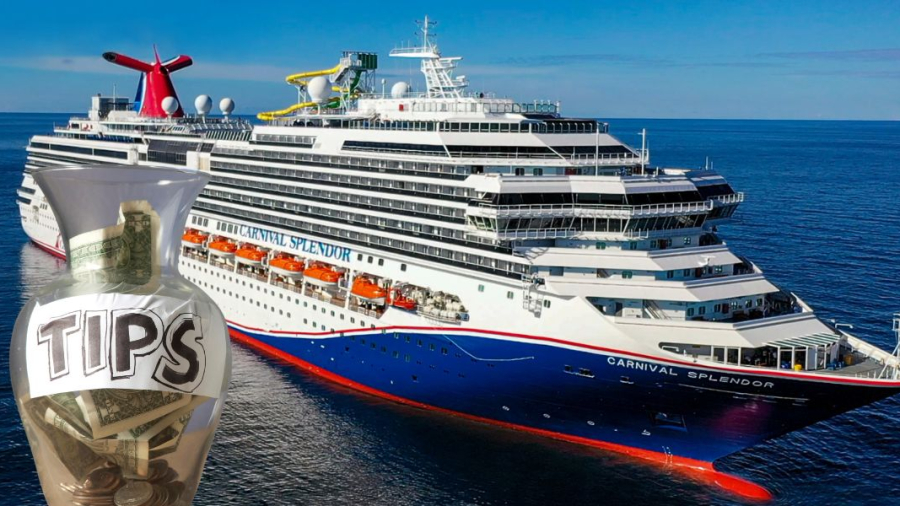
Technically, on many cruise lines, gratuities can be adjusted or removed by visiting guest services onboard. Policies vary by cruise line, and while it is possible, it’s worth noting that gratuities form a significant part of many crew members’ income.

This is where much of the ongoing debate around cruise gratuities comes from, with passengers holding a wide range of views.

Not all cruise lines handle gratuities the same way.

  • Many British cruise lines, such as P&O Cruises and Marella Cruises, include gratuities in the cruise fare as standard.
  • Ultra-luxury cruise lines often include gratuities (along with drinks and other extras) as part of an all-inclusive model.
  • Most American cruise lines, however, still charge gratuities separately as a daily onboard fee.

Because of these differences, two cruises with very similar headline prices can end up costing different amounts once gratuities are taken into account.

The Petition & Why Now Is The Right Time

According to Zlatko, the growing number of passengers choosing to remove daily service charges has created uncertainty for crew and tension between guests and staff.

A smiling waiter in a vest and tie taking an order from guests at a well-appointed dining table, with a focus on customer interaction in a sophisticated restaurant setting. A smiling waiter in a vest and tie taking an order from guests at a well-appointed dining table, with a focus on customer interaction in a sophisticated restaurant setting. A smiling waiter in a vest and tie taking an order from guests at a well-appointed dining table, with a focus on customer interaction in a sophisticated restaurant setting.

He also believes that passengers aren’t necessarily in the wrong.

“Passengers only want things to be more transparent and straightforward – no surprises, no second thoughts, just one clear price,” he says.

At the same time, he acknowledges that cruise lines are unlikely to act alone.

“In a situation where there’s no law requiring them to include gratuities in the fare, no cruise line will take that step on its own and make its offer look less attractive than the competition.”

His petition calls on cruise lines to act together and agree on a shared approach.

Removing Gratuities Genuinely Affects Crew

One of the most common questions cruisers ask is whether removing gratuities really makes a difference to crew pay.

SeaDream crew member cleaning glasses

Based on his experience, Zlatko says the impact varies significantly depending on the role.

  • Cabin attendants and dining staff, who serve a fixed group of guests, are often the most affected. If several passengers remove gratuities, their pay can change noticeably from one contract to the next.
  • Public-facing roles such as pool attendants and cleaners usually receive gratuities through a pooled system. Their earnings are typically lower, but more stable.
  • Behind-the-scenes crew, including laundry and crew-area cleaners, also receive pooled gratuities but do not benefit from cash tips given directly to individual staff.

He adds that when passengers remove gratuities and tip selectively in cash, not all crew benefit equally.

A Common Misconception About Cruise Gratuities…

One of the biggest misunderstandings, according to Zlatko, is the belief that cruise lines keep part of the gratuities.

Handsome cruise crew

“In today’s world, even a single leak could seriously damage a cruise line’s reputation,” he says. “The last thing these companies would risk playing with is money that belongs to the crew.”

Cruise lines themselves consistently state that service charges are distributed among eligible crew, though exact systems vary by company and role.

There’s a Good Reason Not to Make Gratuities Completely Optional

Many cruisers strongly believe gratuities should remain optional, allowing guests to reward good service as they see fit.

CroisiEurope bartender

Zlatko’s view is that gratuities already function as part of the overall cost – just framed differently.

“Charging gratuities separately is meant to make the cruise line’s offer look more attractive,” he says. “In every business, the customer pays staff wages one way or another.”

He compares cruising with hotels, where service costs are typically built into higher nightly rates rather than itemised separately.

That said, others argue that optional gratuities give passengers more control and encourage higher service standards – a debate that shows no sign of disappearing anytime soon.

Current Crew Are Reluctant to Speak Up

When asked whether current crew members feel able to speak freely, Zlatko says many are reluctant – not necessarily because they are forbidden to talk, but because cruise work is such a vital opportunity.

Cash for a tip

“For many crew from developing countries, working on cruise ships is their best chance to support their families,” he says. “Most would rather not take any risk, even if they technically could speak openly.”

The petition’s goal is not to remove gratuities entirely, but to see them included in the cruise fare, similar to how many luxury cruise lines already operate.

Zlatko hopes this would:

  • Create clearer, all-in pricing for passengers
  • Reduce tension and judgement around tipping
  • Provide crew with more predictable income

“Either gratuities are included, or we keep wasting time discussing them instead of focusing on enjoying our cruise,” he says.

Final Word

Gratuities remain one of the most divisive topics in cruising, with strong opinions on all sides.

While some passengers appreciate lower headline fares and flexibility, others would prefer a single, transparent price – even if it’s higher.

This petition represents one former crew member’s perspective, shaped by years of life at sea.

Whether cruise lines will ever agree on a unified approach remains to be seen, but the conversation around tipping clearly isn’t going away.

If you’d like to sign the petition, you can do so here.

Jenni with Disney Cruise ship at Castaway Cay

Related Posts

If you found this interesting, please share!


Jenni with Disney Cruise ship at Castaway Cay
Oceania Allura

Oceania Cruises has officially transitioned to an adults-only cruise line, with immediate effect for all new reservations. From today (7th January 2026), only guests aged 18 and over will be…

Arrested travel agent

A Long Island travel agent has been arrested on multiple fraud and larceny charges after allegedly taking large sums of money from customers for trips that were never booked, including…

Bremerhaven, Germany

A routine departure check at a major German cruise port has led to the arrest of a cruise ship crew member wanted by the courts on multiple charges. German federal…

Around 200 passengers on a luxury river cruise were forced to welcome the New Year in unexpected circumstances after their ship became stranded on the Danube River due to exceptionally…


Source link