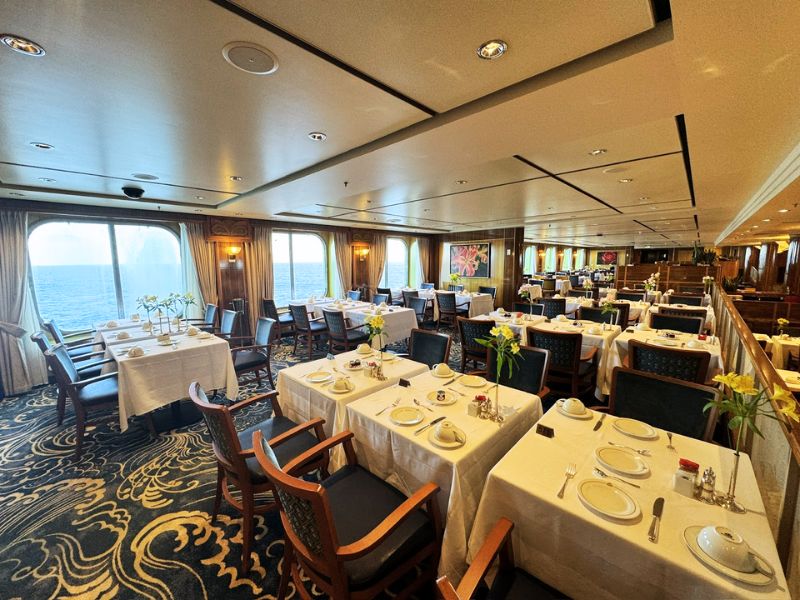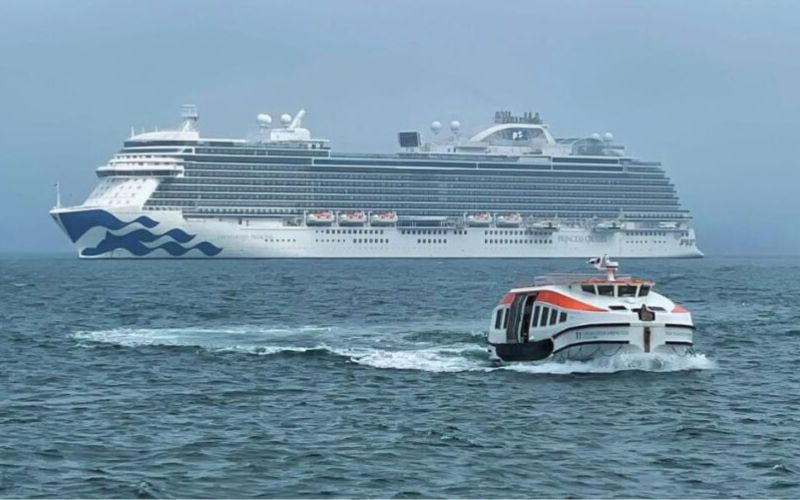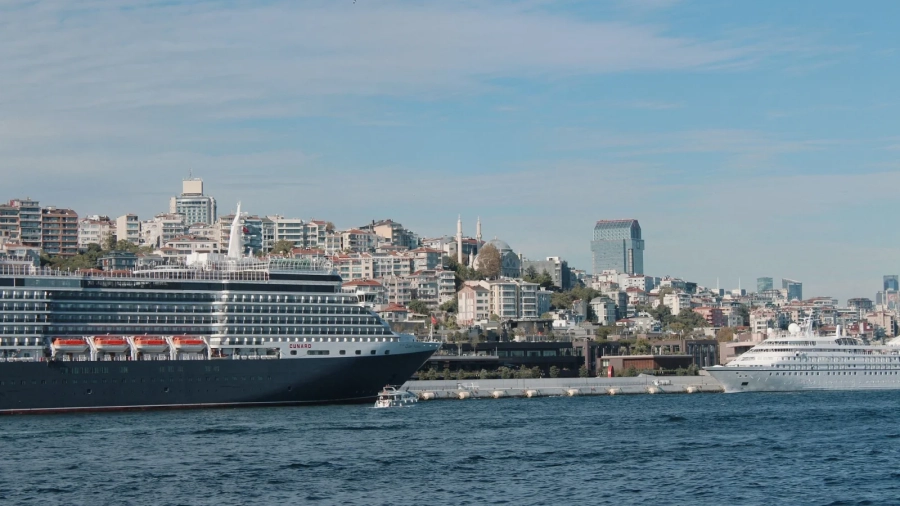
Family relaxing on a cruise ship deck, illustrating the best cruise lines for families

The Best Cruise Lines for Families with Kids (2026-27)

The best cruise lines for families in 2026-27 are Royal Caribbean for the most activities across all ages, Disney Cruise Line for young children and character-led entertainment, and Carnival or MSC Cruises for the lowest cost per family. Norwegian suits families who want flexible dining, while P&O Cruises is the easiest choice for British families who want to sail from Southampton without flying.

The right line depends on three things: how old your children are, what you can spend, and where you want to sail from. Below we rank eight family cruise lines, compare their kids clubs and “kids sail free” deals in one table, and explain the catches that are easy to miss when booking.

Best Cruise Lines for Families: Comparison Table

Kids club ages are for the main supervised programmes. Nurseries and baby areas vary by ship, and some charge an hourly fee.

Cruise line Kids club ages Kids sail free? Standout family feature Best age range Sails from UK?
Royal Caribbean 3-17 (Adventure Ocean and teen zones); nursery 6-36 months on select ships Occasional promotions Icon-class water parks and Perfect Day at CocoCay All ages, especially 6-17 Yes: Liberty of the Seas (2026), Freedom of the Seas (summer 2027)
Disney Cruise Line 3-17 (Oceaneer Club, Edge, Vibe); nursery from 6 months Rarely Characters, Broadway-style shows, Castaway Cay and Lookout Cay 2-10 Yes: Disney Wish from Southampton, summer 2027
Carnival 2-17 (Camp Ocean, Circle C, Club O2); Turtles under 2 Occasional promotions Low fares, WaterWorks, Celebration Key 5-14 No regular UK departures
MSC Cruises Baby to 17 in five age groups Often: under-18s free as third/fourth guest (taxes and fees payable) Strong value on large modern ships All ages, big savings for families of four Yes: MSC Preziosa (winter 2026-27), MSC Meraviglia (summer 2027)
Norwegian (NCL) 3-12 (Splash Academy), 13-17 (Entourage) Occasional “friends and family sail free” deals Freestyle dining, go-karts and slides on newer ships 8-17 Limited sailings only
P&O Cruises 2-17 (The Reef); free Night Nursery 6 months-4 years Not as a standard offer No-fly cruises from Southampton, British-style service Under-5s and UK families Yes, year-round
Princess Cruises 3-17 (Camp Discovery) Periodic Kids Sail Free promotions Calmer ships, good for multigenerational trips Grandparents plus kids 3-12 Yes: Southampton seasons, including Regal Princess in 2027
Celebrity Cruises 3-17 (Camp at Sea) Occasional promotions Premium food and design with a modest kids offer Older kids and teens Some Southampton sailings

This article compares cruise lines. If you already know which line you want and need to choose a ship, see our guide to the best cruise ships for kids and families.

The 8 Best Family Cruise Lines, Ranked

1. Royal Caribbean: best all-round cruise line for kids

Royal Caribbean has more to keep children busy than any other line, and it also suits teenagers better than most. Its Adventure Ocean programme is free for ages 3-17 and is split by age, so younger children are not grouped with teens. The newest Icon-class ships (Icon of the Seas, Star of the Seas and Legend of the Seas) each have a dedicated Surfside area for young families and a large water park.

What’s new for 2026-27: Legend of the Seas launched in July 2026 with Mediterranean sailings from Rome and Barcelona. It moves to Fort Lauderdale in late October 2026 for Caribbean cruises that call at Perfect Day at CocoCay. Its family features include the three-storey Ultimate Family Townhouse and a stage version of Charlie and the Chocolate Factory.

Watch out for: The nursery for babies aged 6-36 months is only on some ships and costs about $9-12 an hour. Many of the headline activities also have extra fees. Our guide to the best Royal Caribbean ships for kids of each age explains which ships suit toddlers, tweens and teens.

From the UK: Liberty of the Seas sails from Southampton in 2026, and Freedom of the Seas takes over for summer 2027.

2. Disney Cruise Line: best for young children

For families with children aged roughly 2 to 10, Disney is very hard to beat. Character meet-and-greets, themed rotational dining, Broadway-style shows and deck parties are all part of the fare. The Oceaneer Club (ages 3-12) is designed like a set from the films, and Edge (11-14) and Vibe (14-17) give older kids their own space. The It’s a Small World Nursery takes babies from 6 months, for an hourly fee.

What’s new: Disney Destiny, a Wish-class ship with a heroes and villains theme, entered service from Fort Lauderdale in November 2025. Disney Adventure, the line’s largest ship and first based in Asia, began three- and four-night cruises from Singapore in March 2026. In the Bahamas, families can visit Castaway Cay and the newer Disney Lookout Cay at Lighthouse Point.

Watch out for: Disney usually costs much more per night than the other big family lines, and its kids-sail-free offers are rare. Even so, for children under 10 it is one of the best cruise lines for kids you can book.

From the UK: Disney Wish will run its first UK season in summer 2027, with 3- to 7-night cruises from Southampton to the Norwegian fjords, Northern Europe, Spain and the British Isles.
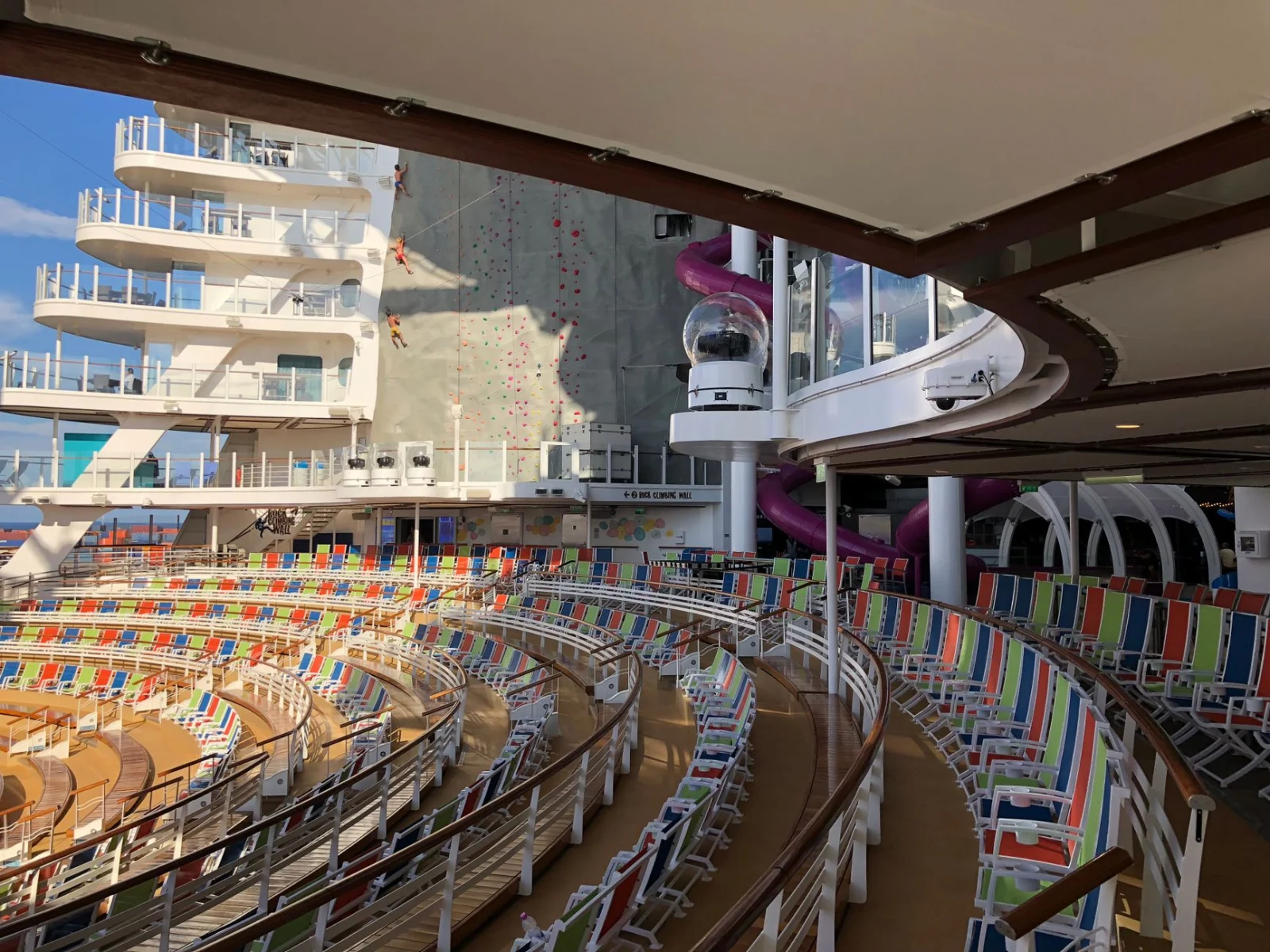
Colourful water slides twisting above the pool deck of a large cruise ship
Water parks are now standard on most big family cruise ships. Photo: Stephan Leuzinger on Pexels

3. Carnival Cruise Line: best budget family cruise line

Carnival is often the cheapest way to take a family on a Caribbean cruise. The atmosphere is relaxed and fun, and the youth programme covers almost every age: Turtles for under-2s, Camp Ocean for ages 2-11 (in three groups), Circle C for 12-14 and Club O2 for 15-17. Family Harbor cabins on select ships include a families-only lounge.

What’s new: Celebration Key, Carnival’s private destination on Grand Bahama, opened in July 2025. It has lagoons and splash areas aimed at families. Carnival Festivale arrives at Port Canaveral in 2027 with the line’s biggest WaterWorks water park and about 1,000 interconnecting cabins, which makes it easier for larger groups to stay together.

From the UK: Carnival has no regular UK departures, so British families need to fly to Florida, Texas or another US port.

4. MSC Cruises: best value and kids-sail-free deals

MSC often lets children under 18 sail free as the third or fourth guest in a cabin with two paying adults. You still pay taxes, port fees and service charges for each child, but this can make MSC the cheapest option for a family of four. Its kids clubs cover babies to teenagers in five age groups. The newest ships, such as MSC World America from Miami, have large water parks and family areas. Families heading to the Bahamas also get Ocean Cay, MSC’s private island.

Watch out for: MSC sells cruises in many countries, so menus, announcements and fellow passengers are very international.

From the UK: MSC Preziosa sails week-long cruises from Southampton from October 2026 to April 2027. MSC Meraviglia then takes over for summer 2027, with cruises to Northern Europe and the Norwegian fjords.

5. Norwegian Cruise Line: best for flexible families and tweens

NCL’s “Freestyle” style means there are no fixed dinner times, which helps when children are tired or hungry at odd hours. Splash Academy takes children aged 3-12 who are fully potty trained, Entourage covers 13-17, and the Guppies play sessions are for parents with babies and toddlers aged 6 months to 3 years. Newer ships such as Norwegian Aqua and Norwegian Luna add go-kart tracks, slides and the Aqua Slidecoaster, which tweens and teens enjoy.

From the UK: NCL has only a small number of Southampton sailings, and many are longer or one-way cruises. Most families fly to join an NCL ship.

6. P&O Cruises: best family cruise line for UK no-fly holidays

For British families, P&O is often the easiest choice. You drive to Southampton, board Iona or Arvia, and the money, plugs, food and entertainment all feel familiar. The Reef kids club is free and grouped by age: Splashers (2-4), Surfers (5-8) and Scubas (9-12), plus teen spaces for 13-17. One feature most lines don’t offer is a free Night Nursery for children aged 6 months to 4 years, so parents of toddlers can have dinner on their own.

Watch out for: Arcadia and Aurora are adults-only, so check the ship before you book.
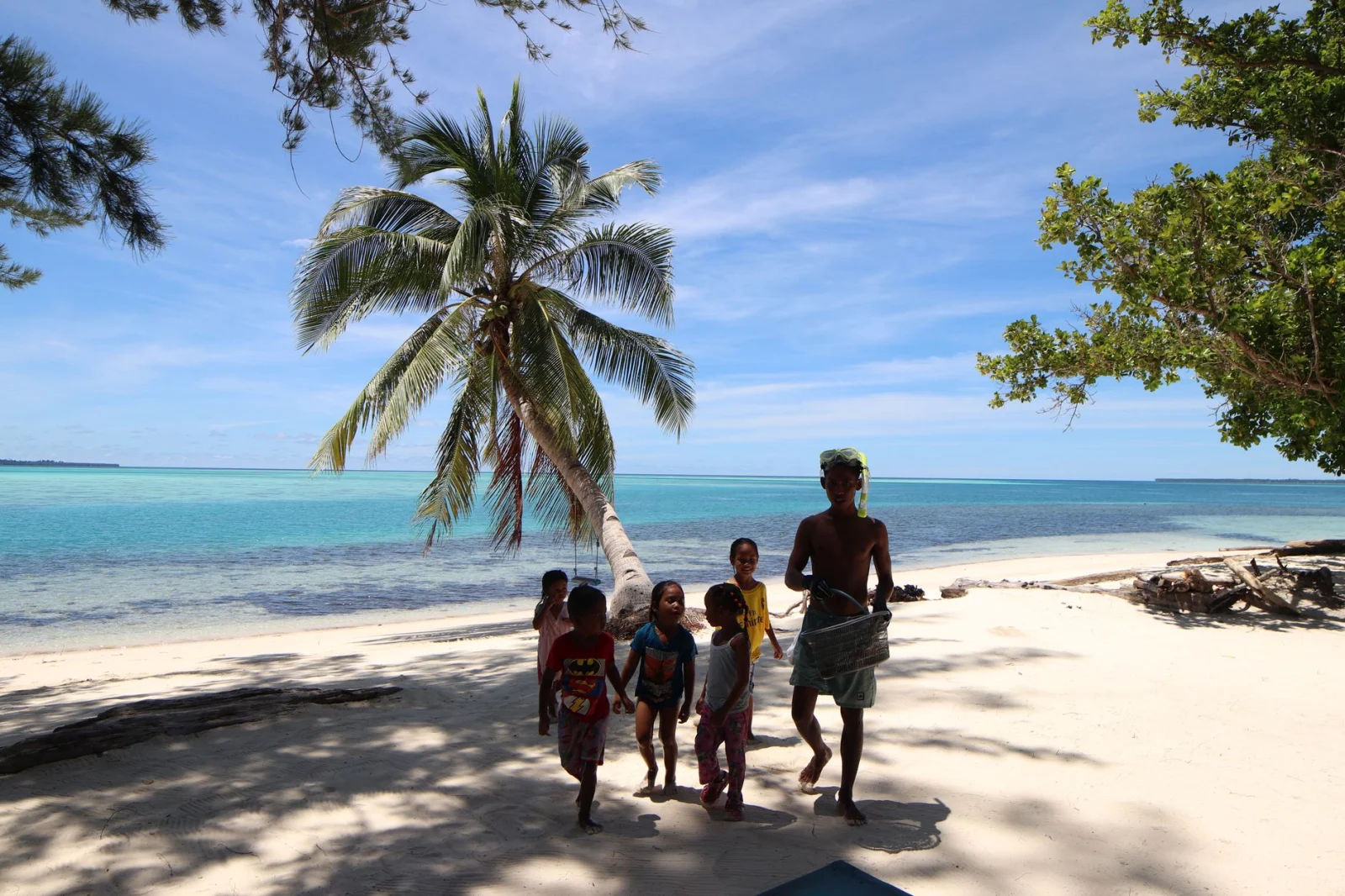
Parents and young children walking along a calm white sand beach with clear turquoise water
Private islands and calm beaches are a big draw for families with small children. Photo: Vishe Artiztry on Pexels

7. Princess Cruises: best for multigenerational trips

Princess is quieter than the mega-ship lines, which suits groups where grandparents are travelling with children. Camp Discovery covers ages 3-17 in separate age groups, and Princess runs Kids Sail Free promotions from time to time. Princess also sails from Southampton, with Regal Princess based there in 2027.

8. Celebrity Cruises: best for food-loving families with older kids

Celebrity is a premium line with better dining and a more grown-up atmosphere than the big family brands. Camp at Sea covers ages 3-17. It is a good fit for families with sensible older children or teens who would choose a good restaurant over a water slide.

How to Choose the Best Cruise Line for Kids of Each Age

  • Babies and toddlers (under 3): Look for a nursery and check whether it charges. P&O’s free Night Nursery, Disney’s nursery and Carnival’s Turtles programme are all strong choices. Most cruise lines require babies to be at least 6 months old, and 12 months on some long sailings.
  • Ages 3-10: Disney is best for characters and theming. Royal Caribbean and Carnival have the biggest water parks.
  • Tweens and teens: Royal Caribbean and NCL have the most thrill rides, and both have separate teen spaces so older kids are not grouped with little ones.
  • Families of five or more: Few standard cabins sleep five, so look at connecting cabins or family suites early. Our guide to the cheapest cabins that sleep five compares options by cruise line.

What “Kids Sail Free” Really Means

A kids-sail-free deal rarely means the child pays nothing. In almost every case:

  • The child must be the third or fourth guest in a cabin with two full-fare adults.
  • Taxes, port fees and government charges still apply to each child. On a week-long cruise these can easily add a few hundred dollars per person.
  • Daily service charges or gratuities are usually still payable for children too.
  • Deals often apply only to certain sailings and cabin grades, and the adult fare may be higher than on a sale without the offer.

Before you book, compare the total price including all taxes and fees for the whole family across two or three lines. A “free” child on one line can still cost more than a heavily discounted family fare on another.

Family Cruise Lines to Skip

Some lines are simply not designed for children. Virgin Voyages is adults-only (18+), and P&O’s Arcadia and Aurora don’t take under-18s. Most river cruise lines and small luxury lines have no kids clubs, and some set minimum ages.

To keep costs down once you have picked a line, read our guide to inside cabins on a family cruise, including family interior rooms that sleep four or more.

For Disney fans, our guide comparing a Disney cruise with Disneyland sets out the costs, inclusions and pace of each holiday.

Festive sailings are popular with families, so read up on what to expect on a Christmas cruise before you book.

FAQs

What is the best cruise line for families with young kids?

Disney Cruise Line is generally the best for children under 10 because of its characters, themed dining and nursery. Royal Caribbean is the best alternative if you want more activities for the money.

Which cruise line is best for families with teens?

Royal Caribbean and Norwegian are the strongest choices for teens. They have dedicated teen lounges, thrill rides, water slides and, on newer NCL ships, go-kart tracks.

Which cruise lines let kids sail free?

MSC Cruises most often lets children under 18 sail free as the third or fourth guest in a cabin. Royal Caribbean, Norwegian and Princess run kids-sail-free promotions from time to time. Taxes, port fees and service charges are still payable.

What is the cheapest cruise line for families?

Carnival and MSC usually offer the lowest prices for families, especially for a family of four sharing one cabin. Always compare the full price including taxes and fees.

Can you go on a family cruise from the UK without flying?

Yes. P&O Cruises, MSC, Royal Caribbean and Princess all sail from Southampton. Disney Wish will also sail from Southampton in summer 2027.
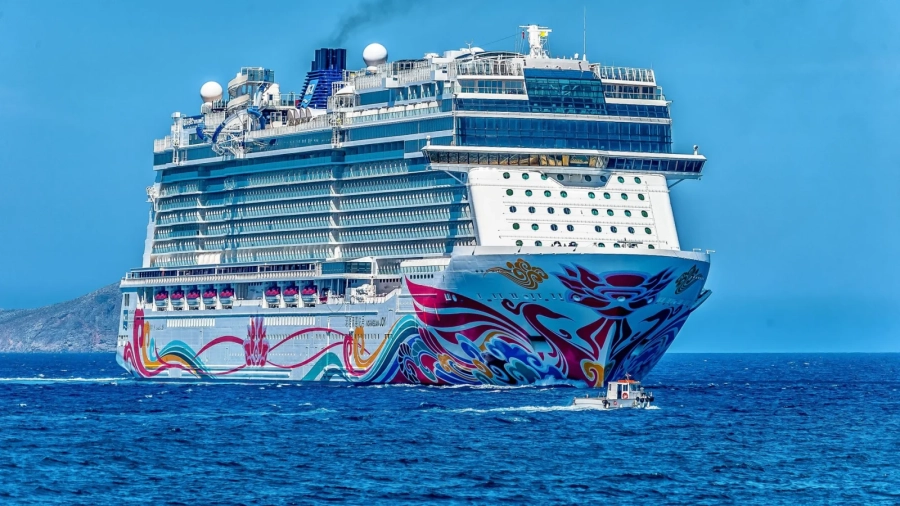

Very large cruise ship at sea, illustrating the scale behind choosing Icon of the Seas cabins to avoid

Icon of the Seas Cabins to Avoid (and the Best Rooms to Book)

The main Icon of the Seas cabins to avoid are the rooms directly below the busy pool and buffet areas on Deck 14, the forward cabins on Decks 12 and 14 closest to the AquaDome, and the Surfside balconies and interiors that sit above the kids’ club, arcade and family cafés. If you get seasick easily, also steer clear of high, far-forward rooms and pick something low and midship instead.

The good news is that Icon of the Seas has more than 2,800 staterooms across 28 categories, so there is almost always a better-placed option at a similar price. Below you’ll find the specific cabin ranges worth skipping, who each problem actually affects, and the rooms that tend to work best for couples, families and suite guests.

Icon of the Seas at a glance in 2026

Icon of the Seas sails year-round from PortMiami on seven-night Eastern and Western Caribbean cruises, departing on Saturdays, with every sailing calling at Perfect Day at CocoCay. Royal Caribbean has said the ship will stay in Miami through at least 2027. She now has two sisters: Star of the Seas, which sails seven-night Caribbean cruises from Port Canaveral, and Legend of the Seas, which moves to Fort Lauderdale from November 2026 for six- and eight-night Caribbean trips after her first summer in the Mediterranean.

Because the three ships share a similar layout, many of the same noise hotspots repeat across the class. If you are comparing ships, our guides to Star of the Seas cabins to avoid and the best and worst cabins on Legend of the Seas follow the same approach.

Icon of the Seas cabin types explained

Before deciding what to avoid, it helps to understand the room layout. Royal Caribbean groups the ship’s staterooms into four broad types, with several new categories designed around families.

Cabin type Approx. size Where you’ll find it Good to know
Interior 160-190 sq ft Decks 3, 7-12 and 14 Includes Surfside and Central Park interiors with virtual or neighborhood-facing windows on some decks
Oceanview window 160-190 sq ft Decks 3, 4 and 7-11 Panoramic Oceanview rooms (about 260 sq ft) sit forward on Deck 14
Infinite Balcony about 200 sq ft Decks 9-12 The glass wall drops down, turning the balcony into part of the room
Oceanview Balcony about 205 sq ft Decks 7-12 and 14 Traditional balcony; connecting versions available on Decks 7, 8 and 12
Neighborhood balconies about 190 sq ft Central Park (Deck 14) and Surfside (Decks 9-12 and 14) Balconies face inward over the neighborhoods, not the sea
Family Infinite Balcony about 285-290 sq ft Decks 9-11 Sleeps up to six with a separate bunk nook
Suites 270-1,770 sq ft Mostly Decks 15-18, plus aft and Surfside suites Split into Sea, Sky and Star tiers with rising perks

About 80 percent of rooms can take three or more guests, using pullman beds, sofa beds, bunks or second bedrooms, which is why this ship is so popular with families. You can check exact positions on the official Royal Caribbean deck plans before you book.

Busy pool area with rows of sun loungers beside the water on a sunny day
Cabins directly below busy pool decks can hear loungers being moved early in the morning. Photo: Kindel Media on Pexels

Icon of the Seas cabins to avoid (with cabin numbers)

None of these rooms are bad in themselves. They simply come with a trade-off that matters more to some guests than others. The cabin ranges below are drawn from deck plan analysis and published guest feedback, so treat them as a guide and double-check the current deck plan for your sailing.

1. Deck 14 cabins below Chill Island

Chill Island is the ship’s main pool area and it is busy from early morning until late afternoon. Cabins roughly 14164-14286 and 14564-14686 sit beneath it, and the most common complaint is the scraping of loungers as crew set up and guests claim spots. Light sleepers and anyone hoping for a lie-in should look a deck or two lower.

2. Cabins below The Hideaway and the Windjammer

Further aft on Deck 14, rooms around 14288-14362 and 14688-14762 sit under the Windjammer buffet and The Hideaway, the adults-only pool with a beach-club feel and music on sea days. Expect foot traffic from breakfast onwards and a livelier soundtrack in the afternoon.

3. Forward rooms near the AquaDome

The AquaDome hosts the AquaTheater shows and evening music. Forward cabins on Decks 12 and 14, roughly 12134-12162, 12530-12562, 14138-14162 and 14538-14562, can pick up bass during performances. It usually stops at a reasonable hour, but it is worth knowing if you turn in early.

4. Surfside balconies and interiors if you are travelling without kids

Surfside is the ship’s dedicated young-family neighborhood, with a splash pad, carousel, Adventure Ocean nearby and the Playmakers arcade. Surfside-facing balconies (for example 7280-7346, 9293-9347, 10293-10347 and 11293-11347, with matching numbers on the other side) look straight down onto it. Surfside and Central Park interiors above Park Café and Surfside Bites, such as 8321-8347 and 9181-9201, can also be noisier. For families with toddlers this is a feature; for couples it can feel like staying above a playground.

5. Cabins above The Pearl and near the Music Hall

Rooms 10219-10235 sit above The Pearl, the large sculpture-and-stairway structure in the Royal Promenade, which brings some noise and a partly obstructed outlook. Low-deck cabins near the Music Hall (around 3180-3200, 4180-4200 and 4577-4591) may hear late-night bands.

6. High, far-forward rooms if you are prone to seasickness

Icon is a very large and stable ship, but you will still feel more movement high up and at the bow in rough seas. If motion is a concern, skip the forward Panoramic and Grand suites and choose a midship cabin on a lower deck, ideally between Decks 7 and 10.

7. Sofa-bed rooms for older children

Many standard cabins sleep three or four using a sofa bed or pullman. These are fine for young kids, but a teenager on a sofa bed in a 190 sq ft room can quickly feel cramped. If your children are older, a Family Infinite Balcony, connecting rooms or two adjoining cabins is usually worth the extra cost.

The best cabins on Icon of the Seas

Once you’ve ruled out the trickier spots, these are the rooms that tend to offer the best value and experience for different types of traveller.

  1. Infinite Balcony, midship on Decks 9-11: A strong all-rounder for couples. You get sea views, a slightly larger usable space when the window is down, and you are well away from pool and theater noise.
  2. Family Infinite Ocean View Balcony: At about 285 sq ft and sleeping up to six, this is one of the most practical family rooms at sea, with a separate bunk area that gives parents some privacy.
  3. Surfside Family Suite: Around 270 sq ft in the heart of Surfside, with a kids’ sleeping nook and split bathroom. It also comes with Sky-tier suite perks, such as all-day access to Coastal Kitchen and the suite lounge.
  4. Central Park balcony on a lower deck: A quieter, leafy outlook that suits couples who are happy to trade sea views for a lower fare. Avoid those directly above busy cafés.
  5. Interior Plus: The best budget choice, with a bigger walk-in closet than standard interiors.
  6. Ultimate Family Townhouse: The three-level aft suite on Decks 7-9, with an in-suite slide, cinema room and private Surfside access. It sleeps up to eight but carries a price tag well into five figures for a week.
Private balcony with two chairs overlooking calm blue sea on a sunny day
A midship balcony away from venue noise is a safe choice for most couples. Photo: Claudia Schmalz on Pexels

Icon of the Seas balcony room: ocean view or neighborhood view?

Choosing an Icon of the Seas balcony room is one of the decisions that trips up first-time guests. Ocean-facing balconies (standard or Infinite) give you sea air and sunsets. Neighborhood balconies in Central Park or Surfside face inward, so you look over gardens or the family zone rather than the water. They are cheaper and fun for people-watching, but they are not private in the same way and can be noisier until late evening.

Infinite Balcony rooms are another quirk. Rather than a separate balcony behind a sliding door, the window lowers to open the room to the sea. Some guests love the extra space; others prefer a traditional balcony for sitting out with the door closed behind them, especially when the air conditioning is running. If you want a classic outdoor balcony, look for the Oceanview Balcony categories on Decks 7-12.

Best deck to stay on for Icon of the Seas

For most people, Decks 9 to 11 midship are the sweet spot. They are low enough to limit motion, sit between the Royal Promenade and the pool decks, and give quick access to the lifts and to dining. Before you choose a room, think about where you will spend your time: if you plan to eat around the ship, our Icon of the Seas restaurants guide shows where each venue sits, so you can pick a cabin close to your favourites.

A quick checklist before you book

  • Check the deck above and below your cabin on the current deck plan, not just your own deck.
  • Avoid rooms right beside lift banks if you are a light sleeper.
  • Avoid connecting cabins if you want quiet; a shared door with strangers lets more sound through.
  • Remember that neighborhood-view balconies do not overlook the sea.
  • If you choose a “guarantee” fare, you lose the ability to pick a quieter location.

If you’re thinking of upgrading, our guide to Icon of the Seas suites explains every category, size and Royal Suite Class perk.

Sailing on Wonder instead? See our guide to Wonder of the Seas cabins to avoid.

If you are choosing between the first two Icon-class ships, our Star of the Seas vs Icon of the Seas comparison covers the differences in shows, dining and homeports.

FAQs

What is the best floor to be on Icon of the Seas?

Decks 9 to 11 midship are a good balance for most guests. They are away from pool and theater noise, feel less motion, and are close to lifts and dining.

Which cabins on Icon of the Seas are the noisiest?

Deck 14 rooms below Chill Island, The Hideaway and the Windjammer, forward rooms near the AquaDome on Decks 12 and 14, and Surfside-facing rooms above the kids’ areas tend to get the most noise.

Are Surfside cabins on Icon of the Seas worth it?

They are excellent for families with young children because the splash pad, carousel and kids’ dining are right outside. Couples or adults travelling without kids usually prefer a quieter location.

What cabins should I avoid on a cruise ship if I get seasick?

Avoid high, far-forward or far-aft cabins. A low, midship cabin moves the least, which is why Decks 7 to 10 midship are the safest choice on Icon of the Seas.

Bedroom with a large window looking out to sea, similar to a balcony stateroom on Grand Princess

Grand Princess Cabins to Avoid (and the Best Cabins) 2026-27

The main Grand Princess cabins to avoid are cabins on Deck 12 (Aloha) under the Lido deck pools and buffet, forward Deck 8 cabins above the Princess Theater and lounges, obstructed oceanview cabins on Deck 8 that look onto lifeboats, and cabins beside the self-service laundrettes. The best cabins for most people are midship on Decks 9, 10 and 11, which have cabins above and below them. If you get seasick, stay midship and low.

This guide covers every Grand Princess cabin type, the locations worth avoiding and what to book instead. It also covers where the ship is sailing in 2026-27, because that has changed.

Is Grand Princess leaving the Princess fleet?

As of late October 2026, we could find no announcement from Princess Cruises or Carnival Corporation that Grand Princess has been sold or transferred, or that it’s leaving the fleet. Princess is still taking bookings on her for sailings into 2028. What has changed is where she sails:

  • Autumn 2026: after US West Coast sailings from Los Angeles, she left on a 29-night voyage from Los Angeles on 5 October 2026, due in Sydney on 3 November 2026.
  • 2026-28: she becomes Princess’s main long-stay ship in Australia, with cruises from Sydney and Brisbane plus some from Melbourne, Adelaide and Fremantle. She also sails Circle Pacific voyages to Alaska, Japan and back.
  • Itineraries on sale currently run to about September 2028.

Grand Princess entered service in 1998, which makes her the oldest ship in the current Princess fleet. If you’re booking far ahead, read the cancellation and change terms on your fare. Cruise lines generally offer a refund or a move to another sailing if a ship is withdrawn. If you’d rather sail on a sister ship, Caribbean, Crown, Emerald and Ruby Princess are all built on a similar Grand-class plan, so most of the advice below applies to them too.

Grand Princess cabins: types and sizes

Grand Princess has about 1,300 cabins. Around three-quarters of the outside cabins have a balcony. Sizes below are approximate. The ship was refurbished in 2011, which added the Piazza atrium and the adults-only Sanctuary sun deck, and again in 2013. Her most recent dry dock, in Portland, Oregon in spring 2025, covered maintenance and light updates to cabins and public rooms.

Cabin type Approx. size Where Who it suits
Interior 160 sq ft Most cabin decks Budget travellers, port-intensive cruises
Oceanview 168 sq ft (larger Deluxe Oceanview on Lido) Decks 5, 8, 14 and others Natural light without a balcony price
Balcony 168 sq ft + 46-89 sq ft balcony Decks 8-12, 14 Most couples
Mini-Suite 277 sq ft + 46 sq ft balcony Decks 8 and 9 More space, sofa bed, tub
Window Suite 319-341 sq ft, no balcony Deck 6 (Fiesta) Suite space and perks without a balcony
Vista Suite 329 sq ft + 166 sq ft balcony Decks 8-10 Large balcony at a lower suite price
Family Suite 335 sq ft + 92 sq ft balcony Deck 9, forward Groups of up to eight
Penthouse / Owner’s Suite 381-411 sq ft + 155-180 sq ft balcony Several decks, mostly aft Suite perks, big balconies
Grand Suite about 615 sq ft + 115 sq ft balcony One on board, aft The top suite on the ship

Interior and oceanview cabins

Interior cabins are the cheapest option. Oceanview cabins add a window, but some on Deck 8 look out onto lifeboats (more on that below). The Deluxe Oceanview cabins on the Lido deck have floor-to-ceiling windows and are a well-priced alternative to a balcony.

Balcony cabins

Grand Princess balconies are terraced, getting deeper on lower decks. That means people on the balconies above can often see down onto yours. Balconies range from about 46 to 89 sq ft, so if outdoor space matters, check the size for your specific cabin.

Mini-suites

Mini-suites are on Decks 8 and 9 and have a sitting area with a sofa bed, two TVs and a bath with a shower. Most of those on Deck 9 have open balconies that are overlooked from above and give no shelter from rain. The aft mini-suites on Deck 8 have covered balconies that offer more privacy and shade. A few, such as E728, E729, D732 and D733, have extra-large balconies.

Suites: Grand, Owner’s, Penthouse, Vista, Window and Family

The single Grand Suite is aft and has a whirlpool tub and its own balcony. Owner’s and Penthouse Suites have separate sitting areas, walk-in closets and large balconies. Vista Suites offer similar balcony space for less. The Window Suites on Deck 6 were added in 2011 and have no balcony. They sit on the same deck as the casino, the dining rooms and the Princess Theater, and some reviewers have complained about noise and smells there. The two Family Suites join a mini-suite and an interior cabin through a shared living room, and sleep up to eight.

Chairs on a terrace overlooking calm blue sea, similar to a quiet balcony
Grand Princess balconies are terraced, so upper decks can see onto lower ones. Photo: Jimmy Liao on Pexels

Grand Princess cabins to avoid

Cabins under the Lido deck

Deck 14 is the Lido deck. It has the Horizon Court buffet, the Neptune’s Reef and Calypso Reef pools, grills, pizza and bars. There is no Deck 13, so Deck 12 (Aloha) sits directly below it. Cabins under the pool and buffet areas can hear early-morning deck chair moving and cleaning, plus footsteps late into the evening. On the Lido deck itself, the forward starboard cabins sit below the fitness centre, which can be noisy early in the morning.

Forward Deck 8 cabins above the theatre and lounges

The Princess Theater is forward on the lower public decks, and Deck 7 also has lounges such as Club Fusion and Explorers. Deck 8 (Emerald) cabins forward, or above those venues, can pick up show bass, rehearsals and late-night music. Some forward cabins on this deck are also near crew areas. The forward balconies on Deck 8 can be seen from the outdoor promenade, so they offer less privacy.

Obstructed oceanview cabins on Deck 8

Deck 8 sits above the lifeboats. Several groups of oceanview cabins here are sold as obstructed, roughly E209-E231, E301-E326, E401-E425, E501-E521, E601-E632 and E701-E715, in categories with codes ending in V, W, Y or Z. They’re cheaper and still get daylight, but the view is partly or largely blocked. That’s fine if you just want natural light, but disappointing if you were expecting a sea view.

Forward balconies and the Family Suites in the wind

Balconies at the front of the ship catch the most wind when the ship is moving. On colder routes, or on a long Circle Pacific crossing, you may not get much use out of them on sea days. That includes the forward-facing Family Suite balconies on Deck 9.

Cabins next to laundrettes and crew doors

Each main cabin deck has a self-service laundrette, and cabins right next to it get steady foot traffic and door noise. On Deck 9 (Dolphin), cabins near the blank space around D123 are next to a crew area. Blank spaces on a deck plan are worth treating with caution anywhere on the ship.

Cabins for seasick travellers

Motion is felt most at the bow and on high decks. Grand Princess will spend 2026-28 sailing waters that can be lively, such as the Tasman Sea and Bass Strait, and on long Pacific crossings. If you get seasick, avoid forward cabins and book midship on Deck 9 or 10.

Long quiet corridor of cabin doors inside a cruise ship
Midship cabins on decks with cabins above and below are usually the quietest. Photo: Sabbir Bhuiyan on Pexels

The best cabins on Grand Princess

  • Quietest all-round: midship on Deck 9 (Dolphin) or Deck 10 (Caribe). Both have cabin decks above and below and no public rooms next to them.
  • Best mini-suites: the aft mini-suites on Deck 8 with covered balconies. These are some of the most sought-after cabins on the ship.
  • Best for cooler weather: aft-facing balconies, which are more sheltered from the wind and tend to stay warmer.
  • Best value: forward or aft cabins in the same category as midship ones. They’re the same size and often cheaper, though you’ll feel more motion.
  • Best for families: a Family Suite for big groups, or connecting balcony cabins.
  • Accessible cabins: there are 27 wheelchair-accessible cabins across several categories, including balcony cabins on Decks 11 and 12 and an accessible Window Suite. Door widths vary, so a collapsible wheelchair is recommended.

Aft cabins

Aft cabins have wake views and some of the larger balconies, and the aft mini-suites and suites are popular. The trade-off is some vibration and motion in a swell. Balconies are terraced at the stern too, so check what overlooks yours.

Avoid vs book instead

Instead of… Because… Try…
Deck 12 under the pools/buffet Chair scraping and cleaning noise Deck 10 or 11 midship
Forward Deck 8 Theatre and lounge noise; overlooked balconies Deck 9 midship
Obstructed oceanview, Deck 8 Lifeboats block the view Deluxe Oceanview on Lido, or an interior to save money
Open Deck 9 mini-suite Overlooked, no rain cover Aft Deck 8 covered mini-suite
A cabin beside the laundrette Foot traffic and door noise Any cabin a few doors away

How to check a cabin before you book

  1. Open the deck plan for your deck and the decks immediately above and below. Remember there’s no Deck 13.
  2. Look for public rooms, laundrettes and unlabelled (crew) spaces near the cabin.
  3. Check the category code. Codes ending in V, W, Y or Z usually mean an obstructed view.
  4. Search for photos of the exact cabin number to see the view and balcony.
  5. If location matters to you, avoid guarantee fares, where Princess picks the cabin for you.

If Grand Princess’s schedule doesn’t suit you, the layouts of her sisters are close enough that our guides to Caribbean Princess cabins, the best and worst cabins on Crown Princess and Ruby Princess cabins to avoid will feel familiar.

Our guide to Sapphire Princess cabins covers another long-serving Princess ship, now sailing in Asia.

Sailing on a smaller Princess ship instead? Read our guide to Island Princess cabins to avoid and the best rooms to book.

FAQs

Which cabins should I avoid on Grand Princess?

Avoid Deck 12 cabins under the Lido pools and buffet, forward Deck 8 cabins above the theatre and lounges, obstructed oceanview cabins on Deck 8, and cabins beside laundrettes or crew areas. If you get seasick, also avoid high forward cabins.

Is Grand Princess being sold or retired?

As of October 2026 no sale or retirement has been announced. She is moving to Australia from November 2026, and Princess is selling cruises on her into 2028.

Where is the best place to get a cabin on Grand Princess?

Midship on Deck 9 or 10 is the quietest and most stable option. For a suite feel at a lower price, the aft mini-suites on Deck 8 with covered balconies are popular.

Do Grand Princess mini-suites have covered balconies?

Most mini-suite balconies on Deck 9 are open and overlooked from above. The aft mini-suites on Deck 8 have covered balconies, which give more shade and privacy.

Cruise ship cabin with made-up beds, the kind of stateroom where a Pullman bed can fold down from the ceiling

What Is a Pullman Bed on a Cruise Ship? Age Limits, Weight Limits & Tips

A Pullman bed is a space-saving single bed on a cruise ship that folds down from the ceiling or swings out from the wall, turning a two-person cabin into one that sleeps three or four. Your cabin attendant lowers it in the evening and stows it away again during the day, so you get your floor space back. Most Pullman beds are upper berths reached by a small ladder, which is why cruise lines set age and weight limits for them.

If you have spotted the words “Pullman” or “upper berth” on a booking, here is what to expect: how the bed looks and works, who can safely sleep in it, the limits published by the big cruise lines, and how it compares with a sofa bed.

What Is a Pullman Bed on a Cruise Ship?

The name comes from George Pullman, whose railroad sleeping cars from the mid-1800s had beds that folded away to make room for daytime seating. Cruise ships use the same idea. Some standard cabins are designed for two people but have one or two extra beds built in. These extra beds stay hidden until they are needed.

Royal Caribbean describes it simply: a Pullman bed is “a space-saving bed that folds down from either the ceiling or the wall,” found in some staterooms that take three or more guests. Every mainstream line, including Carnival, Norwegian, Princess, MSC, Celebrity and Disney, uses some version of it in family-friendly cabin categories.

The two main types

  • Ceiling Pullman: The bed is housed in a panel in the ceiling, usually above the main bed or the sofa. When it is lowered on its frame it sits like the top bunk of a bunk bed, with a short ladder for access. When it is folded up, you often hardly notice it is there.
  • Wall Pullman: The bed folds down from the wall, a bit like a Murphy bed. Some wall versions sit at bunk height and need a ladder. Others fold down closer to floor level. When folded, a wall unit is usually visible as a panel or cabinet, and taller guests sometimes knock their heads on it.

What Does a Pullman Bed Look Like?

When it is down, a ceiling Pullman looks like an upper bunk: a narrow mattress on a metal or wooden frame, a guardrail along the open side, and a ladder that hooks on or clips into place. The attendant makes it up with the same sheets, pillow and duvet as the other beds, so it does not look like a camp bed.

Pullman beds are roughly single-bed size, and often a little narrower and shorter than a standard US twin. Exact measurements vary by ship and are rarely published. The bigger limit is headroom. On a ceiling Pullman the gap between the mattress and the ceiling is often too small to sit up straight, so the bed is more comfortable for lying down than for reading or using a tablet.

Depending on the cabin layout, a lowered Pullman can sit over the main bed, the sofa or the walkway. When you look at a cabin on the deck plan, check where the upper berth will be. One over the sofa often means you lose comfortable seating at night.

Children's room with a wooden upper bunk bed reached by a short ladder
Upper berths on cruise ships work much like a home bunk bed, with a rail and ladder. Photo: Max Vakhtbovych on Pexels

Pullman Bed Age Limits: Can Kids Sleep in It?

Children usually love the “secret bed in the ceiling,” and it is mainly meant for them. Even so, an upper berth carries a real risk of falling, and age rules exist for that reason.

  • Royal Caribbean: Its official FAQ says Pullman beds are for guests aged 6 and over without mobility concerns. That means children under 6 should not sleep in an upper Pullman.
  • Other lines: Several lines, including MSC Cruises according to widely reported guidance, also recommend 6 as the minimum for upper berths. Others publish no specific age and leave the decision to parents. Policies change, so check the current FAQ or booking terms for your line before you assign beds.

Age is only part of it. Think about how your child sleeps. A child who rolls a lot, sleepwalks, wakes up confused or needs the bathroom in the night is usually safer in a lower bed, whatever their age. A 2024 incident on Disney Wonder, which became the subject of a lawsuit reported in 2026, involved a child who allegedly slipped through a gap between the guardrail and the end of an upper bunk. Before you put a child up top, check how much of the mattress the guardrail actually covers.

Can adults sleep in a Pullman bed?

Yes, as long as they are within the weight limit and can climb the ladder easily, including half asleep at 3am. Pullmans work fine for teenagers and smaller adults on a budget. They are a poor fit for tall guests, anyone with back, knee or balance problems, and anyone who would find a midnight climb down a ladder in a dark cabin difficult.

Pullman Bed Weight Limits by Cruise Line

Every upper berth has a maximum load, but few lines publish theirs prominently. The figures below are the most commonly cited. Only some are confirmed by the cruise line itself, so treat them as a guide and ask your line or travel agent to confirm for your ship.

Cruise line Reported upper berth weight limit Status
Royal Caribbean 300 lbs (136 kg) Stated on Royal Caribbean’s own FAQ
Disney Cruise Line 220 lbs (100 kg) Quoted by Disney’s official planning Q&A panel
Celebrity Cruises About 200 lbs (90 kg) Widely reported; confirm with line
Carnival / Princess About 250 lbs (113 kg) Widely reported; confirm with line
MSC Cruises About 330 lbs (150 kg) Widely reported; confirm with line
Norwegian Cruise Line About 360 lbs (163 kg) Widely reported; confirm with line

Older ships and different cabin refits within the same fleet can have different hardware. If a guest is close to the limit, choose a cabin with a sofa bed or a convertible lower bed instead.

Guard Rails and Ladders

Upper Pullman beds come with a guardrail on the open side and a ladder, which the attendant sets up when the bed is lowered. How good they are varies:

  • Rail length: Some rails run most of the length of the mattress. Others are short and leave a gap at the foot or head. Look at it on the first night.
  • Extra rails: Many families ask their attendant whether an extra or longer rail is available. It is not guaranteed, but it is worth asking on embarkation day rather than mid-cruise.
  • Ladders: Ladders are usually short, steep and hooked or clipped to the bed frame. Make sure it is secure before anyone climbs, and show children how to come down backwards.
  • Night-time: Cruise cabins, especially inside cabins, get completely dark. A small plug-in or battery night light makes the climb down much safer.
Compact hotel style room with two single beds and a small sofa by the window
Most cruise cabins that sleep three or four combine lower beds with a sofa bed or a fold-down berth. Photo: Ahmet ÇÖTÜR on Pexels

Pullman Bed vs Sofa Bed vs Convertible Bed

When you book for three or four, the extra sleeping spaces come in a few forms. Each changes how the cabin feels.

Bed type Where it is Best for Drawbacks
Pullman (upper berth) Folds from ceiling or wall, at bunk height Kids 6+, teens, small adults Ladder, low headroom, age and weight limits
Sofa bed Converts from the cabin sofa at floor level Young children, older guests, anyone who should not climb Thinner mattress, takes floor space, no sofa at night
Wall bed at floor level Folds down from the wall like a Murphy bed Guests who need a lower bed Blocks floor space when down

Many travelers find a Pullman more comfortable than a sofa bed because it uses a proper single mattress rather than sofa cushions with a fold-out frame. The trade-off is the climb and the headroom. In a four-person cabin with a sofa bed and a Pullman, the usual setup is the youngest child on the sofa bed and the older child up top.

How to Get Your Pullman Bed Lowered or Raised

You do not set up a Pullman bed yourself. They are heavy, and on most ships you need a key or tool to release them. Your stateroom attendant handles it:

  1. On embarkation day, introduce yourself to your attendant and say who will sleep where.
  2. Choose your routine. The standard approach, which Royal Caribbean describes, is to stow the bed during the day and lower it at evening turndown.
  3. Ask for it to stay down if your kids nap in the afternoon or like having their own space. Many attendants are happy to do this.
  4. Ask for it to stay up if only two of you are using the cabin, or if the third guest can use the sofa bed instead. A folded Pullman gives you noticeably more space.
  5. Check the rail and ladder on the first night, and ask about an extra rail if there is a gap.

For more ways to get extra room out of a small cabin, see these cruise cabin secrets most cruisers don’t know.

Tips for Families Booking a Pullman Bed Cruise Cabin

  • Read the deck plan carefully. Cabin descriptions and deck plans usually show extra berths with a symbol or note such as “sofa bed” or “upper Pullman.” Two cabins in the same category can differ, so check the specific cabin number.
  • Know which bed is which before booking. A cabin listed as “sleeps 4” could mean two Pullmans or one Pullman plus a sofa bed. If you have a child under 6, you will want the second option.
  • Consider headroom for teens. Tall teenagers often fit the weight limit but not the space. A sofa bed or a connecting cabin can be the better choice.
  • Compare with bigger cabins. On some ships, a family cabin or connecting cabins cost less than you might expect. These guides to the best and worst Royal Caribbean cabins for families and Disney Cruise Line staterooms that sleep 5, 6 or 7 are a good place to start.
  • Have a night routine. Bathroom trip before bed, night light on, ladder secured, and the rail checked every night after turndown.

Is a Pullman Bed Worth It?

For most families, yes. A Pullman bed cruise cabin lets you share one room, usually at a much lower fare for the third and fourth guests than booking a second cabin. It is less suitable for under-6s, restless sleepers, tall or heavier adults, and anyone with mobility concerns. In those cases, look for a cabin with a sofa bed or a convertible lower bed.

FAQs

What is a Pullman in a cruise ship room?

It is an extra single bed that folds down from the ceiling or wall, usually as an upper bunk with a ladder and guardrail. It lets a standard cabin sleep three or four people, and it is stowed during the day.

What age can a child sleep in a Pullman bed?

Royal Caribbean says Pullman beds are for guests aged 6 and over, and several other lines advise the same. Some lines publish no minimum, so check your line’s current policy and think about how your child sleeps.

How much weight can a Pullman bed hold?

It depends on the line and the ship. Royal Caribbean states 300 lbs, and Disney has quoted 220 lbs. Other lines are commonly reported at about 200 to 360 lbs. Confirm with your cruise line before you sail.

Is a Pullman bed comfortable for adults?

It is usually comfortable enough for a smaller adult, because it uses a real mattress. Headroom is tight, though, and you have to climb a ladder, so it is not ideal for tall guests or anyone with mobility issues.

Can I ask for the Pullman bed to stay up or down?

Yes. Your stateroom attendant can leave it folded away if nobody needs it, or leave it down during the day if your kids want to nap. Just tell them your preference.

DCLBlog_Special-Offers.png

Special Offers on Disney Cruise Line Sailings as of October 7, 2024 • The Disney Cruise Line Blog


Source link

Neat cruise ship stateroom with a made-up bed and balcony door, illustrating Emerald Princess cabins to choose

Emerald Princess Cabins to Avoid: Best & Worst Cabins (2026-27)

The Emerald Princess cabins to avoid are mainly those on the Riviera deck (14) directly below the Lido deck pools and World Fresh Marketplace buffet, oceanview cabins on the Emerald deck (8) that look straight at lifeboats, and any cabin right beside a launderette, stairwell or busy public room. The best cabins on Emerald Princess are midship balconies and mini-suites on decks 9 to 12, which are quiet, stable and an easy walk from almost everything.

This guide explains each cabin grade, the specific locations worth thinking twice about, the best picks for families, light sleepers and seasick cruisers, and a simple way to check any cabin number before you commit.

Emerald Princess in 2026-27: fleet status and where it sails

Emerald Princess was launched in 2007 (its inaugural cruise was in April that year) and is the middle sister of a three-ship group that also includes Crown Princess and Ruby Princess. It is 113,561 tons, carries 3,090 guests at double occupancy, and has around 1,546 staterooms. As of October 2026 there has been no announcement that it is being sold or leaving the Princess fleet.

The ship’s most recent drydock was in Palermo, Italy, in April 2025. That was routine maintenance and class work rather than a major cabin redesign. The last big cabin change was a 2015 refit that brought in Princess Luxury Beds. Its current pattern is very West Coast focused:

  • Autumn and winter 2026-27: round trips from Los Angeles to Hawaii and the Mexican Riviera, plus West Coast sailings including San Francisco departures.
  • Summer 2027: Alaska, with weekly Inside Passage cruises from Vancouver to Glacier Bay or Endicott Arm and Dawes Glacier, plus two 16-day round trips from Los Angeles.
  • Late 2027 onwards: Caribbean sailings appear in the schedule, including departures from San Juan, Fort Lauderdale and Bridgetown, Barbados.

Hawaii round trips from Los Angeles involve several open-ocean sea days each way, so cabin location matters more than usual on this ship.

Emerald Princess cabins explained: every grade

The table below gives approximate sizes. Figures differ a little between Princess and the deck-plan sites, so treat them as guides rather than exact measurements.

Grade Approx. size Typical decks Who it suits Watch out for
Inside About 160 to 180 sq ft 5, 8 to 12, 14, 15 Port-intensive trips, budget Pull-down berths make rooms tight for 3 to 4
Oceanview About 160 to 180 sq ft 5, 8, 14 and 15 Light without balcony prices Lifeboat views on deck 8; obstructed rooms forward on deck 15
Balcony Cabin of roughly 170 sq ft plus a balcony of about 45 sq ft 10, 11, 12, 14, 15 Couples, Alaska and Hawaii scenery Lower balconies can be overlooked
Premium Balcony Larger balcony, often aft 8 to 11 Wake views More motion at the stern
Mini-Suite / Reserve Collection About 323 sq ft with a 57 sq ft balcony 8 and 9 Longer voyages, a bathtub, more space Prices rise quickly near sailing
Suites and Family Suites From about 460 sq ft to nearly 690 sq ft including balcony 8 to 15 Suite perks, families of up to six Some corner balconies partly blocked

Inside cabins

Inside cabins are found on almost every cabin deck. Those midship on Dolphin (9), Caribe (10), Baja (11) and Aloha (12) are the pick: quiet, dark and stable. Rooms with third and fourth upper berths are fine for a family but feel cramped once the bunks are down.

Oceanview cabins

The unobstructed oceanview cabins are mainly on Plaza (5) and Emerald (8), with a few aft on deck 14. A large share of the deck 8 rooms face the lifeboats, and a handful forward on the Lido deck (15) are also obstructed. Princess discounts these, but if you want a sea view, choose a cabin that is not marked obstructed.

Balcony and Premium Balcony cabins

Standard balcony cabins line decks 10 to 15. The hull steps out on the lower decks, so balconies there are partly visible from above. From the Caribe deck (10) upwards they feel noticeably more private. Premium Balcony cabins, many at the stern on decks 8 to 11, have bigger outdoor space and views over the wake, which is lovely on a long Hawaii crossing, at the price of more movement in a swell.

Mini-suites and Reserve Collection

Emerald Princess mini-suites are among the best value rooms on board: about twice the size of a standard balcony cabin, with a sitting area and sofa bed, two TVs and a tub. Princess’s former Club Class mini-suites are now sold under the Reserve Collection name. The Reserve Collection mini-suites are on the Dolphin deck (9) and come with a private dining area in the main dining room, wine on arrival, plush bathrobes and canapés on request.

Suites and Family Suites

  • Vista Suites are on the aft corners of decks 8, 9 and 10, with large wraparound balconies.
  • Penthouse Suites are aft on decks 10 and 12 with wake views, and midship on the Riviera deck (14) beside the panoramic lifts.
  • Owner’s Suites are two suites aft on the Aloha deck (12), each nearly 690 sq ft including the balcony, with sweeping wake views.
  • Family Suites: there are two, forward on the Dolphin deck (9). Each joins two cabins through a shared living room and a large balcony.
Rows of empty sun loungers on a cruise ship pool deck early in the morning
The pool deck wakes up early, and the cabins below hear it first. Photo: Glenn Langhorst on Pexels

Emerald Princess cabins to avoid

None of these Emerald Princess cabins to avoid is a deal-breaker for everyone, but each location comes up again and again in passenger feedback.

Under the Lido deck

On Emerald Princess the Lido deck (15) runs from the Lotus Spa at the bow, past Neptune’s Reef and Pool, to Calypso Reef and Pool and the World Fresh Marketplace buffet from midship to the stern. Riviera deck (14) cabins underneath, including the midship Penthouse Suites, are close to the action but can hear deck chairs being moved and decks being cleaned early in the morning. The Terrace Pool is on deck 14 aft, so the nearby cabins get foot traffic and door noise too. If you want quiet mornings, drop down a deck or two.

Next to launderettes, stairwells and service doors

Self-service launderettes on the cabin decks are busy on sea days, and Hawaii round trips have plenty of those. Cabins beside them, or beside lift lobbies and crew doors, hear far more coming and going than rooms a few doors along.

Above or below entertainment venues

The Princess Theater is at the bow on decks 6 and 7, Gatsby’s Casino is forward on deck 6, and Club Fusion is aft on deck 7. Skywalkers Nightclub is high up on deck 18. Cabins on the decks immediately above or below these venues can pick up music and late-night traffic. A cabin-check tool will show you whether yours does.

Lower forward cabins

Some cruisers have reported vibration in certain lower-deck forward cabins on the Plaza deck (5), and bow cabins in general pitch more in a swell and can hear the anchor at tender ports. If you are sensitive to noise or motion, stay midship.

Forward balconies on windy routes

Forward-facing and bow-side balconies catch the full headwind. On an Alaska morning or an open-ocean leg to Hawaii, that can make them almost unusable while the ship is moving.

Chairs on a terrace overlooking calm blue sea, similar to a quiet balcony
A midship balcony on a middle deck is the safest all-round choice for most travellers. Photo: Jan van der Wolf on Pexels

Best cabins on Emerald Princess by traveller type

Light sleepers

Choose midship on decks 9 to 12, with cabins above and below and no launderette next door. This is the single most reliable rule on this ship class.

Seasick cruisers

Choose low and central. A midship balcony or mini-suite on deck 8 or 9 rides the swell best. This matters most on the Los Angeles to Hawaii crossings, which have several consecutive sea days.

Families

Book one of the two Family Suites early. Otherwise, Princess lists 100 connecting staterooms on Emerald Princess, so two connecting balcony cabins are a practical alternative. The youth and teen centres are on the Sports deck (17).

Accessible travel

Princess lists 28 wheelchair-accessible staterooms on Emerald Princess across several grades. Ask Princess to confirm the bathroom layout and balcony threshold of the specific cabin before you pay the deposit.

Alaska and Hawaii views

For glacier days, a balcony on either side works, because the ship turns at the glacier face. Aft-facing Premium Balconies and Vista Suites give the widest views. On Hawaii trips, a starboard or port balcony both catch the islands, depending on the day.

How to vet an Emerald Princess cabin before booking

  1. Find your cabin on the Princess deck plan and open the decks directly above and below it.
  2. Look for red flags: pools, the buffet, galleys, the theater, nightclubs, the casino, the fitness centre and launderettes.
  3. Run it through a cabin-check tool such as CruiseDeckPlans, which shows what sits directly above and below a cabin number.
  4. Read the category name. “Obstructed” or “partially obstructed” means lifeboats or structure in the view.
  5. Match the cabin to the route. Sea-day-heavy Hawaii sailings reward a quiet midship cabin. A port-a-day Caribbean week is more forgiving.

A word on guarantee fares: they are cheaper because Princess assigns the cabin, which could be a Riviera deck room under the pool deck or one beside a launderette. If location matters to you, pay for a specific cabin.

Emerald Princess’s sisters share almost the same layout, so these tips carry over. See our guides to Crown Princess cabins to avoid and Ruby Princess suites and mini-suites if you are comparing sailings.

Emerald Princess has a near-identical sister, and our guide to Ruby Princess cabins to avoid looks at her layout in the same way.

FAQs

Which cabins should I avoid on Emerald Princess?

The cabins to weigh up are Riviera deck (14) cabins under the Lido deck pools and buffet, lifeboat-view oceanview cabins on deck 8, cabins next to launderettes or stairwells, and lower forward cabins if you are sensitive to motion or vibration.

What is the best deck on Emerald Princess?

Decks 9 to 12 (Dolphin, Caribe, Baja and Aloha) are generally the quietest, with cabins above and below and an easy lift ride to the dining rooms and the pool deck.

What are the benefits of an Emerald Princess suite?

Full suites come with a much larger balcony, a living area, priority embarkation and disembarkation, Concierge Lounge access and complimentary laundry. Reserve Collection mini-suites add dining and in-room perks without the full suite price.

Is Emerald Princess leaving the Princess fleet?

No sale or transfer had been announced as of October 2026. The ship is scheduled for West Coast, Hawaii and Mexico sailings in winter 2026-27 and Alaska from Vancouver in summer 2027.

solar-powered-cruise-ship.jpg

The Future is Bright for Solar-Powered Cruise Ships

Imagine gliding across the ocean on a cruise ship that is powered entirely by the sun’s rays, rather than using fossil fuels.

It’s an appealing thought for eco-conscious travellers. But why don’t we see solar-powered cruise ships sailing the seas?

The answer lies in a mix of technological challenges, practical limitations and an industry in transition.

A futuristic solar-powered cruise ship sailing on calm sea waters under a cloudy sky. The vessel features a sleek design with multiple vertical solar panels on top, enhancing its modern and environmentally friendly attributes.

The Current State of Cruise Ship Emissions

Before we dive into the world of solar-powered ships, let’s look at why they’re needed in the first place.

The shipping industry, including cruise lines, is responsible for about 3% of global greenhouse gas emissions. That might not sound like much, but it’s a significant chunk when you consider the scale of global transport.

Recognising this impact, the International Maritime Organization (IMO) has set a target to slash these emissions by at least 40% by 2030.

Challenges in Implementing Solar Power on Cruise Ships

There are several issues when it comes to creating cruise ships that can be fuelled by solar power.

1. Energy Demands of Large Vessels

Cruise ships are like floating cities, with massive energy needs. Propulsion, air conditioning, lighting, entertainment and much more all require constant power. Current solar technology simply can’t generate enough to meet these demands.

A typical cruise ship might use up to 60 megawatts of power – that’s enough to light up a small town!

2. Space and Weight Constraints

Cruise ships are designed to maximise space for passengers and amenities. Covering a ship with solar panels would take up valuable deck space that’s usually reserved for pools, lounges and other attractions. Plus, solar panels add weight, which can affect a ship’s performance and fuel efficiency.

Aerial view of a large cruise ship sailing on vibrant green ocean waters. The top deck is bustling with amenities including two large swimming pools, rows of lounge chairs, and a variety of colorful recreational areas, showcasing the ship’s leisure and entertainment facilities.

3. Efficiency of Current Solar Technology

The best modern solar panels operate at about 20% efficiency. That means they convert only a fifth of the sunlight they receive into usable energy. While that’s impressive for home use, it’s not enough to power a massive cruise ship. The energy density just isn’t there yet.

Innovations in Sustainable Cruising

Despite these challenges, the cruise industry isn’t sitting still. Companies are exploring various ways to make their ships more sustainable.

Hybrid and Battery-Powered Ships

Some cruise lines are already dipping their toes into cleaner technologies. In 2019, Hurtigruten launched the world’s first hybrid battery-powered cruise ship. 

A hybrid-powered cruise ship named 'Richard With' sails close to a lush, mountainous coastline. The ship features a distinctive black funnel with a red logo, and its hull is painted in white and red. Lifeboats are mounted on the side, ready for emergency use, reflecting the ship's modern safety measures and sustainable design.

Although not fully solar-powered, it’s a step in the right direction, and shows how battery technology could play a role in future sustainable cruise ships.

Wind and Solar Combinations

Innovative designs are combining old and new technologies. For example, Hurtigruten Norway is planning a zero-emissions electric cruise ship named ‘Sea Zero’. 

A modern Hurtigruten cruise ship cruising on calm sea waters under a partly cloudy sky. The ship is sleek and futuristic in design, featuring a dark grey and red hull with multiple solar panels on its top deck, showcasing its eco-friendly propulsion technology.

This ship will feature retractable sails covered in solar panels, harnessing both wind and solar power. It’s an exciting glimpse into what future cruise ships might look like.

The Sea Zero Project

The Sea Zero project is worth a closer look. Set to launch in 2030, this ship will primarily run on 60-megawatt batteries, charged with clean energy from Norway’s largely renewable electricity system. The solar sails, rising up to 50 metres high, will supplement this power. It’s a bold vision that could reshape the industry.

The Future of Solar Technology in Cruising

While current solar technology isn’t up to the task of fully powering a cruise ship, the future looks brighter.

Advancements in Solar Panel Efficiency

Scientists are working on new solar technologies that could boost efficiency up to 80%. If achieved, this would be a game-changer for all solar-powered transport, including cruise ships. Imagine panels that could generate four times as much power in the same space. Suddenly, those energy needs don’t seem so insurmountable.

A worker wearing a white helmet and high-visibility jacket carries a large solar panel inside a warehouse. The focus is on his profile as he carefully handles the panel, indicative of his professionalism and the importance of safety in his work environment.

Integration with Other Renewable Technologies

The future of sustainable cruising likely lies in combining multiple green technologies. Solar power could work alongside wind power and battery storage, as well as emerging technologies like hydrogen fuel cells. This multi-pronged approach could help overcome the limitations of any single technology.

Economic and Environmental Incentives

The push for solar-powered cruise ships isn’t just about being green, for there are strong economic incentives too. Fuel is one of the biggest costs for cruise lines. A ship that can generate its own power from the sun could slash operating costs.

Two technicians work diligently on the engine of a cruise ship, located in a well-equipped workshop. The image captures one worker adjusting components inside the open engine bay, while the other observes carefully, both surrounded by various tools and mechanical parts, highlighting their expertise in marine engineering.

As one expert put it: “It’s hard to compete with someone who has no fuel bills.”

As travellers become more environmentally conscious, cruise lines that offer truly sustainable voyages may gain a competitive advantage.

Industry Collaboration and Regulations

The shift towards solar-powered cruise ships won’t happen overnight, and it can’t be done by individual companies alone. It requires industry-wide collaboration and supportive regulations.

Hedda Felin, Hurtigruten’s CEO, emphasises this need for collective action:

 “We don’t want to be alone. We need the entire industry to pull up our sleeves and work a bit harder and be more ambitious.”

As more companies invest in research and development, and as regulations push for cleaner technologies, we could see a snowball effect of innovation in the industry.

NEW DEALS JUST RELEASED!

Don’t miss these hot cruise offers…

Conclusion

So, why don’t we see solar-powered cruise ships yet? The short answer is that the technology isn’t quite there. The energy demands are too high, and the current solar panels aren’t efficient enough to meet them. But that doesn’t mean solar-powered cruise ships are an impossible dream.

The cruise industry is making strides towards sustainability with hybrid ships, solar sails and zero-emission projects. As the technology improves and is combined with other renewable energy sources, we may well see solar playing a significant role in powering the cruise ships of the future.

The next time you set sail, keep an eye out for those solar panels. They might just be the start of a sea change in the cruise industry.

Related Posts:

Source link

Untitled-design-37.jpg

Changes That Would Make Cruise Lines’ Loyal Guests Abandon Them

What potential changes could your favourite cruise line make that would immediately turn you off them?

Refuse to cruise reasons

Most cruising regulars have a favourite cruise line. It might be because of the food, the entertainment or just the general vibe. Cruise lines all offer a different experience, that resonates with different types of cruise passengers.

But what if a cruise line suddenly changed the way they did things?

I asked my Facebook followers what would be the ONE big change that would make them drop all loyalty to their favourite cruise line. And the responses were pretty interesting!

Here are 23 potential changes a cruise line could make that would turn off their loyal customers. Some named their specific cruise line, while others made more general claims, so I’ve grouped them for you:

Specific cruise line announcements

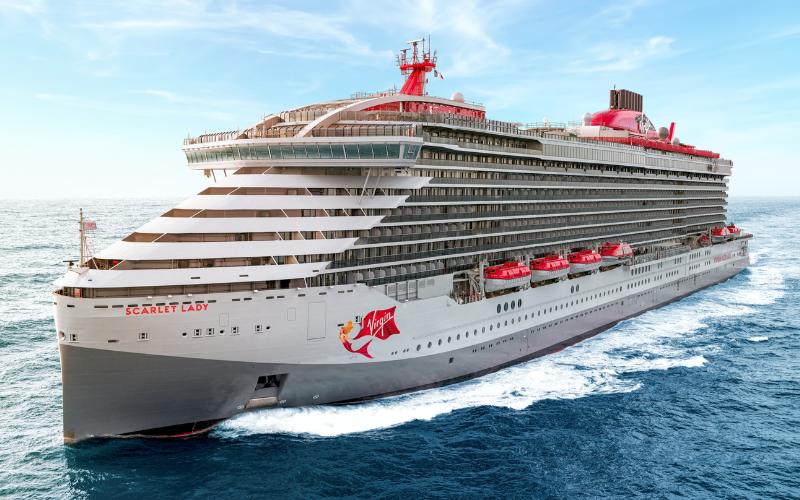
1. Virgin Voyages to allow children onboard

Virgin Voyages is renowned for being a stylish, modern and fun cruise option – but for adults only. It’s not a cruise line where families are welcomed, unless those families are all 18 or over.

Scarlet Lady

This makes the cruise line a popular choice for those who would rather avoid the louder atmosphere of a family-friendly cruise line. So it’s no surprise that a few people mentioned that Virgin accepting children would be their deal-breaker.

2. Cunard getting rid of its dress code

I’m not sure it’s fair to say that Cunard’s dress code gets rid of people who don’t care about others. But I do understand that the Cunard atmosphere is well-loved.

A spacious dining room on a Cunard cruise ship, featuring elegantly set tables with white tablecloths, flower centerpieces, and large windows offering an ocean view.

Guests look forward to glamorous evenings where black tie and ball gowns are the norm, especially on the famous gala nights. For many, it’s part of the charm and sets Cunard apart from more casual cruise lines.

So, it’s no wonder that scrapping the dress code would be a step too far for some loyal Cunard passengers. The refined, classic experience would lose its distinctive touch, making it just another cruise option rather than the pinnacle of luxury at sea.

3. No more free laundry for Elite guests on Princess Cruises

Princess Cruises, like many other cruise lines, has its own loyalty programme. And one of the biggest perks for Elite-level guests is the complimentary laundry service. This is a practical and much-appreciated benefit, especially on longer voyages where packing light can make all the difference.

It’s one of those small but meaningful touches that makes guests’ loyalty feel valued. Without it, the experience would start to feel less special, and that could be enough for some to jump ship.

4. No more top-tier benefits for Royal Caribbean or Celebrity Cruises

We all know how divisive the conversation around loyalty programmes would be. But there are some cruisers who do feel like their cruises deserve a lot of rewards.

If a cruise line suddenly took those rewards away, I can get how that would make you look elsewhere. That’s the whole point of the programmes – they make you loyal to one cruise line family. Without the perks, you could look at any other cruise line instead.

5. P&O sacking crew and replacing them with cheap labour

This one might seem a bit left-field, but it’s based on a real event where P&O Ferries (a completely different company to P&O Cruises) tried to do exactly this.

There were also rumours in November 2023 that Carnival Group, which owns P&O Cruises, was looking to do similar.

It ended up being unfounded, or at least deterred. But it’s good to see that some cruise guests wouldn’t stand for this treatment of the crew onboard. They would actively look to sail with another cruise line if the crew were mistreated.

6. MSC Cruises closing Ocean Cay

Several cruise lines have their own private destinations – either an island or a resort on a larger island – and MSC has Ocean Cay Marine Reserve.

Ocean Cay - A beautiful island in the middle of the ocean with a huge MSC cruise ship docked beside it

It’s a beautiful location with loads of interesting things to see and do, and definitely a highlight of MSC itineraries in the Caribbean.

MSC is a cruise line that already splits opinion, with some people finding it to be a bit cheap (not always in a good way). If the Caribbean itineraries lost a popular destination such as Ocean Cay, it could definitely drive people to consider other cruise lines with their own private islands.

7. Switching to Disney-style cruising

This is less about a cruise line that people are already loyal to, and one that they want to avoid.

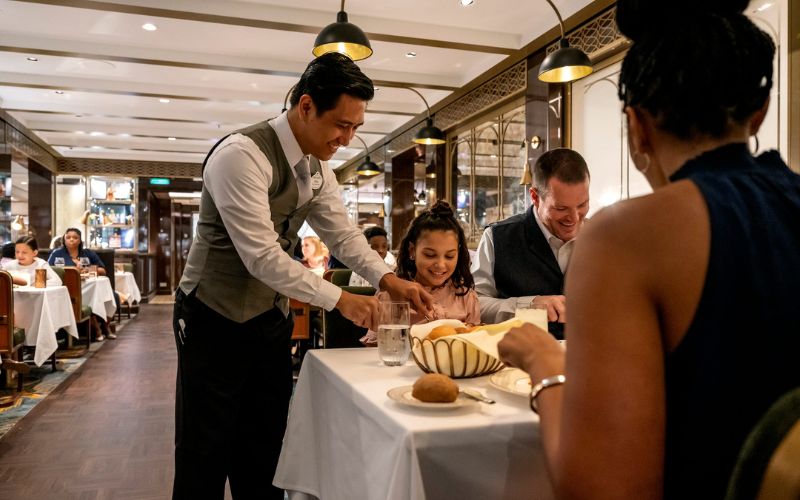
Disney Cruise Line very much has its own style. It’s primarily aimed at families, but it has other quirks too. These include rotational dining, where you visit different restaurants each night, with your waiters following you around.

A Disney cruise crew member is serving a family at a beautifully set dining table on the ship. The waiter is placing a bread basket on the table as the family, including a young girl, looks on with smiles. The elegant dining room features other guests enjoying their meals, with polished decor and a warm, inviting atmosphere.

It’s also one of the most expensive cruise lines outside of ultra-luxury options. So I don’t blame anyone who would stop cruising with their favourite line if it began taking more of a Disney-style approach.

8. No more Guy’s Burger Joint on Carnival

Some people will base their cruise plans on food, whether it’s the general quality of the dining or specific venues they know and love.

Guy’s Burger Joint on Carnival is one example: a relaxed place to grab a signature Guy Fieri burger (or hot dog) while you unwind on deck.

Guy's Burgers and Fries on Carnival Cruises.

If your favourite dining venue disappeared from a ship, would you be fine or would you have to look at alternative options?

Generic announcements

These aren’t specific to a particular cruise line, but would still make travellers look at other options if they were announced.

9. Smoking is allowed everywhere onboard

For many cruisers, the balance between designated smoking areas and smoke-free zones is important. Allowing smoking everywhere onboard would be a nightmare for those who prefer a cleaner, fresher environment.

Smoking area on a cruise ship

The idea of smoke wafting through restaurants, lounges and balconies would turn a relaxing cruise into an unpleasant experience. For some, it would be enough to abandon their loyalty to even their favourite cruise line.

10. No smoking on the ship

On the flip side, some guests would be just as outraged if smoking were entirely banned.

A 'No Smoking' sign placed on a wet circular table with a mosaic trim, surrounded by metal chairs on the wooden deck of a cruise ship, conveying a clear non-smoking policy in the outdoor seating area.

For smokers, having designated areas to enjoy their cigarettes, cigars or vapes is part of the experience. Removing those altogether would feel restrictive and unwelcome to guests who appreciate the current balance of smoker-friendly zones.

Suggested read: What Smokers Need To Know Before Taking A Cruise For The First Time

11. Formal attire throughout the whole cruise

Although some cruisers love the elegance of formal nights, wearing formal attire all day every day would be exhausting for most.

A cruise is meant to be a relaxing vacation. For many, that means the freedom to choose when to dress up and when to keep it casual.

A strict formal dress code throughout the entire trip would strip away the laid-back vibe, driving some guests to seek out more relaxed options.

12. Vegan food only

Oof. I feel targeted!

Offering vegan options is a great way to cater to a diverse range of diets, but a vegan-only menu would be a hard sell for many cruisers.

vegan starter

A big part of the cruise experience is indulging in the wide variety of food available, whether it’s a steak, fresh seafood or decadent desserts.

Forcing everyone to stick to a plant-based diet would be a deal-breaker for many. It takes away the culinary freedom that so many guests love to enjoy at sea.

I’d love it, though! There are a few all-vegan cruises, but they’re pretty expensive.

Suggested read: Cruise Guests Would Rather Give Up Alcohol Than Meat!

13. No more alcohol onboard

For many cruisers, enjoying a cocktail by the pool or a glass of wine at dinner is a highlight. If a cruise line suddenly decided to go alcohol-free, it would likely be a shock to the system.

soft drinks on a cruise

Sipping a drink while relaxing or mingling with fellow guests is a key part of the experience for many. Without that option, some might look elsewhere for a more lively and carefree atmosphere.

14. No drinks packages

Drinks packages are a popular way for cruisers to enjoy unlimited beverages without a hefty bill at the end of the trip.

Removing that option would feel like a major downgrade for many loyal passengers. Instead of enjoying cocktails, sodas or speciality coffees with ease, they would find themselves constantly calculating costs.

For some, the convenience of the drinks package is essential, and losing it could be enough to make them reconsider their cruise line loyalty.

15. Getting rid of the casino

The onboard casino is a big draw for many cruisers who enjoy a flutter at sea, whether it’s slot machines, poker or roulette. It’s not just about gambling, but also the excitement and social atmosphere that make it a fun part of the trip.

Inside the casino on Holland America Line's Rotterdam, showcasing a range of slot machines with bright screens, elegant chairs, and a sophisticated ambiance with stylish carpeting.

Eliminating the casino would take away one of the key entertainment options for those guests. That could drive them elsewhere, especially since some cruise lines reward serious gamblers with freebies (including free cruises!).

16. No more adults-only spaces

For those who cruise to escape the noise and bustle of everyday life, adults-only spaces like pools, lounges and sun decks offer a peaceful retreat.

Removing those tranquil areas would disrupt the calm that many passengers crave, especially on lines known for providing that serene experience.

Inviting Serenity deck on the Carnival Panorama featuring vibrant blue sun loungers with plush yellow towels, contemporary wicker sofas, and transparent windbreaks, all set for relaxation and offering panoramic views at sea.

Without these kid-free zones, some cruisers would be pushed to explore other lines that still prioritise adult-only escapes.

17. Dormitories instead of cabins

One of the great pleasures of a cruise holiday is the privacy of your own cabin, whether it’s a cosy interior room or a luxurious suite with a balcony.

The idea of dormitory-style accommodation, with shared sleeping spaces, would be an instant turn-off for many.

Losing that personal sanctuary at sea would strip away much of the relaxation and exclusivity, making it feel more like a hostel than a holiday. For most, this change would be the final straw.

18. Compulsory sport each day

Staying active on holiday is a priority for some, but compulsory sport every day would not sit well with most cruisers. A cruise is often seen as a time to relax and unwind, where guests can choose their own activities.

sports court on Royal Caribbean ship

Forcing daily exercise would take away the sense of freedom that many value. Turning a holiday into something that feels more like a fitness retreat would be make some guests abandon ship – almost literally.

19. Ages 18 to 30 only

Cruises appeal to a wide range of ages, from families to retirees. So limiting the age group to those aged between 18 and 30 would alienate a huge portion of loyal guests.

Part of the joy of cruising is the diversity of people you meet, spanning different ages and backgrounds. Imposing such a strict age limit would strip away the community feel that many passengers love. It would certainly send older and younger guests looking for a more welcoming alternative.

Not to mention that 18 to 30s holidays have something of a reputation – and not everyone wants that party vibe on their cruise.

Suggested read: The Best Singles Cruises If You’re Under 30

20. No more buffet

For many cruisers, the buffet is a central part of the experience. They offer a wide variety of food choices and the flexibility to eat whenever it suits.

Fred Olsen buffet

Getting rid of the buffet would be a major disappointment, particularly for those who enjoy the casual dining style and the chance to try new things each day.

The more formal dining options wouldn’t suit everyone. For some passengers, this change would be enough to make them reconsider their loyalty.

21. Mandatory haircuts by trainees onboard

This one was a bit niche, but still…

I know some people like to get their hair done while they’re on a cruise. Being forced to have a free haircut by trainees would be very weird. I’d certainly say no to that cruise line.

22. All ports become tender ports

Tender ports, where passengers have to take small boats to reach the shore, can be a hassle for many cruisers. They often involve longer waiting times and less convenience compared to docking directly at a port.

This image depicts a large cruise ship with a distinctive blue wave design on its hull, sailing through misty waters. In the foreground, a smaller tender boat is seen moving quickly across the water, likely shuttling passengers between the ship and a nearby port. The scene captures the vast size difference between the cruise ship and the tender boat, illustrating the scale and operations involved in managing a cruise journey.

If a cruise line made all its ports tender-only, it would seriously frustrate those who value ease and accessibility when getting on and off the ship. For some loyal guests, this would feel like a downgrade in service, making them reconsider their future bookings.

Some people don’t feel comfortable using tender boats at all, worried they will slip or hurt themselves. Another reason why docking at ports is crucial for many.

23. Clothing optional!

The concept of a ‘clothing optional’ cruise would be a step too far for most traditional cruisers. Cruises are generally seen as family-friendly or elegant escapes, and this change would dramatically shift the atmosphere onboard.

nude couple on a cruise

Many passengers enjoy the balance of casual and formal attire. But a completely clothes-optional policy would make a lot of guests uncomfortable.

Of course, there are plenty of people who would love it too. And there are specialist nude cruises for them.

NEW DEALS JUST RELEASED!

Don’t miss these hot cruise offers…

Final word

This is all a bit of fun, but it does highlight some of the hard lines that people draw when choosing their cruise.

I know from experience that some people refuse to even try a cruise, or have tried one and decided it’s not for them. I tell them every time: you just haven’t found the right cruise line yet.

Take the time to research your options, and you’ll always find a cruise for you. It may be a relaxed adults-only cruise, one that’s perfect for families, or even one where clothing is optional!

Related posts

Source link

Cruise ship docked in a European harbor, illustrating the worst cruise ports in Europe and how to plan for them

The Worst Cruise Ports in Europe and How to Make the Most of Them

The worst cruise ports in Europe are rarely bad places. They are usually stops where the famous sight is hours from the pier, or where several ships arrive at once. Le Havre, Naples, Santorini, Marseille, Kusadasi and Civitavecchia all earn complaints, and all of them can be a good day with the right plan.

This guide covers Europe only and gives a concrete plan for each port: how to get around, how much time you need and what to do instead if the obvious option does not suit your schedule. For stops further afield, see our list of the worst ports of call worldwide.

Worst cruise ports in Europe at a glance

Port Main complaint Best plan Port time to feel comfortable
Le Havre Paris is about 200 km away Honfleur or the Perret city center 5+ hours (10+ for Paris)
Naples Busy, chaotic first impression Historic center and museum, or Herculaneum 5+ hours (8+ for Pompeii)
Santorini Tender and cable car queues Early tender, then straight to Oia or Akrotiri 7+ hours
Marseille Terminal is in an industrial port Vieux-Port and Le Panier, or a Calanques boat 5+ hours
Kusadasi Shopping-heavy town, crowded Ephesus Early Ephesus with the Terrace Houses 5+ hours
Civitavecchia Rome is about 70 km away Train on a long call, tour on a short one 9+ hours for independent Rome

The time column is our planning guide, not an official figure. Your ship’s all-aboard time matters more than its published departure time.

Le Havre: stop trying to see Paris by default

Le Havre is sold as the “port for Paris”, but it is about 200 km from the capital. The terminal at Pointe de Floride sits around 2.5 km from the center, and that walk (about 25 minutes) runs through dockland. Most ships offer a paid shuttle to Place de l’Hôtel de Ville, and a taxi into the center costs roughly €8 to €10.

Three ways to spend the day

  • Le Havre itself (3 to 5 hours). The center was rebuilt by Auguste Perret after World War II and has been UNESCO-listed since 2005. See the 107-meter tower of Église Saint-Joseph, with its 12,768 pieces of colored glass, the Perret show apartment, the MuMa art museum and the seafront. Check opening days, as some museums close on Mondays.
  • Honfleur (5 hours). The pretty harbor town is 30 to 40 minutes away across the Pont de Normandie. Taxis run about €35 to €50 each way, and Nomad coaches link it with the Le Havre bus station, although regional buses do not stop at the cruise terminal. Étretat and its cliffs are about 45 minutes to an hour away and work well on a shared shuttle or tour.
  • Paris (10+ hours). Direct trains to Saint-Lazare take about 2 hours 20 minutes, with around 14 to 16 a day. That leaves four to five hours in the city at best. Ship coach tours typically allow three to four hours in Paris, but the ship will wait if the tour runs late.

Rouen is an underrated compromise. Its cathedral and medieval center are about 45 minutes away by train, far less than the trip to Paris.

Naples: skip the port area, not the city

Naples can feel loud and hectic straight off the ship, yet the location is excellent. Most ships berth at Stazione Marittima beside Castel Nuovo, about 15 minutes on foot from Piazza del Plebiscito. The old city is around ten minutes further, and Municipio metro station is close to the pier. Your daily program will name the berth, as some ships dock further east.

  • Half day in the city (about 5 hours). Walk Spaccanapoli, stop at San Lorenzo Maggiore’s underground Roman remains, have pizza on Via dei Tribunali and visit the National Archaeological Museum (around €15, closed Tuesdays), which holds many of Pompeii’s finest finds.
  • Pompeii (8+ hours in port). Take Metro Line 1 to Garibaldi, then the Circumvesuviana toward Sorrento and get off at Pompei Scavi–Villa dei Misteri, not Pompei Santuario. The ride takes about 35 minutes and costs around €3 to €4. Pompeii has had a 20,000-a-day cap since November 2024. Tickets are named, so carry matching photo ID, and timed entry applies from mid-March to mid-October. Book through the official site and allow three to four hours on site.
  • Herculaneum (5 to 6 hours). It is about 15 minutes by train from Garibaldi, smaller than Pompeii and better preserved, with upper floors and wooden beams still in place. It takes about two hours to see and suits shorter calls.
  • Capri (full day). Hydrofoils from Molo Beverello take about 50 minutes and cost roughly €25 to €31 each way. Sailings can be canceled at short notice in bad weather, so a guided excursion is the safer option if you want to visit Capri.
White-washed houses on the cliffs above the Santorini caldera
Santorini is at its calmest before the day's tenders arrive. Photo: Giannis Tsoumetis on Pexels

Santorini: the most changed port for 2026

Santorini’s problem is arithmetic. Ships anchor in the caldera, tender passengers to the small Old Port at Skala, and then funnel them up to Fira by cable car. Queues can reach one to two hours when several ships call, and the alternative is about 588 steep steps shared with donkeys.

Santorini cruise levy and passenger limits

Two rules now affect visits. Santorini operates a daily cap of 8,000 cruise passengers, and for 2026 ships are counted at 100% occupancy rather than 80%. Reported scheduled calls fell to 595 in 2026 from 728 in 2025. Greece also charges a cruise passenger fee:

Season Santorini and Mykonos Other Greek island ports
June to September €20 €5
April, May, October €12 €3
November to March €4 €1

The cap covers cruise passengers only, so Fira and Oia can still be busy with visitors arriving by air and ferry.

A plan that avoids the worst of it

  1. Take the earliest tender you can, or book a ship excursion if you want a guaranteed route ashore, as these may use Athinios port instead.
  2. Head straight to Oia by bus or taxi (about €30 to €40) before the crowds, then work back to Fira.
  3. For something different, visit the Bronze Age site at Akrotiri or the black-sand beaches at Kamari and Perissa.
  4. Be back at the cable car at least 90 minutes before all-aboard, and check the fare and hours locally, as published fares vary.

Marseille: the terminal is the worst part

Cruise passengers often judge Marseille by its vast industrial port. The Marseille tourist office says a free shuttle runs on ship days to Place de la Joliette, with a 5 to 12 minute walk along a green line to the Gate 4 stop. Check your port information, because some lines also sell their own shuttles, typically around €20 return, that go directly to the Vieux-Port area. Local bus 35T is the budget backup.

  • City day (4 to 5 hours). From Joliette it is about 15 to 25 minutes on foot to the Vieux-Port. Explore Le Panier, then take bus 60 or the tourist train up to Notre-Dame de la Garde, the city’s best viewpoint.
  • Water day (3 to 5 hours). Boat tours from the Vieux-Port run to the Calanques, and a roughly 20-minute crossing reaches the Château d’If and the Frioul Islands.
  • Further afield (4 to 6 hours). Aix-en-Provence is about 30 minutes by road and Cassis is a common excursion. Both are simplest on an organized tour.

Our guide to the best shore excursions for Mediterranean cruises can help if you prefer to have the logistics arranged for you.

Marble facade of the ancient Library of Celsus at Ephesus
Arriving early at Ephesus helps you avoid heat and tour groups. Photo: Mehmet Turgut Kirkgoz on Pexels

Kusadasi: go for Ephesus, and go early

Kusadasi is convenient, with ships docking in the center of town, but the port area is built around shopping and persistent sales patter. The reason to come is Ephesus, about 19 km away and 25 to 30 minutes by road.

  • Getting there. Taxis wait outside the port gate and usually quote a flat return fare including waiting time, so agree it before leaving. The dolmuş minibus to Selçuk is cheapest, but it needs a bigger time buffer.
  • Tickets. Ephesus was listed at €40 and the Terrace Houses at €15 in November 2026, with increases scheduled for April 2027.
  • Timing. Allow about 4 hours port to port, plus 45 minutes for the Terrace Houses, whose mosaics and frescoes are well worth the extra. Enter at the upper gate so the walk runs mostly downhill.
  • Heat. There is very little shade, so bring water and a hat and go as early as you can.

If you have seen Ephesus before, walk the causeway to Pigeon Island, or take a longer excursion to Şirince village and the House of the Virgin Mary.

Civitavecchia: one of the worst Mediterranean cruise ports for transfers

Rome’s port is about 70 km from the capital, and it is a common example of cruise ports that are far from the city they advertise. Door to door, expect about 1 hour 45 minutes to 2 hours 15 minutes each way by public transport.

  1. Take the free port shuttle to Largo della Pace, which runs roughly every 20 to 25 minutes.
  2. Walk 15 to 20 minutes along the seafront to the station, or pay about €6 for the station shuttle.
  3. Take a regional train (flat fare around €4.60, not tied to a specific departure). Roma San Pietro, for the Vatican, takes about 50 to 60 minutes and Termini about 75 to 85 minutes.
  4. Leave central Rome at least four hours before sailing, and aim to reach Civitavecchia two hours before all-aboard.

Independent Rome only really works on a call of nine or ten hours. A private transfer starts at around €221 per vehicle and takes about 65 minutes, while a ship tour moves the timing risk to the cruise line. If you would rather stay close, Civitavecchia has a waterfront and Forte Michelangelo, and the Etruscan tombs at Tarquinia are a short rail trip north. Local connections there need checking in advance.

How to spot a problem port before you book

A few minutes with an itinerary can save a frustrating day. Compare these points before you commit:

  • Hours in port, not just the port name. Subtract the transfer each way and a safety margin from the time alongside.
  • Dock or tender. Tender ports add waiting at both ends, and bad weather can cancel the call.
  • Other ships that day. Port schedule sites can show how many ships are due, which matters most in Santorini and Naples.
  • The return plan. The ship will generally only wait for its own excursions. If a train or ferry is your only way back, leave a large margin.

FAQs

What is the worst cruise port in Europe?

There is no official ranking, but Le Havre and Civitavecchia draw frequent complaints because the headline destination is hours away. Santorini and Naples are criticized more for crowds and logistics than for a lack of things to see.

Can you visit Paris from Le Havre on a cruise?

Yes, but it is a long day. Direct trains to Paris Saint-Lazare take about 2 hours 20 minutes each way, which leaves roughly four to five hours in the city on a generous port call. A ship coach tour removes the risk of missing the ship.

How much is the Santorini cruise passenger fee?

The published rate is €20 per passenger from June to September, €12 in April, May and October, and €4 from November to March. How it is billed varies by cruise line, so check your fare breakdown or onboard account.

Is it worth getting off the ship at Civitavecchia?

Yes, if your call lasts about nine hours or more and you want Rome. On a shorter call, a guided excursion or a quieter day in Civitavecchia or nearby Tarquinia is a more relaxed choice.

Where is the best place to cruise in Europe?

It depends on what you want from port days. The Greek islands and Adriatic suit travelers who like to walk straight off the ship into historic towns, while the Western Mediterranean offers big-name cities that often need longer transfers.

Untitled-design-3-8.jpg

Cruising With A Cat on the Villa Vie Odyssey

On most cruises, you cannot take your pets with you. If they are permitted, they usually have to stay in kennels. But the Villa Vie Odyssey, and her epic three-and-a-half-year itinerary, is no ordinary cruise.

Cruising with a Cat Villa Vie Odyssey & Captain

Three years is a long time to be away from home, with many guests planning to stay onboard the Villa Vie Odyssey indefinitely. So it makes sense that some have special permission to sail with their beloved pets in tow.

Holly Hennessy is a Florida resident who has embarked on the cruise with her cat Captain. I spoke to her to learn more about cruising with a cat.

Make sure you follow their adventures on the Captain the Cruising Kitty Facebook page!

Ship life

Holly has purchased a cabin on Villa Vie Odyssey, which gives her the option to use it well beyond the initial three and a half years of sailing. It’s expected that the useful life of the ship will be 15 years.

I love ships. I’ve done three word cruises and countless others. My winter home in Florida was a 53′ boat, and it was Captain’s winter home since he was a kitten (he’s 8 now).

After 17 years of owning my boat, I had just grown tired of the headaches and being disappointed by people who maintained her. And the costs of maintaining a private vessel were becoming crazy. So to be on the water when someone else takes care of all those things? Perfect! 

A perpetual world cruise in your own cabin really is ideal, esepcially if you want to explore as many countries as possible in luxurious comfort.

Holly admits that Captain, the ‘Cruising Kitty’, had been cramping her travel style and limiting her options. But now Villa Vie Odyssey offers an exciting opportunity to travel the world together:

The few times I did go away and left him in the care of dear friends who knew him well, his normally very social self didn’t love it, and let everyone know. So I was resigned to the fact that my travel had to include him. Villa Vie is the perfect solution. I love ships, and I love Captain. I can have them both! 

Captain’s time onboard (and ashore if possible)

Captain was lucky enough to get a peek at his cabin before the much-delayed cruise set sail, but otherwise he spent the time ashore with Holly while they waited for the ship to launch.

Now that the ship is sailing, Captain enjoys free rein within his cabin. There is also a special area outdoors where cat owners are allowed to enjoy their pets in public.

The company hopes for it to be a social spot so those who left their fur babies at home, and crave some love, can come and share. There has been a contingency of cat haters emerge, and some passengers are allergic. All cat owners will be very respectful and stay out of the way of these passengers.

With a balcony cabin, Captain does still get plenty of fresh air. Although when the balcony door is open, he’s kept in his playpen or on a leash to prevent him getting too adventurous!

Unfortunately, but not surprisingly, Captain won’t be spending much time ashore. There are lots of rules and regulations around bringing animals into other countries. But there is some hope that Captain may get to explore the world a little.

As a private yachtie, I have been a member of a Facebook group called Gatos Del Mar. These are private yachts all over the world cruising with feline crew and they share the hassles in various places. The cruise company will clear us as needed.

Holly made it clear that the cat owners didn’t want to ask for anything that forced the crew to go above and beyond. The fact that cats are allowed onboard at all is definitely seen as enough. However, if she could have anything, there was one feature she would like to make life a little easier for her and Captain:

My wish list would include litter to be for sale at the ship shop so I don’t need to waste precious port time finding litter and having to carry heavy bags of it back to the ship.

There is one other cat on the ship, and some others joining the cruise along the way. So maybe the cat owners can work together on sourcing the litter they need. The cruise line was also going to allow small dogs for the cruise, but that plan had to be cancelled once they purchased the ship, since it does not have the right facilities for dogs.

Getting to the departure port

Before the ship set sail, Holly and Captain had to get to Belfast from Florida. I asked how that went.

Captain has always been a great traveller. We would go between our Florida and Wisconsin homes multiple times of year, both flying and driving.

Holly has some travel tips for anyone who wants to take their cat with them on their next cruise:

  1. Check with your airline multiple times. Policies regarding pets can change at the last minute, and aircraft can vary in terms of under-seat space for pet carriers.
  2. Always check the paperwork needed for travel in advance, and arrange to visit the vet close to departure. It’s important to understand all requirements long before you set off.

Packing light

Packing for any cruise can create a few logistical challenges, never mind a three and a half year itinerary. Thankfully, there’s reliable laundry services onboard! But when you add a cat to the equation, there are a few extra things to think about.

With the UK not allowing pets in flight cabins, Holly flew to Dublin instead, and then took a specialist pet taxi to get to Belfast. She was able to use this wisely:

He was kind enough to let me have all the things a cat needs shipped to his home, so Captain had a litter box, litter, and a scratch pad waiting for him. I do that in the States when we’re flying somewhere he hasn’t been. Hotels are usually very good about holding packages. 

Cats, in Holly’s words, are just more portable than dogs. So once you can arrange the associated paraphernalia, it’s relatively easy.

Food is a different matter though, especially with a fussy eater. Captain only eats two types of dry food along with some wet food, so Holly packed as much as she could (with a kind guest bringing back another bag from the US). The ship was originally scheduled to return to the US, but that changed, meaning a re-think was needed:

We are not going to the east coast of the US as originally planned, so I ordered multiple large bags of food to pick up in the Caribbean. Thank goodness for Walmart.com. 

Other tips and advice for cruising with a cat

Holly admits that she doesn’t know the full list of challenges she’ll face when sailing with Captain. It’s a question that can be answered as the cruise unfolds.

There is a retired vet tech onboard who has offered to help in case of emergencies, and vets will be visiting the ship for vaccinations as needed too.

I am a tiny bit concerned about really rough seas, which are bound to happen. The last slip I had my cat in was quite bouncy, so he’s had a taste, but big swells will be a new thing for him. Vet says he can have tiny amounts of Dramamine if it comes to that. 

Cruising with pets is still a very limited market. You can bring your pets across the Atlantic with Cunard on the Queen Mary 2, but they must remain in the kennels onboard.

Holly has tried to find alternative options too…

I once saw a golden retriever in a Viking commercial, but when I asked, they said no pets. Because I have cruised so much, I have top or near top status with most major cruise lines, and the answer was still no pets. 

And when I asked Holly what she was most excited about with this cruise, her answer was touching:

Just the fact that I can live how I have always wanted to live and he can be with me. 

The Villa Vie Odyssey has now finally set sail, but not every guest is staying onboard for the whole three-years-plus itinerary, and there are cabins available.

So, if you’d like to try a cruise with your cat, why not get in touch with Villa Vie and see if you can join Holly and Captain on their shared odyssey?

And if not, you can still see what they get up to by following the Captain the Cruising Kitty Facebook page.

Related posts

If you found this interesting, please share!

Cruise Mummy

Jenni Fielding is the founder of Cruise Mummy. She has worked in the cruise industry since 2015 and has taken over 30 cruises. Now, she helps over 1 million people per month to plan their perfect cruise holidays.

Read more about me

Source link